Prologue
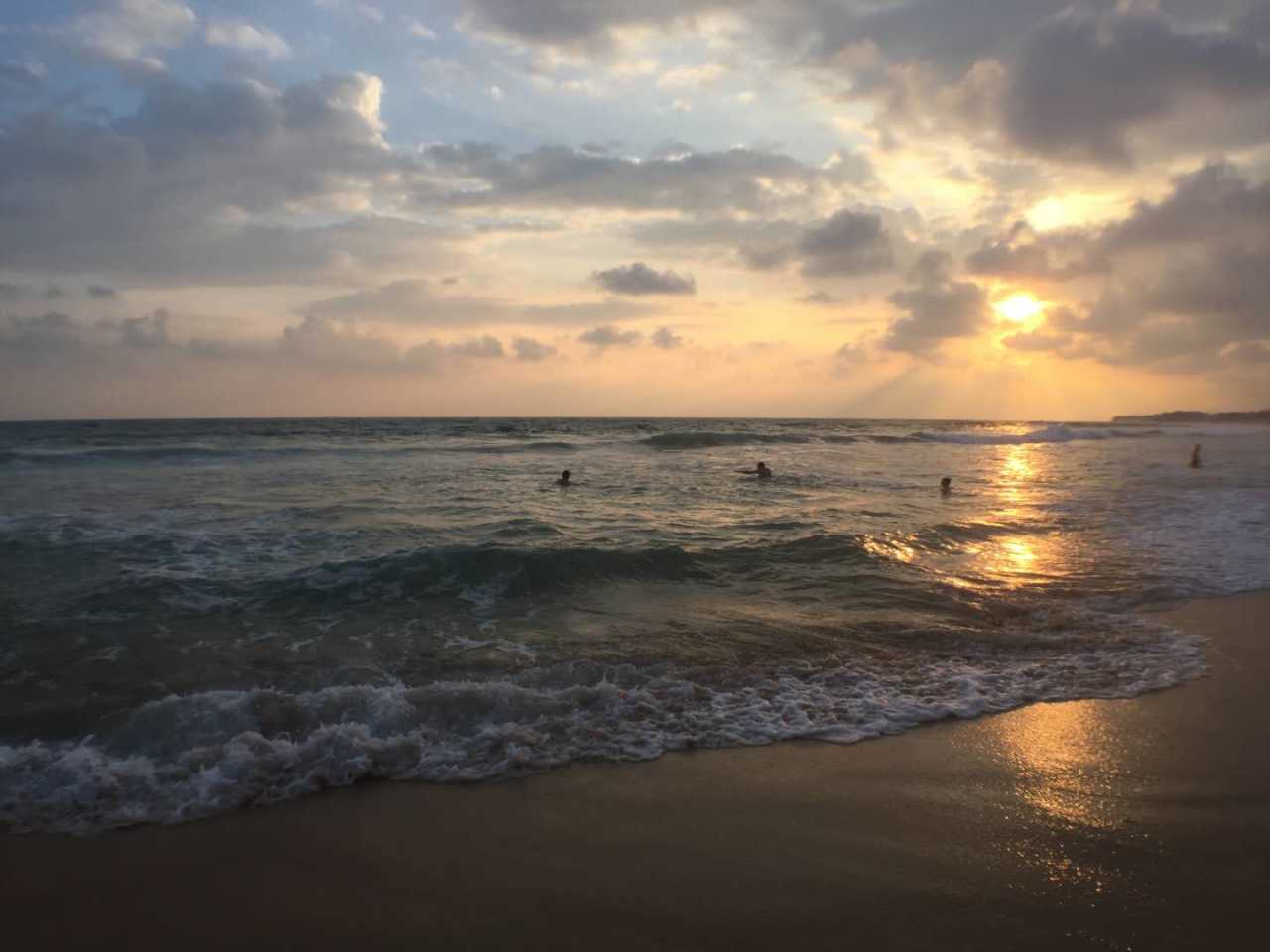
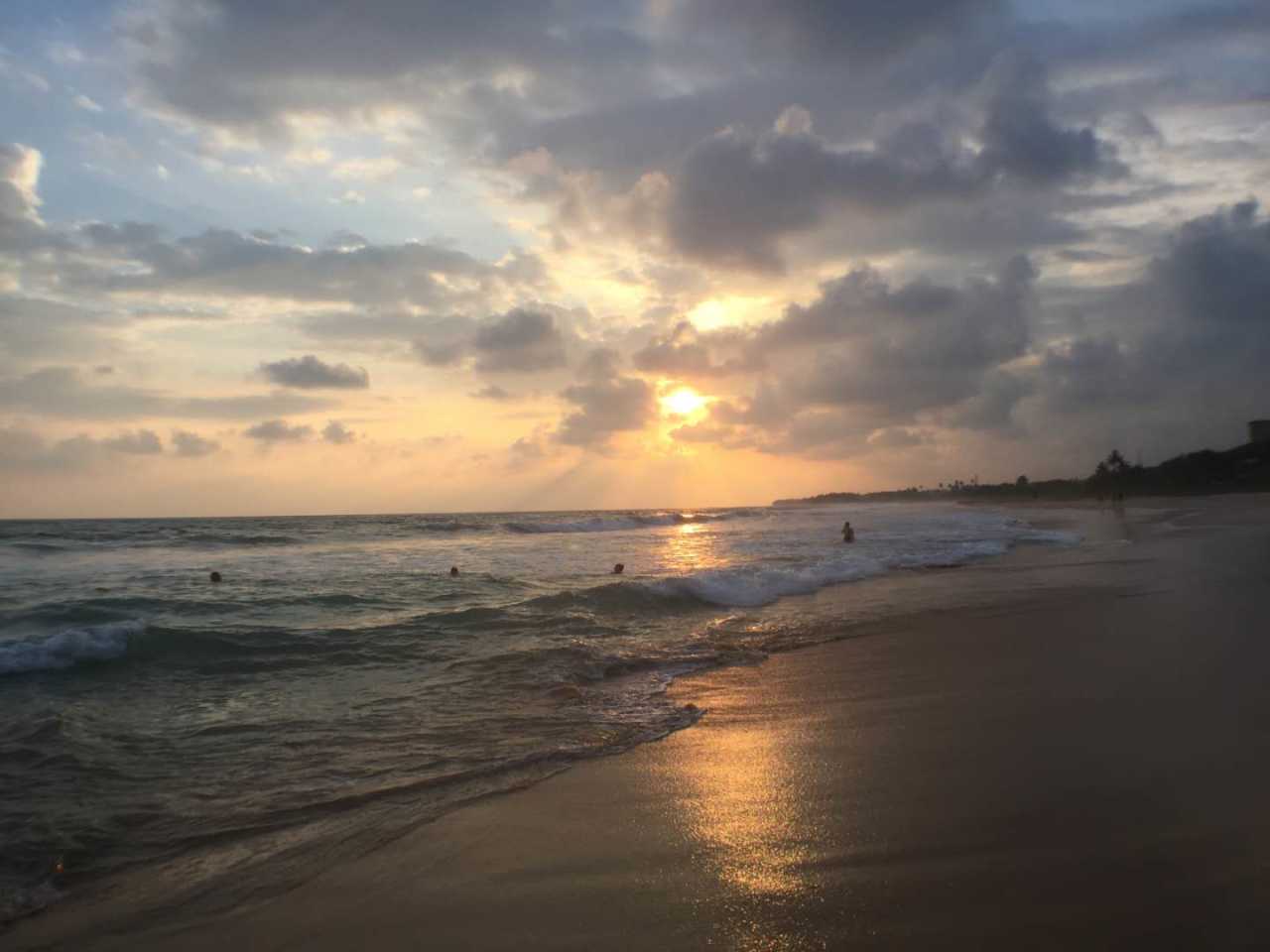
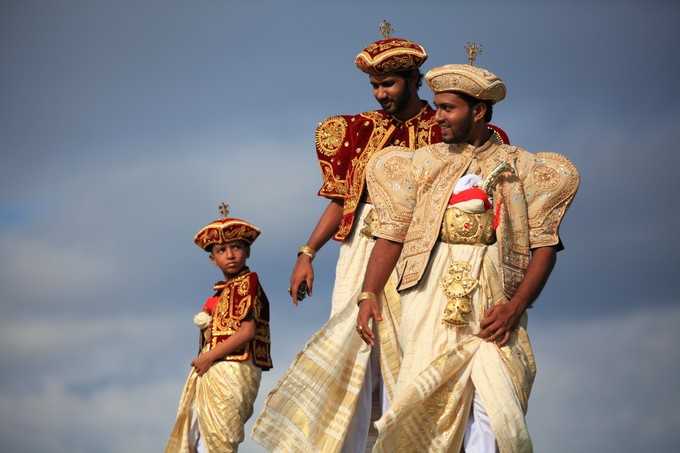
It’s our 7th day here. We’ve traveled from Sri Lanka’s central regions all the way south to the coastal edge. The “Tear of the Indian Ocean” lies encircled by sea; the tides seem to move the heart as well—missing home’s scent, yet reluctant to leave Lanka’s smile.
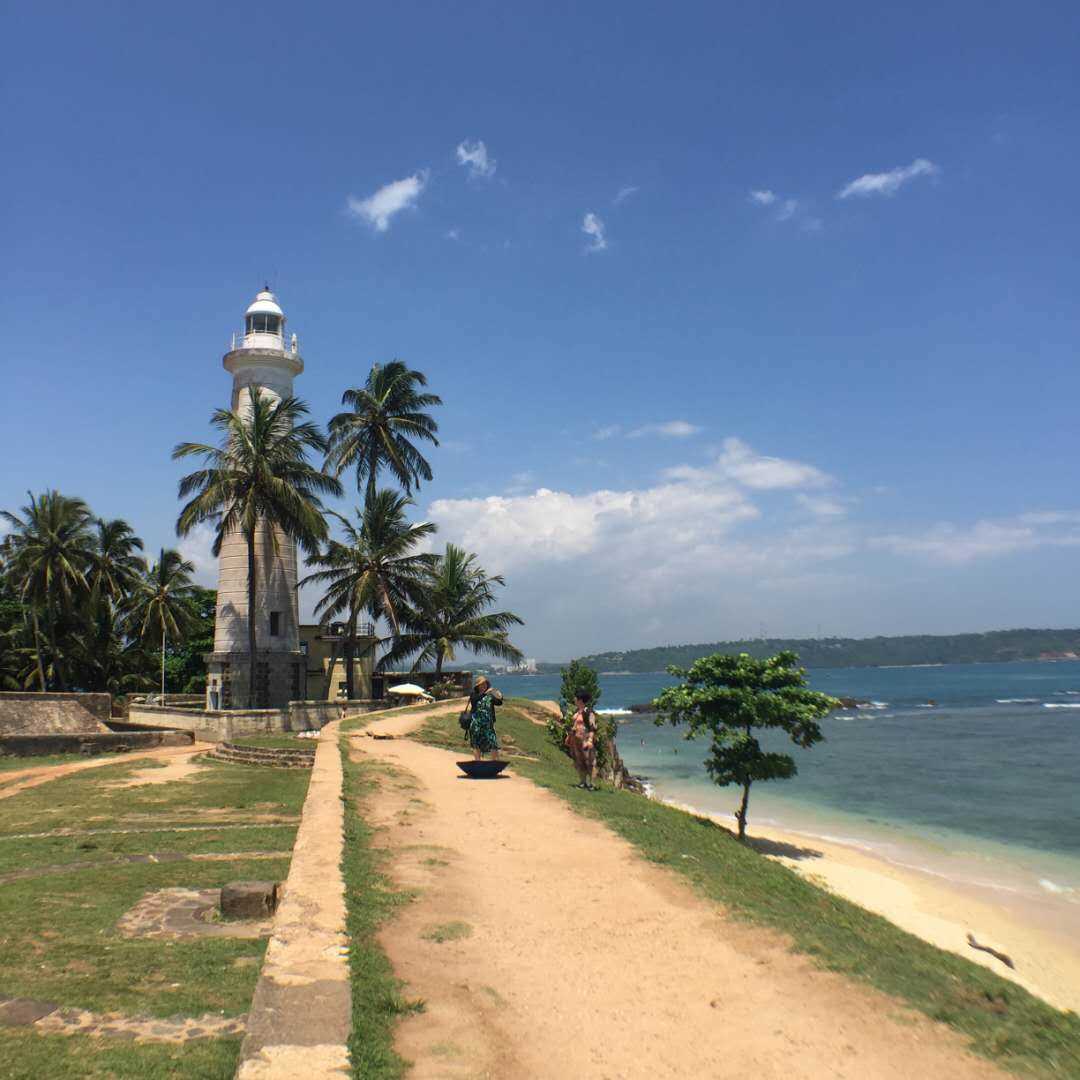
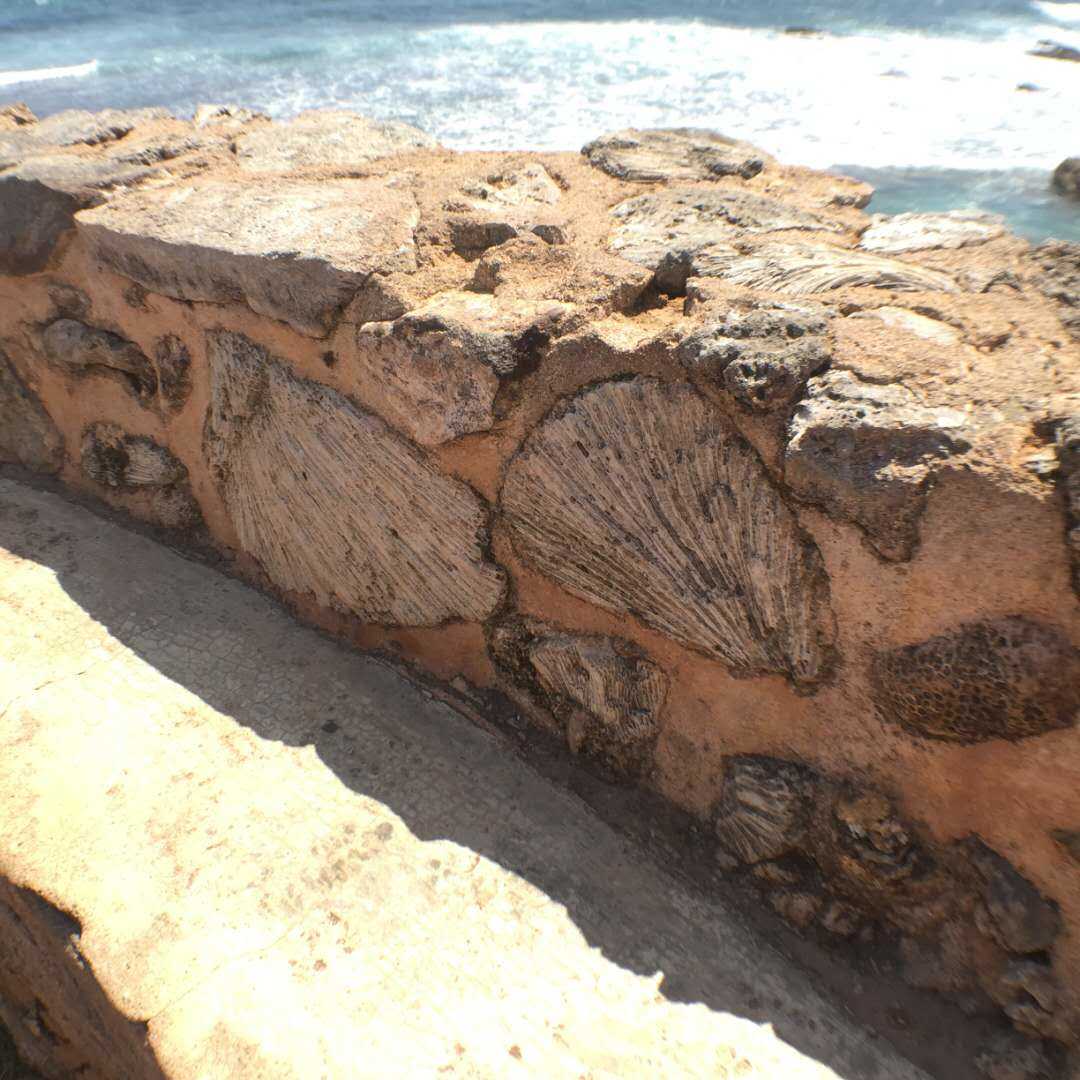
Sri Lanka feels like a familiar dream—natural yet vibrant, ancient yet colorful, bittersweet yet smiling. The underwater world built the walls of Galle Fort; its clock tower and lighthouse gaze toward an immortal present. / Mar 30 — Galle Fort
 Galle Fort
 Galle Fort
 Galle Fort
 Galle Fort
Day 7 (Thu, Mar 30)
Mangrove Ecological Zone — Old Town of Galle — Mirissa Stilt Fishing
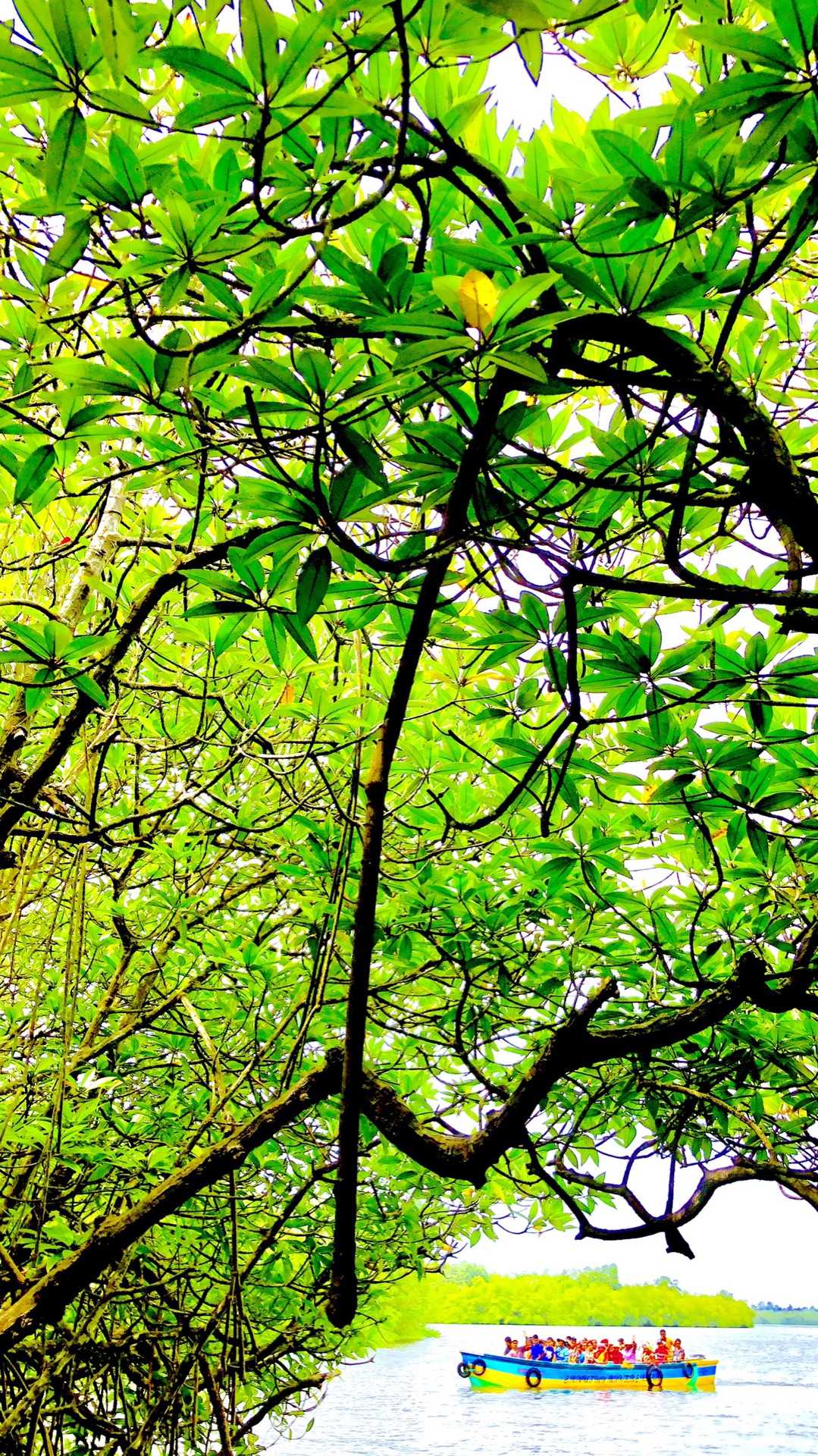
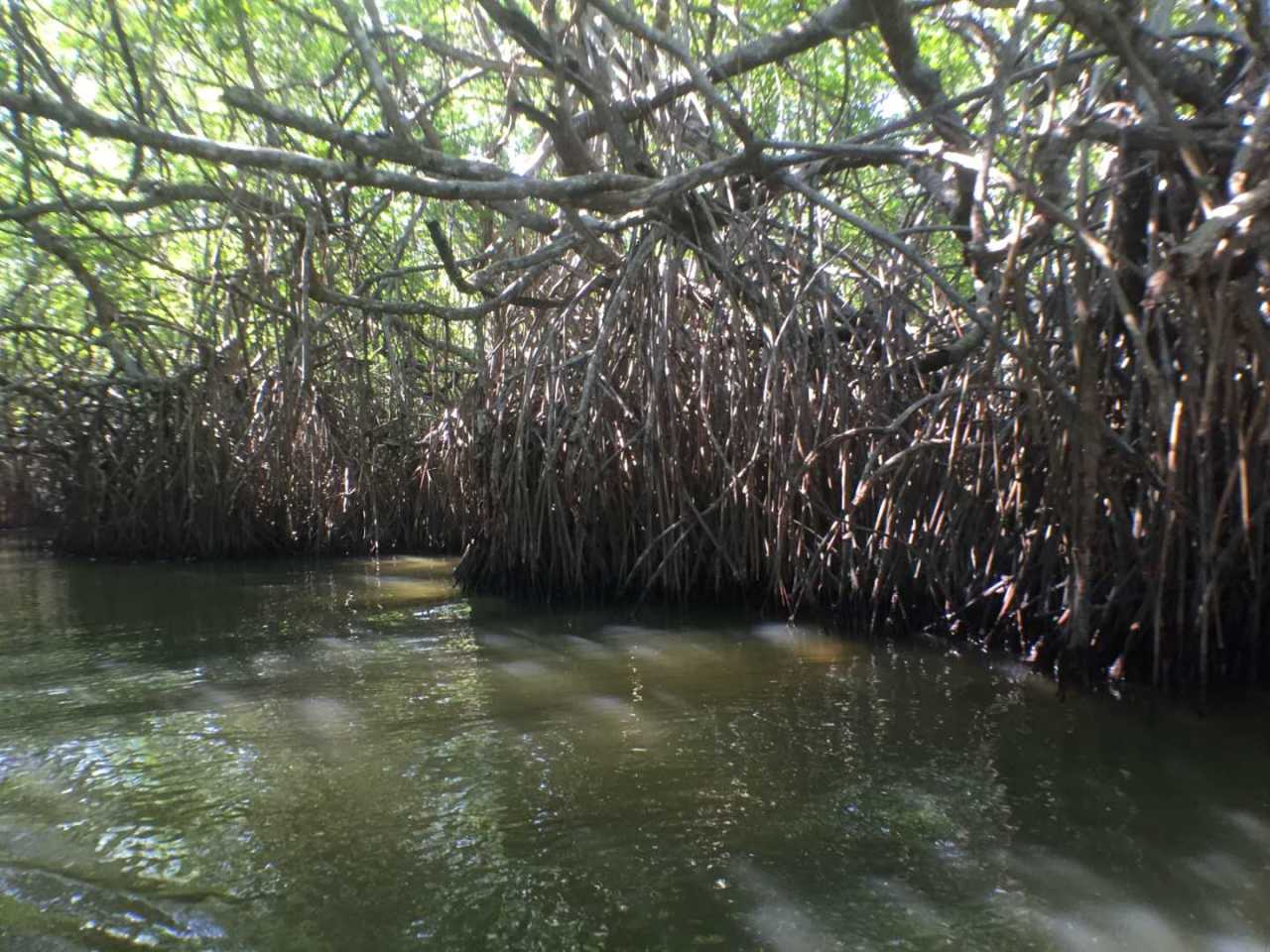
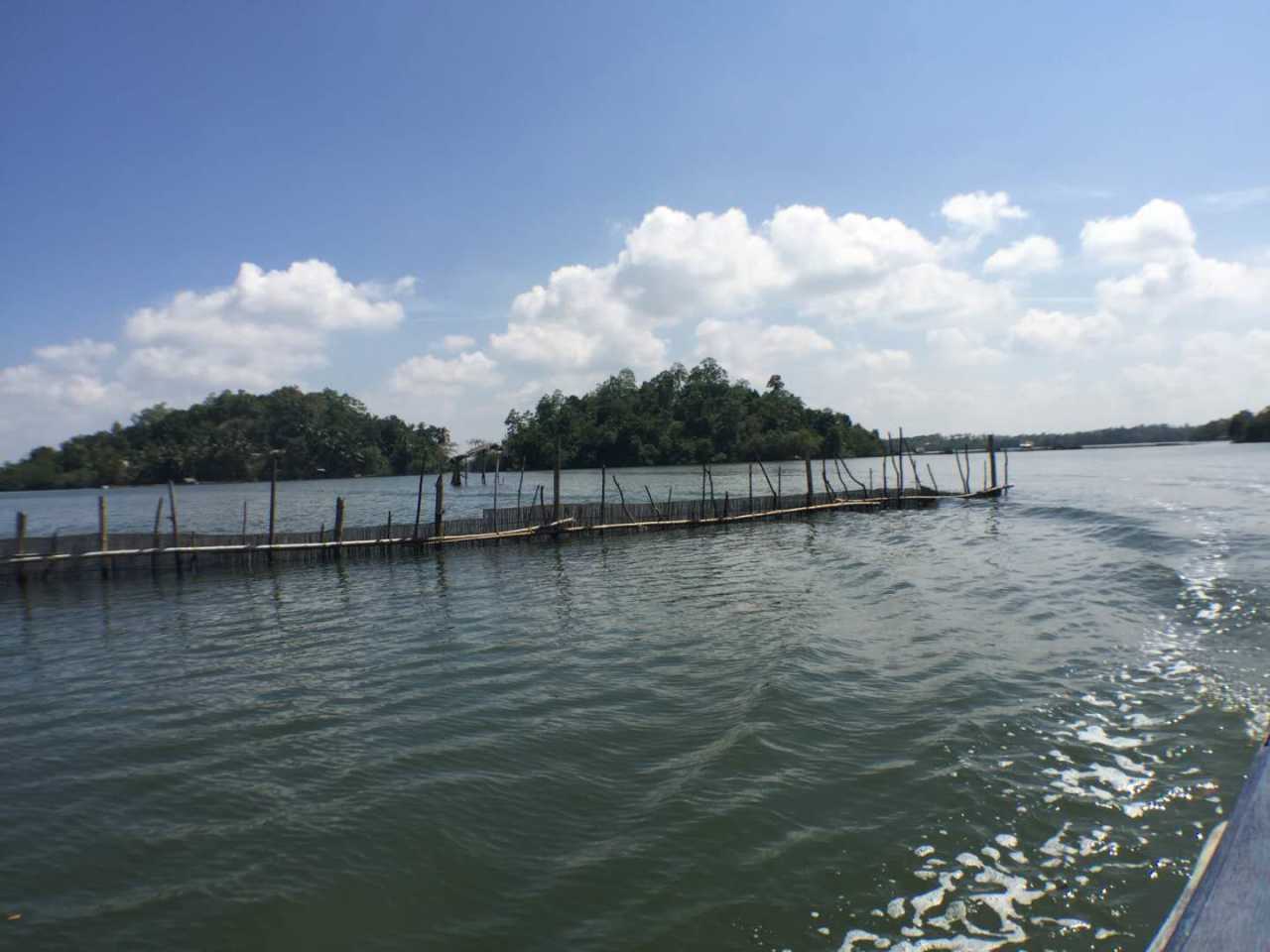
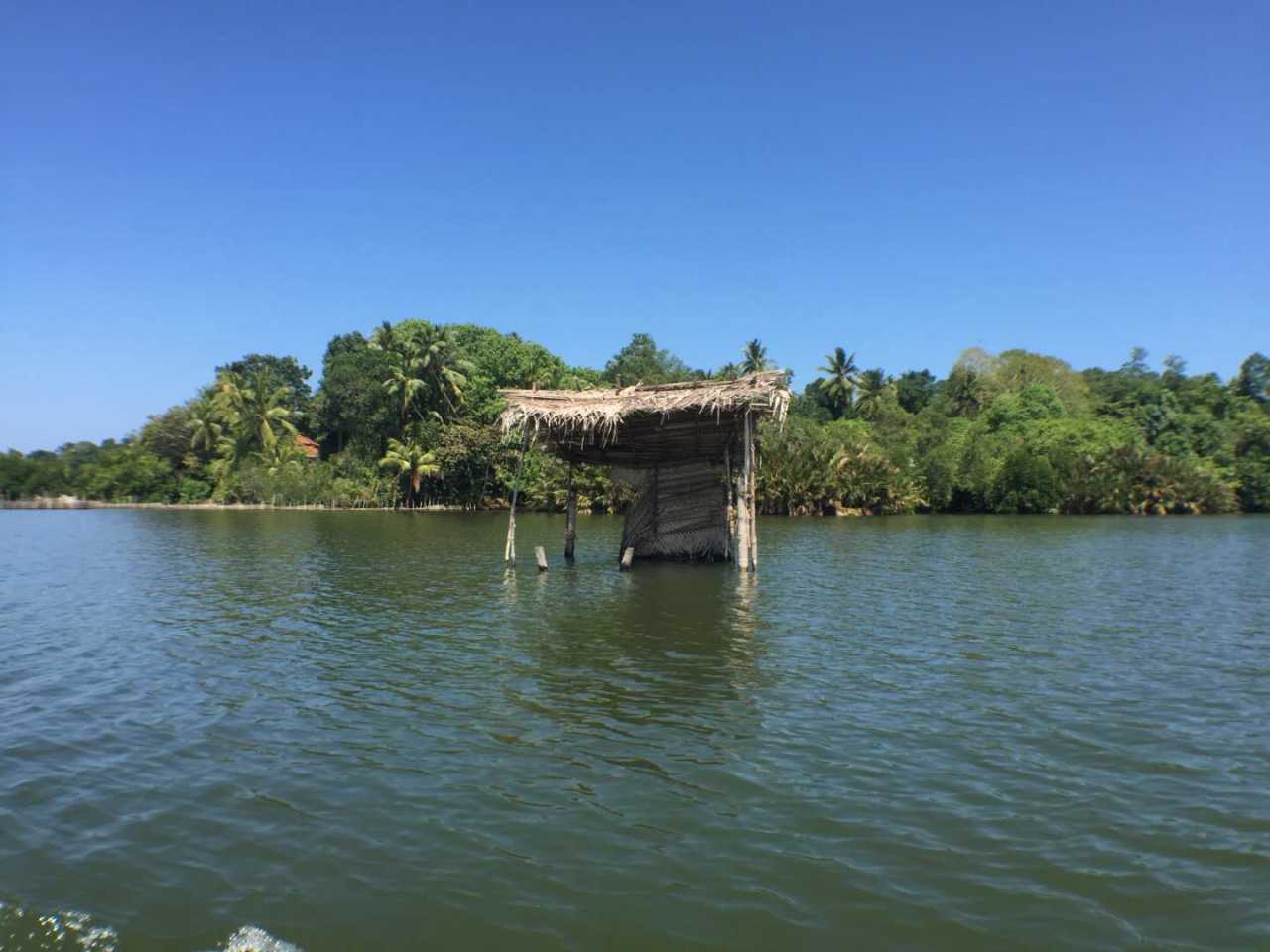
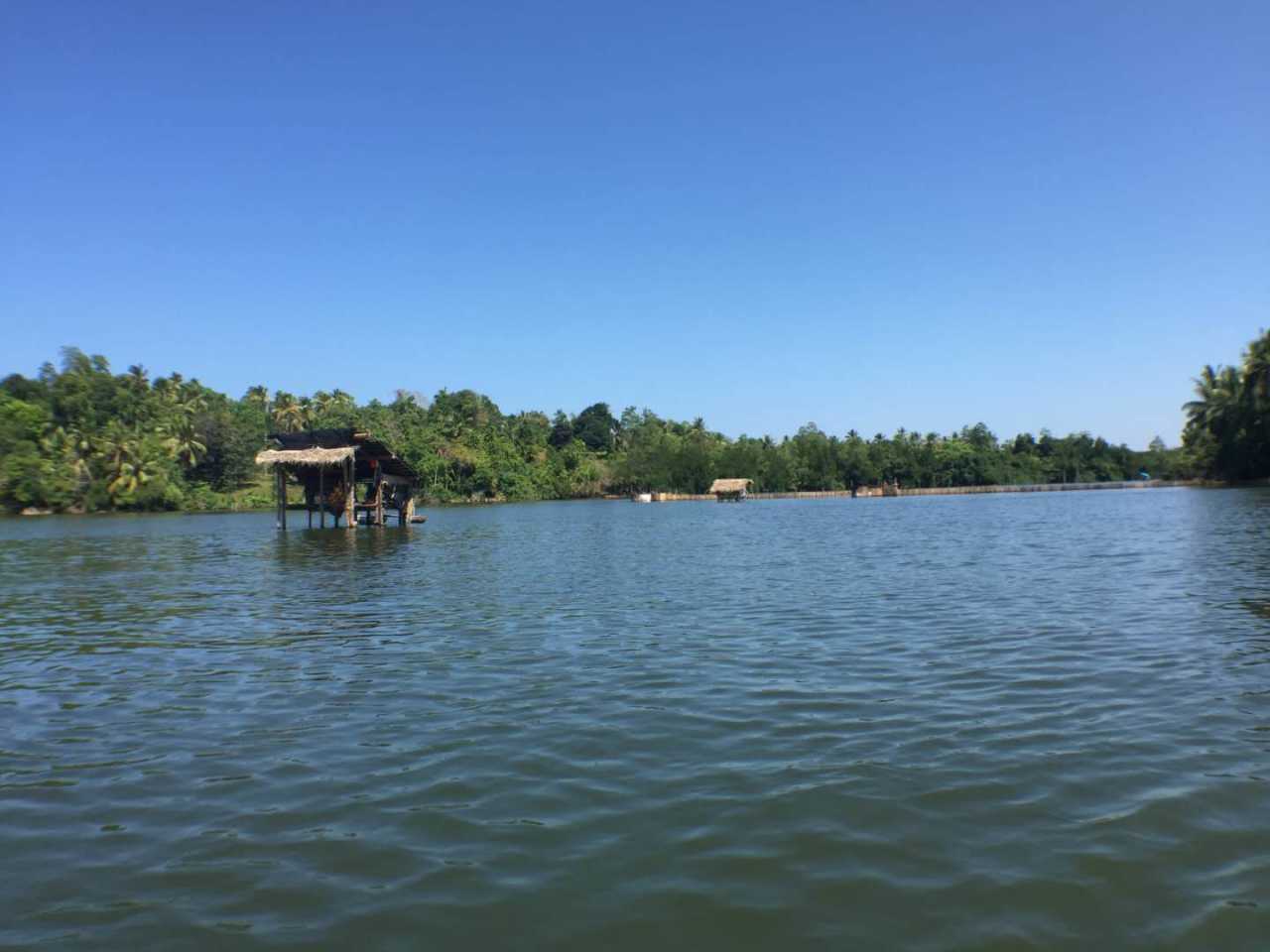
We took a boat through the mangroves: trunks intertwined into living lattices, roots twisting and gripping, holding up vast canopies. With luck you can get close to monitor lizards, waterbirds, even crocodiles—nature and people in quiet harmony.
 Madu River Mangroves
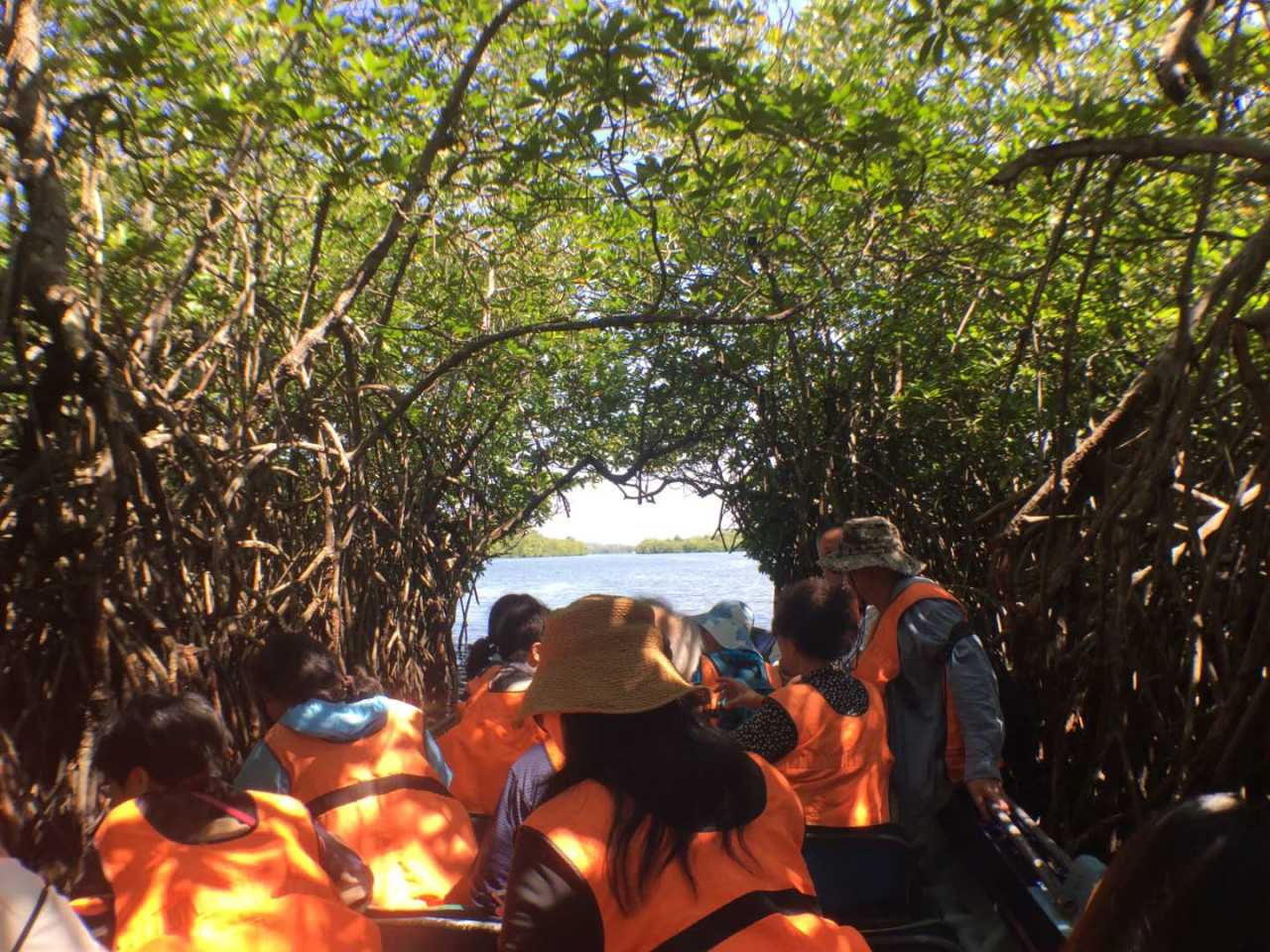 Madu River Mangroves
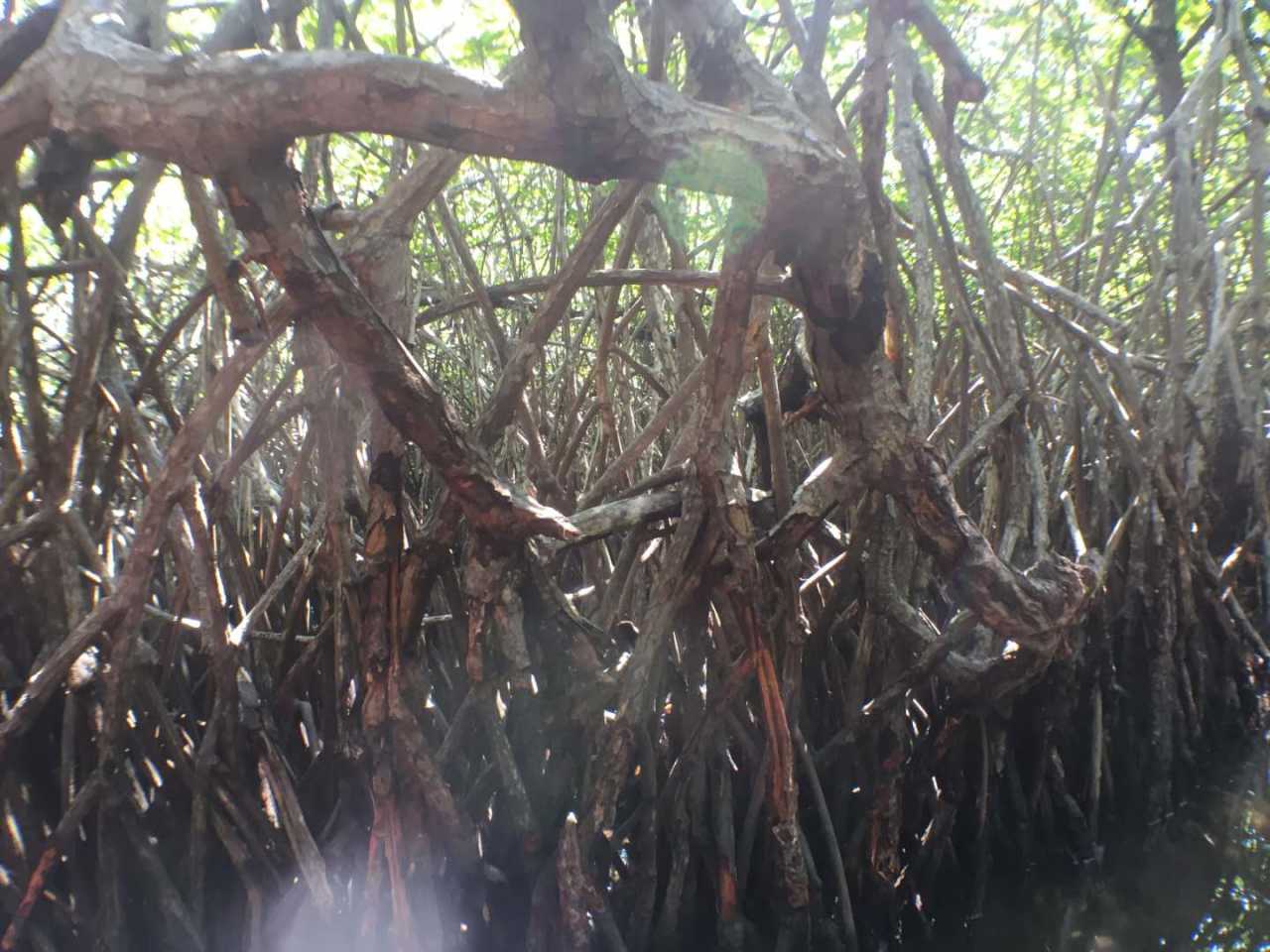 Madu River Mangroves
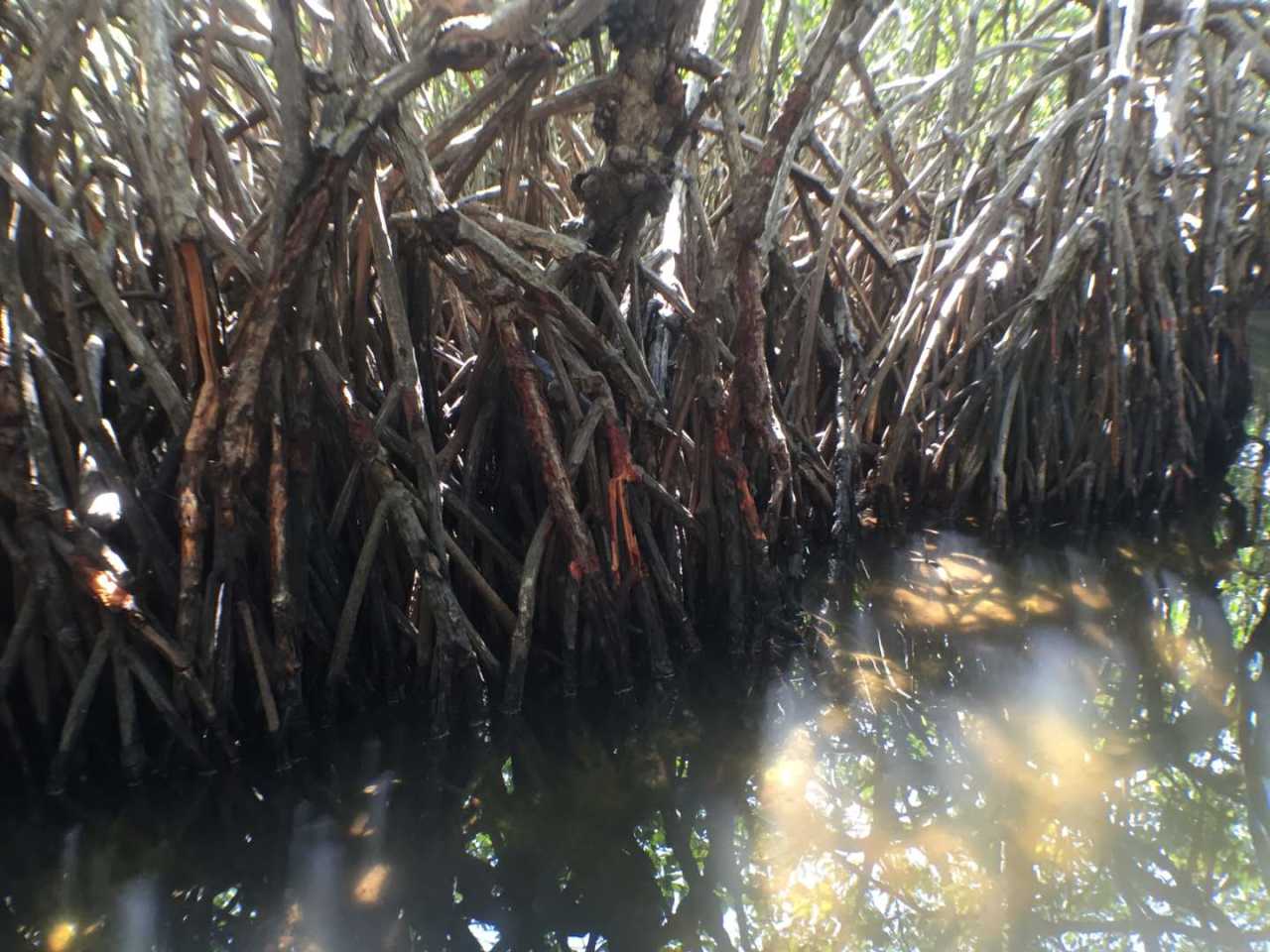 Madu River Mangroves
This mangrove forest sits on the Madu River near Bentota—coastal and estuarine intertidal forests of the tropics and subtropics—Sri Lanka’s largest mangrove reserve. The river forms a lagoon at its mouth into the Indian Ocean. Along the waterways, there’s plenty to see: stop to let fish nibble your feet, pose with locals and their monkeys, or hop onto a floating shelter to buy fruit—leisurely and fun.
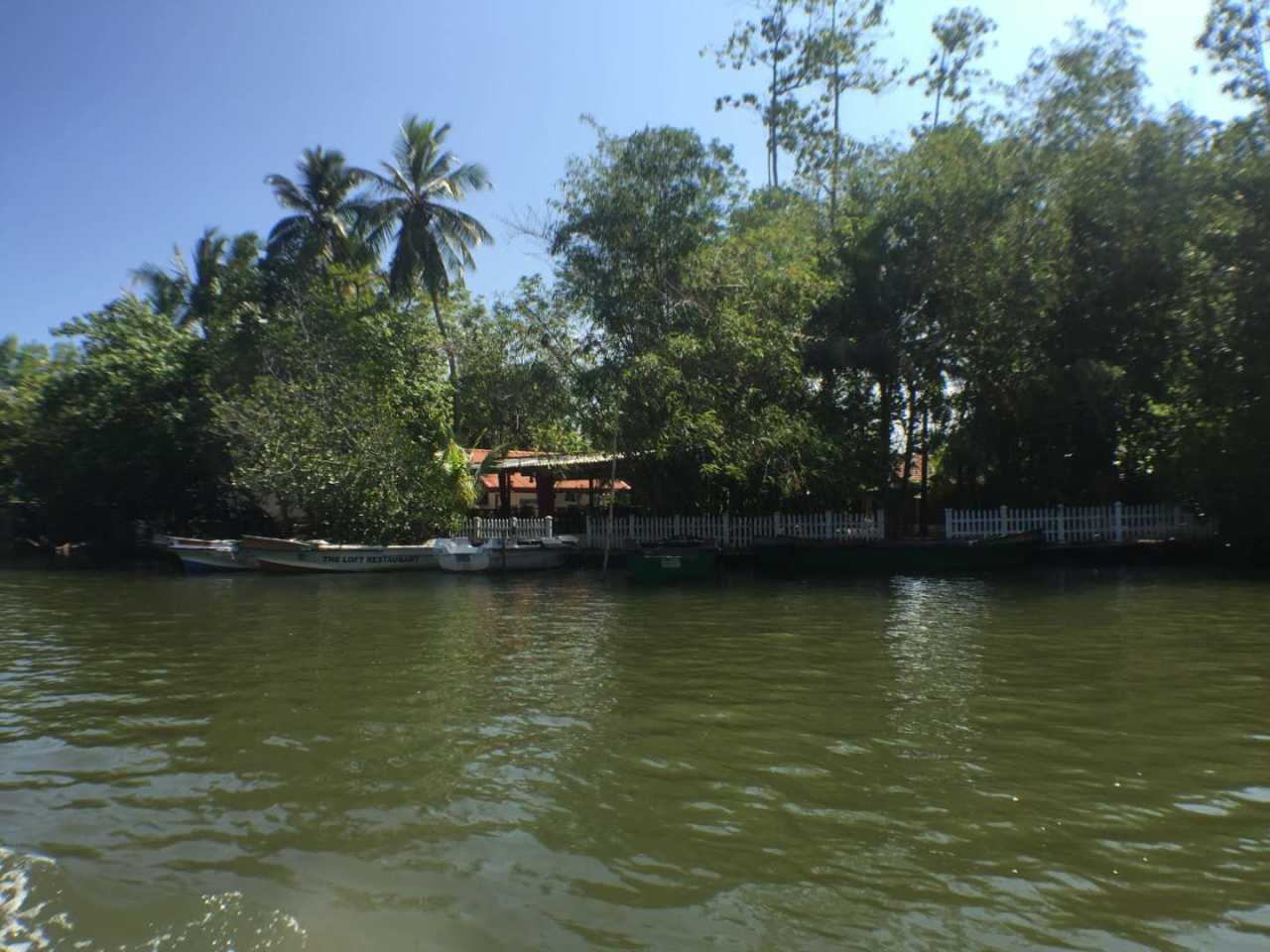 Madu River Mangroves
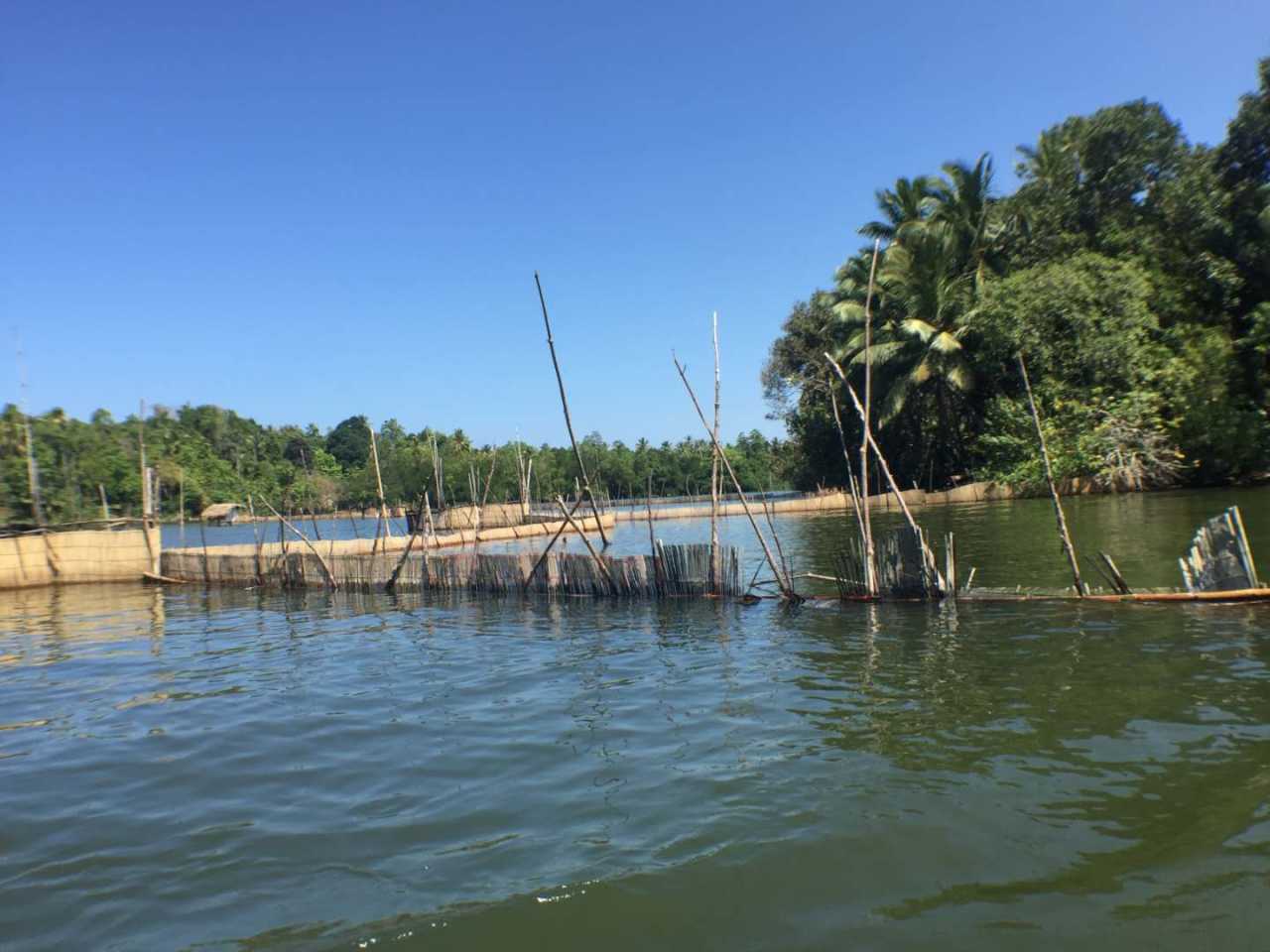 Madu River Mangroves
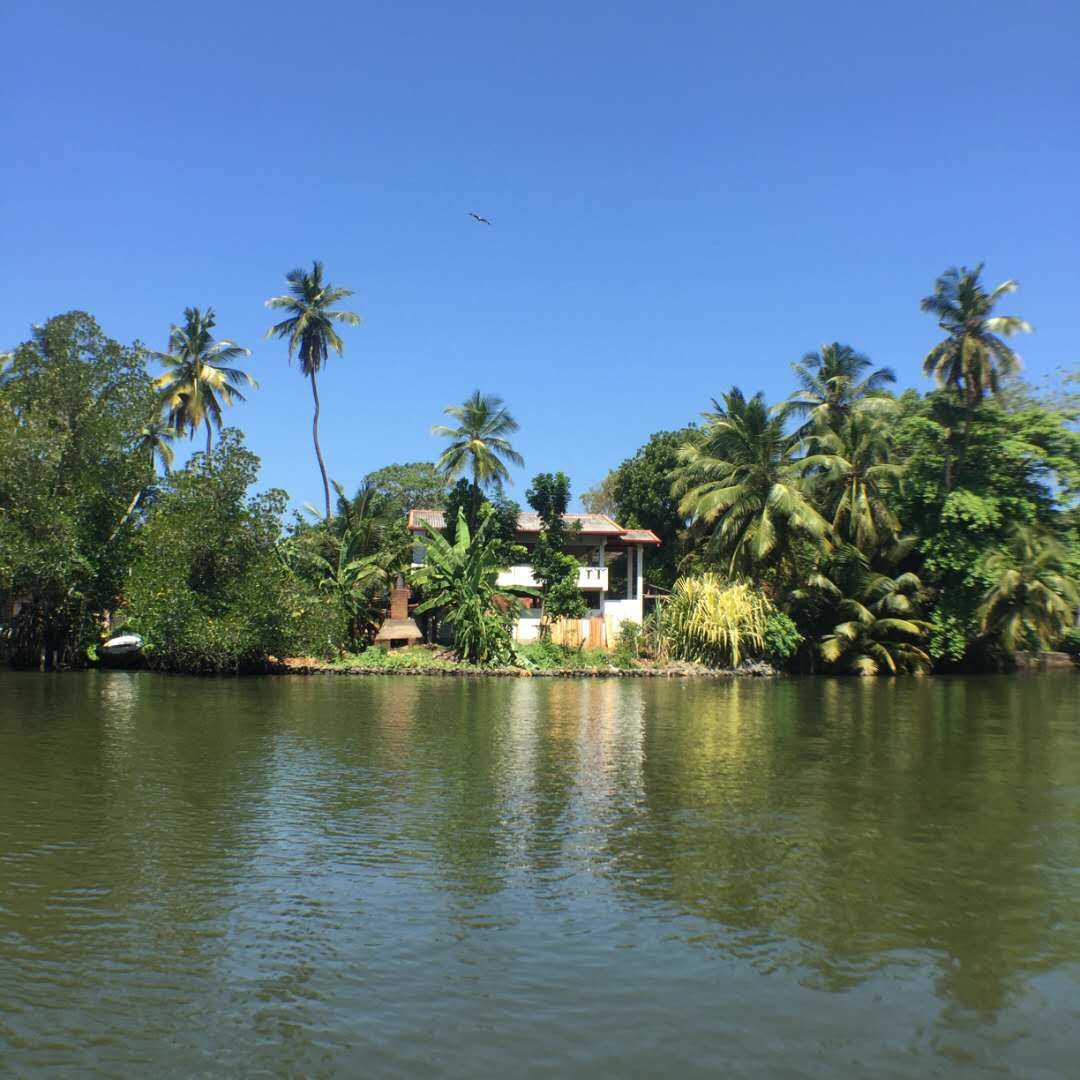 Madu River Mangroves
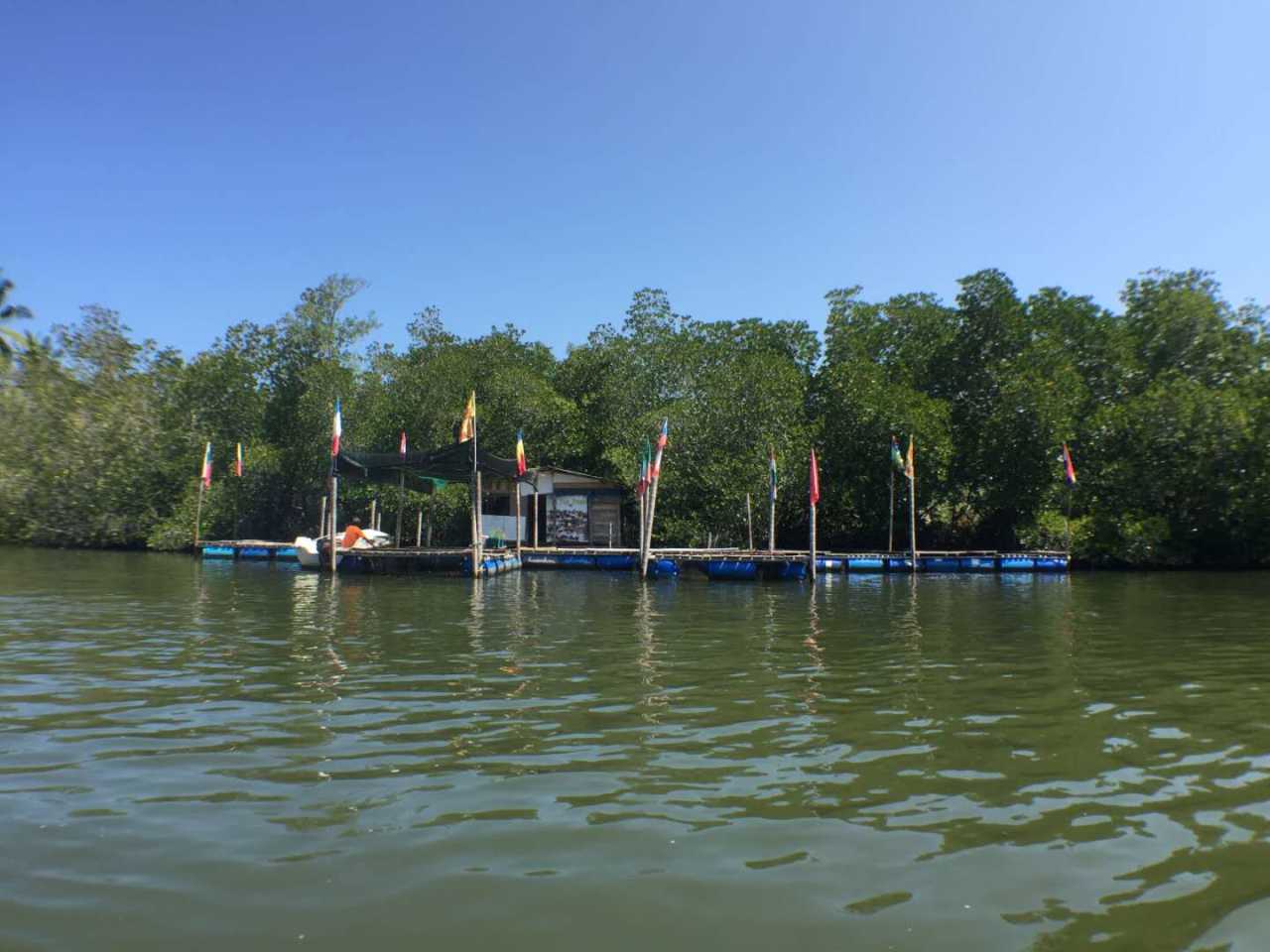 Madu River Mangroves
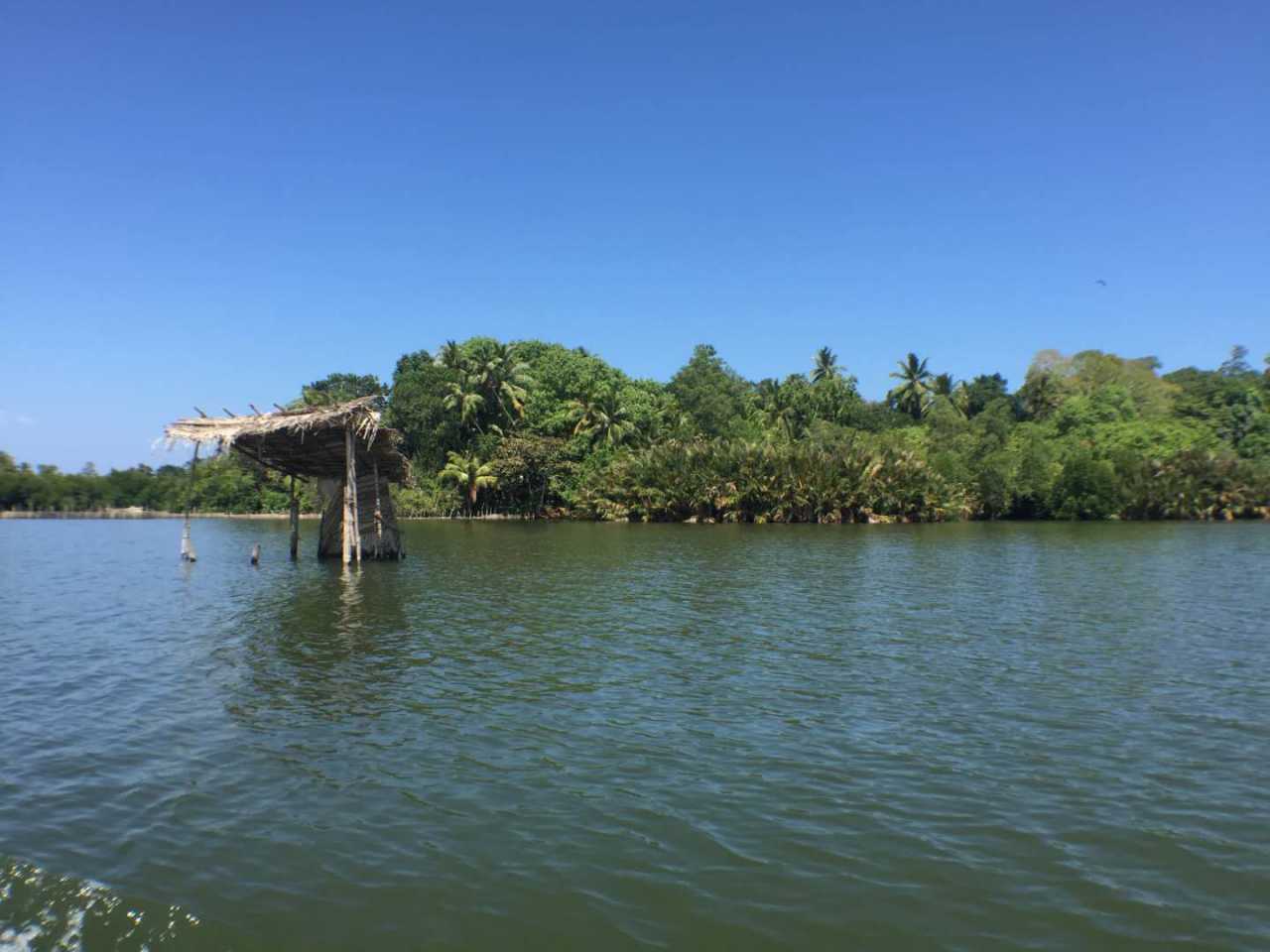 Madu River Mangroves
 Madu River Mangroves
 Madu River Mangroves
 Madu River Mangroves
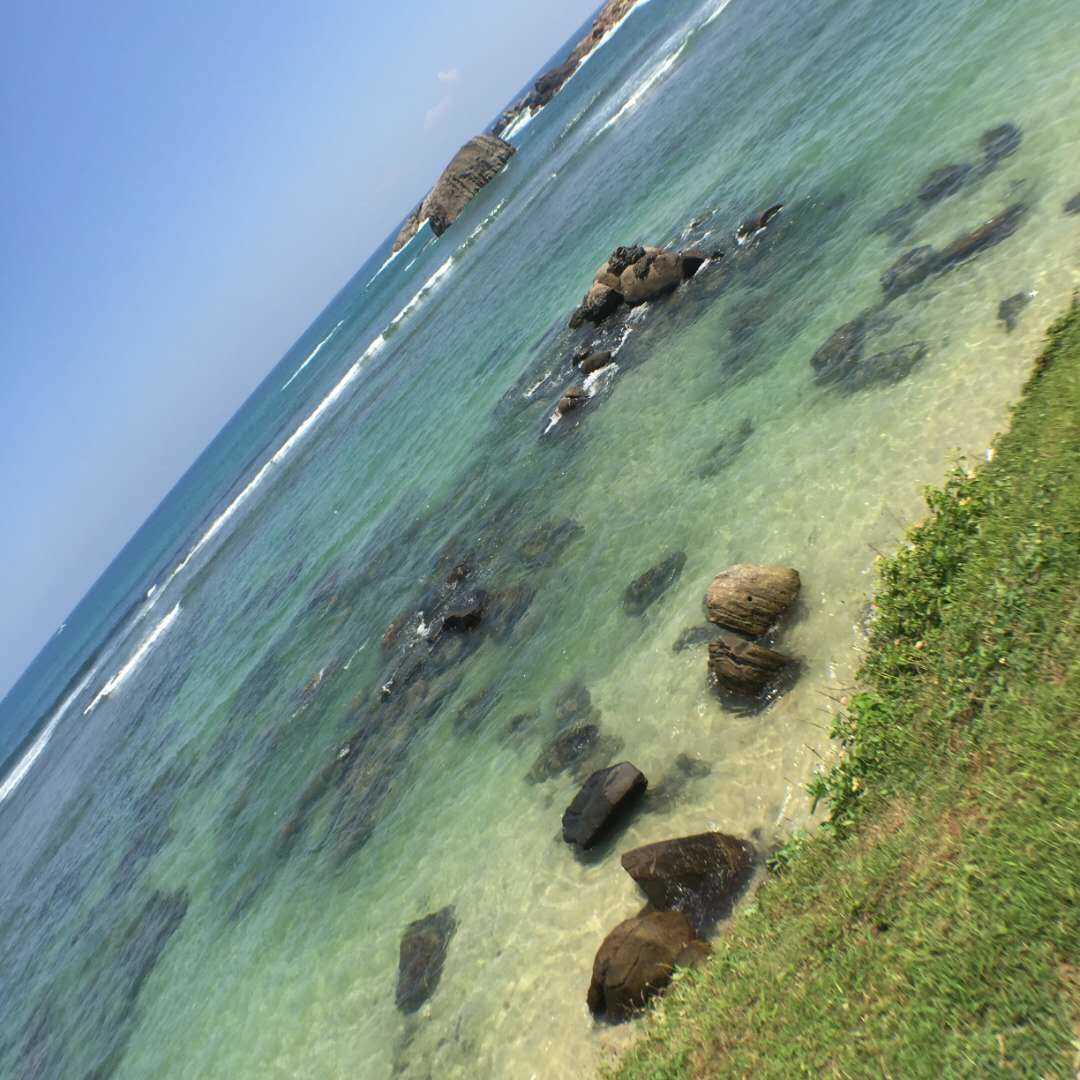
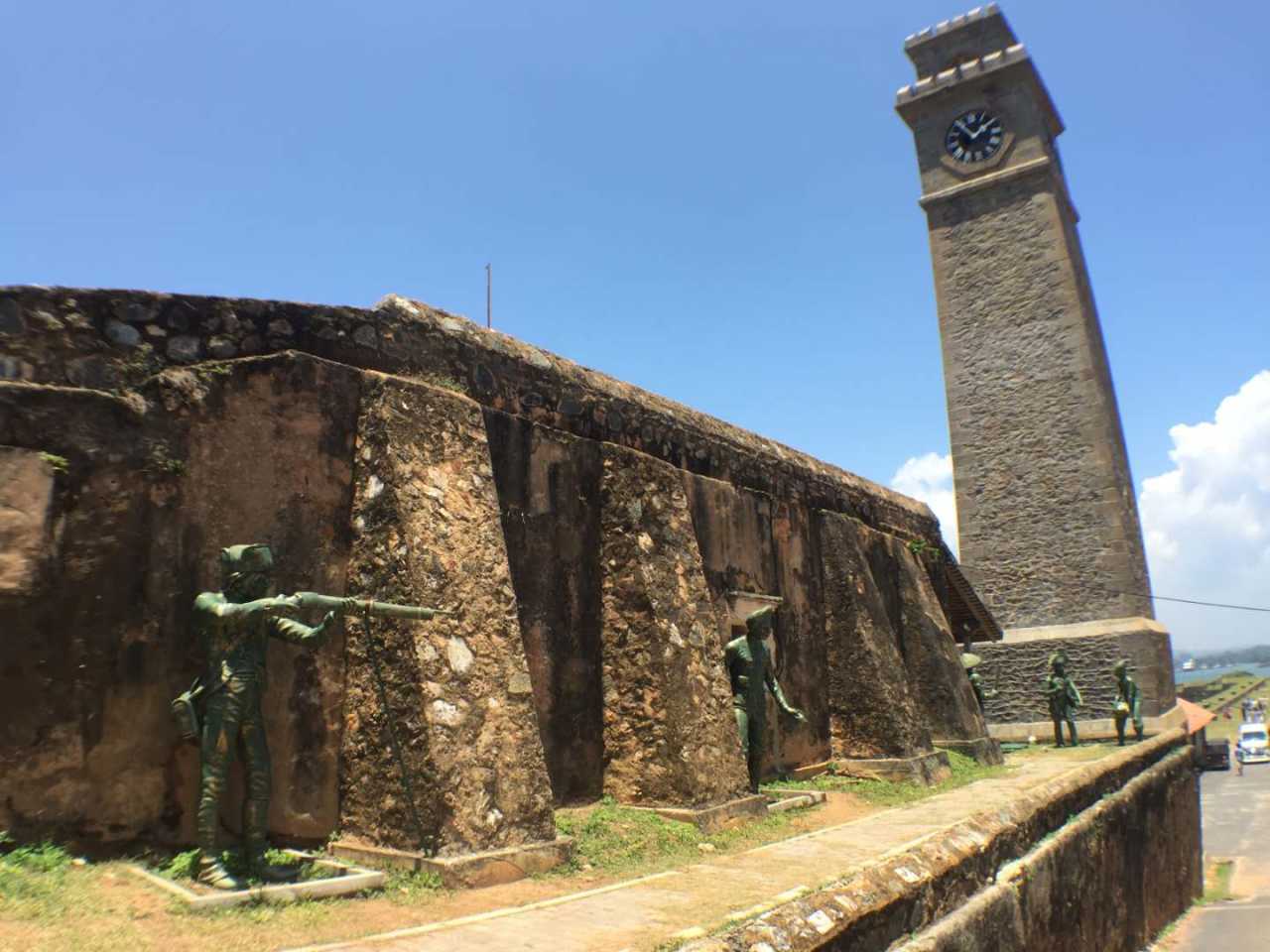
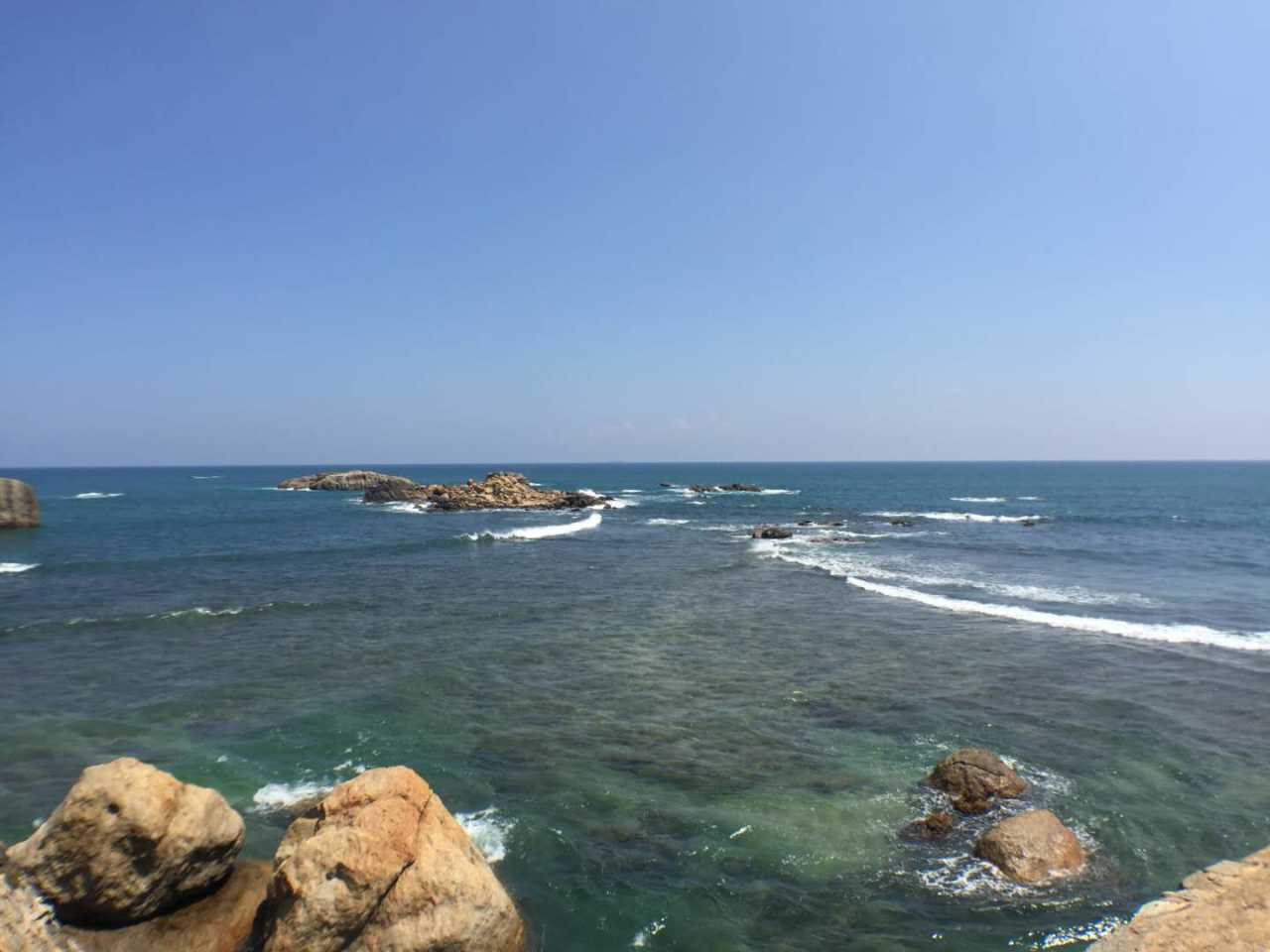
After the mangrove boat ride we drove to the Old Town of Galle. Galle lies in Sri Lanka’s southwest, about 100 km south of Colombo on the Indian Ocean coast. The old town and fort were built on a rocky peninsula—naturally sheltered as a harbor—its entrance made intricate by coral reefs.
 Galle Fort
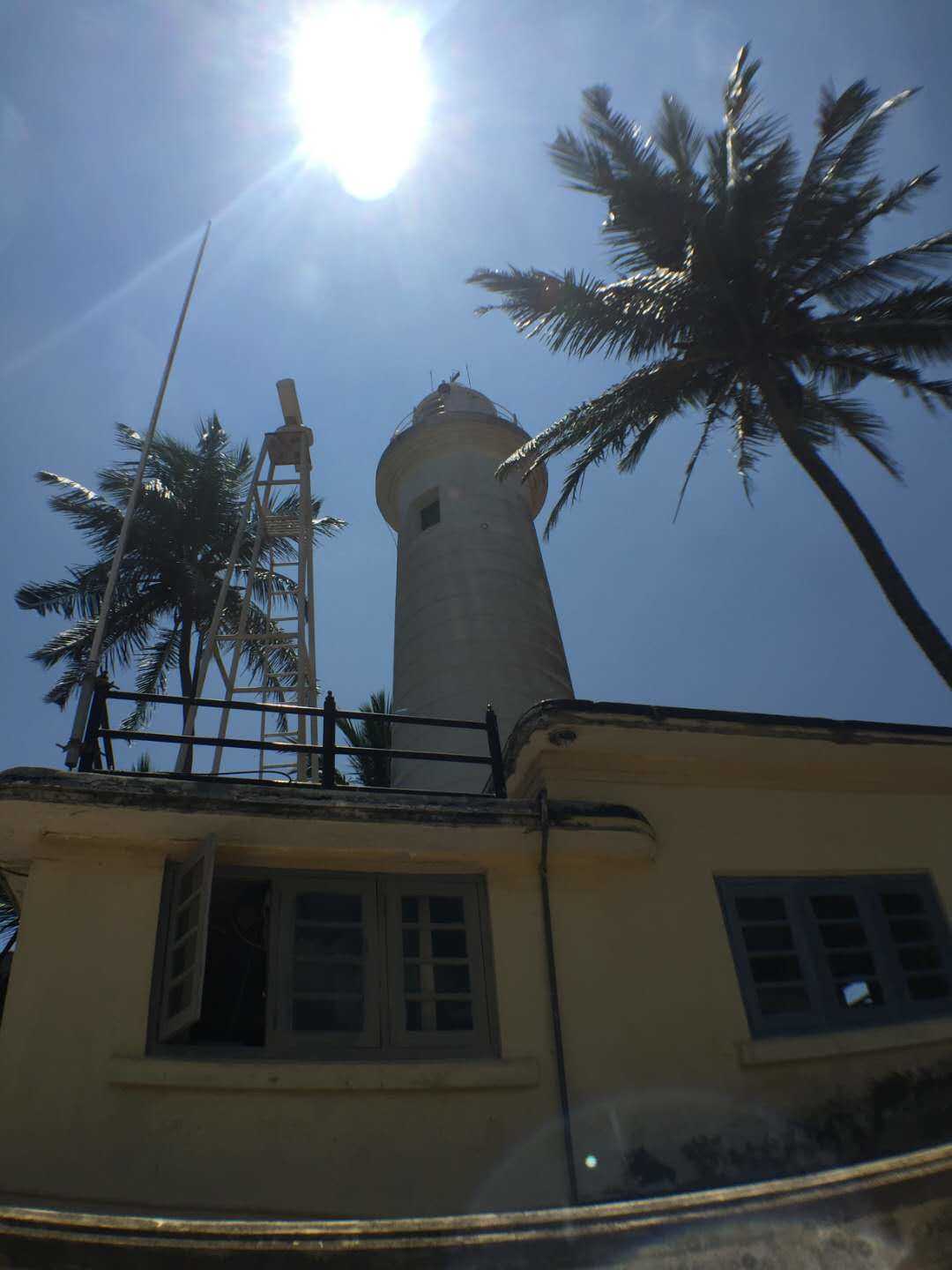 Galle Fort
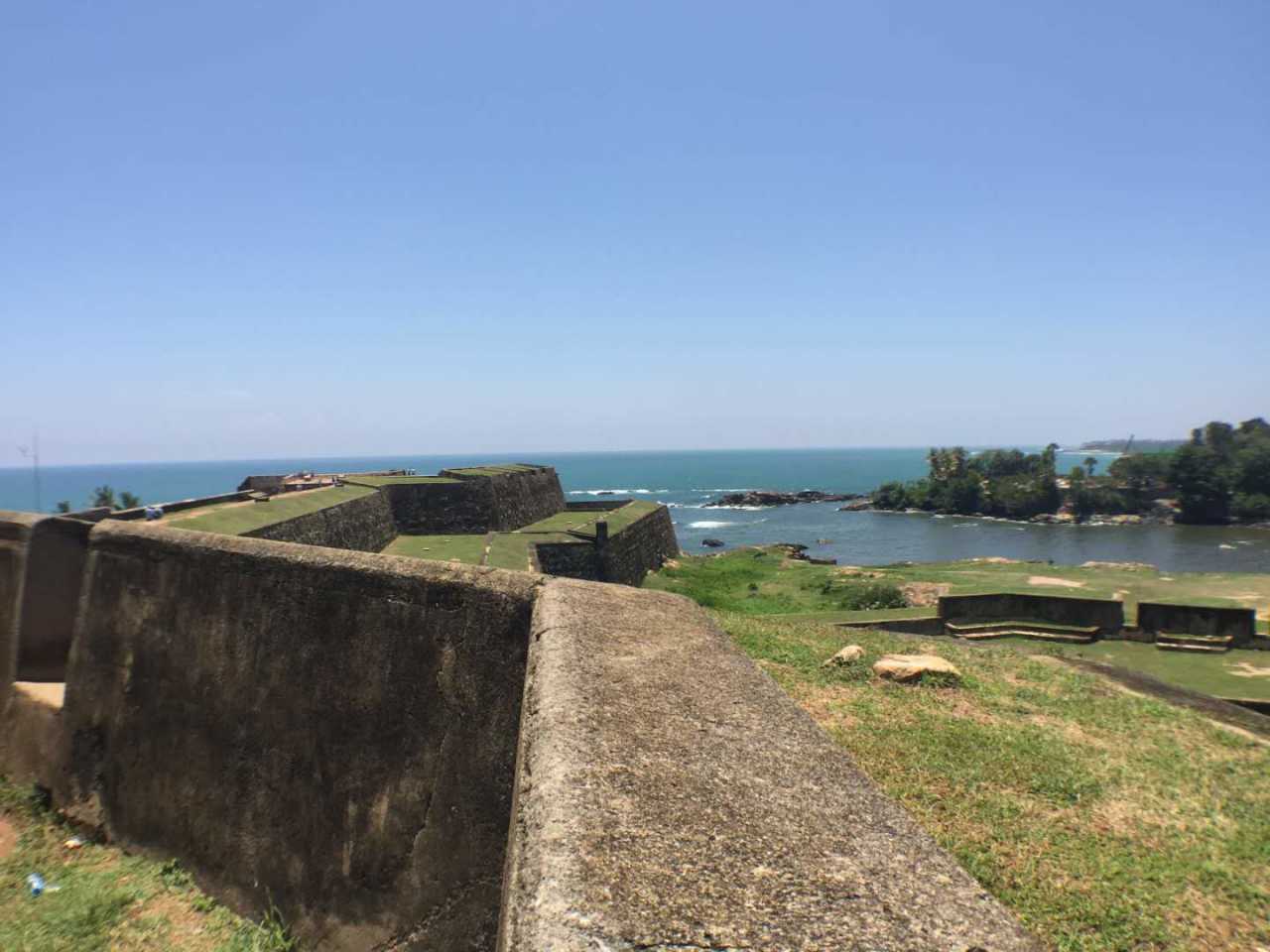 Galle Fort
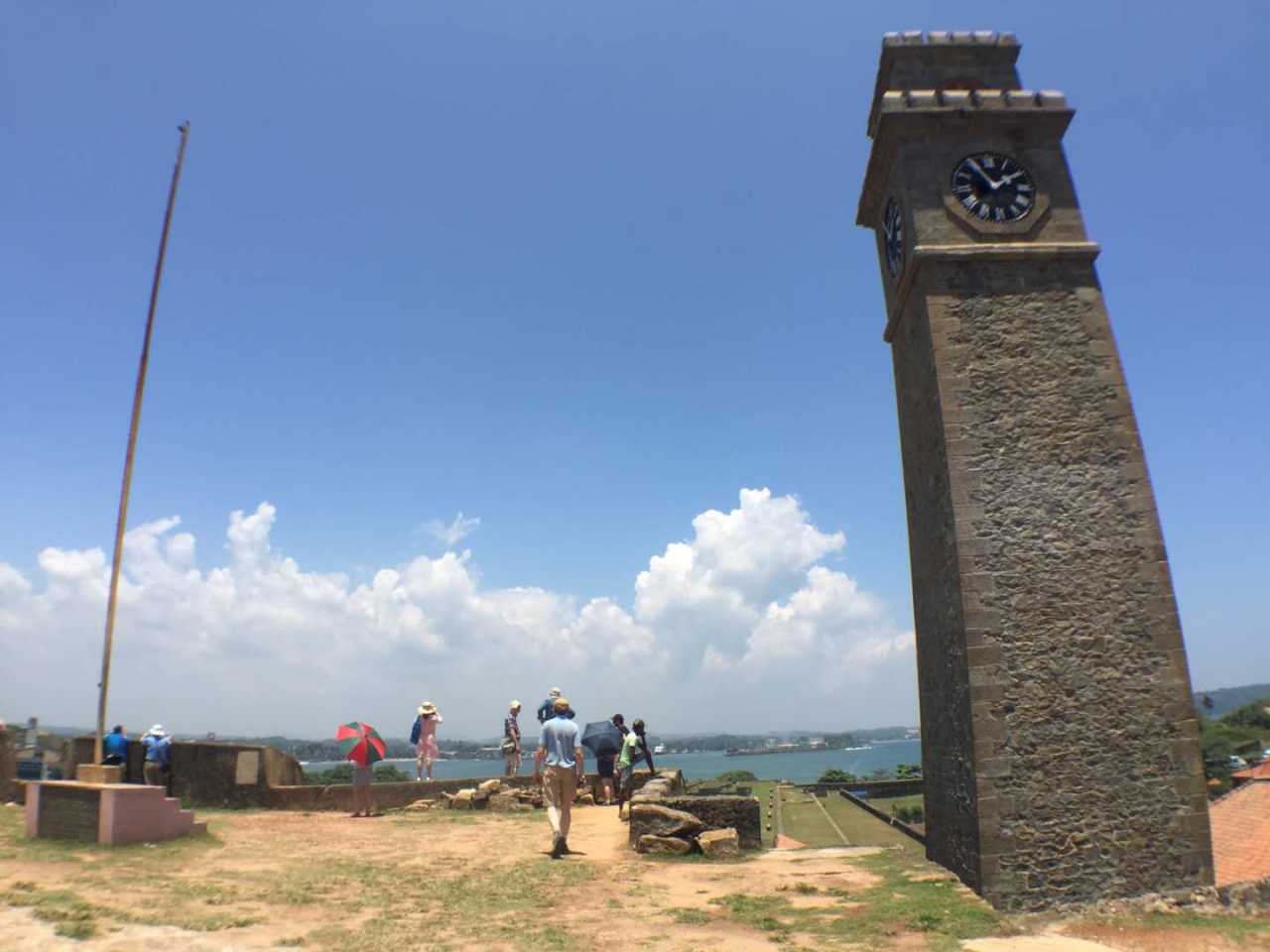 Galle Fort
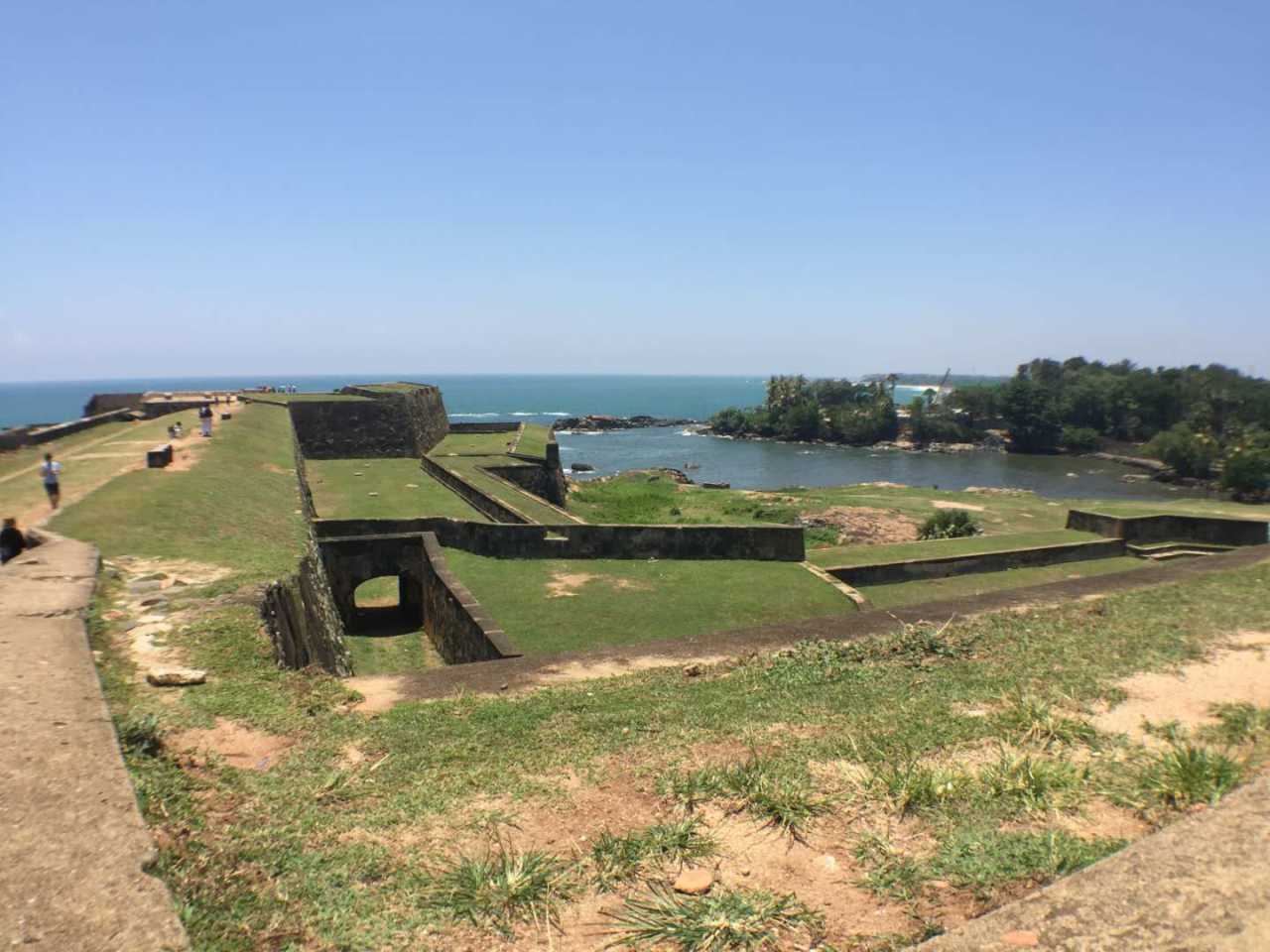 Galle Fort
 Galle Fort
 Galle Fort
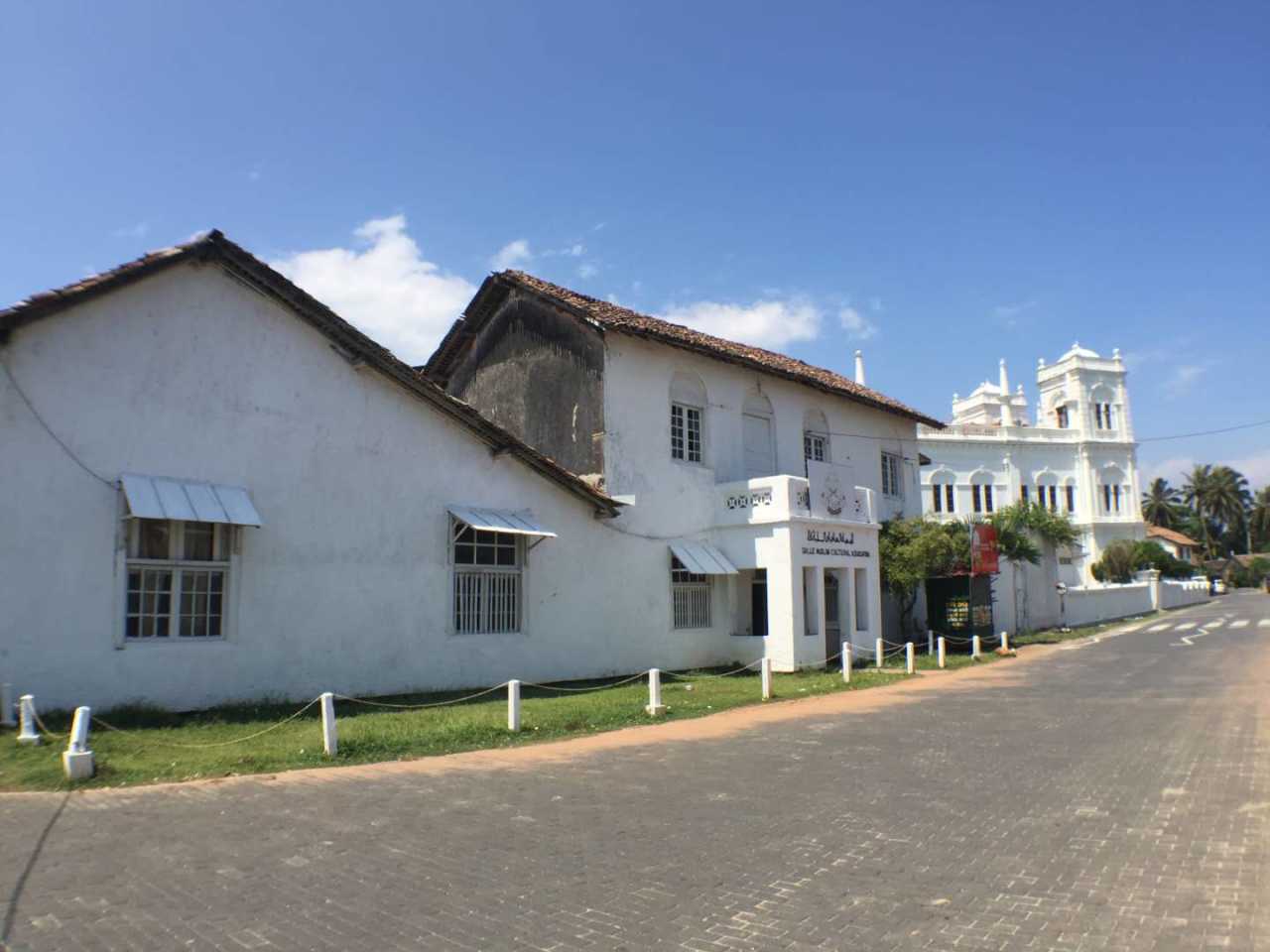
Galle’s old town vividly shows the interplay between European architecture and South Asian traditions from the 17th to 19th centuries. The Portuguese built Galle Fort in the 16th century—then a bustling port. The Dutch later occupied and demolished much of it. Under British rule, architects modified the European models, replanned, and added new structures like the lighthouse—better adapted to Sri Lanka’s geography, climate, history, and culture.
 Galle Fort
 Galle Fort
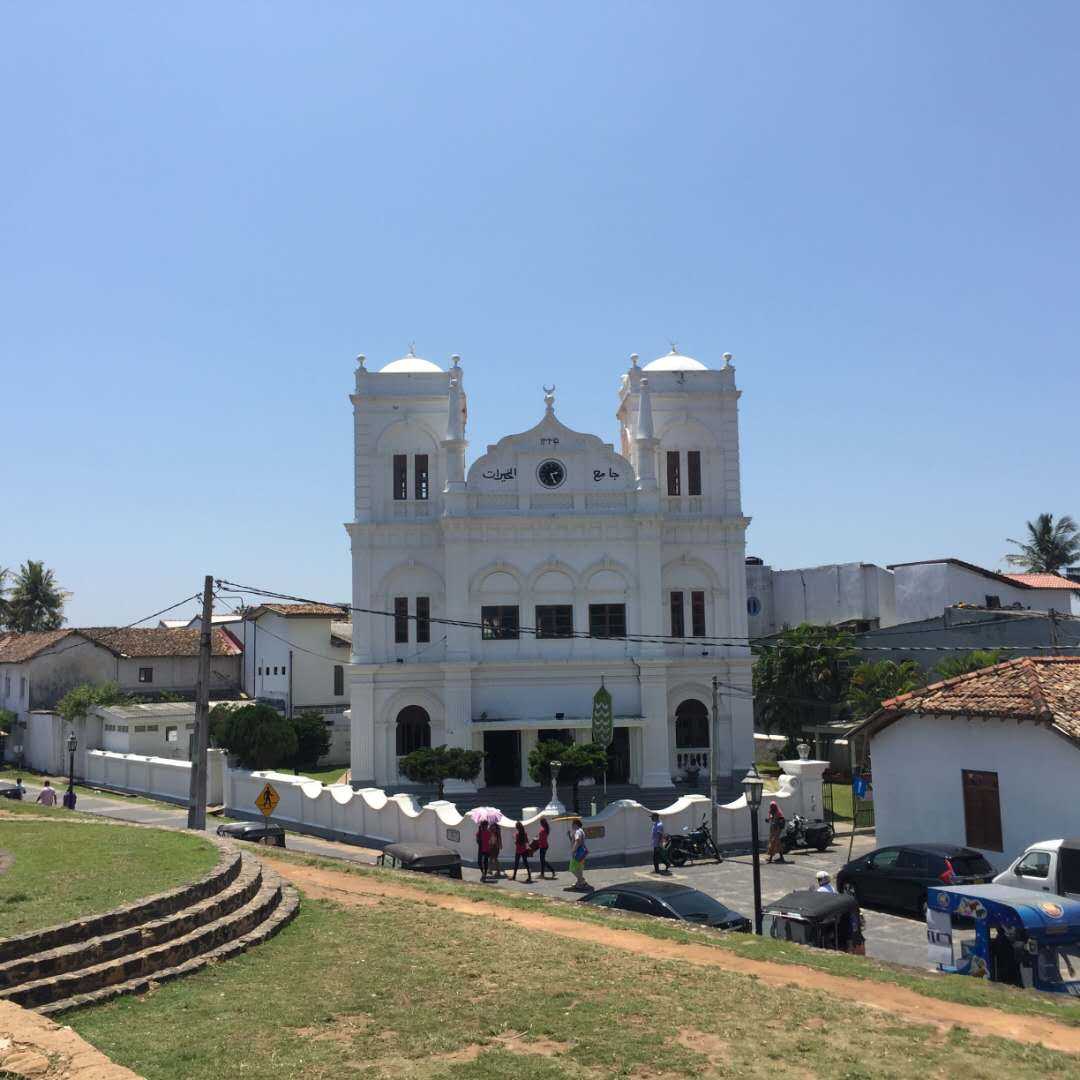 Galle Fort
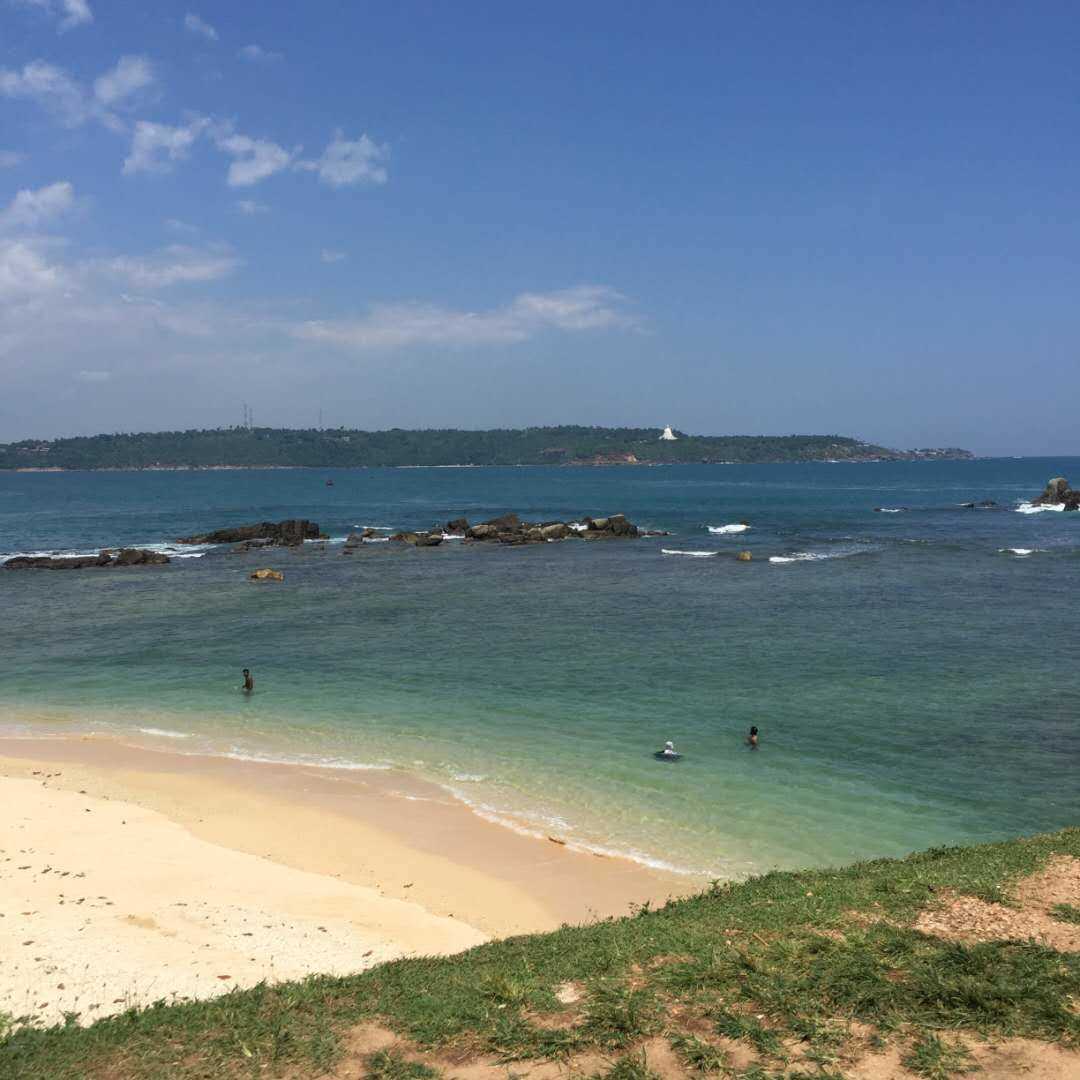 Galle Fort
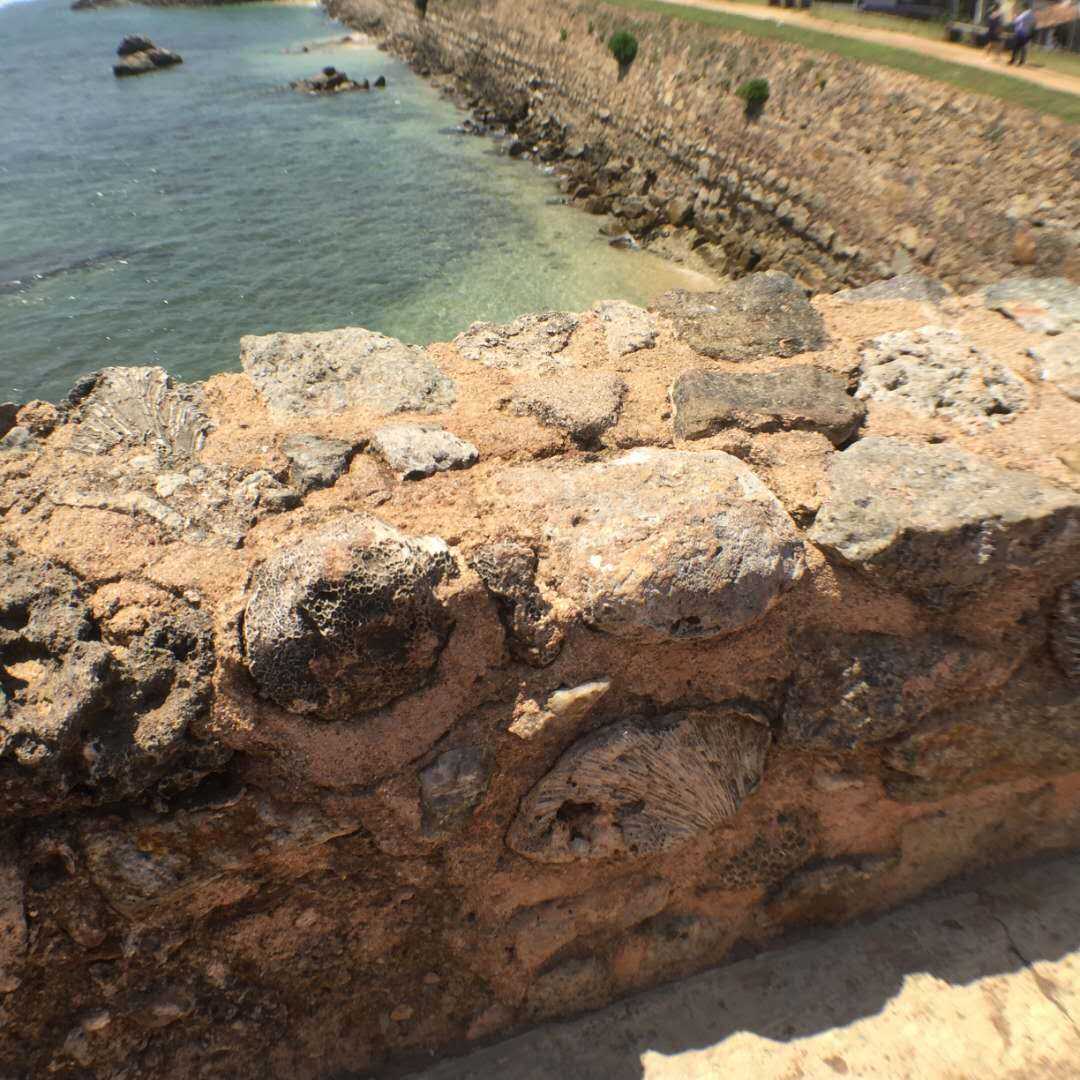 Galle Fort
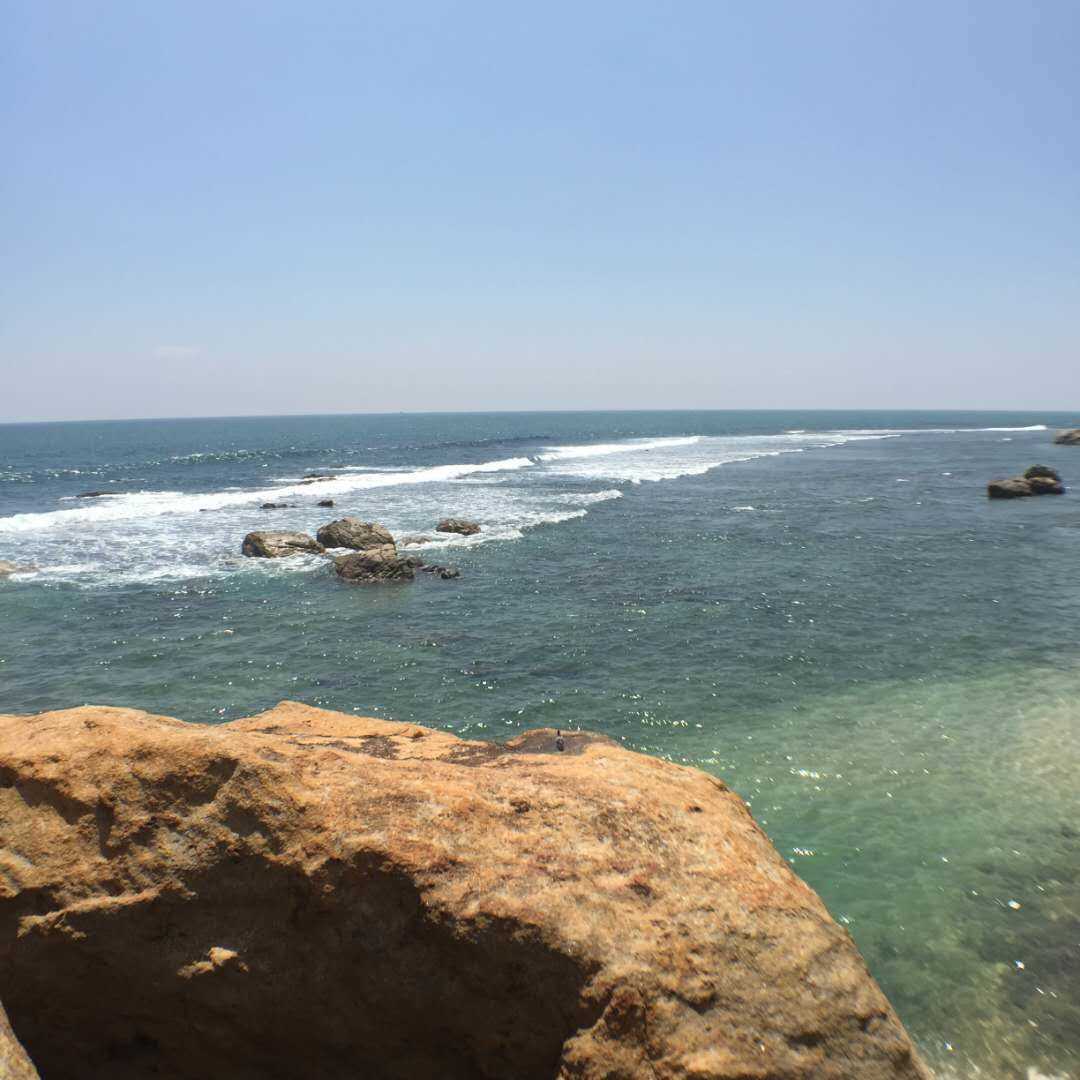 Galle Fort
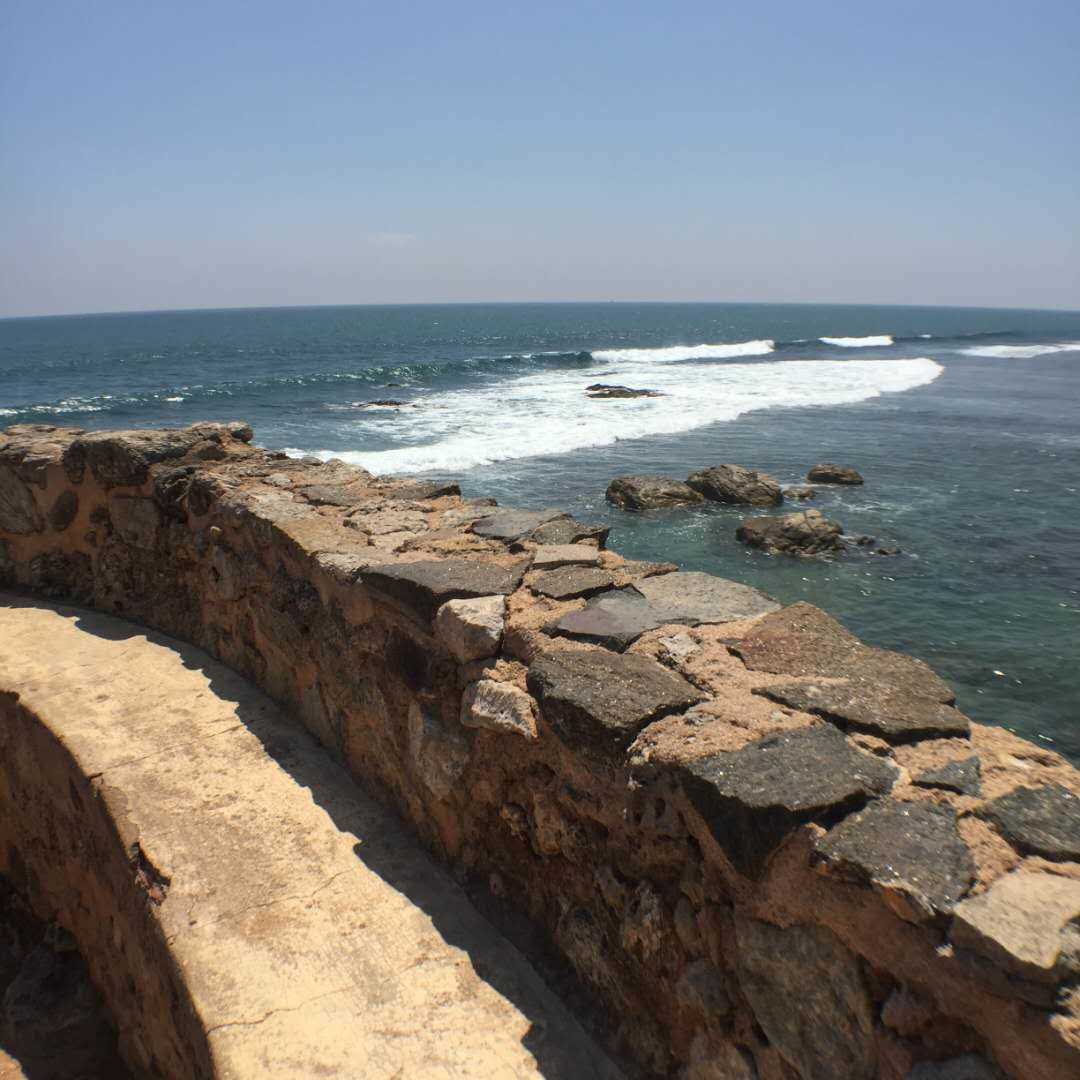 Galle Fort
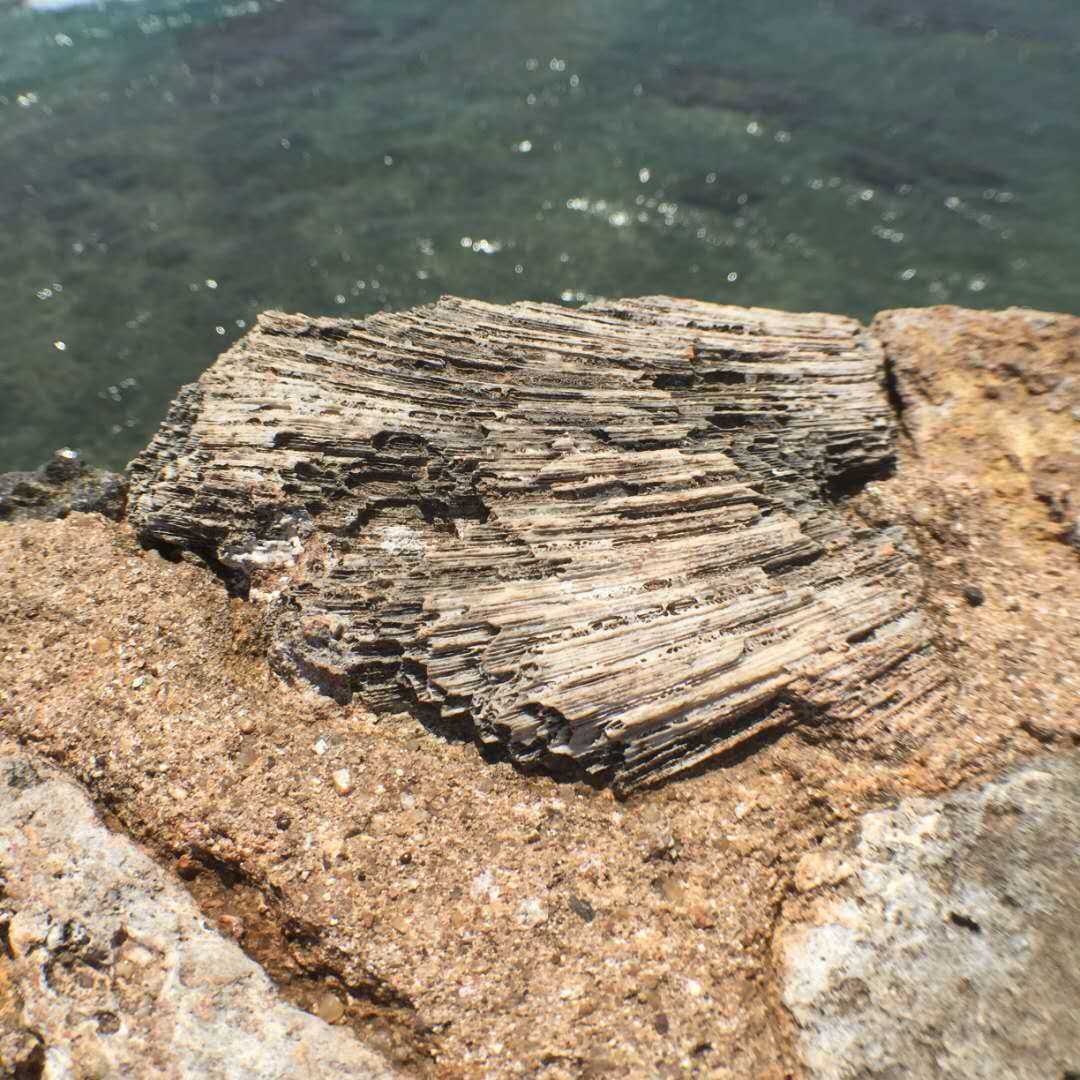
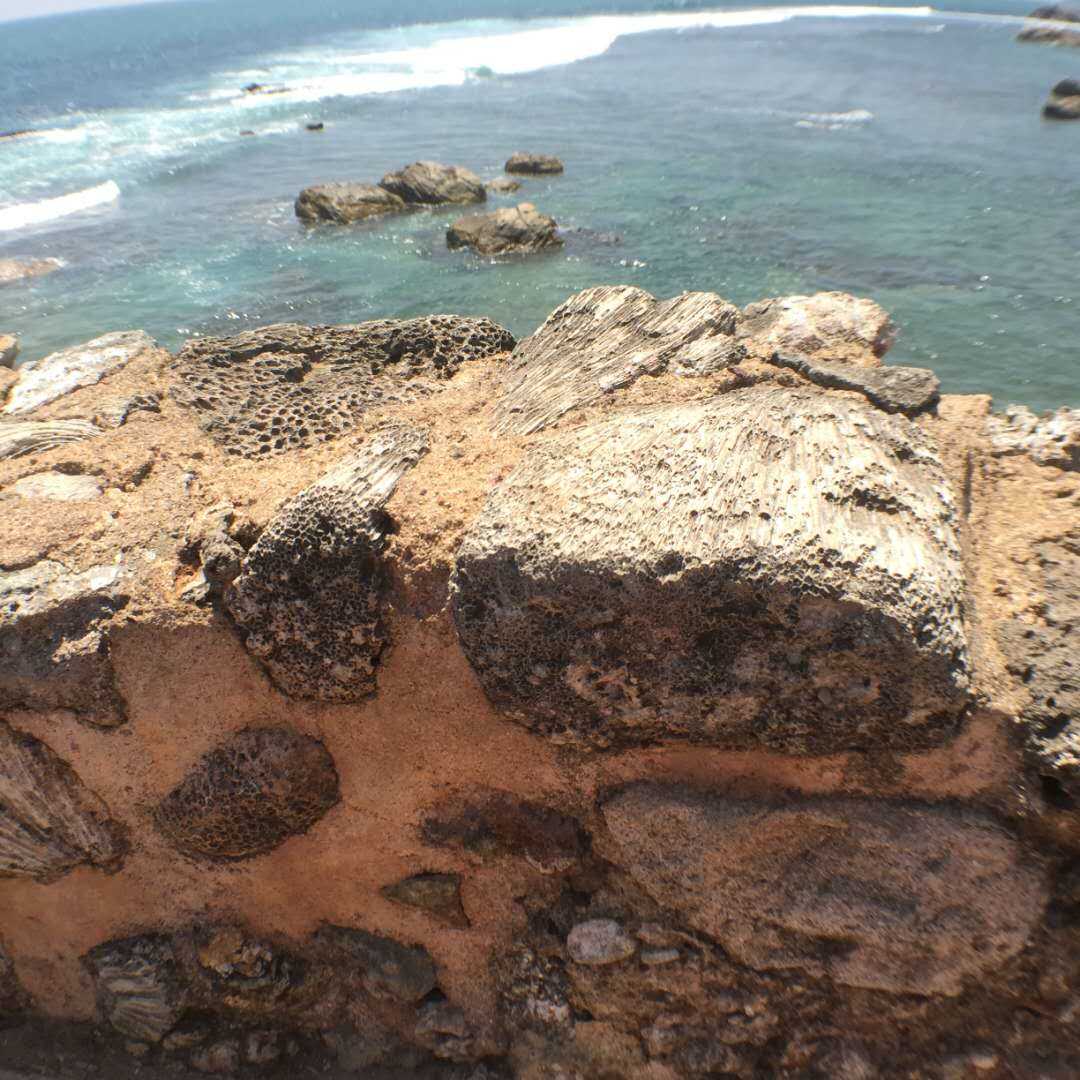
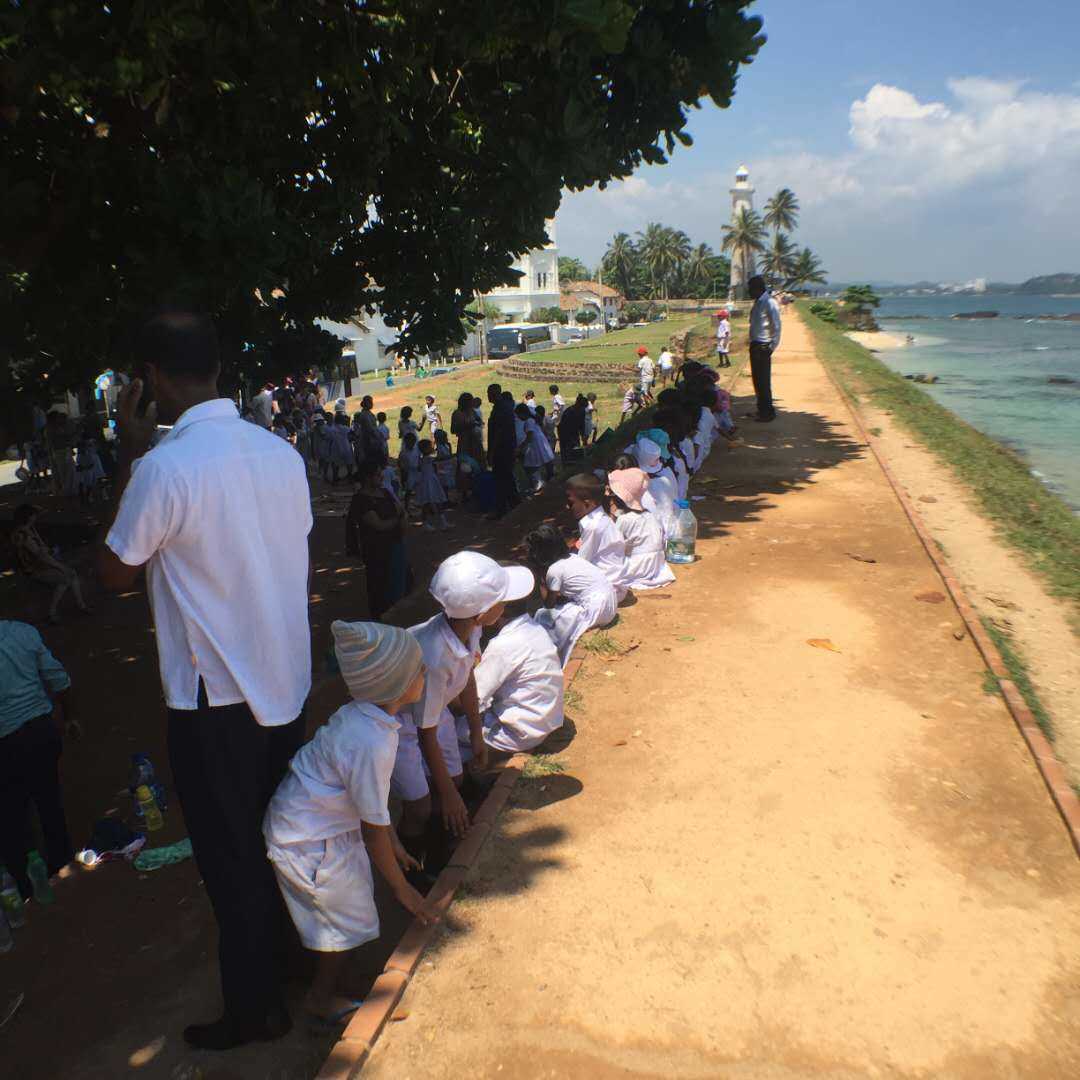
Walk along walls embedded with coral and shells—relics of the sea—weathered by sun and storm. In bright sunshine, children in white uniforms sat neatly on the rocks as teachers told Galle Fort’s stories.
Mirissa’s famed stilt fishing is one of the world’s most unique coastal methods: fishermen plant wooden poles into the surf; at high tide they perch and fish, and rest at low tide—artfully following the rhythm of the sea. We arrived too late for photos, to our regret.