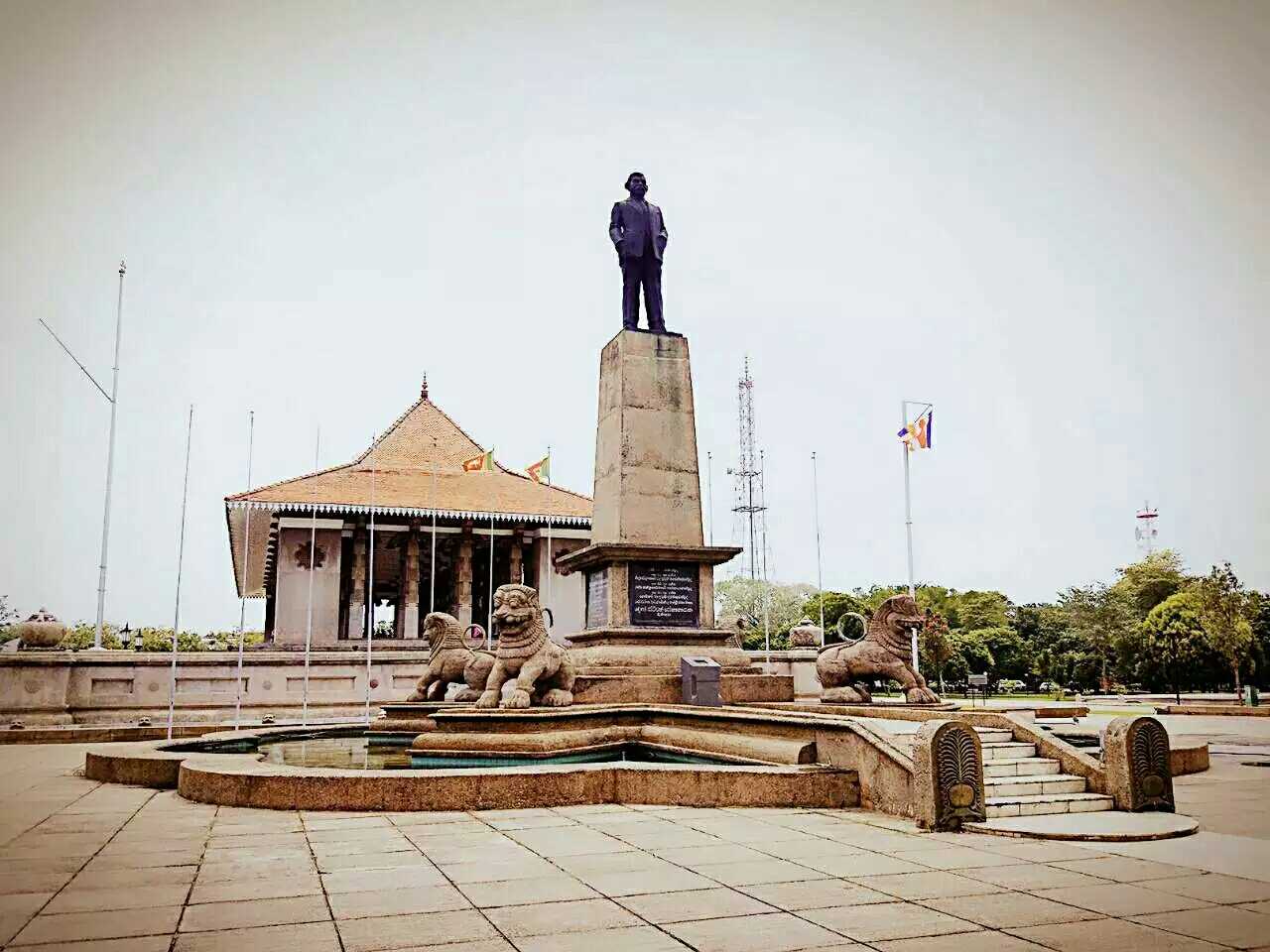
Sri Lanka—known by many beautiful names: the “Tear of the Indian Ocean”, the “Land of Smiles”, and one of Asia’s most popular destinations for travelers. On Mafengwo you’ll find countless travel journals about this beautiful country: stilt fishermen, the seaside train, Galle Fort, the Nine Arch Bridge in Ella, tea‑estate trains, the Pink Post Office, the Temple of the Tooth, Sigiriya (Lion Rock), and the pure smiles of Lankans in photos. You might think this country is amazing, but is Sri Lanka really that good? No hype, no shade—read my 20‑day backpacking experience and decide (practical tips and pitfalls are at the end). If you find my information honest and useful, please upvote so more people can see a realistic Sri Lanka.
As an engineering guy, here’s a rough outline to help you search: 1) Arrival and first impressions; 2) National context (hard to fully grasp—many pitfalls); 3) My basic route and impressions of each place; 4) Food in Sri Lanka; 5) “Not very fair” Sri Lankans (speaking plainly—no offense).
Arrival and first impressions: At the end of July I resigned from a four‑year job (I’m a master’s graduate and structural engineer). After too long in an industrial zone I’d lost passion for work and life; I wanted a long journey to recharge. I packed a 44‑liter backpack (about 10 kg full), brought Lonely Planet (essential), took SriLankan’s red‑eye on Aug 6 from Hangzhou via Thailand, and arrived at the legendary Sri Lanka at 11:00 on Aug 7.
First impression: a strong curry aroma and loads of Indian elements—in food, songs on buses, and customs. Also a tropical rainforest vibe: high vegetation coverage, almost no heavy industry, great environment; the trade‑off is lots of mosquitoes, insects, and reptiles. Sri Lankans love to smile; if you smile at them, they’ll usually return a warm smile.
National context: Sri Lanka is a democracy with public healthcare and education, so over 70% of citizens speak some English (English without a “curry accent”—nice). If you get sick, for your health go to private hospitals; public hospitals are crowded and resources limited—your condition may be delayed. A problem in democracies is frequent government changes and little policy continuity, so development stalls (as locals say).
Population: Sinhalese (many from India) 74.9%, Tamils 15.4%, Moors (Muslims) 9.2%. Food and culture lean Indian. Ordinary income 500–2000 RMB; knowing this explains why I say some Sri Lankans aren’t “very fair.” Large wealth gaps; ordinary citizens struggle to go abroad (internal information is tightly controlled).
My route: Colombo —— Galle —— Matara —— Ella —— Arugam Bay —— Trincomalee —— Polonnaruwa —— Sigiriya —— Kandy —— Colombo. I mostly used hostels + public transport—love making friends and dislike loneliness—and my English is fine.
Colombo: Galle Face Green, Cinnamon Gardens, Dutch Hospital, Manning Market. After walking around I’d say the city isn’t as good as reputed; these attractions are quite average. I followed Lonely Planet’s walking route through the Fort area; aside from the lively vibe of the Pettah markets that I liked, nothing impressed me. If you’re tired, try T‑lounge for tea and a book (note the 30% service charge).
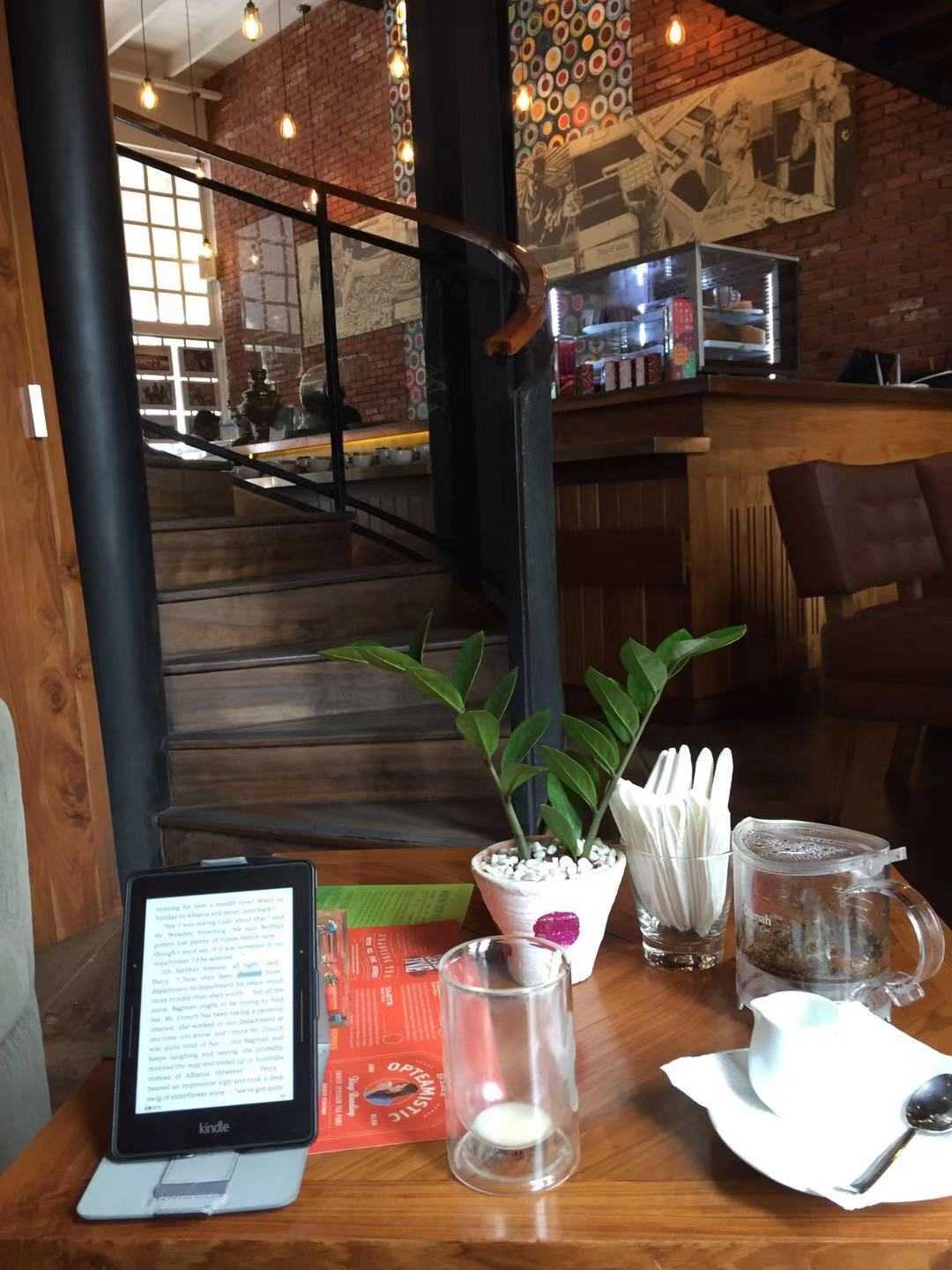
The only thing I looked forward to was the Kala Pola art market (Sunday mornings, local artists display their work), but I missed it twice. You can buy souvenirs: tea (loose‑leaf around 40 RMB/kg—too pricey to be worthwhile), essential oils, hand cream, soaps, car sachets (SPA Ceylon). Skip gemstones unless you have strong identification skills—maybe buy good raw stones to process back home.
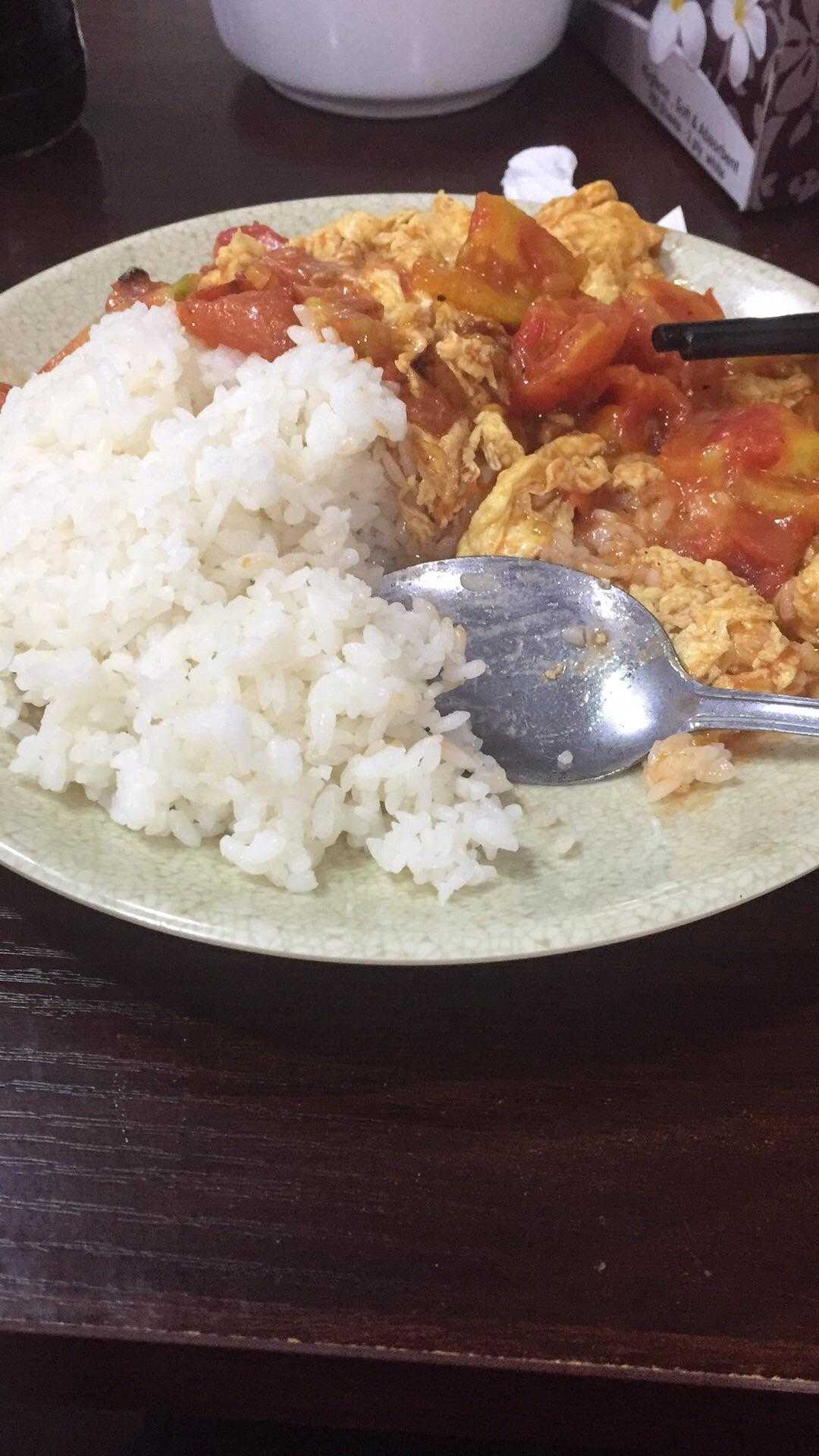
A sincere recommendation: Chinese Shaxian Snacks—the staff are lovely. Please don’t compare prices with Shaxian at home; ingredients are imported and Colombo isn’t cheap. After two days tortured by Indian curry in Colombo, you can imagine how excited I was to see tomato‑and‑egg rice. I’m not fussy; in Europe and Southeast Asia I never sought out Chinese restaurants, and I don’t particularly hate curry—but Sri Lankan local food really doesn’t suit a Chinese stomach.
Galle: The train from Colombo to Galle is quite comfortable. You can book the 2:30 pm train a day in advance—about 1200 LKR, around two and a half hours. It’s not exactly like Spirited Away’s seaside train; after about 10 minutes at the window you may lose interest. But if you’re skilled enough to hang outside the door, it still feels pretty cool.
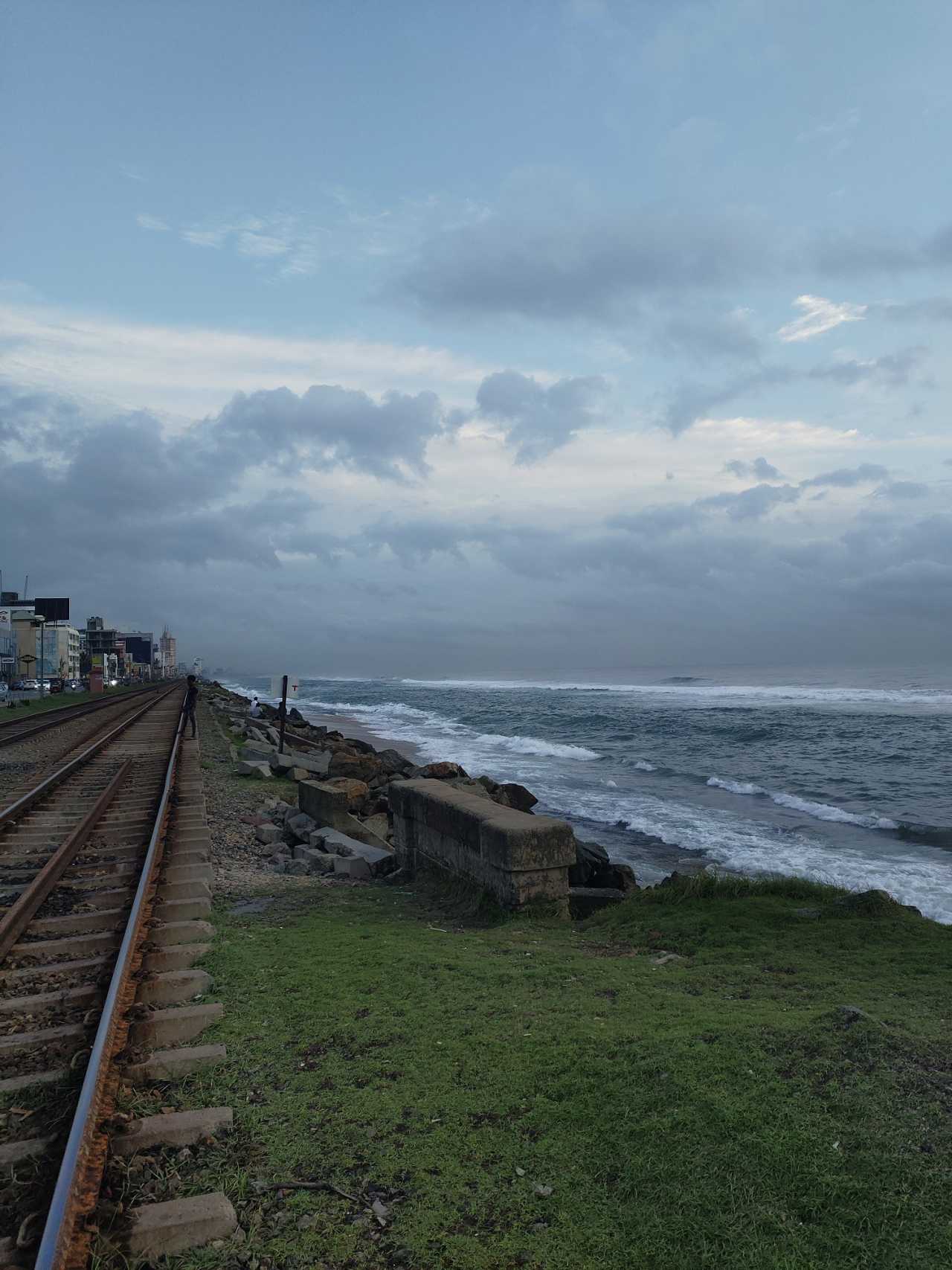
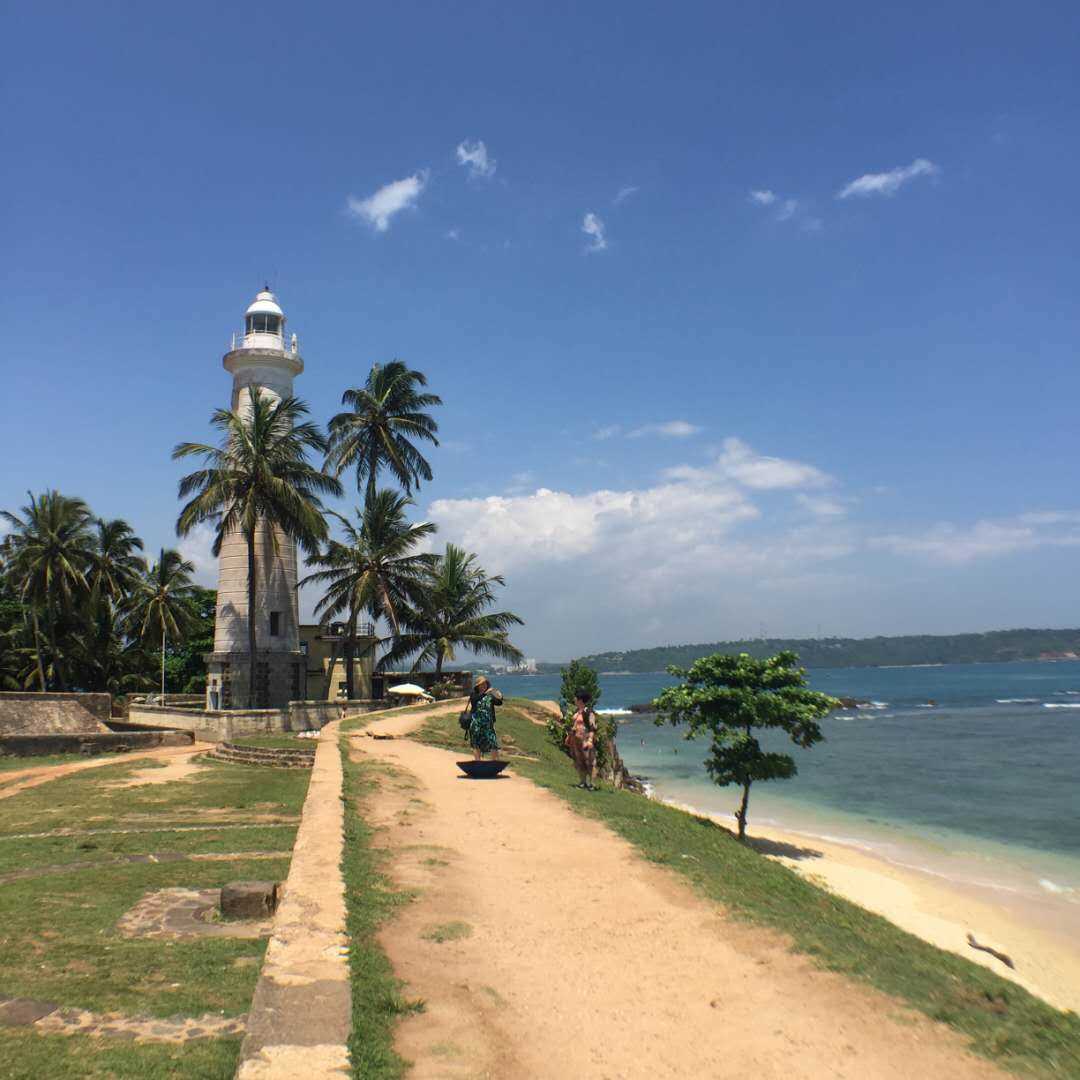
I visited Galle Fort (free) with a German girl. The streets felt fairly clean; looking out to sea from the bastions is nice, the rest is average (if you’re Dutch or British you might gaze at the ruins with nostalgia). Rent a bicycle and ride around—basically a pleasant stroll.
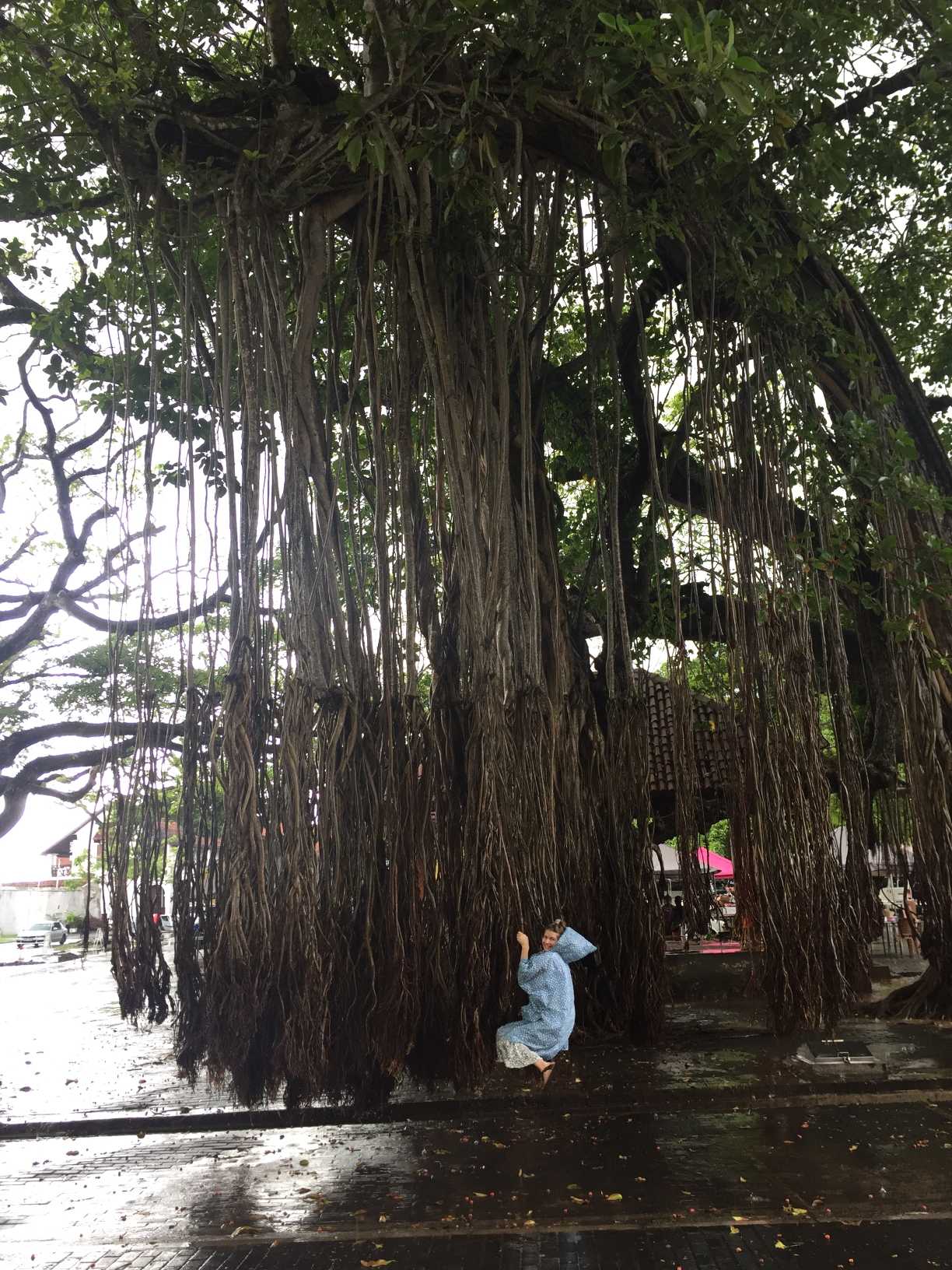
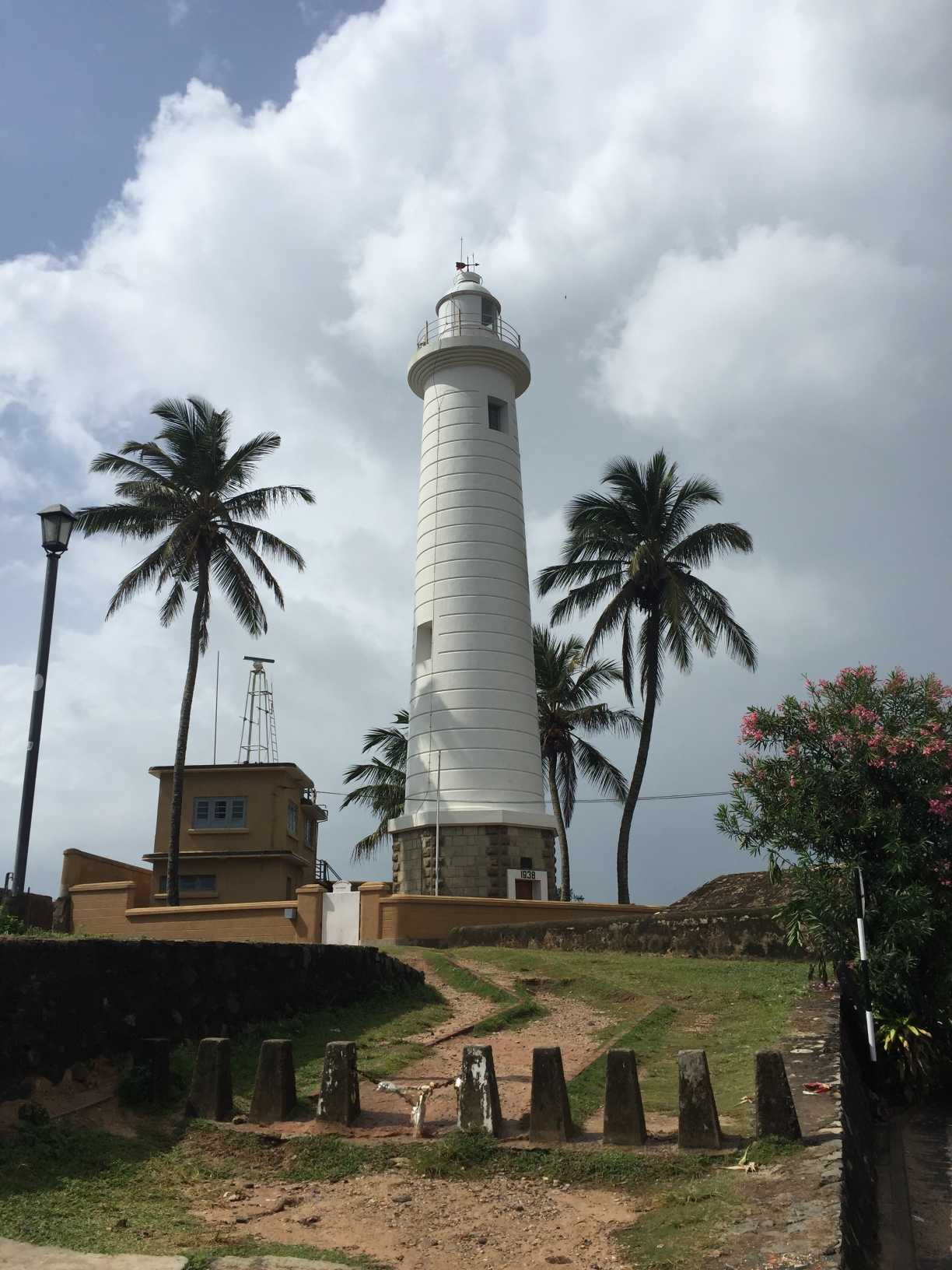
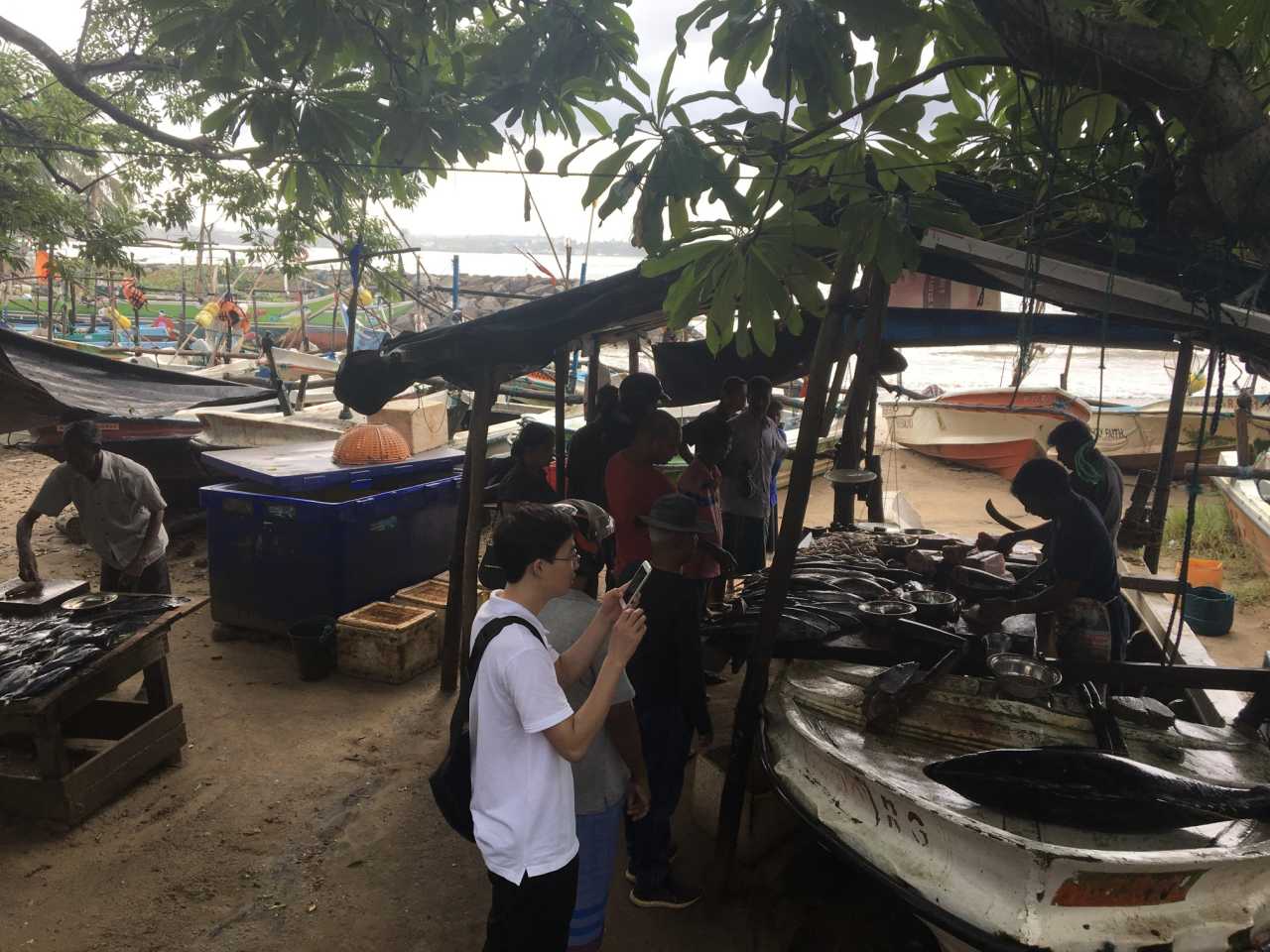
There’s a small fish market to the left of the fort entrance. I didn’t plan to visit Negombo Fish Market, so seeing the giant tuna here still made me happy.
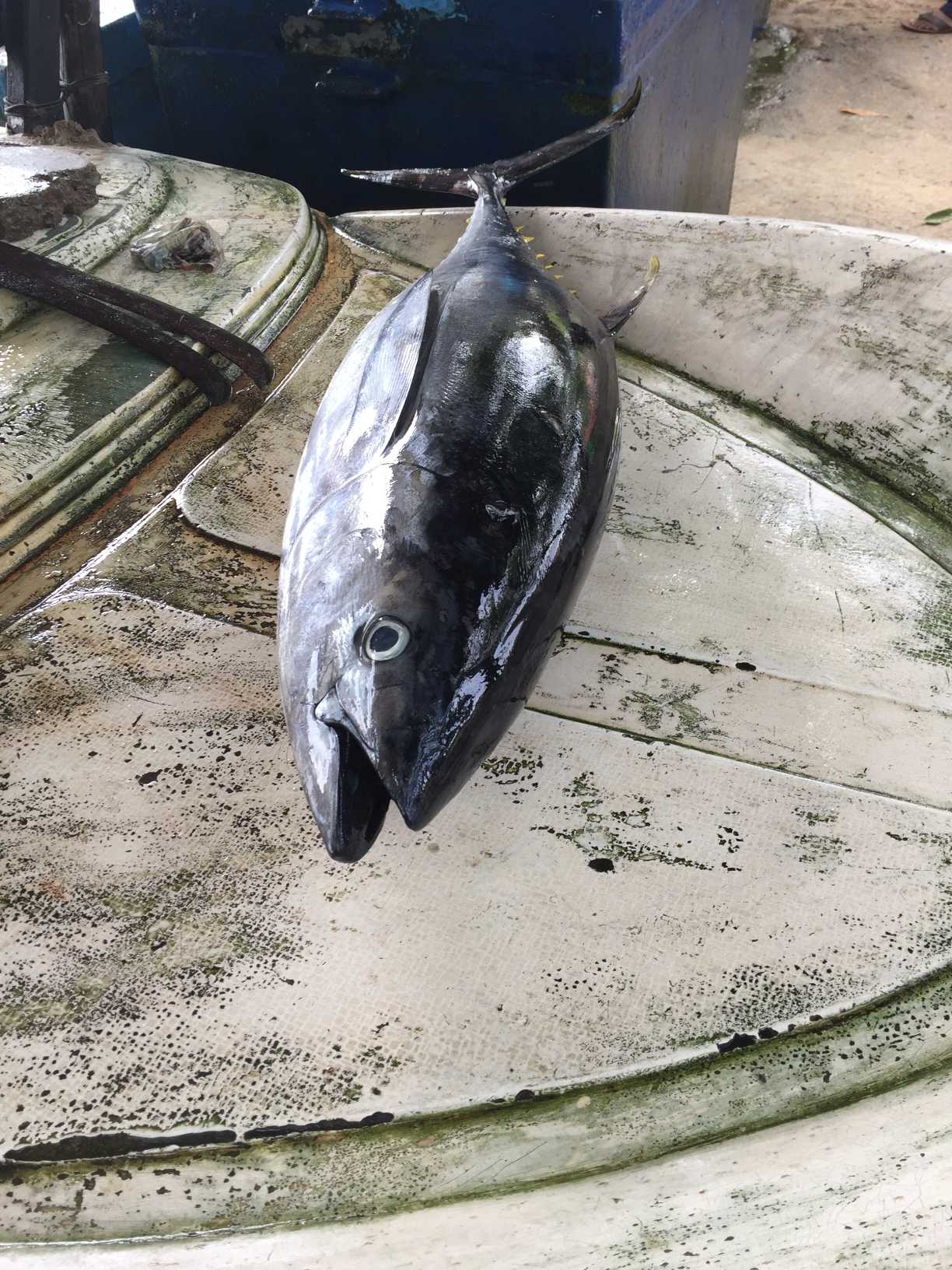
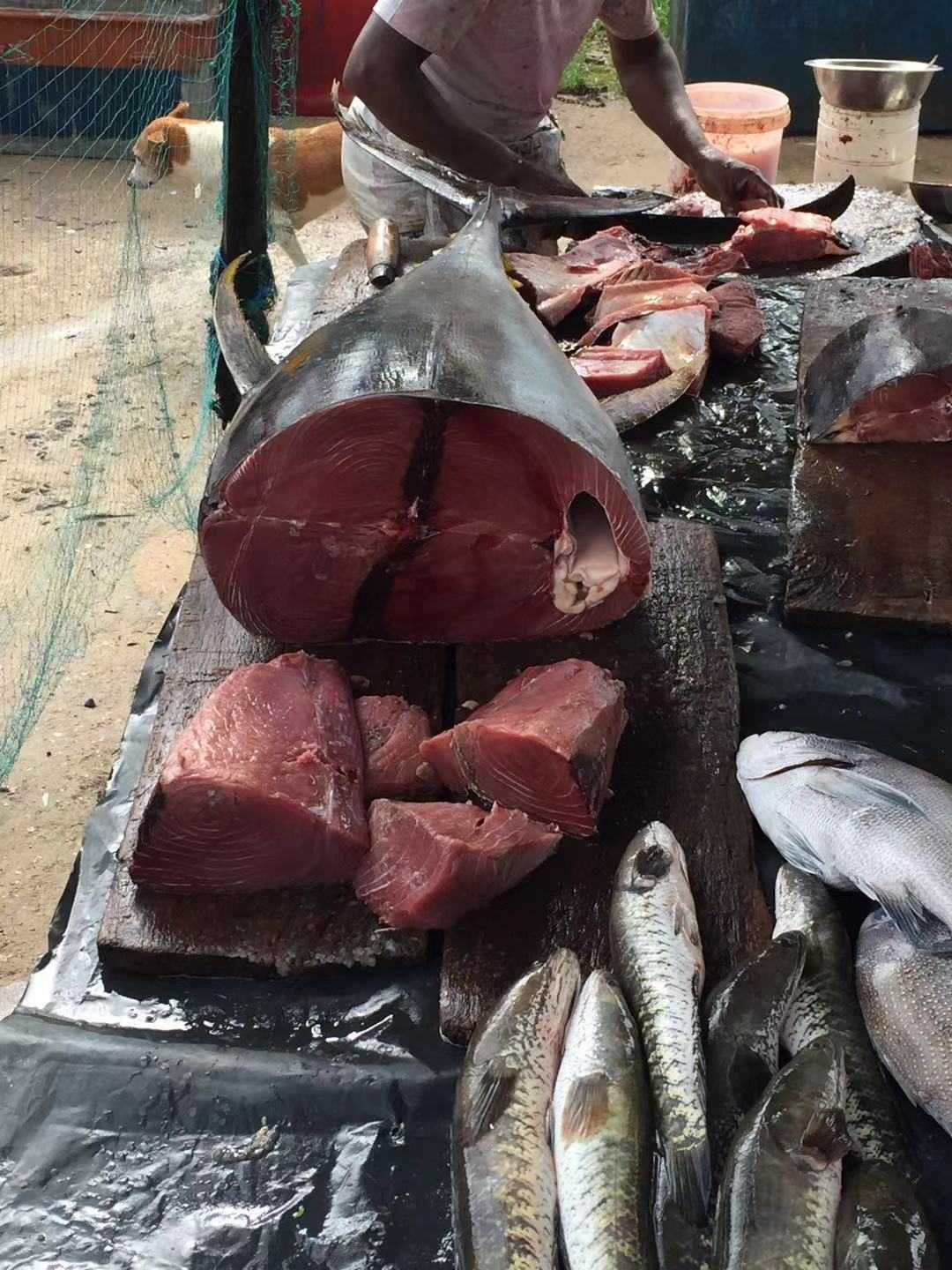
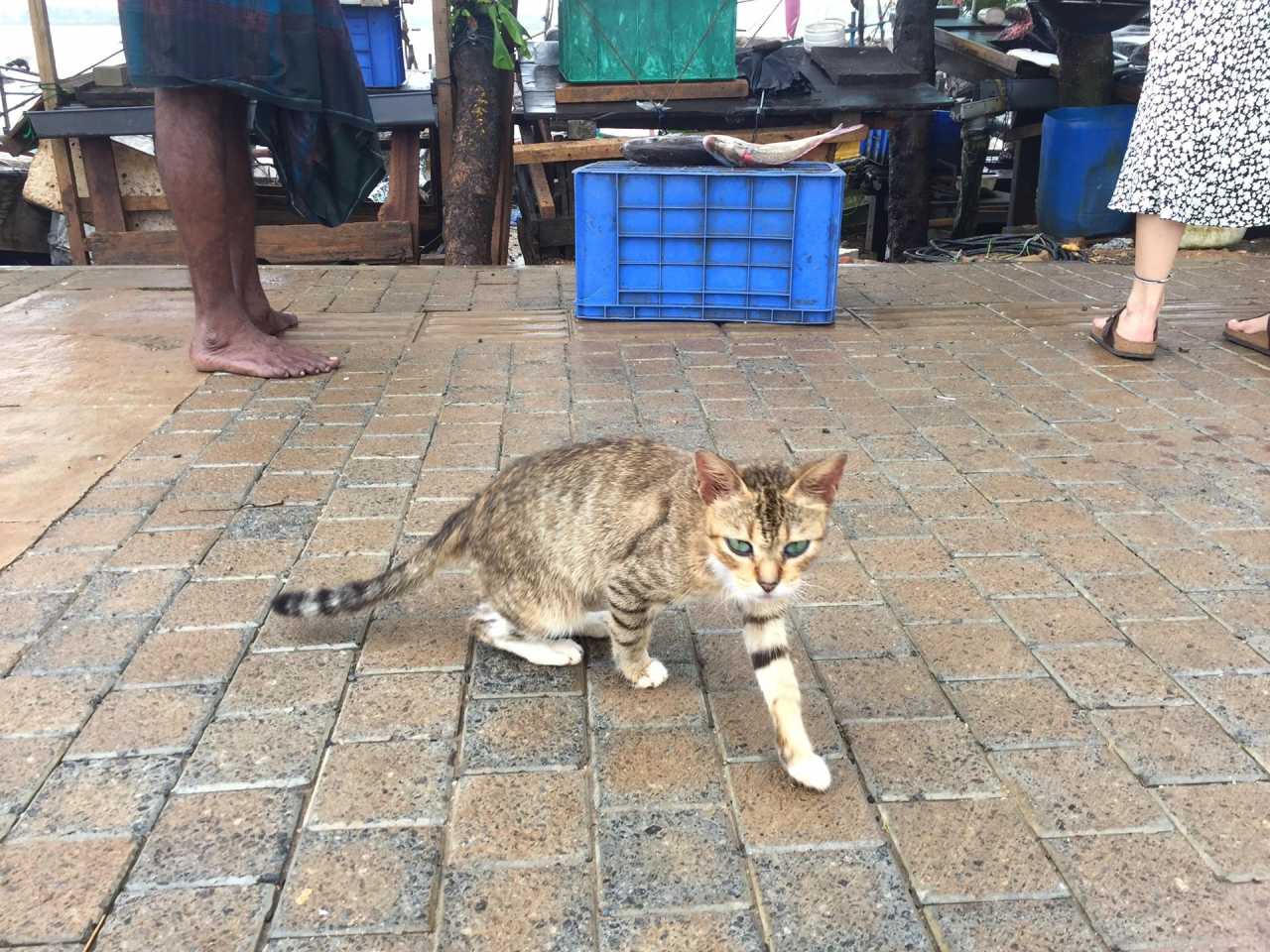
The Lucky Fort restaurant inside the fort serves excellent curry—1900 LKR, two people, ten curries—the best curry I ate in Sri Lanka (both Chinese and foreign friends agreed). Downstairs at the Galle hostel I met two important companions in this trip—two Chinese guys who spoke no English. Our story with them begins in Trincomalee; they left me the next day.
Talalla: Because my schedule didn’t match the two German girls’, I went alone to Talalla, the “secret beach” near Matara. (I’d already noticed they wouldn’t travel well together: one kept complaining the other only video‑chatted with her boyfriend and made no plans. They eventually fought and split. The one I got along with later regretted not leaving earlier to travel with me; by the time she figured it out, I was going home—haha. So, unless you’re a couple, solo travel can be better: if you meet friends who vibe, travel together; if not, part ways without burden.)
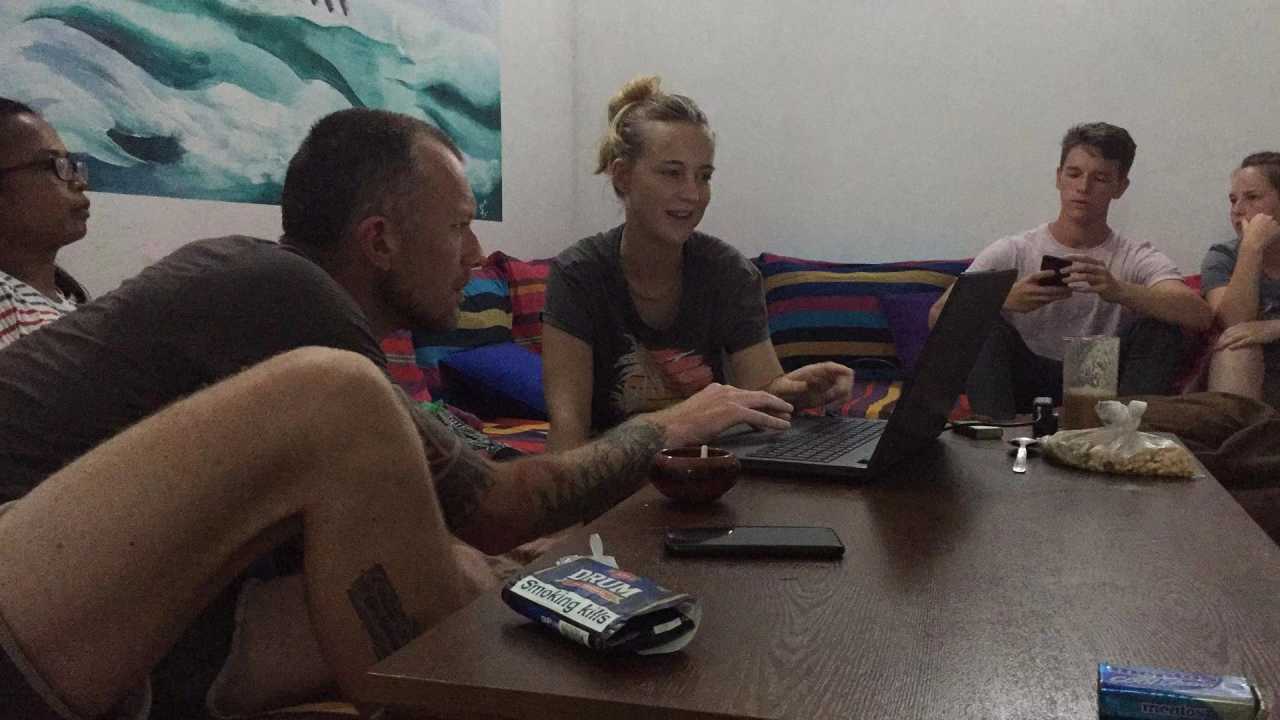
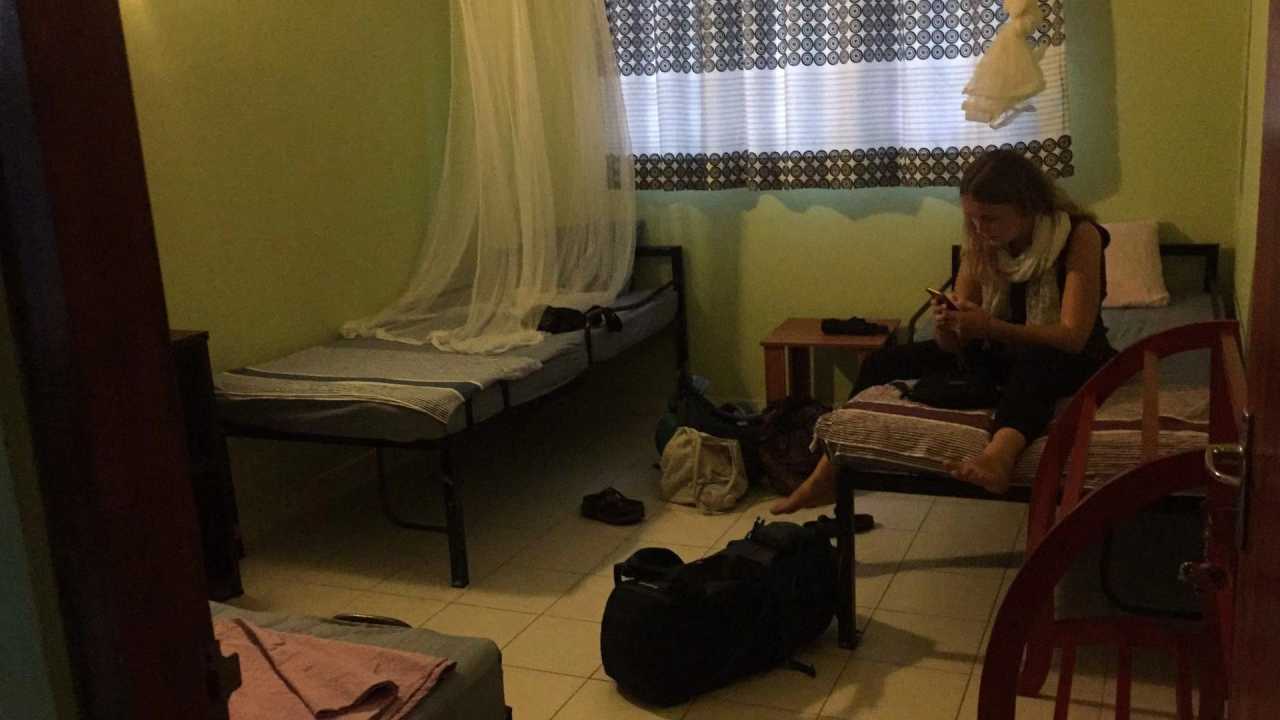
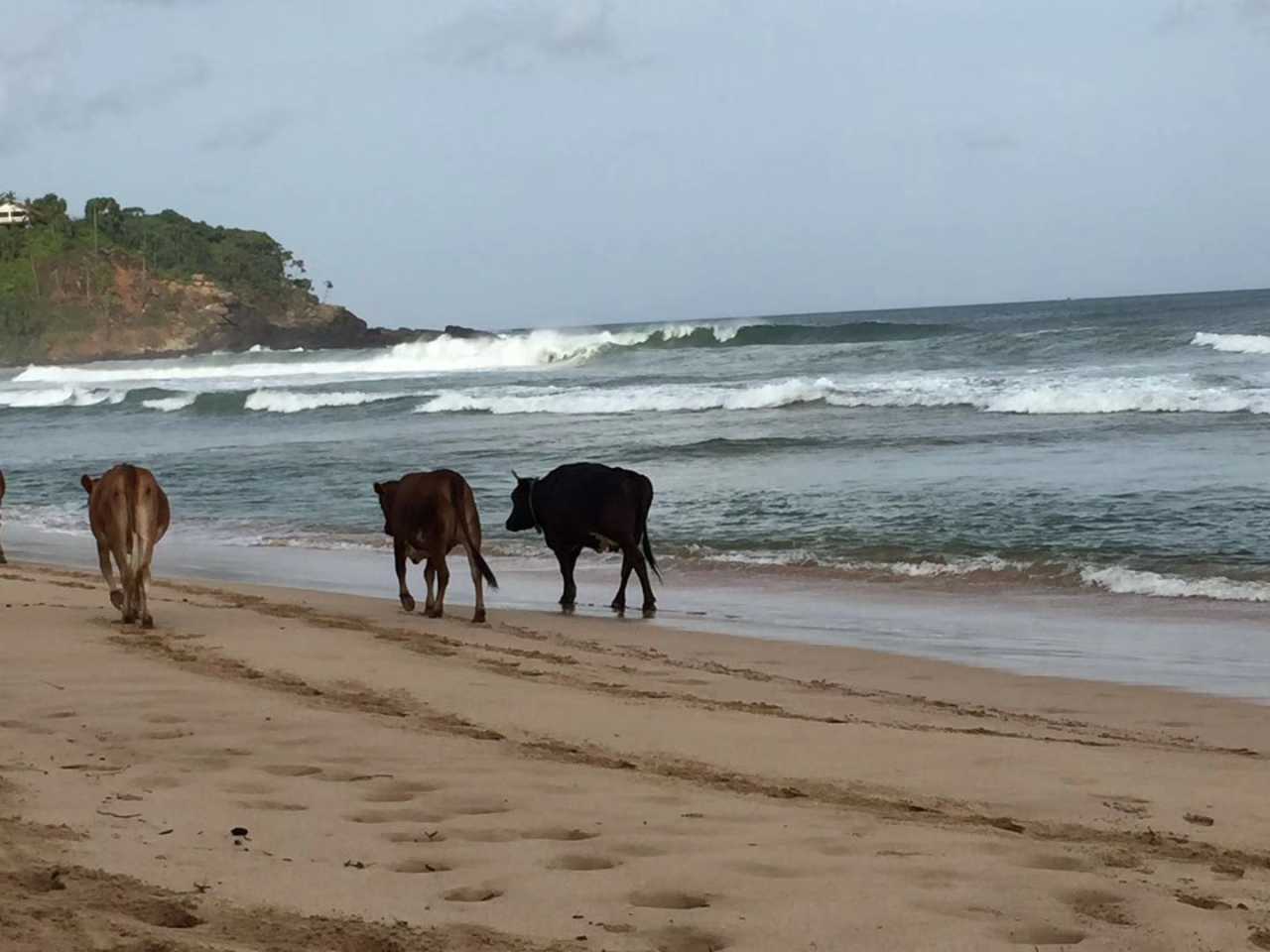
Talalla is great: long beaches, fine sand, few people, with two lifeguard teams patrolling. The Indian Ocean waves are fierce—I was knocked over by a wave just inches high. Be careful swimming; watch for rip currents. South‑coast weather in August is truly poor, and without new buddies to swim with, I left after one night.
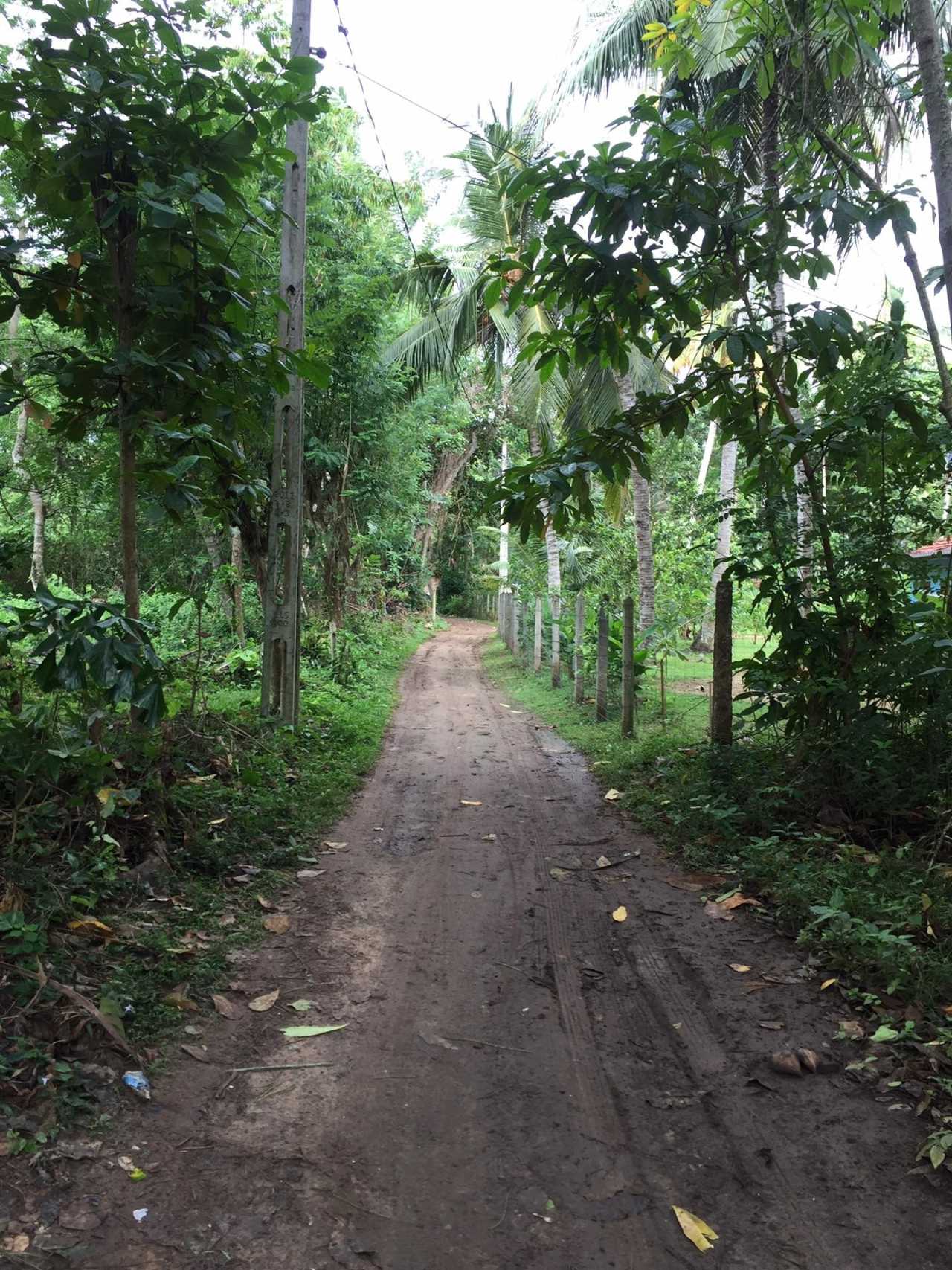
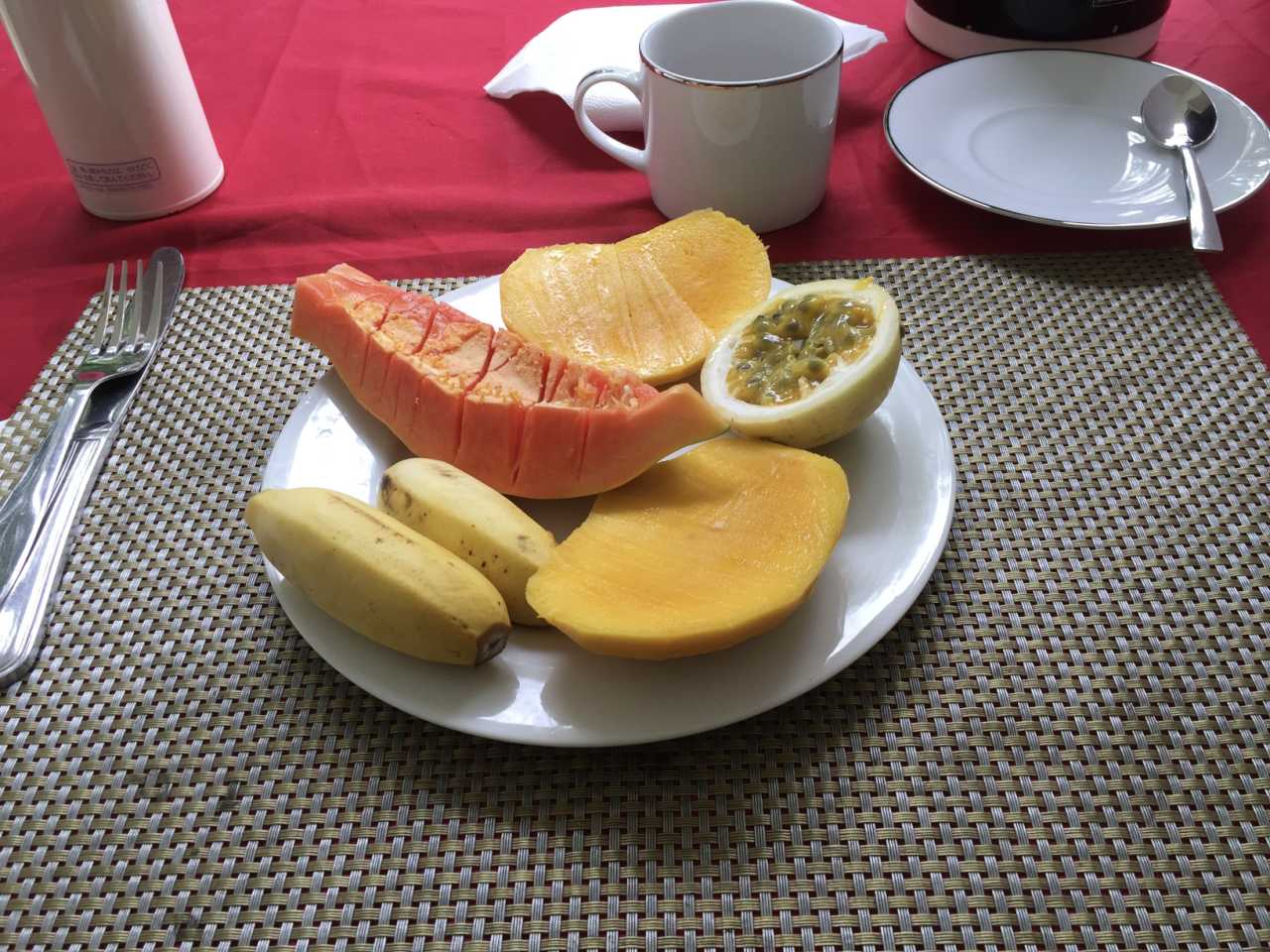
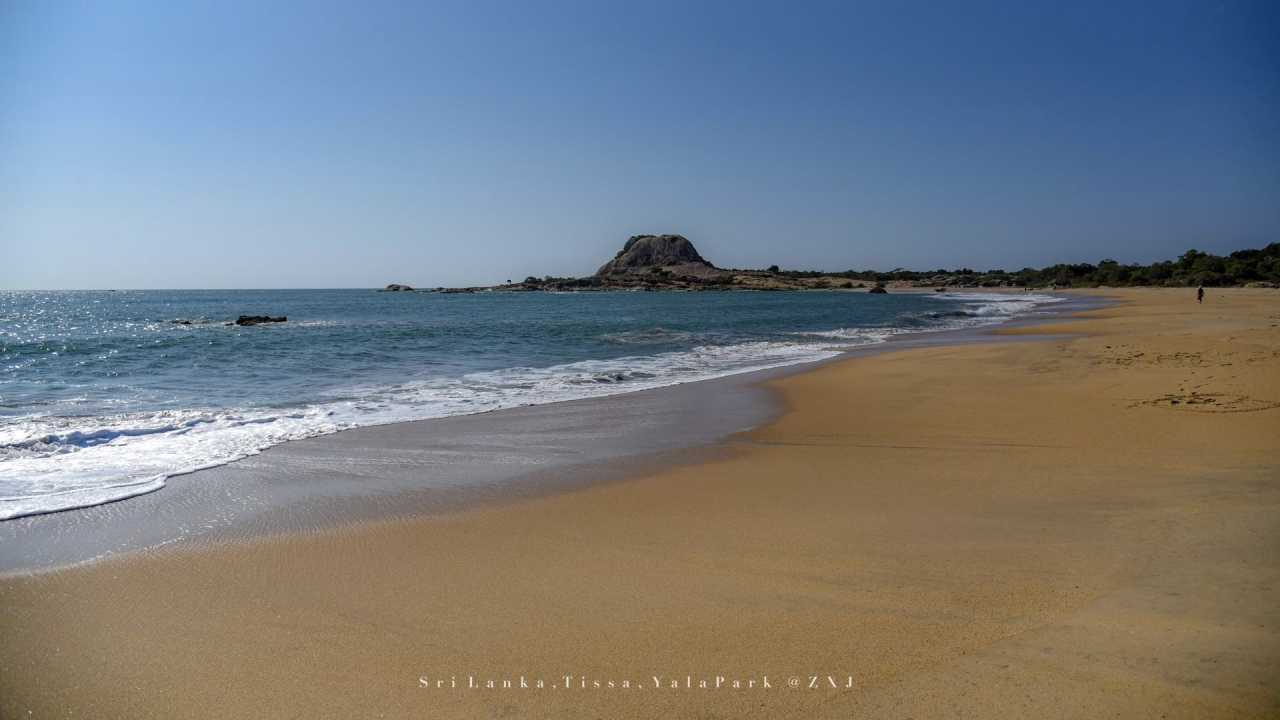
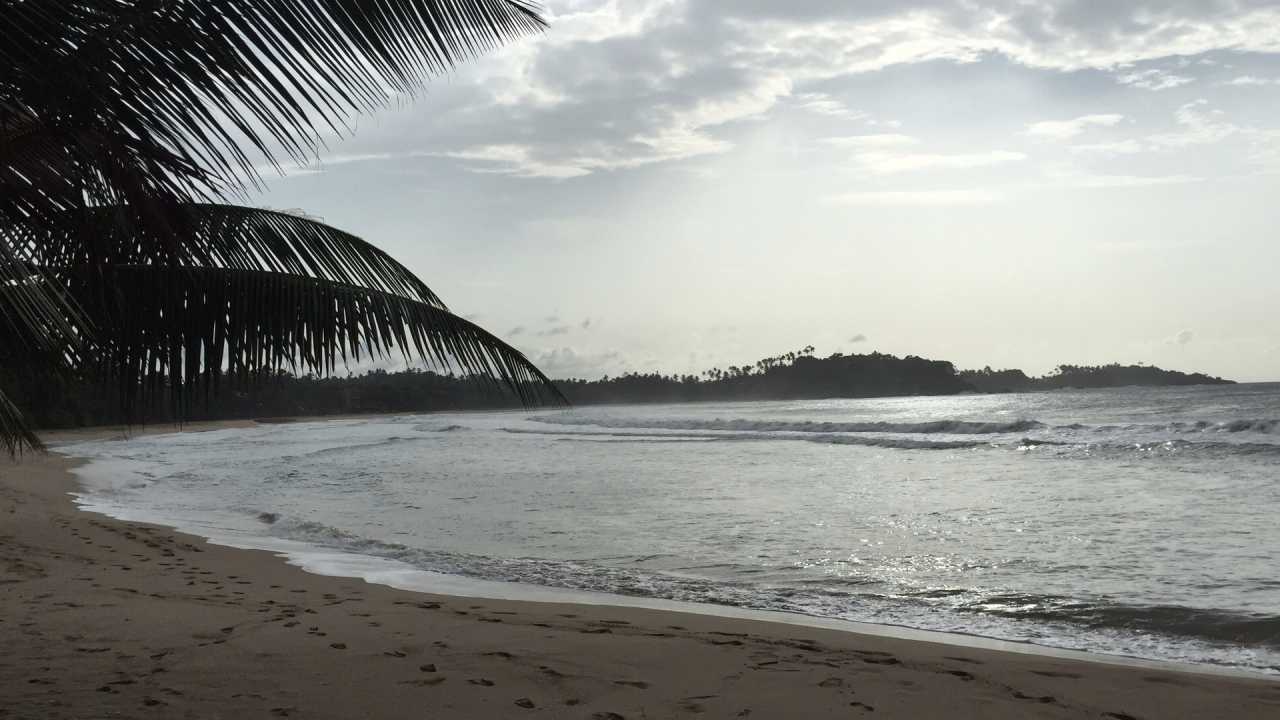
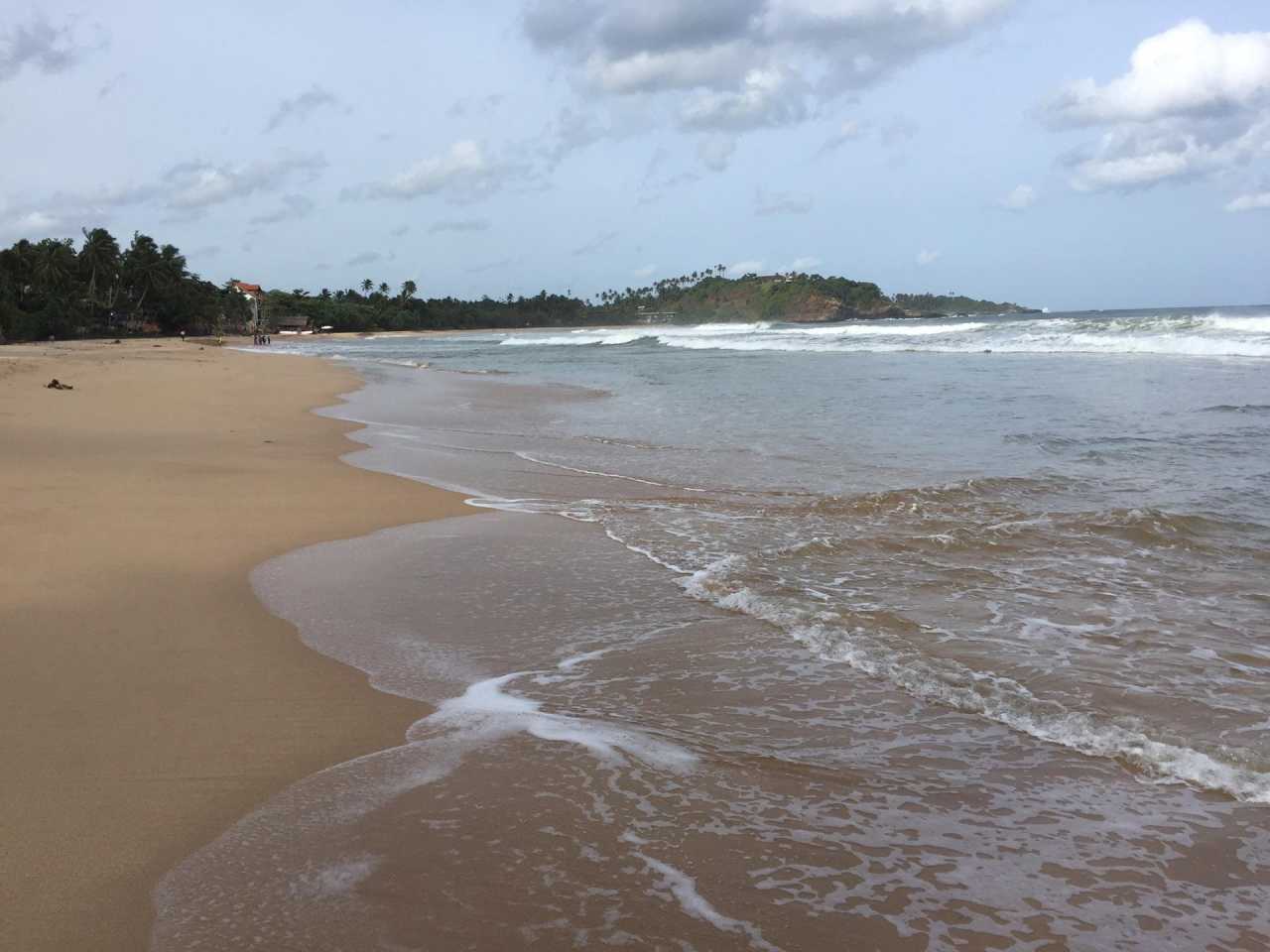
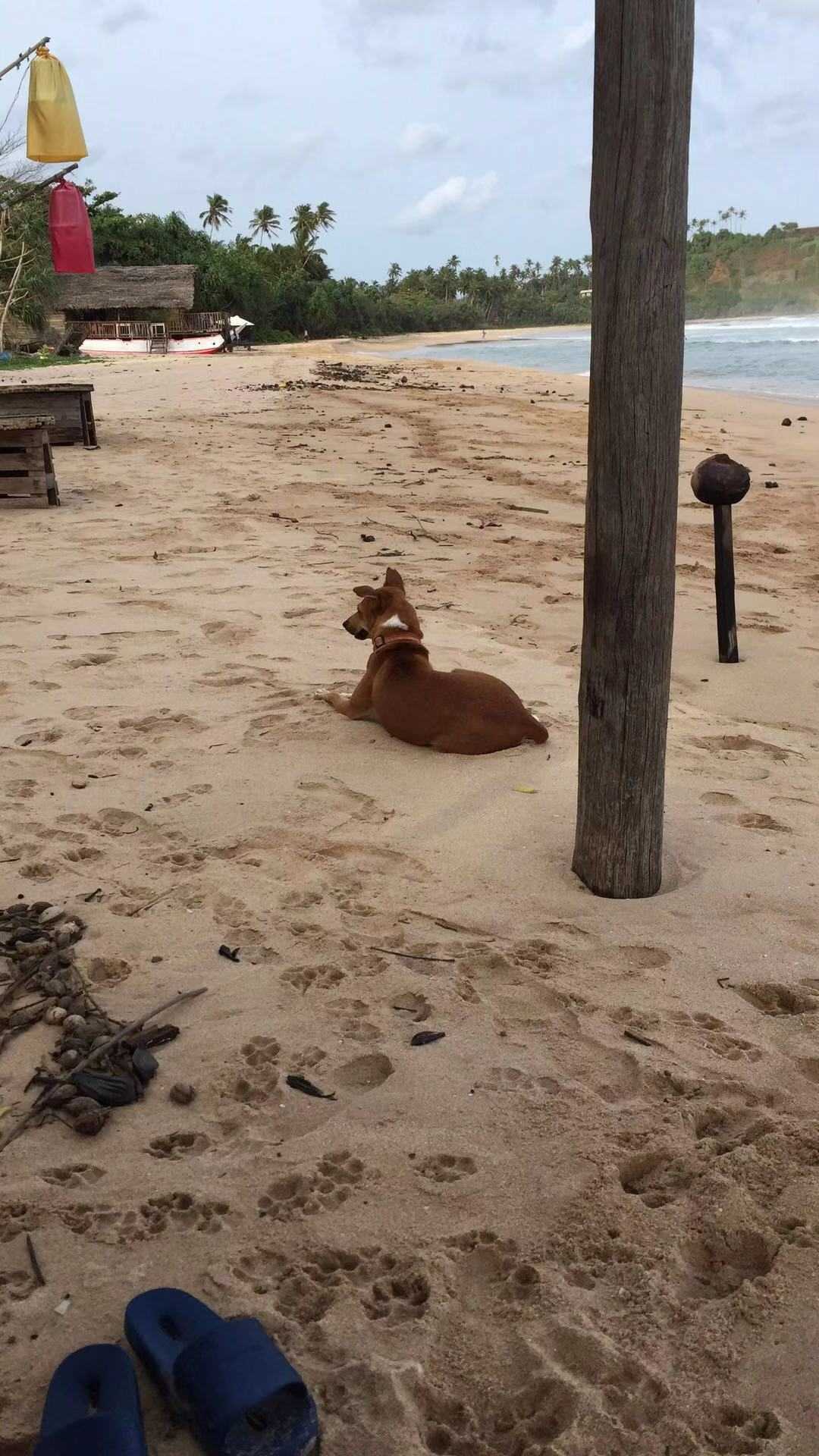
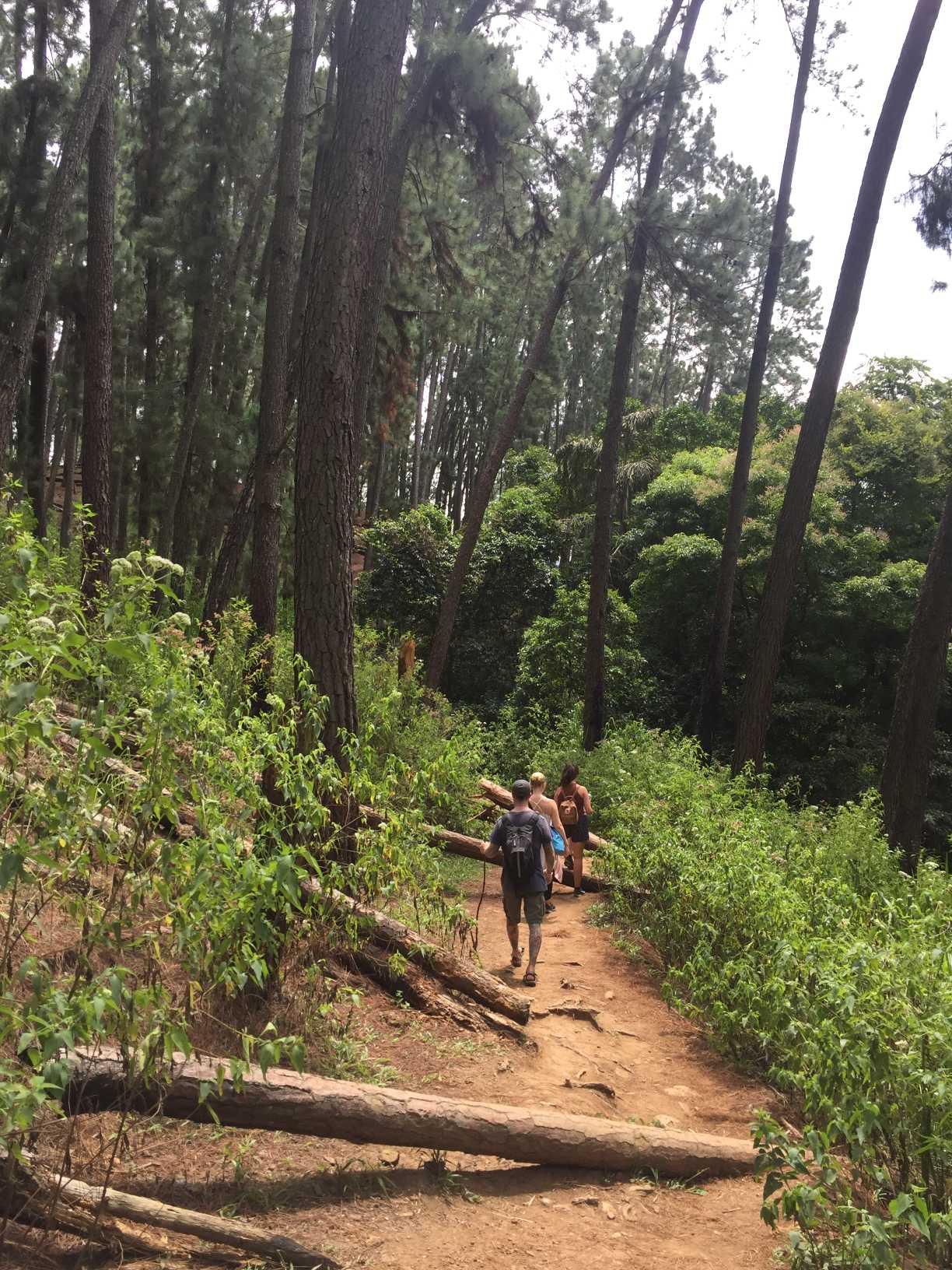
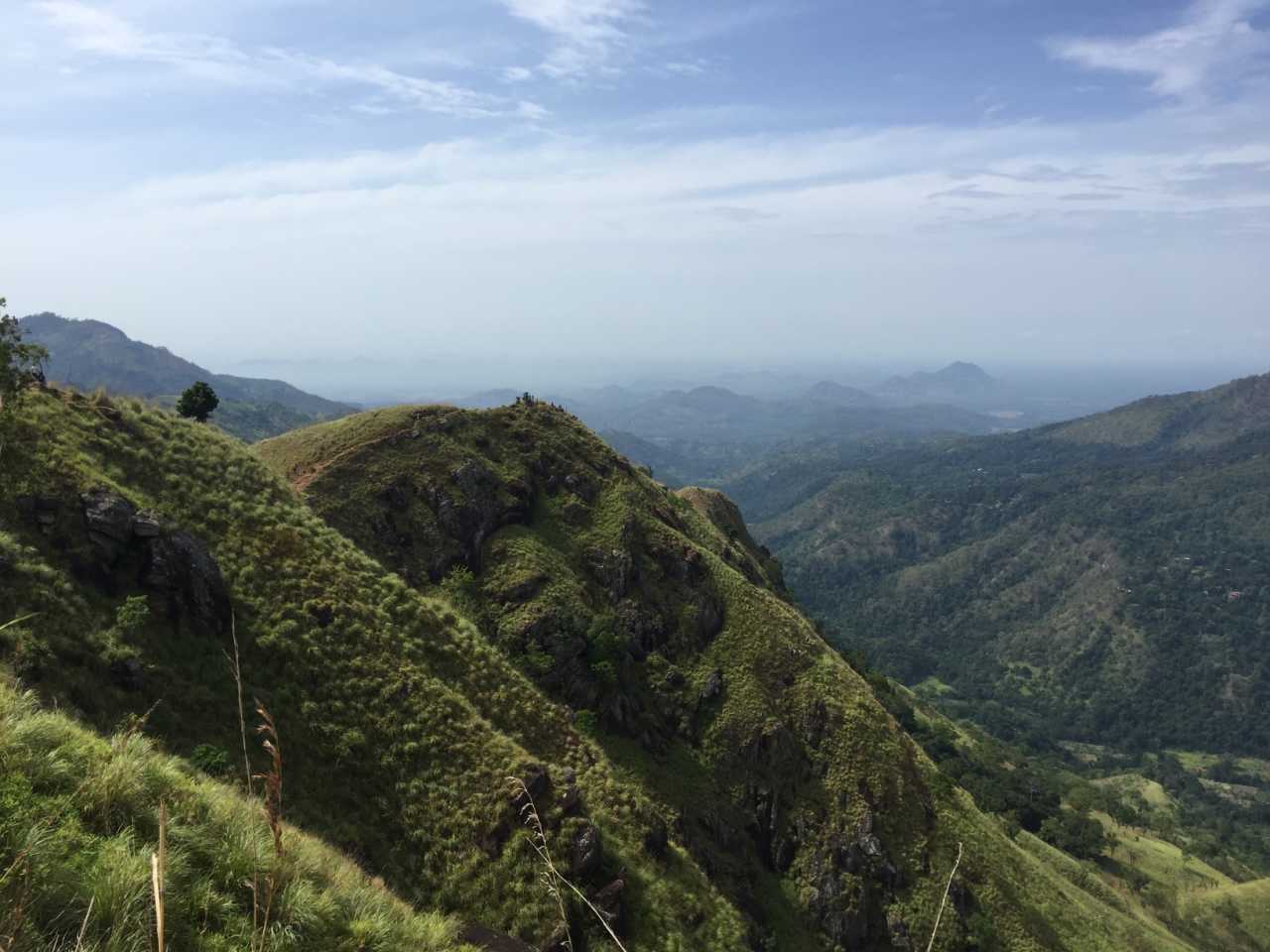
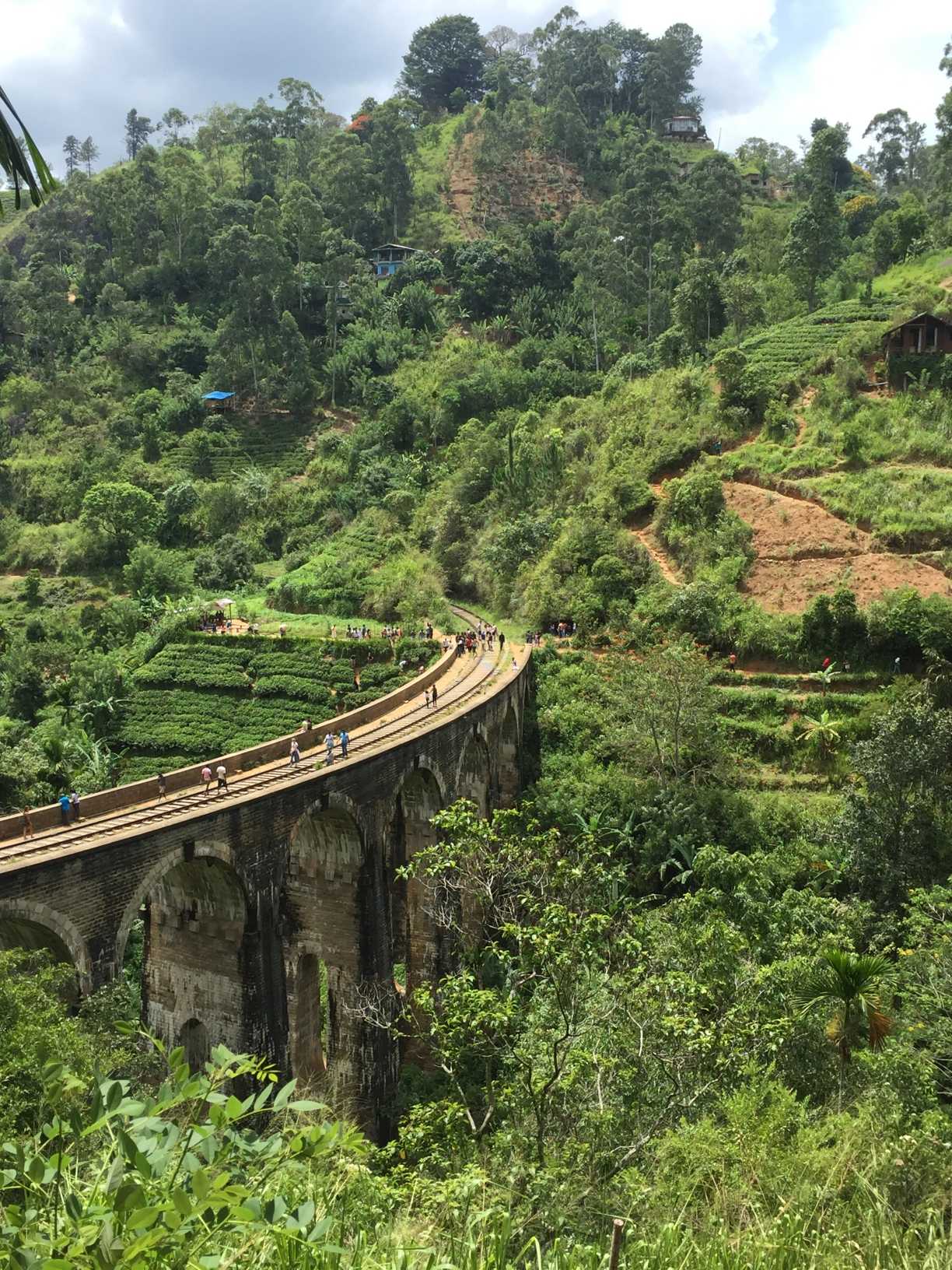
Ella: After a four‑hour bus ride, I reached Ella—a small hill town. At the hostel I met a delightful Irish lady (cute accent—I still prefer British) and some foreign friends. The next day we hiked Little Adam’s Peak and the Nine Arch Bridge. The scenery was average but fine; getting some exercise was fun. Evenings in Ella are cool. That night the power went out briefly; under a starry sky we sat in a circle with tea and biscuits, chatting about the Irish girl’s pet sheep and a Dutch sister’s volunteering in Africa—cherished that night.
Arugam Bay: I originally planned to go to Nuwara Eliya and then directly to Kandy, but friends wanted to surf at Arugam Bay. Already a bit disappointed with Sri Lankan scenery, I thought I’d catch some waves. I often skateboard but had never tried the “luxury” sport of surfing, so this was the chance. In town there were bikini‑clad surfers everywhere—wait, isn’t this a Muslim town? Please show some respect :). Lessons aren’t expensive—about 100 RMB per session with coach and board, 1.5 hours. I stayed at a hostel near the beach; on the east coast be sure to book AC rooms or you won’t sleep. My first surfing lesson was perfect; with strong balance, it felt almost easy, and the sensation of standing on a wave was awesome. Then I got overconfident and rented a beginner board for ~20 RMB the next day to try solo—ended up exhausted without a single success. Standing and keeping balance is only step one; you must learn to pick suitable waves, paddle fast enough to catch them, and choose when to pop up (which takes at least half a month of daily practice). Without that, you won’t even get to the balancing part, let alone any surfing technique—so I’ll train my arms and come back. For surf lovers, this place is great, with waves for all levels.
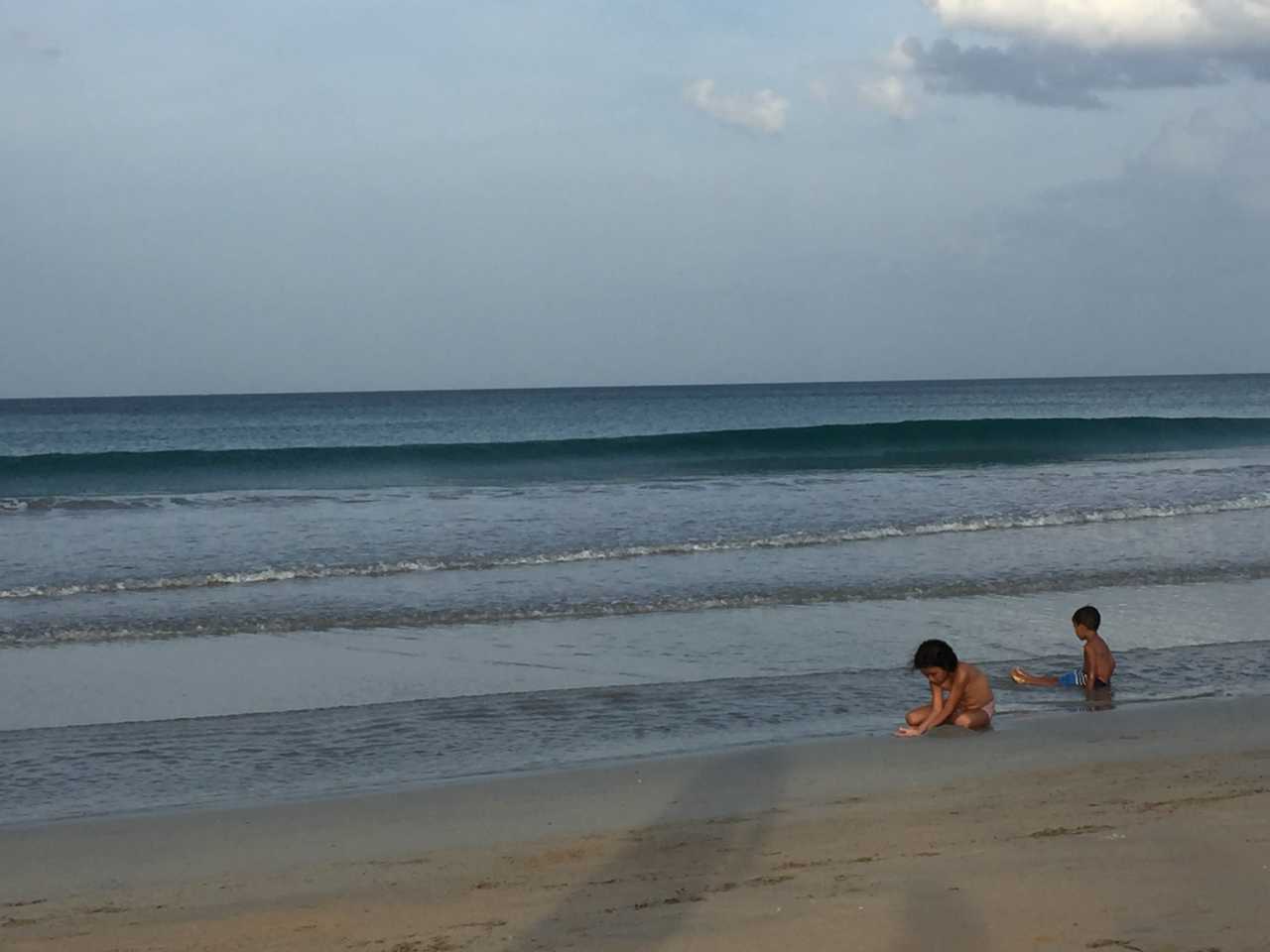
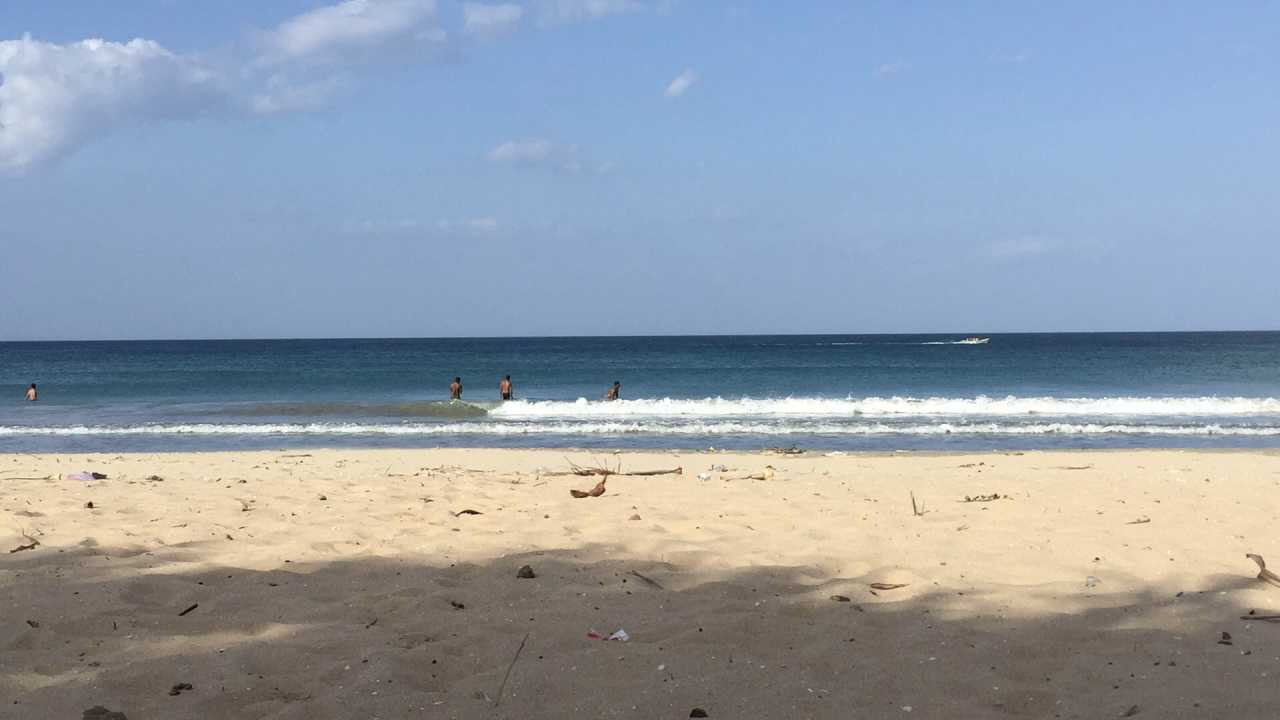
Trincomalee: Since I didn’t plan to continue surfing lessons, I decided to meet those two Chinese friends in Trincomalee—they suffered a lot after leaving me and were scammed out of money, really needed me :). Trincomalee is a very nice coastal city; don’t just stay downtown—Nilaveli, 10 km north, is the best place to stay. We bargained the tuk‑tuk price from Nilaveli to town down to 500 LKR. In Colombo you can do it for at most 300 LKR, but here the minimum ask is 800 LKR—so don’t thank us; call us Lei Feng, hehe. Why is Nilaveli’s sea so good? On cloudy days the water is light blue; in sunshine, imagine it yourself. The coastline is extremely long; play wherever you like. The sand is fine, the shallows extend far, and the waves are gentle. In the Indian Ocean’s high‑salinity water, I could float motionless, staring up at the blue sky—so comfortable.
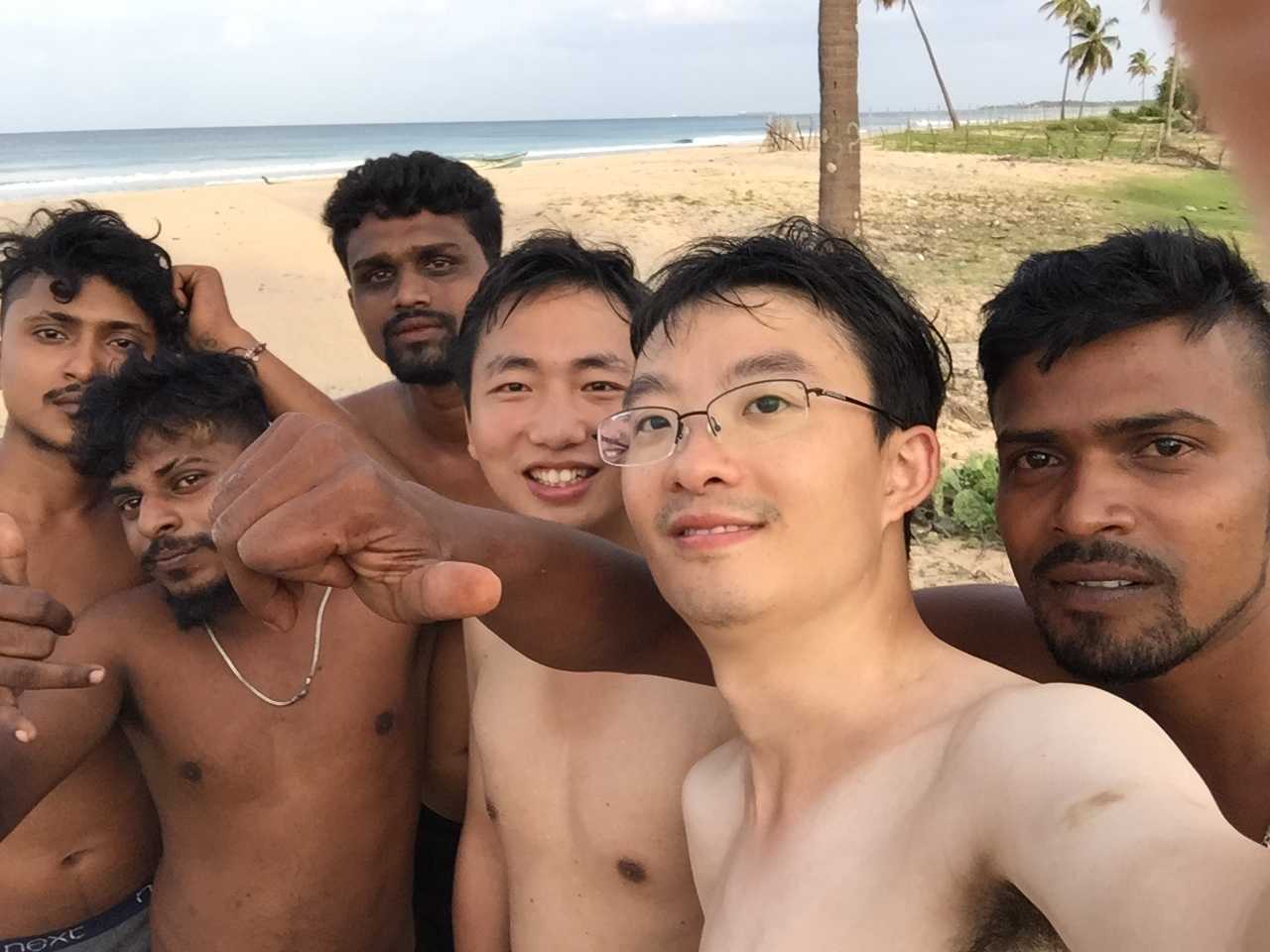
My two buddies came to Sri Lanka to hunt insects. During the day I helped them buy flashlights, shovels, and buckets in town. At 9 pm they went out bug‑hunting while I, with older‑man habits, went to bed. Half an hour later they burst back in: “Bro, let’s catch crabs!” “Where? How big?” They showed me a crab as big as a Chinese river crab. “Forget sleep—let’s go! Lunch for tomorrow!” We set off in swim shorts and flip‑flops. The flashlight along the shore lit up lots of crabs. It was high tide; the crabs came out to bask in the moonlight. We divided roles: I handled lighting; Ergou covered with the bucket; Dayan shoveled crab plus sand. At first the crabs drifted and Ergou repeatedly plunged into the sea with the bucket without success. Later he figured out the pattern: approach from the sea, let the wave hit the crab to slow it, cover in one move; then Dayan and I rushed in to help. After half an hour we harvested more than a dozen fat crabs—big claws, lots of meat! We lay on the beach and watched the Milky Way; the sea breeze was so pleasant—though the two rough dudes snoring beside me were less ideal... The next day our task was to turn the crabs into delicious dishes. I found a restaurant owner and negotiated a price (only 300 LKR—nice). I improvised a steamer with a sieve and pot and made steamed crabs; the owner’s wife cooked a local spicy crab. We invited them to try; they said they don’t eat this kind, so more for us. Thin shells, lots of meat, naturally savory without salt—excellent. First time I ate crab till stuffed. If you come to Sri Lanka’s coast, definitely try catching and eating crabs—fun and tasty.
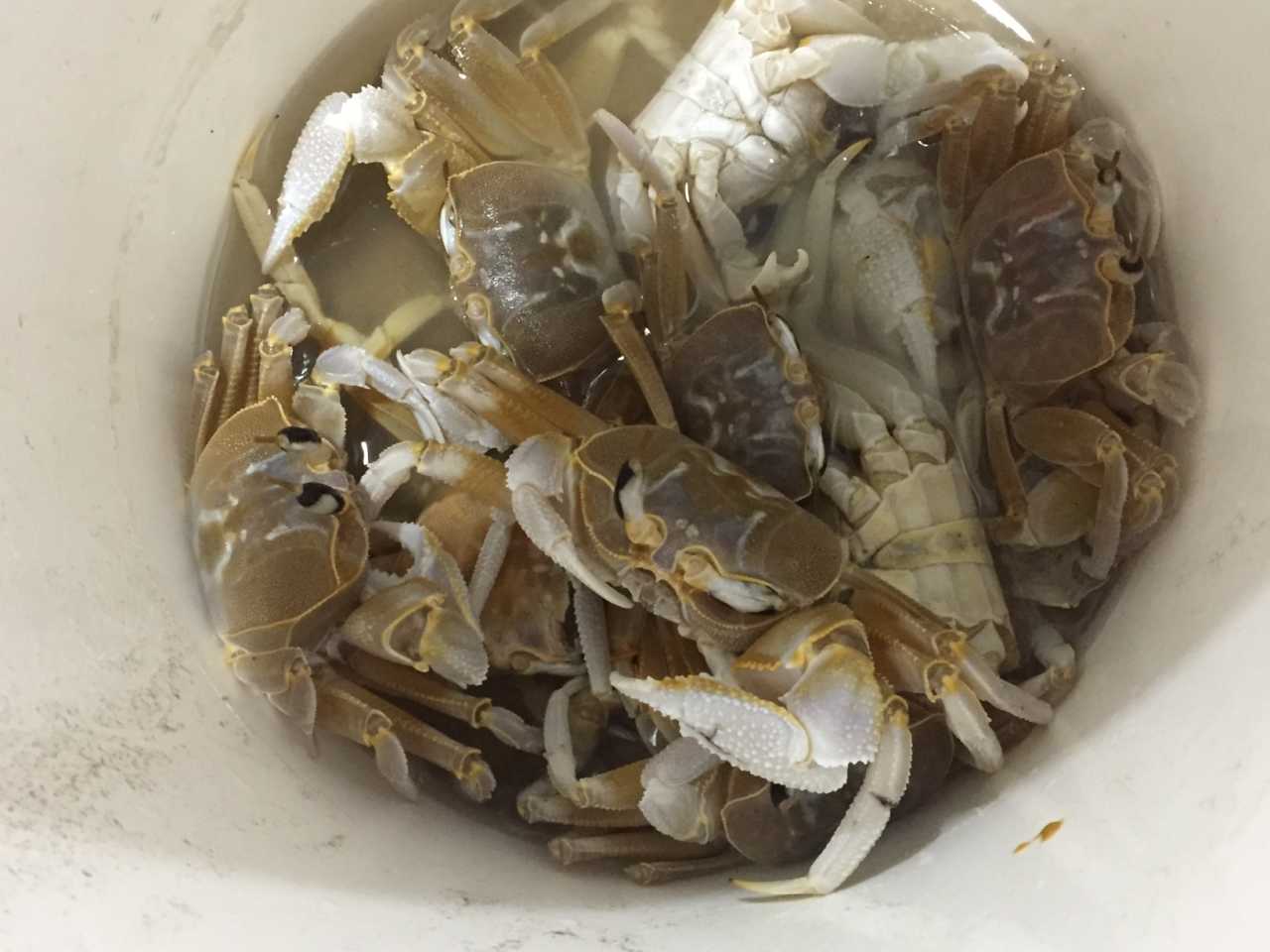
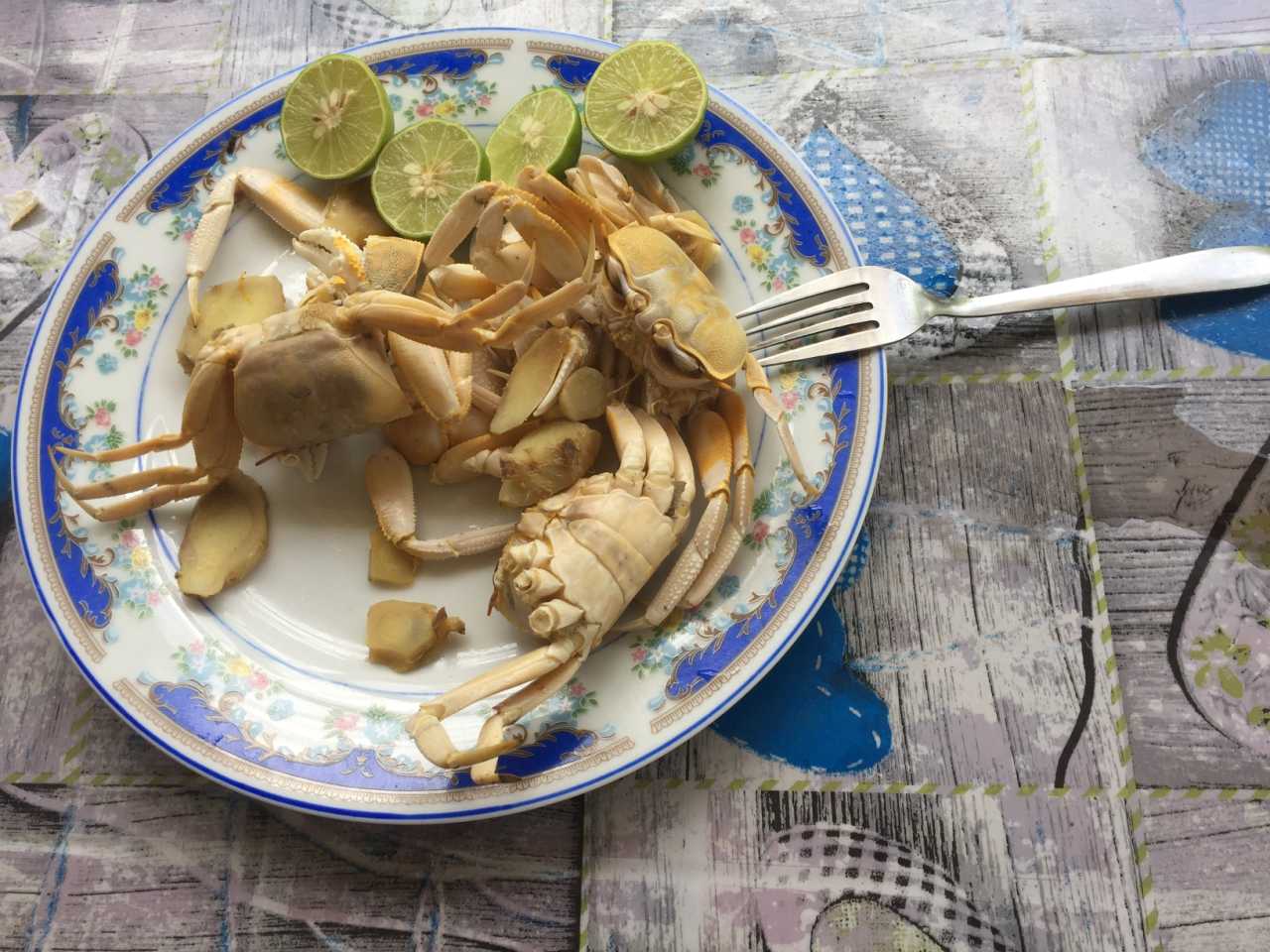
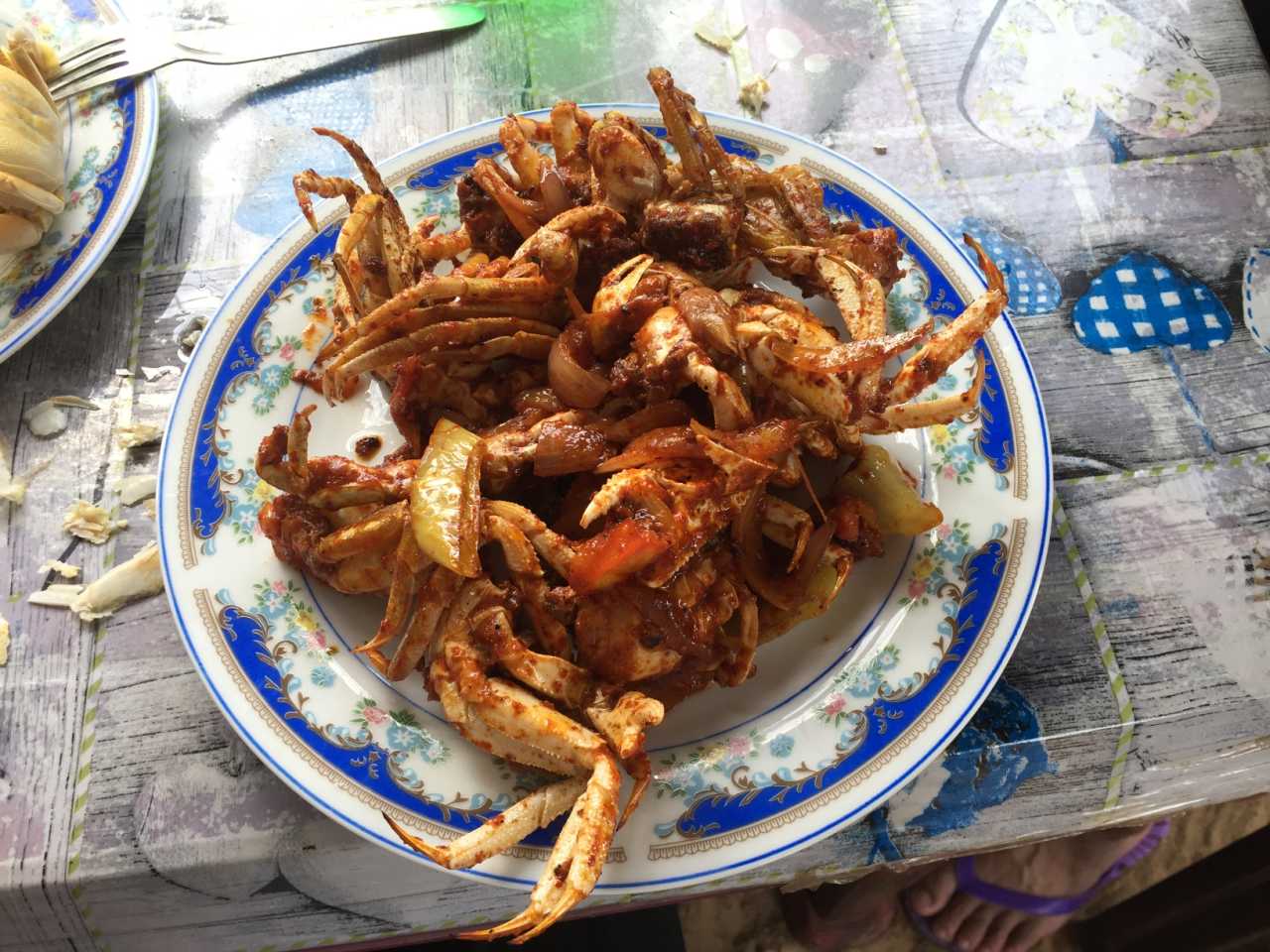
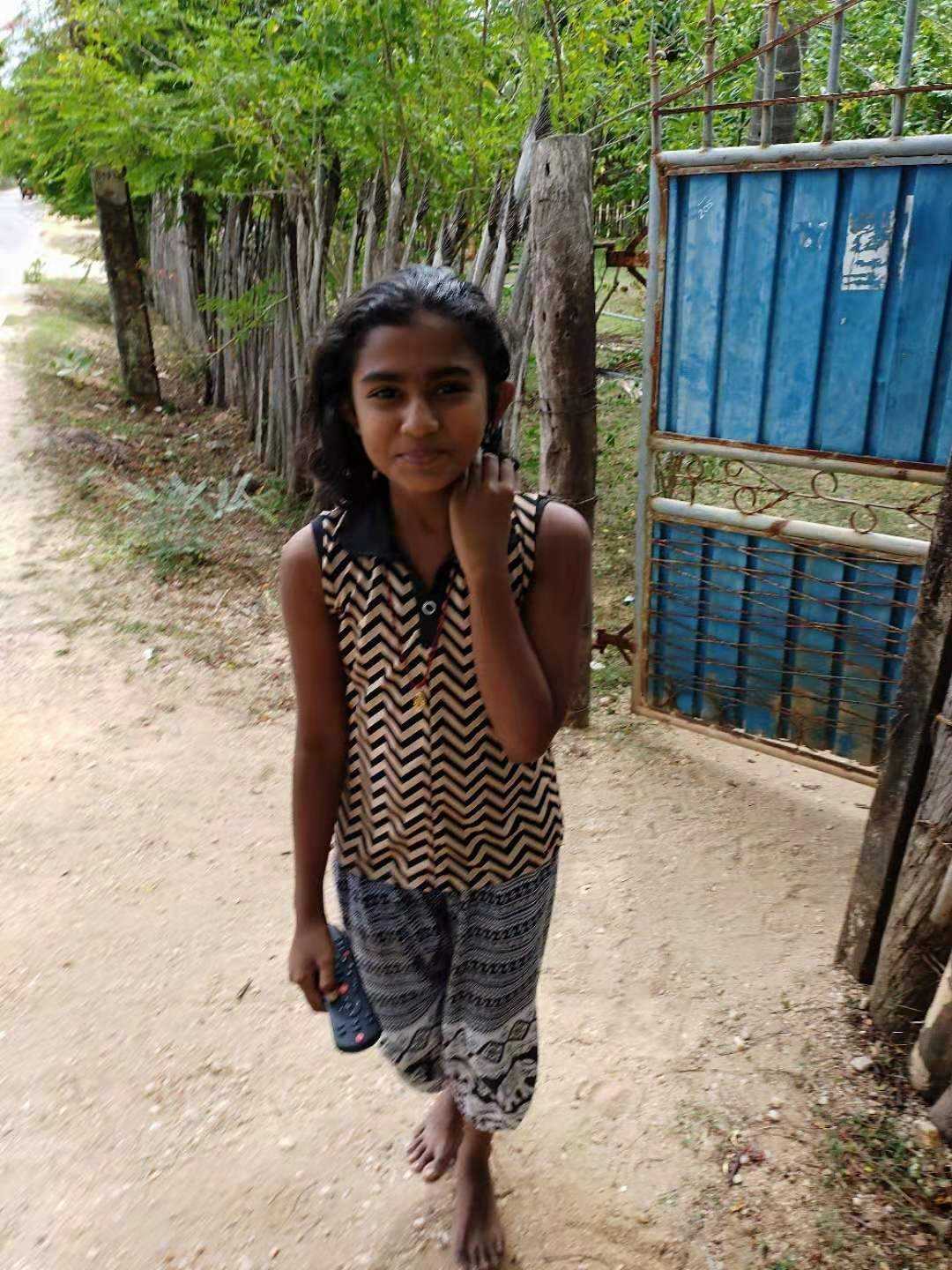
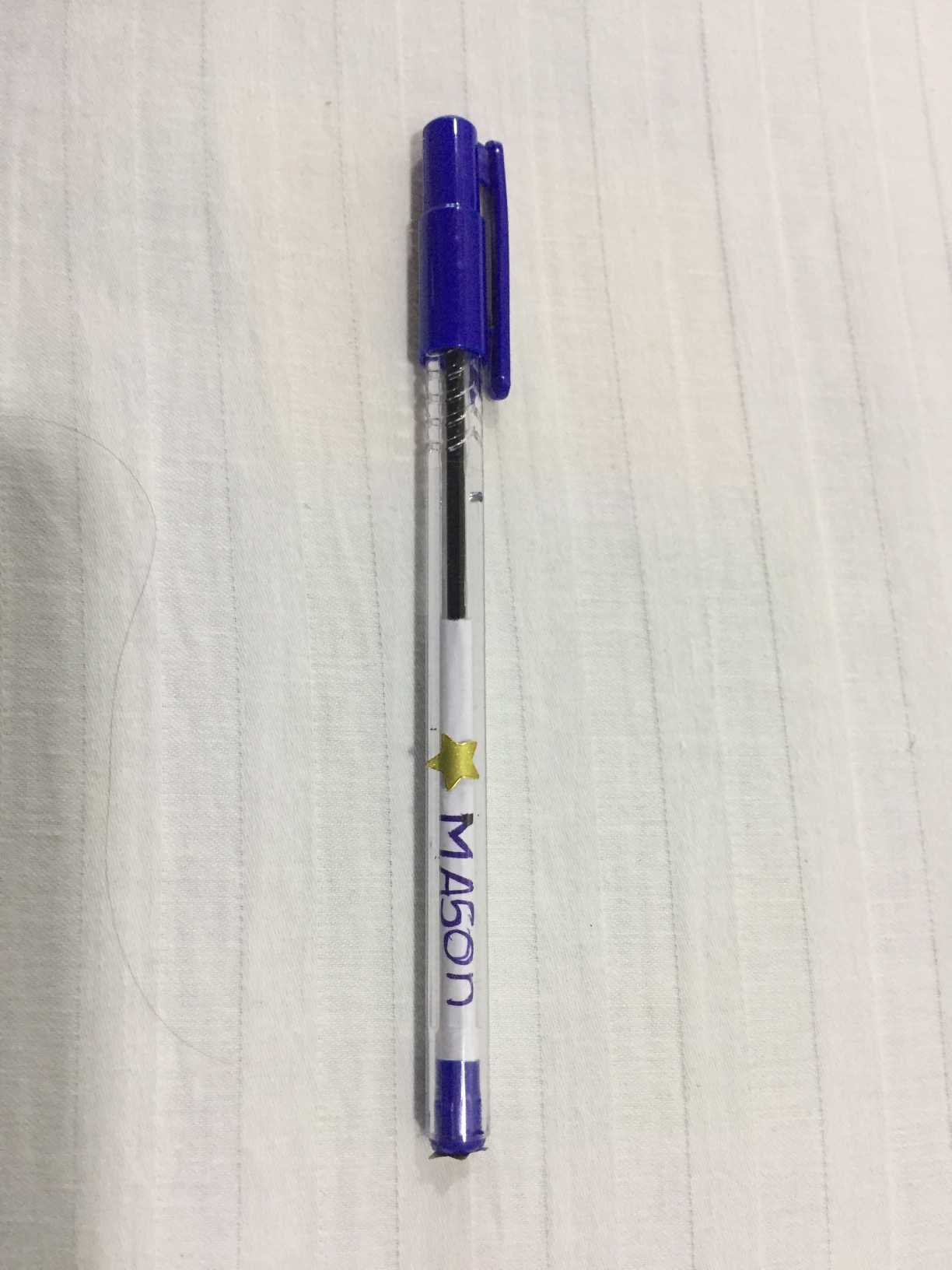
Because I got up early daily to make breakfast for these two buddies, I became close with the hotel owner’s 11‑year‑old daughter, Tashaniya. Her English was good; she helped me toast bread and fry eggs every morning. Before leaving I gave her two Chinese knots; she was delighted and gave me a ballpoint pen with my English name as a gift (my Chinese name was a bit too hard for her—haha).
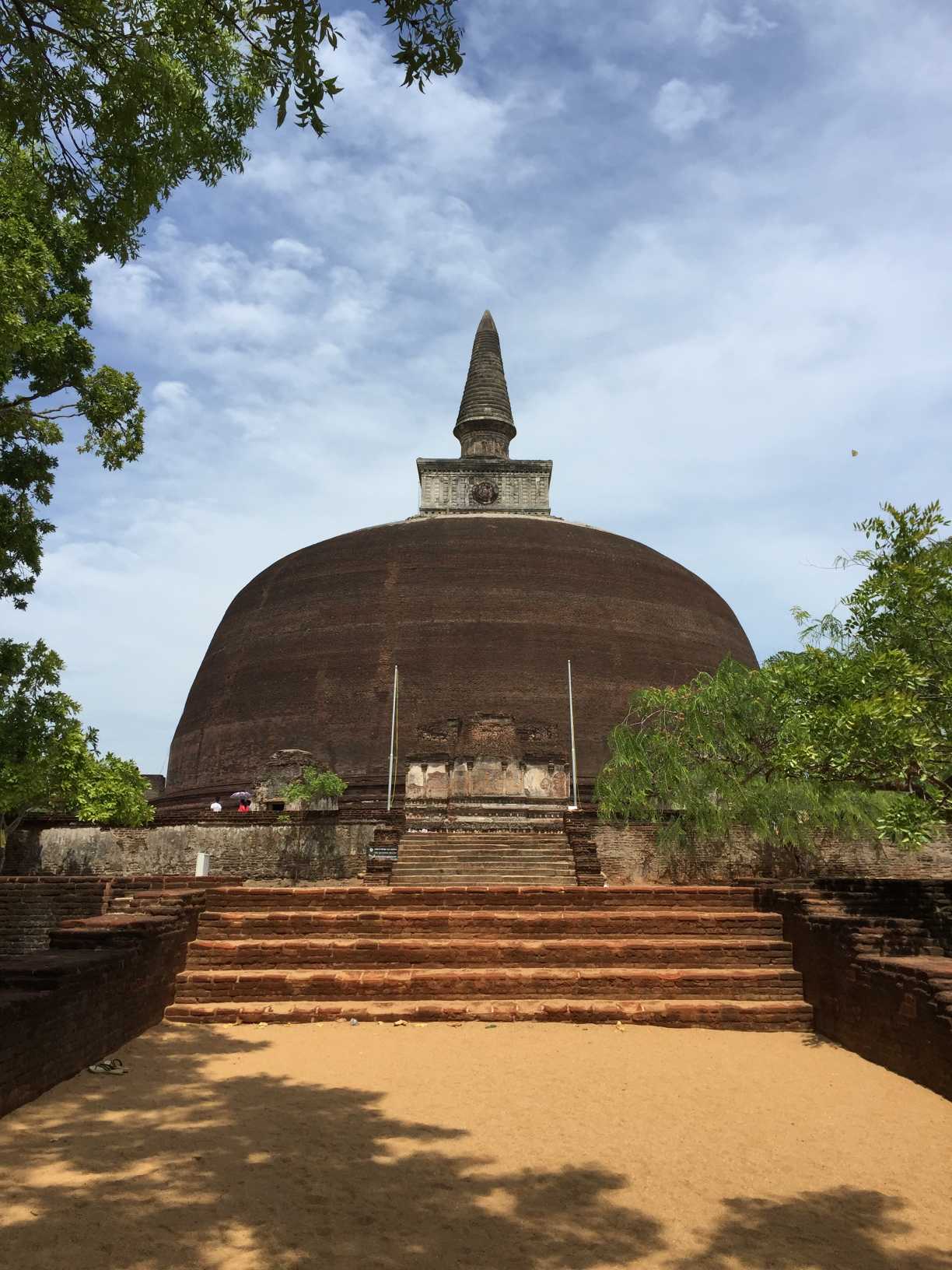
Polonnaruwa Ancient City and Sigiriya (Lion Rock): There’s really no need to spend 200+ RMB to see these crumbling ruins. Sigiriya only has a pair of lion paws left—just look at photos online. I went only because I couldn’t let it go.
Kandy: I met the warmest person of this trip, Master Li, a chef from Fujian who has lived in Kandy for 10 years. We found his Kaya Hotel via Dianping; thought it was a Chinese restaurant, but it turned out to be a beautifully decorated hotel. Master Li personally served us—three dishes and a soup plus watermelon juice—at a very fair price. Smelling fragrant Chinese rice from the cooker and seeing delicious Chinese dishes on the table, the three of us who had eaten Sri Lankan food for more than two weeks almost cried; we ate till full and decided to stay there. In Kandy we lost interest in sightseeing—morning runs around Kandy Lake, a glance at the Temple of the Tooth without entering; we spent days reading and gaming in the hotel lobby, only returning to Colombo the day before departure.
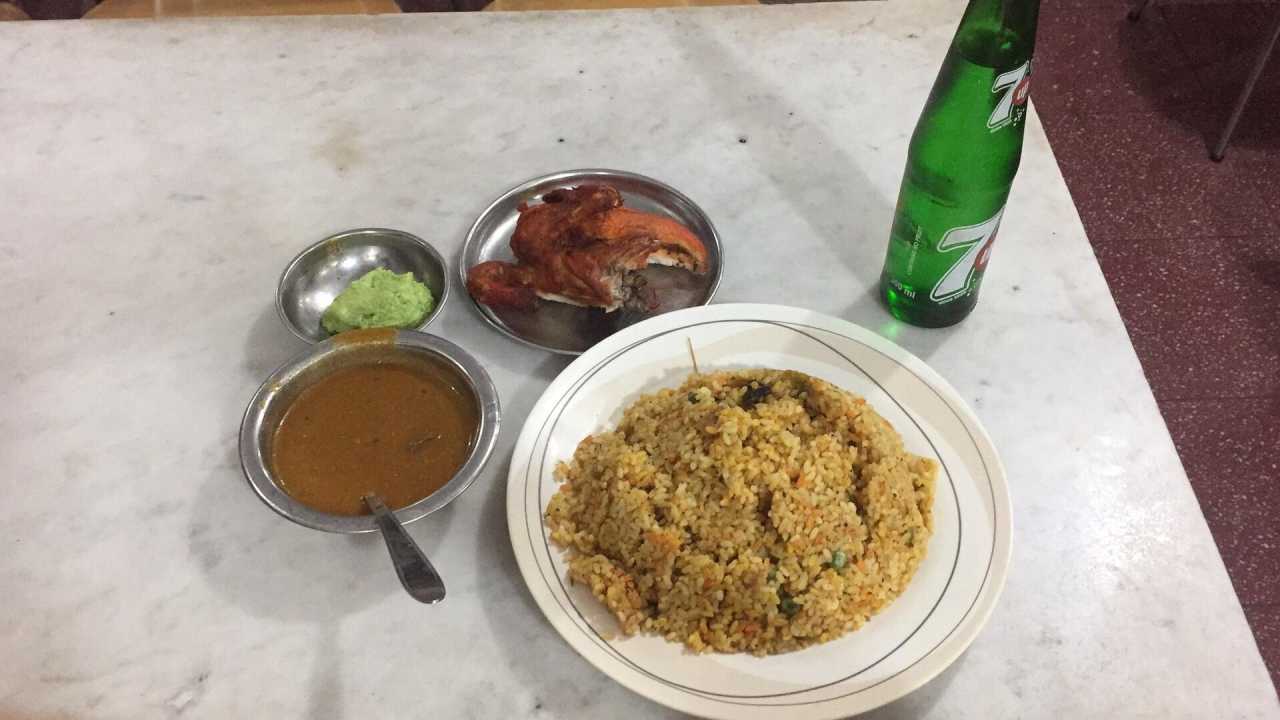
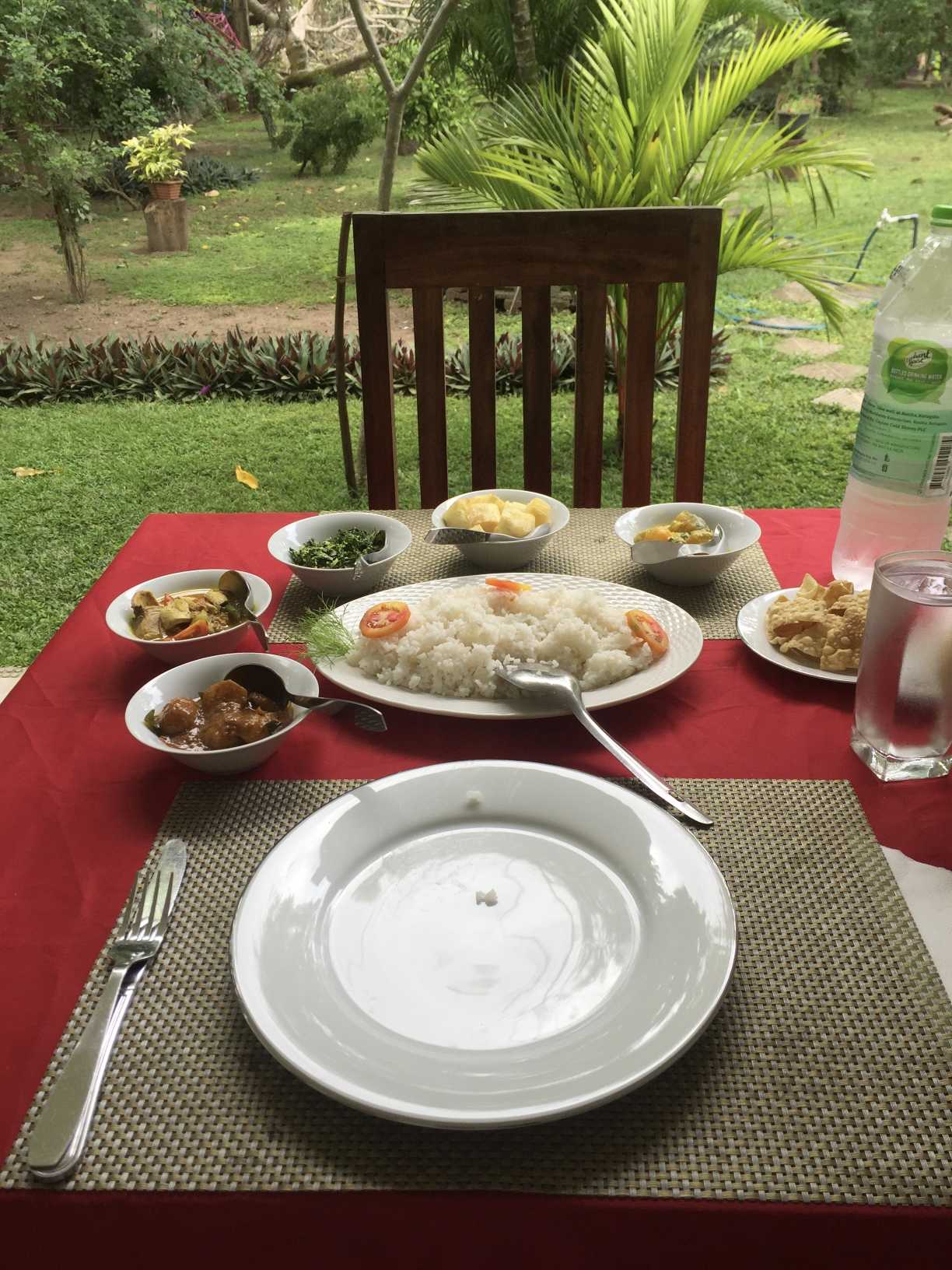
Food in Sri Lanka: Mostly Indian cuisine. Local eateries are much the same: rice and curry (Indian rice is not great), rotti (flatbread, a bit like stuffed pancake; can add curry, banana, vegetables, chicken, fish, chocolate), kotthu (chopped rotti stir‑fried with vegetables and chicken, often spicy), fried rice and fried noodles. Seafood beyond tuna and shrimp isn’t much (compared with Thailand’s shrimp, these are more like tiny shrimps).
Desserts: Don’t try them lightly. I tried several and the only word is “cloying.” I bought a nice‑looking slice of cake—one bite and needed a full minute to recover. Bread is okay.
Fruits: Since there’s little pesticide or fertilizer here—pure and natural—many fruits don’t develop well, especially watermelon. Starfruit, rambutan, small apples, pineapple, bananas are fine. King coconut isn’t as good as Thai young coconut; multiple tries were disappointing. Many oddly shaped local fruits need added sugar for juicing—ask locals before buying.
“Not very fair” Sri Lankans:
It’s not recommended for women to travel alone. Similar to India, respect for women isn’t high. In a Colombo upscale‑area hostel I met two German girls (we hung out three or four days due to itinerary overlap); one had her butt grabbed at night by a local and called the police. When we went out, young men often whistled or made flirtatious comments (e.g., “hey, little baby”).
Don’t trust Booking ratings too much; go look before deciding. Hotels here can be “unfair”: set the app to show only one room left to rush your booking, then you arrive and no one’s there (happened three times). Such hostels aren’t fun to stay in. Don’t make deals with owners to cancel online orders and book privately—keep your right to review them.
What I dislike is the strong “discrimination” against tourists (I’ve already mentioned locals’ income levels). For example, tuk‑tuks: locals 50 LKR; they quote foreigners 400 LKR. Chicken fried rice at normal shops is 150 LKR and large; in touristy areas they charge 600–800 LKR with smaller portions. For buses and trains, both I and friends were overcharged: 20 LKR bus tickets quoted at 200 LKR; 50 LKR third‑class train tickets quoted at 400 LKR—just because you’re foreign. A friend on a boat saw locals fishing palm‑length prawns—2000 LKR each. If you don’t verify prices, they’ll quote higher, including hotels booked on Booking and meals at restaurants—always use a calculator. Attractions are worse: Sigiriya, Polonnaruwa ruins, and the Temple of the Tooth—locals pay about 4 RMB, foreigners 200+ RMB.
I’ve talked a lot about money; you might say dividing by 25 isn’t much. But being smiled at while being ripped off is really unpleasant, and it’s not isolated—it’s common. They’ll smile and say “you are my best friend,” but don’t treat you as a friend—just want your money. Thailand is also Buddhist; I often met kind people there, but in Sri Lanka it’s disappointingly rare. It’s not only about money; travel joy comes from small kindnesses and happy moments with friends. Too many of the opposite really affects your mood. In the last days in Sri Lanka I felt tired and just wanted to go home; I’d never felt that on previous trips. (It’s not just me; most friends I met felt similarly. Senia from Germany: “They don’t want to be your friends, they just want your money, and the view here is just so‑so. I’ll go back earlier. I’d rather stay with my family.” A free‑travel couple from Tianjin: “We wanted to leave by day 3—how did you stay so long?”) Still, if you like Indian food and culture and don’t mind being overcharged, you should come experience Sri Lanka—foreign friends say it’s much better than India.
Important tips (useful info) 1 RMB = 25 LKR
1) AirAsia and SriLankan Airlines have dedicated transit channels—no transit visa needed.
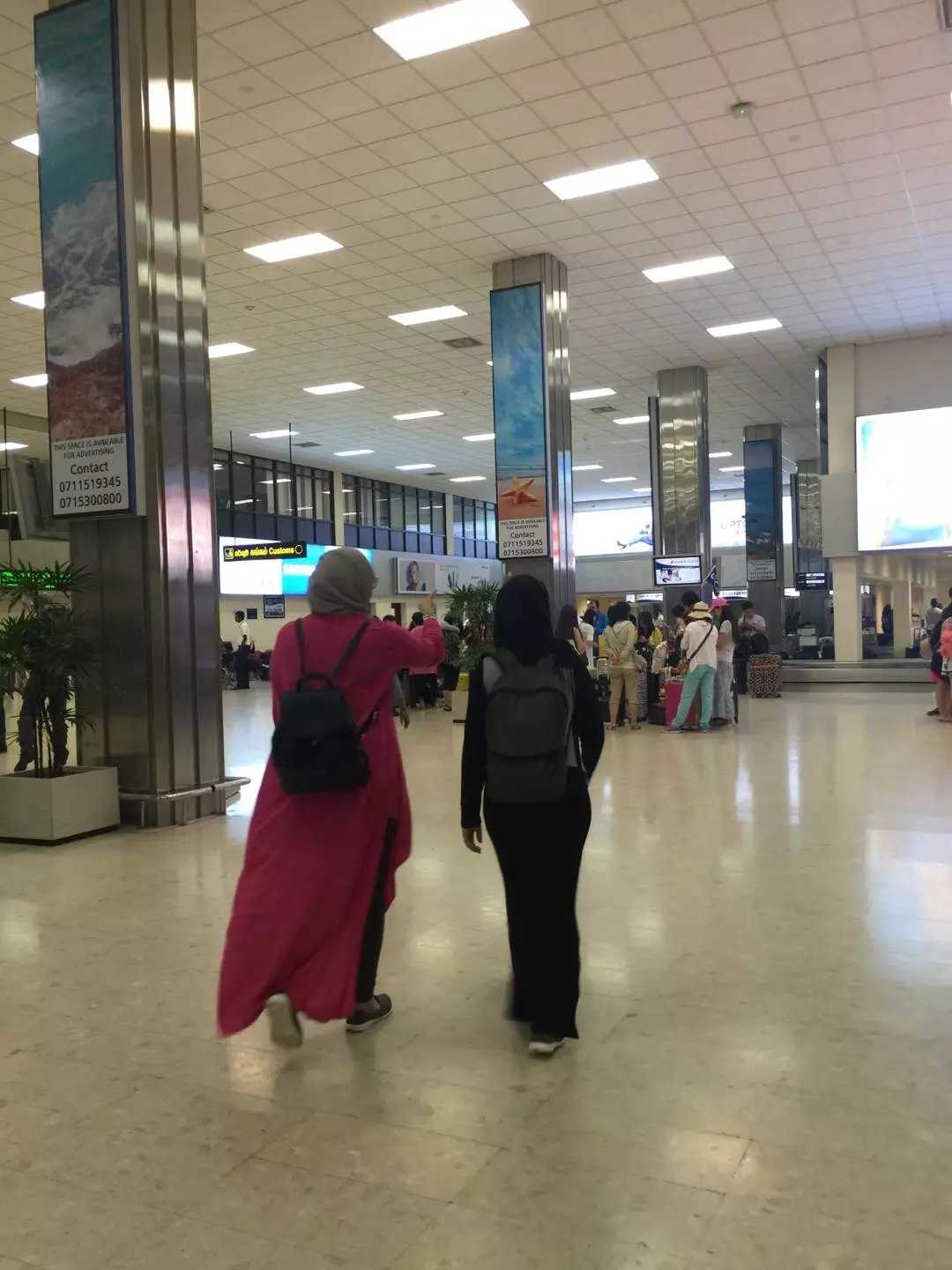
2) From Bandaranaike International Airport, turn left and walk to the end for the direct bus to Colombo city—about 1 hour, fare 150 LKR. The airport is actually in Negombo, far from the capital Colombo, so using Negombo as your arrival/departure base works well.
3) Money exchange: change a little at the airport; do most exchanges in Colombo city—rates close to real‑time online rates. Bring a UnionPay debit card; ATMs are everywhere.
4) After landing, download Google Maps and Uber (in Colombo you can hail tuk‑tuks and cars; in Kandy, cars). It’s cheaper than hailing yourself and requires no negotiation: match the plate and get in; the driver uses your set start and end. You can bind Alipay and register with a Sri Lankan number.
5) Essentials: electric mosquito repellent (hard‑learned lesson). Women should bring sanitary pads (outside big cities there’s nowhere to buy). Carrying cigarettes is illegal; penalties are per stick for smuggling. Domestic cigarettes cost 1400 LKR per pack—more than soft‑pack Chunghwa—smokers suffer.
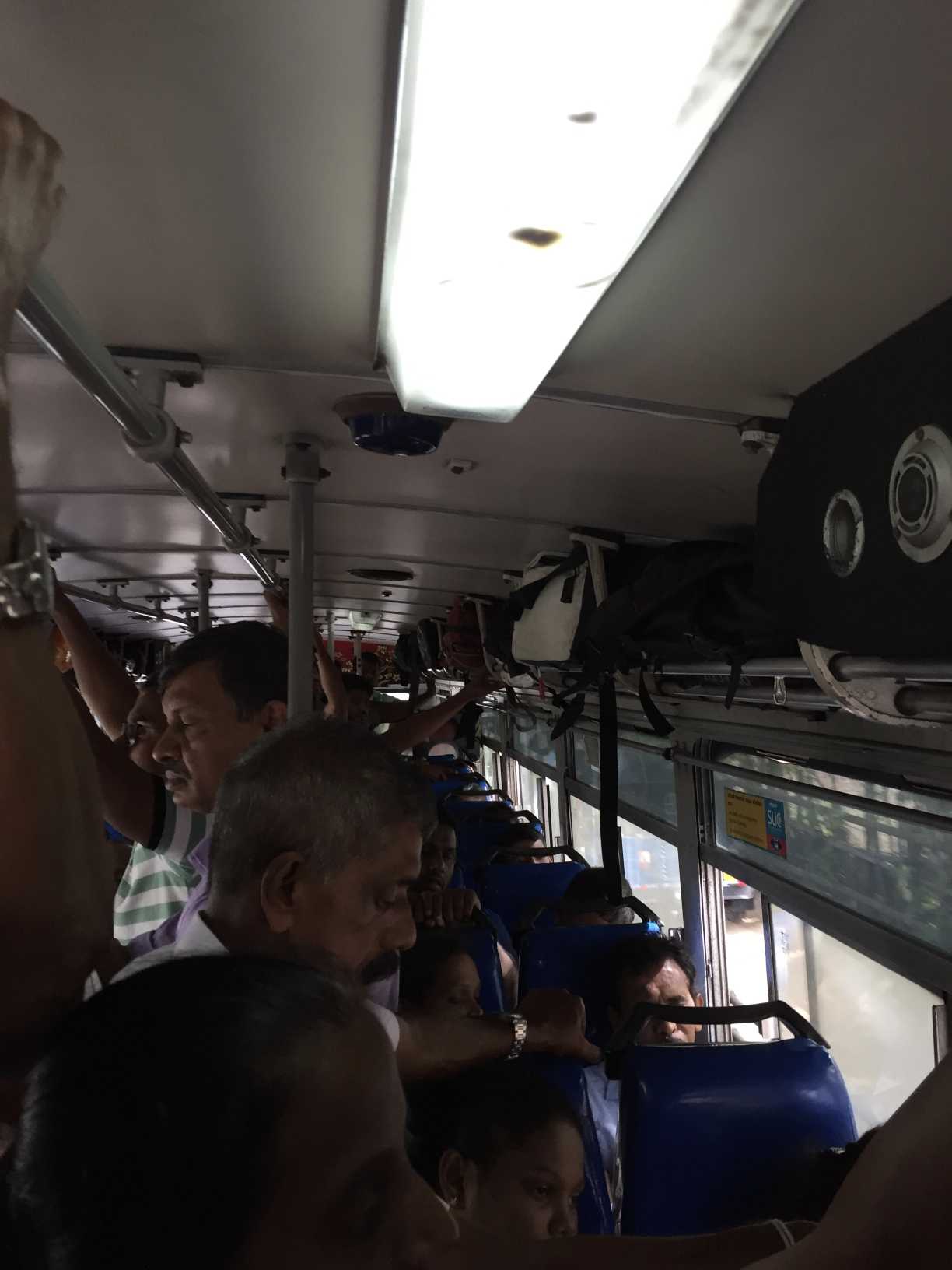
6) Buses: city fares ~20 LKR; around two hours ≤200 LKR. If above, insist on a machine‑printed receipt with price (in the city a 20 LKR ride was quoted 200 LKR—argue firmly; handwritten doesn’t count). Many long‑distance routes aren’t shown on Google Maps and have no route numbers; go to the central bus station (every city has one) and ask directly.
Remember: if someone tries to get you into a tuk‑tuk for any reason, insist on the bus (common lines: “it won’t depart for a long time”, “I’ll take you to a spot with a direct bus”, “I’ll give you a great price”—I encountered these at least four times). Sri Lanka’s bus system is well developed and frequent; the longest wait is usually under an hour. If you want AC minibuses, wait—they cost 2–3x normal buses.
7) Trains: For a two‑hour train, first class costs 40–60 RMB—like green trains with upgraded seats. First class can be reserved in advance, but only specific 1–2 trains per day; there’s a dedicated reservation window—tickets aren’t tight. Second and third class require grabbing seats and can only be bought same day; not too crowded—wait a bit and seats open. Prices 50–200 LKR (verify the printed price—station sellers can cheat). Often buses are more convenient than trains, and trains shake a lot; reportedly British diesel locomotives are still in use. The Kandy↔Colombo and Kandy↔Ella routes have a section on mountaintops—scenery is good. The seaside train is just okay—after five minutes the novelty wears off.