After a 25‑day trip to Sri Lanka, many friends asked: what are Sri Lankans like? Beyond skin color and language, what feels different from us?  What memorable traits stood out?
  Here are the impressions that left the deepest mark during our journey.
Love to Say Hello
 Most Sri Lankans are remarkably friendly and enjoy greeting travelers.
 A greeting doesn’t mean they want something from you; it’s usually pure friendliness or habit. Exceptions exist at tourist sites, and roadside tuk‑tuk drivers greeting foreigners often aim to drum up business.

Walking down the street, people often greet you as they pass—even on rainy nights when you can barely see the road  . We once stayed at a hillside homestay and had to walk down past a construction site; every time we passed, workers waved from afar with a cheerful “Good morning!”—never missed us
  . Their friendly spirit is truly admirable.

Zero Personal Space
 Locals have a relaxed sense of personal space—there’s little concept of “untouchable distance.” On buses, a stranger of the opposite sex might sit right next to you; it’s not just with foreigners—locals do this too
  . In many settings it’s the same; when posing for photos, people stand closely around you without hesitation
  . Once, a park staffer unexpectedly took my hand and pulled me over to see the murals
  . In a traditional society with many Buddhists, this isn’t “openness” so much as limited awareness of personal space. If you encounter it, don’t overthink—gradually accept it.
The Head‑Waggle
 Sri Lankan culture shares many traits with India—like the head‑waggle
  , also common in India. It’s not turning your head left and right; the head stays facing forward and tilts side to side—like a car dashboard bobble‑head

 .
.
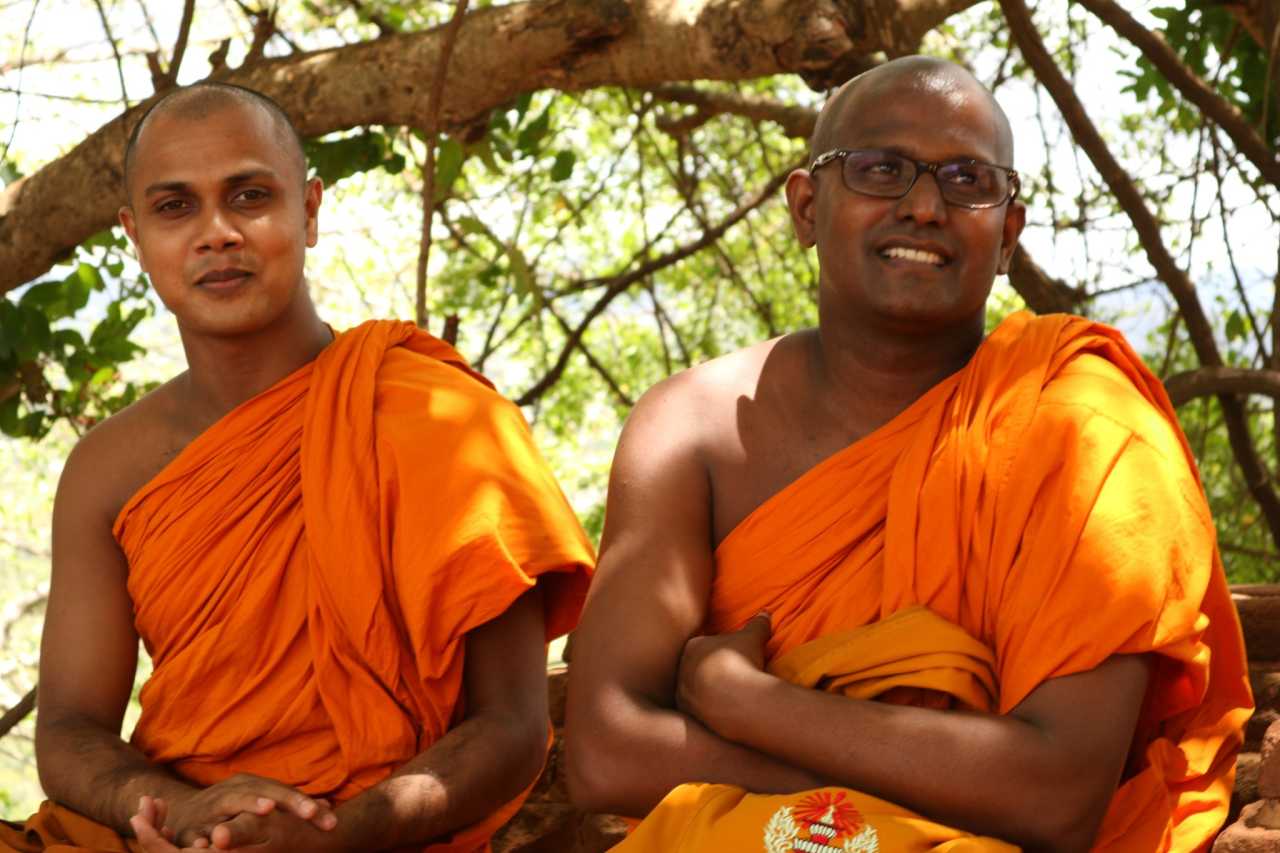
 People use it to mean “no problem”, “it’s okay”, “thanks”, or friendliness. You’ll see locals use it constantly—it’s quite distinctive.
Strong Feet
People often go barefoot at home and wear flip‑flops outside  . We even saw drivers barefoot
  . At a performance, the first act shattered stones on stage; the dancers that followed spun and leaped barefoot on the gravel—it made us wince
  . Even kids performed barefoot on the broken stones without reaction—still hopping happily. Heart‑stopping to watch.
Strong feet come from growing up barefoot—part custom, part economics. Seeing children barefoot in the streets can be heartbreaking; the world remains imperfect  .
.
Restroom Notes
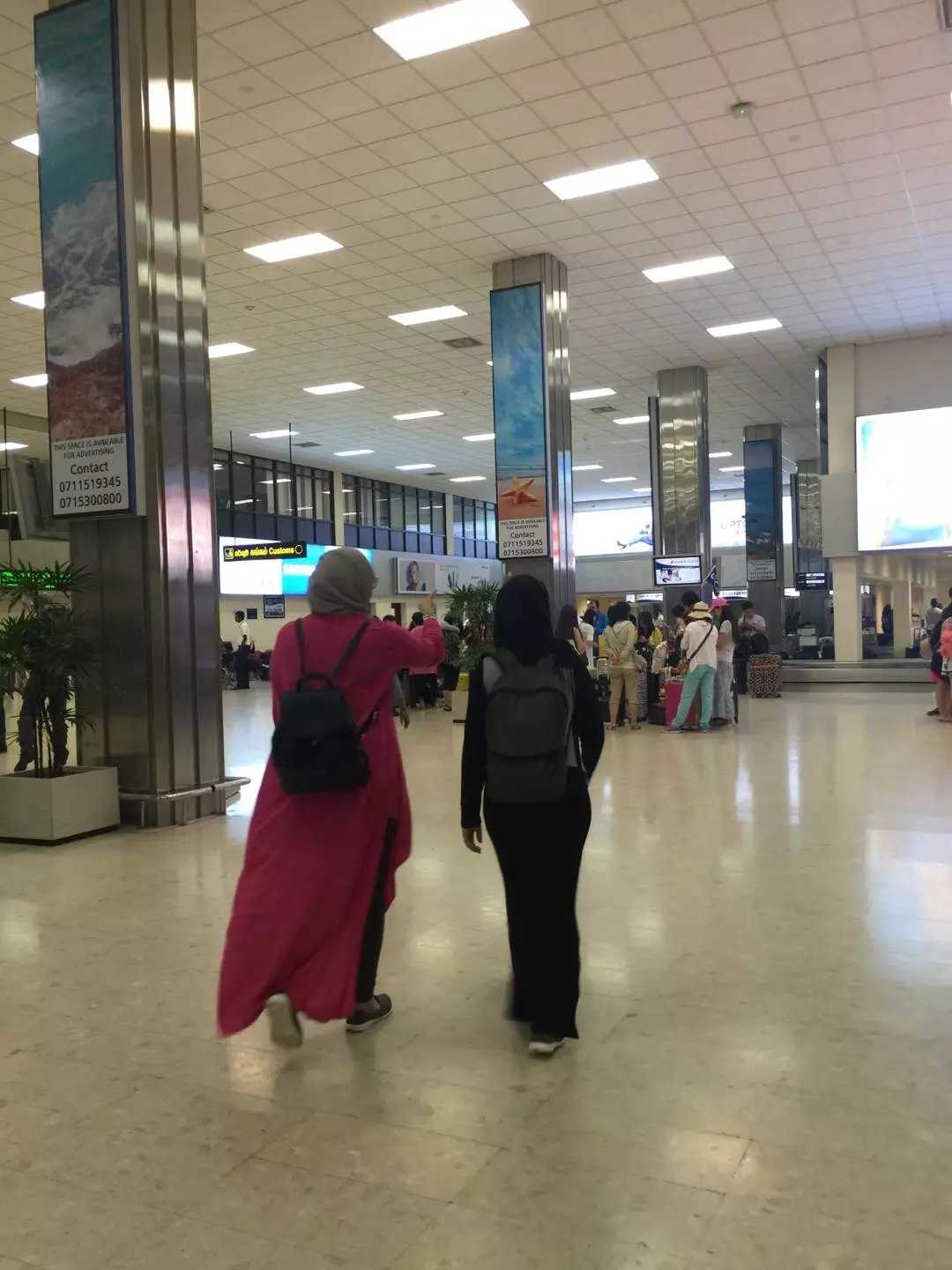
 As in India and Thailand, water is commonly used instead of toilet paper, with a hose or small basin for washing (better facilities have hoses; basic ones have basins for scooping water). For public restrooms—given limited infrastructure
  —choose paid toilets; they’re inexpensive and more acceptable. Staff clean them regularly, though they can still be basic and not spotless
  . Floors are often wet because people wash in the stalls; you’ll hear water running next door
  . Unstaffed toilets with water everywhere are predictably unhygienic.
  Always carry tissues.
Sari and Sarong
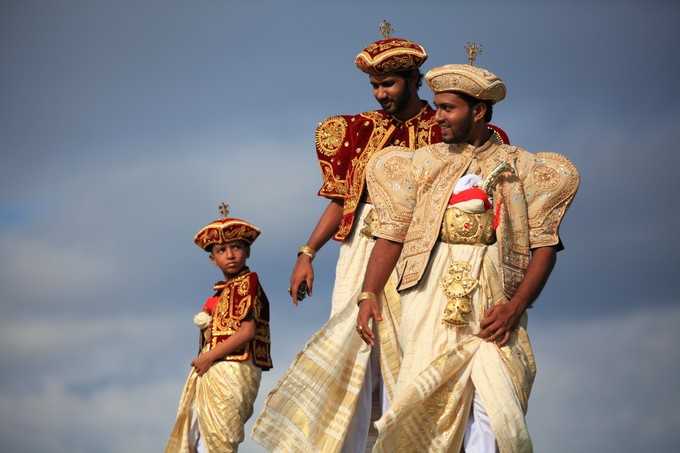
Like in India, people often wear saris and sarongs day‑to‑day—not only on festivals. A sari is a long cloth elegantly wrapped to accentuate the figure. Sarongs on men are very common—like a skirt or wrap; some poorer men go shirtless with just a sarong at the waist. Sarongs aren’t as ornate as saris—more like a tablecloth or bath towel to my eye 
 —but that’s cultural difference, not a value judgment. Typically you don’t wear underwear under a sarong, practical and comfortable in the heat.


Is Eating with Your Hands a Custom?
In local eateries you’ll notice people eat with the right hand—rice and roti go to the mouth with the right  . The left hand is traditionally considered unclean due to restroom use, so it’s avoided
  . But not everyone eats by hand—many families of higher socioeconomic status use cutlery, and don’t mind using the left hand either
  . So right‑hand eating isn’t universal; it relates to culture and economics.
Laid‑Back Work
From 20‑plus days of observation, locals seem less stressed about work; attitudes feel more like enjoying life—a certain ease  . Examples:
Buses and trains are the main public transport, so trains matter greatly. Yet within days of our arrival we heard of a railway strike over low pay—lasting nearly two weeks  . We checked stations daily—often empty. In Ella we finally met a staffer who didn’t know when service would resume; he was at the station to watch TV
  . On the railway website, there was no announcement
  .
.
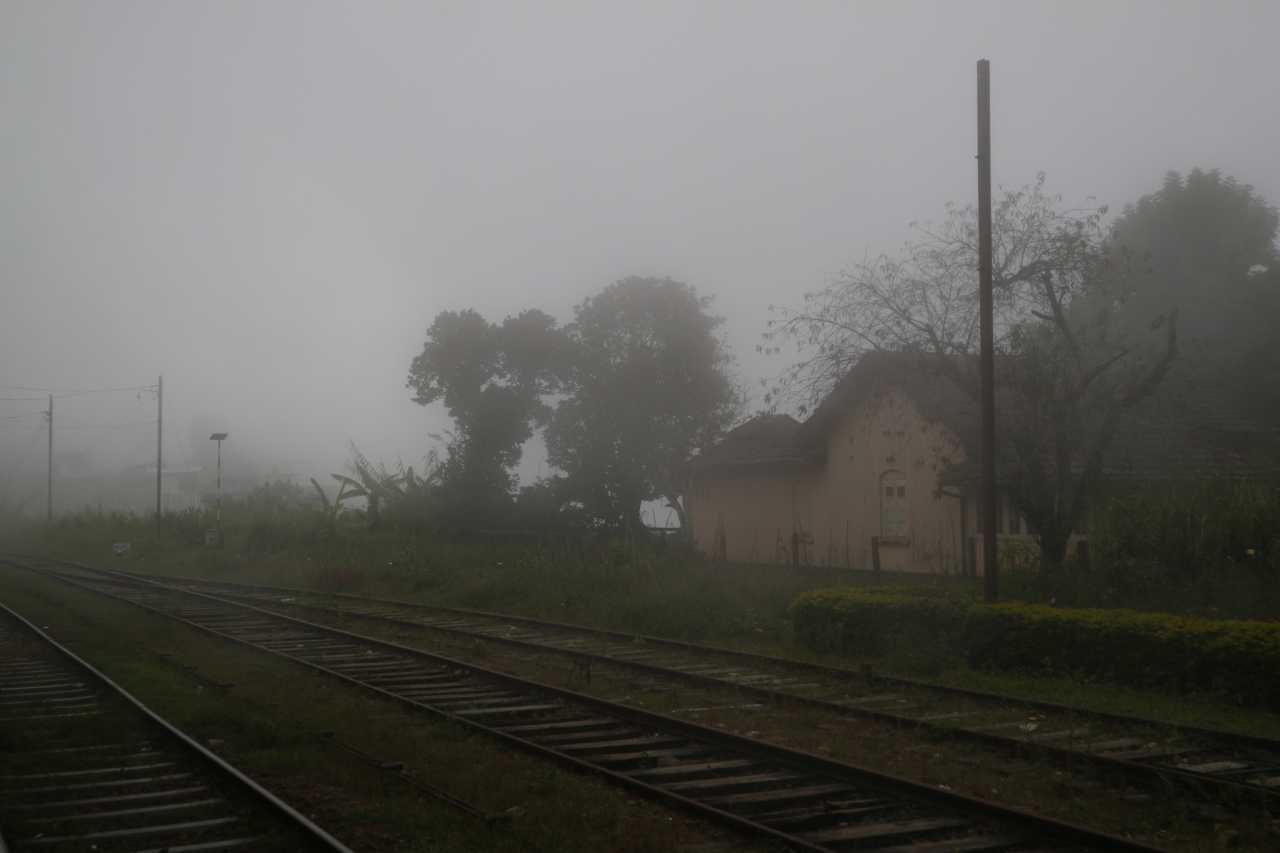
It was surprising—a nationwide railway strike is hugely impactful, yet people felt calm, as if nothing happened  . Even the national railway website had no suspension notice.
Trains are quirky too: nobody checks tickets in third‑ and second‑class cars, so many locals buy third‑class tickets but sit in second  . Delays are common—ours was 40+ minutes; apparently 1 hour plus is normal
  . We couldn’t tell whether ticket checks were at entry or exit; across five rides, only the Haputale → Nuwara Eliya exit had checks
  . No checks onboard or at platforms. Work felt optional
  .
.
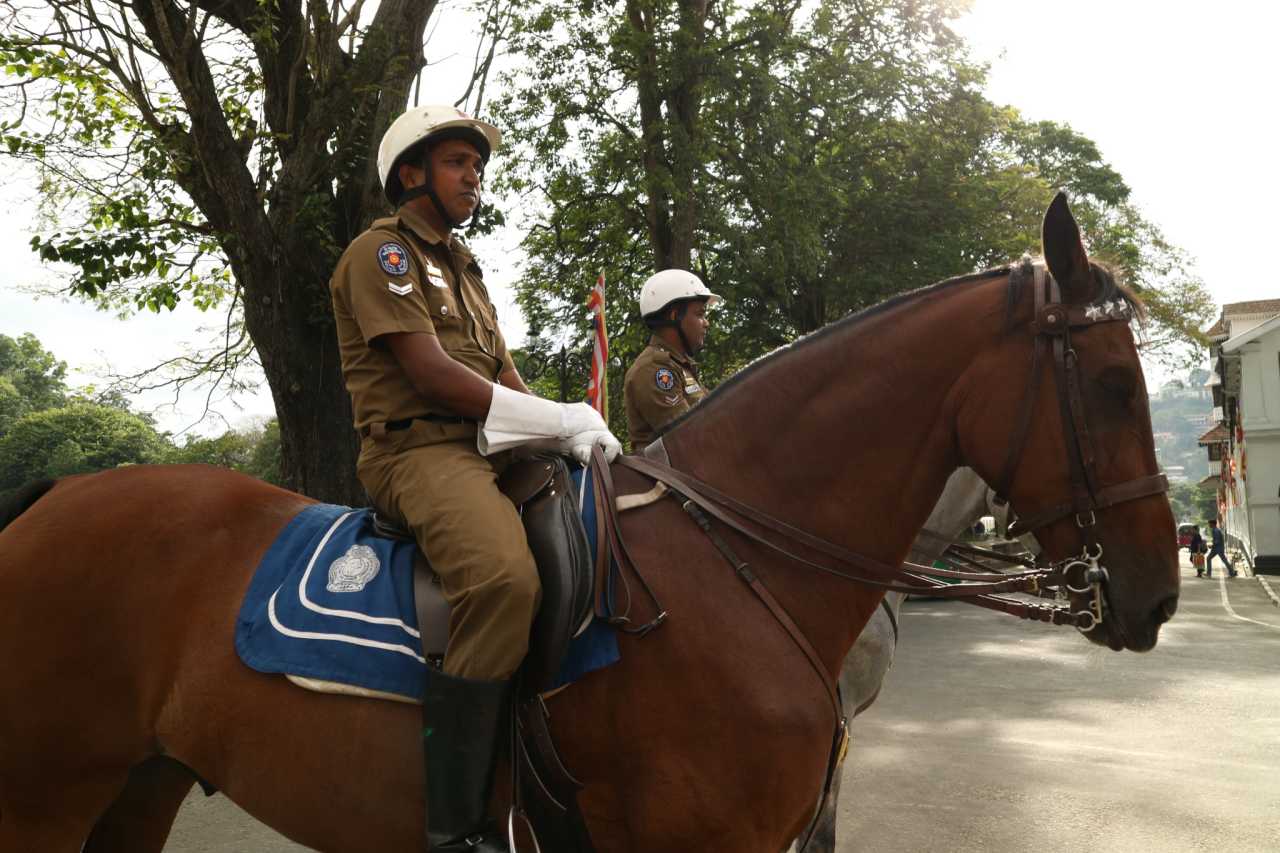
In Kandy, we once hid from rain by the roadside and a traffic policeman enthusiastically chatted for a while, even showing us the Chinese characters he was learning  . No idea about his work hours
  . At a Colombo Pizza Hut, we saw staff wipe crumbs from tables onto chairs and the floor—without cleaning chairs or floor
  . Housekeeping can be casual.
Still, I like this approach—work hard when needed, but life is the true focus  .
.
Helpful with Directions
Wherever you are, locals are happy to give directions—just beware of tourist traps  . Most help is sincere and no‑strings, especially when you ask first
 .
.  Tips: at sights, be cautious of people who approach you to “help.” If you need directions, ask police or shopkeepers; even lanyards can be faked. Asking proactively is more reliable than accepting unsolicited help. Also note
  —people may still point you the wrong way due to misunderstandings. It’s not ill intent—just miscommunication
  .
.

Warm greetings, helpful directions, and that trademark head‑waggle smile—Sri Lankans radiate enthusiasm, sincerity, and friendliness 
 . Work can be laid‑back; personal space is close; and life for many is still modest. These are small traits we felt—among many more worth appreciating
  and understanding. As guests of this country, may you also feel more of its local culture through its people.