Preface: This is an old travelogue from 2016, finally organized into a full write‑up today. Time has blurred some details, but I’ve tried to recall as much as possible, because my Sri Lanka journey was not only my first attempt at international DIY travel; it also profoundly changed my life.
In 2016, by chance, I went to Sri Lanka, met the most beautiful people and the most beautiful scenes, came back to practice spoken English, took various courses to improve myself; my depression eased greatly, travel abroad is now almost barrier‑free, confidence rose, and I learned to love myself more. It’s a trip worth cherishing, one whose lovely trajectory I’ll keep following, slowly and steadily……
———————— Section Break ————————
Going to Lanka was pure serendipity, and that one trip turned into love at first sight—hard to get over even today.
As travelers, we pick destinations that are beautiful like the Maldives; fun like South America; delicious like Japan; or rich in culture like Egypt or Jerusalem. Sri Lanka has all of these. Few places gather so much in one country. South of Colombo lie world‑class beaches like Mirissa and Hikkaduwa—since the hippie era they’ve been paradise for surfers and divers; the mixed‑heritage Galle Fort often makes you feel you’ve stepped into Europe. East and north from the south coast you can visit wildlife at Yala, hike Horton Plains to the icy “World’s End”, explore the Sinharaja rainforest, and stay in tea‑estate hotels converted from colonial planters’ bungalows, sipping the world’s finest Ceylon tea. In the central highlands and dry zone, the triangle of ancient capitals—Anuradhapura, Polonnaruwa, and Kandy—plus Sigiriya (Lion Rock) and Dambulla Golden Temple are all UNESCO sites. Every late July to early August, the Esala Perahera turns Kandy into a sacred carnival of the gods. In the north, Tamil communities—unlike the predominantly Buddhist Sinhalese of the center and south—have long upheld Hindu traditions. Arriving there feels like entering another world.
The vermilion of Indian civilization and the indigo of Western colonial culture interweave here—one restrained, the other exuberant—plus a brush of white from Arab trade and the spring‑green of Chinese tea‑garden influence. The palette dazzles. And the Sri Lankan people, smiling even after brutal wars, together with fearless wildlife and street cats and dogs, are the proud heart of the country. I’m grateful to have encountered this faith‑rooted, optimistic land.
Important! Detailed Guide Below
☆ Visa
Entry is via the electronic ETA—no consulate visits, no paper stacks; apply online. The process is simple:
1) Go to the official ****** site and follow the instructions. Fill in passport details, name, email, travel dates in English. If the purpose is “tourism”, list the planned destinations; for local address, enter your hotel’s address. Prefer an international email like Hotmail; avoid QQ to prevent spam filtering.
2) Pay the USD 30 visa fee (2016 price) using Visa or MasterCard.
3) After payment you’ll receive an email acknowledging receipt—this is not yet approval. Use the reference number to check status; approval usually arrives within 24 hours (sometimes minutes). Print the approval email—this is your only proof at immigration. If rejected, call the Sri Lankan embassy or consulate to ask why.
☆ Flights
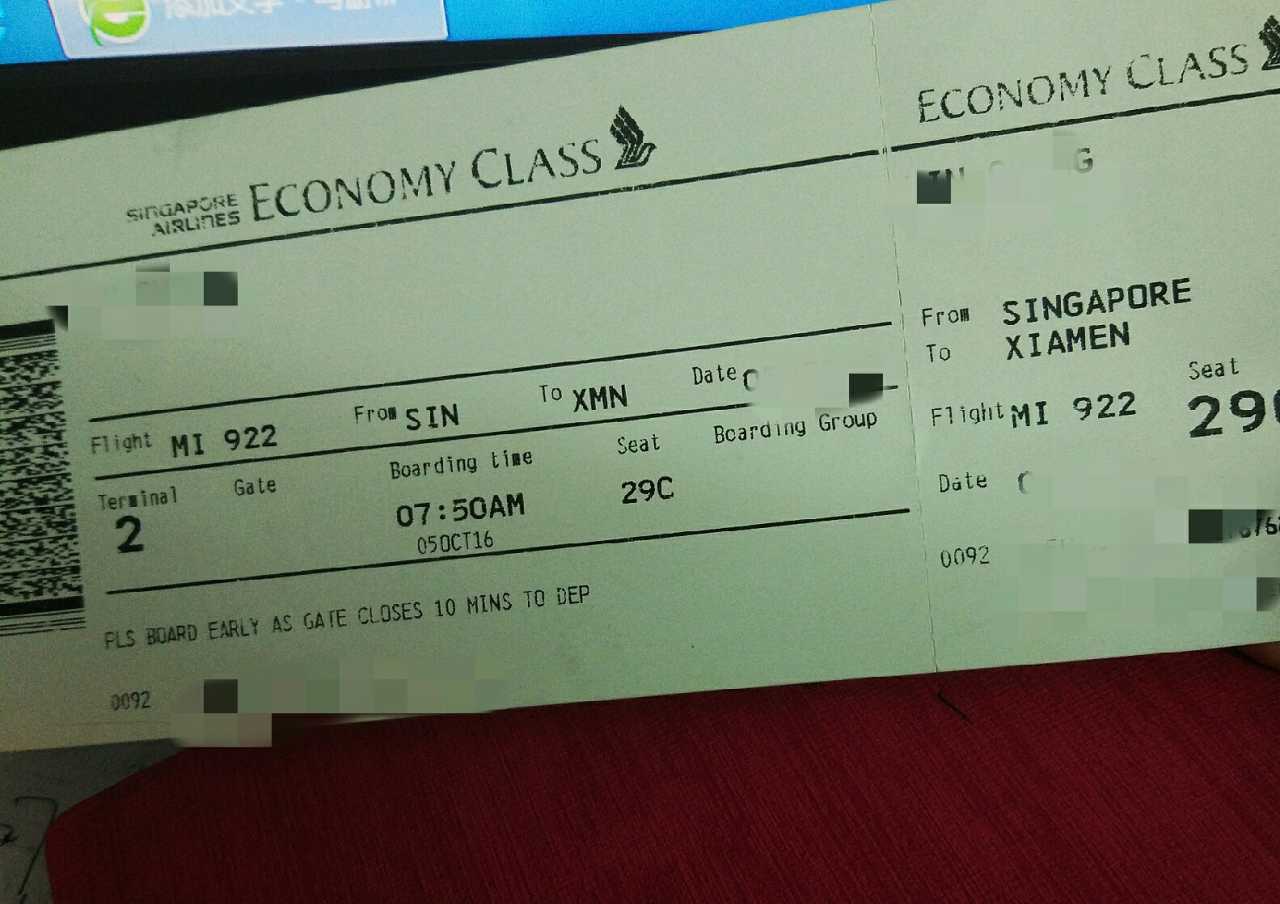
There are many flight options. From China, SriLankan Airlines flies direct from Beijing, Shanghai, Guangzhou, Chongqing, and Hong Kong to Colombo. My city had no direct flight, so I transited via Singapore Airlines (booked on Ctrip): first SilkAir to Singapore, then Singapore Airlines to Colombo. Other options include Cathay, Thai, Malaysia Airlines, and Emirates via Hong Kong, Singapore, or Bangkok. AirAsia is the budget choice. Prices are higher in peak holidays; off‑season round‑trip is about RMB 5,000 including tax. Buy 2–3 months early for better fares.
☆ Packing
1) Clothing: mostly summer wear. If visiting high‑country tea estates or hiking Horton Plains, bring long sleeves and long pants—it can be freezing at night. Recommend a large shawl for women; temples don’t allow sleeveless tops or shorts. A shawl over shoulders or wrapped at the waist works, and helps with the ultra‑cold AC in buses and hotels.
2) Shoes: two pairs. Sneakers for Sigiriya, Dambulla caves, and parks; flip‑flops or sandals for the beach.
3) Sun care & toiletries: bring your own. UV is strong—pack high‑SPF sunscreen and sunglasses.
4) Essentials: umbrella; medicines (band‑aids, Yunnan Baiyao, povidone‑iodine swabs, Banlangen, Po Chai Pills, Huoxiang Zhengqi; mosquito repellent).
5) Electronics: bring an adapter (UK round‑pin type is common). Pack camera, drives, laptop, and all cables.
☆ Currency Exchange (with a story)
The currency is the Sri Lankan rupee (LKR), different from India’s rupee. Roughly, LKR 1,000 ≈ RMB 50. I exchanged USD for LKR at the airport—RMB is possible but the rate isn’t great. Airport bank counters are reliable. Get small notes (LKR 50/100) for buses, tips, and tuk‑tuks; tuk‑tuk drivers usually don’t have change. You can change leftover LKR back to USD at the airport on departure—much better than Egypt, where inflation made EGP effectively one‑way.
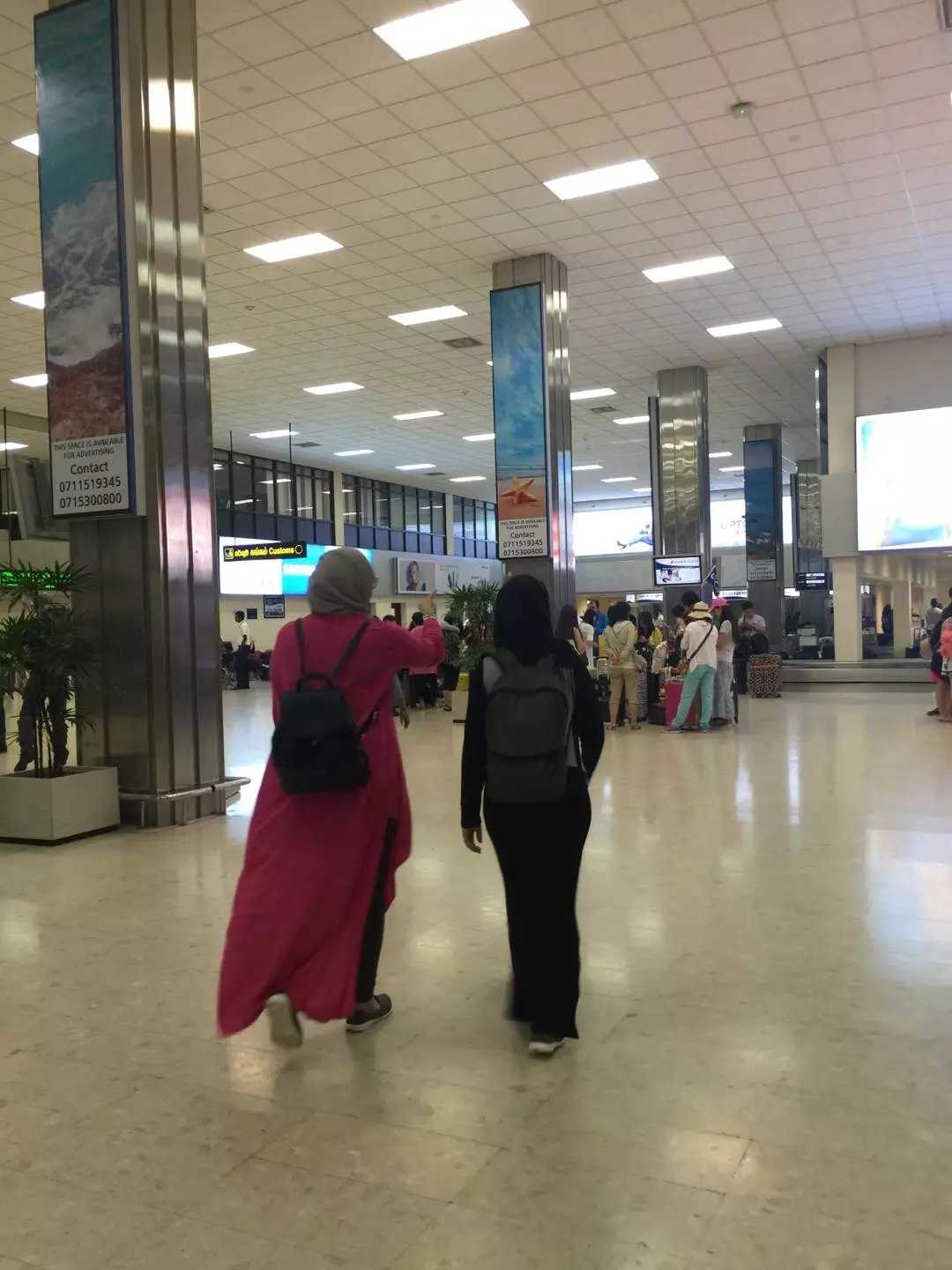
A small story: many Sri Lankans leave an impression of warmth and integrity—big bright smiles everywhere. When I was wandering the airport with broken English looking for currency exchange, two suited staff waved from 20 meters away and shouted in Chinese “huàn qián! huàn qián!”—I misheard it as “return money!” until I saw the big “Currency Exchange” sign. Later trips to Egypt and Malaysia felt much more poker‑faced by comparison. In Lanka, whether stern‑looking special police, students in line, polite hotel servers, or daydreaming passersby—ask directions or say hello and they’ll gladly help (scammers at tourist sites excepted). I still remember one heavily armed officer who looked tough; before I asked, he flashed a big smile and ran over with “can I help you”, then even escorted us for 20 minutes to the intersection, reminding us to walk in pairs and avoid going out after 7pm. We were moved to tears.
Besides airport counters, Commercial Bank ATMs are widespread and work with UnionPay to withdraw LKR. Visa and MasterCard are widely accepted at large hotels and supermarkets, but card skimming exists—avoid using cards at tiny shops.
☆ Mobile & SIM
Get a SIM at airport counters: choose a card and plan, hand over your passport, and staff will set it up. Switch your phone UI to English for easier debugging. I bought Dialog’s tourist plan with domestic/international calling, SMS, and 1.5 GB data—about LKR 1,300.
☆ Accommodation
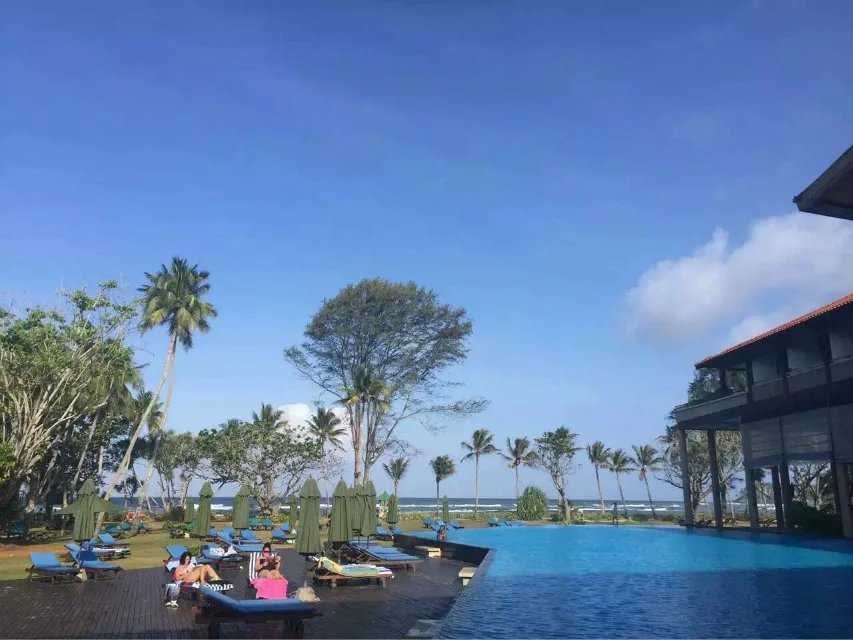
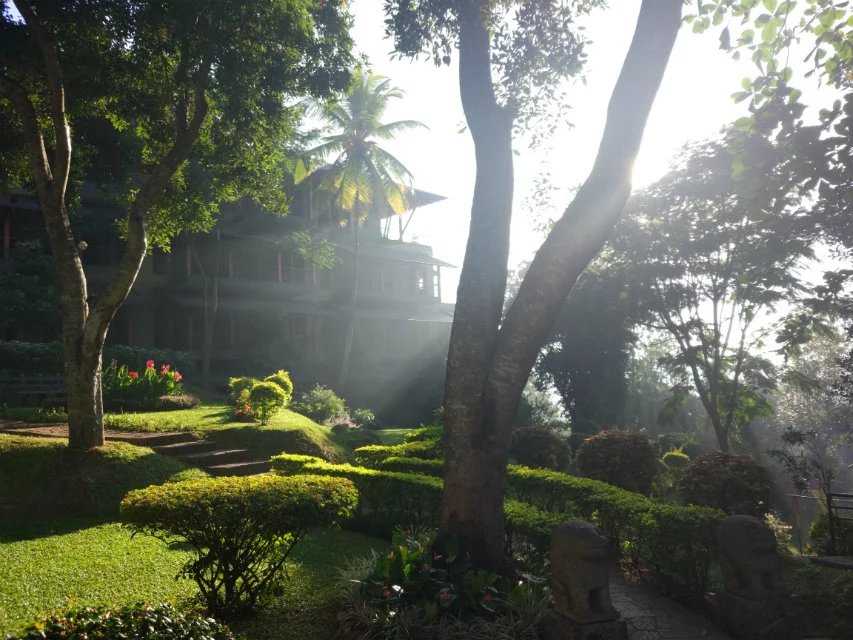
This trip: a day in Colombo; the famed coastal train to Galle; then Kandy; finally a day tour to Dambulla and Sigiriya. Sadly, I missed the northern Anuradhapura and Polonnaruwa, and the hill‑country tea estates and Horton Plains due to time.
Where I stayed: 1) In Colombo, City Rest‑Fort, 10 minutes’ walk to the station; friendly service with an avocado juice on arrival; easy to meet people in the common area with TV. Small rooms; simple breakfast (bread plus drink). About LKR 5,000.
2) In Galle Fort, Fort Fifty—an old Dutch villa with charm. Smiling young staff, clean rooms, full facilities, shared kitchen. About LKR 3,500—great value.
3) In Kandy, Olde Empire Hotel beside the Temple of the Tooth—pretty European‑style building. Lake‑view rooms cost more. Keep balcony doors closed—monkeys abound. The hotel restaurant is popular locally, tasty and cheap, though Sri Lankan food isn’t my thing. About LKR 2,500.
4) In Tissamaharama town, Lake Edge Holiday Inn—super value budget hotel; all rooms face the lake; bikes for rent; warm owner; restaurant and kitchen to rent. Their Yala safari is great value. About LKR 3,000.
If you’re wondering why all budget hotels—because I saved up for the grand finale: Heritance Kandalama, one of National Geographic’s “Top 50 Hotels in the World.”
5) Dambulla & Sigiriya: Heritance Kandalama. Why is it so good? In one line: harmony between humans and nature.
☆ The entrance feels like a cave, with wild—yes, wild—bats, birds, peacocks, and mongooses hanging around. Front desk staff ignore the resident animals, greet you with “Ayubowan” and offer a white lotus.
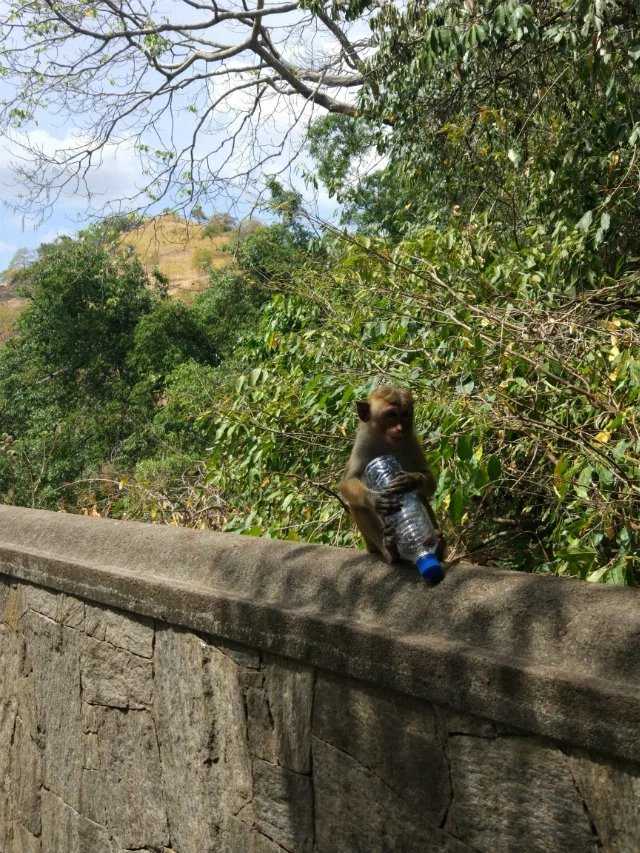
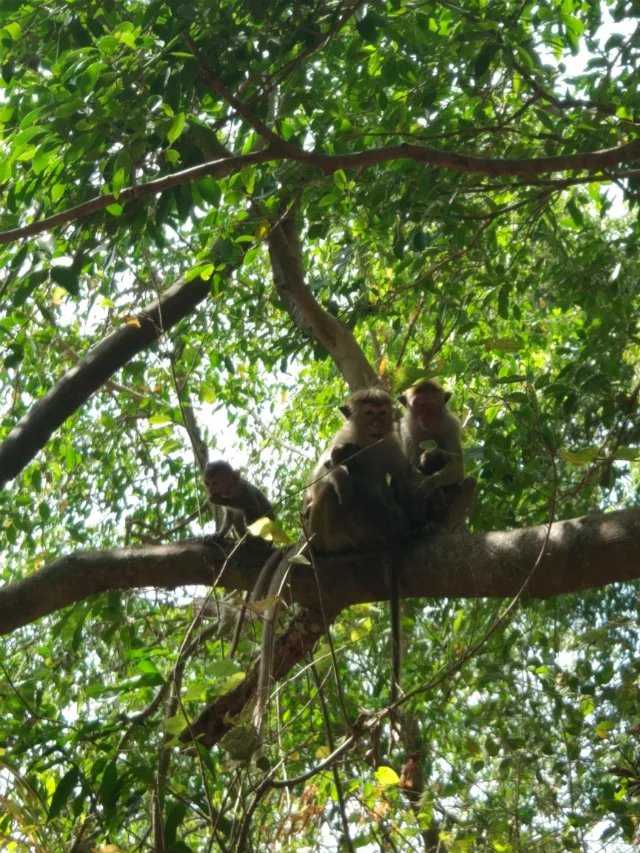
☆ Never open your balcony door! A troupe of gray langurs will happily check in with you. Sri Lanka is a Buddhist country—harming animals is illegal and jail‑worthy. If monkeys enter your room, you request a room change—you’re the one “evicted” by monkeys. Power cuts mid‑shower happen because monkeys flip the main switch; wait a bit and it comes back. Sometimes it cycles off/on repeatedly; ignore it and carry on. Worst case: monkeys once broke the high‑voltage lines in protest; then you wait for backup power. Remember, Kandalama sits where gray langurs and macaques lived for centuries; their home was replaced by a hotel. Even if the hotel blends into the environment and wins eco‑awards, the animals lost their home overnight—no compensation. Let them vent; humans were at fault first.
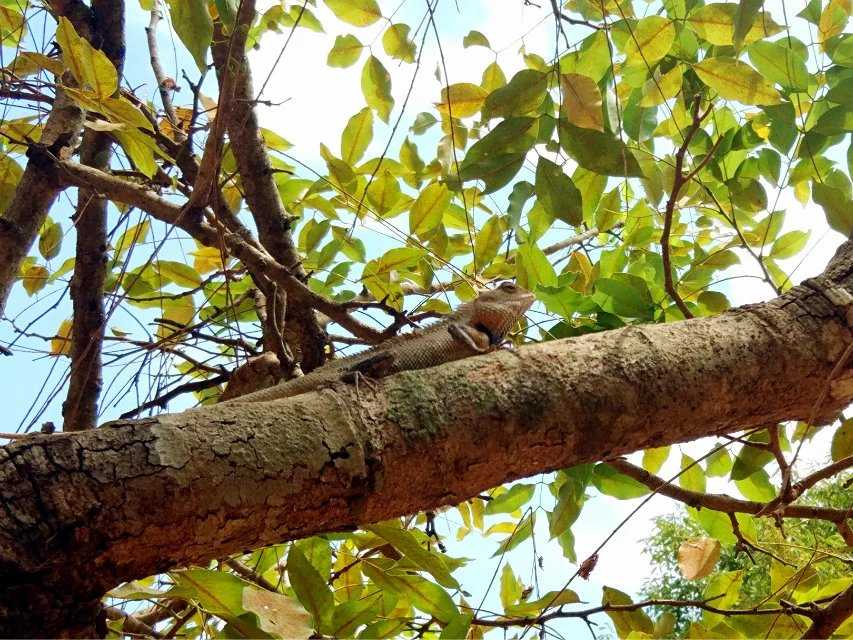
☆ The pools look like natural lakes—morning swims feel like swimming in nature.
☆ As a five‑star hotel, service is complete and top‑notch. One detail: Sri Lanka is a tipping country; USD 1 is fine for bags or pouring tea. I forgot my backpack in the car on arrival; after tipping, I realized it was missing. The porter called and sprinted downstairs; the front desk knew the driver and helped contact him; the porter even went to retrieve the bag. I tried to tip USD 20, but they refused—“we already received a tip.” On departure, the same porter helped again; I offered USD 1 and he refused, repeating that a tip had already been given, then joked that if I lost my bag again he’d have to take it to China—too far! We all laughed. Heartfelt thanks to these kind people—the most beautiful scenery in Lanka.
☆ Only 20 minutes by car to Dambulla and Sigiriya.
☆ Price: about USD 200. The priciest stay of the trip, but totally worth it—five‑star recommendation.
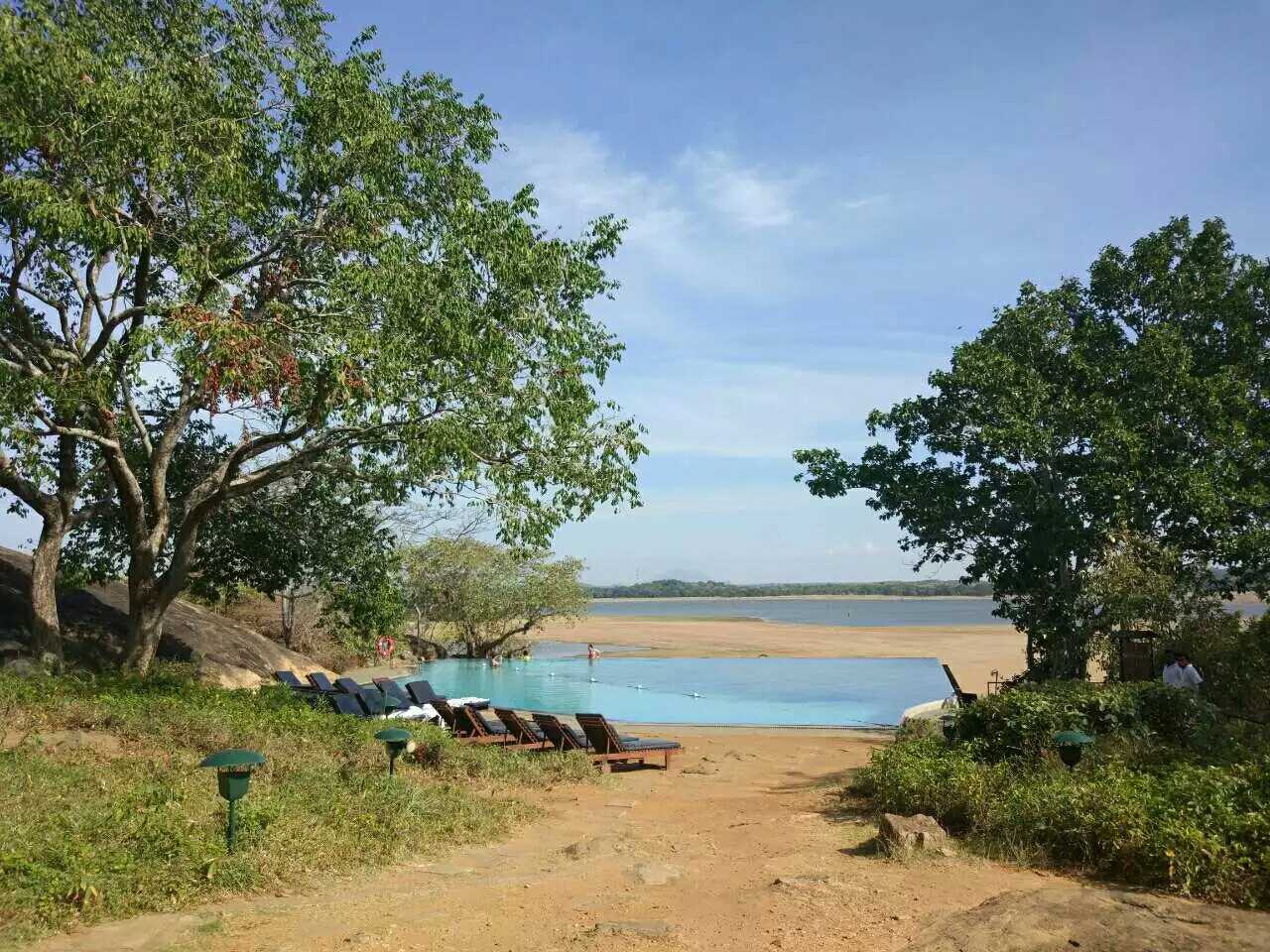
Guess: lake or pool?
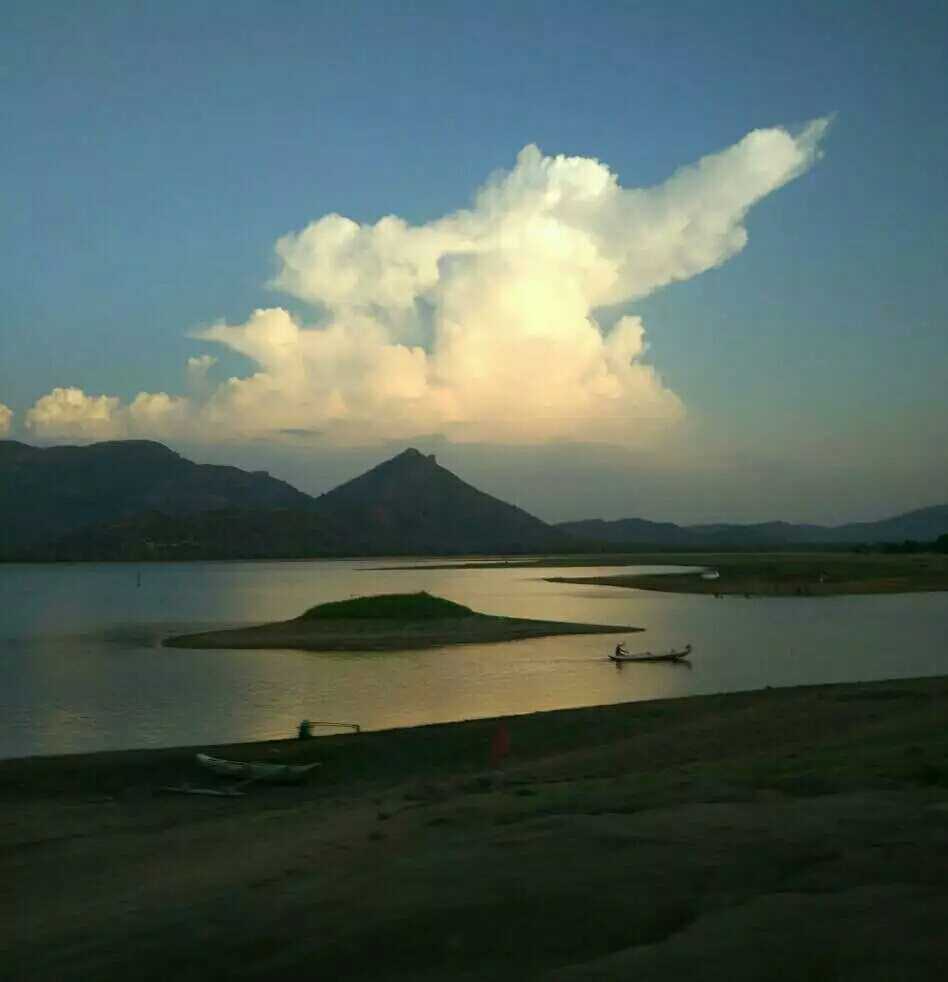
☆ Itinerary
It’s been years, so I’ll note only the places that left a deep impression—hope it helps.
1. The Most Romantic Seaside Train
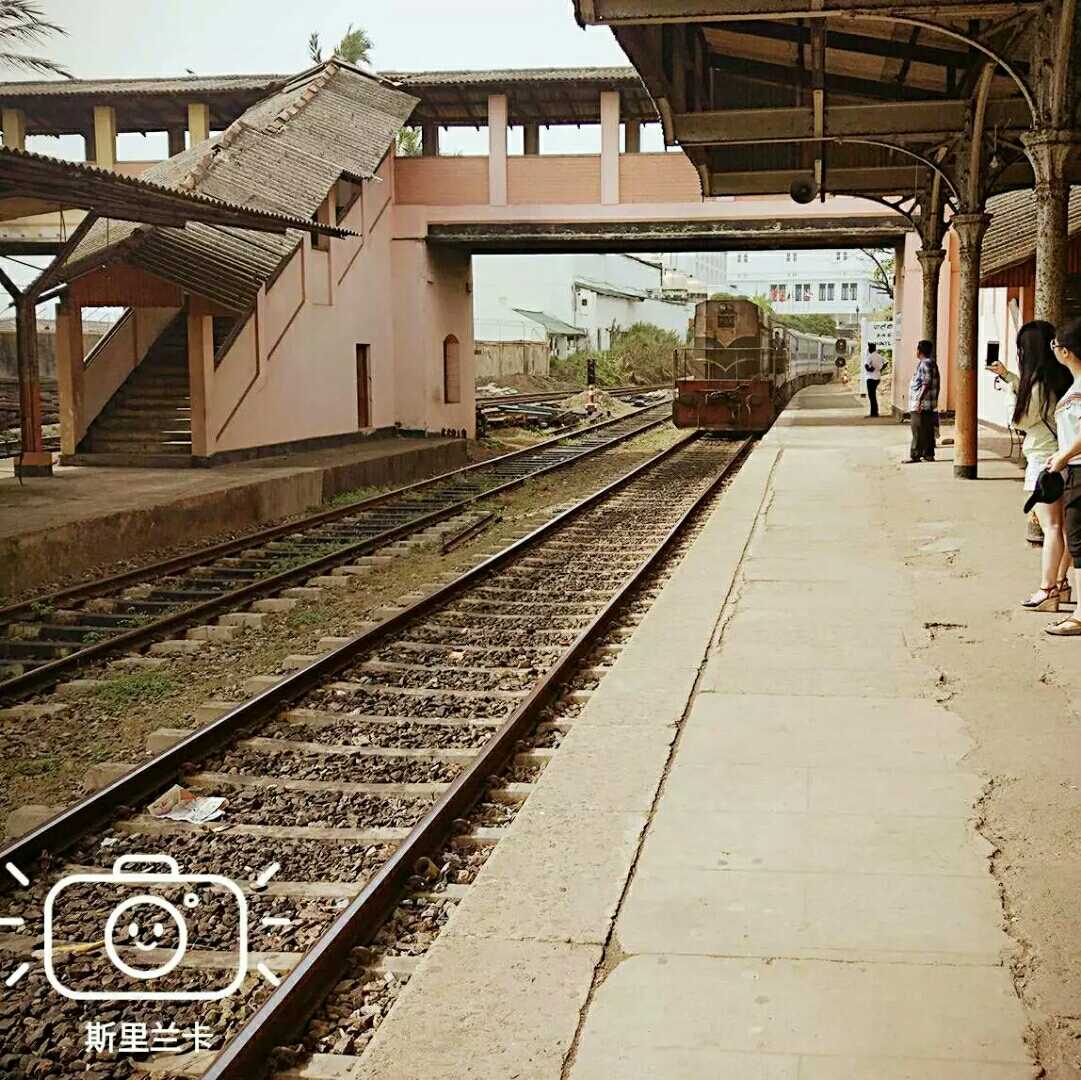
Remember Spirited Away’s seaside train? Its real‑world version is in Sri Lanka. The coastal train runs from Colombo Fort to the southern city of Galle along the Indian Ocean—at points, the sea is within arm’s reach. With open doors and windows, the scenery spills right in (noise too…). We rattled south for three hours; my ears rang even at the hotel.
Tip: Heading south to Galle, sit on the right side to face the ocean.
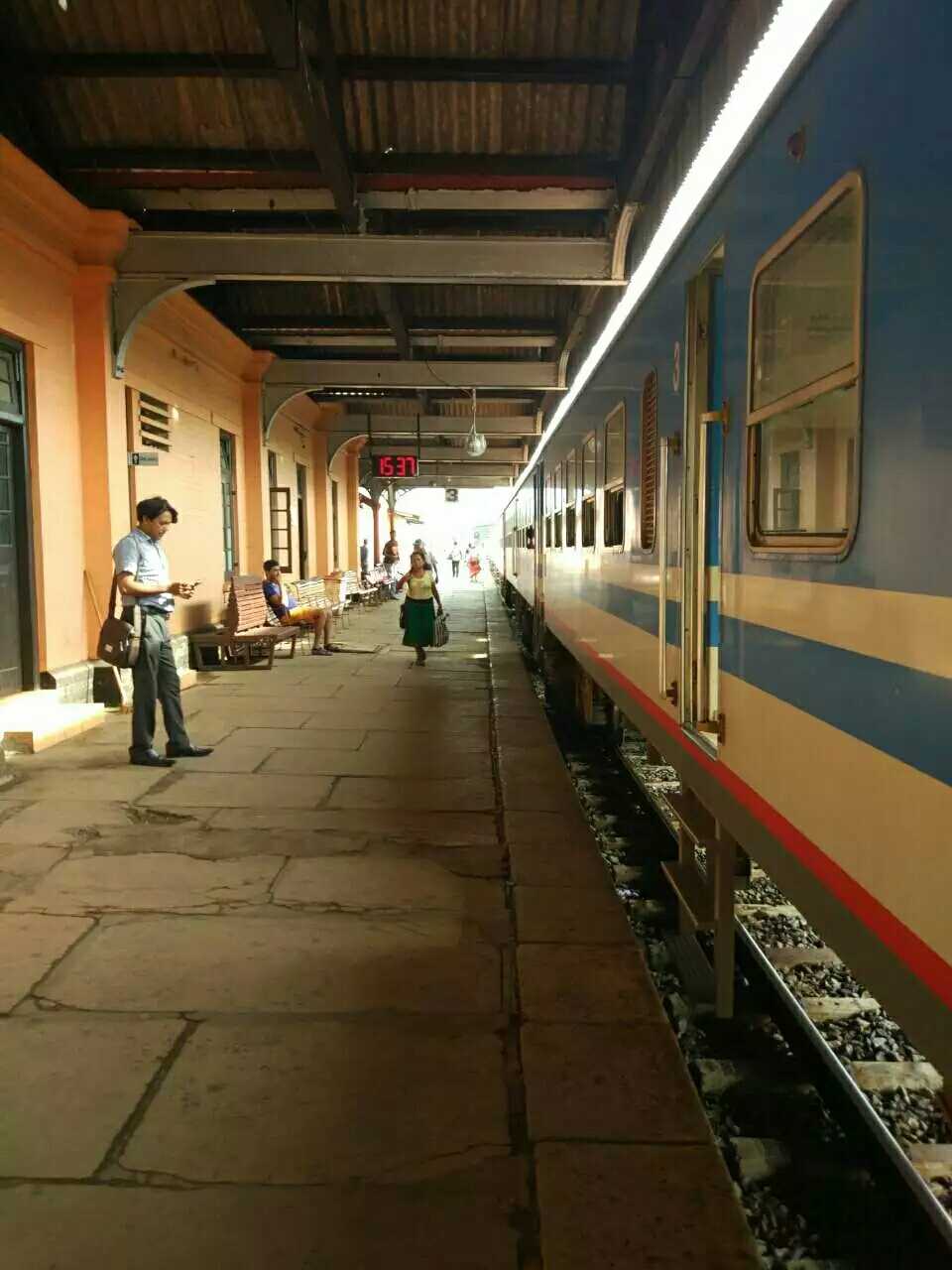
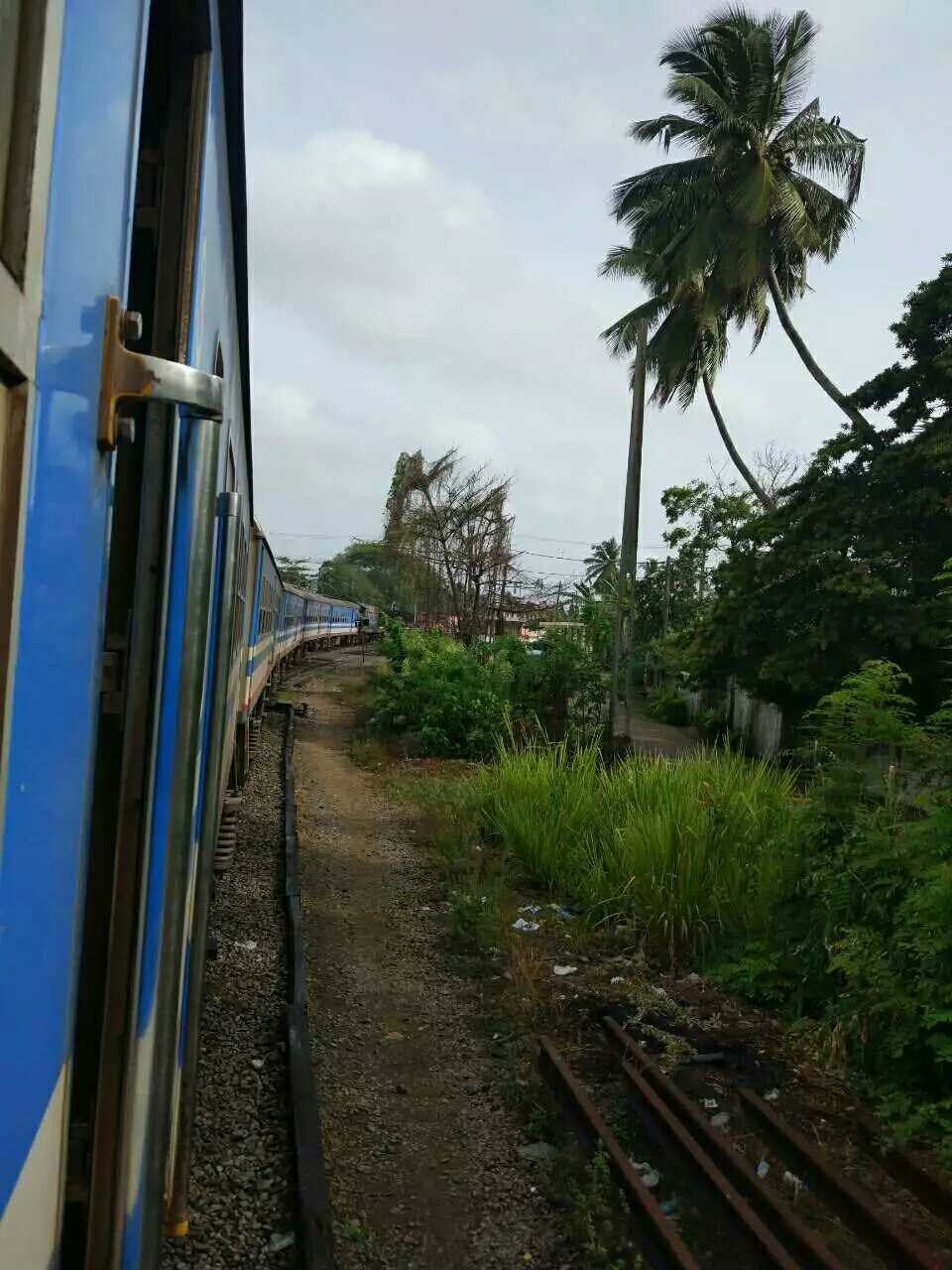
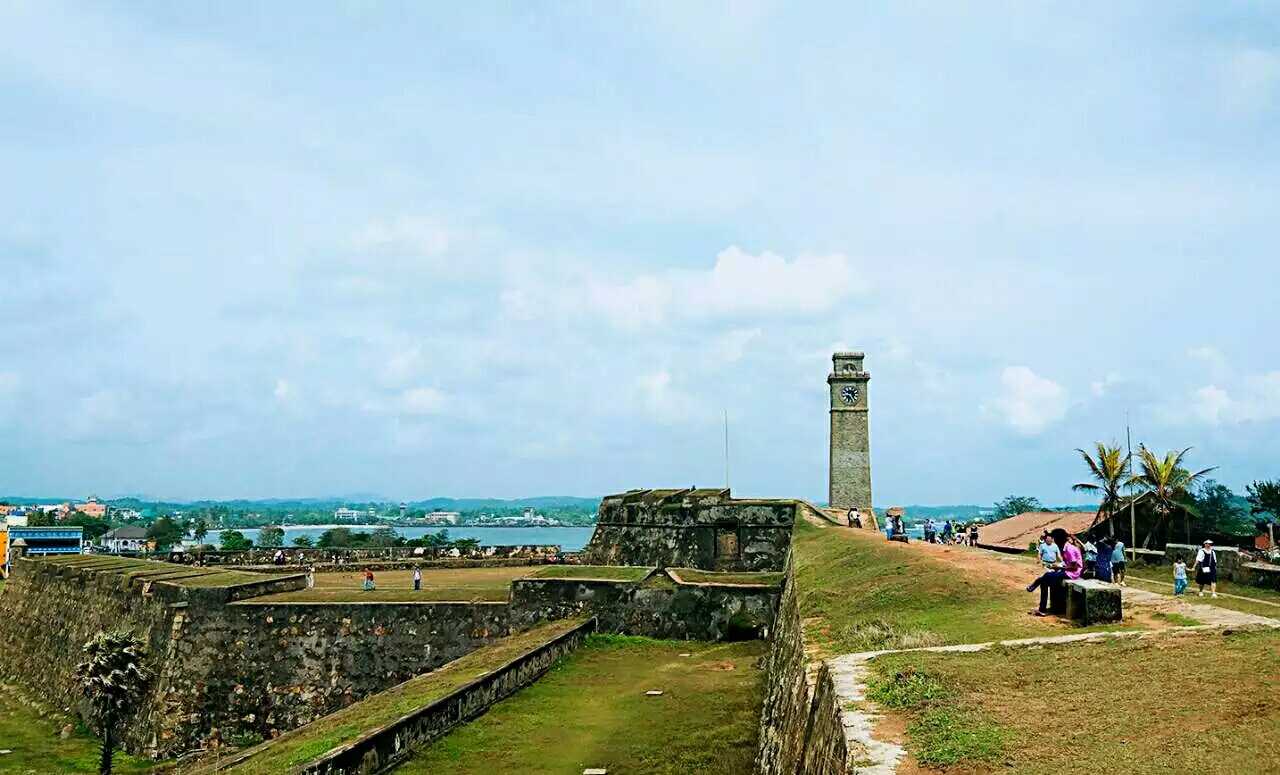
2. A Mixed‑Heritage Heaven: Galle Fort
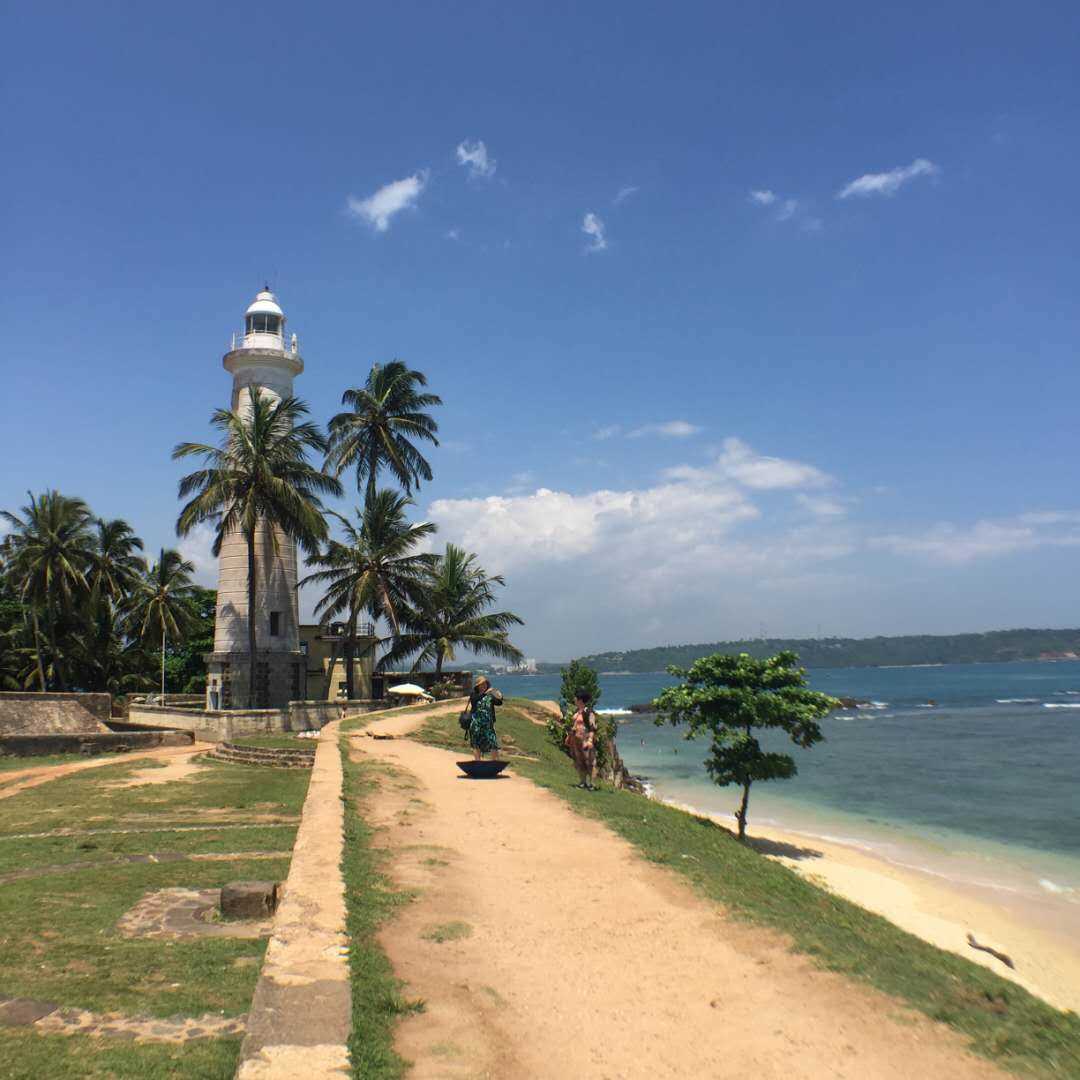
Dutch fort walls, British churches, artsy cafés, chic gardens, classic cars, and cats everywhere… Don’t be fooled—this isn’t Europe, it’s a mixed‑heritage heaven: Galle Fort.
Galle felt the most comfortable to me. Time seems to pause here—sit in a rooftop garden, taste the sea breeze, sip tea, and feel only our heartbeats.
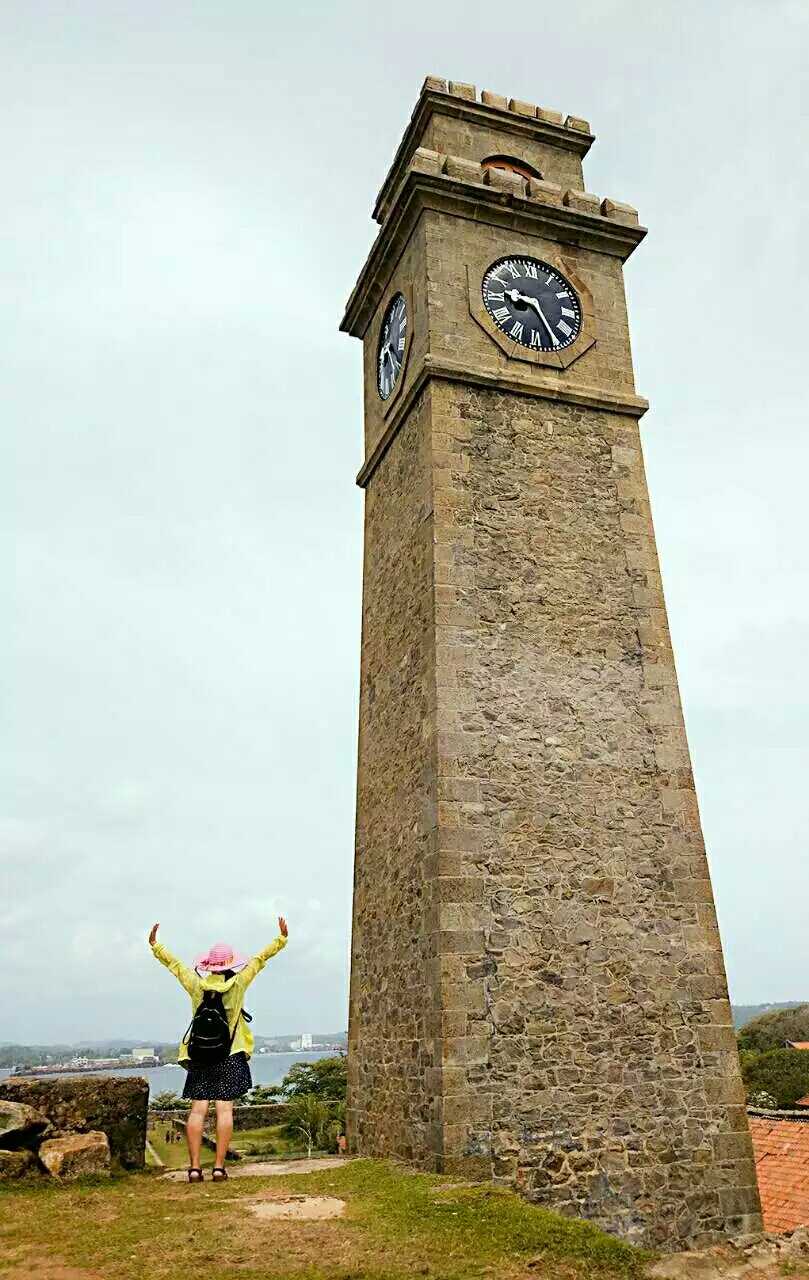
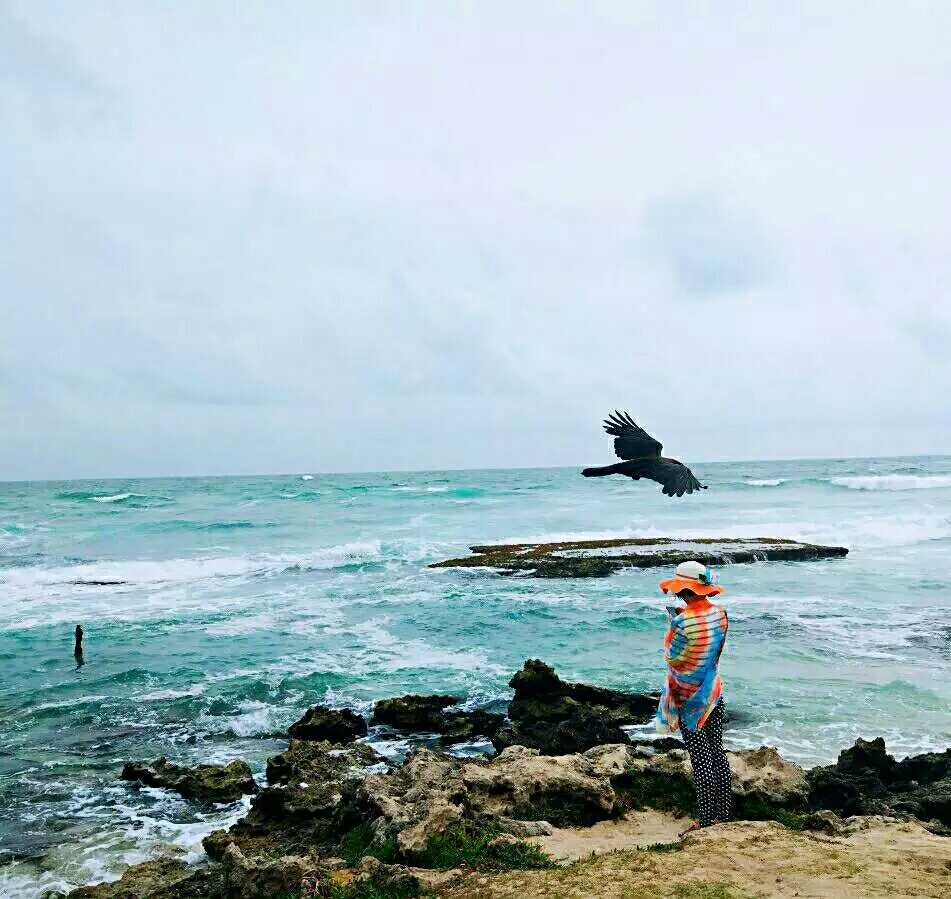
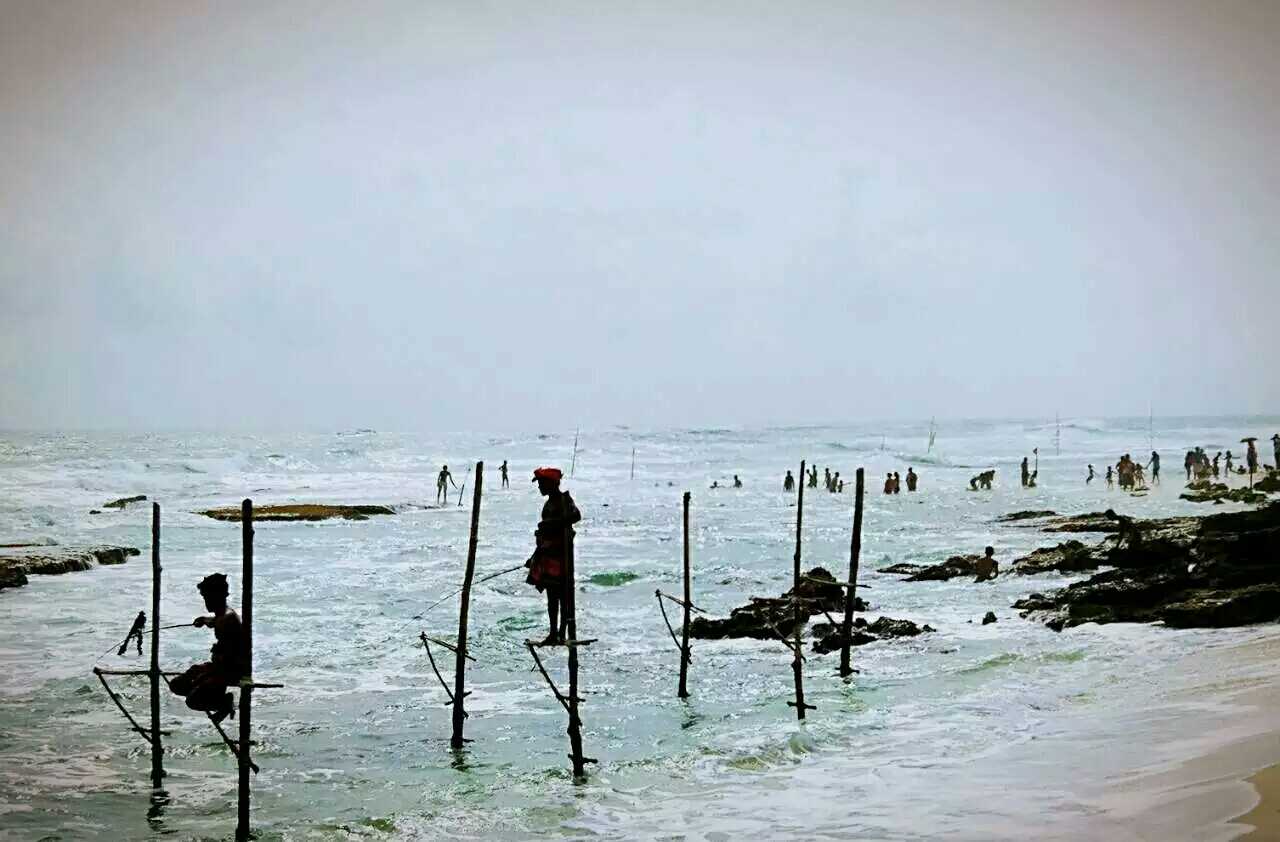
3. Stilt Fishing
It’s iconic—so many Sri Lanka posters feature it. Fishermen sit on stilts by the sea to fish. How efficient is it? No idea—I tried to ask and even have a go, but was told it costs LKR 1,000. It’s become a tourist experience.
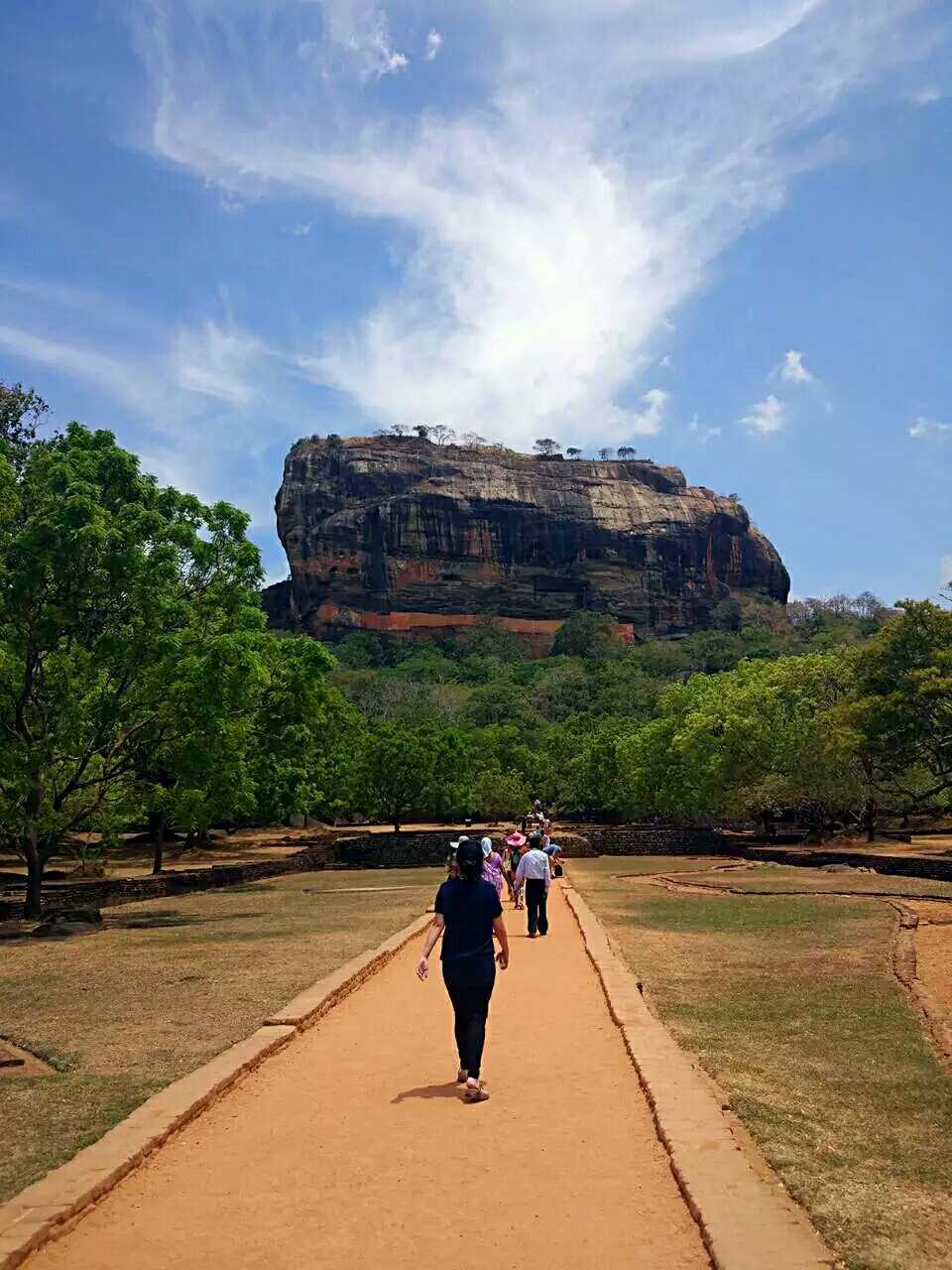
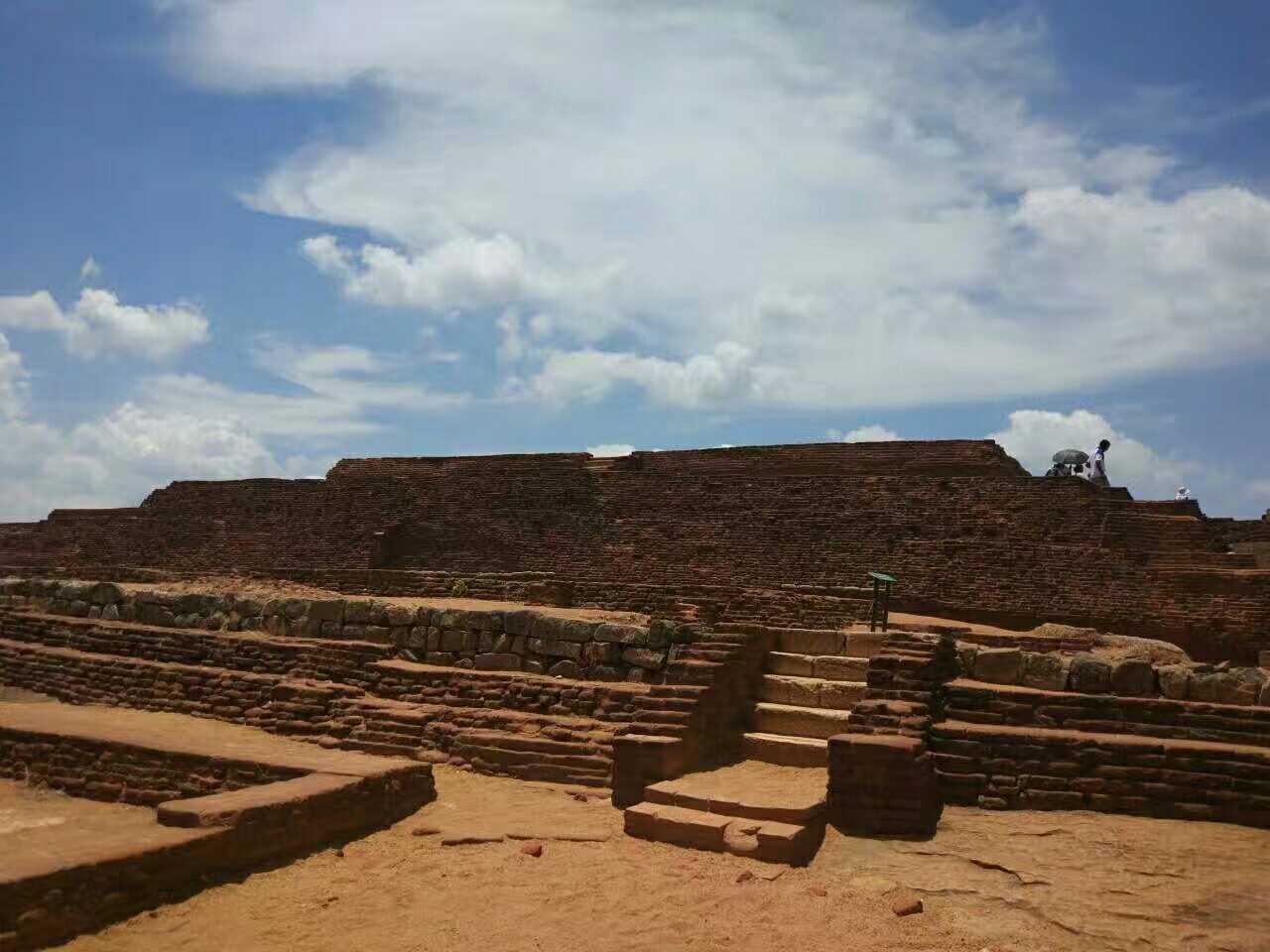
4. A Wonder: Lion Rock
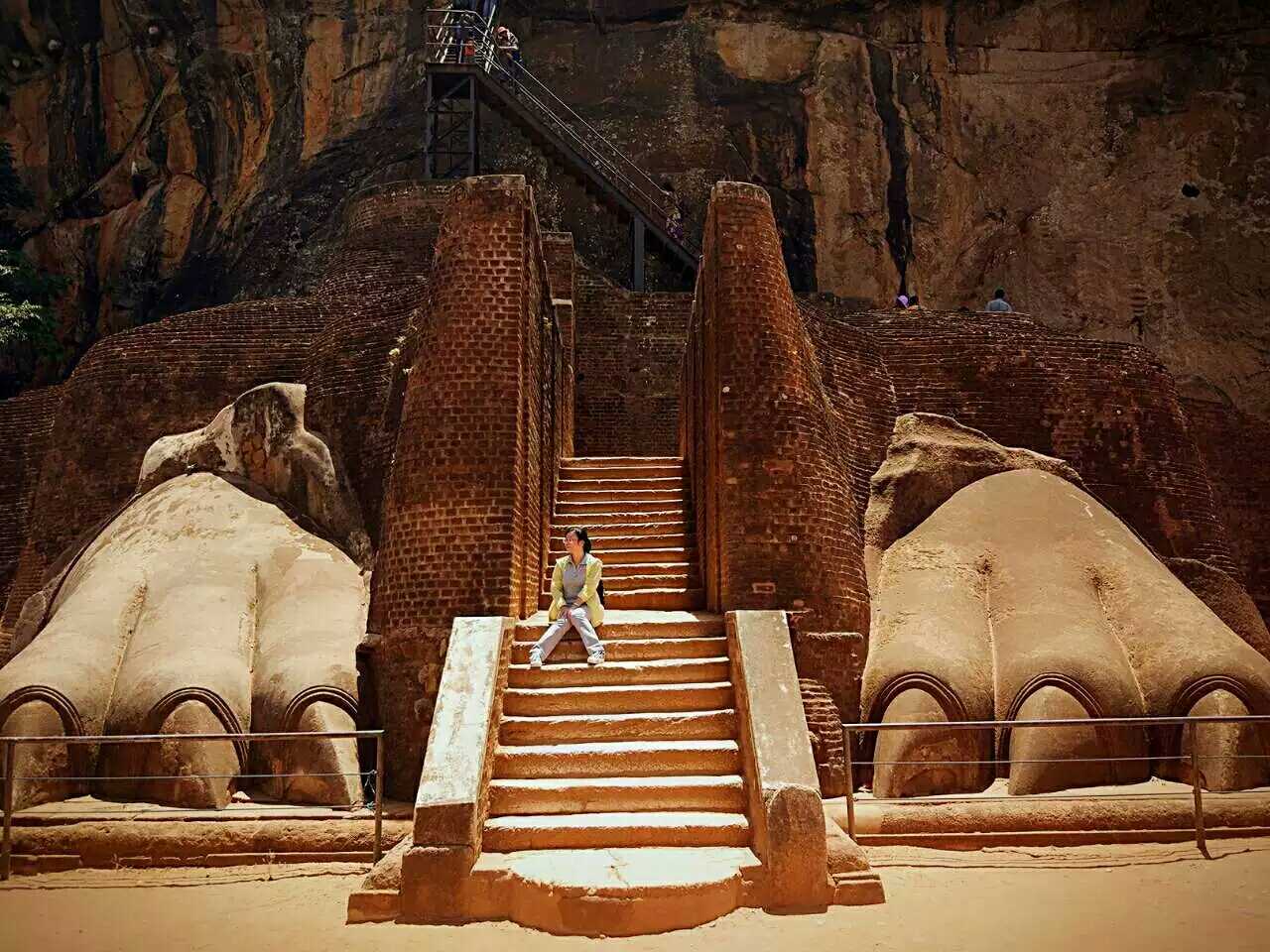
The “Eighth Wonder of the World”, once a sky‑palace, heavy with history.
Legend tells of a prince who, resentful at being sidelined, murdered his father and seized the throne, then built a palace atop the rock—complex terrain, easy to defend, to guard against his rightful-heir brother. In the end the usurper was defeated; even this lion‑guarded citadel couldn’t resist revenge. A millennium later, only foundations and steps remain—but among the ruins you still glimpse its former grandeur. That is Sigiriya (Lion Rock).
A day tour works well, and you can visit nearby Dambulla Golden Temple too.
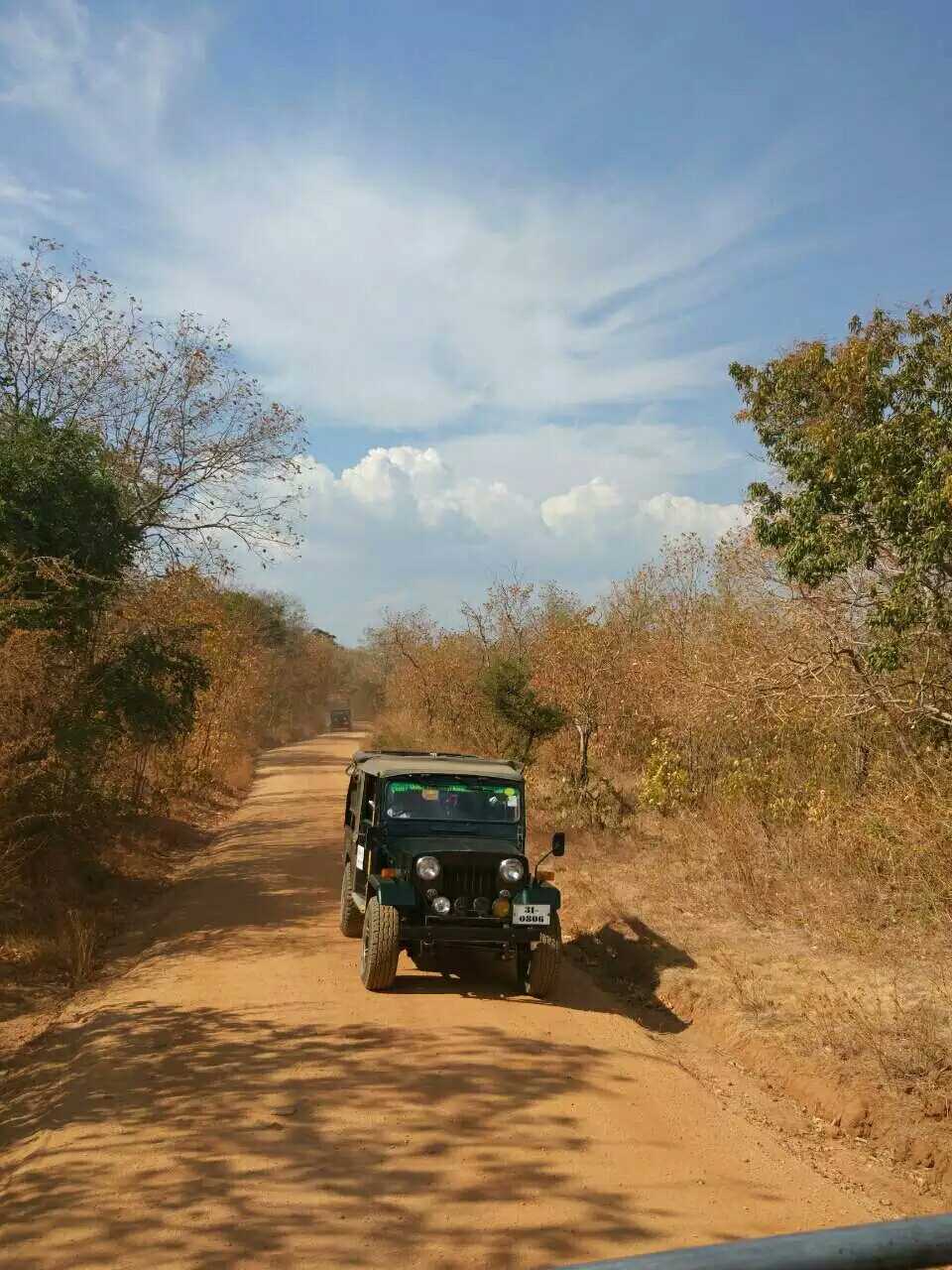
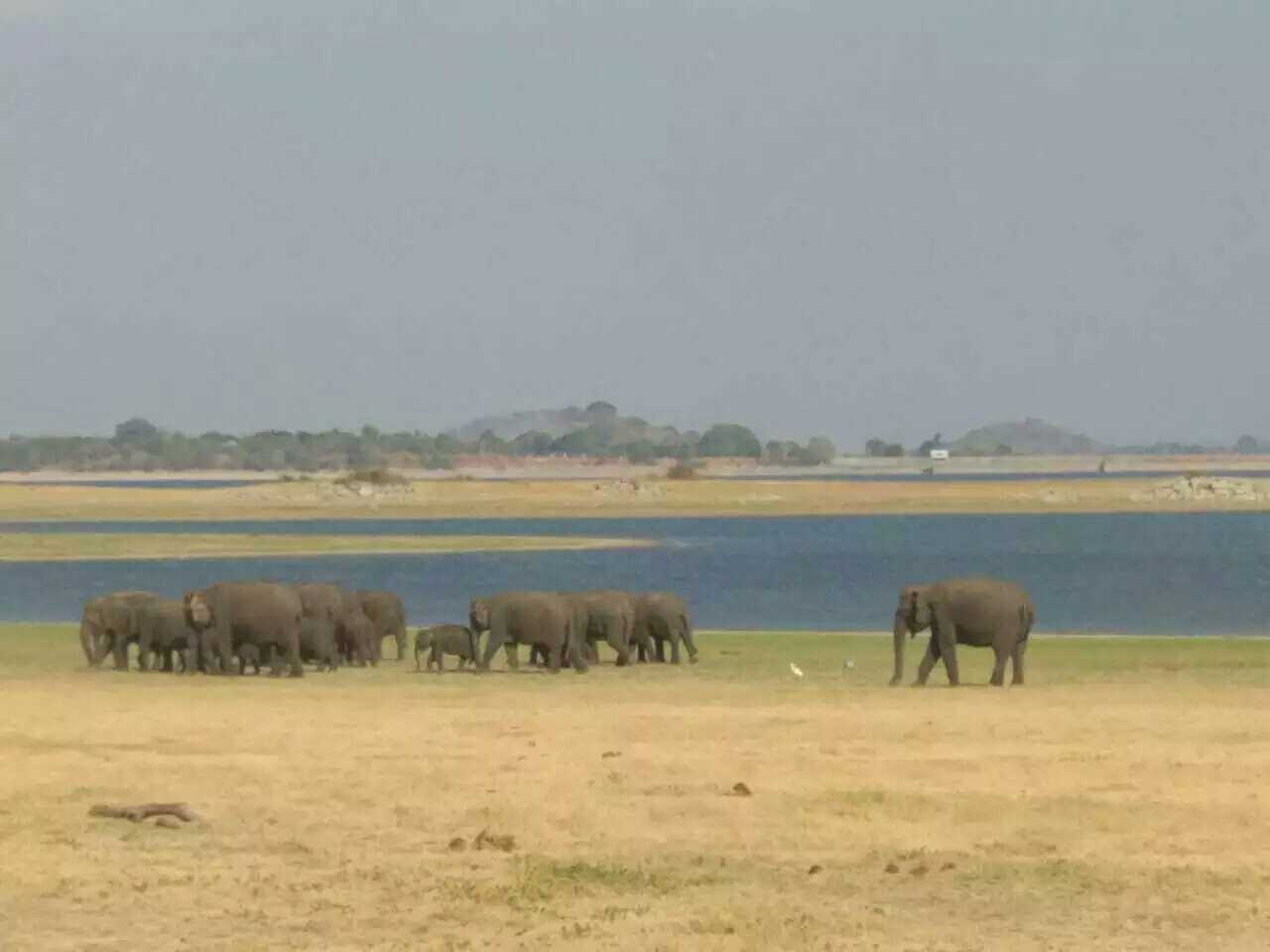
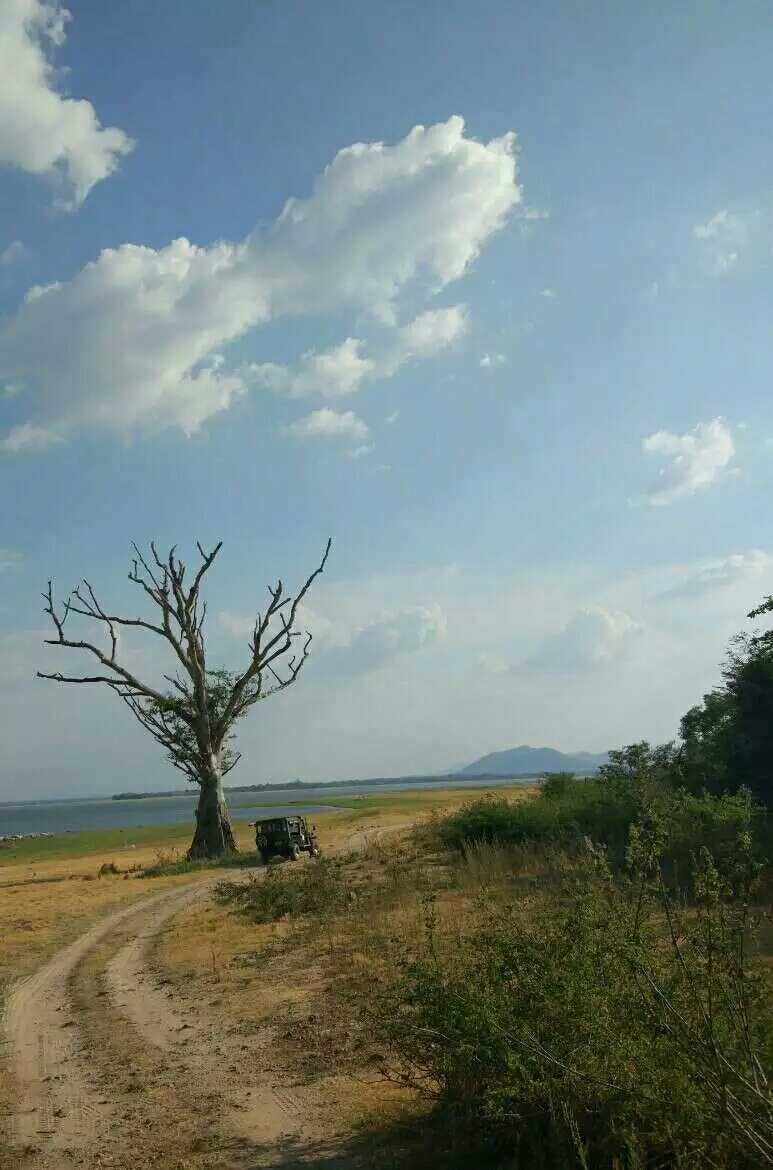
5. Sri Lanka’s “Little Kenya”: Yala National Park
The country’s second‑largest park, home to much of Sri Lanka’s wildlife, with chances to see leopards. I didn’t; I saw mostly elephants, monkeys, and birds.
Note: if you’re picturing dramatic African savannah scenes—zebra herds, migrations, lions vs. buffalo—you’ll be disappointed. I saw family scenes: elephant herds and troops of monkeys. But a close‑up jeep experience with truly wild animals is still once‑in‑a‑lifetime. For big spectacles, go to Kenya.
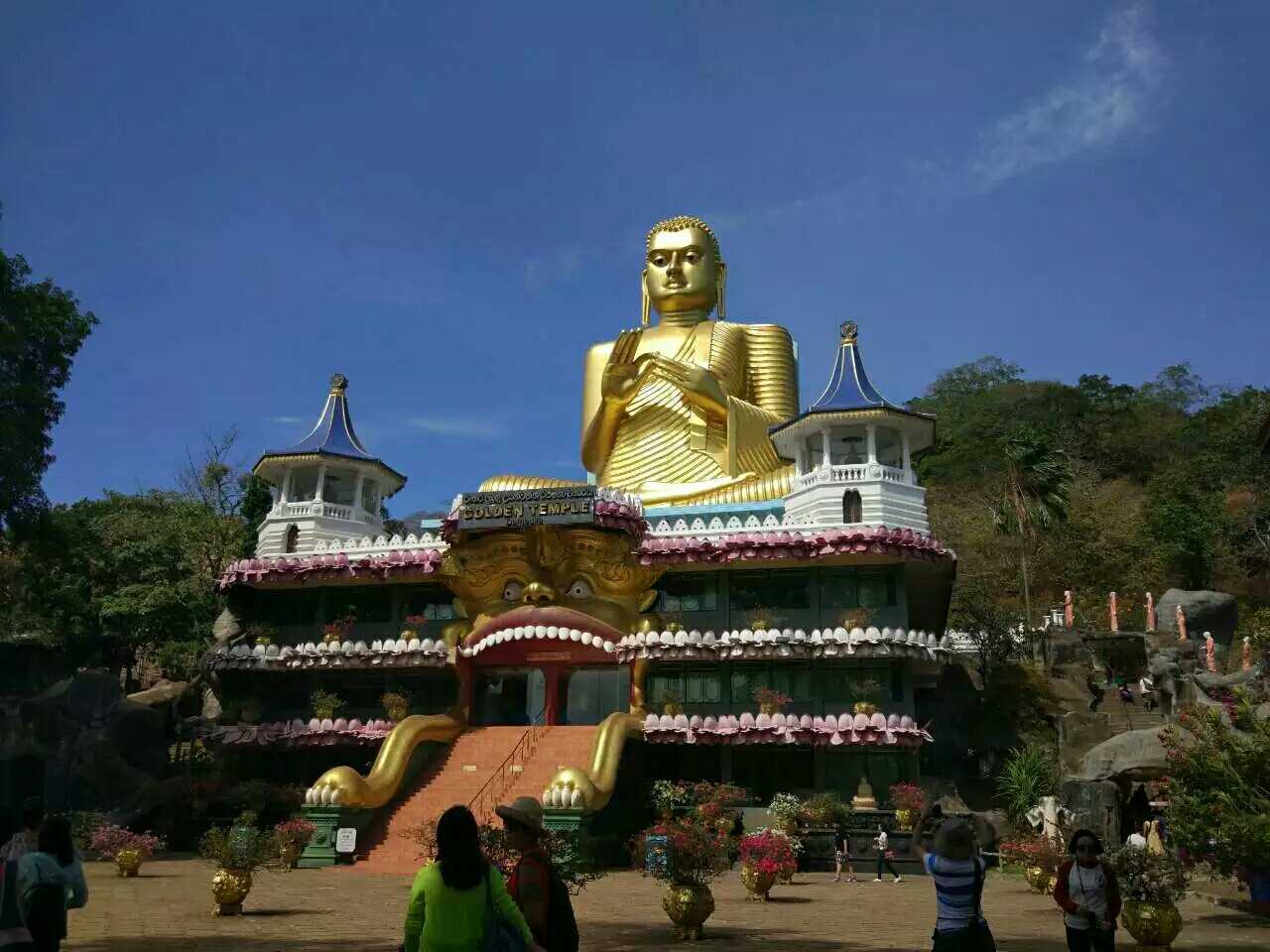
6. Dambulla under the Golden Buddha
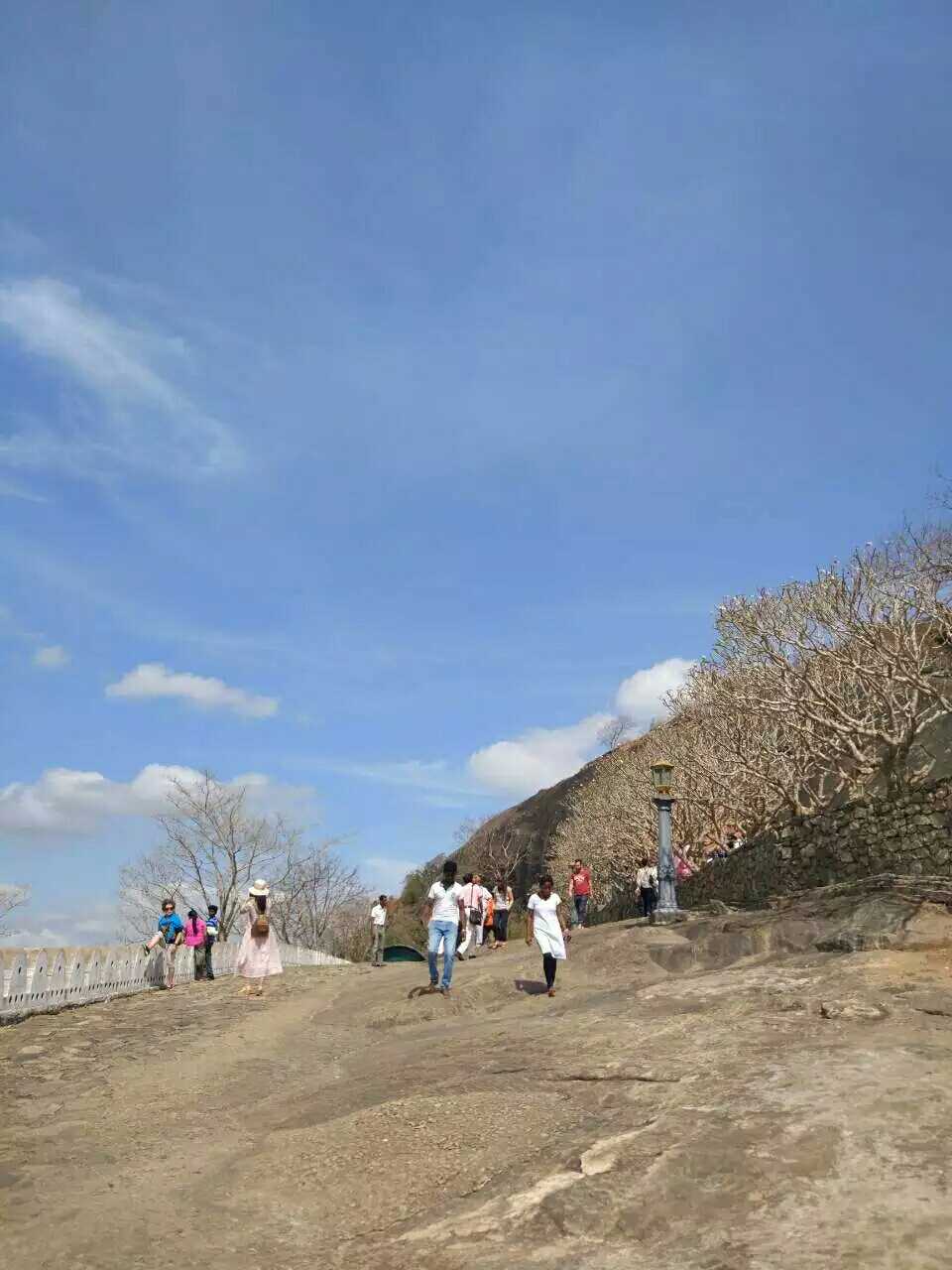
By the roadside near Sigiriya stands a gleaming giant Buddha—the famous Dambulla Golden Temple. There are five main cave temples with numerous reclining, standing, and seated Buddhas—Theravada Buddhism here centers on the historical Buddha (Shakyamuni), unlike China’s Mahayana pantheon of bodhisattvas and arhats. Some statues of queens, kings, and monks feel more like attendants than deities.
One king even placed his own statue among the cave Buddhas, hoping for eventual enlightenment; today that out‑of‑place sculpture is more a curiosity than a glory.
7. Unforgettable: Sri Lankan Buses
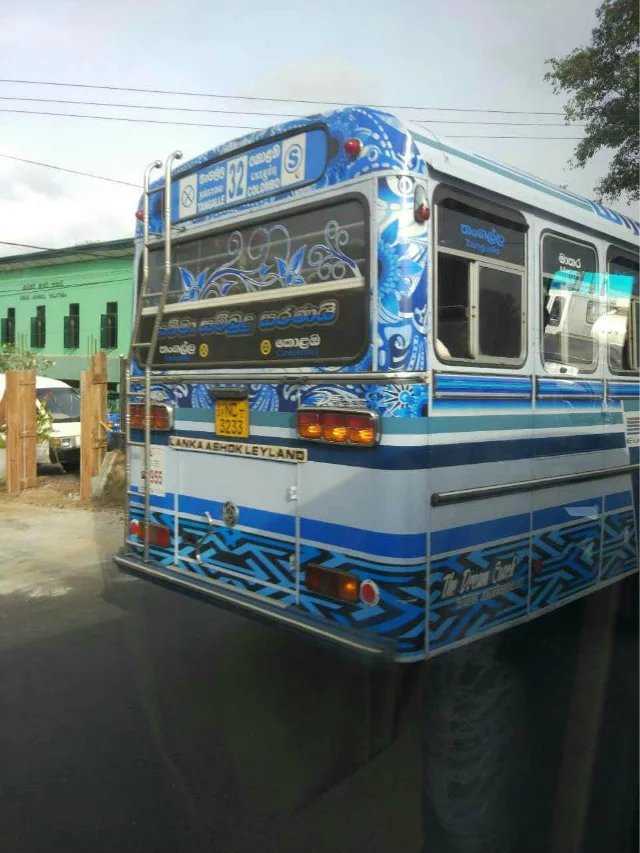
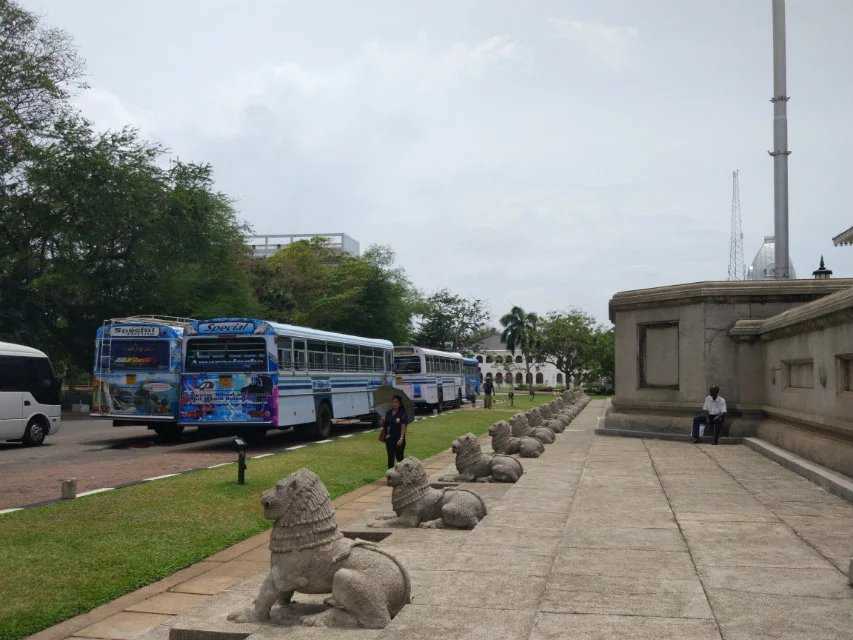
I’d heard buses don’t fully stop at stations, so I tried it in Kandy—two stops with an elderly lady who basically hauled me off through the crowd. Truth: doors are often left open (sometimes mounted “backwards” because they don’t close anyway). Whether the bus stops depends—sometimes yes, sometimes no. Those getting off hang near the door; those getting on are spotted by the driver—if you’re a fit young man, he slows down and you hop on/off; for elders, women, and children, he stops.
8. The Core of the Sacred City: Temple of the Tooth
Honestly, this mega‑popular site felt average to me. It houses the sacred Tooth Relic of the Buddha—whoever holds it holds legitimacy. Presidents visit to pay respect before taking office. The temple once survived a major bombing at its front wall.
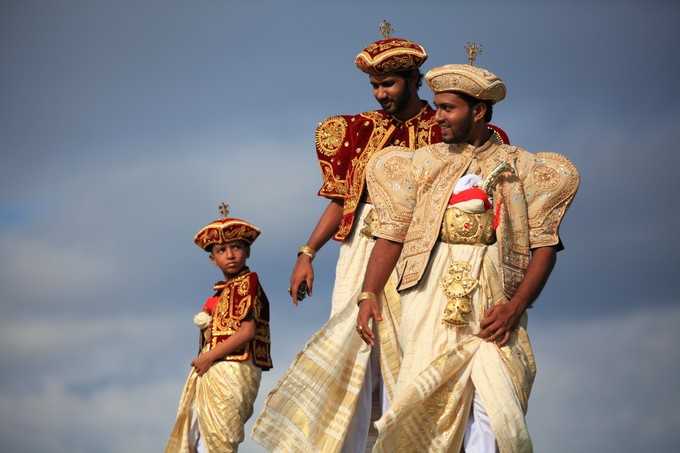
Do see the Esala Perahera in August: the Tooth Relic is paraded for the public; processions of majestic elephants, Kandy’s traditional dancers, and nearly a thousand performers last about 10 days. Crowds of devotees and tourists witness the spectacle—rumor says free ice cream appears too.
Tip: book flights and hotels at least two months ahead; August sells out or gets pricey.
☆ Final Notes: Travel Safety
Most Sri Lankans are warm and friendly, but tourist sites and big cities can attract scammers.
Common traps: 1) Tuk‑tuks overcharging—choose metered ones and ensure the meter is on. Carry small change. Personally, I avoid tuk‑tuks after one ride; never take them at night.
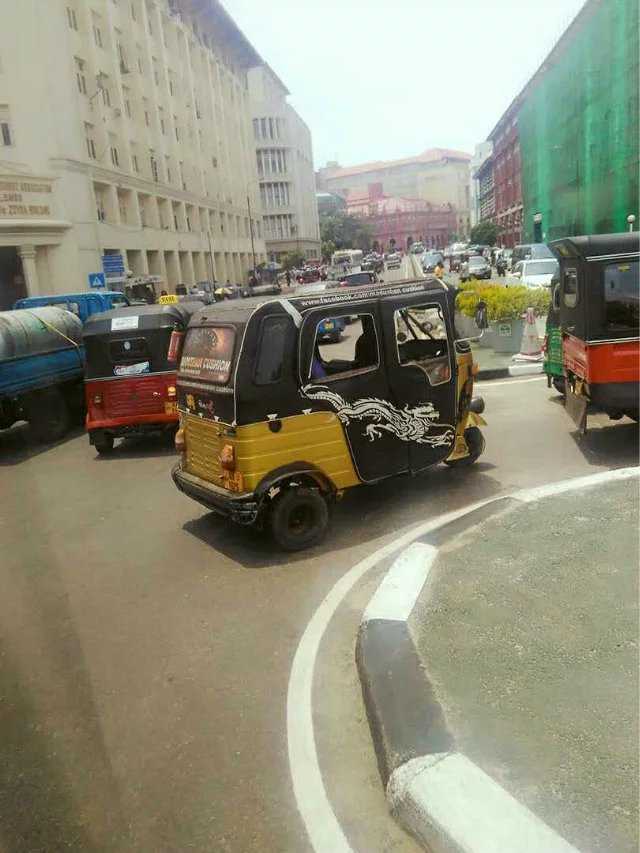
This is the legendary tuk‑tuk.
2) At Sigiriya, some “guides” will latch onto you—firmly and politely refuse, or you may be asked for USD 100 “tips.”
3) Politely decline “help” from overly eager youths. Ask directions from police or soldiers. Travel in groups, and avoid going out at night. If harassed (e.g., whistling), ignore; if behavior turns intrusive, raise your voice and move to busier areas—there’s usually police or military nearby. Compared with India, Lankan street punks tend to back down quickly when confronted.
4) The southwest and south are relatively open; the central and northern regions are more conservative. Jaffna in the far north is remote and predominantly Tamil; conditions can be unstable—consider skipping.
PS: Don’t ask me about “Lankan cuisine.” With so many natural ingredients, it’s a pity the dishes often tasted underwhelming to me—purely personal opinion.