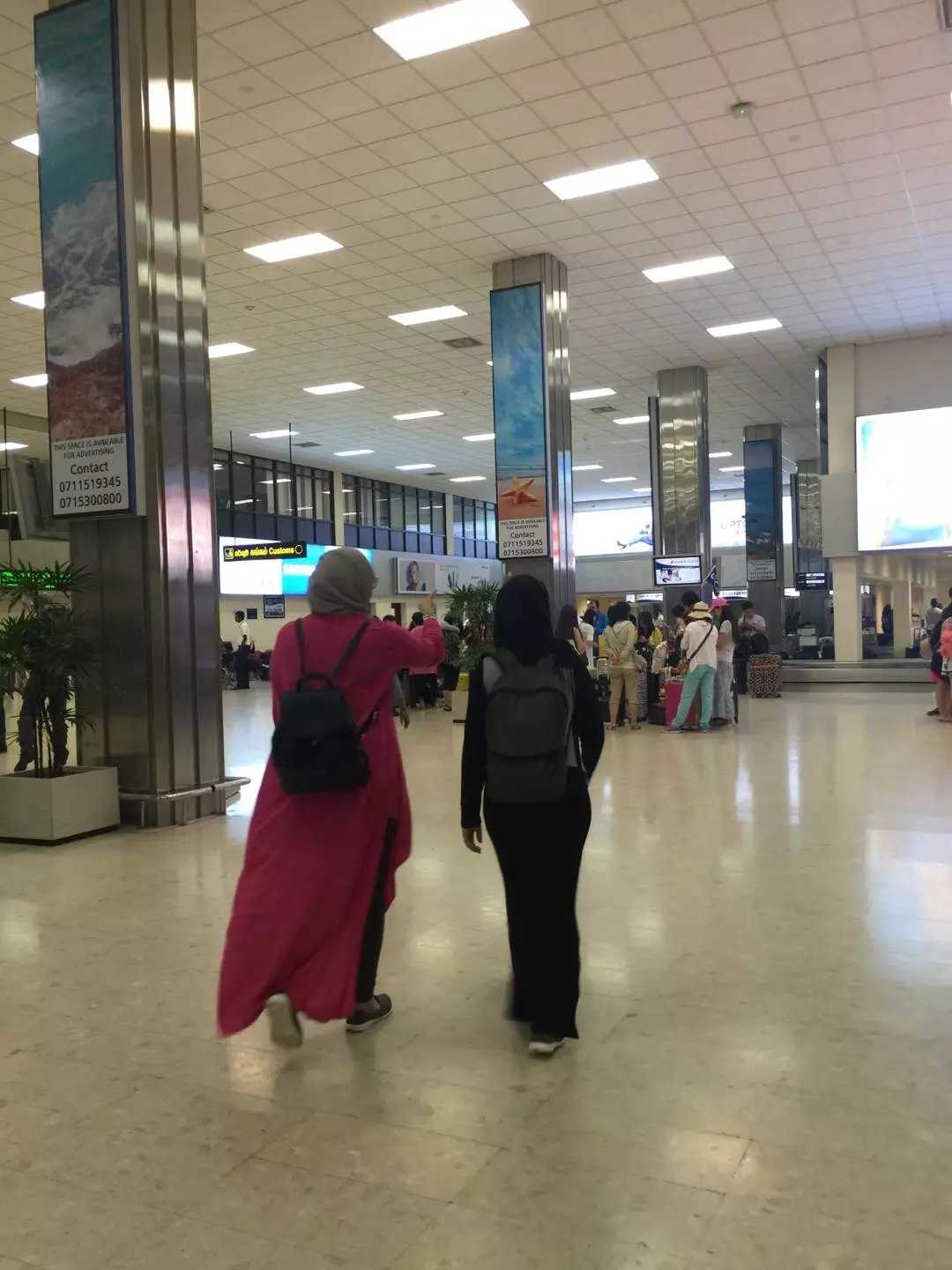
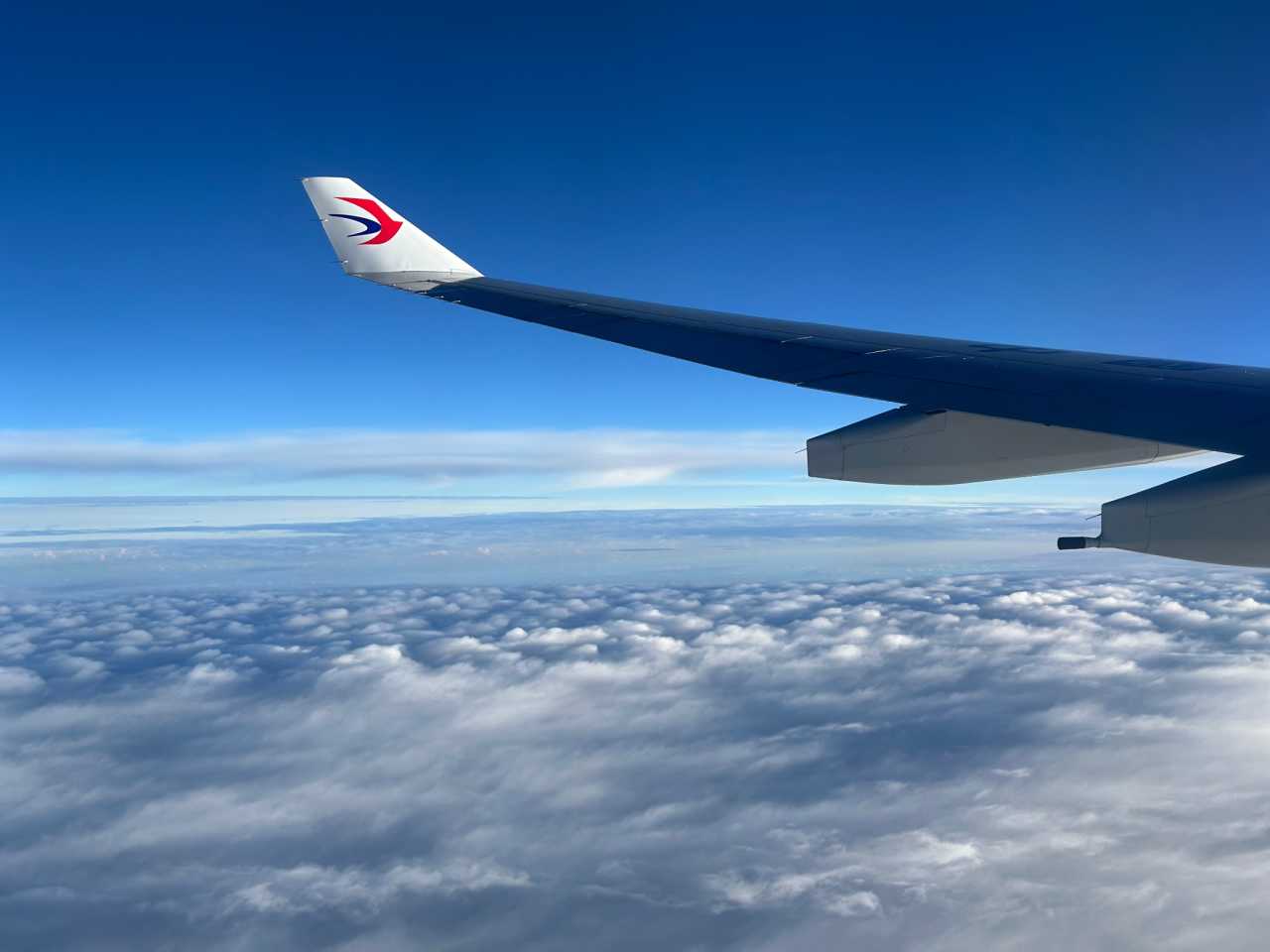
Late‑September winds carried the warm, salty breeze of the Indian Ocean across the tarmac at Colombo Bandaranaike International Airport. After over seven hours from Shanghai, we arrived in Sri Lanka—the “tear drop of the Indian Ocean”.
After exiting the airport, we exchanged money—500 USD into Sri Lankan rupees (used up just before the return flight).
At the airport exit, a rental company staffer was waiting, holding a sign with my name.
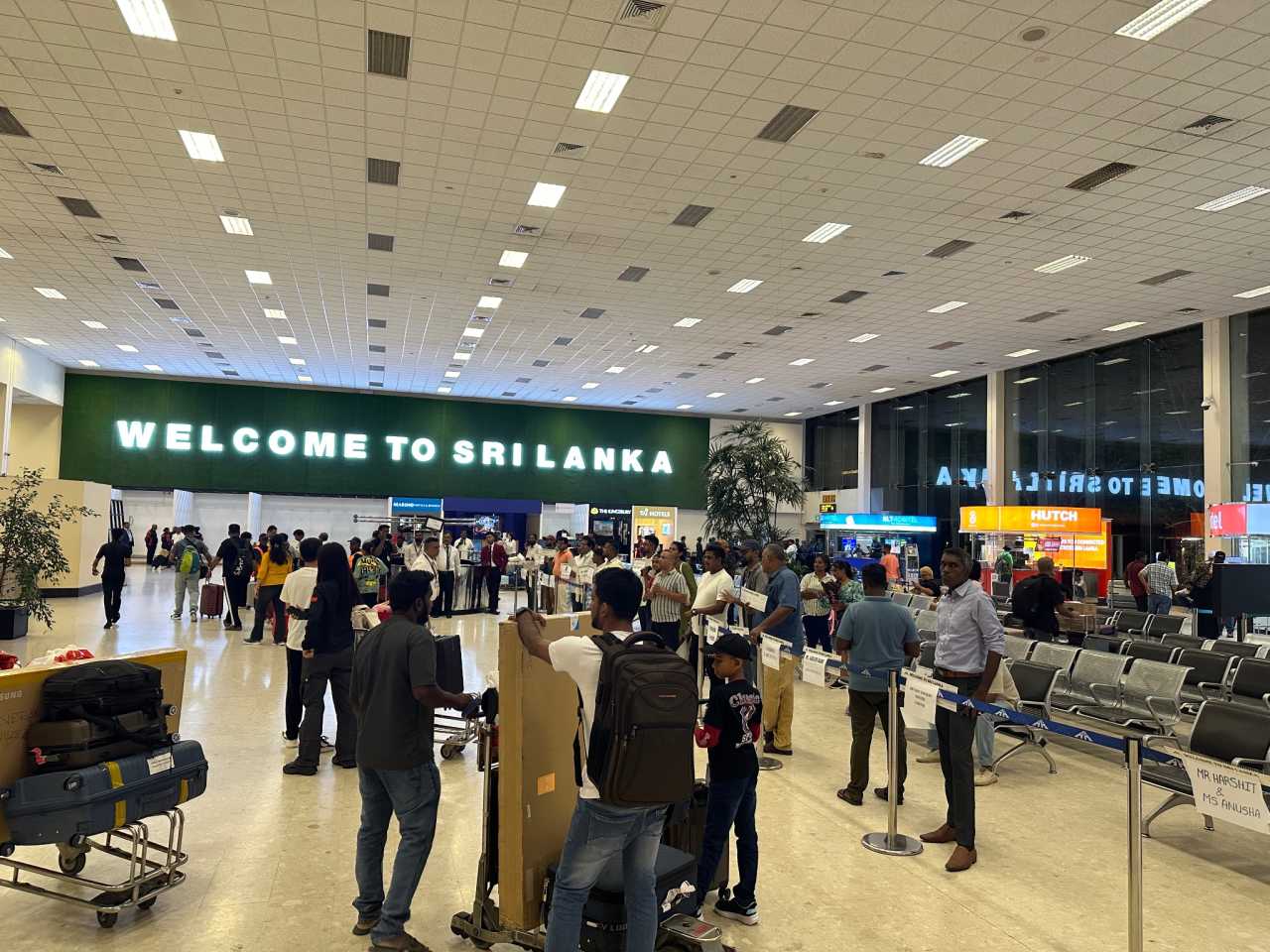
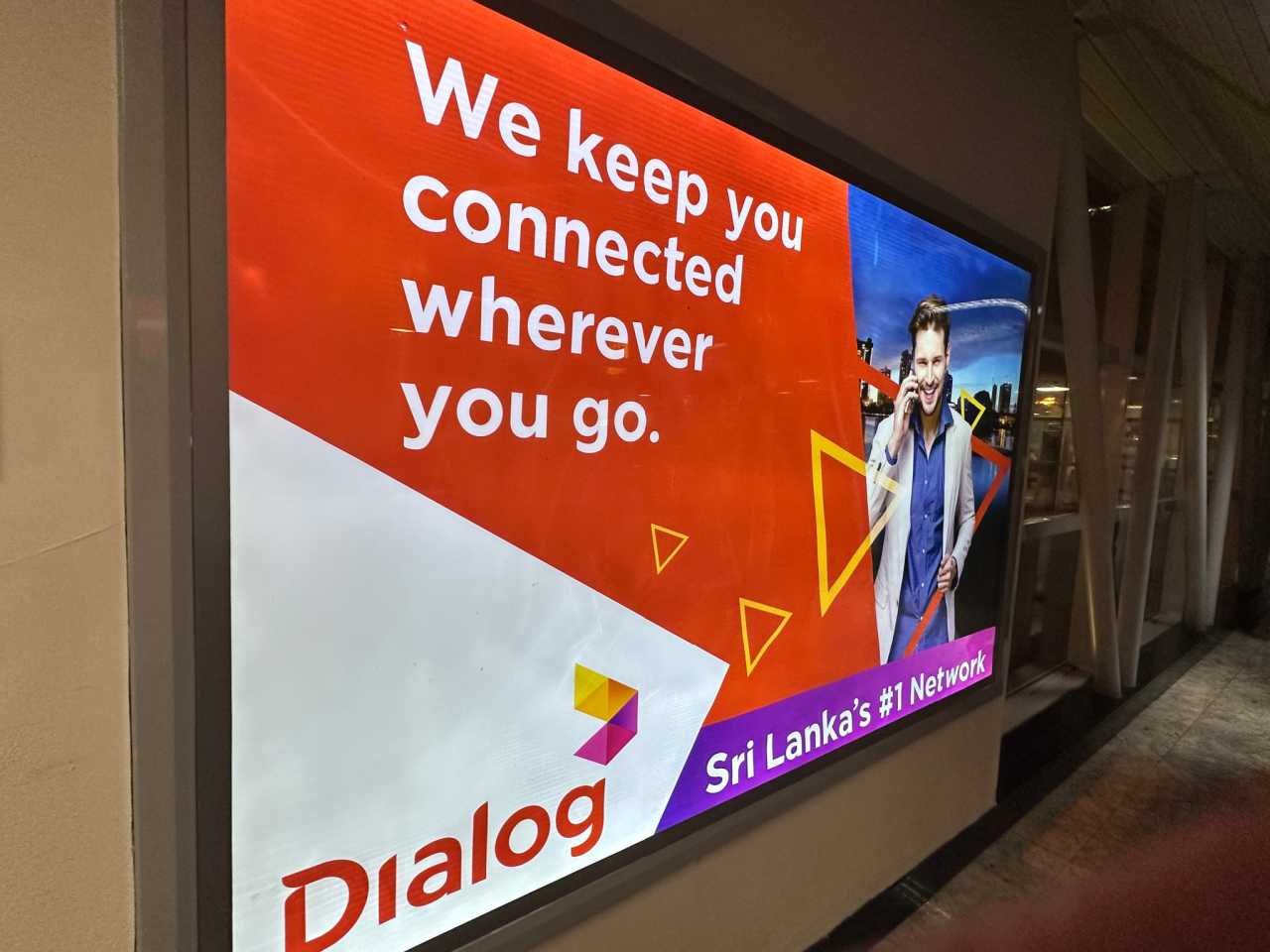
Then each of us bought a local SIM—Dialog; the signal was great.
We rode with the rental agent (the car I had booked) to the office near the airport to complete the rental paperwork.
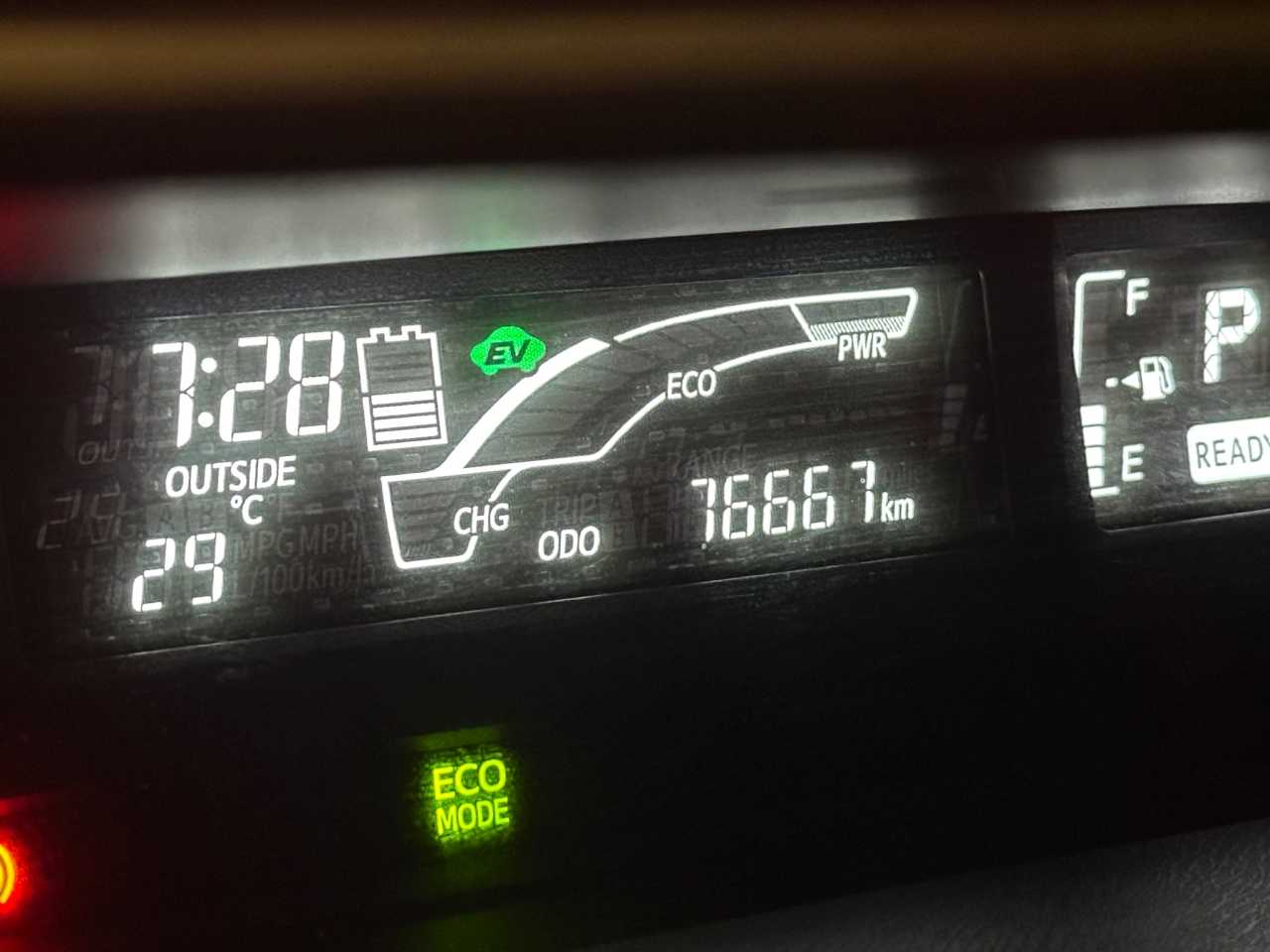
Hands on the steering wheel, our self‑drive journey—“Negombo — Dambulla (Sigiriya, Polonnaruwa) — Kandy — Yala — Galle — Bawa estate — Colombo”—officially began.
Without tea‑estate mists, our wheels chased coconut groves, stupas, wilderness and ancient cities, carving a free track across Sri Lankan roads. Colorful tuk‑tuks brushed past; the rhythm of waves echoed faintly with temple bells. Sunlight filtered through bodhi leaves onto the windshield, and even the air was rich with cinnamon and tropical fruit aromas—turns out you don’t need to seek distant tea hills; simple freedom behind the wheel meets the truest face of Lanka.
Self‑drive Tips (prepare ahead for a smoother trip)
• License: Bring your Chinese driver’s license + English translation/notarization (most rental firms accept translations; notarization is safer). No international permit needed. Must be 21+ to rent.
• Road & driving: Sri Lanka drives right‑hand, left‑side. Roads are hilly and winding; some rural sections are narrow—watch oncoming traffic and pedestrians/animals crossing. Local drivers change lanes often and drive fast; keep a steady speed, avoid hard braking, and honk in advance at junctions/curves.
• Fuel & parking: Fuel stations are frequent (Petrol/Diesel). Prices about RMB 7–8 per liter. Most accept VISA; some require cash. Major sights (e.g., Sigiriya, Polonnaruwa, Galle Fort) have dedicated parking, often free. In cities, park at hotels, malls, or marked roadside areas; avoid no‑parking zones.
• Navigation & comms: Download Google Maps offline (some rural areas lack signal). Buy a local SIM at the airport (Dialog plans are good value) to ensure smooth navigation and emergency contact.
• Overtaking & speed: Typical limits—highways 100 km/h, expressways 70 km/h, towns 30–50 km/h. Police at town entries/exits enforce overtaking and speed strictly.
Sri Lankan self‑drive offers surprises and challenges. Roads often follow mountains and water, with rolling curves. On both sides stretch tropical forests, rice fields, and colorful village houses. Locals drive aggressively; tuk‑tuks and buses change lanes frequently, but steady, cautious driving lets you enjoy the scenery. Best times are coastal roads at dawn or dusk—the sea breeze through the windows brings Indian Ocean freshness; the shimmering water and fishermen at the shallows paint a pastoral scene. In each town, roadside eateries serve authentic curries and fresh coconuts—convenient and full of local flavor.
DAY1 Head to Negombo
First stop: straight to Negombo.
With unfamiliar right‑hand drive at night, we carefully drove to the hotel car park and smoothly checked in to a Geoffrey Bawa‑designed hotel by the sea with a private beach.
DAY2 Negombo —— Dambulla
Early morning, no discomfort from the 4‑hour time difference. We strolled along the coastline—this seaside town holds Sri Lanka’s most soothing morning scenes.
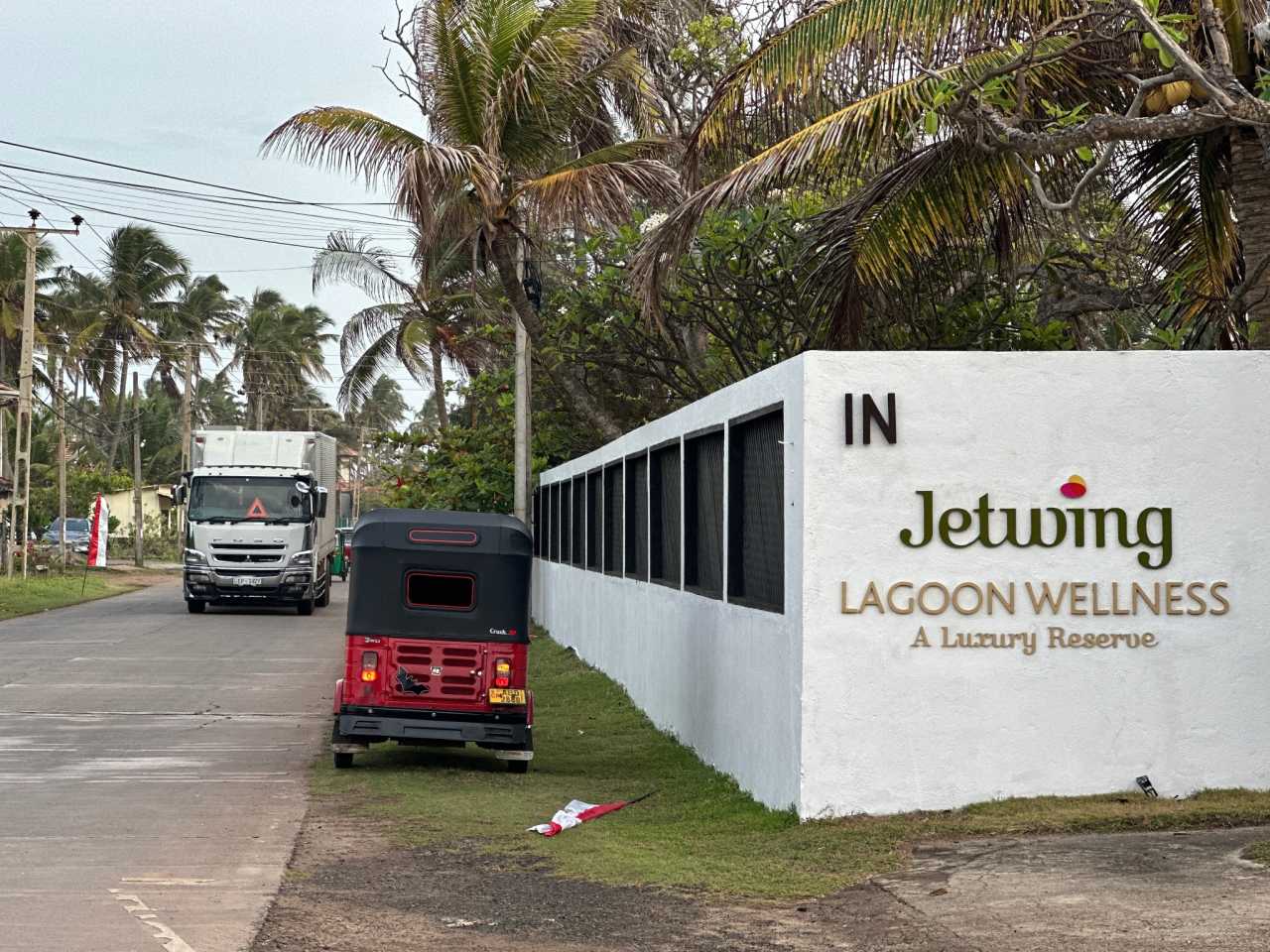
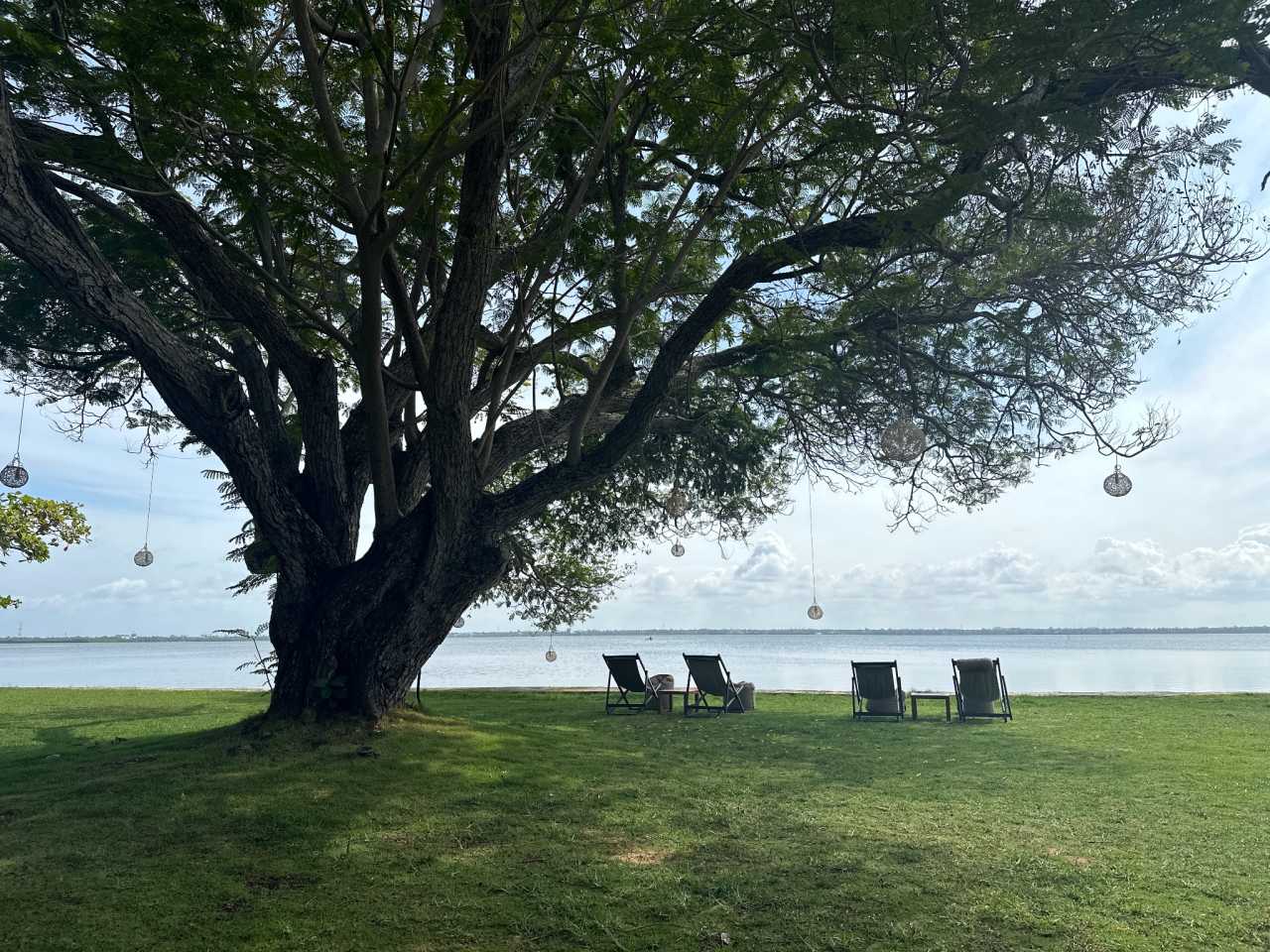
Our Negombo hotel: Jetwing Lagoon *** Reserve Adults Only.
Typical of Bawa’s work—integrated with nature, comfortable and elegant.
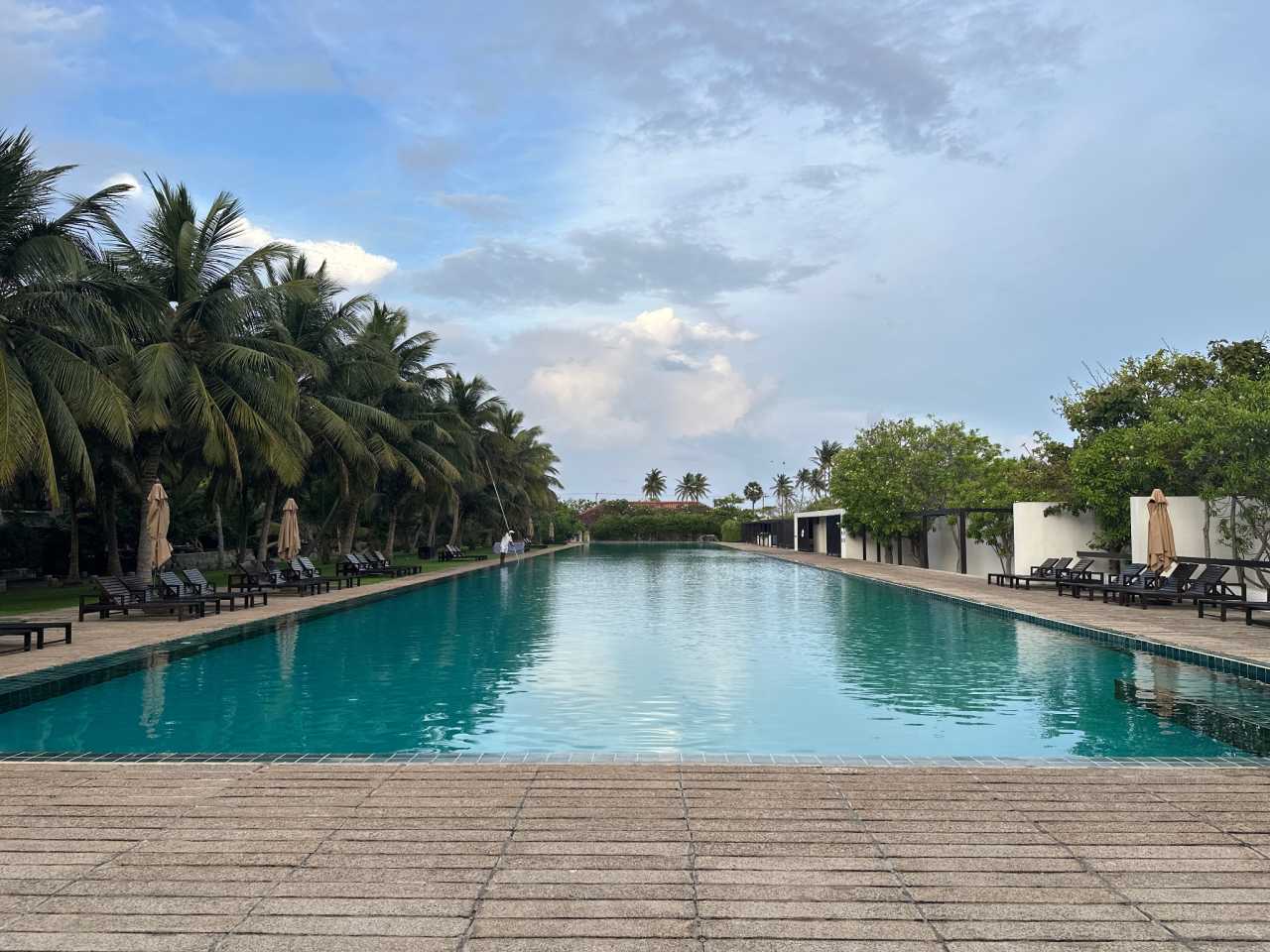
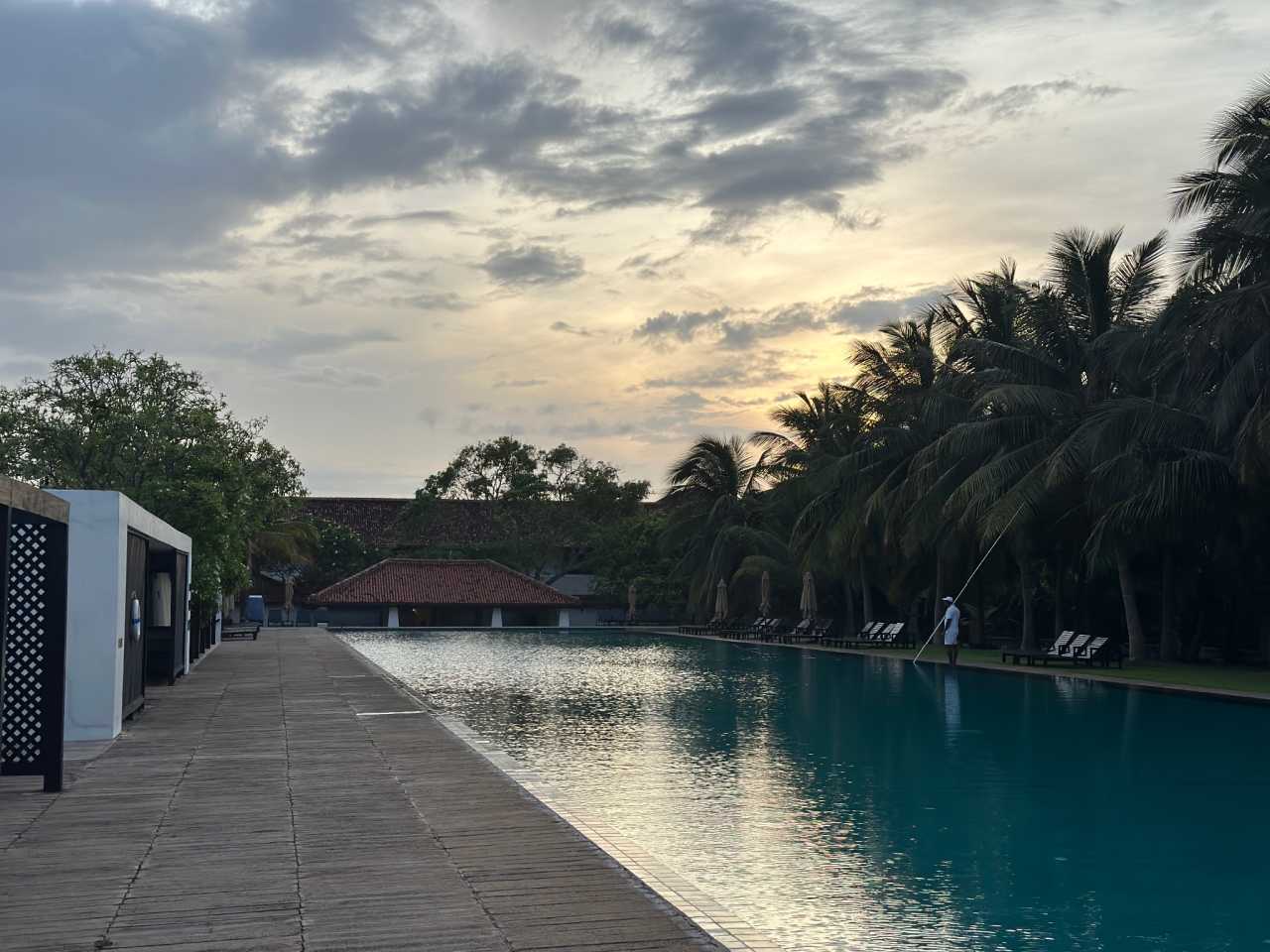
Sri Lanka’s natural environment is fantastic.
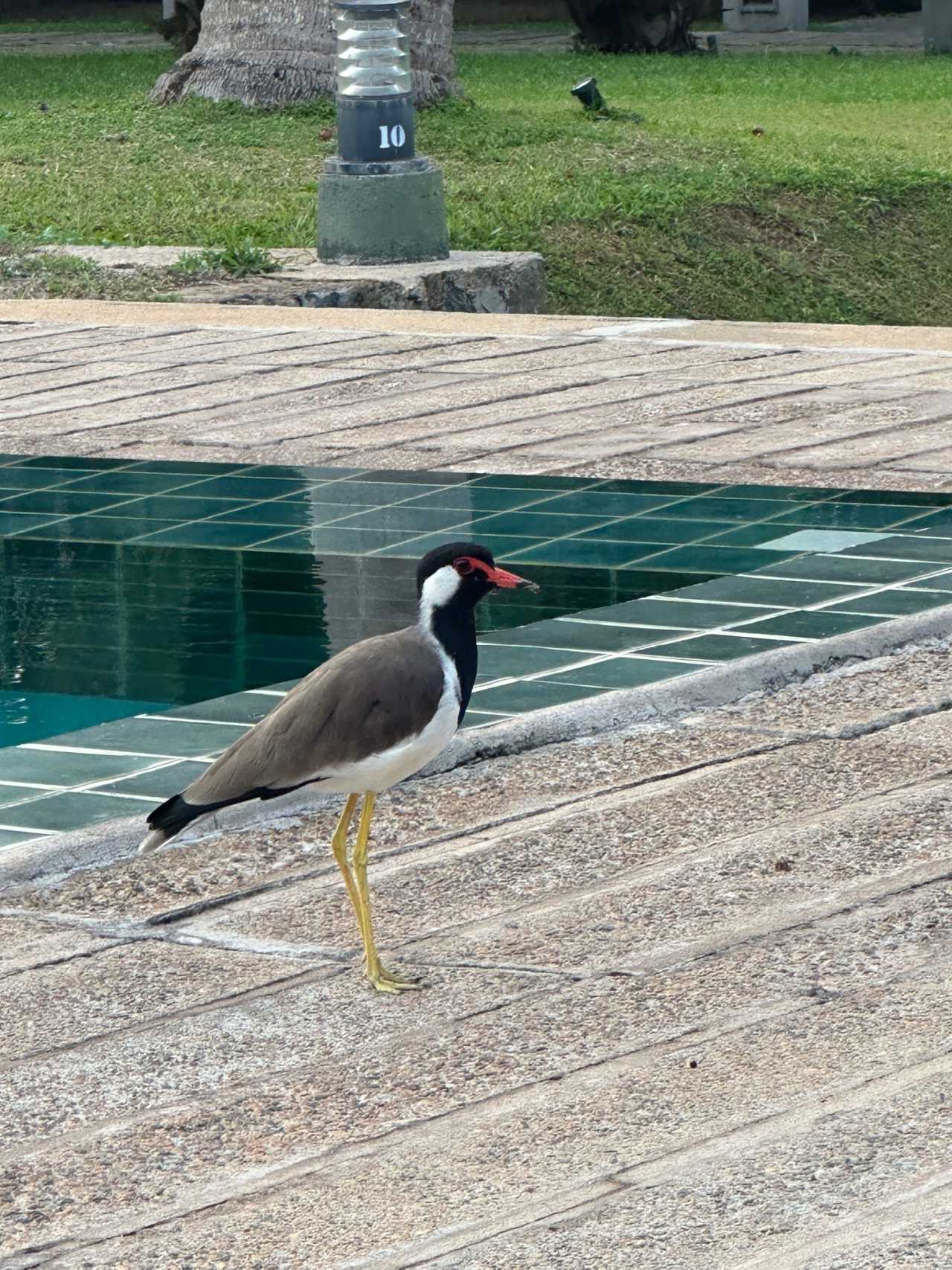
The salty sea breeze blends fish smell with fresh seawater; the distant Indian Ocean glitters like scattered diamonds.
Waves wash over our ankles again and again, carrying away sand and worries—time seems to slow to the rhythm of the surf.
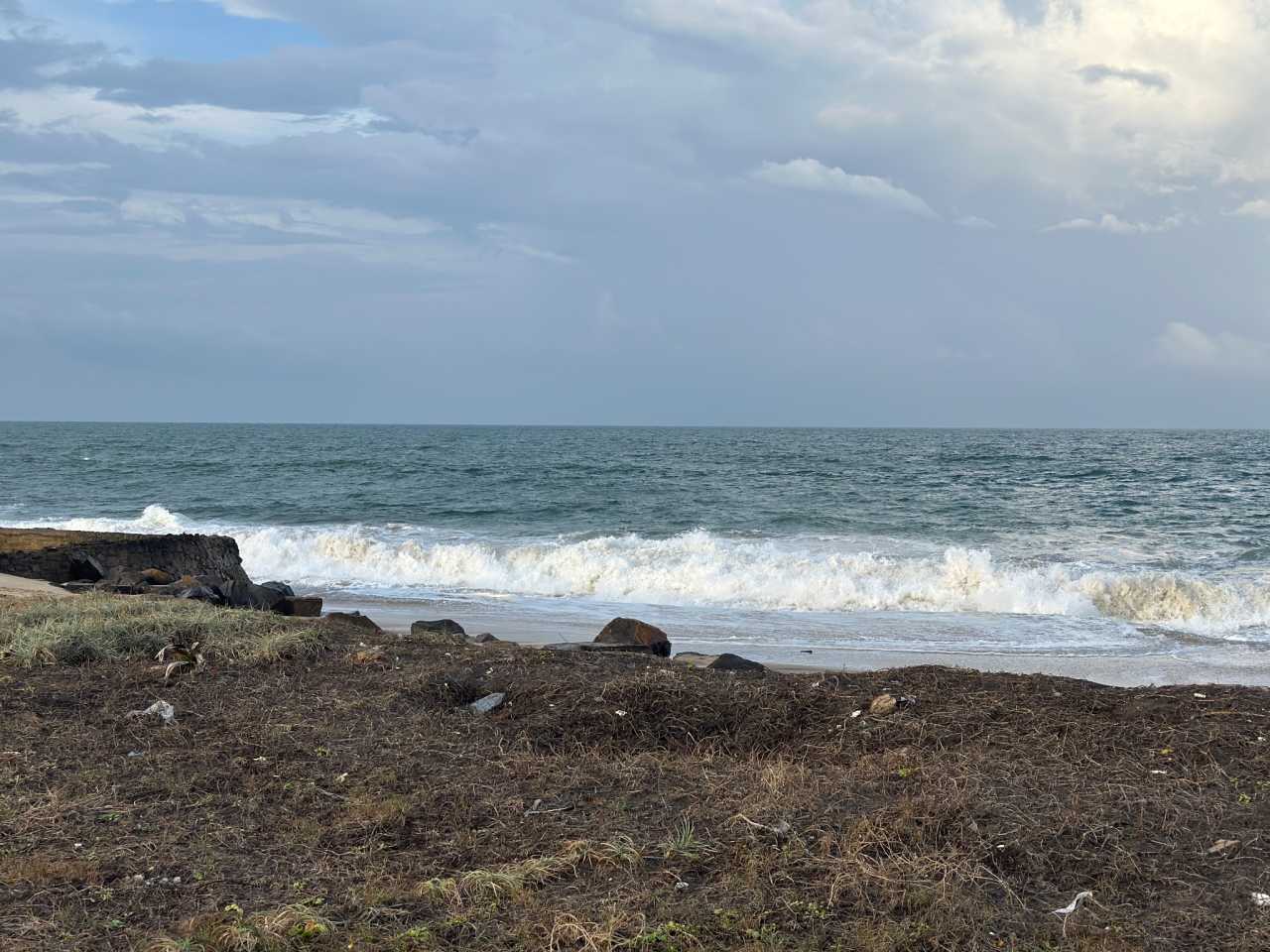
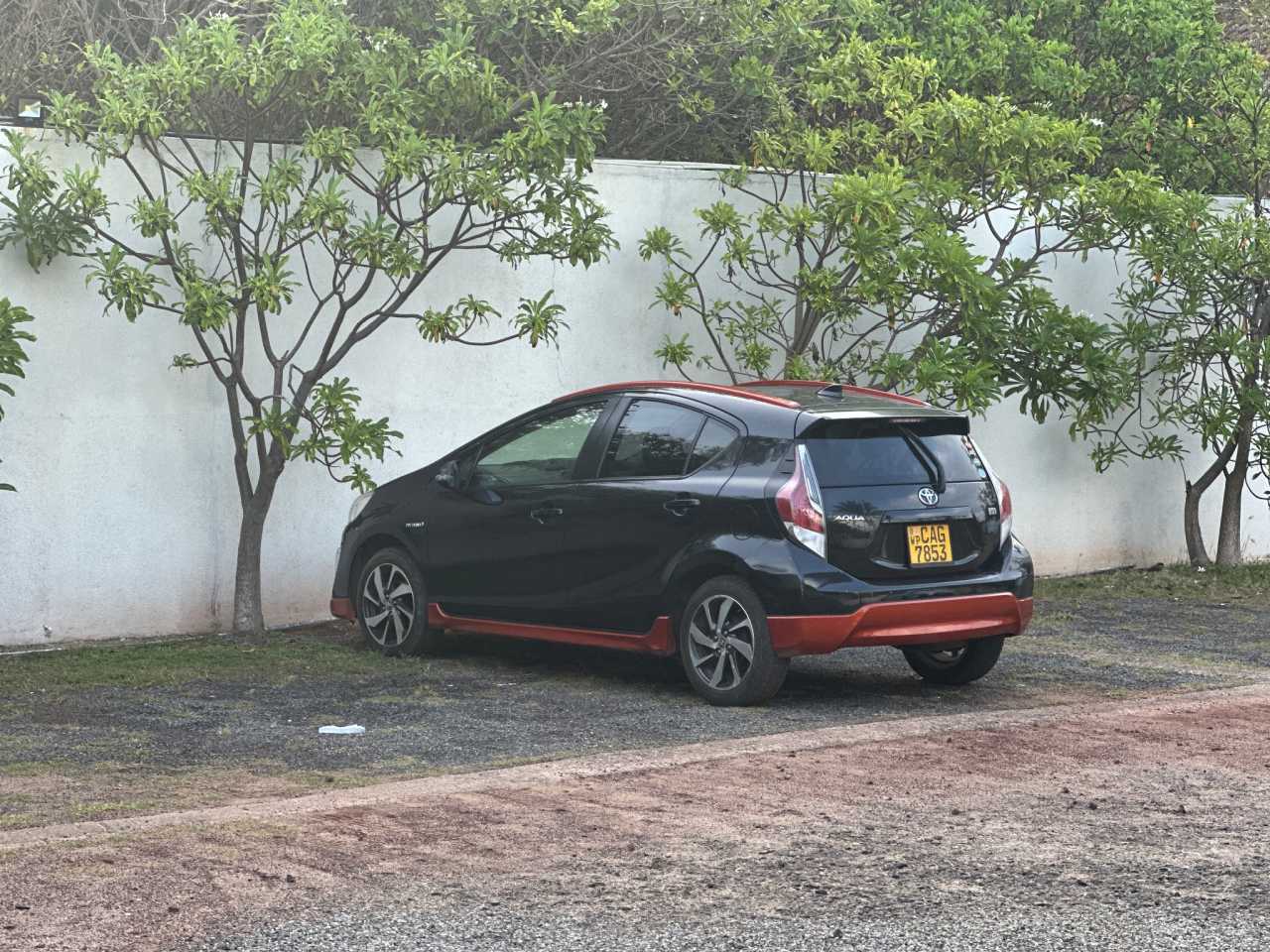
Below is our rental—a Toyota hybrid with low fuel consumption, yet it fits two large suitcases.
Hotel restaurant
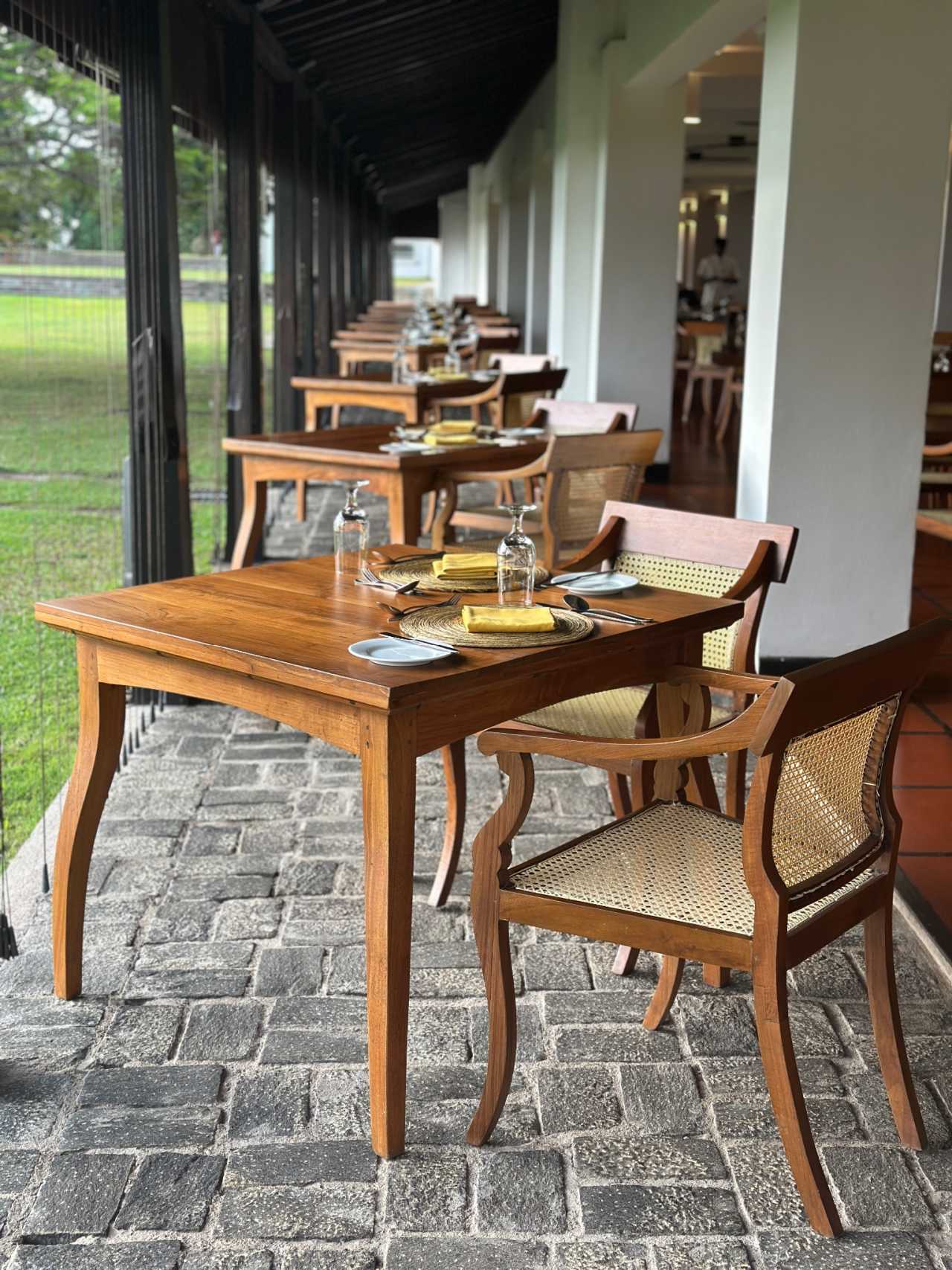
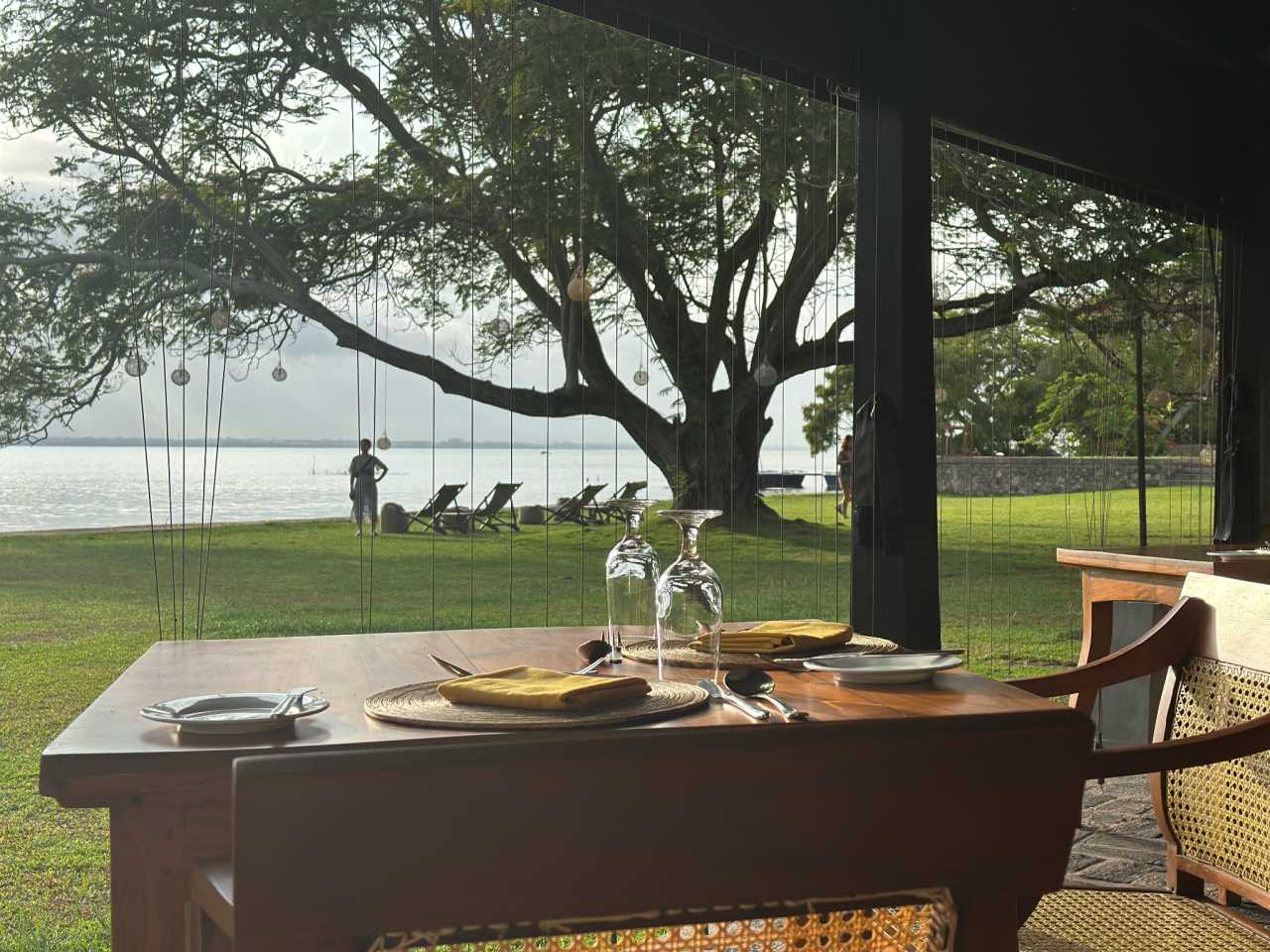
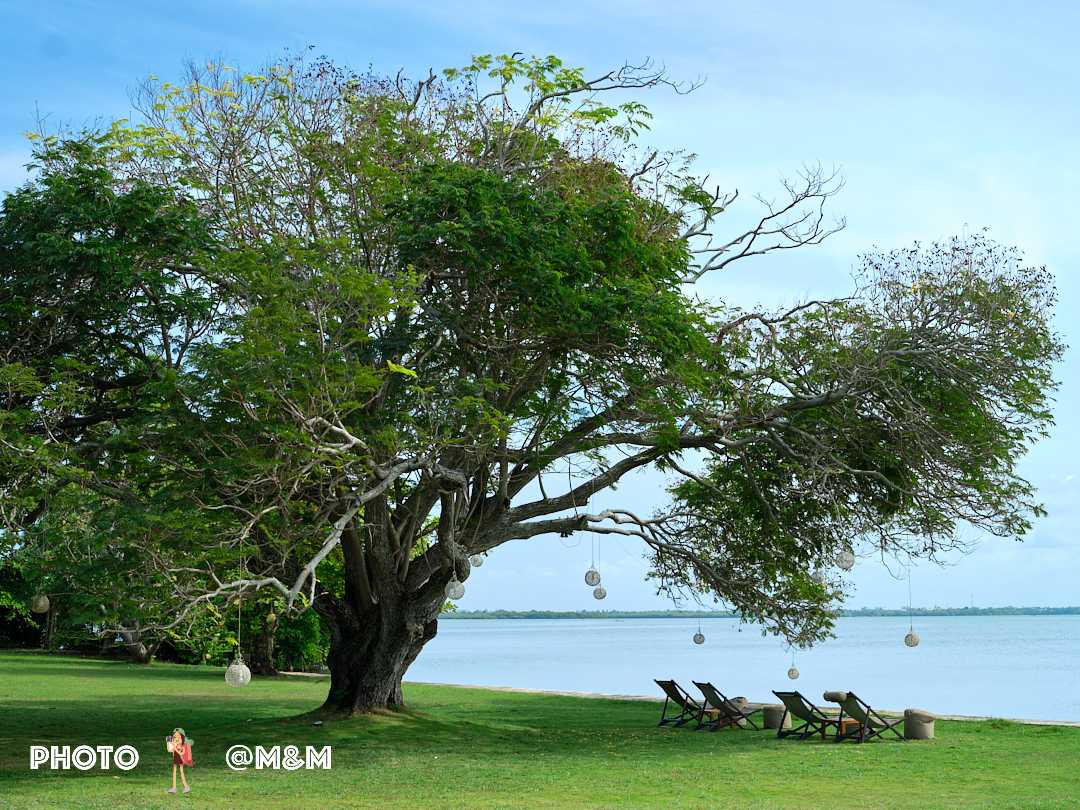
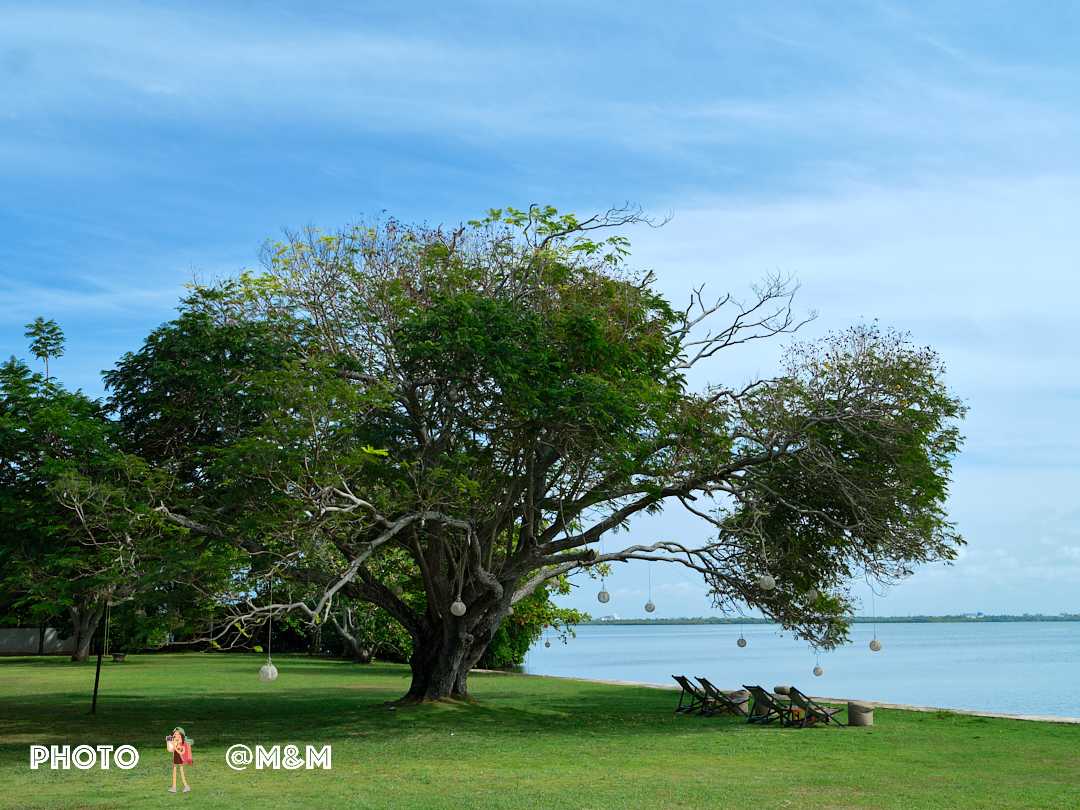
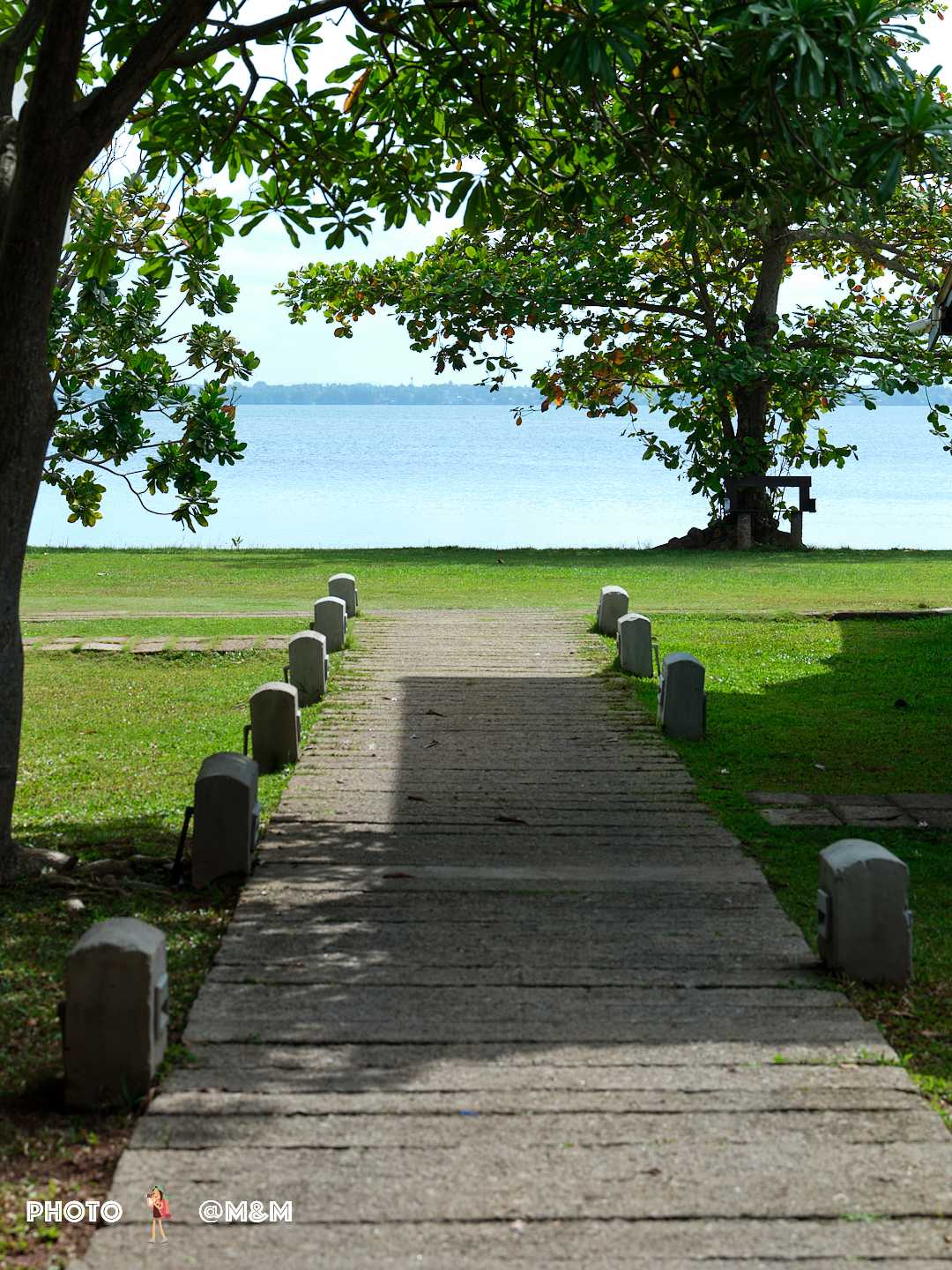
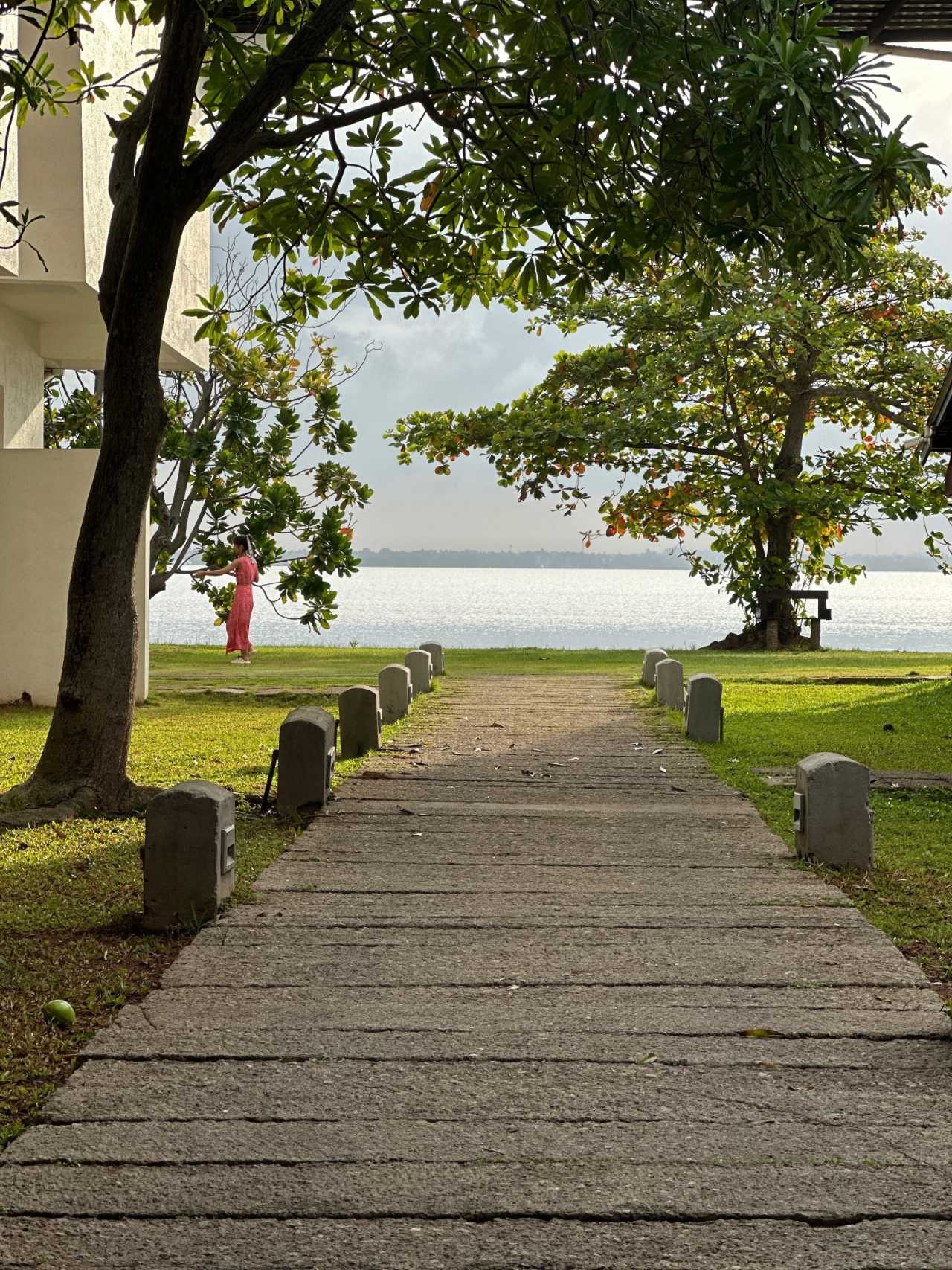
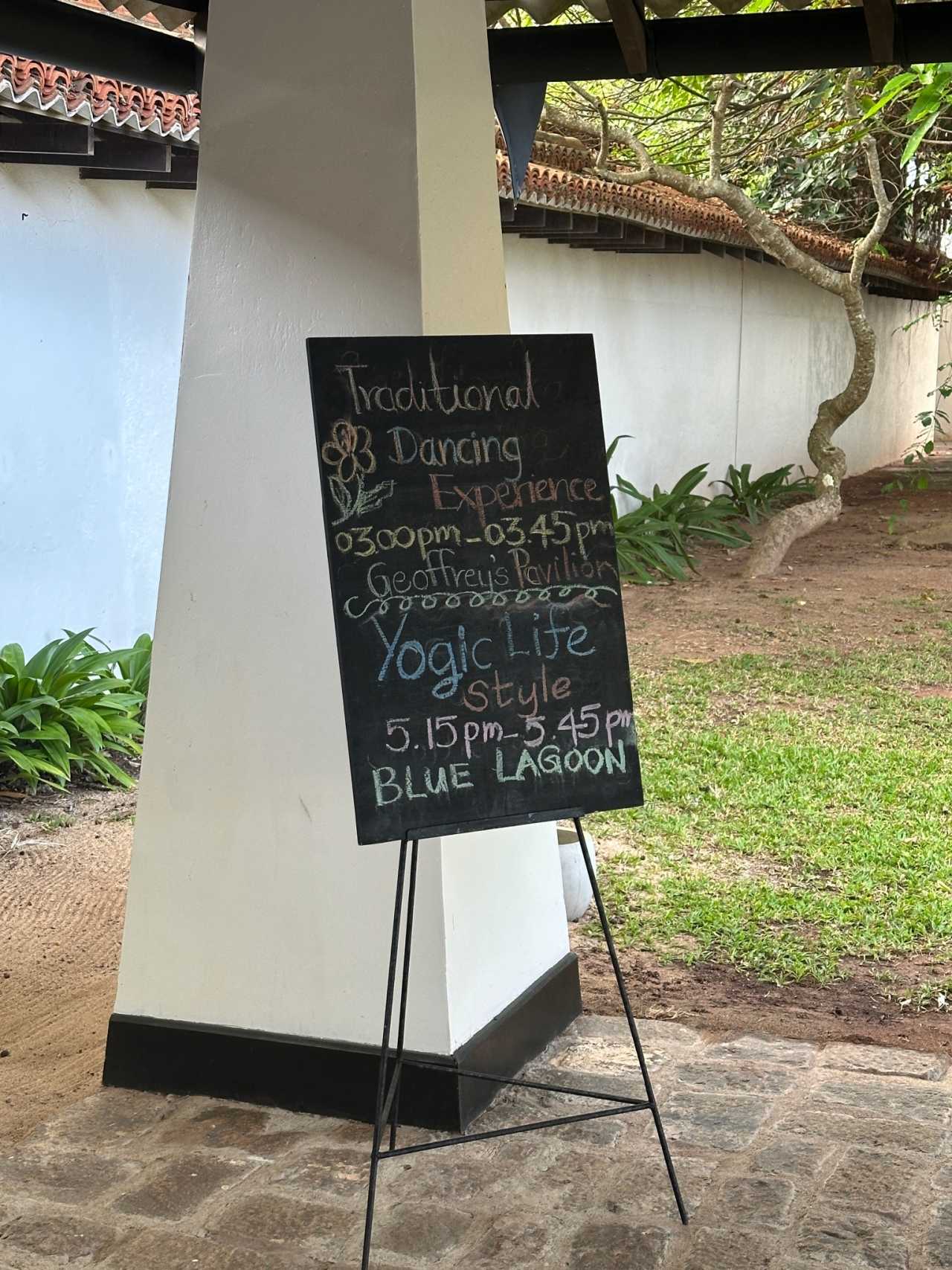
Relaxing hotel environment
After a lovely breakfast, we drove north from Negombo and entered a 40‑km expressway segment. Sri Lanka’s highways were built with Chinese aid; process is the same—take a ticket and pay when exiting. 40 km cost 300 LKR cash.
In under three hours we reached the famous Dambulla “Heritance Kandalama”.
Heritance Kandalama is a 5‑star hotel on the shores of Kandalama Lake in Dambulla, designed by Sri Lankan architect Geoffrey·Bawa and opened in 1994. The building features vertical greenery; a concrete structure with ground floor raised to preserve wildlife corridors, blending into surrounding forest and rock. It was listed by National Geographic (USA) among the “Top 50 Hotels Worldwide”.
Nearby are Dambulla Cave Temple, Sigiriya (Lion Rock), and other sights.
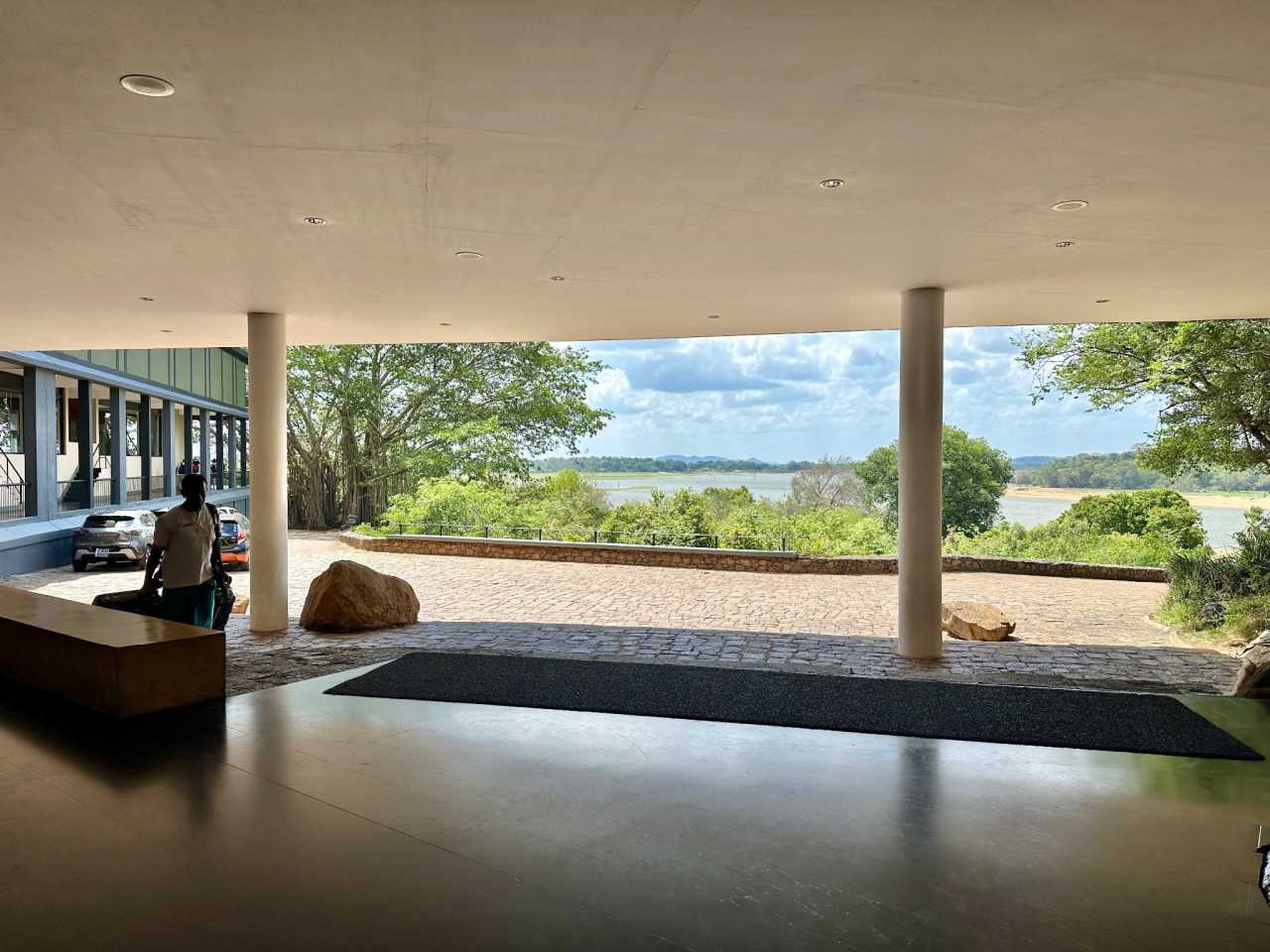
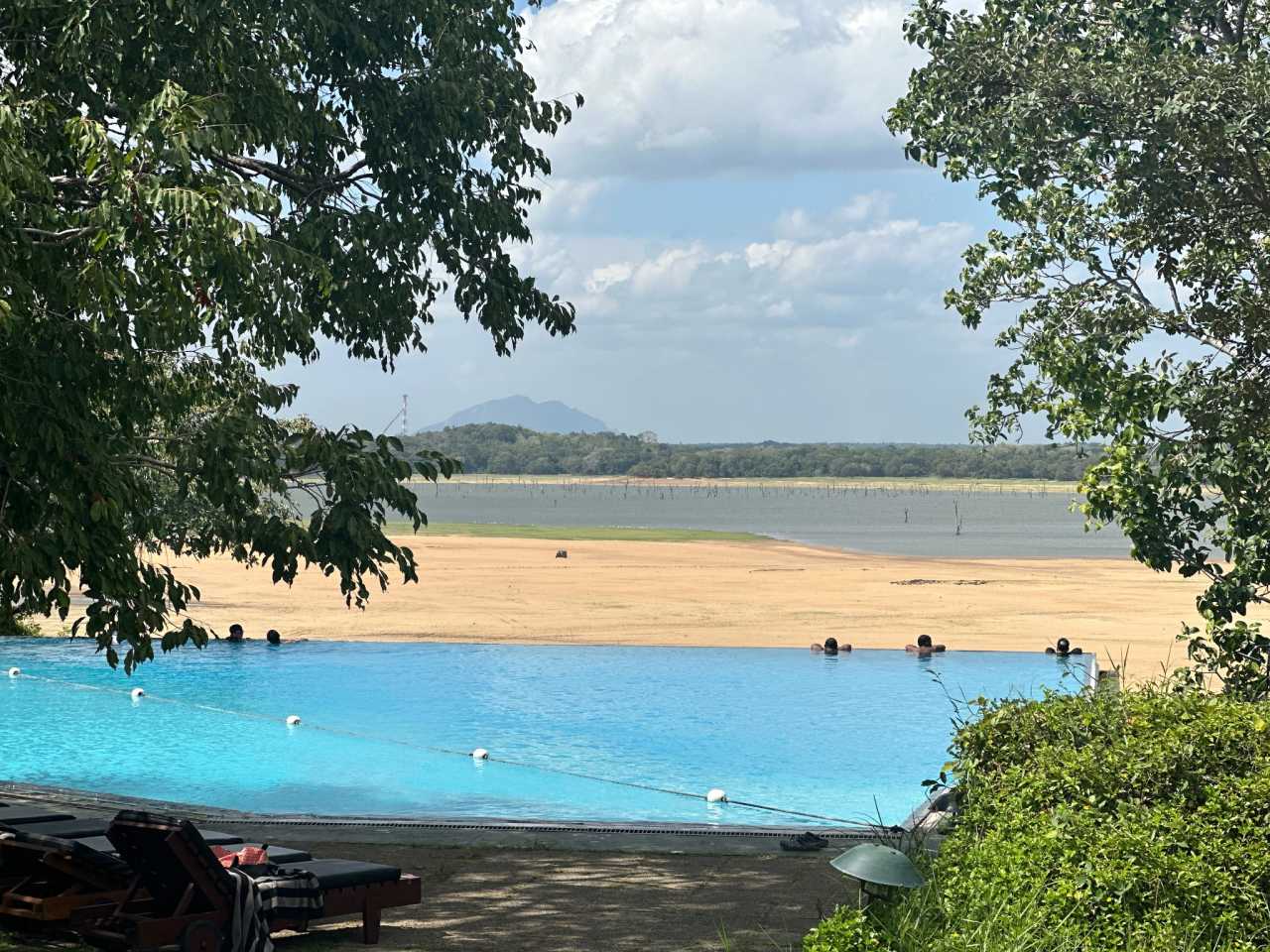
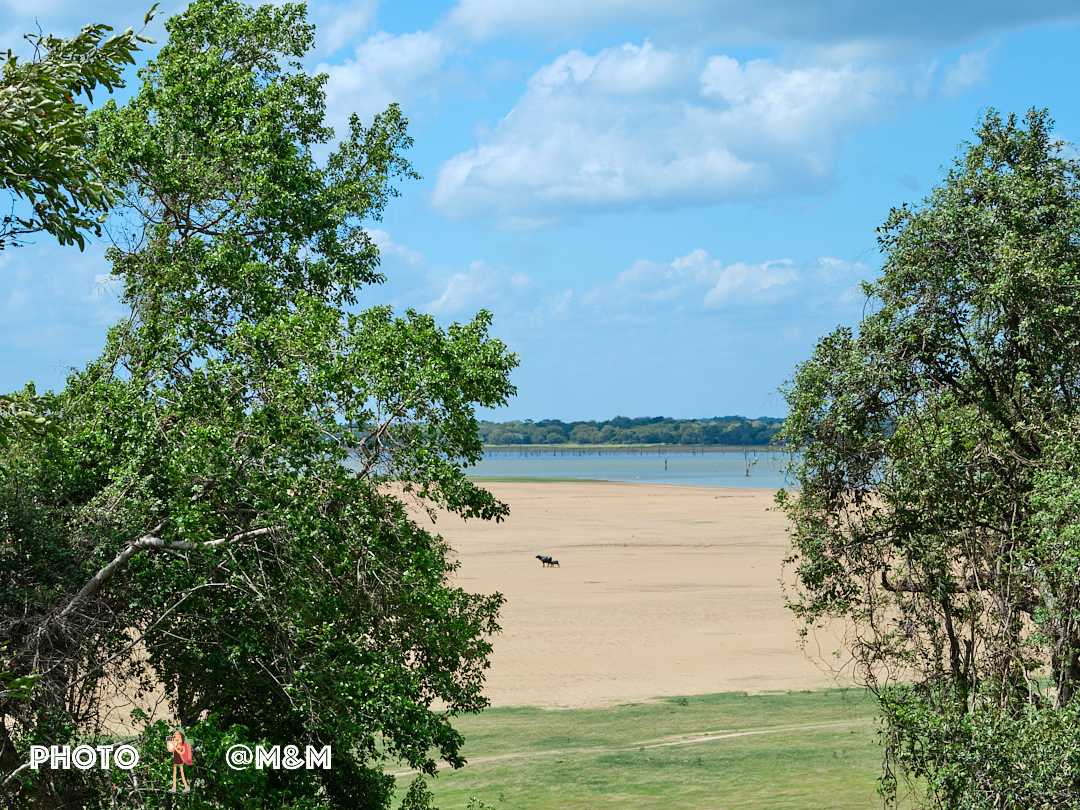
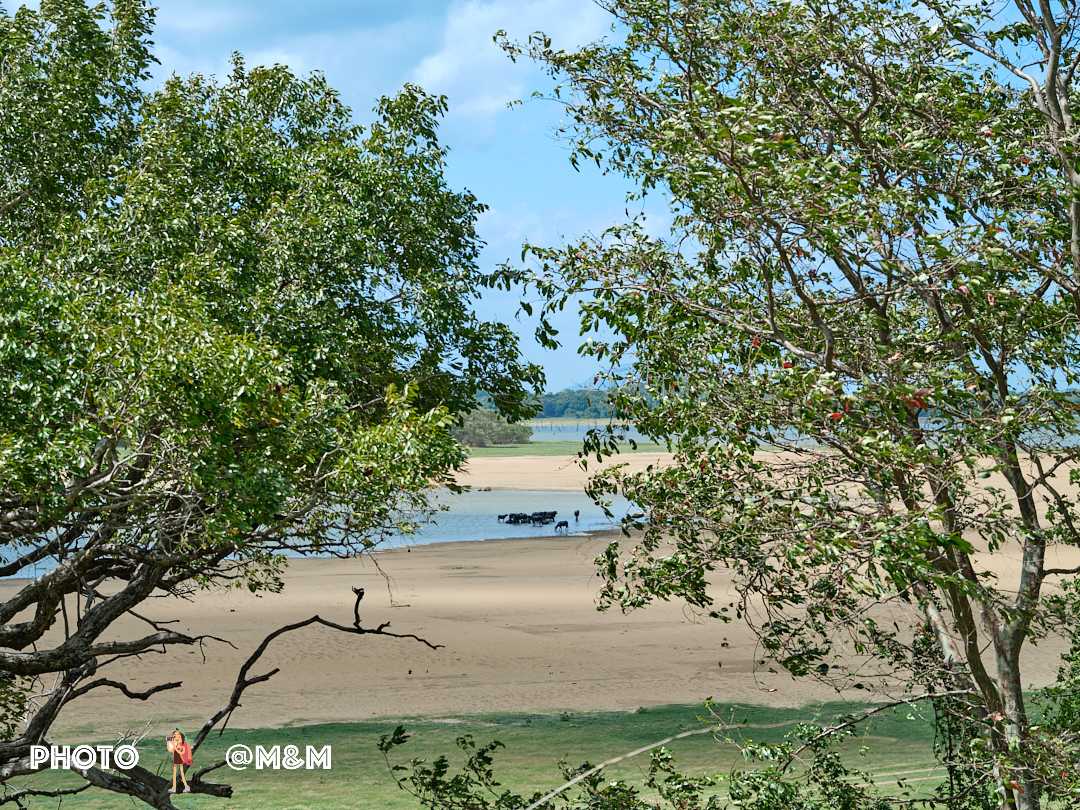
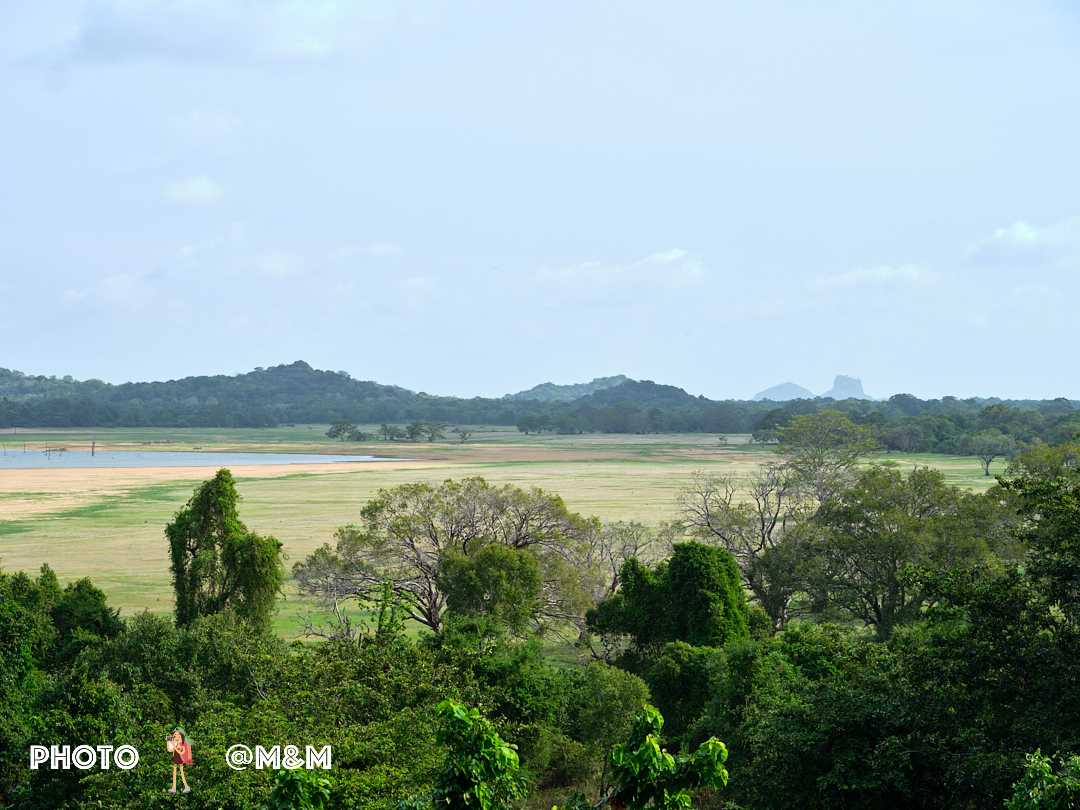
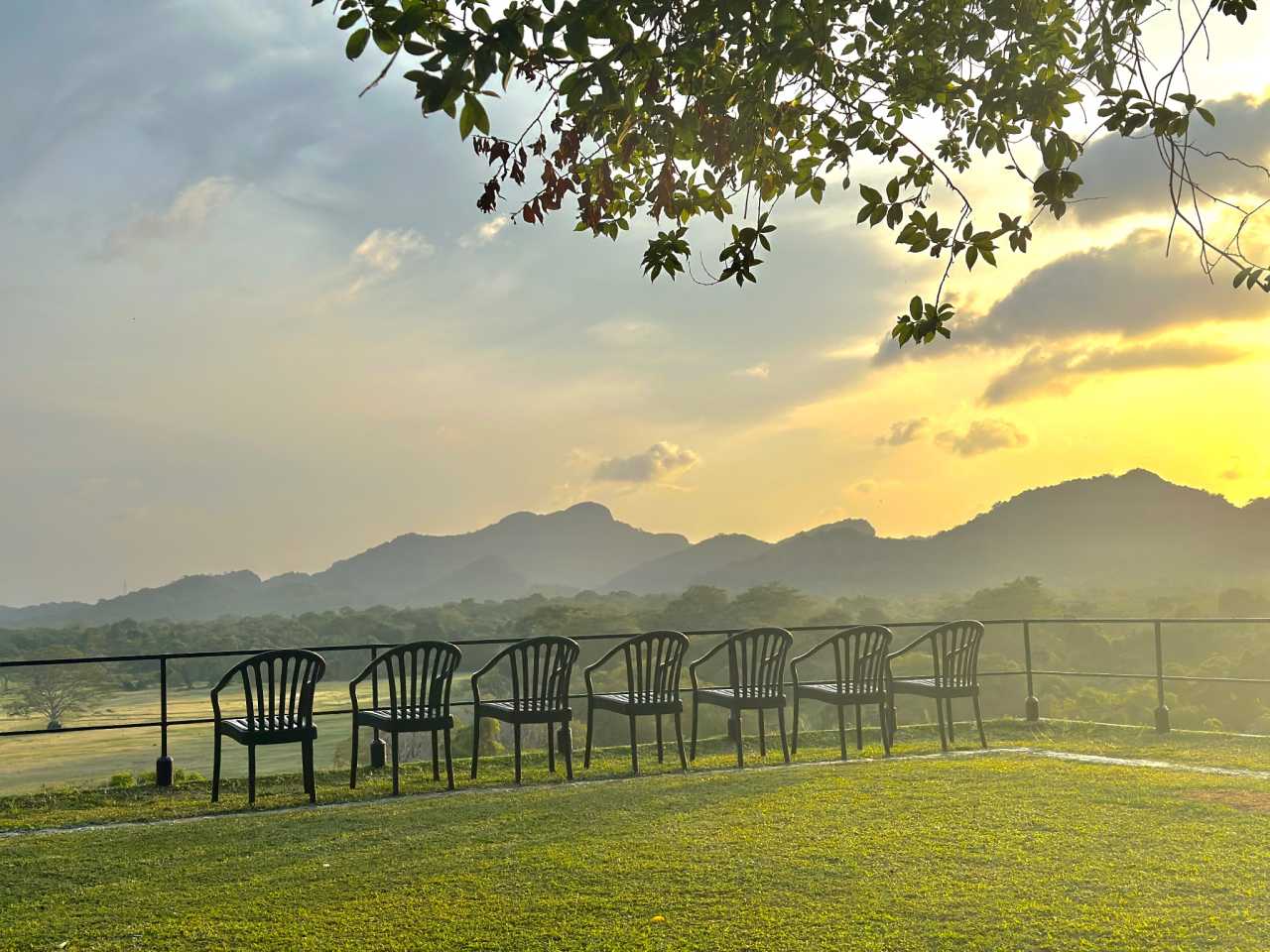
From the hotel you can see Sigiriya (Lion Rock) in the distance.
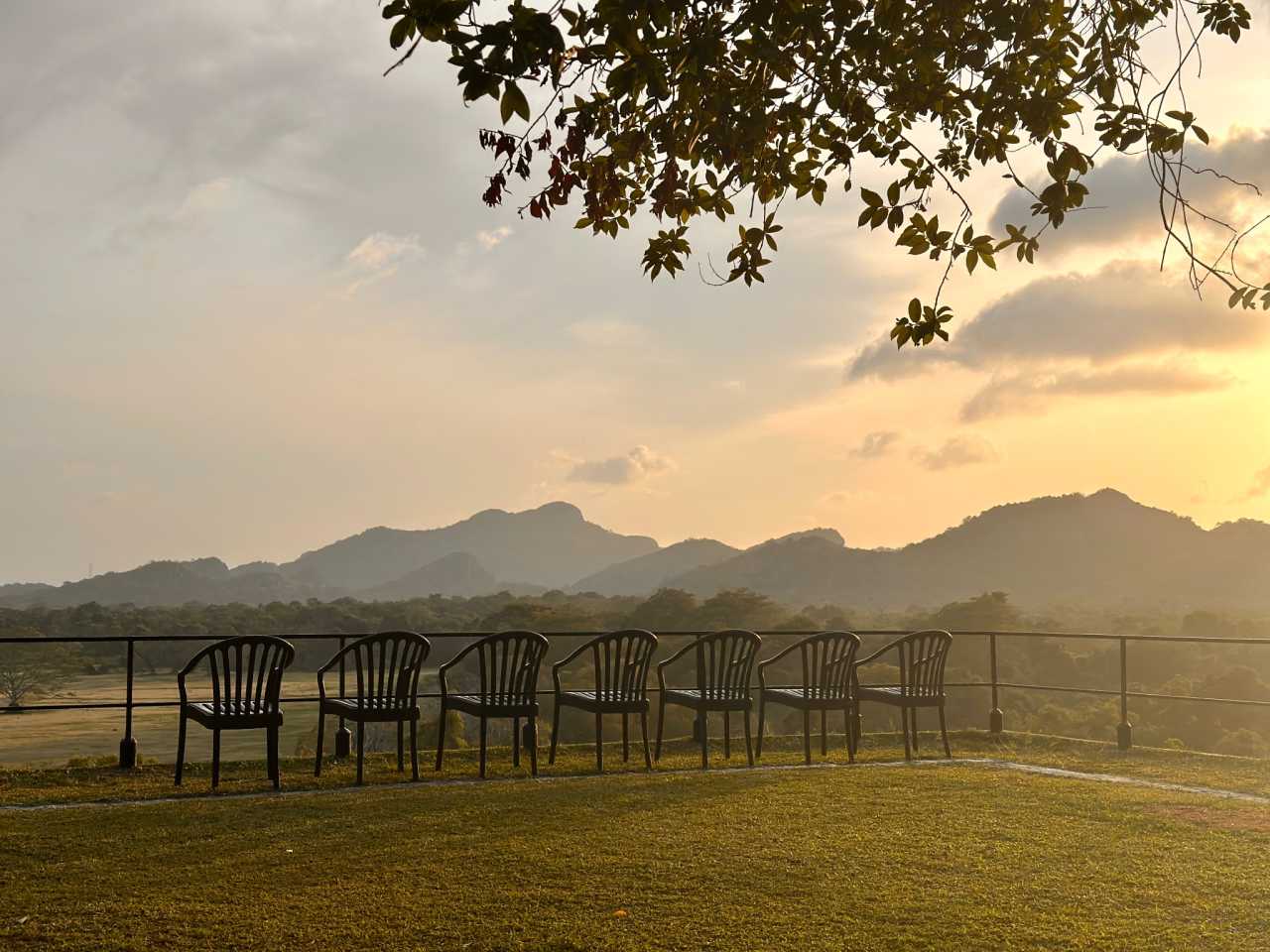
After a short rest we drove 40 minutes to Sigiriya, hailed as the “Eighth Wonder of the World”.
We parked free by the ticket office and hired a guide—well worth it!
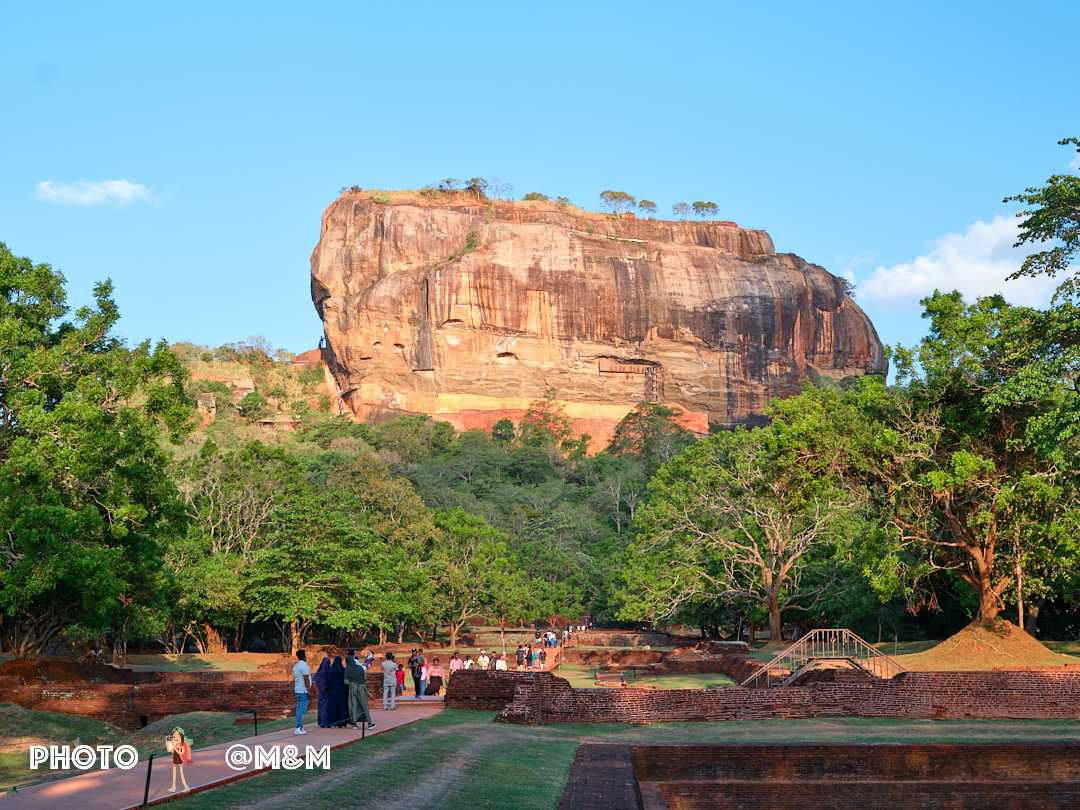
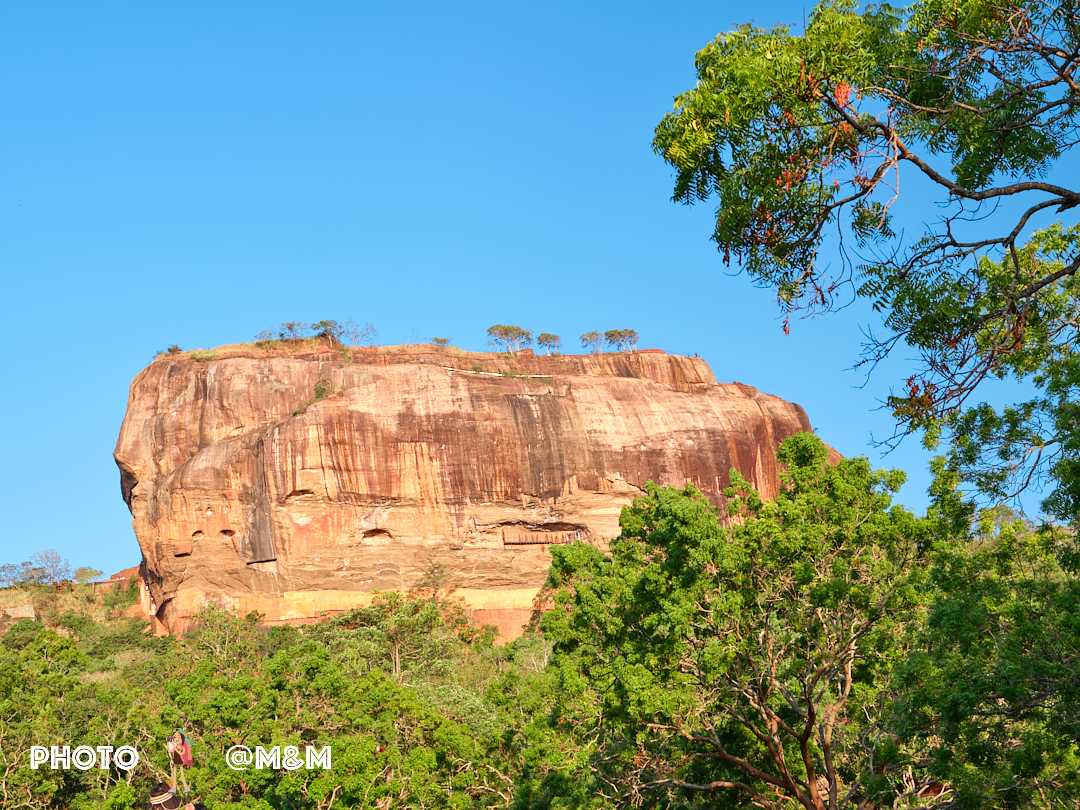
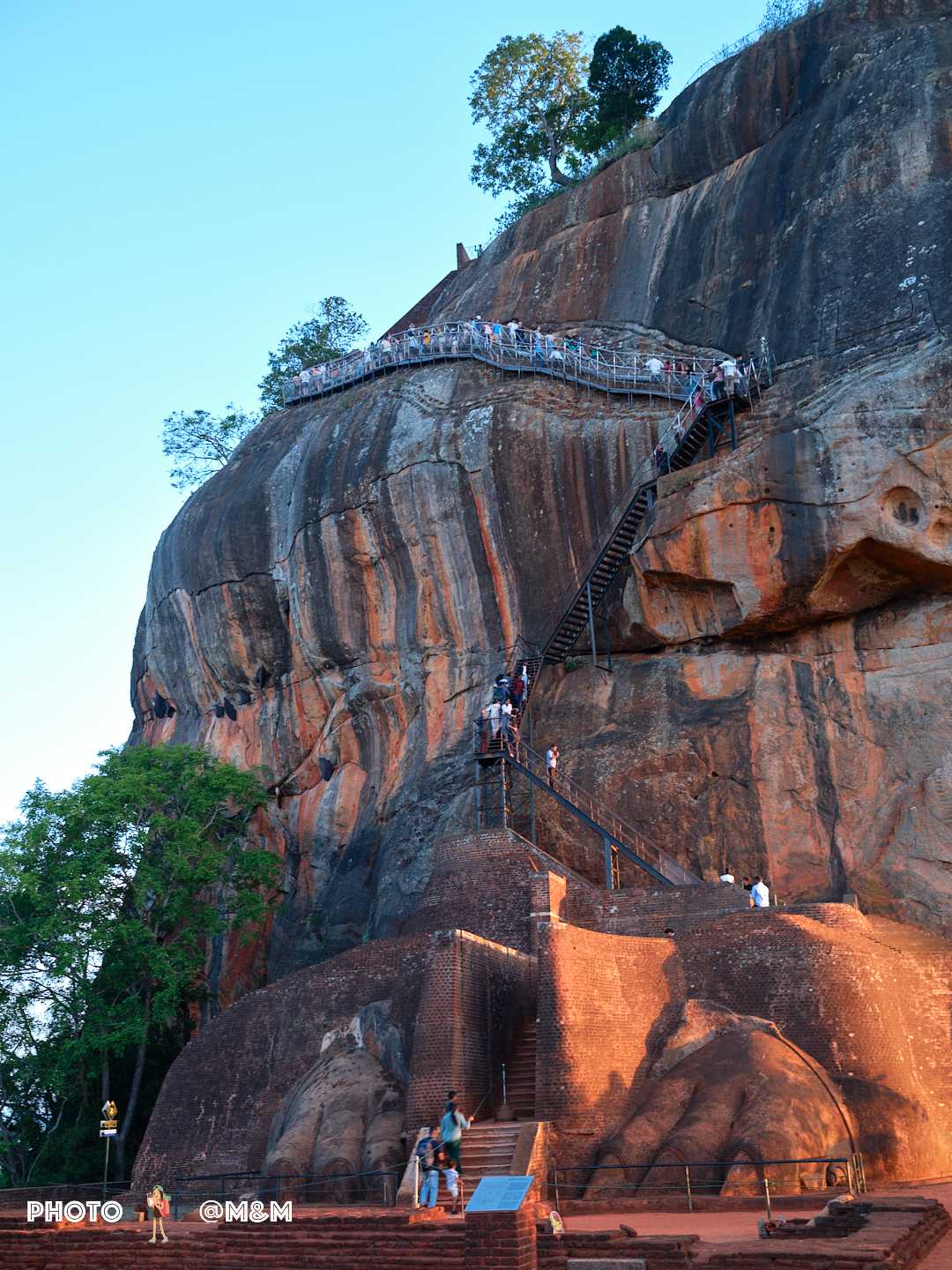
The guide led us up the stone steps. This sky palace was built in the 5th century by King Kashyapa to avoid danger. The rock rises about 200 meters, shaped like a reclining lion. Even from the foot of the mountain its grandeur is breathtaking.
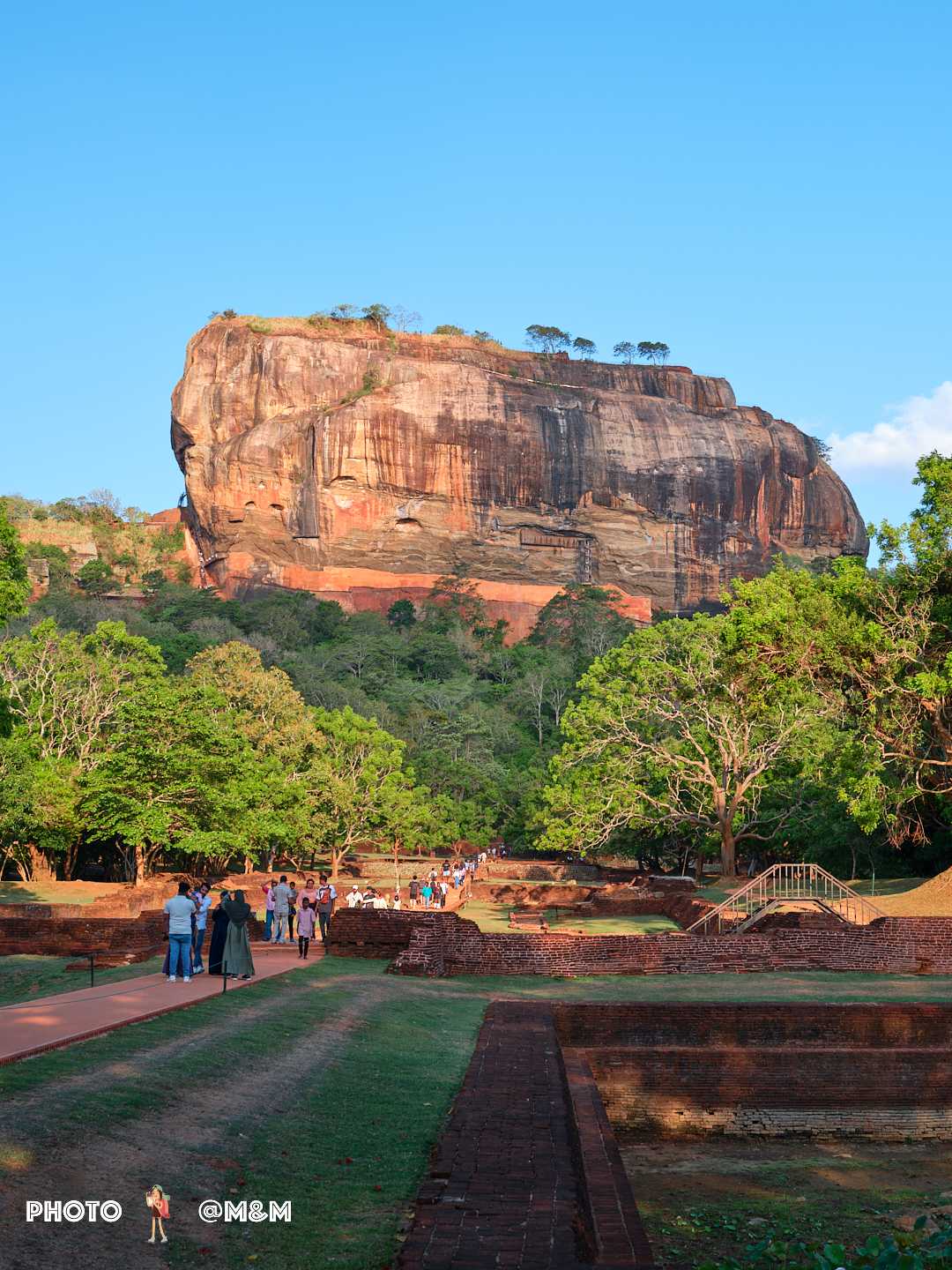
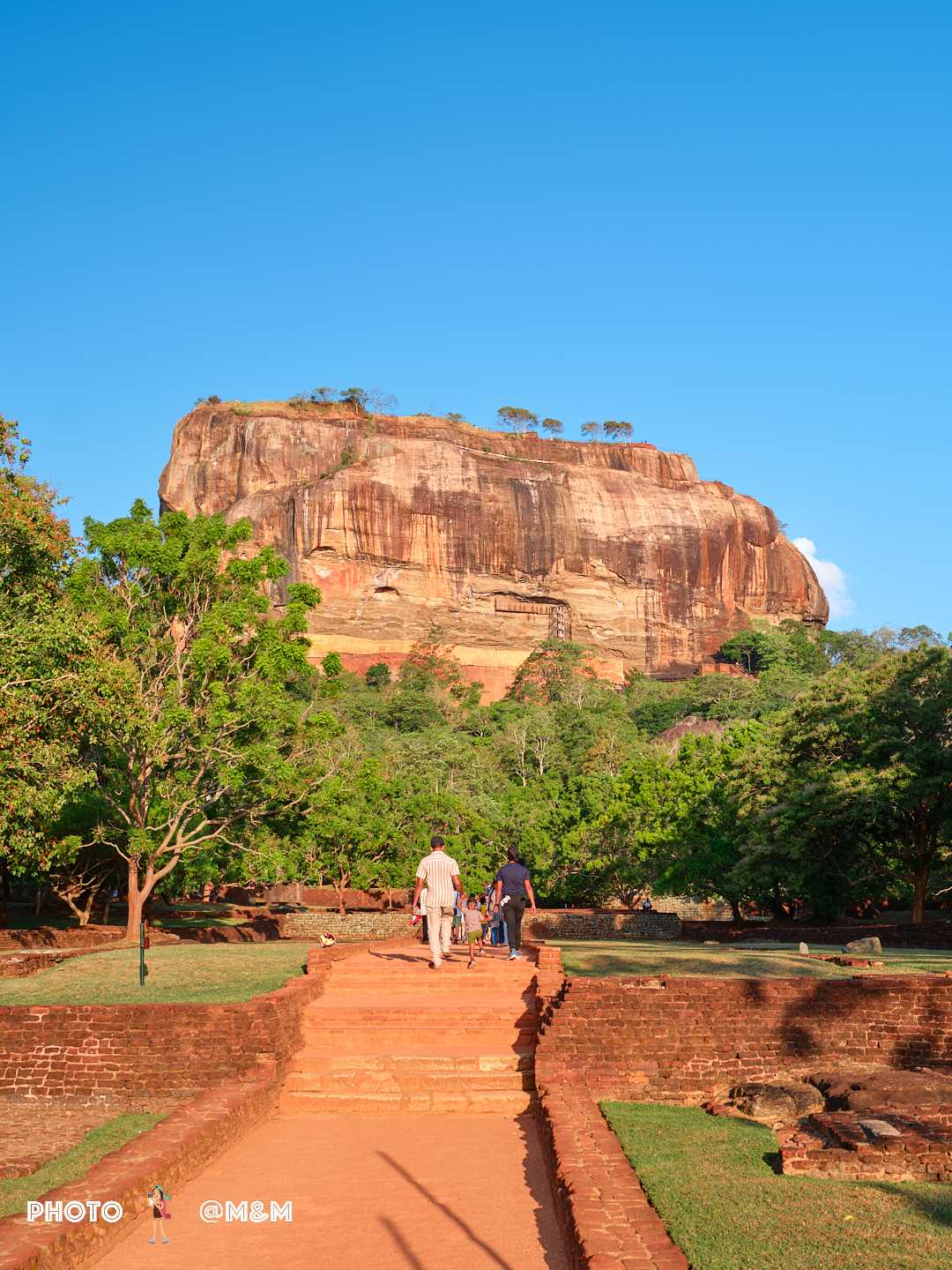
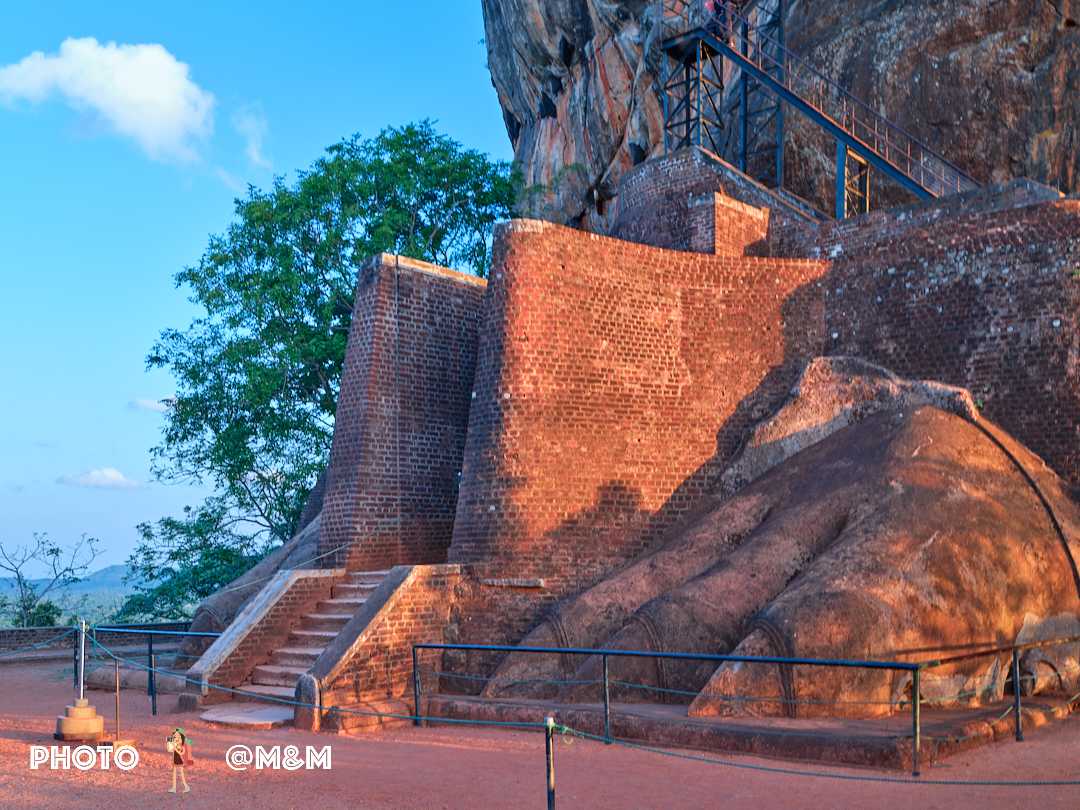
Passing the giant lion paws
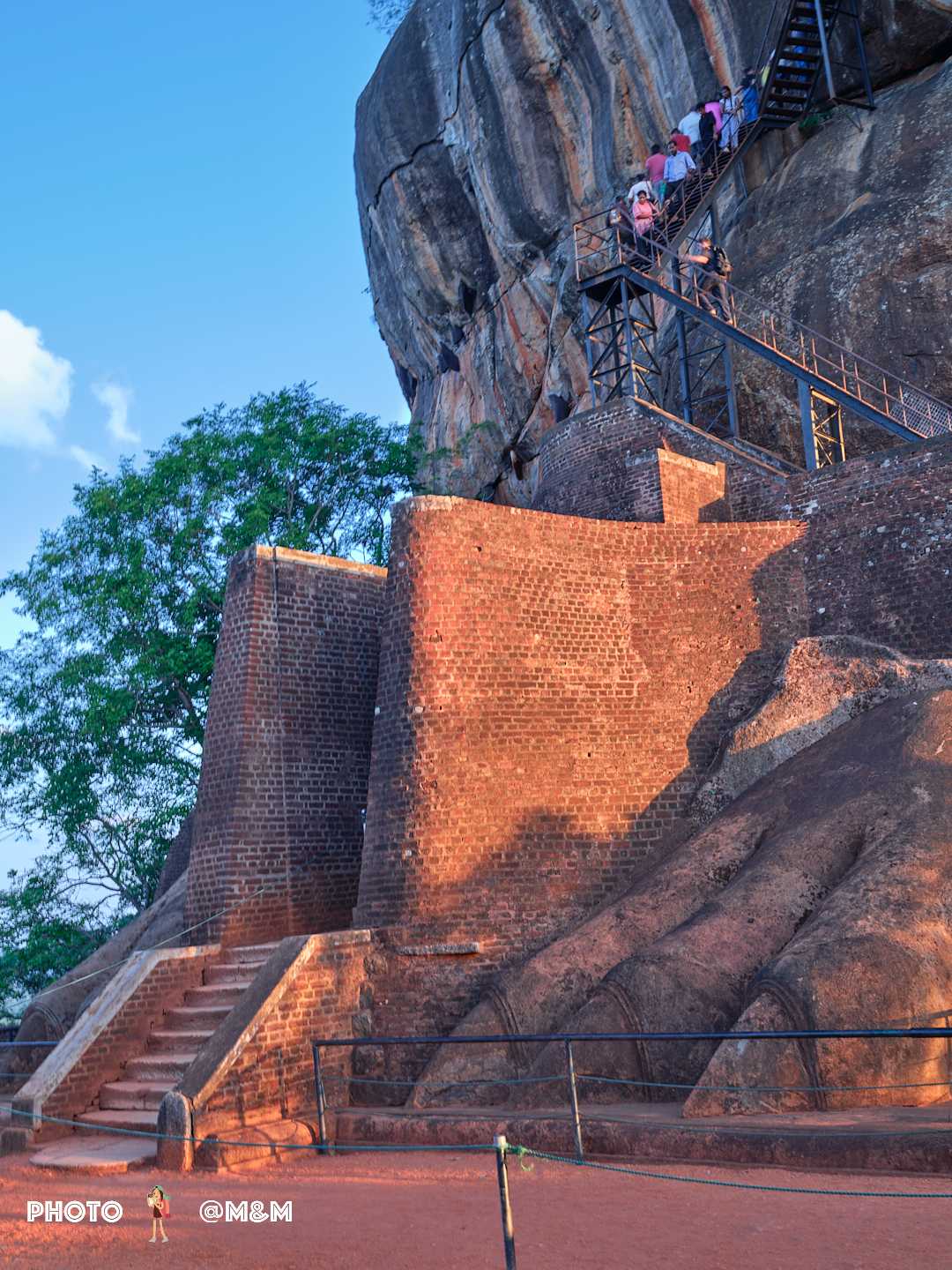
The lion’s “foot” relics—massive stones weathered by millennia still reveal clear contours, quietly telling of past glory.
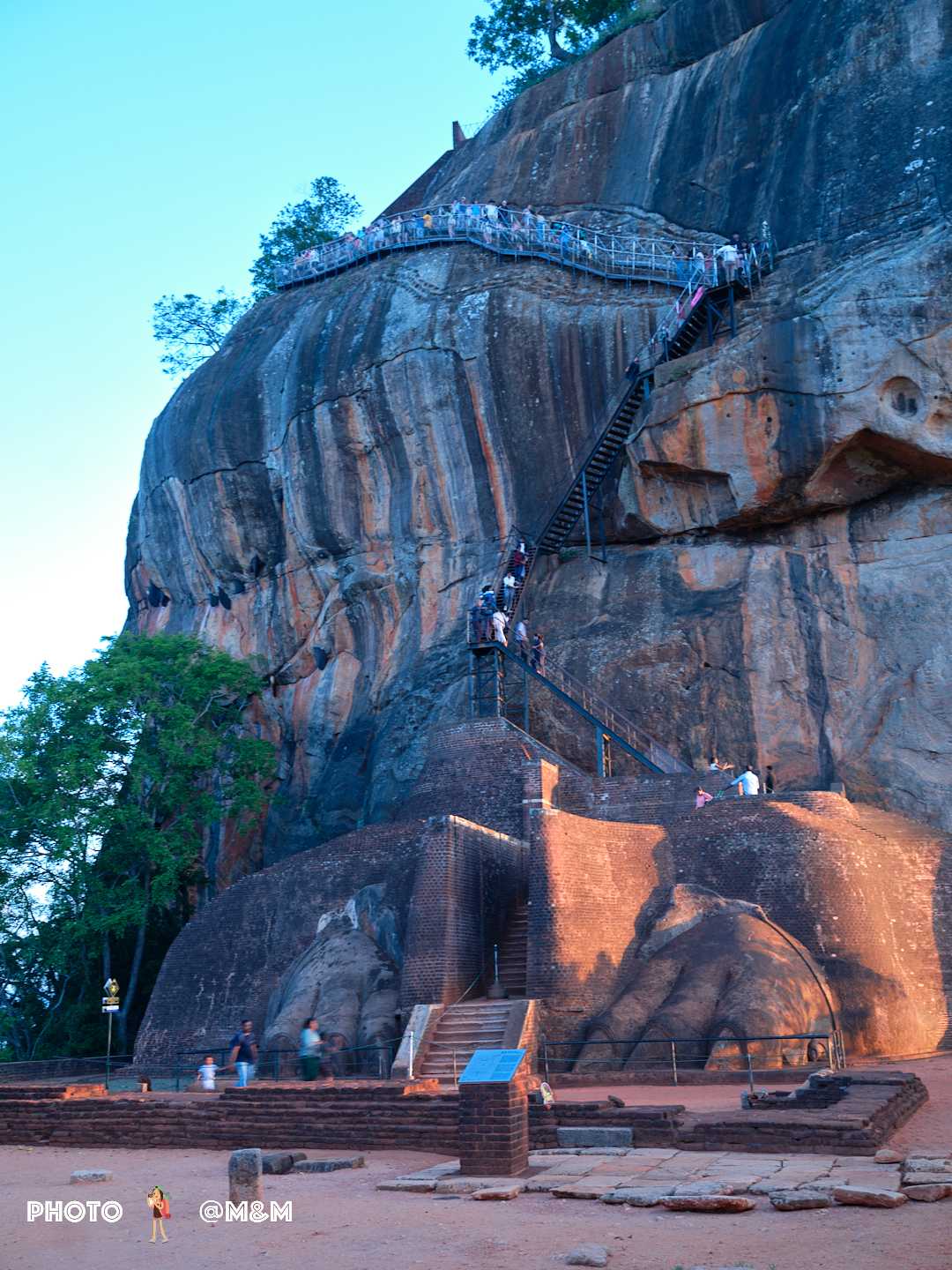
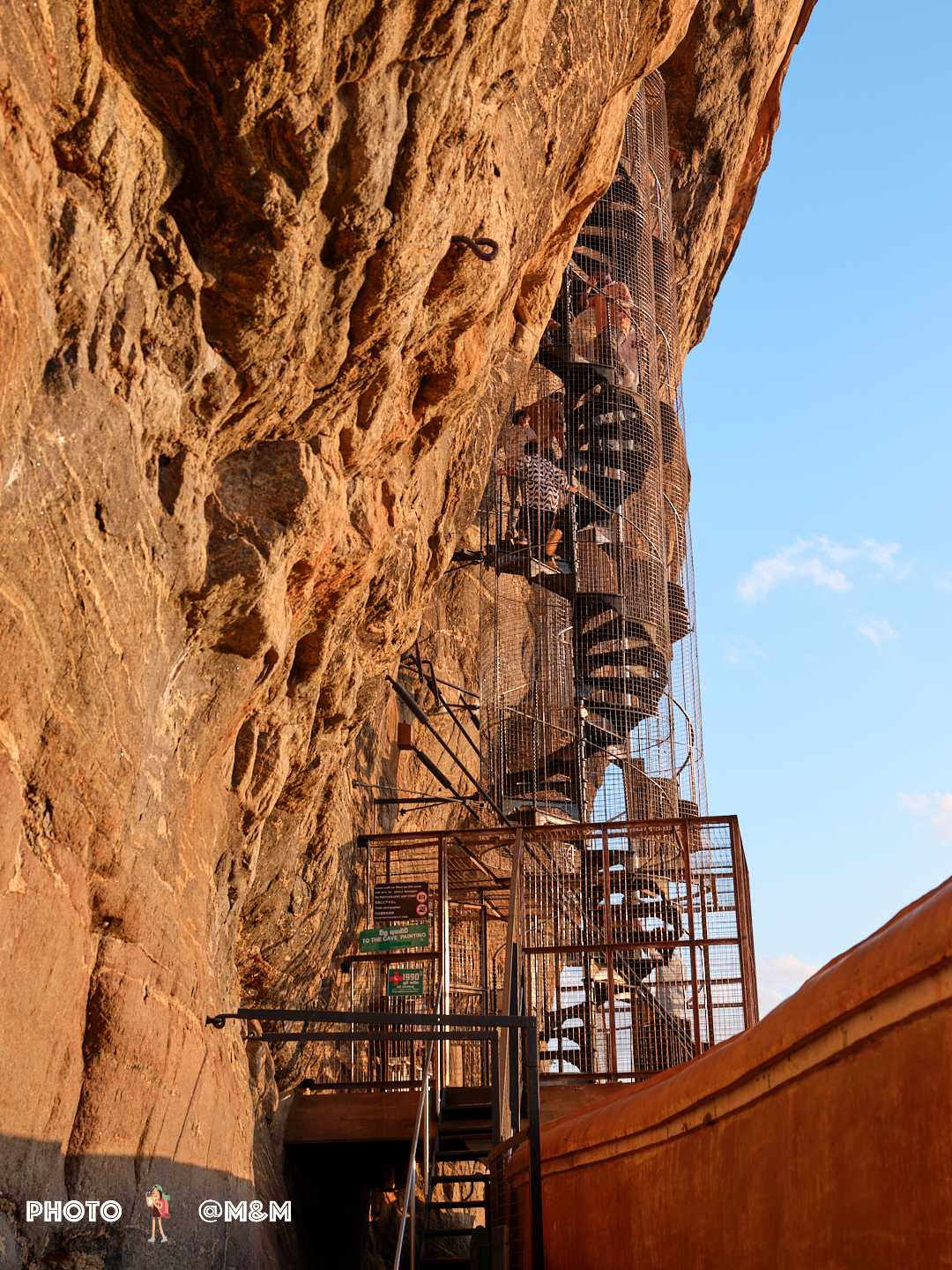
After the vertical spiral staircase we entered the fresco caves (photography strictly prohibited). The maidens on the rock walls remain vividly colored (reminiscent of China’s Dunhuang murals), graceful and gentle—said to be King Kashyapa’s consorts—each stroke reflecting ancient Ceylon artistry.
Reached the summit
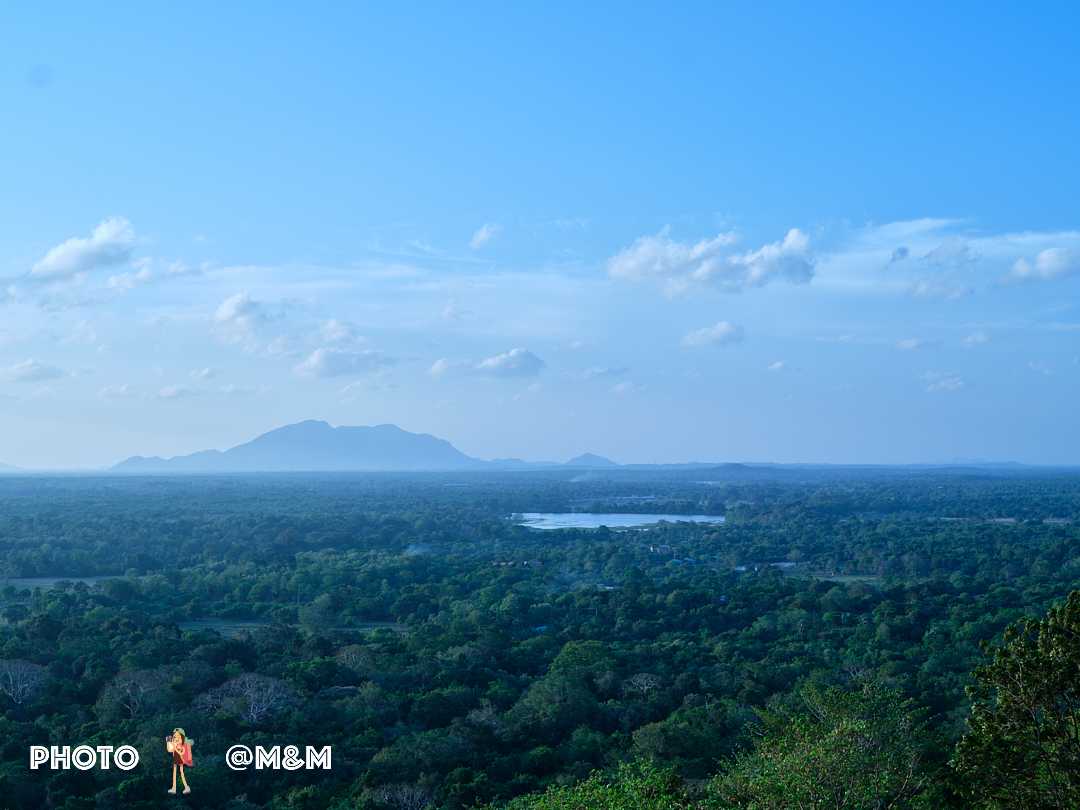
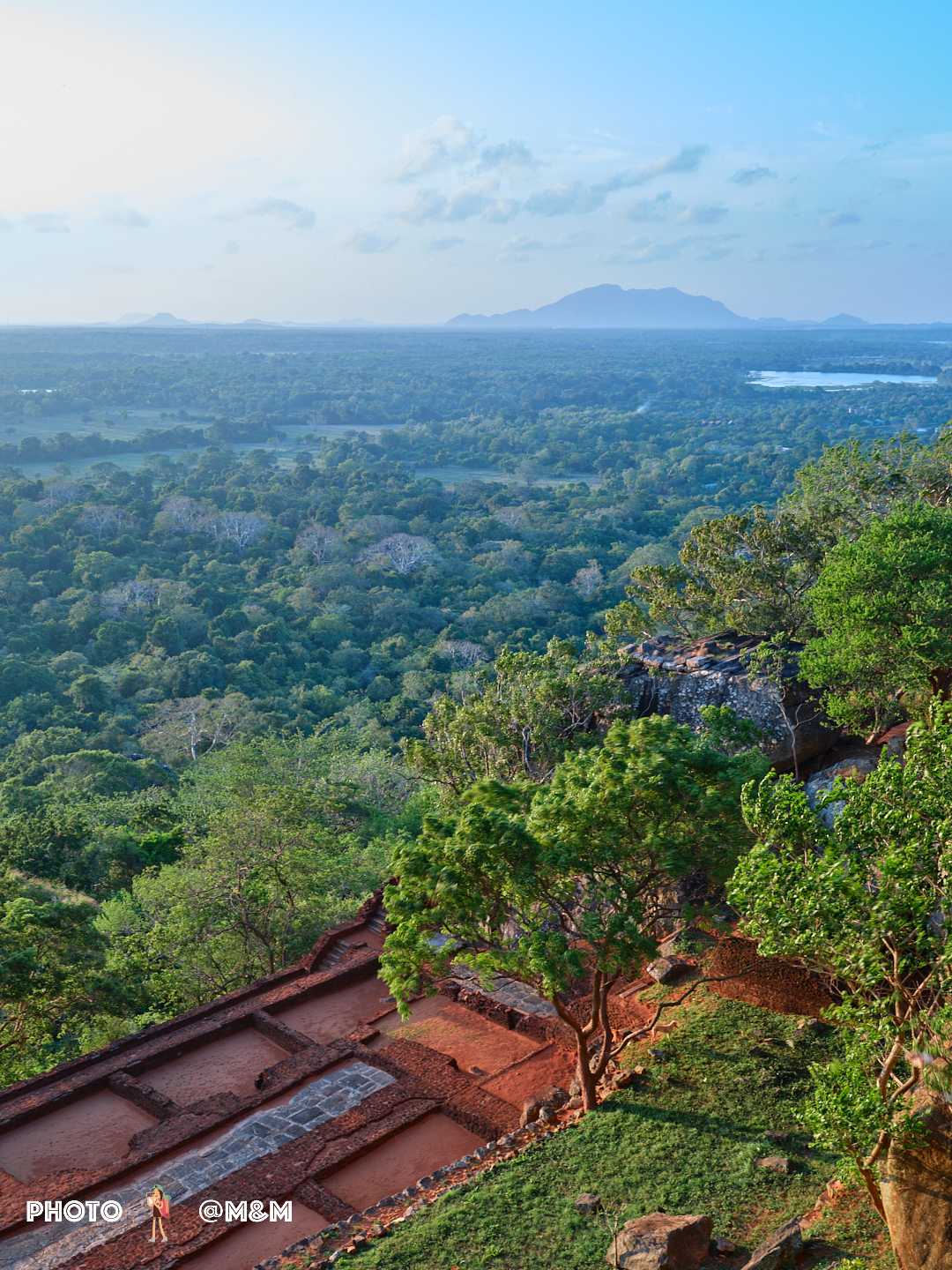
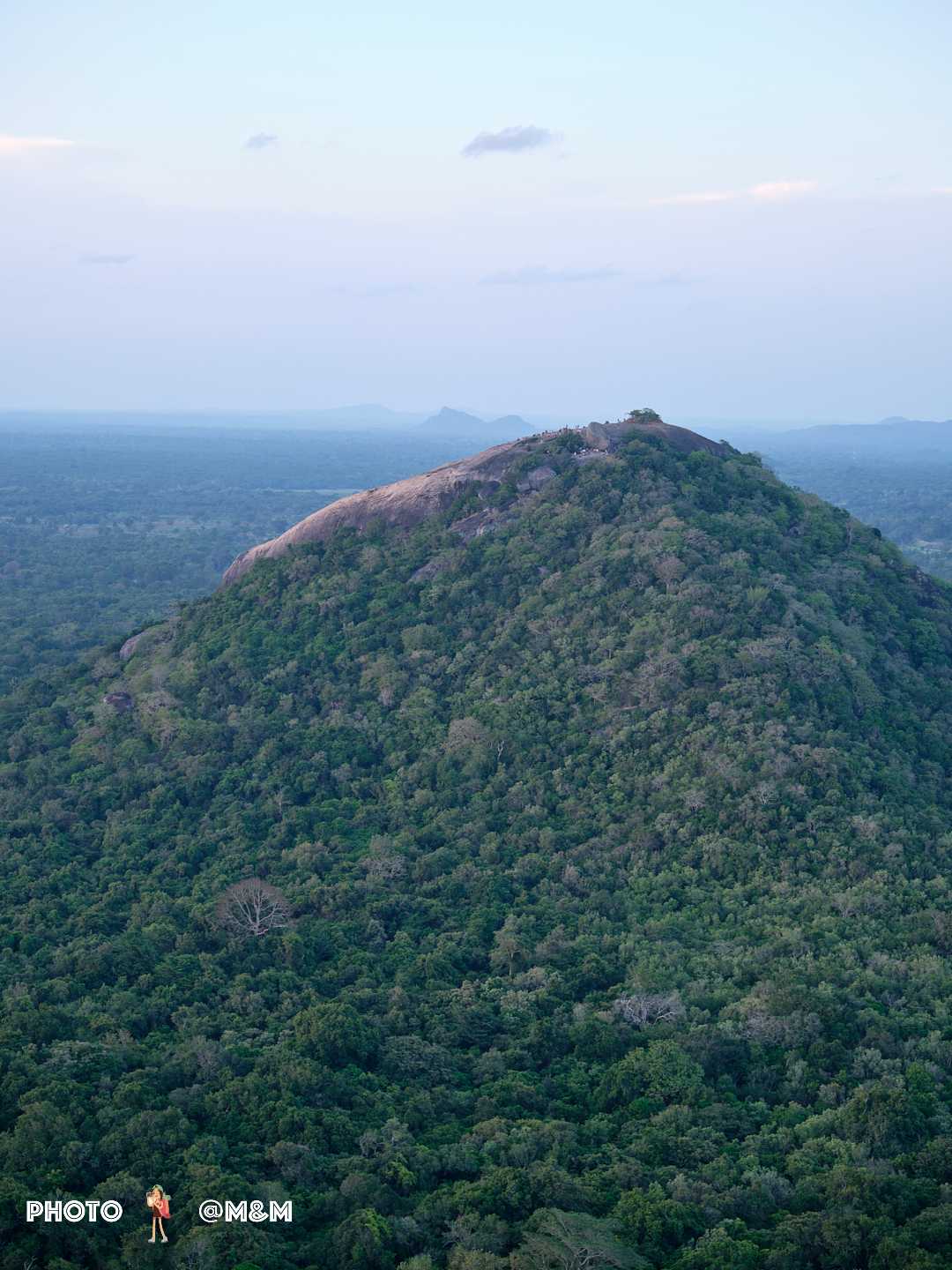
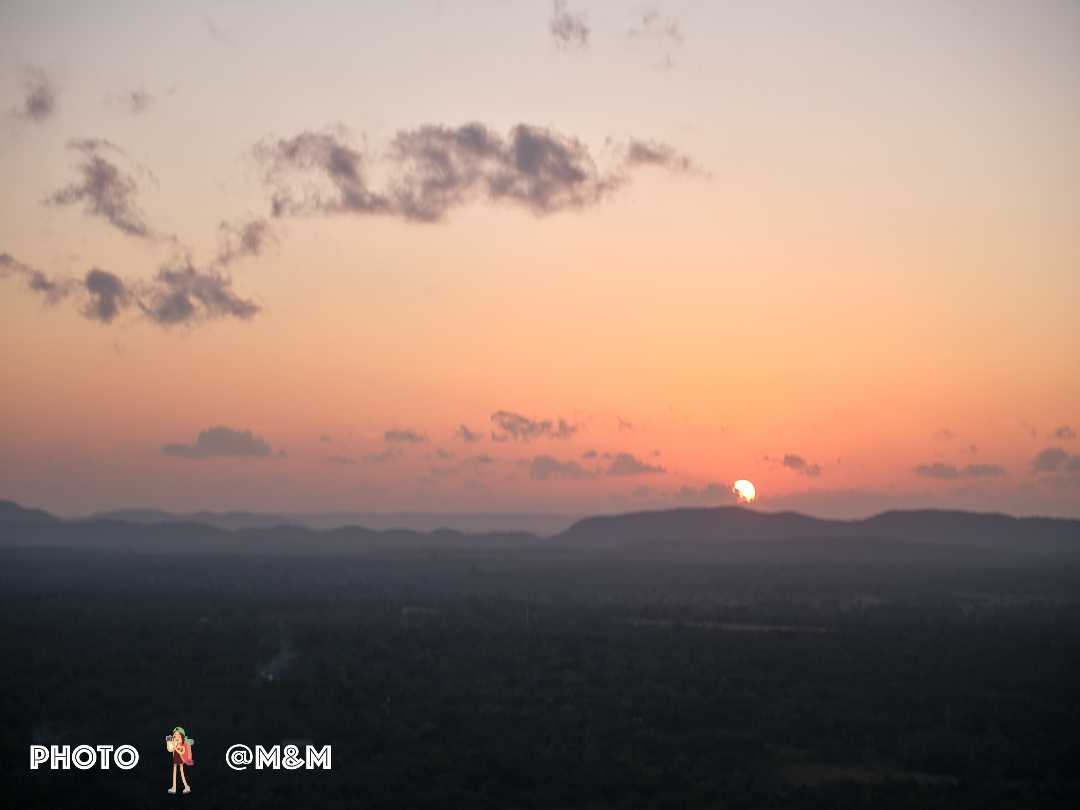
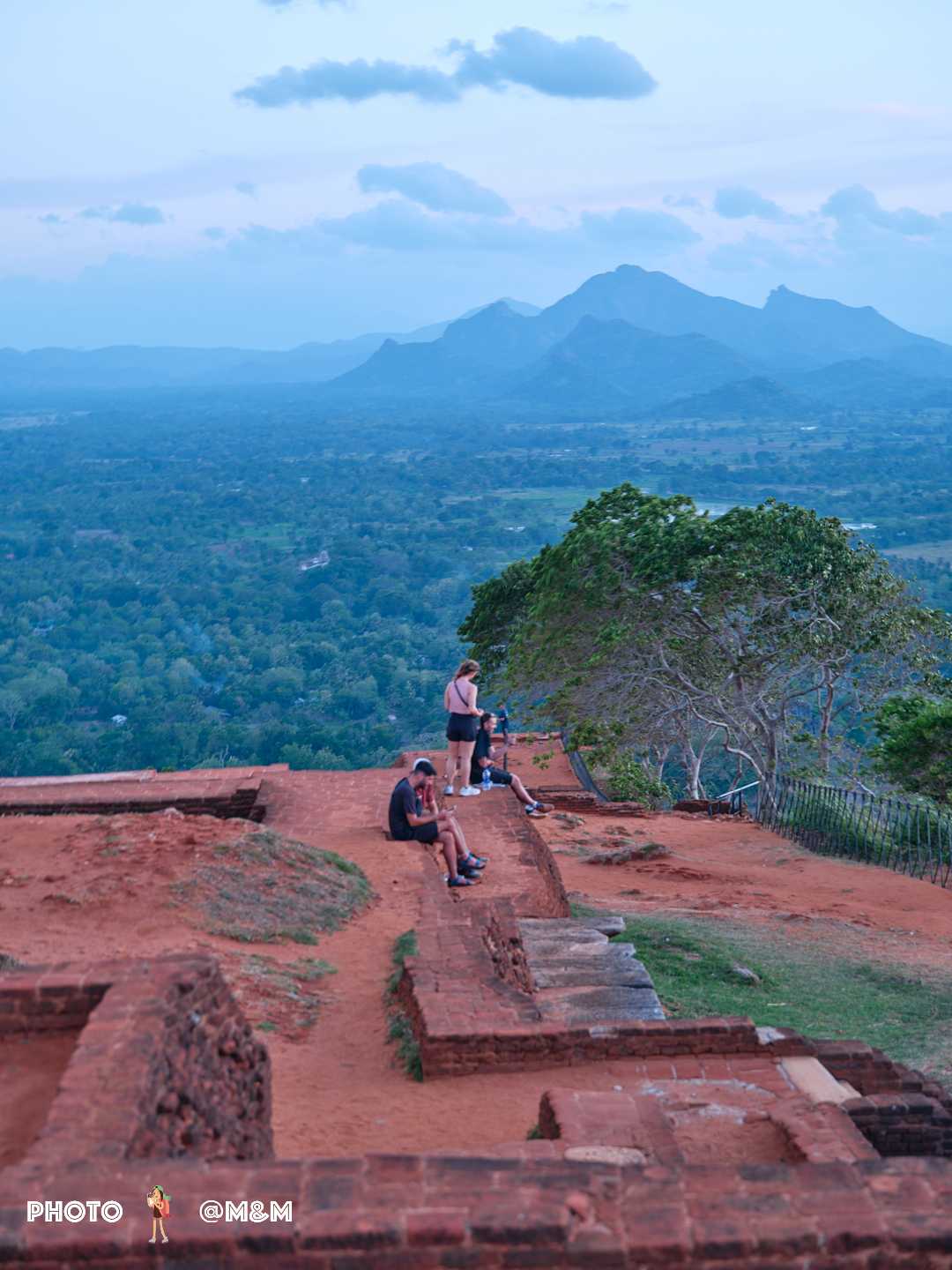
At the top, the view opens wide—forests and plains spread in all directions. Imagining the king surveying his realm here a thousand years ago inspires admiration for ancient wisdom and boldness. On the way down we again passed the lion’s “foot” relics—massive stones weathered by millennia still show clear contours, quietly telling of former glory.
Buffet dinner back at the hotel
DAY3 Dambulla Cave Temple & Polonnaruwa Ancient City
Hotel breakfasts in Sri Lanka never disappoint.
We drove 42 minutes from the hotel to the cave temple car park.
Dambulla Cave Temple sits in central Sri Lanka, 149 km northeast of Colombo and 60 km north of Kandy. Built in the 1st century BCE, it is a major pilgrimage site.
It is a typical rock‑cut temple on a hillside, with numerous stone Buddha statues and carvings, and murals throughout. The complex includes five shrines; it is Sri Lanka’s largest and best‑preserved cave temple, showcasing local Buddhist art.
Along the rock face are many caves; the second cave is the largest.
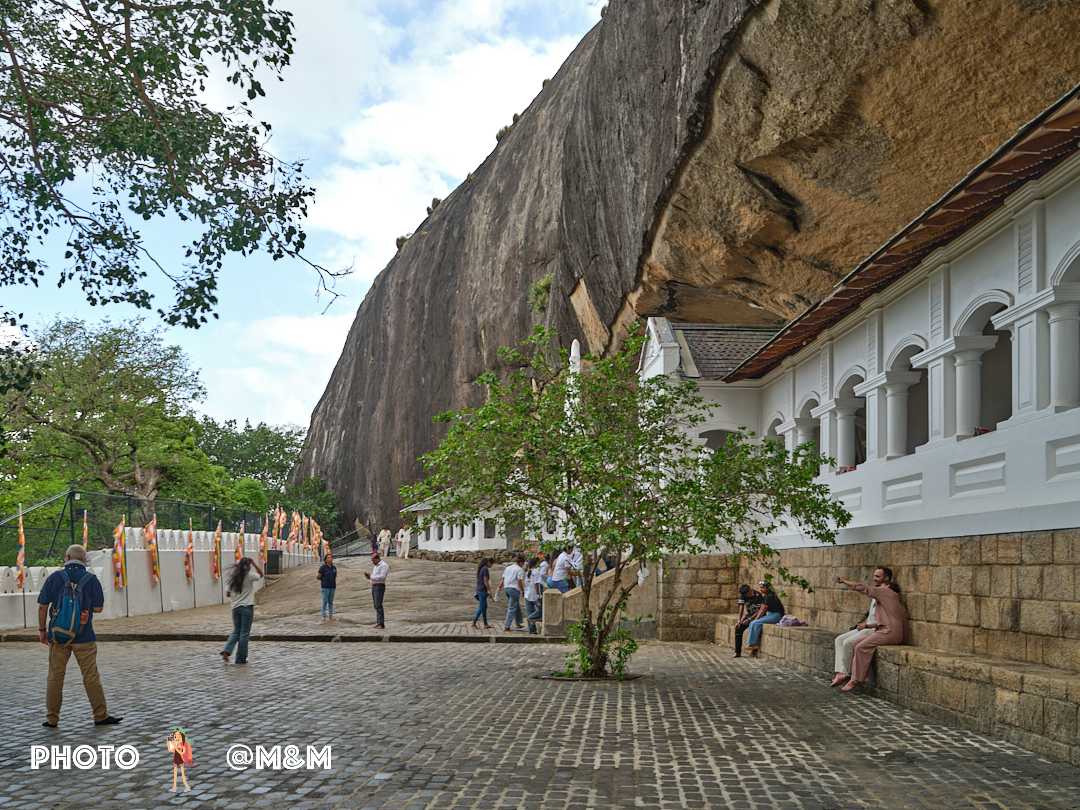
The caves close briefly around 10:30–10:45 am.
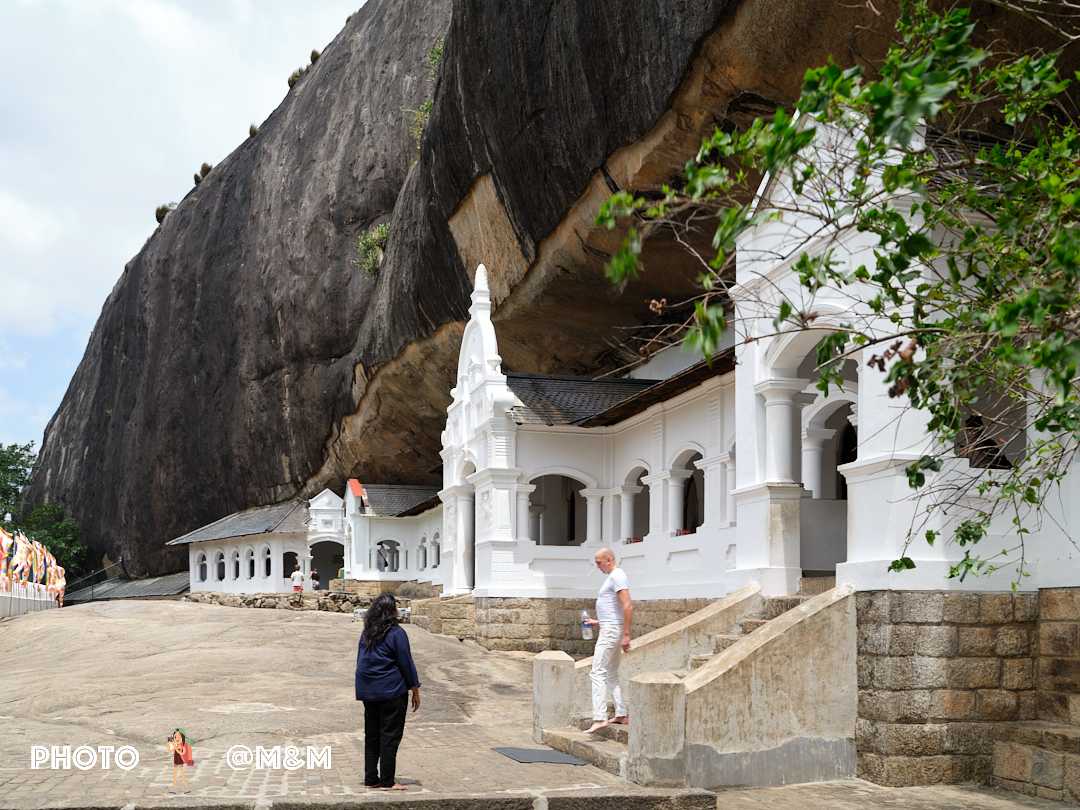
The Dambulla caves aren’t large, and compared with temples and statues we saw in Anuradhapura and Polonnaruwa, the visual impact here is milder. But as one of Sri Lanka’s eight World Heritage sites, this is where the country’s earliest Buddhist statues and paintings (over 2,000 years ago) were born. There are five caves; if interested, hire a guide to explain each cave and statue. We spent about one hour here before heading to the next stop.
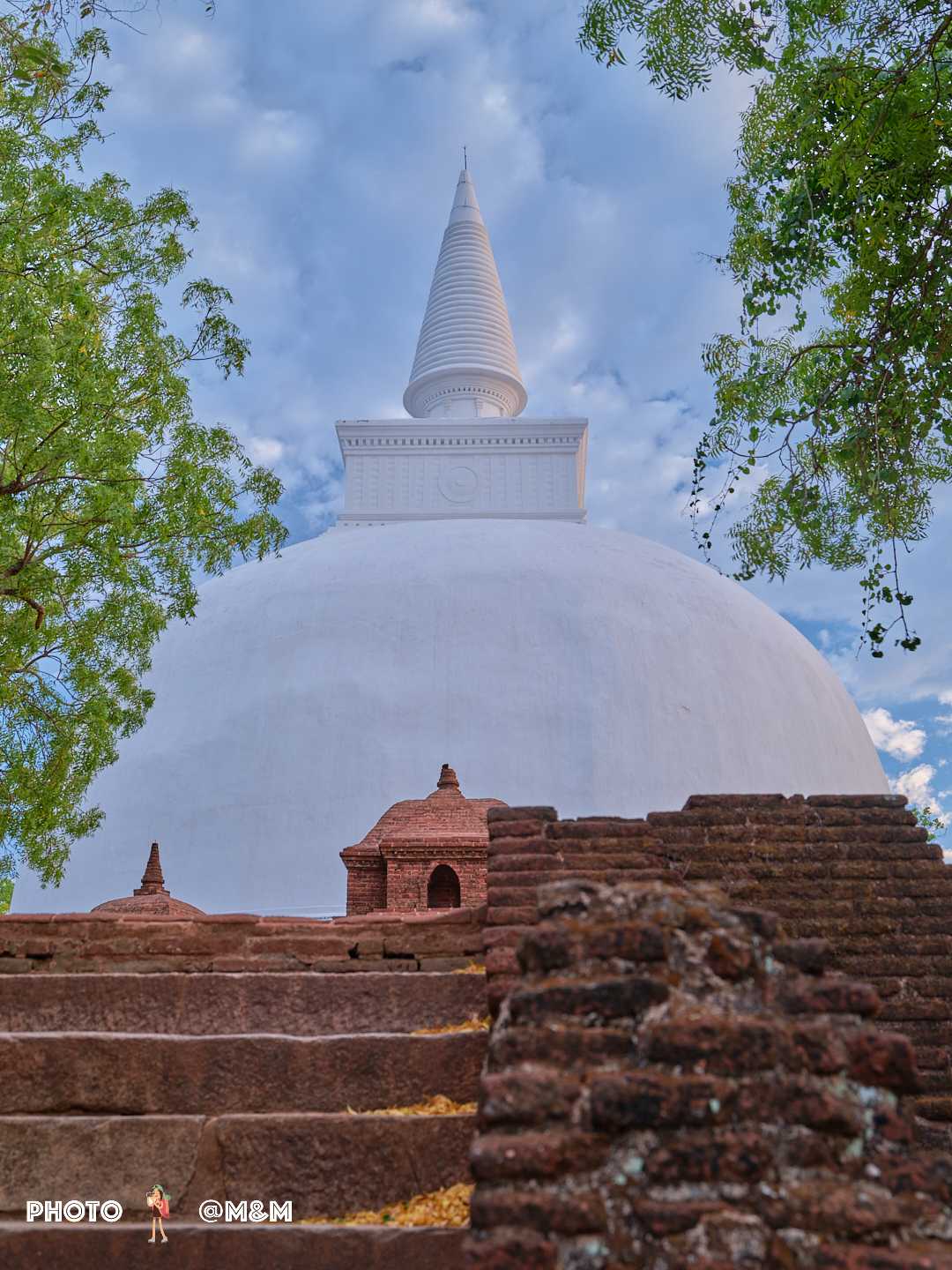
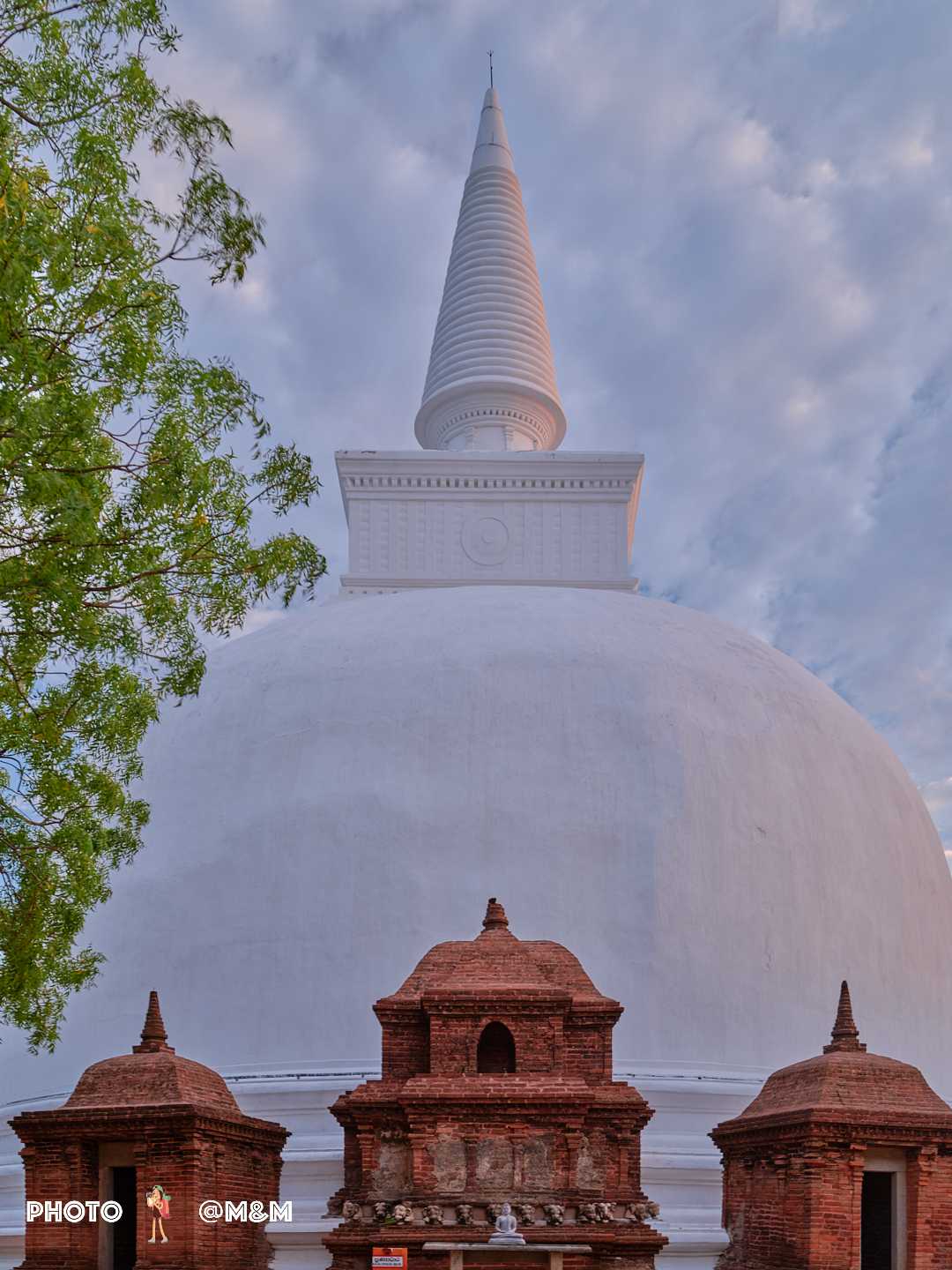
Polonnaruwa Ancient City
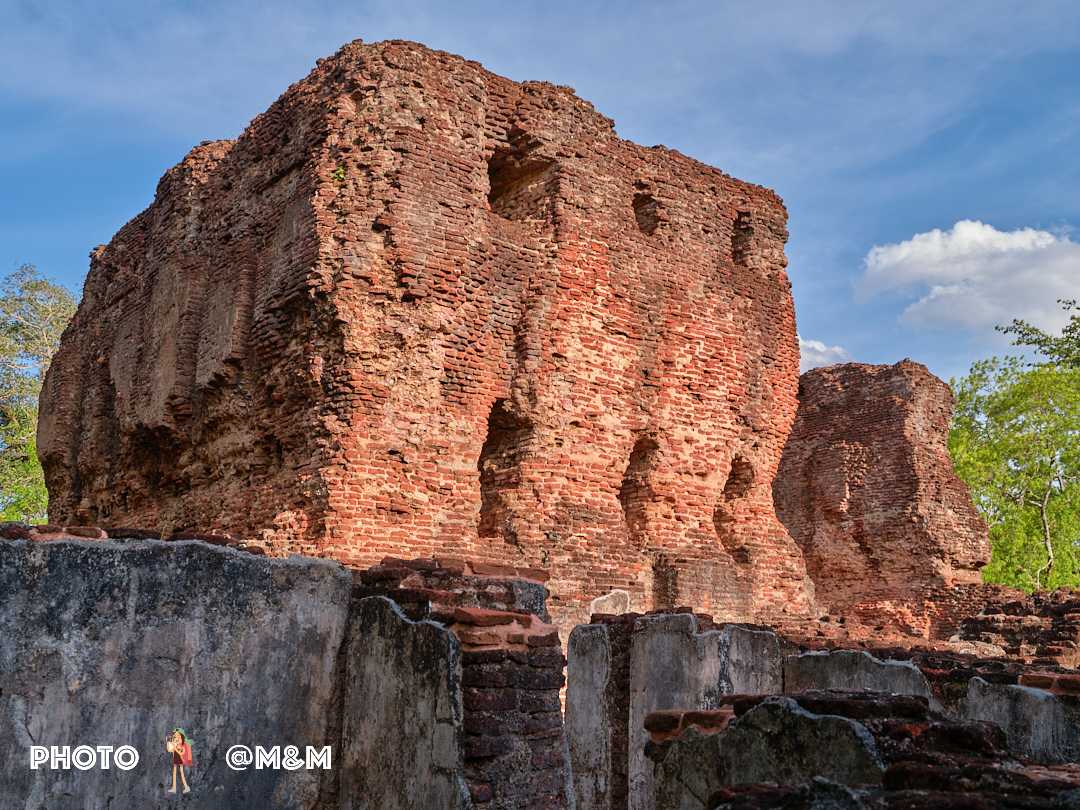
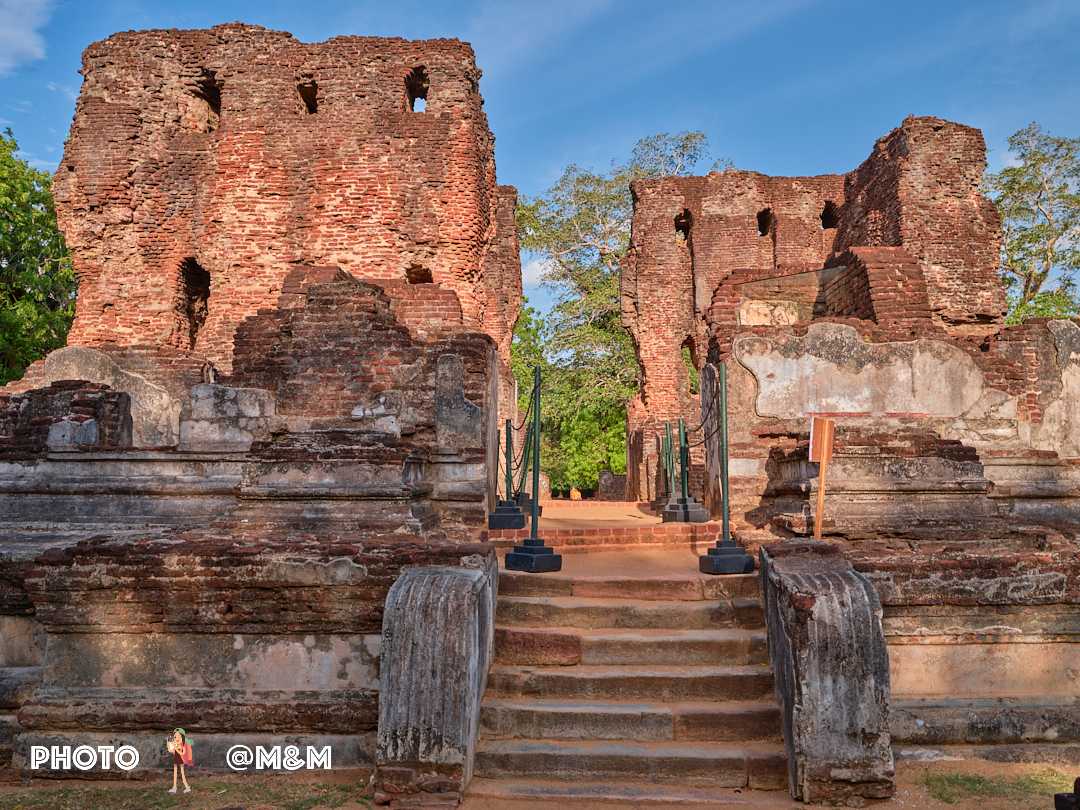
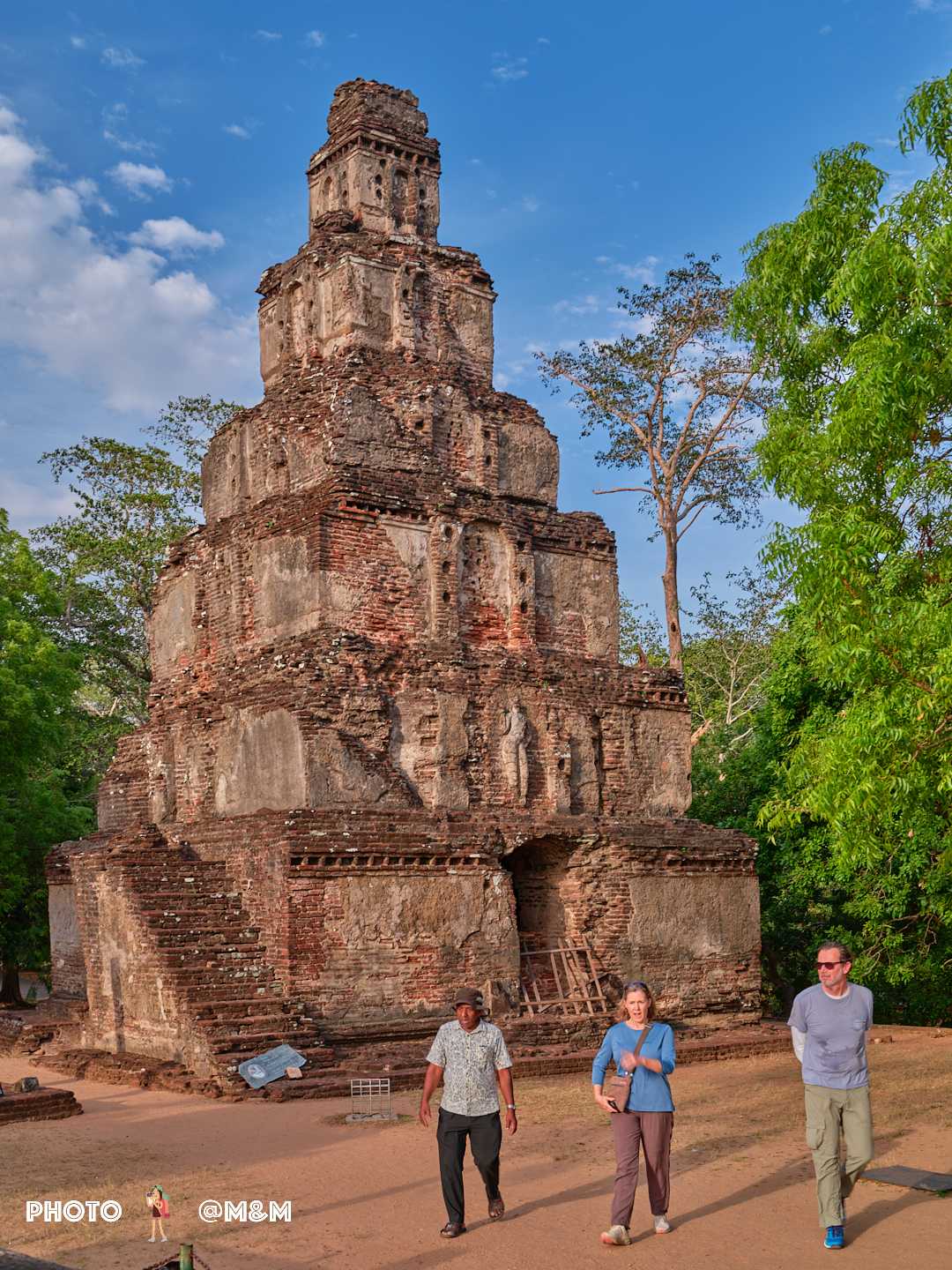
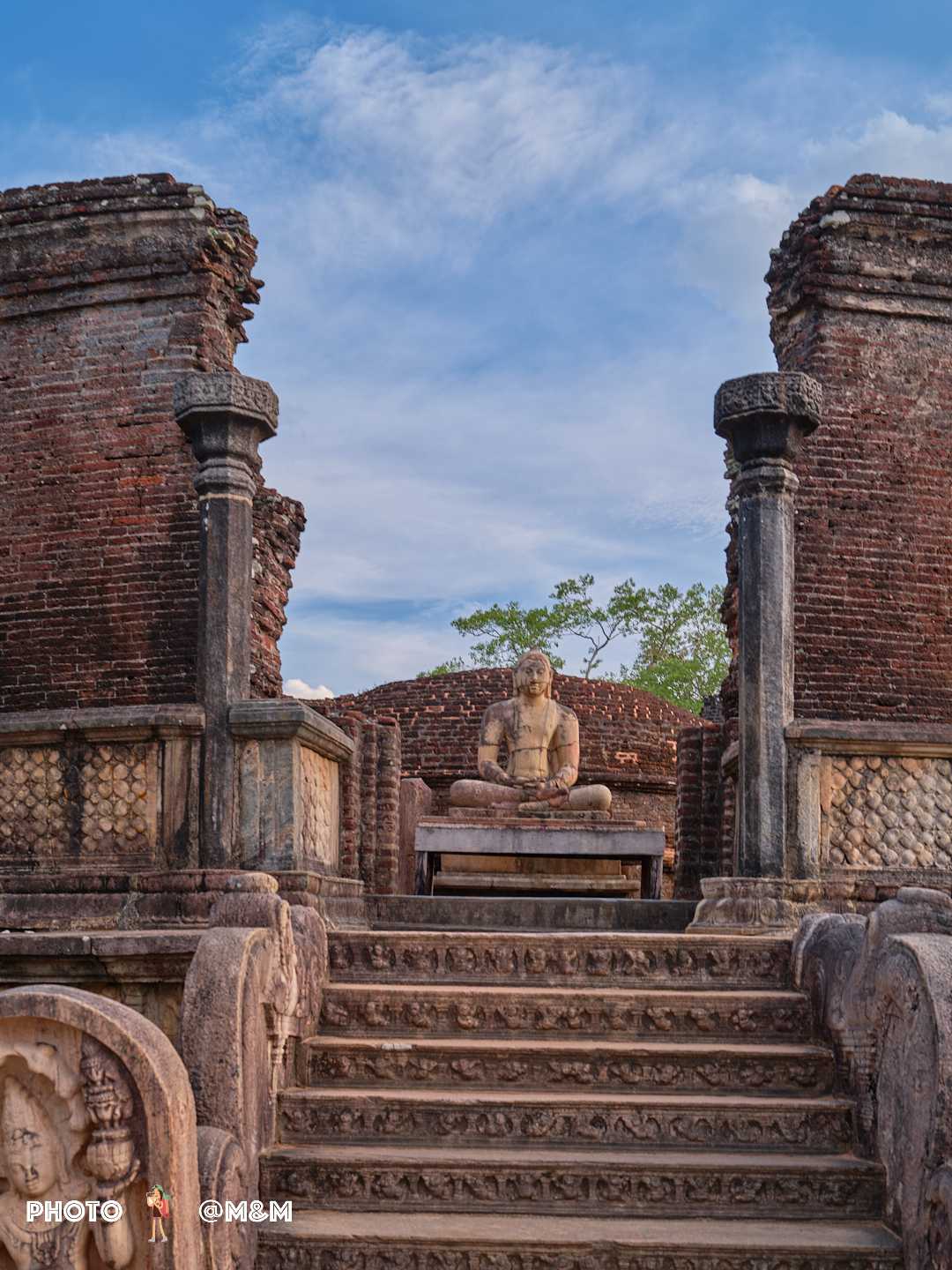
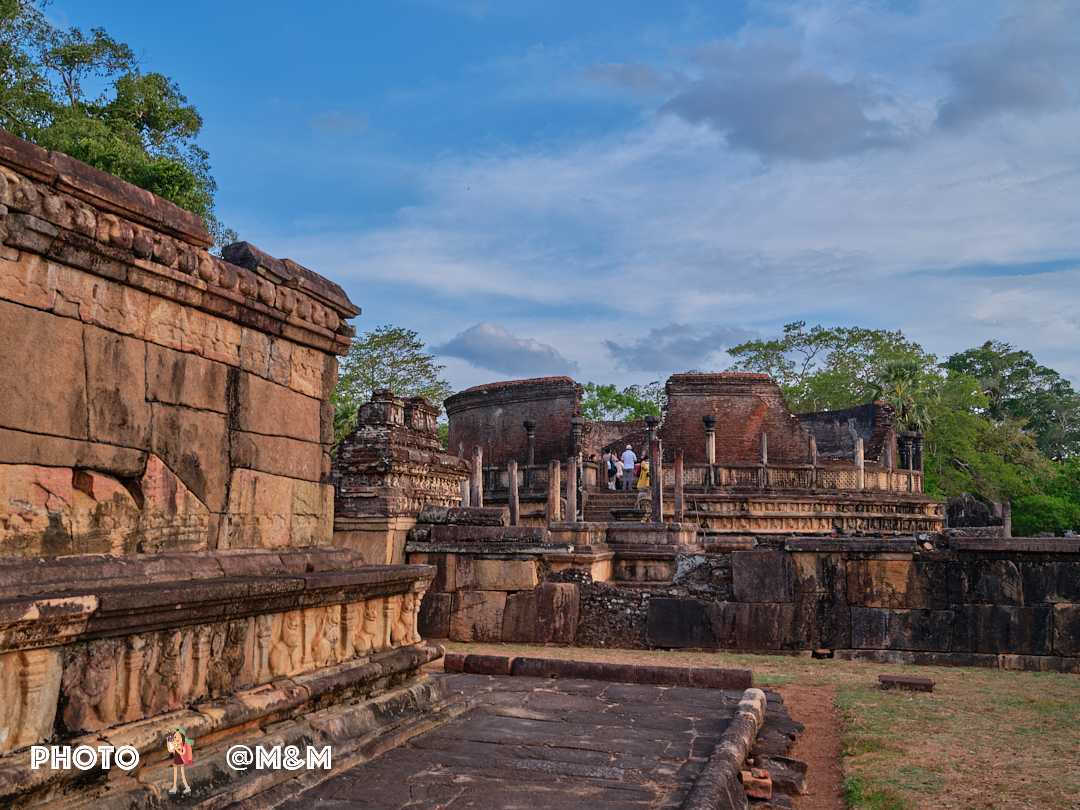
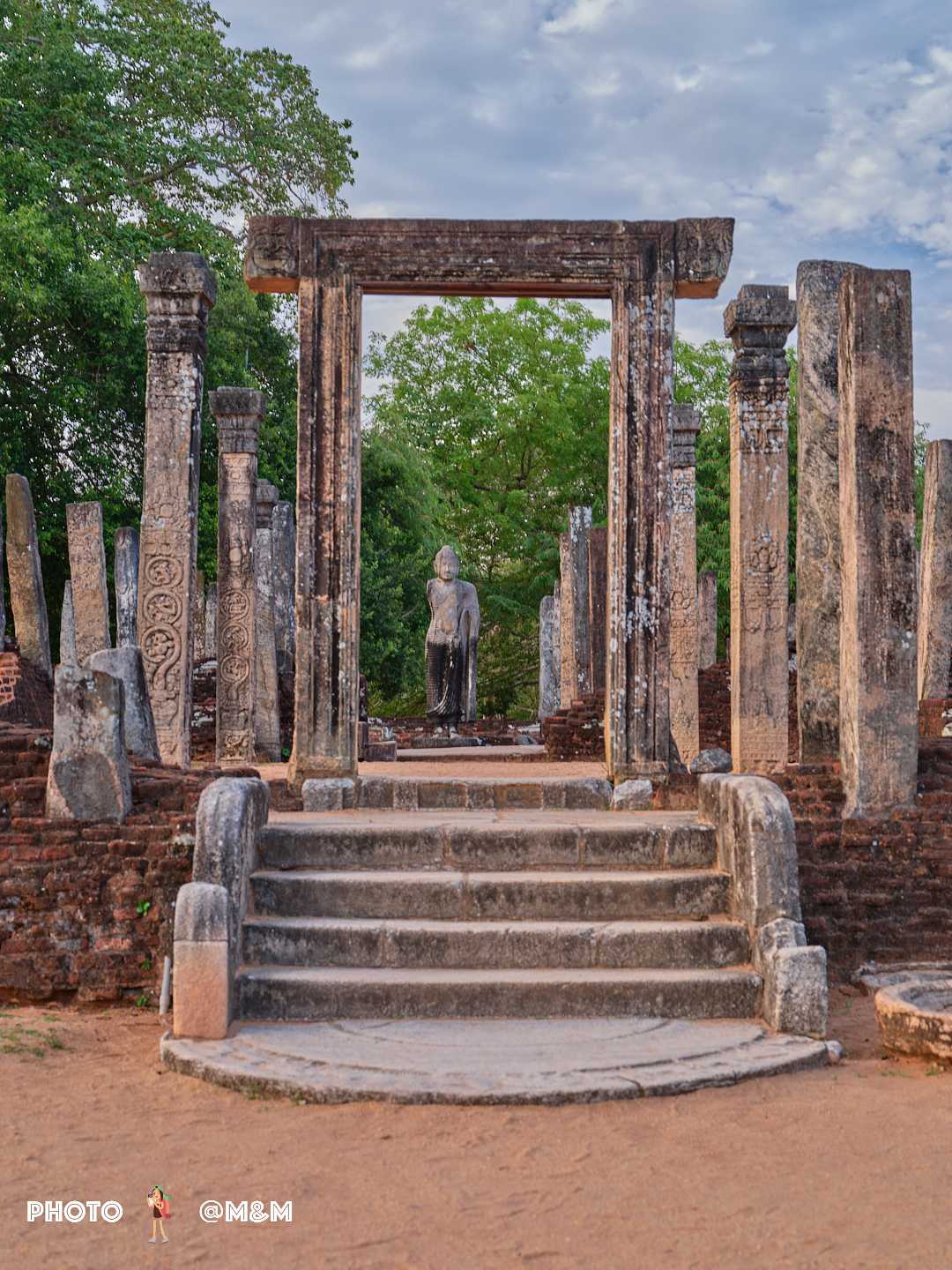
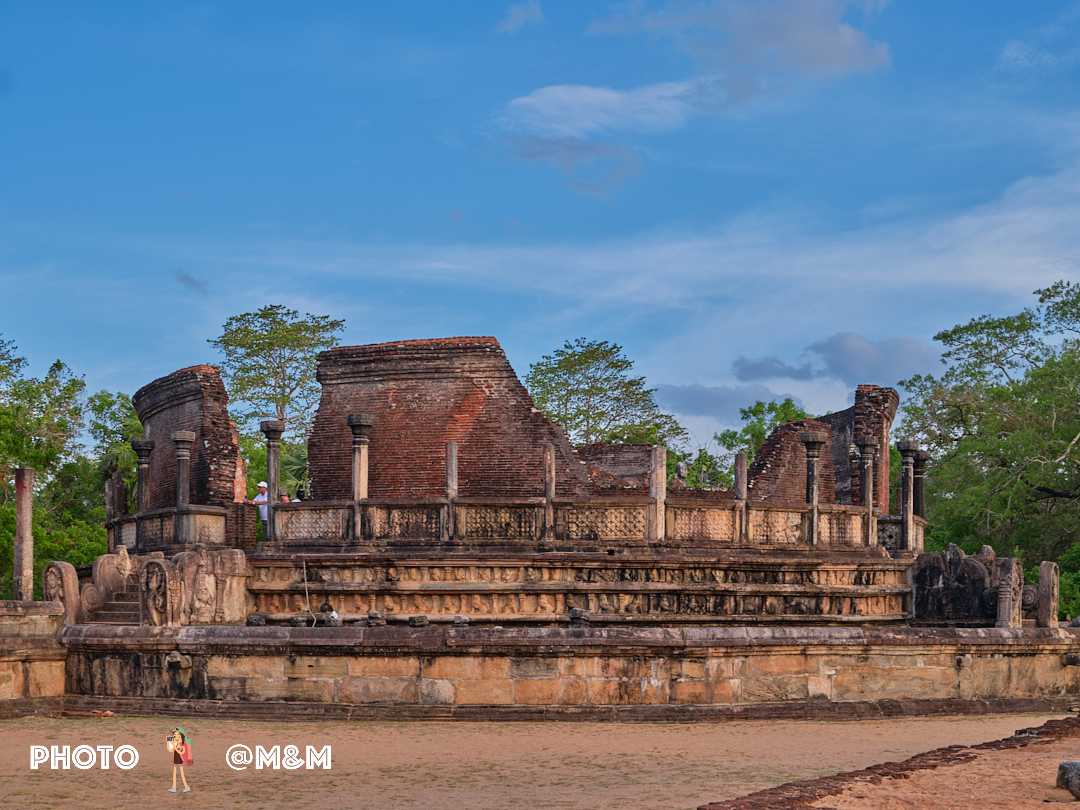
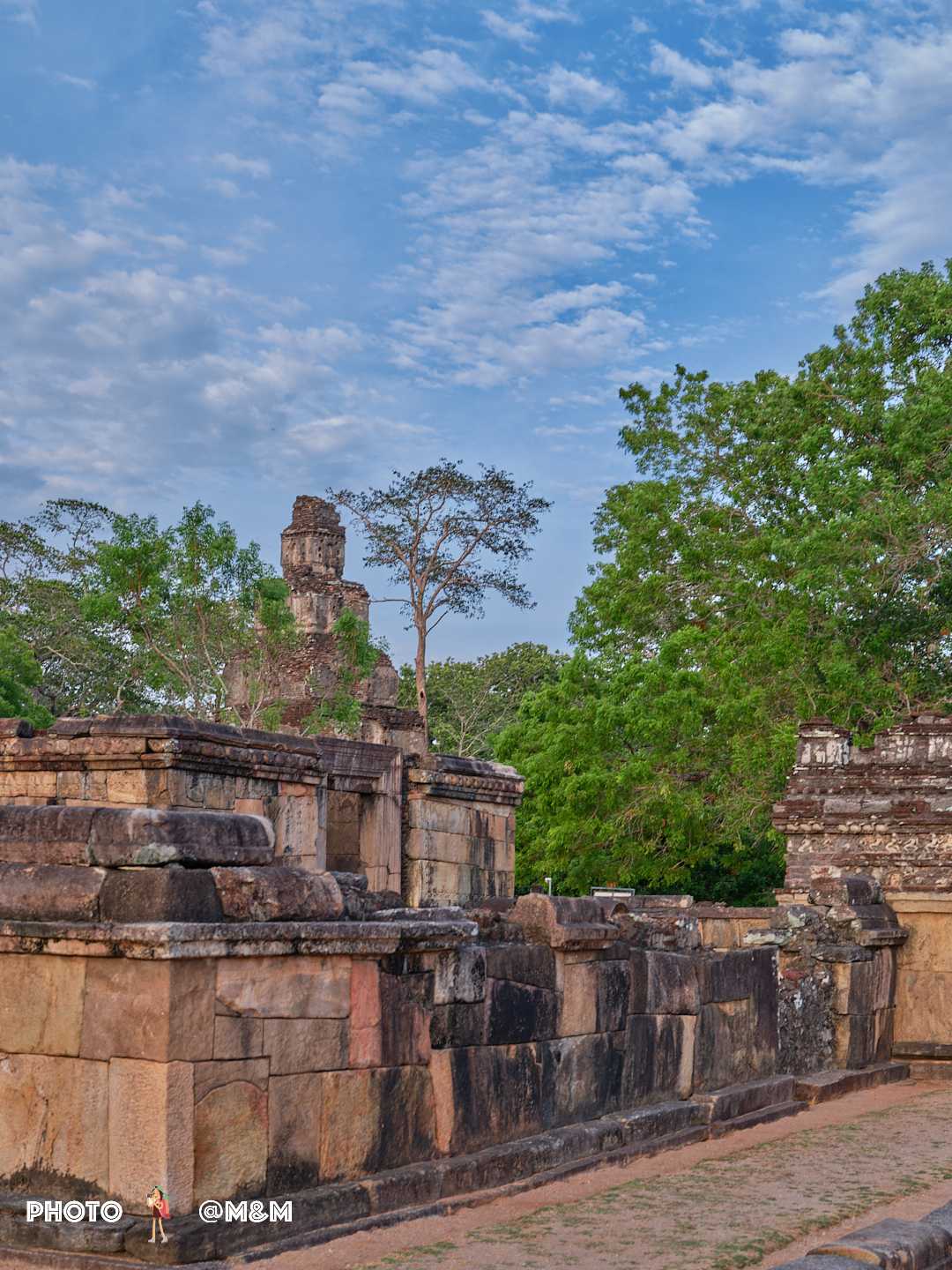
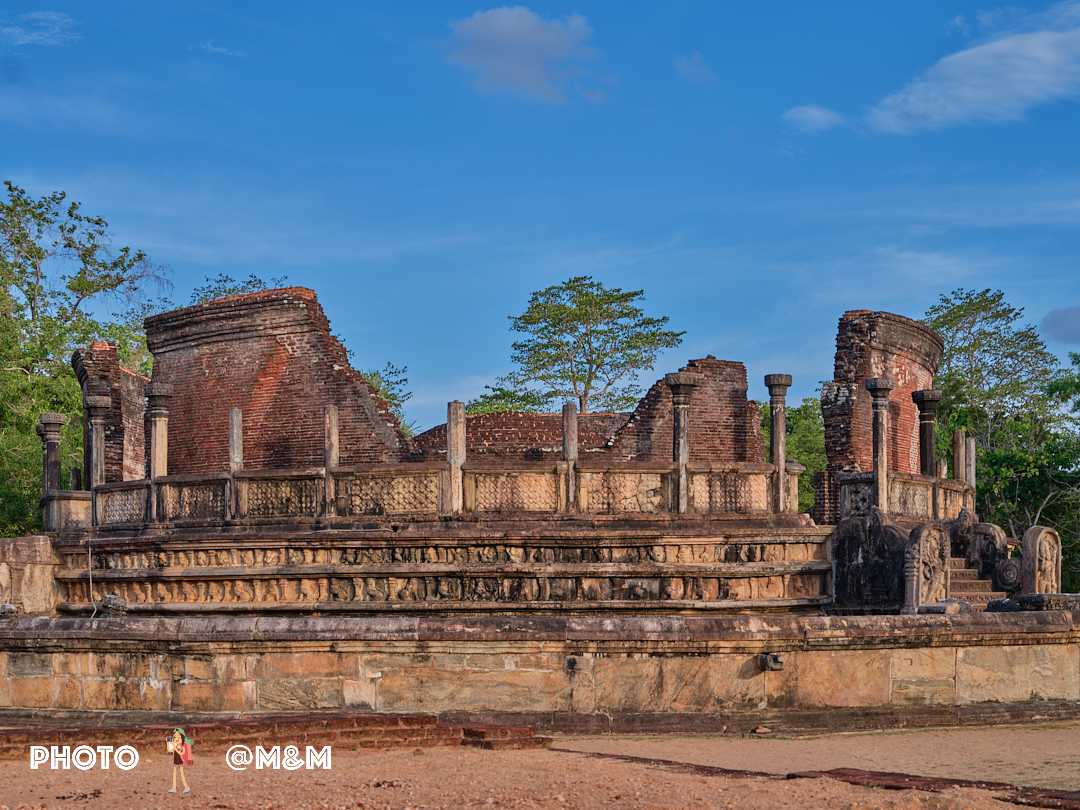
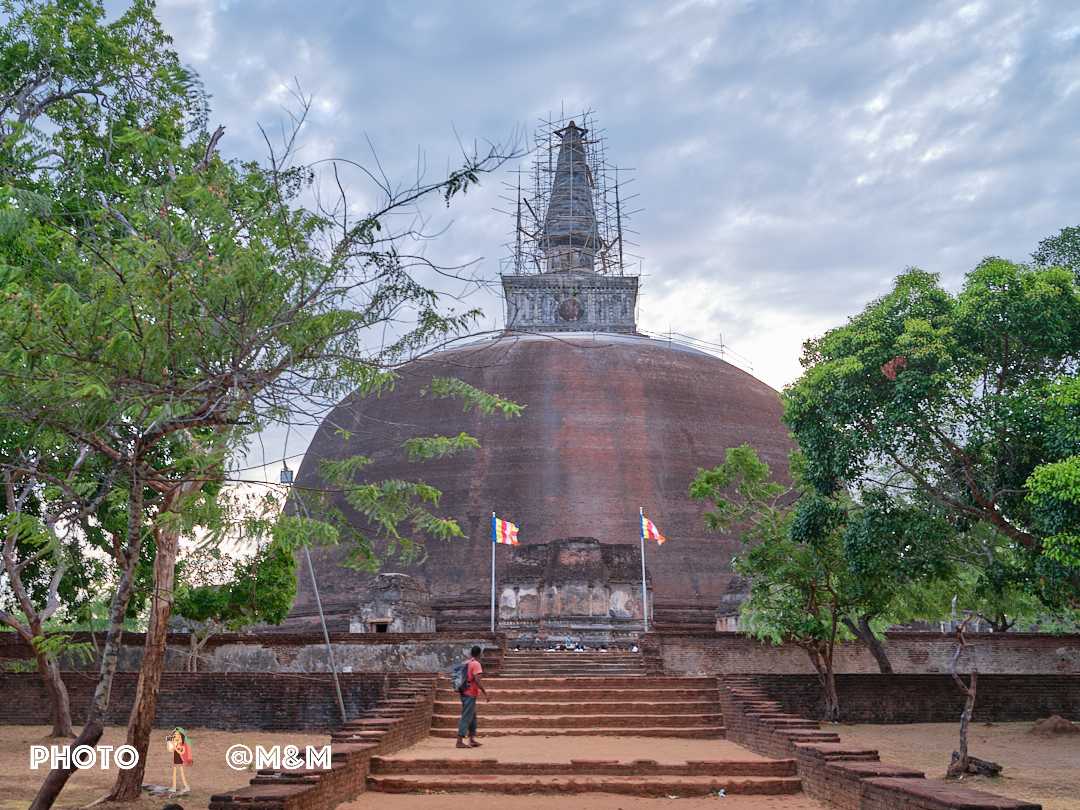
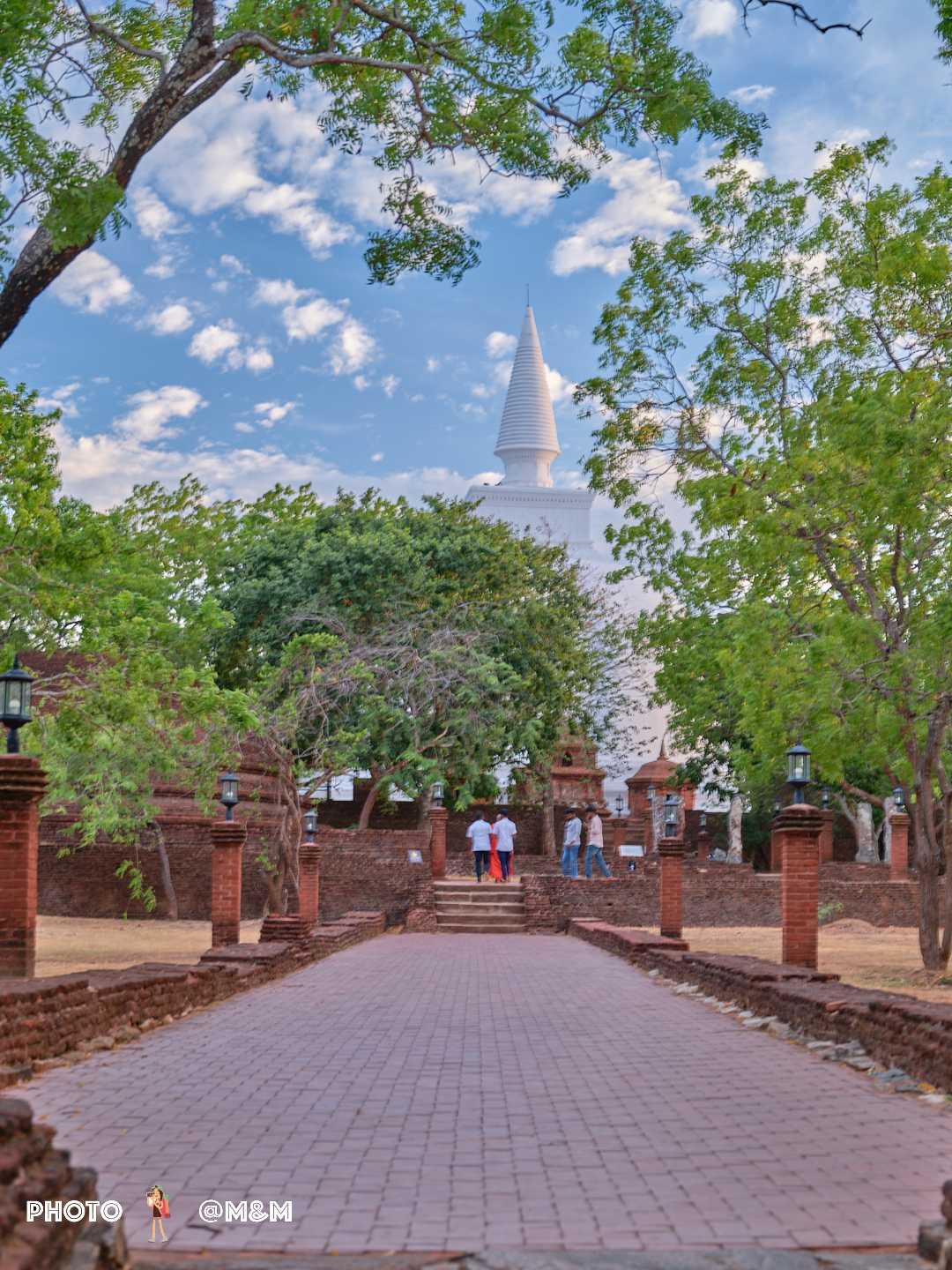
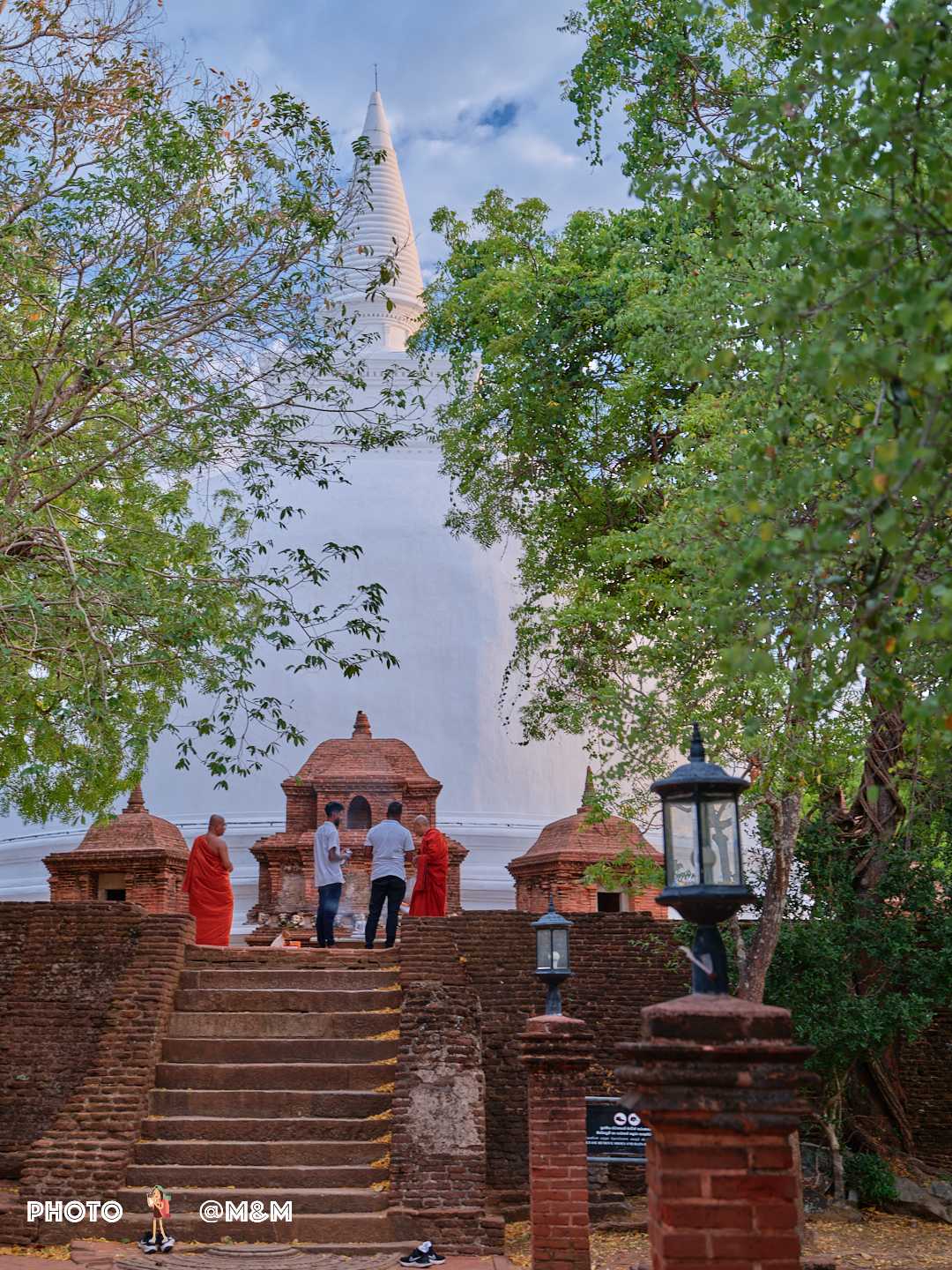
Polonnaruwa, the “Buddhist capital”, was the medieval Sinhalese kingdom’s power center and is called South Asia’s most complete ancient Buddhist city ruins by UNESCO.
Ticket: USD 25
You can tour by car in about 2.5 hours.
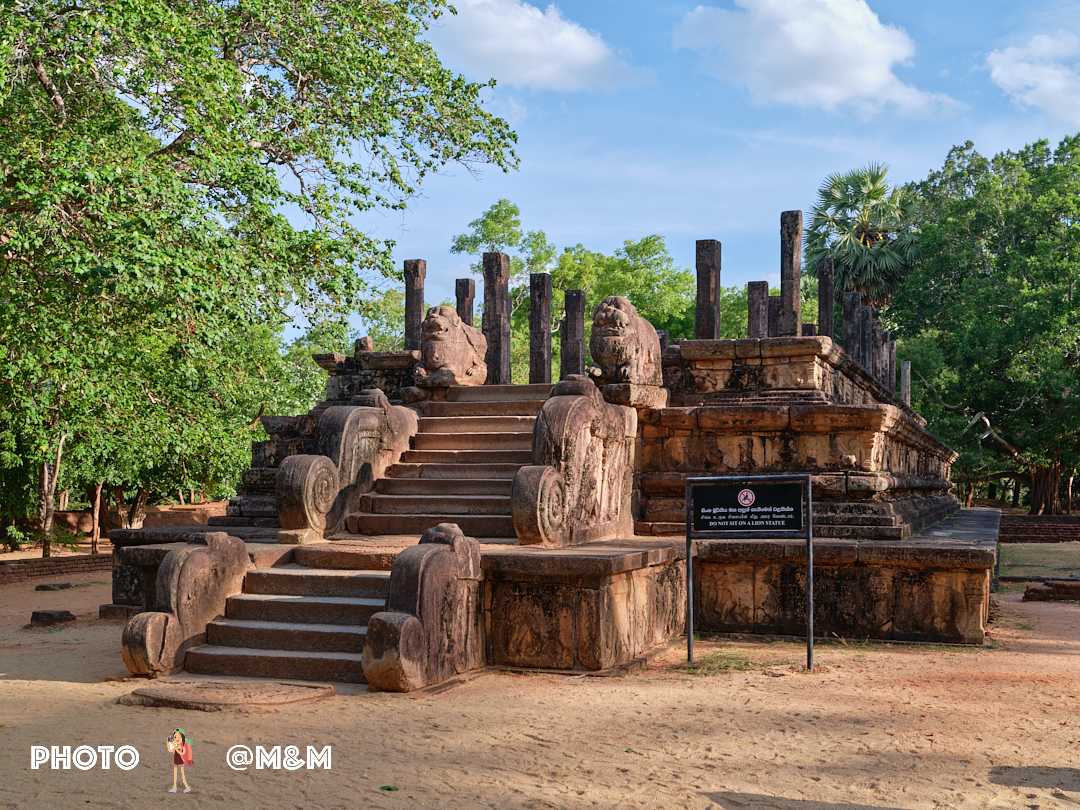
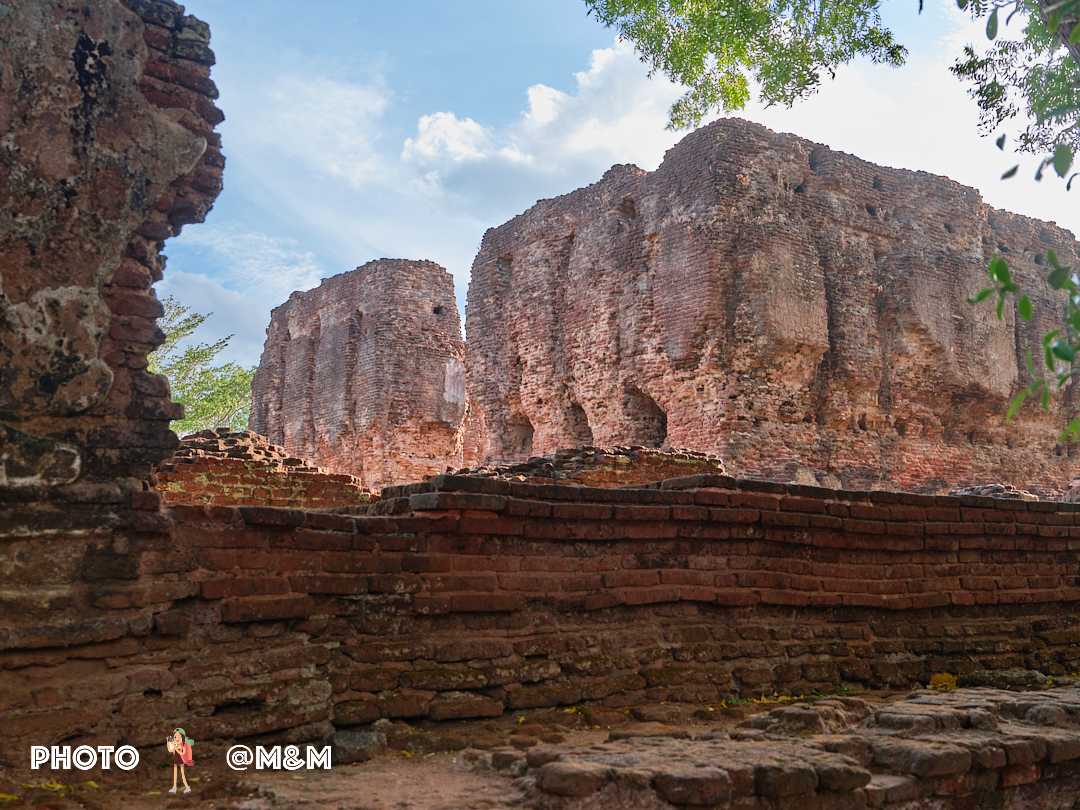
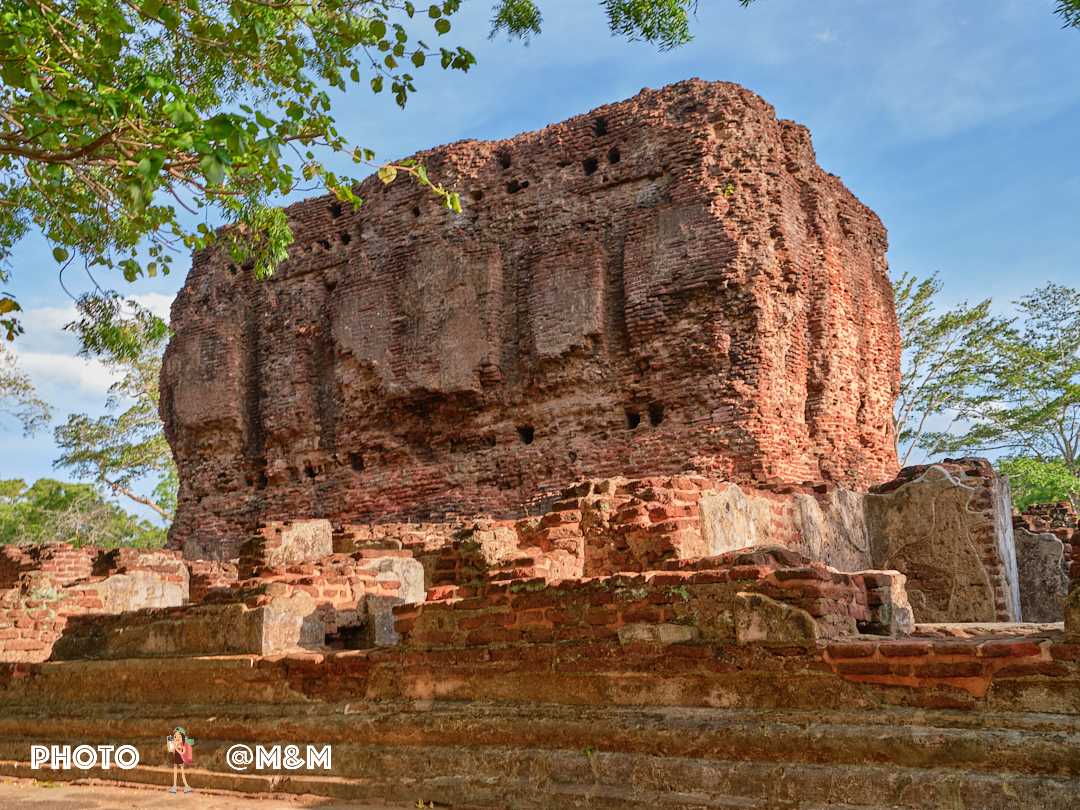
In 933 CE Polonnaruwa became Sri Lanka’s capital. Within the ancient city you’ll find Brahmanical ruins from the Cola period and remains of the garden‑city built by Parakramabahu I in the 12th century. The city’s architectural style and layout differ greatly from the former capital Anuradhapura—though it still reflects the old capital’s influence—with a layout centered on a main axis.
DAY4 Kandy
The drive from Dambulla to Kandy is about 2 hours. We realized our previous navigation used motorcycle routes—no wonder lanes were so narrow!
Kandy is Sri Lanka’s cultural capital, one of the three ancient cities and a Buddhist holy site. We stayed one night.
We bought vegetables at roadside stalls and fish, meat and wine at a supermarket.
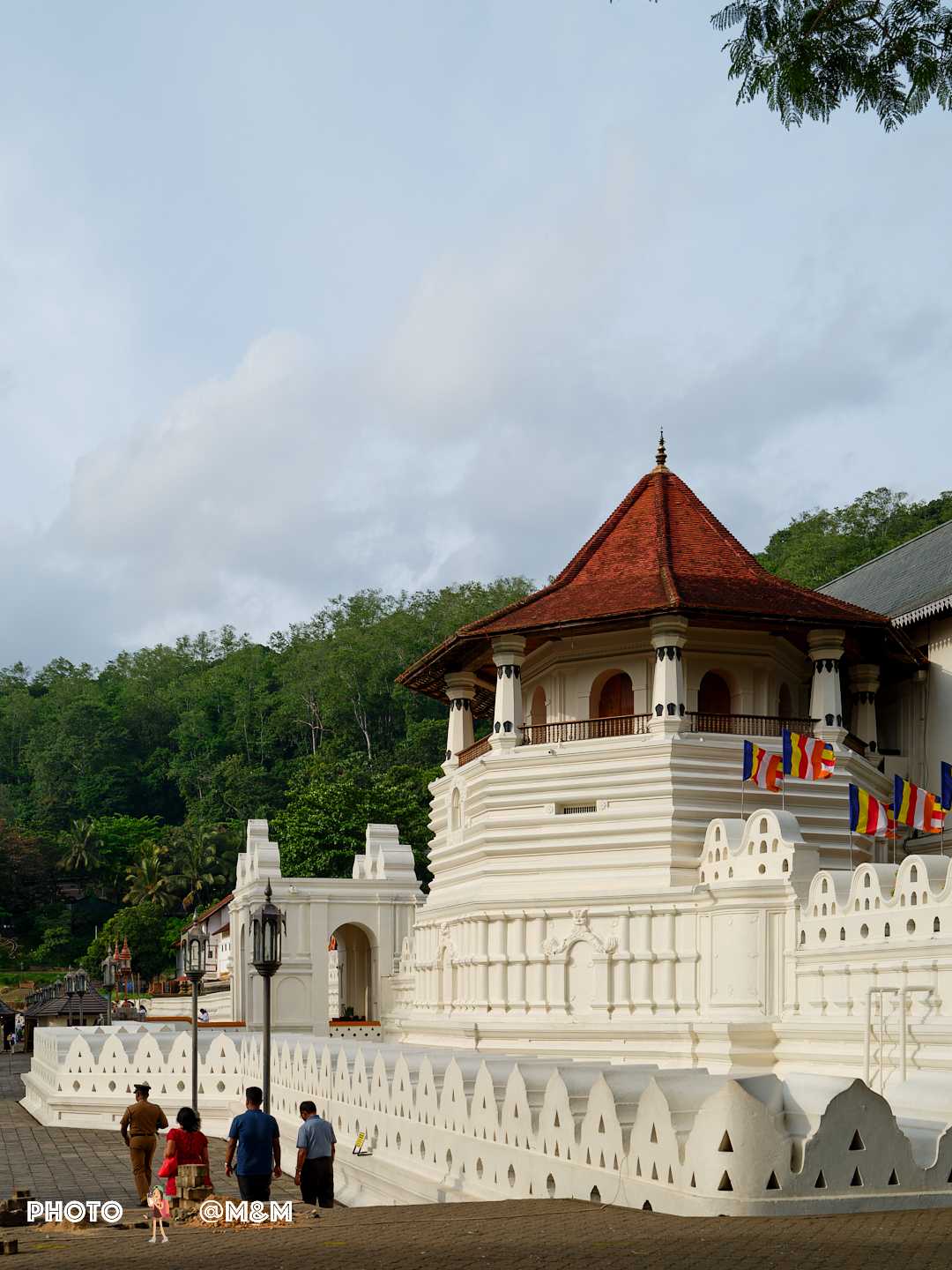
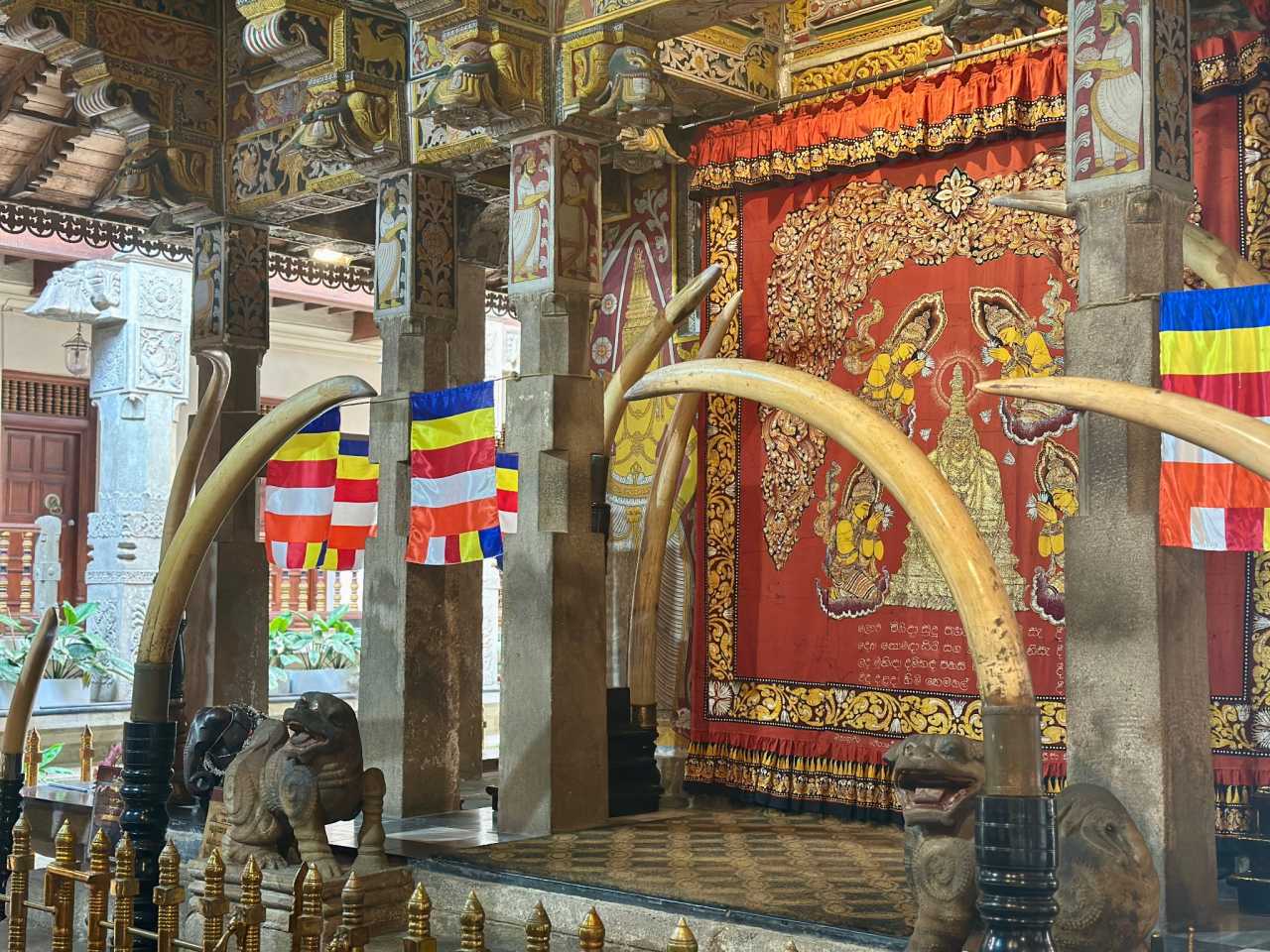
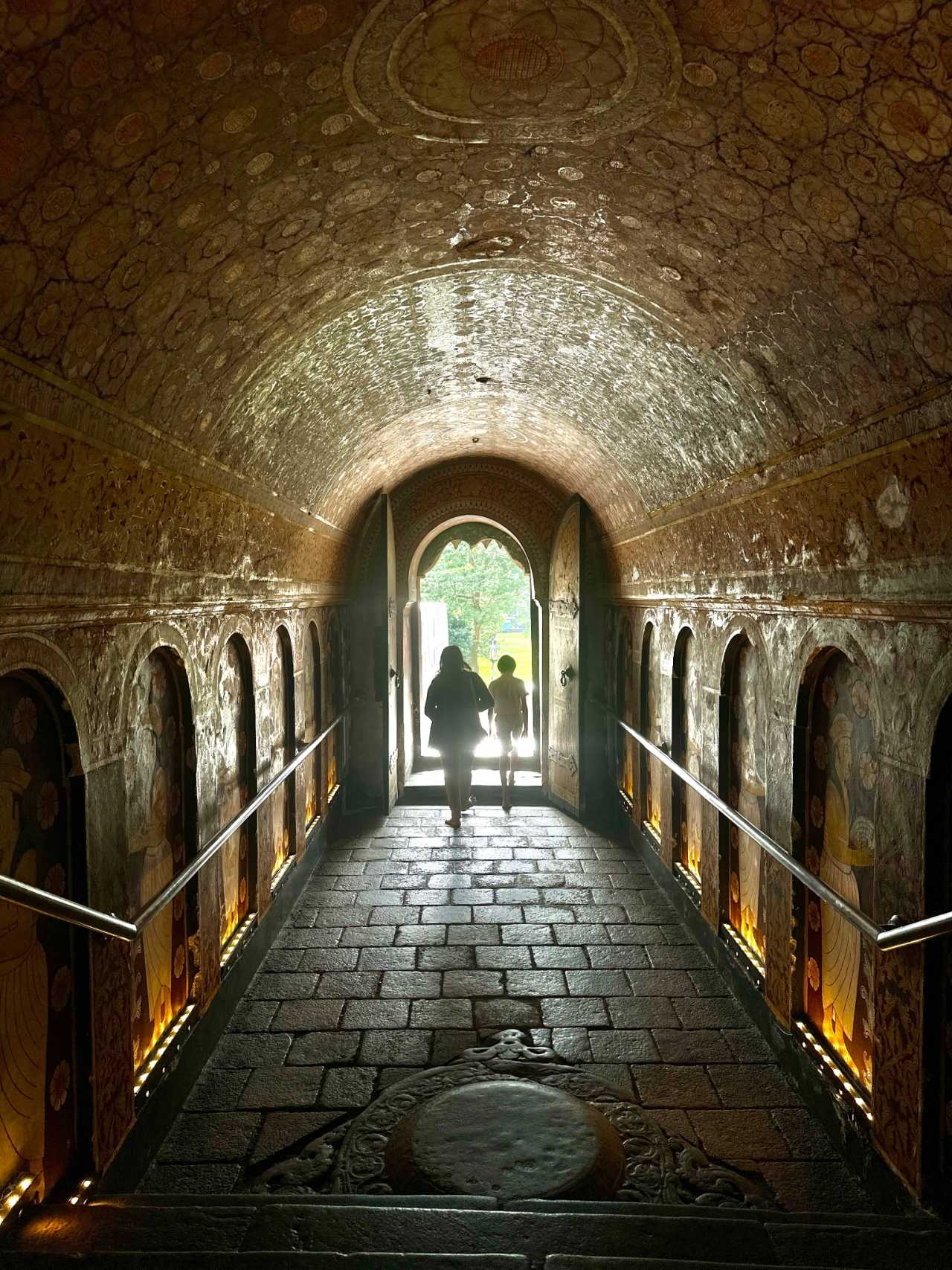
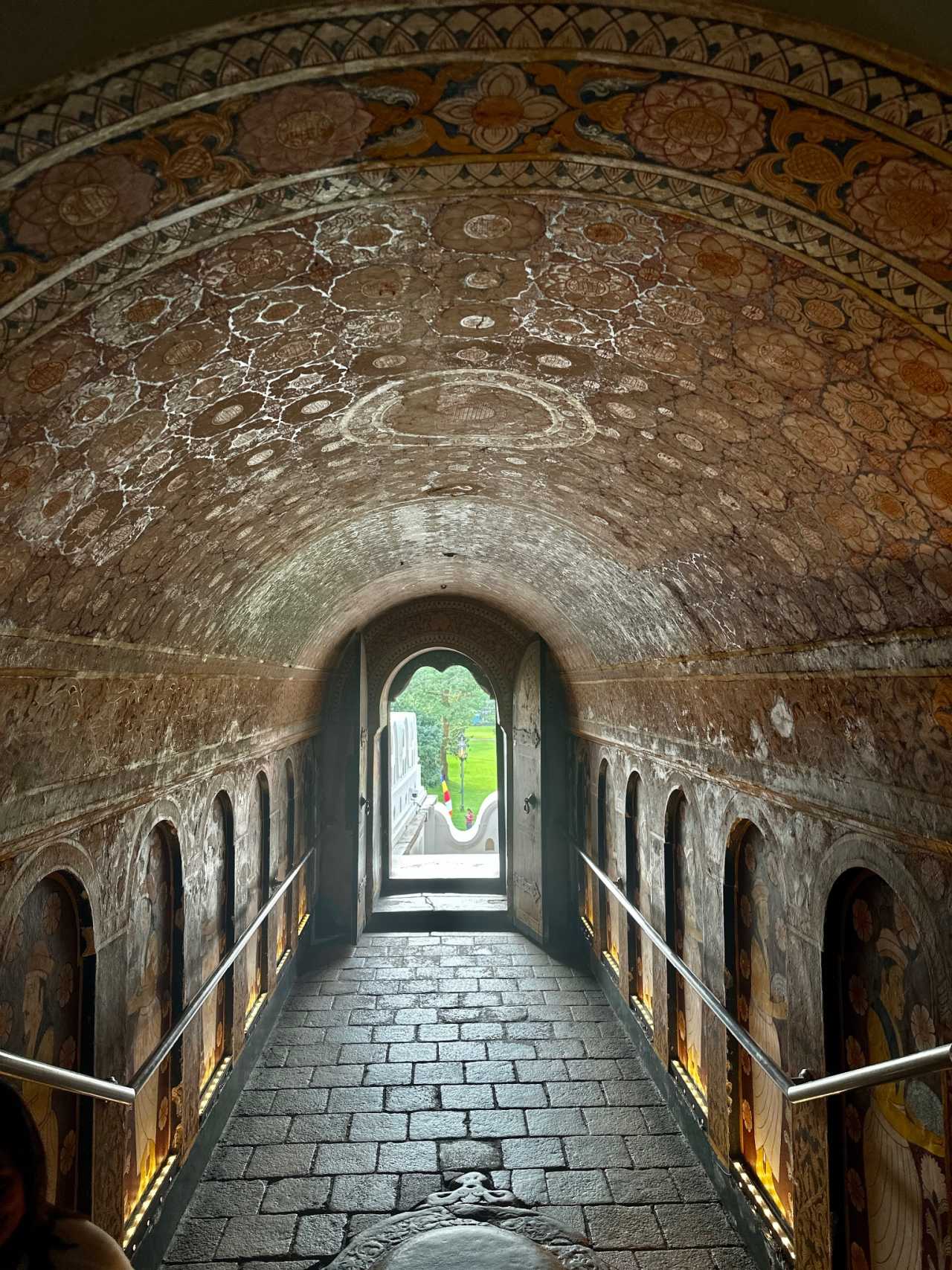
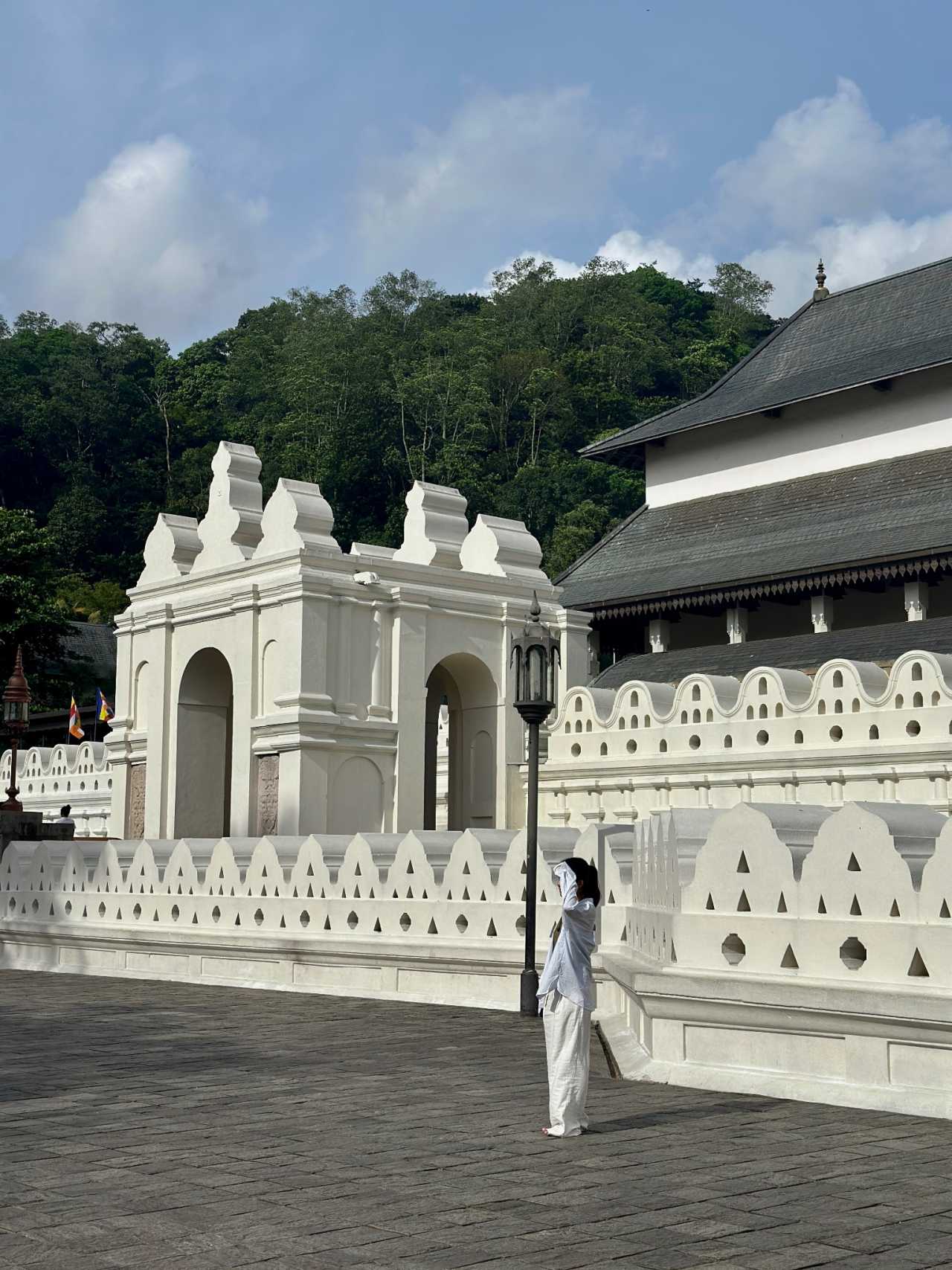
First stop: Temple of the Tooth (Sri Dalada Maligawa).
It enshrines the tooth relic of the Buddha; said to be only two in the world—one here and one at Beijing’s Lingguang Temple.
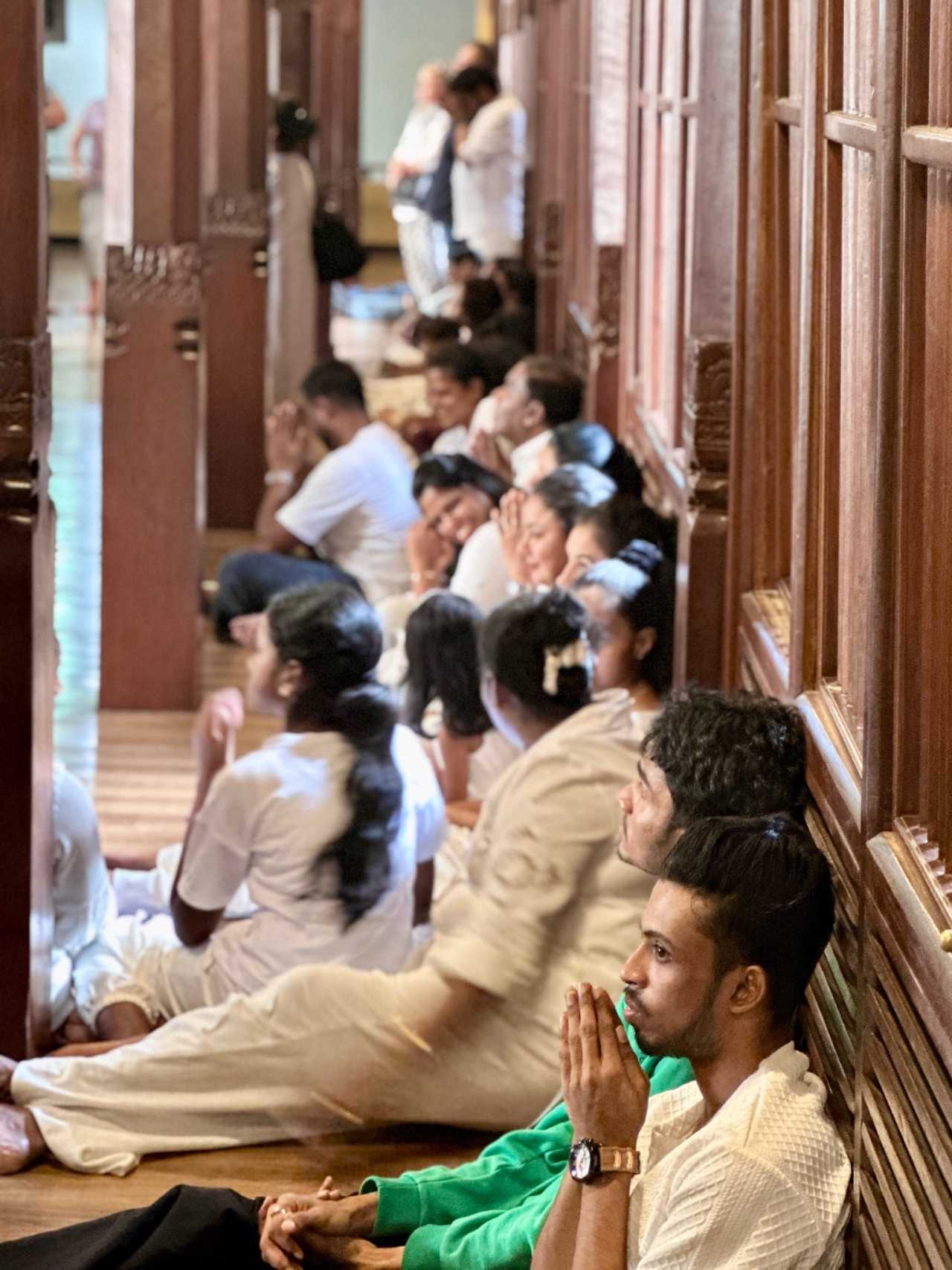
Morning and evening there are ceremonies, but the tooth is inside a shrine and curtained; most visitors cannot see it directly. In July/August you may catch the grand Esala Perahera festival (about 10 days), attracting Buddhists worldwide.
Tickets: 2000 LKR
Notes:
✔ Dress modestly (over‑knee skirt/pants, shoulders covered) or entry is denied.
✔ Remove shoes before entering; the ground can be rough—consider thick socks.
.
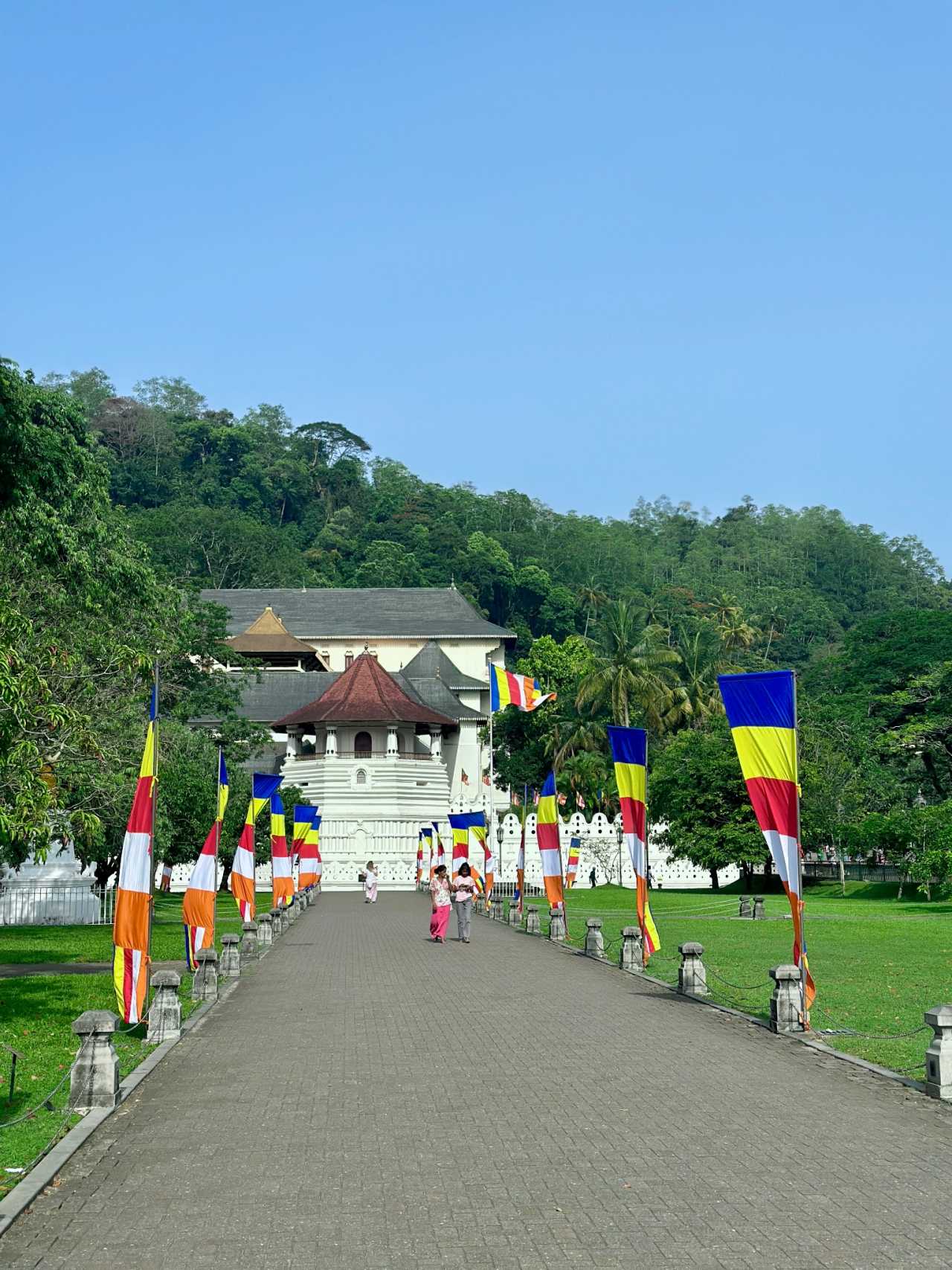
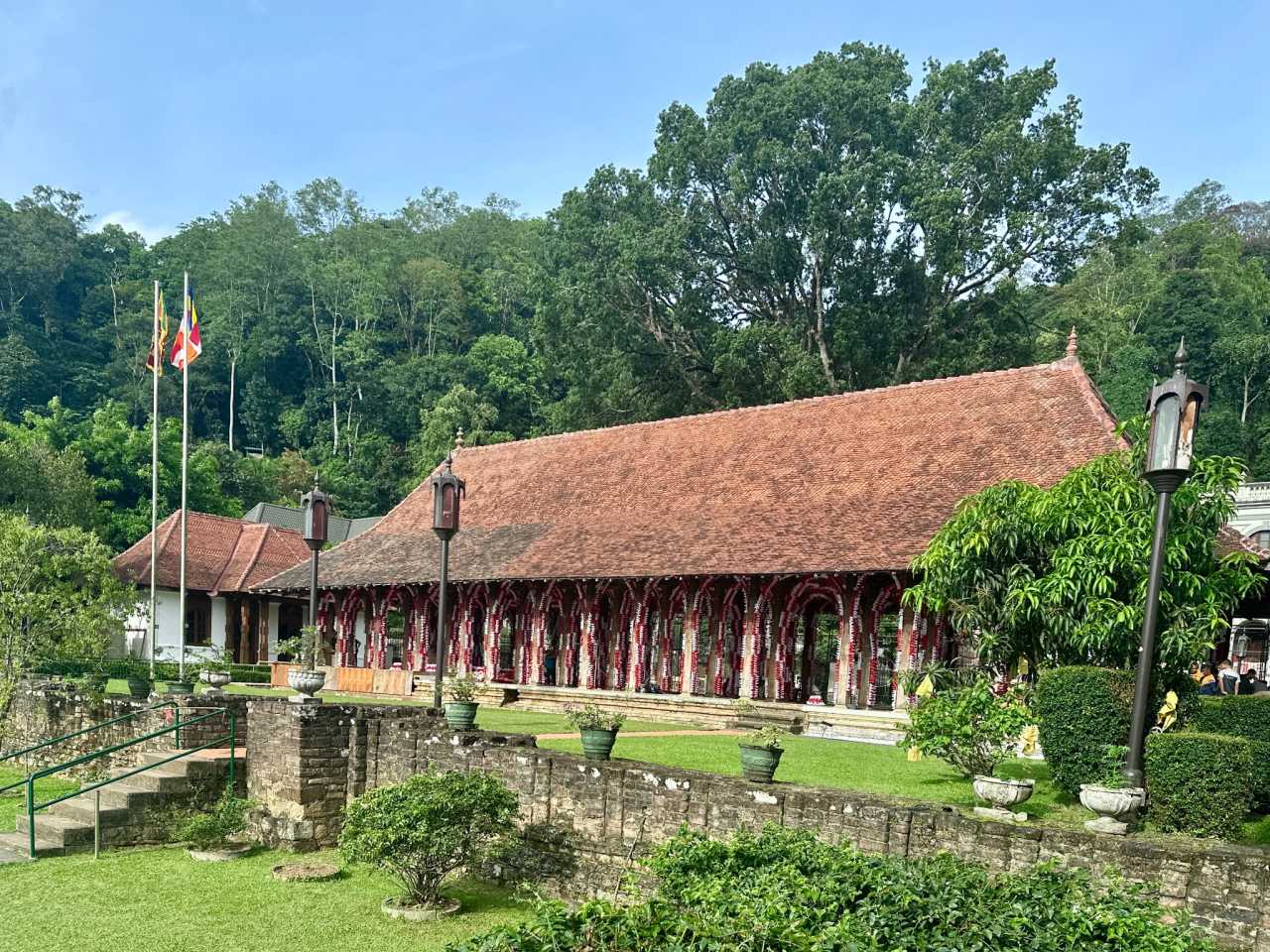
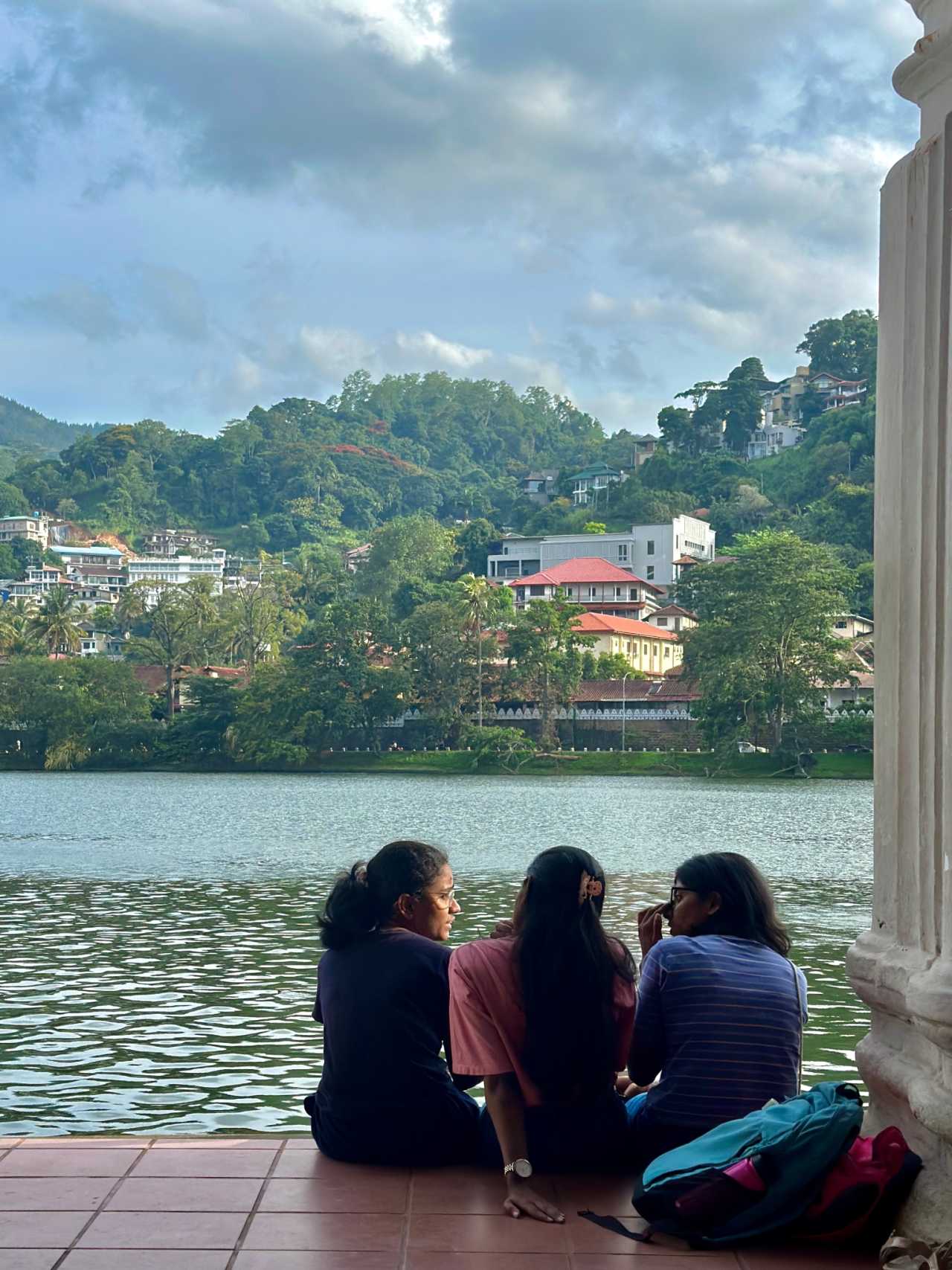
You can drive into Queen’s Hotel. Then head to Kandy Lake.
Kandy Lake—the loveliest leisure walkway.
Built in 1807 by the King of Kandy, shaded by trees and ideal for walking and cycling.
Sunset is said to be the best time for photos.
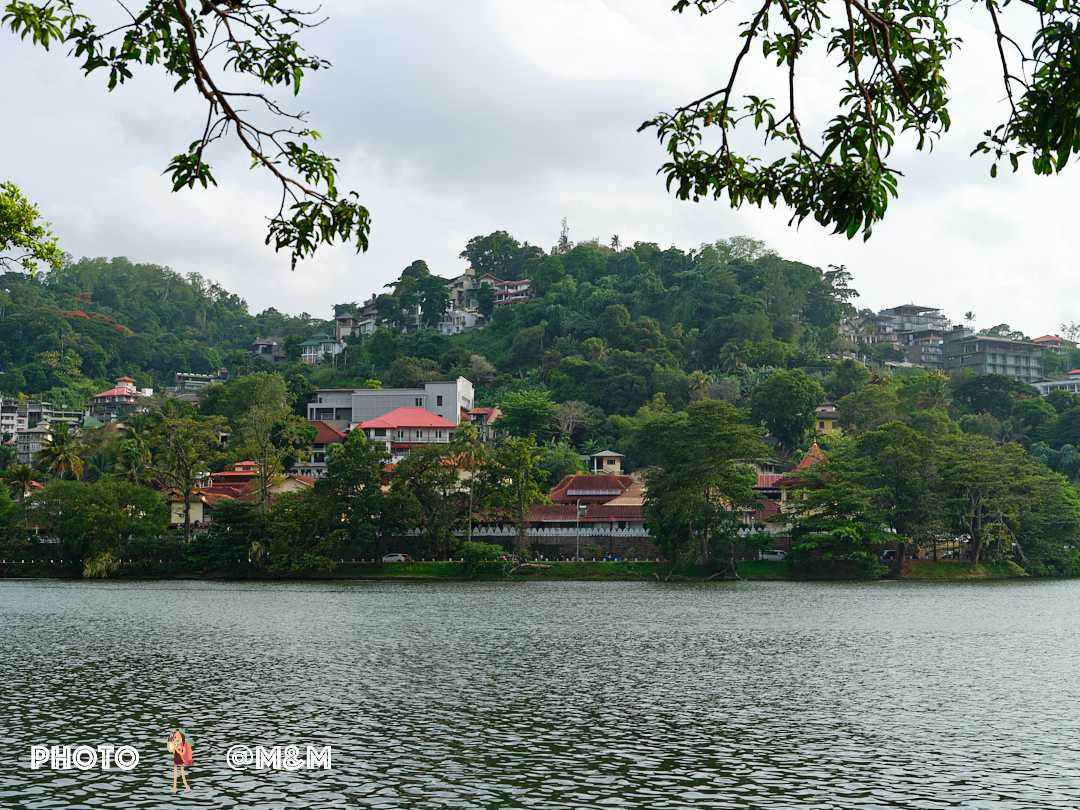
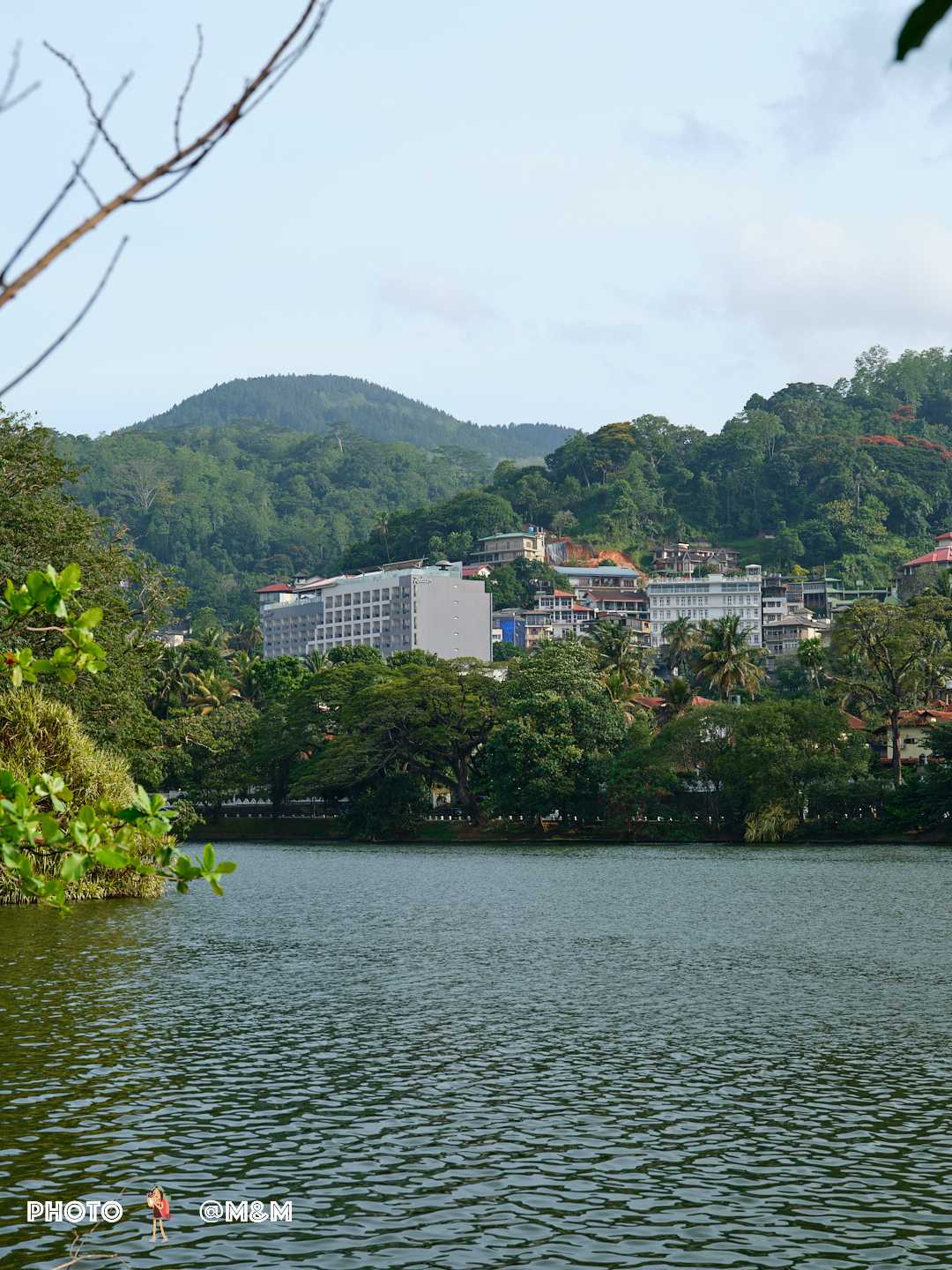
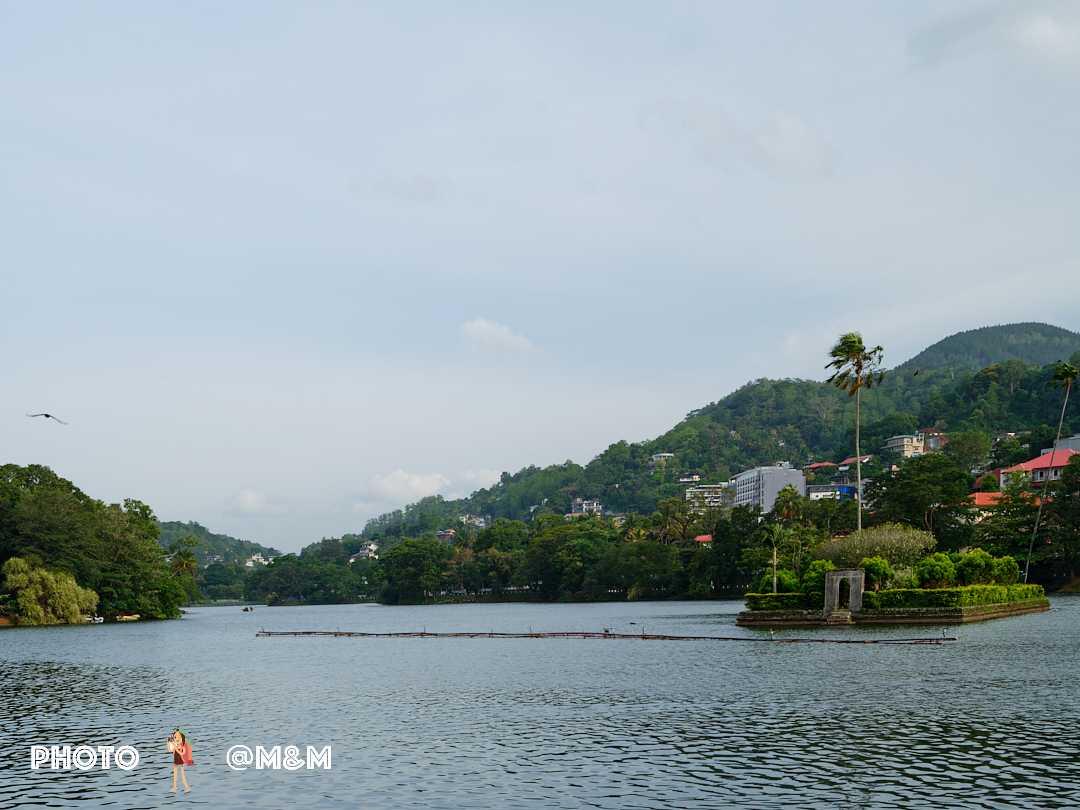
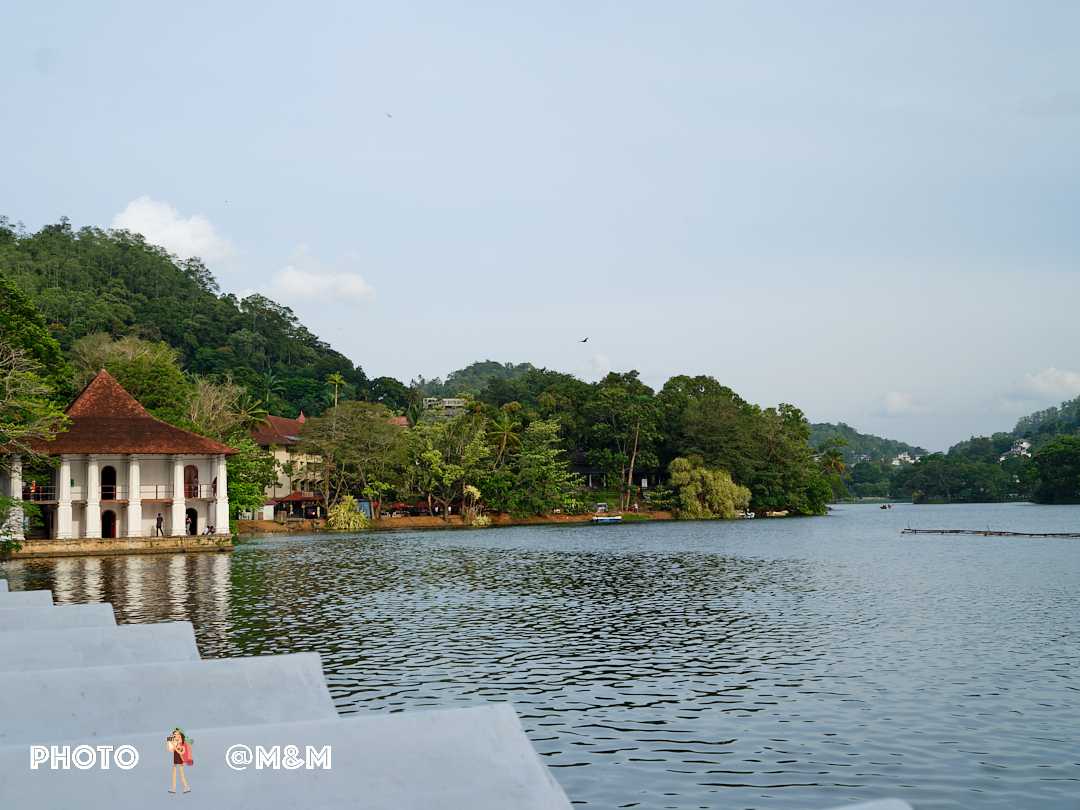
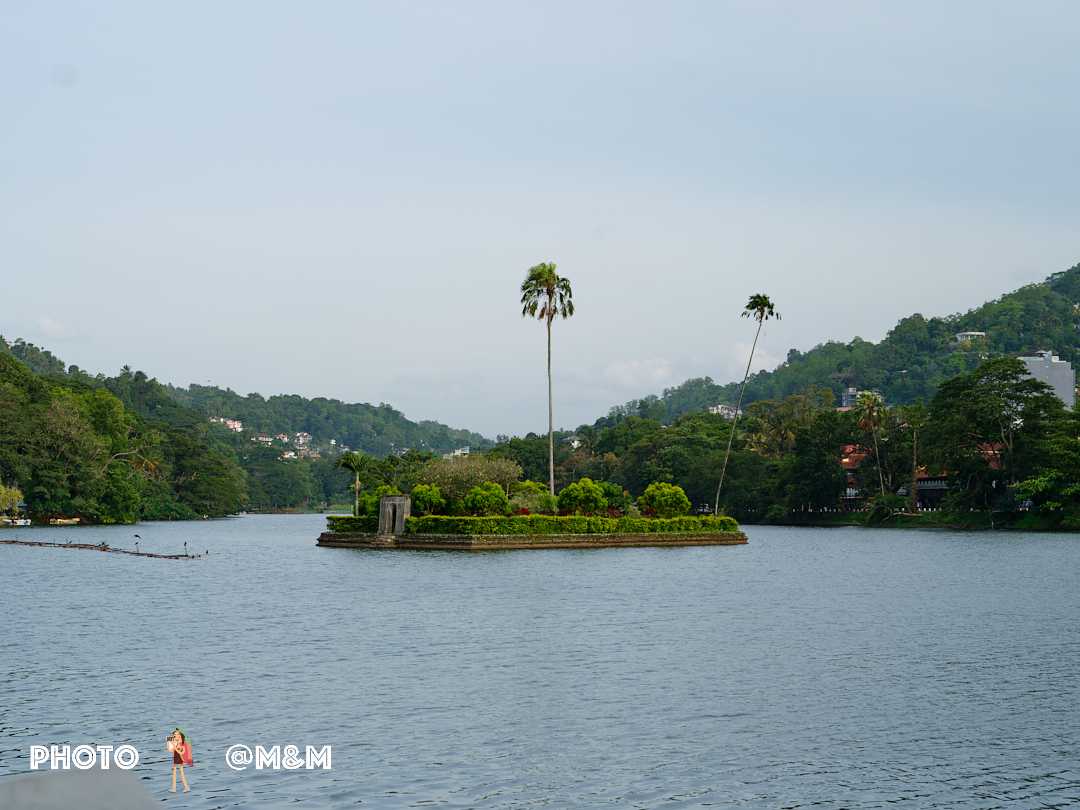
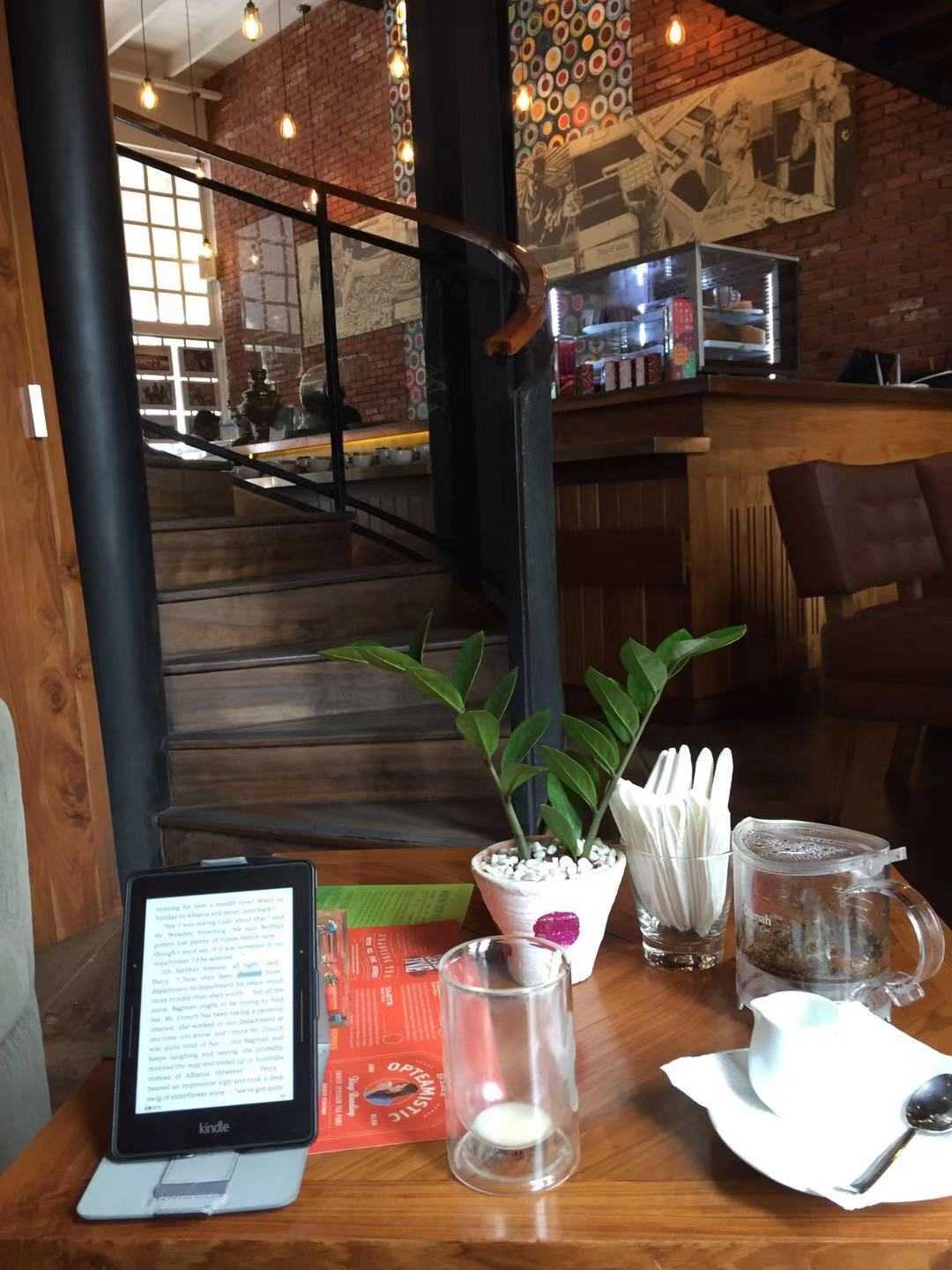
Feeling a bit embarrassed after free parking at the hotel, we had Sri Lankan black tea in the Queen’s Hotel lobby. Clean taste, but the aroma was too strong and masked the tea’s original flavor.
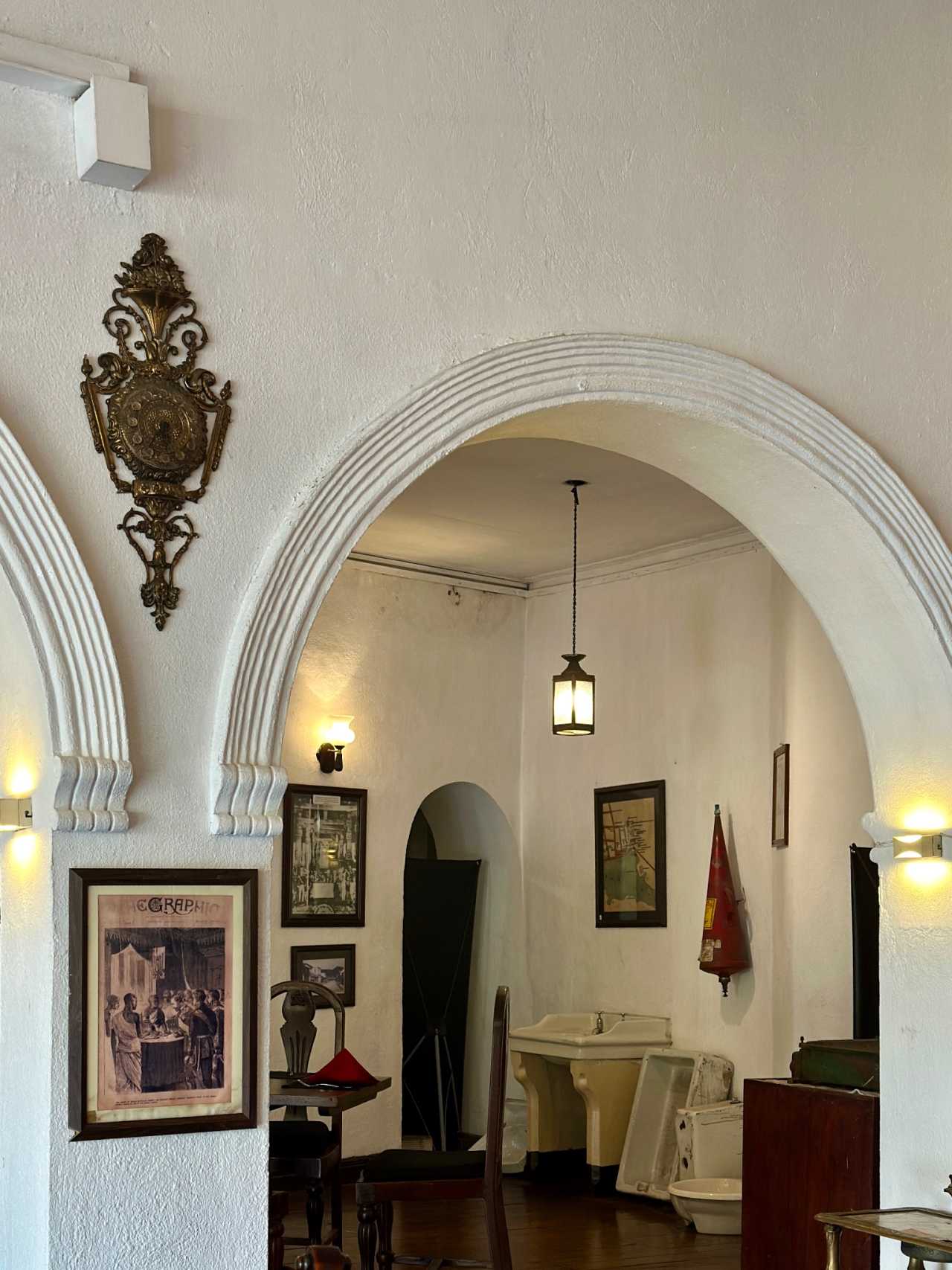
We cooked dinner at our homestay—the vegetables were good, but the supermarket fish was average.
DAY5–6 Yala National Park Safari
Today was the longest drive of the trip—navigation showed six and a half hours. Detouring through tea estates adds an hour; including tea garden visits makes time tight, so we skipped them and headed straight to Yala.
We departed at 7:30 and arrived around 2 pm at “Cinnamon Wild Yala”, Kirinda, Tissamaharama.
The hotel is inside the reserve. Staff asked us to remove all food from the car, otherwise large animals might smell it at night and damage the vehicle.
Rooms are standalone villas; staff shuttle you in the early morning and evening.
Hotel surroundings:
The room is a standalone cottage
Sunsets here are wonderful
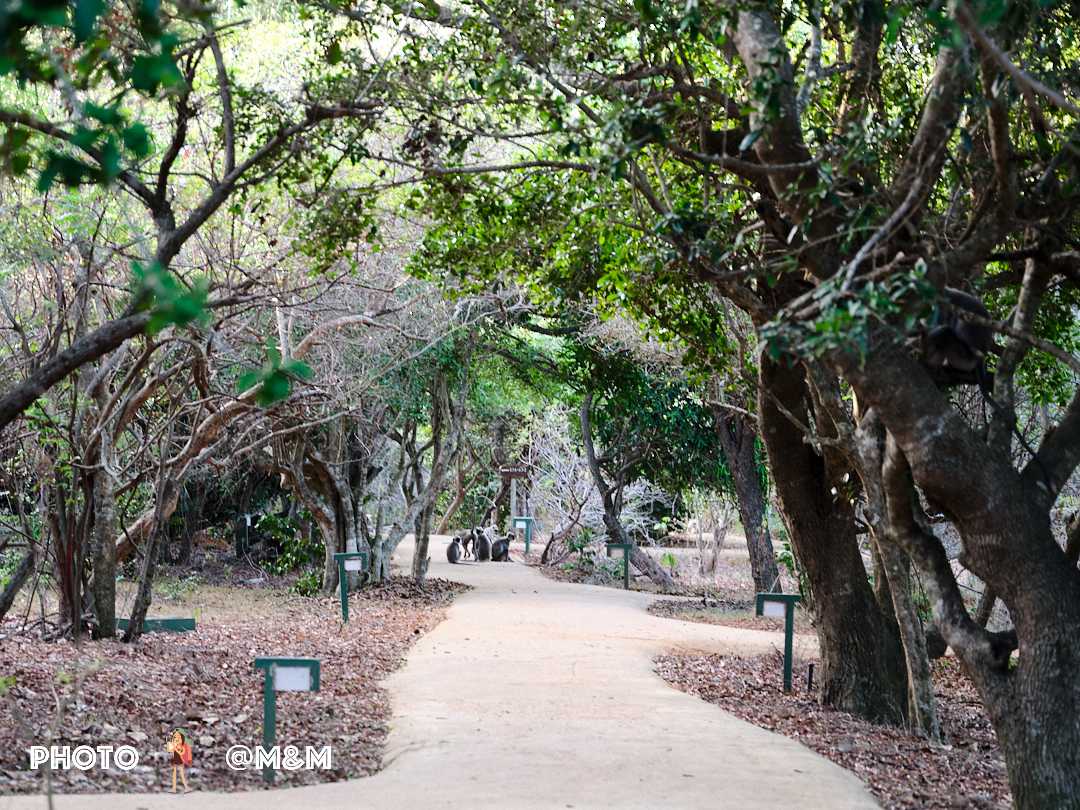
Early morning, a few monkeys were “having a meeting”
After arriving we immediately booked tomorrow’s safari jeep—private for two at USD 240, meeting at 5:30 am.
The driver was young and agile; he sped ahead to queue for the park opening.
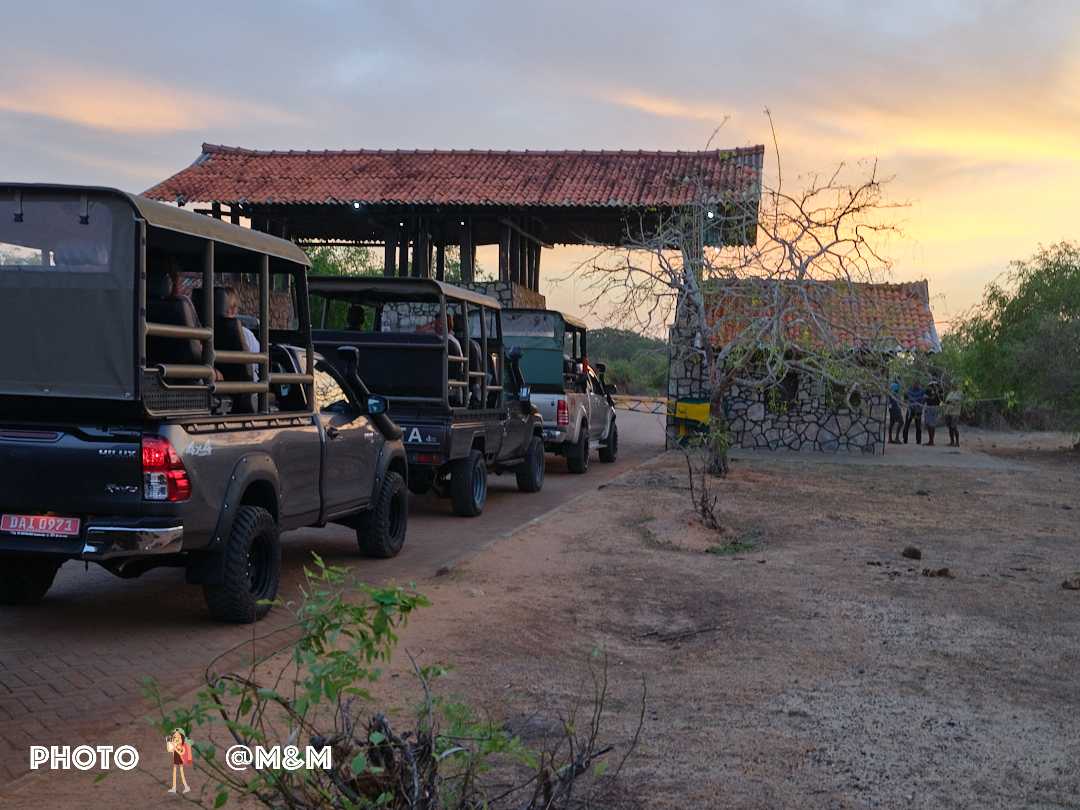
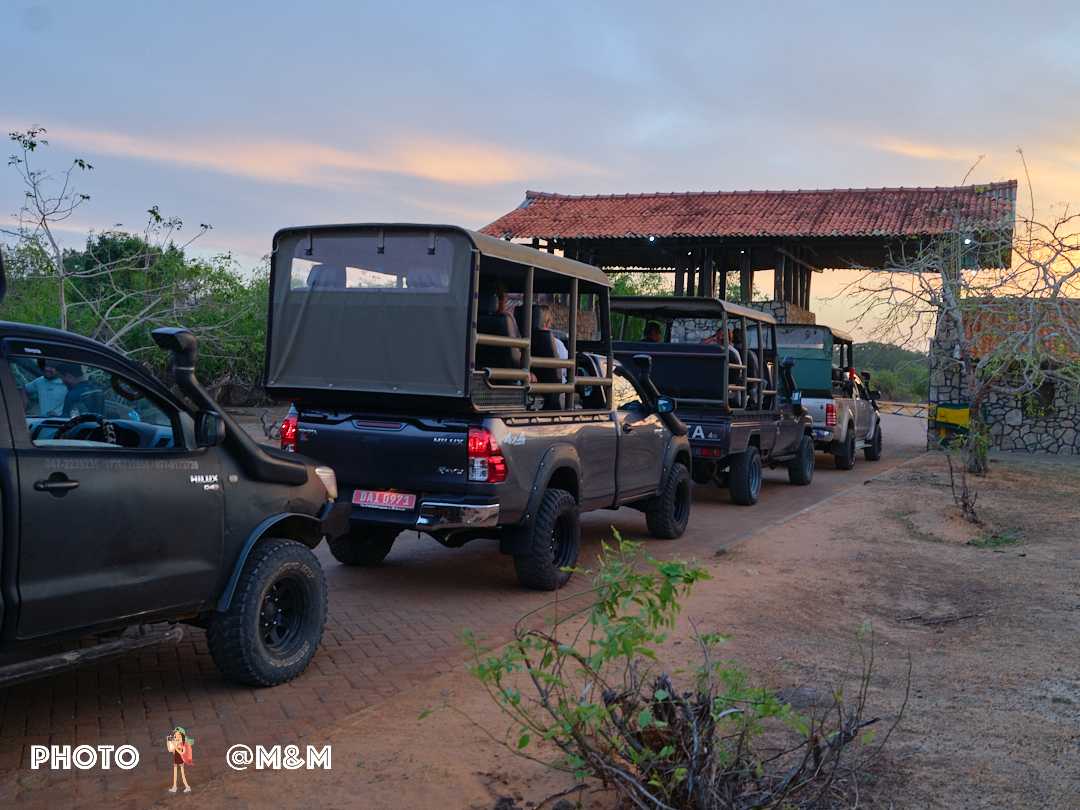
An impressive queue—felt like rehearsal for Africa
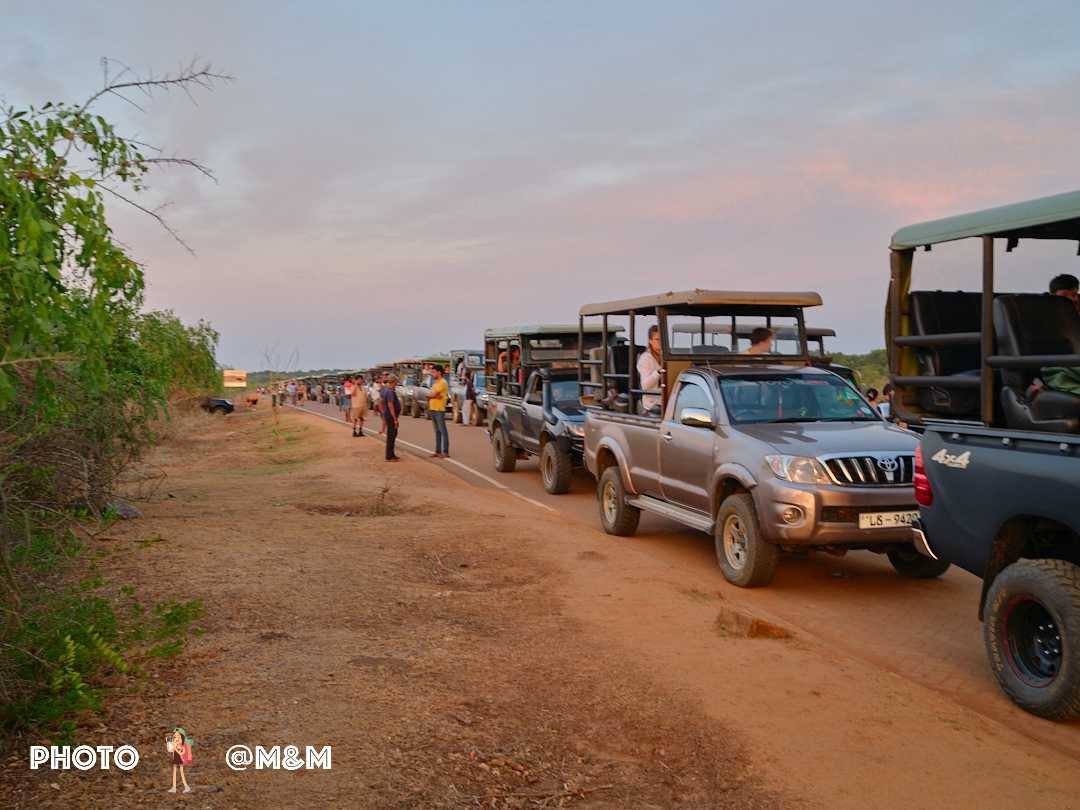
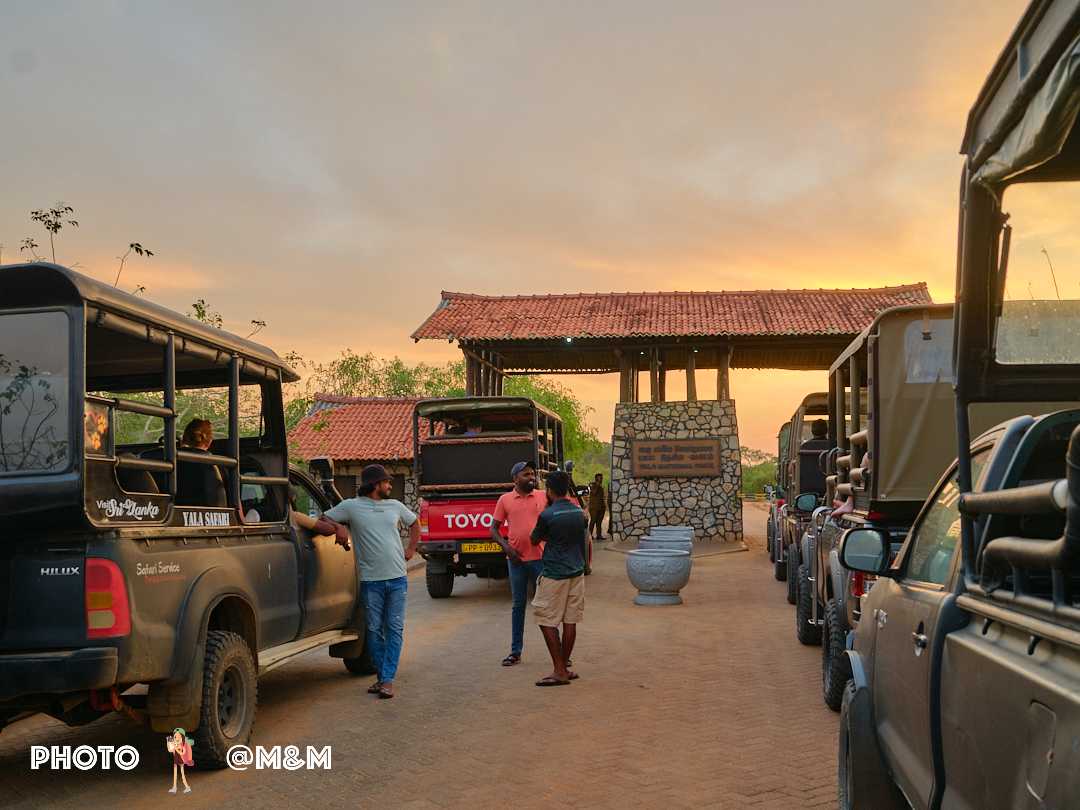
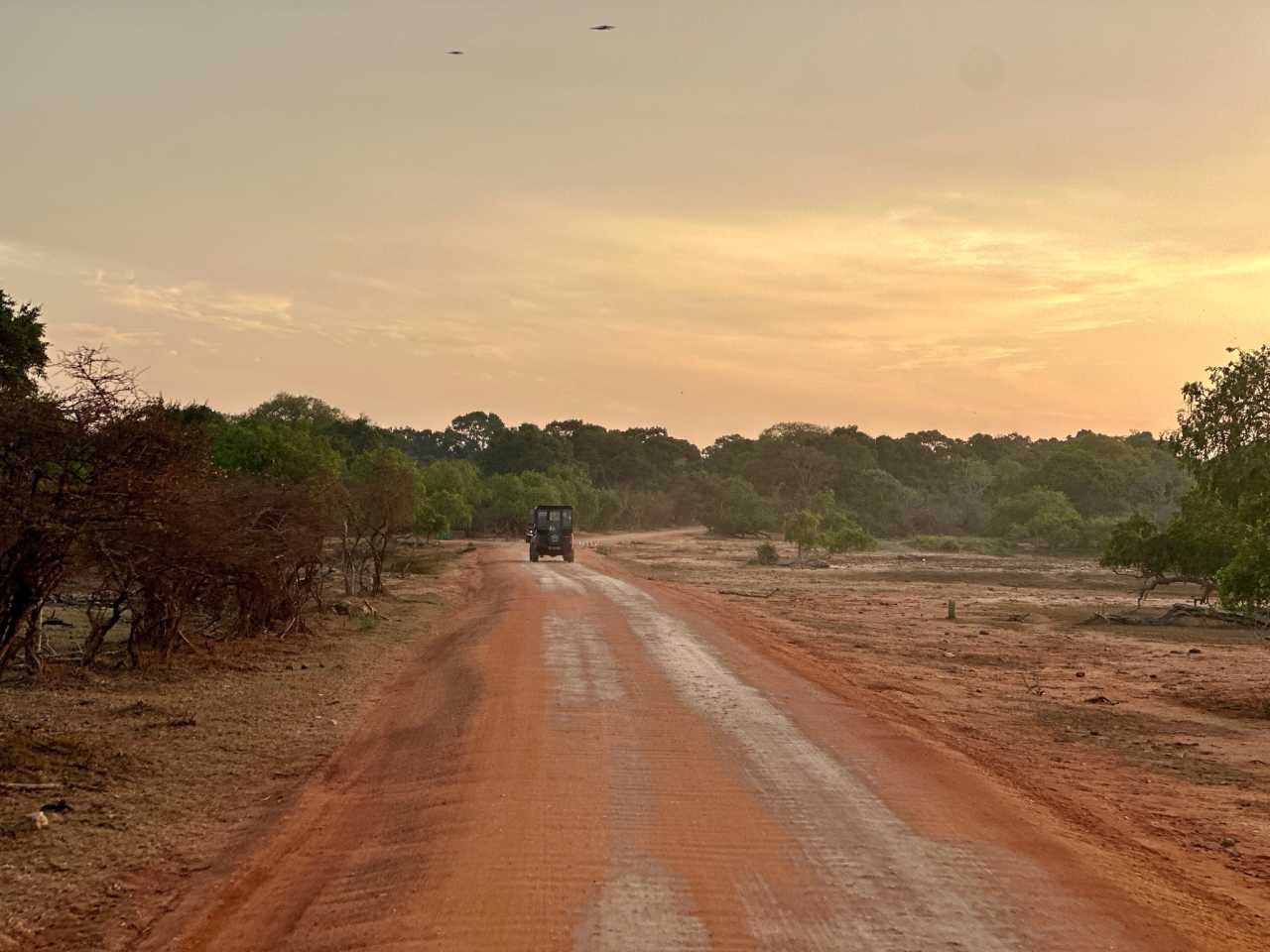
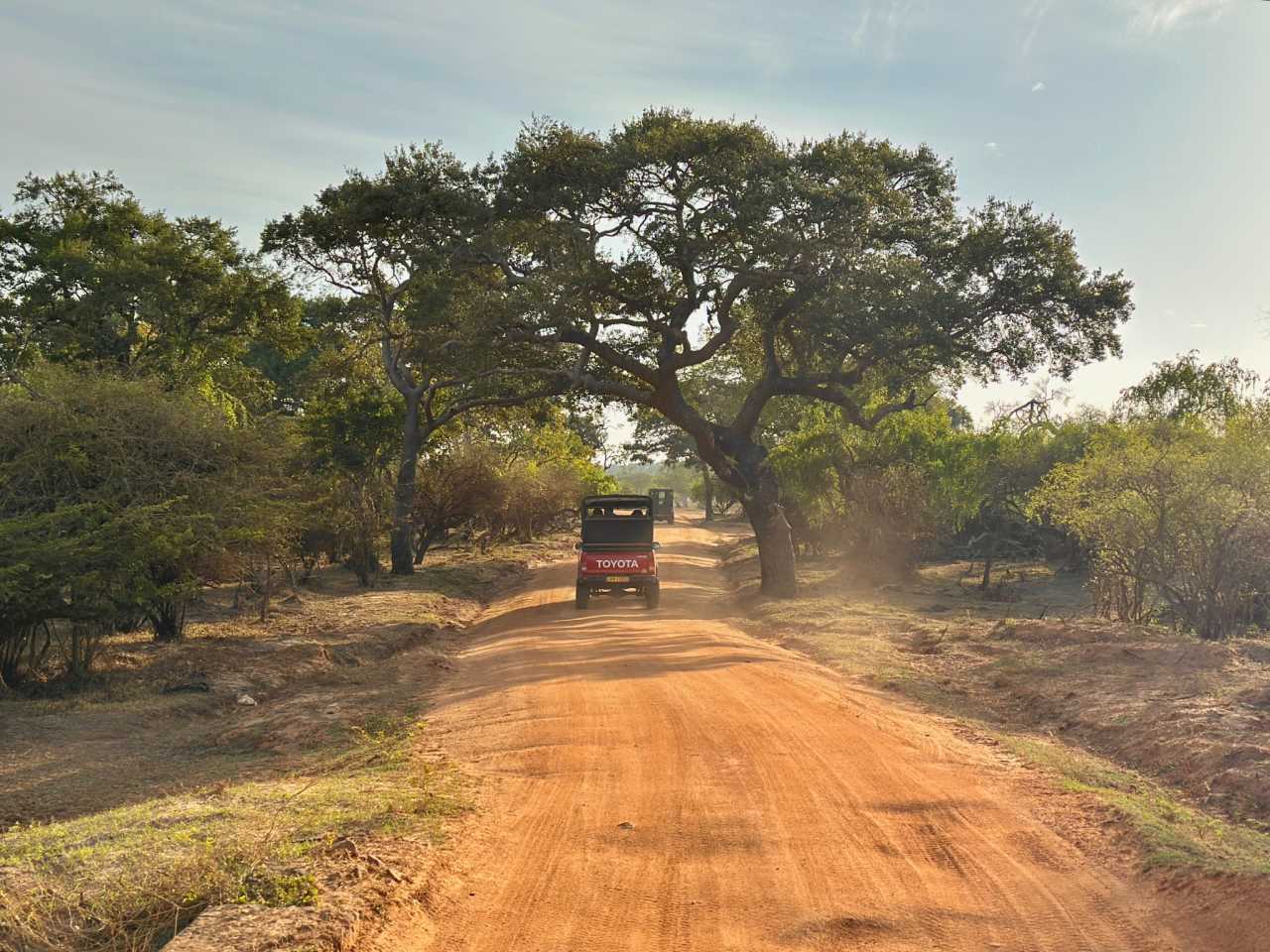
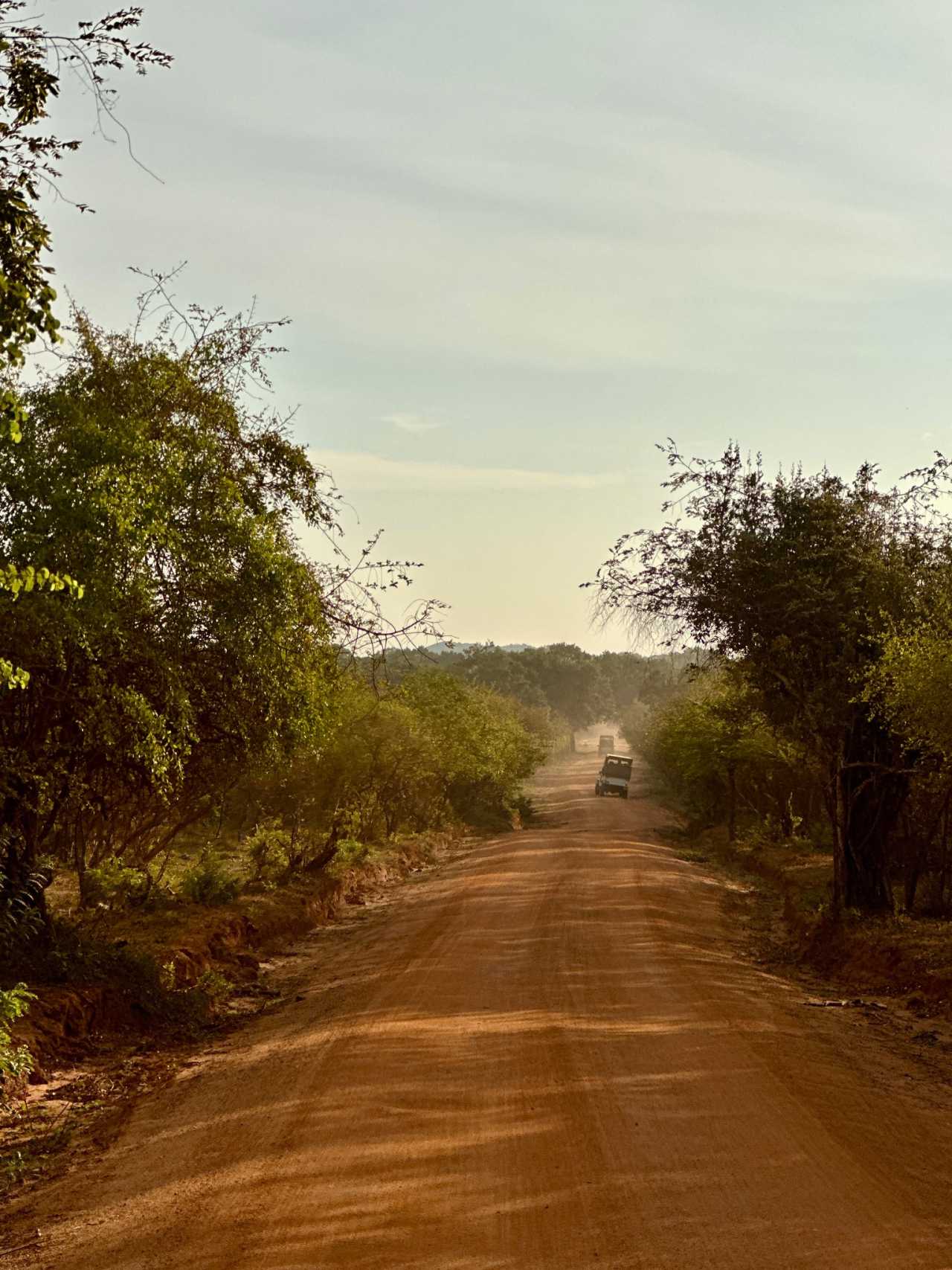
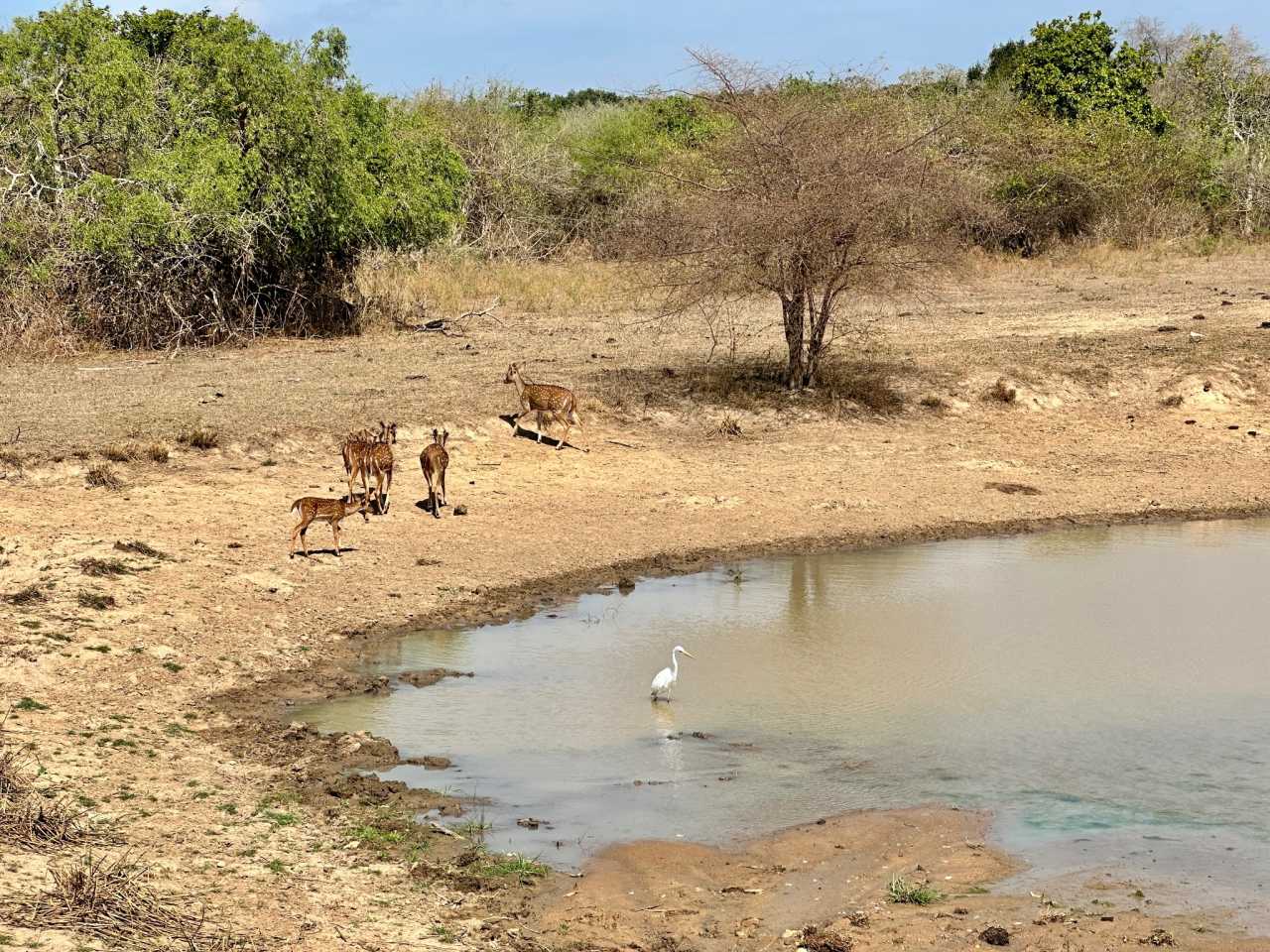
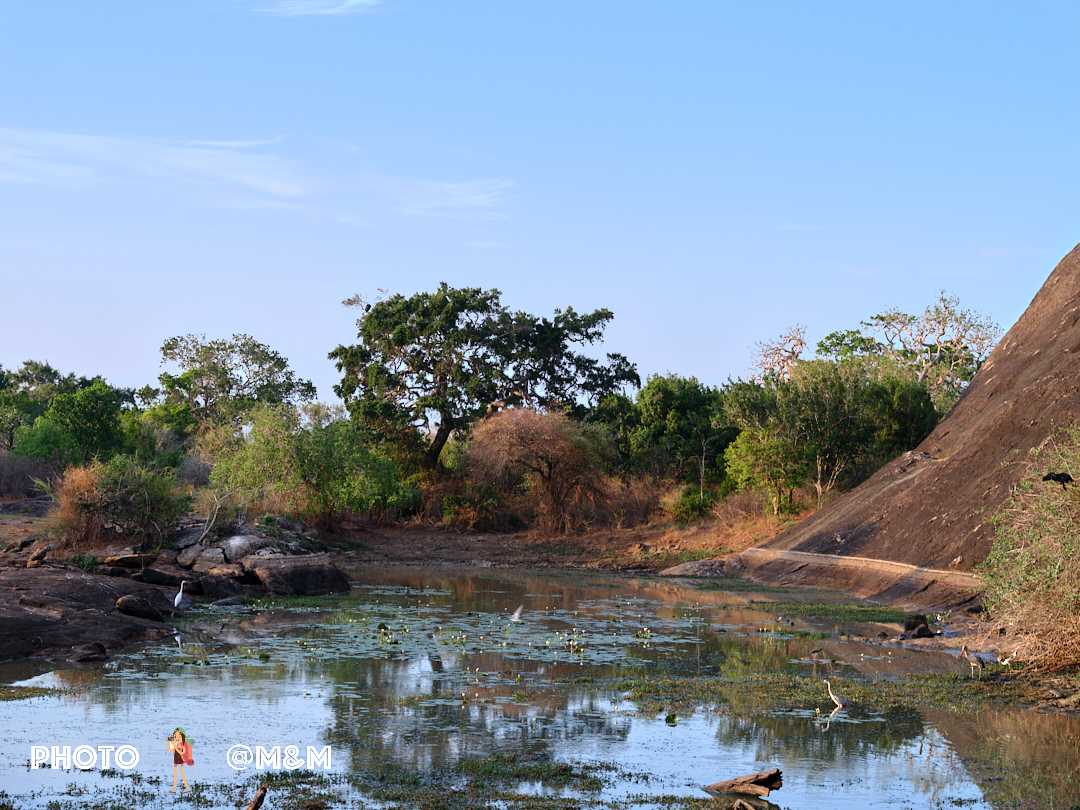
The beauty of the wilderness
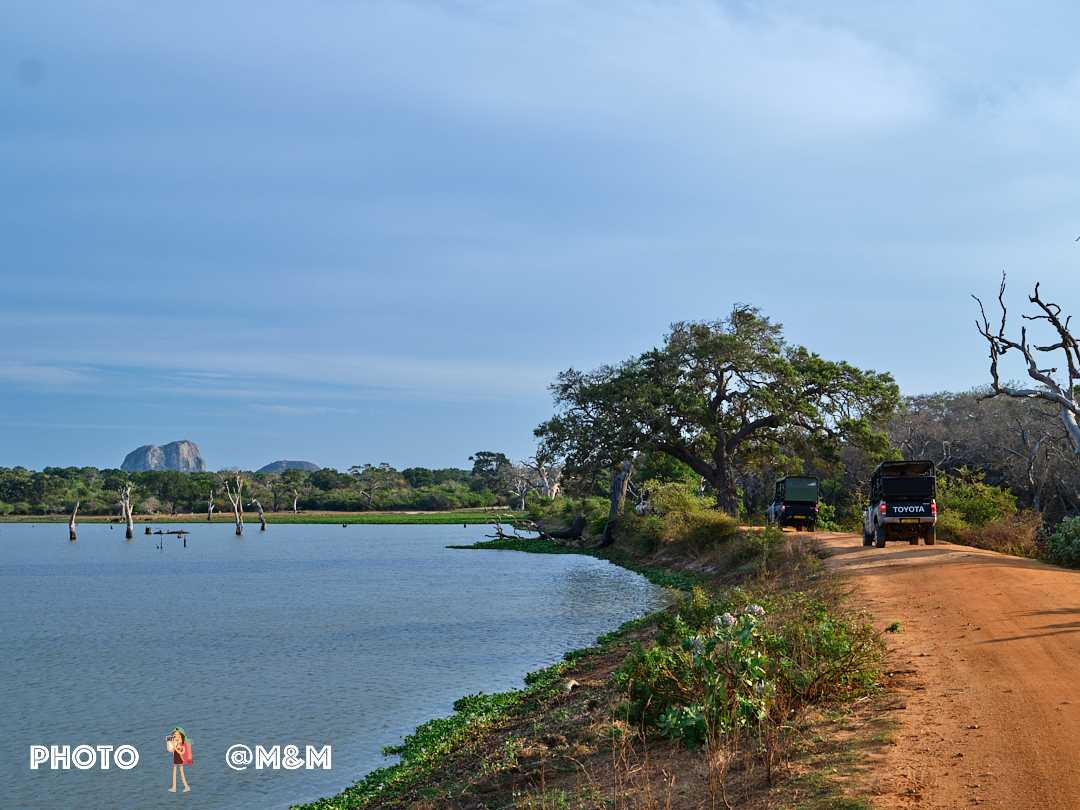
We encountered a large black bear—sadly no photo
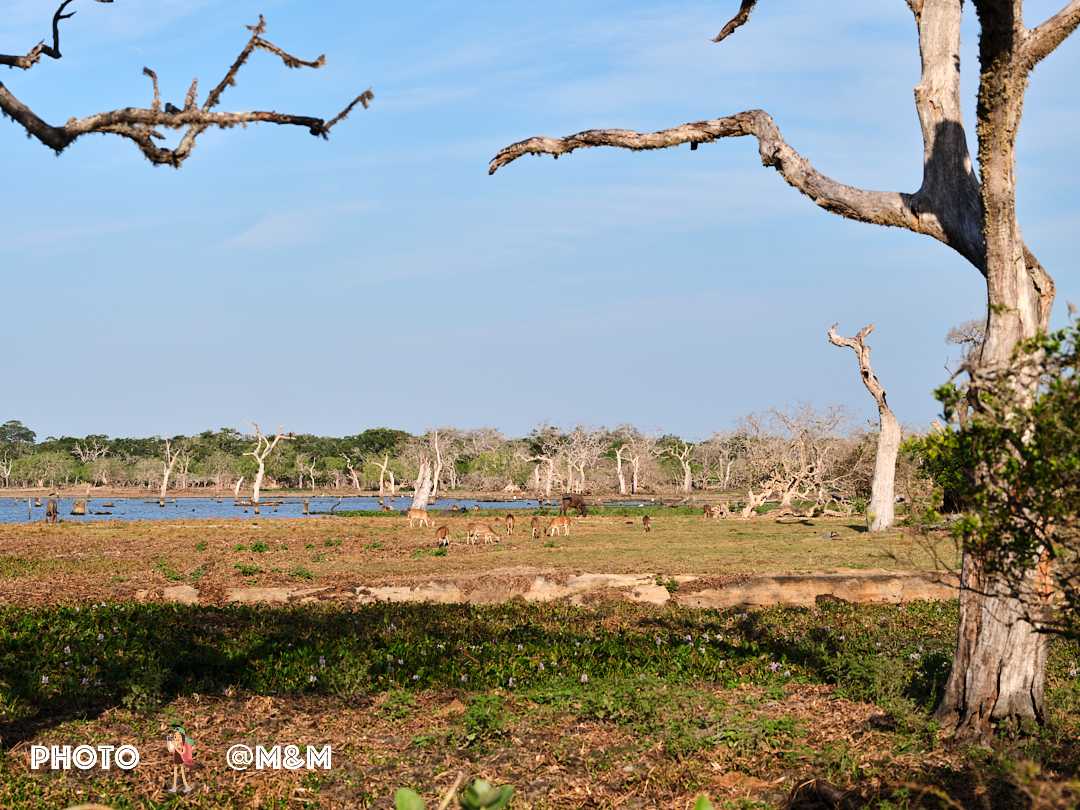
Back at the hotel, enjoying the tranquility
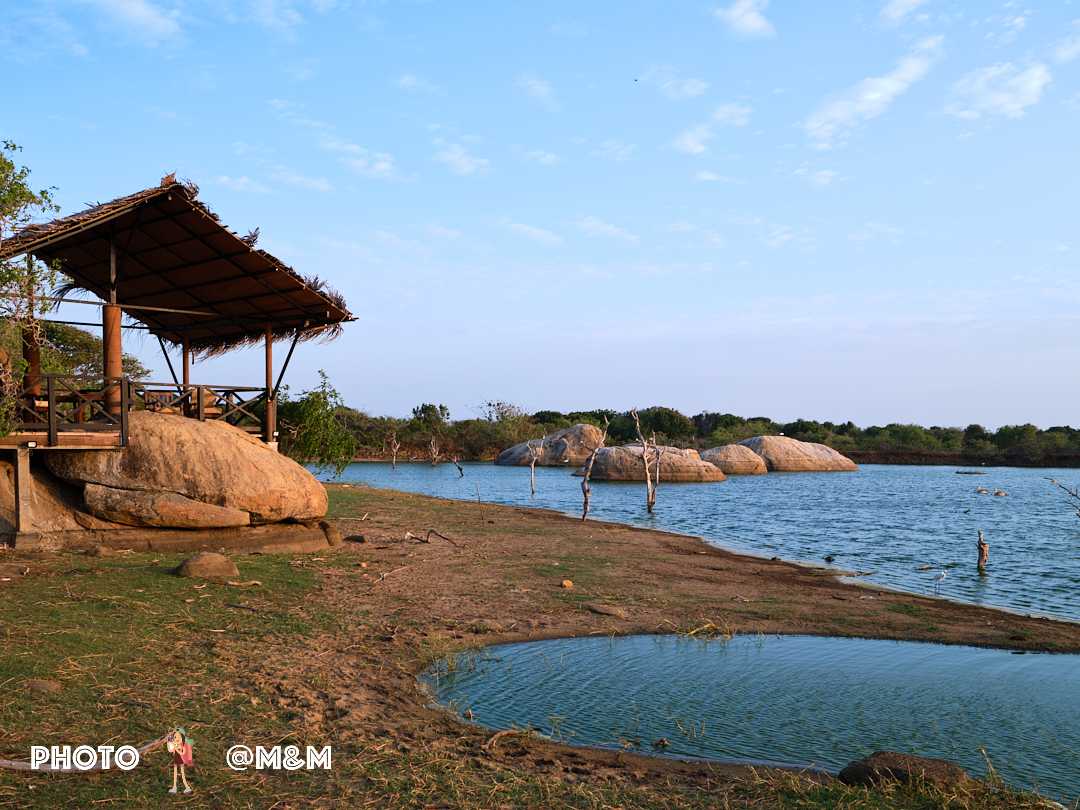
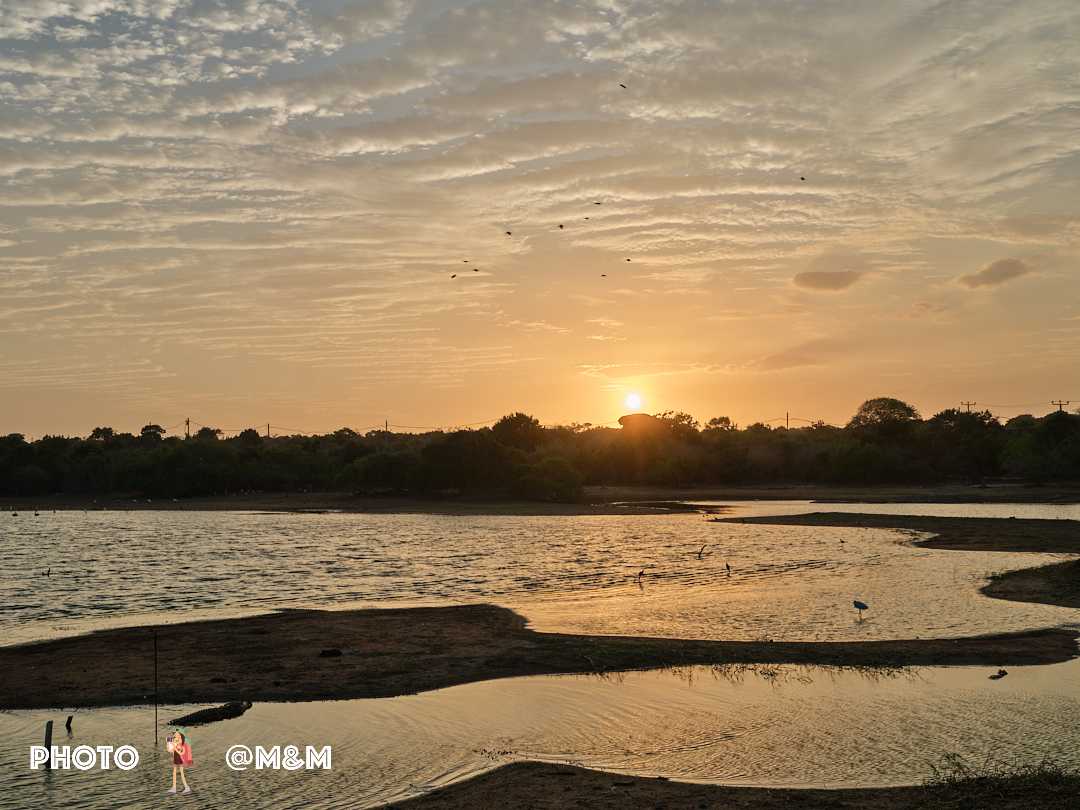
DAY7–8 Seaside Gem “Galle”
Leaving Yala, we drove four hours along the southern coastal road to Galle. This coastal stretch is the essence of Sri Lankan self‑drive: one side the deep‑blue Indian Ocean with waves crashing on rocks; the other side coconut groves and villages. Along the way locals sell fresh fruit and handicrafts roadside.
We bought vegetables en route: a big bag of green beans, eggplant, leafy greens, ginger and scallions—960 LKR.
Supermarkets are pricier: three tomatoes cost 450 LKR; we also bought beef.
Our homestay wasn’t cheap yet was old and somewhat dirty; there weren’t even soup spoons, and there were no quilts—we slept in thick clothes. Very disappointing! (We stayed only one night and left the next day.)
The homestay was fairly convenient to the old town—walkable.
At the gate, a tuk‑tuk driver claimed we were on the wrong road and offered to “guide” us for fun. We refused firmly—he tailed us and we kept refusing. He turned out to be a scammer!
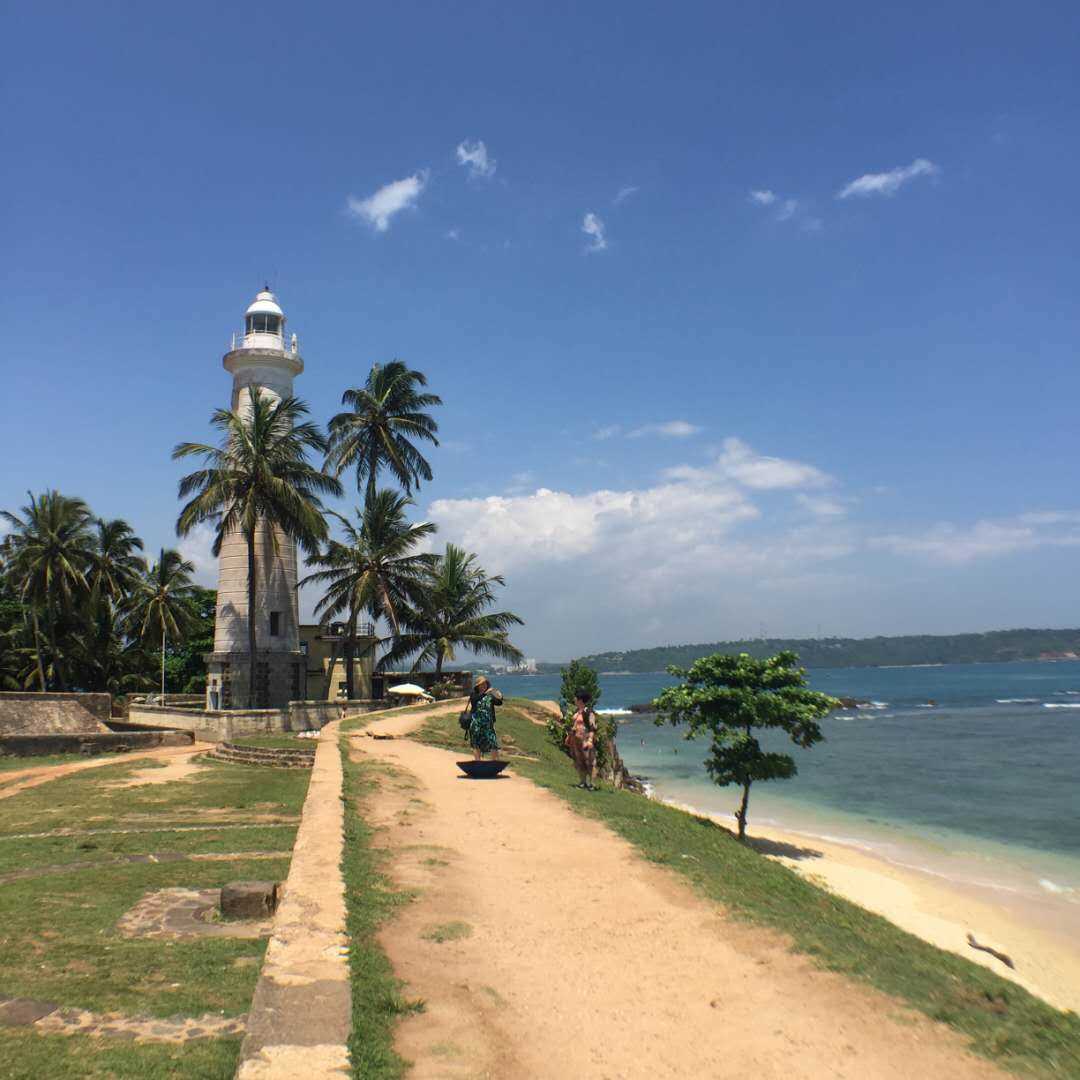
We visited all the major sights in Galle Fort in about two hours.