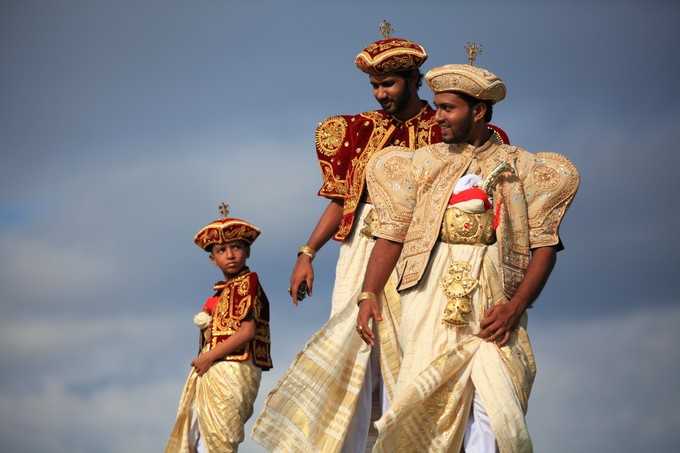
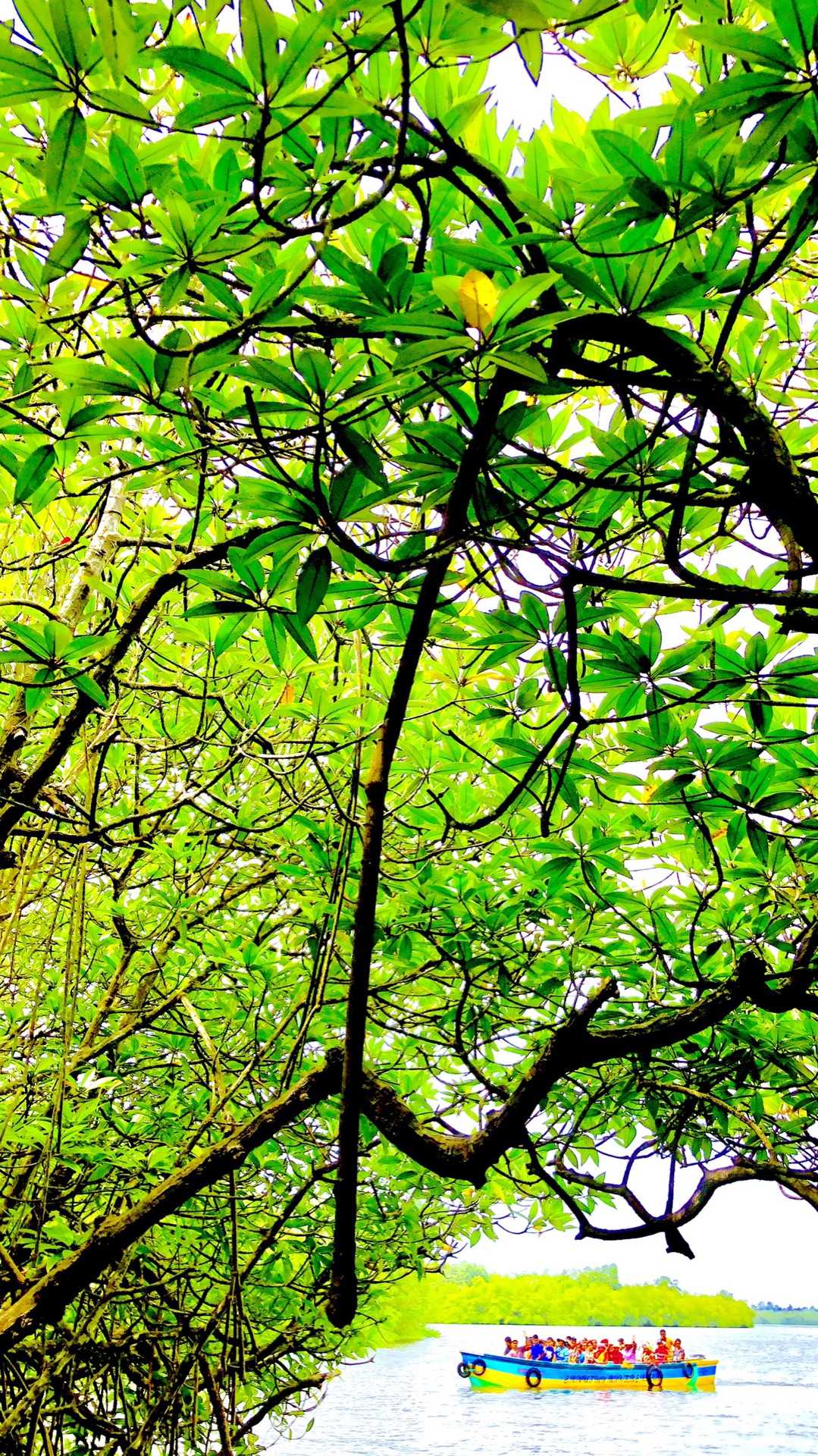
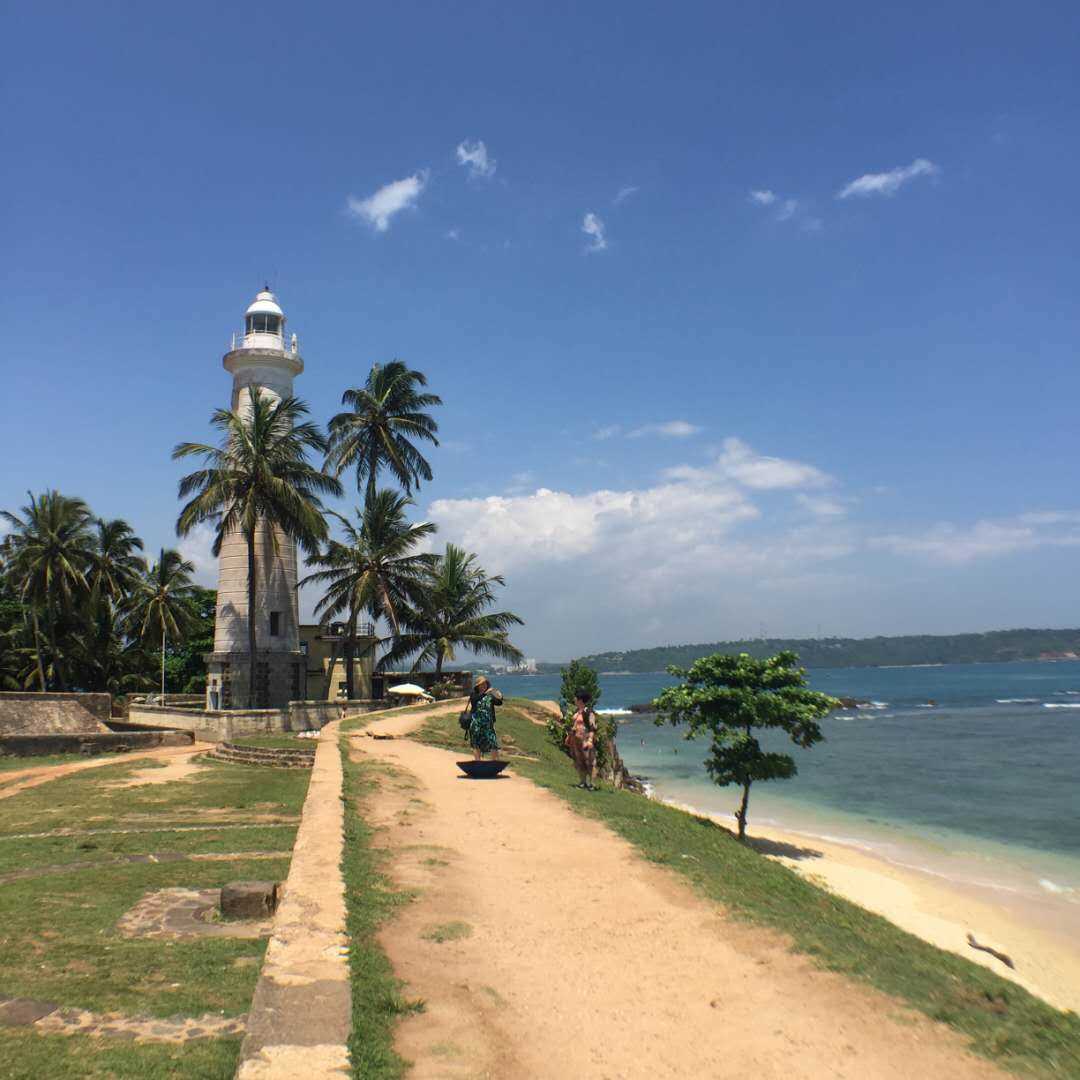
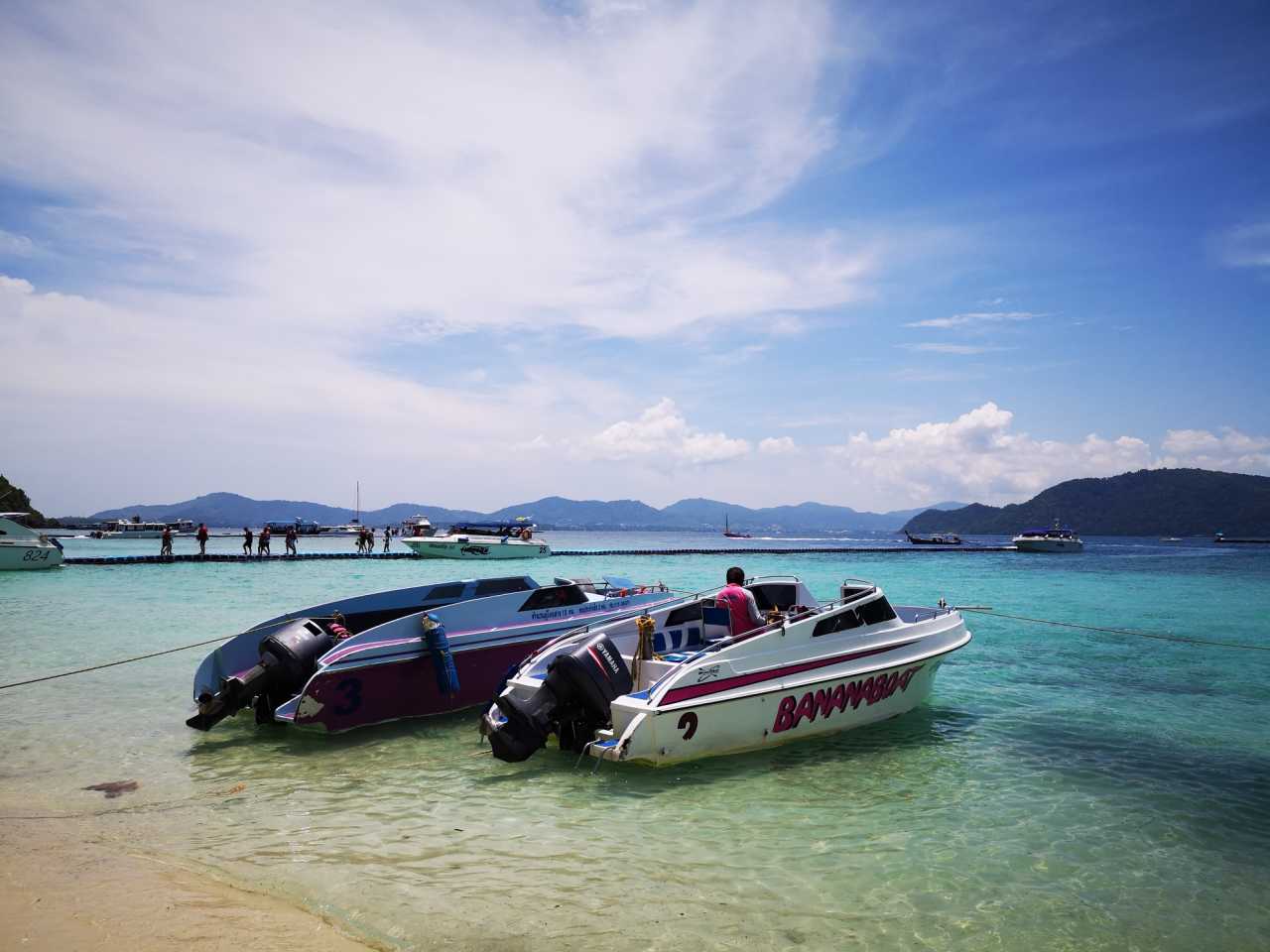
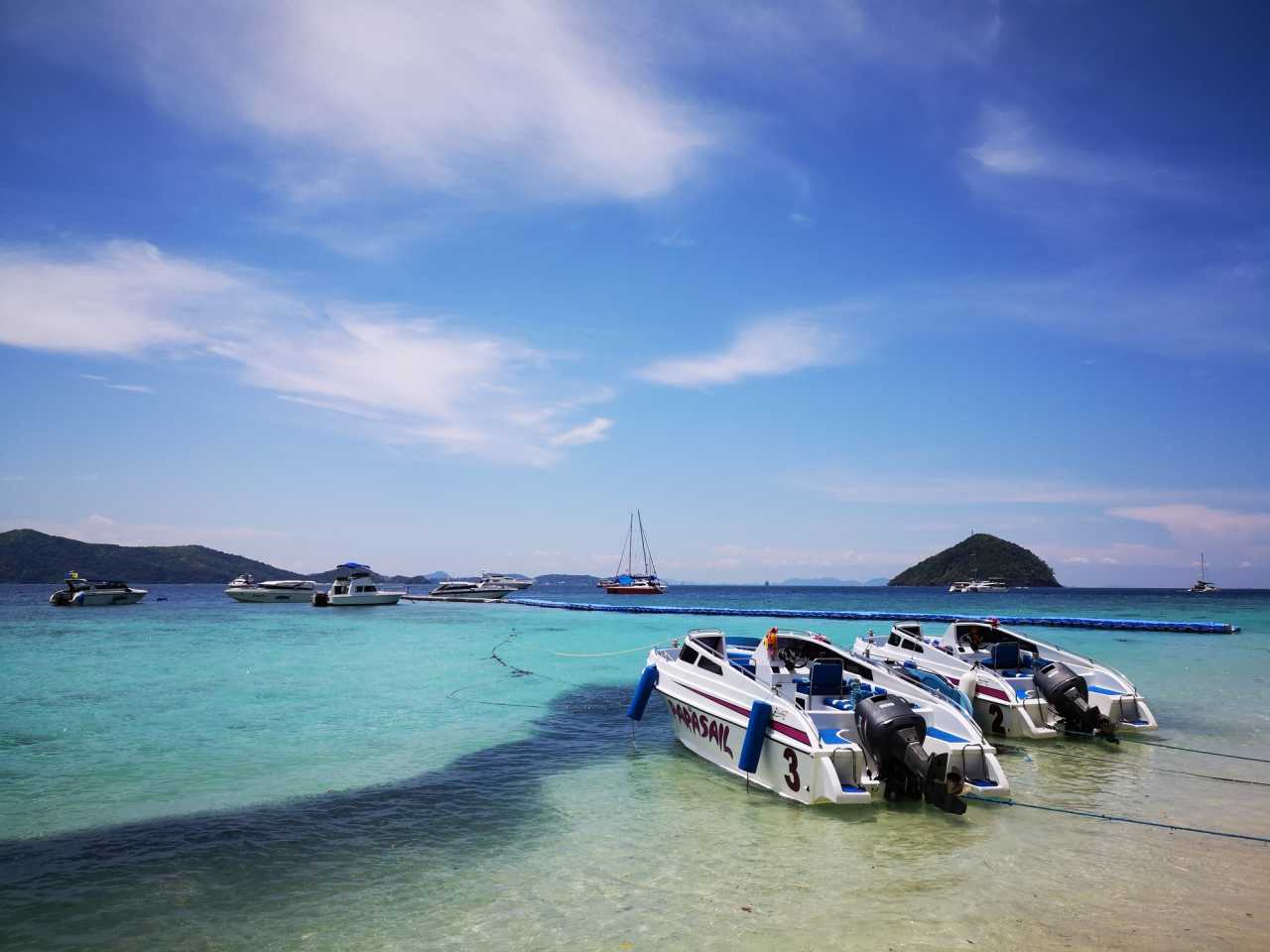
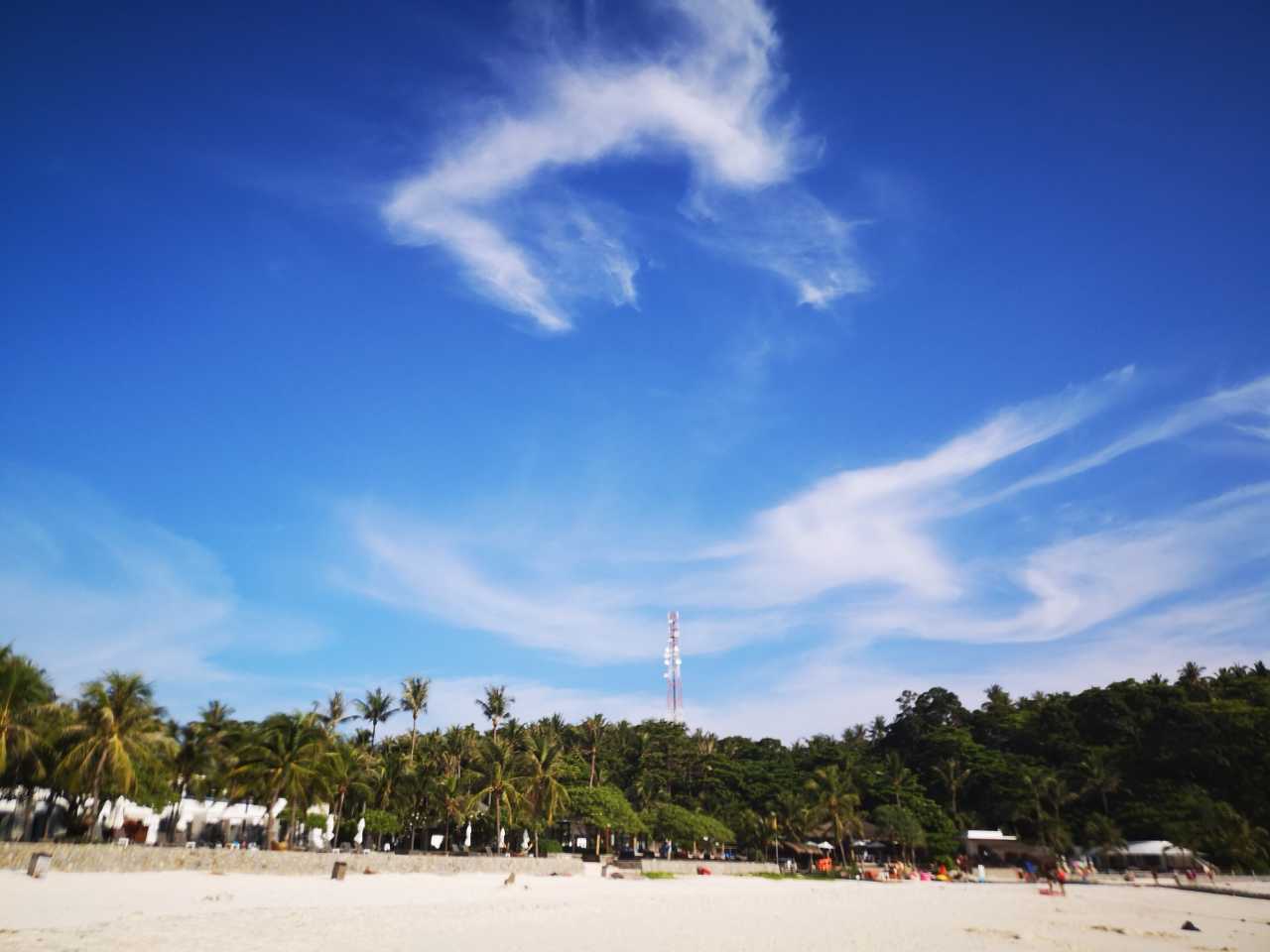
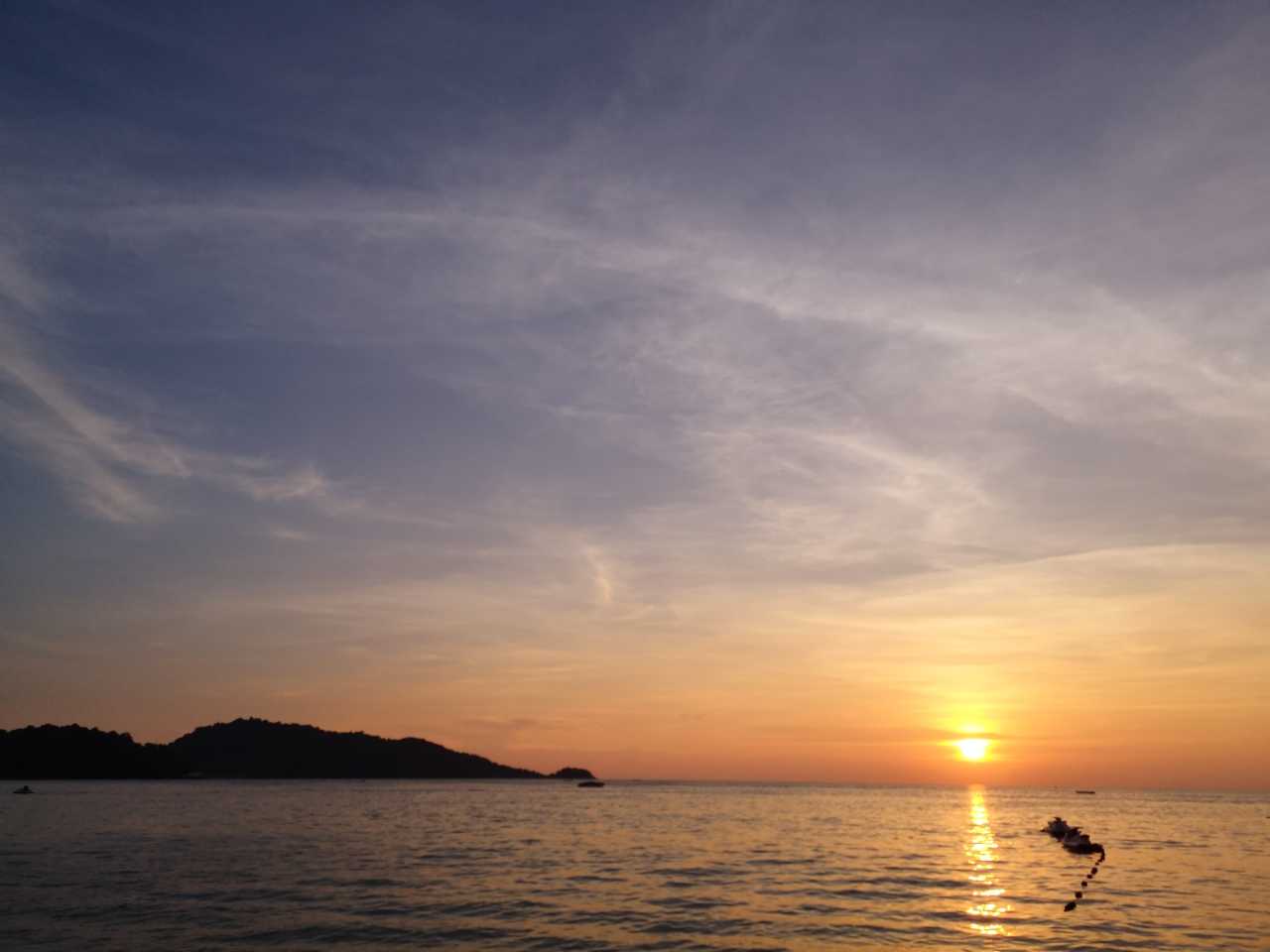
Let’s start with a few stunning Thai seascapes to set the tone.
I won’t repeat all the preparation tips—Mafengwo has plenty. Before going, we referenced many masters’ travel notes there and collected lots of information, including food, clothing, accommodation, transport, and Thai customs. In short, have a rough plan for your days. This travelogue focuses on my impressions of this trip to Thailand.
First, our route: Phuket —— Bangkok. Reasons for choosing this line:
1) We wanted Thai beaches—relatively close and reasonably priced.
2) Phuket is well-developed with complete facilities—safer for a first visit.
3) If you go to Thailand, you should shop in Bangkok—so we set Bangkok as the final stop.
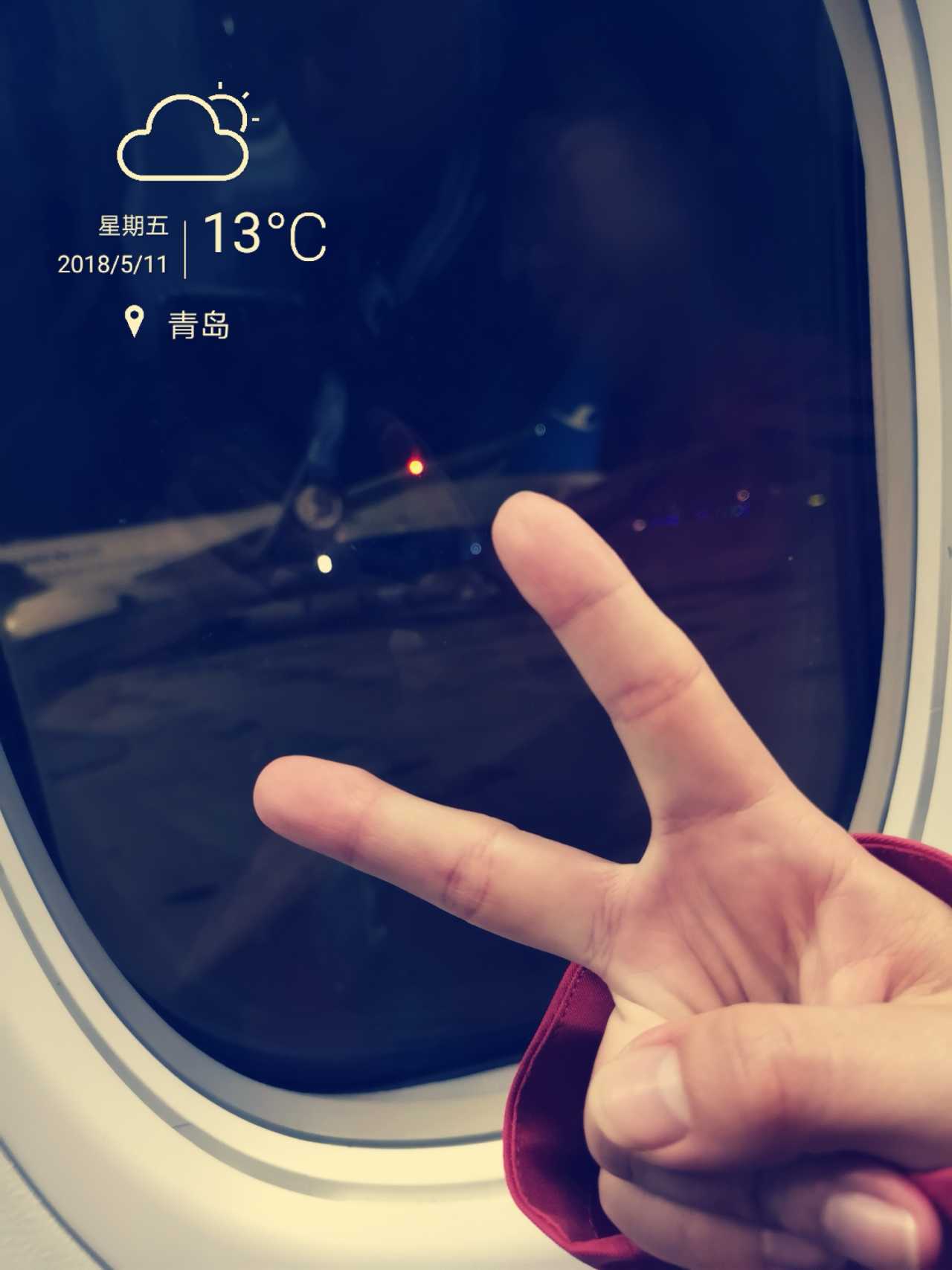
Departure
We flew from Qingdao Liuting Airport to Bangkok Suvarnabhumi Airport, then transferred at Suvarnabhumi to Phuket. (Bangkok has two airports, including Suvarnabhumi.) Round-trip tickets are cheaper if booked in advance; fares change daily.
Special note: this was an Airbus A220 (less comfortable than our Bangkok–Phuket flight on Thai Royal Airways, model forgotten). Qingdao–Bangkok is nearly five hours; seats felt thinner than second-class high-speed rail. If you’re 185 cm or taller, it’s uncomfortable—choose carefully.
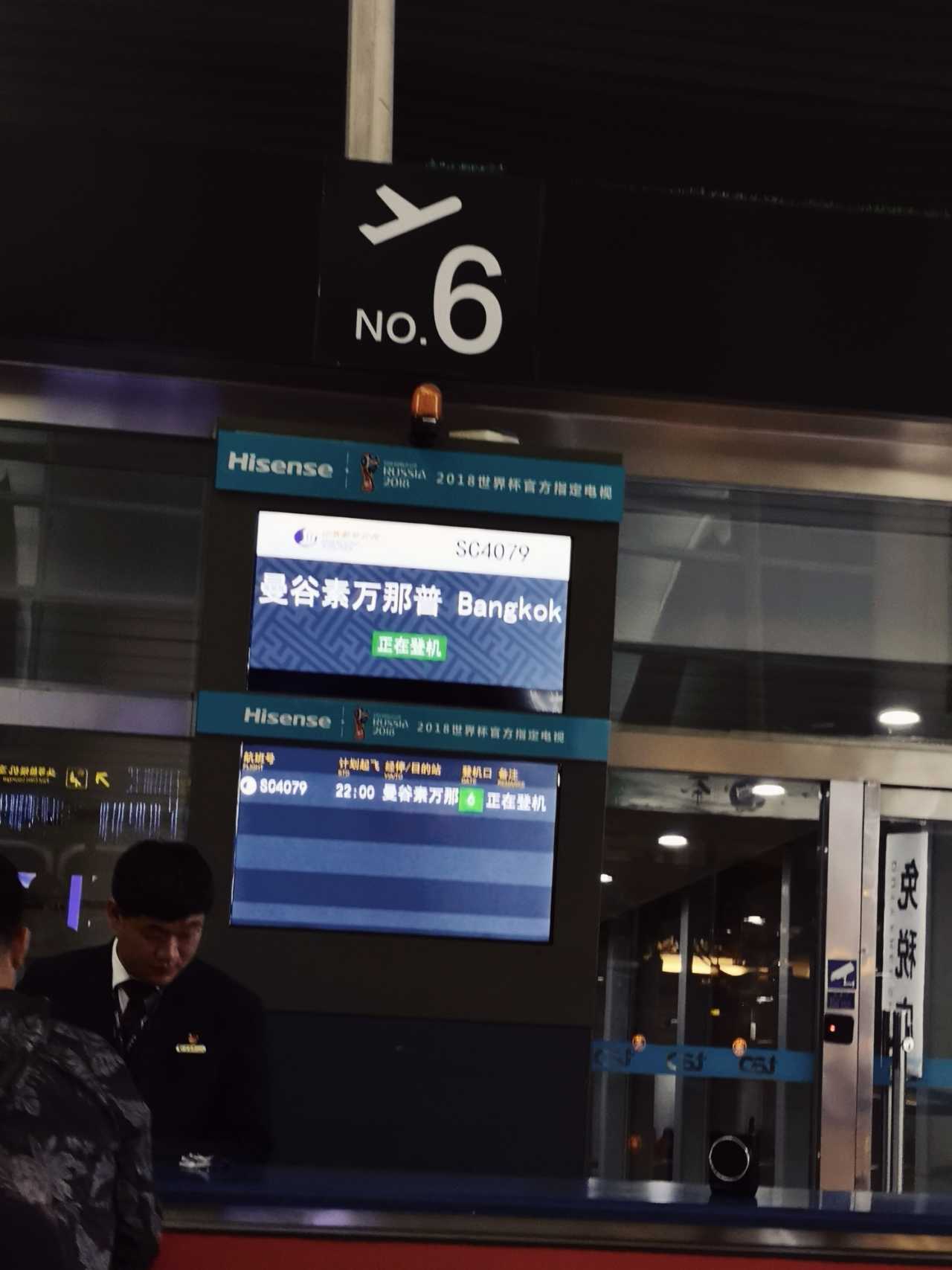
Let’s go!
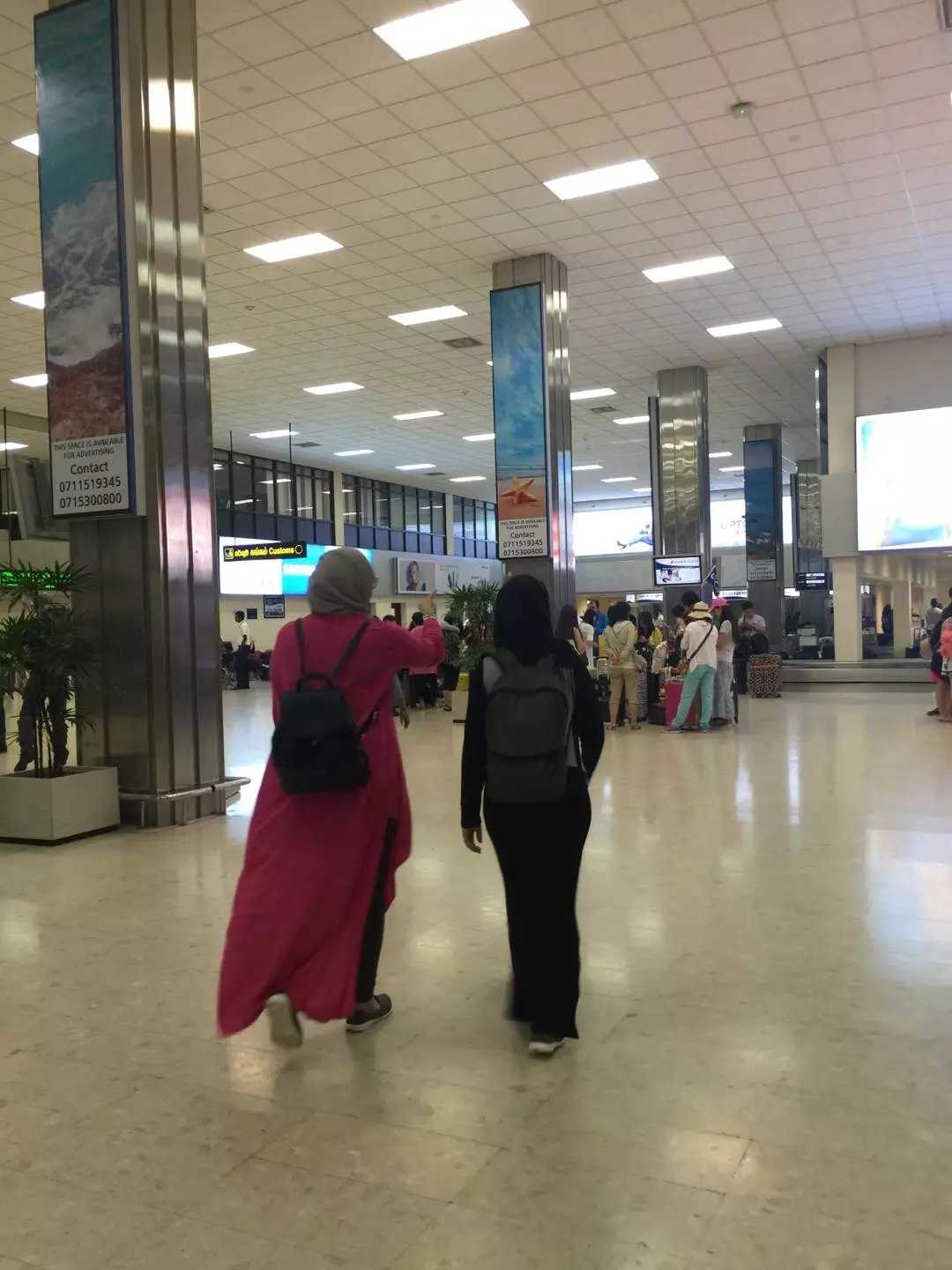
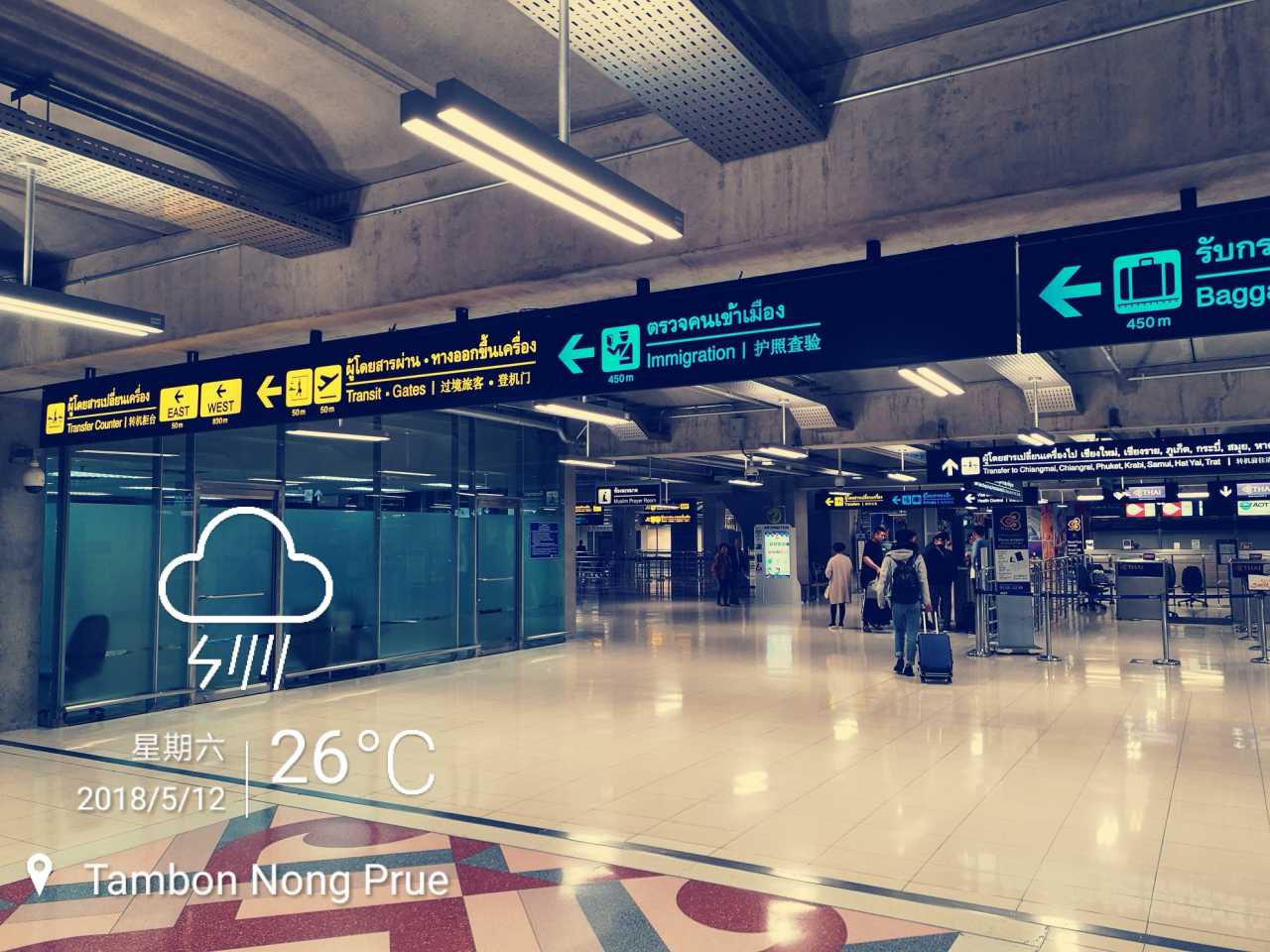
Arrived in Bangkok and waited for the Phuket flight. Airport signage looks like this and includes Chinese, so don’t worry if your English isn’t great.
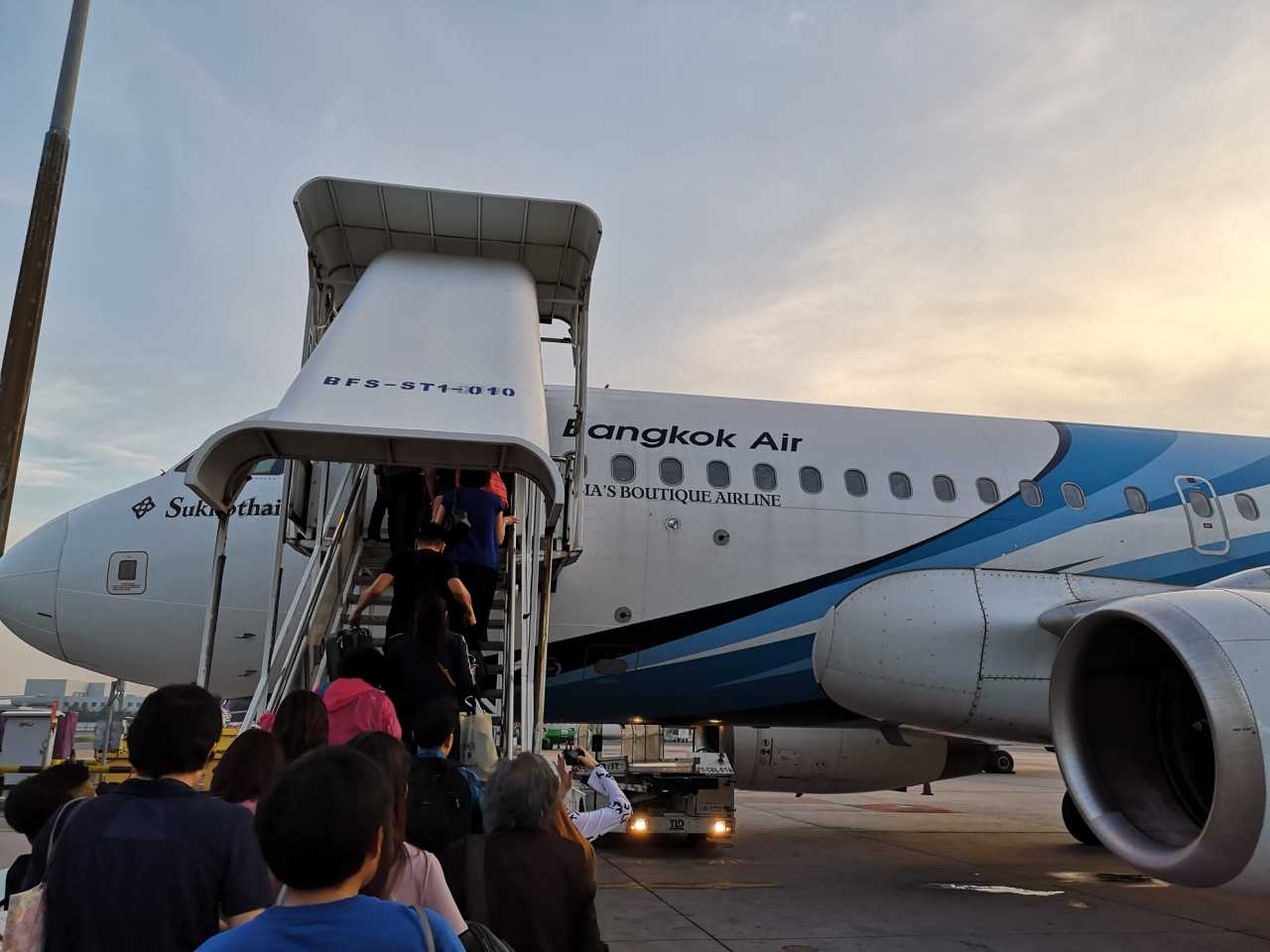
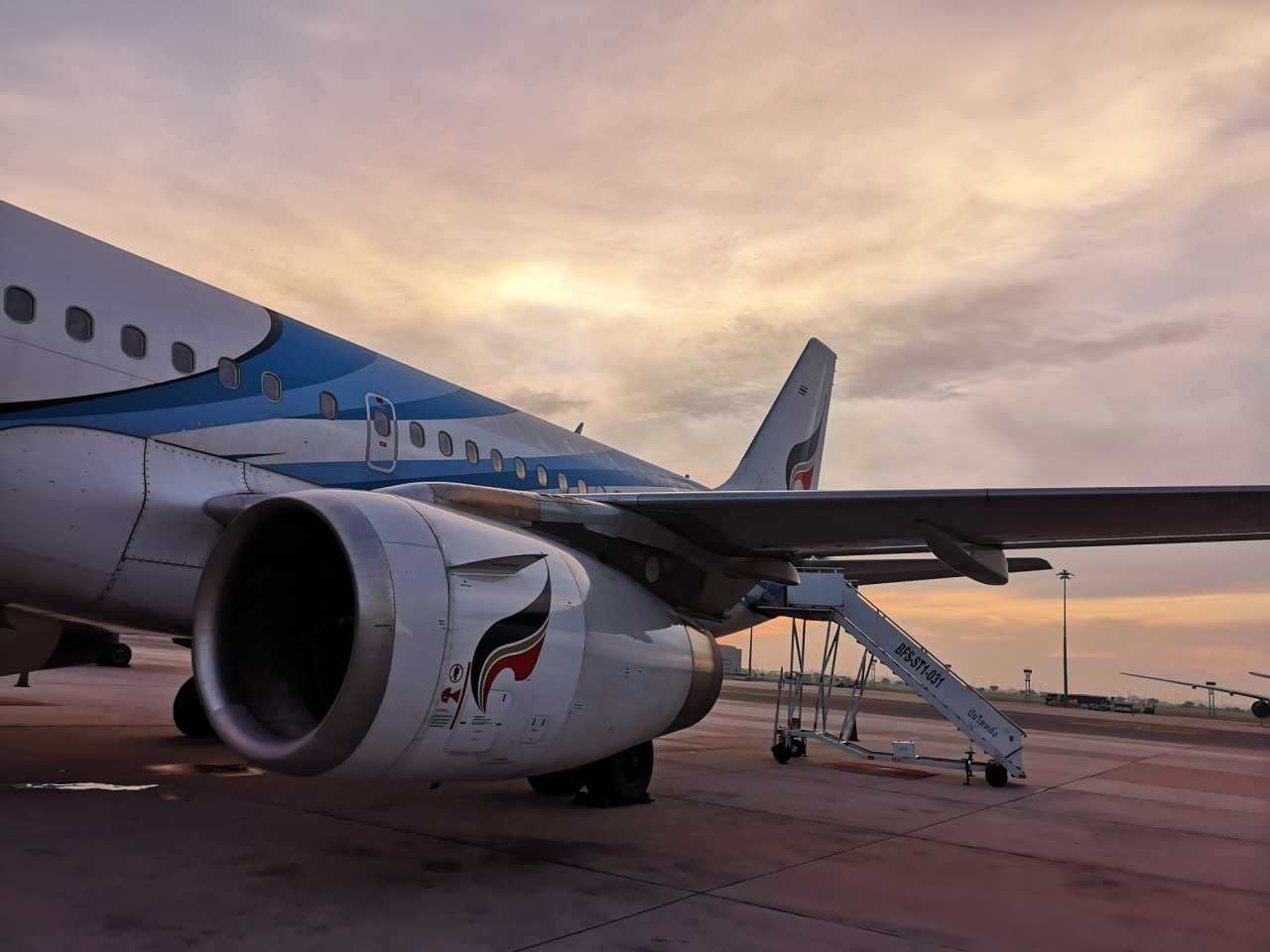
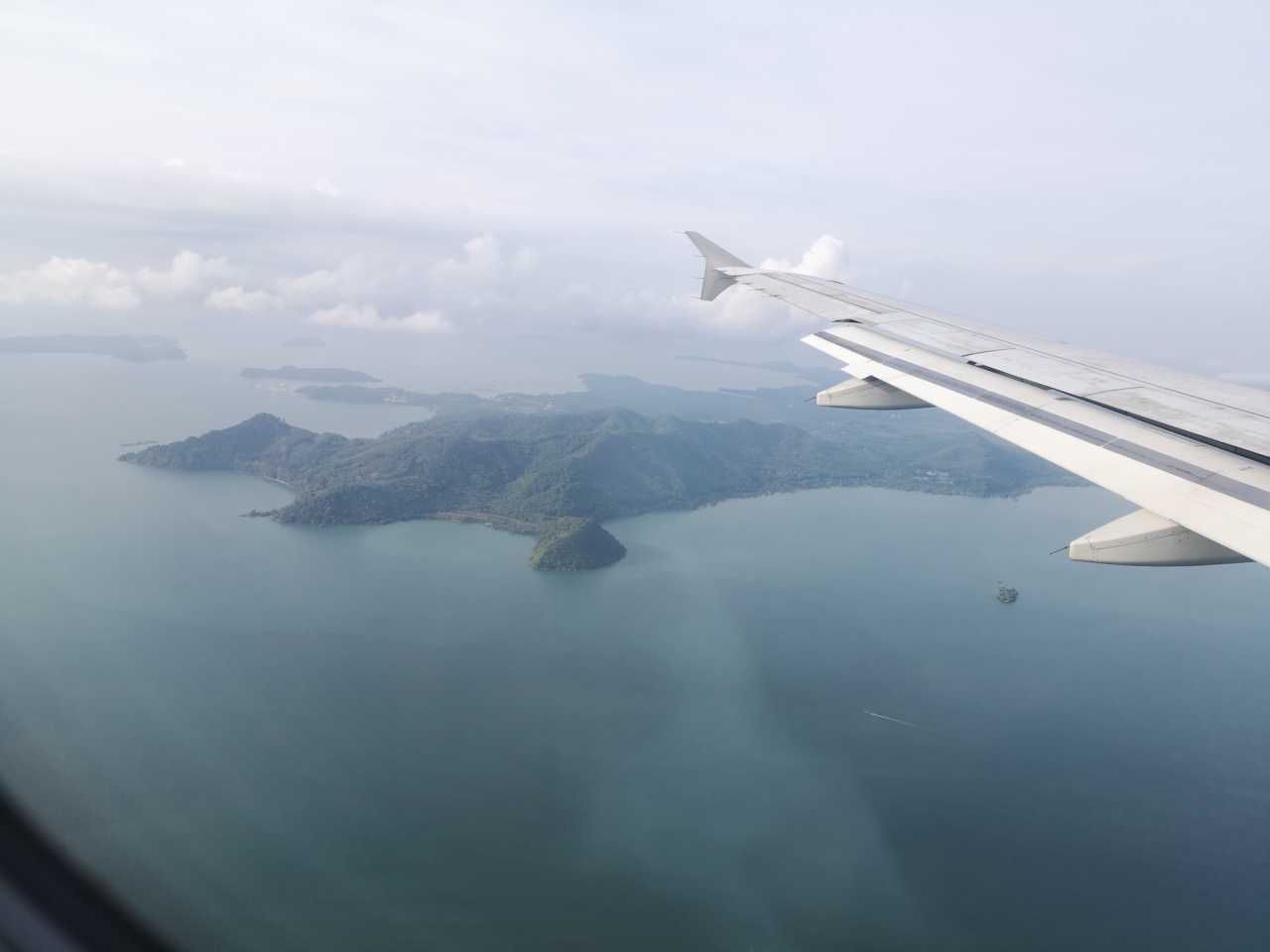
Phuket
We arrived in Phuket in the morning and took a pre-booked private pickup.
You can book cars via domestic apps; pick-up is right at the airport entrance, and staff often speak Chinese.
We stayed at Paripas Hotel near Patong Beach—night markets are close by, and there are two pools (rooftop and ground floor) to enjoy.
View from the room
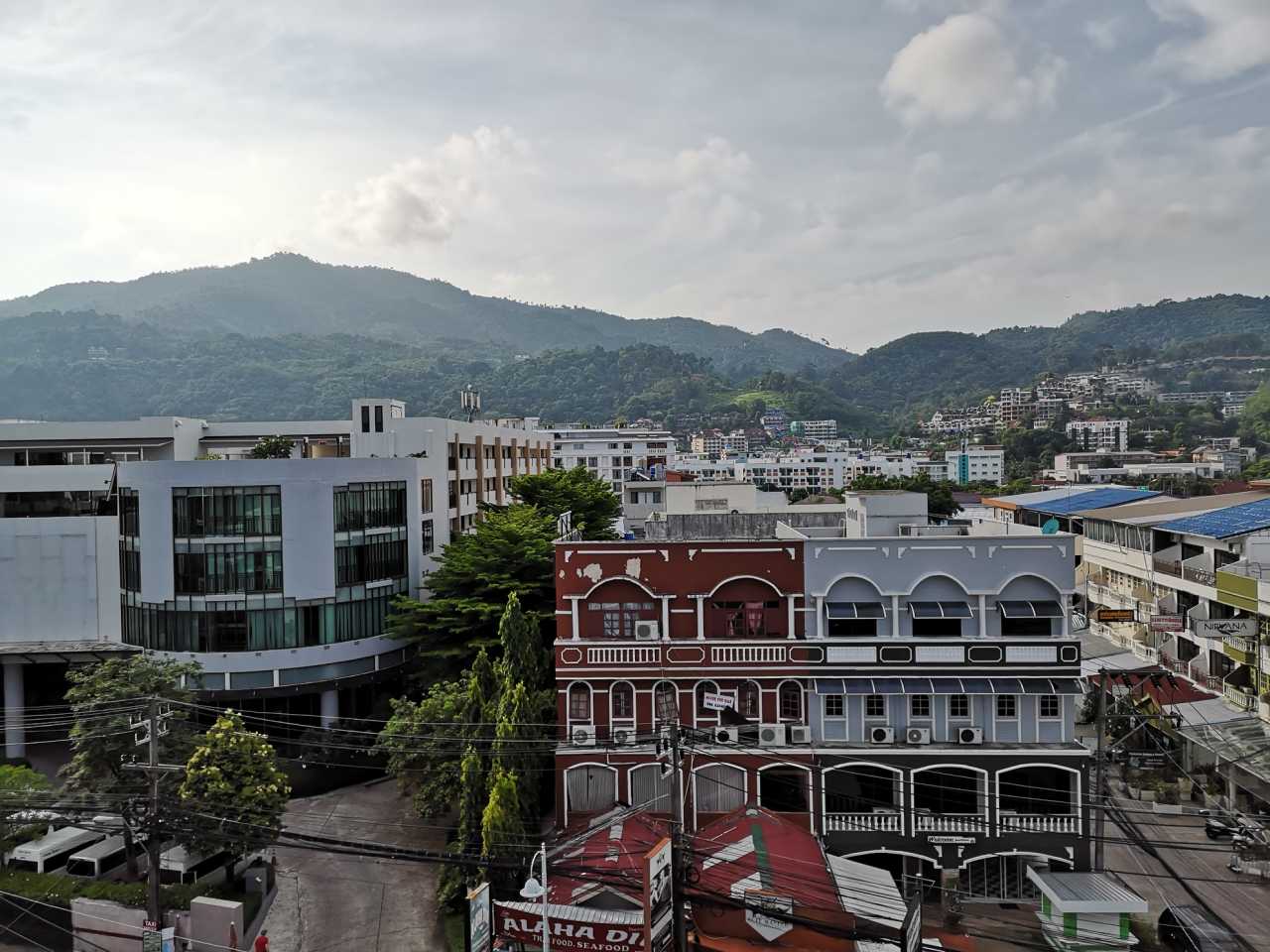
Hotel pool
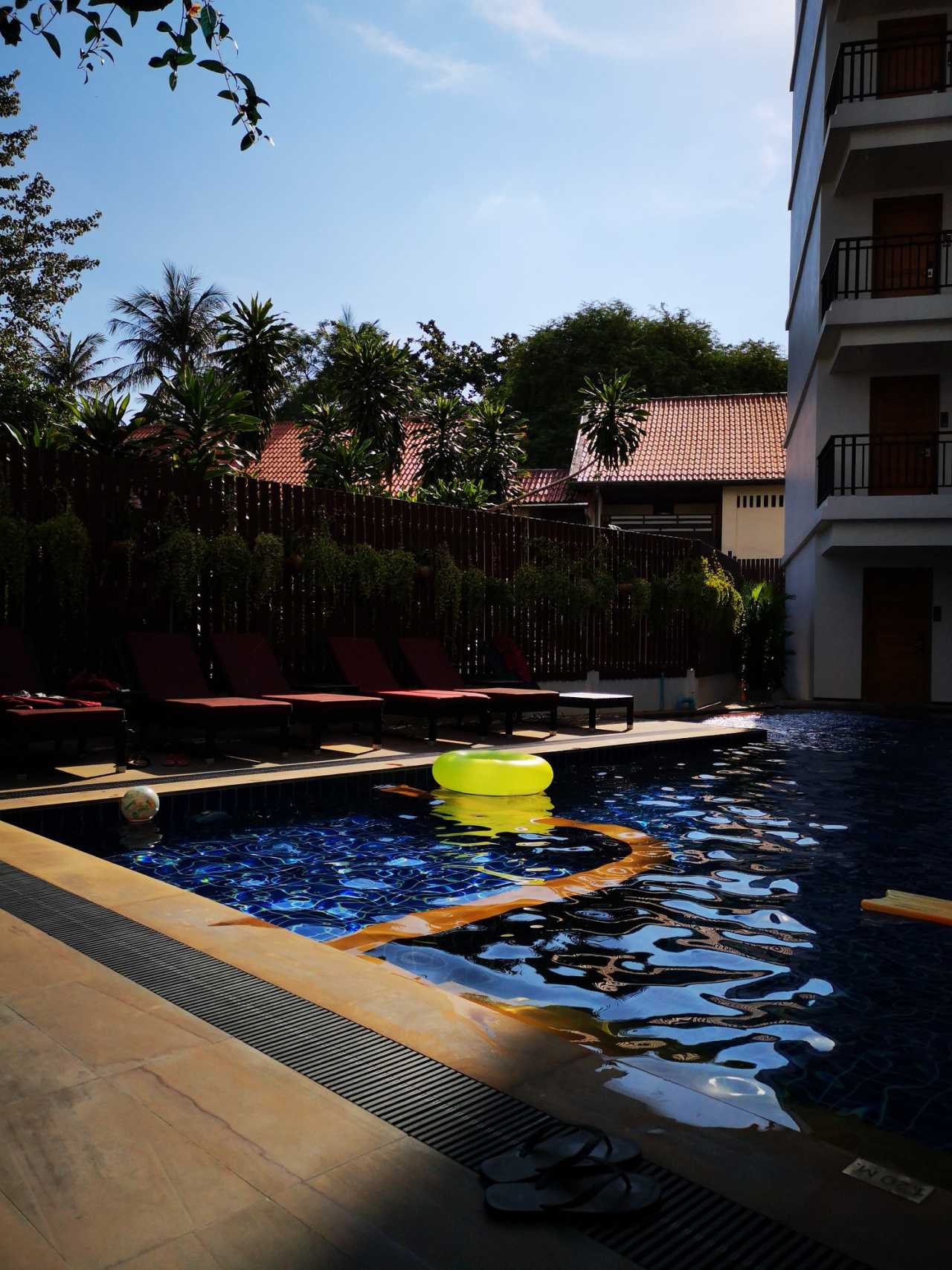
Our strongest impression of Phuket was the heat—under the midday sun you can’t stand even a second more and just want to lie down.
Hydrate constantly.
Tip: bring light clothing, or buy at Phuket night markets where T-shirts are about 150฿.
● Chaotic Phuket
At first, Phuket felt like a small county town in China—similar layout and basic infrastructure—yet with better scenery and culture.
Probably due to heavy tourism development.
The streets are rather run-down.
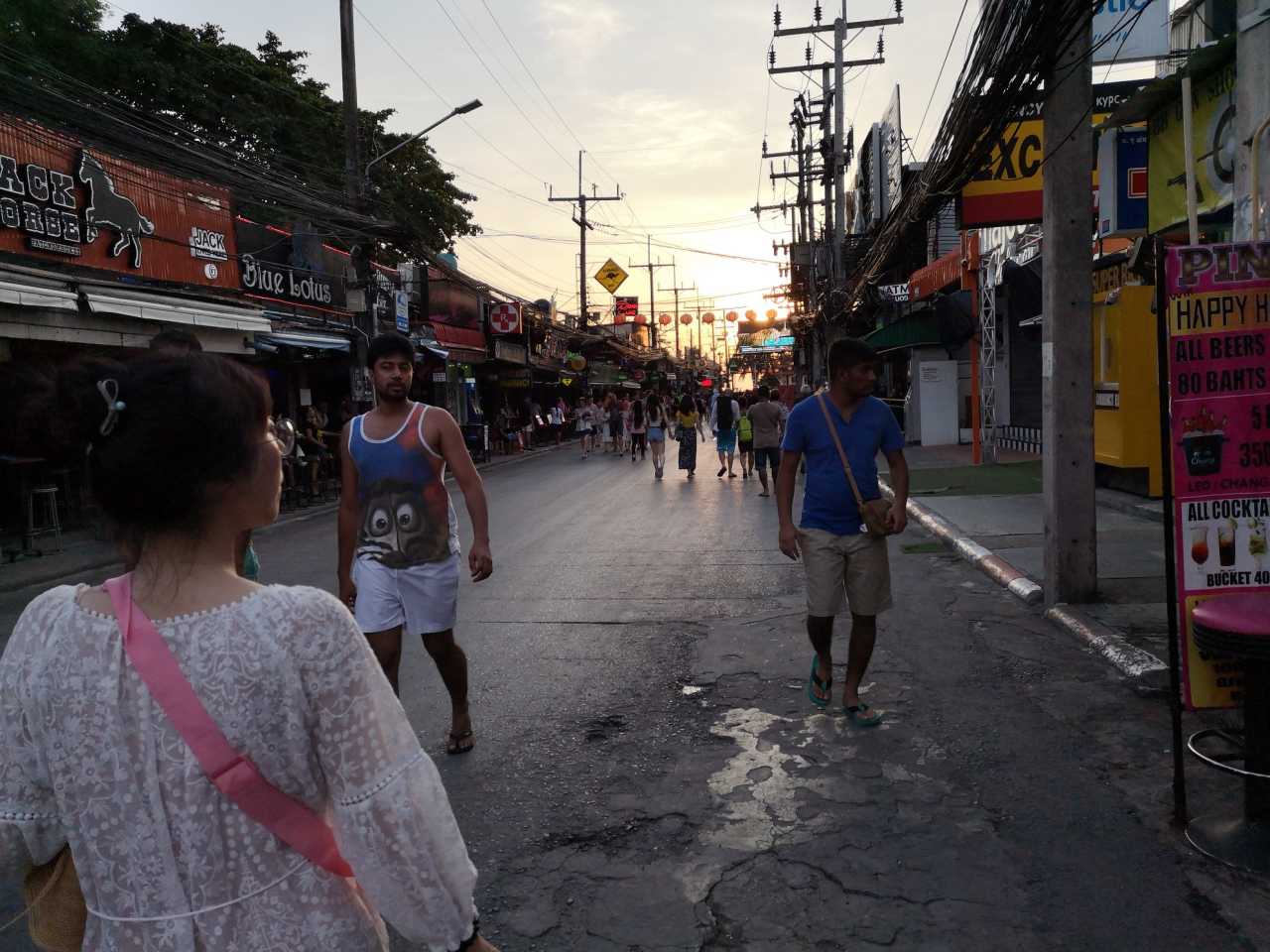
With this tangle of wires, even birds don’t know where to perch.
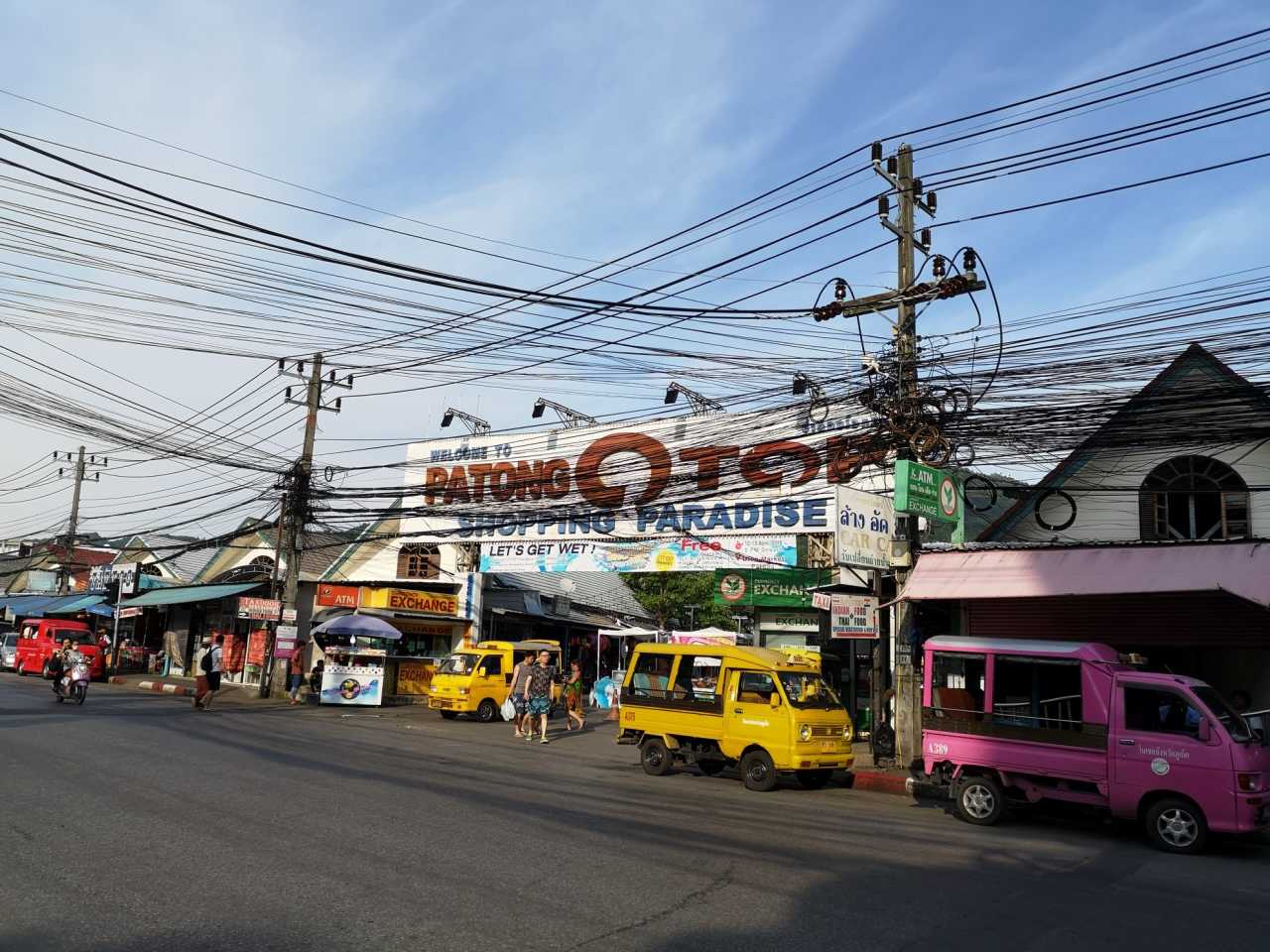
Motorbikes, tuk-tuks, and cars crisscross the streets.
Many small shops look unlicensed—but they aren’t.
Convenience stores (7-11 and FamilyMart) and pharmacies appear roughly every 20 meters.
Mixed crowds and uneven storefronts ferment under the blazing sun.
● Orderly Phuket
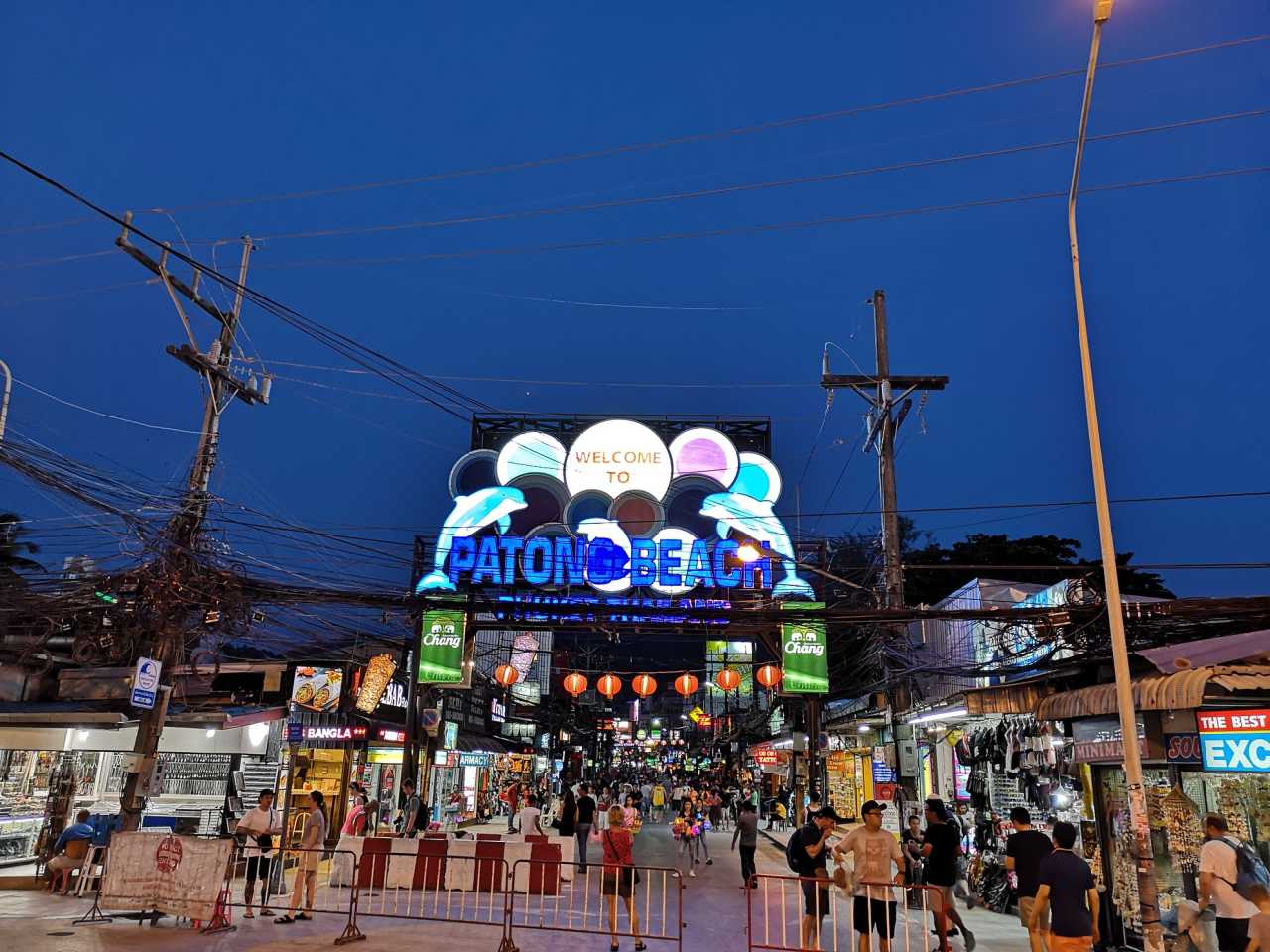
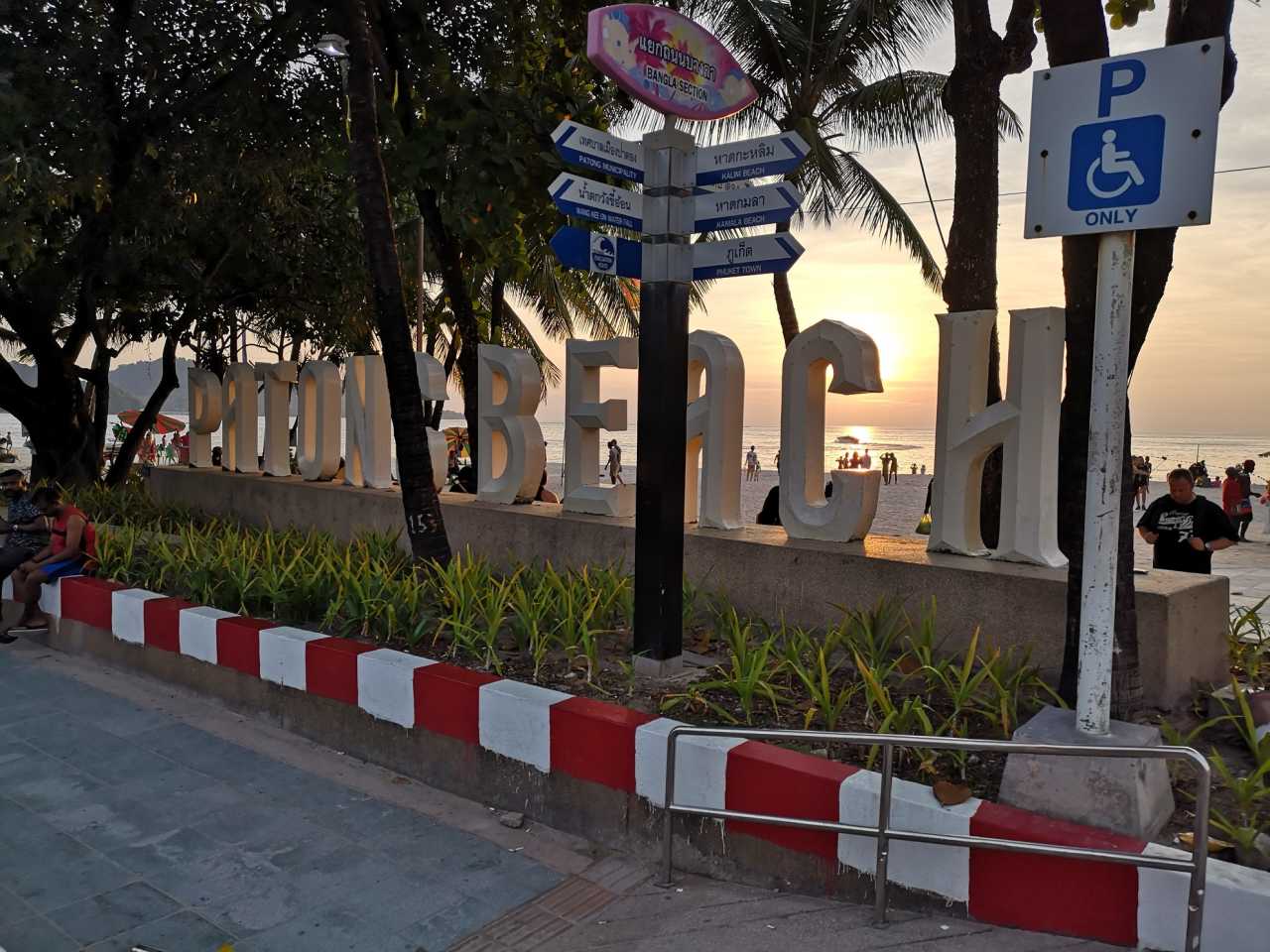
Why mention order amid chaos?
It’s my strongest feeling.
Traffic weaves but horns are rare. Thai drivers can be aggressive, yet road turns with steep banking seem to balance centrifugal forces from speed. Even so, at intersections they usually slow and observe; some will wait even if straight-through traffic is 50 meters away—pausing for seconds is normal. (Back home, most would already turn.)
Despite the heat, locals rarely argue in the streets; with sun-darkened skin, they seem cheerful and unhurried. Drivers chat with you constantly—in a mix of English, Thai, and Chinese—hard to follow, but an hour’s ride passes quickly.
Another takeaway: when the sun isn’t beating down, temperatures are pleasant—make the most of the hours after 4 p.m.
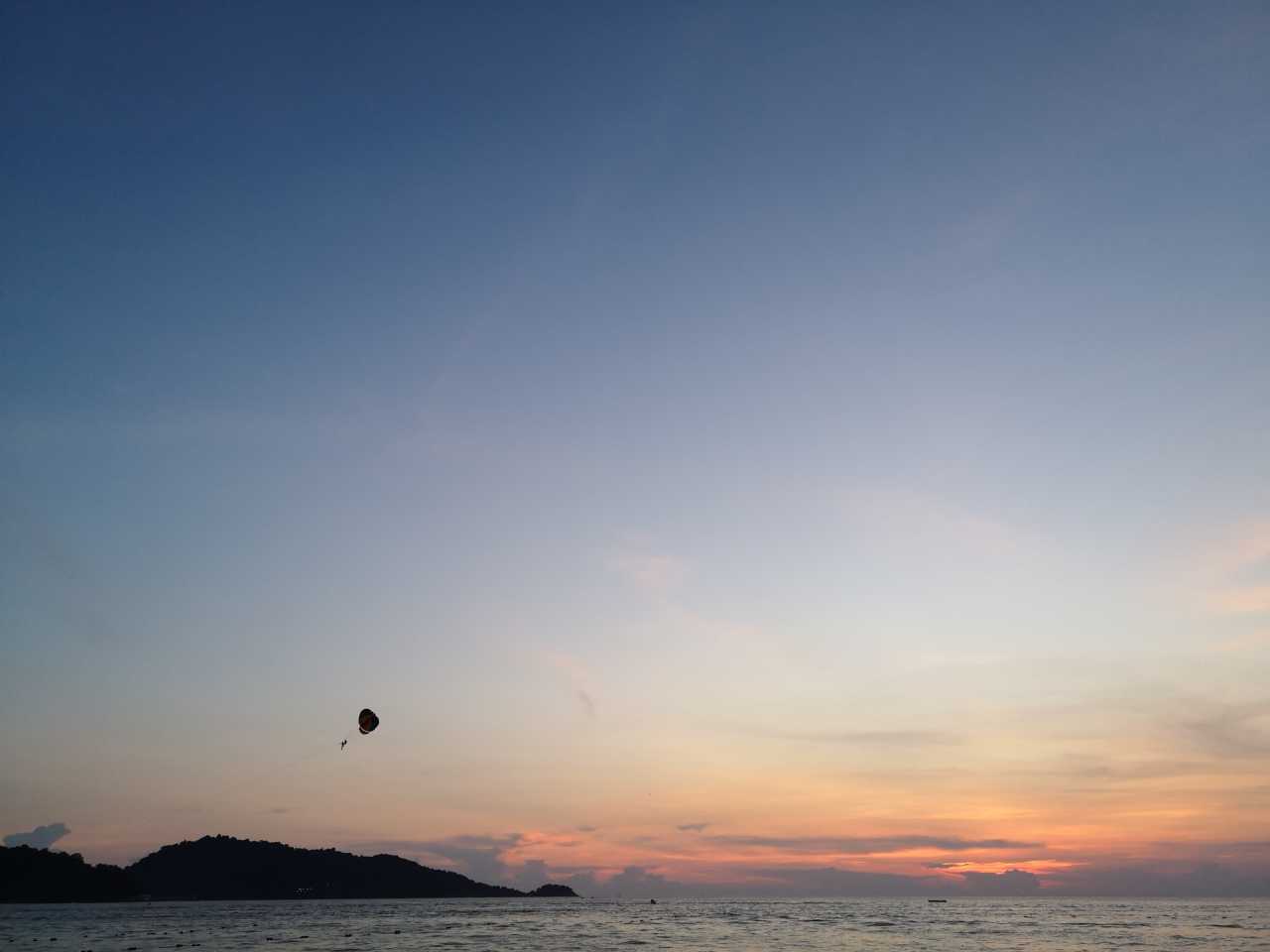
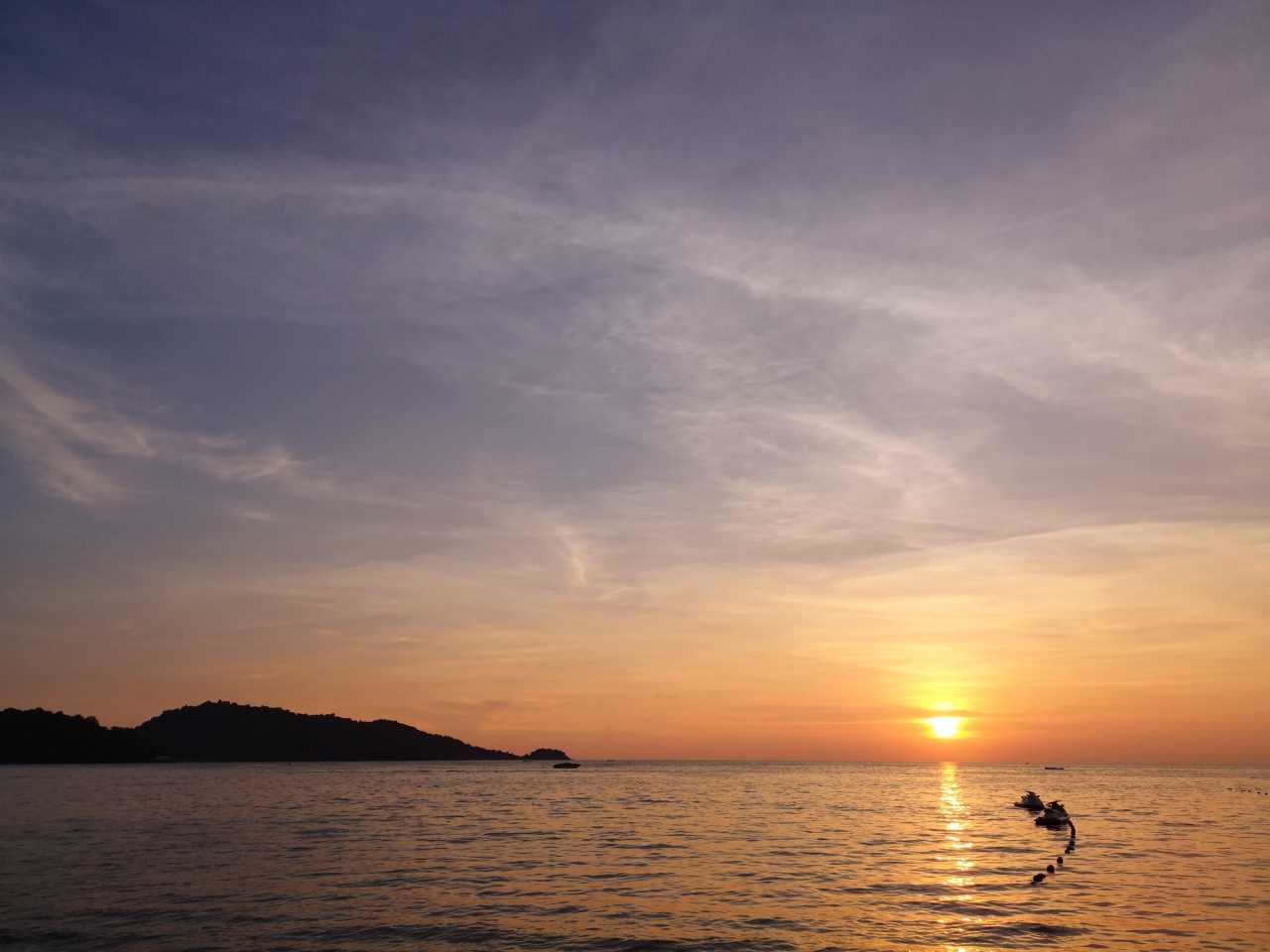
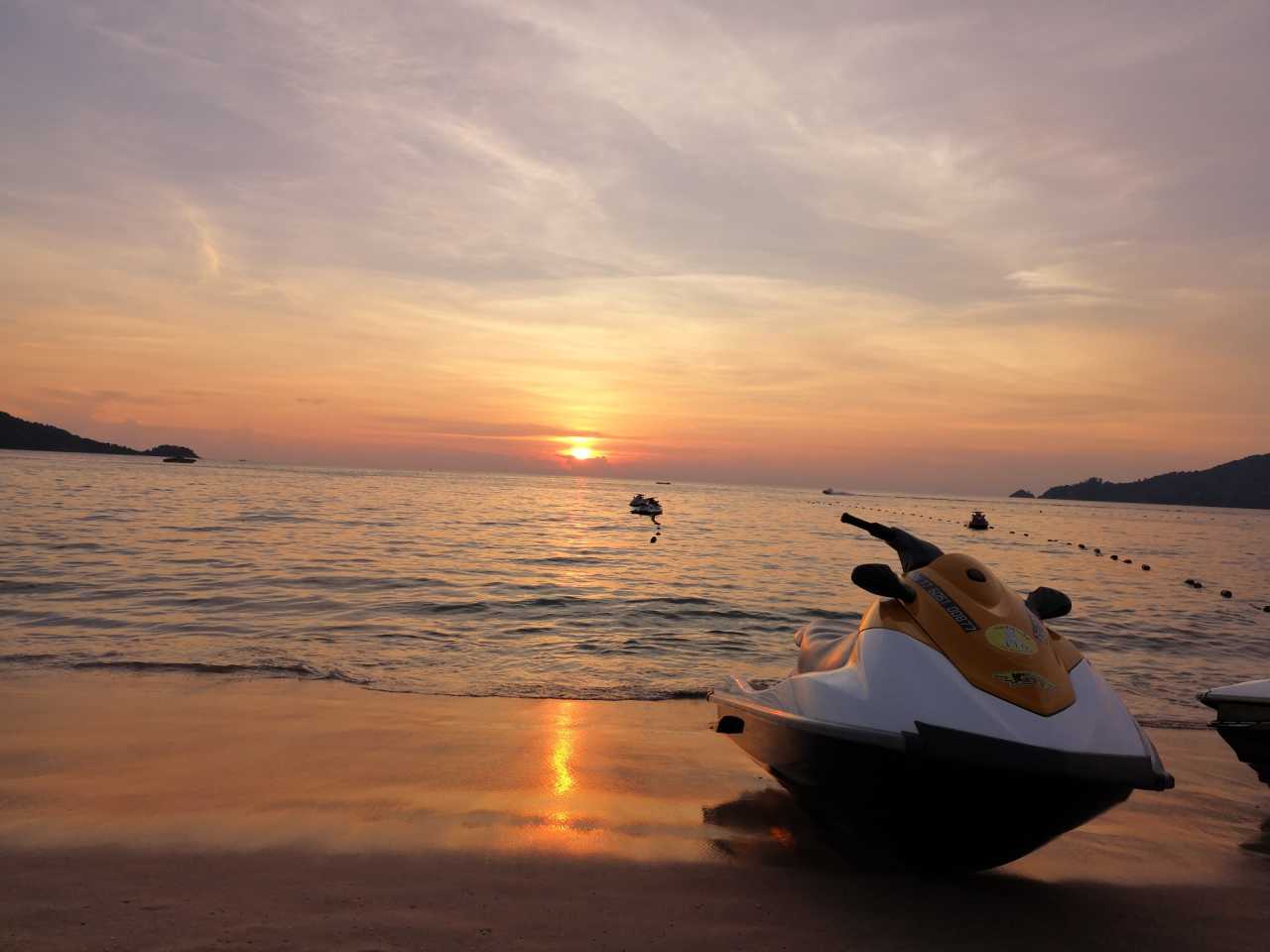
The sun is glaring, yet the scenery is beautiful.
The air is hot, yet the sea is sapphire blue.
This is order within chaos.
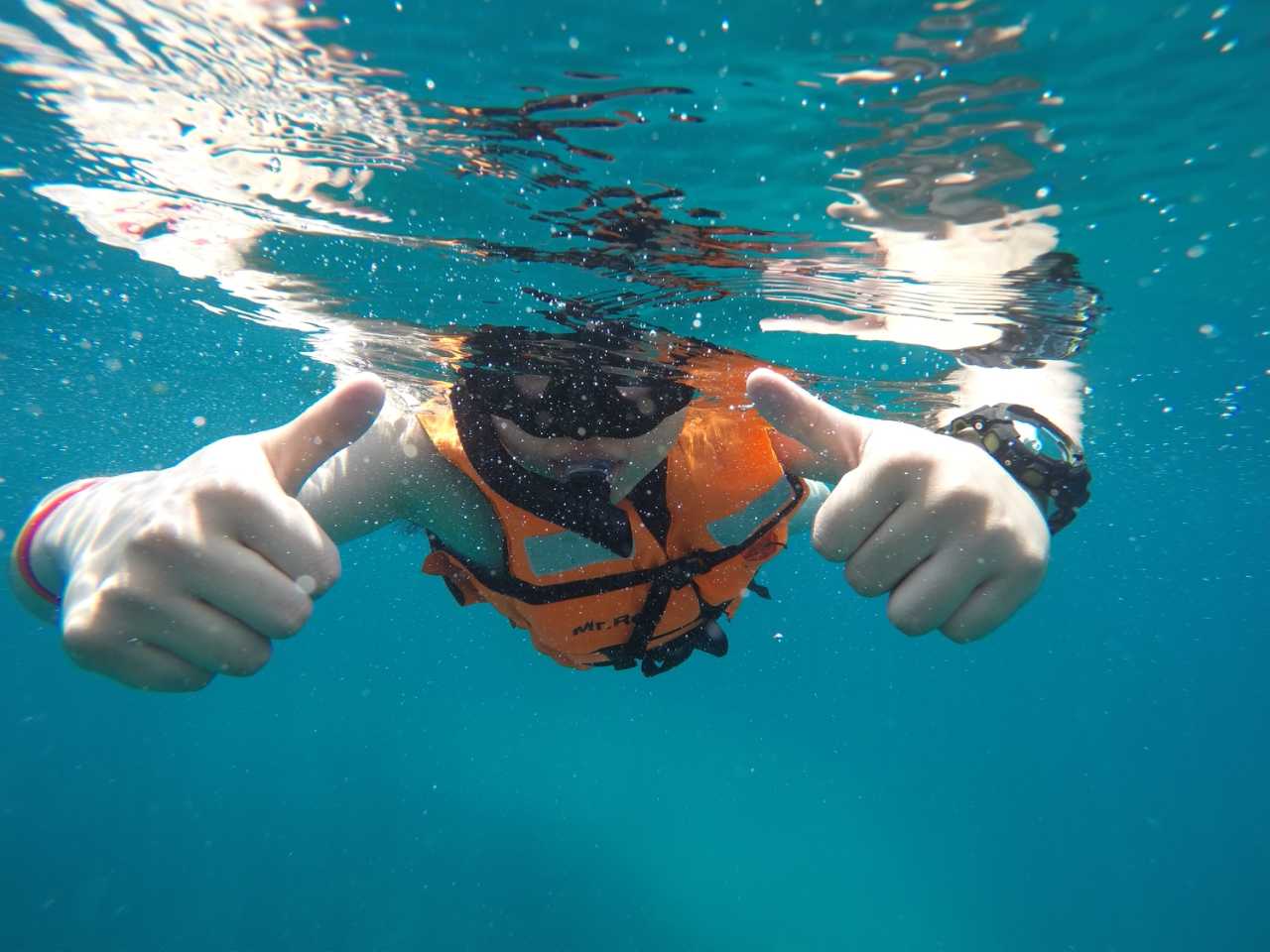
Going out to sea —— a must-do when visiting Phuket.
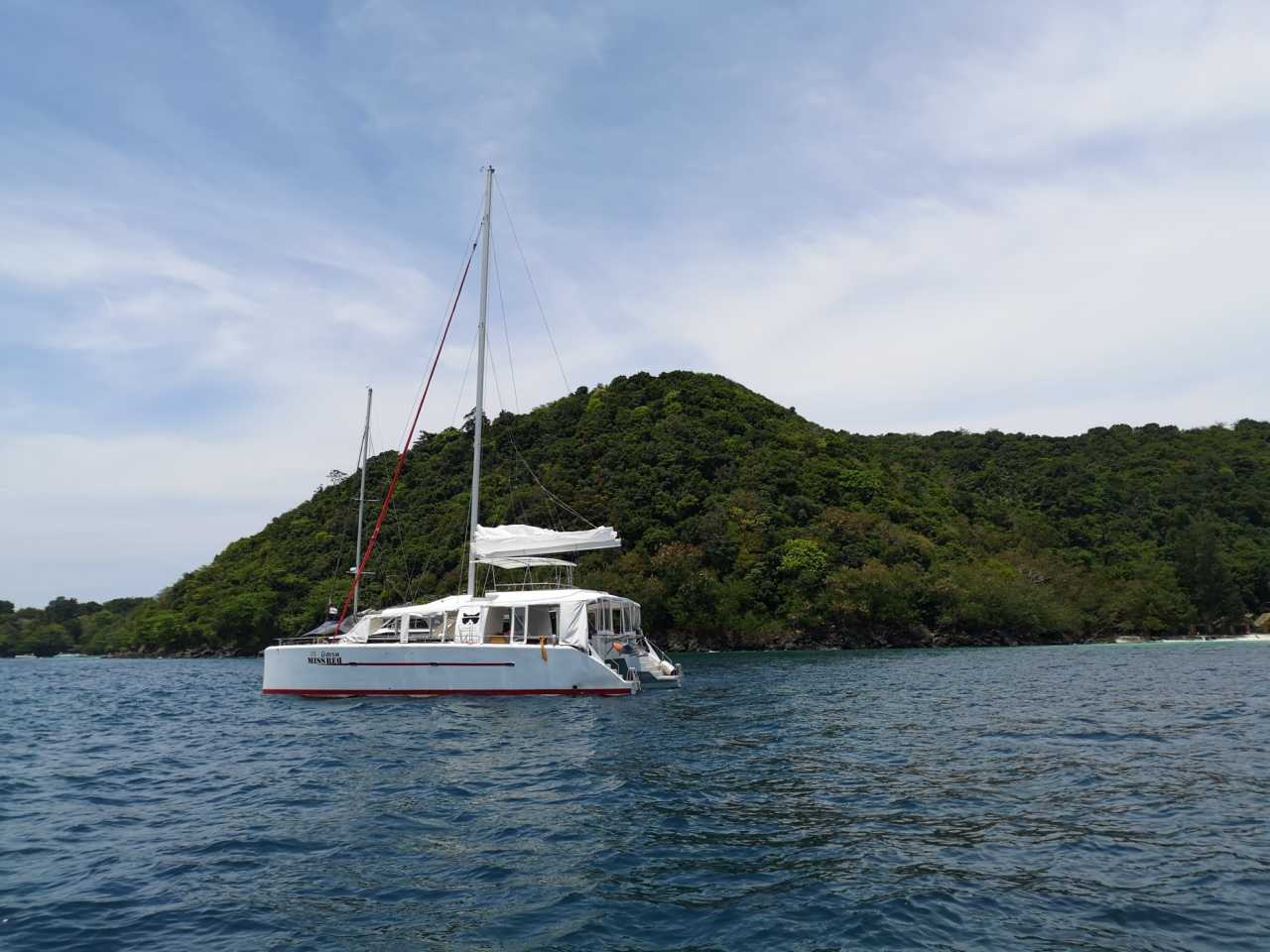
You can join day tours to nearby Racha (Emperor) Island, Coral Island, etc.
We chose a Lazy Cat Travel day tour.
First, it’s friendly to Chinese travelers.
Second, service is excellent: minibuses pick you up and drop you off at the hotel; there are snacks at the pier—coffee, bread, fruit for energy.
On board you get free bottled water, canned drinks, plus watermelon, dried plums, and other snacks. Buffet lunch is decent; afterward you can stroll the beach—well-paced timing.
Lastly, snorkeling is fantastic; if you can, try diving. Snorkeling reveals lively marine life in unpolluted water. On the island, consider parasailing for only 800฿—we missed it and regret it.
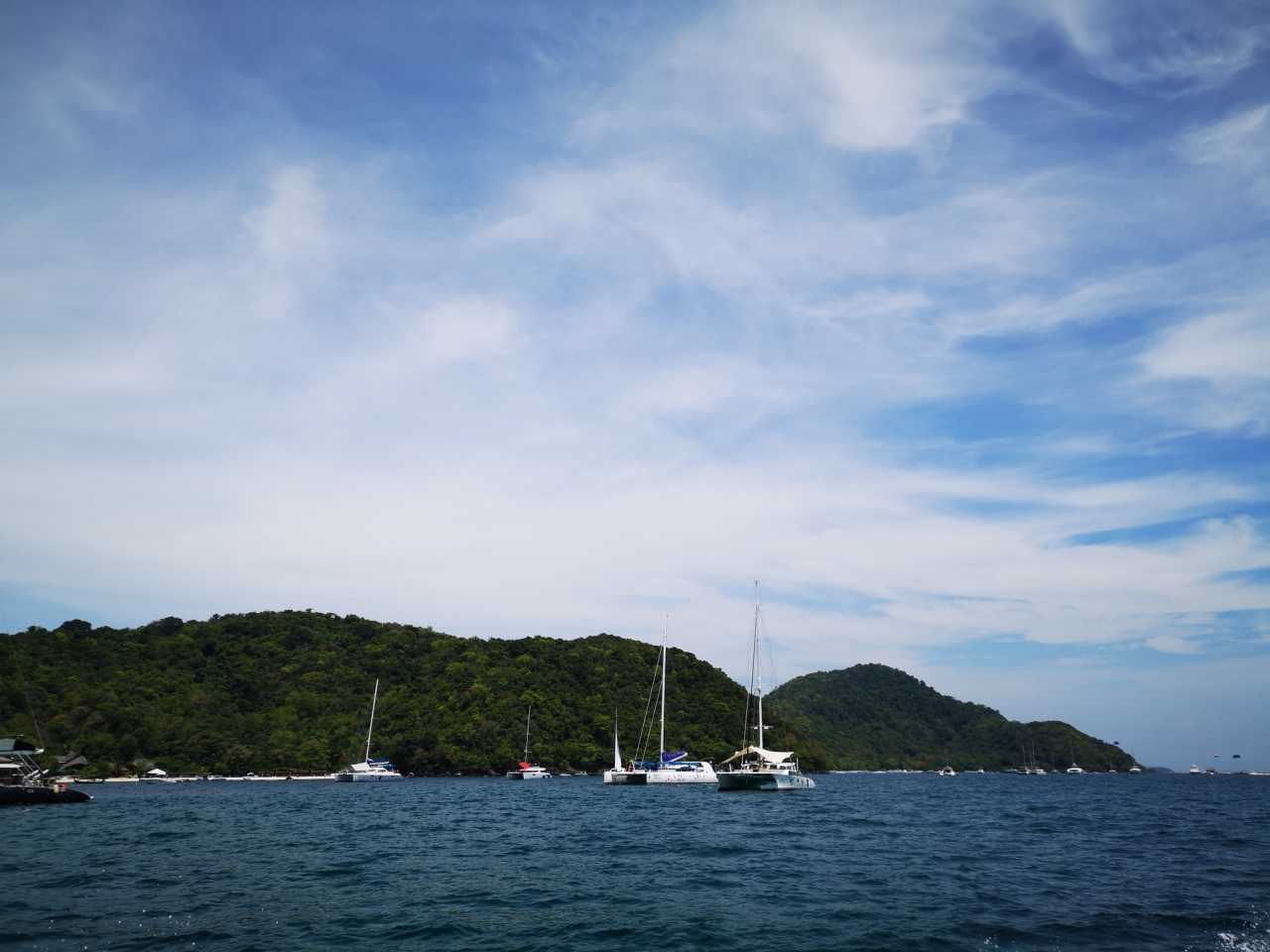
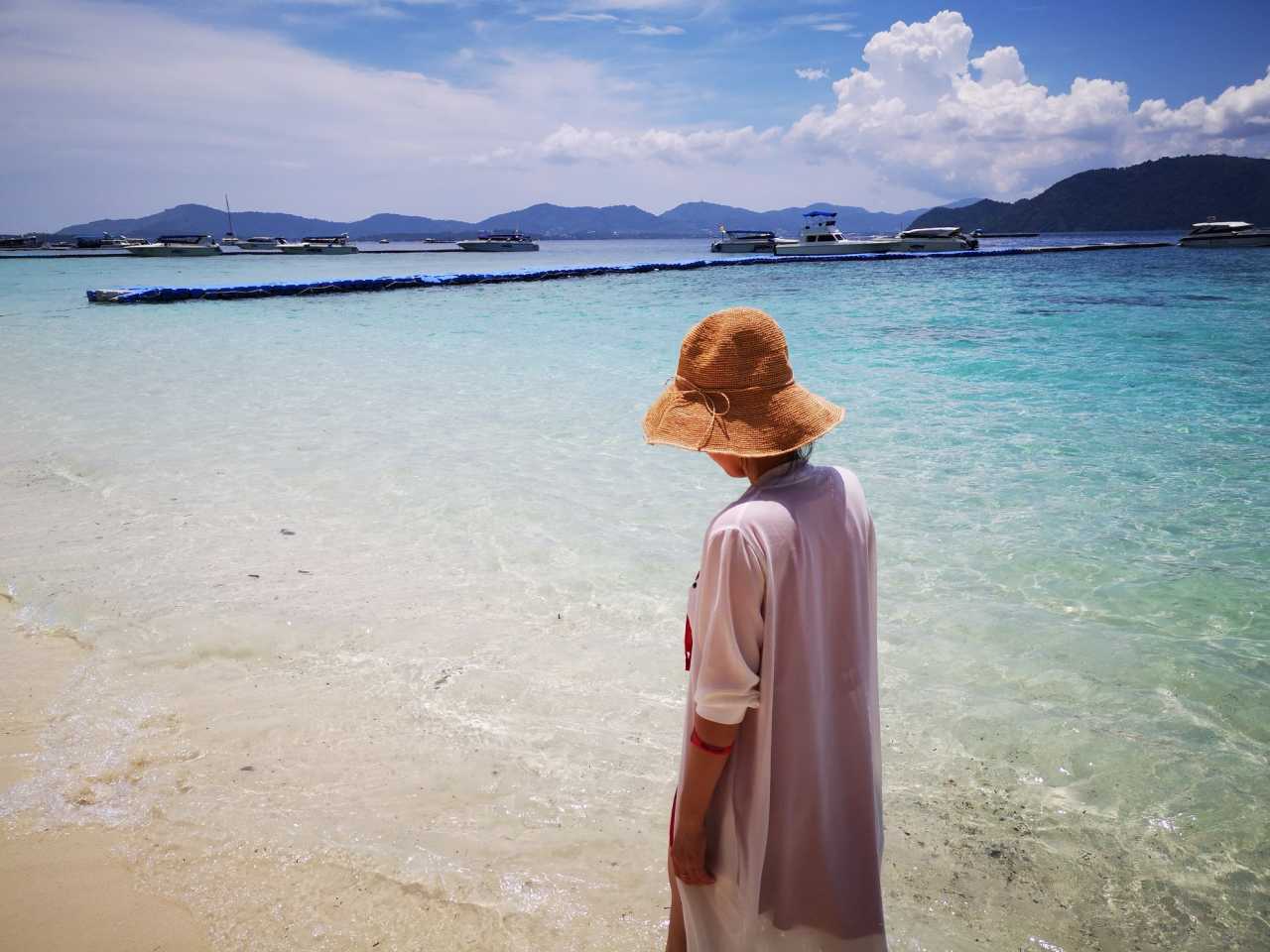
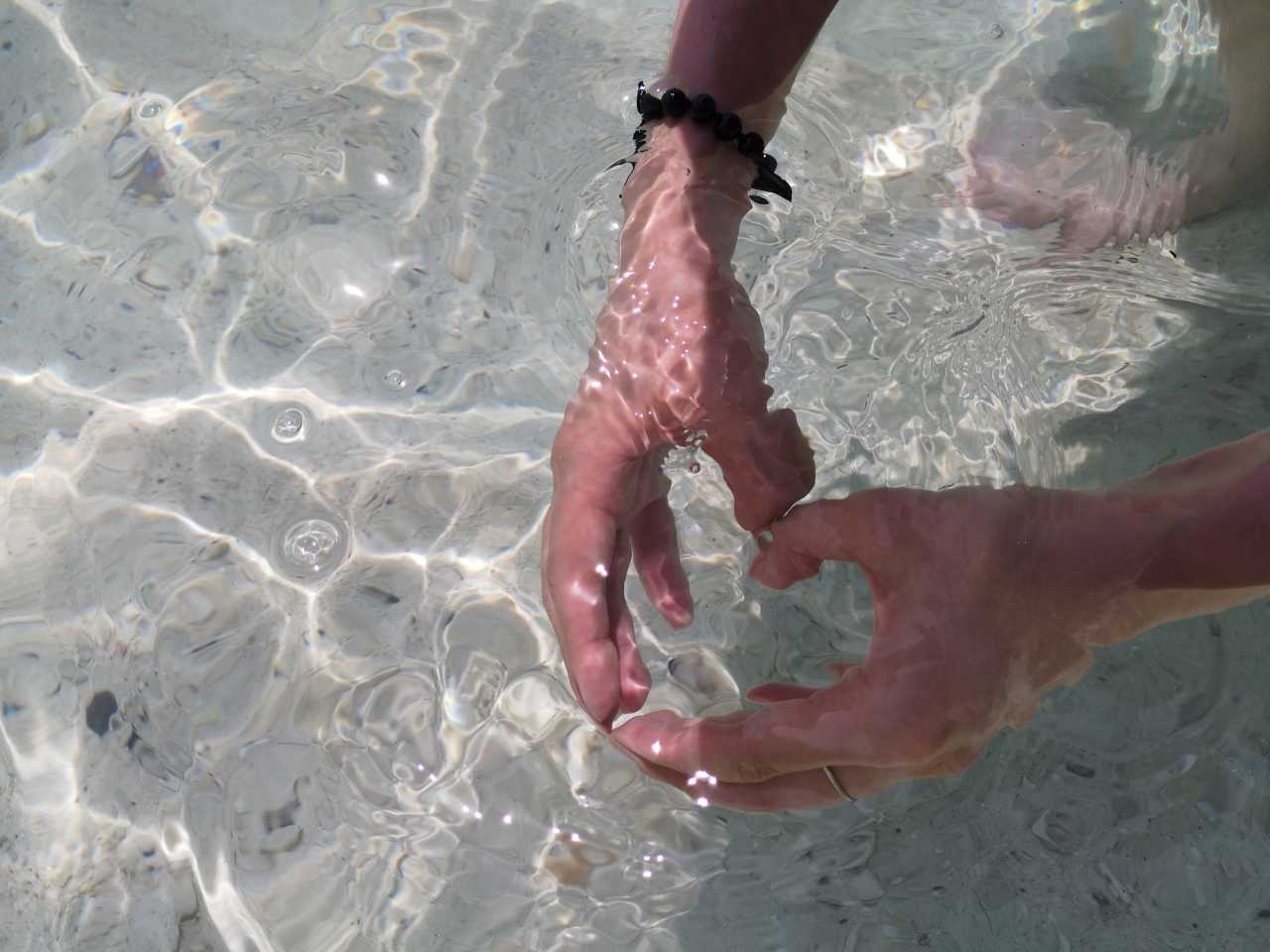
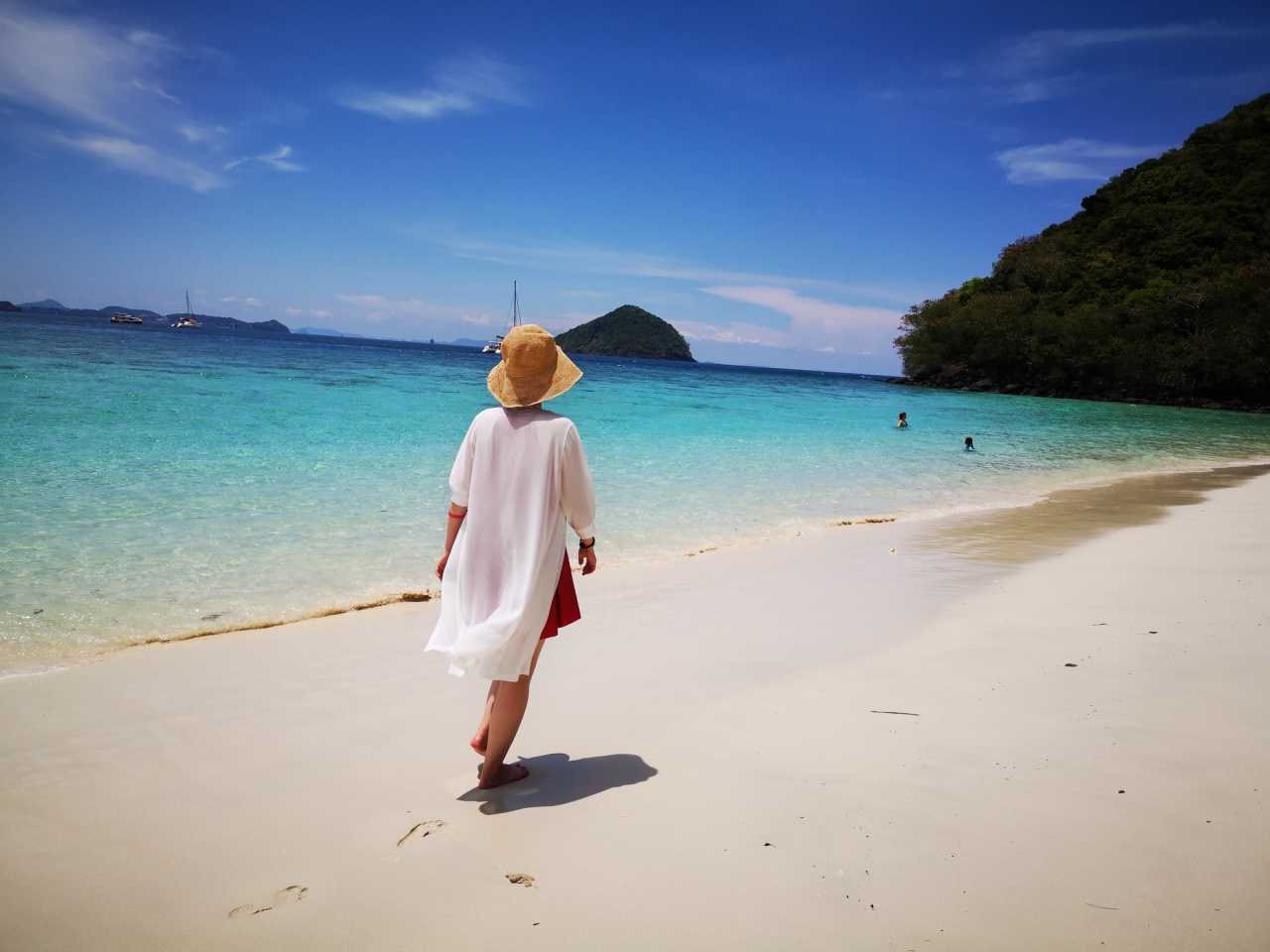
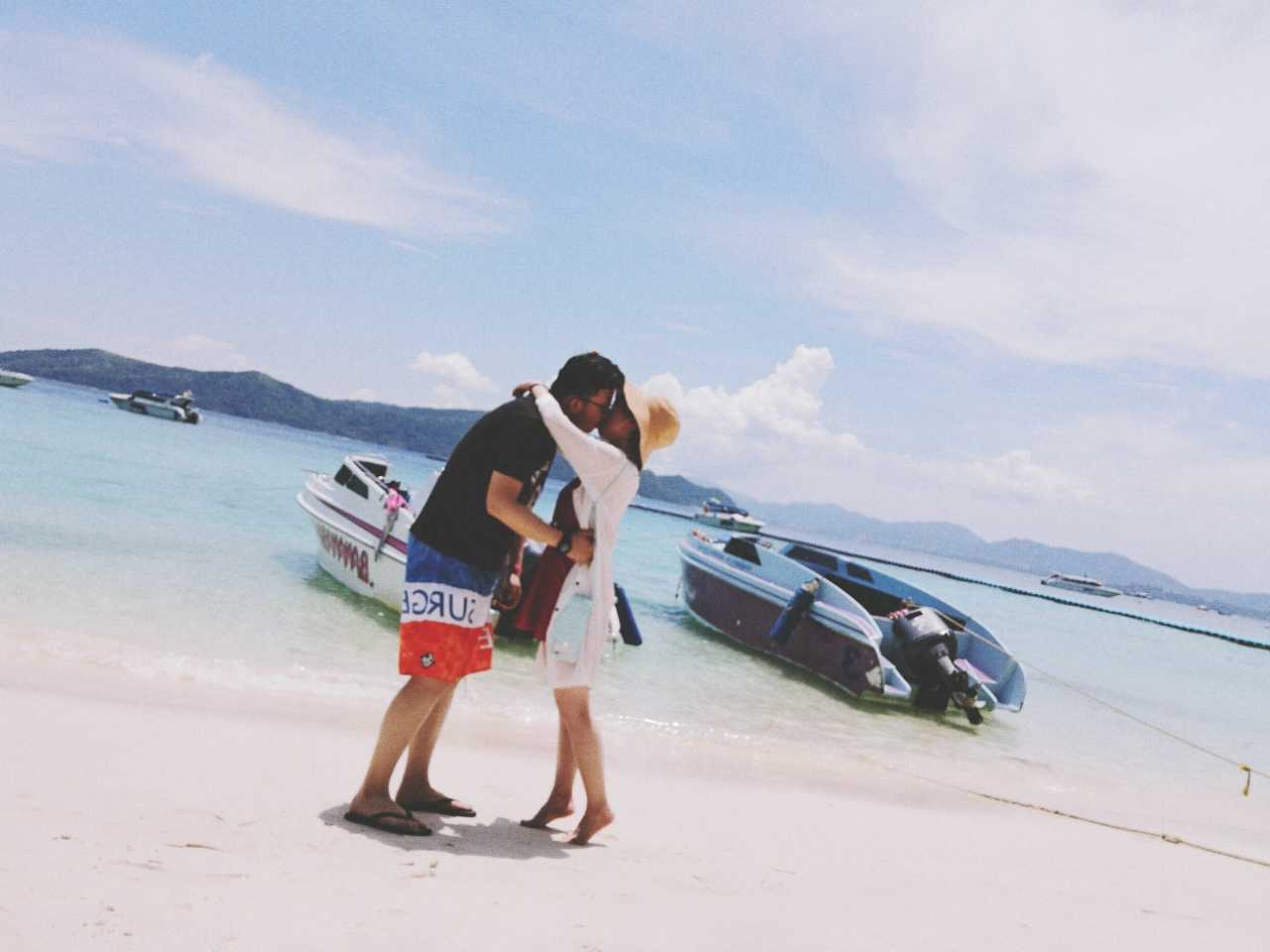
Beautiful sea, fine sands, and white waves—truly unforgettable.
As for food, I’ll save that for last.
Bangkok with stark contrasts
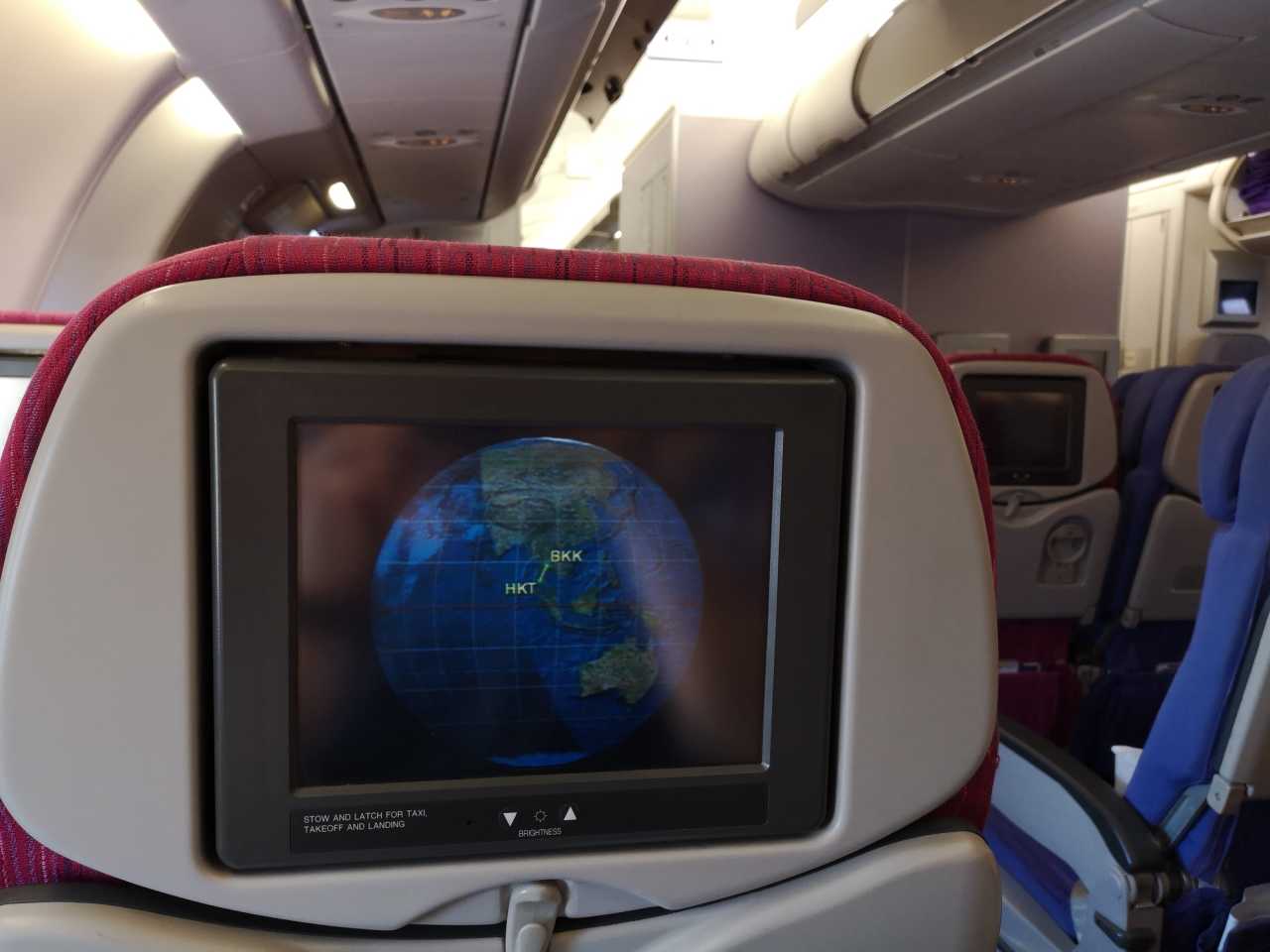
We flew Thai Royal Airways from Phuket to Bangkok—surprisingly a wide-body—more comfortable than our international leg from China to Thailand!
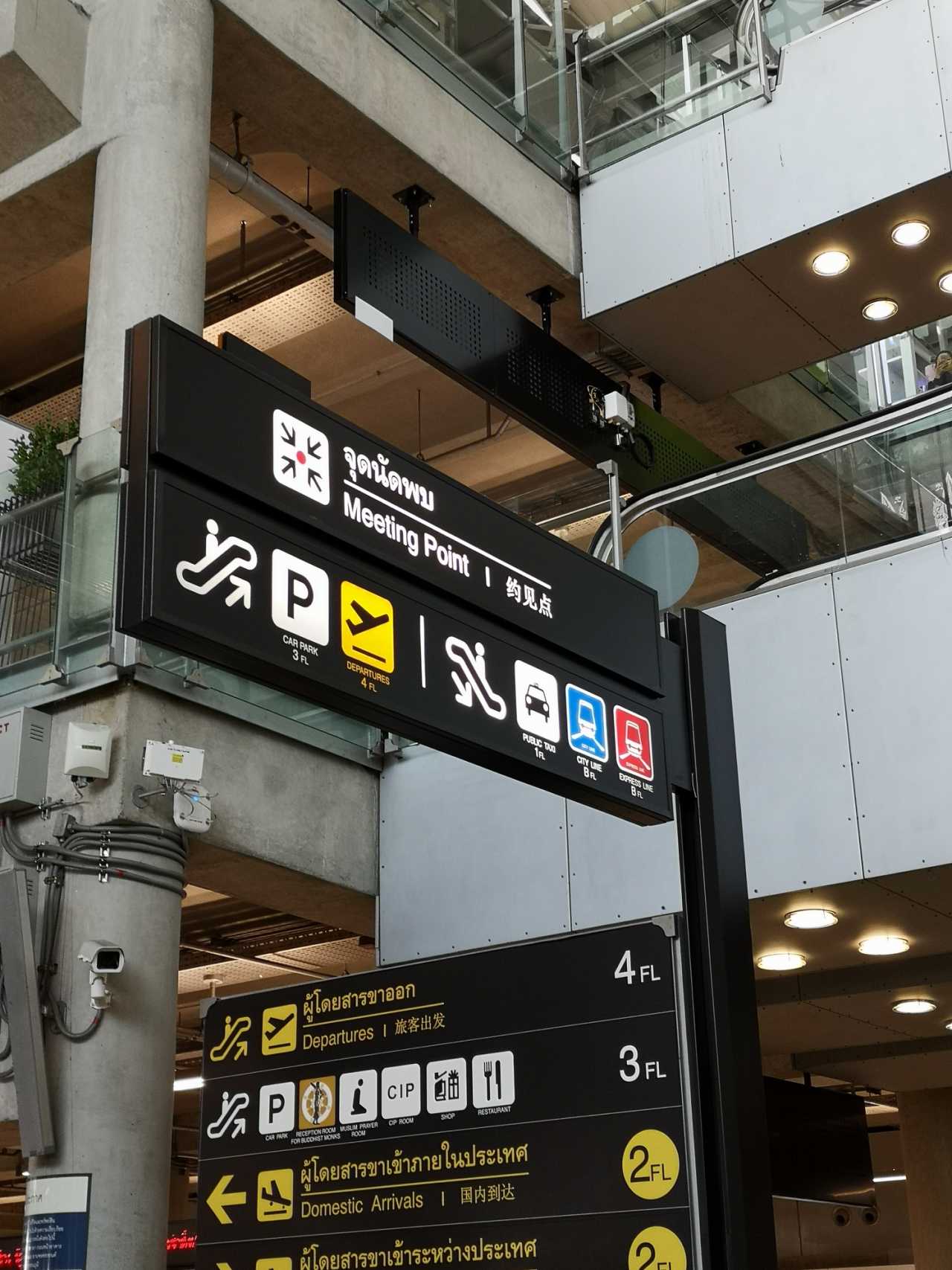
Suvarnabhumi Airport has meeting points; online car bookings can meet you there. Many drivers speak Chinese.
We chose a local homestay—no need for a pool, cheaper price, and closer to everyday Thai life.
First, Thai transportation.
Public transport is pricier than at home—base fare around 28 THB; 5–6 stops cost 40–50 THB. Taxis are more expensive. For example, from the Grand Palace a driver told us in Chinese he wouldn’t use the meter and wanted 500 THB; as we walked away, he dropped 100 THB, but we chose public transport—120 THB for two. Using ride-hailing means preparing for traffic jams.
Elevated roads are called expressways—and they’re tolled. Incredible.
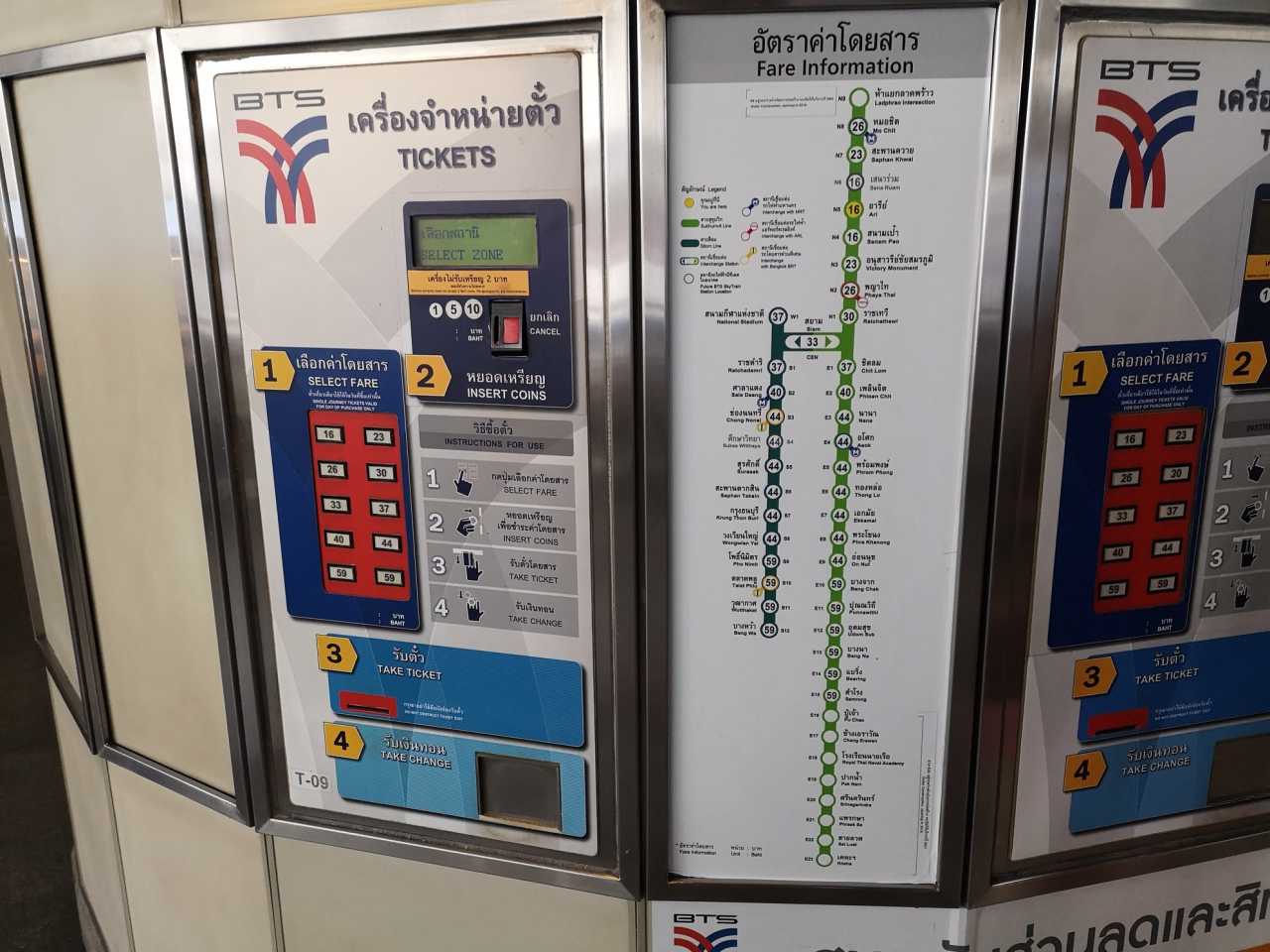
The photo shows Bangkok’s BTS rail.
Bangkok has 2 light rail lines (Bangkok Mass Transit System, BTS) + 1 metro (Mass Rapid Transit, MRT) + 3 airport rail lines. BTS and MRT are different companies; transfers are outside the gates, so be prepared to exit and re-enter.
BTS tickets are coin-only. There’s a counter, but to save time and avoid miscommunication, staff will ask you to change bills for coins and buy at the machine yourself.
MRT accepts banknotes.
Riding tips: mind transfers; air-con is very strong; prices are slightly higher than home.
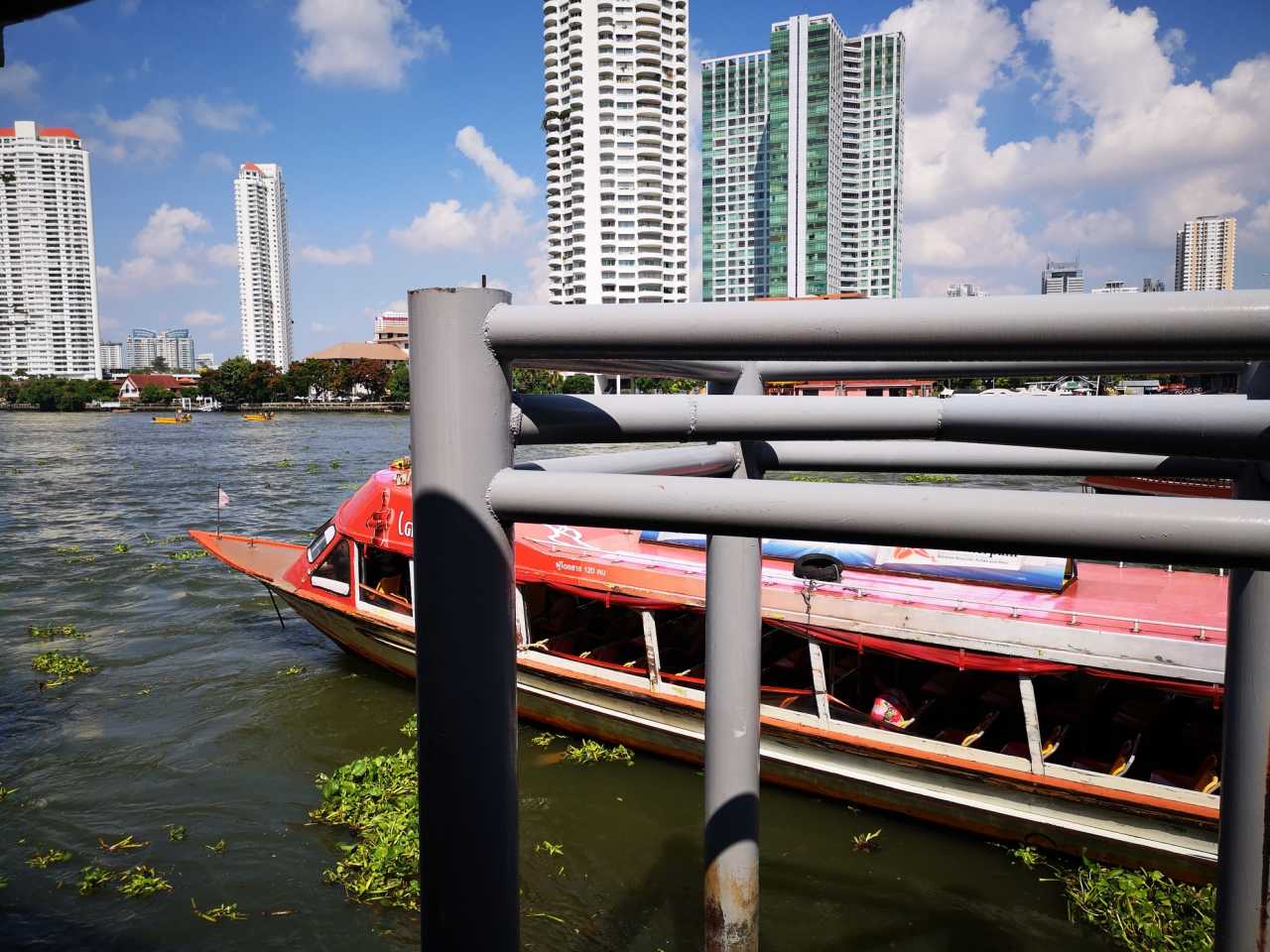
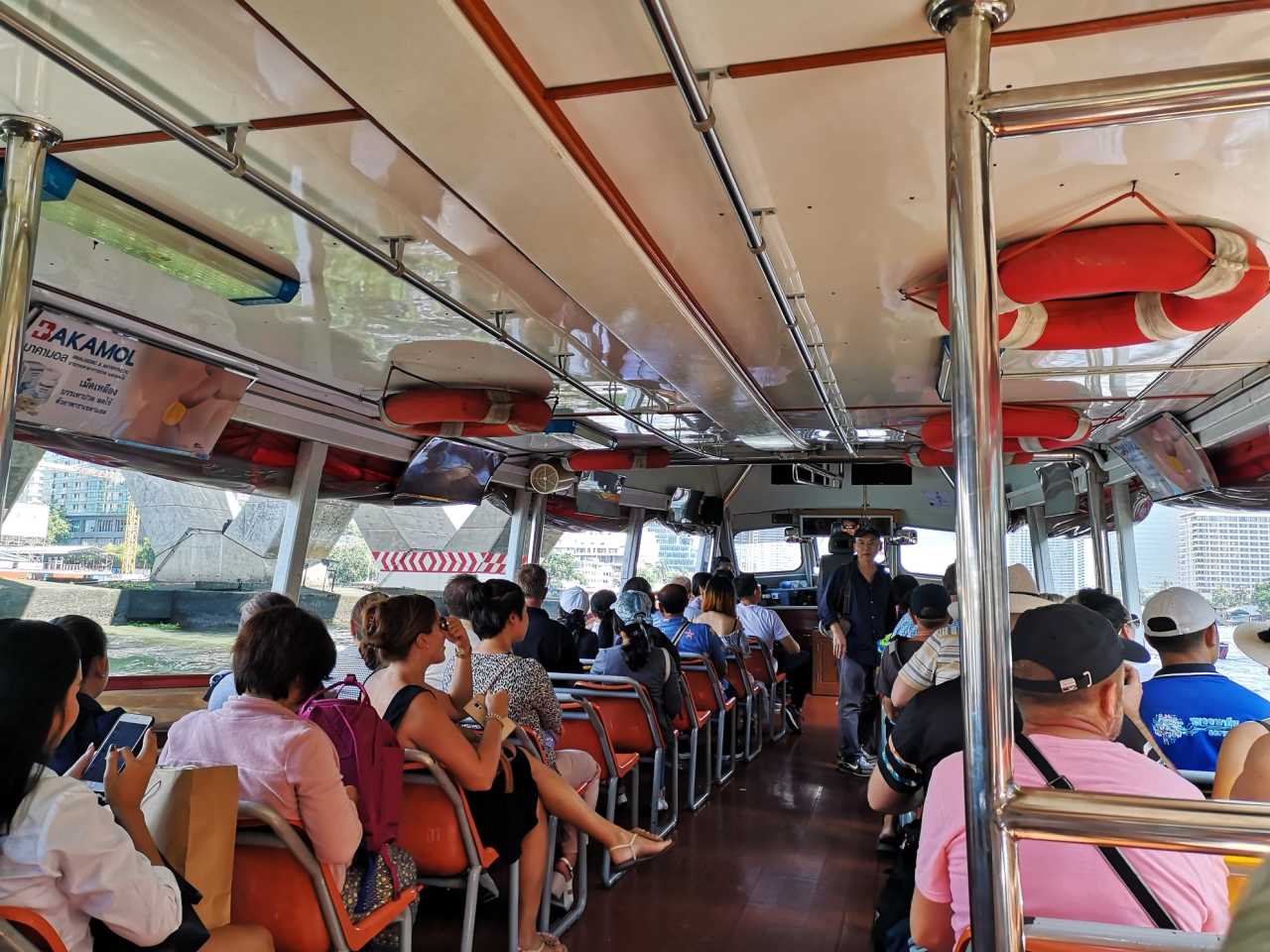
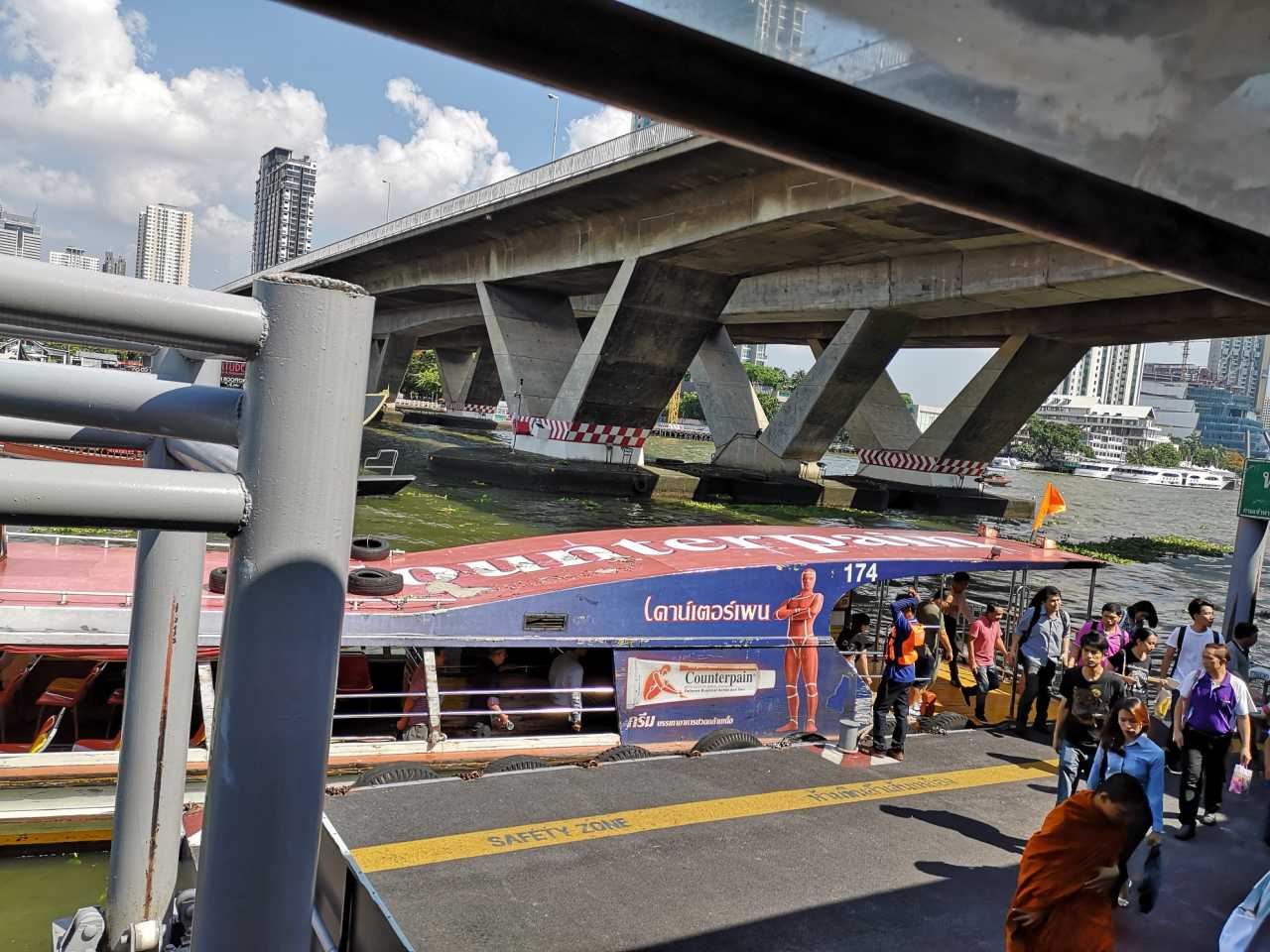
Emphasize water transport: many famous Bangkok sights are along the river, and boats stop at attractions, making river routes a great choice.
Boats come in types—read carefully. The public boat (orange hull and canopy) is cheap: 15 THB per person regardless of distance (tickets are checked on board, though not as strictly as some bus conductors—several times we weren’t checked; don’t try to exploit it). It has nine stops. There are also blue boats, Chinese-style wooden boats, and hotel shuttle boats—know the differences.
Bangkok - Things to do
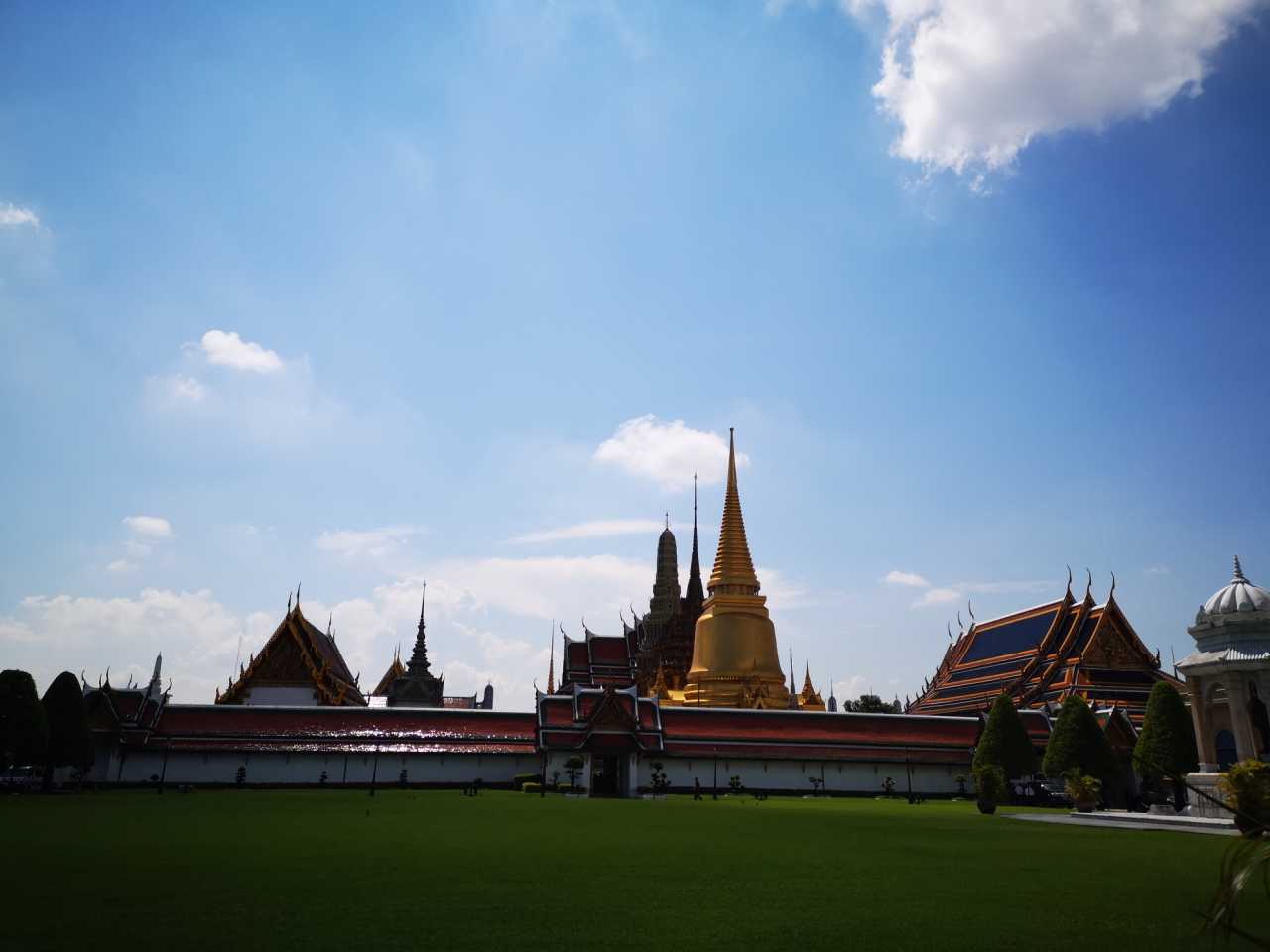
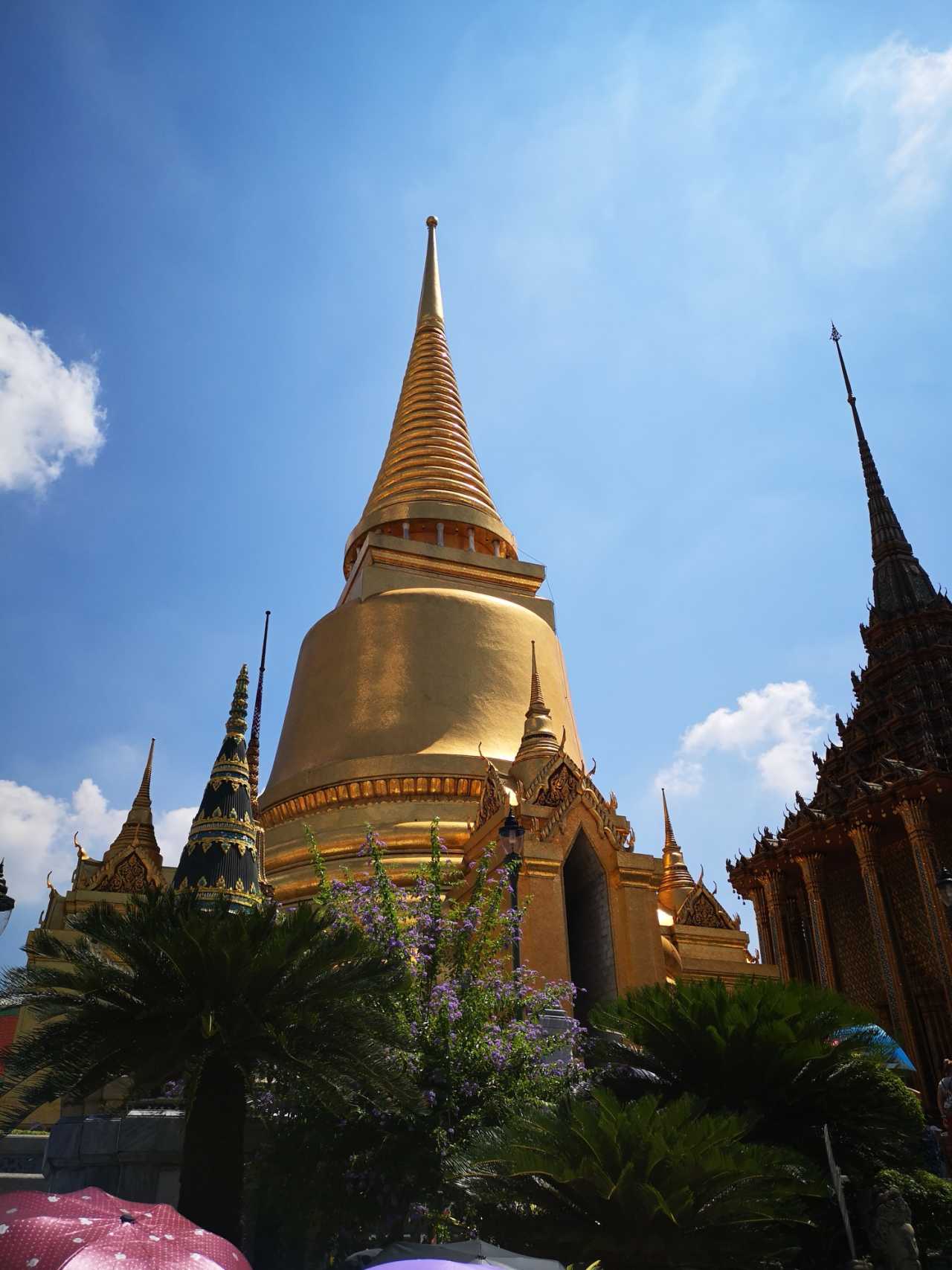
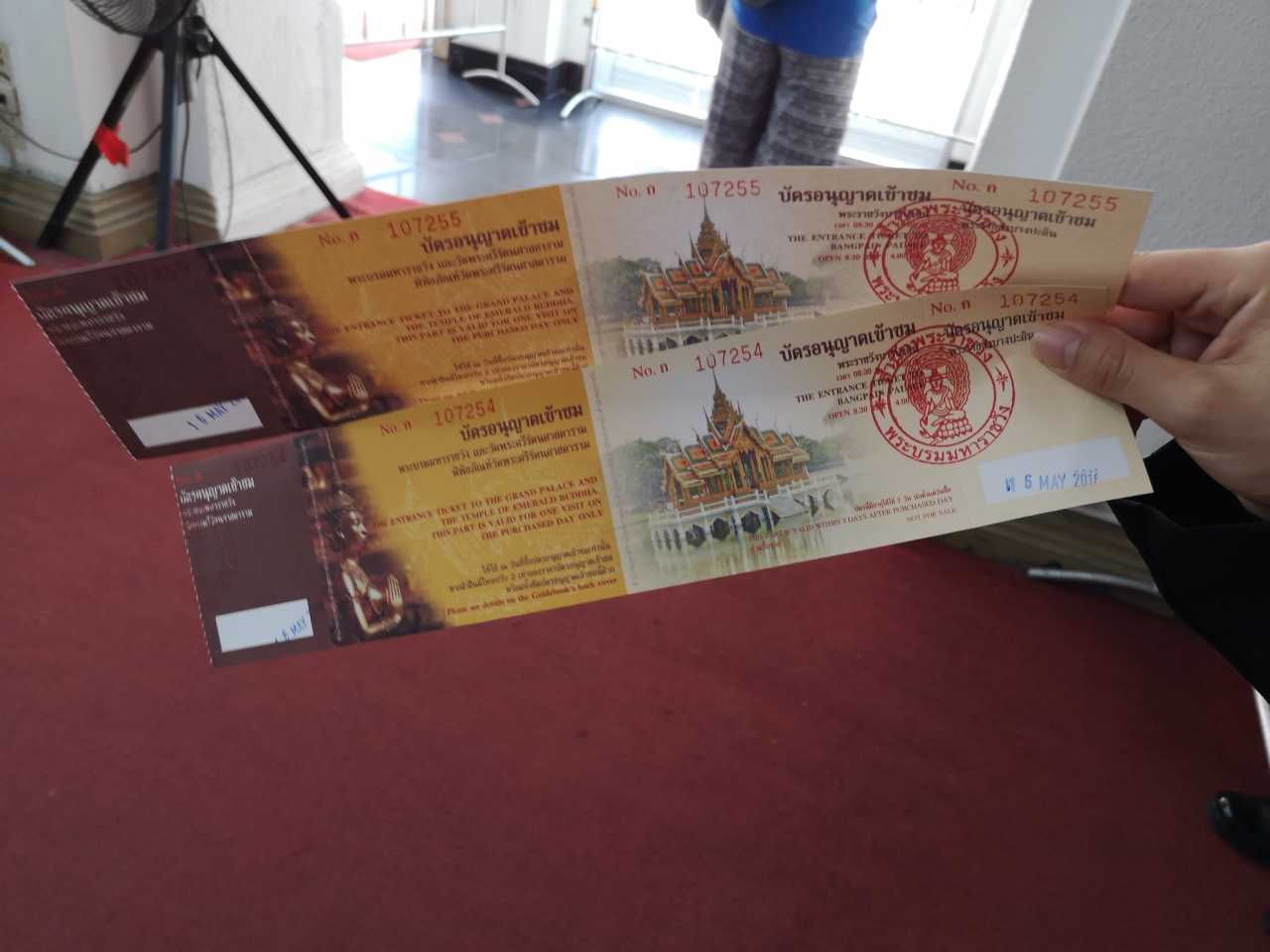
I won’t list all the attractions—they’re the usual suspects. Seeing a few is enough; here are some photos.
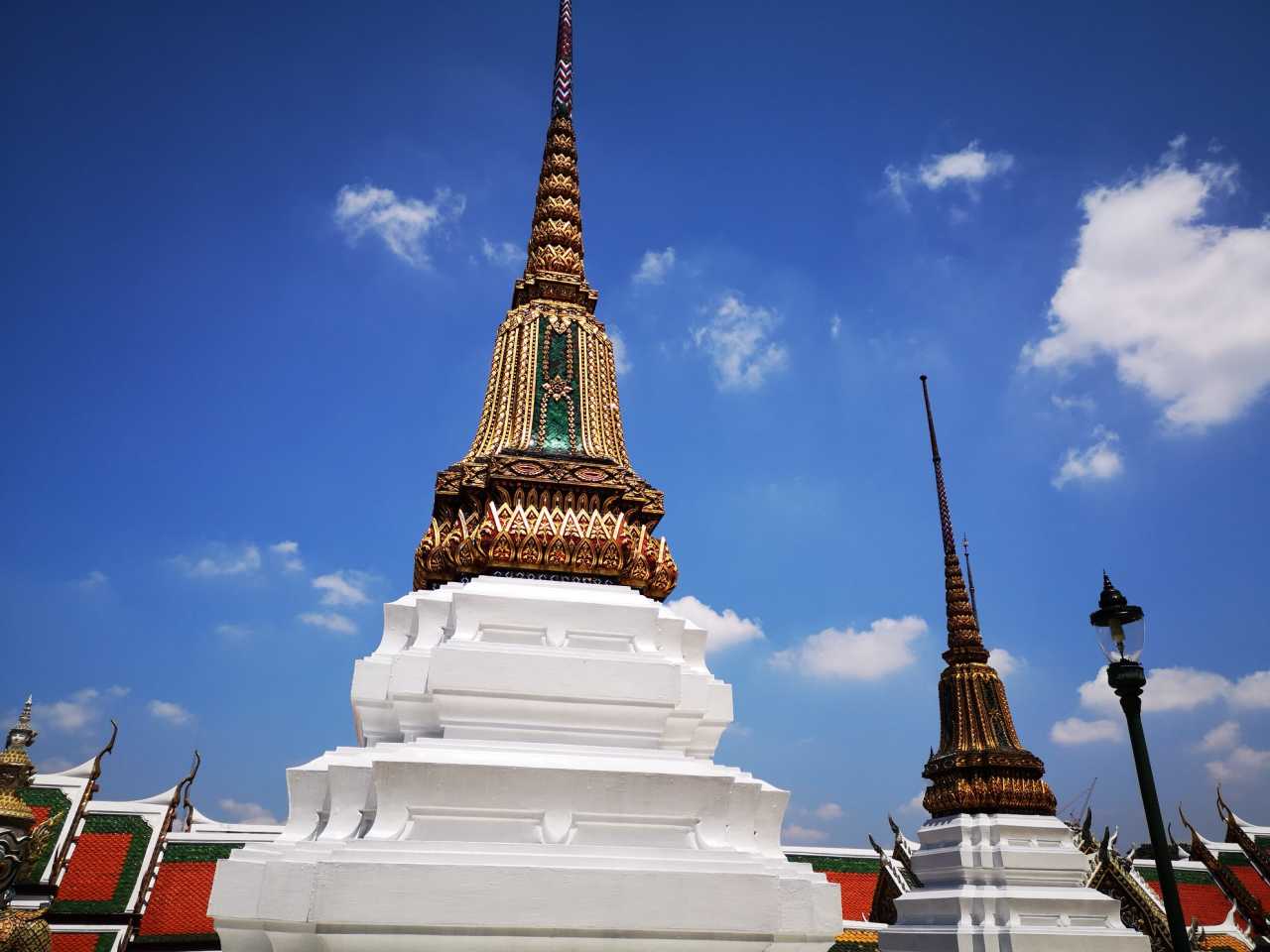
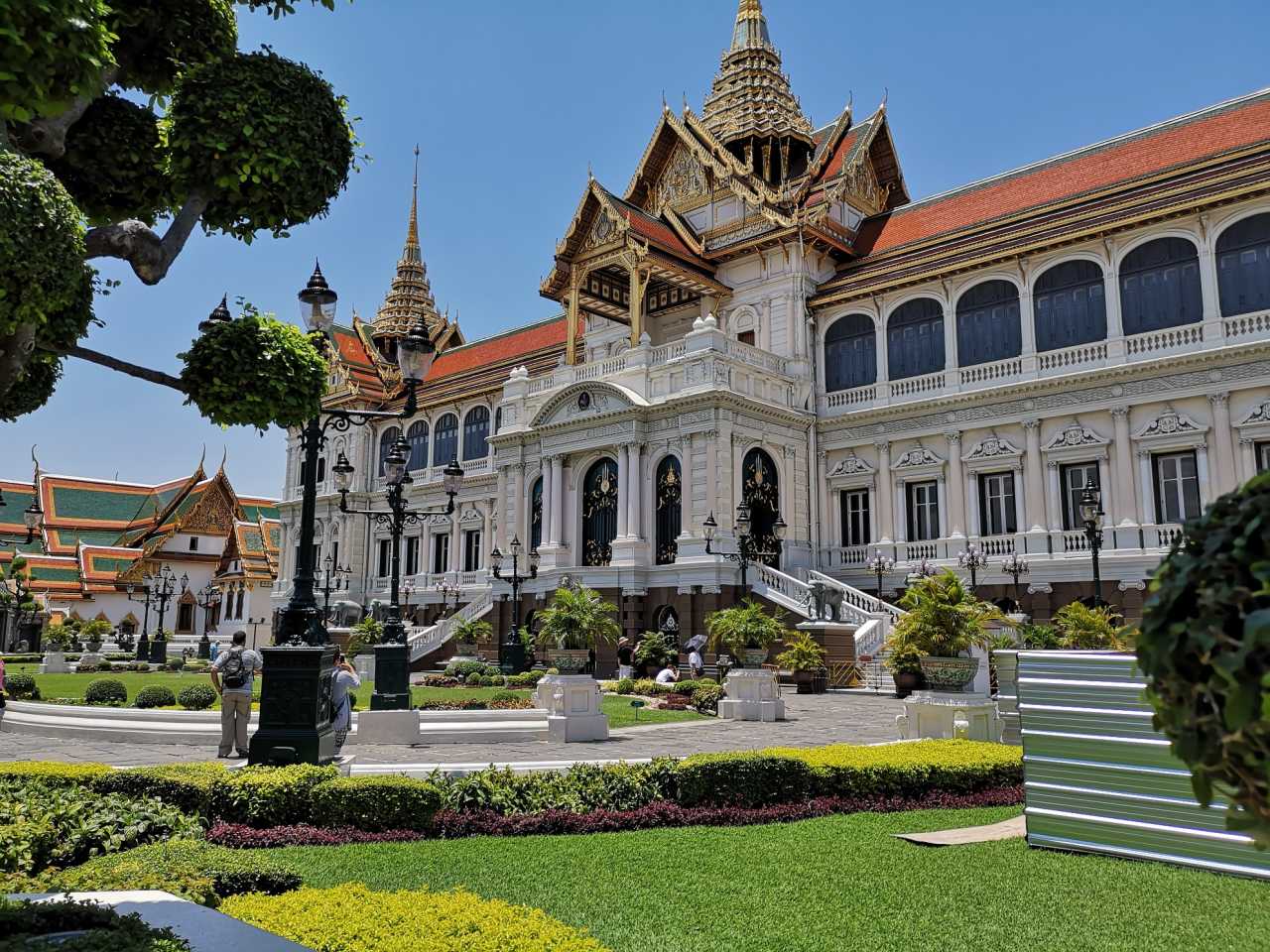
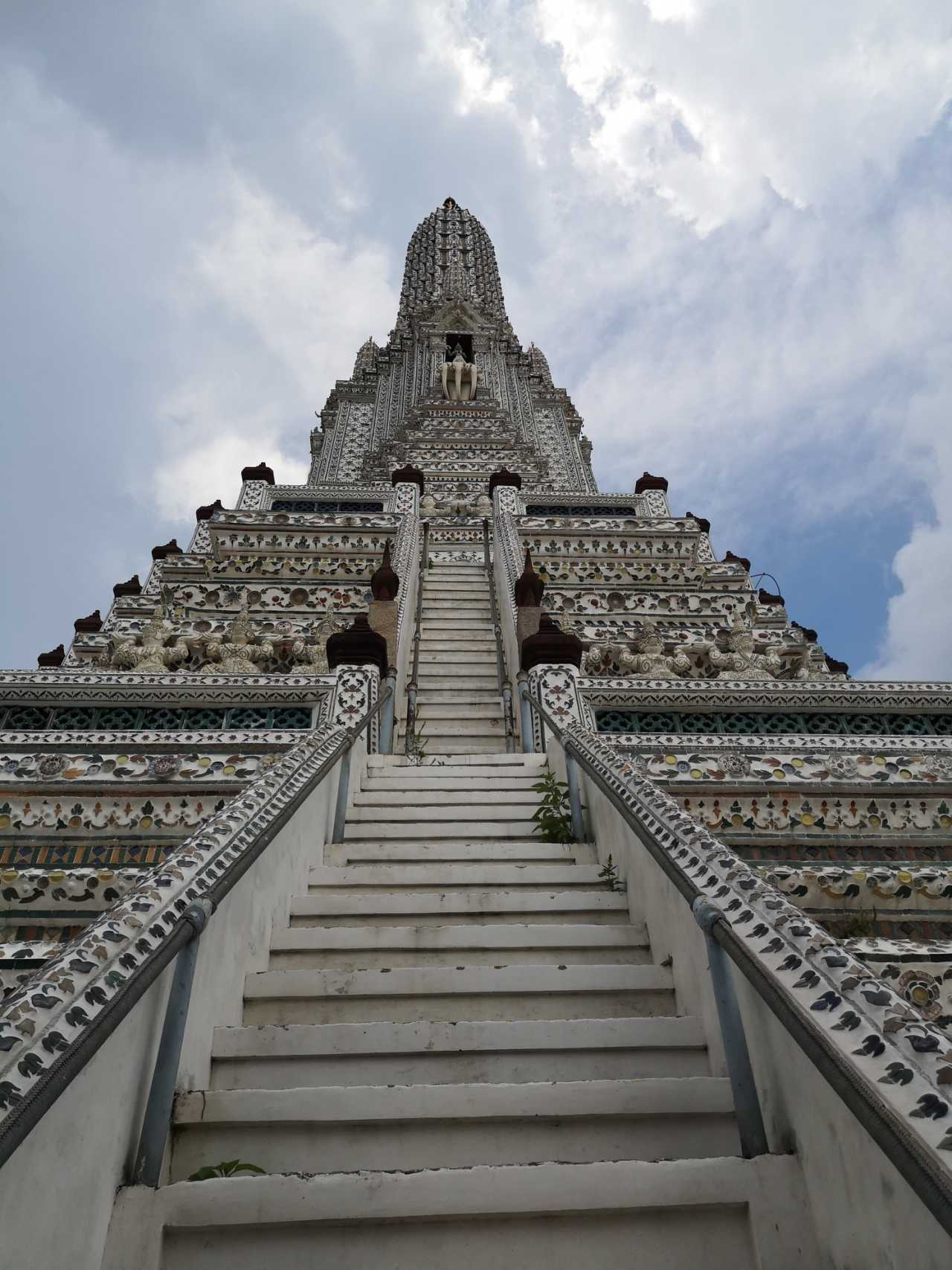
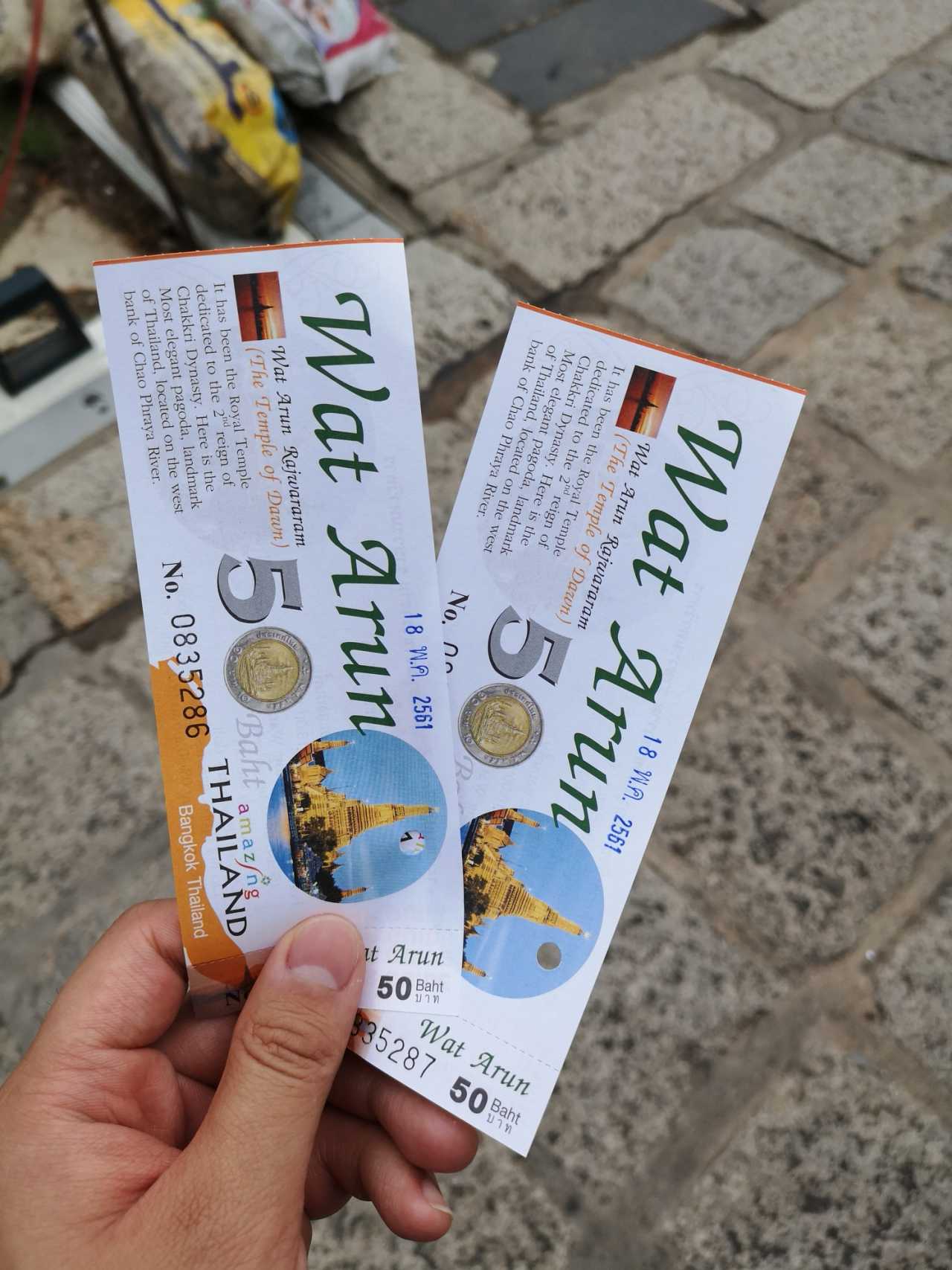
Food is the highlight
Food in Thailand is indeed cheap.
In Bangkok’s luxury districts—Siam Center, etc.—food courts surpass those at home, yet prices are low. A rice bowl in top malls costs only 60 THB (~RMB 12). Pure fruit slushies (fruit + ice, no additives) are just 50 THB! We ate these in bustling city-center malls. DQ Blizzard is even cheaper—35 THB (~RMB 7) for a medium—though very sweet. Mall food is inexpensive but portions are small.
Memorable bits:
1) Breakfast at our Bangkok homestay.
We picked a homestay; services were nice, best of all the hostess cooks breakfast—two set options, modest portions, but it’s a treat to have breakfast made for you. It was delicate and tasty—omelette, ham, juice, coffee—a simple meal to remember.
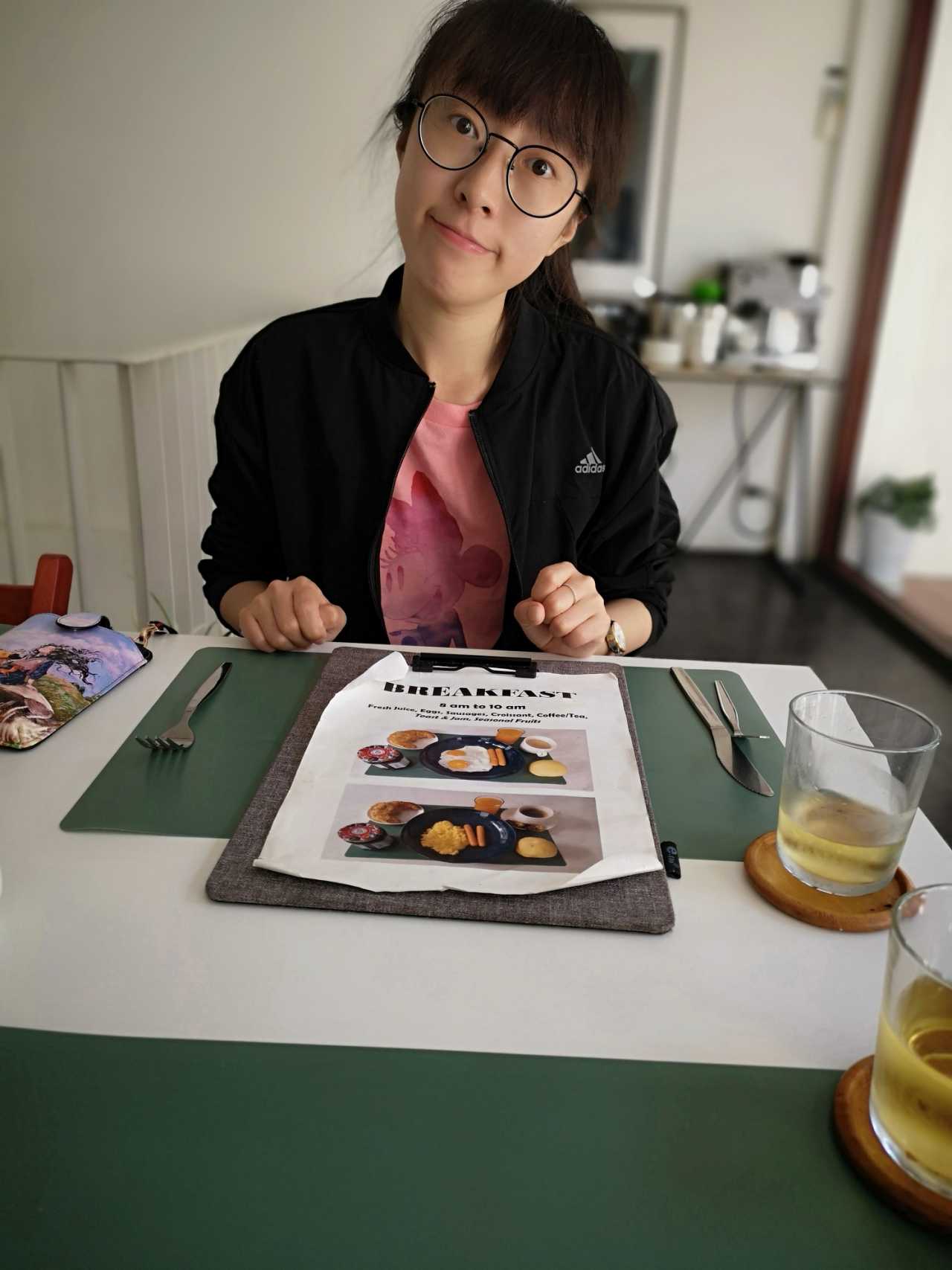
This was the breakfast menu.
Food in Phuket:
I can’t walk past great food. Despite the heat, eating made it feel bearable. Special thanks to my friend Guagua for hands-on help with meals. I recommend using Dazhong Dianping—lots of Chinese travelers use it, and its references are helpful.
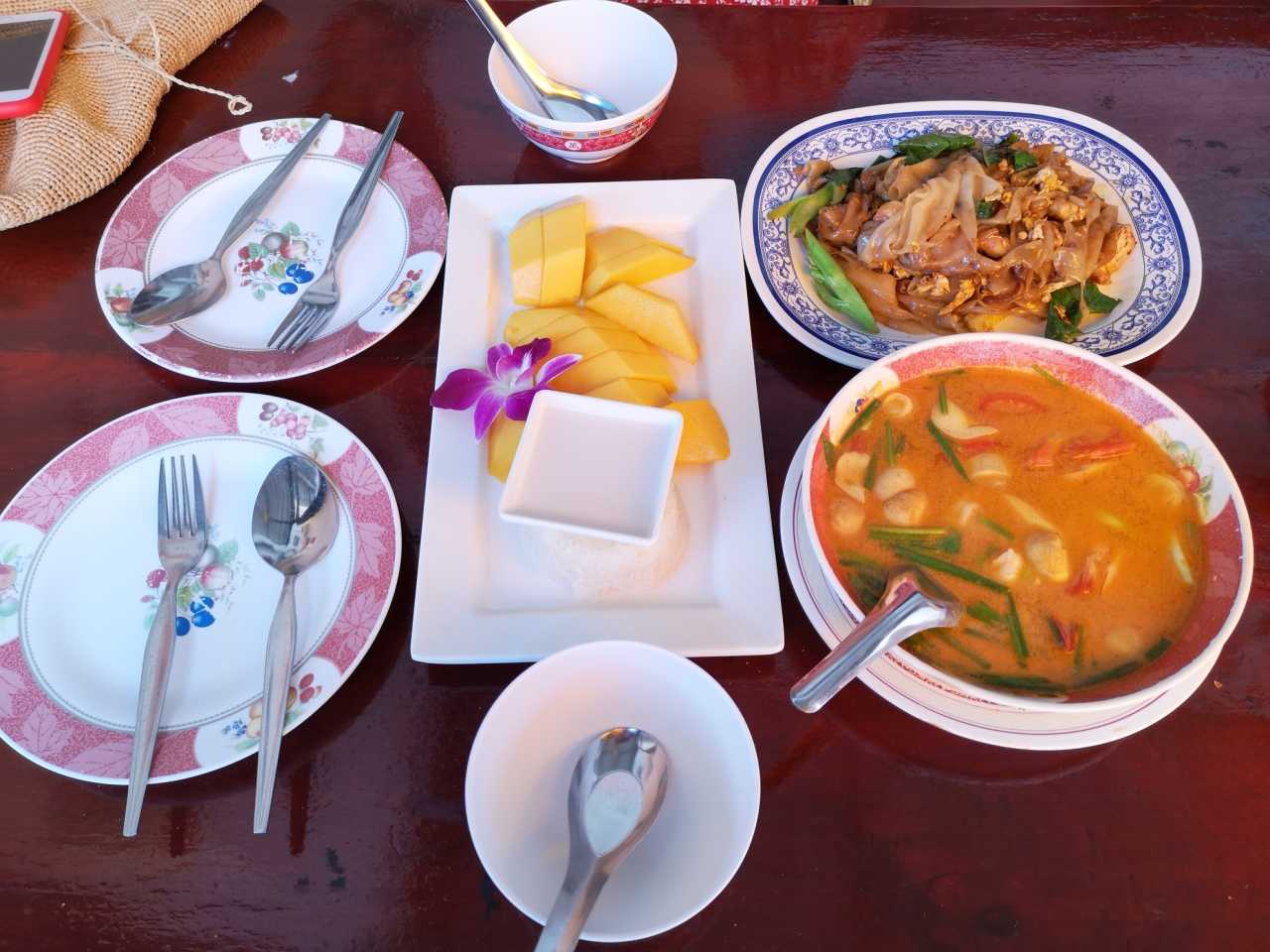
Mango sticky rice, tom yum, and fried rice noodles.
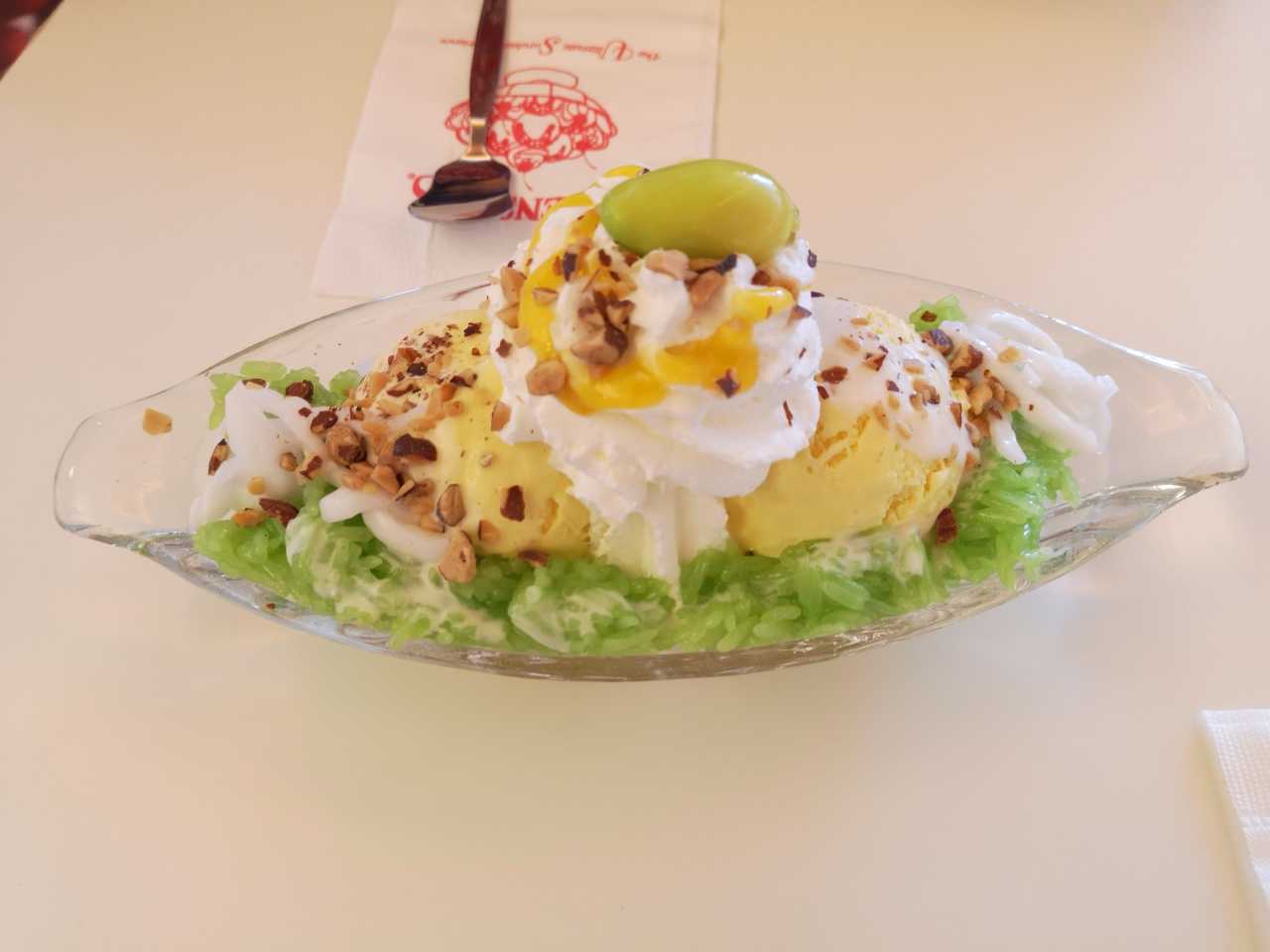
Haha—Big C’s mango boat.
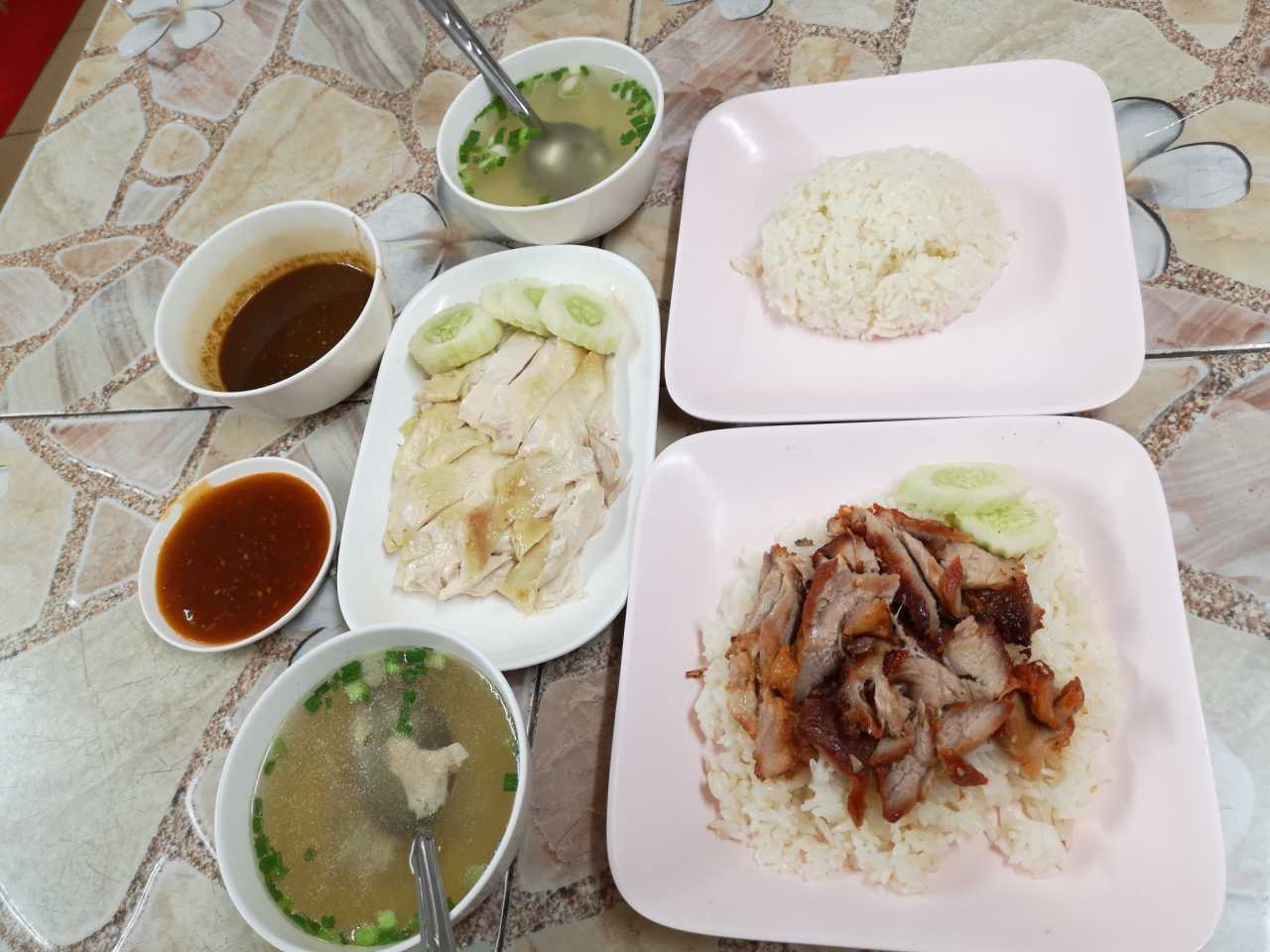
Hainanese chicken rice was truly good.
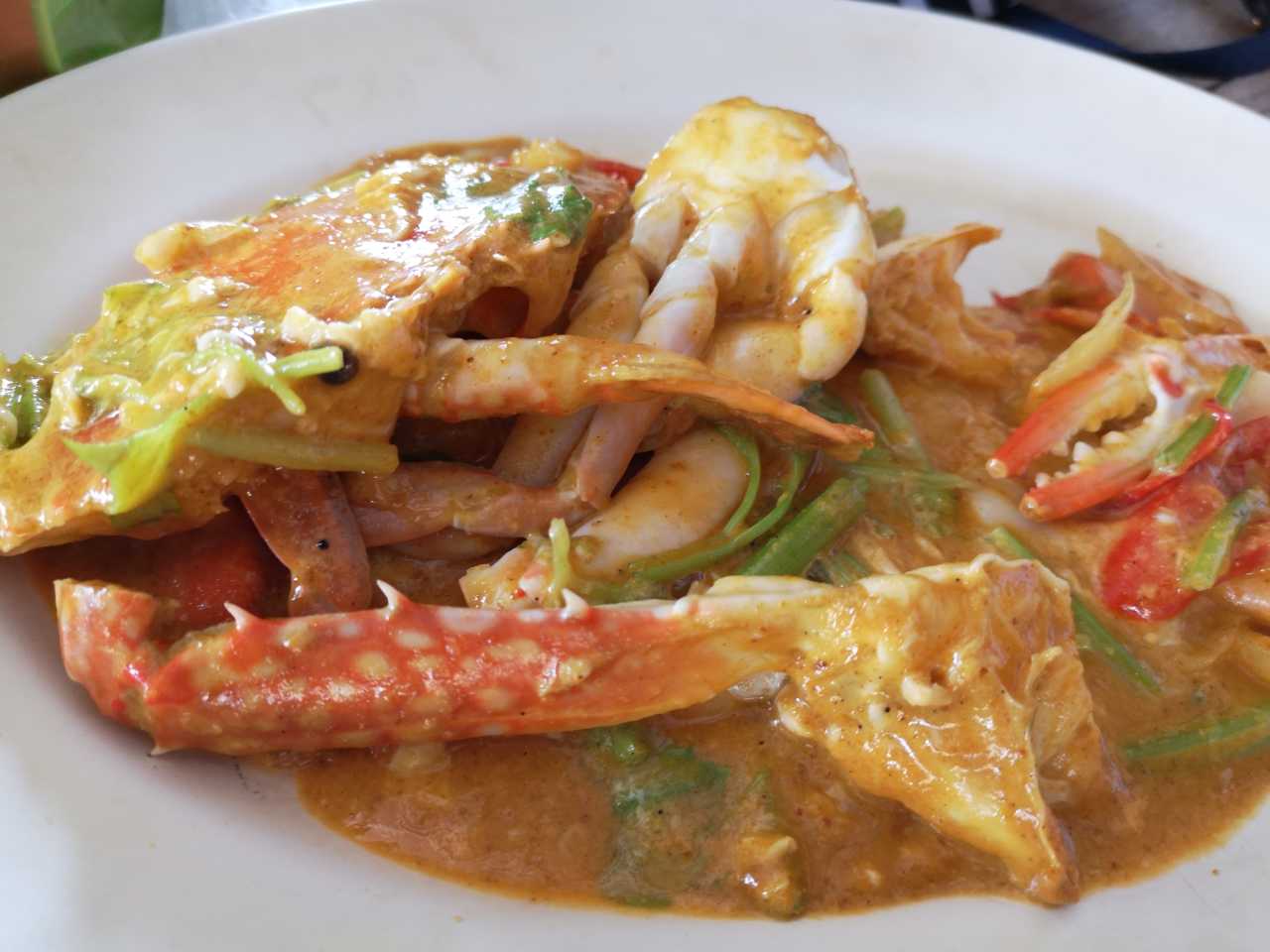
This curry crab might be the best I’ve ever had—maybe I was too hungry.
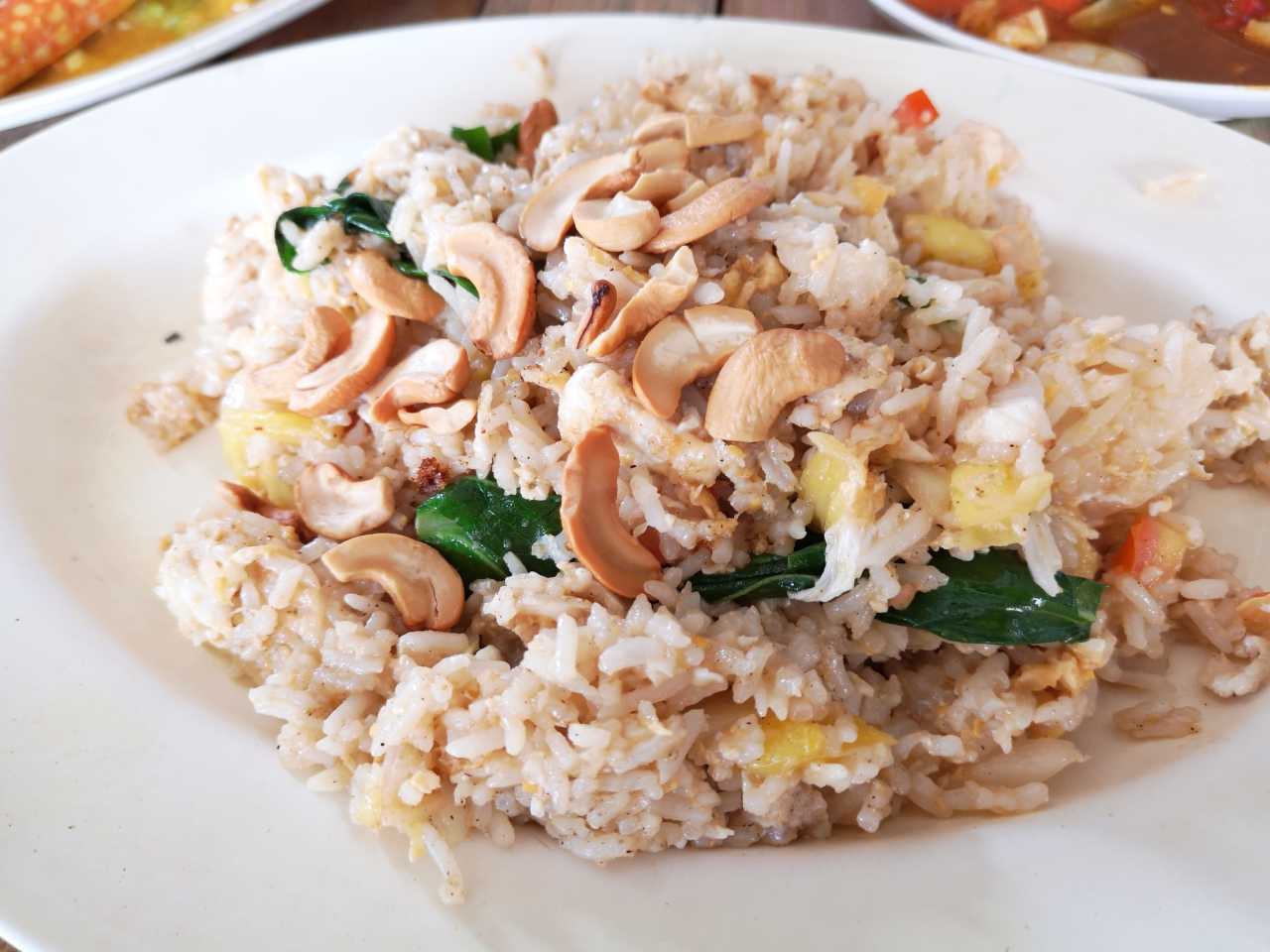
Pineapple rice—looks and tastes great.
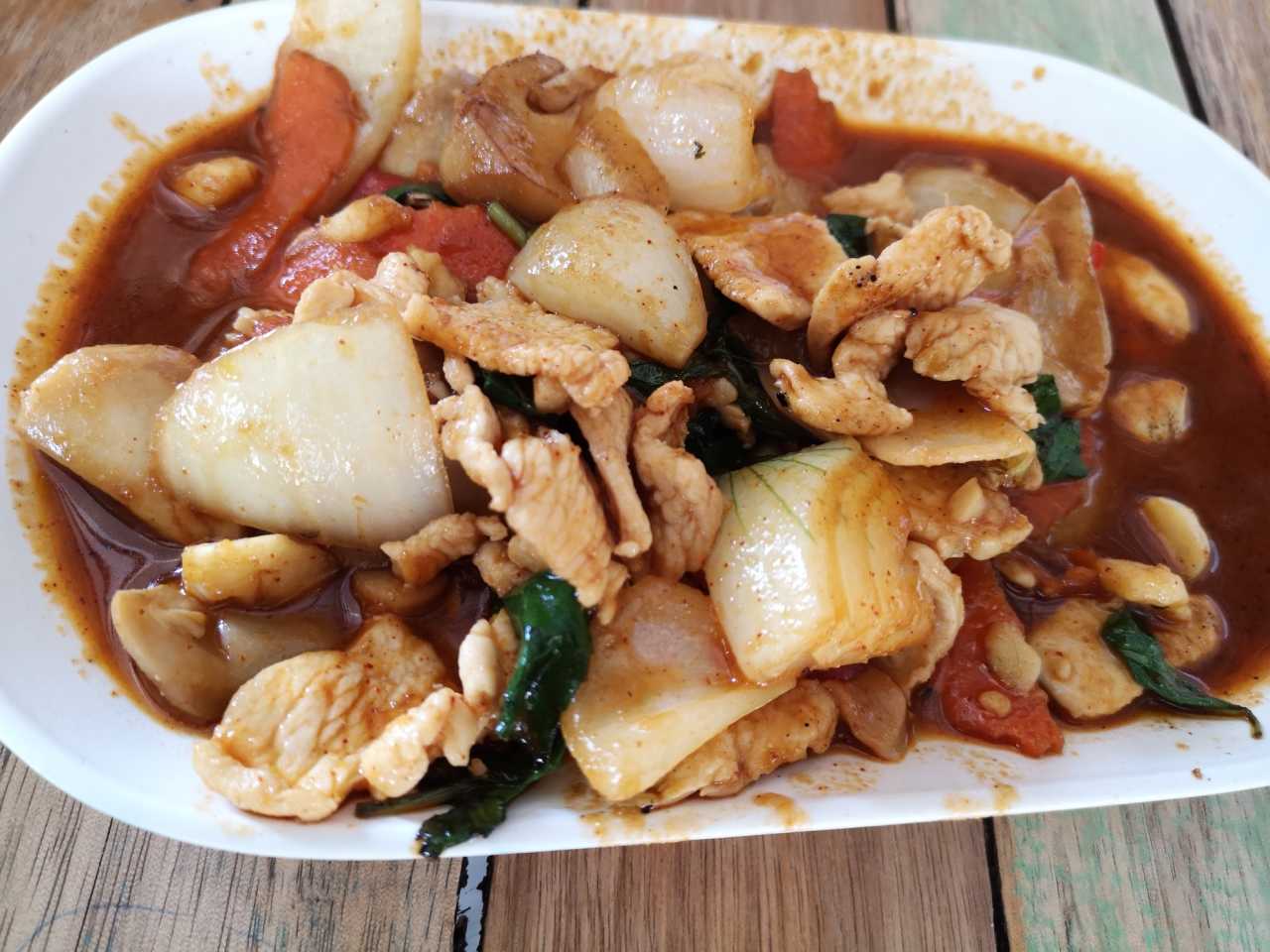
This stir-fried chicken tasted like Chinese cuisine, haha.
I won’t list all the restaurant names—many Thai restaurants at home aren’t very authentic. One thing, though: lemongrass seems to flavor about 80% of dishes, often with lemon. After seven days I can still recall that taste—and I felt “heated” the whole time, drinking 5L+ water daily. Thankfully bottled water is cheap—Nestlé 1.5 L purified water is only 12 THB.
Wrapping up
It feels like I’ve been writing from May to September—definitely procrastinated—but it’s nice to relive the moments. This travelogue simply records my feelings—perhaps not a perfect, useful guide—but it captures what I saw, heard, and thought on my first trip to a foreign land. That’s enough. I probably won’t go again—haha—because it’s hot.