Foreword
[Origin] Many years ago, a friend’s fun travelogue about Thailand left a deep impression on me and planted a longing, which kicked off my new journey on the road. Over the years I’ve been on the road while countless friends went to Thailand; the wave from “Lost in Thailand” surged everywhere, yet this seasoned driver never managed to make a pilgrimage to the Buddhist kingdom. After drinking the northwesterly wind for several consecutive years, it’s time to change flavors and ride the southeast breeze.
[Fun] Undoubtedly, this was an interesting trip — sensual fun, childlike fun, wild fun, quirky fun, leisurely fun, witty fun — so the travelogue should carry more playful notes. With the joyous style of “Lost in Thailand” (“I just want to be with you”), may those who read this be intrigued and join in the journey.
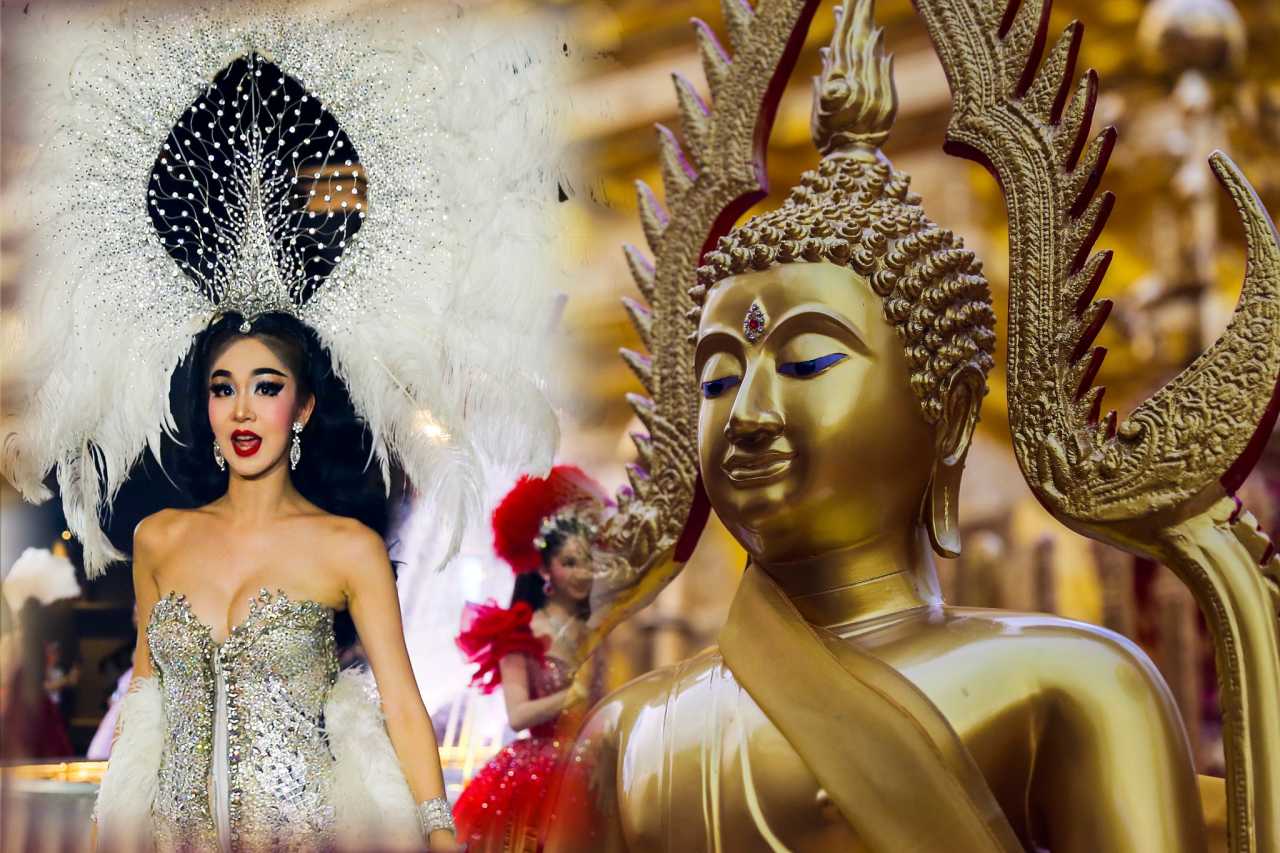
[Degree] The reason for putting the Buddha statue and ladyboy in the same frame (hopefully not disrespectful to the Buddha) is that I believe it best symbolizes the magical side of the Kingdom of Thailand: two diametrically opposite cultures coexisting harmoniously. The sexless Buddha and LB each fulfill the mission of saving all beings in their own way — one radiates boundless Buddha‑light by day, the other blooms brilliantly by night.
About the Itinerary
Travel in Thailand mainly follows two lines — the southern Phuket and the northern Chiang Mai. Chiang Mai has boomed in recent years and even has direct flights, so we decisively chose it. We’d also swing by Pattaya for a critical look and get a taste of island vibes — a rather rich itinerary.
D1 (Aug 10): Nanchang — Chiang Mai, stay at Chiang Mai Chotana Villa
D2 (Aug 11): Chiang Mai — Pai, visit the WWII Memorial Bridge, Strawberry Farm, Yellow House, Big Tree Swing, Upside‑Down House, night market; stay at Puripai Art Resort
D3 (Aug 12): Pai — Chiang Mai, sunrise at Yunlai Viewpoint, Mae Yen Temple, back to Chiang Mai, Doi Suthep, Wat Phra That Doi Suthep; stay at Lotus Hotel
D4 (Aug 13): Chiang Mai — Tha Phae Gate, Wat Phra Singh, Chiang Mai Women’s Prison SPA, Wiang Kum Kam ancient city, Muay Thai; stay at Lotus Hotel
D5 (Aug 14): Chiang Mai — Mae Sa Elephant Camp, jungle zipline, Nimmanhaemin Road; stay at Phu Inn Akorn Hotel
D6 (Aug 15): Chiang Mai — Bangkok — Pattaya, Pattaya Beach, Tiffany’s Cabaret Show; stay at Birds & Bees Resort
D7 (Aug 16): Pattaya — snorkeling, parasailing, BIG‑EYE triple show, Walking Street; stay at Birds & Bees Resort
D8 (Aug 17): Pattaya — Four Regions Floating Market, Ripley’s Believe It or Not Museum, King Power Duty Free; stay at Pattaya Asia Hotel
D9 (Aug 18): Pattaya — Bangkok, Chatuchak Weekend Market, Ratchada Train Night Market, SHUGAA Café; stay at UMA Residence
D10 (Aug 19): Bangkok — Grand Palace, Chinatown; stay at UMA Residence
D11 (Aug 20): Bangkok — Nanchang
First Taste of Vibrant Colors
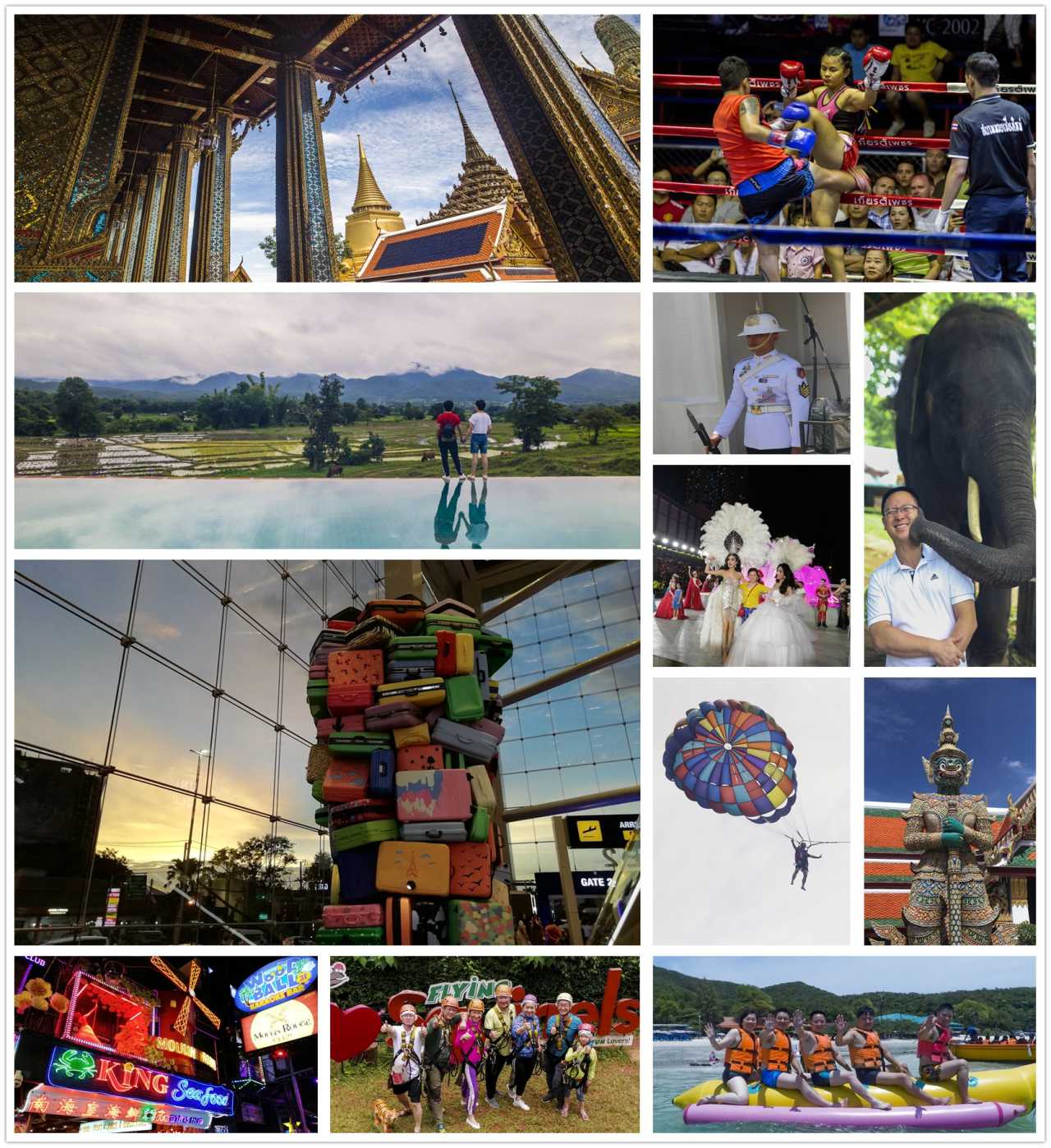
[Vital] This is a nation brimming with vitality and all sorts of whimsical ideas — water sports, snorkeling, Muay Thai, massage, shows, food, parent‑child fun, shopping, ladyboys — suitable for all ages, with experiences so rich you can’t take them all in.
[Color] A world of colors — green jungles, blue seas, golden temples, colorful buildings, and beautifully presented Thai cuisine, plus an open attitude toward erotic culture.
[Life] A traveler’s paradise that brings refined travel living — assembly‑line‑like proficiency, developed and complete travel facilities, delicate service with warm smiles, low travel costs, and a comfortable, relaxed travel experience. Absolutely worth coming again and again.
[Fragrant] All this can only be summed up as: truly fragrant.
TIPS
Calling these “tips” is presumptuous — travel guides and journals abound. I’m only compiling what I used and personally experienced as reference.
[Visa] Friendly country; visa on arrival
[Flights] Go with AirAsia
[Exchange Rate] Roughly 1:5
[Language] English + gestures + translation apps
[Comms] Bought two Happy cards on Taobao (7‑day validity) — mobile data and calls went smoothly — very important
[Apps] Tantu (navigation), Google Maps, translation apps, Qunar, Zuzuche, Dianping (food)
[Customs] Tipping; dress modestly in temples
[Shopping] 7‑Eleven convenience stores, King Power duty‑free, night markets
[Transport] Renting a car for self‑drive, songthaews, airport pickup/car charter
[Photography] Compared to our great Northwest scenery, phones do fine — eat, drink, play and enjoy.
[Hotels] Rich options, high style, good service, many pools — the value for money is unbelievably high.
[Entertainment] Anything you can think of and everything you want.
[Safety] The news shows Thailand protesting daily or terror activities, but in a nation of Buddhists, people are friendly and tolerant; safety isn’t an issue.
D1: Chiang Mai | Newly Arrived, A Bit Dazed
August is vacation high season. The people of Nanchang, with fuller wallets, are no less enthusiastic about going abroad; the direct flight to Chiang Mai was packed.
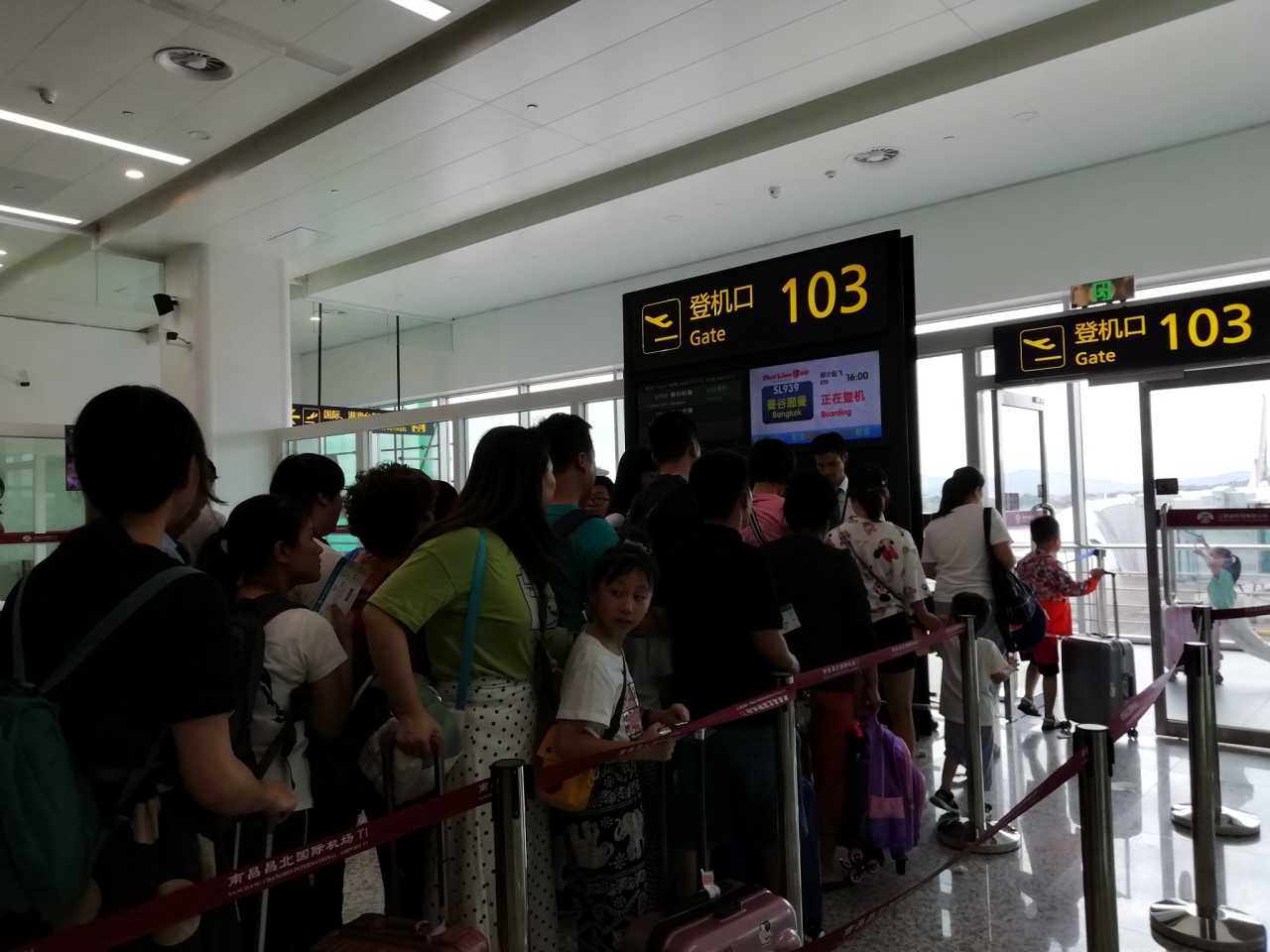
It was our first time on the famed AirAsia — thanks to Nanchang’s development, keeping pace with internationalization. One ticket and one passport and you can go whenever you want — the global village is truly convenient. It’s just that we’re neither rich nor noble — next time abroad, please don’t let us run into anxiety‑inducing situations.
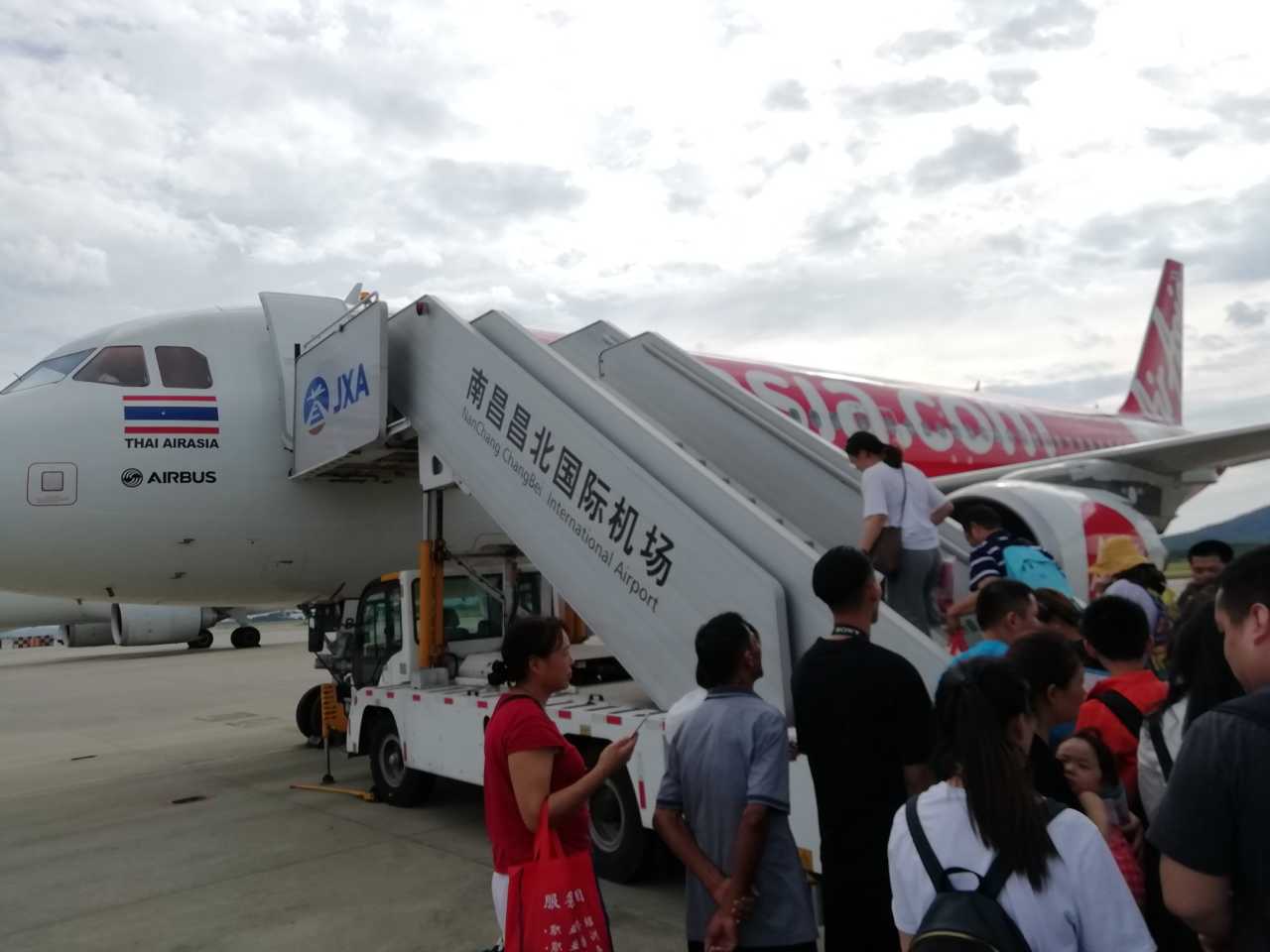
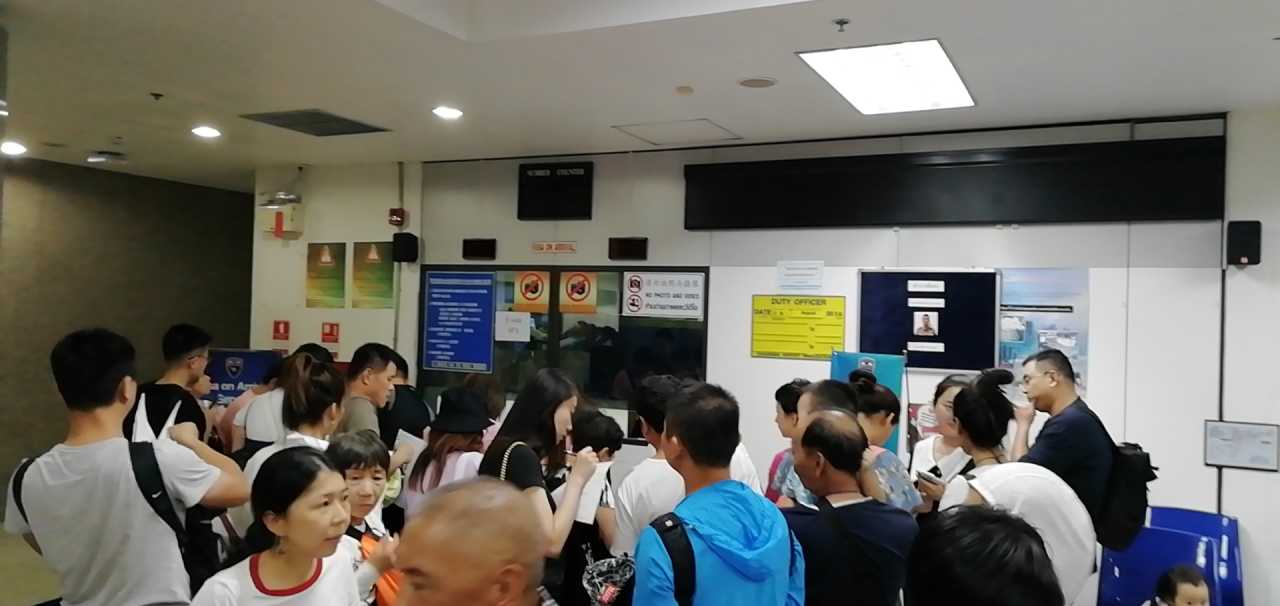
After more than two hours, we landed at Chiang Mai Airport. We had already filled out the entry/exit forms and rushed straight to the small visa section; the visa on arrival took barely ten minutes. Then a large tour group swarmed in — that was close 
But once we exited, following the map, we couldn’t contact the car‑rental company. Communication was tough — a bit dazed — were we going to have a “Lost in Thailand” moment? At a key moment we found a Chinese‑Thai who taught us to dial correctly — problem solved.
To be fair, Yesaway’s service is quite good — Chinese service, fast and warm processing. Two Toyota Vios cars in hand and our happy holiday begins.
After years of self‑driving, I never imagined we’d be driving abroad. The roads are nice. Different from China, Thailand drives on the left. At first we occasionally went the wrong way, but soon controlled the car with ease and regained composure. See — we “do as the locals do” pretty quickly.
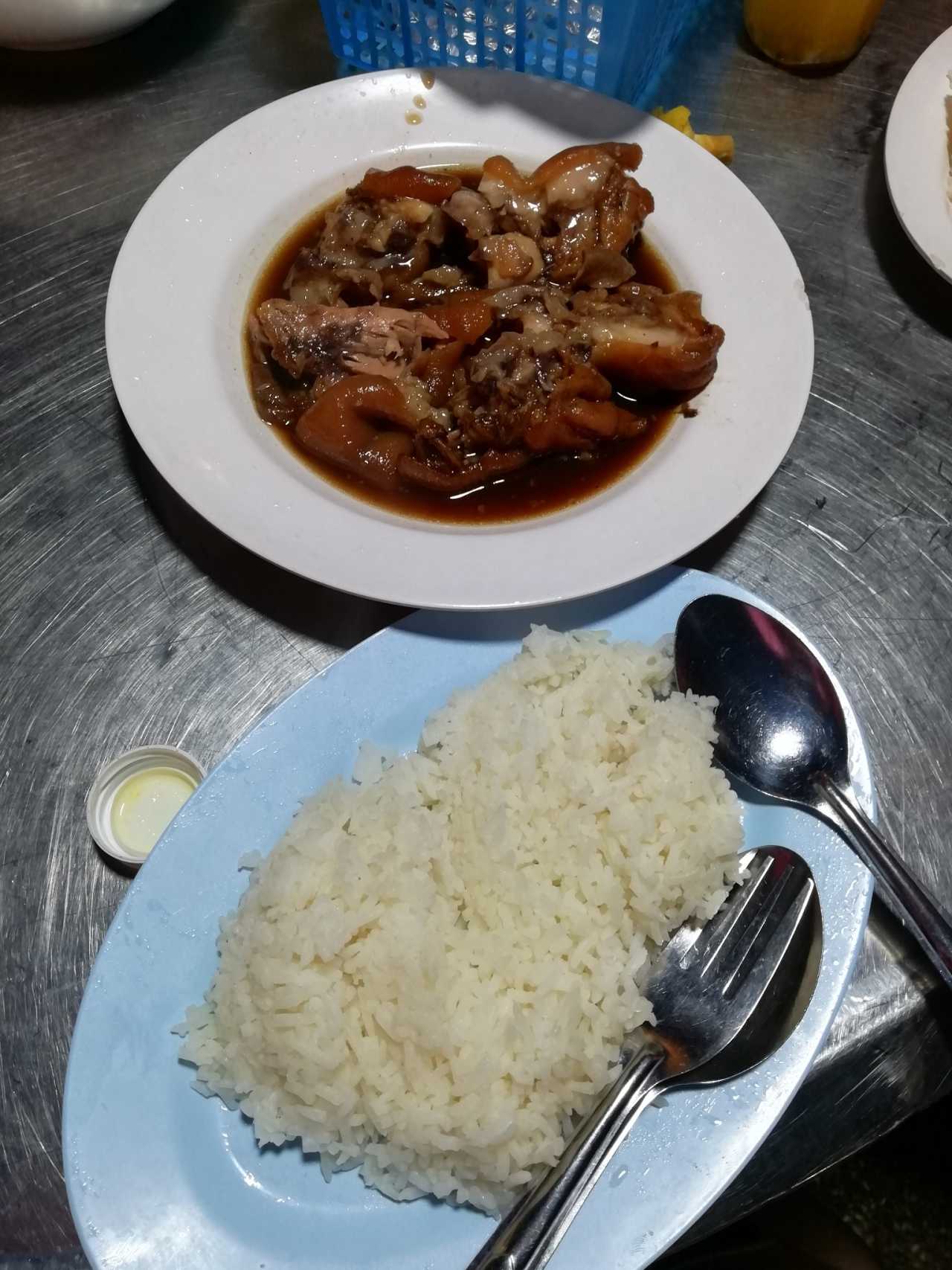
Per plan we passed the famous Khao Kha Moo Chang (Feng Fei Fei) pork leg rice in the north of the old city. It’s by a roadside night market with countless snacks, but we loved the pork leg rice most — tender pork, delicious gravy, and fragrant Thai rice — a perfect mix to kick off a Thai culinary mode. To make a simple pork leg rice a sensation, the boss lady must be truly charming, with unique skills. With Chinese fans piling in, she now focuses on collecting money.
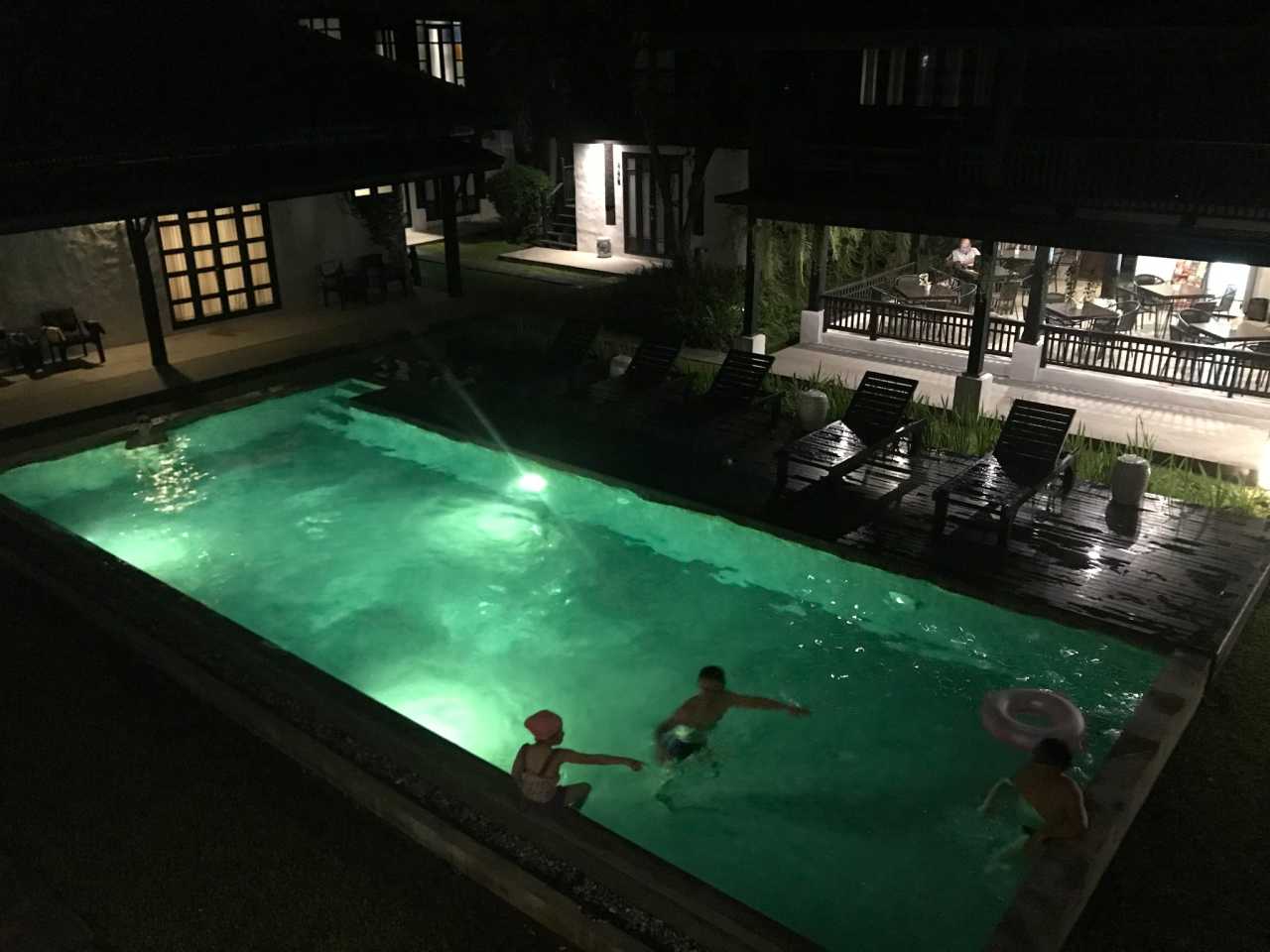
As night fell, we got confused again on the way to the hotel — took the wrong road and drove forever without finding a place to turn. We didn’t dare turn around randomly for fear of countless cameras in the dark. Later we realized the power of electronic policing — even a township in the sparsely populated northern Xinjiang of our great nation surpasses Thailand by miles. Enough rambling — long story short, we finally reached the hotel. Seeing the jade‑like pool in the night, we had to take a dip no matter how late — washing away fatigue, clearing the mind, and hoping the road ahead would be less confusing.
D2: Pai | Playing the Artsy Type, Wandering the Countryside
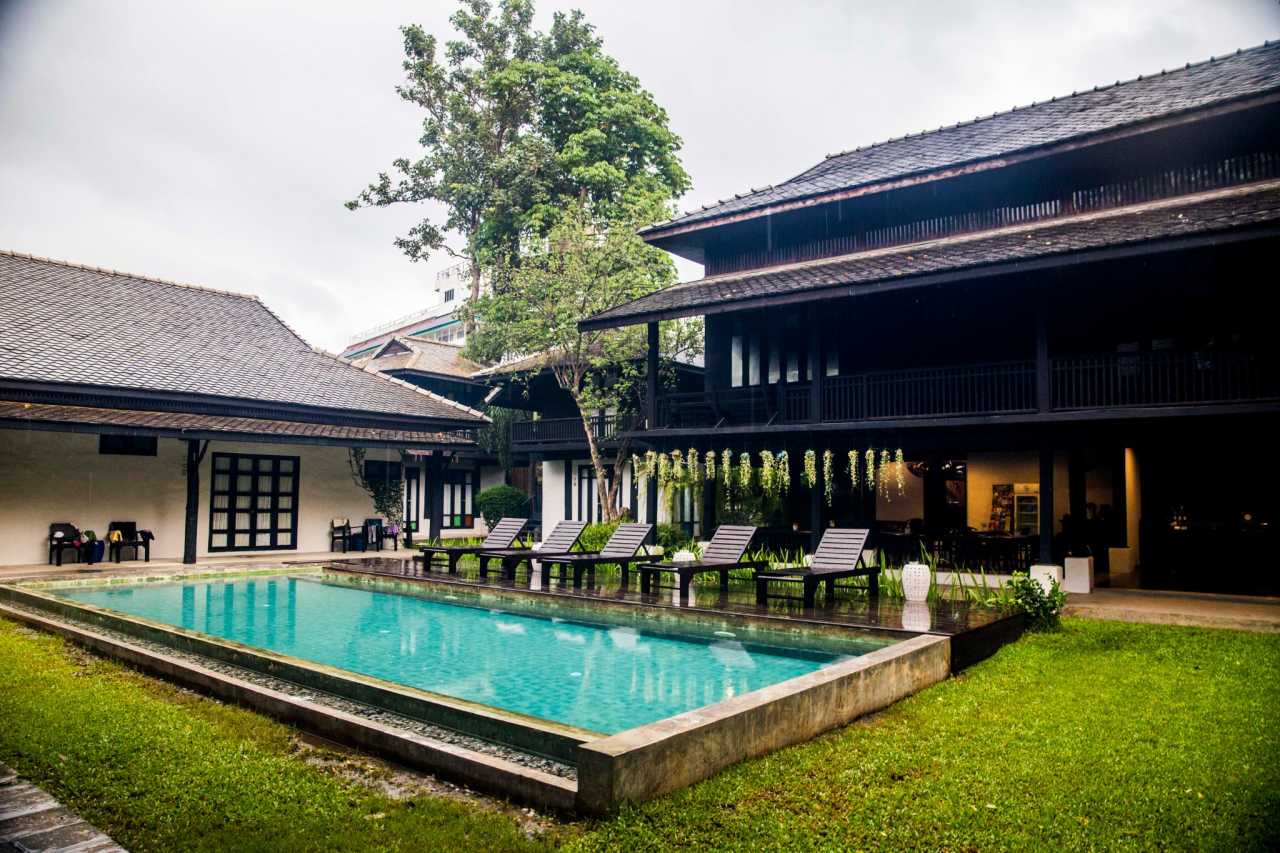
[Chiang Mai Chotana Villa] Located in the northern suburbs of Chiang Mai. We booked here mainly so we wouldn’t delay the next day’s direct trip to Pai. The hotel is small but exquisite, with a strong retro style and a touch of Japanese. There’s a large courtyard and a pretty emerald‑green pool. The hotel’s logo design is artistic and tasteful — worth a try.
Our two female leads appear — Luozi and Xiaoyang, old members from last year’s Xinjiang trip.
Can that person on the second floor with feet up keep a civilized sitting posture? Quality, please.
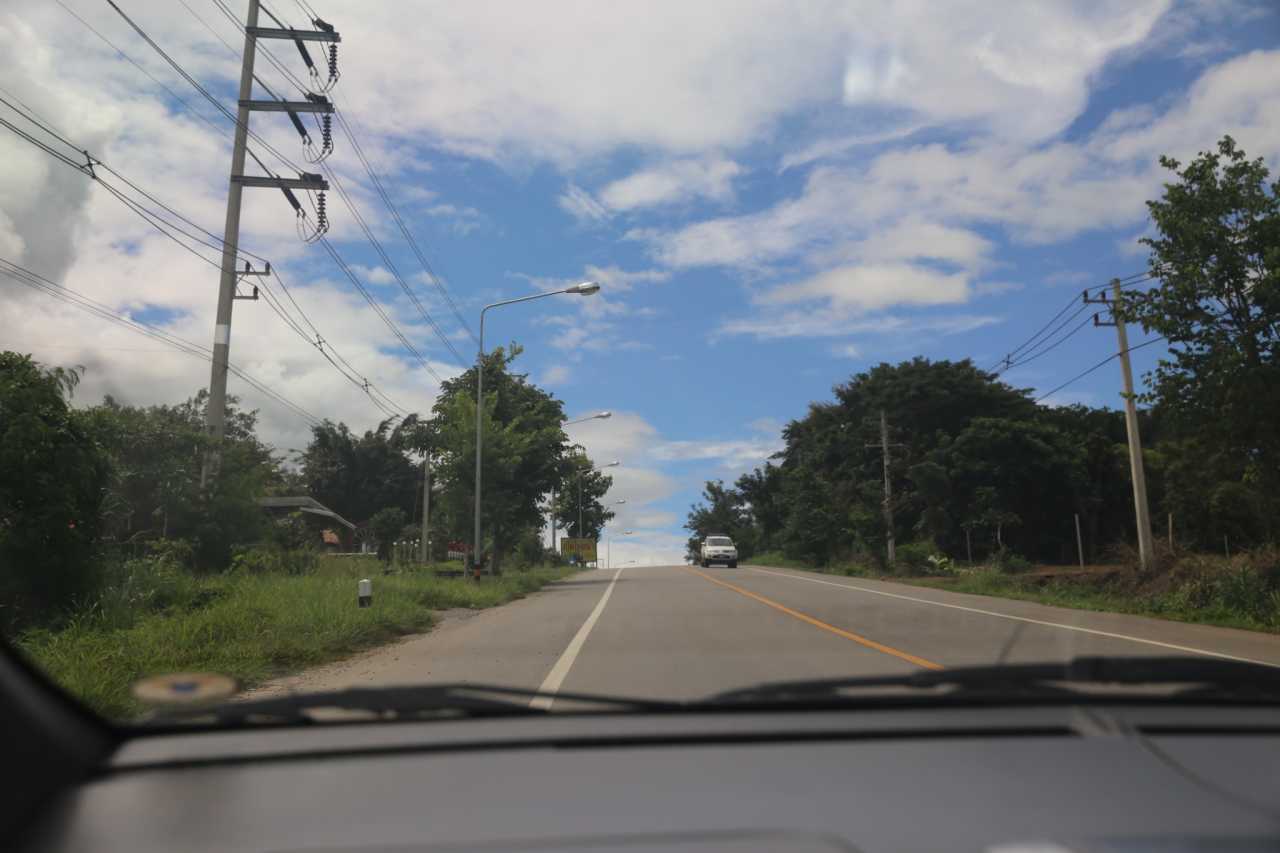
Heading to Pai, the mountain road is winding. Female driver Xiaoyang is solid. But girl — why when told to use the turn signal do you keep pulling the wiper stalk? Are you sure you’ve adapted to local customs? 
“Eighteen curves” describes a tough mountain road. This northern Thai route reportedly has over 700 bends. Even having driven the Duku Highway, we still bowed to these endless turns. There’s hardly a straight hundred meters; even seasoned drivers submit. Many foreigners in T‑shirts and shorts raced motorcycles along the mountain road — playing like they didn’t care for safety.
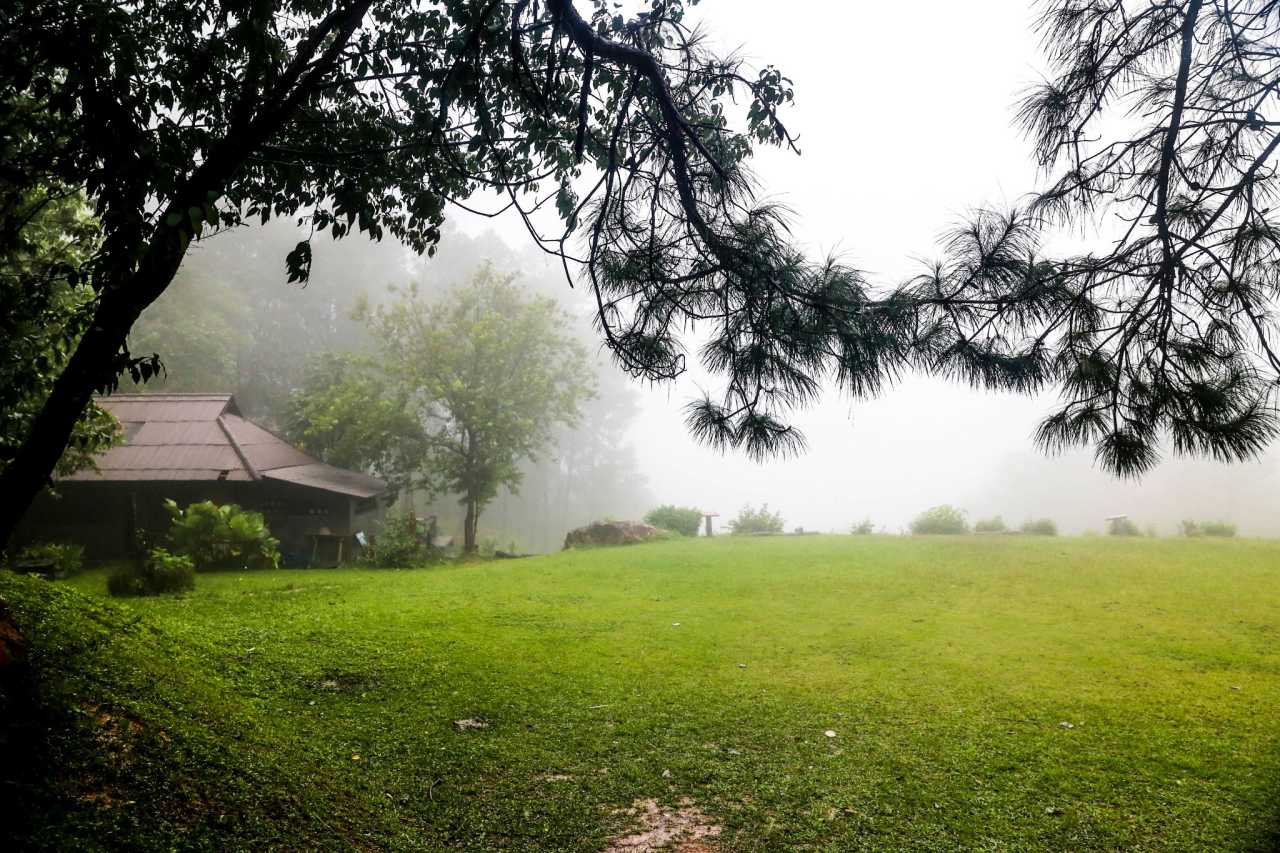
There are barely any service areas en route. In misty mountains we rested on a lawn, then walked deeper. Under thick fog, the northern Thai forest felt mysterious. “Only in this mountain, the depths where clouds hide.”
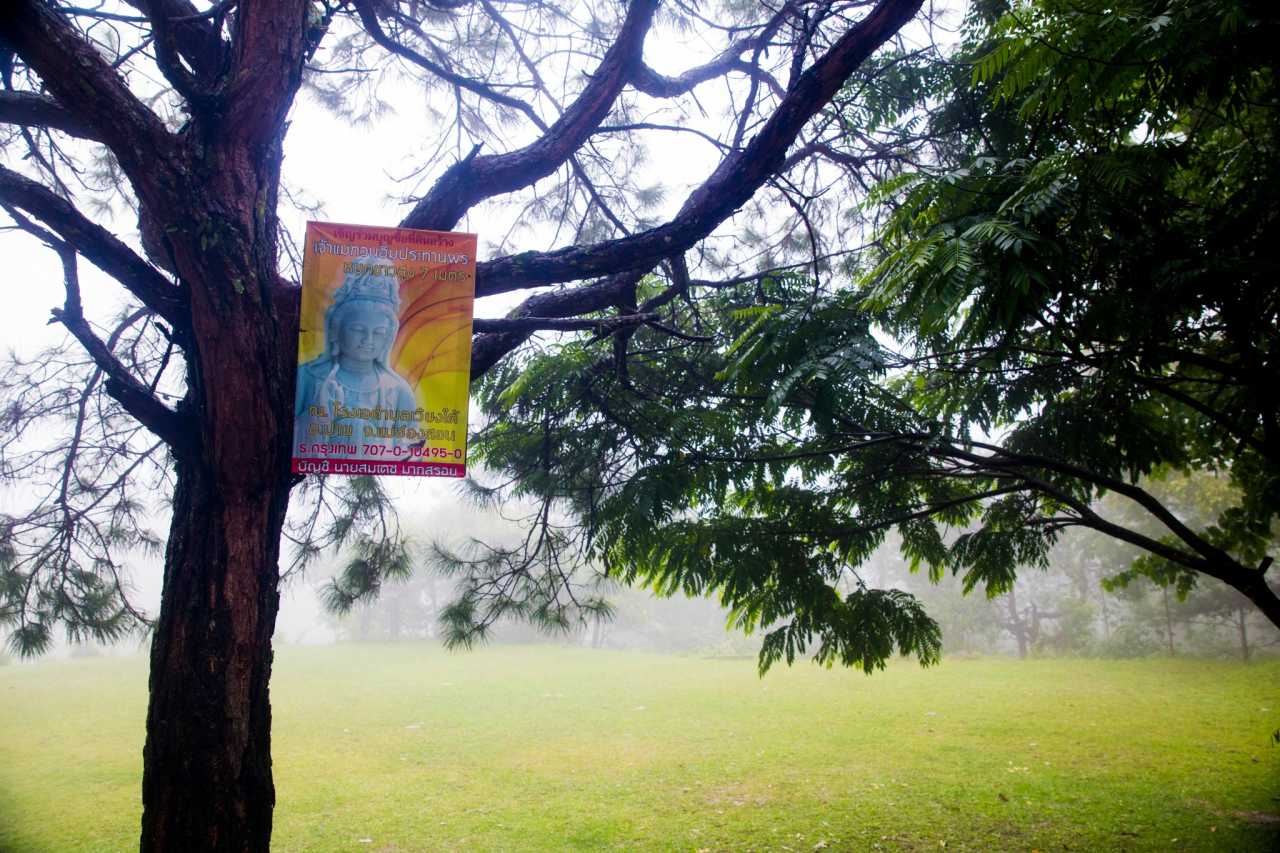
Even a random tree carries the Buddha’s presence. Let’s pray for a safe journey 
Over 100 km and three hours later. The WWII Bridge is the first sight entering Pai — a big iron bridge that looks historical, built by the Japanese during the war. Walk the relics to feel the years. Props are placed along the way for visitors to take photos; of course, an honesty box stands there — it depends on visitors’ quality.
A bright, hip sidecar gave us a chance to clown around. Of course, we’re civilized Chinese. But Luozi — can you please put on the blue shirt?
The “imperial physician” recovered the feeling of being “big bro” riding around with a lady back then.
Kneeling before the goddesses — me too.
Opposite is a post office and café, with refined landscaping. The mailbox and postman exude an artsy vibe.
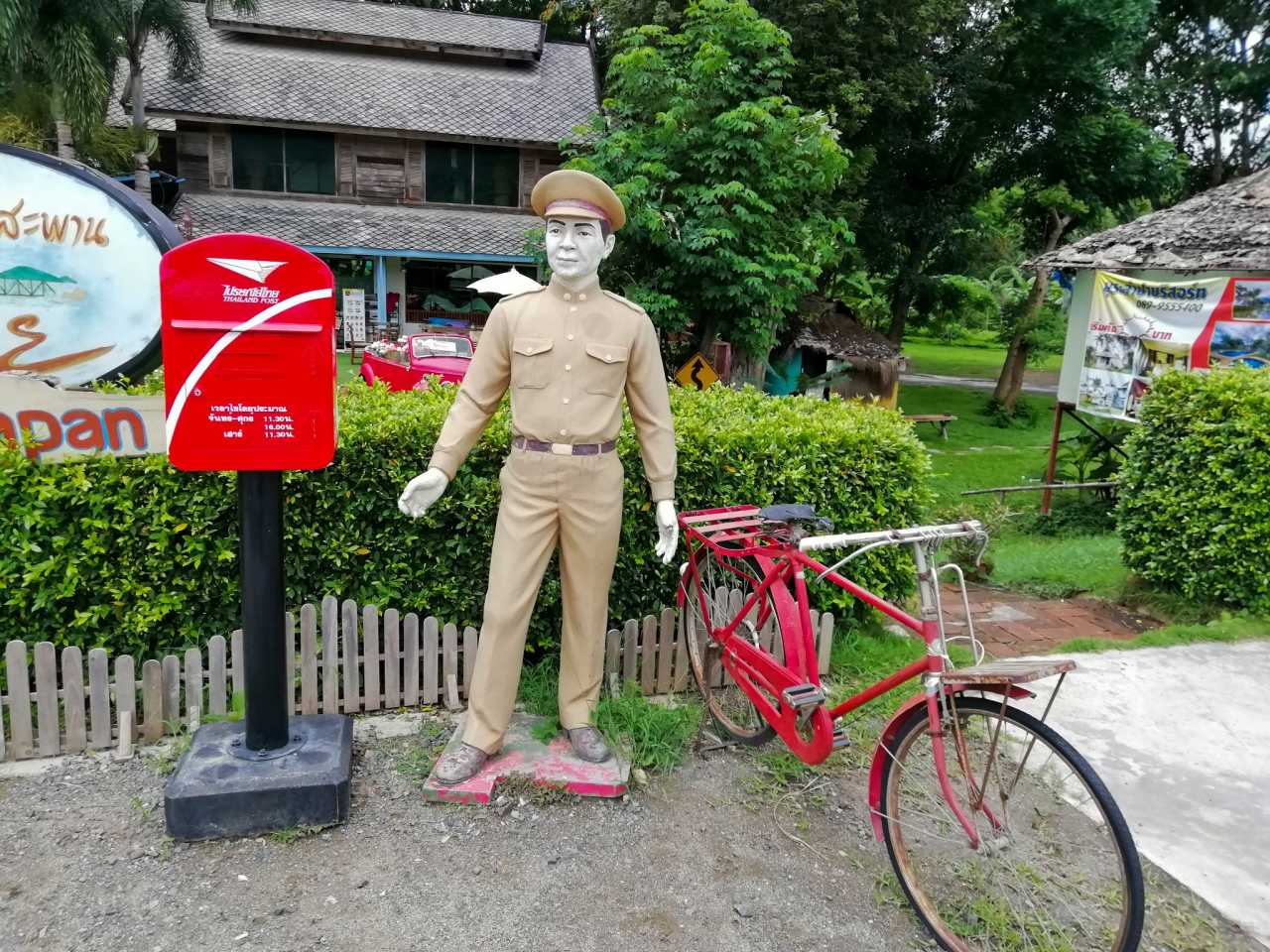
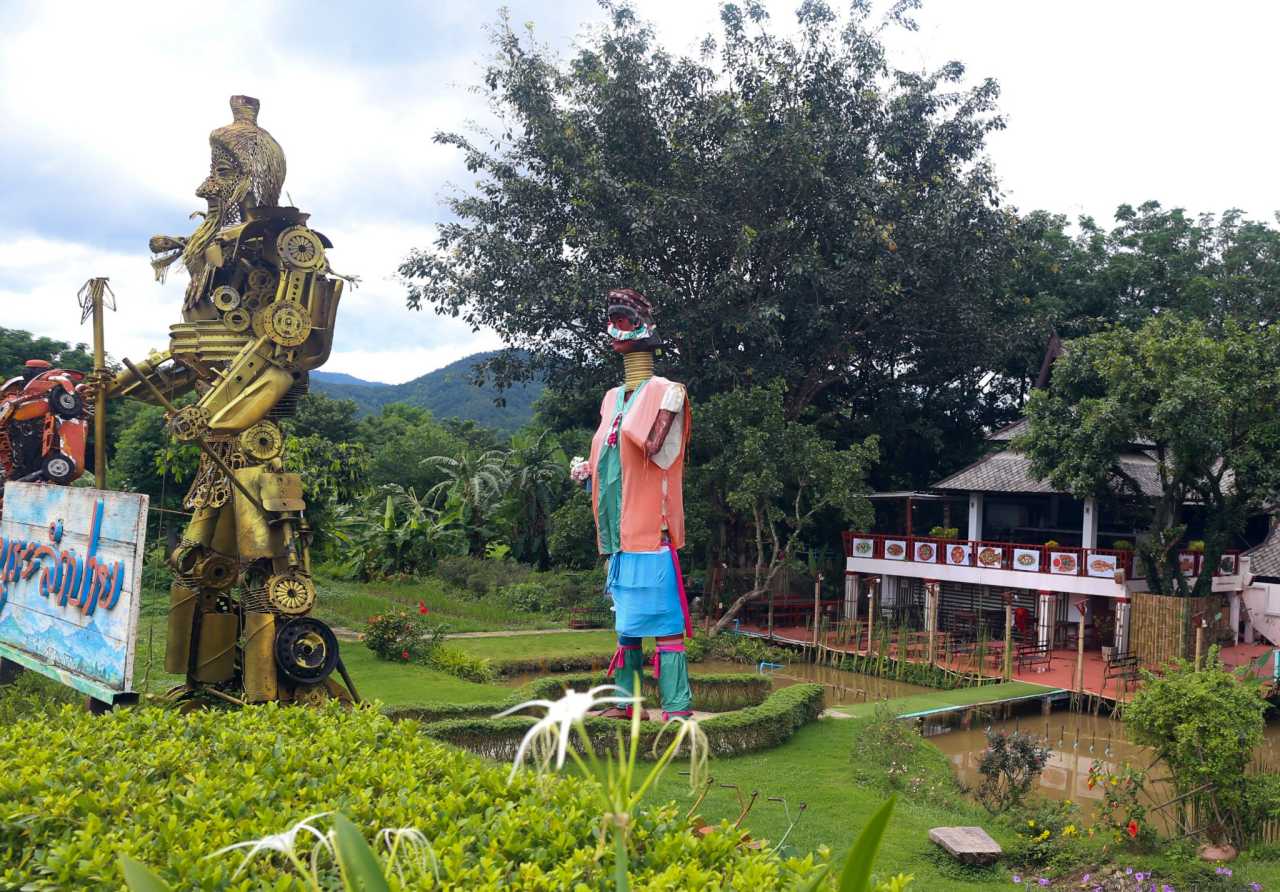
Amid grass and fields, before and behind houses — throughout our later journey in Pai, we saw whimsical, fresh little art pieces everywhere. It was like entering a colorful fairy‑tale world.
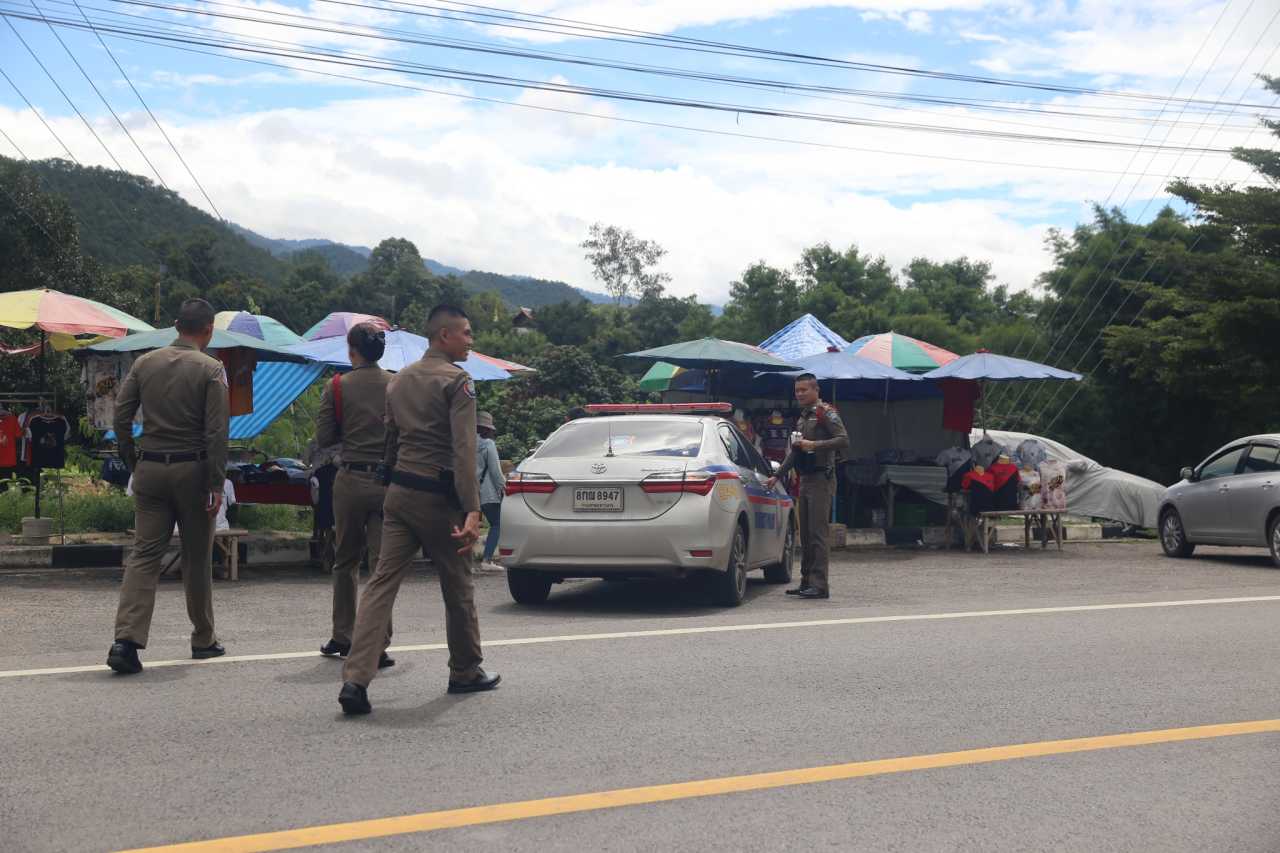
We met Thai police on the road. Southeast Asian uniforms are all this tailored, upright cut — quite smart.
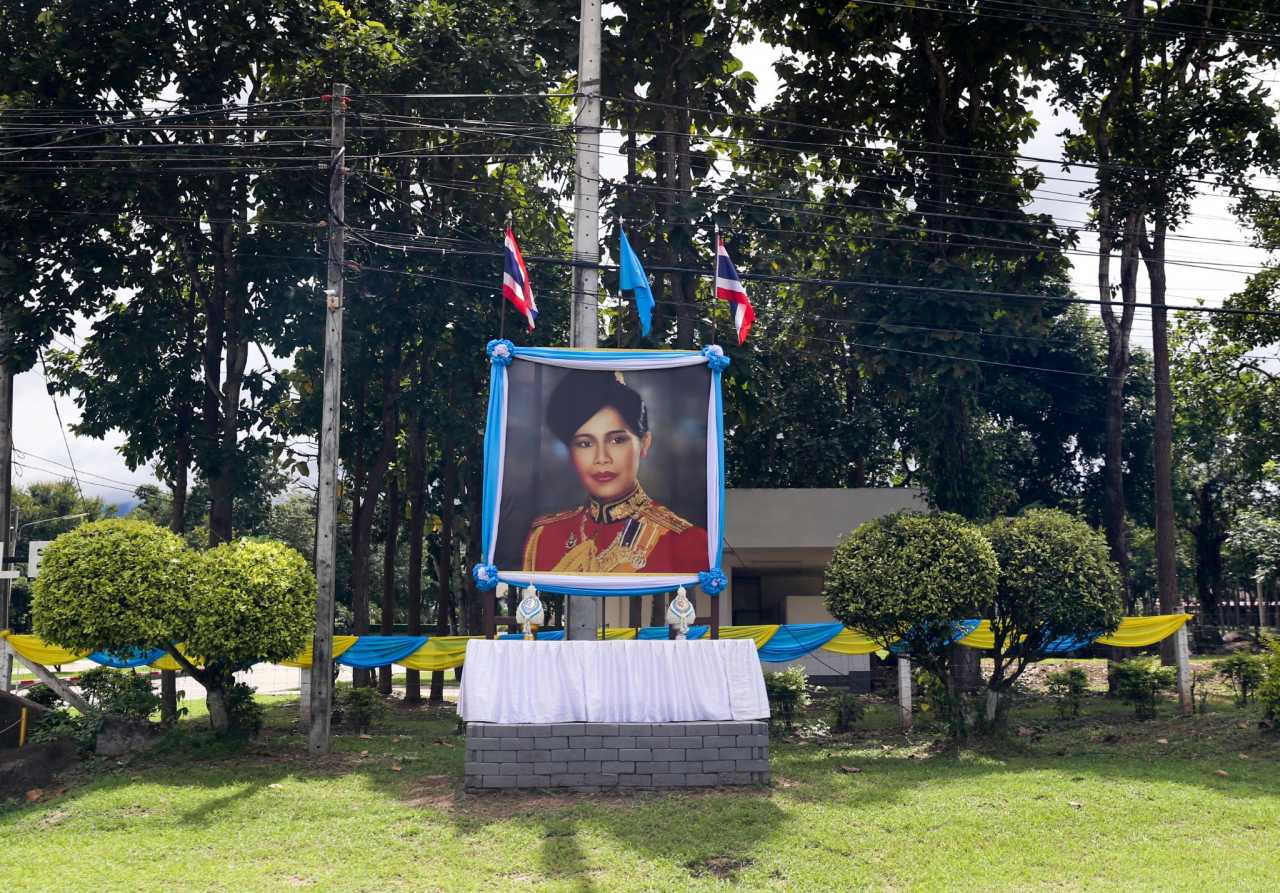
On the streets are not only portraits of the King but also of the Queen. But rumors say the royal harem is brutal — how much blood and tears lie behind the glossy sheen?
We are in Pai
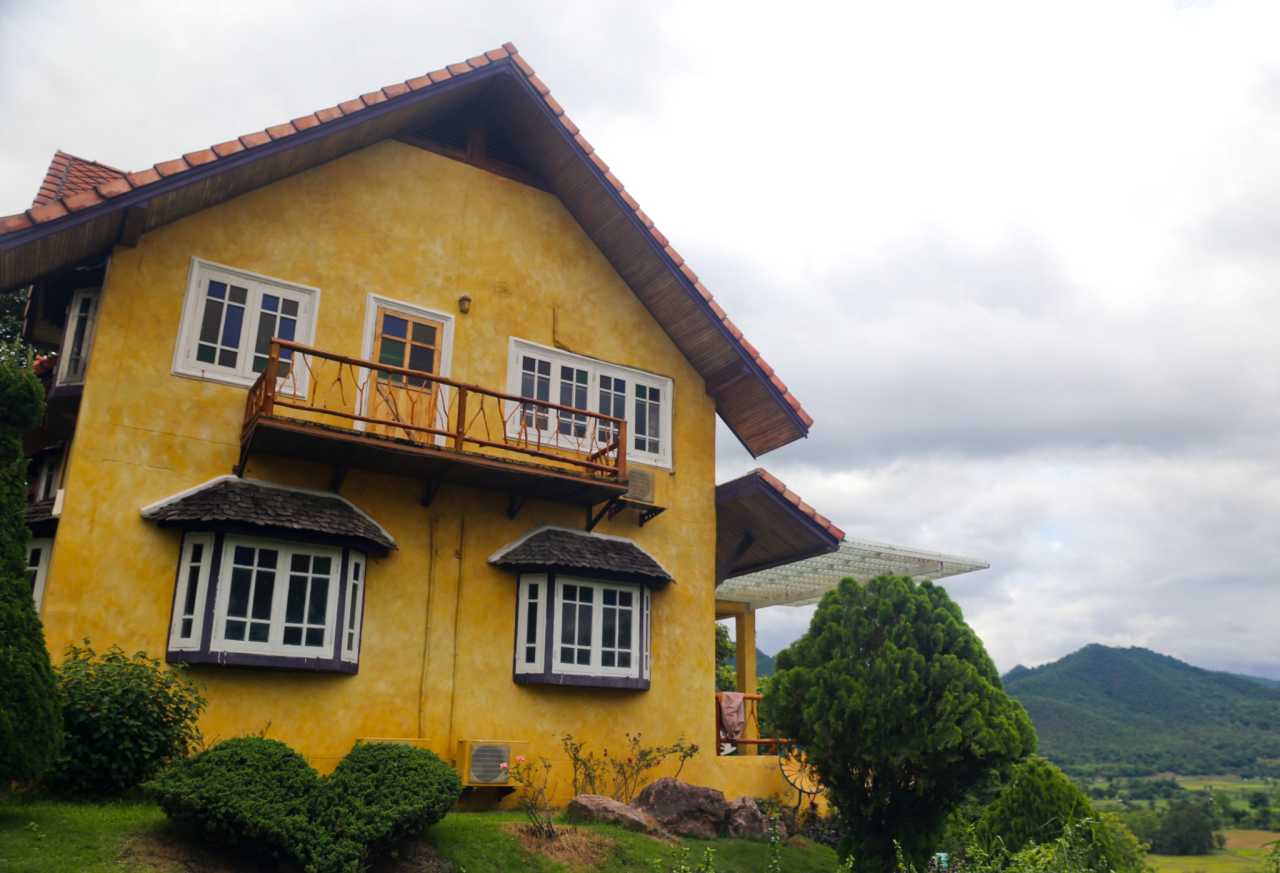
The Little Yellow House — romantic full house — once a filming location for a Thai movie, now a must‑visit photo spot in Pai.
This flower‑covered wall is the check‑in holy land for bougie girls. This fair‑skinned beauty’s skirt flies — the contrasting long dress seems to extend and drape over the entire wall — a witch.
What’s with these two — Northeastern China’s “two‑person dance”?
Not bad — a “saintess” version of Jesus; the suffering cross has turned into a riot of flowers.
“Flower seller, how much are the flowers?” “Not for sale — spring is priceless.”
This is also a guesthouse — houses painted in various colors.
A girl with a flower — add a beauty mark and it’s complete.
Back to the fields, spring blossoms.
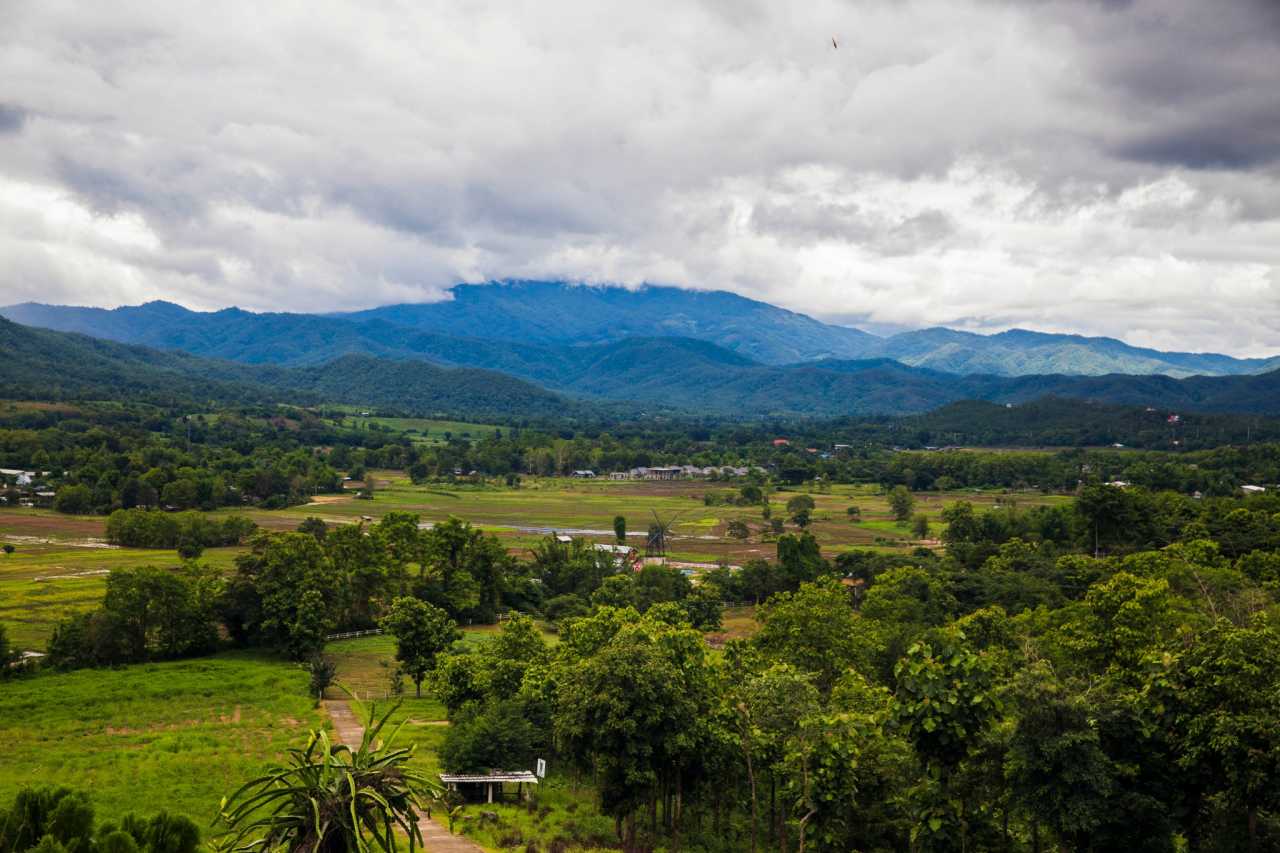
Behind the Yellow House lies vast farmland and pasture. Stand on the slope to gaze out — in the distance, layers of mountains; forests and farmhouses interlaced — the unique pastoral scenery of Pai. A downhill path leads toward that sea of green; with time, strolling it would be lovely.
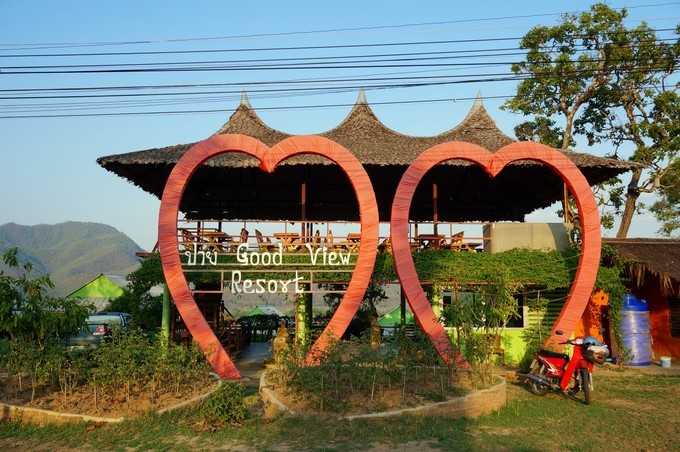
Mari Pai Resort — hotel and sight, very popular. This big thatched hut is the restaurant and front desk.
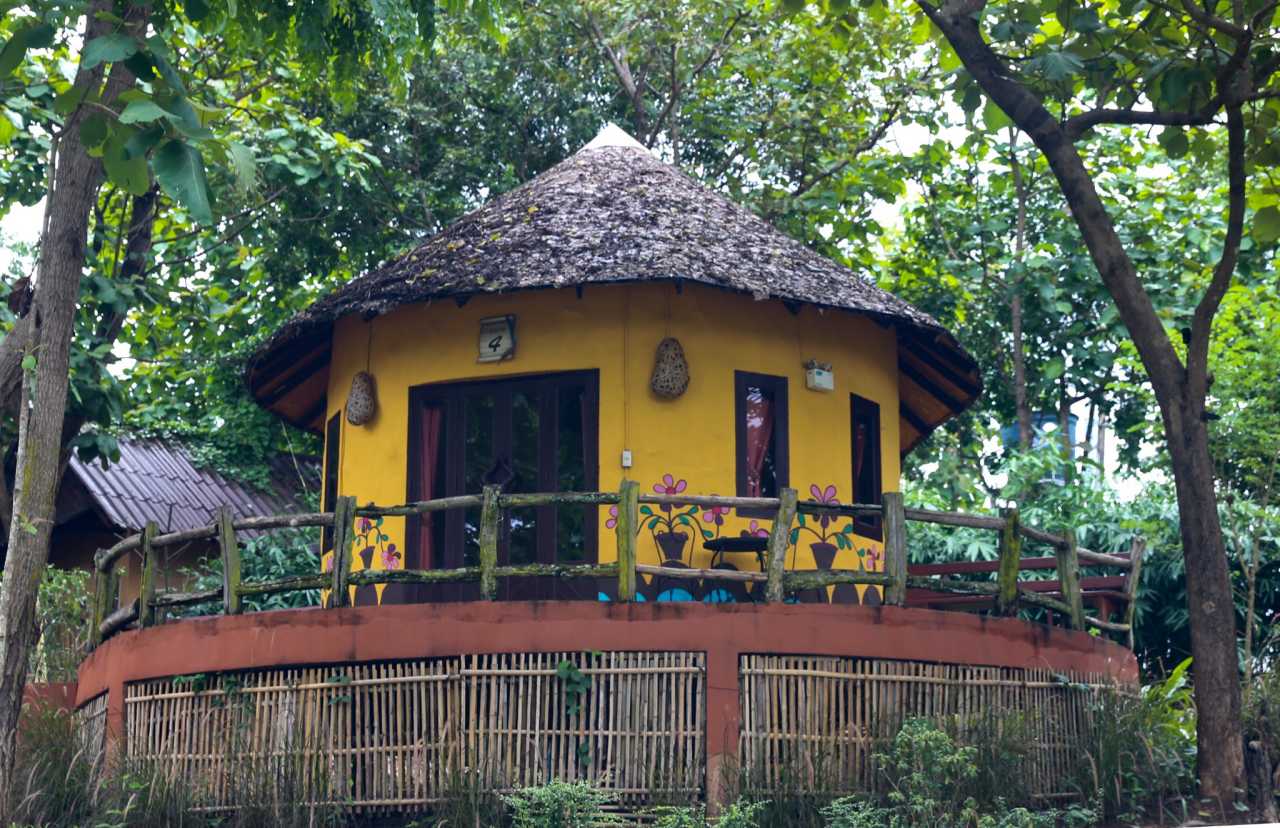
The resort has no obvious boundaries. Various small houses scatter across fields and slopes — some in African chieftain style.
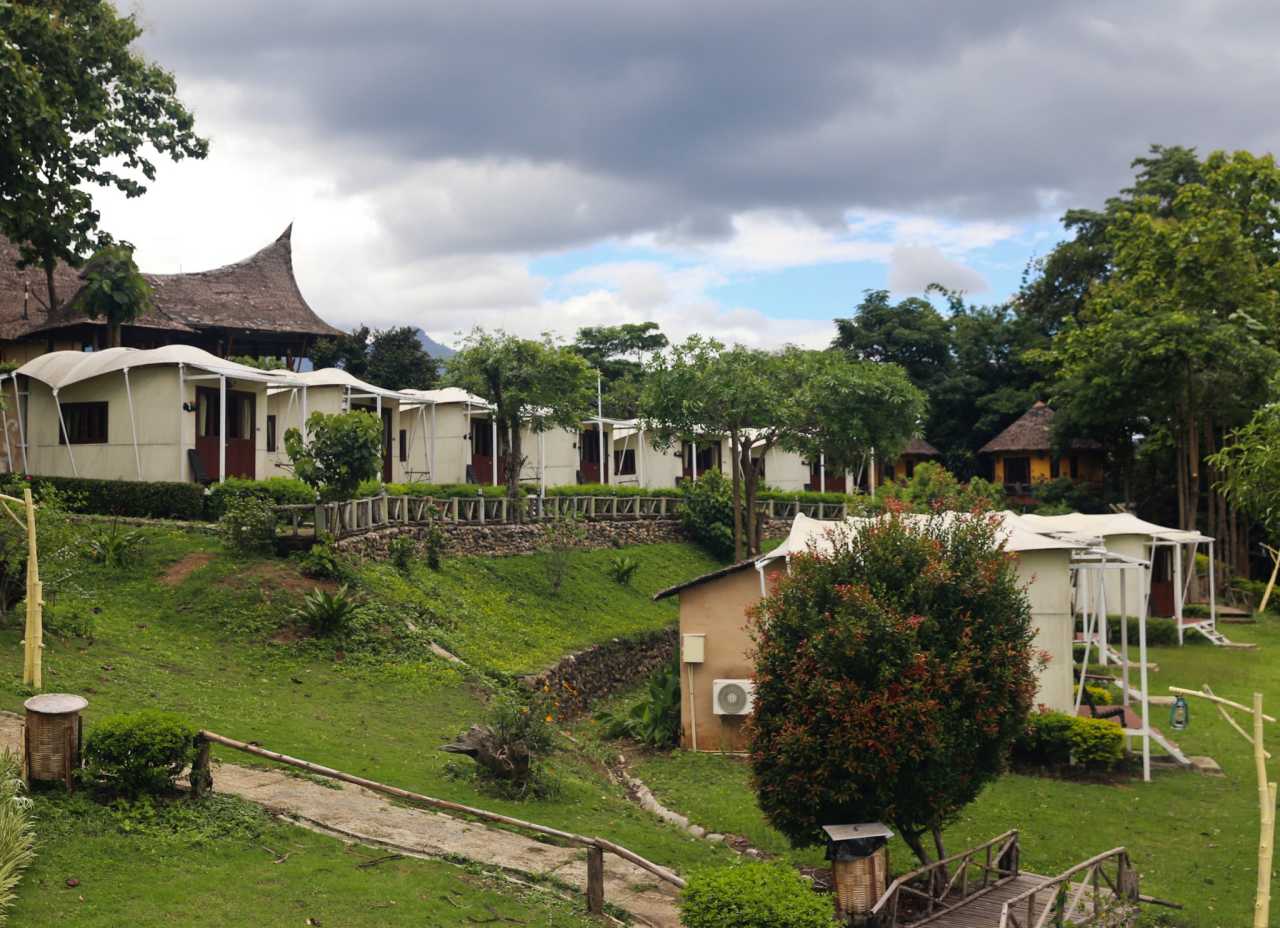
There are white tents and car‑style rooms. Staying here is all about feeling the rural scenery.
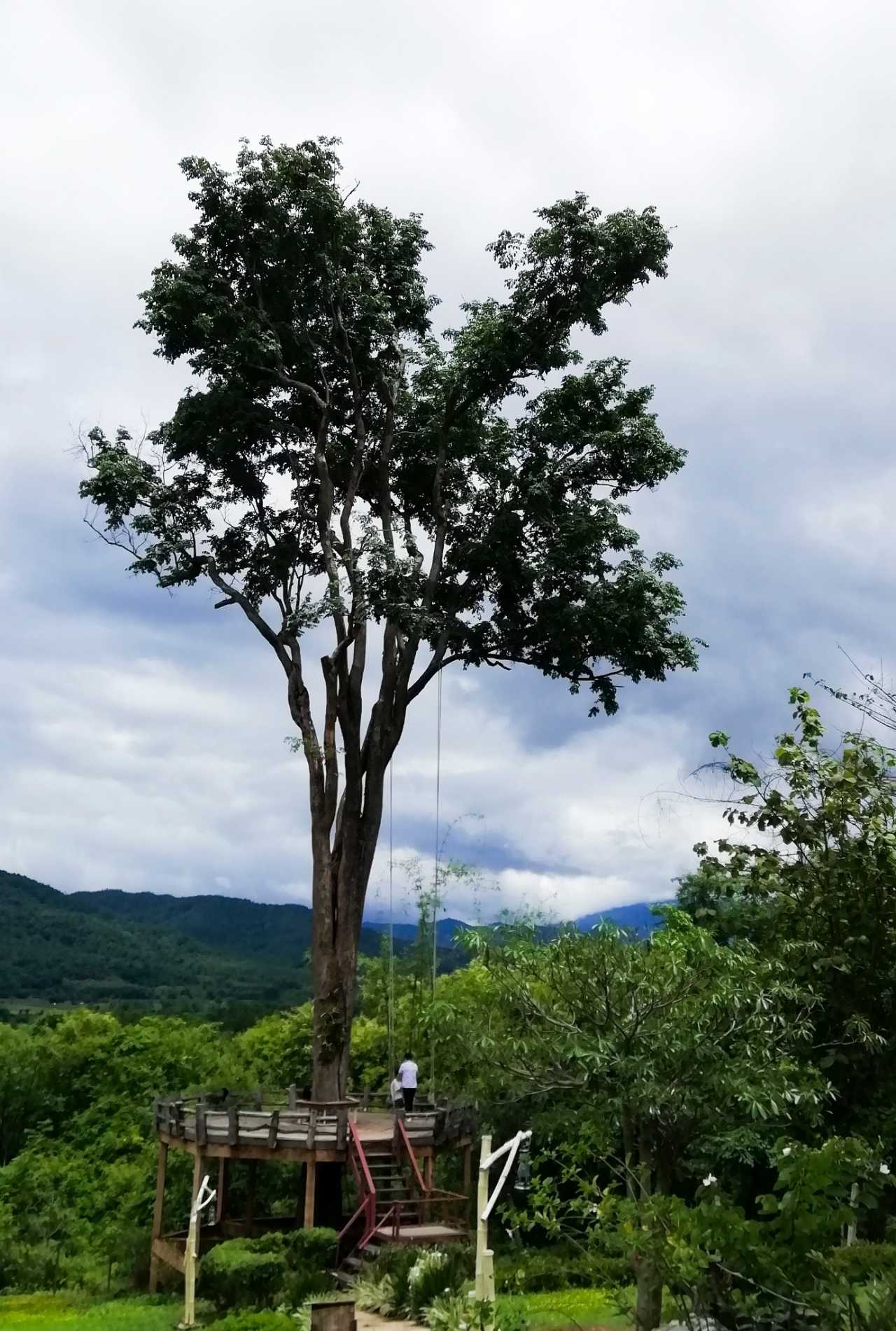
Their signature is the Big Tree Swing — a great idea. The long, long swing fulfills artsy youths’ childhood fantasies.
The tree itself is striking and special, and the long swing adds grandeur.
The Upside‑Down House — Pai’s classic bright‑yellow style — is actually the landmark of The Heart of Pai Hotel. Miniature house, mailbox, chimney, even the bicycle — all upside‑down. Luozi has long been sitting firmly on the “Fishing Platform”.
Lao Yu, is your daughter really your own?
Wei‑ge, must your sitting posture be so seductive?
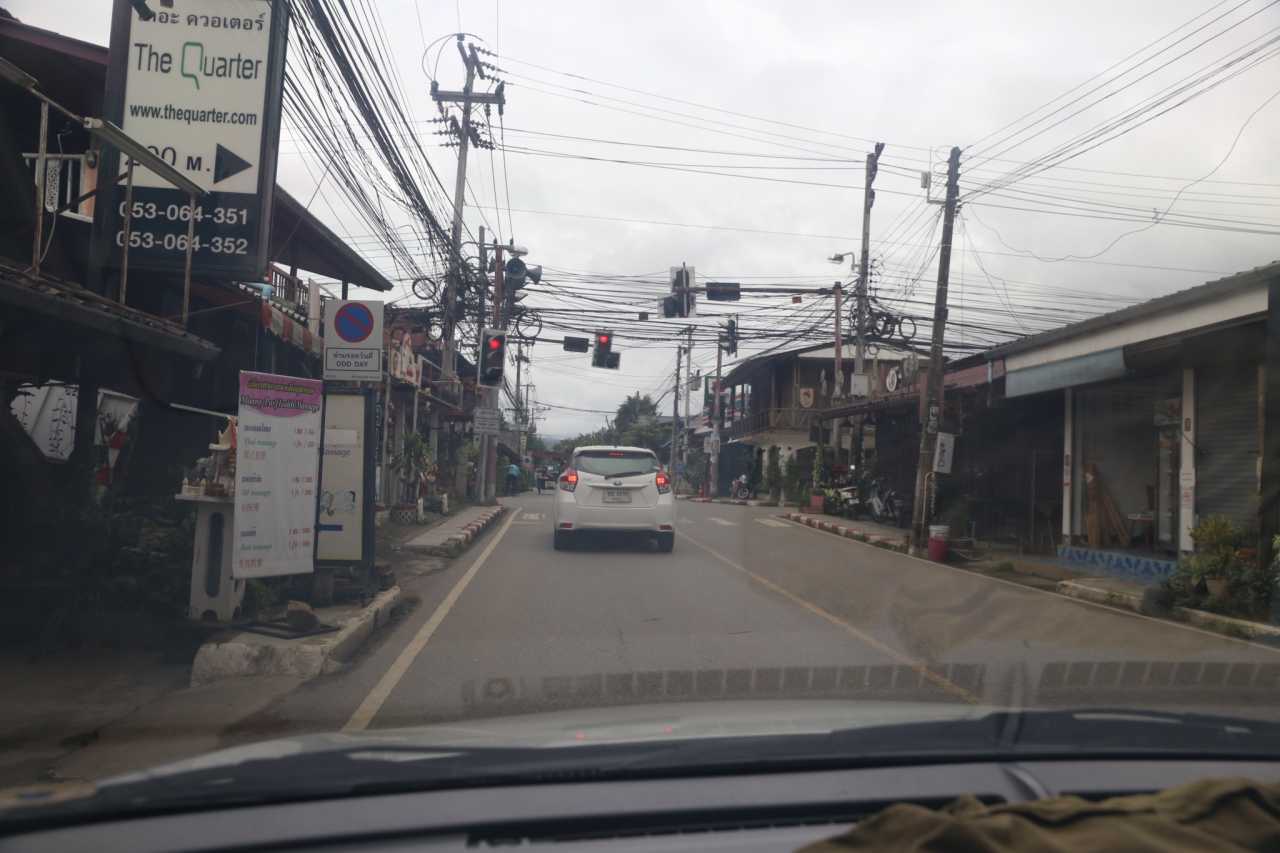
Town roads are narrow and electric wires are everywhere — doesn’t Thailand’s city management manage this? Passing through the town we headed to Puripai Art Resort in the northern suburbs.
I Just Want to Lie in This Pool and Watch the Oxen
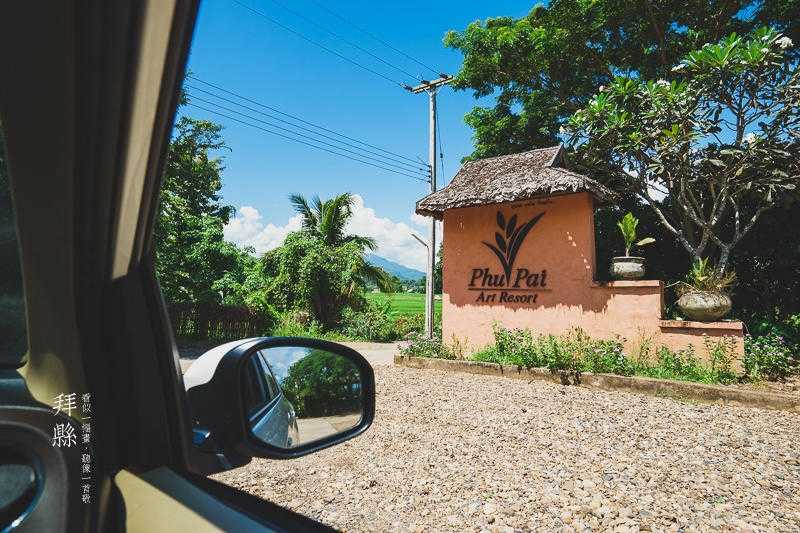
[Puripai Art Resort] 210 RMB/room (breakfast included) — the best value of this trip and highly recommended. It’s like a rural resort in China, but price, service, and quality are incomparable. The location is remote — turn off the highway, onto a side road, dive into a village lane, thread through narrow, shabby Thai countryside — doubting all the way — until the hotel sign appears.
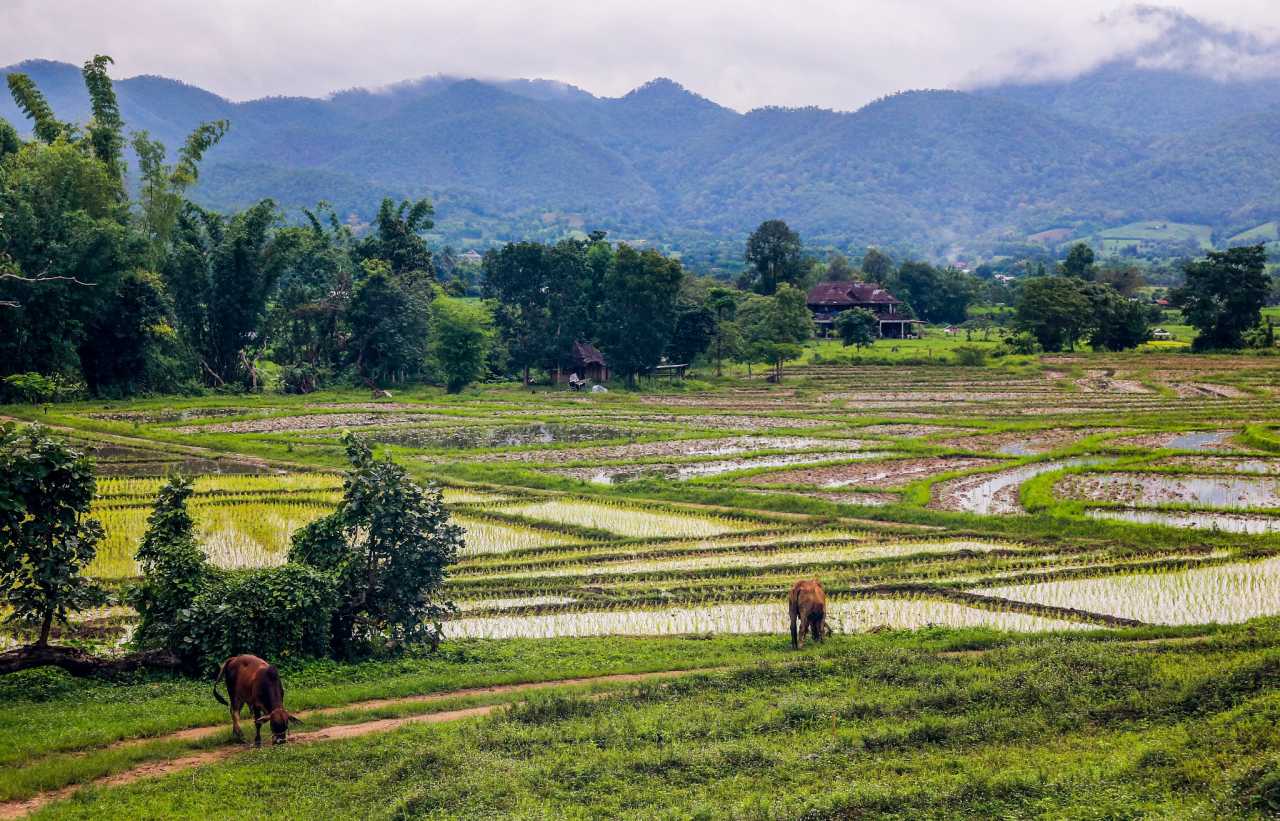
Hard to imagine that in these turbid, primitive rice fields there are surprises.
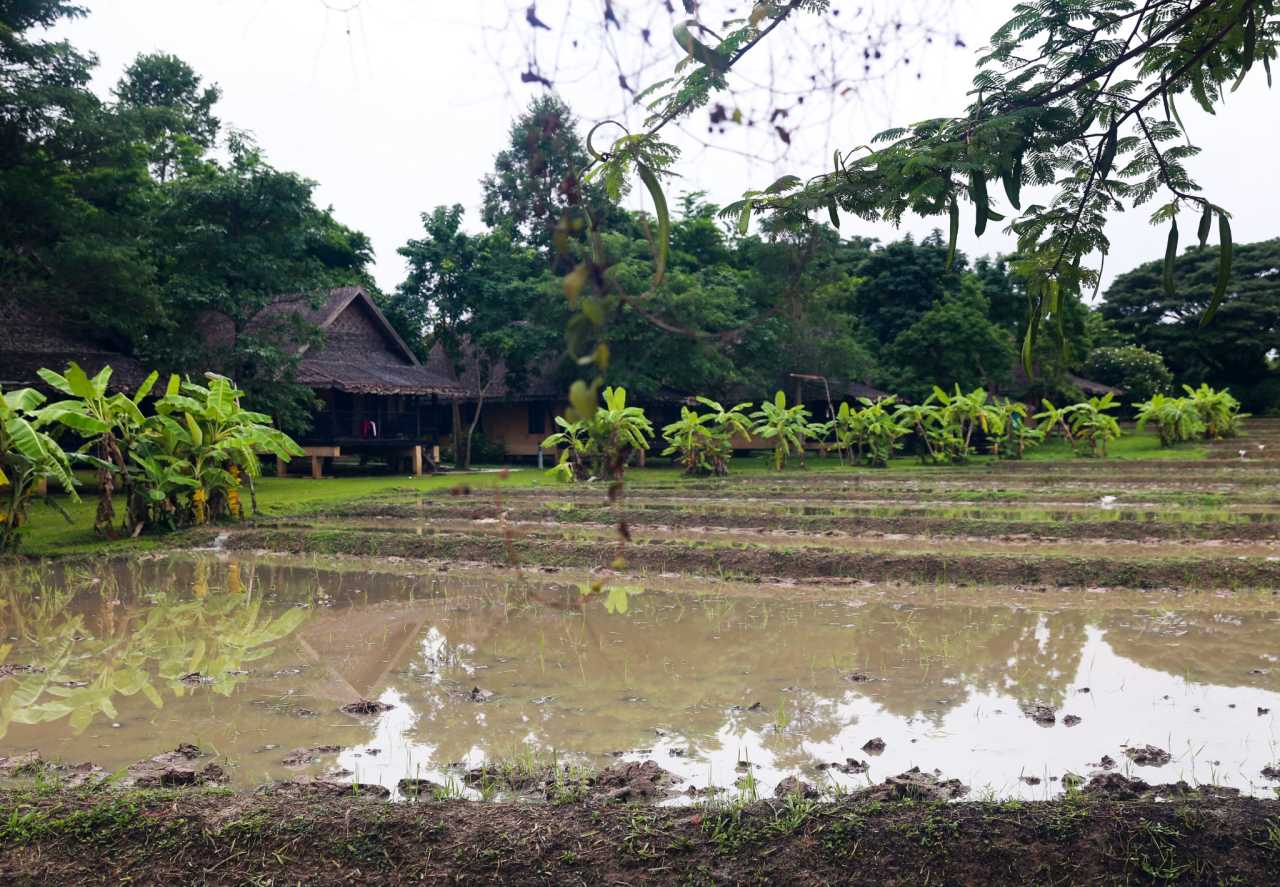
Clusters of Thai‑style cottages are scattered among woods and fields.
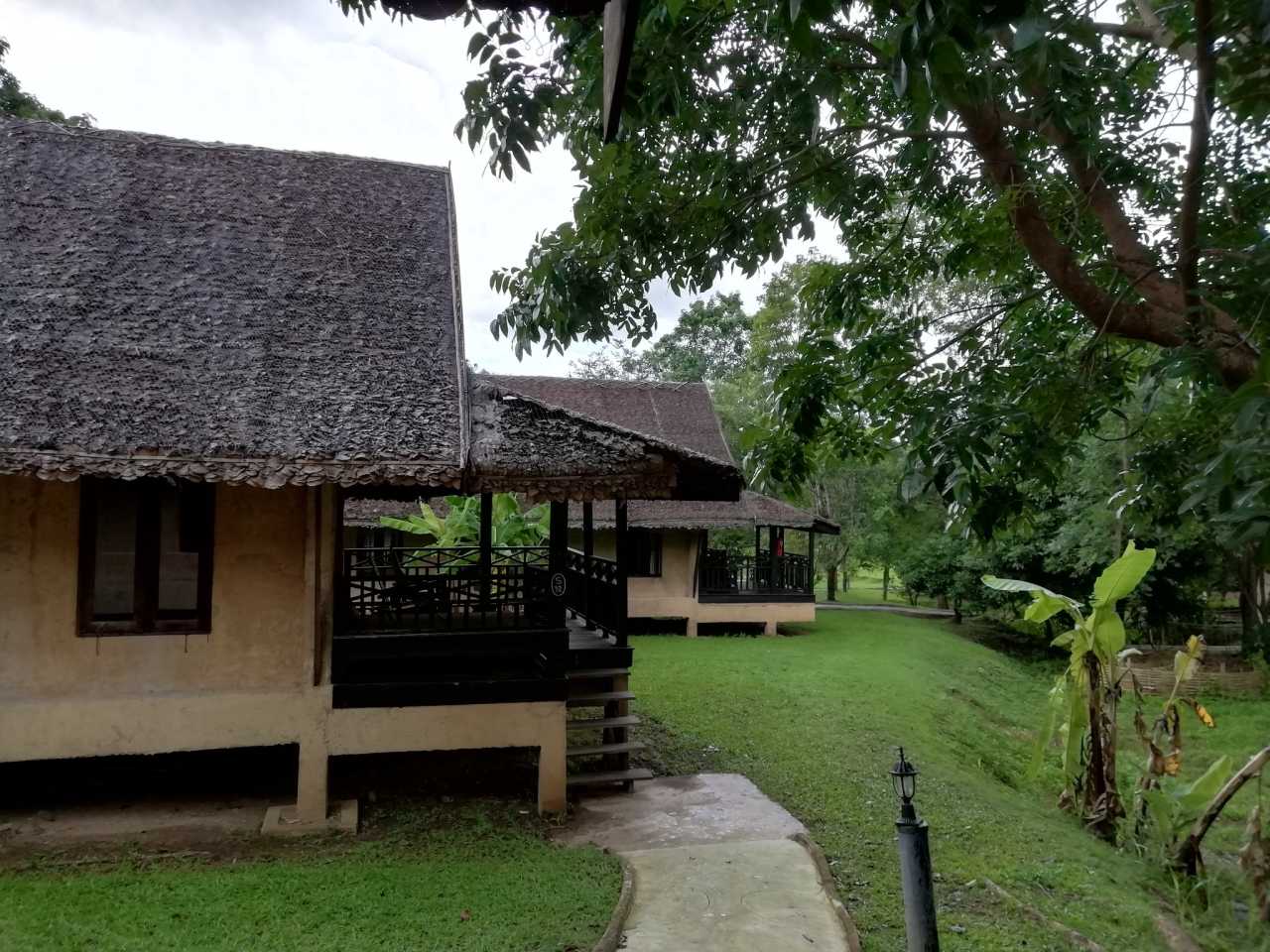
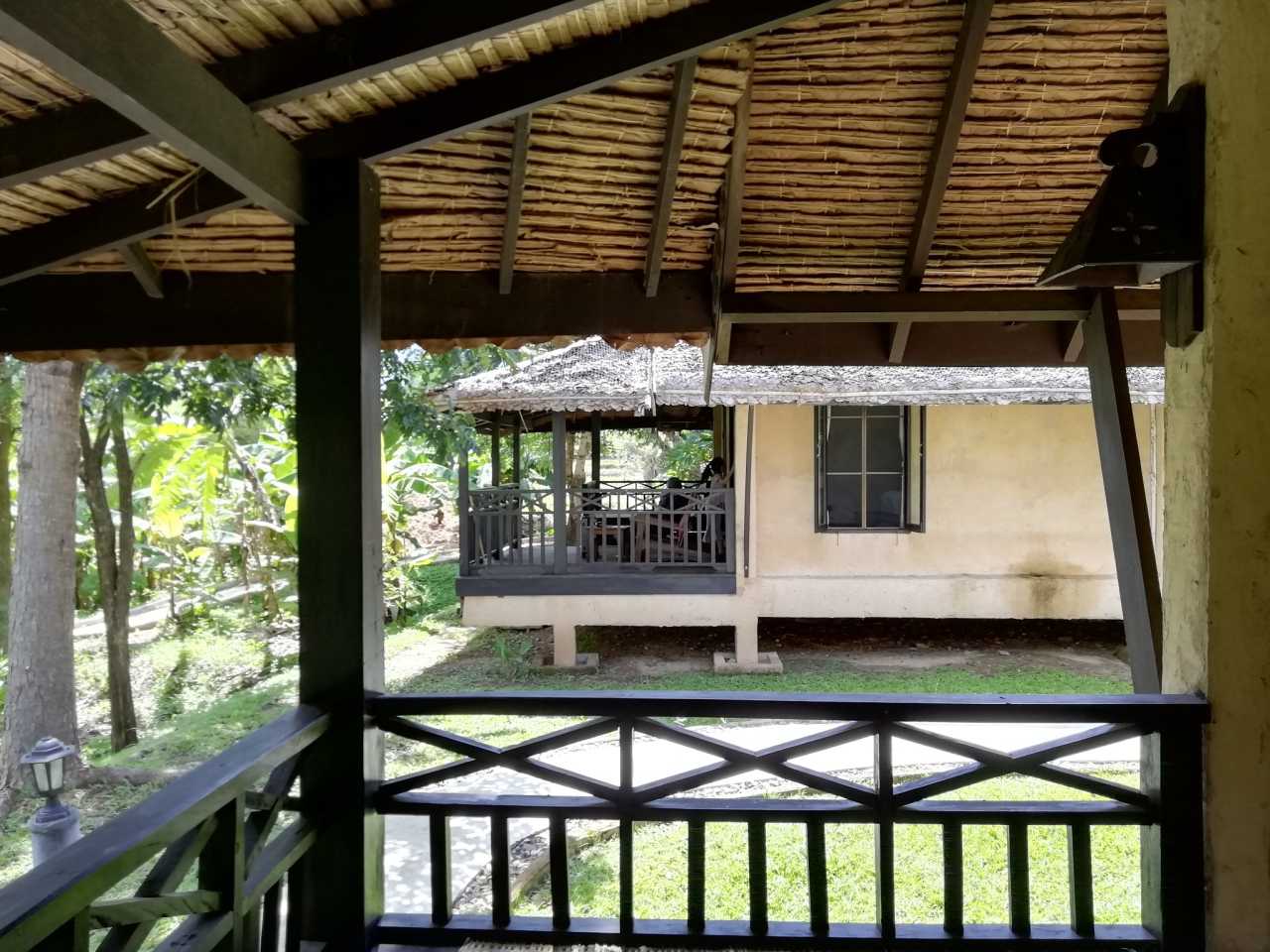
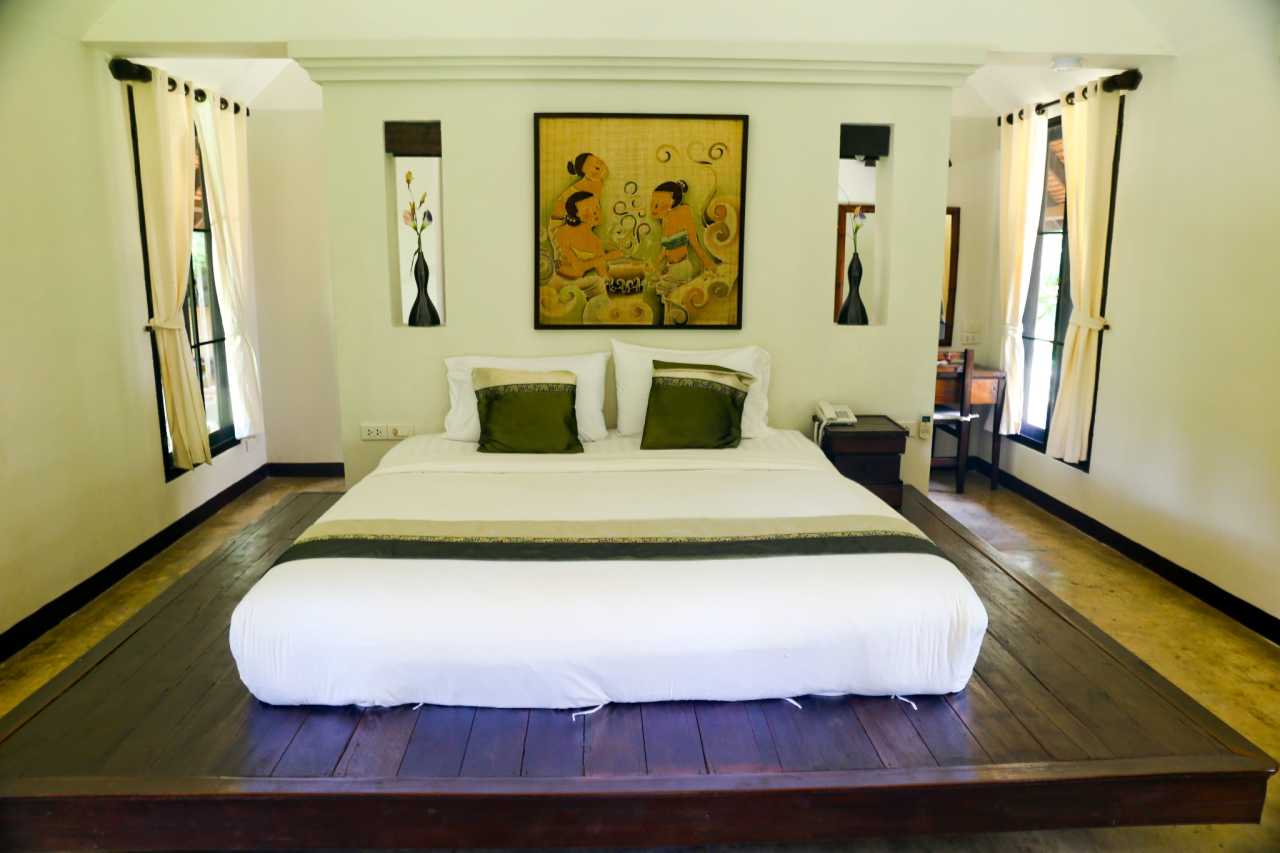
The room exceeded expectations, with a large bathing area in the back. All furniture and household items are wooden; white bed, white window drapes, strong Thai flavor. Lying here and enjoying authentic Thai massage would be perfect. Haha — wishful thinking, daydreaming.
With these two door gods guarding, at night we could only drink tea and chat on the outdoor terrace — give the chairman some freedom; I really just want a massage. Oddly enough, with lights on at night here, there were hardly any mosquitoes or flying insects.
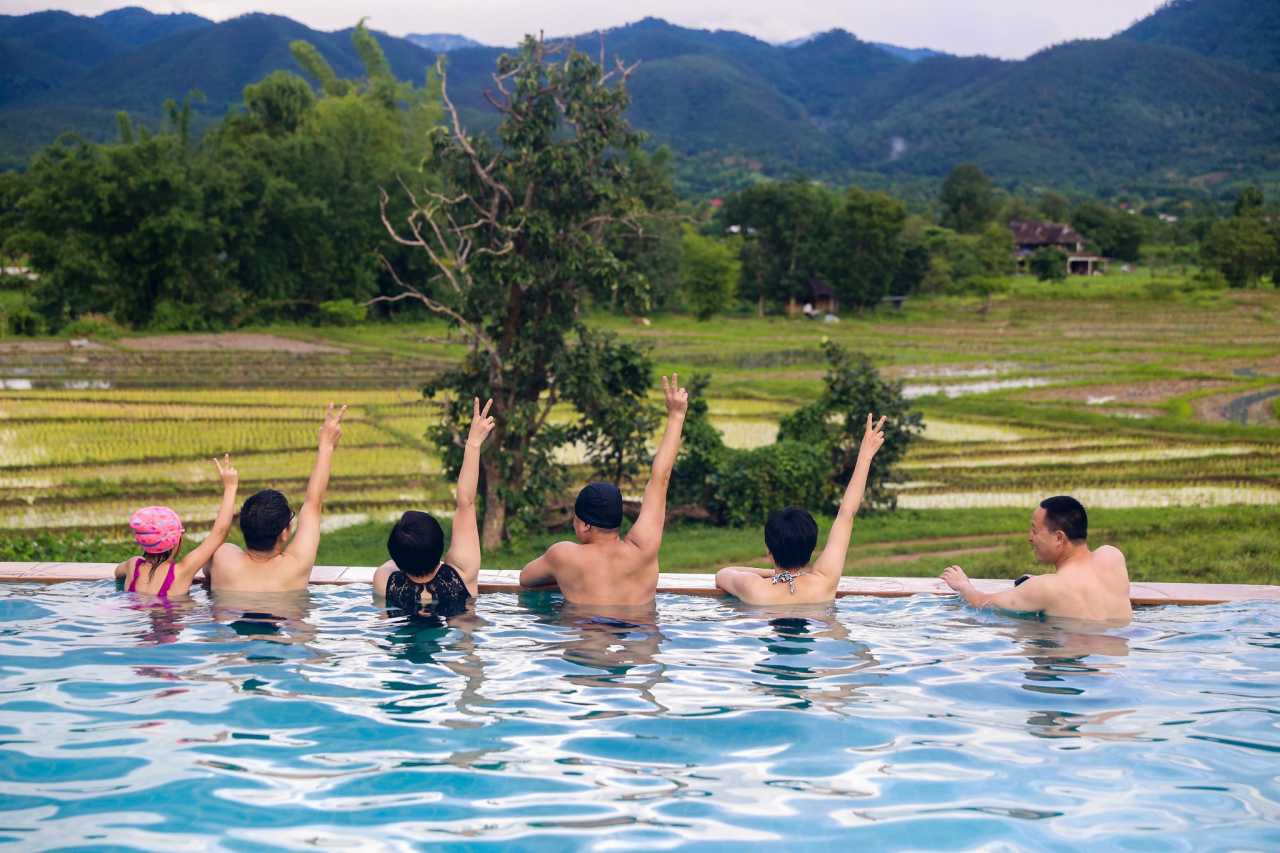
Here comes the highlight — the infinity pool in the rice field. I bet some genius artist thought of this while fertilizing — a flash of inspiration. You’ve seen infinity pools by the sea, in the mountains, and on rooftops — but the rice‑field infinity pool is strikingly fresh.
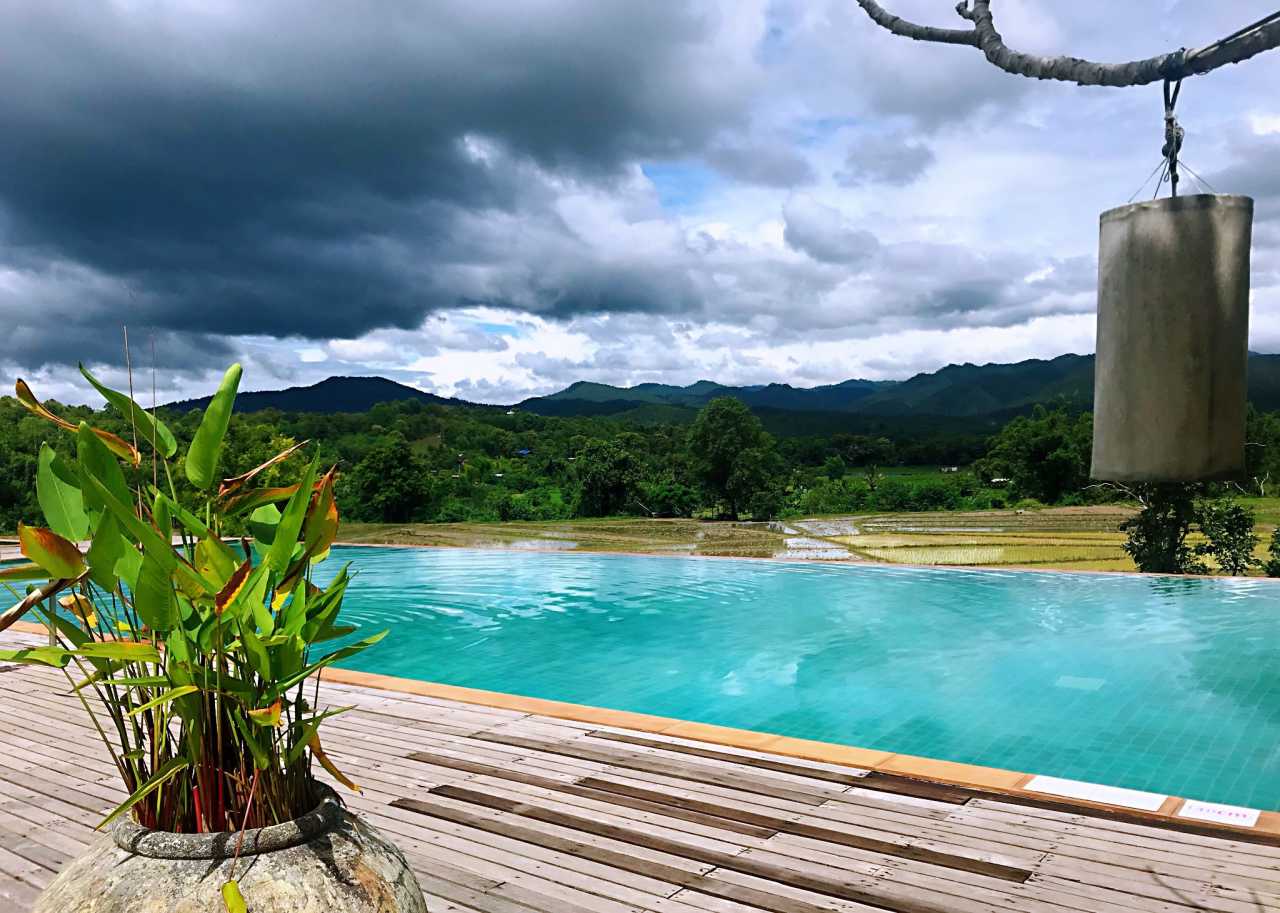
Facing the fields, spring blossoms. Where are the flowers? In the heart, of course — this phrase works anywhere.
Everyone is warm and friendly. We had a blast. Right, Lao Yu — next time clean up before raising your hand — you’re the bushiest. And “imperial physician” — before doing a “lotus out of water”, tighten your swim trunks. Others — self‑check. Warm reminder complete.
It’s obvious — Luozi is no match for Xiaoyang.
“Mandarin ducks frolicking in the water” can’t beat a Three Kingdoms brawl for excitement.
A slanting ray pierced the clouds, striking pool and fields — crystal green within, lush green without.
After serving everyone all day, the chairman should show off his body a bit. Four classmates soaked in the water like four meatballs.
Today, I just want to lie in this pool and watch the rice fields and oxen. Time lingering — a pastoral idyll.
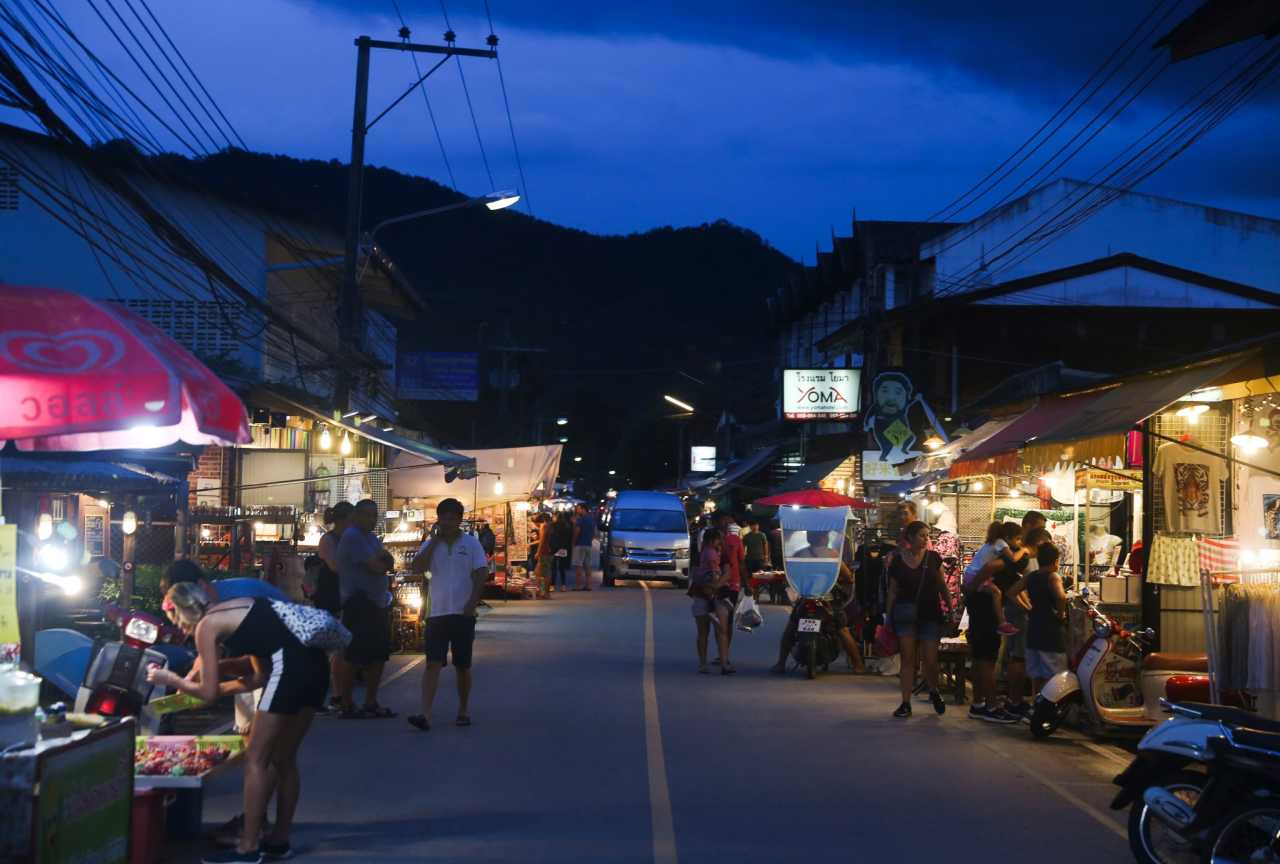
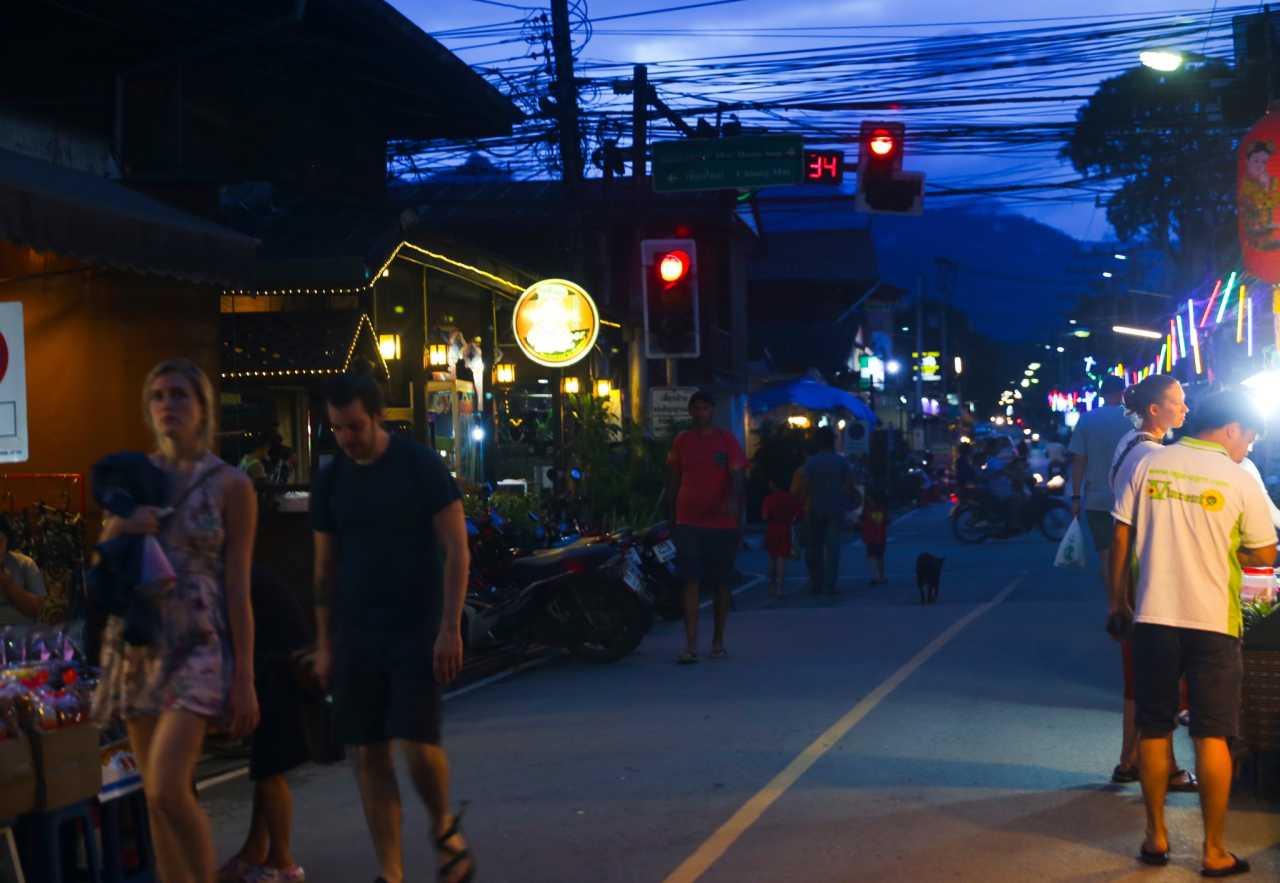
Pai’s night market is abundant. By day the streets are empty; at night they’re filled with vendors from town. There are so many northern Thai snacks you can’t finish them. I recall the northern Thai barbecue was pretty good. Also, there are lots of foreigners — and many are quite good‑looking.
Fresh juices in Thailand come in many varieties and are super cheap, very pure, and delicious. Prices shown are in THB — do your own conversion. For little Qiao‑Qiao, life is sweet.
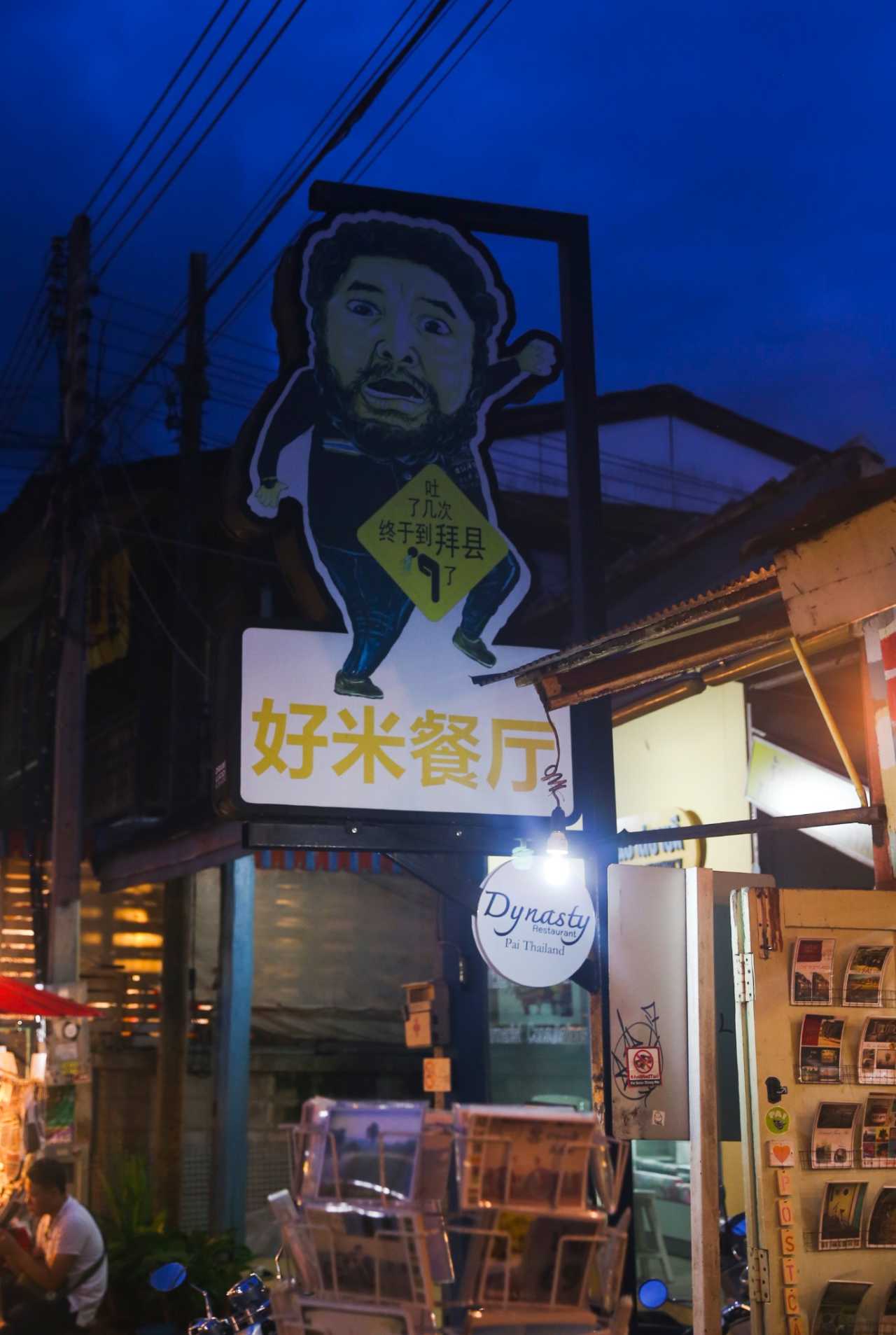
“Good Rice Restaurant” — almost every Pai travelogue mentions this: “Vomited N times and finally reached Pai.” Did you vomit? I didn’t. “Vomited N times” has almost become Pai’s advertising slogan.
We walked all day without breaking a sweat — the mountain climate of northern Thailand is so comfortable.
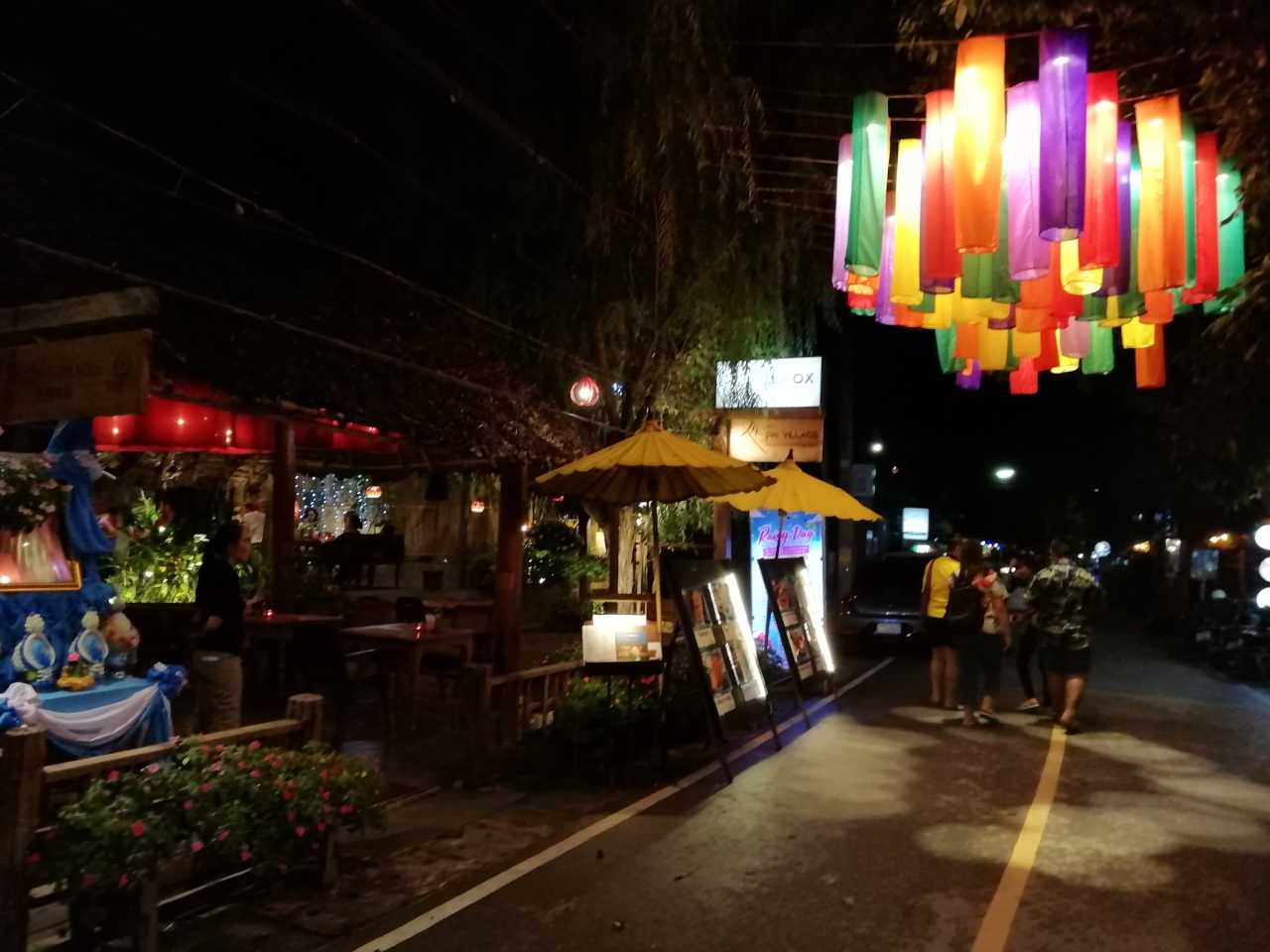
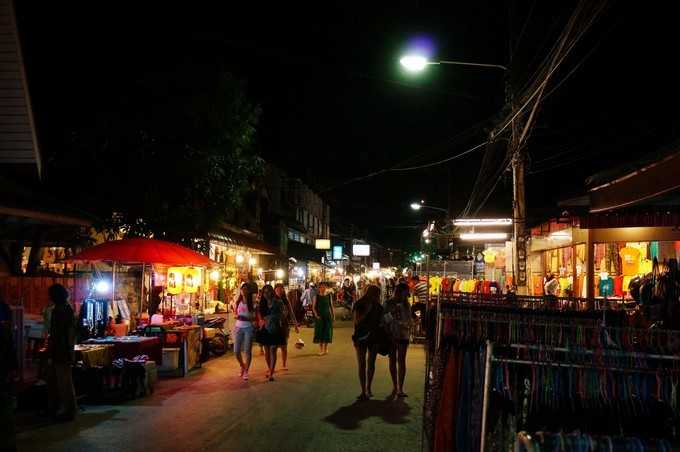
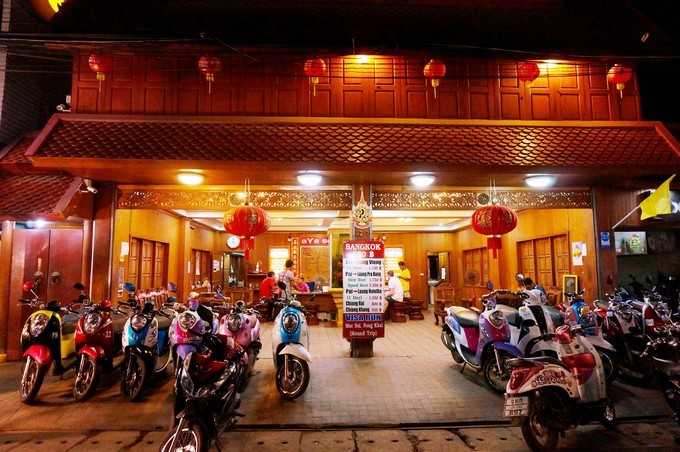
The best way to get around Pai is to rent a motorcycle; foreigners basically all do this. Rental shops are everywhere by the roadside.
D3: Pai | Sip a Pot of Tea and Wait for the Clouds
We set off before dawn. Yunlai is close to the hotel. The road up to the viewpoint is steep, and familiar Chinese red lanterns guide the way. At the top it opens into a large flat area.
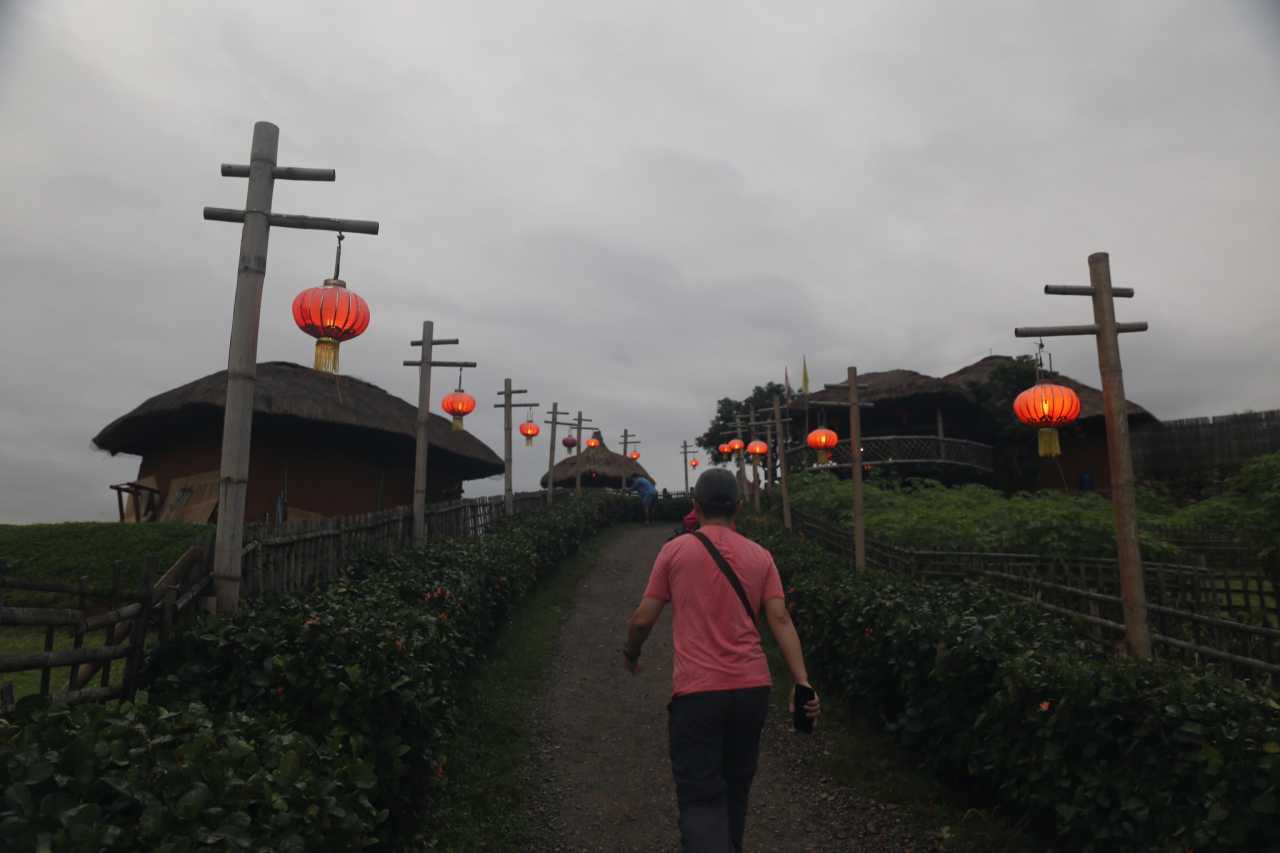
Inside, an elderly Chinese man charges 20 THB per person for tickets; with the ticket you get a pot of tea — sightseeing while tasting tea.
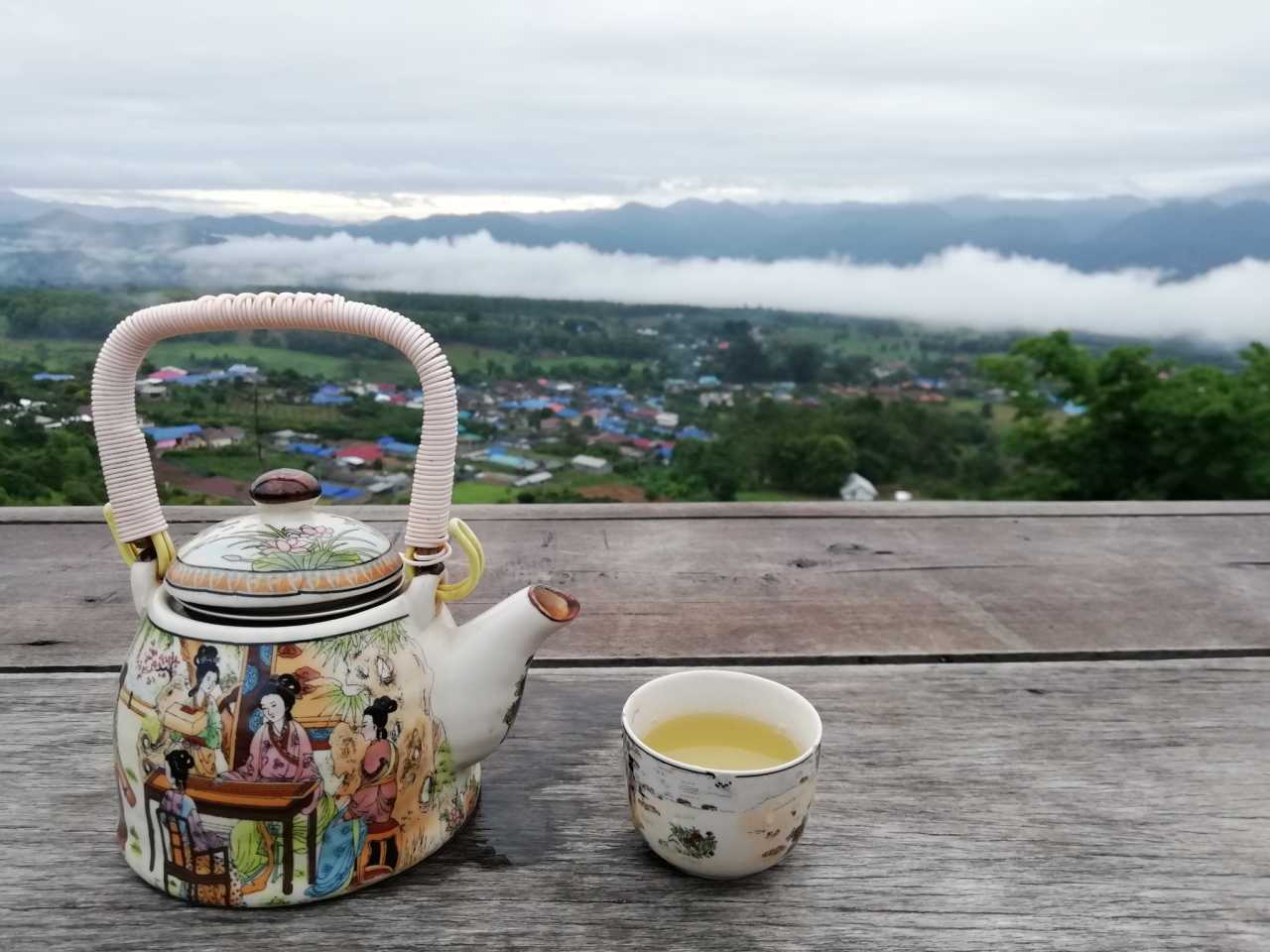
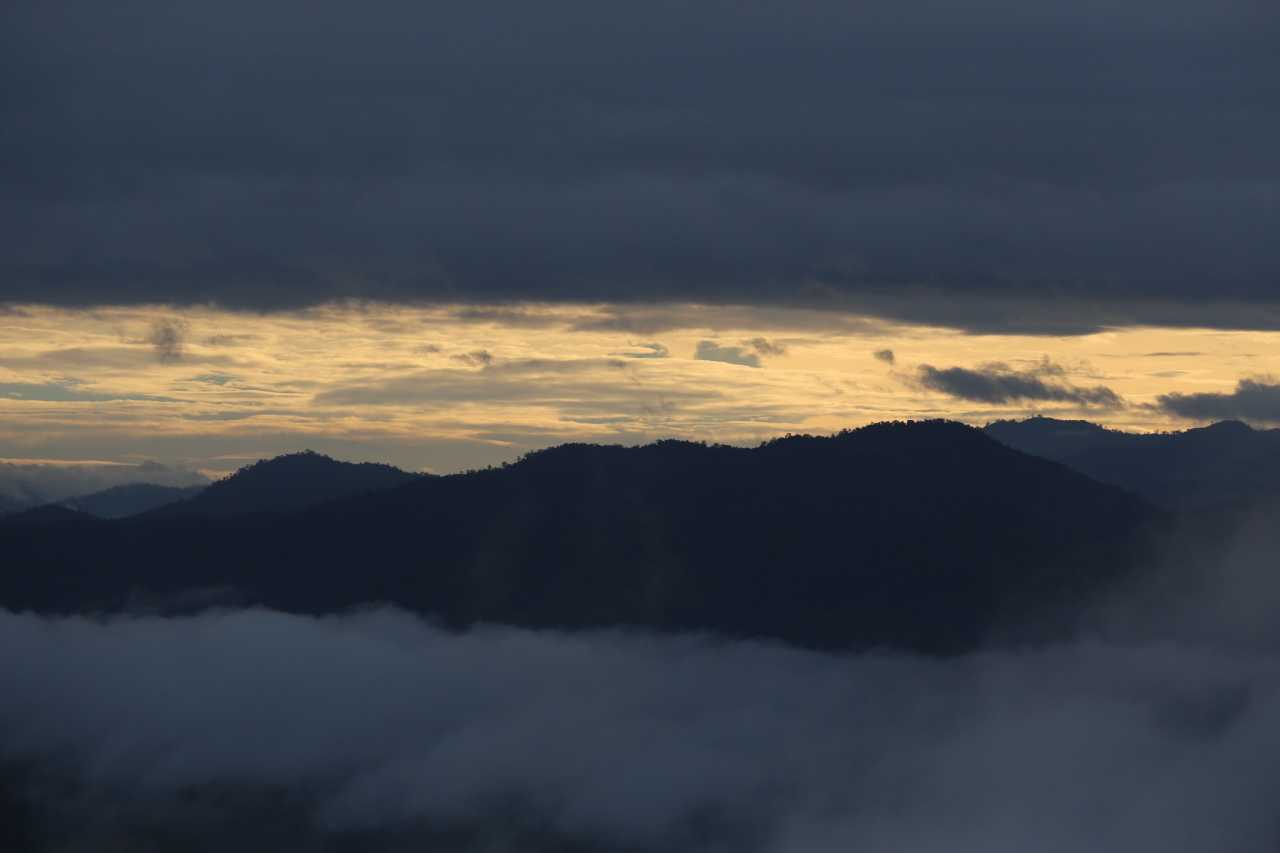
Having admired the myriad styles of sunrise on Dongshan, the exotic mountain forest’s morning glow is distinctive.
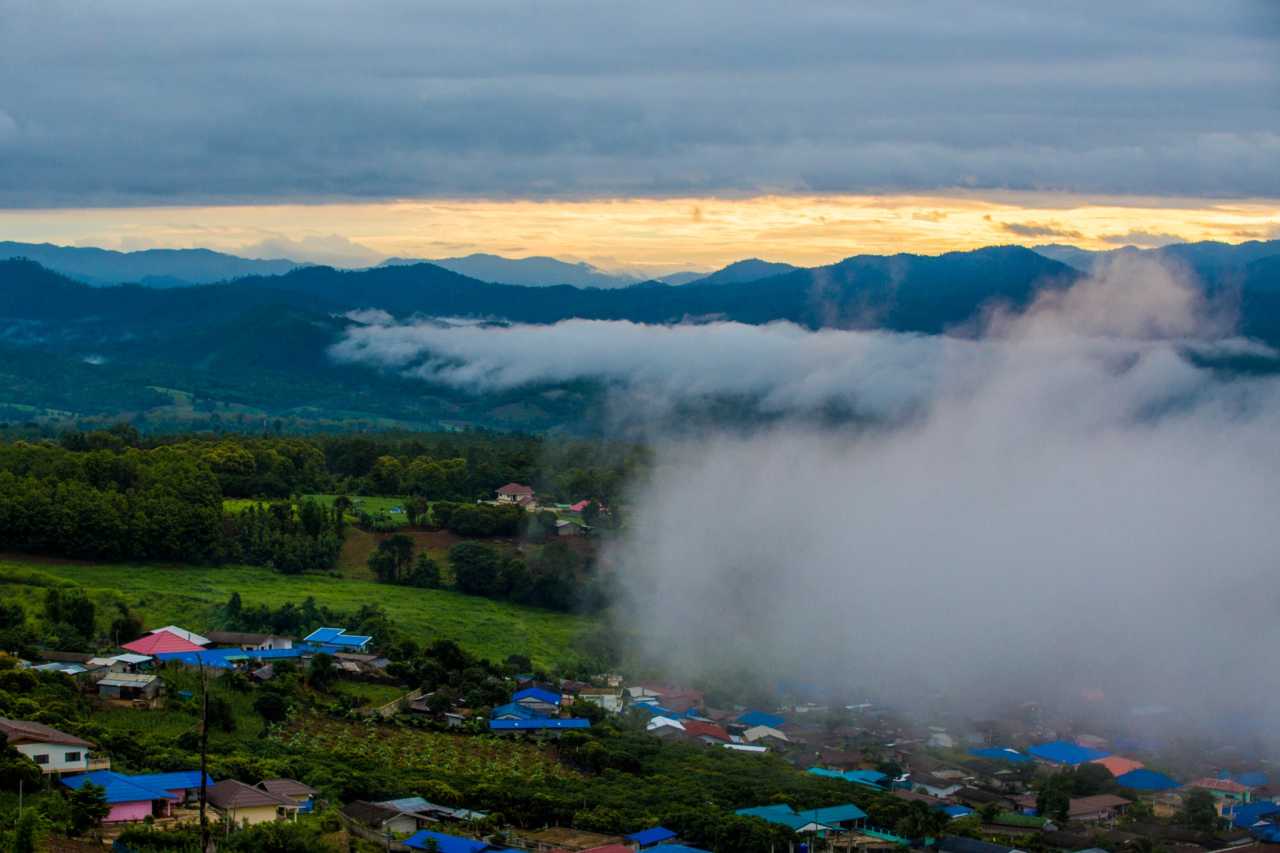
The village below lies in a mountain basin. I never imagined the morning mist in northern Thailand’s forests would be as thick as at Kanas’s “Fairy Bay”. Nearby are villages and fields; further out, fog and mountains; along the horizon, rosy clouds — together forming a richly layered three‑dimensional painting. Beautiful — worth the trip.
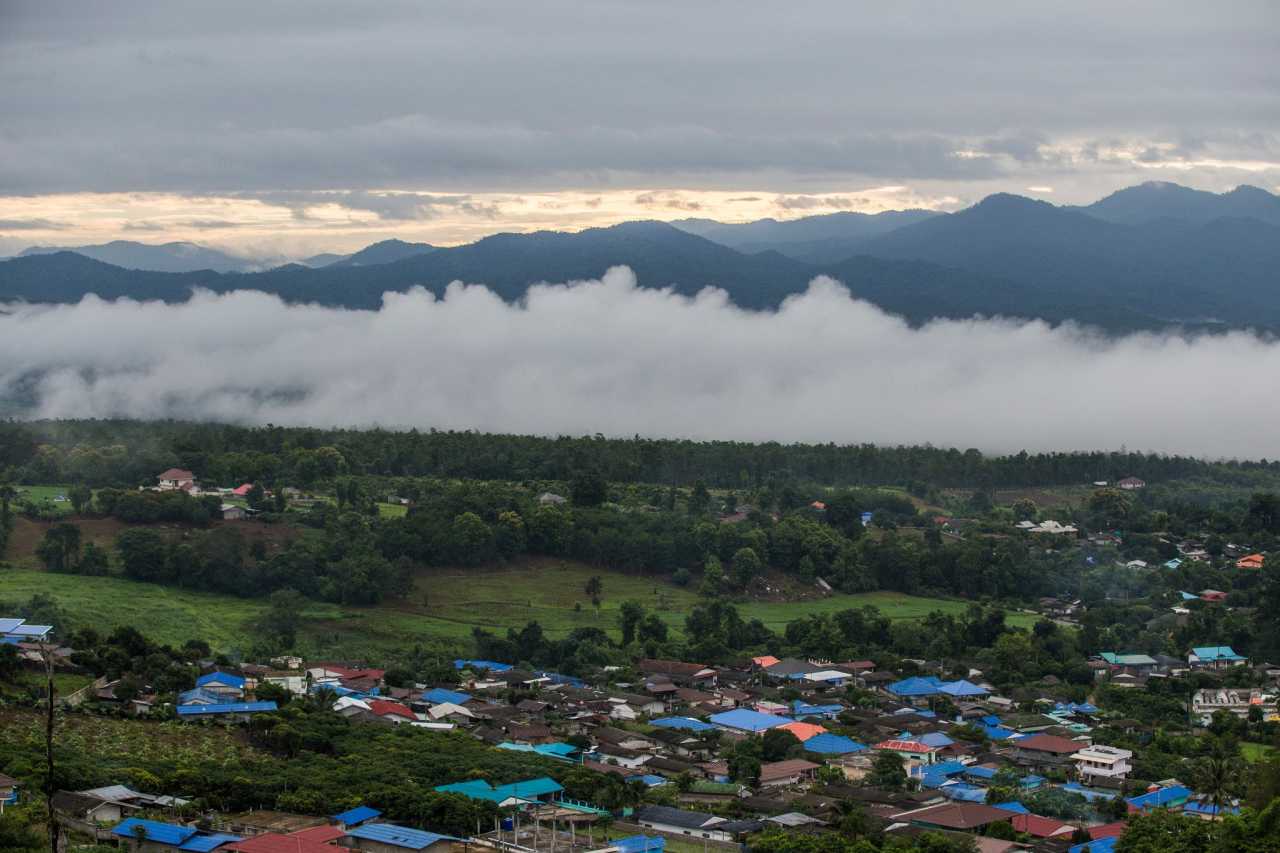
Yunlai — truly living up to its name. The fog increasingly invades the village until it envelops it entirely.
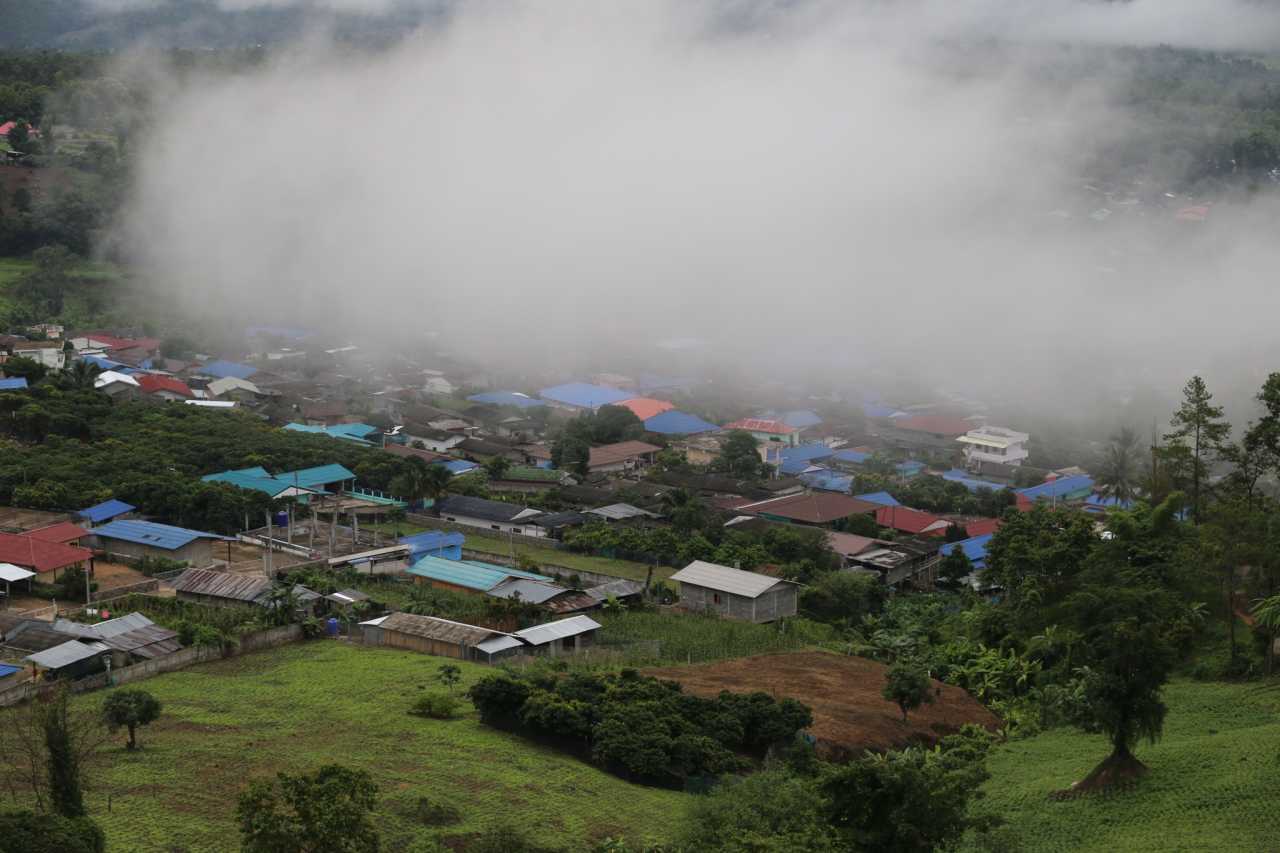
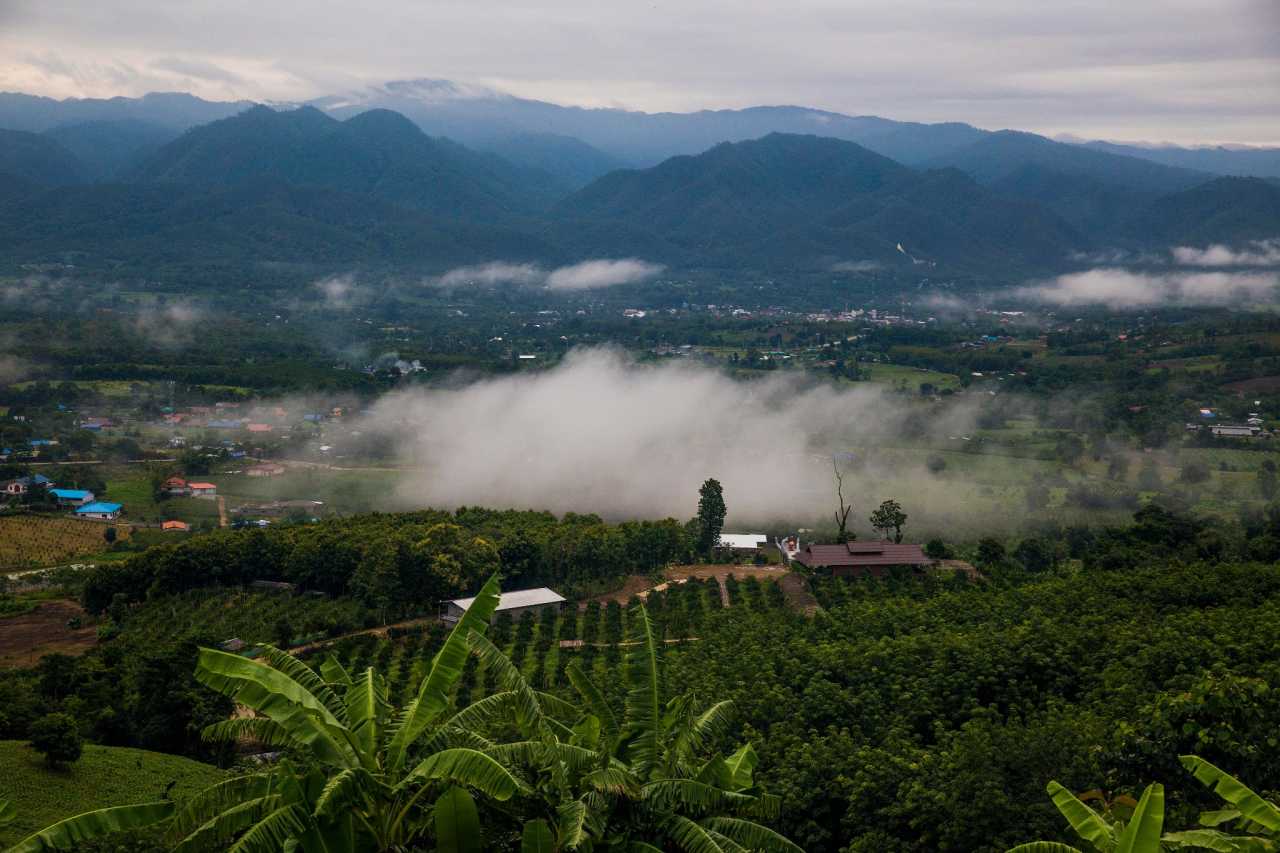
Three of us sat in a row watching the mountains — “how to tell male from female.” Compared to squeezing in crowds and freezing like dogs for sunrise somewhere in the Northwest, here it’s cooler, more composed, and more carefree.
Seeing such scenery, the chairman waxes lyrical again: “The birds fly high and vanish; a lone cloud drifts leisurely. We gaze at each other, never growing tired — only this mountain with arriving clouds.” Xiaoyang is leaning by the rail, intoxicated — “gazing, never growing tired”.
This Thai guy’s style is distinctive — a kind of soft ruggedness.
Yunlai’s photo spot — in Chinese and in a Chinese style — shows that many Chinese come here. A big red heart — witness to love — swap to the next couple.
This Thai version of Captain Jack is a master at capturing love — full gear and exaggerated poses are vivid; the photography is top‑notch, especially his talent for teasing and guiding. For couples he shoots creative “blockbuster” shots. Compared to cookie‑cutter check‑in photos at domestic sights, the service is more thoughtful, and his unique skills made him Pai’s influencer “Captain Jack”.
Captain Jack is directing a romantic love story atop Yunlai. The female lead’s gaze is on point.
The “Tree of Love” — tailored for Chinese — is covered with familiar love tokens from home. It seems Thai people also enjoy it. But the female lead looks a bit witchy — is your love pure? 
When smoke disperses and clouds scatter, and people leave, the tea cools — even the gatekeeper is closing up.
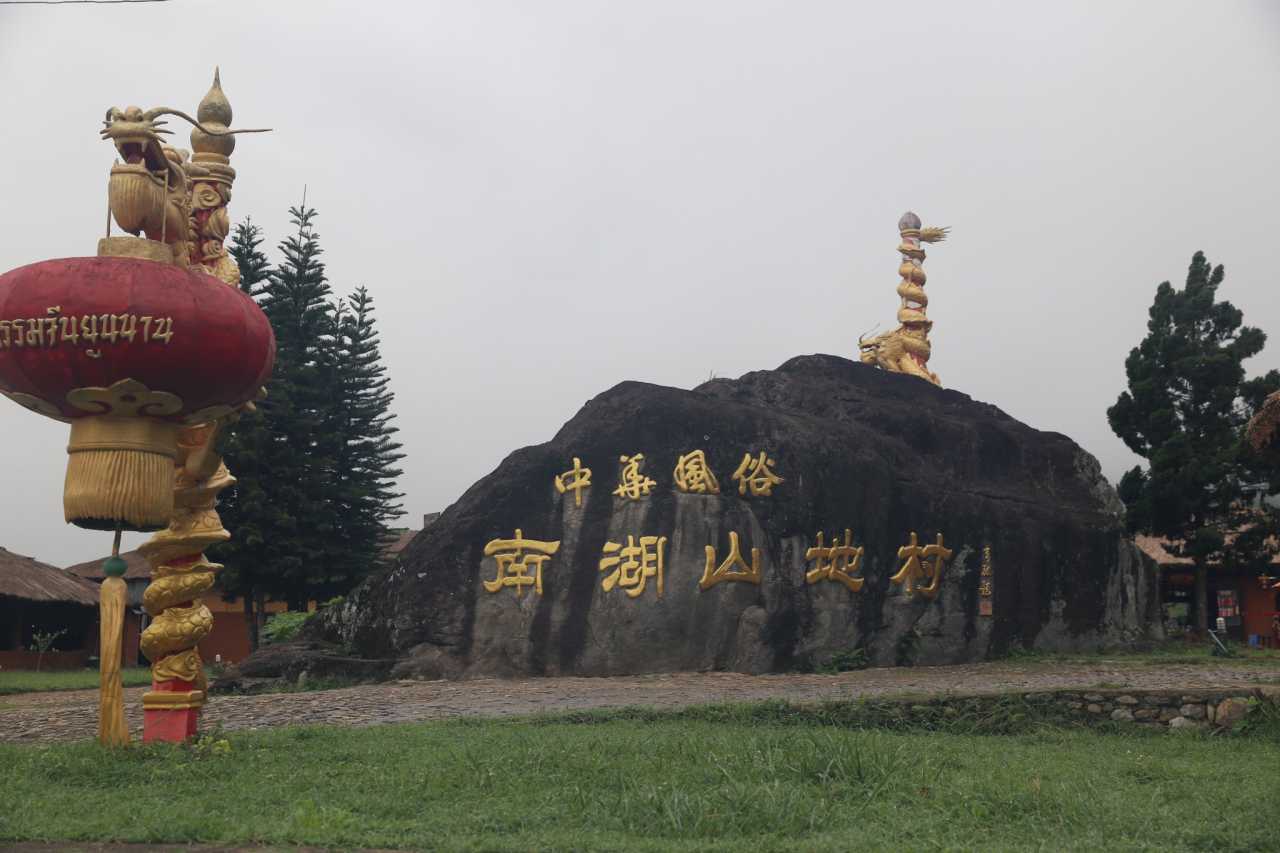
Down from Yunlai is a Chinese mountain village, reportedly descendants of Kuomintang troops, whom the Thai government specially resettled here. The village is full of Chinese characters, dragon totems, and big red lanterns — a sense of familiarity. The villagers aren’t wealthy — seemingly similar to locals.
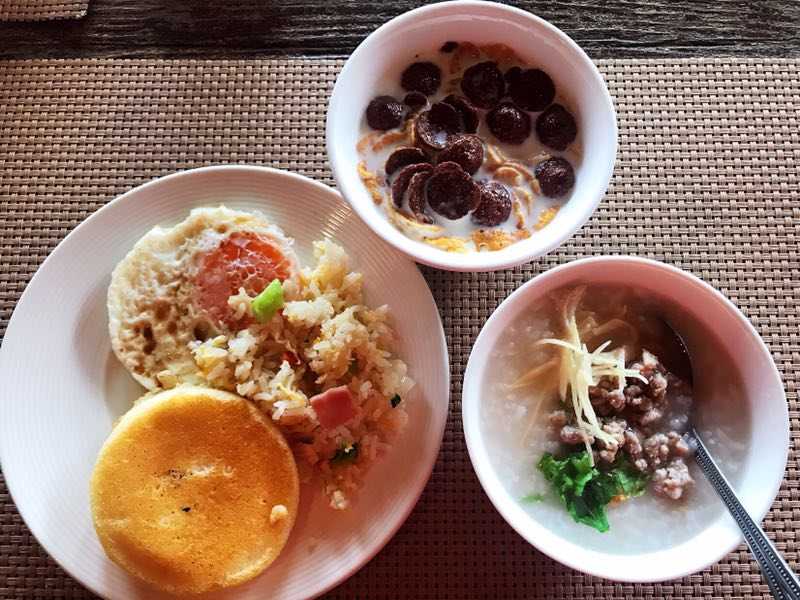
Back to the hotel — visual feast switches to taste feast.
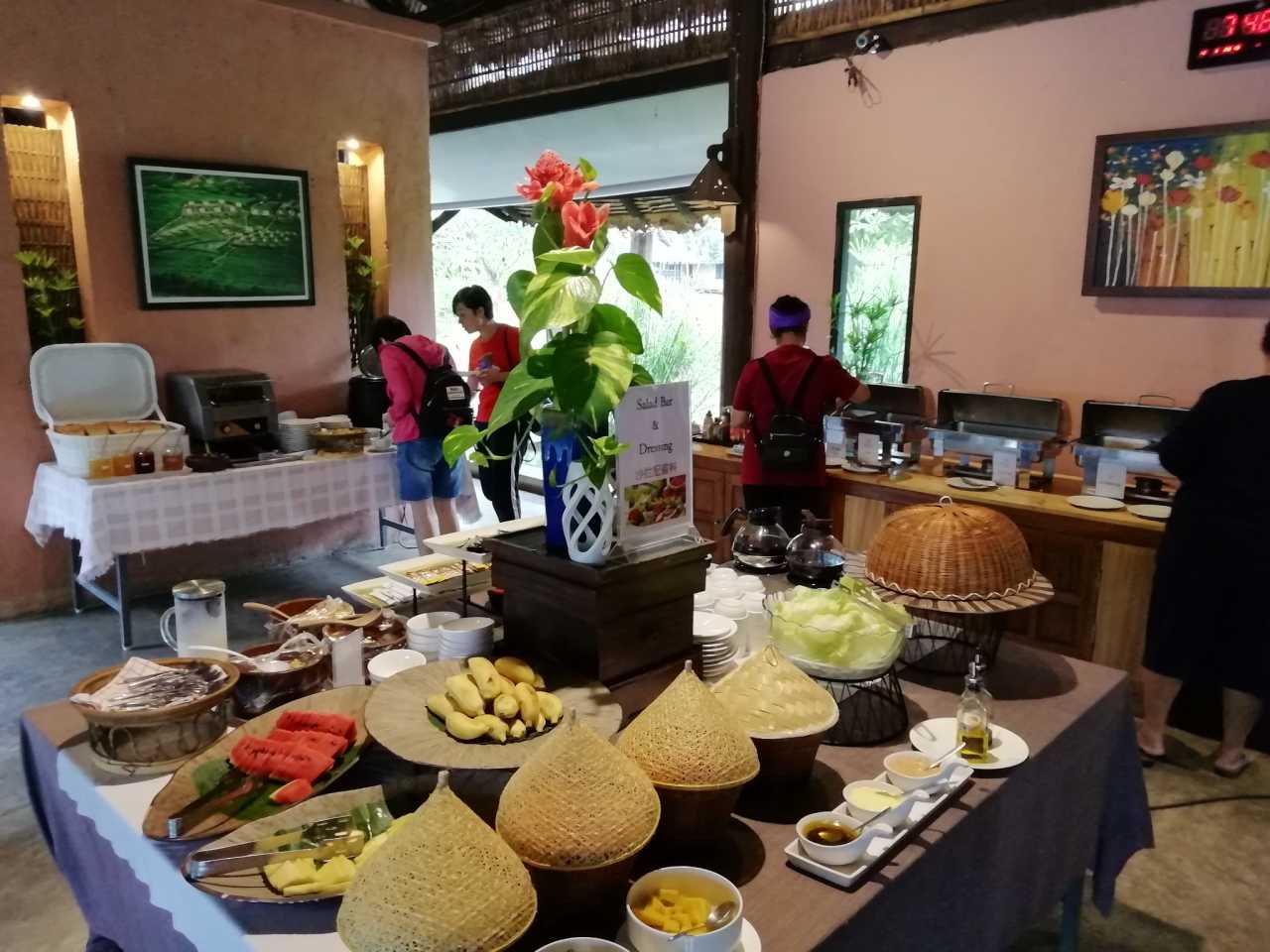
Breakfast is bountiful.
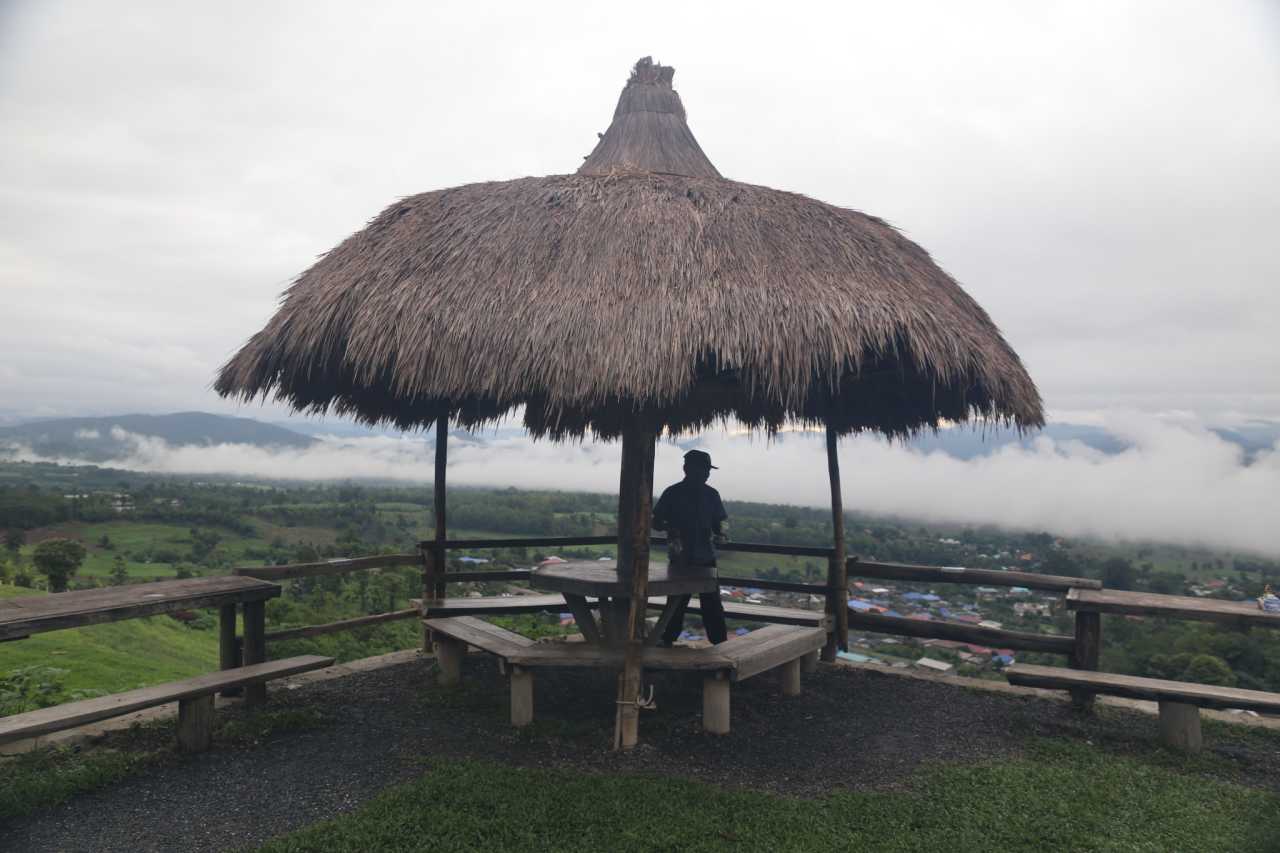
The restaurant by the pool looks like a big thatched hut — full of primitive charm.
The infinity pool is tranquil at this time — there should be reflections here.
Is the “imperial physician” showing “walking on water”? Impressive.
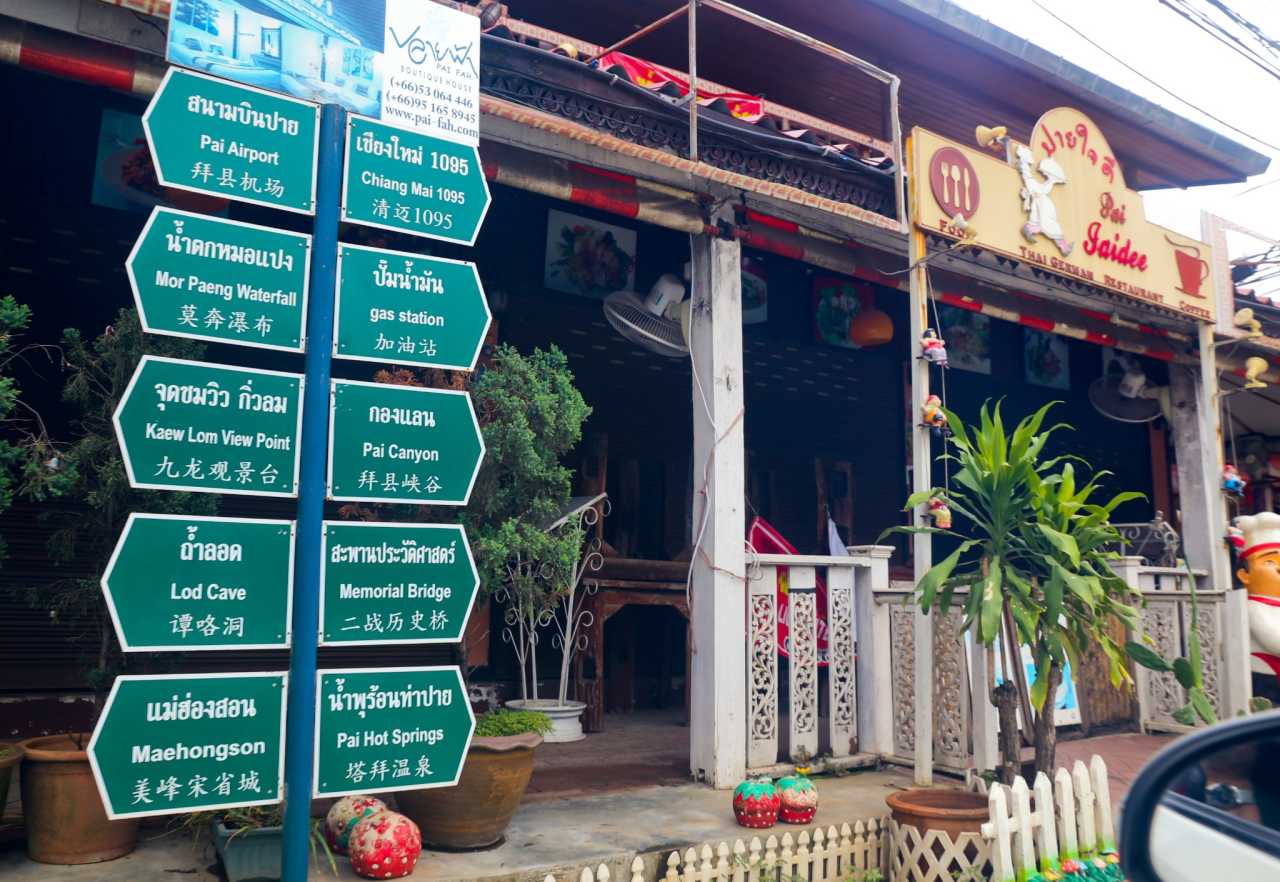
Back in town, even the street signs are in Chinese. Chinese signboards are everywhere. Our nation’s massive travel army has contributed greatly to exporting Chinese culture.
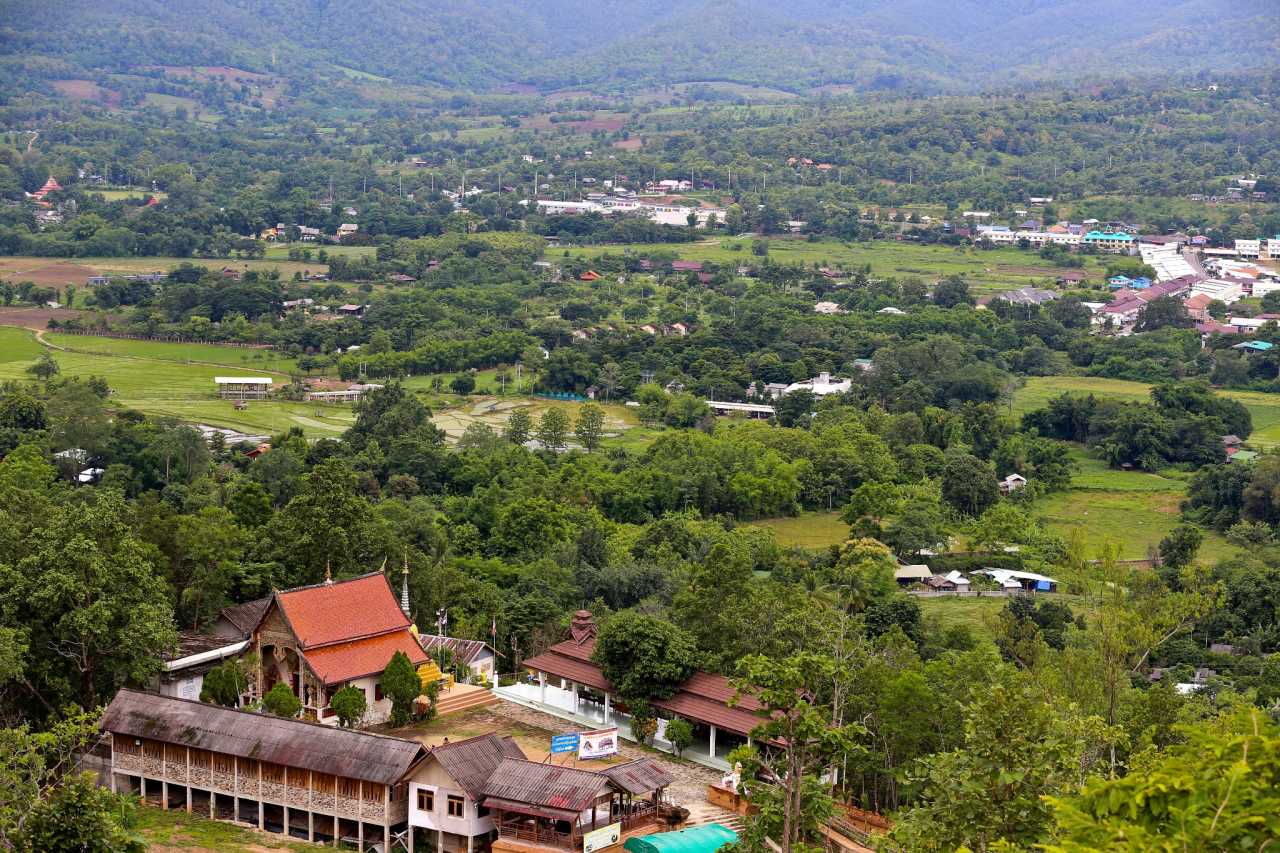
Mae Yen Temple — a small hillside temple suitable for viewing sunsets over Pai. Due to our schedule, we checked it off on the way back. A long staircase ends at a holy, serene Buddha — hurry, pay respects!
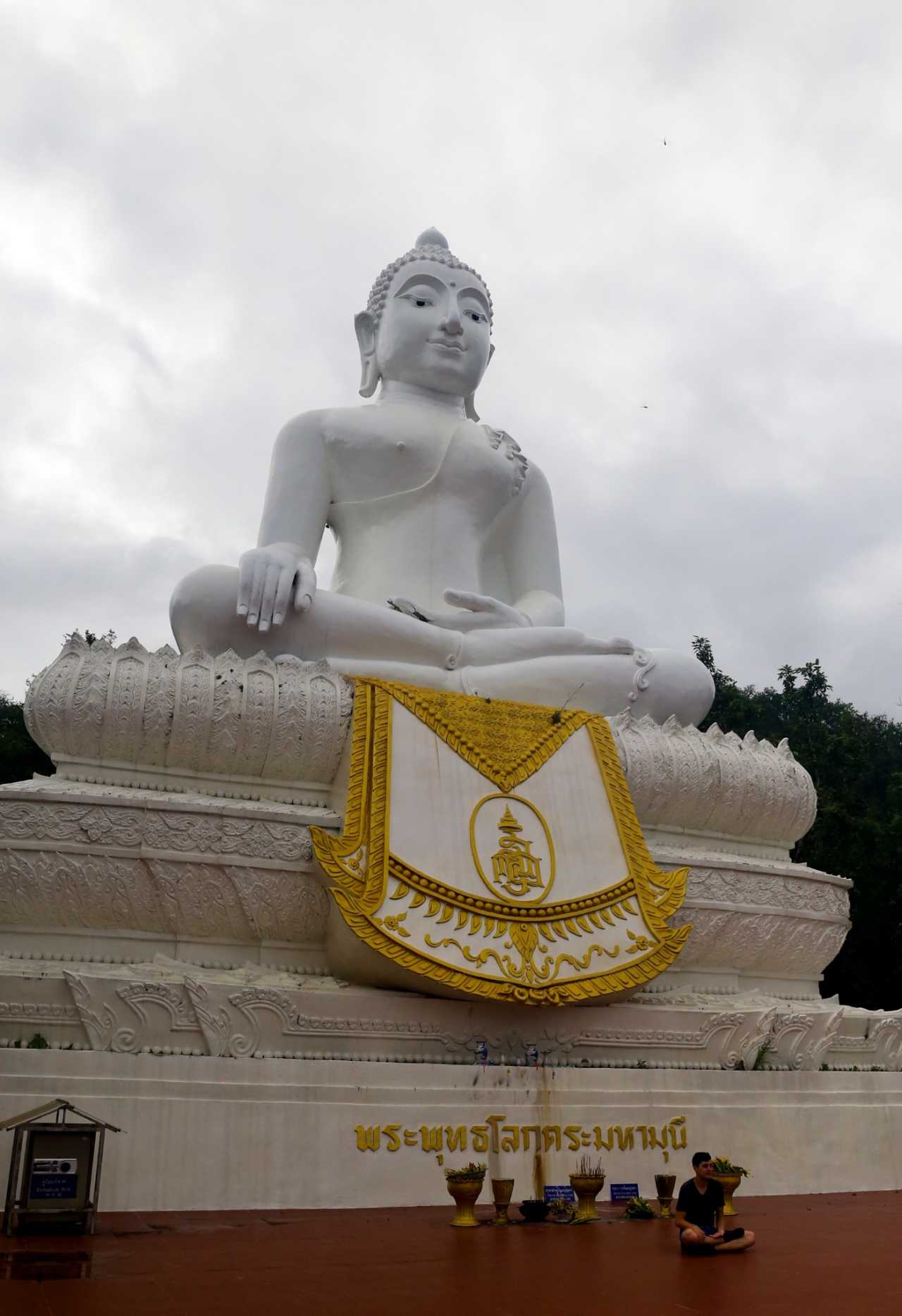
Turn around to look down upon Pai’s fields and mountains.
Sit properly and listen to Dad tell stories from the past.
Ruozi looks radiant here. But facing the holy Emerald Buddha, she had to wrap her beautiful legs with a scarf. That foreign couple behind — don’t steal the scene 
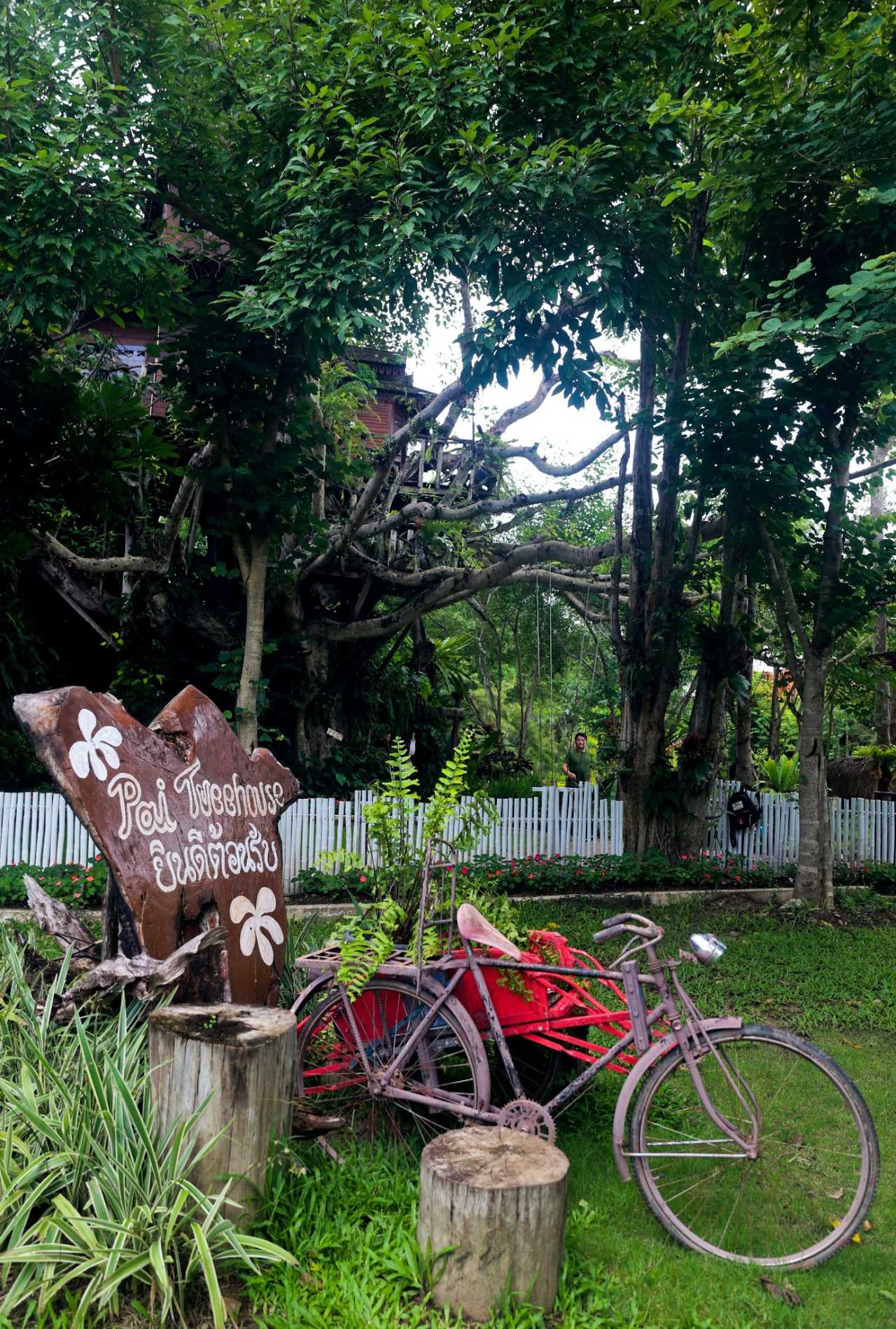
We passed a garden resort; turns out it’s the internet‑famous Treehouse Hotel.
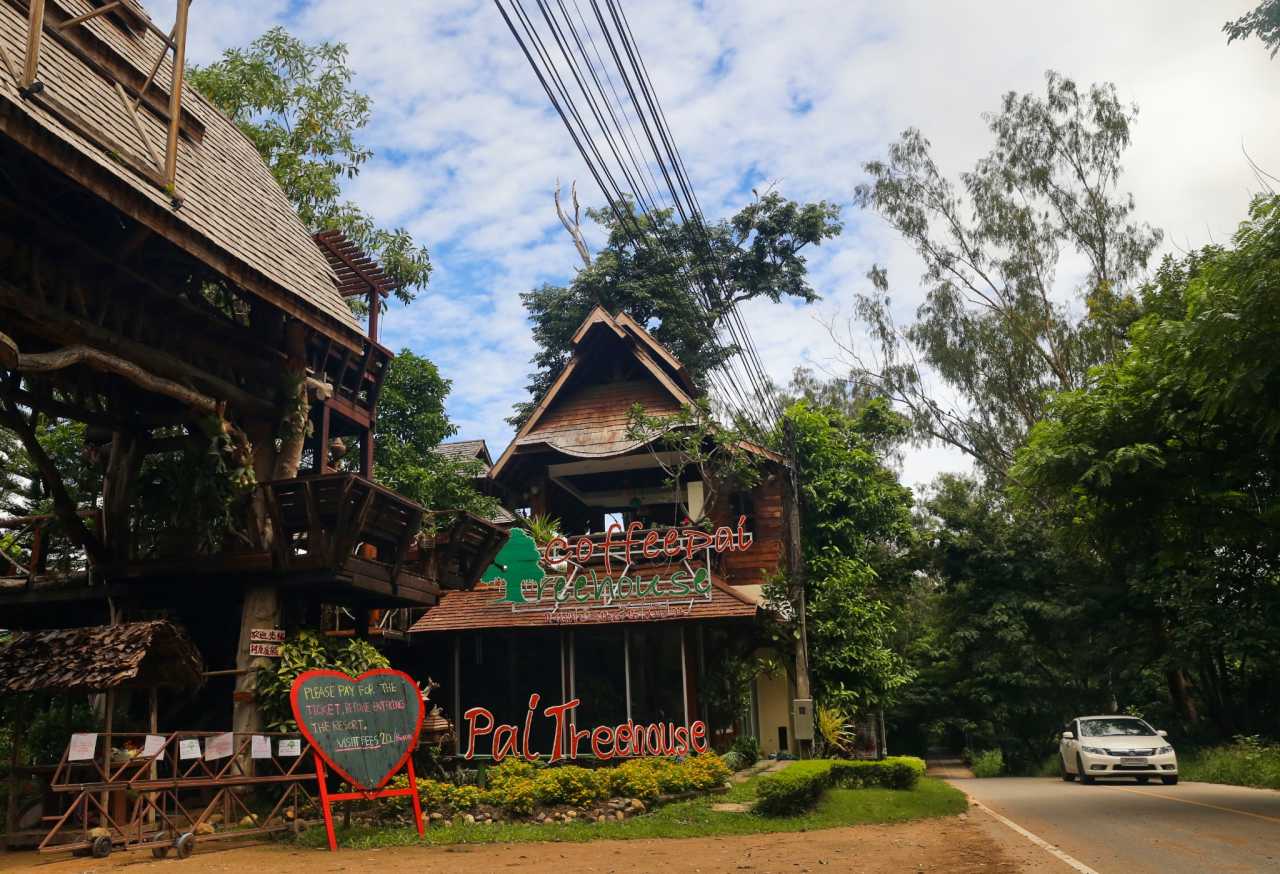
We went in to take a look — beautiful environment, villas scattered along slopes and rivers. Thai garden art truly deserves praise.
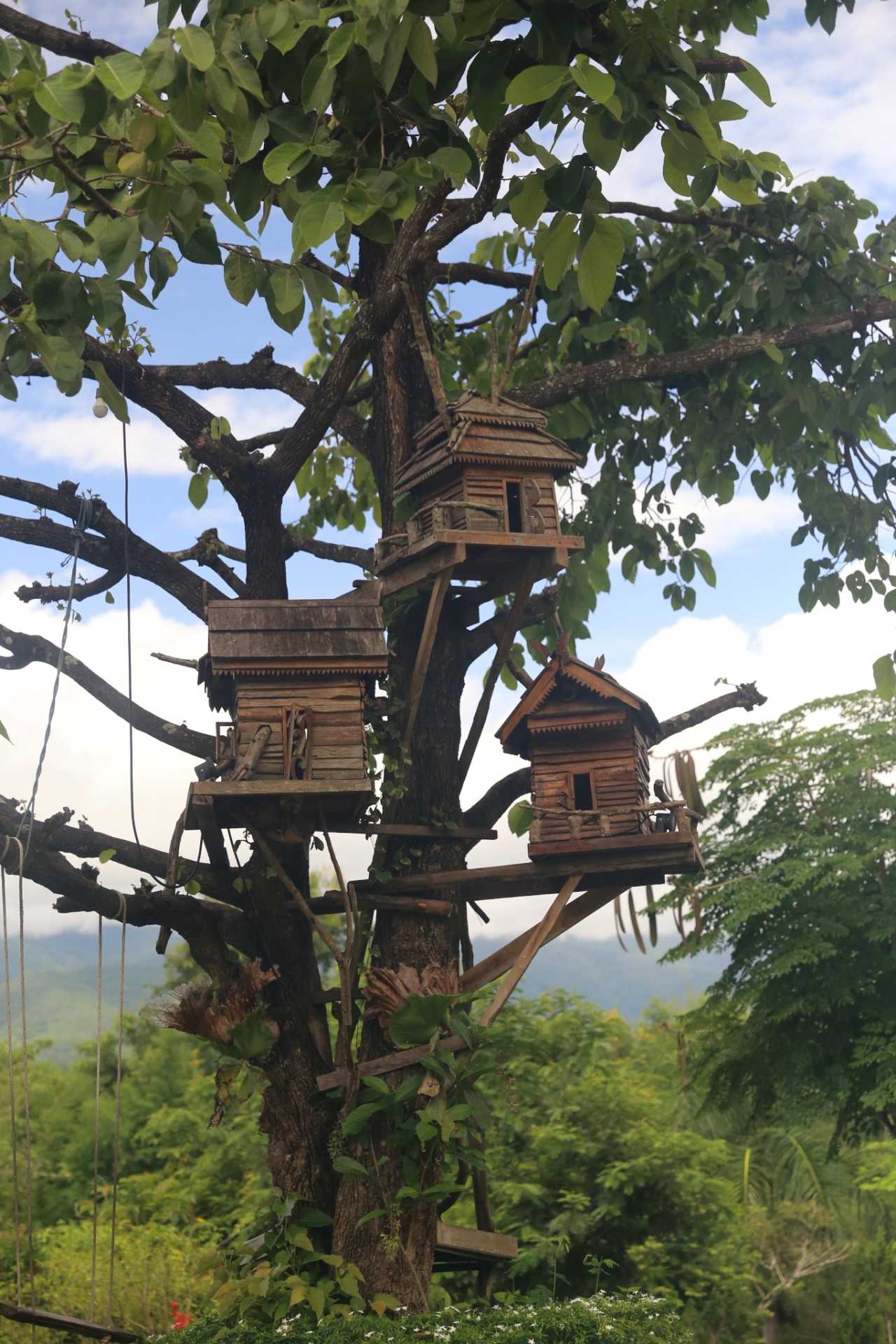
Is this the legendary treehouse? It’s so small — of course not — it’s a birdhouse.
The real treehouses hide among thick canopies, looking like the home of Tarzan.
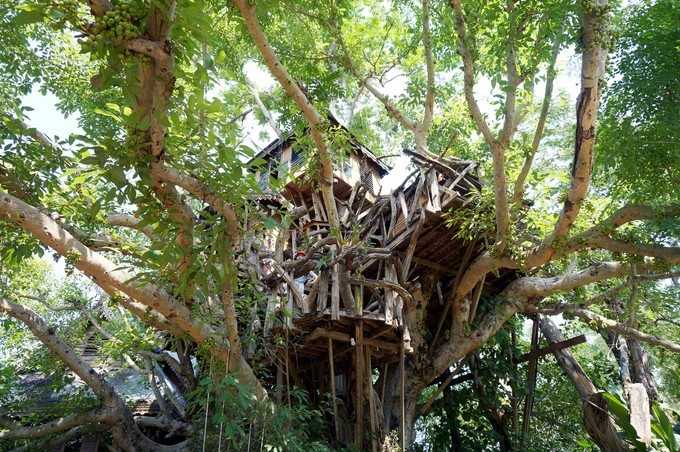
Is the swing beneath a treehouse part of the premium package?
The treehouse delighted little Qiaoqiao — climbing up and down, full of fairy‑tale novelty. The treehouse is tiny yet even has a bathroom. It’s said treehouses are in high demand and pricey — book half a year in advance. Spend a night among branches, listen to nature — be a rich “bird person”.
Artistic decorations fill the garden — different views at every step.
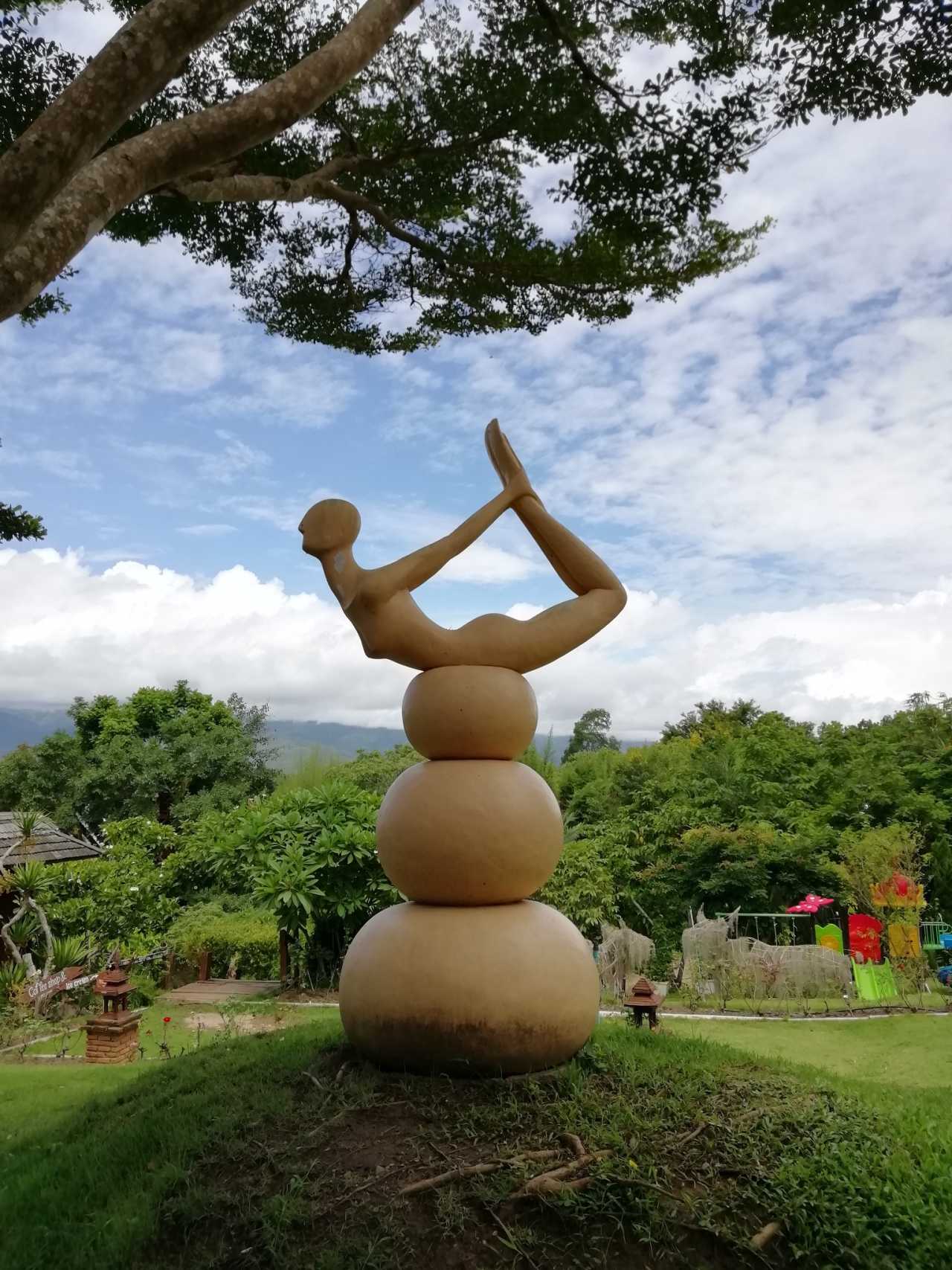
The hotel’s signature sculpture — like a yoga dancer reaching upward.
A day’s schedule is tight for a town like Pai, rich in northern Thai flavor. The fields and woods deserve deeper exploration; the diverse hotels deserve savoring; most importantly, prices here make you rejoice.
Chiang Mai | Doi Suthep for the Buddhist Mind
We drove to Chiang Mai and headed straight to the internet‑famous Chom Café & Restaurant.
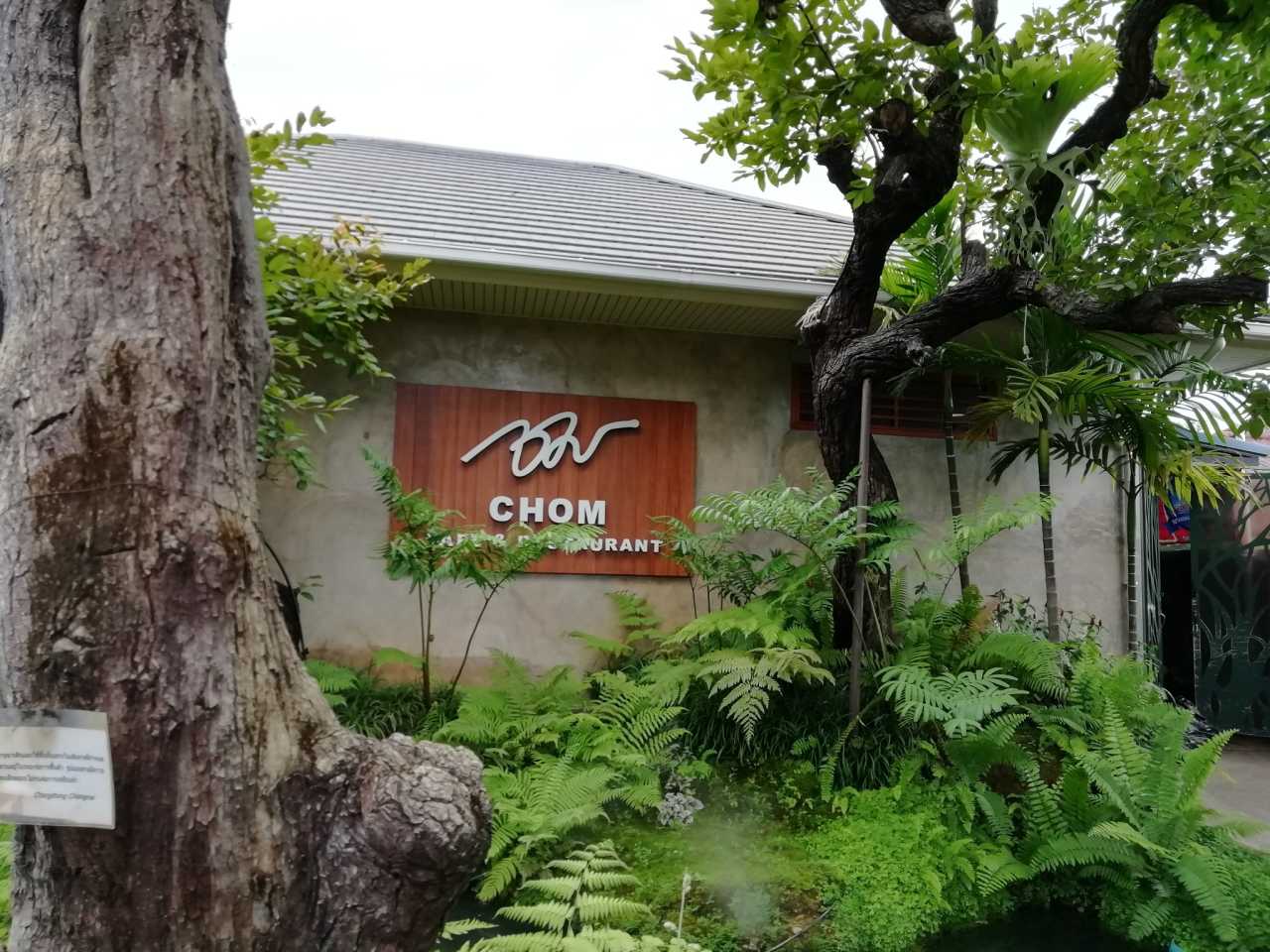
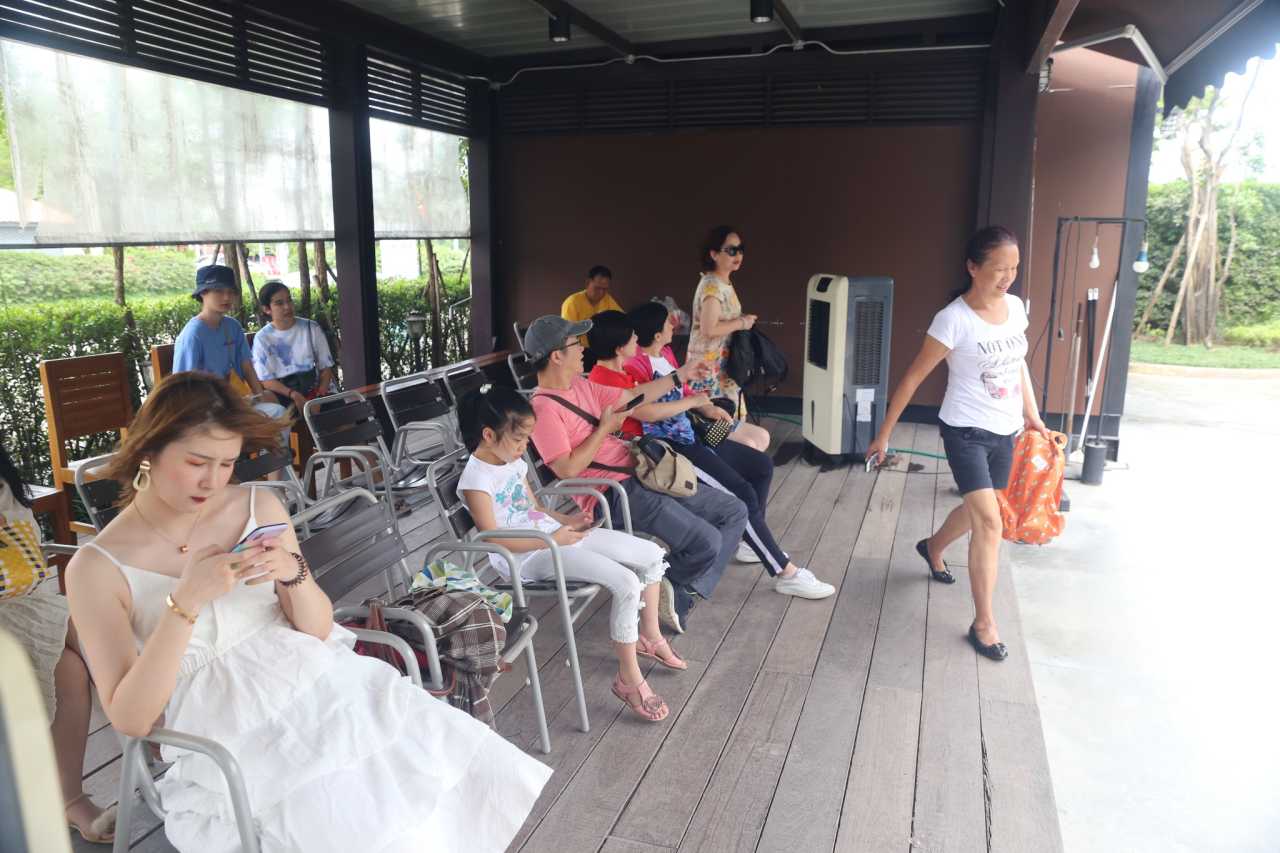
The restaurant is wildly popular — loads of people waiting in line, mostly Chinese foodies. Fair‑skinned beauty glued to her phone — can you look up to share lunch?
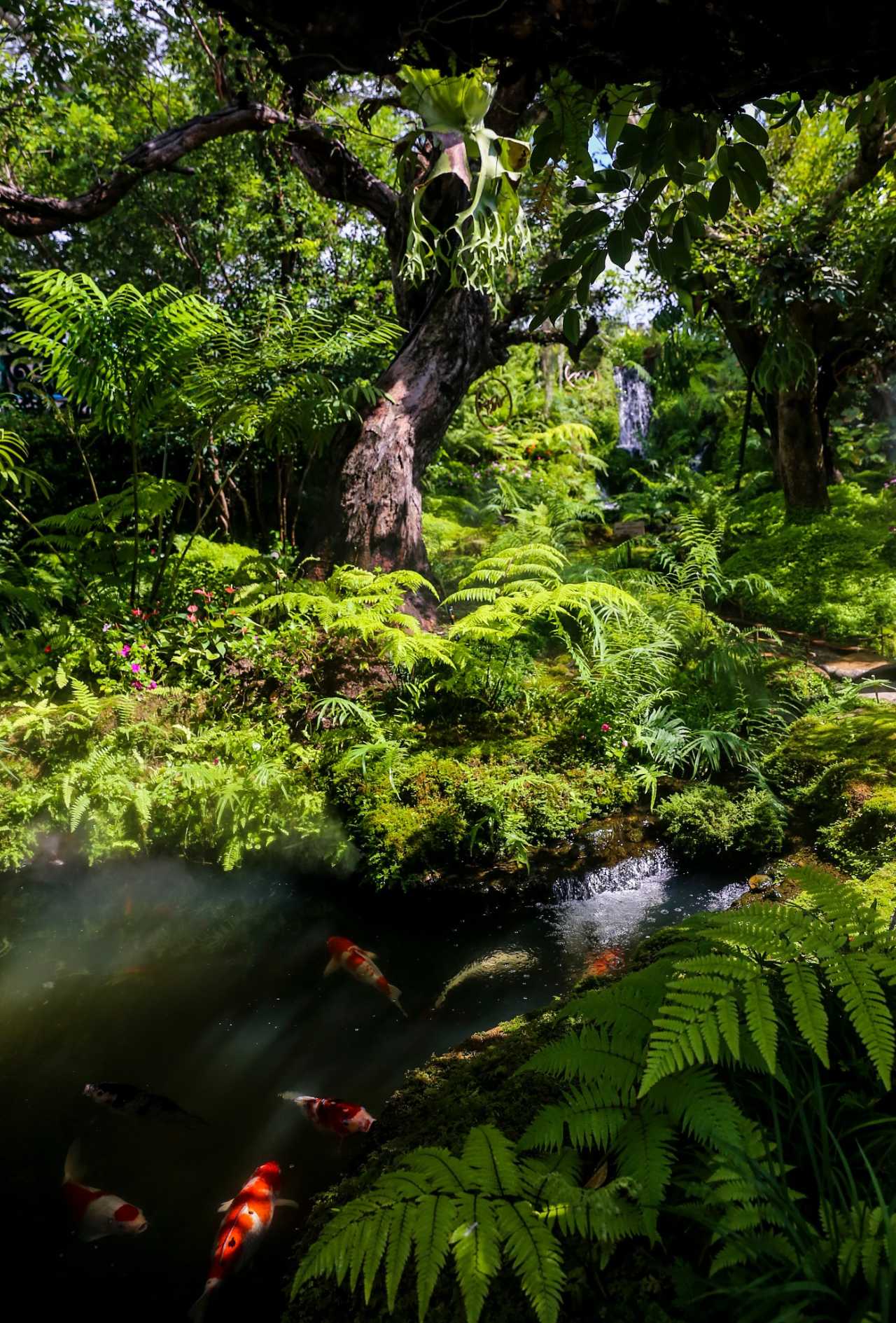
Inside, a small space has been turned into a fairy‑tale “emerald forest”.
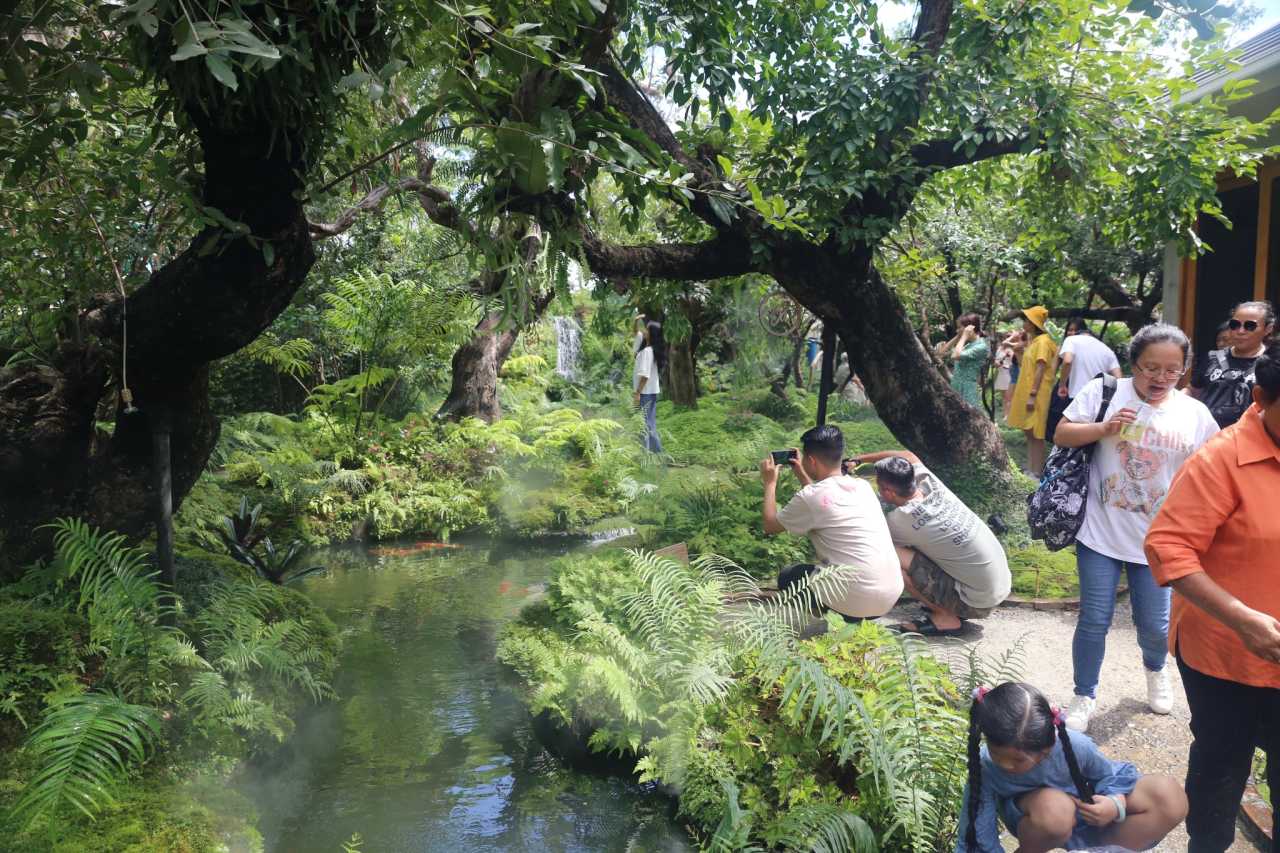
There are too many check‑in beauties — forest fairies are made like this.
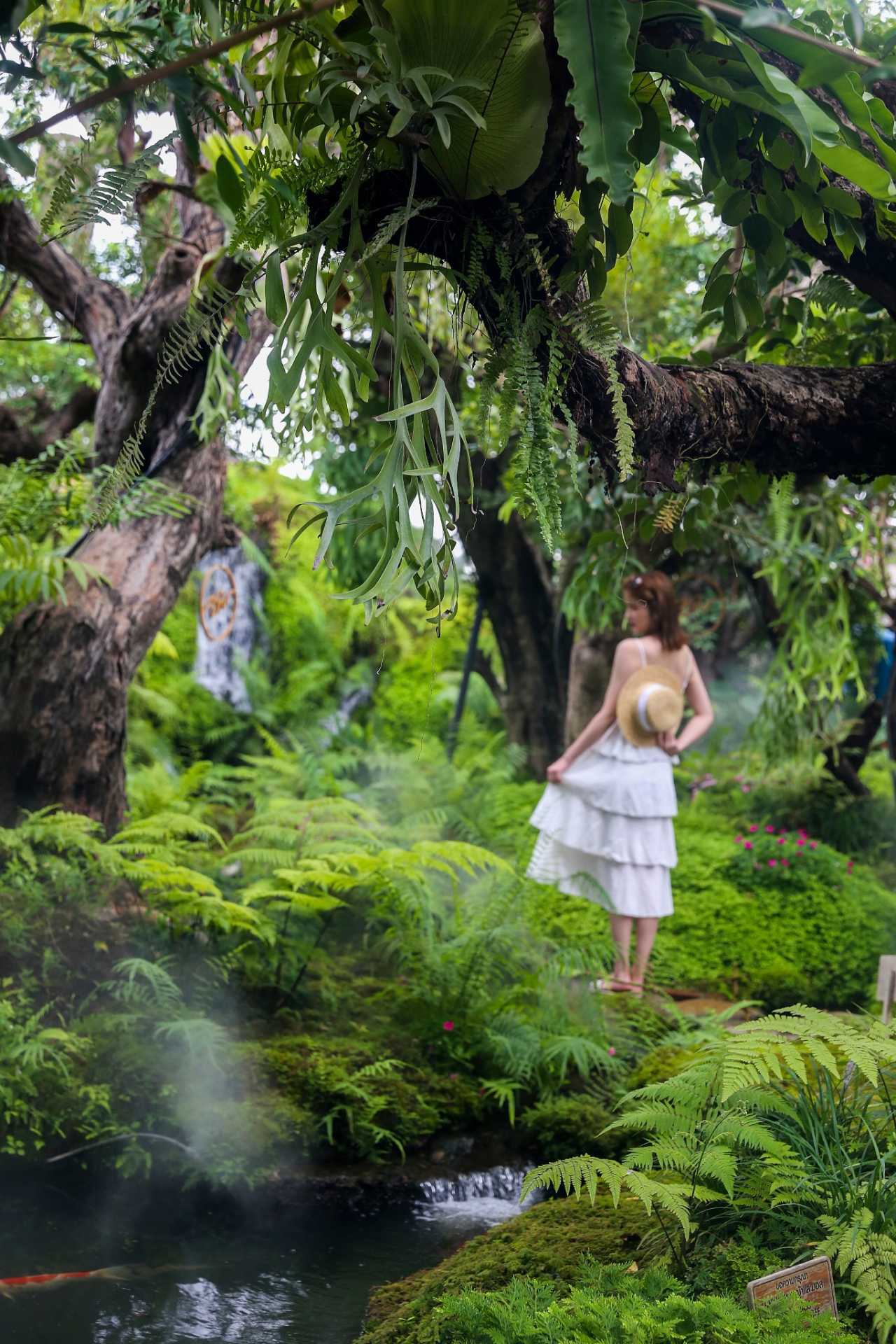
I truly admire Thai artists’ imagination — bringing the forest into a restaurant.
After enough scenery and beauties, stomachs growled — after nearly two hours, we finally enjoyed a proper Thai meal.
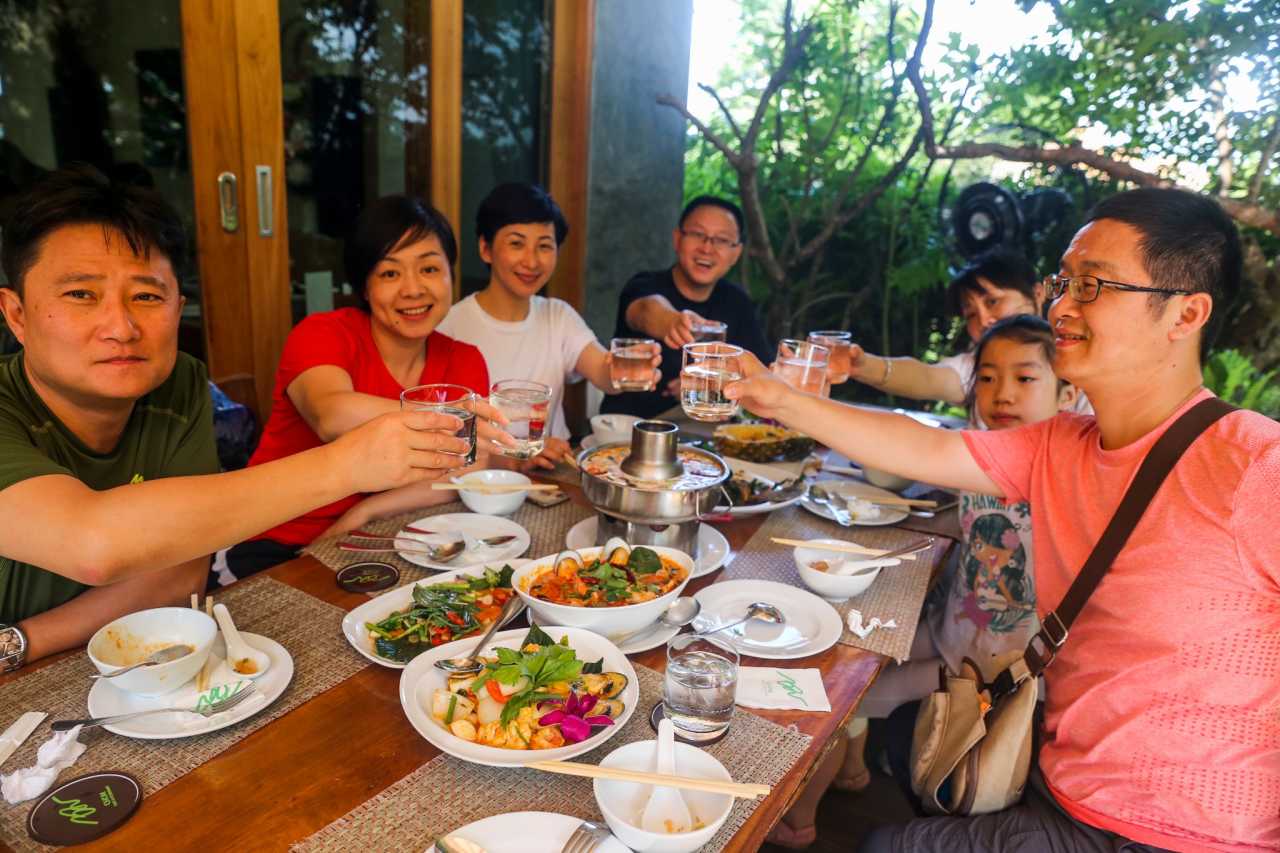
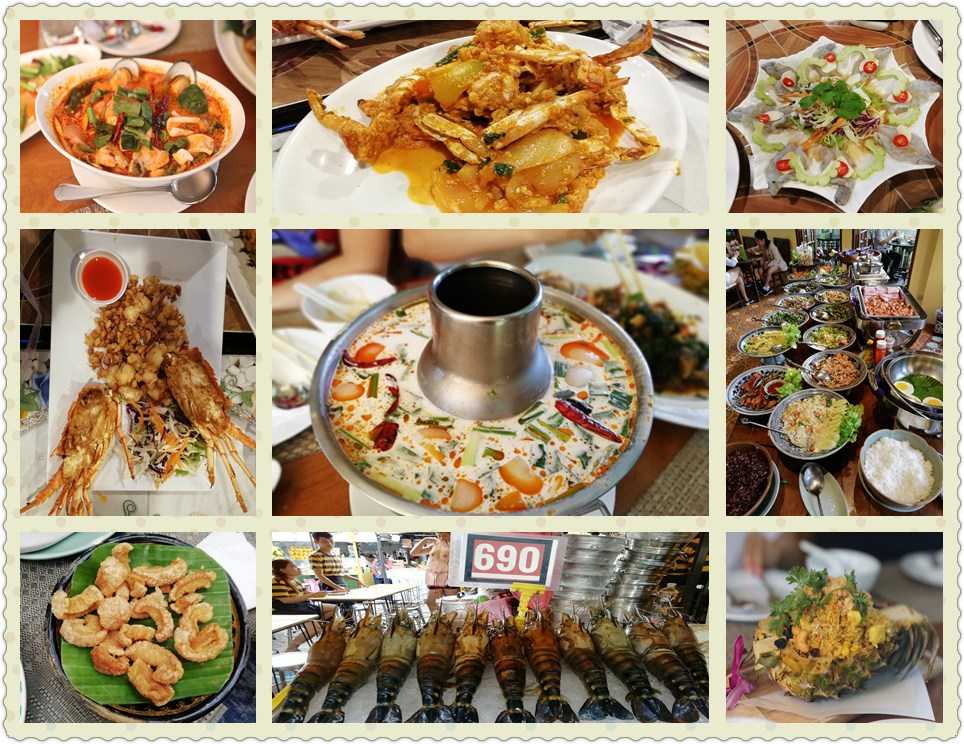
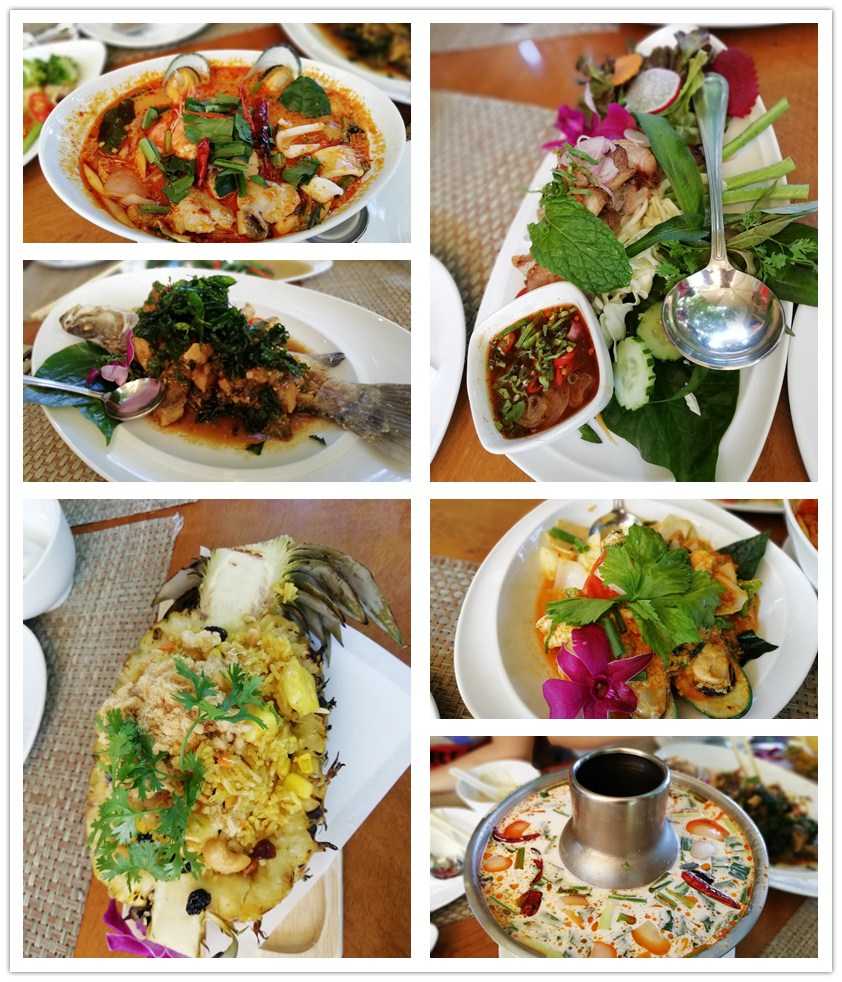
It seems the restaurant doesn’t rely only on being a check‑in spot — the Thai dishes are genuinely solid. Thai cuisine is world‑famous, using mostly natural ingredients — very healthy — brightly colored — truly a feast for the eyes — foodie bliss.
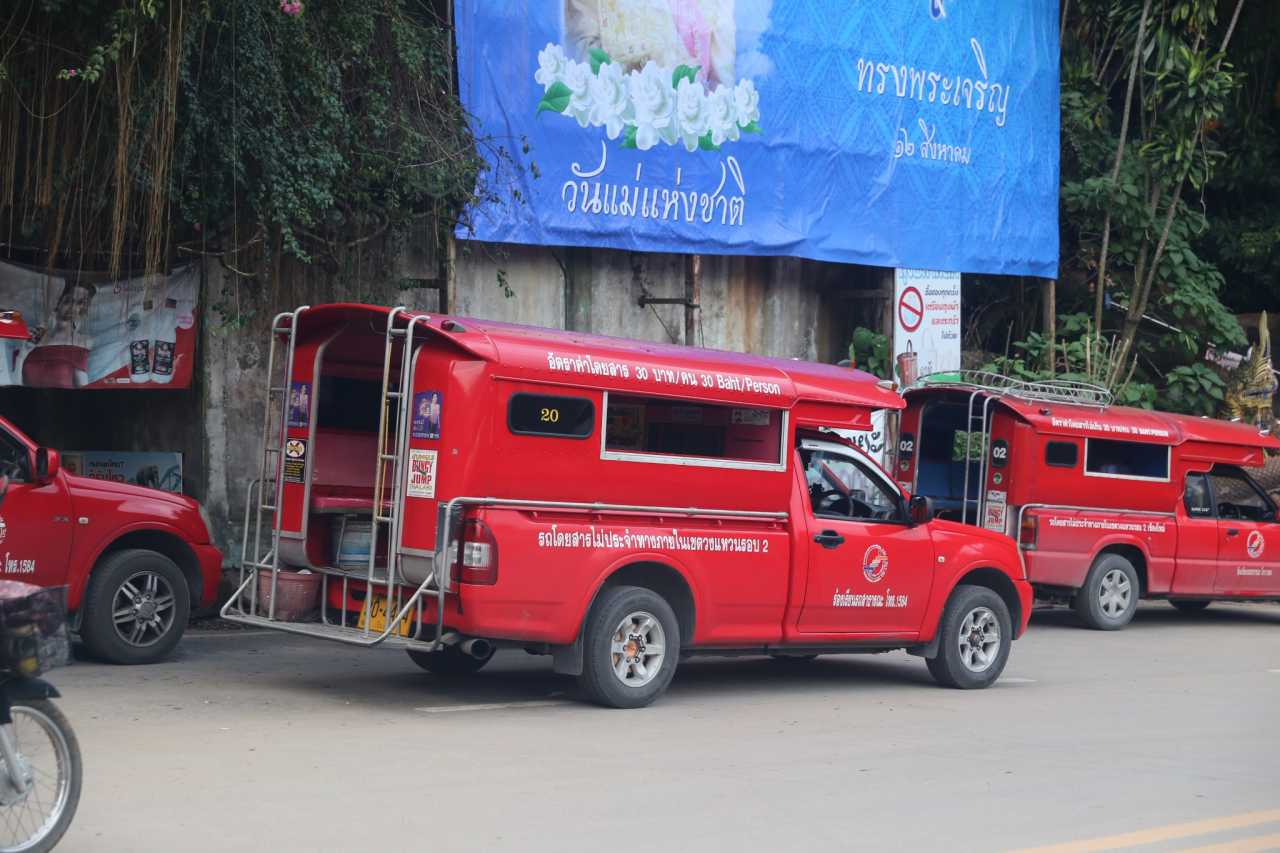
On the road to Doi Suthep, red songthaews were everywhere. We drove up to Bhubing Palace but missed the time — it closes at 15:30.
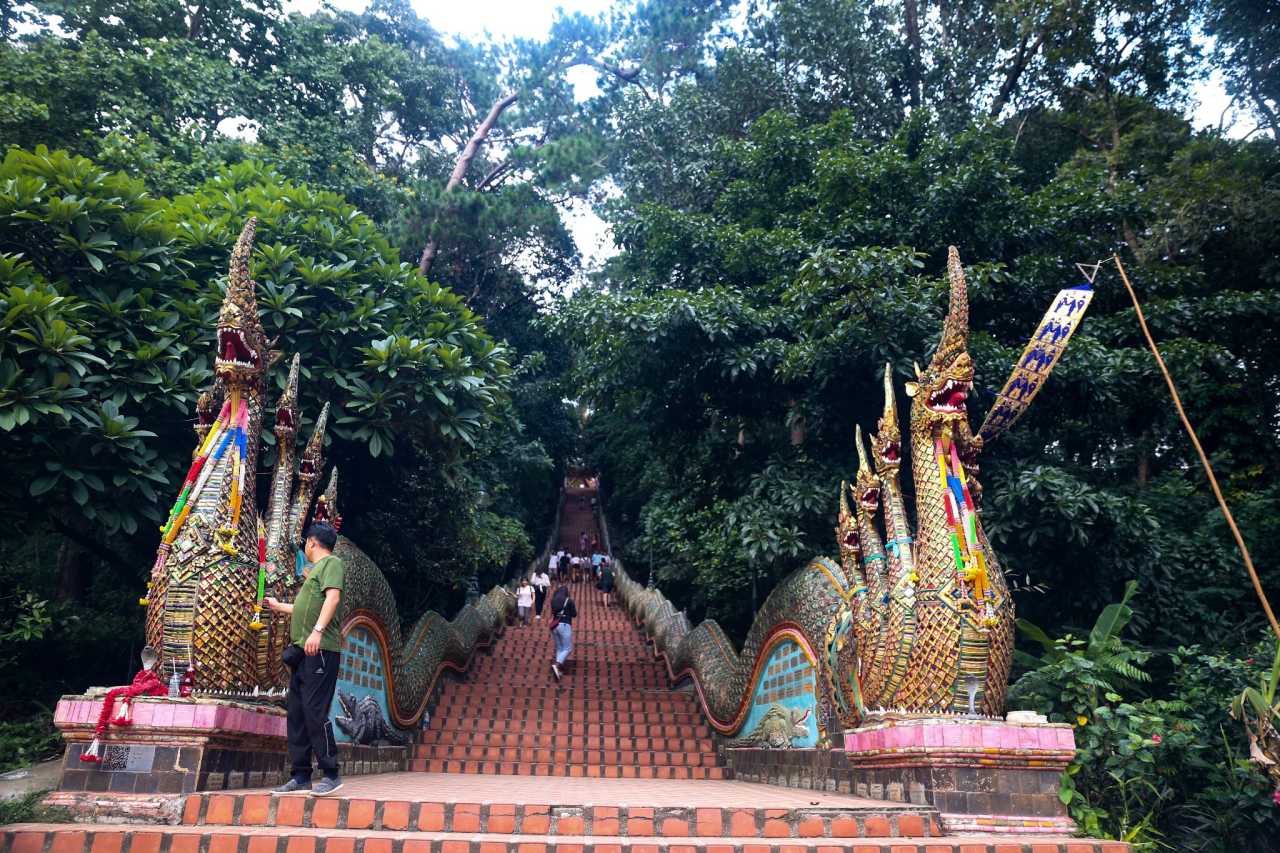
Doi Suthep — a Buddhist holy place — thrives thanks to the mid‑mountain Wat Phra That Doi Suthep. Two multicolored naga line the entrance stairs; at the top, the mysterious Buddha sits high.
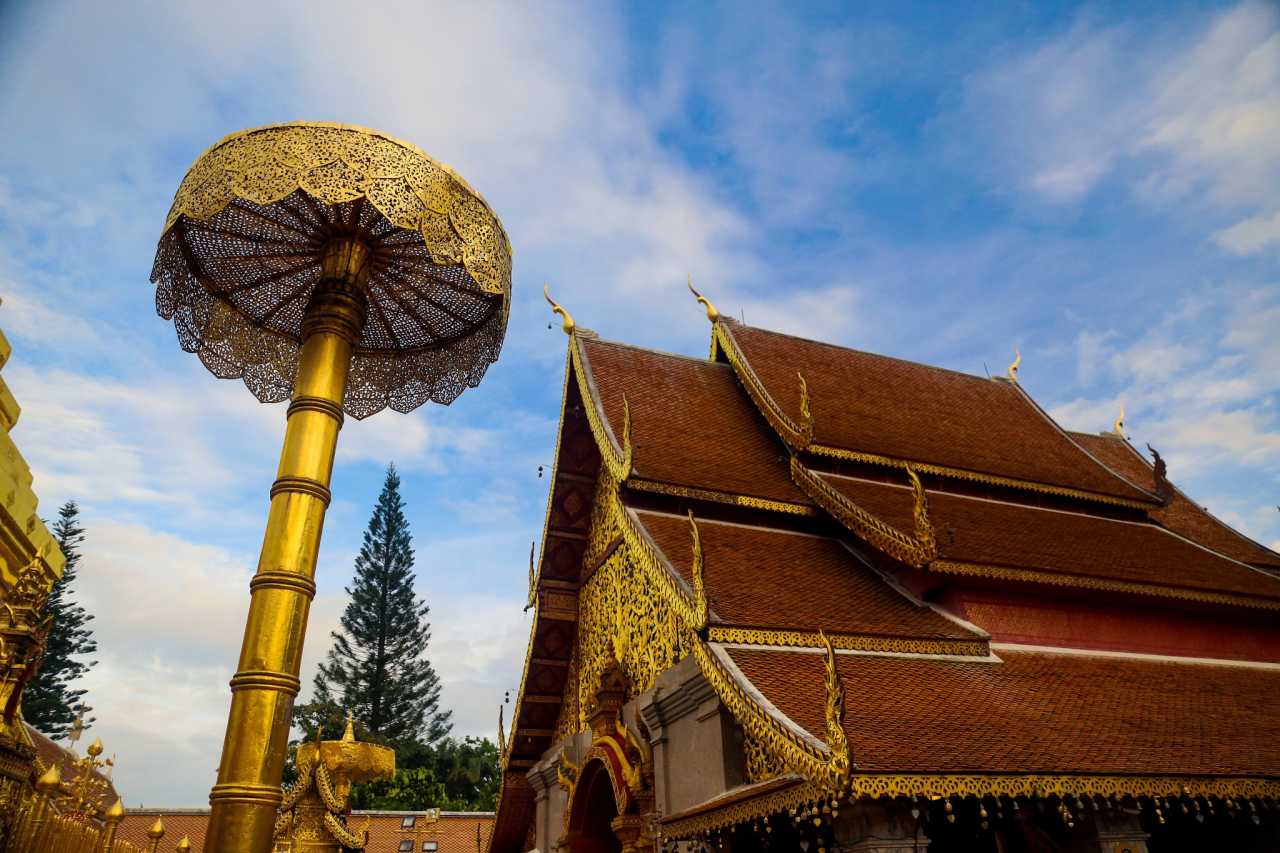
Inside the temple: many devotees and tourists; exquisite architecture glittering in gold. Is that a “royal yellow parasol” for a tycoon?
We were lucky to encounter a ceremony — everyone sat cross‑legged on the floor.
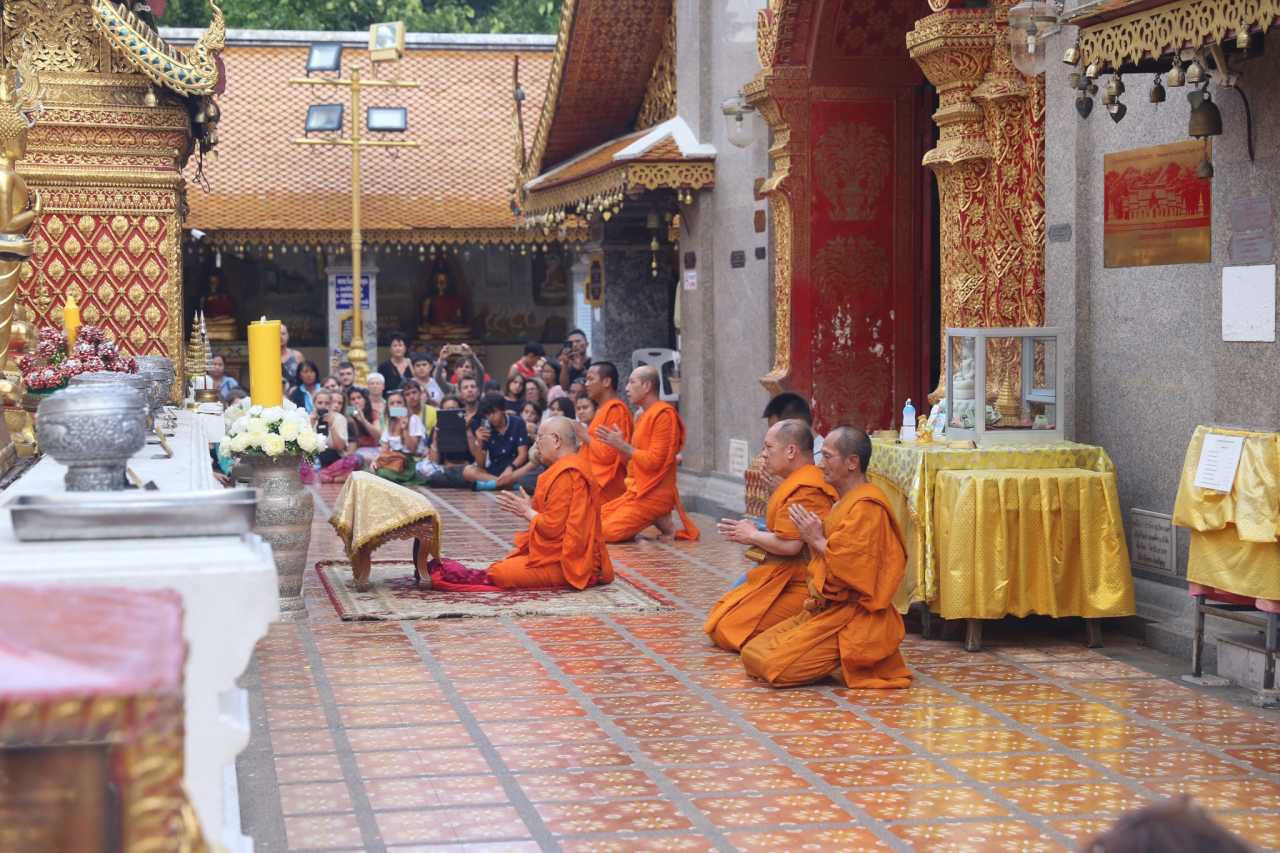
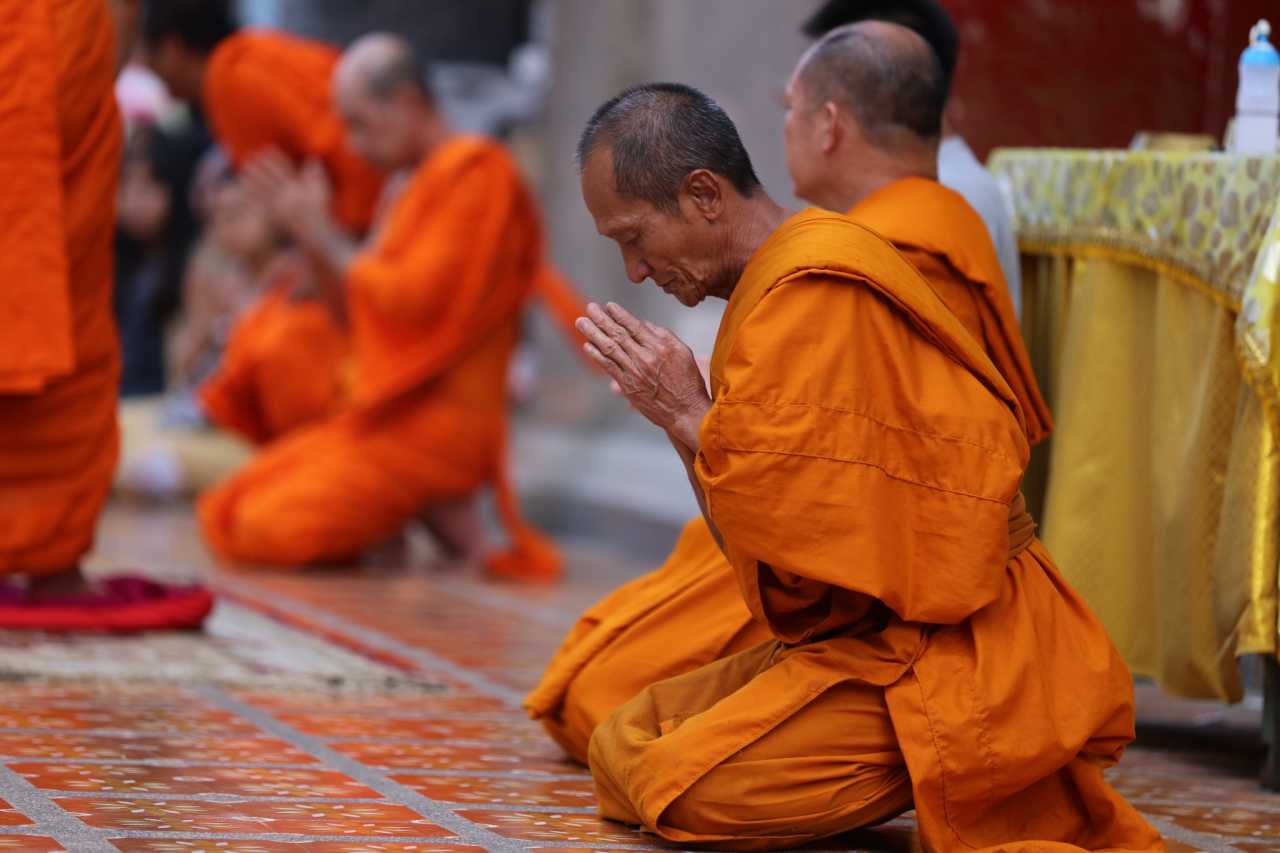
Not sure what the monks were chanting, but everyone was quiet and looked devout.
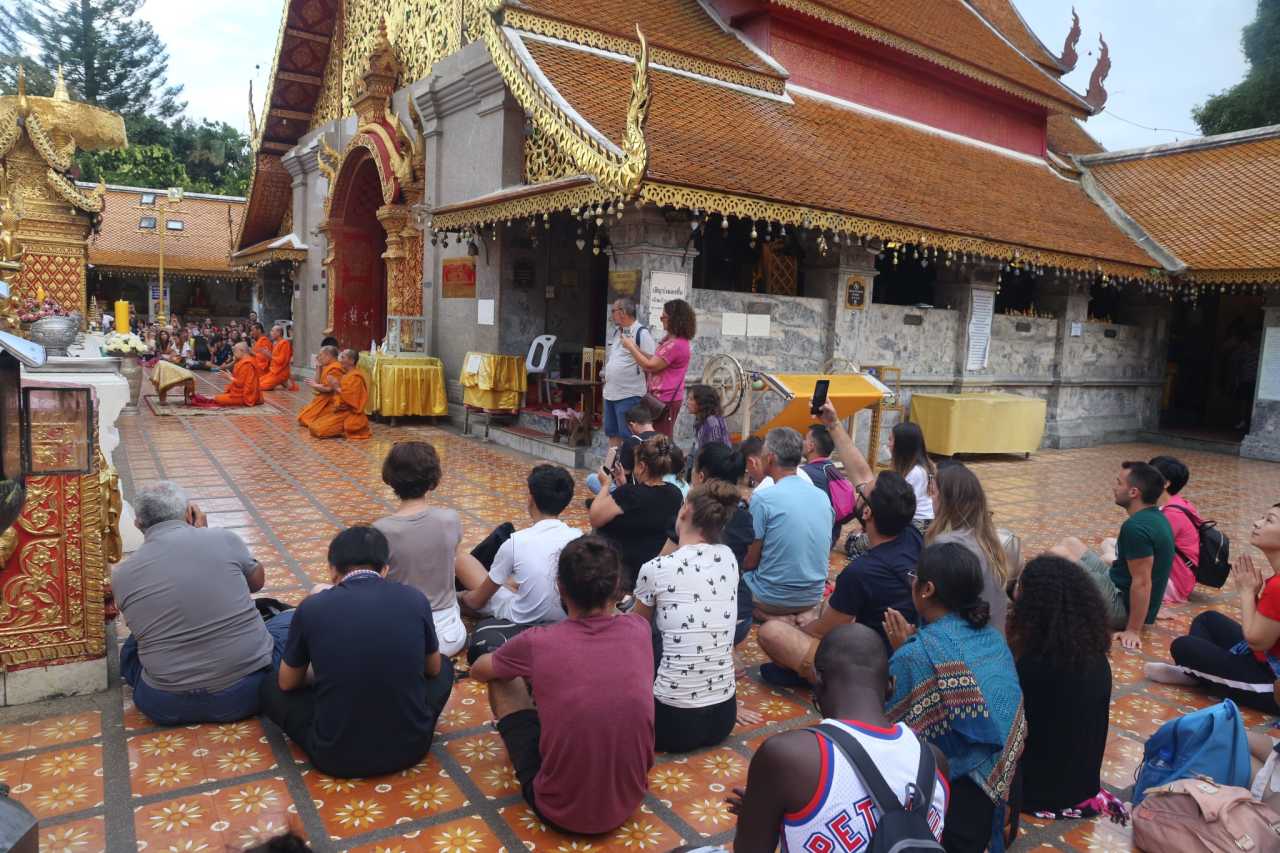
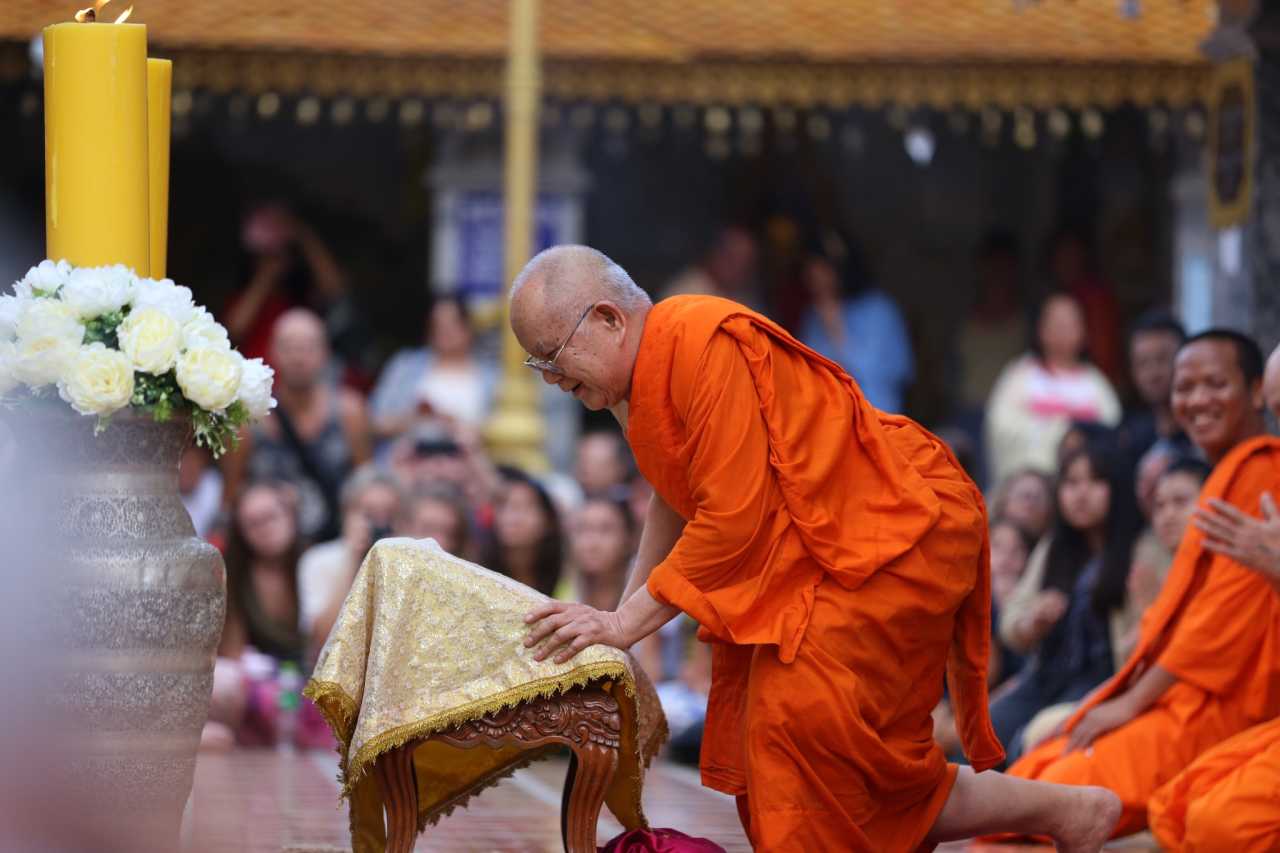
This elder might be the abbot; the saffron robes are striking — “the land of yellow robes” indeed.
Gold — everywhere. The chedi housing the Buddha’s relics is covered in gold leaf — a golden heart.
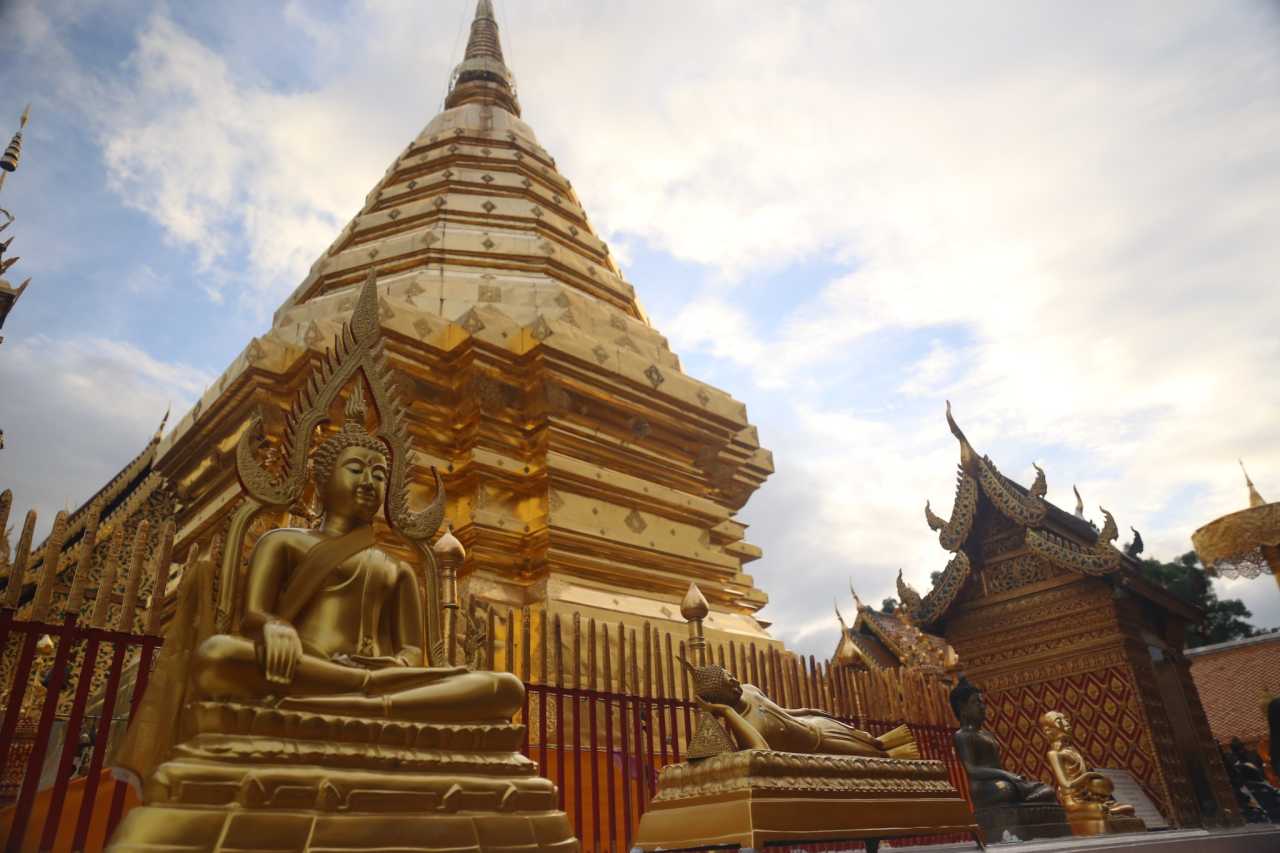
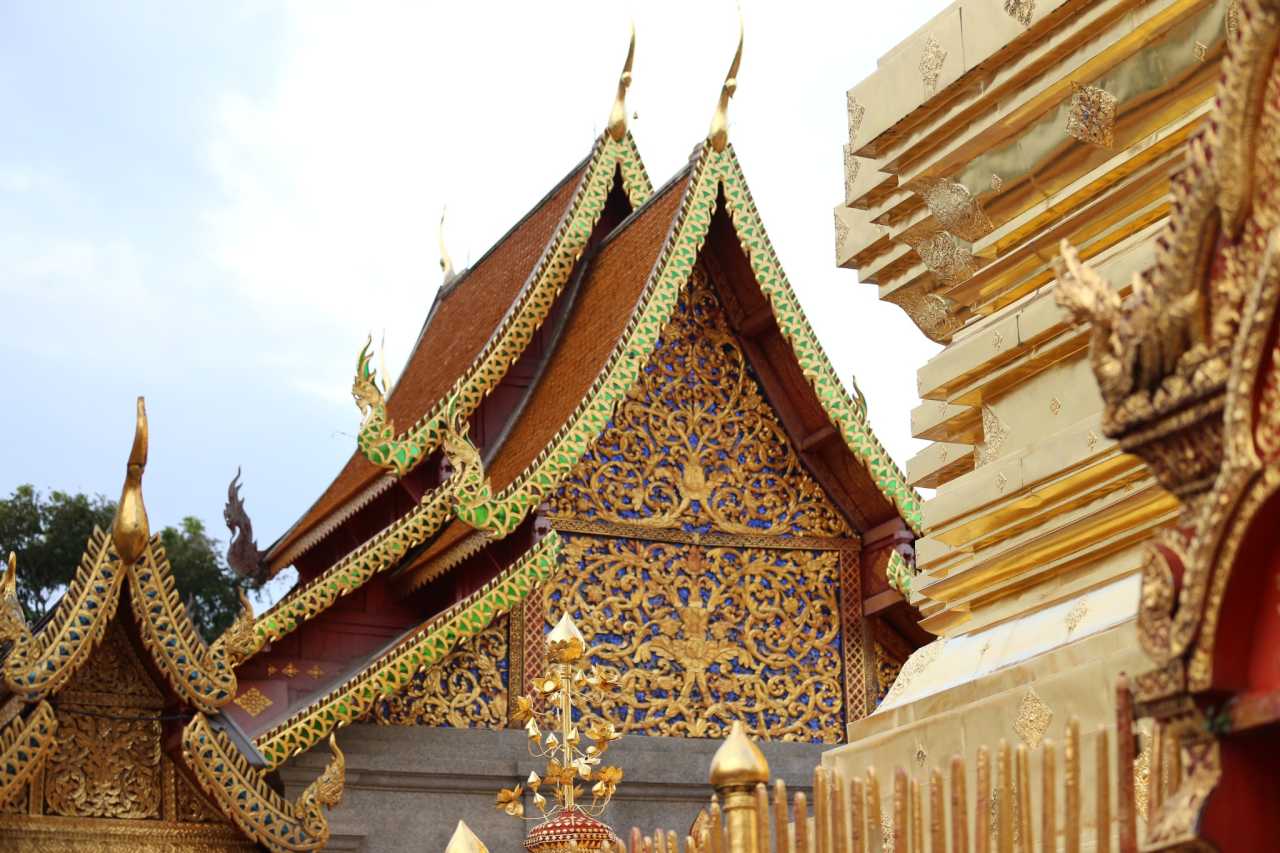
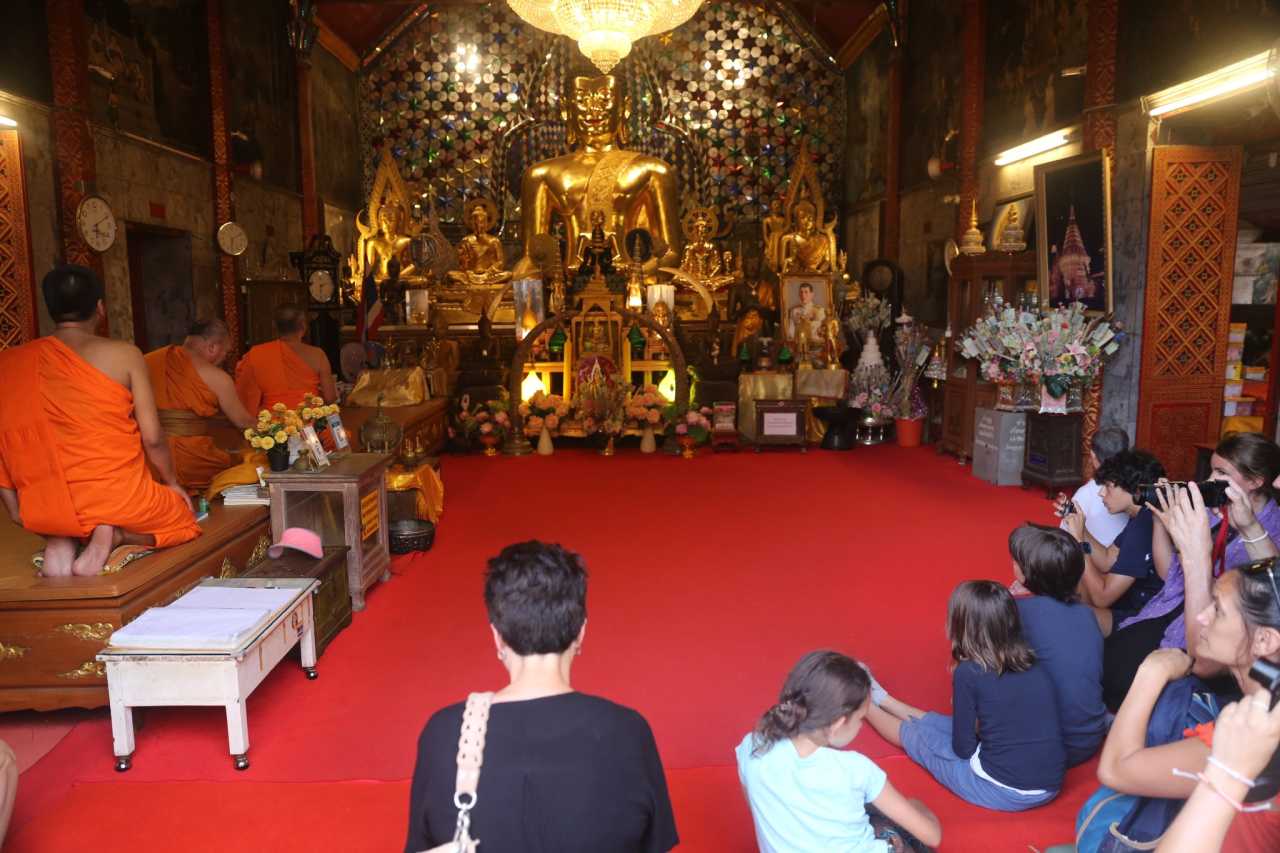
Indoors it’s gold‑walled and resplendent — the ceremony moved inside.
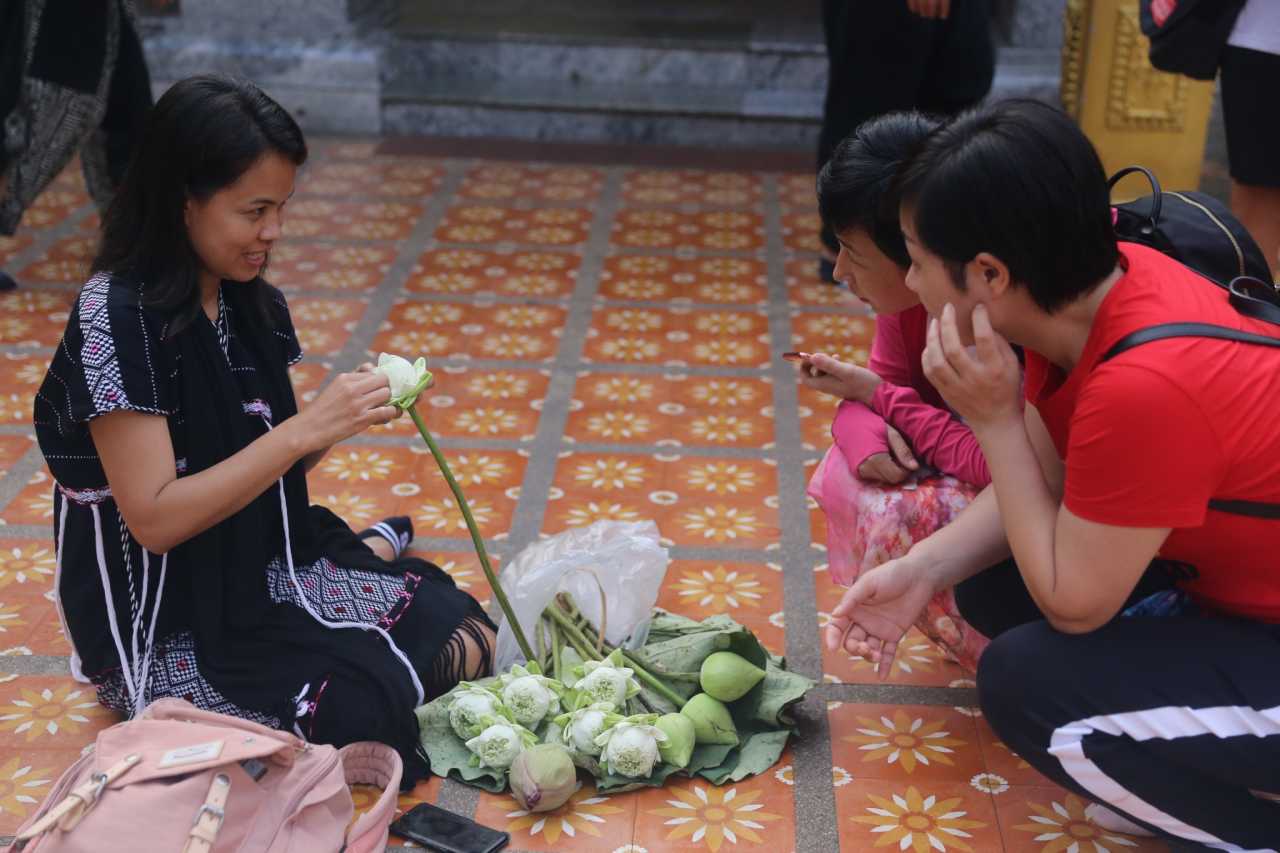
A volunteer is tending lotus flowers for the Buddha — blessings of peace and health. You two — care to join?
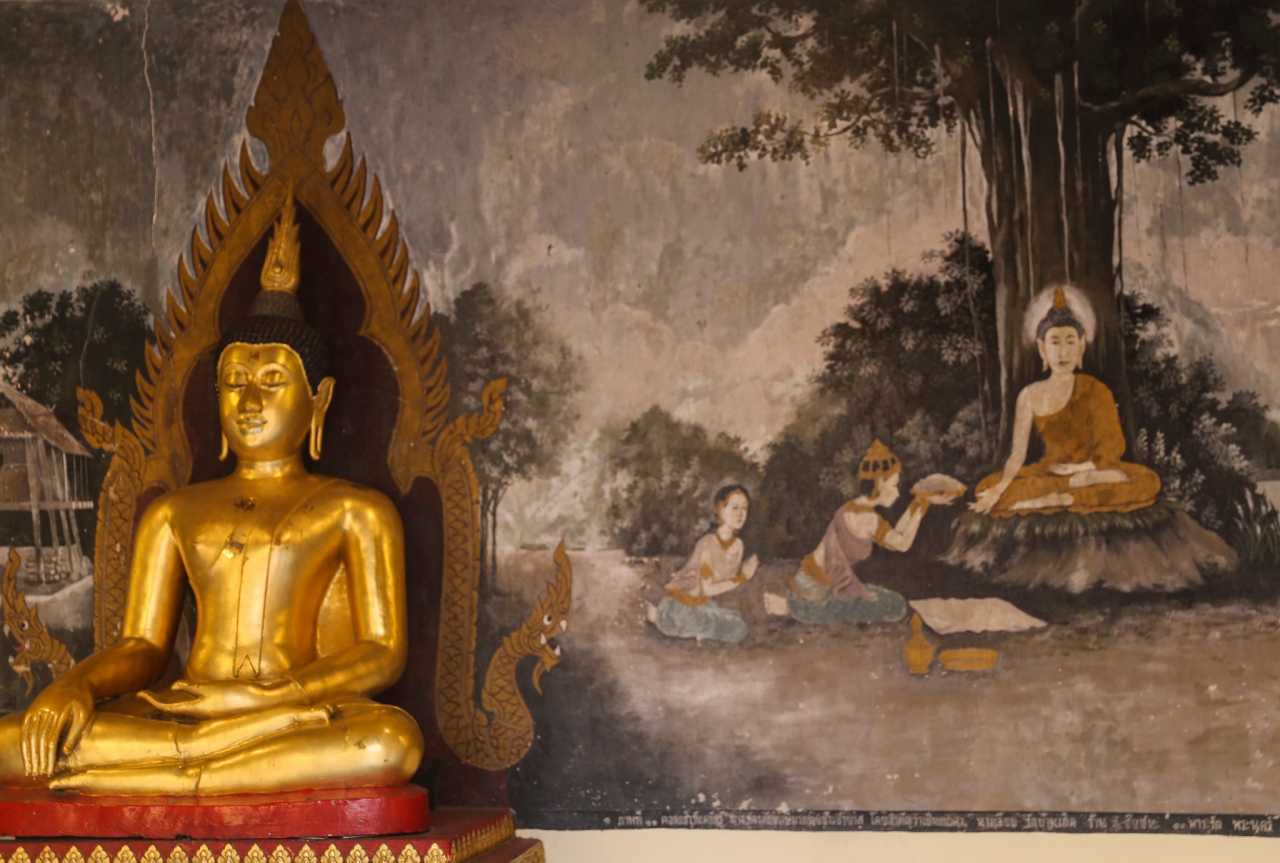
Murals are key to Buddhist culture. Compared to Tibetan murals, Thai murals are less fierce and more gentle and serene.
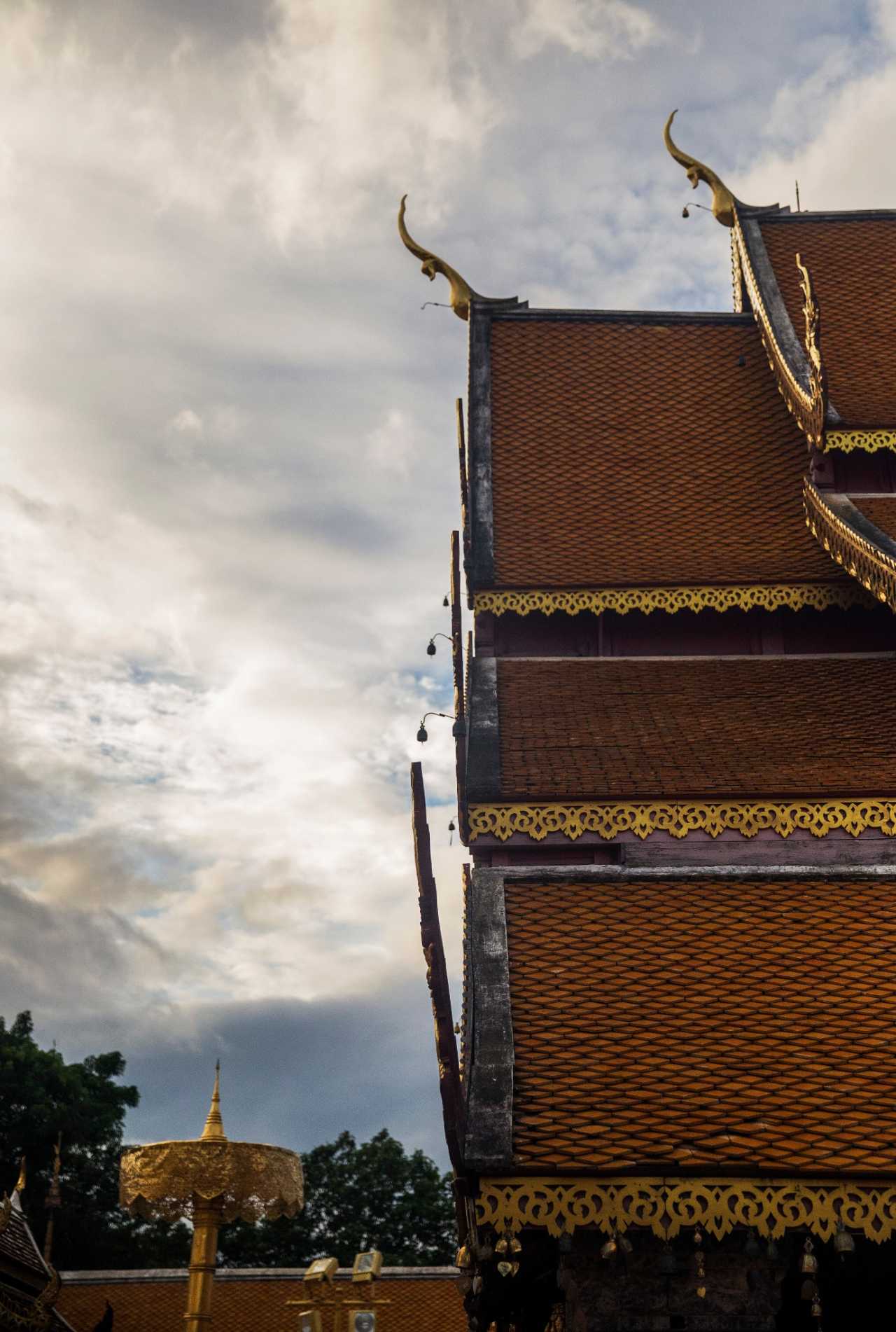
Distinctive Thai roof eaves.
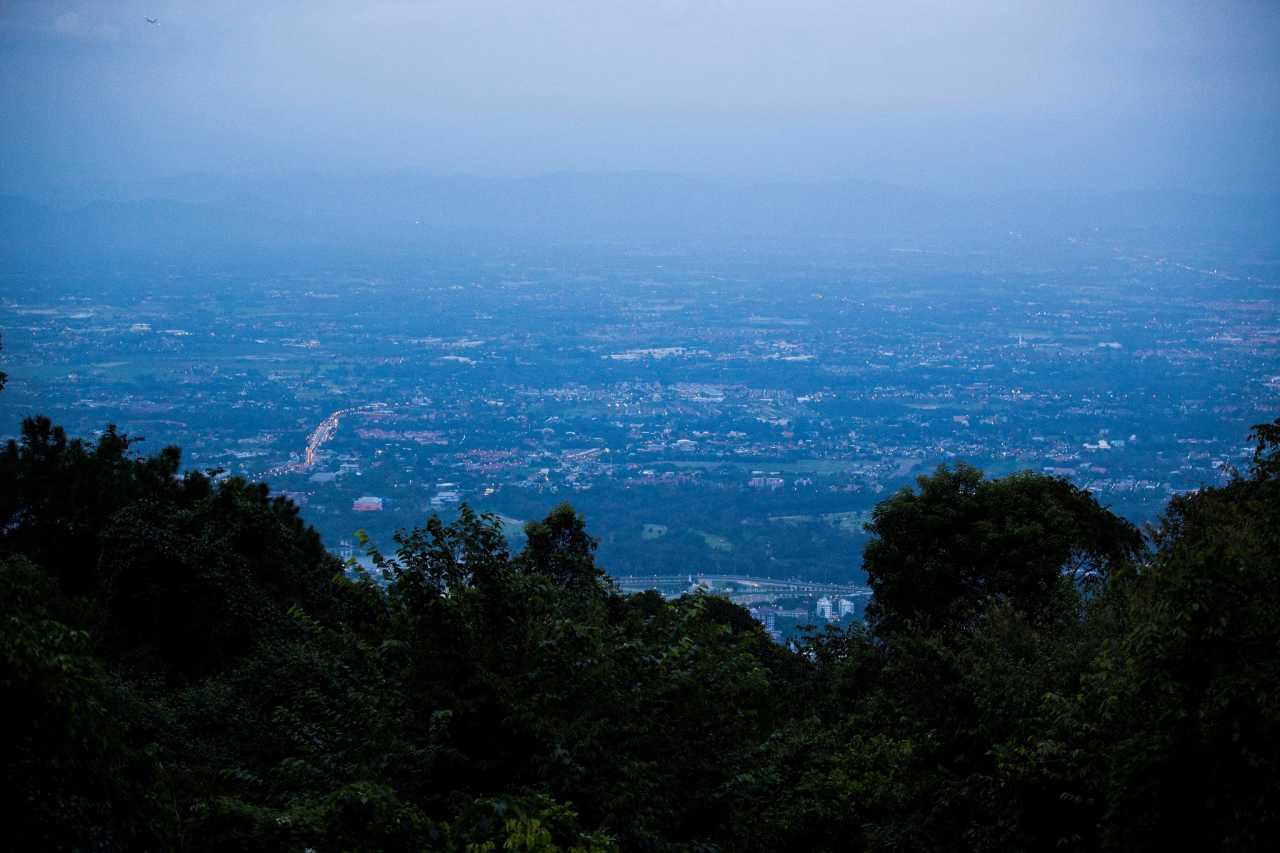
Approaching dusk, we looked down on Chiang Mai’s myriad lights. Many cities have such feng‑shui vantage points — like Victoria Peak in Hong Kong, Qingxiu Mountain in Nanning, and Qingyuan Mountain in Quanzhou.
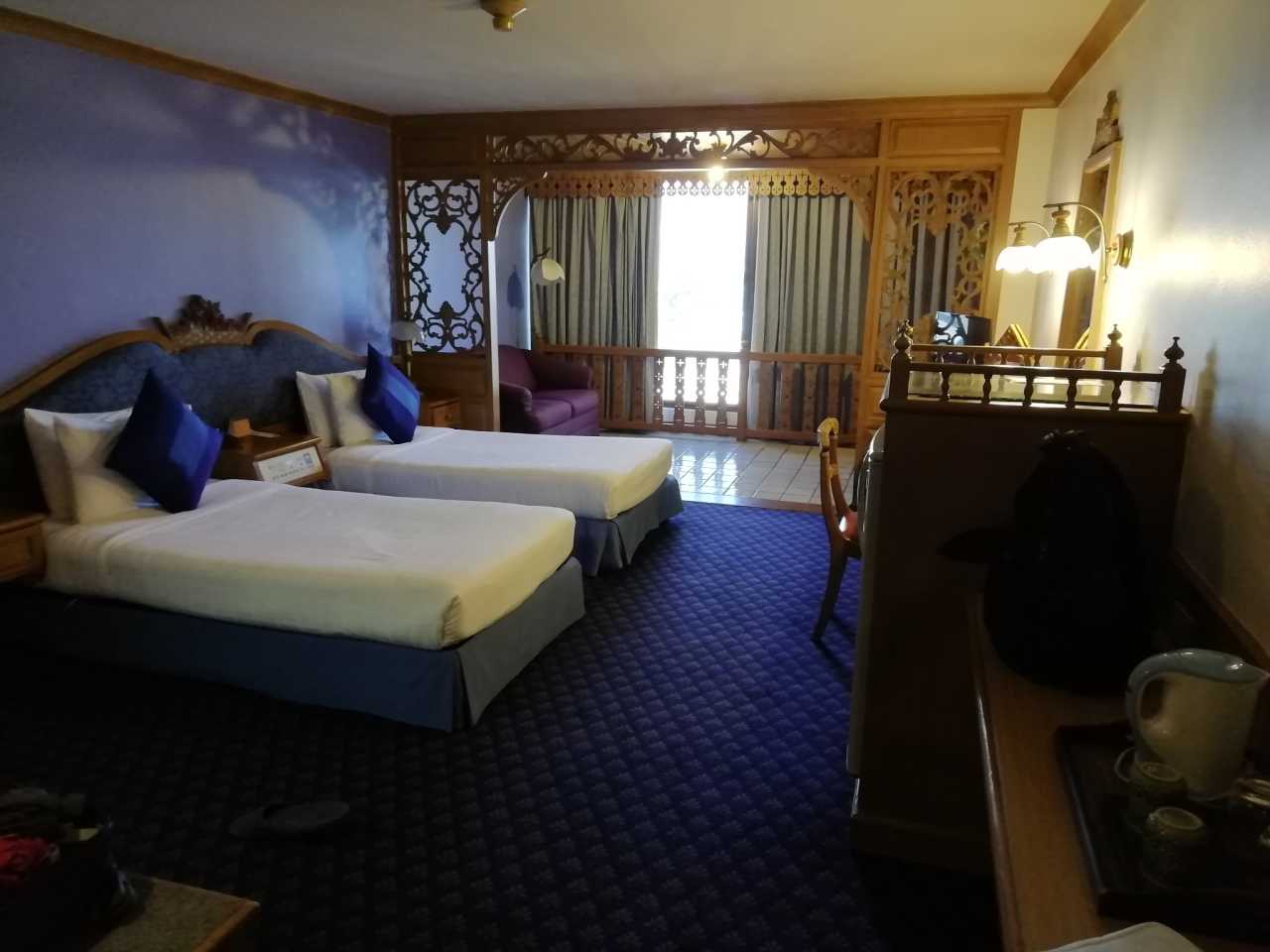
Checked into the Lotus Hotel, Chiang Mai. You can tell the facilities are dated, but the hotel’s former luxury still shows.
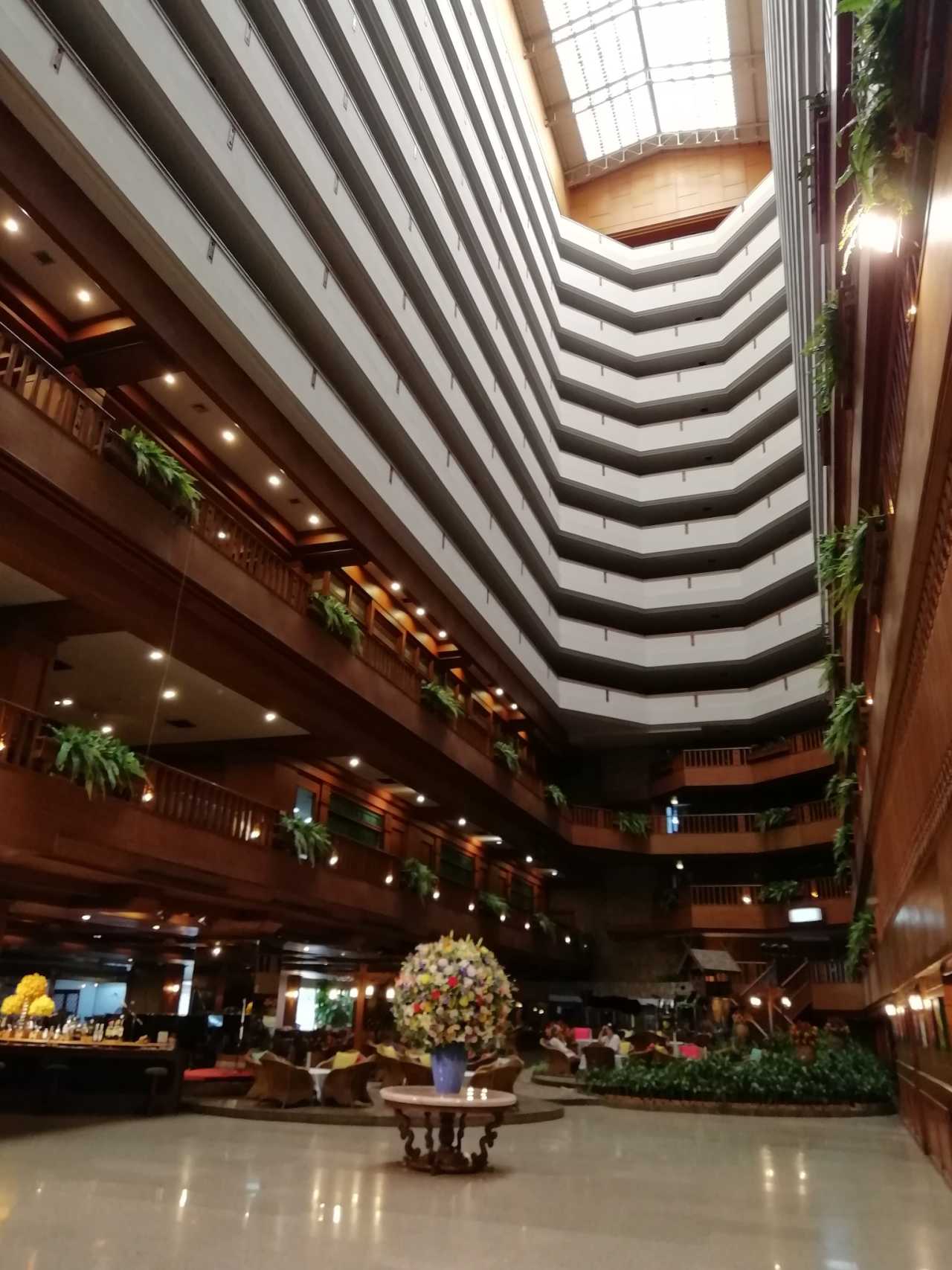
The facilities are comprehensive, and there are many guests — including European tour groups.
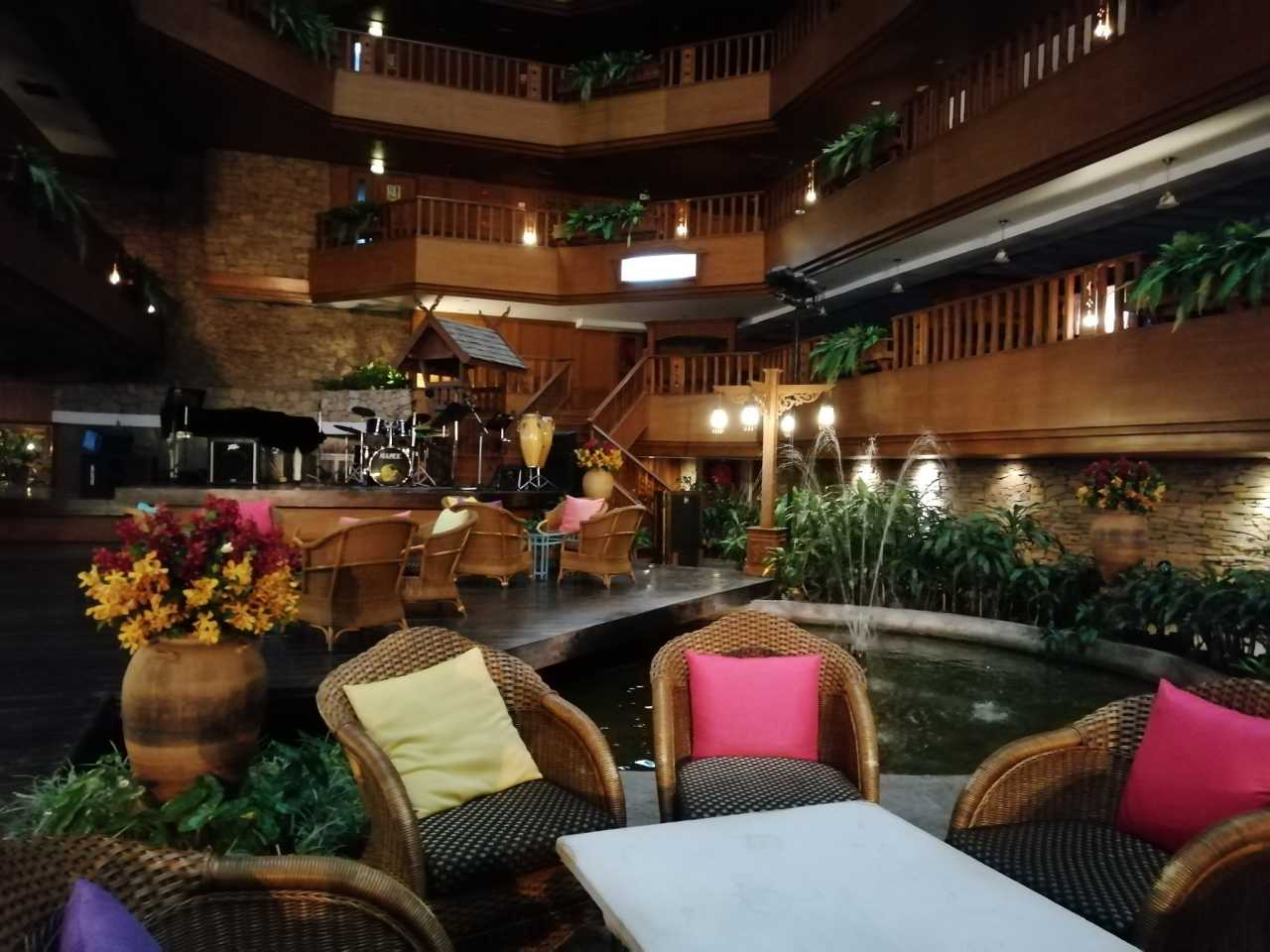
The rooms are Thai‑style — but truly old.
Chiang Mai has several night markets; we chose to stroll Nimman night market.
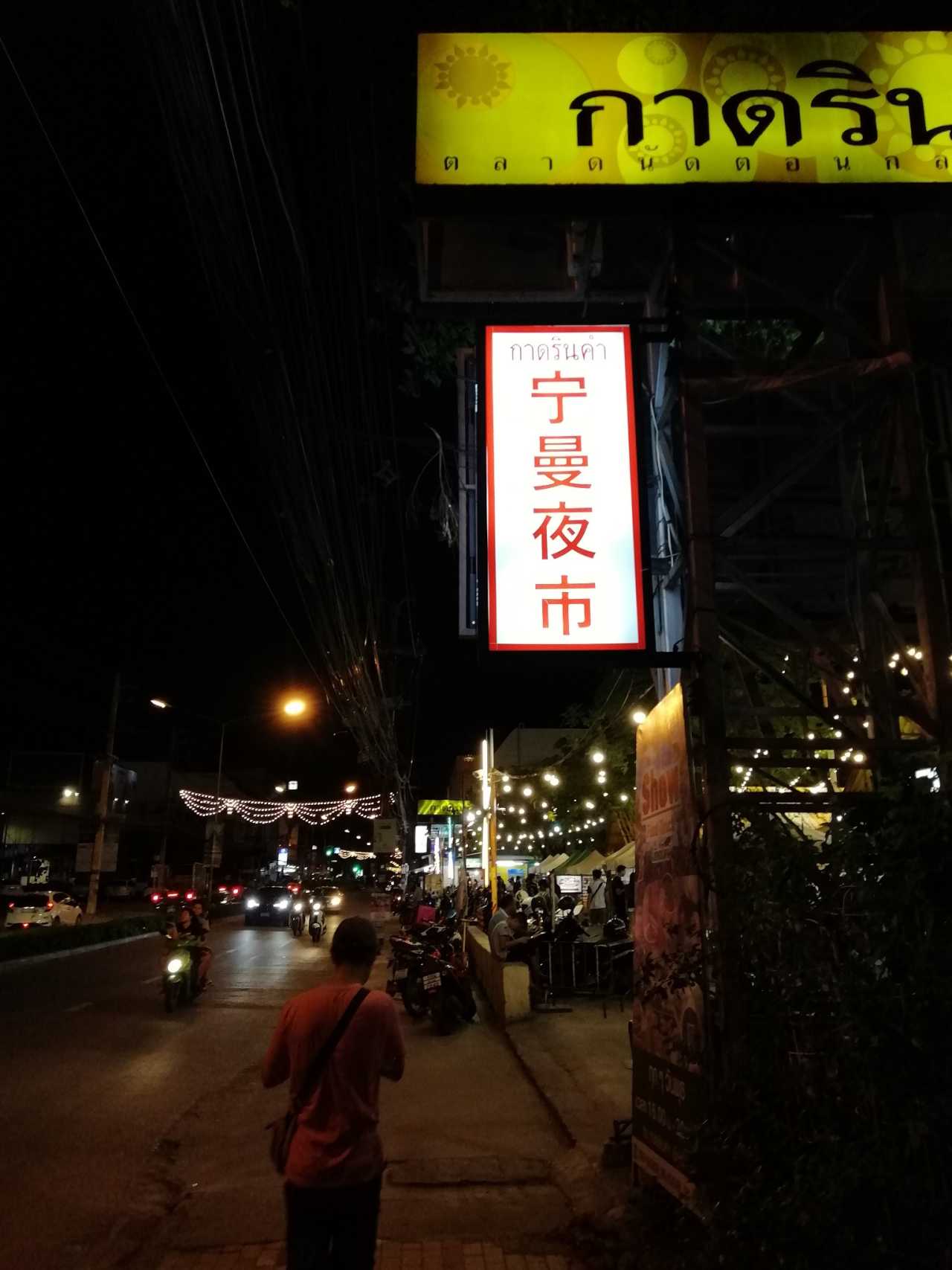
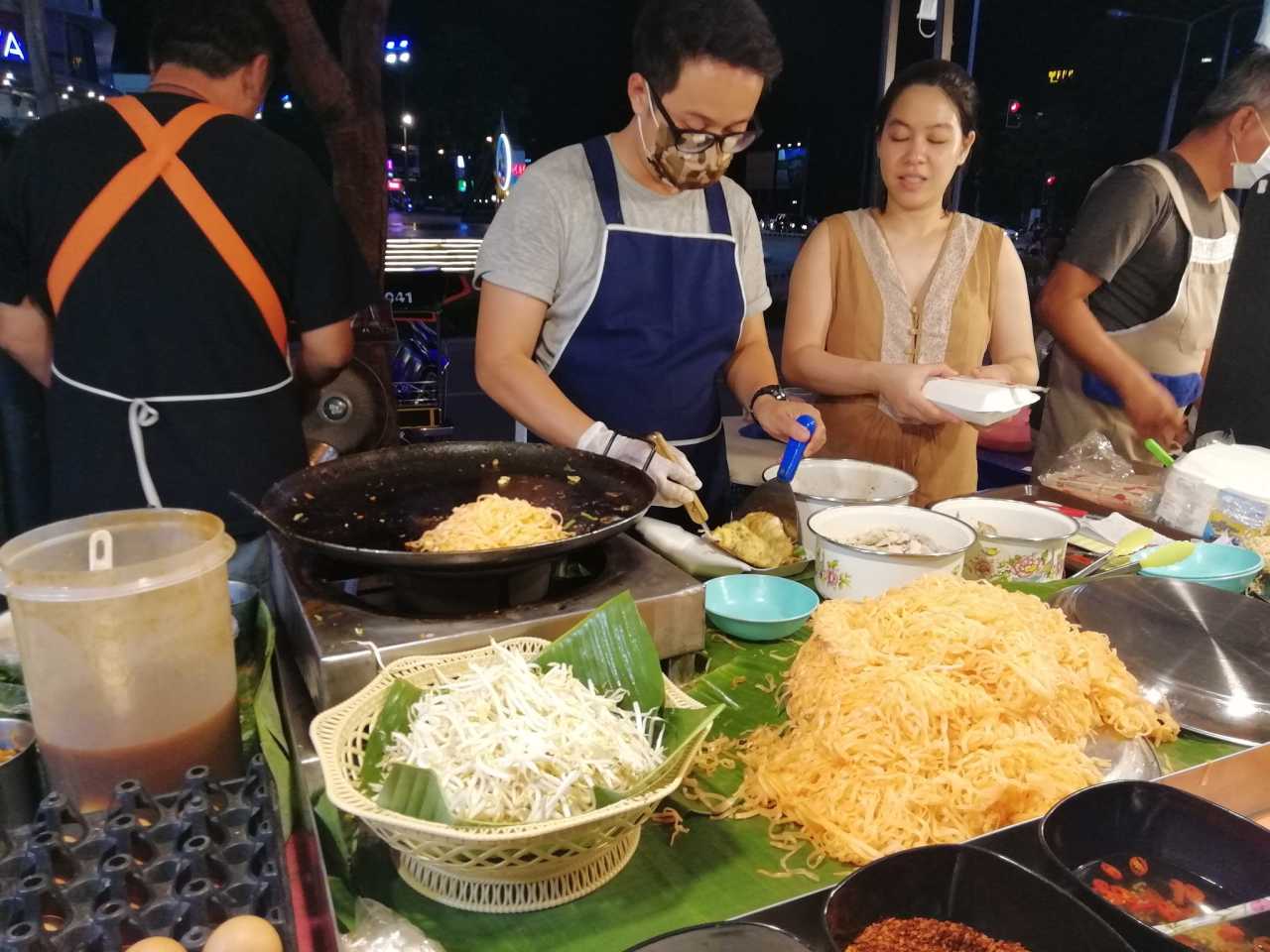
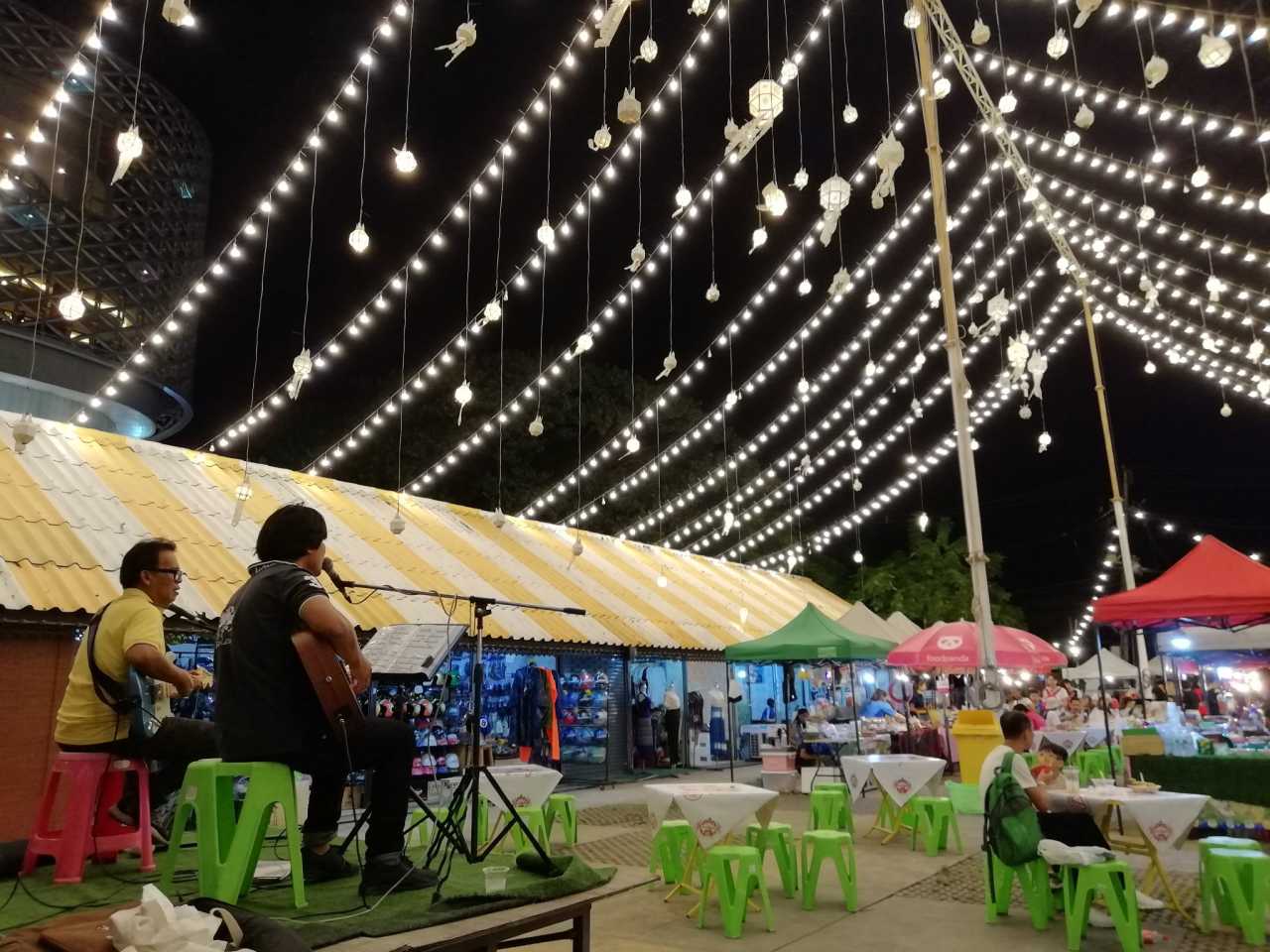
In recent years due to the pandemic, many Chinese cities started “night market economy” — we should really learn from Thailand. Each Thai city has characteristic night markets to gather crowds. The stalls are diverse and well‑managed, attracting many tourists; various Thai snacks are the favorite.
Street artists often appear at night markets. Even with few listeners, they sing with deep emotion.
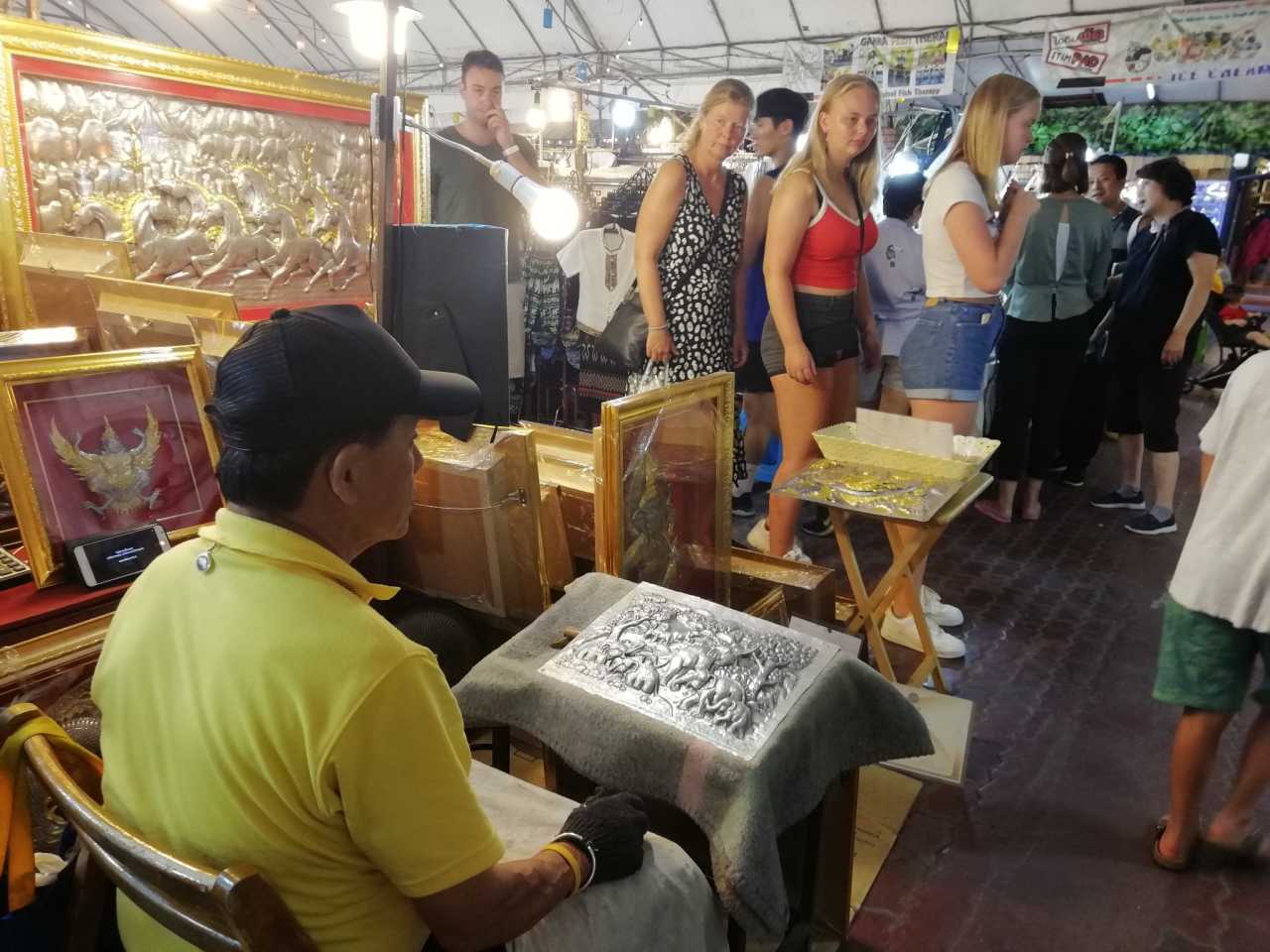
This looks like a kind of Thai tin painting.
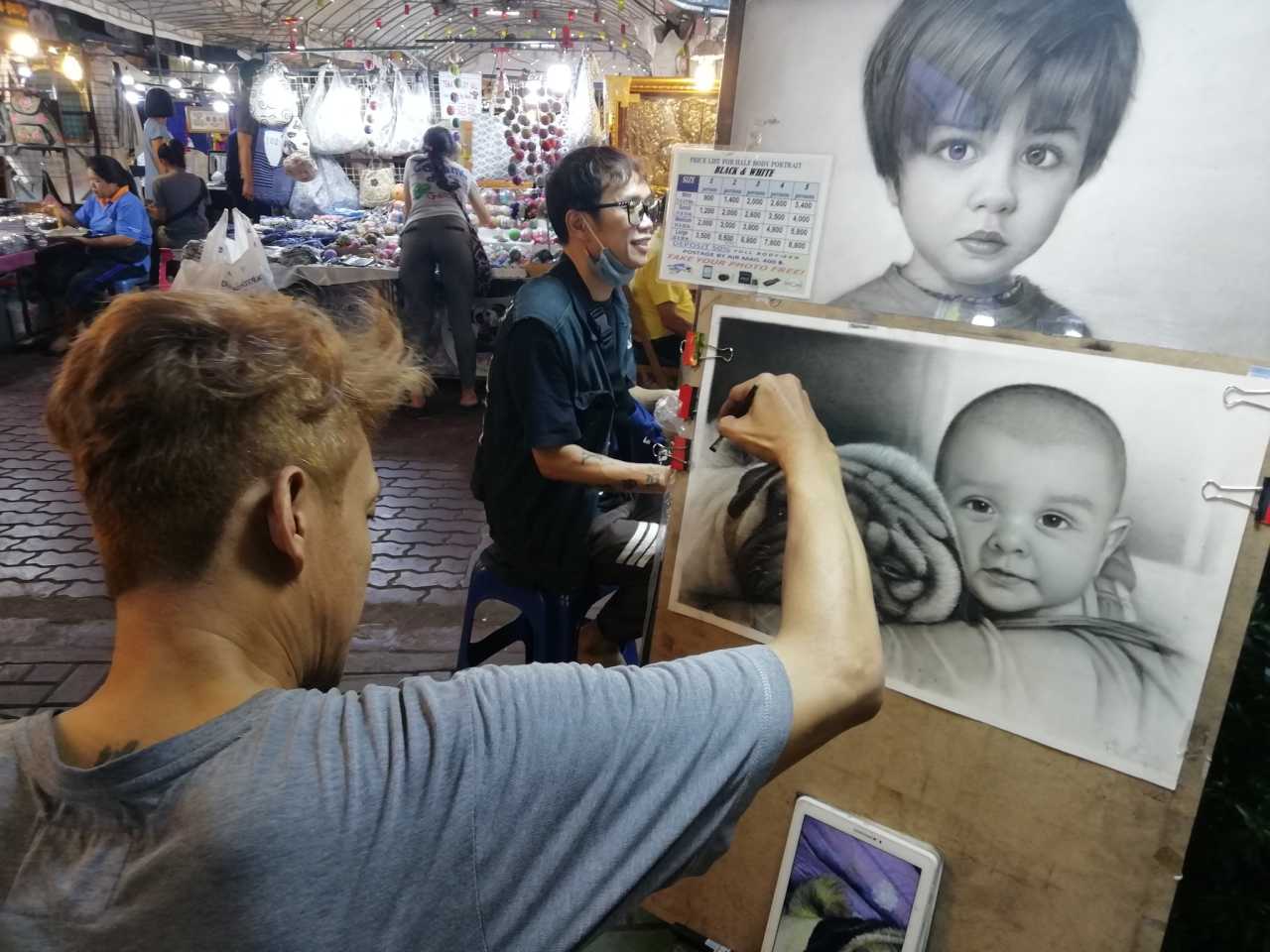
Pencil sketches — truly excellent, especially the eyes — detailed and expressive, like photography.
D4: Chiang Mai | Walk the Old City, Inspect the Prison’s Vocational Education
[Chiang Mai Old City] Built in 1296. Like most ancient cities in China, it’s square, with city walls and a moat around it. The old city was the royal palace site of the Lanna Kingdom and is one of Thailand’s important cultural heritages — beautiful, serene, and full of relics. There are many traditional Thai temples and stupas, and numerous distinctive hotels, homestays, cafés, restaurants, etc. Of the four gates, the eastern Tha Phae Gate is best preserved; many festivals are held here, and the famous weekend night market starts from Tha Phae Gate.
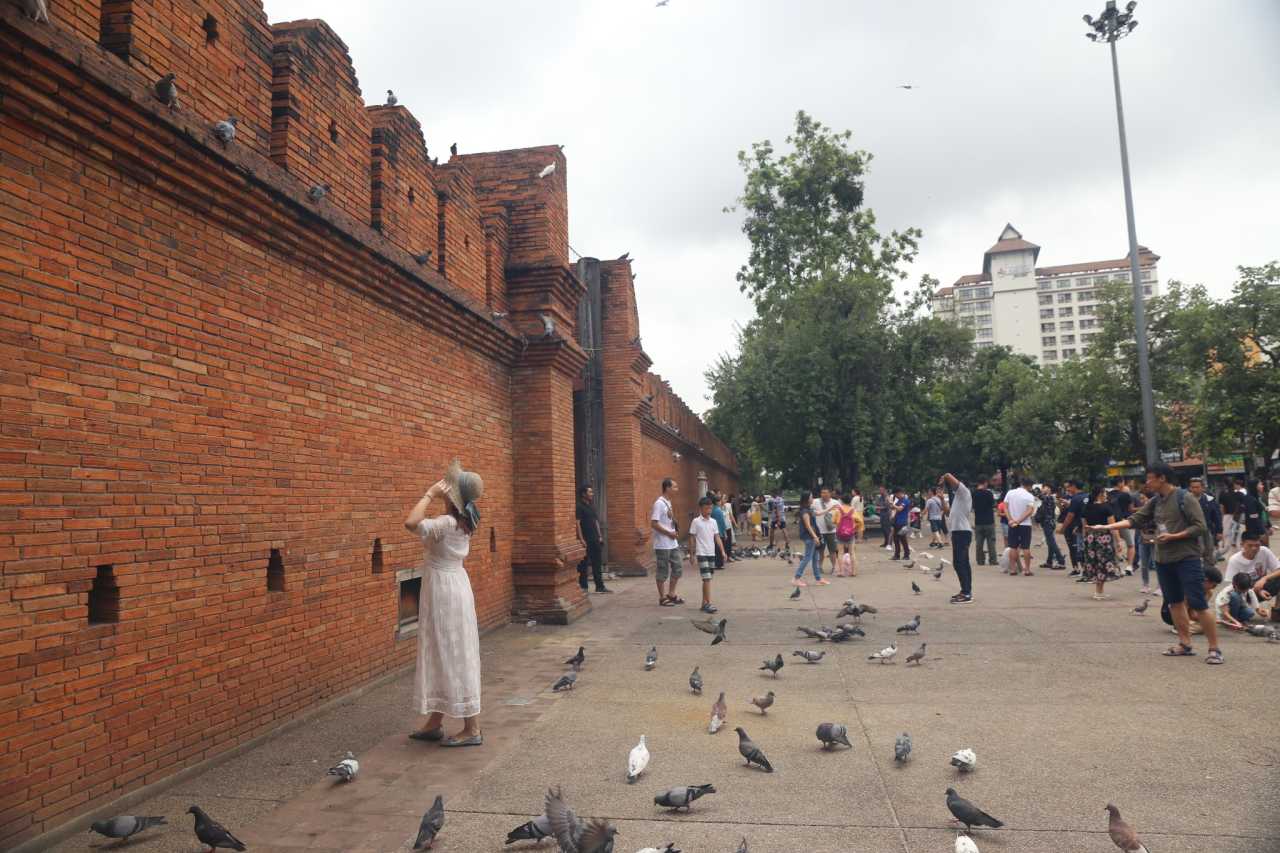
A loving Nanchang couple shows affection in front of Tha Phae Gate — just don’t randomly release the pigeons.
Well‑trained pigeons fly everywhere — all thanks to the broom in that fat woman’s hand.
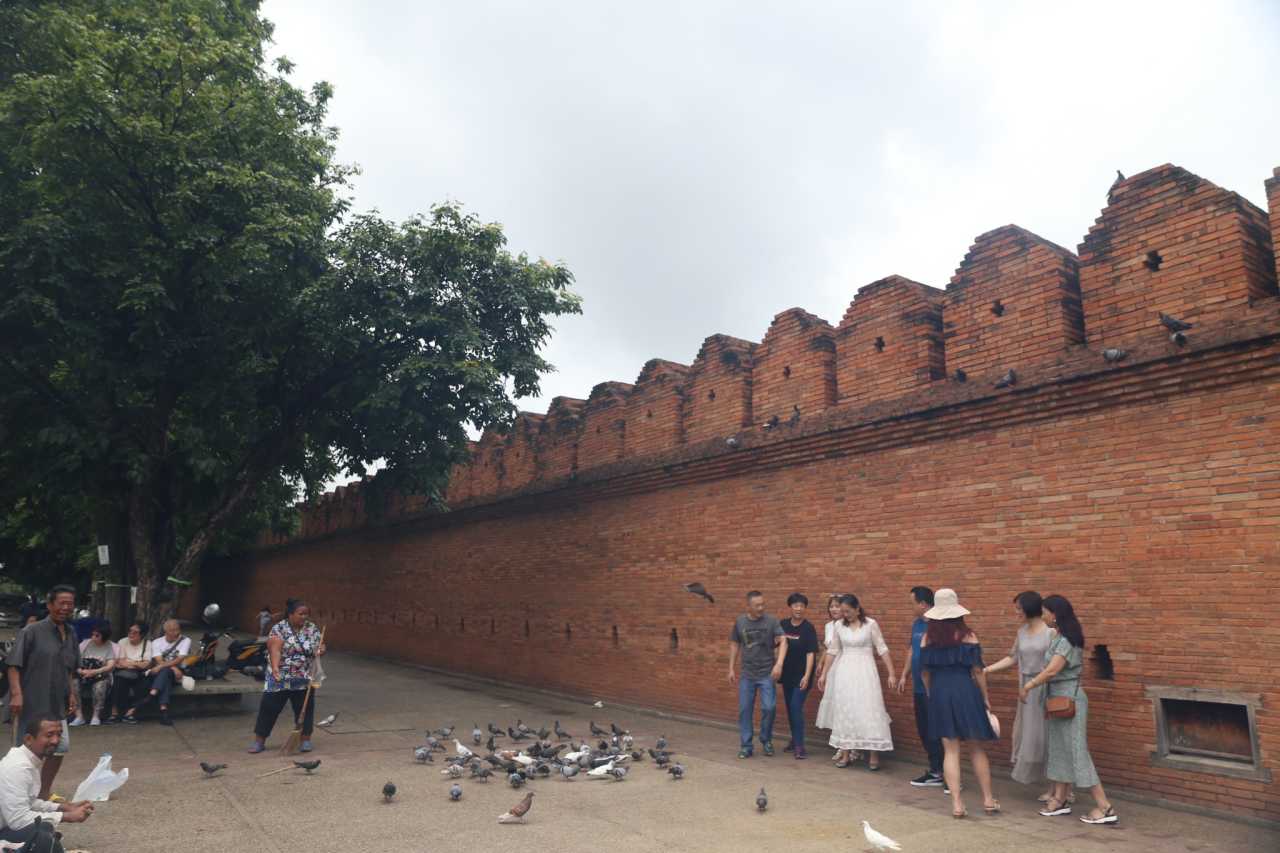
Let today’s tour begin at Tha Phae Gate. The long red wall shows age and history — Ruozi, take a “red wall beauty” photo.
Inside the old city, lanes criss‑cross — “a temple every three steps, a shrine every five”. There are so many that, despite doing homework, we couldn’t keep track of which was which.
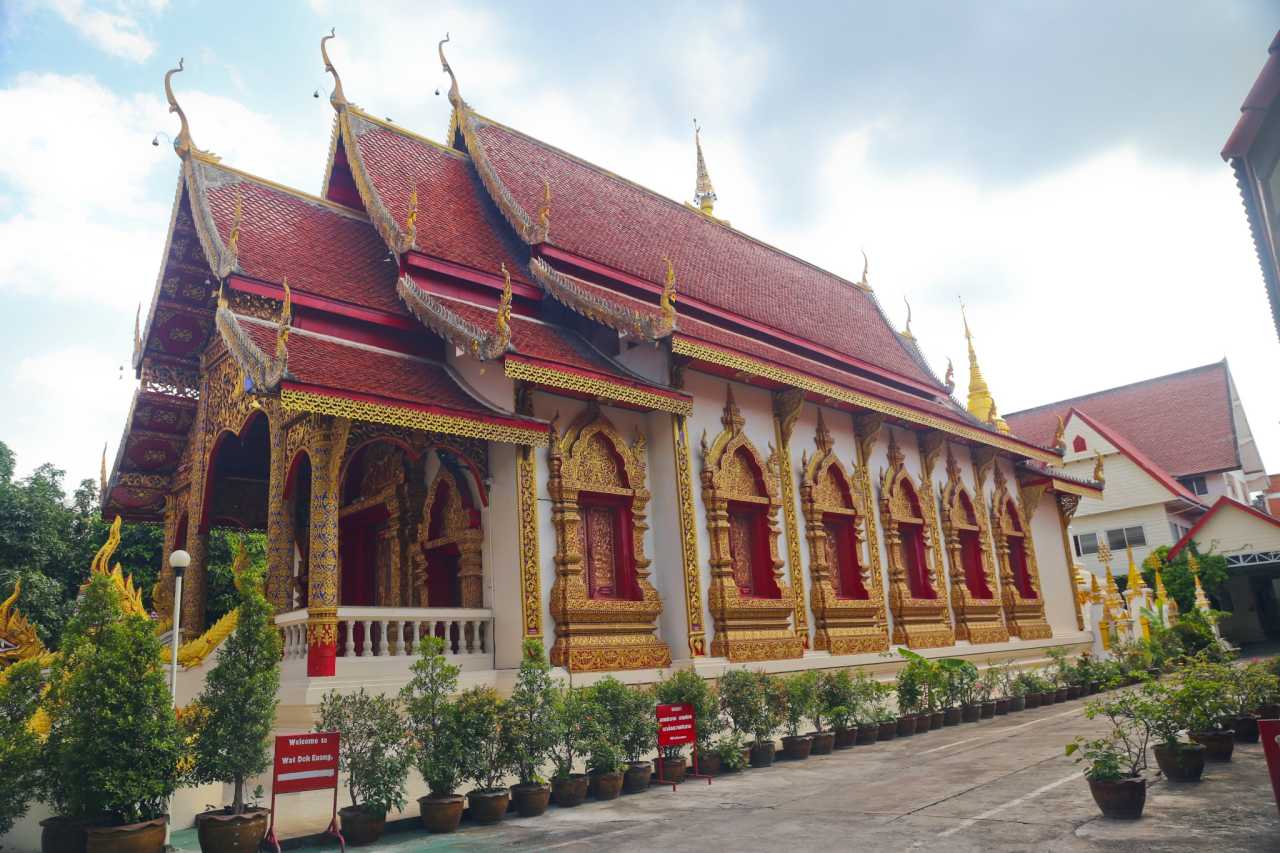
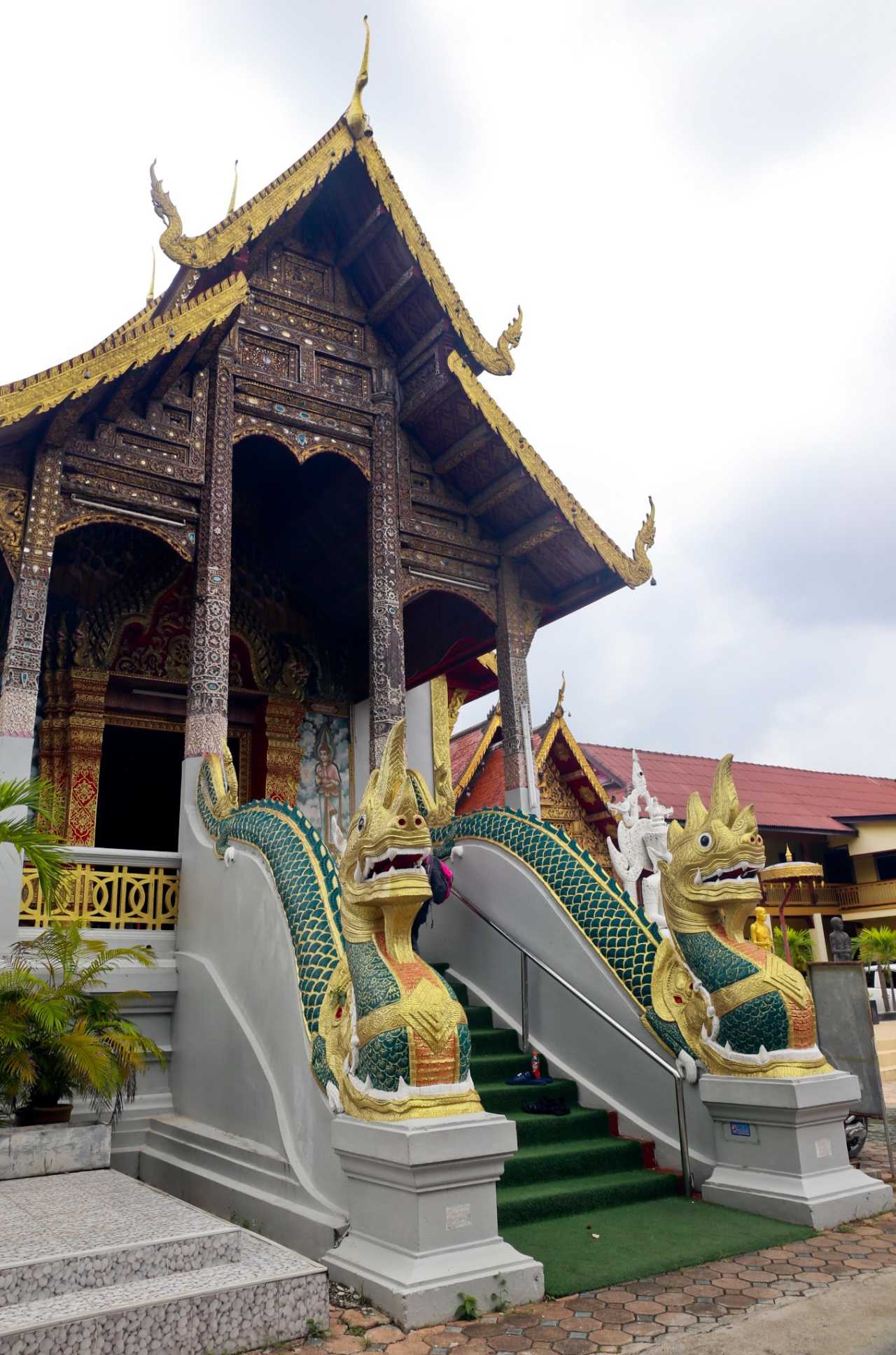
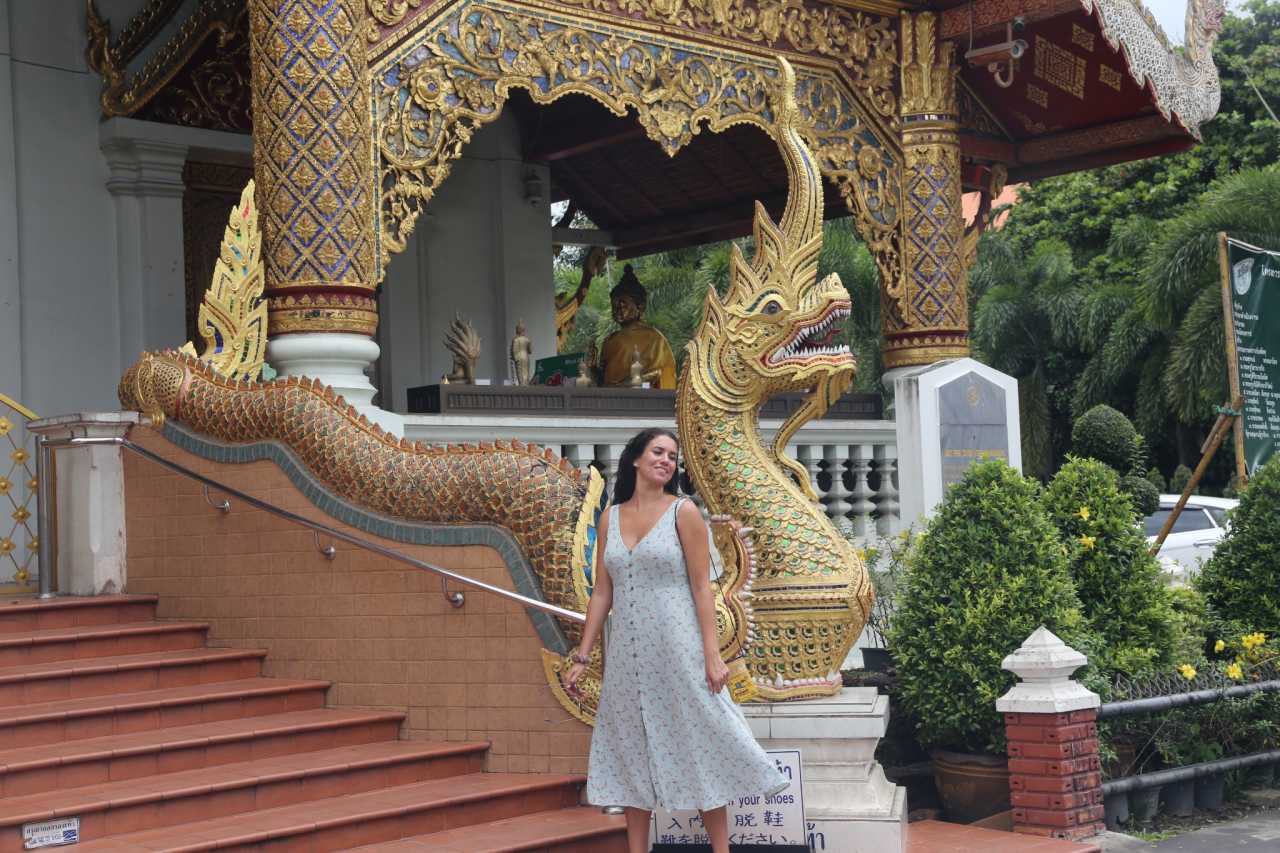
The two nagas are very cute.
Exquisite white jade carvings.
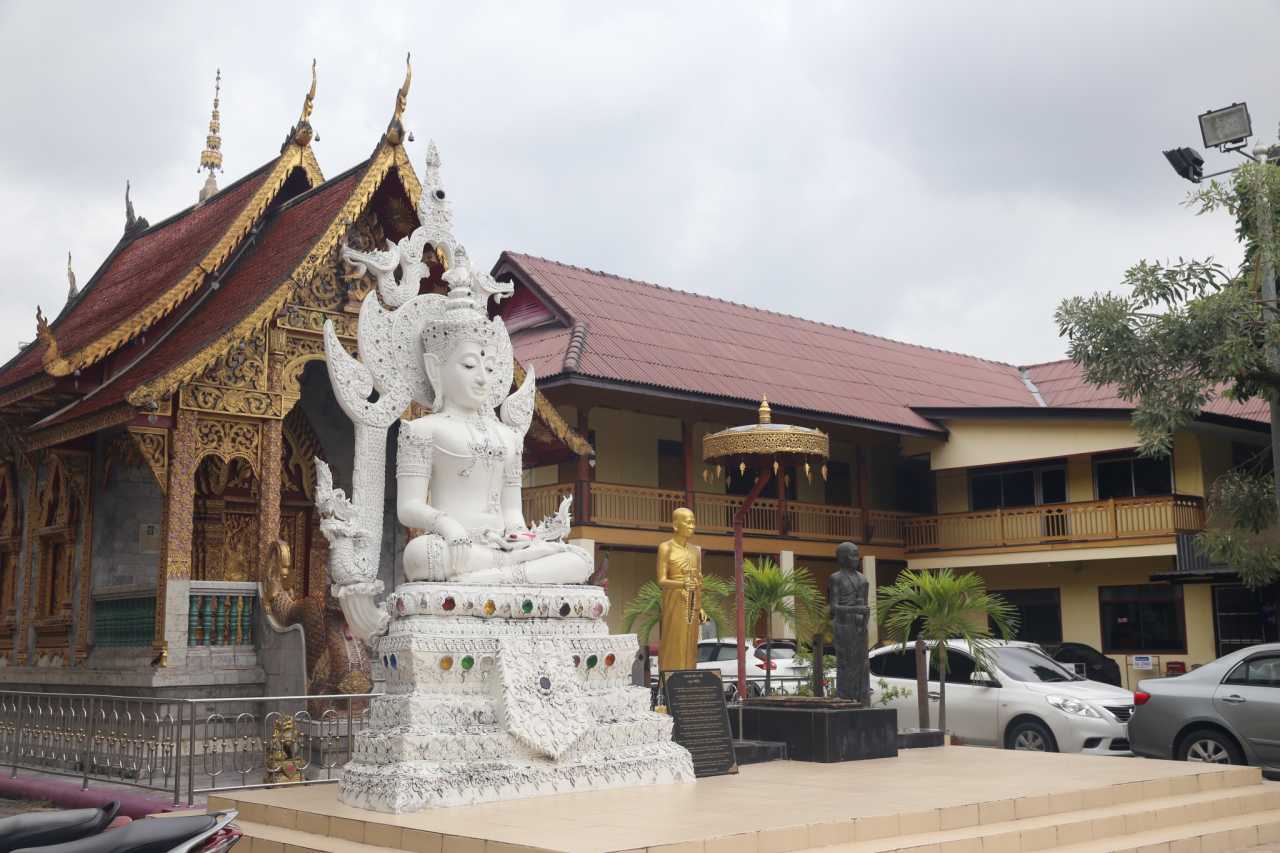
Every temple is so elaborate that visual fatigue sets in quickly. In front of the nagas, an Italian woman strikes a pose.
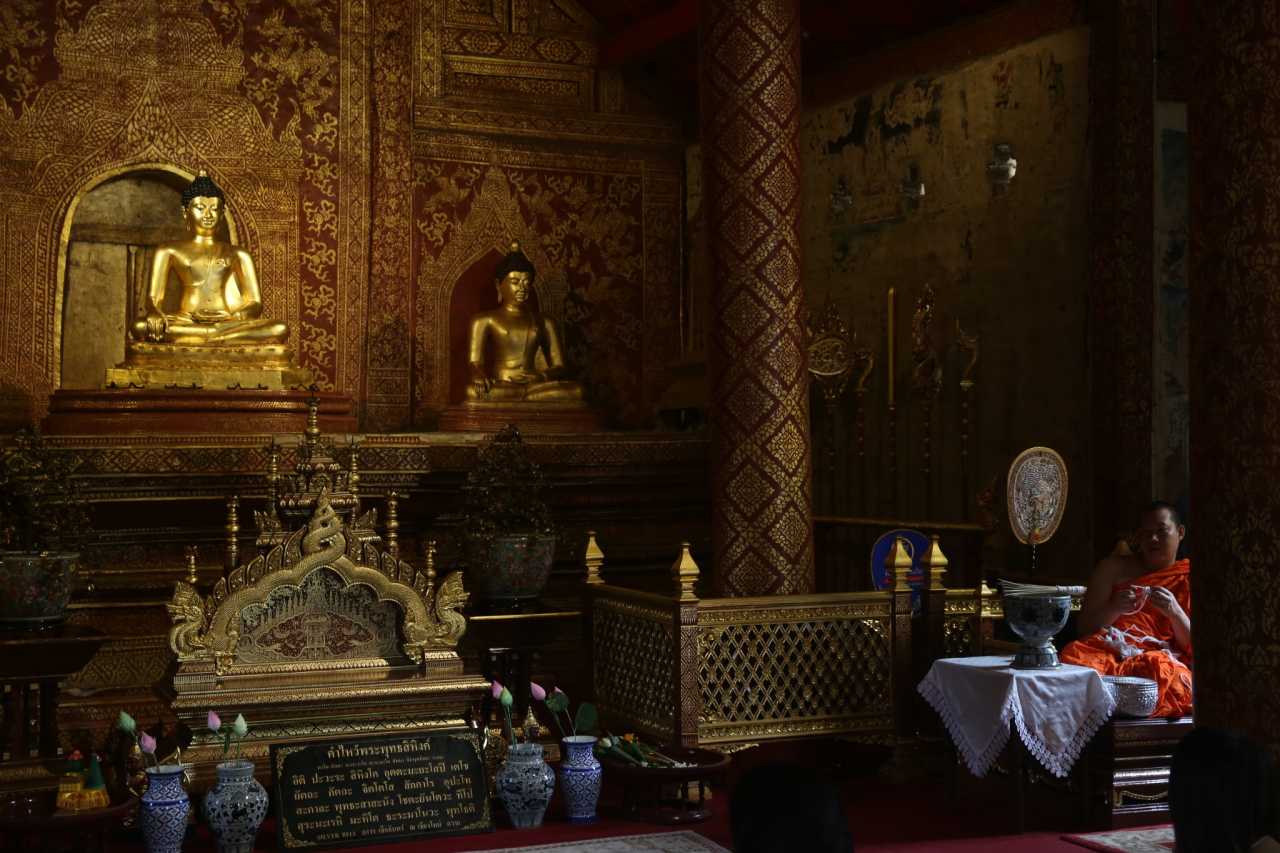
Inside the temple it’s also glittering gold — loaded with wealth. Is it appropriate for a monk to lounge so leisurely before the Buddha? 
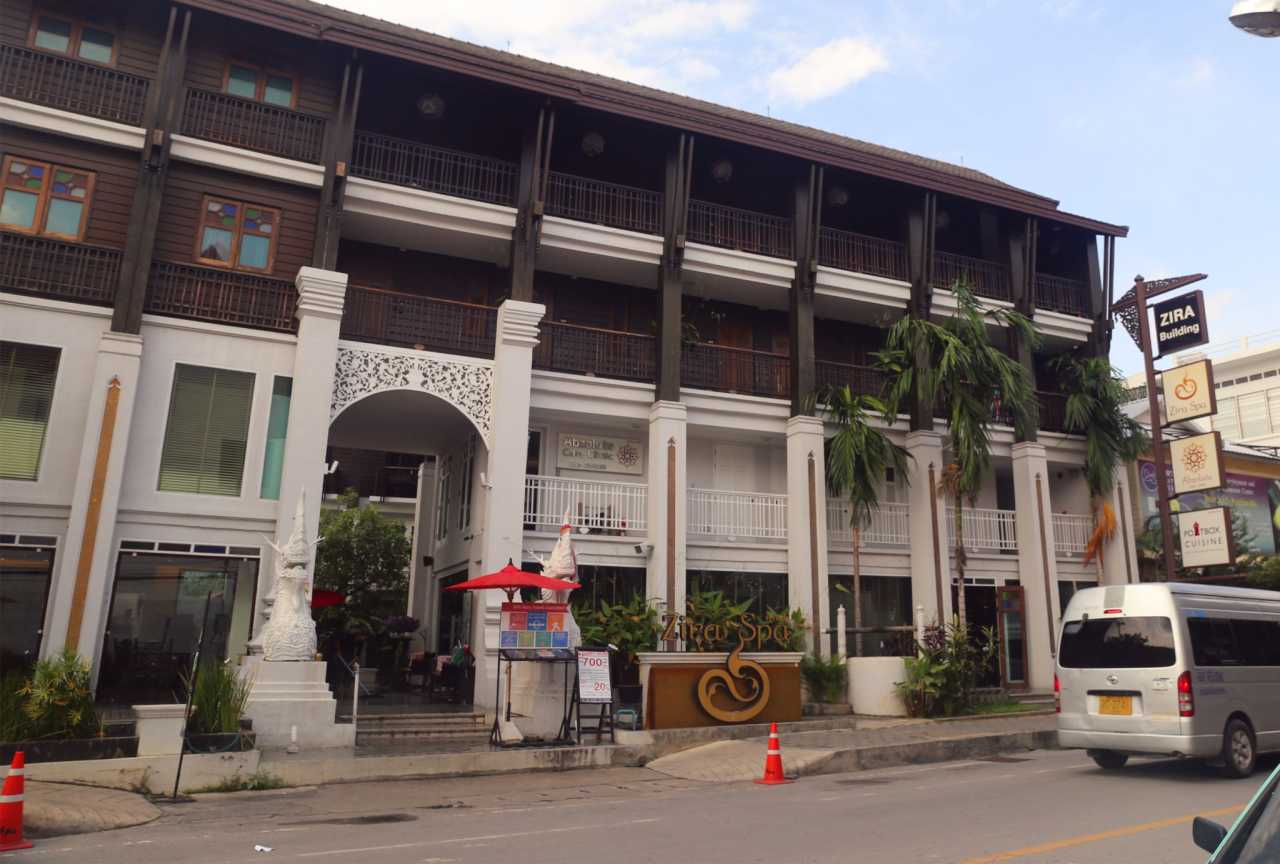
A noble, elegant hotel in the old city. Fresh, tasteful hotels and homestays abound; staying in the old city is a great choice. Every corner radiates literary charm — no wonder it was beloved by the goddess Teresa Teng.
This is the Chiang Mai Cultural and Arts Center — exhibits introducing northern Thai culture.
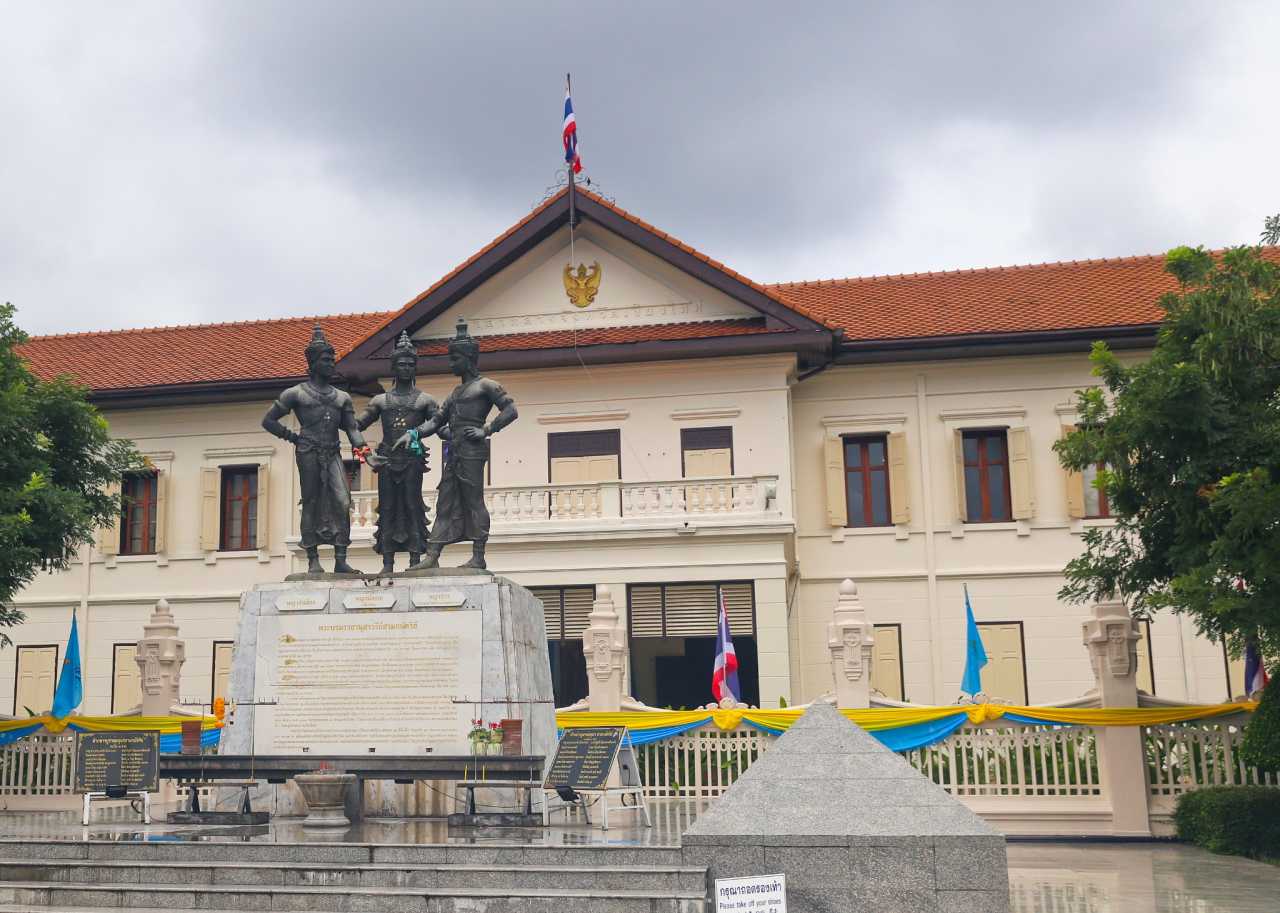
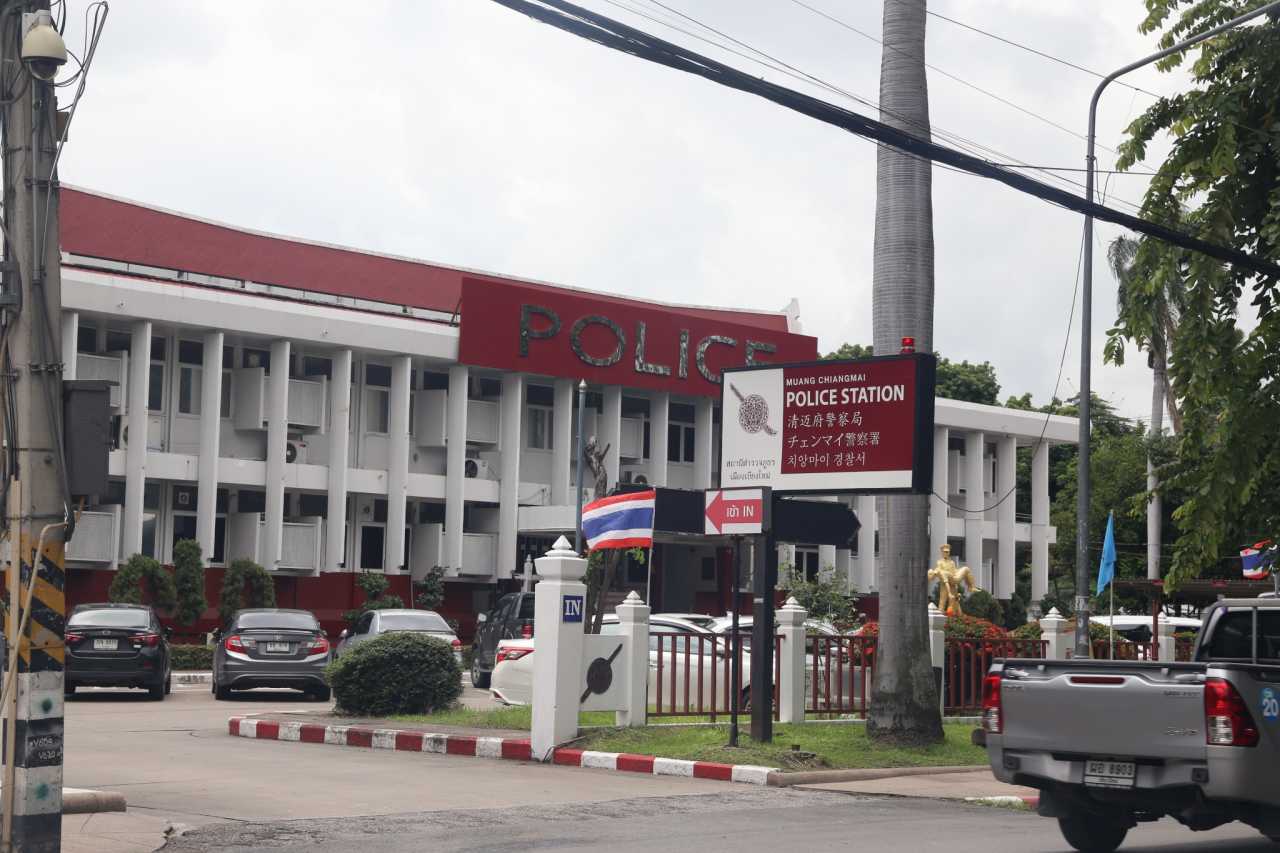
Chiang Mai Police Station — one of the larger buildings.
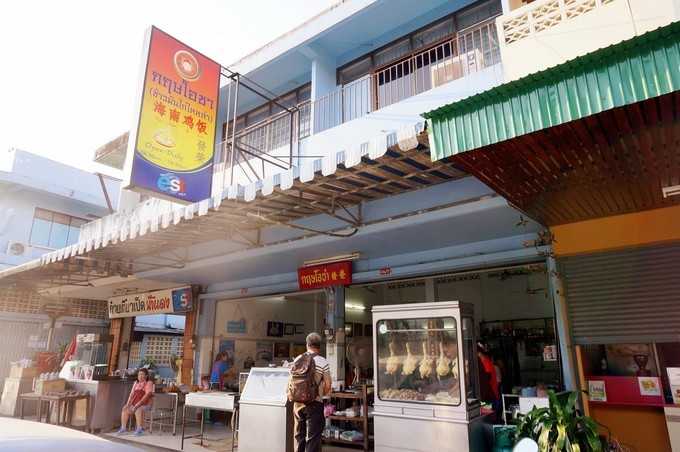
Fah Rong Hainan Chicken Rice — a long‑missed taste — we had Hainan chicken rice many years ago in Singapore.
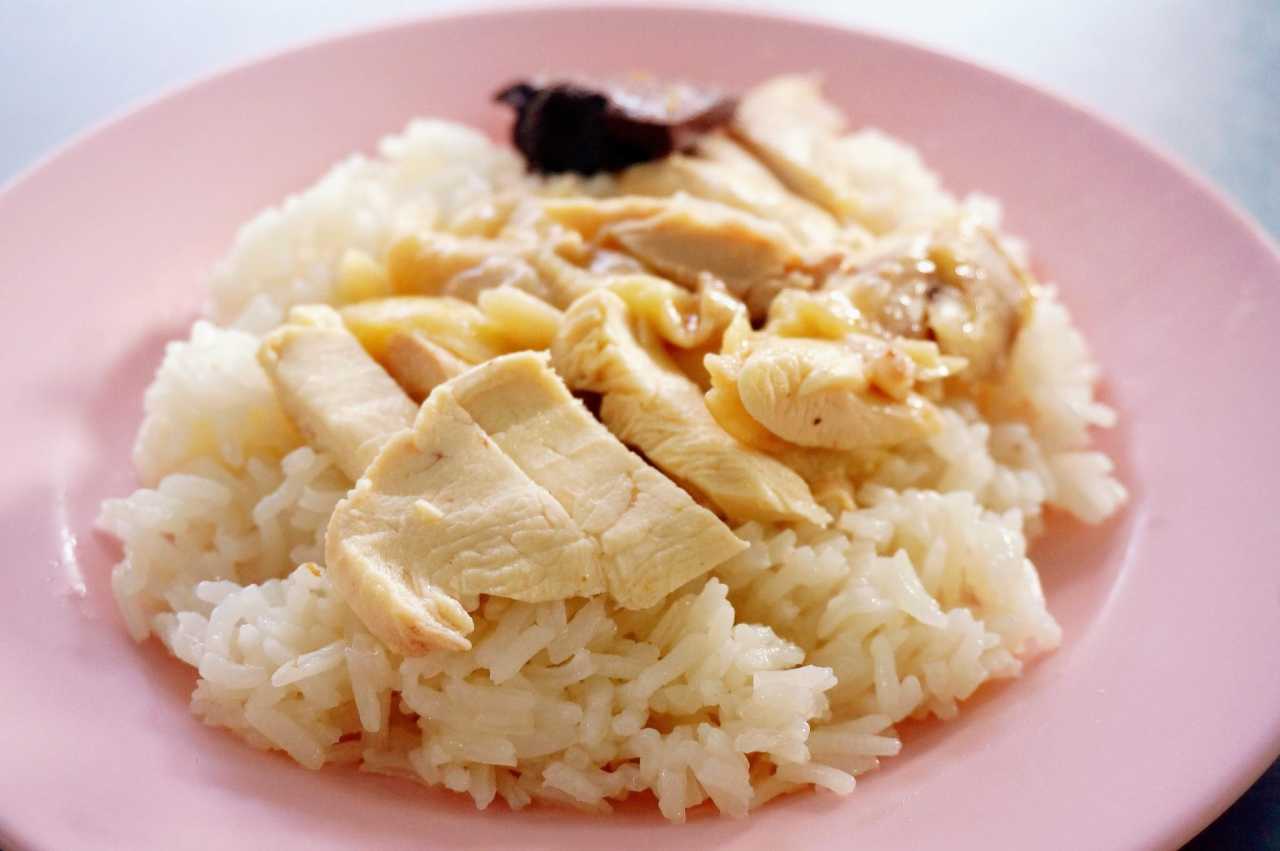
Southeast Asian rice has excellent texture.
Under the scorching sun, exhausted, we came upon the Women’s Prison‑run restaurant and Thai massage shop — with inmates providing service. As peers in the field, how could we miss such a perfect opportunity for international exchange?
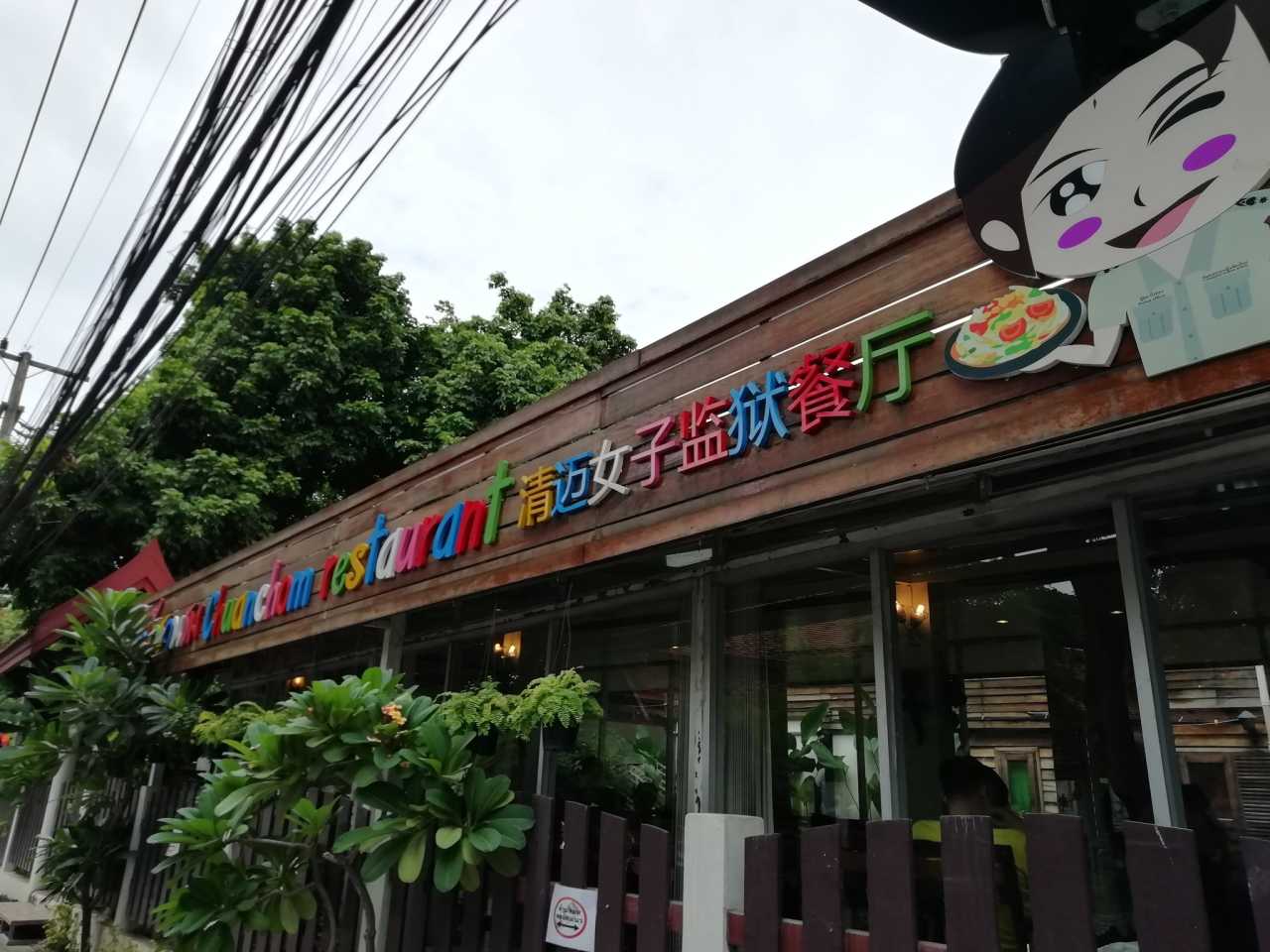
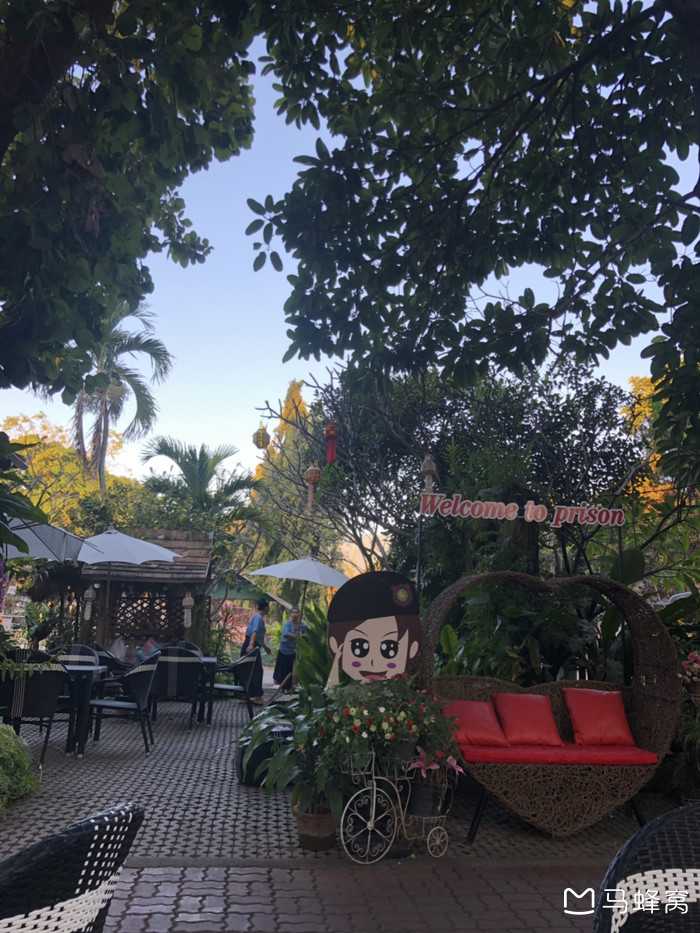
There were surprisingly many customers. The prison offers two ways: book in advance to enter the prison for service (great for those with time), or, as we did, experience it at the shop. The shop is elegantly zen, and though there are many customers, it’s orderly and quiet. The inmate therapists are skilled; their technique and pressure are spot‑on. Enjoying globally renowned Thai massage at that moment — body relaxed, fully recharged.
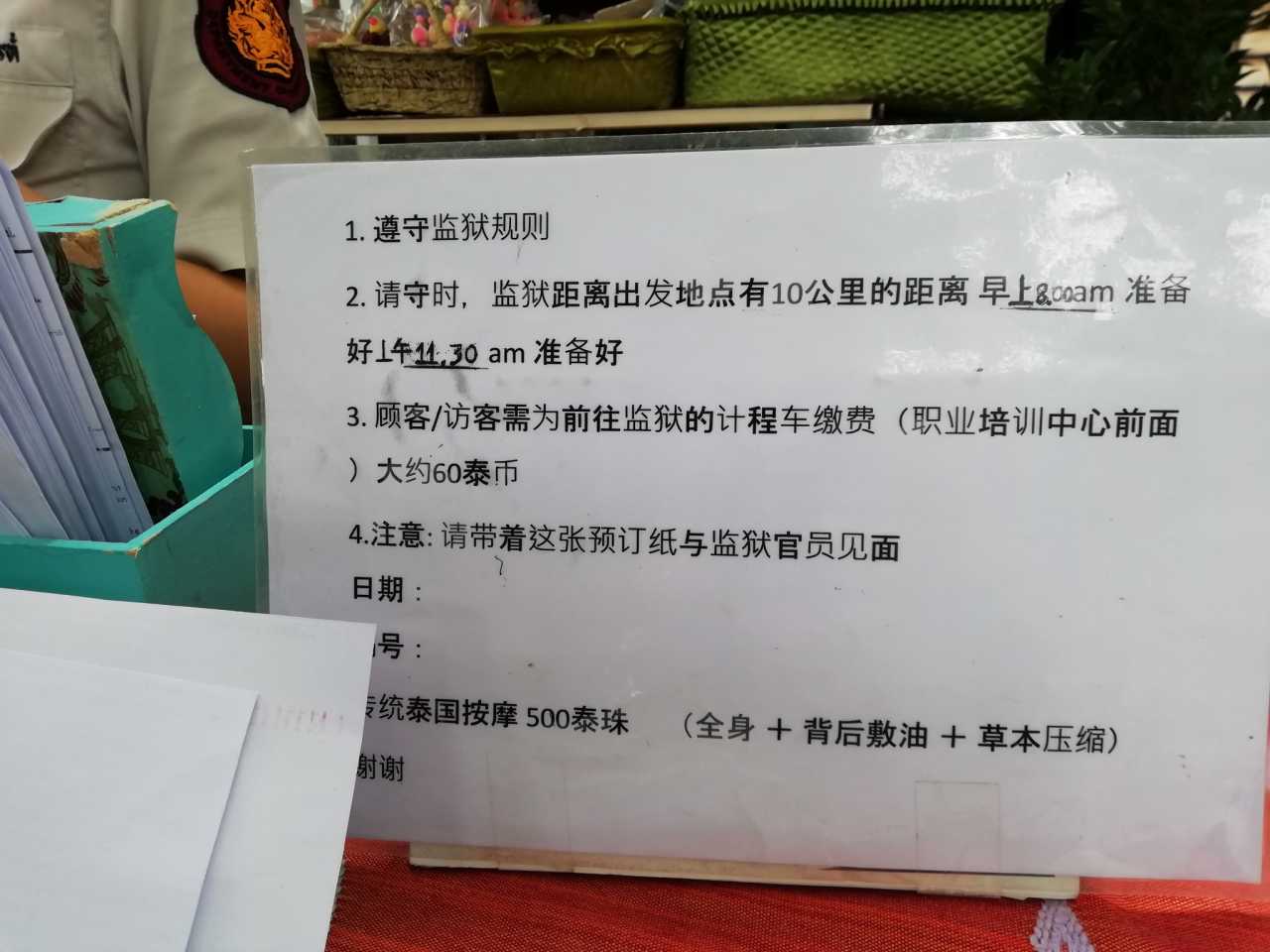
The front‑desk officer told us the inmate therapists here are well‑behaved and near release; the prison sends a car every morning. This vocational‑training program is very successful — many visitors come for it — and, most importantly, it helps these women rejoin society and make a living. Chiang Mai Women’s Prison’s practical social training in vocational education is admirable — something unthinkable in our country’s prisons. Thumbs up for Chiang Mai Women’s Prison’s vocational education. 
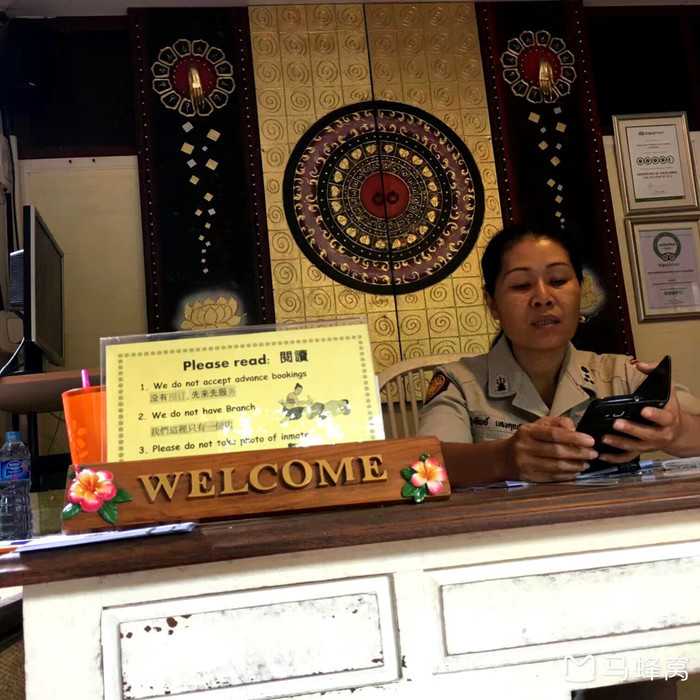
“Welcome to prison.” Sometimes this phrase isn’t intimidating — it might even spark joy, right?
Lost Ruins
In the afternoon we went a few kilometers out of town to Wiang Kum Kam ancient city. Compared to Chiang Mai city, the outskirts are much more backward. Wiang Kum Kam is little known and sparsely visited — but with a car, we go wherever we please.
Records say Wiang Kum Kam predates Chiang Mai; in 1262 it was the capital of the Lanna Kingdom. Due to low terrain and frequent flooding, the Lanna court eventually moved to Chiang Mai — hence Chiang Mai’s Thai name “new city”. After multiple floods, Wiang Kum Kam declined and was buried underground.
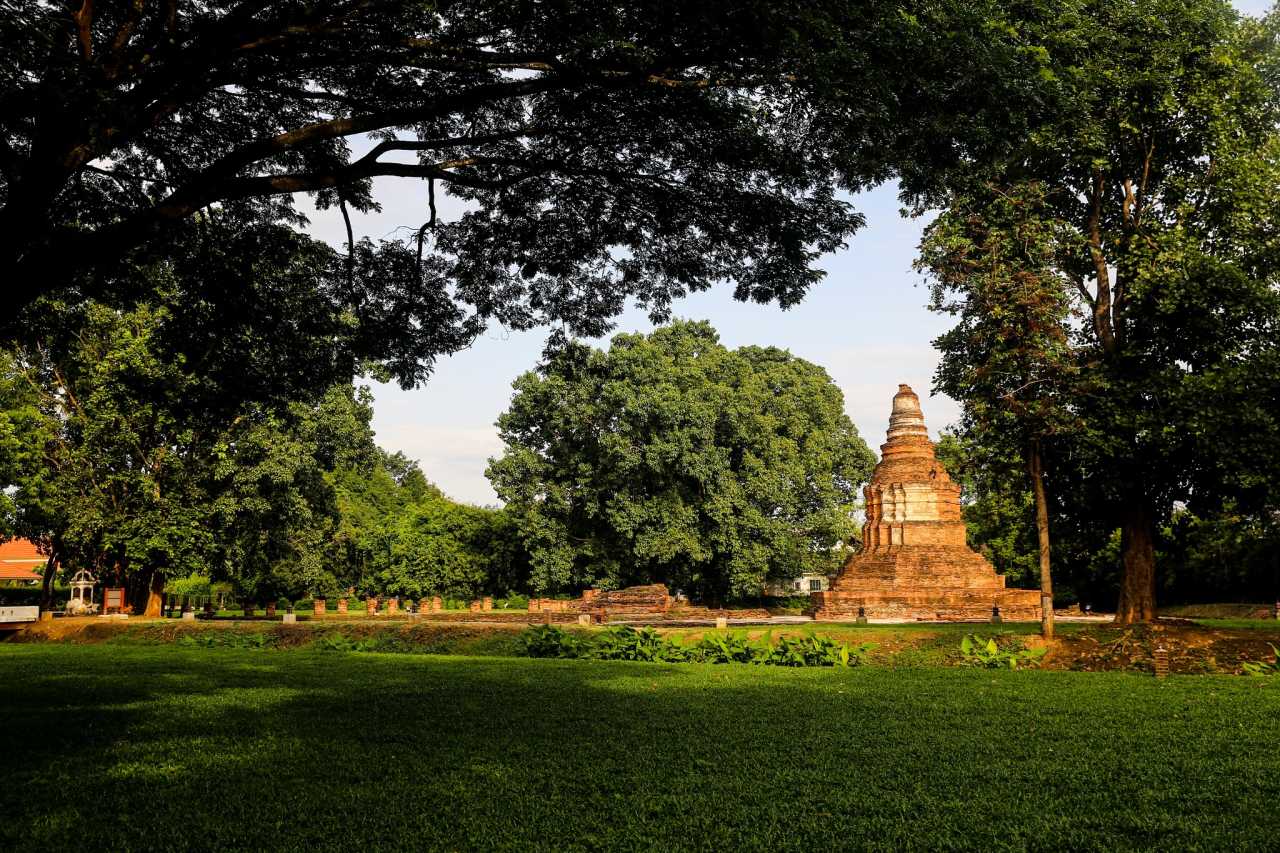
Only bases remain — it’s hard to imagine the splendor of bygone days — yet the verdant vegetation is full of life.
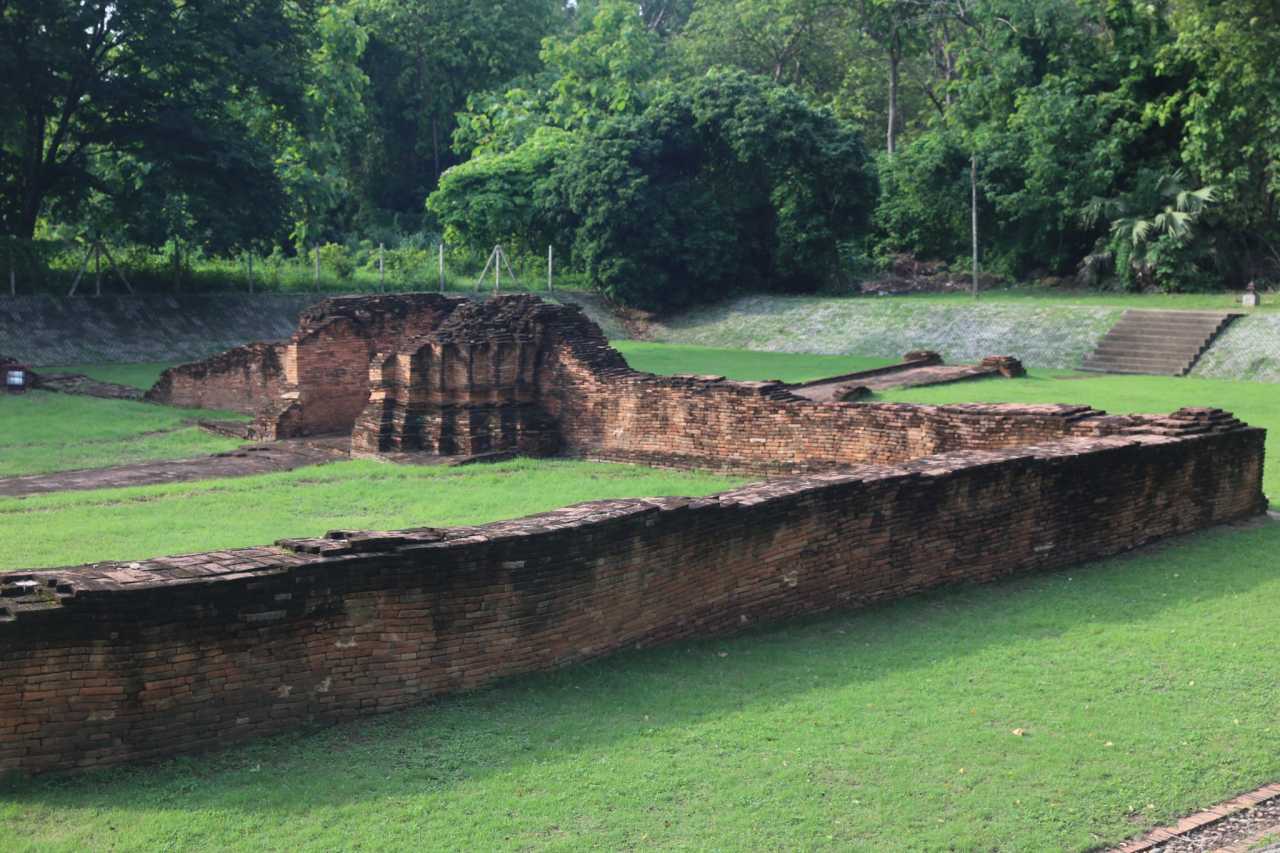
It’s a bit like Beijing’s Old Summer Palace ruins — except those are protected and kept at a distance, whereas here you can get up close.
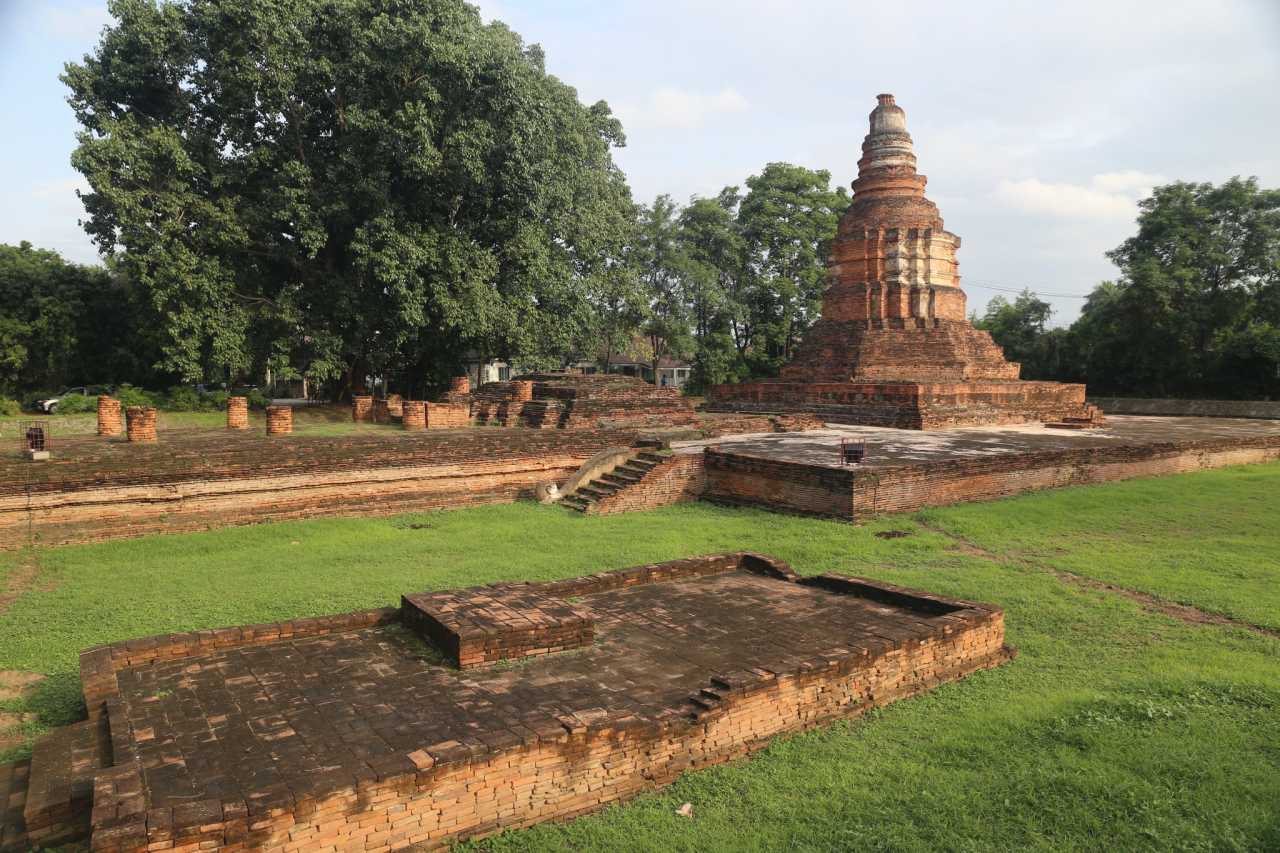
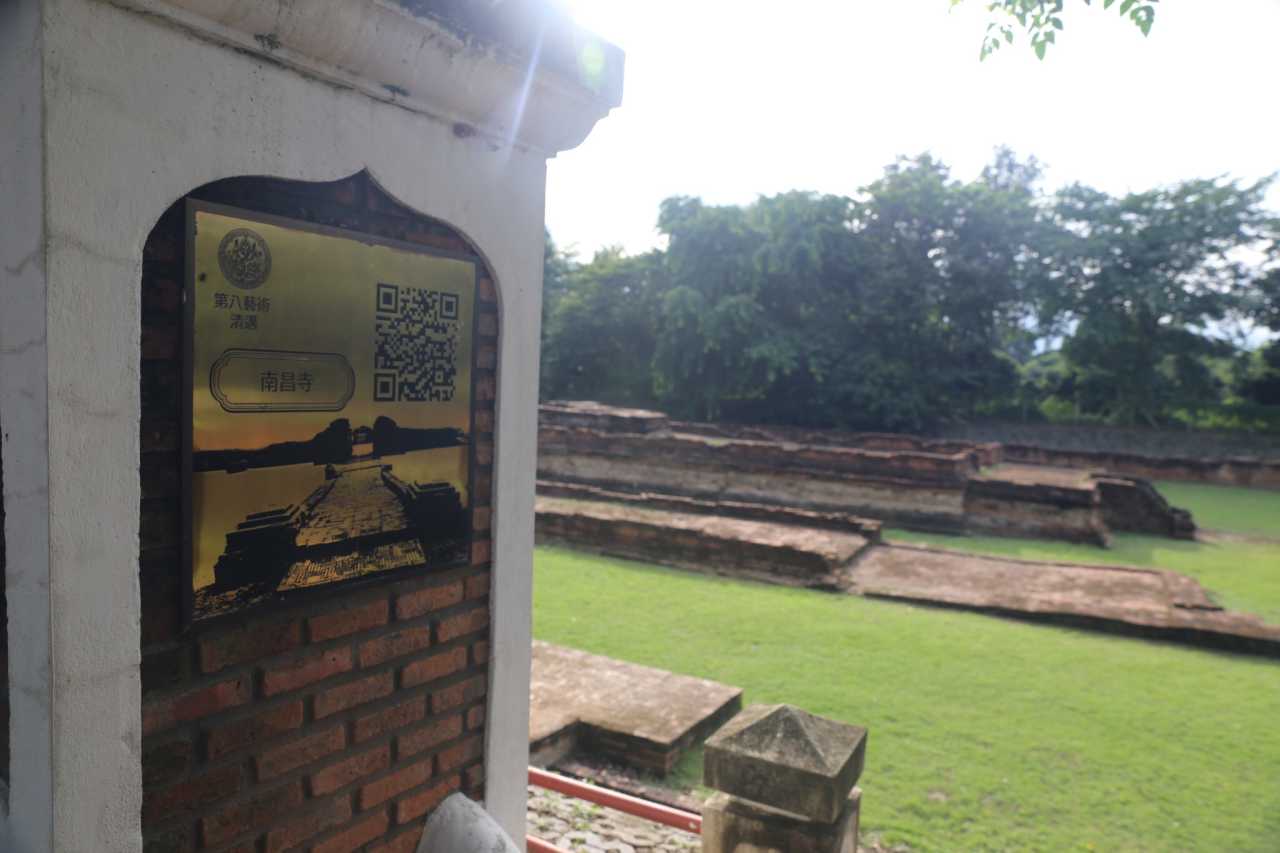
There’s even a “Nanchang Temple”.
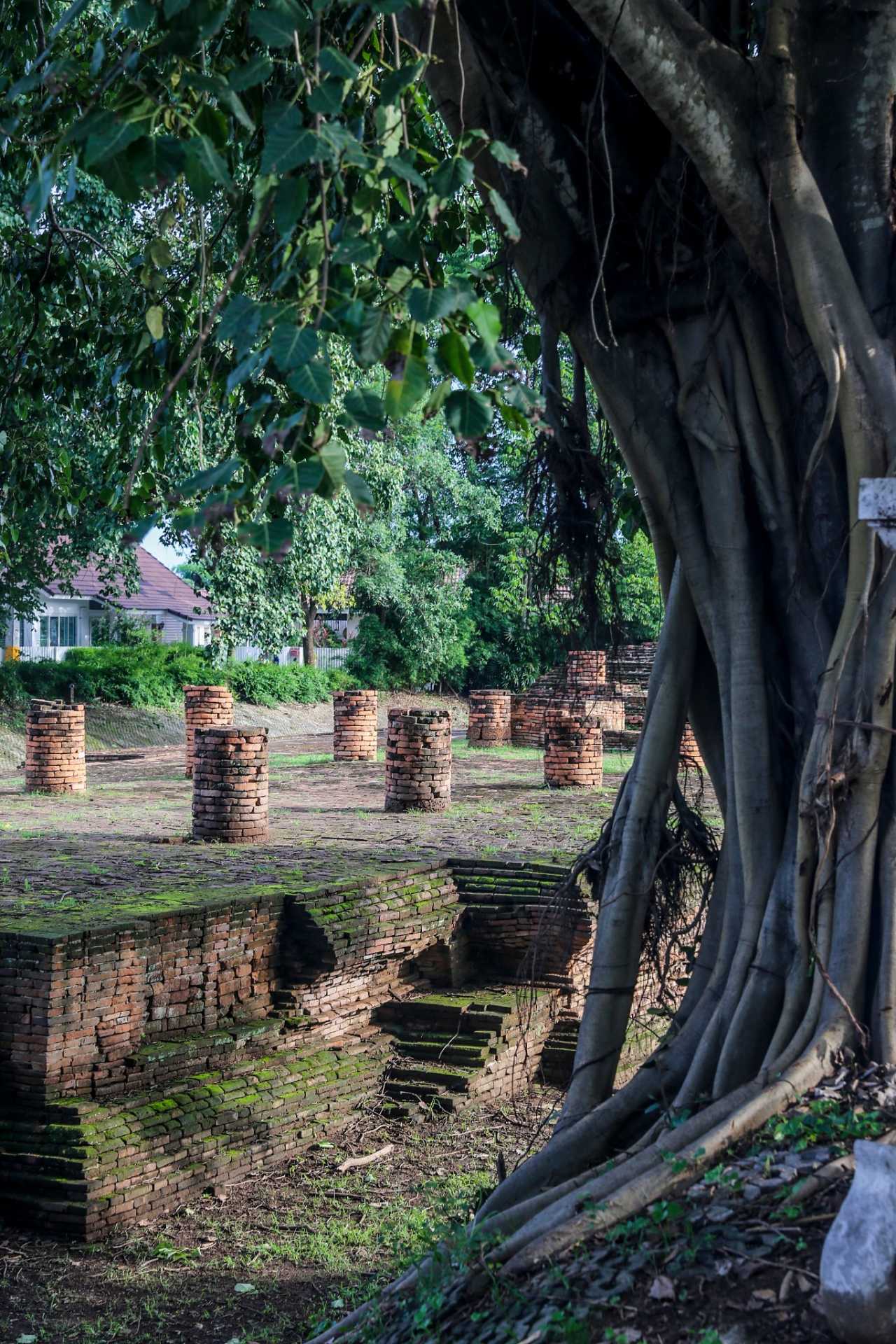
Broken walls, gnarled roots — the Lanna ruins’ style — savoring the marks of history.
A group of us sat flaunting on a piece of ruin — but we didn’t demolish it 
Dinner was at Huen Phen in the old city — a northern Thai restaurant popular among Chinese.
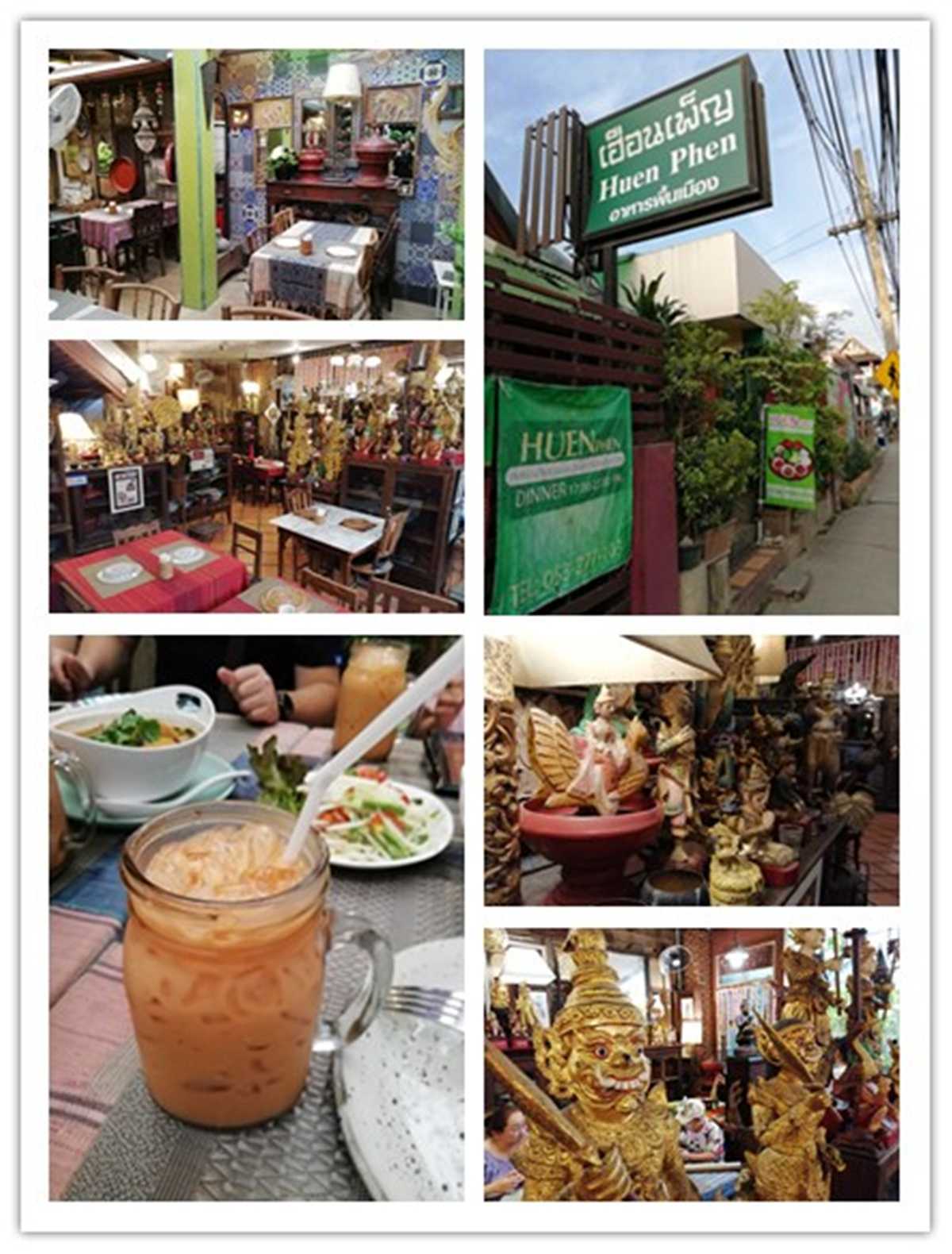
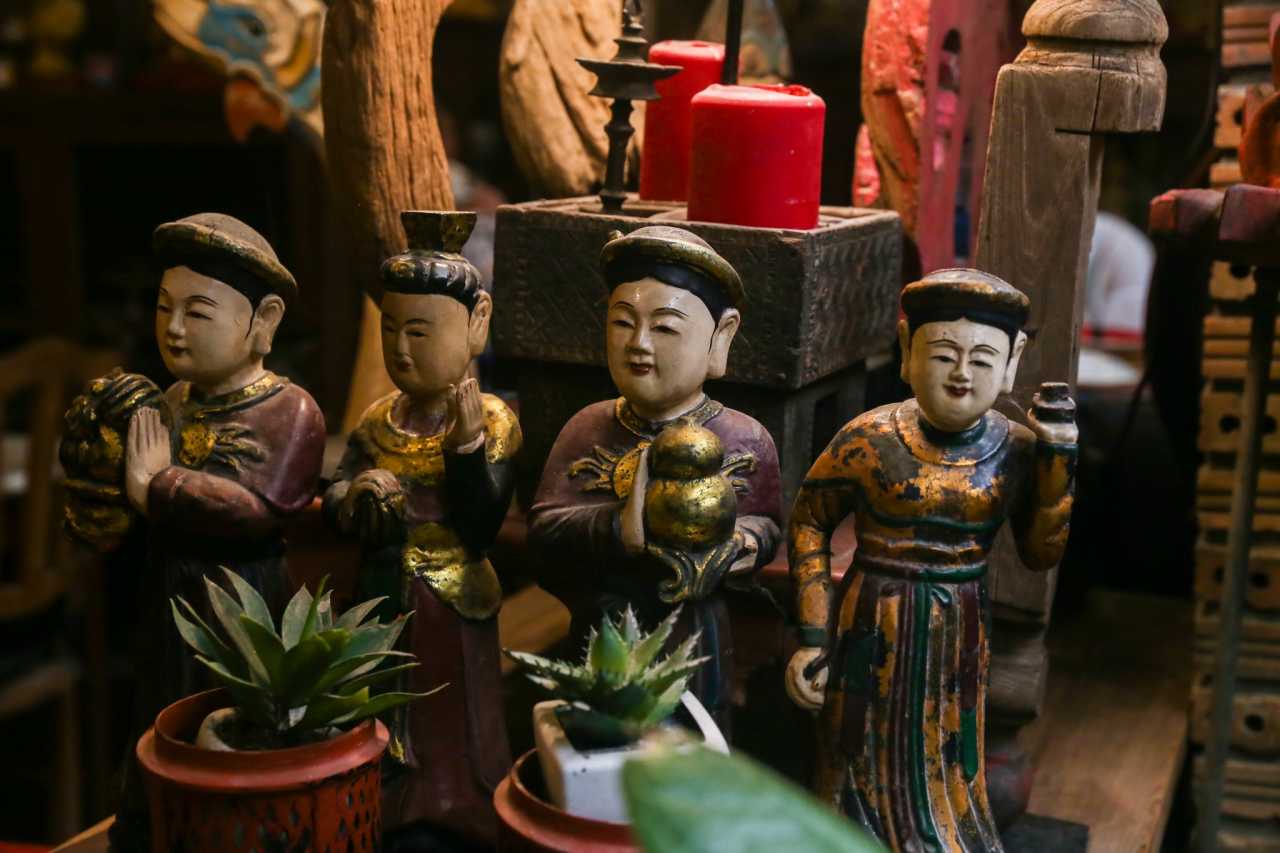
Not to mention the distinctive northern Thai dishes — even the restaurant’s environment feels like an antique shop. Ritual implements, Buddha statues, clay figurines, woodworks — art fills every corner. Another world — sensing ancient northern Thai culture.
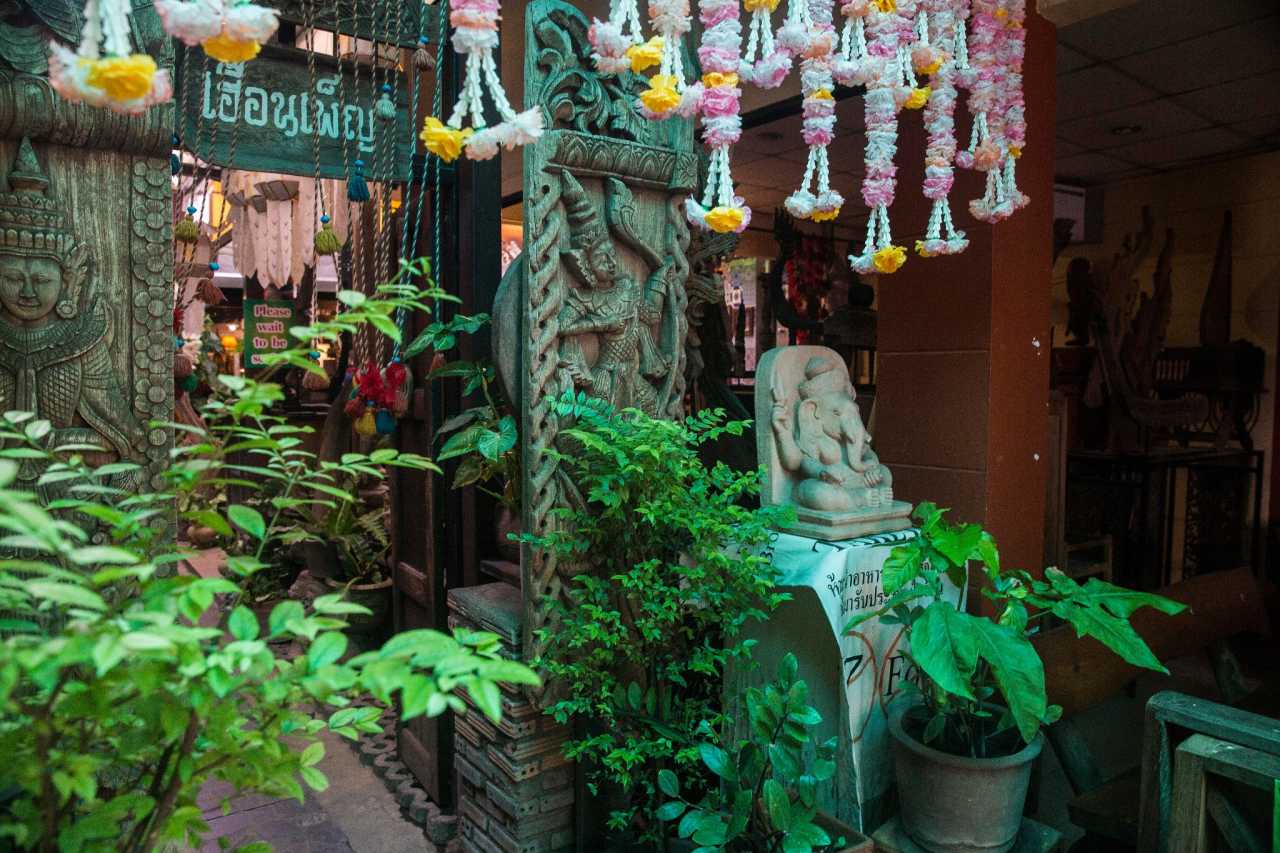
Can You Enjoy Muay Thai Without English?
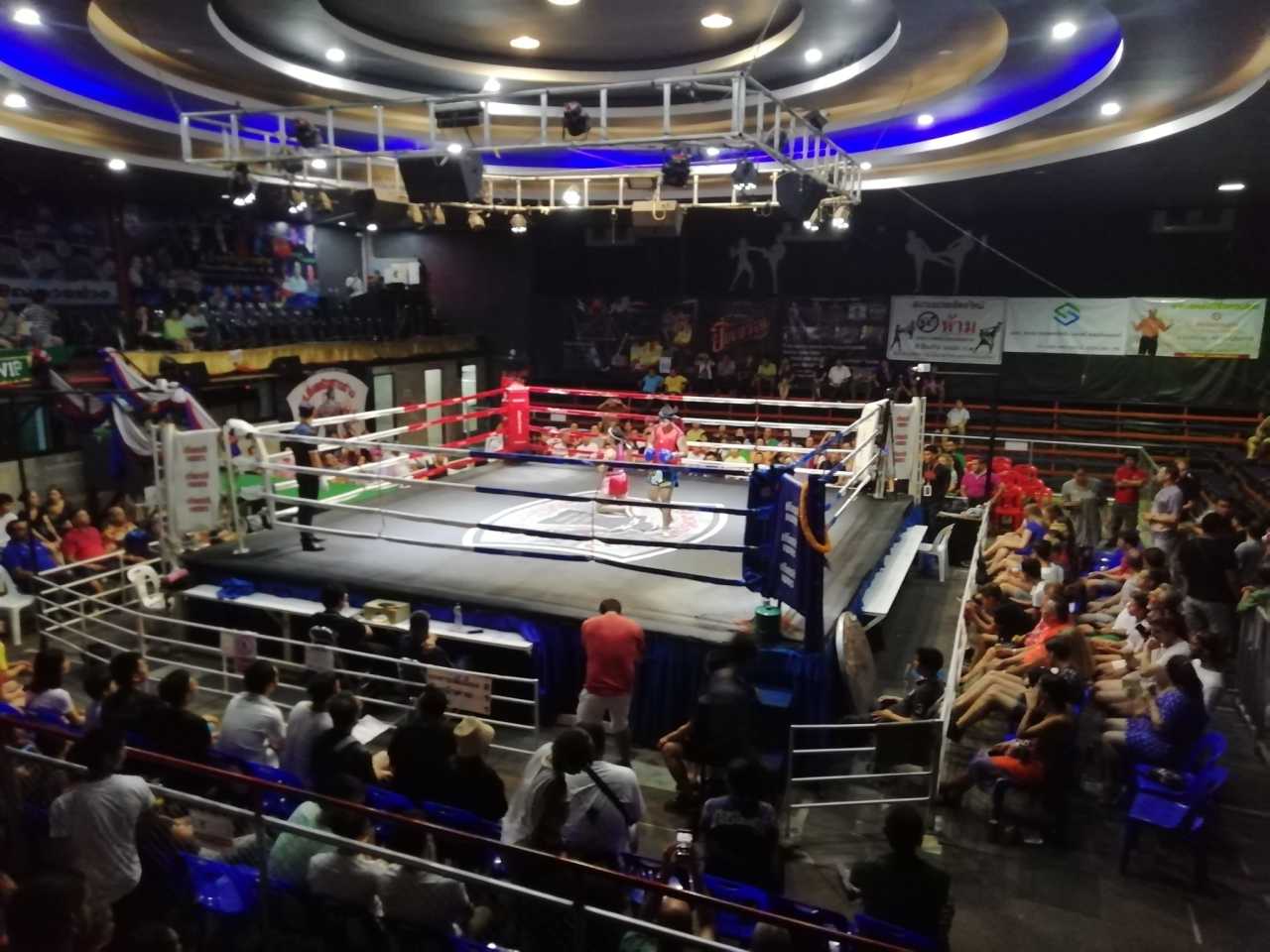
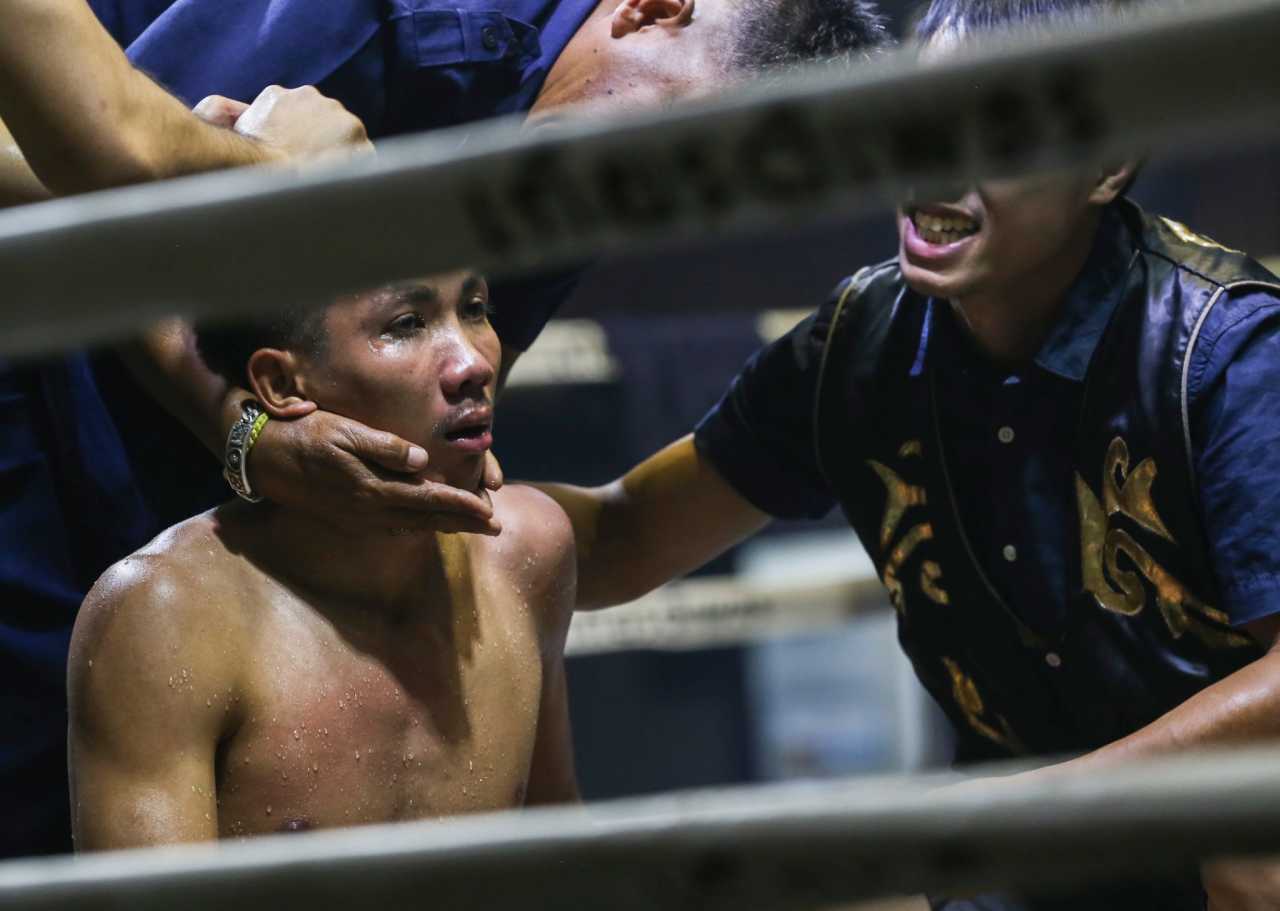
Tonight was boiling hot — Chiang Mai’s largest Muay Thai arena (tickets hawked all over the old city). It was packed, like a Roman gladiator arena, with foreigners roaring like mad. To shoot better photos, I left the group and found a high vantage point.
“Can I sit here?”
“Of course.”
Just as I locked onto the ring, a blonde, blue‑eyed girl floated over — I think I successfully got chatted up. Heart blossoming 
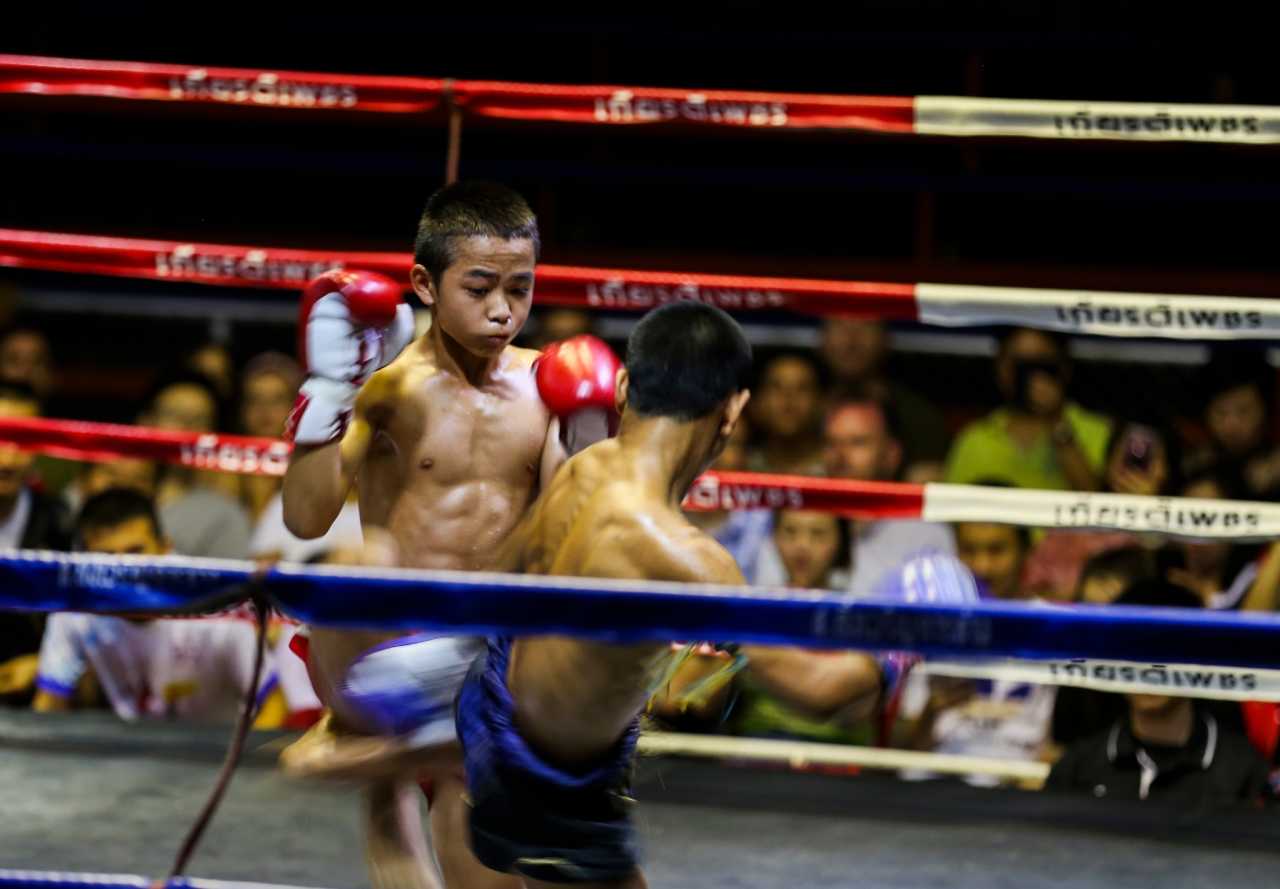
Onstage, the bout raged — someone was floored by a punch — drawing a roar from the crowd.
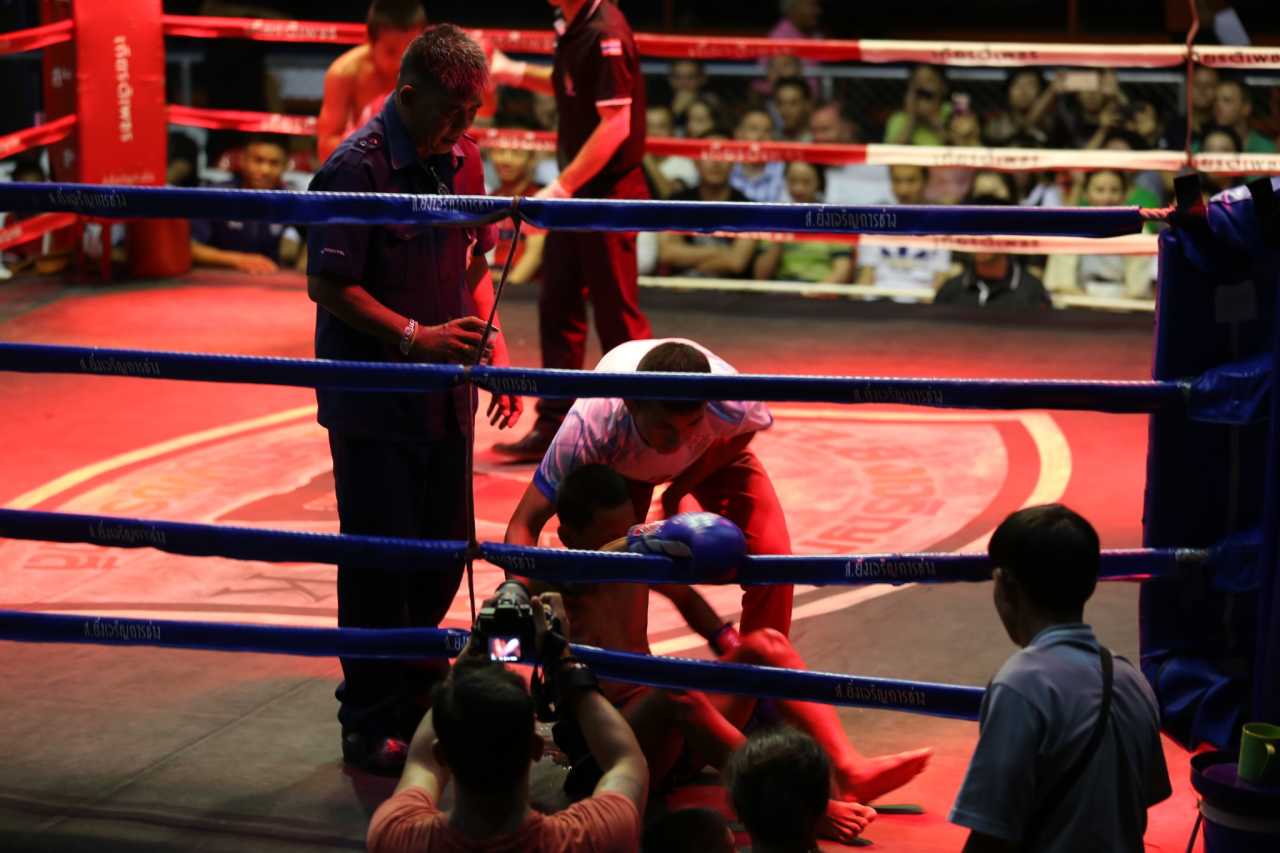
Below, the flirtation with the girl trudged on.
“Where are you from?”
“Scotland. What about you?”
“I am Chinese.” …
I scraped together every word in my head — with gestures — finally learned the beautiful Scottish girl had come to the Buddhist land alone, was very interested in Muay Thai, and had signed up for a week‑long training class. As the chat deepened, words failed, and even the translation app kept erroring. Girl — can we happily chat without English?
For the first time I truly realized: language barriers are the No. 1 obstacle to the great unity of the world’s peoples.
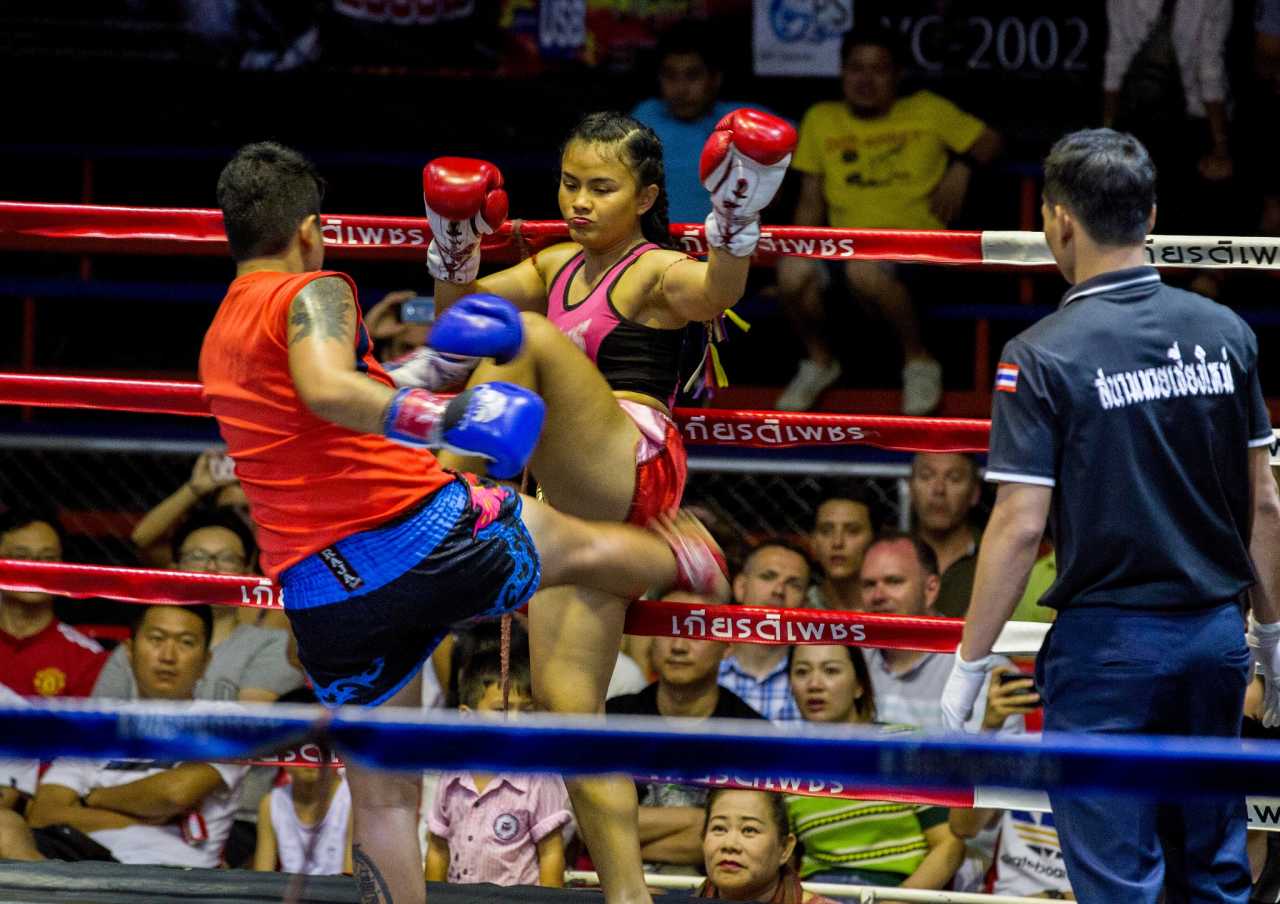
Fighters circled unhurriedly — hush — eyes on the fight.
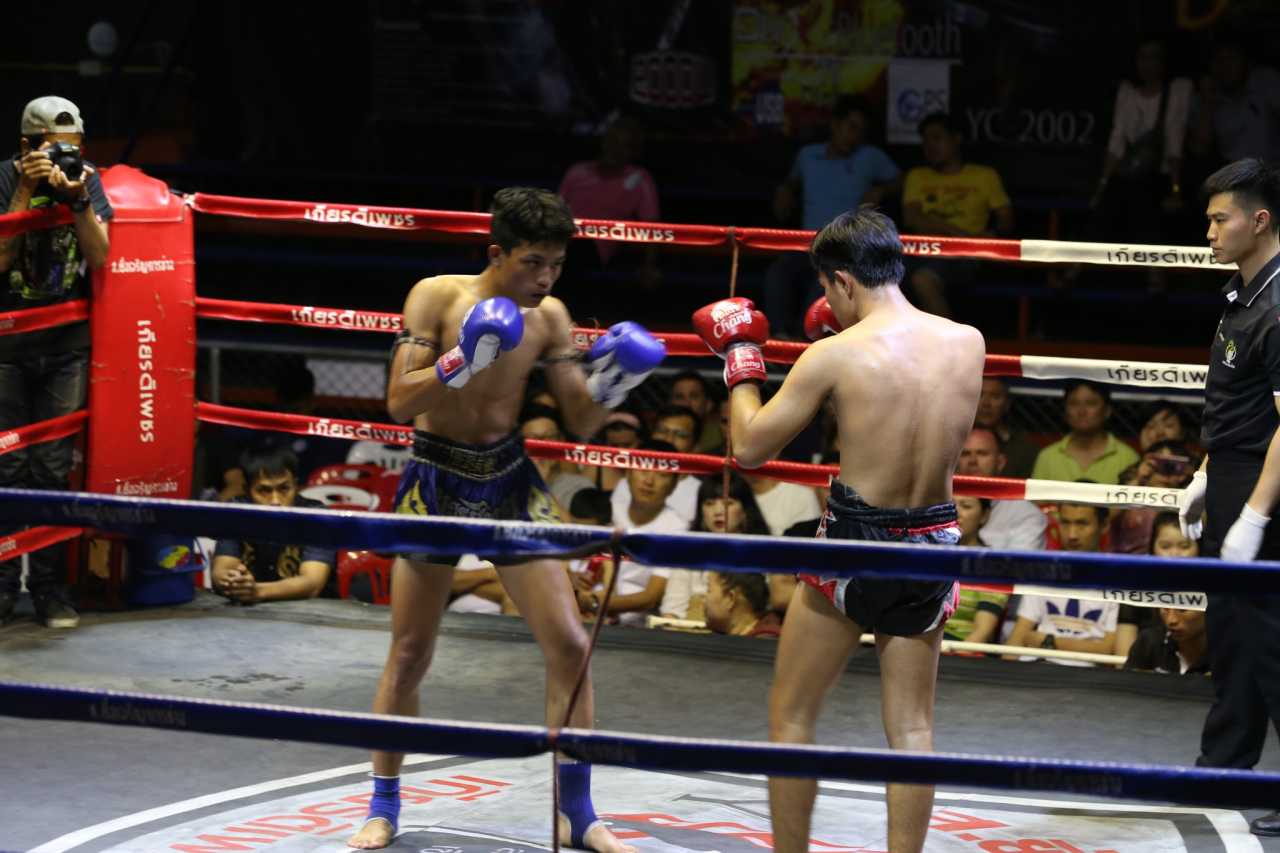
The fighter onstage looked bewildered from the beating — like my awkward mood. Girl, is there still a chance for the script to invite drinks and talk about ideals? 
D5: Chiang Mai | Wild Fun, Childlike Fun — Adrenaline, Life on the Line
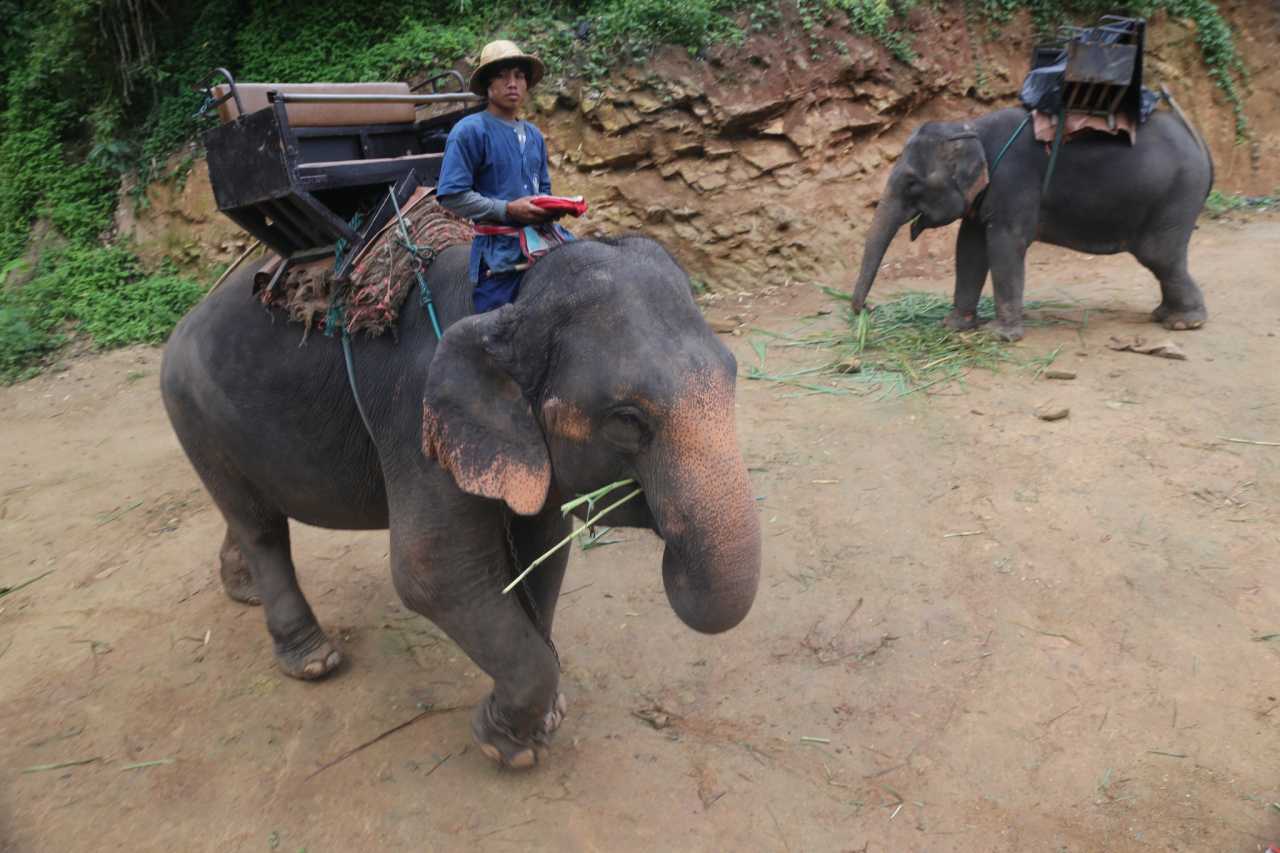
Finally we could ride elephants.
Mae Sa Elephant Camp has a great reputation — a solid choice. Capable Luozi had arranged everything online — which saved me, the chairman, a lot of worry.
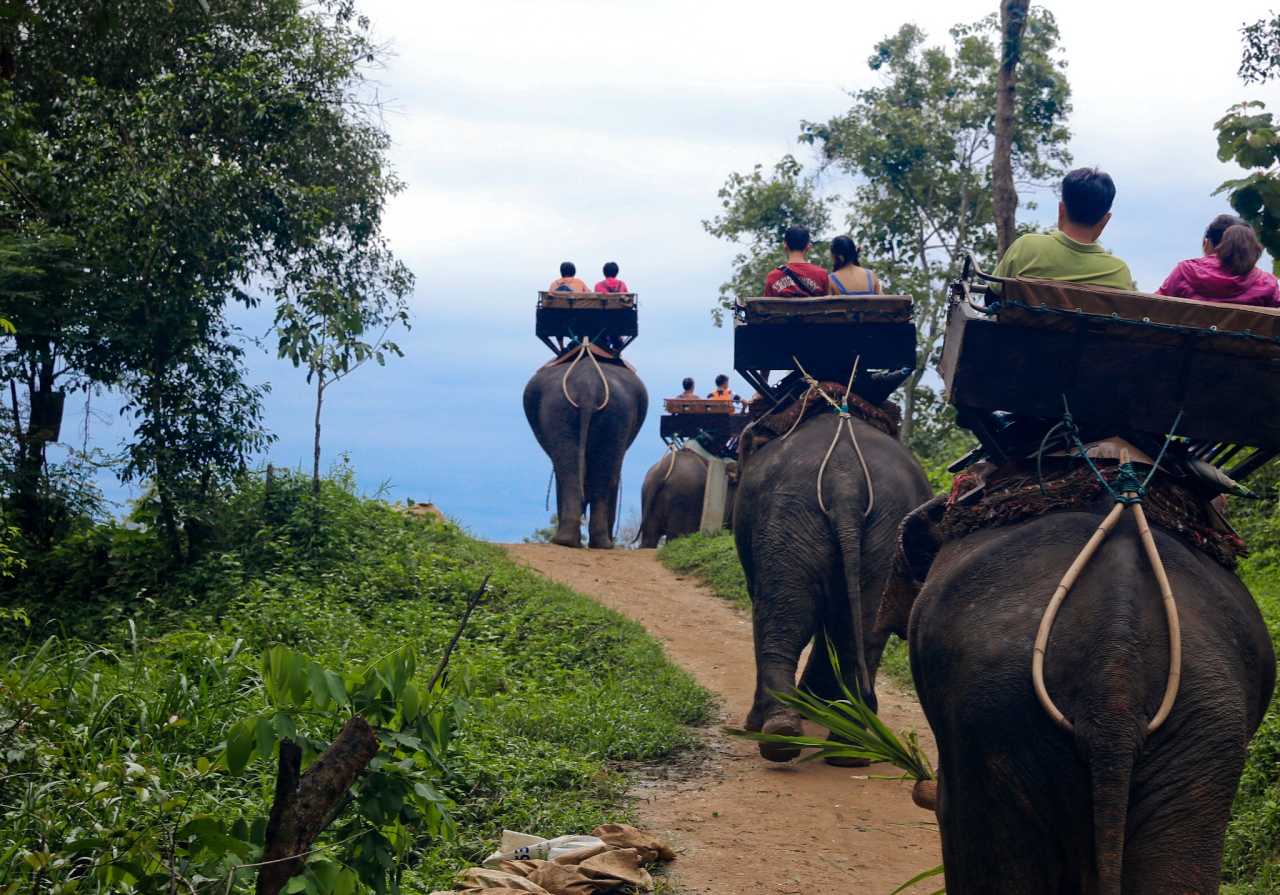
The first activity was riding elephants patrolling the forest — depart — “the king told me to patrol the mountains” — enjoying wild fun.
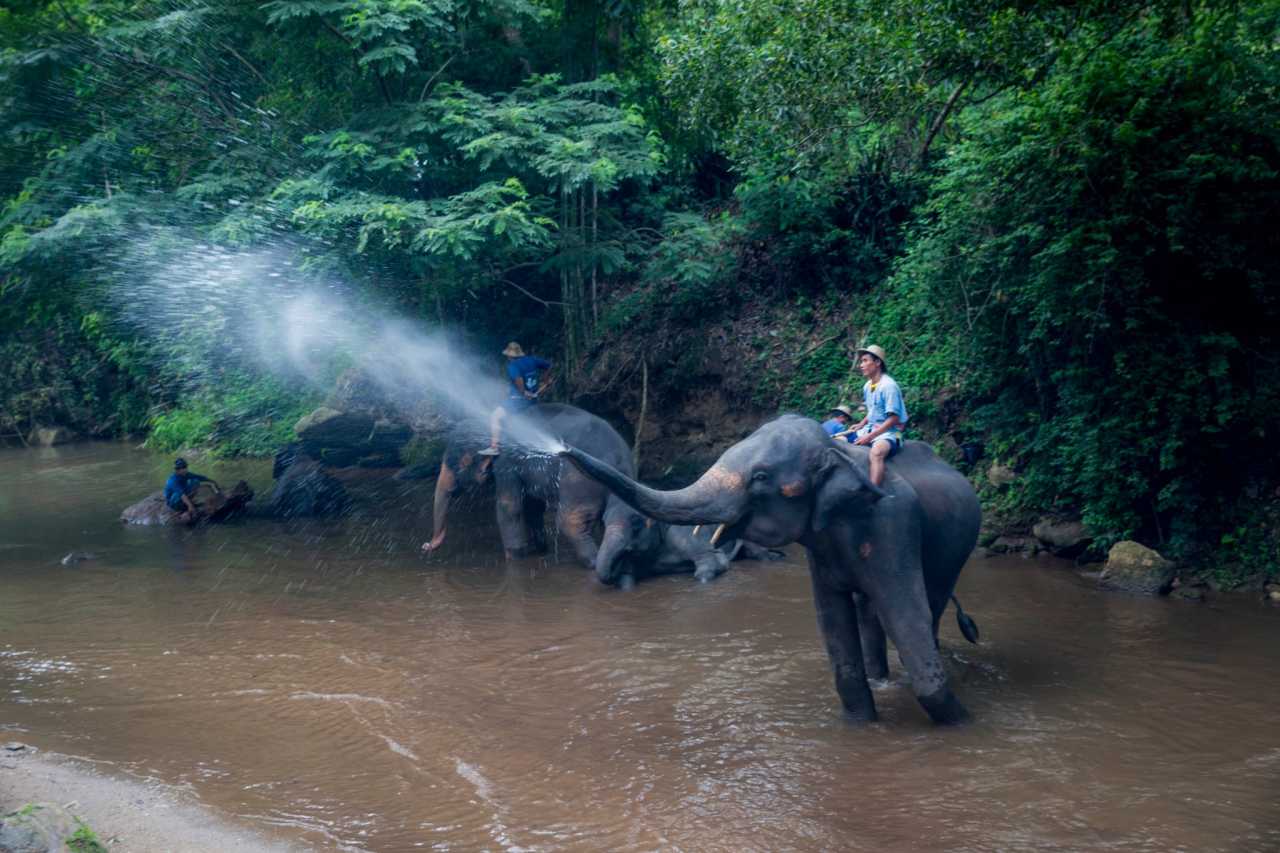
Elephants bathed and played in the river — mischievously interacting with visitors.
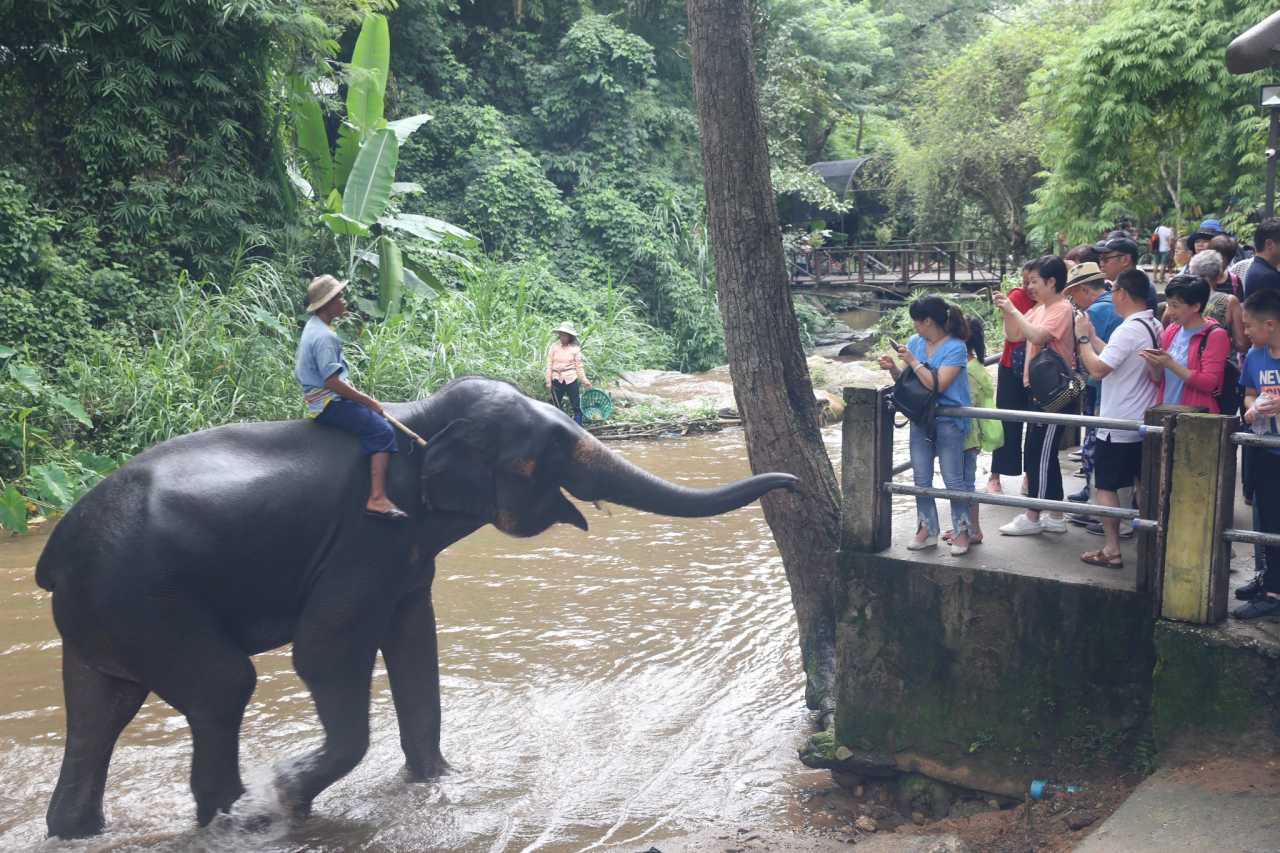
Come — let my trunk cool you down.