[Preface]
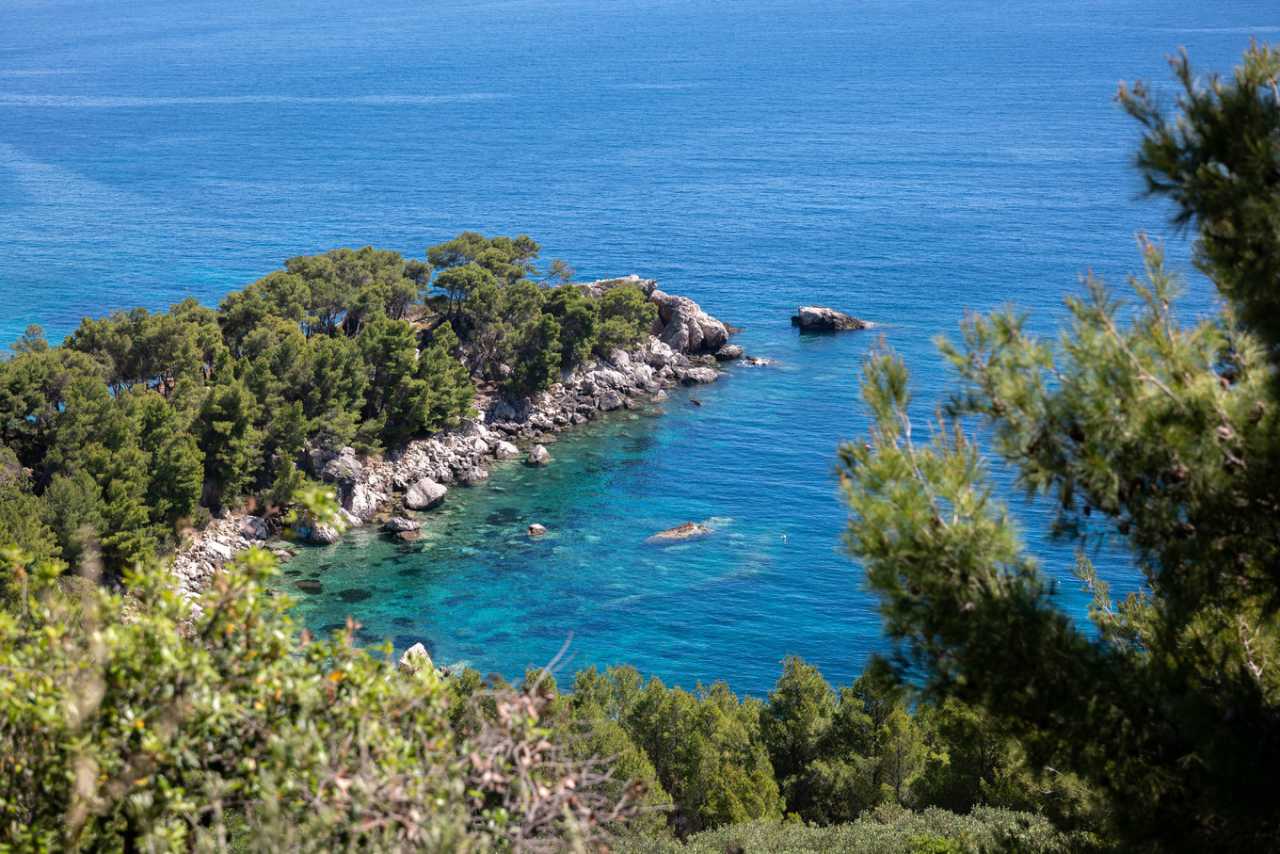
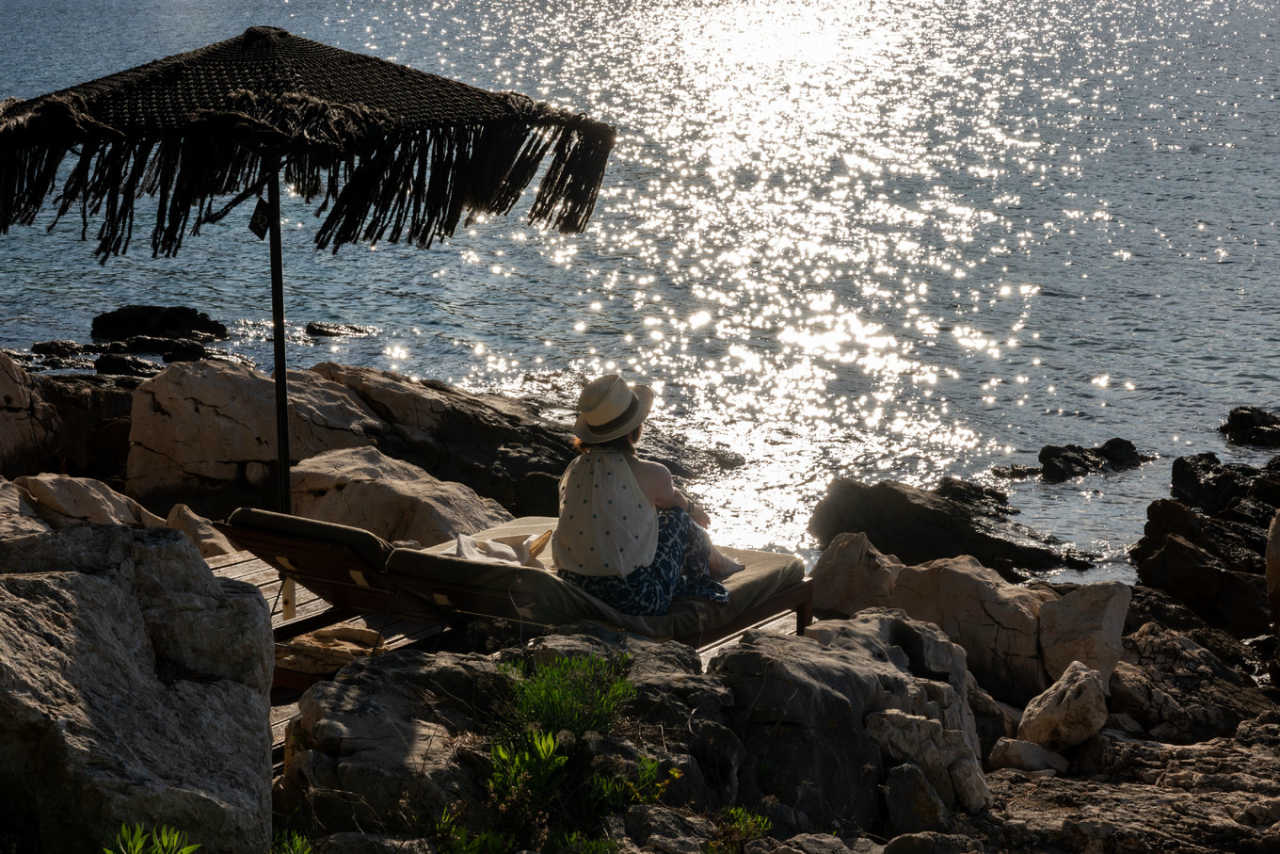
Croatia - where the Adriatic Sea meets ancient history, where medieval cities perch on cliff tops, and where island-hopping reveals hidden coves and crystal-clear waters. This journey took us through the heart of the Dalmatian Coast, from the capital Zagreb to the iconic walls of Dubrovnik, with stops in Split, Hvar Island, and countless charming coastal towns.
[Trip Overview]
Duration: 10 days
Route: Zagreb → Split → Hvar Island → Dubrovnik → Zagreb
Travel Season: Late September (perfect weather, fewer crowds)
Transportation: Combination of flights, ferries, and rental car
Total Cost: Approximately 12,000 CNY per person
[Visa Requirements]
Croatia is part of the European Union and Schengen Area. We applied for a Schengen visa through the Croatian consulate. The process was straightforward, requiring standard documents including flight bookings, hotel reservations, and travel insurance.
[Transportation]
Domestic Travel
Ferries: Jadrolinija is the main ferry company connecting the islands. We took ferries from Split to Hvar and back. Book in advance during peak season.
Rental Car: We rented a car for exploring the mainland, which gave us flexibility to visit smaller towns and scenic spots at our own pace.
Buses: Croatia has an excellent bus network connecting major cities, which we used for some shorter distances.
[Accommodation]
We stayed in a mix of hotels, guesthouses, and boutique properties. All accommodations were booked in advance through Booking.com. Prices ranged from 400-800 CNY per night depending on location and season.
[Day-by-Day Itinerary]
Day 1-2: Zagreb - Capital Discovery
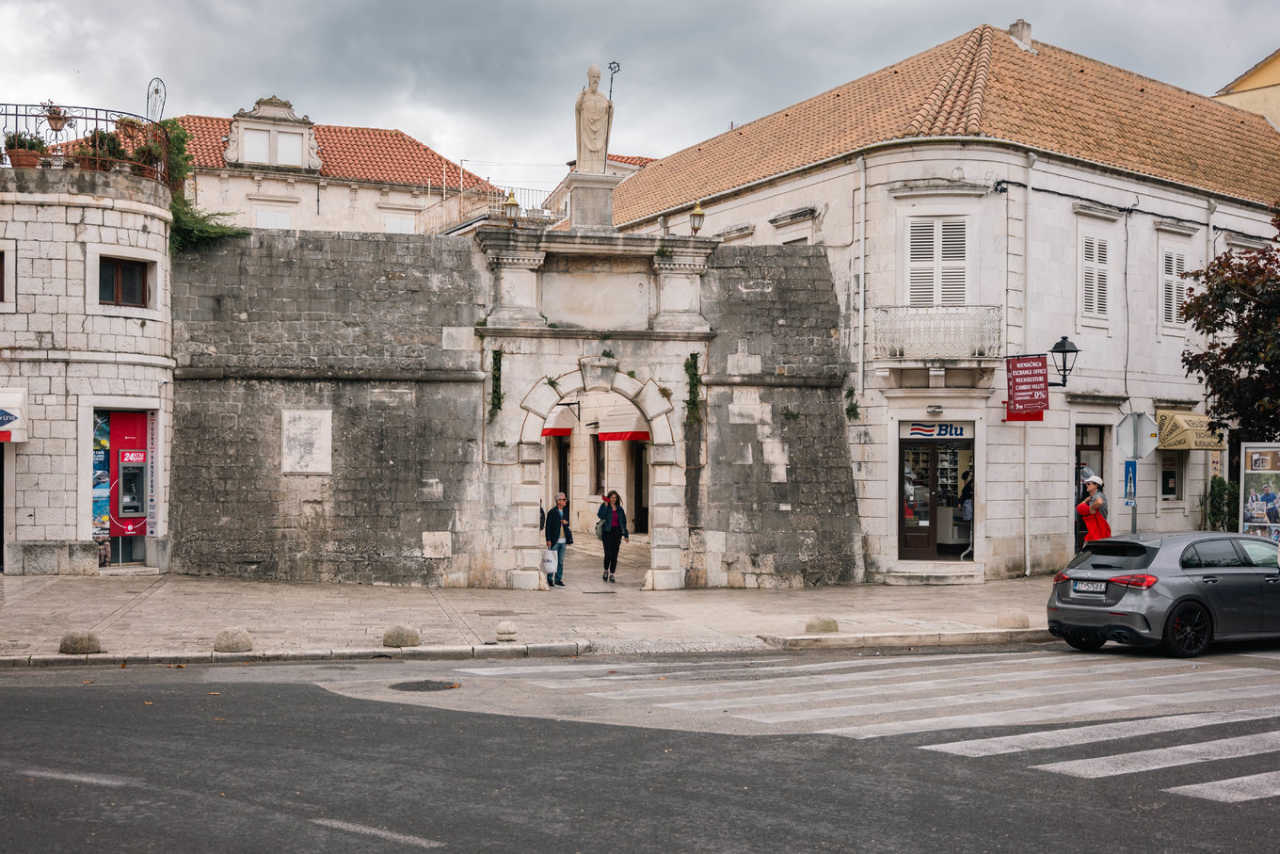
Arrived in Zagreb, Croatia's capital city. Spent two days exploring the Upper Town (Gornji Grad) with its cobblestone streets, St. Mark's Church with its colorful tiled roof, and the Stone Gate. The Lower Town (Donji Grad) offered beautiful 19th-century architecture, parks, and museums. We particularly enjoyed the Museum of Broken Relationships - a unique and touching collection of personal stories.
Day 3-4: Split - Diocletian's Palace
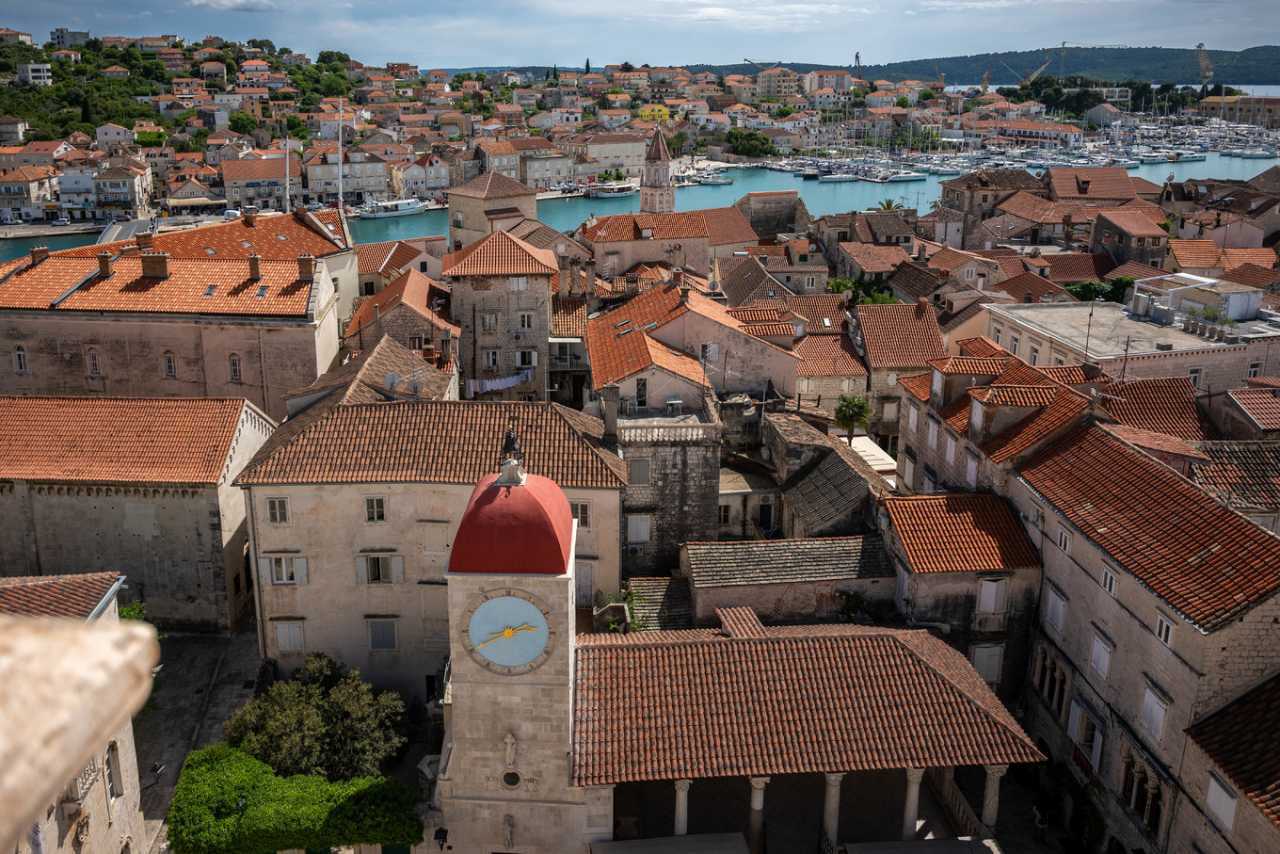
Drove south to Split, the second-largest city in Croatia. The highlight was Diocletian's Palace, a UNESCO World Heritage site that forms the heart of the old city. We wandered through the palace's underground chambers, climbed the bell tower of St. Domnius Cathedral, and explored the narrow streets filled with shops and restaurants. The Riva waterfront promenade was perfect for evening strolls.
Day 5-6: Hvar Island - Island Paradise
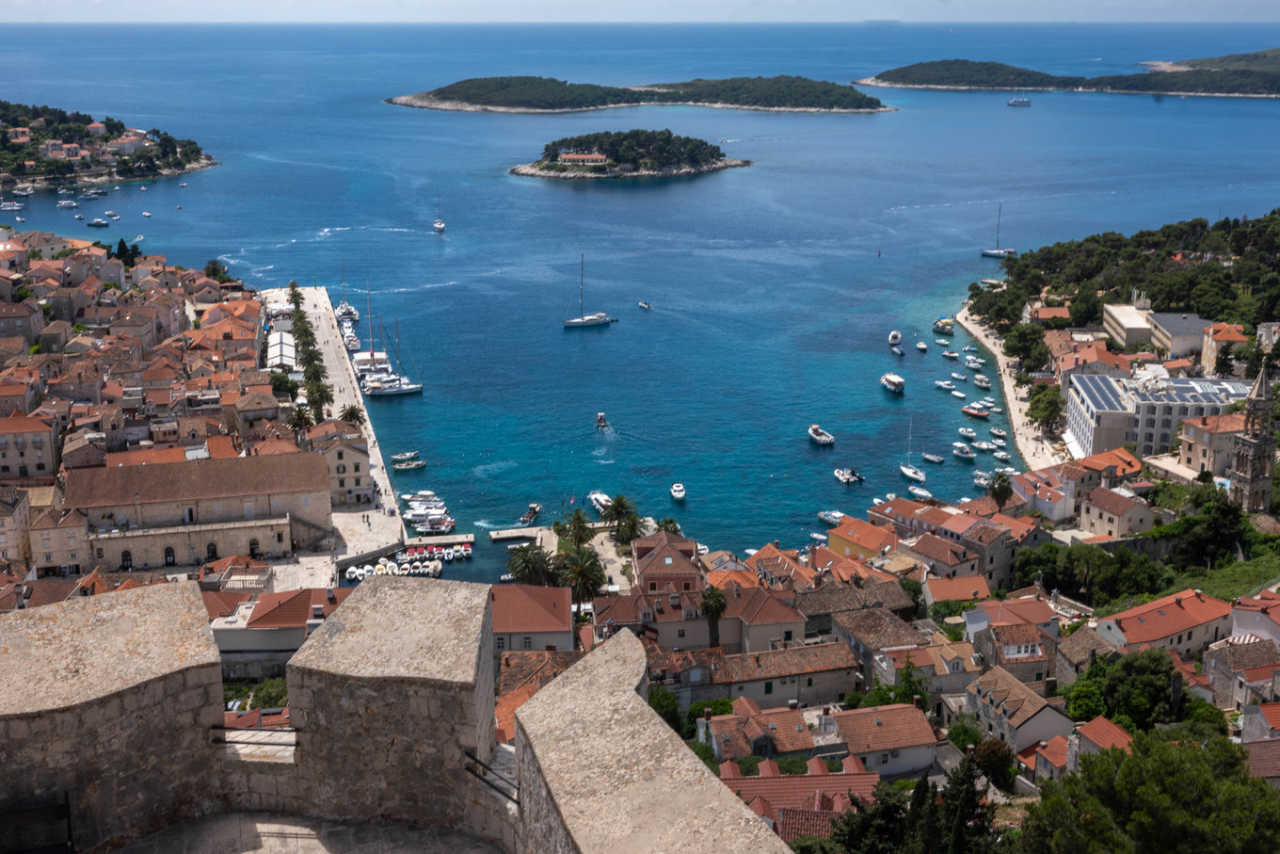
Took the ferry from Split to Hvar Island. Hvar Town impressed us with its Venetian architecture, bustling main square, and the impressive Spanish Fortress offering panoramic views. We rented a scooter to explore the island, visiting the nearby Pakleni Islands for swimming and relaxation. The island's lavender fields and vineyards added to its charm.
Day 7-9: Dubrovnik - Pearl of the Adriatic
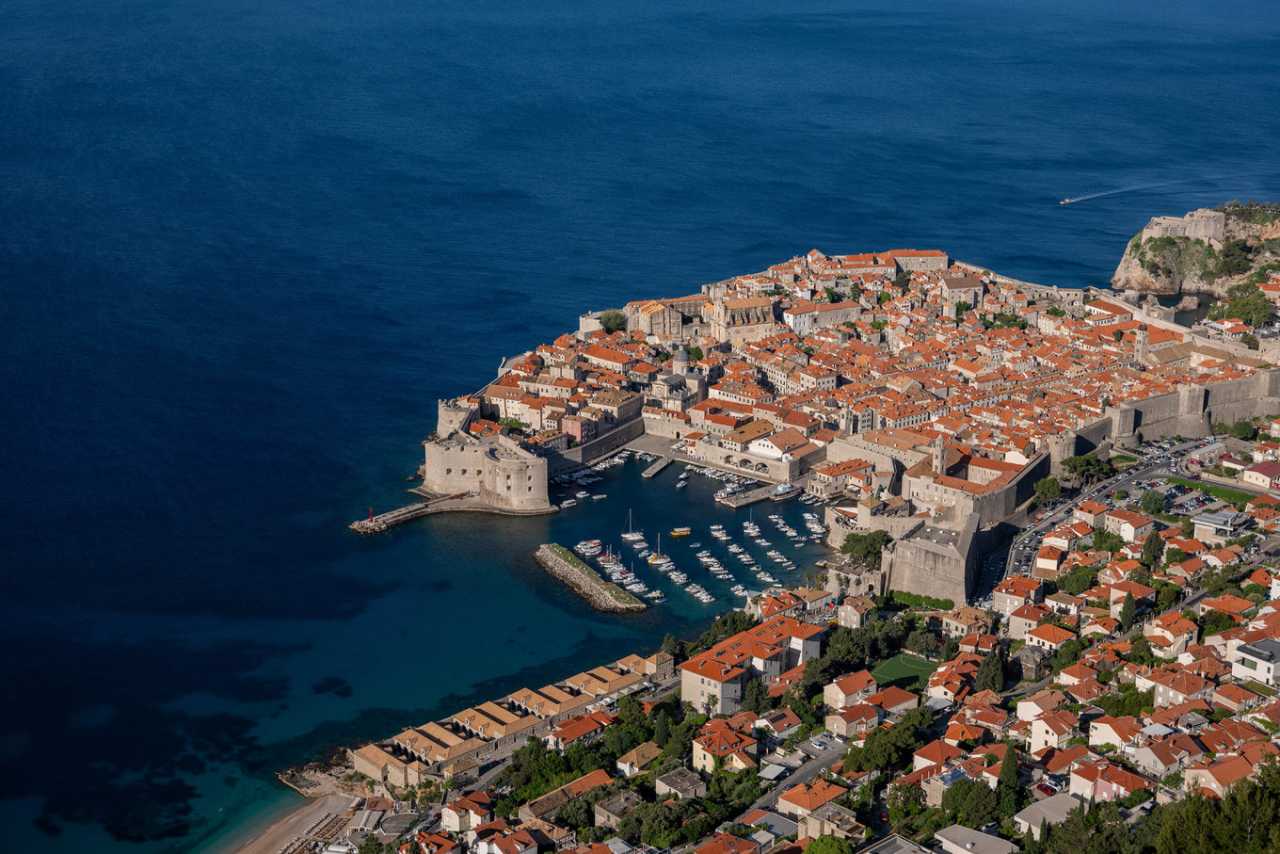
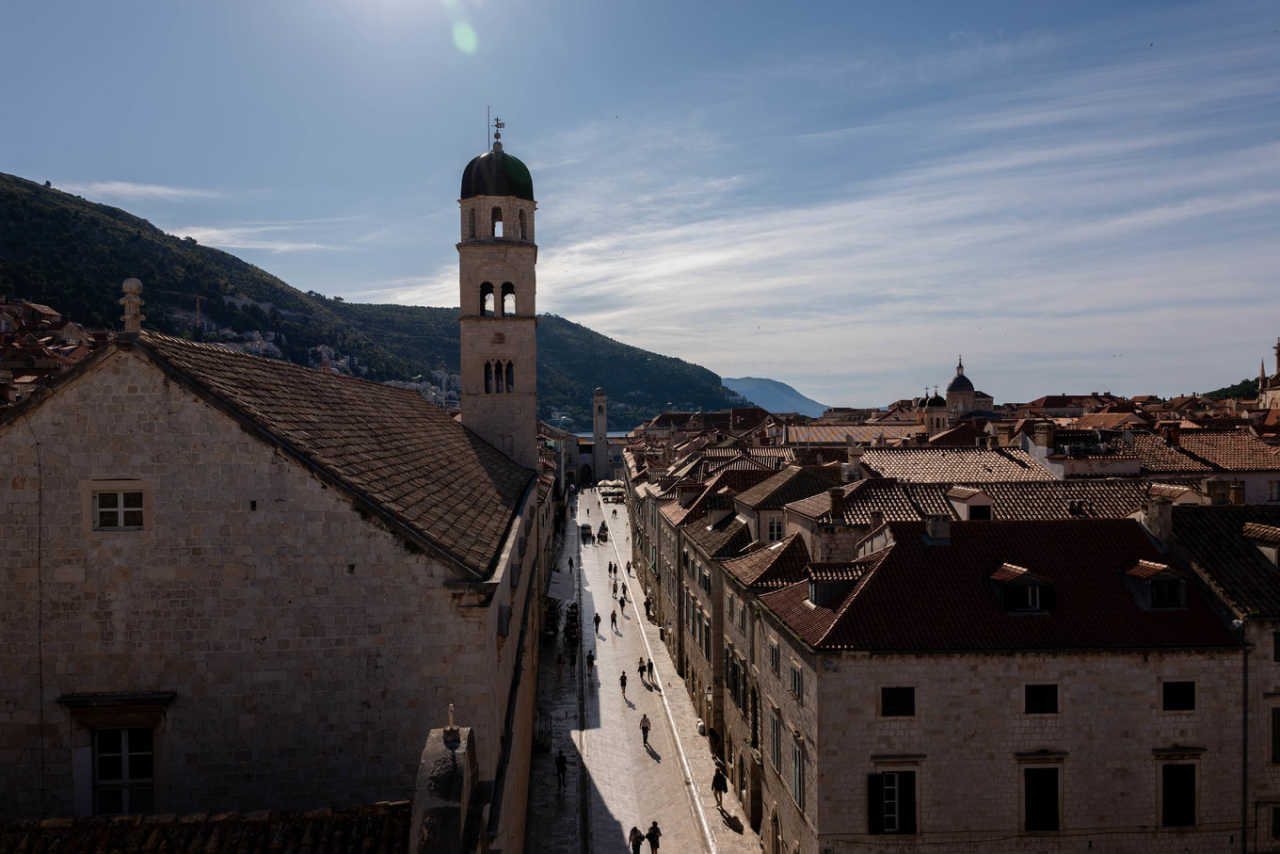
Drove to Dubrovnik, the crown jewel of our Croatian adventure. We spent three days exploring the ancient city walls, walking the marble streets of the Old Town, and taking the cable car up Mount Srđ for spectacular views. Despite the crowds, the city's beauty was undeniable. We also took a day trip to Lokrum Island and explored some of the less crowded beaches nearby.
[Scenic Highlights]
Zagreb Upper Town
The historic heart of Zagreb, with its medieval street layout, colorful buildings, and the iconic St. Mark's Church. The area comes alive in the evenings with street musicians and outdoor cafes.
Diocletian's Palace, Split
This 4th-century Roman palace complex forms the living heart of Split. The palace's underground chambers, the Peristyle courtyard, and the Cathedral of St. Domnius are must-see attractions. The palace is unique because people still live and work within its ancient walls.
Plitvice Lakes National Park
Although not on our main route, we made a detour to visit this UNESCO World Heritage site. The park features 16 interconnected lakes and over 90 waterfalls, all connected by wooden walkways. The turquoise waters and lush forests create a fairy-tale atmosphere.
Hvar Island
Often described as a town, Hvar Island is actually Croatia's fourth-largest island at 72 kilometers long with an area of about 300 square kilometers. Hvar Town's red roofs cascade toward the sea like building blocks, while the Pakleni Islands lie lazily across the harbor, basking in the sunshine. Beyond Hvar Town, quiet villages offer beautiful bays where stone houses warmed by the sun line the coast.
Dubrovnik City Walls
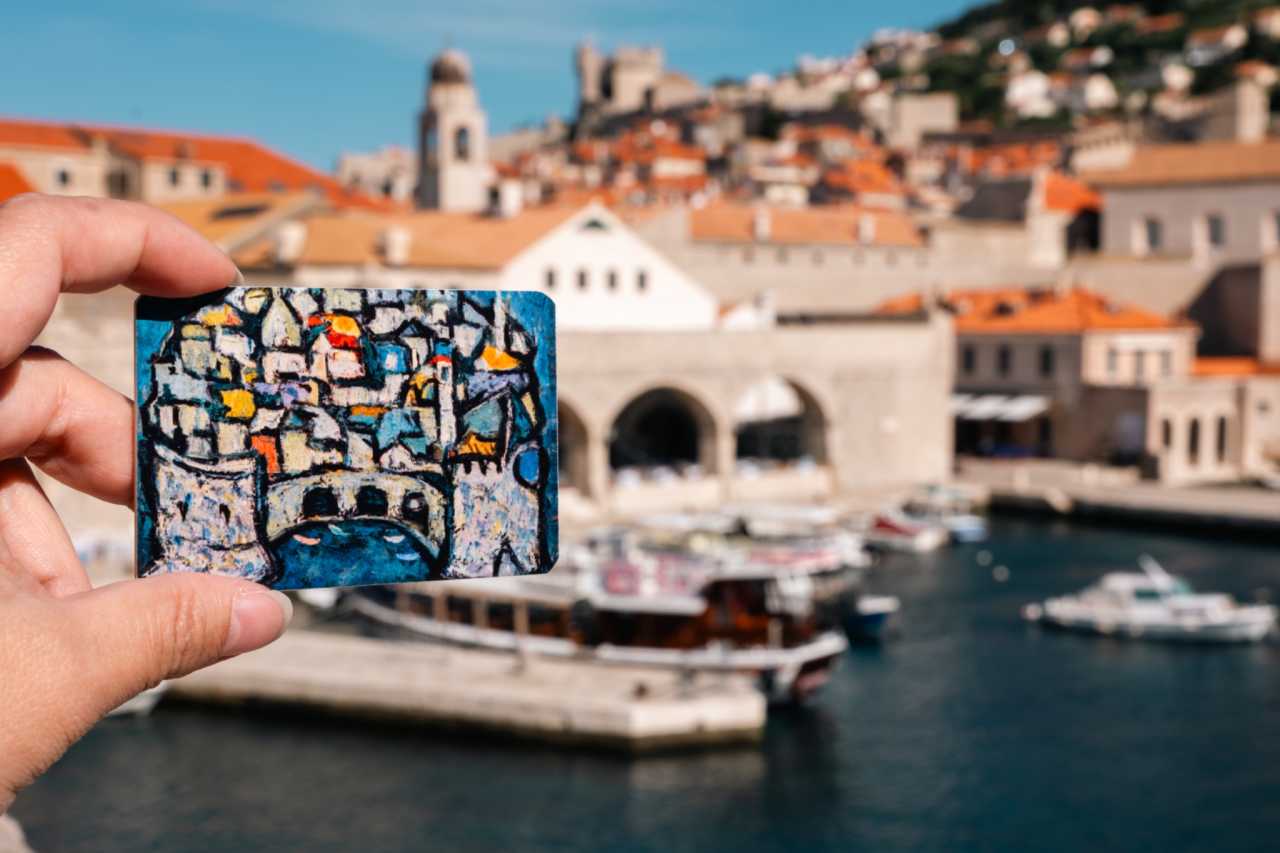
Walking the 2-kilometer circuit of Dubrovnik's medieval walls is essential. The views of the orange-tiled roofs, the Adriatic Sea, and the surrounding islands are spectacular. The walls have protected the city for centuries and offer insight into its strategic importance.
Rector's Palace, Dubrovnik
This 15th-century palace served as the seat of government for the Republic of Ragusa. The Gothic-Renaissance building now houses a museum showcasing the city's history. The courtyard often hosts concerts and cultural events.
[Food and Cuisine]
Croatian cuisine varies by region, with coastal areas focusing on seafood and Mediterranean flavors, while inland areas feature heartier, Central European dishes.
Must-Try Dishes
Peka: Traditional Dalmatian dish of meat and vegetables cooked under a bell-shaped lid
Black Risotto: Made with cuttlefish ink, giving it a distinctive black color
Pasticada: Slow-cooked beef in sweet wine sauce
Fresh Seafood: Grilled fish, octopus salad, and mussels are excellent along the coast
Truffles: Istrian white truffles are highly prized and appear in many dishes
Wine and Olive Oil
Croatia has excellent wine production, particularly in the Dalmatian region. Try local varieties like Plavac Mali (red) and Pošip (white). Croatian olive oil is also highly regarded, especially from the island of Brač.
[Practical Tips]
Best Time to Visit
We visited in late September, which offered perfect weather (warm days, cool evenings), fewer crowds, and lower prices than peak summer season. The sea was still warm enough for swimming, and all attractions were open.
Currency and Payments
Croatia uses the Euro (EUR). Credit cards are widely accepted, but carry some cash for smaller establishments and markets. ATMs are readily available in all major towns.
Language
Croatian is the official language, but English is widely spoken in tourist areas, especially by younger people. Learning basic greetings like "Hvala" (thank you) is appreciated.
Driving
Roads are generally in good condition. Be prepared for narrow, winding roads in coastal areas. Parking in old towns can be challenging and expensive - use designated parking areas outside the city walls when possible.
[Cultural Insights]
Croatia's rich history is evident everywhere - from Roman ruins to Venetian architecture. The country has been influenced by various cultures including Roman, Venetian, Ottoman, and Austro-Hungarian. This diversity is reflected in its architecture, cuisine, and traditions.
The Croatian people are proud of their heritage and welcoming to visitors. They appreciate when tourists show interest in their culture and history. The pace of life is relaxed, especially in coastal areas - embrace the "pomalo" (take it easy) attitude.
[Final Reflections]
Croatia exceeded our expectations in every way. The combination of stunning natural beauty, rich history, delicious food, and warm hospitality created an unforgettable travel experience. From Zagreb's urban charm to Hvar's island paradise, from Split's ancient palace to Dubrovnik's magnificent walls, each destination offered its own unique appeal.
The Adriatic coast truly lives up to its reputation as one of Europe's most beautiful coastlines. The crystal-clear waters, historic towns, and Mediterranean atmosphere create a perfect blend for an ideal vacation. We're already planning our return visit to explore more of Croatia's islands and inland treasures.