Foreword
When I saw the illustration of the Caucasus Mountains in my geography textbook, I always felt that the blue-gray fold stretching between Europe and Asia was like a "forgotten crease."
It's not the plane trees chased by cameras on the streets of Paris, nor the aurora borealis covered with internet celebrity labels in Iceland, but the stone paths locals walk on while carrying bread baskets in the morning, the shepherd's call mixed with Russian and Persian at the foot of the snow mountains, and the church domes and mosque minarets gilded with gold edges in the same sunset. This land, quietly nurtured by two continental civilizations yet not over-interpreted, should be where I want to go.
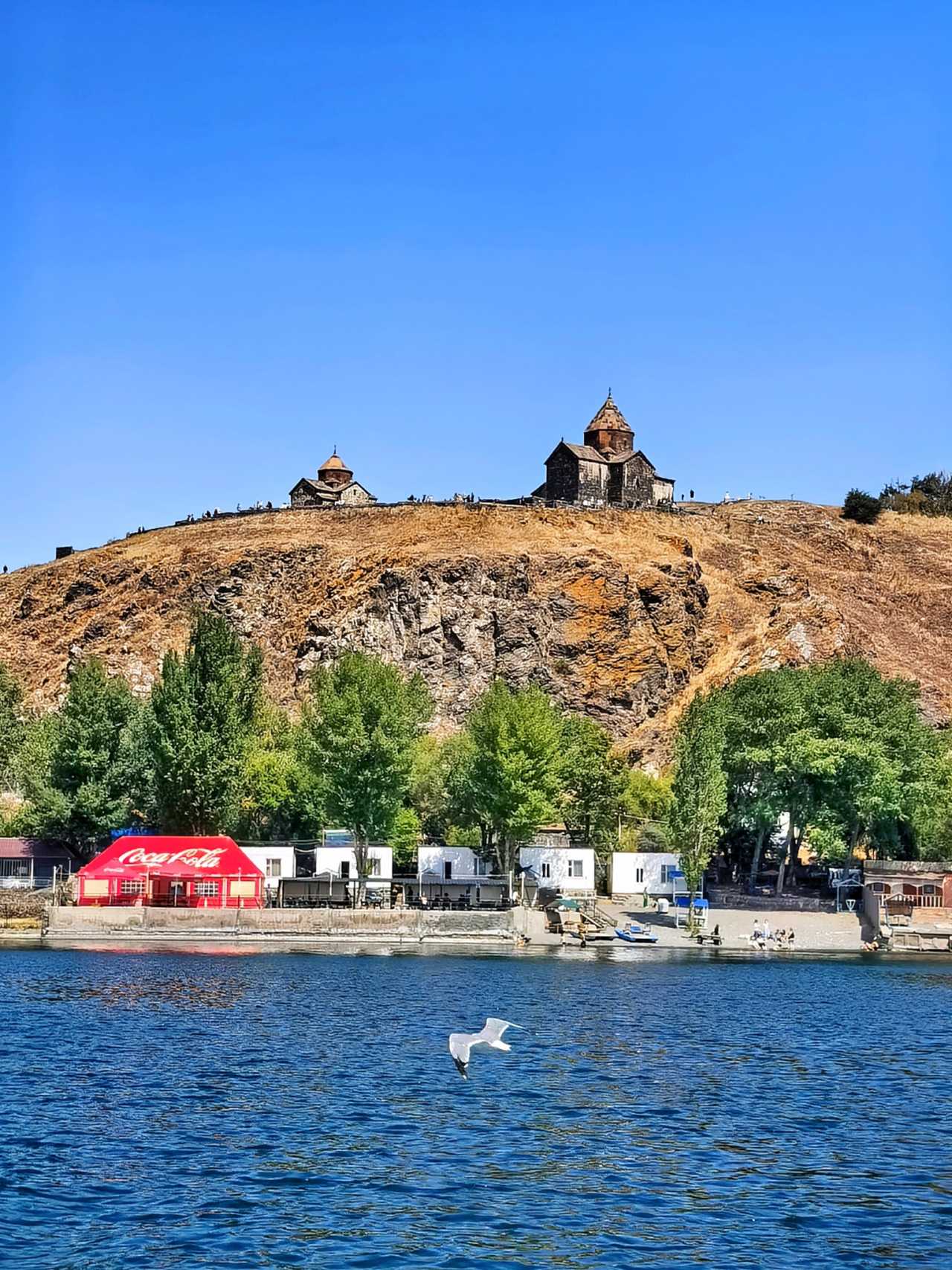 Lake Sevan
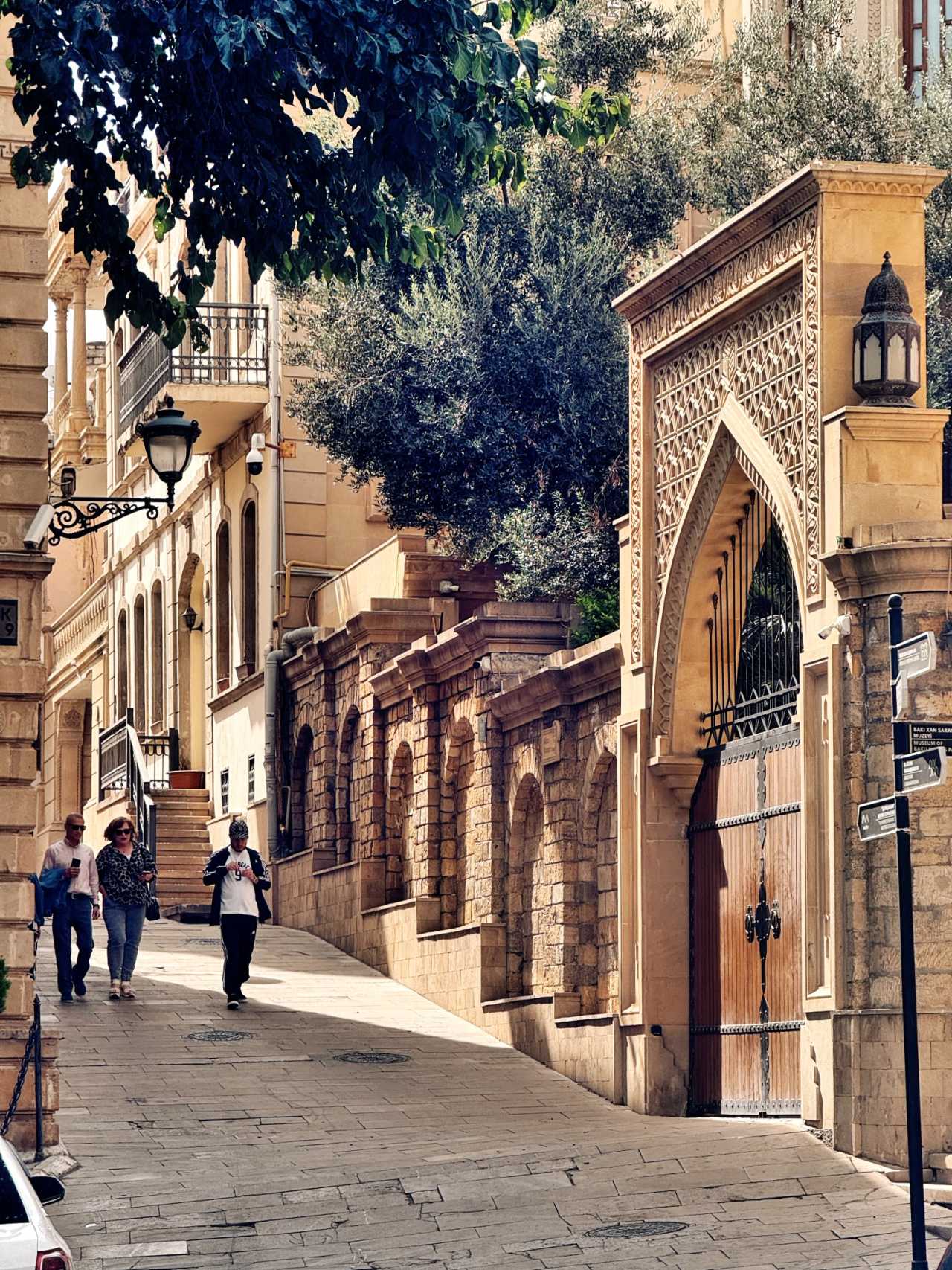 Baku Old City
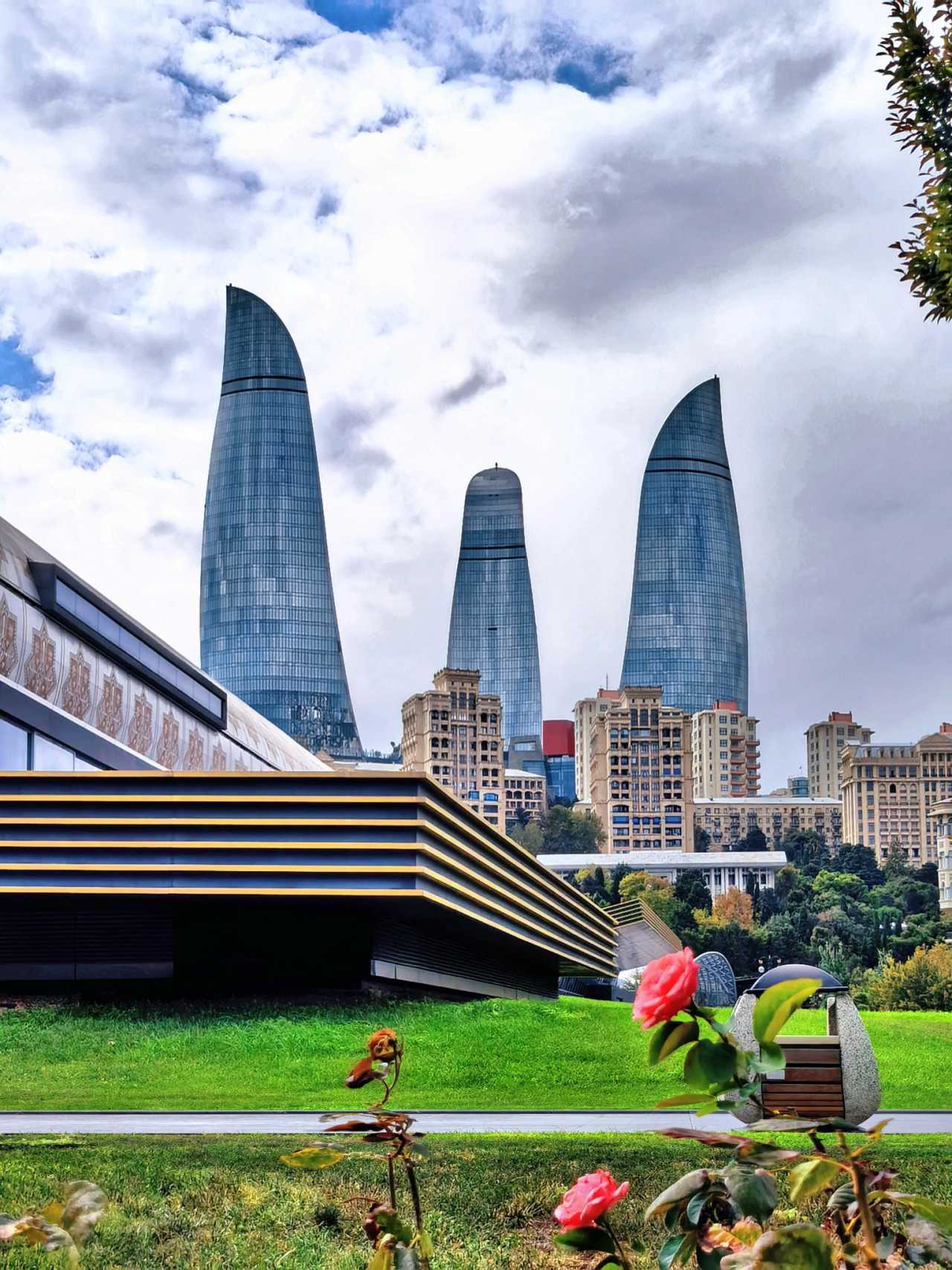 Baku Seaside Promenade
In recent years, with the world's turmoil and constant wars, I hesitated about setting off, but the core of my yearning ultimately chose to measure the world with my footsteps. So I joined the "Caucasus Three Countries - Azerbaijan · Georgia · Armenia 10-day Allure Journey" from September 4-13, 2025.
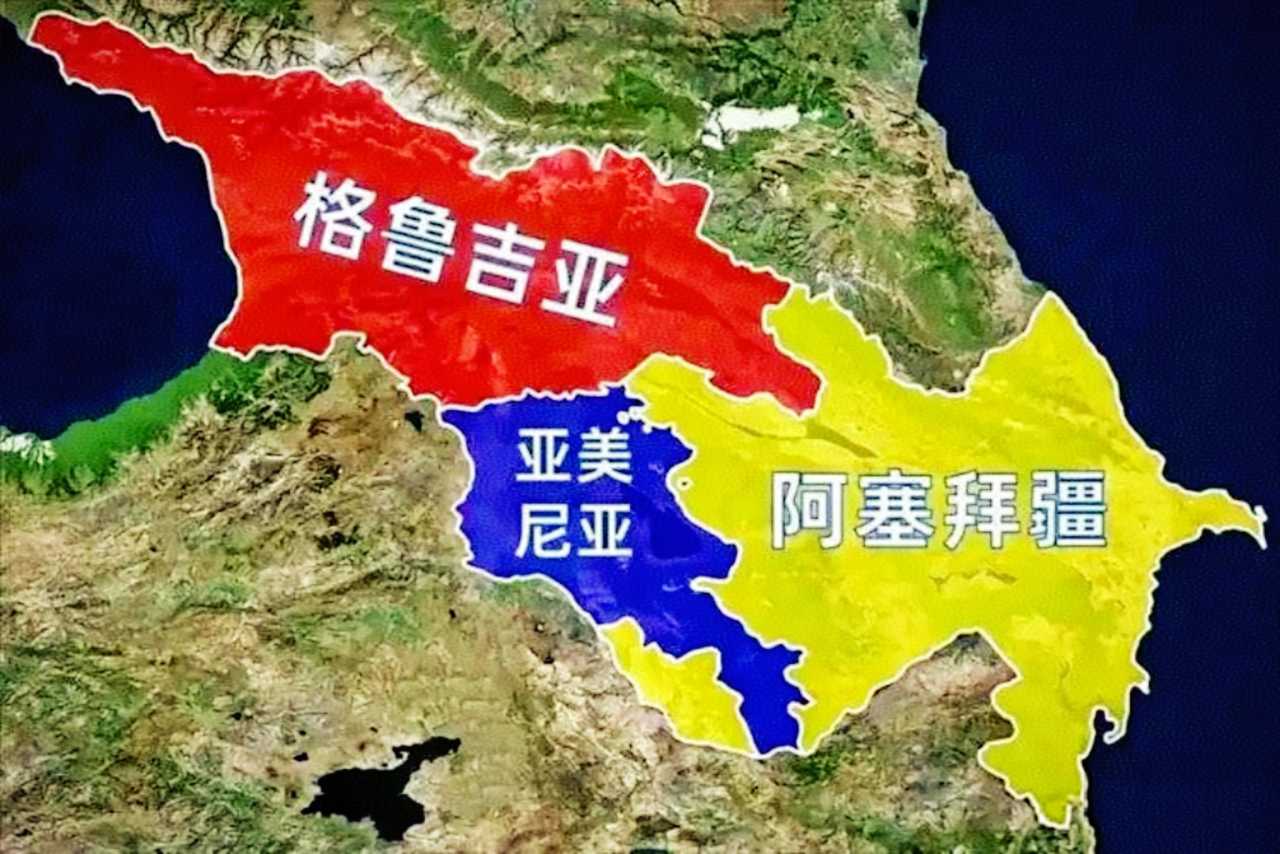
Itinerary Overview
D1 All over the country → Urumqi → Georgia, check in to Tbilisi Biography Design Hotel
D2 Tbilisi → Sighnaghi, lunch at cliff restaurant, dinner at Beijing Restaurant, check in to Tbilisi Biography Design Hotel
D3 Georgia Tbilisi → Armenia (Haghpat, lunch at Kayan Fortress, Etchmiadzin Cathedral, Zvartnots Archaeological Site, Yerevan Cascade, dinner at Ararat Tavern, Yerevan Republic Square, check in to Yerevan Artsakh Hotel)
D4 Armenia Yerevan → (Garni Temple, Lake Sevan) → Georgia, check in to Tbilisi AFISHA Hotel
D5 Tbilisi → Sword Mountain, Svetitskhoveli Cathedral, Jvari Cross Monastery, lunch at Naphei Winery, Ananuri Castle, Russian-Georgian Friendship Monument → check in to Kazbegi Mountain Home Hotel
D6 Kazbegi - Holy Trinity Church, lunch at Gori CAFE Restaurant, Stalin Museum, Narikala Fortress, dinner at Beijing Restaurant → check in to Tbilisi Radisson Hotel
D7 Tbilisi (Holy Trinity Cathedral, Dry Bridge Flea Market, Puppet Clock Tower, Peace Bridge, lunch at Hongrun Restaurant) → fly to Baku, check in to WYNOHAM Hotel
D8 Baku → Mud Volcano, Gobustan Rock Art, lunch at Caspian Sea Restaurant, Bibi-Heybat Mosque, Fire Mountain, Fire Temple, Azerbaijan Art Center, dinner at SHARG Restaurant eating Emperor's Hand-grabbed Rice, check in to WYNOHAM Hotel
D9 Baku → Highland Park, Martyrs' Lane, Turkish Mosque, Flame Towers, Caspian Sea Promenade, Baku Old City, Maiden Tower (exterior), Palace of the Shirvanshahs (exterior), free time in Old City for half day → Urumqi (international reference flight CZ6024 2240 0645+1)
D10 Urumqi → All over the country
Departure
This group flew from all over the country to Urumqi to assemble, then flew to Tbilisi. We departed from Chongqing and needed to arrive in Urumqi one day early. At 13:45 on September 3, flight CZ6986 carried our expectations to Urumqi, and when we landed at 17:50, autumn had already spread across the airport. The pre-arranged Urumqi Ruopu Hotel sent a car to pick us up, and we arrived at the hotel smoothly.
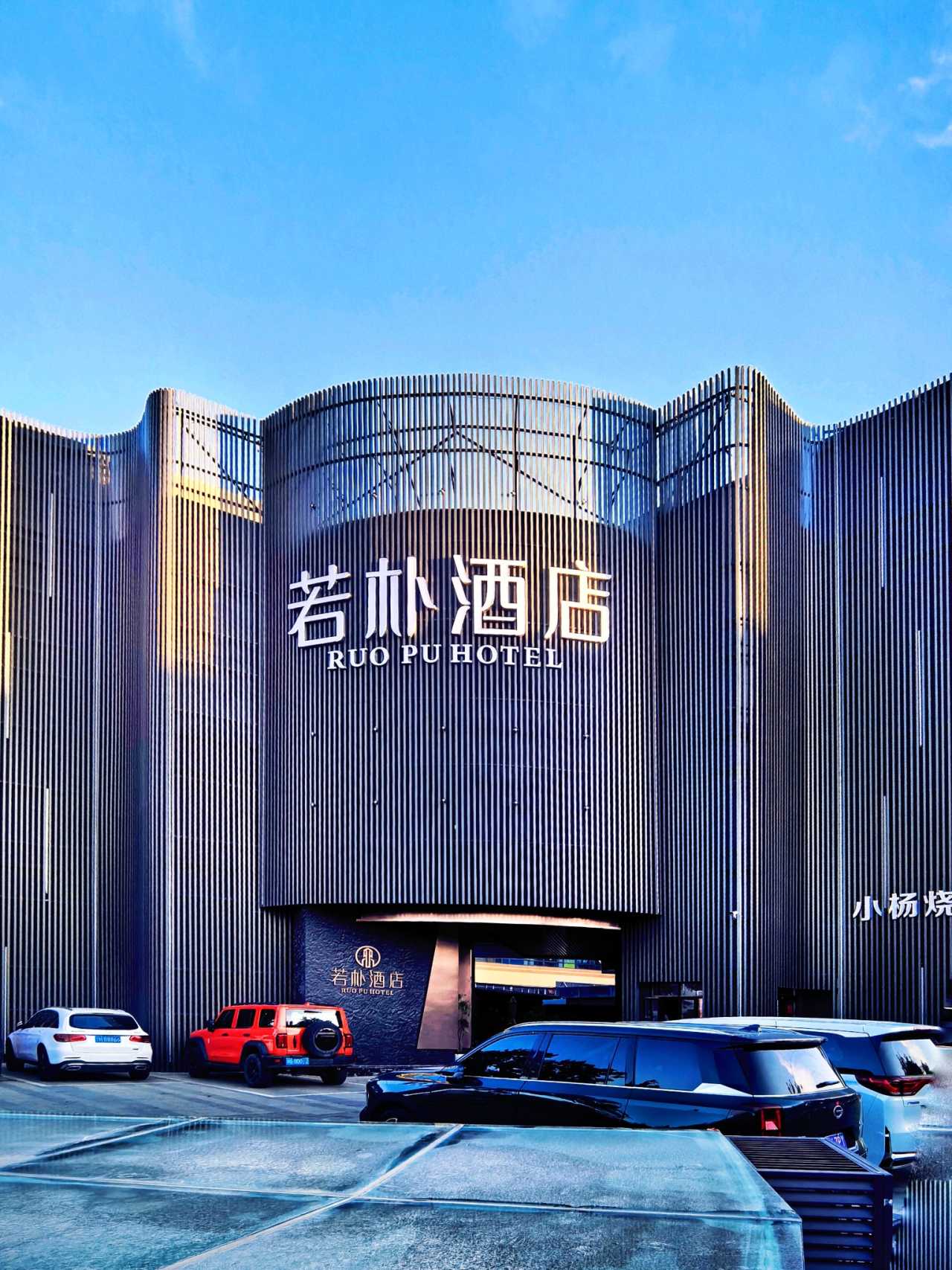
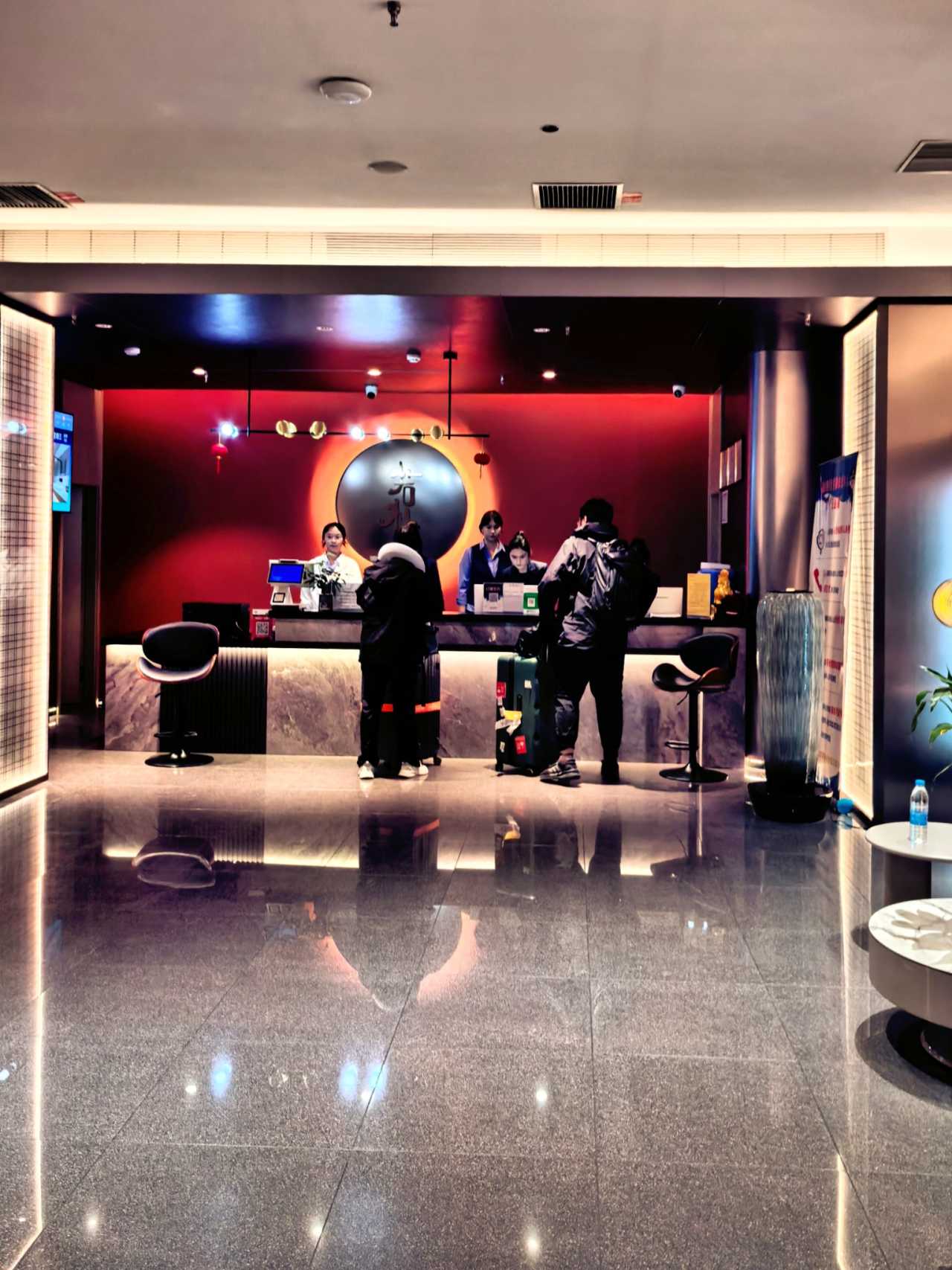
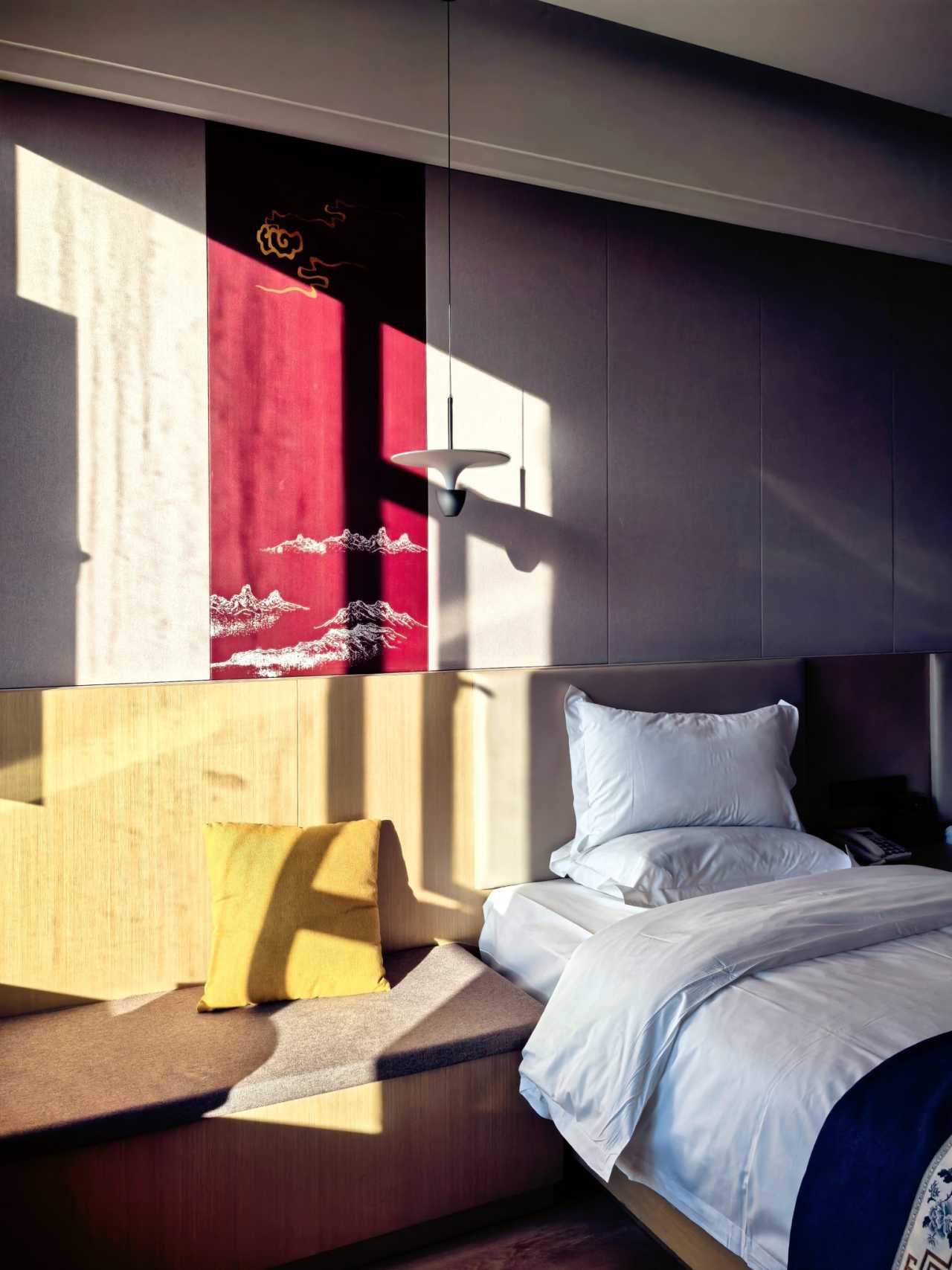
The next day, we had a whole day to spend in Urumqi, so we couldn't just stay idle. So we took Metro Line 1 to the Xinjiang International Grand Bazaar.
This world's largest bazaar, which I've visited before, draws me in every time I pass by. It integrates Islamic culture, architecture, and ethnic trade, serving as a living map condensing Western Region customs. It's great for exploring food, buying specialty crafts, and taking photos. Now with some added internet-famous cultural attractions, it's still very lively. We visited the Erdao Bridge Mosque, Avanti Barbecue Paradise, and the Bazaar Nang Theme Pavilion, then returned to the hotel.
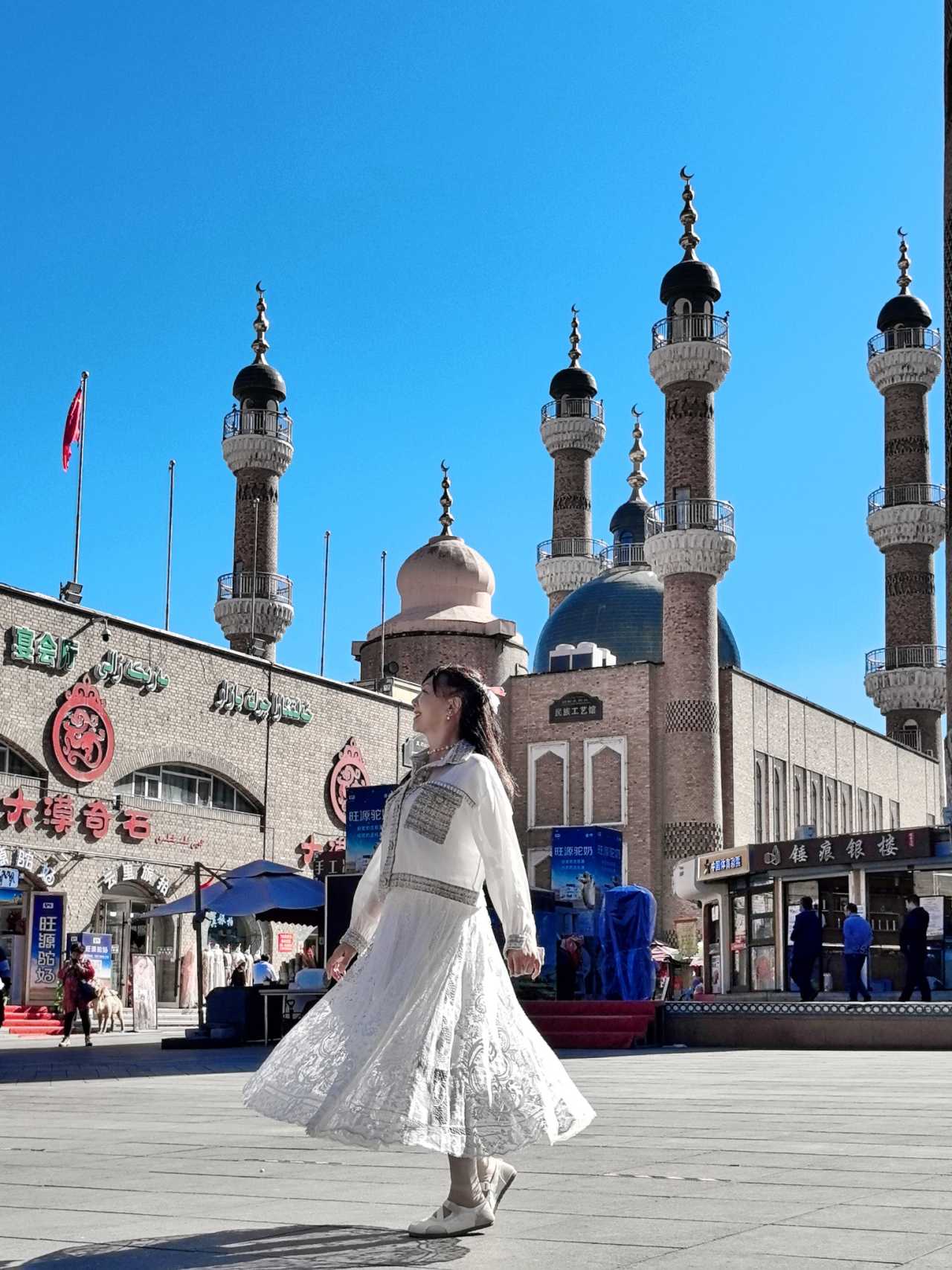 Xinjiang International Grand Bazaar
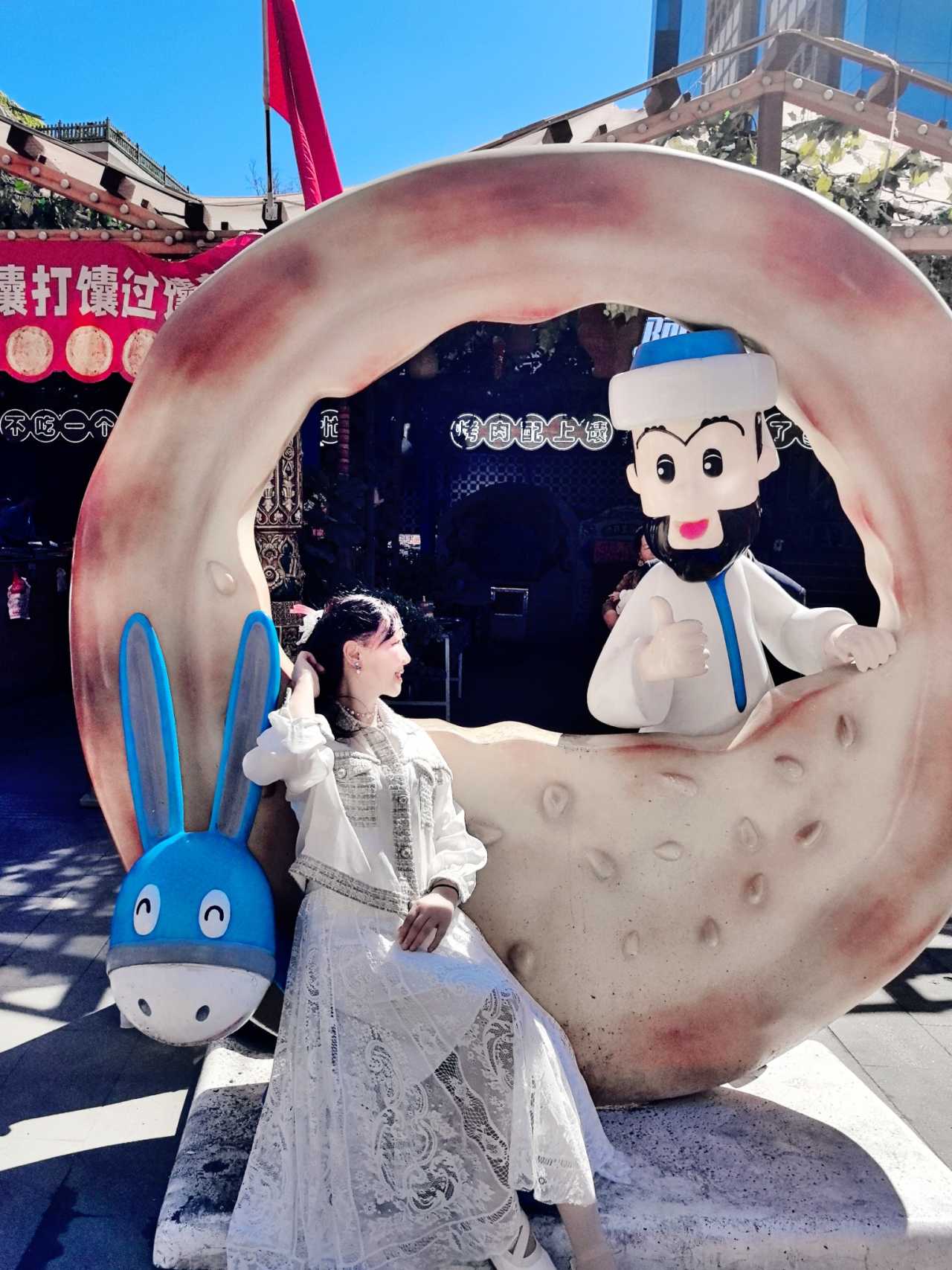 Xinjiang International Grand Bazaar
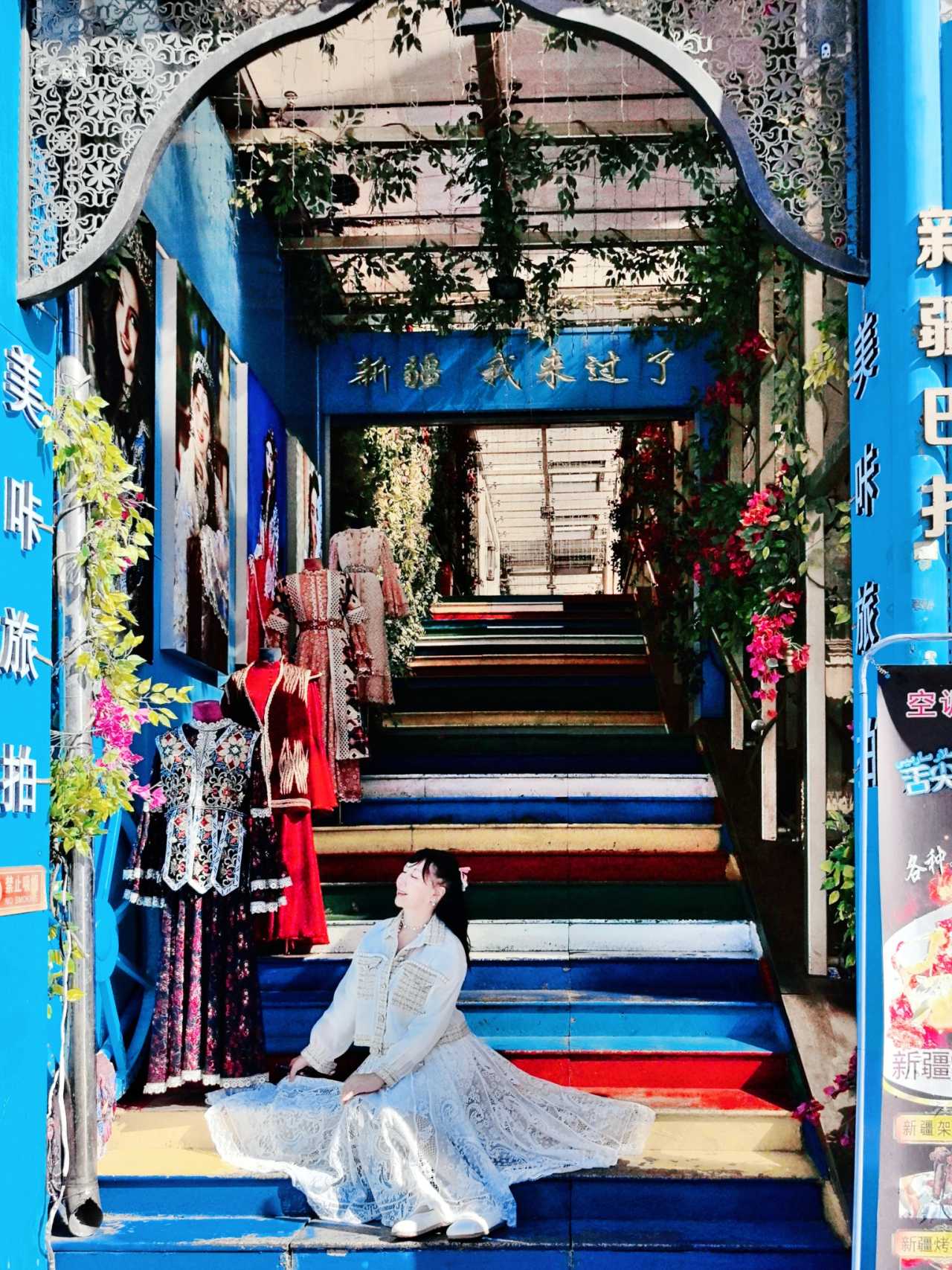 Xinjiang International Grand Bazaar
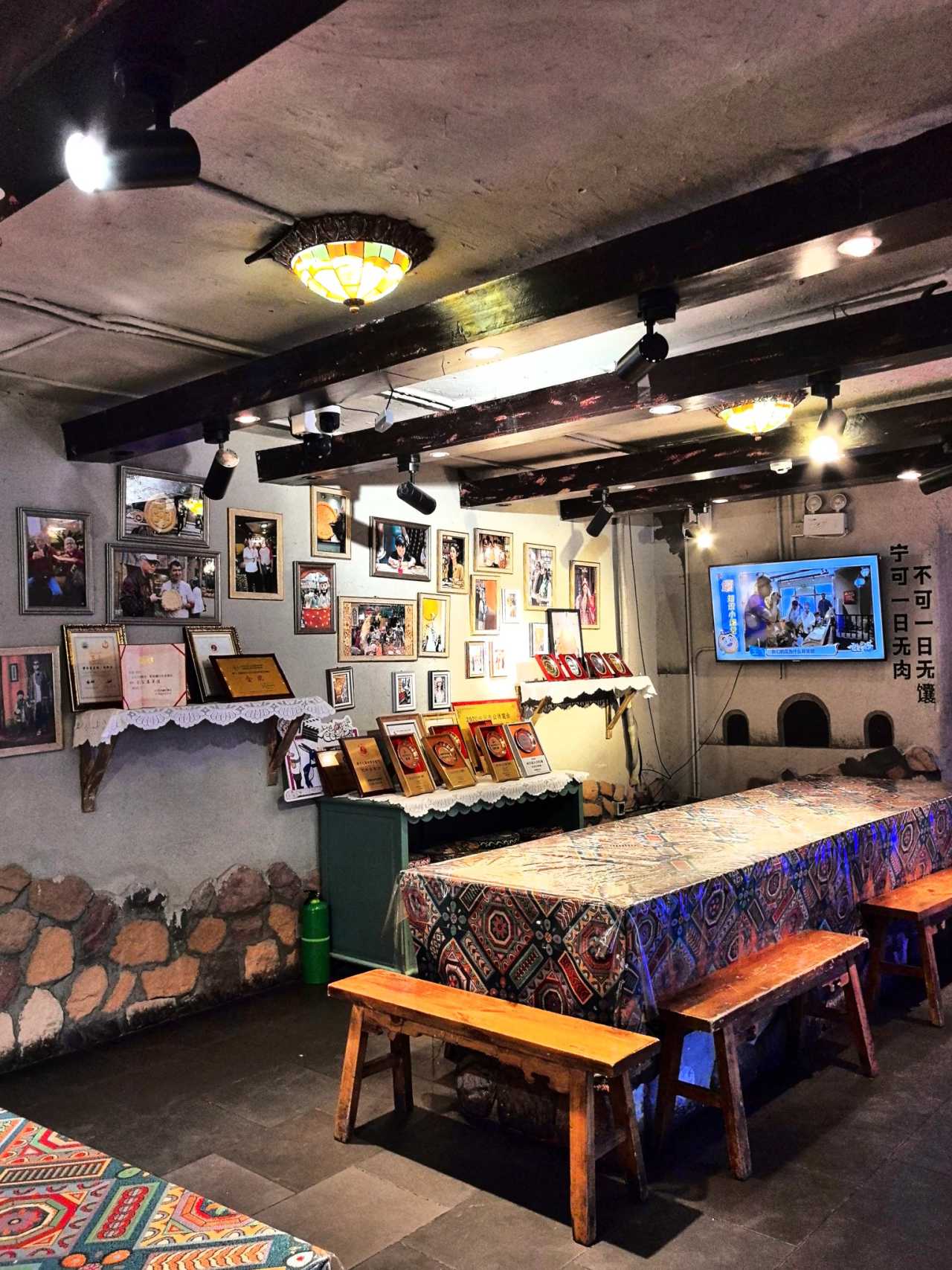 Xinjiang International Grand Bazaar
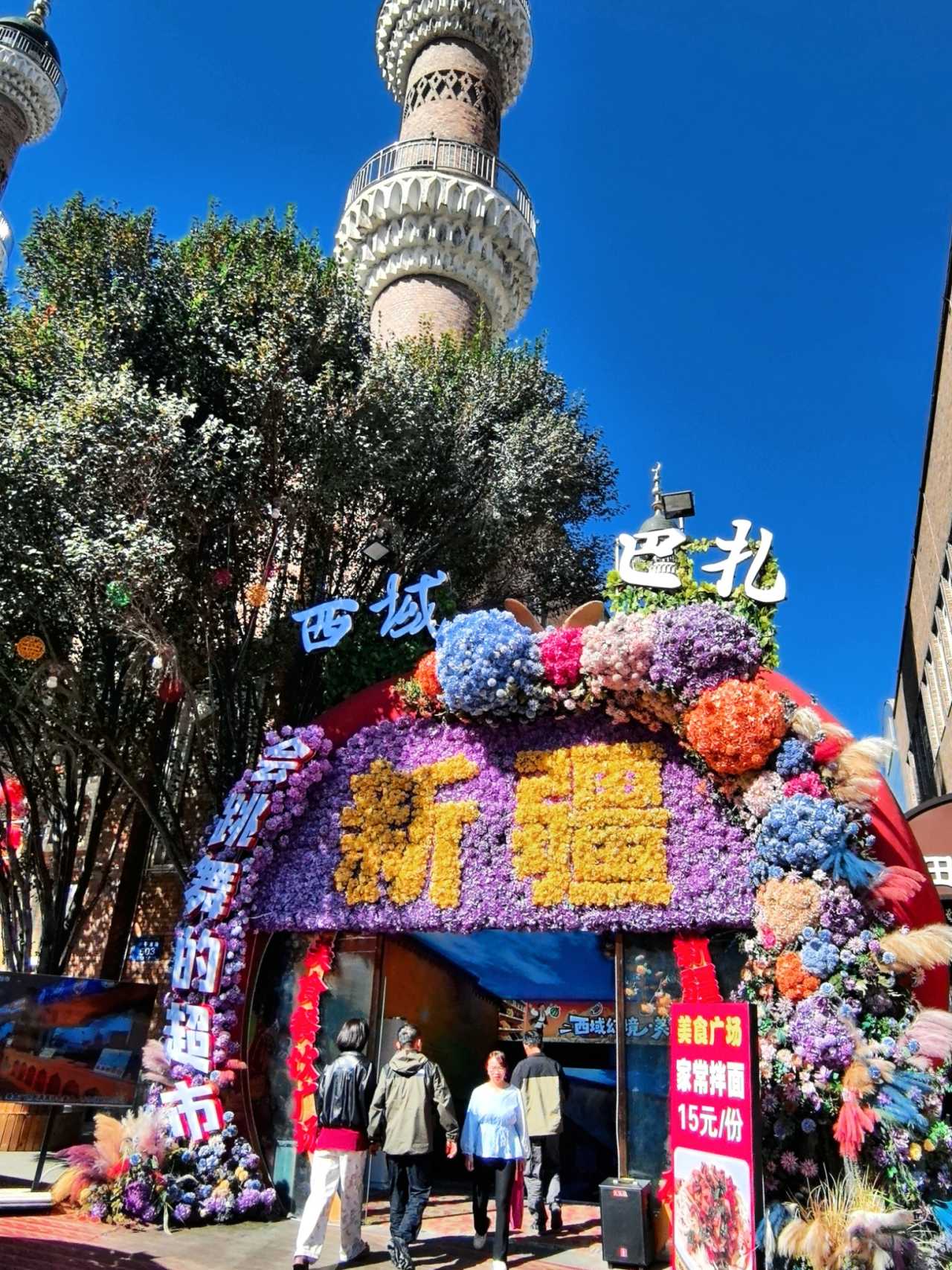 Xinjiang International Grand Bazaar
At 4 pm, the Urumqi Ruopu Hotel sent us to the airport, where we met the tour guide and group members. After boarding at 19:05, we began the long flight from dusk to night.
We landed at 1:10 am Beijing time (21:10 local time), with a 4-hour time difference. Due to the tour guide's phone being out of credit, our "rendezvous" with the driver became a small episode. Following the prompts from helpful passersby who made phone calls, we looked for the car with license plate ending in 370 in the parking lot, and were finally recognized by the enthusiastic driver. At 22:10, we arrived at the Biography City Hotel (15 Bezhan Karadze Street), exhausted but with the freshness of arriving in a foreign country, we fell asleep immediately.
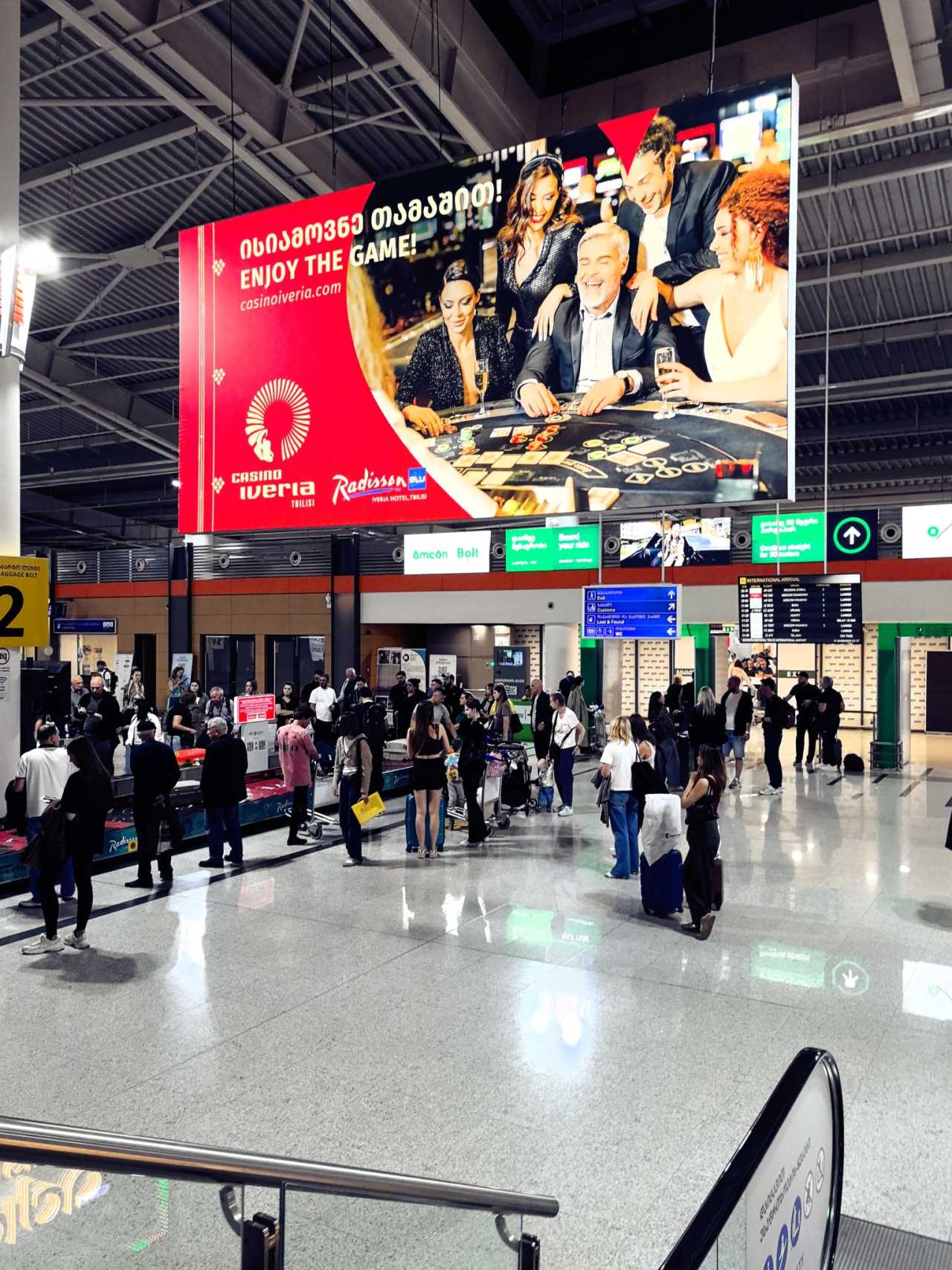 Tbilisi International Airport
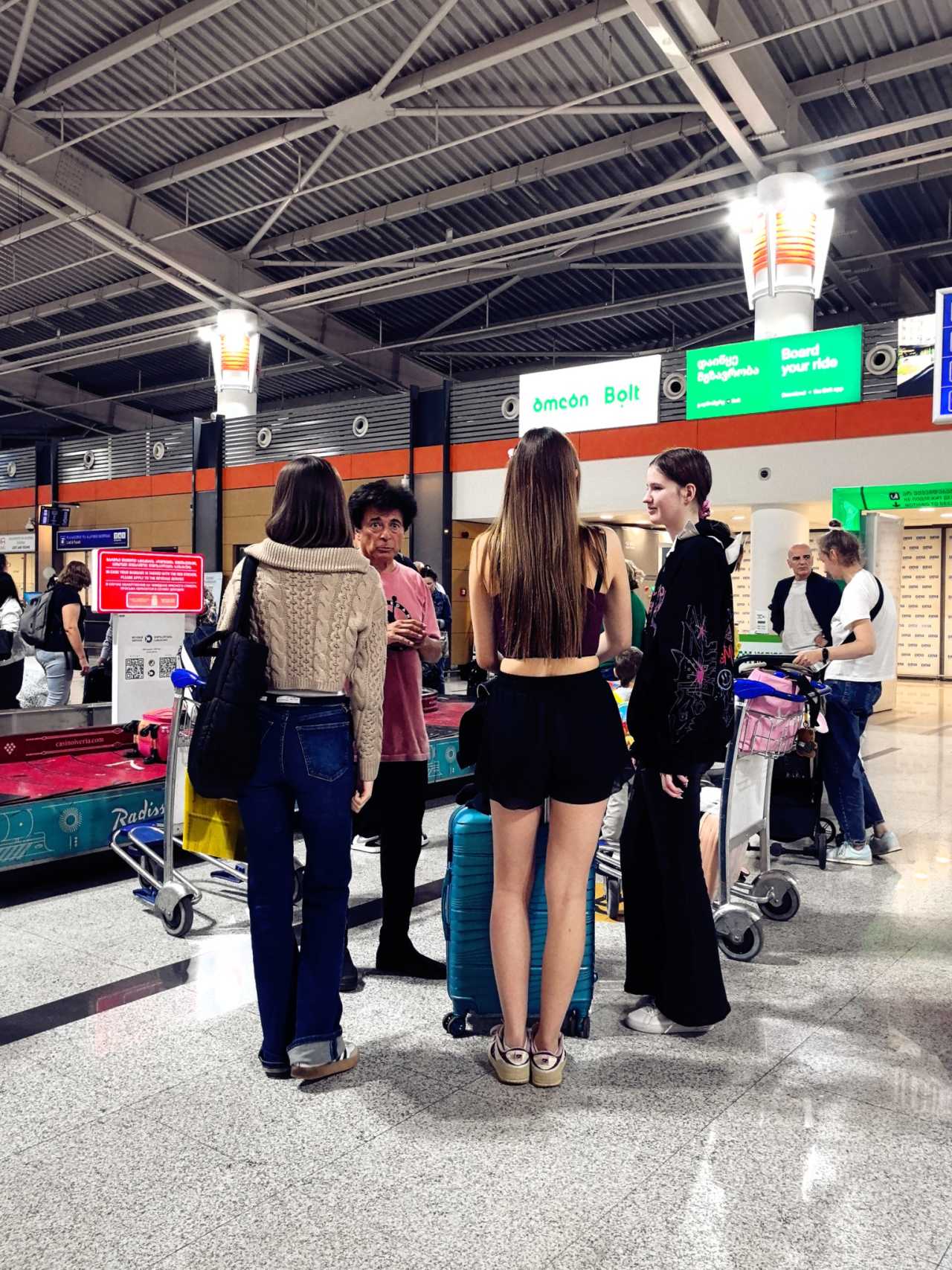 Tbilisi International Airport
I. Georgia, Hiding the Gentleness of Europe and Asia
As the starting point and main stop of the Caucasus three-country journey, Georgia has both the grandeur of the Greater Caucasus Mountains and the fireworks of old town alleys, from religious holy sites to wine estates, each place exuding unique historical texture.
Georgia (Georgia) is located in the west-central part of the South Caucasus. It borders Russia to the north, Azerbaijan and Armenia to the southeast and south, Turkey to the southwest, and the Black Sea to the west. With a total area of 69,700 square kilometers and a population of 3.914 million, it is mainly Georgian, with Georgian as the official language, and most residents understand Russian. Georgia is an agriculture and animal husbandry-based country, with Tbilisi as its capital. The currency is the "Lari (Lari)".
We stayed in Georgia for 4 days and 5 nights, with the following itinerary:
September 5: Visited St. Nino's Monastery Bodbe, Sighnaghi town,
September 8: Sword Mountain, Svetitskhoveli Cathedral, Jvari Cross Monastery, Ananuri Castle, Russian-Georgian Friendship Monument, Kazbegi town
September 9: Kazbegi Holy Trinity Church, Gori Stalin Museum, Narikala Fortress,
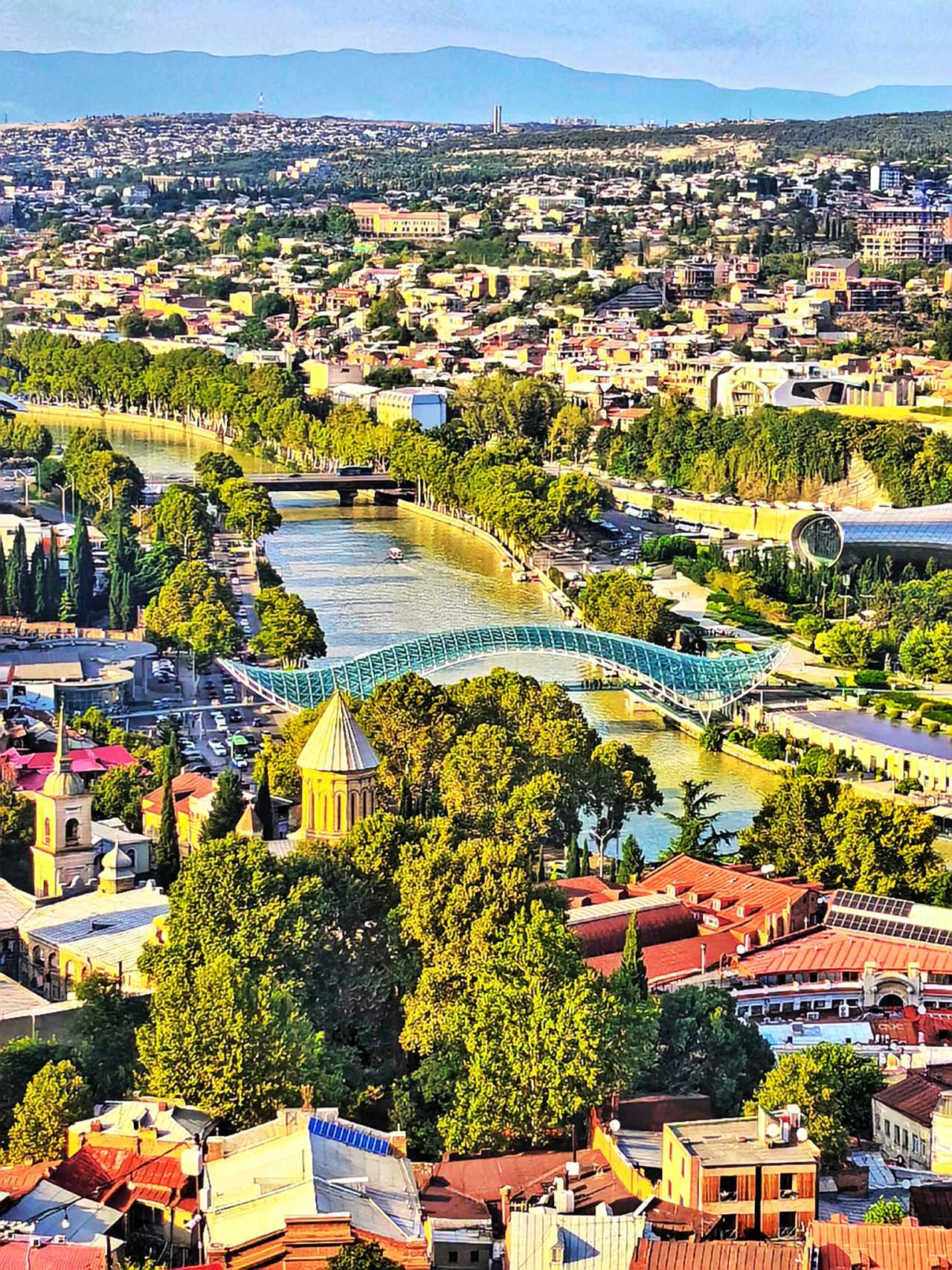
September 10: Tbilisi Holy Trinity Cathedral, Dry Bridge Flea Market, Puppet Clock Tower, Peace Bridge
Accommodation: Biography City Hotel for 2 nights, AFISHA Hotel, Kazbegi Mountain Home Hotel, Radisson Hotel, etc.;
Dining: Beijing Restaurant, Sighnaghi Cliff Restaurant, Naphei Winery, Kazbegi Mountain Home Hotel, Gori Sports Cafe, Tbilisi Hongrun Restaurant, etc.
1. St. Nino's Monastery and Sighnaghi Town
After breakfast at 8:00 am, our group of 8 took a Mercedes Sprinter 14-seat business vehicle (we used this vehicle in both Georgia and Armenia) and departed at 9:30 for St. Nino's Monastery Bodbe. Located in Bodbe Village, Sighnaghi Region, Kakheti, Georgia, it is an important religious holy site and tourist attraction in Georgia. We arrived after a 2-hour drive.
【St. Nino's Monastery (Bodbe Monastery)】
The monastery was built in the 9th century and rebuilt in the 17th century to commemorate St. Nino who led Georgia to convert to Christianity. Her remains are buried in the monastery, which is also one of the early development sites of Christianity in Georgia.
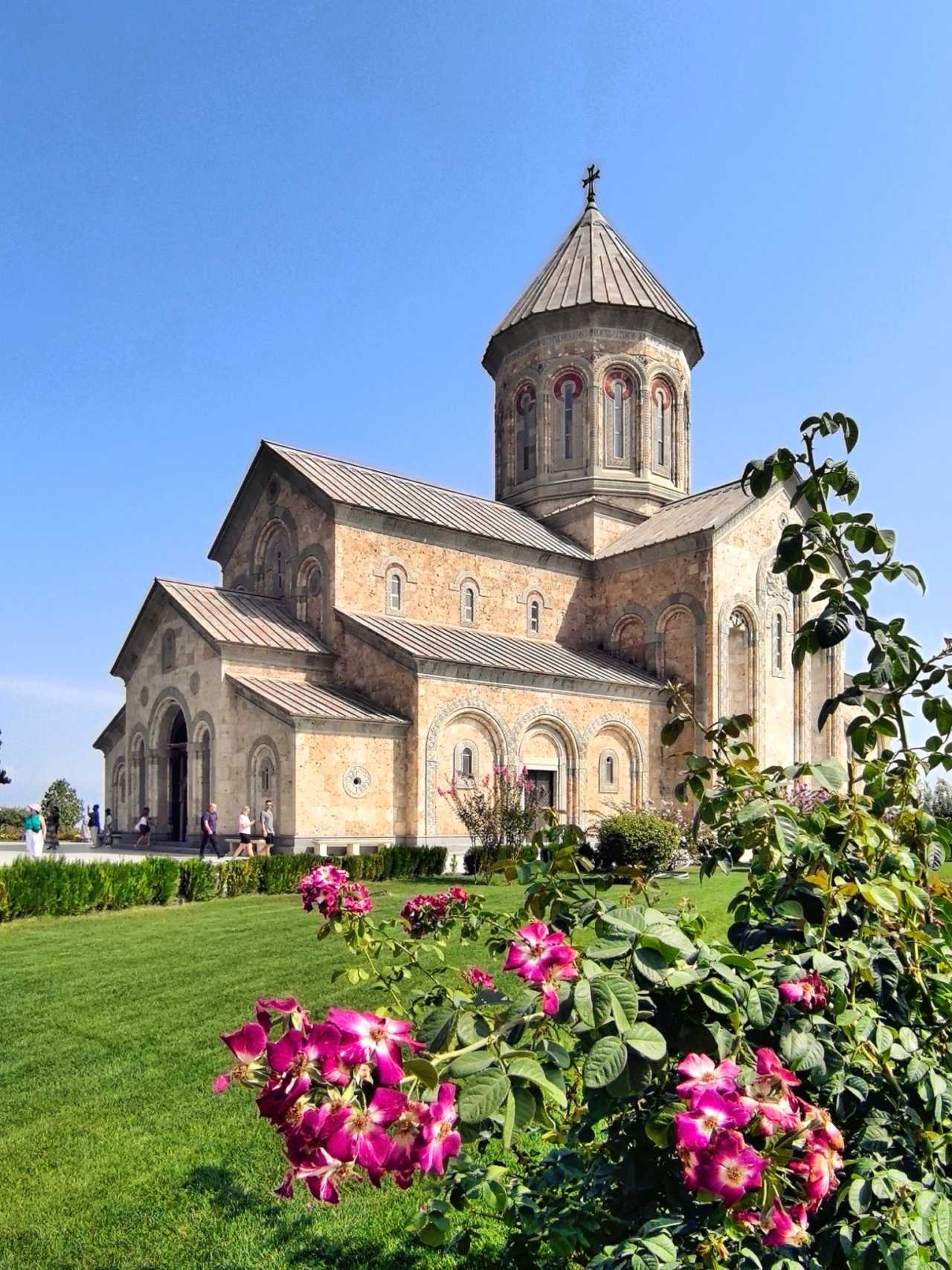
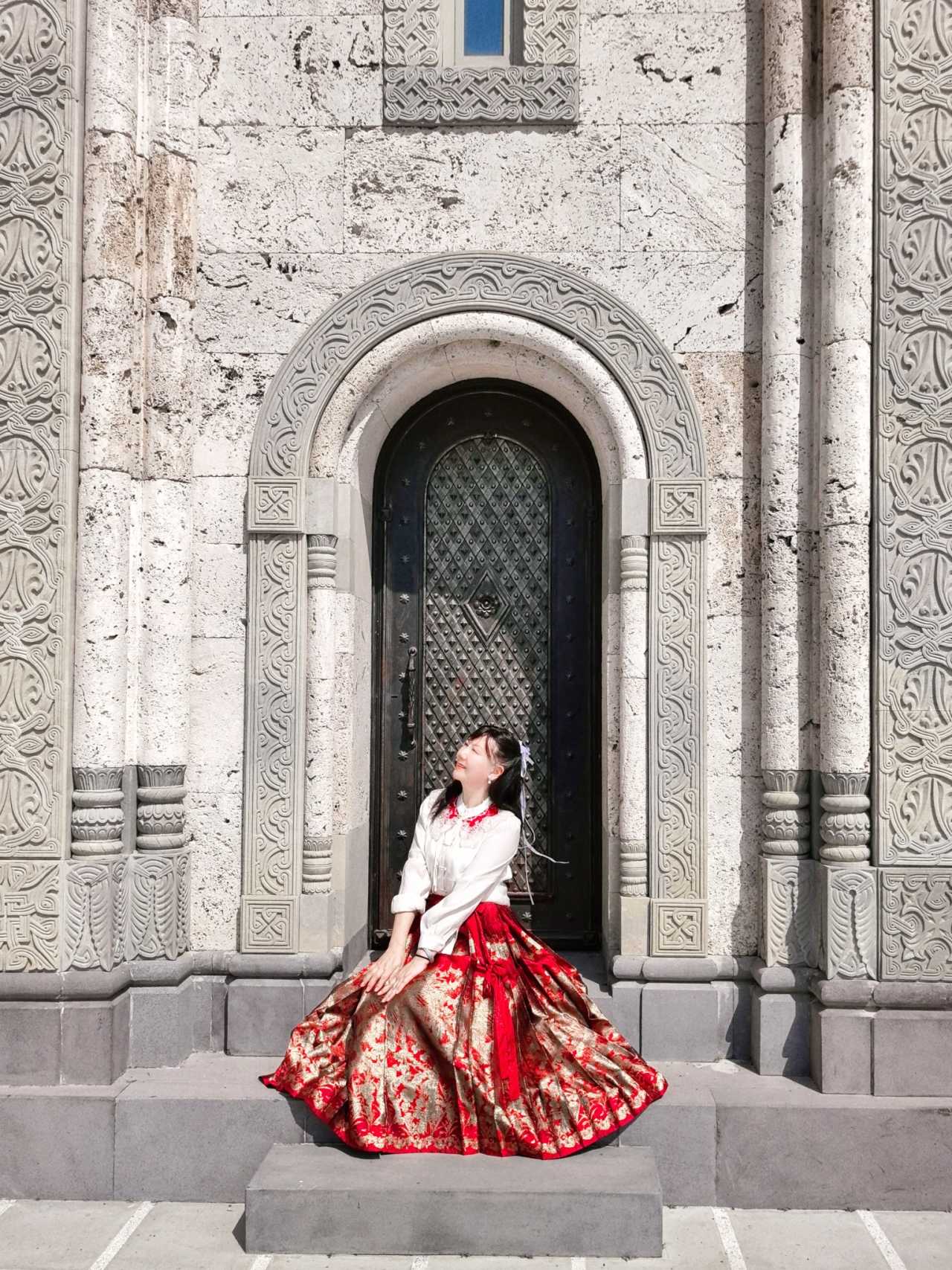
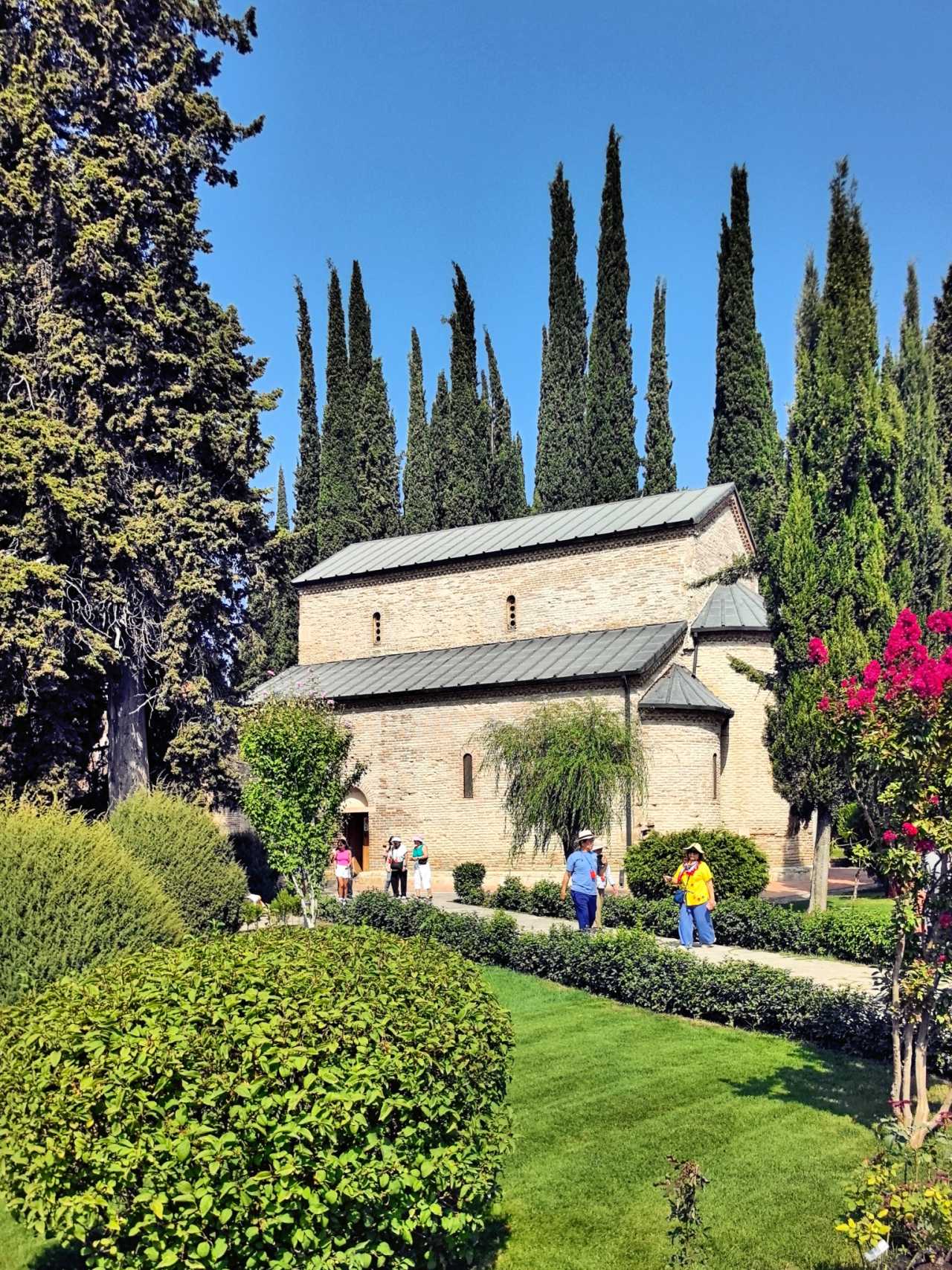
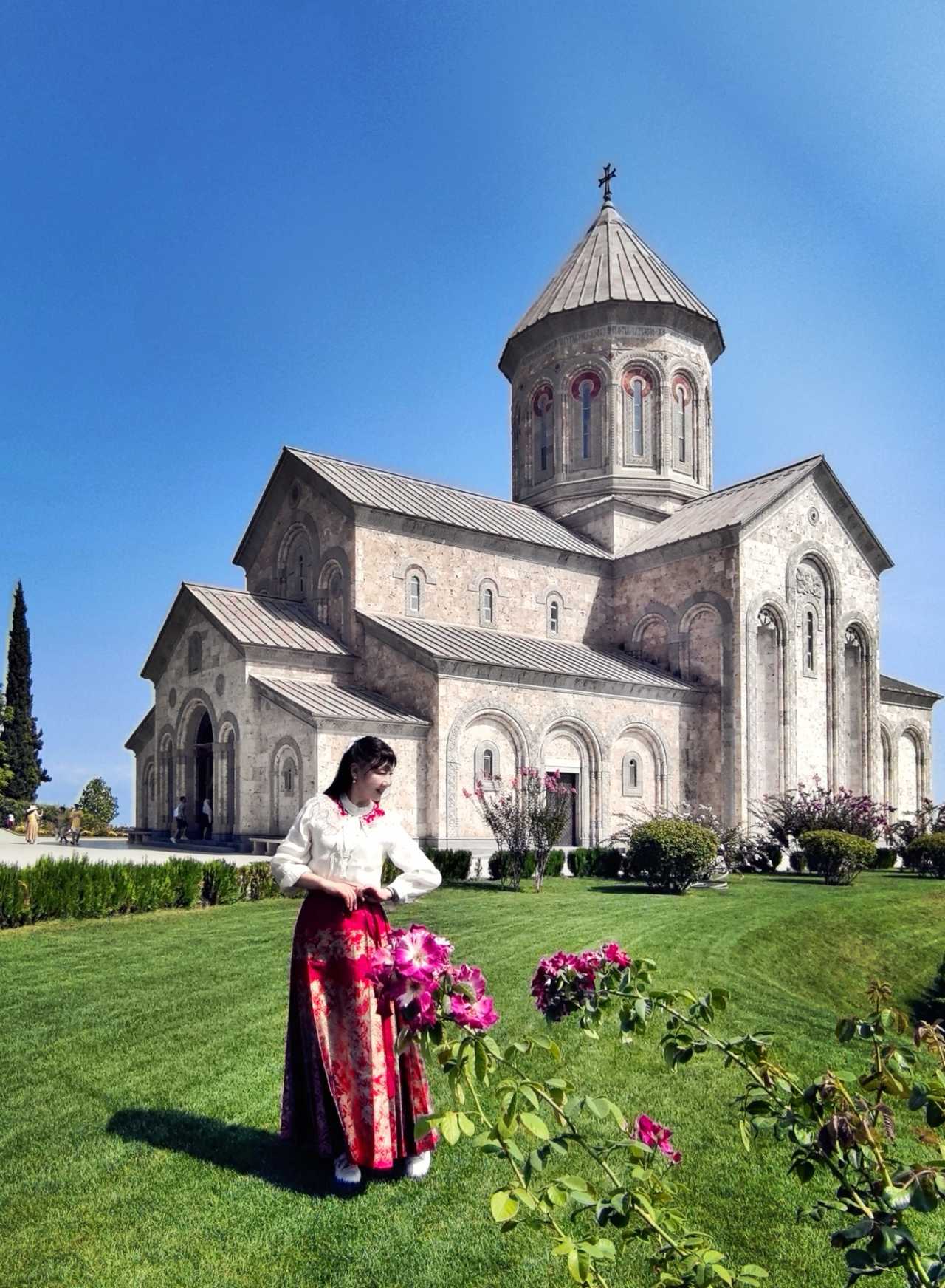
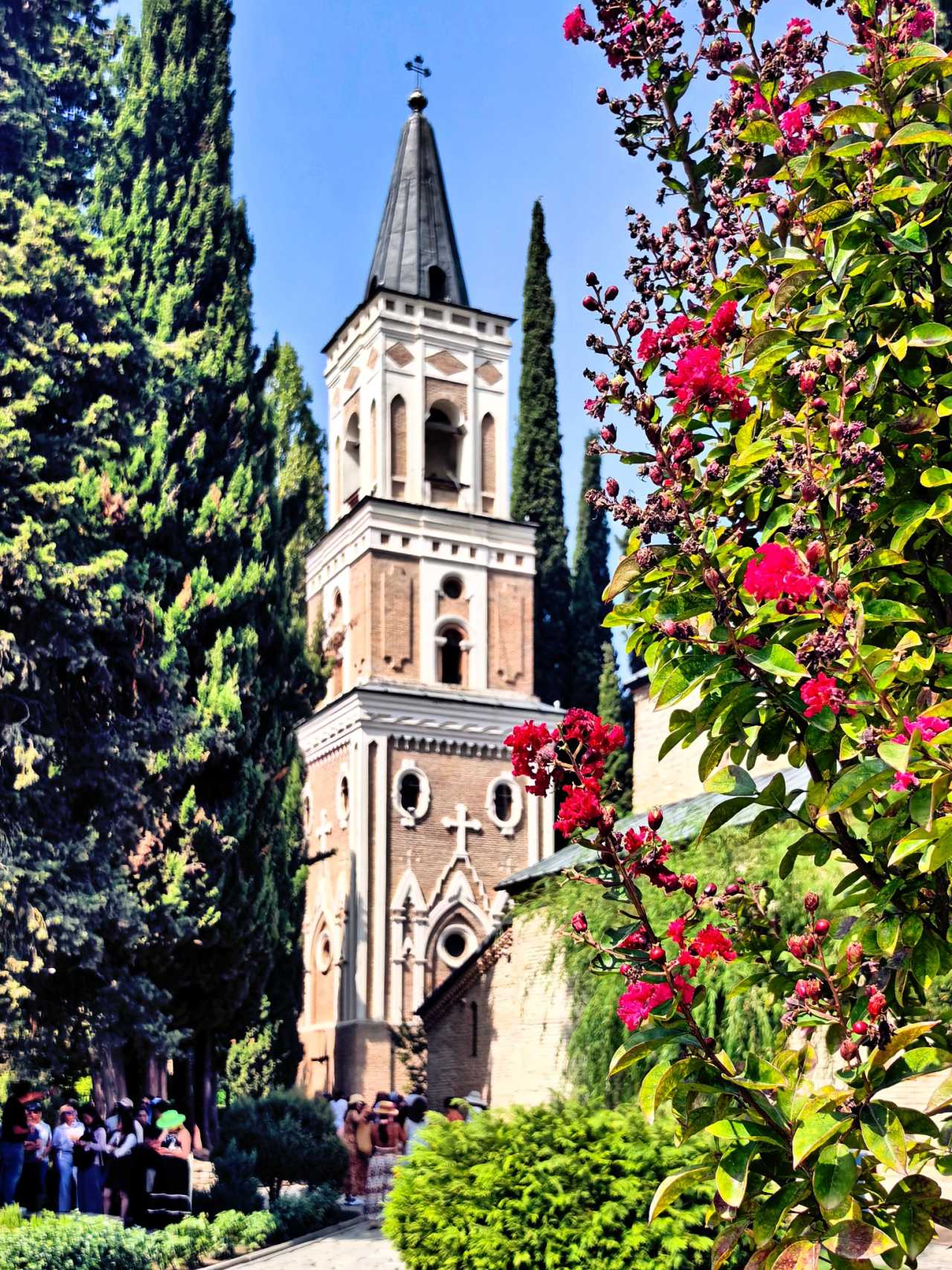
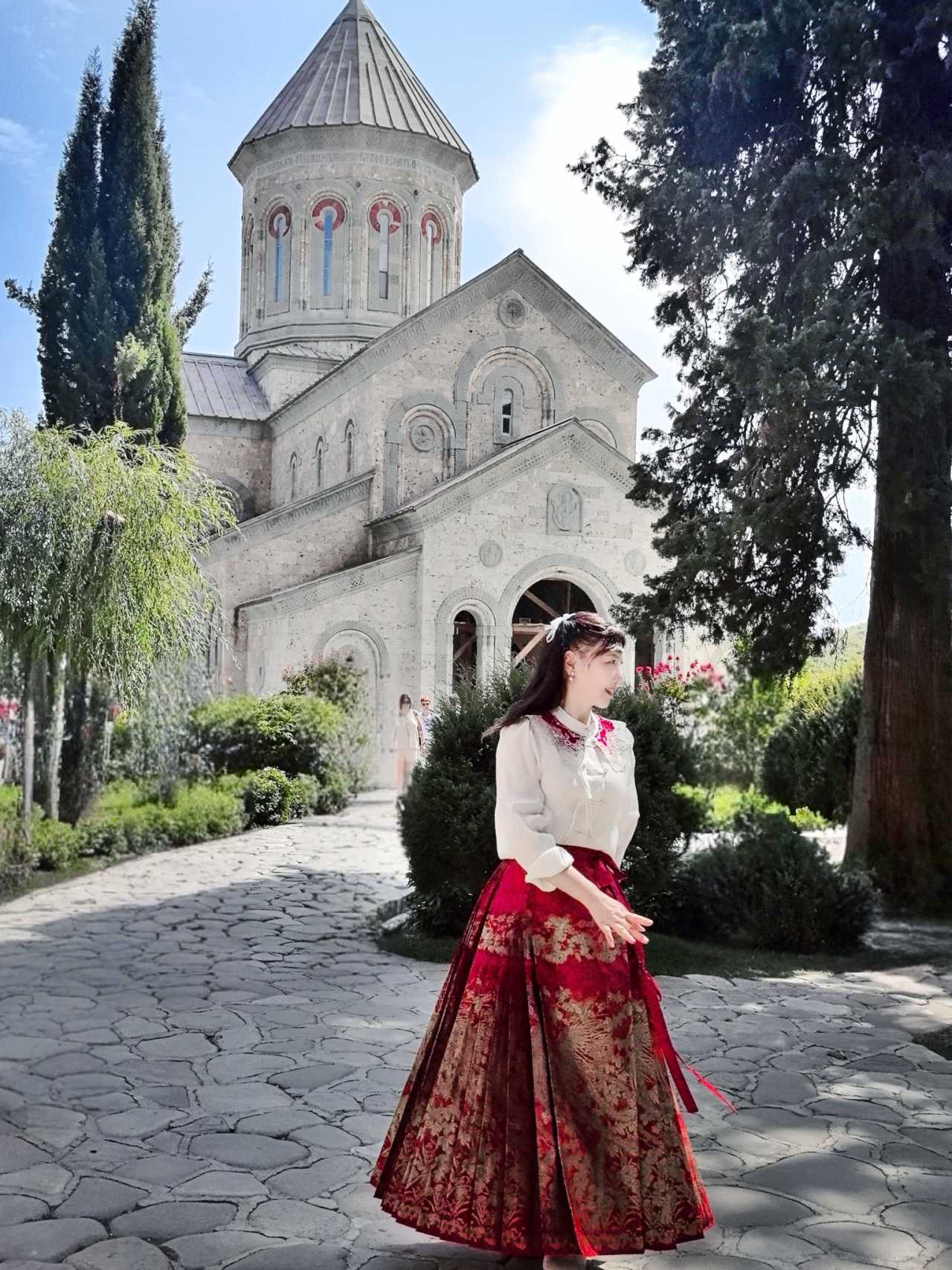
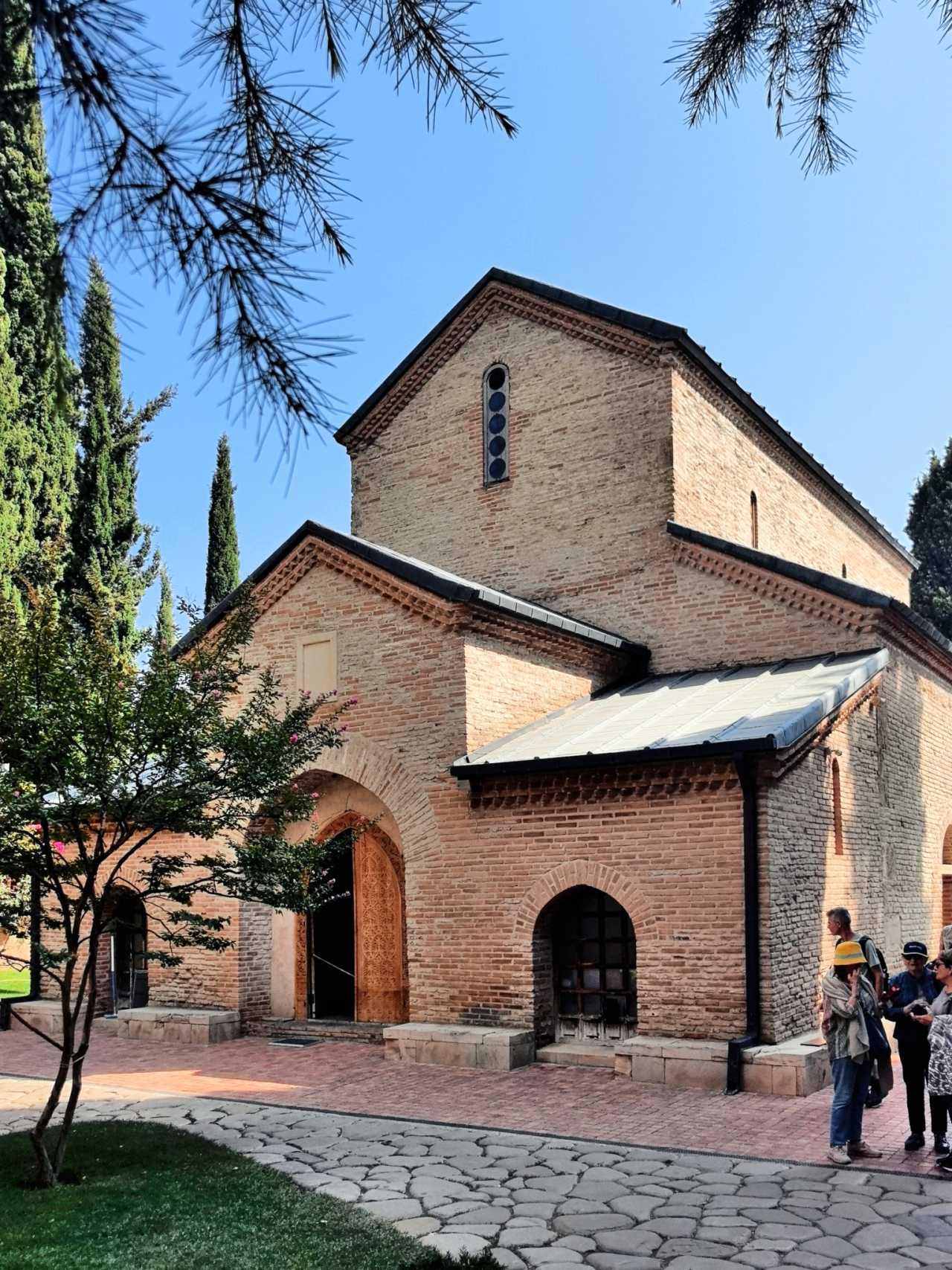
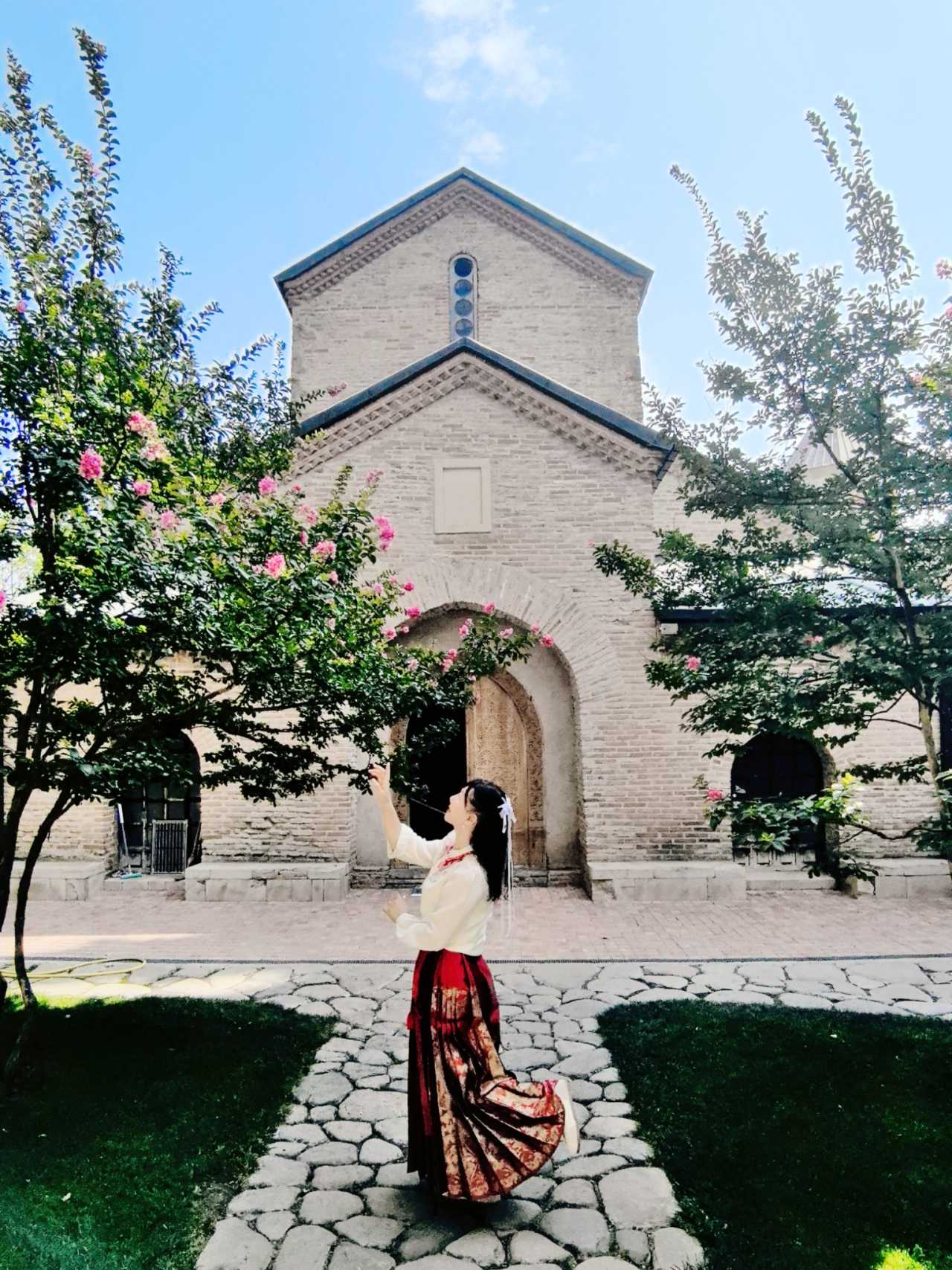
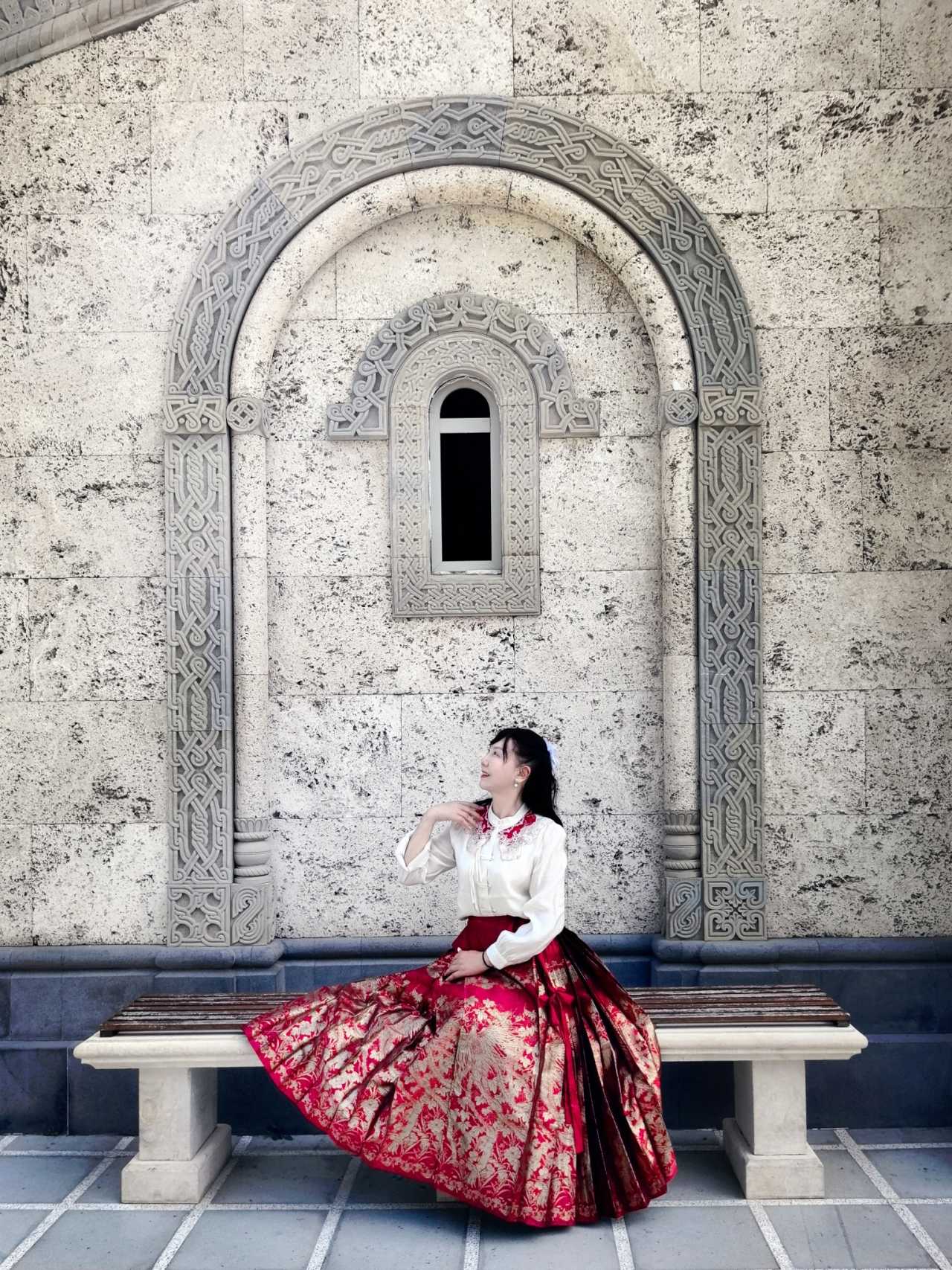
The monastery is located on a steep hillside, with buildings constructed along the mountain, divided into upper, middle, and lower levels. The highest level is the main St. George's Cathedral. There is also an ancient Orthodox chapel inside, with numerous frescoes depicting stories about St. Nino on the walls. Photography is not allowed in the monastery, and silence must be maintained. We followed the locals in line to see the burial site of St. Nino's remains, where locals pray and make wishes.
The monastery's landscaping is very beautiful, with lush grass and trees, filled with flower beds, shrubs, and vineyards. From here, you can overlook the Alazani Valley beneath the Greater Caucasus Mountains, with beautiful scenery.
Opening hours: 10:00-18:30, Admission: Free. The monastery is 3 kilometers from Sighnaghi town and can be reached by walking, taxi, or self-driving from Sighnaghi.
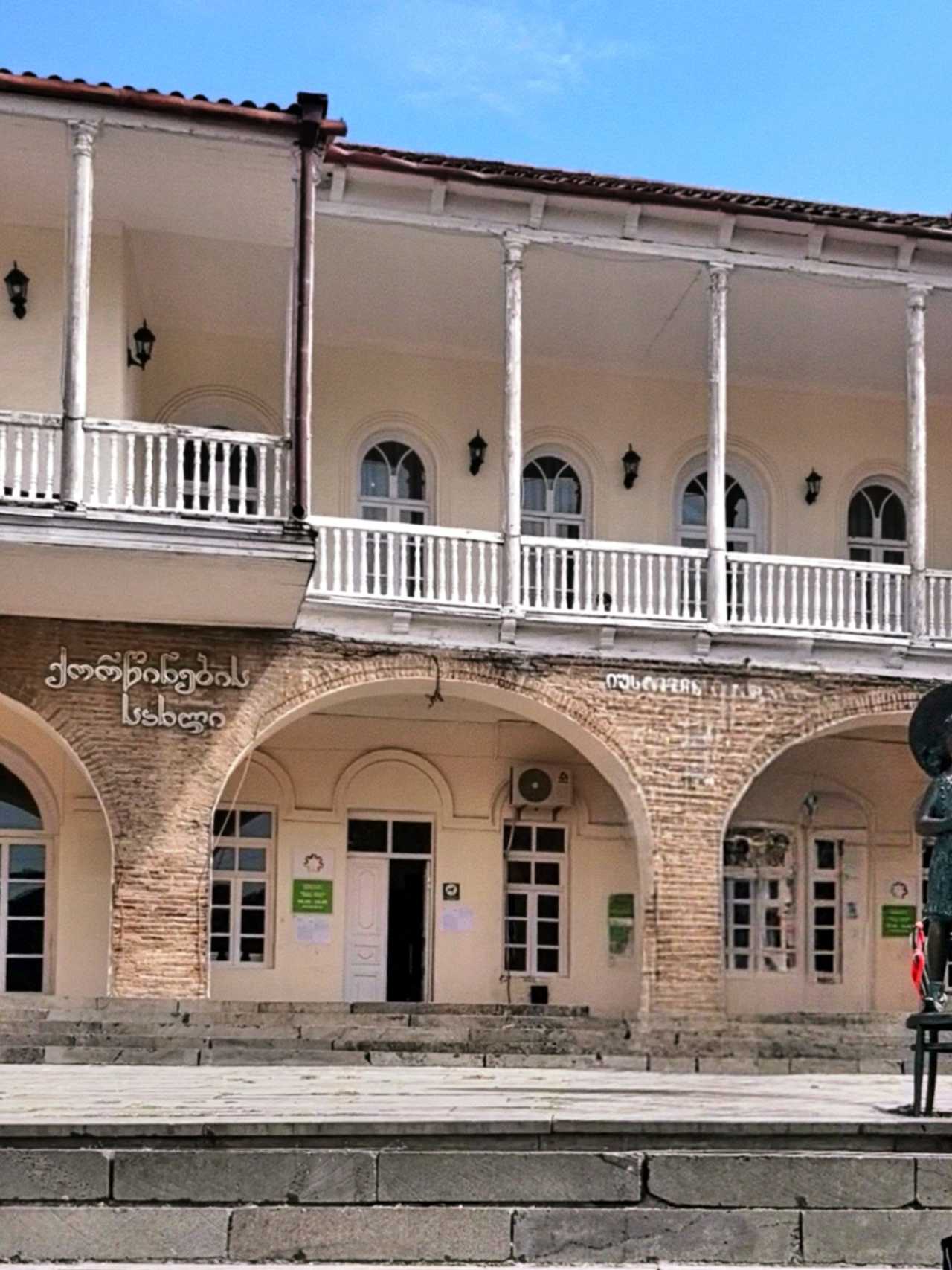 Sighnaghi
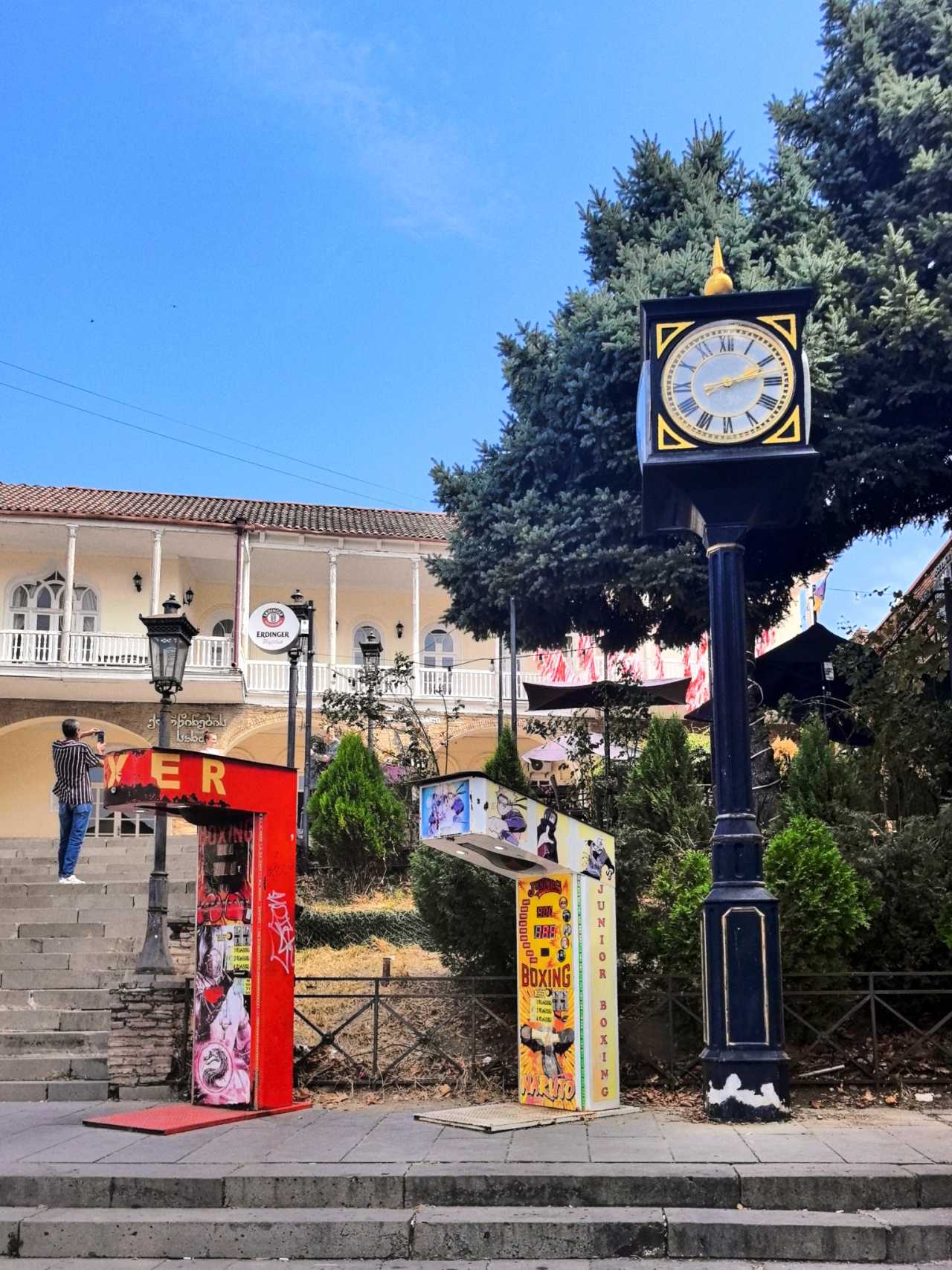 Sighnaghi
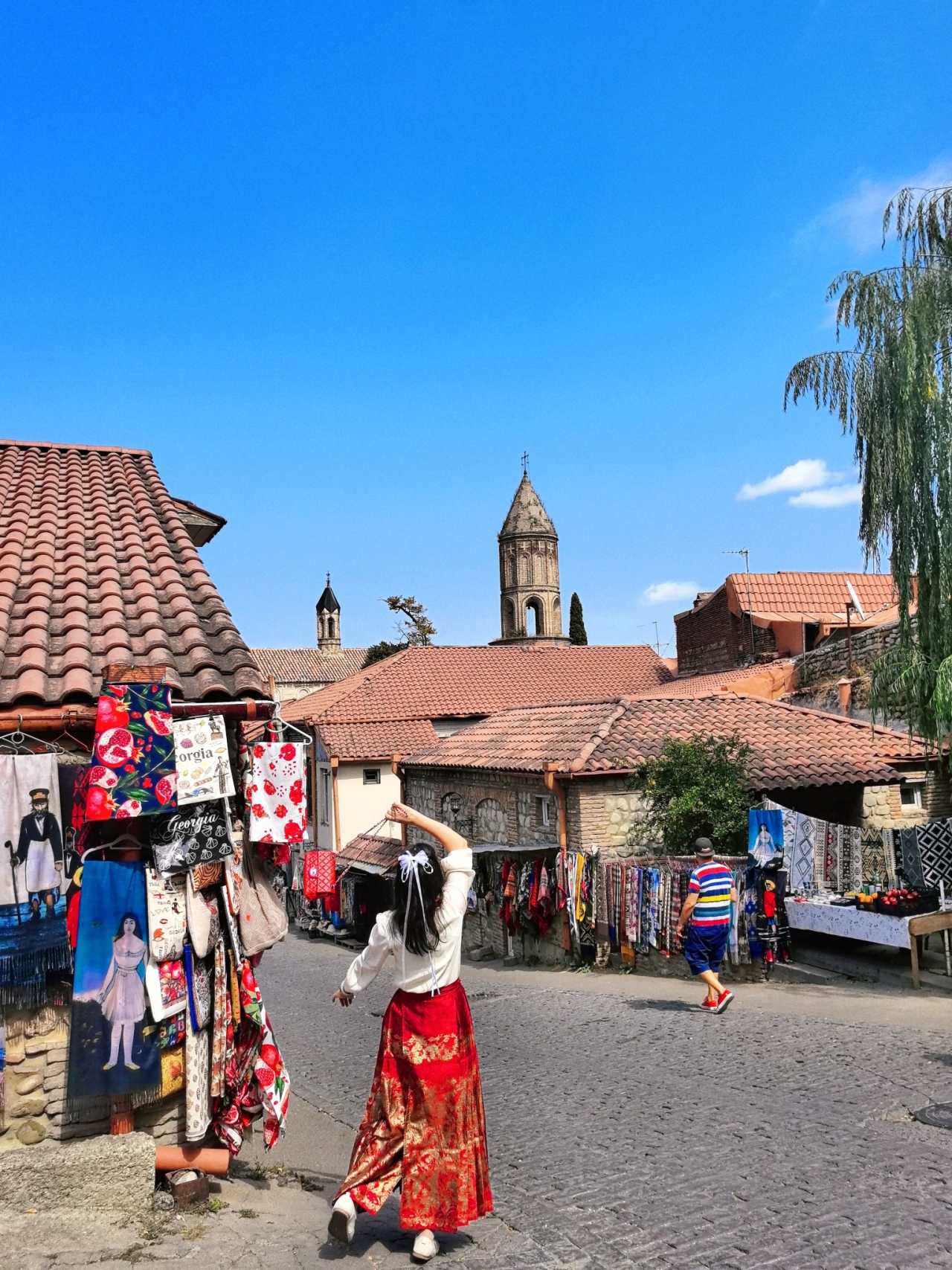
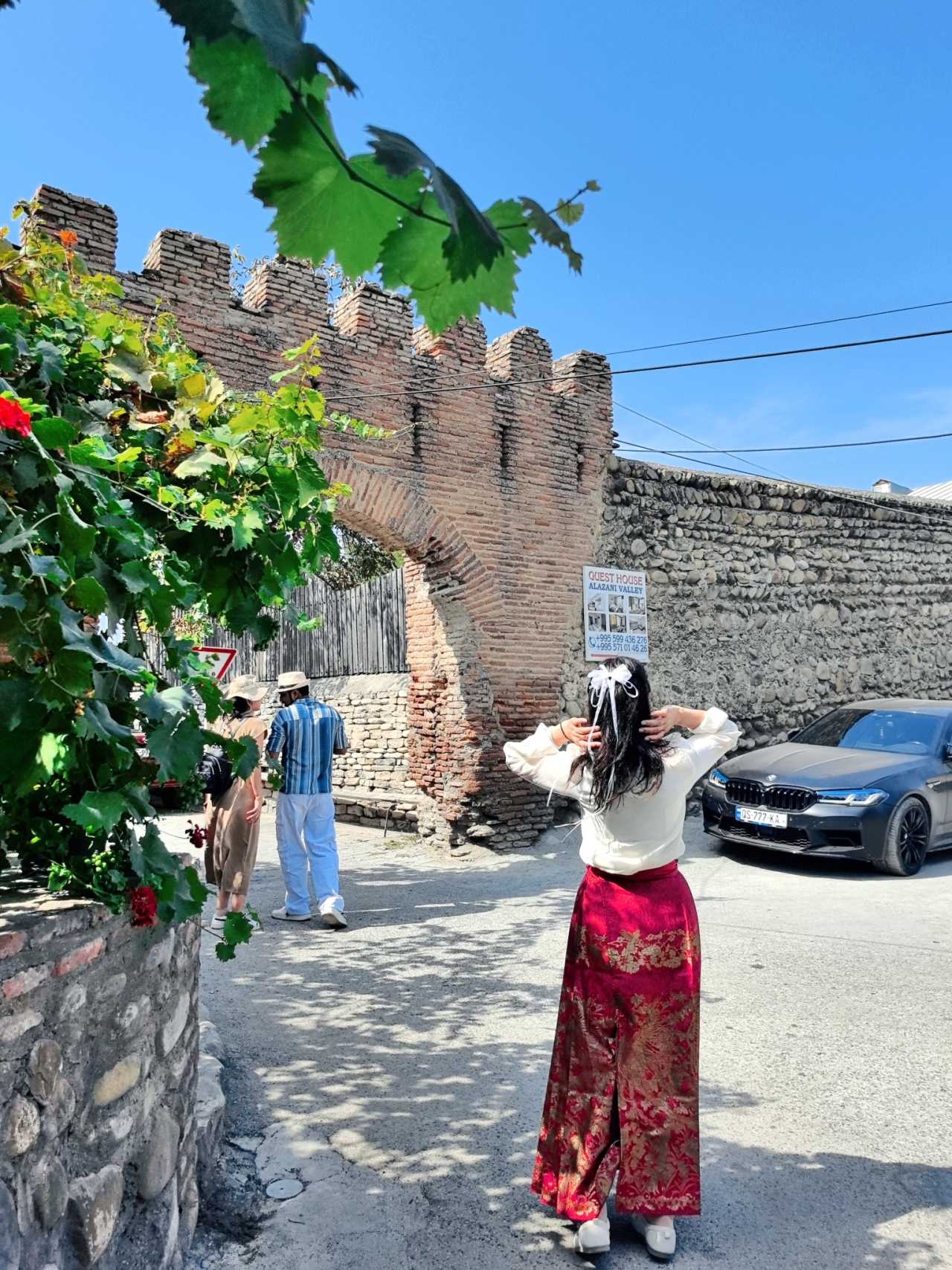
Sighnaghi Old City was built by King Erekle II in the 18th century as a defensive fortification, with the city wall extending along the mountain. There are 6 remaining gates. It once served as an important node in Georgia's Great Wall system, resisting Persian and Ottoman invasions. Now, residential areas have gradually formed within the walls, developing into a religious and commercial center combined with wine trade.
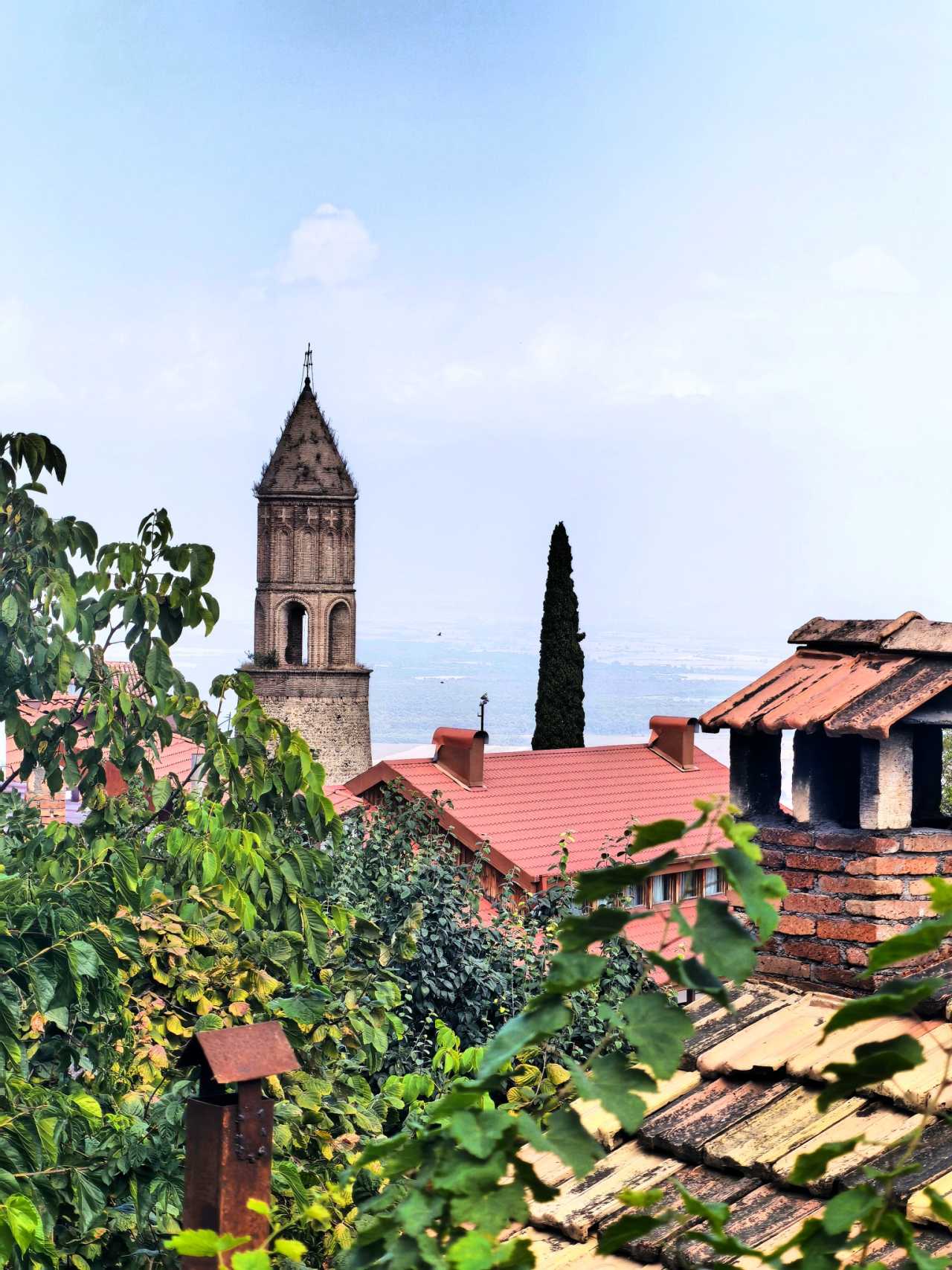
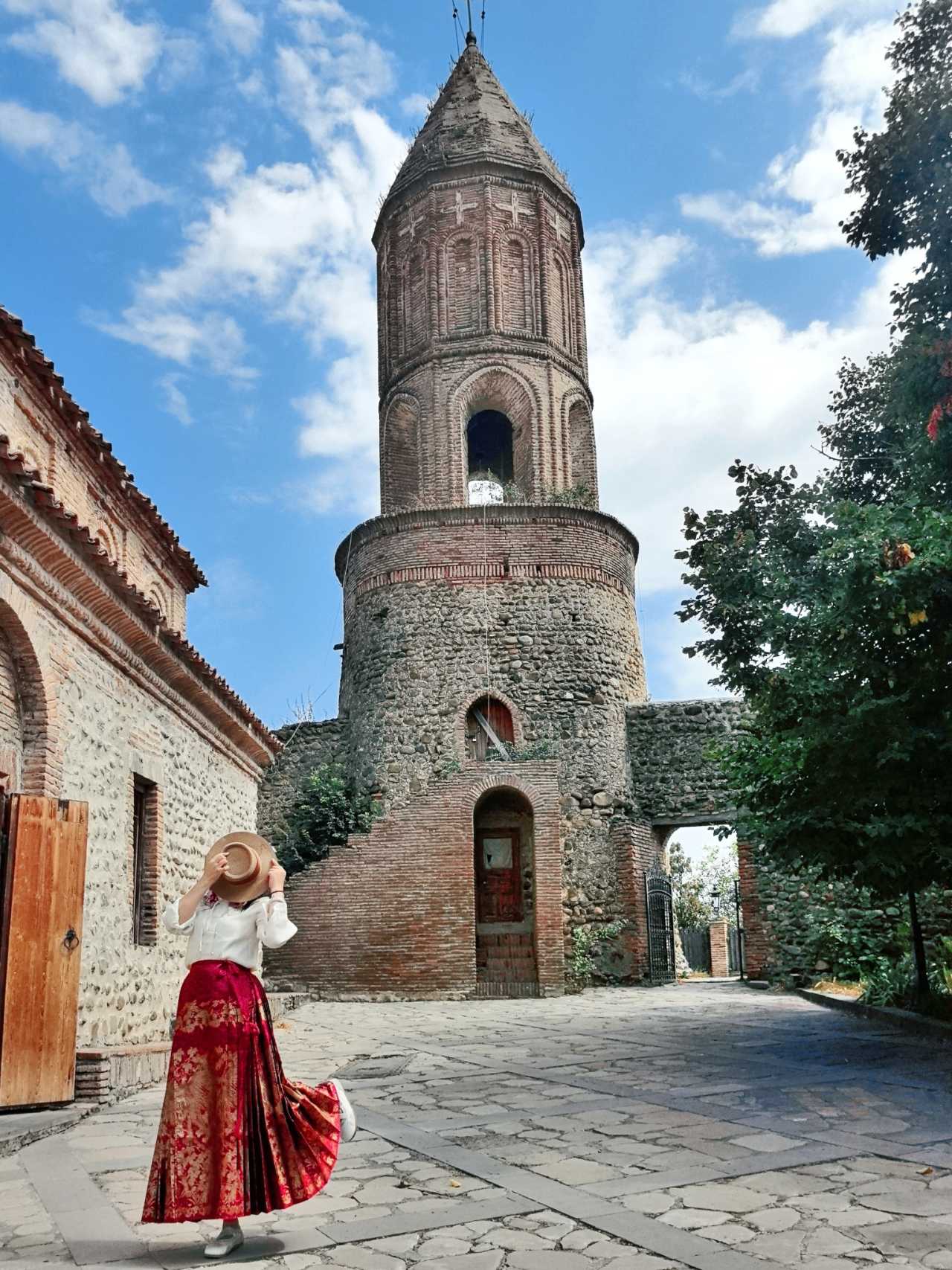
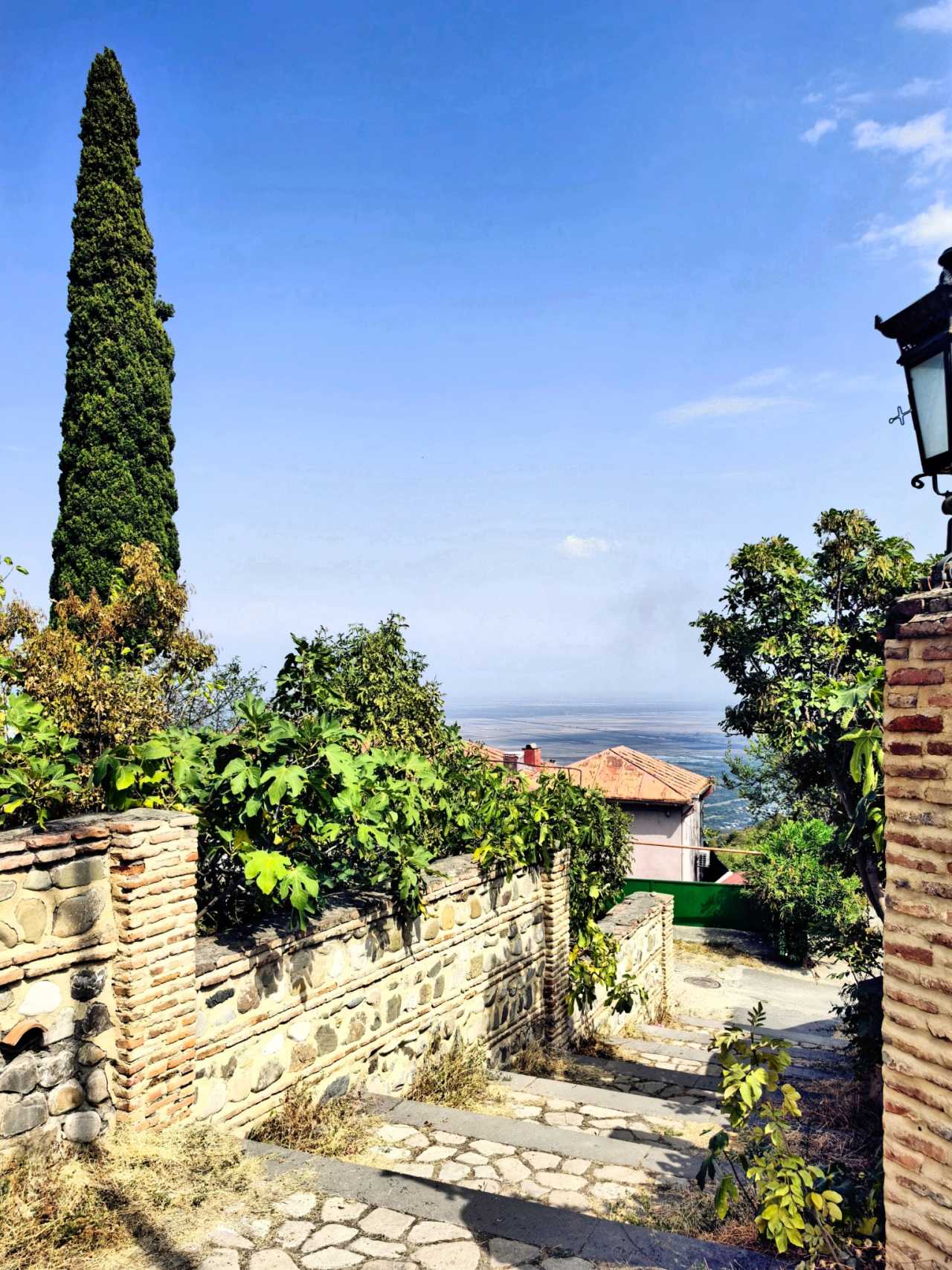
The town is built along the mountain, with red-roofed stone houses scattered along the hillside, streets paved with stone slabs, and colorful flower pots and handicraft shops on both sides; climbing the old city wall, you can overlook the Alazani Valley, with continuous farmland in the distance and an open view.
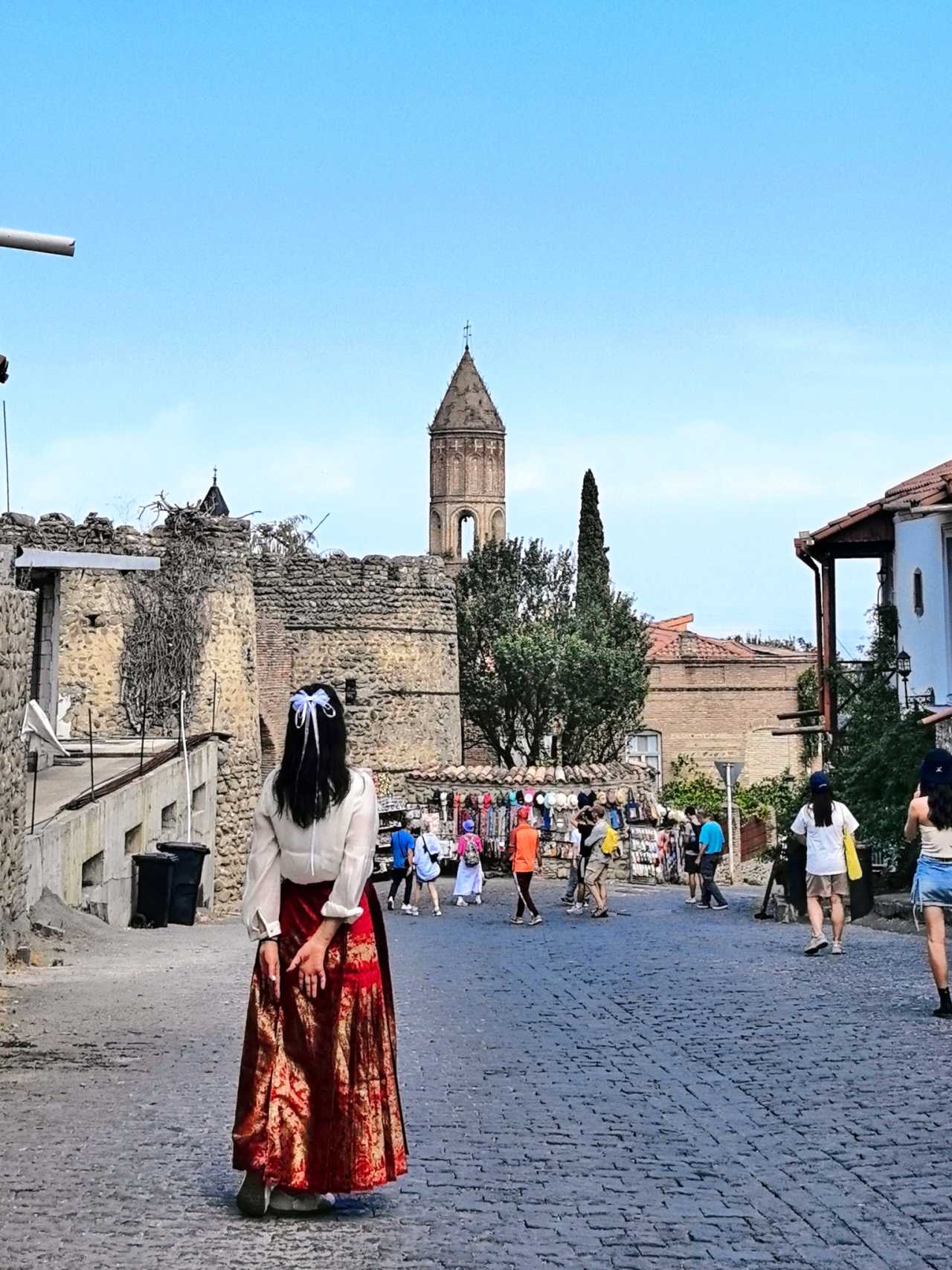 Sighnaghi
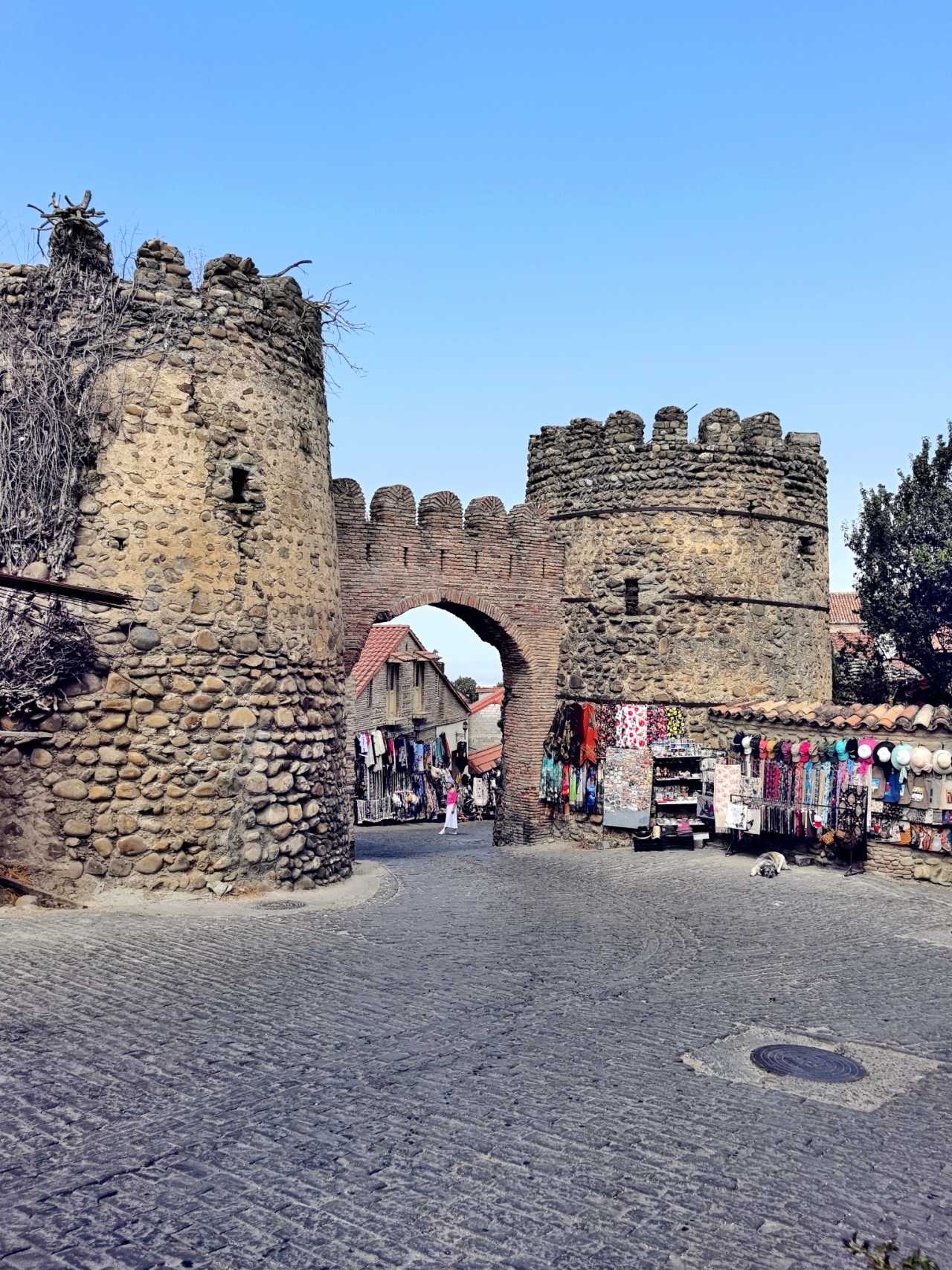 Sighnaghi
 Sighnaghi
 Sighnaghi
 Sighnaghi
 Sighnaghi
 Sighnaghi
 Sighnaghi
 Sighnaghi
At sunset, walking on the orange-red ancient city wall, the magnificent Alazani Valley is fully visible! It's the same shot as the Lonely Planet cover. The corner of the city wall is the best shooting point, where you can capture the church spire.
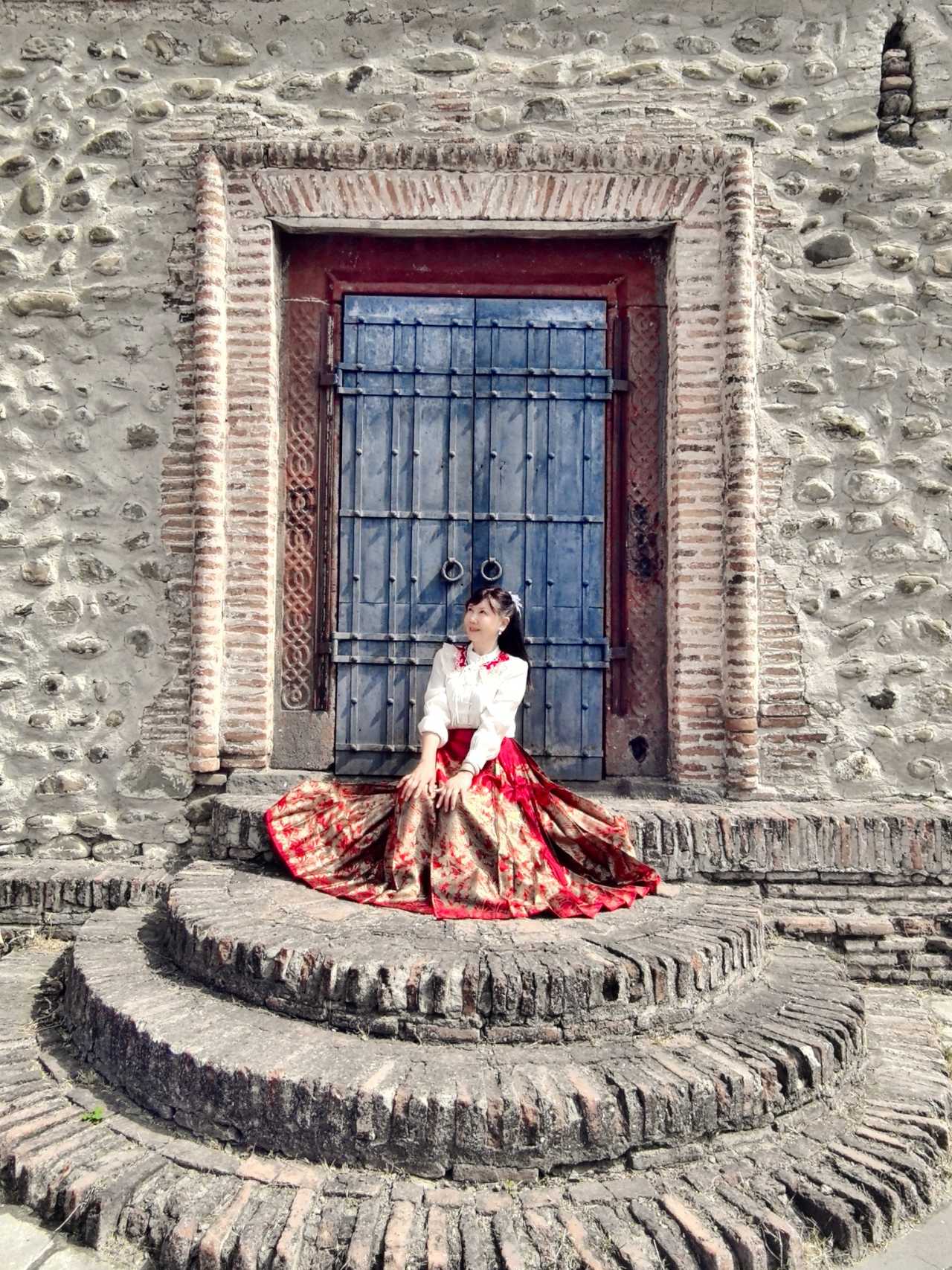
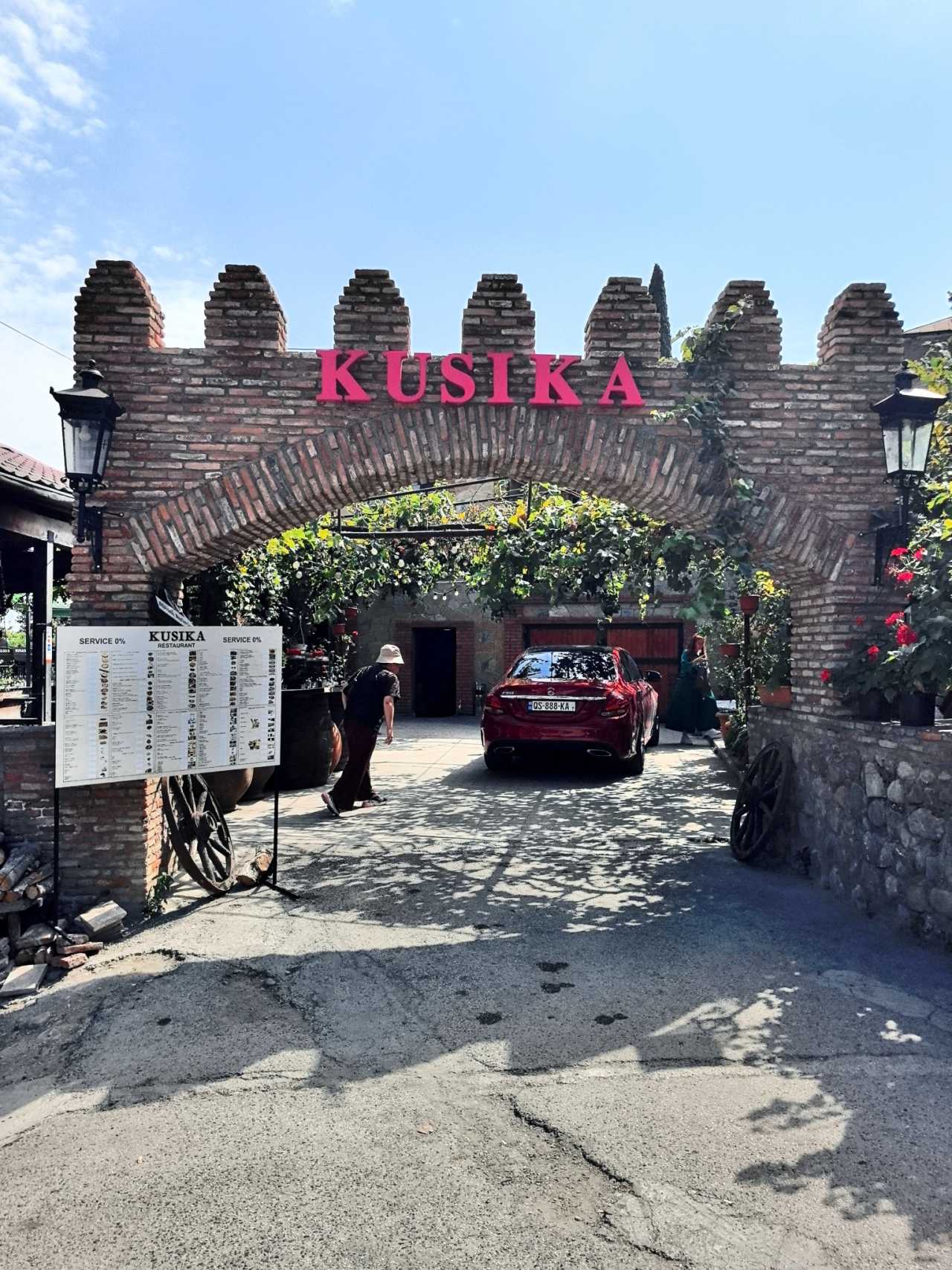
Through kusika, you can visit the vineyard for wine tasting. The town is surrounded by family wine cellars, where you can taste 5 local red wines for 10 US dollars. Wandering in the stone alleyways, candy-colored houses, cast iron balconies, every corner brings surprises. Remember to find the blue wooden door for photos!
Returning to Tbilisi before 17:20, we had dinner at the local Beijing Restaurant and returned to the hotel. The itinerary was not tight and felt very relaxed.
2. A Soul Journey from Snow Mountain Holy Realm to Ancient Castle Churches
In the early morning, we set off in the rain at 8:30, driving 200 kilometers to Kazbegi town. There are 6 scenic spots along the way, so time is relatively tight.
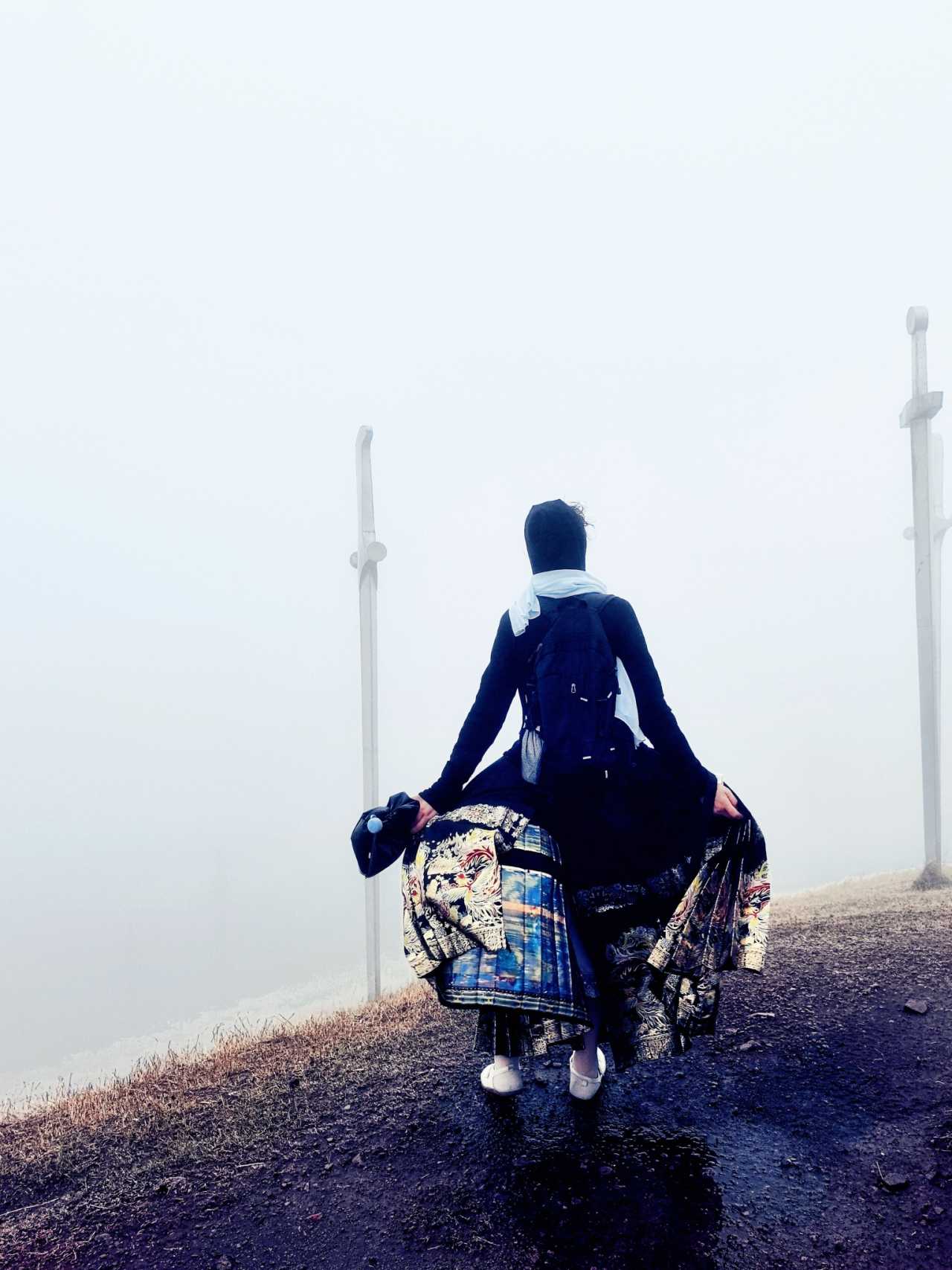
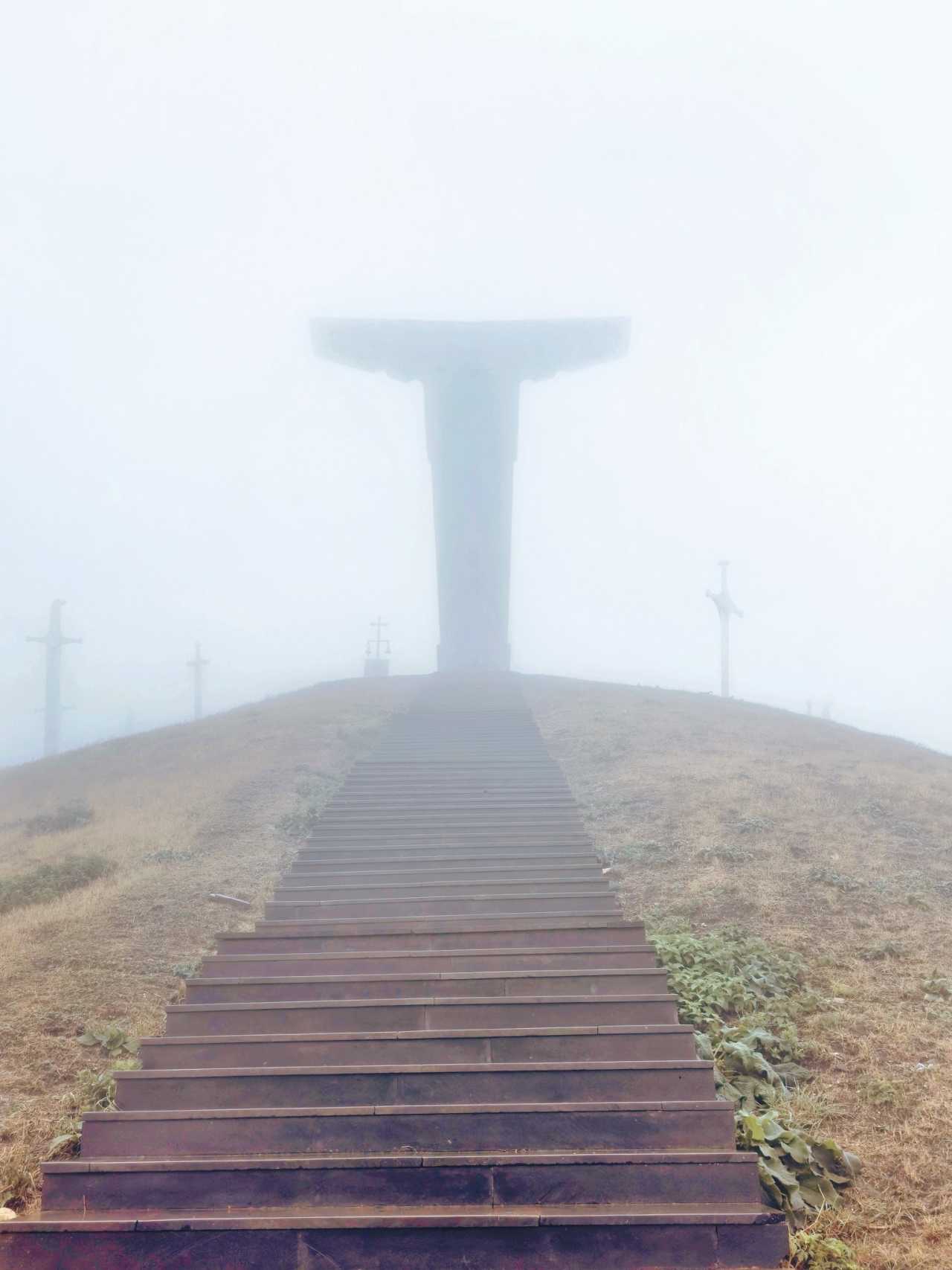
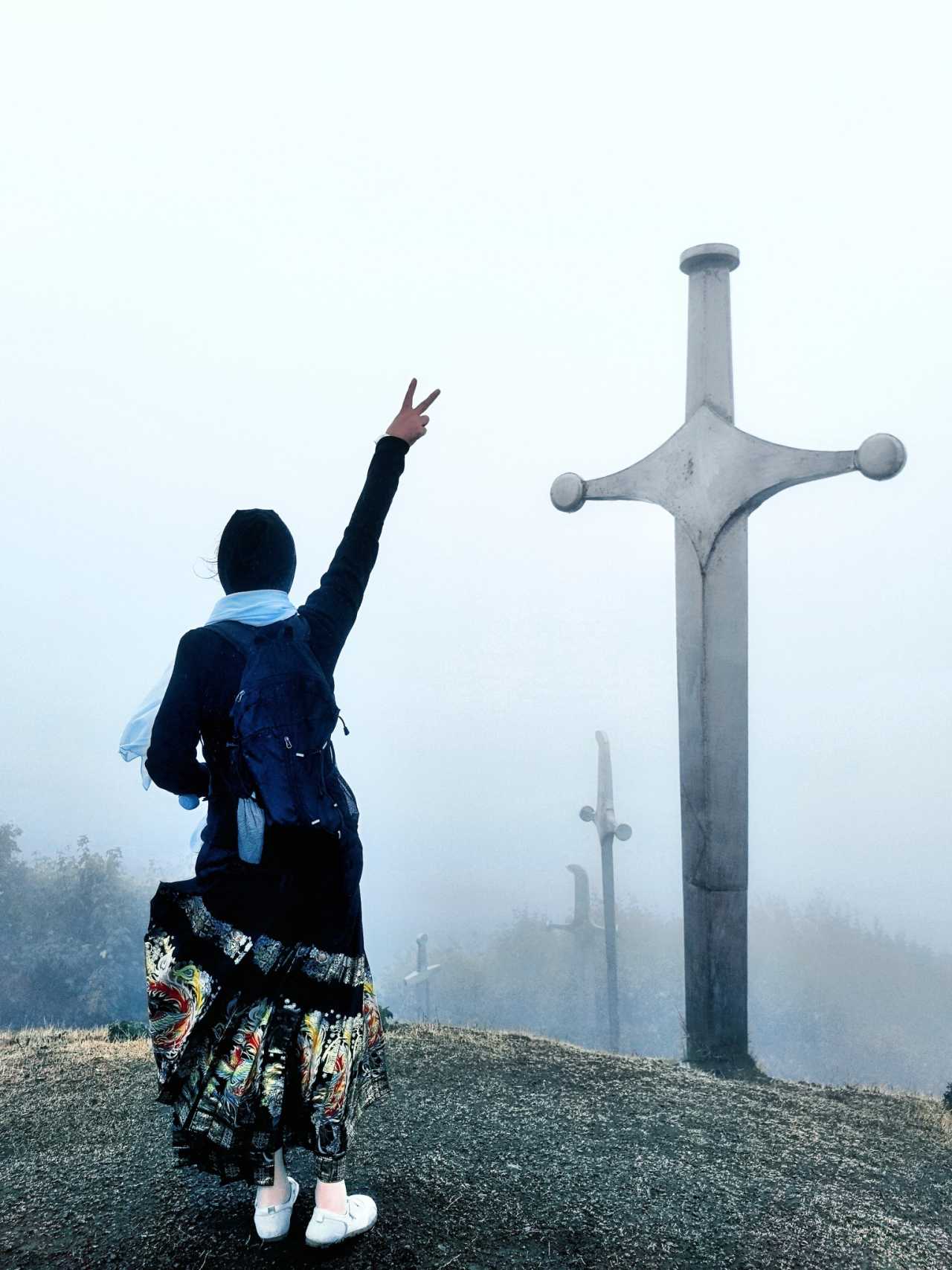
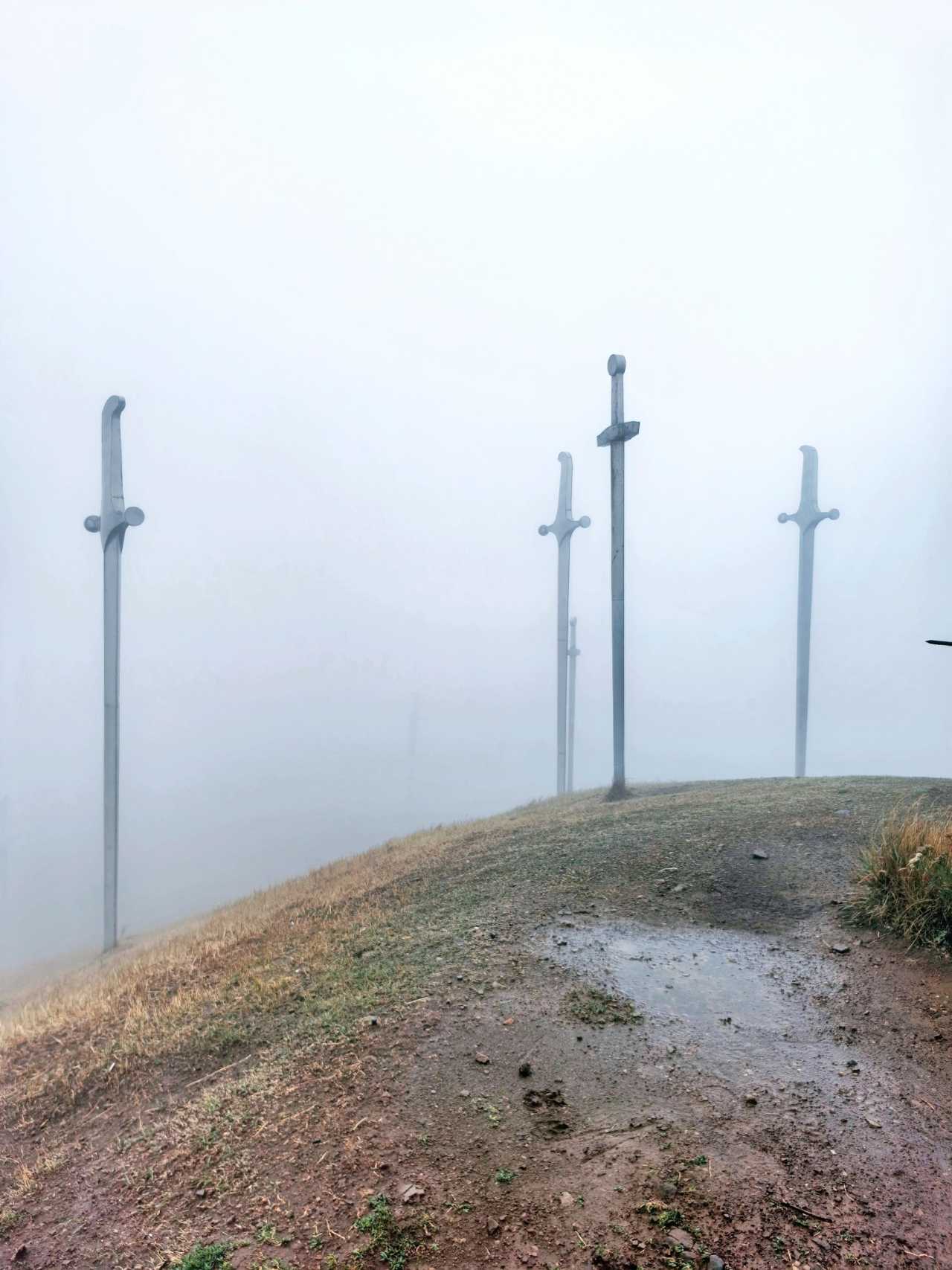
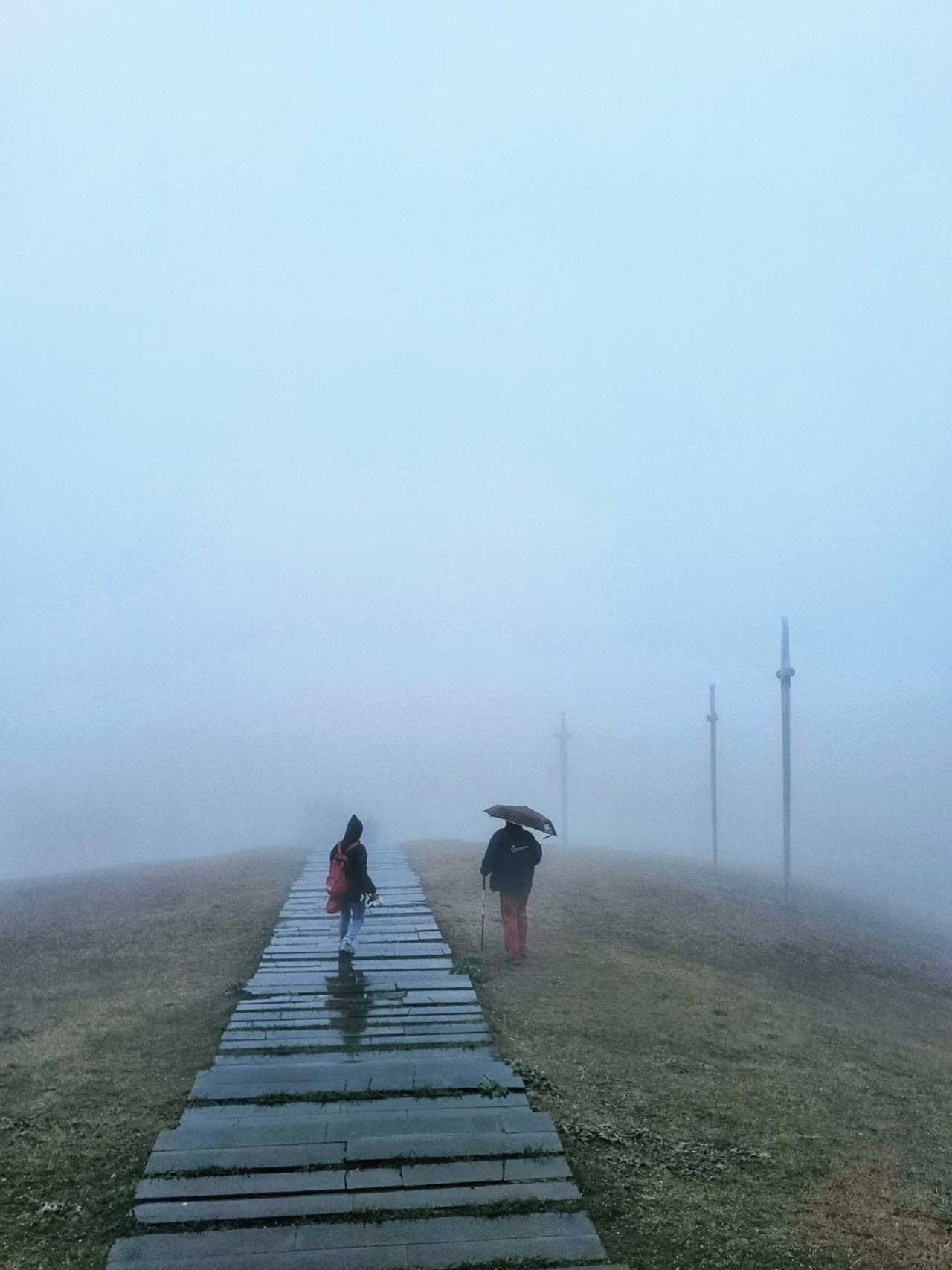
All the way through white fog, we arrived at Sword Mountain at 9:15, with rain and fog adding mystery to the mountains; then we visited Svetitskhoveli Cathedral and Jvari Cross Monastery, the ancient religious atmosphere becoming more solemn in the rain.
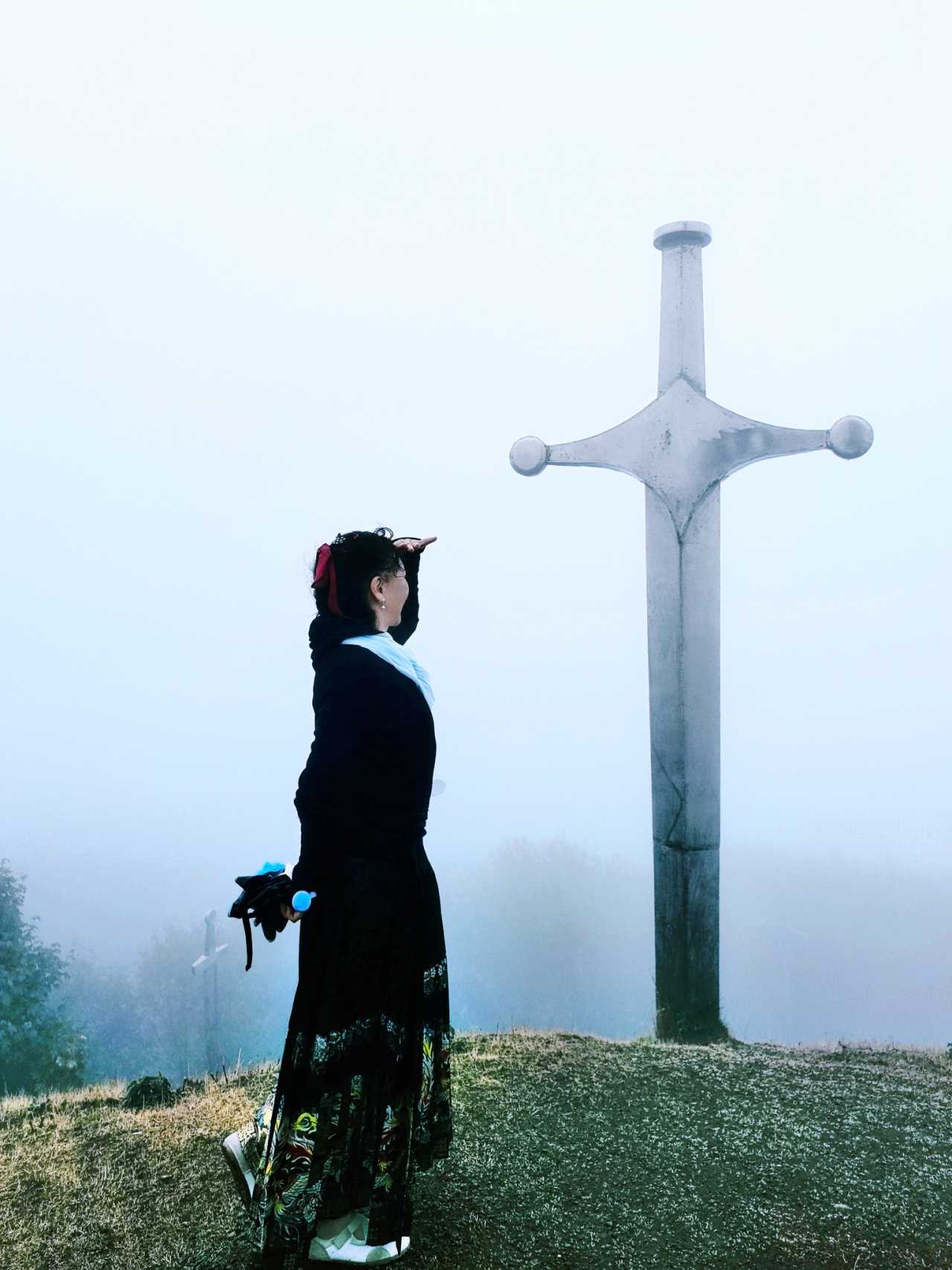
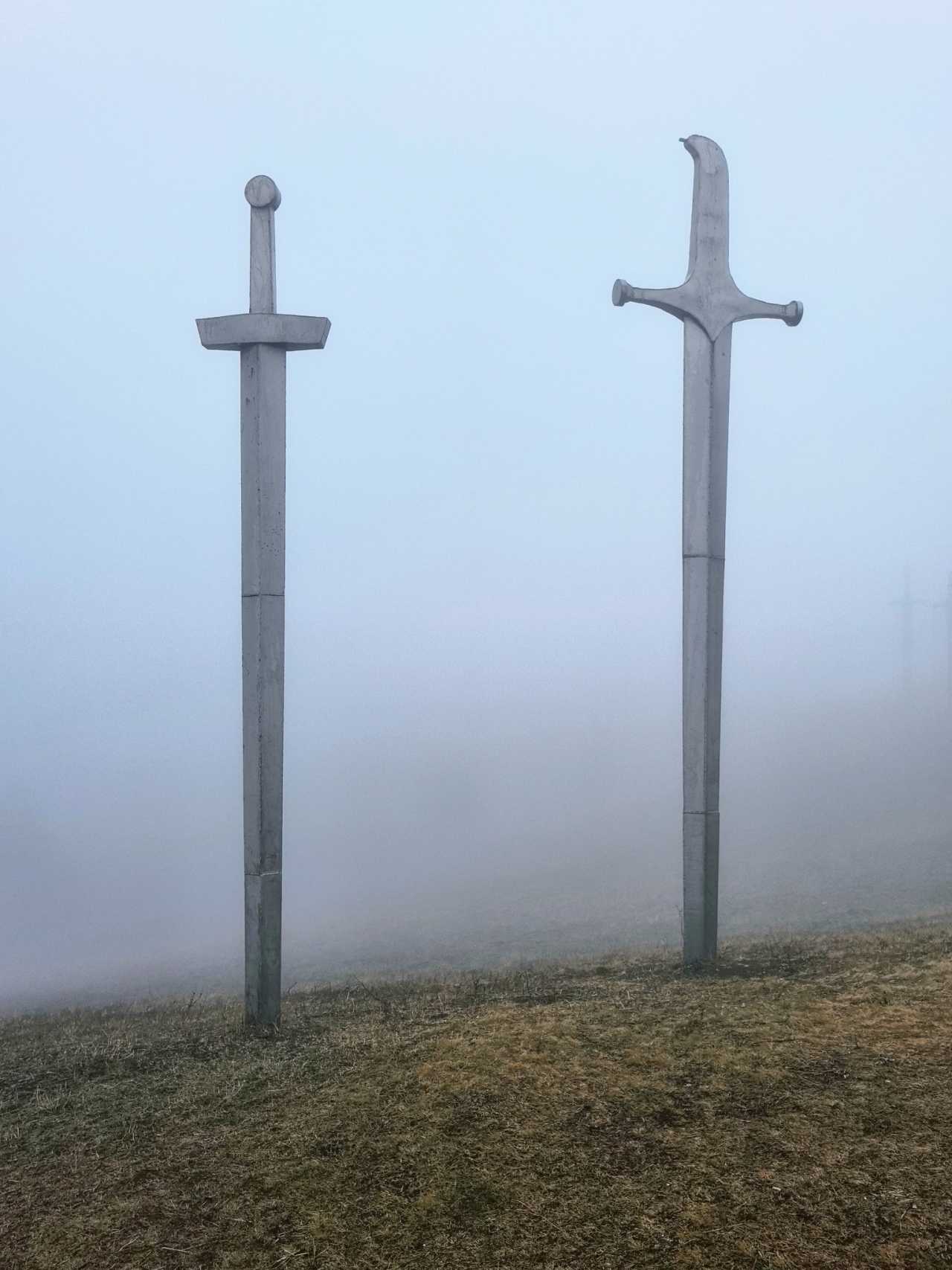
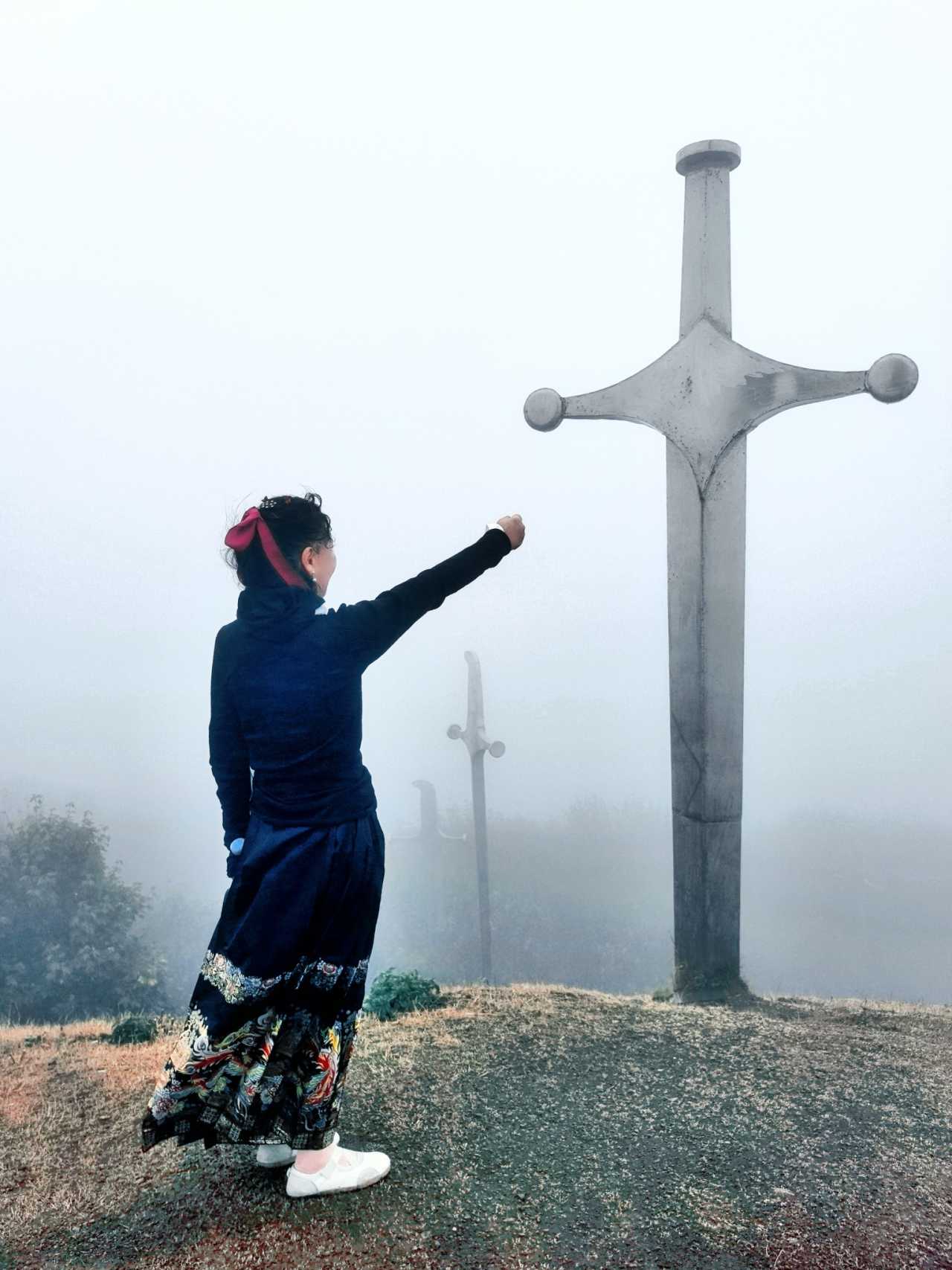
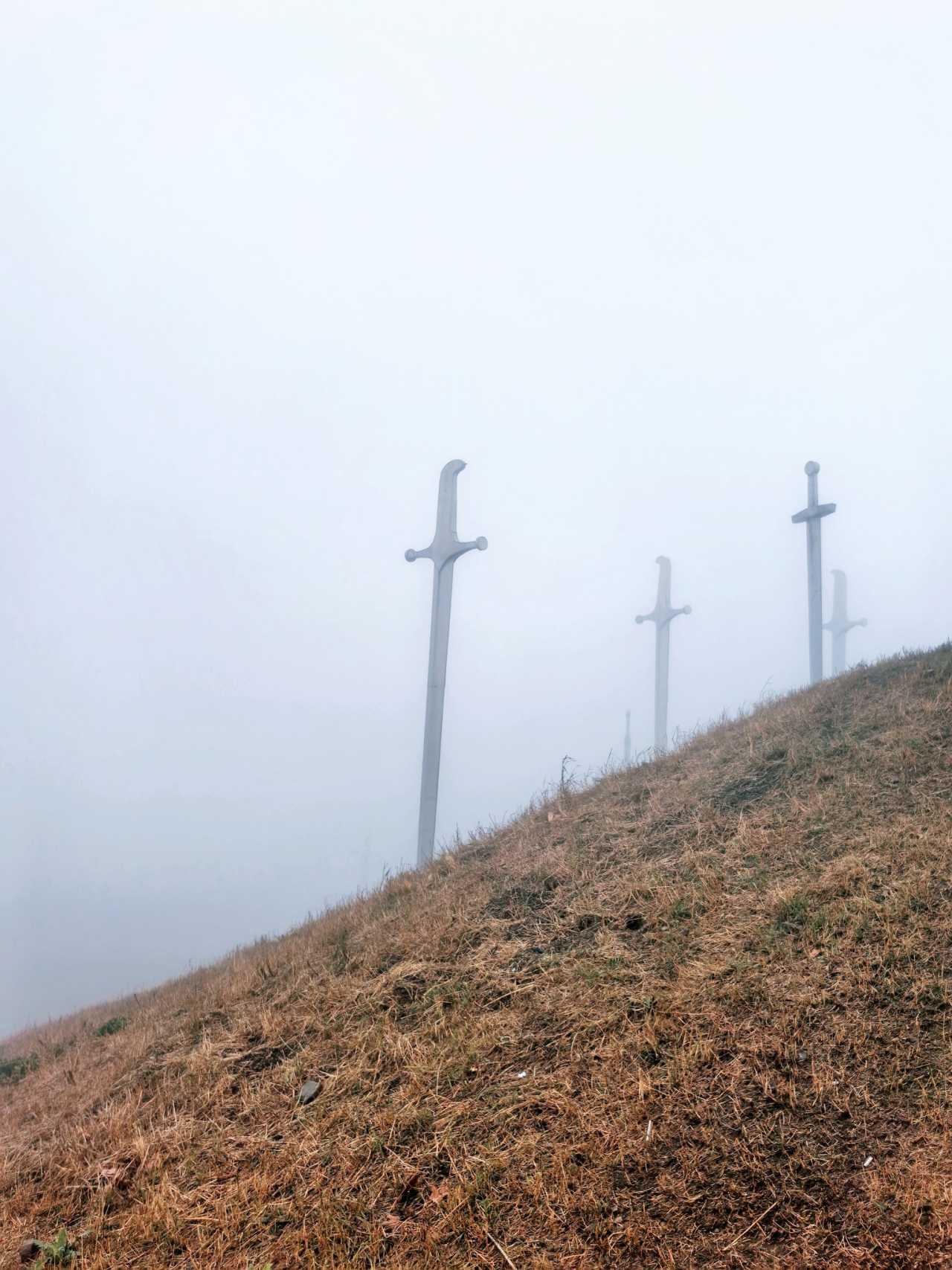
【Sword Mountain: Experiencing the Addiction of Landing on an Alien Planet】
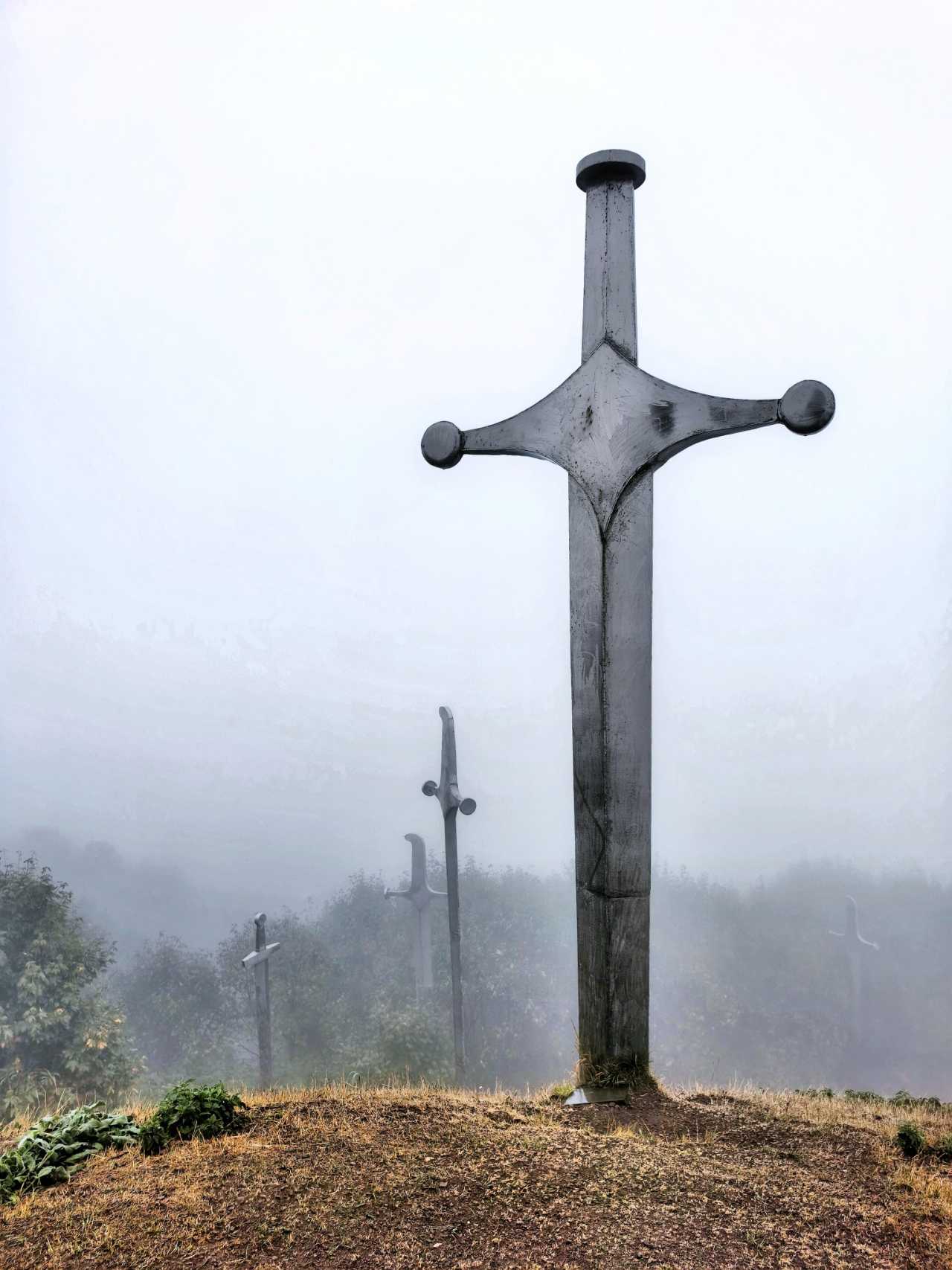
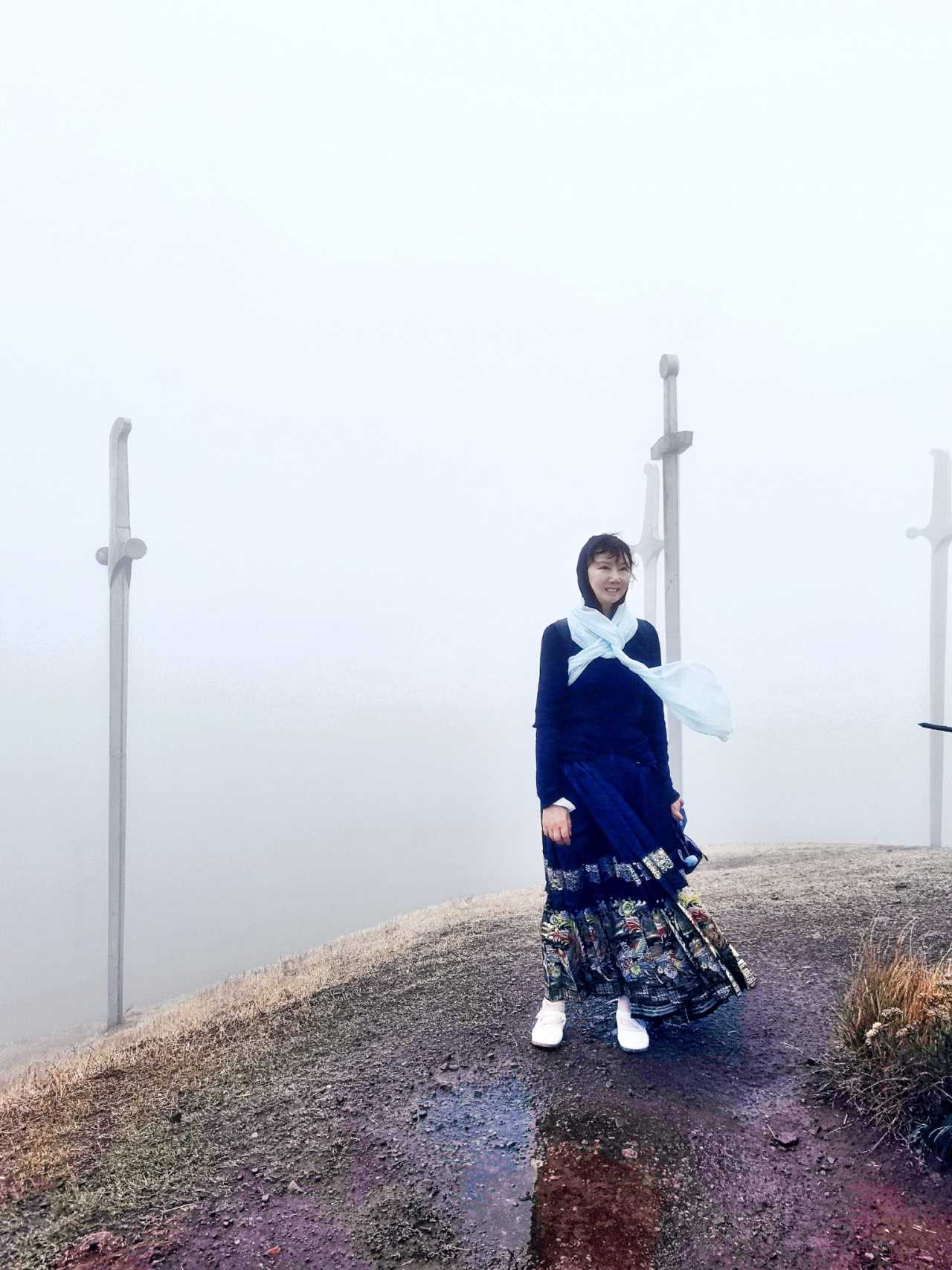
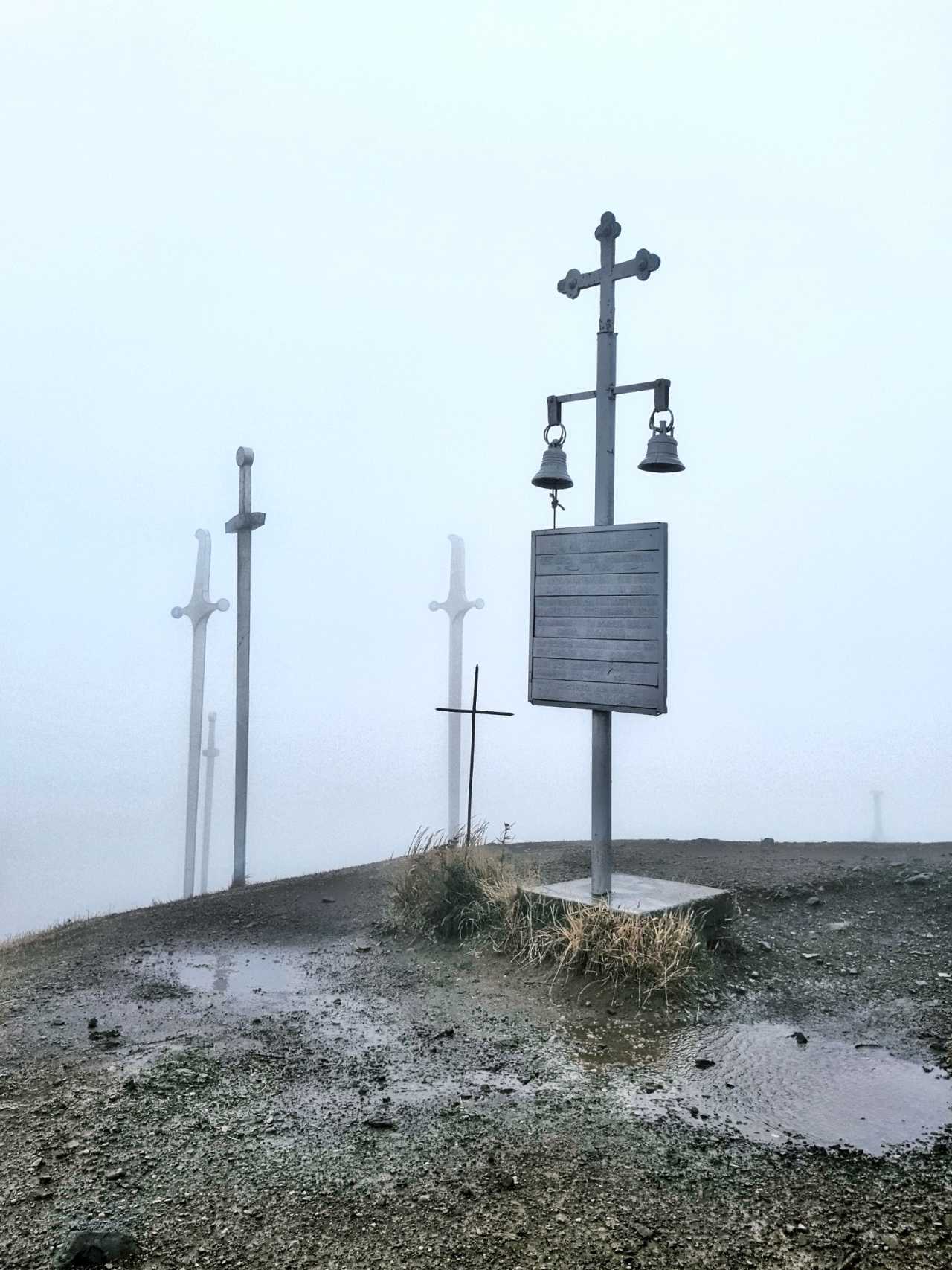
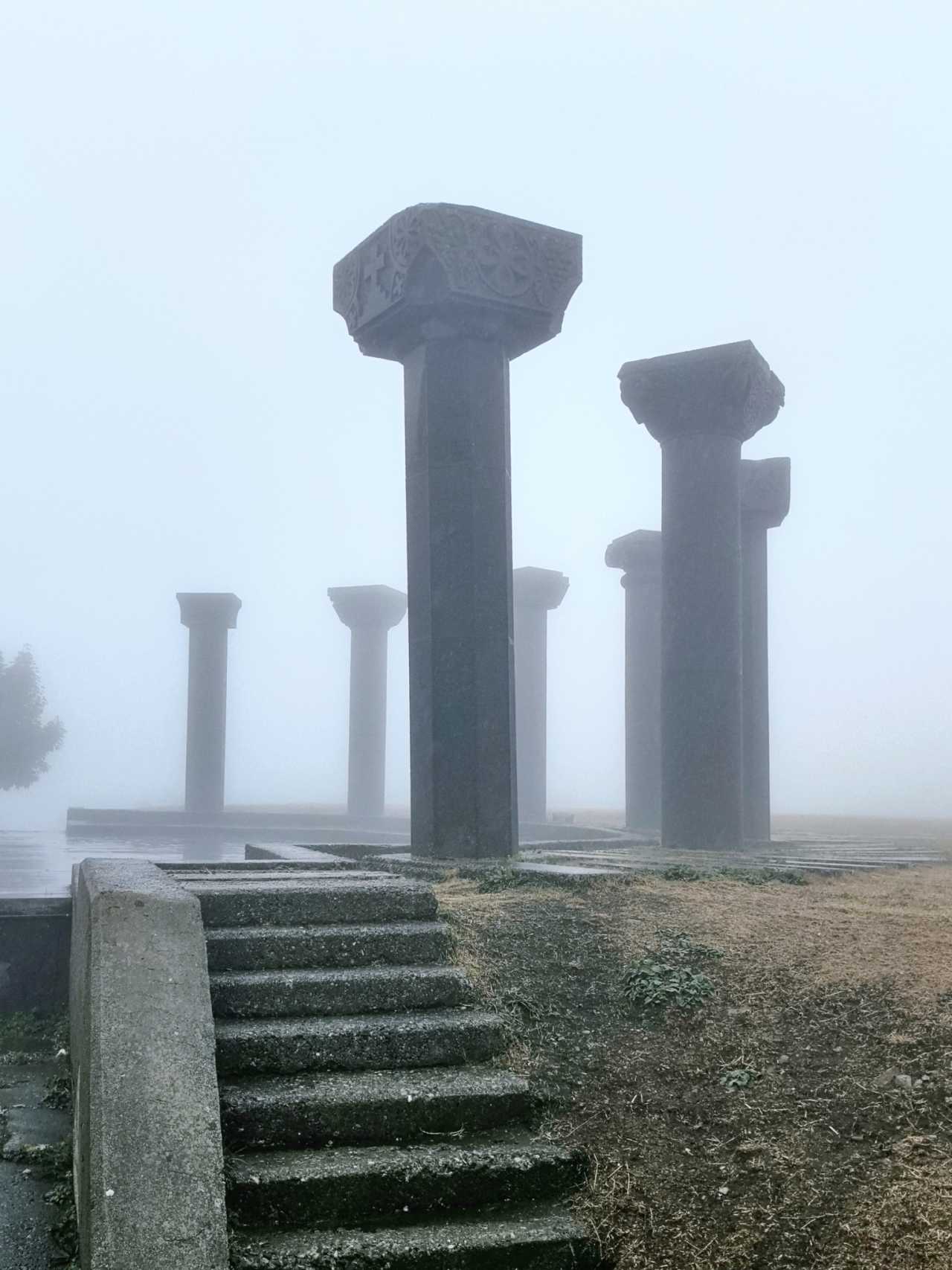
In the misty rain, the car traveled along winding mountain roads with visibility less than 200 meters. When climbing to the top of Sword Mountain, wind, rain, and fog hit us in the face, white and vast like being on the moon, stepping on the continuous clouds with deep and shallow steps, wandering in Sword Mountain. The unique experience was truly eye-opening.
The 15-meter sword in the stone made a shocking appearance, niche and fantastic! The Didgori Battle Monument was epic. On rainy and foggy days, the wind howled and the rain crackled down, people could barely stand steady, directly transforming into an alien battlefield, every casual shot looked like a sci-fi blockbuster!
 Sword Mountain
 Sword Mountain
 Sword Mountain
 Sword Mountain
 Sword Mountain
 Sword Mountain
 Sword Mountain
 Sword Mountain
 Sword Mountain
Hiking up along the path, every step brings you closer to the clouds. When reaching the summit, it feels like you can touch the edge of the legend with your hand. To avoid crowds, it's recommended to depart early in the morning, letting morning mist and dawn add a quiet filter to this journey. It's recommended to go by chartered car, wear anti-slip shoes as the mountain roads are steep. Admission: Free
 Sword Mountain
 Sword Mountain
 Sword Mountain
 Sword Mountain
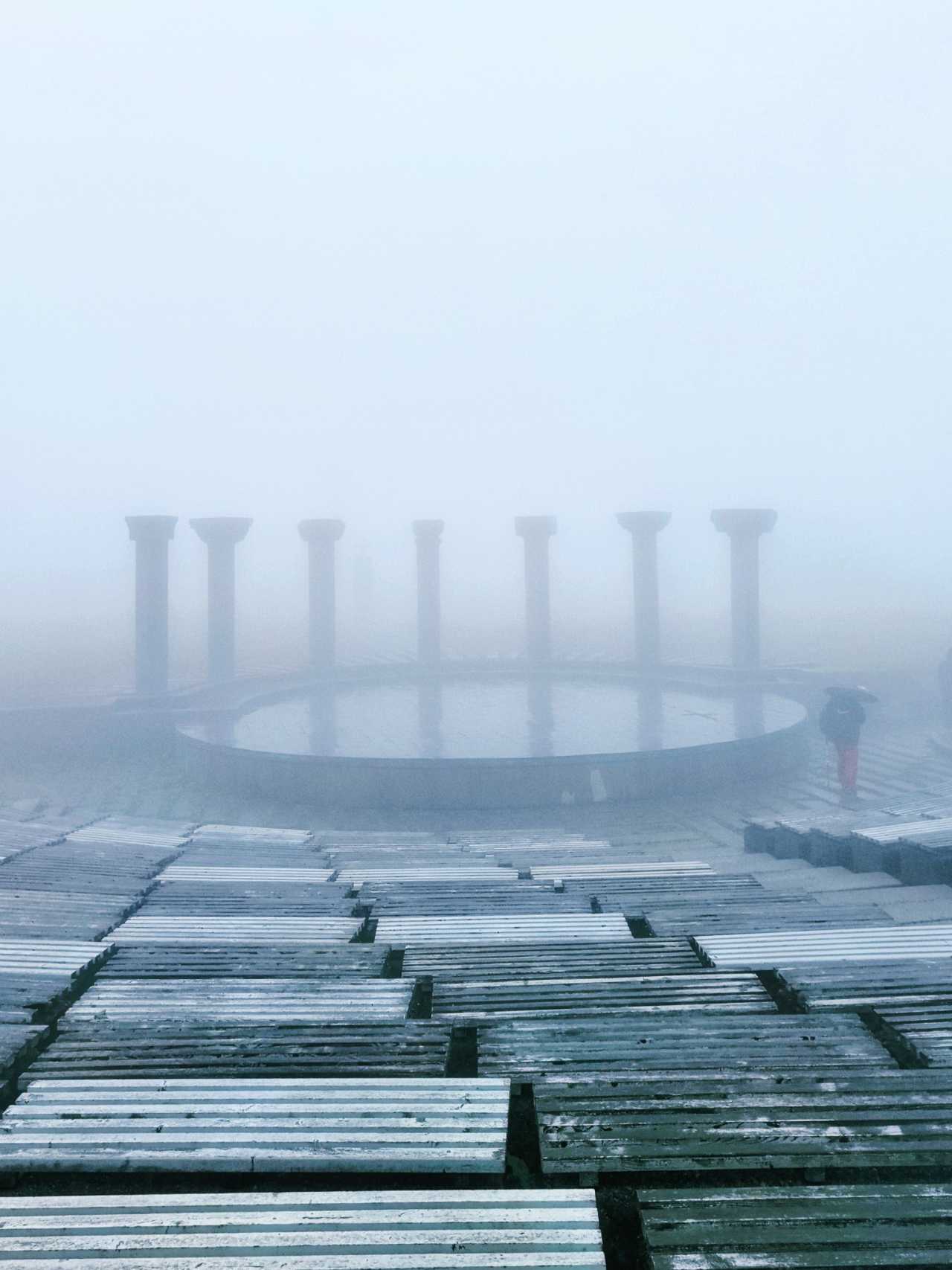 Sword Mountain
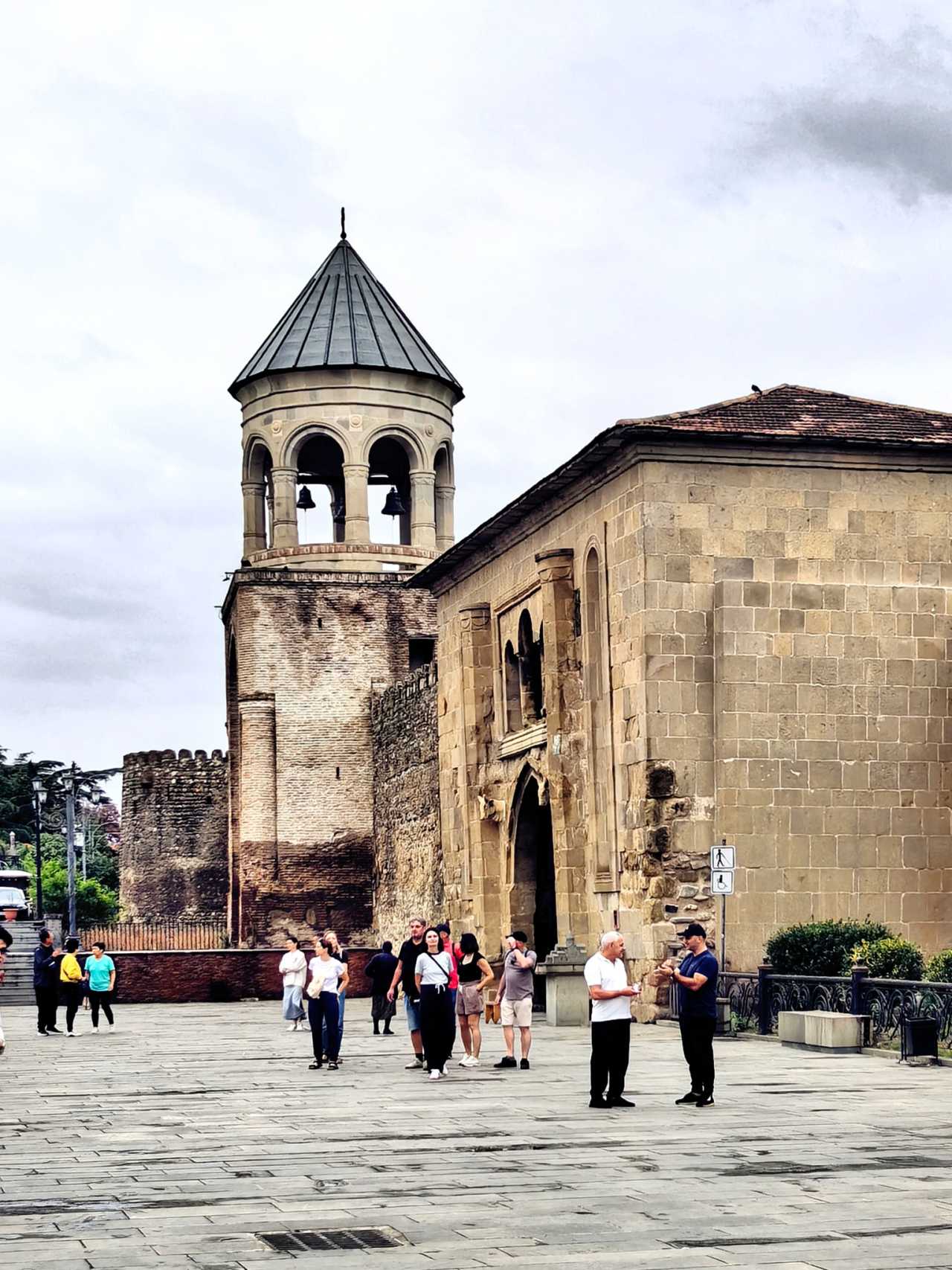
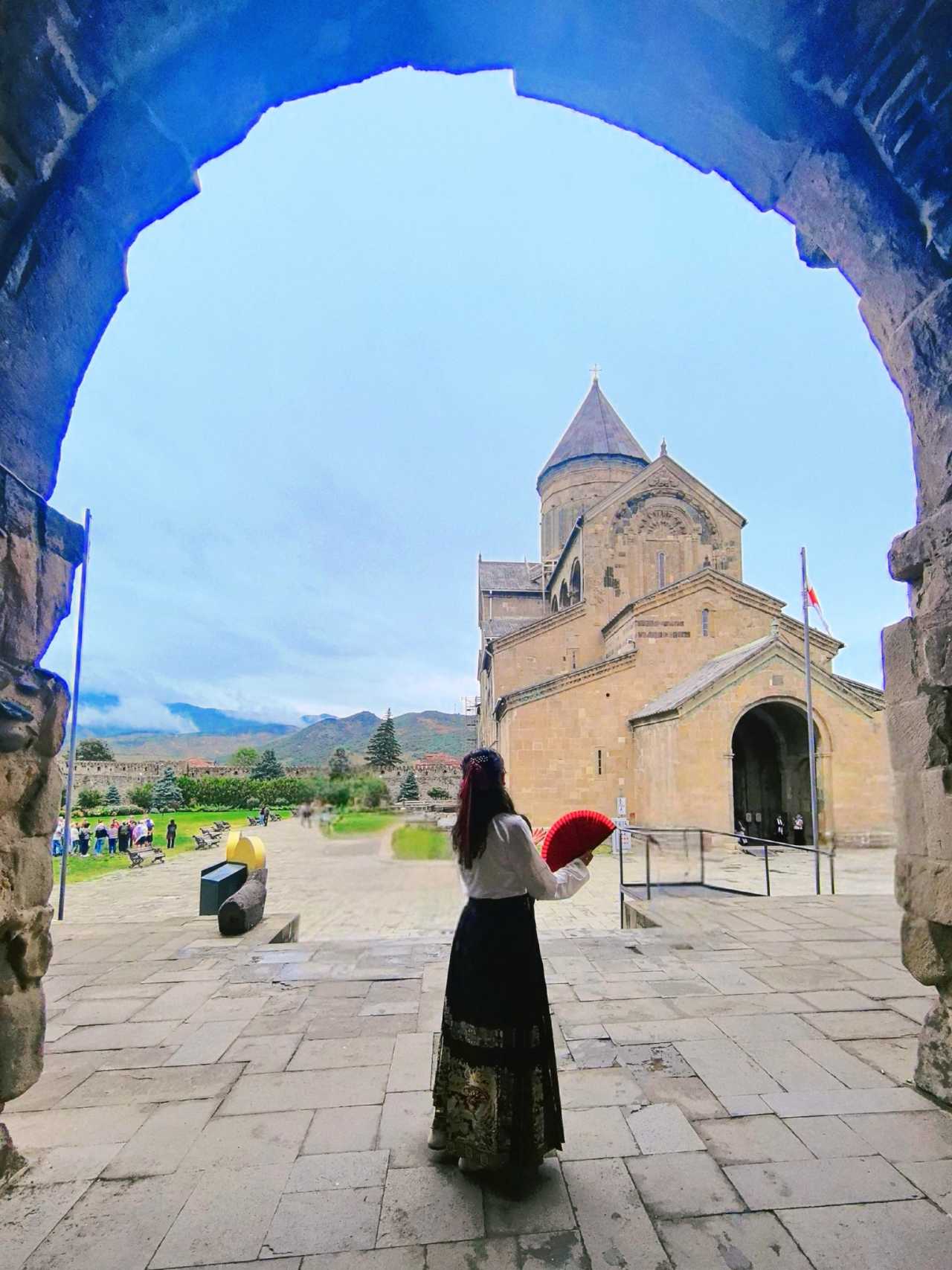
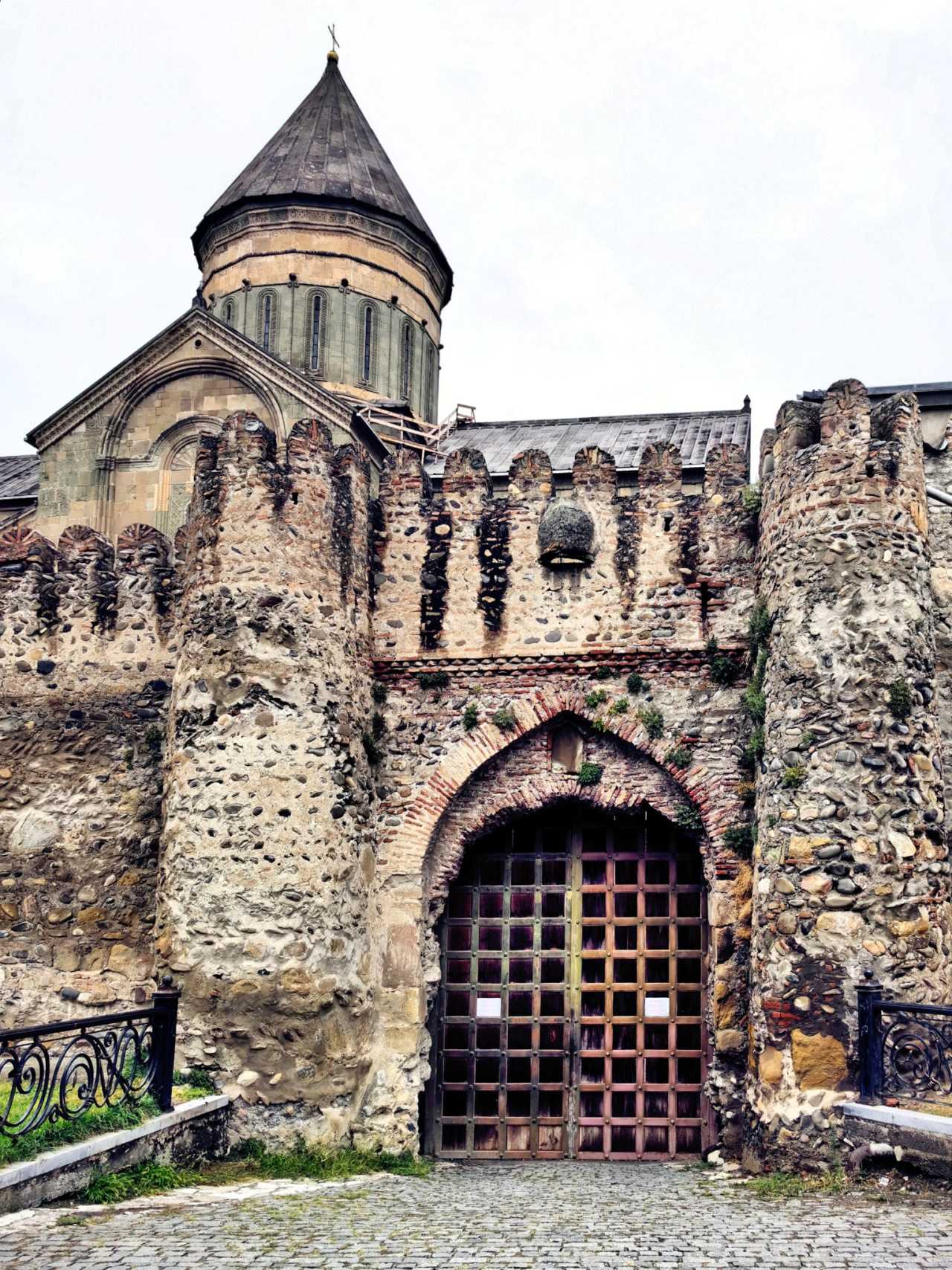
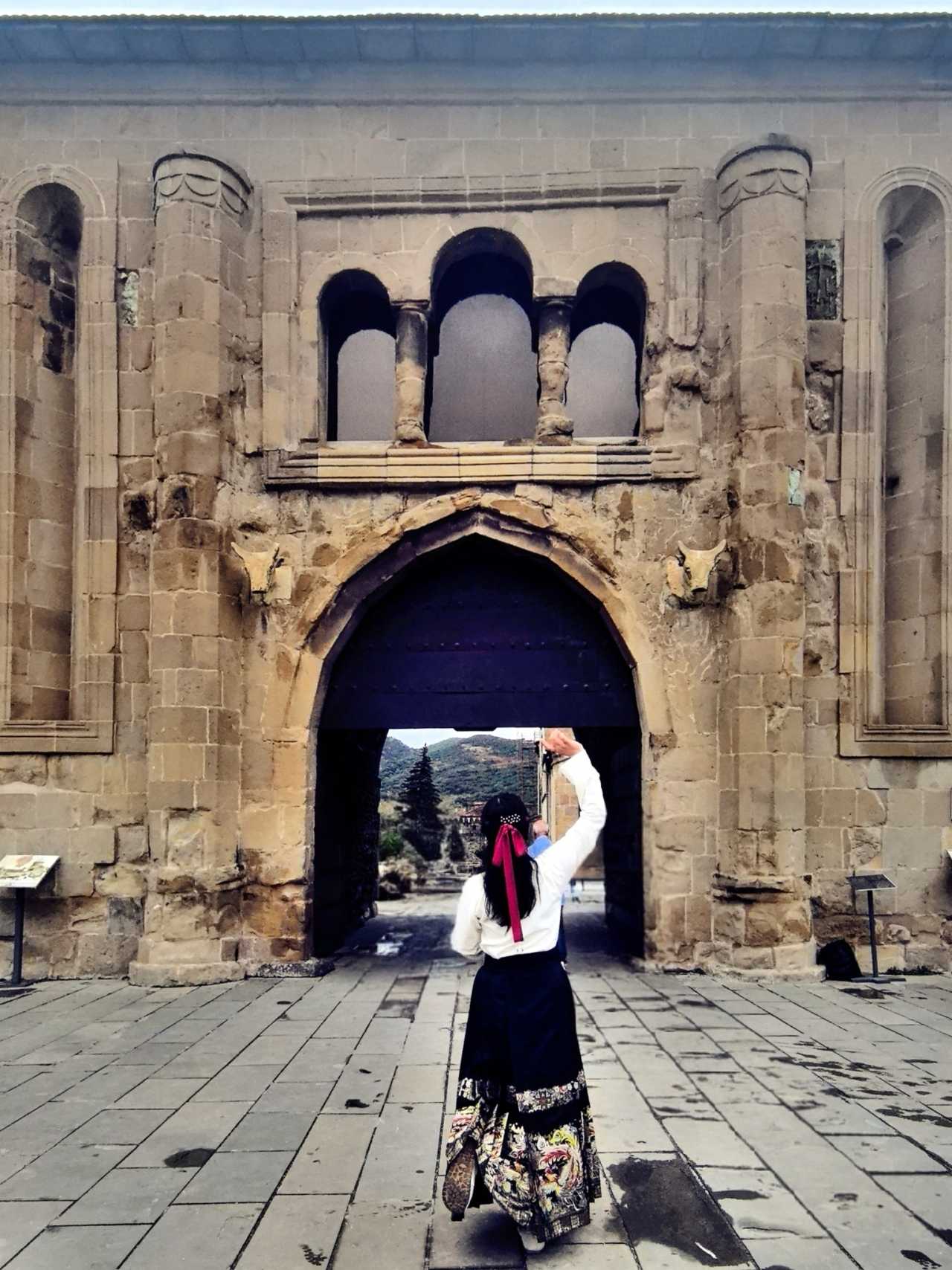
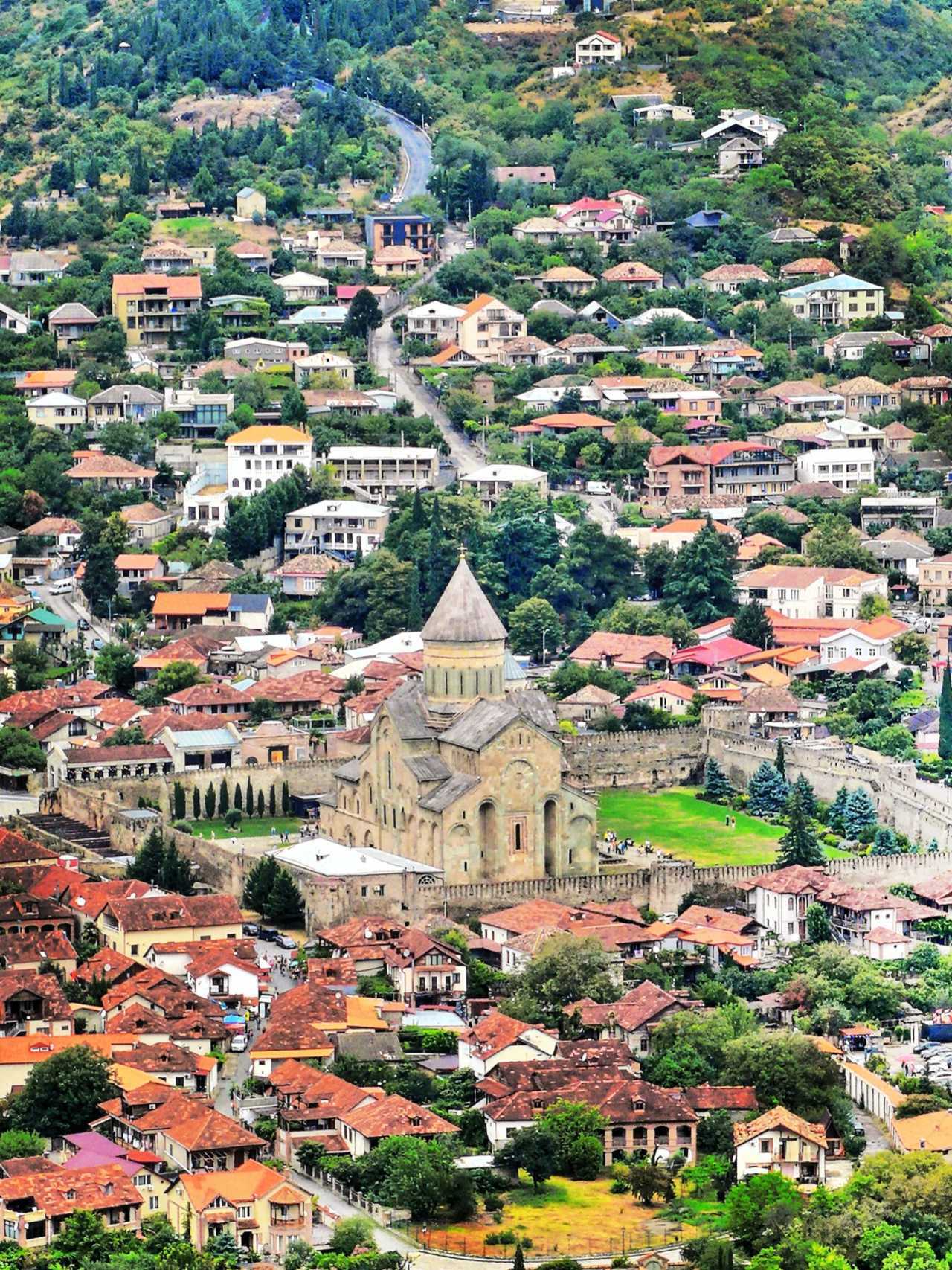
【Svetitskhoveli Cathedral: Listening to Time Between Thousand-Year Stone Walls】
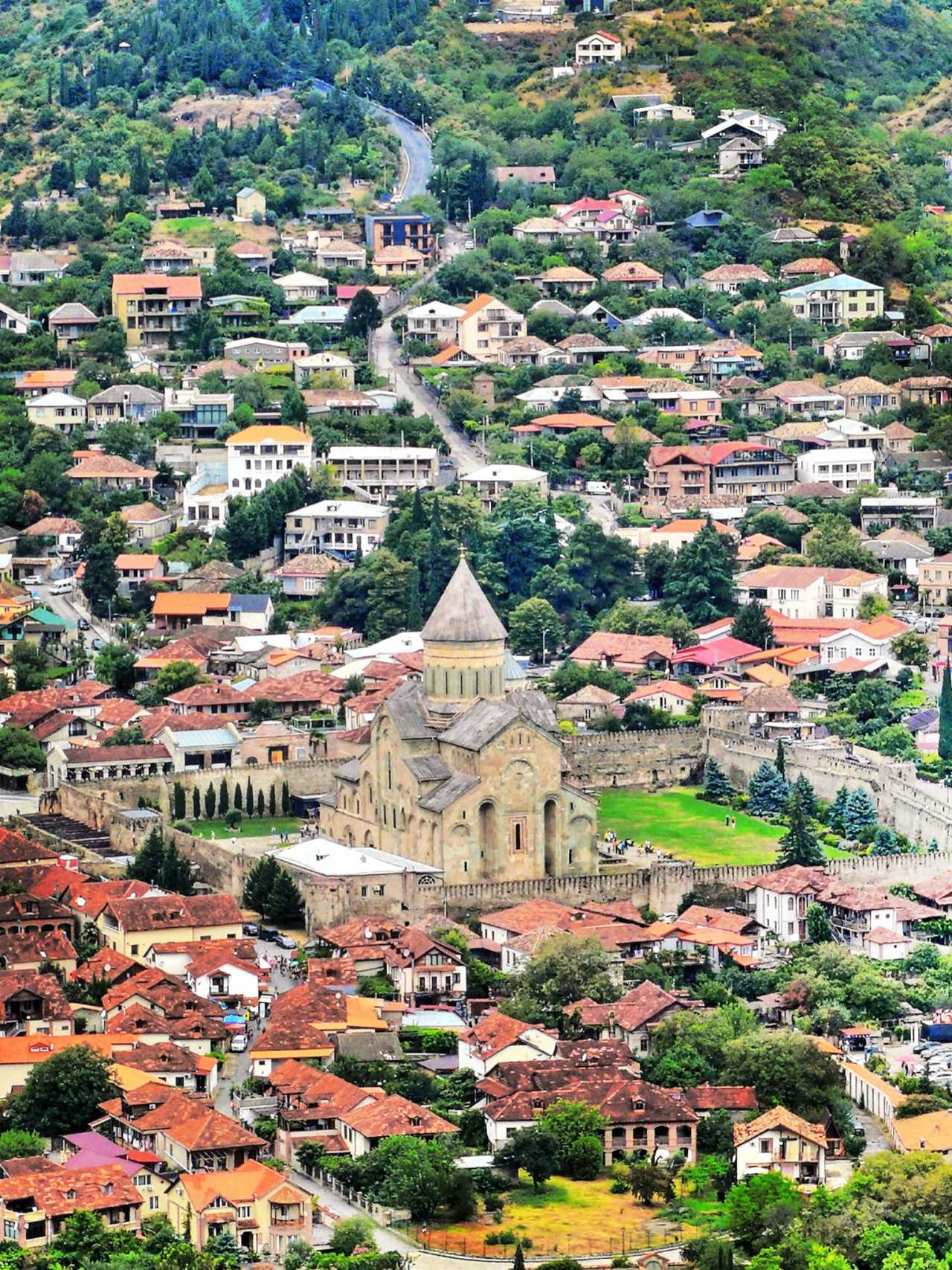
Located about 20 kilometers from Tbilisi, it is the birthplace of religion in Georgia and listed as a UNESCO World Cultural Heritage site.
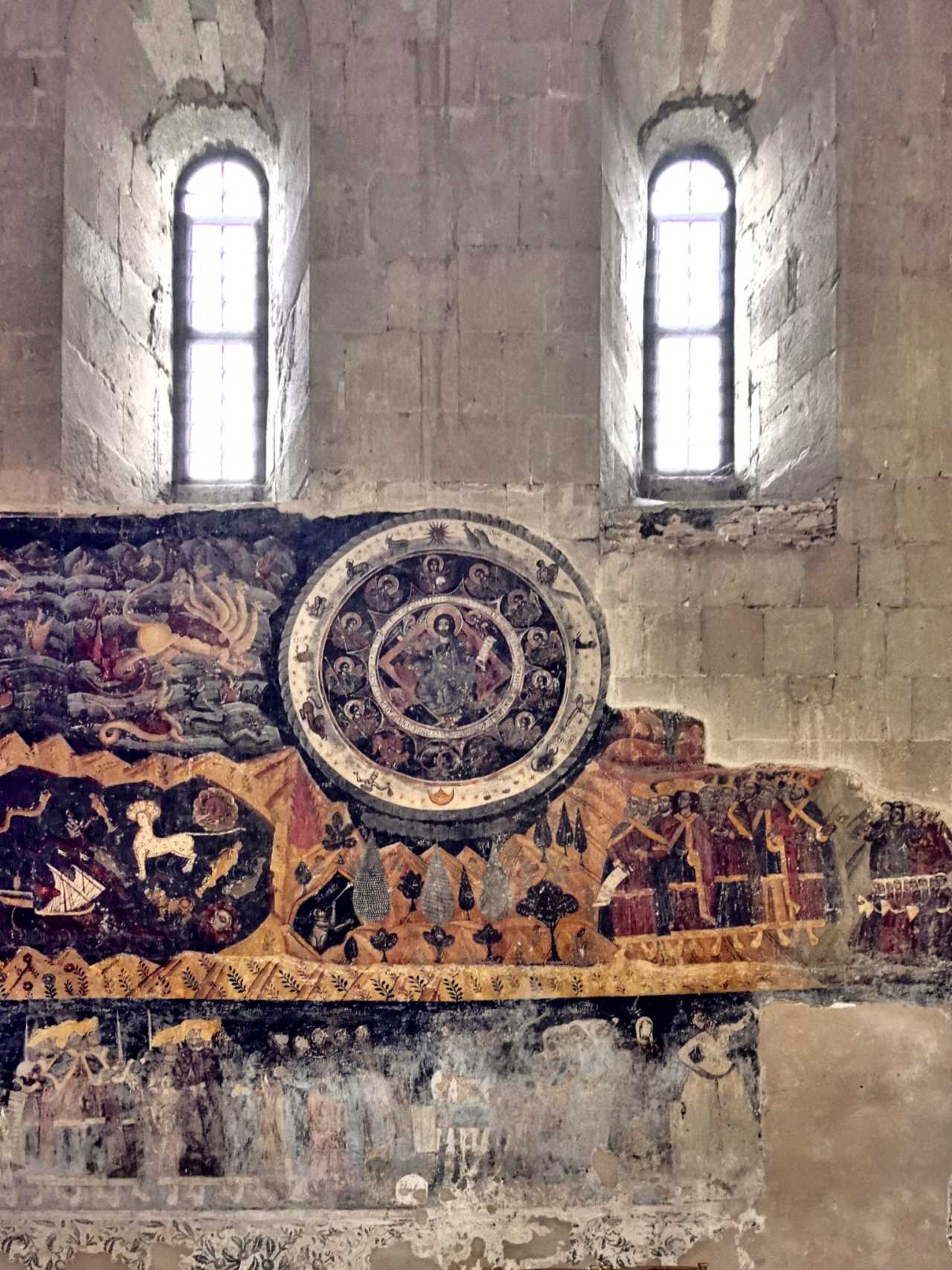
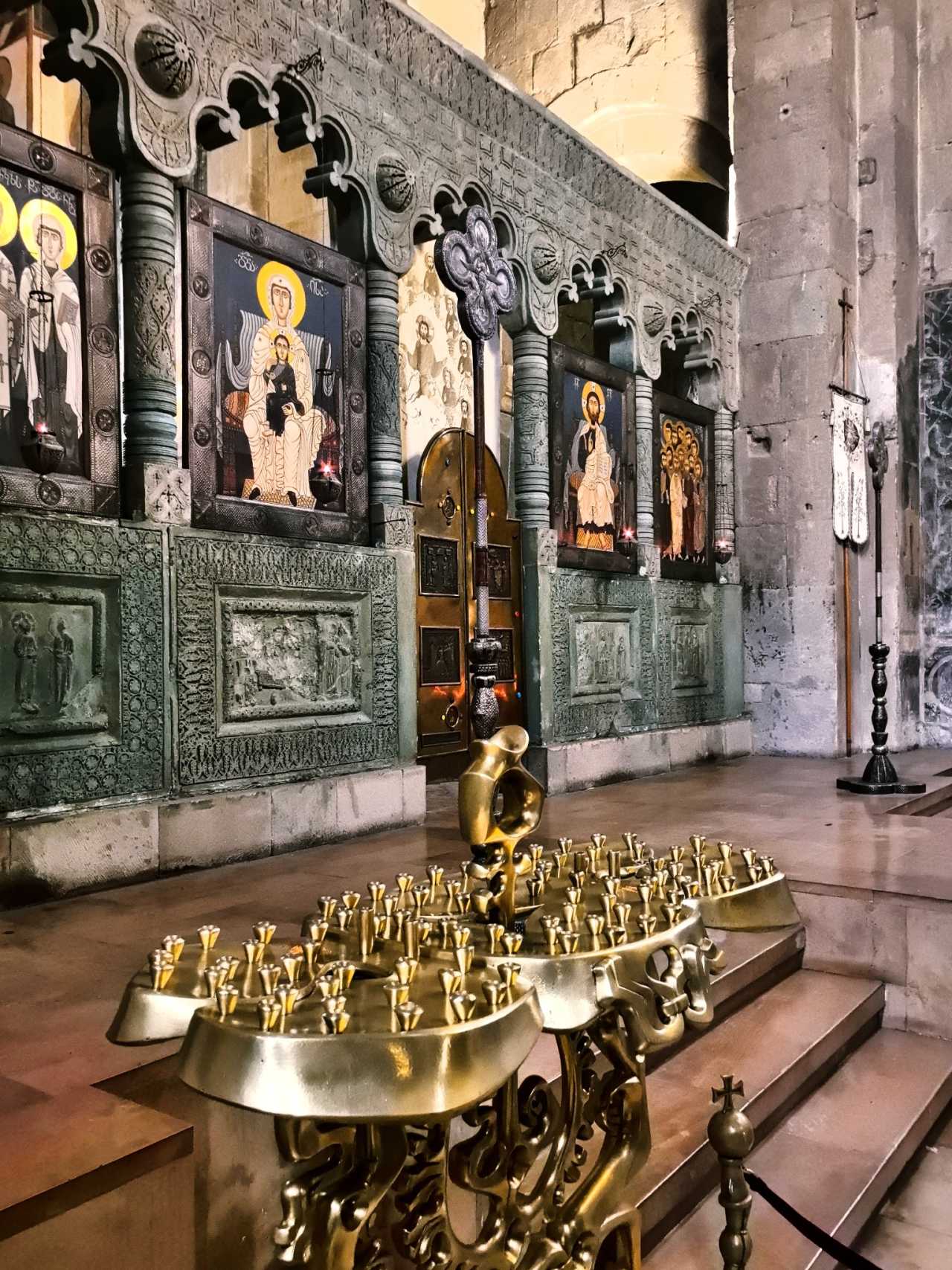
As one of the oldest churches in Georgia, the stone walls of Svetitskhoveli Cathedral are engraved with thousand-year stories. The church preserves precious murals and icons, with sunlight streaming through colorful glass windows onto the stone floor, as if you can hear the whispers of history in the flowing light and shadow. This is not only a religious holy site but also a treasure of architectural art.
Svetitskhoveli Cathedral, named after the legend that it houses wood chips from the crown of thorns Jesus wore during his crucifixion, is both the coronation and burial site of successive kings and the spiritual coordinate for pilgrimages. The mottled murals from the 11th to 17th centuries and colorful glass windows interweave with light and shadow, allowing you to directly feel the heaviness of thousand-year faith and history while walking.
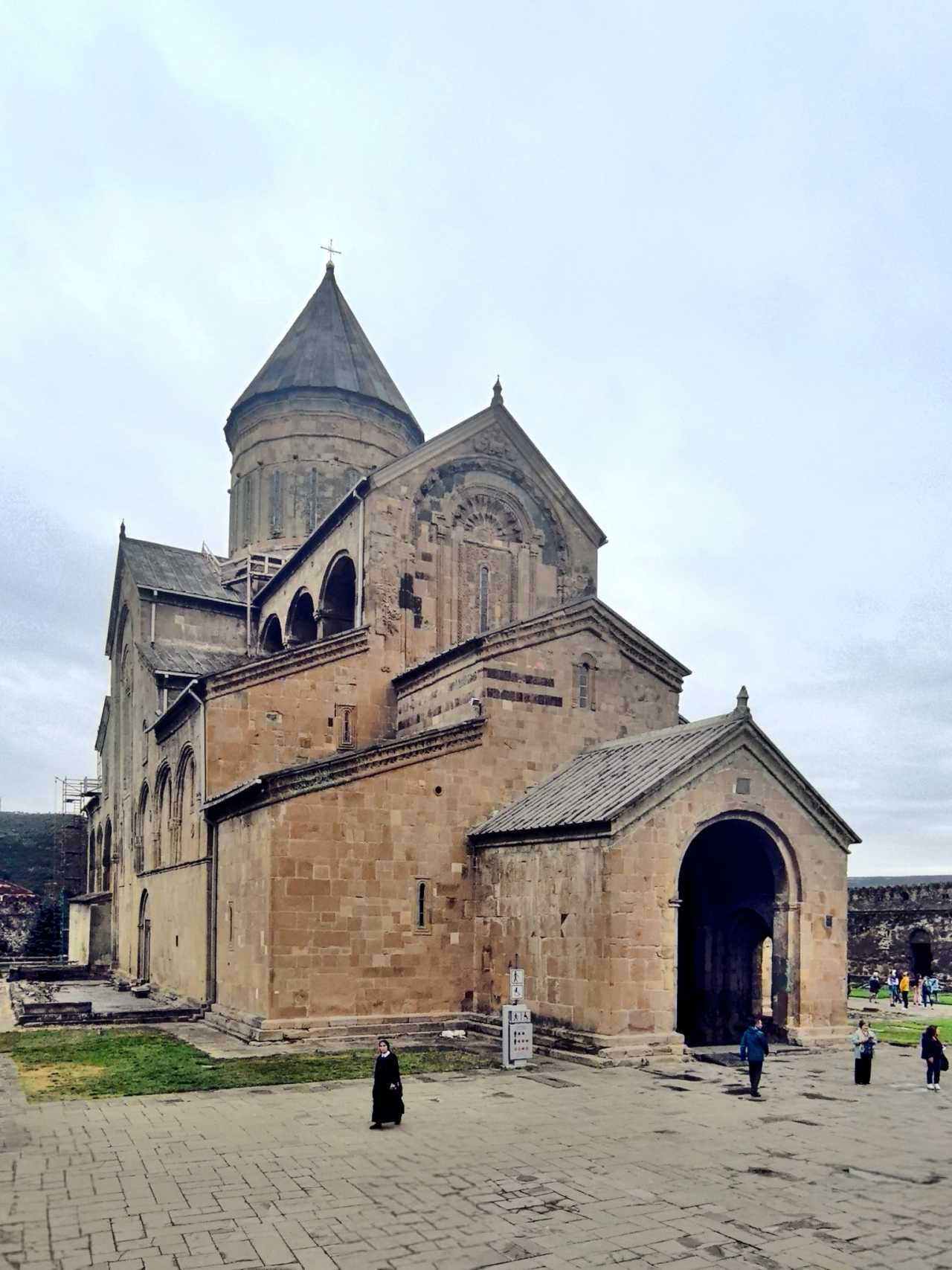 Svetitskhoveli Cathedral
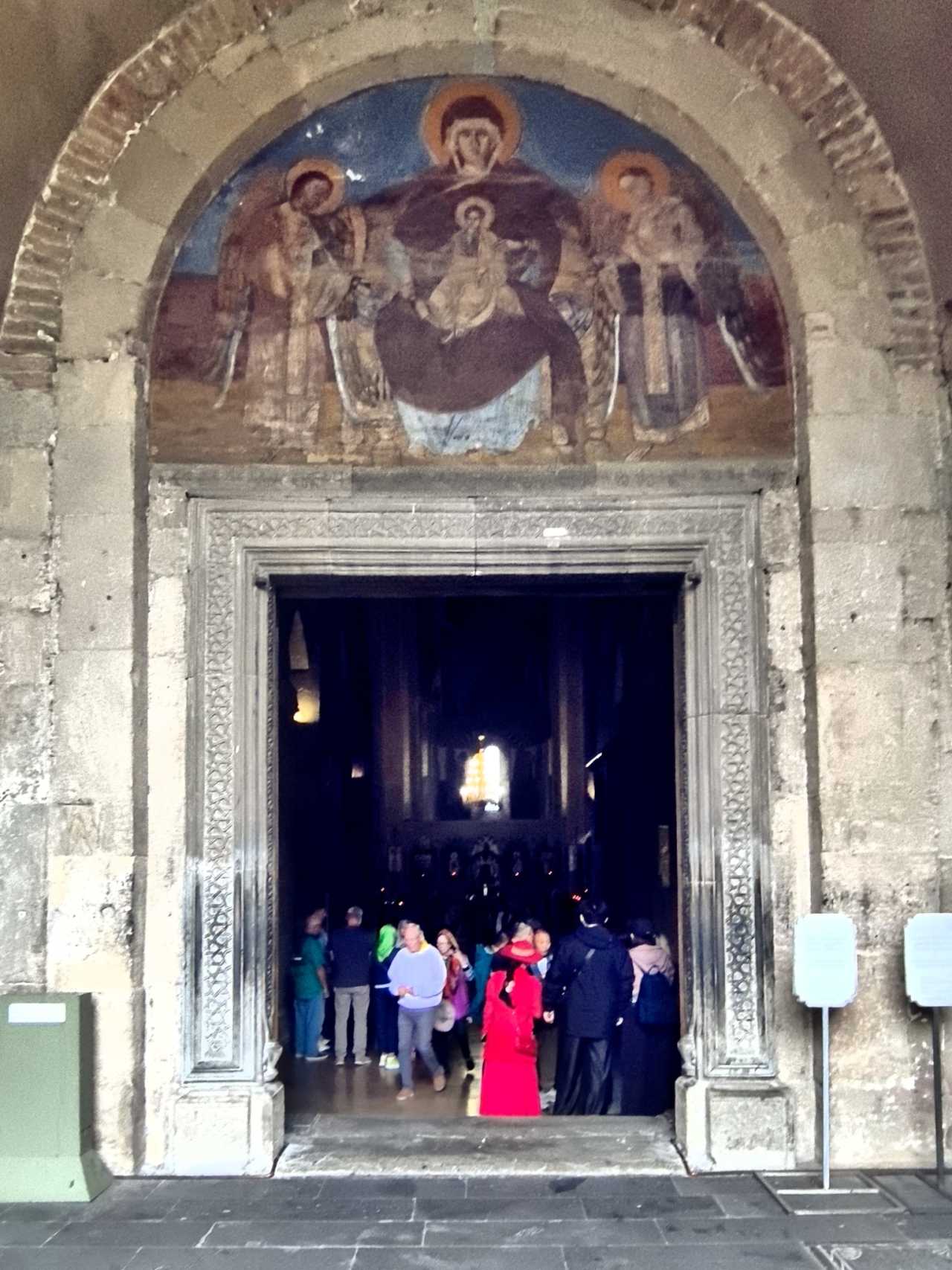 Svetitskhoveli Cathedral
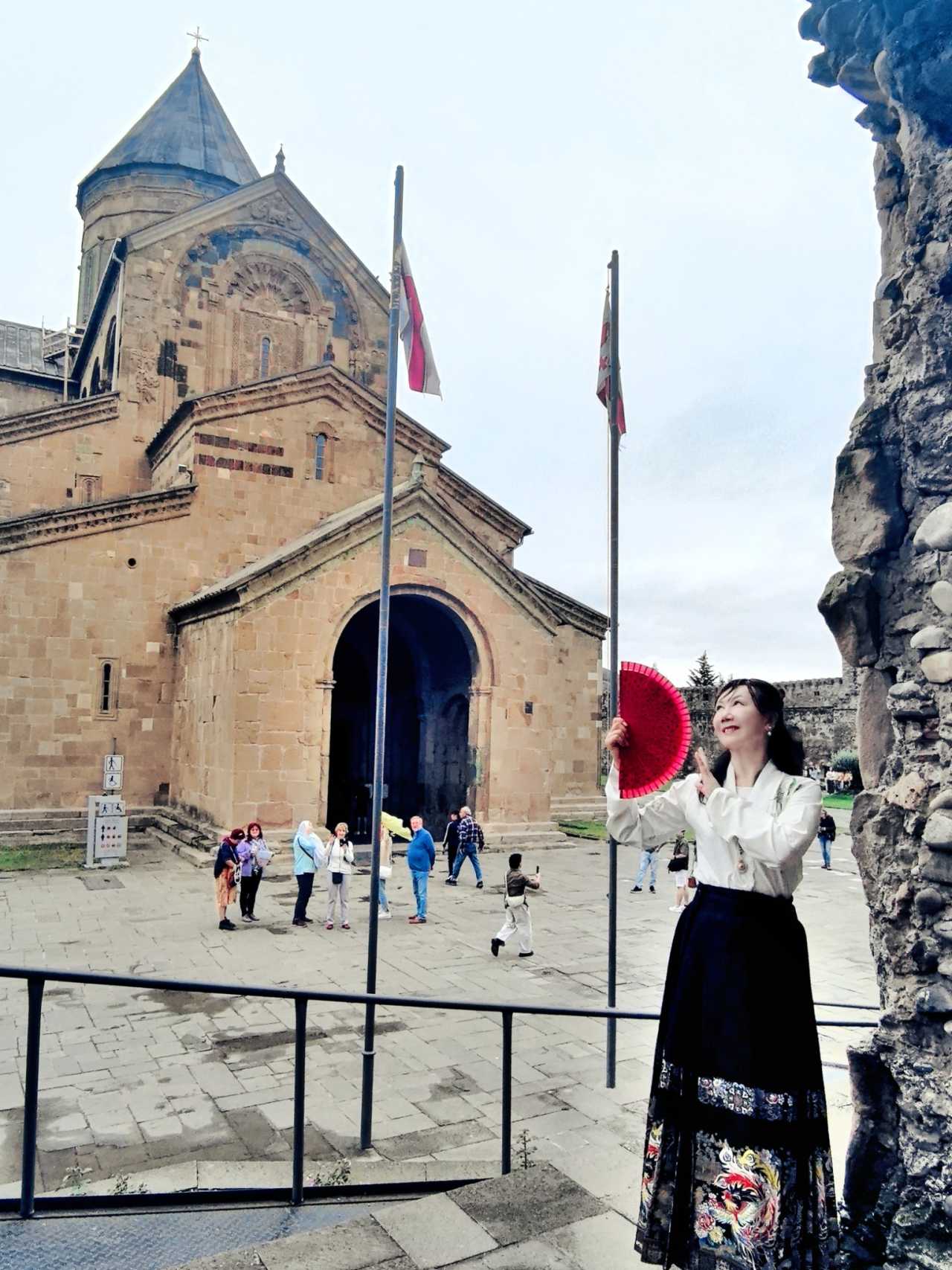 Svetitskhoveli Cathedral
 Svetitskhoveli Cathedral
 Svetitskhoveli Cathedral
 Svetitskhoveli Cathedral
 Svetitskhoveli Cathedral
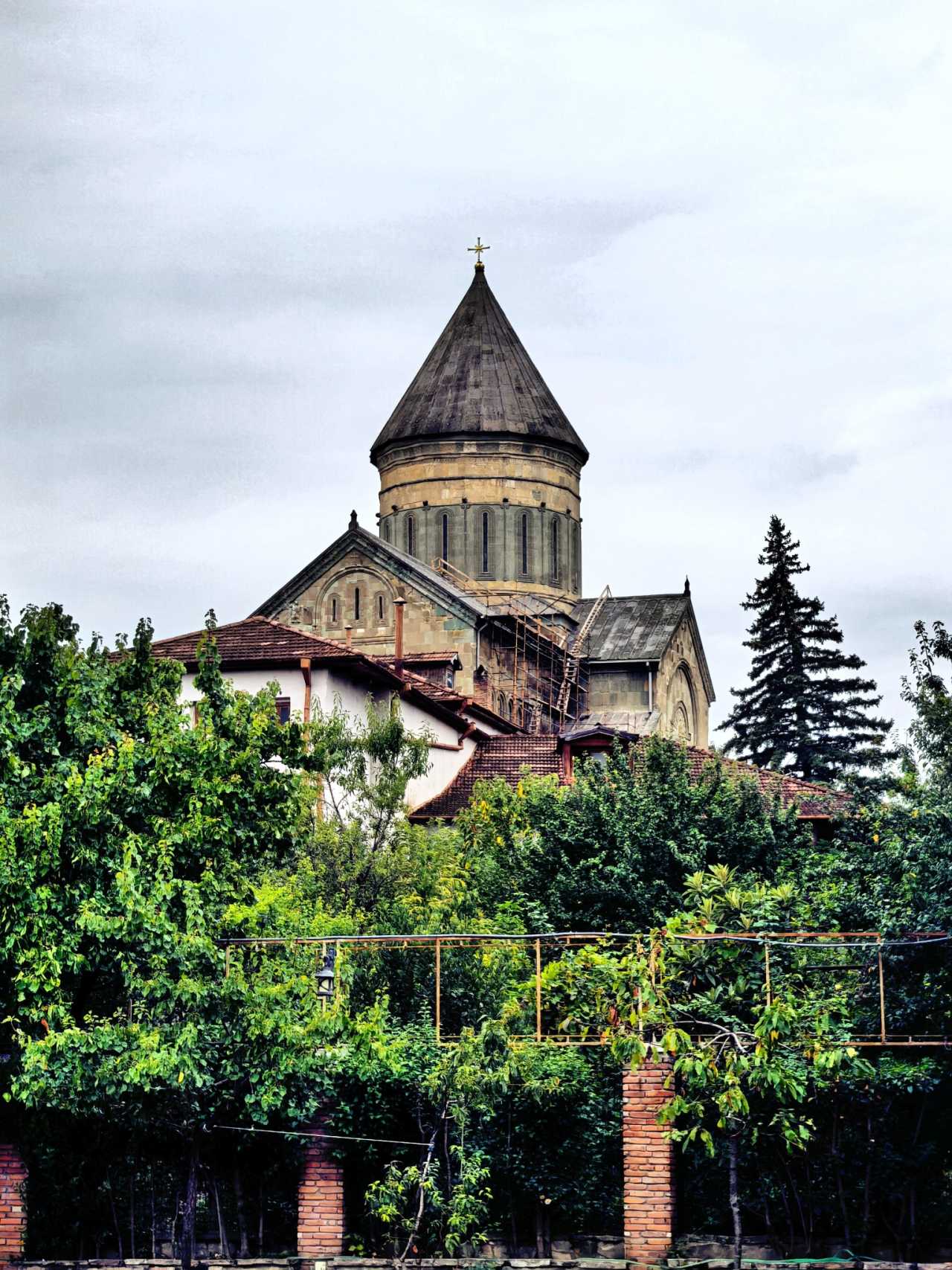 Svetitskhoveli Cathedral
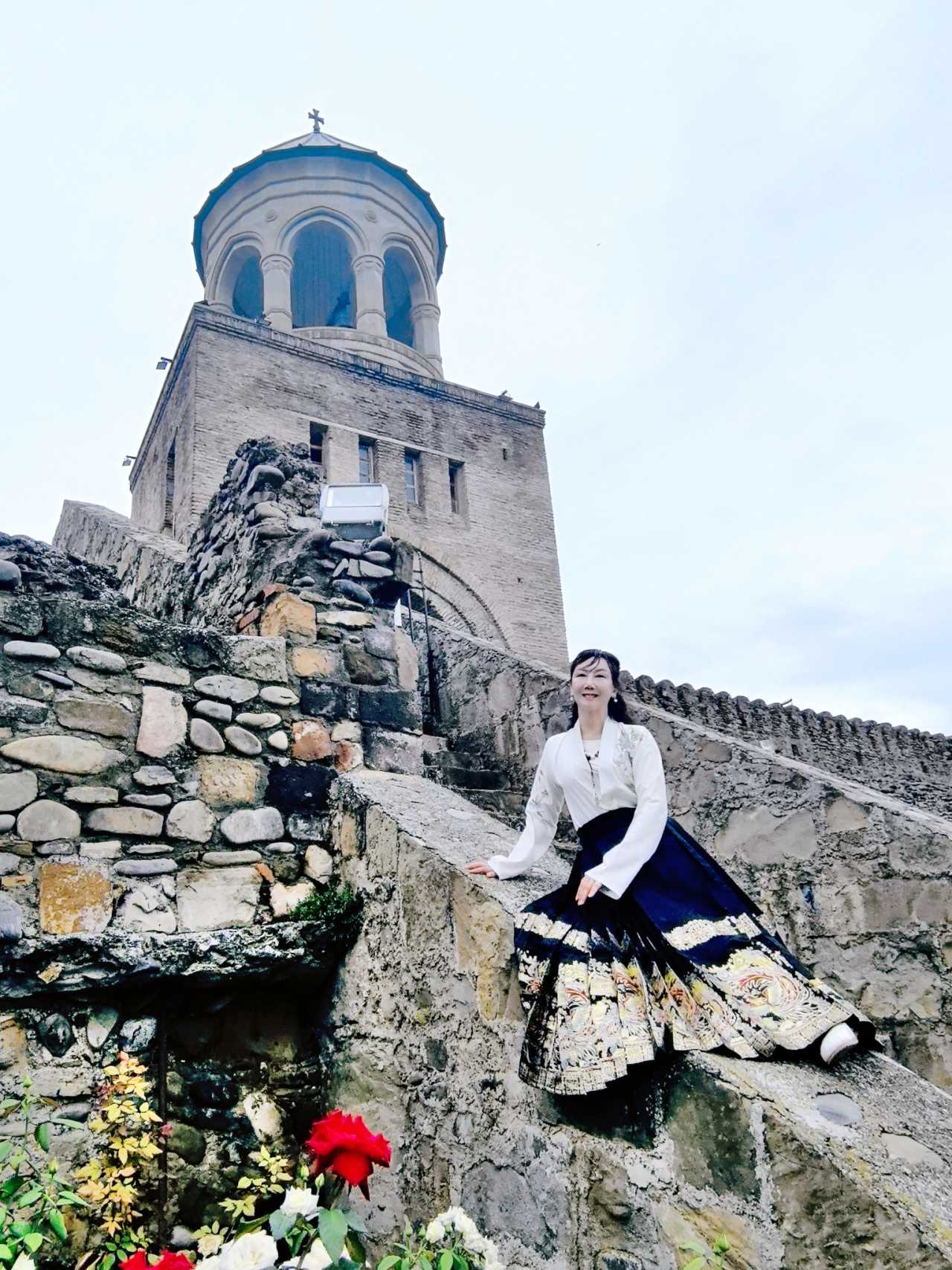 Svetitskhoveli Cathedral
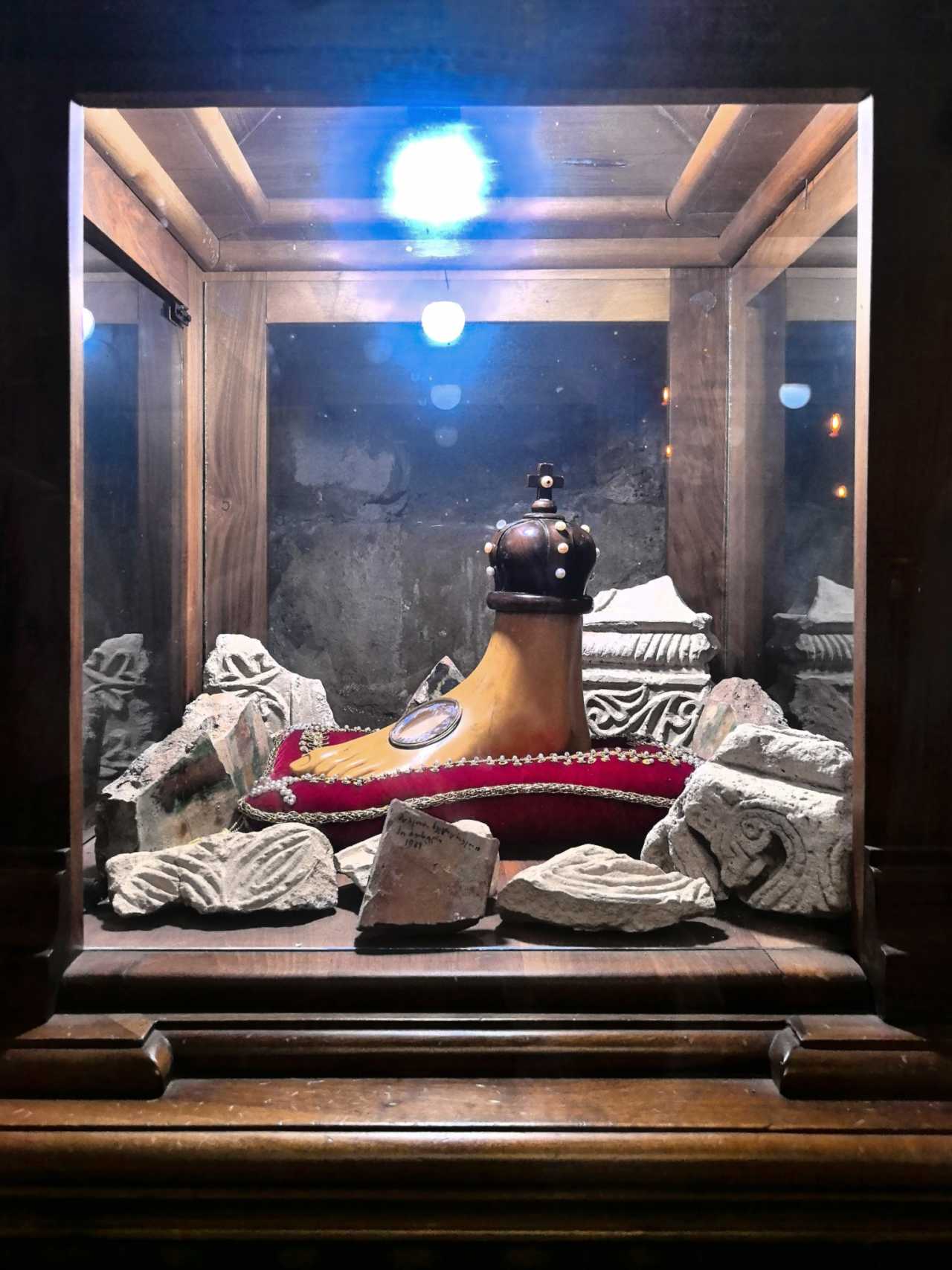
The church was initially built in the 4th century, with foundations dating back to the site of Georgia's first church, known as the "Second Jerusalem." According to legend, the seamless robe Jesus wore during his crucifixion was buried here, and after his sister died from touching the robe, cedar trees grew from her grave and were used for the church's pillars.
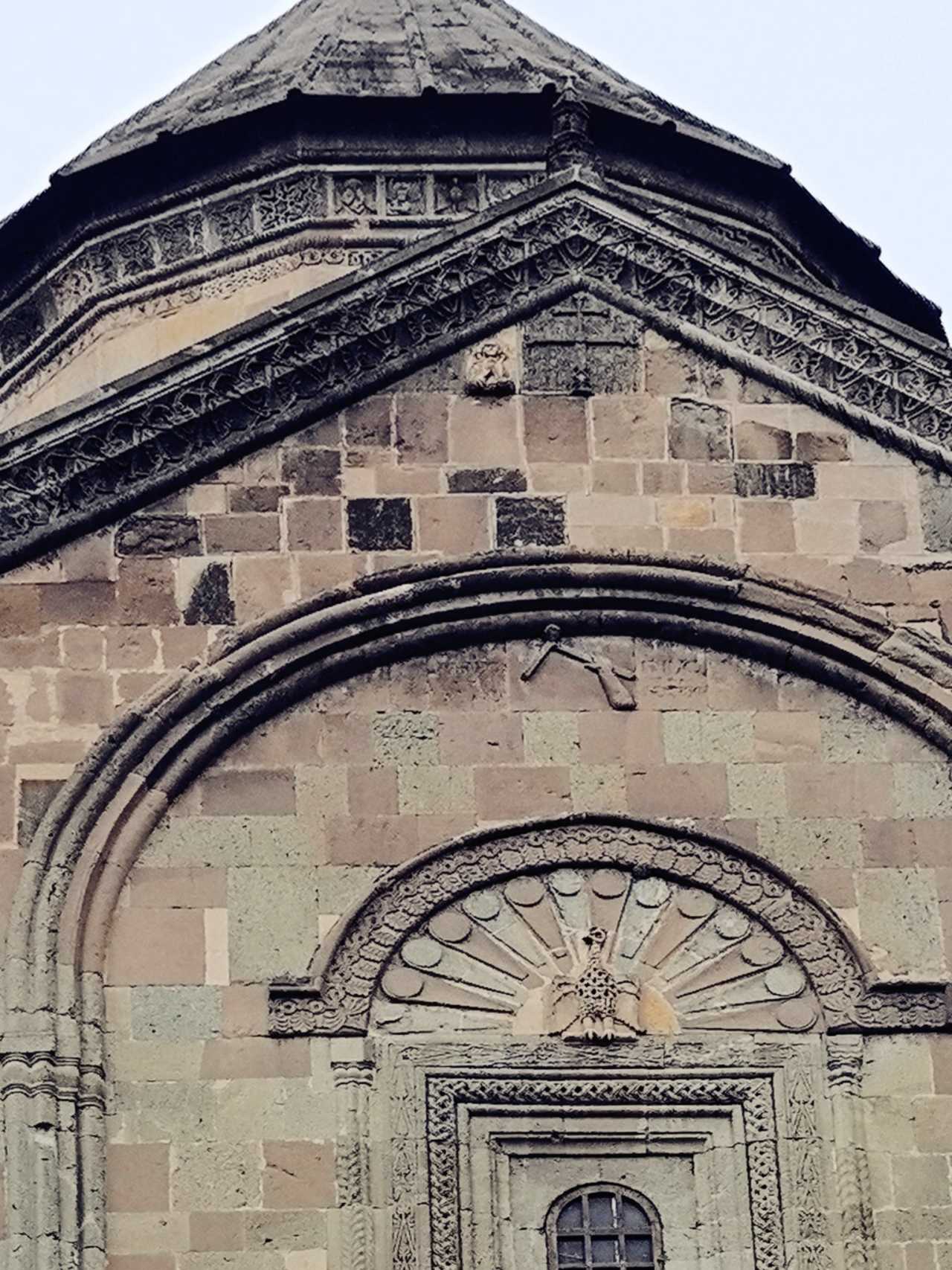
The west facade of the church retains thousand-year-old grape vine reliefs, and the north window is carved with peacocks symbolizing eternal life. The outer wall of the church is carved with a relief of the 11th-century architect Arsukidis with his arm cut off.
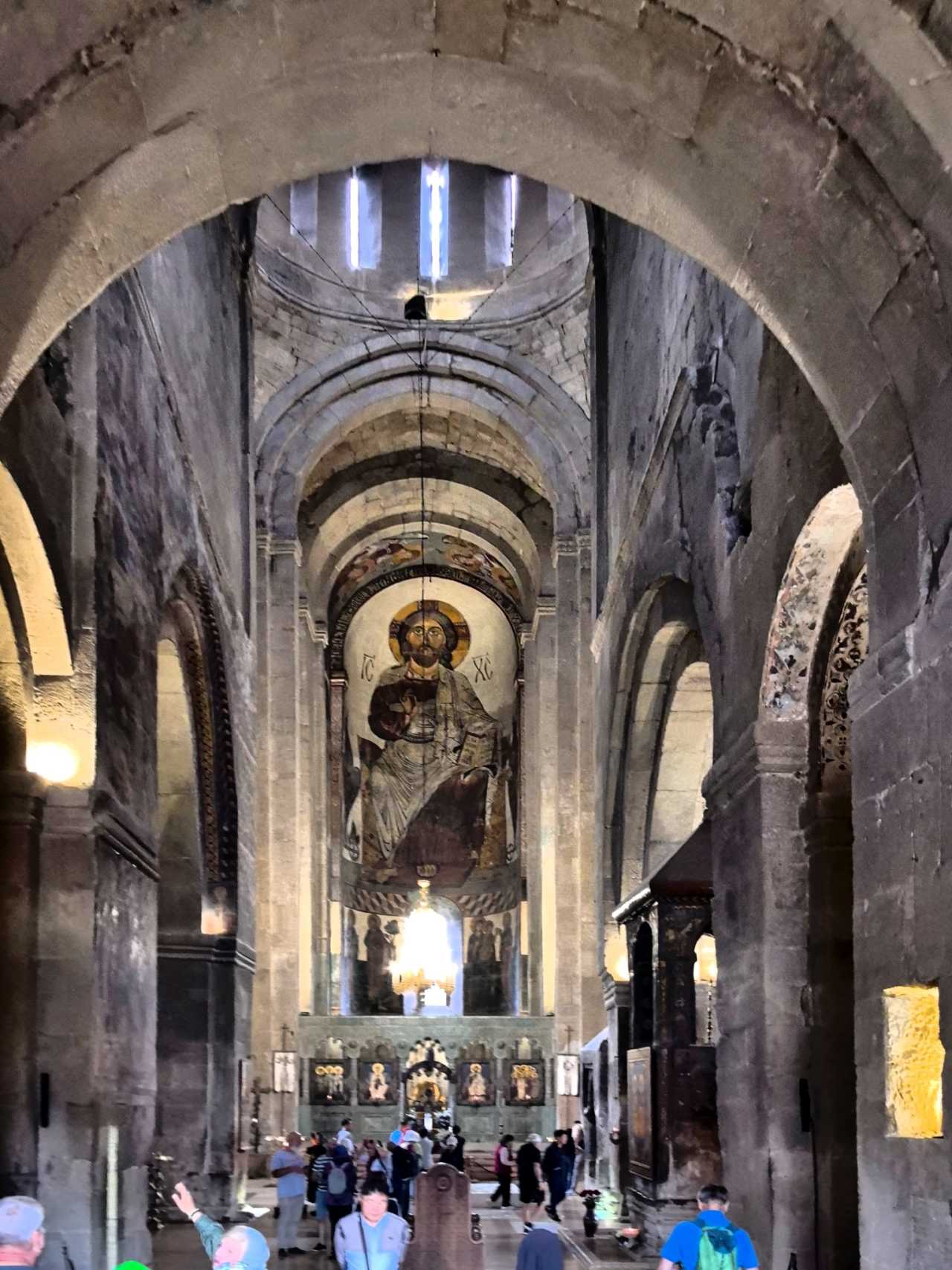
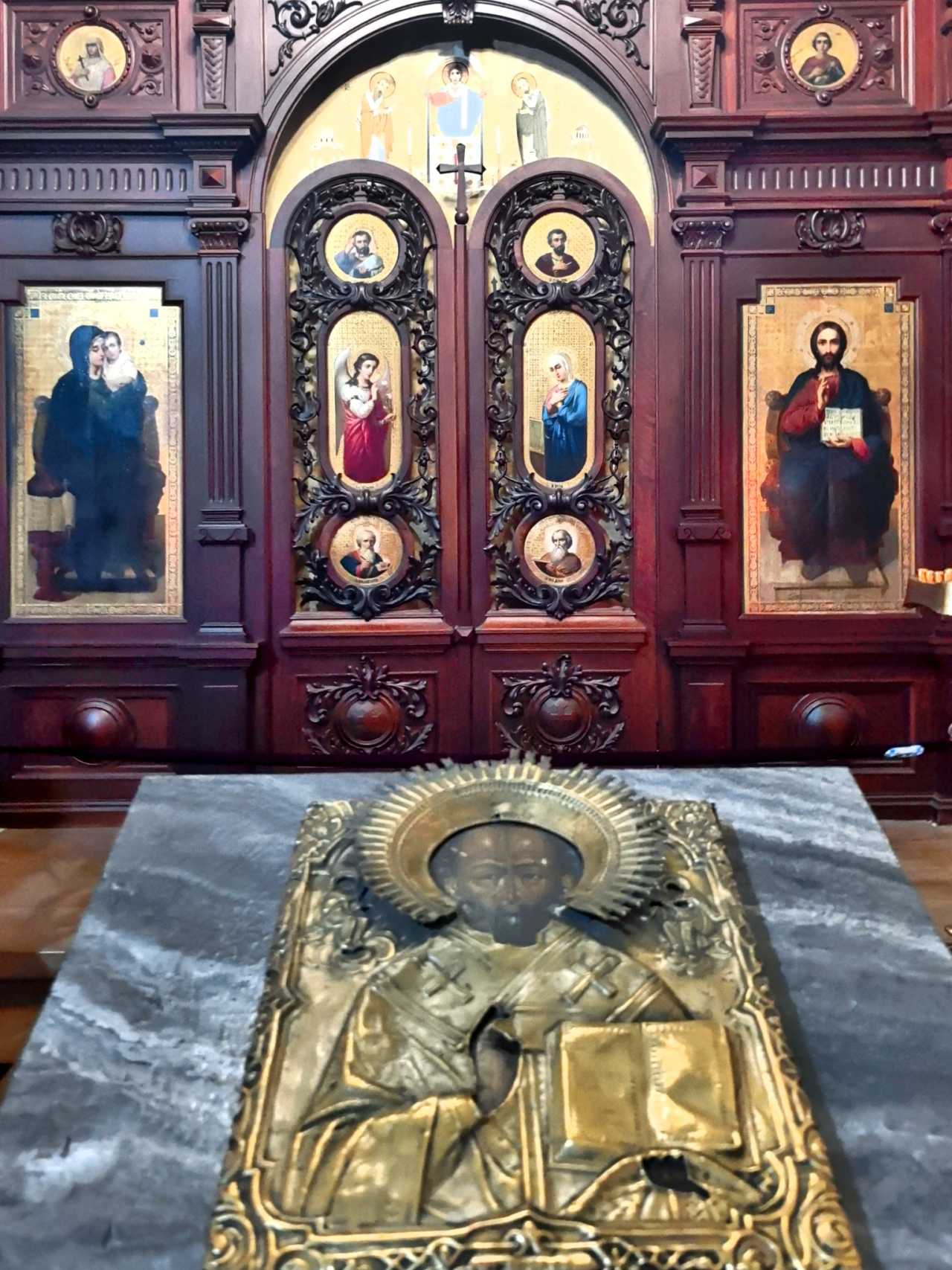 Svetitskhoveli Cathedral
 Svetitskhoveli Cathedral
 Svetitskhoveli Cathedral
 Svetitskhoveli Cathedral
 Svetitskhoveli Cathedral
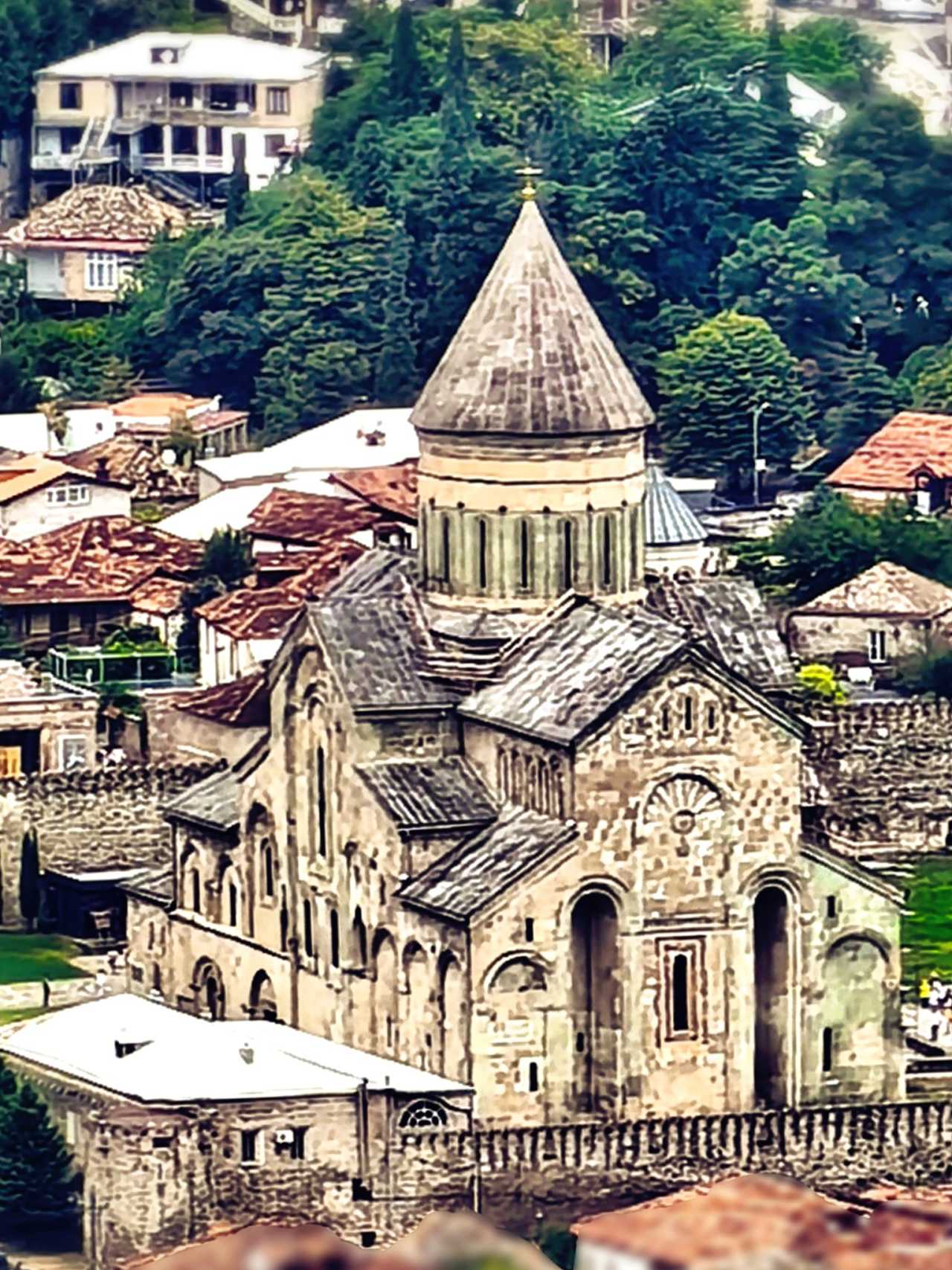 Svetitskhoveli Cathedral
The church is located in the center of Mtskheta, Georgia, opening hours: 9:00-18:00; Admission: Free. From Tbilisi, you can take the subway to Didube Station, then take a minibus from the long-distance bus station to Mtskheta, fare is 2 Lari; you can also take a taxi directly.
【Jvari Cross Monastery: A Lighthouse of Faith on the Cliff】
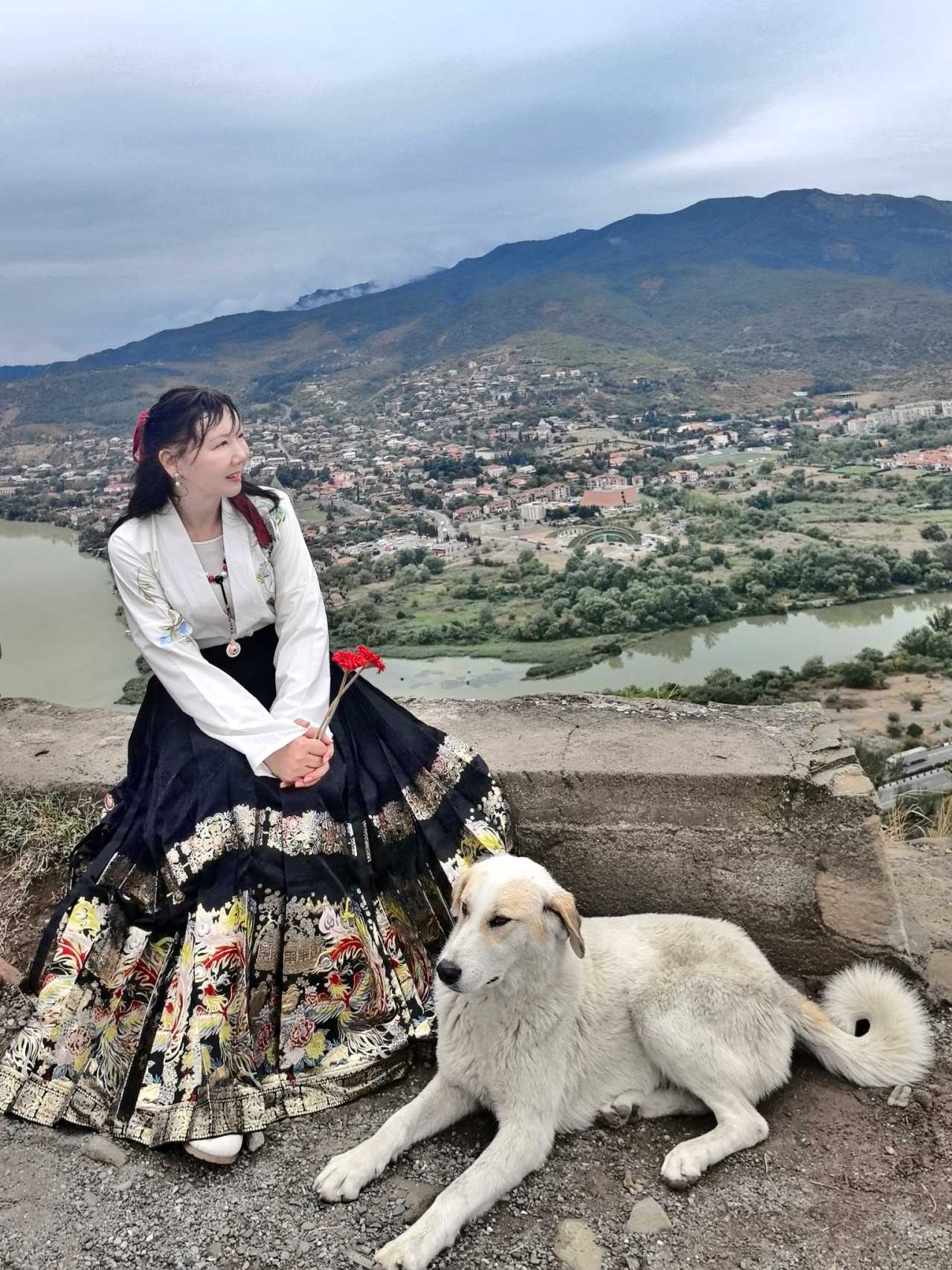
Jvari Monastery is not far from Svetitskhoveli Cathedral, situated on a cliff. Built in the 6th century, it sits atop a mountain and requires climbing a flight of stone steps to reach; the monastery is not large, with white buildings and simple crosses, offering unique views overlooking the old town of Mtskheta and the confluence of the Kura and Aragvi Rivers.
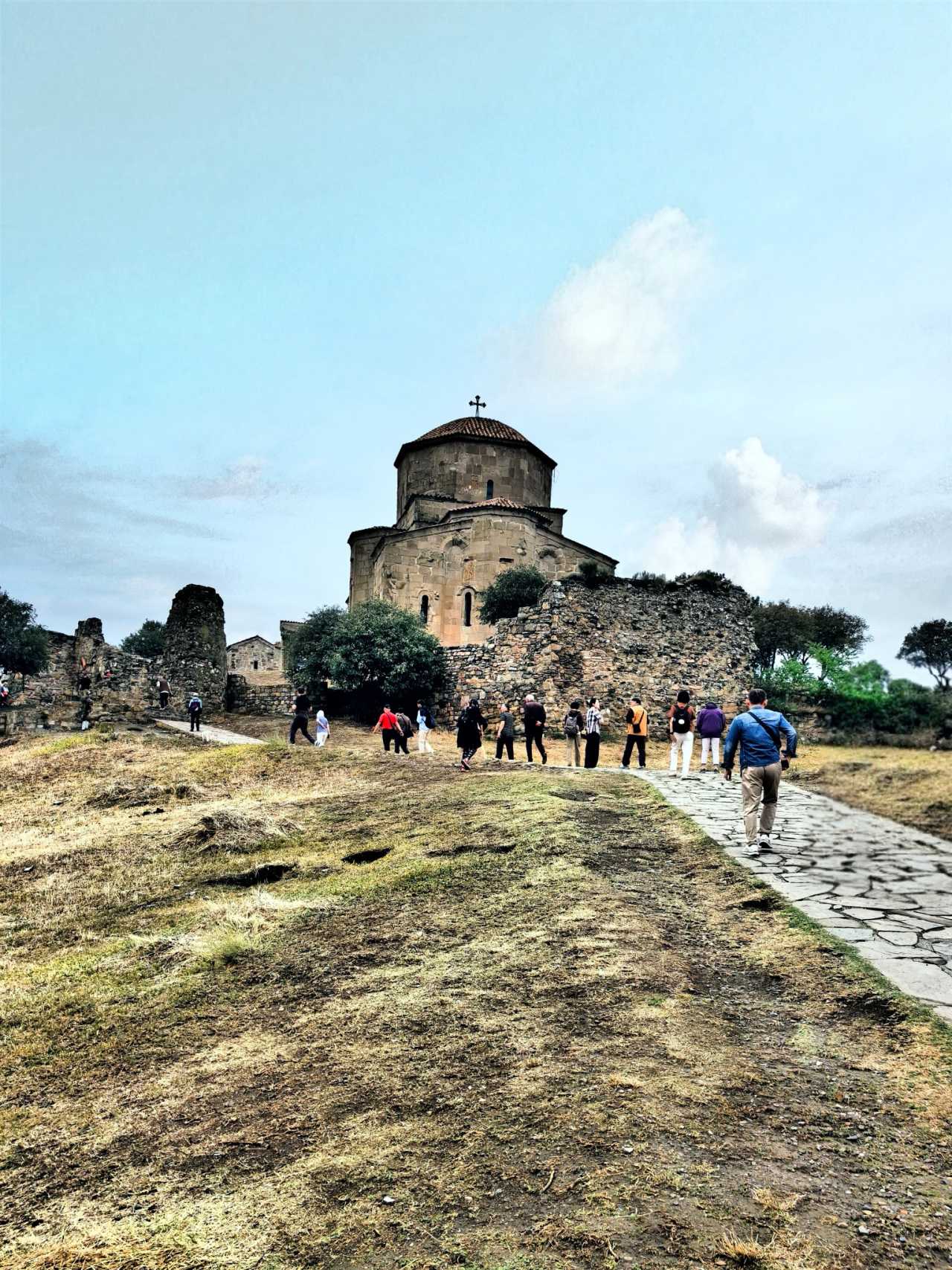
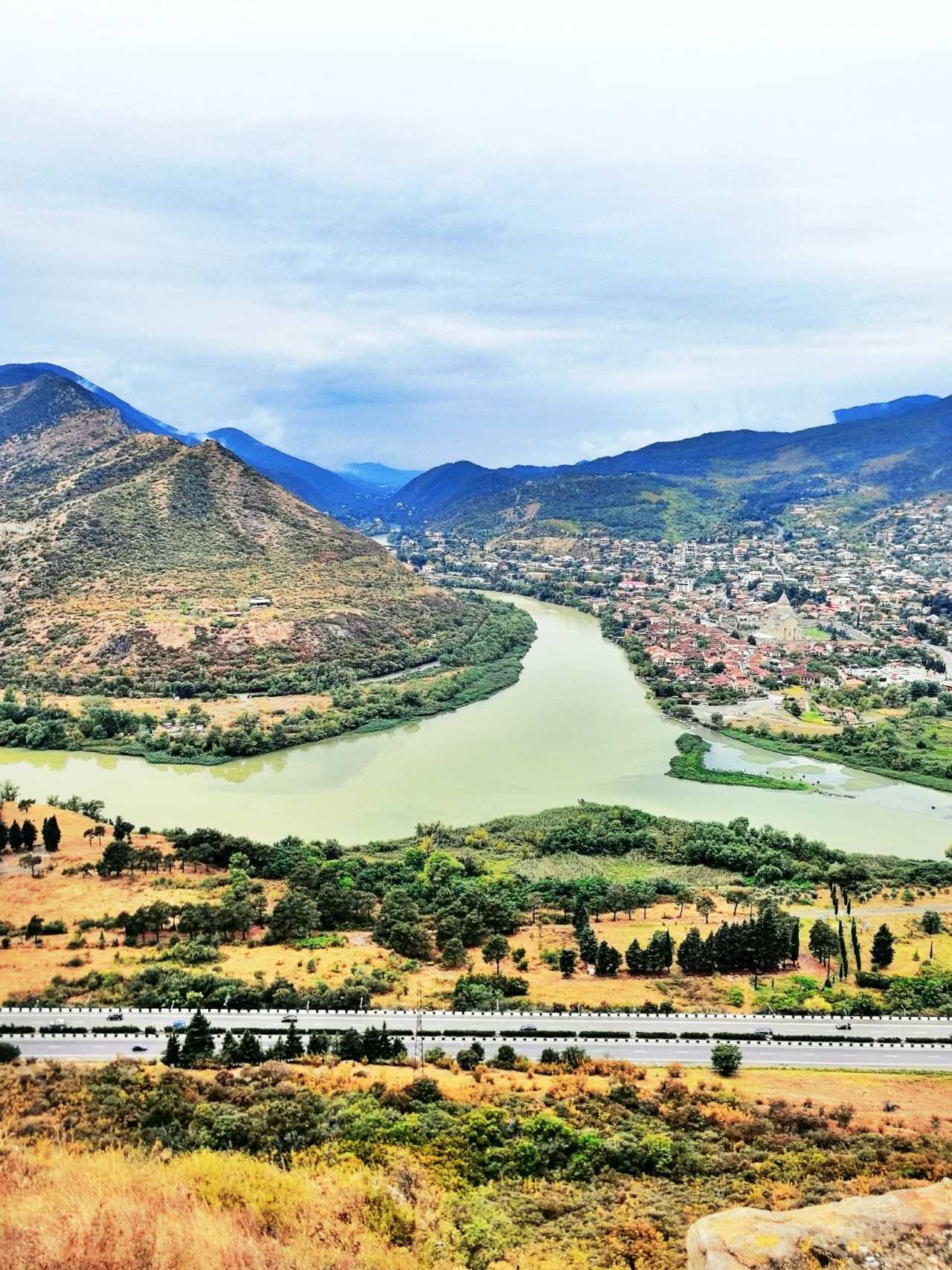
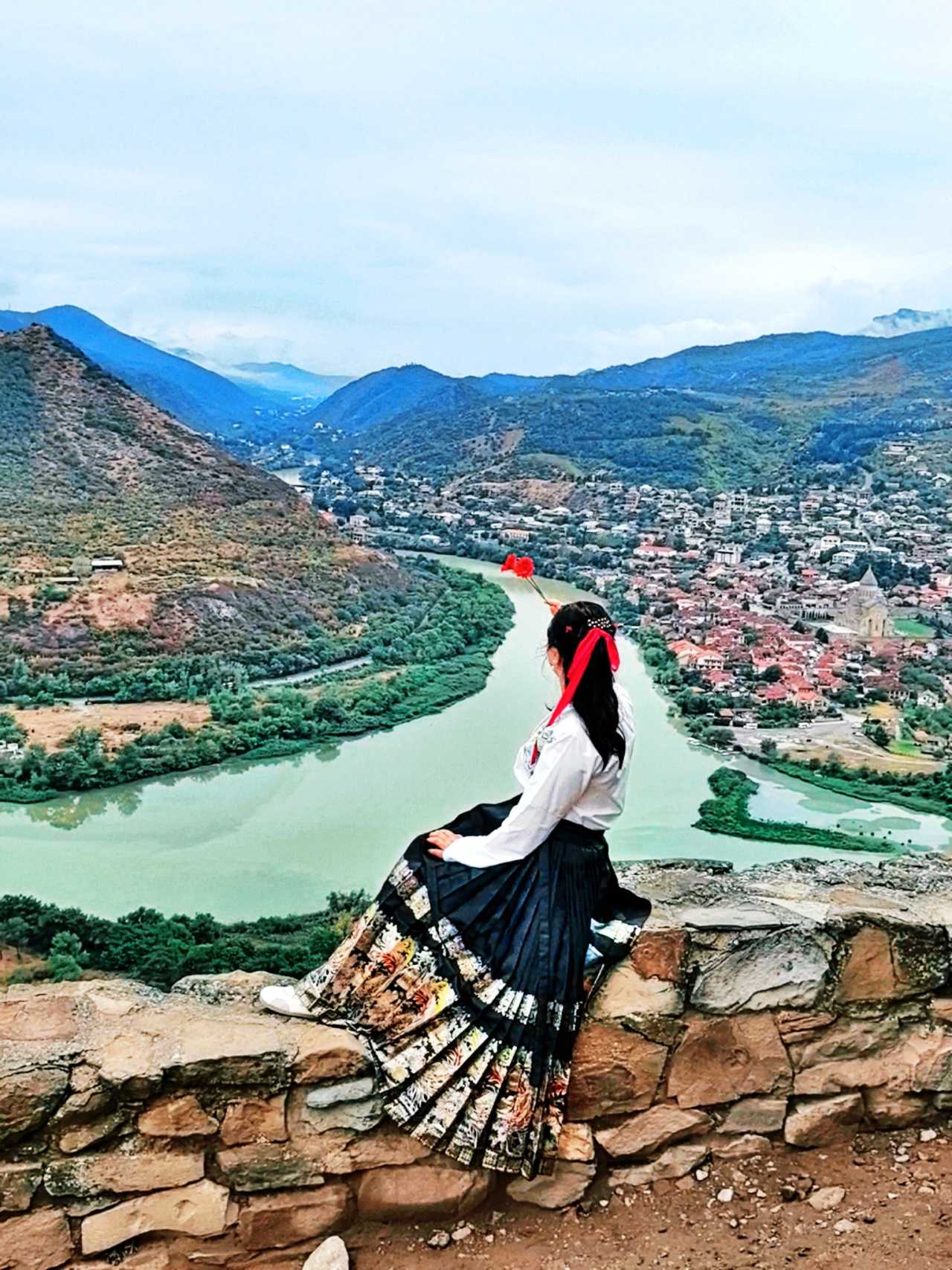
【Ananuri Castle: A Guardian of Mountains and Rivers】
Ananuri Castle is located on the shores of the Zhinvali Reservoir, built in the 16th century. The castle complex includes churches, watchtowers, and residential buildings, making it one of the best-preserved medieval castle complexes in Georgia. Standing on the castle walls, you can overlook the turquoise Zhinvali Reservoir and the surrounding mountains. The castle's church walls are covered with ancient frescoes, and the bell tower still rings on time.
【Russian-Georgian Friendship Monument: A Rainbow of Friendship Across Time and Space】
Located in the Gudauri Mountains, built in 1983 to commemorate the 200th anniversary of the Treaty of Georgievsk. The monument is semi-circular with colorful murals depicting scenes of friendship between the two peoples. Standing here, you can overlook the deep valleys and snow-capped mountains, making it one of the best viewing platforms on the Georgian Military Highway.
【Kazbegi: A Fairy Tale Town at the Foot of Snow Mountains】
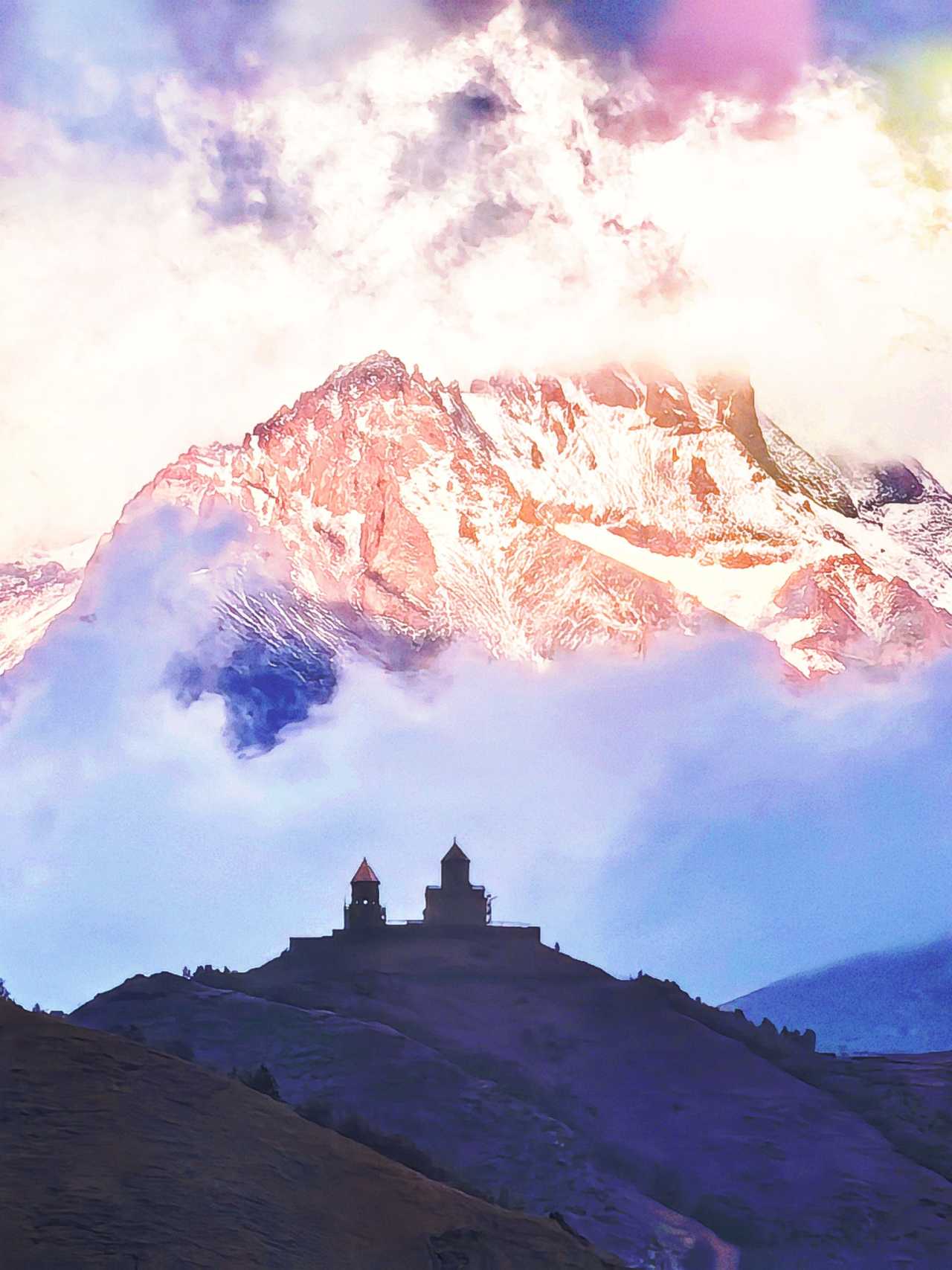
Kazbegi town is located at the foot of Mount Kazbek, the third highest peak in the Caucasus. The town is surrounded by snow-capped mountains and is known as "Georgia's Little Switzerland." The famous Holy Trinity Church stands on the top of the mountain, forming a classic picture with the snow-capped mountains in the background.
3. Holy Trinity Church: A Dialogue Between Clouds and Faith
The Holy Trinity Church is the landmark of Kazbegi, built in the 14th century on a cliff 2,170 meters above sea level. The church is only accessible by hiking or off-road vehicle. The 1.5-hour hike offers spectacular mountain views along the way. Standing in front of the church, you can overlook the entire Kazbegi town and the majestic Mount Kazbek.
II. Armenia, the First Christian Nation
Armenia was the first country in the world to adopt Christianity as its state religion (in 301 AD). This ancient land carries profound religious culture and tragic history. We visited Haghpat Monastery, Etchmiadzin Cathedral, and Zvartnots Archaeological Site, each telling stories of faith and resilience.
III. Azerbaijan, Where Fire and Wind Dance
Azerbaijan is known as the "Land of Fire" with its unique mud volcanoes, eternal flames, and modern capital Baku. The contrast between ancient fire worship culture and modern urban civilization creates a unique charm.
IV. Baku, a City of Contrasts
Baku perfectly combines medieval old city walls with modern flame towers. Walking through the old city's cobblestone streets, you can feel the weight of history, while the seaside promenade shows the city's modern vitality.
V. Practical Travel Information
Visa: Georgia - visa-free for 30 days; Armenia - e-visa; Azerbaijan - e-visa
Currency: Georgia - Lari; Armenia - Dram; Azerbaijan - Manat
Best Time to Visit: May-June and September-October
Transportation: Domestic flights to Urumqi, then transfer to Tbilisi
Accommodation: Mix of boutique hotels and international chains
Food: Georgian khachapuri, Armenian khorovats, Azerbaijani plov
Armenia: The First Christian Nation
Armenia was the first country in the world to adopt Christianity as its state religion in 301 AD. We visited the magnificent Etchmiadzin Cathedral, the ancient Haghpat Monastery, and the mysterious Zvartnots Archaeological Site. Each site carries the weight of faith and the resilience of a nation that has endured countless hardships.
Azerbaijan: Land of Fire
Azerbaijan captivated us with its unique natural phenomena - the bubbling mud volcanoes, the eternal flames of Yanar Dag, and the sacred Ateshgah Fire Temple. The contrast between ancient fire worship and modern Baku's cosmopolitan atmosphere created an unforgettable experience.
Baku: Where East Meets West
Baku's UNESCO-listed Old City charmed us with its medieval walls and the iconic Maiden Tower. The city's modern face shines through the Flame Towers and the beautiful Caspian Sea promenade. Walking through the cobblestone streets, we discovered hidden tea houses, carpet shops, and the warm hospitality of Azerbaijani people.
The Great Wall Restaurant: A Taste of Home in Baku
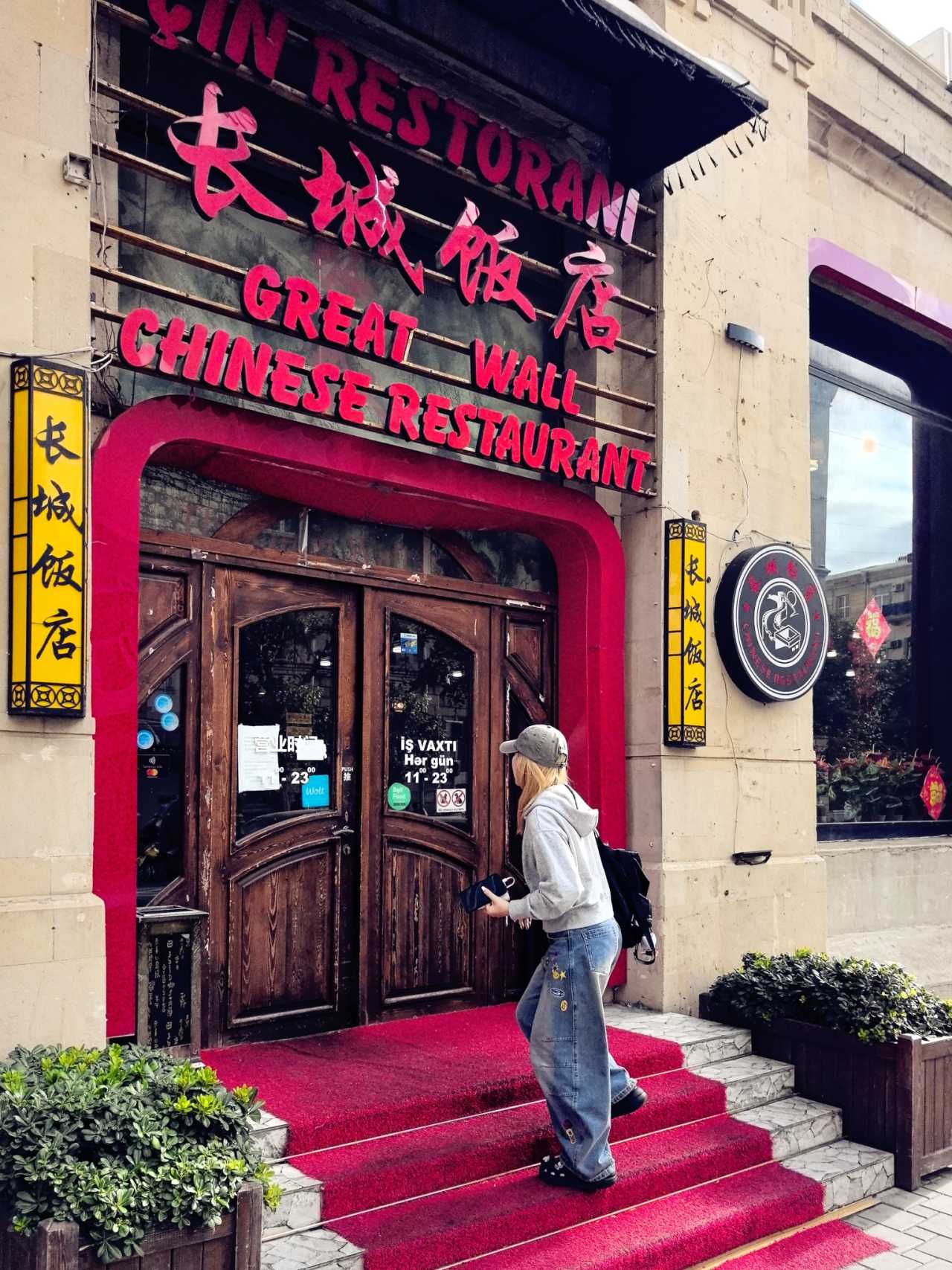
In Baku, we discovered the Great Wall Restaurant, a beloved Chinese establishment that has become a home away from home for Chinese visitors. The owner, a warm-hearted Chinese expatriate, has been running this restaurant for years, serving authentic Chinese cuisine to homesick travelers and local food enthusiasts alike.
The restaurant's signature dishes include hand-pulled noodles, dumplings, and Mapo Tofu, all prepared with ingredients sourced from local markets but cooked with traditional Chinese techniques. The walls are decorated with Chinese calligraphy and paintings, creating a cozy atmosphere that transports diners back to China.
What makes the Great Wall Restaurant special is not just the food, but the sense of community it fosters. The owner often organizes cultural events, teaches Chinese cooking classes to locals, and serves as an unofficial ambassador of Chinese culture in Baku. When Chinese sports teams or delegations visit Azerbaijan, they inevitably end up at the Great Wall Restaurant for a taste of home.
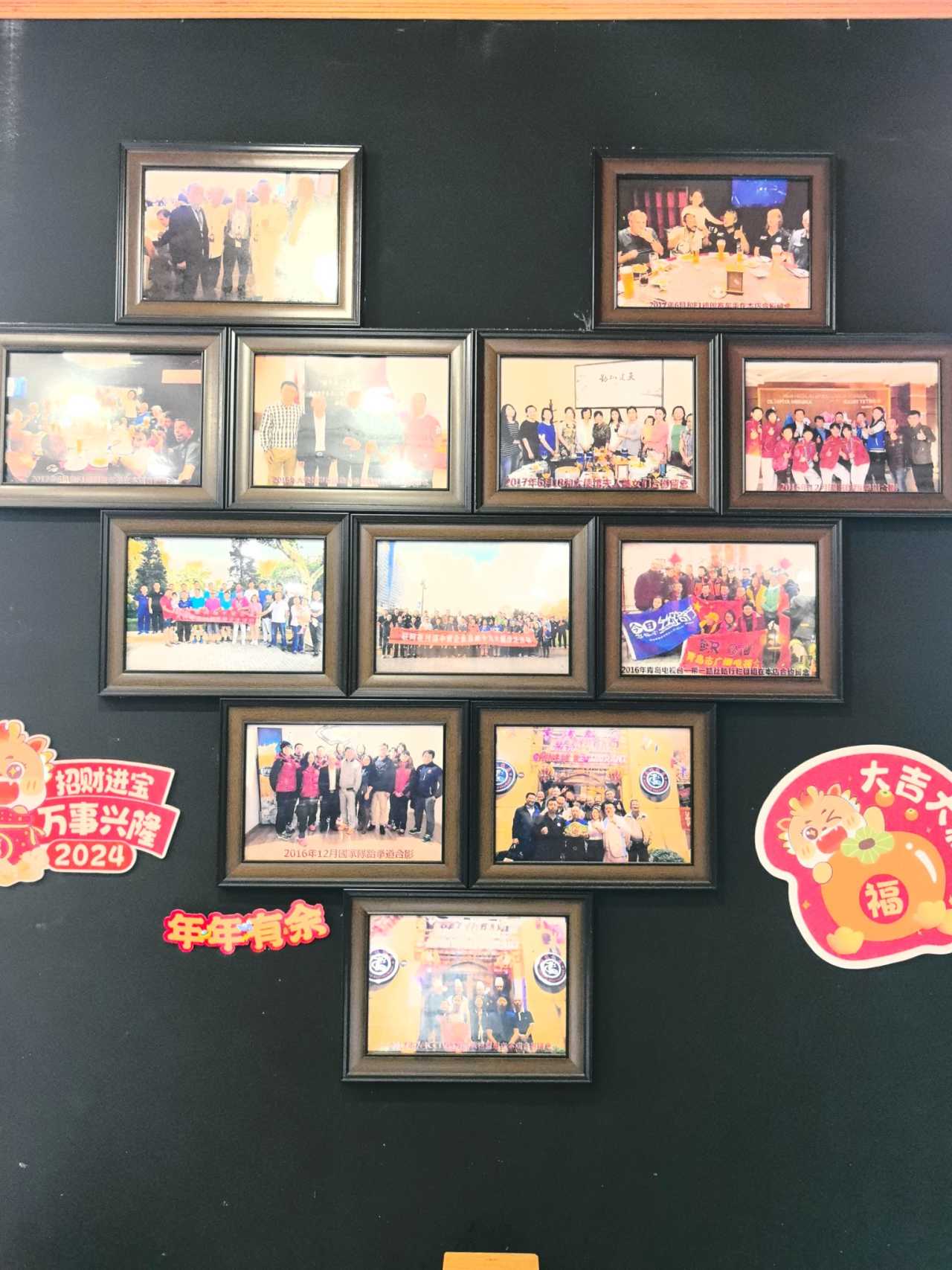
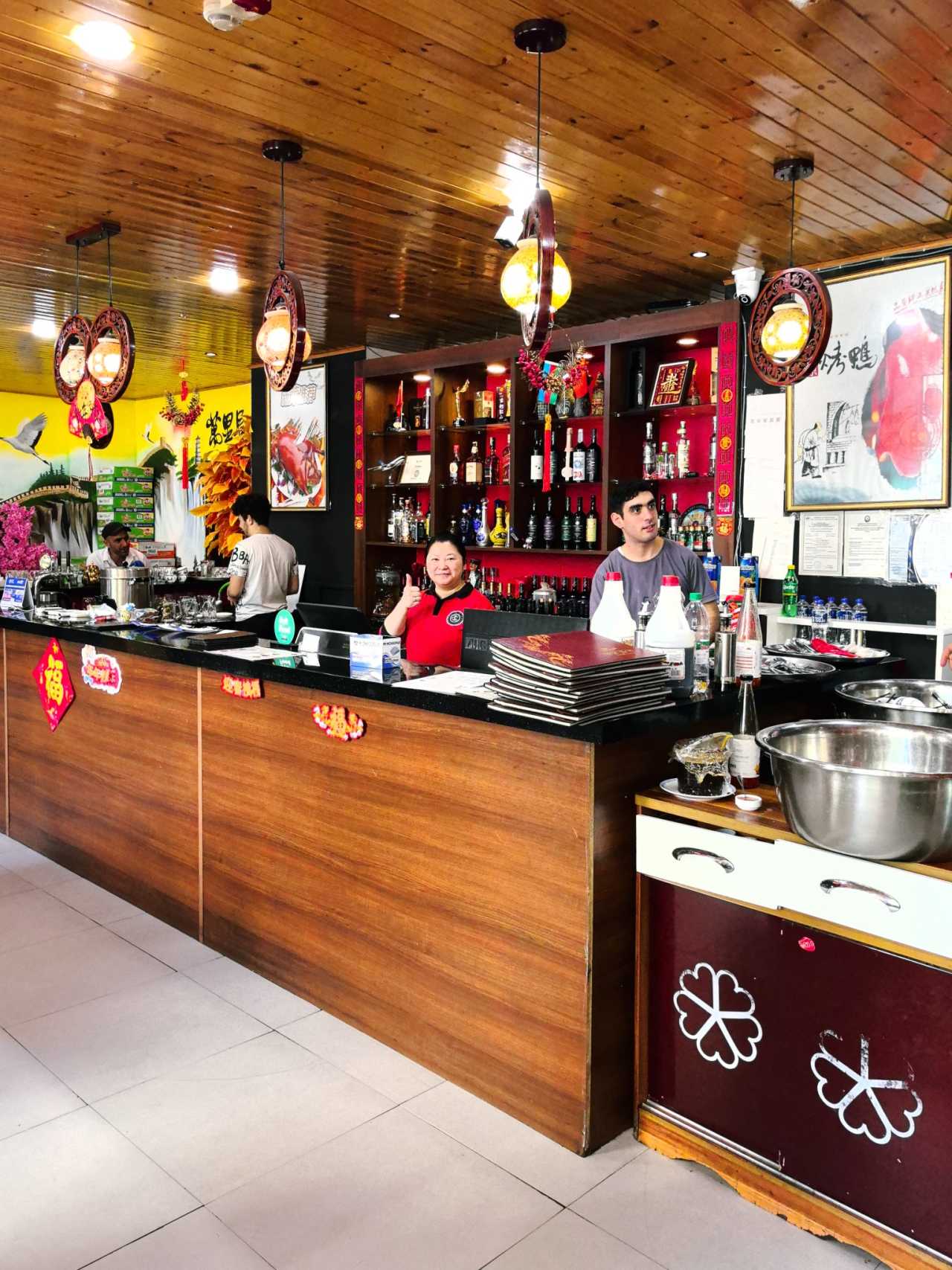
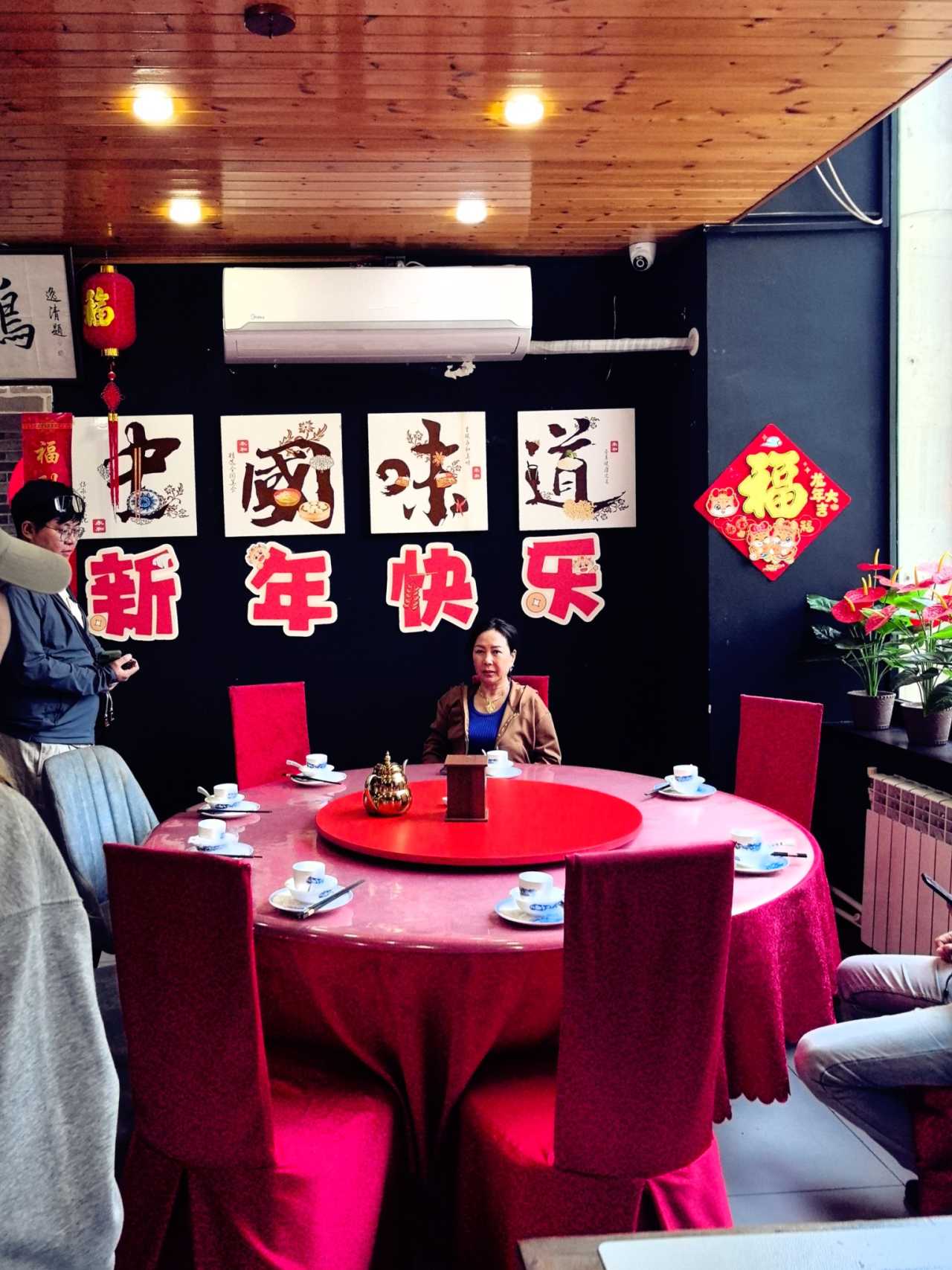

The Great Wall Restaurant is more than just a place to eat - it's a warm Chinese symbol in Baku, carrying the nostalgia of the tongue and the warmth between compatriots.
Practical Travel Information
Visa: Georgia - visa-free for 30 days; Armenia - e-visa; Azerbaijan - e-visa
Currency: Georgia - Lari; Armenia - Dram; Azerbaijan - Manat
Best Time to Visit: May-June and September-October
Transportation: Domestic flights to Urumqi, then transfer to Tbilisi
Accommodation: Mix of boutique hotels and international chains
Food: Georgian khachapuri, Armenian khorovats, Azerbaijani plov
Farewell, Baku; Farewell, Caucasus
At 22:00, when the airport announcement sounded, I took one last look at Baku's night sky - the "flame" lights of the Flame Towers were still dancing in the distance, the faint lights of the Old City were hidden in the darkness, and the Caspian Sea breeze seemed to be chasing the airport glass, still carrying the freshness of the street corner mint tea.
The memories of this Caucasus journey have long been woven into the fragments: the hot black tea in the miniature bookstore of the Old City, the carpet patterns hidden on the outer walls of the Art Center, and the sky-water harmony seen when the coat corners were lifted by the strong wind by the Caspian Sea. Nothing earth-shattering, but every scene is solid.
As the plane slowly lifted off, Baku's lights gradually became stars, and the outline of the Caucasus faded into the night. No need to say too many goodbyes - those warmth hidden in the wind, tea, and lights will be the most vivid thoughts when remembering this place.
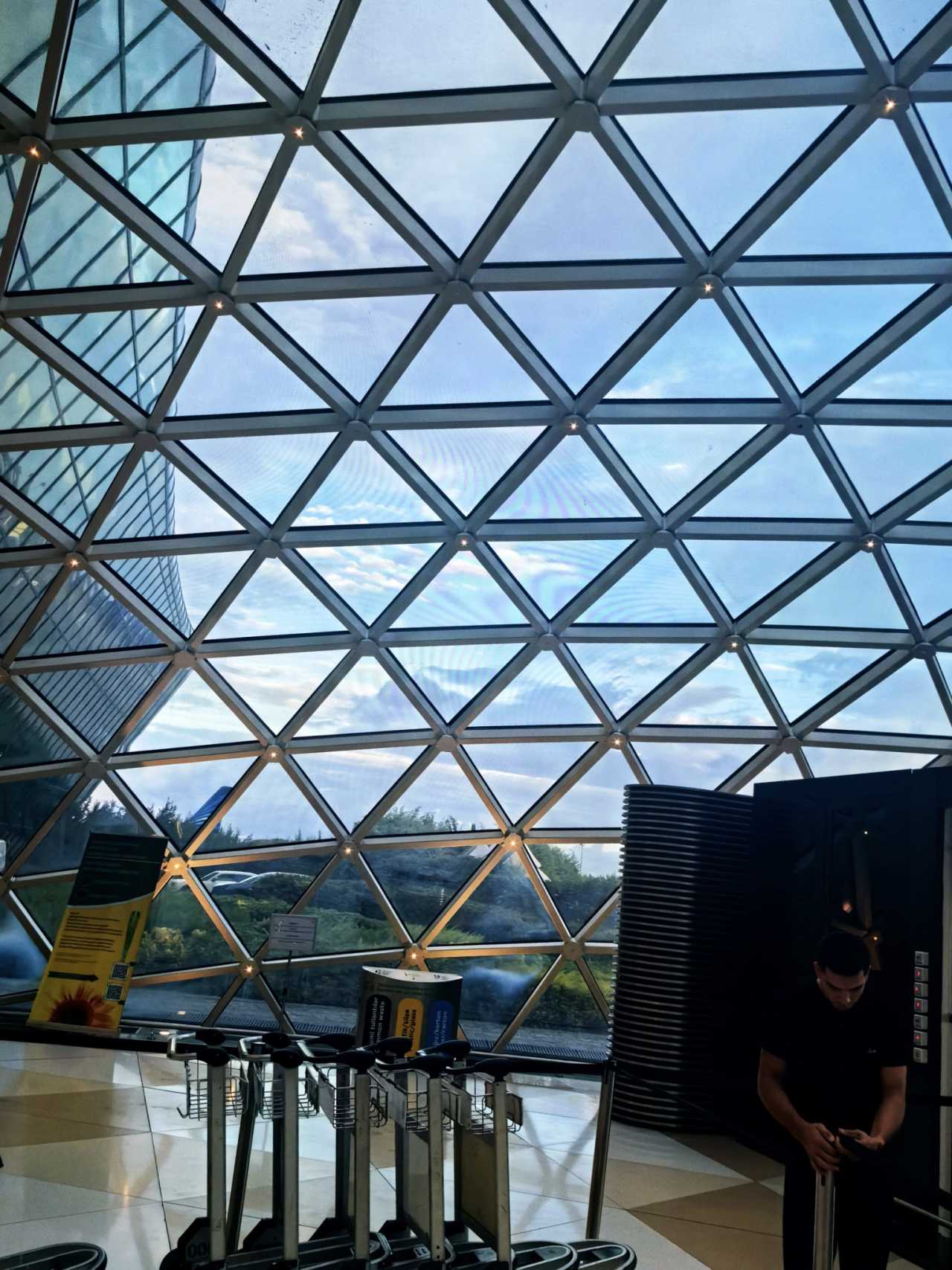 Baku Airport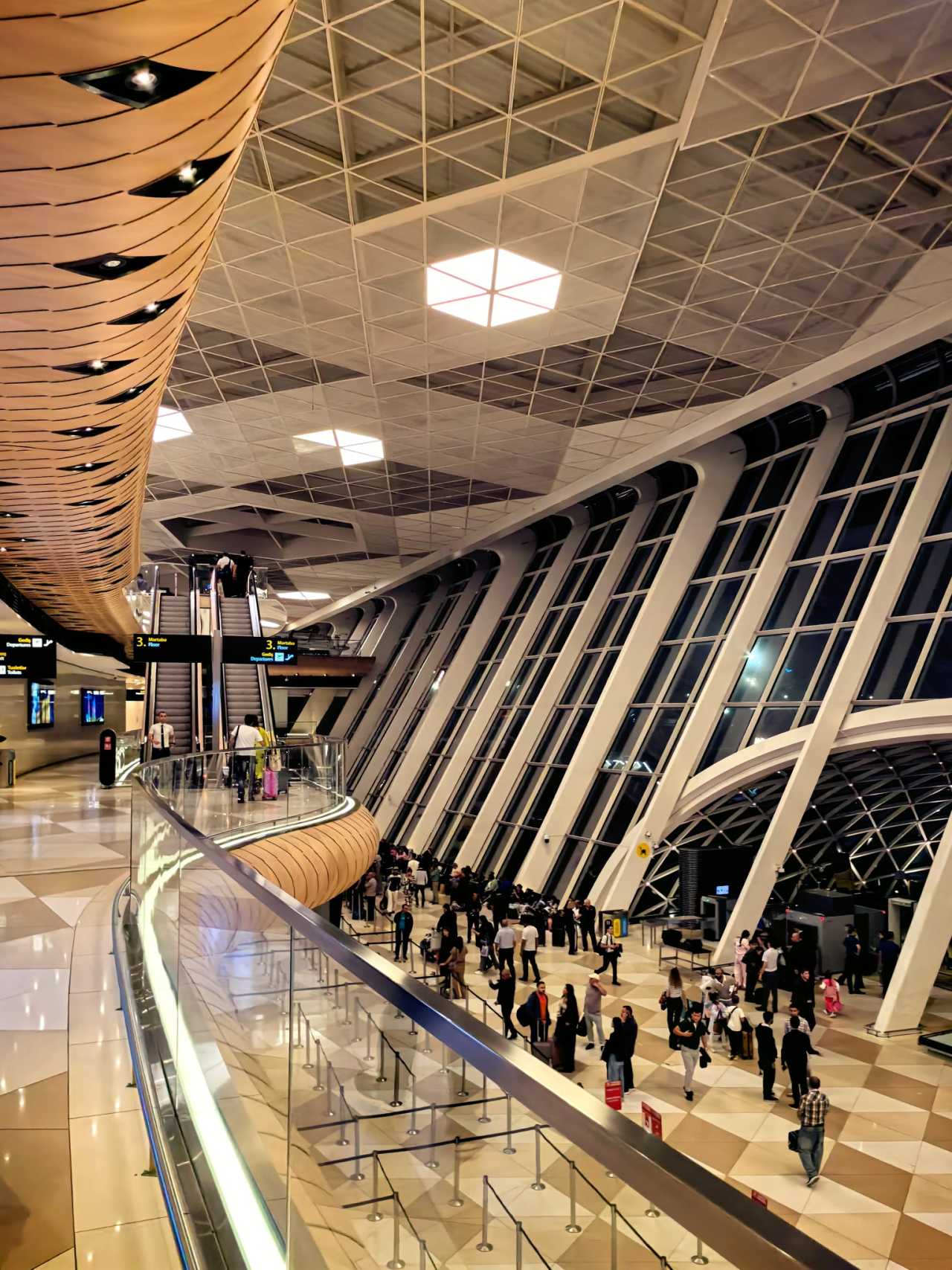
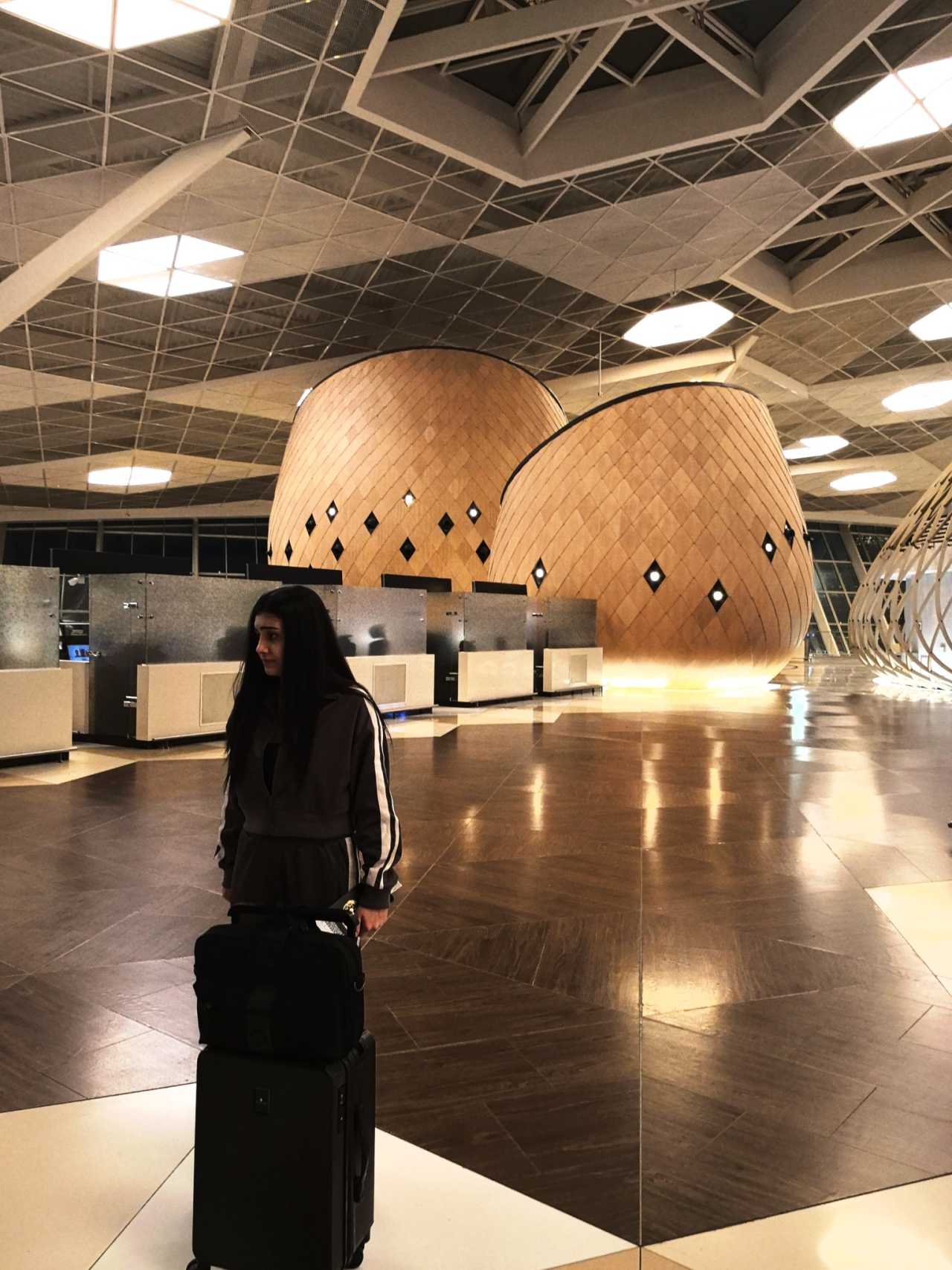
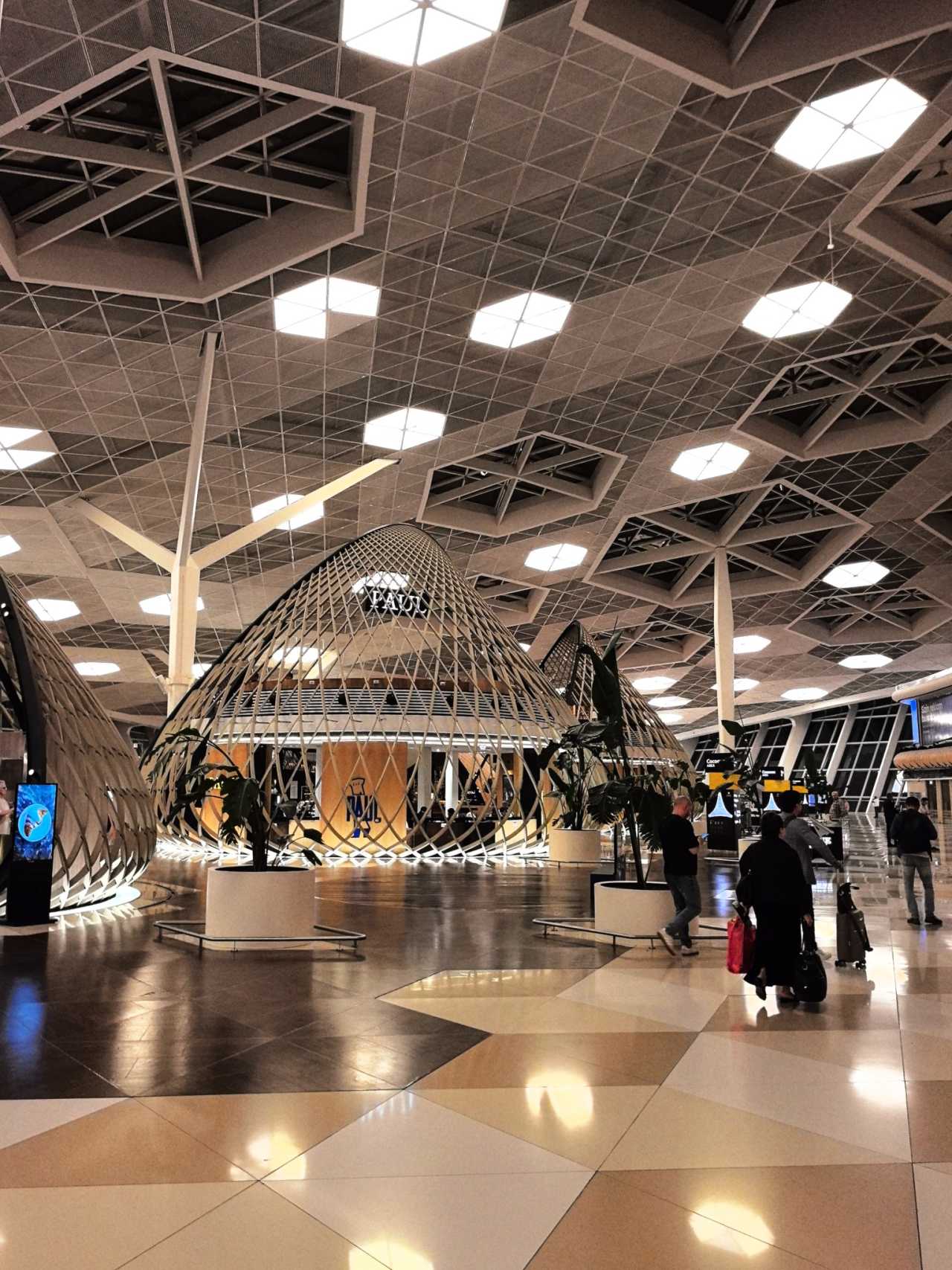
 Baku Airport