This must be the most beautiful and lovely mountain peak in the world. Its almost perfect ice and snow cone, with simple contours as if drawn by a child's hand, makes it impossible to estimate its size, height, or how close it actually is. It shines so brilliantly and rests so peacefully that for a moment one doubts whether it truly exists.
——James Hilton, "Lost Horizon"
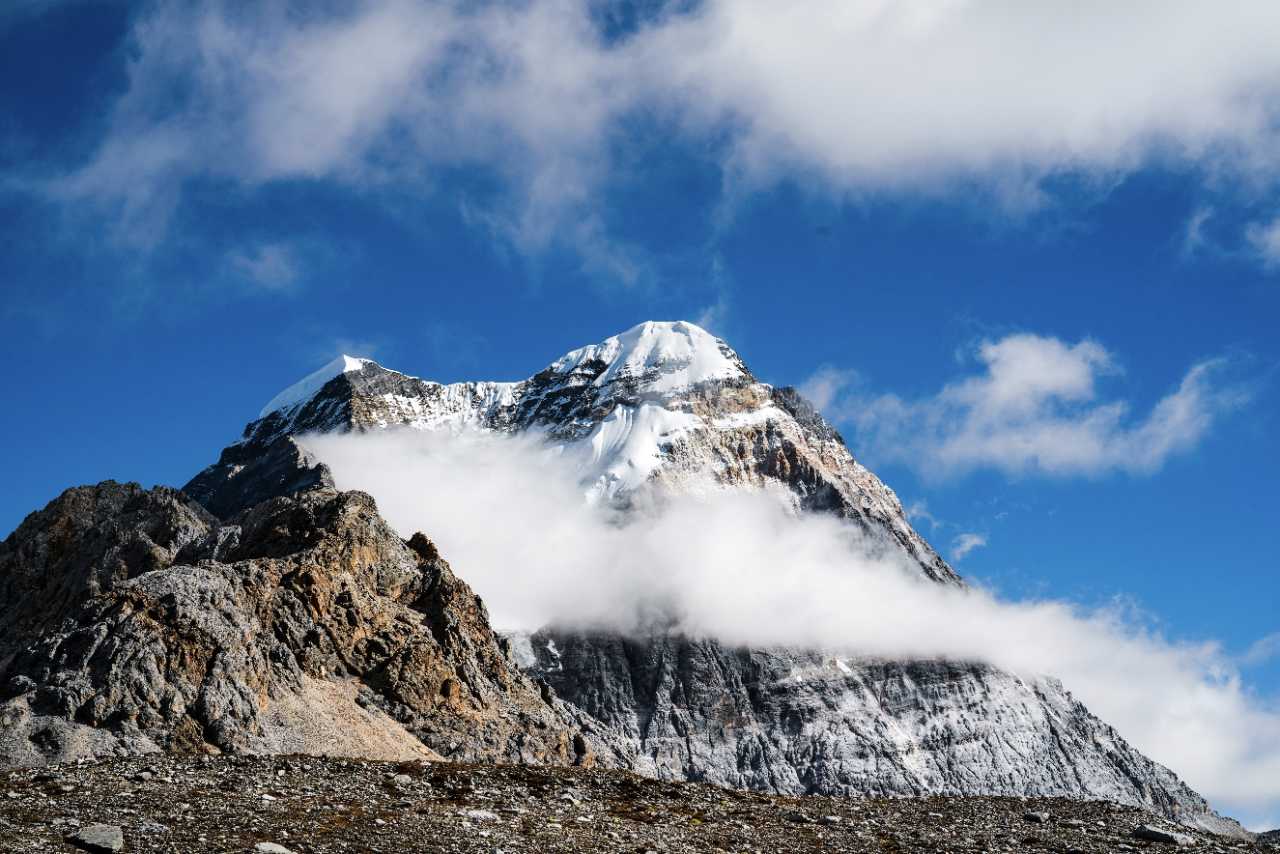 Xiannairi
Avalokiteshvara Bodhisattva: Xiannairi, elevation 5998.5 meters
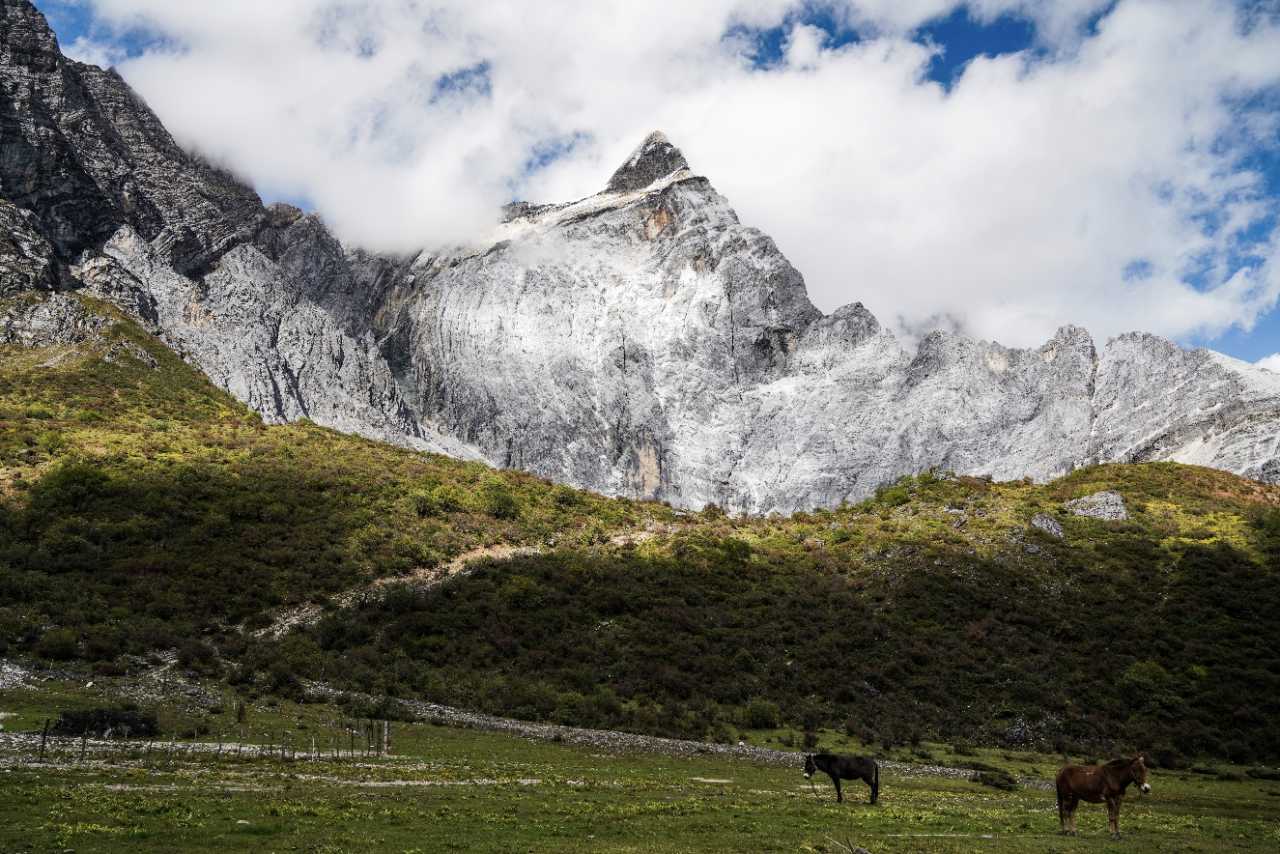 Daocheng Yading Scenic Area
Manjushri Bodhisattva: Yangmaiyong, elevation 6033 meters
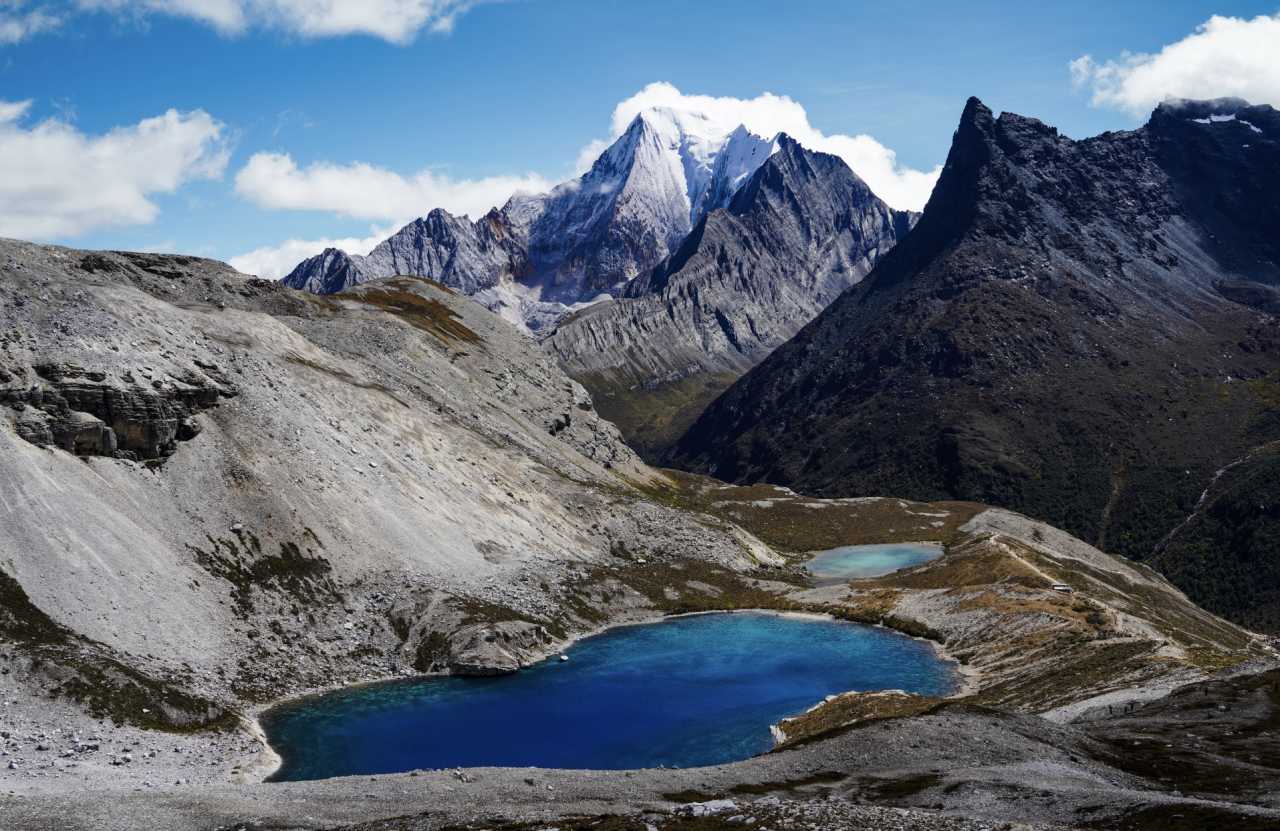 Five-Color Lake
Vajrapani Bodhisattva: Xianuoduoji, elevation 5951.3 meters
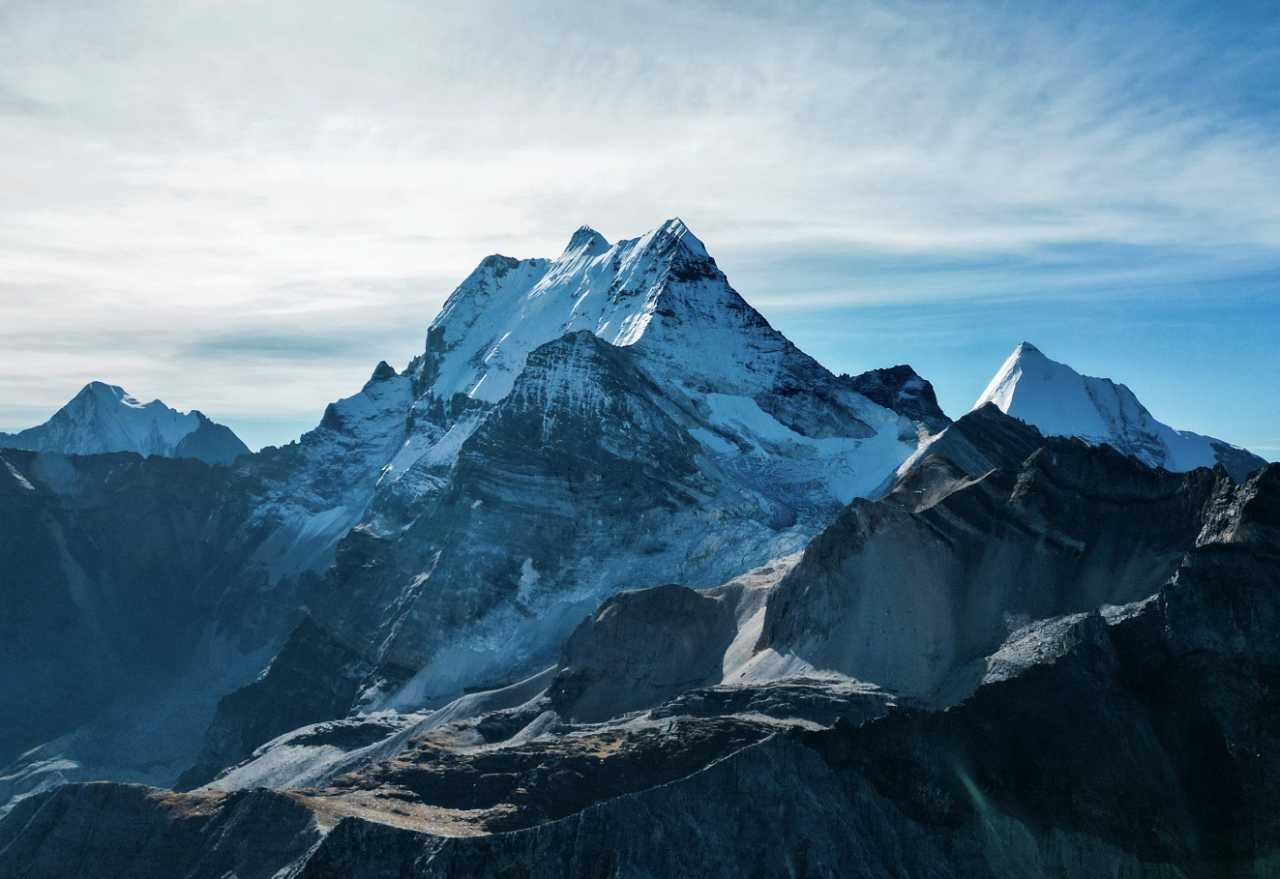 Daocheng Yading Scenic Area
Three sacred mountains in one frame (Xiannairi northwest perspective)
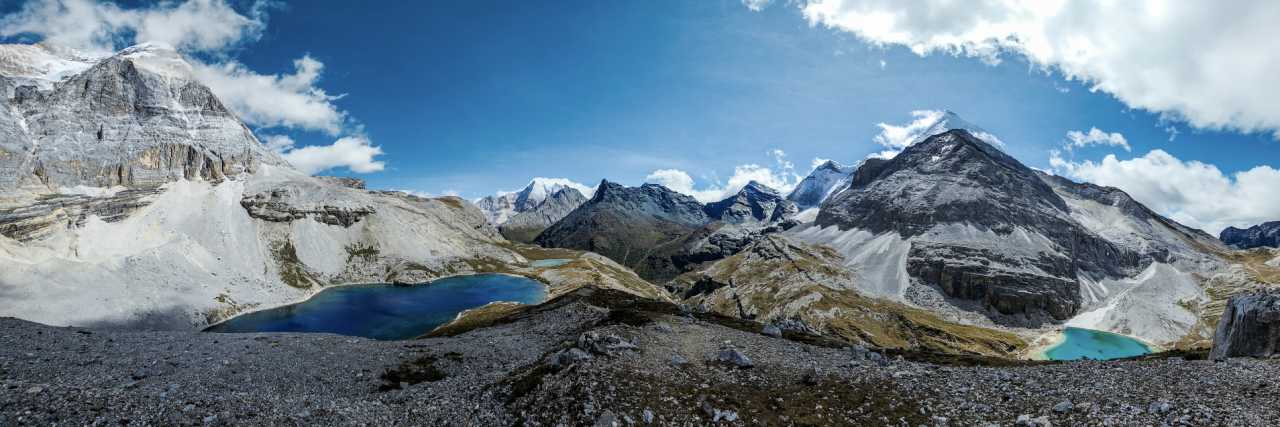 Daocheng Yading Scenic Area
Three sacred mountains in one frame (Five-Color Lake and Milk Lake panoramic perspective)
Unexpected Departure
Dear Yingning,
I am Kwok, how are you? I hope you are well.
When you see this letter, it means I have successfully completed the great kora around Yading.
Are you surprised that I suddenly went on the great Yading kora? It's a long story, but I was pressed for time, so let me briefly explain.
This sacred pilgrimage route in Tibetan Buddhism has always been on my wish list, but I was never fully prepared to depart. This journey was completely unexpected.
My original plan was to go mountaineering in Tibet, but just before departure, I received devastating news - the local Tibetan authorities flatly refused to issue climbing permits for this season. At that point, everything was ready except for packing up and leaving.
I cursed the management's brutality in my heart, but couldn't change the established facts. So I hurriedly searched for Plan B, unwilling to let my hard-won vacation go to waste.
I unexpectedly discovered that the great Yading kora, which had been closed for about two years, had reopened this year. Was this destined? In Buddhism, fate is important, and I thought perhaps my time had come? My Plan B was thus determined.
Day 1 Rain at Boyong Lake
Dear Yingning,
I have embarked on the journey.
The night before departure, I stayed in Yading Village at 3980 meters elevation. The village was pitch black as rain had damaged the fragile power facilities. I sat in the cold, damp hotel lobby, meeting with hiking companions, guides, and local assistants for the pre-departure briefing, doing the final equipment check and packing.
This night was so much like that night over ten years ago when you were in Pai Town, Milin County, Tibet. I remember you were about to trek to Medog, known as the "Sacred Lotus Land," listening to the rain outside, naively attending the pre-departure briefing. The same bad weather, the same uncertain future ahead.
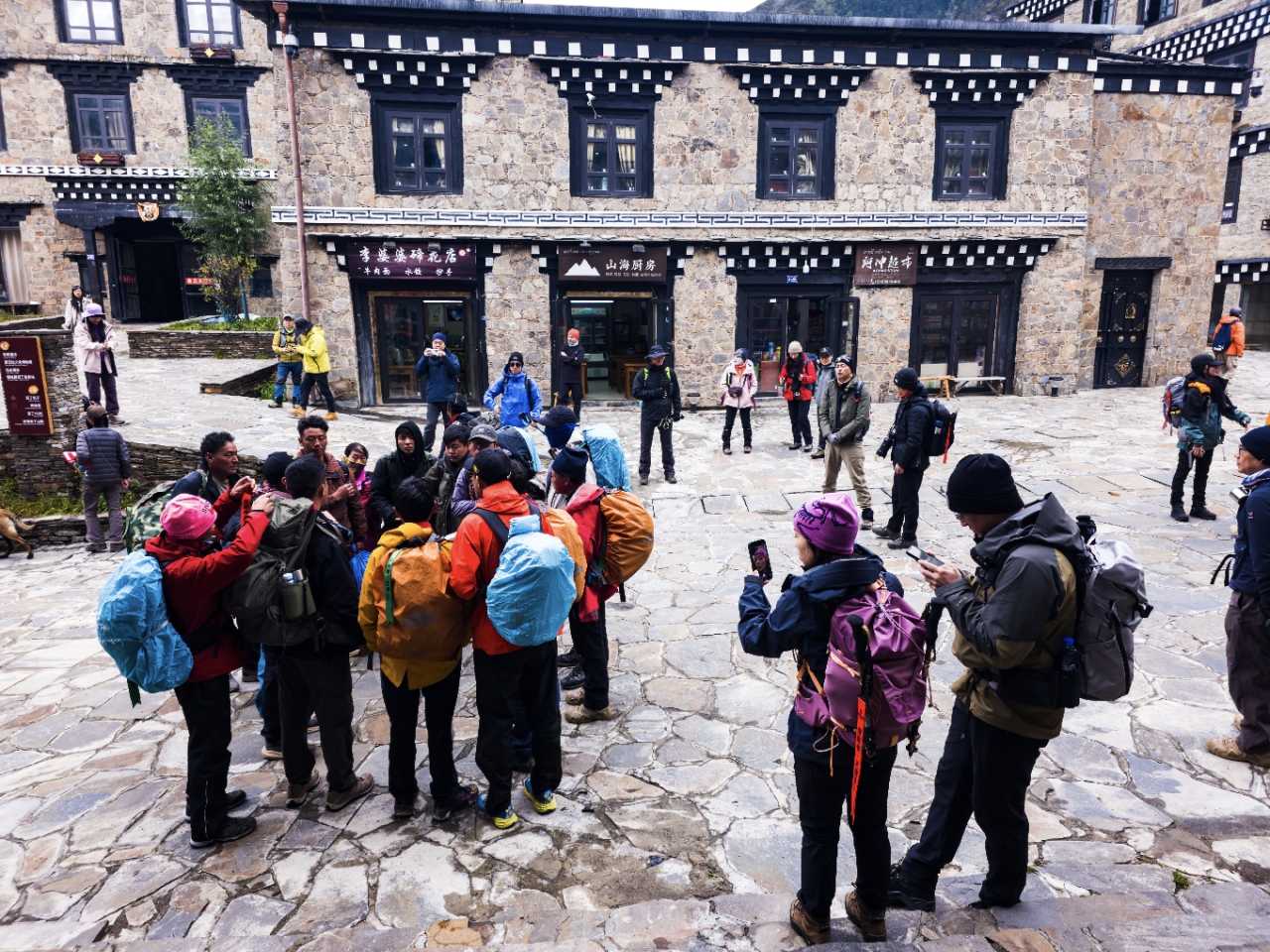 Yading Village
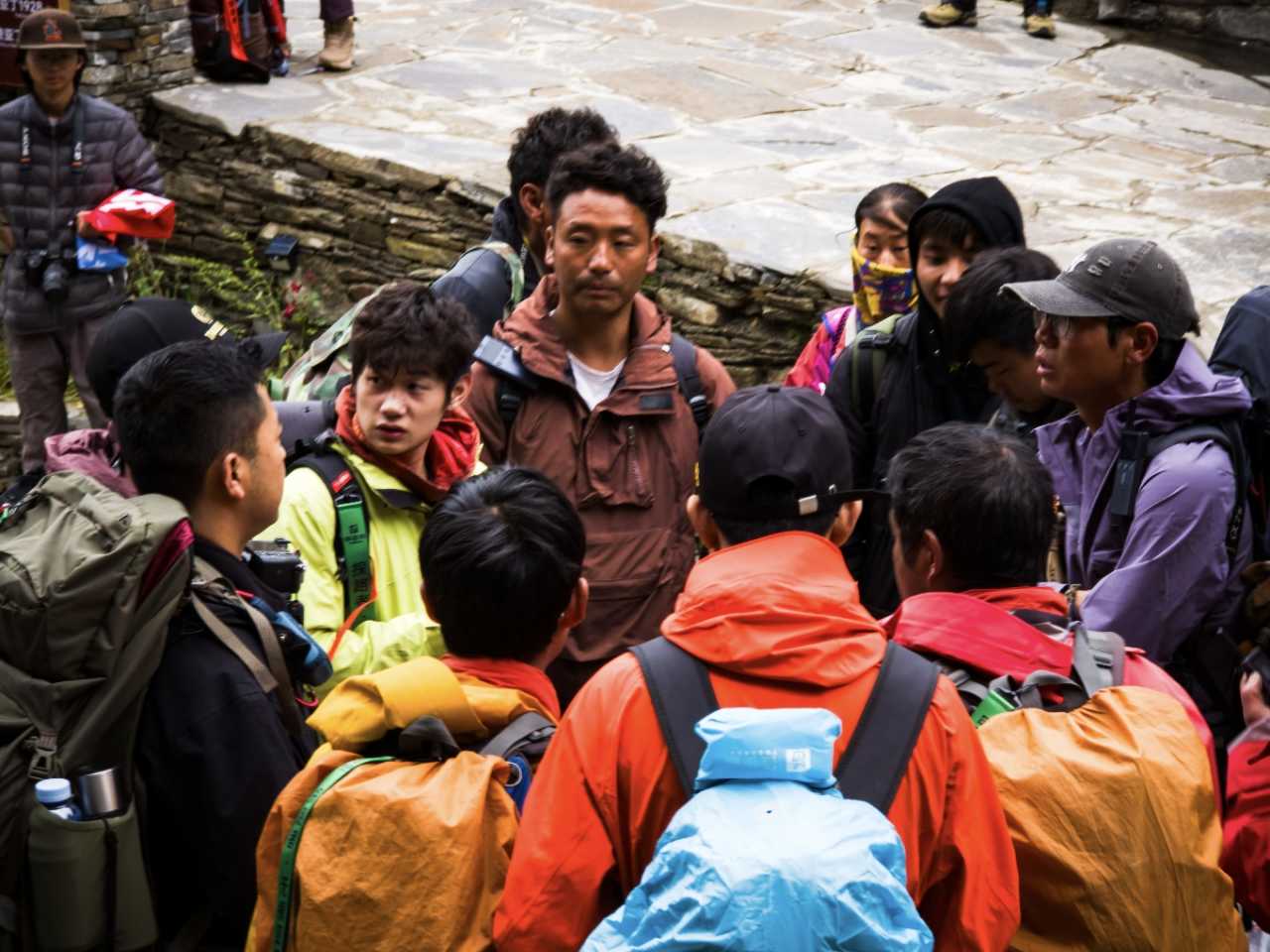 Yading Village
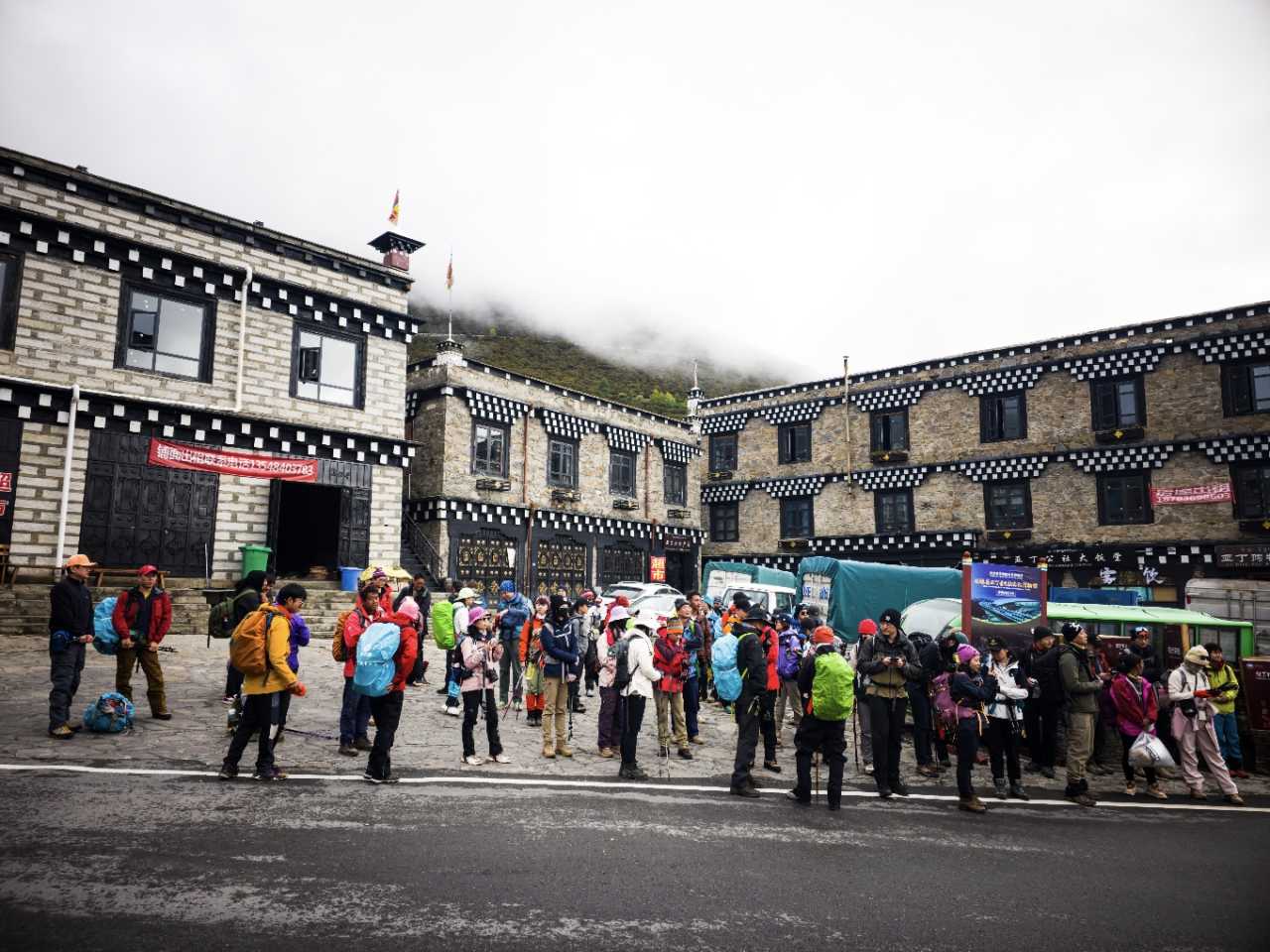 Yading Village
The starting and ending point of the great kora is the ancient Chonggu Temple. Although there's no "key-taking" ceremony like the outer kora around Meili Snow Mountain, I still wanted to pay homage at Chonggu Temple before departure. But the guide kept urging us to set off quickly, and I couldn't fulfill this wish.
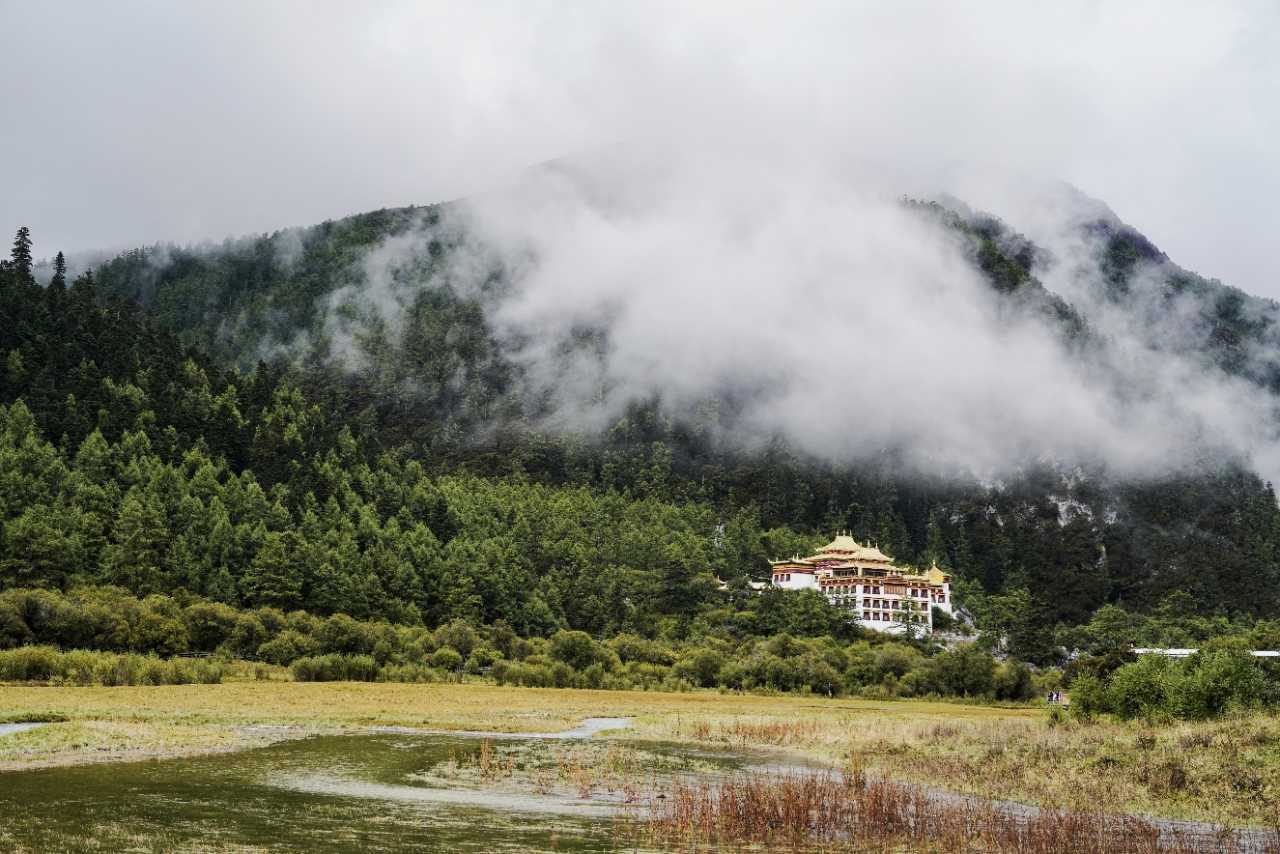 Chonggu Meadow
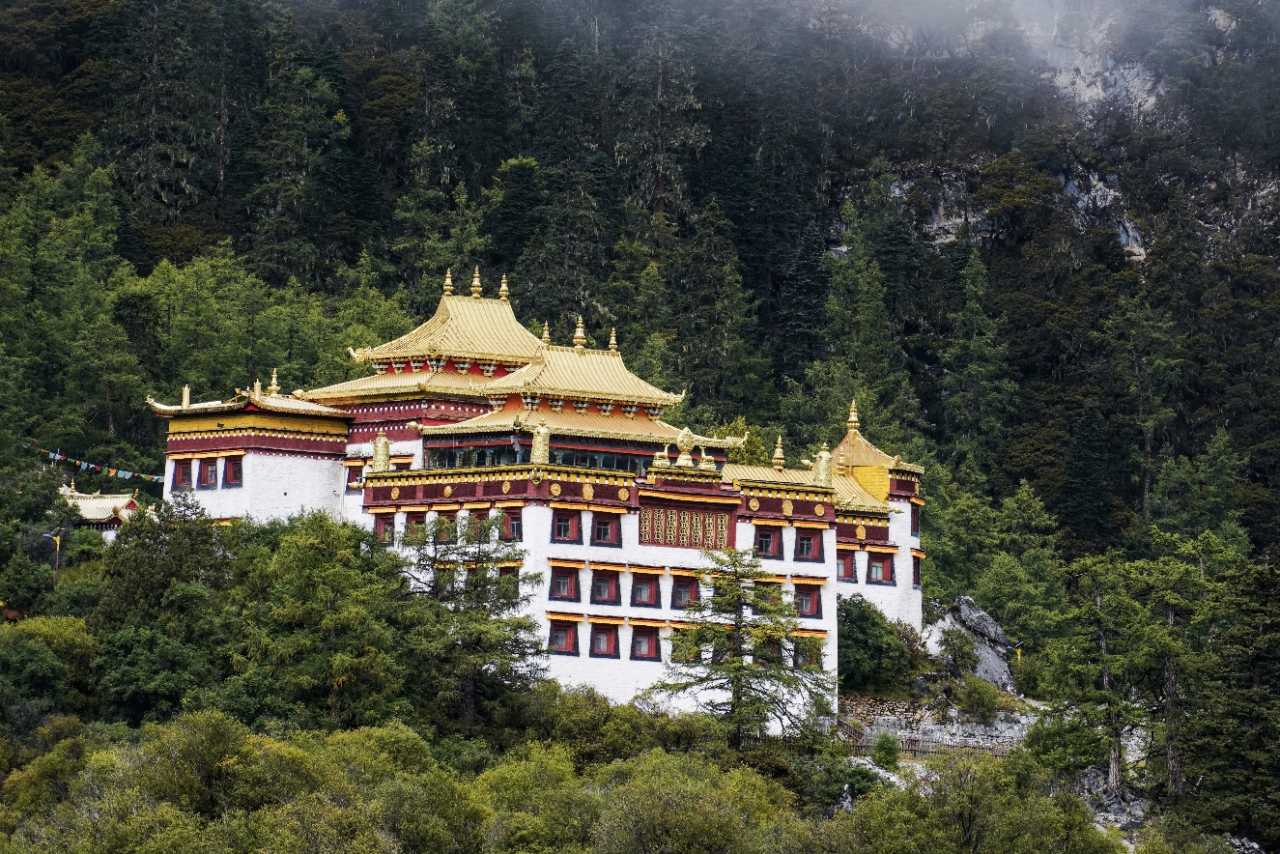 Chonggu Temple
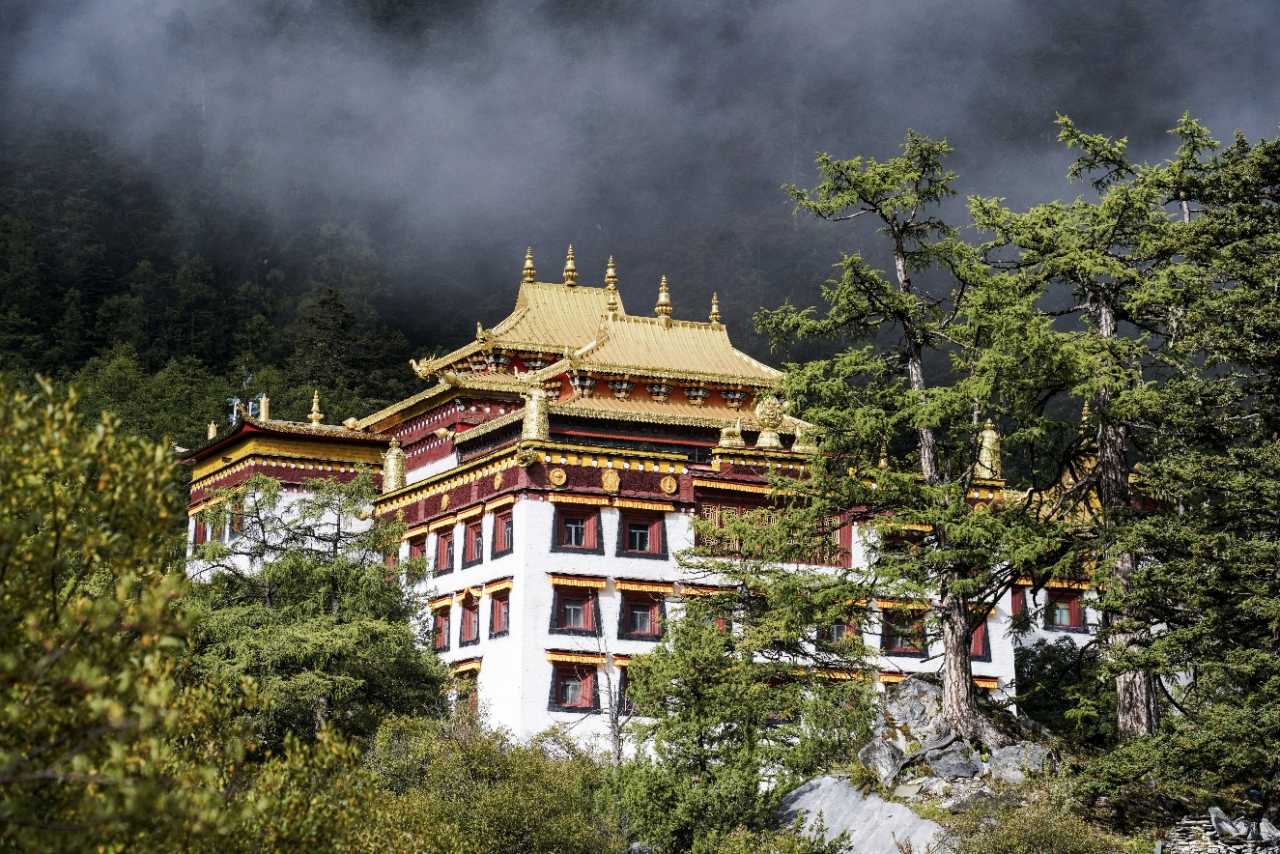 Chonggu Temple
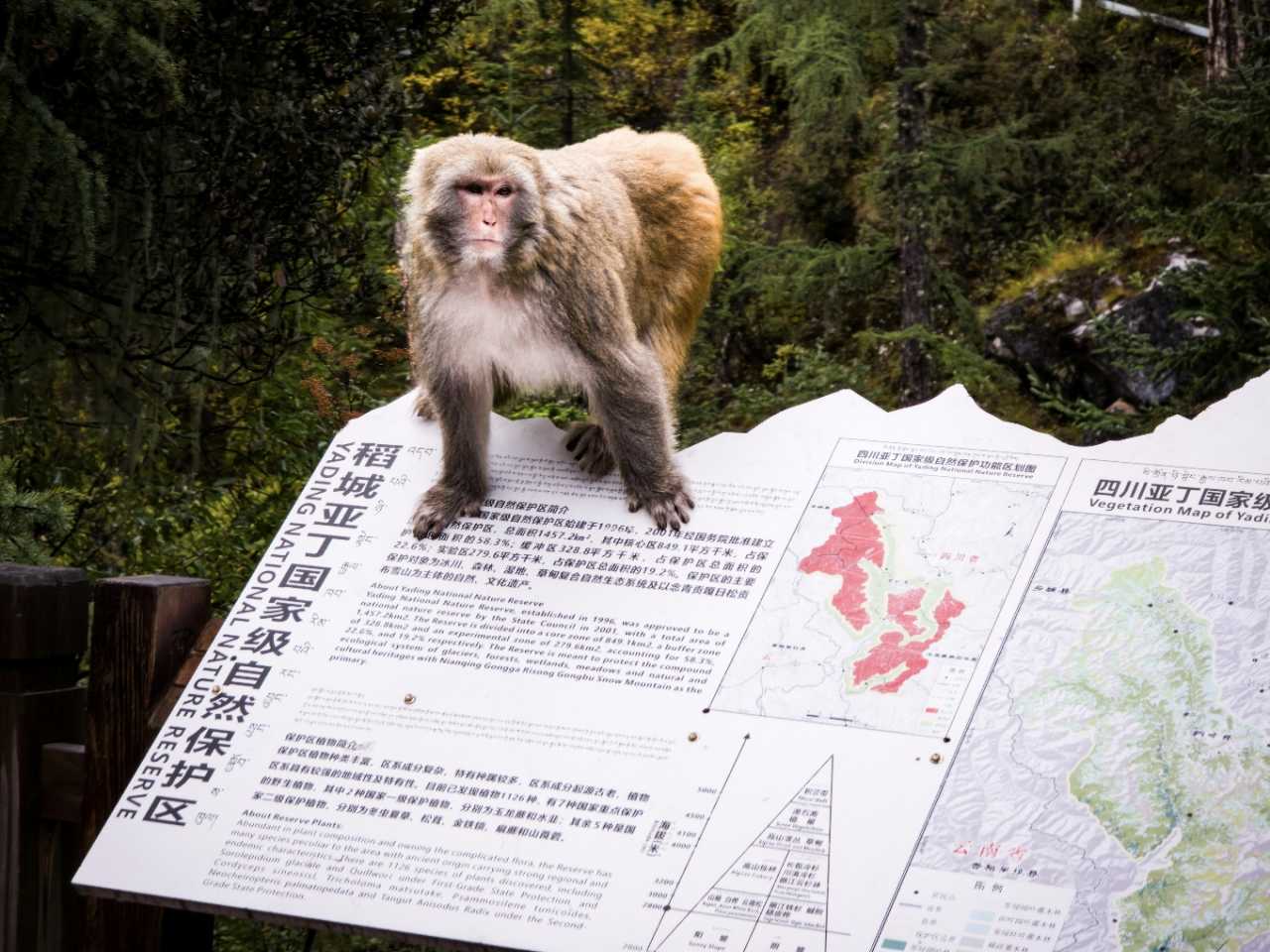
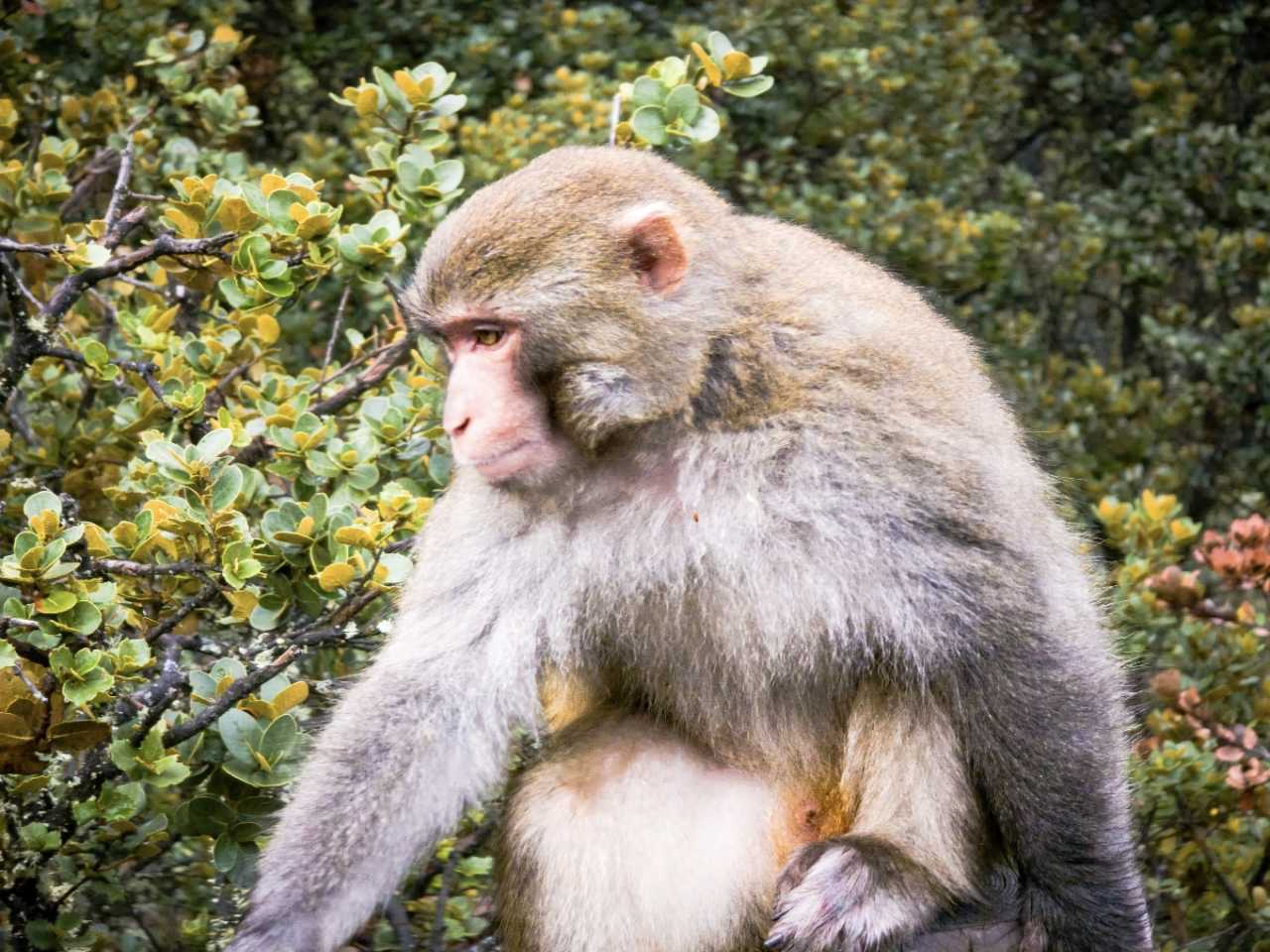
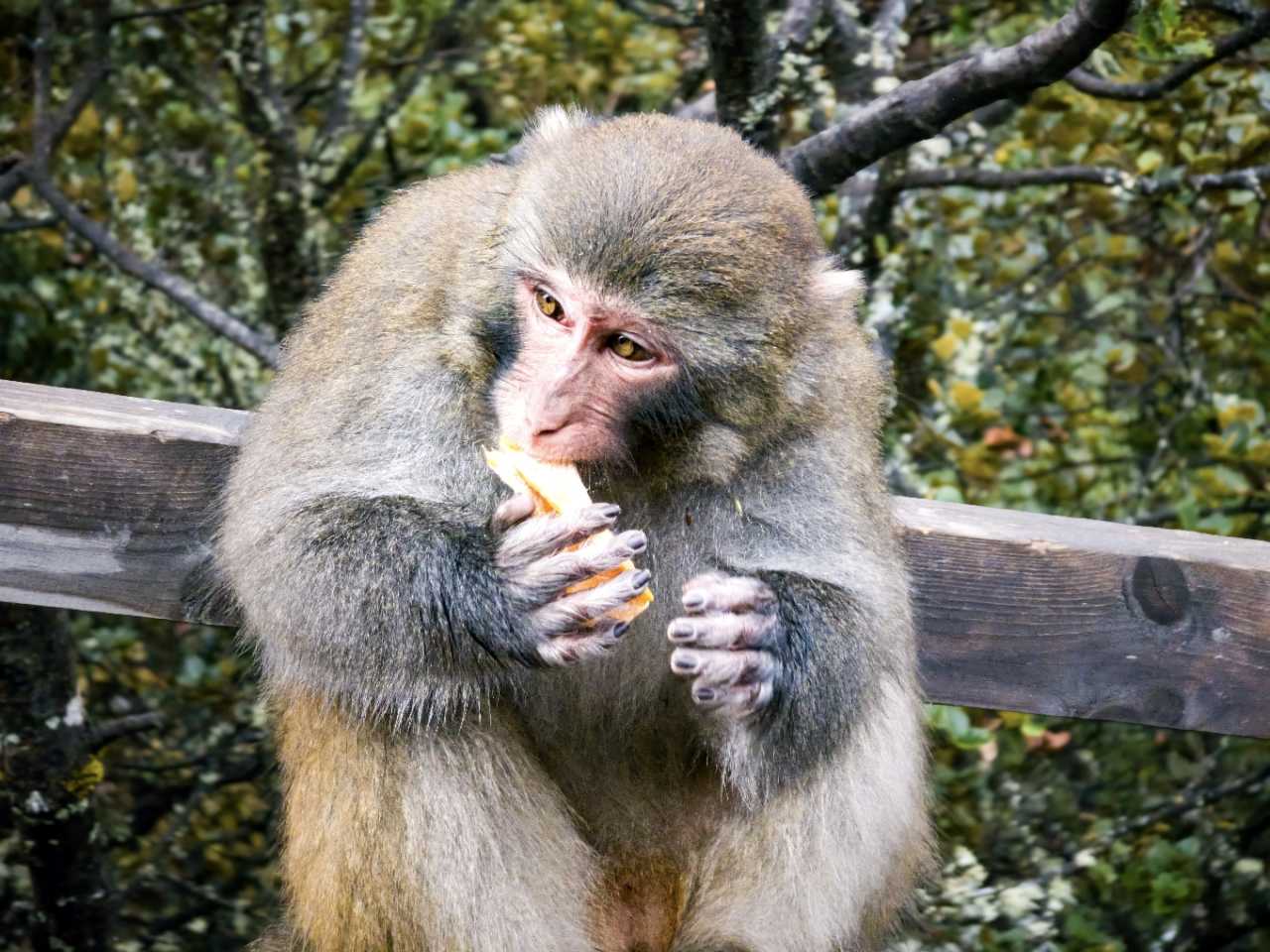
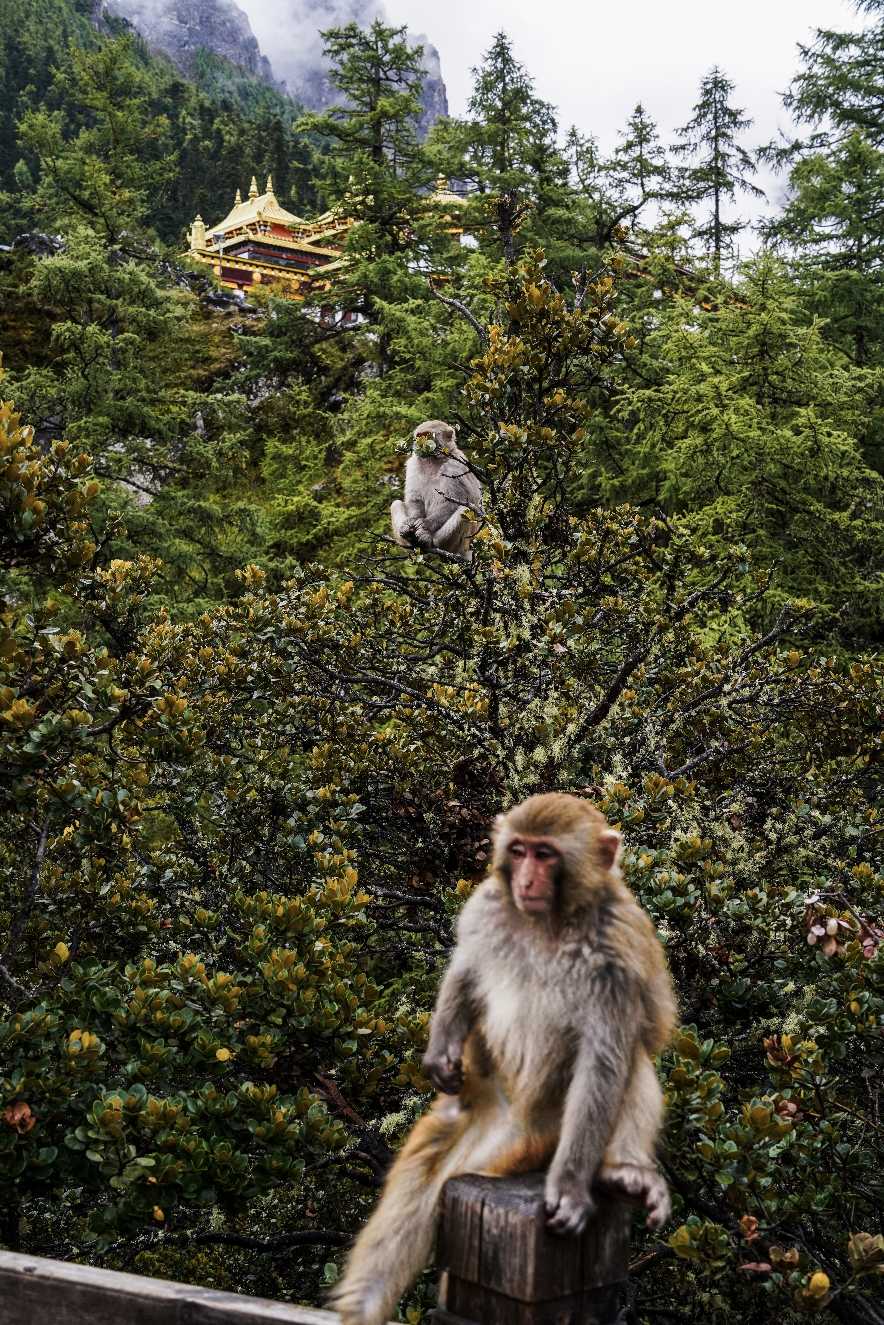
Chonggu Meadow is refreshing and pleasant, which somewhat diluted the negative impact of the bad weather on my mood. Many monkeys roam this area. I didn't expect them to be so friendly, not only cooperating for photos but also not snatching things from tourists.
I remember your funny story about climbing Emei Mountain back then. You said the monkeys there were very fierce, snatching your drink bottle and drinking from it immediately, as if showing off to you. They even occupied the temple kitchen, going straight to the refrigerator to look for meat to eat.
The monkeys in Yading are completely different, so well-behaved - they eat what they're given, don't grab if not given, and even pose cooperatively. Do they recite different scriptures from the Emei Mountain spiritual monkeys?
 Chonggu Temple
 Chonggu Temple
 Chonggu Temple
 Chonggu Temple
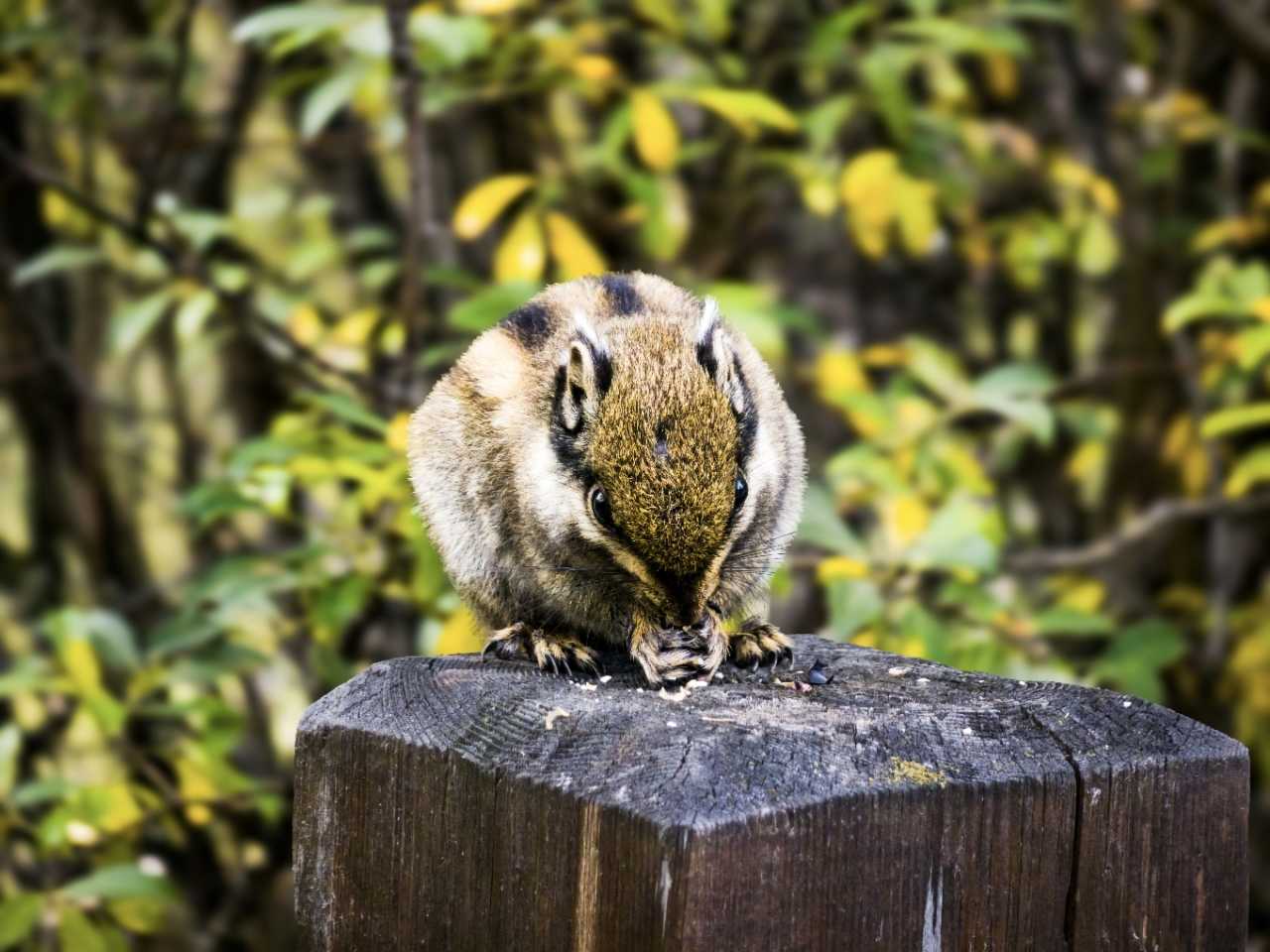
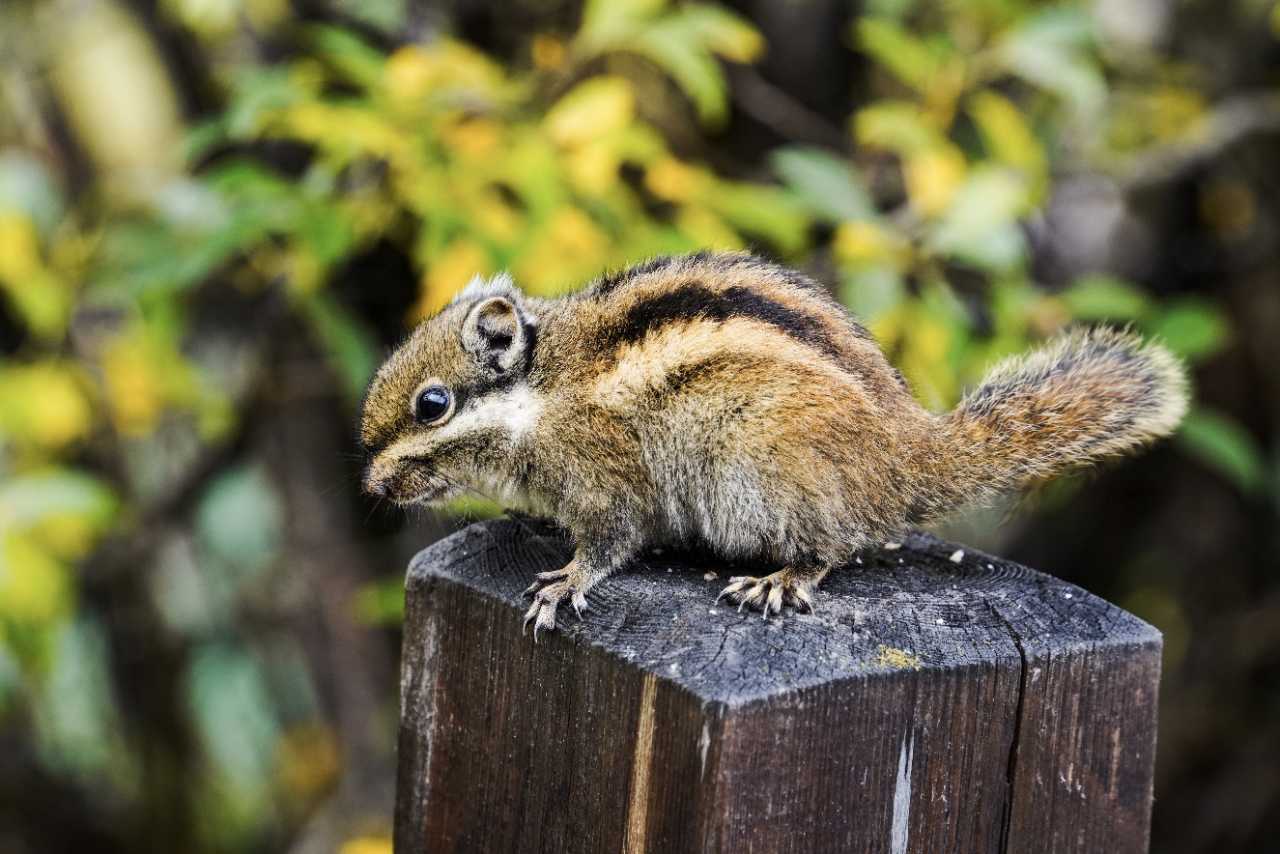
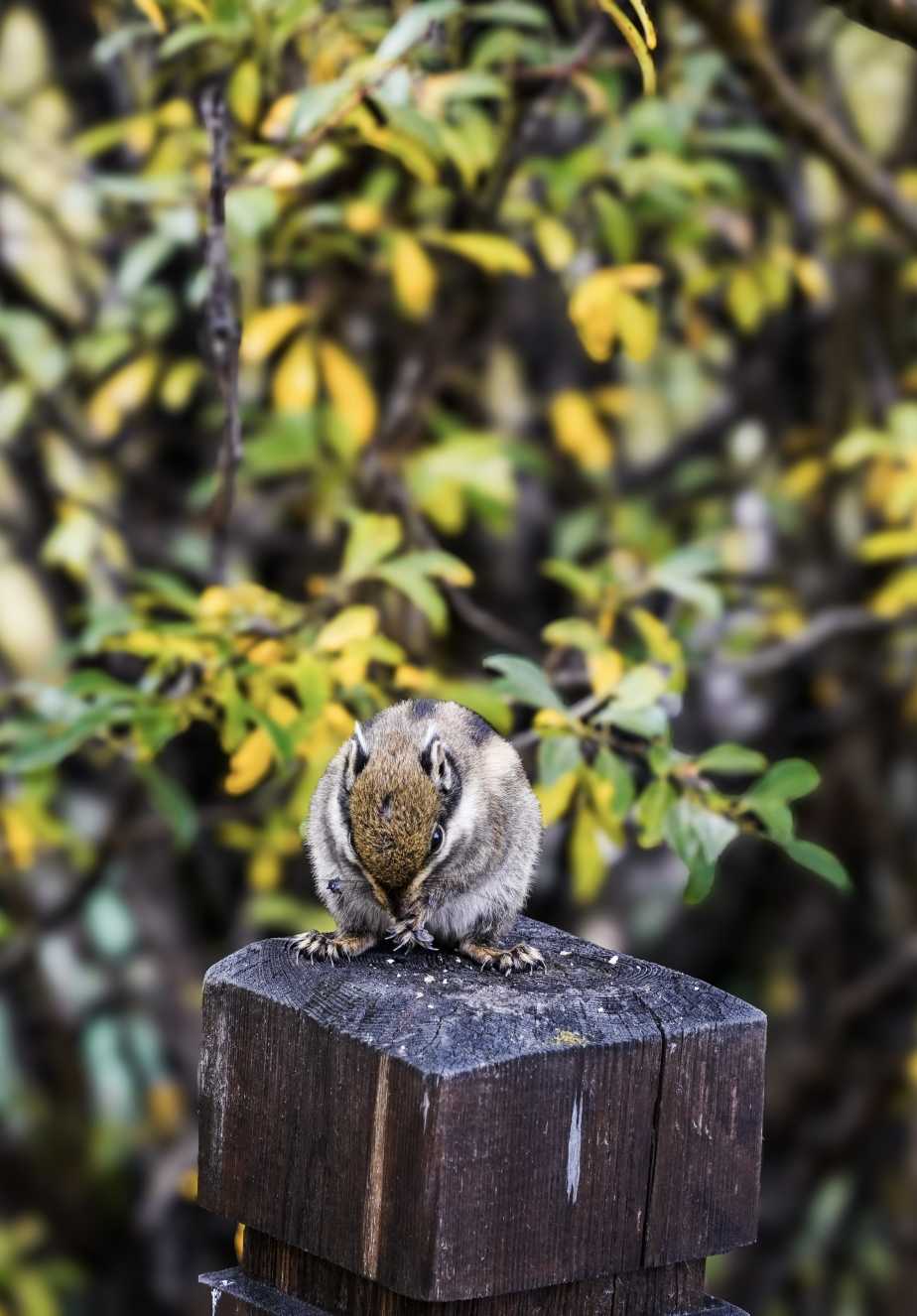
The squirrels here are also adorable, equally unafraid of people, eating right in front of me without regarding the "tourist" species as anything special.
They have beautiful distinct stripes on their bodies and bright, spirited eyes, though their tails are a bit short. Compared to the groups of squirrels we saw in New York's Central Park, they're smaller in stature but more agile. It seems the spiritual energy they absorb is different - New York's squirrels belong to Jesus, while the squirrels at the foot of the sacred mountain belong to Siddhartha.
 Chonggu Temple
 Chonggu Temple
 Chonggu Temple
I had downloaded weather apps in advance and was mentally prepared for bad weather. On the first day of the kora, I'm afraid I won't see any of the sacred mountains at all. The visual absence can only be compensated by physical sensations - I breathe in the moist air deeply, hoping to store more moisture in my body, knowing how terrible the dryness can be on the plateau when it's sunny.
I followed the hiking team, walking along the left side of Chonggu Meadow into the dense forest. Being away from the noisy scenic area and free from the panting, easily startled tourists marks the real beginning of the trek.
It starts with a steep climb. When first entering the plateau, mastering the hiking rhythm is crucial. I can adjust as I walk, stopping to look back when tired, watching Chonggu Temple gradually fade into the distance.
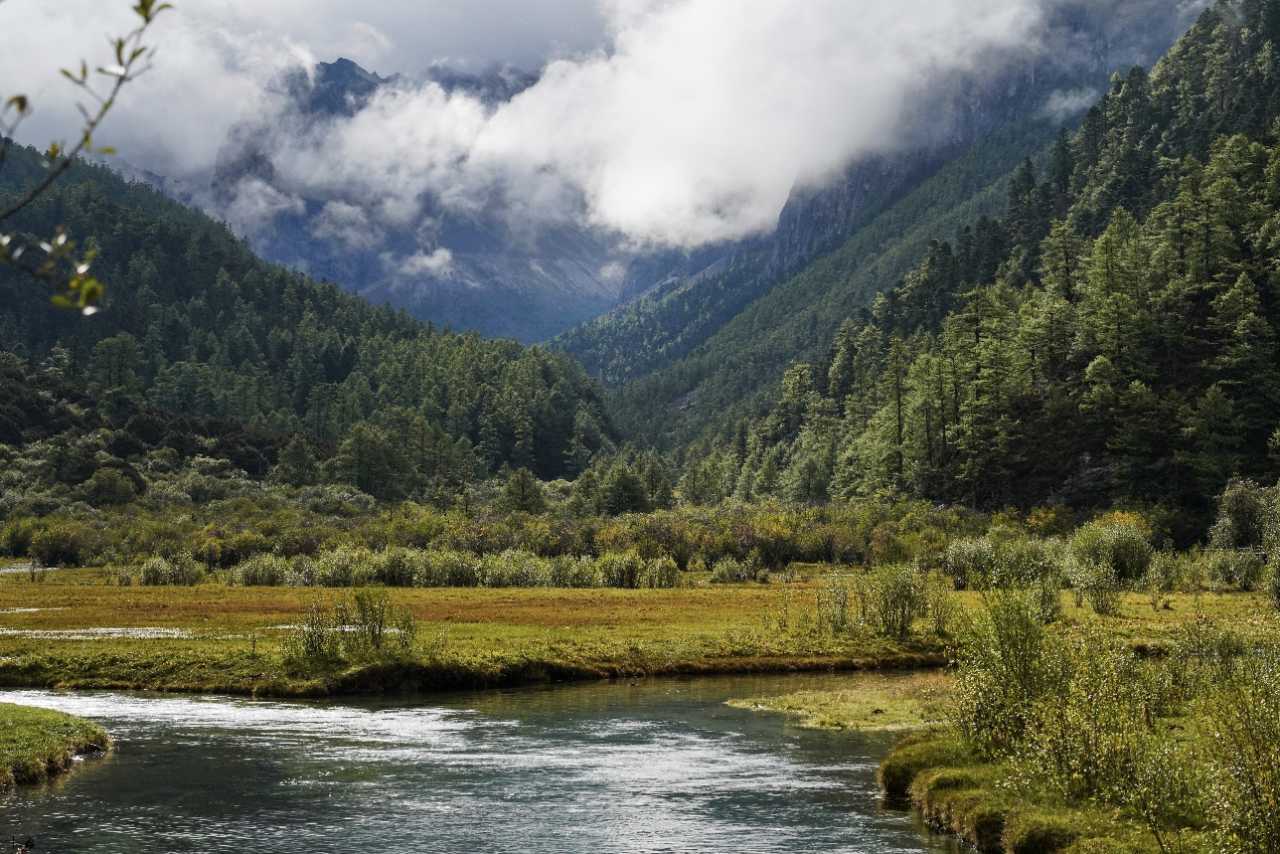 Daocheng Yading Scenic Area - Chonggu Meadow
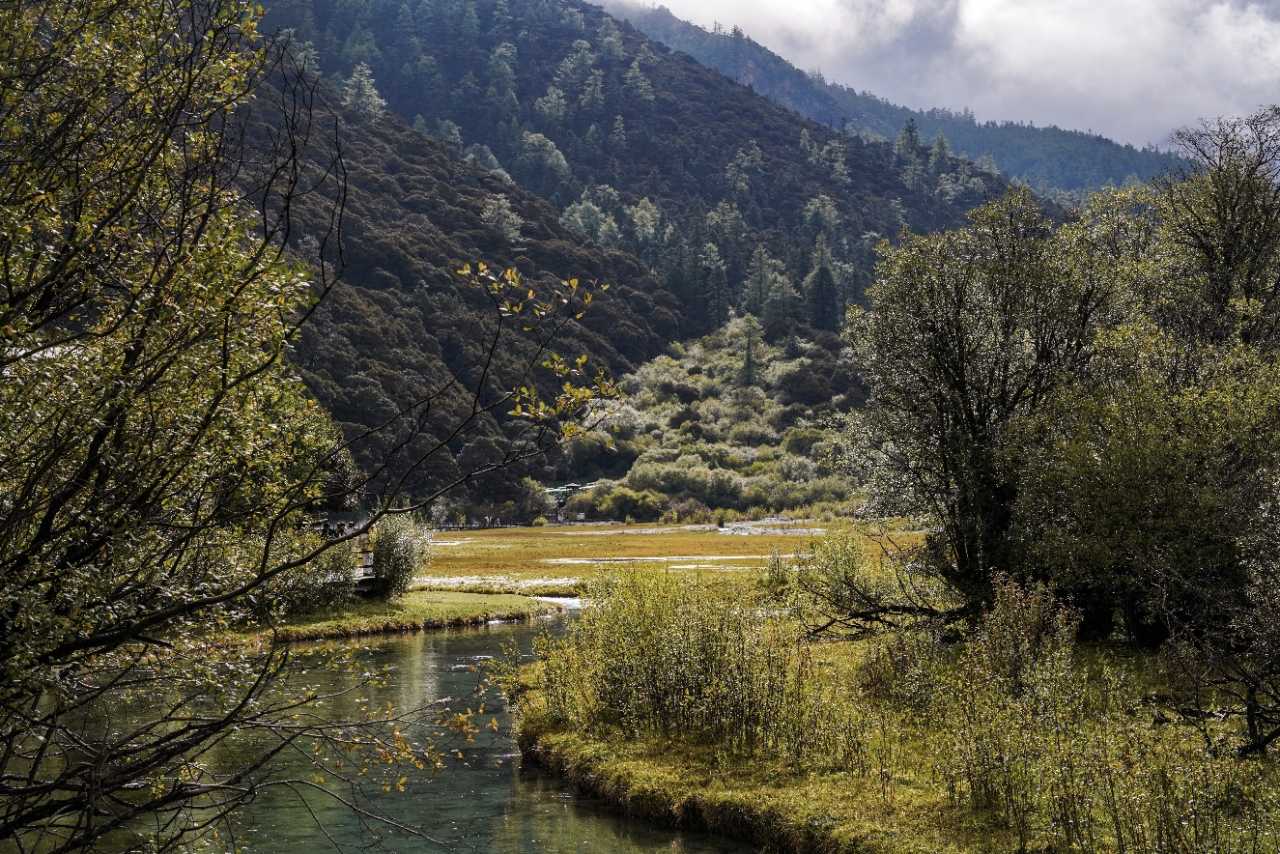 Daocheng Yading Scenic Area - Chonggu Meadow
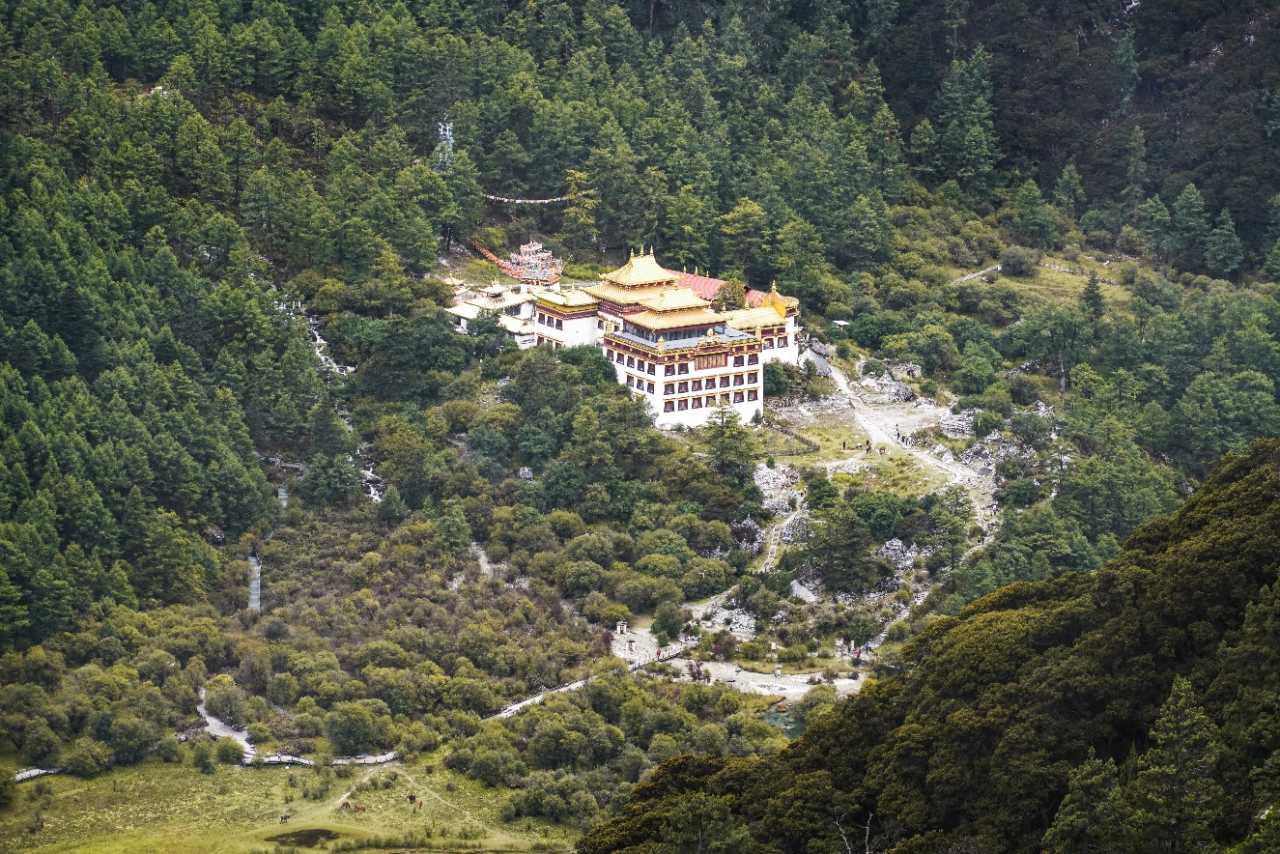 Chonggu Temple
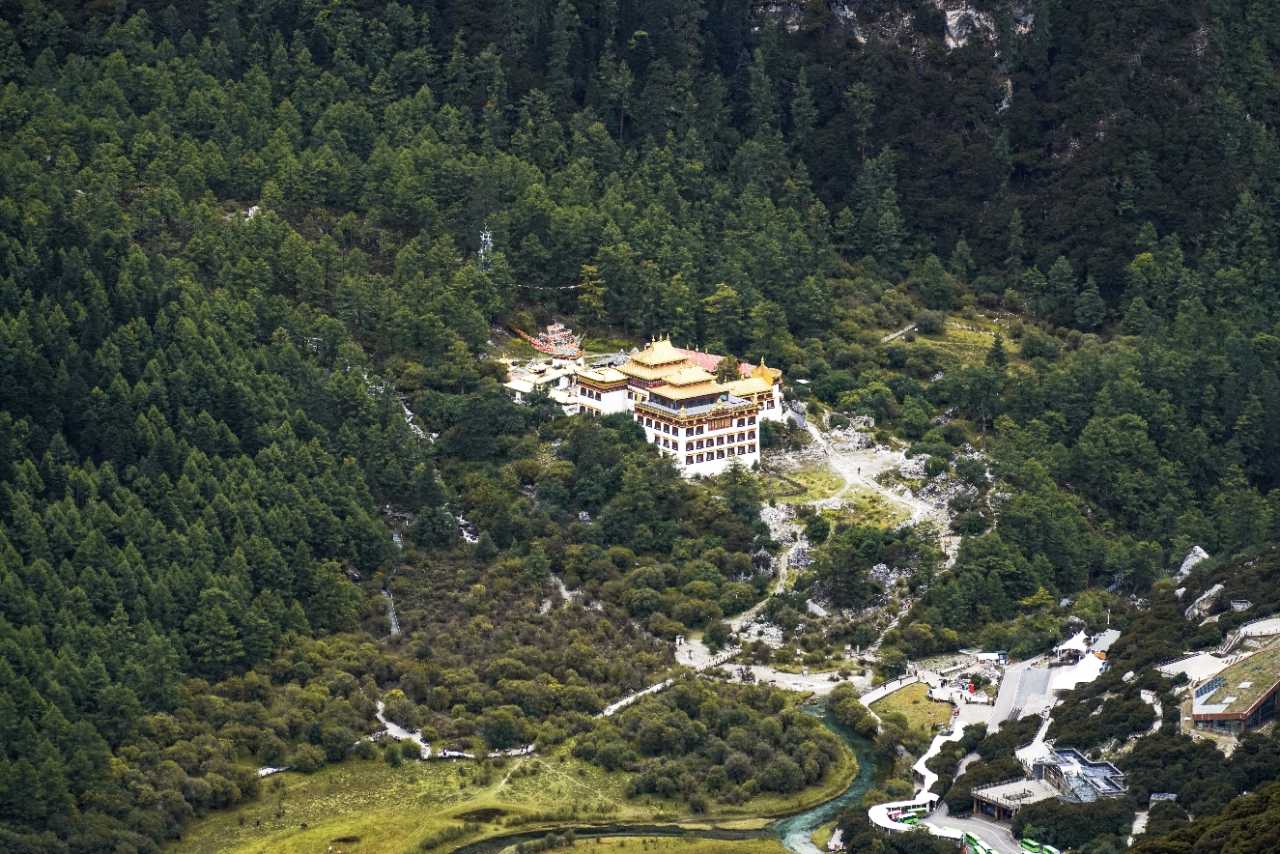 Daocheng Yading Scenic Area
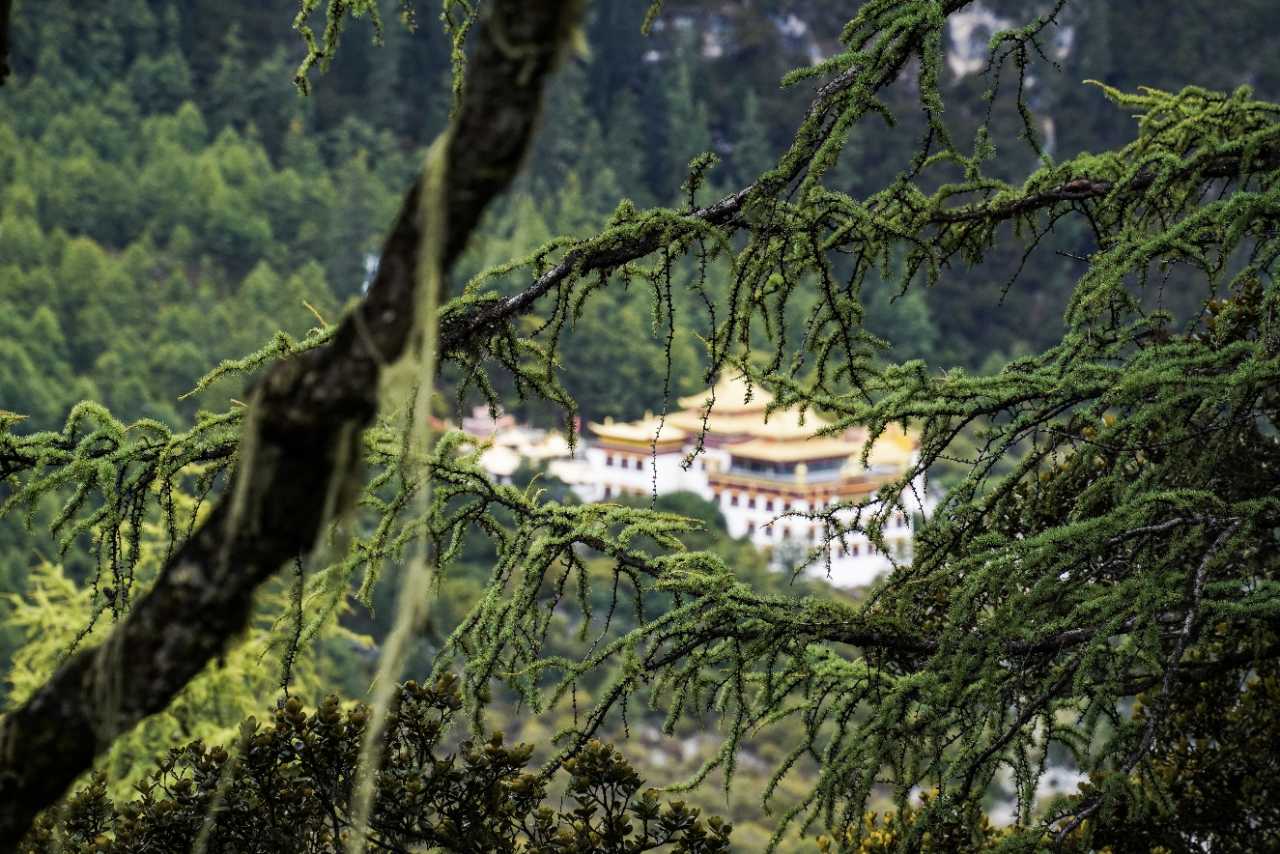 Chonggu Temple
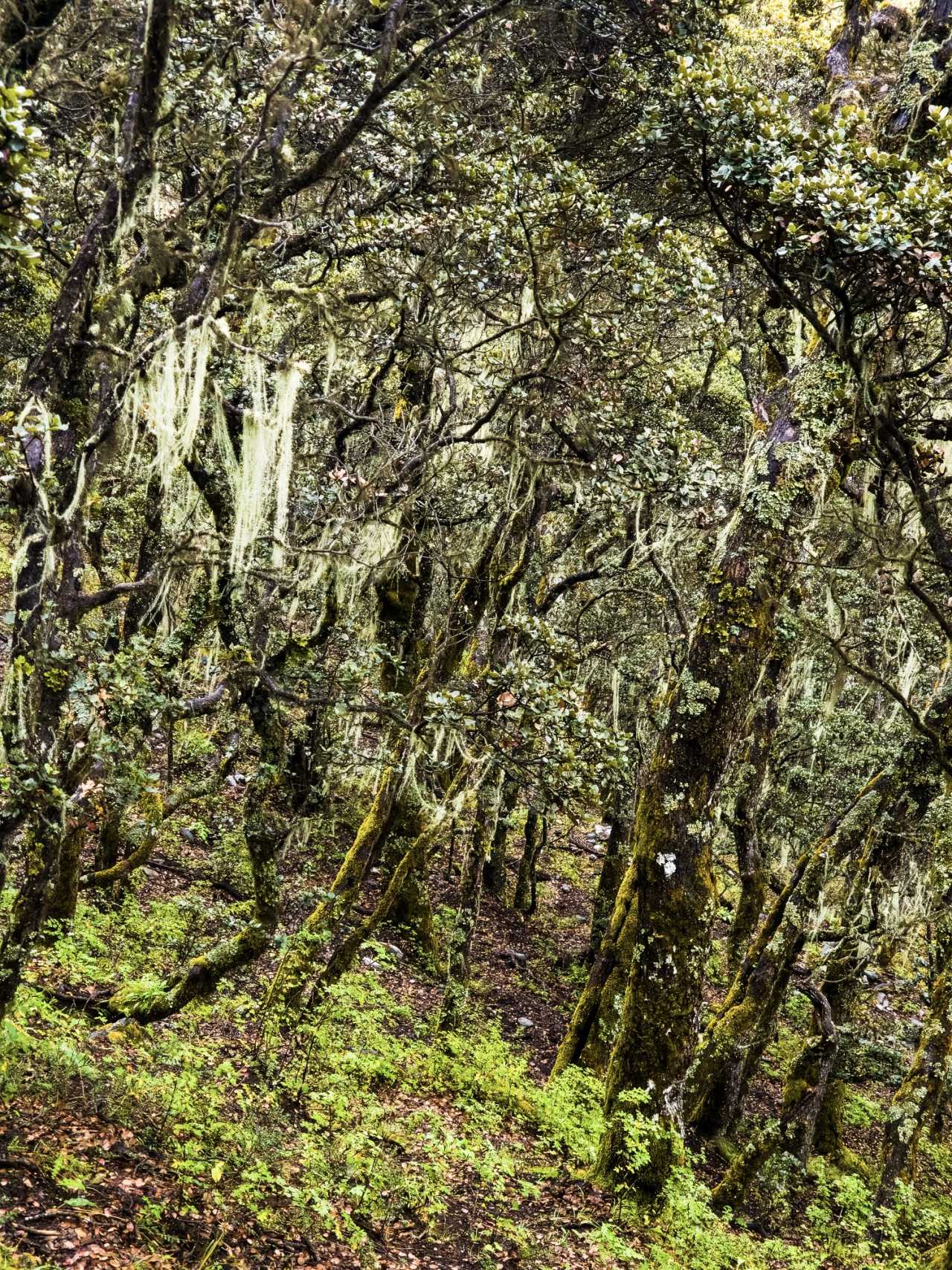
In the secret jungle, it's humid and stuffy. Trees grow wildly, and beyond the nearby greenery and distant clouds, there are no other views. I'm amazed by the lush vegetation in western Sichuan - in Tibet, above 4000 meters elevation, there's nothing but grass and desolation, but western Sichuan is different. Even above 4000 meters, there are still vast forests. This is the charm of the Hengduan Mountains.
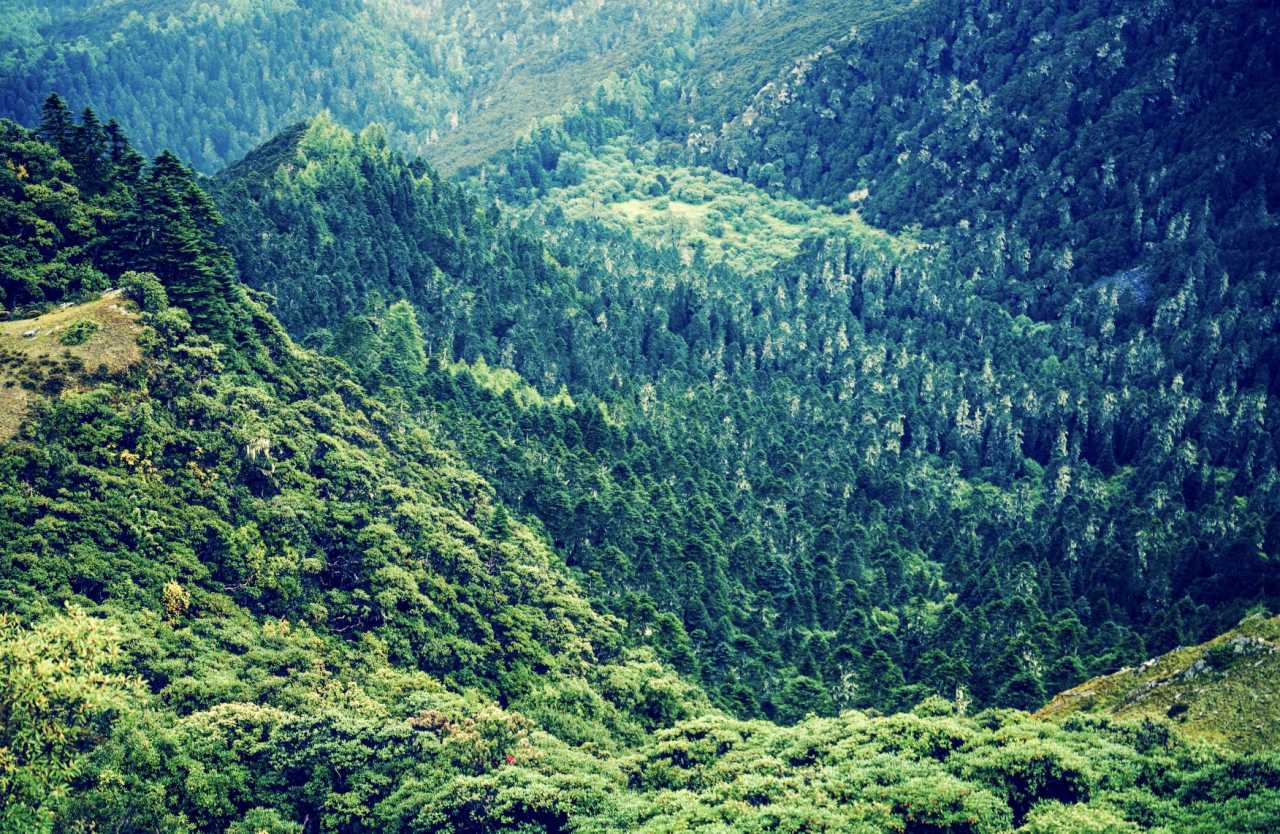 Daocheng Yading Scenic Area
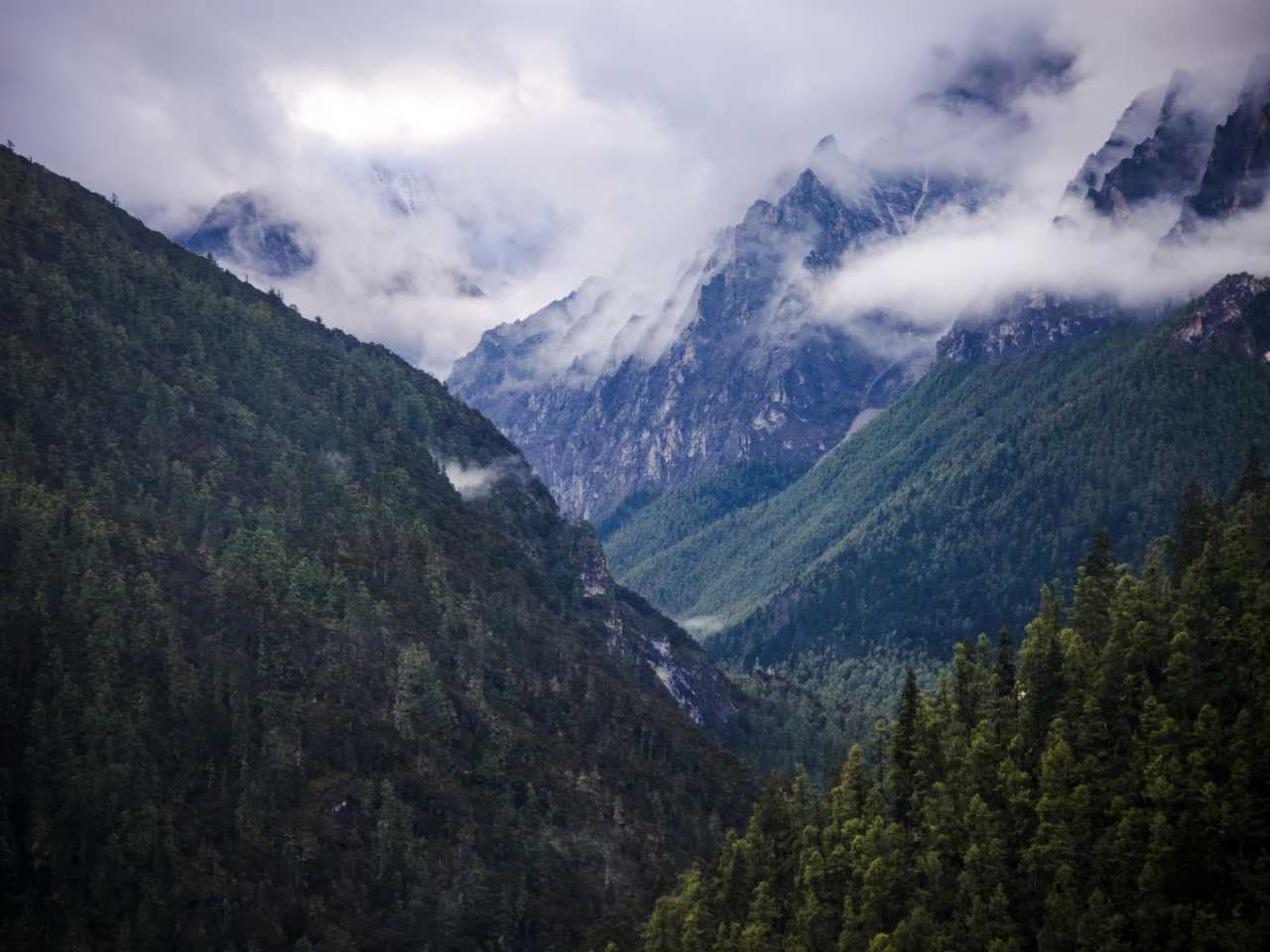 Daocheng Yading Scenic Area
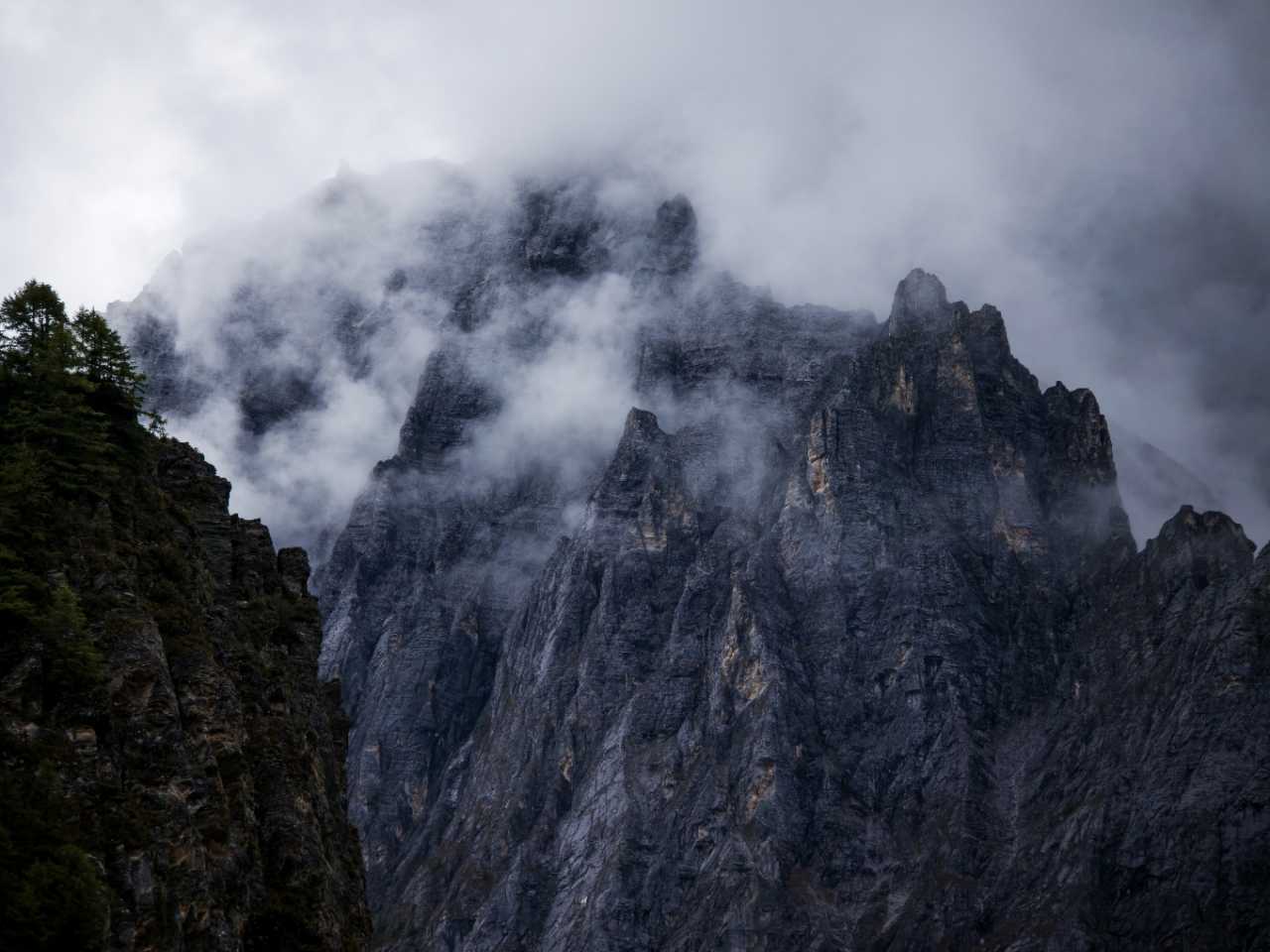 Daocheng Yading Scenic Area
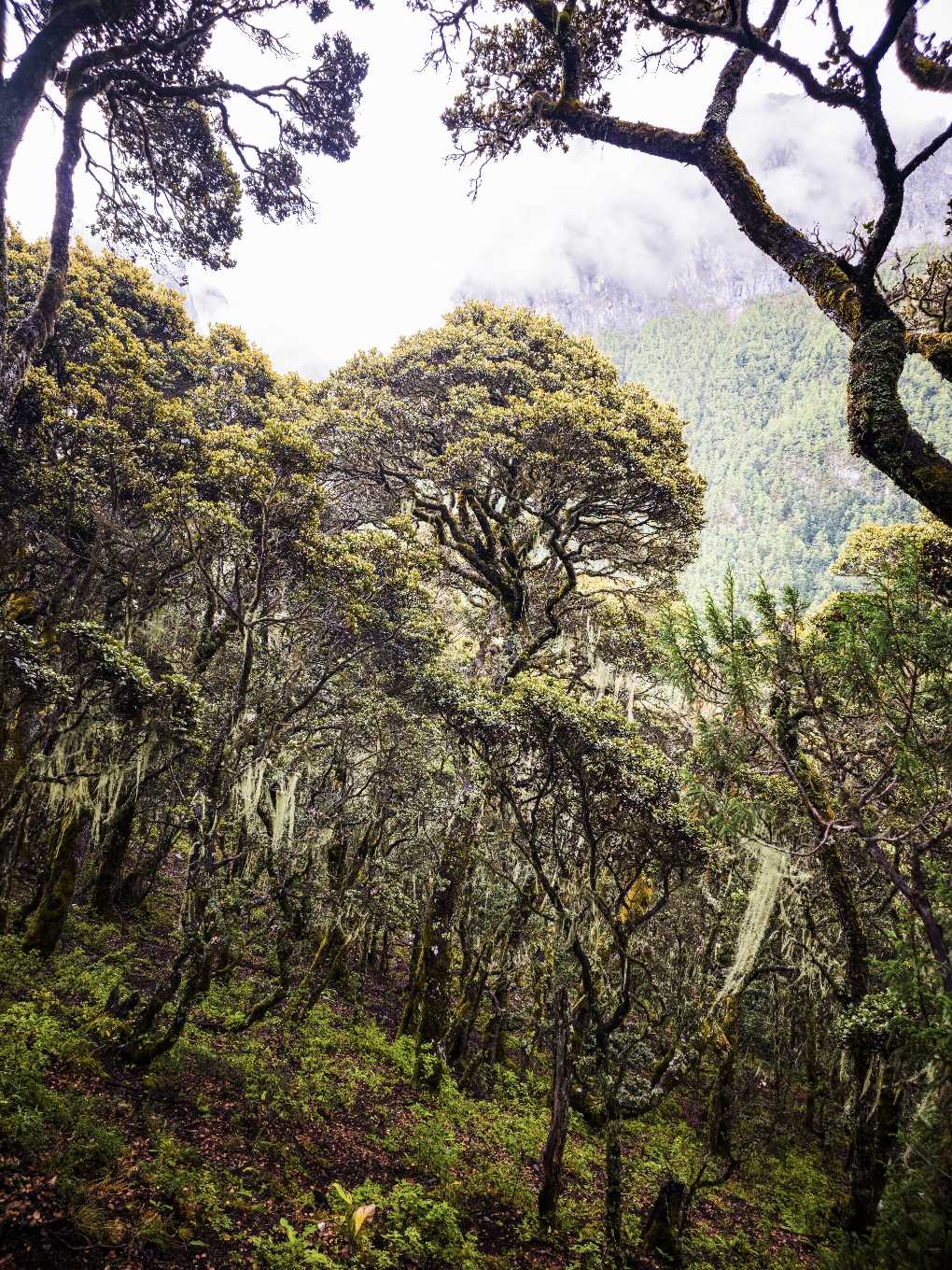 Daocheng Yading Scenic Area
 Daocheng Yading Scenic Area
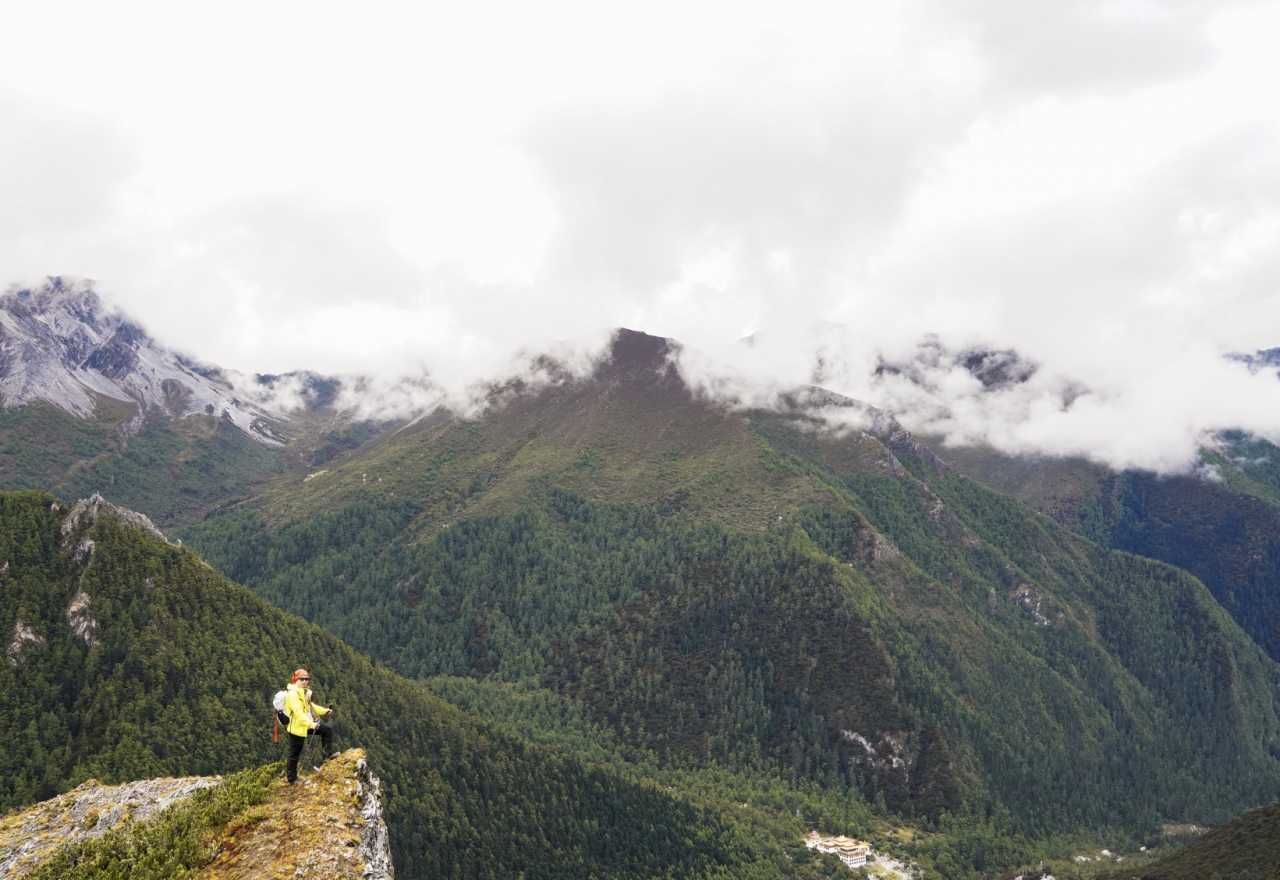
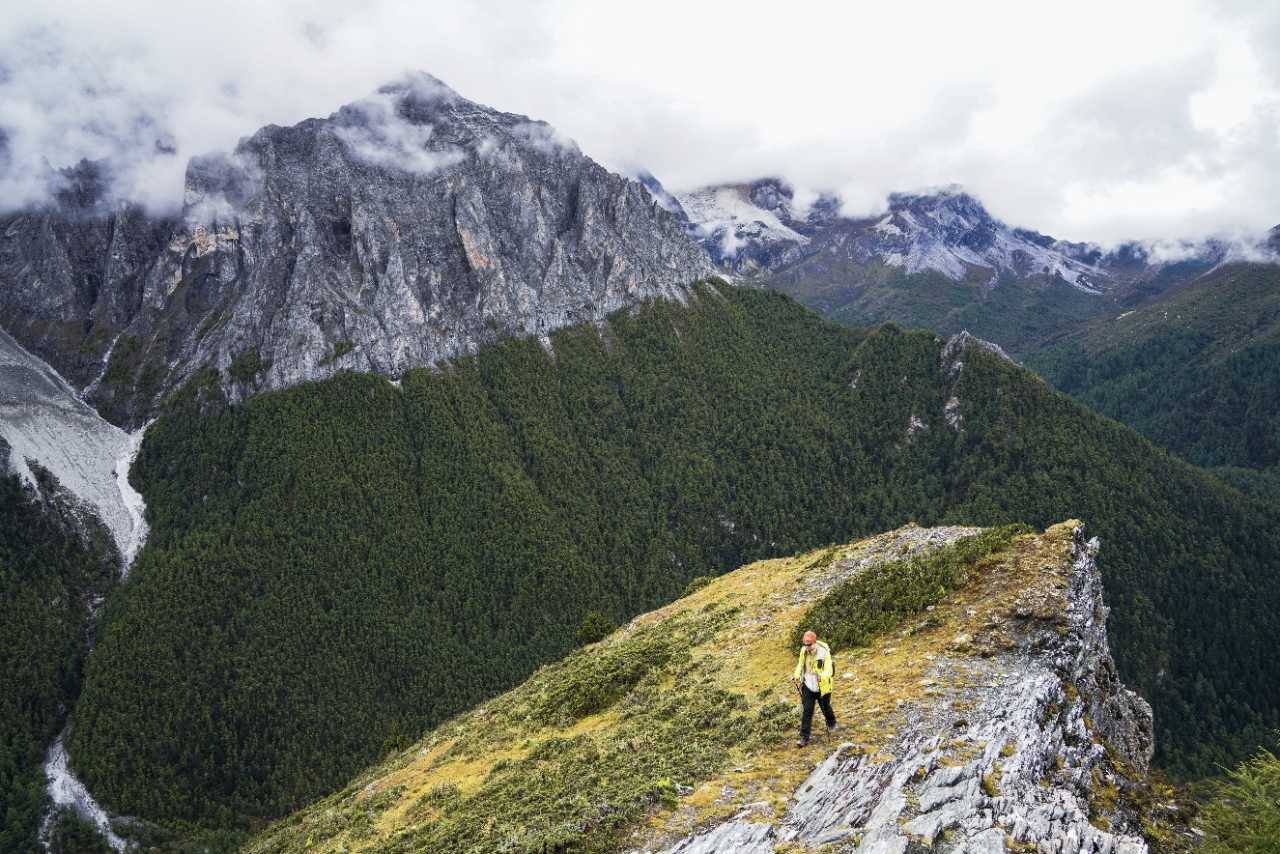
I don't know if the forest was too dense and the path hard to distinguish, or if the guide was too confident in his "experience," or if we all collectively lost our minds? In any case, something unfortunate happened - the team seemed to have taken the wrong path. The head guide and local assistant actually had major disagreements about which way to go.
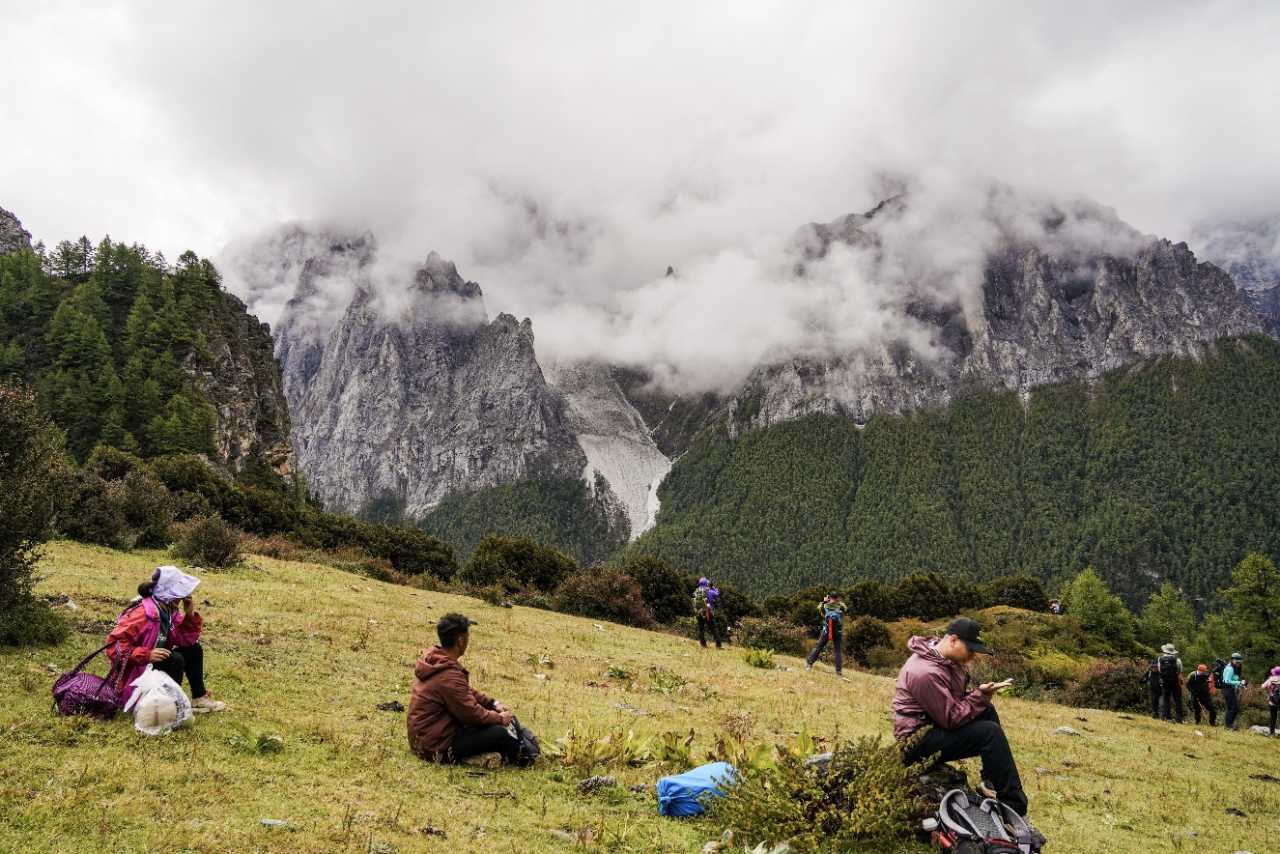
In fact, from the beginning, the team didn't follow the established route but took the direct jungle ascent route according to the guide's instructions. Actually, it's not completely going in the wrong direction - the general direction was consistent and could be corrected. There's a joke about mountain climbing: "When you reach the summit, you realize the correct path and the wrong path were just a few steps apart."
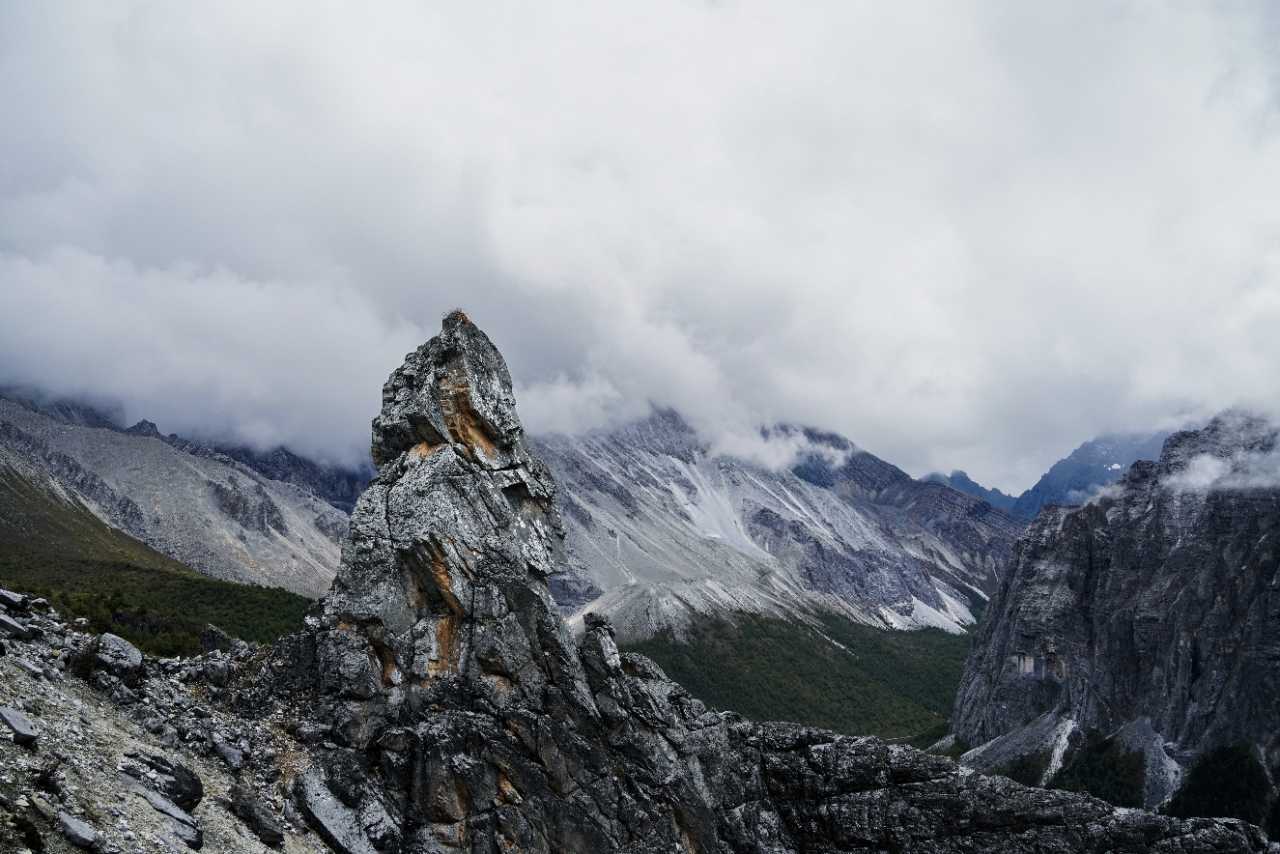
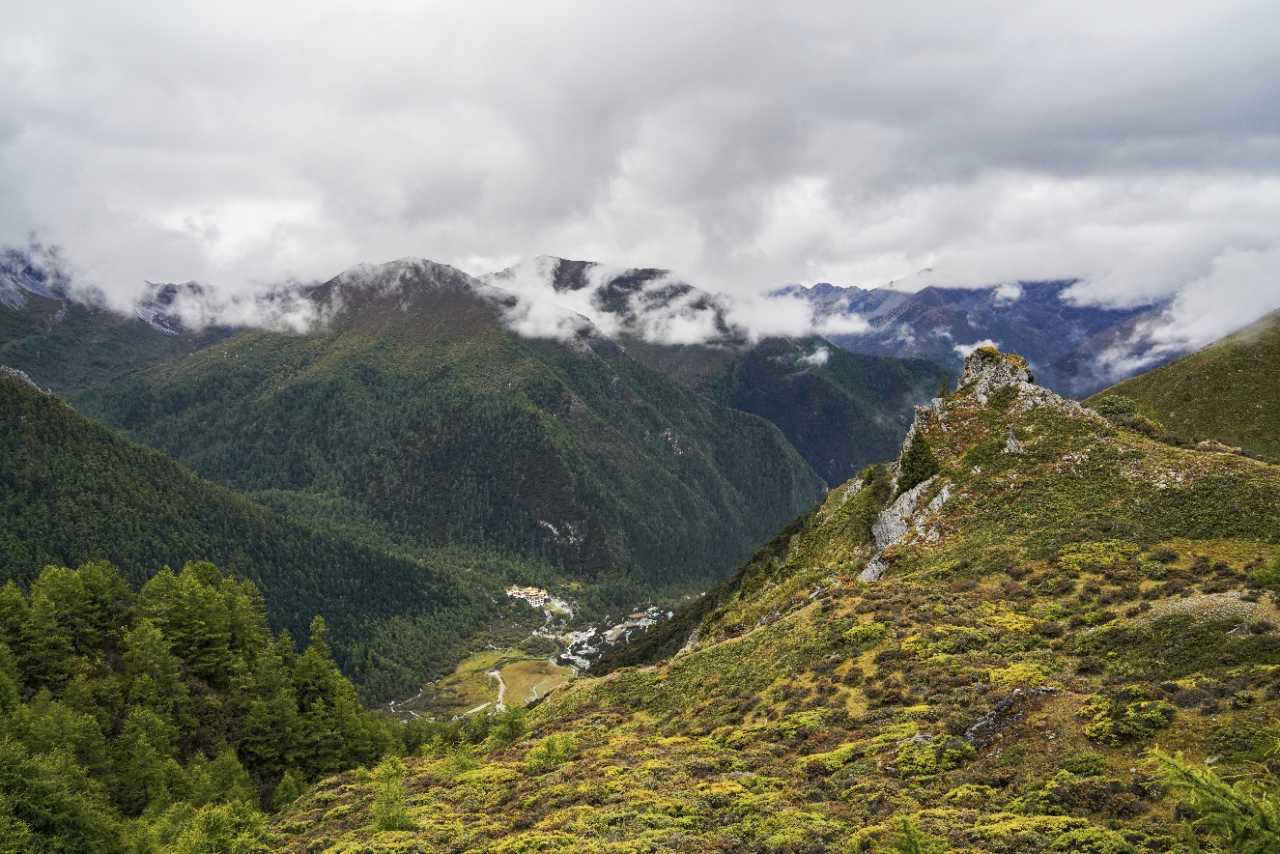
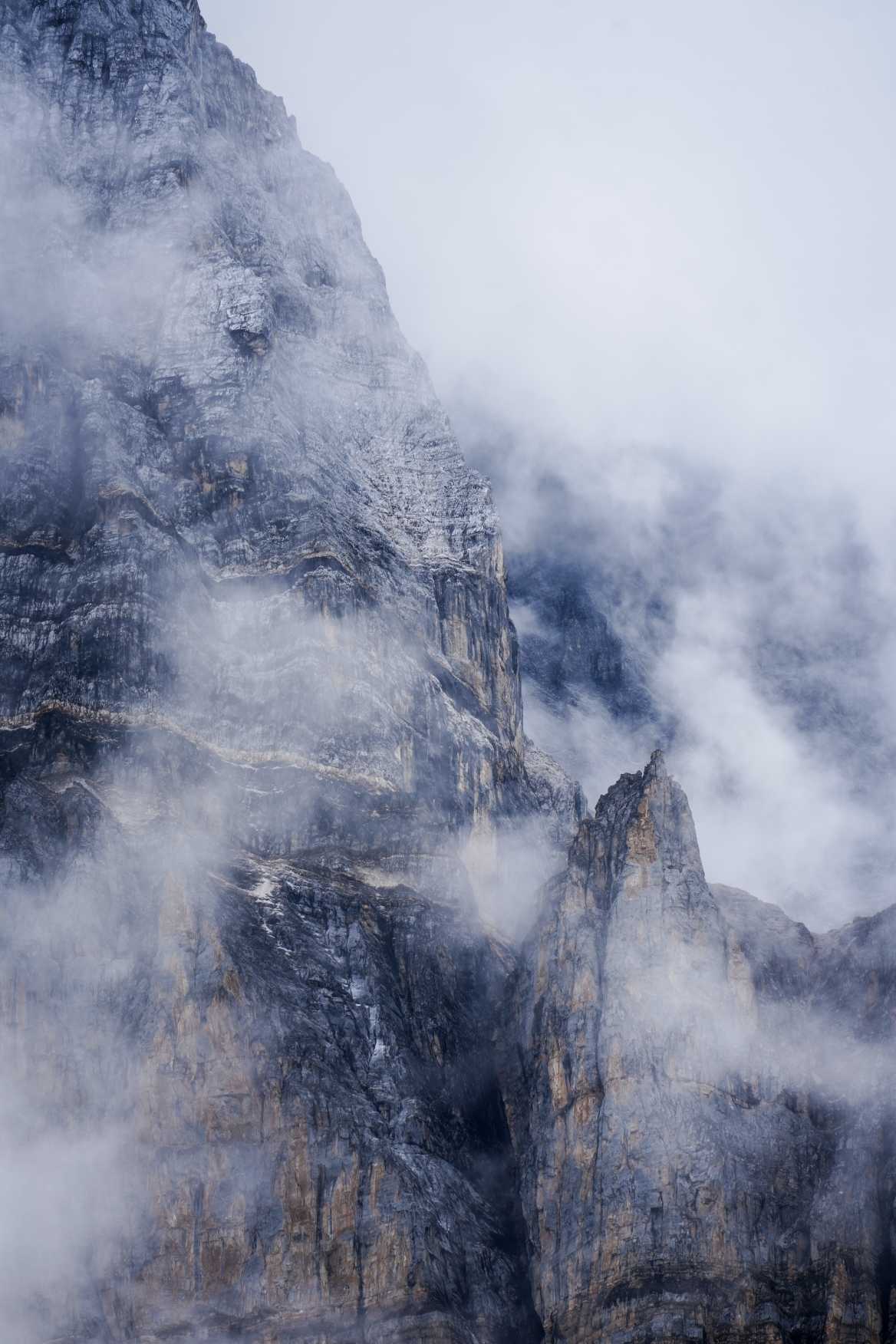
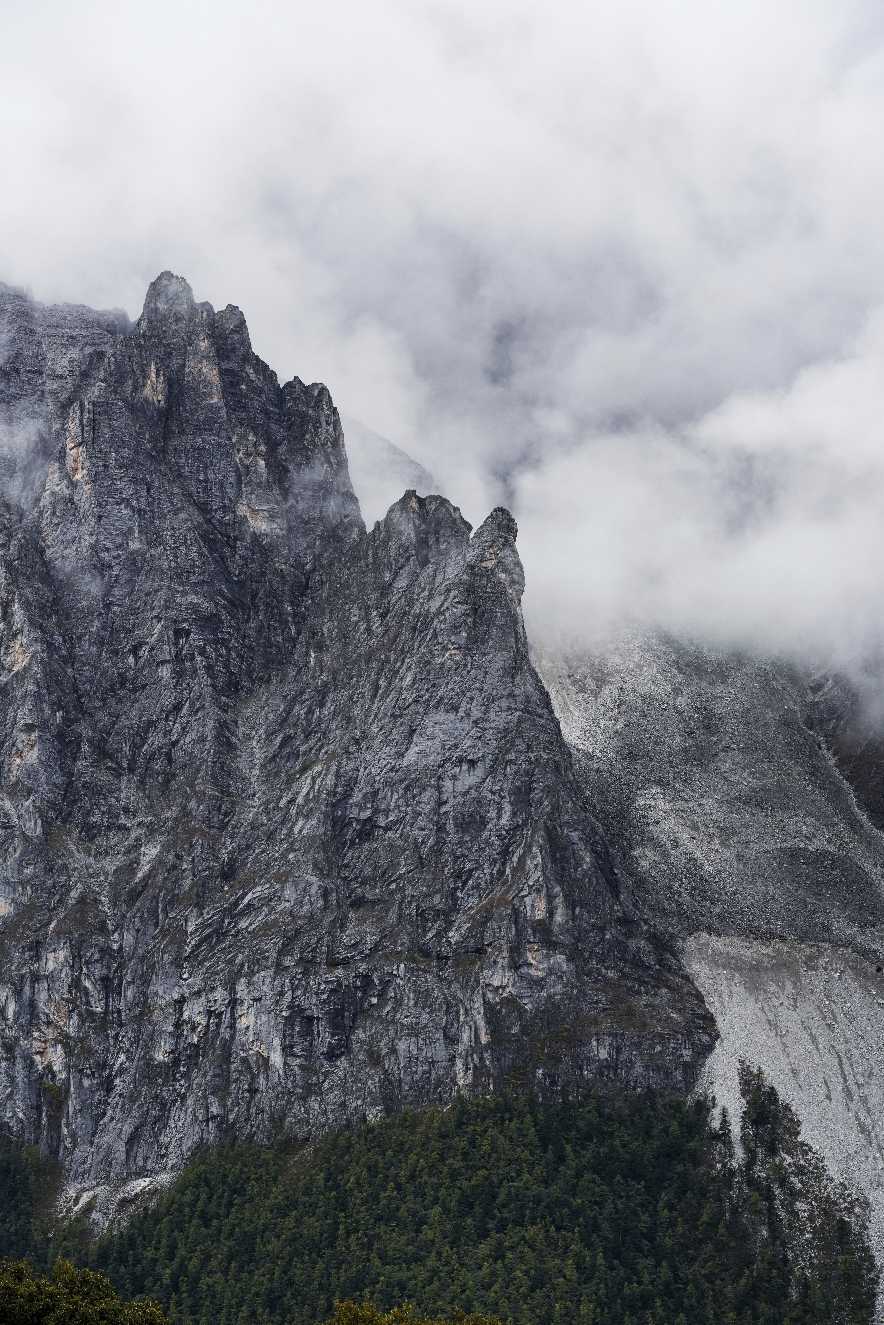
But jokes aside, having disagreements on the first day of a pilgrimage route that Tibetans have walked for hundreds of years is absolutely ridiculous. To avoid the embarrassment of returning to the starting point, we unified our route and continued straight up, cutting across after passing through an alpine pasture. From a terrain perspective, the wrong path we took had much better scenery than sticking to the jungle route.
 Daocheng Yading Scenic Area
 Daocheng Yading Scenic Area
 Daocheng Yading Scenic Area
 Daocheng Yading Scenic Area
 Daocheng Yading Scenic Area
 Daocheng Yading Scenic Area
 Daocheng Yading Scenic Area
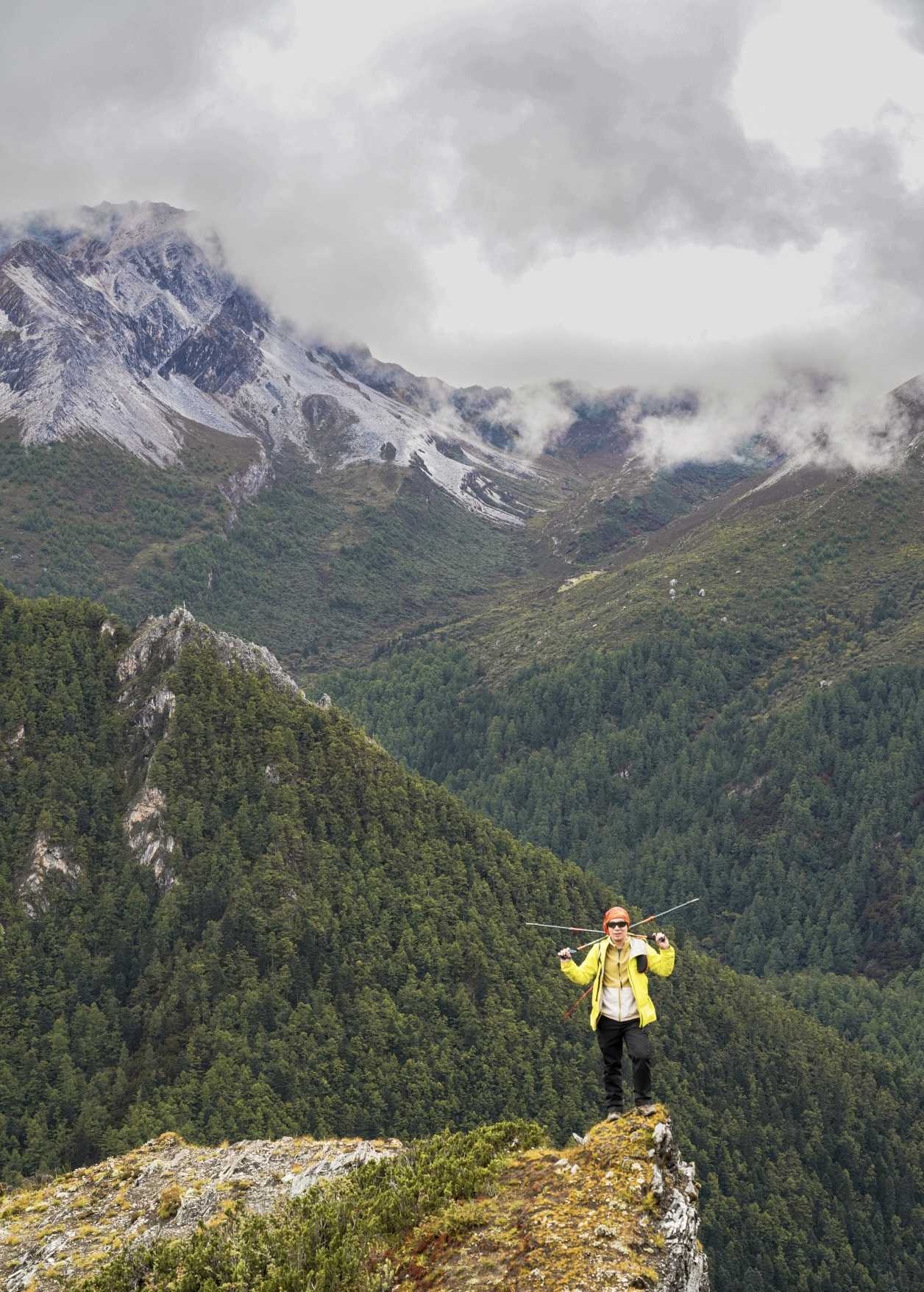 Daocheng Yading Scenic Area
The weather became increasingly overcast, and afternoon rain was inevitable. Today's plan was to reach Boyong Lake for camping. Due to taking the wrong route and the time spent in meetings discussing corrections, we had to speed up for the second half to reach camp before the heavy rain.
I definitely didn't want to be caught in the middle of the road, soaked. Even though I had rain gear and waterproof shoes, I hate mud. After reconnecting with the correct trail, I began to accelerate forward, rarely stopping.
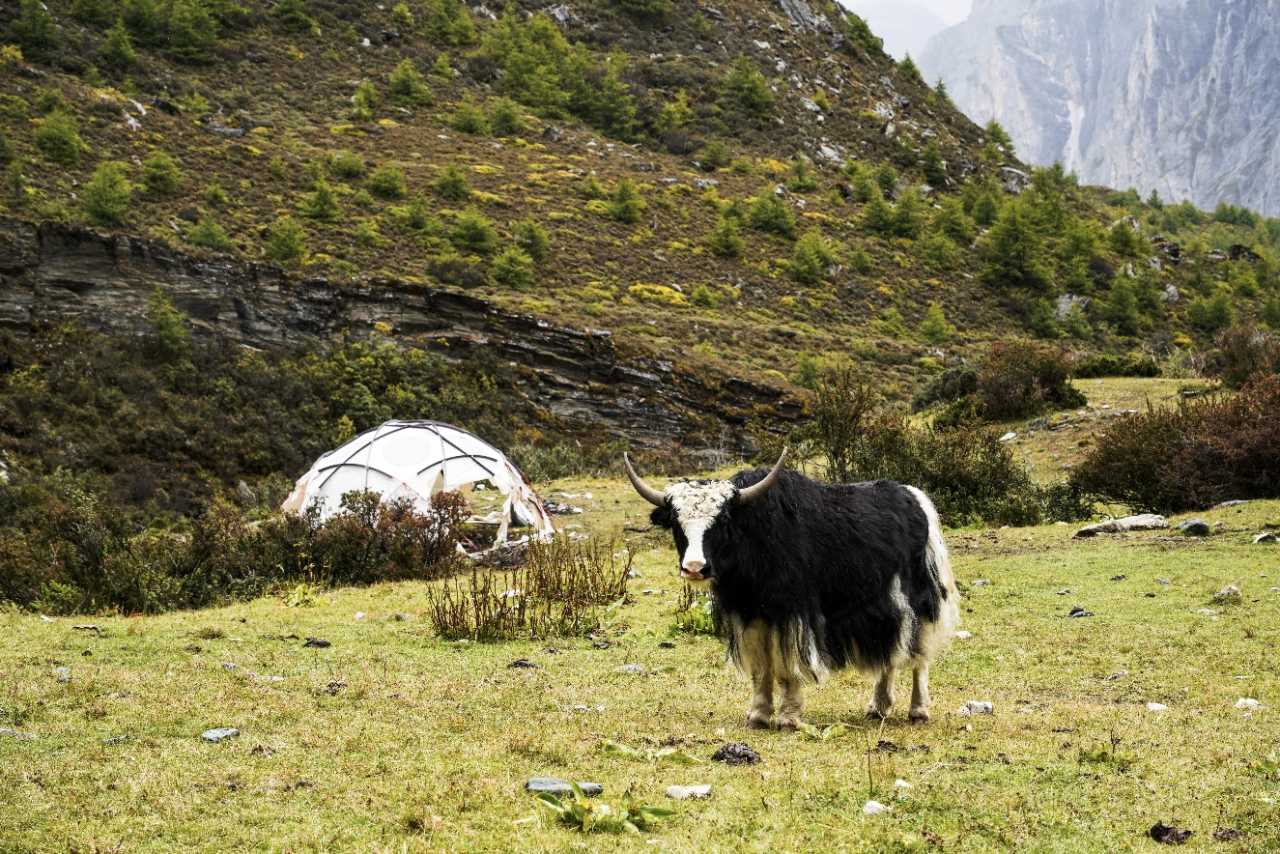
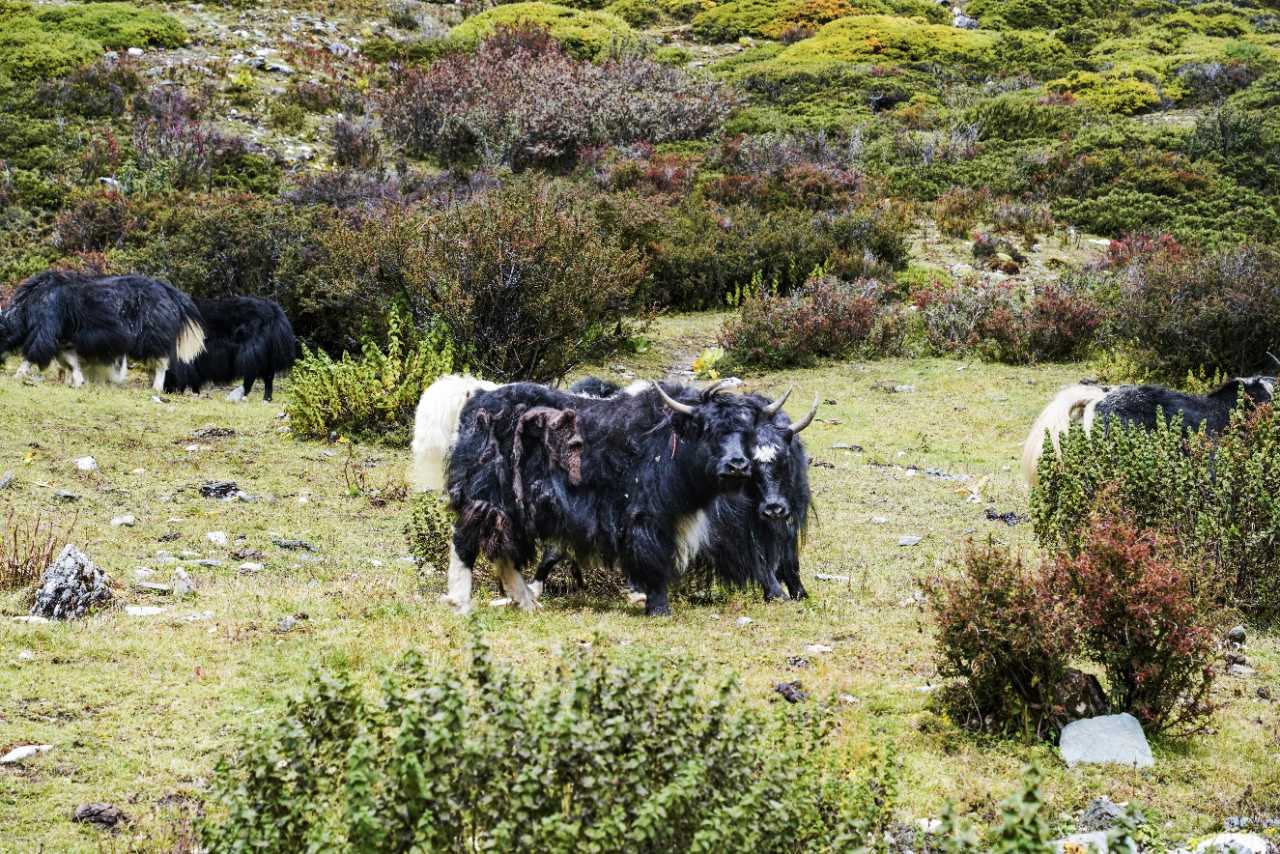
I only took a brief rest at Bayu Camp, watching yaks graze in a daze. I found that yaks were also interested in my food - whenever I took something out to eat, they would approach, but not too close, probably realizing that eating grass was more reliable.
Bayu Camp used to be a popular rest stop on the great kora route, but due to water source issues, it's gradually being abandoned. Almost no hikers camp here anymore, everyone heads straight to Boyong Lake two kilometers away, hoping to see the golden mountain sunrise there.
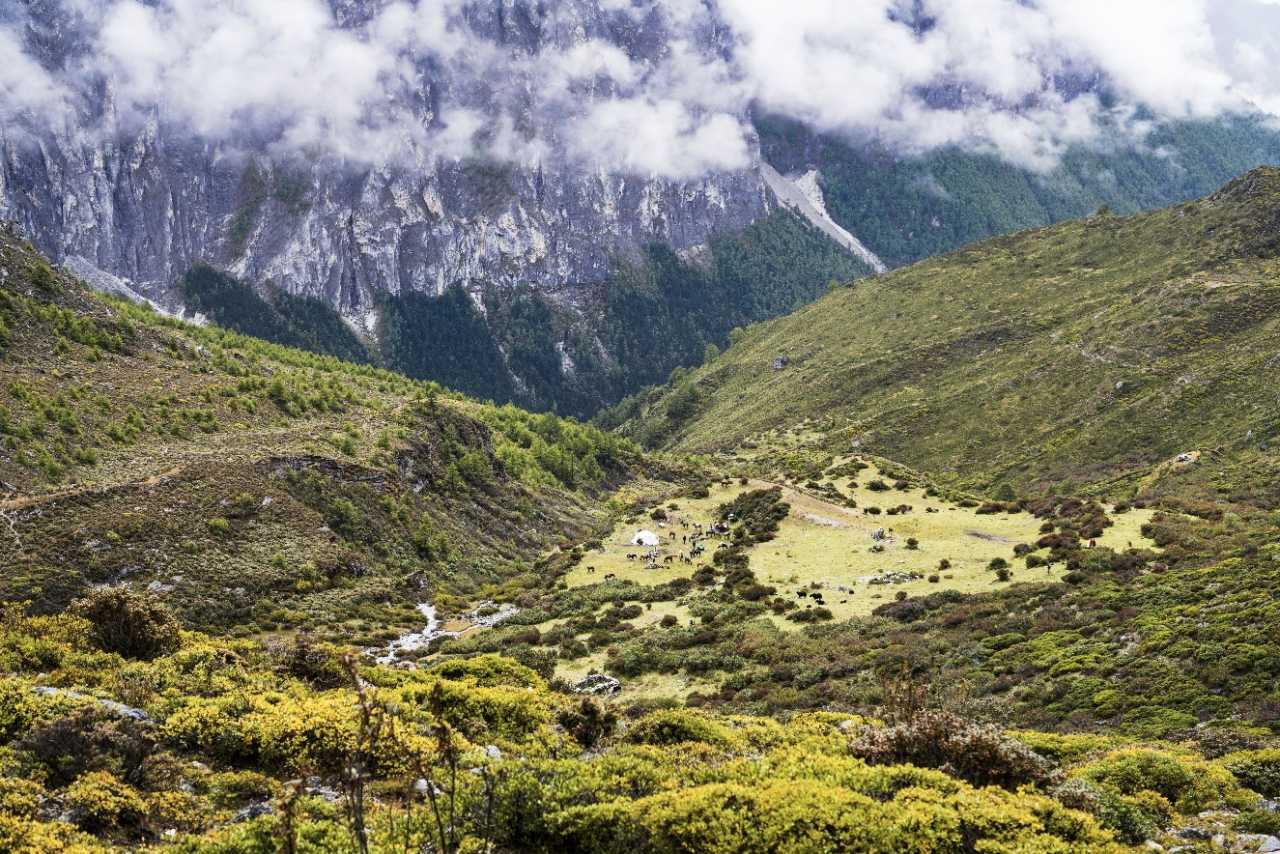 Daocheng Yading Scenic Area
 Daocheng Yading Scenic Area
 Daocheng Yading Scenic Area
Leaving Bayu grassland, it was one gentle but long climb after another. It had started raining, and I temporarily let go of my obsession with scenery, just wanting to quickly see my tent and luggage that I had entrusted to the horse team.
Boyong Lake camp is theoretically the highest elevation and most scenic camp on the entire great kora route - but this theory is completely based on good weather. The Boyong Lake I saw was just an unremarkable small lake. This was my disastrous start to the first day of the kora.
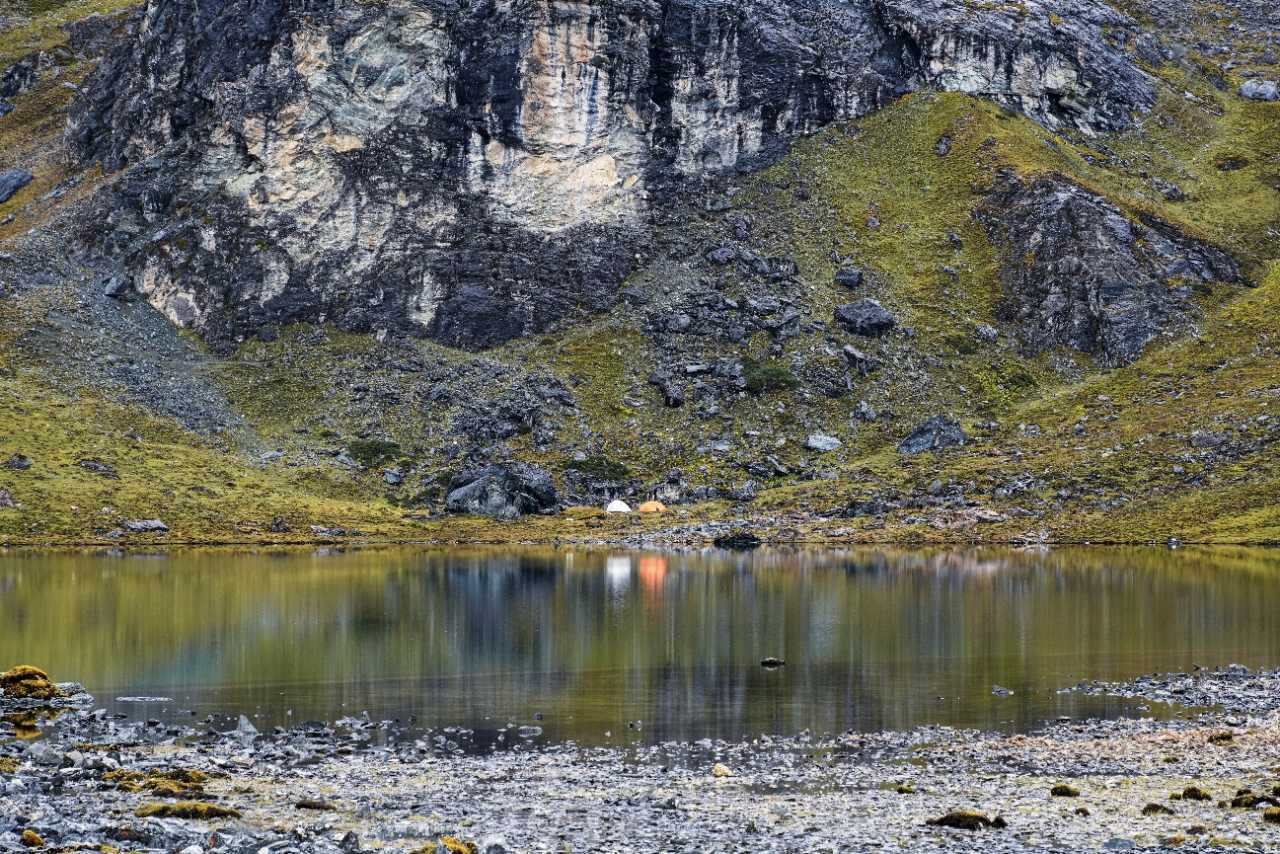
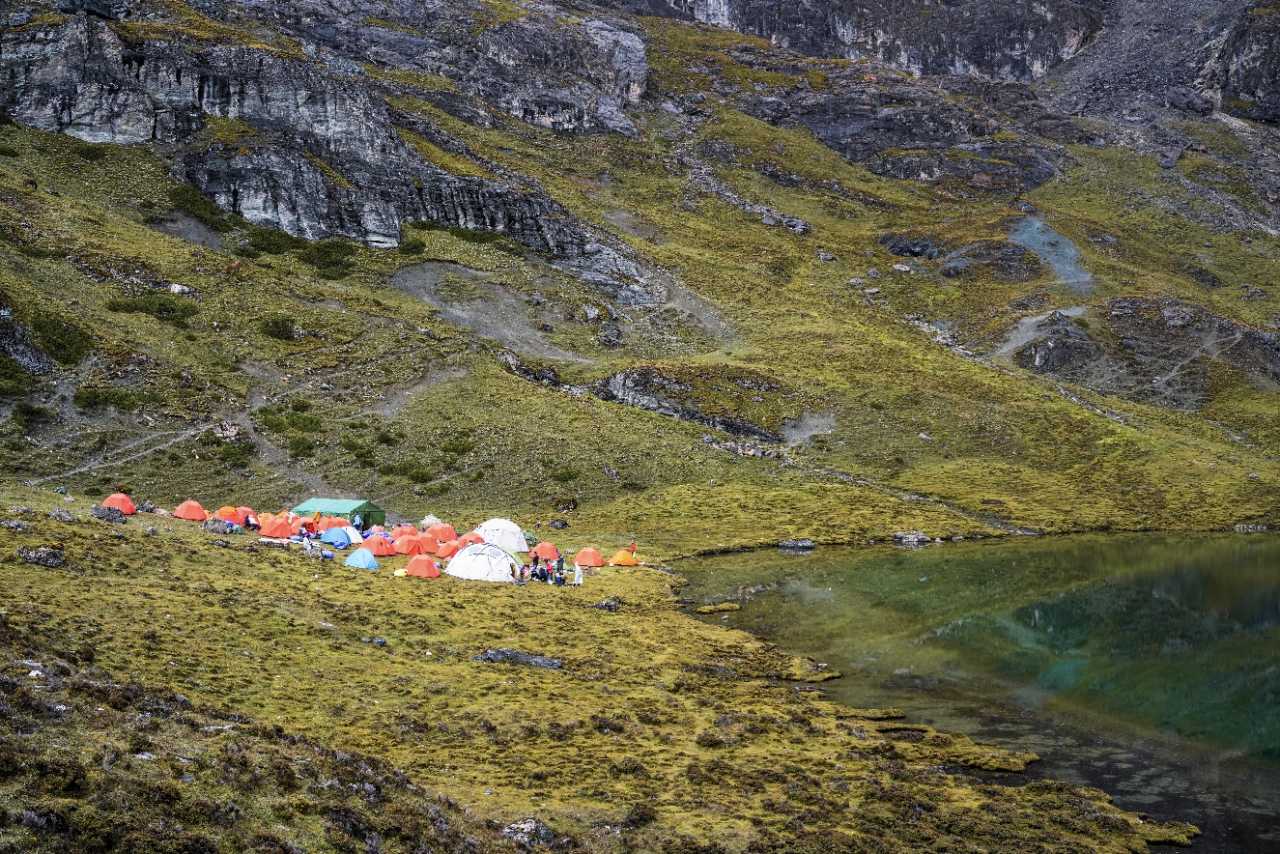
After reaching camp, the rain poured down heavily. I felt fortunate for arriving quickly, and even more fortunate that my luggage wasn't wet - otherwise I wouldn't have survived this long, cold rainy night.
Day 2 Fog Locked at Qiesagading
Dear Yingning,
I'm lying by the most beautiful lake on the pilgrimage route, curled up, listening to the rain pattering on the tent, completely disappointed that the sunrise over the golden mountain I hoped for was completely dashed. Can you understand how frustrated I felt?
I remember when you didn't even know what "kora" meant, you went to trek the Yubeng route around Meili Snow Mountain's inner kora. You arrived at Feilai Temple and on your first day saw the Kawagebo sunrise that others might wait ten or fifteen days for without being fortunate enough to witness - what incredible favor from heaven!
Luck is probably a scarce resource, and I know it can't always arrive on time. Sure enough, the morning weather didn't improve, so I had to set off reluctantly, bidding farewell to the Boyong Lake that had nothing to offer.
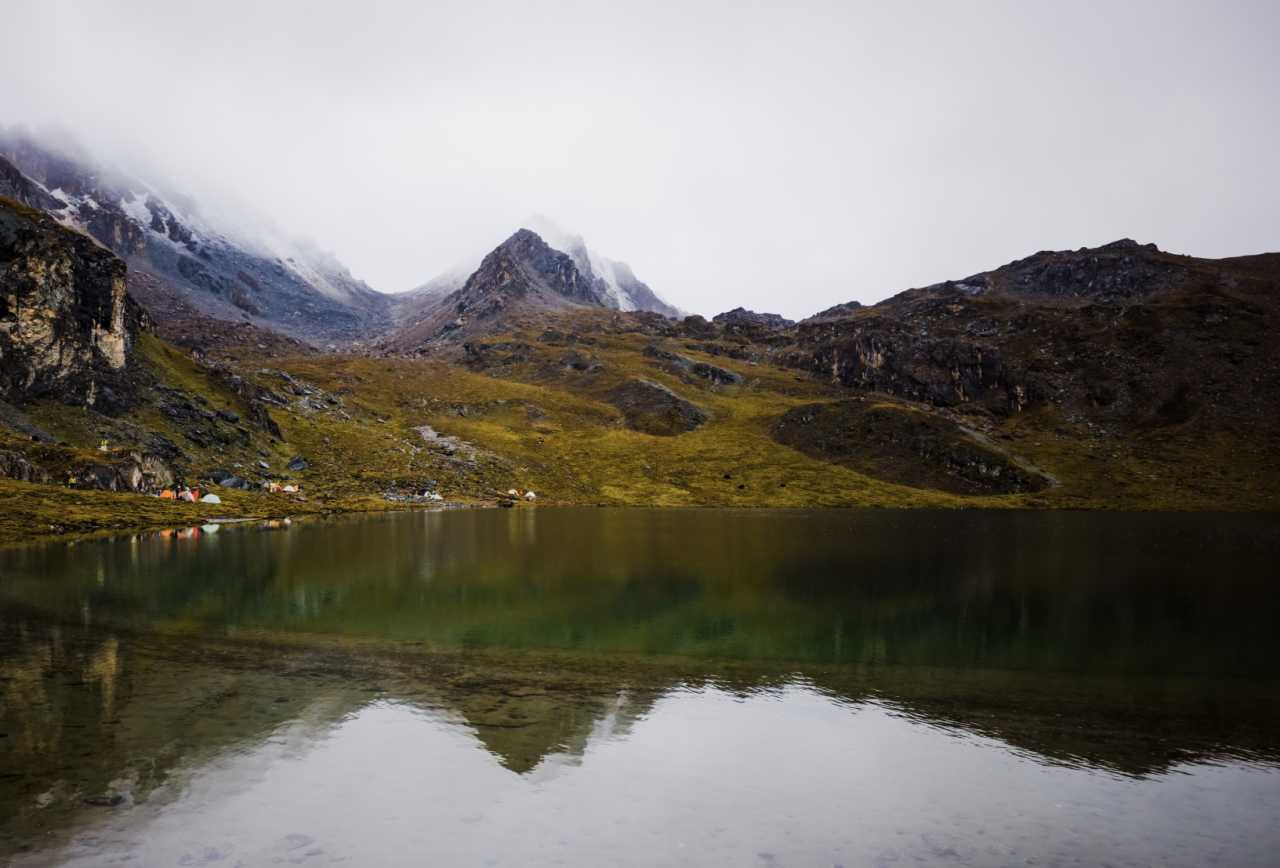
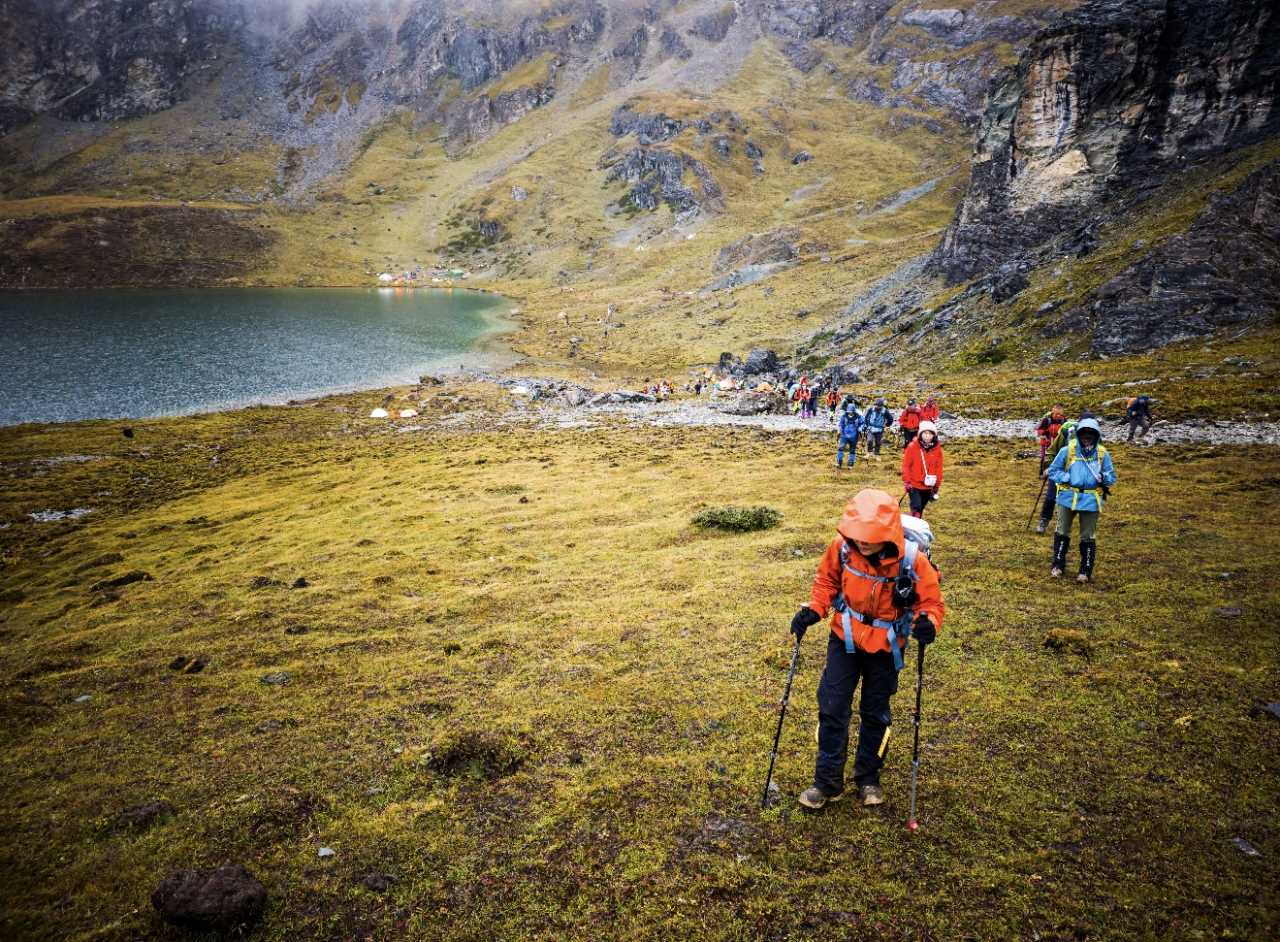
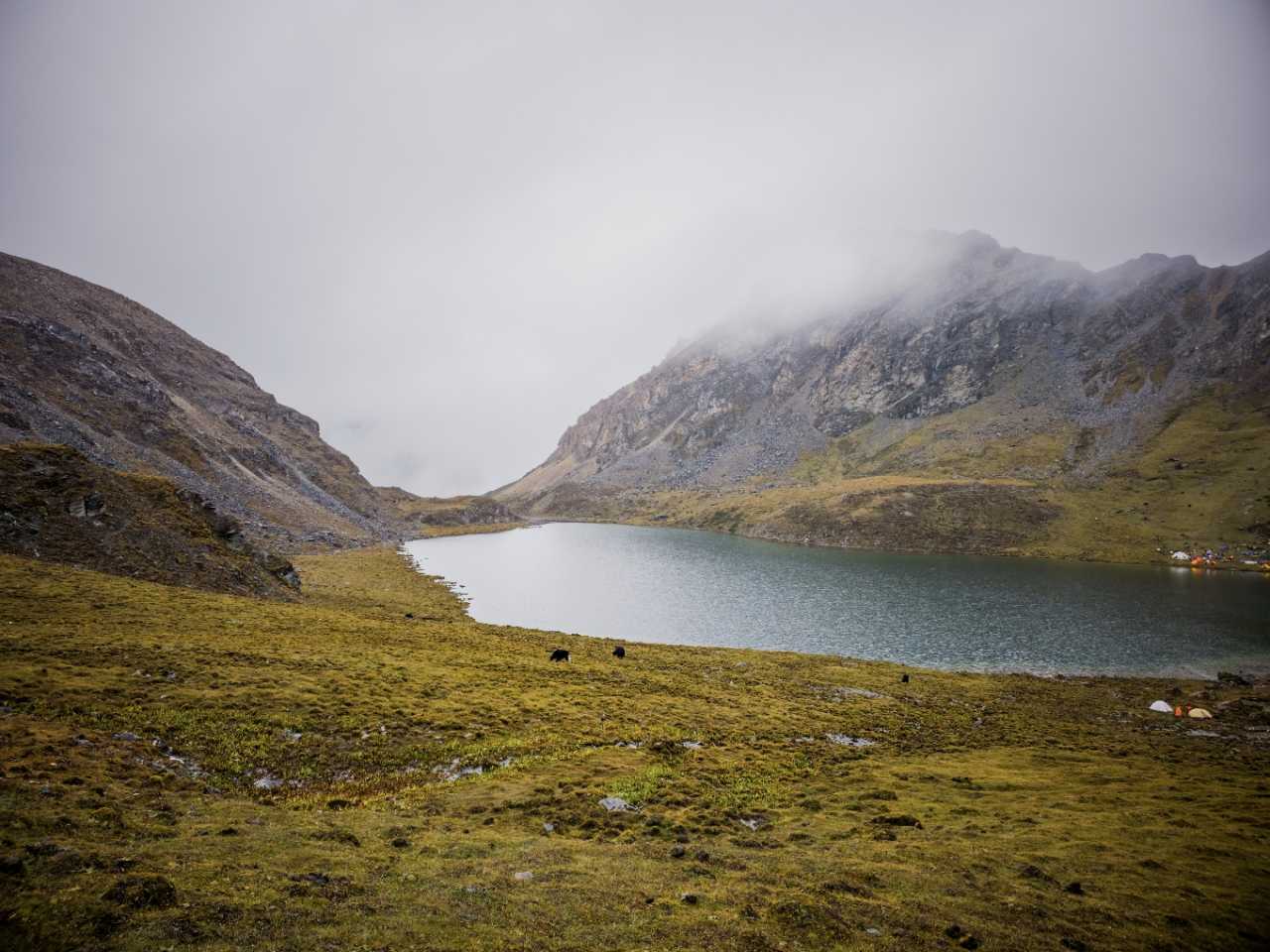
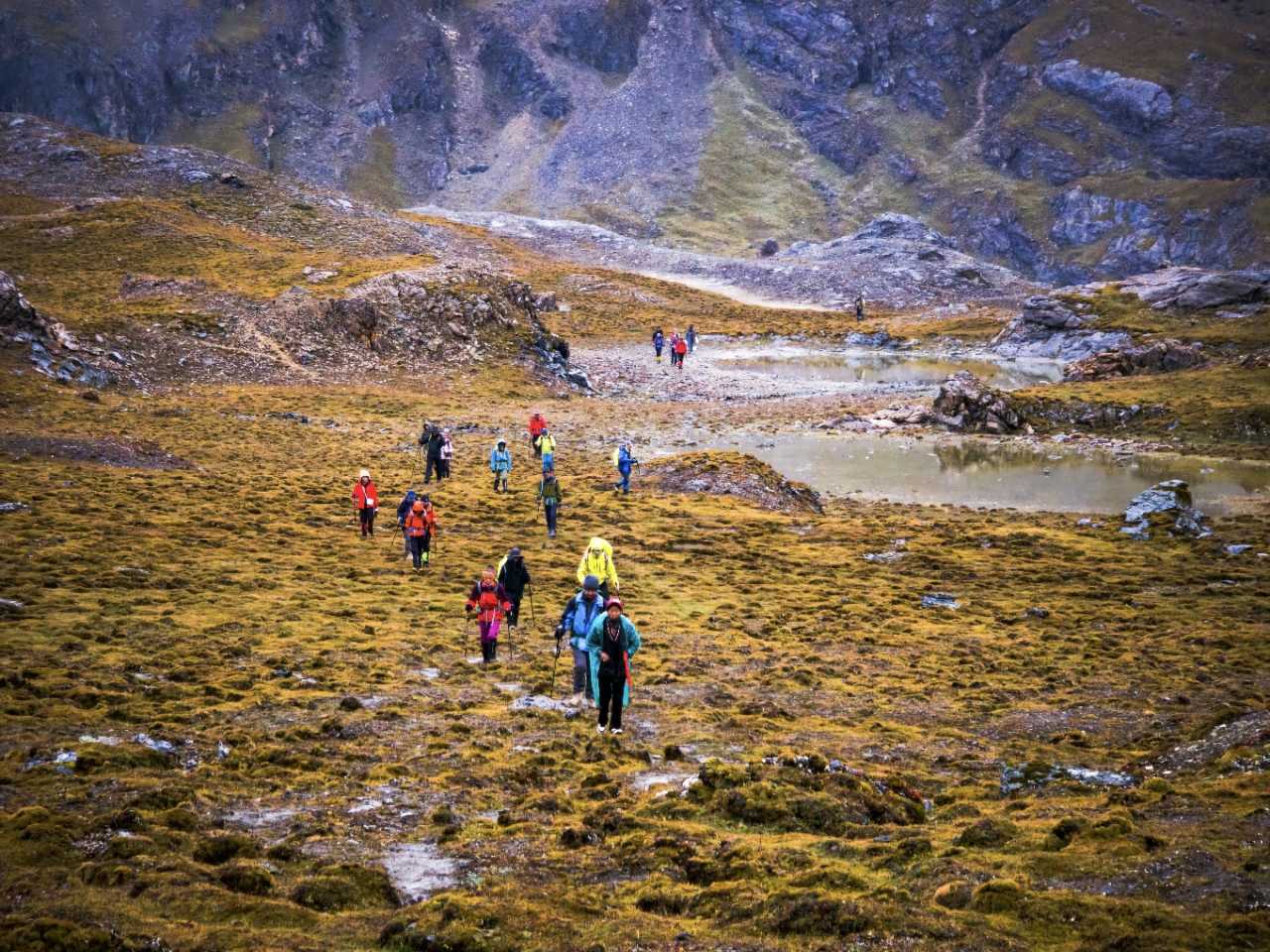
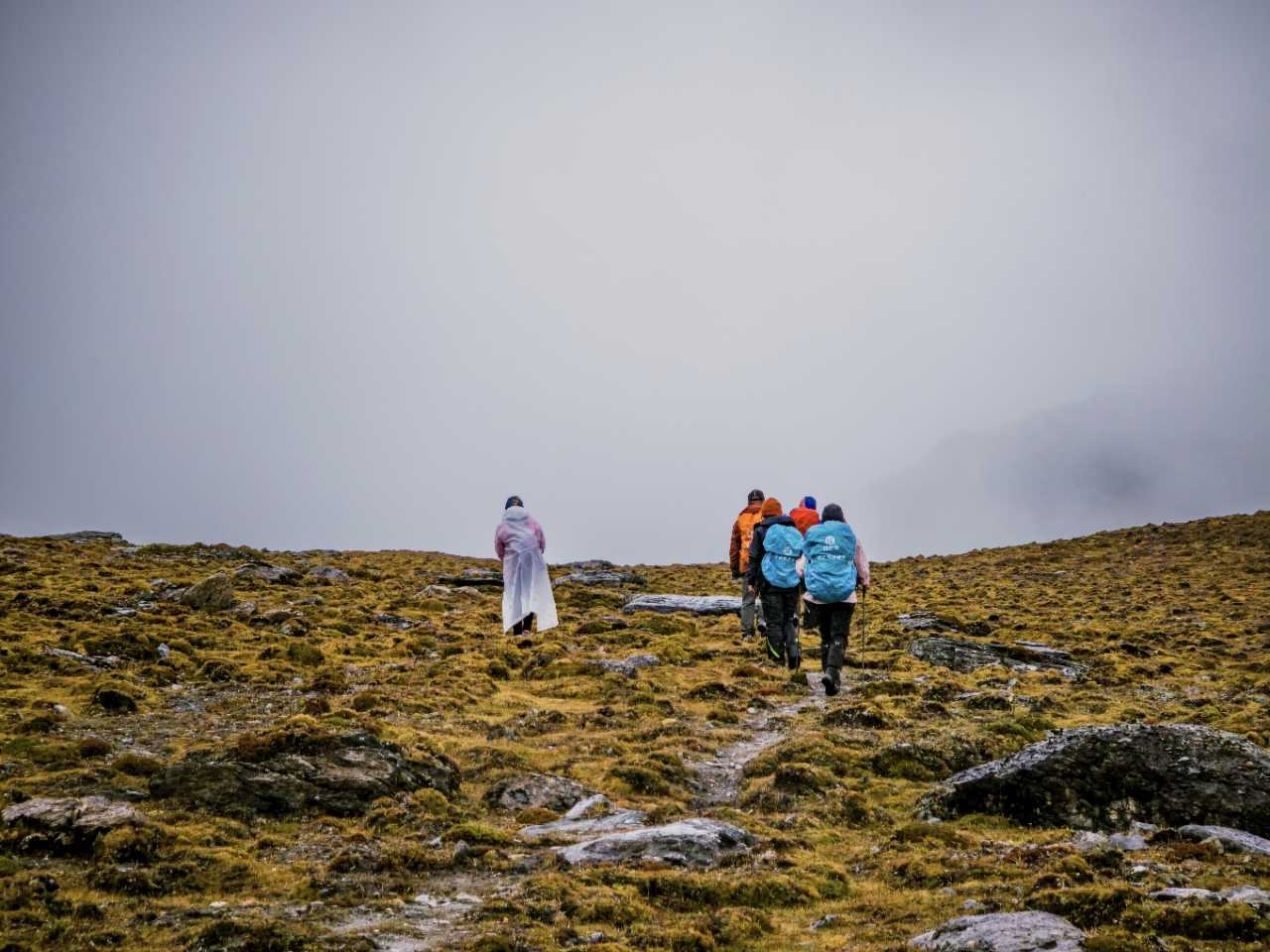
The rain didn't stop, and fog rose up, accompanying me over the first and highest pass of the entire journey - Qiesagading Pass at 4900 meters elevation.
The Yading great kora has relatively gentle altitude - the highest point on the hiking route is under 5000 meters, and with abundant vegetation along the way, it's a friendly route where altitude sickness is almost never a concern.
If you look down on it with contempt, it will immediately retaliate against your ignorance. Except for the first day, within six days you cross nine passes and descend into eight valleys, meaning constant climbing and descending. Although you don't need to worry about altitude sickness, if you don't proceed with reverence and solid steps, your physical strength will be exhausted in minutes.
This Qiesagading Pass is only the highest in elevation, not the most difficult pass of the entire route - the truly difficult paths are still ahead.
 Daocheng Yading Scenic Area
 Daocheng Yading Scenic Area
 Daocheng Yading Scenic Area
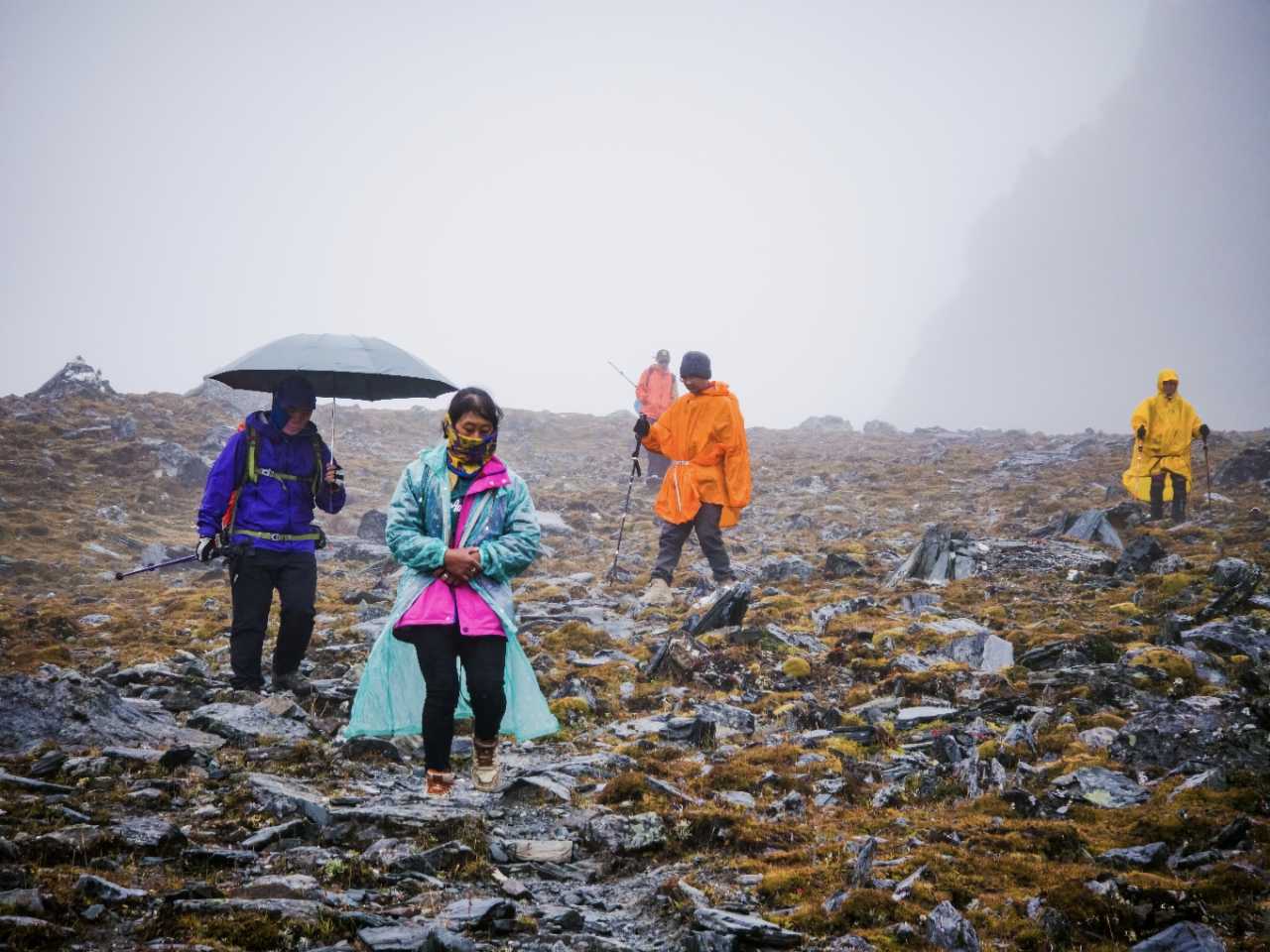
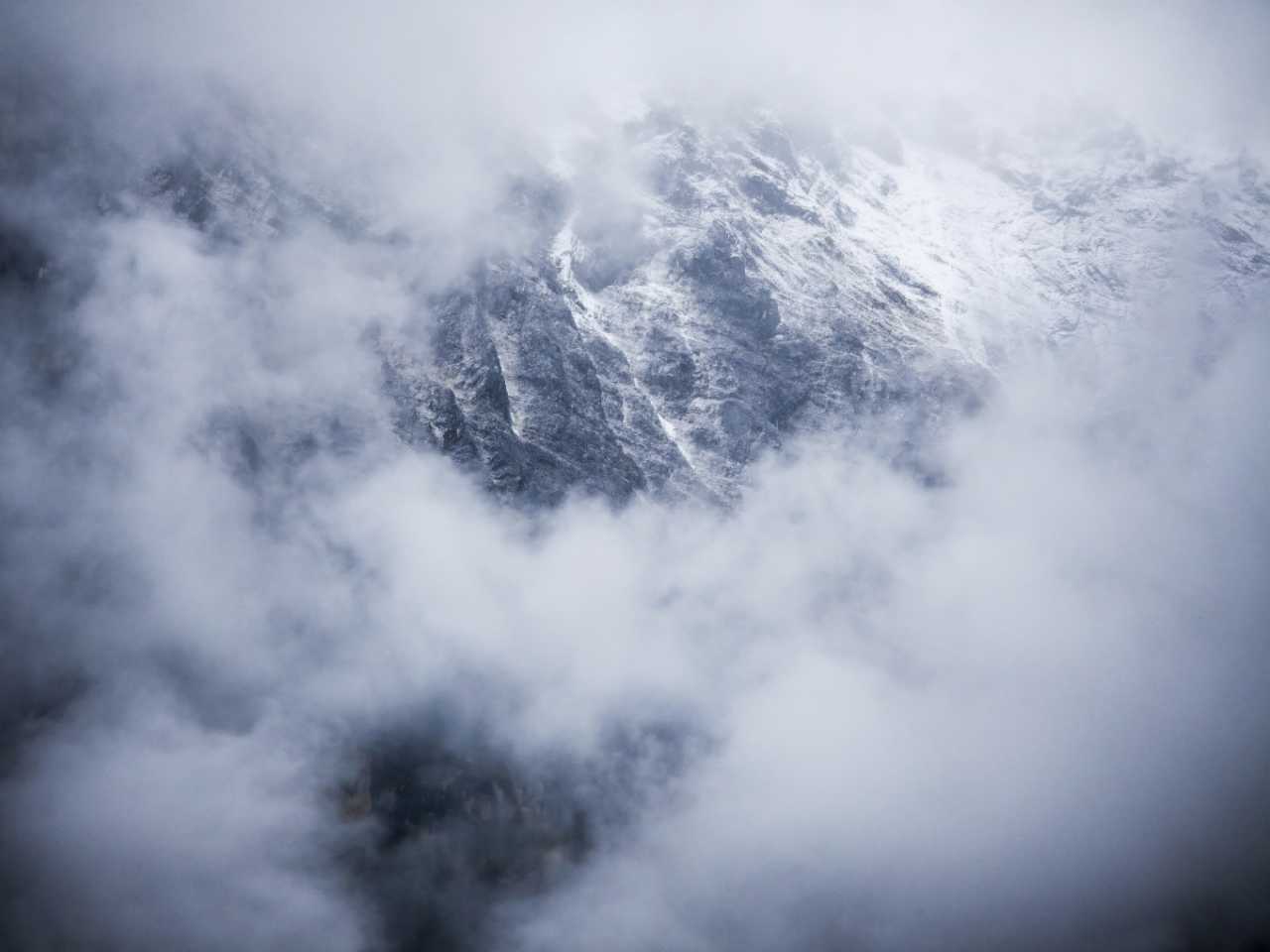
The fog at the pass was thick - besides the nearby prayer flags and mani stones, I couldn't see anything. Those dark mountains only showed faint outlines, lurking behind the fog like they had sinister motives, spying on our group of desperate pilgrims.
Do you remember when we last did kora together? That's right, it was at Mount Kailash in the Year of the Horse - eleven years have passed already. Time has stolen many things, but memories remain.
How did I recall this? Because today's pass had weather as terrible as when we were at the Dolma La Pass. Doing kora without seeing the mountains is indeed frustrating, but I believe kora brings blessings, and luck will favor me again.
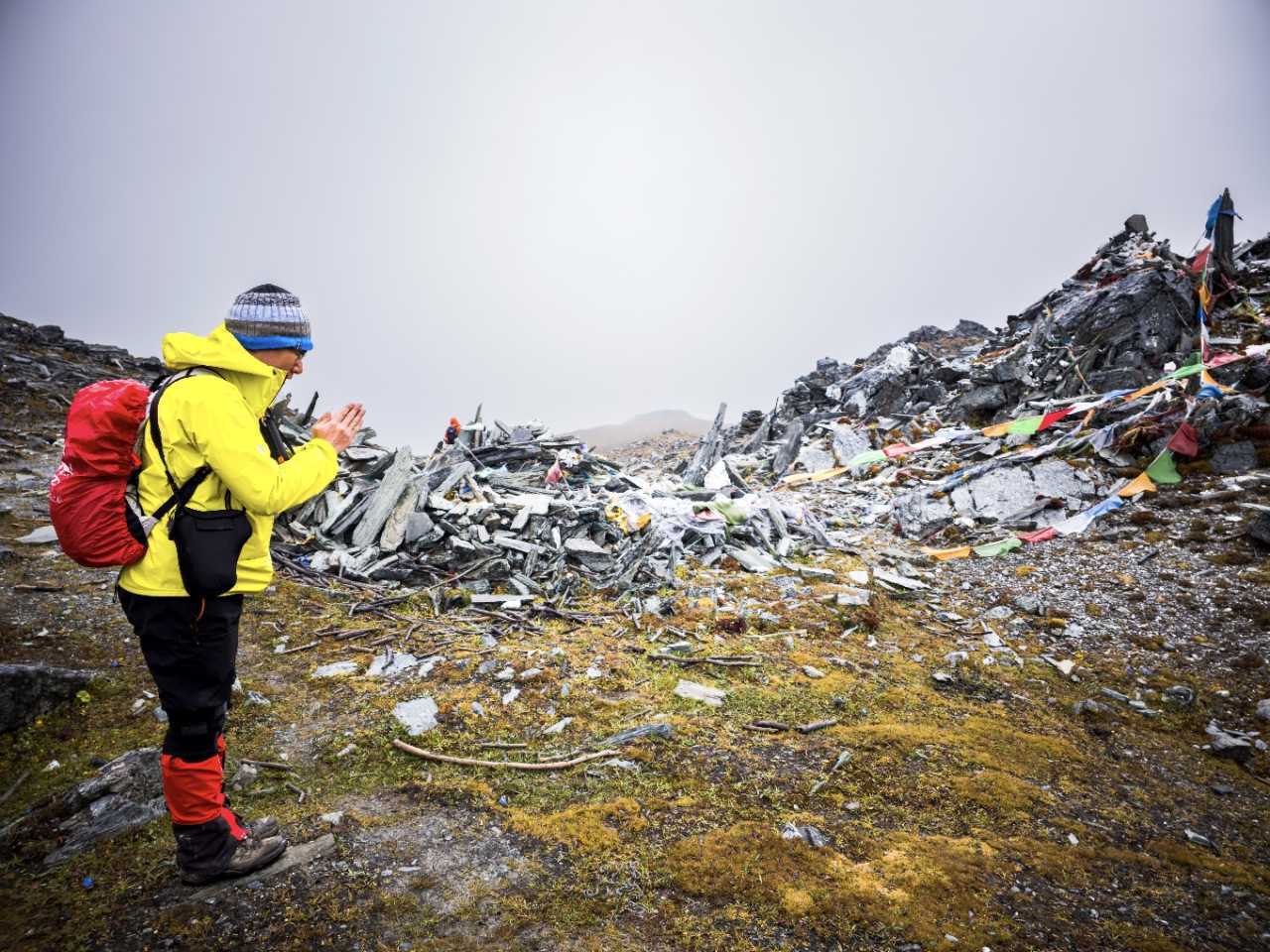 Daocheng Yading Scenic Area
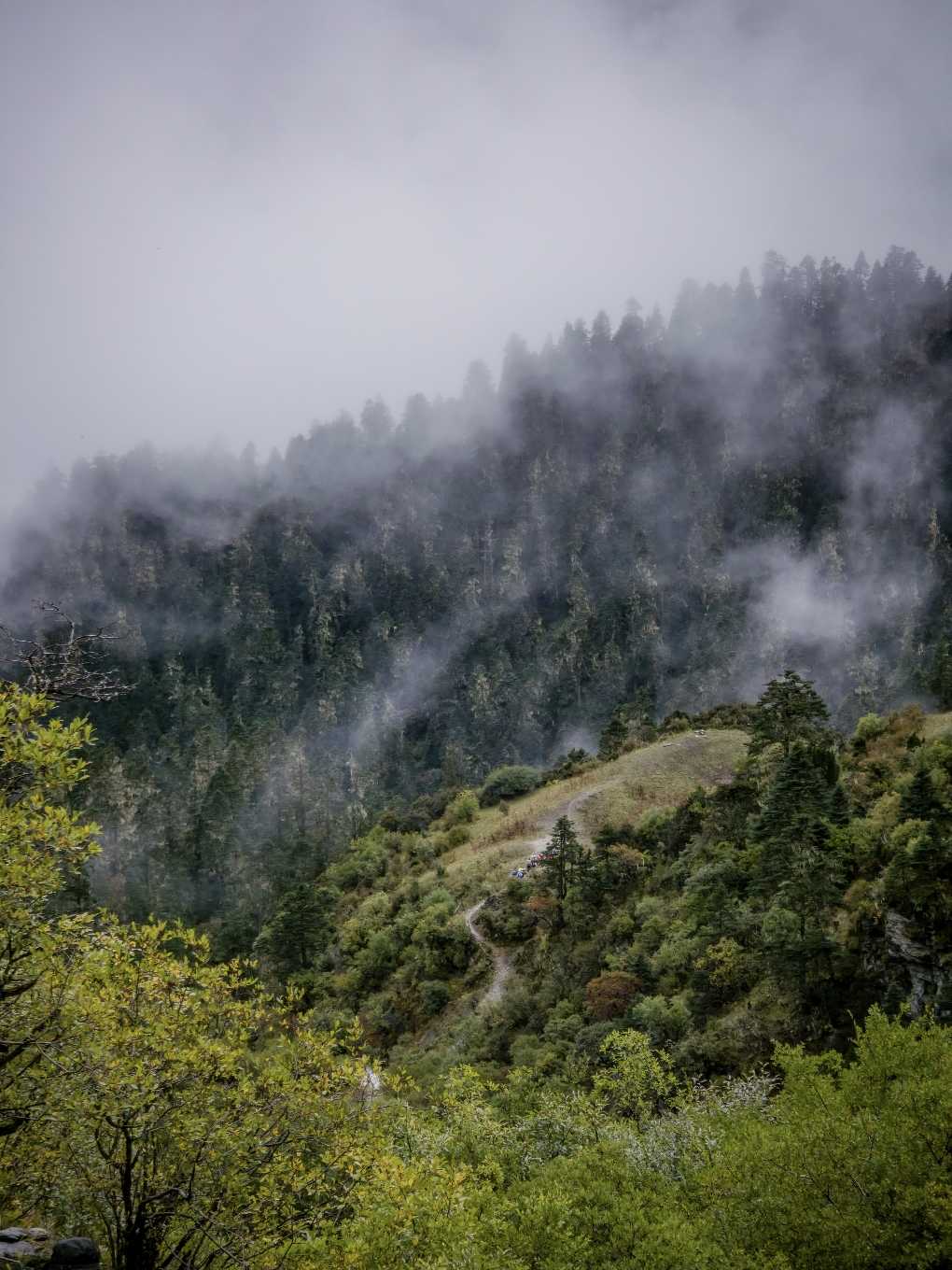
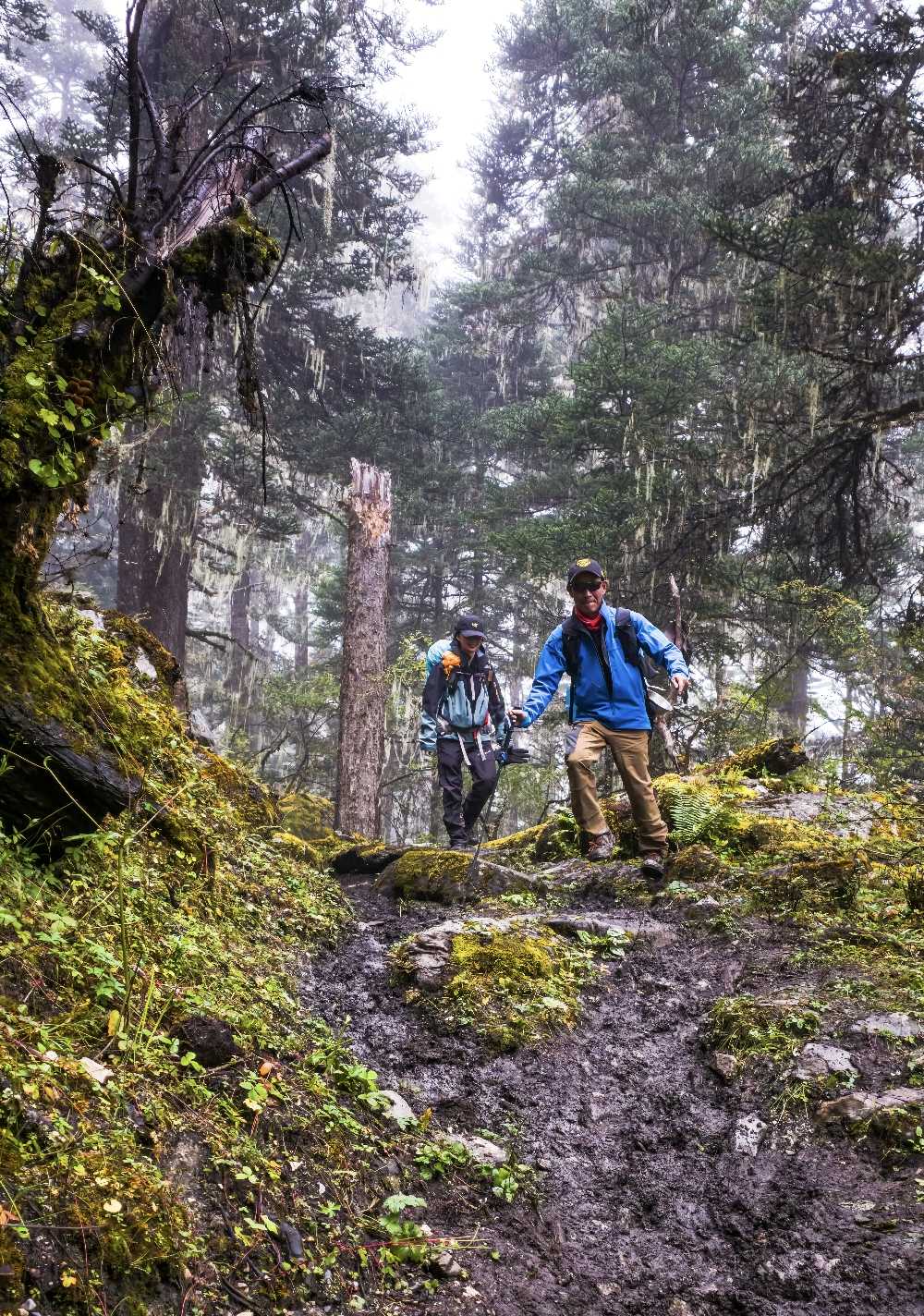
I silently packed my camera away, just wanting to walk with my head down, racing against the bad weather, hoping to defeat it. The long path after descending the pass was extremely muddy - the soles of my shoes were covered in mud, making each step heavier. But I couldn't care less - I just had to walk, walk like crazy.
The path kept descending, while exhaustion kept rising. The guide pulled out the "quenching thirst by thinking of plums" trick, claiming that not far ahead was a pasture where we could rest and warm up by the fire in the herders' hut. But this "not far" was exchanged for slope after slope, until my feet were so sore I almost wanted to kneel down - that's when the pasture finally appeared.
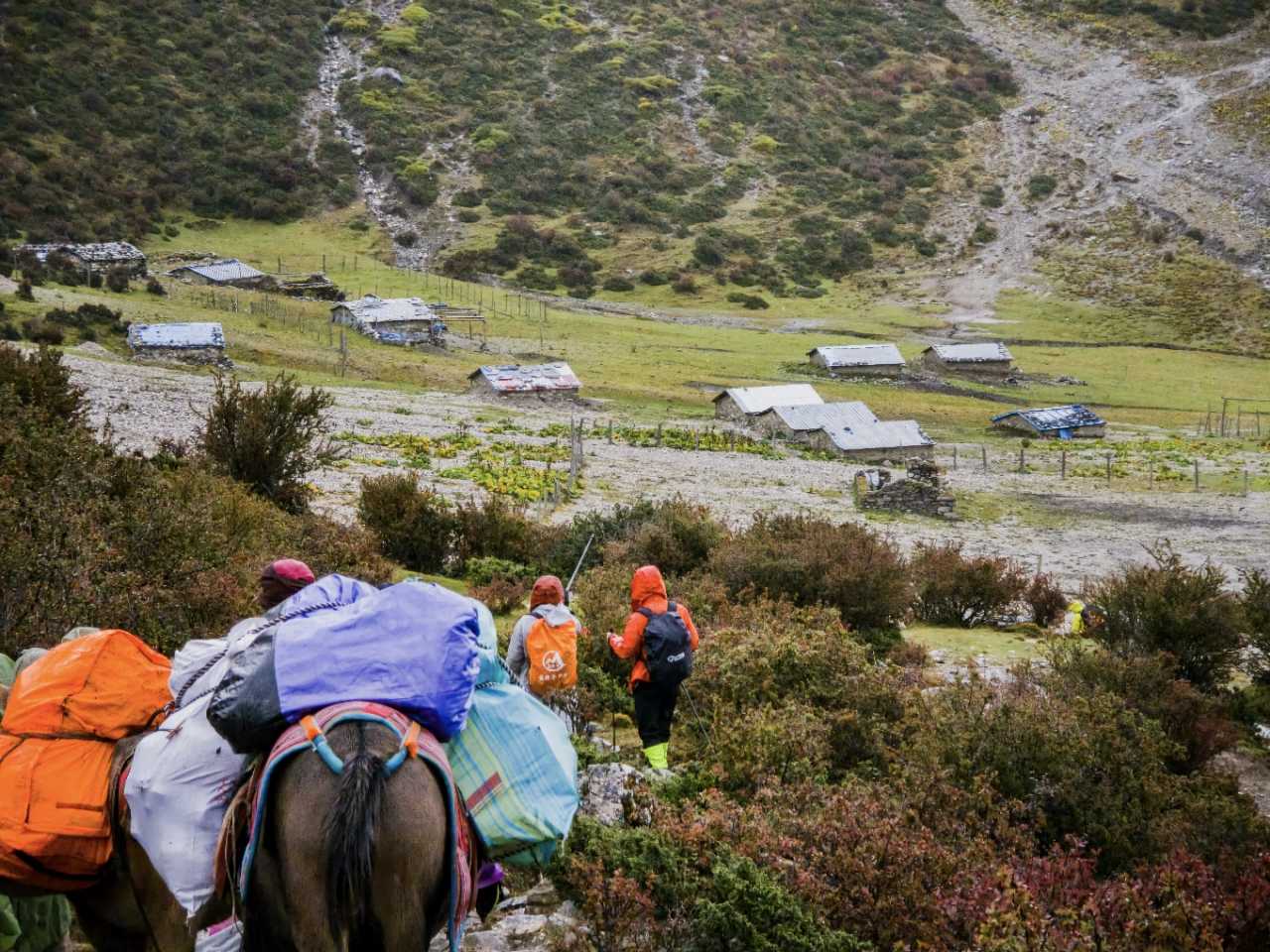 Daocheng Yading Scenic Area
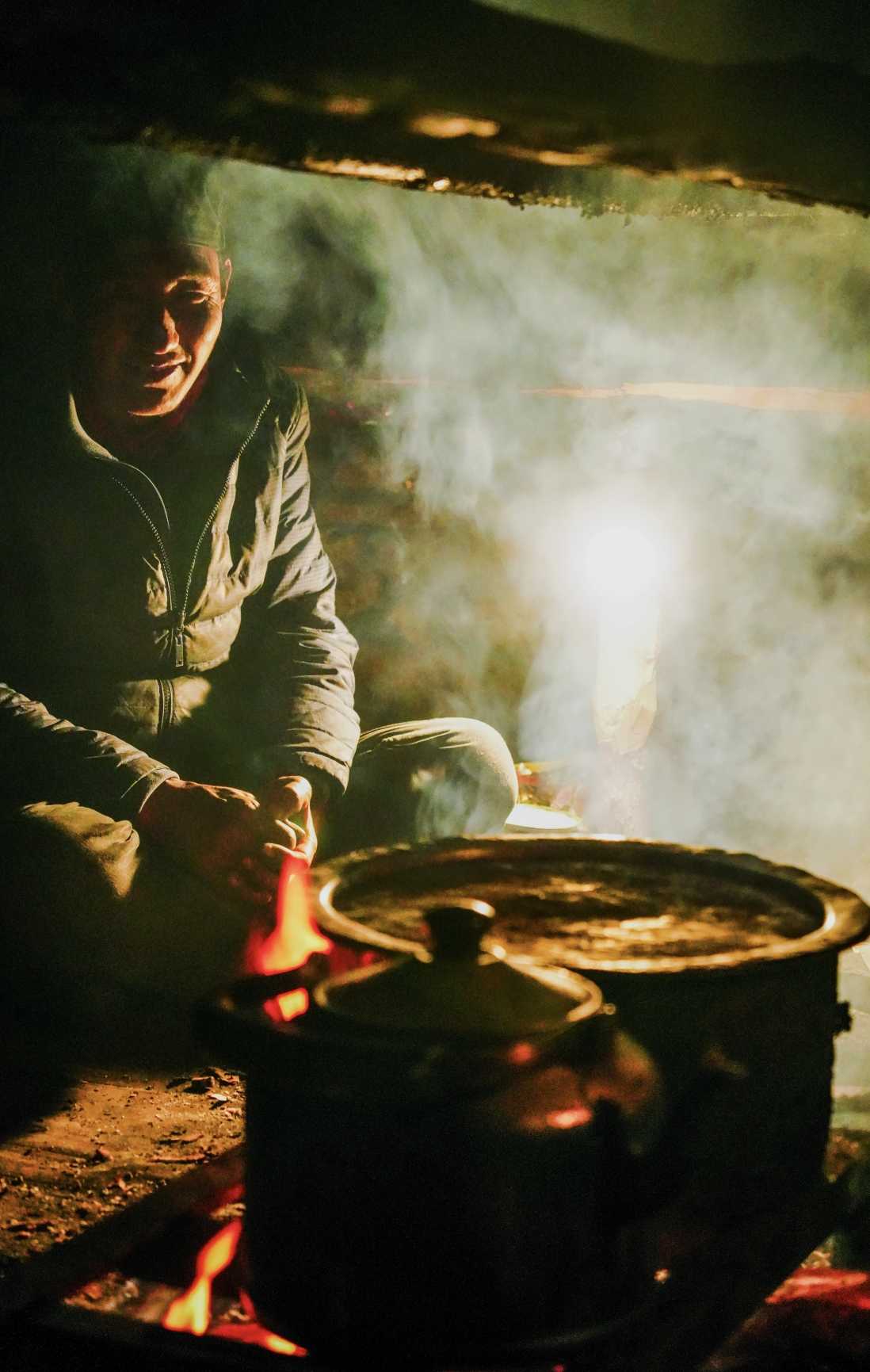
Warming up by the fire in the hut was also a dilemma.
The crackling flames were like ancient light, bringing me warmth but also thick, choking smoke. My body was frozen by the fire pit and didn't want to move, but my lungs kept screaming for help. When I really couldn't take it anymore, I got up to open the door, hoping for some fresh air, but as soon as I turned around, someone who feared the cold would slam the door shut again.
When the hiking army arrived later, everyone wanted to come in to warm up, so there was constant opening and closing of the door, and I followed that particular rhythm - inhale, exhale, inhale, exhale.
Finally, everyone probably found the constant opening and closing too troublesome. The door stayed open and never closed again. It seems the priority was: laziness > body warmth > lungs crying for help.
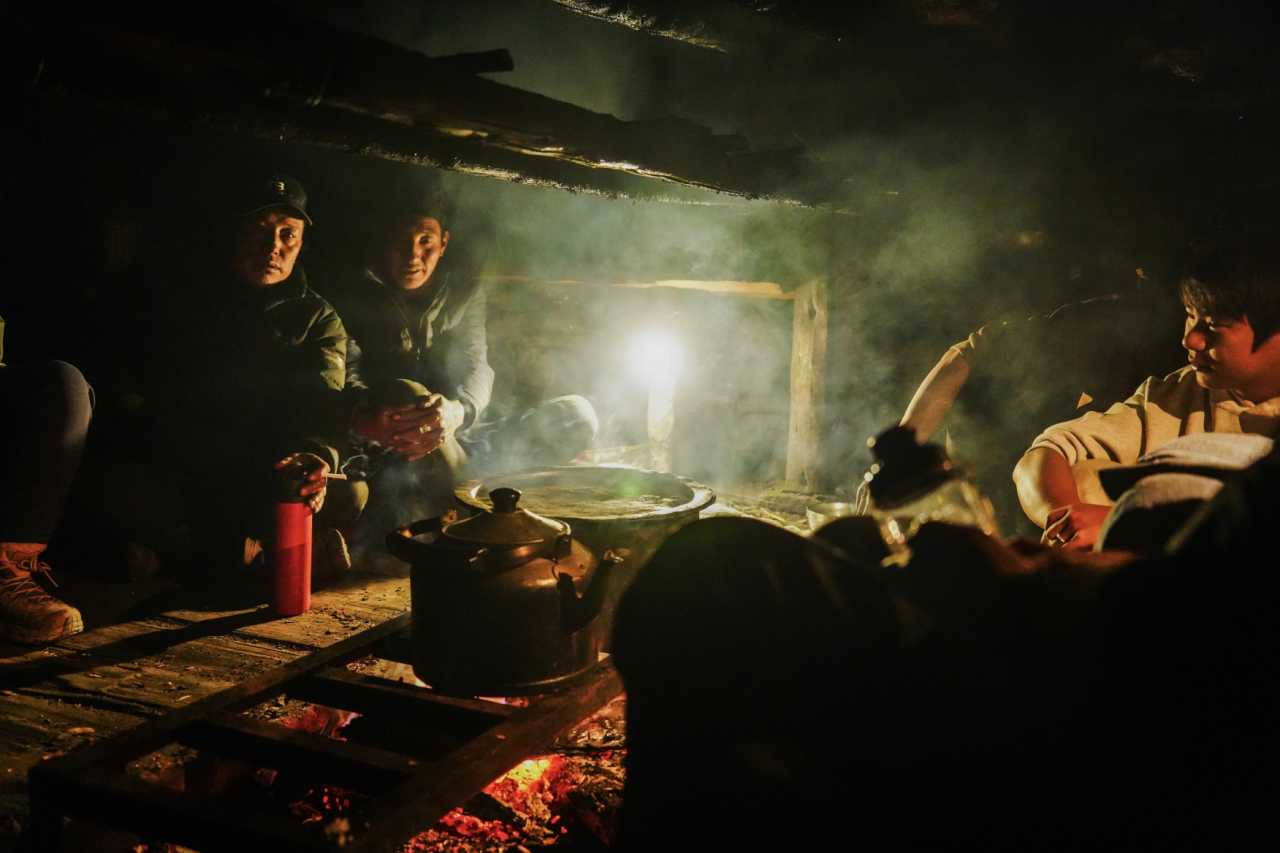 Daocheng Yading Scenic Area
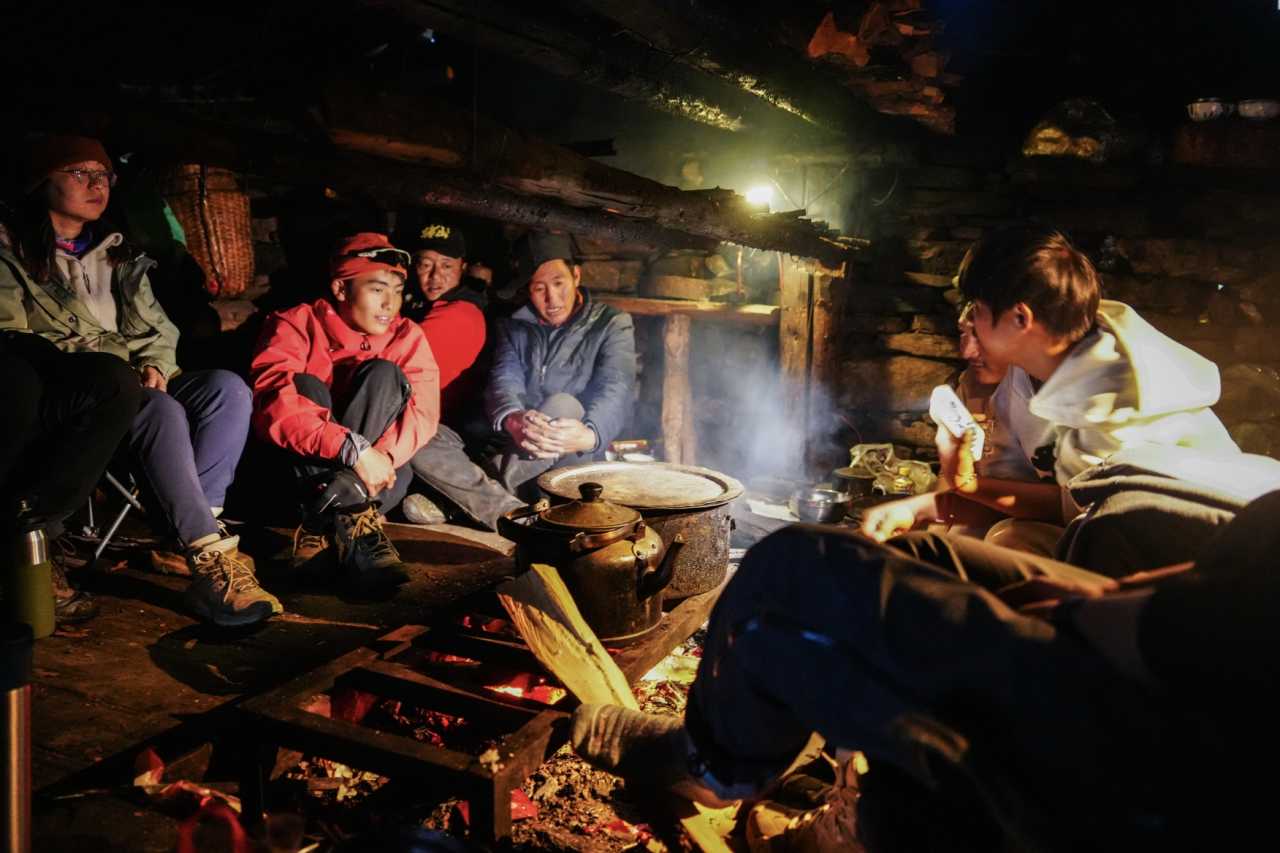 Daocheng Yading Scenic Area
 Daocheng Yading Scenic Area
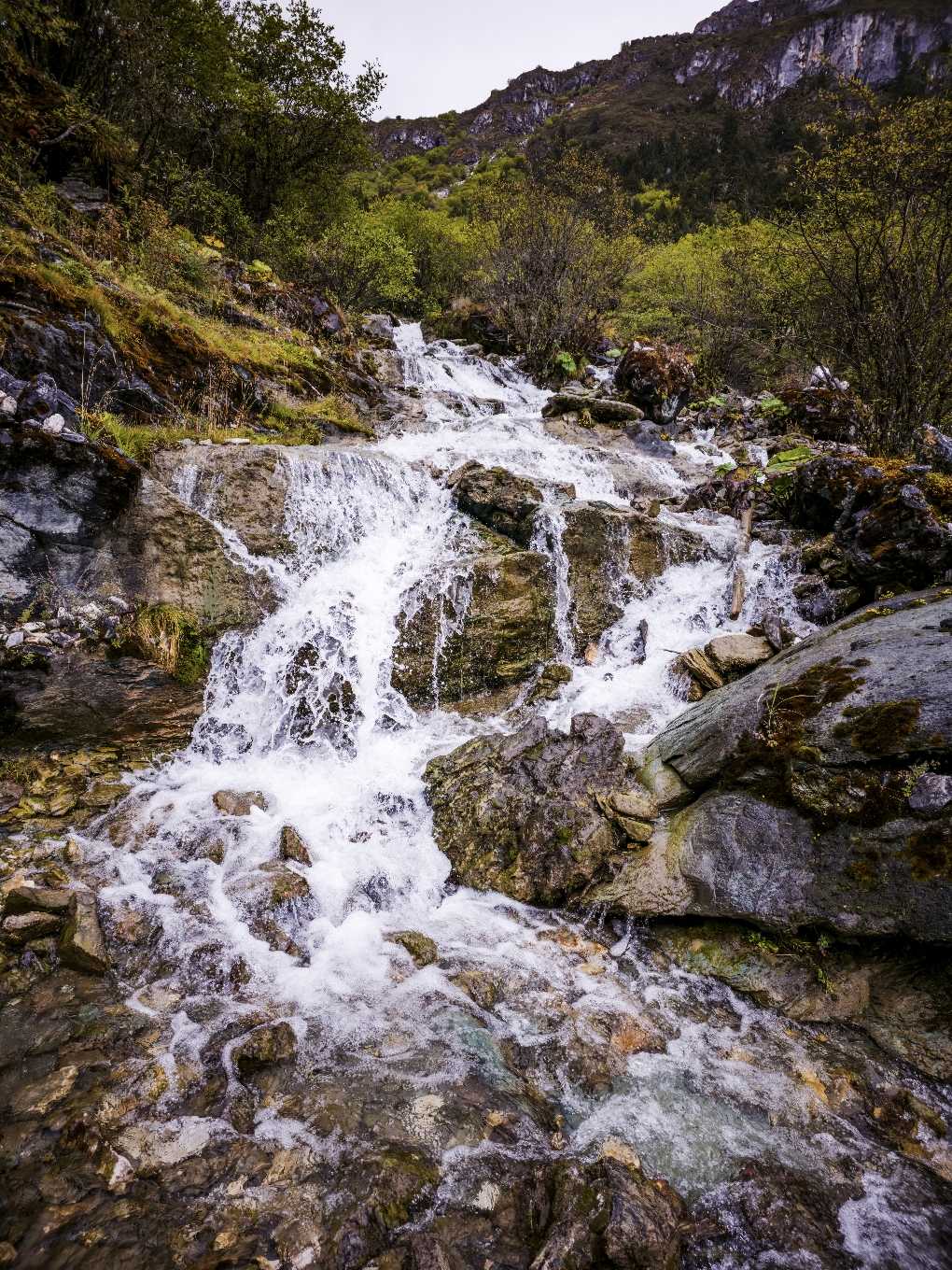
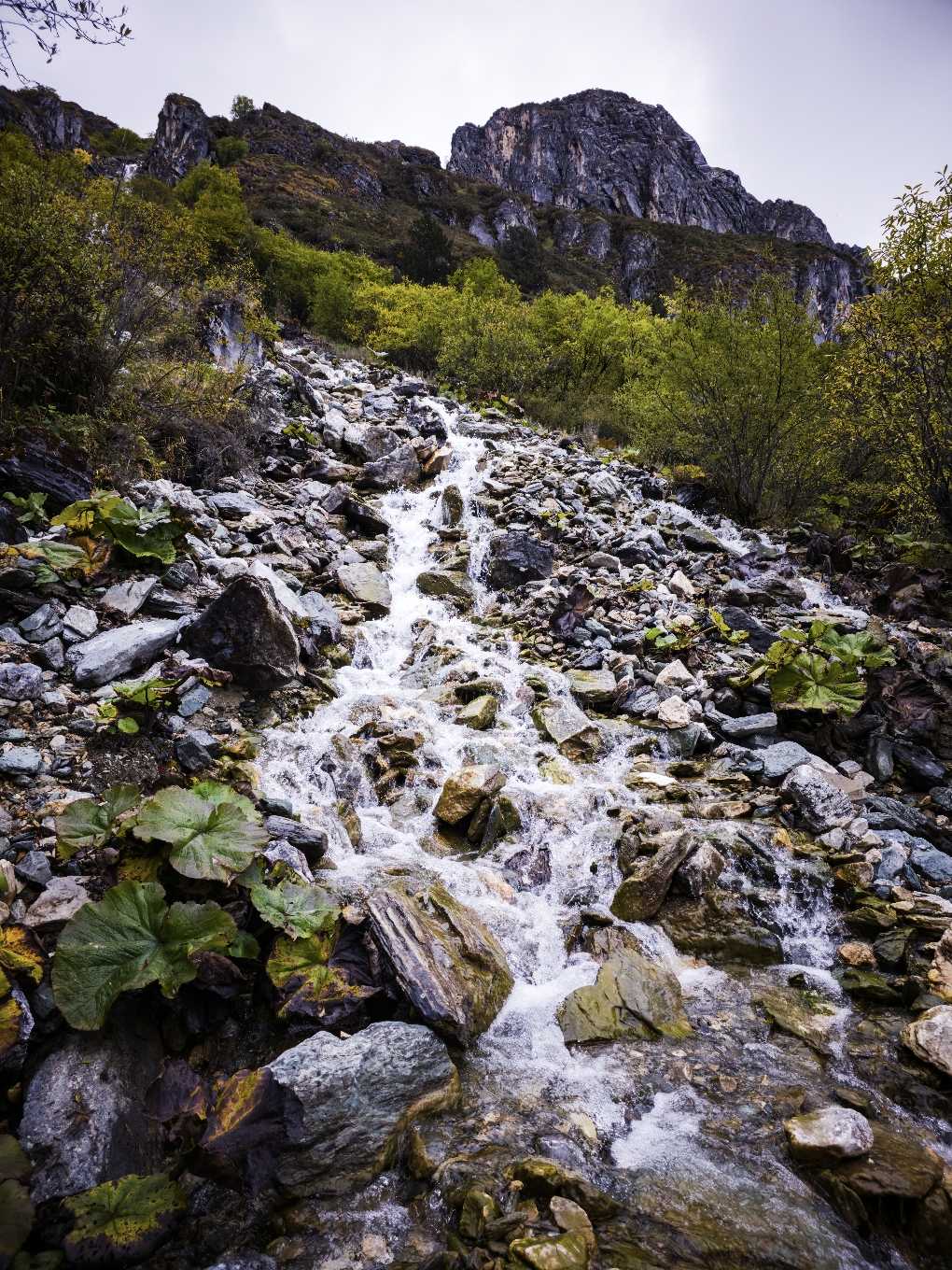
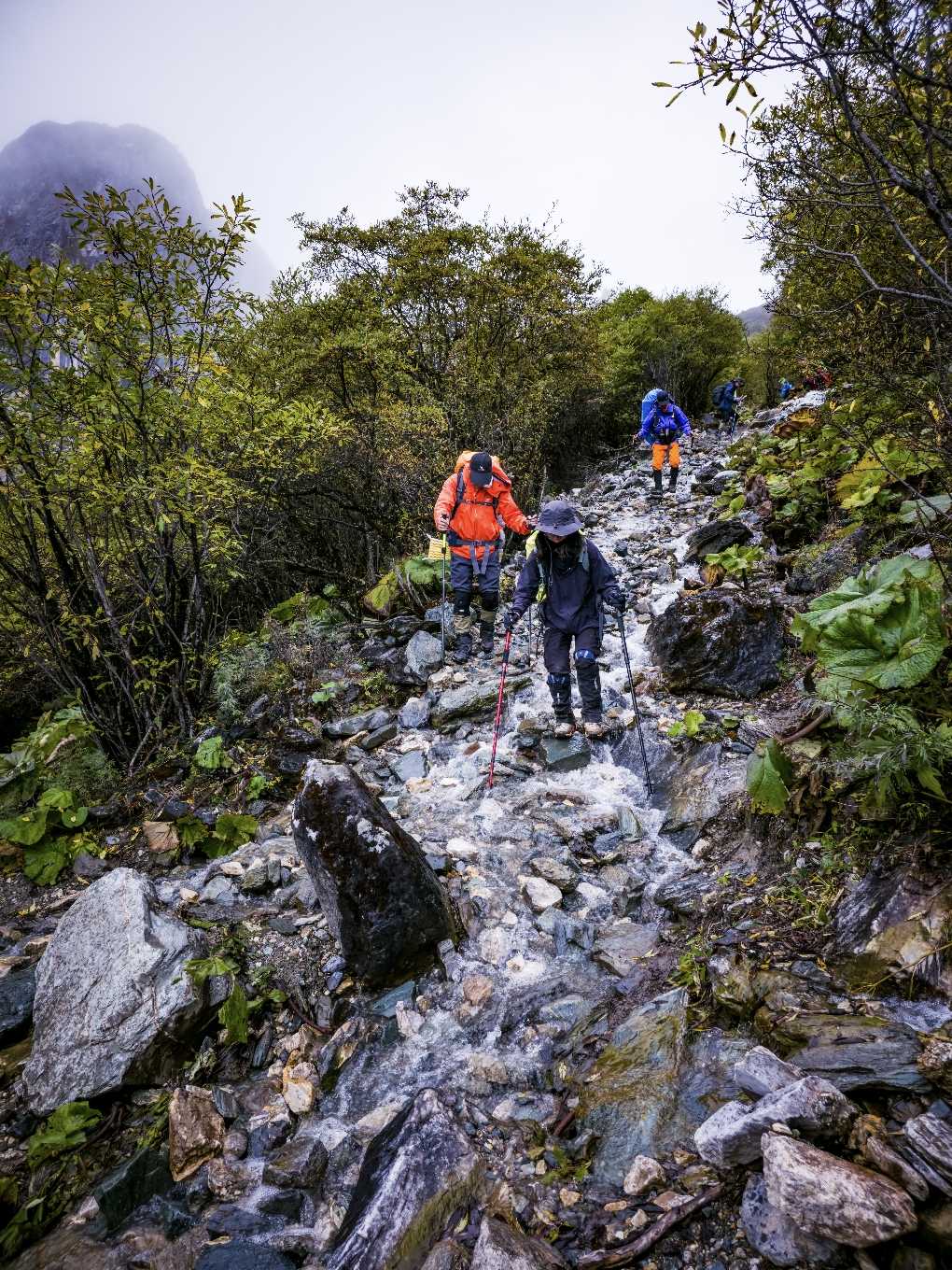
Setting off again, the guide informed us we still had half the journey left. First was a descent along a waterfall - this section was quite pleasant scenery-wise, provided you had high-top waterproof shoes, otherwise pleasantness would instantly turn into cursing.
The rain kept falling, the fog kept rising - it seemed this was today's unchanging theme. The weather was worse than yesterday - what could I say? During kora, training the body, gathering the mind, and learning to accept forces beyond our control are all required courses.
 Daocheng Yading Scenic Area
 Daocheng Yading Scenic Area
 Daocheng Yading Scenic Area
 Daocheng Yading Scenic Area
 Daocheng Yading Scenic Area
 Daocheng Yading Scenic Area
Dragging through the mud to descend to the valley bottom, then dragging through more mud to climb 200 meters up to reach camp. Only then did I realize that what the guide said at the hut about "still half the journey ahead" was clearly another white lie.
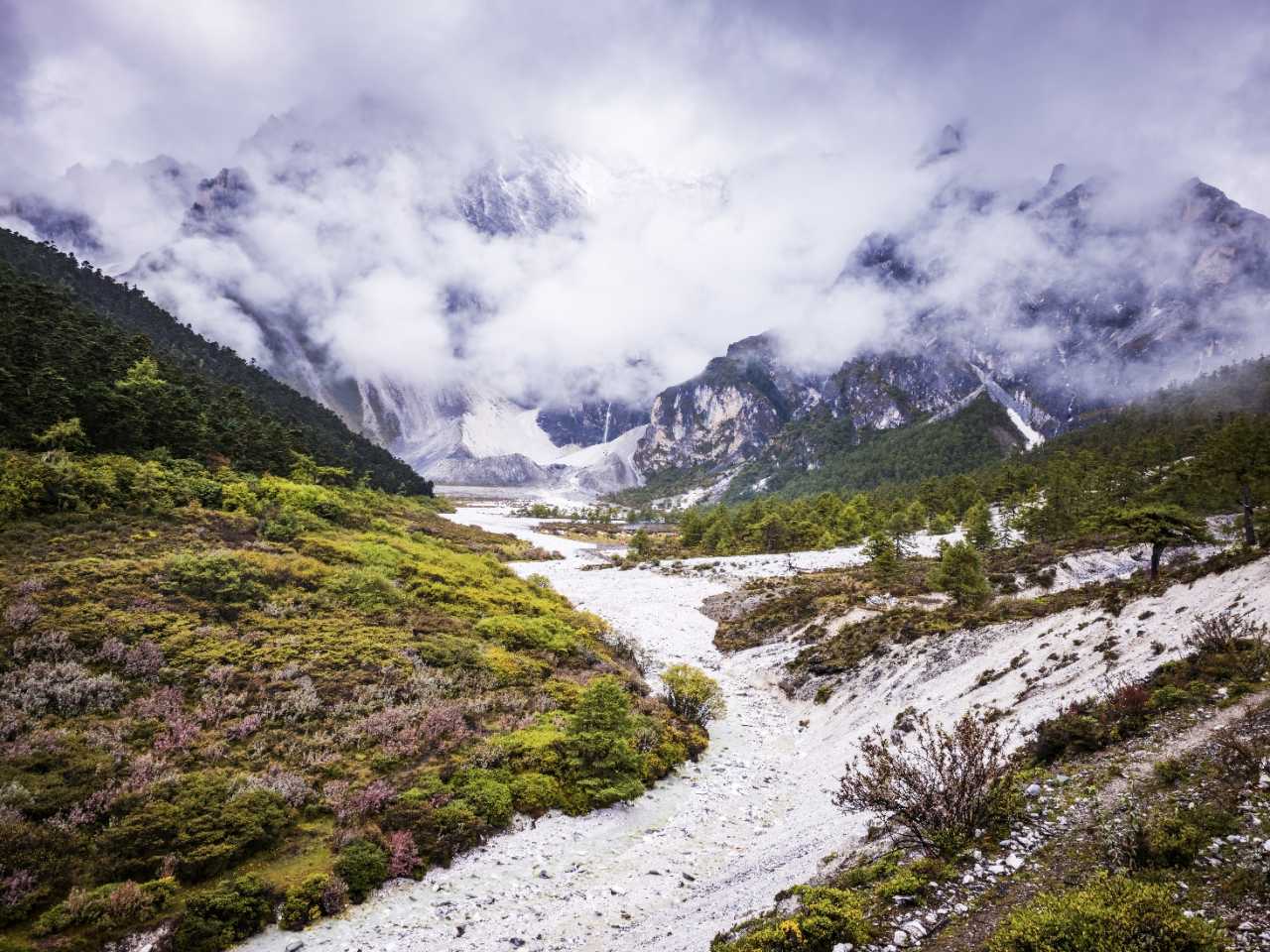
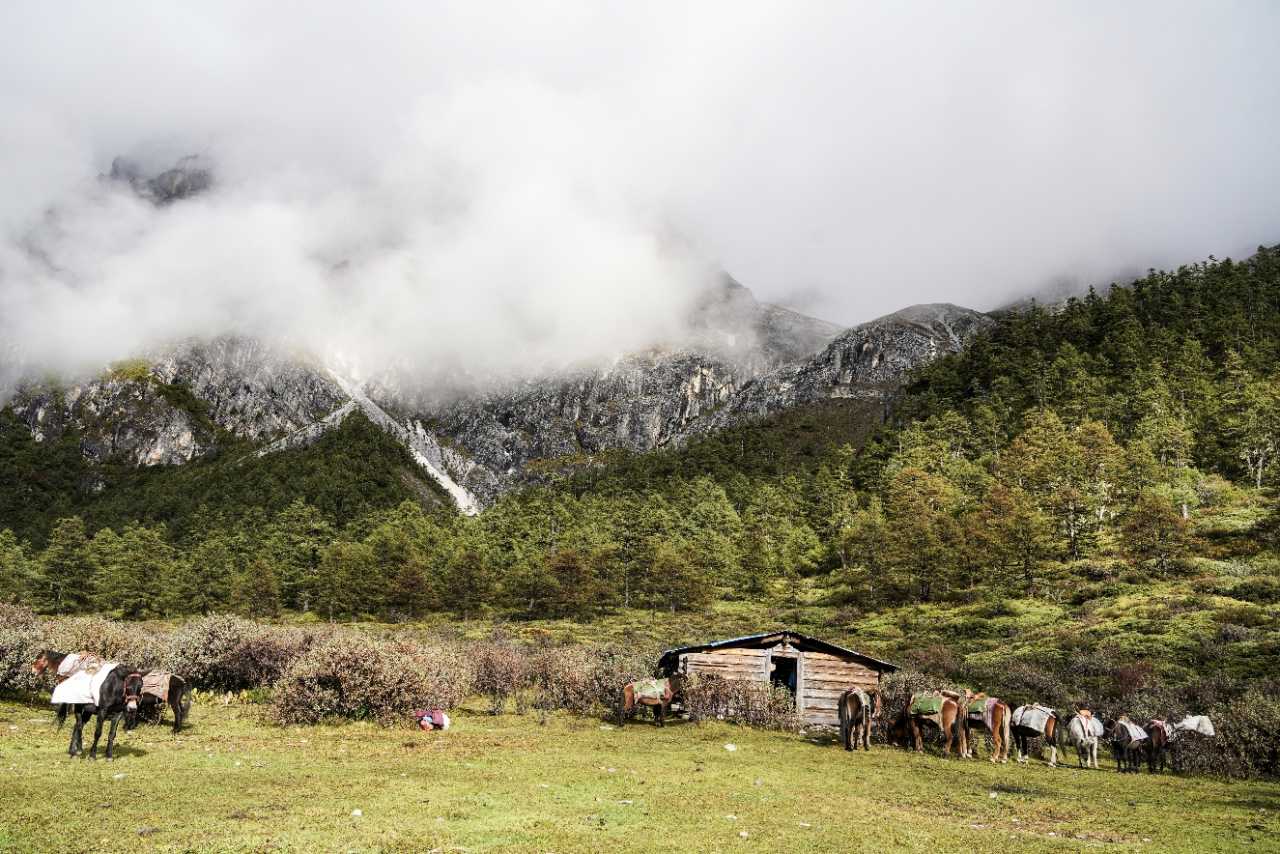
The camp was set at Gongga Zhaze Pasture, below 4100 meters elevation, facing the first sacred mountain of the kora route - Vajrapani Bodhisattva Xianuoduoji. Xianuoduoji's massive rock wall forms a natural mountain barrier standing before us. But unfortunately, due to clouds and fog, we still couldn't see its true face.
 Xianuoduoji Sacred Mountain
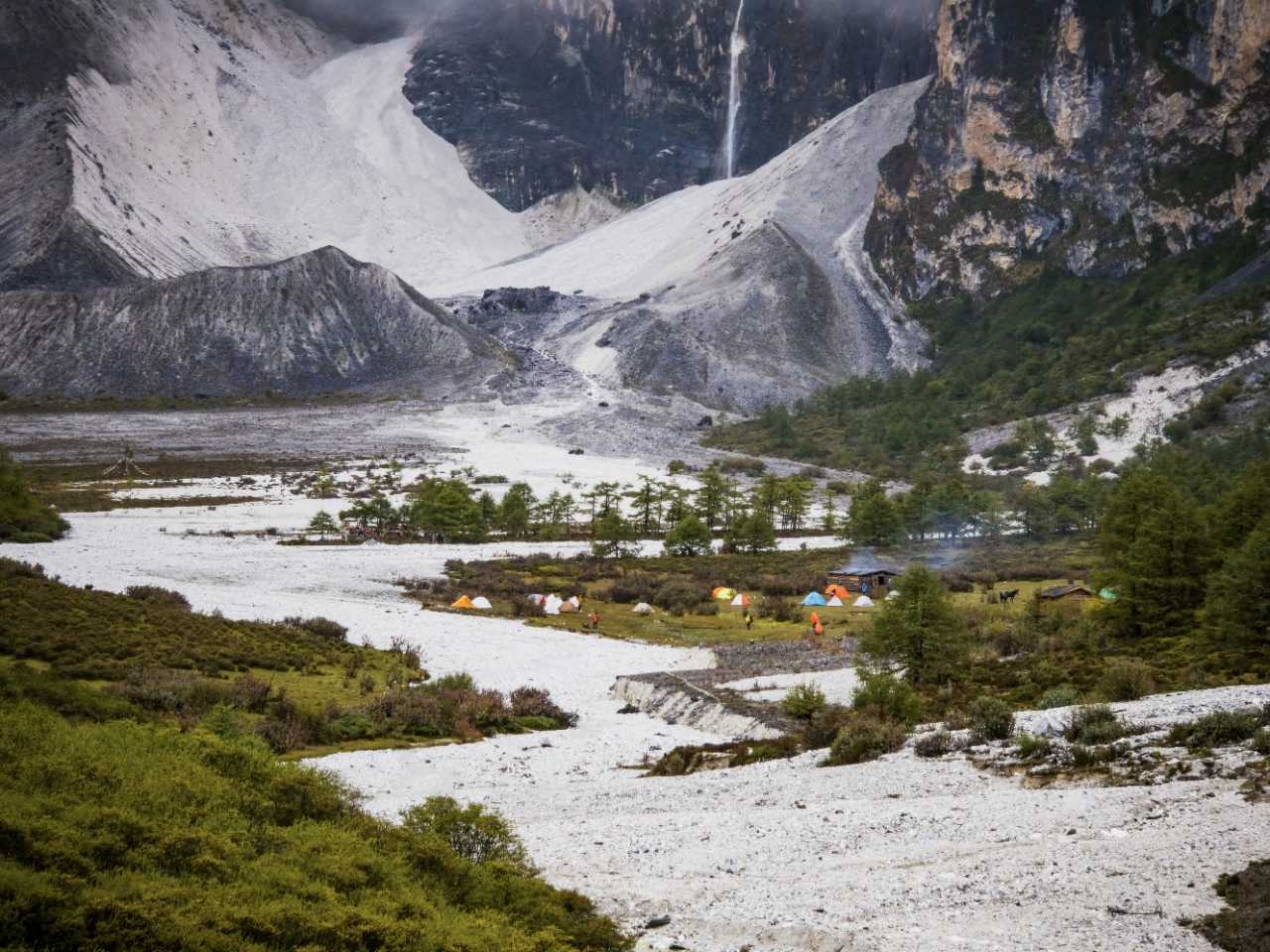 Xianuoduoji Sacred Mountain
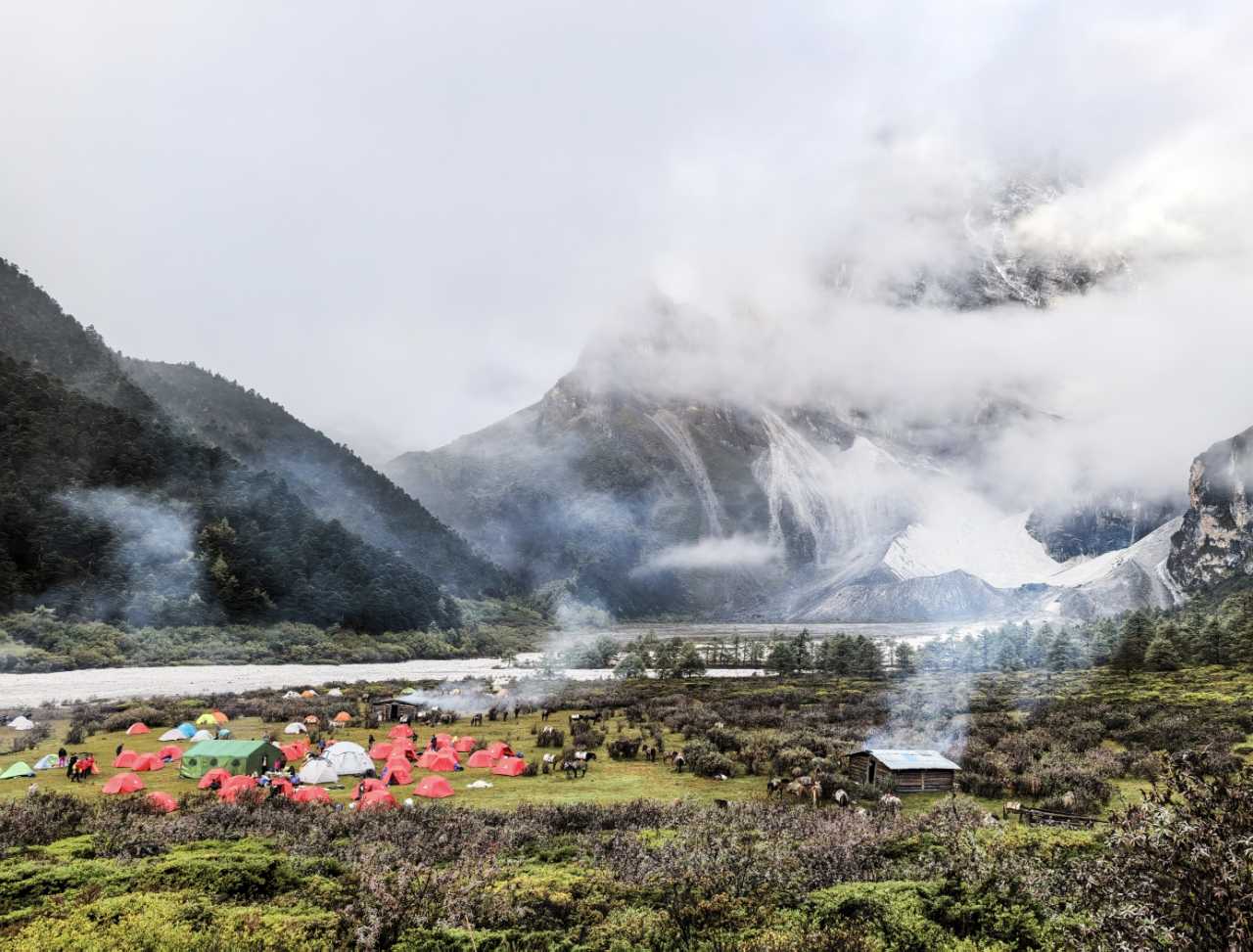 Xianuoduoji Sacred Mountain
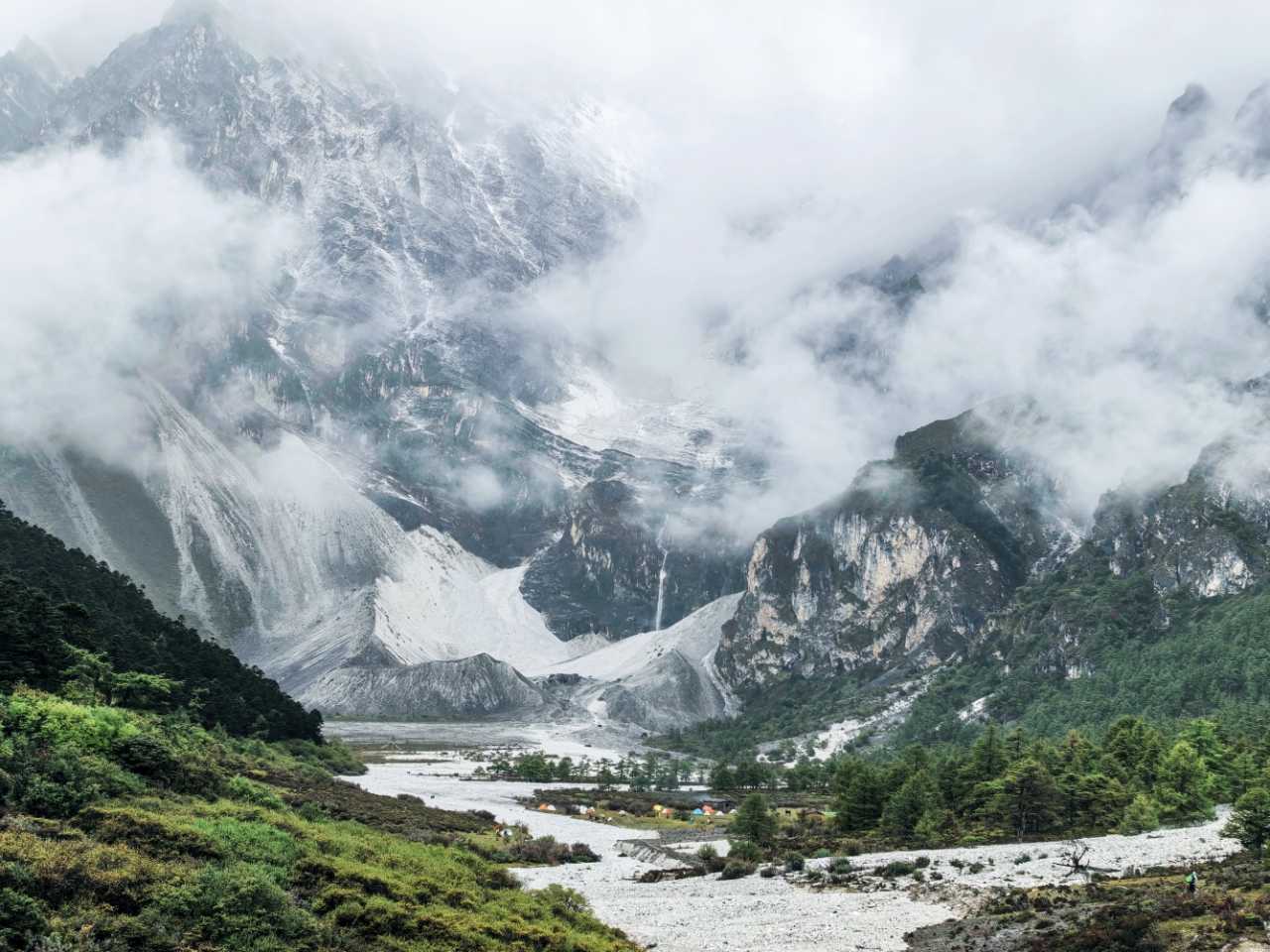 Xianuoduoji Sacred Mountain
Again, like a machine that had its start button pressed, I walked mechanically and frantically, sick of the rain but having to accept it. No matter whether mountaineering or hiking, I've walked so many paths, but never once have I focused so intently on the act of "walking" itself. I seemed to have my own protective barrier, completely ignoring everything around me, just wanting to reach camp quickly.
Perhaps because I had developed anger in my heart, this time I miscalculated - the sacred mountain probably decided to teach me a small lesson. I arrived at camp quite early, but the horse caravan carrying tents and luggage hadn't all arrived yet. Standing in the empty pasture, I finally realized how awkward it was to have no spare clothes, no shelter, and no hot water.
Day 3 Clouds Around Xianuoduoji
Dear Yingning,
Whether you believe in scientific forecasts or sacred mountain blessings, the final result points to a beautiful new beginning - when I emerged from the tent in the morning, I saw sunlight for the first time.
Clouds were still flowing rapidly in some direction, and sunlight flickered on and off, but I knew the worst weather had passed. The cumulus clouds hovering over Xianuoduoji's peak, though reluctant to leave immediately, were no longer as stubbornly annoying as the previous two days.
Before setting off in the morning, the hiking team took our first group photo facing the sunlight.
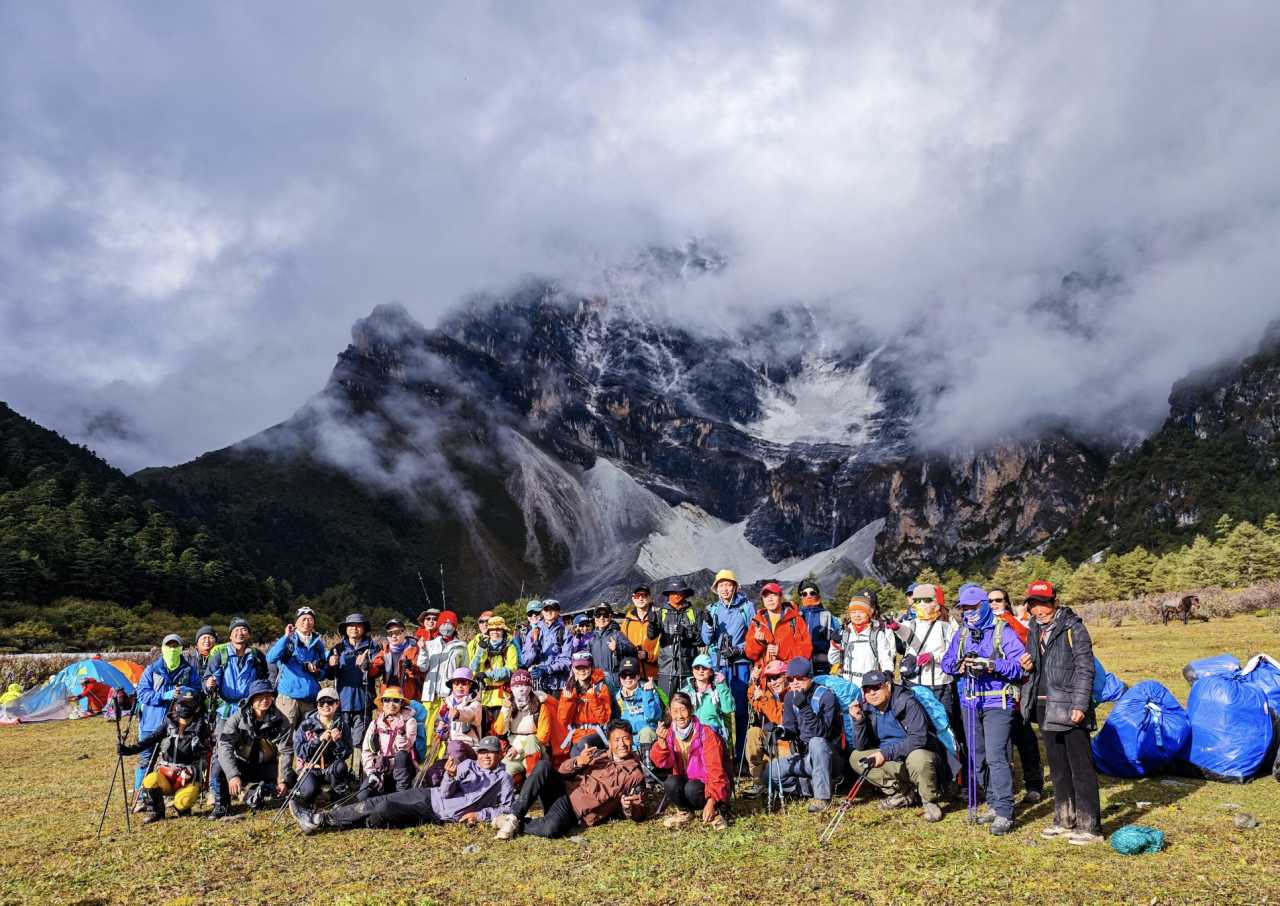 Xianuoduoji
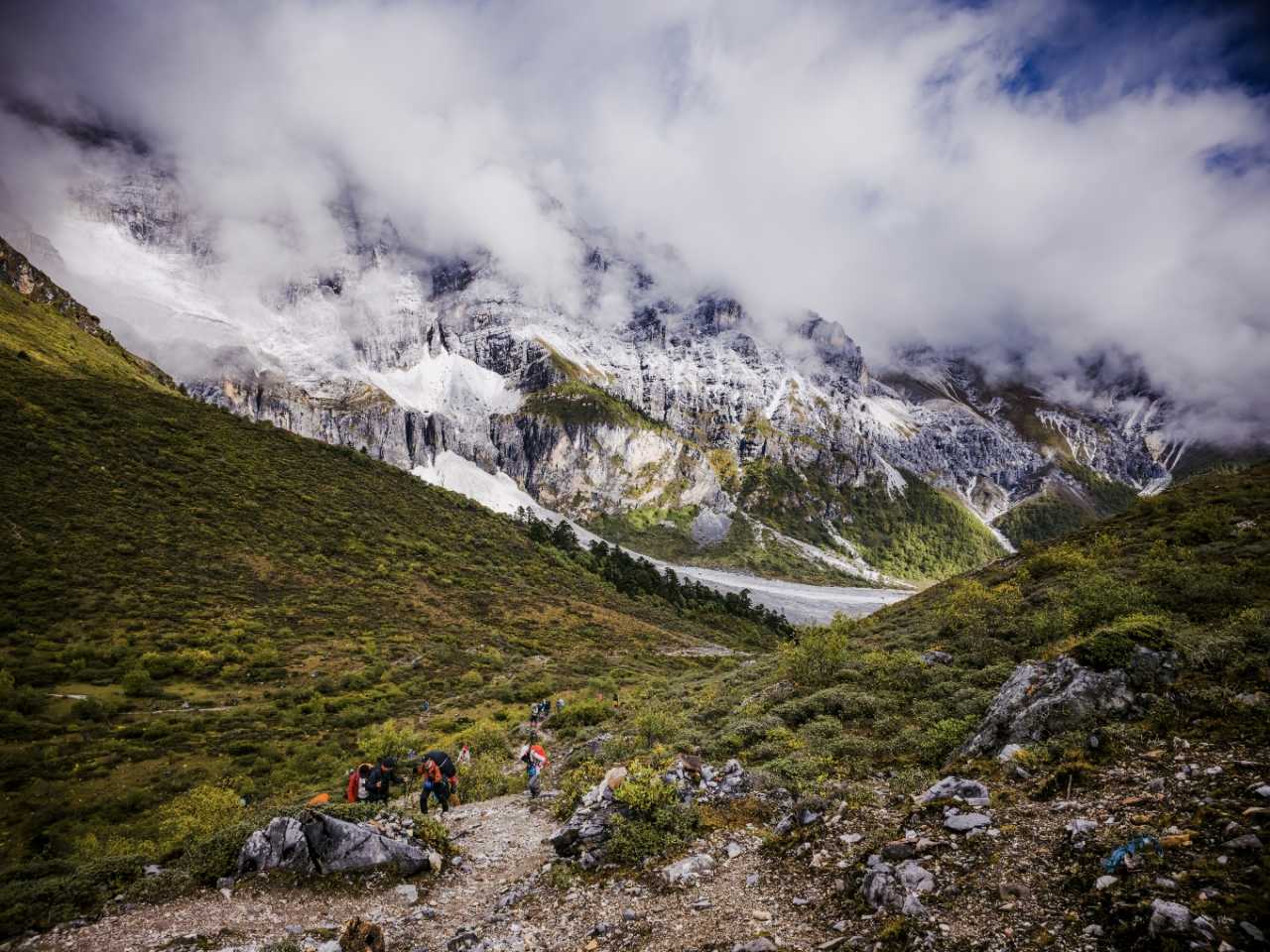
After setting off, we faced a pass called Xianuoduoji Traverse Pass. Though called one pass, it's actually composed of three consecutive small passes, meaning continuous climbing.
The admirable Tibetan assistants are responsible for collecting tents and luggage and transporting them by horse. They usually start later but walk very fast. Learning from past experience, I decided to appropriately control my forward speed, walking while calculating when the horse caravan would catch up and overtake me.
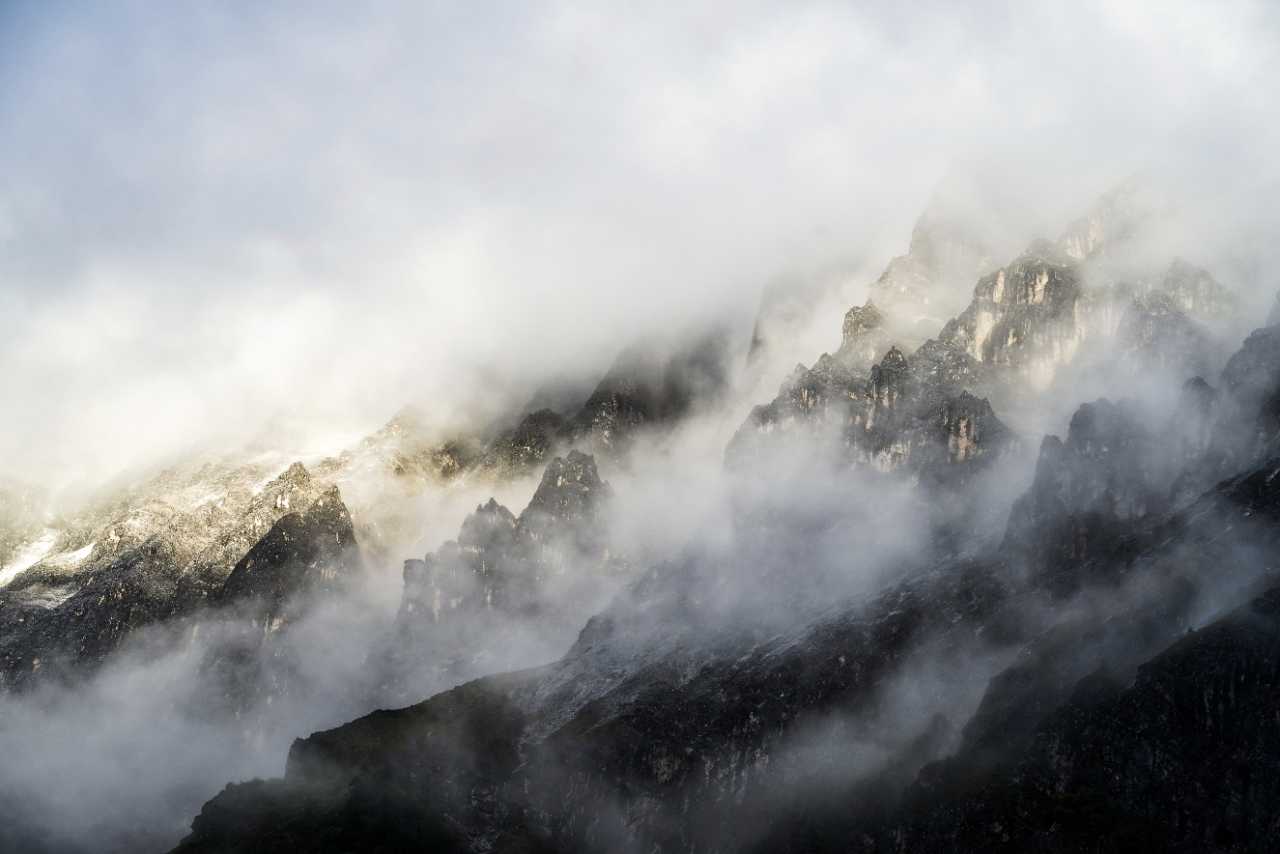
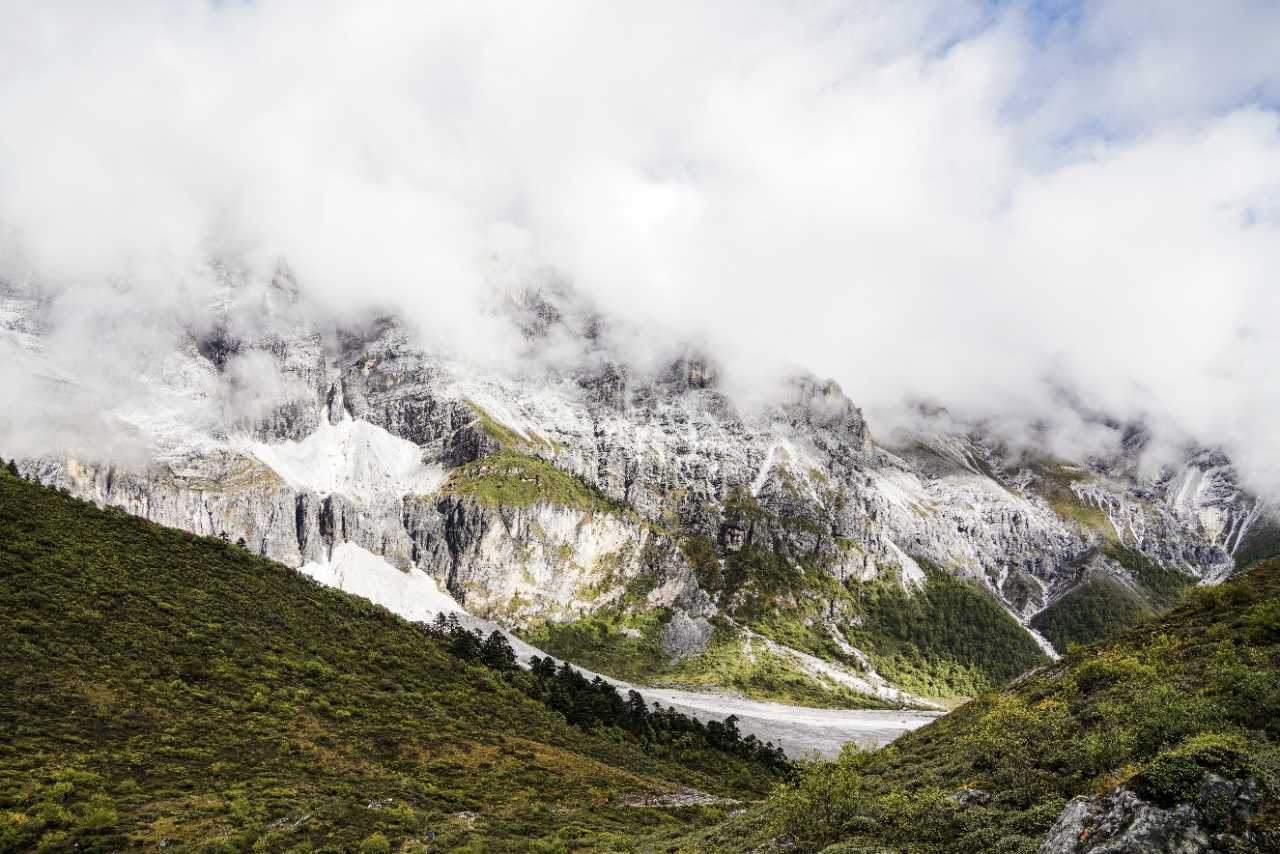
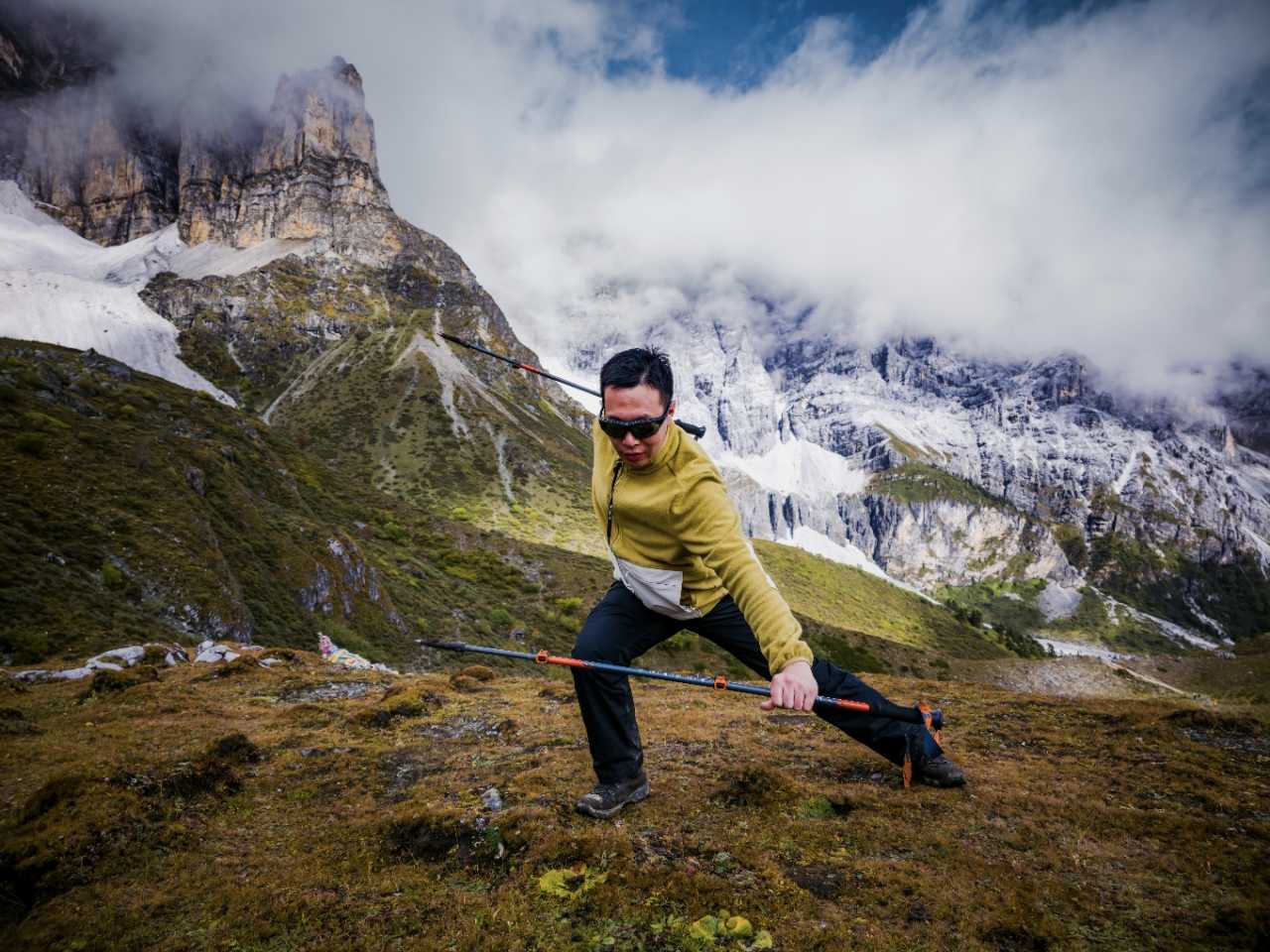
I rested at each small pass to adjust my rhythm, while looking back at Xianuoduoji again and again, but she still hid in the clouds, unwilling to show me her smile.
 Xianuoduoji
 Xianuoduoji
 Xianuoduoji
 Xianuoduoji
 Daocheng Yading Scenic Area
 Xianuoduoji
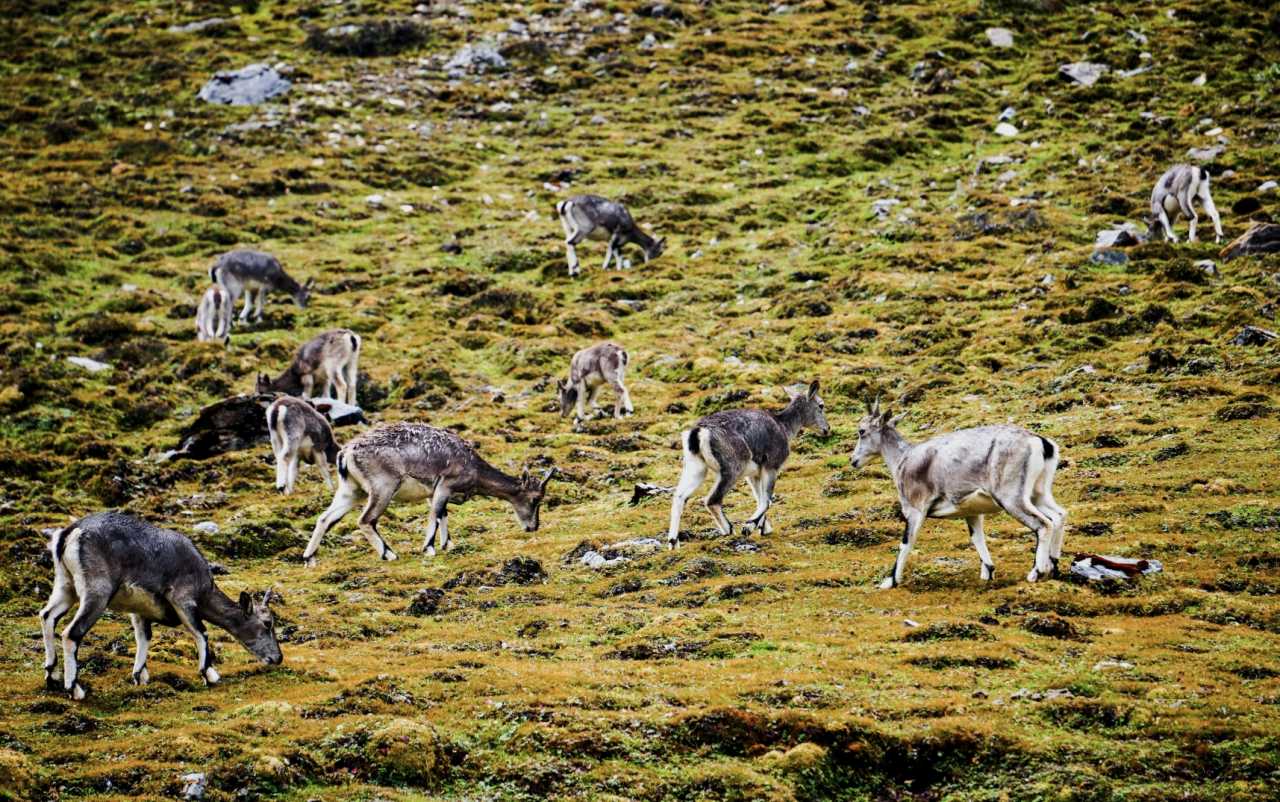
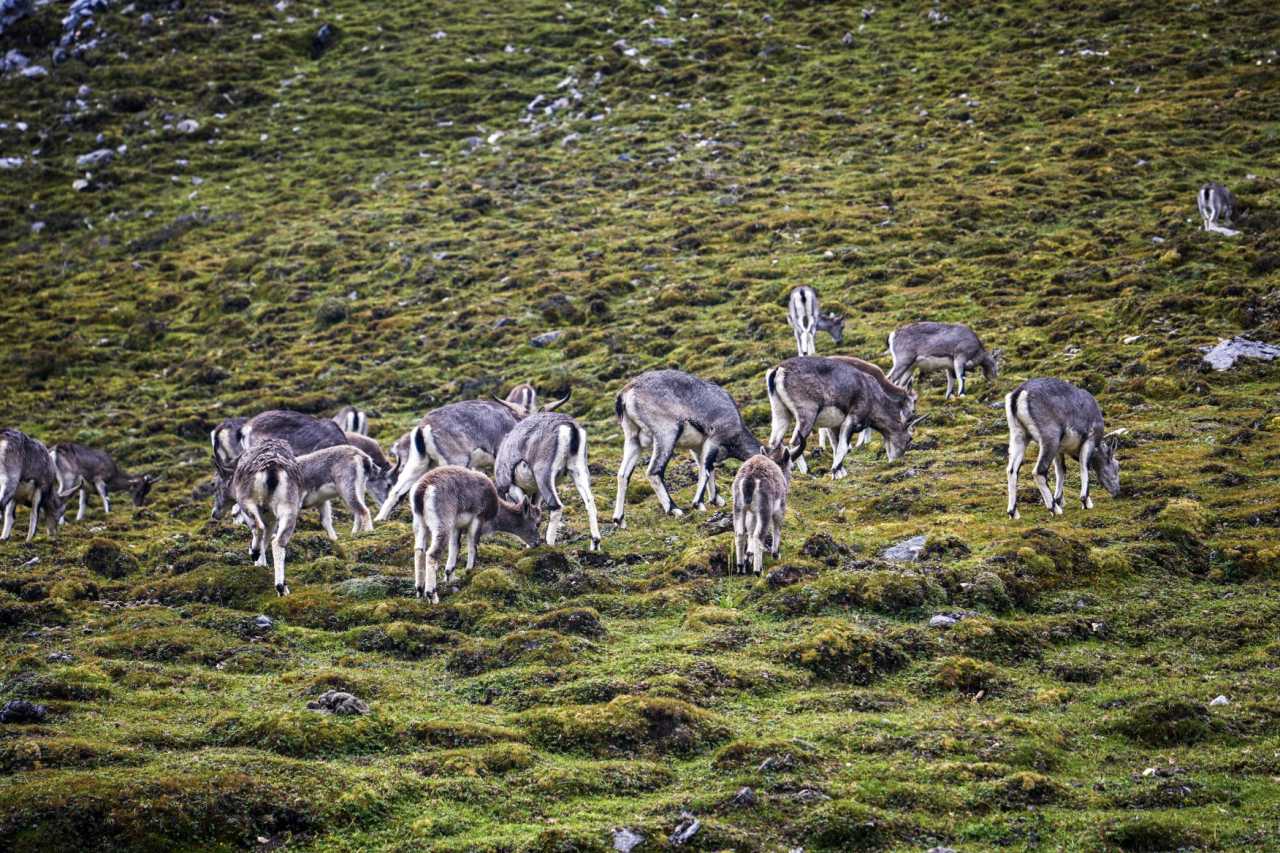
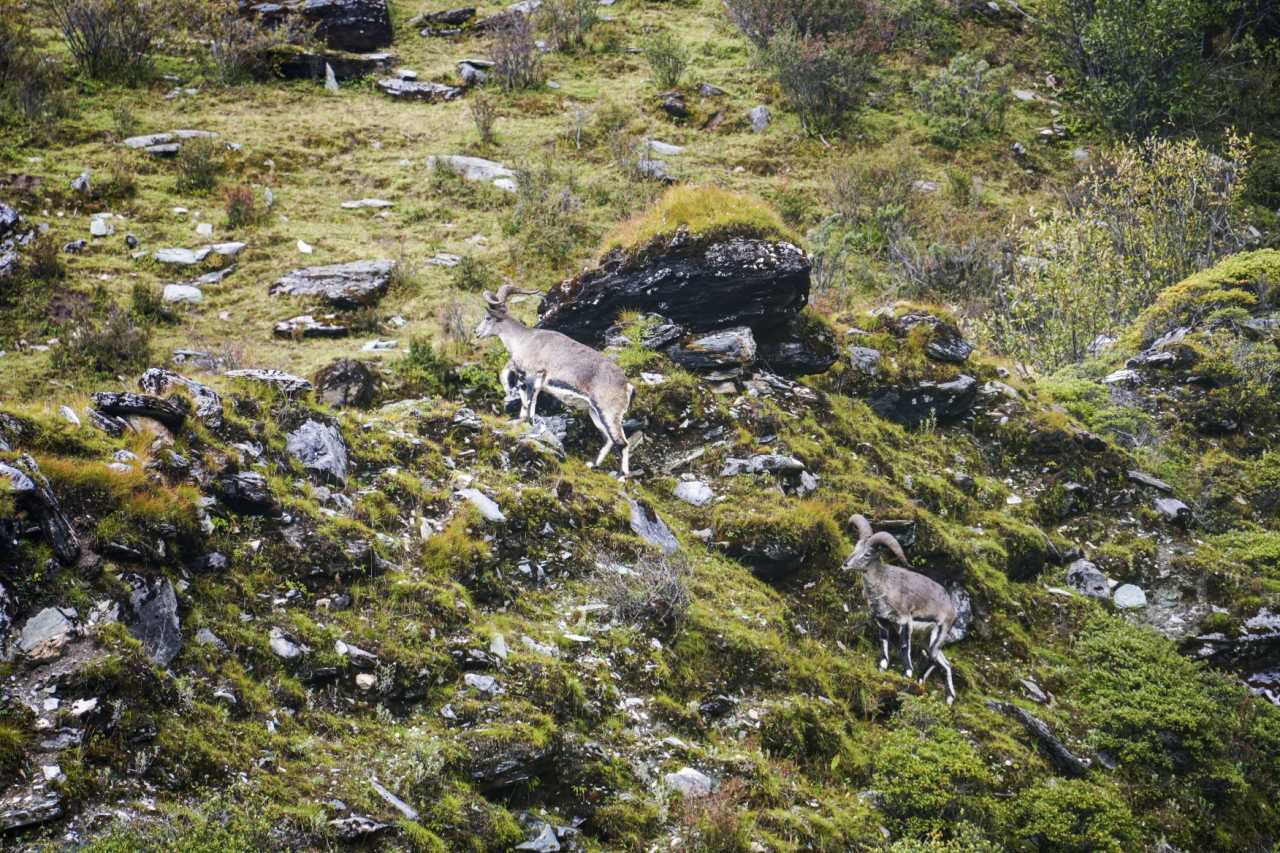
But I didn't come away empty-handed - I was pleasantly surprised to discover another plateau spirit creature: bharal (blue sheep). I was truly amazed by their natural ability to walk on narrow, steep rocky terrain as if on flat ground. No matter how treacherous the cliffs, they could accommodate their four hooves and maintain balance with their massive bodies - what incredible core strength!
They climbed too fast, and with my poor eyesight, I couldn't keep up with their movements even with my eyes. I was always accompanied by companions' exclamations: "Ah, look, bharal!" Then following their wildly pointing fingers, I saw some shadowy figures.
Fortunately, Guide Xiao Wu later sent me some photos so I could distinguish males from females. Males have hard horns with perfect curves, while females have straight, thin, short horns pointing upward.
 Daocheng Yading Scenic Area
 Daocheng Yading Scenic Area
 Daocheng Yading Scenic Area
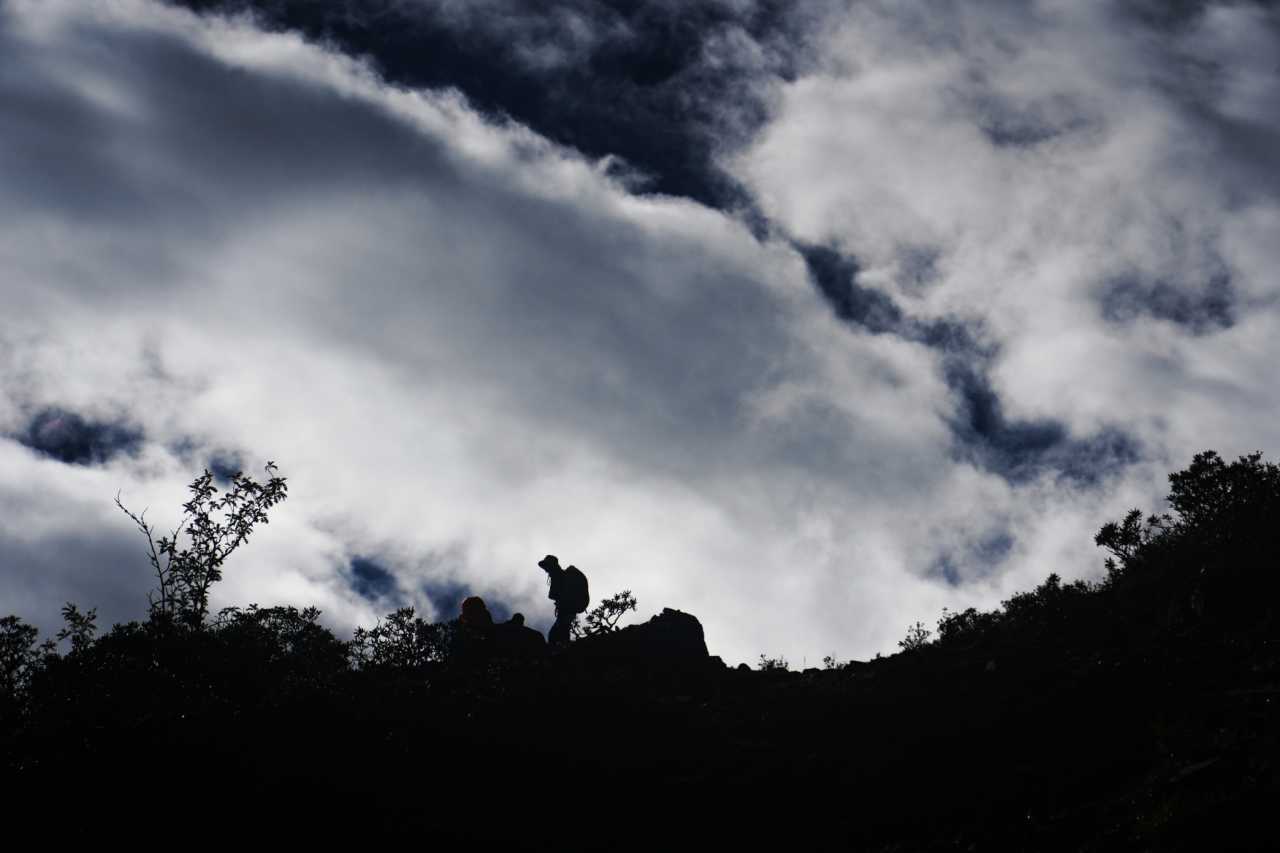
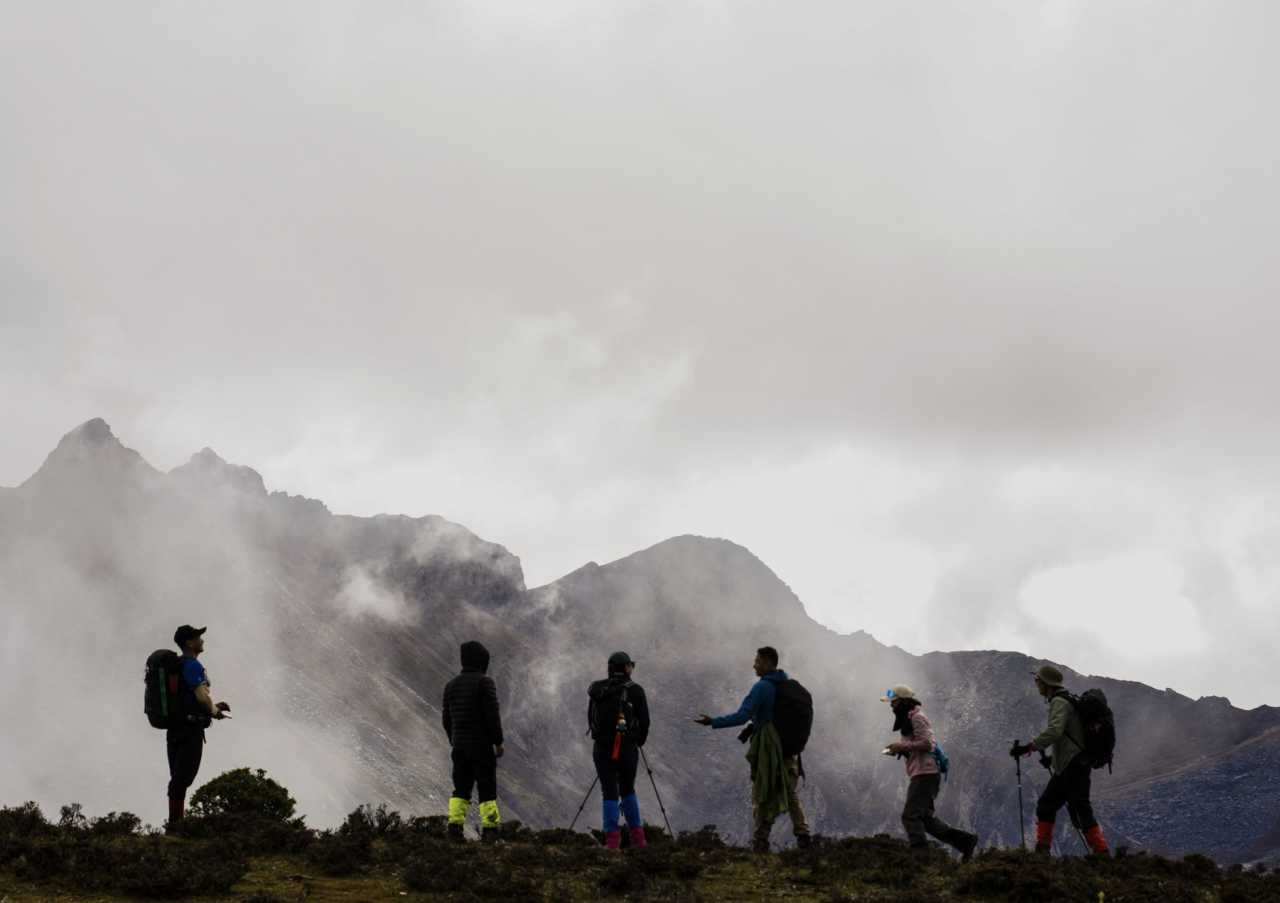
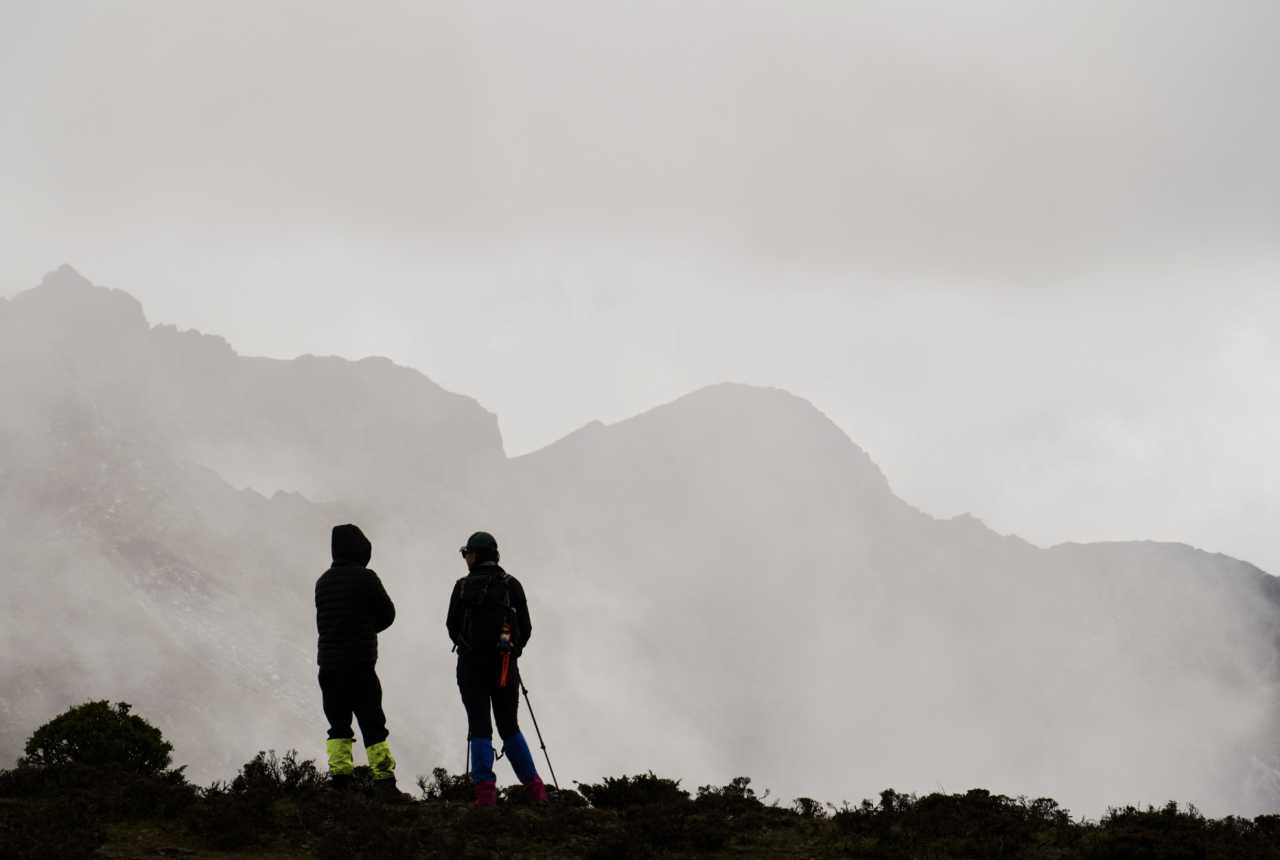
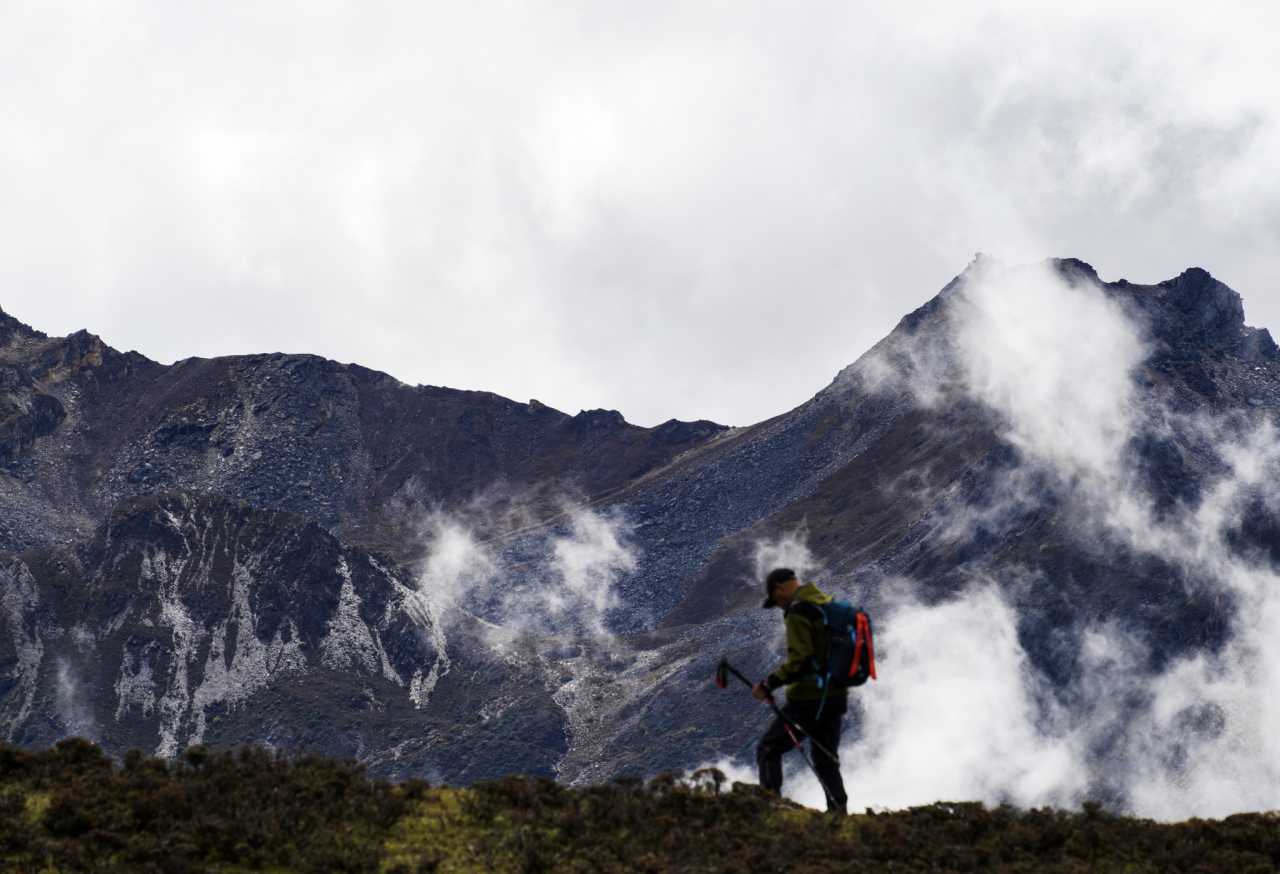
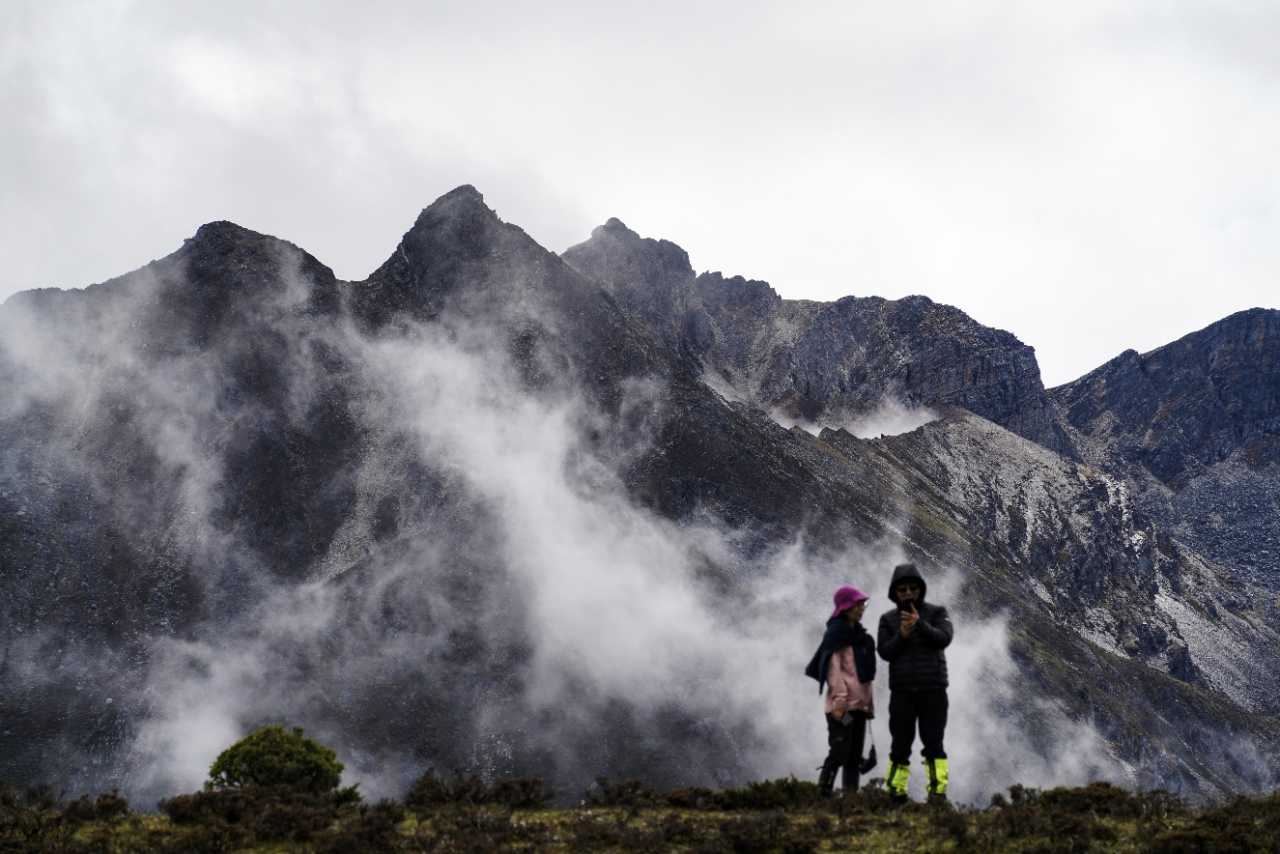
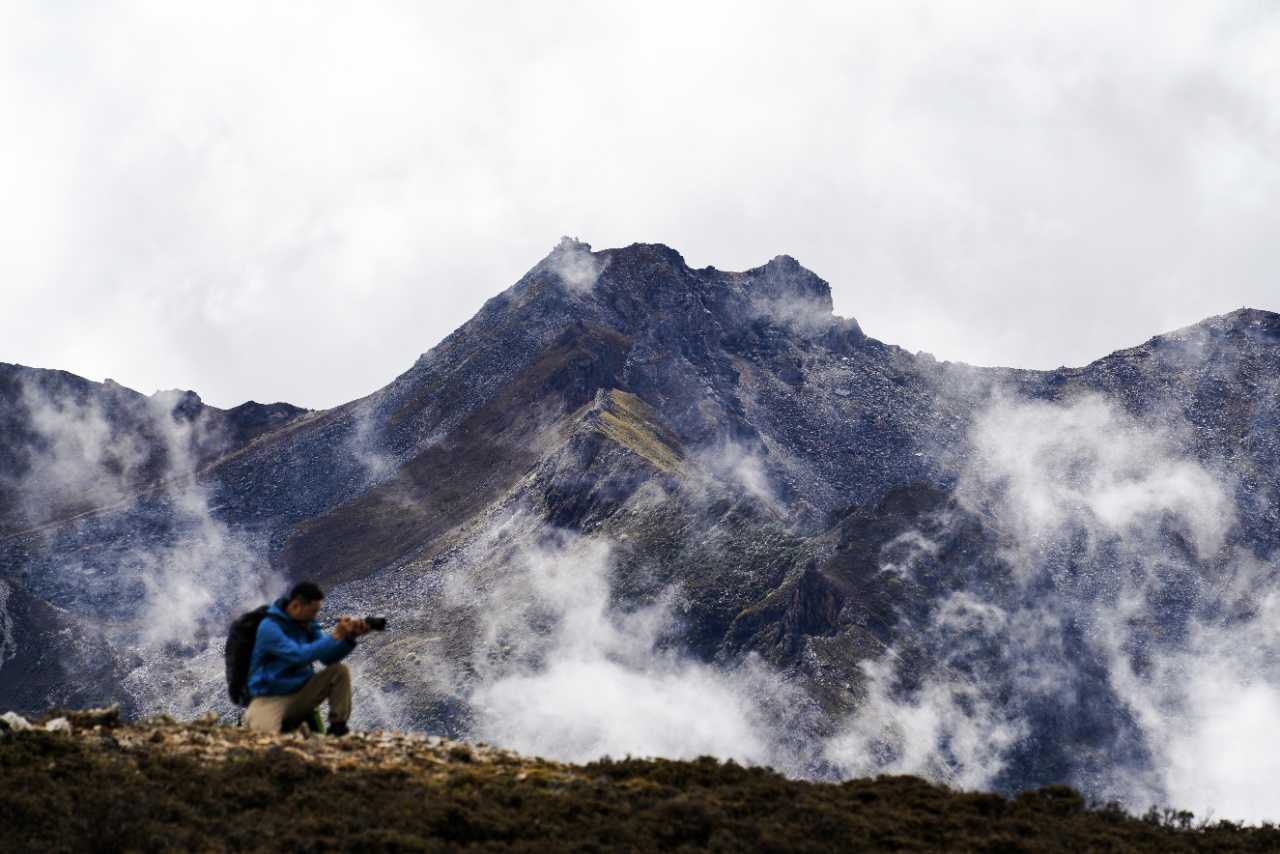
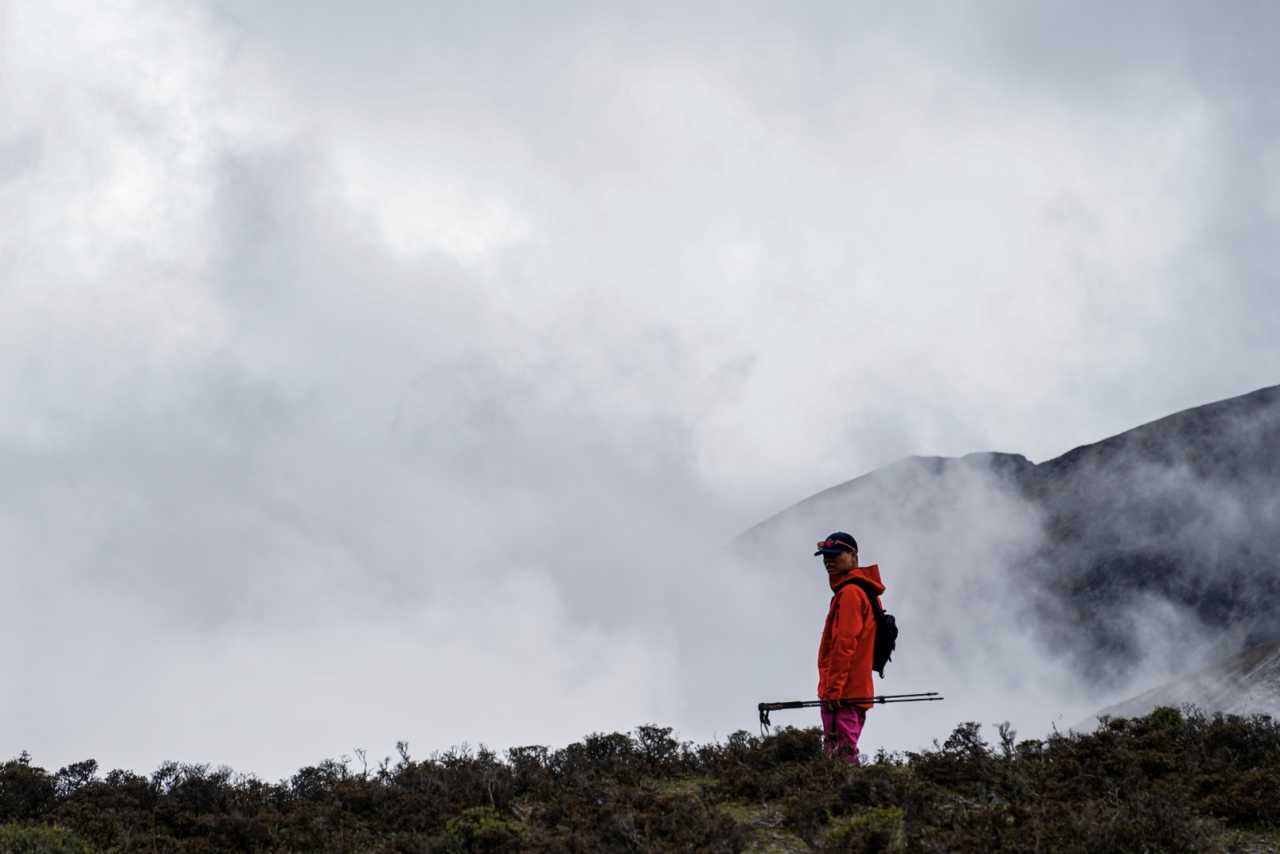
Reaching the highest pass, there was another ridge on the side. With so many clouds, this was especially suitable for taking silhouette photos of people.
To take photos of people, someone always had to go up and be the model. Usually at over 4000 meters elevation, everyone cherishes their energy and is unwilling to take unnecessary steps unless there's something particularly attractive.
This ridge did have something particularly attractive - or rather, something that attracted us urban mortals: the extremely weak mobile phone signal.
Throughout the great kora, hikers are isolated from the outside world with almost no signal, unable to show off in the virtual world. This fleeting weak signal was many people's lifeline. They were willing to climb up to try to be the first to send a social media post.
These people were the perfect models. To take silhouette shots, you didn't even need to greet them - just silently raise your camera.
 Daocheng Yading Scenic Area
 Daocheng Yading Scenic Area
 Daocheng Yading Scenic Area
 Daocheng Yading Scenic Area
 Daocheng Yading Scenic Area
 Daocheng Yading Scenic Area
Tonight's camp wasn't the popular Wanhuachi Pasture that most people chose, but the higher Zhabala Camp closer to the next pass.
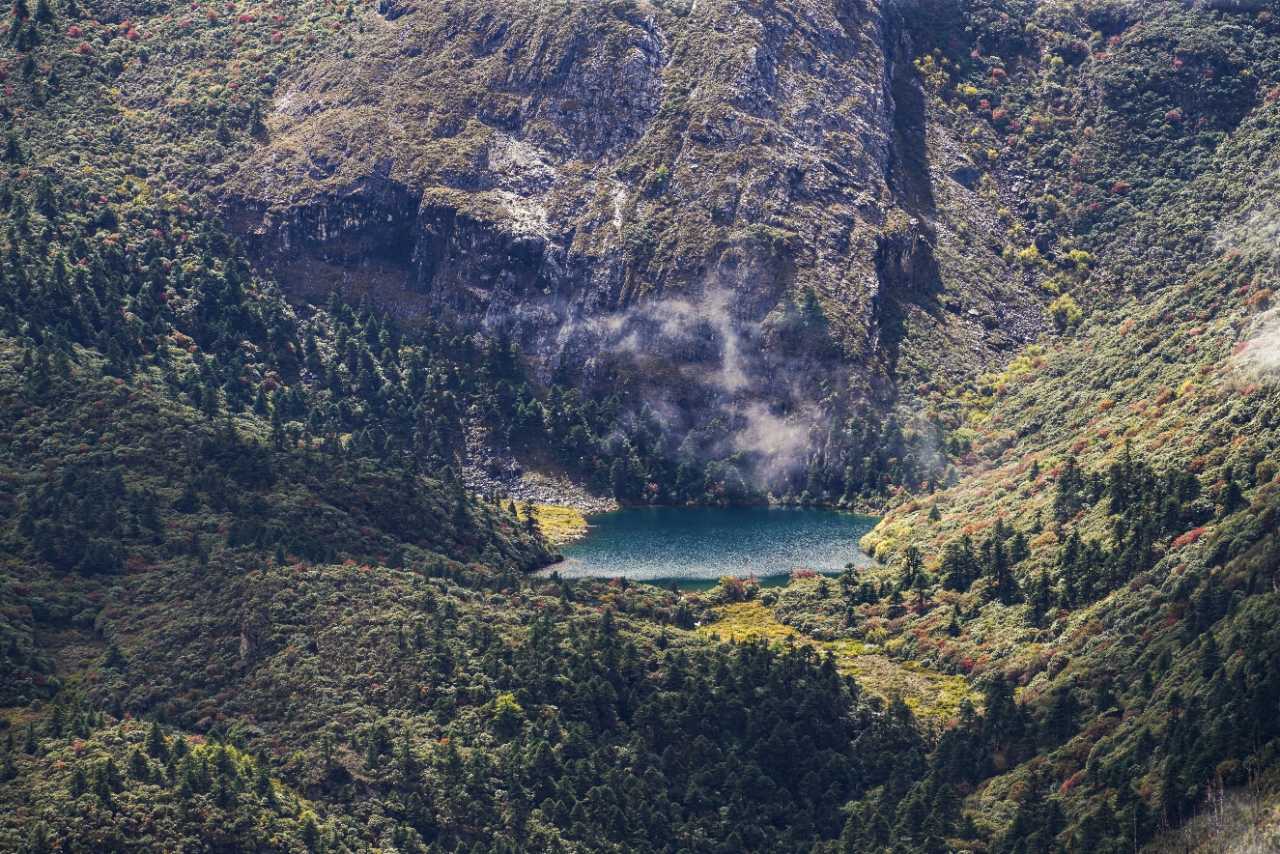
The narrow traverse path to the camp overlooked a hidden lake in the distant mountains that was hard to detect. The guide said there are many such small lakes scattered in those mountains like pearls on the ground. If I had the chance, I'd really like to see what that "Muli Mountain-Sea Route" looks like.
From high above, I overlooked a flat natural pasture - Wanhuachi Pasture where most hikers choose to camp. This is where several hiking routes including the great Yading kora and Muli Mountain-Sea Route converge. In peak season, it's said that hundreds of tents might appear simultaneously.
Wanhuachi is surrounded by mountains and is notorious for abundant rainfall on the great kora route, but what I saw was a crystal-clear pasture. Did this预示着 that good weather had finally arrived?
 Daocheng Yading Scenic Area
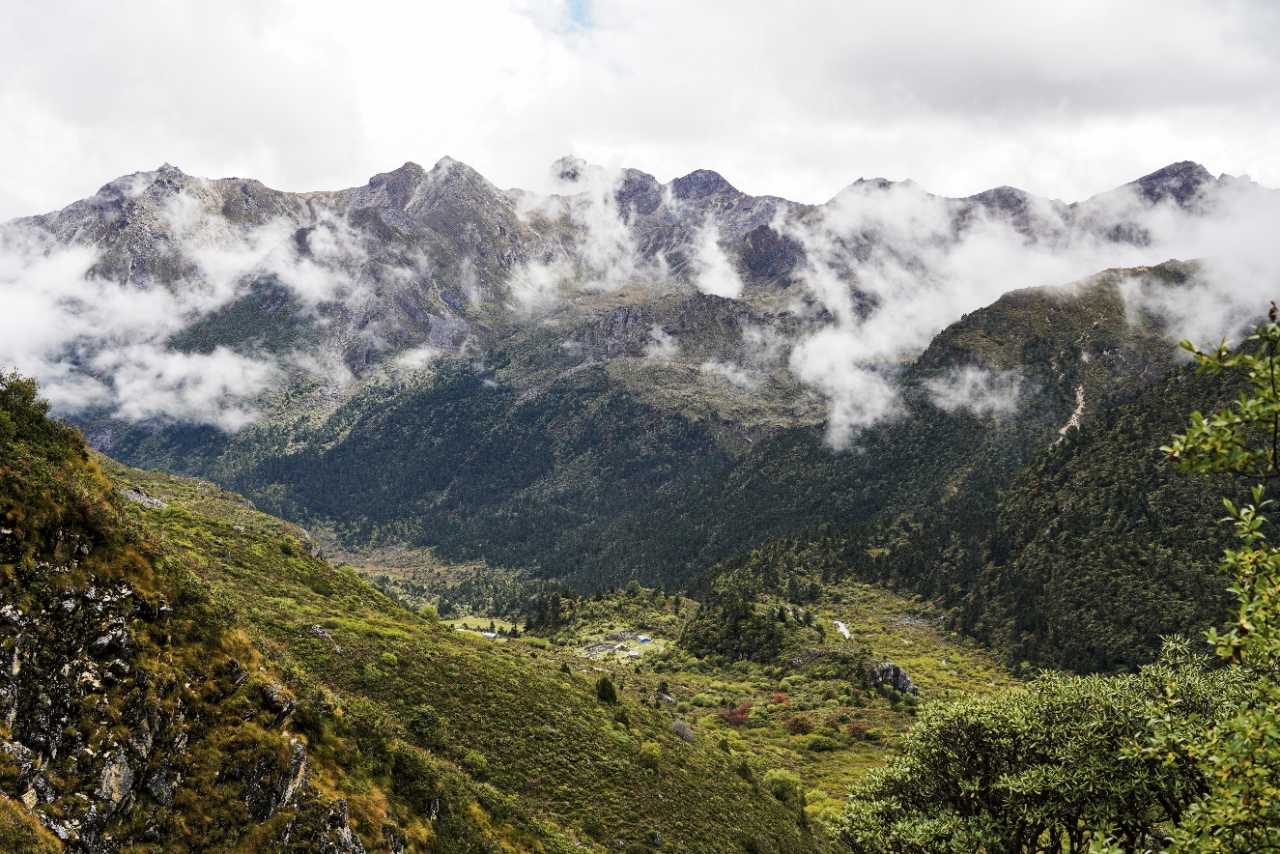 Daocheng Yading Scenic Area
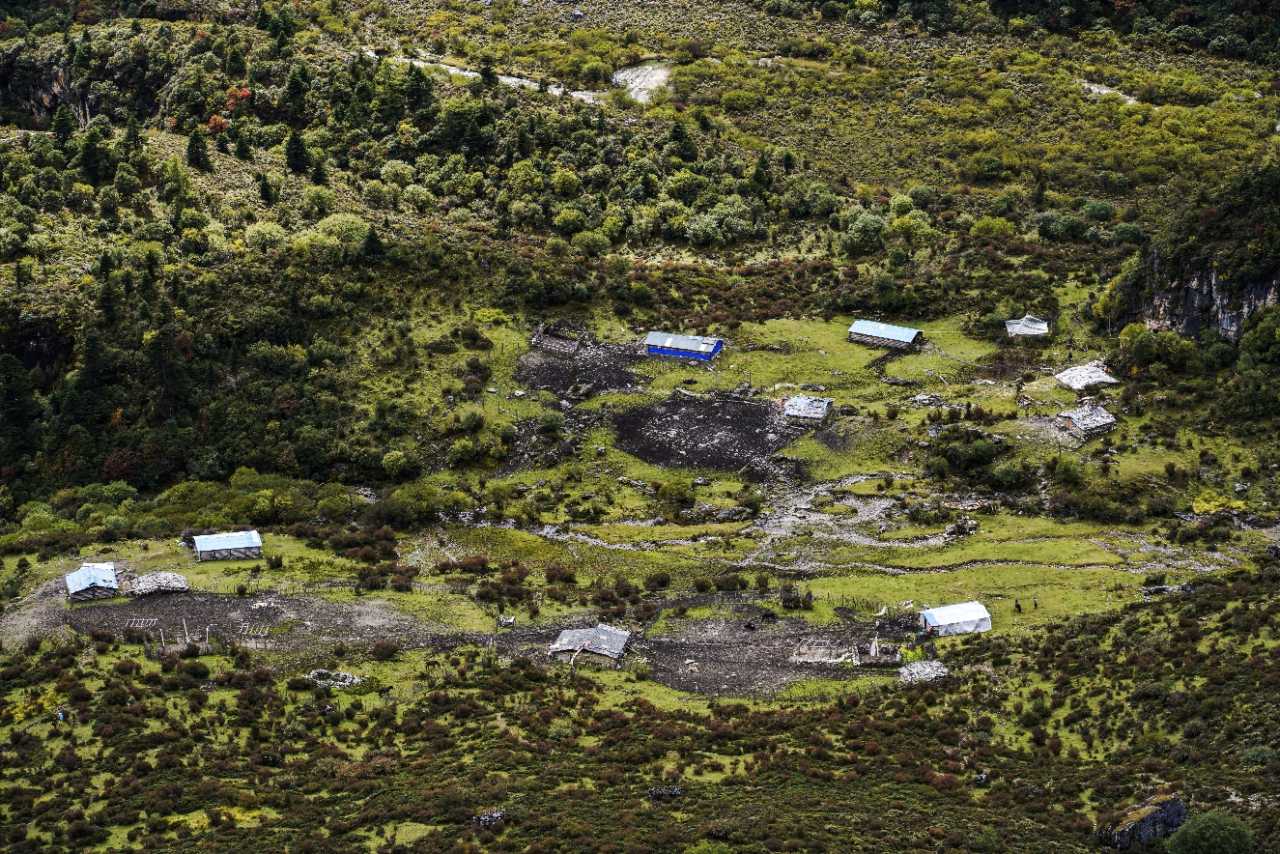 Daocheng Yading Scenic Area
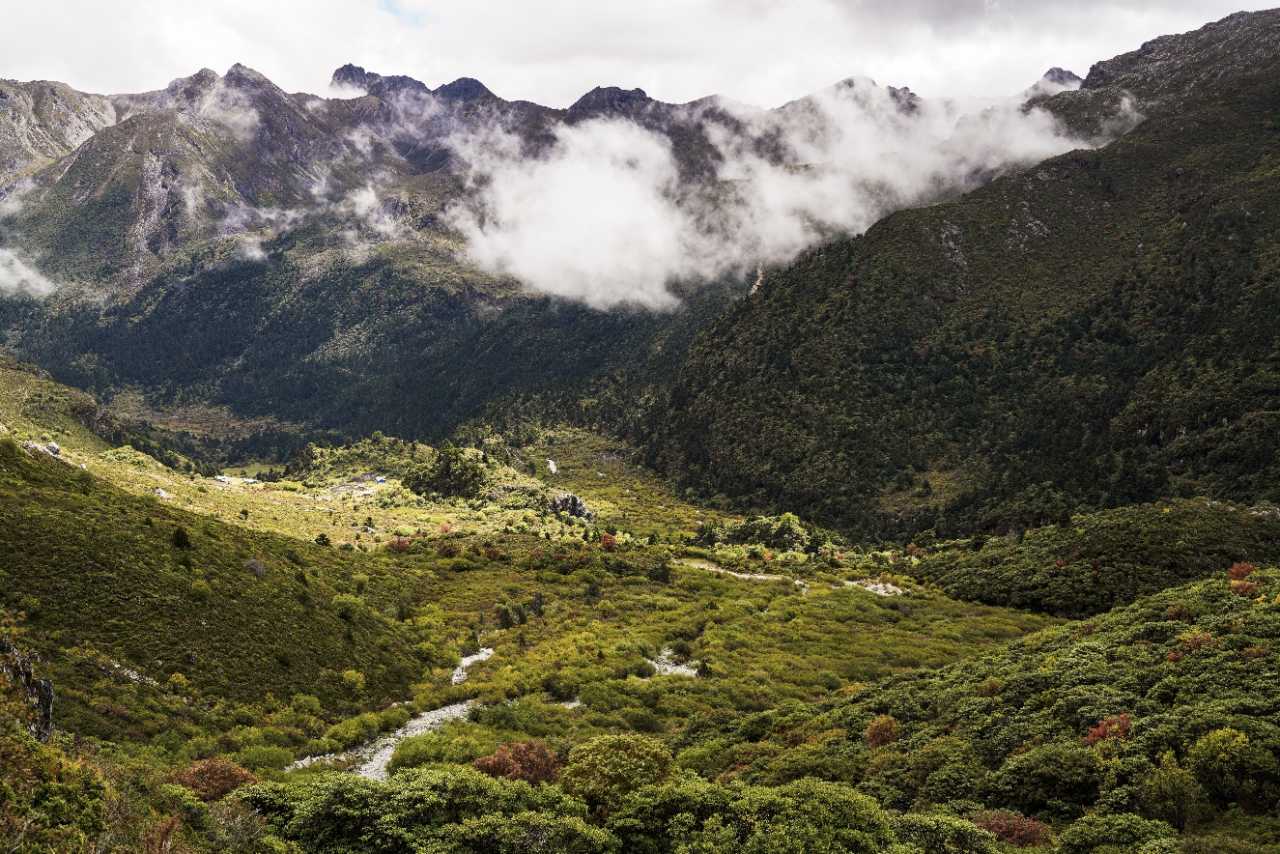 Daocheng Yading Scenic Area
Arriving at camp, I was extremely excited - the sun had completely broken through the clouds, shining on the tents. At this moment, something more important than enjoying the beautiful scenery was drying my sleeping bag. My damp, cold sleeping bag could finally absorb sunlight to its heart's content. For the third night of the kora, I would lie in a soft, fluffy sleeping bag, looking forward to the journey ahead.
Good night, Yingning.
Day 4 Sunrise on Twin Sacred Mountains
Dear Yingning,
I remember almost all the sunrises over golden mountains you described to me, and I envy those brilliant moments you've experienced.
But do you know what it feels like when you're almost defeated by continuous bad weather, when there's no internet to check weather apps, when you think it's foggy outside before opening your tent, and then the sunrise over golden mountains appears in your view without any warning?
Although the scenery before my eyes couldn't compare to the rich, shocking, and soul-stirring experiences you've had, this feeling of extreme joy after hardship has surpassed any beloved girl changing her mind and coming back to me. This is the ultimate charm that the ever-changing nature has brought me.
From surprise to joy, then to calmness and peace - I deeply understand impermanence, and being able to enjoy this moment is enough.
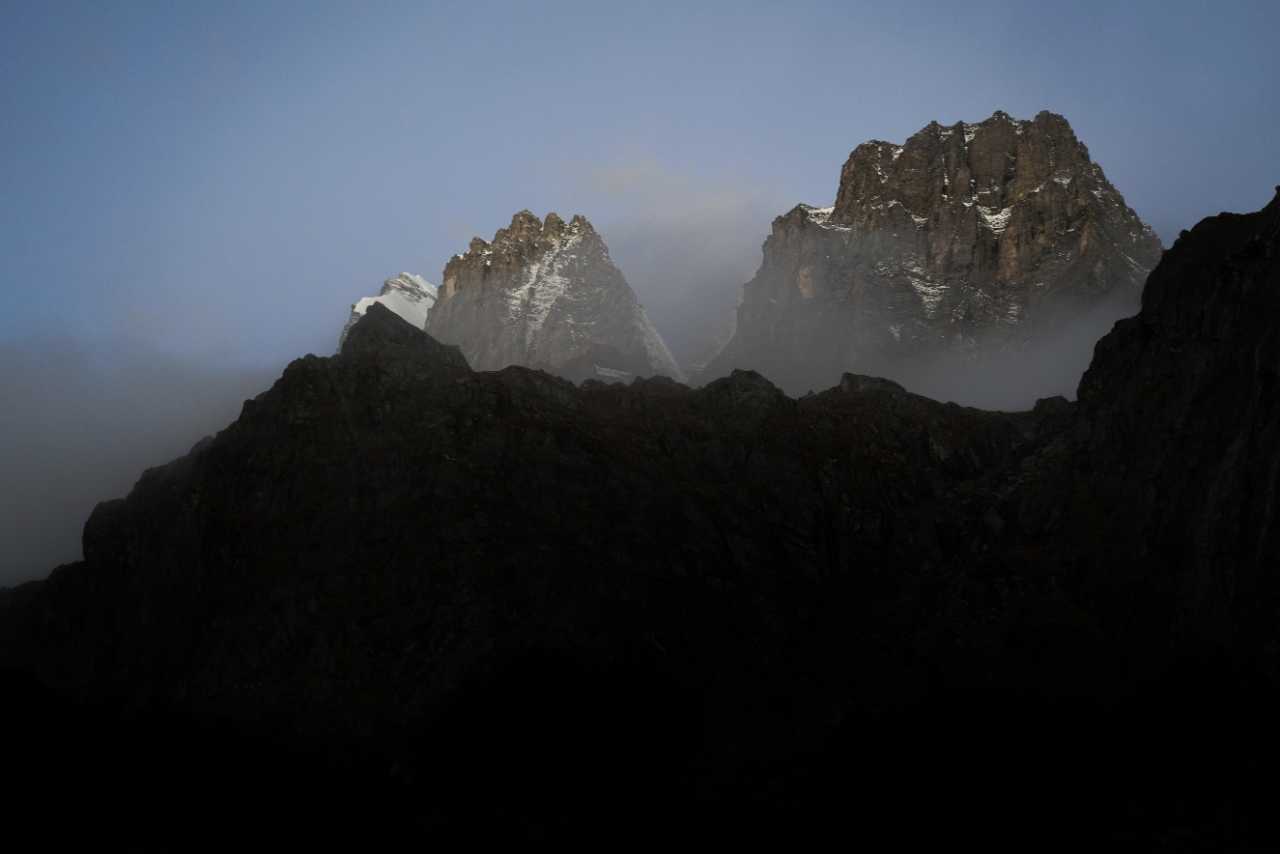 Yangmaiyong
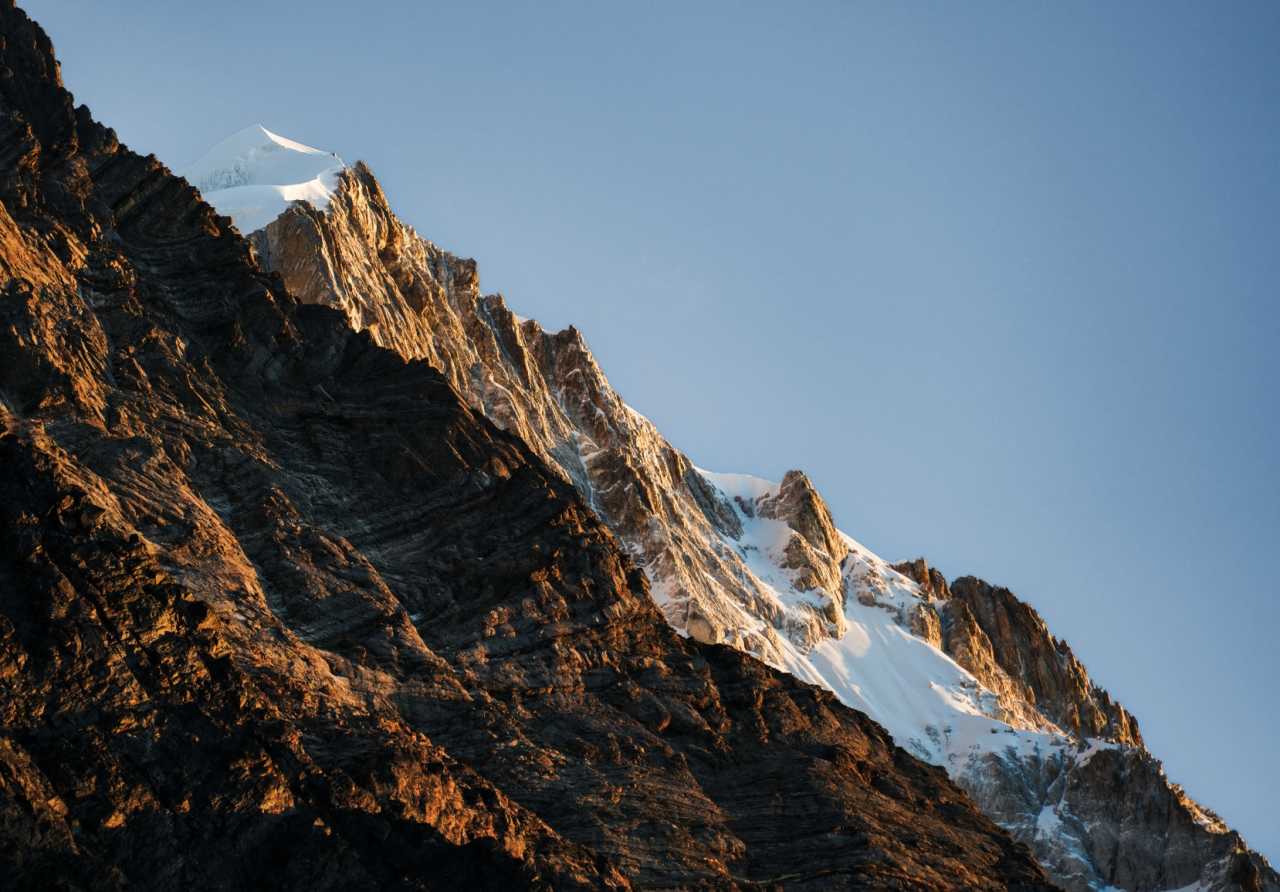 Xianuoduoji
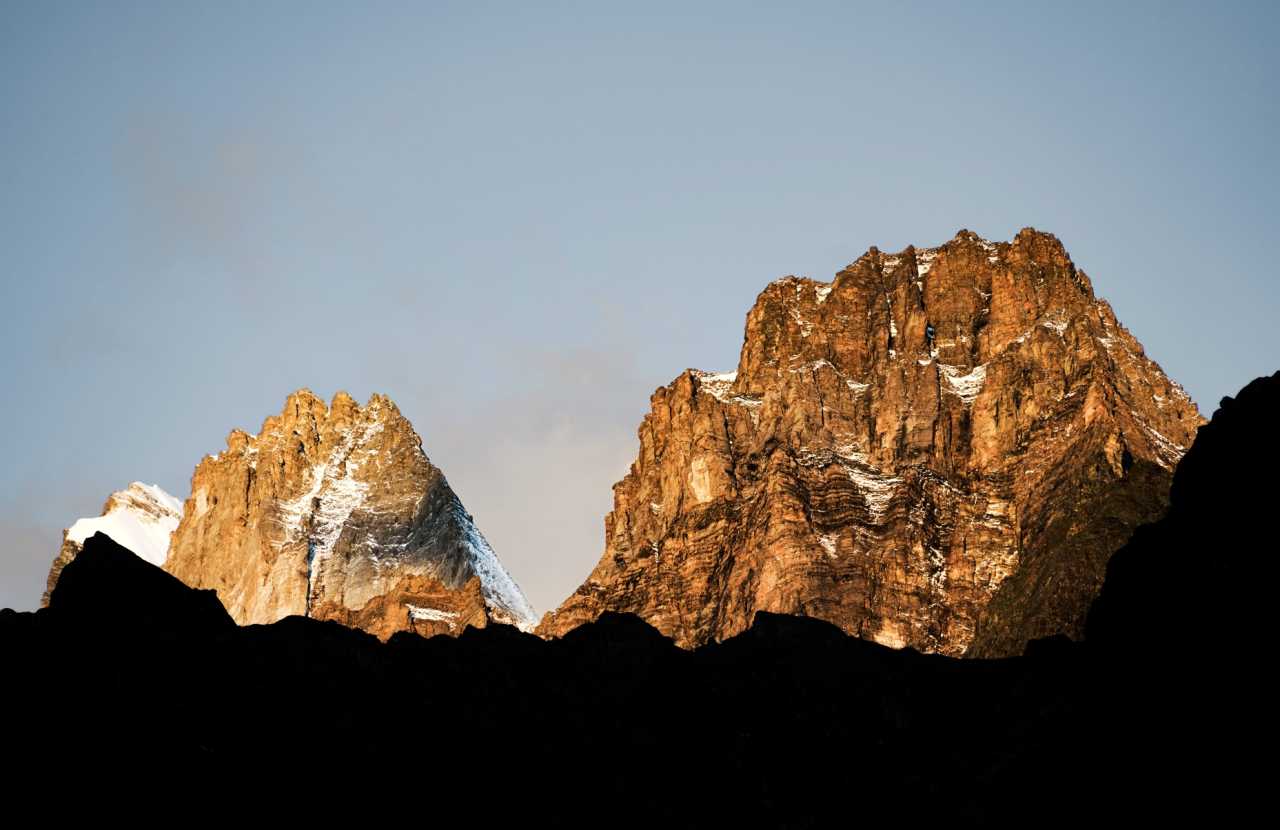 Yangmaiyong
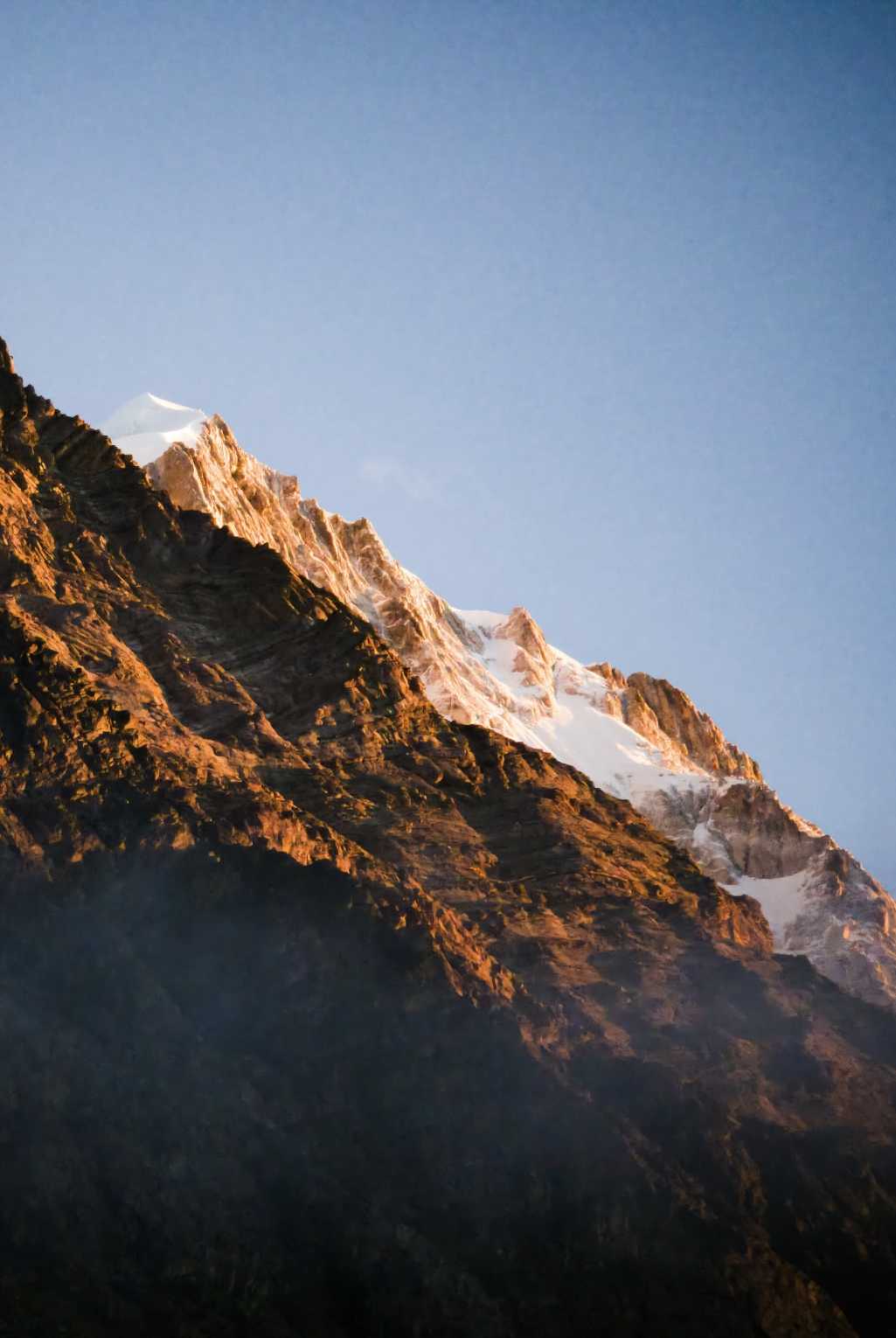 Xianuoduoji
Although the nearby ridges partially blocked the full view of the snow mountains, this camp's unique geographical location allowed us to see the true summits of both Vajrapani Bodhisattva Xianuoduoji on the left and Manjushri Bodhisattva Yangmaiyong on the right. I felt fortunate that our team could camp here.
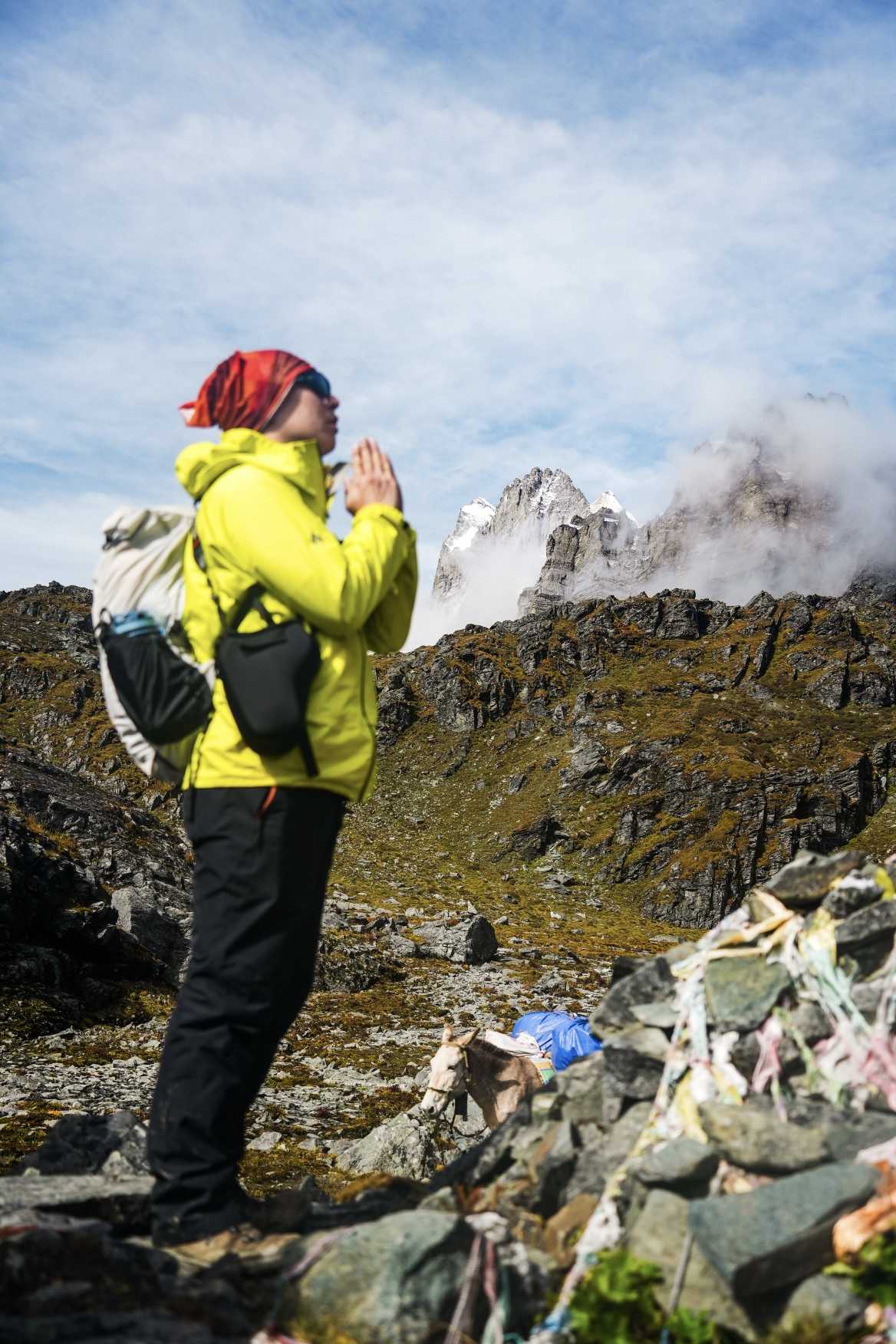
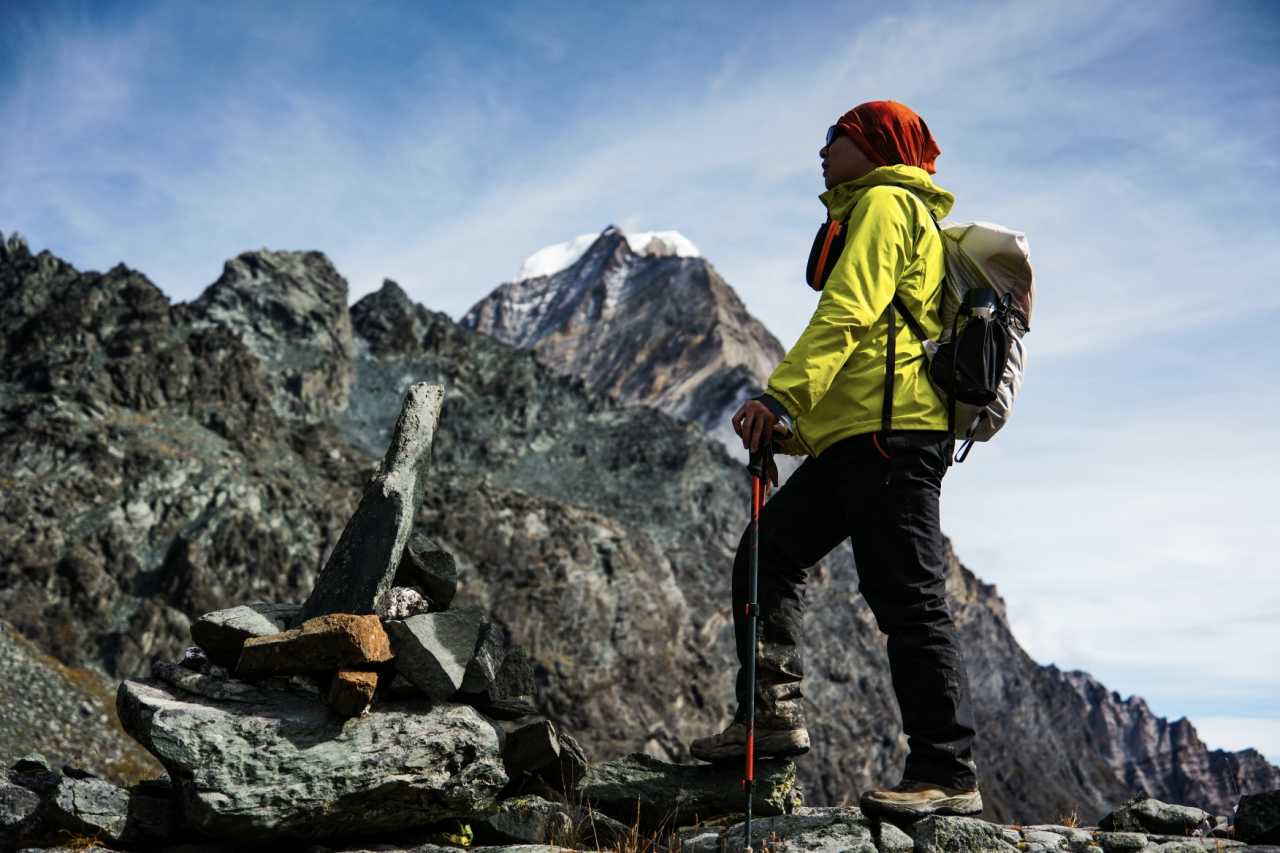
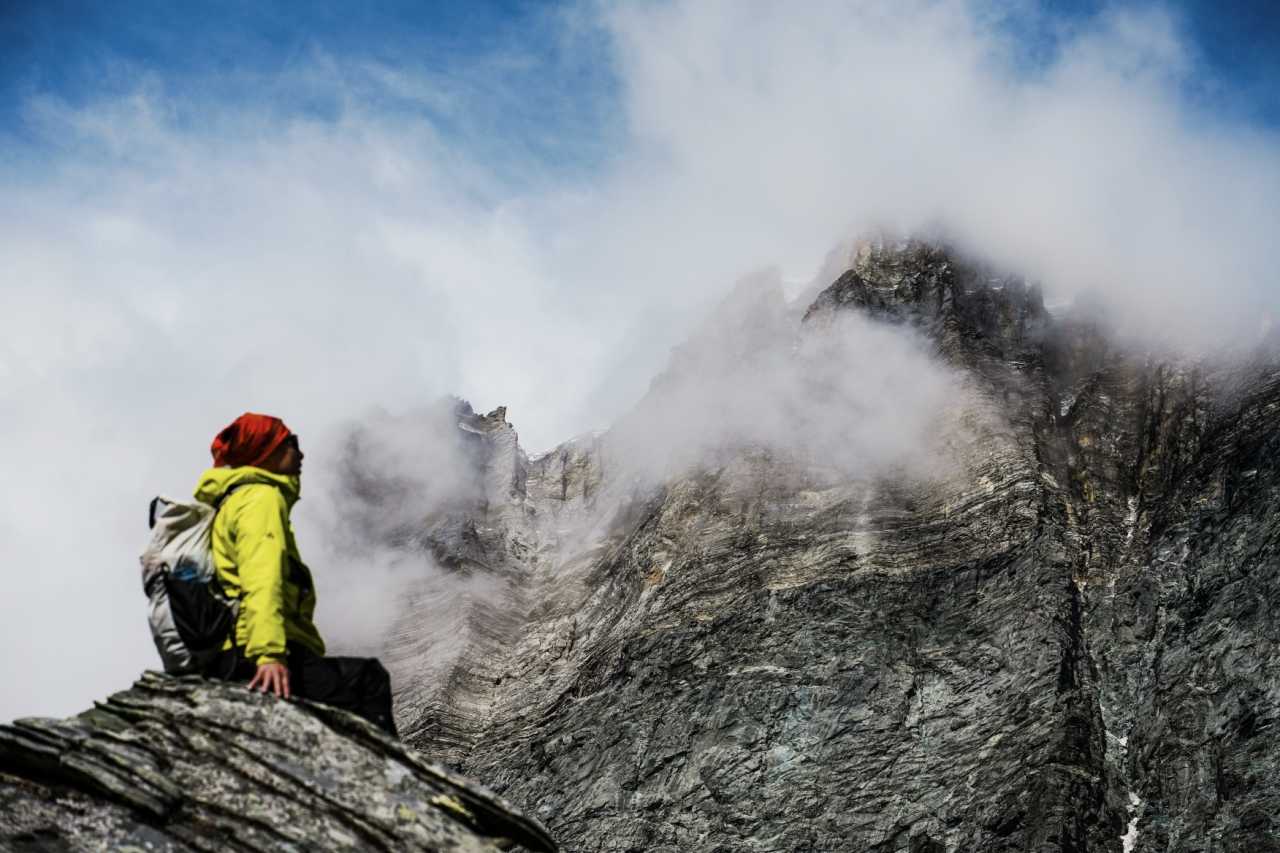
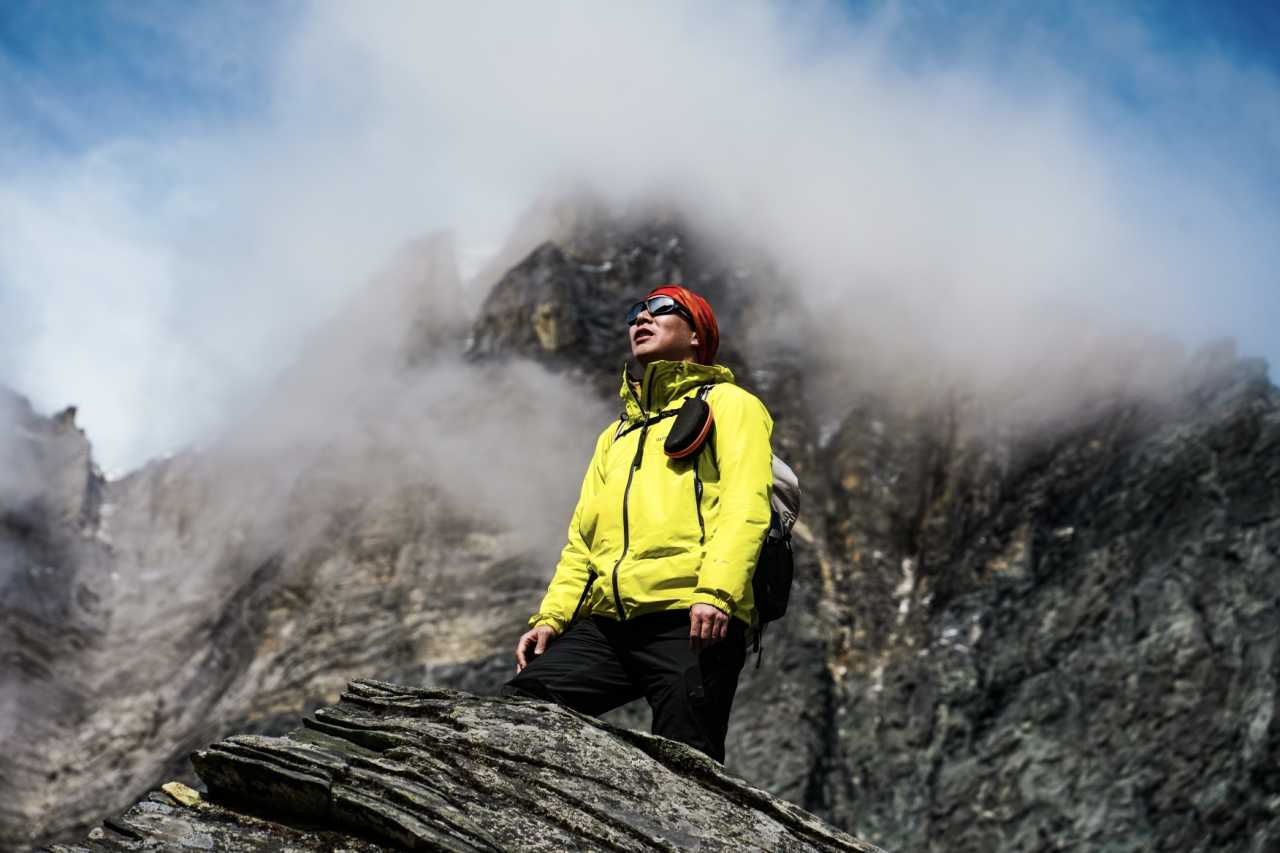
When breaking camp and setting off, I felt the intense plateau sunshine again and put on my alpine sunglasses that I hadn't used much for the first three days. The wind at Zhabala Pass was stronger than any previous pass, blowing away all the mist and fog. Looking back at the path we came from, after the haze dissipated, it appeared incredibly clear and lofty.
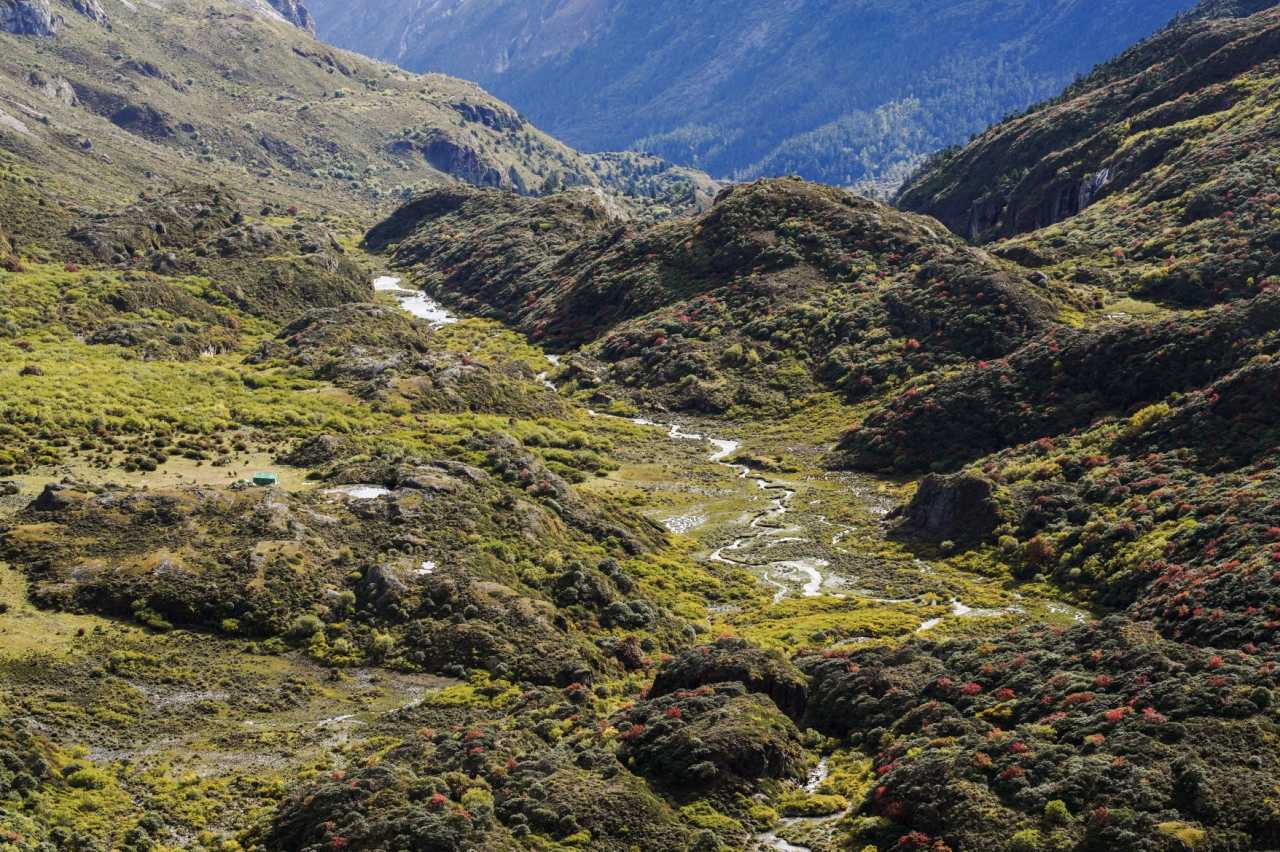 Daocheng Yading Scenic Area
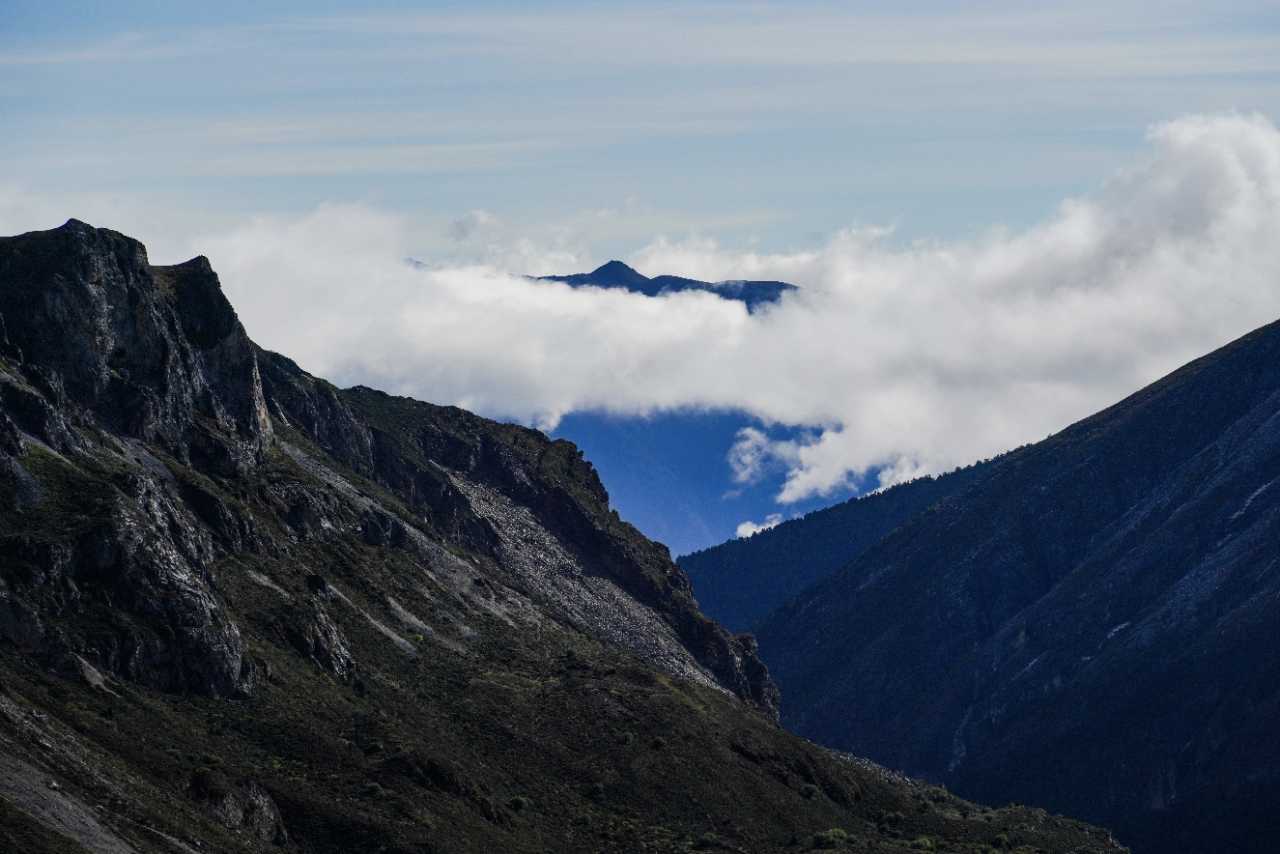 Daocheng Yading Scenic Area
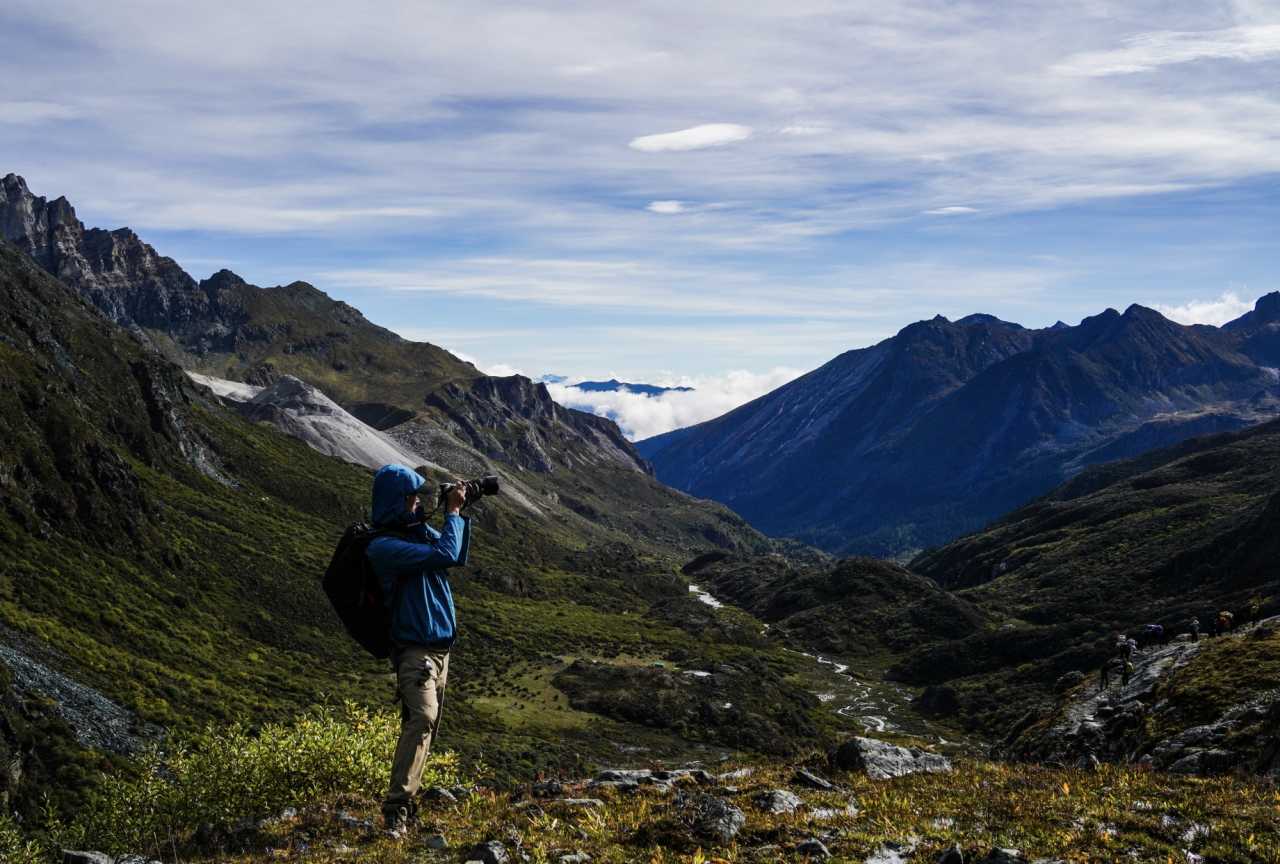 Daocheng Yading Scenic Area
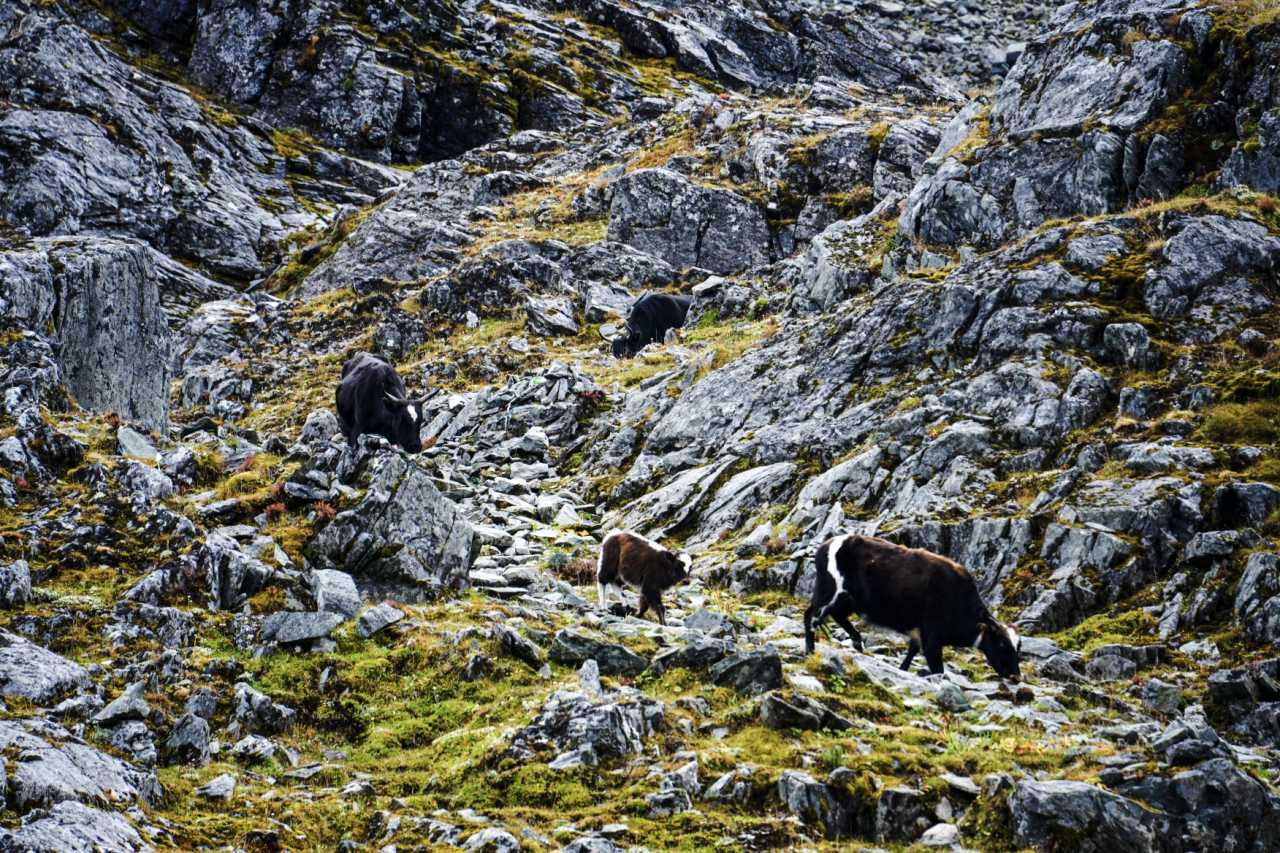 Daocheng Yading Scenic Area
Through my alpine sunglasses, the snow mountains became gentler, putting aside their divine majesty and willing to greet me softly. I lingered at the pass for a long time, completely changing from the previous days' mechanical, head-down rapid pace. I wanted to completely let go and return to my favorite state - getting close to the sacred mountains and touching nature.
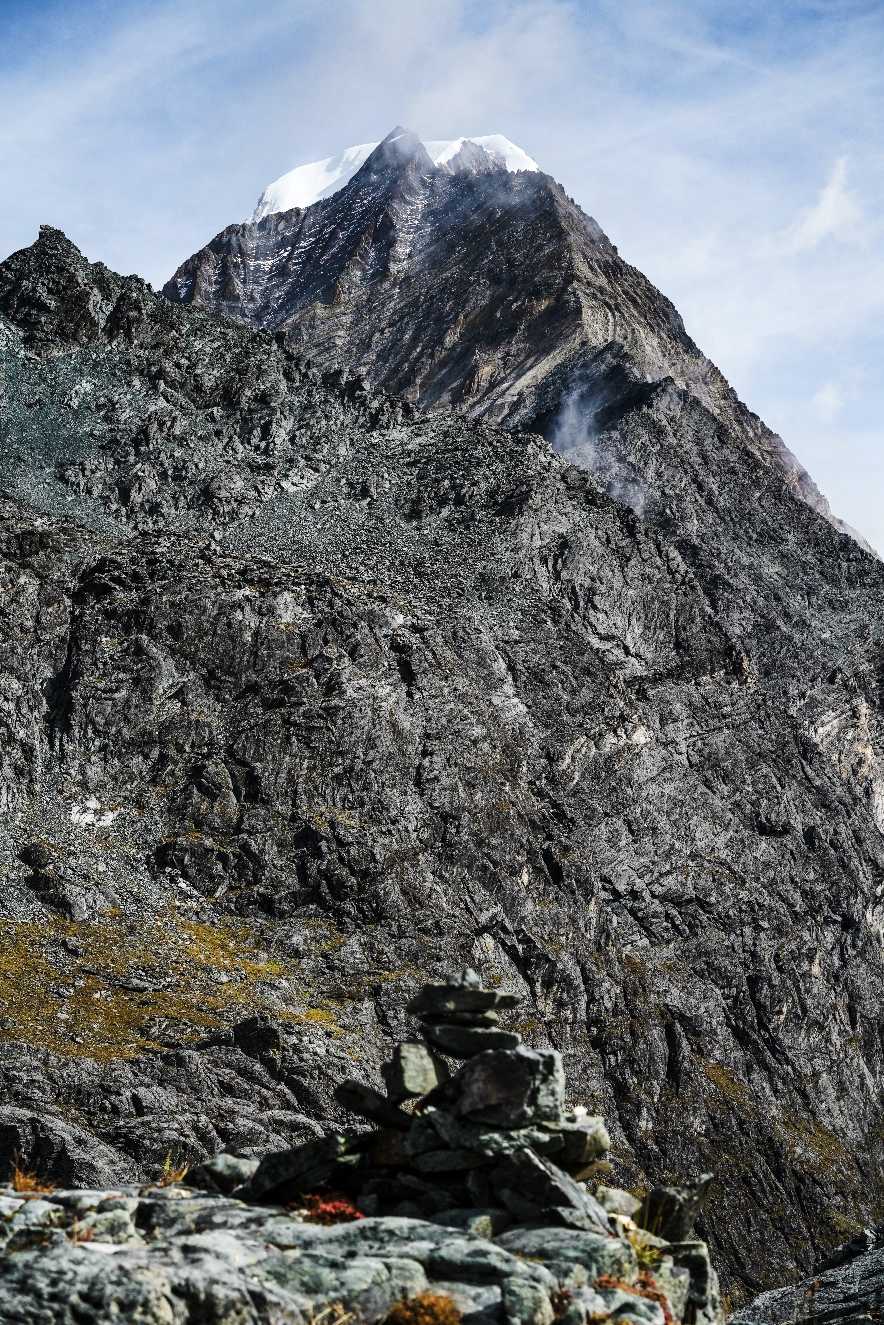 Daocheng Yading Scenic Area
 Daocheng Yading Scenic Area
 Daocheng Yading Scenic Area
 Daocheng Yading Scenic Area
 Daocheng Yading Scenic Area
Everyone in the group felt much more relaxed due to the improved weather. No one was rushing anymore - we were all feeling the journey.
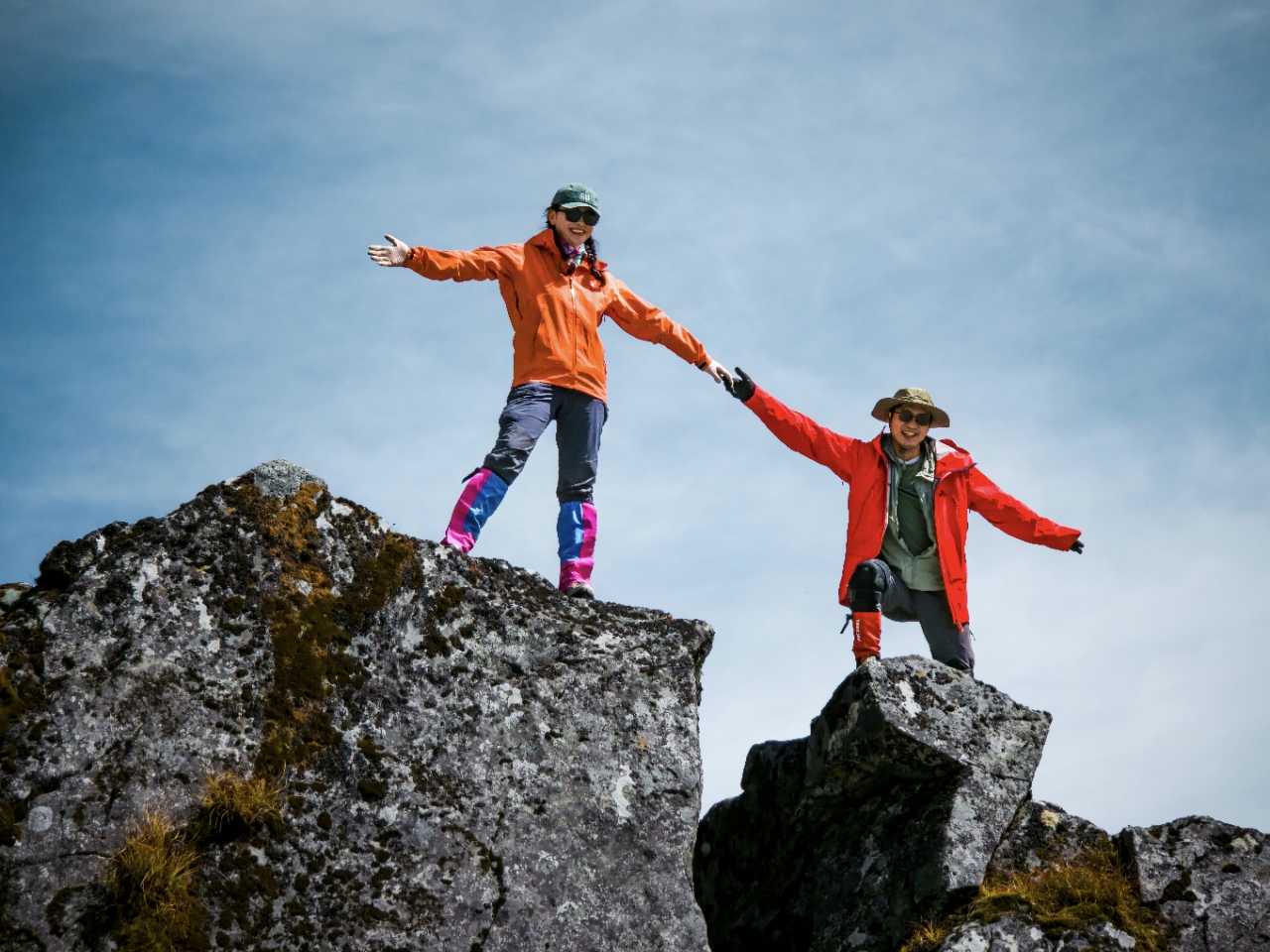
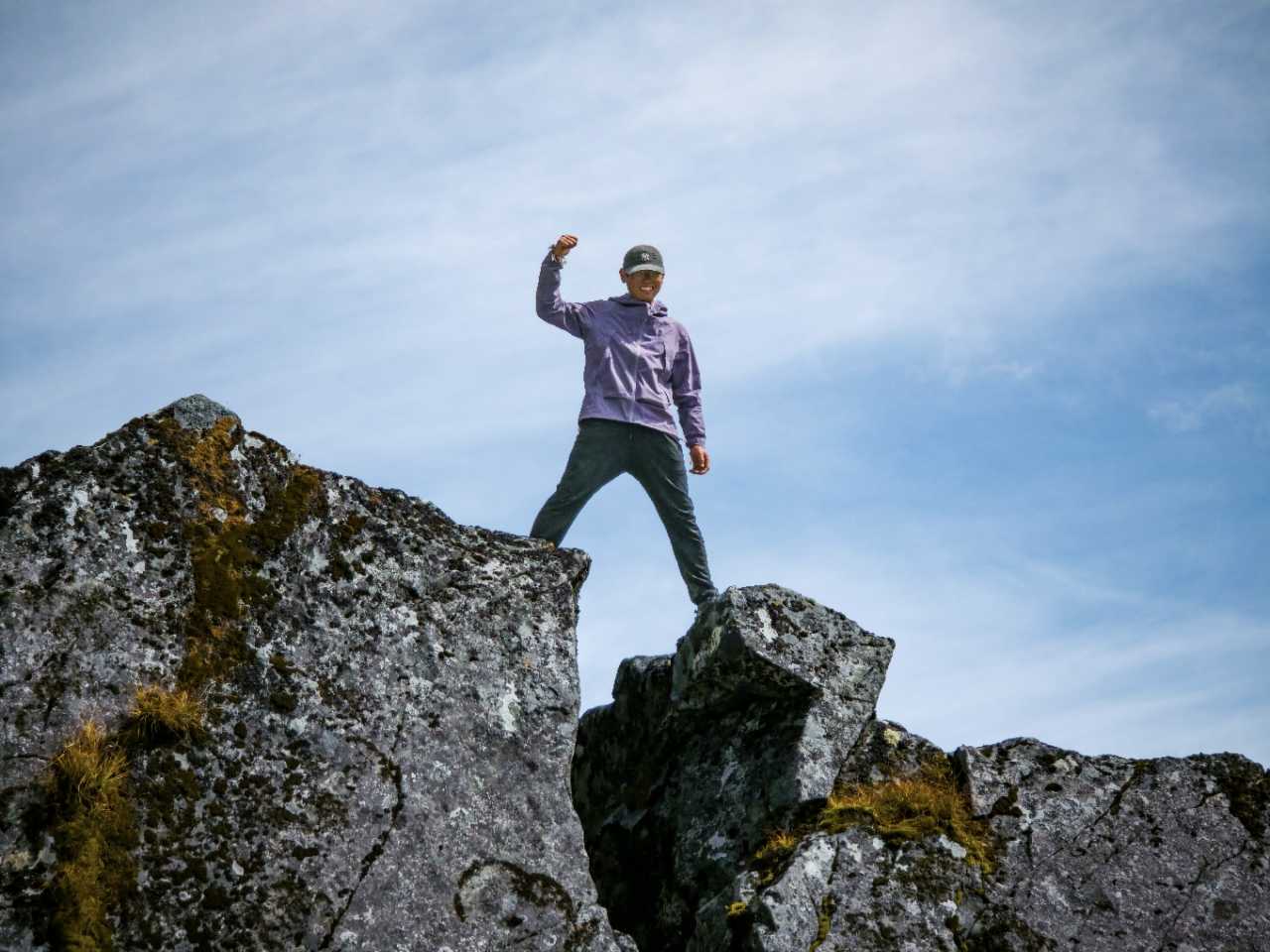
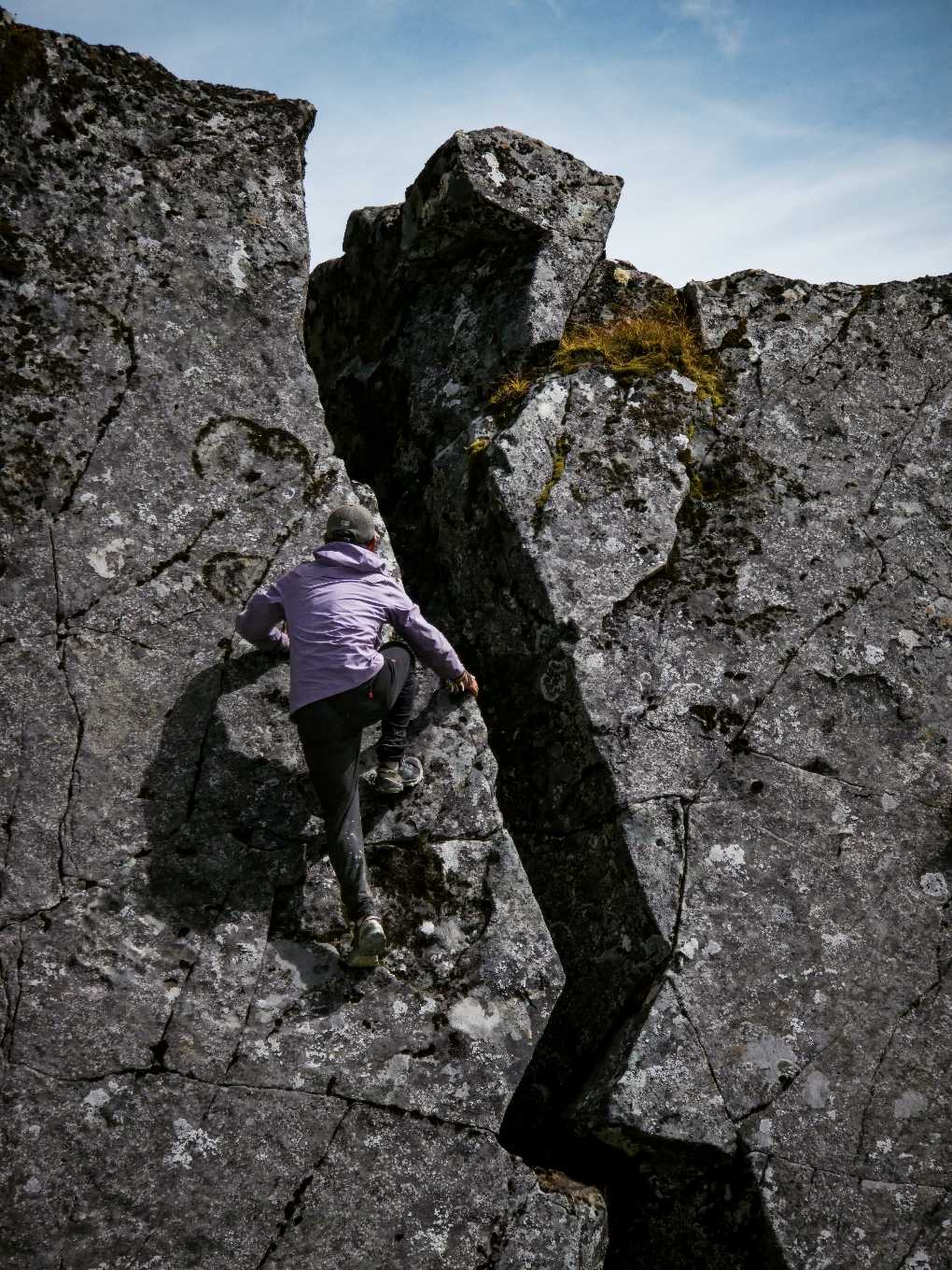
Below the pass was a massive rock that, for some unknown reason, had been split in half by nature, leaving lightning-like cracks. Guide Xiao Wu demonstrated his rock climbing skills here, which I captured.
It's said that if this rock could witness the reunion of separated lovers, it would heal this deep scar. Although such beautiful legends abound, I secretly hoped that human love could truly heal nature's wounds.
 Daocheng Yading Scenic Area
 Daocheng Yading Scenic Area
 Daocheng Yading Scenic Area
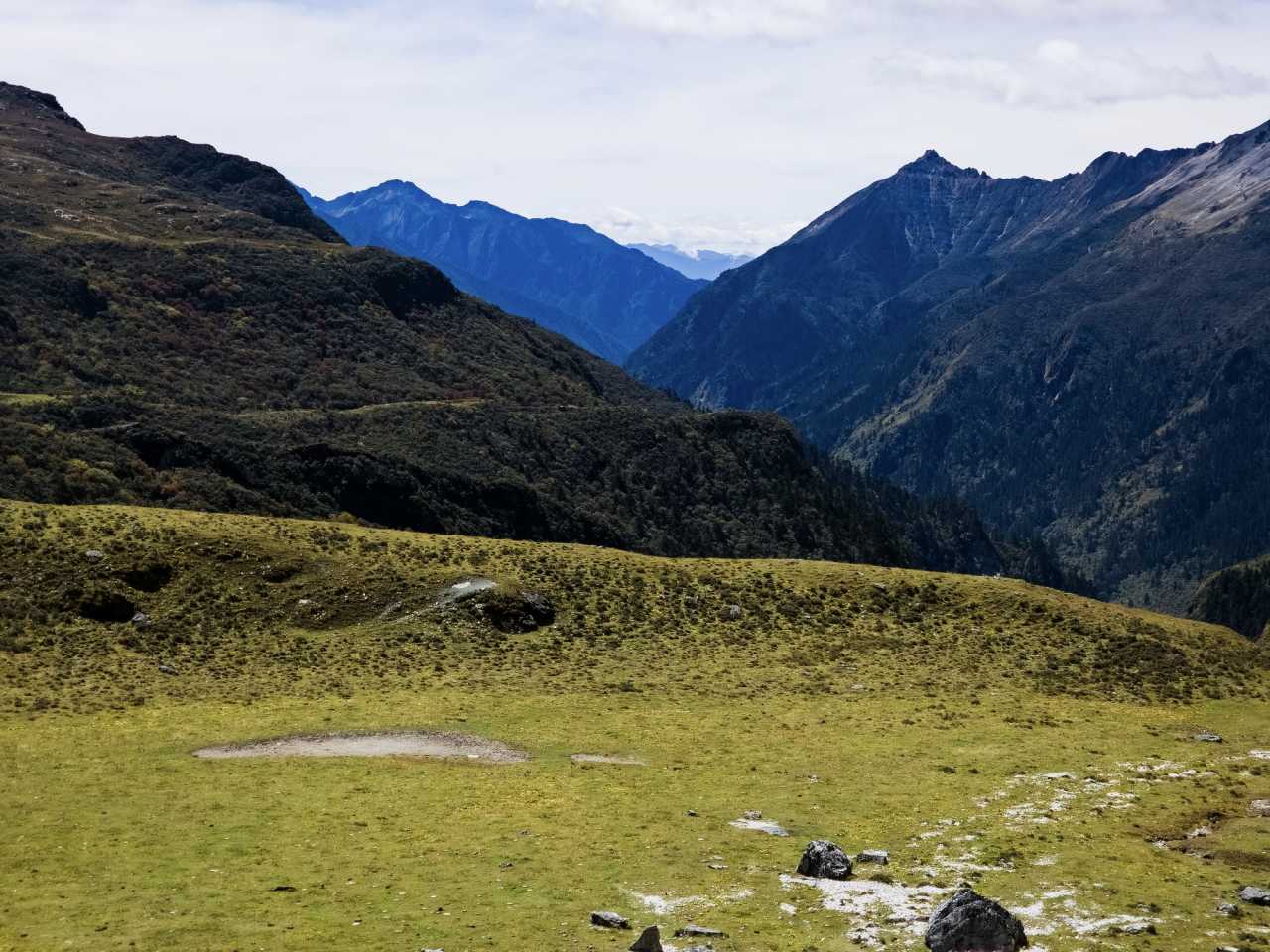
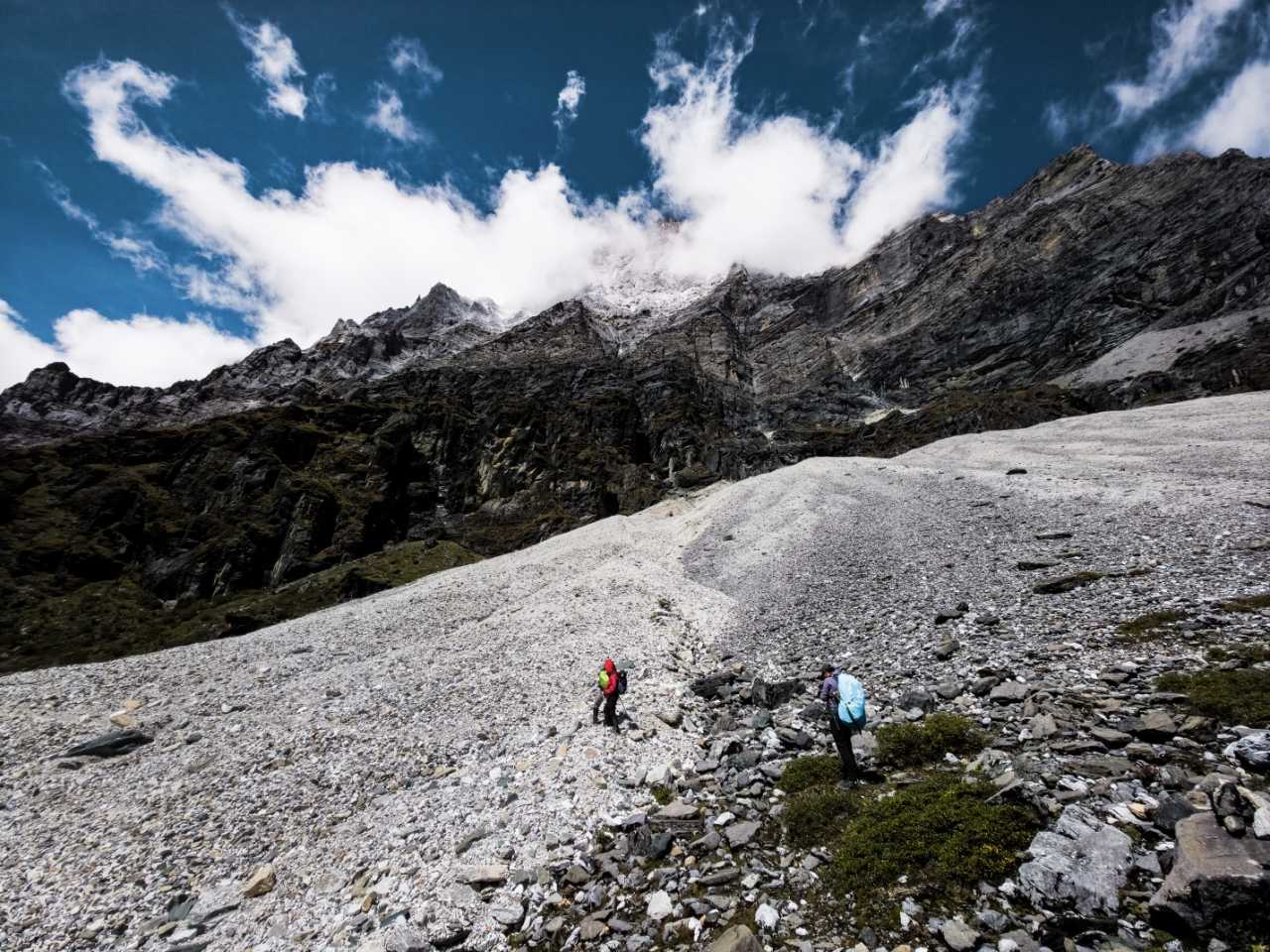
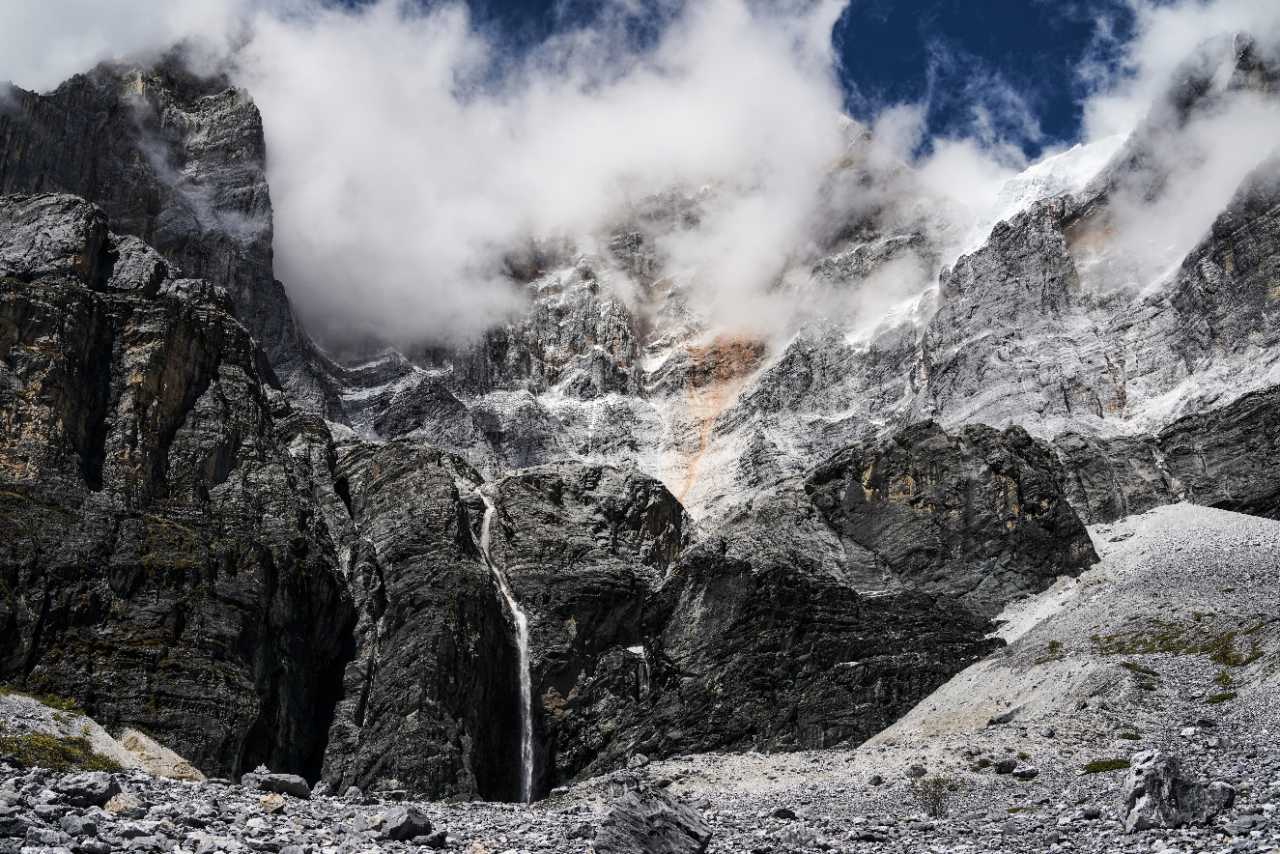
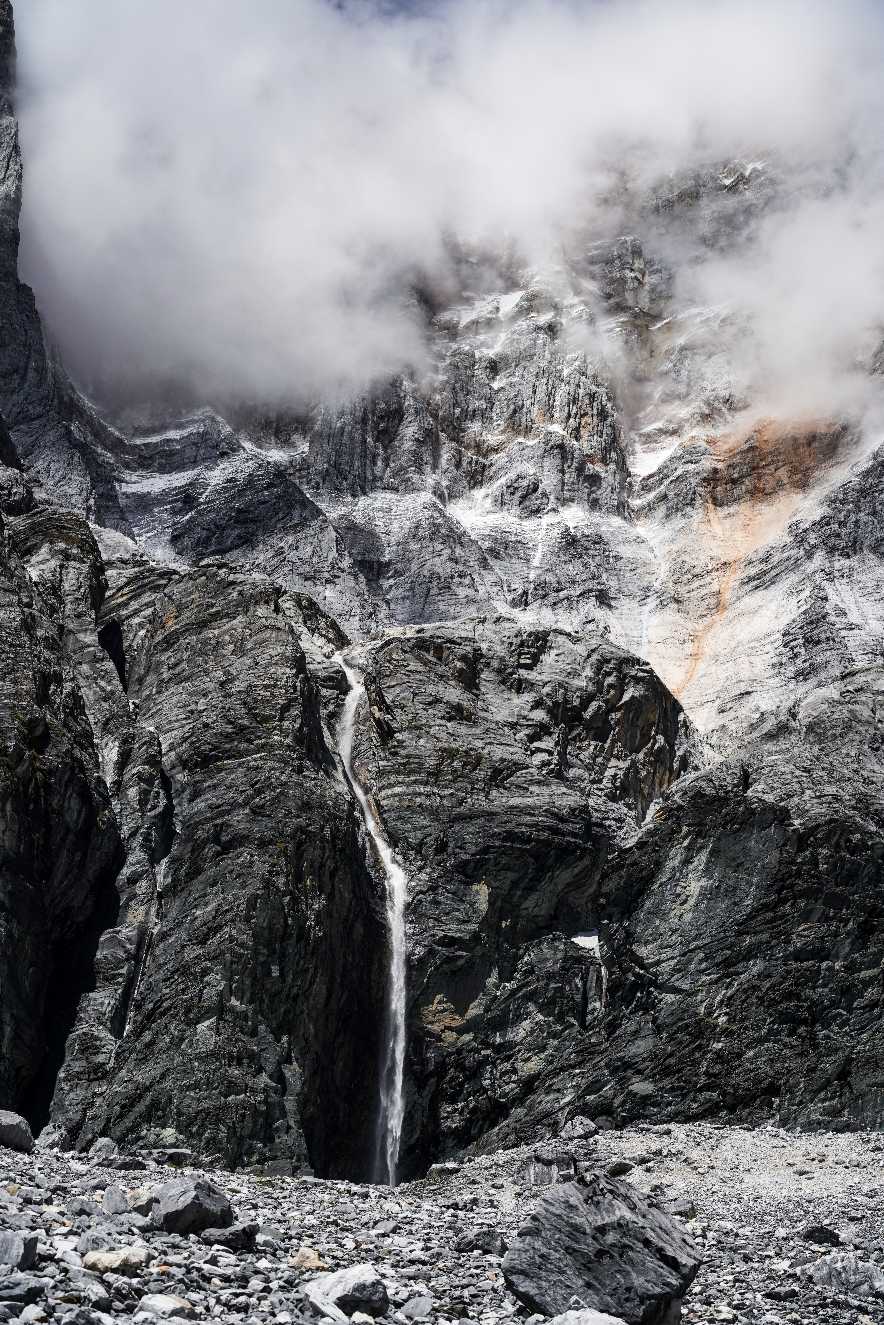
Crossing the pass and temporarily leaving Xianuoduoji, I entered Yangmaiyong's territory. I walked along the narrow path on the right side of the valley. To my left front was a beautiful green valley, while above my head was the massive sacred peak Yangmaiyong.
There was a section of gravel slope here, actually formed by glacial movement - a lateral moraine ridge. I suddenly thought of the EBC circuit you did in Nepal last year. You said you were tortured by this kind of glacial gravel path and would never believe the lie that "although EBC is high altitude, it's basically flat" again.
I laughed out loud thinking about it. My small section of glacial path must be nothing compared to your Khumbu Glacier and Gyachung Kang Glacier at EBC - mini among minis.
Compared to EBC's grand magnificence, this route's scenery is more delicate - snow mountains, streams, waterfalls, lakes, forests, and meadows are all combined within a small area, never leaving my sight.
 Daocheng Yading Scenic Area
 Daocheng Yading Scenic Area
 Daocheng Yading Scenic Area
 Daocheng Yading Scenic Area
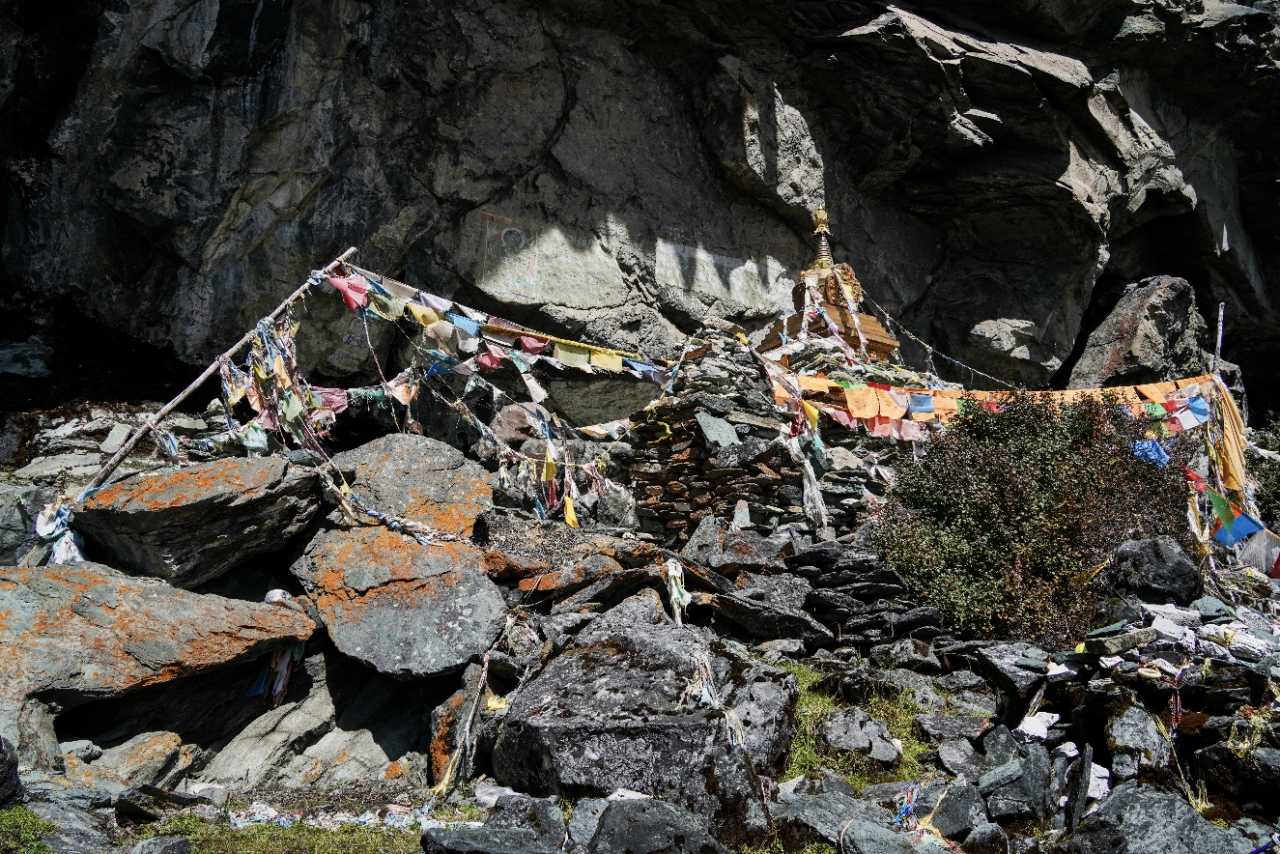
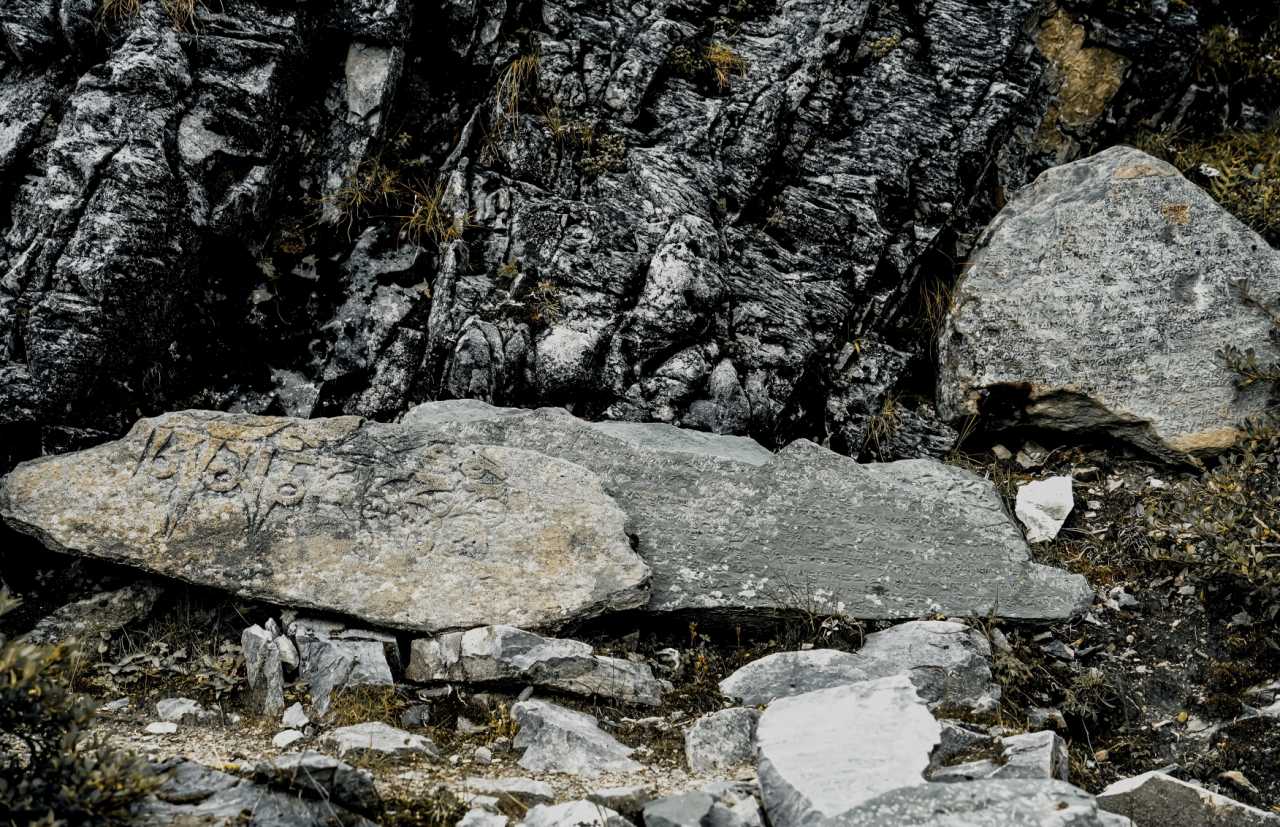
At the base of the massive mountain wall, I saw prayer flags and Buddhist stupas, with many strange items scattered on the ground or hanging on tree branches - hats, clothes, phone cases, accessories, and all sorts of things. Our Tibetan assistant said this is an important part of the kora - if you have worries, you can throw away some personal item here, symbolizing casting away your troubles.
I thought for a long time but didn't seem to have any worries, so I simply bowed a few times. I pondered that worries are extensions of "self-attachment." If "self-attachment" could be as easily discarded as throwing something away, why would so many people in this world be unable to let go? Then I turned around and saw mani stones carved with the "Six-Syllable Mantra" quietly basking in the sun.
 Daocheng Yading Scenic Area
 Daocheng Yading Scenic Area
Today was the first day of two passes per day. I finally experienced the other torturous aspect of the great kora. After descending from Zhabala to the valley bottom, walking through the lateral moraine ridge, it was followed by a steep climb to the highest point called Yangmaiyong Traverse Pass.
The trail condition on this section was ordinary with no special difficulty, but because we were walking through dense forest, it was extremely stuffy and required large amounts of electrolyte water. When it got too hot, we could stop and feel the cool breeze on our faces.
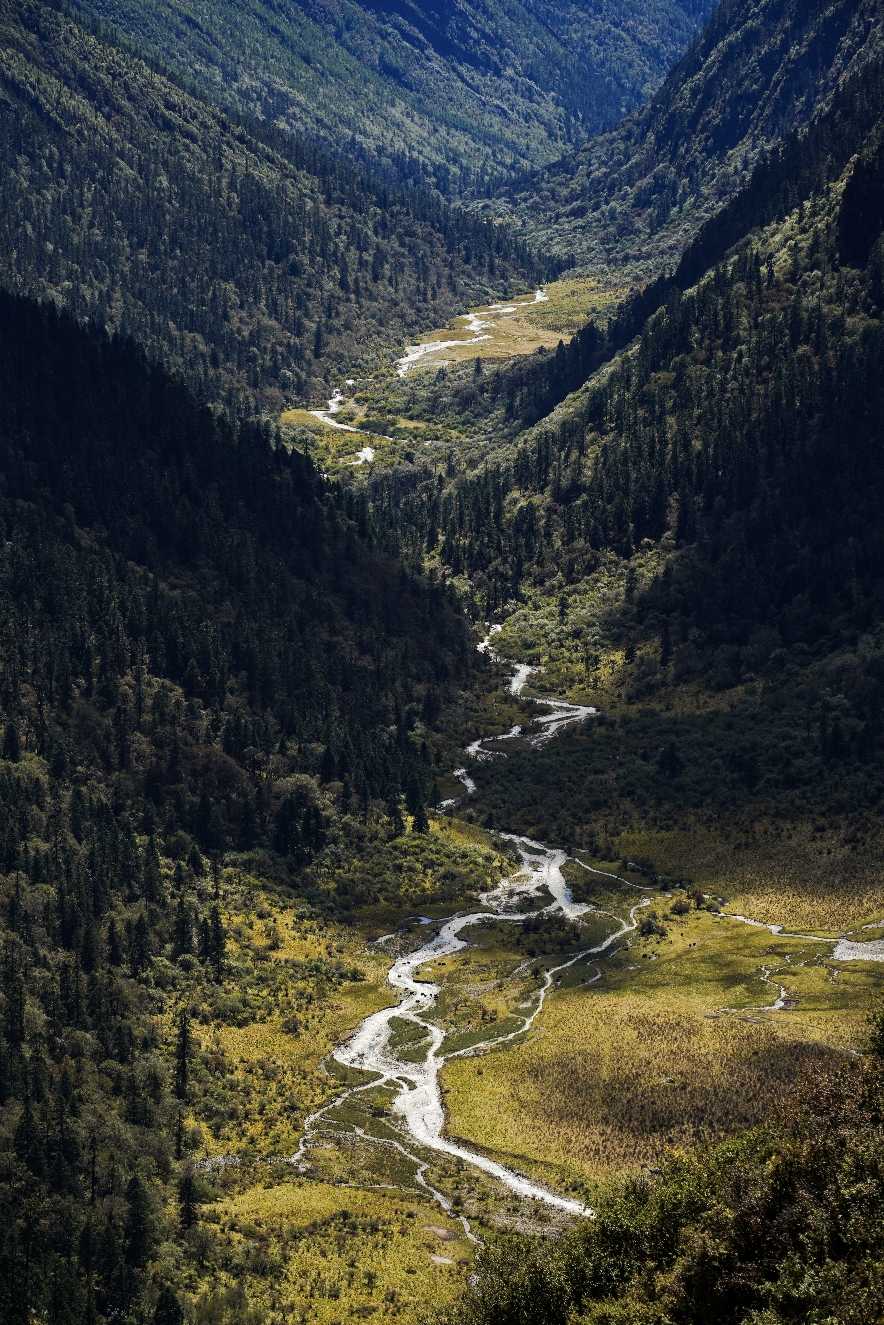
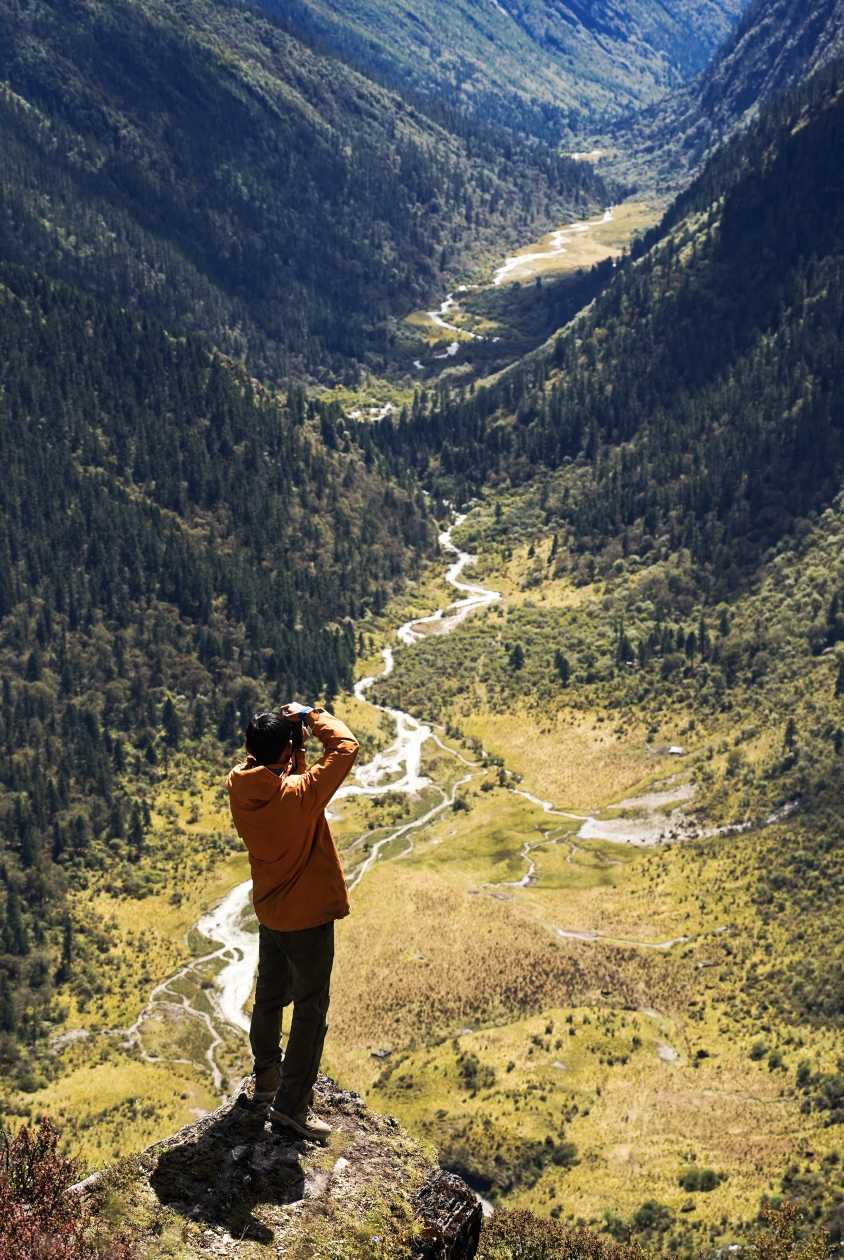
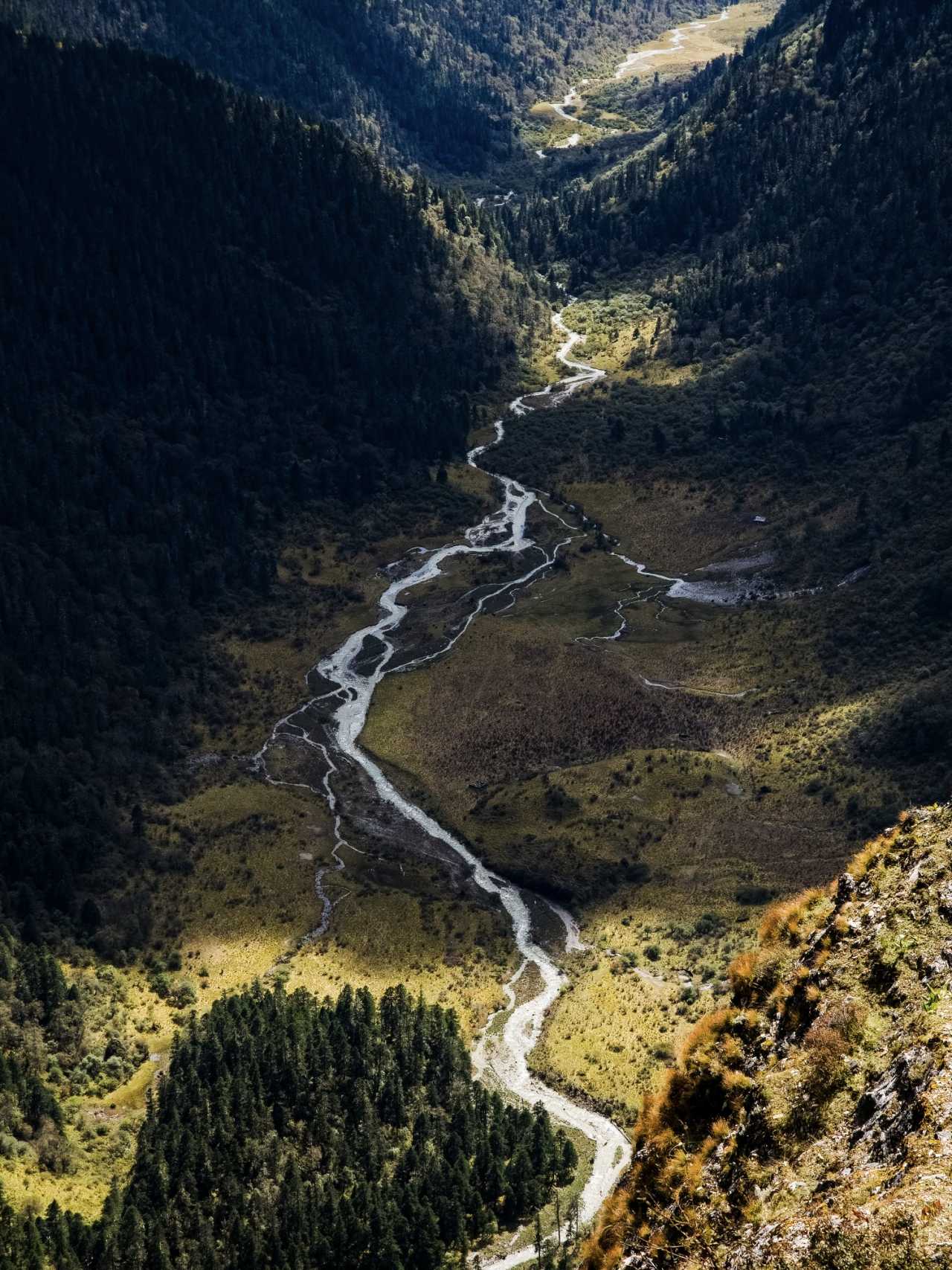
Take a good look at this magnificent canyon before you - clouds flow rapidly overhead, and smooth light and shadow dance on the earth. If Kerouac had seen this scene, even North America's Desolation Peak would be forgotten.
 Daocheng Yading Scenic Area
 Daocheng Yading Scenic Area
 Daocheng Yading Scenic Area
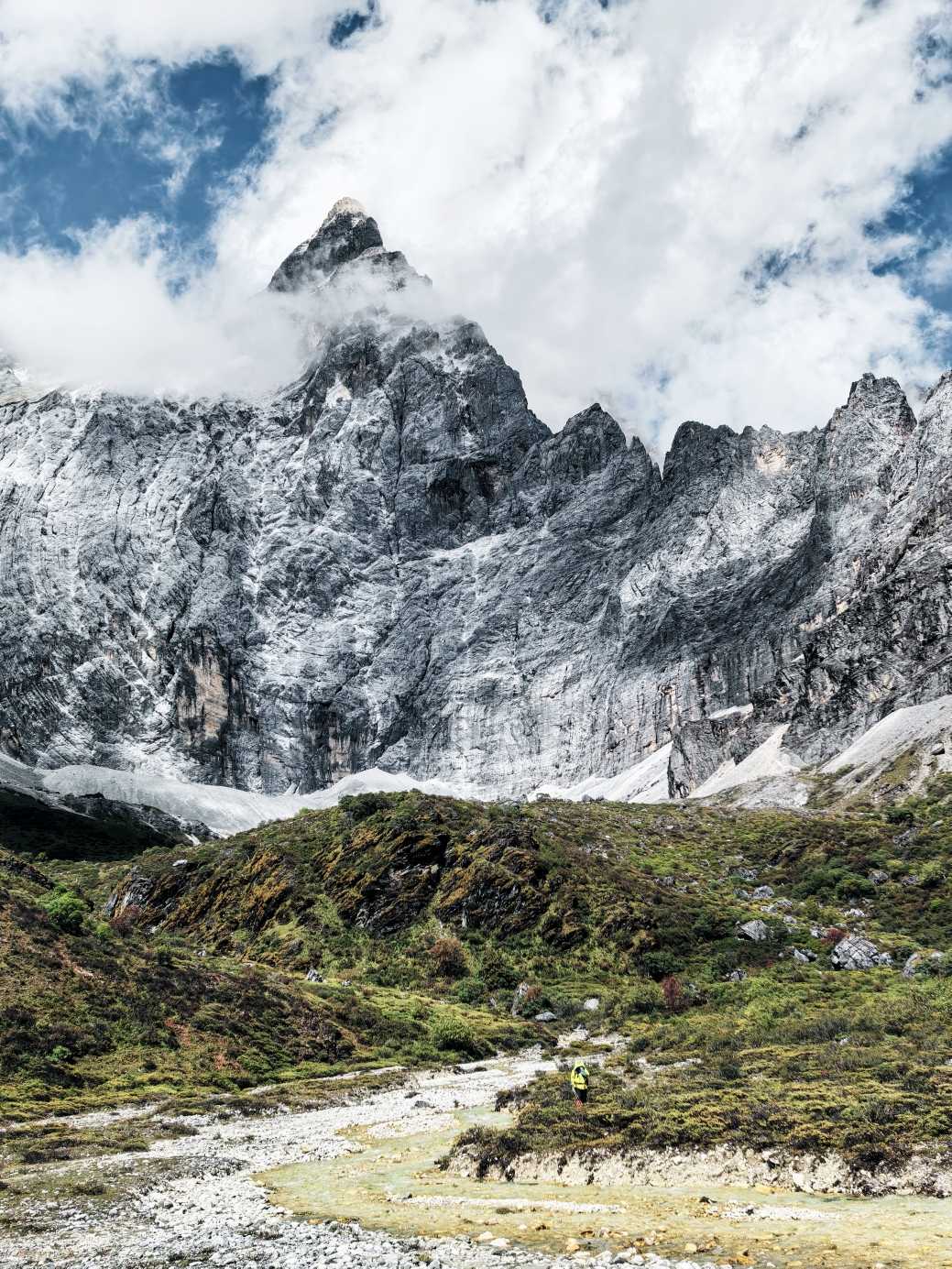
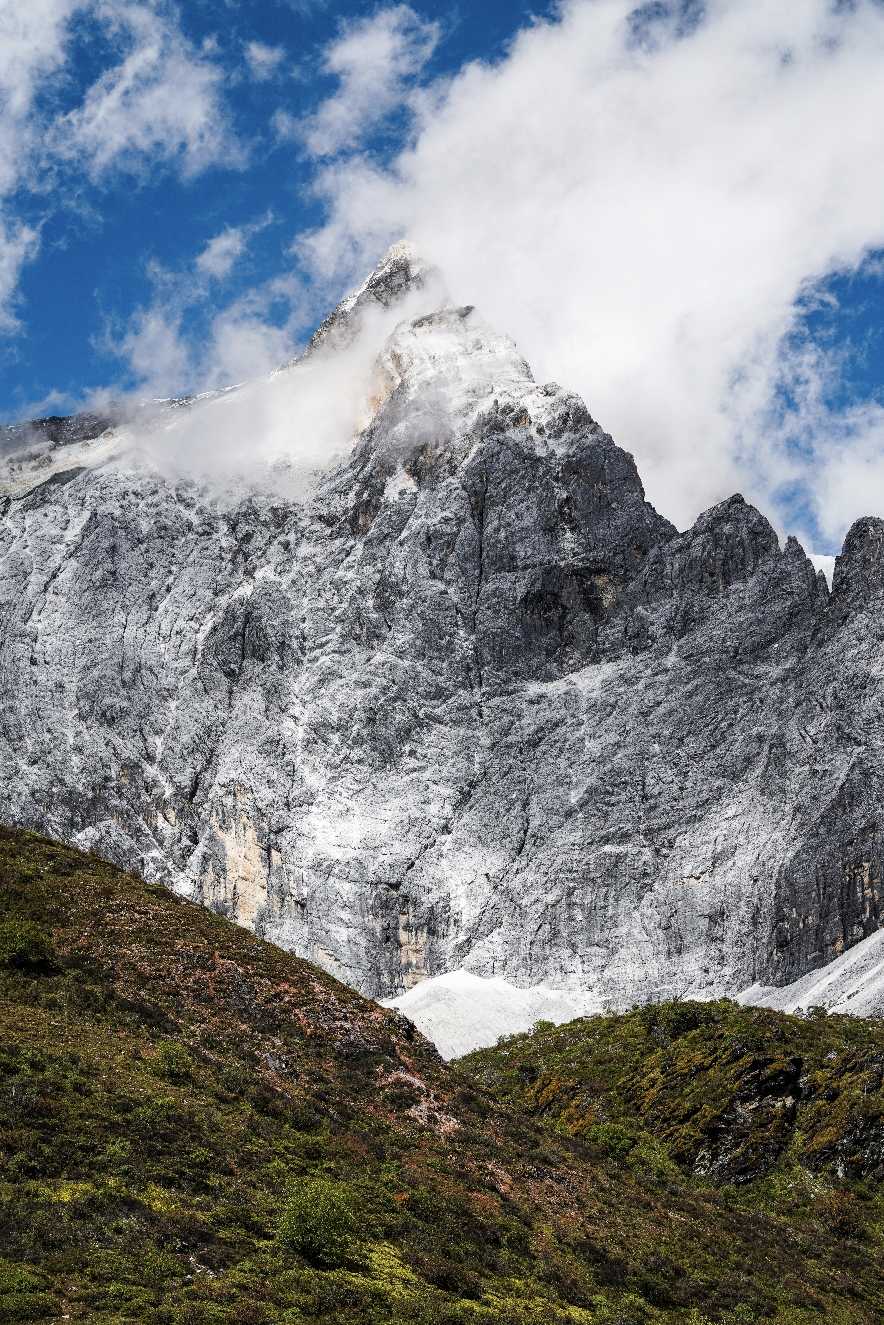
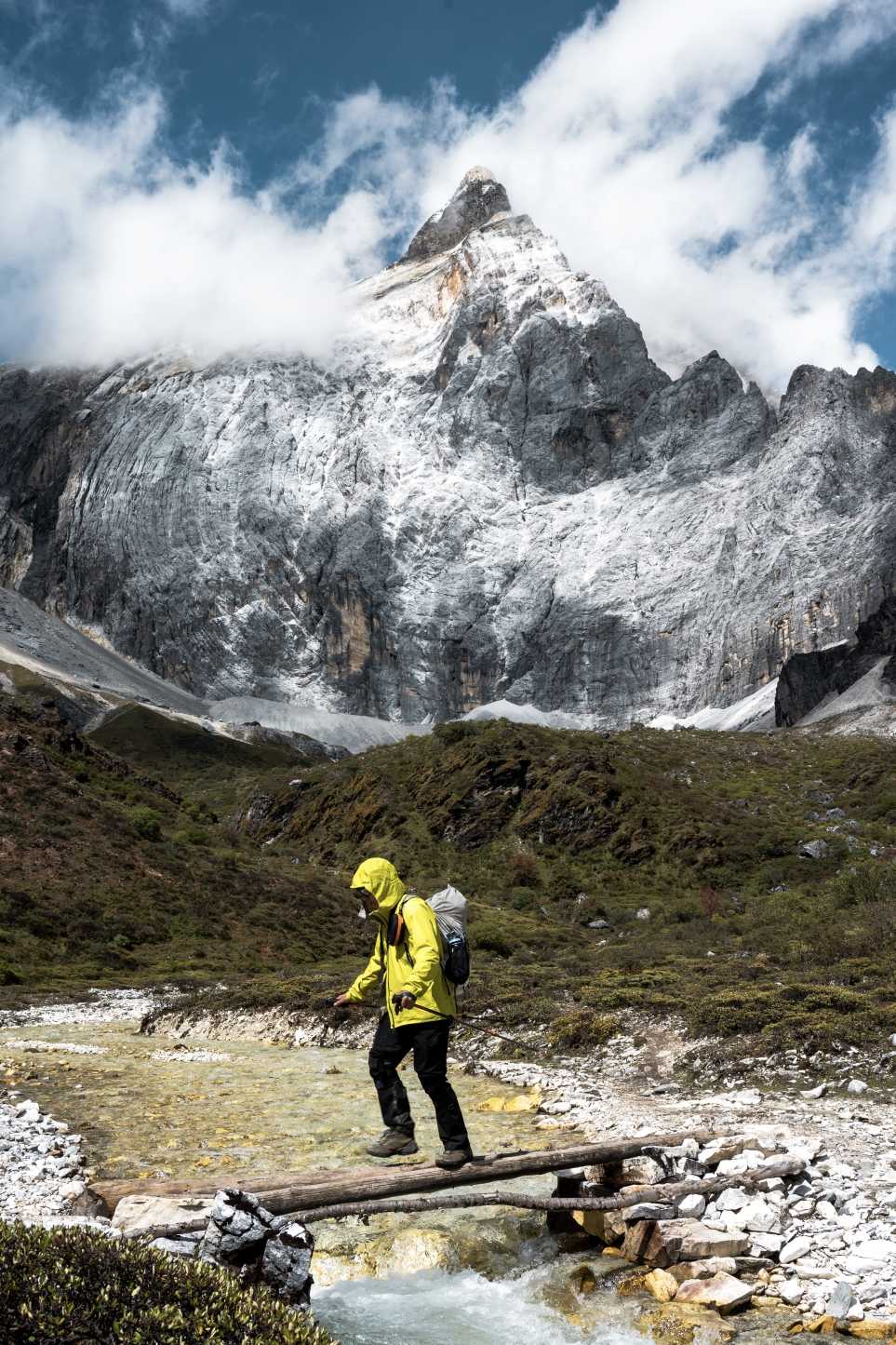
Descending again in elevation, I faced a vast pasture called Xinguo Yak Pasture, with extremely lush water and grass - a paradise for yaks and horses, and the perfect choice for hiking teams to camp. The tall and mighty Yangmaiyong silently watches over the yaks, horses, and humans. In the eyes of the sacred mountain, yaks, horses, and humans are probably completely equal creatures.
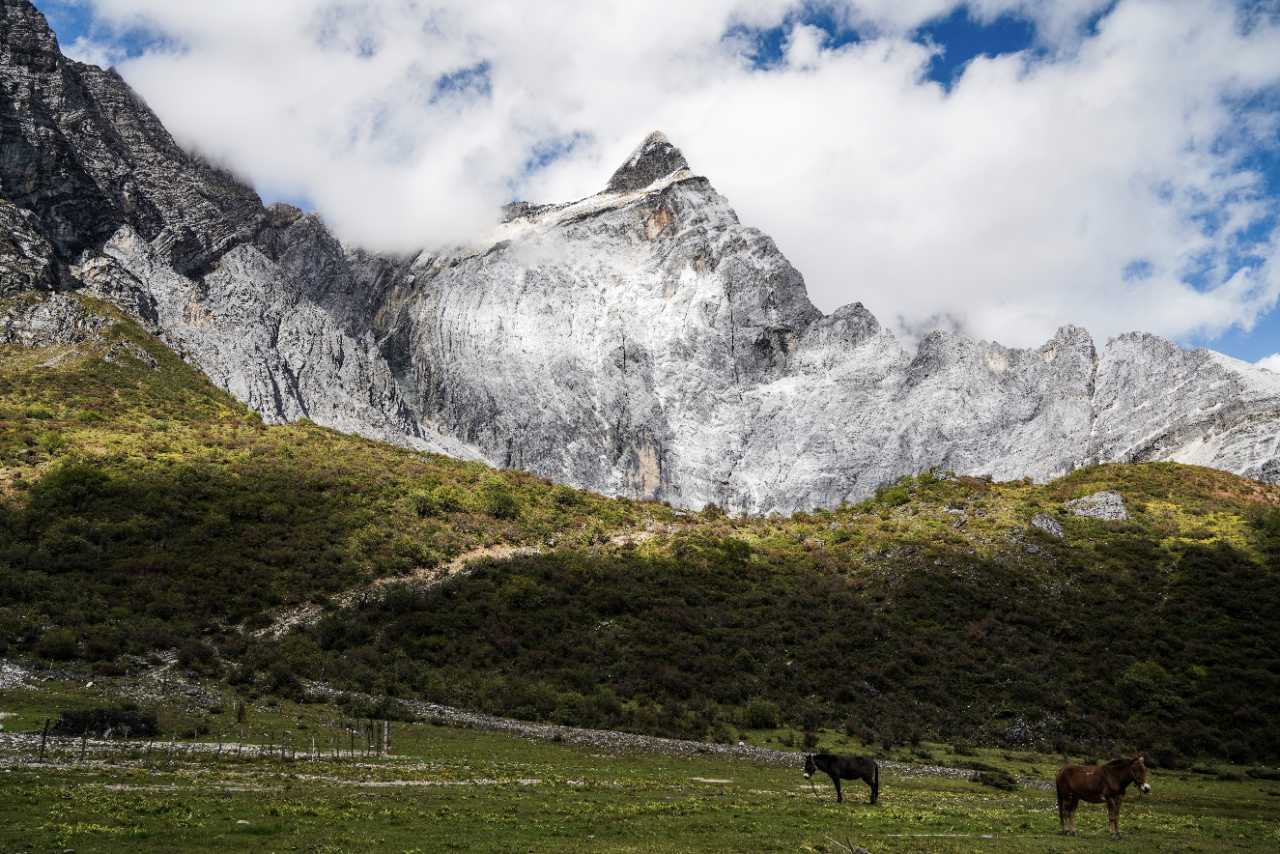
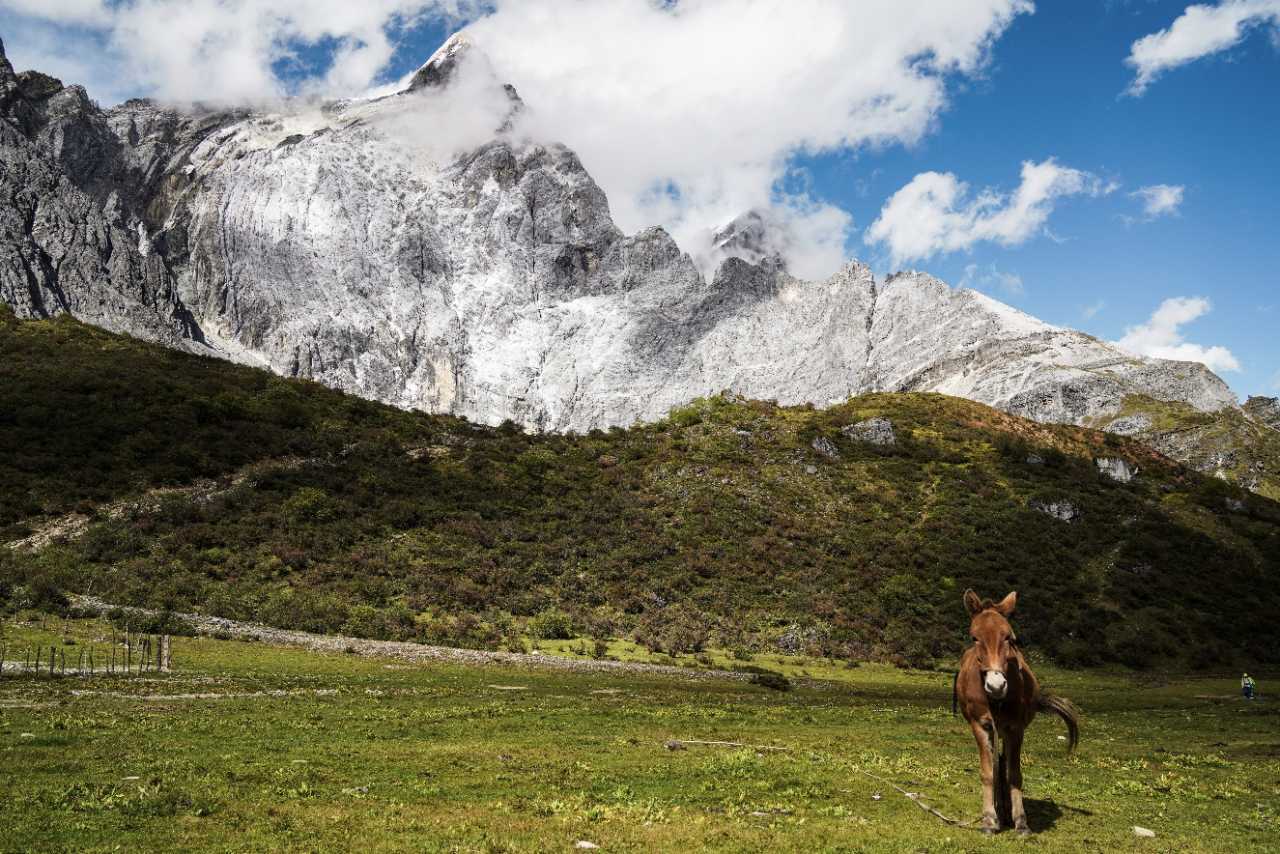
The camp faces the conical peak of Yangmaiyong directly - isn't this the "most beautiful and lovely mountain" that Conway praised in "Lost Horizon"? It's hard to imagine that James Hilton, who had never been to this fairyland, created the earthly paradise "Shangri-La" based solely on photos and related materials he happened to see in National Geographic. And the imagined Shangri-La matches so perfectly with what I see before my eyes - what a miracle!
Shangri-La is real, vibrant, a dream that has illuminated reality. It is Daocheng Yading!
 Daocheng Yading Scenic Area
 Daocheng Yading Scenic Area
 Daocheng Yading Scenic Area
 Daocheng Yading Scenic Area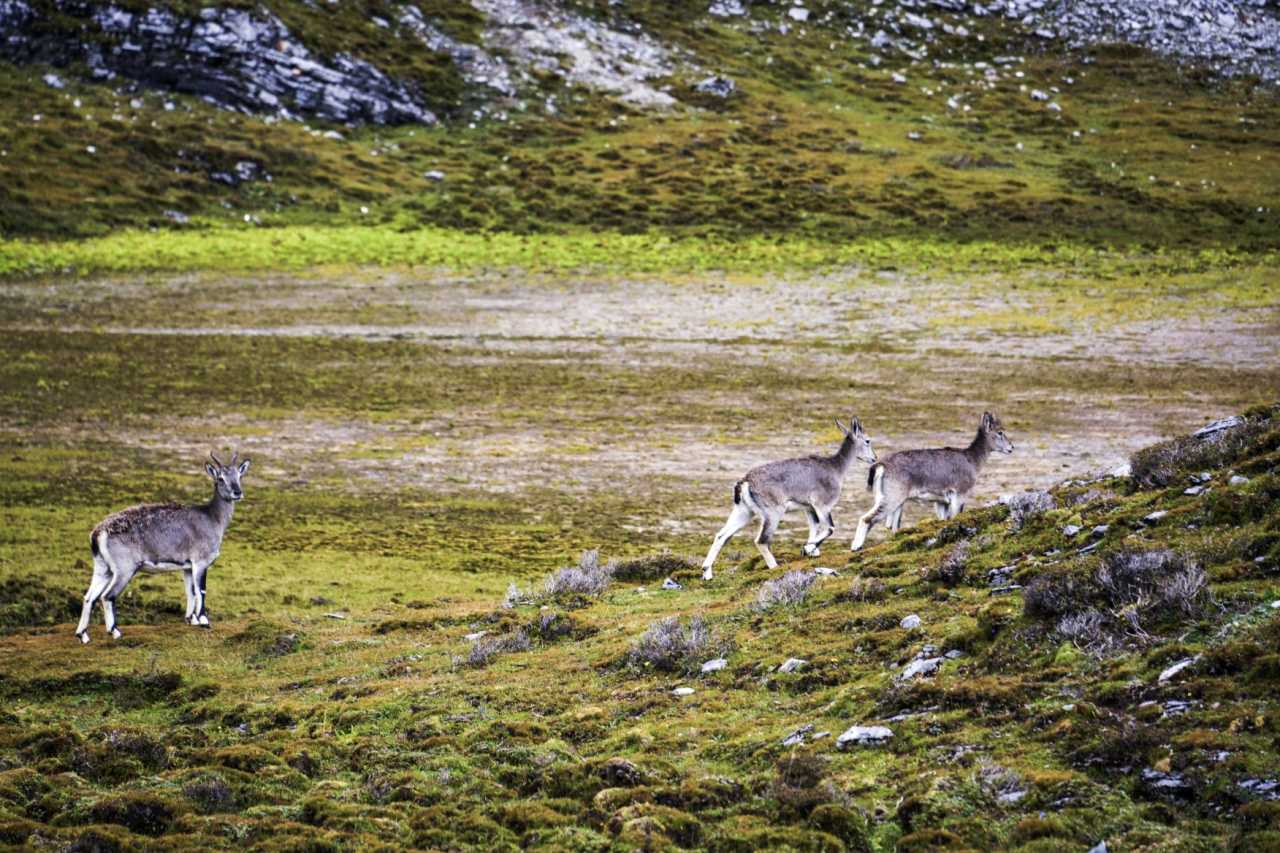
 Daocheng Yading Scenic Area
 Daocheng Yading Scenic Area
 Daocheng Yading Scenic Area
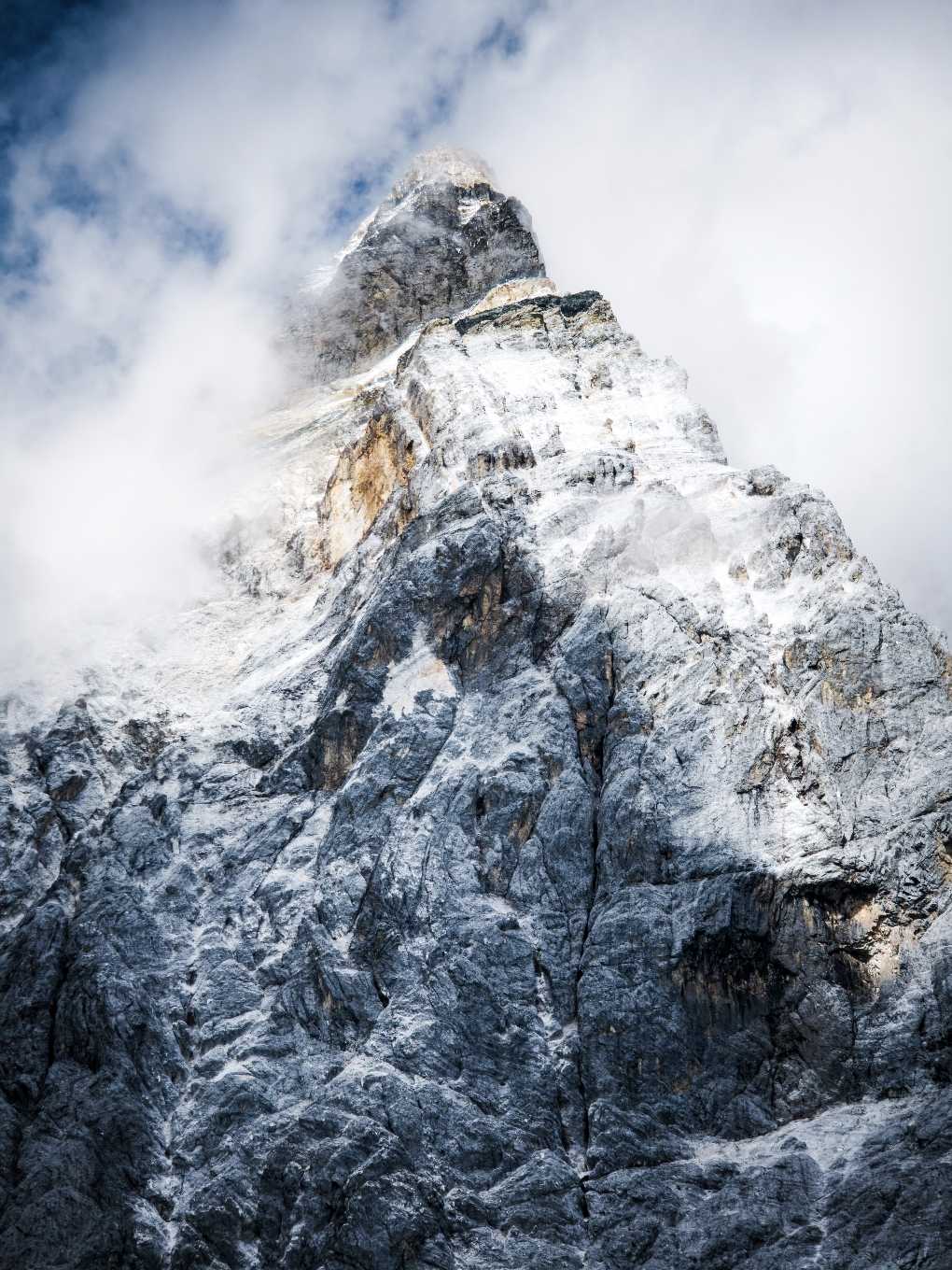 Yangmaiyong
My tent was set up at the very edge of the yak pasture with no obstacles blocking the view. I set up my tripod and successfully shot a time-lapse of Yangmaiyong. I sat at my tent entrance, leisurely brewing coffee - there couldn't be anything more blissful than this. Horses occasionally approached me, grazing nearby, hoping to make friends. Behind me was a massive mountain wall that blocked the wind from the other side - even without wearing a down jacket, it was quite warm. From afternoon until evening, I gazed at Yangmaiyong foolishly, greedily wanting to possess the sacred mountain.
This was the warmest camp of the entire journey. I lay in Yangmaiyong's embrace as if snuggling into a mother's arms. I recalled the bits and pieces of the past few days - whether exciting or frustrating, they all brought great spiritual harvest to my heart.
I hid in the most secret and sacred corner of the earth - it was the lost horizon, with no signal haunting me, no worldly troubles, only the sacred mountain and her people accompanying me. Everything was quiet, and my heart should be quiet too.
Day 5 Wind at Snake Lake
Dear Yingning,
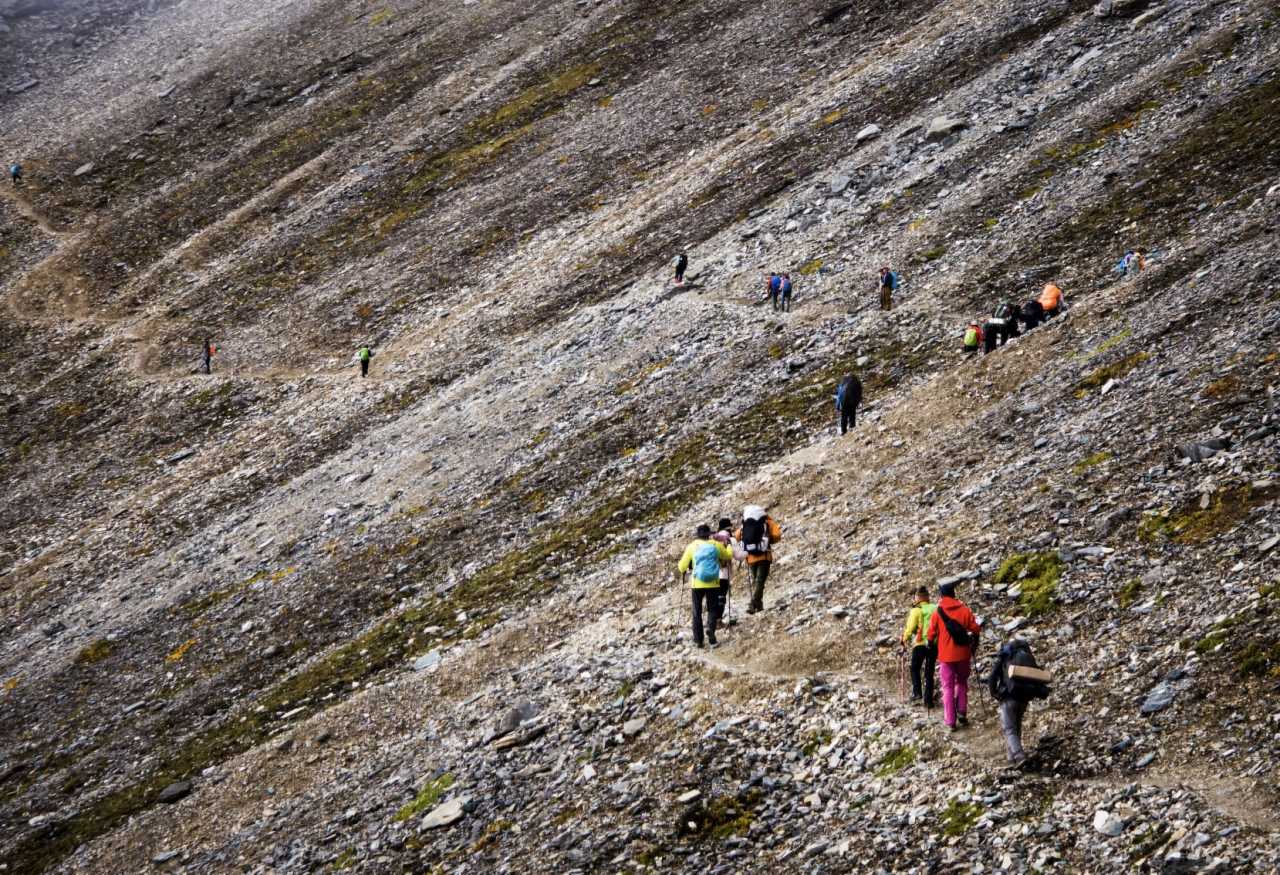
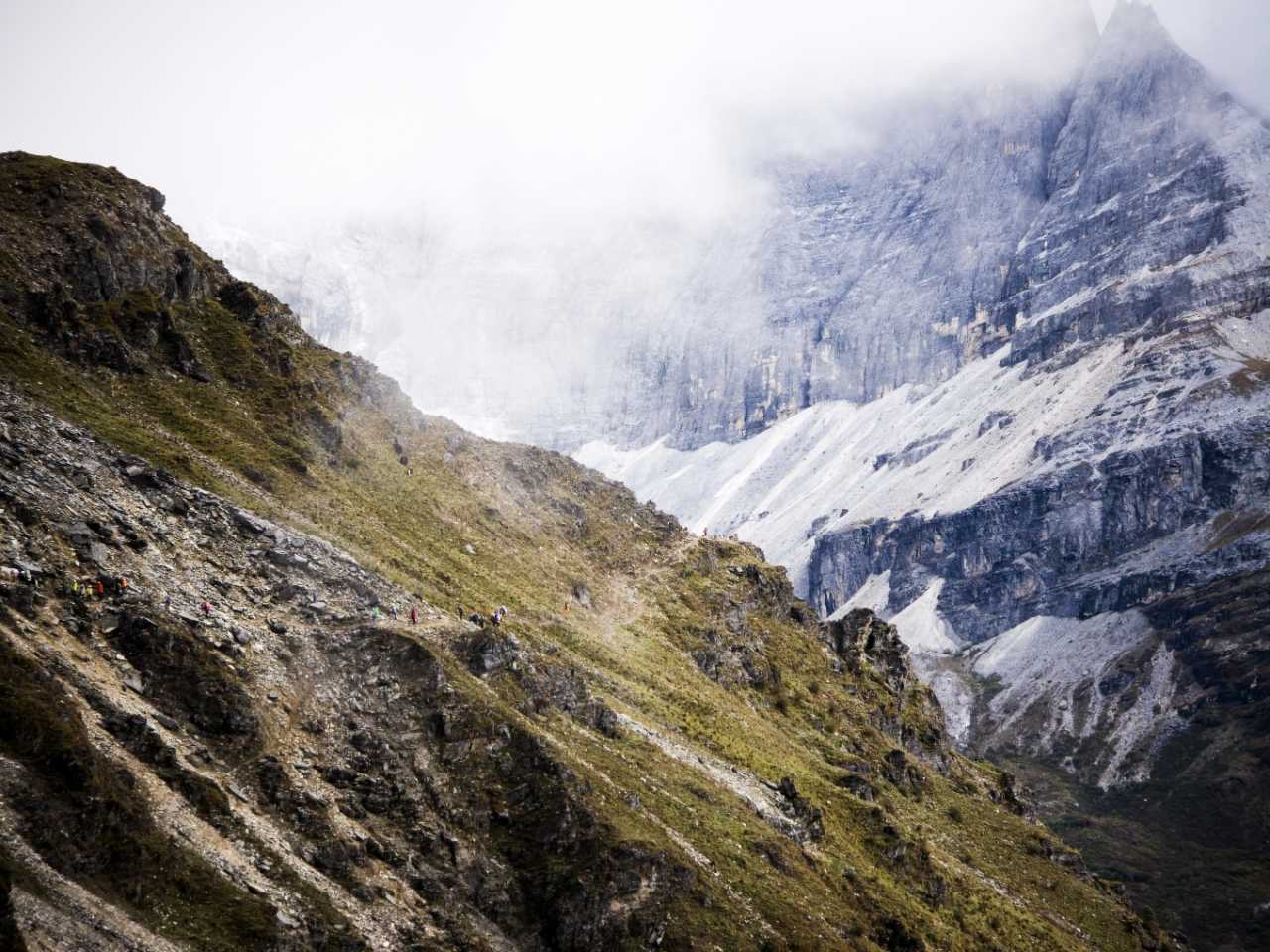
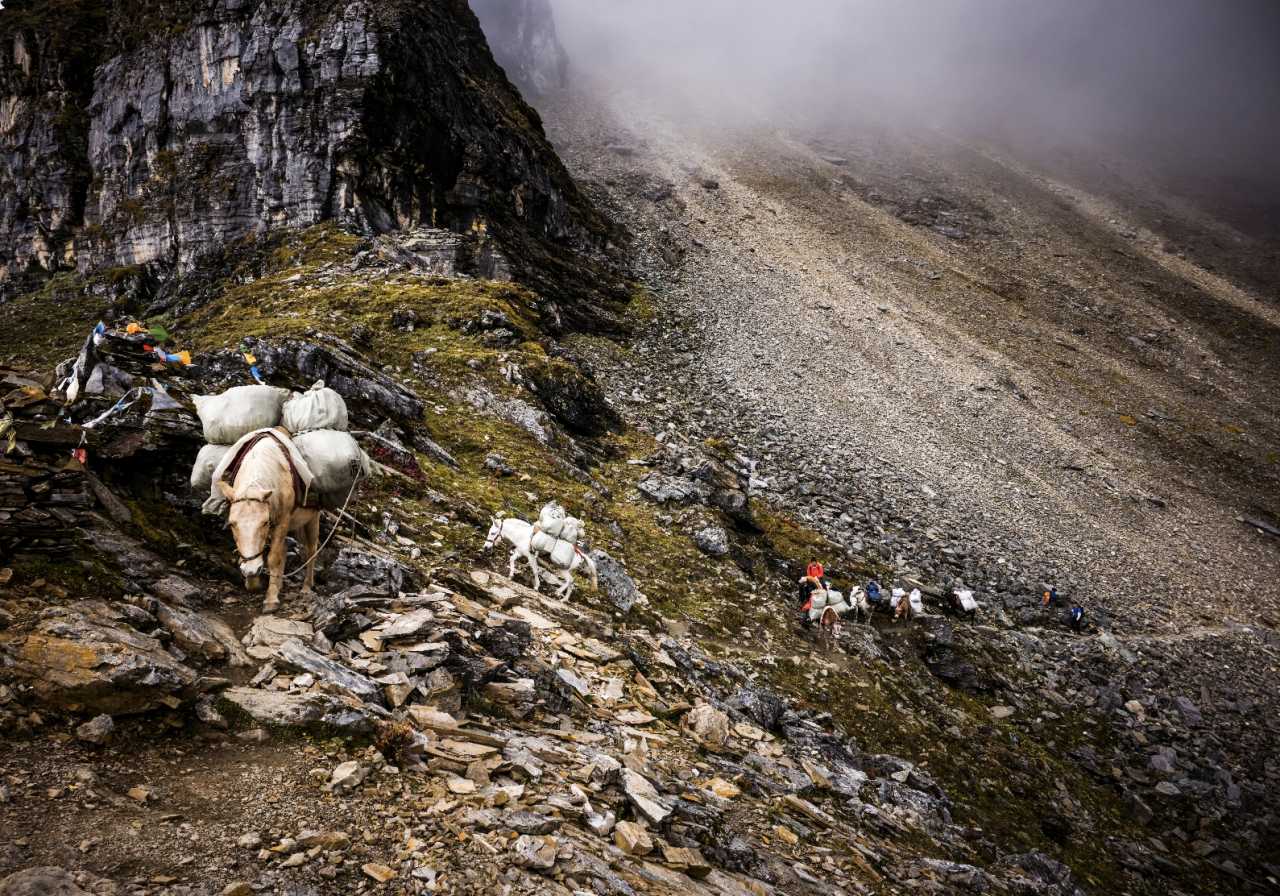
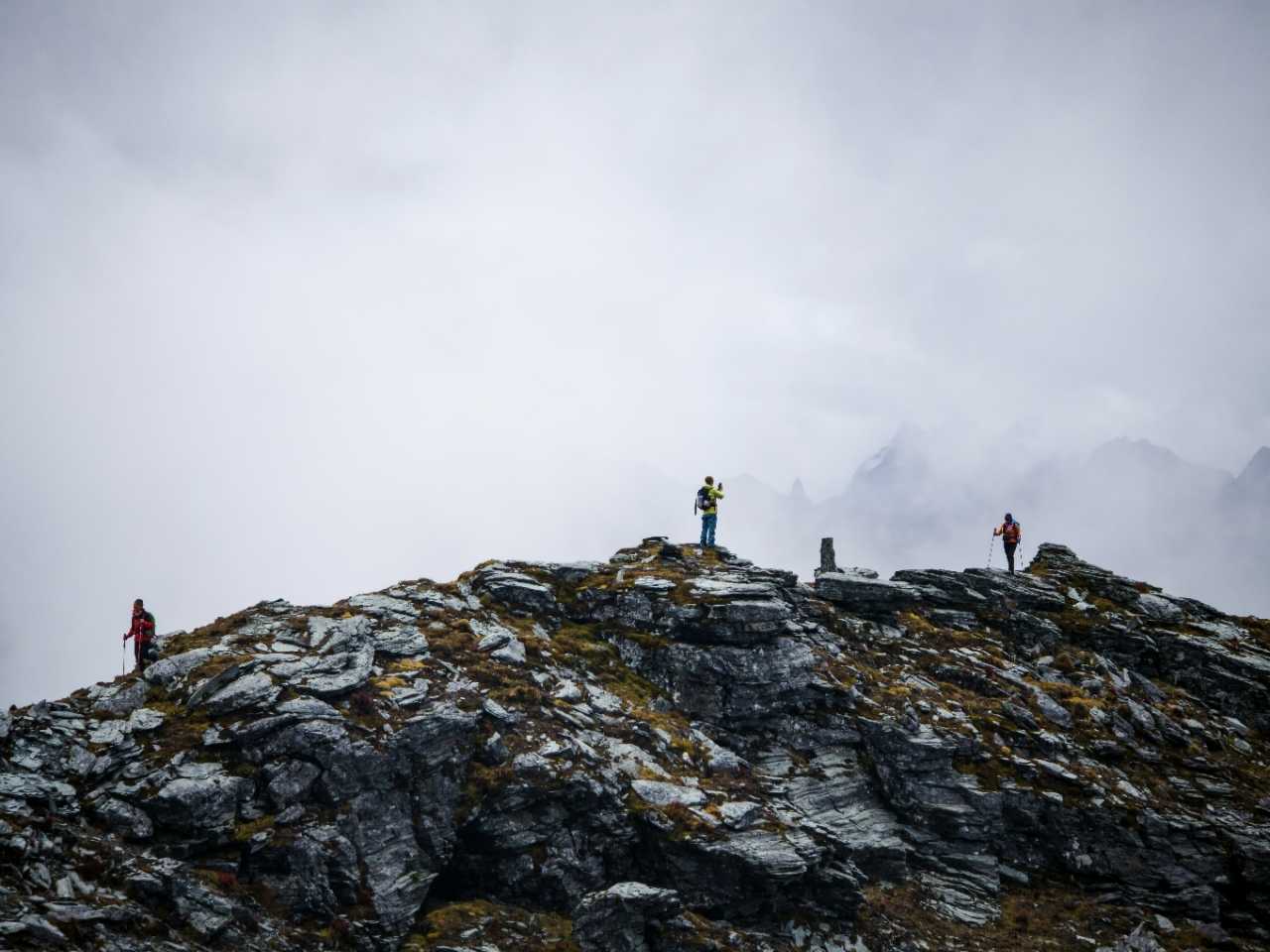
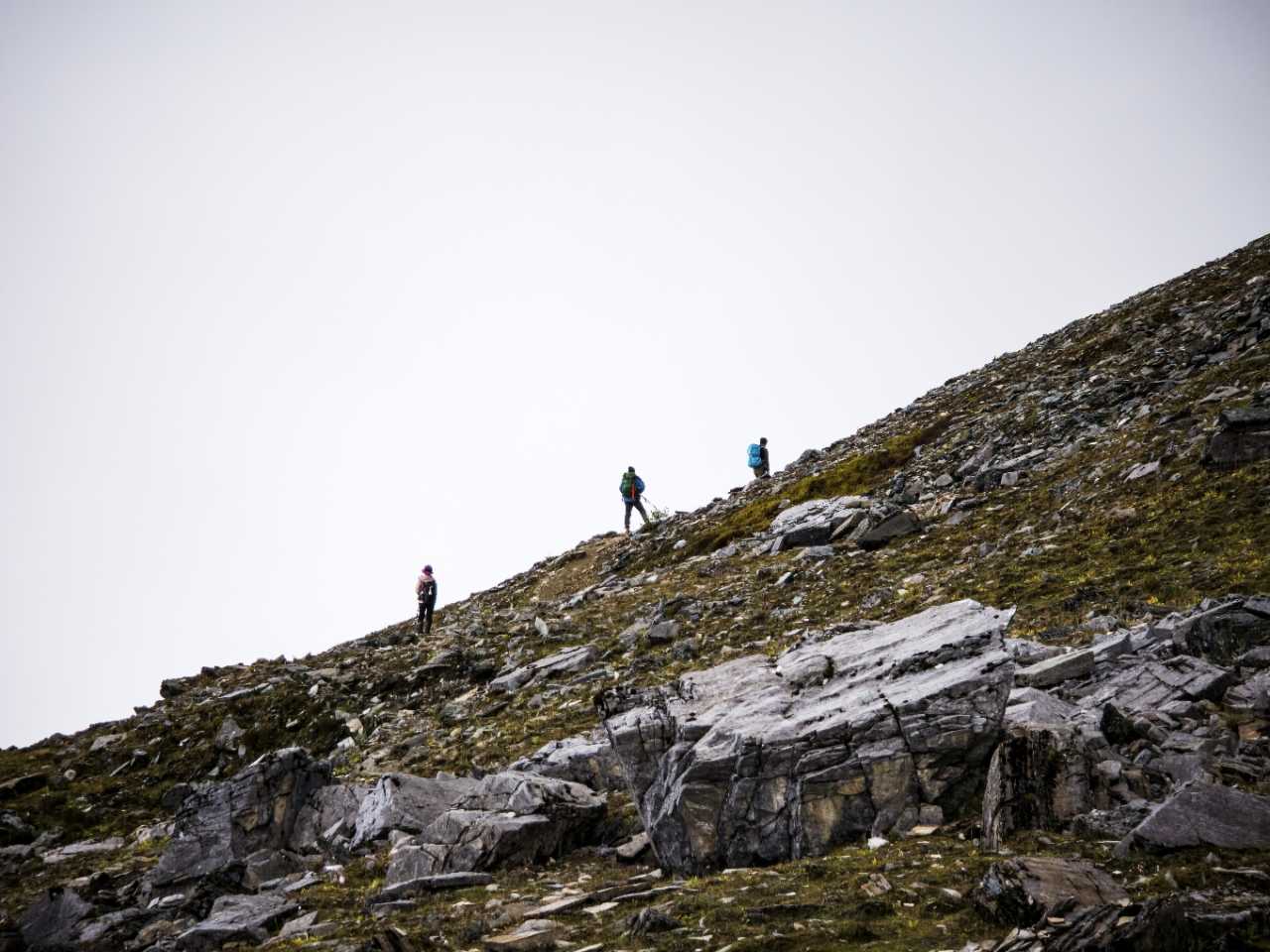
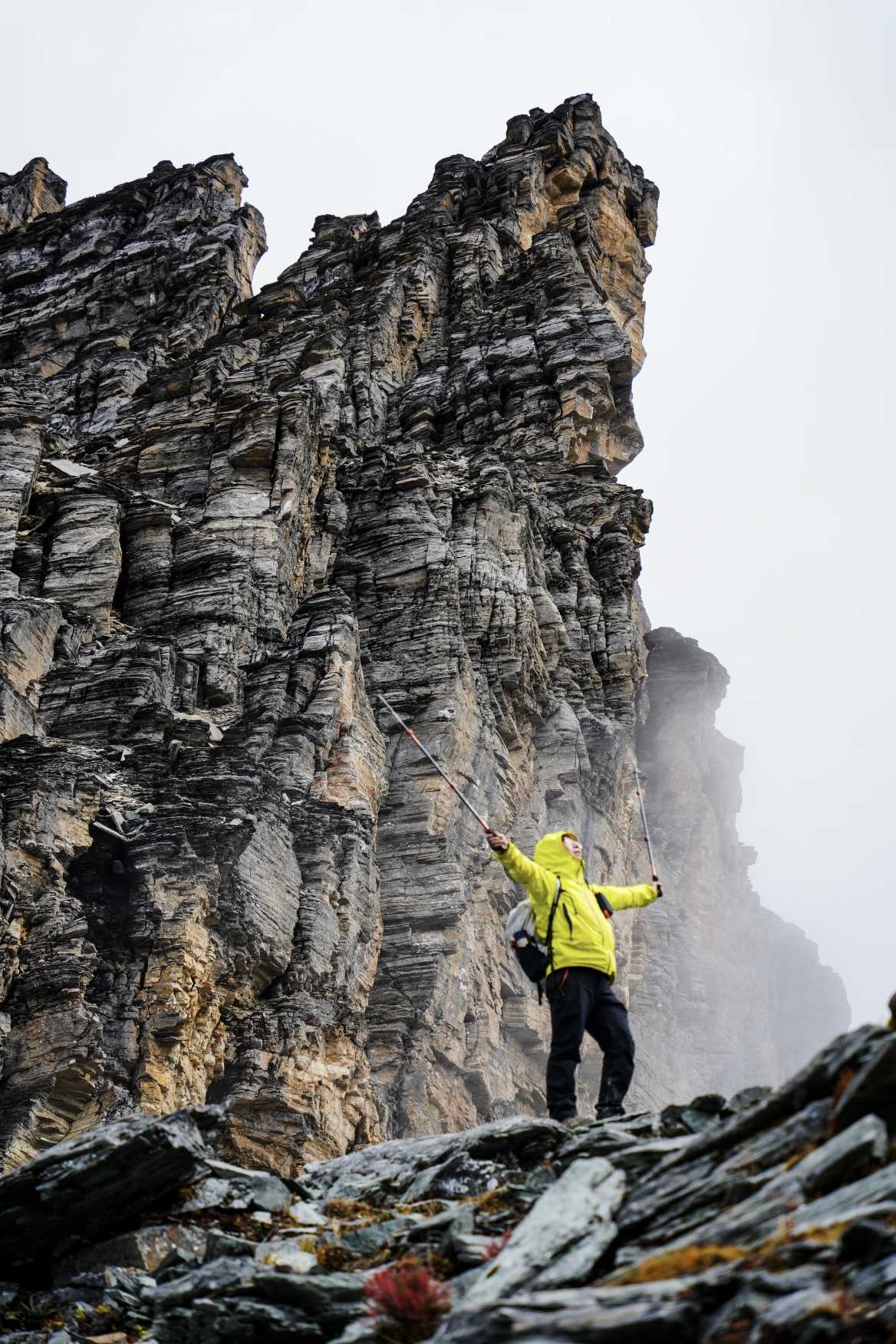
I embarked on the most treacherous path of the entire journey - the great traverse before Black Lake Pass. On the right were cliffs, on the left was an abyss. I walked extremely carefully, and to reduce my fear of heights, I focused only on my feet.
I know you have experience with such paths. Your first real hiking experience was the Tiger Leaping Gorge High Road. And when you carried such a heavy pack and easily passed through Tiger Mouth on your way to Medog. Not to mention every time you go mountaineering, you place yourself in extremely exposed environments.
Speaking of hiking to Medog, you once thought it was an achievement you could brag about for a lifetime, but now? People can come and go freely by car. This route has been deeply buried in the dust of history, and no one can understand the suffering and joy you experienced in the past.
 Daocheng Yading Scenic Area
 Daocheng Yading Scenic Area
 Daocheng Yading Scenic Area
To distract myself, I walked while letting my imagination run wild, stumbling through this long great traverse.
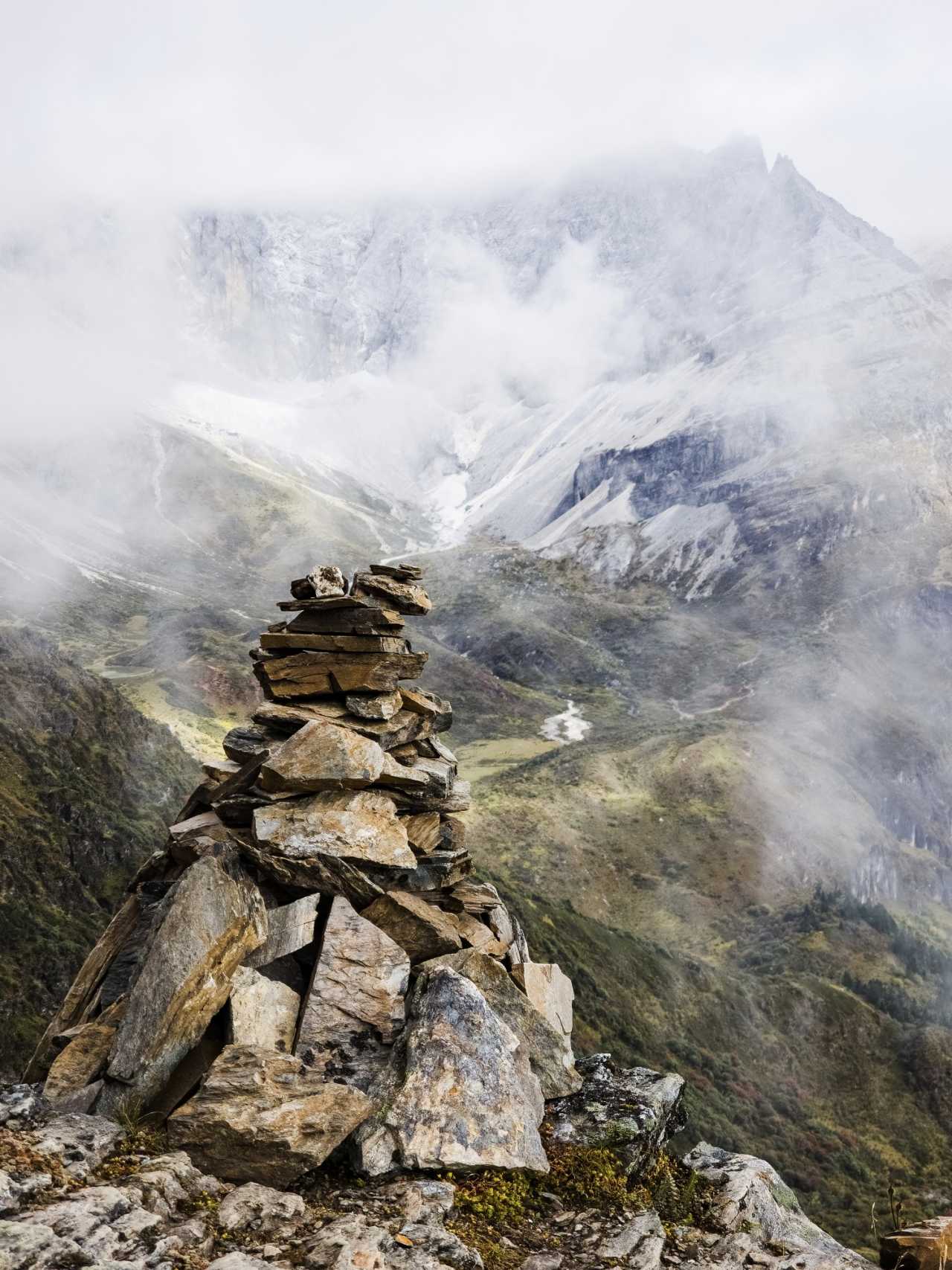
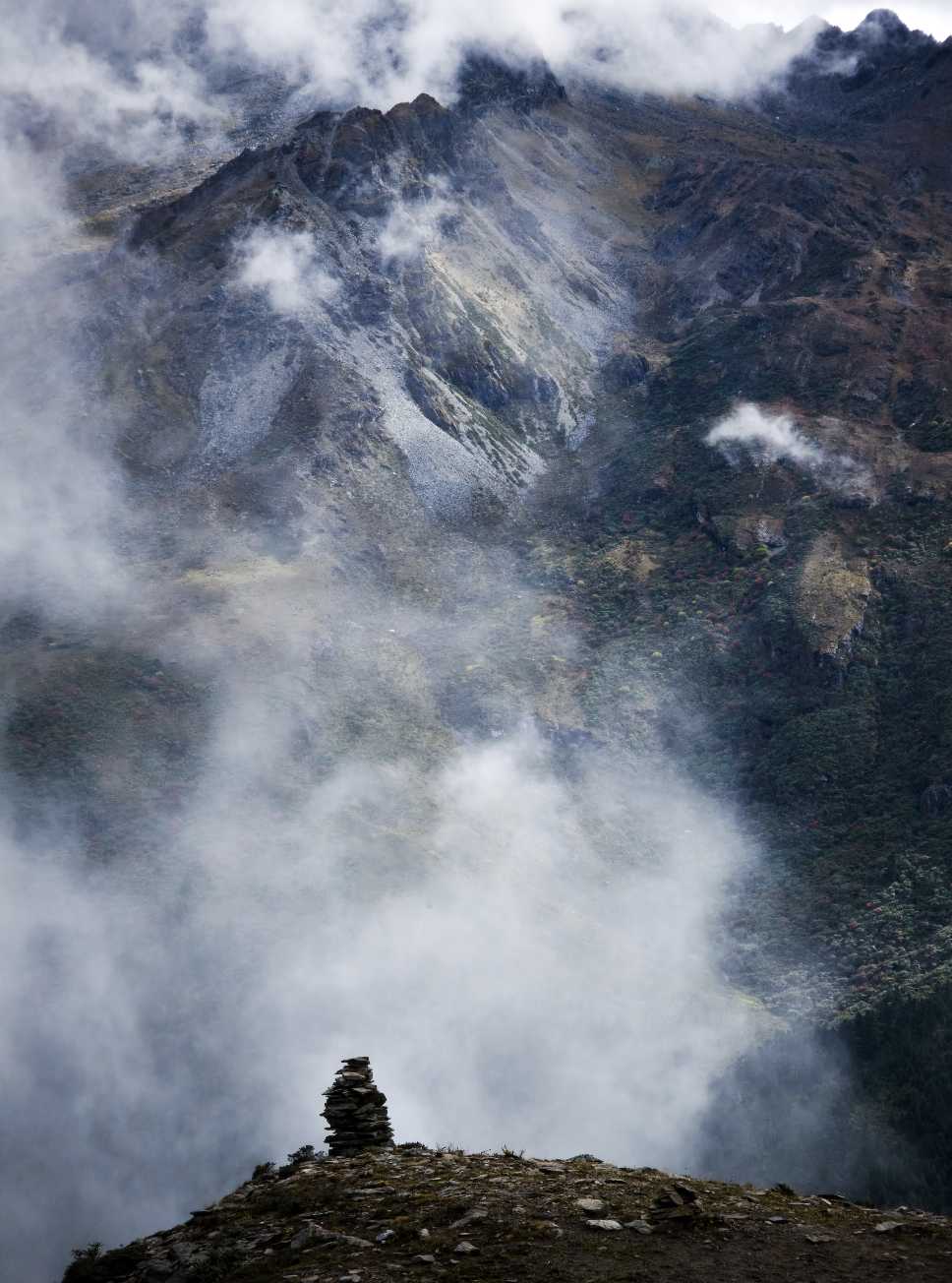
The fog rose again, covering sightlines and hiding dangers, which relaxed me somewhat. Today I actually didn't hate the fog but thanked it for providing shelter for my cowardice. Along the way, the cliffs disappeared, and only the quiet mani stone cairns guided my direction.
Today was the second day of consecutive two-passes-per-day. The first pass after the great traverse ranked first in difficulty for me in the entire great kora.
 Daocheng Yading Scenic Area
 Daocheng Yading Scenic Area
 Daocheng Yading Scenic Area
 Daocheng Yading Scenic Area
 Daocheng Yading Scenic Area
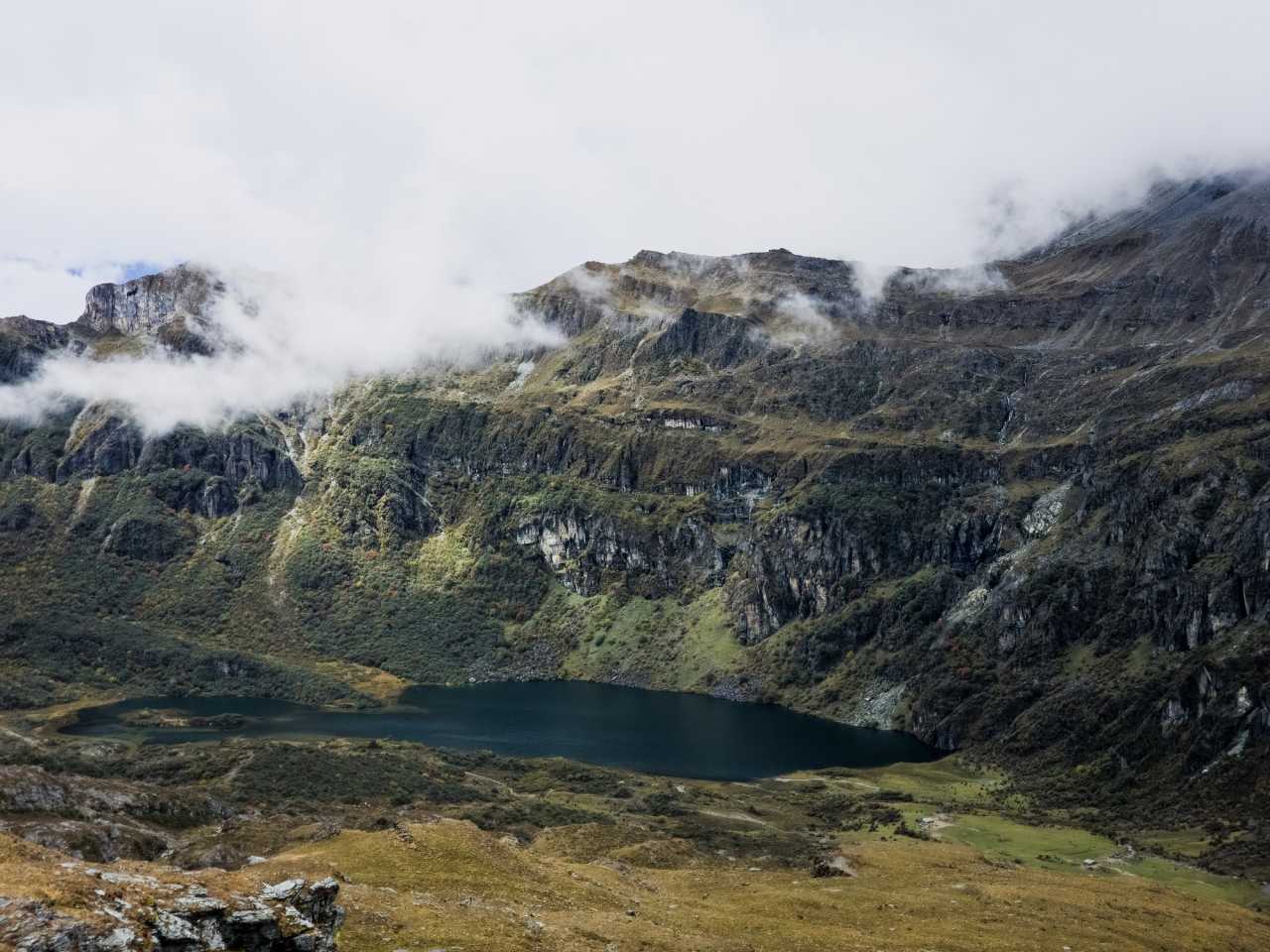
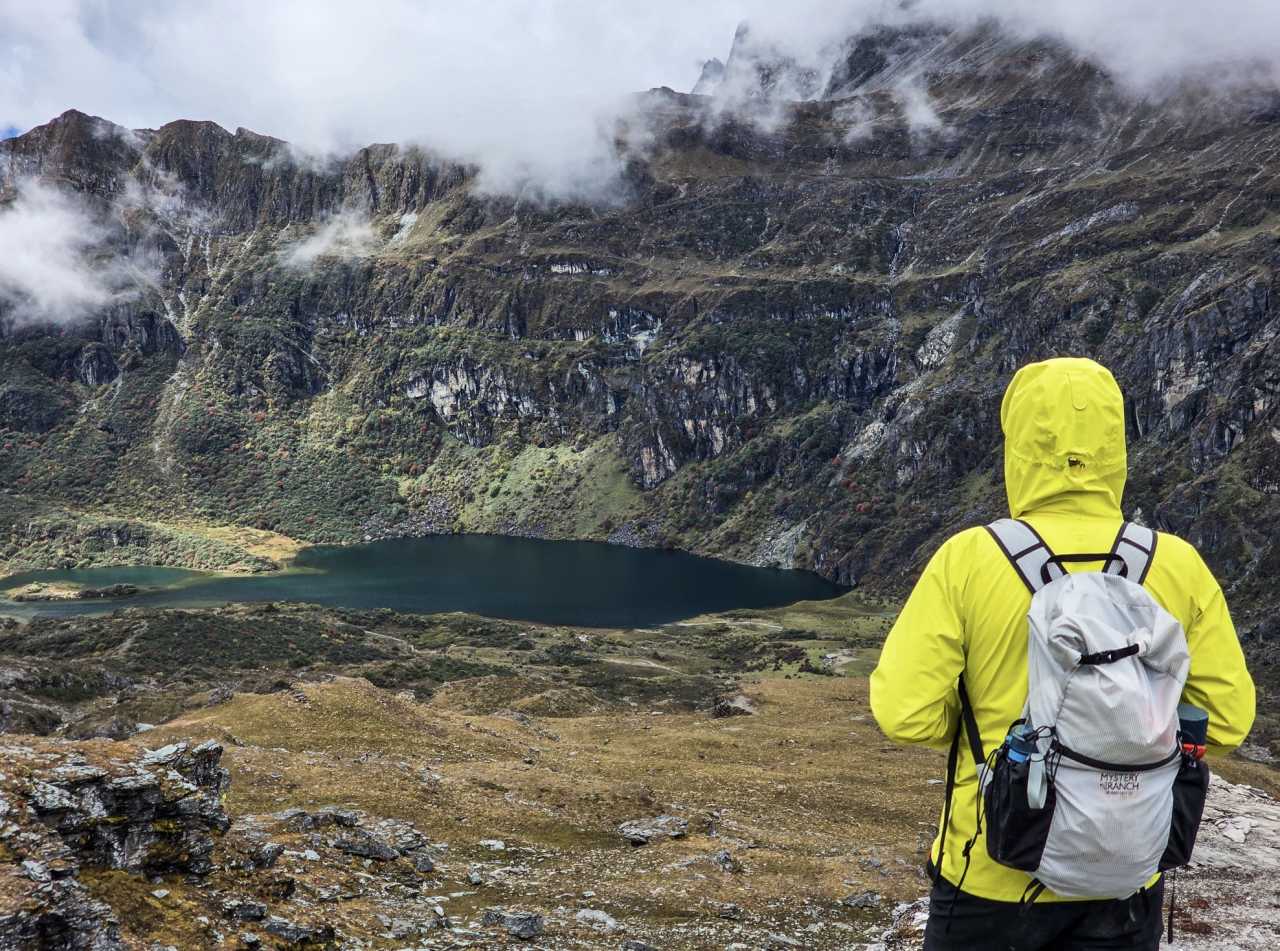
Behind the pass hides a small Black Lake. In overcast conditions, the lake water looks more like thick ink, making it impossible to guess its depth. I didn't go down to the lakeside, just looked from afar. The lake wasn't large but exuded an indescribable mysterious aura. I guessed there wouldn't be fish in the lake, but water monsters didn't seem impossible.
I secretly hoped to see something, like how some people can see past and future lives at Lhamo La-tso. But my spiritual awareness wasn't high enough, and my stomach was growling, sending urgent signals to my brain to eat, interrupting my thoughts.
 Daocheng Yading Scenic Area
 Daocheng Yading Scenic Area
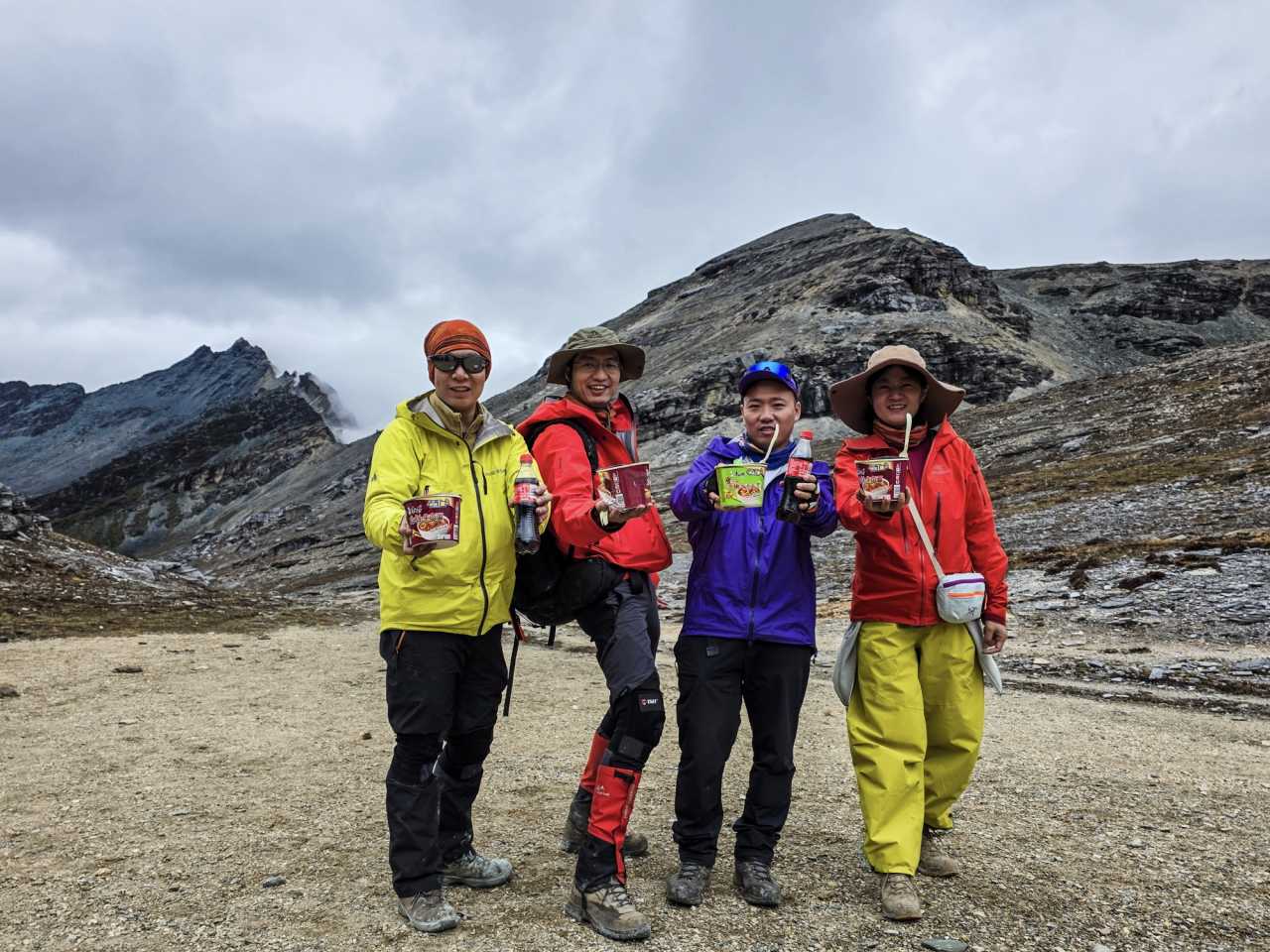
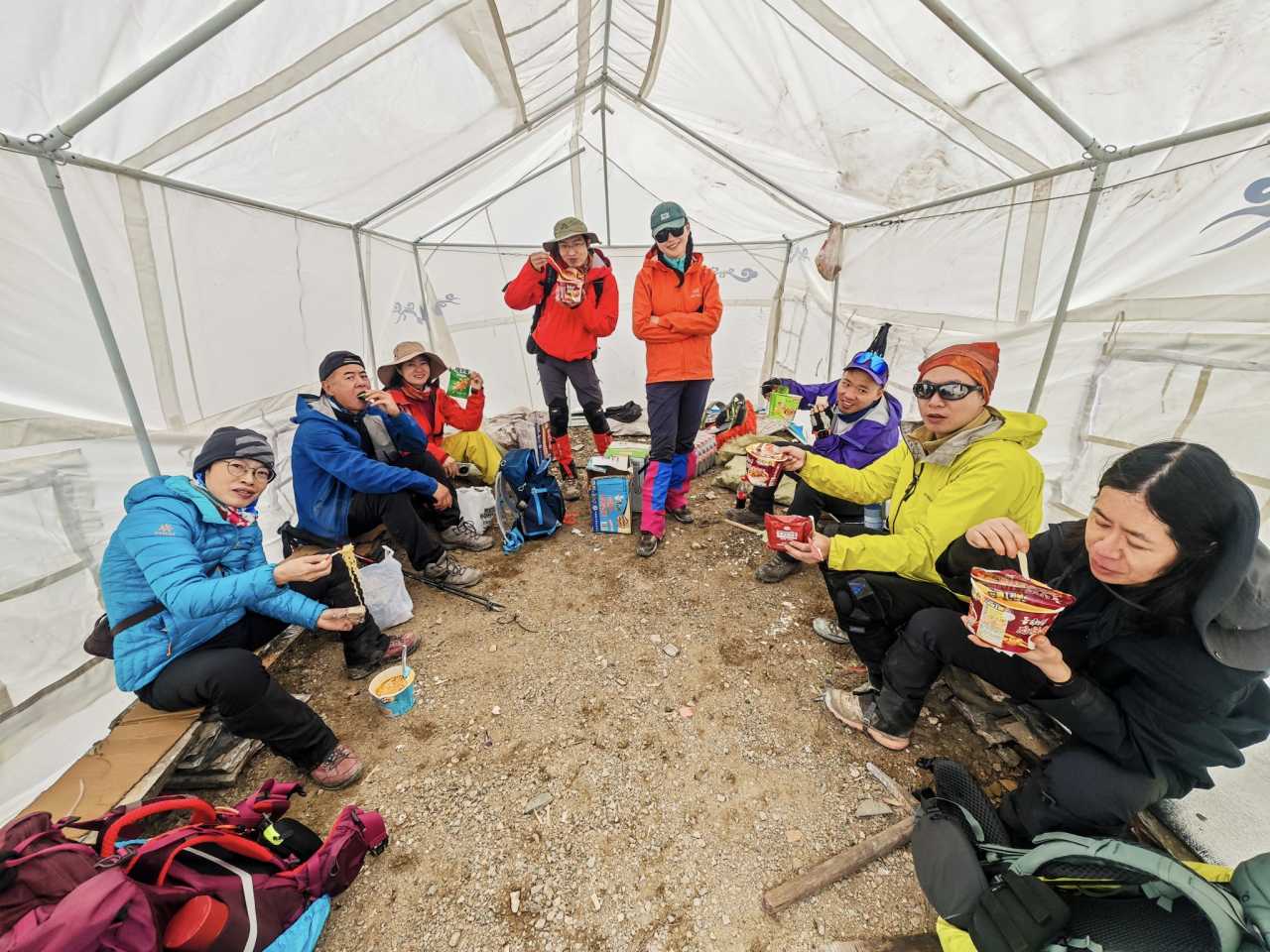
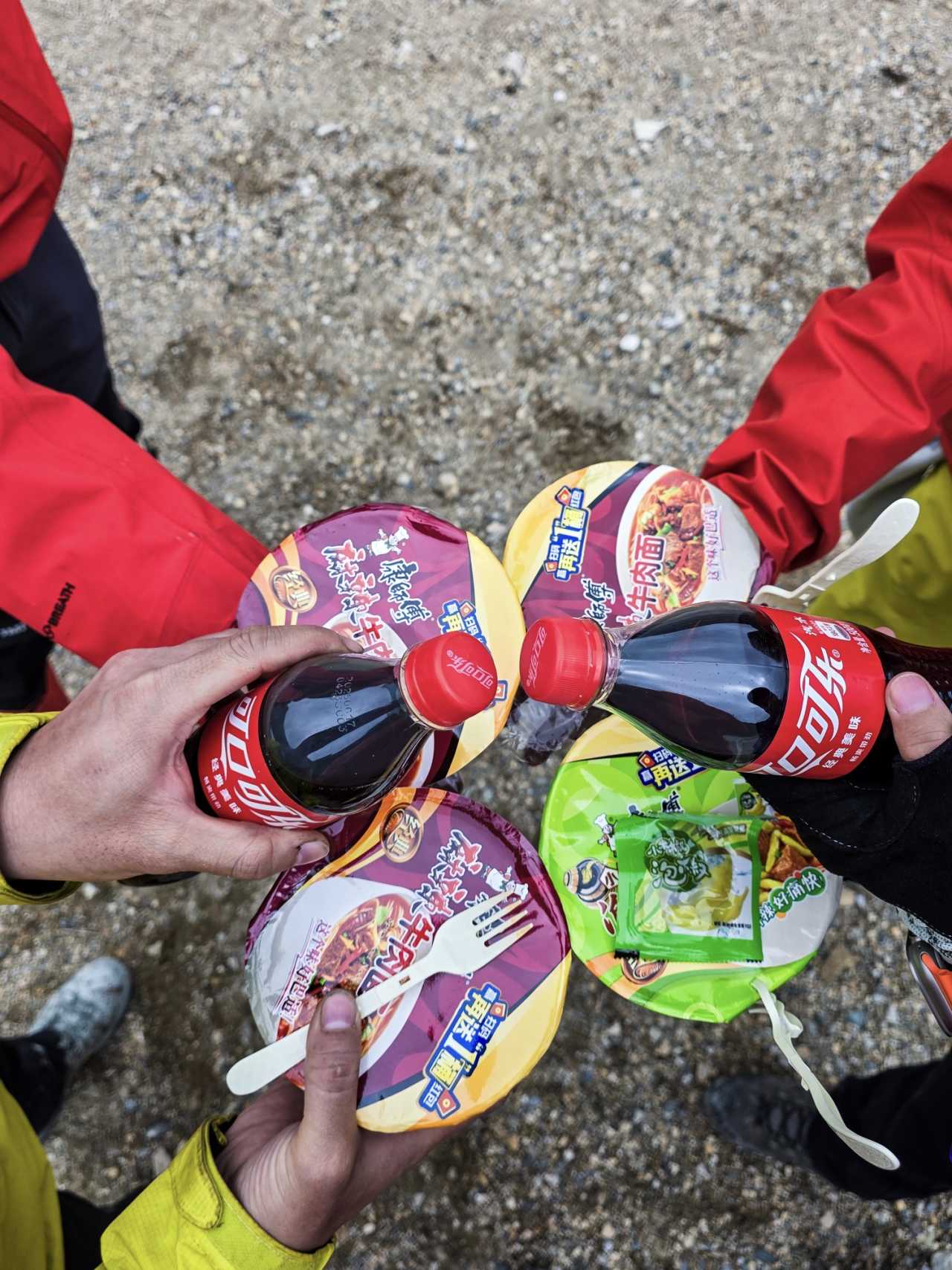
As if thinking of something made it appear - someone actually set up a tent on the trail from Black Lake Pass to Butterfly Stone, selling instant noodles and Coke. These two things I normally almost never touch became soul-healing medicine on this cold, desolate hiking trail.
No one in our group could resist this temptation that was thousands of times more lethal than female or male charm. We all surrendered to instant noodles and Coke. Things you might not even glance at in the city became the ultimate delicacy at this moment.
 Daocheng Yading Scenic Area
 Daocheng Yading Scenic Area
 Daocheng Yading Scenic Area
After comforting my stomach and warming my heart, I walked the subsequent descending path with the feeling of Nezha riding wind and fire wheels, suddenly full of vigor. On a flat downhill section, I even put away my trekking poles and started trail running mode with Guide Xiao Wu, but I couldn't even catch up with his taillights.
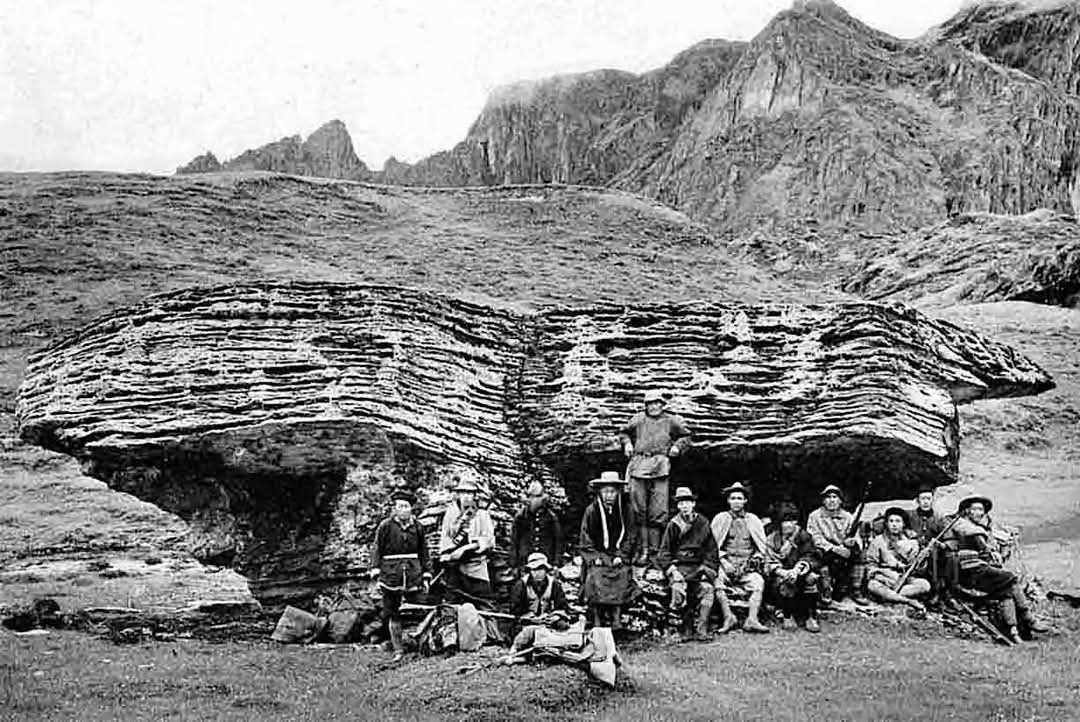
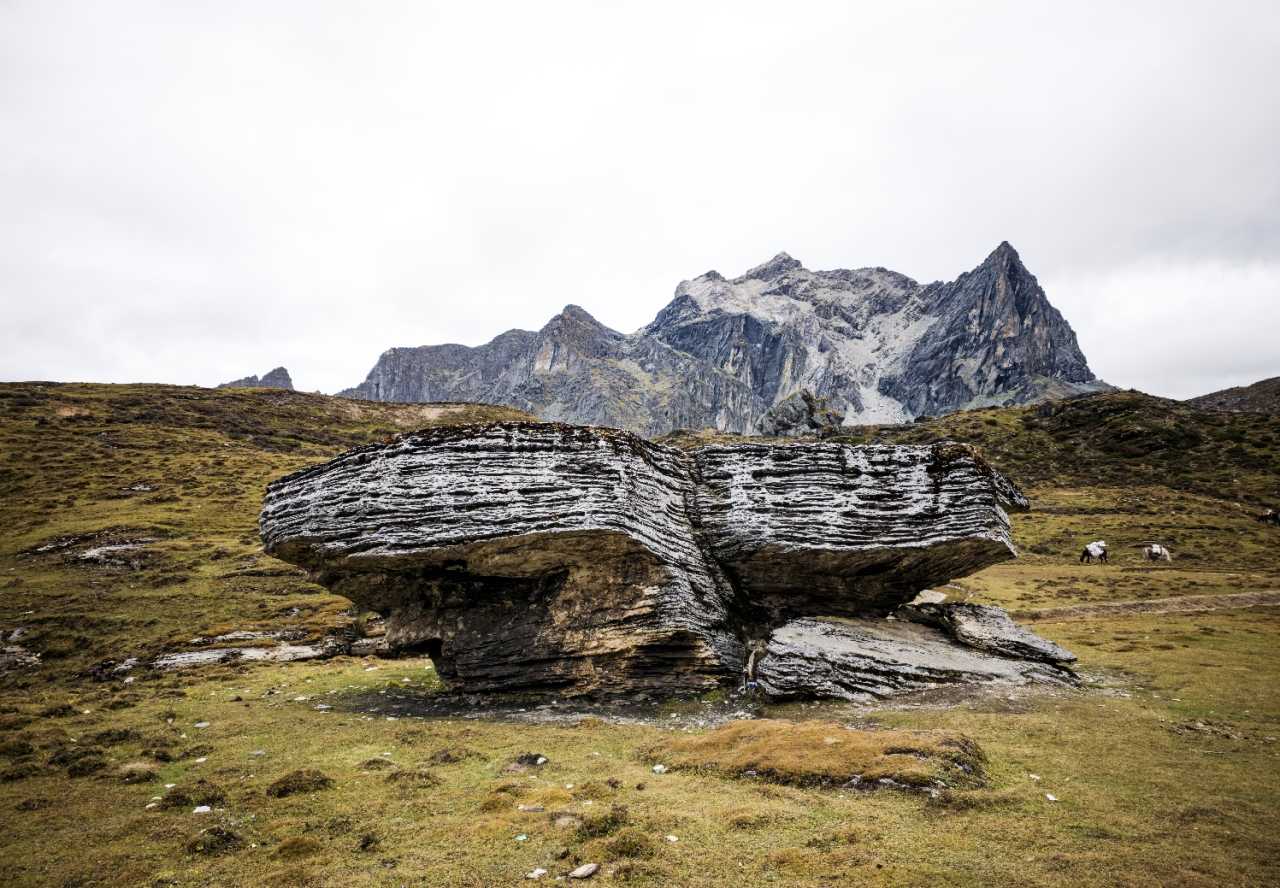
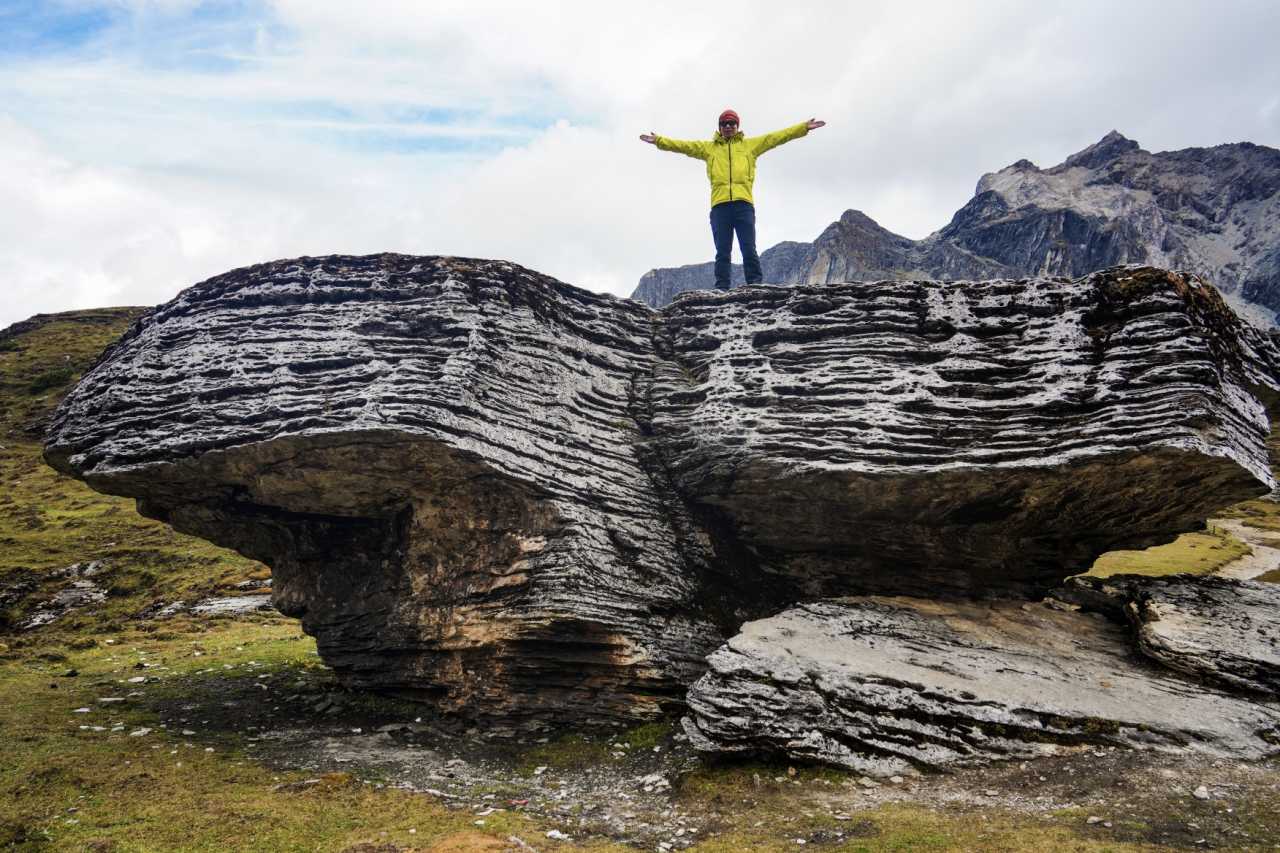
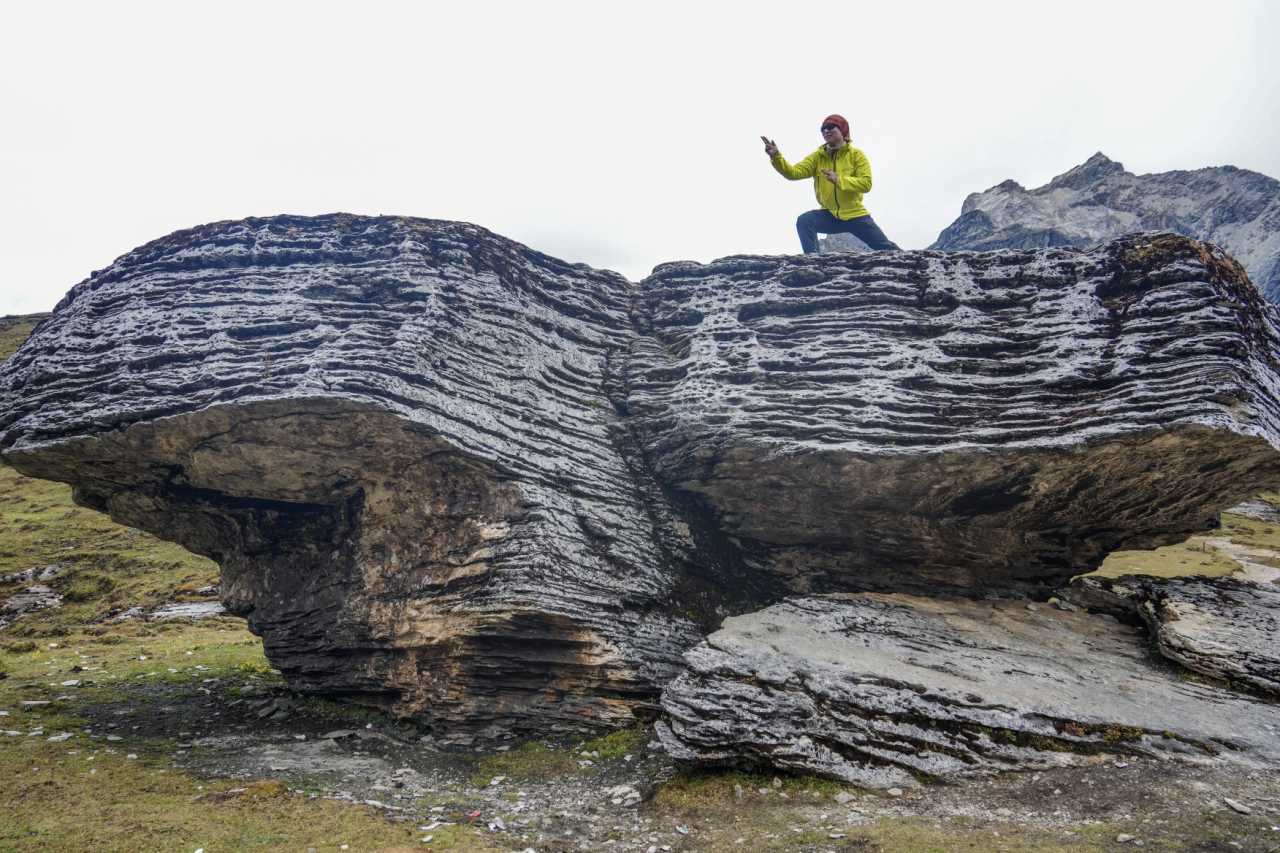
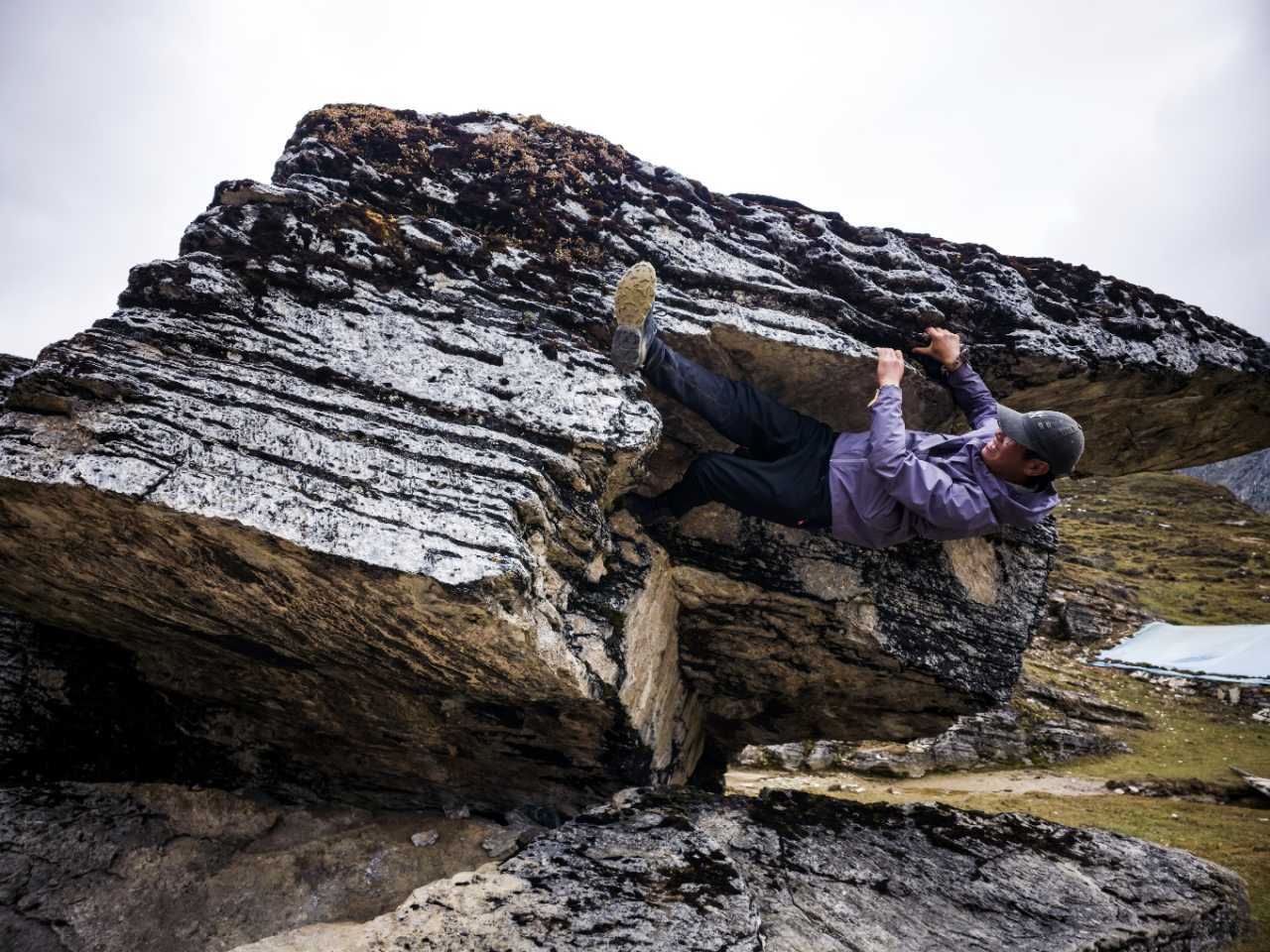
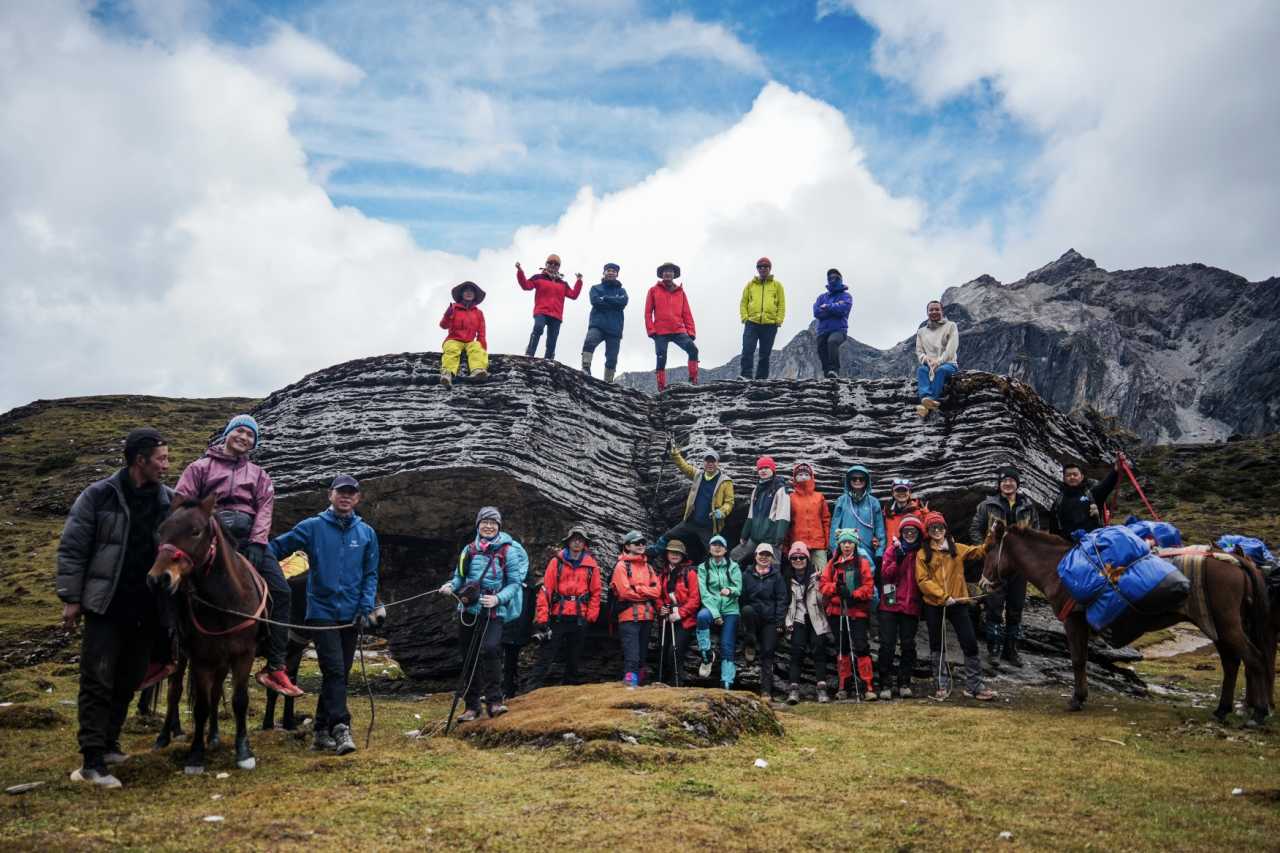
Butterfly Stone, named for its butterfly-like appearance, has special significance on the hiking route. A historically famous explorer, anthropologist, and naturalist took a classic photo here. Later, he revealed this hidden and magnificent corner of the earth to the world, and his academic papers and expedition writings became the inspiration for James Hilton's creation. Taking photos at Butterfly Stone to recreate the classic is a ritual every hiker who reaches here must complete, including our large group.
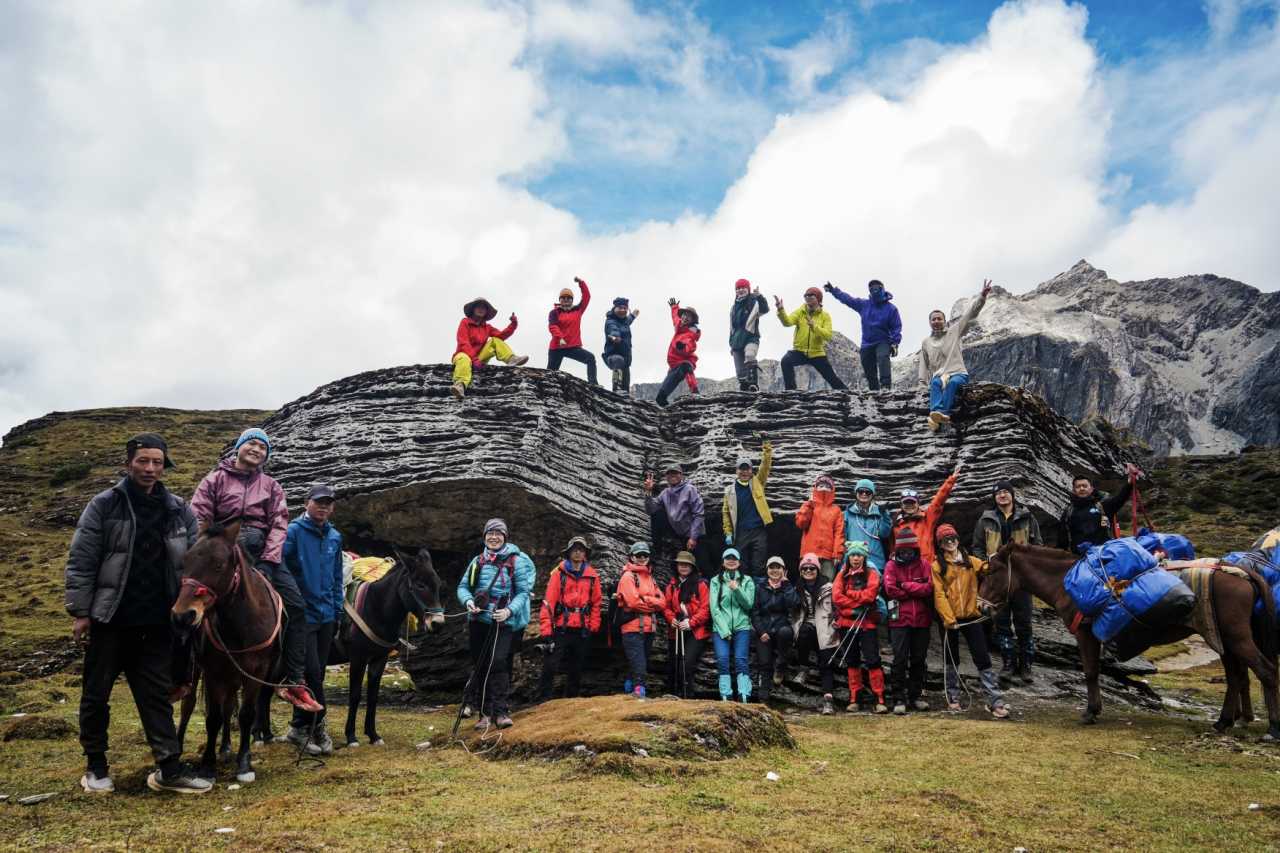
Everyone took photos with Butterfly Stone, imagining what it looked like a hundred years ago. That was another great era of exploration after the great voyages, when people full of pioneering spirit turned their attention to Asia, especially the Himalayas, Karakoram, and Hengduan Mountains. From oceans to high mountains, great humanity has never given up exploring the earth.
 Daocheng Yading Scenic Area
 Daocheng Yading Scenic Area
 Daocheng Yading Scenic Area
 Daocheng Yading Scenic Area
 Daocheng Yading Scenic Area
 Daocheng Yading Scenic Area
 Daocheng Yading Scenic Area