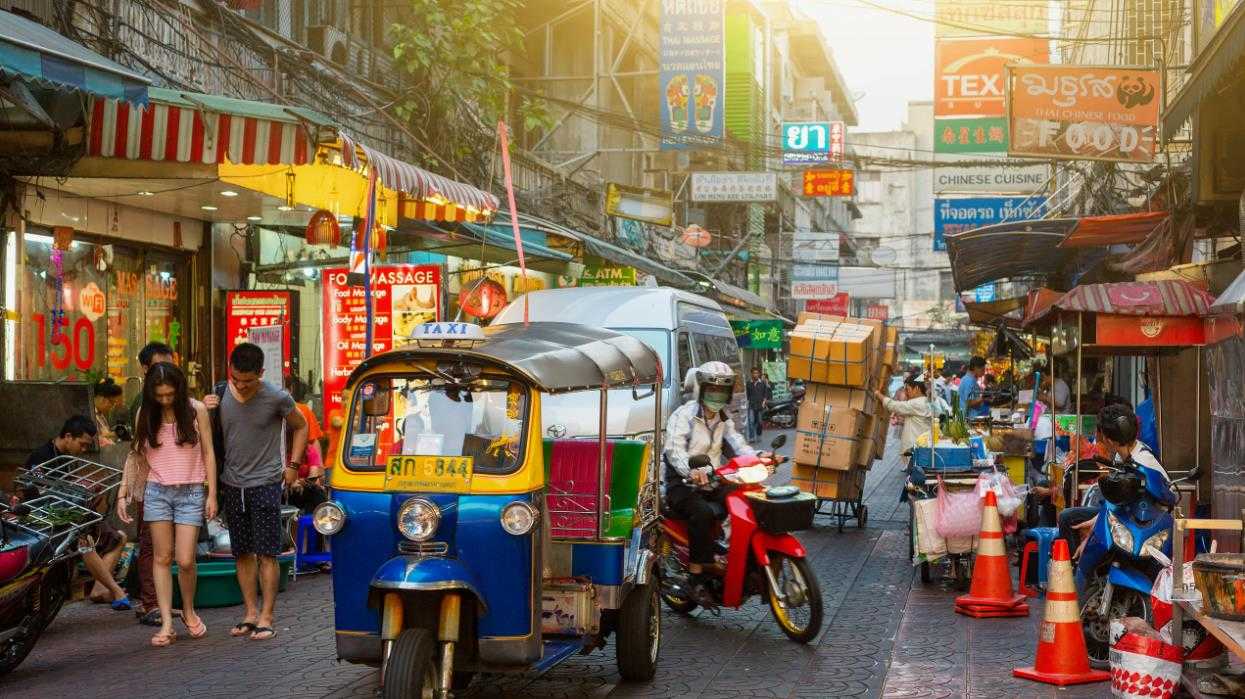
Foreword——Practical Information
“Dad, where are we going this year?”
I answered “Thailand” without hesitation.
Thailand’s unique charm, mature tourism, and widespread English in service roles make it friendly for travelers. With my daughter in kindergarten and a 4‑hour flight, plus low costs, distinct culture, beautiful scenery, solid infrastructure, and stable public security, it was ideal for a multigenerational trip.
We chose Bangkok (culture) and Phuket (island resort) for 7 days/6 nights, focusing on central Bangkok sights and 4 days in Phuket with one island‑hopping day, skipping farther Ayutthaya and the floating/railway markets.
Best season: Nov–Feb (cool and sunny, pricier). Mar–May is hot; Jun–Aug rainy. We went in early March; avoid 1–3 pm and heat is bearable.
Flights: booked ~3 months ahead—AirAsia Shanghai → Bangkok; Bangkok → Phuket; return Phuket → Shanghai on Spring Airlines (an afternoon flight). About 2000 RMB per person incl. tax. AirAsia allows one carry‑on; a 20‑inch case plus small backpack usually passes. Checked baggage is extra (prebook ~20 kg for ~180 RMB). Preorder meals/seats online.
Money: exchange shops ~4.8 rate; cards and Alipay QR widely accepted.
Tipping: 20 THB for bellhops, negotiated taxi fares, hotel cleaners; more for day tours/guides; 20–50 THB for servers and massage therapists. Don’t tip coins.
SIM: 7‑day HAPPY card online (4G + unlimited 2G/3G, calls). Don’t activate in China. Local purchase costs more.
Visa: DIY or agent; submissions in Beijing, Shanghai, Guangzhou per hukou. Visa‑on‑arrival costs more.
Sights: river‑side attractions like Wat Arun are easy via Chao Phraya boats.
Day 1—Bangkok, here we come
Like Shanghai, Bangkok has two main airports: Don Mueang (DMK), serving budget airlines such as AirAsia, Lion Air, and Spring Airlines; and Suvarnabhumi International Airport (BKK). Our flight was at 06:40, so we left at 02:30 to start our Thailand trip. Due to air traffic control, departure was delayed by over an hour. Many travelers connecting to Phuket were worried. Considering immigration time, leave 3–4 hours for connections. Note: fill out the arrival/departure card on the plane. Immigration keeps the arrival card; keep the departure card safe. Some hotels need it at check‑in. I lost mine but was allowed to fill a new one; solo travelers may face more hassle. Since hotel check‑in is at 2 pm, we had lunch at the airport first. Don Mueang’s 4th floor has a food court where you can push your luggage in—convenient and inexpensive.
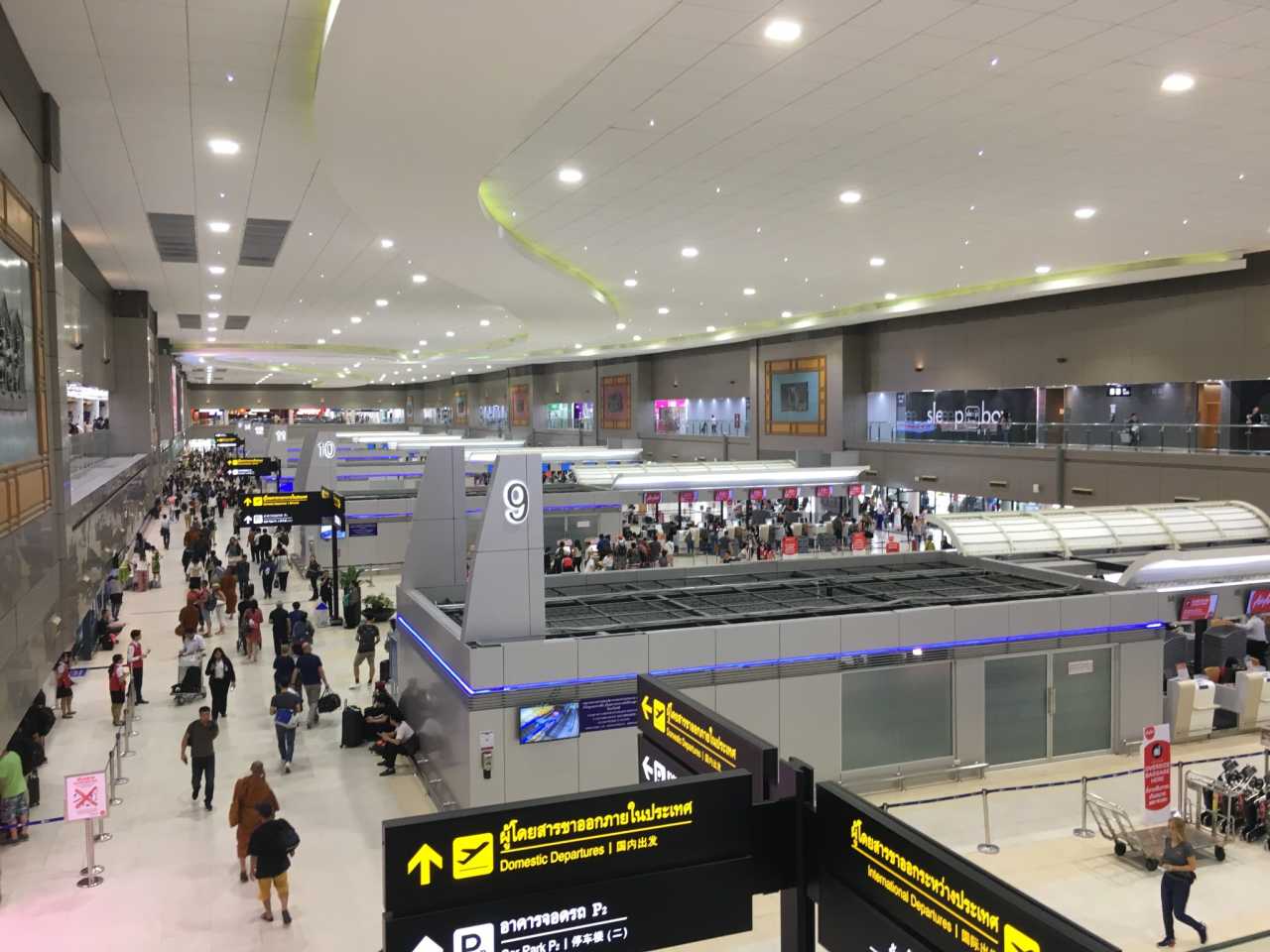 King Power Duty‑free, Don Mueang Airport
We didn’t encounter cash checks at immigration, but bring enough cash just in case (e.g., 4000 THB per person, 20000 THB per family or equivalent). Visa‑on‑arrival seems more likely to be checked. Immigration was efficient—officers asked few questions and stamped us through. We did see one traveler sent to secondary inspection.
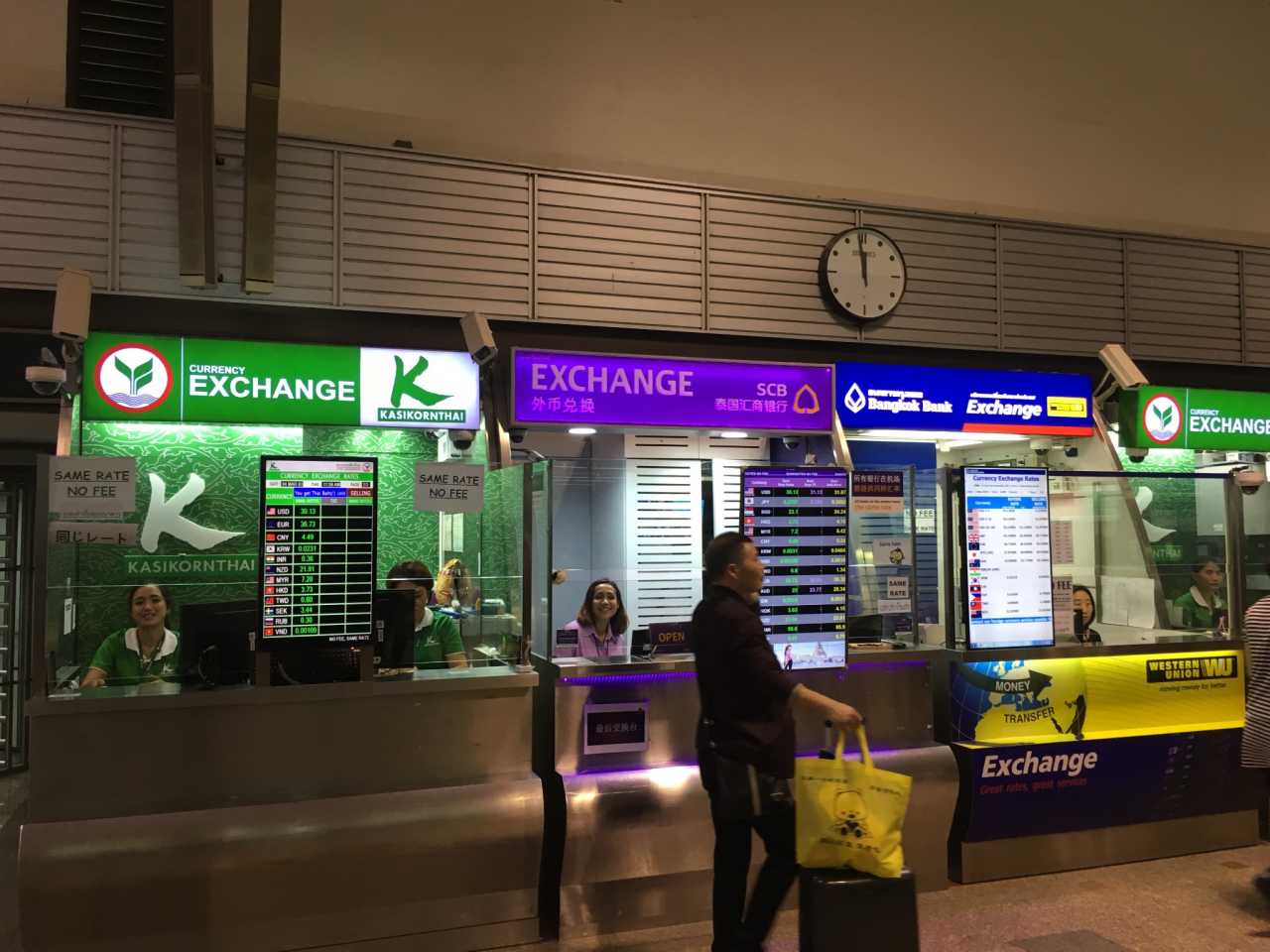 King Power Duty‑free, Don Mueang Airport
There are exchange counters in the airport with rates similar to home. After lunch at 1 pm we headed to the hotel.
Suvarnabhumi links to the city by rail, but Don Mueang has no metro yet. Options are taxi or bus. Taxi without expressway is about 200 THB; expressway toll is 50 THB and taxis inside the terminal charge more, so hire outside. A budget option is Airport Bus A1 at Gate 6 on the 1st‑floor exit to BTS Mo Chit (30 THB per person, ~20+ minutes). From BTS Mo Chit transfer to BTS/MRT for your hotel. Conductors sell tickets onboard using a cylindrical ticket container—charming and old‑school.
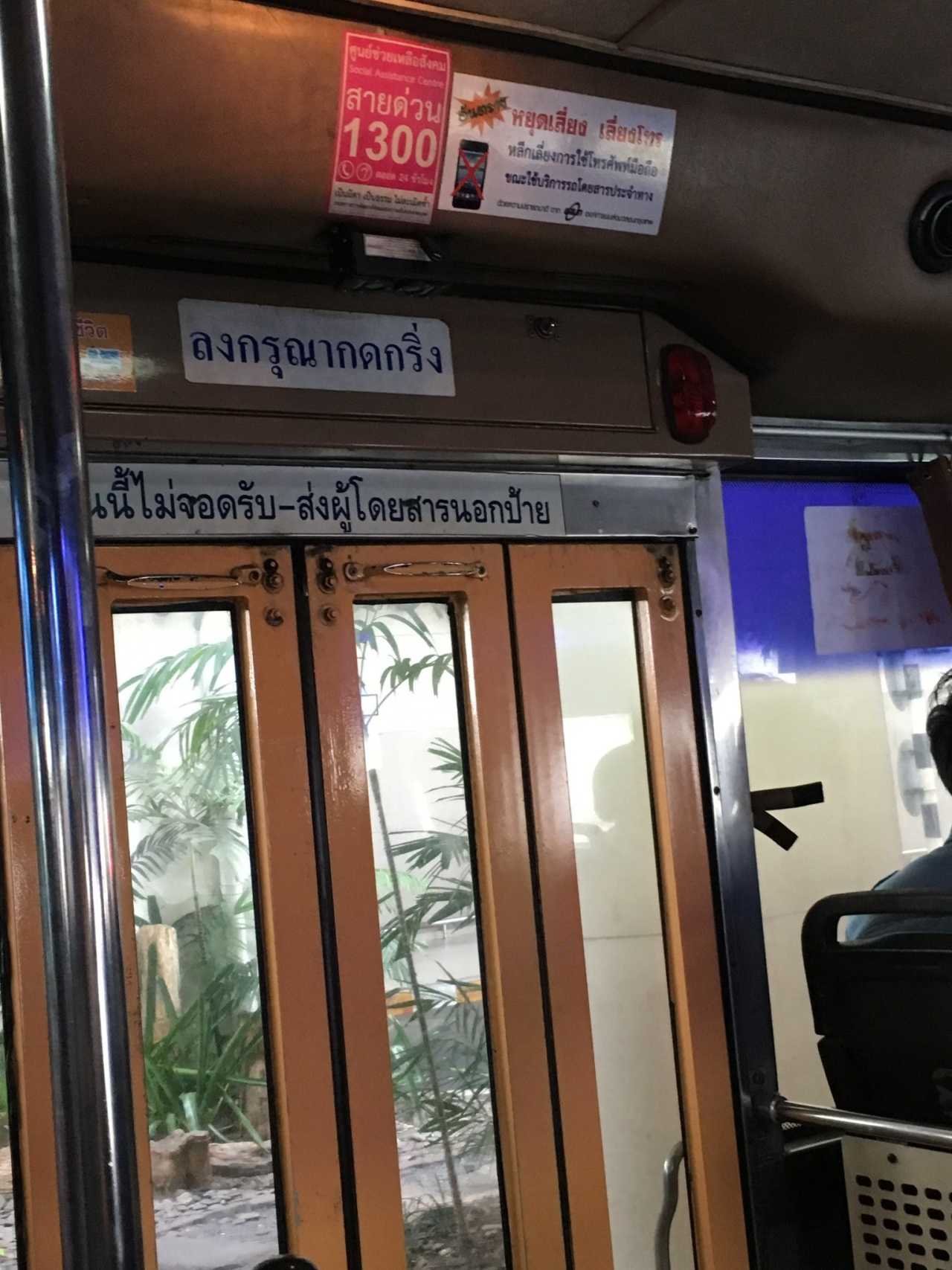
This is Airport Bus A1—it looks more like a regular city bus.
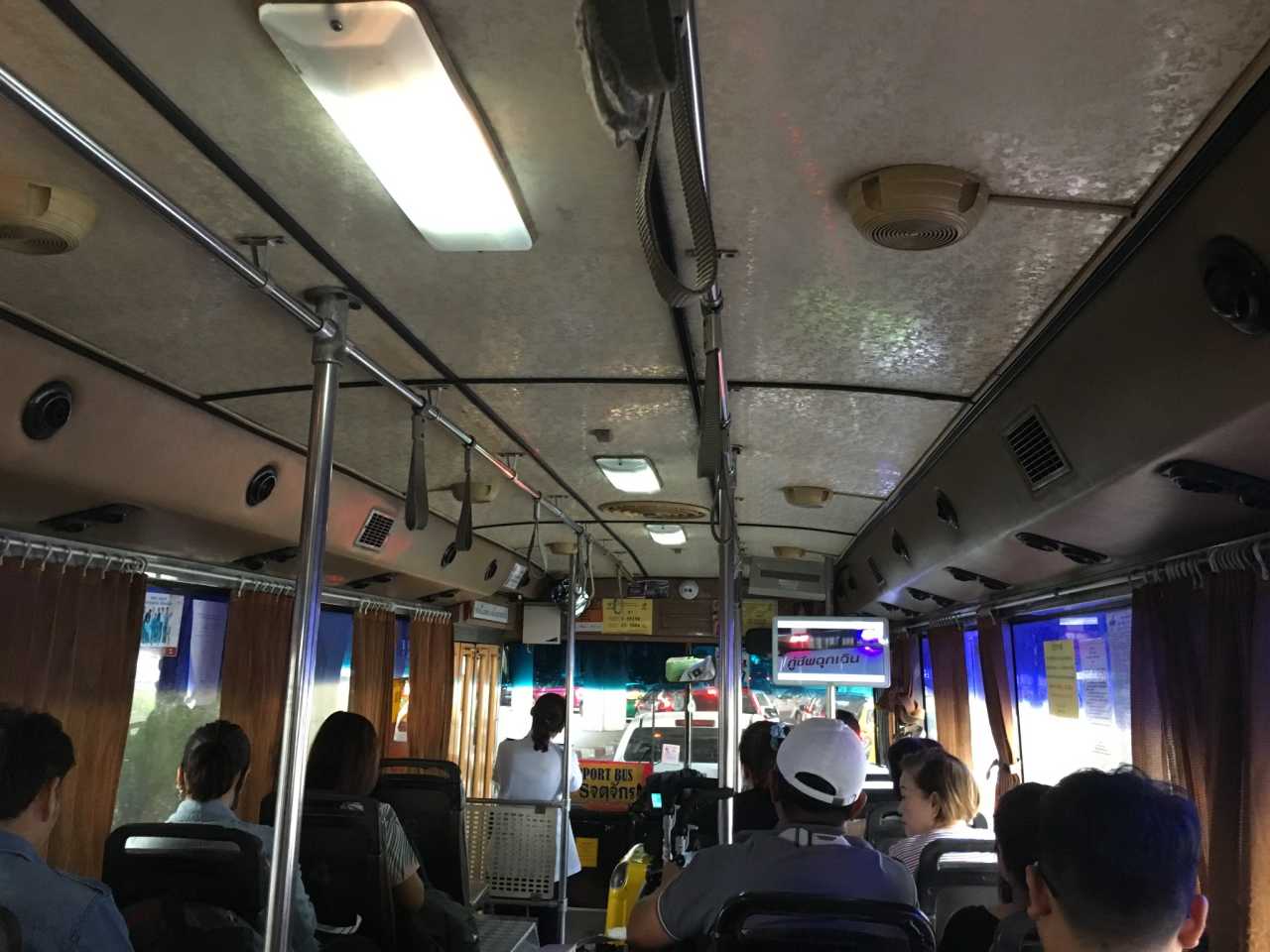
Announcements are only in Thai and hard to follow, but most passengers get off at the metro; follow the crowd. I confirmed with a British passenger to be safe.
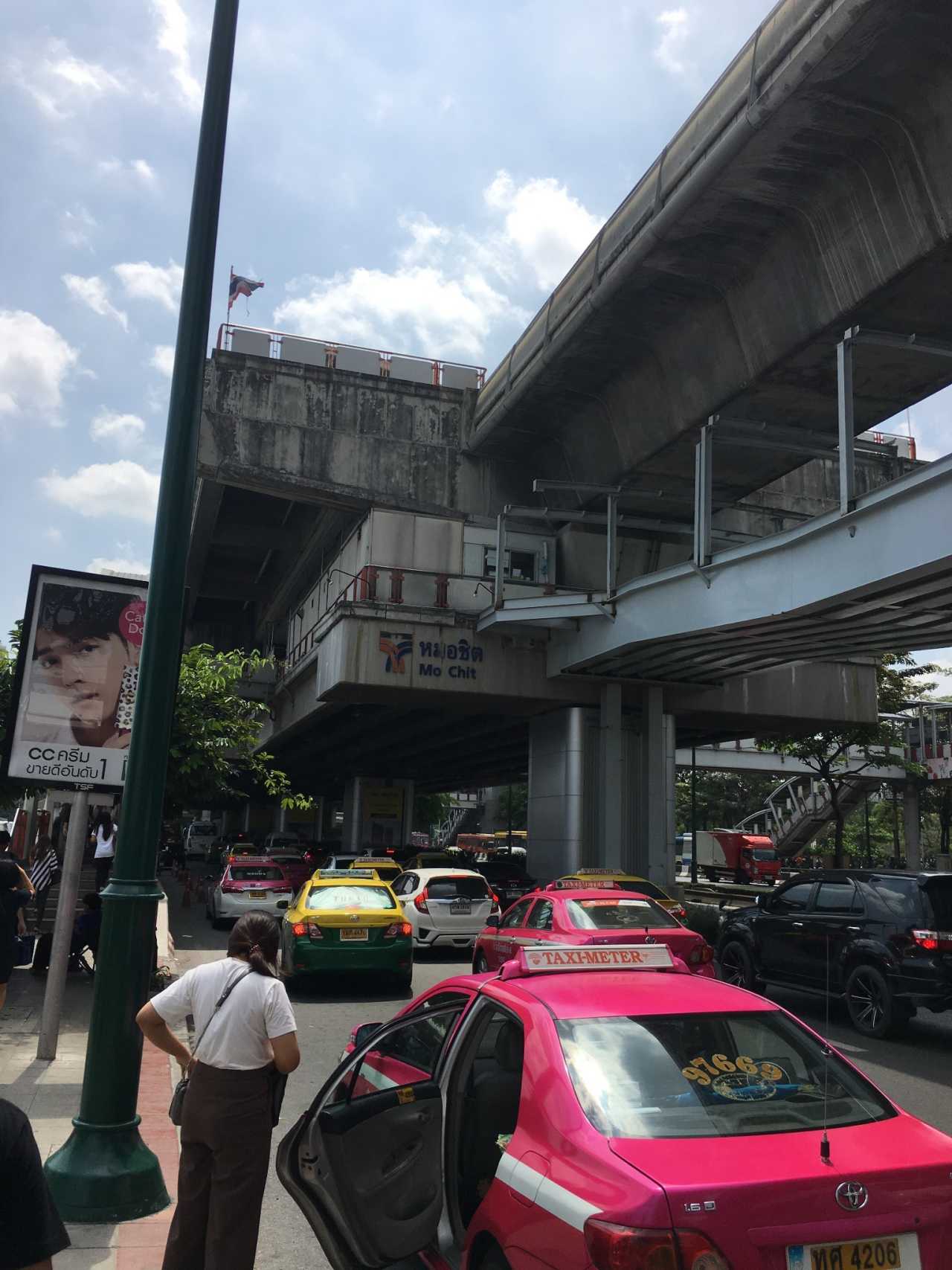
A few steps forward after getting off is BTS Mo Chit; the MRT entrance is nearby. Don’t mix them up—signage differs.
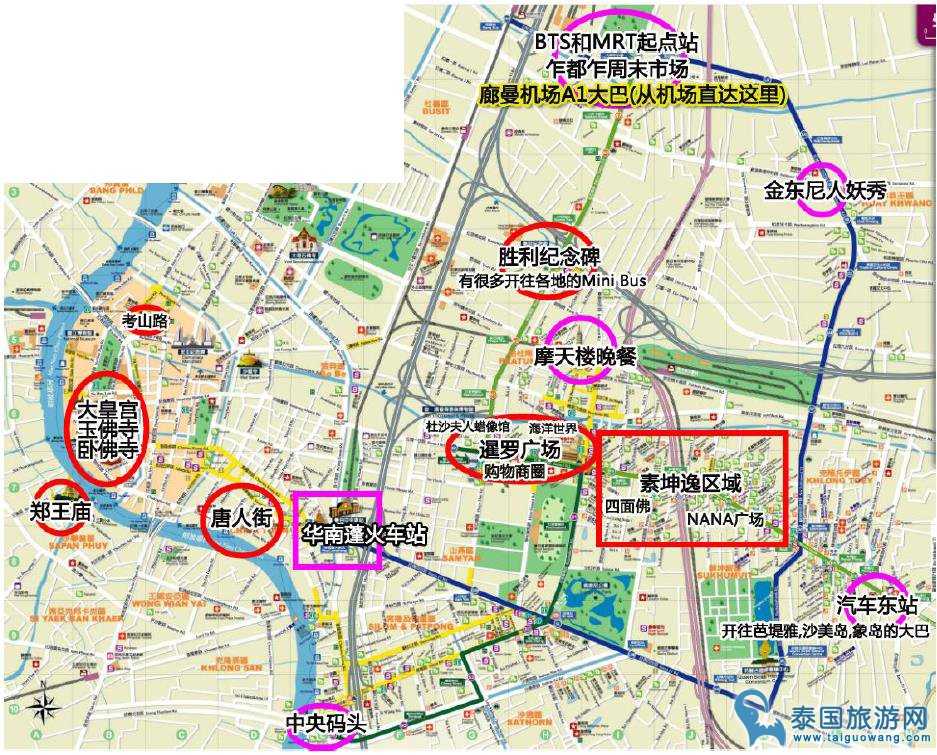
Bangkok’s major attractions cluster around the Grand Palace area and the Siam district.
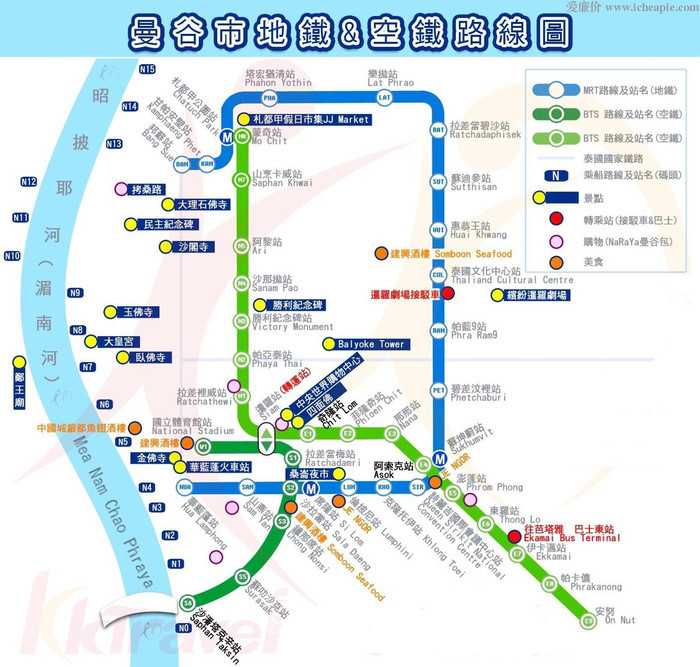
Transport map: BTS, MRT, and river boats cover most sights and are convenient. Note the metro fares are genuinely high—even higher than Shanghai.
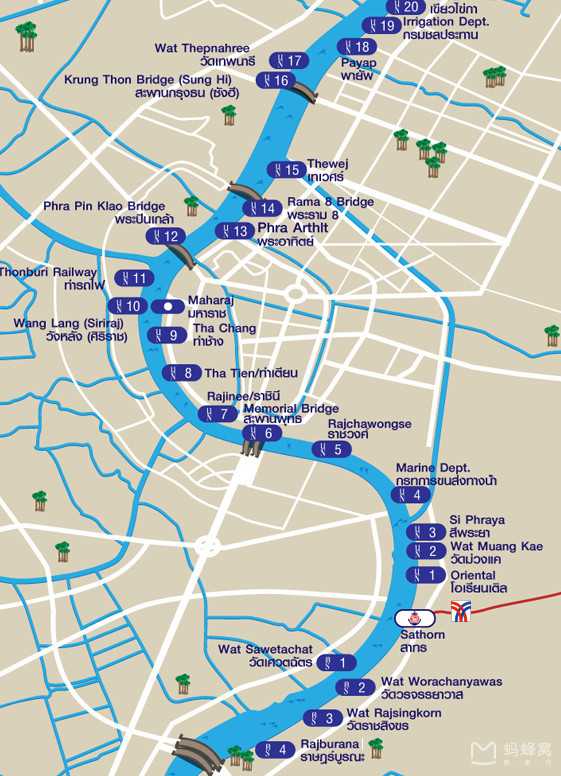
River‑boat routes: typically take BTS to Saphan Taksin and transfer to boats. A 5‑minute walk leads to Sathorn Central Pier; boats run north along the Chao Phraya serving sights along the river.
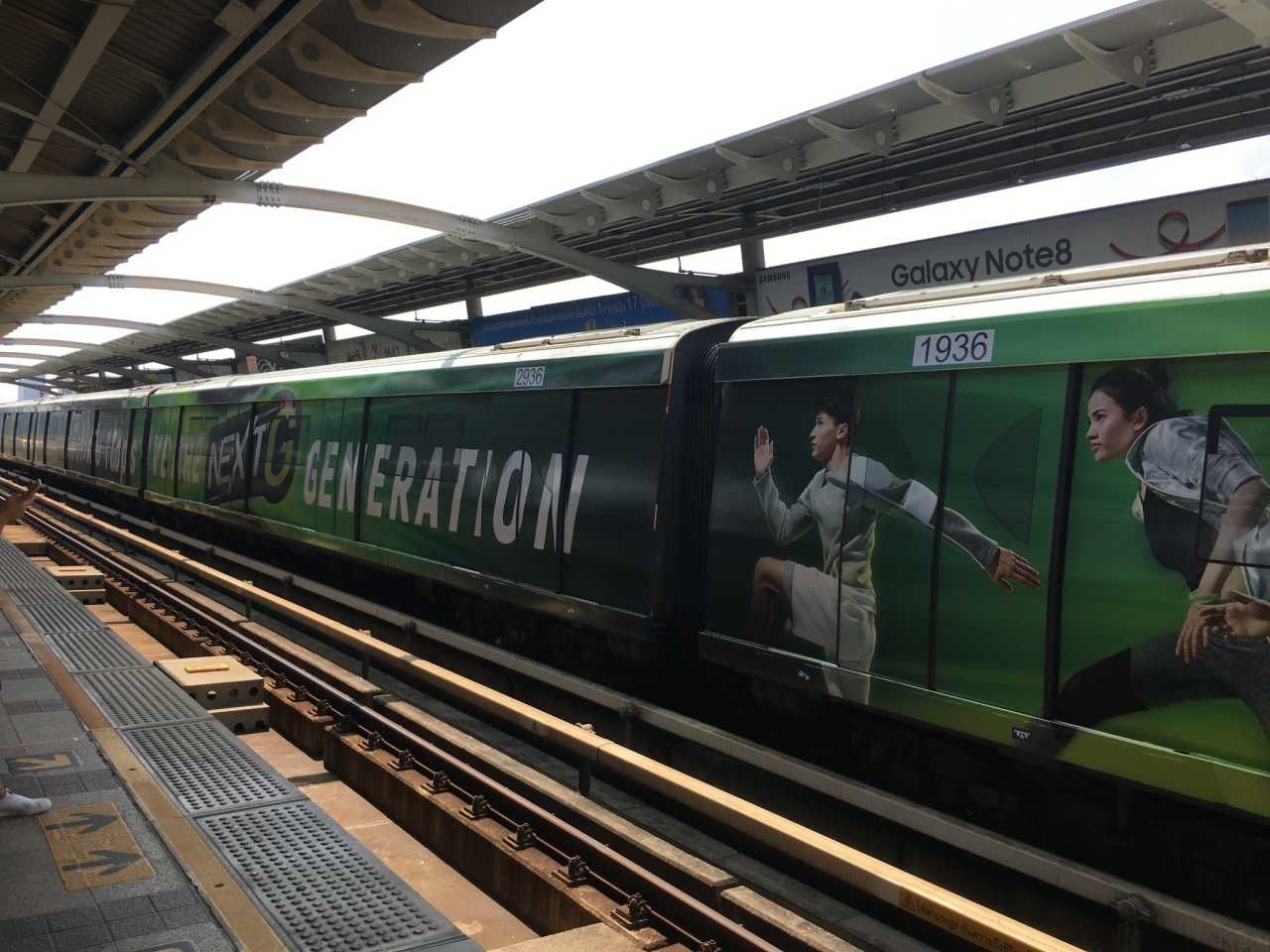
BTS from Mo Chit to Ratchathewi (Asia Hotel) is only six stops but costs 40 THB (about 8 RMB). Kids (around 1 m+ height) pay adult fares. Bangkok’s metro is distinctive: windows look normal from inside but outside appear almost windowless—likely due to strong tropical sunlight.
 Asia Hotel Bangkok
Exit Ratchathewi station at level 2 and you’ll see signs for Asia Hotel; a skybridge takes you straight into the lobby—crucial in Bangkok’s heat. We chose Asia Hotel for convenience. It’s an older hotel renovated a few years ago; if you’re not picky, it offers good value. Pools on floors 5 and 11; breakfast fits Chinese tastes. Reviews are mixed. Common complaints:
1) “King” beds are two twins pushed together—actually perfect for us with a child; three people fit fine.
2) Duvet uses a blanket in a cover and can feel uncomfortable. Remove the cover if you don’t like it—the quilt itself is fine.
3) Check‑in is slow; we waited an hour due to the 2 pm rush. Staff efficiency is modest, but check‑out was fast (about 10 minutes).
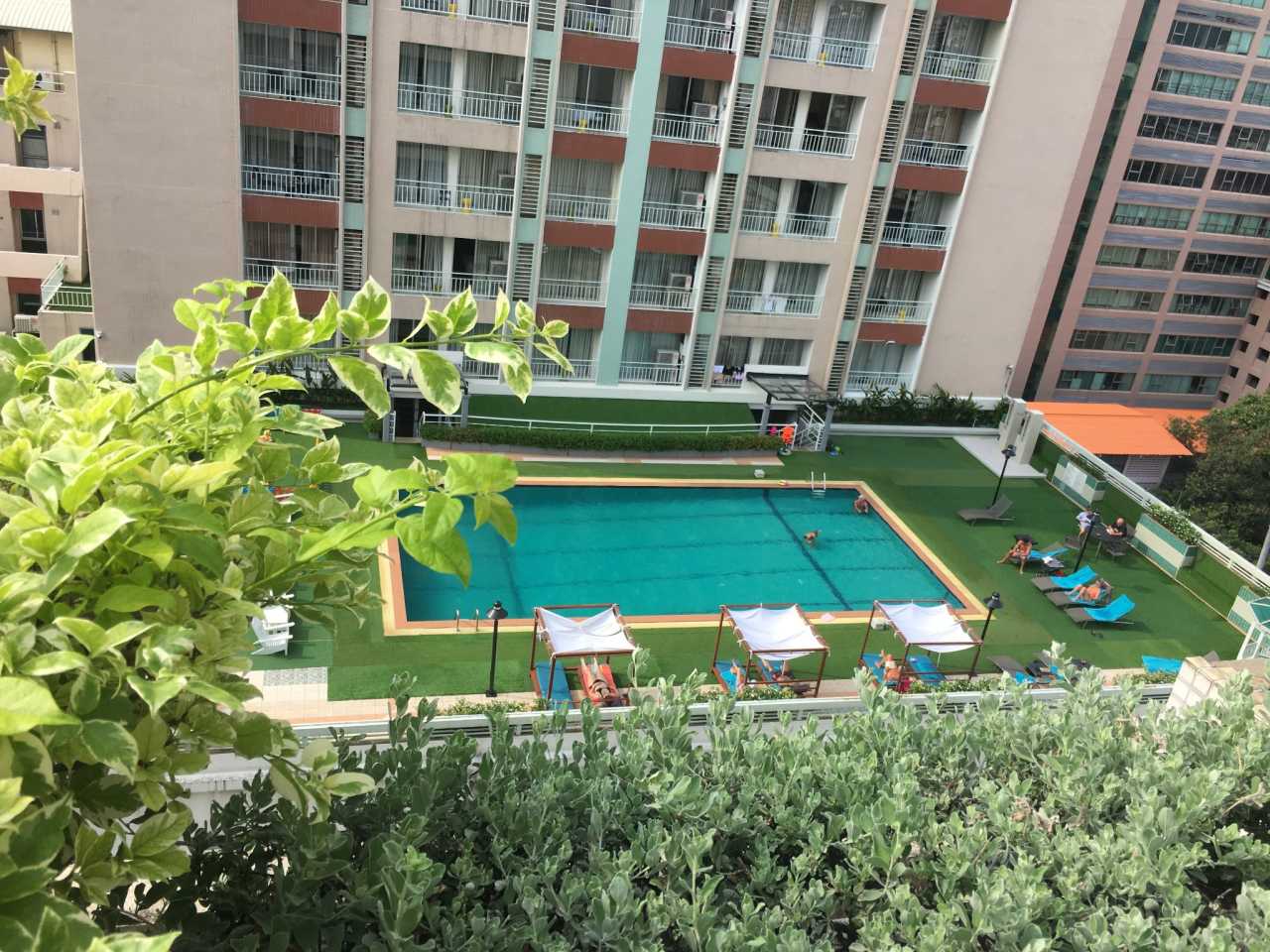 Asia Hotel Bangkok
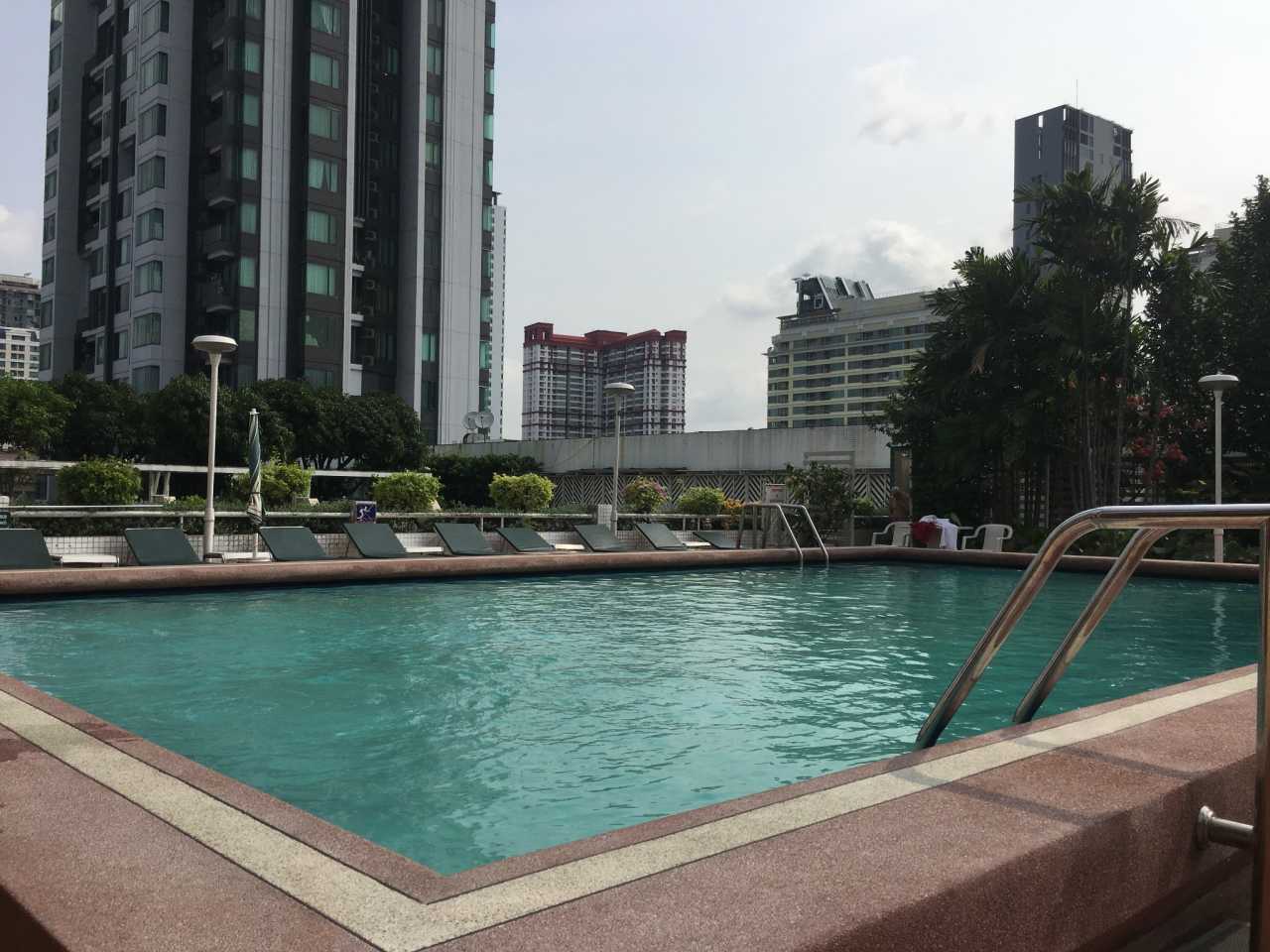
Pool on the 5th floor—not too crowded. Since we were heading to Phuket later, we didn’t swim here.
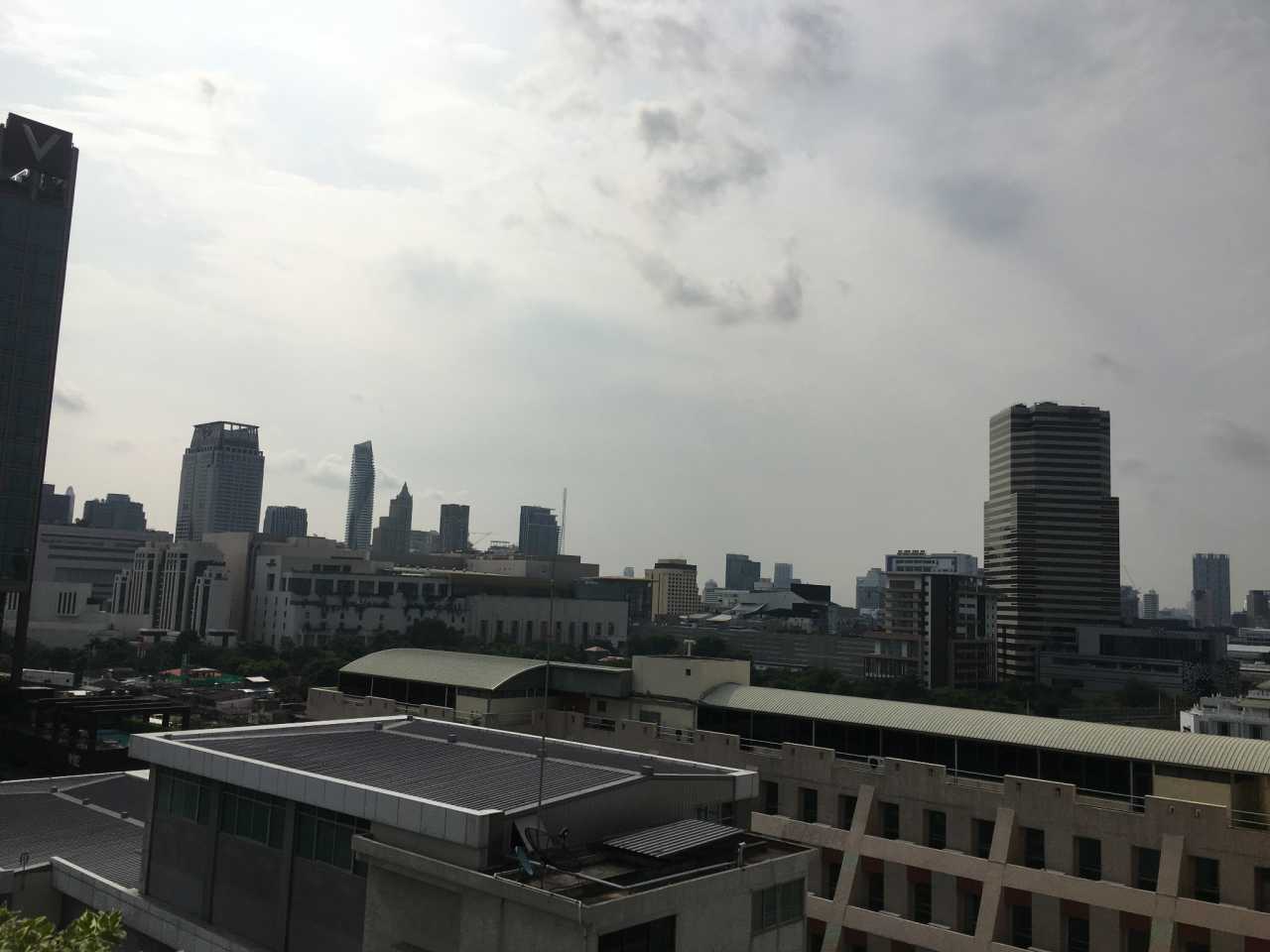 Asia Hotel Bangkok
The pool on floor 11 overlooks the center city, though the view isn’t special. After a short rest we set out at 4:30 pm for Wat Arun (Temple of Dawn). We took BTS then river boat. At the central pier, go left and queue where the crowd is—we were almost upsold to a 200 THB sightseeing boat; regular commuter boats are only 15 THB and kids are free. Boat lines use colored flags (red, yellow, orange, blue, grey) with different stopping patterns; grey is slowest, orange is the usual choice.
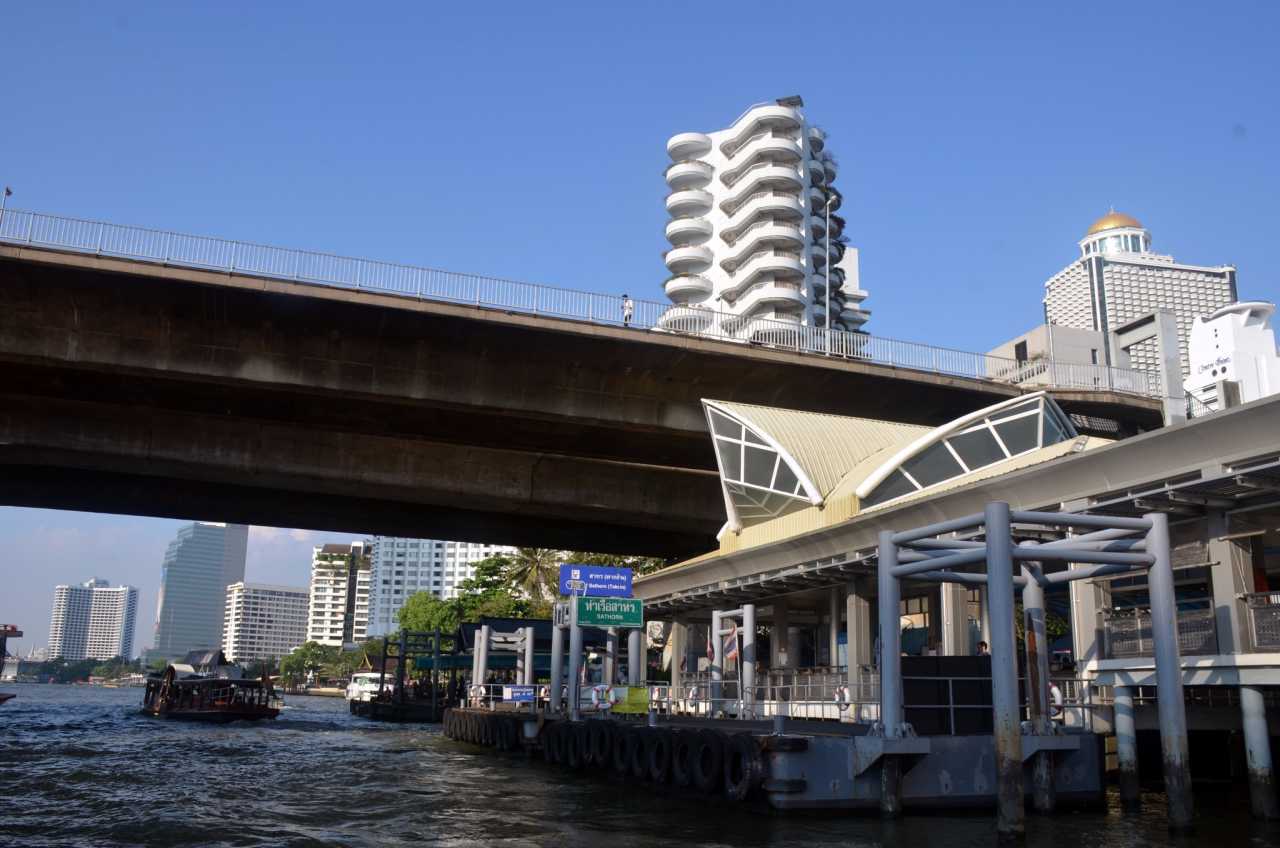 Chao Phraya River
There are many types of boats—don’t board the wrong one. Given Bangkok’s heavy traffic, river boats are also a main transport for locals. They’re breezy and offer riverside views.
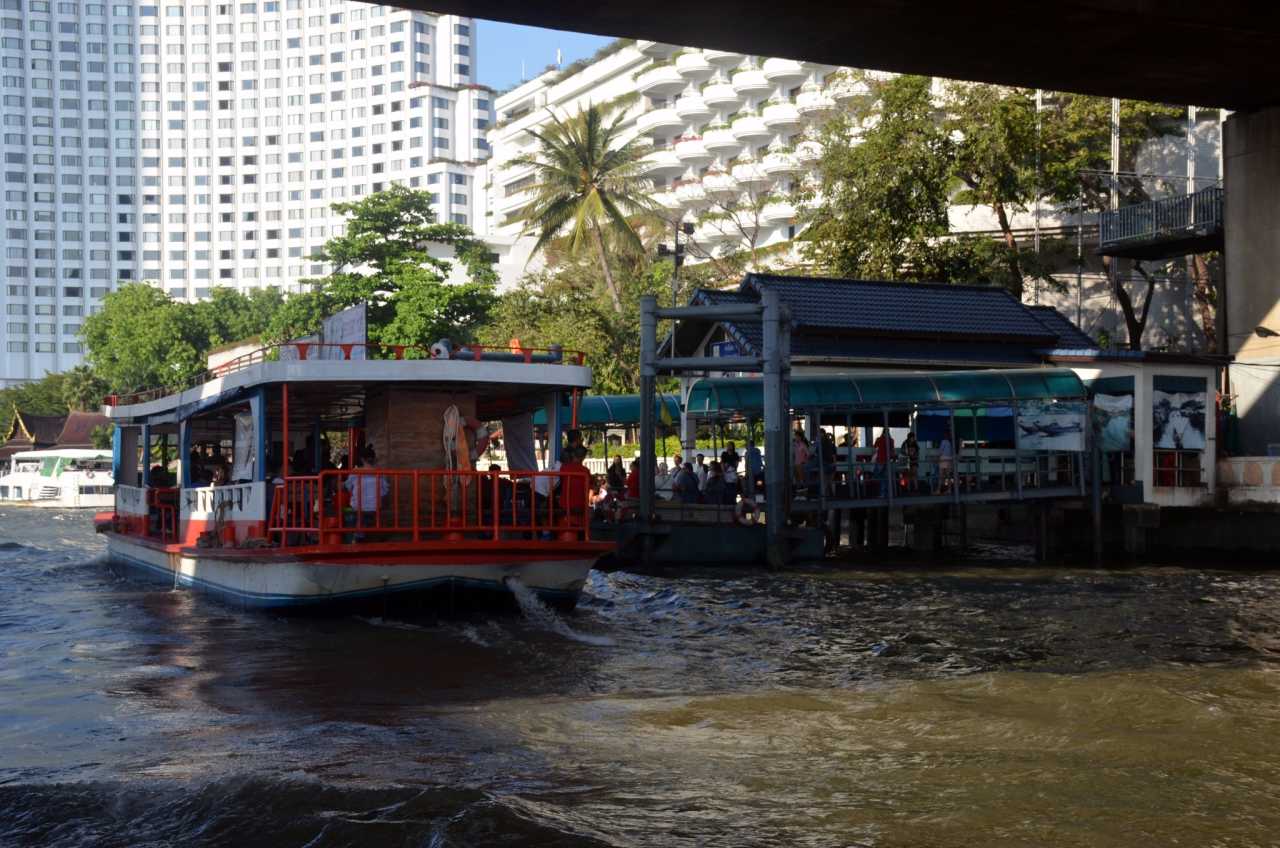 Chao Phraya River
 Chao Phraya River
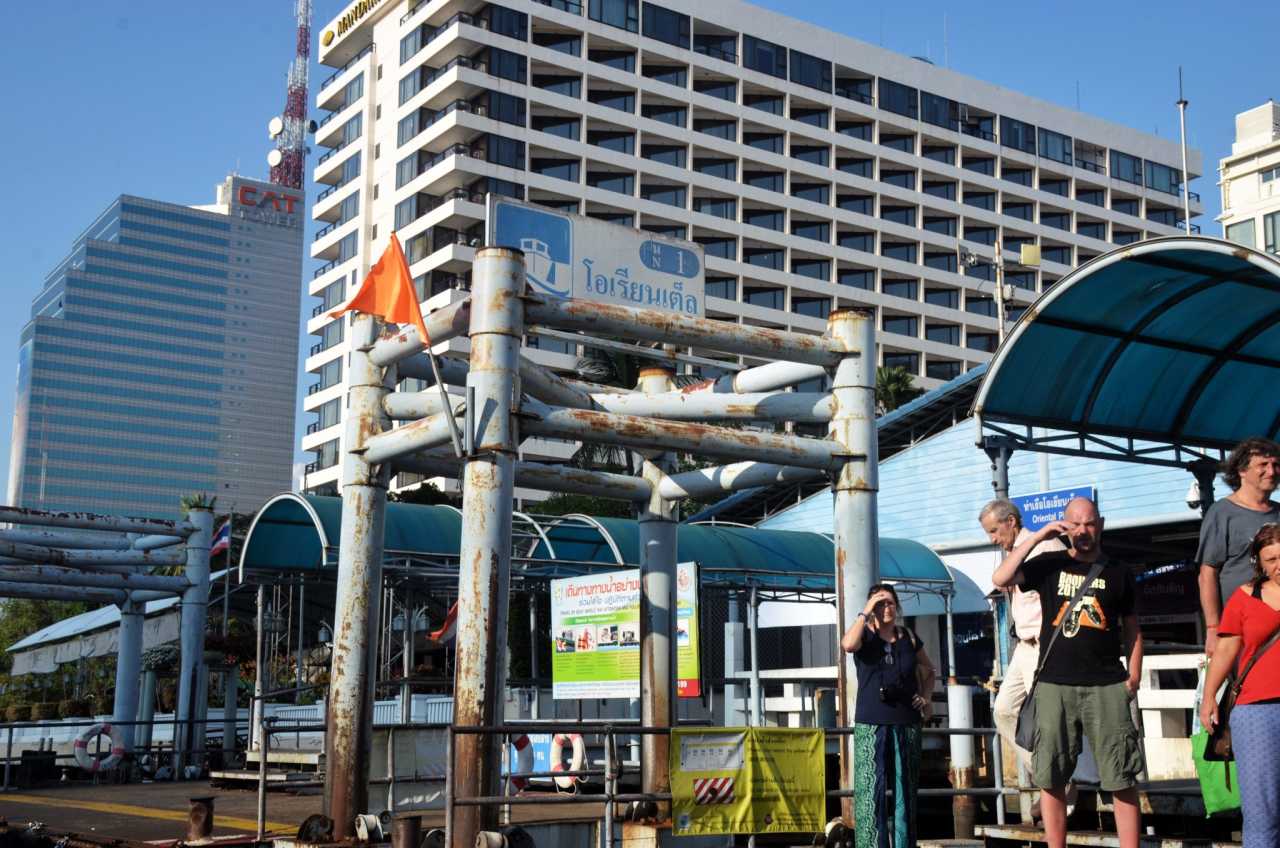
N1 pier: boats don’t stop at every pier—watch closely so you don’t miss your stop.
 Chao Phraya River
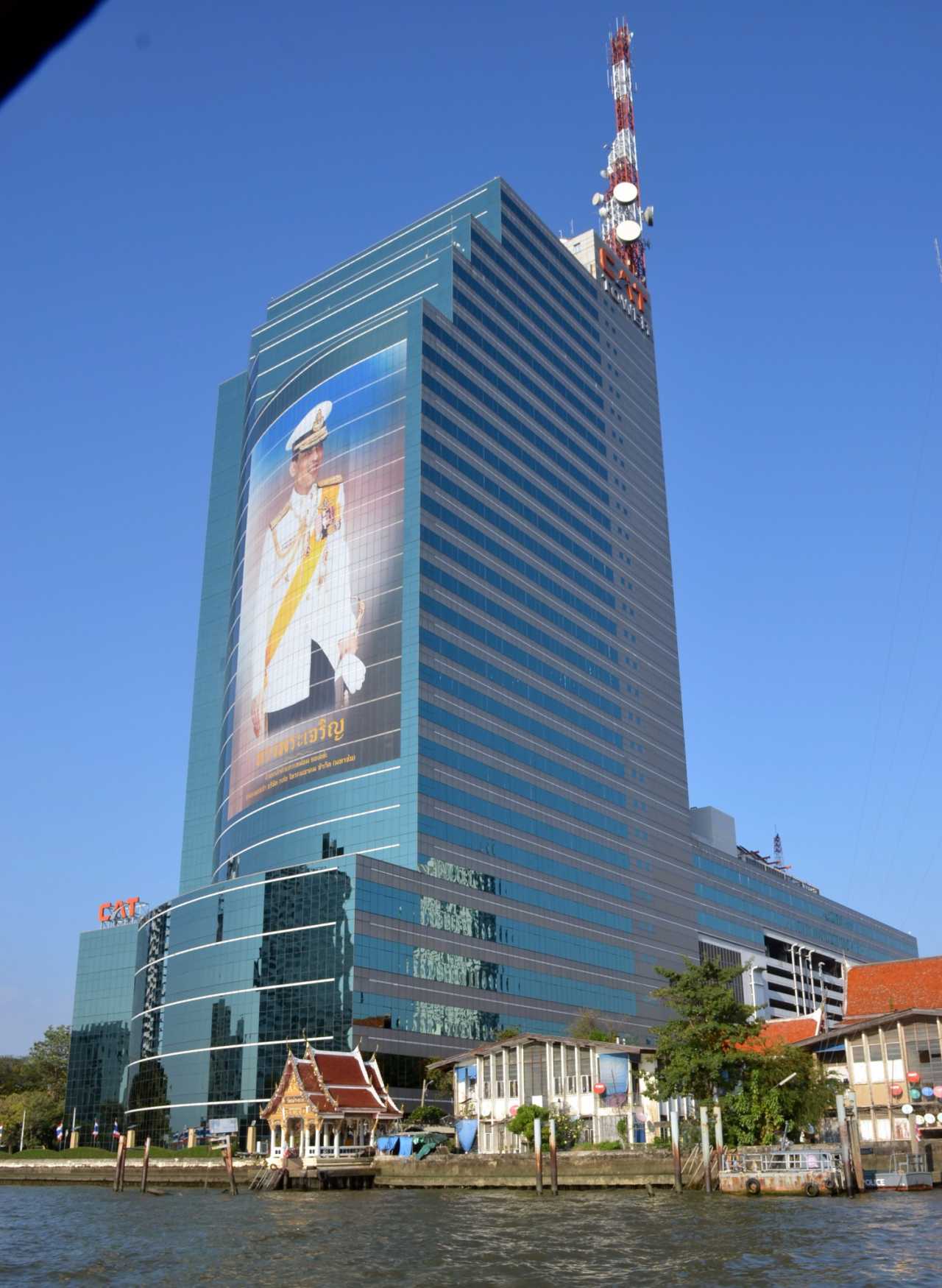
Giant portrait of the new King Rama X. Royal portraits are everywhere, reflecting the King’s high status in Thai society.
 Wat Arun
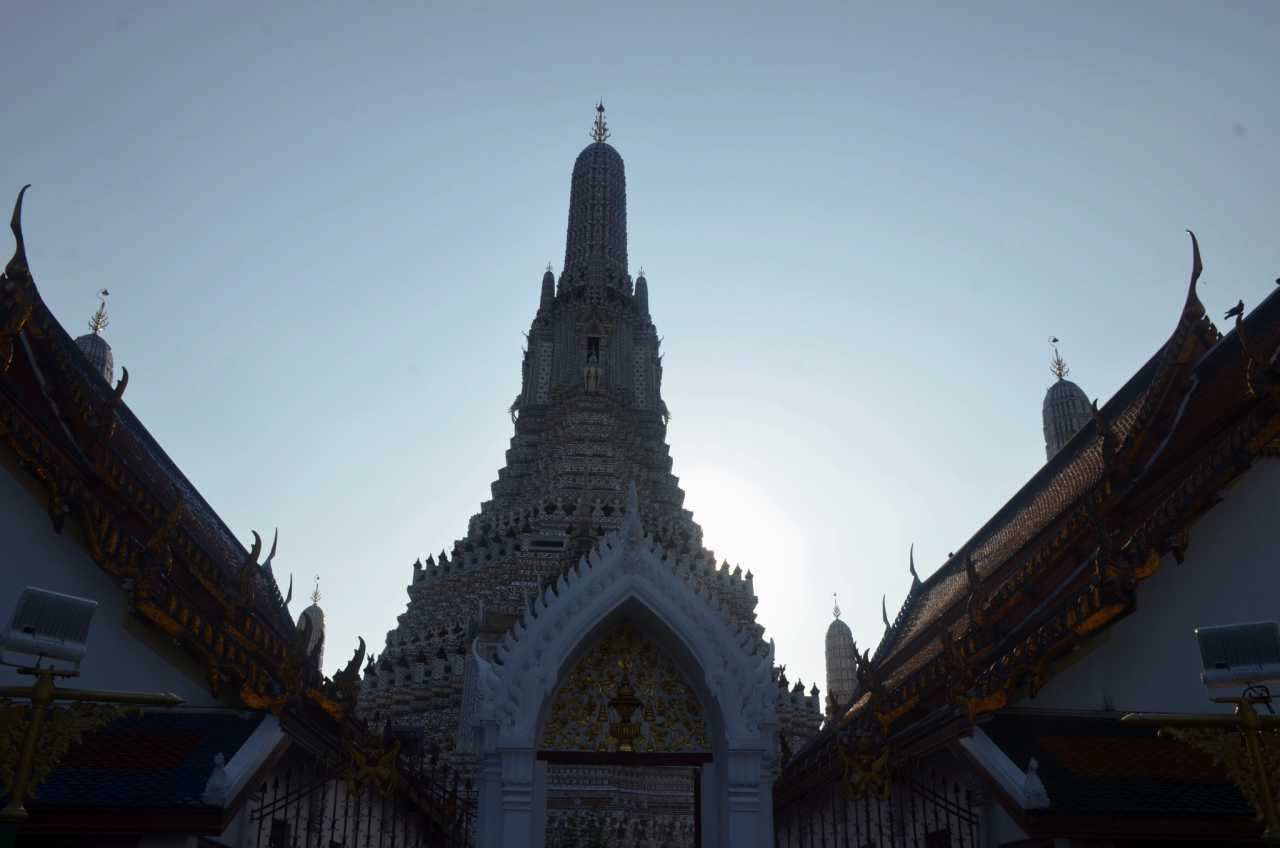
After about 20 minutes we arrived at Wat Arun. Guides said it closed at 17:30; in fact it closes at 18:00, giving us 40 minutes—perfect and less crowded near closing. Tickets are 50 THB; children free.
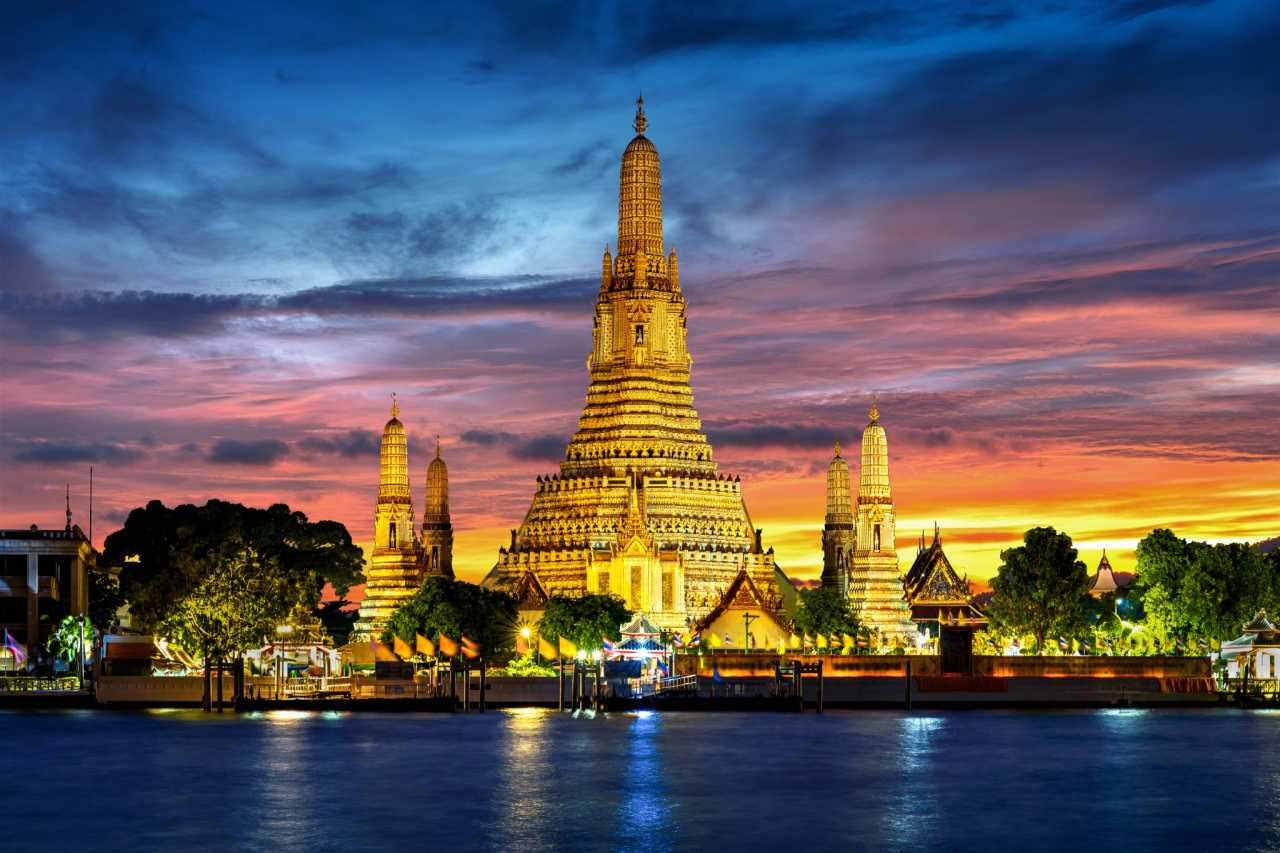
Wat Arun (Temple of Dawn), also called Zheng Wang Temple, commemorates King Taksin (Zheng Zhao). Founded during Ayutthaya, it stands on the Thonburi side of the Chao Phraya opposite Bangkok. In 1768 he defeated the Burmese who had destroyed Ayutthaya, revived Siam, and made Thonburi the capital. He arrived at dawn—hence the name.
Wat Arun is huge, second only to the Grand Palace and Wat Phra Kaew. The entrance has giant guardian statues. There are five prangs (one large, four small). The main prang is 79 m high in Khmer style—sometimes dubbed “Thailand’s Eiffel Tower”.
 Wat Arun
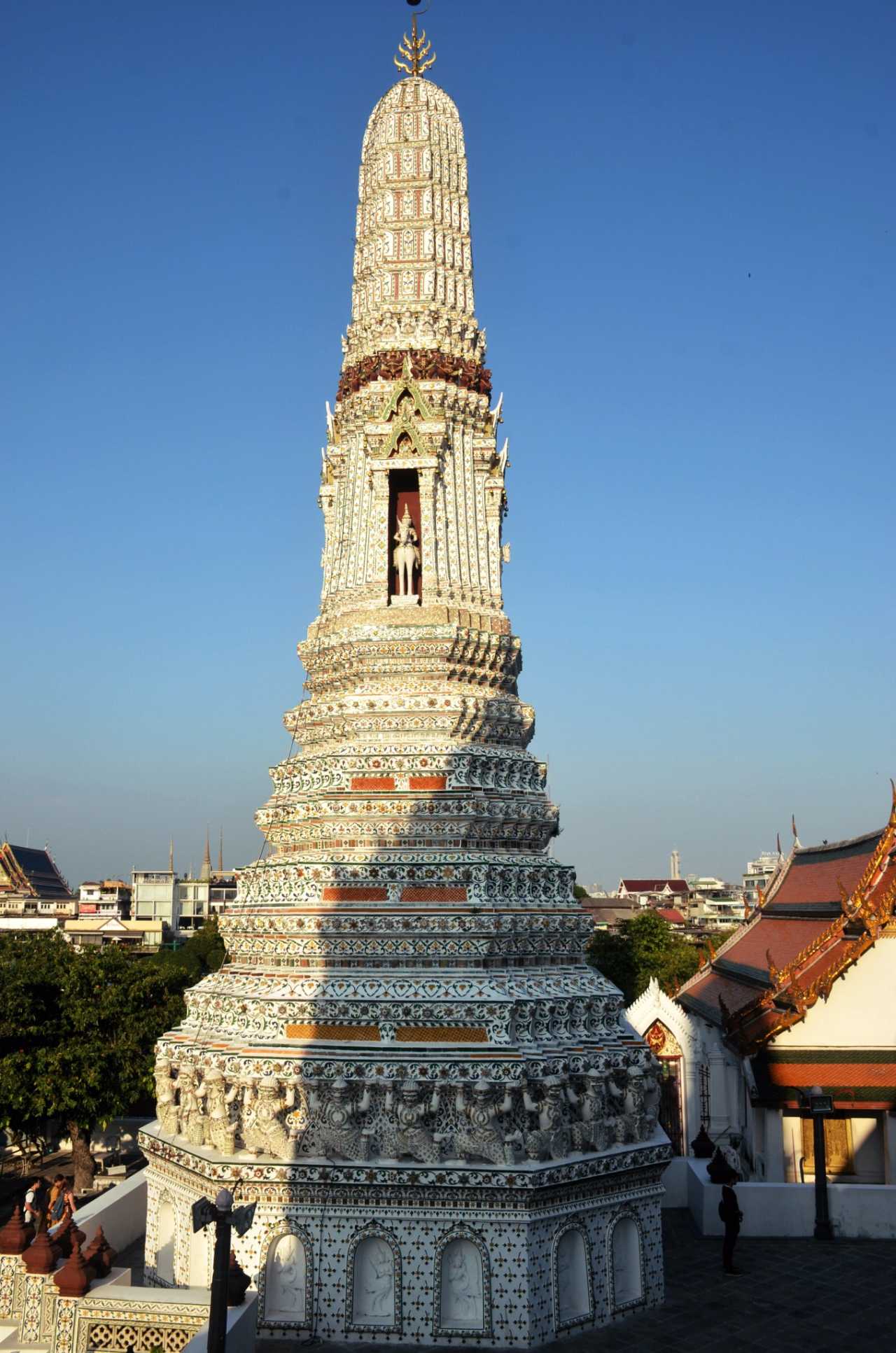
Wat Arun is predominantly white, with exquisitely detailed carvings—a classic Southeast Asian architectural style.
 Wat Arun
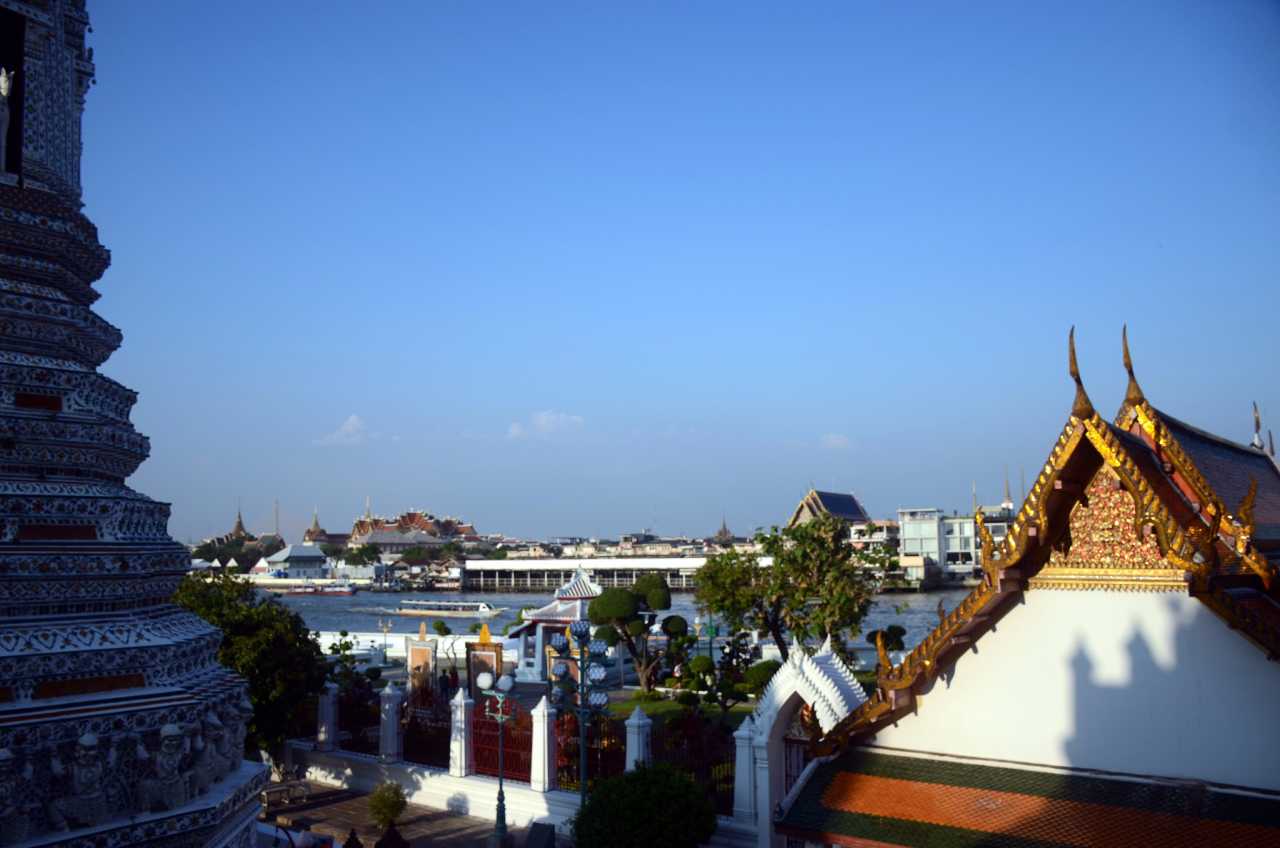
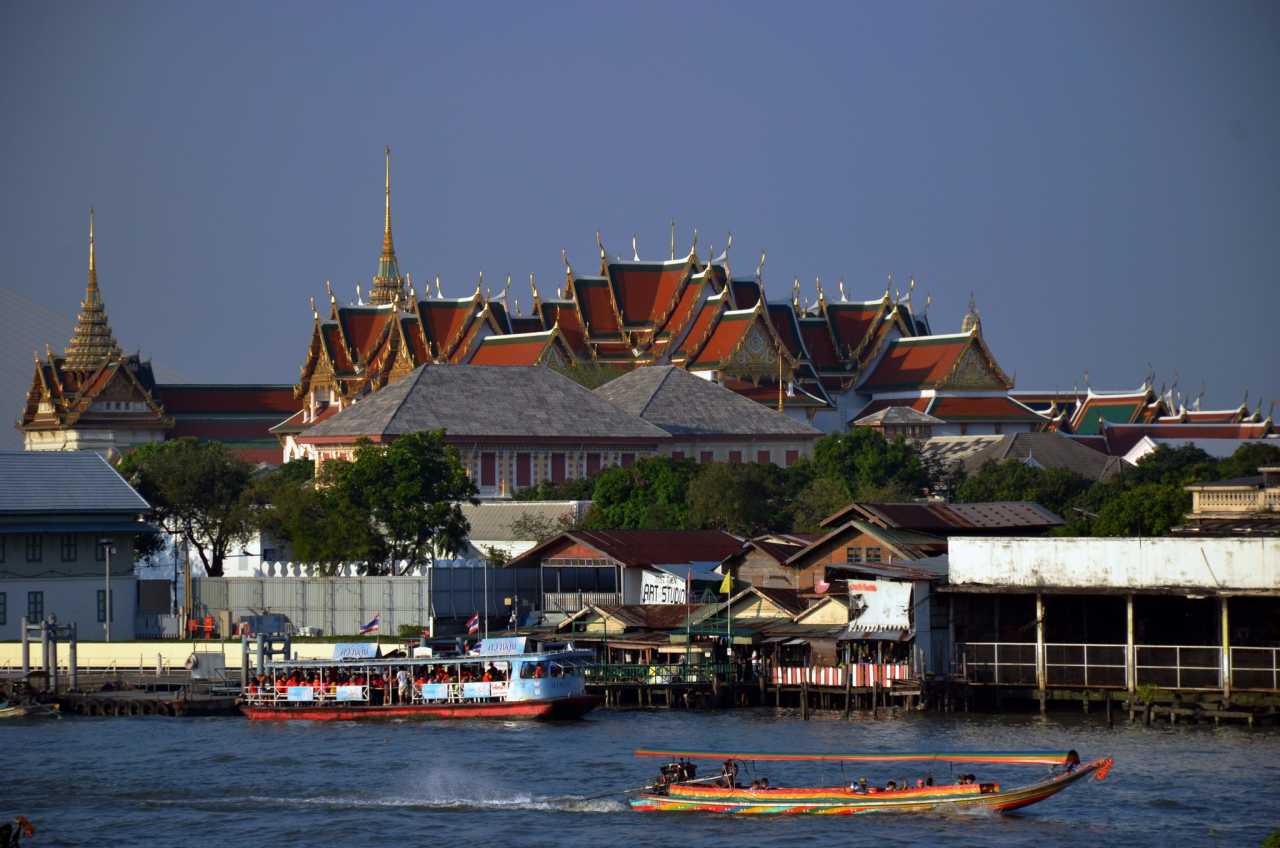
Looking across at the Grand Palace. If you take the river boat, get off at N9 pier for the Grand Palace. There are also shuttle boats to cross the river directly.
 Wat Arun
 Wat Arun
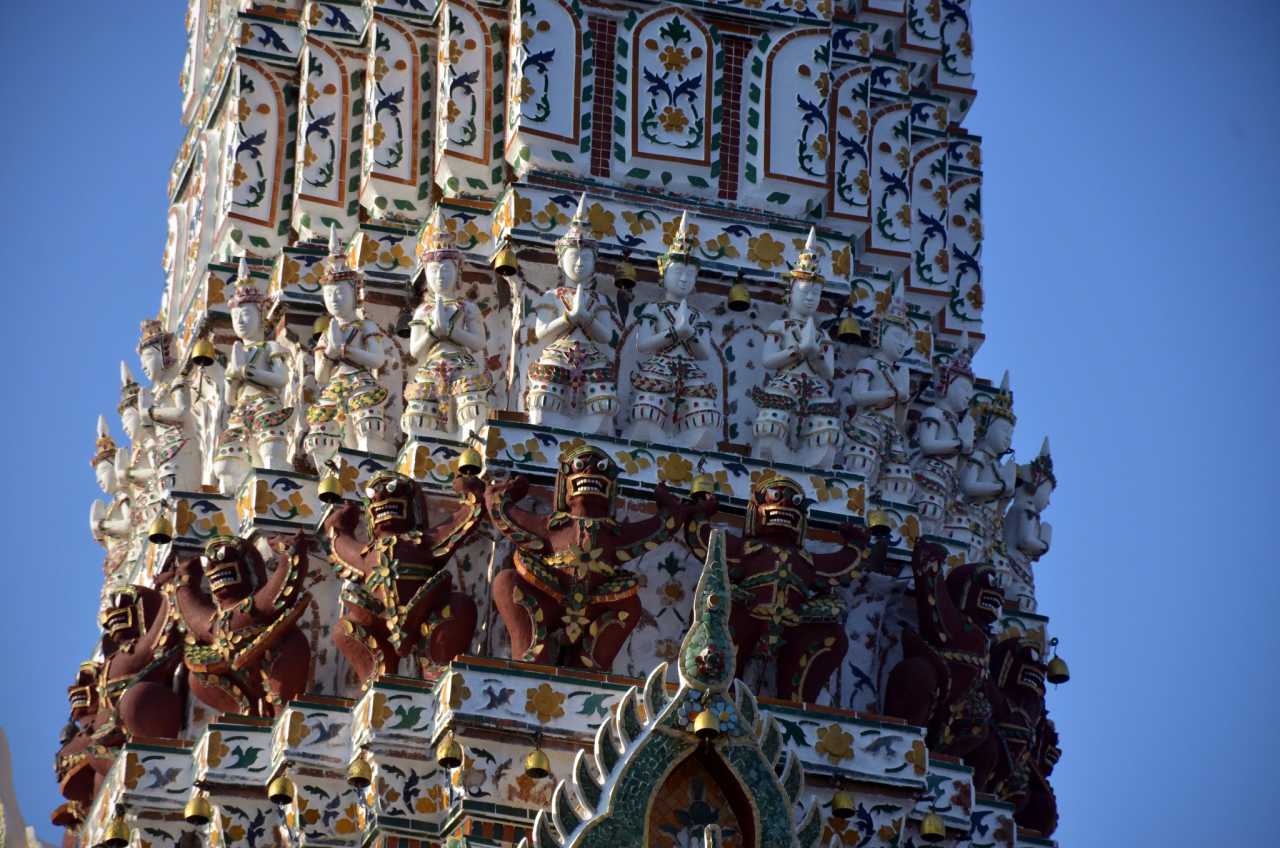
Prang carvings feature both Buddhas and demons—countless craftsmen must have spent years to complete them.
 Wat Arun
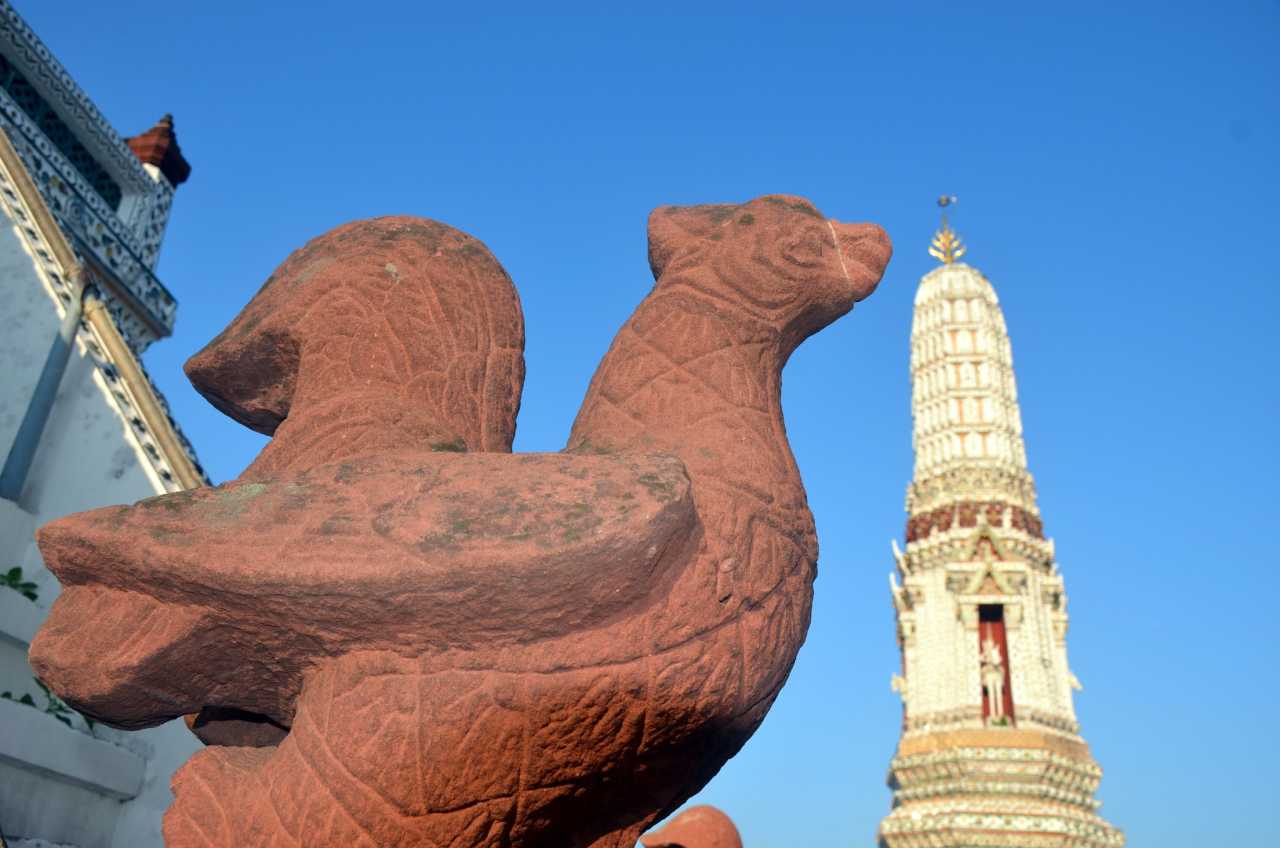 Wat Arun
This figure looks like a rooster—very similar to the guardian beasts at Nanjing’s Ming Xiaoling.
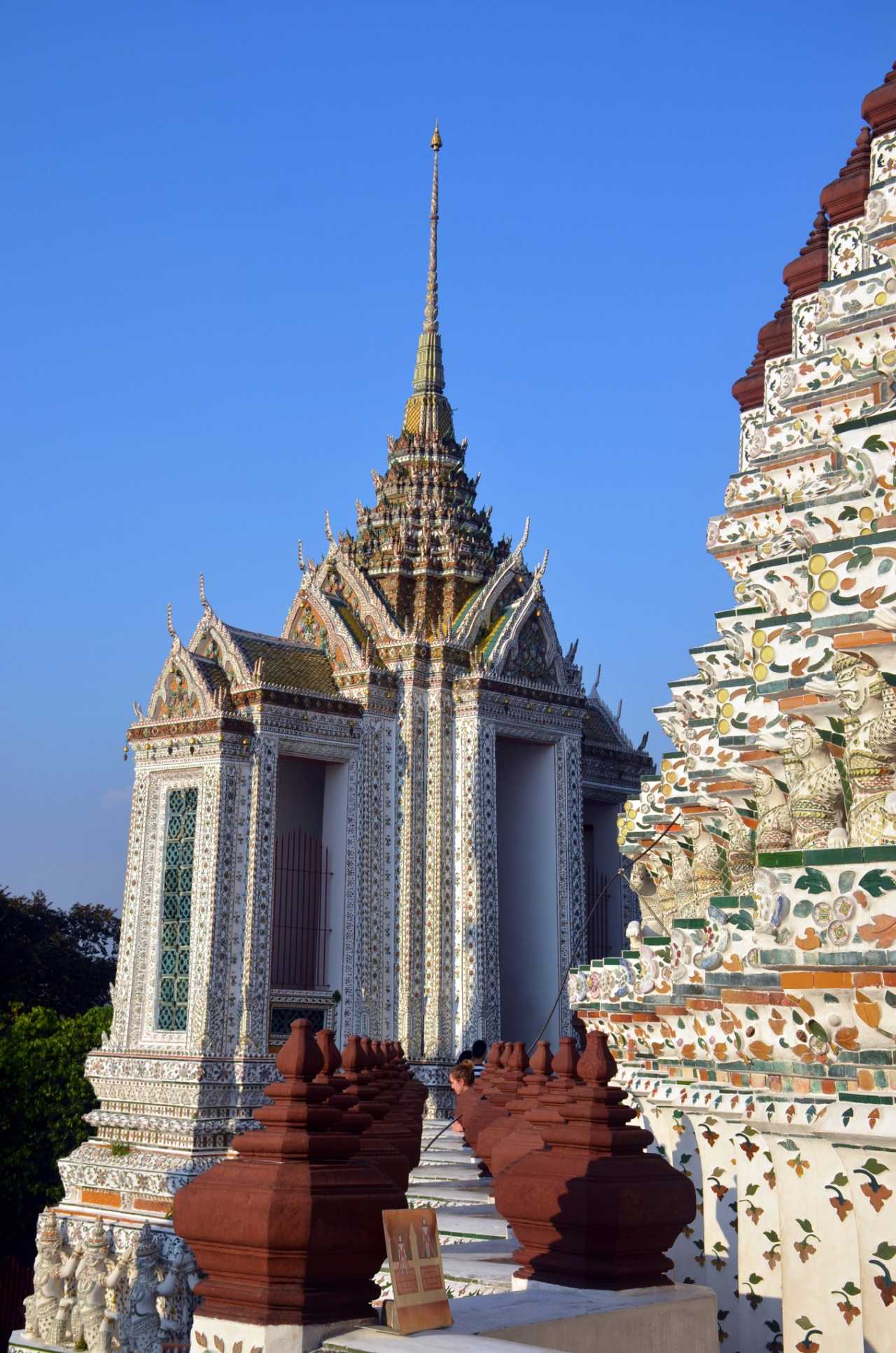 Wat Arun
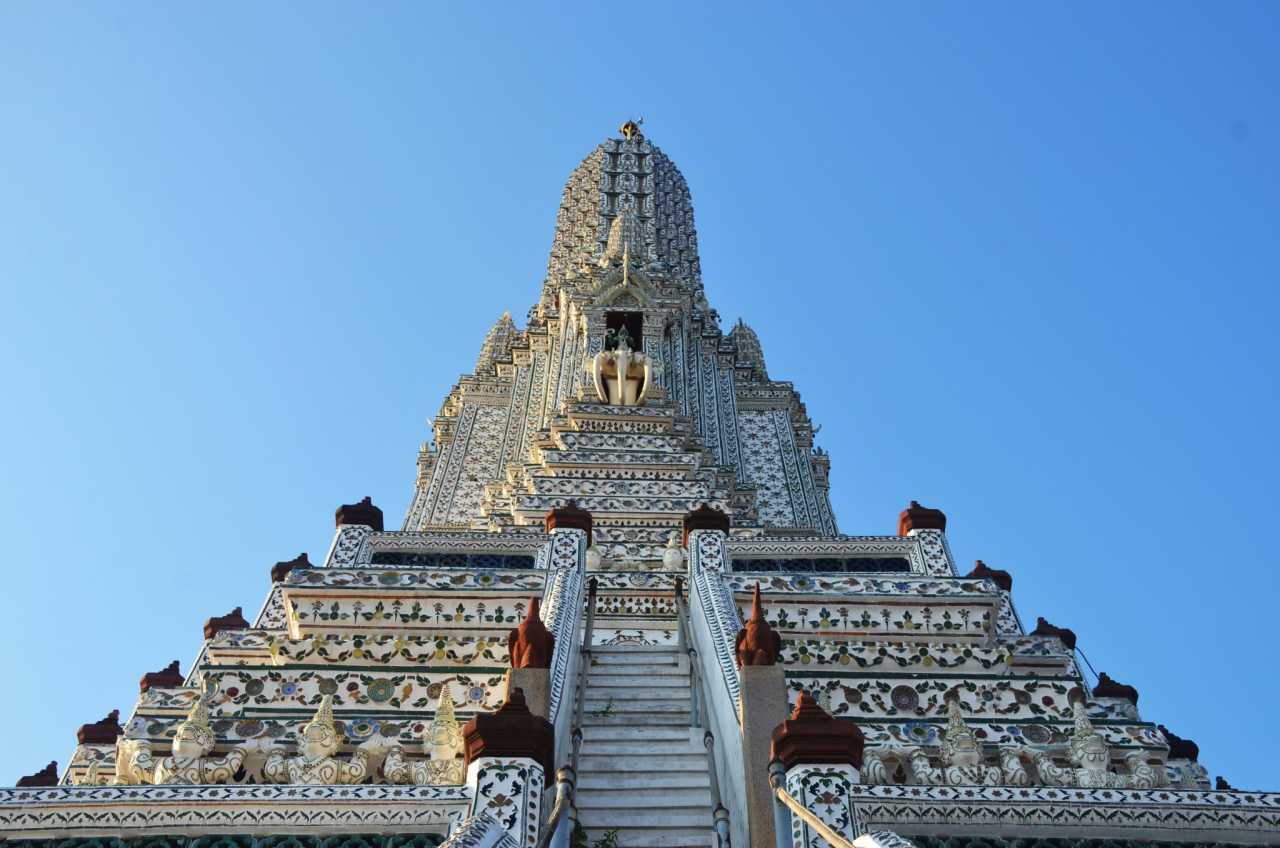
You can climb the main prang to a platform at about one‑third height; the upper section is closed. The main prang and the four smaller ones are symmetrically arranged—visually perfect.
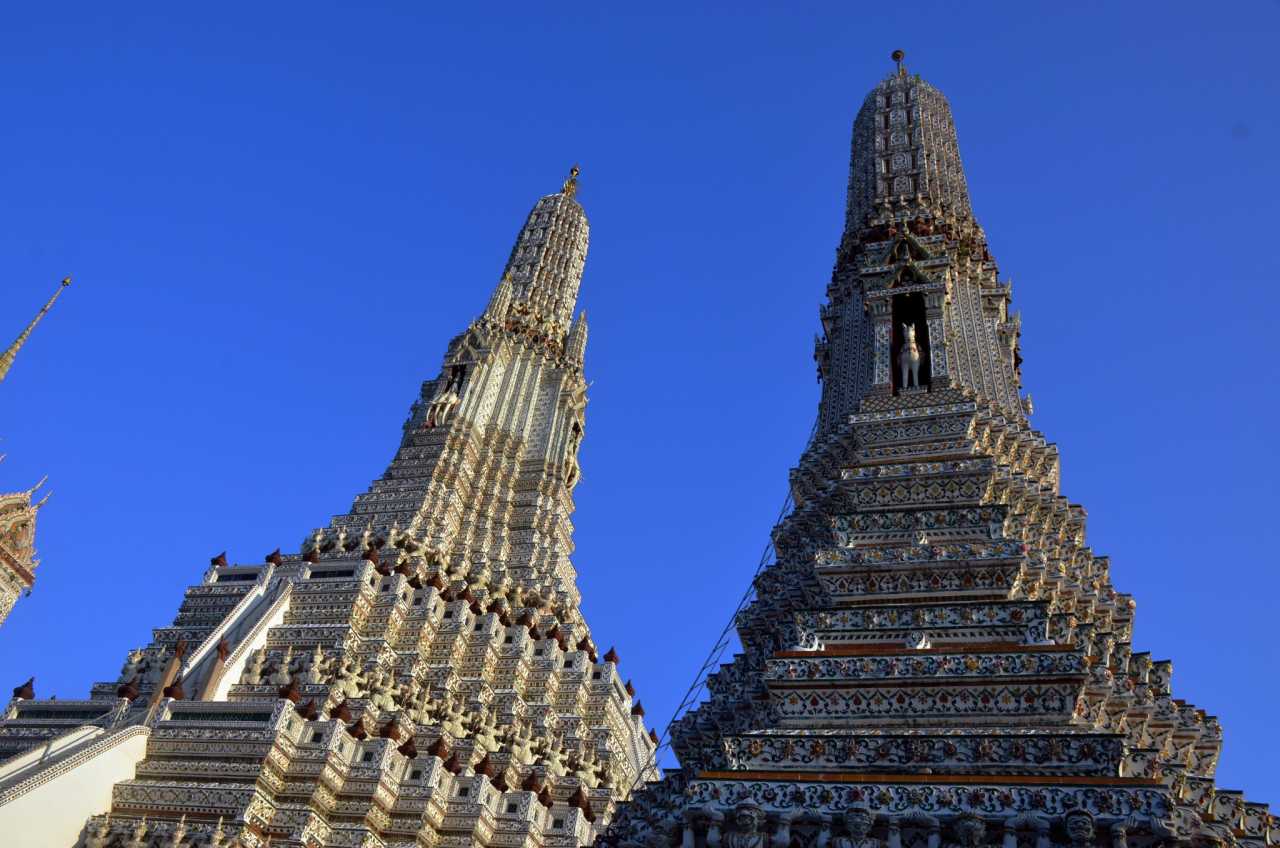 Wat Arun
From this angle, the main and minor prangs are hard to tell apart.
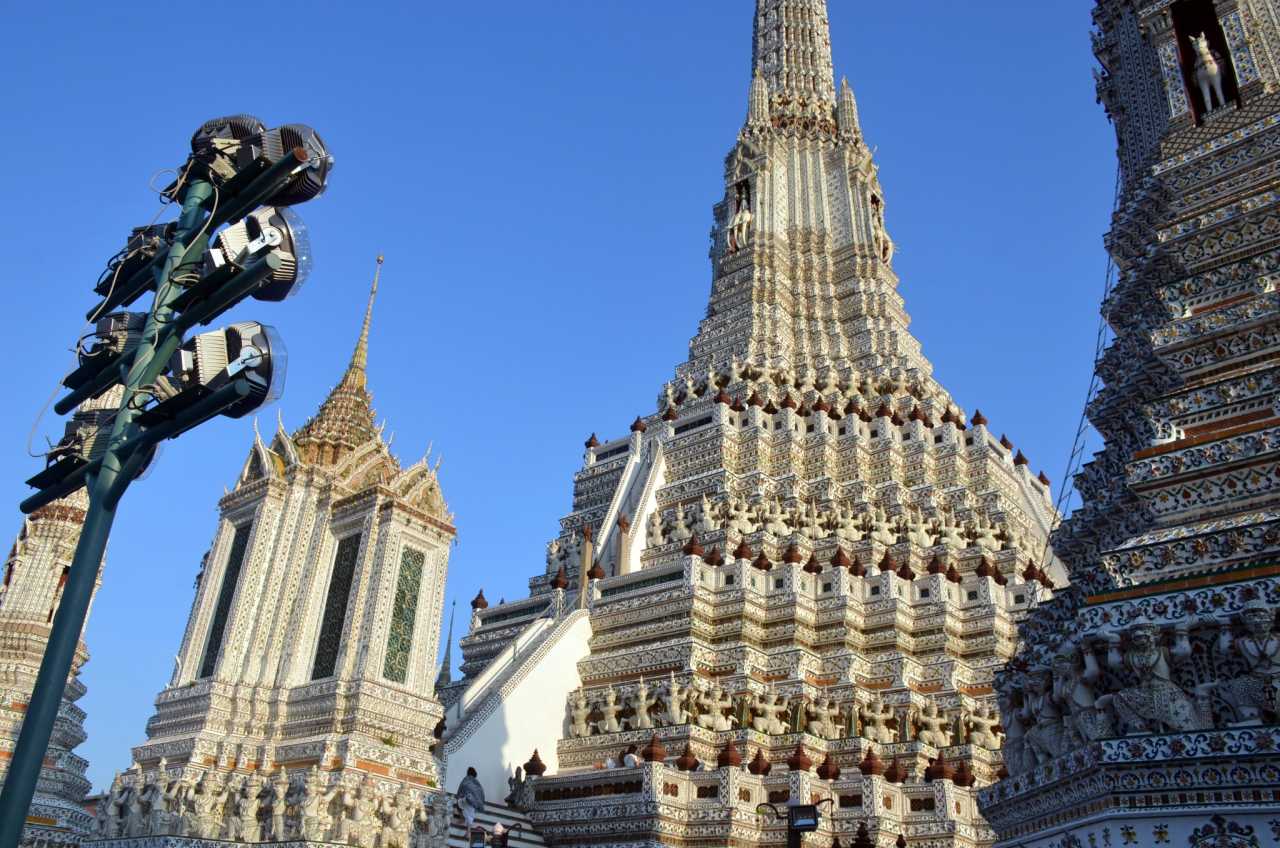 Wat Arun
At night under golden lighting, the entire temple glows—solemn and magnificent.
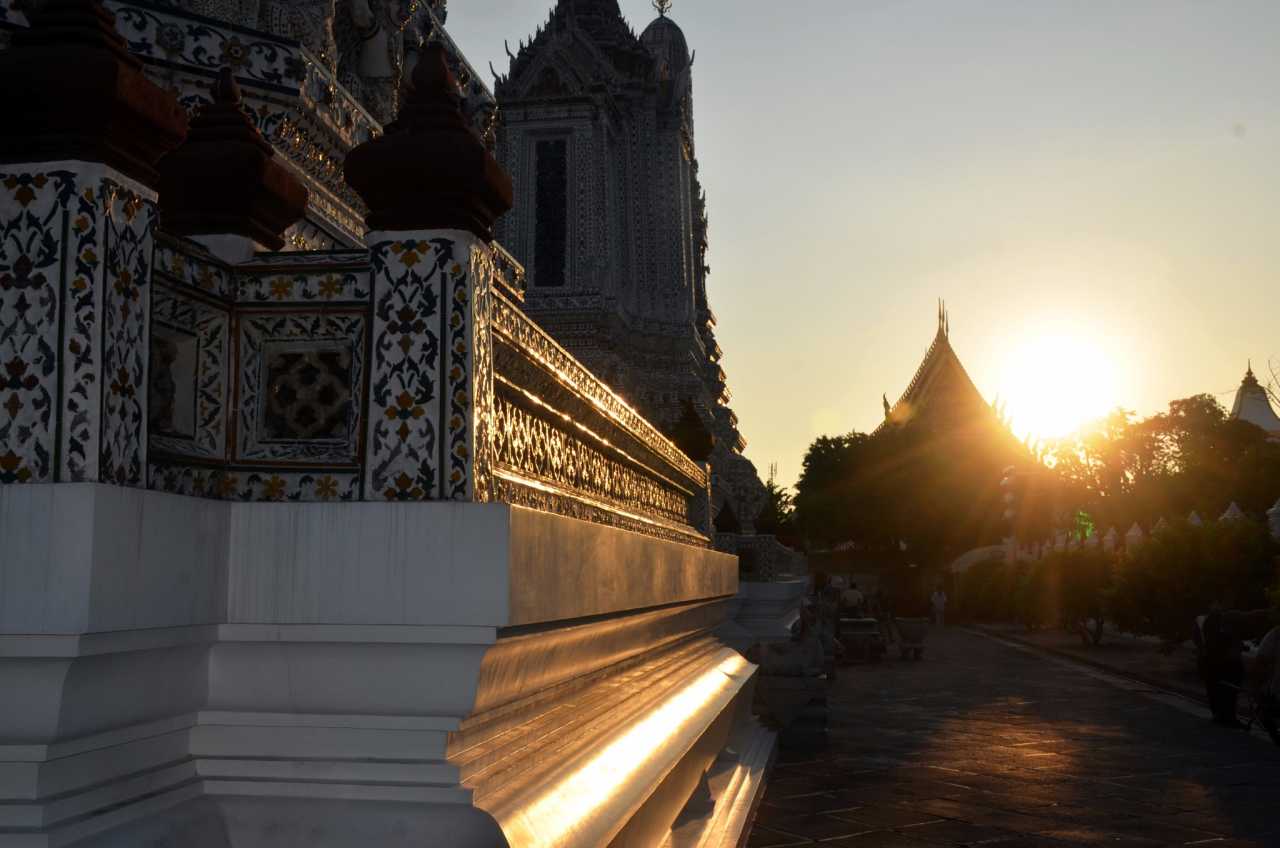 Wat Arun
The sunset glow adds historical weight to the walls. An hour is enough for a careful visit. We took the boat back to our second stop: the riverside night market.
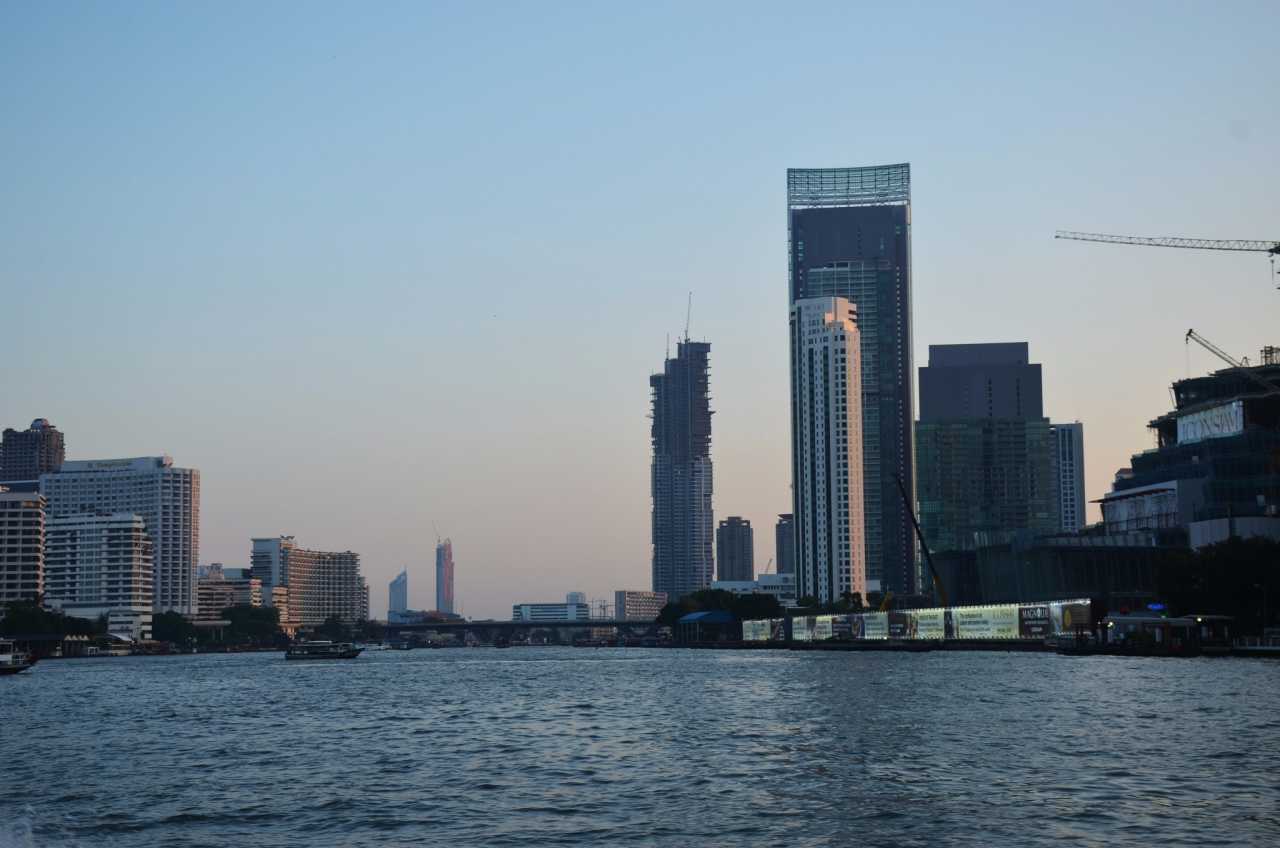 Chao Phraya River
Night breezes on the Chao Phraya are pleasant in this season. We transferred to the free shuttle boat at the central pier and reached the riverside market in about 10 minutes.
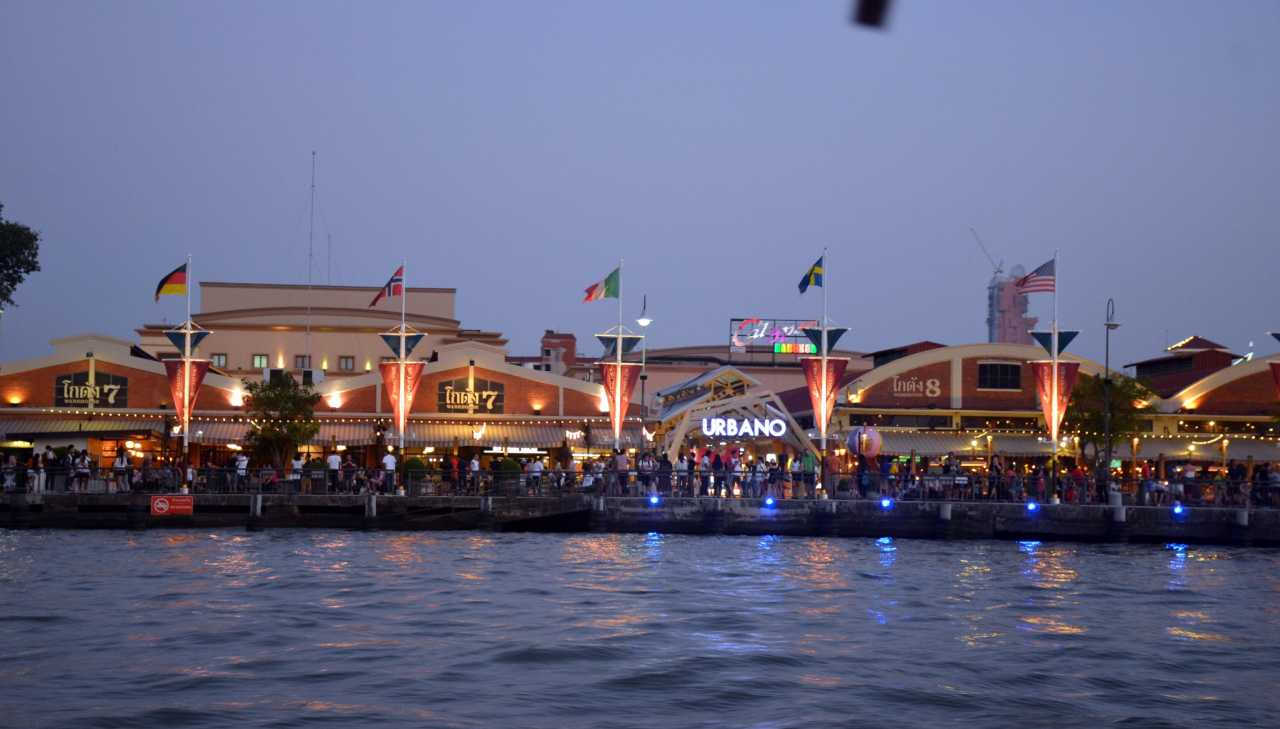 Asiatique The Riverfront
Bright lights, lively crowds, and strong commercial vibes—prices aren’t low, but it’s fun to stroll.
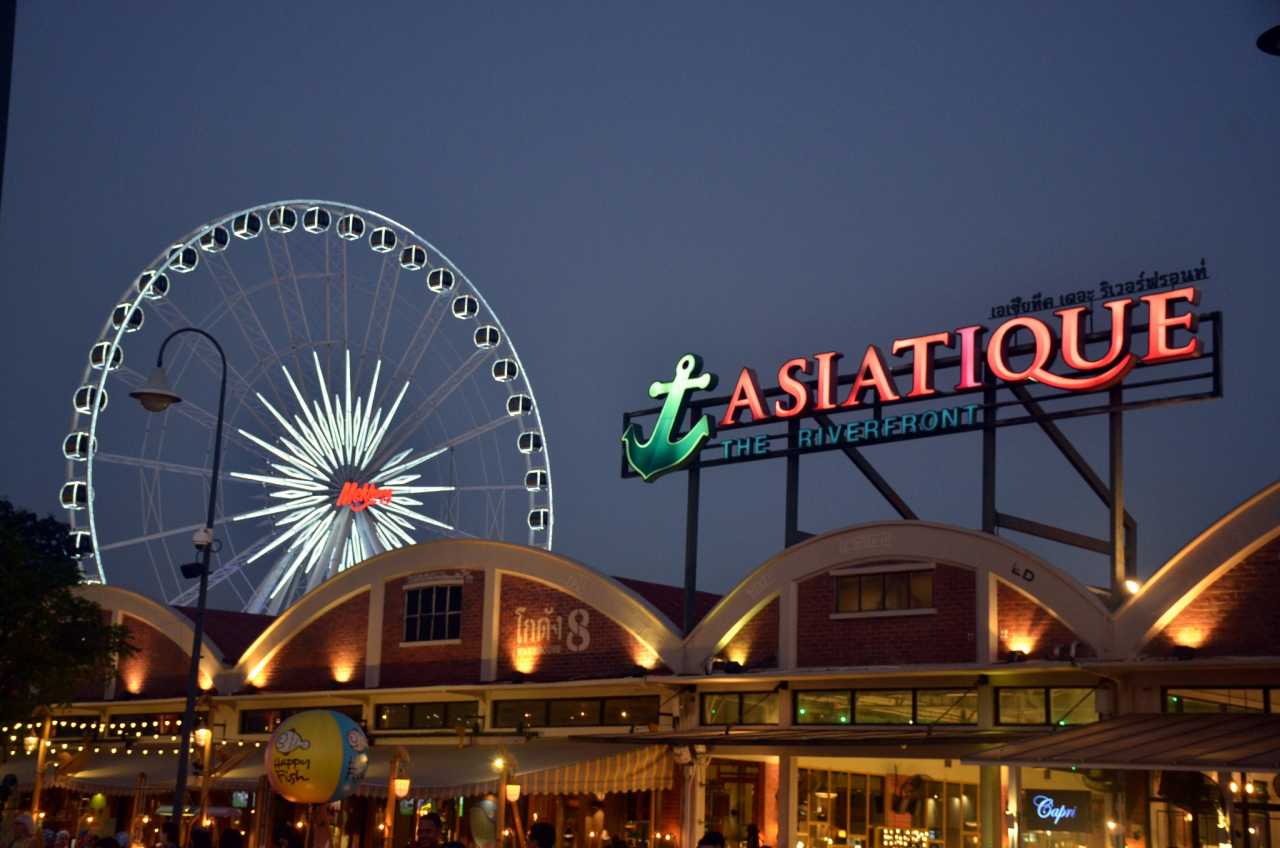 Asiatique The Riverfront
The iconic Ferris wheel isn’t cheap, and it rotates noticeably faster than usual—poor value, and the night view here isn’t special.
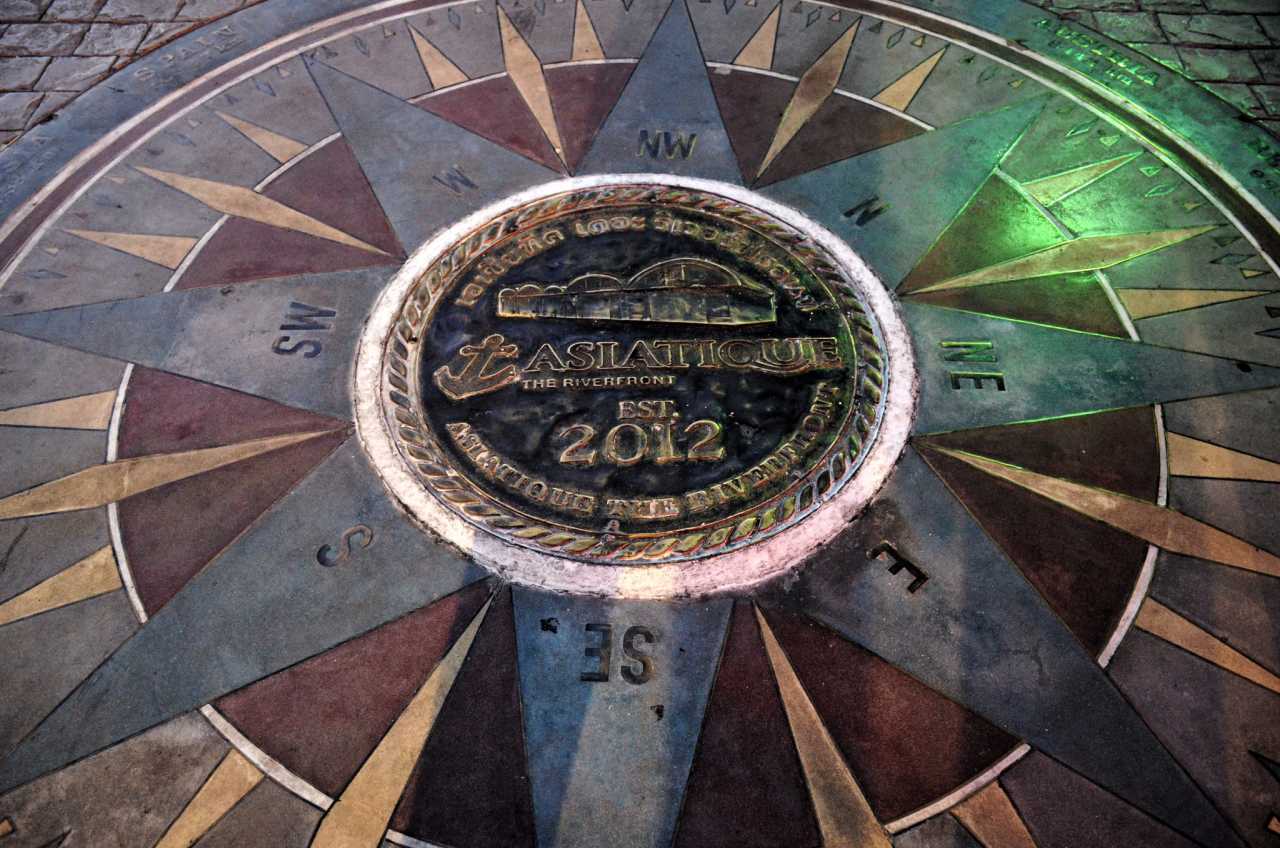 Asiatique The Riverfront
It used to be a cluster of old warehouses. In 2012 Bangkok’s city government redeveloped it into today’s riverside market.
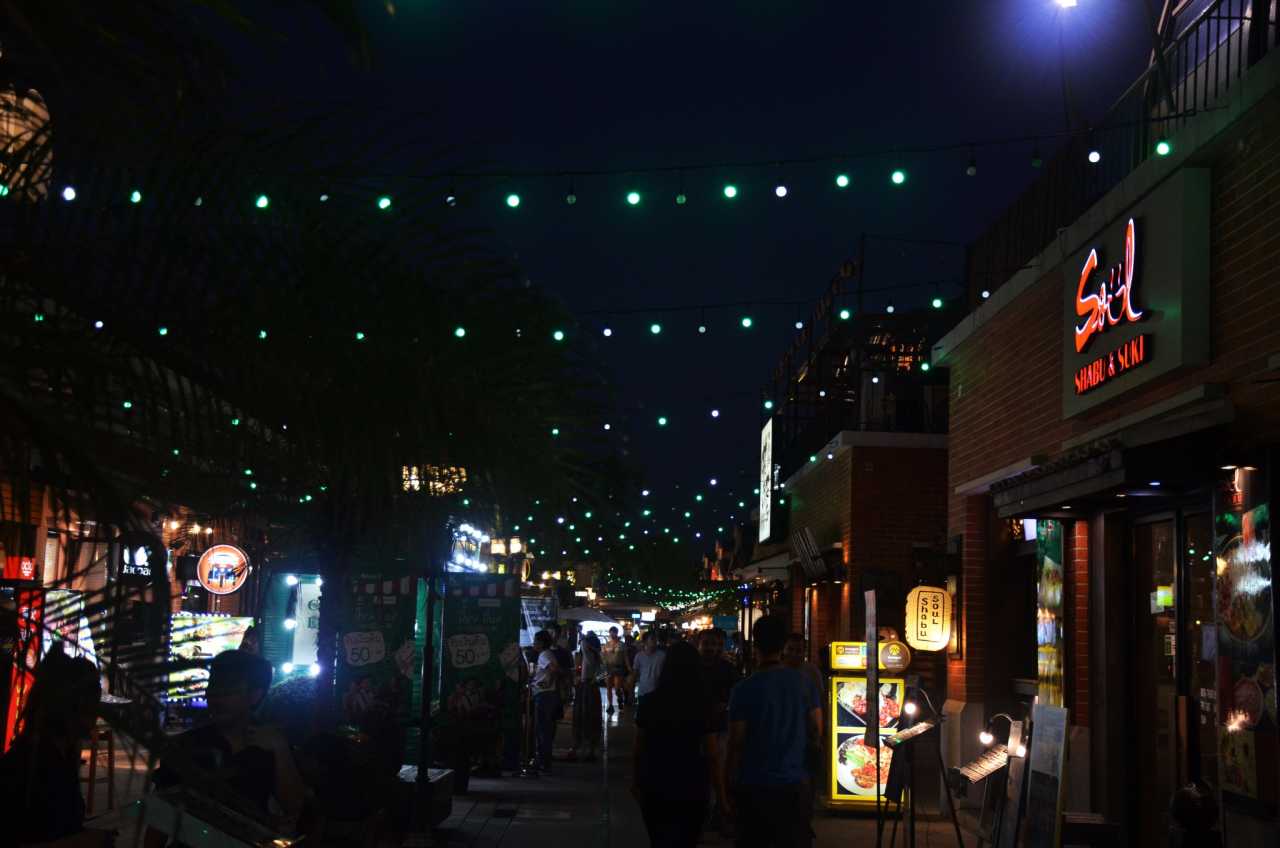 Asiatique The Riverfront
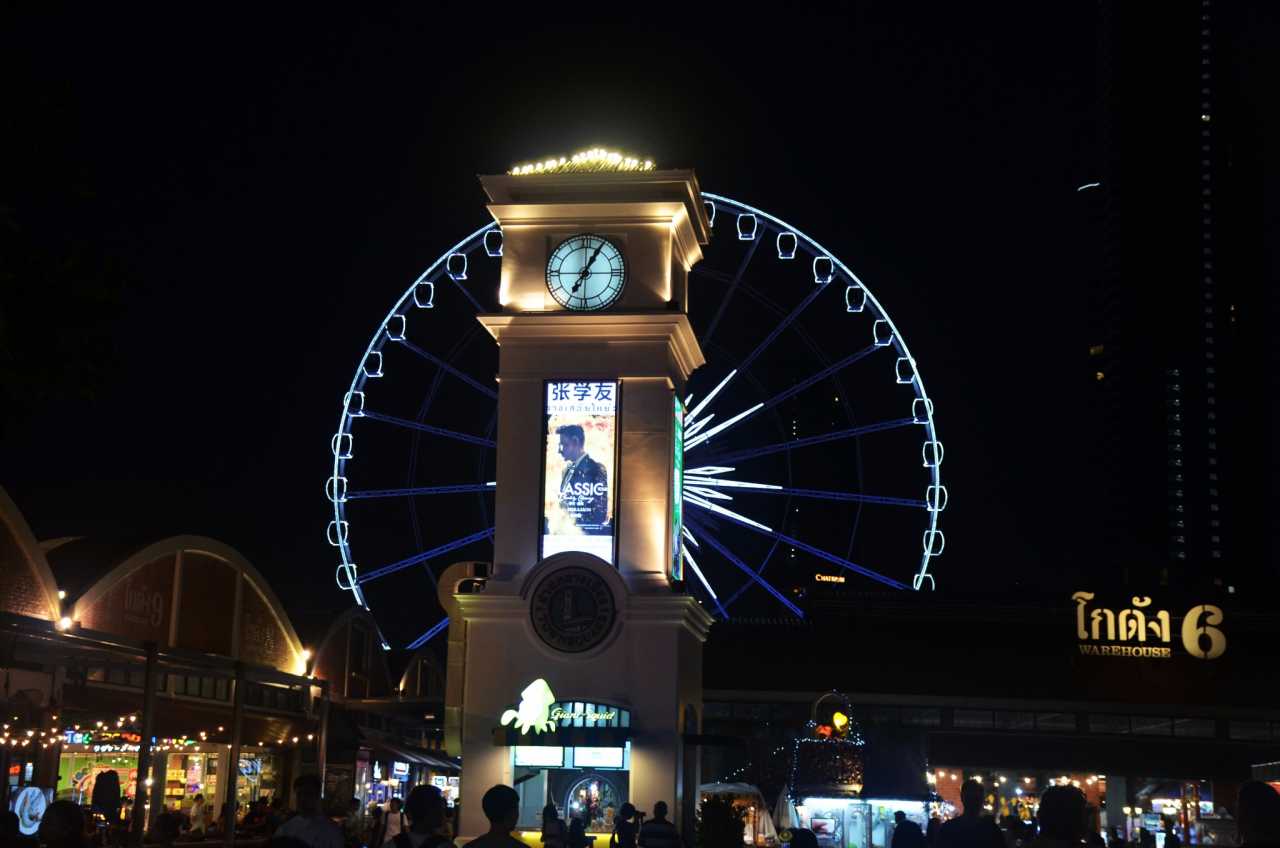 Asiatique The Riverfront
Didn’t expect the singer to have such pull—even in Bangkok there are giant posters. Impressive.
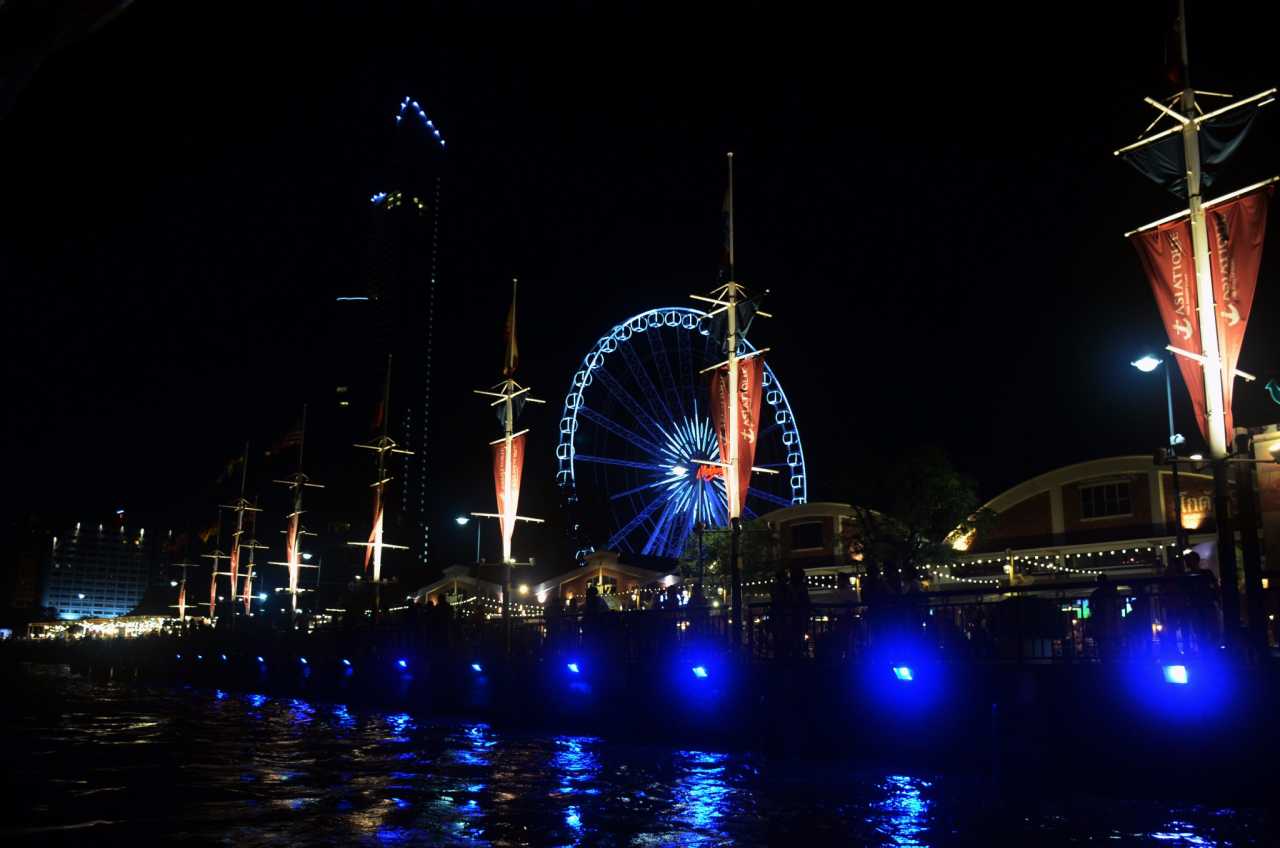 Asiatique The Riverfront
We chose a Japanese hot‑pot buffet for dinner, 500 THB per person. Fresh ingredients, great taste, and friendly service—good value.
Day 2—Grand Palace + Siam District
Yesterday’s BTS + river‑boat combo was pricey (about 260 THB one way) and time‑consuming. Hotel staff said a taxi to the Grand Palace is around 150 THB; we tried and negotiated 250 THB at the hotel gate. Probably overpaid, but versus BTS+boat it saved time and felt more comfortable. Bangkok traffic is indeed heavy at most hours, but peak congestion is comparable to Shanghai, not as terrifying as rumored. Our Monday 9:30 am ride took under 30 minutes with slow but moving traffic. Guides say insist on the meter, but as foreigners near hotels and attractions you’ll rarely get one. Know the rough price and pay a bit extra. We skipped tuk‑tuks with seniors and a child; they can be pricier but cut through traffic. Thailand drives on the left with right‑hand steering; road conditions are complex—skip self‑drive.
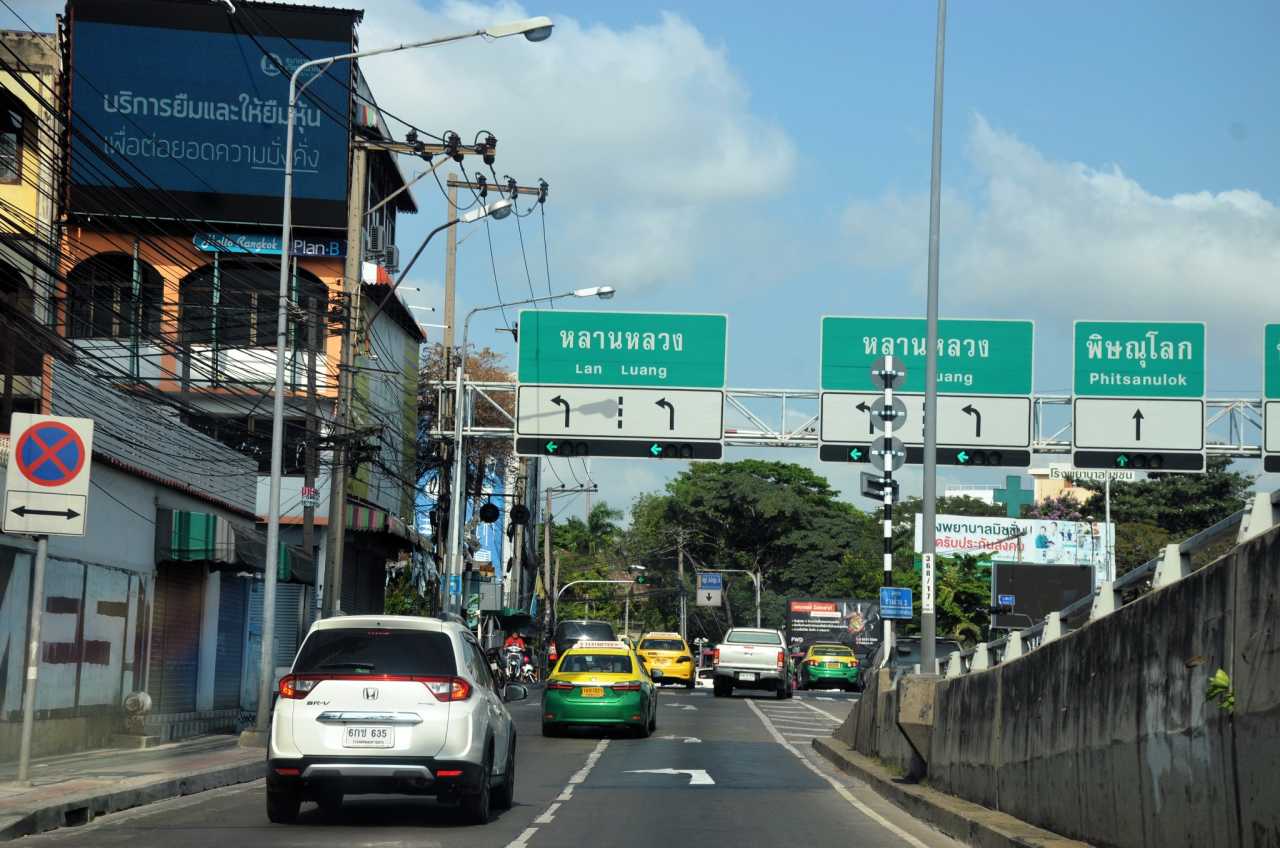
Typical left‑side traffic.
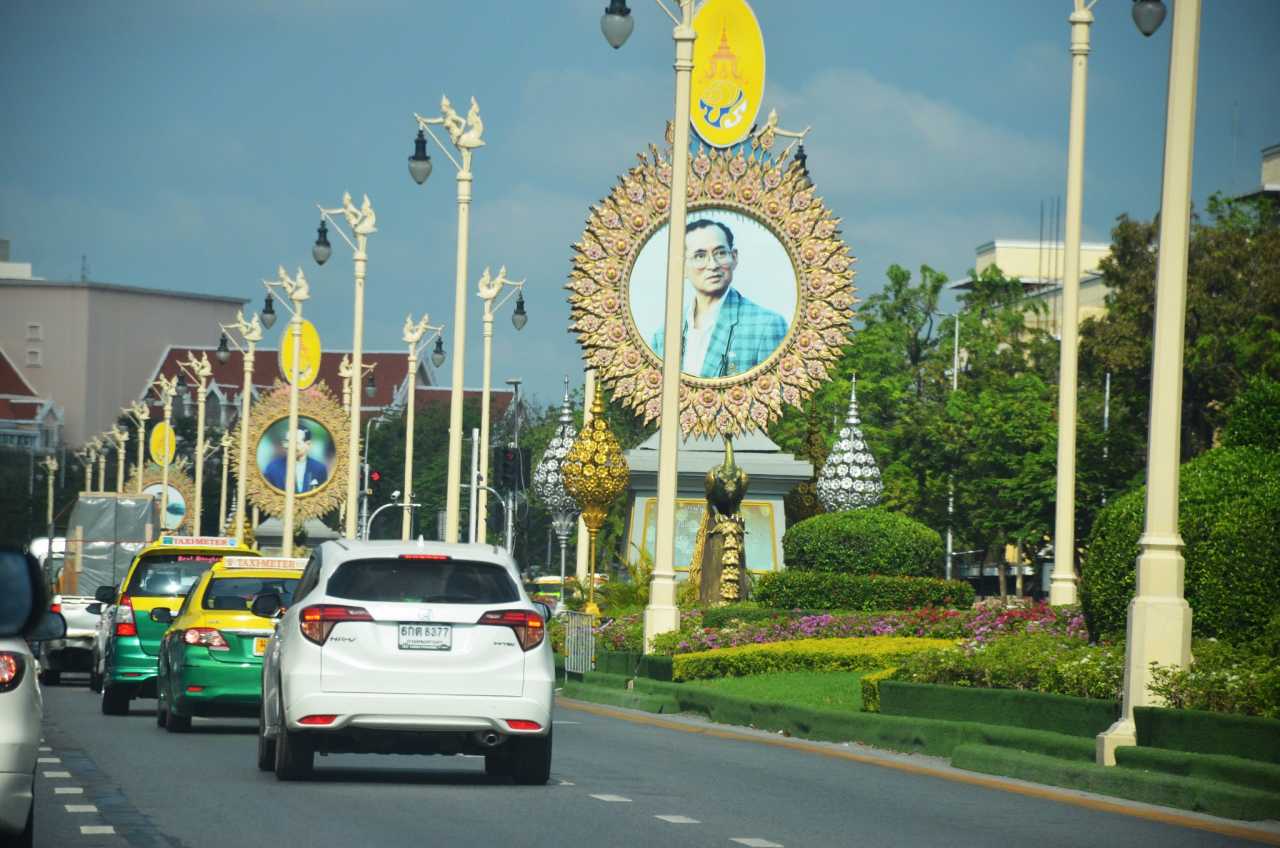
This looks like an important main street, lined with portraits of the late King Bhumibol, Thailand’s longest‑reigning monarch, revered nationwide.
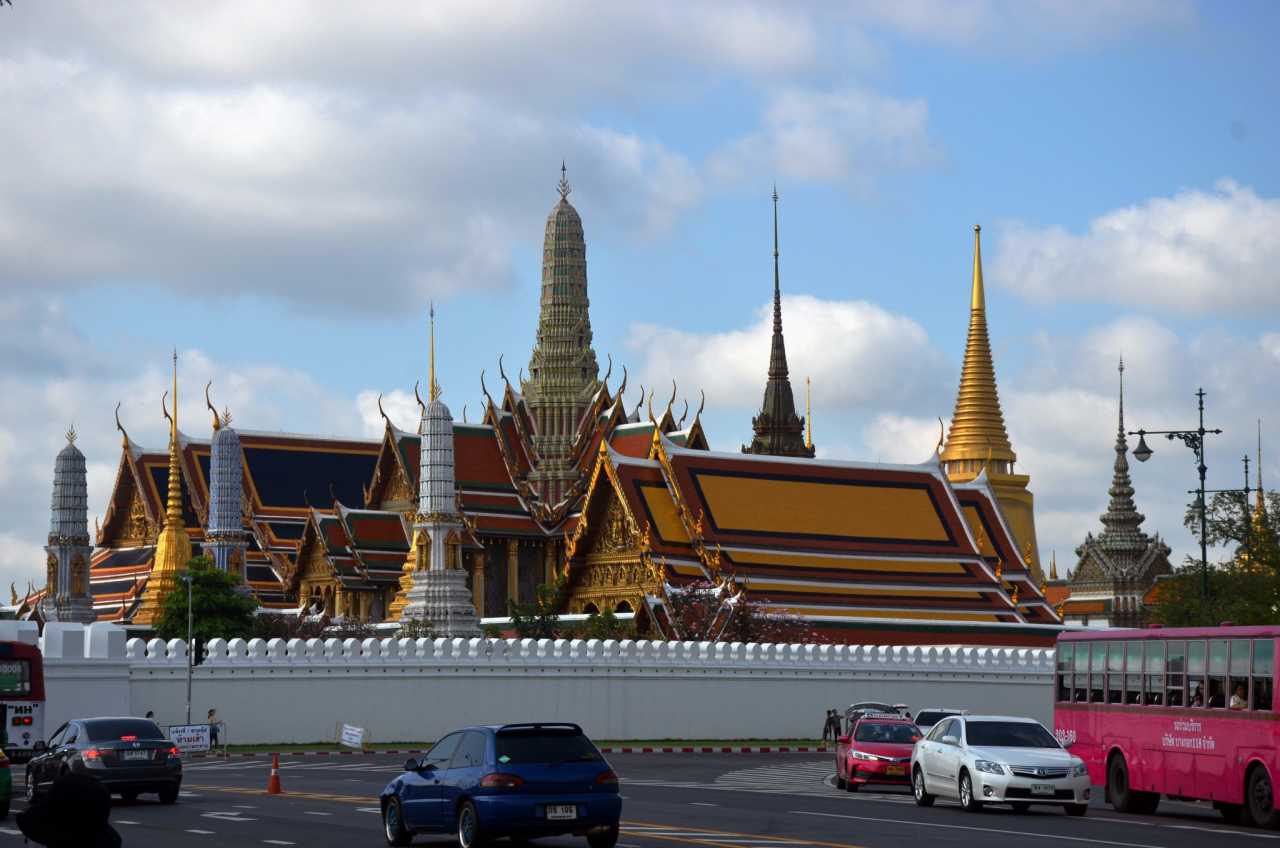 Grand Palace Bangkok
Taxis stop here; the rest is a short walk (~200 m). Dress code is strict: no shorts or sleeveless tops; otherwise you’ll need to rent clothing outside. Sandals and long skirts are fine. Hours are 08:30–15:30; go early. Plan about 3 hours.
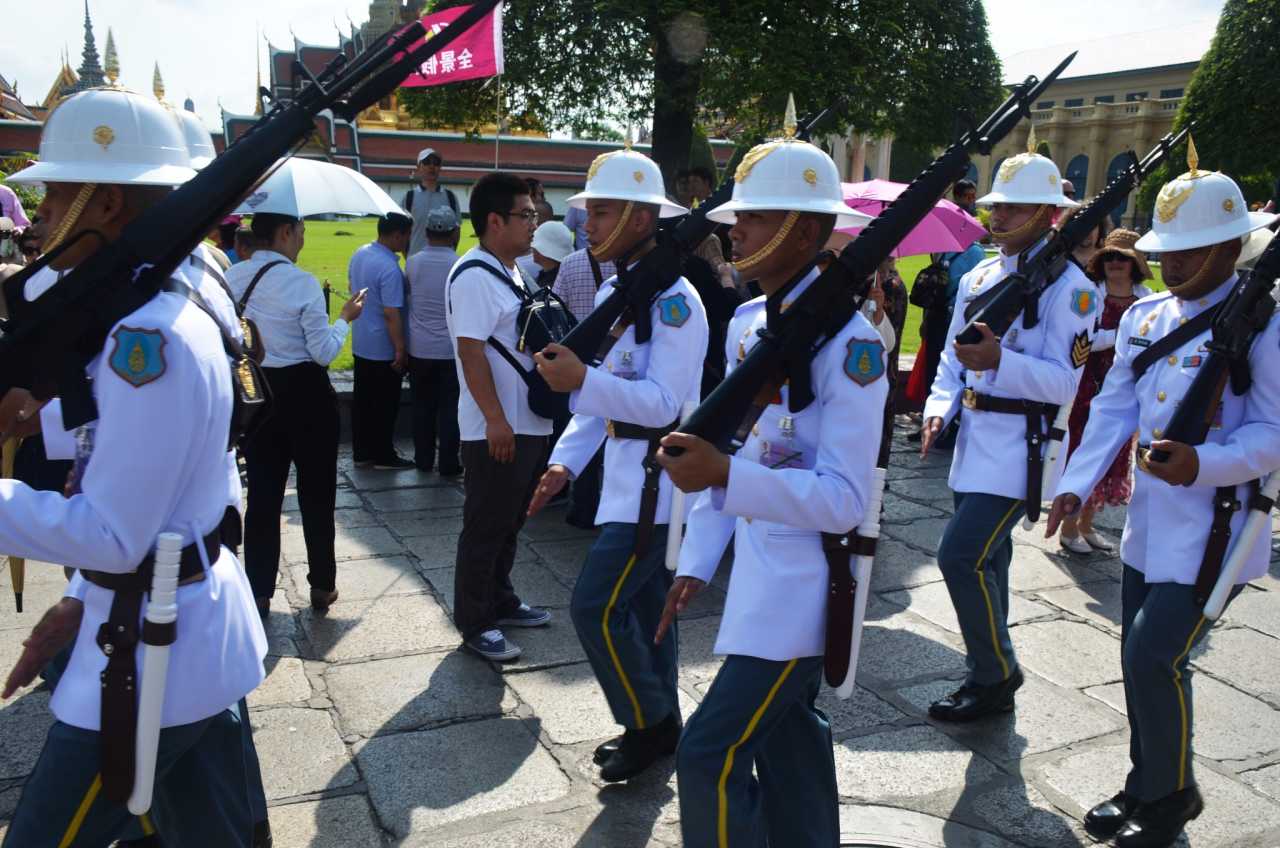 Grand Palace Bangkok
The Grand Palace guard parade is quite different from what we’re used to—not exactly impressive. Tickets are 500 THB, among the priciest in Thailand; children free (age‑based). Many countries use age rather than height for child tickets, which is more reasonable.
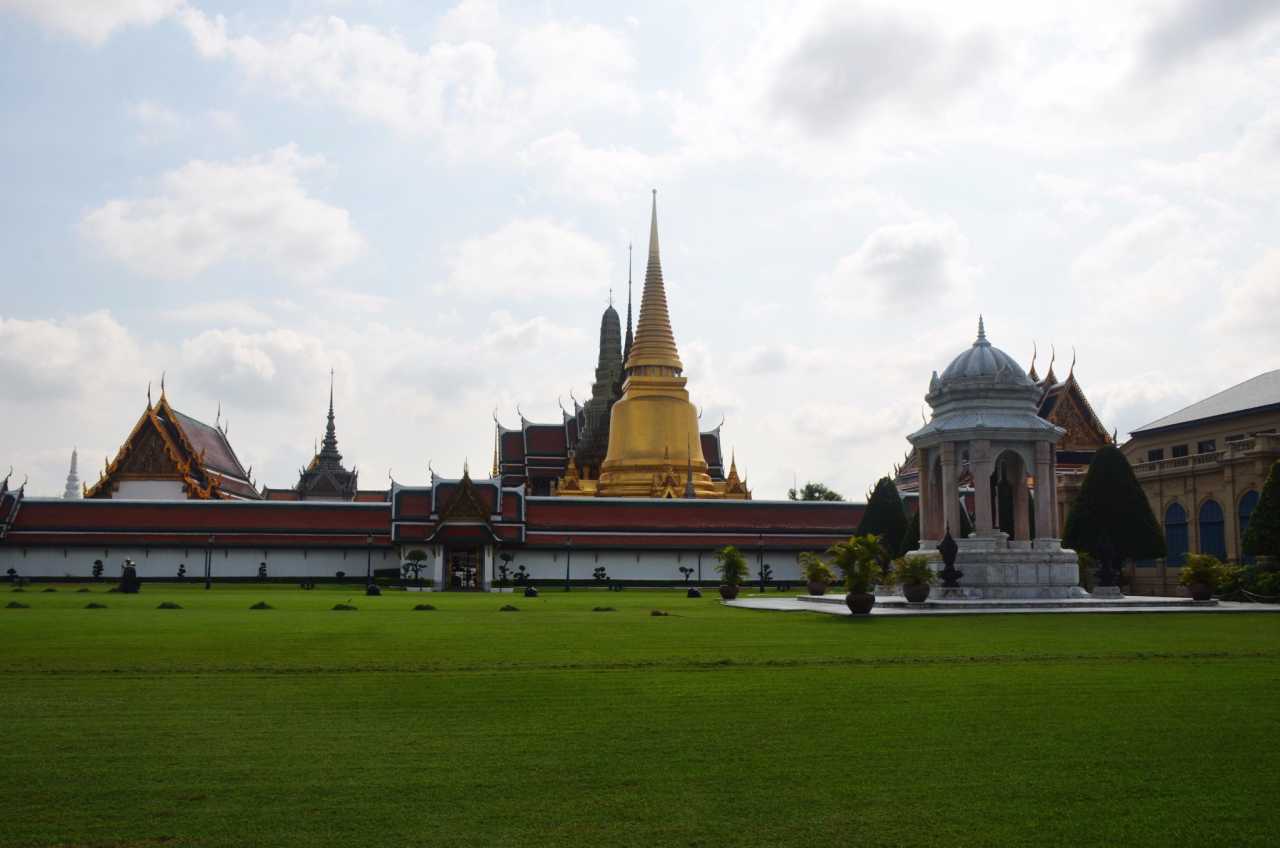 Grand Palace Bangkok
The Grand Palace (Royal Palace) was founded in 1782 and expanded by successive kings. Rama I to Rama VIII resided here; after the 1946 assassination of Rama VIII, Rama IX moved to Chitralada Palace east of the complex. Today it hosts coronations and ceremonies but is open to visitors and is a must‑see, akin to Beijing’s Forbidden City. Thai history includes the Sukhothai, Ayutthaya, Thonburi, and Bangkok (Rattanakosin) kingdoms.
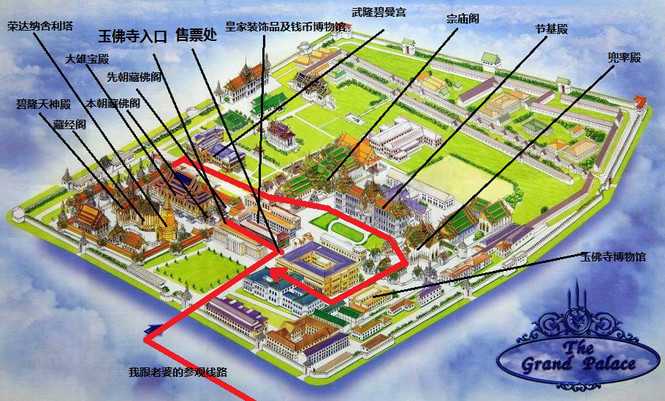 Grand Palace Bangkok
Visitor map: tours are largely limited to the red‑marked areas, roughly the front half of the complex.
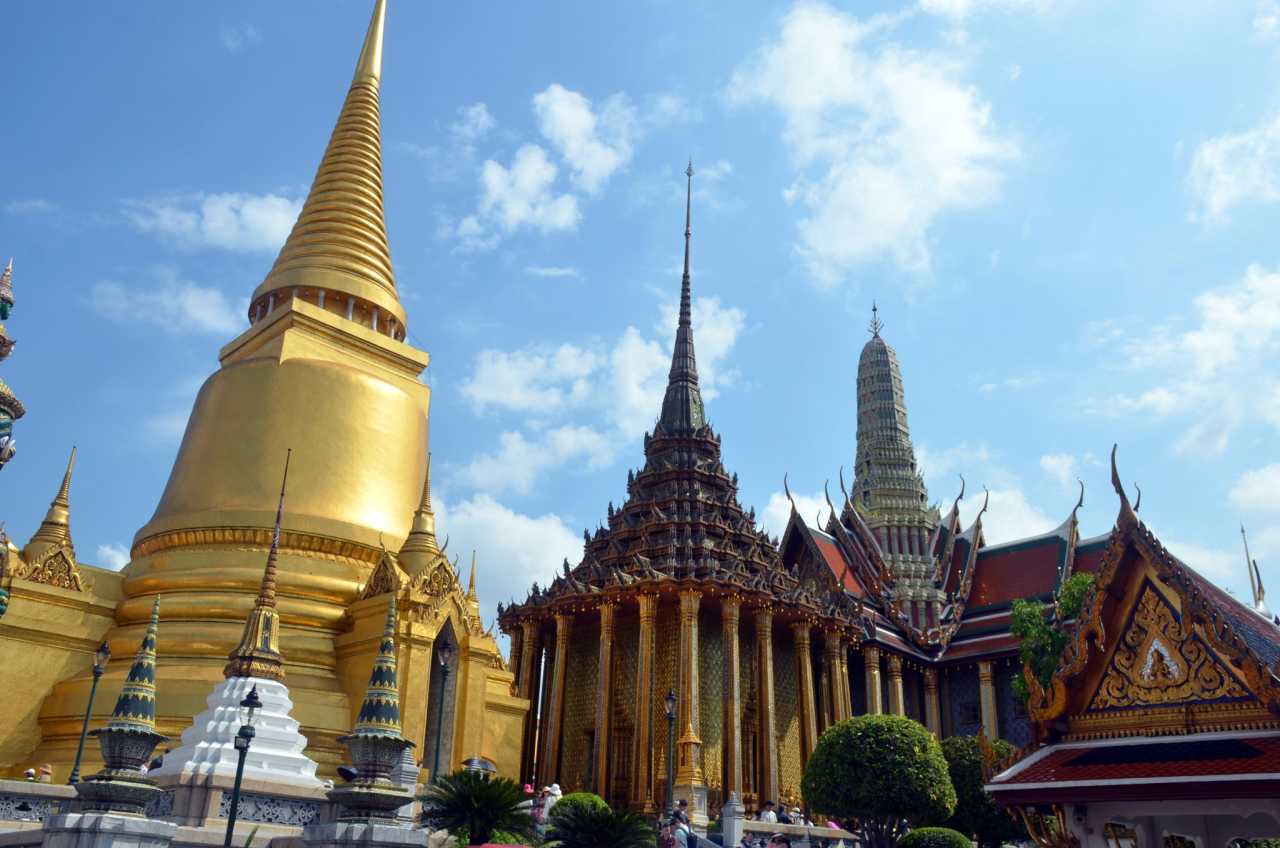 Grand Palace Bangkok
The Grand Palace concentrates Thailand’s architectural, painting, carving, and decorative arts—a showcase of Siamese style. Notable buildings include Chakri Maha Prasat, Dusit Maha Prasat, Amarin Winitchai Hall, and Wat Phra Kaew (Temple of the Emerald Buddha).
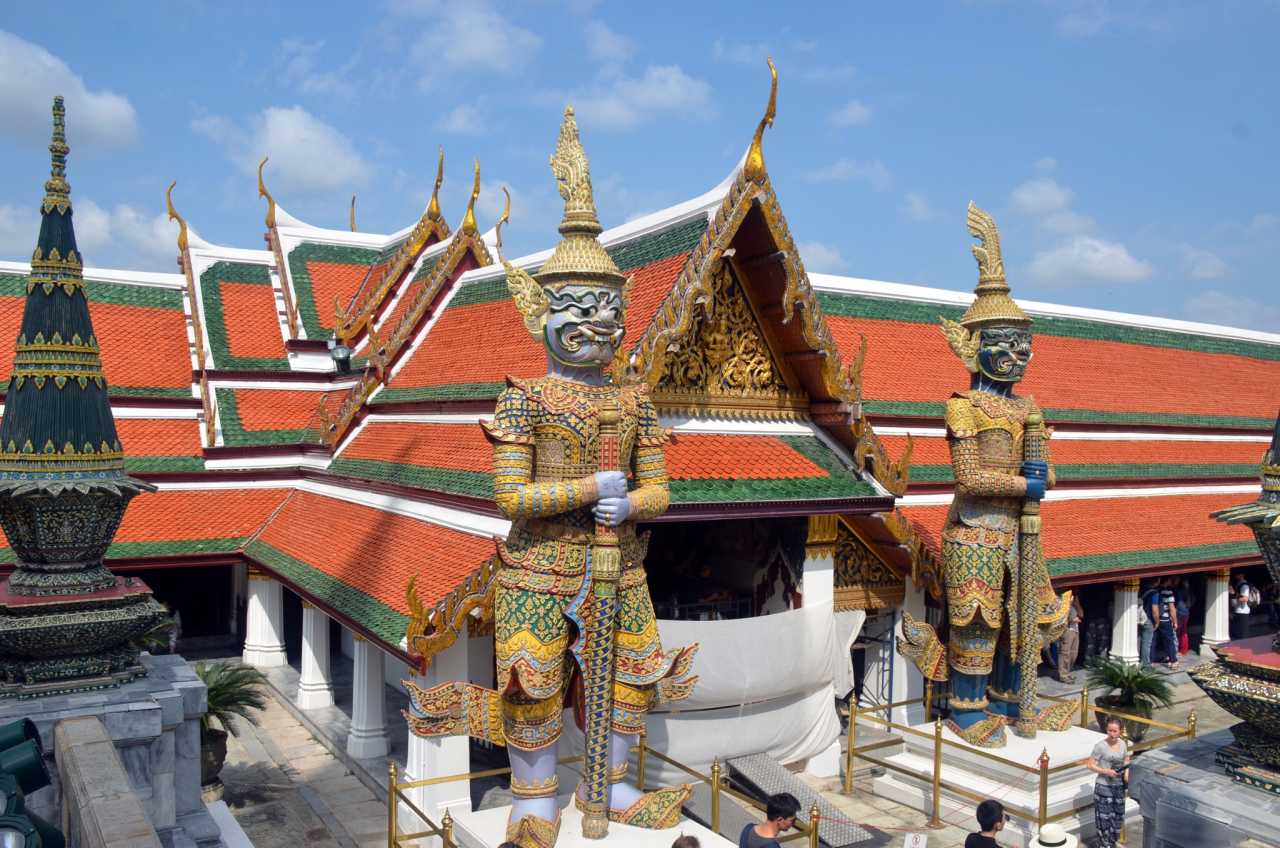 Grand Palace Bangkok
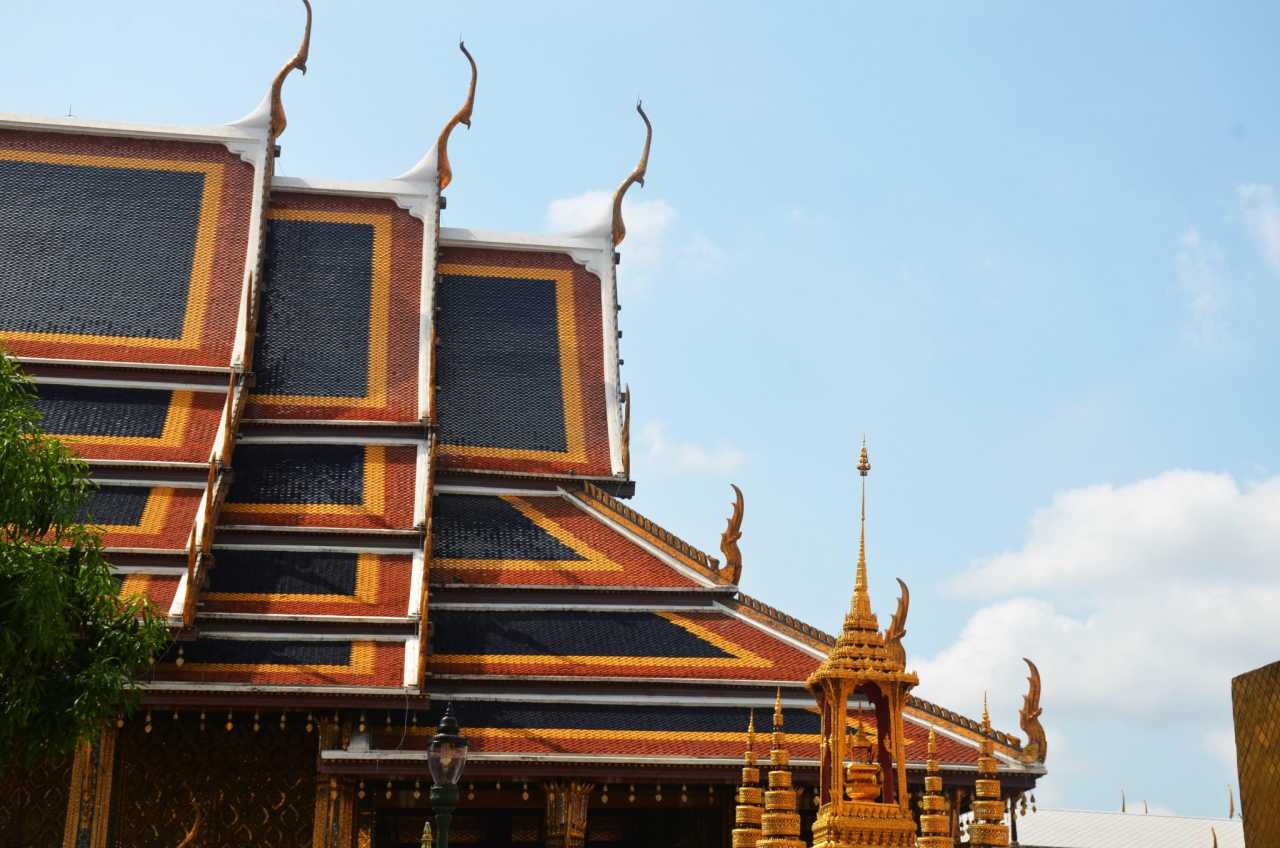
The architecture is exquisite with strong Southeast Asian flavor. Crowds are heavy; at 10 am it was packed.
 Grand Palace Bangkok
High eaves and layered roofs look different from ours, yet share similarities from certain angles.
 Grand Palace Bangkok
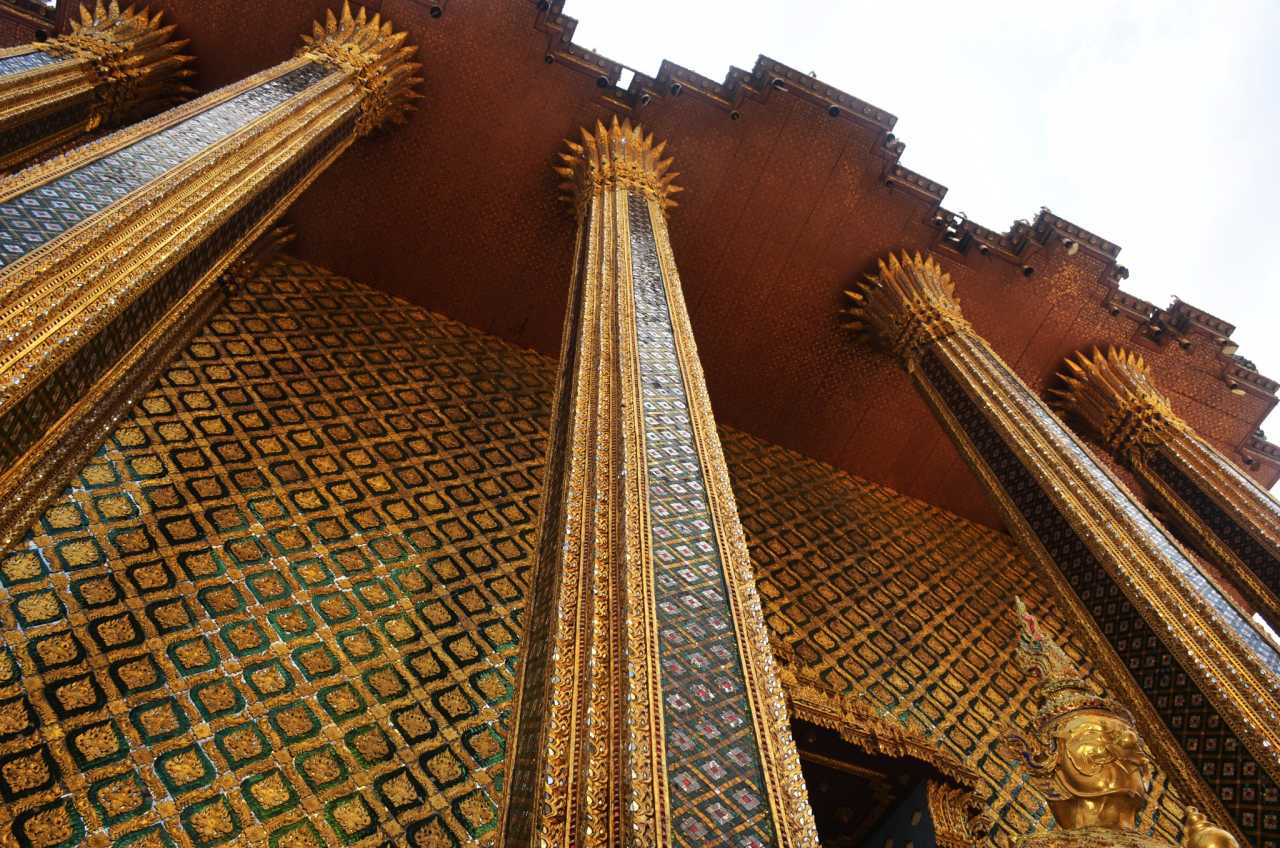
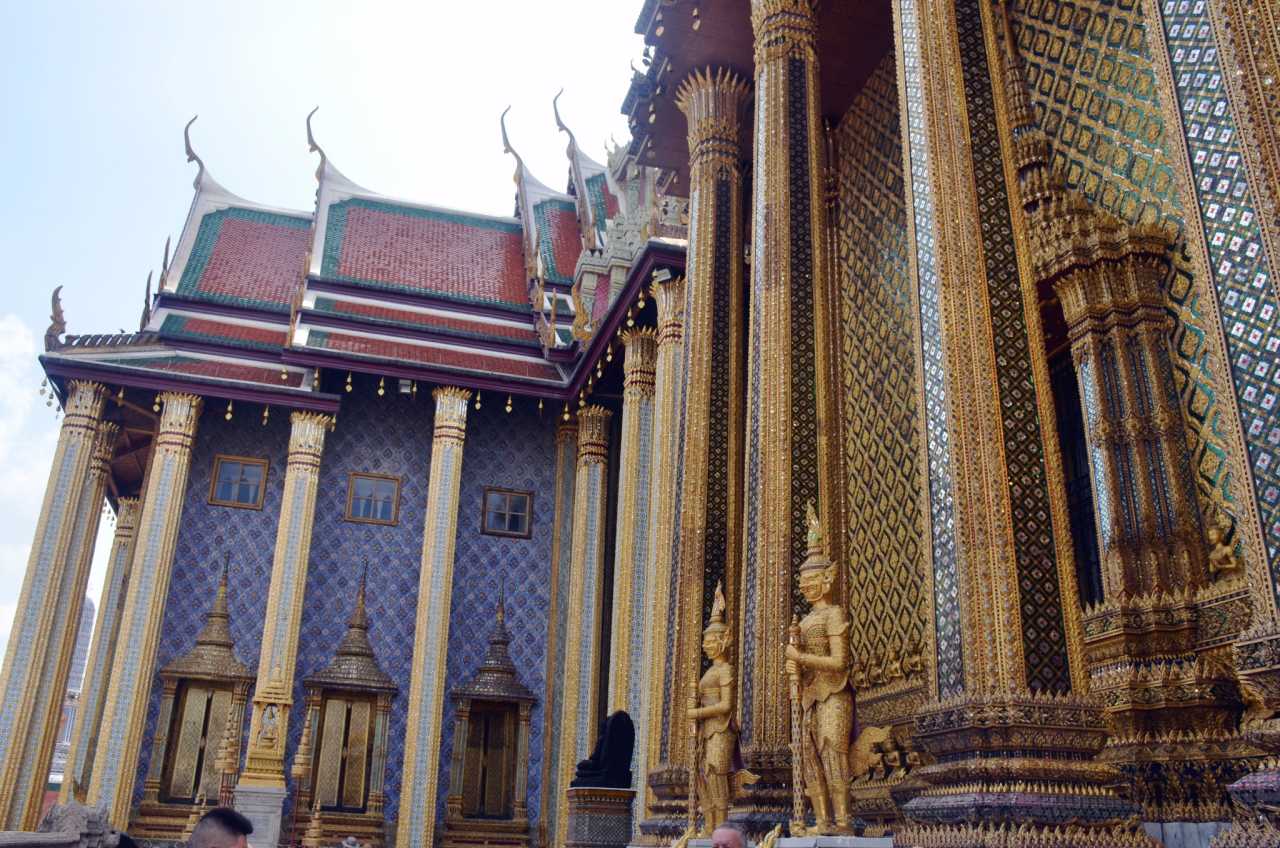
Traditional Thai buildings excel at glass and mosaic work; columns shimmer. “Gold and jade splendor” fits, though the overall scale feels less grand than the Forbidden City.
 Grand Palace Bangkok
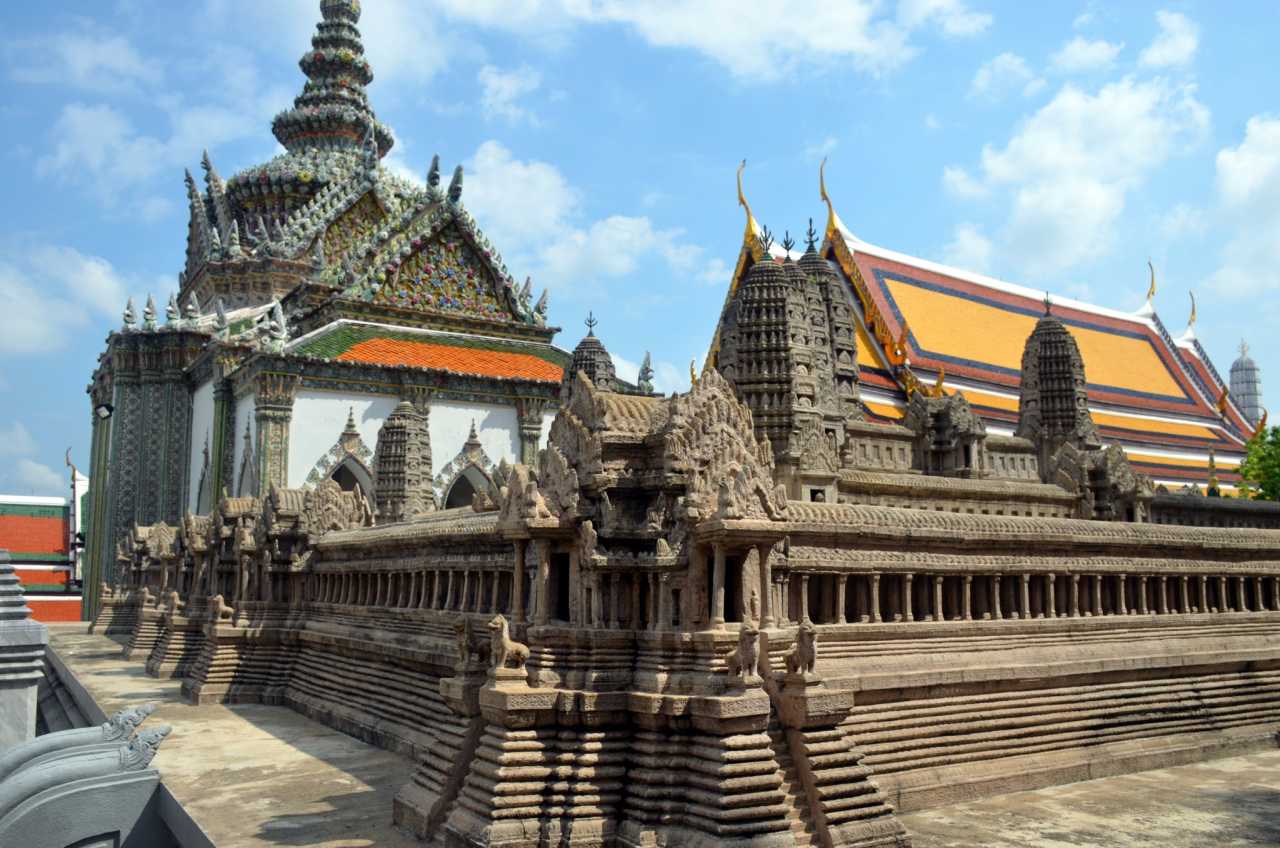
This is a scale model of Cambodia’s Angkor Wat.
 Grand Palace Bangkok
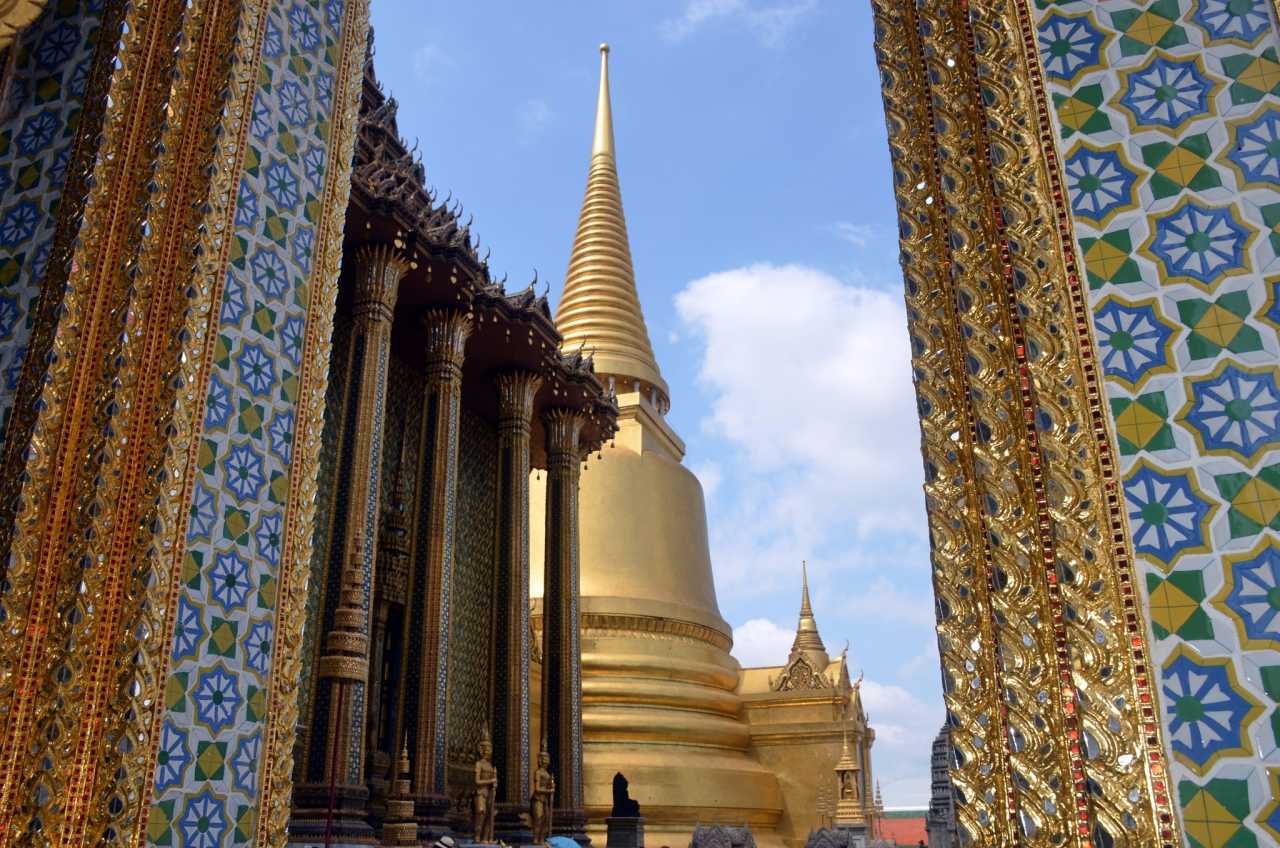 Grand Palace Bangkok
The golden chedi resembles Yangon’s Shwedagon Pagoda, though smaller.
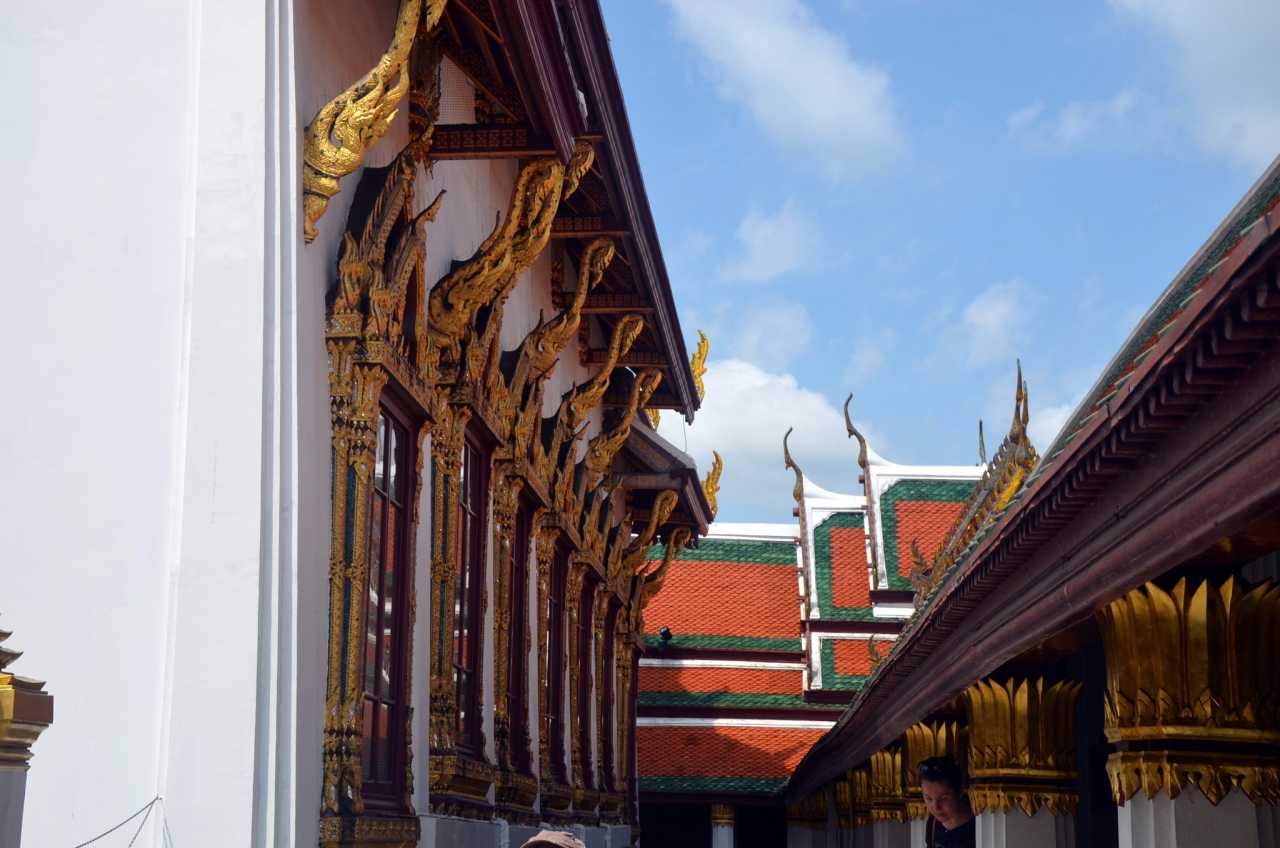 Grand Palace Bangkok
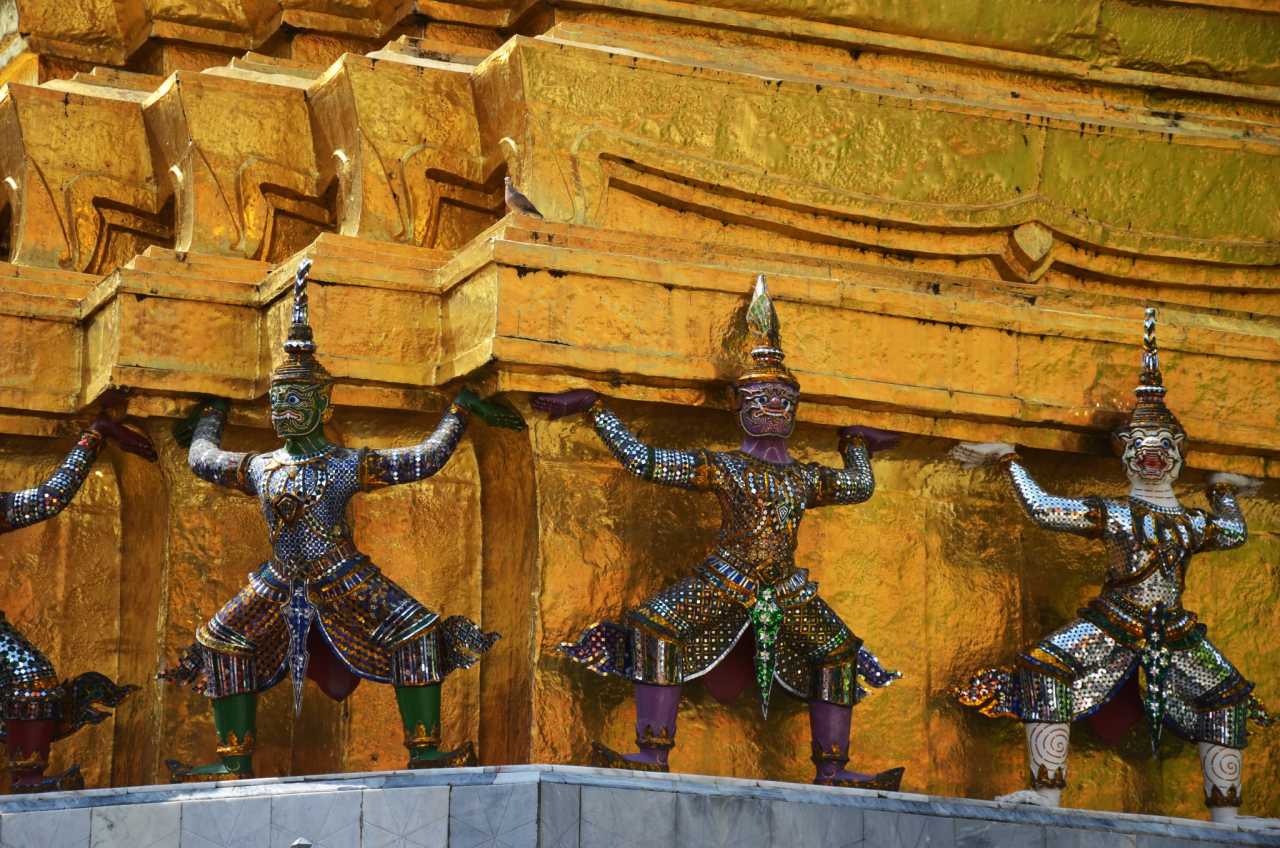 Grand Palace Bangkok
Supporting figures (yakshas) hold up structures—they’ve stood “lifting” for a century.
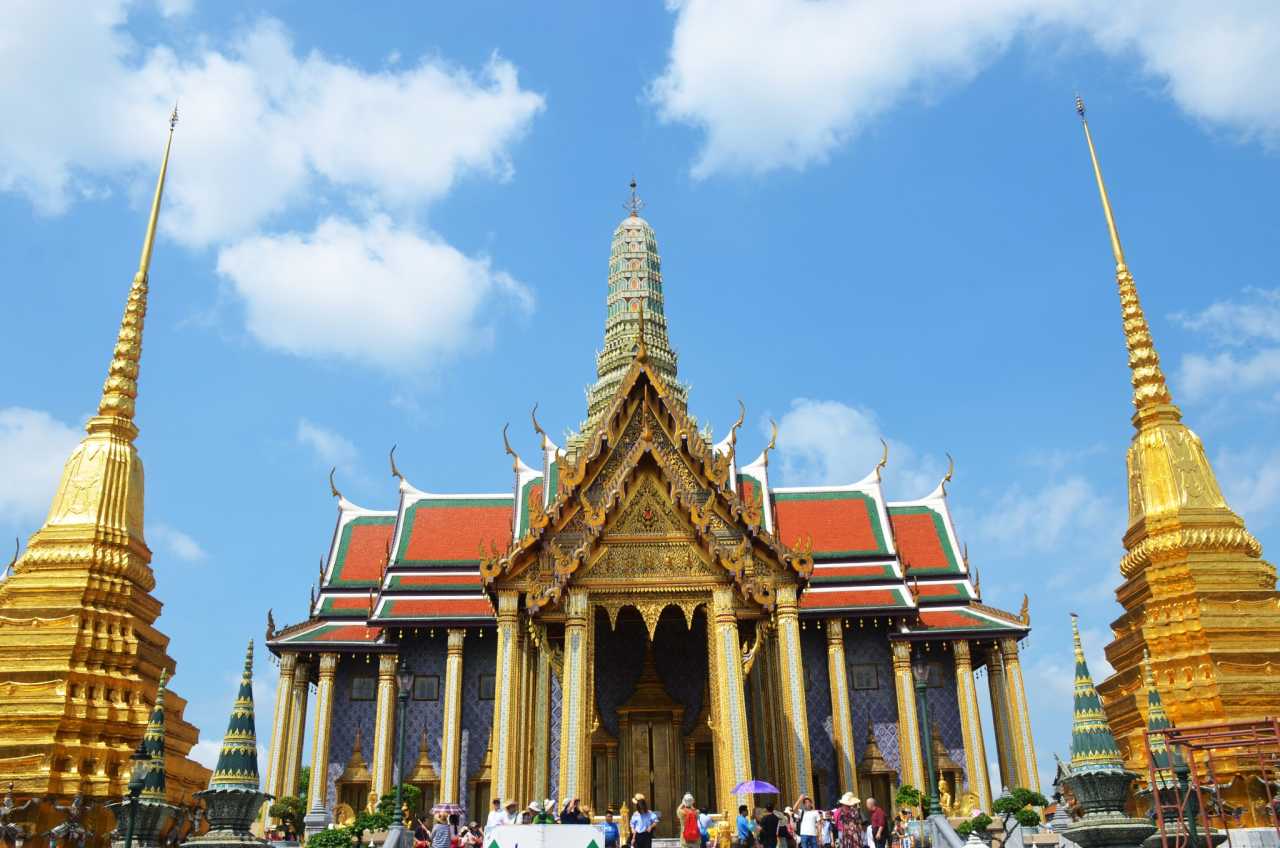 Grand Palace Bangkok
A grand hall with strong presence; you can visit the platform but not the interior.
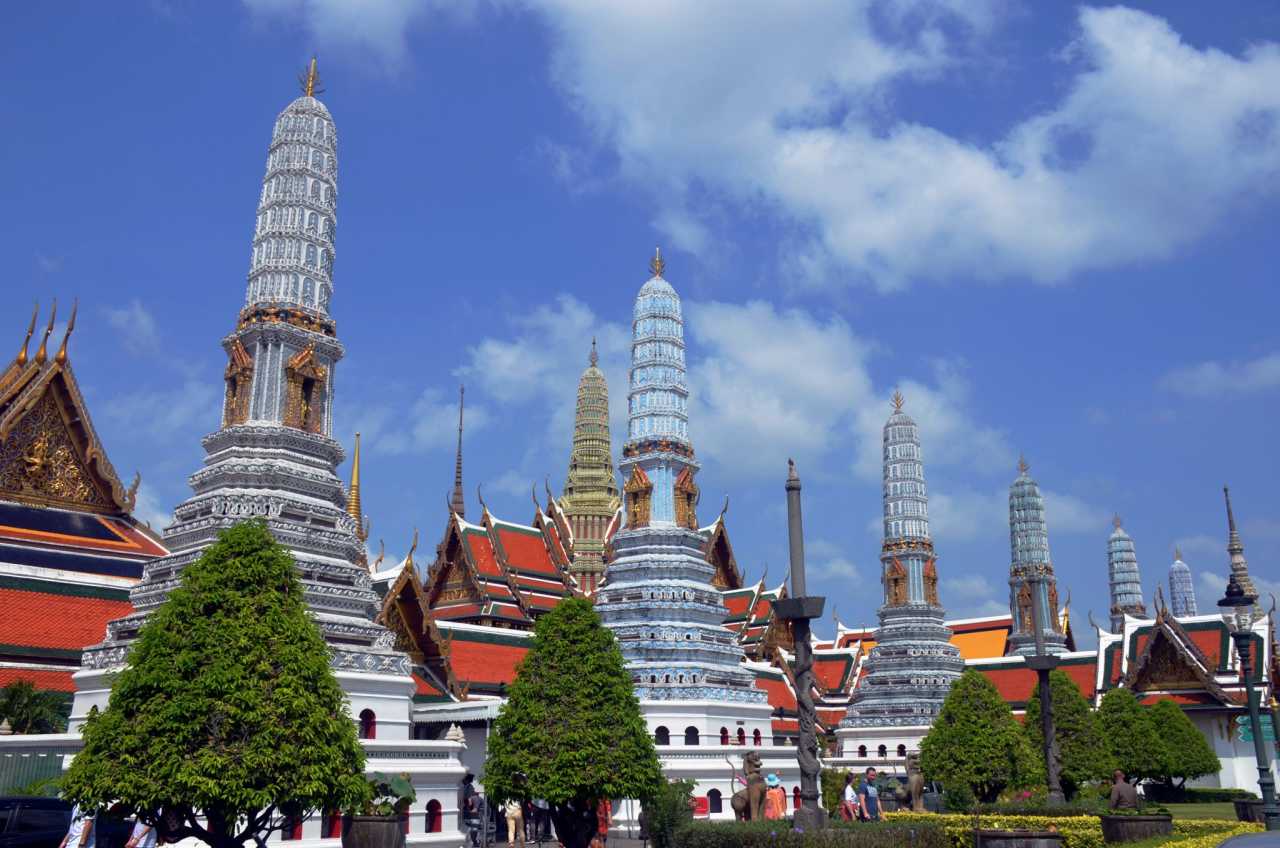 Grand Palace Bangkok
Restrooms are accessible from side exits. From here you see a different angle of the complex; the white prangs look nearly identical to those at Wat Arun.
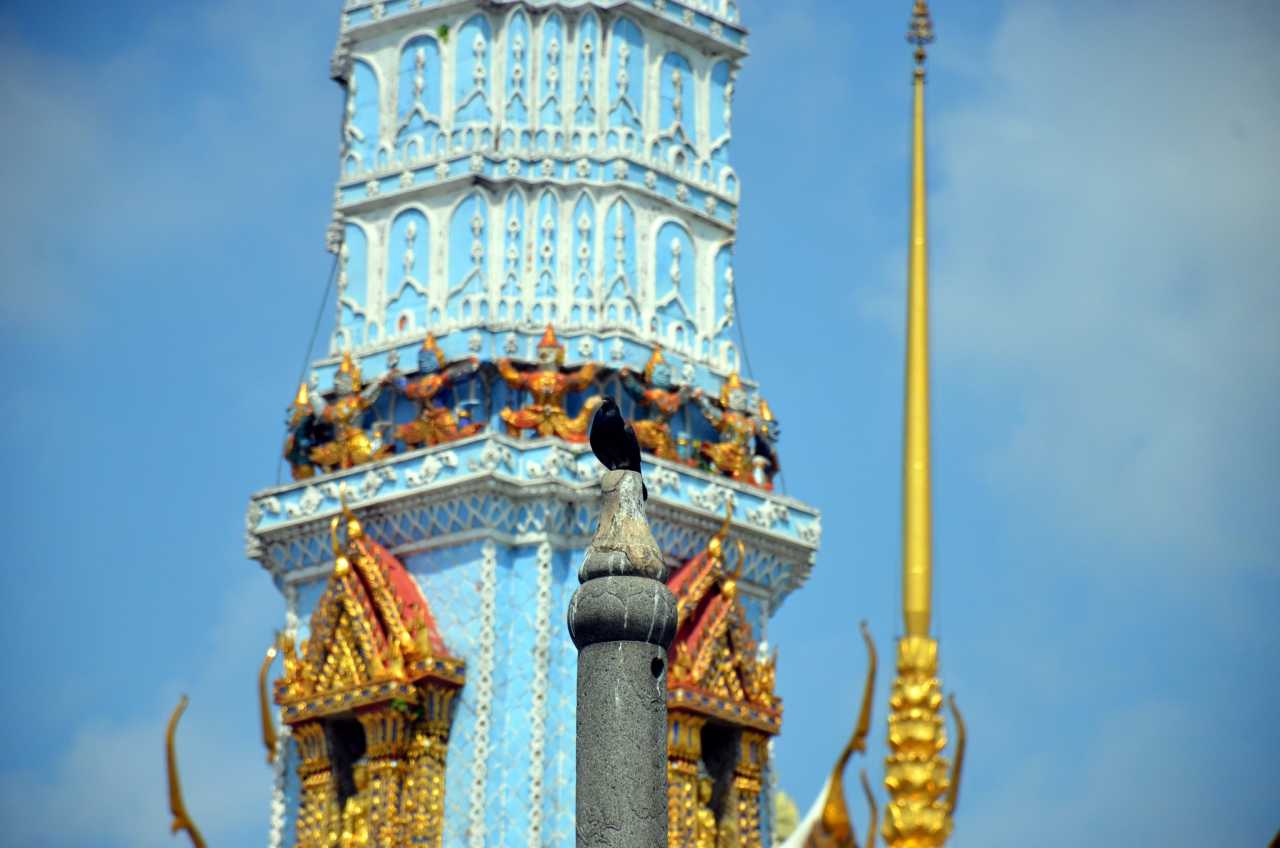 Grand Palace Bangkok
A black raven stood guard like a sentry—too far for a close‑up.
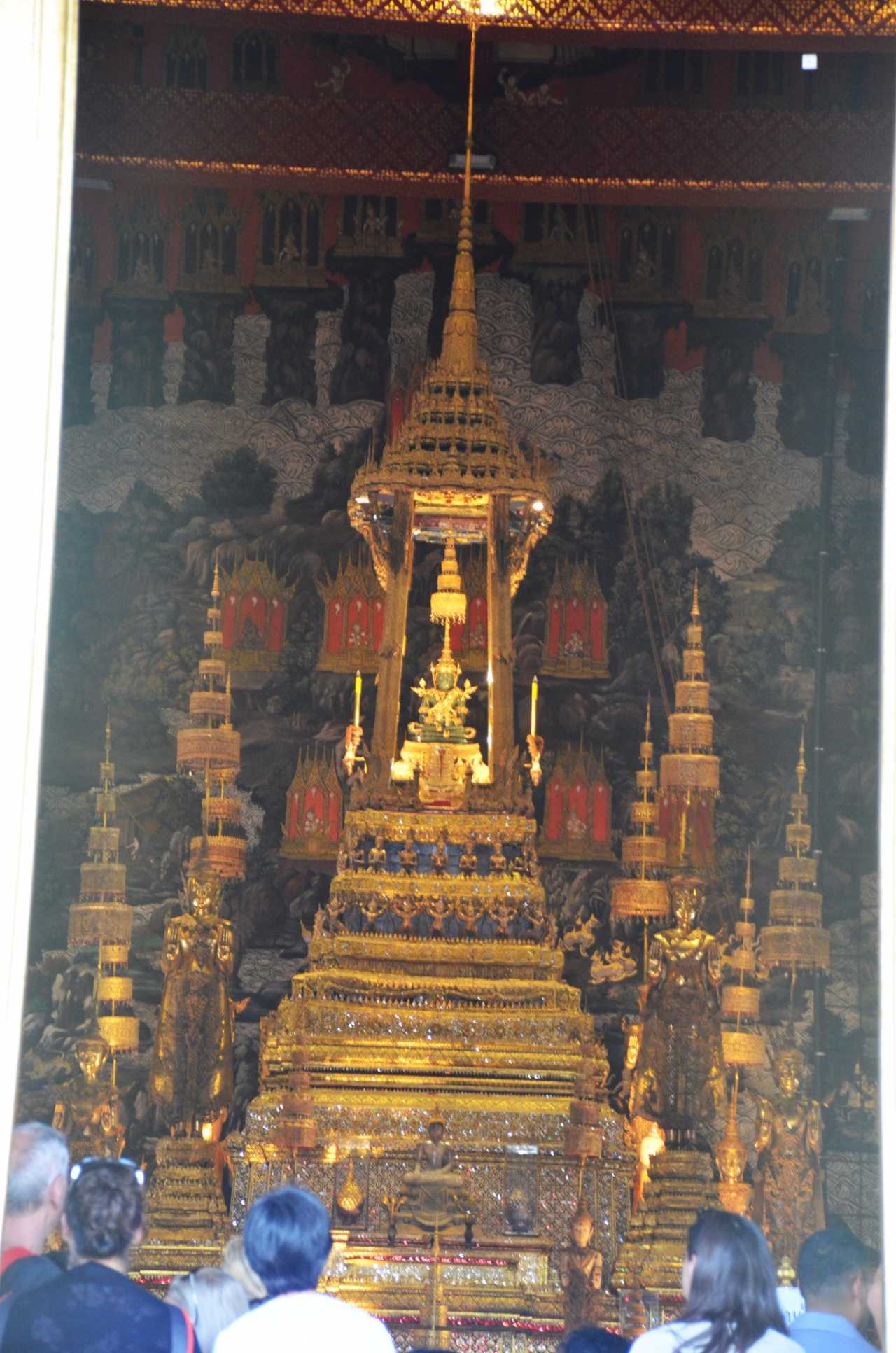 Wat Phra Kaew
Wat Phra Kaew is the centerpiece, housing the Emerald Buddha (one of Thailand’s three treasures; the others are the Reclining Buddha and the Golden Buddha). You can enter after removing shoes but photography is prohibited. Only Thai citizens may approach closely; foreigners view from the perimeter.
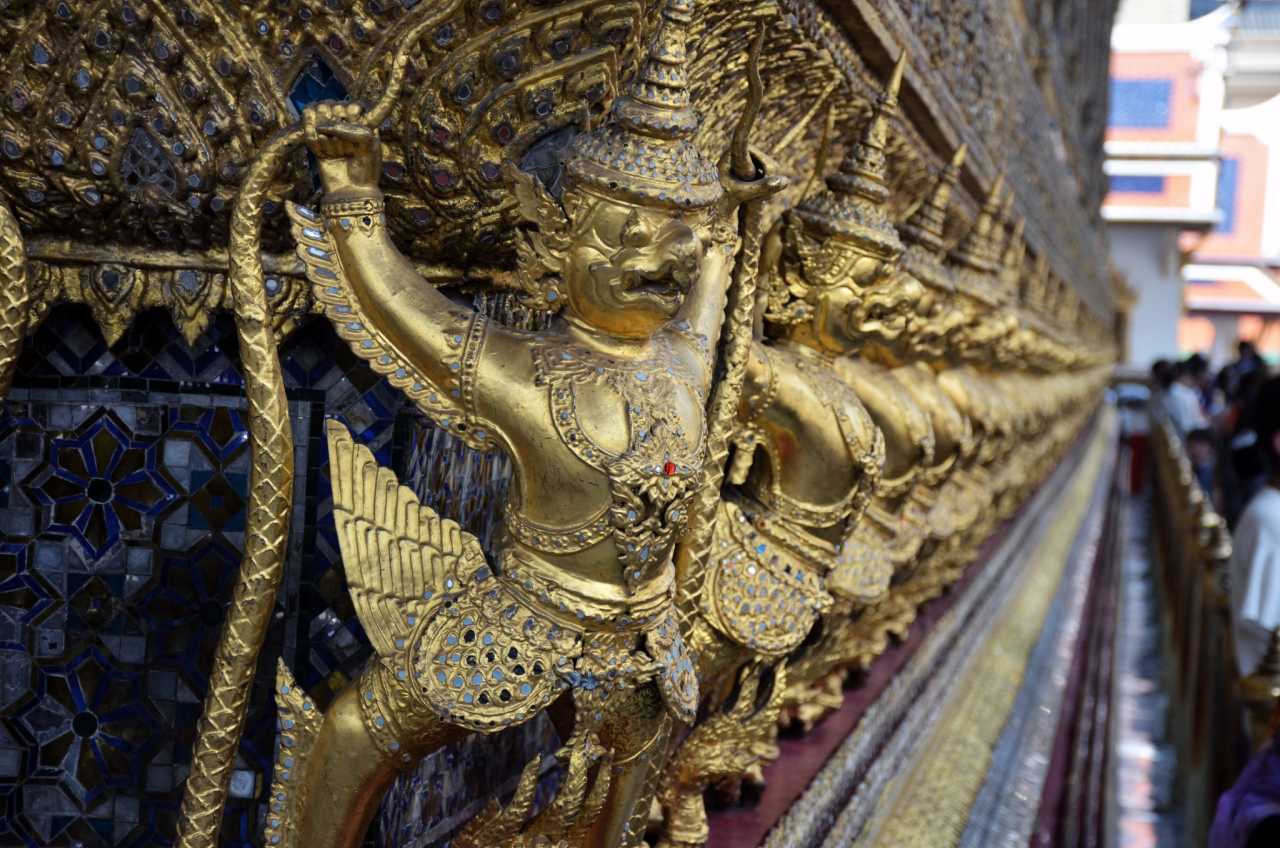 Wat Phra Kaew
A row of figures—angels or demons? They often appear in travel guides.
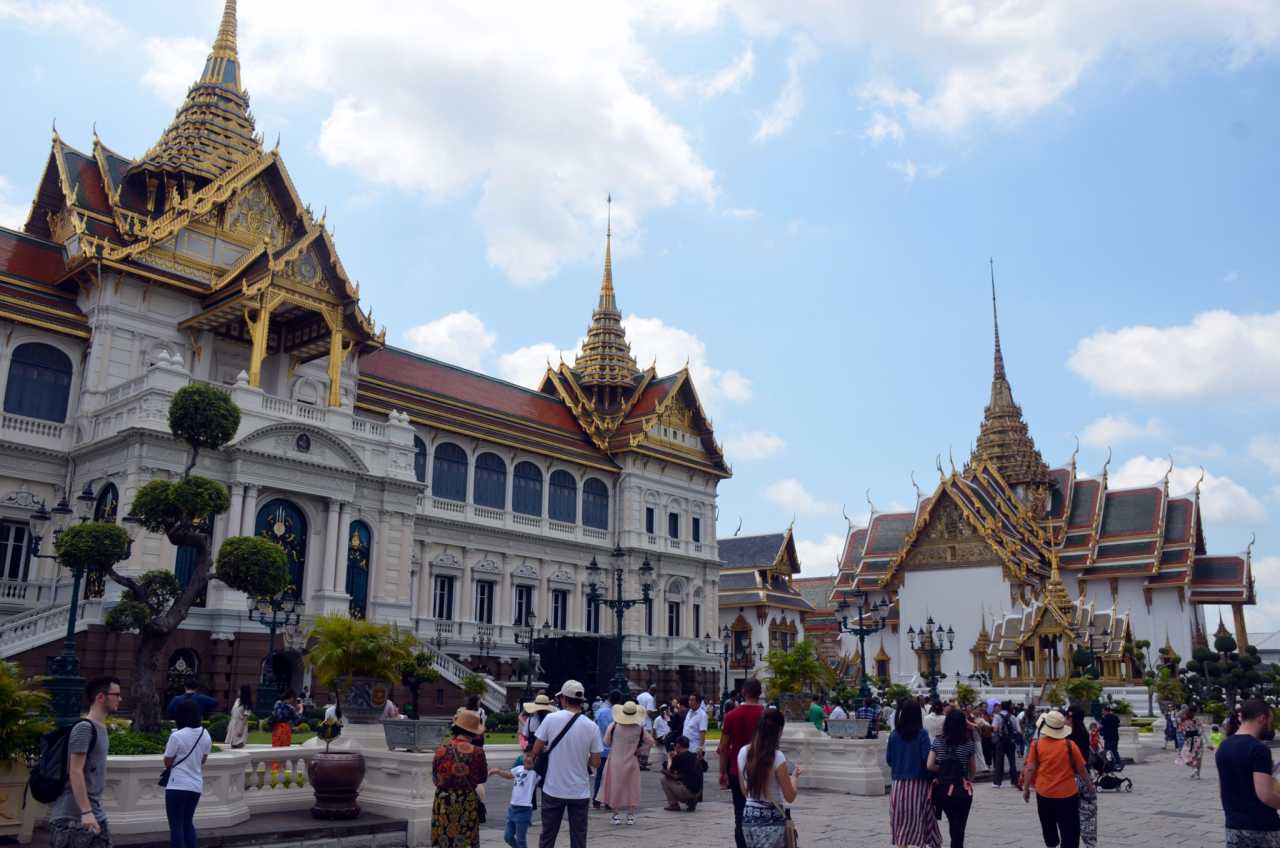 Grand Palace Bangkok
After Wat Phra Kaew we exited; the Grand Palace route is one‑way, so don’t miss sights. You’ll first see Phra Thinang Phiman Rattaya (a royal guesthouse, usually closed), then the East‑West hybrid Chakri Maha Prasat.
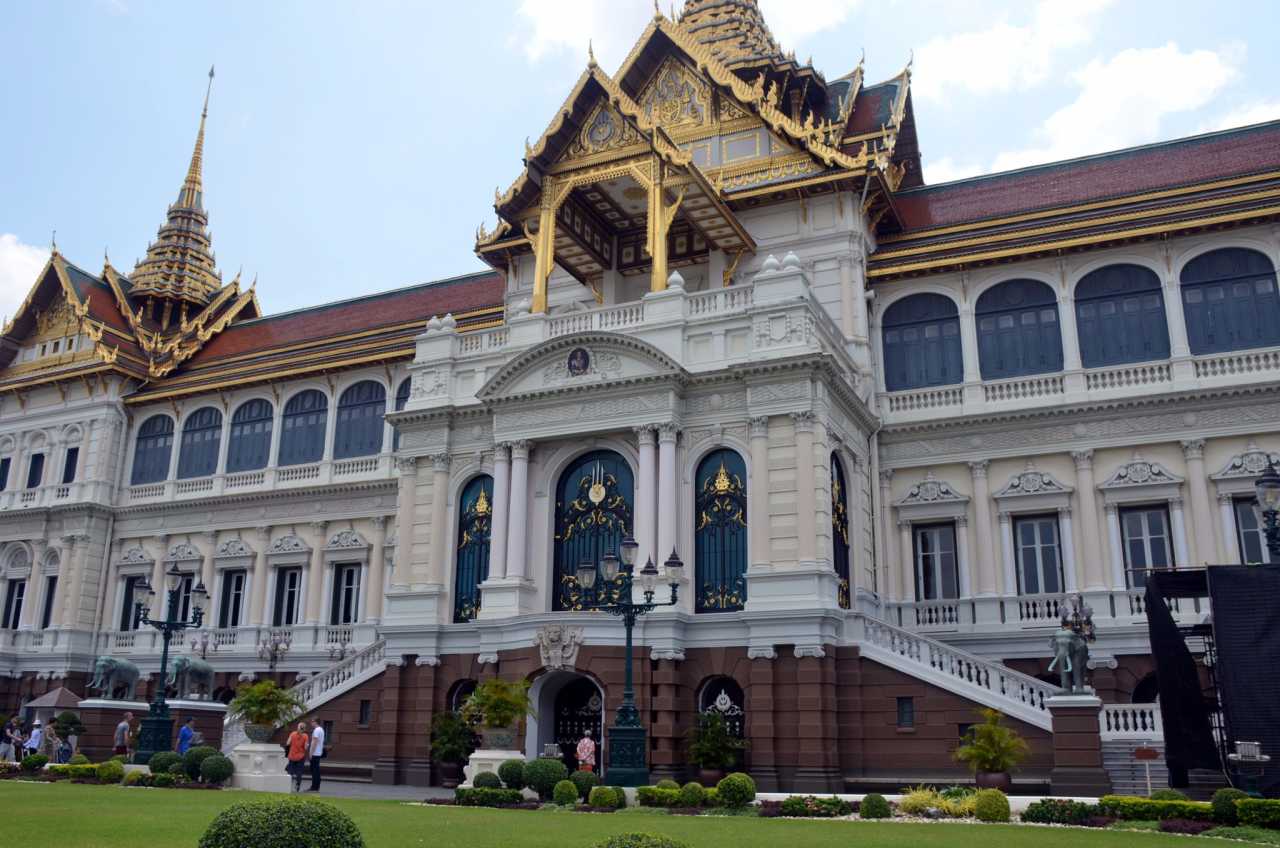 Grand Palace Bangkok
Chakri Maha Prasat was built between 1876 and 1882 by architects including John from Singapore; it blends Western design with Thai elements. It now houses royal relics and an arms museum.
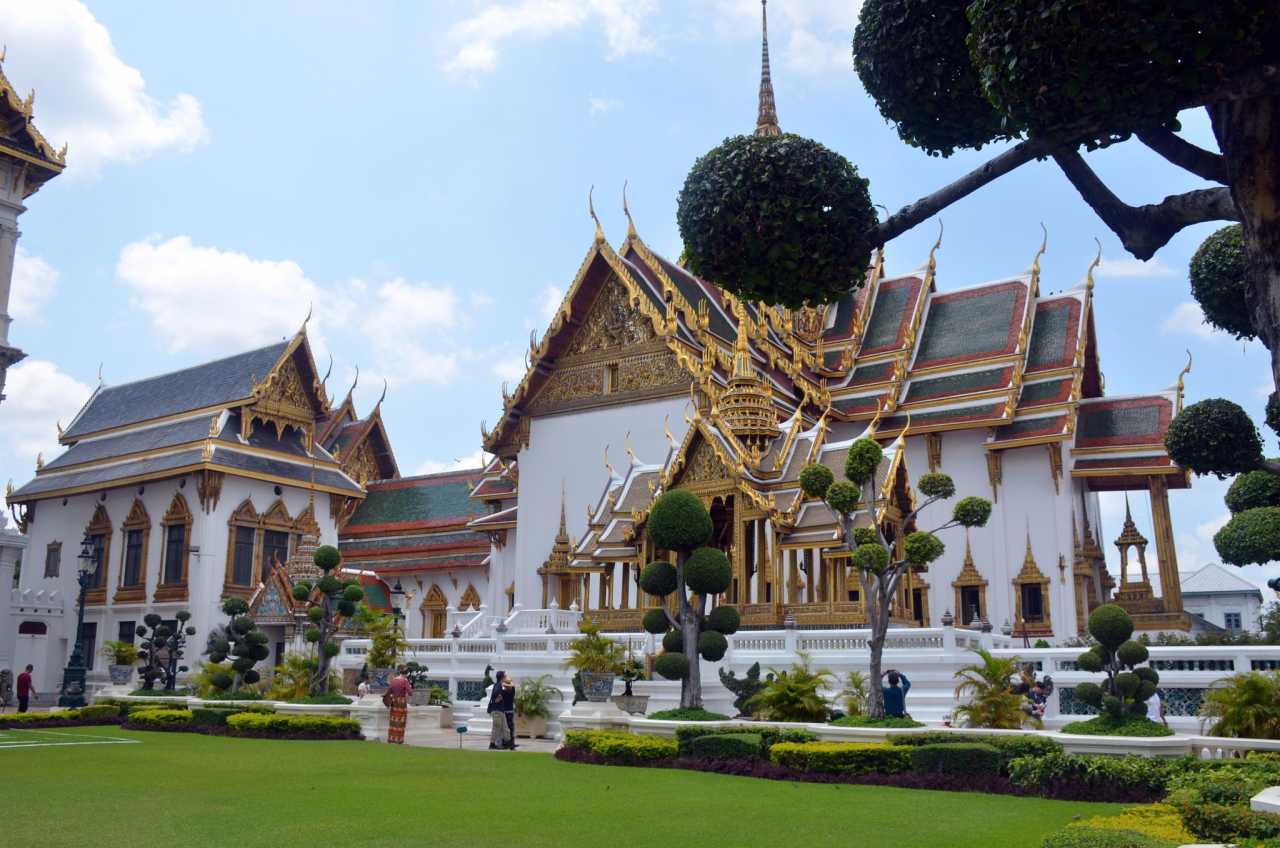 Grand Palace Bangkok
Farther ahead is Dusit Maha Prasat; exterior viewing only.
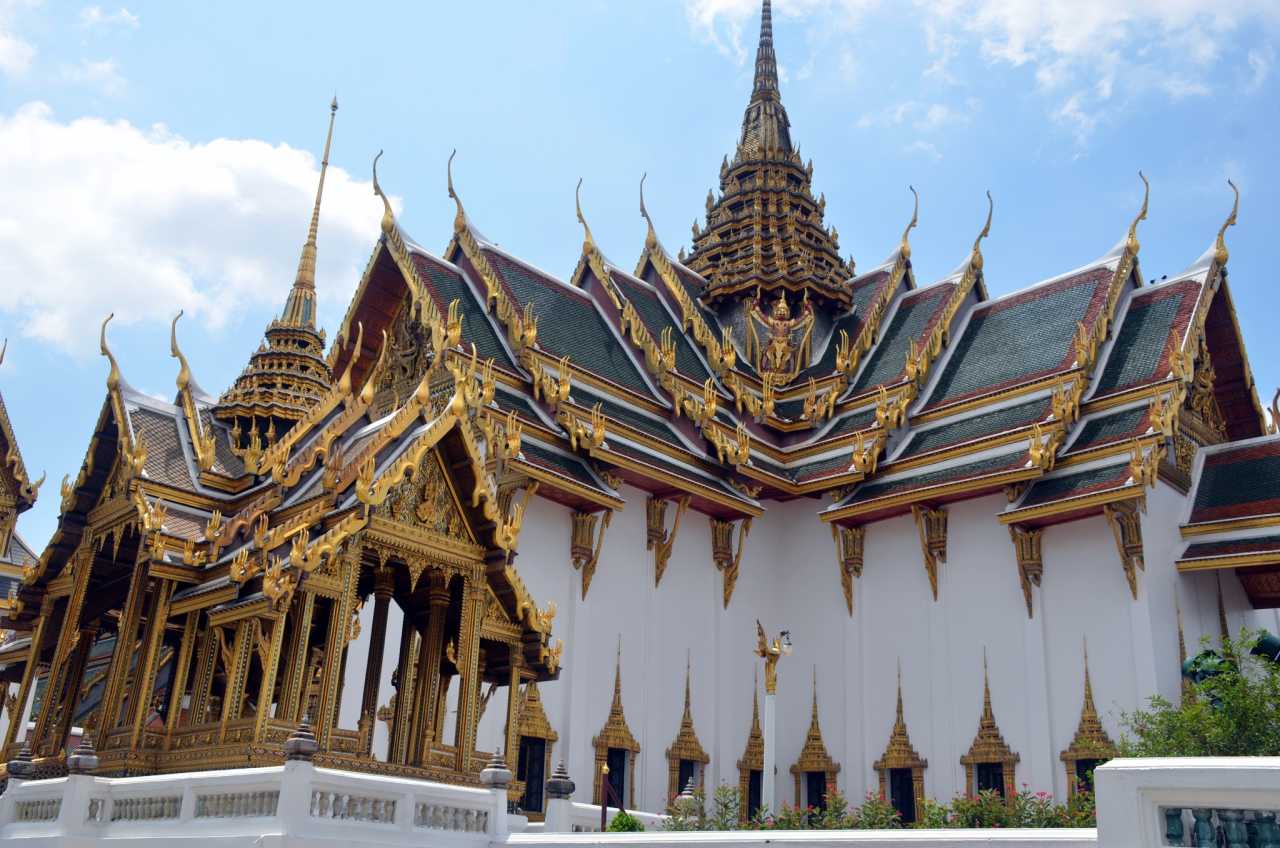 Grand Palace Bangkok
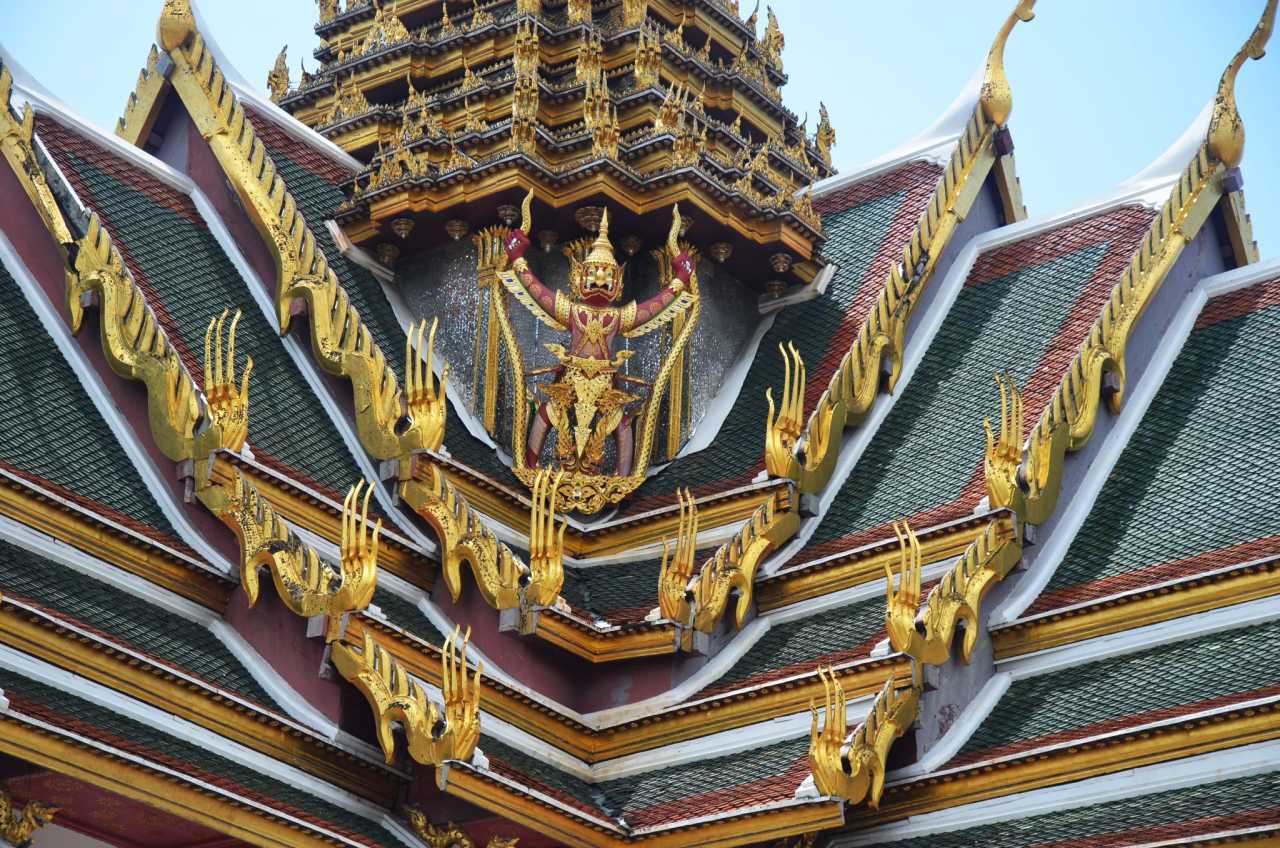
Thai eaves are truly exquisite—on par with the finest back home.
 Grand Palace Bangkok
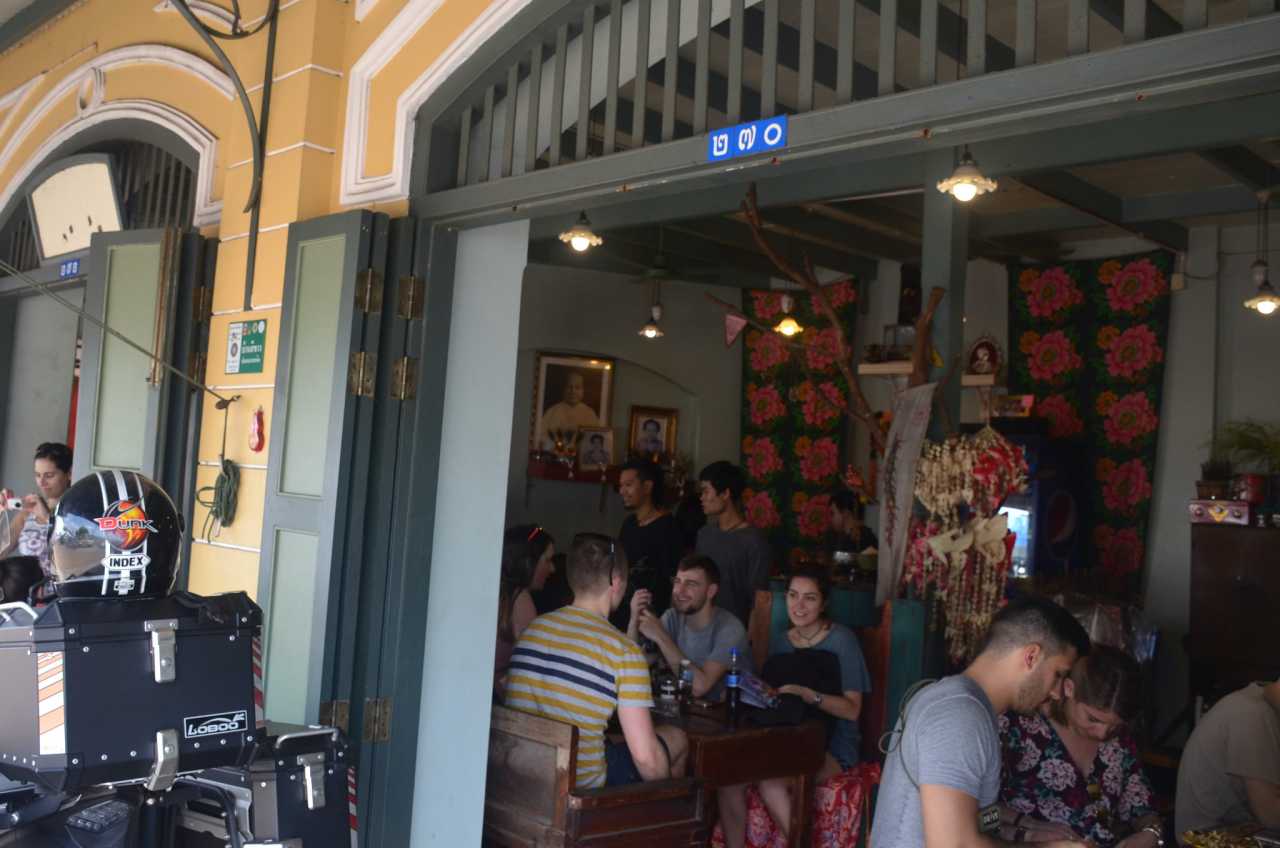
From here the exit is near. With seniors and a child, we moved slowly and spent about three hours overall. The Grand Palace deserves its reputation: dazzling and crowded. Walking toward Wat Pho along the river, at the intersection near Wat Pho is the famous A‑Ma restaurant (270–272 Maha Rat Road). Expect to queue at peak times. We had our first Tom Yum here—later felt it wasn’t the most authentic, but it tasted best to us. Fried rice, noodles, Tom Yum: 710 THB. No A/C but fans suffice. Many Western diners due to the prime location between the Grand Palace and Wat Pho.
After lunch everyone was tired, so we skipped Wat Pho and returned to the hotel for a nap. Taxi (no meter) to Asia Hotel was 200 THB. The driver was chatty; we arrived around 2 pm. We also had to skip Golden Mount (Wat Saket)—save it for next time.
We woke around 5 pm. Tonight’s plan was the Siam district, first stop Erawan Shrine. From Asia Hotel it’s one BTS stop to Siam and two to Erawan—very convenient.
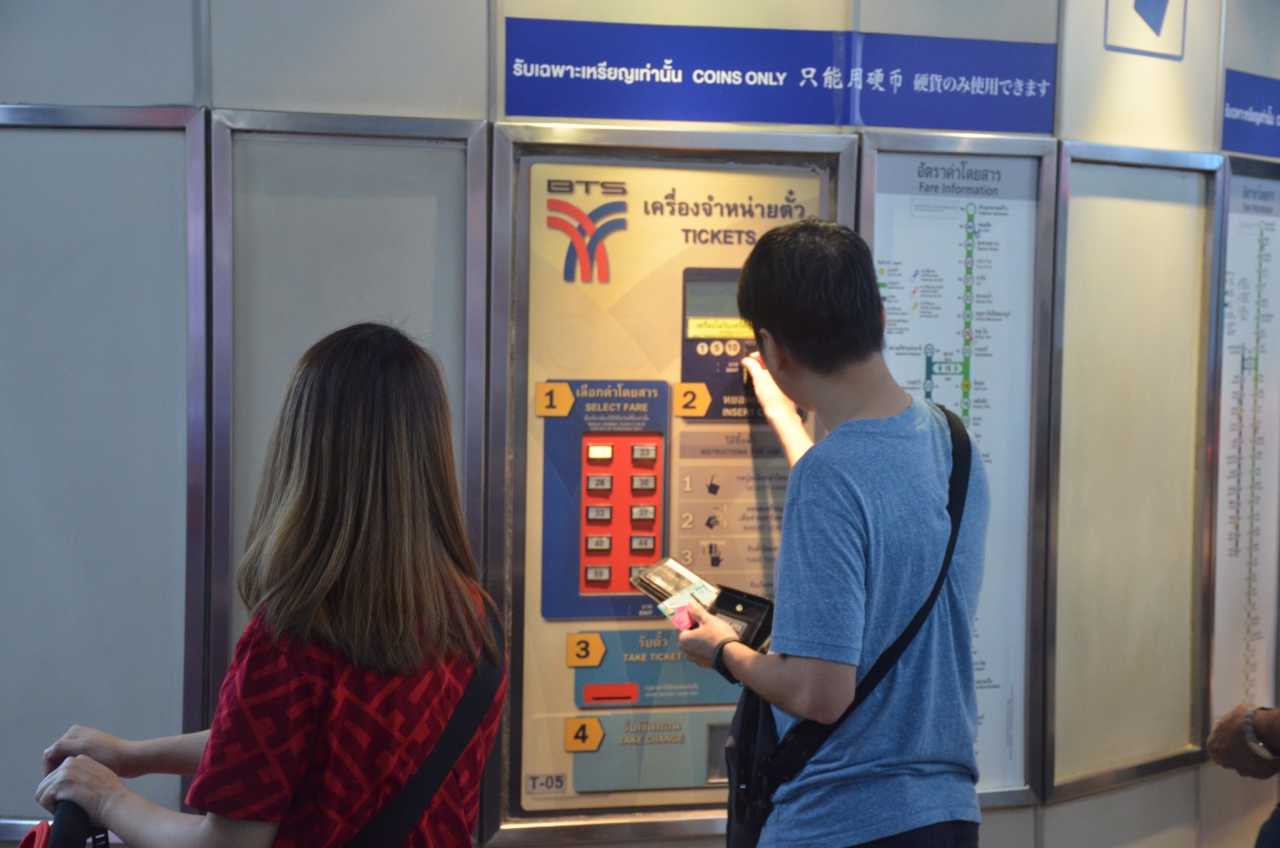
Bangkok BTS has two service counters: one sells tickets directly; the other changes coins per your destination so you can use the machines. It’s straightforward.
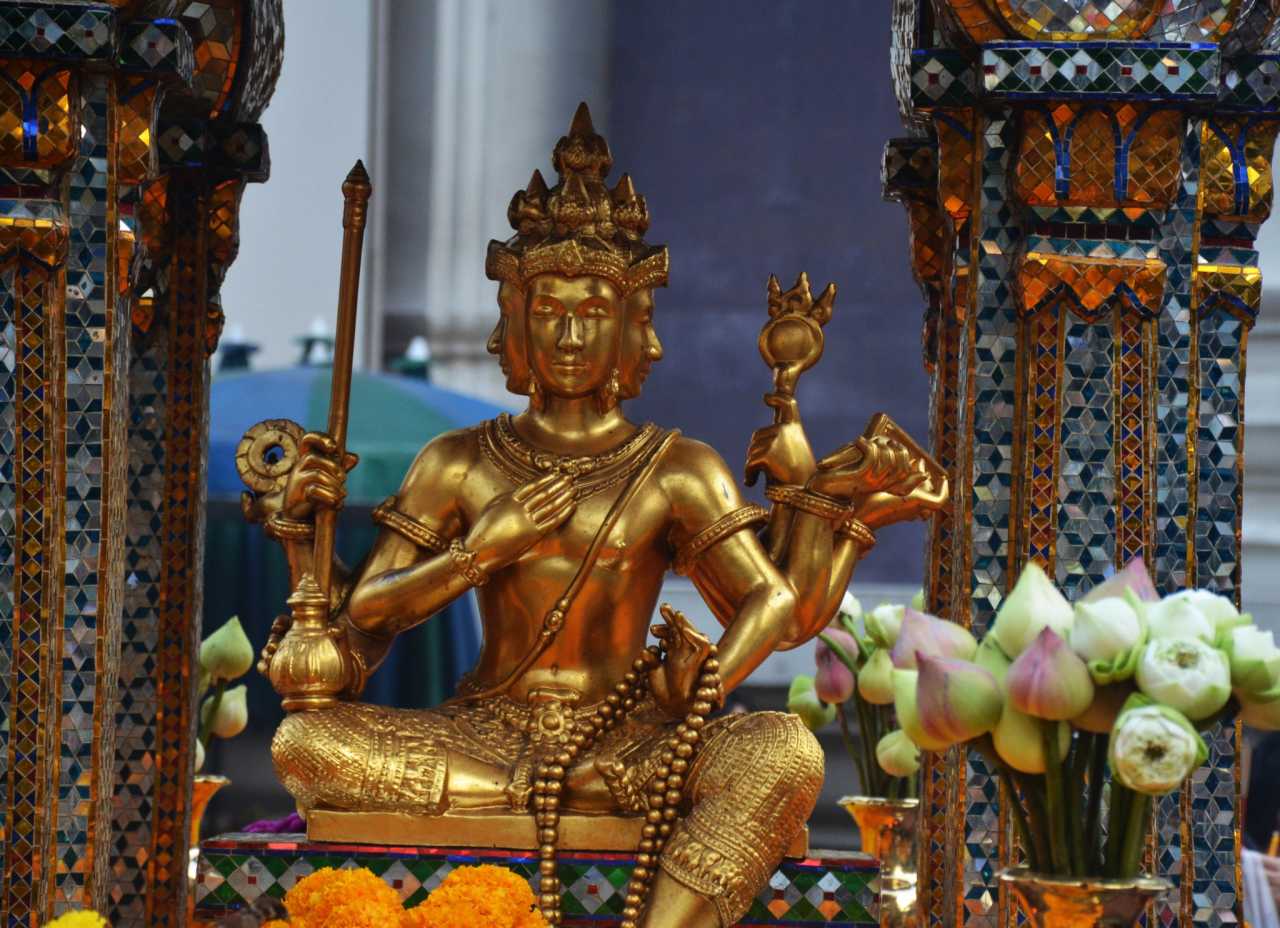 Erawan Shrine
From BTS Chit Lom, walk ~100 m toward Siam to find Erawan Shrine right by the street. There are many Erawan shrines in Thailand; this is the most famous. Erawan (Phra Phrom) corresponds to the Hindu god Brahma. This shrine is said to be highly efficacious—with wishes granted. We didn’t pray at the time to avoid the obligation to return, and we regret that now.
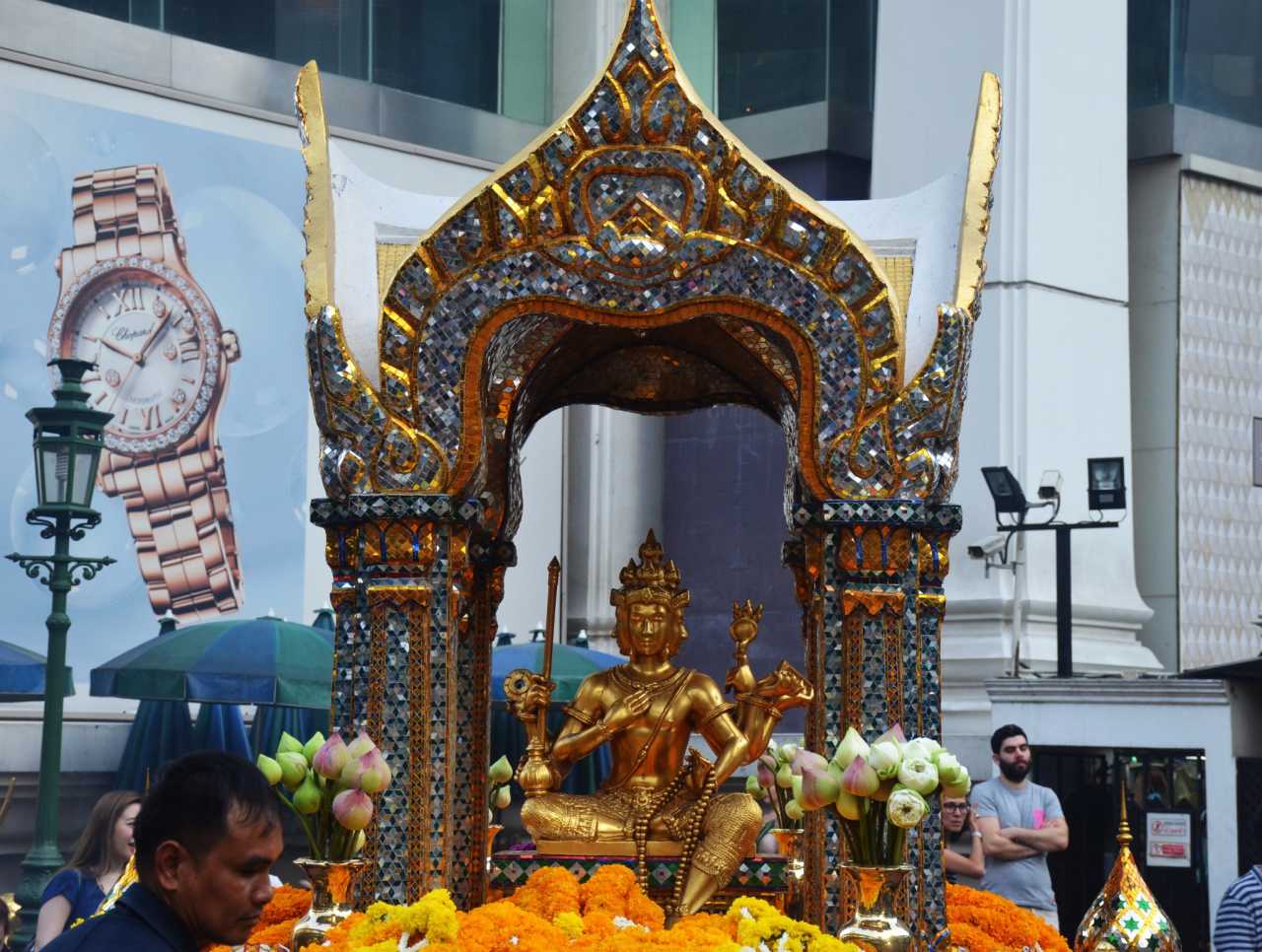 Erawan Shrine
The four faces of Erawan preside over career, love, health, and wealth.
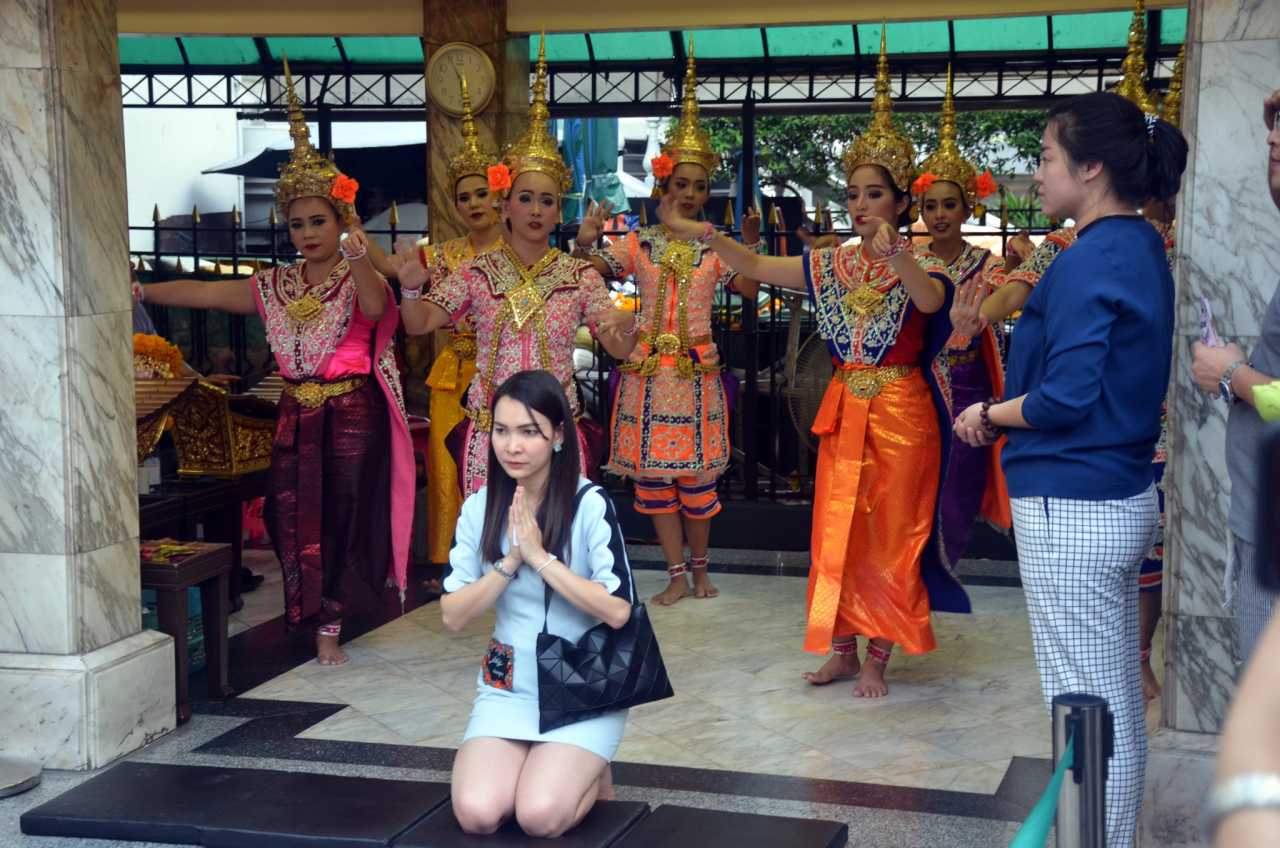 Erawan Shrine
A Thai girl praying devoutly; musicians and dancers perform rituals as crowds queue to make wishes. The shrine is vibrant and packed. Even if you don’t plan to pray, it’s worth a visit.
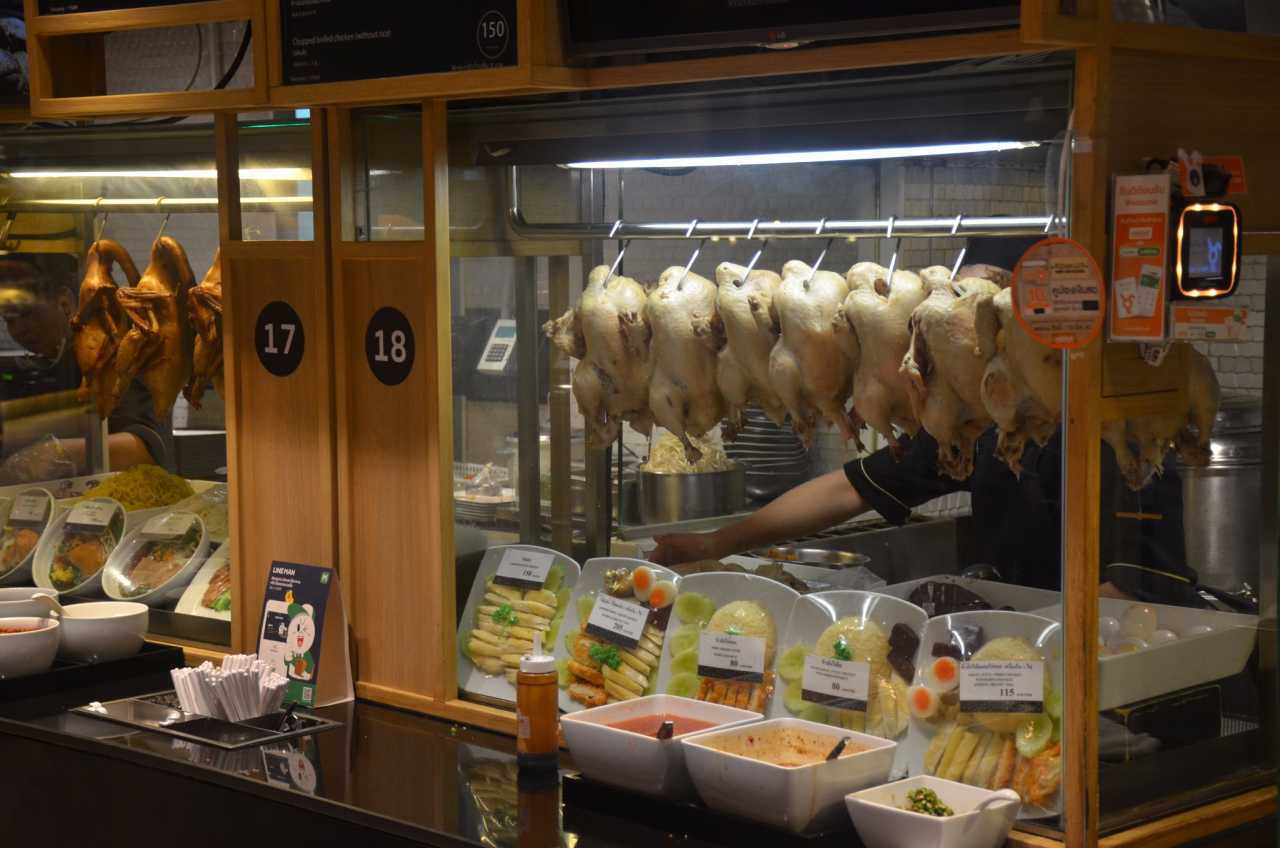 Patong Night Market
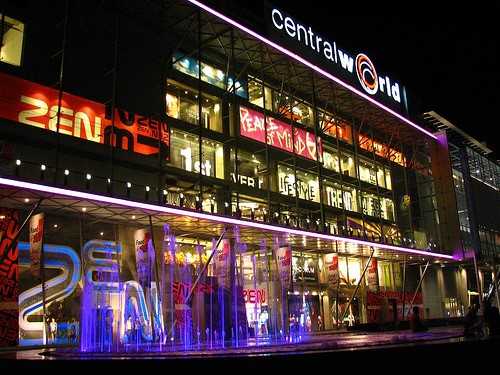
Beyond the shrine are Siam’s three flagship malls: Siam Center, Siam Paragon, and CentralWorld. We planned to take our child to the aquarium afterward, so we had dinner at the Paragon GF food court. Choices are extensive. You can buy a stored‑value card at the counter, or simply use Alipay. After dinner, parents went shopping while we headed to SEA LIFE Bangkok Ocean World.
The aquarium spans two basement levels, opened in 2005, and covers 10,000 m²—the largest in Southeast Asia. Tickets online are easy and cheaper than on site.
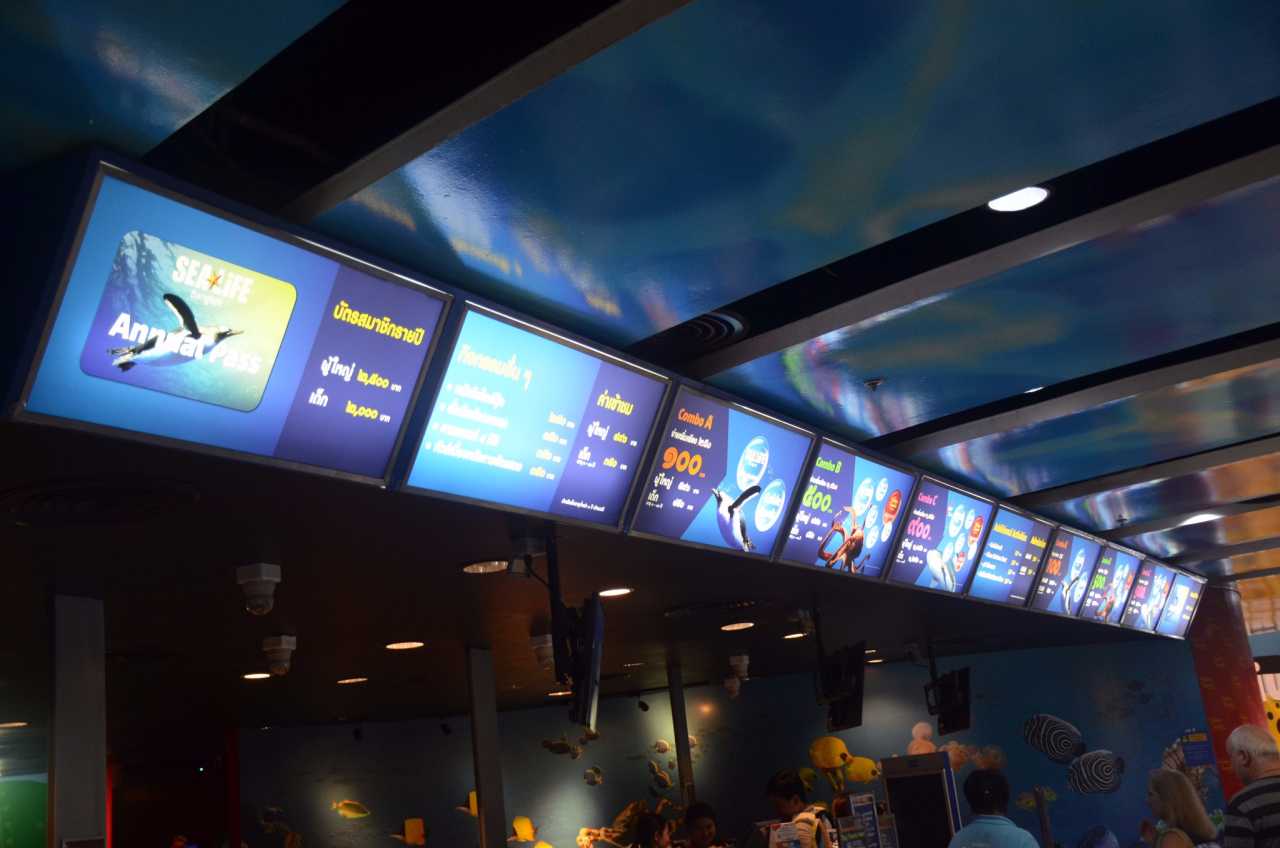 SEA LIFE Bangkok Ocean World
Ticket pickup is straightforward with an order number or QR code. We arrived late; by 7:30 pm the crowds were thin and it was pleasant to stroll. Lots of beautiful tropical fish—great for kids.
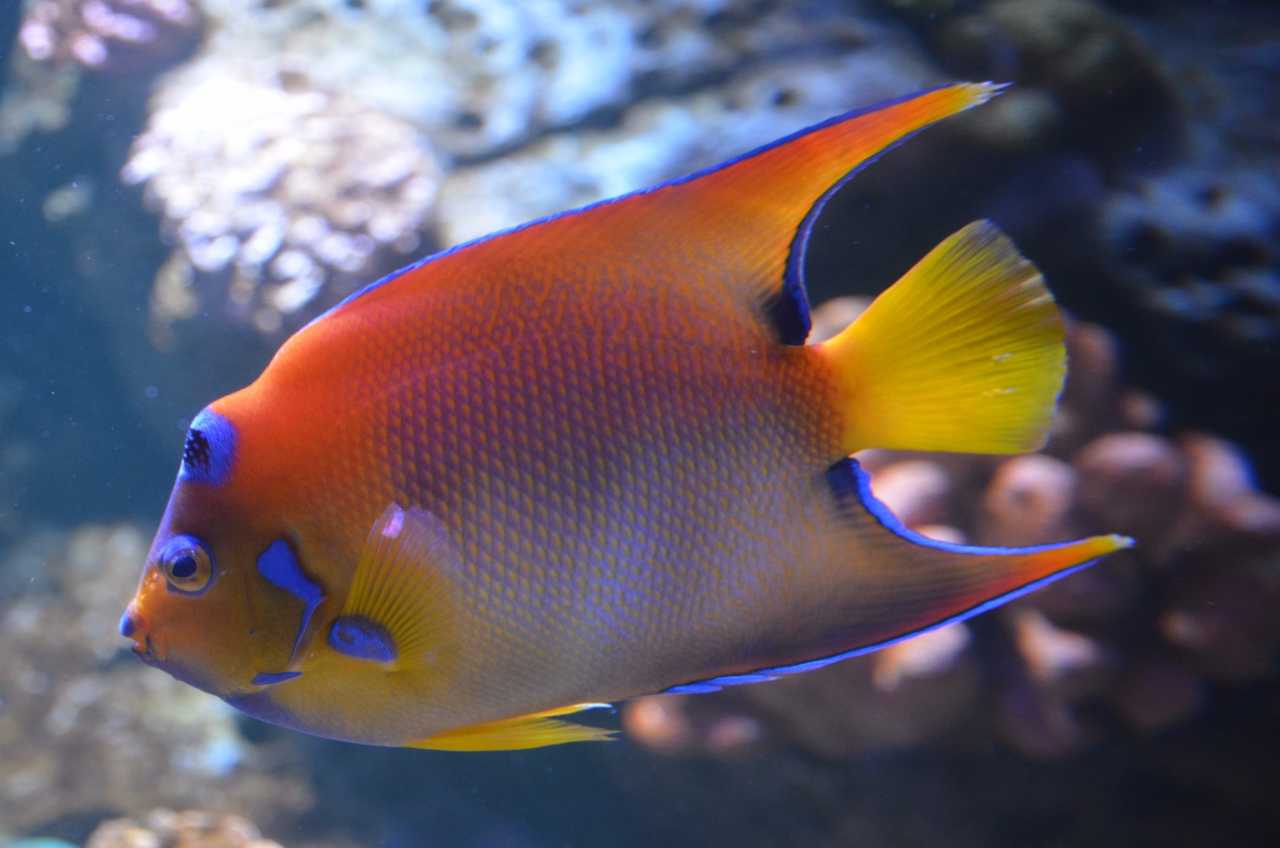 SEA LIFE Bangkok Ocean World
I saw several species for the first time, including a giant octopus roughly adult‑sized, and imposing king crabs.
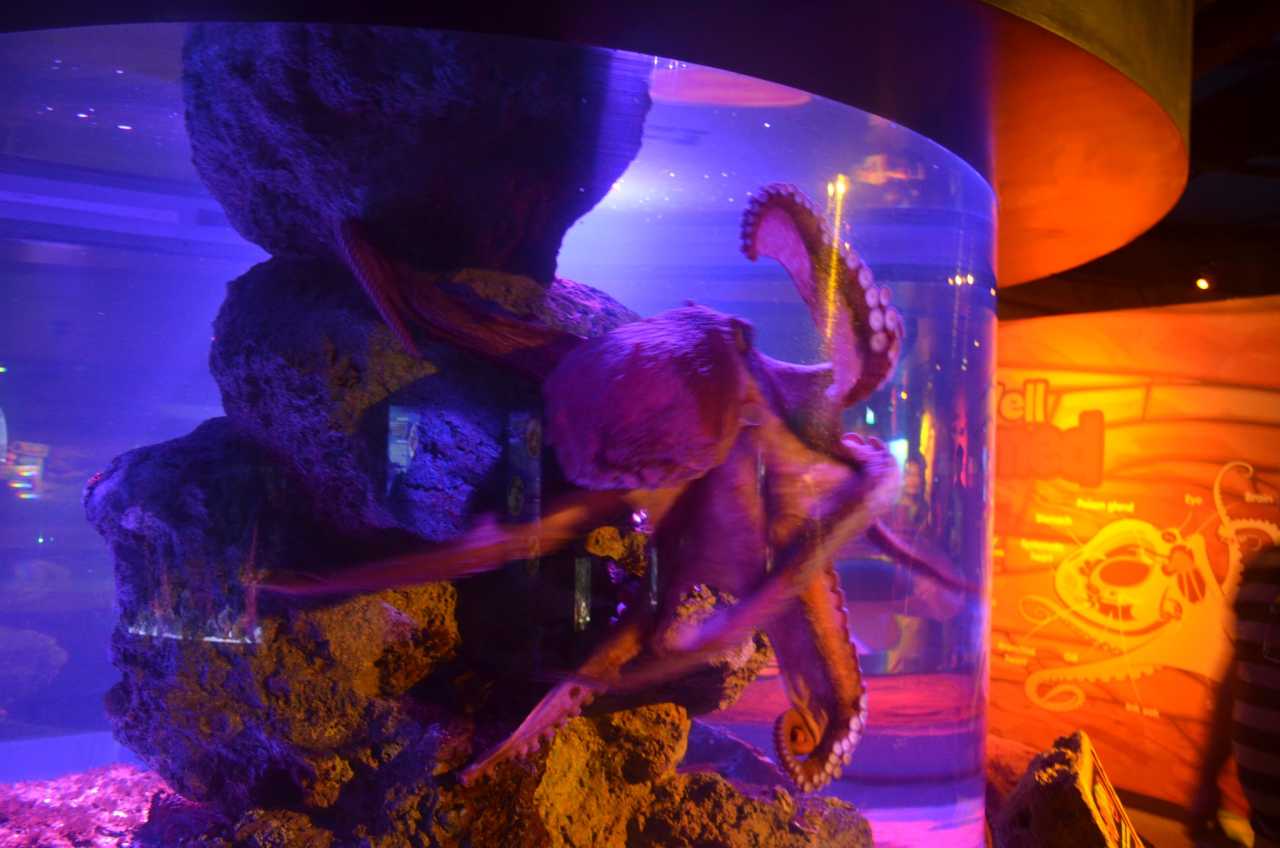 SEA LIFE Bangkok Ocean World
Striking tropical fish with spines reminiscent of a stegosaurus.
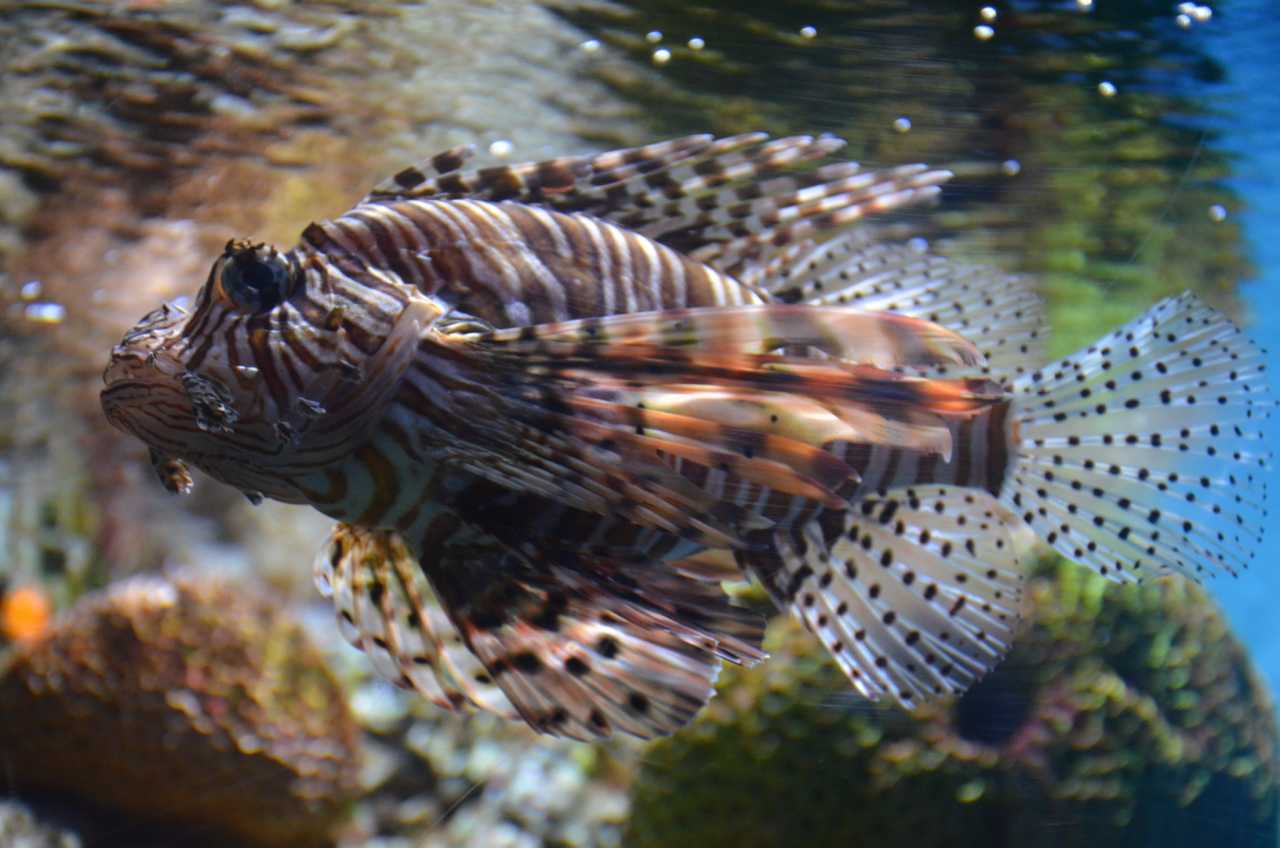 SEA LIFE Bangkok Ocean World
The underwater tunnel isn’t long, but watching sharks and other fish swim overhead feels like walking the seabed. The famous underwater Buddha head integrates Thai culture into the aquarium.
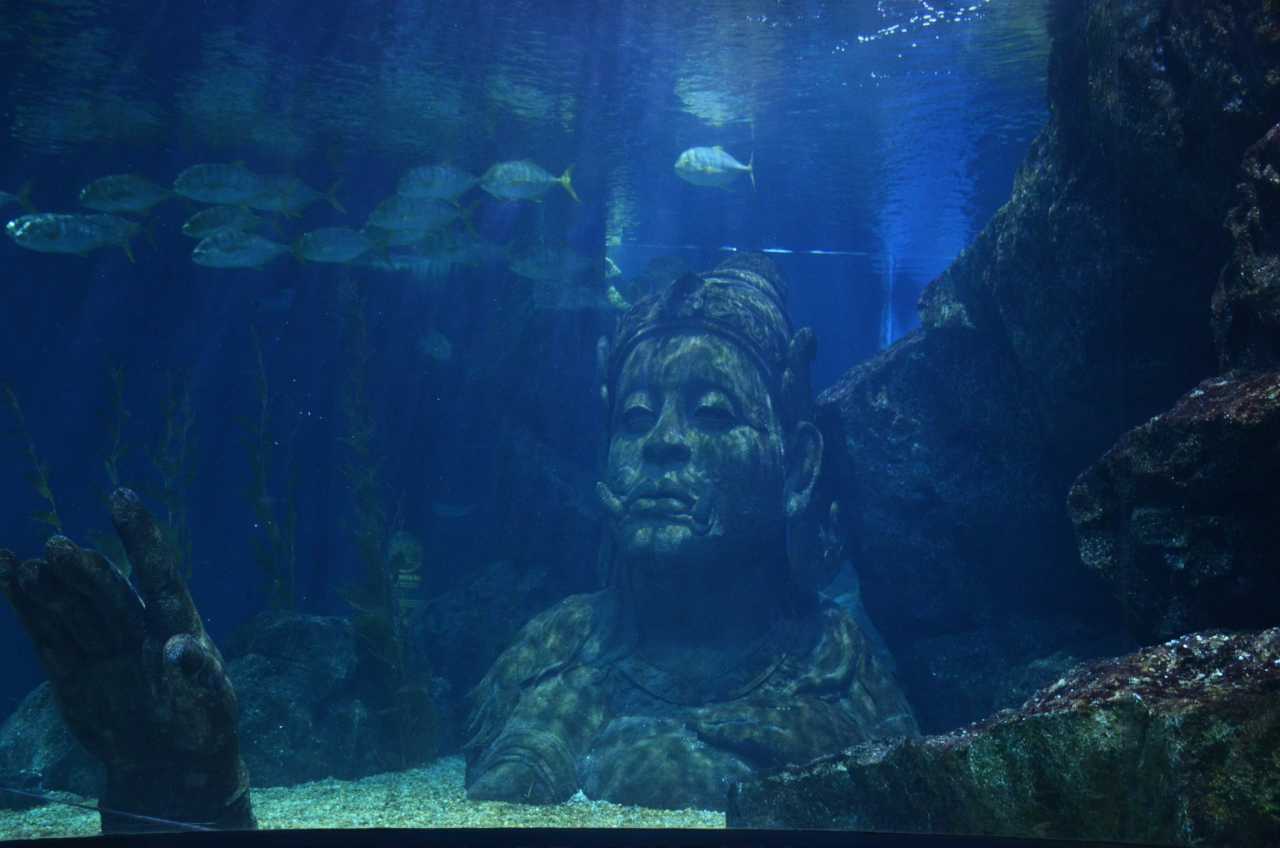 SEA LIFE Bangkok Ocean World
Though the largest in Southeast Asia, it felt moderate in scale. With few visitors, we finished in about an hour. The penguin exhibit had closed by then—a pity.
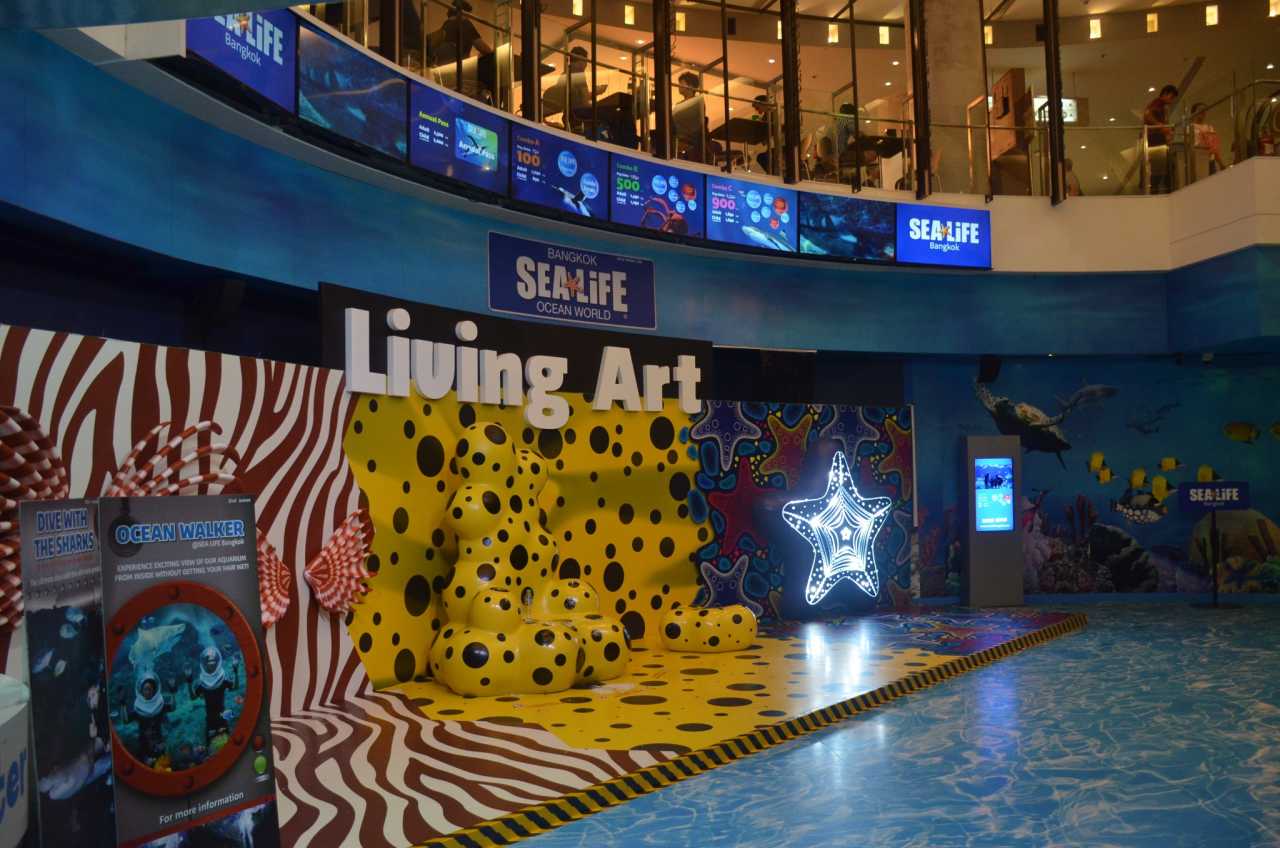 SEA LIFE Bangkok Ocean World
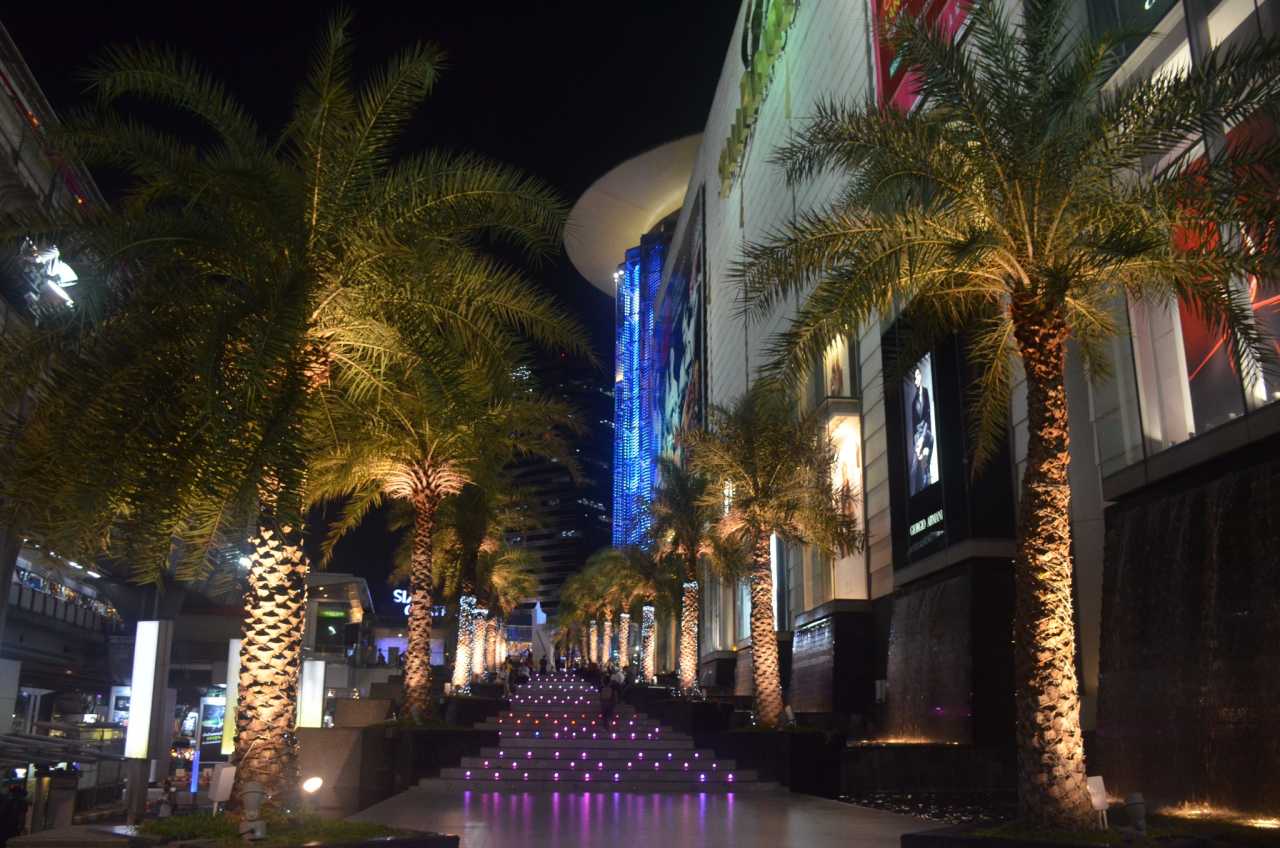 Siam Paragon
From Paragon toward Siam Center there’s a palm‑lined promenade leading to a 2nd‑floor plaza.
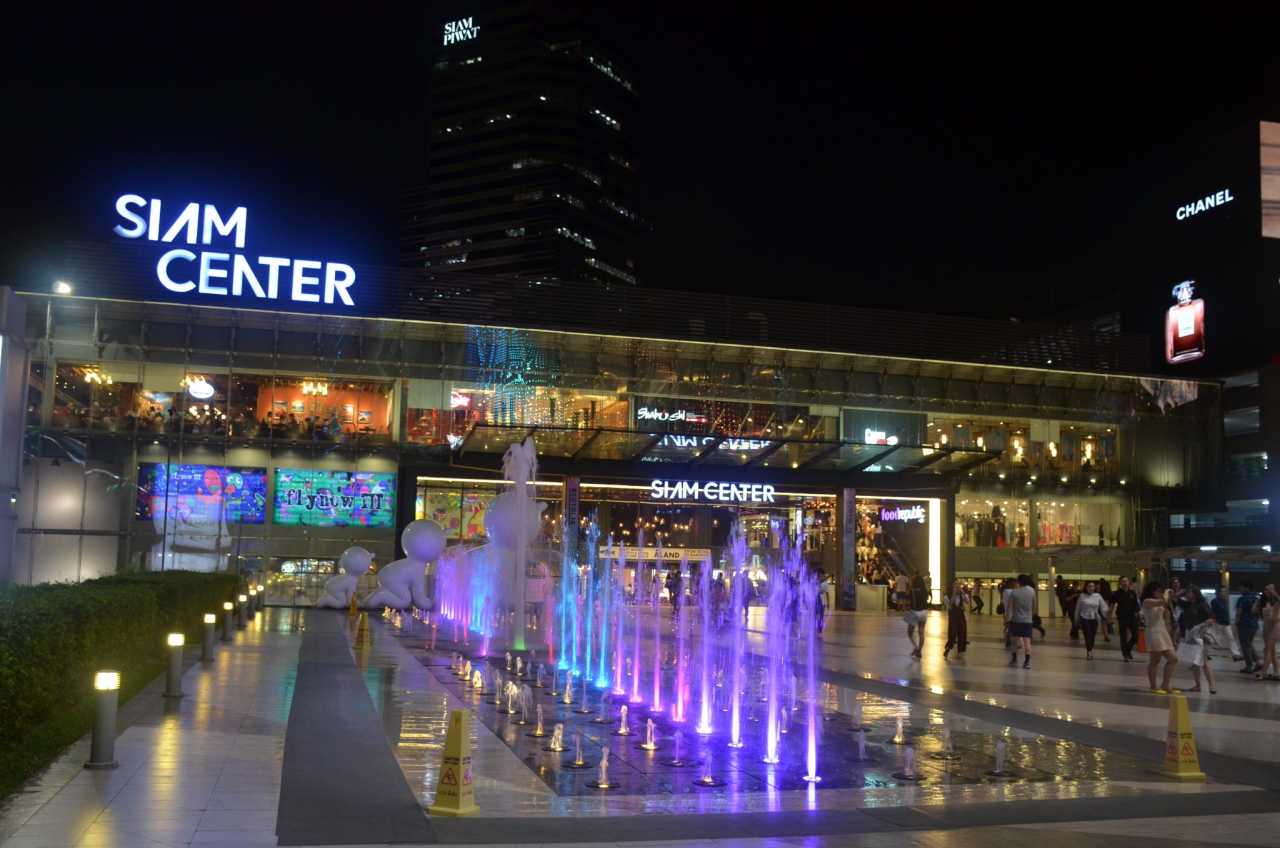 Siam Paragon
The plaza sits between Siam Center and Paragon, elegantly separating pedestrian and vehicle flows. With fountains and neon, this is Bangkok’s fashion center.
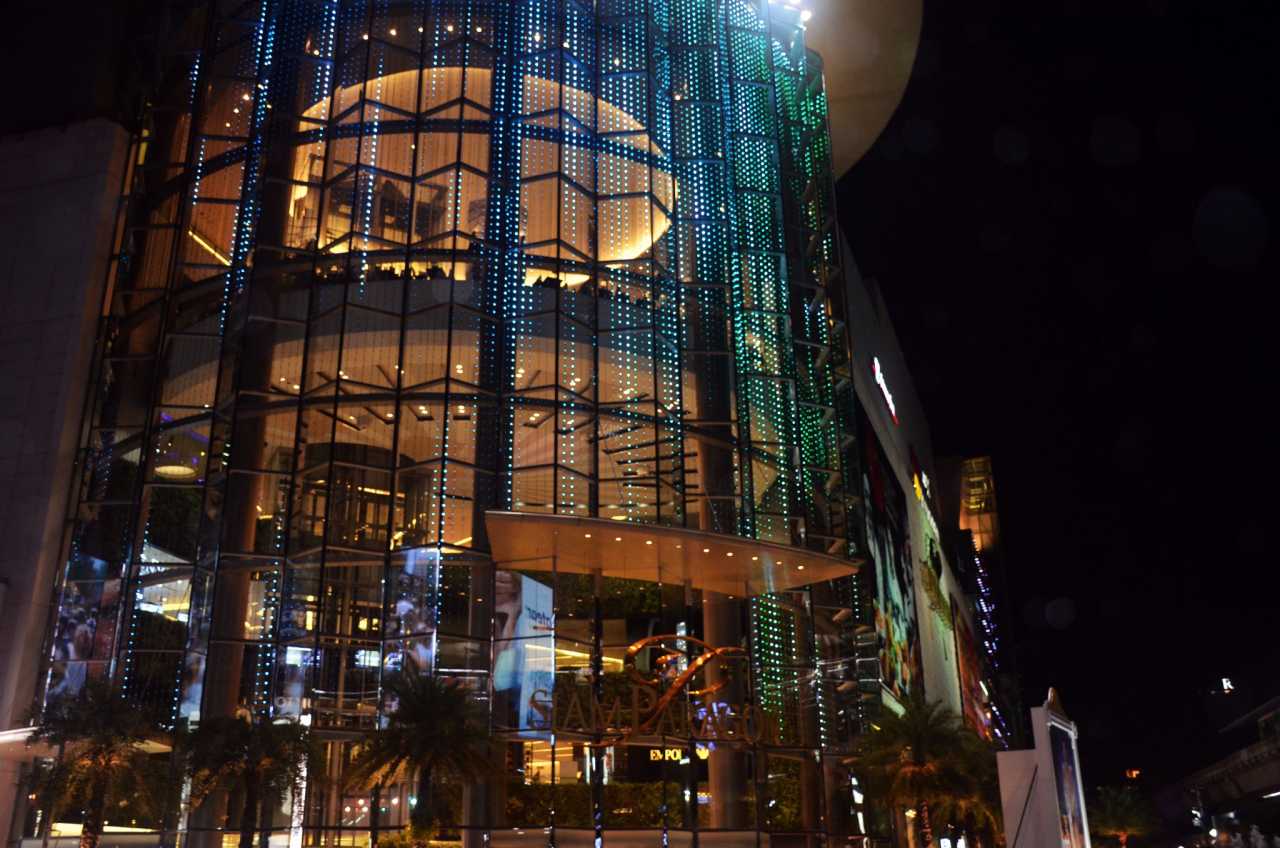 Siam Paragon
Paragon has everything; shopping fans can spend a full day here.
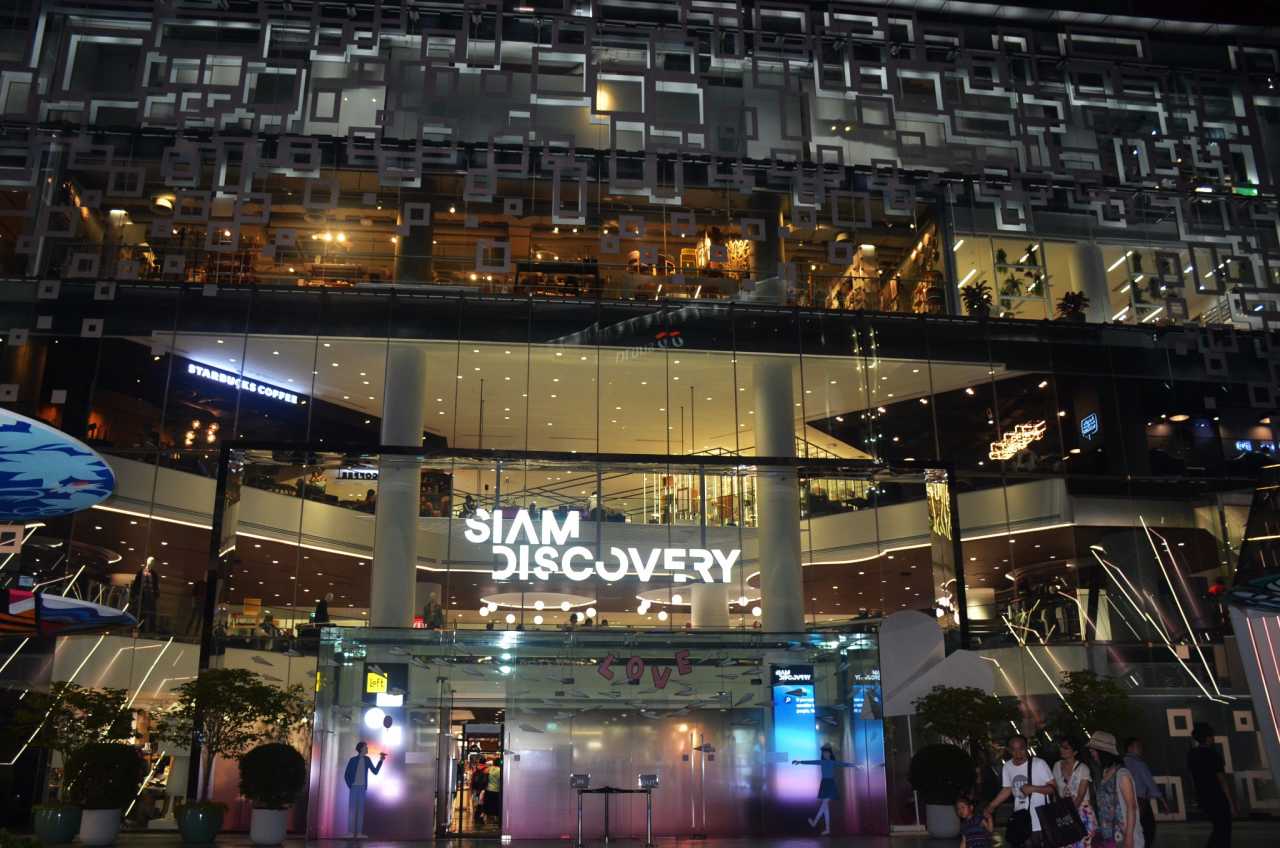
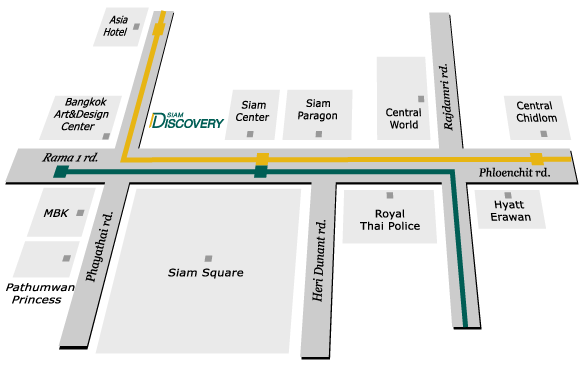
Farther ahead is Siam Discovery. We skipped it due to time.
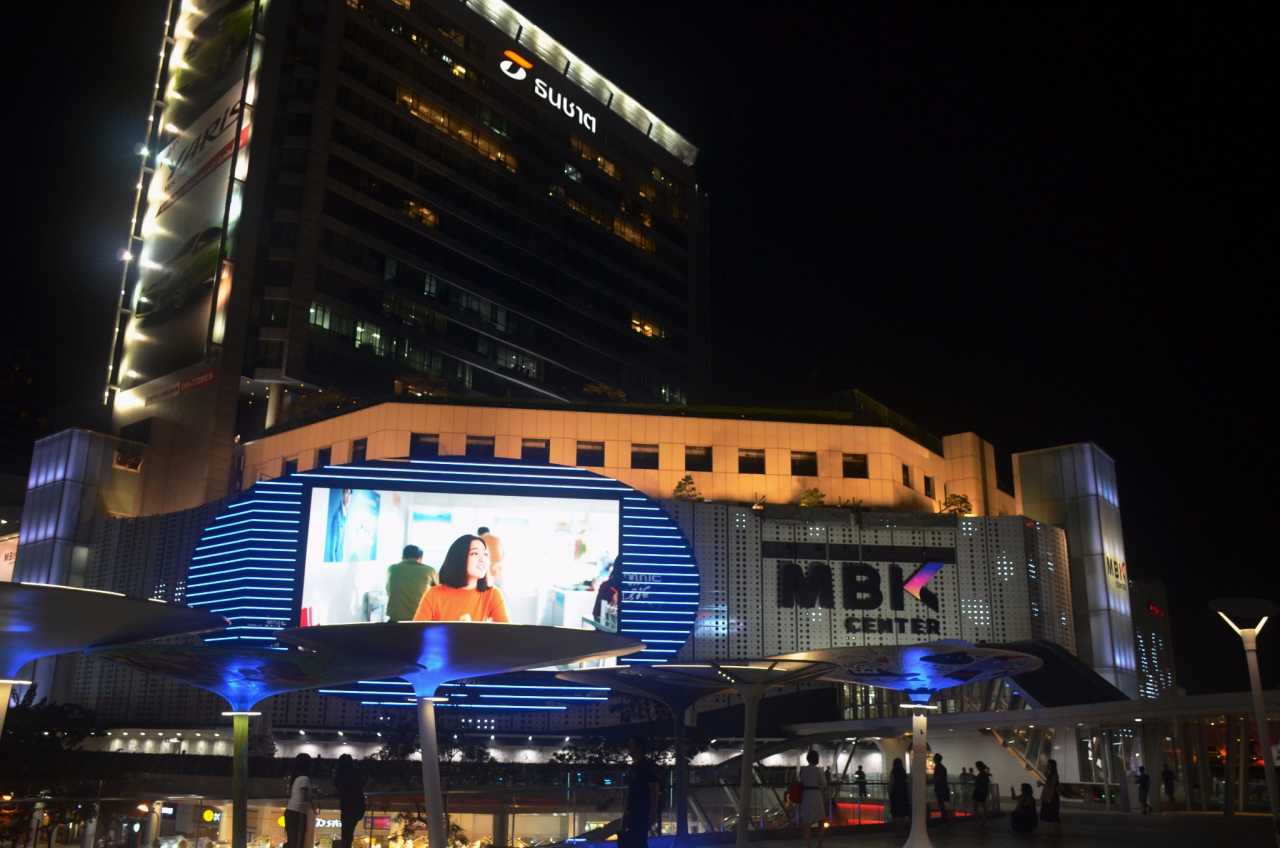 MBK Center
Passing Siam BTS—akin to Shanghai’s People’s Square, the city’s core. Opposite is MBK.
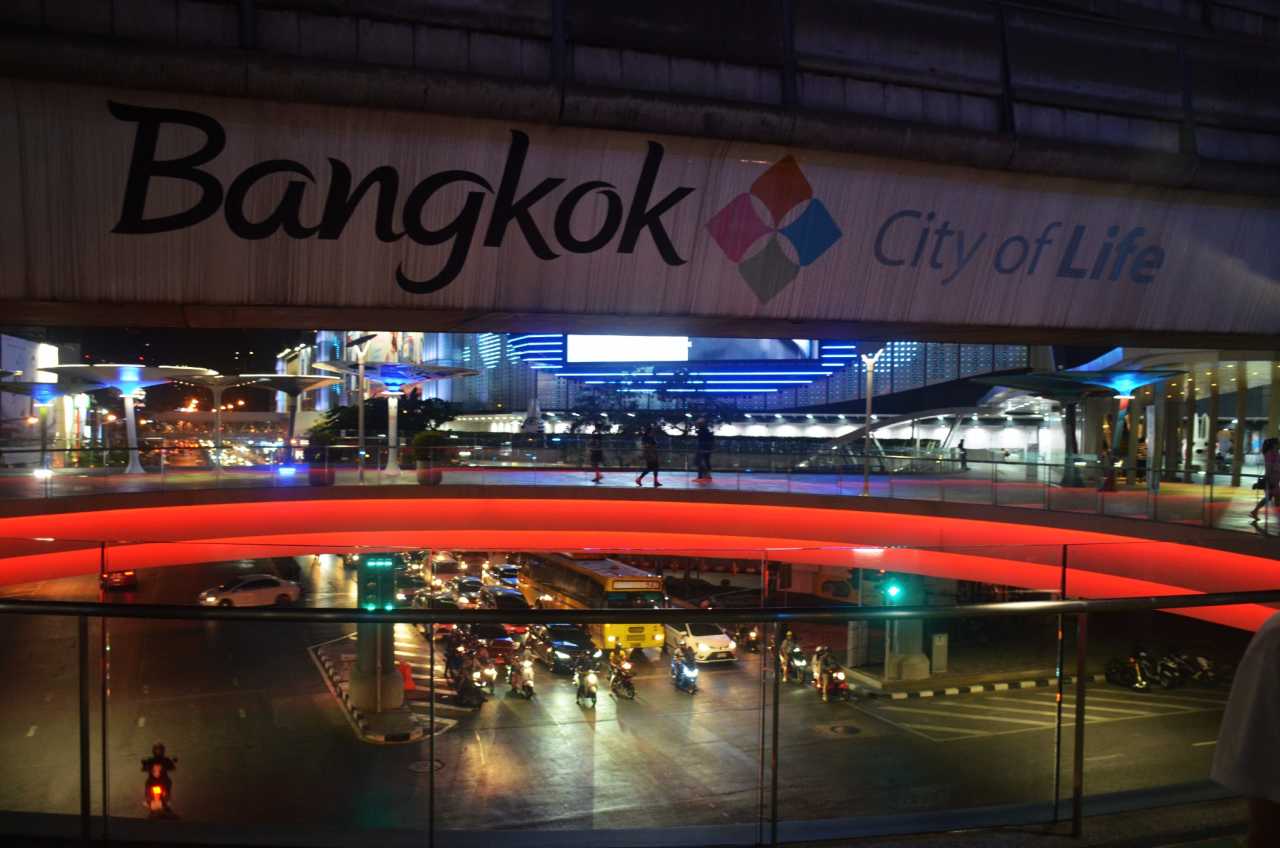
This circular skybridge resembles the one at Zhengda; the scale and views lag far behind Lujiazui, but “Bangkok” signage reminds visitors where they are.
Day 3—Goodbye Bangkok, Hello Phuket
Today was light: transferring from Bangkok to Phuket. With lots of luggage, we booked a large taxi similar to a Shanghai Expo cab. Asia Hotel → Don Mueang: hotel‑arranged 900 THB; our own booking 700 THB via expressway. Pricier than the meter but acceptable; we reached the airport in ~30 minutes without traffic. The vehicle had a row of gauges mounted up front—unclear if stock or modified.
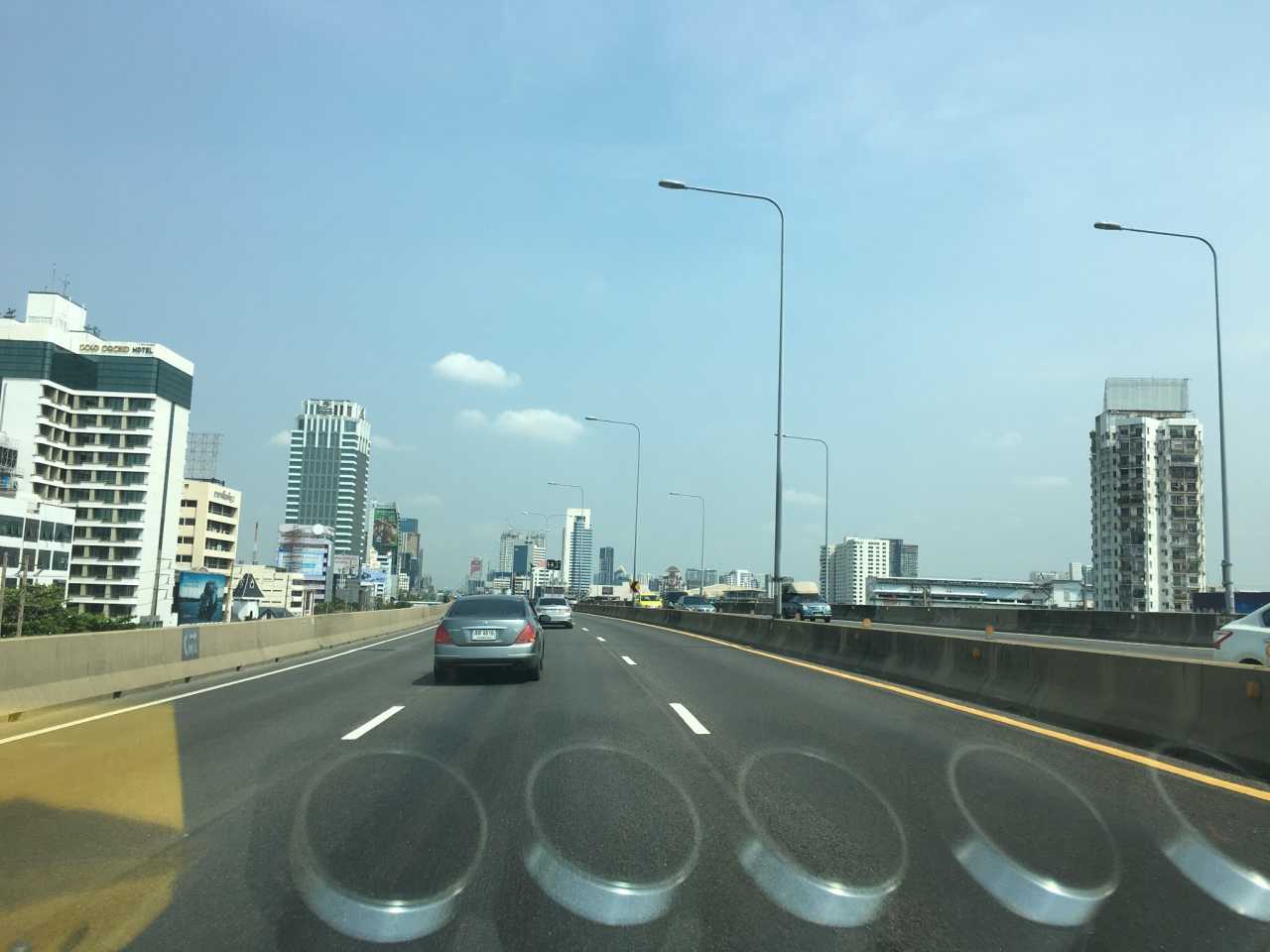
The front‑mounted gauges were striking; a first for me.
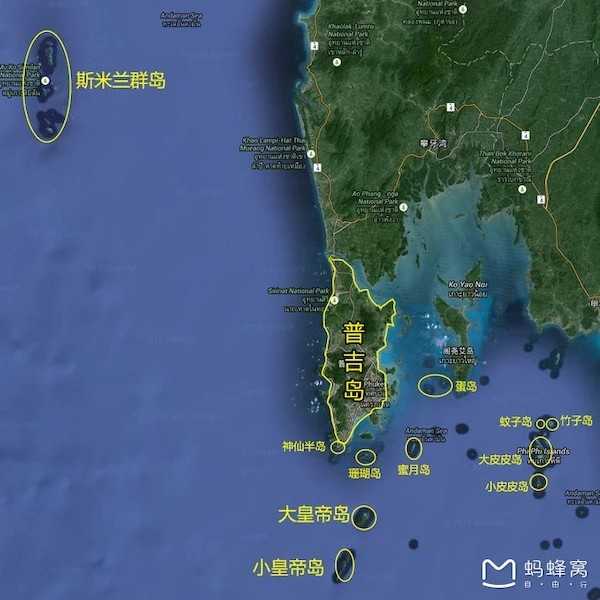
Our destination: Phuket, Thailand’s largest island and smallest province, on the Andaman Sea with an area of 576 km²—a world‑famous resort.
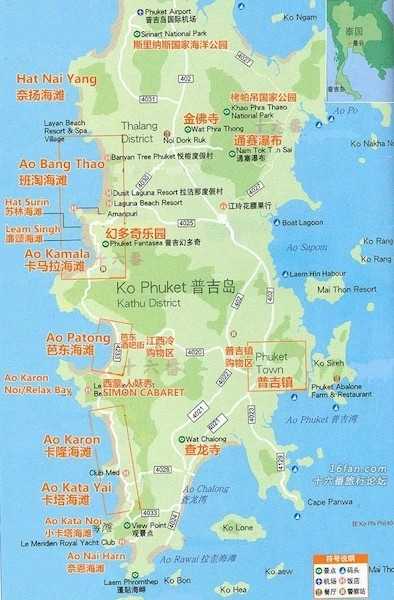
Phuket sightseeing covers the main island and nearby isles. The south holds the famous three beaches: Patong, Karon, Kata, plus others like Rawai and Nai Harn. The airport is in the north; the administrative center is Phuket Town; the busiest area is around Patong Beach.
There are 32 offshore islands. Popular ones include Racha (Raya), Phi Phi, and the Similan group. We chose the most famous Phi Phi, which actually belongs to Krabi province.
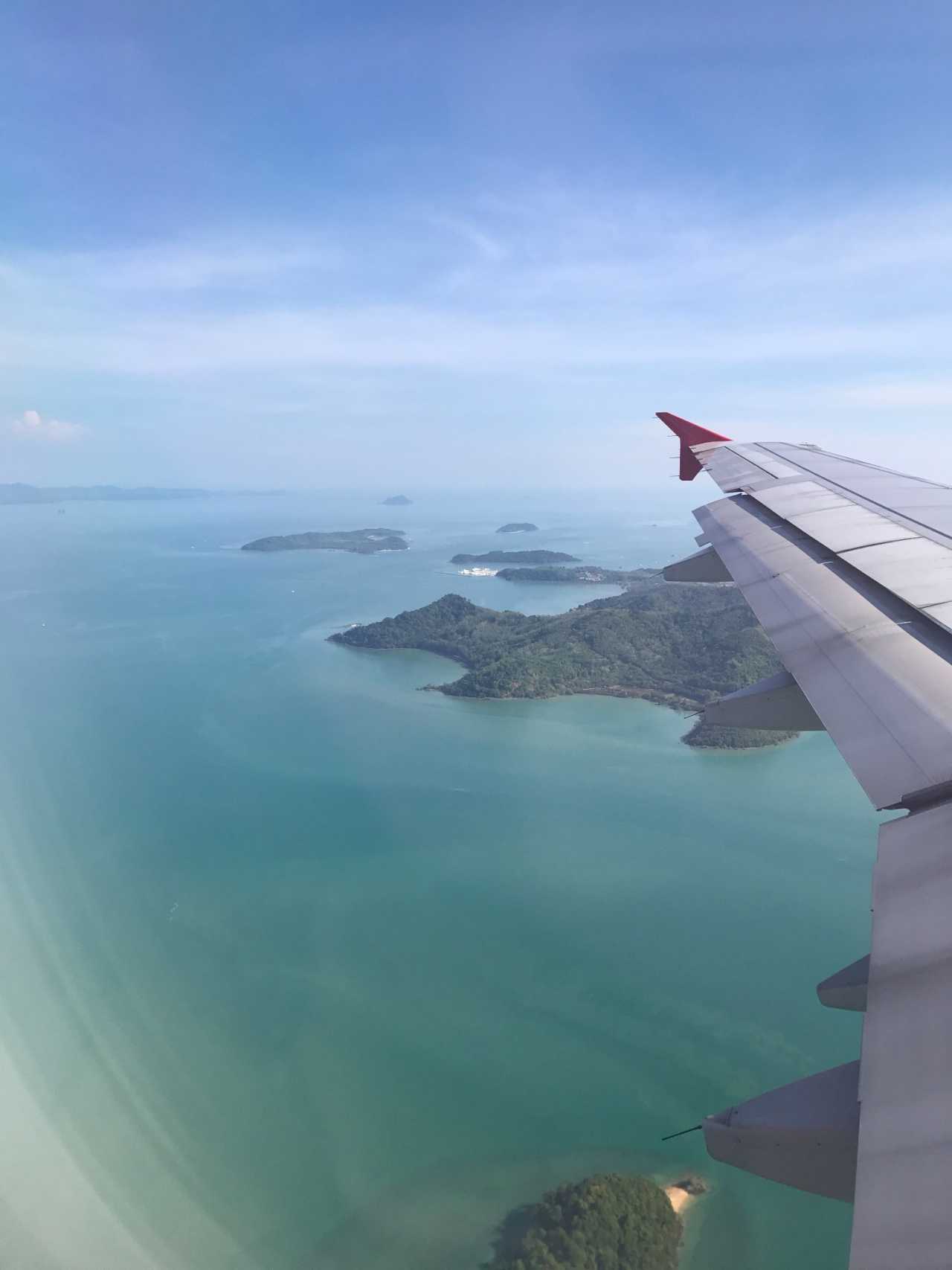
On approach you see emerald‑green waters dotted with islands like jewels set in jade.
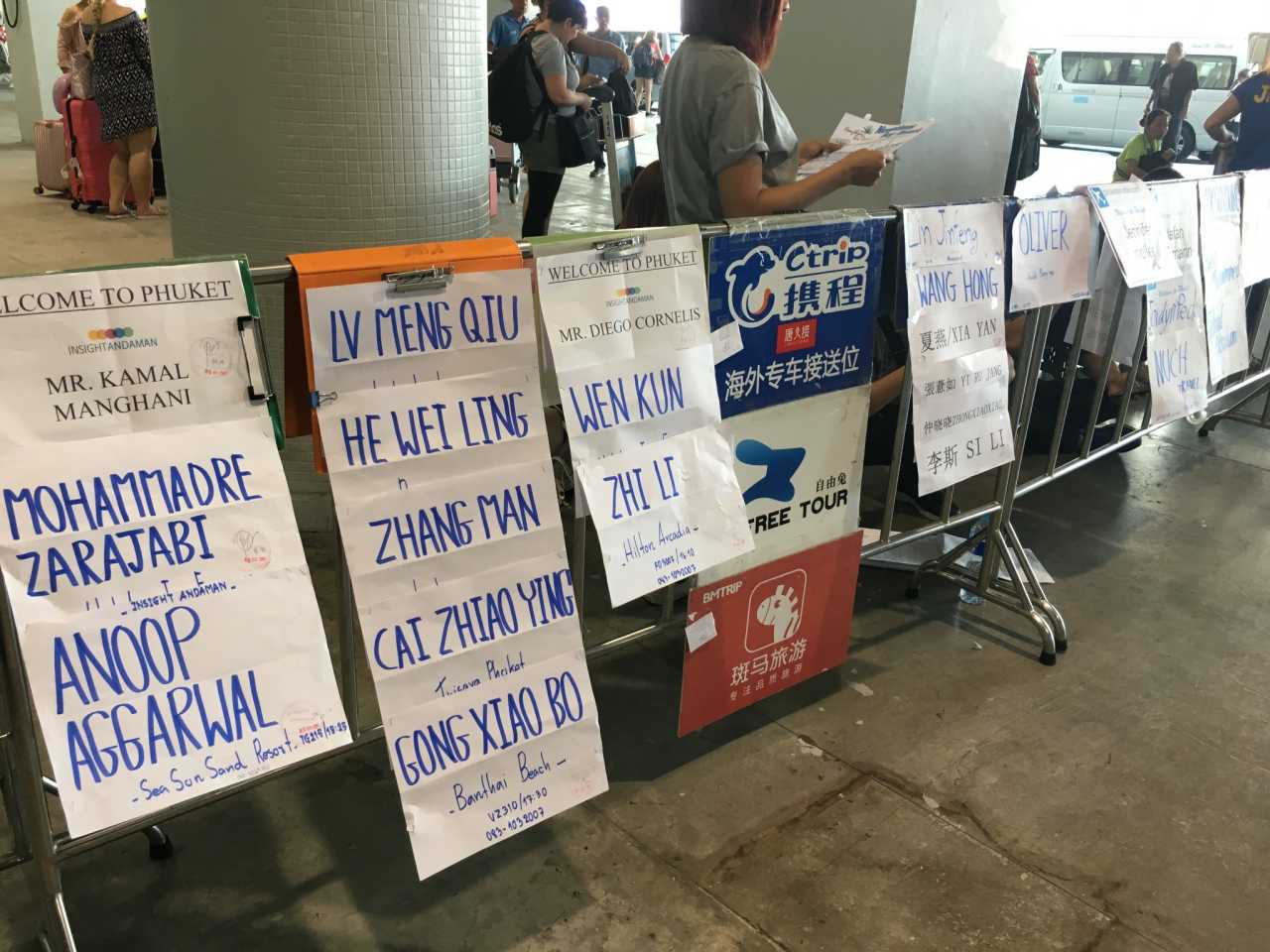
Public transport in Phuket is weak: essentially one bus line with hard‑to‑follow announcements, so it’s not recommended. An airport bus reportedly launched in March, but we never saw it. Most visitors book transfers; we used a budget service (Free Rabbit) at about 150 RMB one‑way to Patong, booking a 10‑seat van for 5 people plus luggage. Vehicle choices strictly limit passenger and luggage counts; select appropriately or drivers may refuse. At arrivals, look for a sign with your name; staff contact your driver, who arrives in ~10 minutes.
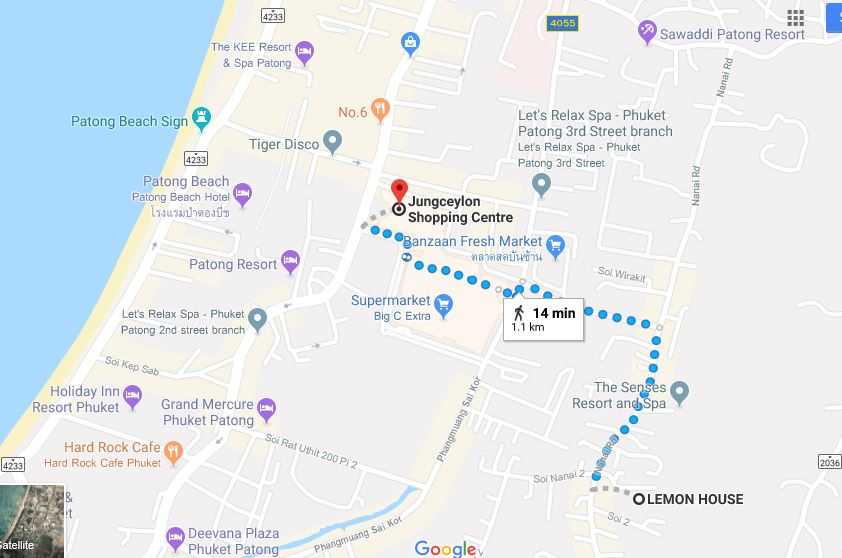
Phuket’s roads are hilly, mostly single‑lane, with frequent jams. Our child gets carsick, but the large van allowed her to lie down. After an hour we reached our hotel—Lemon Resort Villas. Pros: quiet, a fresh oasis in lively Patong; affordable Thai‑style villas (two‑bedroom with kitchen) around 400+ RMB per night. Cons: far from Patong Beach (25‑minute walk) and Jungceylon (15 minutes); in intense sun that’s tough. Facilities are basic; fine for simple stays but not for high expectations.
The hotel’s sign is in a small lane but easy to find.
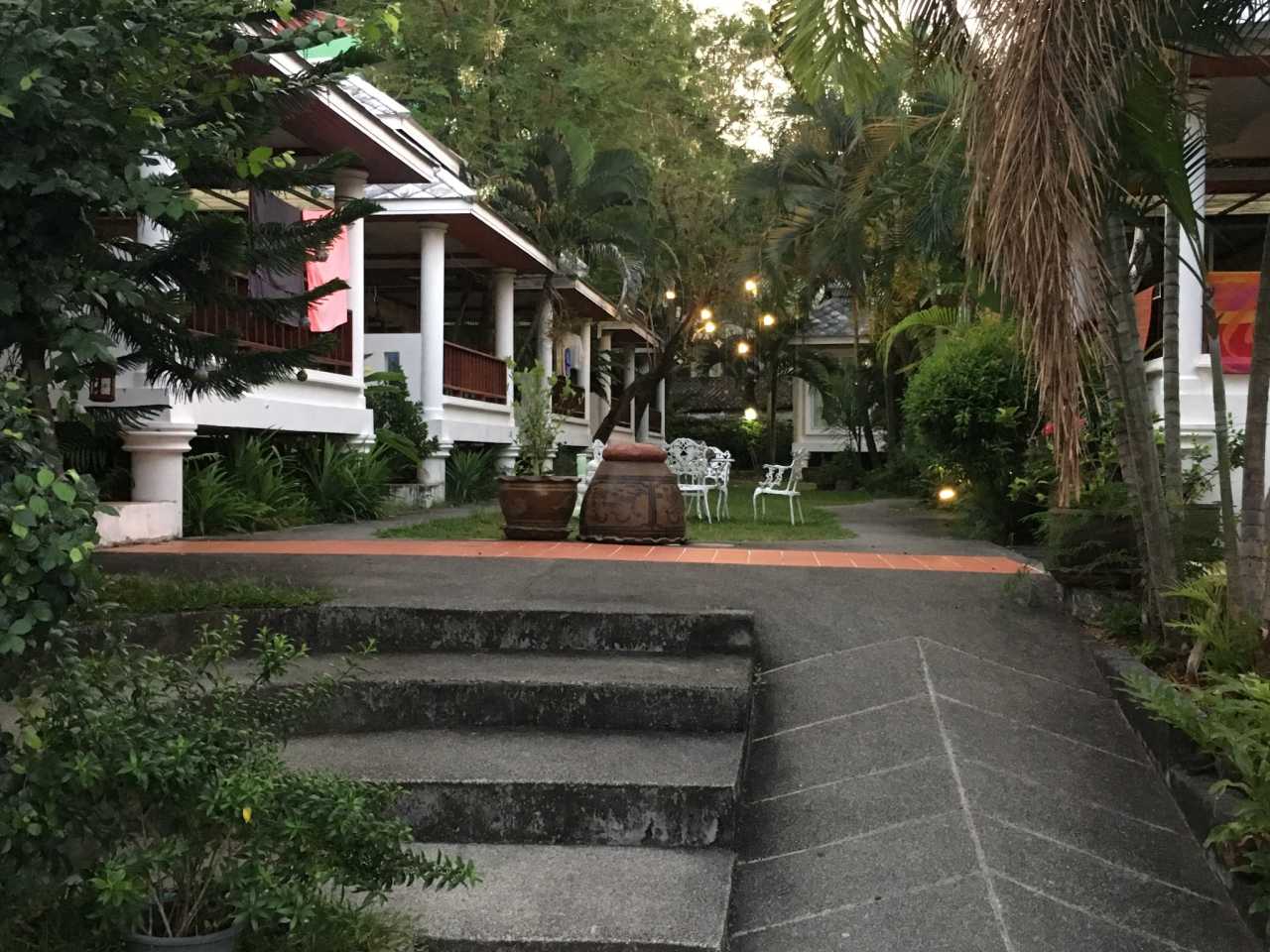
Each unit is a Thai‑style villa with Southeast Asian charm. Stray cats abound—great if you like cats.
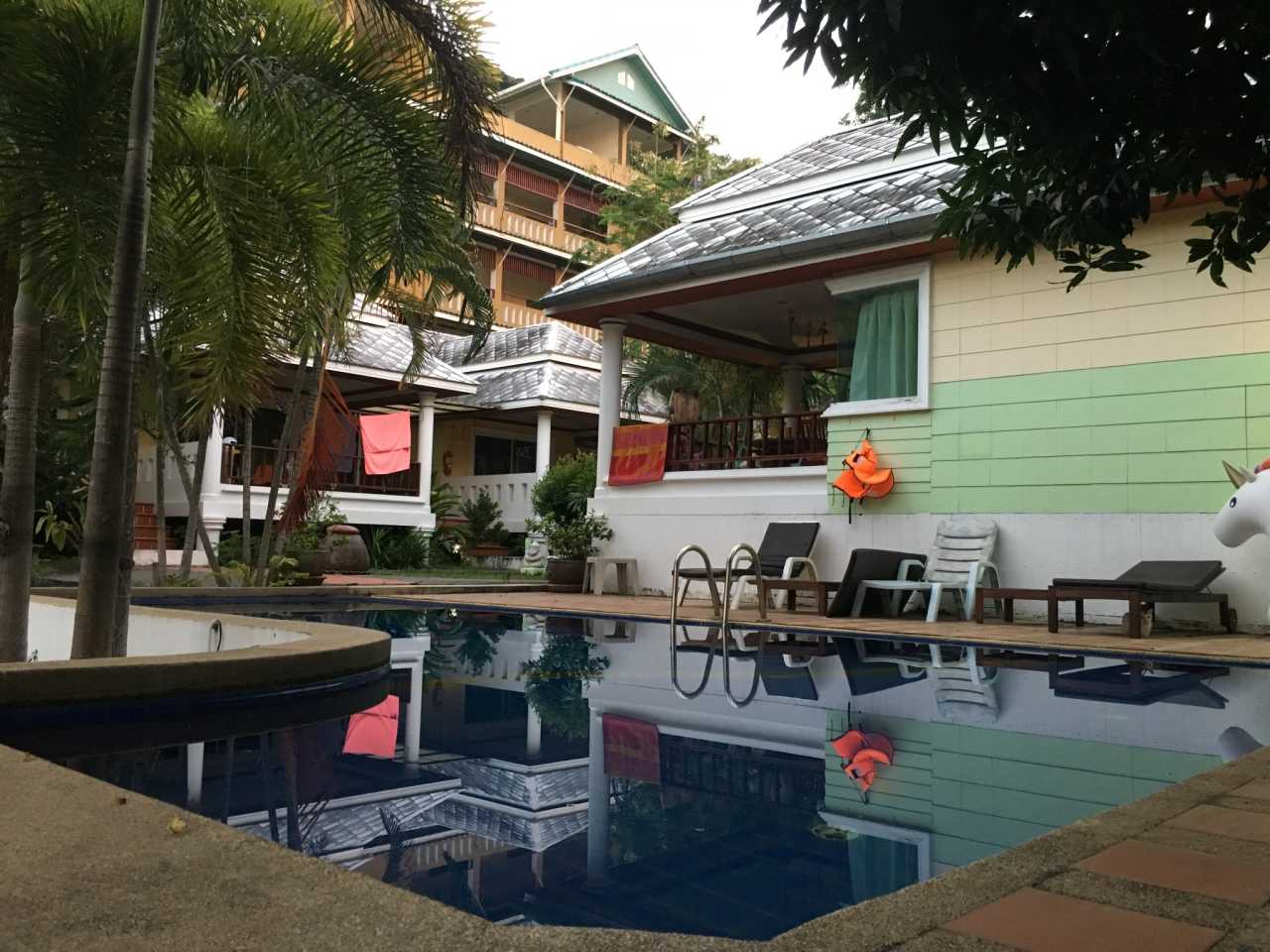
A small pool at the entrance—not crowded and clean; our child loved it.
After settling in we headed to Patong Night Market for dinner. A 15‑minute walk brought us to the famous Banzaan Fresh Market. Many recommend “Your Kitchen”, but the 2nd‑floor dining area lacks A/C and was too hot, so we switched to Jungceylon and had Japanese food similar to Ajisen Ramen at similar prices. Then we shopped at Big C for snacks for the next day.
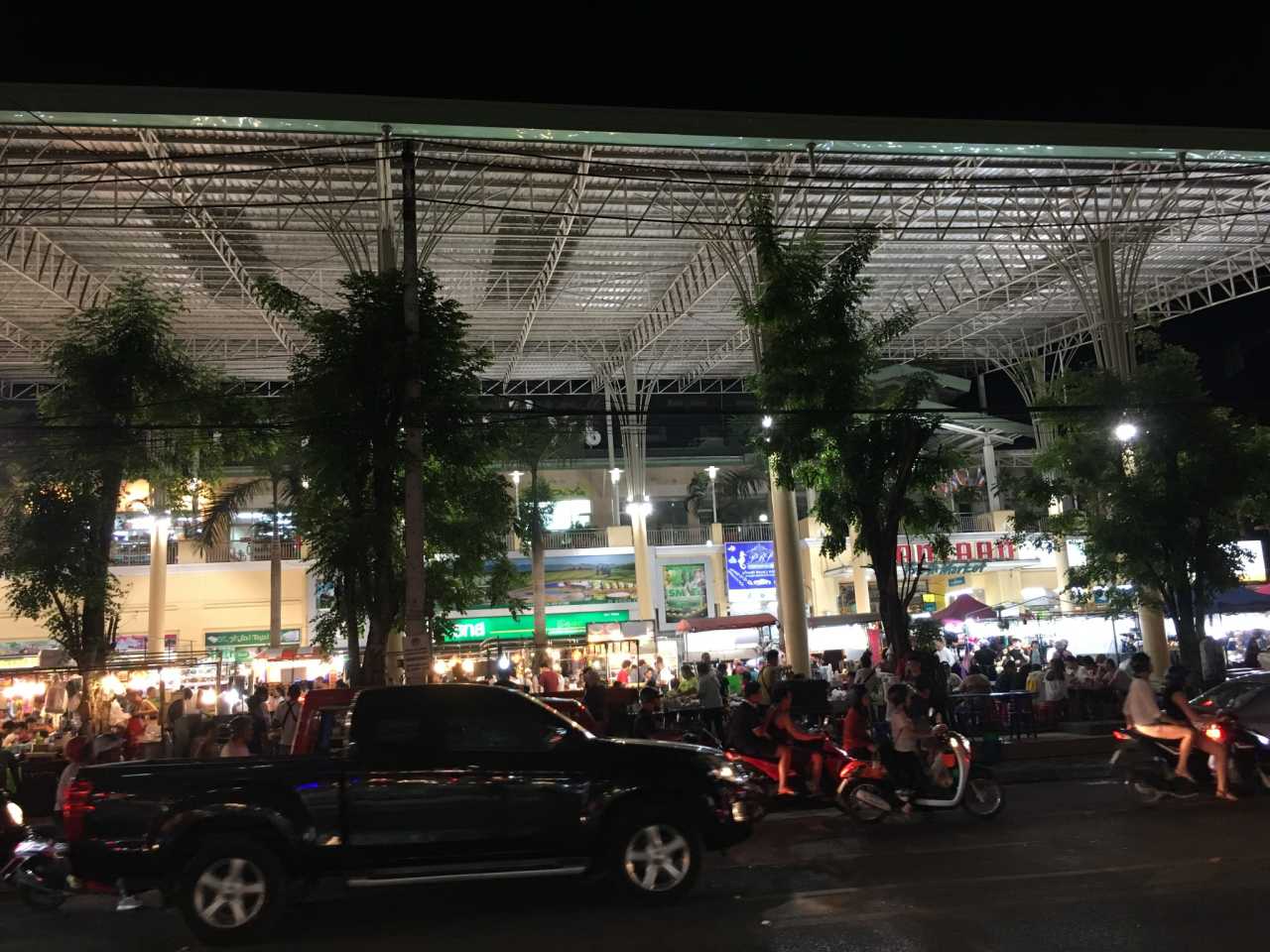 Banzaan Fresh Market
Banzaan is lively at night: buy seafood and fruit on the ground floor, get them cooked upstairs.
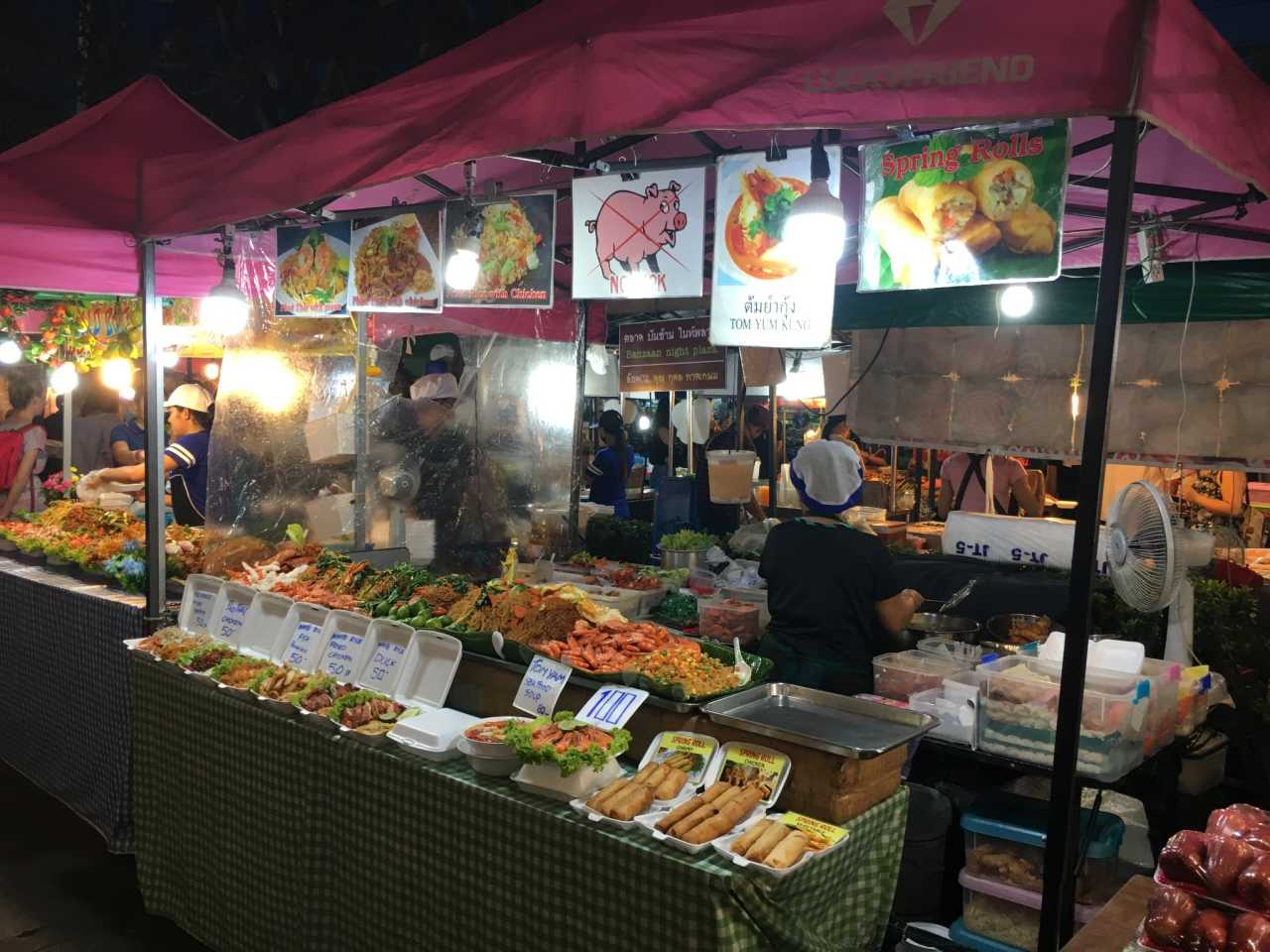 Banzaan Fresh Market
Patong Night Market offers a vast array of snacks at friendly prices—a foodie’s treat. We turned in early for tomorrow’s Phi Phi day trip.
Day 4—Phi Phi Island under Azure Skies
With only four days in Phuket we could fit just one day of island‑hopping. Choosing the islands took thought: Similan is stunning but too far for a day, exhausting for seniors and kids. Koh Khai is kid‑friendly but hard to combine with others. Dive‑centric islands weren’t suitable. That left Racha and Phi Phi. Racha is closer (30‑minute speedboat) and popular for families, but Phi Phi’s reputation is unmatched. We chose a “early‑bird” alloy speedboat tour from a Chinese‑language operator: early departure/return, fewer people, better photos, covering major spots on big and small Phi Phi and including Bamboo Island. Price ~400 RMB per adult; under‑4s free—perfect for our child.
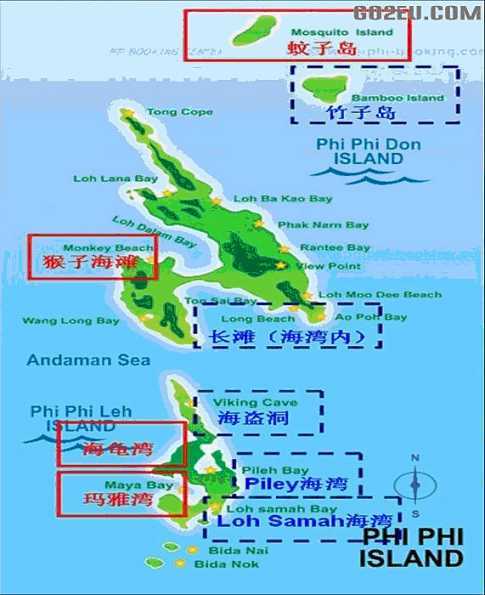
The map shows Phi Phi’s sights; our itinerary covered the classics. With more time, consider an overnight on Phi Phi Don to savor it fully.
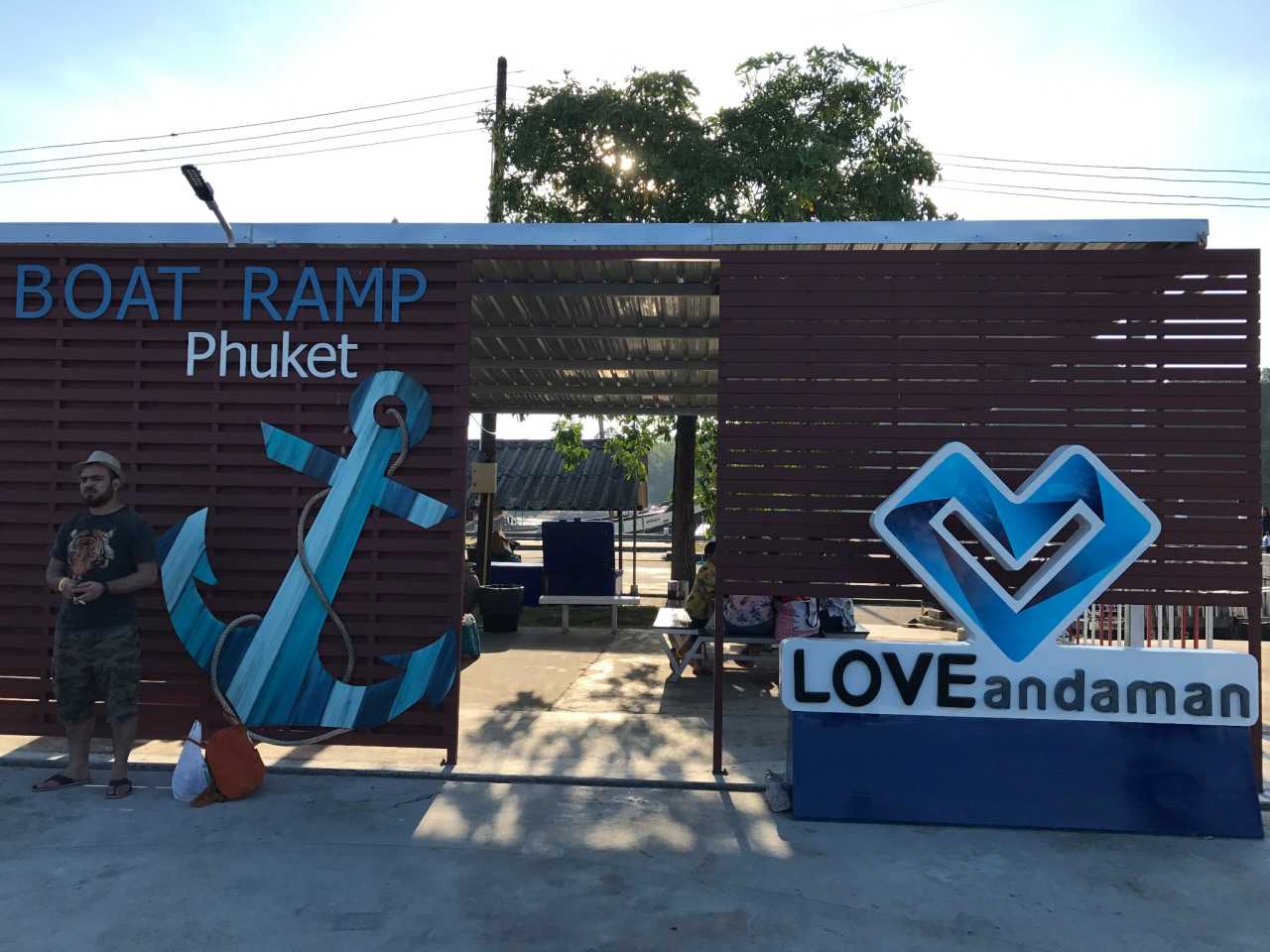
Tour packages vary by departure time and sights; read details carefully and consult customer service. With parents along we chose an early‑bird tour with a Chinese guide. Pickup at 6:30 am, then ~50 minutes to the pier near Phuket Town on the west side, effectively crossing the island. Breakfast included; unlimited drinks onboard plus bread—very thoughtful and high value. Our boat left around 8:00 with 20‑plus passengers, mostly Chinese with a few Westerners. Shoes are collected onboard and you go barefoot, but some beaches like Bamboo Island have shells and coral. To avoid cuts (and for sun protection), bring reef shoes and socks—they’re allowed. The ride to Phi Phi takes ~50 minutes; seasickness depends on weather and personal condition. We had calm seas and it was comfortable despite the heat. For unknown reasons our first stop switched from Maya Bay (Phi Phi Leh) to Bamboo Island—the only disappointment, since early‑bird is meant to reach Maya Bay before the crowds. The stunning emerald waters at Bamboo quickly dispelled the frustration.
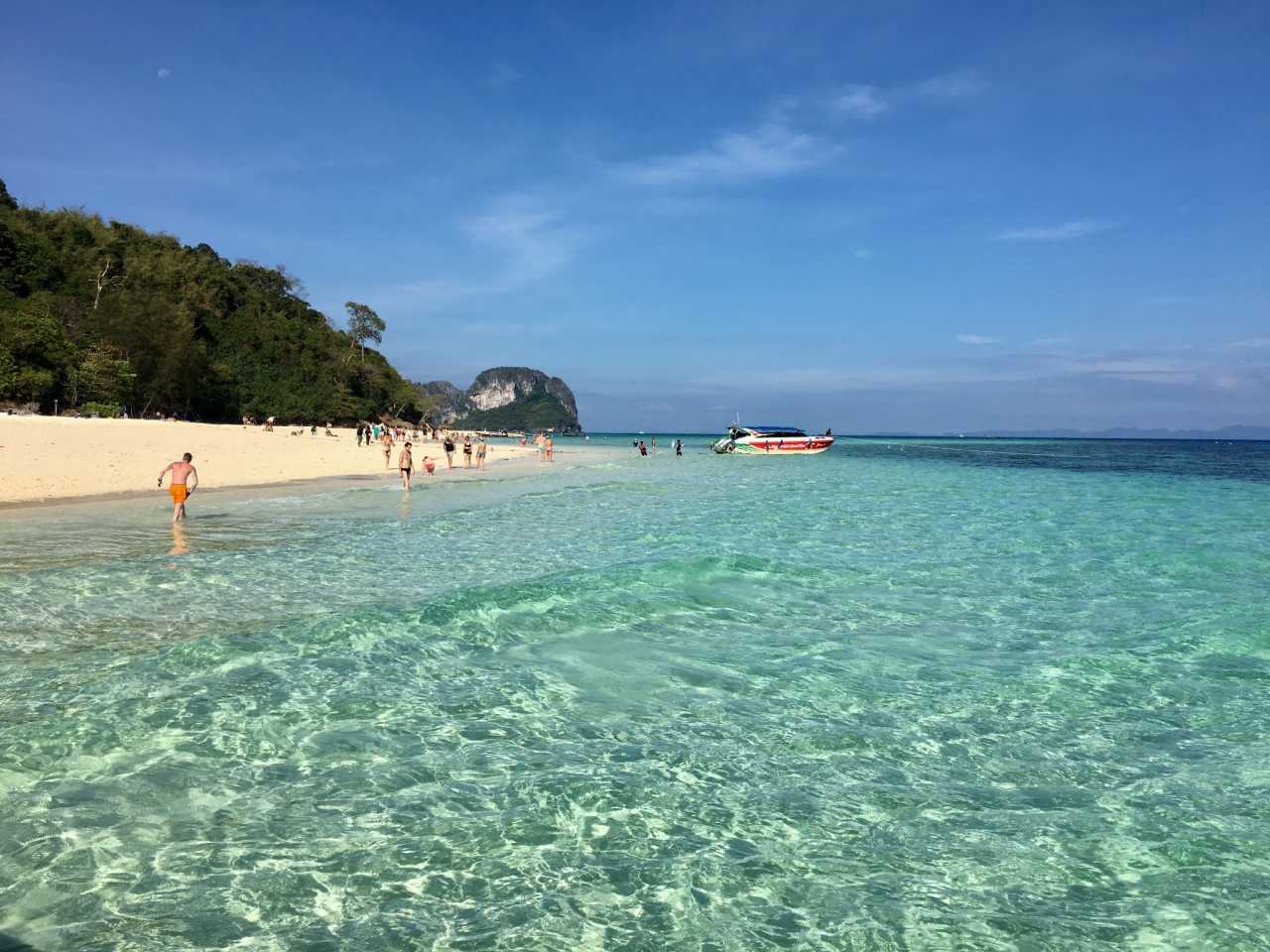 Bamboo Island
Emerald water is crystal clear, with color bands changing from afar to near.
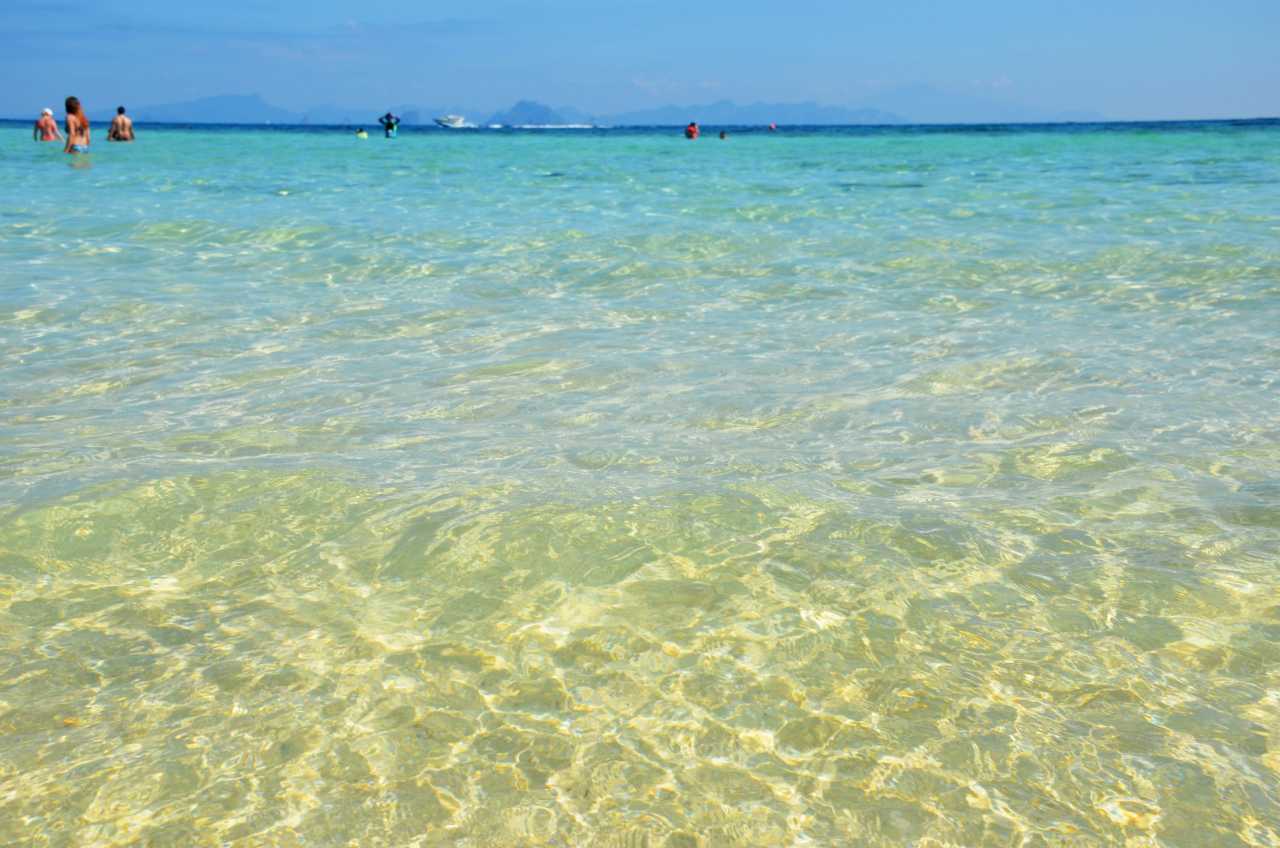 Bamboo Island
Arriving early meant fewer people. The gentle beach slope is great for swimming.
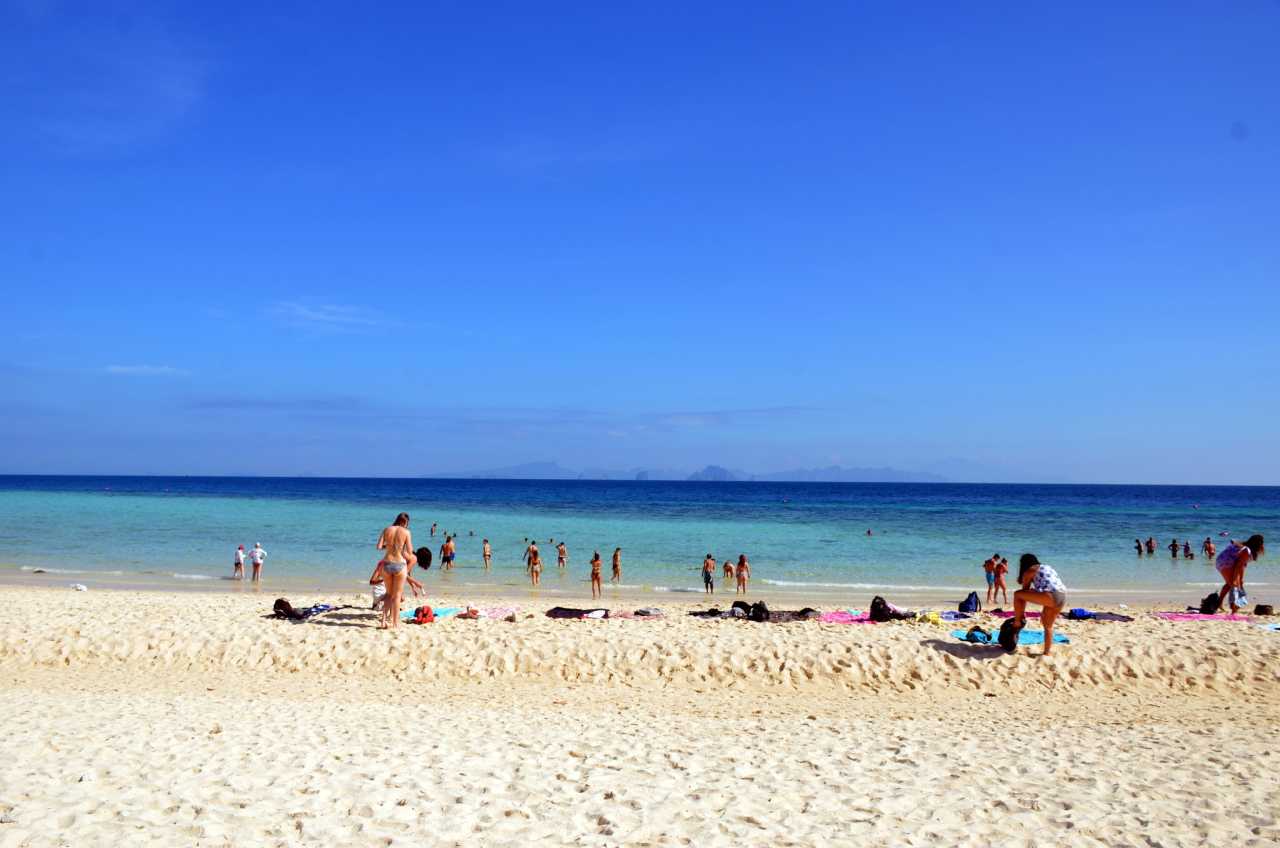 Bamboo Island
Bamboo’s water is gorgeous; the only downside is coral fragments on the sand—barefoot walking can be tough. Watch your step.
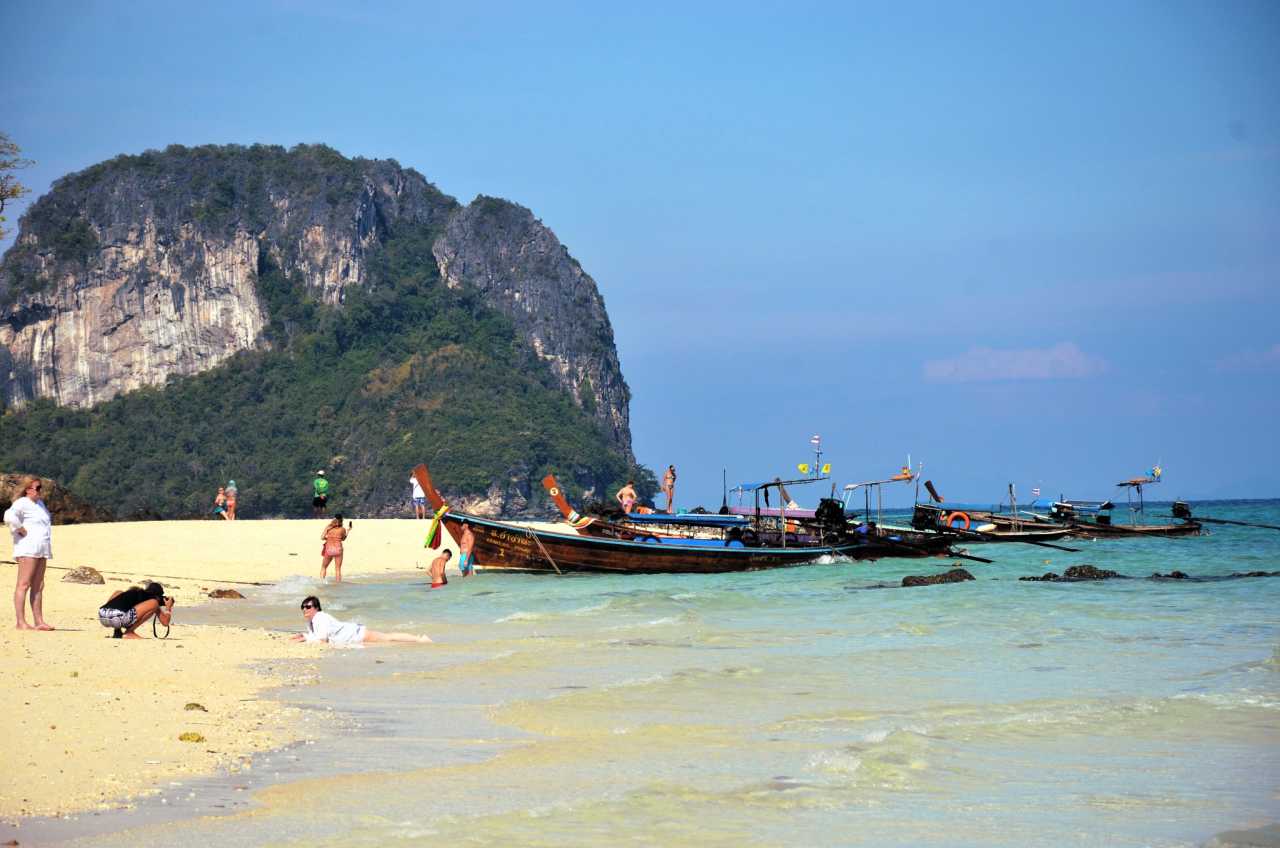 Bamboo Island
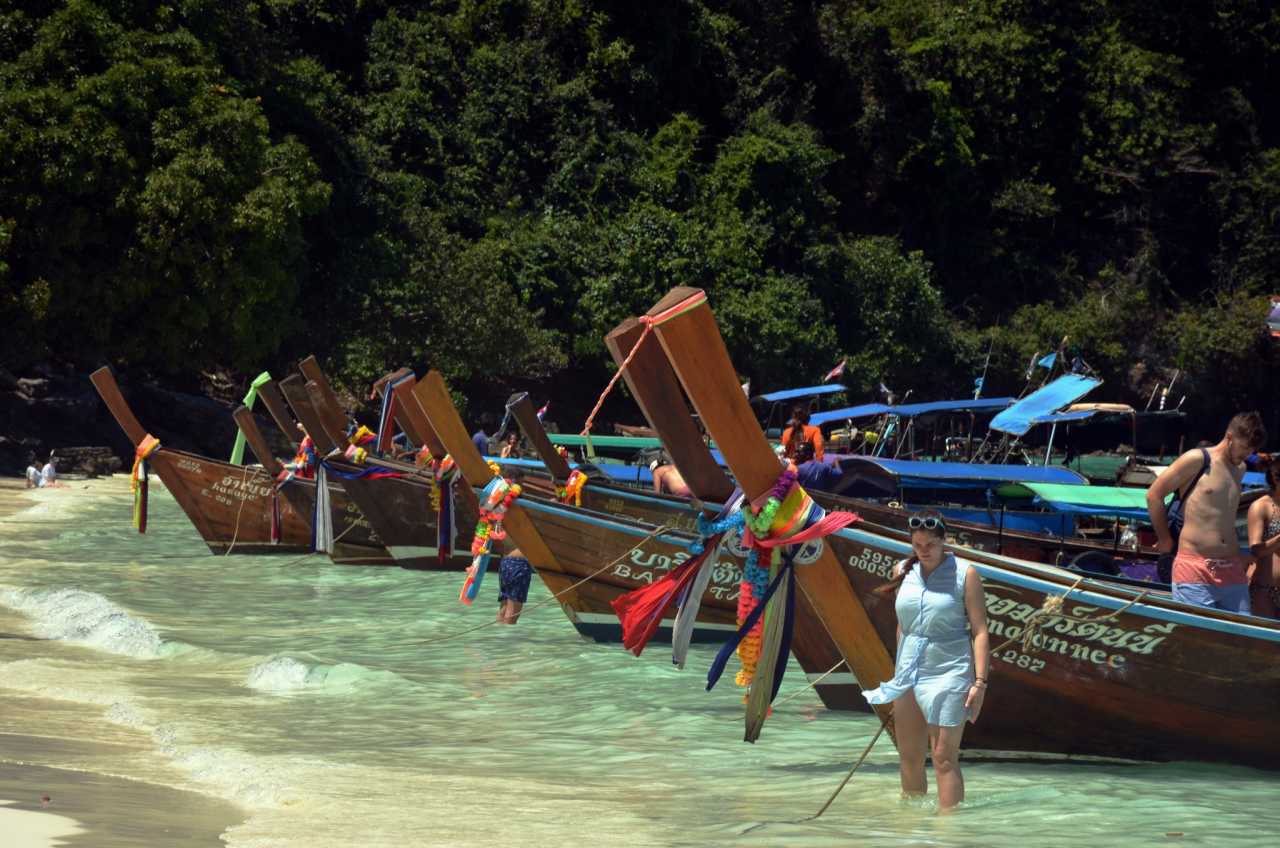
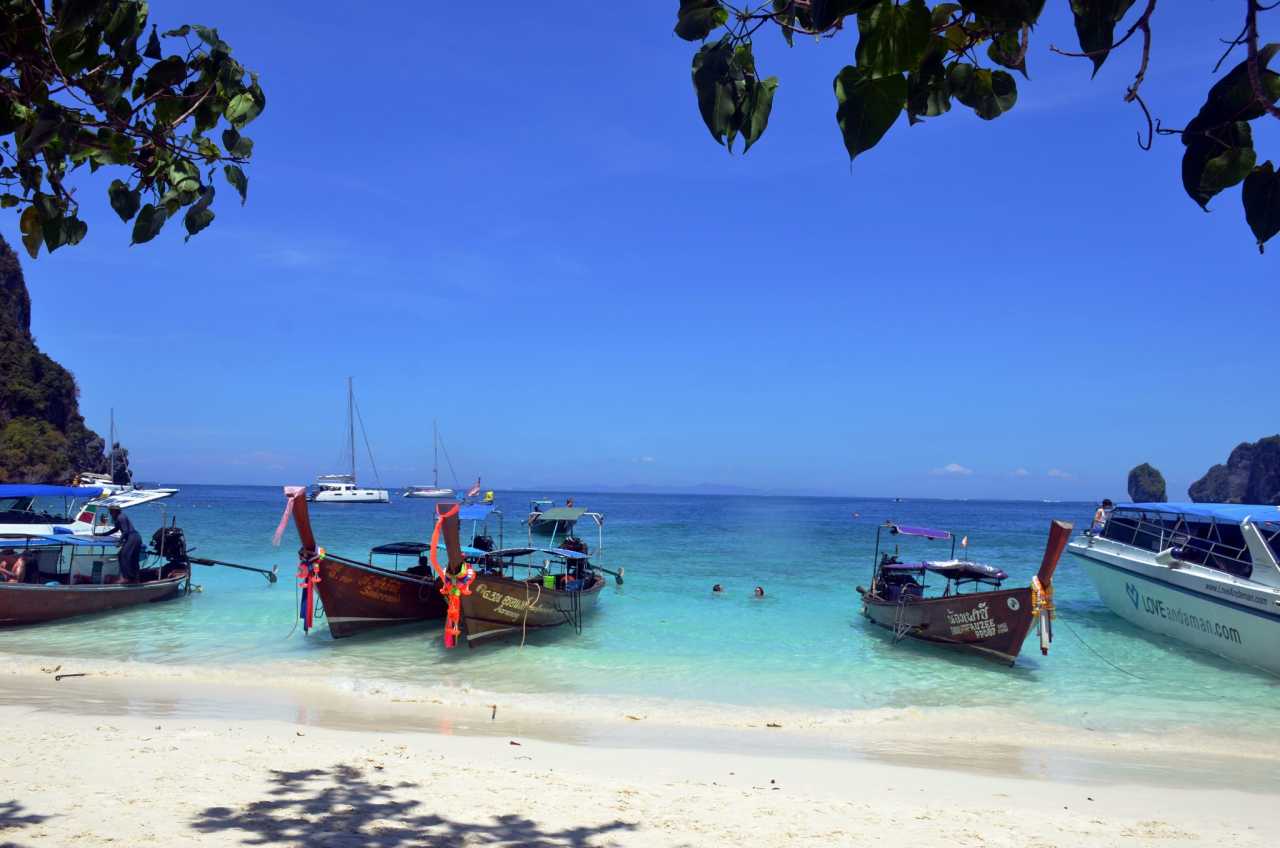
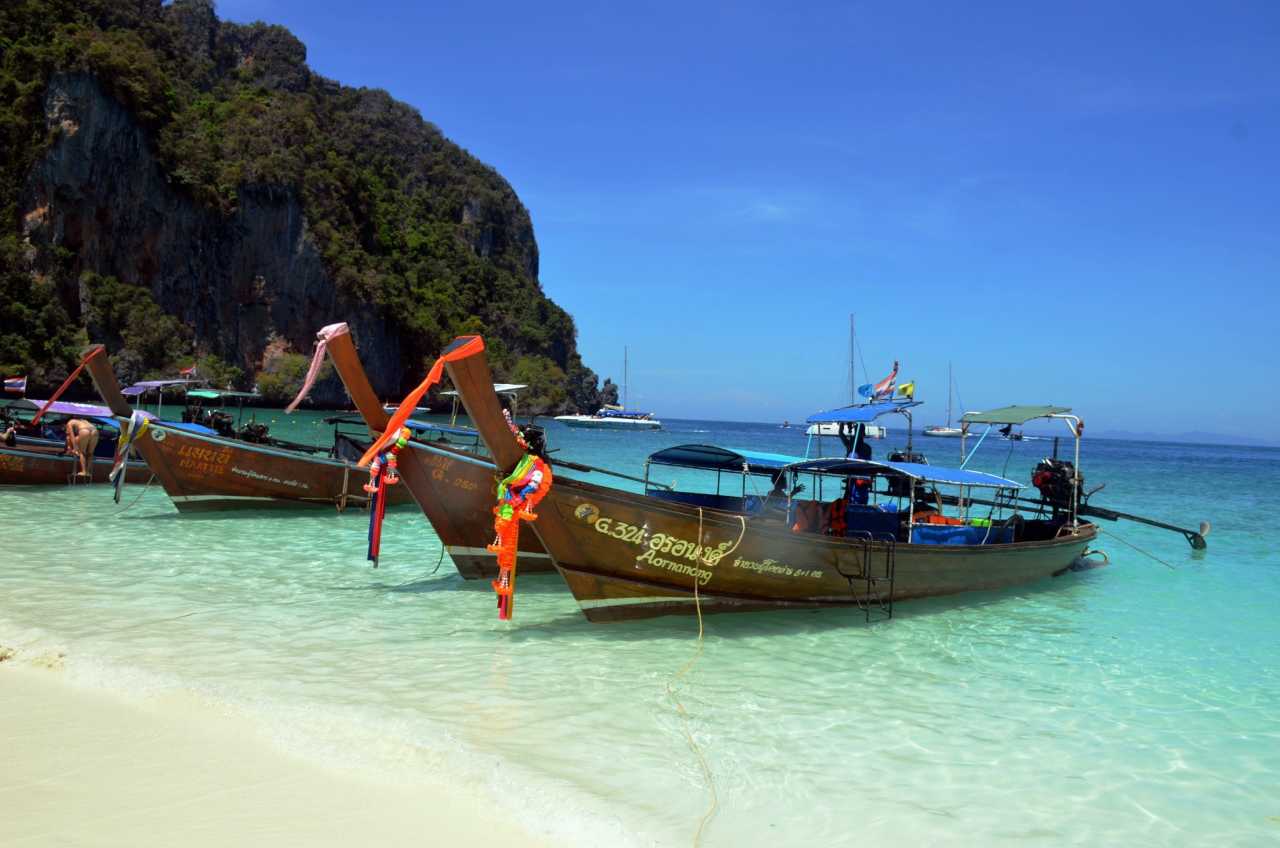
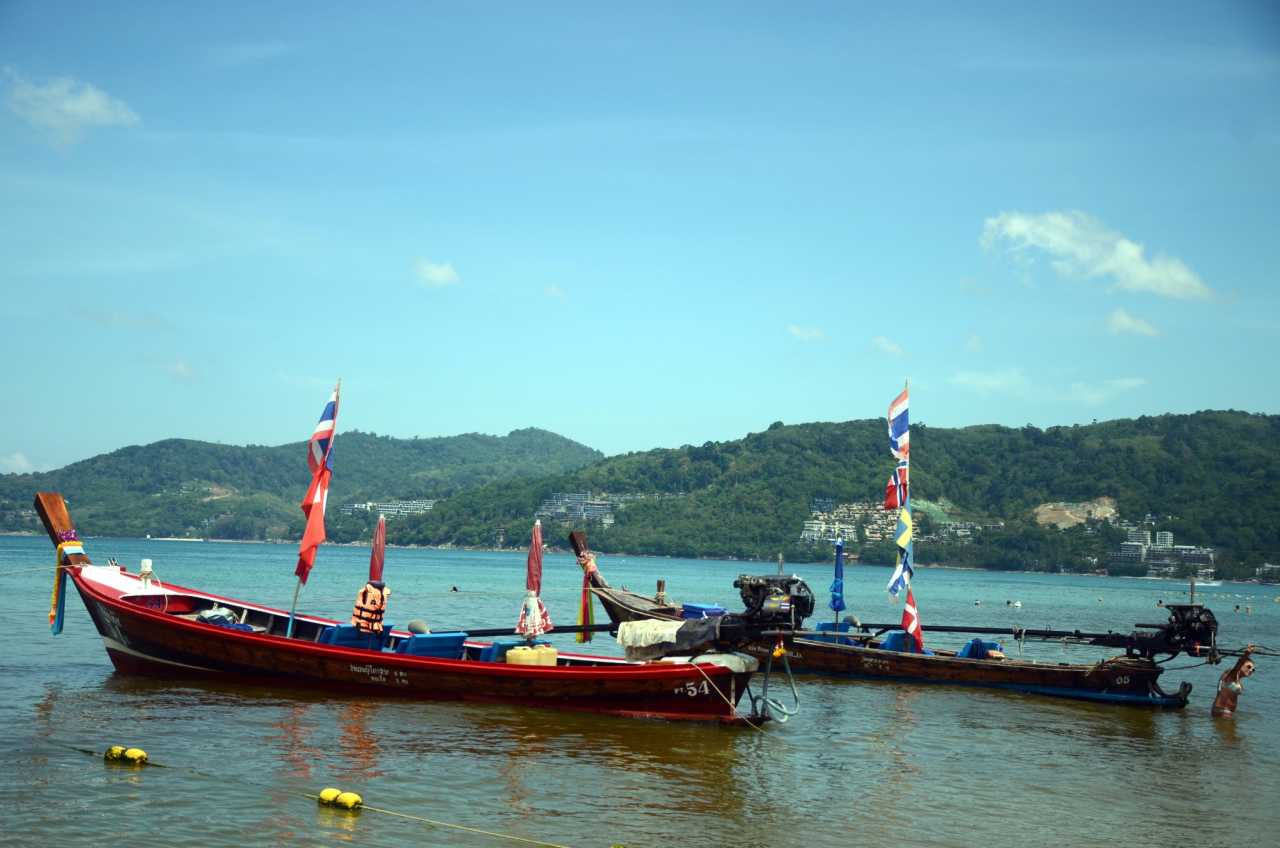
Long‑tail boats anchored along the shore complete the quintessential Phuket image. Many people take photos here.
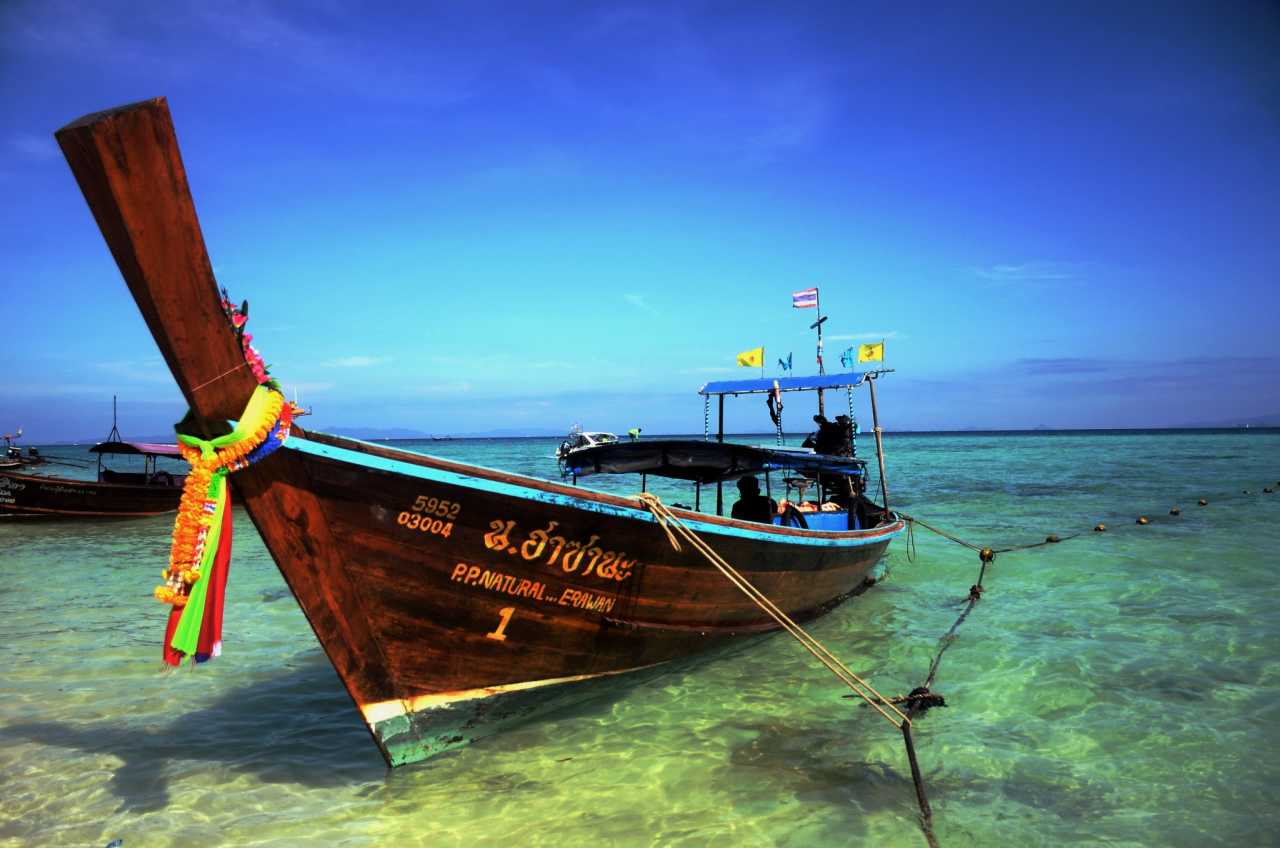 Bamboo Island
The quintessential Phuket photo.
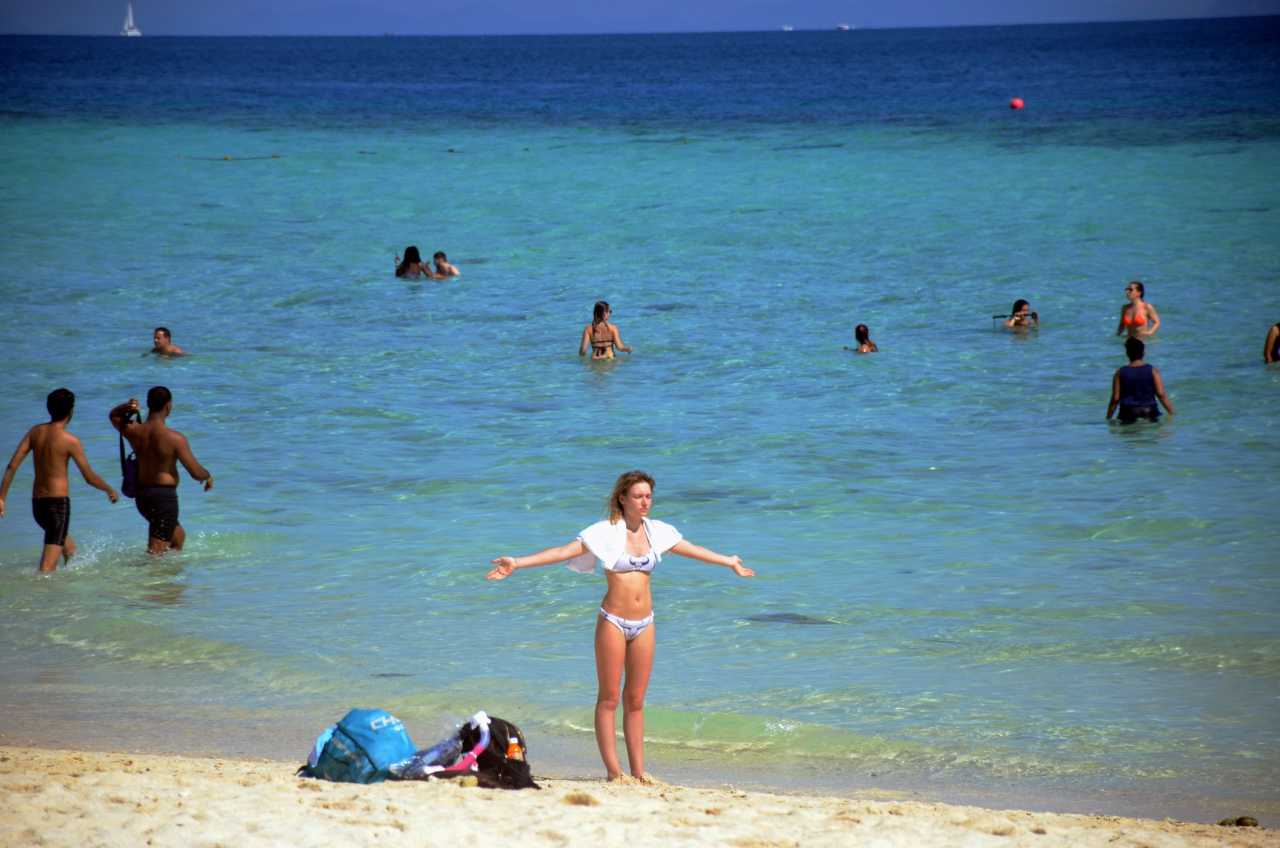 Bamboo Island
Many Russian travelers sunbathe on the beaches; you’ll see them everywhere.
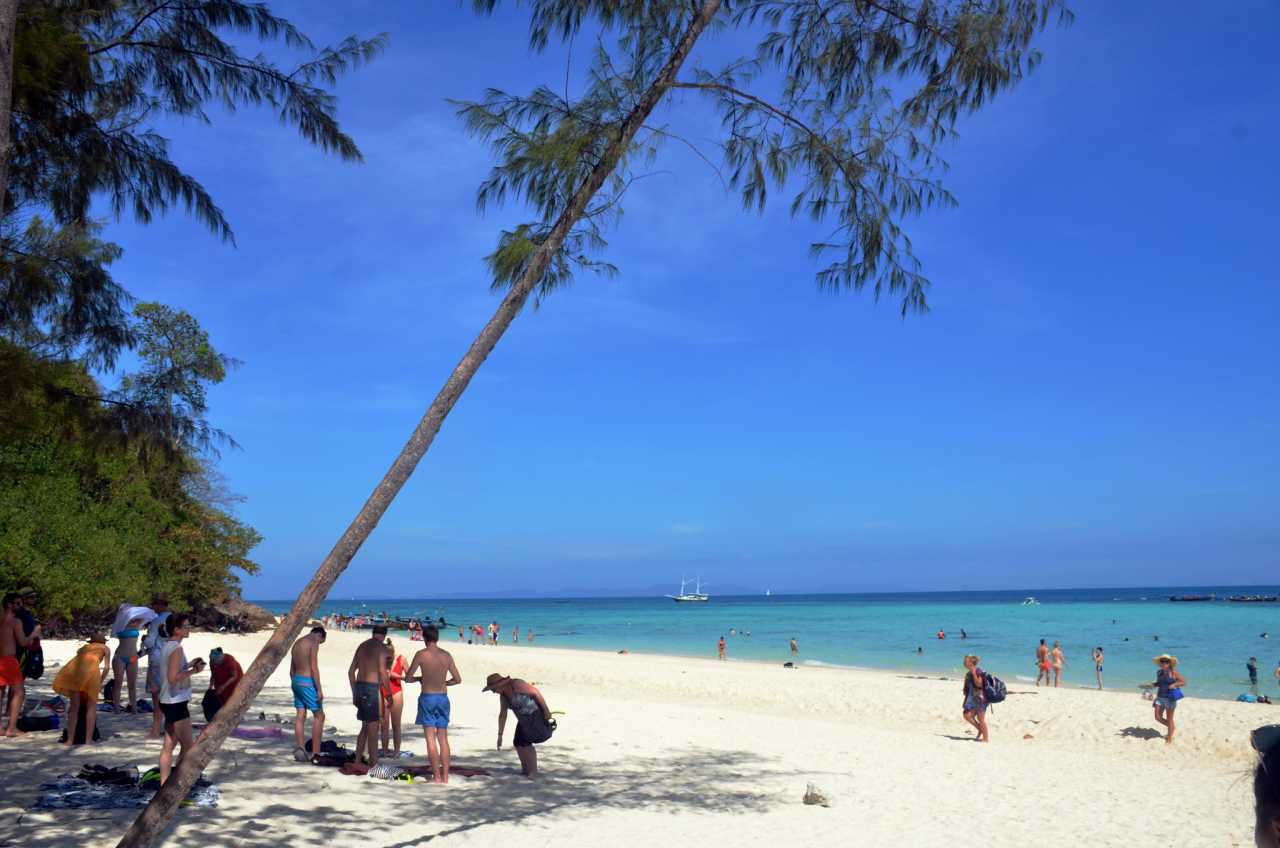 Bamboo Island
We found shaded sand for our child; she focused on sand play while we took photos—easy parenting.
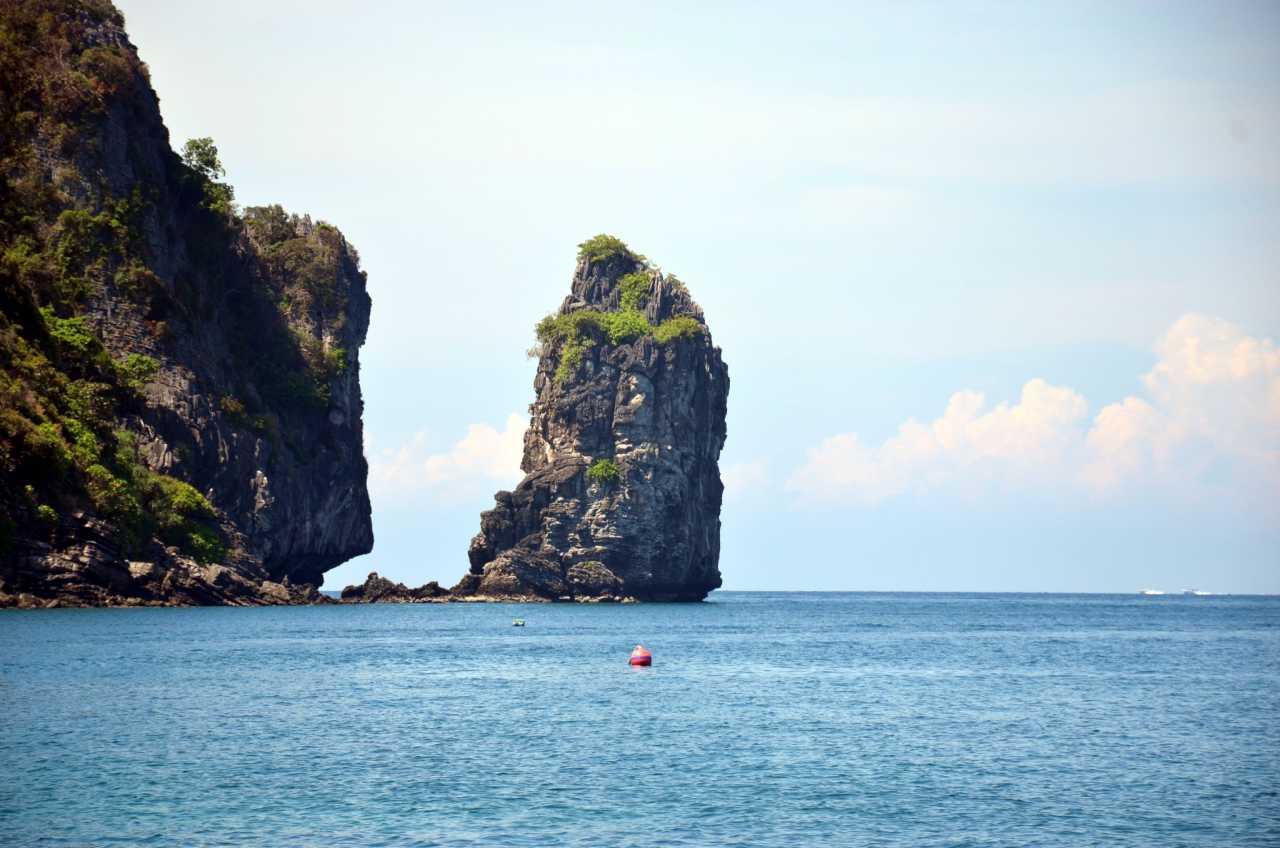 Phi Phi Leh
We stayed ~40 minutes on Bamboo Island; next stop: Monkey Beach.
 Monkey Beach
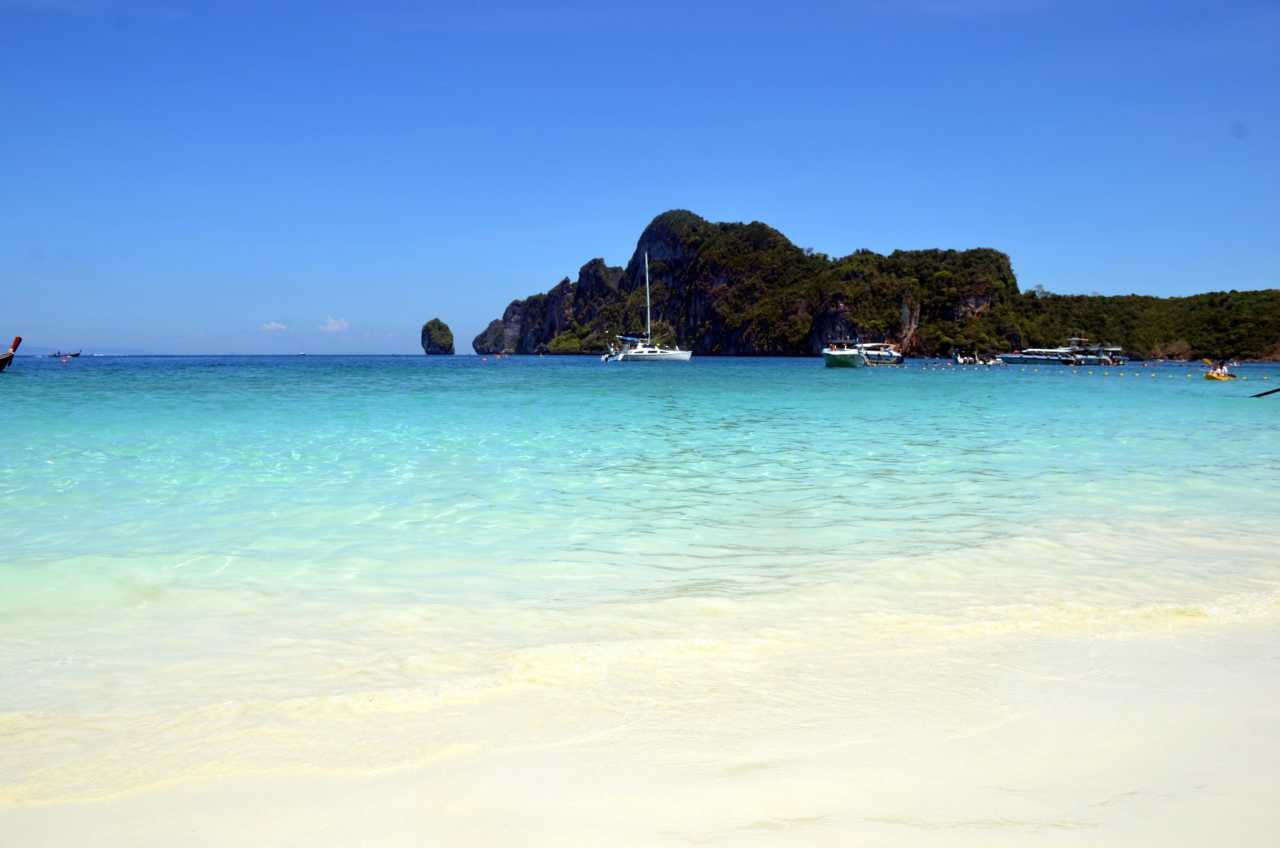
Monkey Beach has clear water and soft sand, though the beach is small—a 10‑minute walk reaches the end.
 Maya Bay
 Maya Bay
If time allows, consider a long‑tail boat ride; we didn’t ask prices since we weren’t planning to go.
 Maya Bay
As the name implies, monkeys frequent the beach. Guides warn not to provoke them. We saw a tourist chased across the sand after monkeys spotted his bananas. They’re fearless here—it’s their home.
 Phi Phi Don
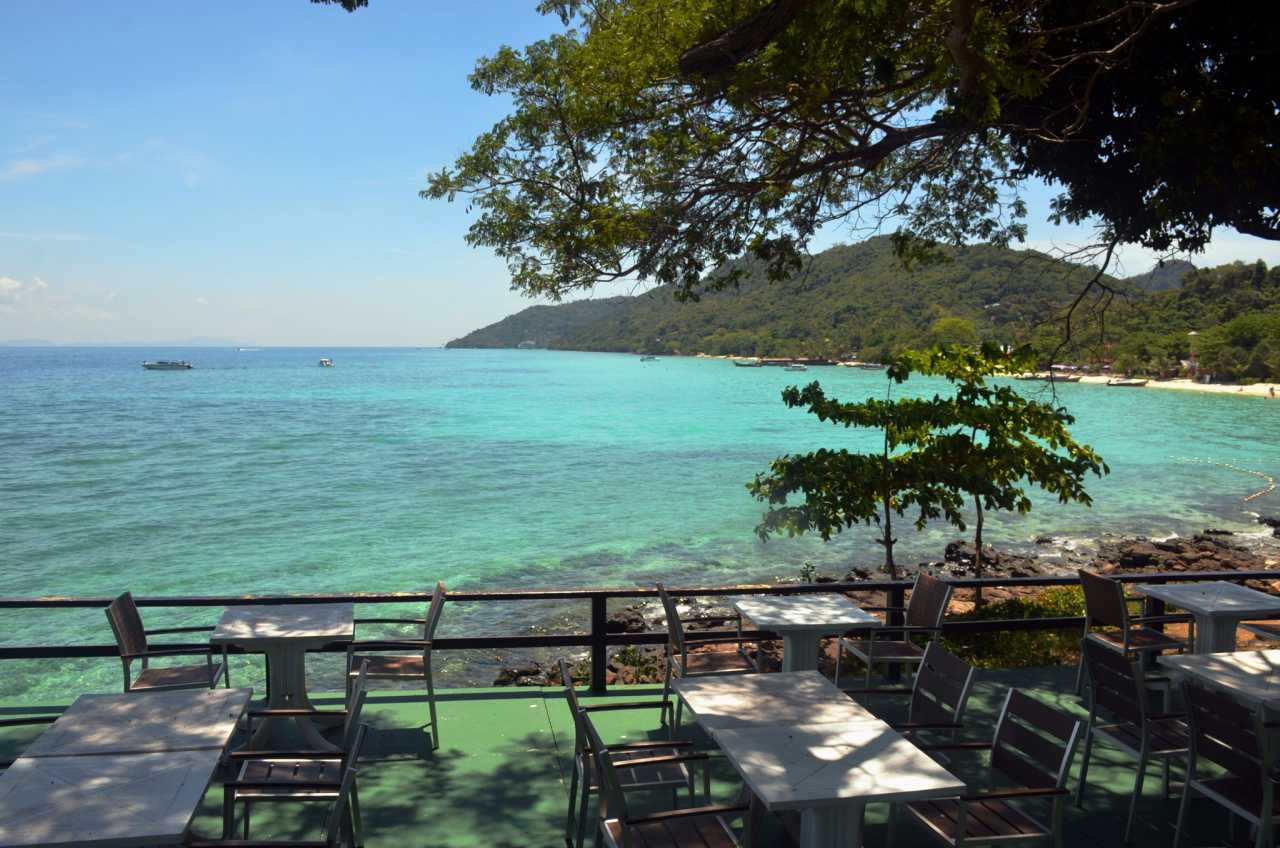
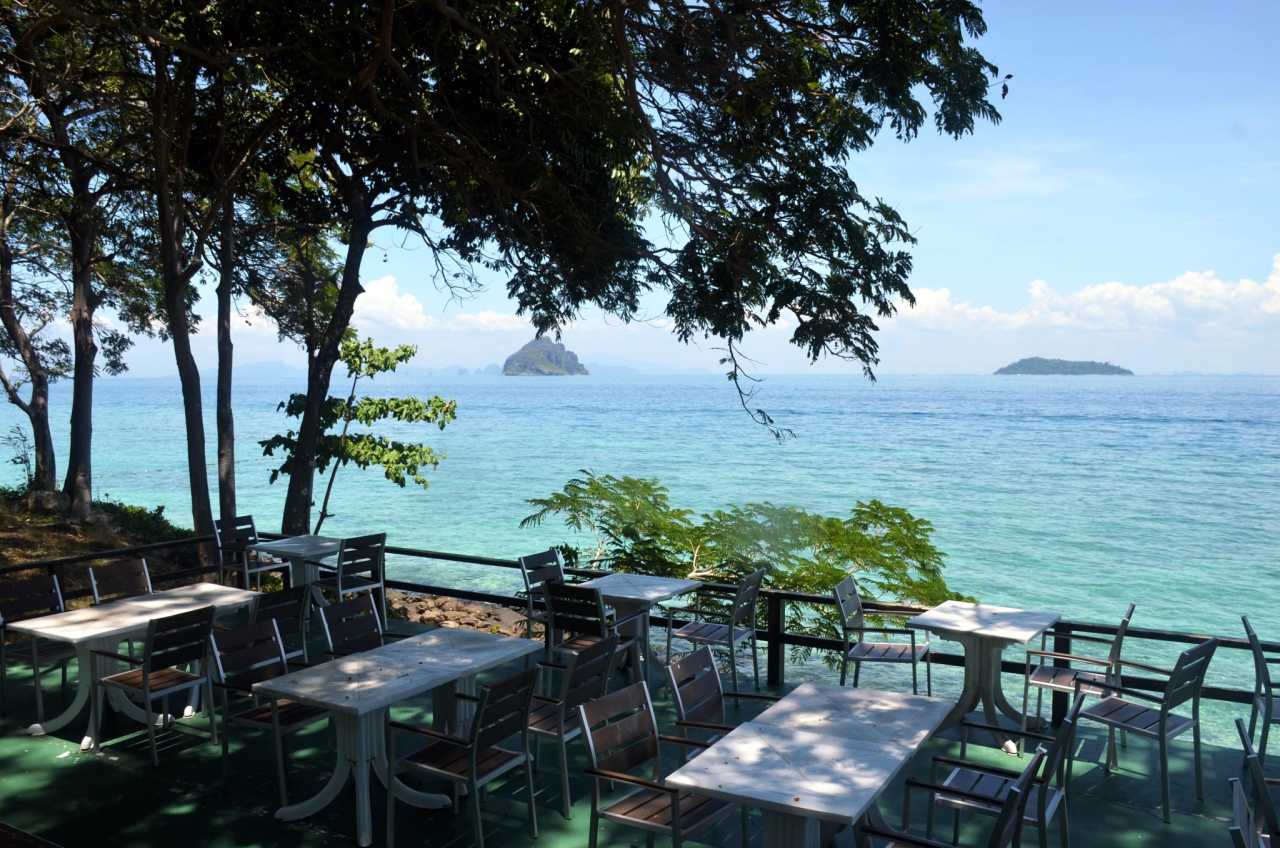
Near noon we headed for lunch at a cliffside sea‑view restaurant in Tonsai on Phi Phi Don—a highlight of the day. Dining here is a delight.
 Phi Phi Don
We knew about the restaurant from research, rushed ahead after docking, and snagged the best seats. A sea breeze under the blazing sun kept it comfortable.
 Phi Phi Don
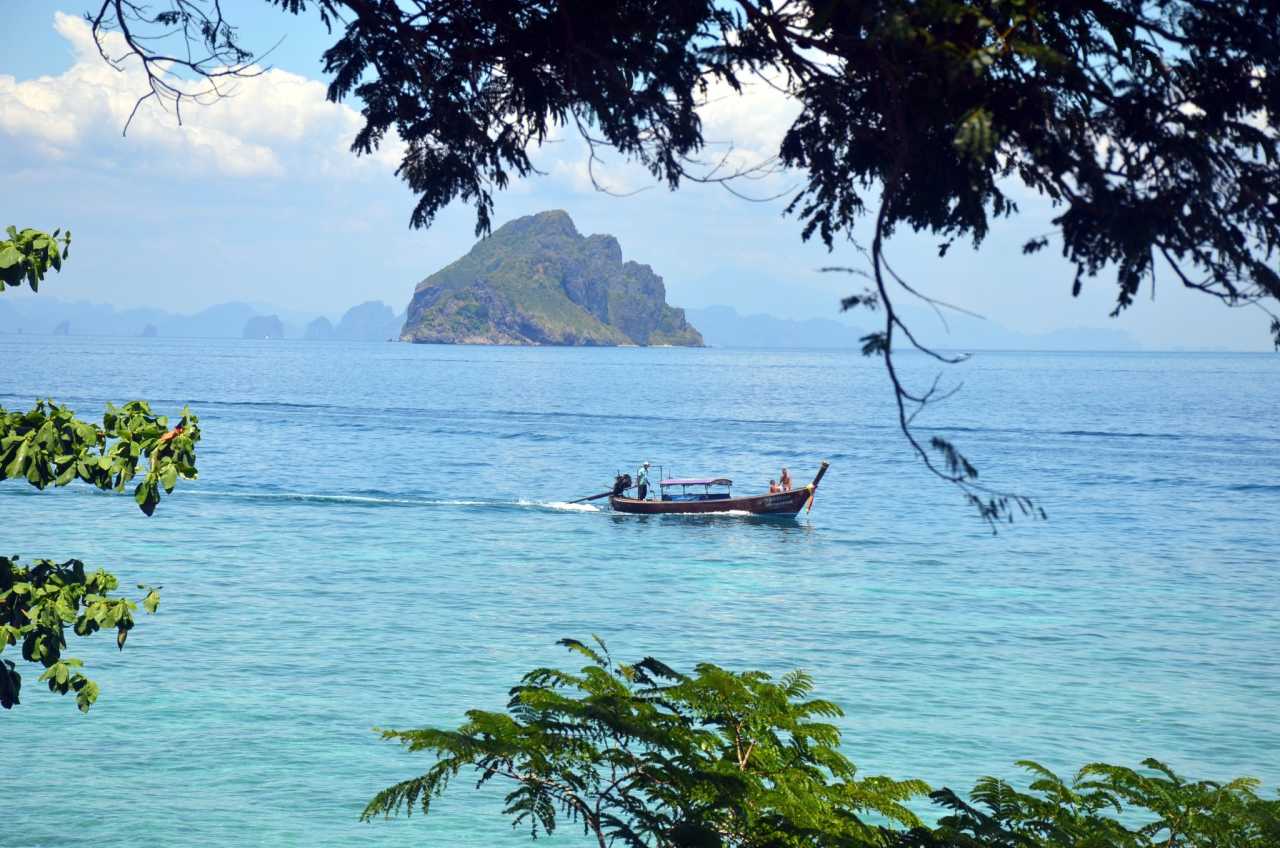
The selection isn’t large but covers meats and vegetables. Fellow travelers said it was much better than their meal at Similan the day before.
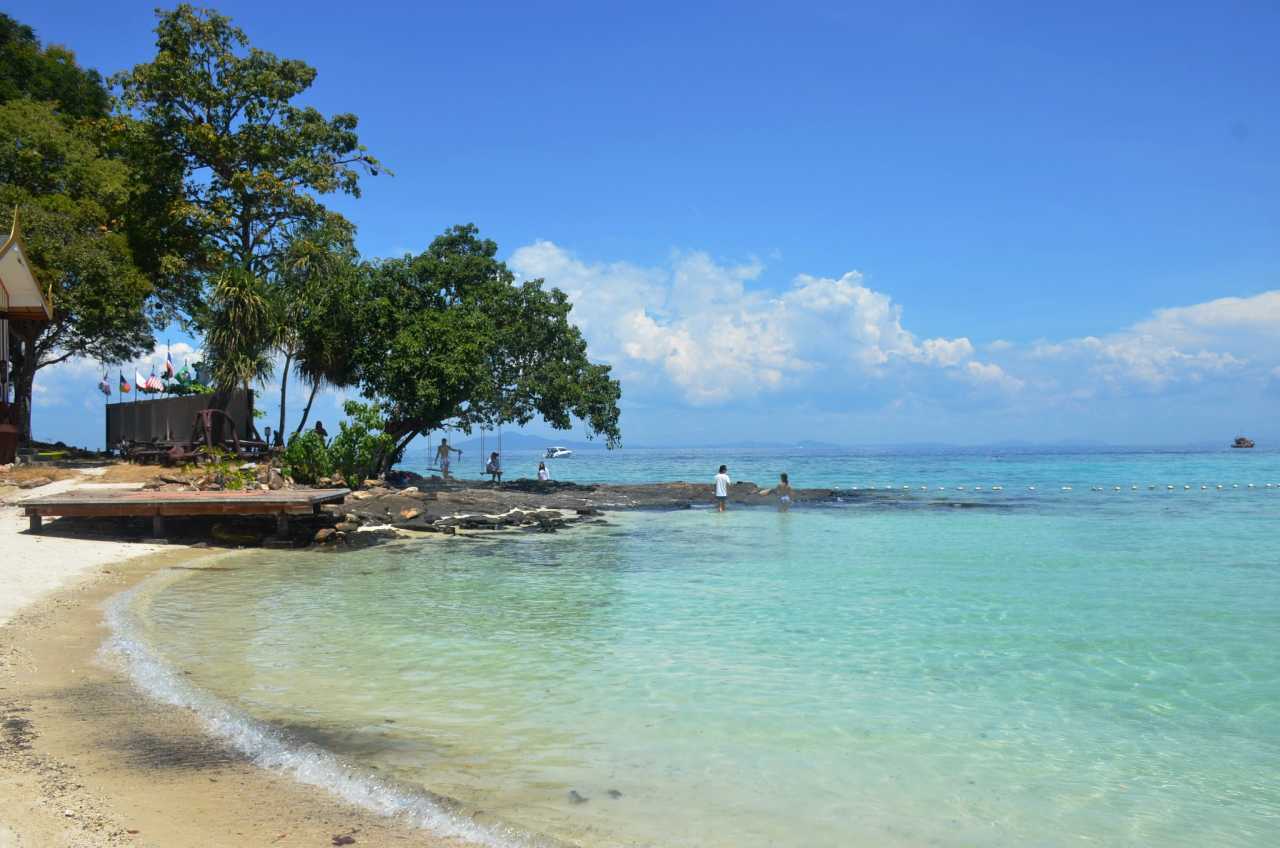 Phi Phi Don
After lunch and a short rest, we began the afternoon tour.
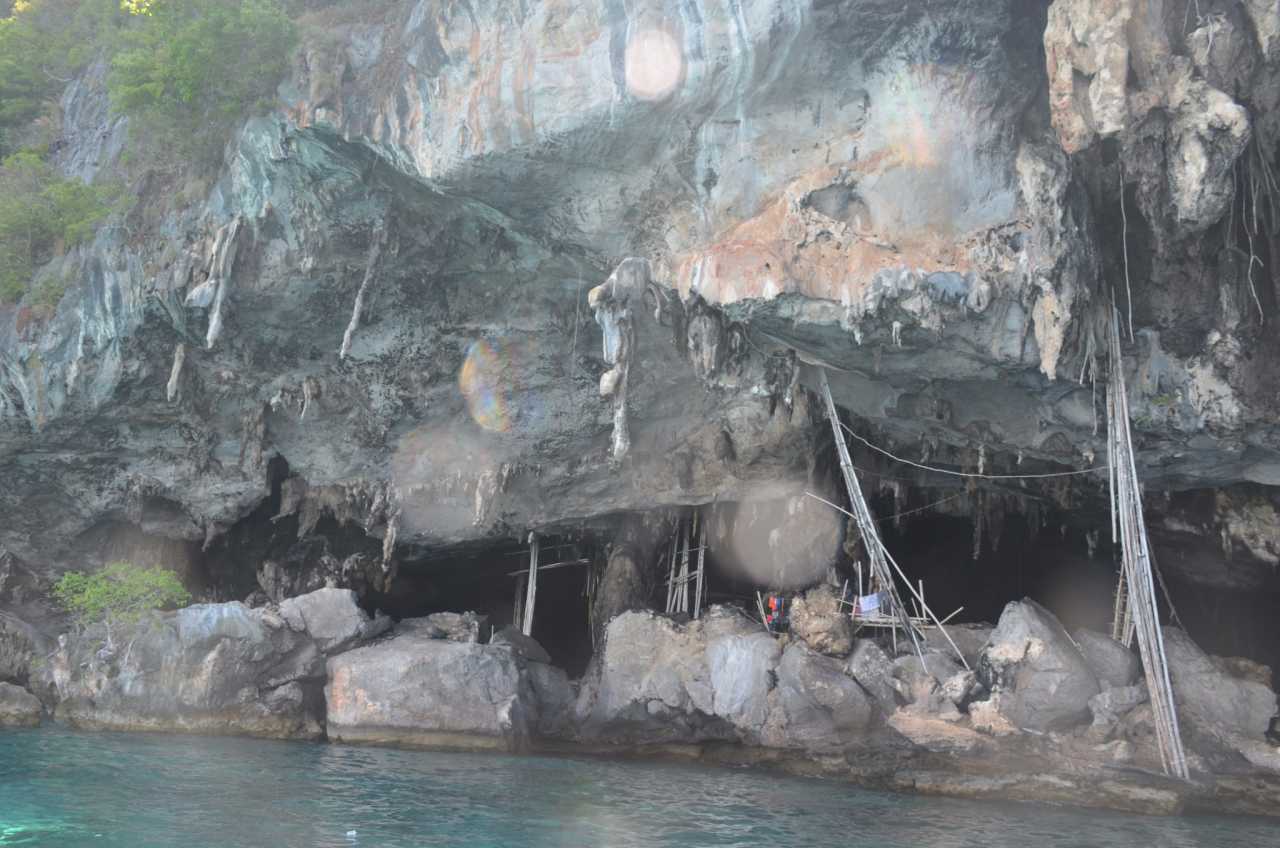 Phi Phi Leh
First stop: Viking Cave (bird’s nest cave). It’s viewed from a distance; not much to see up close.
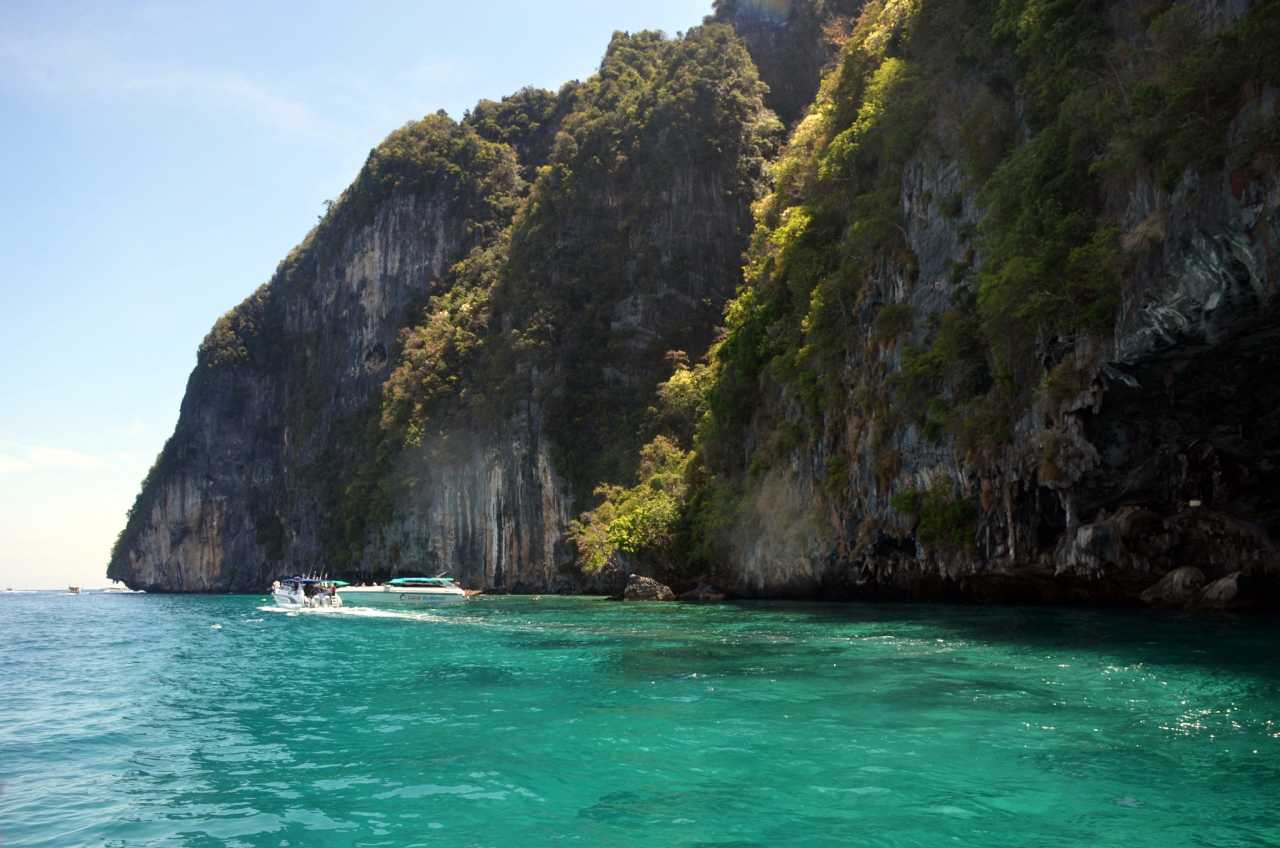 Phi Phi Leh
Next was swimming in Pileh Lagoon. Our child fell asleep and the boat was hot while anchored, so we fanned her to prevent heatstroke and skipped swimming.
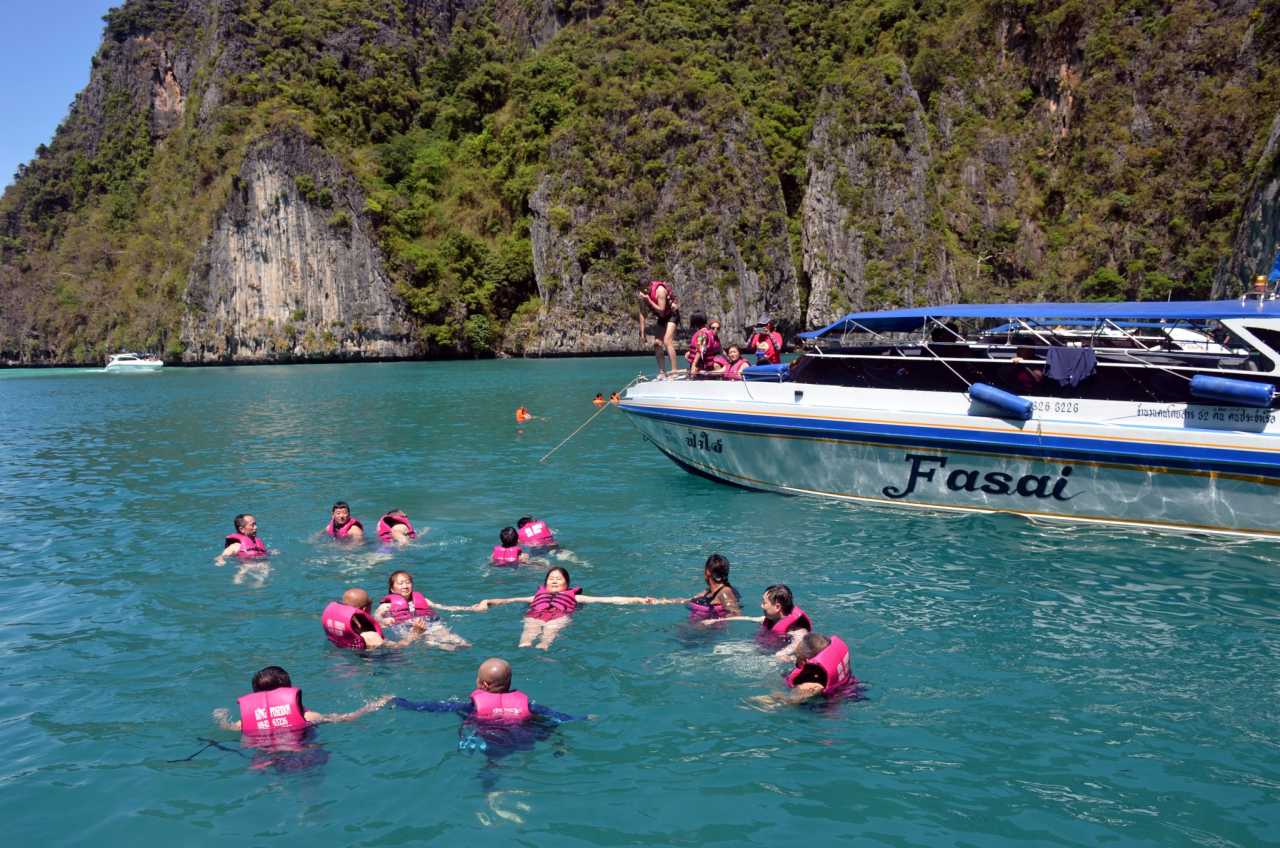 Phi Phi Leh
If you can, it’s a great place to swim—calm and sheltered. The itinerary includes an hour of free snorkeling, which we also skipped.
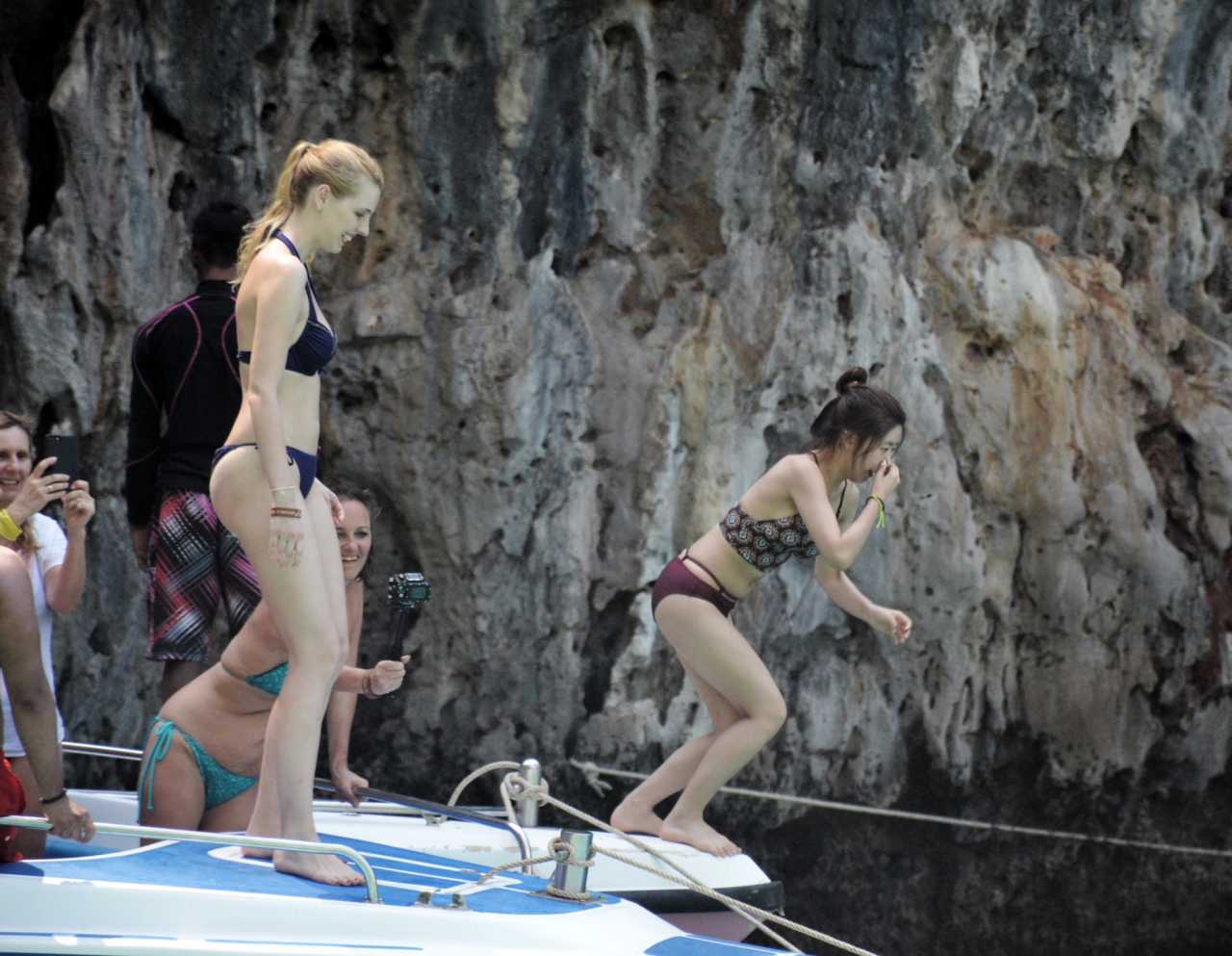 Phi Phi Leh
Brave women shouted and dove straight in—cheers all around.
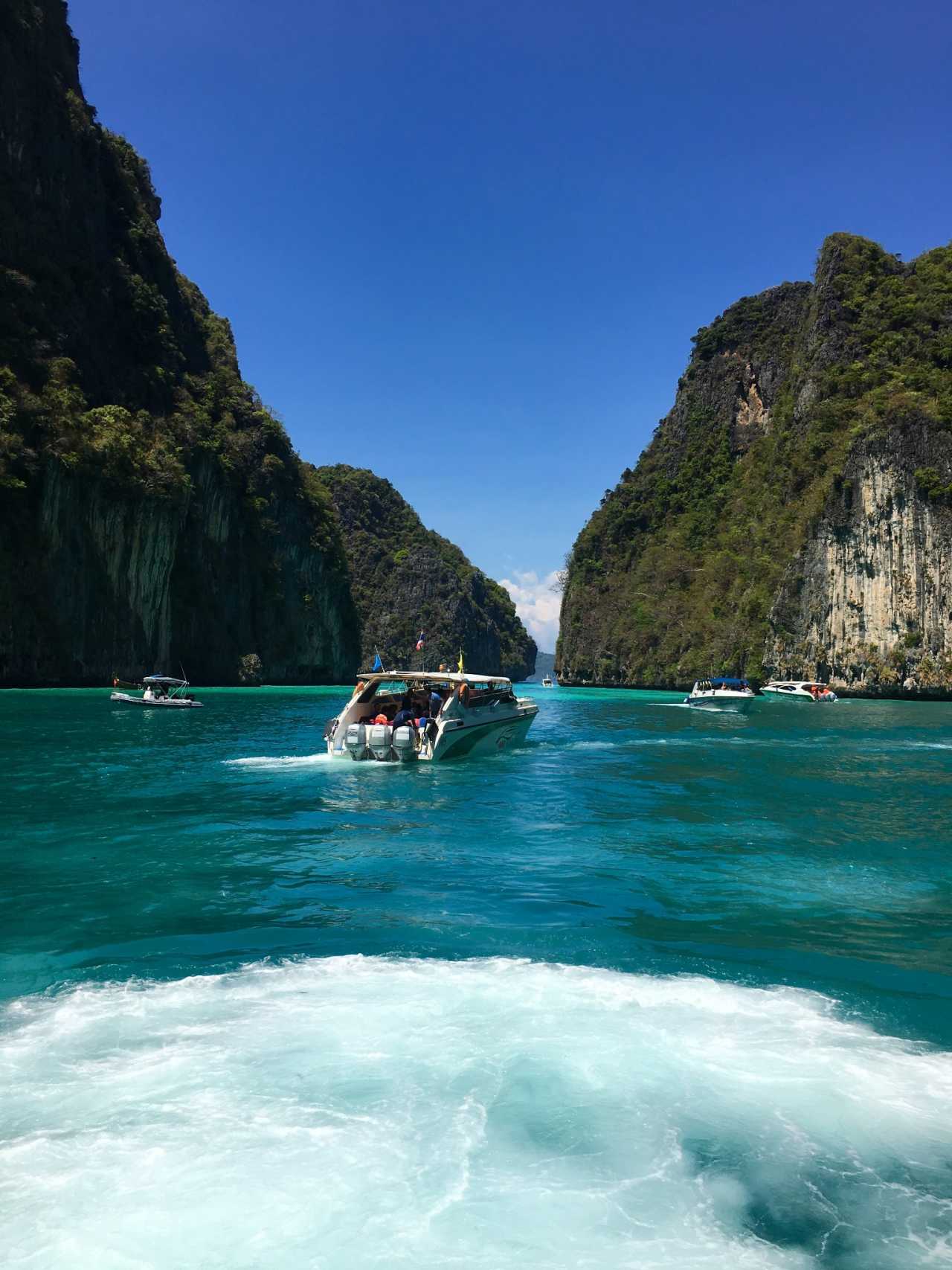 Maya Bay
Amid such scenery it’s easy to forget worries and immerse in nature’s canvas.
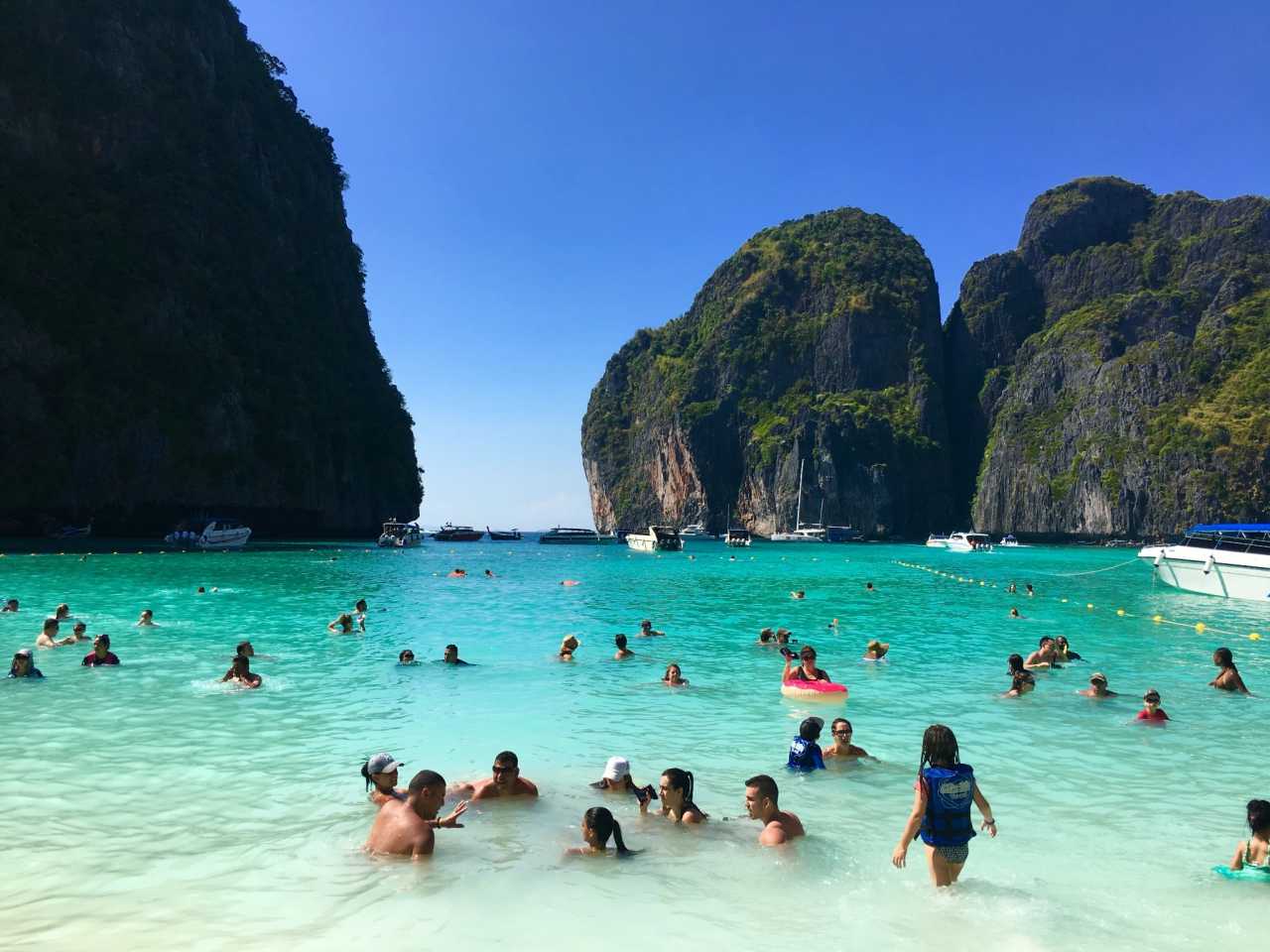 Maya Bay
Final and main stop: Maya Bay, encircled by cliffs on three sides with a narrow mouth, famous from Leonardo DiCaprio’s film “The Beach”. Its allure comes from emerald water, white sand, and towering cliffs creating isolation. At 2 pm it was crowded and the water was warm after a morning of sun. The white sandy bottom turns the nearshore water silky milky—swimming feels like a milk bath.
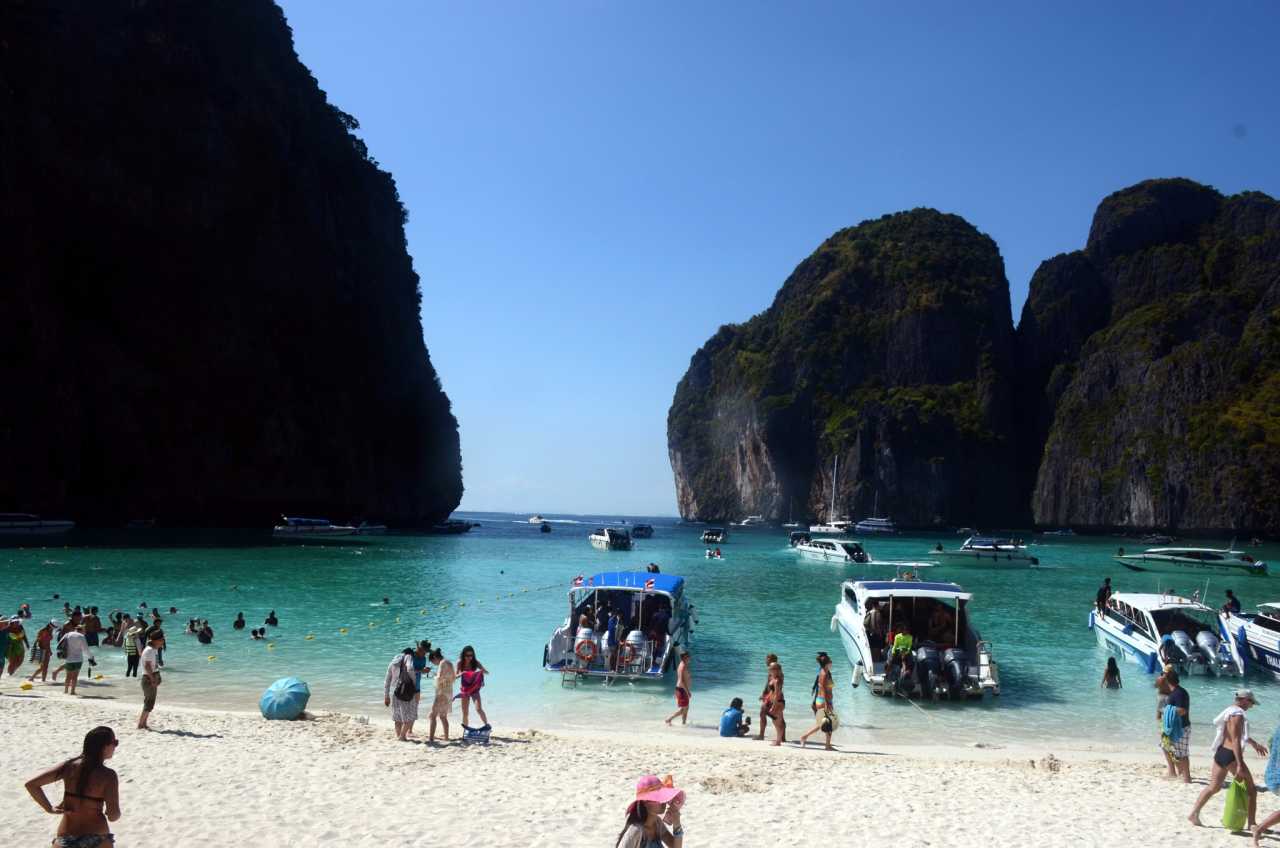 Phi Phi Leh
The beach is shallow with cliffs behind. At the peak heat of 2 pm the sun is intense. I swam 20 minutes and walked 5, and my arms were sun‑red. Do thorough sun protection—long‑sleeve swimwear is best for men. We stayed about an hour, departed at 3 pm, and most people slept on the way back. The driver was waiting at the pier; an hour of winding roads brought us to the hotel around 5 pm even on the early‑bird schedule. Normal departures return closer to 7–8 pm—if you can, choose early. Tired, we bought ready‑to‑eat food at Big C and a quick stir‑fried vegetable for dinner. A heavy shower—the only one of the trip—passed after an hour, and we tried Thailand’s famous massage. With a child, we skipped cabaret and Muay Thai; massage was our main entertainment. Common options: foot massage, traditional Thai, and spa. Spa suits women especially but men can enjoy it too. Because my skin was sun‑red I opted for a foot massage, planning Thai massage the next day—but I was more sunburned and couldn’t. Do massages early in your trip before sunburns. Famous places like Let’s Relax require booking and cost more; street shops are cheaper (typically 250 THB/hour) and often overrun slightly without extra charge. Thai techniques feel more precise and gentle than many places back home. Since you’re here, give it a try.
Day 5—Patong Beach, unexpectedly sunburned
After island‑hopping we were exhausted, so today was a relaxed Patong Beach day. We slept in and left for the beach around 10 am. Walking through Jungceylon, it took about 25 minutes.
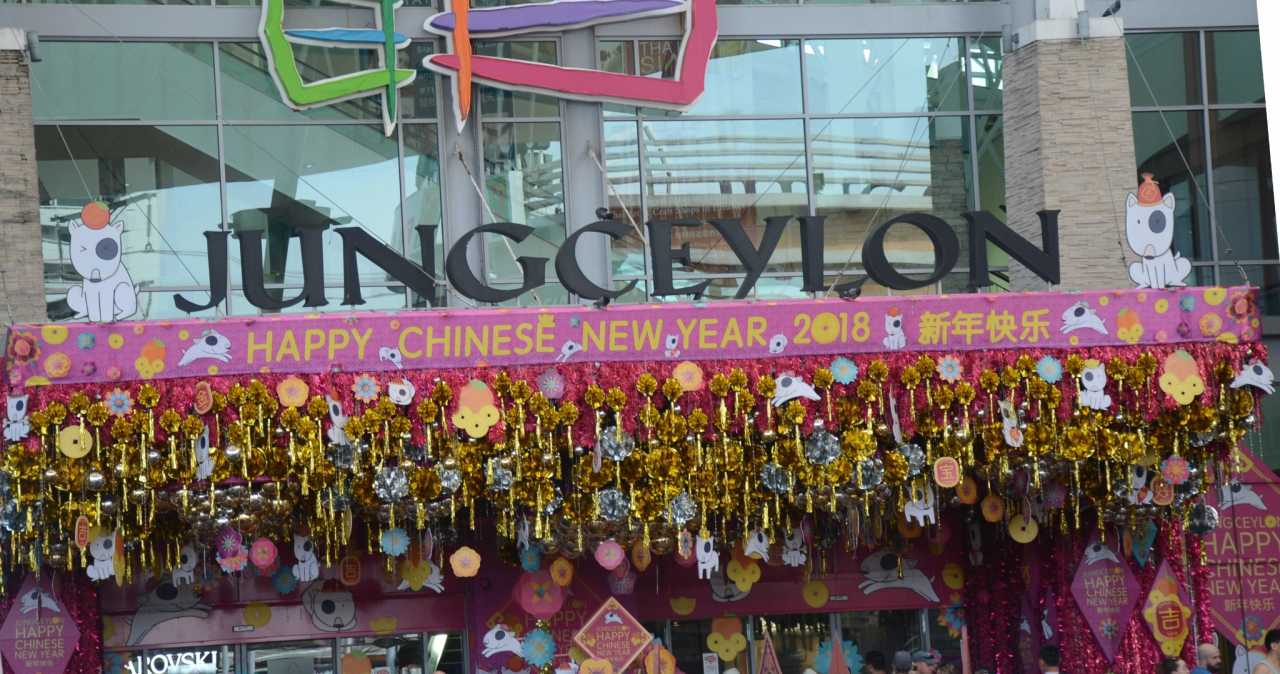 Jungceylon Shopping Center
Jungceylon is huge with everything you need; you could browse all day.
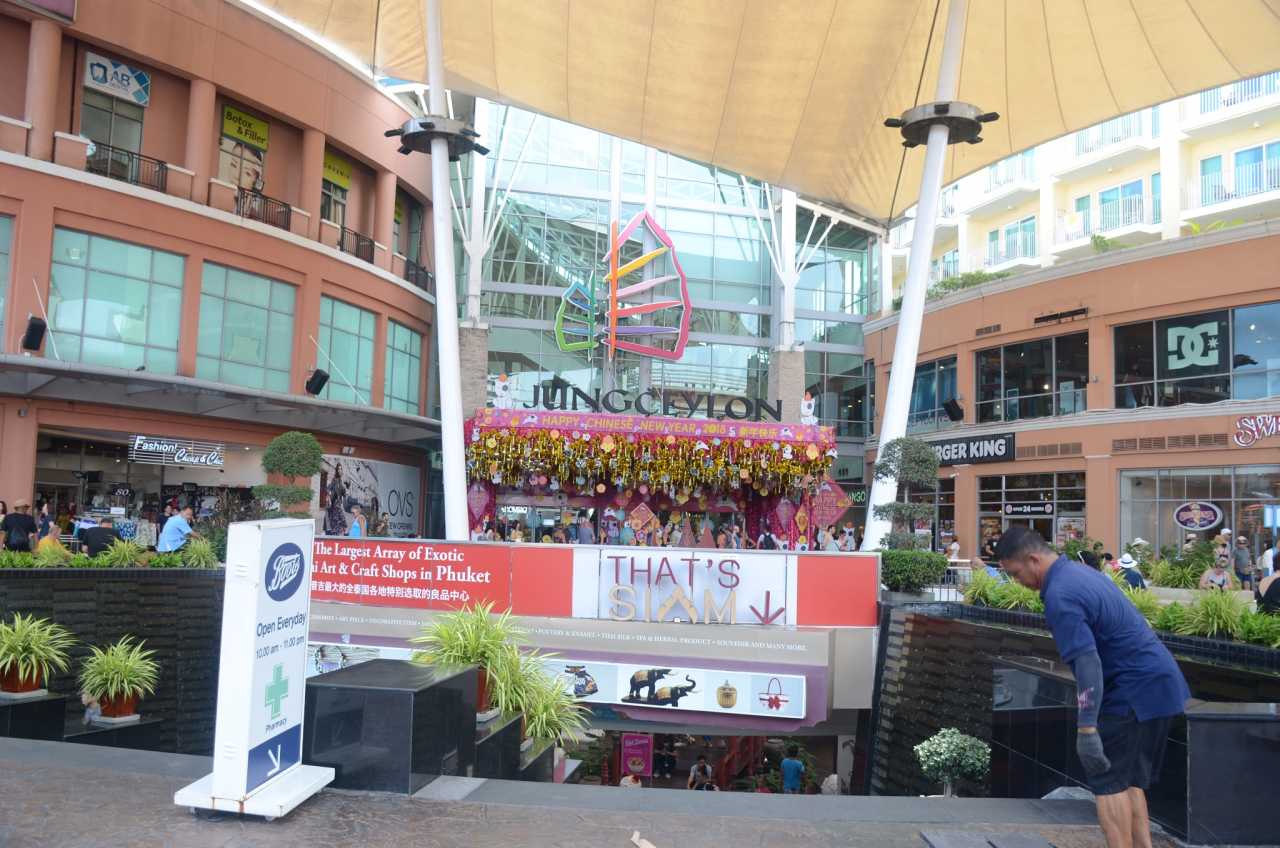 Jungceylon Shopping Center
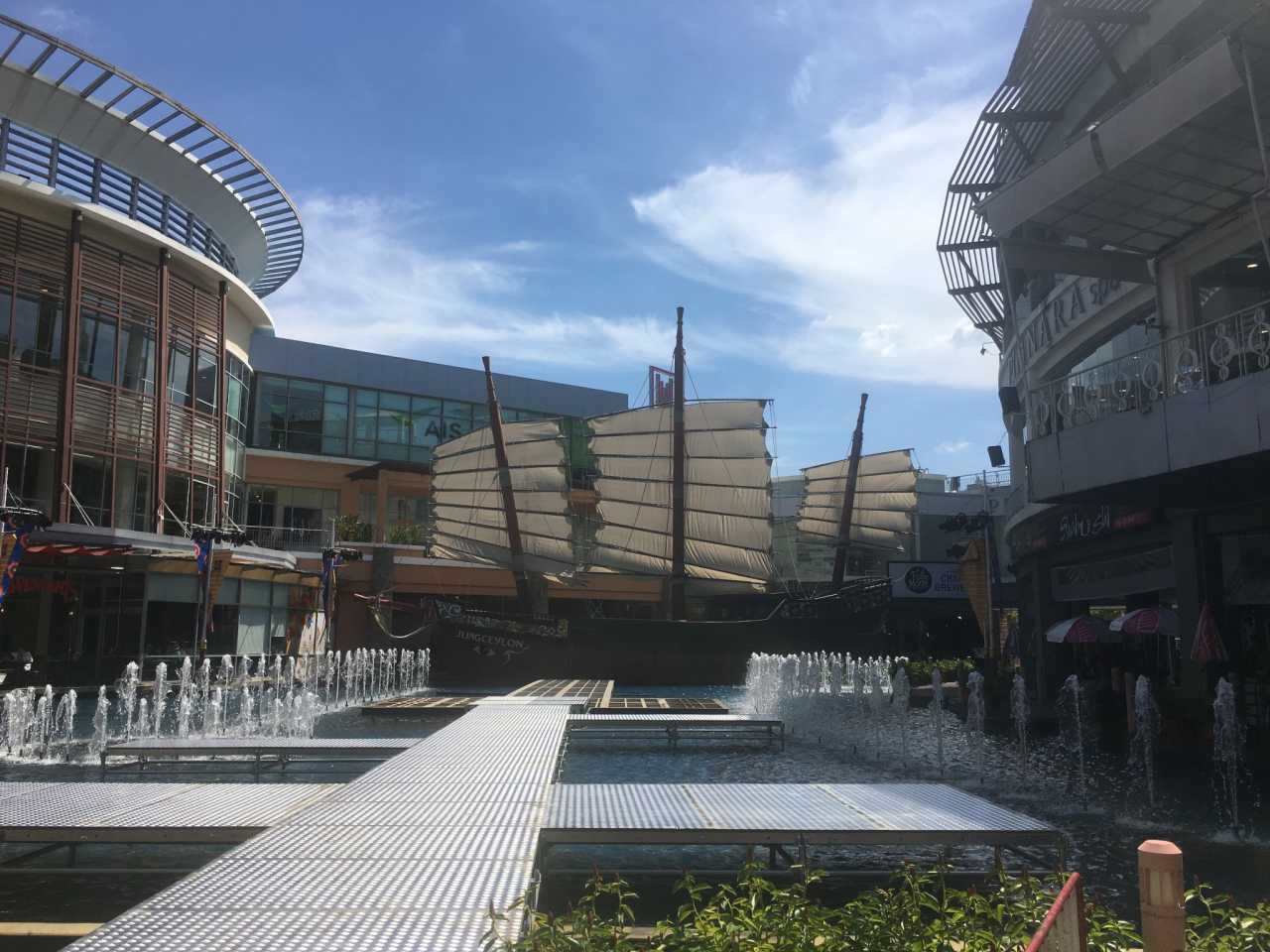 Jungceylon Shopping Center
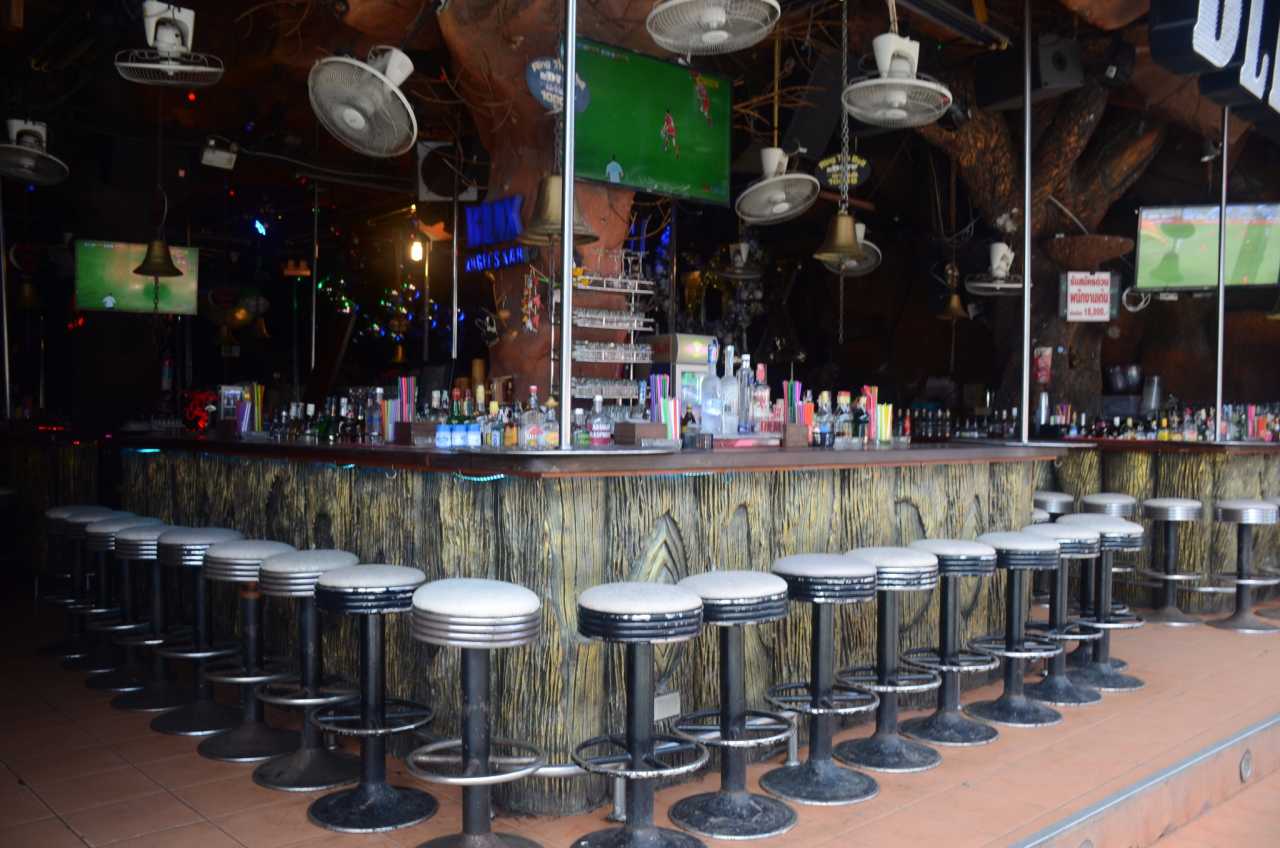
Beyond Jungceylon lies the bar street.
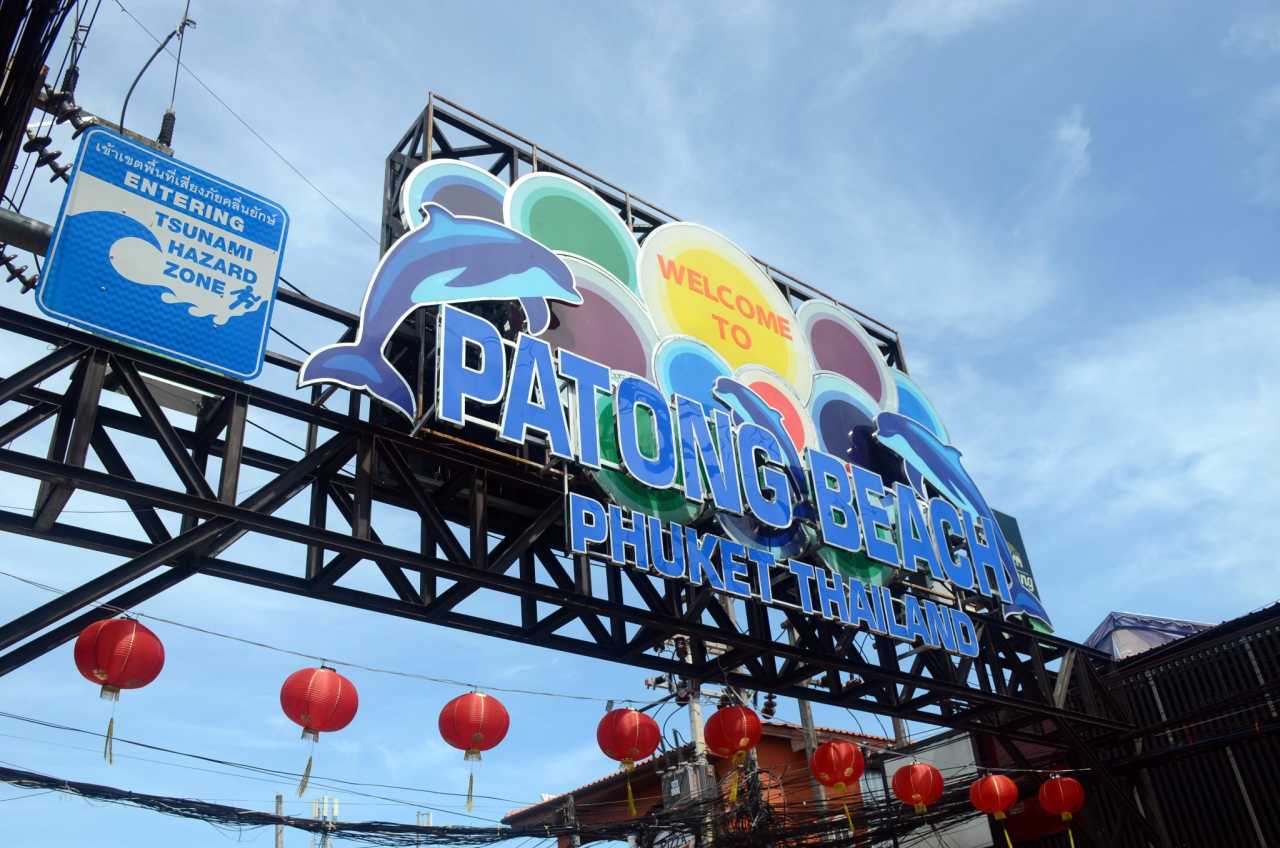 Patong Beach
Neon nights make it a sleepless street; by day it’s quieter.
Patong’s reputation online is “dirtiest, messiest” in Phuket, so our expectations were low. In reality it was prettier than expected. The water isn’t like Phi Phi’s, but cleaner than typical domestic beaches, with soft sand and few objects; no bottles or food bags in sight—perhaps cleared in the morning. Blue sky and sea are uplifting.
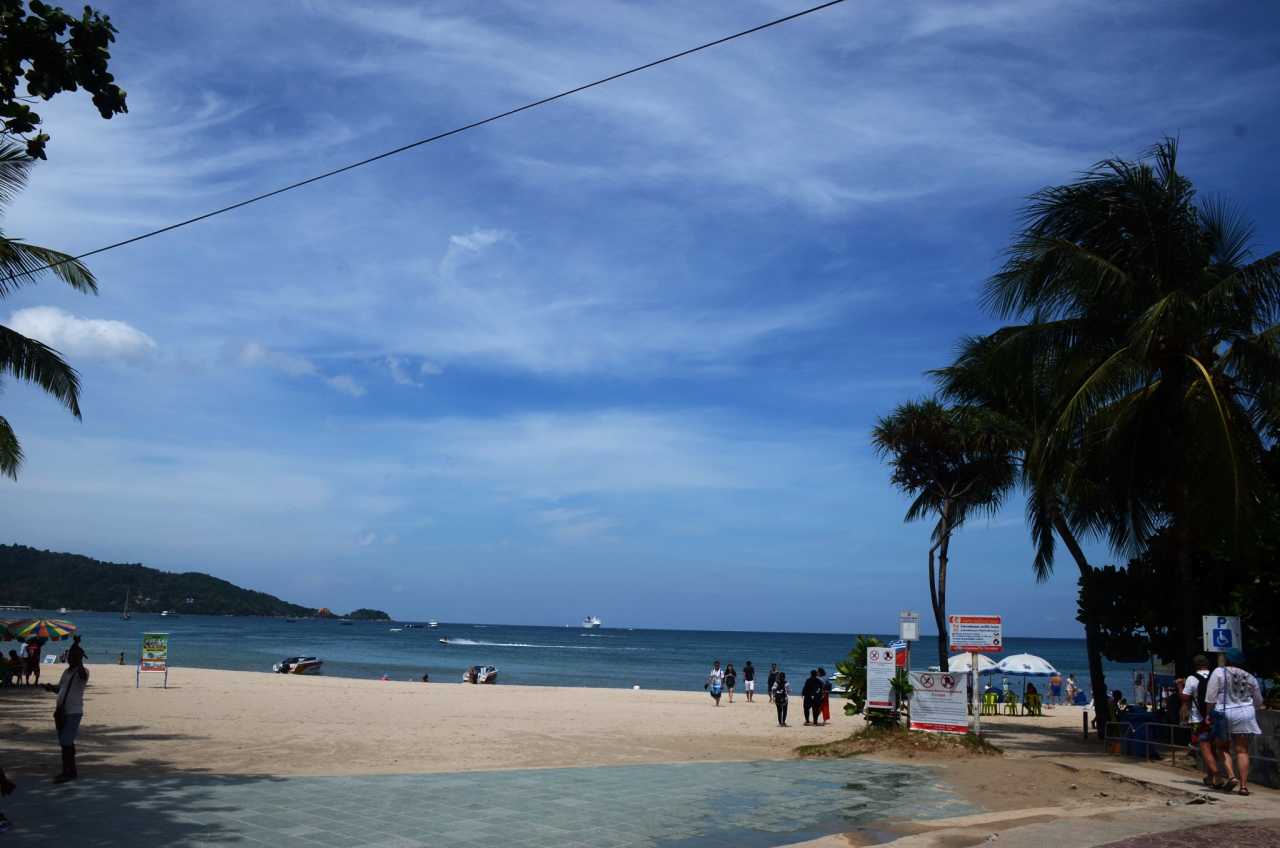 Patong Beach
Same routine: our child plays with sand; we take photos.
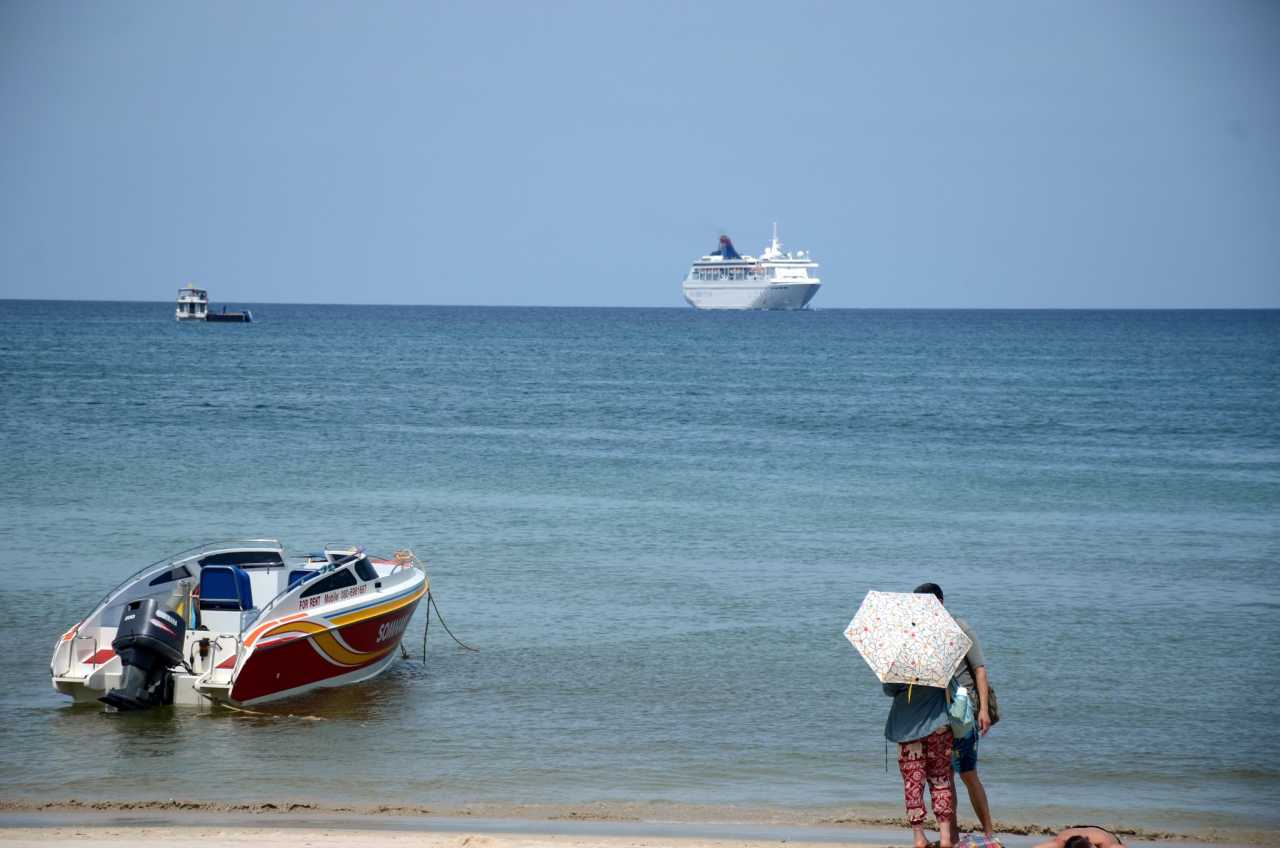 Patong Beach
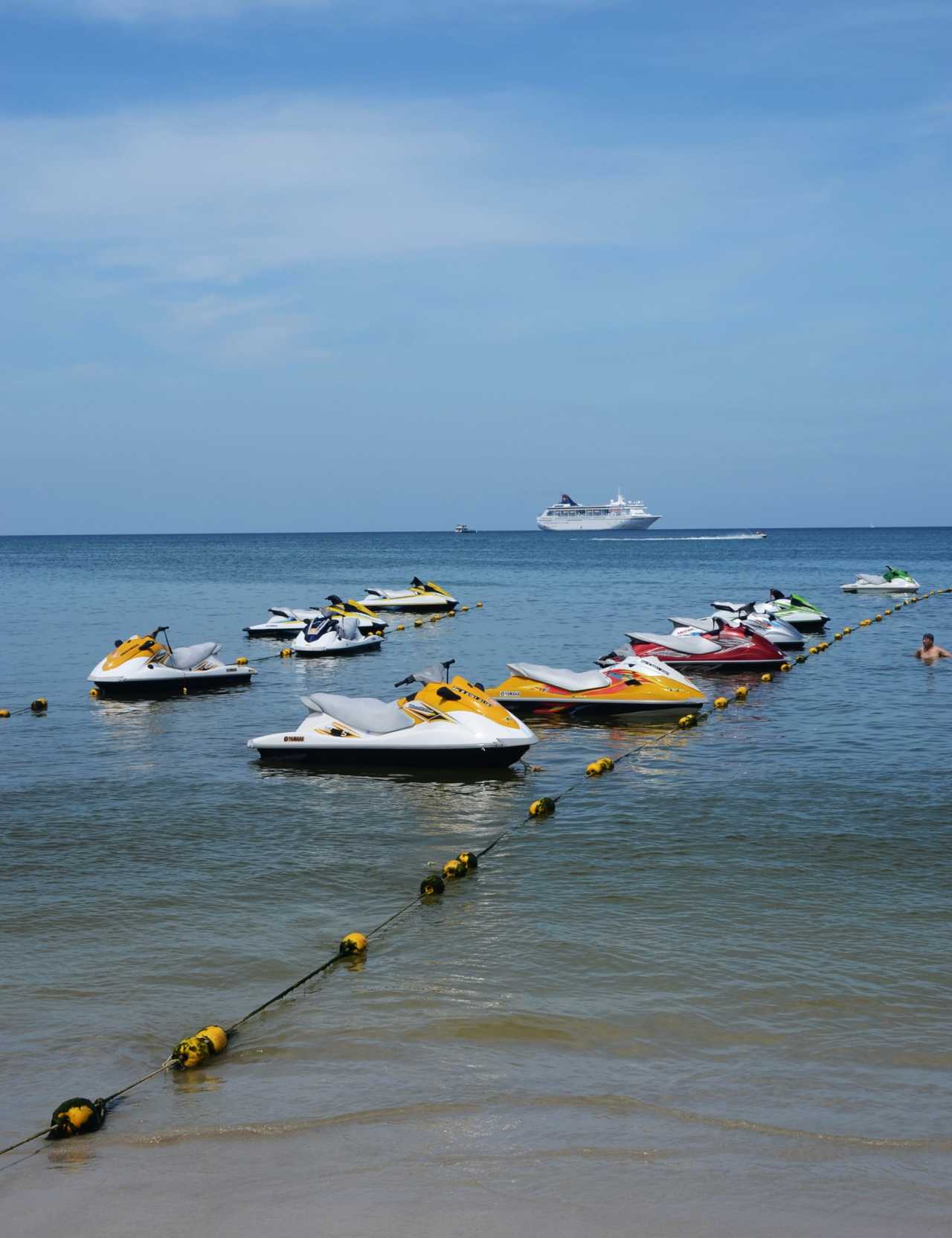 Patong Beach
Plenty of sea activities. Vendors occasionally ask in Chinese; a polite wave and they move on—no hard sell.
 Patong Beach
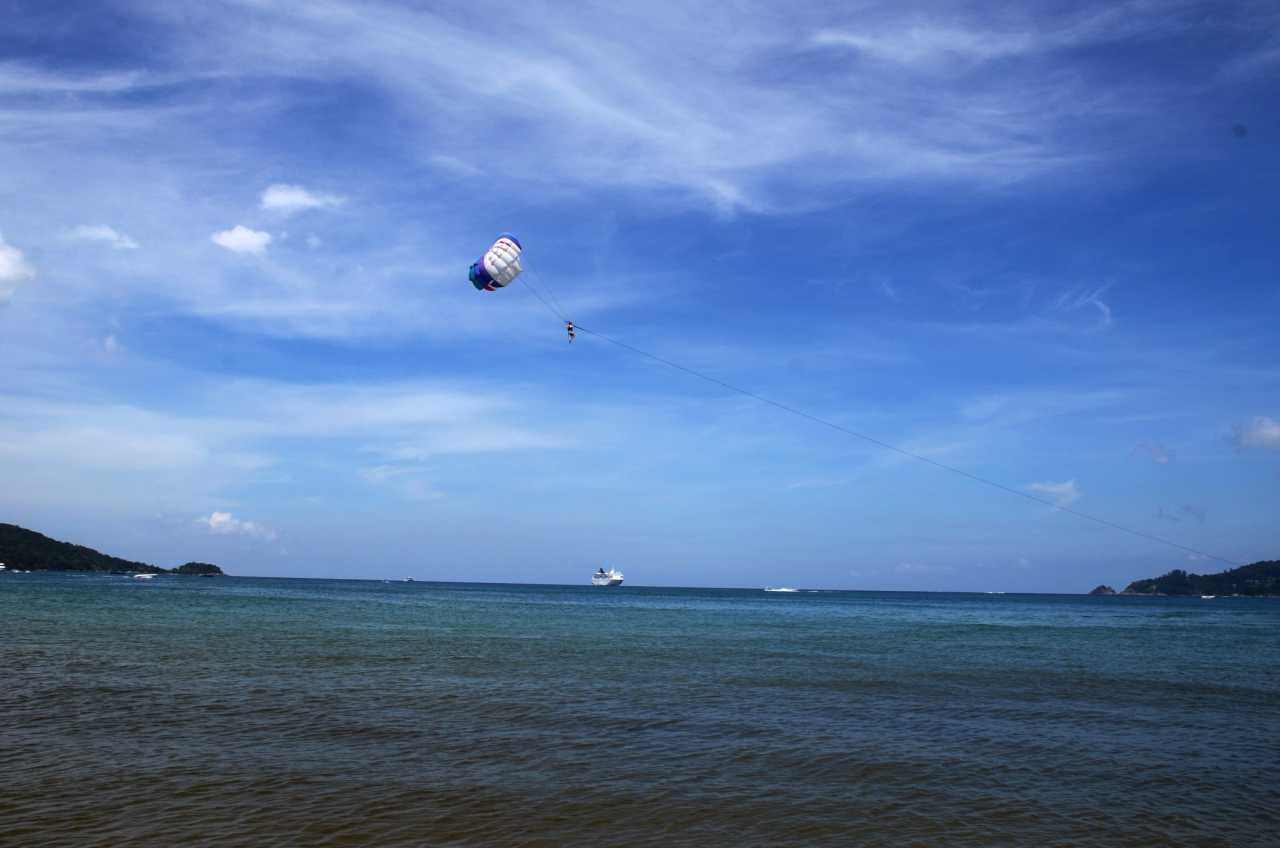
Parasailing is popular; there are weight limits for safety.
 Patong Beach
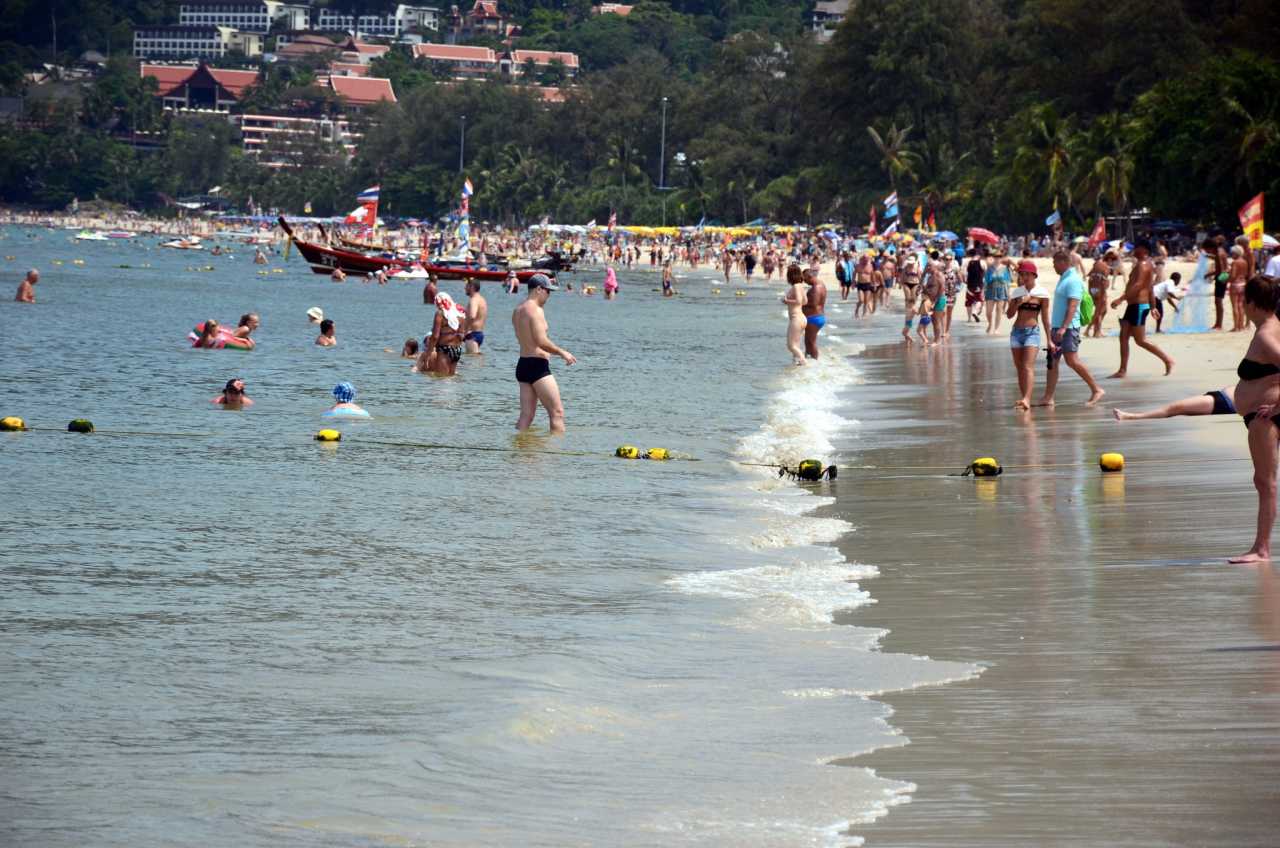
Many swimmers, yet the wide beach still feels spacious.
 Patong Beach
 Patong Beach
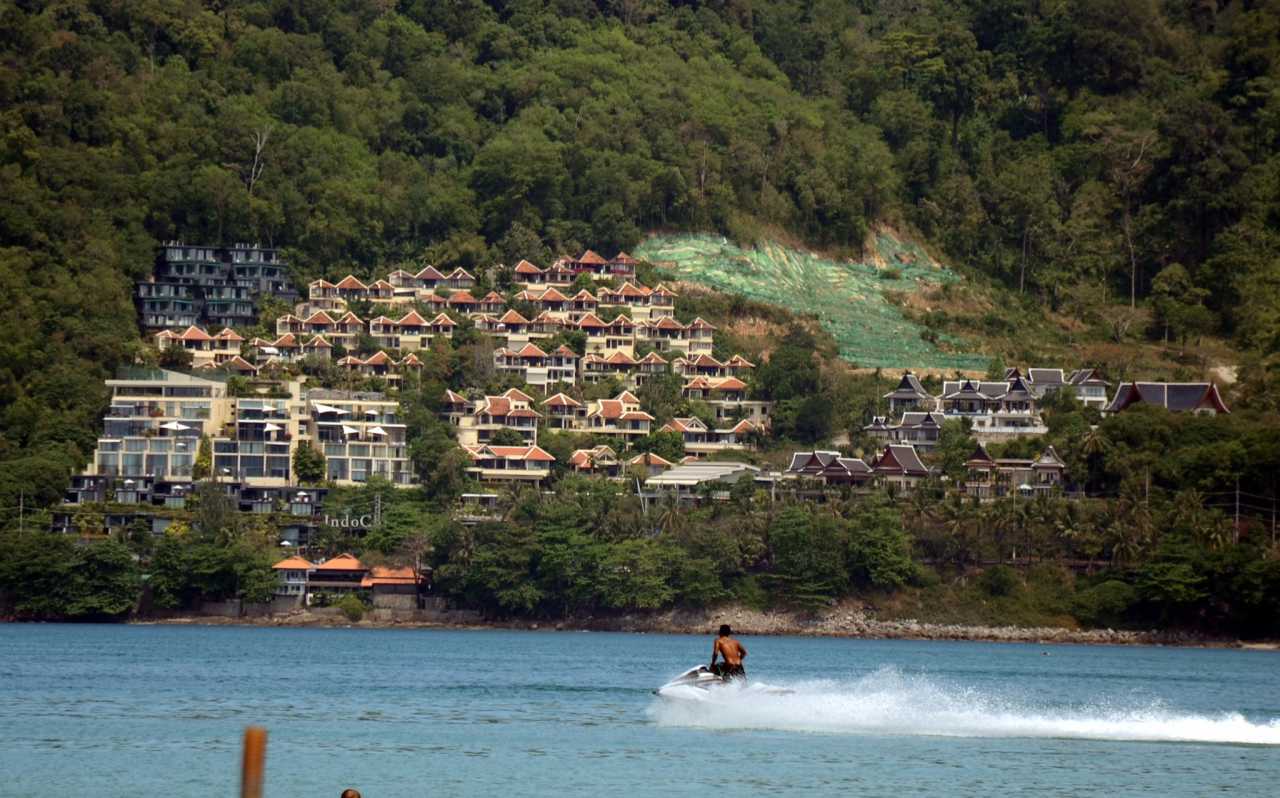
Seaside villas in the distance likely belong to high‑end resorts.
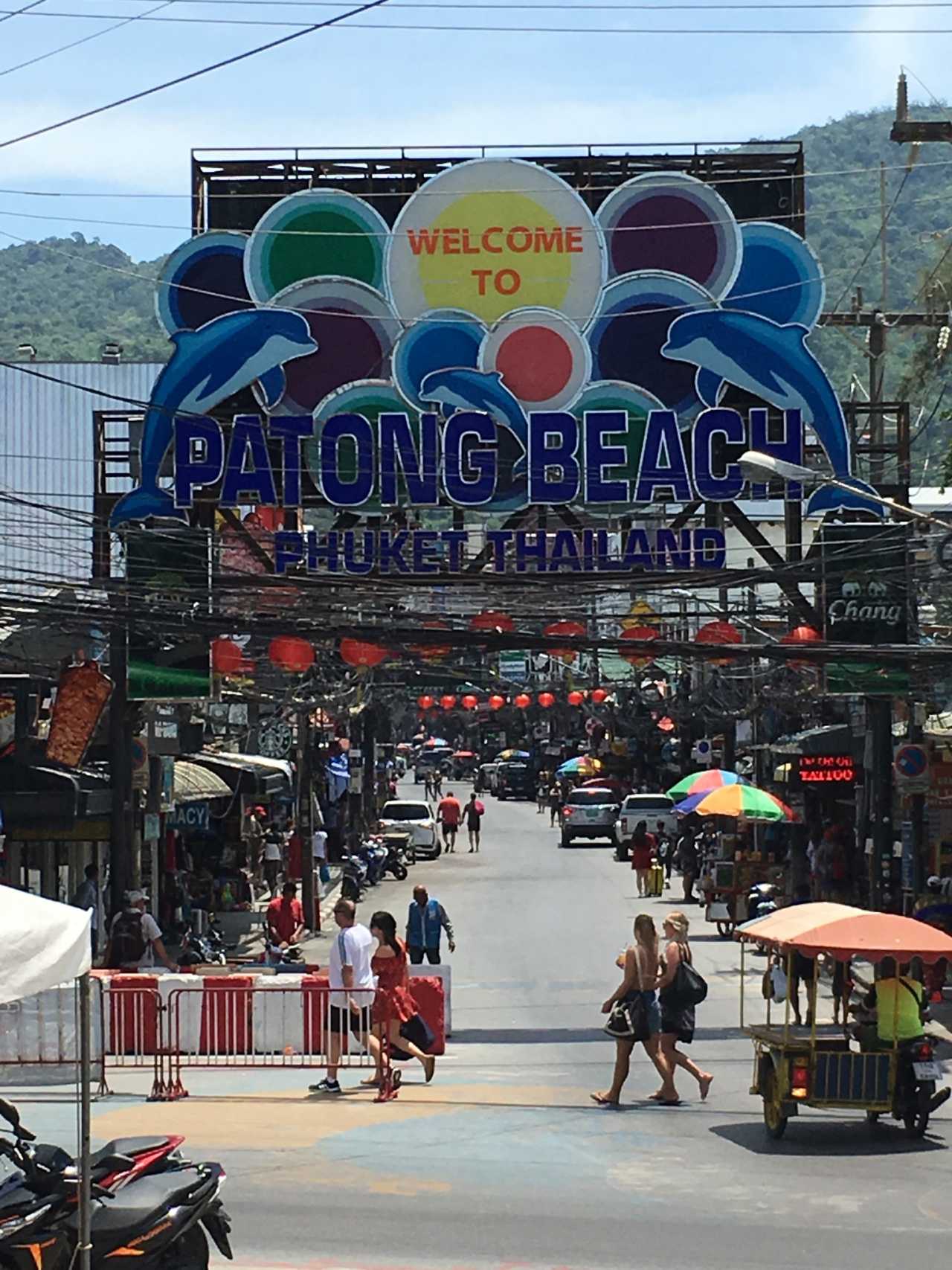 Patong Beach
For lunch we planned the famous No.6 Restaurant. Note the name—there’s a copycat “No.6 Restaurant” by the beach; don’t mix them up. Reviews of many Phuket eateries are mixed, but No.6 is widely praised for value.
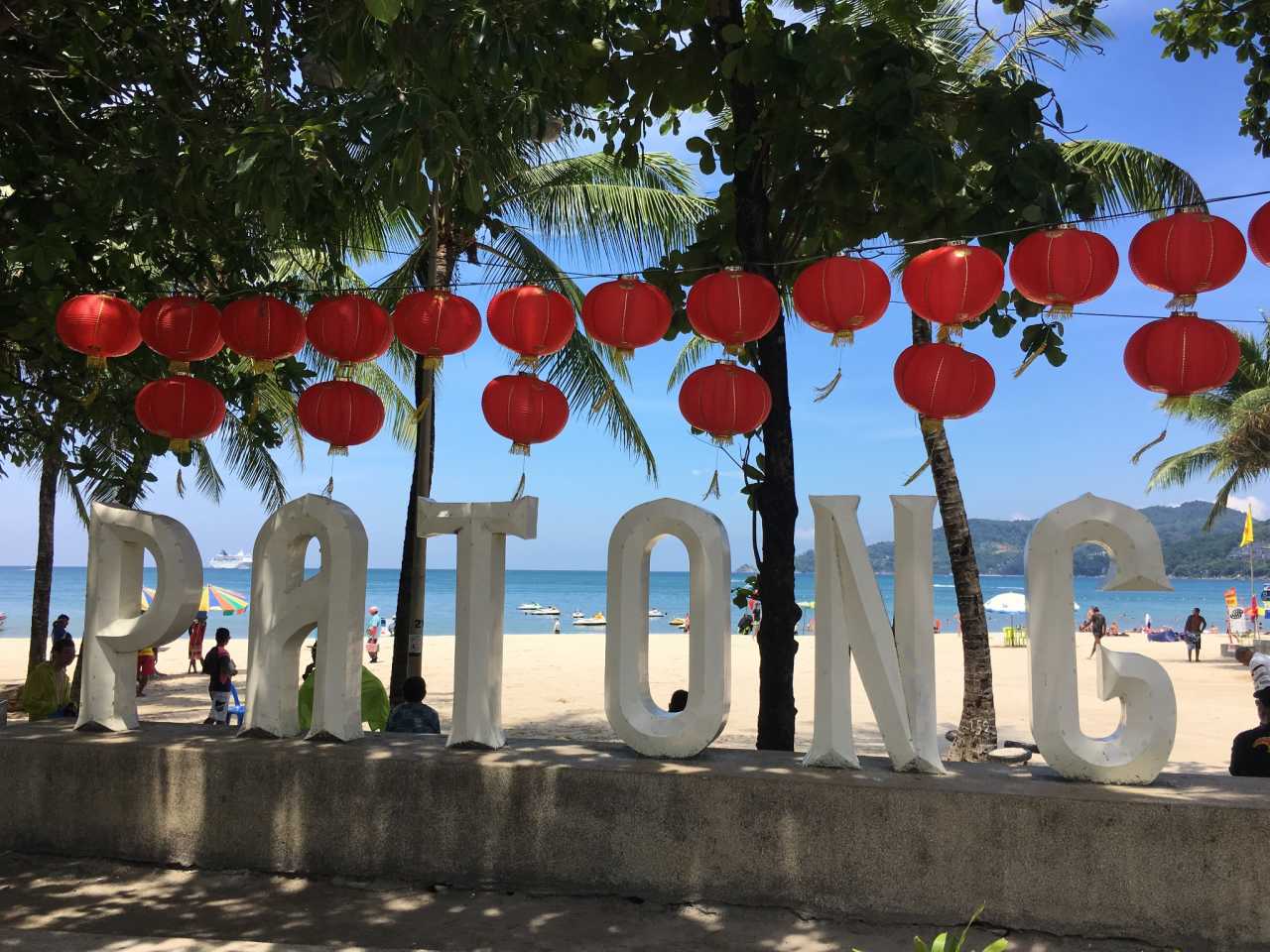 Patong Beach
A quick map search finds No.6 easily; cross the bar street and turn left. Due to online fame, queues form at most times. The shop is small with no A/C; the dining environment is basic.
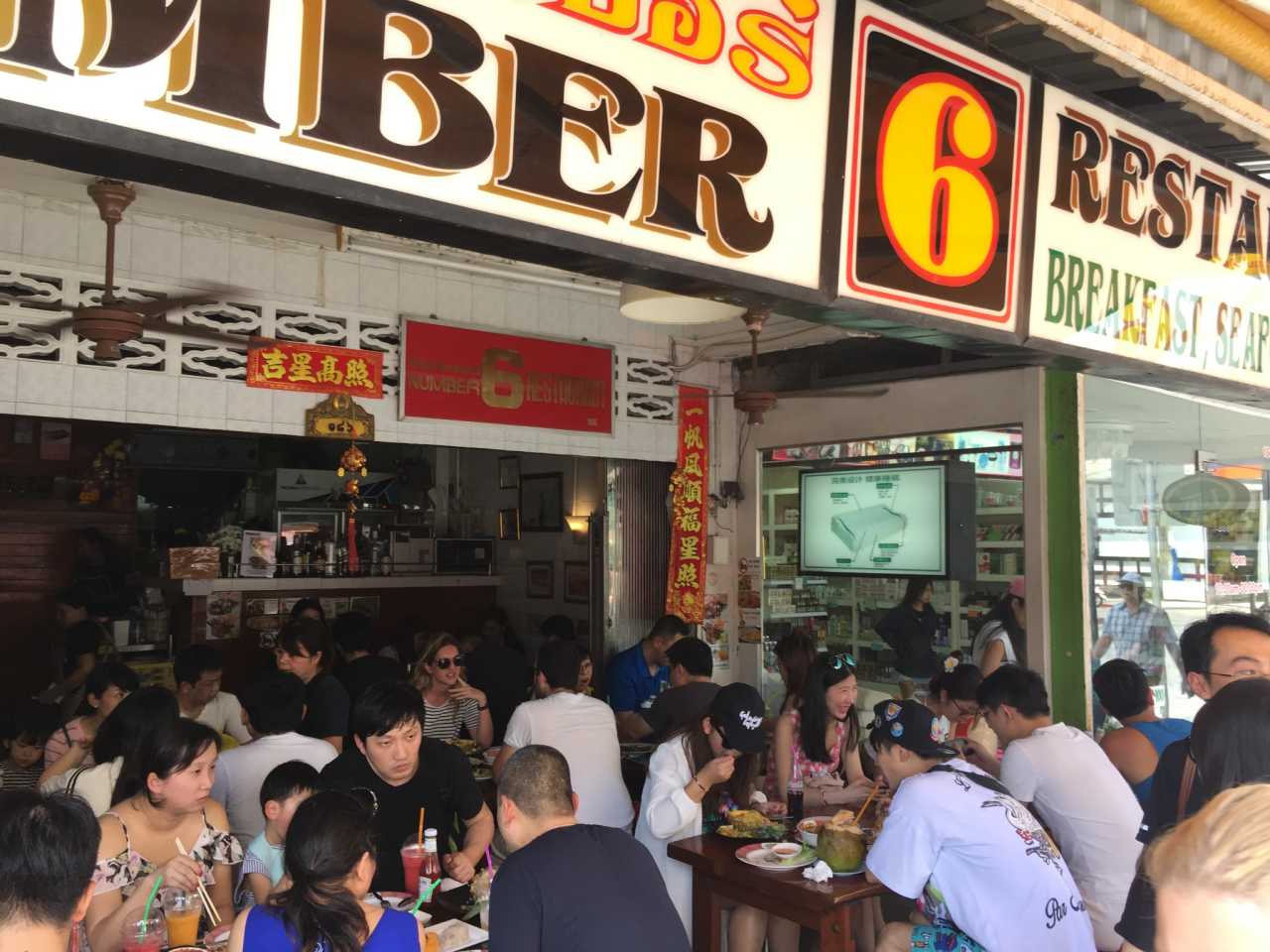 No.6 Restaurant
Menu prices are friendly.
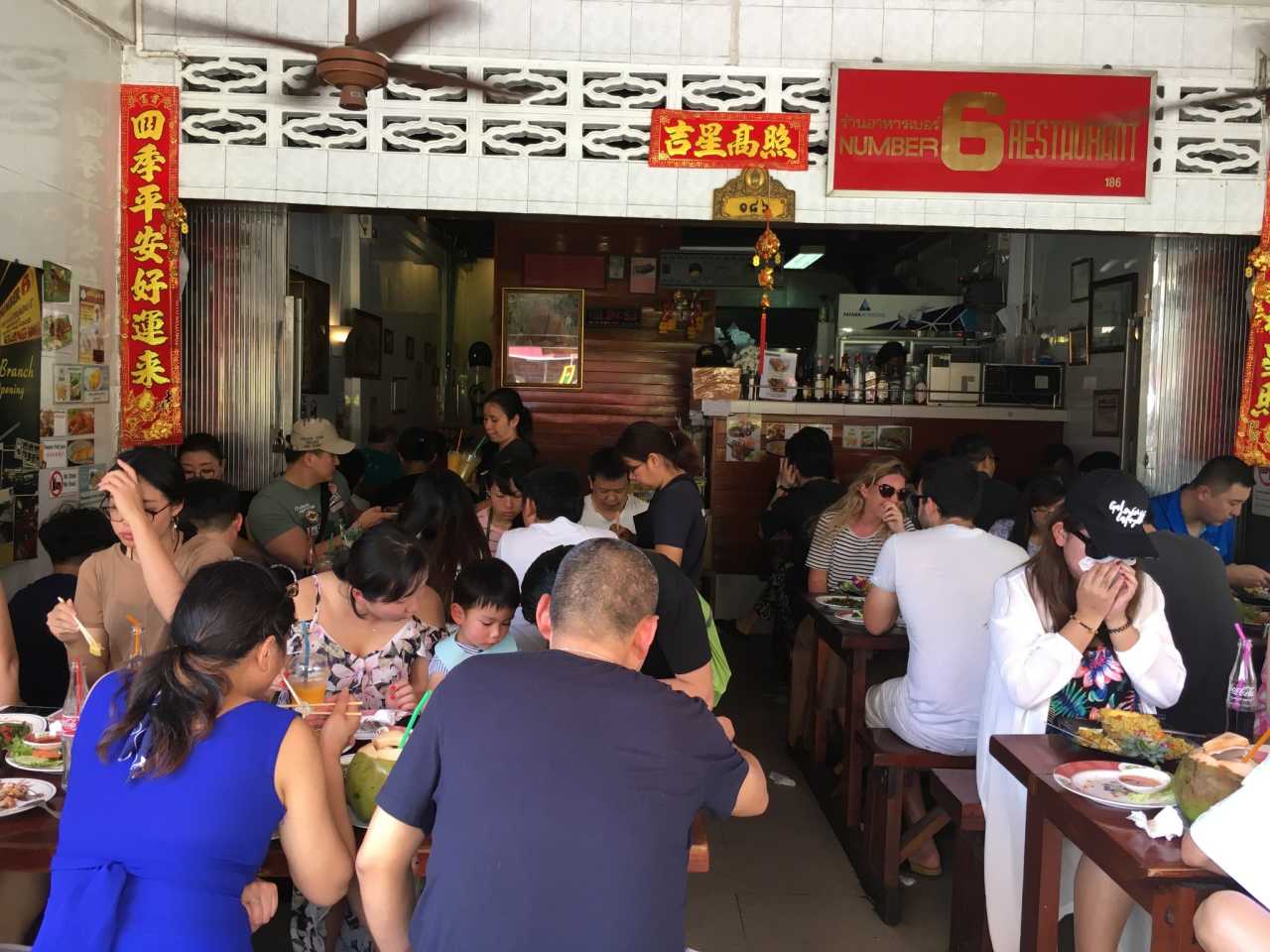 No.6 Restaurant
It felt packed like a street stall, with at least a 30‑minute wait. A songthaew shuttle arrived; knowing there’s a hilltop branch, we hopped on. Ten minutes later we reached No.6’s hilltop outlet.
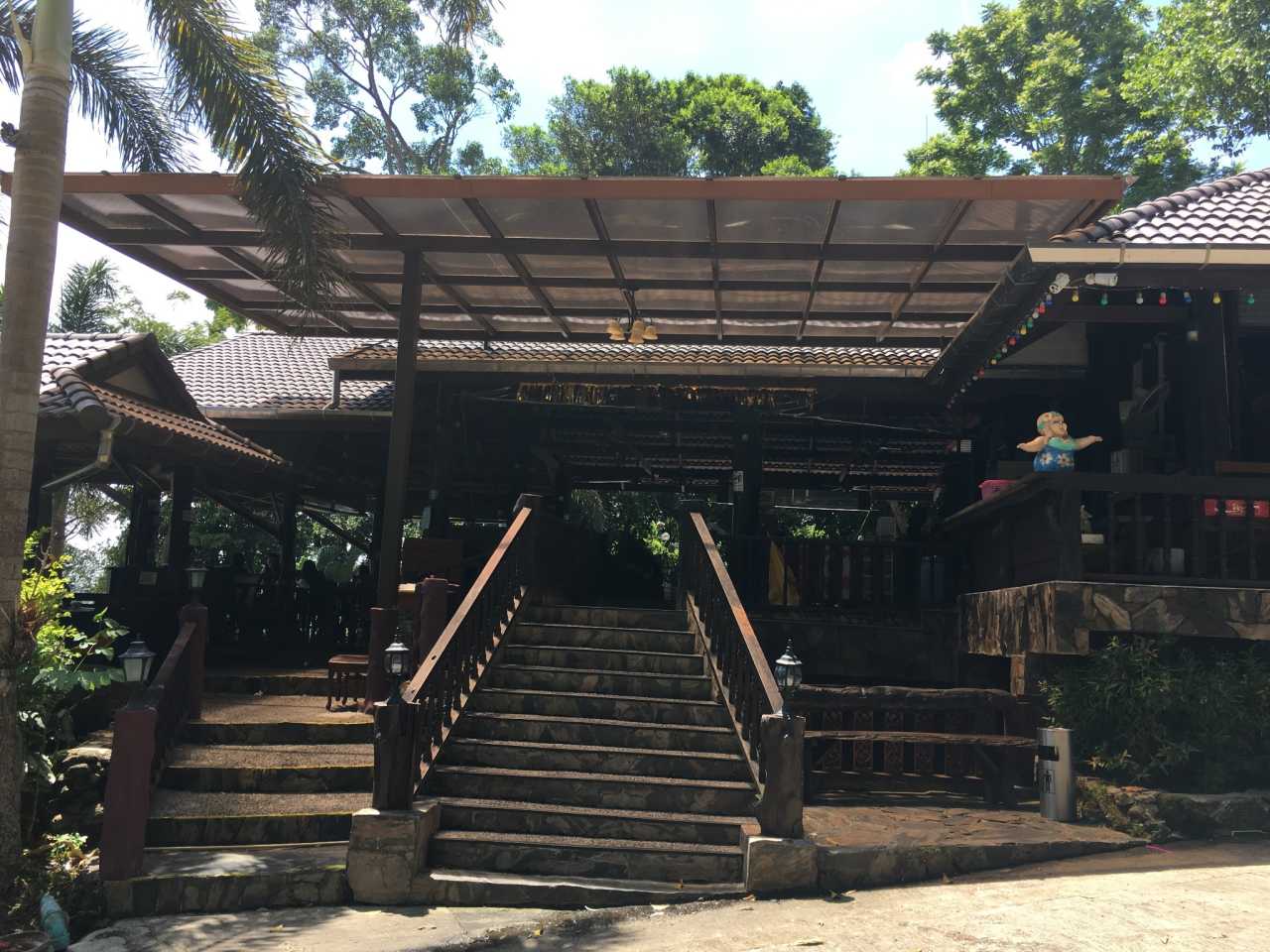 No.6 Restaurant
It’s much larger and breezier than the old shop; no need for A/C. Compared to the cramped original, the hilltop branch is clearly superior.
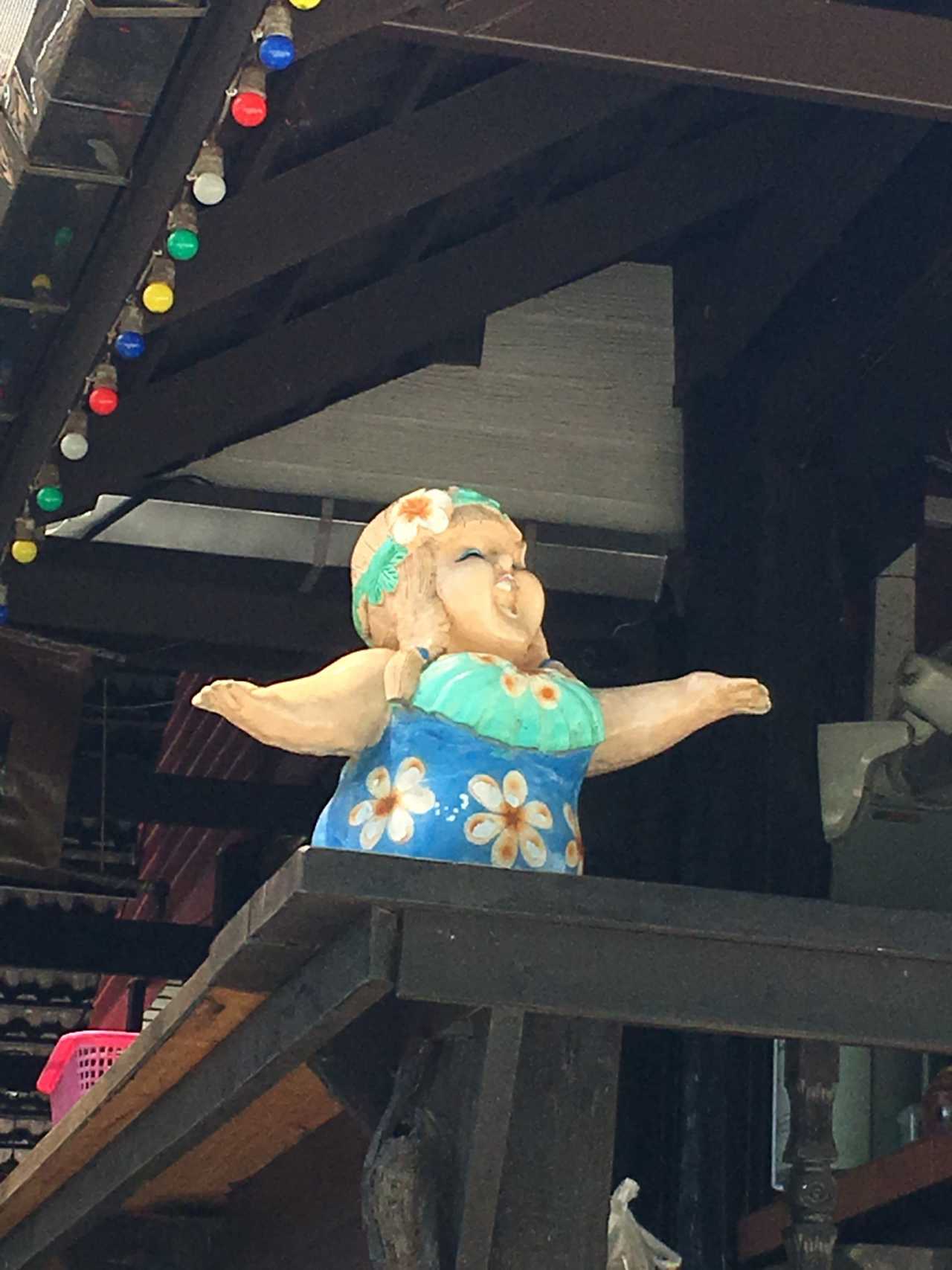 No.6 Restaurant
This chubby‑girl statue is amusing.
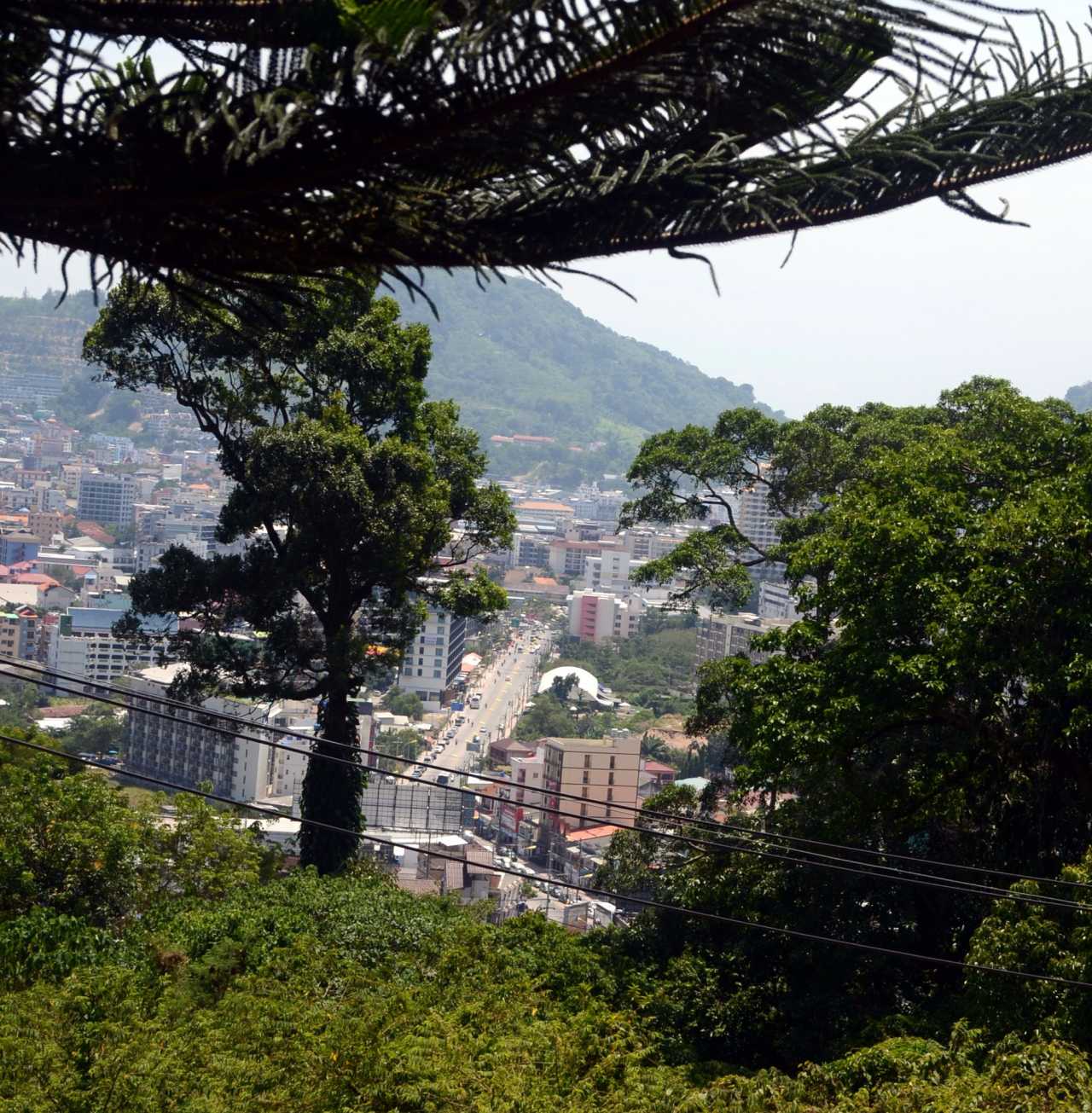 No.6 Restaurant
You can dine with views.
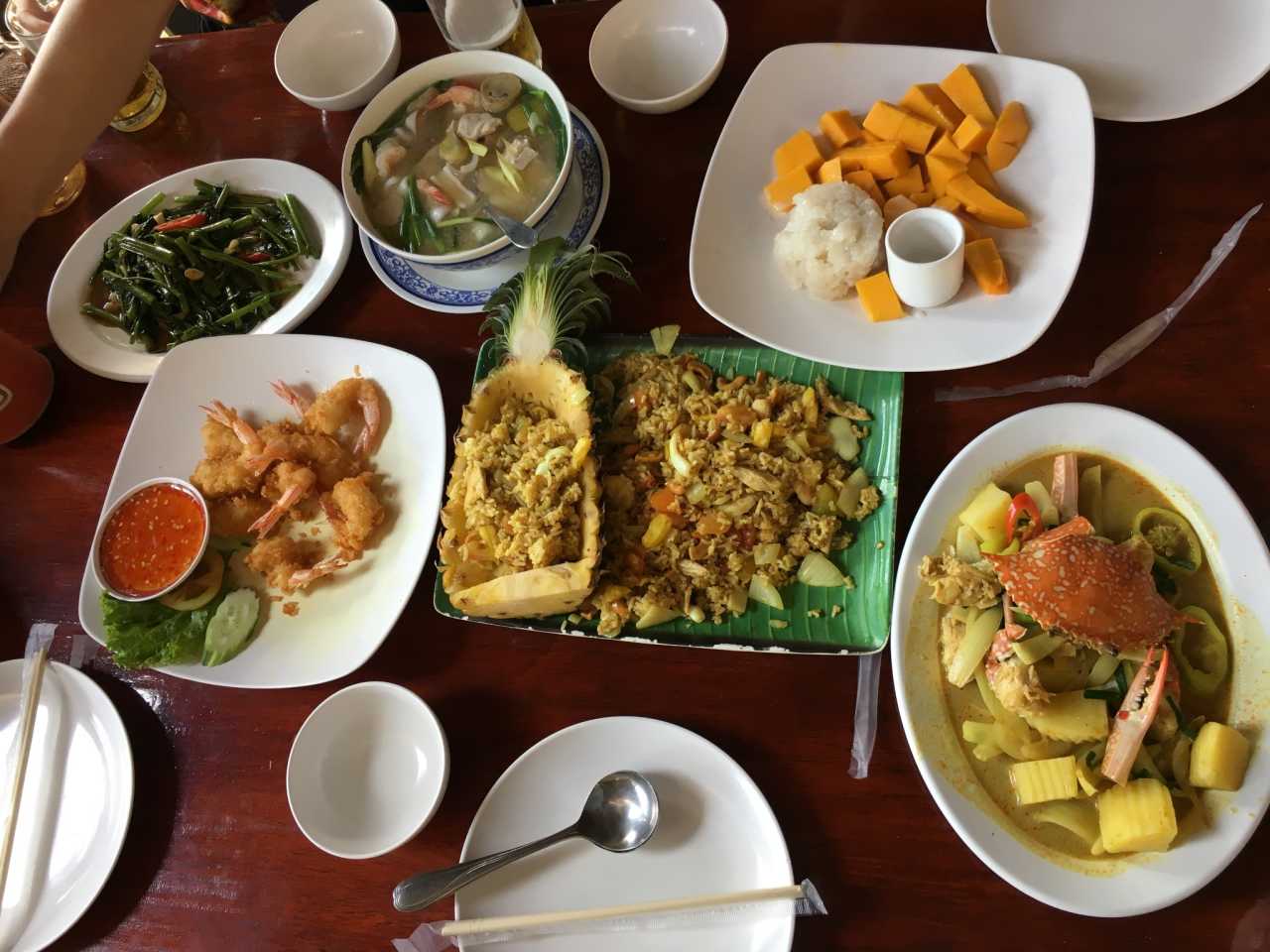 No.6 Restaurant
We ordered signatures: pineapple fried rice, curry crab, mango sticky rice, Tom Yum, shrimp and vegetables, plus drinks—710 THB. Tasty and reasonably portioned; great value. I prefer the hilltop branch. Shuttles depart when full; we finished and immediately had a ride, 10 minutes down to the old shop.
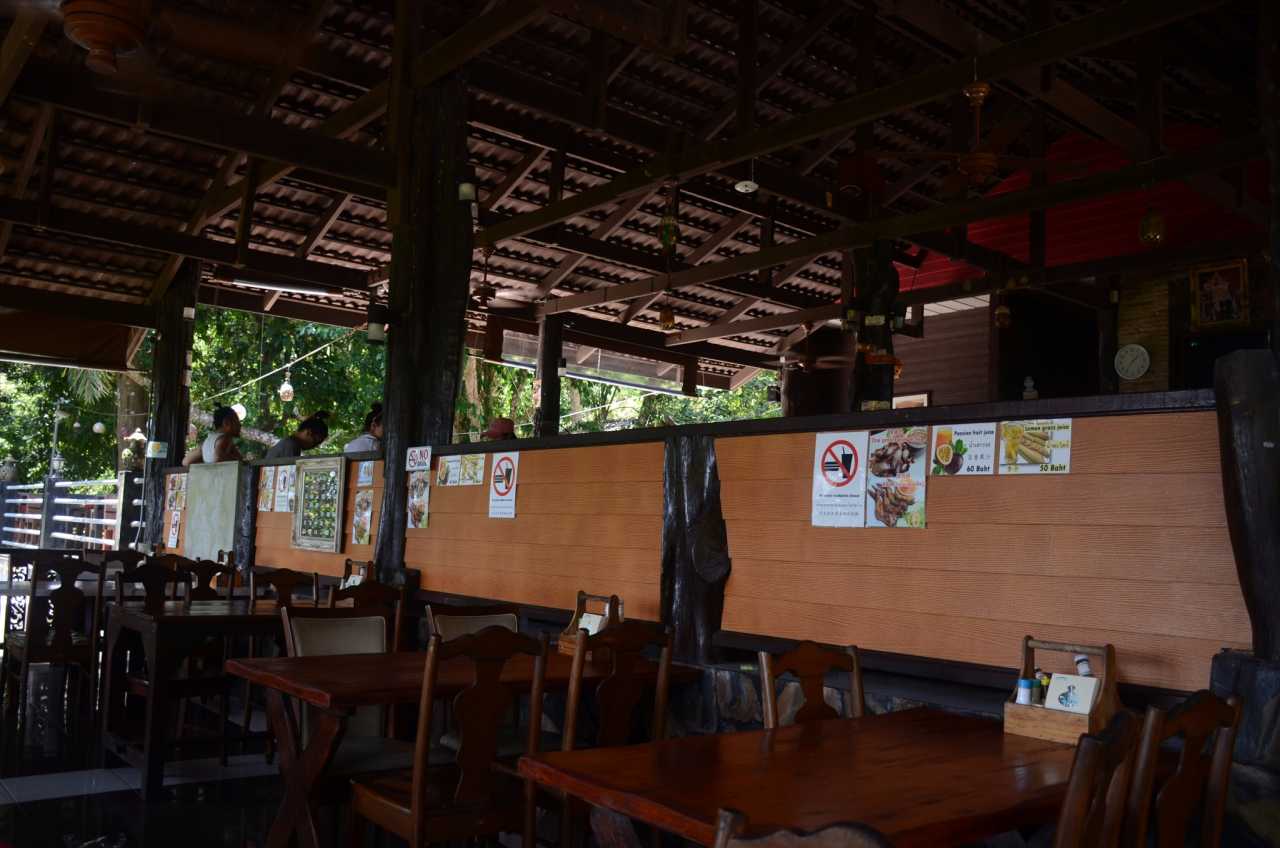 No.6 Restaurant
We planned to rest and swim at the hotel; the 15‑minute walk lulled us into skipping sunscreen. A mistake: my arms, red from yesterday, were burned in just 15 minutes. Aftercare came too late, and we missed Thai massage. Again: do massages early and avoid scheduling them after heavy sun.
Day 6—Phuket Island Tour
We needed to change hotels, so we scheduled the island tour today. In Phuket, hotel changes are cumbersome due to transport; a tour day solves it. We booked a Chinese‑language car‑and‑guide service. Packages are typically 4/6/8 hours; overtime is 200 THB/hour paid to the driver. Choose duration and vehicle size per your plan; we took a 10‑seat van for comfort. Our four stops: Phuket Old Town, Wat Chalong, Promthep Cape, and Karon Viewpoint. Plan routes in advance to avoid backtracking and upsells.
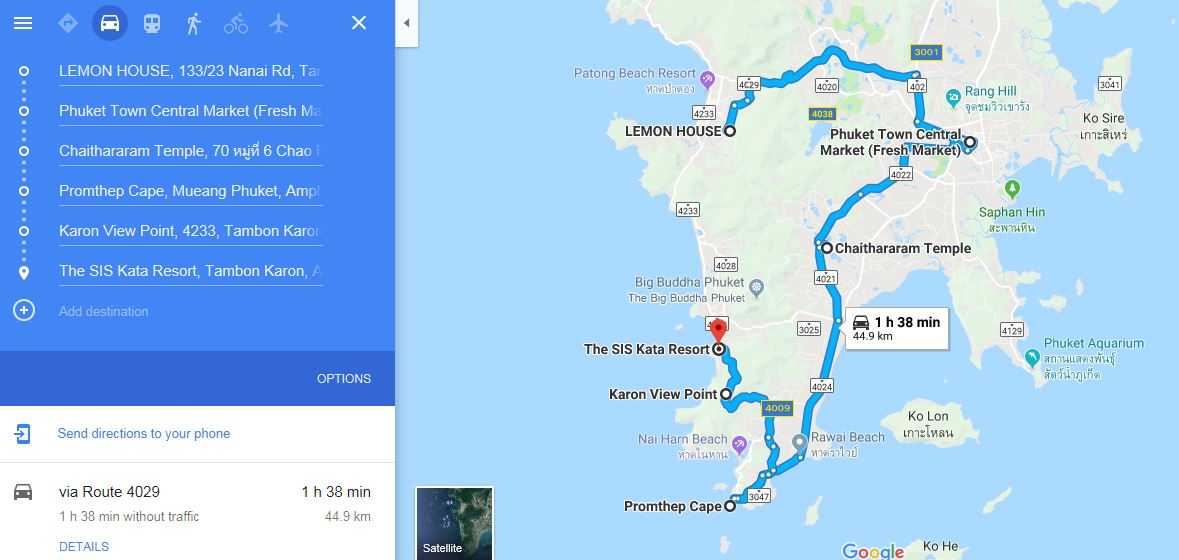
At 8:30 am the driver and guide arrived. First stop was Phuket Old Town, but we hit a standstill for 30 minutes due to royal road closures, so we pivoted to Wat Chalong.
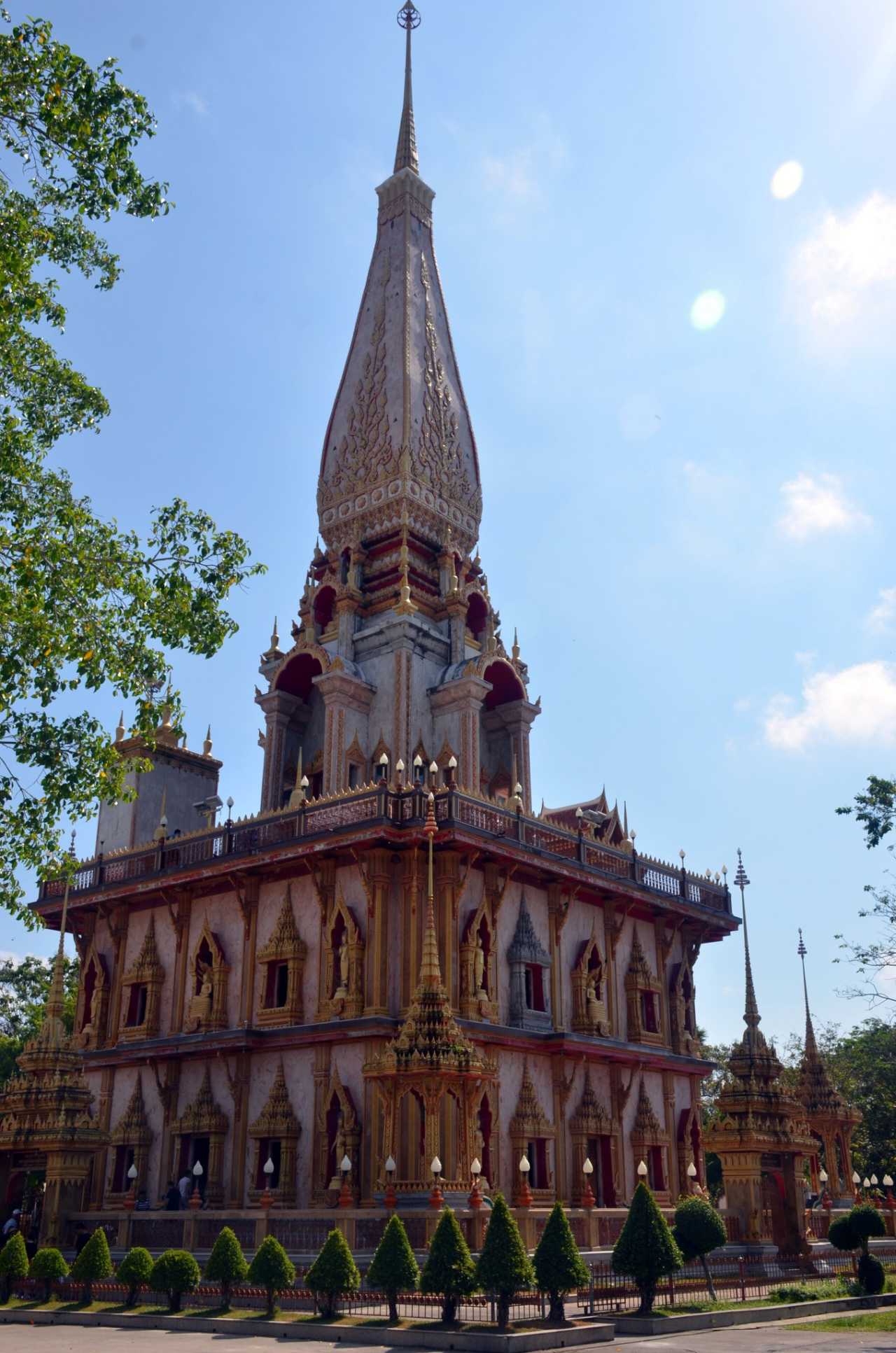 Wat Chalong
Wat Chalong’s highlight is its 61.4‑meter chedi housing a relic (a Buddha bone fragment from Sri Lanka). The temple honors respected monks including Luang Por Chaem. It’s Phuket’s largest and most famous temple.
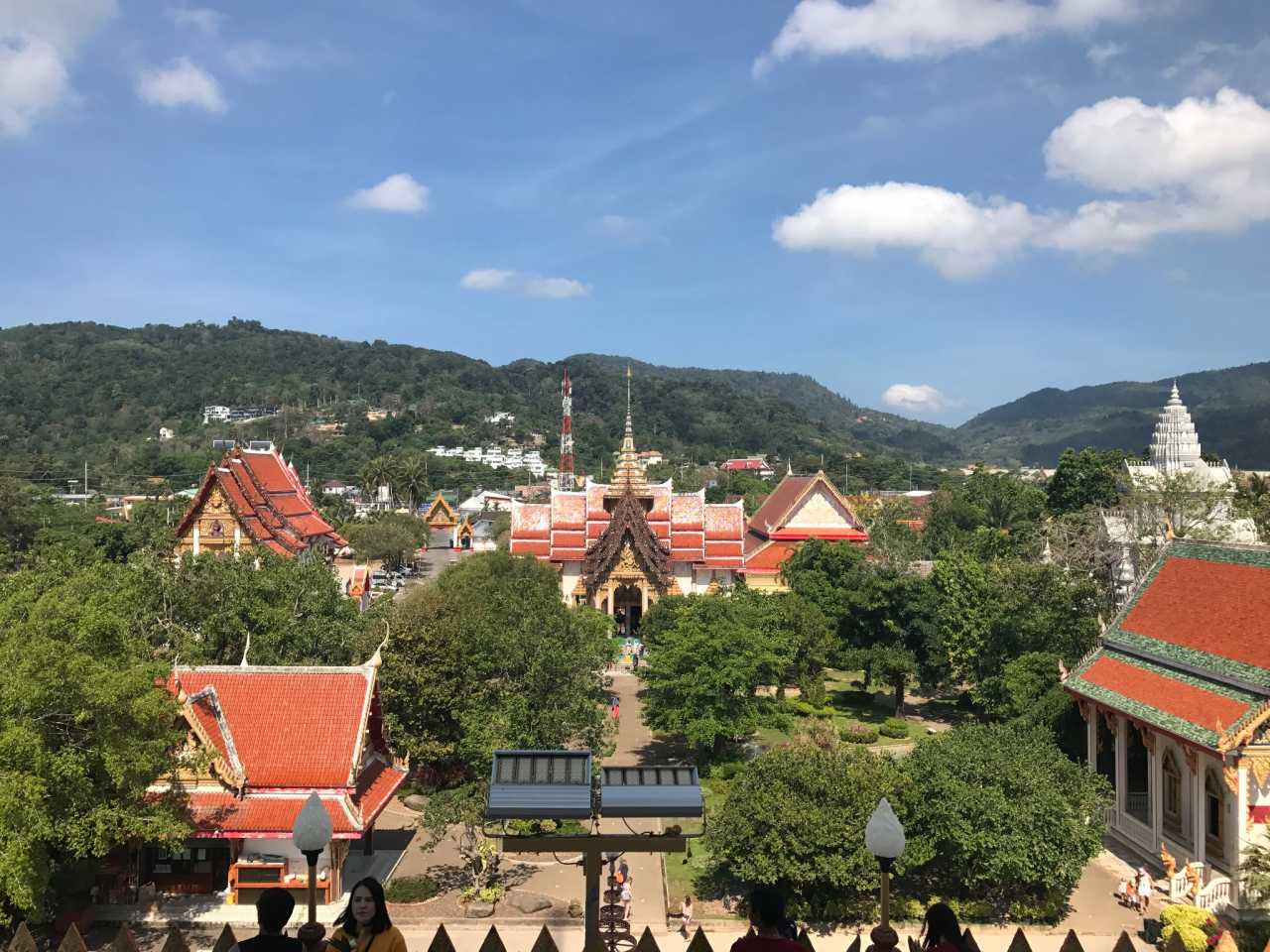 Wat Chalong
We started at the top and worked down. The chedi has three floors; shoes off inside. The relic is enshrined at the top.
 Wat Chalong
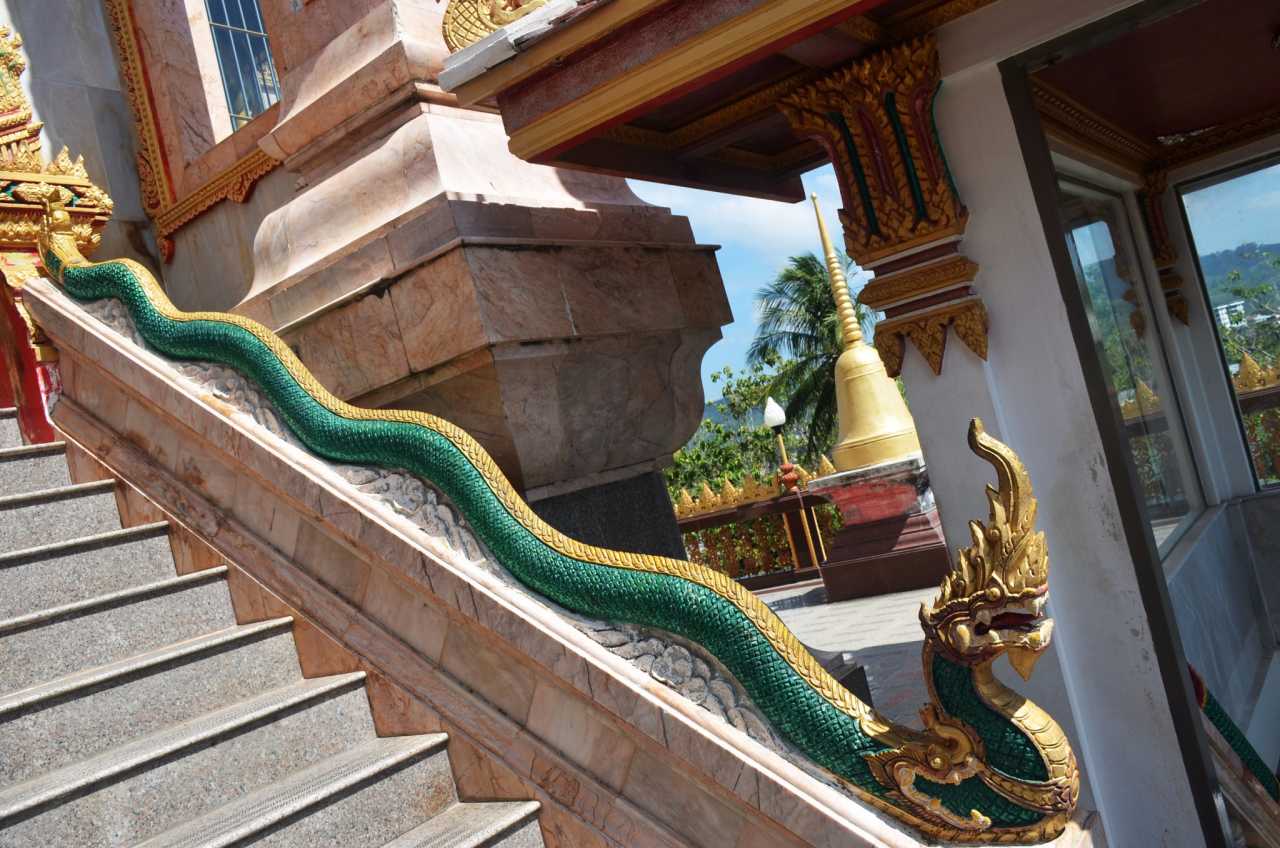
Stair rails are styled as dragons, though they look a bit serpent‑like without claws.
 Wat Chalong
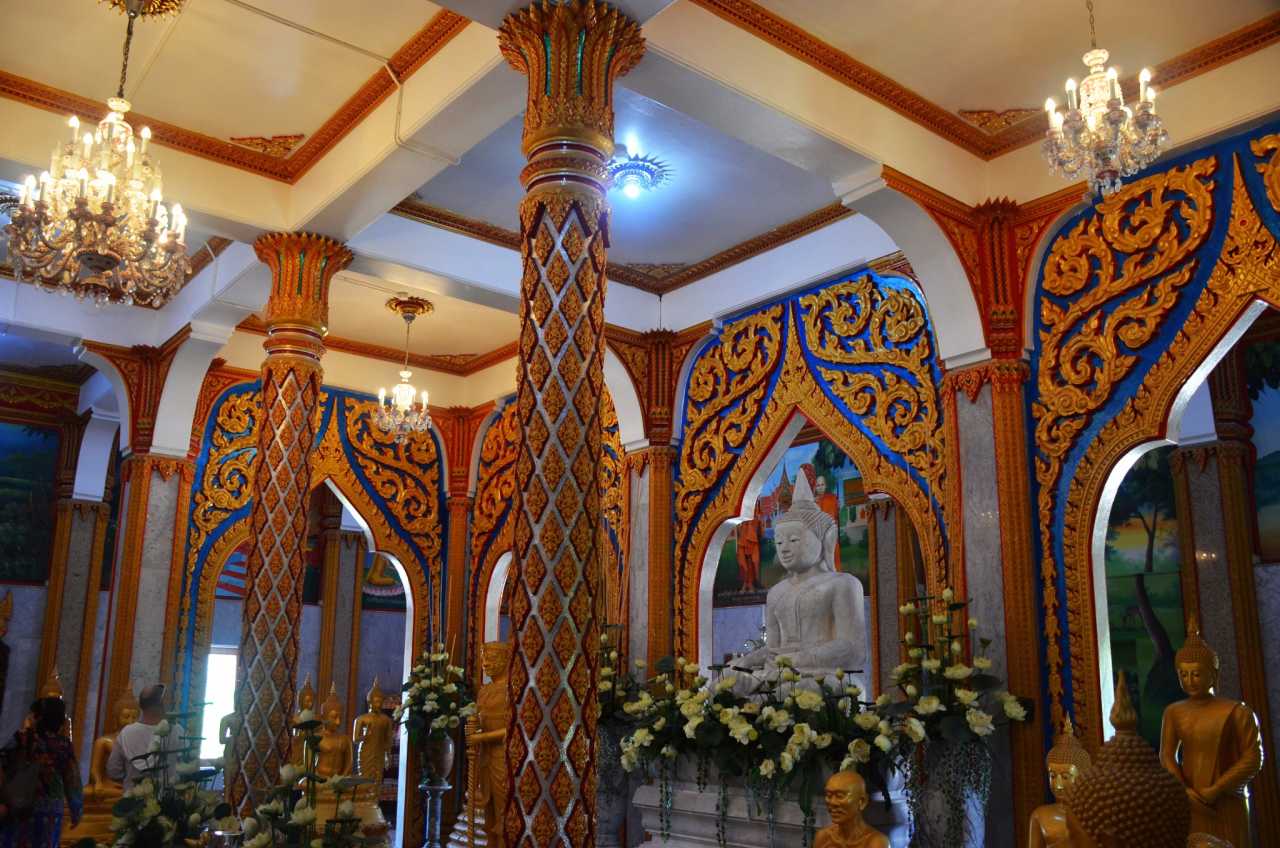
Interior carvings are exquisite; the hall’s stone columns almost look pineapple‑like.
 Wat Chalong
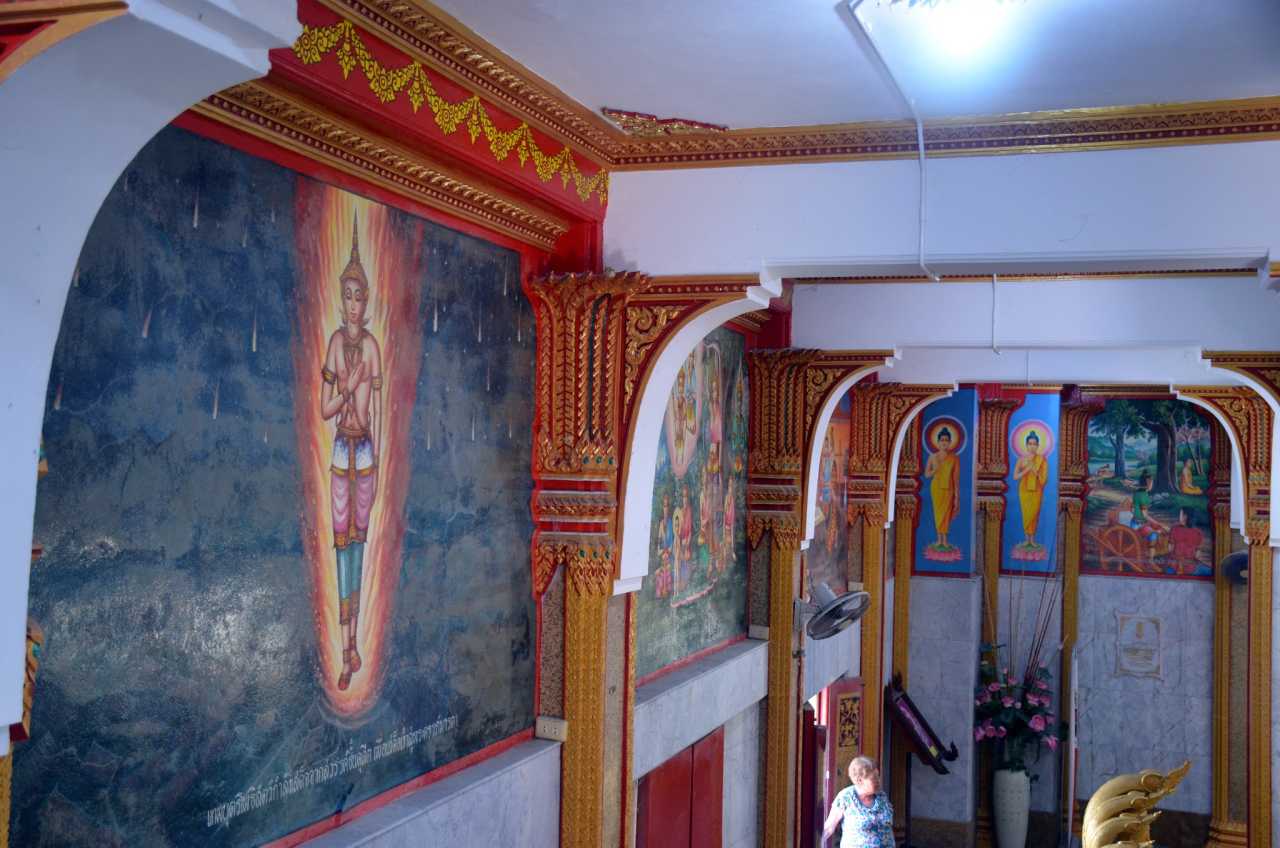
Murals depict scenes from the Buddha’s life; worth examining if time allows.
 Wat Chalong
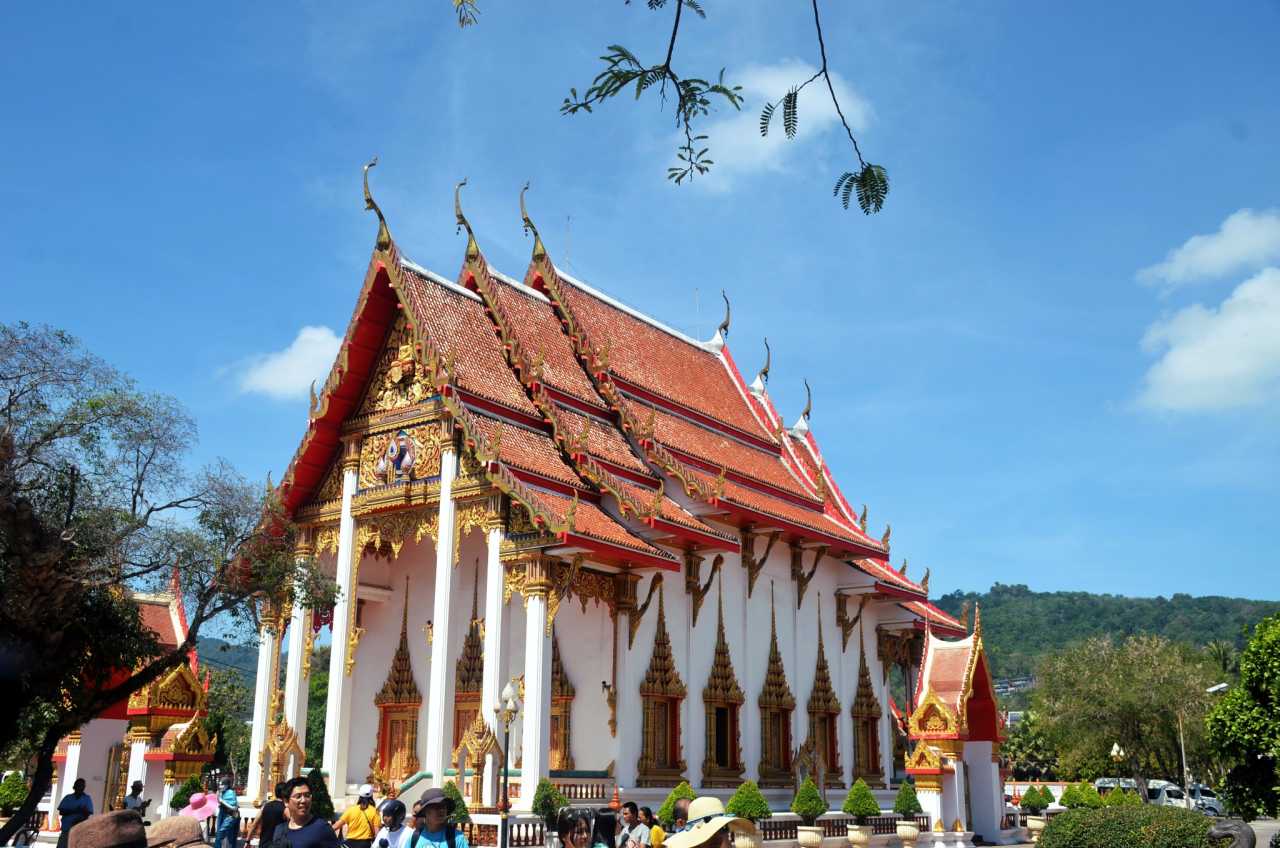
Wat Chalong is a complex of several ornate buildings in red and yellow tones that gleam in sunlight.
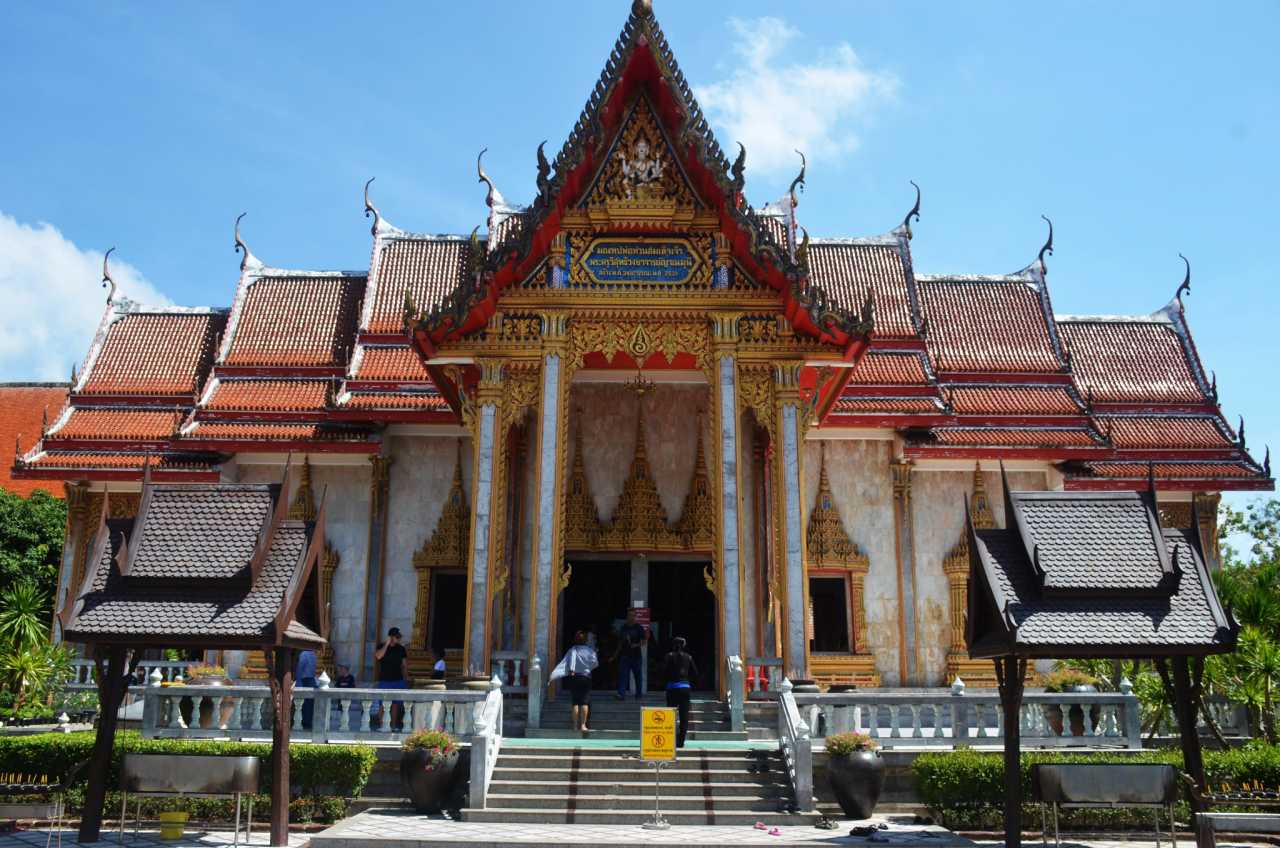 Wat Chalong
This appears to be the main hall; we didn’t enter due to time.
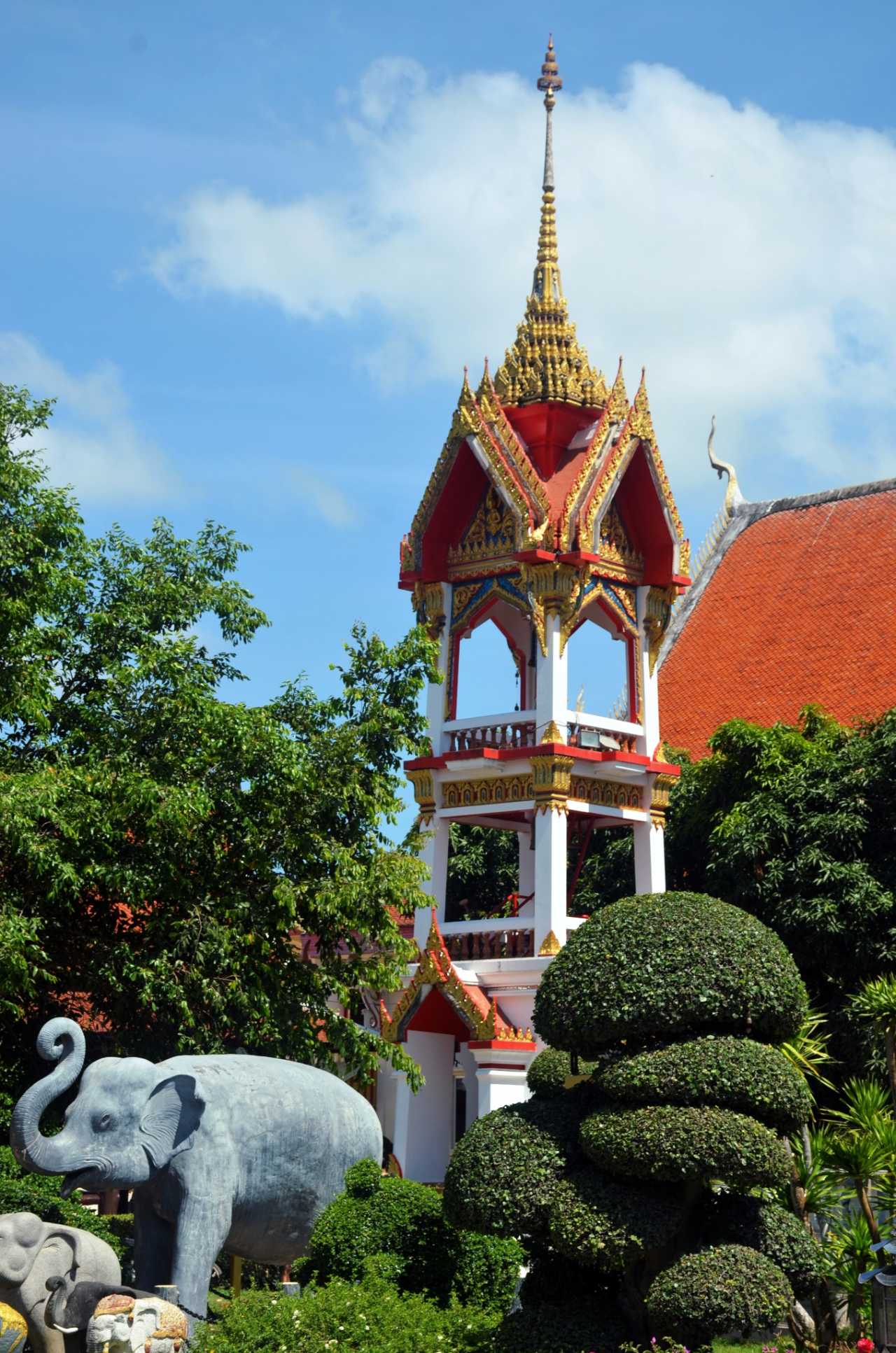 Wat Chalong
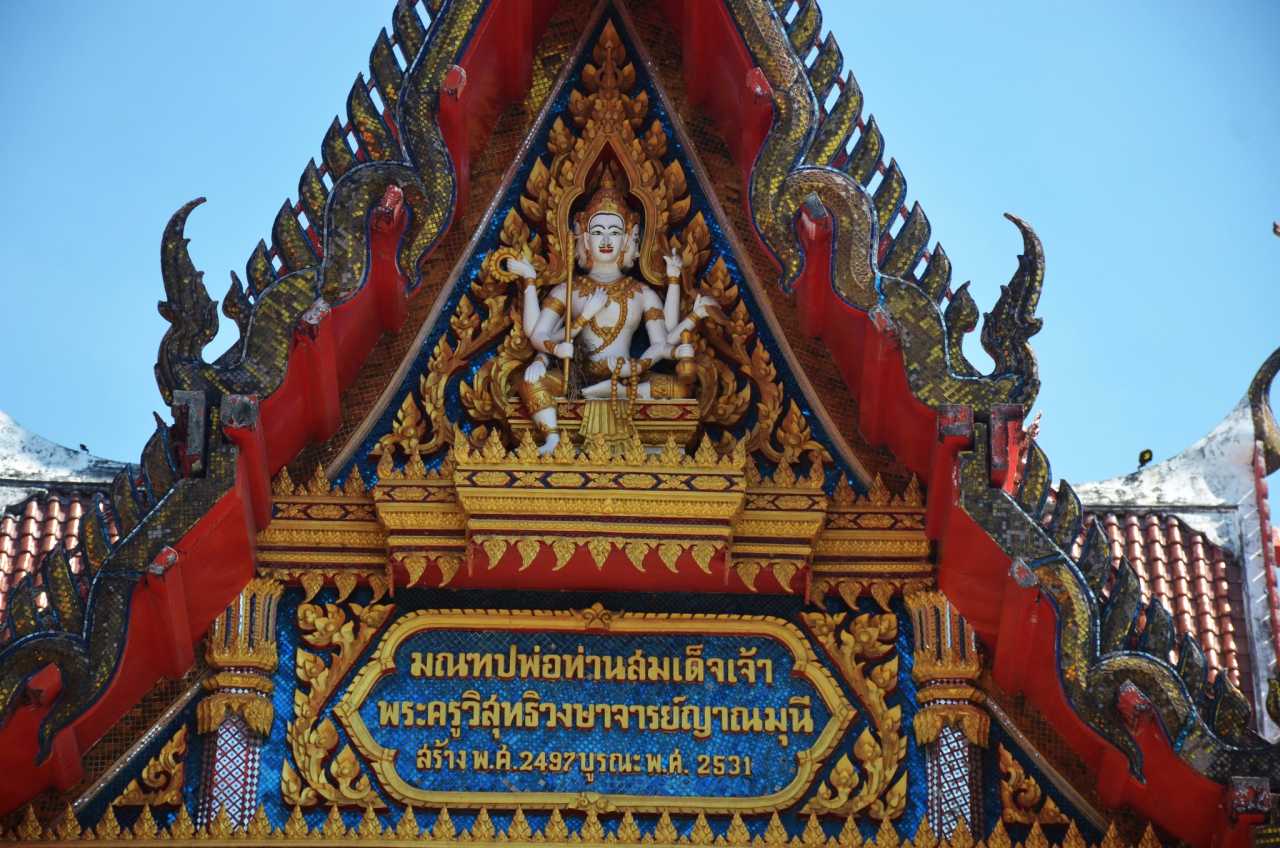 Wat Chalong
After Wat Chalong, next was Promthep Cape at Phuket’s southern tip (~18 km from town). In Thai it means “God’s Cape”; there’s an Erawan shrine at the viewpoint, hence the local name.
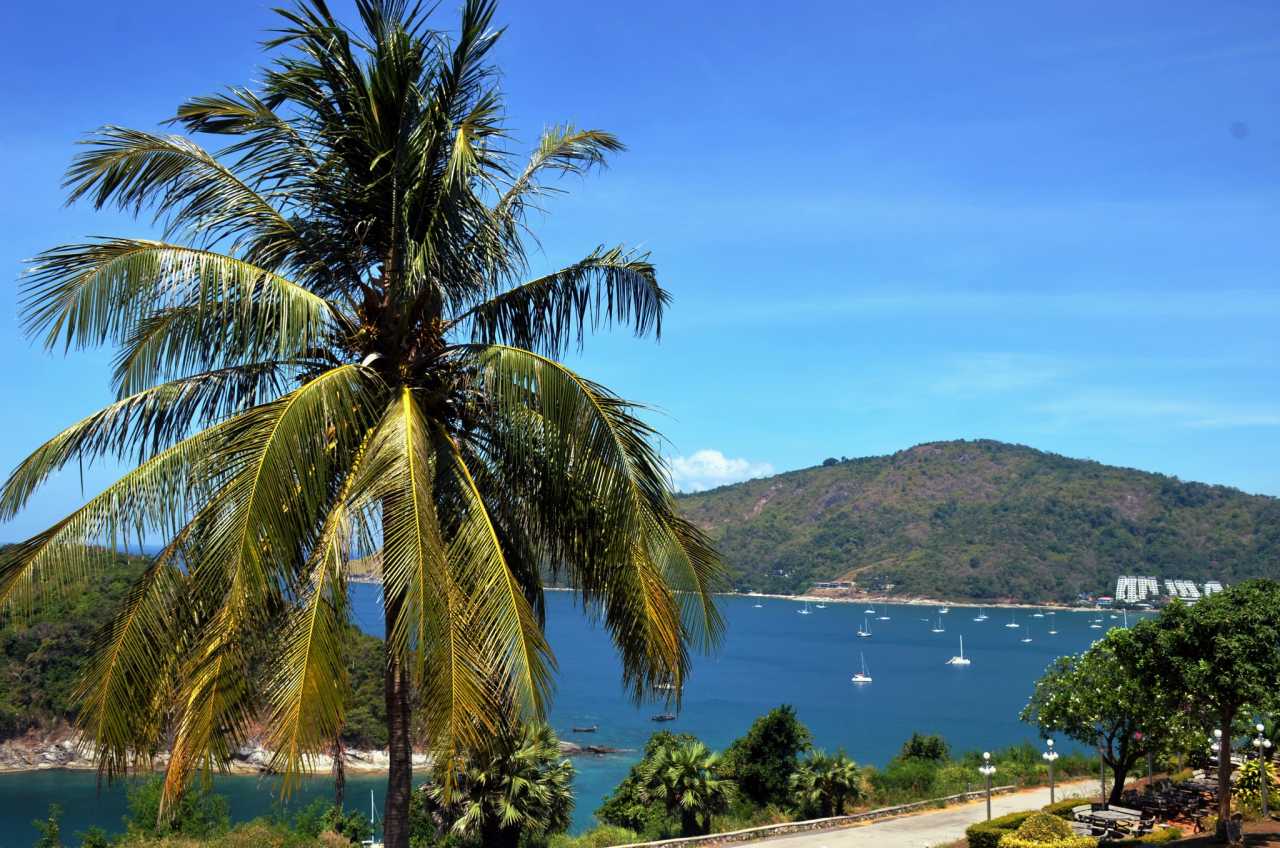 Promthep Cape
With no obstructions nearby, the views are vast and uplifting.
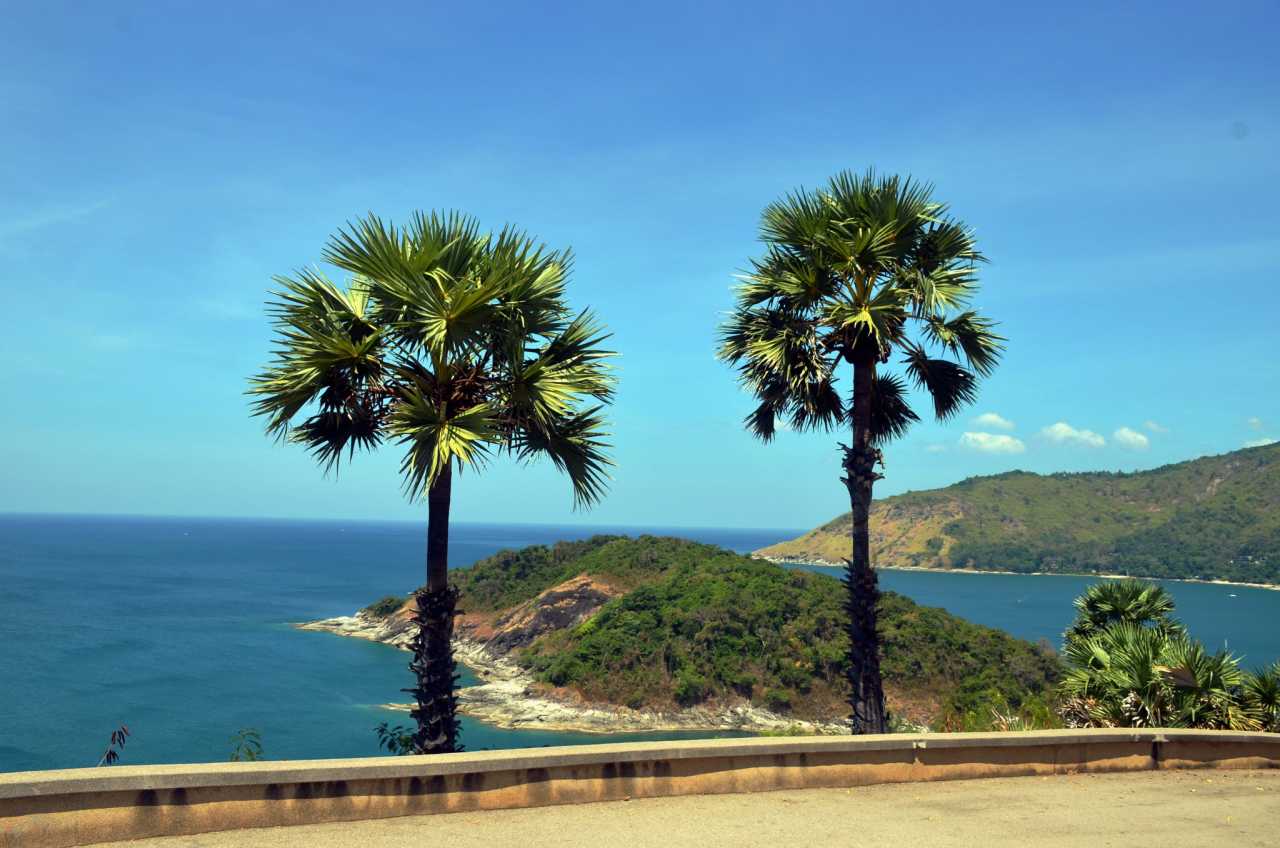 Promthep Cape
This angle evoked the feel of the Sal Trees grove.
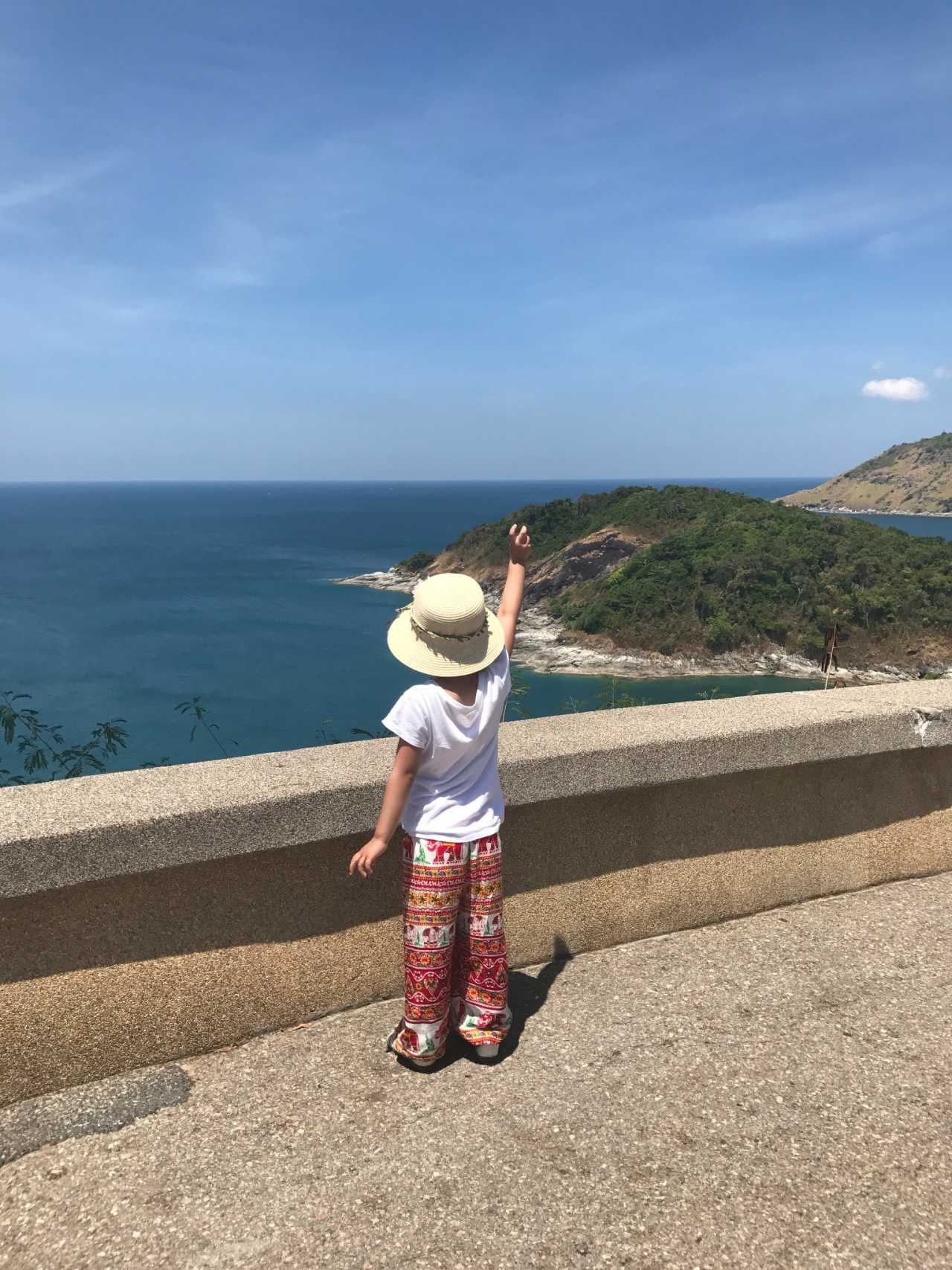 Promthep Cape
Our child struck a big pose too.
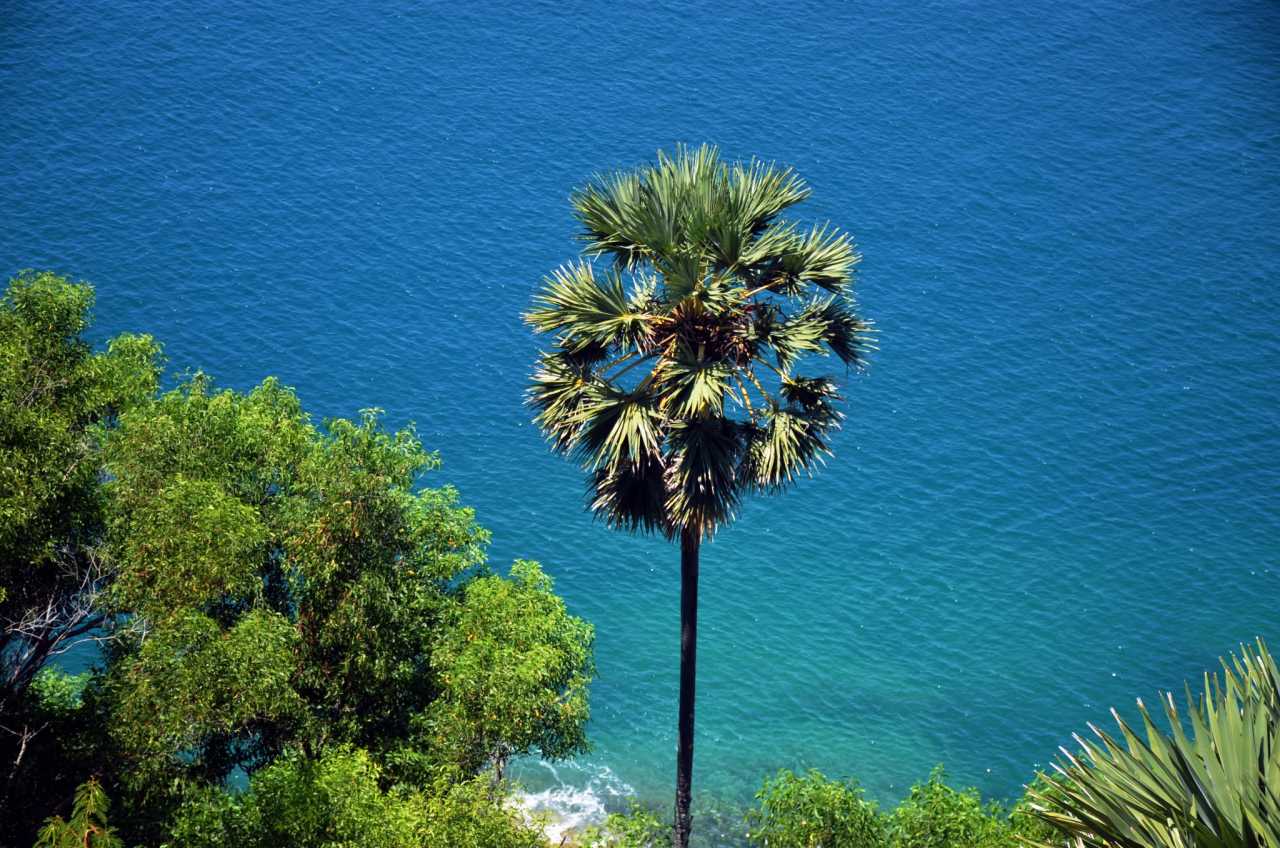 Promthep Cape
The water alternates blues and greens.
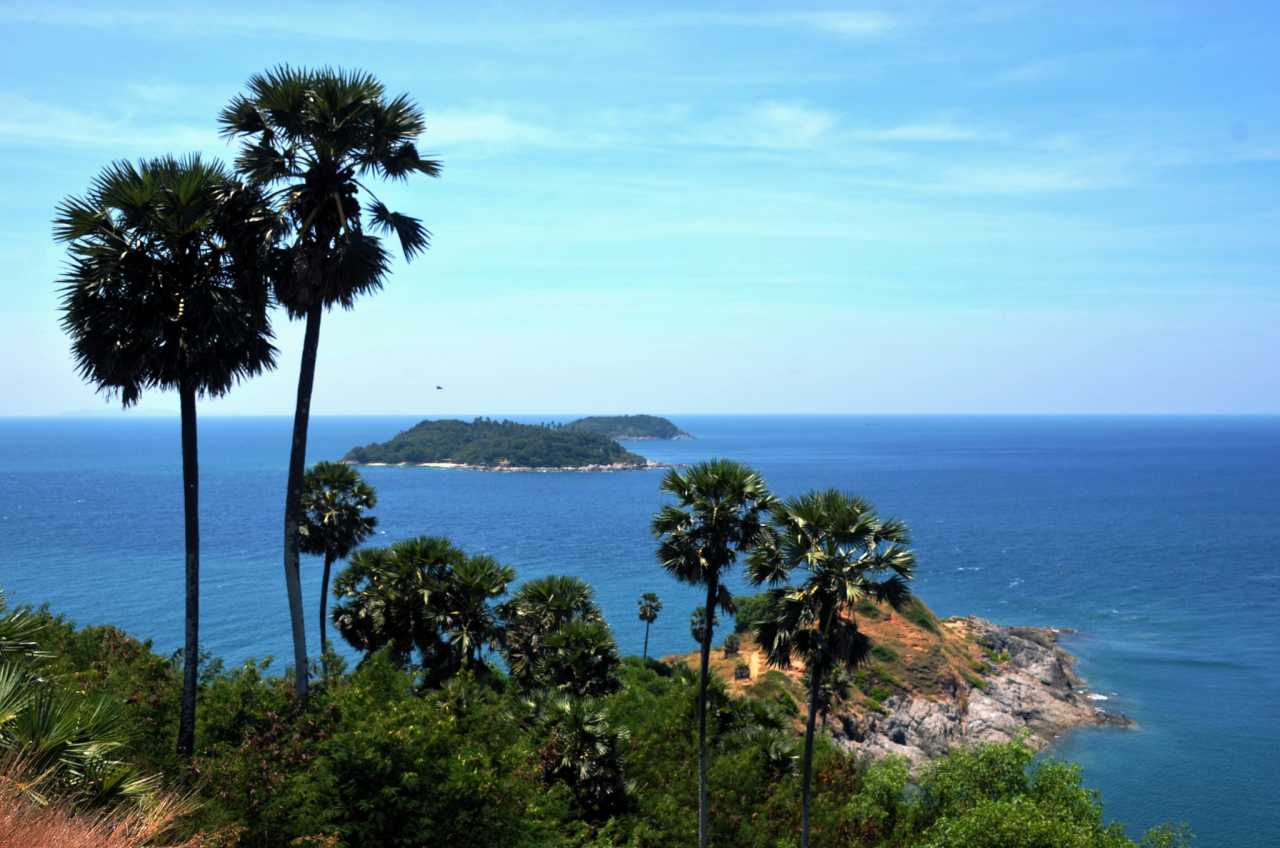 Promthep Cape
Promthep is one of Phuket’s best sunset spots; crowds gather each evening.
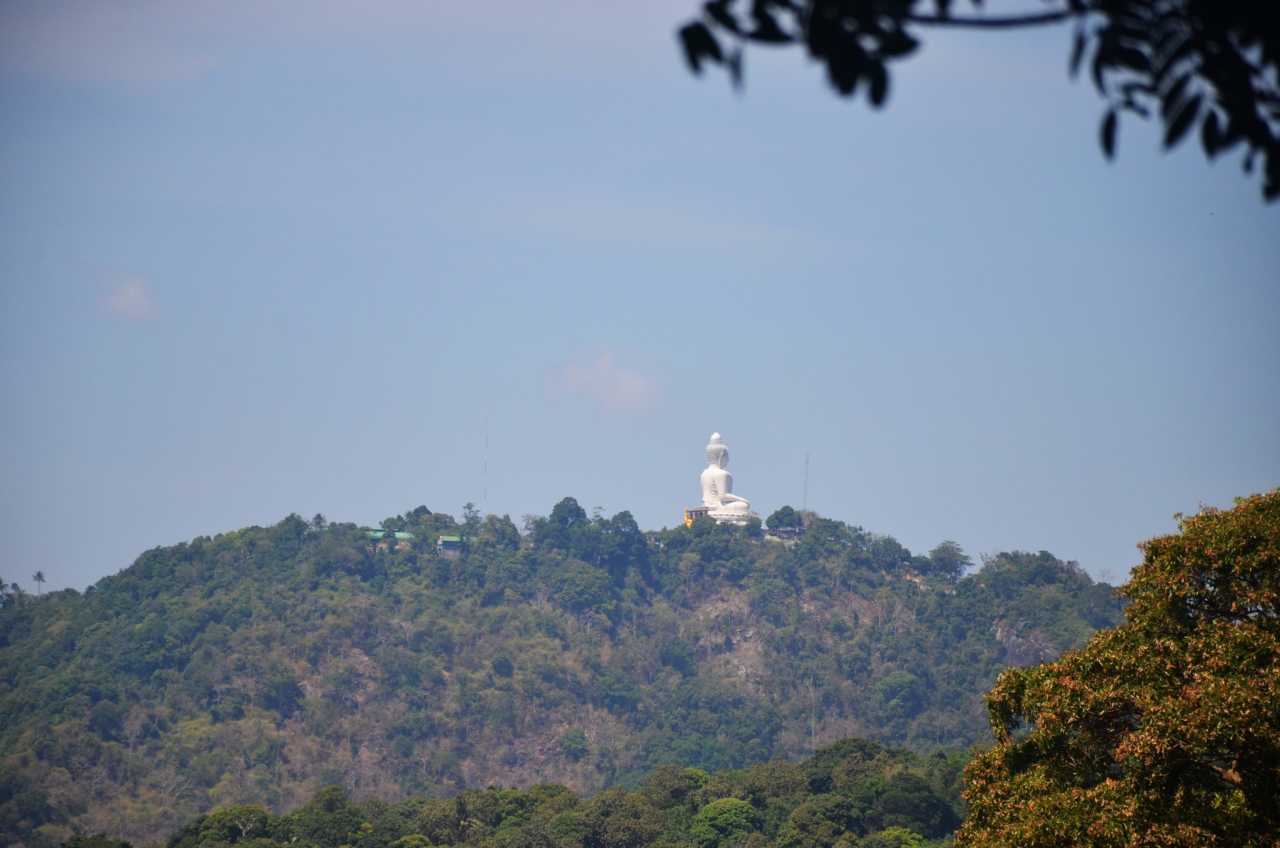
Skipping Old Town saved time for lunch at Rawai Seafood Market. We glimpsed Big Buddha on the hill—usually excluded from standard tours due to mountain roads and extra fees. Rawai is said to be fresher than Banzaan and, being farther from core tourist areas, less prone to overcharging; bargaining ~30% off is typical. On our guide’s recommendation we didn’t haggle much, just added items: lobster, crab, mantis shrimp, etc., about 1000 RMB in total—our priciest meal in Thailand.
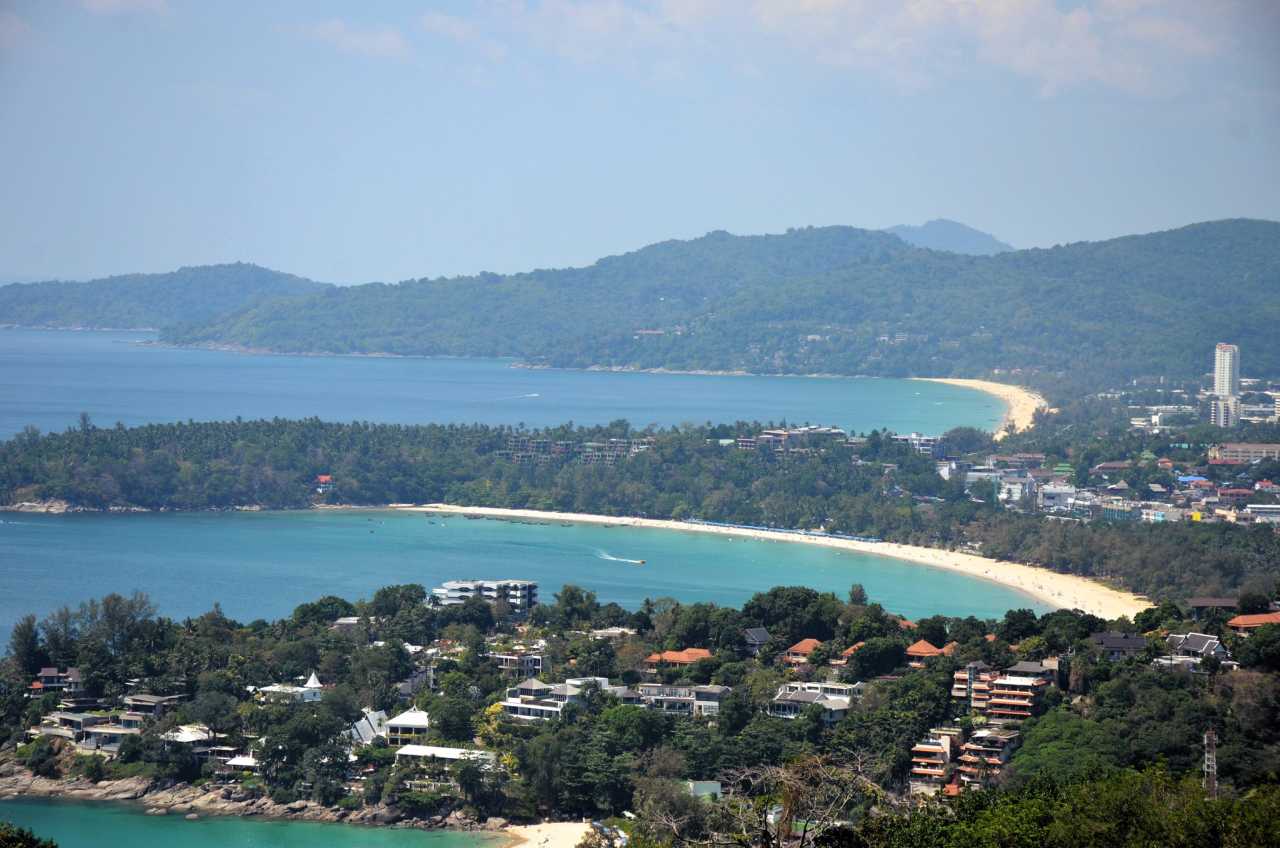 Karon Viewpoint
Full and satisfied, our last stop was Karon Viewpoint (also called Kata Viewpoint)—same place. We passed elephant parks offering rides and feeding; we stopped briefly but skipped due to safety and animal‑welfare concerns.
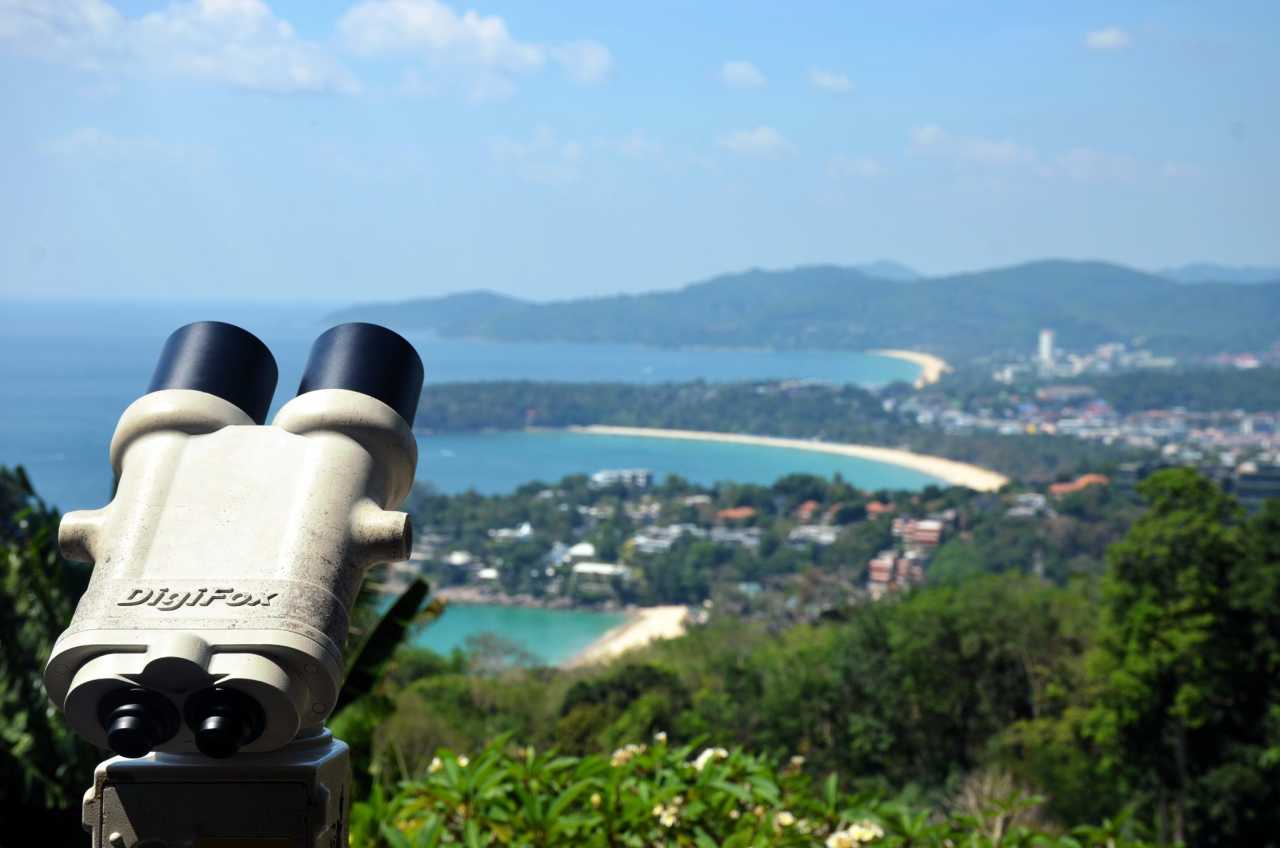 Karon Viewpoint
It’s a popular viewpoint showing three beaches: Kata Noi, Kata, and Karon. Beautiful and worth visiting.
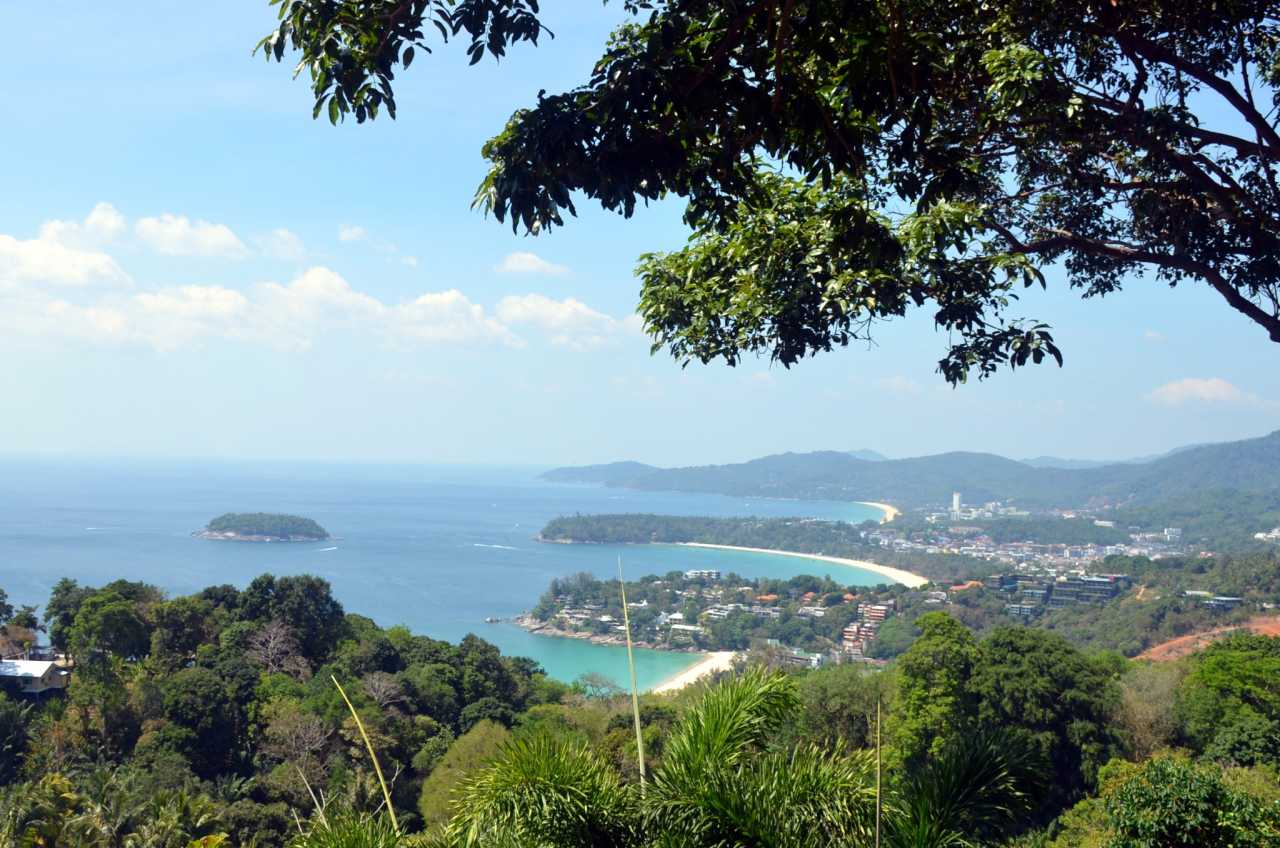 Karon Viewpoint
The area is small; 20 minutes for photos suffices. Ten minutes by car brought us to our next hotel, The SIS Kata. Six hours total for four spots felt just right. For more stops, book 8 hours.
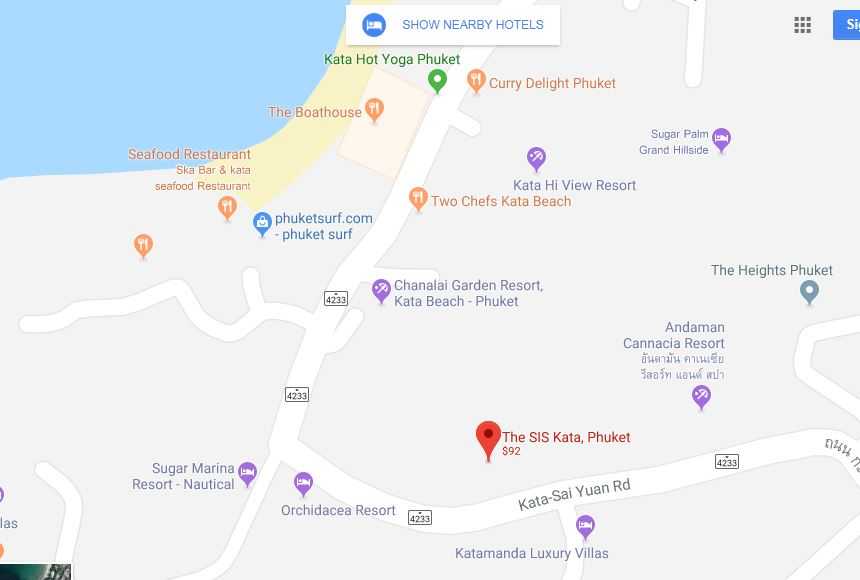
The SIS Kata opened recently, so facilities are new. Perched between Kata and Kata Noi on the hillside, views are excellent. I compared many hotels and chose this for value and its stunning infinity pool. Prices aren’t low: about 1300 RMB per night with breakfast (refundable). Prepaid non‑refundable rates can be ~800 RMB but are risky if plans change. Book early; two months ahead worked for us, and a month before arrival it was full.
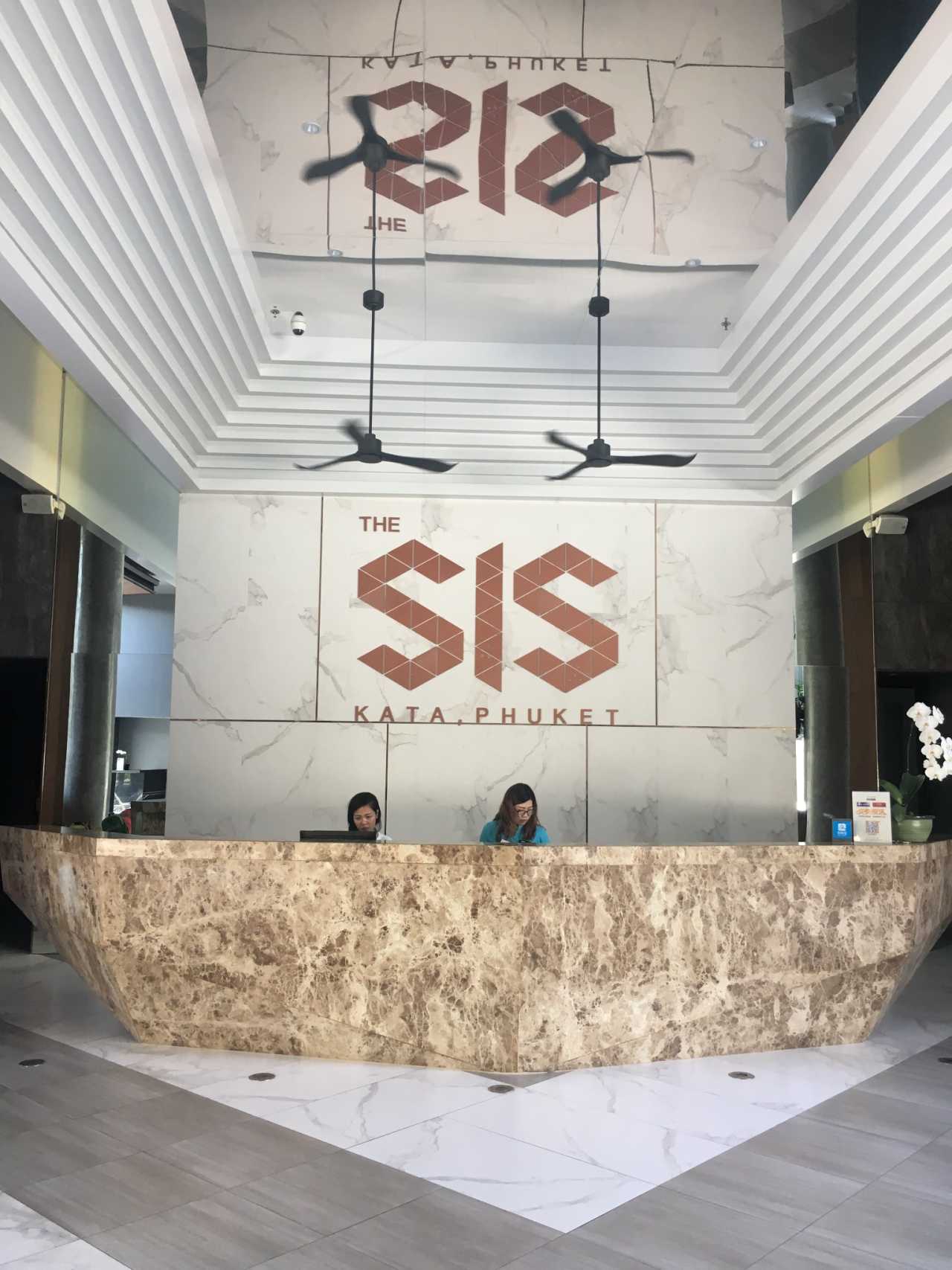 The SIS Kata Resort - Adults Only
The lobby is open, bright, and welcoming. We’d read claims of bias against Chinese guests but observed none. Note: children require an extra bed (850 THB per night) and only one is allowed per room, effectively limiting to one child per room. Beds are large and could fit two adults and one child, but the extra‑bed rule is stated clearly—read policies and confirm by email if unsure. We booked two rooms and got connecting rooms with an internal door—great for families.
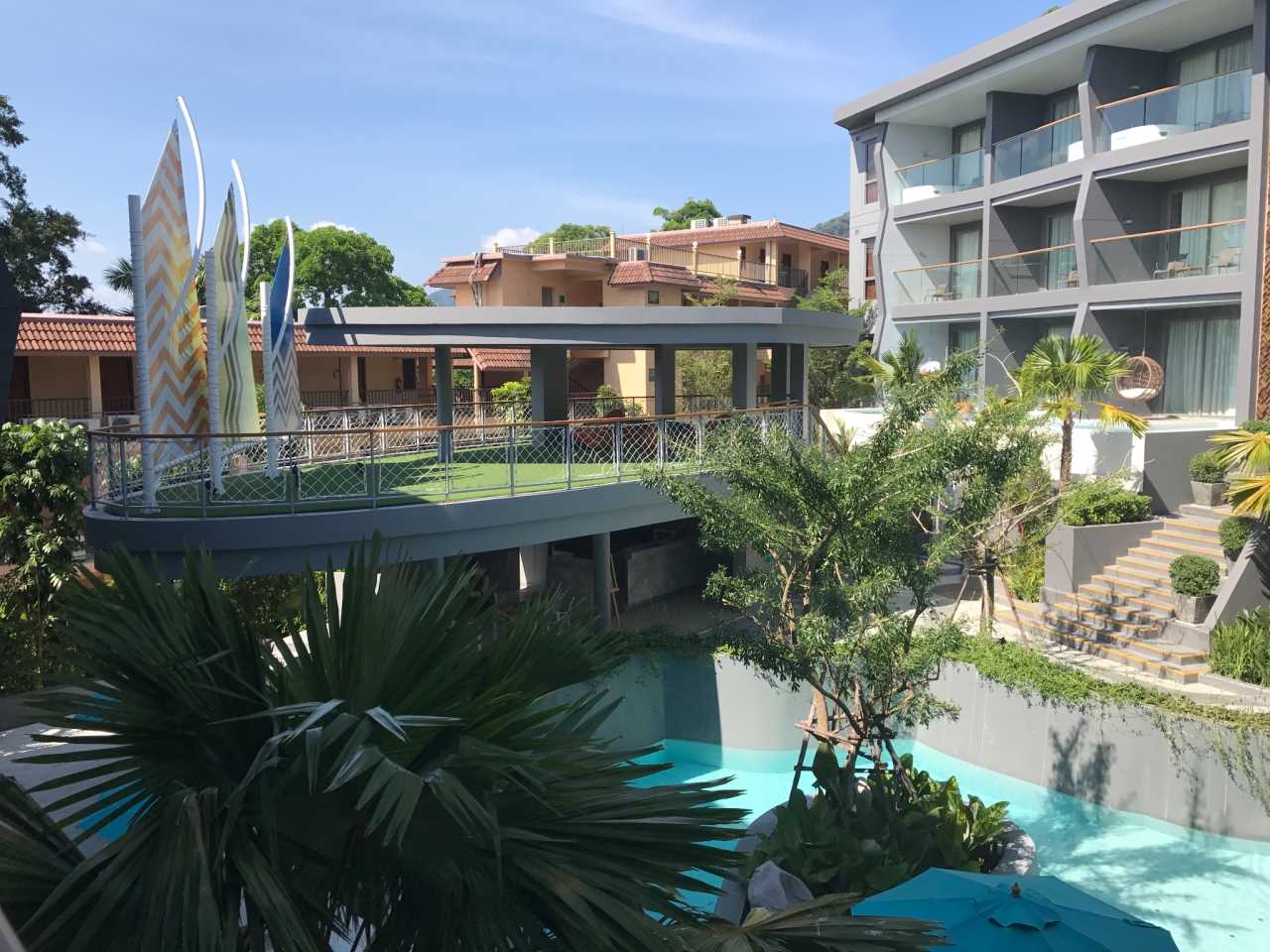 The SIS Kata Resort - Adults Only
Check‑in took about 10 minutes, with complimentary juice and candy, and friendly help with luggage—small touches, warm feeling. After a short rest we headed for Kata Beach sunset around 6 pm.
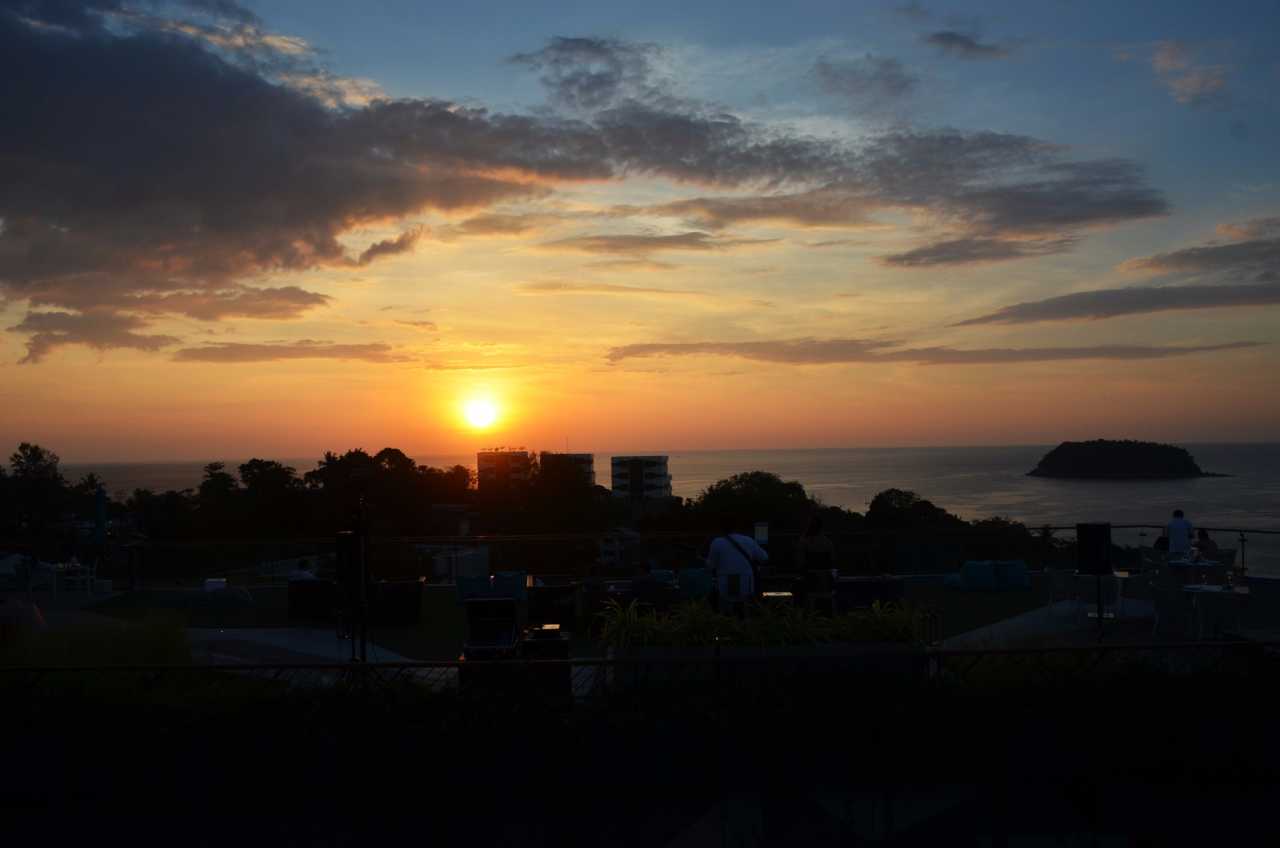 The SIS Kata Resort - Adults Only
Pre‑departure shot at the hotel—sun almost setting.
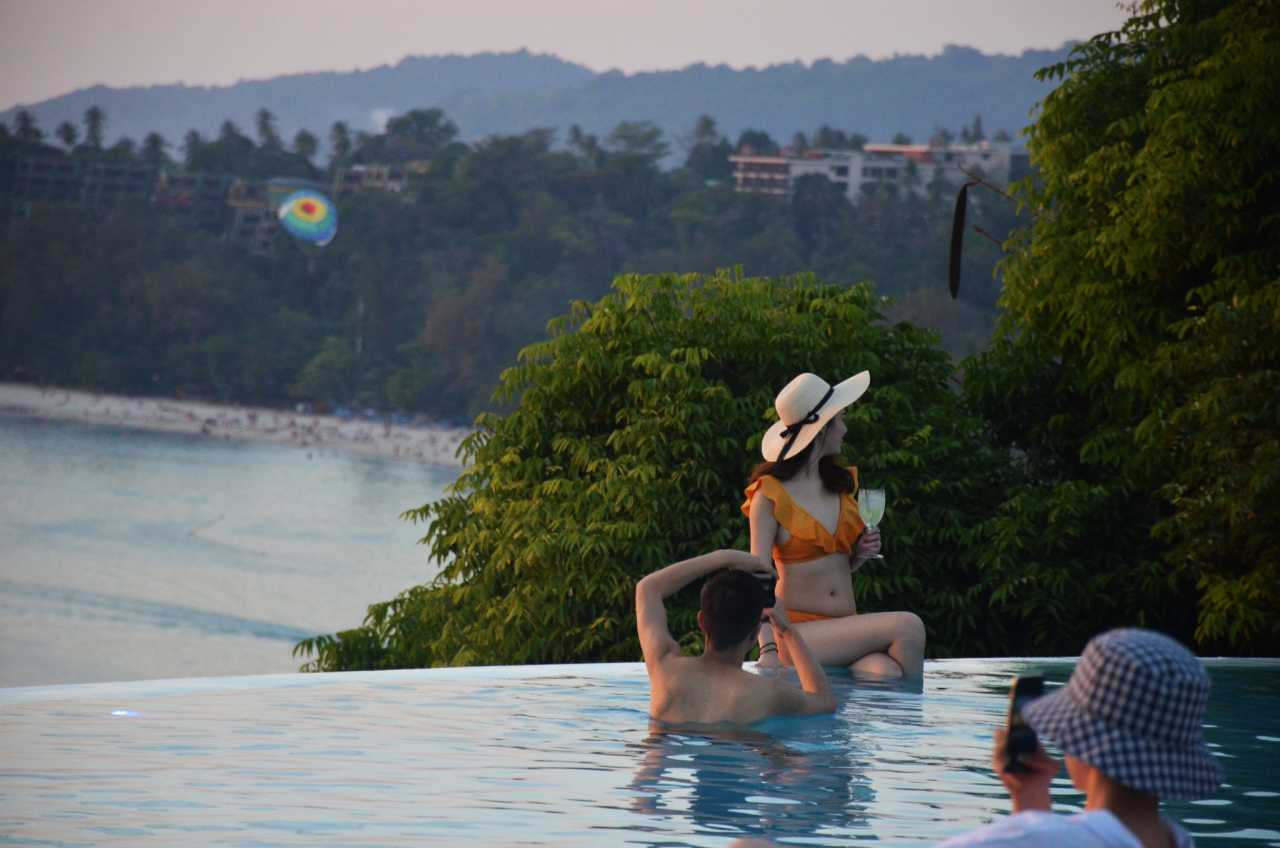 The SIS Kata Resort - Adults Only
A guy went all‑out to photograph his girlfriend.
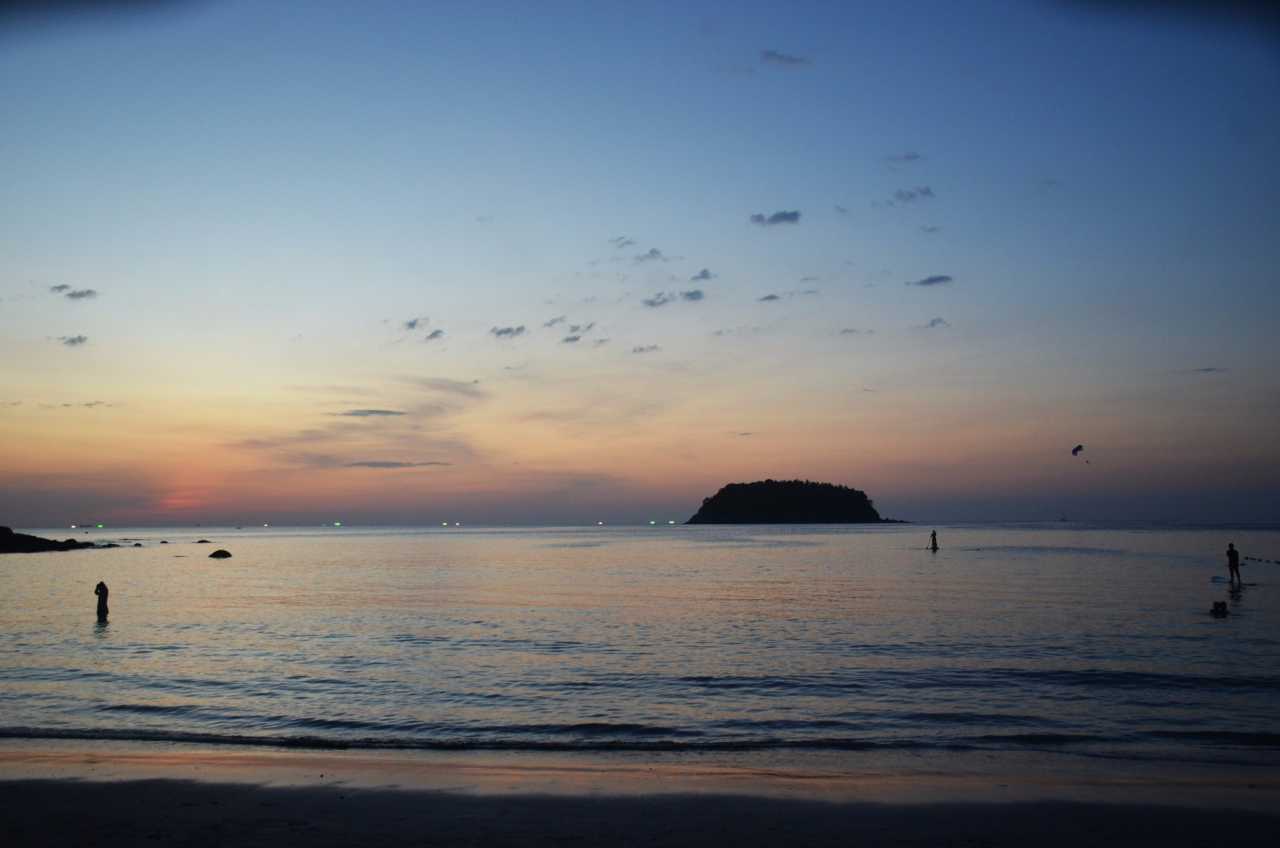 Kata Beach
The hotel is close to the beach but you must descend a steep hill. Many say it’s hard; in practice it’s fine. With seniors and a child it took ~10 minutes down and similar up—15 is plenty. A misleading sign cost us 15 minutes, and by the time we arrived the sun had set, leaving only silhouettes.
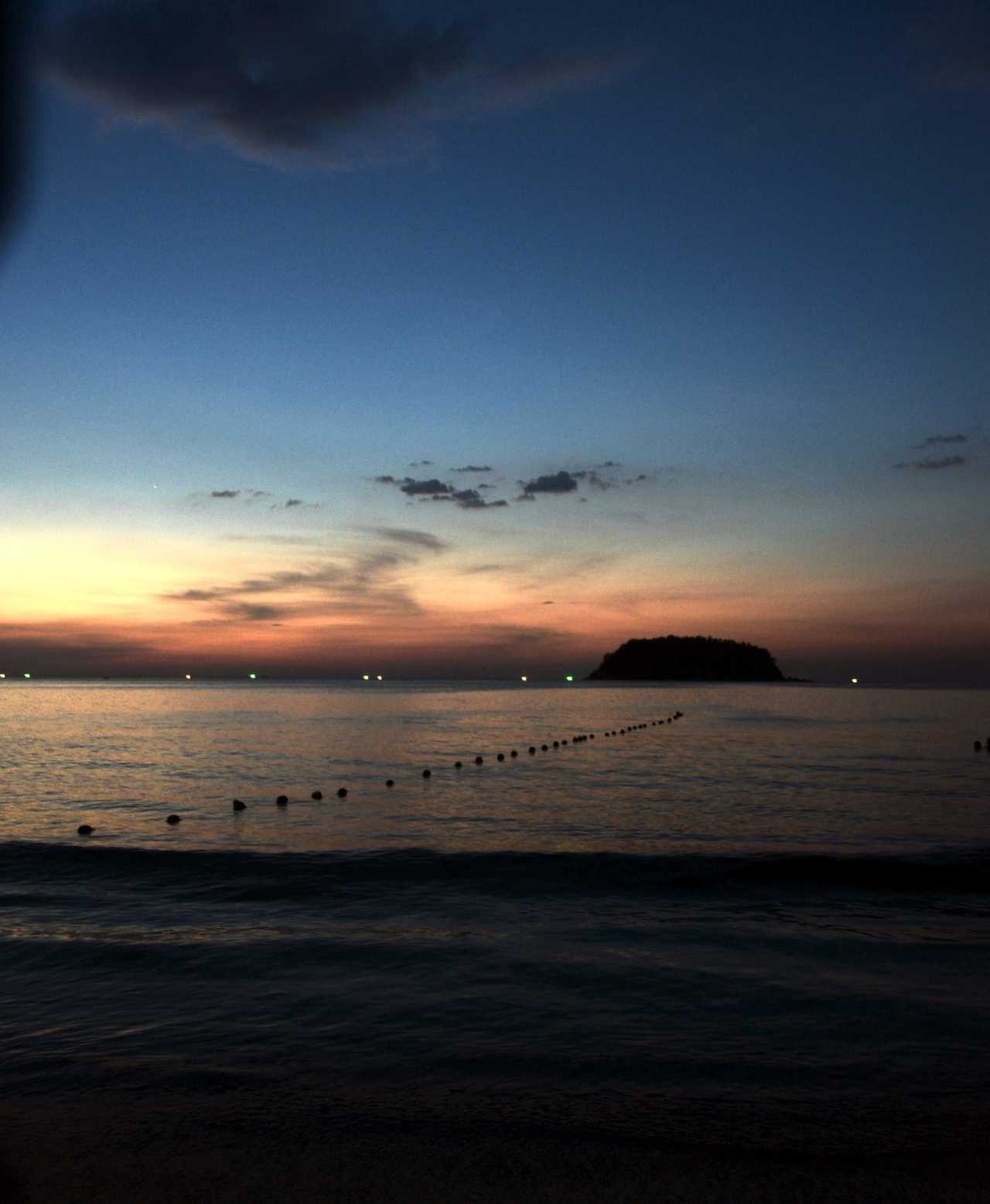 Kata Beach
Kata’s water and sand are said to be better than Patong’s. It was dark, but the sand felt fine‑grained. We stayed ~30 minutes and saw many sky lanterns—a romantic wish for couples.
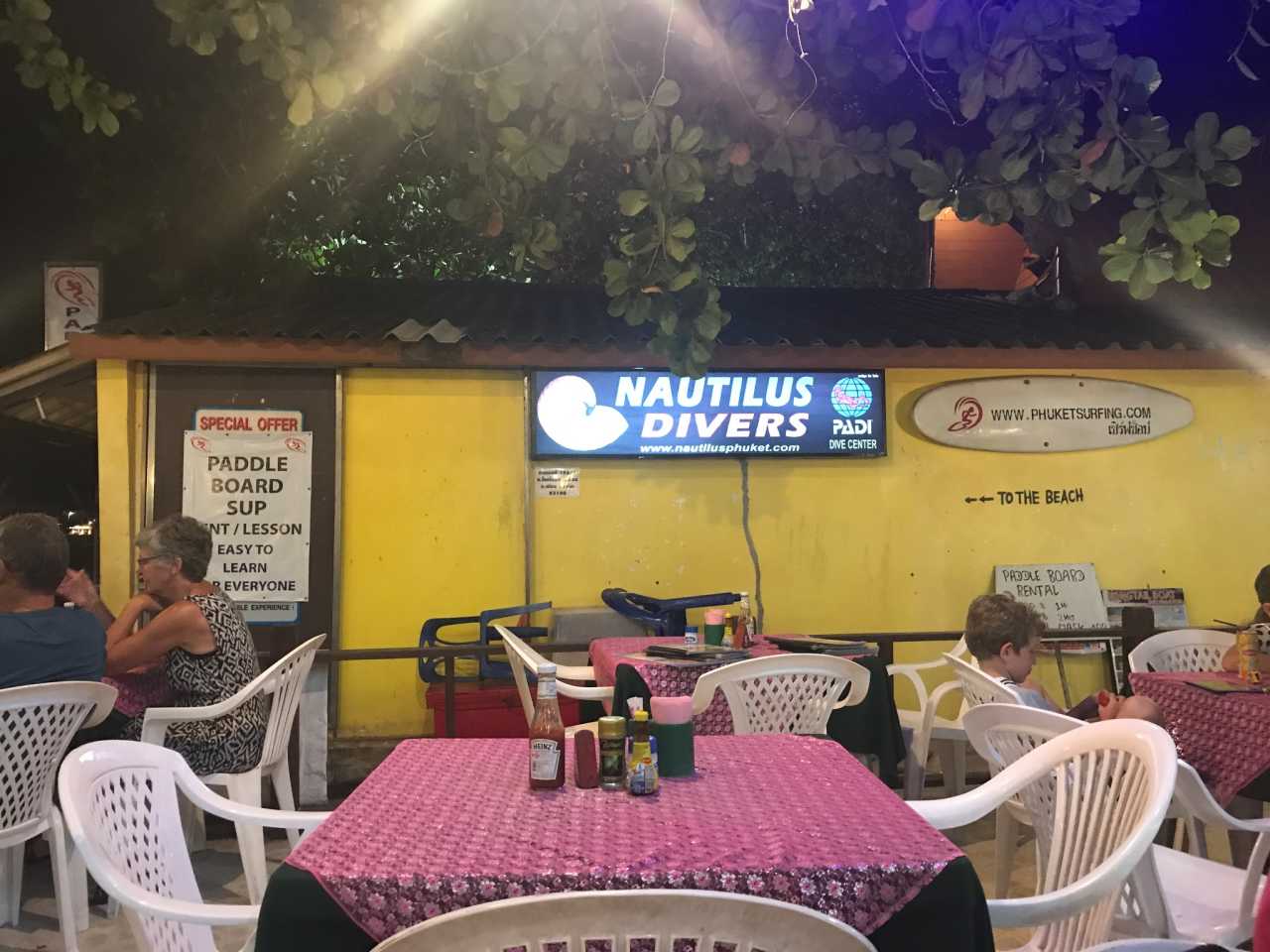 Kata Beach
Night stalls line the beach; we picked one. Prices were friendly despite the prime location—more reasonable than many domestic seaside spots, reflecting Thailand’s well‑regulated tourism market.
Day 7—Pool Time, Heading Home
Last day in Thailand. Our flight was at 2 pm; pickup at 10:15, leaving morning time for the hotel.
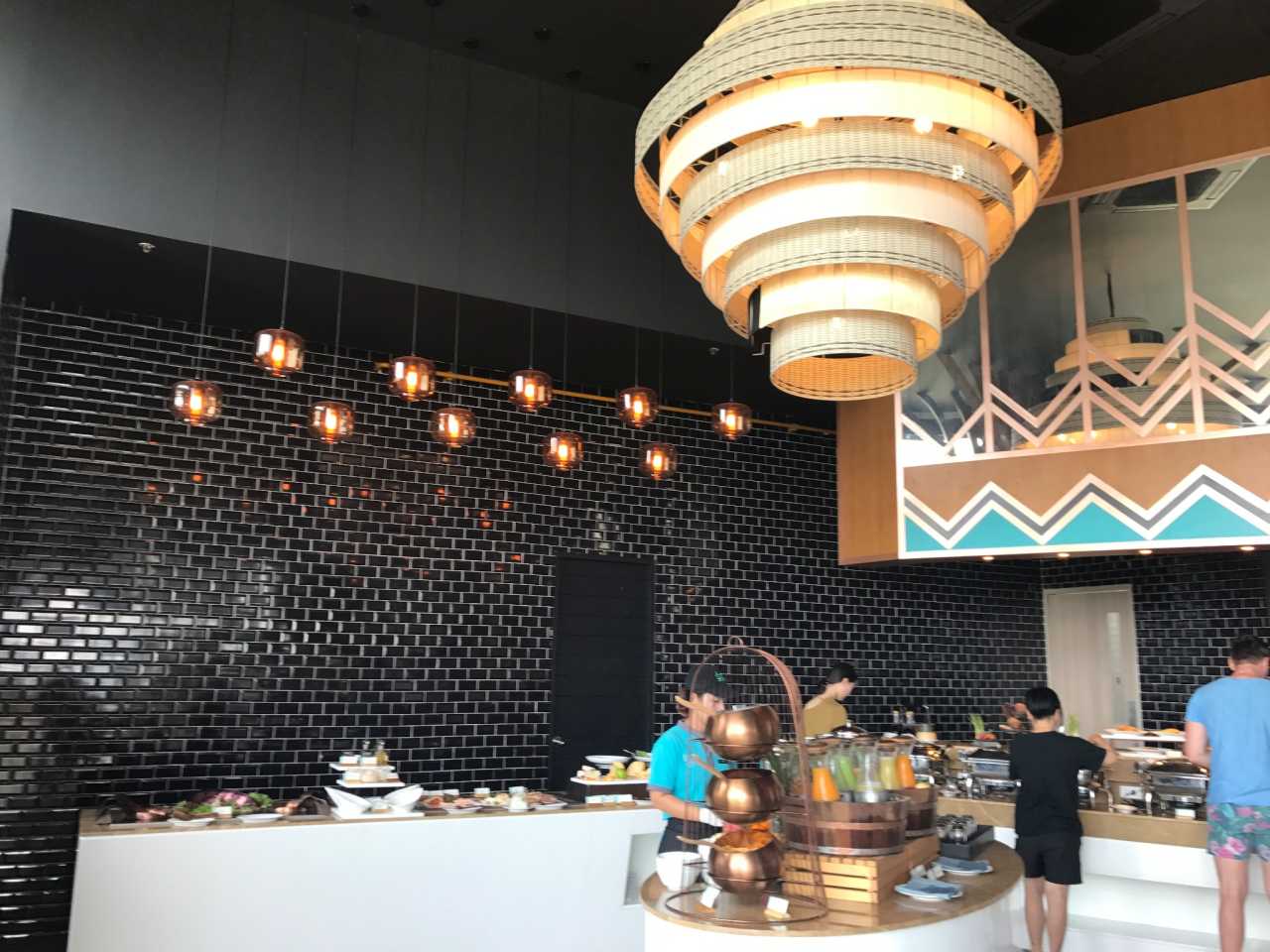 The SIS Kata Resort - Adults Only
Pool opens at 7 am; we swam and took photos while it was quiet, then had breakfast at the 4th‑floor poolside restaurant with wide views over Kata beach. Food was decent.
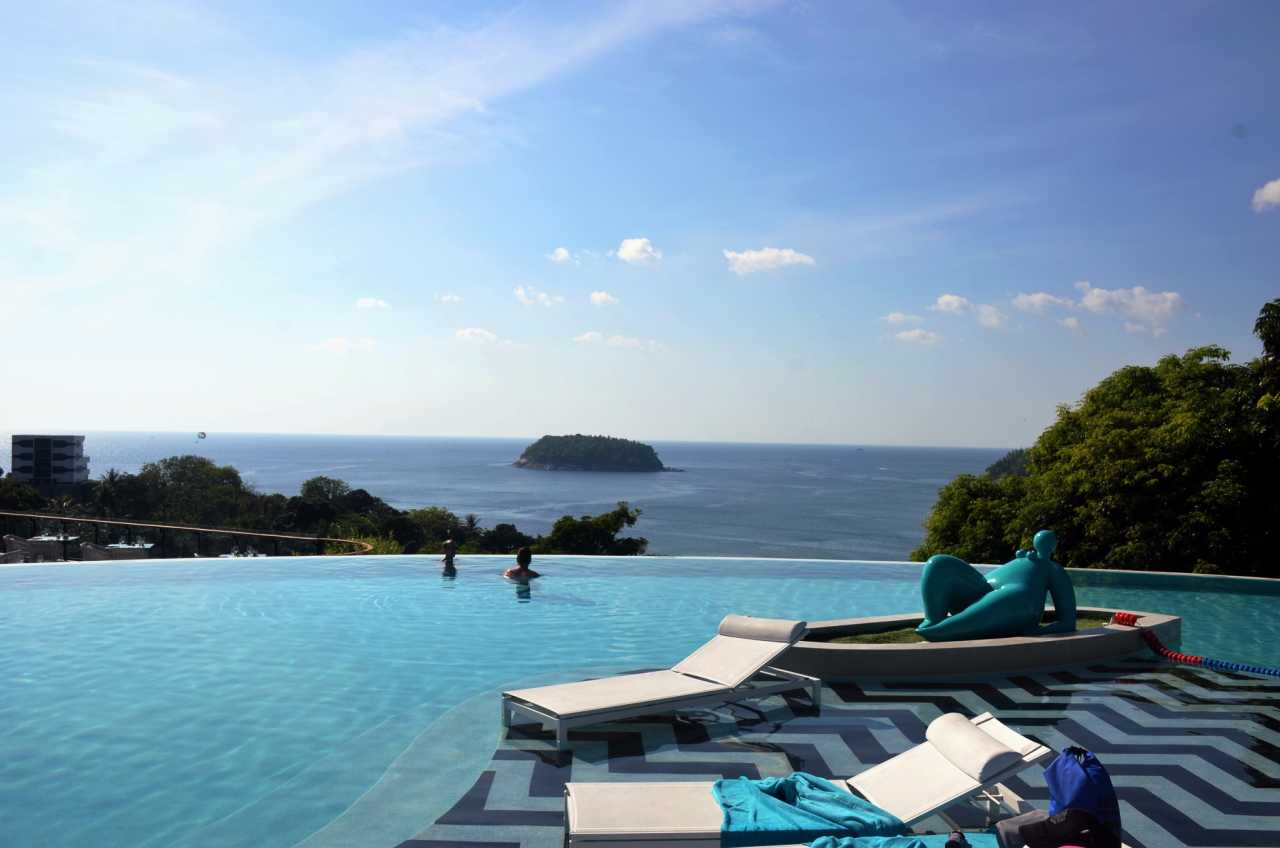 The SIS Kata Resort - Adults Only
There are two pools (the other on the ground floor). The rooftop infinity pool is the star and why we chose this hotel. It’s perfect for morning photos and stunning at sunset.
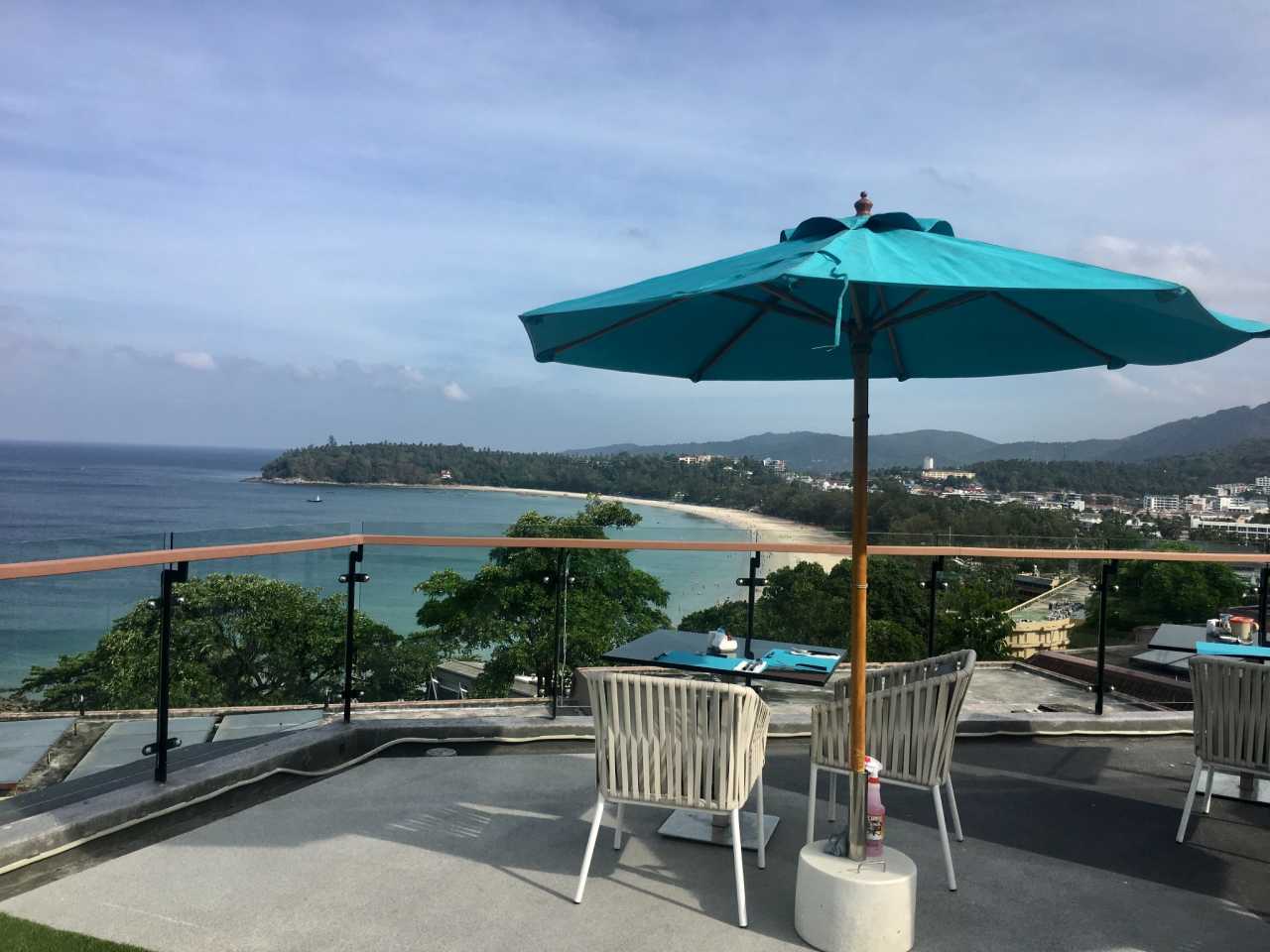 The SIS Kata Resort - Adults Only
Dining comes with views of Kata Beach.
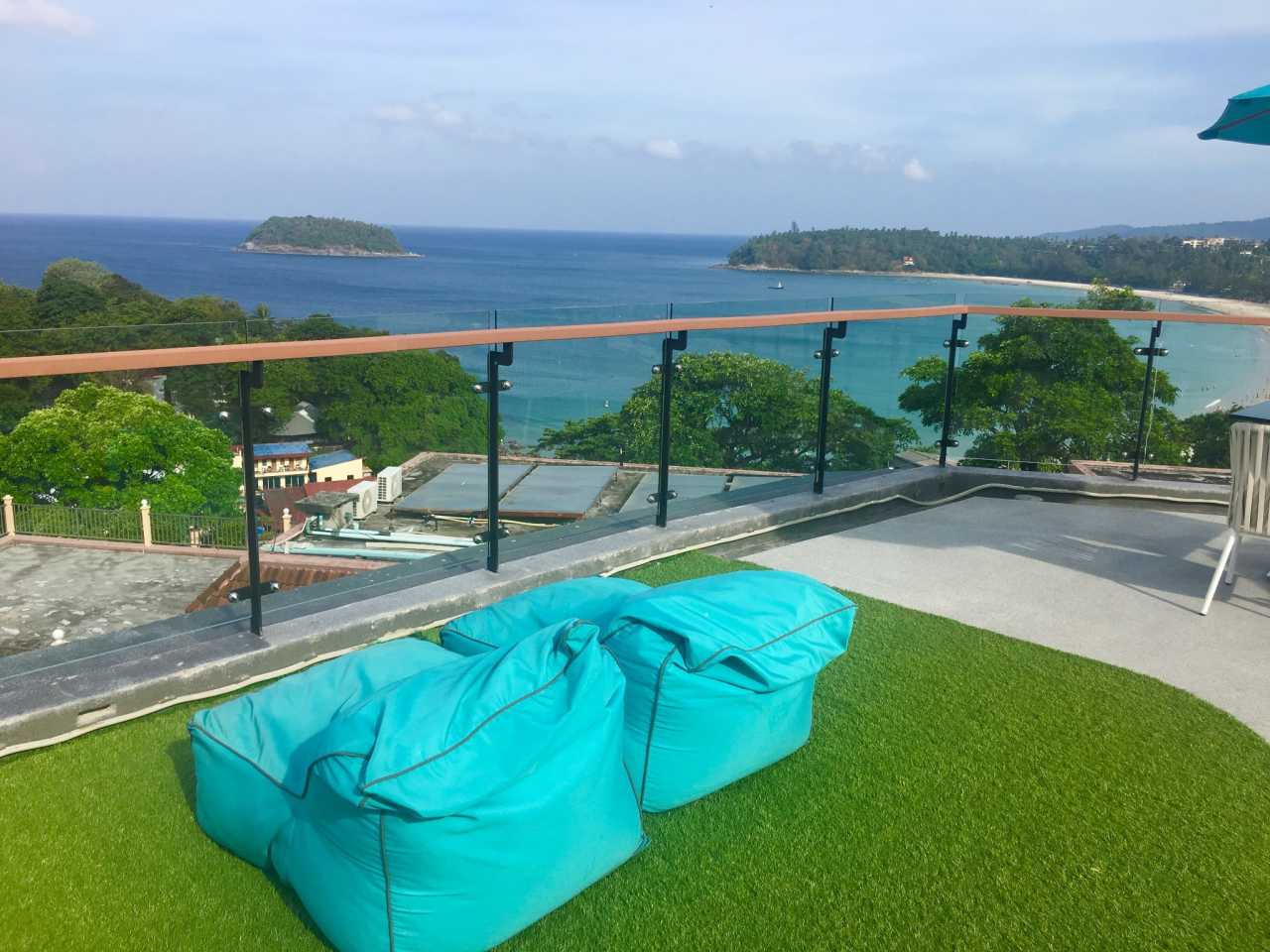 The SIS Kata Resort - Adults Only
The driver arrived on time. Saturday morning traffic was smooth, yet it still took about 90 minutes to reach the airport—always budget enough time, especially at peaks. A large tour group arrived as we finished check‑in and filled the hall. Phuket Airport is small but duty‑free is good and, per my wife, cheaper than Patong. Leave time for duty‑free. Everything went smoothly and our flight departed on time—a perfect finish.
Thailand—Hard to Say Goodbye
Cost summary:
Flights: Shanghai → Bangkok → Phuket → Shanghai (3 legs), 5 people: 10,559 RMB
Hotels: Asia Hotel Bangkok (2 nights, 2 rooms, with breakfast): 1,516 RMB; Lemon House (3 nights, 2‑bedroom villa, no breakfast): 1,383 RMB; The SIS (2 pool‑view rooms, with breakfast): 2,636.6 RMB; total: 5,541 RMB
Local transport: 1,431 RMB (car hire + transfers + metro)
Food: 3,300 RMB
Sights: 2,281 RMB (incl. Phi Phi day tour)
Shopping: 961 RMB
Other: 2,068 RMB (visa, insurance, SIM, sundries)
Total for 7 days/6 nights: 26,149 RMB, roughly matching the 25,000 budget.
Apart from a few missed sights, we followed plan. My parents helped greatly; our child cooperated without fuss even when carsick. Weather blessed us with nearly all sunny days. Though a brief visit, Thailand left a deep impression: rich culture and nature, mature tourism, stable security, friendly people, and good prices. A week is only a taste; this Buddhist “land of smiles” merits time to savor. We’ll be back.