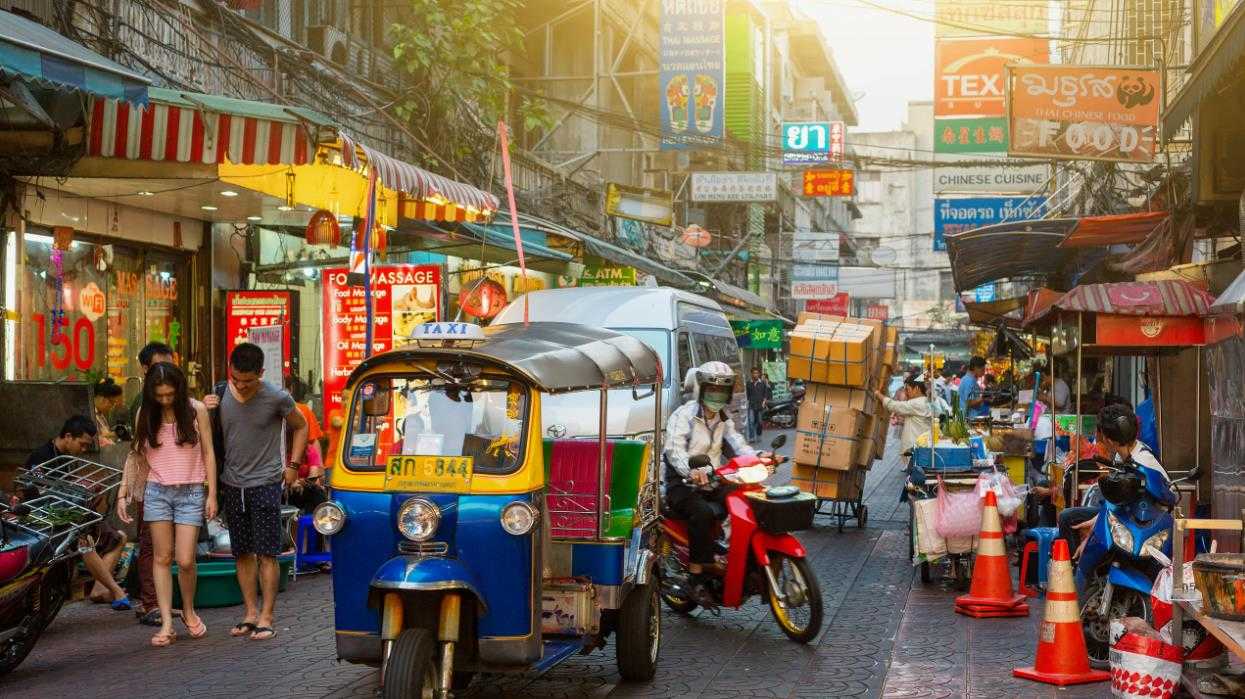
Freediving Level 2
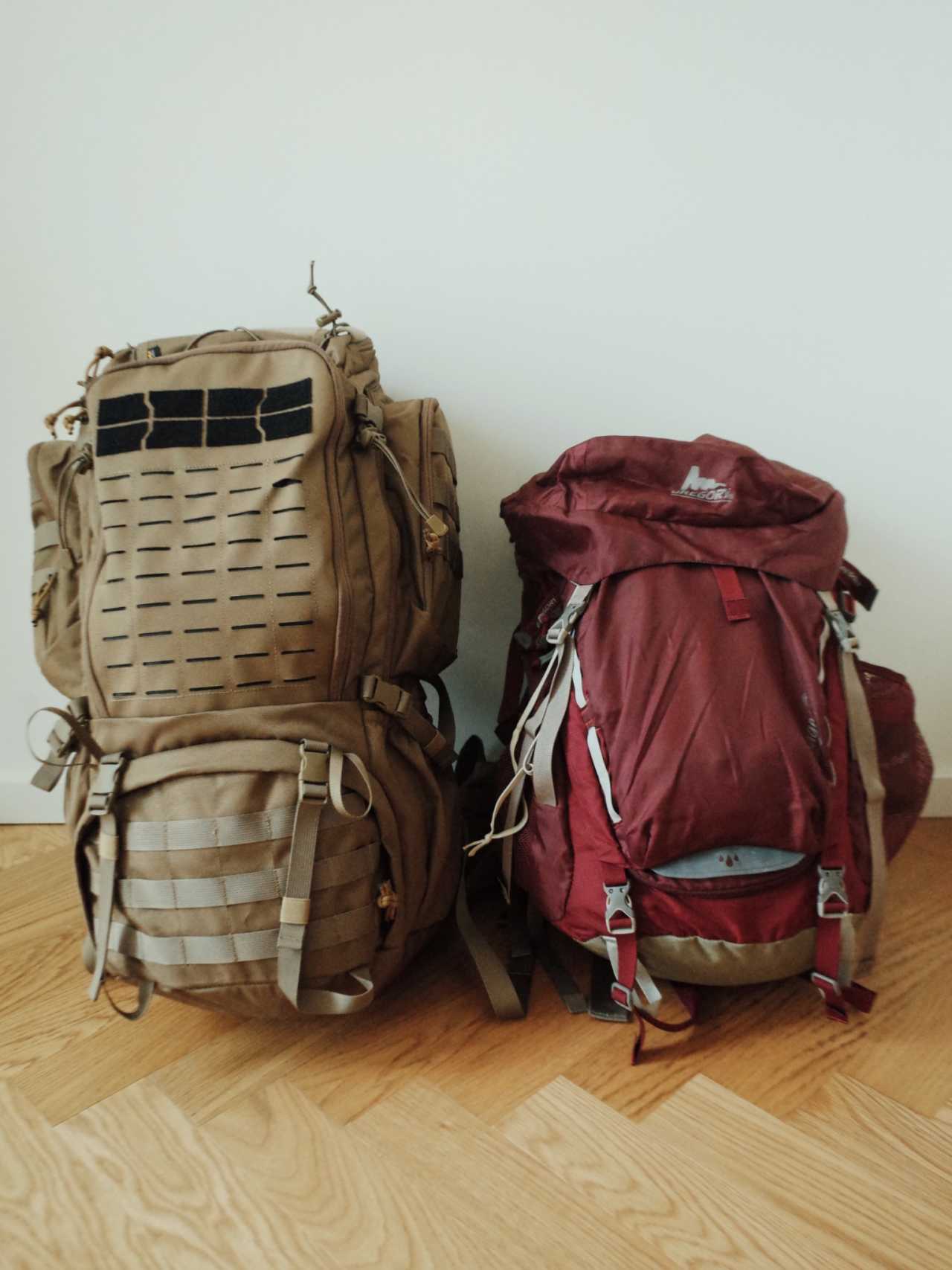
「INFP」
This trip to get my Freediving Level 2 certification completely reflected my INFP personality. I only thought about getting certified a month before departure, so after reading some guides, I decided on going to Koh Tao.
I often wonder, why do I really love traveling? In my twenties, maybe it was for novelty, fun, and wanting to improve my English. I went from making detailed itineraries to now almost getting stranded in the Arctic Circle because I forgot to bring cash when going abroad.
For things I enjoy, I hope every aspect is free—this might be one of the real reasons I love traveling.
Our diving instructor asked us students why we wanted to learn freediving. Every girl's answer was "to chase whales"—it's that simple. Girls, as beings, are born for beauty. Just for a beautiful scene, they can keep pushing their limits. Actually, before coming, I also wondered: is it really necessary to put in so much energy and money to get that so-called 'life photo'? Is it really worth it?
The answer is obvious. In life, you always have to do some seemingly meaningless things to make other meaningless things have a little bit of value.
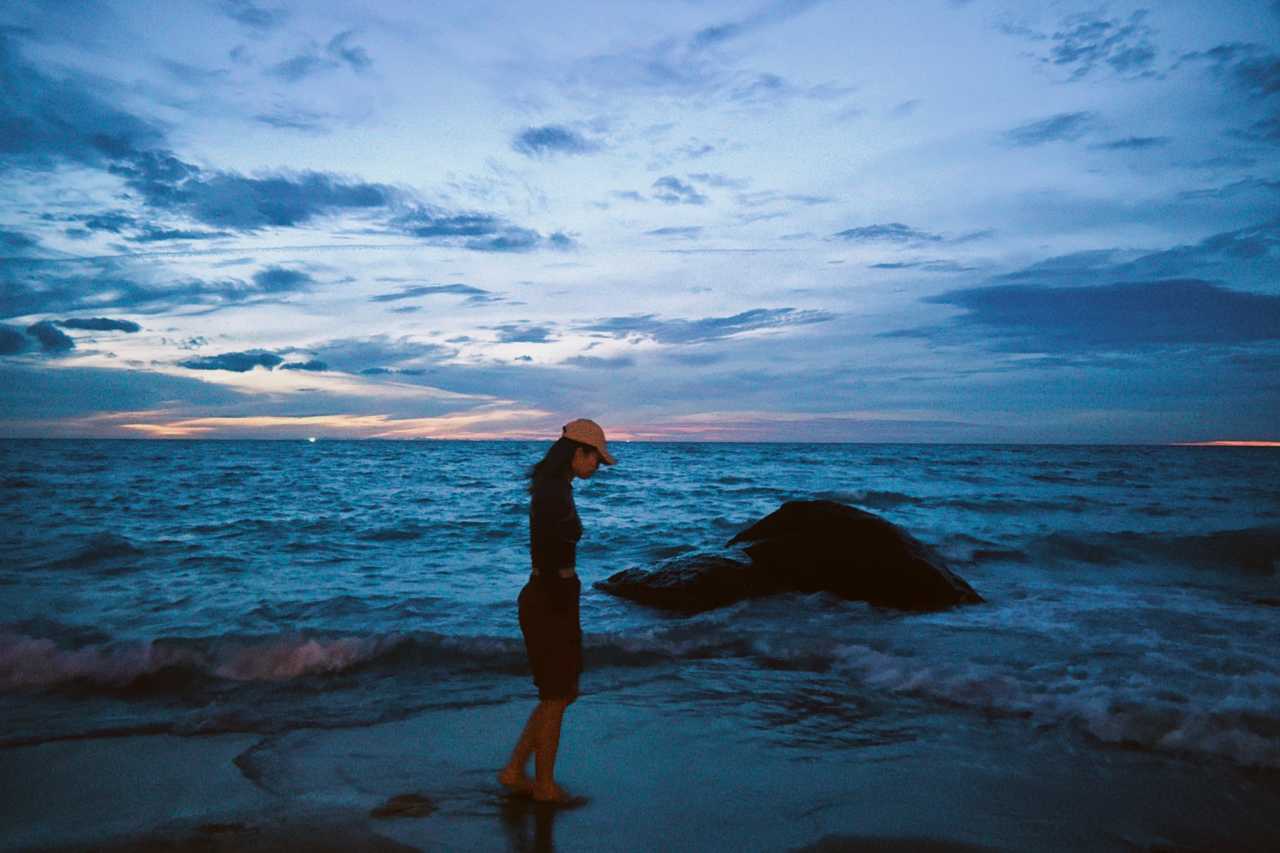
「Freediving Level 2」
Actually, chasing whales doesn't really require a Level 2 certificate; in some places, you don't even need to know how to swim. So, chasing whales is probably just everyone finding a better entry point for something they want to do. After all, diving down 12 meters kicking fins during the exam is really cool.
To be honest, I only started to like this sport a bit after finishing the course. So what is passion? I now think it doesn't necessarily have to be passion; a little liking is enough. The most important thing is to just do it. Just go for it.
Unfortunately, my Frenzel maneuver wasn't successful. Maybe my connection with Koh Tao is really deep—this being my third time here is just preparation for the fourth.
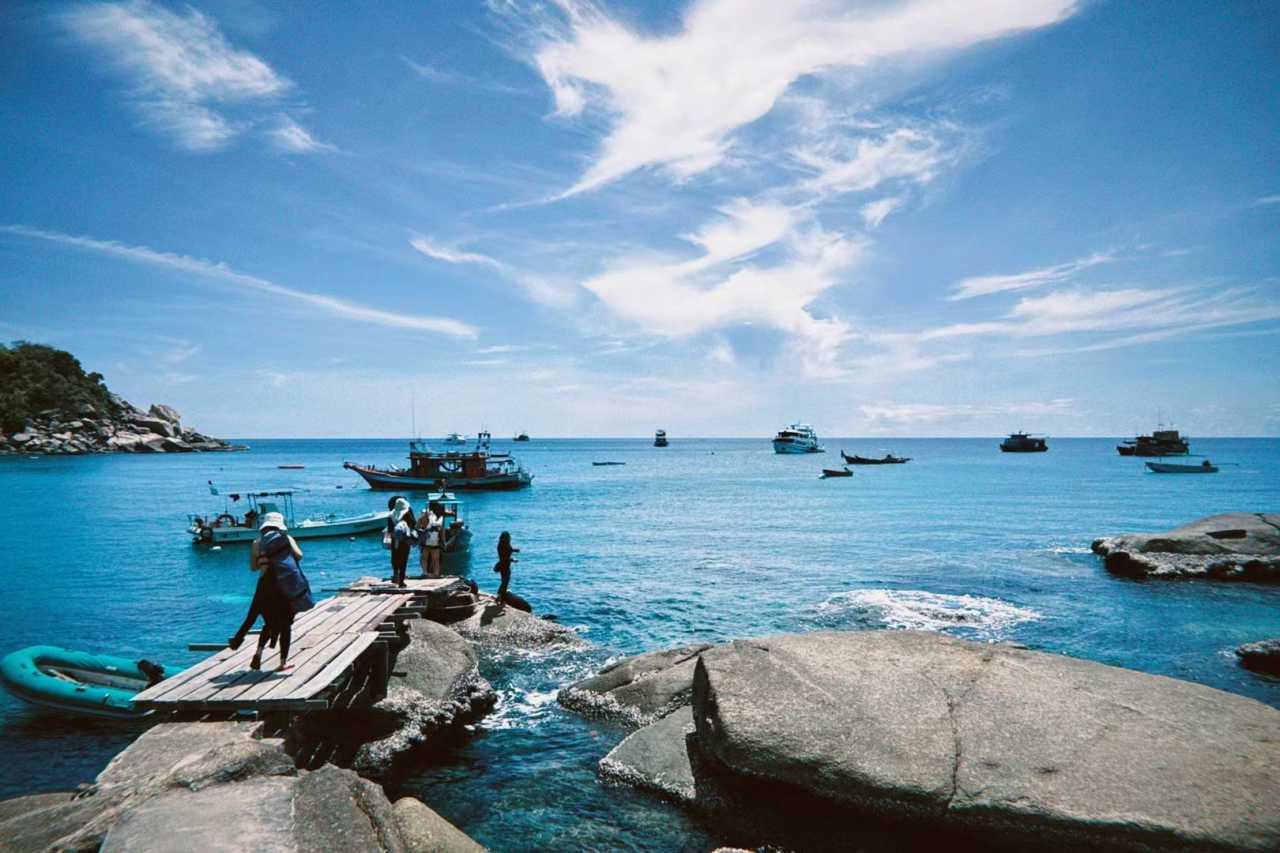
「Choices」
Besides Thailand, Malaysia, and the Philippines, there are many other places where you can get freediving certified. Even domestically in China, there are now many places for certification. Choosing Thailand was mainly due to cost comparison—Koh Tao offers the best value for money. Koh Tao has long been famous as a diving learning sanctuary. Plus, during my previous two trips to Koh Tao, I would always run into those students taking diving courses. Maybe a seed was planted back then.
Course fees are roughly similar: OW 2000, AOW 3000, both together 4000+, Freediving Level 2 2980. Accommodation during the course is included.
OW 4 nights, AOW 2 nights, Freediving 3 nights (Free accommodation is in dormitories; you can upgrade to a double room for a small fee).
Semporna now rarely provides accommodation, and if they do, it's poor condition liveaboards. I don't know much about the Philippines and have a bad impression now, so not considering it. Domestically in China, it's 3500. So actually, the prices aren't vastly different. The biggest difference lies in the training environment.
Domestic courses are pool + open water (I only know about Sheng Long Tan). Conditions in the sea can be relatively more complex, sometimes with waves, but visibility is high, which doesn't affect learning and classes. Looking down, you see sparkling Klein blue.
Since this trip was originally for vacation, and I only then thought about certification, I wasn't specifically going to Koh Tao just for the certificate. I just thought about it—if I stayed at the beach for 7 days, I wouldn't really know what to do, feeling a bit like wasting time, so I thought I might as well try getting certified.
Round-trip tickets from Shanghai to Bangkok can often be bought for 1500 RMB.
「Summary」
Basically, if you want to experience island life—waking up, studying, diving, eating, looking at the sea, resting—Koh Tao is very suitable. The island has convenient living facilities and transportation. You can tour the entire small island on a motorbike in half a day.
Visa, Transportation, Currency
Visa-free. Just a passport, no need to do anything to clear immigration. They didn't check for hotel bookings or cash carried either.
Exchange rates at the airport and Koh Tao are only 4.2-4.3. All 7-Elevens accept Alipay. It's recommended to withdraw cash using a bank card at the airport.
Wenzhou -> Shanghai
Shanghai ✈️ Bangkok
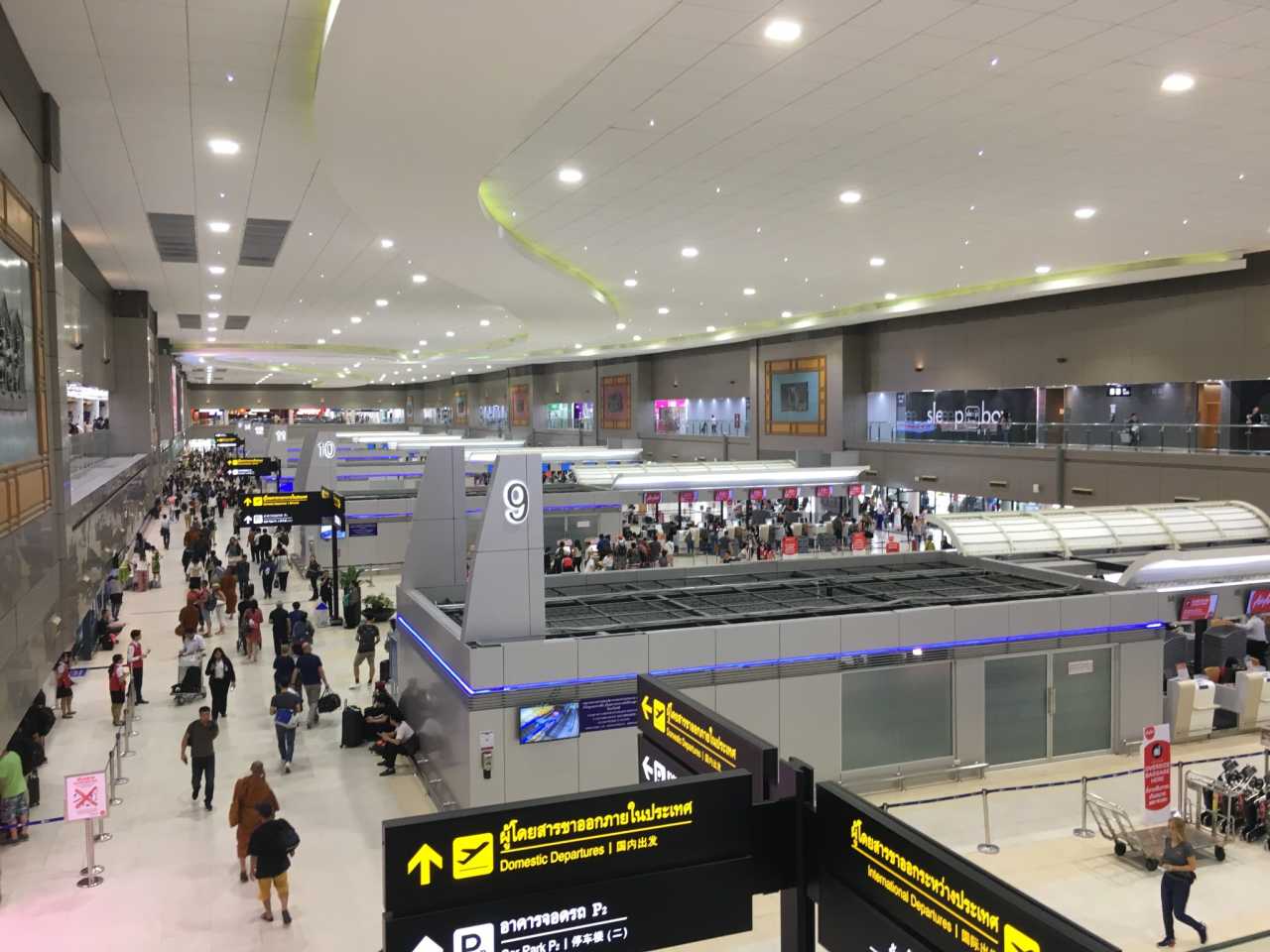
Airport -> Khao San Road
Khao San Road -> Chumphon Pier (7 hours)
Pier -> Koh Tao (3 hours)
The bus-boat ferry company from Bangkok to Koh Tao is Lomprahy. You can buy tickets on Fliggy or Qunar in advance. Present your booking document on-site to exchange for tickets and check-in. Follow the crowd; there will be different colored stickers to put on yourself and your luggage so staff can identify your destination and transport.
When you arrive at Koh Tao pier, hotels will provide transfers. Look for the guy holding your hotel's sign.
Because the journey is quite taxing, this time I only carried a backpack. I dug out the 45L large backpack I bought in 2013, finally putting it to use again. Even after packing, I only used about 30L. I was initially worried if the budget airline would check baggage, but it proved completely unnecessary. Every time I see someone carrying a backpack, I only think of the word 'freedom,' completely forgetting that walking with it is still quite strenuous. Luckily, I only needed to carry it while walking for part of this journey.
Ban's Diving Resort
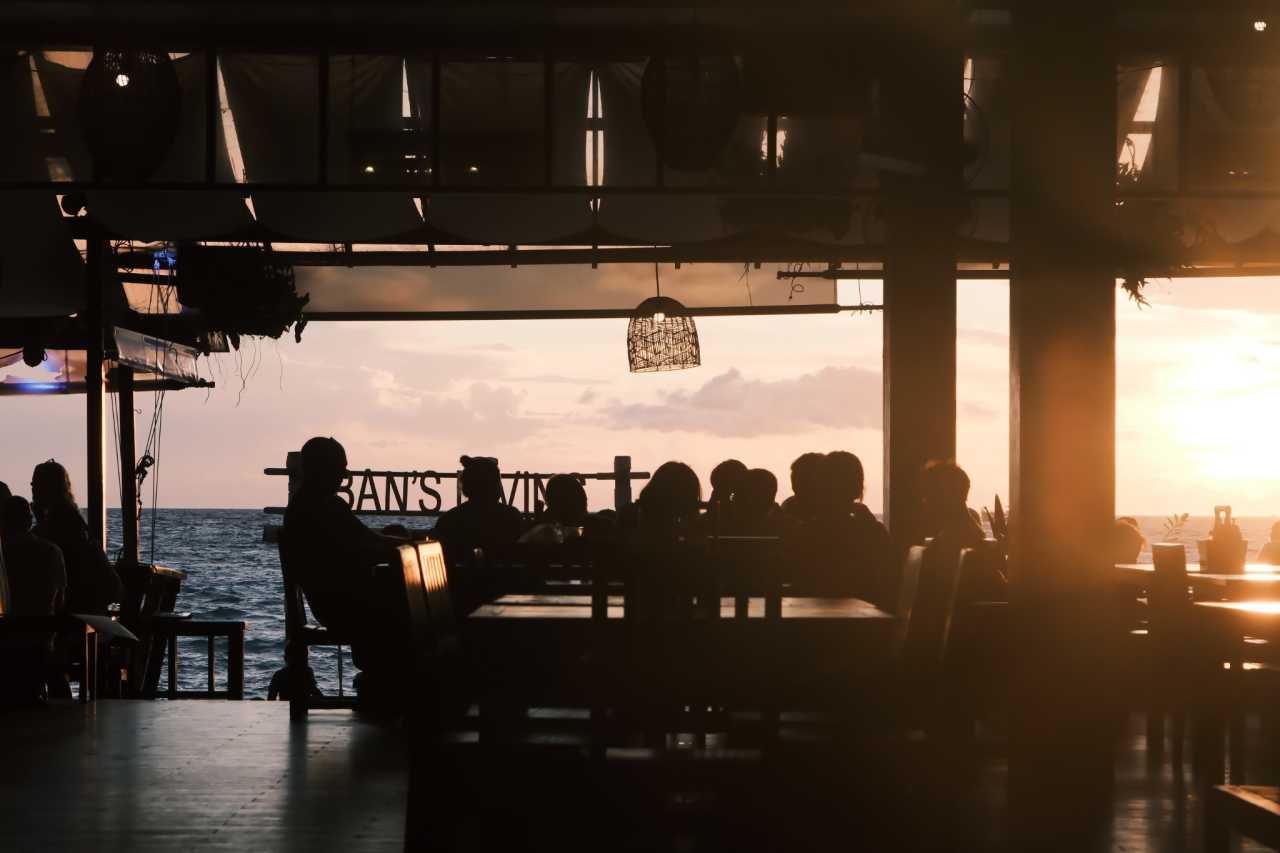
The school for our exam this time, a professional diving resort hotel: Ban's Diving Resort.
We're planning to come back next time to get both OW and AOW together. Because if you do an introductory dive, it costs about 800 RMB per time, but getting an OW certification allows you to dive 4 times, so you might as well experience it fully. Scuba diving exams can basically all be passed. For freediving, you need to learn the Frenzel maneuver in advance, otherwise, you'll be plagued by ear pressure problems like me every day, almost driving yourself neurotic, hahaha.
Day 1: 8 AM pool practice, diving equipment explanation, static apnea.
10 AM go out to sea, free immersion descent (rope pull). Return at 1 PM. You'll be out at sea for 2 hours, so be sure to apply sunscreen and remember to wear gloves! Otherwise, you'll get glove tan lines. My forehead got sunburned too; even though I wore a hood, it couldn't fully cover it. The wetsuit only covers the body.
You never know your limits until you challenge them. I surprisingly held my breath statically for 3 minutes 36 seconds casually. I felt the instructor was afraid I was pushing too hard and quickly called me up, otherwise I could have held for around 4 minutes. The passing mark is 2 minutes.
5 PM theory class.
Day 2: 8 AM pool, dynamic apnea 50-meter test. 10 AM go out to sea. Return at 1 PM. 5 PM theory exam.
Dynamic apnea duck dive, swim 50 meters. Holding my breath isn't difficult for me, but I habitually lift my head, causing my body to float up. Passed barely in the end.
Day 3: 10 AM go out to sea. The assessment standard is duck dive, finning down to 12 meters. You cannot grab the rope on the way down; you can grab it once when turning around to ascend.
From not being able to equalize on the first day, to being able to descend vertically and horizontally to 12 meters on the third day... I retook the exam for 2 days. On the last day, I descended to 10 meters. However, that day, with 4 students and the coach—5 people holding onto one buoy, plus it being the first day of my period (a woman determined to challenge herself even during her period)—I didn't have the energy later, my condition wasn't good, I really couldn't equalize, and ultimately gave up. Try again next year..
PS: Tampons are really quite useful.
Freediving certification is tied to the instructor. The instructor issues the certificate personally because they are responsible for their students. So if you don't pass after registering, you can only retake the exam with the original instructor. Otherwise, you have to find a new instructor and retake the entire course from the beginning.
Rescue is only tested after passing the 12-meter dive. Freediving rescue tests the instructor's psychological fortitude, hahahahahaha.
Frenzel Maneuver Troubleshooting
Among the students in the class, I encountered two who were 'natural Frenzelers,' and our coach was also a natural Frenzeler. So for someone like me who struggles with Frenzel, I really had to rely on myself... It's recommended that before registering, go to a pool and find a partner to watch you, testing whether you can equalize every time with your head down.
Before departure, I practiced for half a month. Going from completely unable to proficiently equalizing, I mistakenly thought I had really learned it. Of course, everyone who watched me do it said I was doing it correctly. I've summarized a few common problems beginners encounter, hoping it might help.
First, the principle of the Frenzel maneuver is: by lifting the tongue root, you compress the air in the oral cavity into the Eustachian tubes, releasing it through the ears. Simultaneously, your glottis is closed, and your soft palate (the area further back from the roof of your mouth) is open. If the glottis is open, air goes into your stomach. If the soft palate is closed, air cannot enter your Eustachian tubes. So generally, there are only two situations where it doesn't work: the glottis is open / the soft palate is closed.
The glottis is relatively easy to manage. If you've already learned to lift your tongue root while upright and feel a clear need to equalize pressure in your ears (and your nose bulges noticeably), then your glottis and soft palate are correct. But if you can't do it head down, and you notice your mouth puffing up when trying, it means your soft palate is closing.
Due to gravity, when your head is down, the soft palate might naturally close. But! This soft palate thing... let's just say it knows me, but I don't know it... I can only dutifully watch videos to learn how to practice controlling my soft palate.
I can only feel envy and jealousy towards those natural Frenzelers!
The Journey
Visa-free is truly great. Arrived at Khao San Road late at night. Pre-booked Lomprahy bus-boat ferry ticket: 6-hour bus + 3-hour boat.
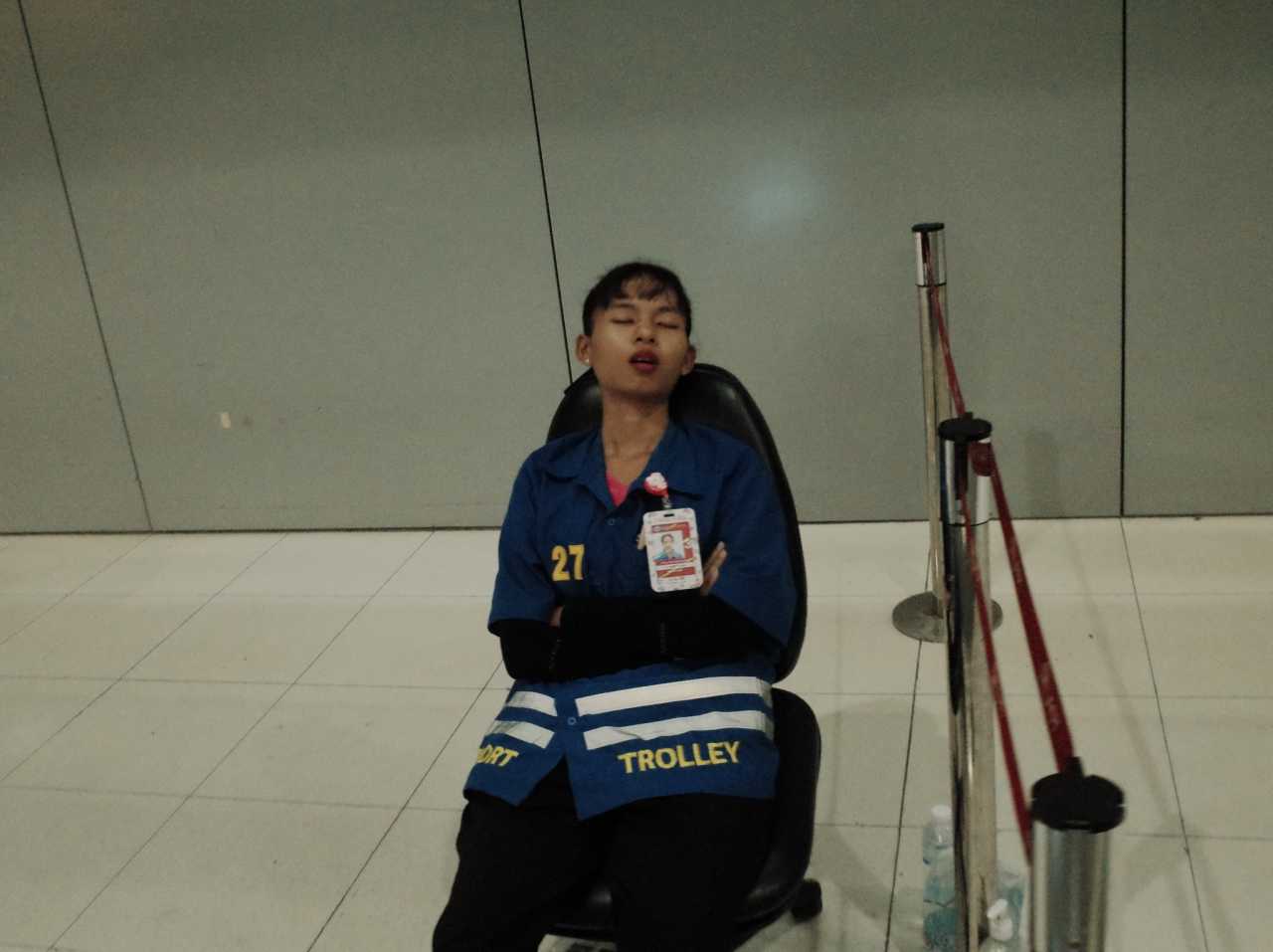
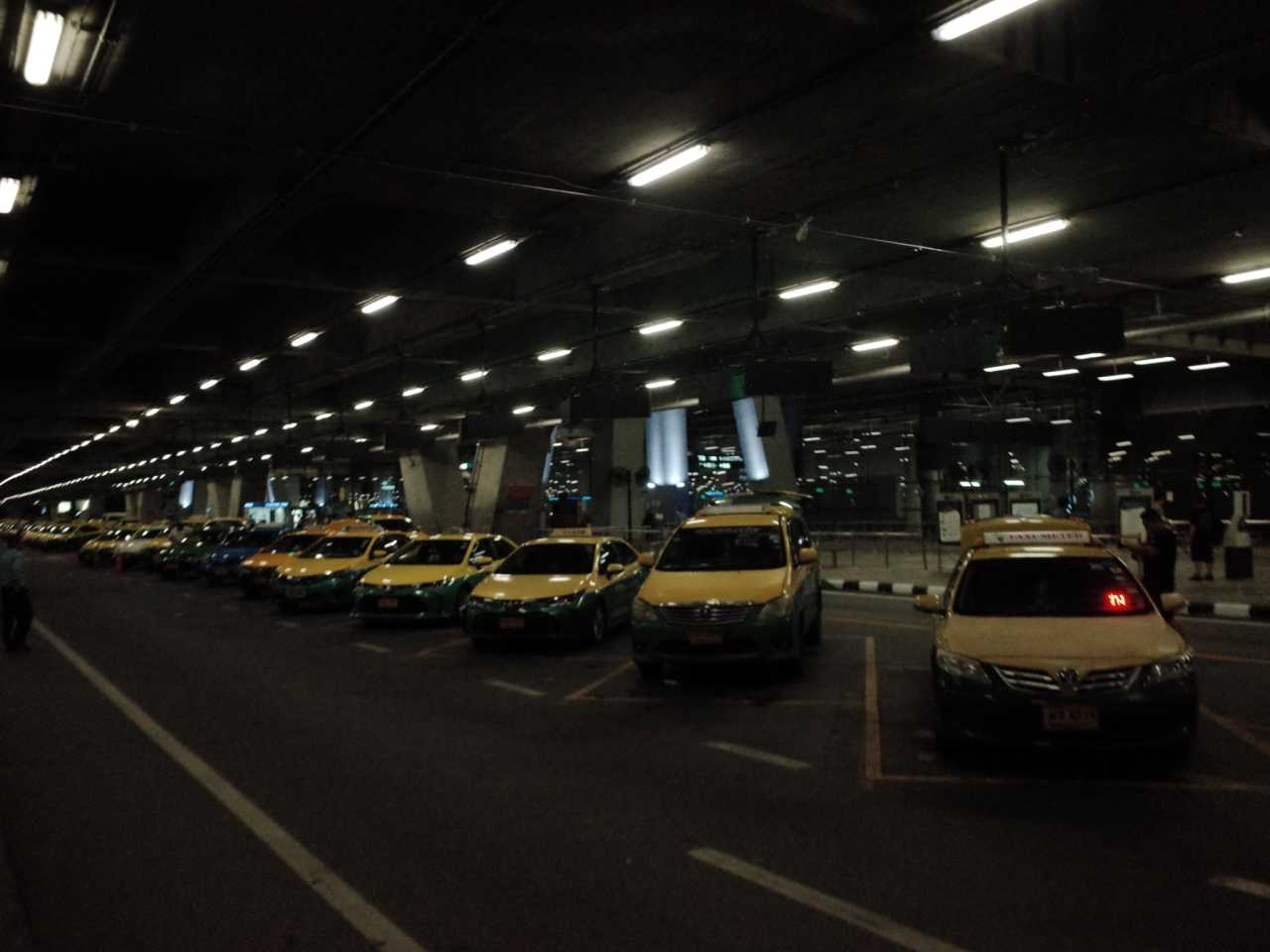
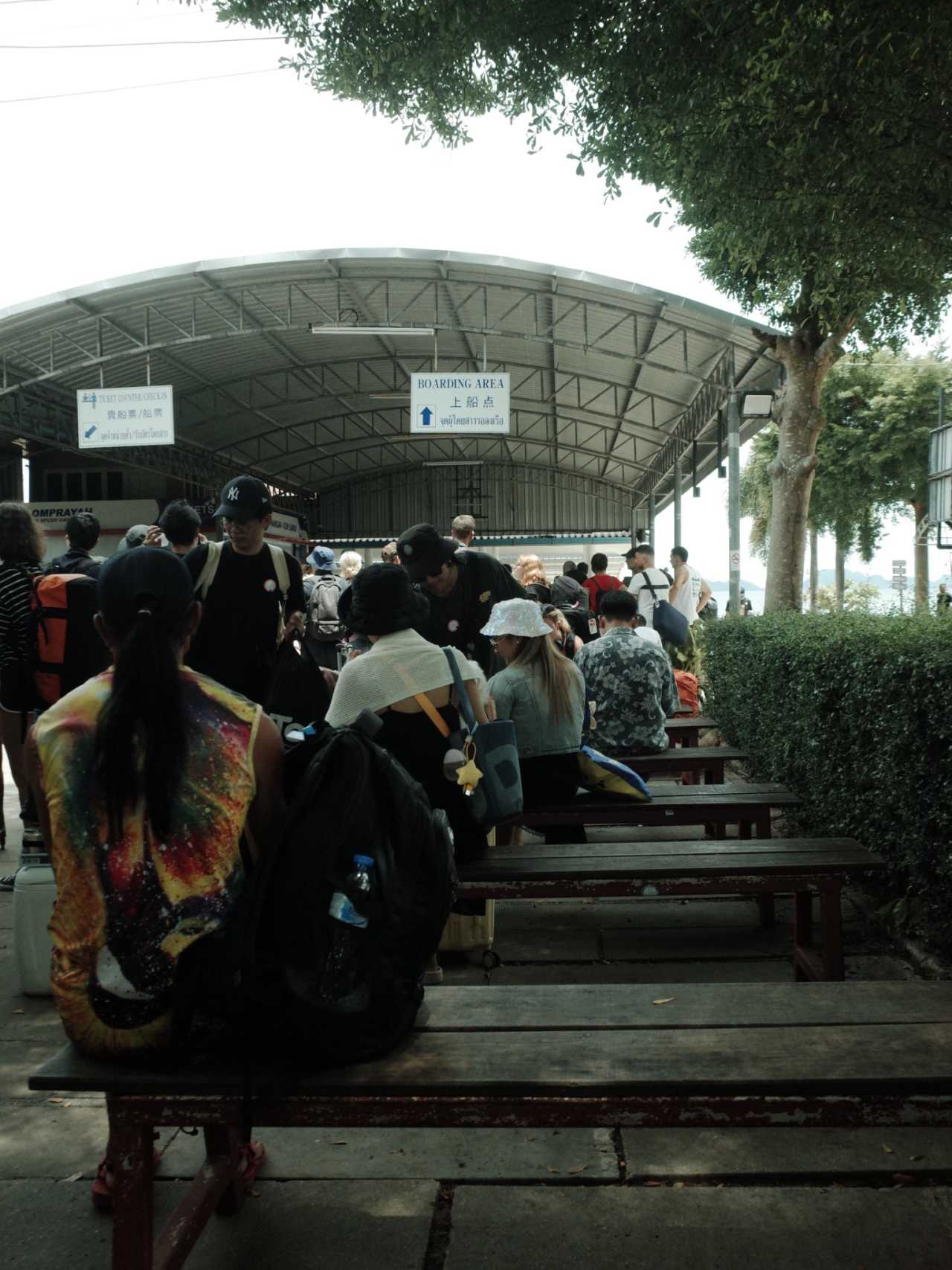
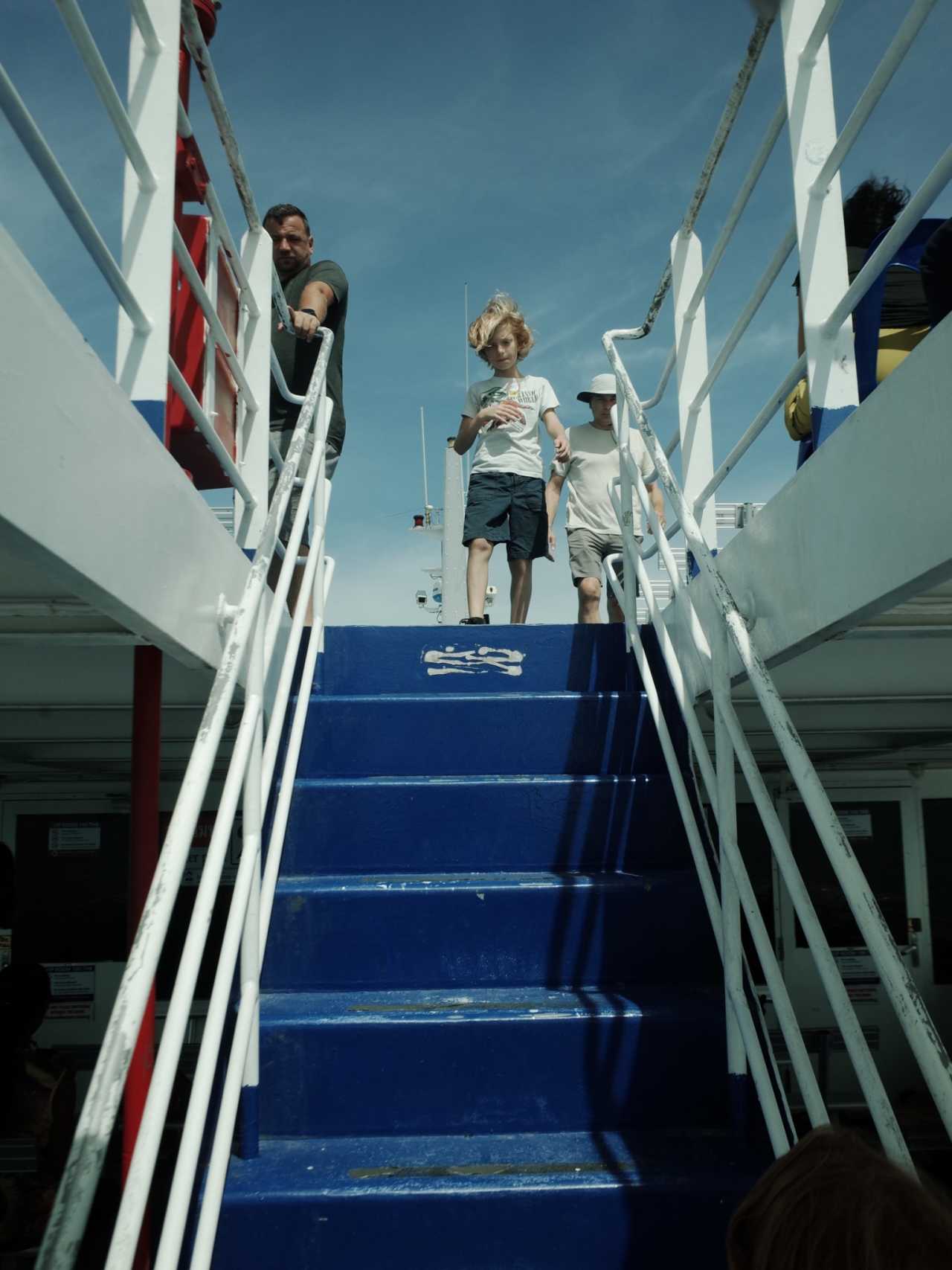
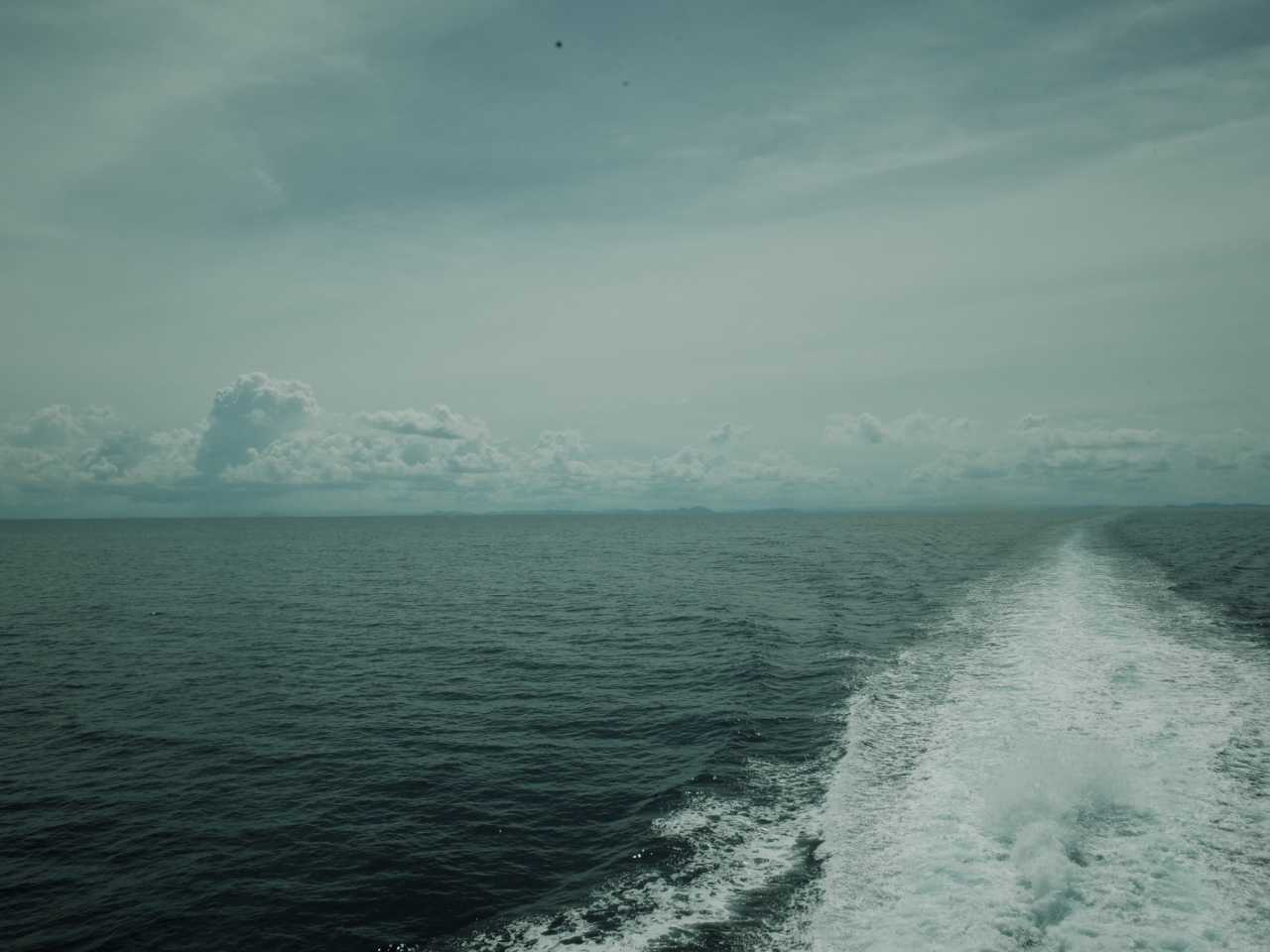
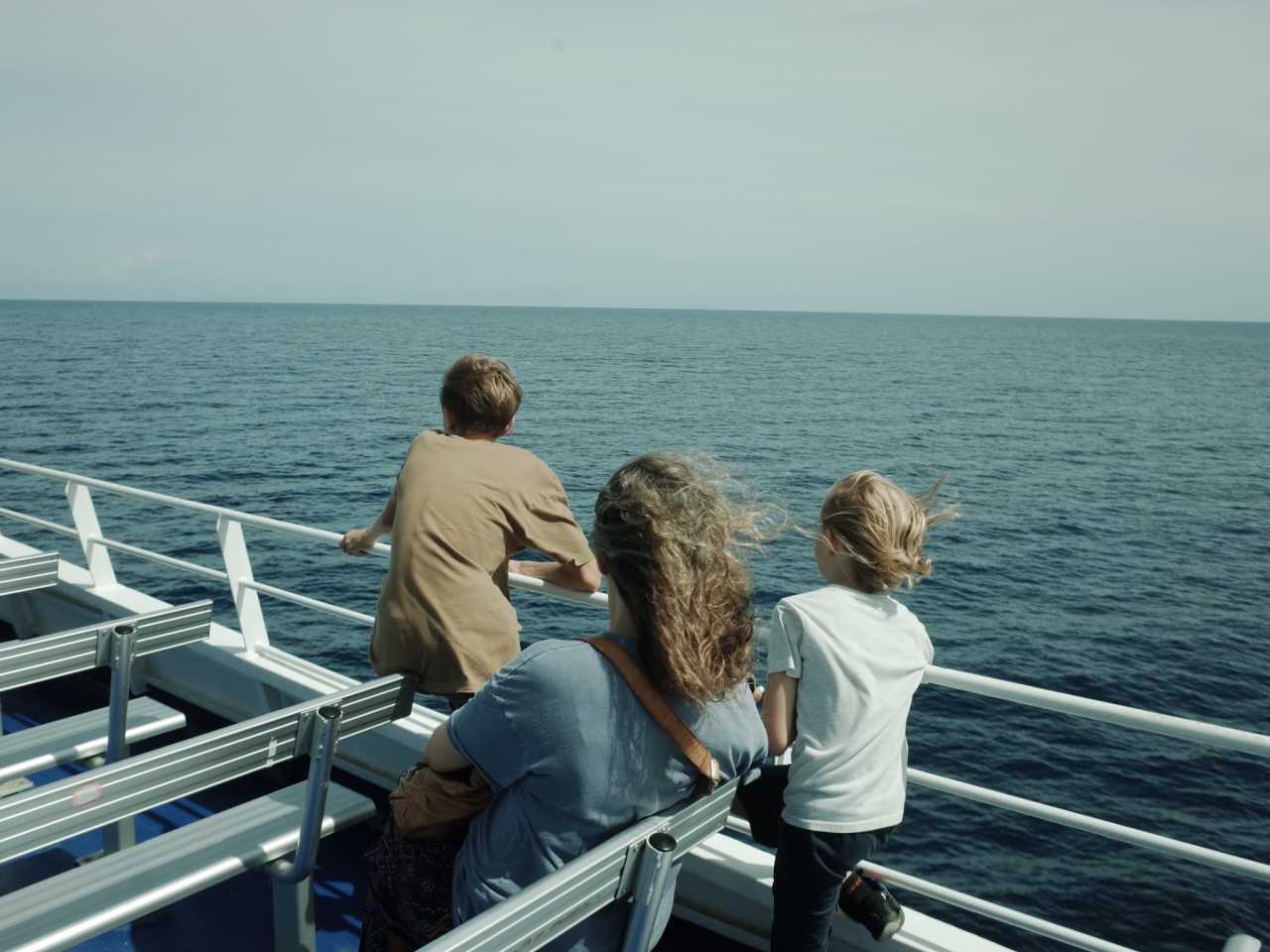
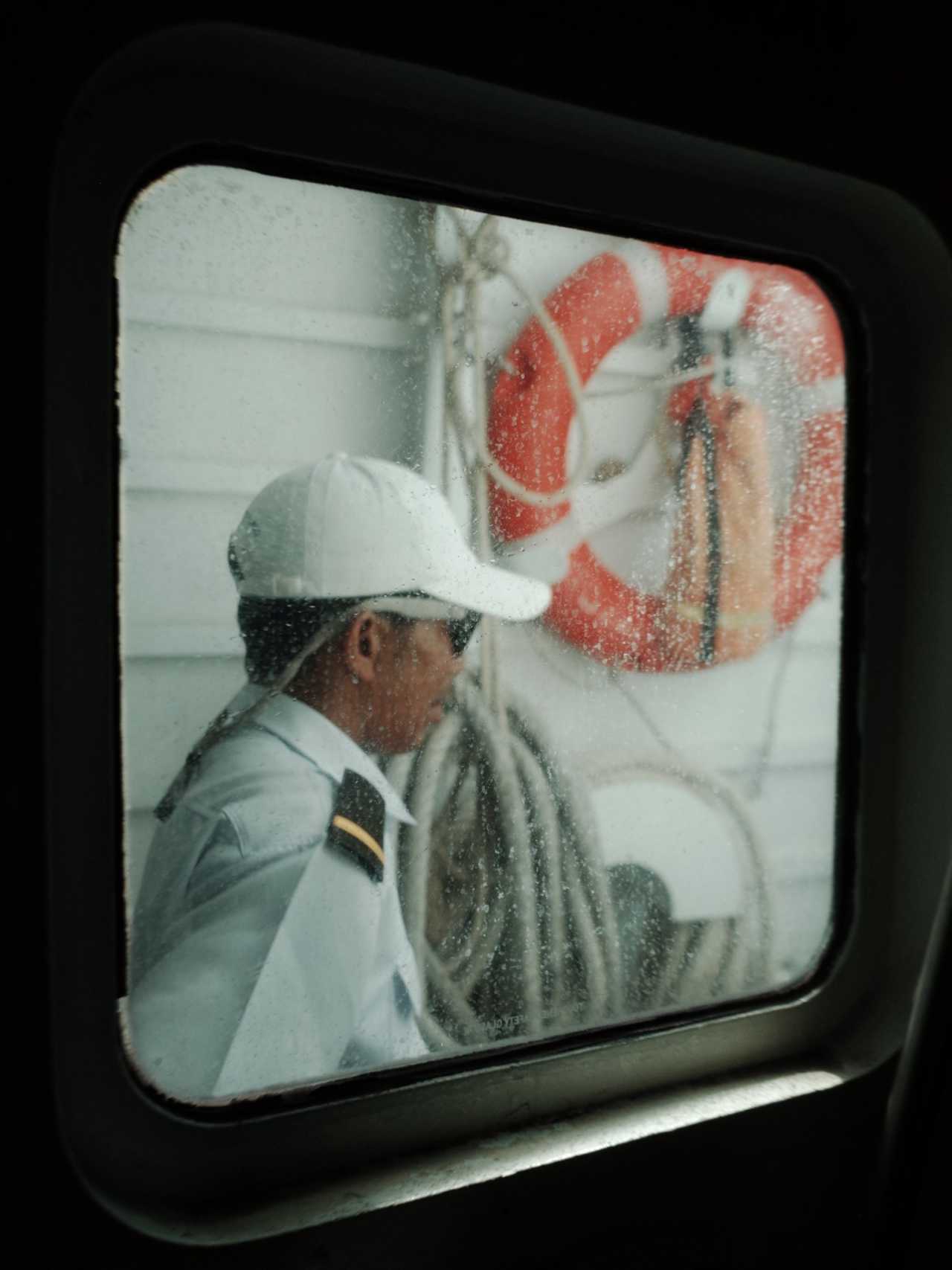
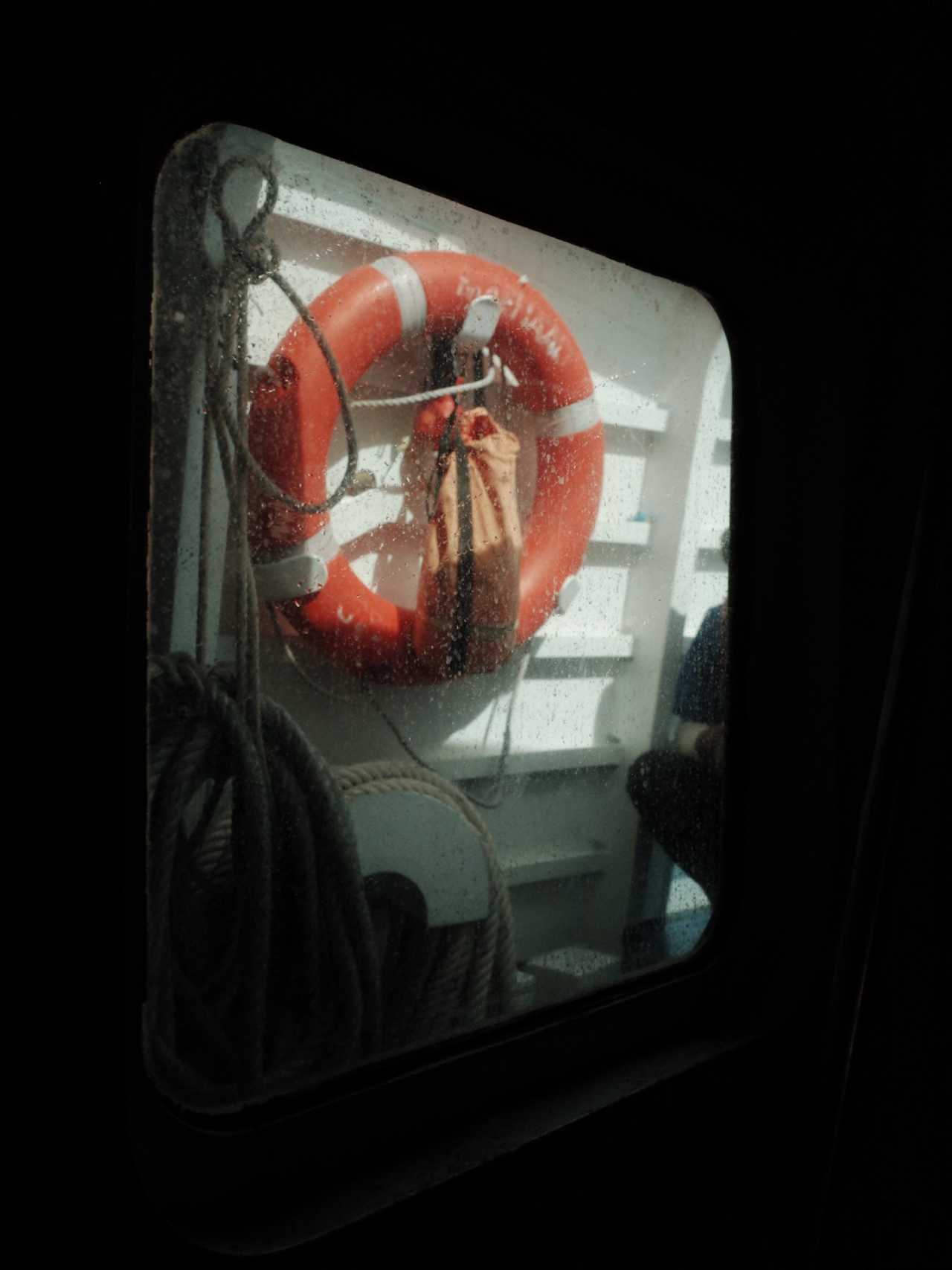
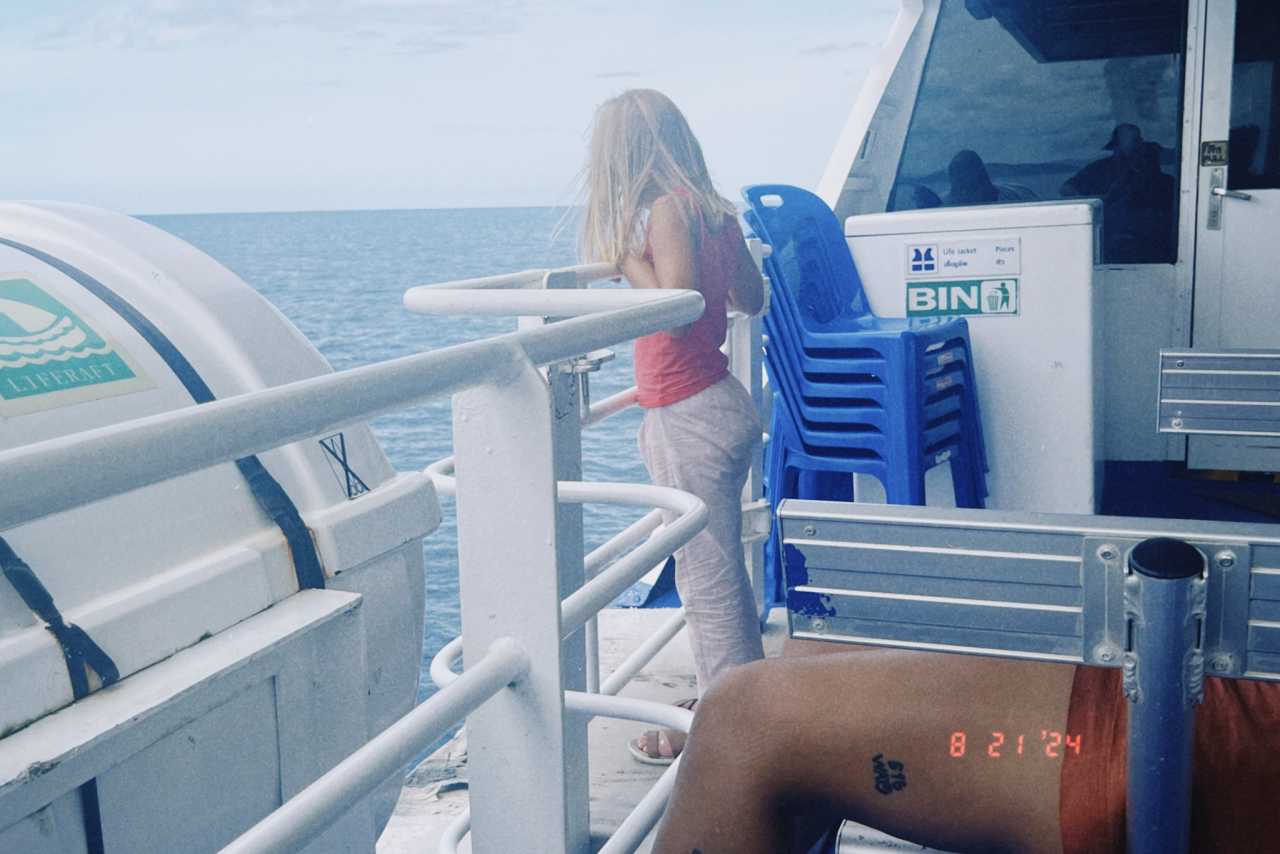
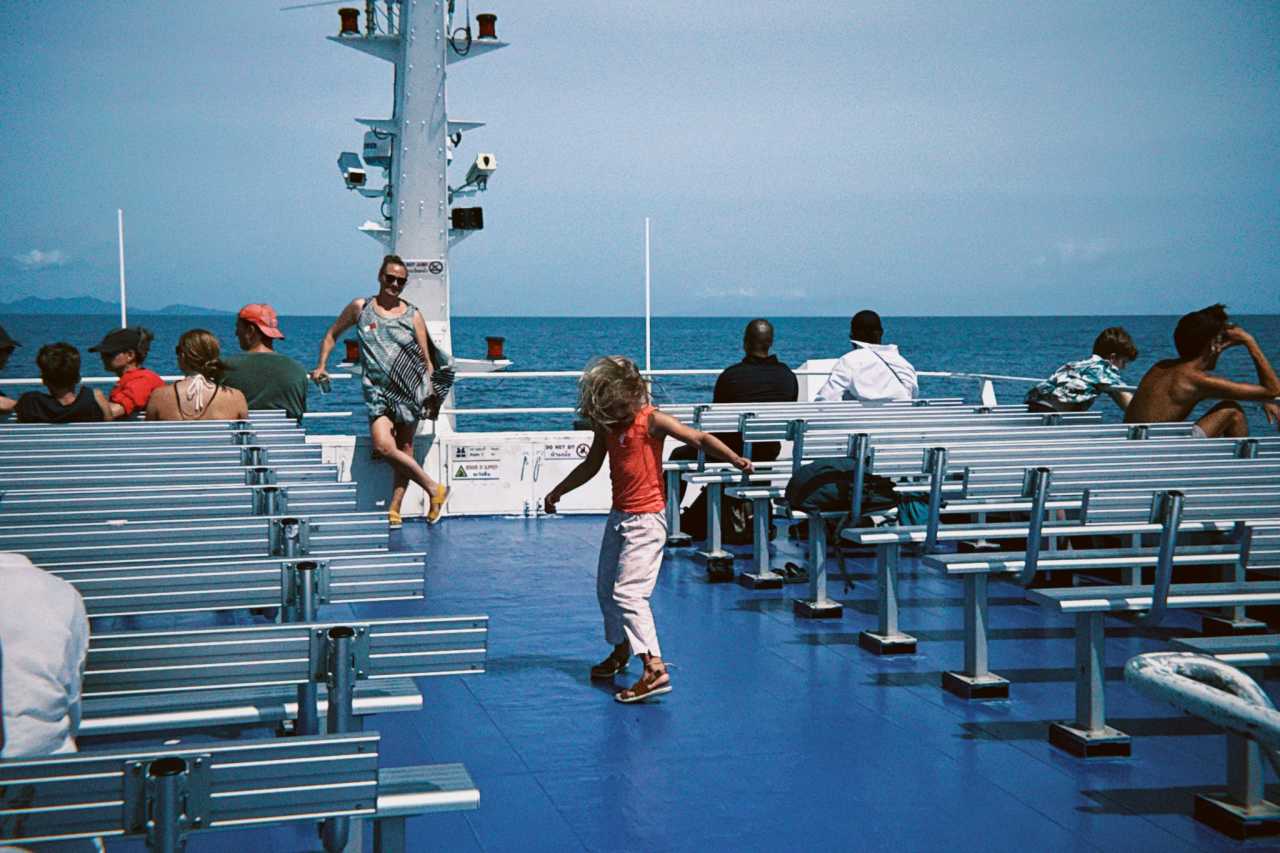
The familiar sea, the familiar large boat.
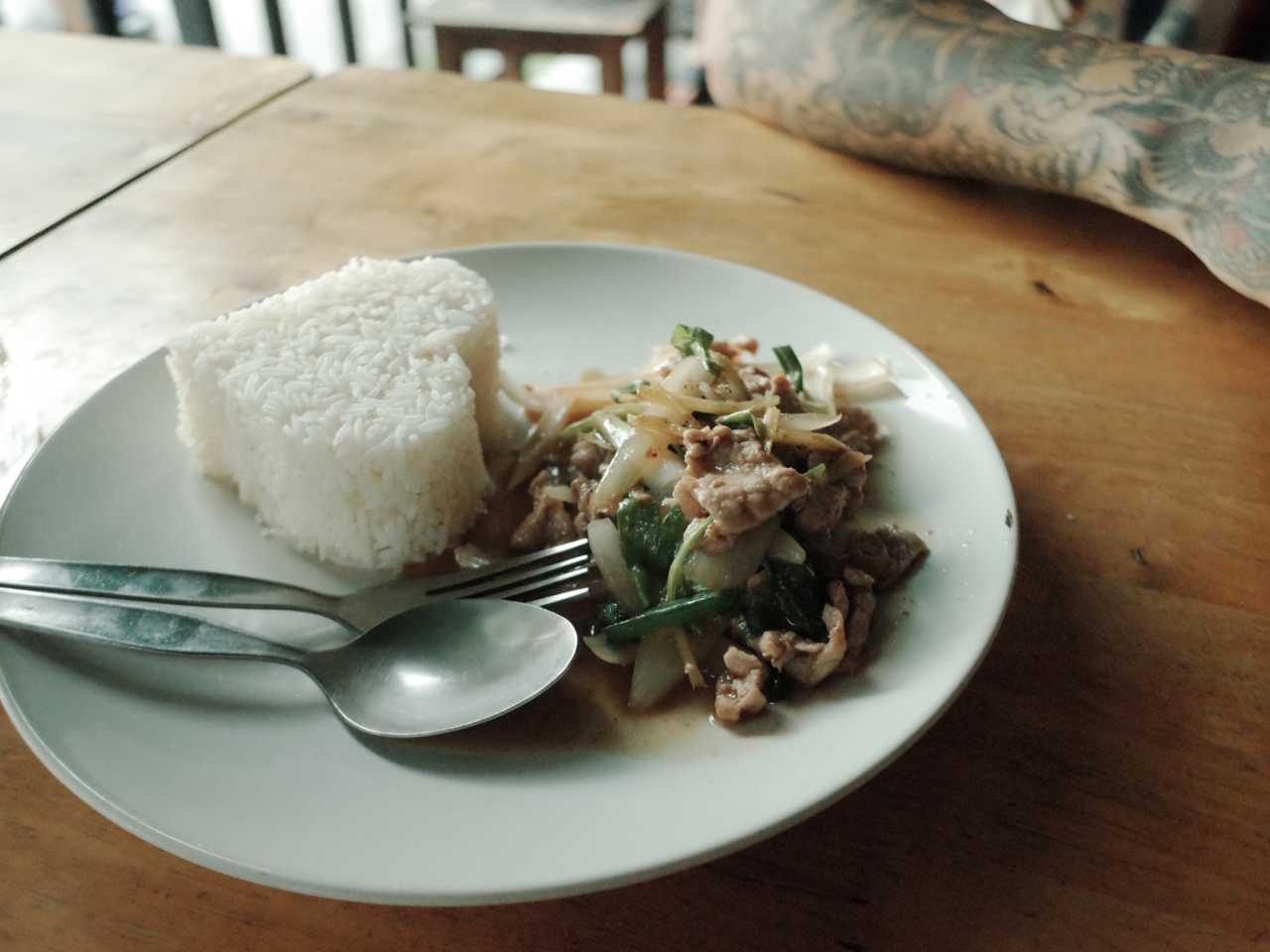
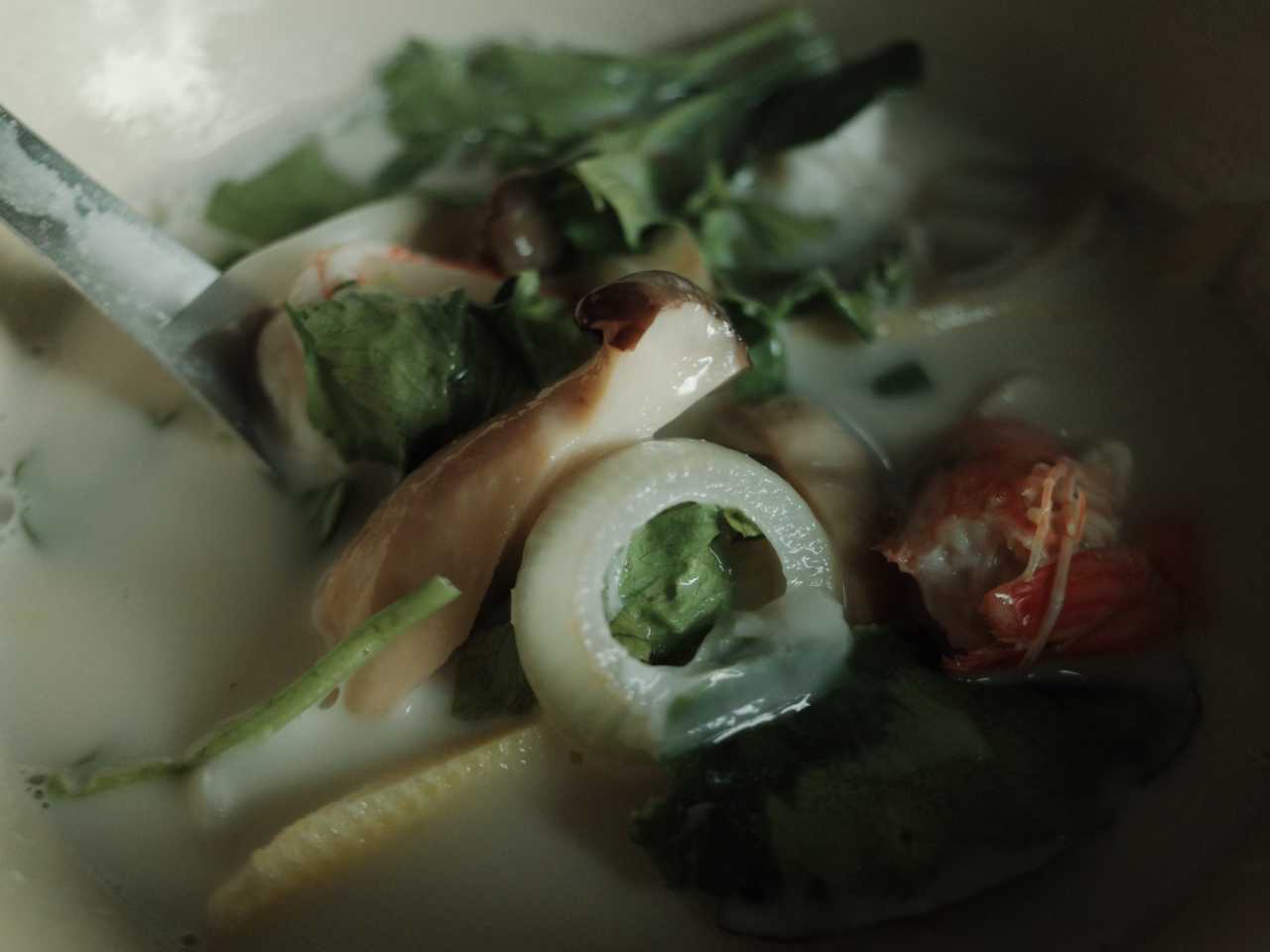
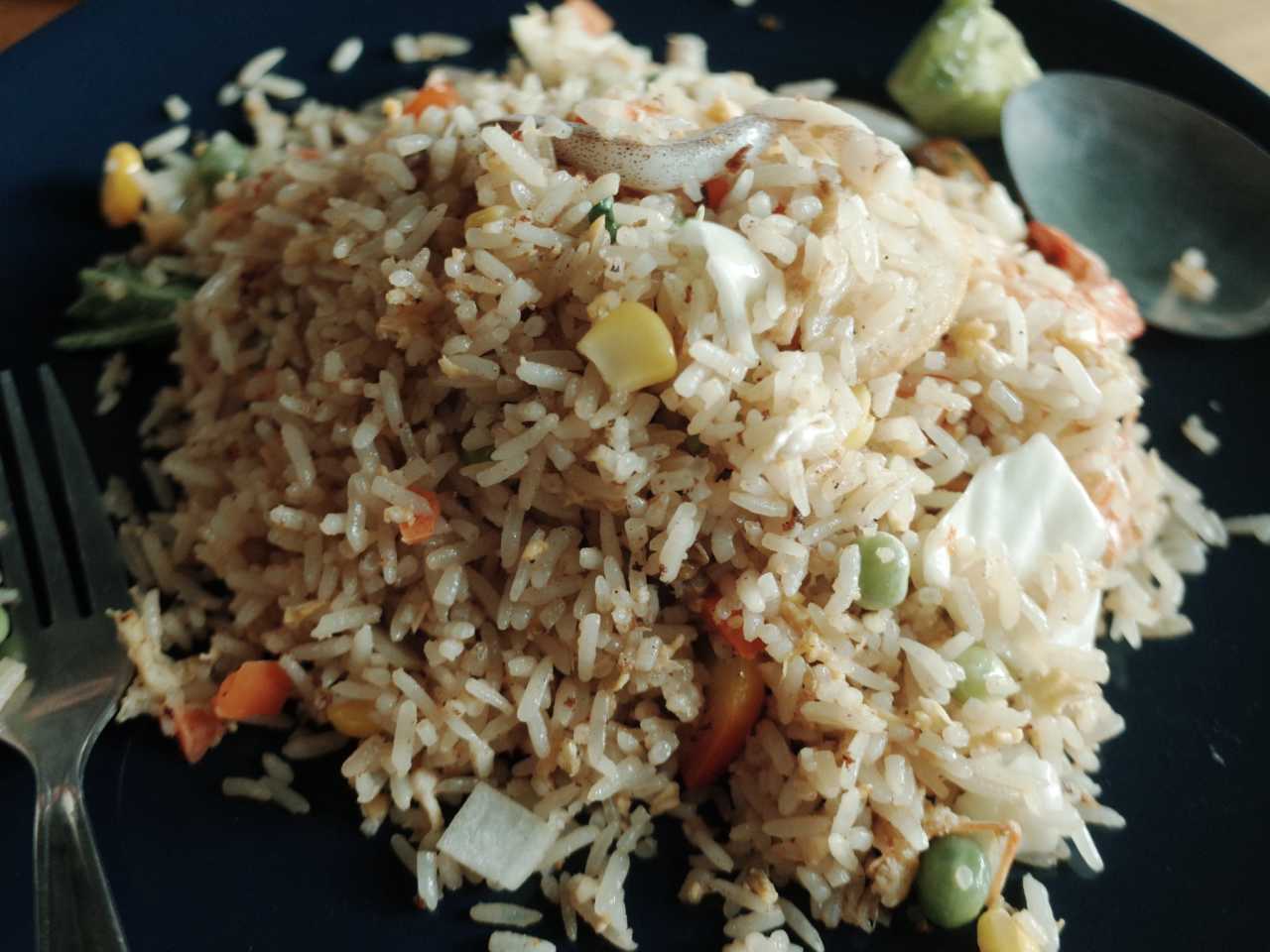
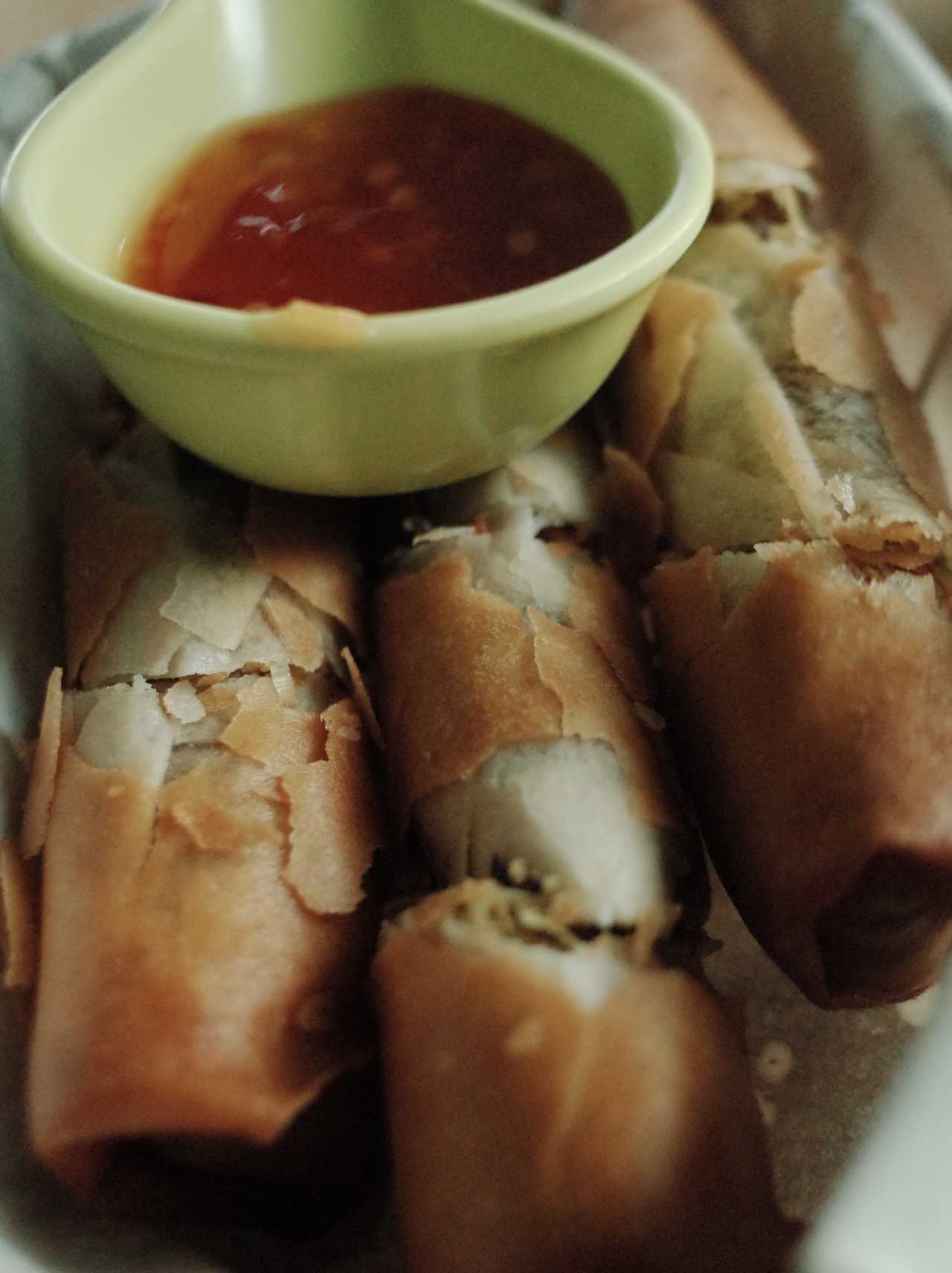
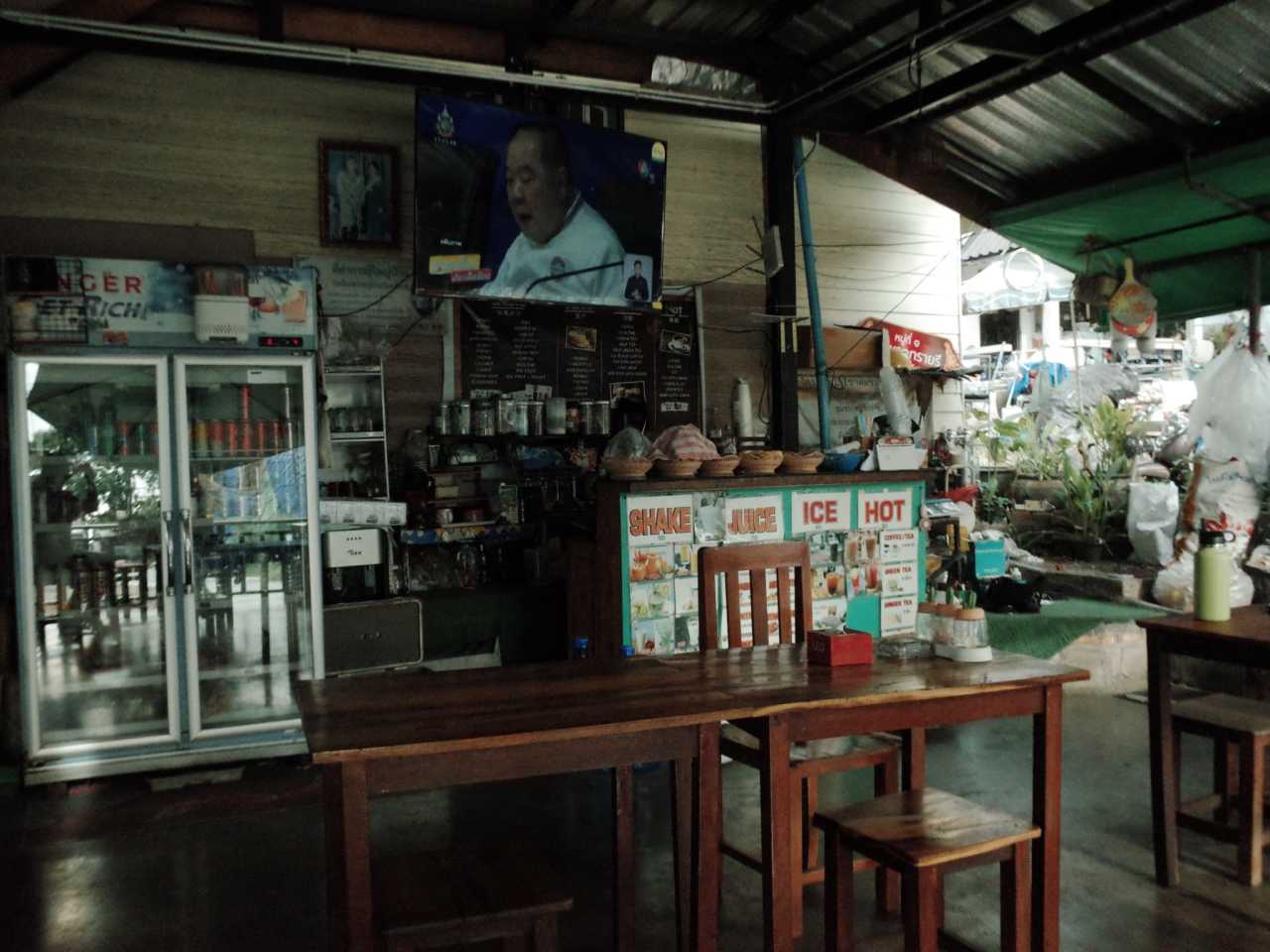
Randomly found a restaurant. The owner had absolutely no service attitude, but he wasn't targeting anyone specifically—seeing him annoy a foreign guy next to us who left angry made me feel balanced, haha. Unexpectedly, the food was surprisingly delicious. Being in the F&B industry myself, I can understand to some extent.
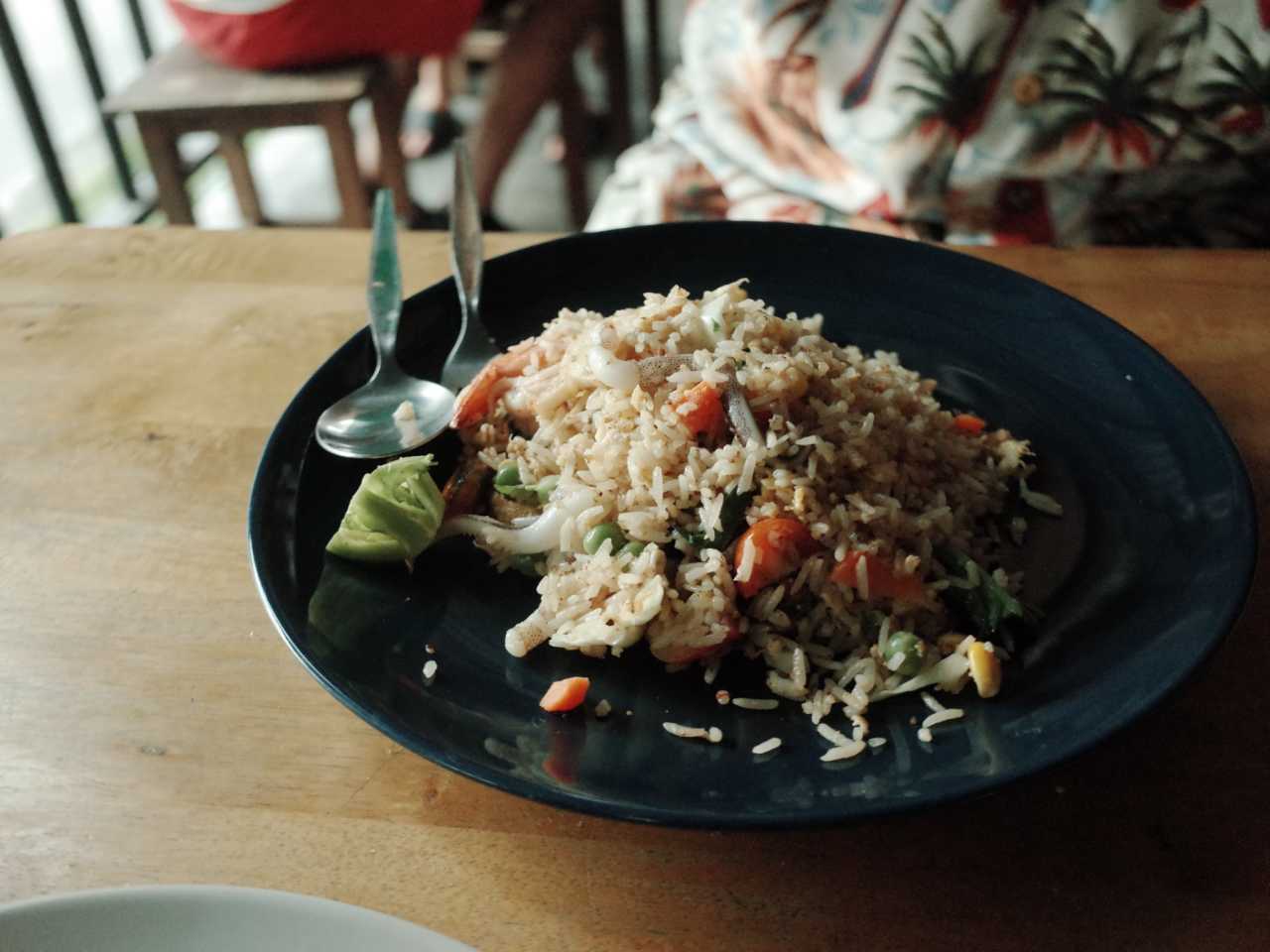
Right after finishing the meal, the coach called us to gather, checked our Frenzel technique, and then assigned us our own gear. For the next few days, we attended classes with our own equipment.
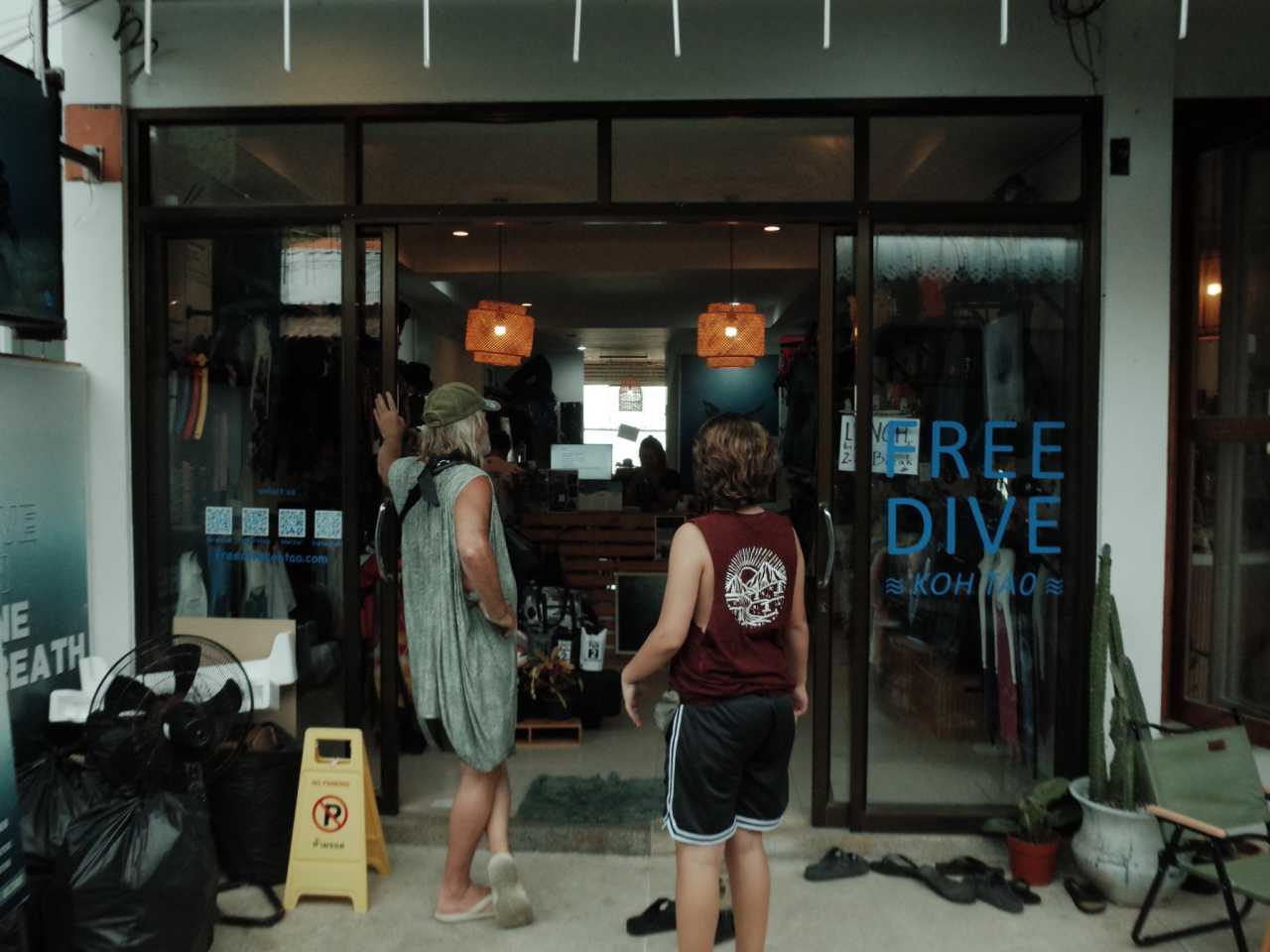
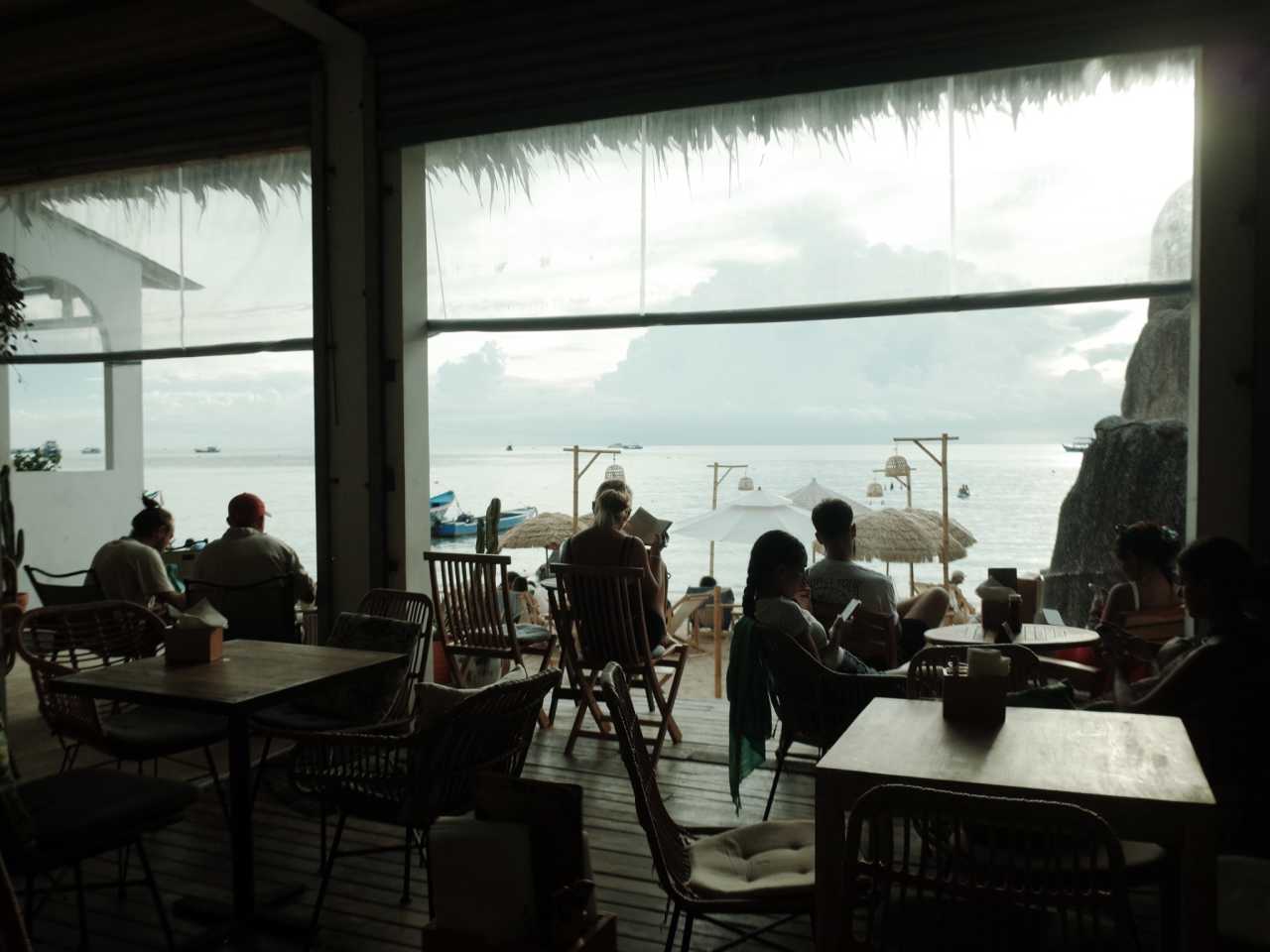
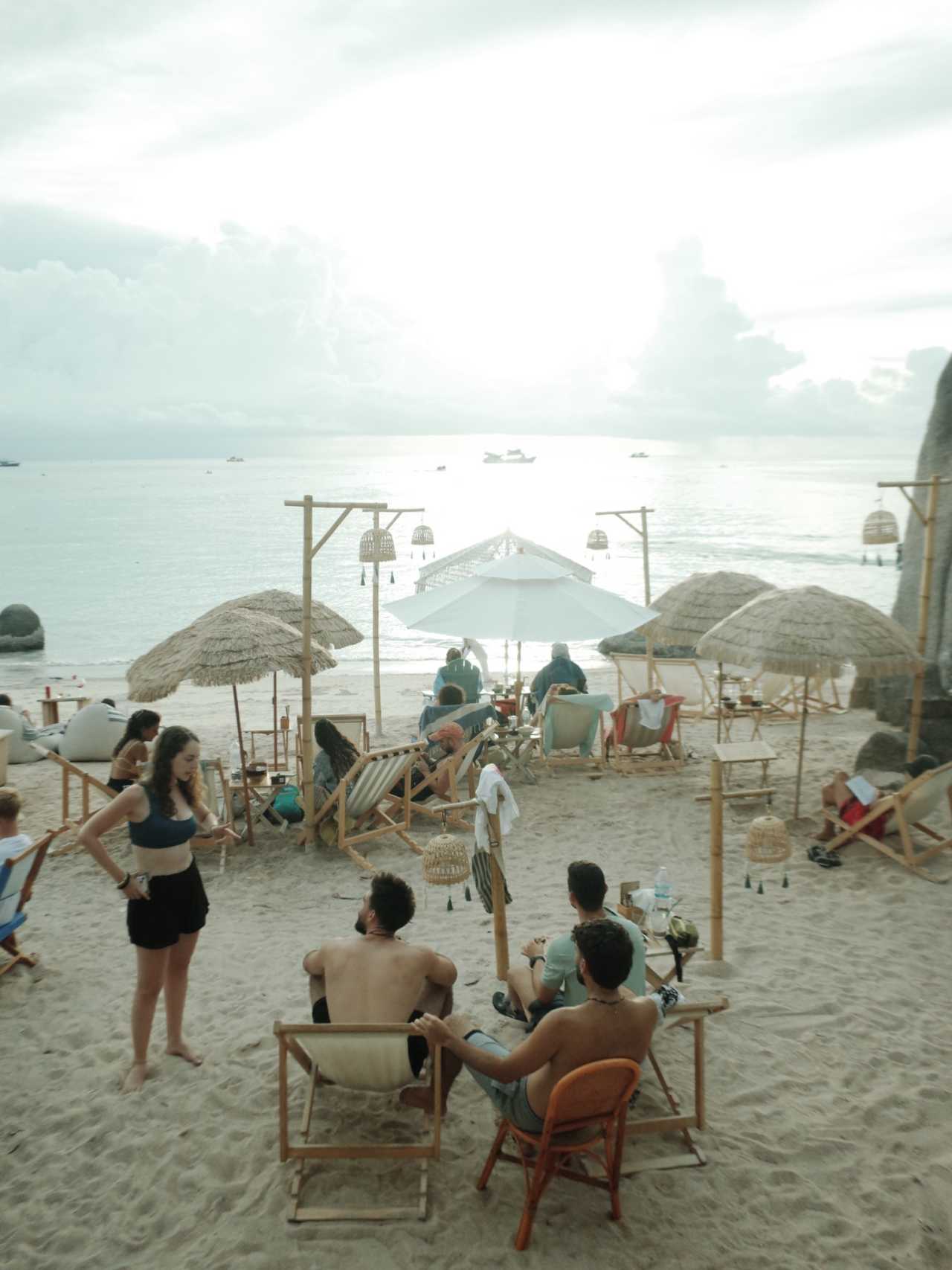
Unexpectedly, we had to gather for morning class at 8 AM every day, meaning getting up just after 7.
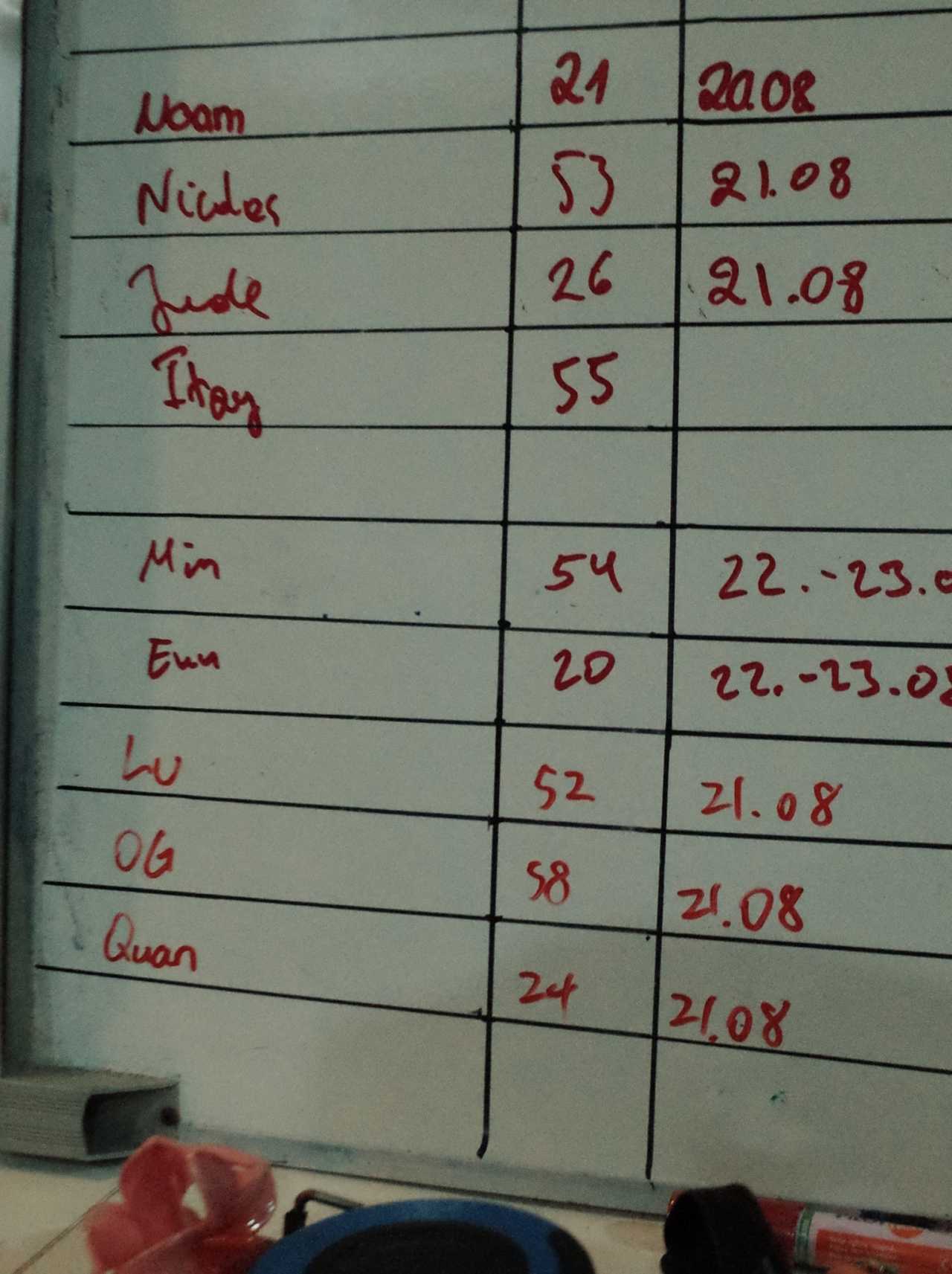
My equipment bag number 24
Our coach, Binggo
After morning pool session on the first day, static apnea. Surprisingly, I casually held my breath for nearly 3 minutes. The second time, I held for 3 minutes 40 seconds. I could have continued, but the coach was probably afraid I'd hold too long and was ready to pull me up. The exam only requires 2 minutes to pass; 4 minutes qualifies you to become an instructor.
A classmate asked me if I had any techniques. I said, just relax. Relax all your organs, from your internal organs to your skin. Clear your mind, similar to meditation, to reduce oxygen consumption. It's covered in the theory: static apnea is a mental game, hehe.
Take the truck, board the boat, go out to sea, bring the gear, enter the water, have class, return. This was the daily routine.
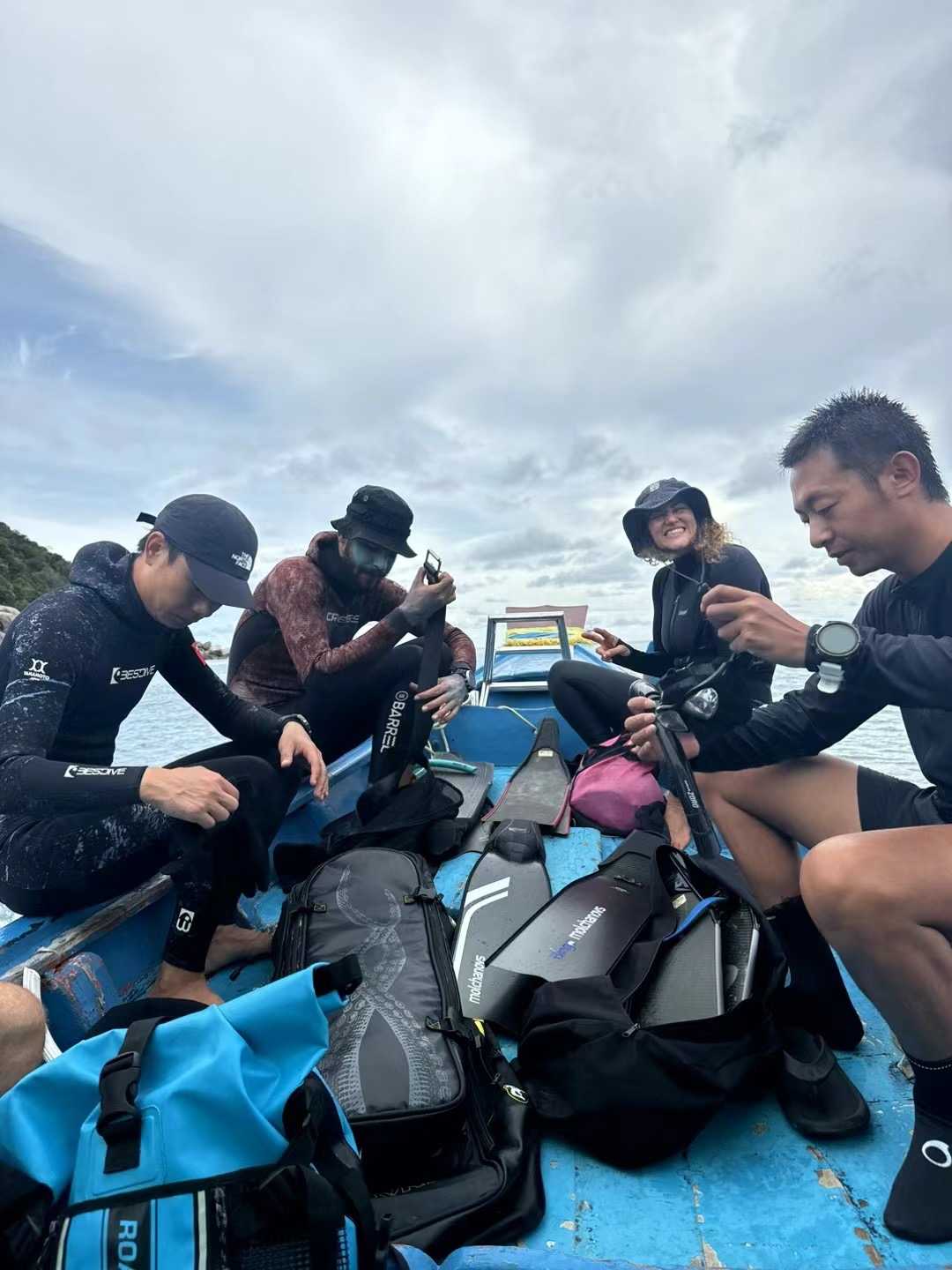
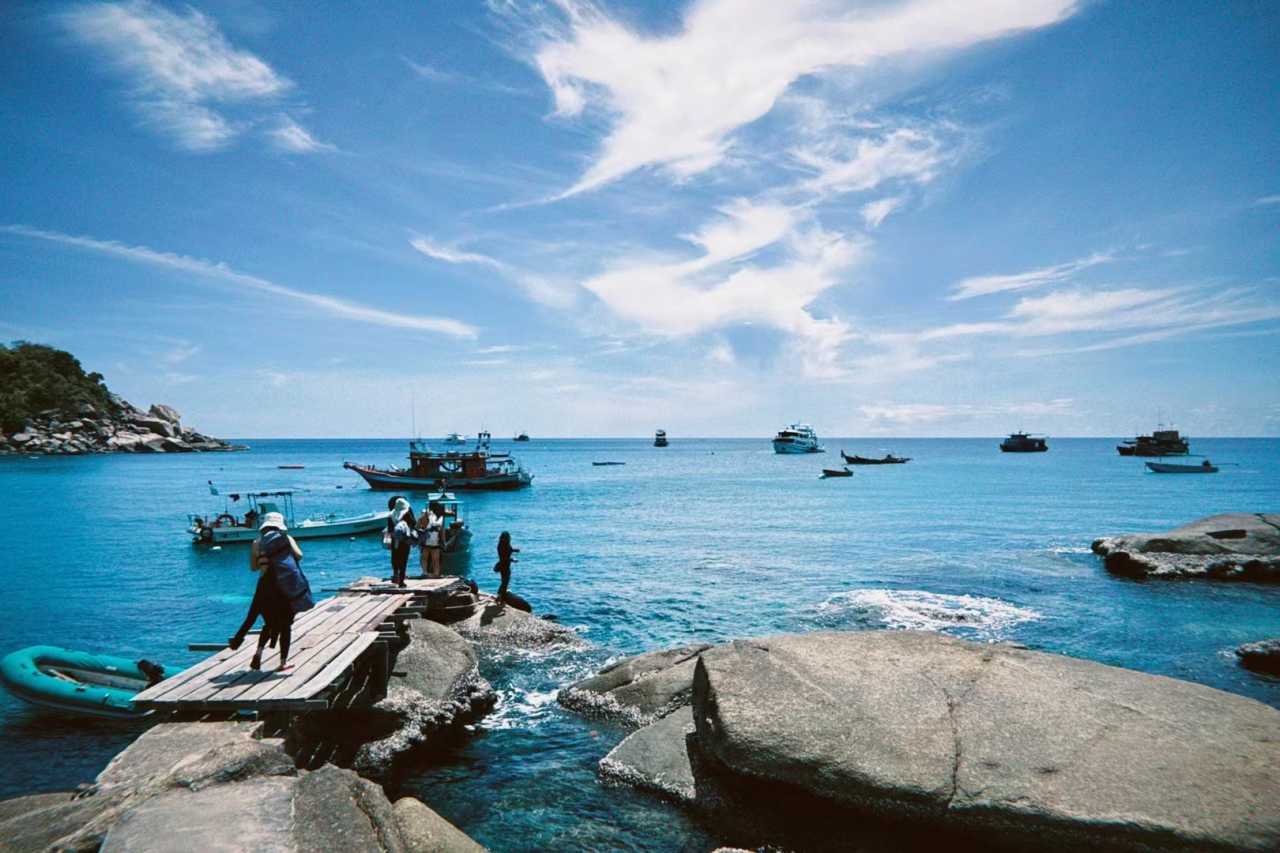
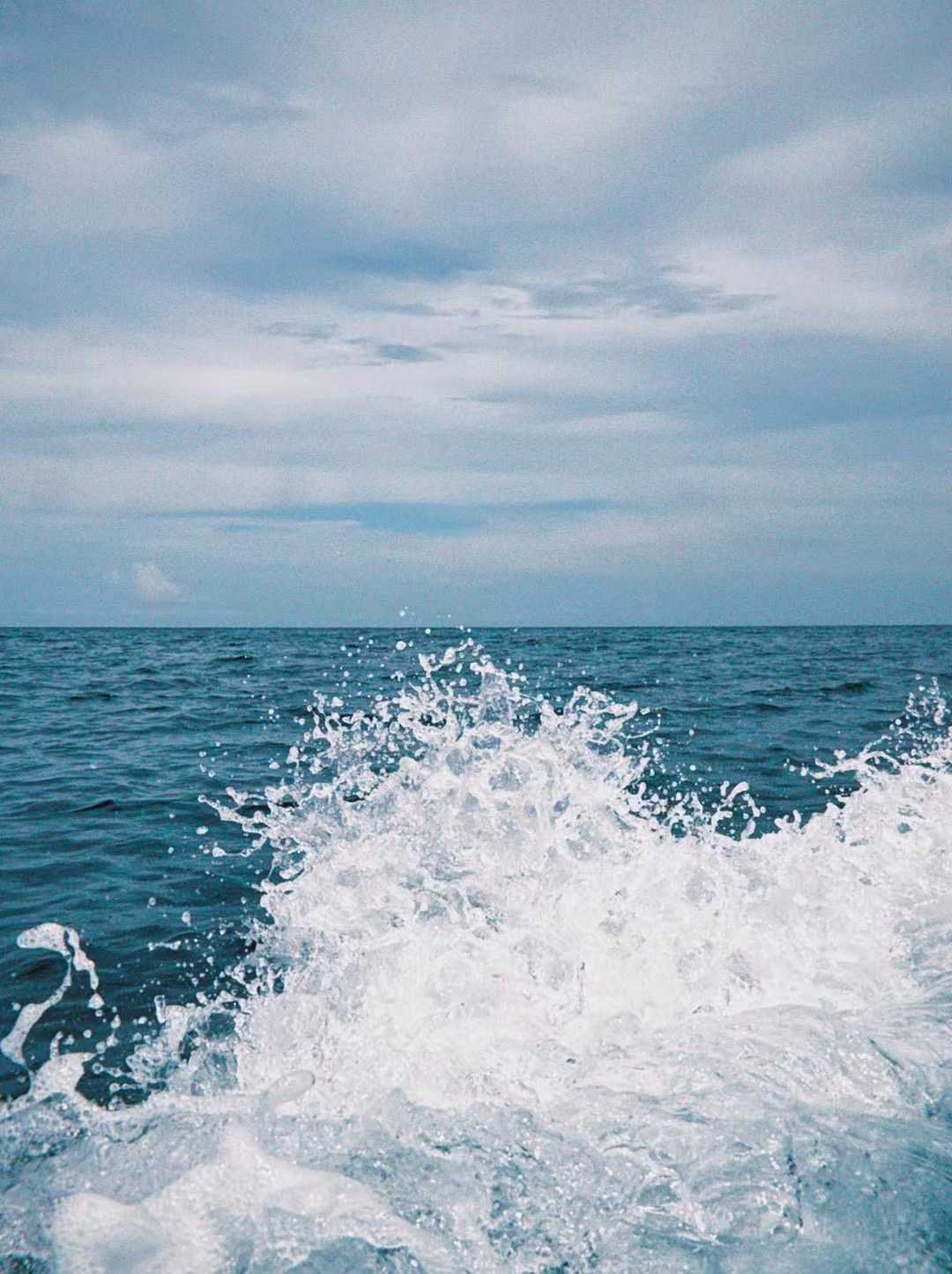
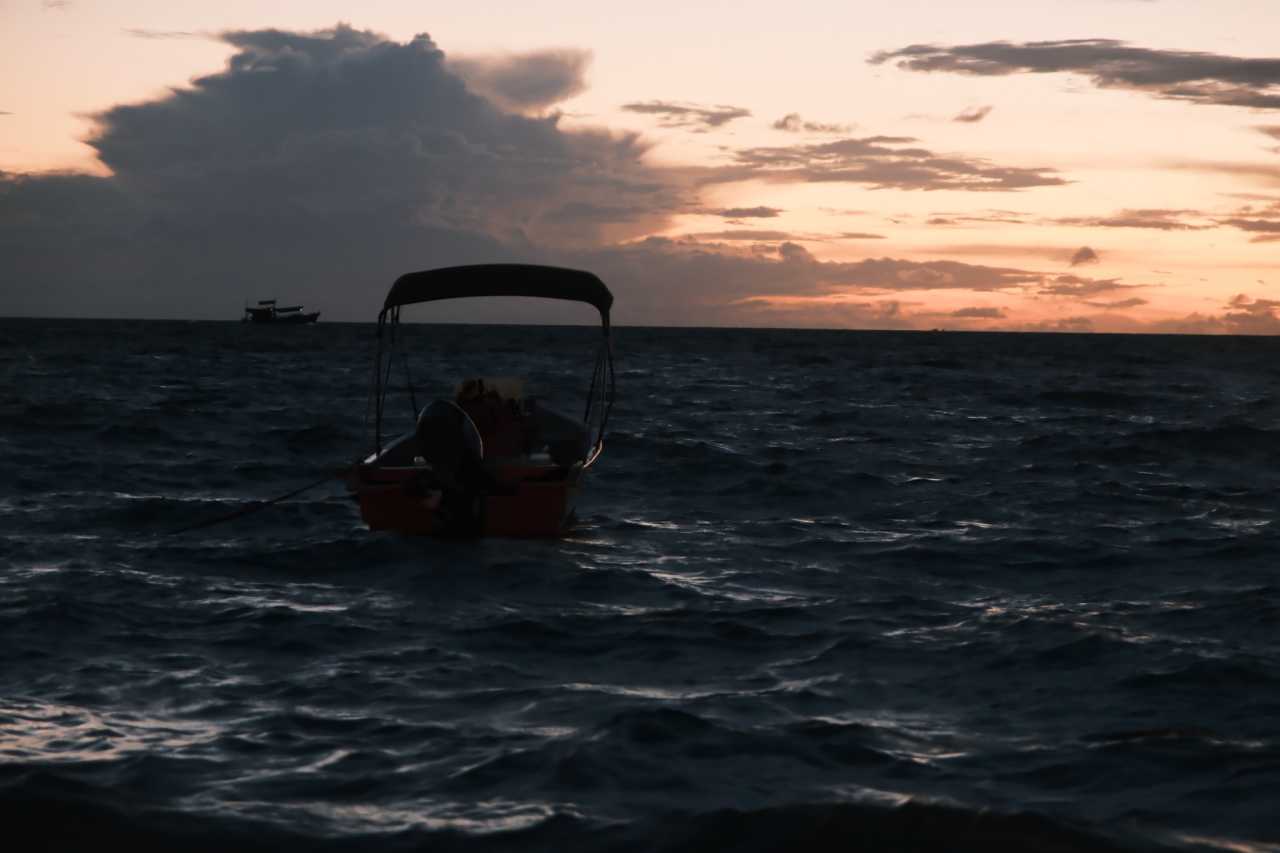
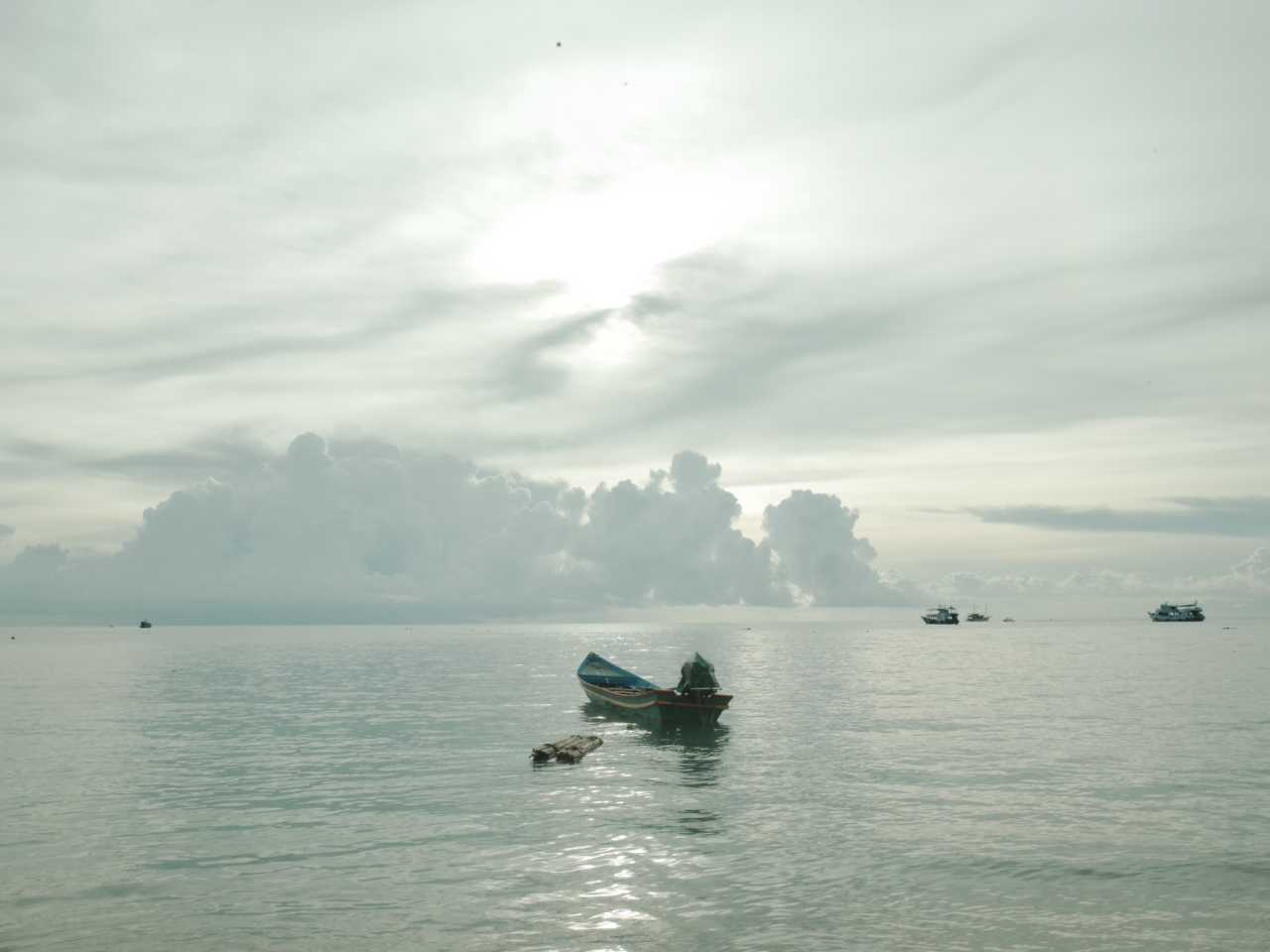
Seeing the sea every day made me really happy~
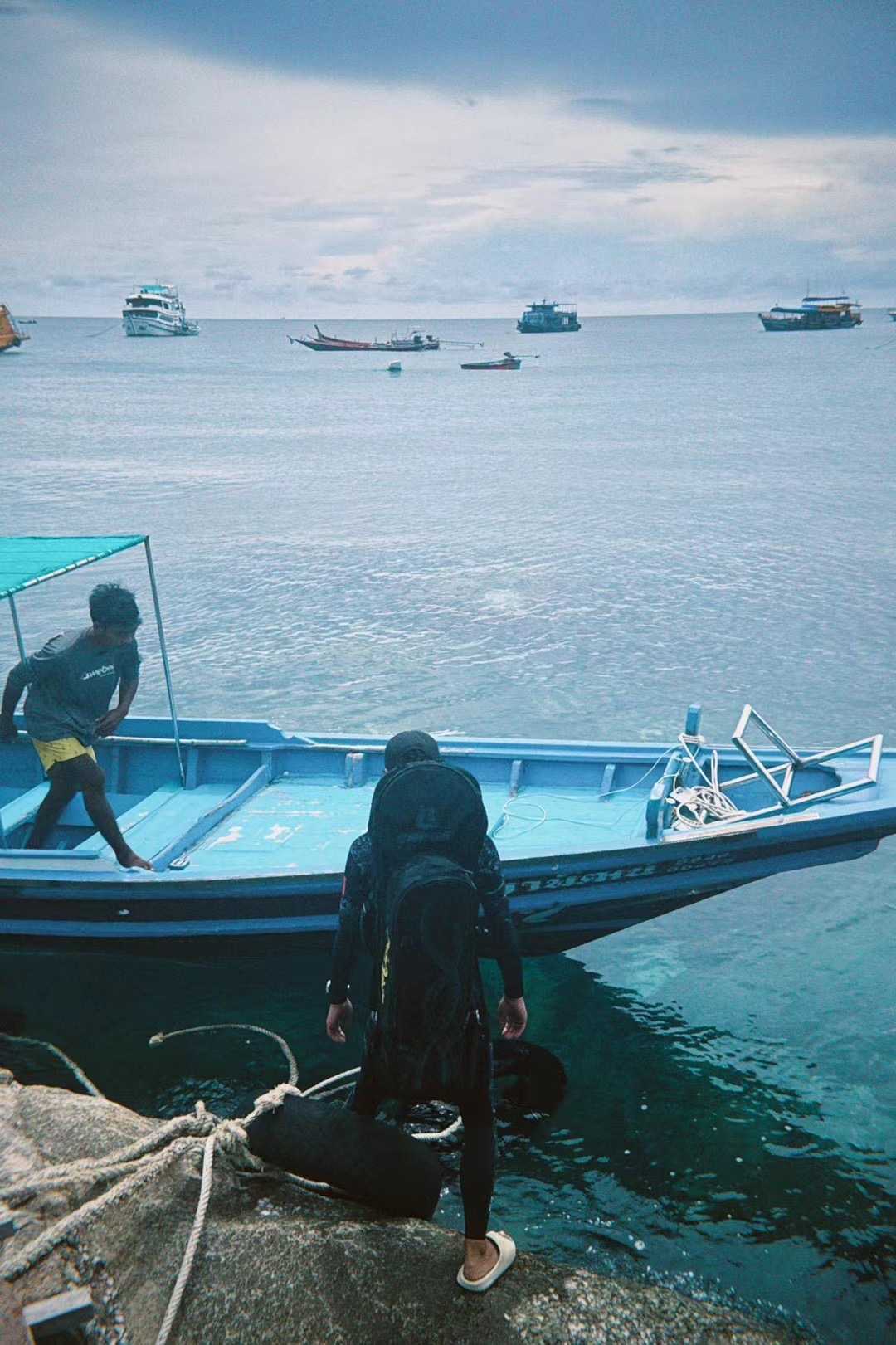
Time was very tight during the course, so I didn't take much content. In summary: as long as you don't have Frenzel problems, just enjoy the whole trip. But if you have Frenzel issues, you'll end up like me, practicing endlessly every day, caught in a cycle of giving up and continuing...
Actually, it's still because I didn't understand it thoroughly enough. For someone with my problem (soft palate), when I can finally do it really depends on luck. It could be 3-5 days, or it could take half a year or a year.
About Koh Tao
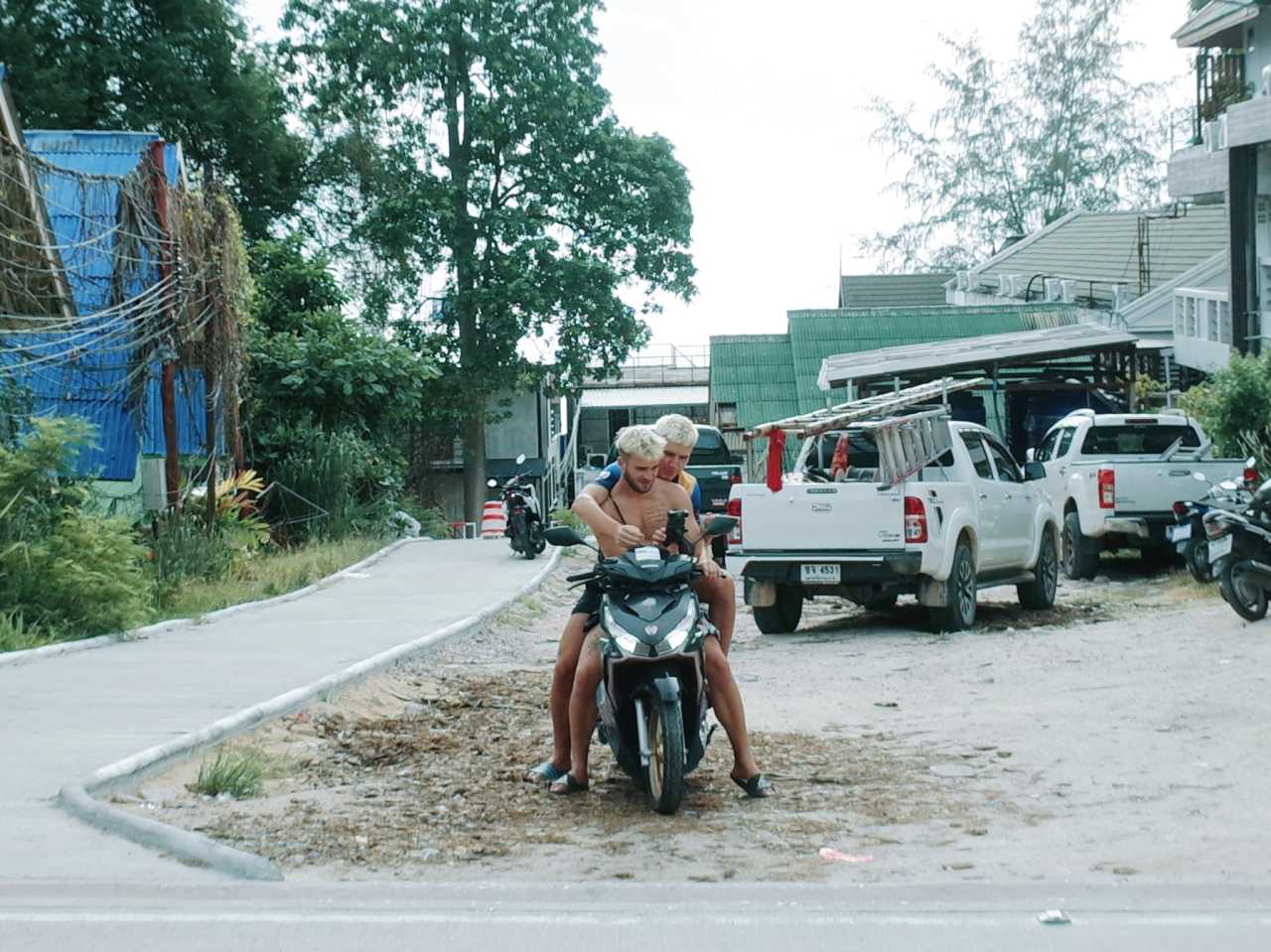
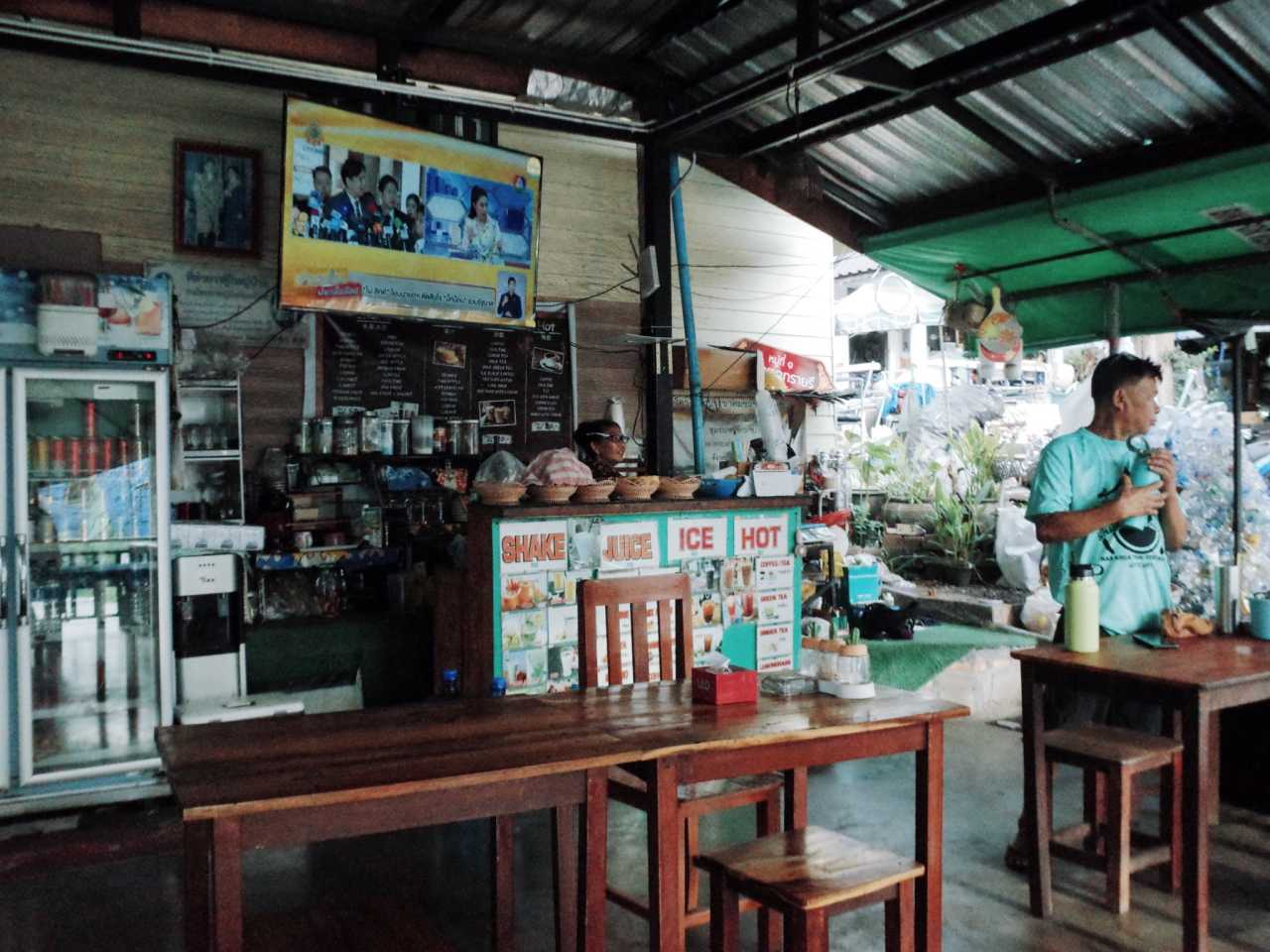
My first backpacking trip to Koh Tao in 2013 seemed like just joining a snorkeling tour from Koh Samui, visiting Koh Nang Yuan and Koh Tao. Because I really liked the island vibe, the following year, when planning my brother and sister-in-law's honeymoon to Thailand, I blindly booked a hotel in the north of Koh Tao near Koh Nang Yuan called Dusit Buncha. It was a pleasant surprise. Because the hotel is at the northernmost tip right by the sea, you can go snorkeling directly from the hotel. The underwater ecology around Koh Tao was still quite rich back then, so on my second trip to Koh Tao, I stayed at this hotel again.
Maybe I prefer familiar feelings, or perhaps familiarity provides a greater sense of security, I often repeat certain choices. But at the same time, I might later experience negative feelings from those choices and lose fondness for the place. So whether to repeatedly visit a place you really like is a question worth pondering.
The biggest difference this time was that the hotel restaurant directly accepted Alipay. The manager said, "Of course we accept Alipay, we have many Chinese guests." Actually, the only issue with staying at this hotel is that finding food outside is relatively inconvenient, so I often ended up eating at the hotel restaurant.
One afternoon, I went to a mountaintop café recommended by the coach. The café is integrated within a yoga hotel. Getting there requires riding a motorbike up several very steep slopes (around 70 degrees), which was a bit thrilling. If you carry a passenger and the combined weight is over 100 kg, you need to be very careful.
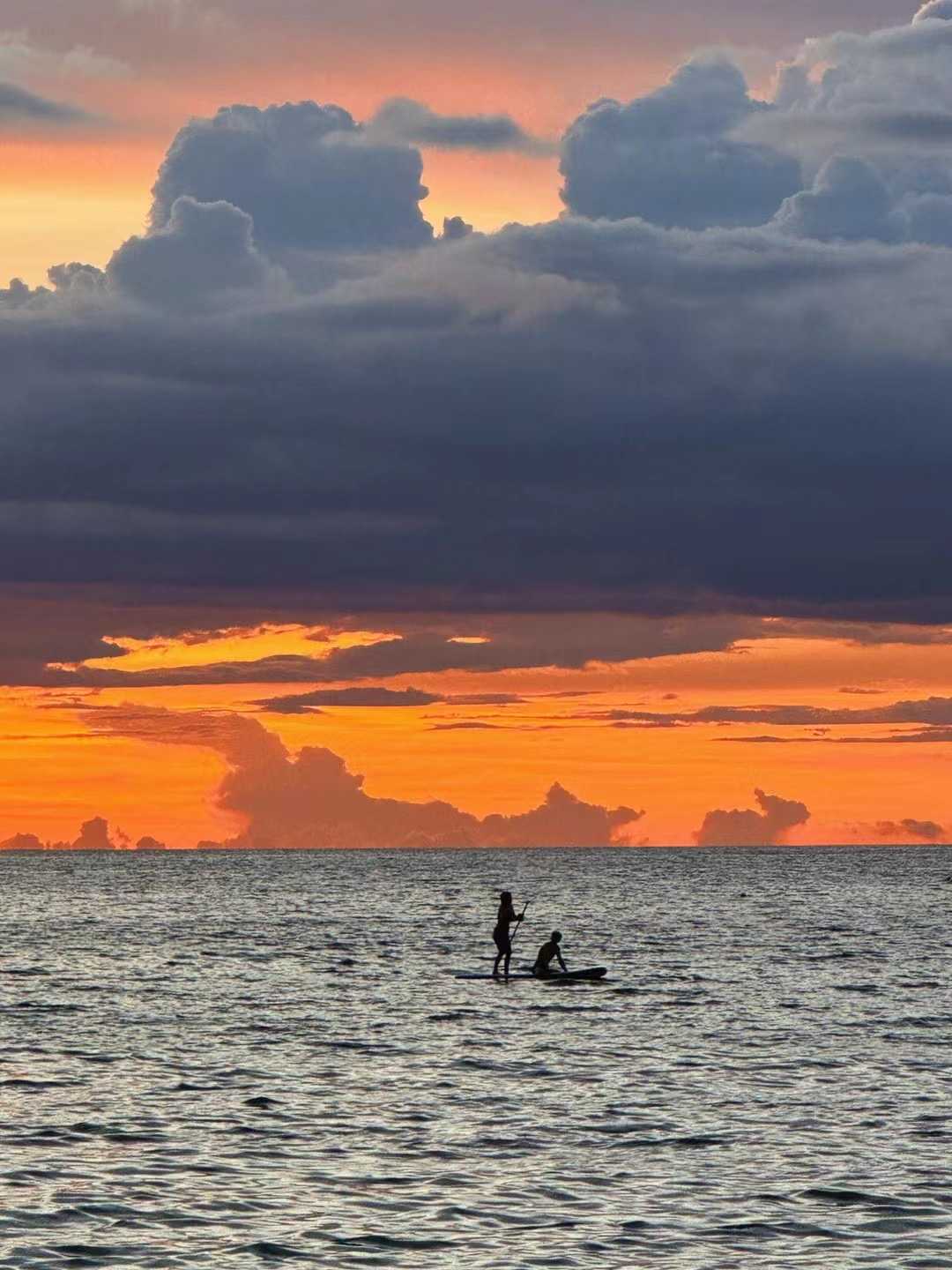
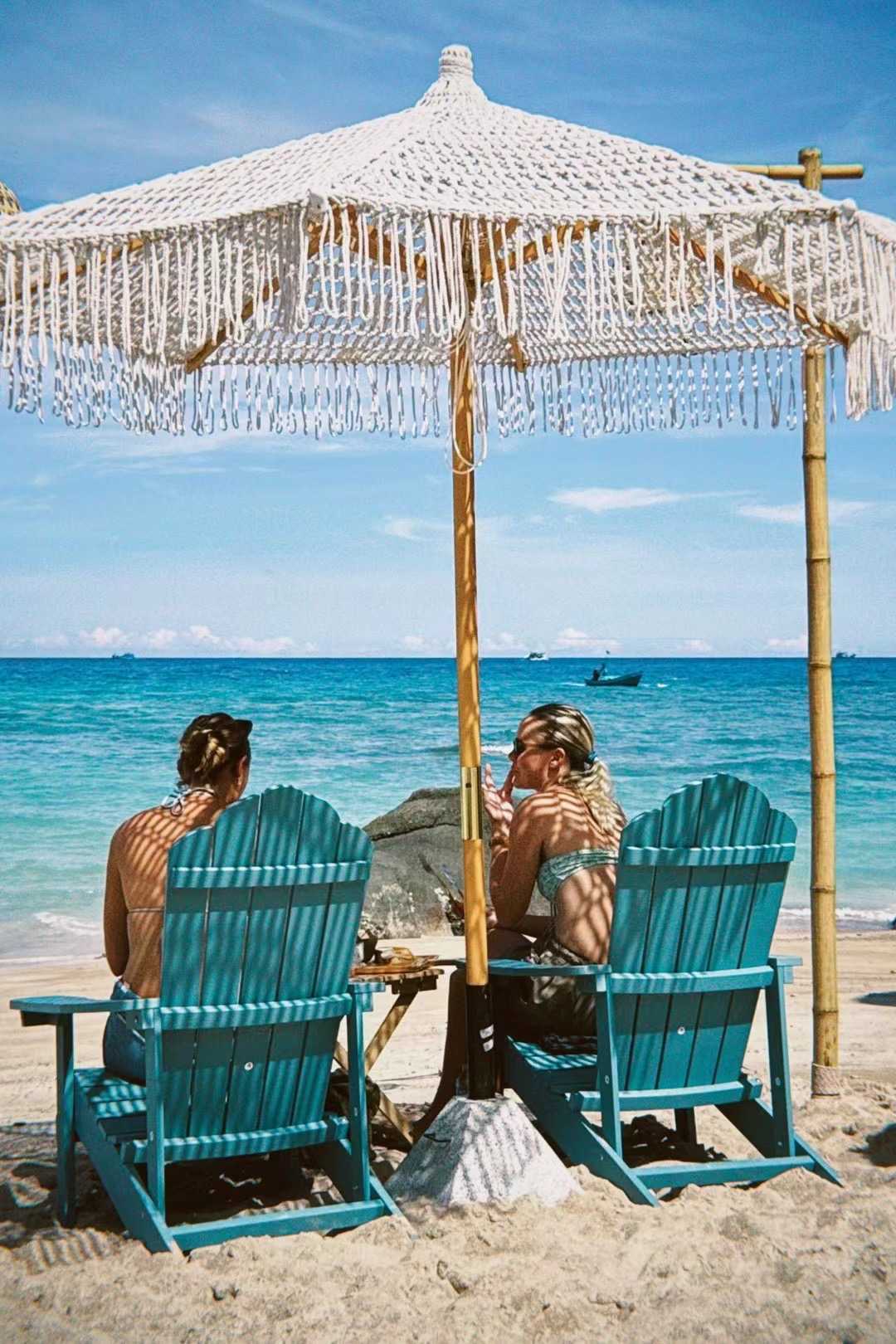
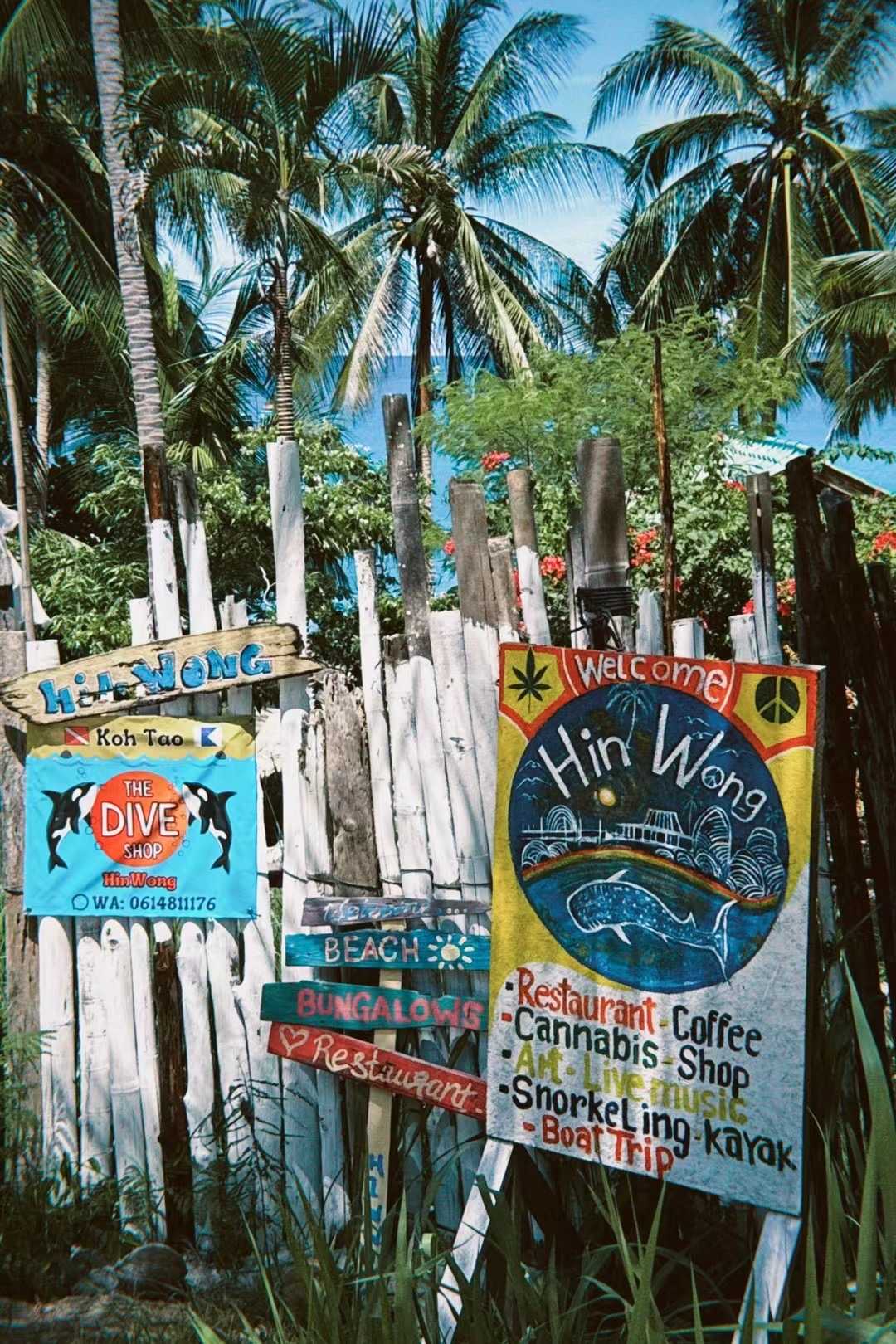
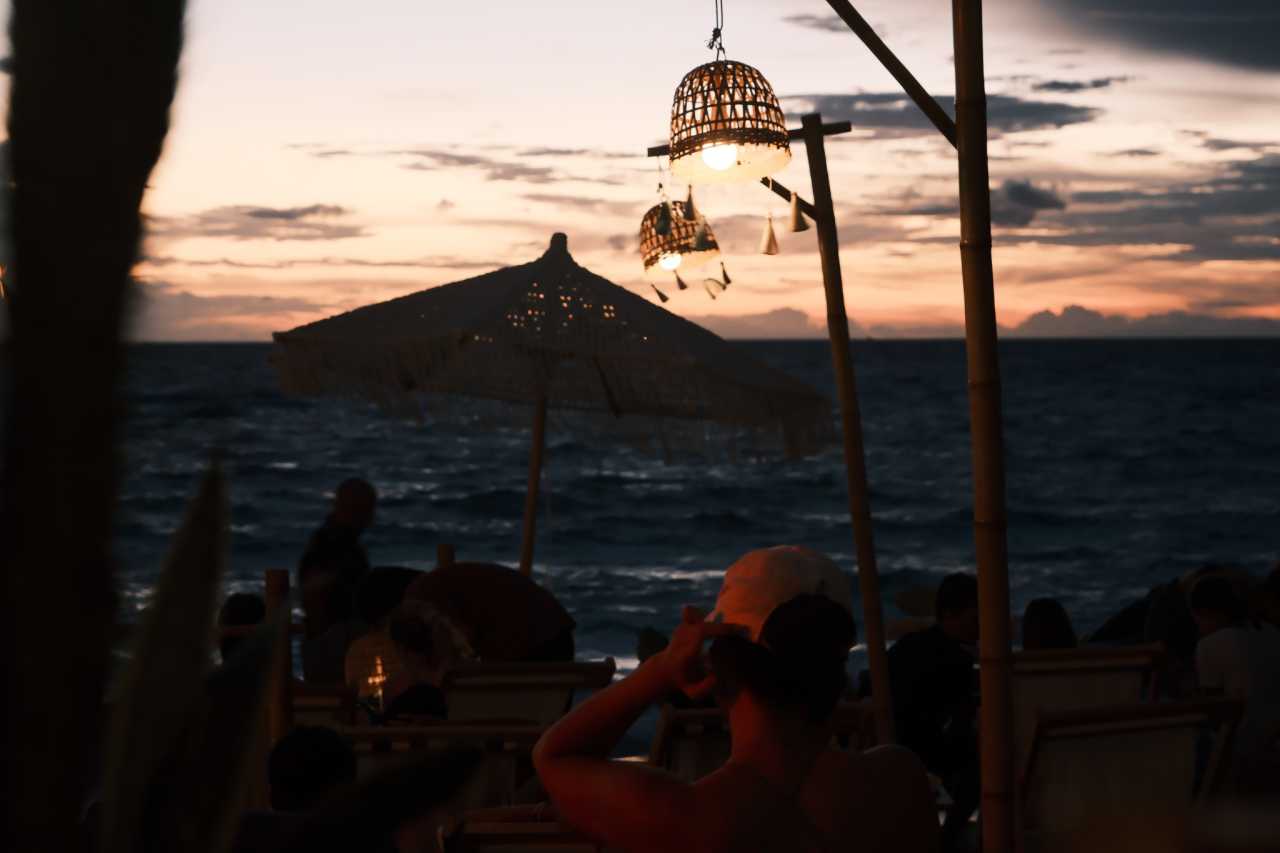
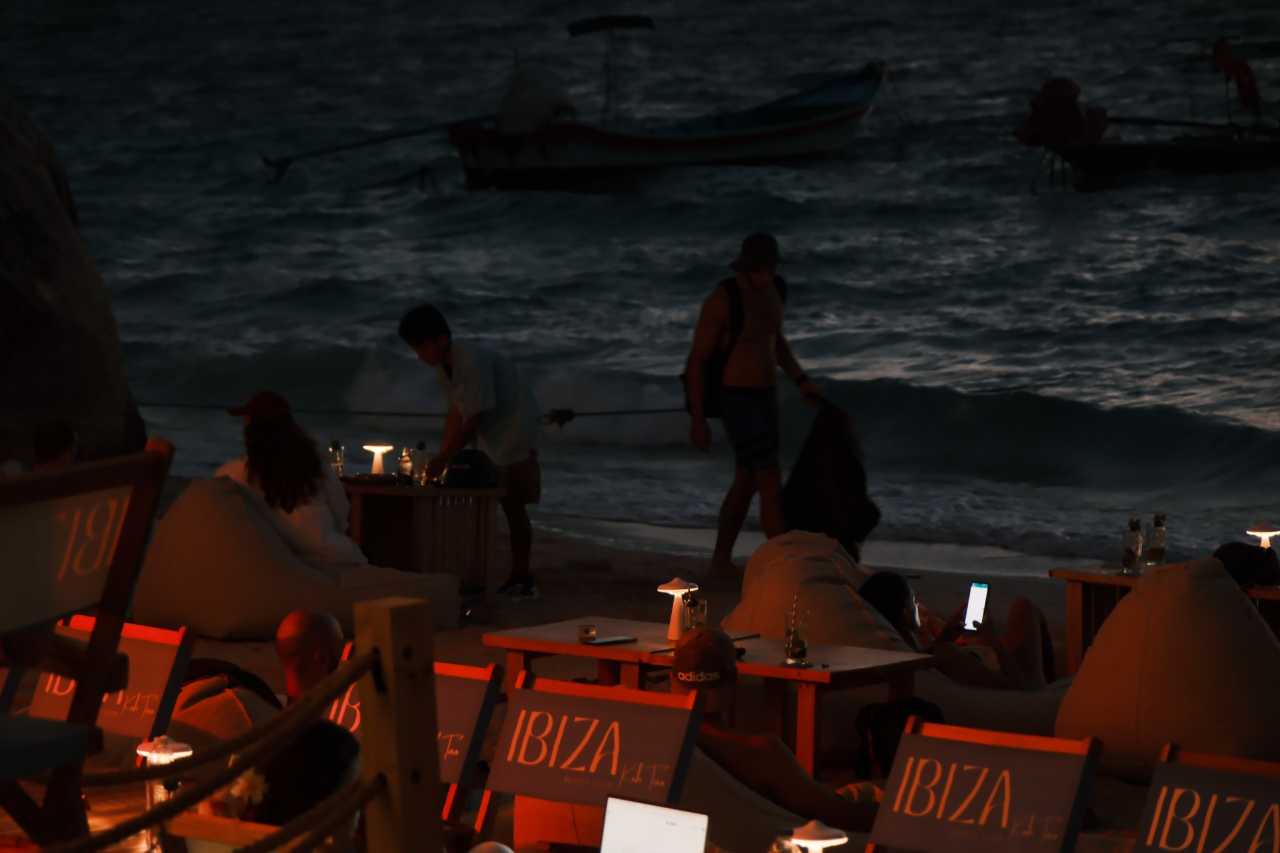
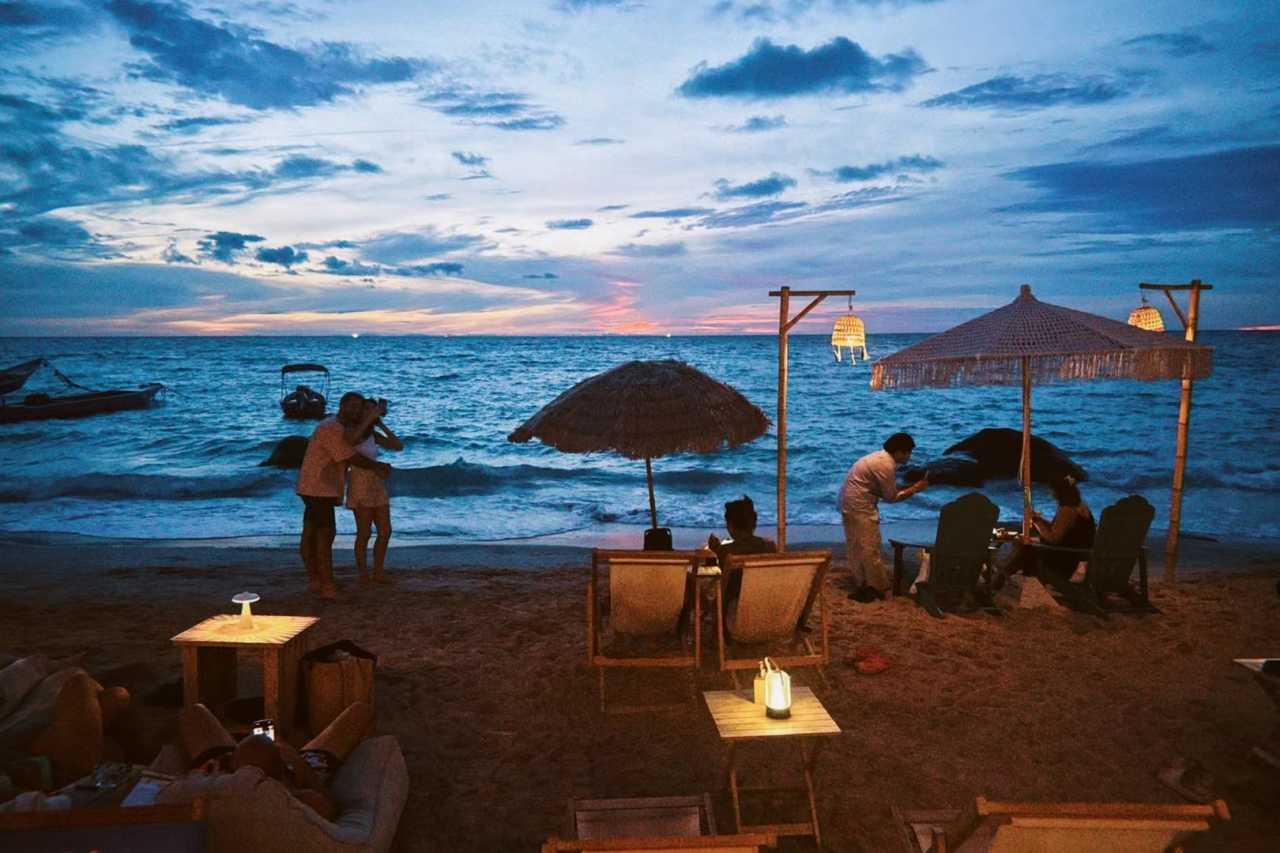
In the evening, you can find a restaurant or bar by the sea to enjoy the beach atmosphere at sunset.
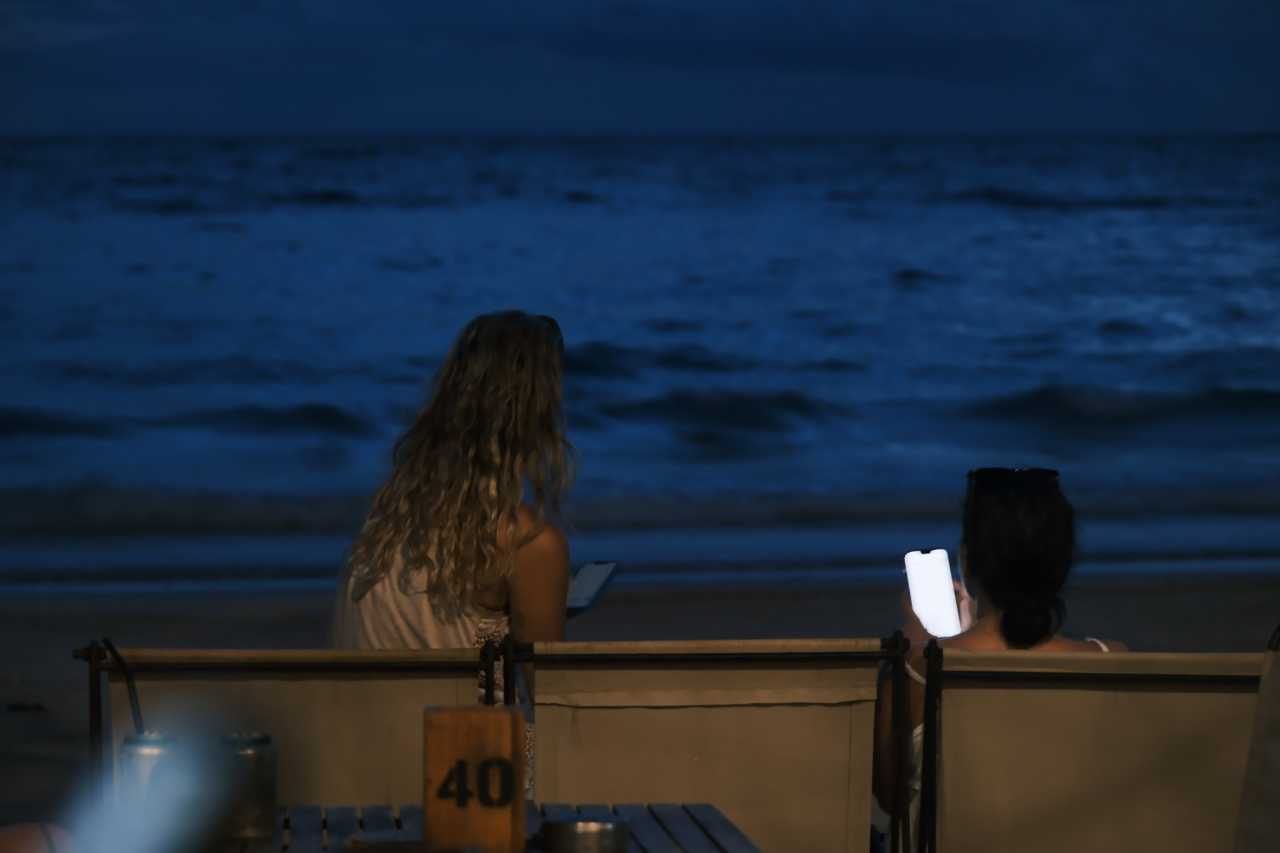
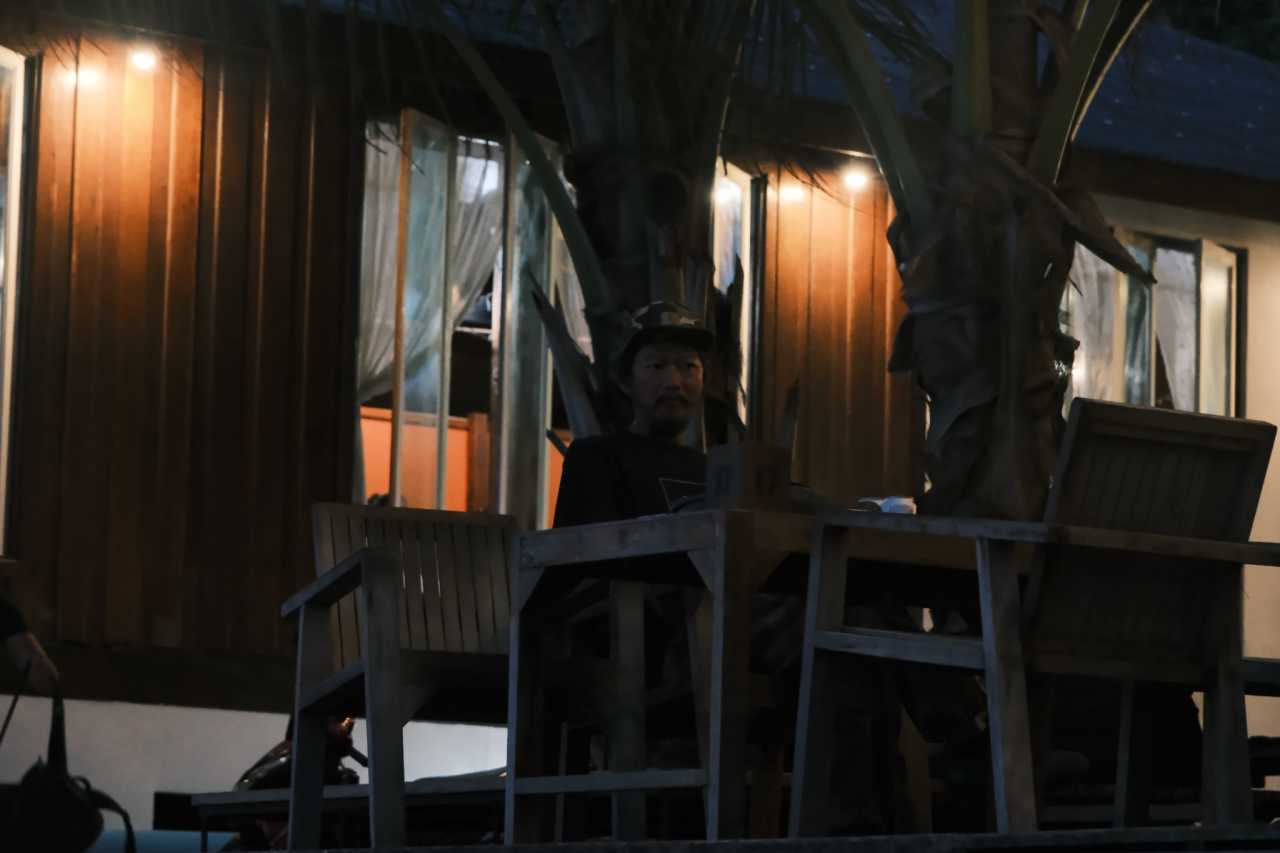
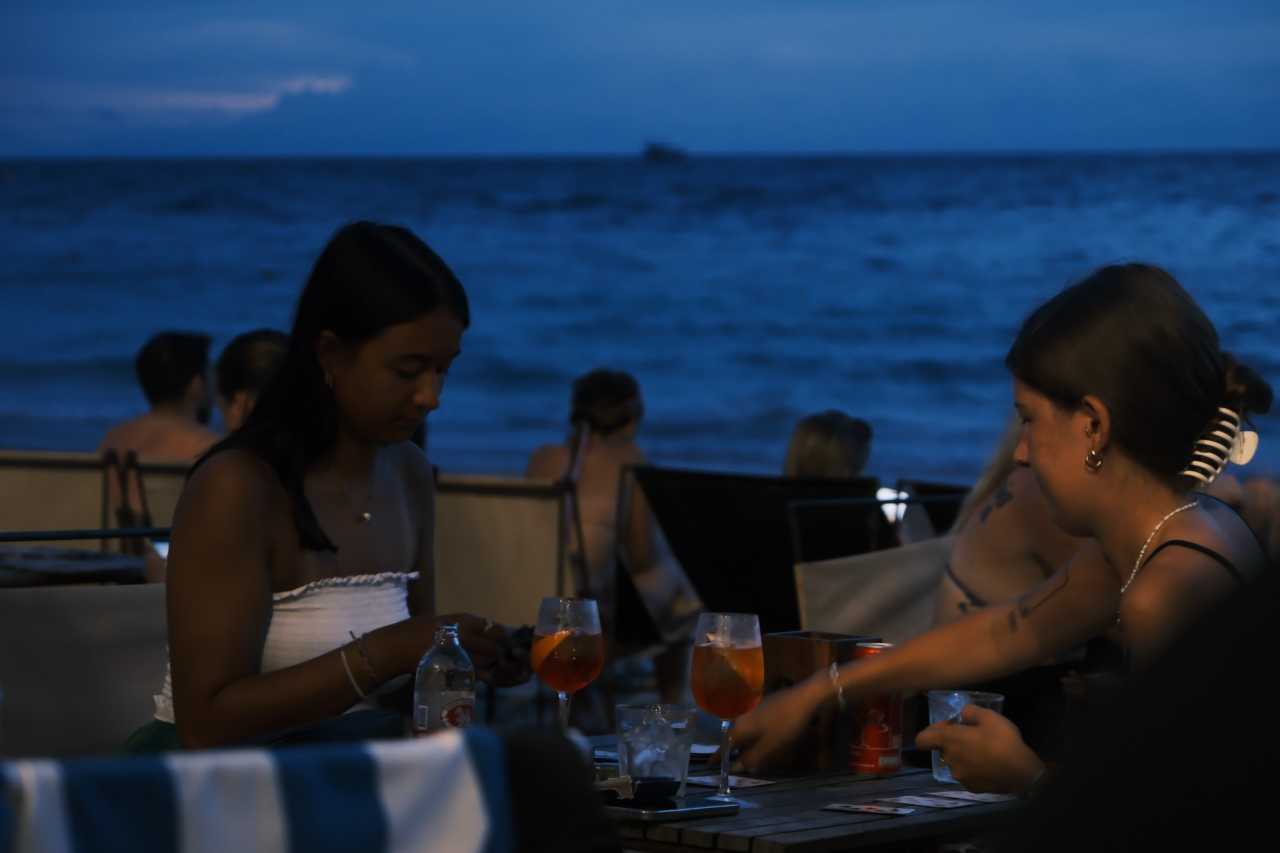
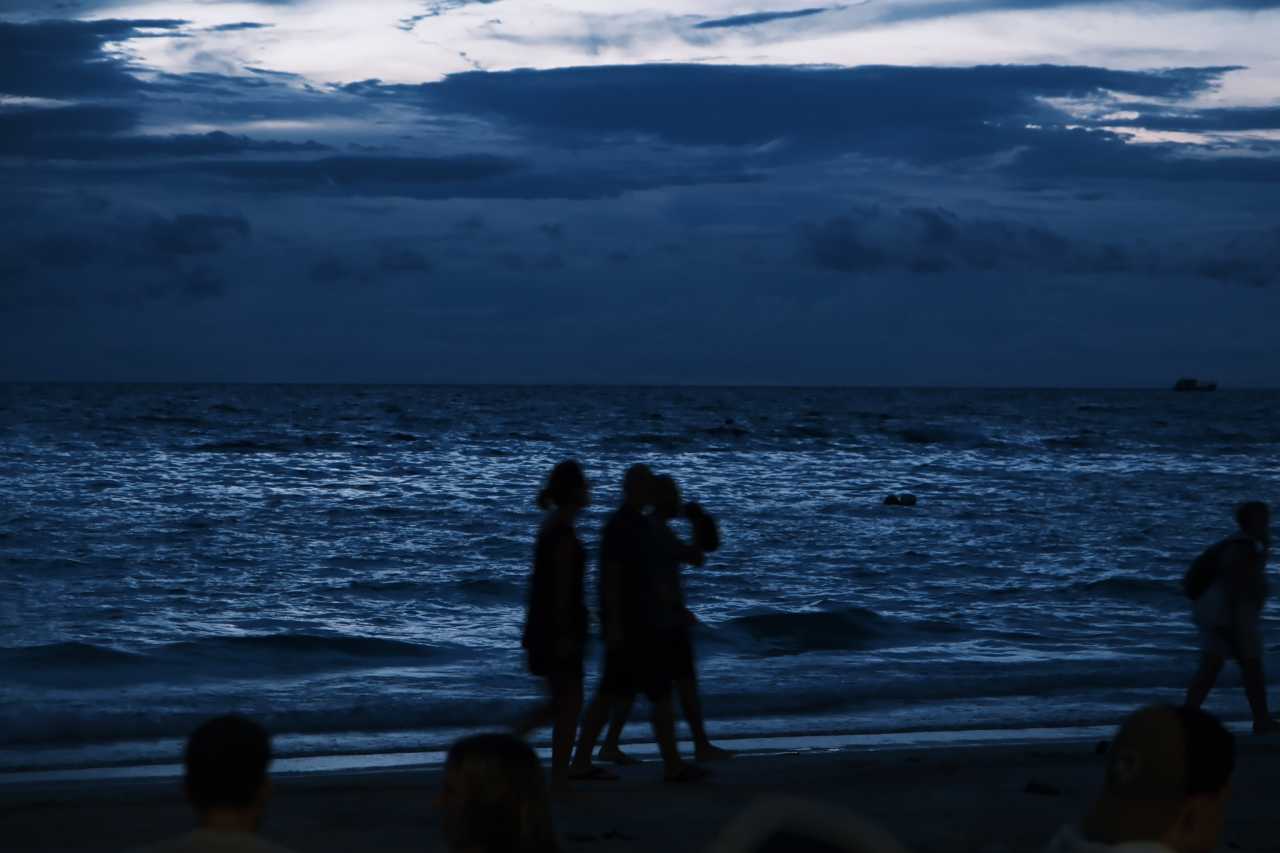
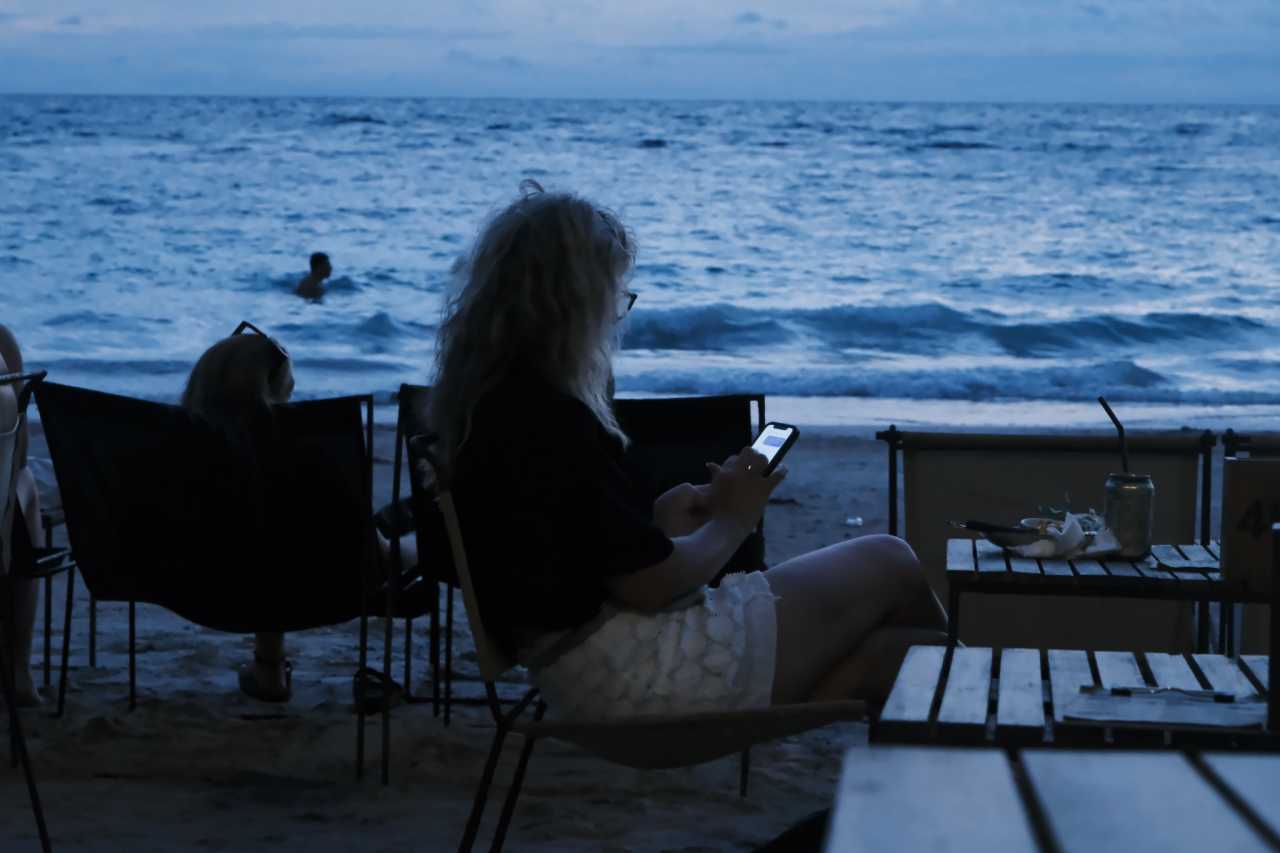
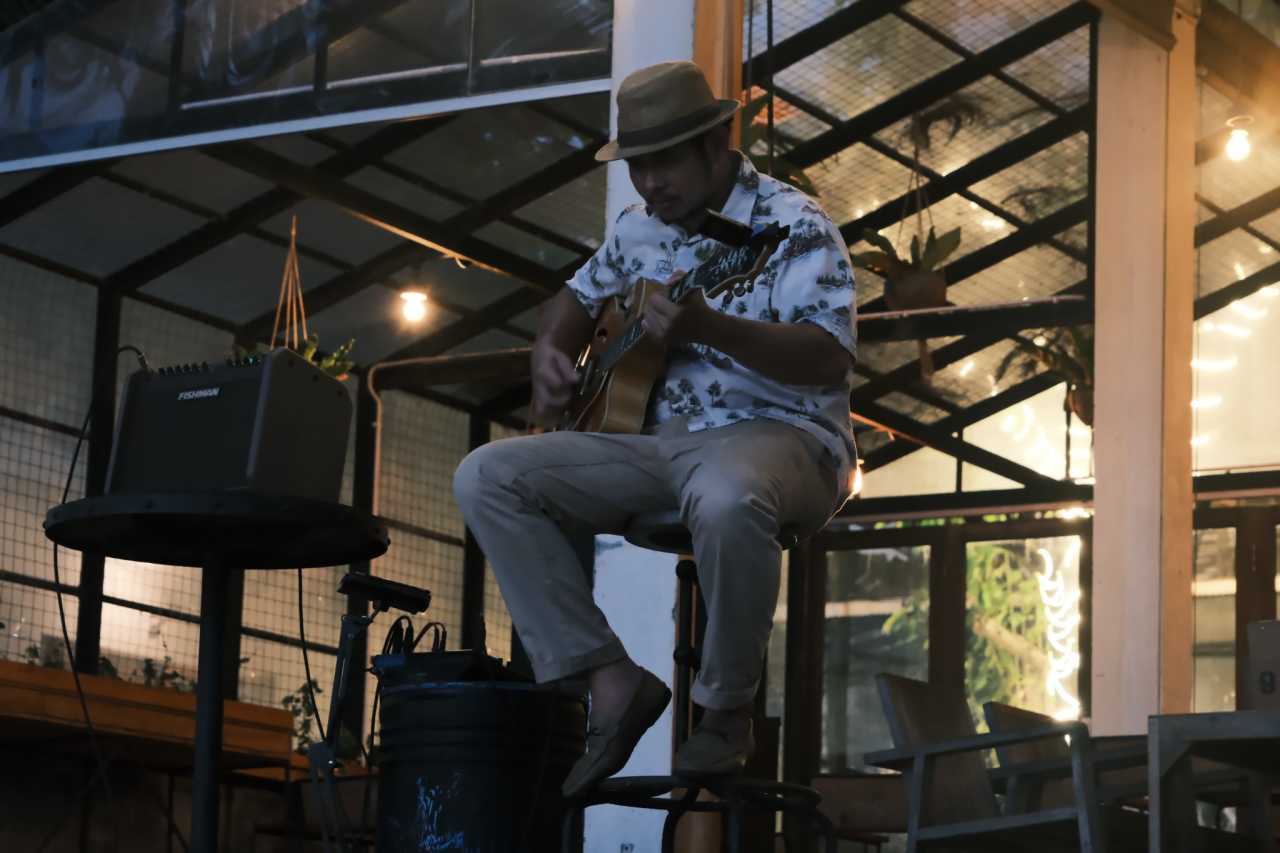
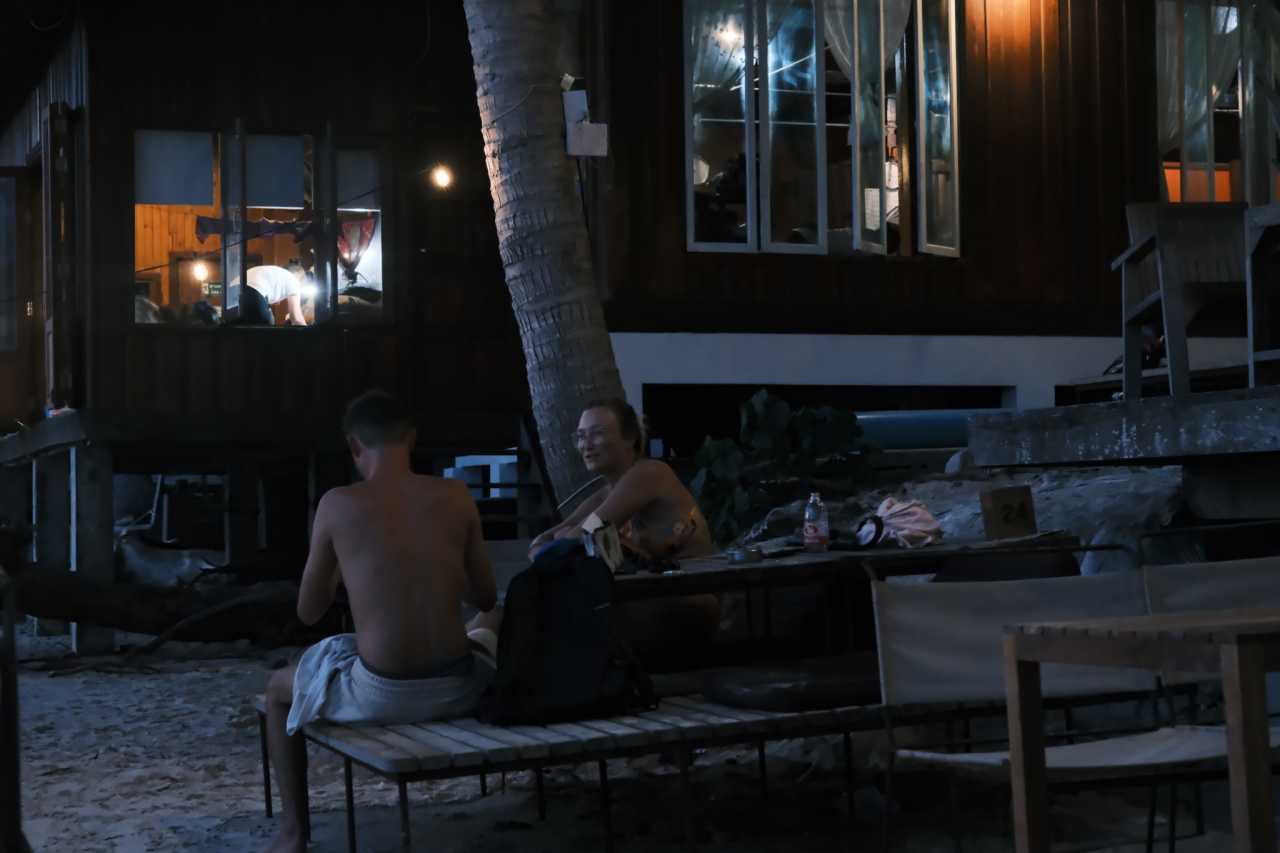
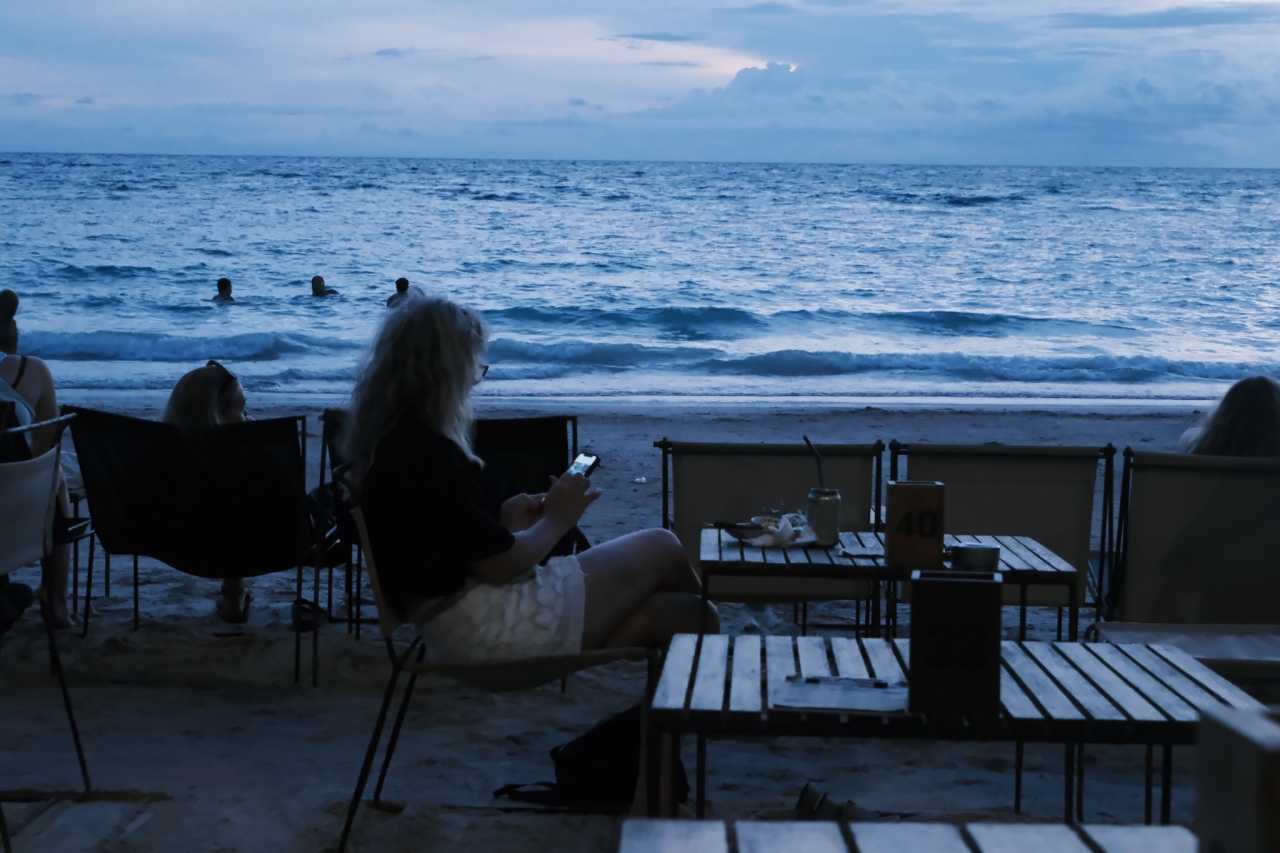
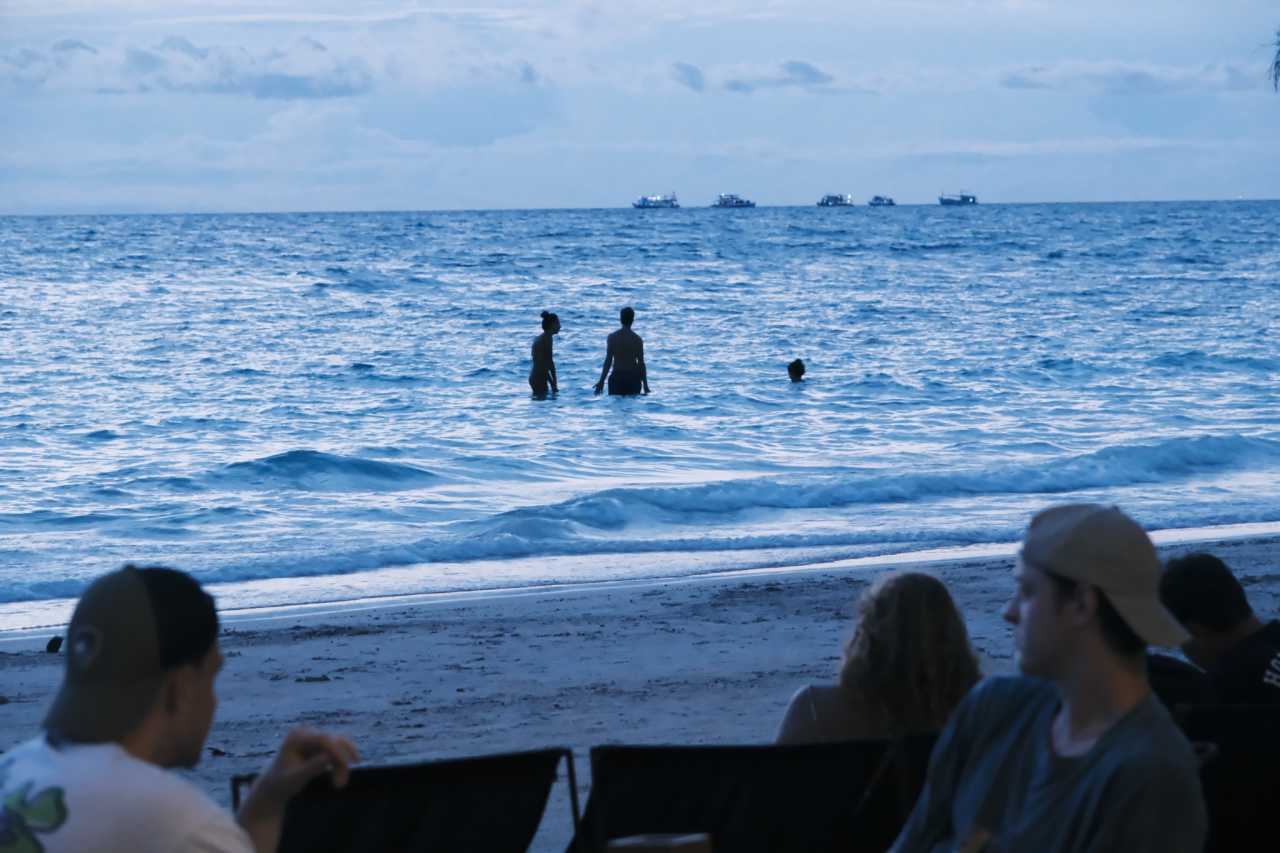
During the day, you can rent a motorbike and go to cafés in the mountains. Although getting a taxi on the island costs only 50 Baht anyway—it's such a small island.
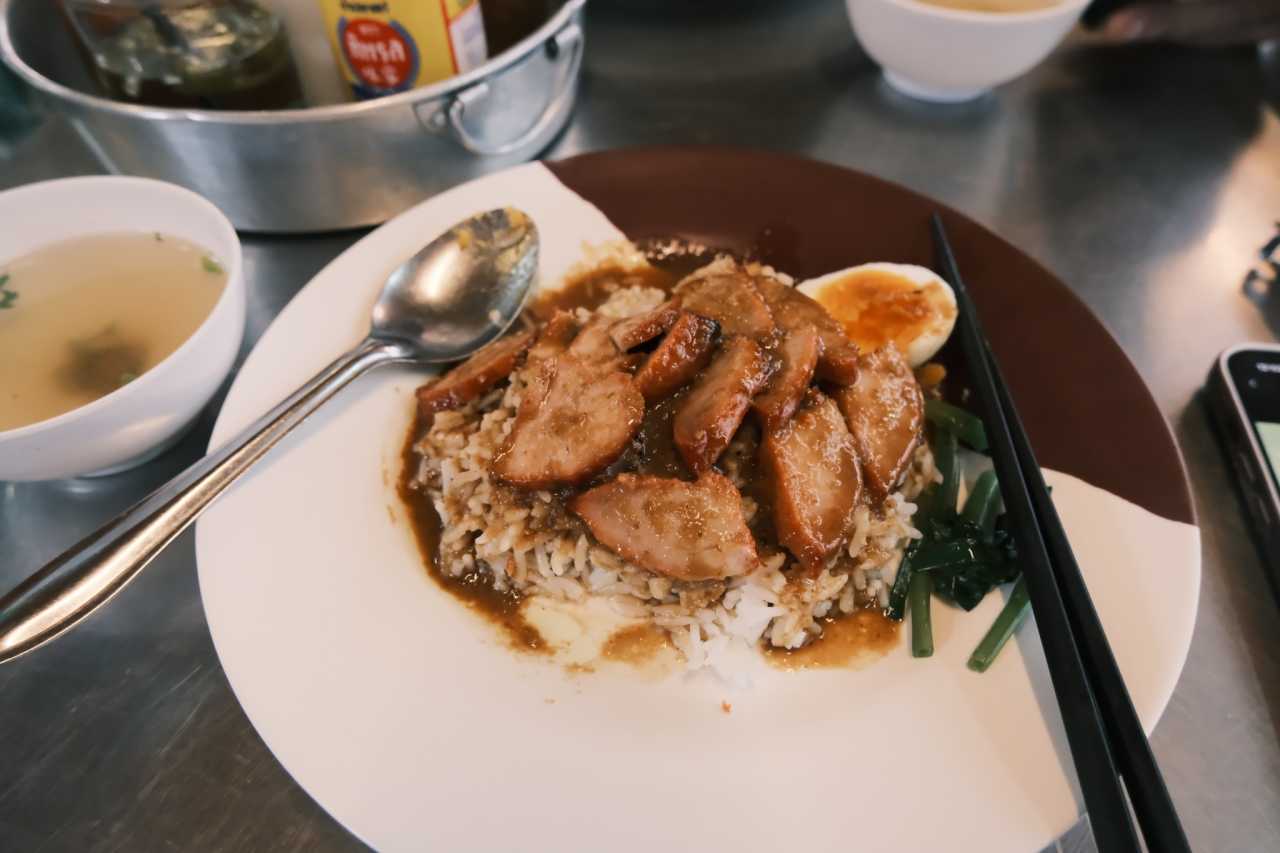
I don't have much to recommend regarding food. After all, having a 'Chinese stomach,' no matter how delicious other food is, in the end, a bowl of rice feels more direct. I ate several times at the stall opposite Ban's main road, run by an uncle. Coconut seafood soup was delicious. I forgot the name of the fried noodles—just the most common kind—but it was a bit sweet. After eating it twice, I didn't want it anymore. This includes the famous Braised Pork Leg Rice and Duck Rice on the island—they're just sweet =.= Too sweet...
August happened to coincide with the European holiday period, lasting a whole month. I'm really envious of these lifestyle benefits foreigners have. One of my expectations for an ideal life is having a full month of vacation per year, giving me enough time to travel further, or just stay in a place I really like, immersing myself in experiencing life. What a wonderful life.
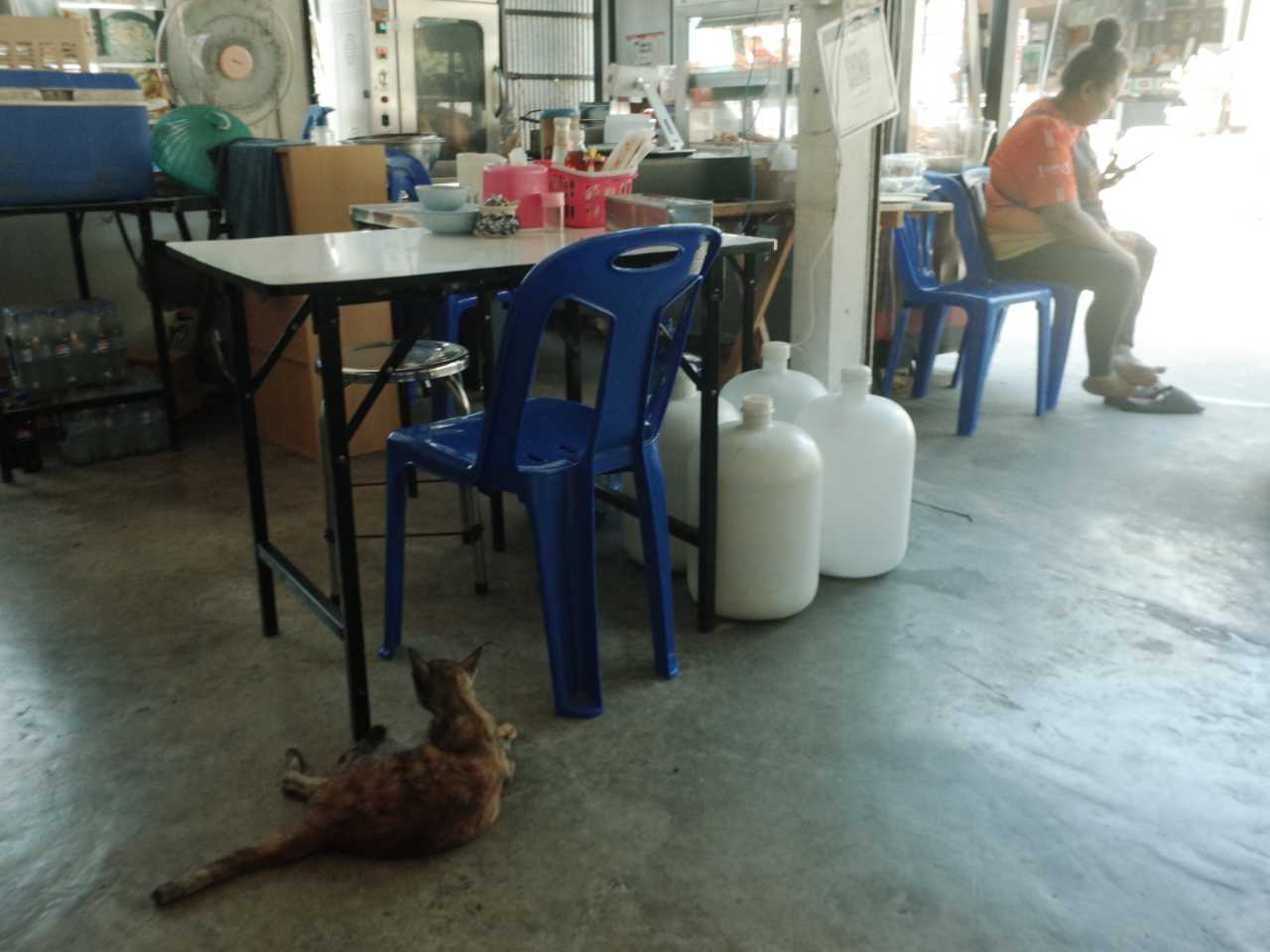
(Braised Pork Leg Rice, average, sweet)
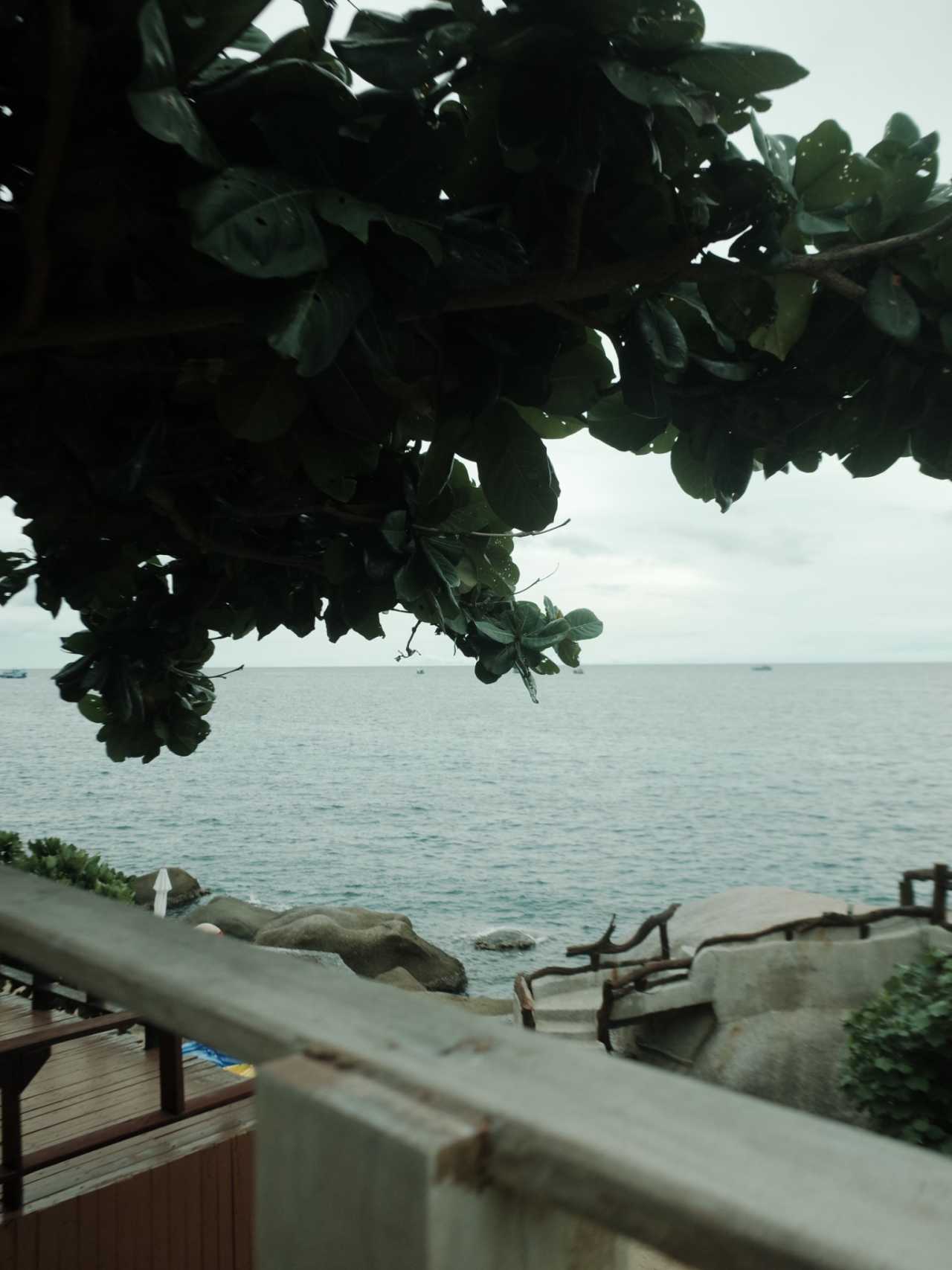
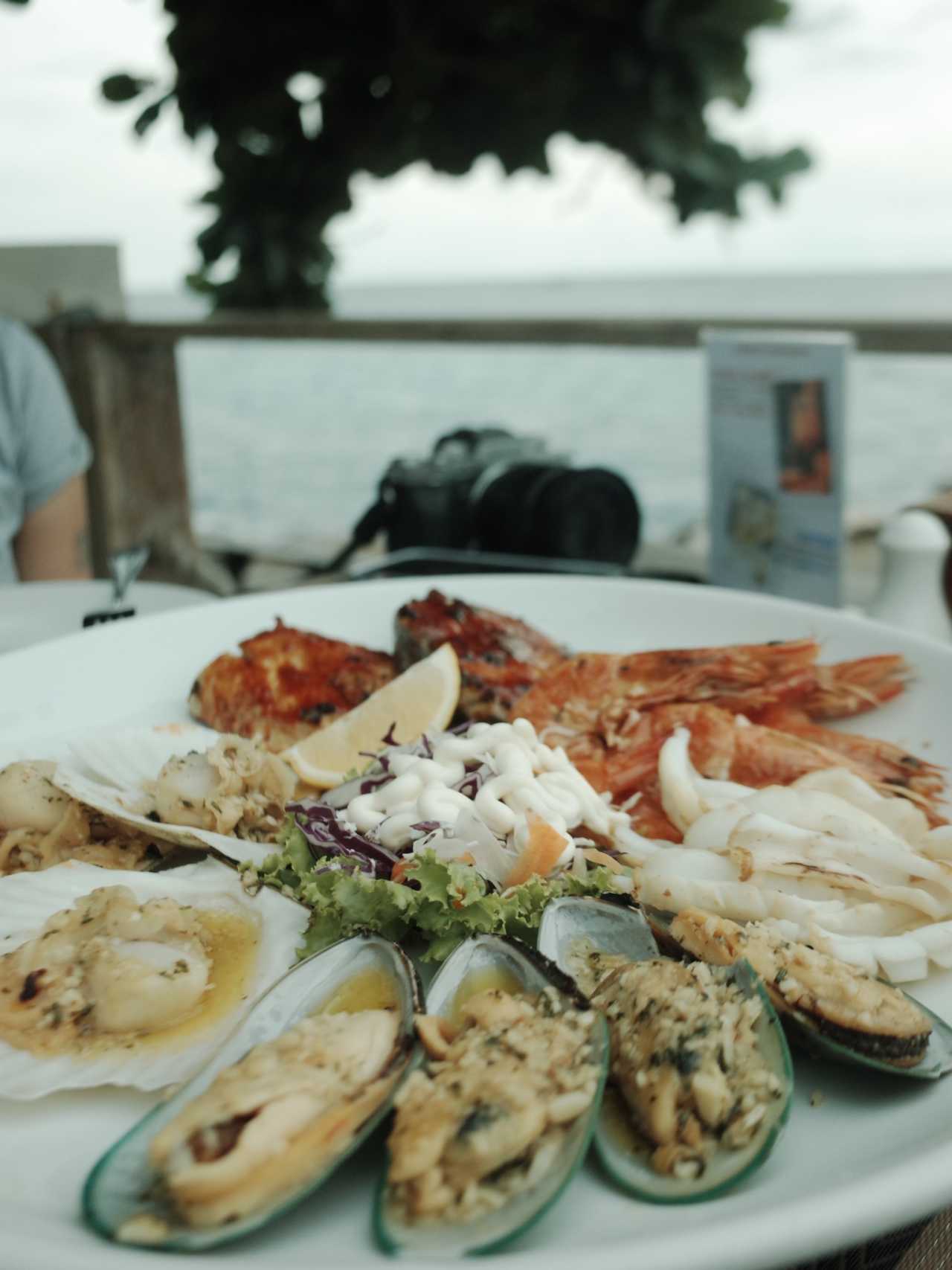
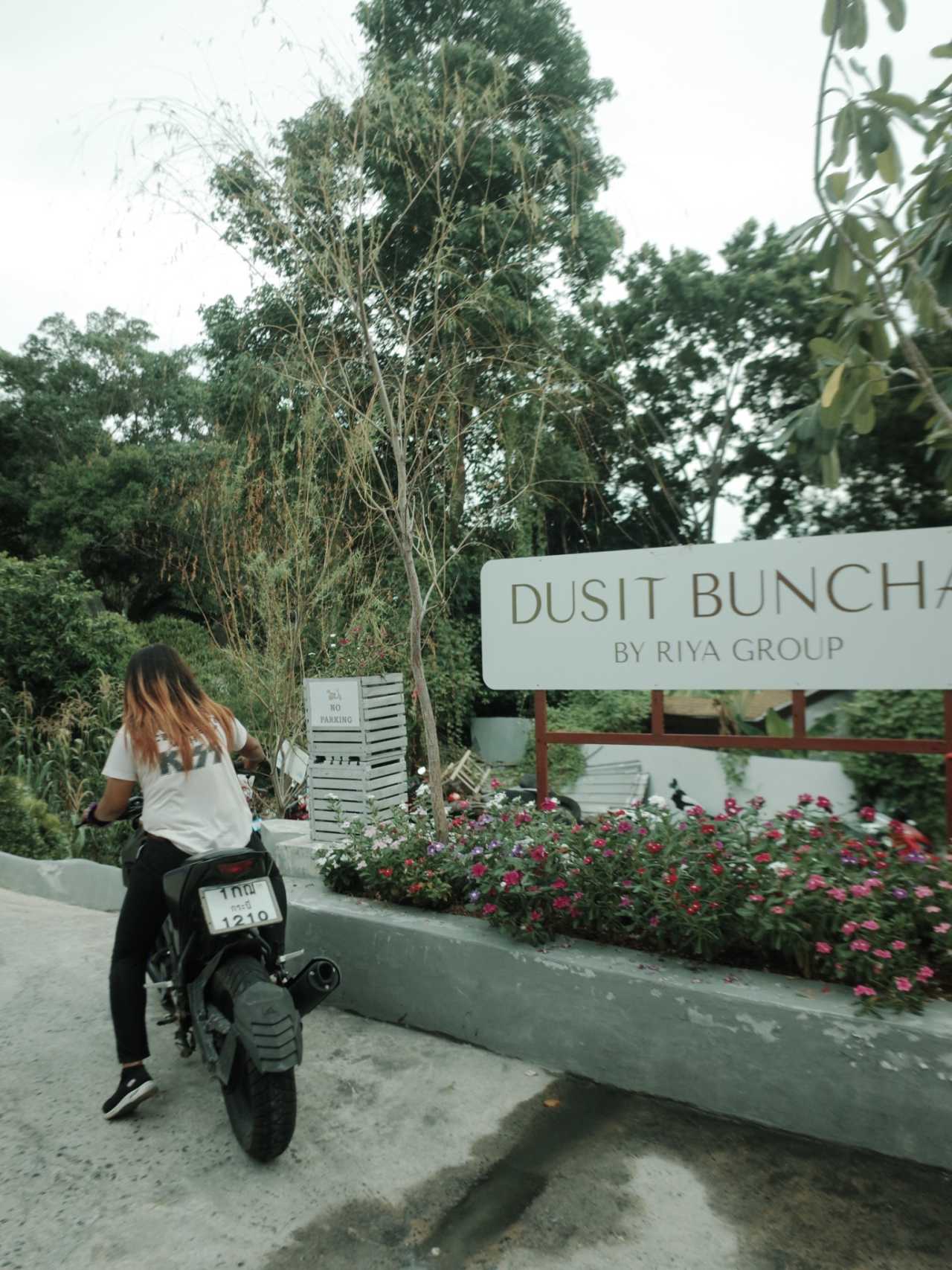
"Dusit Buncha" requires booking in advance. I booked too late this time, all rooms were gone.
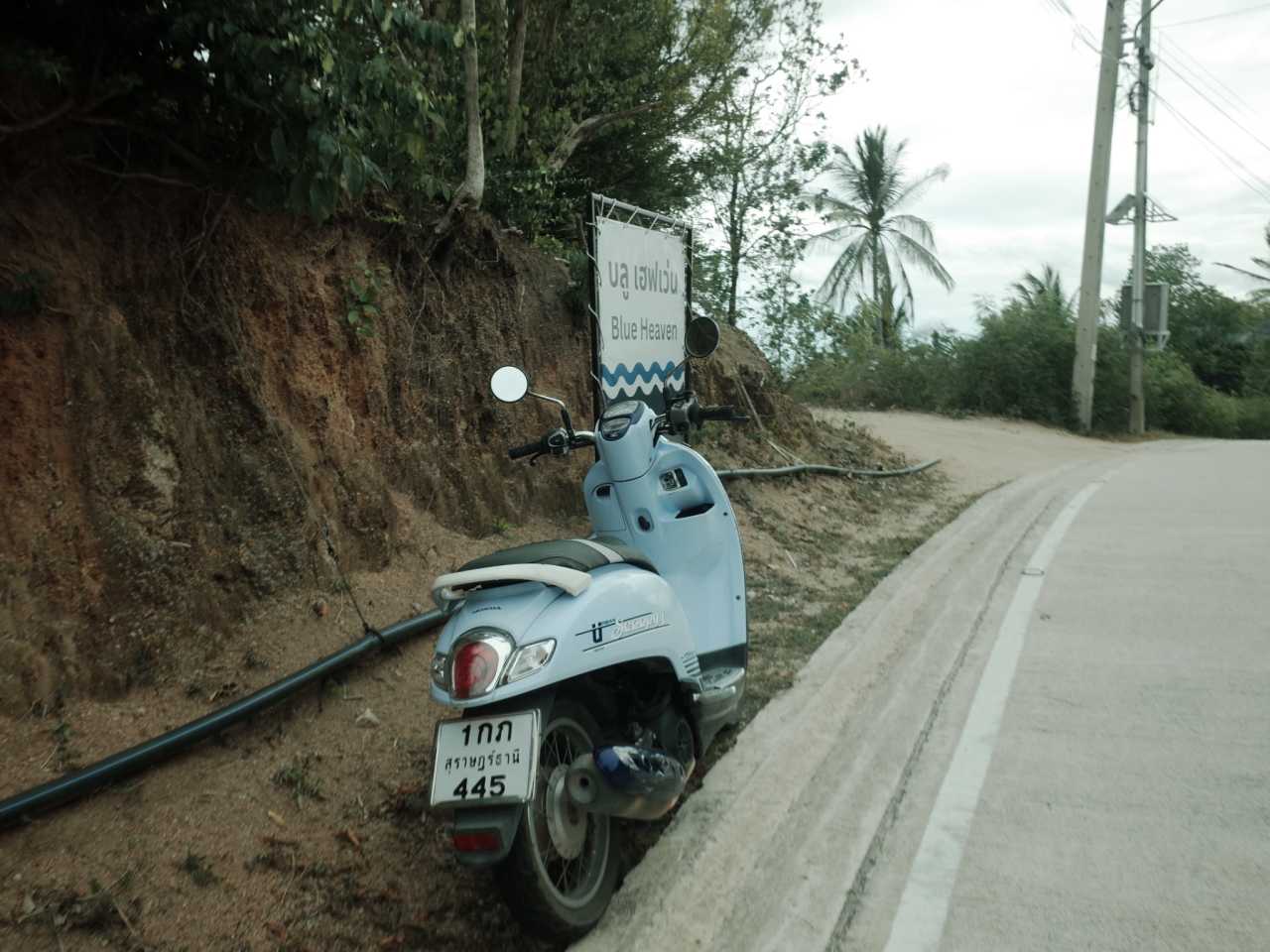
You can go snorkeling directly from this hotel.
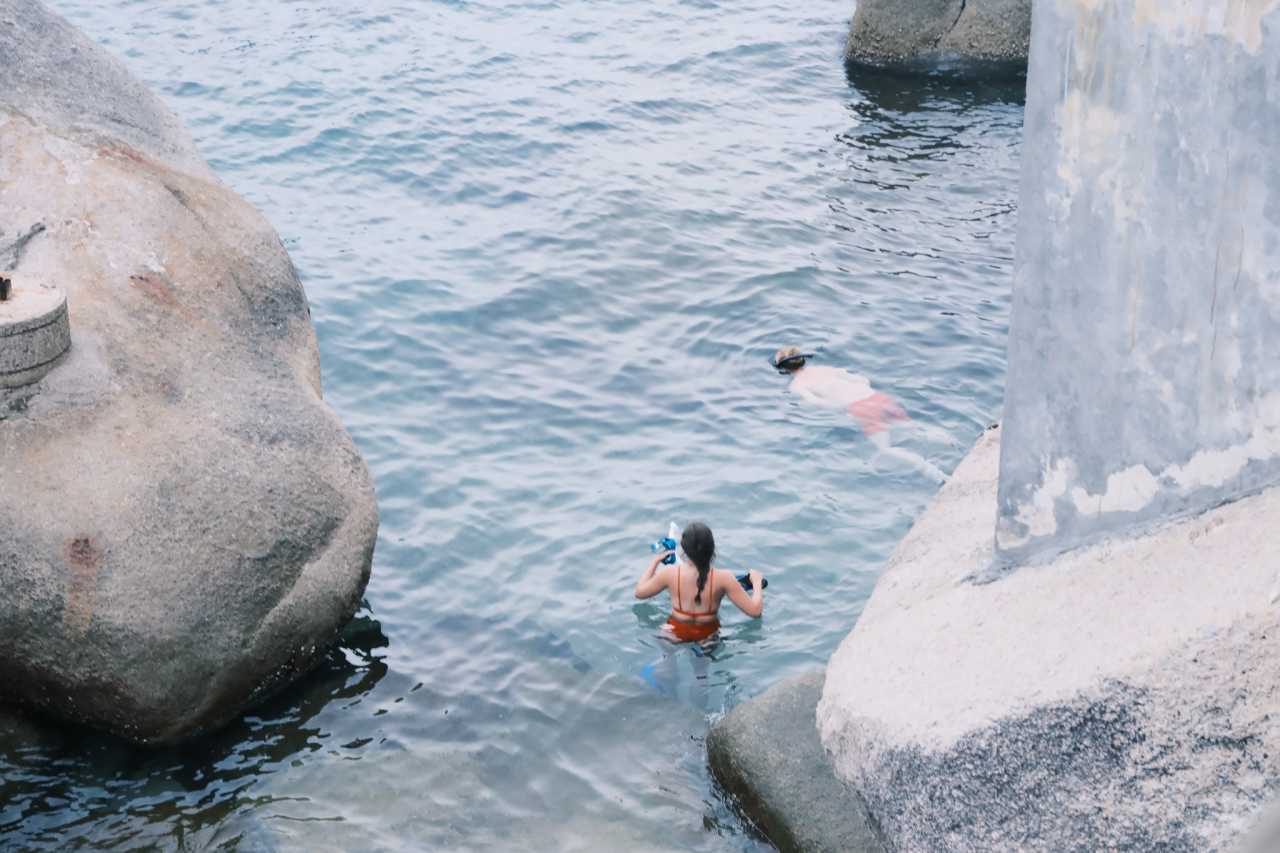
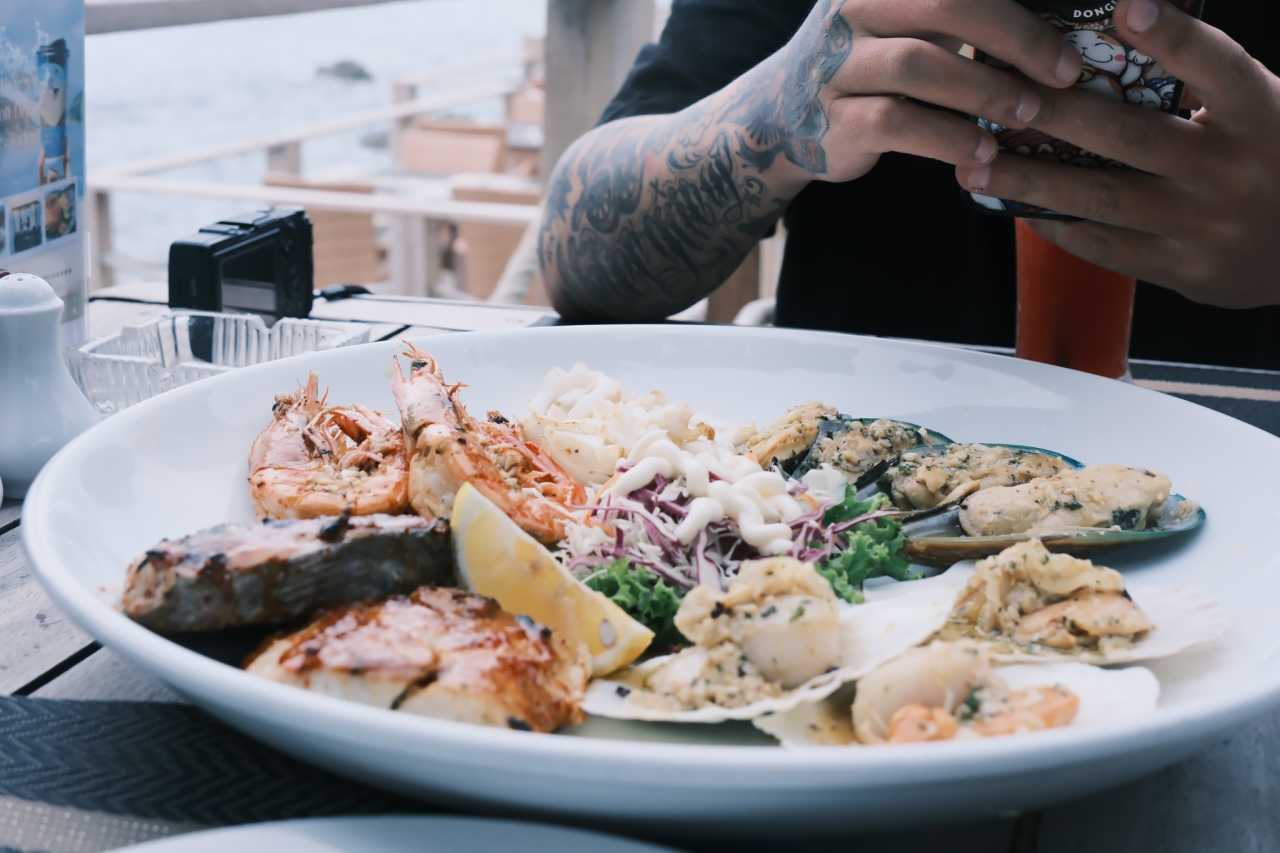
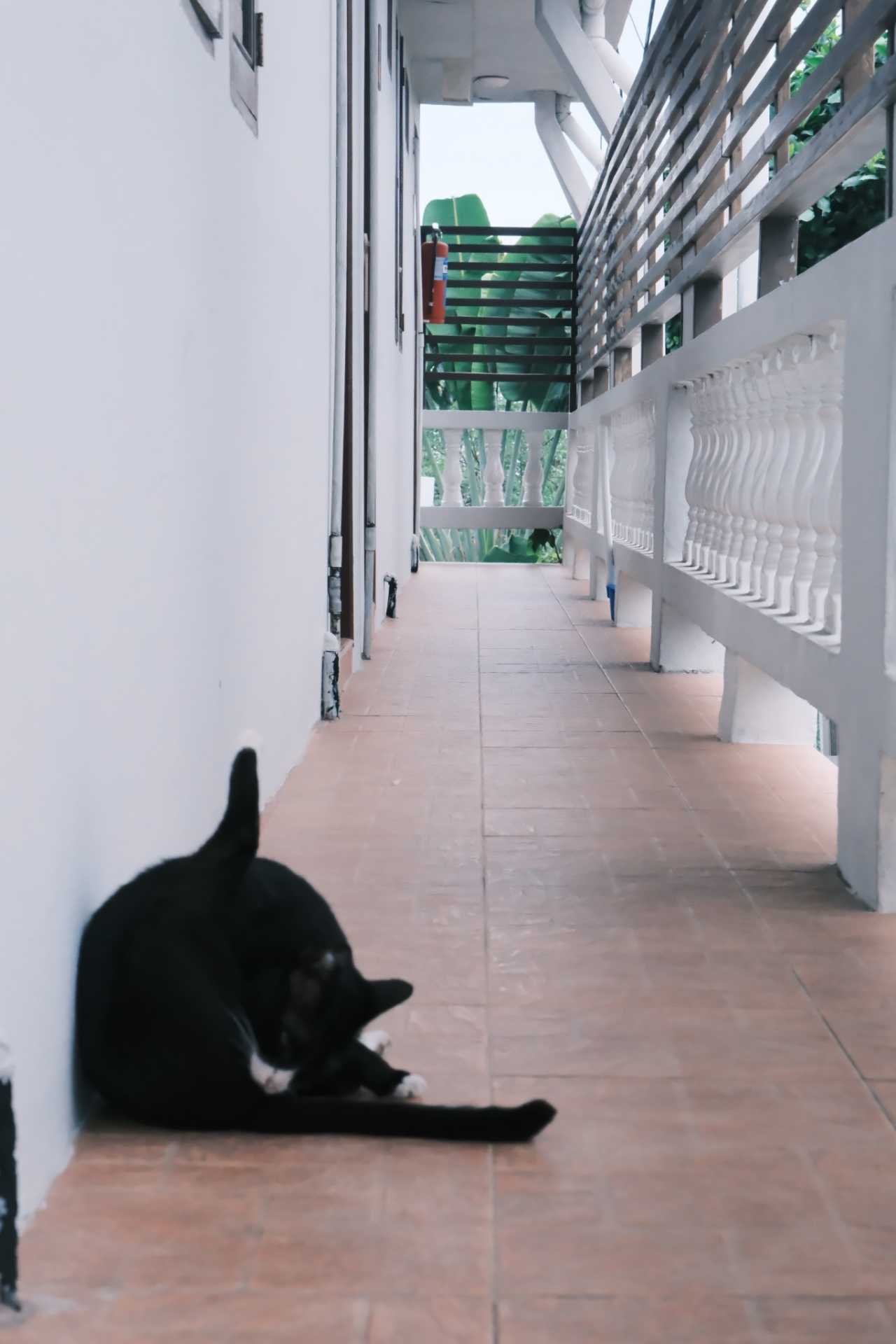
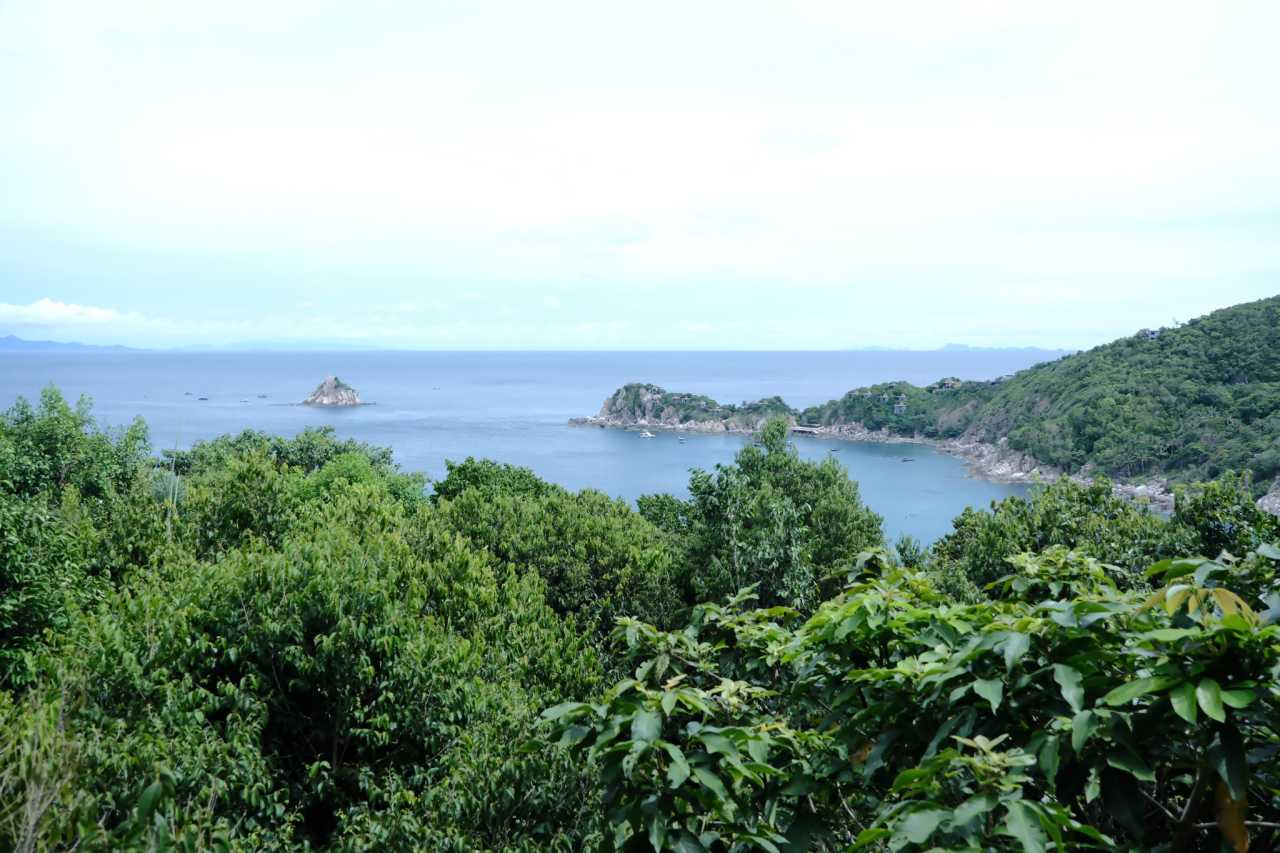
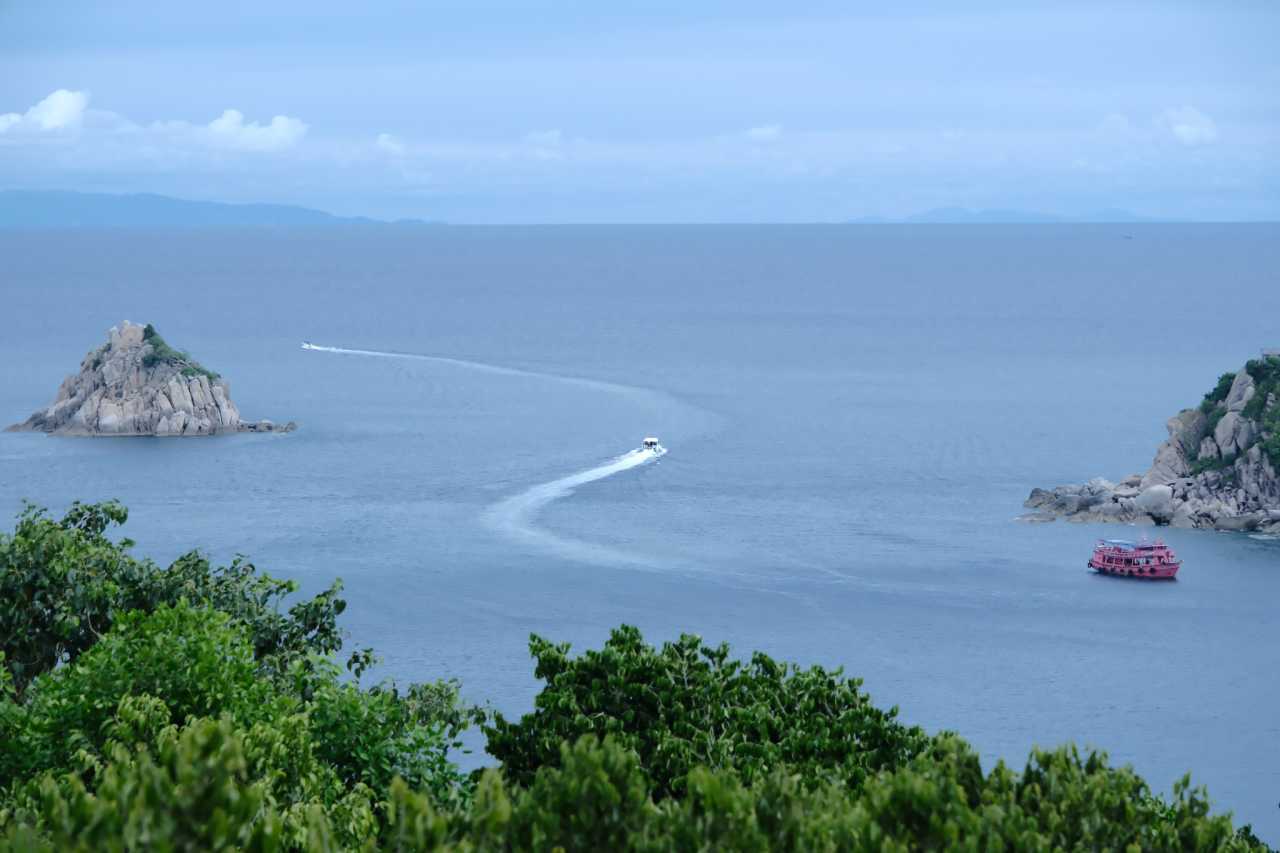
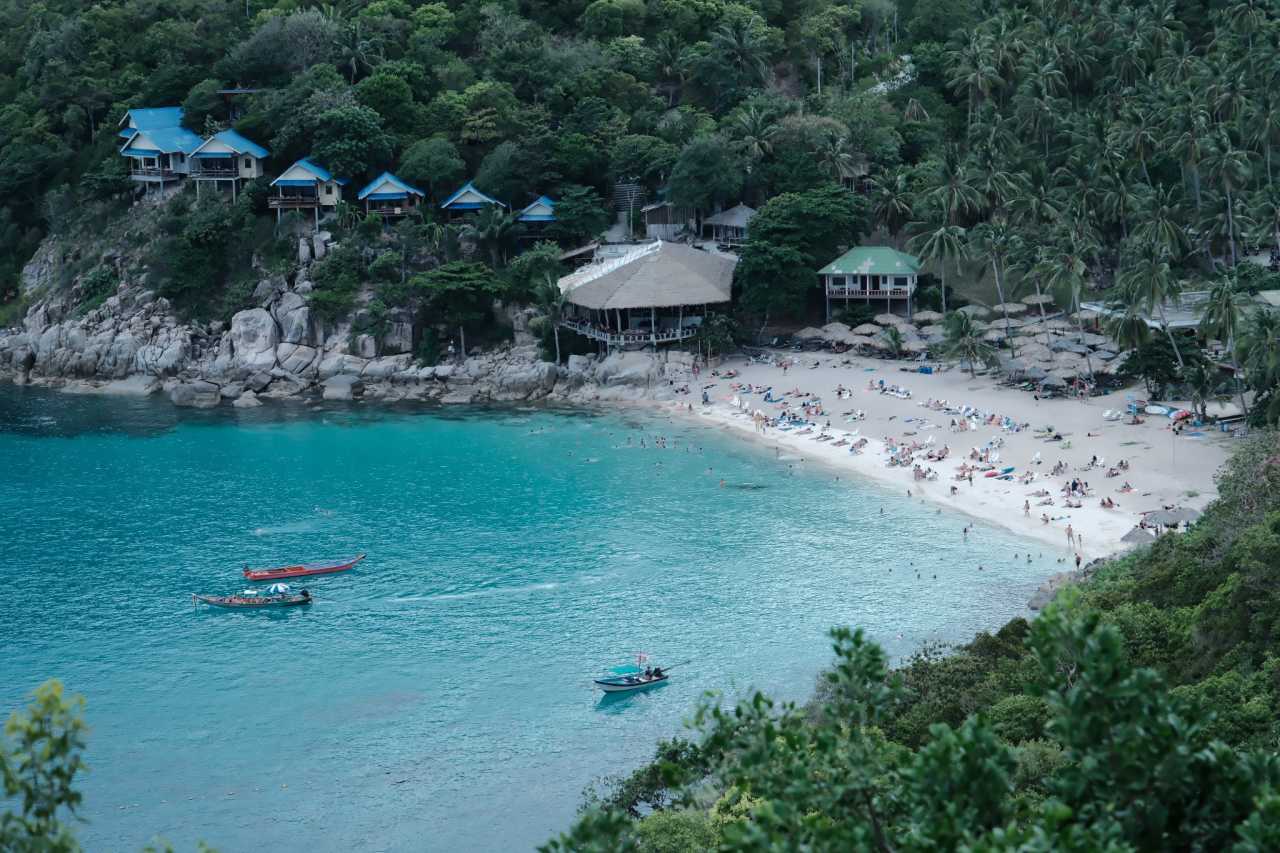
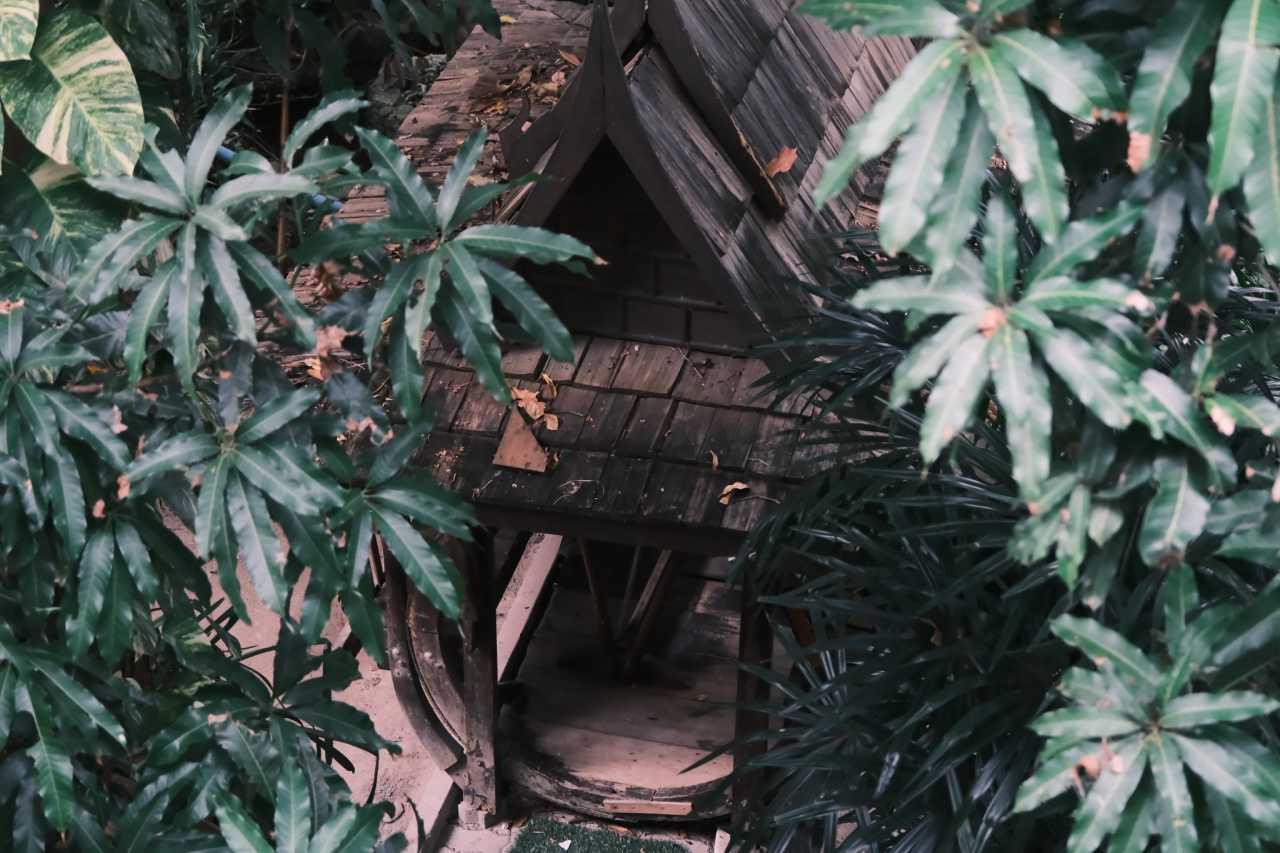
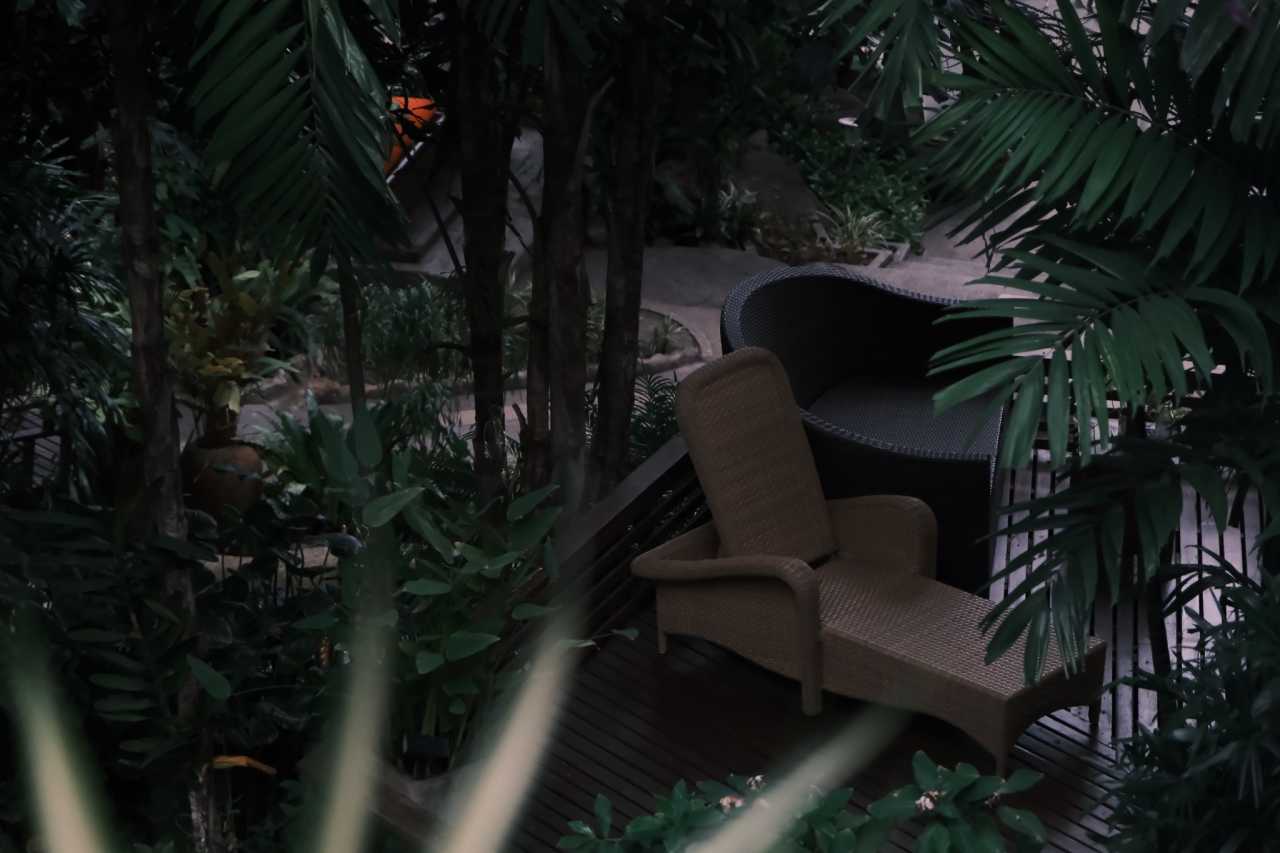
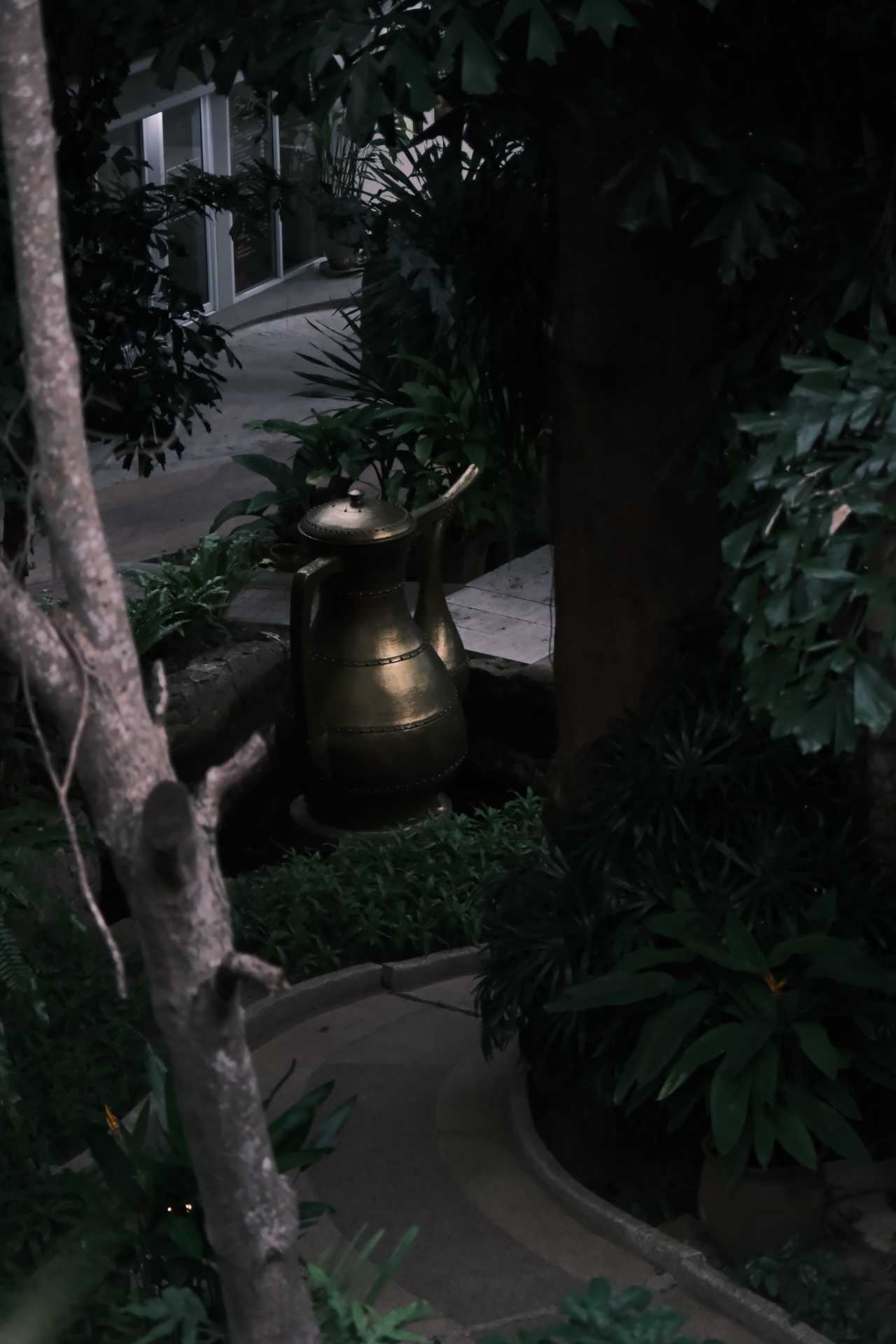
The accommodation environment at Ban's is still quite good—probably better compared to going to Malaysia or the Philippines. There are also many rooms. Looking carefully, the hotel's decoration and design have a certain charm. Although it's a bit dated, you can still see the thoughtfulness in the furnishings and design.
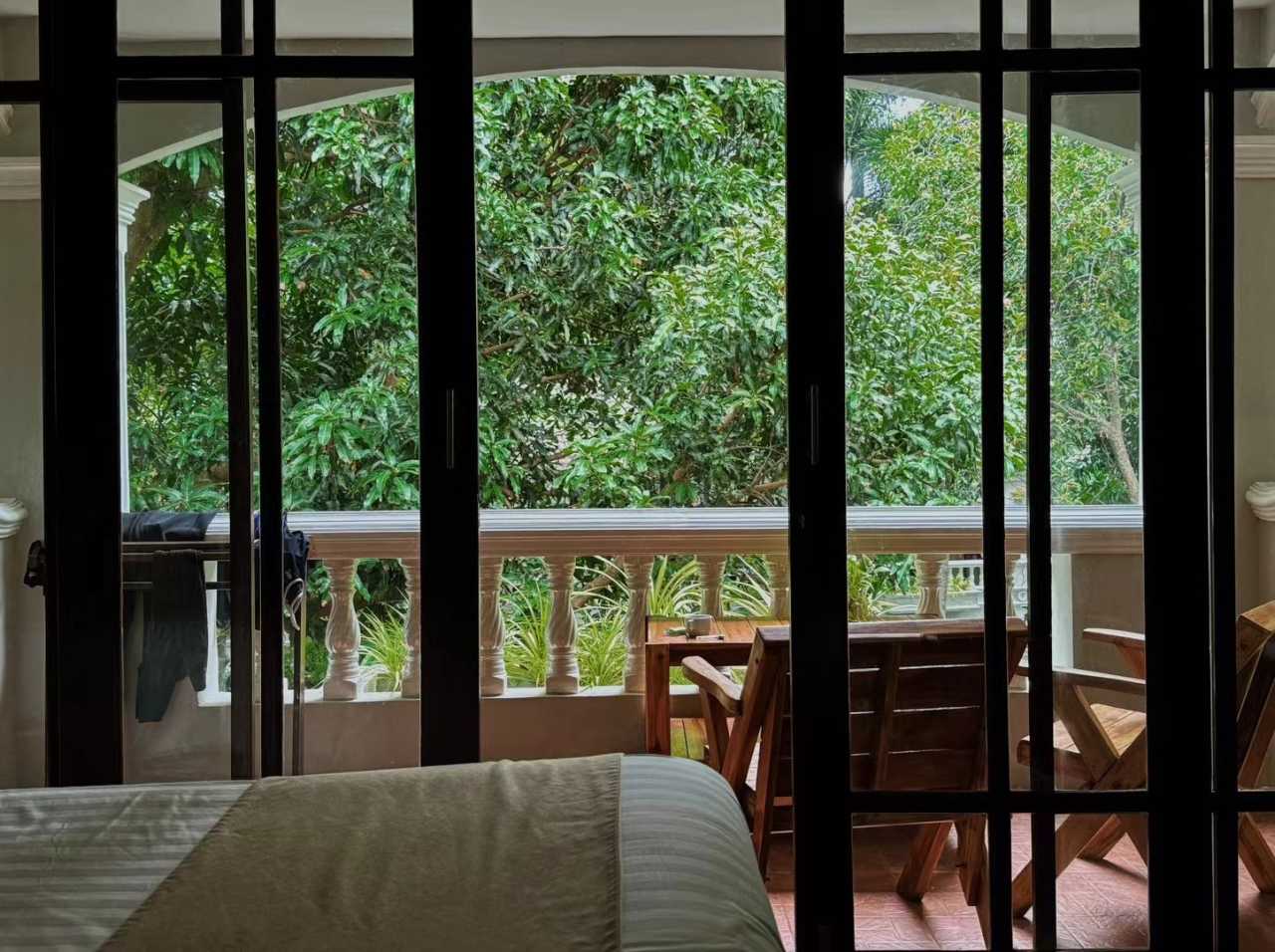
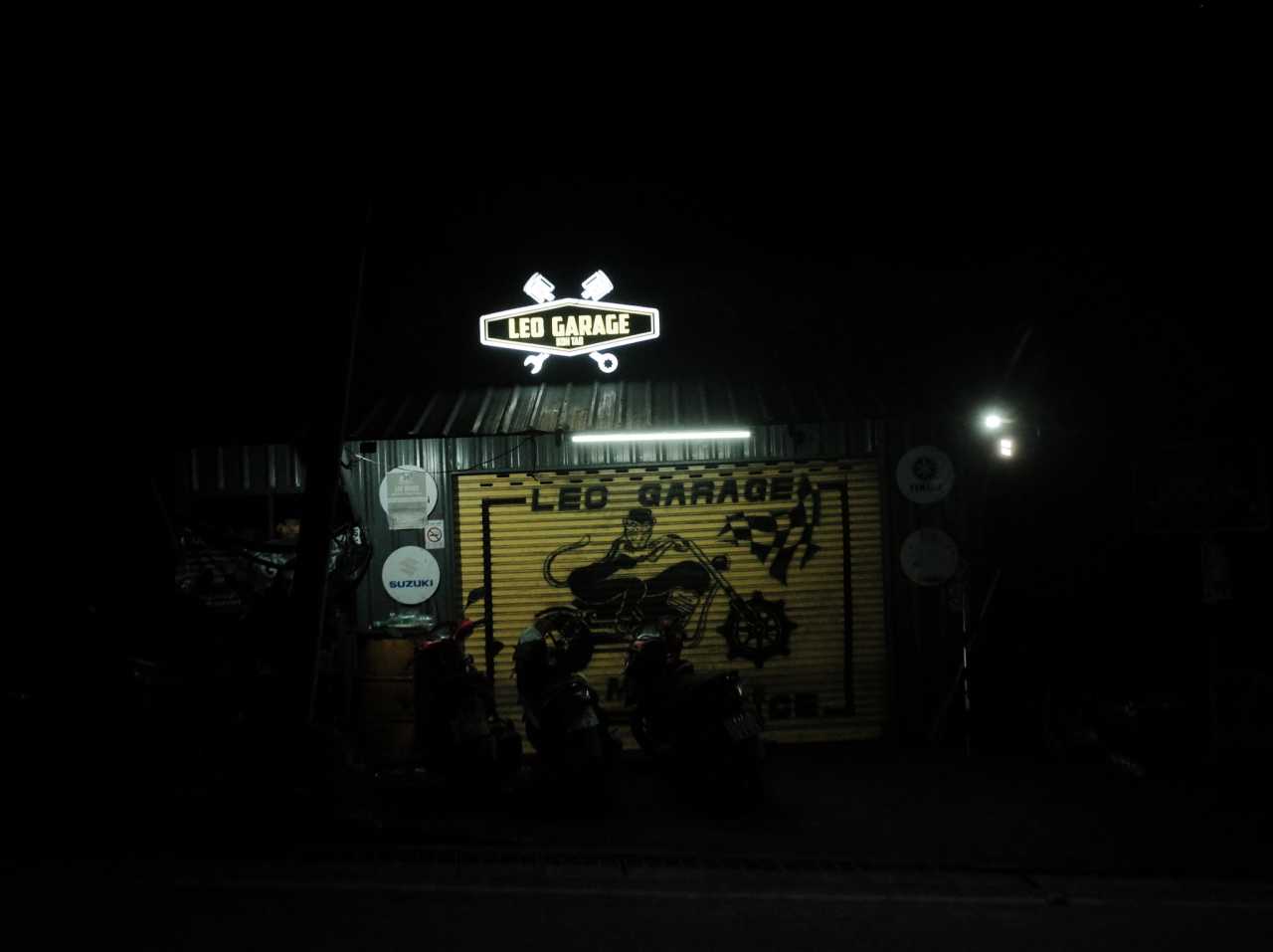
The island is really full of these shops everywhere..
Sometimes, if you don't push yourself, you won't discover your potential. For a long time, I thought I wouldn't get any diving certification and also had fears about accidents. But really, when we touched that equipment, got on the boat, jumped into the sea... we still shouldn't abandon those wonderful experiences just for the sake of so-called safety. On the first day in the sea, I thought I could never leave the buoy or the rope. By the third day, I wished I could dive straight to 15 meters in one breath—it's just a pity I could only perform the Frenzel maneuver while lying flat.
I was also lucky enough to go on three Fun dives. When I touched the coral below, I still felt such a sense of freedom.
Looking forward to the next dive~