[Preface]
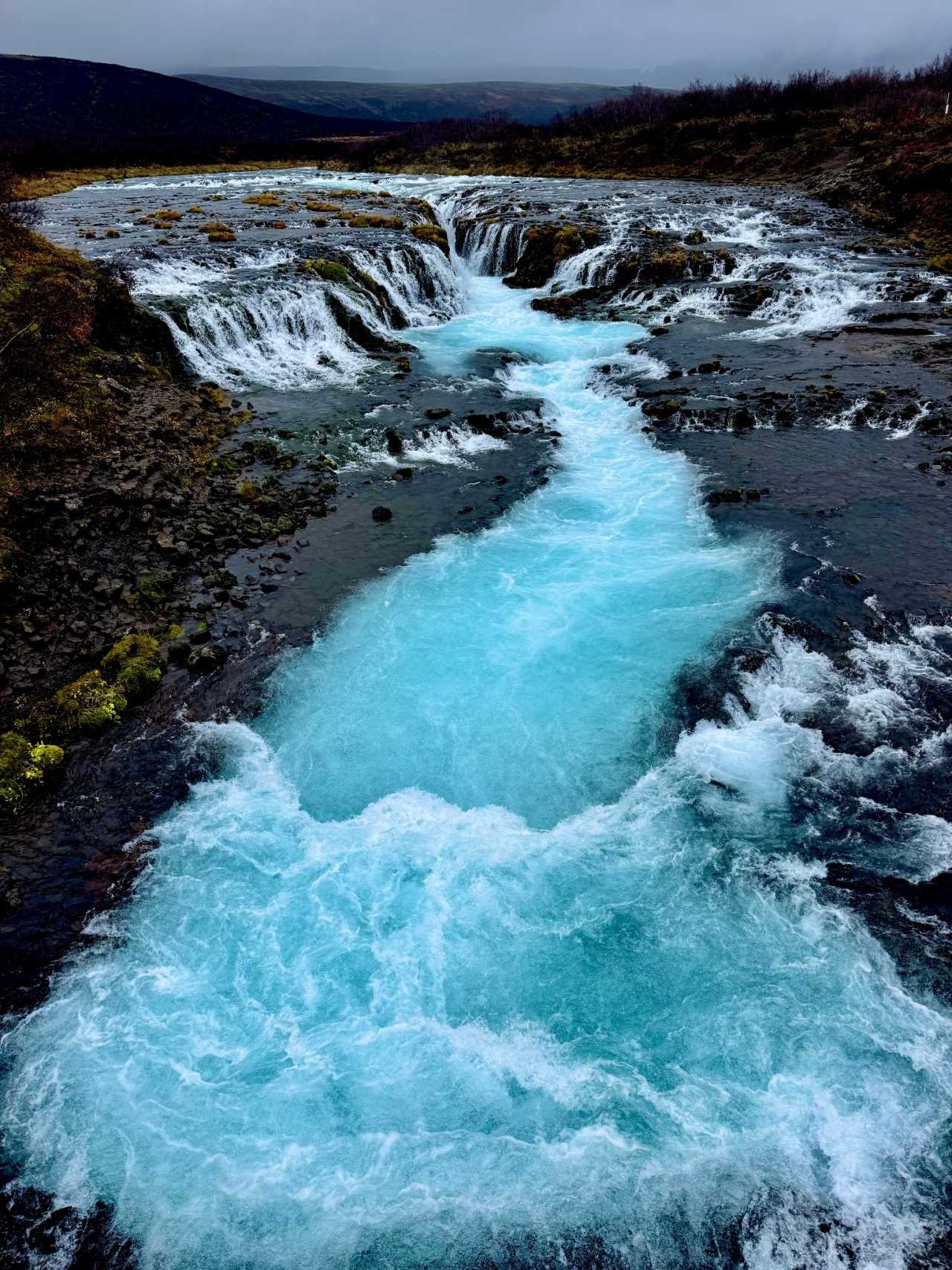
Iceland - the land of fire and ice, where volcanoes meet glaciers, and where the Northern Lights dance across dark skies. This 7-day journey took us through some of the most dramatic landscapes on Earth, from thundering waterfalls to black sand beaches, from geothermal hot springs to massive glaciers.
[Trip Overview]
Duration: 7 days
Route: Reykjavik → Golden Circle → South Coast → East Fjords → North Iceland → Snæfellsnes Peninsula → Reykjavik
Travel Season: Late September (Northern Lights season)
Transportation: Self-drive rental car
Total Distance: Approximately 1,800 kilometers
Total Cost: Approximately 15,000 CNY per person
[Practical Information]
Visa Requirements
Iceland is part of the Schengen Area. We applied for our Schengen visa through the Danish consulate (which handles Icelandic visa applications). The process took about 2 weeks, and we received a multiple-entry visa valid for 30 days.
Transportation
We rented a 4WD SUV from Blue Car Rental, which was essential for some of the gravel roads and F-roads we encountered. The car came with studded tires (standard for September) and included full insurance coverage including gravel protection and sand/ash protection.
Accommodation
We booked accommodations through Booking.com, staying in a mix of hotels, guesthouses, and farm stays. All accommodations included breakfast, which was important given Iceland's high food costs. Prices ranged from 1,200-2,000 CNY per night.
Currency and Costs
Iceland uses the Icelandic Króna (ISK). Credit cards are accepted everywhere - we didn't need cash at all. Iceland is expensive: expect to pay 150-200 CNY for a simple meal, 800-1,200 CNY for accommodation per night, and 60-80 CNY for a cup of coffee.
Weather and Clothing
September weather is unpredictable - we experienced sunshine, rain, wind, and even snow in the mountains. Essential items include: waterproof jacket and pants, warm layers, waterproof hiking boots, gloves, and hat. The wind can be extremely strong, especially near the coast.
[Day-by-Day Itinerary]
Day 1: Arrival in Reykjavik
Arrived at Keflavik International Airport in the morning. After picking up our rental car, we drove to Reykjavik (about 45 minutes). Checked into our hotel and spent the afternoon exploring the city center. Visited Hallgrímskirkja Church, Harpa Concert Hall, and the old harbor area. Had dinner at a local restaurant trying traditional Icelandic cuisine.
Day 2: Golden Circle
Started early for the famous Golden Circle route. First stop was Þingvellir National Park, where we walked between the North American and Eurasian tectonic plates. Next was Geysir geothermal area, where we watched the Strokkur geyser erupt every 5-8 minutes. Final stop was Gullfoss waterfall - absolutely spectacular with multiple viewing platforms. On the way back, we stopped at Kerið crater lake. The day ended with Northern Lights hunting, but unfortunately, the conditions weren't right.
Day 3: South Coast - Waterfalls and Black Sand Beach
Drove along the scenic south coast. First major stop was Seljalandsfoss waterfall, where we could walk behind the falls for a unique perspective. Next was Skógafoss waterfall - one of Iceland's most powerful waterfalls. We climbed the 527 steps to the top for incredible views. Continued to Reynisfjara black sand beach near Vík, famous for its basalt columns and sea stacks. The wind here was incredibly strong - we could barely stand upright. Overnight in Vík area.
Day 4: Vatnajökull National Park and Glacier Lagoon
Long driving day to reach the Vatnajökull area. First stop was Skaftafell National Park, where we did a short hike to Svartifoss waterfall, famous for its basalt column backdrop. The main highlight was Jökulsárlón glacier lagoon - massive icebergs floating in the lagoon, creating an otherworldly scene. We also visited nearby Diamond Beach, where ice chunks on the black sand create a magical contrast. Unfortunately, our planned glacier hike was cancelled due to weather conditions.
Day 5: East Fjords and North Iceland
Drove through the scenic East Fjords region, with its winding coastal roads and charming fishing villages. The landscape changed dramatically as we headed north. Stopped at Dettifoss, Europe's most powerful waterfall - the sheer force was awe-inspiring. Visited the nearby Ásbyrgi canyon, shaped like a horseshoe. Overnight in the Mývatn area, known for its geothermal activity.
Day 6: Mývatn Area and Akureyri
Explored the Mývatn geothermal area: walked around the pseudo-craters, visited the Hverir geothermal area with its bubbling mud pools and steaming vents, and saw the Mývatn Nature Baths (a less crowded alternative to the Blue Lagoon). Drove to Akureyri, Iceland's second-largest city, and explored its botanical garden and charming downtown area. In the evening, we were finally rewarded with Northern Lights! The green lights dancing across the sky was a magical experience we'll never forget.
Day 7: Snæfellsnes Peninsula and Return
Early start for the Snæfellsnes Peninsula, often called "Iceland in miniature" because it has all of Iceland's landscapes in one area. Visited Kirkjufell mountain (the most photographed mountain in Iceland), Djúpalónssandur black sand beach with its shipwreck remains, and the Snæfellsjökull National Park. Drove back to Reykjavik in the afternoon, returned the rental car, and took the airport shuttle to Keflavik for our evening flight home.
[Scenic Highlights]
Gullfoss Waterfall
The "Golden Falls" is one of Iceland's most spectacular waterfalls. The two-tiered cascade drops 32 meters in total, creating a powerful display, especially during summer when glacier melt increases the water volume.
Jökulsárlón Glacier Lagoon
This glacial lagoon is filled with icebergs that have broken off from the nearby glacier. The icebergs float in the lagoon, creating a constantly changing landscape of blue and white ice sculptures.
Reynisfjara Black Sand Beach
World-famous for its black volcanic sand, basalt columns, and the Reynisdrangar sea stacks rising from the ocean. The beach is both beautiful and dangerous due to powerful "sneaker waves."
Kirkjufell Mountain
This 463-meter high mountain is the most photographed peak in Iceland. Its distinctive cone shape and location near Grundarfjörður make it an iconic Icelandic landscape, especially when paired with the nearby Kirkjufellsfoss waterfall.
Northern Lights
We were lucky to witness the Aurora Borealis on our sixth night. The green lights dancing across the dark sky near Akureyri was truly magical. September is good for Northern Lights as the nights are getting longer but weather is still relatively mild.
[Food and Dining]
Icelandic cuisine focuses on fresh, local ingredients. We tried traditional dishes like lamb soup, fresh fish, and Icelandic skyr (a type of yogurt). Restaurant recommendations:
Reykjavik: Icelandic Fish & Chips - fresh fish with creative sauces
Vík area: Halldórskaffi - cozy restaurant with traditional Icelandic dishes
Akureyri: Strikið - excellent seafood and city views
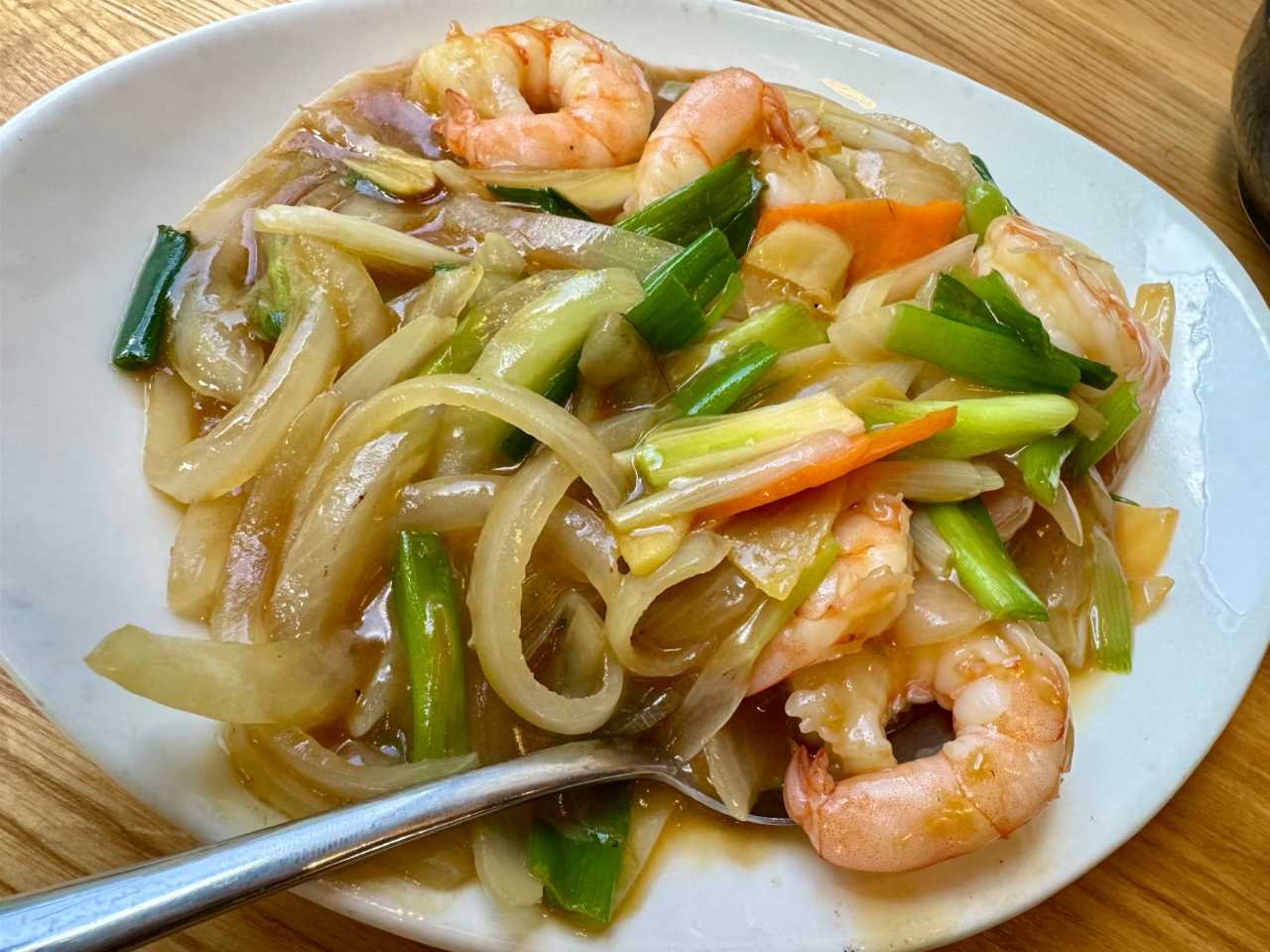
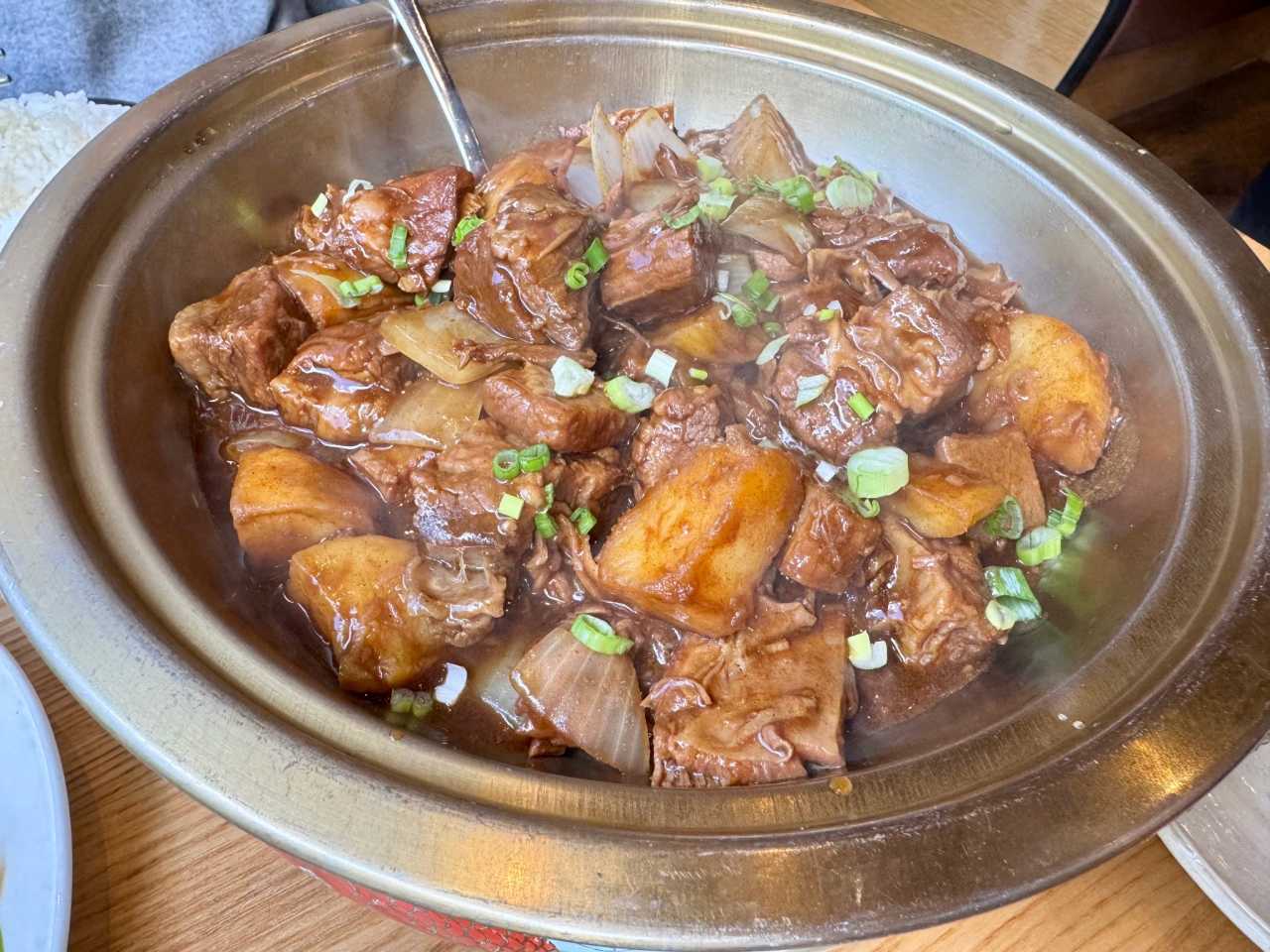
We also found a Chinese restaurant in Reykjavik called Jimmy Express. The food was decent but we had issues with cleanliness - the utensils still had food residue from previous customers. The ginger and onion prawns were quite good with fresh, bouncy shrimp meat, while the potato stewed beef was average.
[Final Reflections]
Our 7-day Iceland journey had its share of regrets, surprises, exhaustion, and laughter. Iceland showed us its wild and gentle sides through its unique natural wonders.
The prices are high, the winds are strong, and the weather is unpredictable, but the landscapes are absolutely stunning and healing. Looking up at the star-filled sky and being blessed with the Northern Lights became the most precious memories of this journey. Although we missed out on glacier hiking again, regrets are part of travel - they make Iceland even more unforgettable.
Iceland is a land that allows you to let go of all distractions and return to your true self. Here, you feel both incredibly small and completely free. Until we meet again, Iceland!