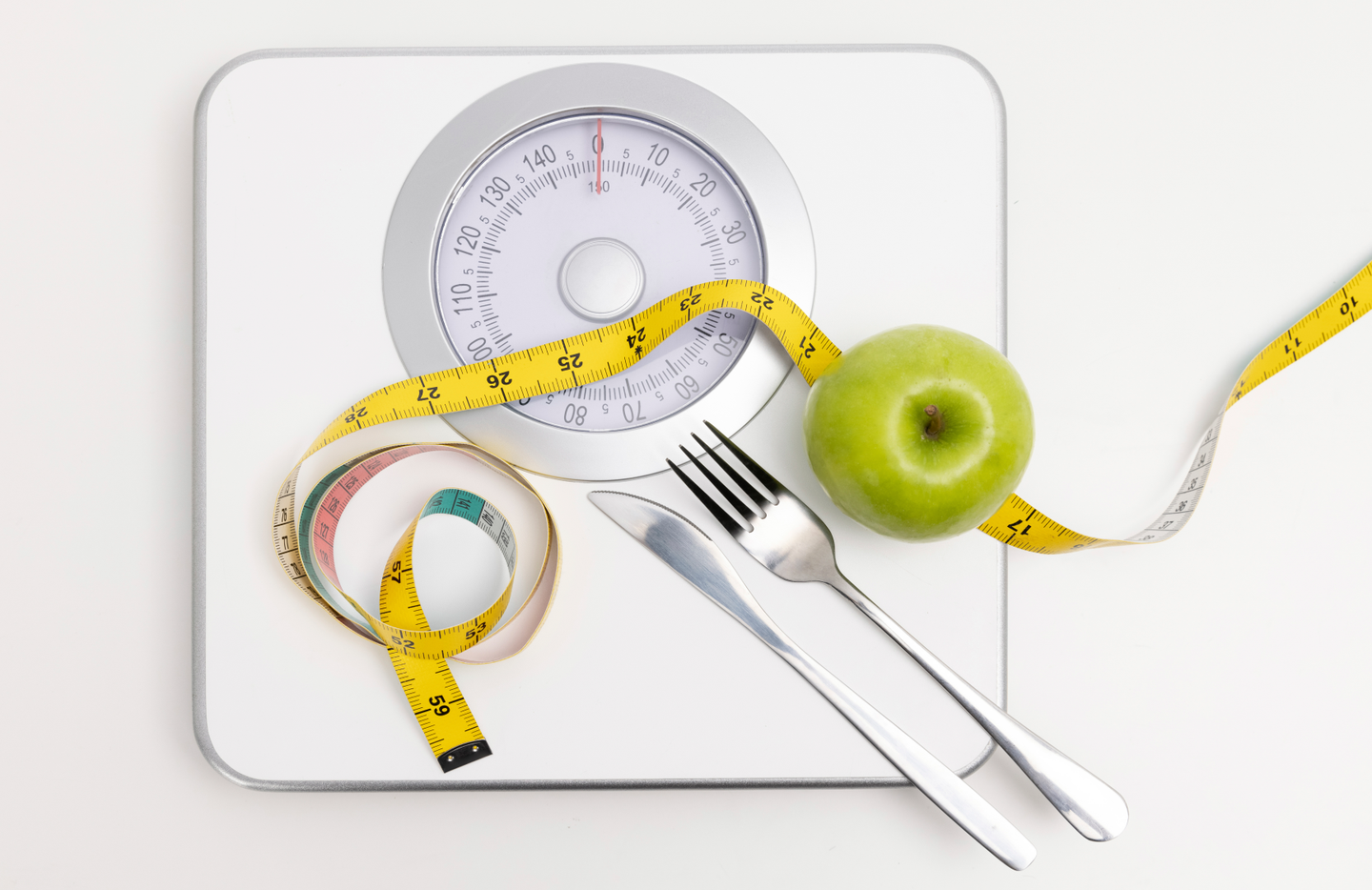
Light fasting may be the most popular weight loss method in recent years. 16:8, 5+2, alternate fasting...... The various modes are dazzling.
Can they lose weight? What are the potential side effects? If you want to try, how to do it is safer. In this article, Mr. Gu will talk to you in detail about these three types of light fasting.
1. 16:8 light fasting
16:8 light fasting means eating all the food of the day within 8 hours, and fasting for the remaining 16 hours without water, as well as tea, Americano and other zero-calorie drinks.
Does this method of losing weight work?
This study, published in the Annals of Internal Medicine in 2023, shows that it is useful. [1]
The study randomly divided 90 obese adults into 3 groups and followed up for 1 year.
(1) 16:08 (12 noon – 8 pm, not counting calories);
(2) 25% calorie restriction per day;
(3) Control (daily ≥ 10 hours).
The results showed that the 16:8 group lost 4.61 kg more than the control group, which shows that the 16:8 group is helpful for weight loss, but the weight loss is similar to that of the group that restricts 25% of energy per day, that is, it is the same as other weight loss methods.
But this study, published in JAMA Internal Medicine in 2020, shows that it is useless. [2]
The study randomly divided 116 overweight/obese adults into two groups.
(1) 16:8 (12 noon to 8 pm, no energy intake at other times);
(2) Control group (eat three meals normally).
As a result, after 12 weeks, there was no significant difference in weight loss between the two groups, and the 16:8 diet lost 0.26 kilograms more than the control group, which is half a catty, and this study also found that the 16:8 group lost more muscle, which is not worth the loss.
However, if you just want to try, Teacher Gu gives you 3 suggestions:
1. Step by step: You can start at 14:10, then transition to 15:9, and finally try 16:8.
During this process, observe hunger and concentration to ensure that there is no obvious hunger during fasting, and it does not affect normal work and life, such as sleep.
2. Eat enough protein and micronutrients: Arrange three meals within 8 hours, preferably with staple foods, vegetables and proteins at each meal, and evaluate supplements under professional guidance if necessary to avoid micronutrient deficiencies due to dietary restrictions.
3. Training is placed in the eating window, if you stop eating before training, the training effect is easy to be discounted because the energy cannot keep up, and you may have obvious hunger and overeating after training.
In addition, if women have symptoms such as menstrual disorders and obvious fatigue, they should be adjusted or stopped immediately, and it is best to seek evaluation from a doctor or dietitian.
Further reading: Use the 16:8 diet to eat as usual and lose weight, pay attention to 7 points when implementing
2. 5+2 light fasting
5+2 light fasting, that is, eat normally 5 days a week, and control 500–600kcal for the other 2 days (500kcal for women, 600kcal for men).
Does it help you lose weight?
Both randomized controlled studies published in the International Journal of Obesity in 2011 with a follow-up of 6 months [3] or studies published in the International Journal of Obesity (London) in 2019 with a follow-up of 12 months [4] have shown that they are helpful for weight loss, but compared with the traditional eating a little less every day, the weight loss is about the same, and there is no significant advantage.
The 2019 study recruited 332 overweight/obese adults randomly divided into 3 groups.
Group 1 (CER): Eat less every day, 1000 kcal/day for men and women, and 1200 kcal/day for men.
The second group: eat less for a week and eat normally for a week.
Group 3: 5+2, fasting days: 500 kcal/day for women and 600 kcal/day for men.
The results showed that 5+2 decreased by an average of 5.0 kg. The daily energy restriction group lost 6.6 kg; There is actually no significant difference in this result, but the group that eats less every day still loses a little more.
So whether to eat less every day, or 5+2, you can try, for you, which one is better to stick to, you can choose which.
Teacher Gu would like to remind you that because you eat less on fasting days, you may have some problems such as dizziness, fatigue, and mood swings.
If you want to try it, Mr. Gu gives you 3 suggestions:
1. Don't let yourself go on non-fasting days, the staple food is best to be thick and thin, vegetables and fruits should also be sufficient, a meal is best to eat 1.5-2 fists, less sugar, less oil and less salt when cooking, and it is best to eat less or not eat all kinds of high-energy snacks.
2. Prioritize protein and vegetables on fasting days, and pair them with a small amount of whole grain staple foods to ensure satiety.
3. It is not recommended to fast for two consecutive days; Women, pregnant women, adolescents, the elderly, people with eating disorders or chronic diseases are not suitable for trying.
Further reading: 8 days 5+2 light fasting recipe, friends who want to try it should follow along
3. Eating every other day
The alternate-day eating method is to eat normally today, fast tomorrow, or have a very low energy intake of 500–600kcal, and then eat normally the day after tomorrow.
Is this method useful? It's the same as 16:8, if you don't compare it with anything, you will definitely lose weight, but compared with the traditional weight loss method of eating less at each meal, the weight loss is usually about the same. Let's also look at a study for details.
A randomized controlled trial published in JAMA Internal Medicine in 2017 [5] recruited 100 metabolically healthy obese adults and divided them into three groups:
(1) Alternate fasting (25% energy on fasting days, about 500 kcal; eat on non-fasting days, about 125% of the usual energy);
(2) Daily energy restriction (reduce energy by 25% per day);
(3) control group (eating habits remain unchanged).
After 12 months of follow-up, the results showed that fasting on the other day lost about 6% more weight than the control group; However, compared with the group that "eats less every day", the effect is similar, and there is no obvious advantage.
The more realistic problem is that it is difficult to persist, and the withdrawal rate of the next-day fasting group is higher, with 13 out of 34 people quitting, which shows that many people cannot implement the rhythm of eating one day at a time for a long time.
In addition, this way of eating may cause dizziness, fatigue, and decreased concentration in the short term. For people who need to eat regularly and are prone to hypoglycemia, such as people with diabetes, the risk is high, and it is not recommended to try it on your own.
If you want to try it, Teacher Gu gives you 3 suggestions:
1. Fasting days are arranged on days with low workload and less socialization, and going to bed early can relieve hunger.
2. Choose "high protein + high fiber + low calorie" foods on fasting days, such as eggs, unsweetened yogurt, large portions of vegetables, and whole grain staple foods, so that you can feel fuller.
3. It's hard to persist, don't force it, you can insist on eating a little less every day (such as reducing calories by 25%), and the effect is not bad.
Finally, to summarize:
1. The most important thing is to choose something that you can stick to for a long time, no matter which weight loss method, the most important thing is that you can do it steadily for 6-12 months.
2. Put what you eat first: No matter which way you eat, sufficient protein + whole fruits and vegetables + sugar control, fat and salt control are all general dietary principles.
3. You must not lose too fast, it is best to lose 0.5-1 pounds per week, otherwise it is easy to lose lean weight.