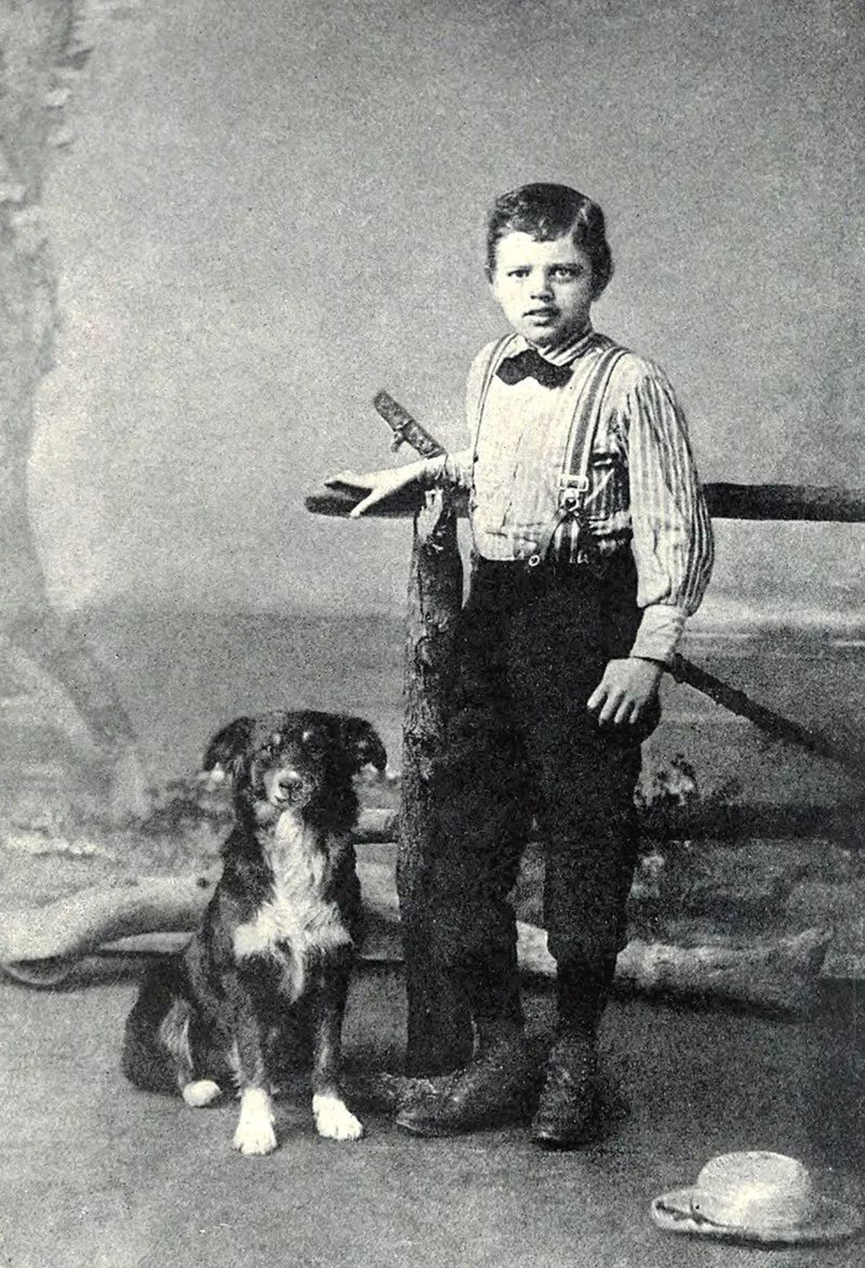
Born on January 12, 1876 in San Francisco to a family of bankrupt farmers, Jack London began working at the age of ten to take on the burden of the family, and the puppy Rollo was his best friend:
In 1893, 17-year-old sailor Jack London won the San Francisco Call Magazine Essay Contest with "The Story of a Typhoon in the Sea of Japan" with a prize of $25; In 1900, Jack London published the short story "Odessa in the North" in the first-class magazine "General Monthly" for a manuscript fee of $120.
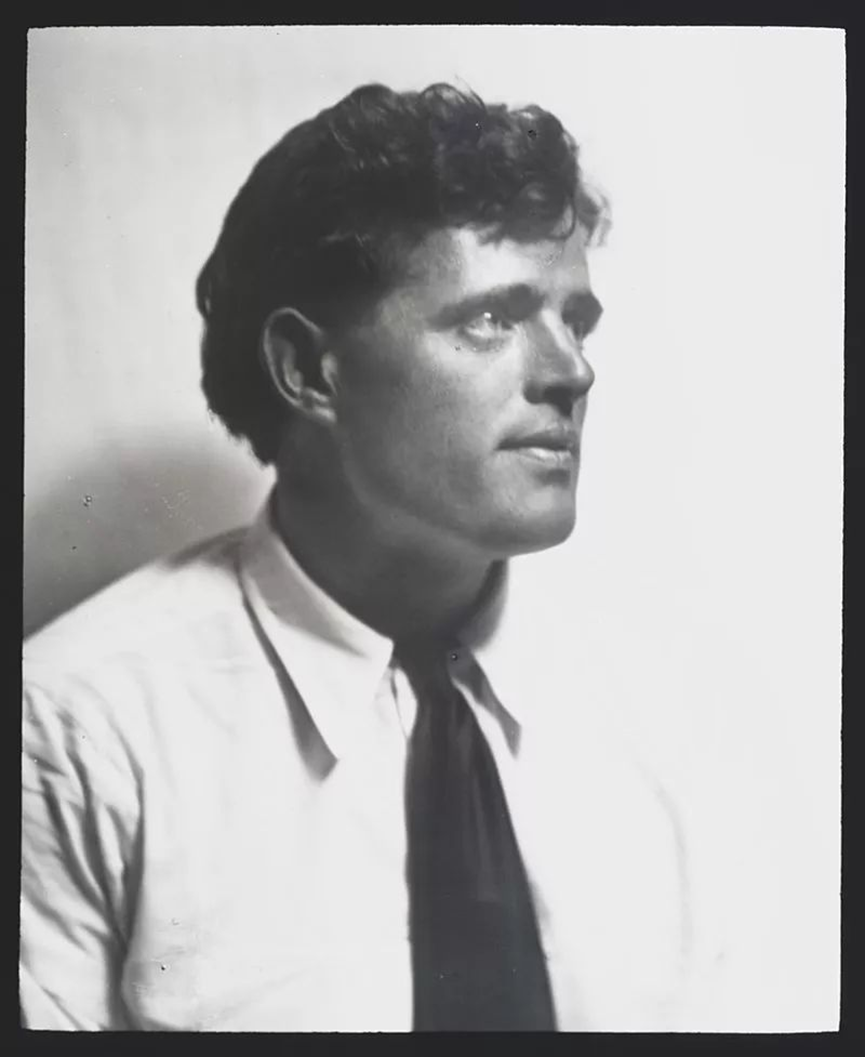
In 1903, Jack London published "Wild Stories", which caused a sensation in the United States and formed a Jack London whirlwind, which sold well all over the world:
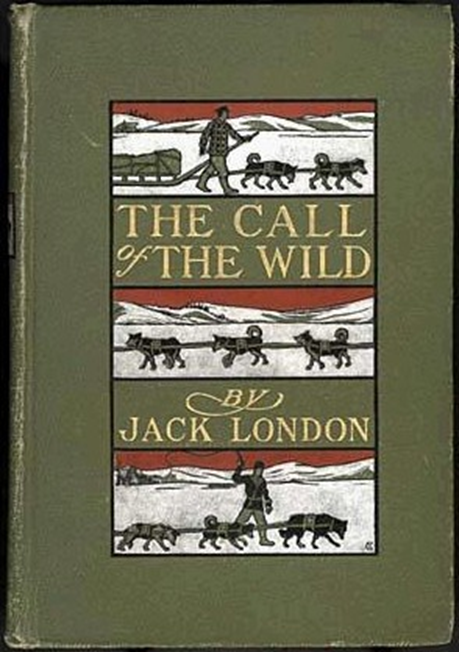
The cover of the first edition of "Wild Stories"
In 1916, Jack London, who was successful and in full swing, died of an overdose of narcotics, and this great writer who had inspired countless readers with "Love of Life" came to suffer, why did he leave the world in this way?
Jack London's semi-autobiographical novel Martin Eden, published in 1909, may have the answer we want:
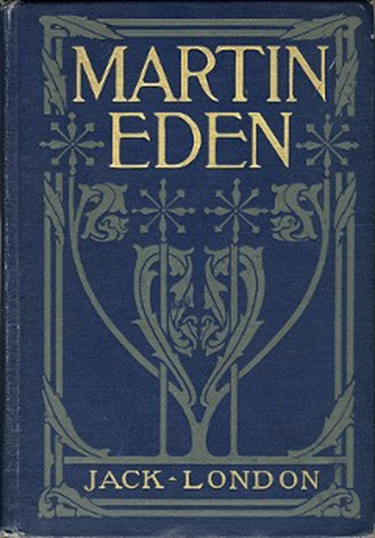
The cover of the first edition of "Martin Eden"
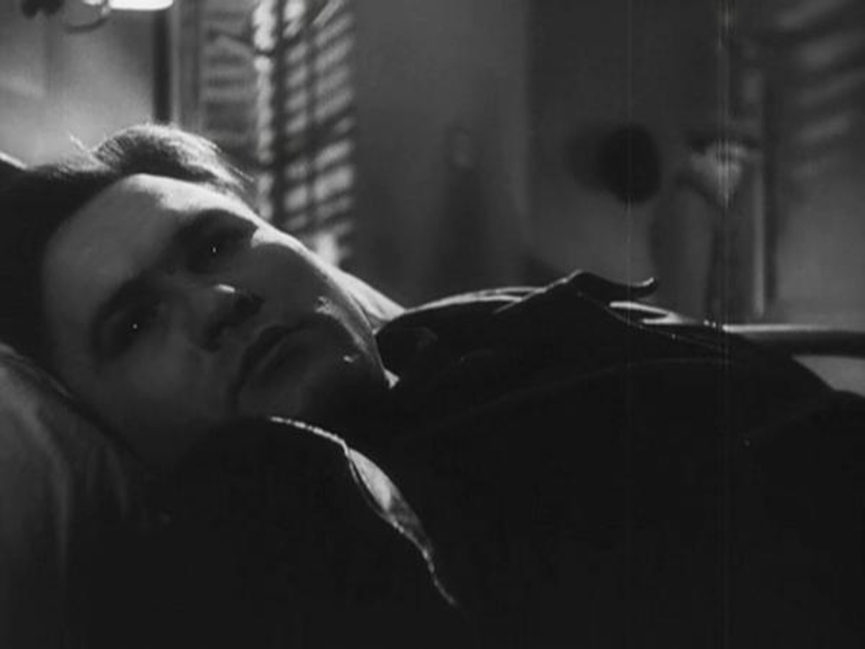
The film of the same name "Martin Eden" won the Best Actor crown at the Venice Film Festival this year:

The plot of "Martin Eden" is very simple, a poor boy from the bottom, desperately writing, fame and fortune, entering high society, but feeling empty and disillusioned, and finally committing suicide by jumping into the sea: "When life can only bring pain and exhaustion, prepare for death so that you can find comfort in a long sleep." So what is he waiting for? You can go. ”
Jack London's strong pen makes a very moving description of Martin's fear of entering high society:
The journey into the dining room was a nightmare for him. He stumbled forward, sometimes rushing to the front, sometimes staggering behind, many times it seemed difficult to move, but after all, he had walked this part and sat down beside her. But the various knives and forks in front of him made him panic again.
How to recreate this nightmare with the lens?

The audience was surprised to find that Martin was calm and comfortable, and seemed to have long been accustomed to the table manners of the middle class; Faced with the question of whether the government should increase investment in education, he used local materials and cleverly used food as a metaphor to eliminate poverty by spending money on education at the bottom:
Such an adaptation seems to add charm to the characters, but in fact tramples on the essence of the original work, too brief, too perfunctory -
Faced with the elegant living environment and lifestyle of middle-class families, Martin worked hard from the huge gap of fear, desperately absorbing knowledge and immersing himself in creation: he had to stand out to be worthy of a noble goddess.
The cruel story of youth of good struggle and disillusionment has been turned into a model drama of the white left with great hatred, and the European liberals are moved by their own mess:
In that case, why not let Martin join the guerrillas and fight fascism?
Martin came and went, his works were a big seller, and he was so red that he abandoned his girlfriend and came to the door again:
Martin thinks that all she loves is his current fame and status, she doesn't love his work and him as a person, and the whole society is hypocritical: I hate life, it makes me sick!
However, yelling at his former lover "Get out of here"? !
This is not Martin, Martin is kind-hearted, even if he is sad and desperate, he can't scold a goddess who once made him bow down -
This is the choreographer's despicable tampering with the original work, which is completely contrary to the logic of art and life.
The ending is well filmed, in the brilliant sunset, Martin's head will not swim to the depths of the sea, full of martyrdom poignancy and tragedy:
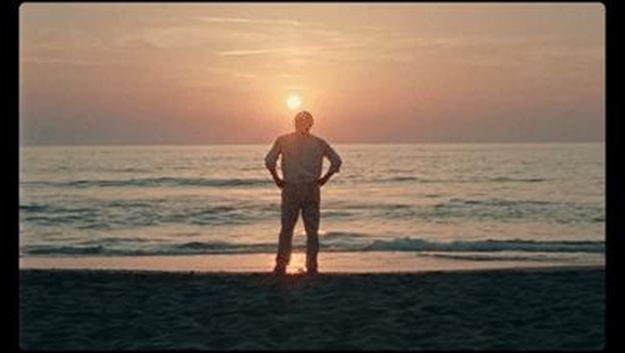
If the heart is like ashes, just like the famous poem of Weinburn recited by Martin before defecting to the angry sea:
Fortunately, life is not eternal, but fortunately, the dead do not wake up; Even a tired river can enter the sea to settle down.
Overall, it was a terrible adaptation that had the sole function of sparking readers' interest in reading the original Martin Eden.