 haopass.top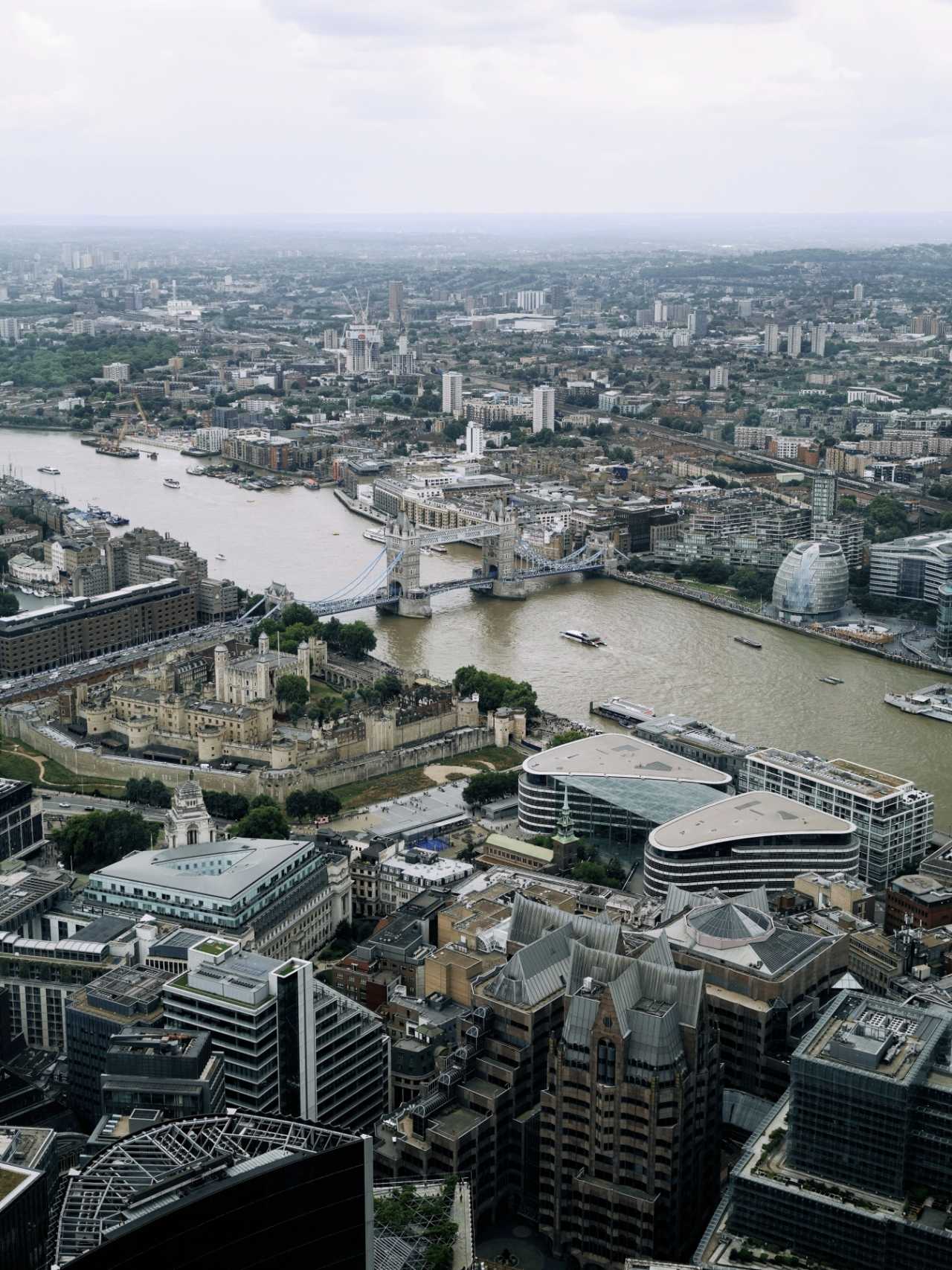
A brief taste of the summer light year in the UK -10 day tour of London and the southeast coast, UK self guided travel guide
Live in the Moment, Set Off Now
Summer in the UK isn’t so fervent, yet it lingers in my mind.
A country that had never appeared on my travel plan became an unexpected rendezvous this summer.
My teammate received an opportunity to do an exchange in London. He asked me casually out of politeness if I wanted to join, and unexpectedly I took it seriously! I hadn’t traveled far for a long time and I hesitated—life entangles us with so many trifles—but in the end I couldn’t resist the heart that wants to see the world.
I didn’t want to wait for “one day”; I chose to set off immediately!
“The IT Crowd”, “Harry Potter”, “Cambridge & Oxford”, “British Museum”, “Britpop”… Before researching, the UK labels in my head were very few. I don’t know European history well and I’m not a British TV fan—“the UK” was the most familiar stranger to me. After a simple prep, I realized there’s far too much in the UK worth seeing. In London I packed six days with nearly 20,000 steps a day of commando-style marching and still didn’t get enough! For the remaining three days, considering time, routes, and sights, I chose the southern coast—to see the white cliffs and wander seaside towns.
Trip Overview
Glimpses of the UK
On this 10-day, 9-night trip, I experienced leisurely solo walks on London streets, immersion in temples of art, and strolls under green park canopies; and I also enjoyed feasting at markets, driving on country lanes, and rushing toward the wilderness with friends. Memories of journeys grow fuzzy after many years—thankfully images and words can frame these moments, and for friends who long to visit the UK, you can feel the charm of the UK through my words and pictures first.
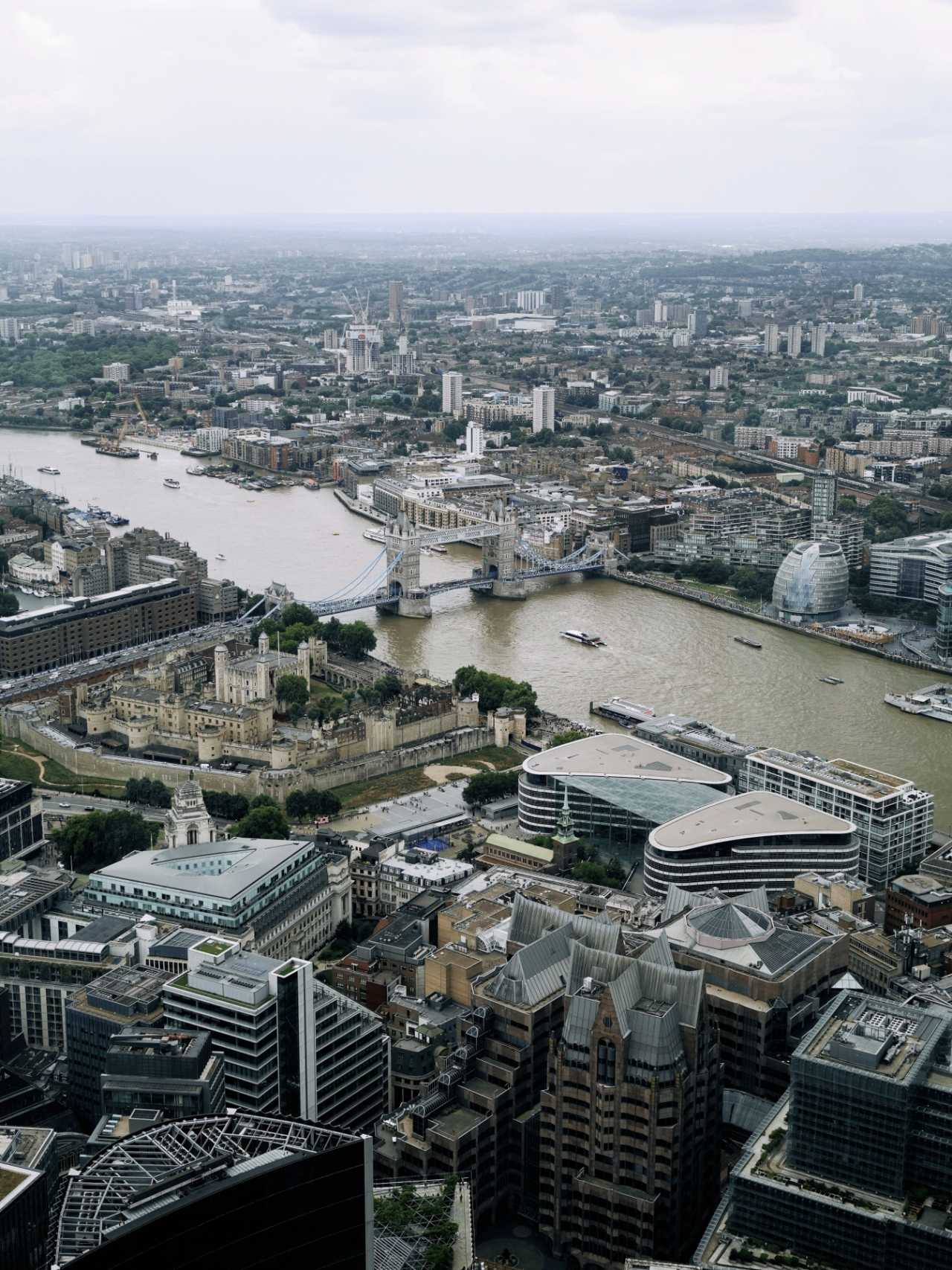
At Horizon22, feel London’s charm from a god’s-eye view.
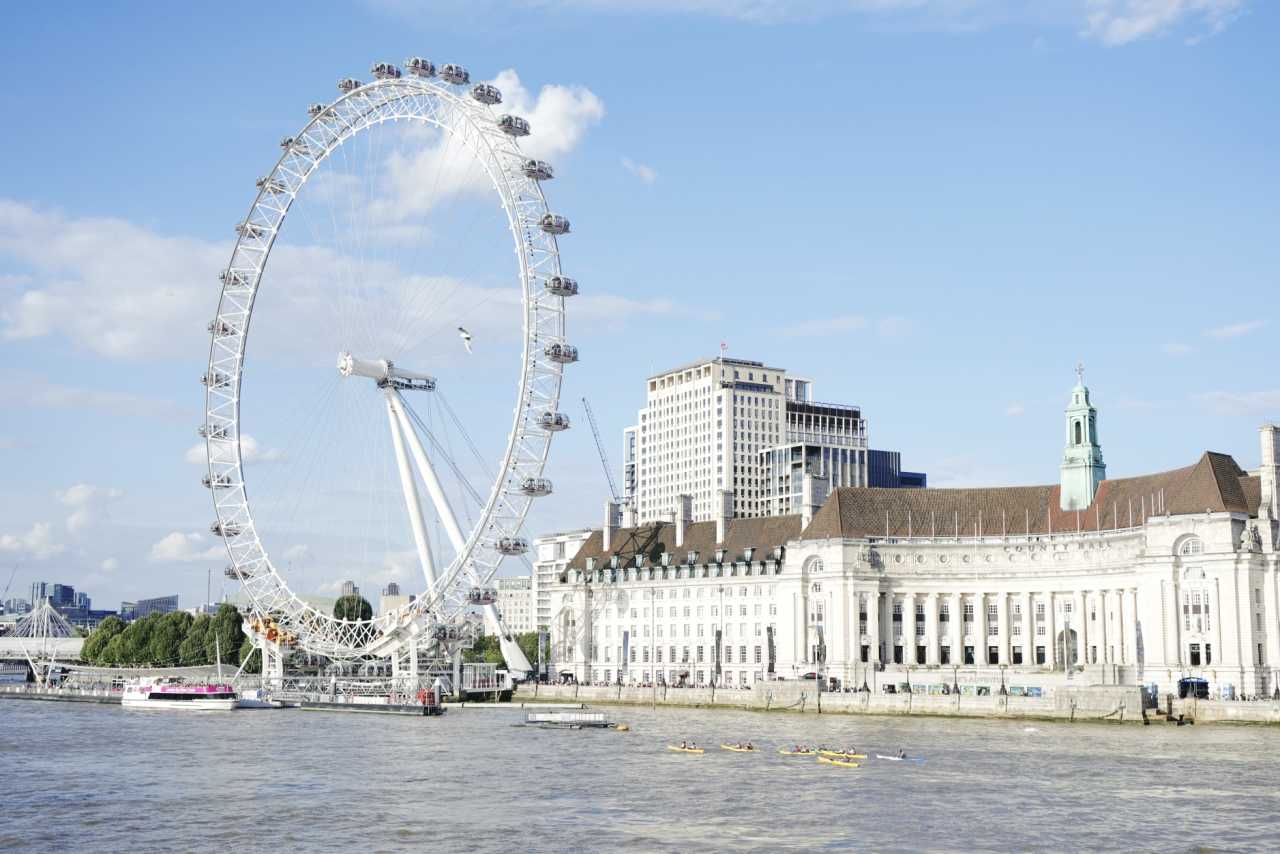
Thames riverside in London under the long summer daylight.
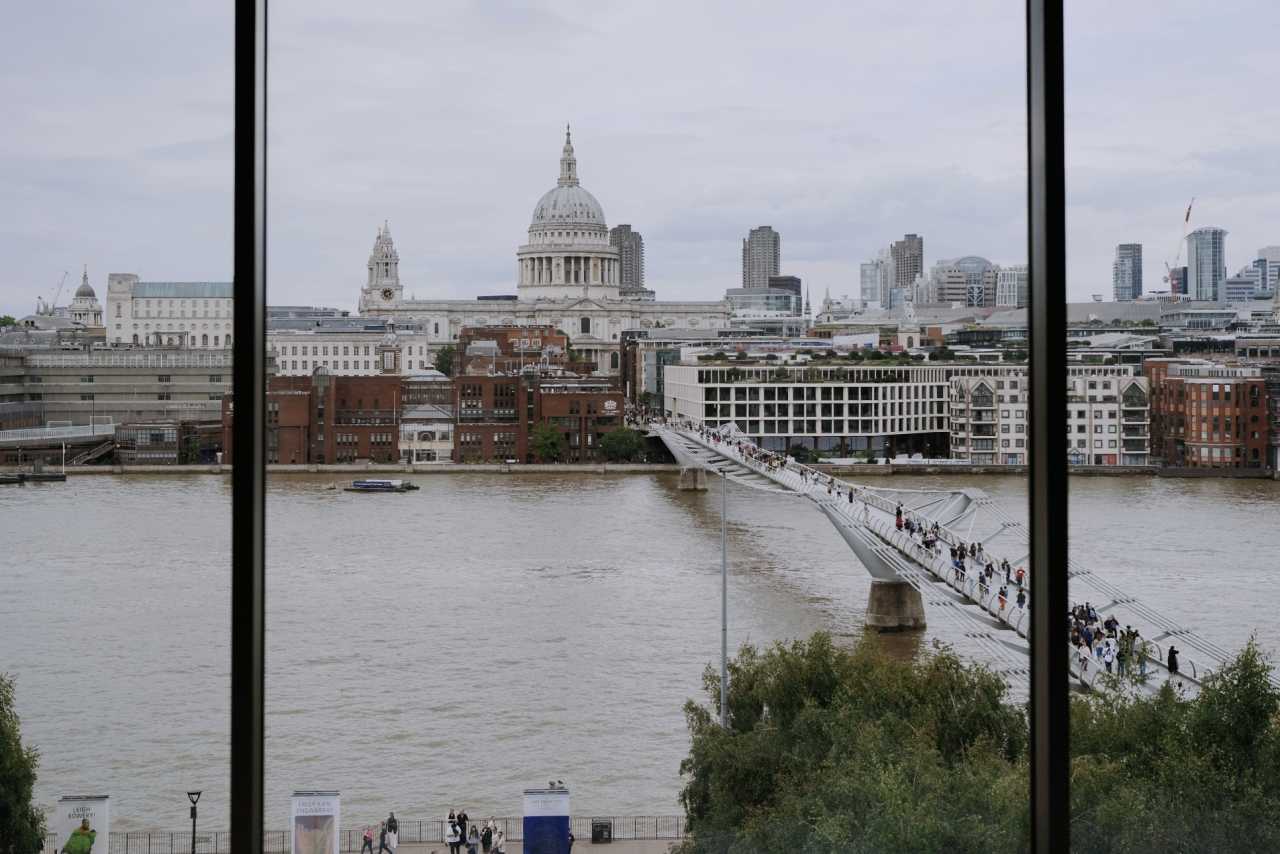 Tate Modern
Feel the blend of tradition and modernity through Tate Modern’s “city window”.
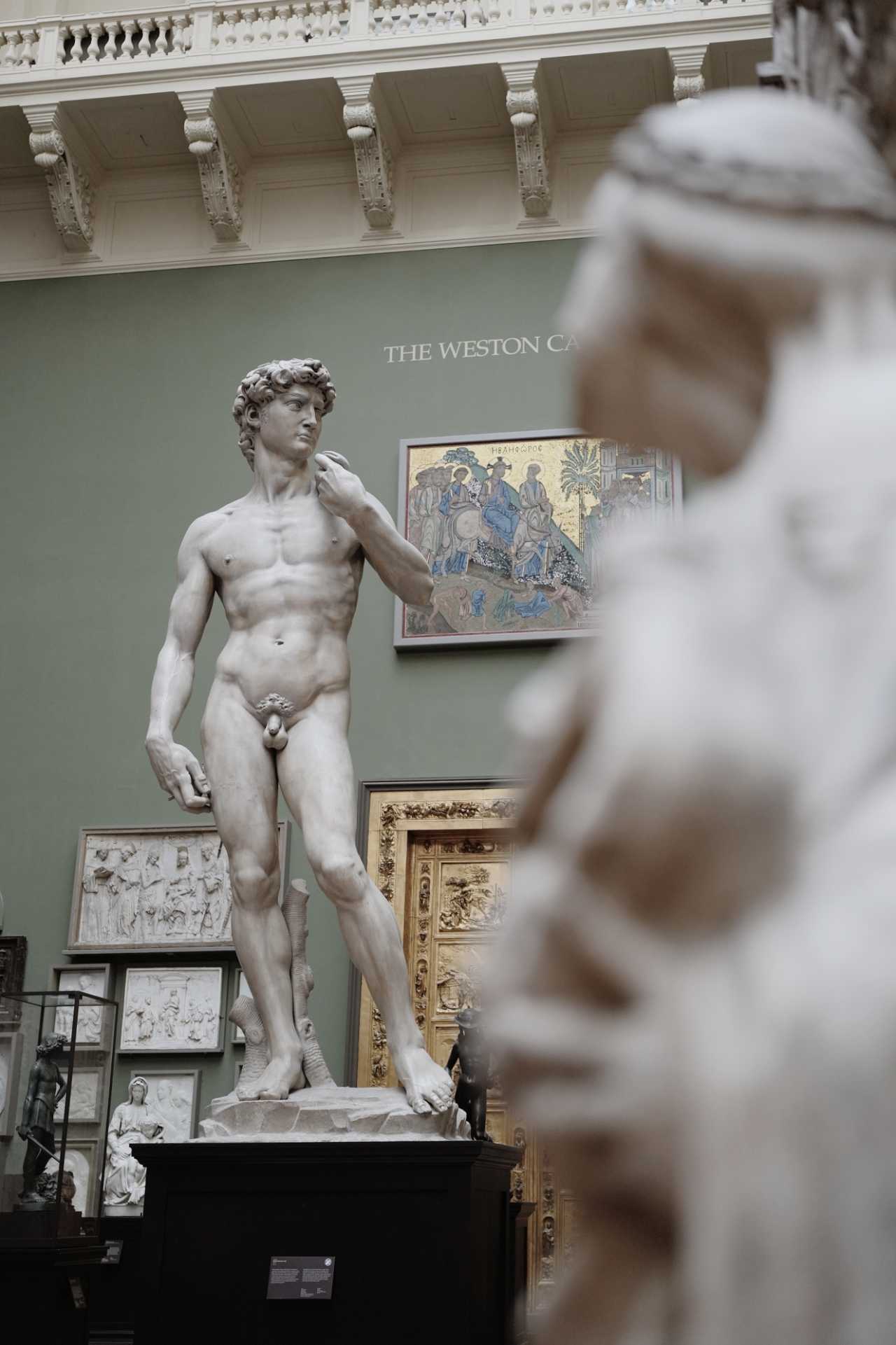 Victoria and Albert Museum
A must-see World’s best museum of art and performance — the V&A Museum.
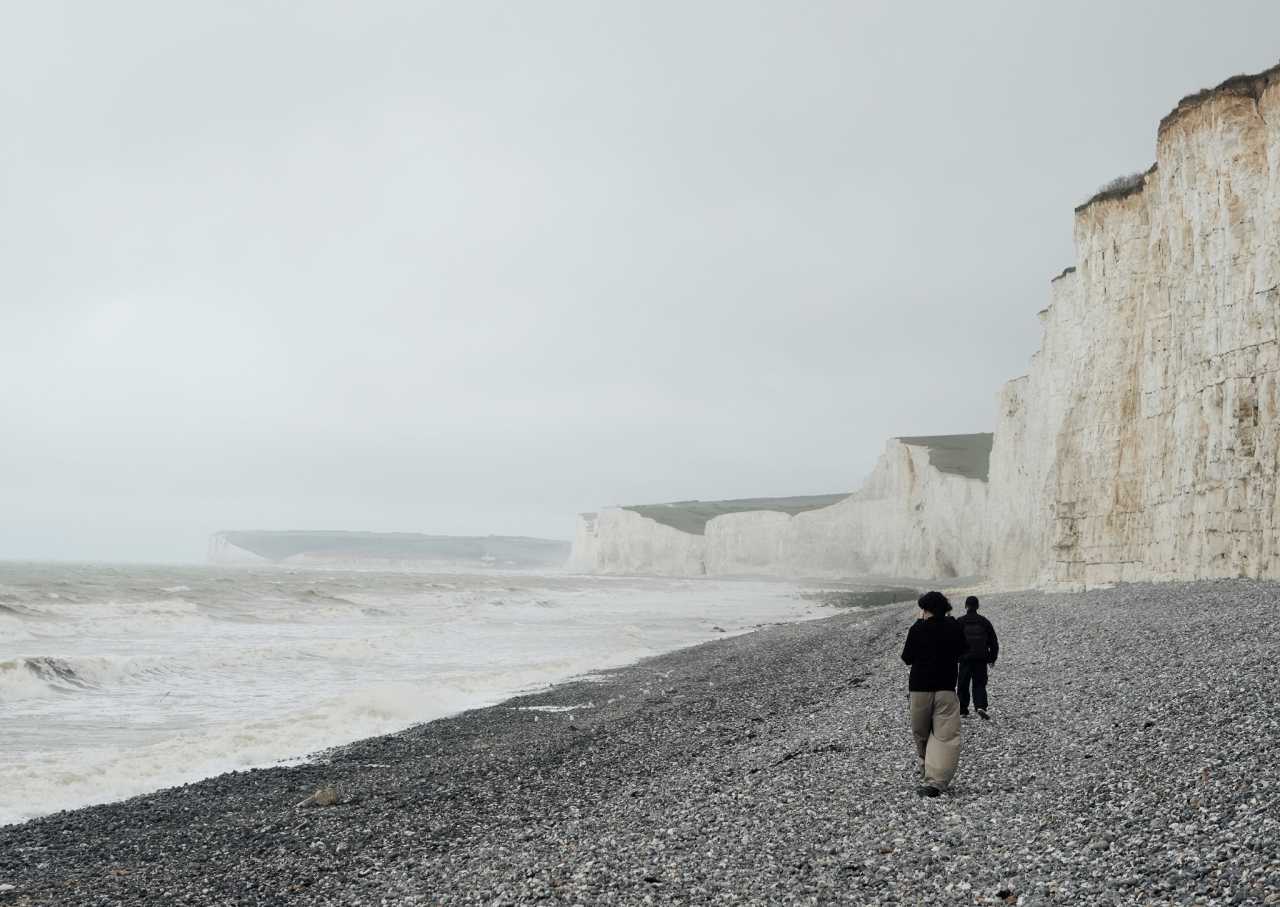 Seven Sisters Country Park
The white cliffs under gloomy rain feel fateful—let the sea wind hit your face and the waves surge.
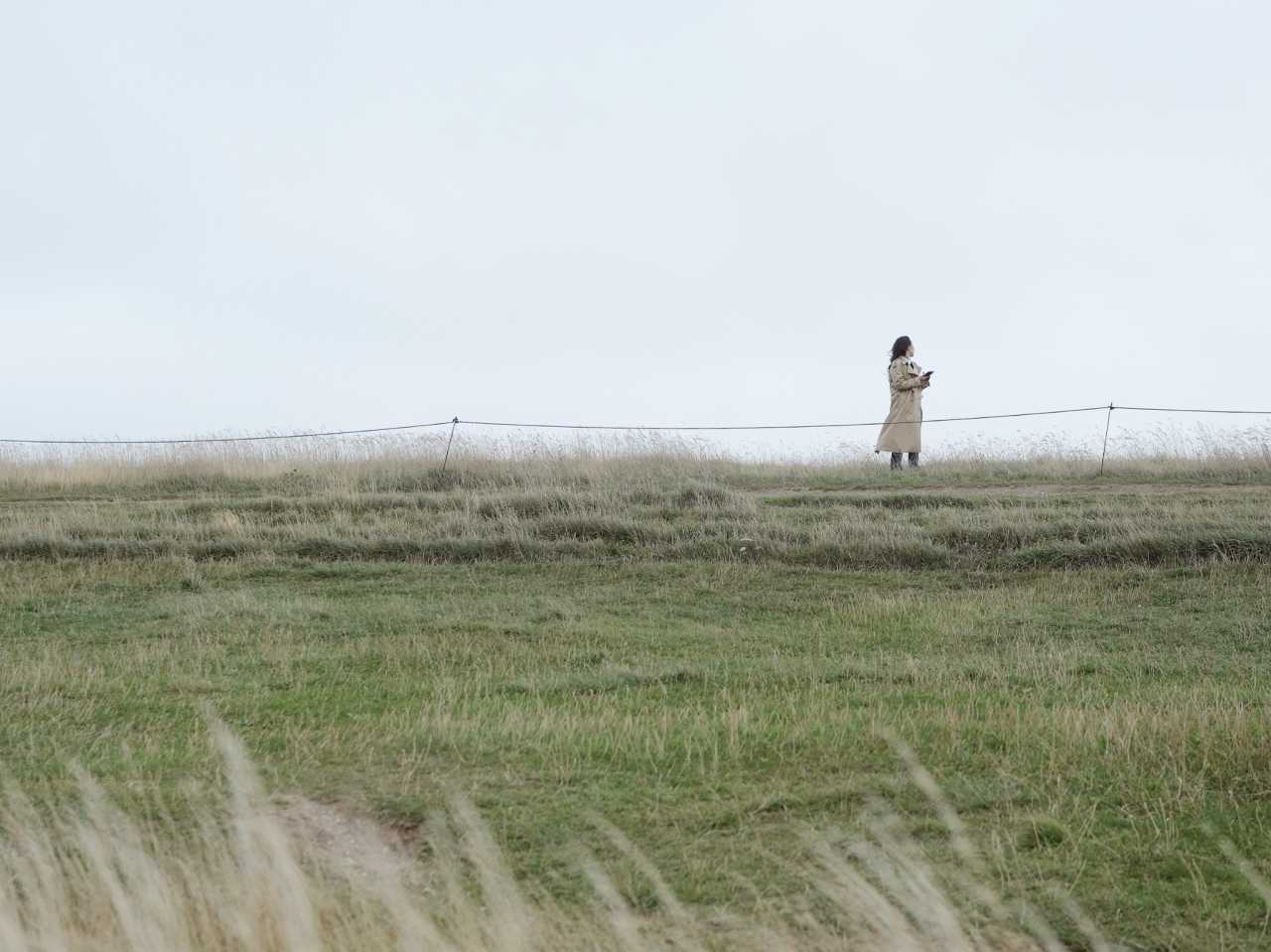 Seven Sisters Country Park
In the wilderness of life, begin a long dialogue between soul and nature.
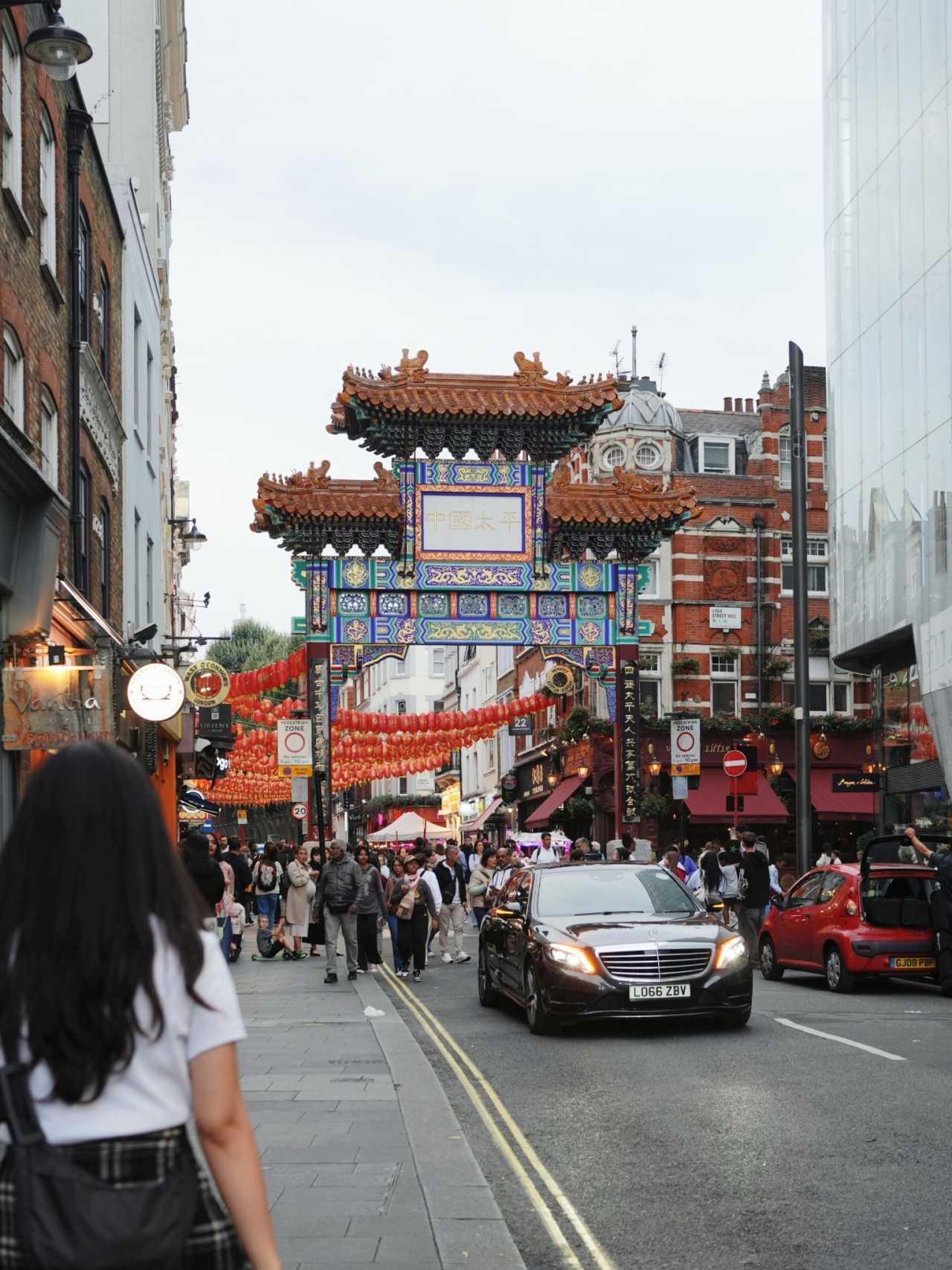
Chinatown — a splash of China Red in a foreign land.
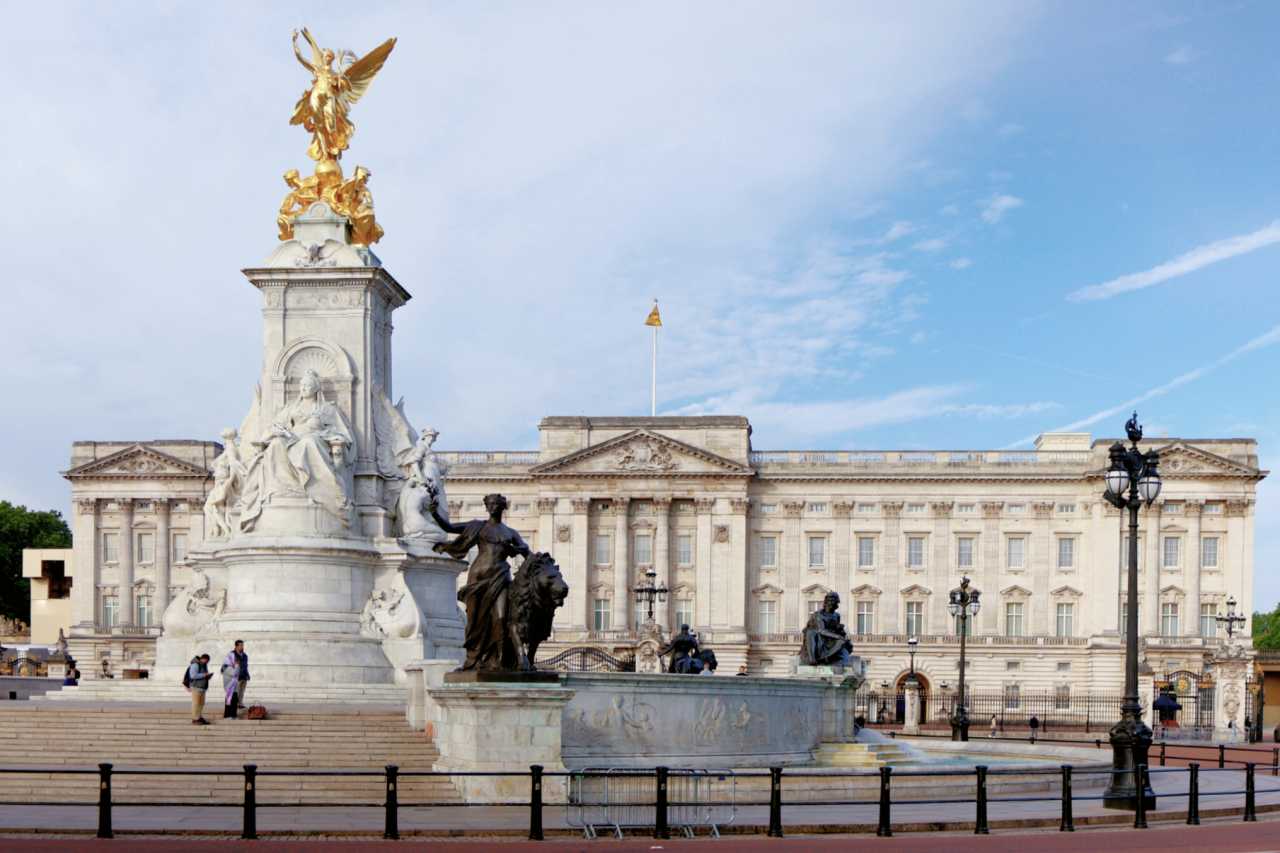 Buckingham Palace
Elegant and solemn Buckingham Palace.
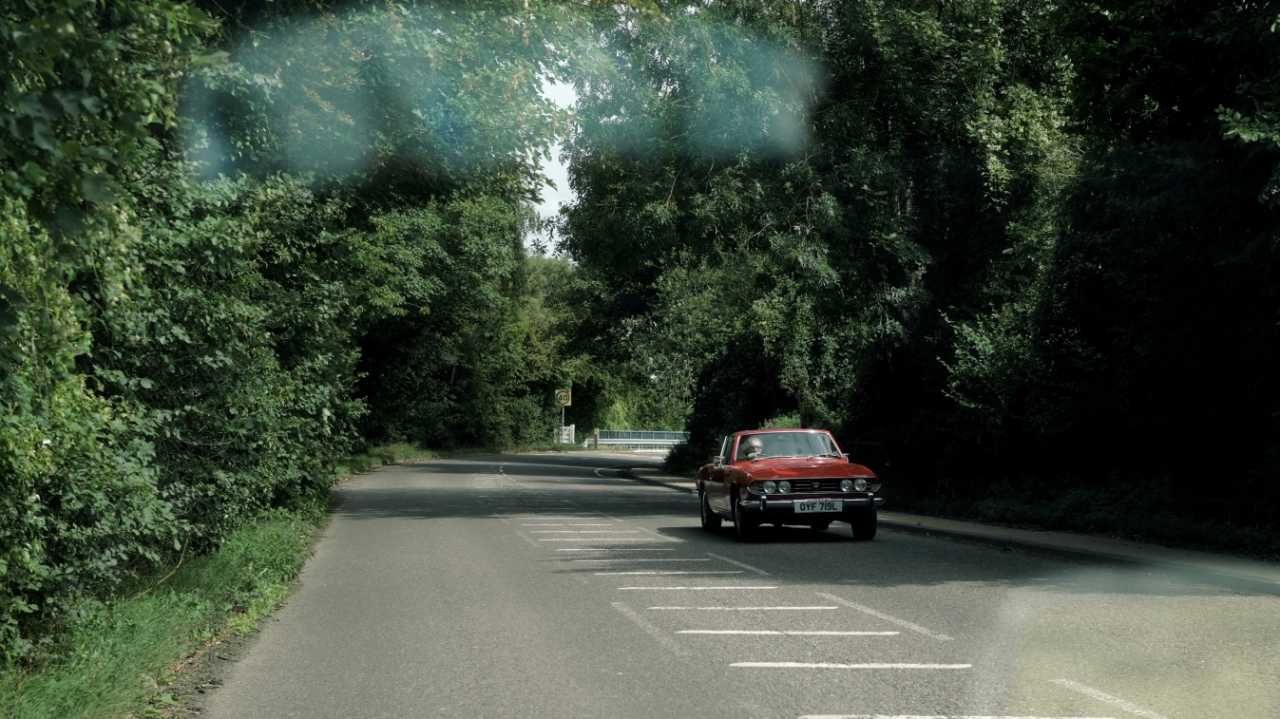
Breaking into an oil painting-like English country lane.
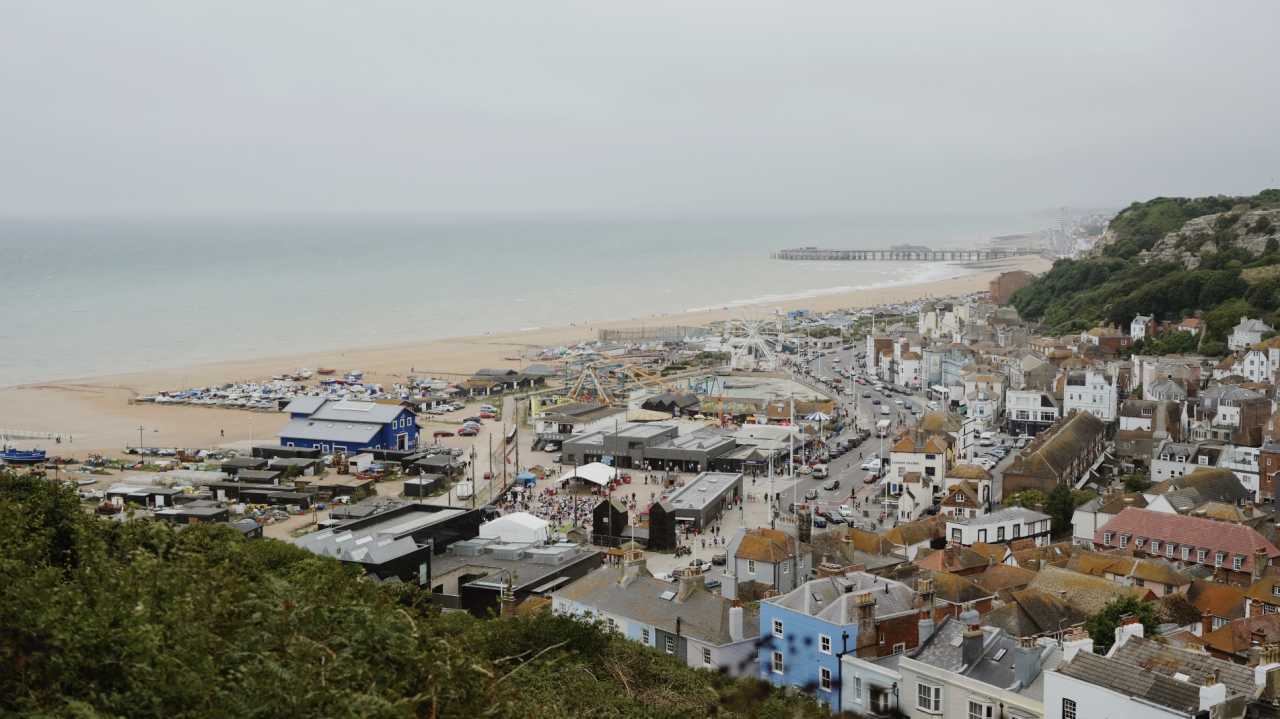
A fairytale seaside town — Hastings.
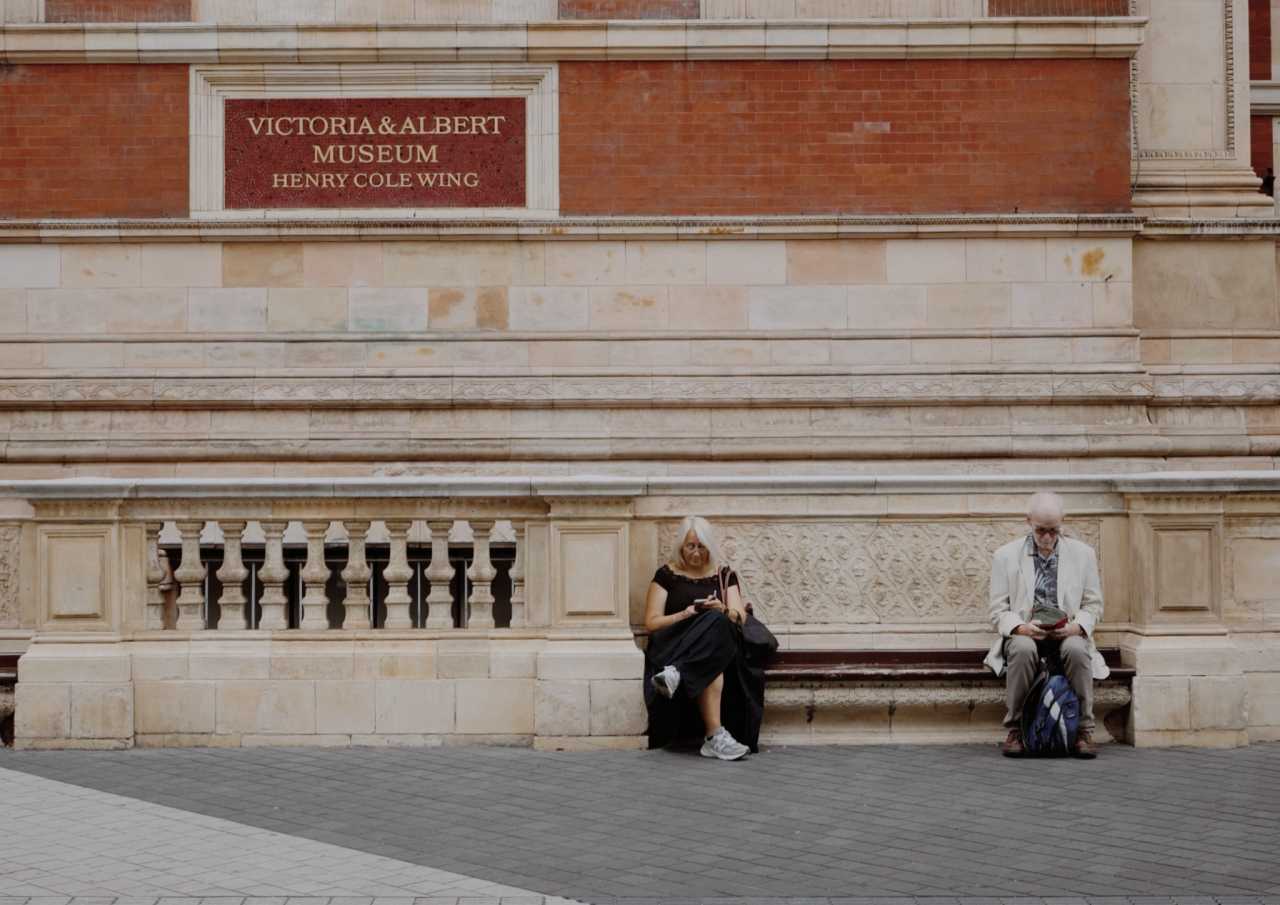 Victoria and Albert Museum
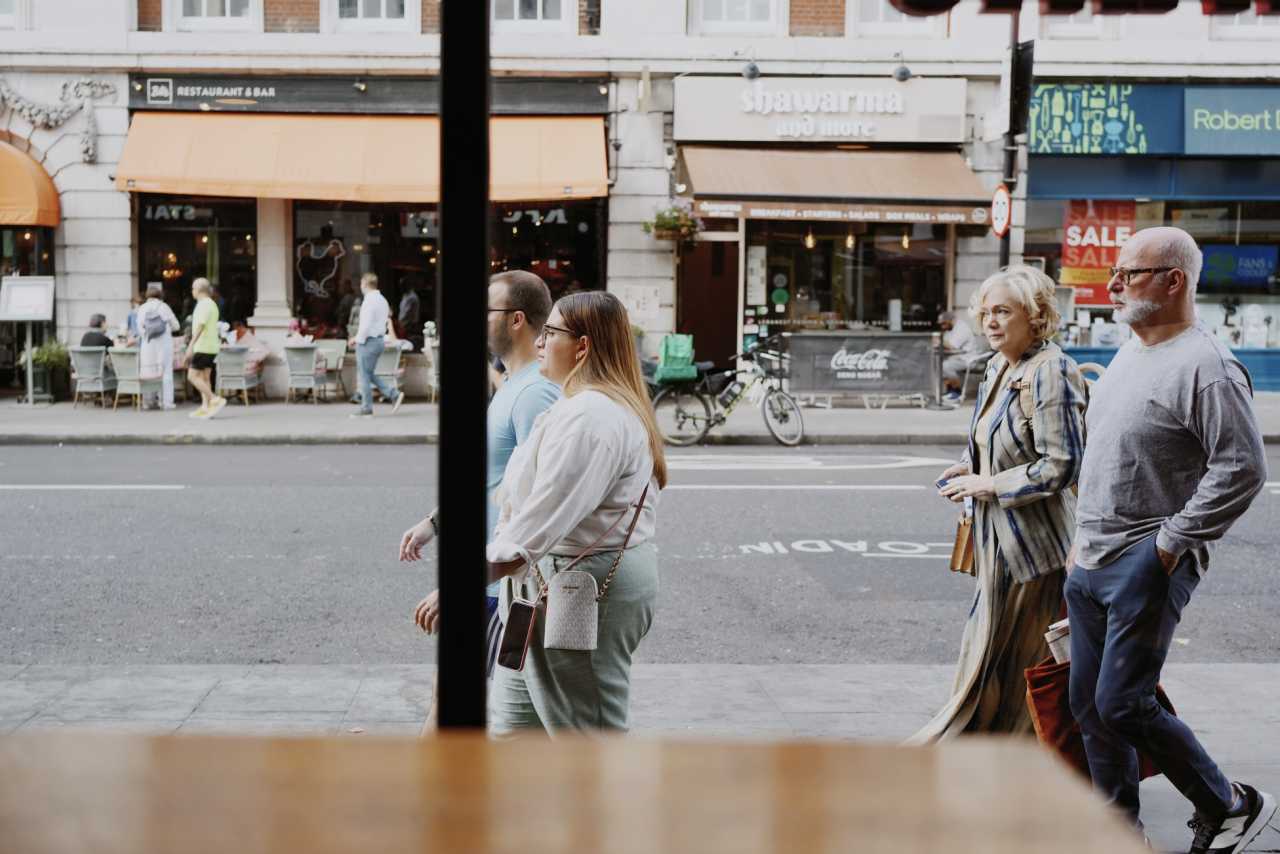
Those elegant, innately relaxed “Londoners” we encountered by chance.
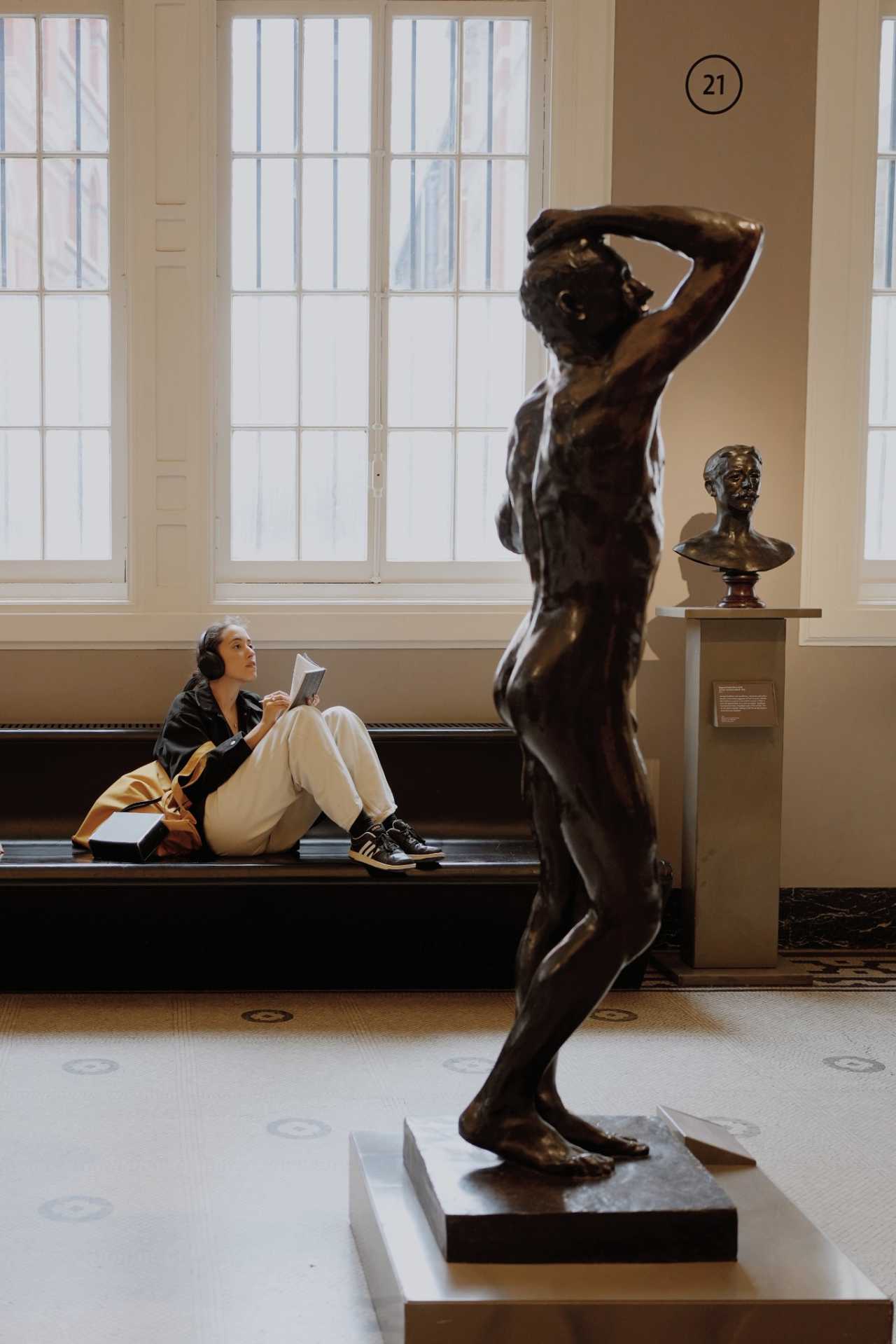 Victoria and Albert Museum
Day 1: First Encounter with London — Opening at the “Peak”
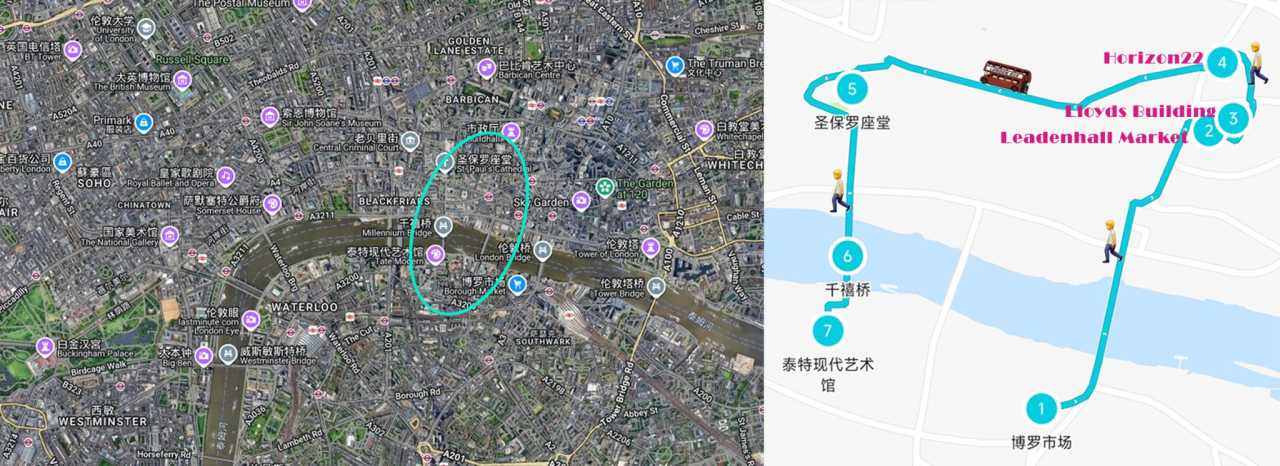
Borough Market | Food Bazaar
We departed from Shanghai Pudong in the early morning, took an 11-hour red-eye direct flight, and arrived at Gatwick Airport at dawn. Stepping out of the terminal, we immediately felt the coolness of the UK summer. After dropping luggage at the hotel we headed straight to Borough Market on the south bank of the Thames, eager to soothe our tired bodies with good food.
Borough Market
Hours: Closed Mon; Tue–Fri 10:00–17:00; Sat 9:00–17:00; Sun 10:00–16:00
Address: 8 Southwark Street, London, SE1 1TL
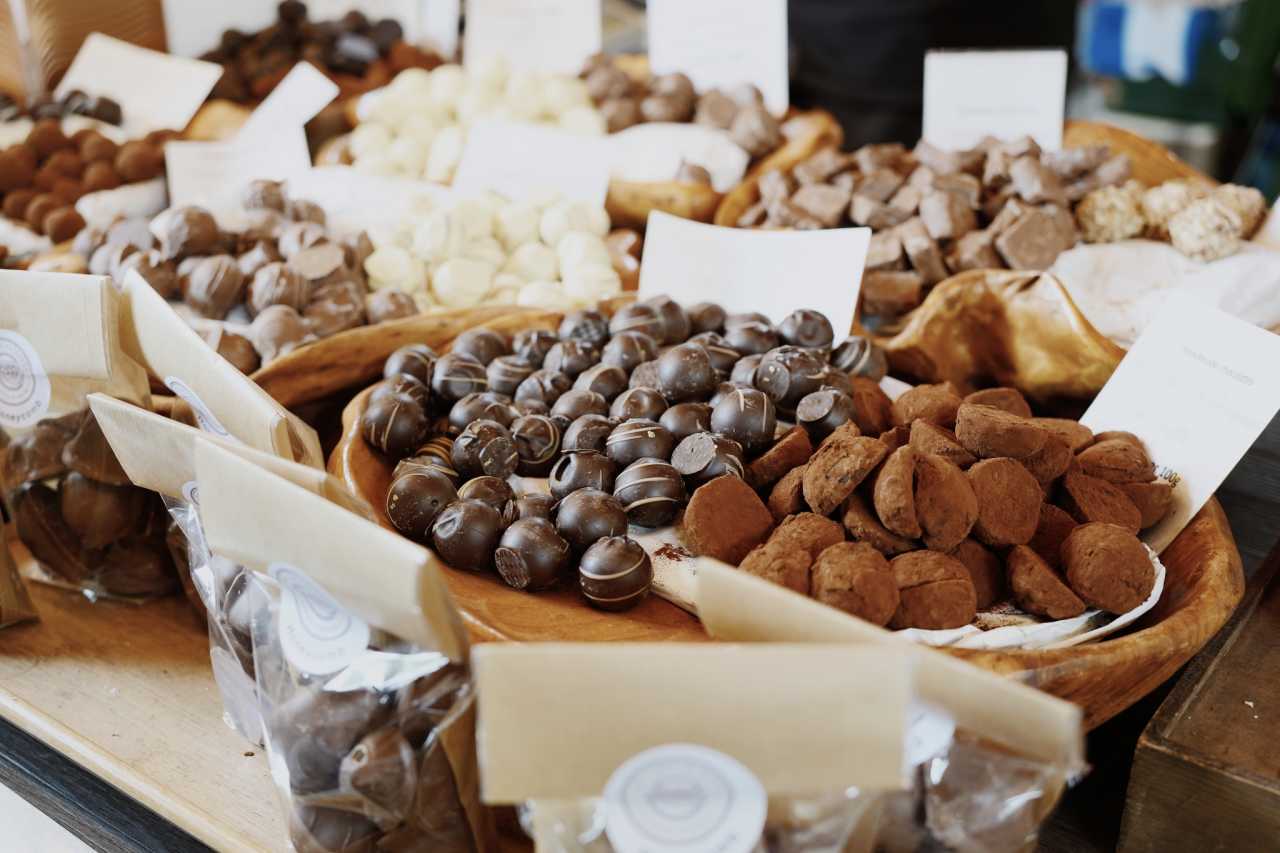
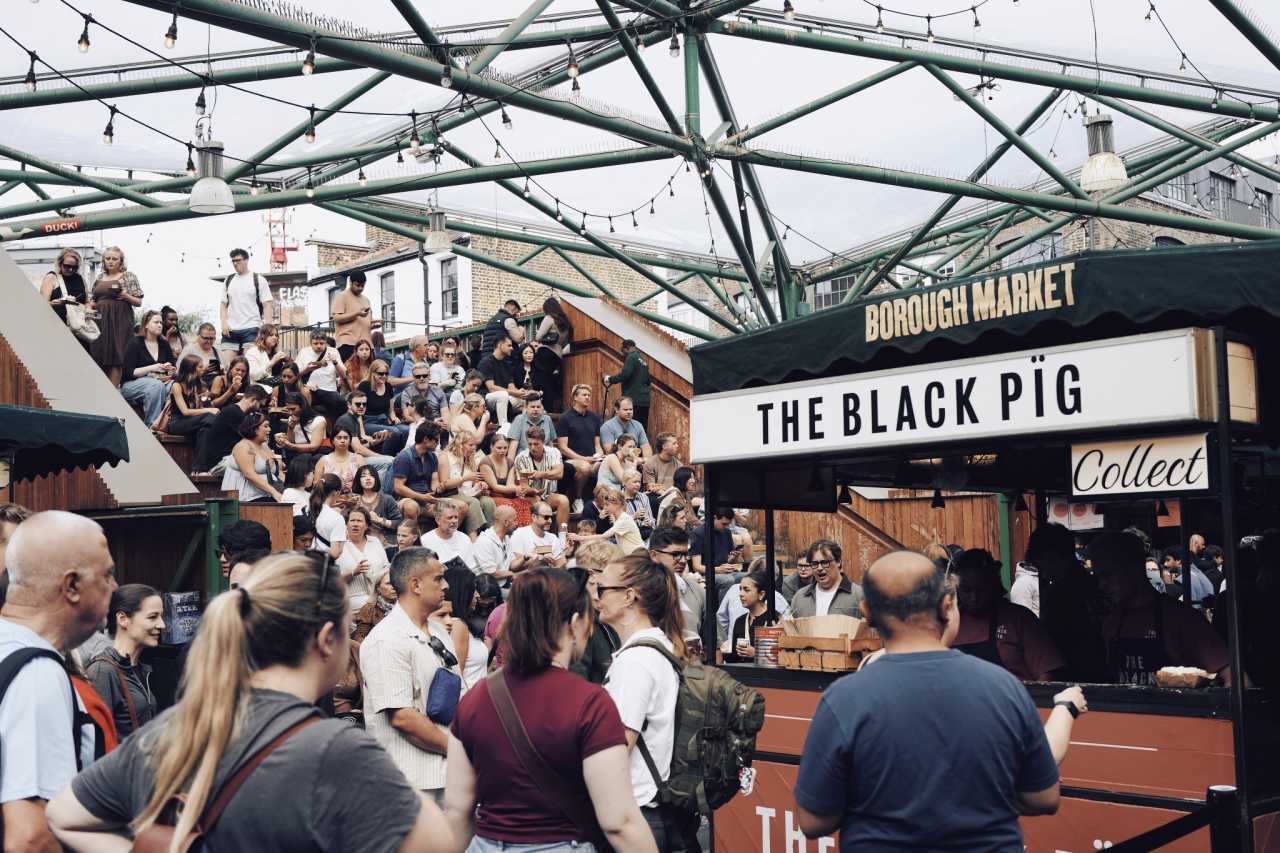
We entered from Green Market and strolled into Borough Market; it was packed and very popular. The food variety is rich, from fresh produce to chocolate and bread; the displays and the products themselves are super tempting. There are several small coffee stands—grabbed an Americano casually and the good beans made it not bitter! (As a non-coffee drinker I can only “discern” whether it’s bitter  )
)
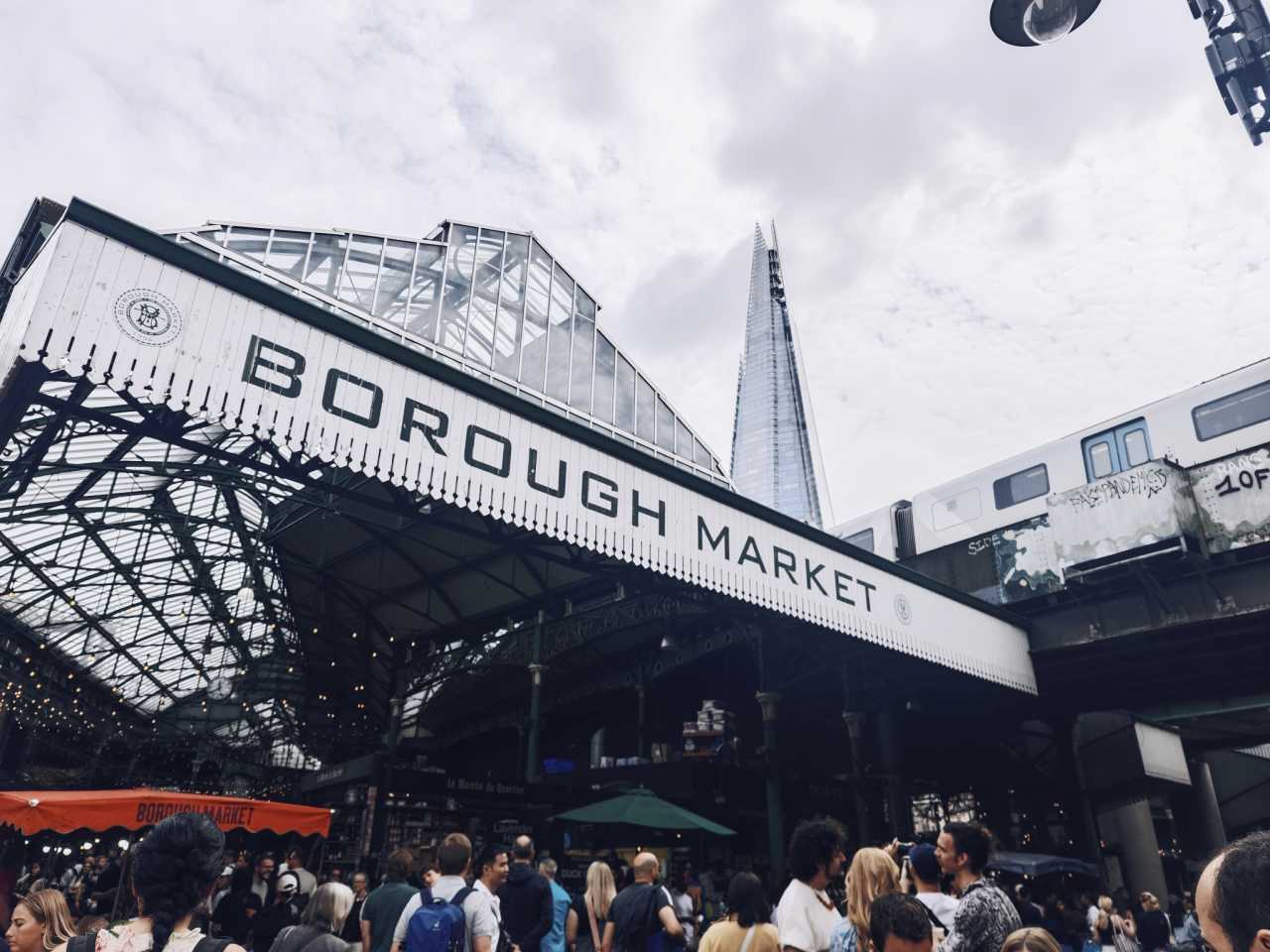 Borough Market
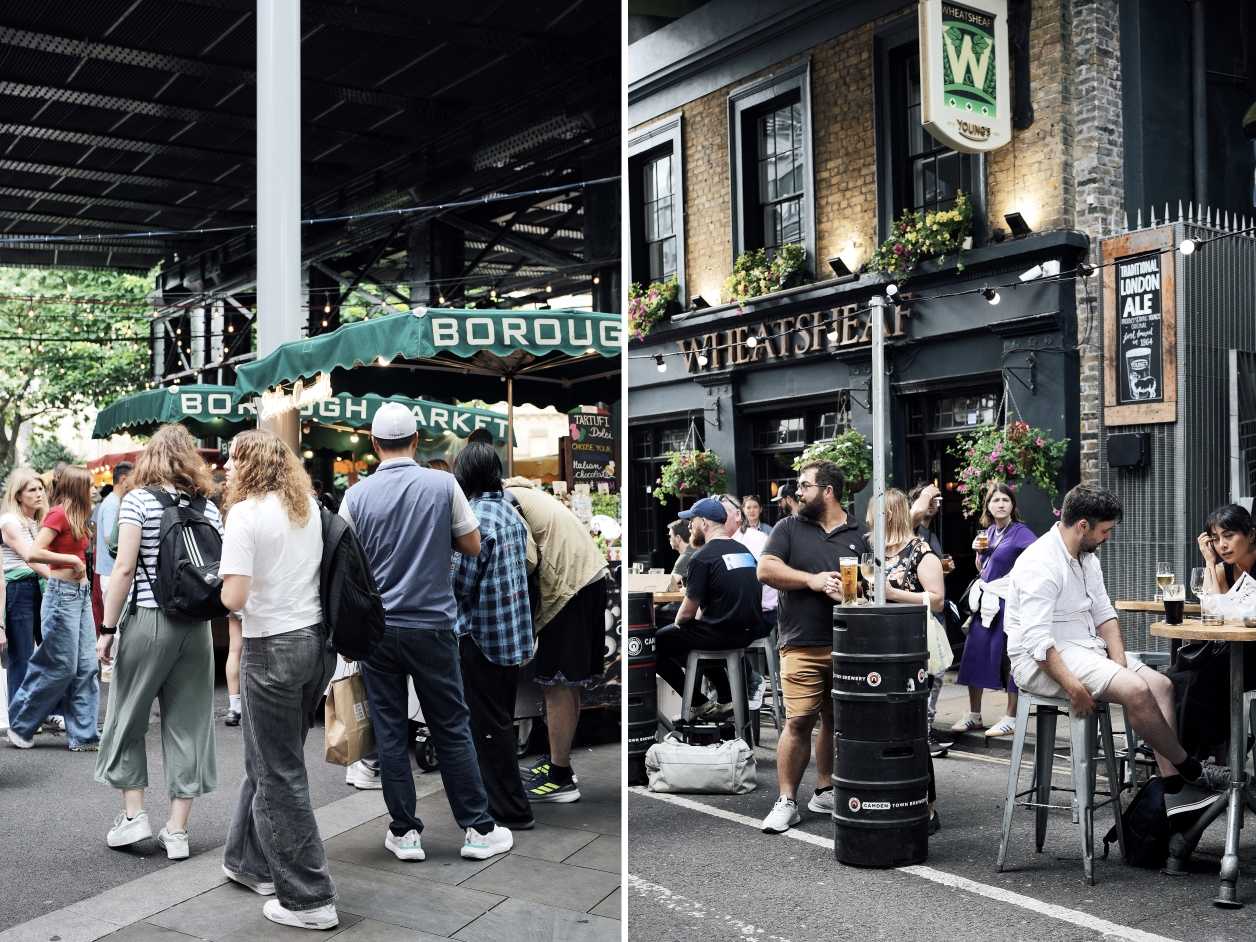 Borough Market
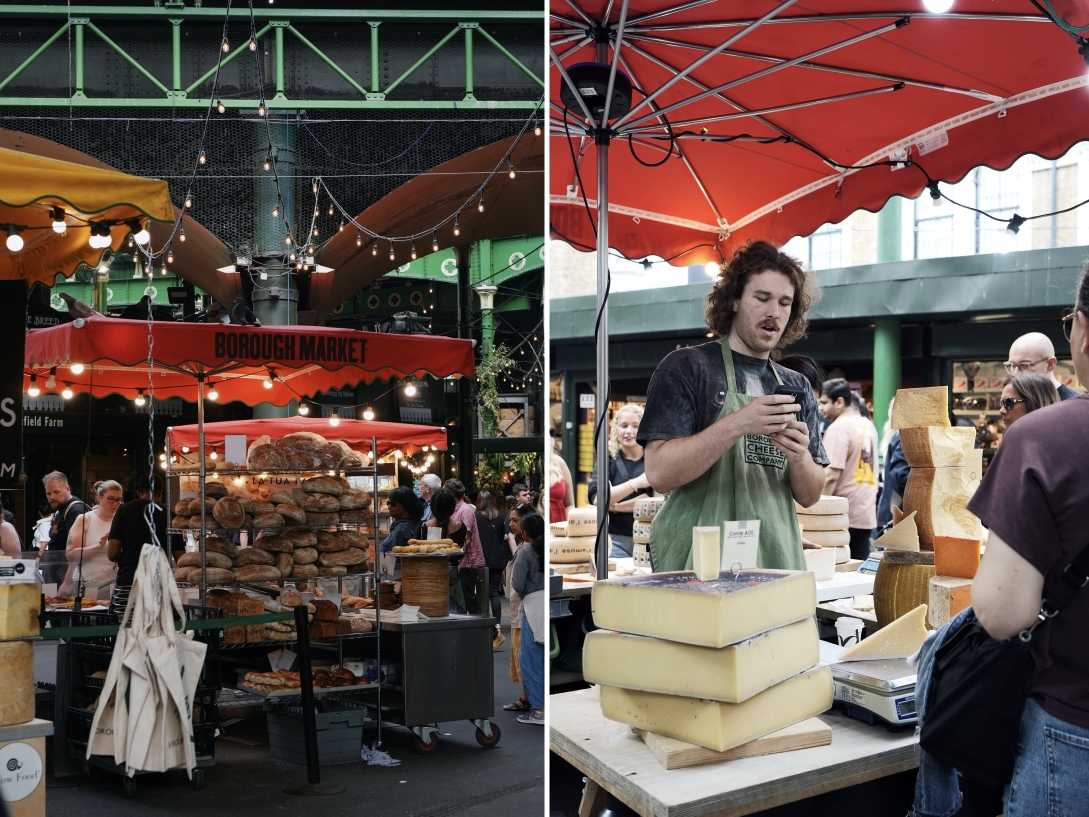 Borough Market
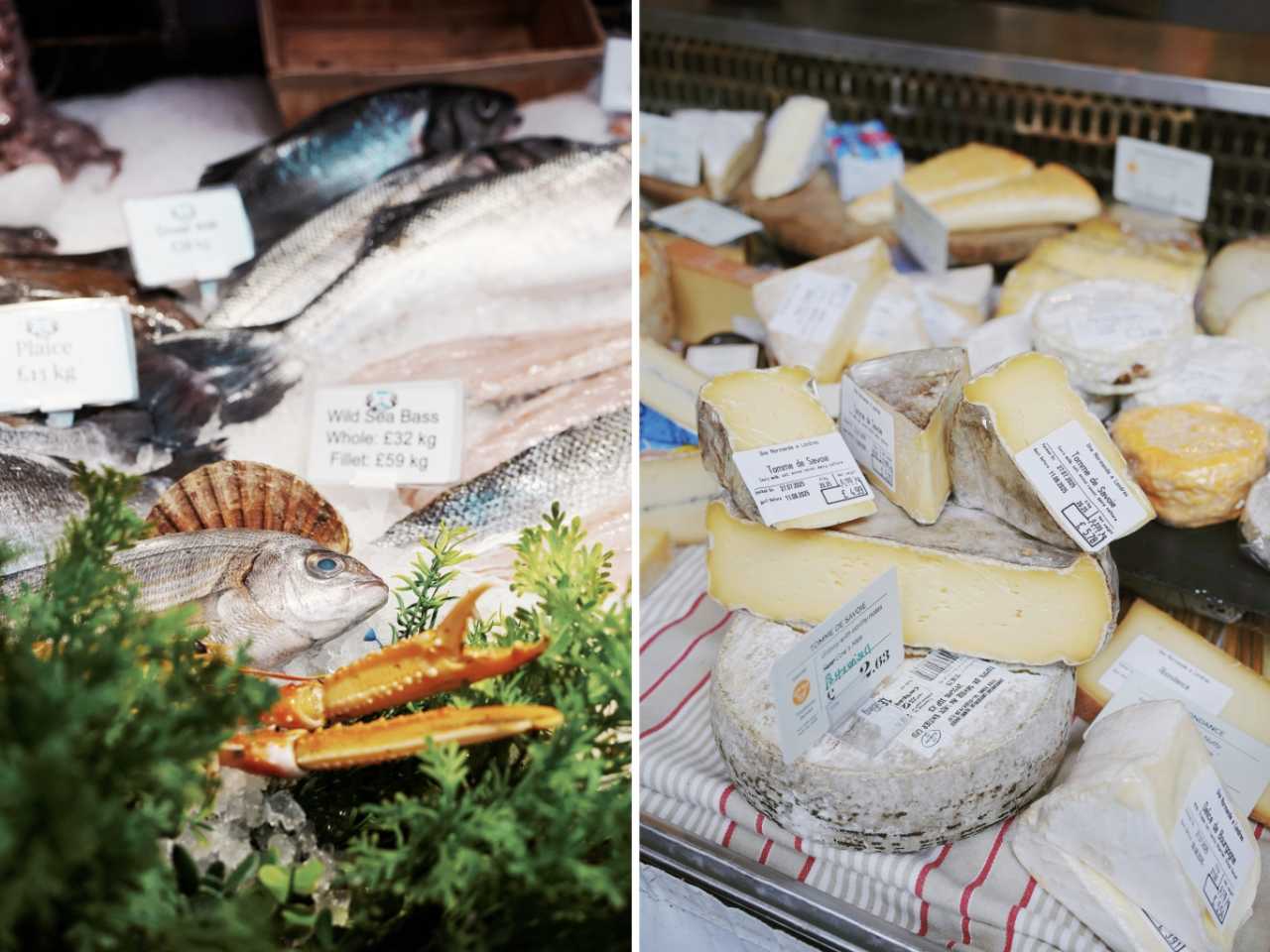 Borough Market
Lots of cheese stalls, and quirky fruit stands.
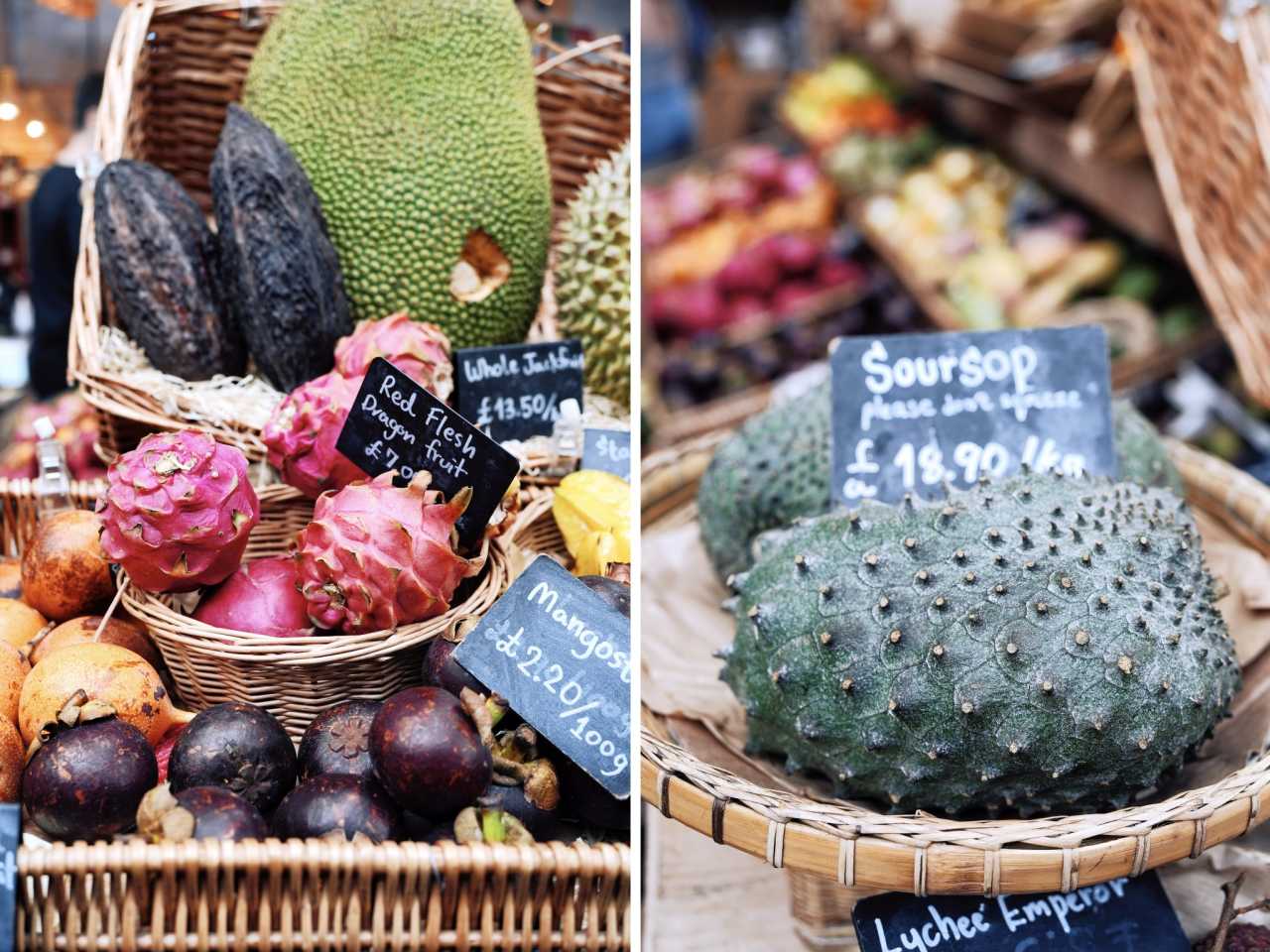 Borough Market
 Borough Market
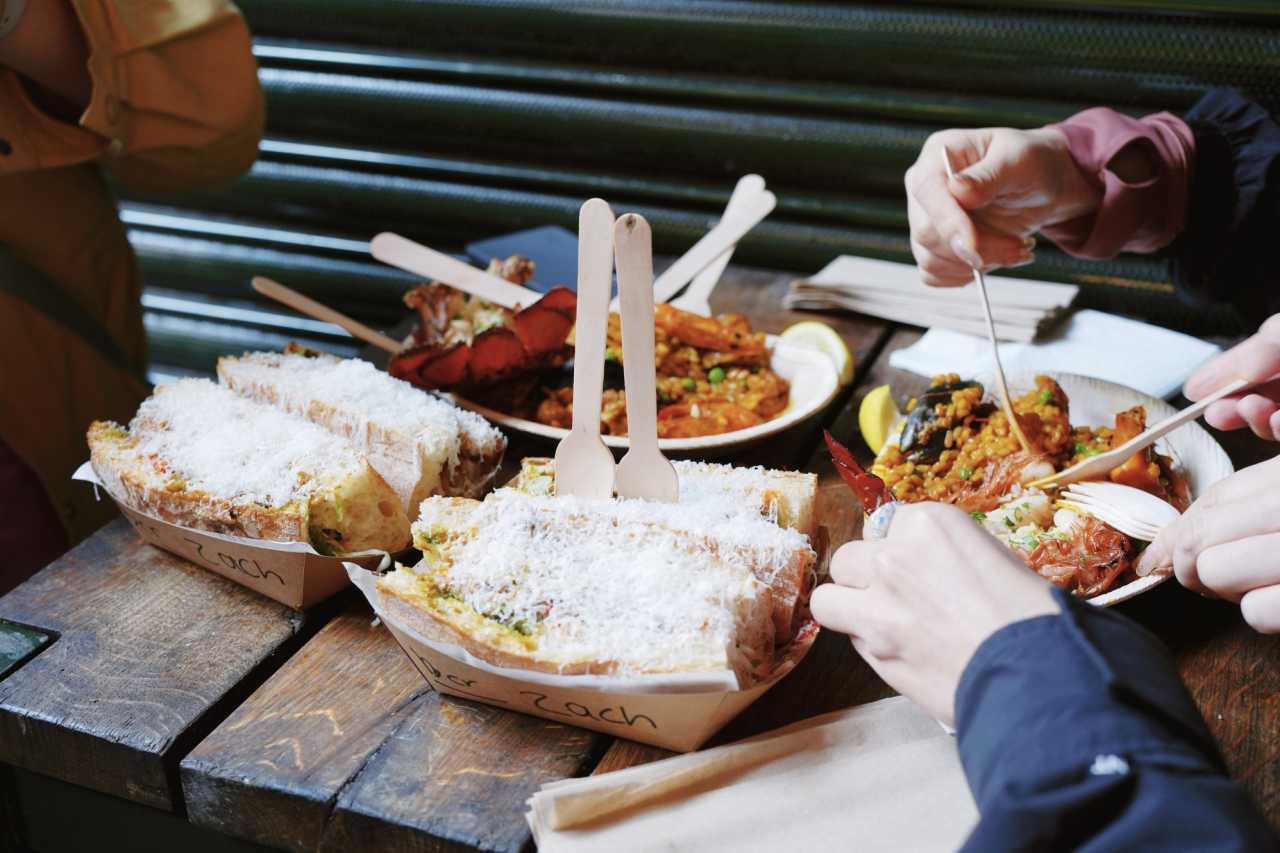
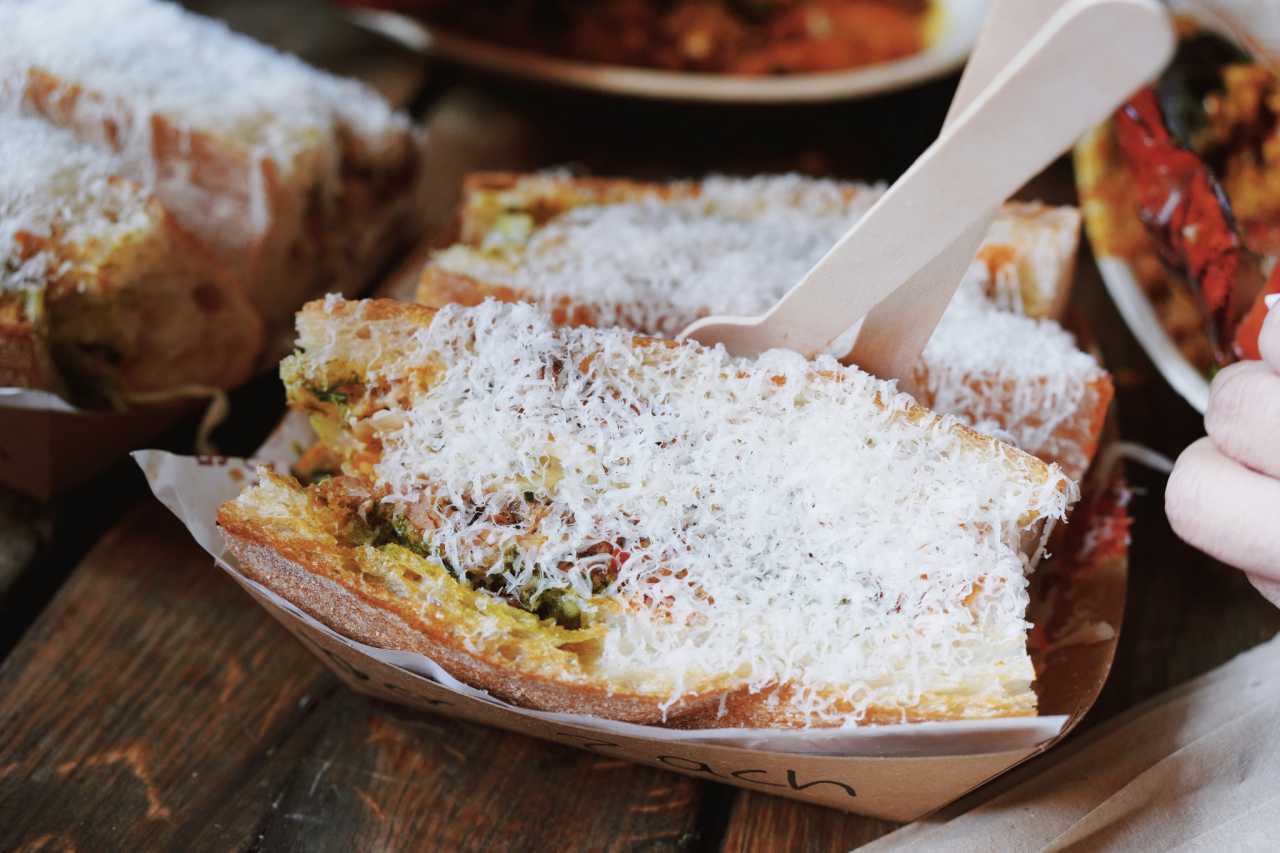
We tried a few internet-famous stalls. Highly recommend The Black Pig — the UK’s version of “meat-filled bun”: chewy bread stuffed with juicy braised pork, a bit of tangy-spicy crisp garnish, and plenty of grated cheese. Tastes great, and the slightly sour-spicy flavor instantly awakens appetite, very friendly to Asian stomachs. Portions are sizable and cost performance is high.
 Borough Market
 Borough Market
 Borough Market
The crowd-favorite paella was fine—felt a bit heavy; rice was slightly salty, though the seafood was fresh. Lobster at £27 per portion is a bit pricey.
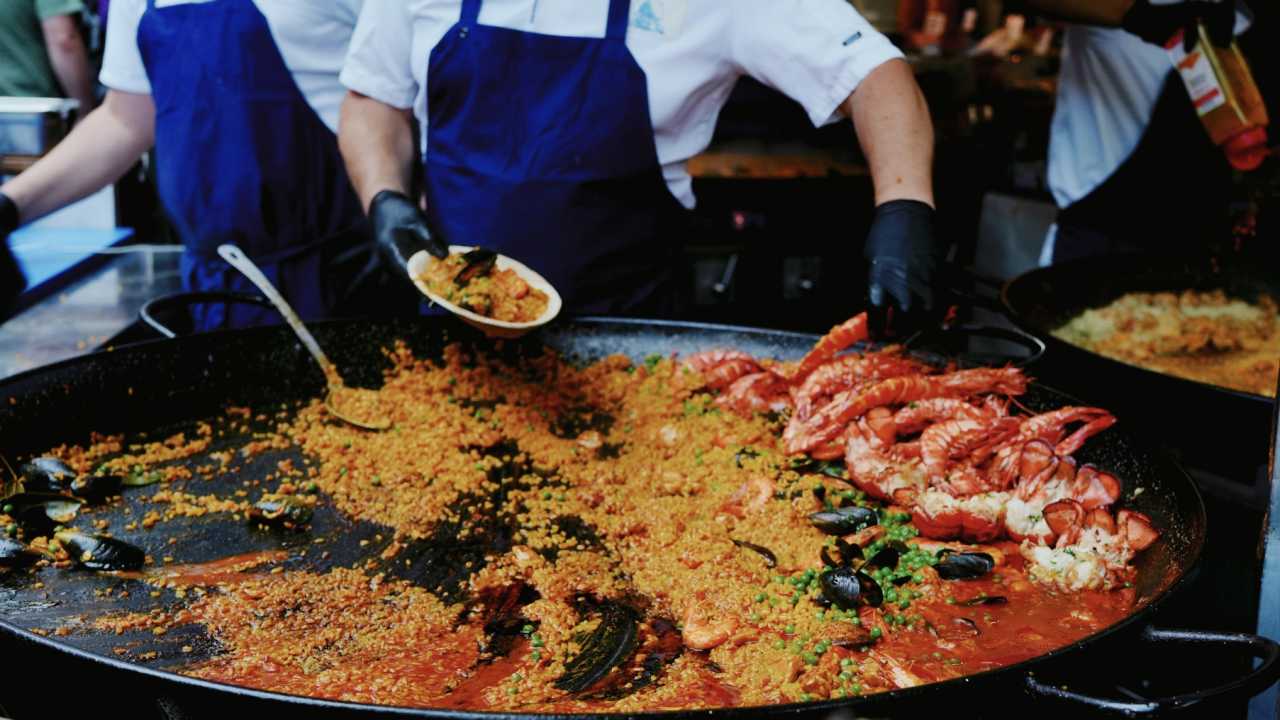 Borough Market
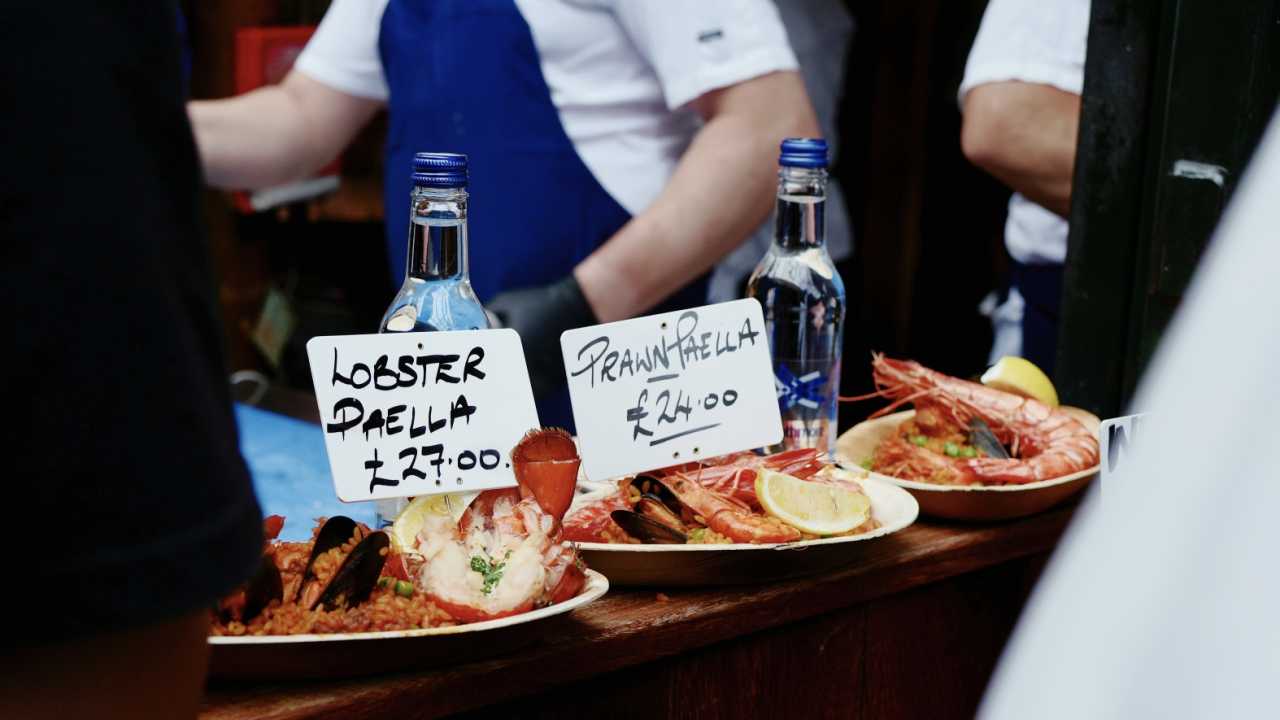 Borough Market
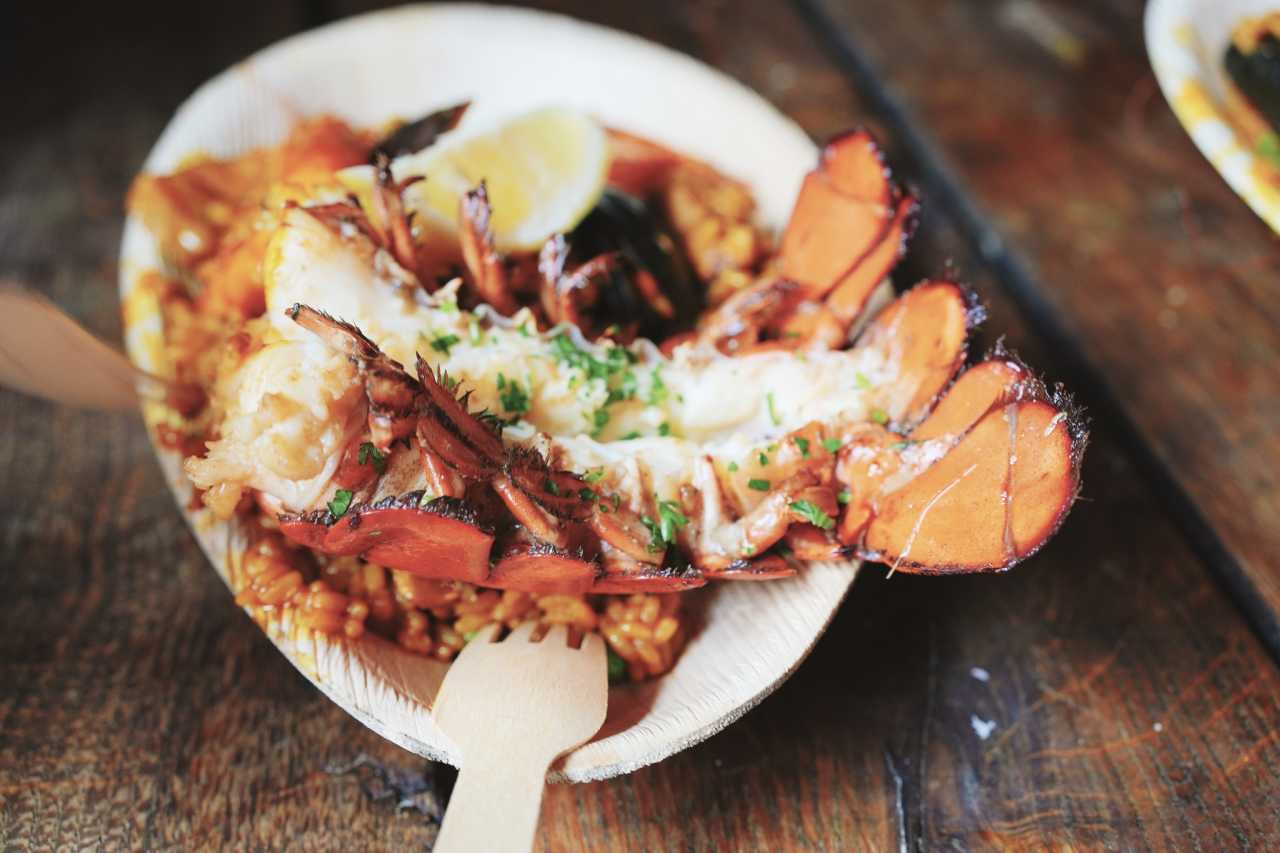 Borough Market
Donuts look better than they taste, haha. Fried dough is a calorie bomb—chewy texture and very sweet icing.
 Borough Market
At the market entrance/exit there’s a little street of specialty shops, including niche buyer stores with plenty of vibe—worth a stroll if you have time.
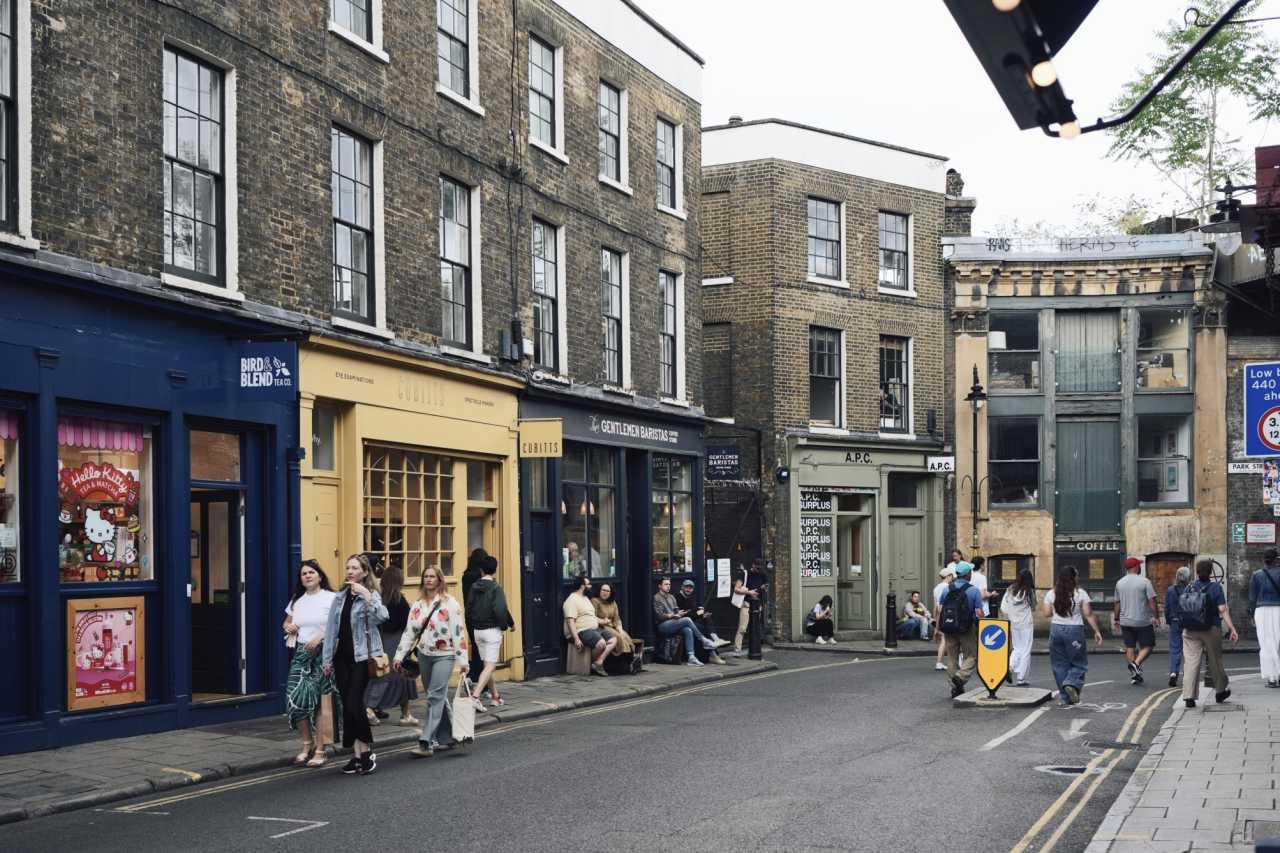
Leadenhall Market
From Borough Market, walk south across London Bridge for about 15 minutes to reach Leadenhall Market—one of London’s oldest markets, with history dating back to the 14th century, located at the site of Roman-era London’s center, and a filming location for Harry Potter’s Diagon Alley.
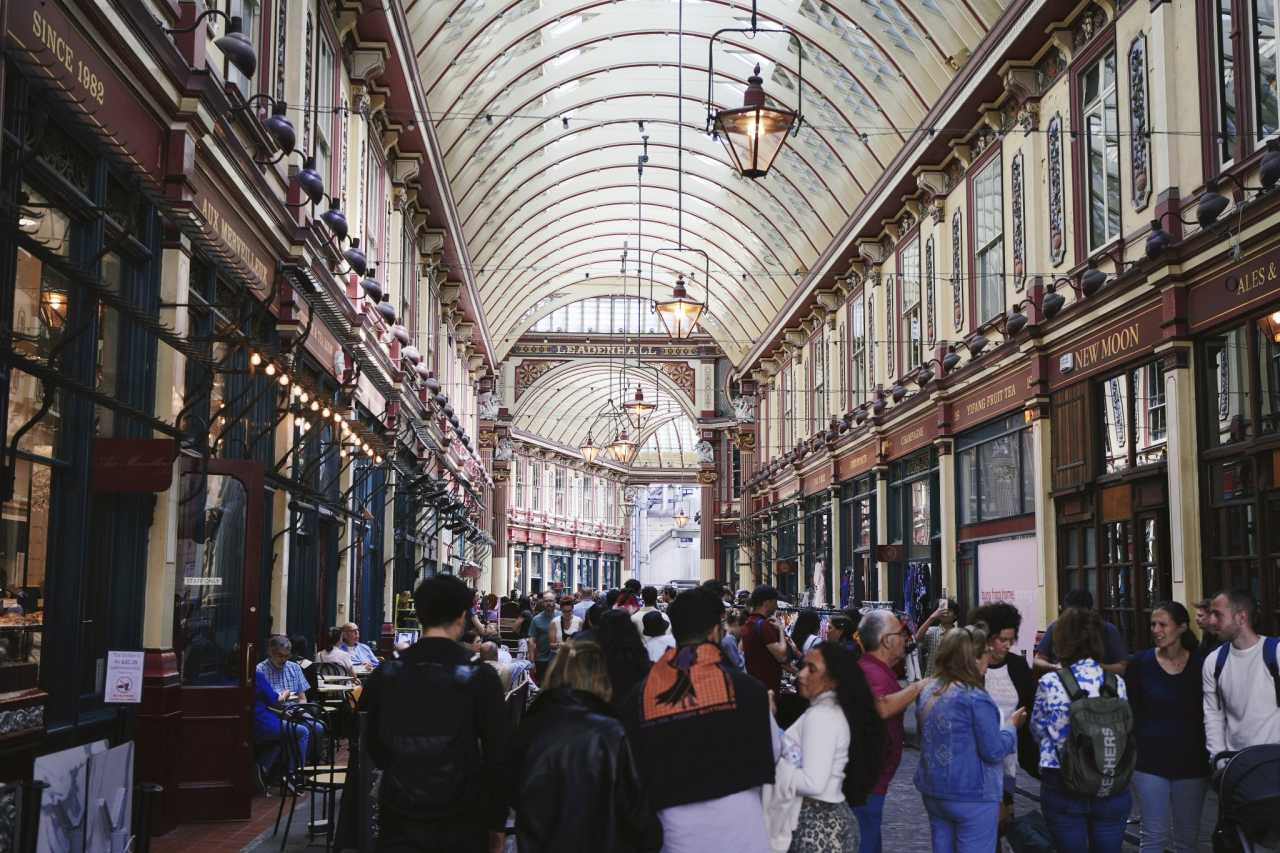 Leadenhall Market
We happened to catch an antiques bazaar. Diagon Alley itself isn’t large, but the stalls are great to browse; the goods have design and taste—you can tell Europeans care deeply about life and passion.
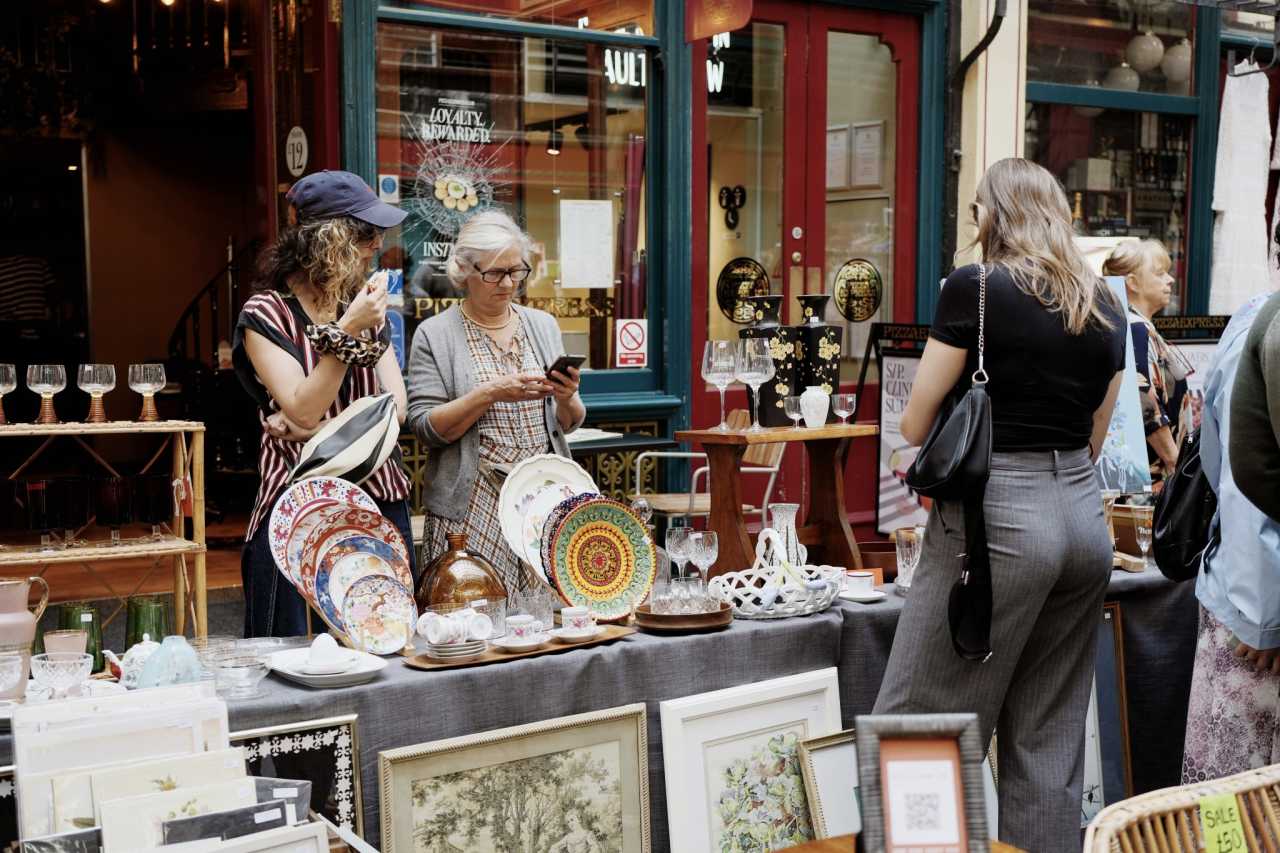 Leadenhall Market
The stalls look good—and the people browsing look even better. Many with stylish outfits—elegant and fashionable temperament that makes you look twice.
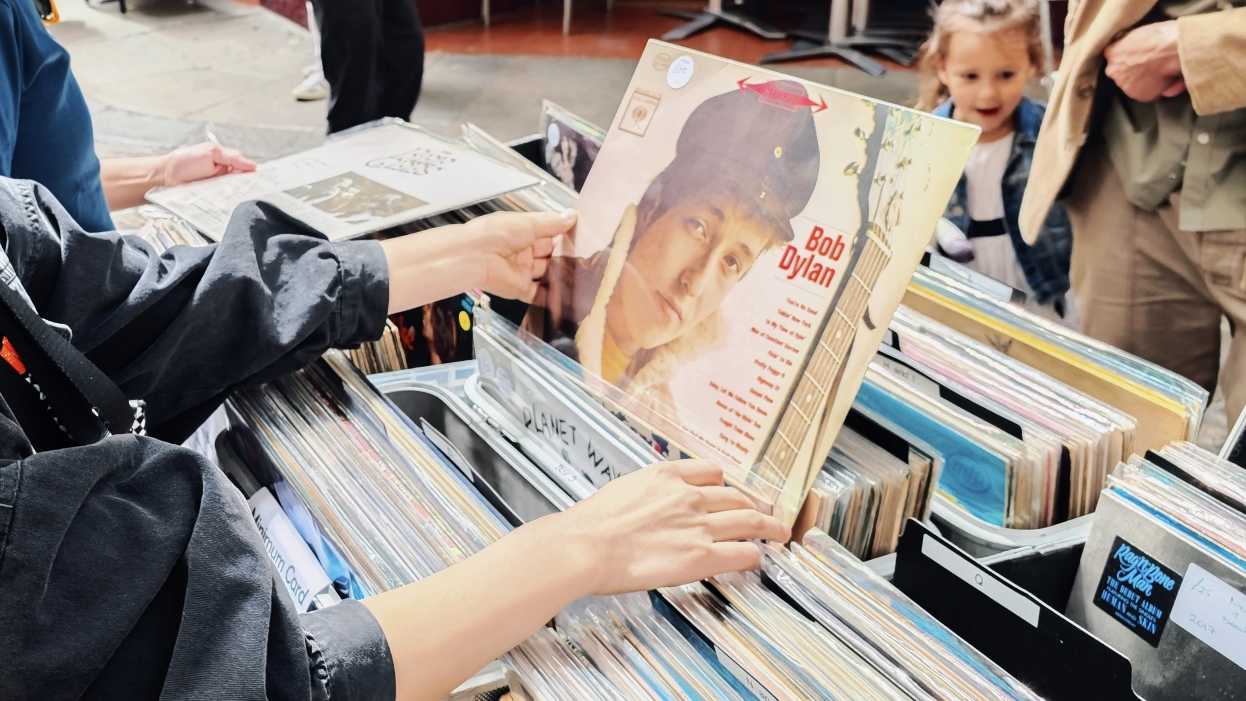
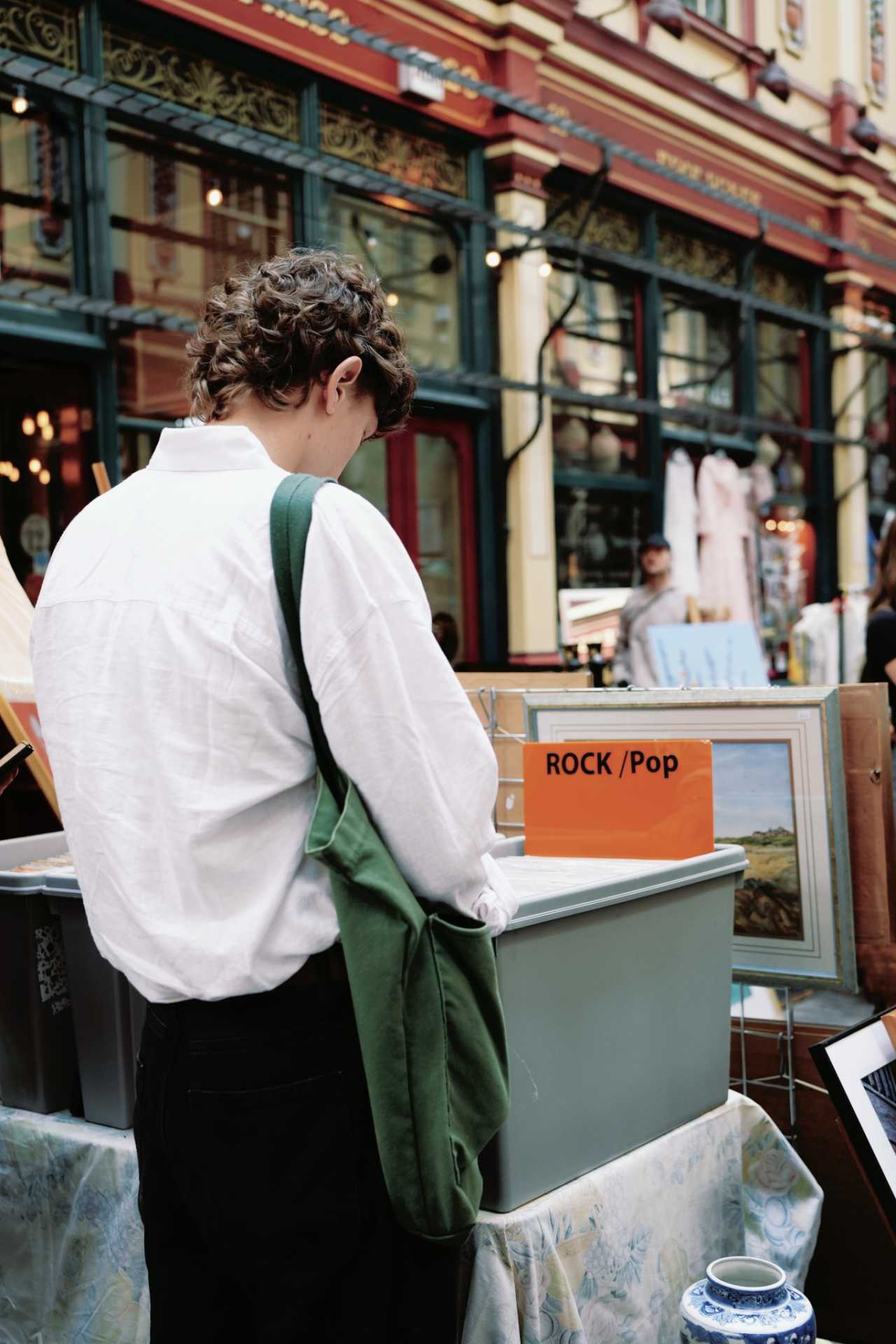 Leadenhall Market
London is definitely a vinyl paradise.
 Leadenhall Market
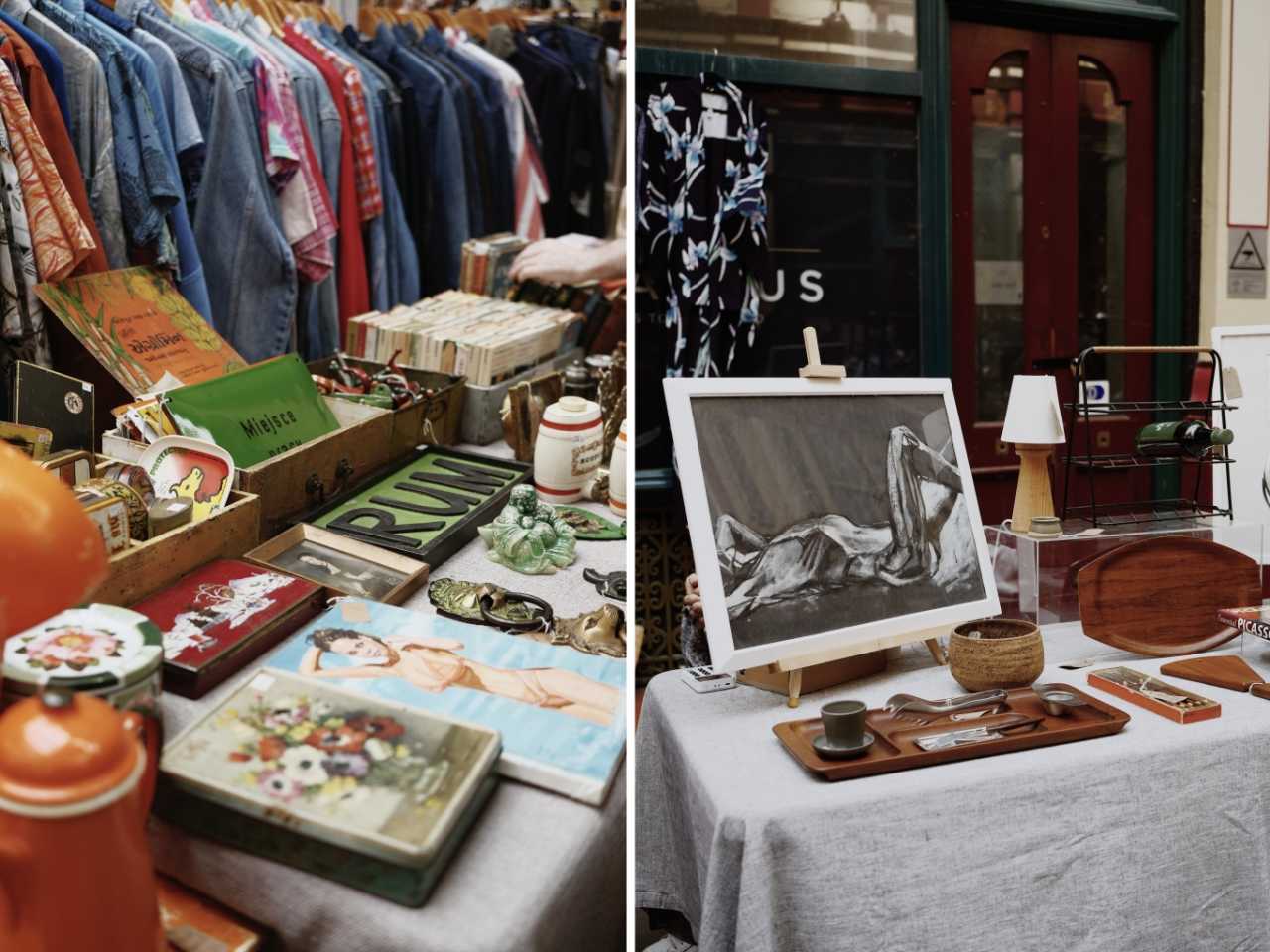 Leadenhall Market
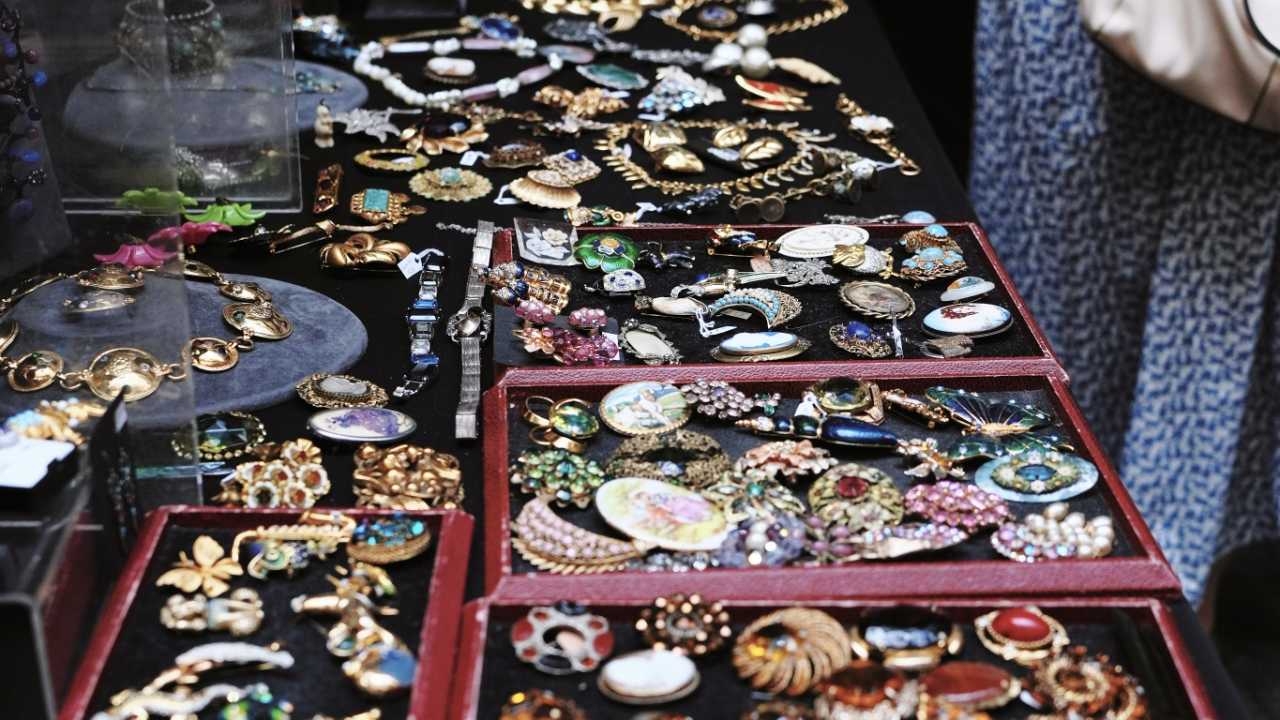 Leadenhall Market
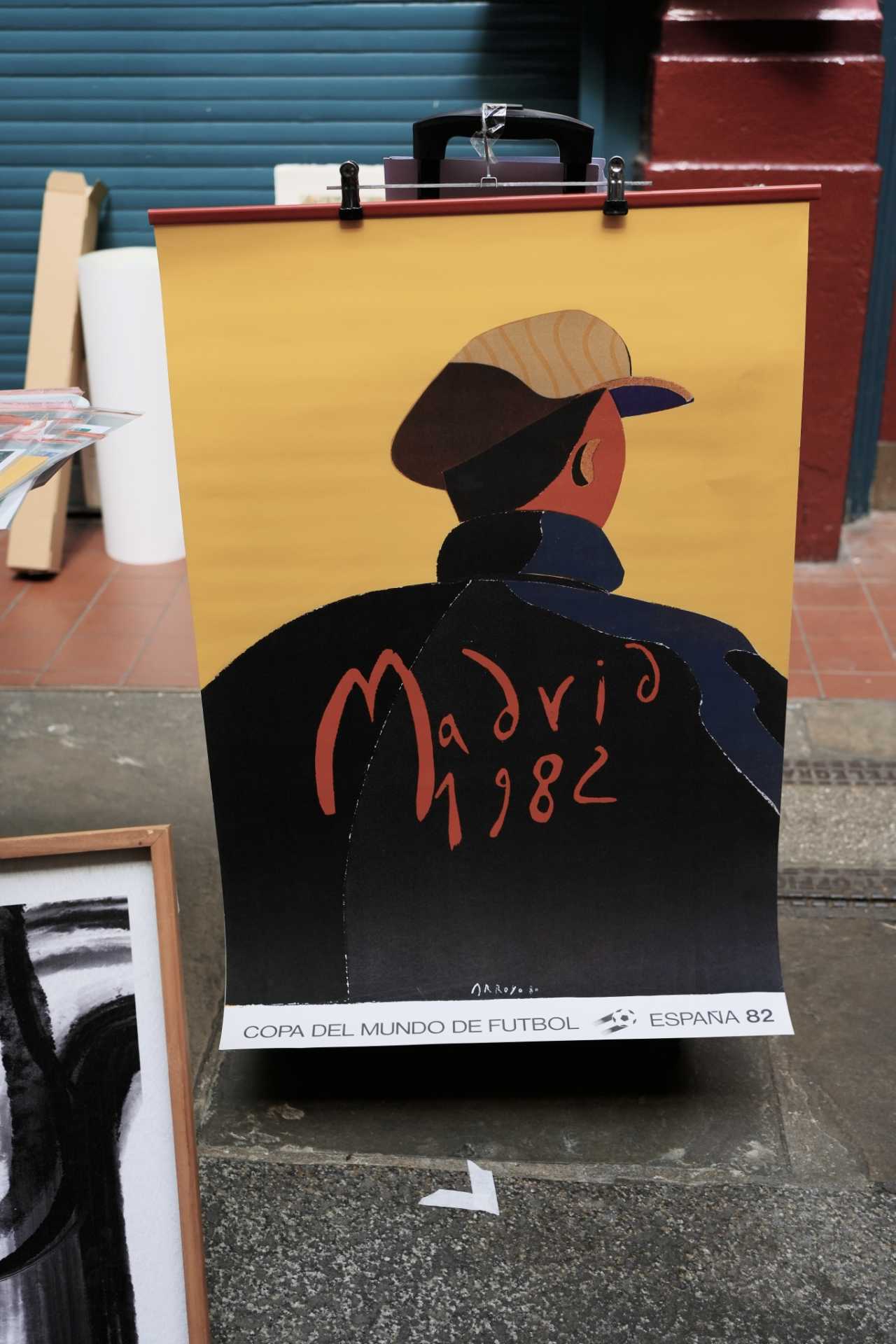 Leadenhall Market
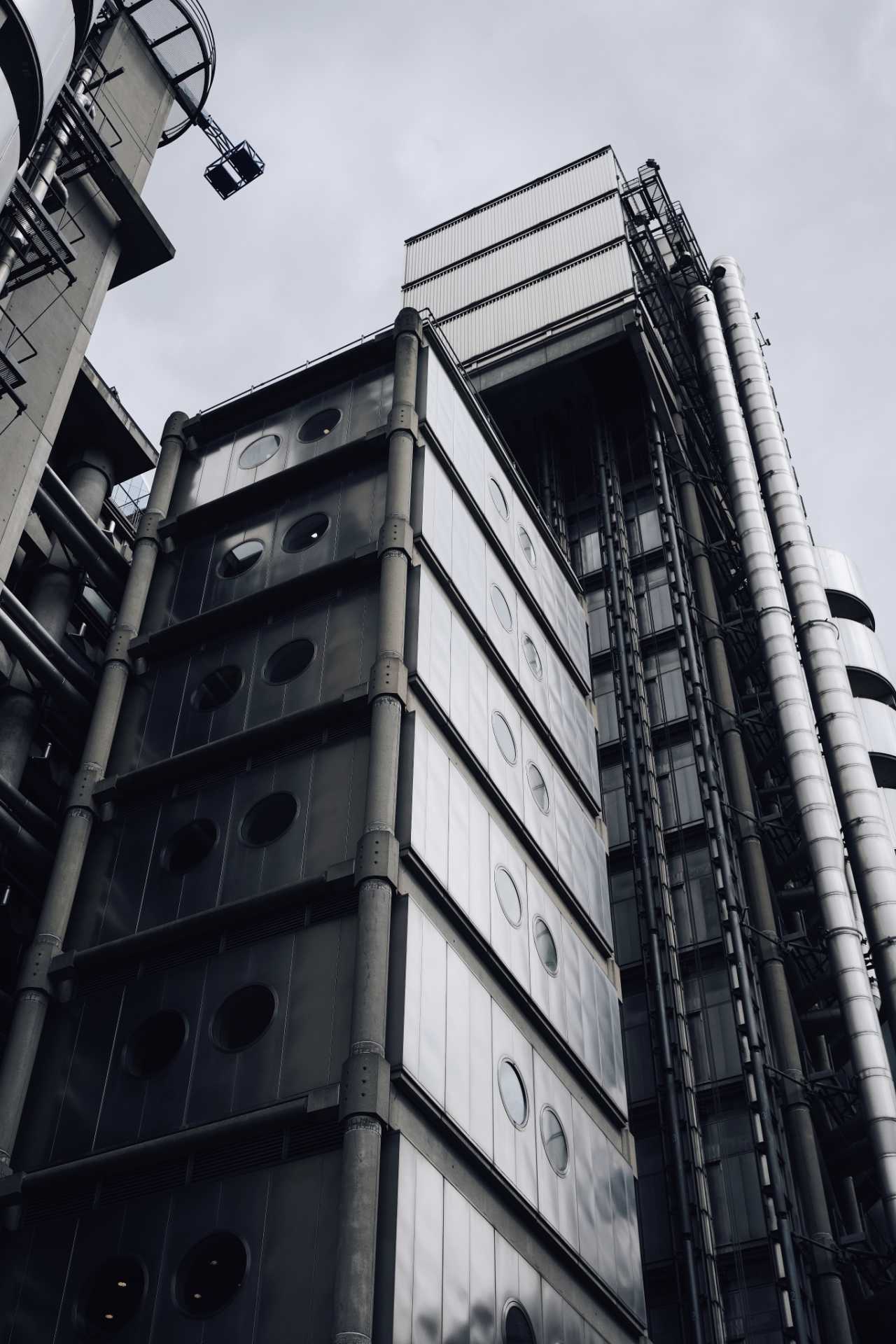
At one end of “Diagon Alley” stands Lloyd’s Building—a cyberpunk metal-shelled high-tech architecture masterpiece designed by Richard Rogers, completed in 1986. Its metal skin starkly contrasts surrounding traditional European buildings; this extreme functionalism is controversial, but I quite like it—there’s a surreal tension.
Architecture in this district is distinctive—full of collisions between modern and traditional styles—London’s inclusiveness is impressive.
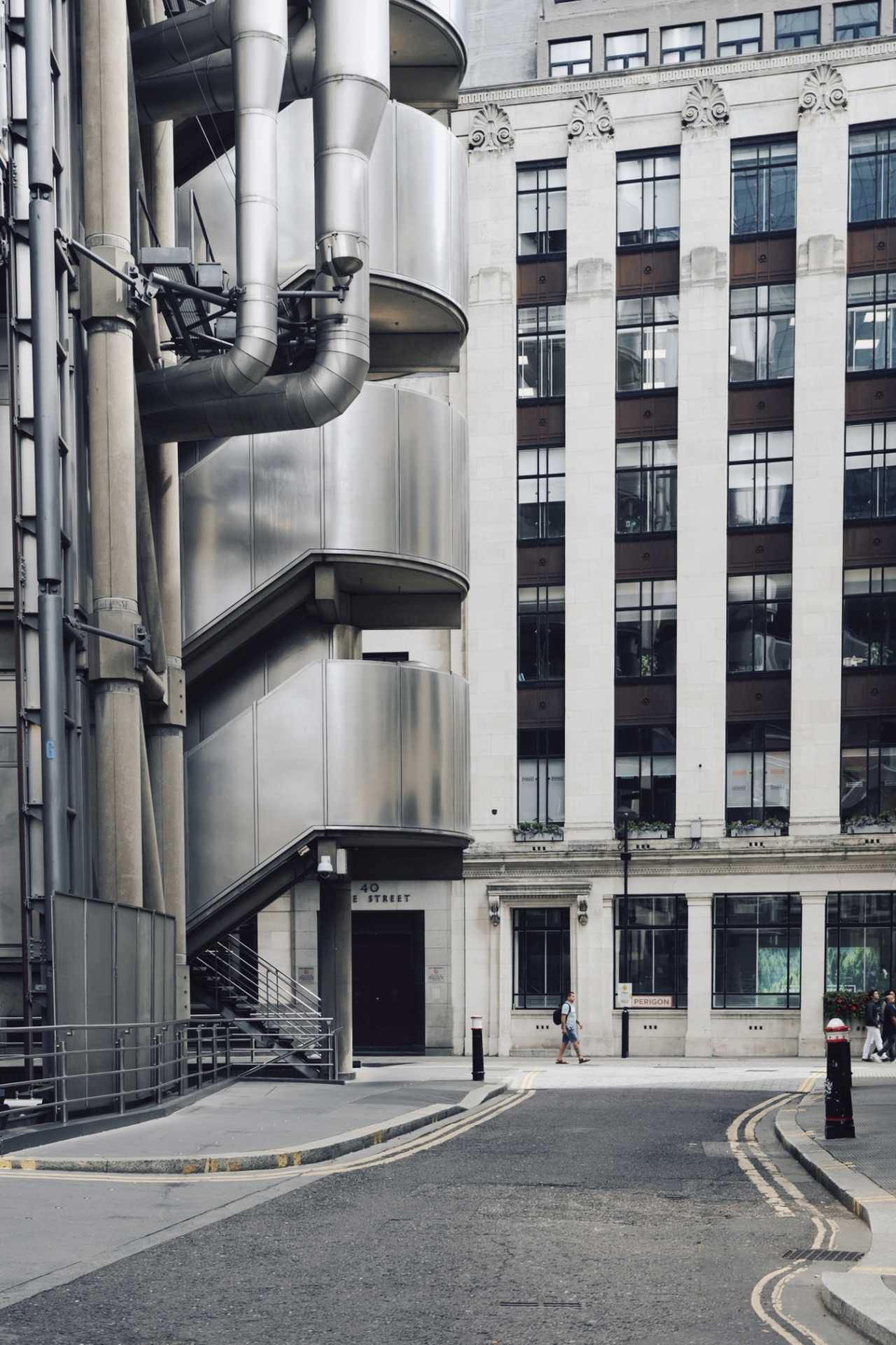
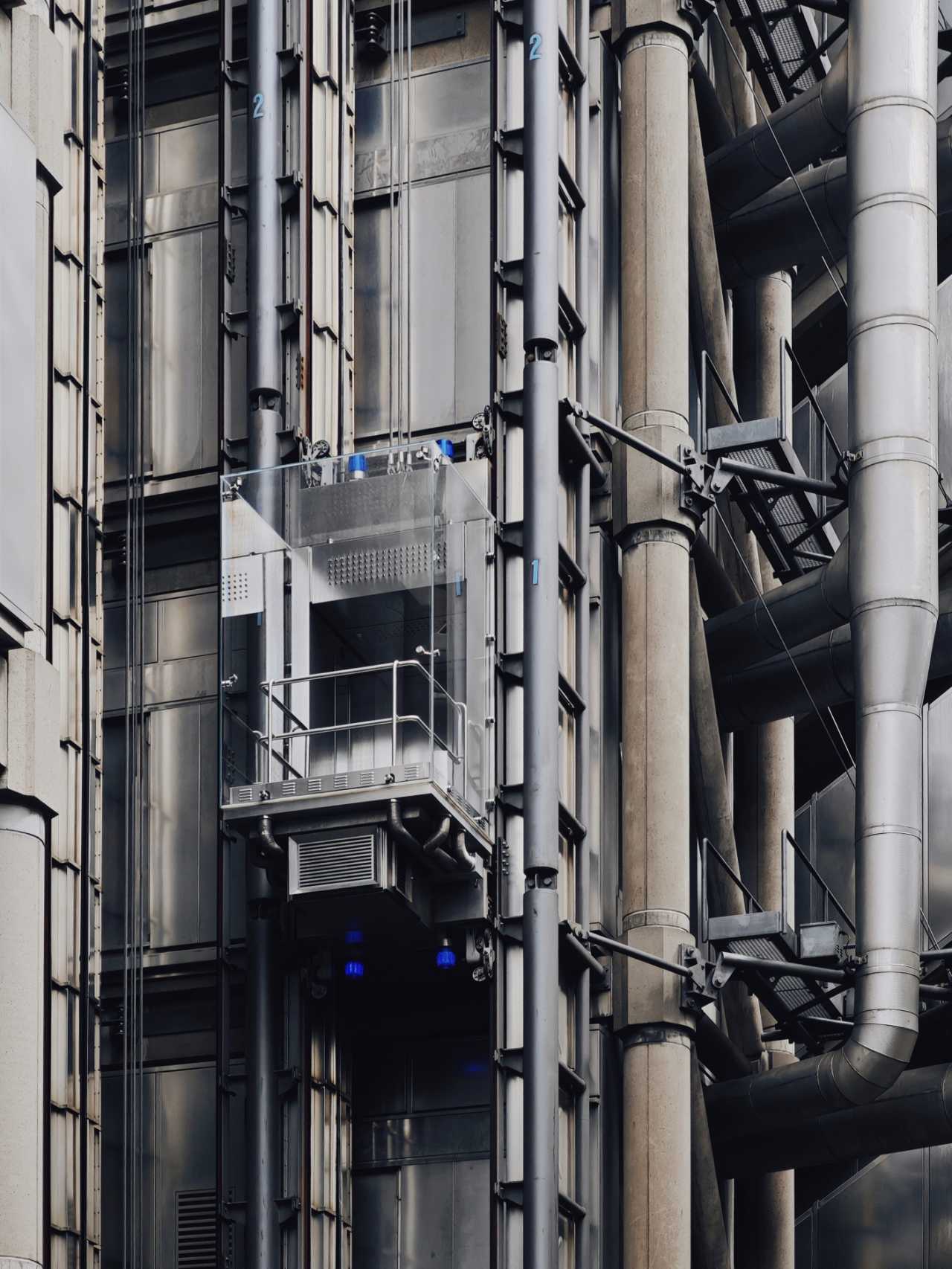
This transparent elevator looks so pure amid exposed building pipes!
Horizon22 | London from a God’s-Eye View
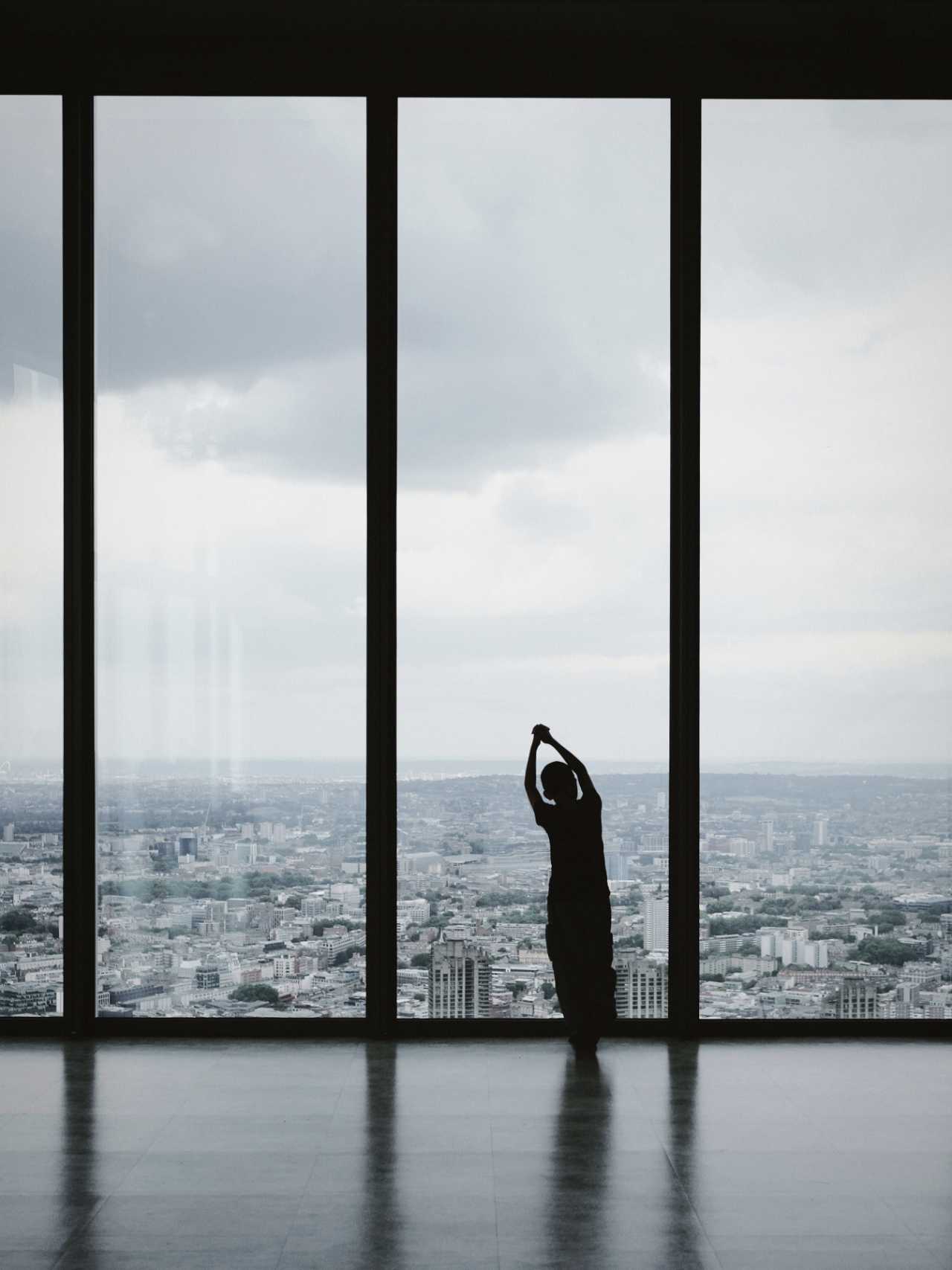
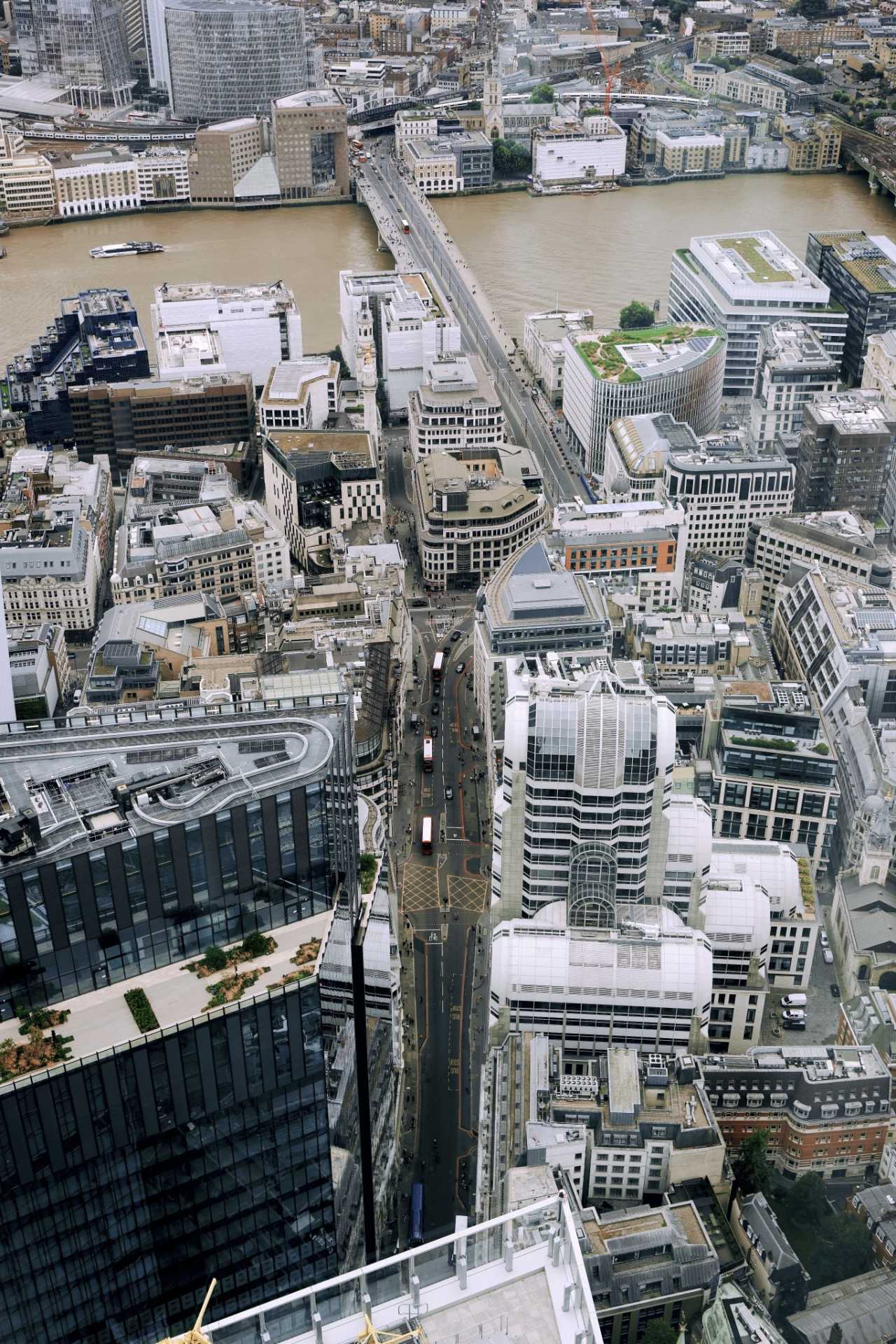
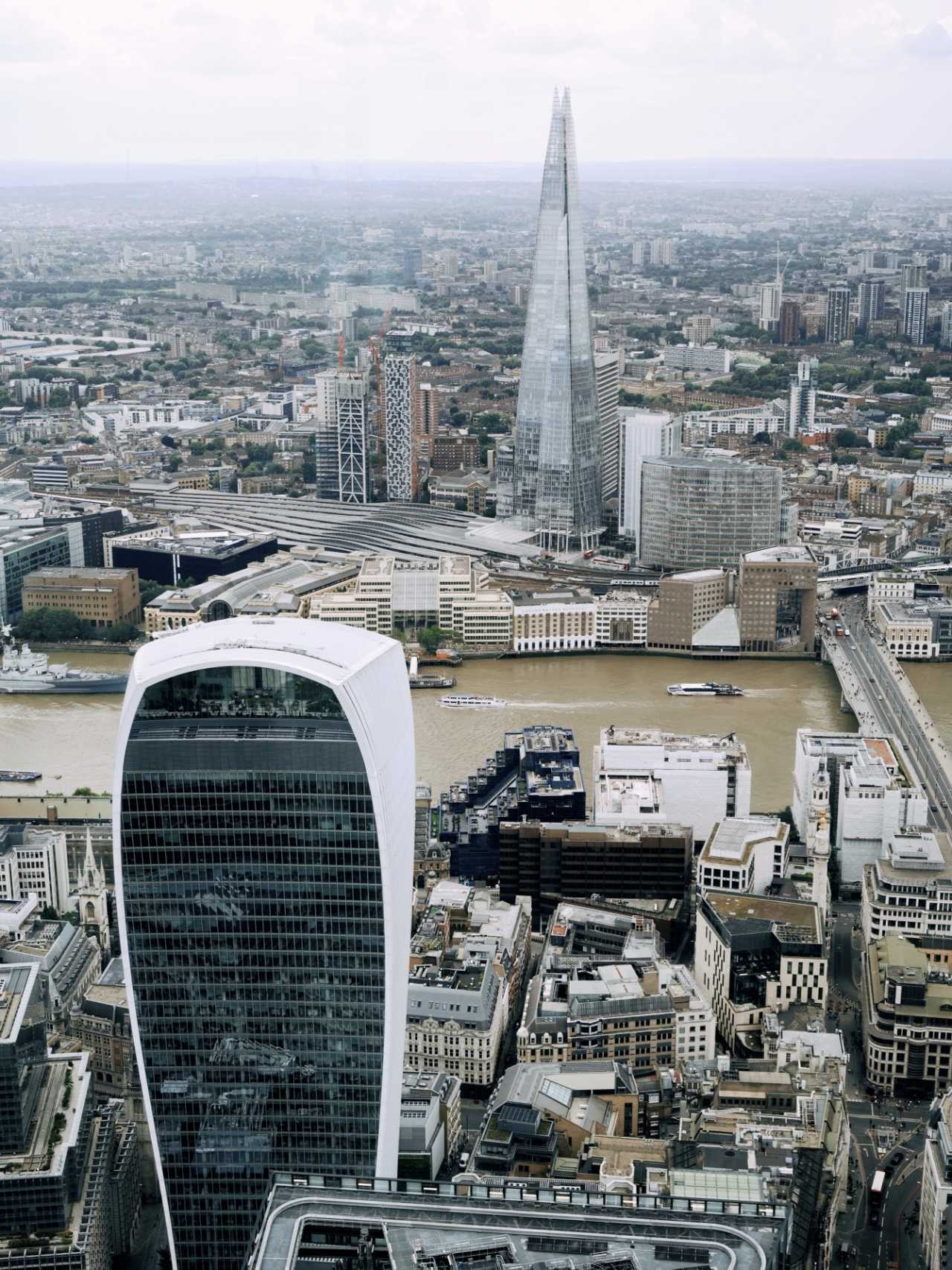
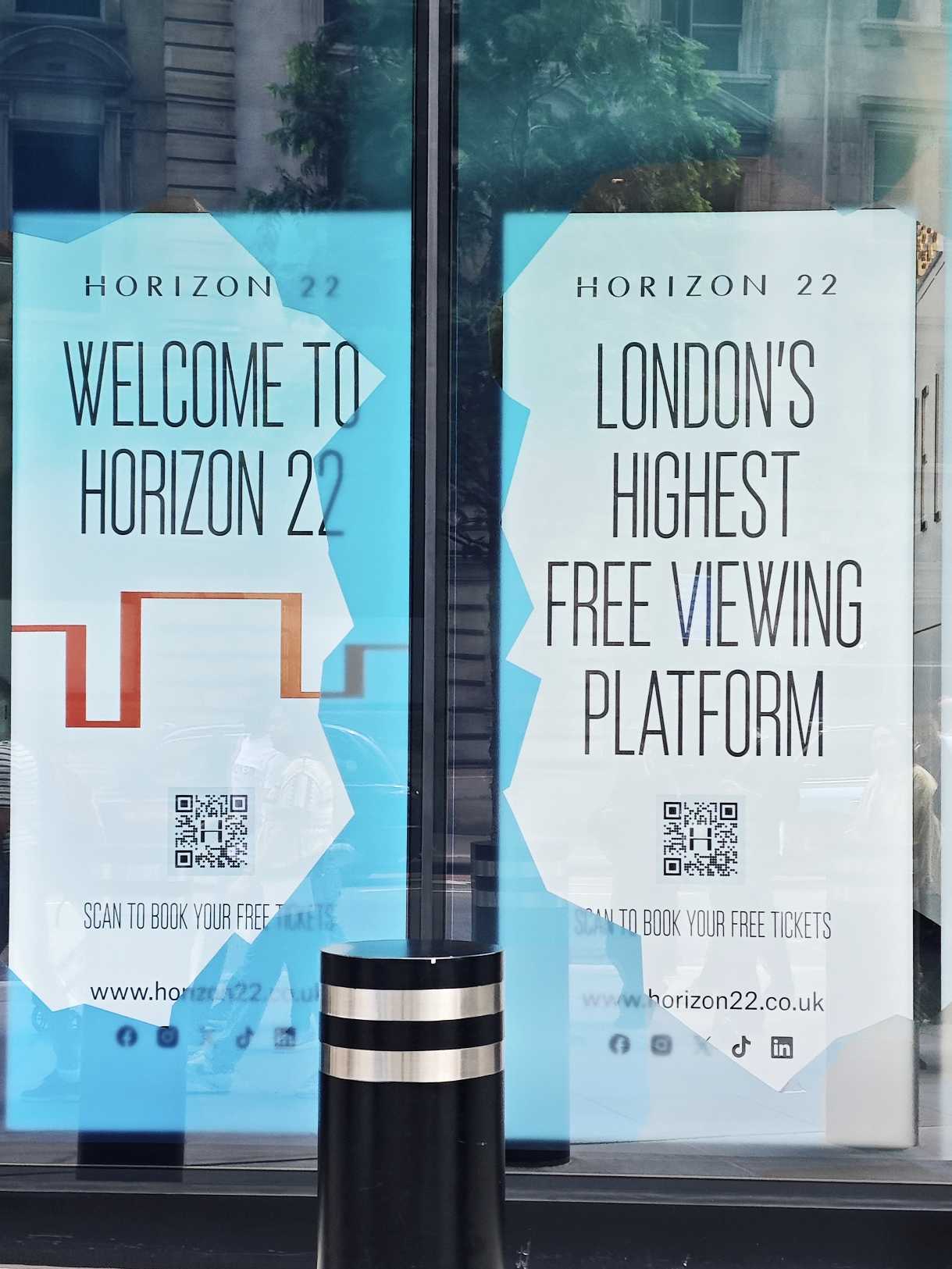
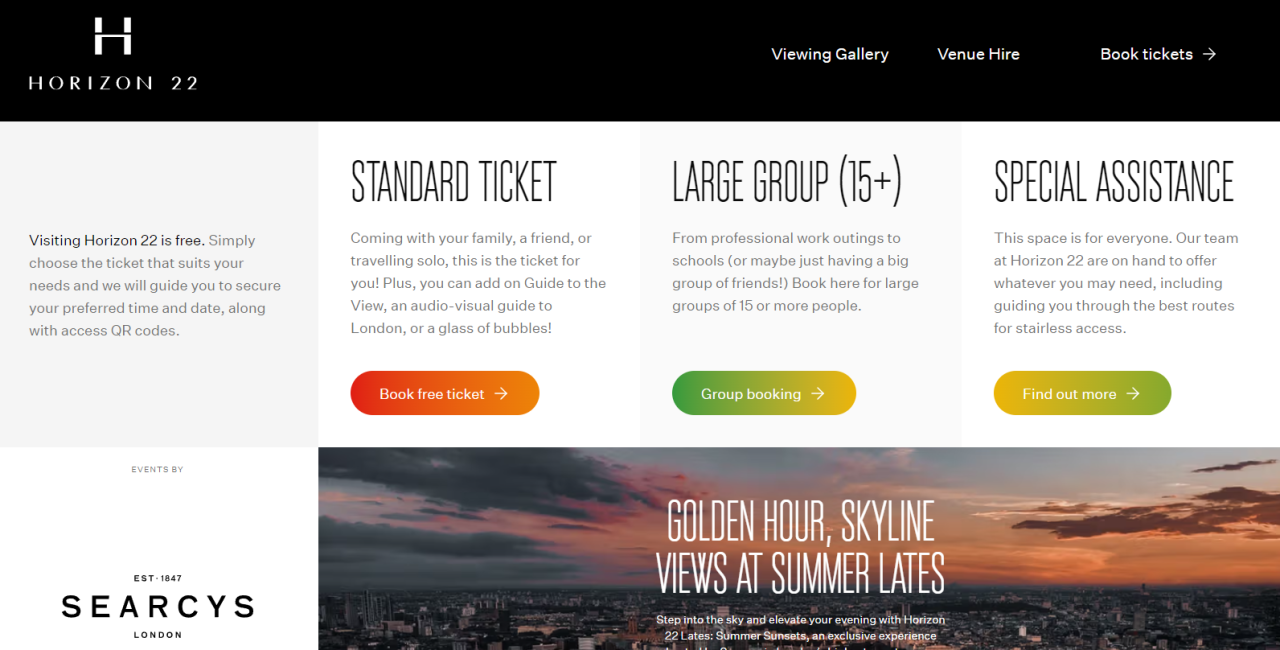
Horizon22 is about a 5-minute walk from Leadenhall Market and offers free elevated views. I had been watching reservations—they were always full. Each day they release some walk-in slots that require same-day booking. Luck was good; we booked walk-in tickets on a whim. The elevator shot up to the 85th floor; when the city unfolded before our eyes, we truly felt the trip was worth it! Day one’s “peak” started with a god’s-eye view over London.
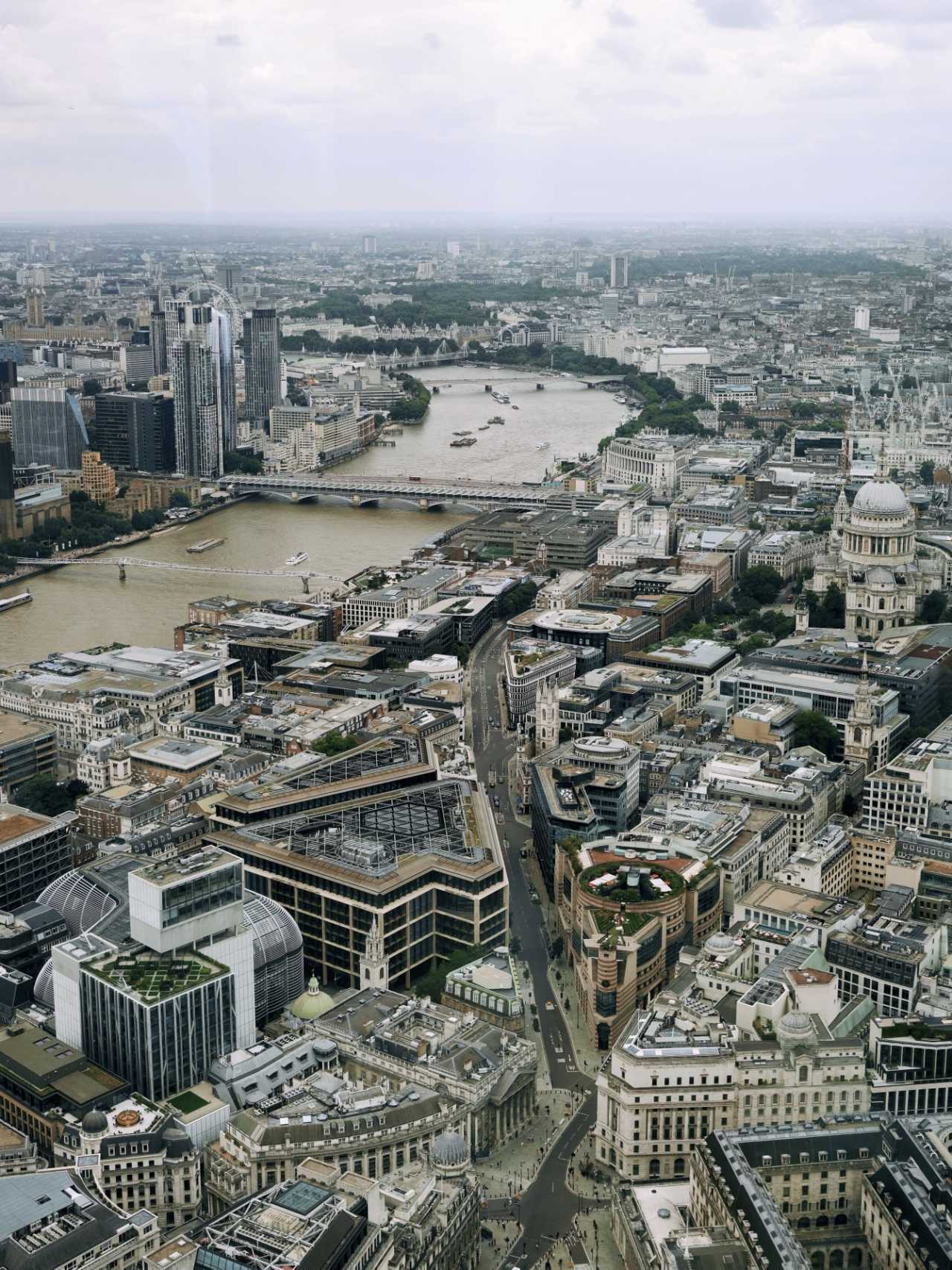
London Tower Bridge, crisscrossing streets, the gently flowing Thames, and staggered buildings are all within sight.
 Horizon22 ticket booking
Peak summer crowds—book in advance; they likely release the next 14 days every Monday. Also watch for same-day walk-in tickets. All are free.

St Paul’s Cathedral + Millennium Bridge + Tate Modern
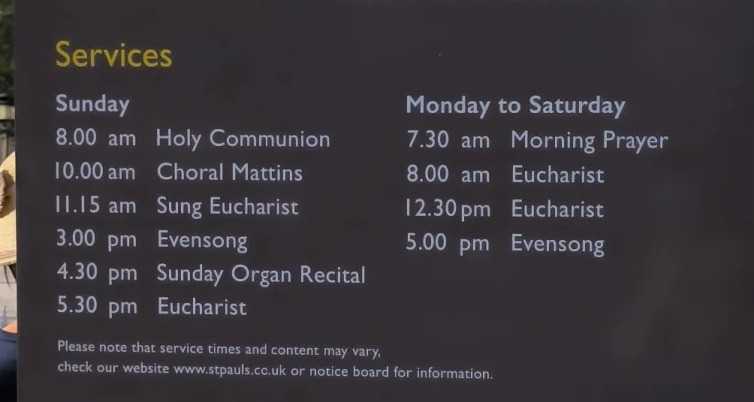
Free worship times
Mon–Sat Choral Evensong: starts 5 pm, about 45 minutes; Sunday worship: after 3 pm
Note: Free times allow sitting quietly in fixed areas; no roaming, climbing, or crypt visits; photography prohibited; silence required.
Paid visiting times
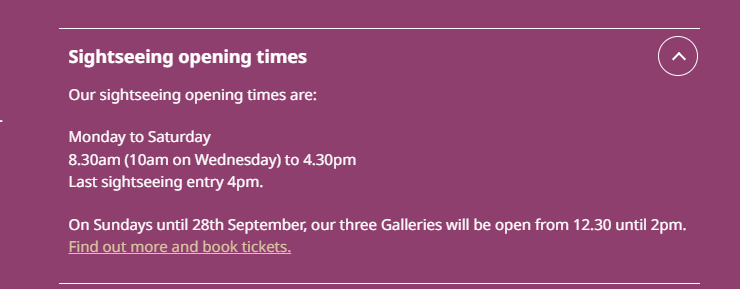
Mon–Sat: 8:30–16:30 (last entry 16:00); Wednesday opens at 10:00
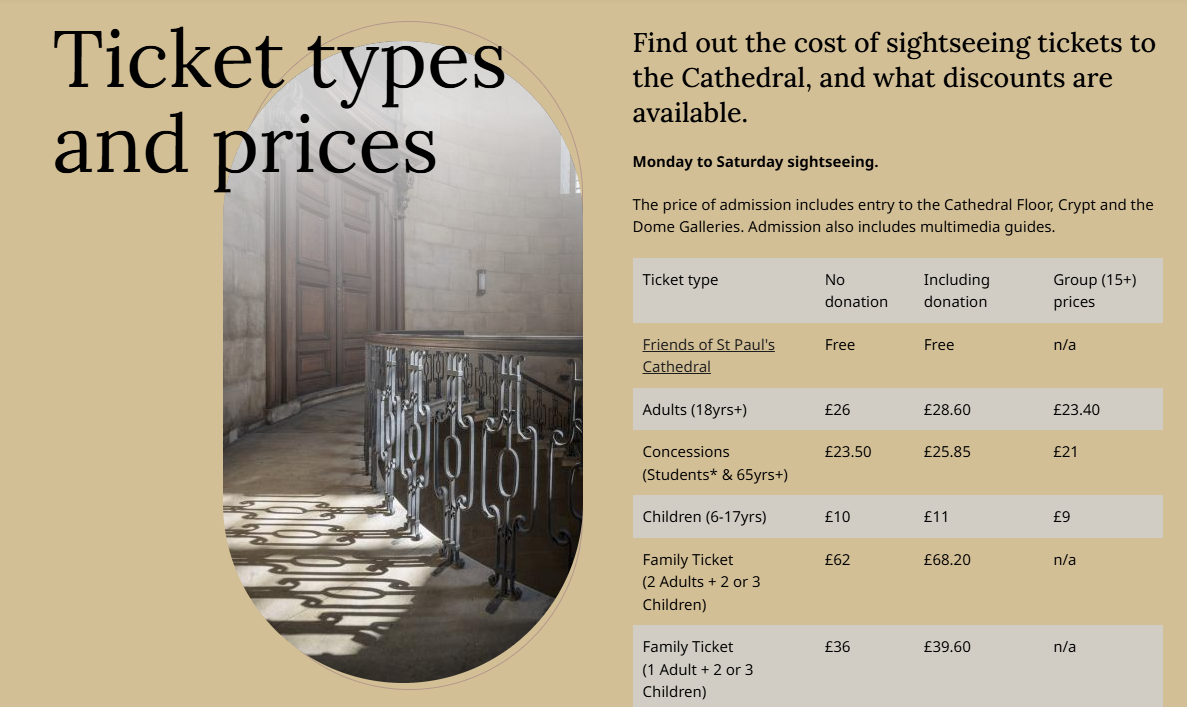
Ticket includes: main cathedral + crypt + dome climbs (Whispering Gallery / Stone Gallery / Golden Gallery) + Chinese audio guide
Adult £26 | Student/65+ £23.5 | 6–17 £10 | under 6 free
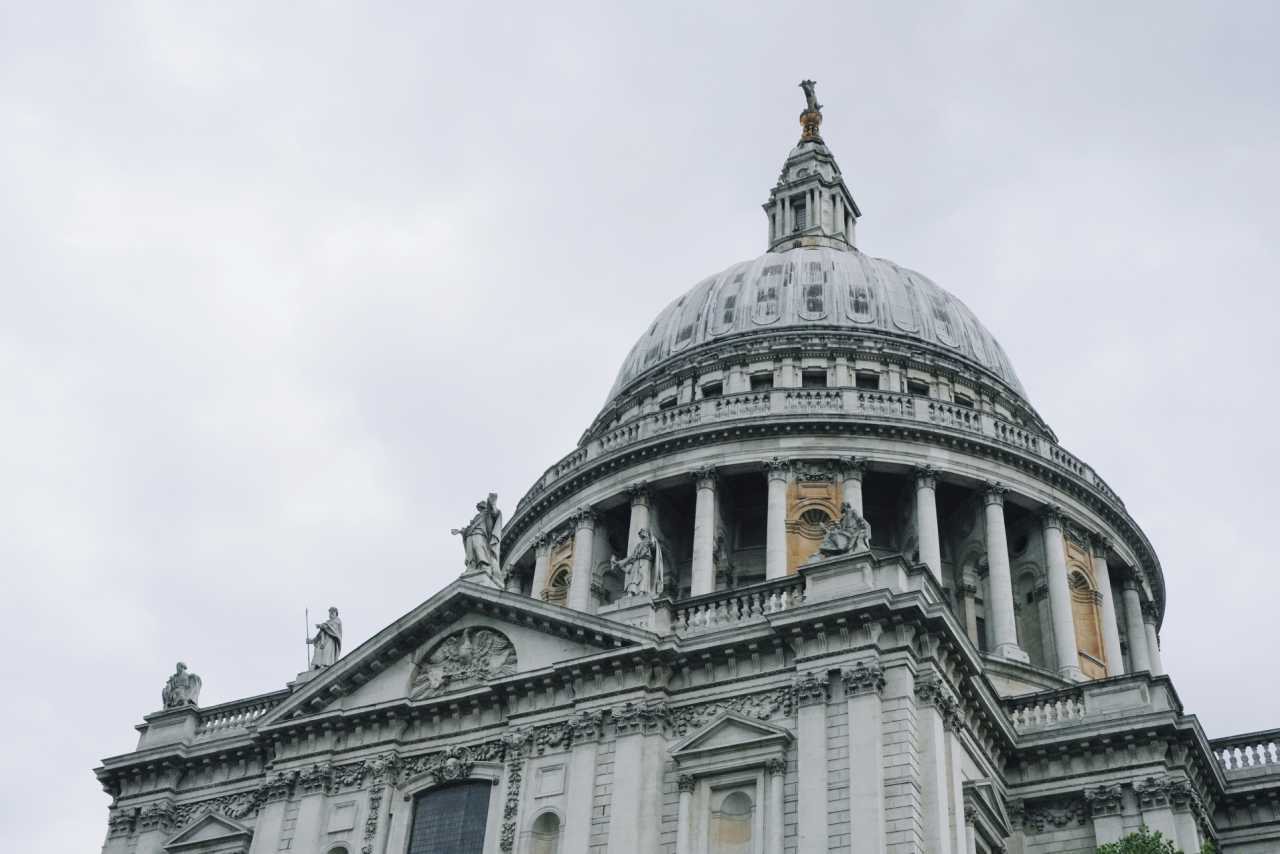
St Paul’s Cathedral is one of the most famous religious buildings in the UK, Baroque style, built 1675–1710, and a London landmark. We arrived on Sunday—worship day—free entry but only to listen at the entrance, no photos allowed.
Having marched most of the day, we took the chance to sit in the cathedral and listen to prayers—a short rest. The melodious hymns echoed beneath the dome and colonnades, cleansing the heart. At the end the pastor spoke, reflecting on current world affairs and domestic situations—there are still many homeless and many needing help; we should keep compassion and offer more aid.
Though not religious, such ritual and state felt good. Life needn’t be endless commando-style rushing; letting ourselves empty a bit brings more reflection and calm.
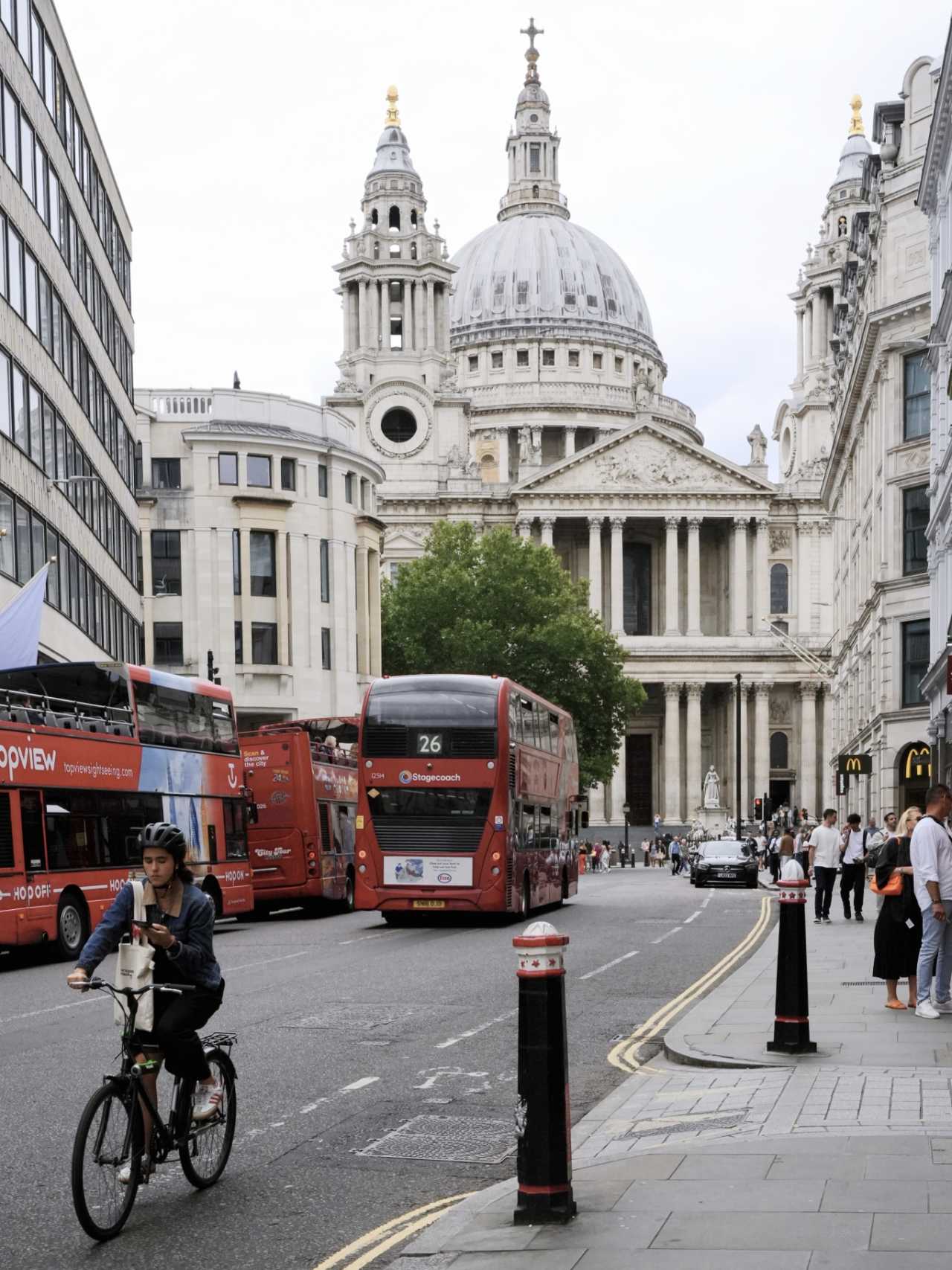
 St Paul’s Cathedral
The dome of St Paul’s is magnificent—well worth paying to tour and photograph.
 St Paul’s Cathedral
 St Paul’s Cathedral
 St Paul’s Cathedral
Across from St Paul’s, crossing Millennium Bridge leads to Tate Modern. This route has many classic photo spots—not to be missed.
Millennium Bridge is the “wobbly bridge” in Harry Potter. Walking on it feels nothing special; the best angles are along the river near Tate and inside the museum.
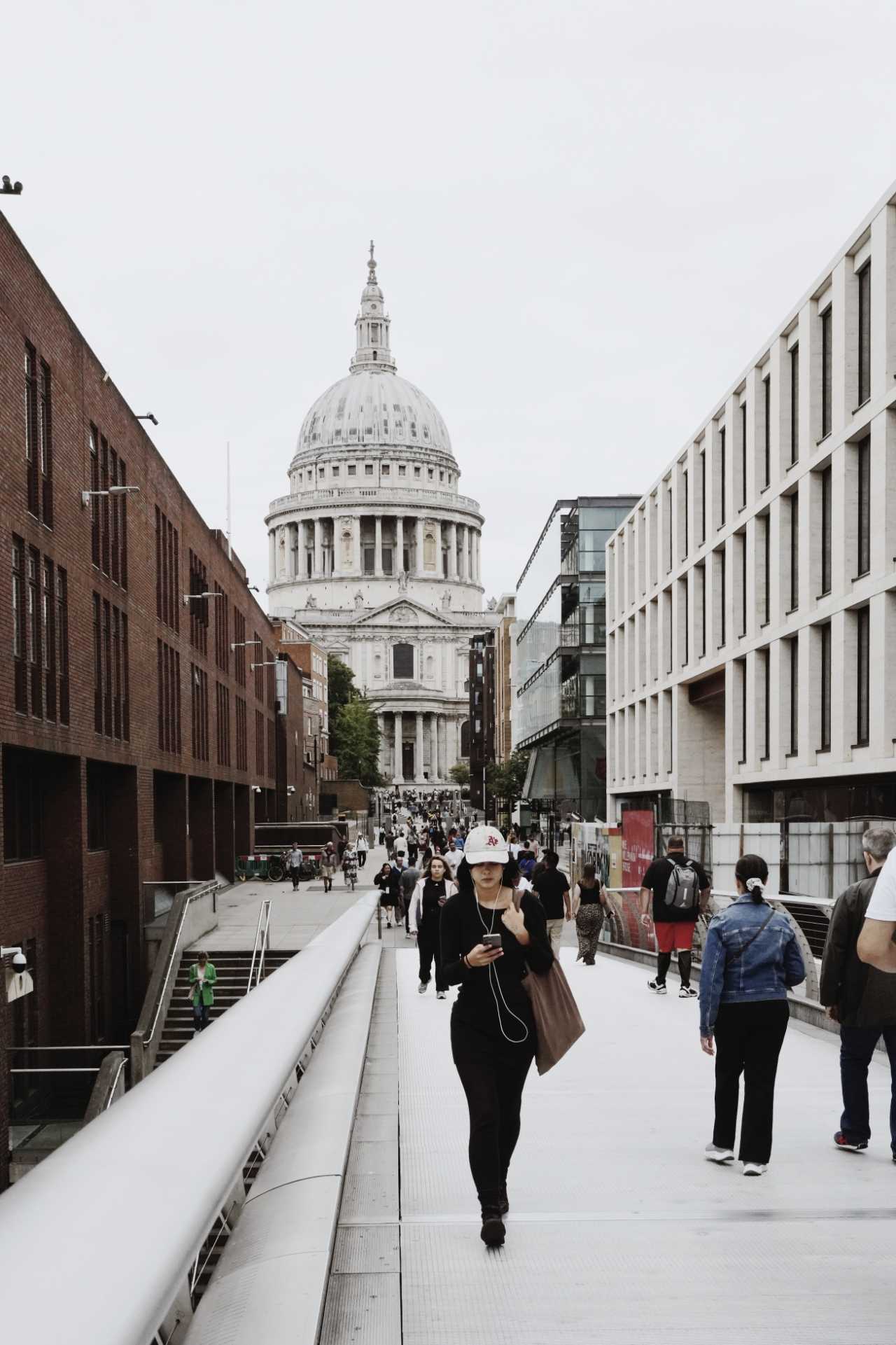 Millennium Bridge
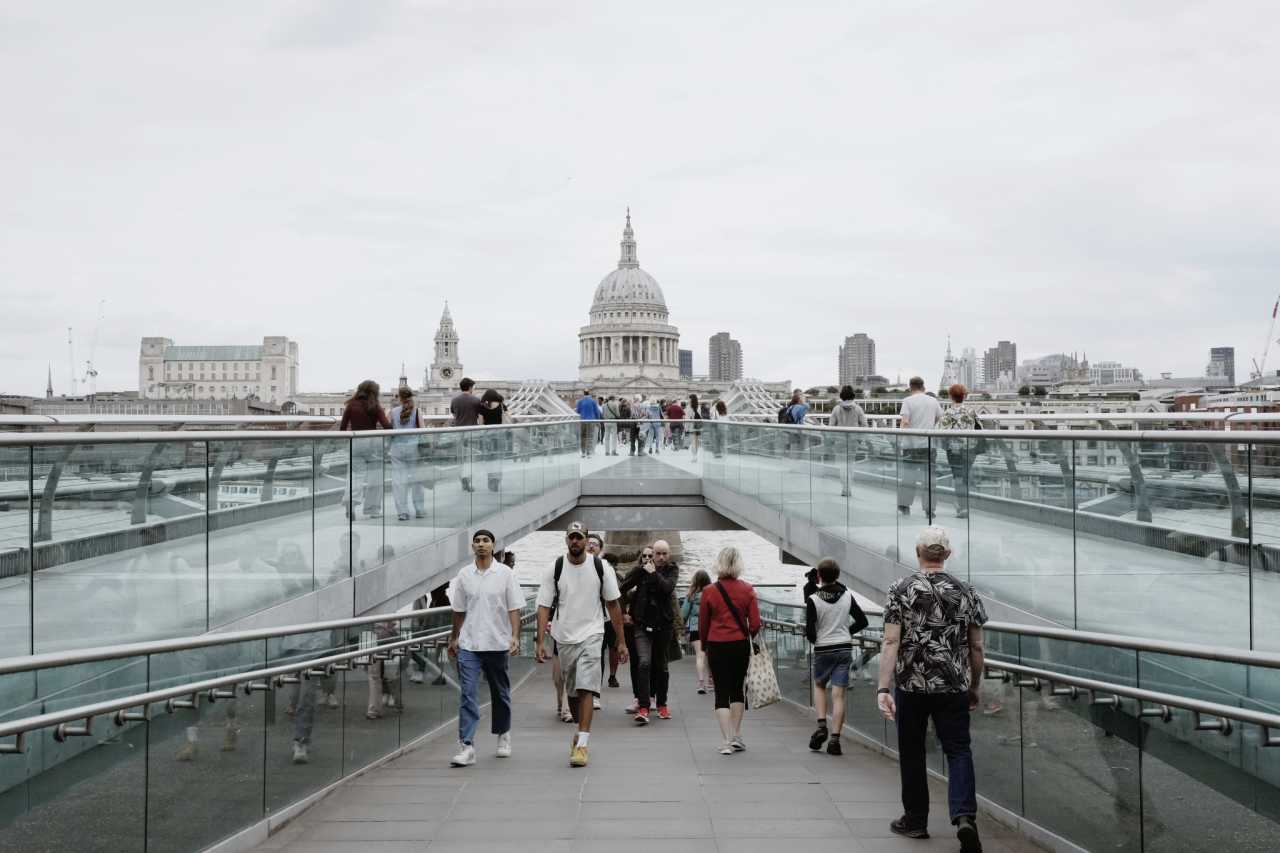 Millennium Bridge
Tate Modern
Hours: Mon–Sun 10:00–18:00
Address: Bankside, London SE 1 9TG
Main collection free; special exhibitions ticketed.
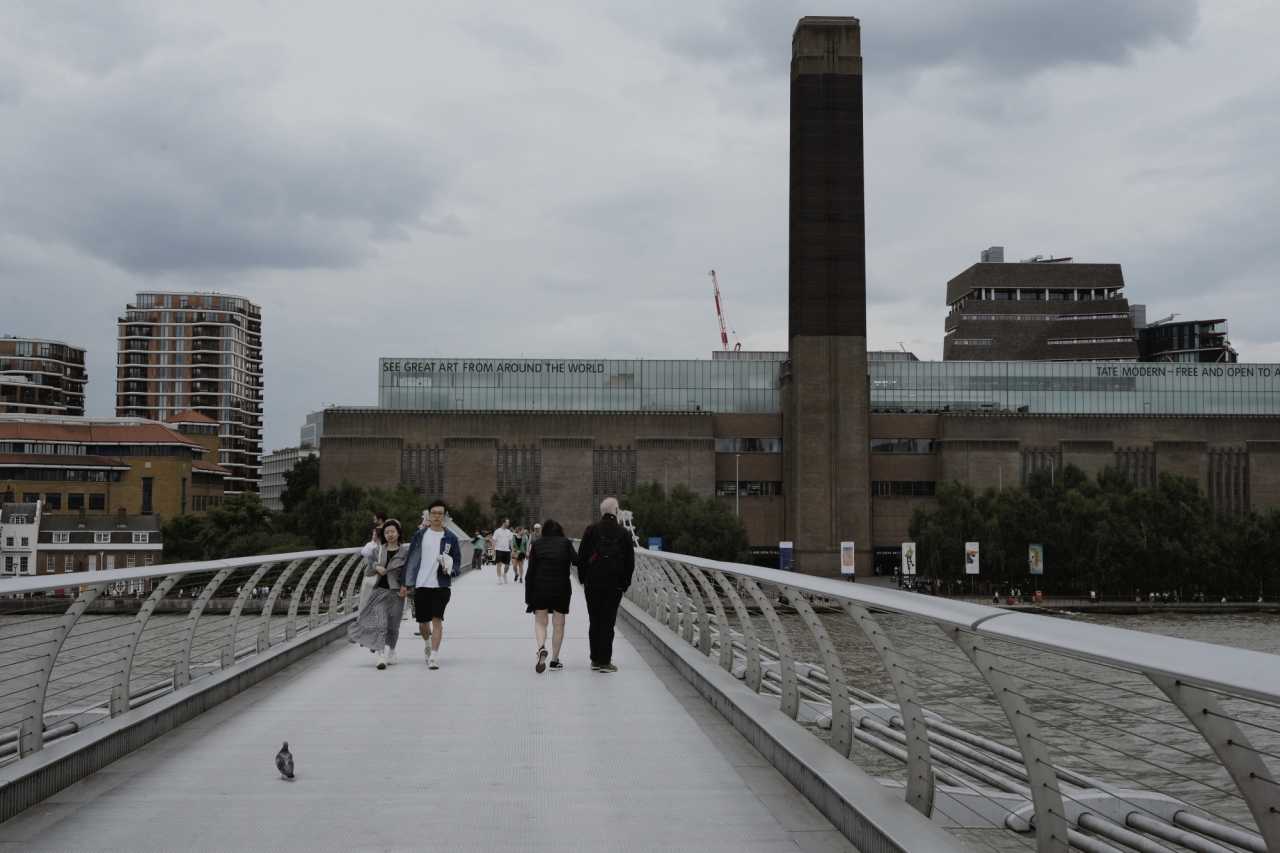 Millennium Bridge
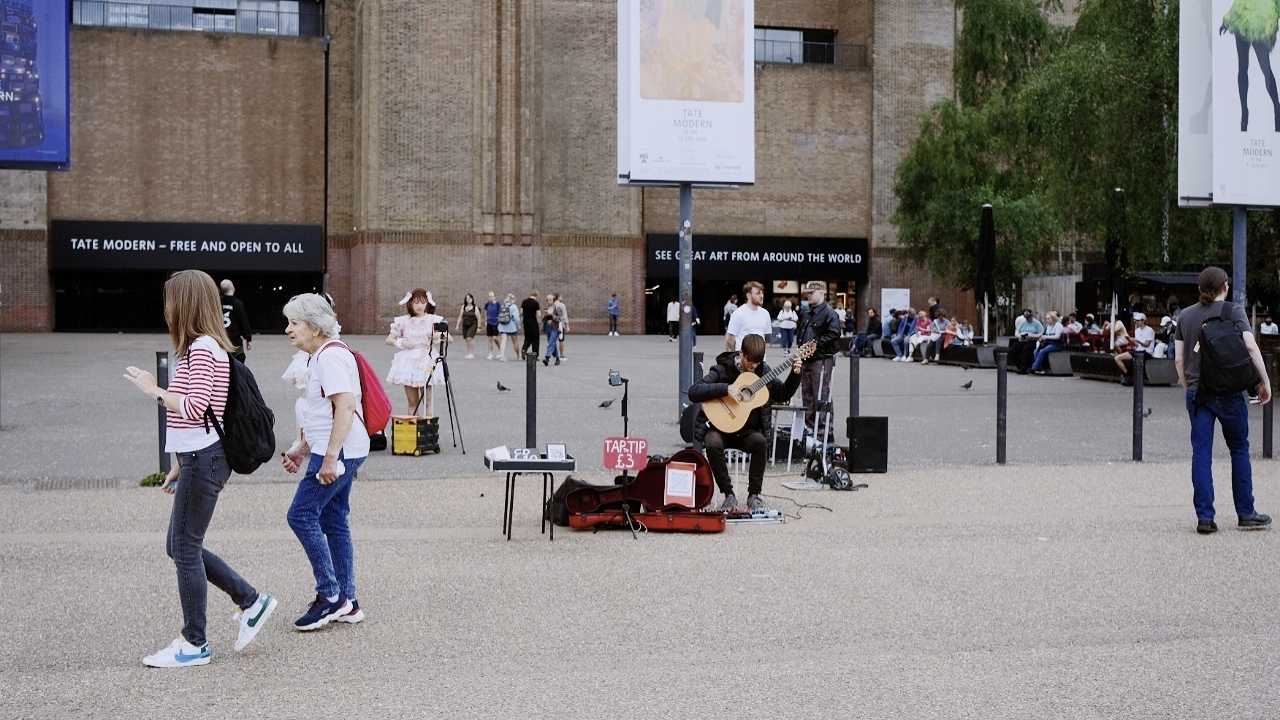
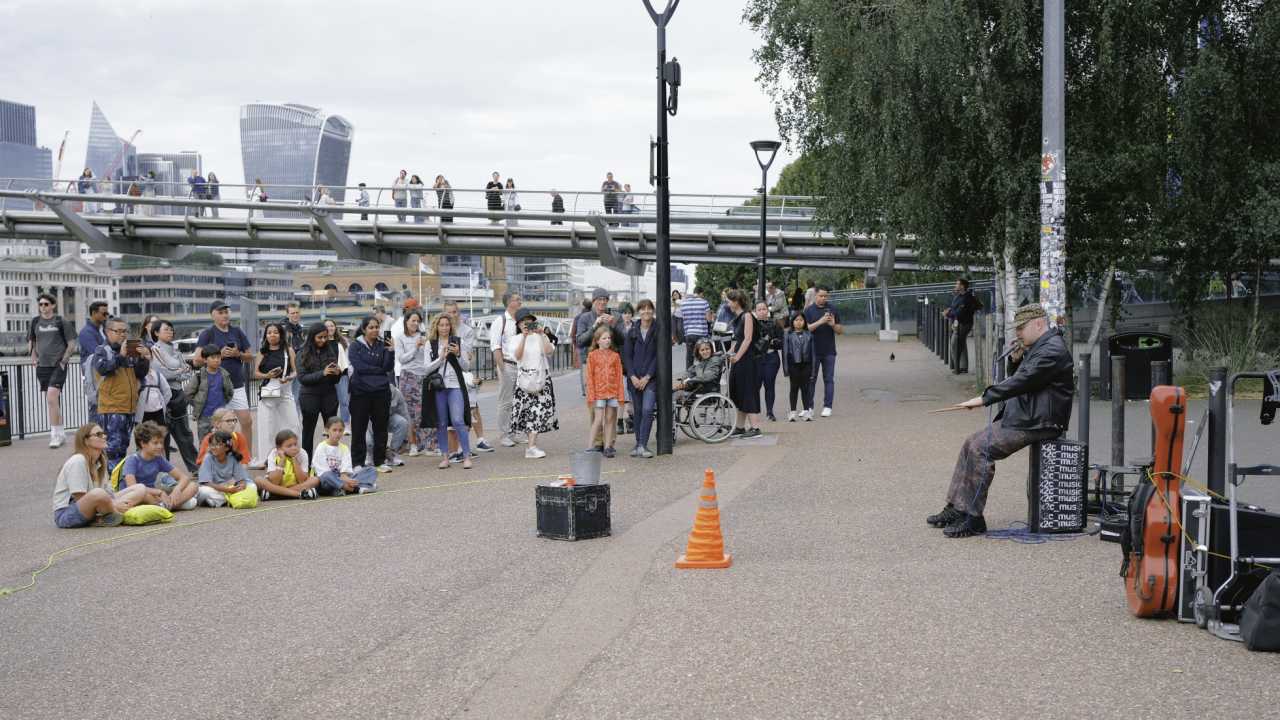
Street performances in front of the museum vary by time—art vibes maxed.
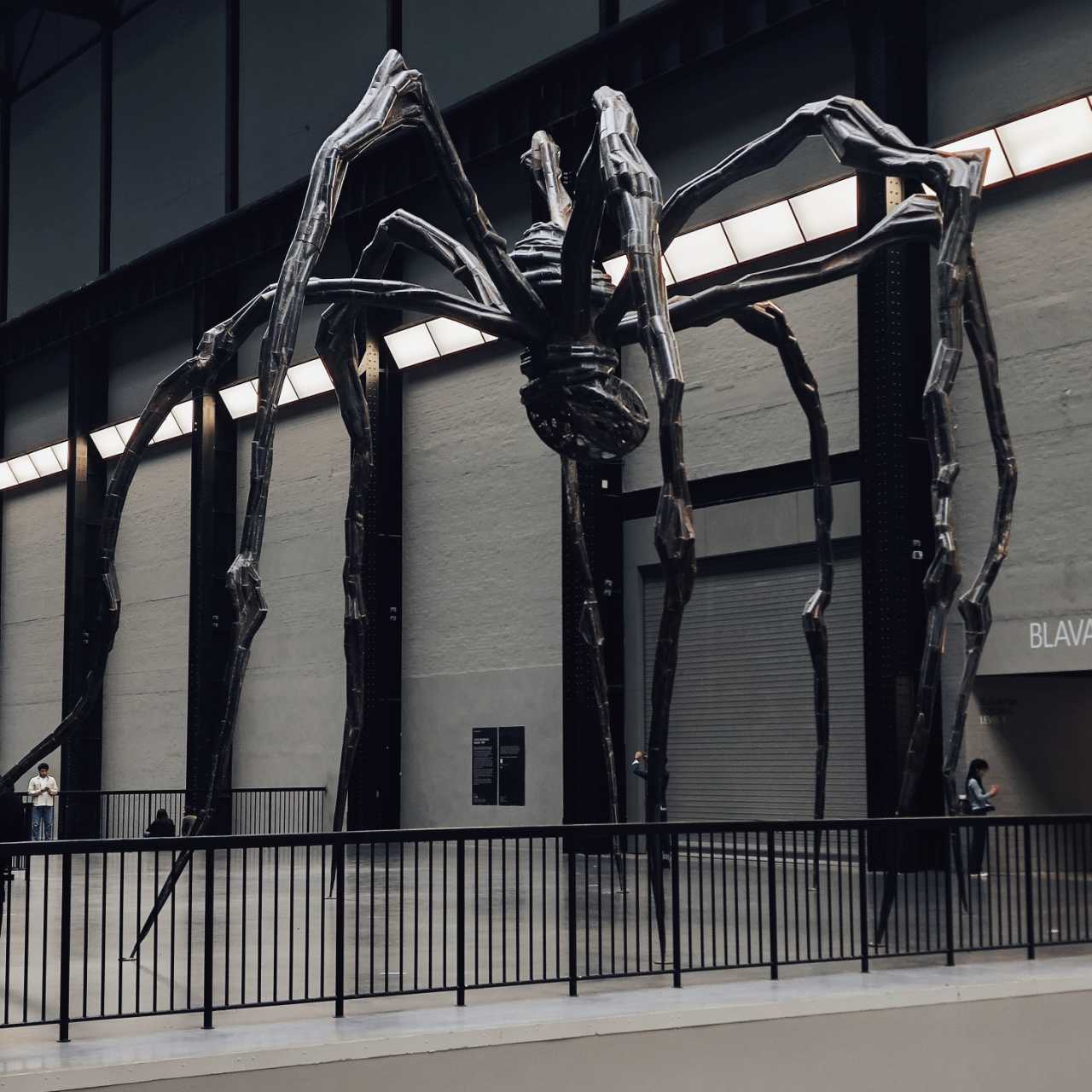
We were lucky to see Bourgeois’s “Maman” at Tate Modern—her largest spider at ~9m tall and one of her most iconic sculptures. It showed at Tate Modern’s opening in 2000 and now it’s back! Standing beneath “Maman” was quite awe-inspiring.
Tate Modern also has many must-see works: treasure of the house — Duchamp’s “Fountain”, plus Andy Warhol’s “Marilyn Monroe”, Mondrian’s “Composition C (Red, Yellow, Blue)”, Malevich, and Lucio Fontana’s “Spatial Concept: Waiting”, etc. Worth a half-day stroll. (My legs were shot by then; missed many  )
)
 Tate Modern
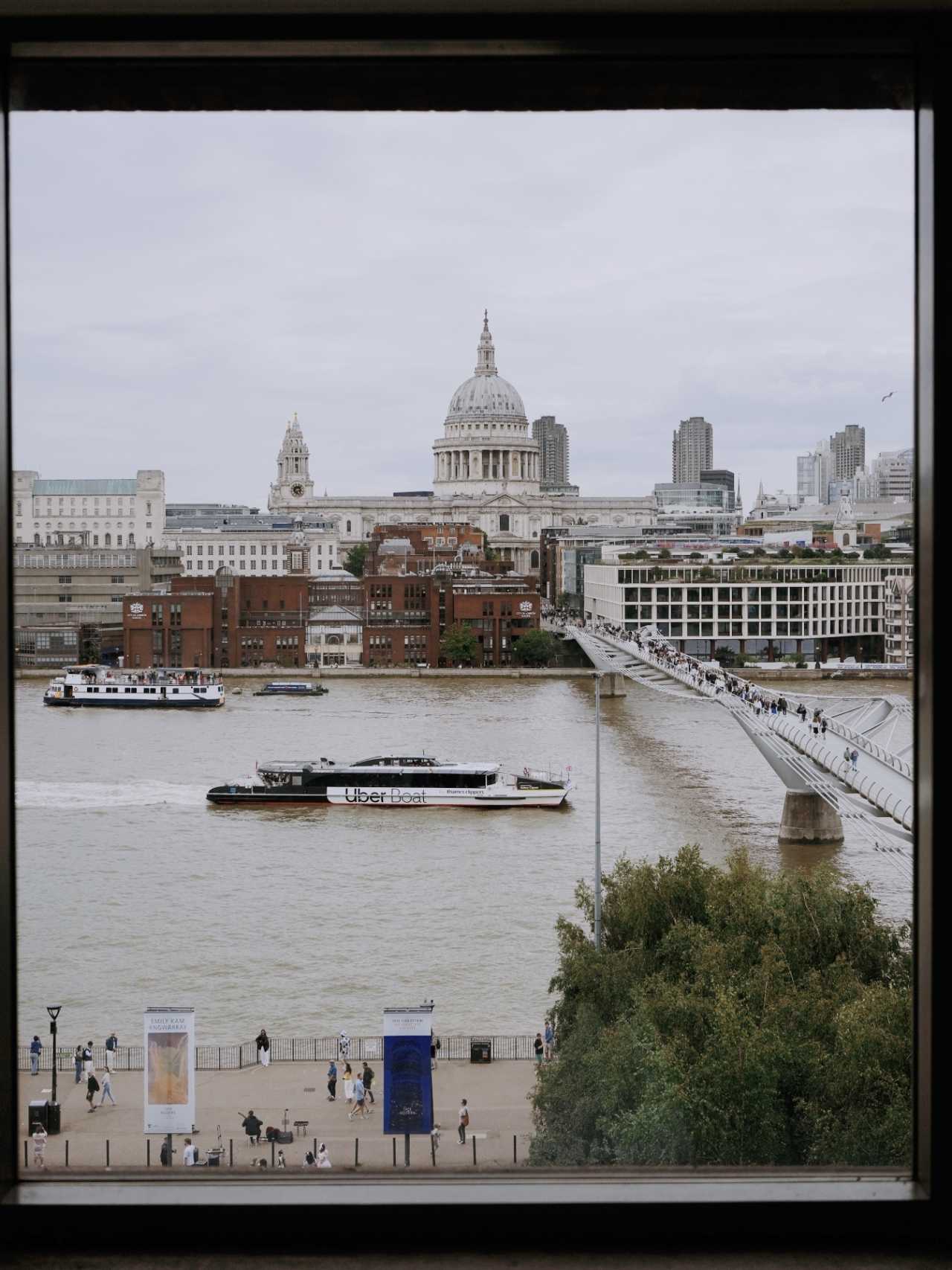
On the 4th floor there’s a superb vantage point to photograph Millennium Bridge and St Paul’s; on the 6th-floor café you can dine with a view.
 Tate Modern
The riverfront outside Tate is relaxing—nice for a stroll after visiting.
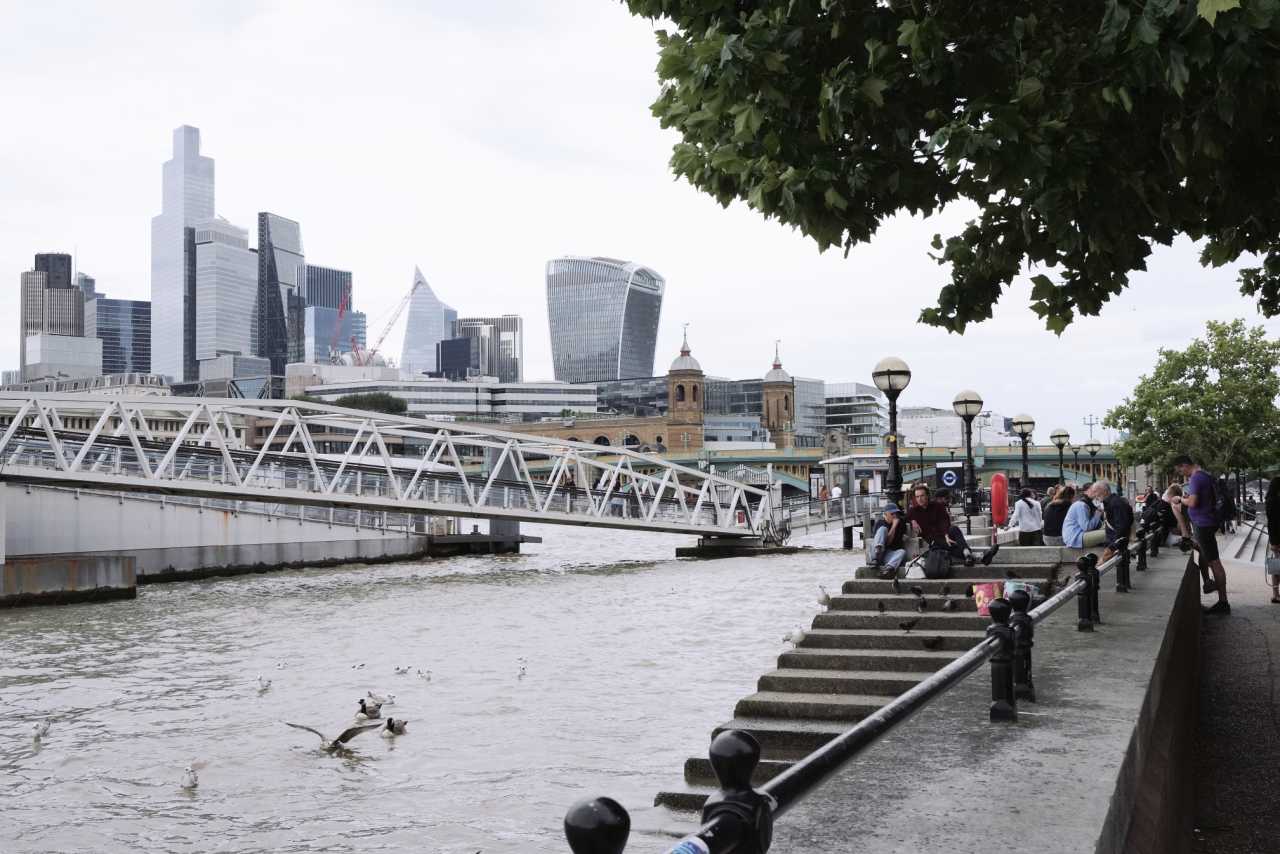
Day 2: Feel Classic British Style
From art to architecture, feeling classic British elegance.
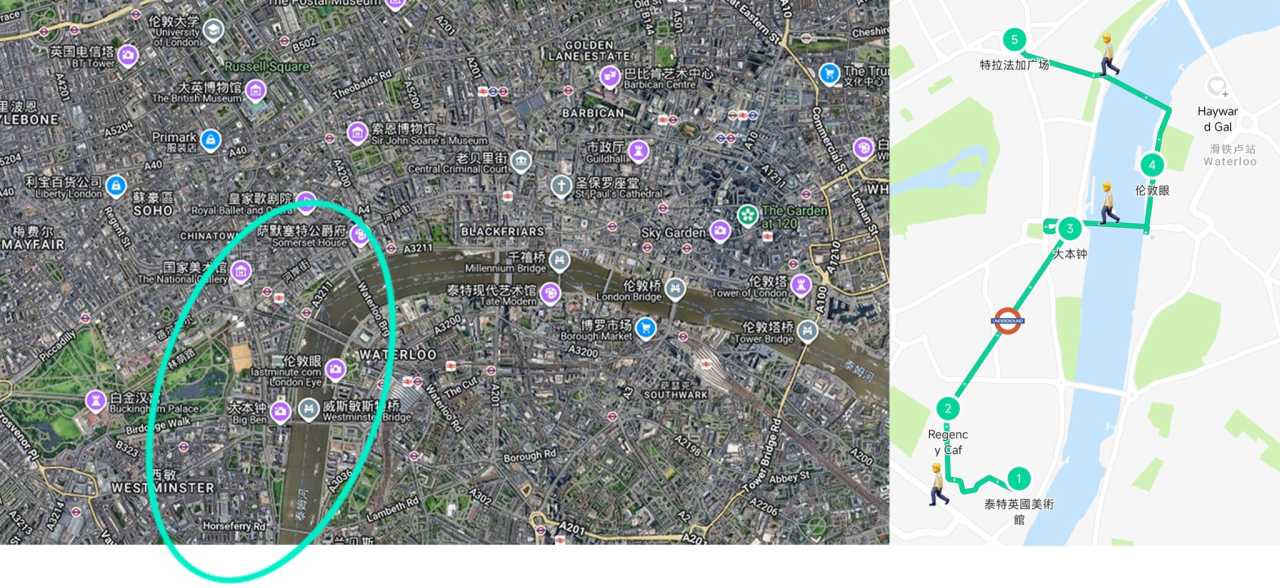
Tate Britain
Hours: Daily 10:00–18:00
Tickets: Permanent collection free; special shows by reservation
Address: Millbank, London SW1P 4RG
There are two Tates—Tate Modern is famous; Tate Britain is more low-key. But Tate Britain is truly recommended—from its building to the paintings, it’s the symbol of the classic. Fewer visitors make for a great experience. My friend and I arrived early and still “rushed” for over two hours—the works are abundant.
The architecture is classic, especially the spiral staircase—elegant with rhythmic beauty. On the top floor many people drink coffee, chat, and work—lots of middle-aged and seniors. I envy those who can idle time in such wonderful spaces.
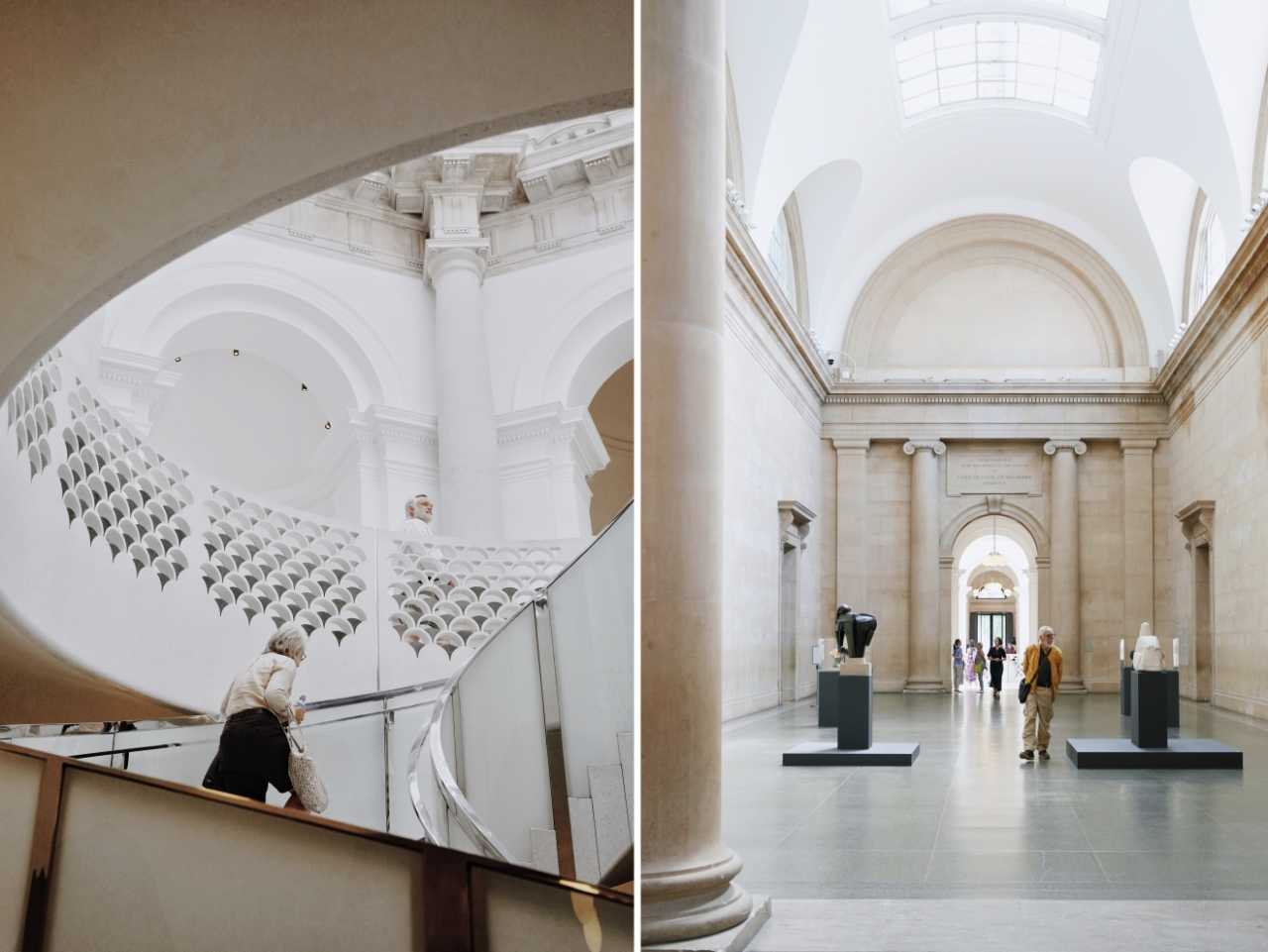 Tate Britain
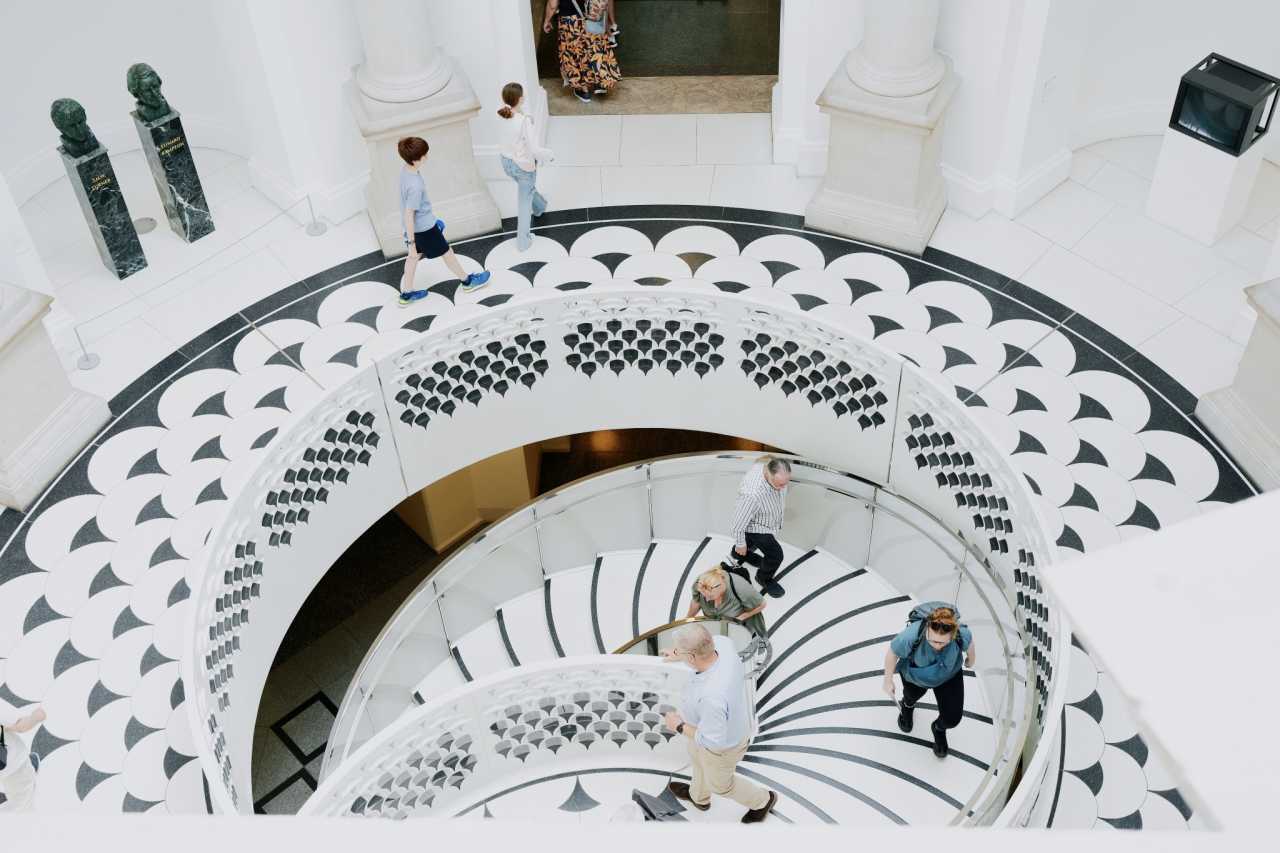 Tate Britain
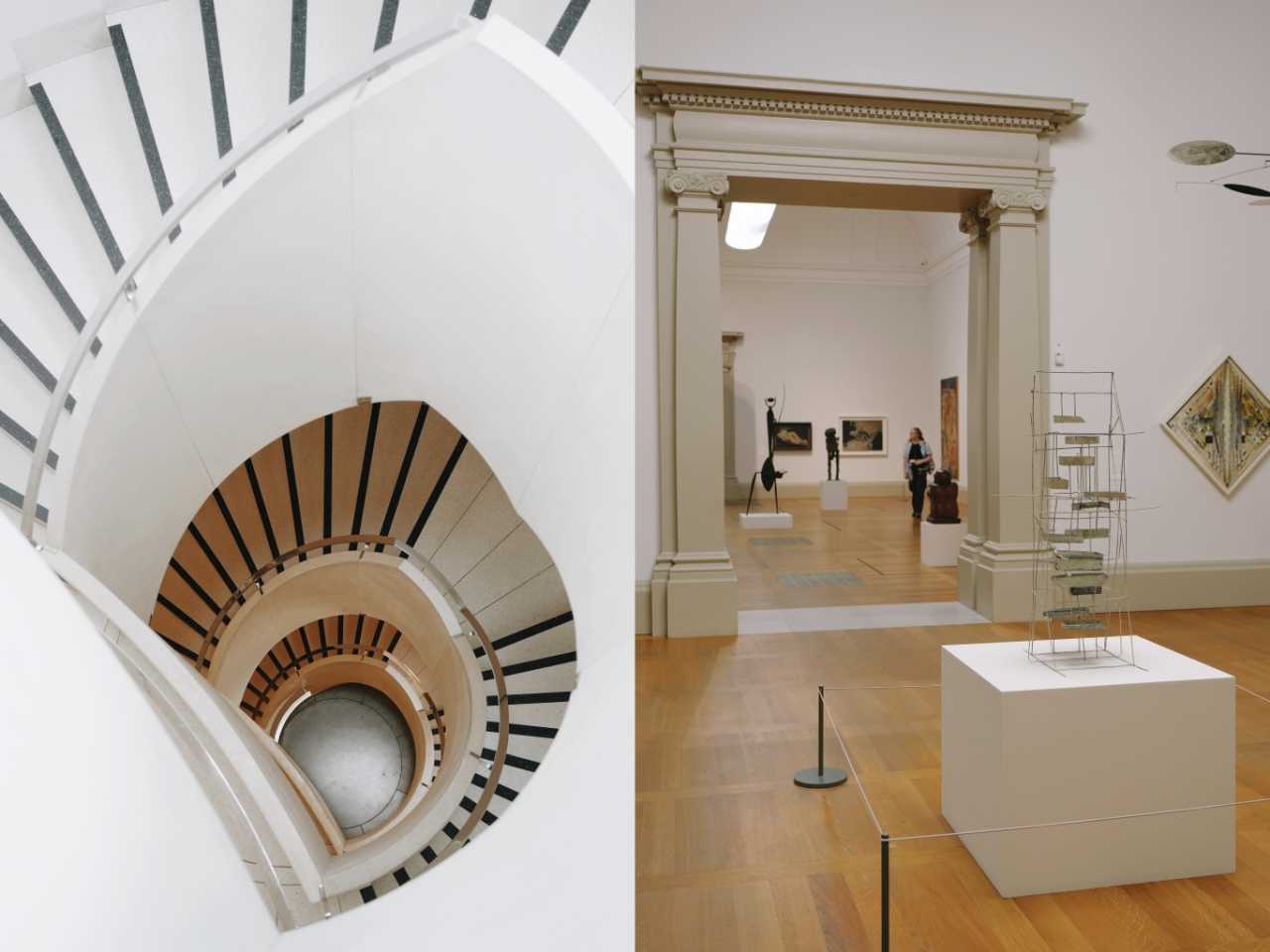 Tate Britain
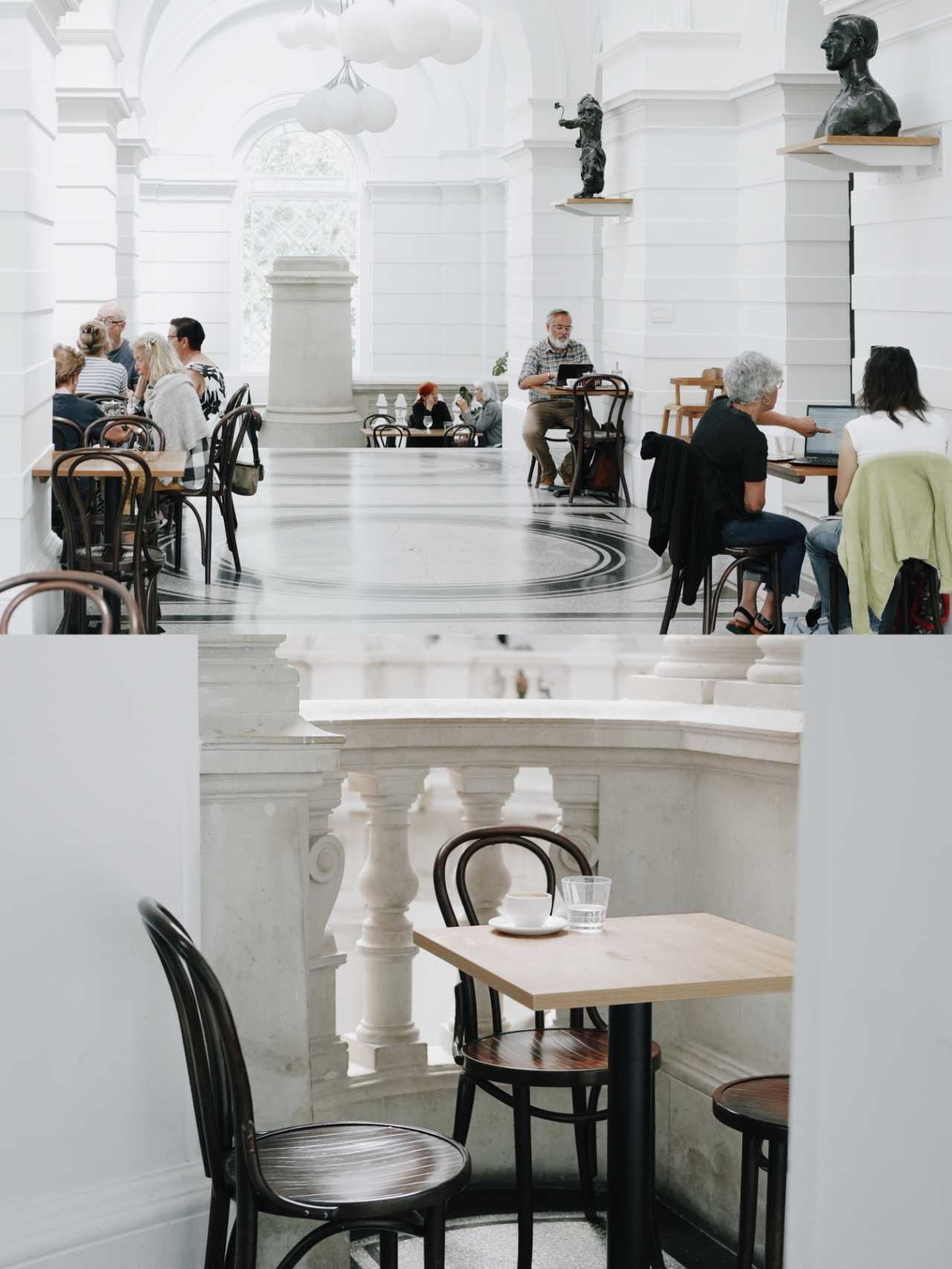 Tate Britain
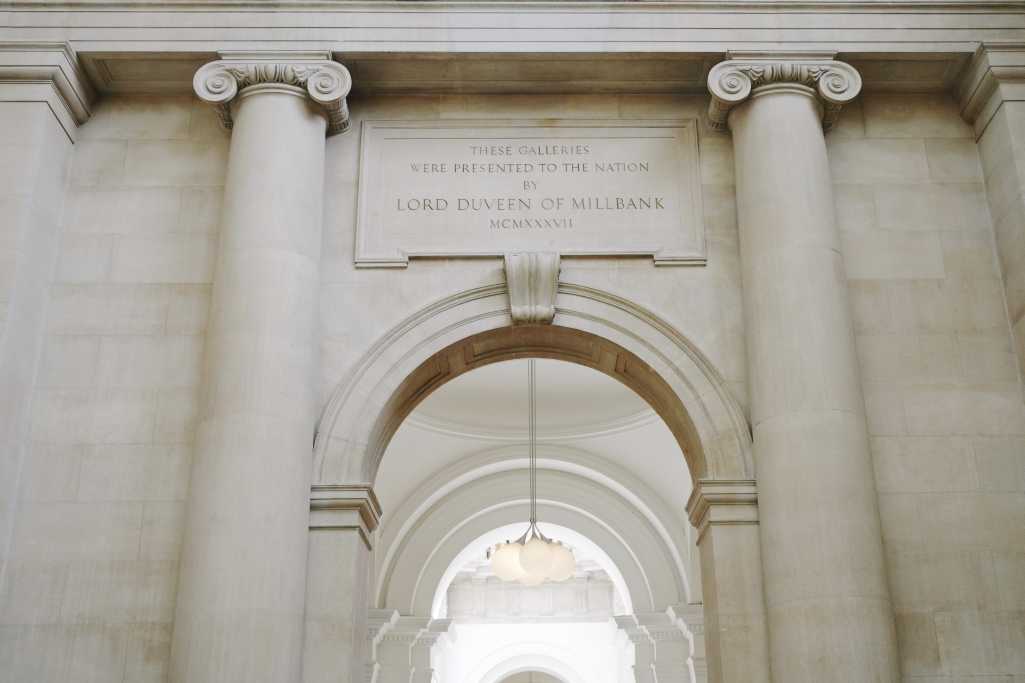 Tate Britain
Tate Britain presents British works from Henry VIII to the contemporary era—each gallery representing a period. Downstairs there’s an unmissable painting guide—follow it to explore.
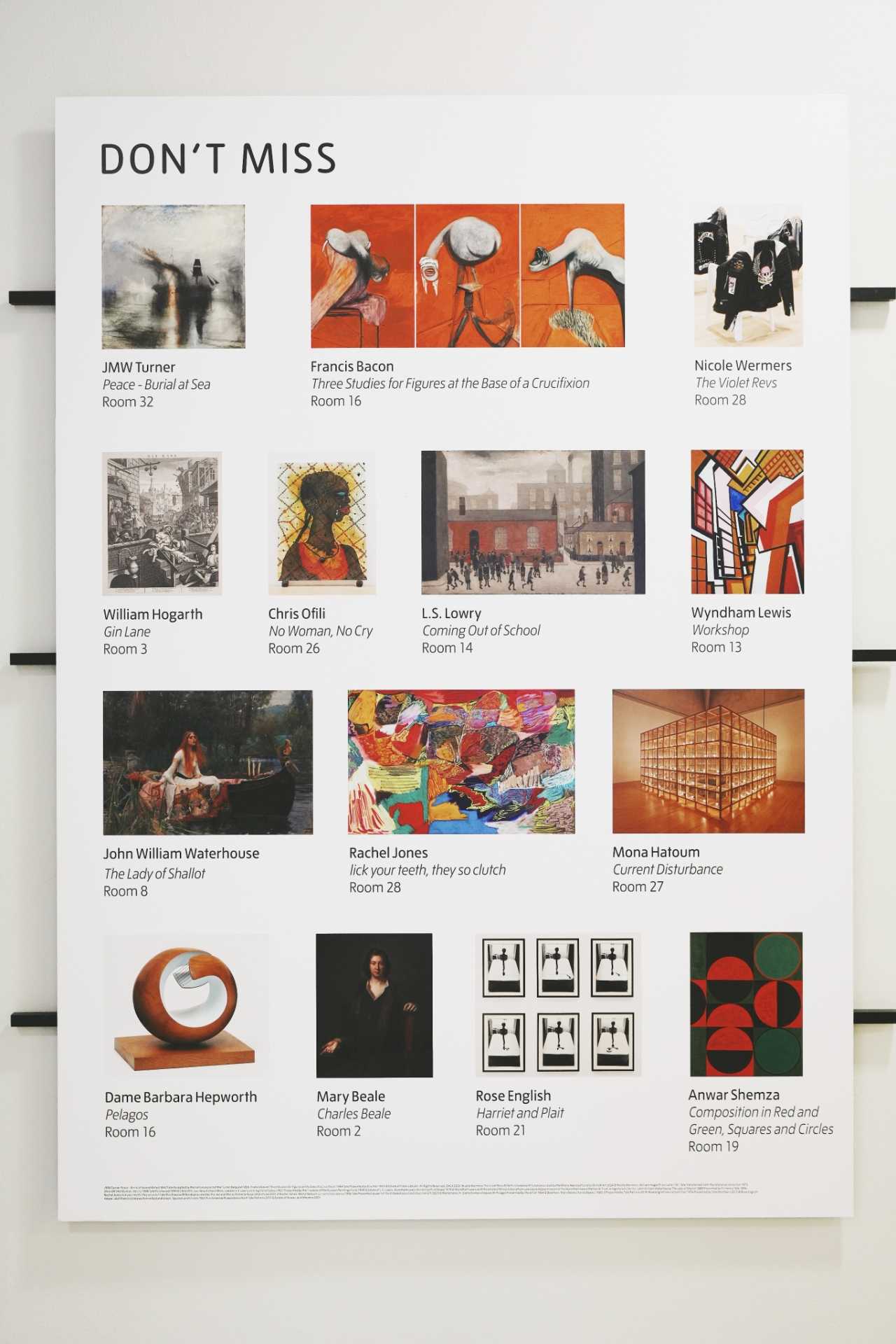 Tate Britain
Most exhibited are works by J. M. W. Turner—the UK’s most famous painter, precocious genius, a master of light and color variation, especially landscapes.
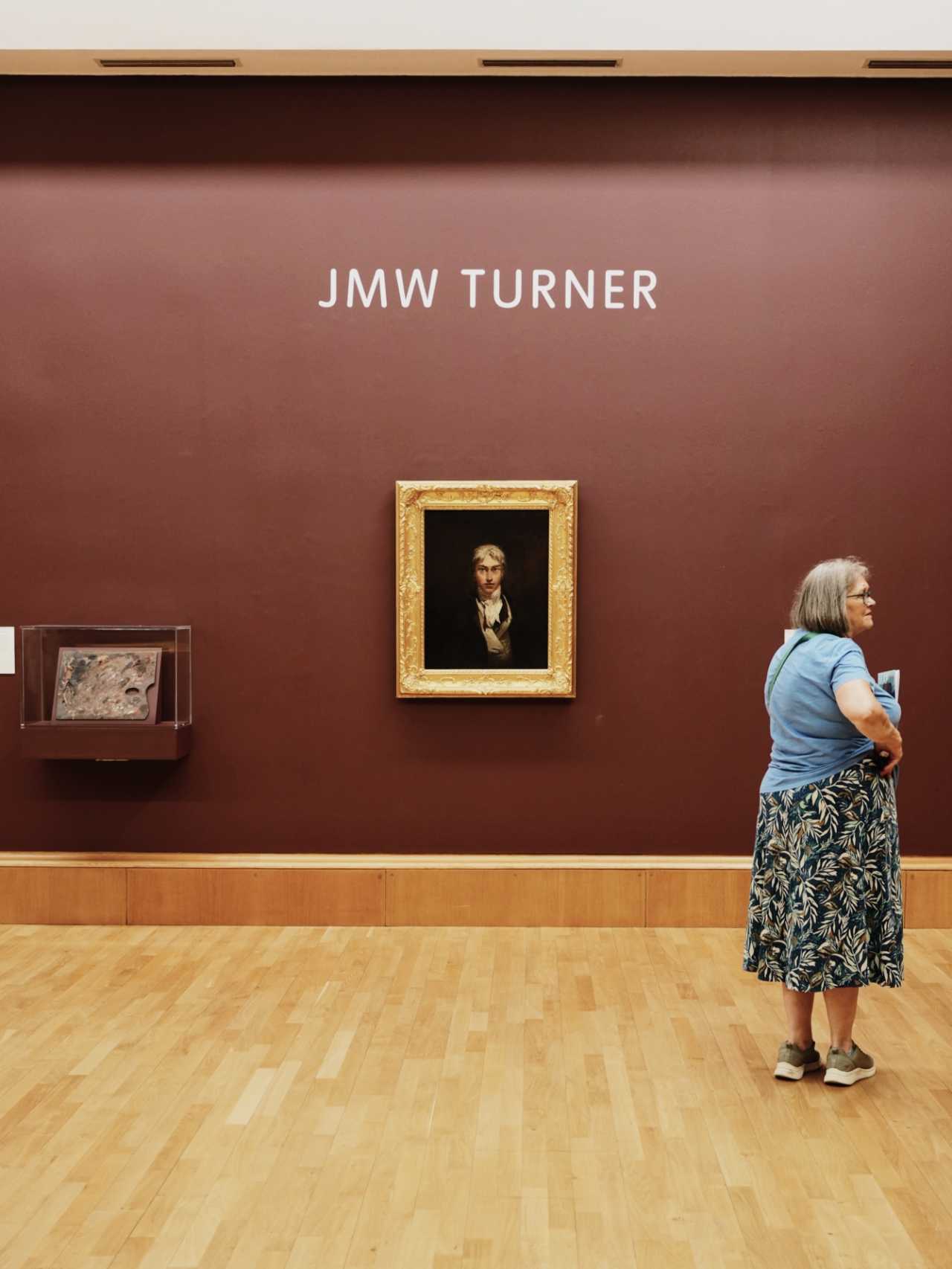 Tate Britain
Had to pull out the £20 note for a photo—the banknote’s background is also his painting, housed in the National Gallery (we’ll visit later).
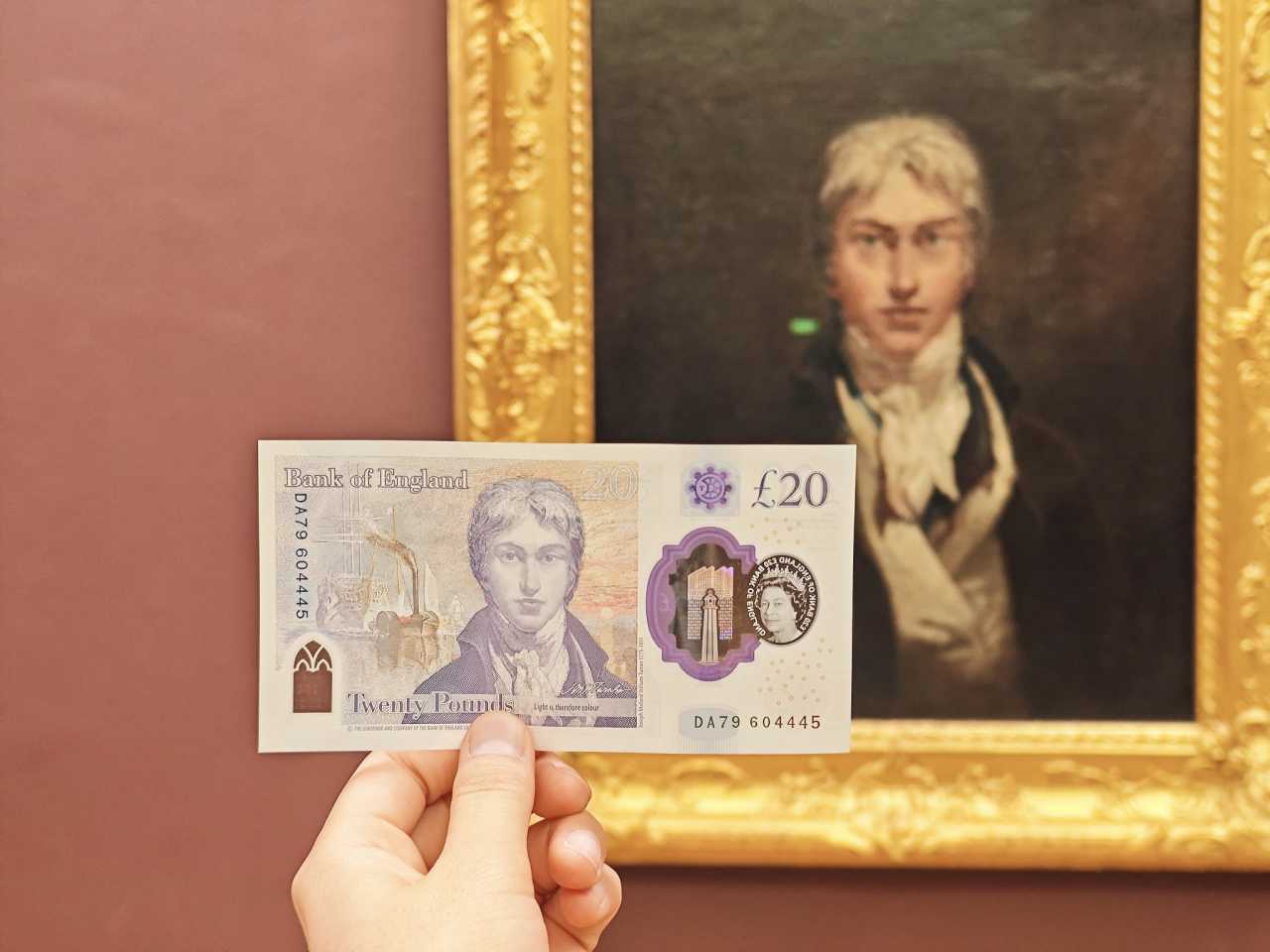 Tate Britain
There are several halls dedicated to Turner, showing various works, including unfinished ones.
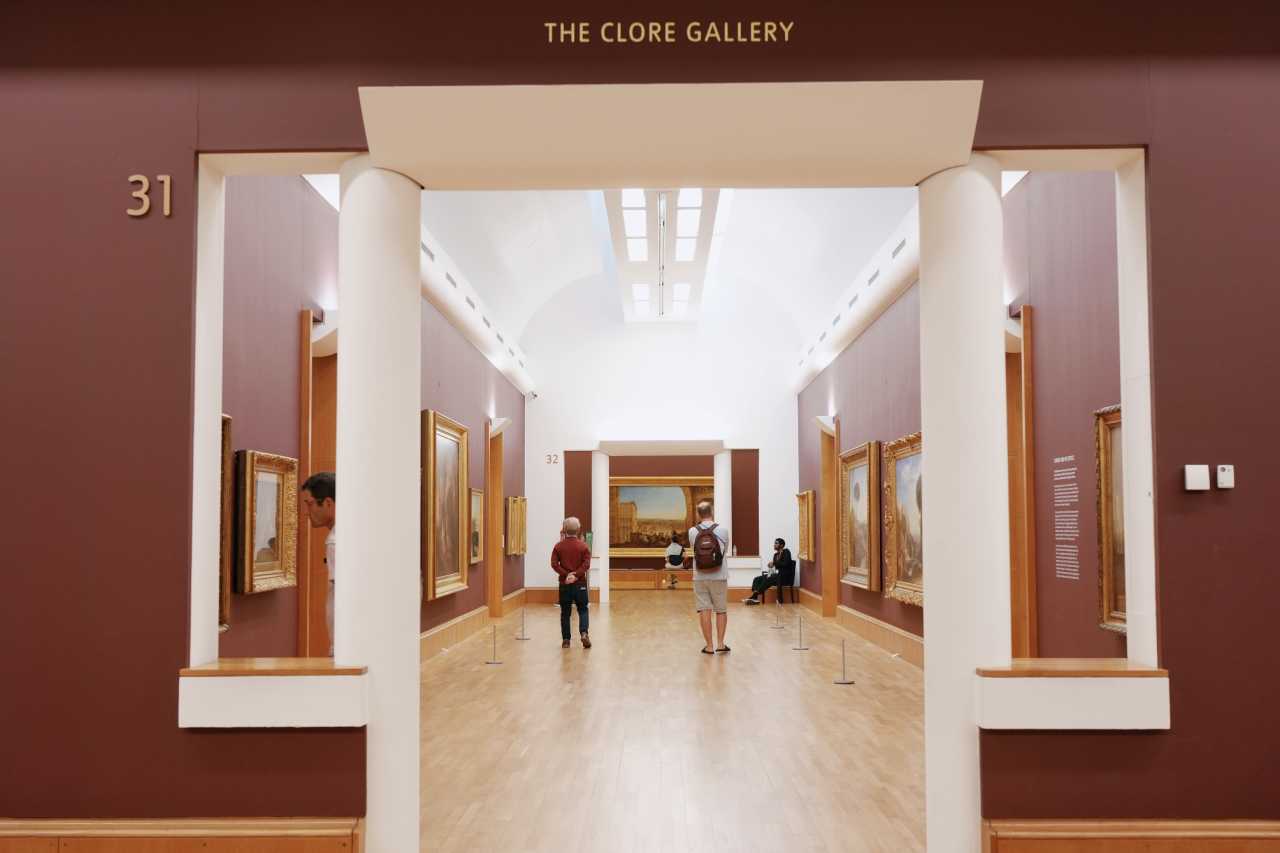 Tate Britain
Turner’s landscapes feel soothing and quiet.
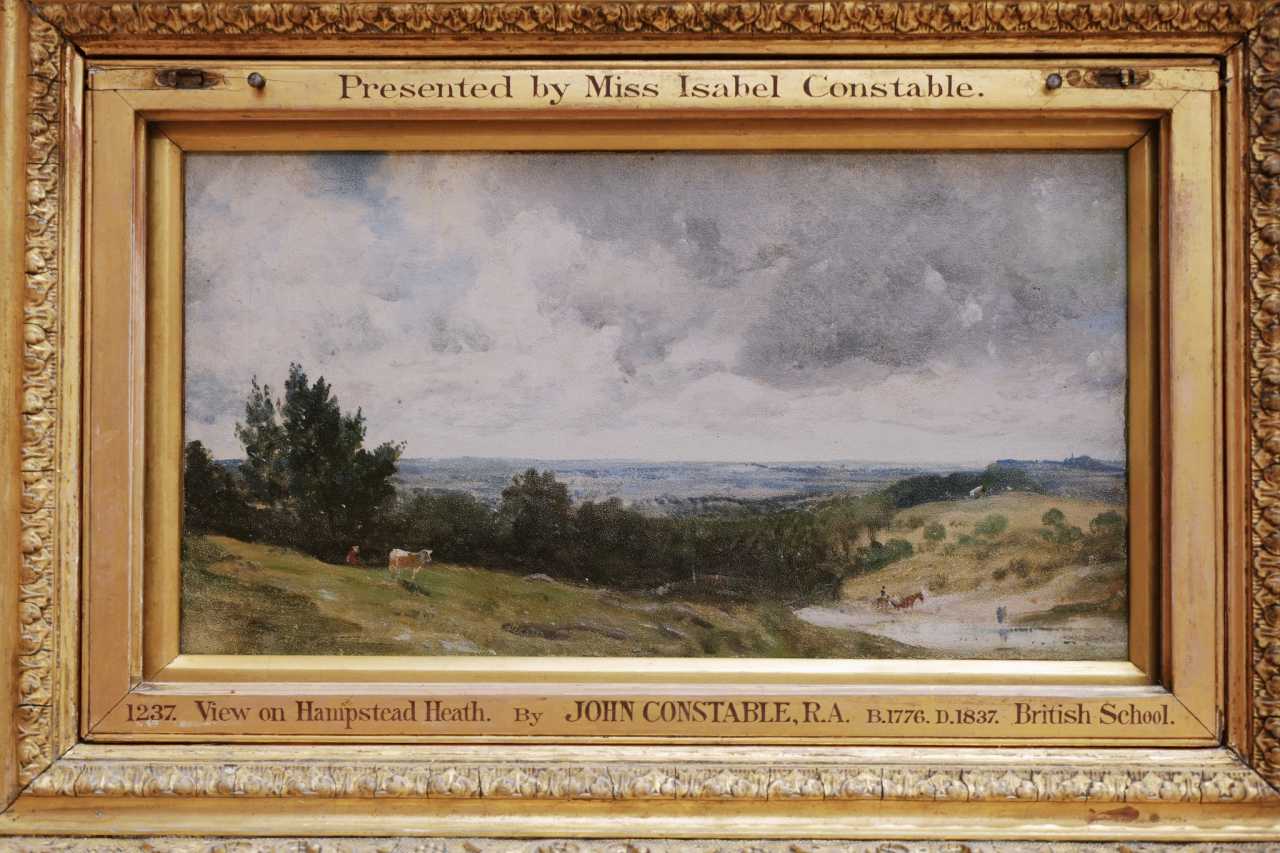 Tate Britain
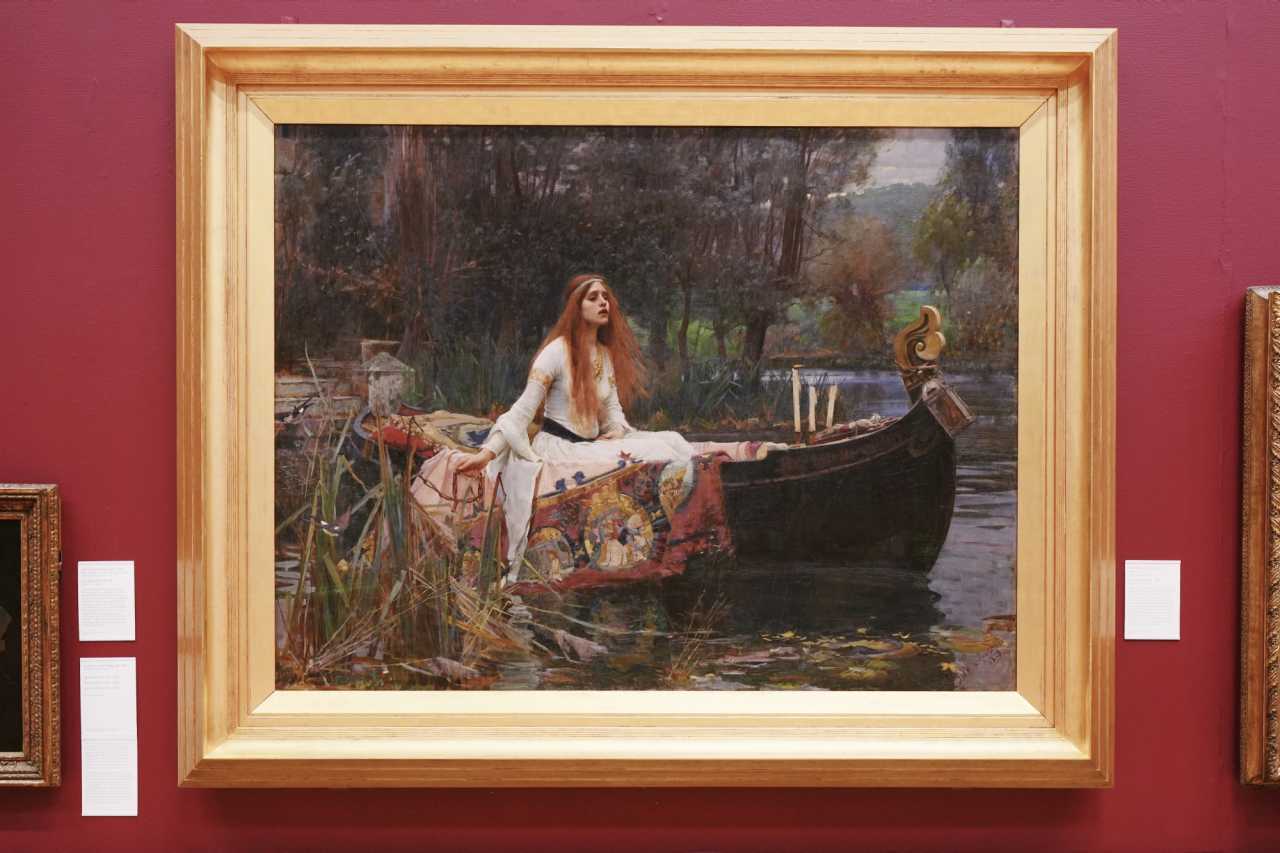
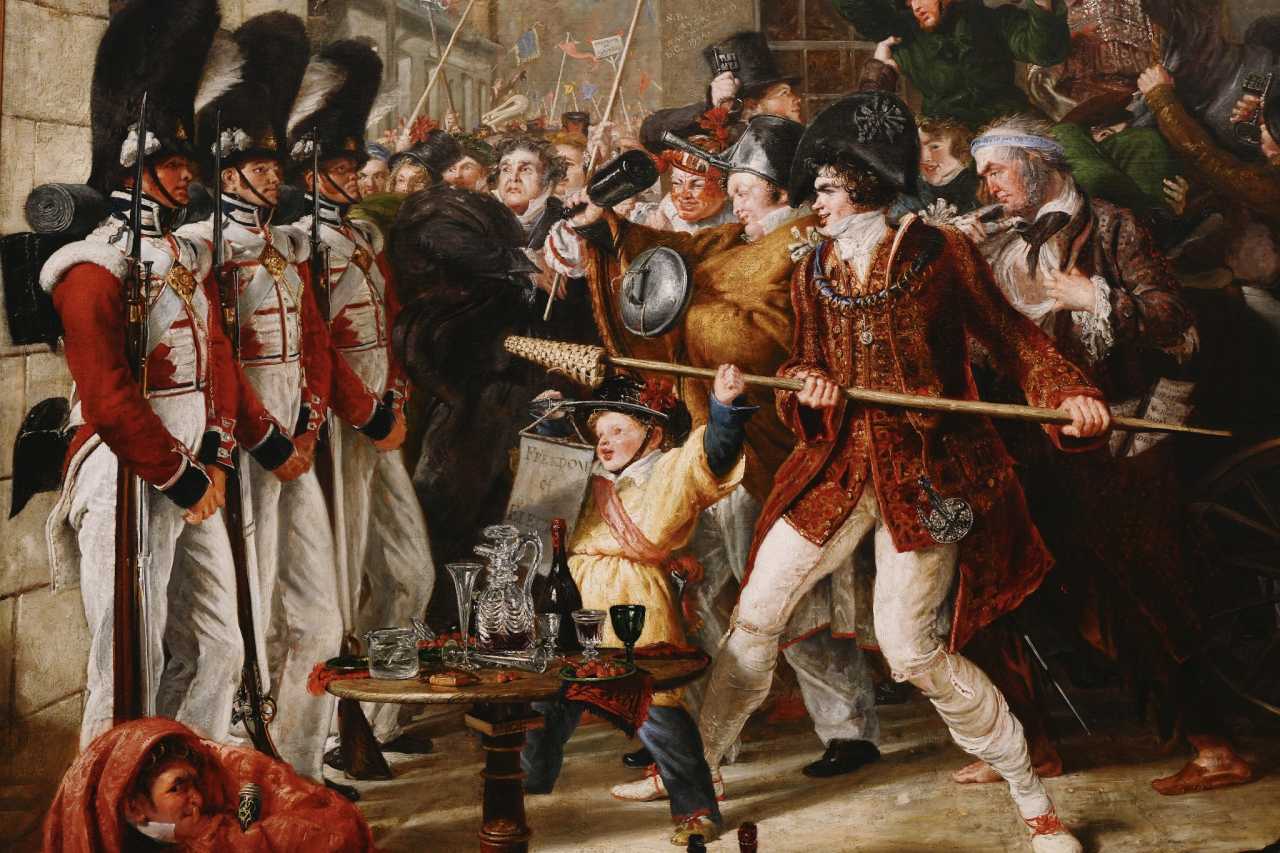
Other themed galleries feature many masterpieces. “The Lady of Shalott” (1888) by John William Waterhouse.
 Tate Britain
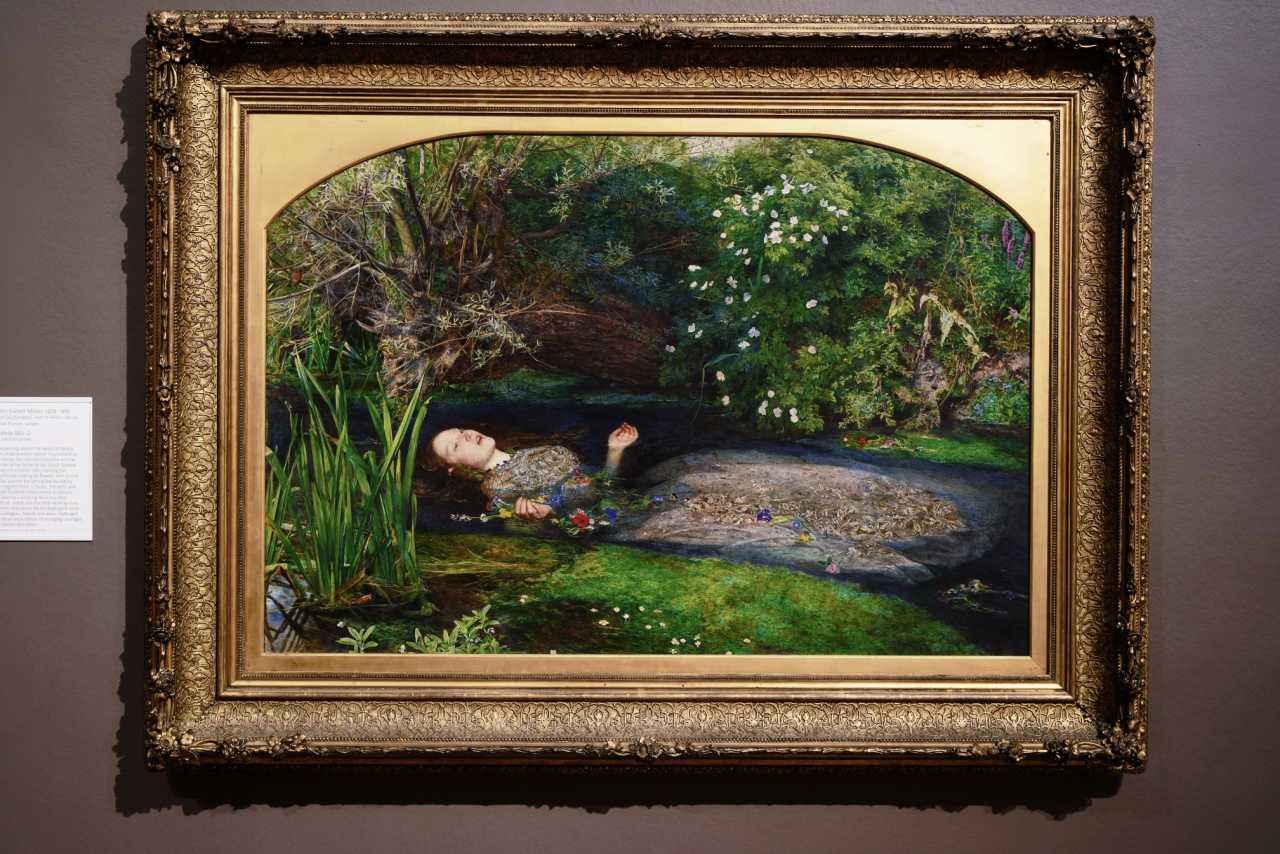
“Ophelia” is another must-see— inspired by Shakespeare’s Hamlet, where Ophelia falls into a brook and drowns. Everyone stops to admire the brushwork and colors up close—the water plants, blossoms, and clothing are stunning.
 Tate Britain
 Tate Britain
 Tate Britain
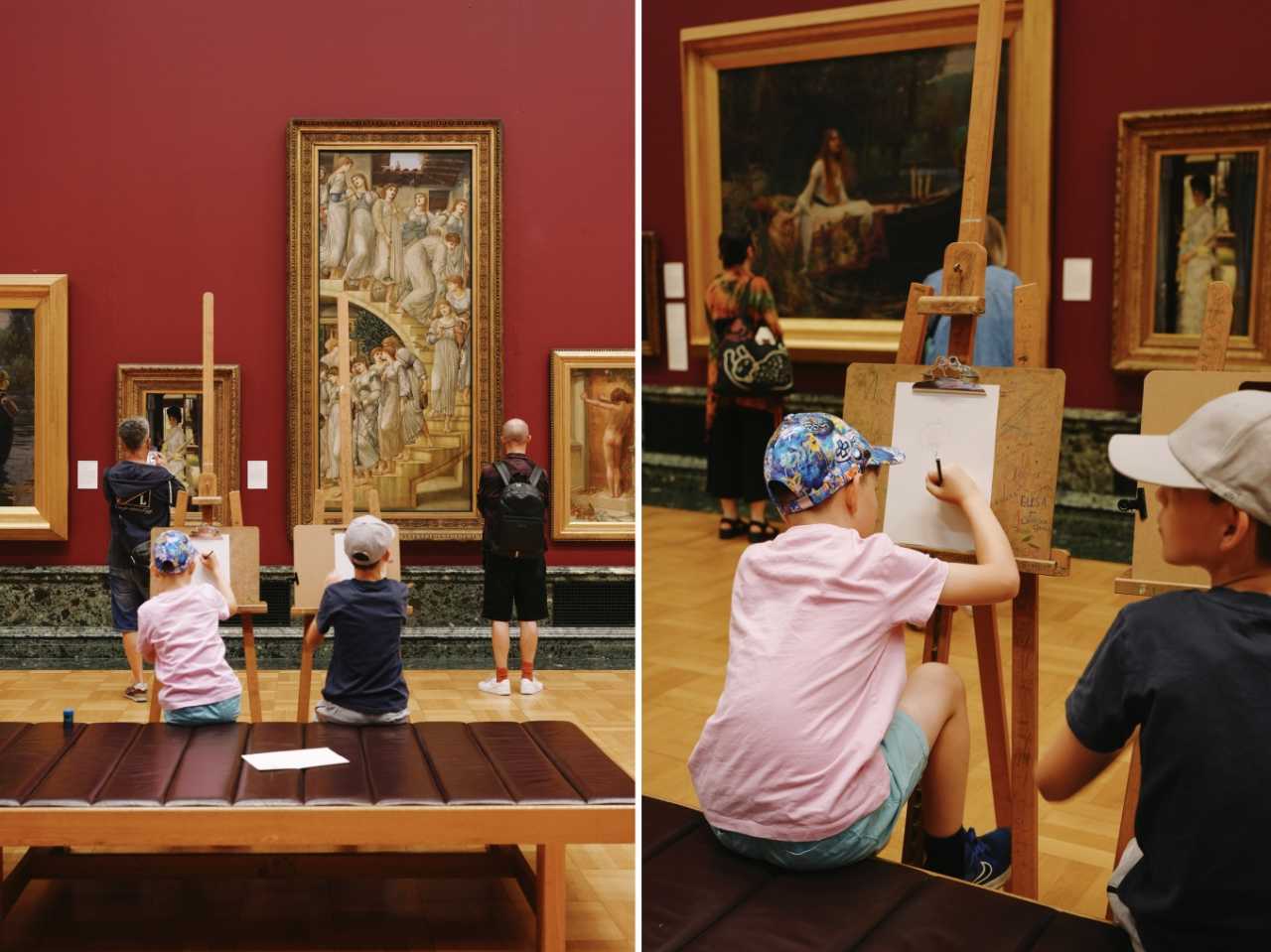
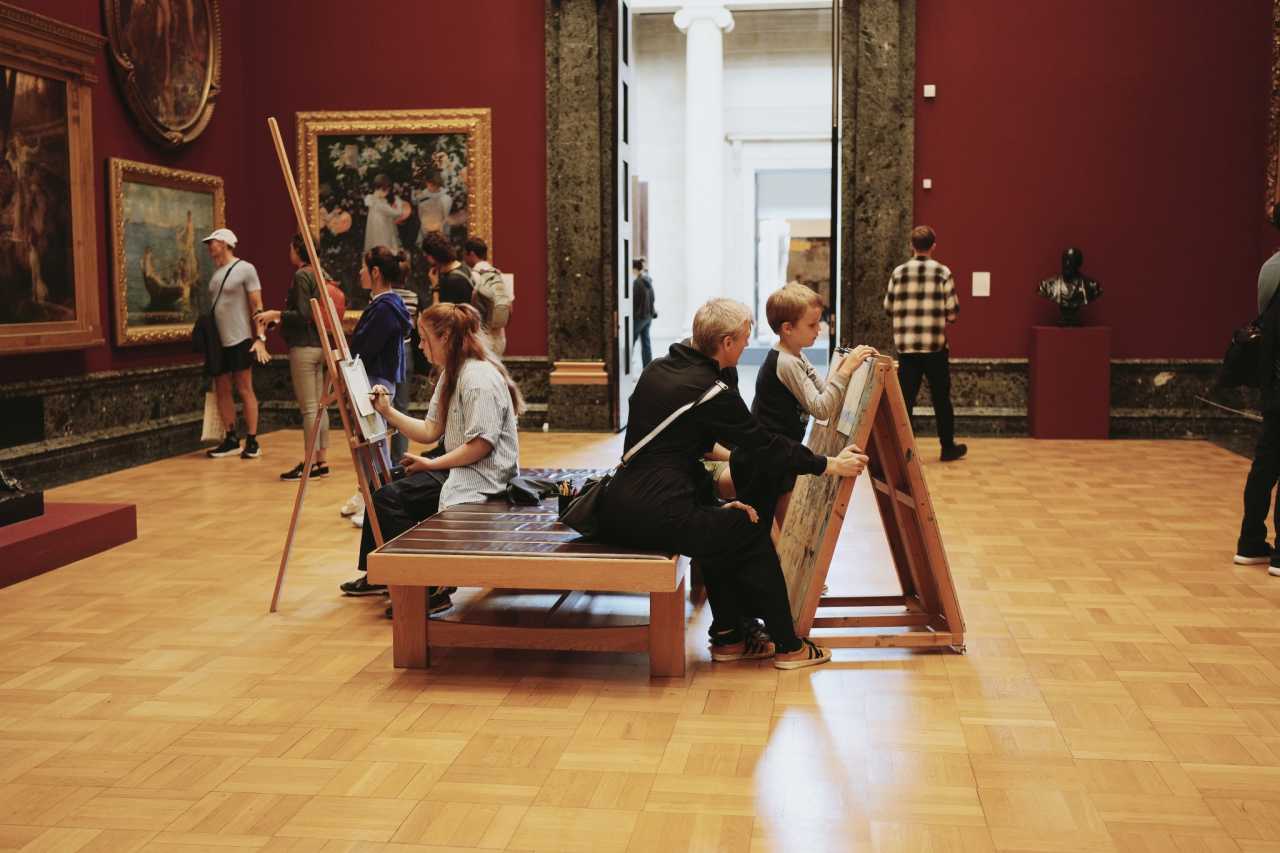
Almost every hall provides seating so you can sit and appreciate paintings. Some rooms offer paper, pens, and boards for tracing and capturing inspiration. Many kids were absorbed, “creating” earnestly.
 Tate Britain
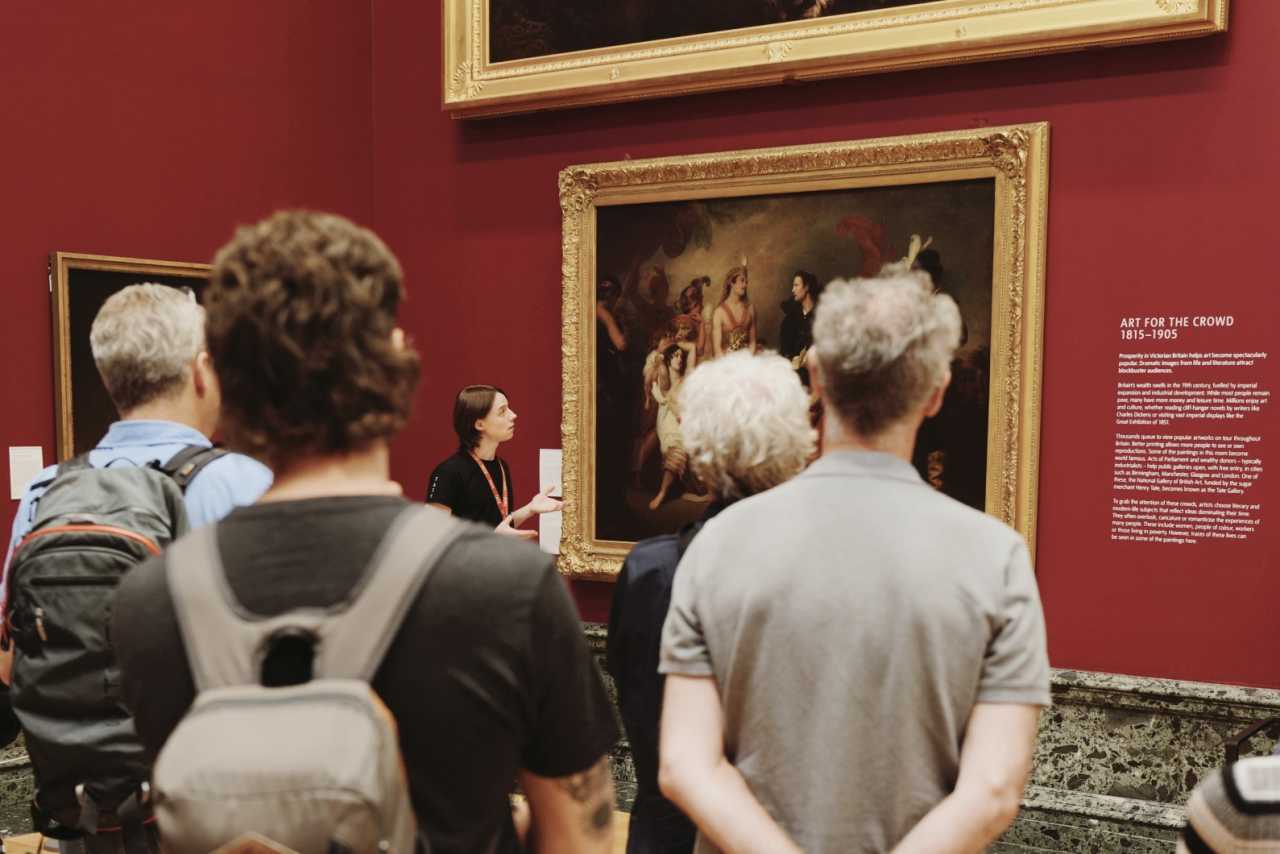
At certain times volunteers give free ~10-minute talks on selected works—their background and stories. The young speaker we met was vivid and sonorous—even though I didn’t fully understand, his emotion was infectious.
 Tate Britain
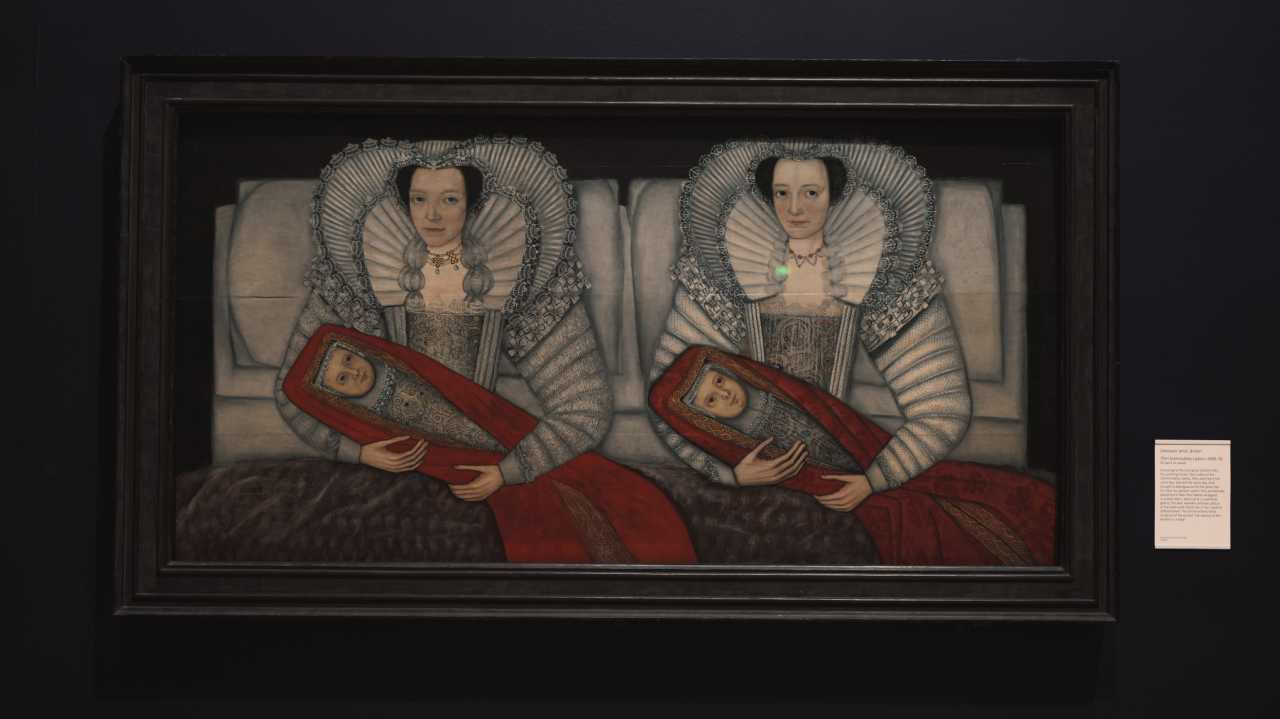
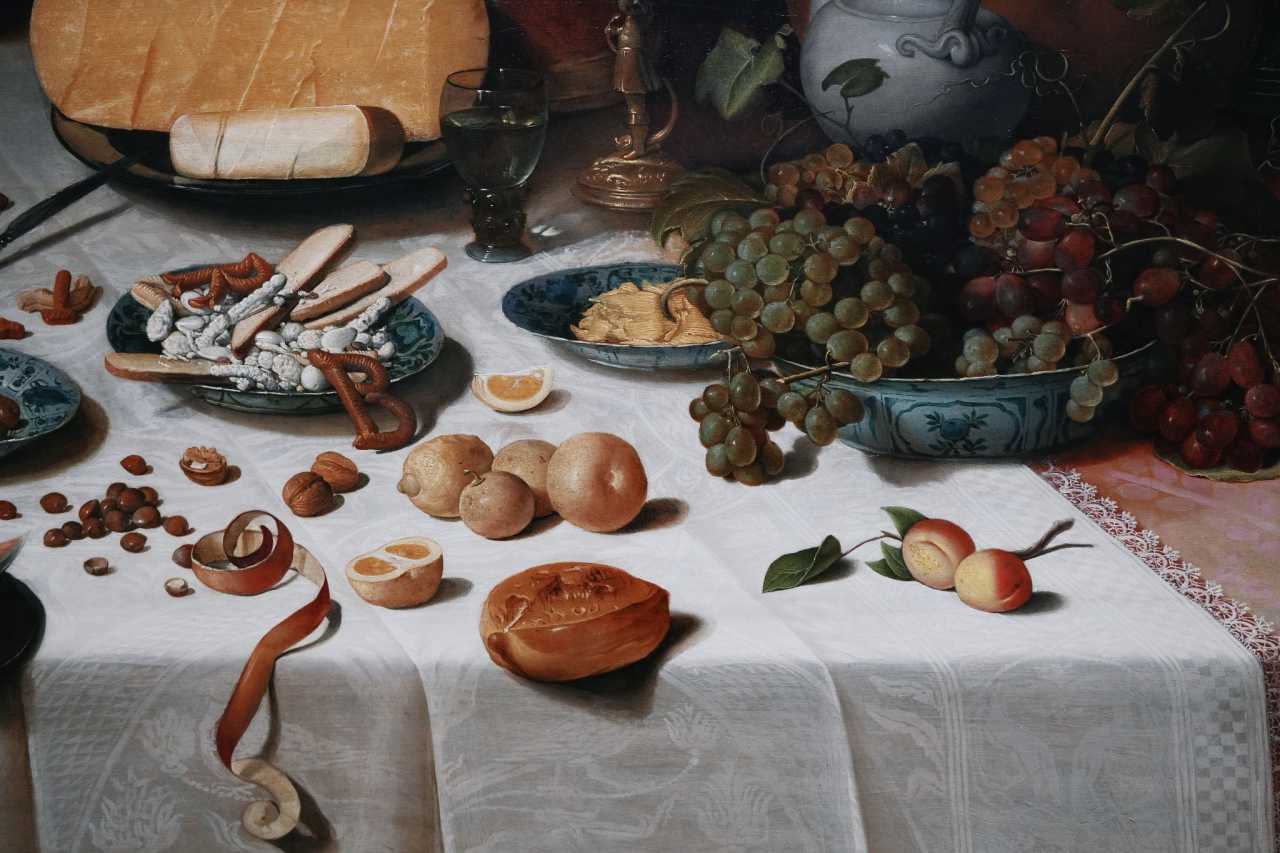
The collection is too rich—impossible to see it all!
 Tate Britain
 Tate Britain
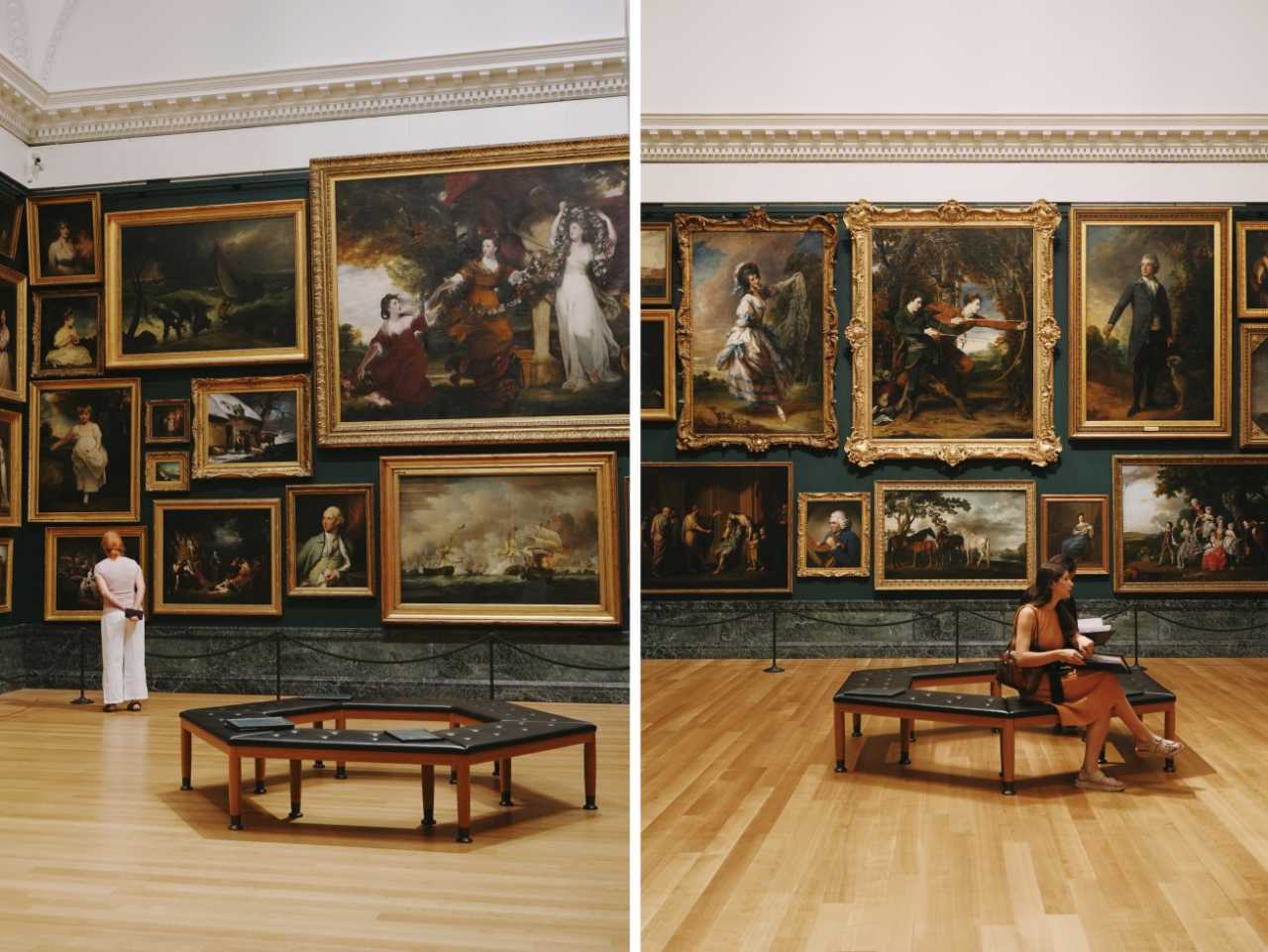 Tate Britain
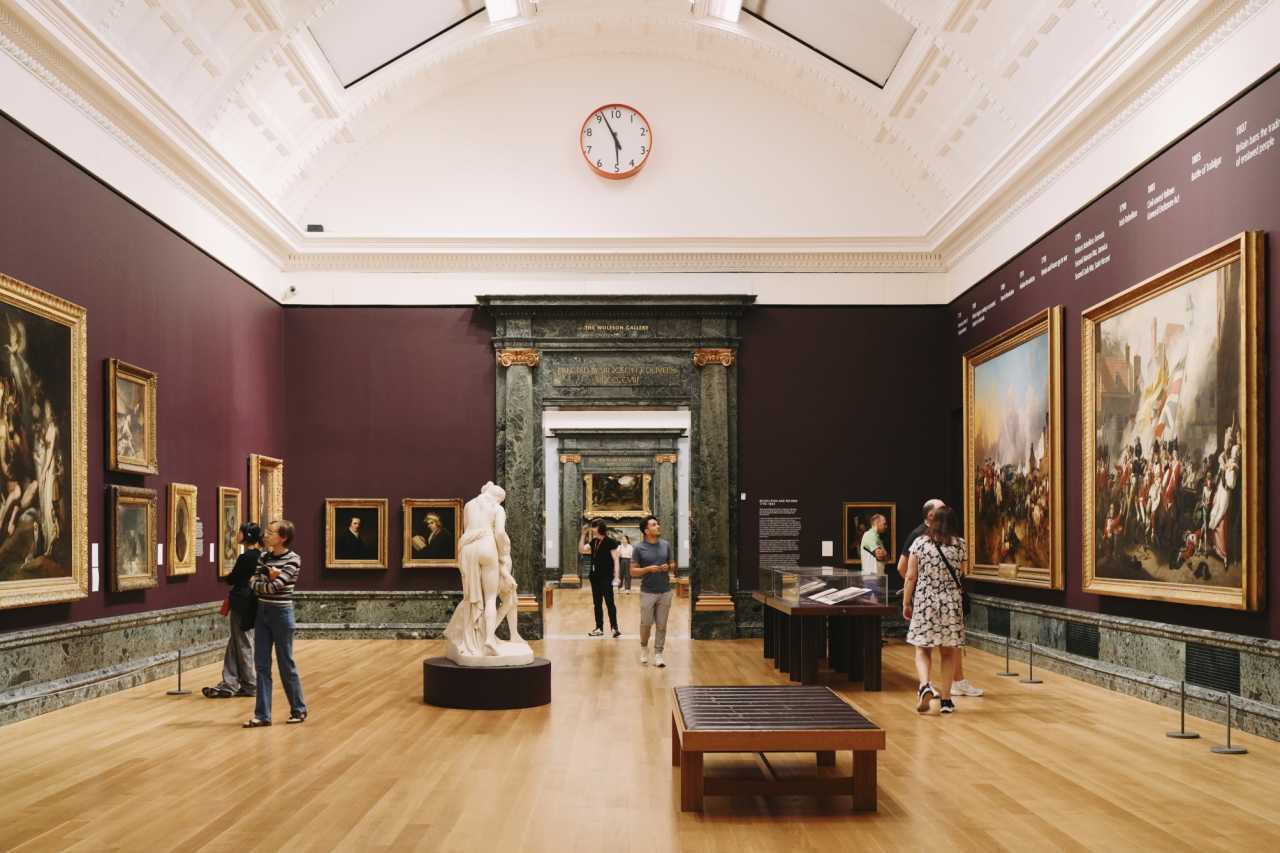 Tate Britain
The contemporary art area felt abstract—my appreciation is limited; classical works appeal more to me.
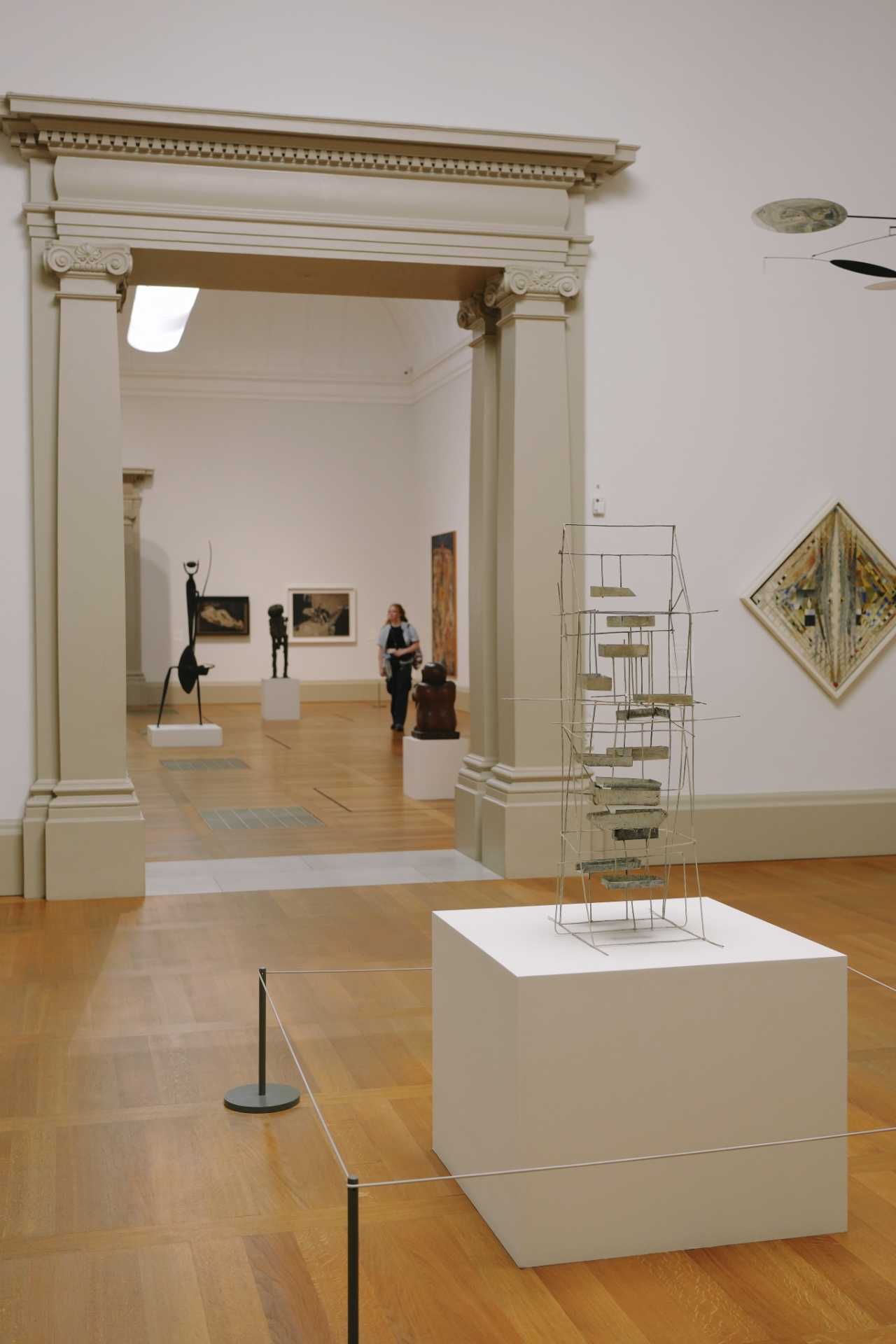 Tate Britain
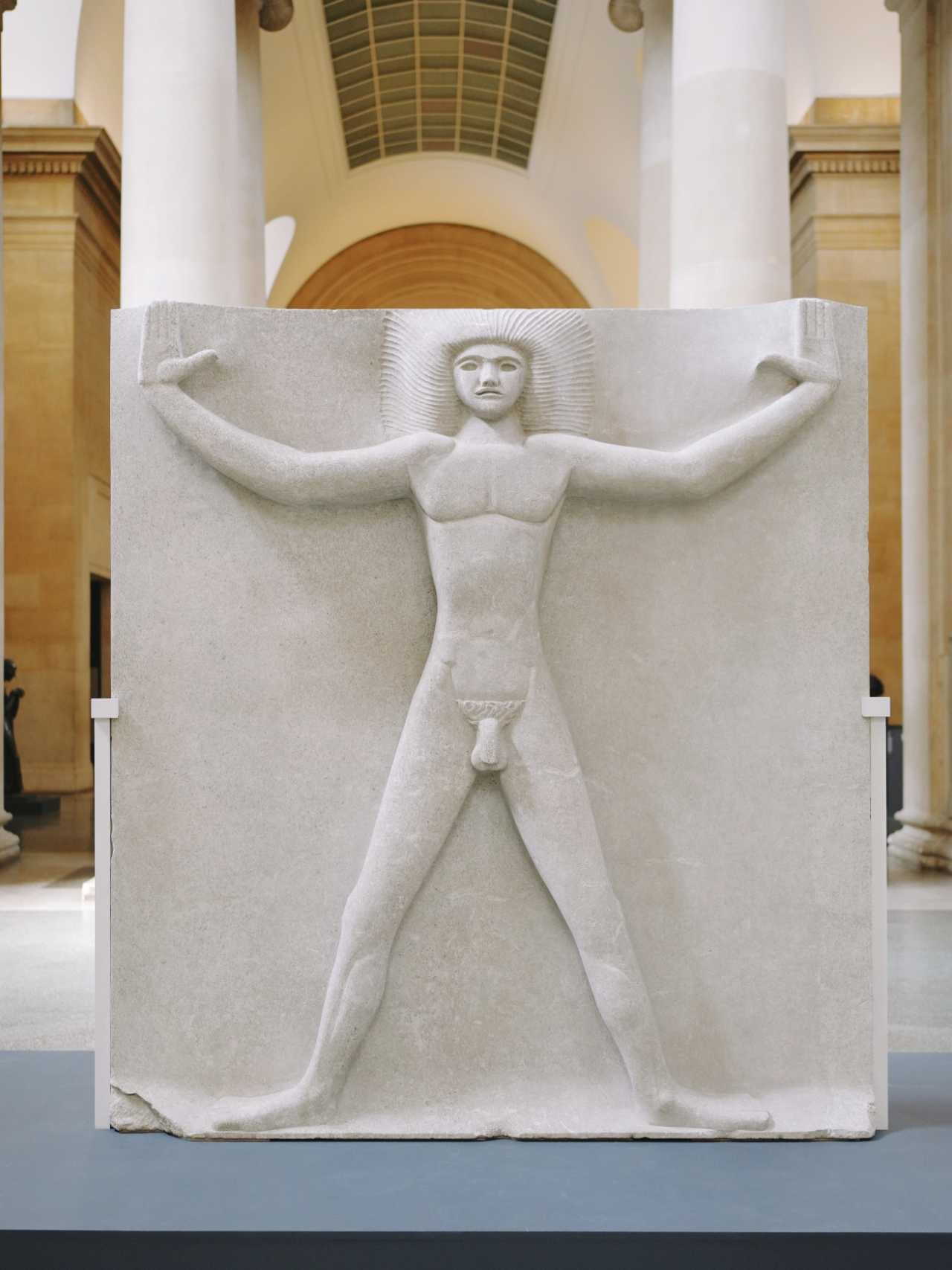 Tate Britain
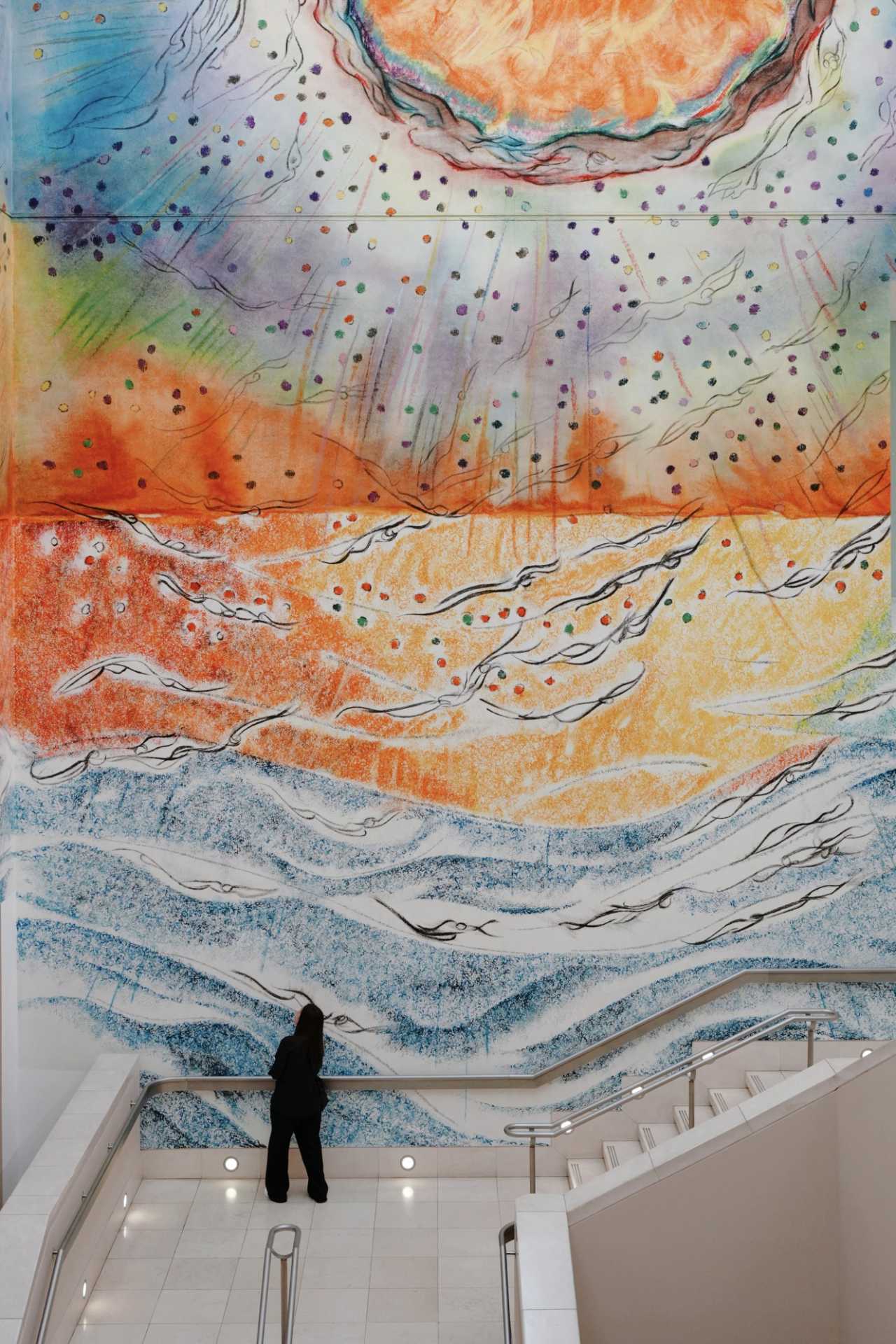
The space to the basement has a huge painting—a wall of dopamine colors.
 Tate Britain
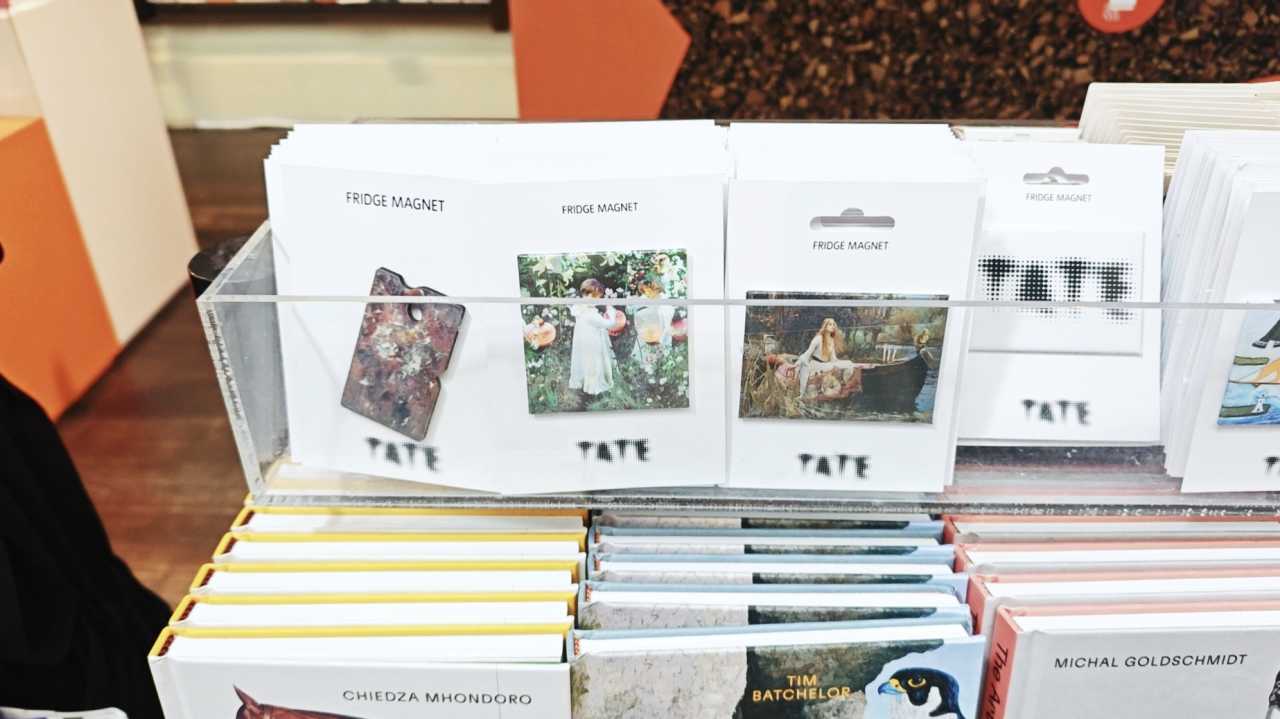
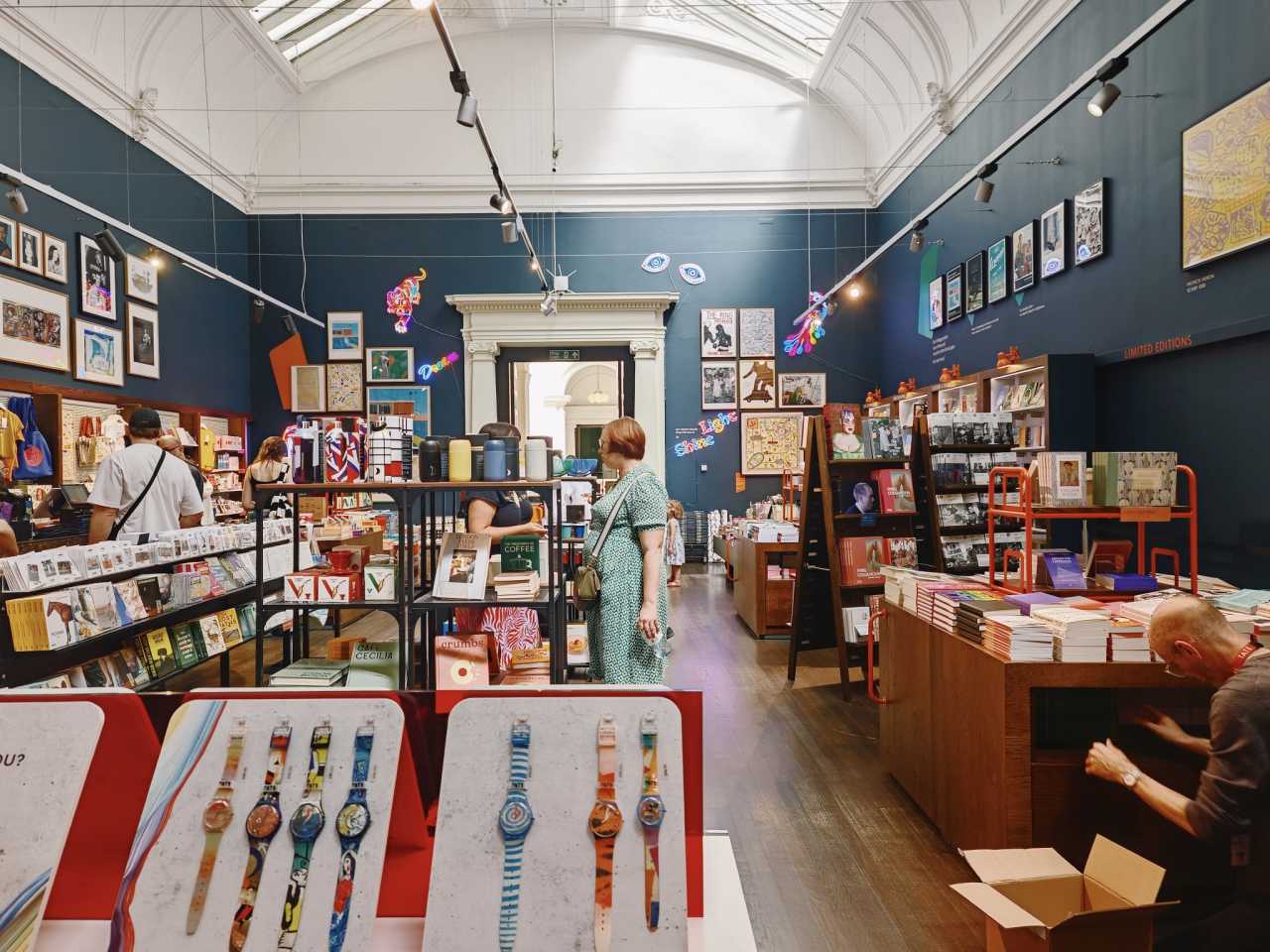
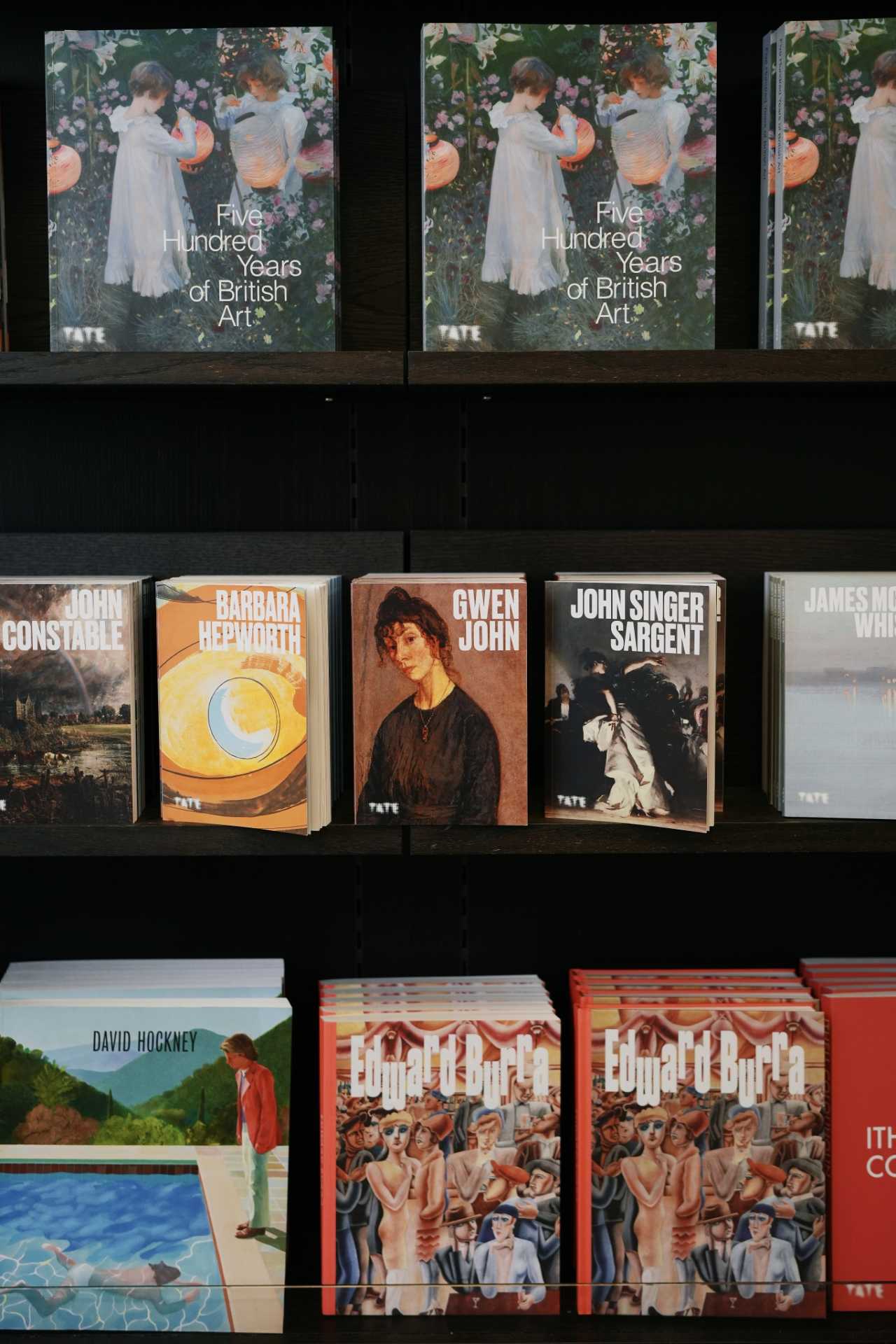
The gift shop needs no words—no one leaves empty-handed! The fridge magnets are a must.
 Tate Britain
 Tate Britain
 Tate Britain
Big Ben & London Eye
We visited must-see Big Ben and the London Eye twice. Once before sunset—the sun was strong—Big Ben was backlit and dazzling by the street, while the London Eye was at its best with blue sky and sunlight.
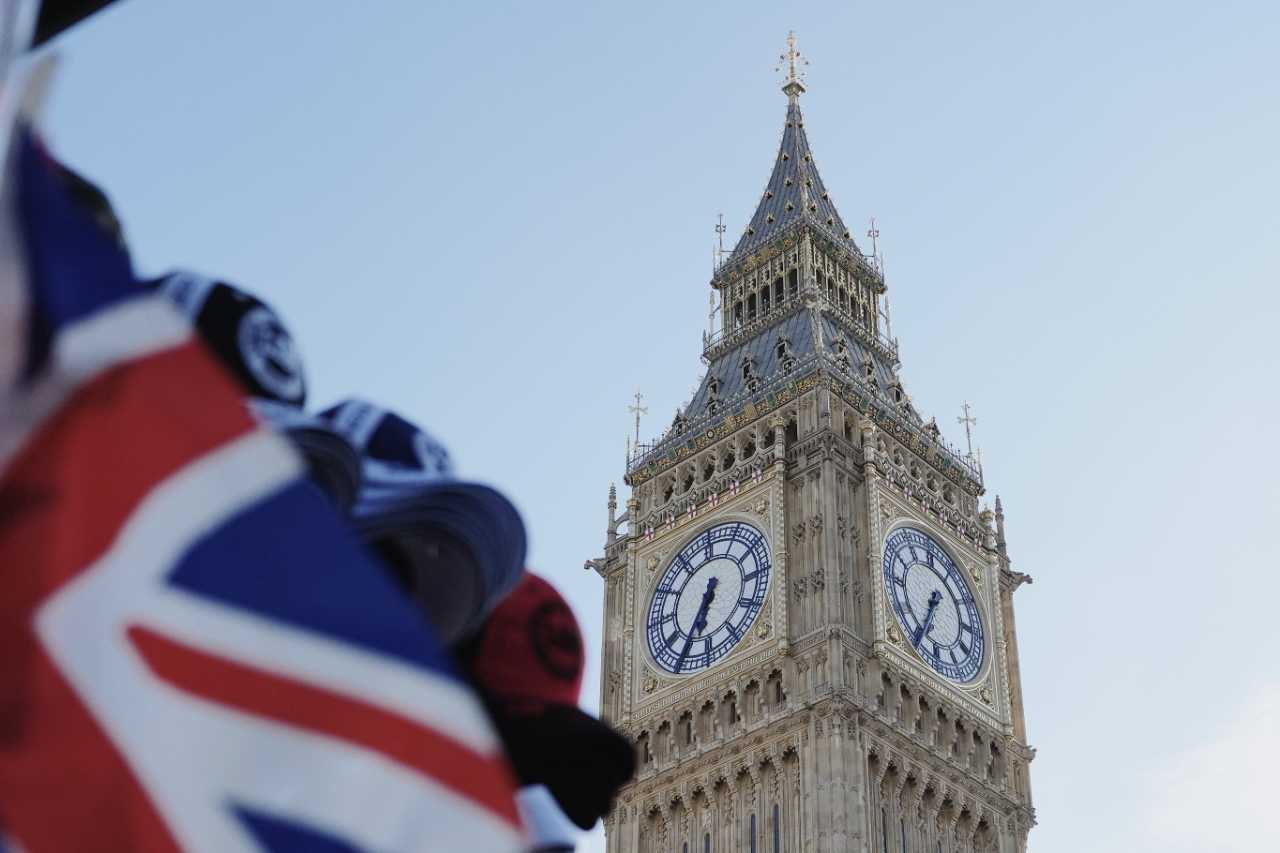 Big Ben
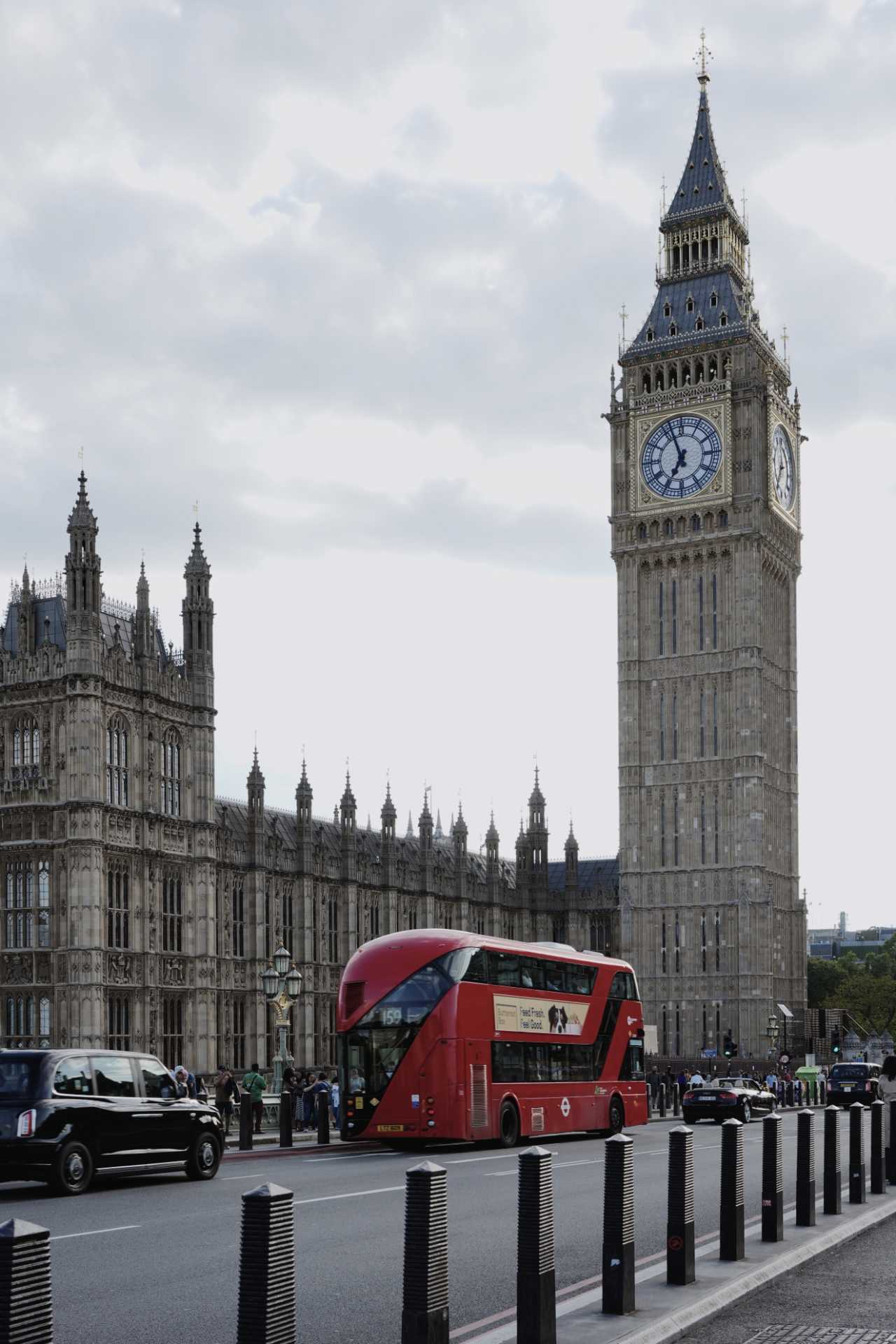 Big Ben
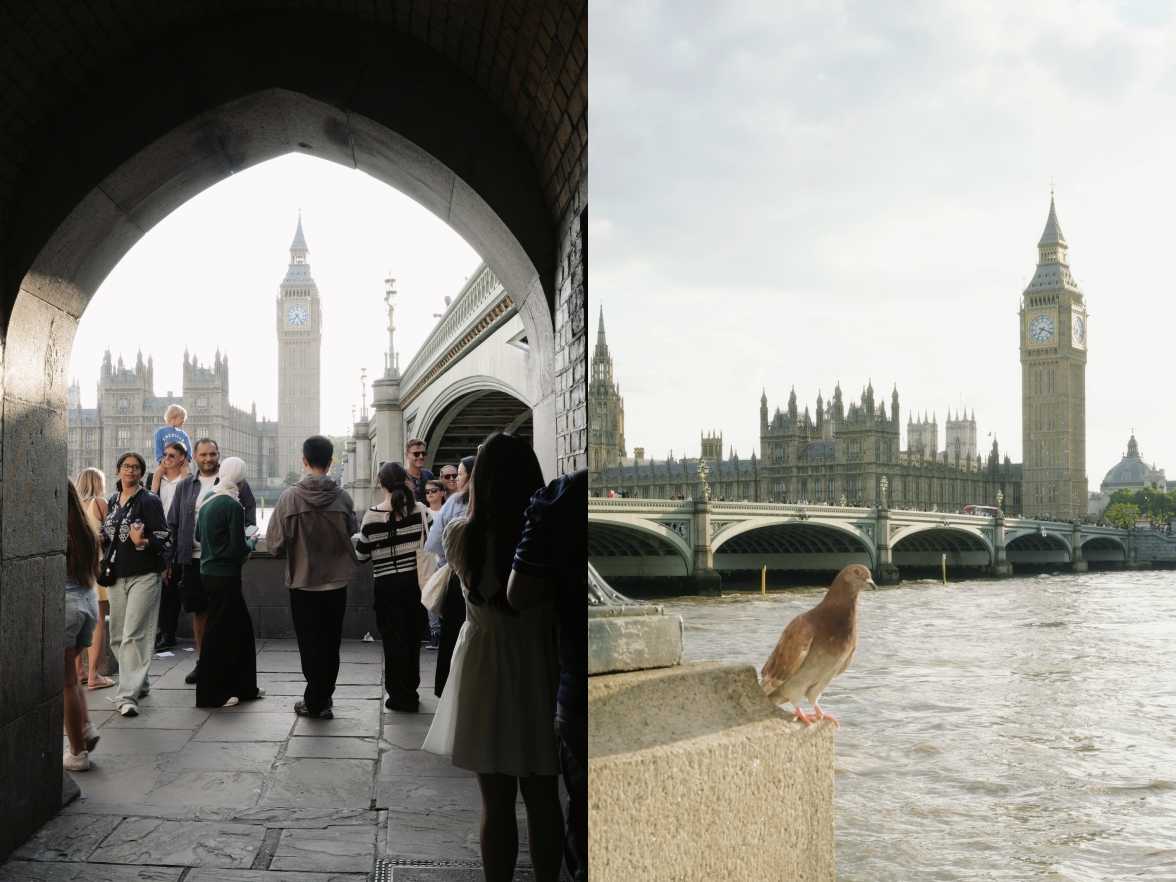 Big Ben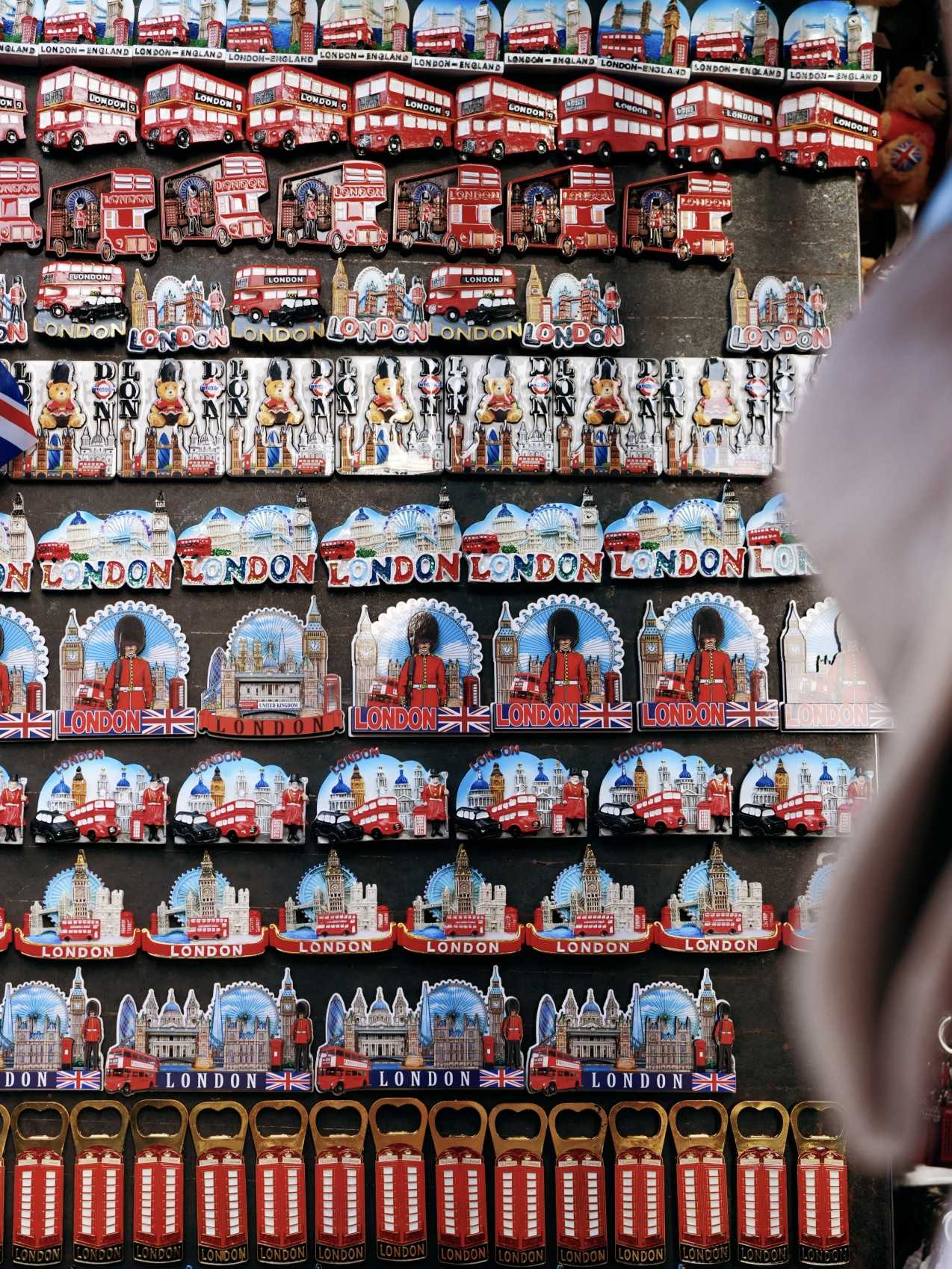
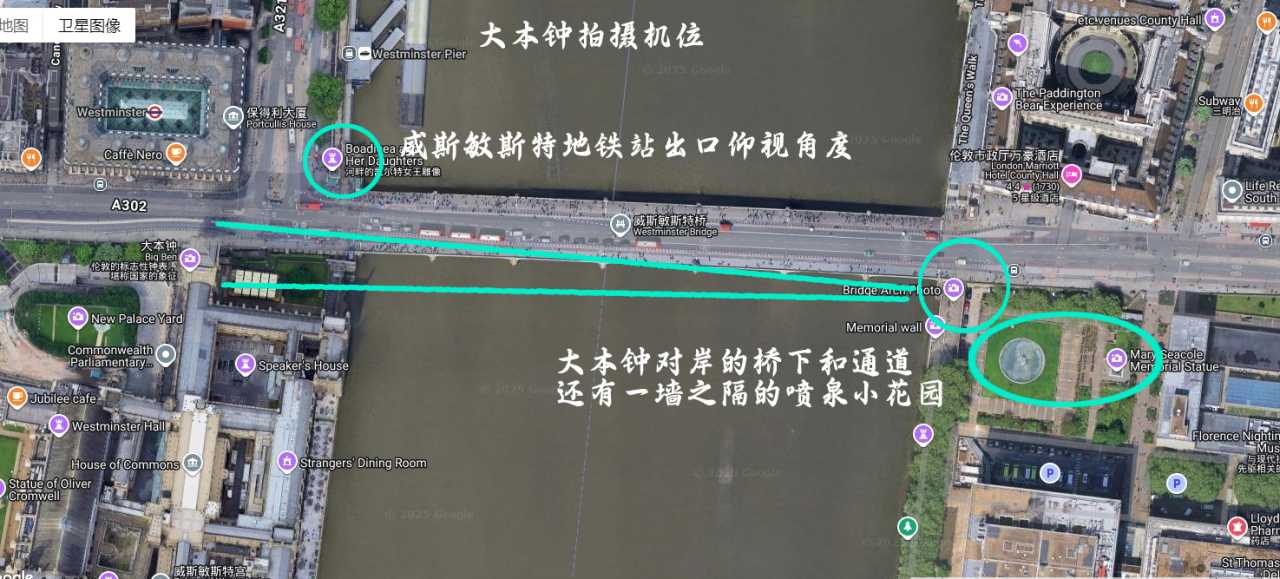
The opposite bank from Big Ben’s bridge is a superb shooting spot, with a “wall of hearts”. The arch under the bridge forms a great frame. Remember to walk a bit further south toward the hospital side’s small garden—also very photogenic. (I’ll add a point-map later.)
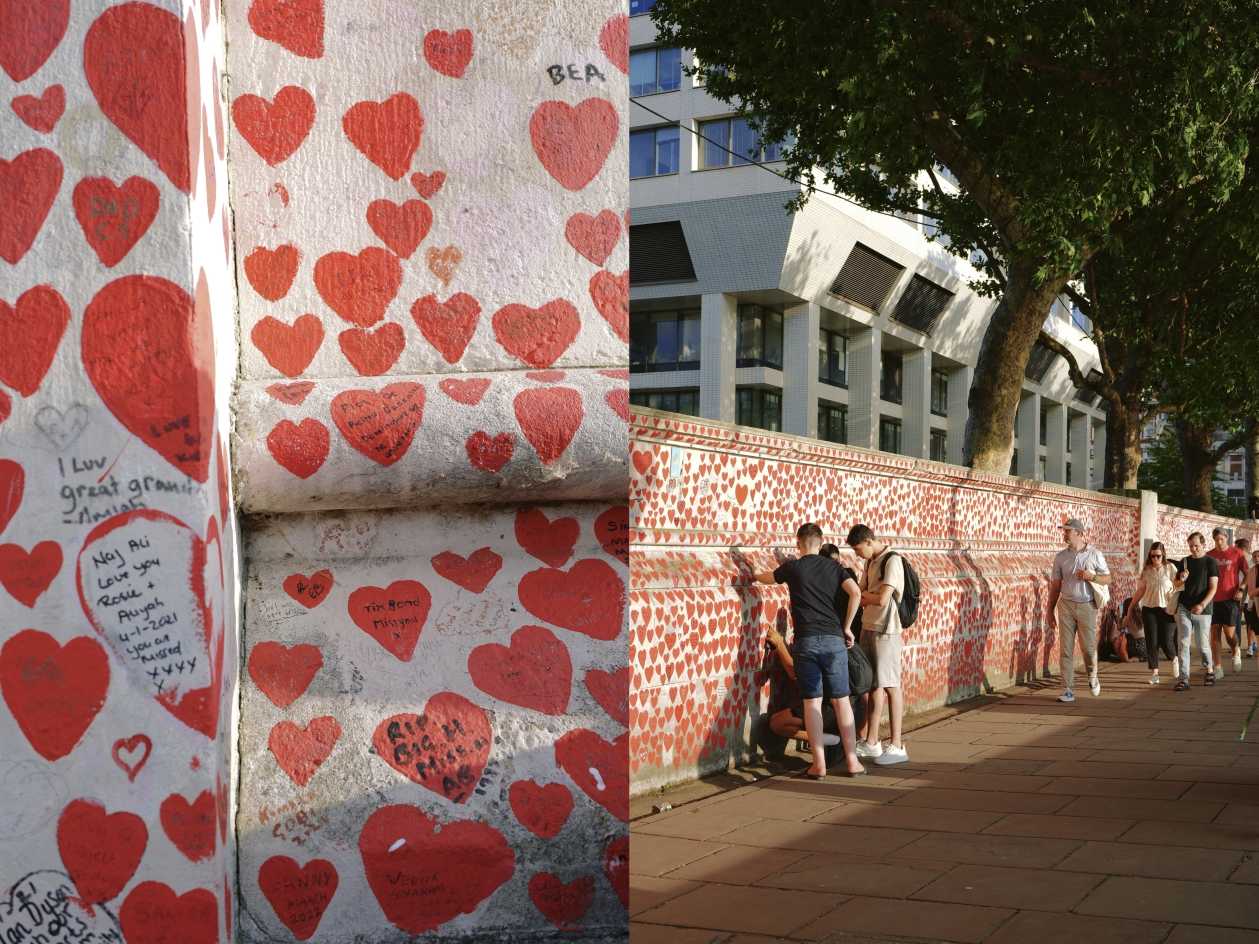
Blue hour Big Ben is not to be missed.
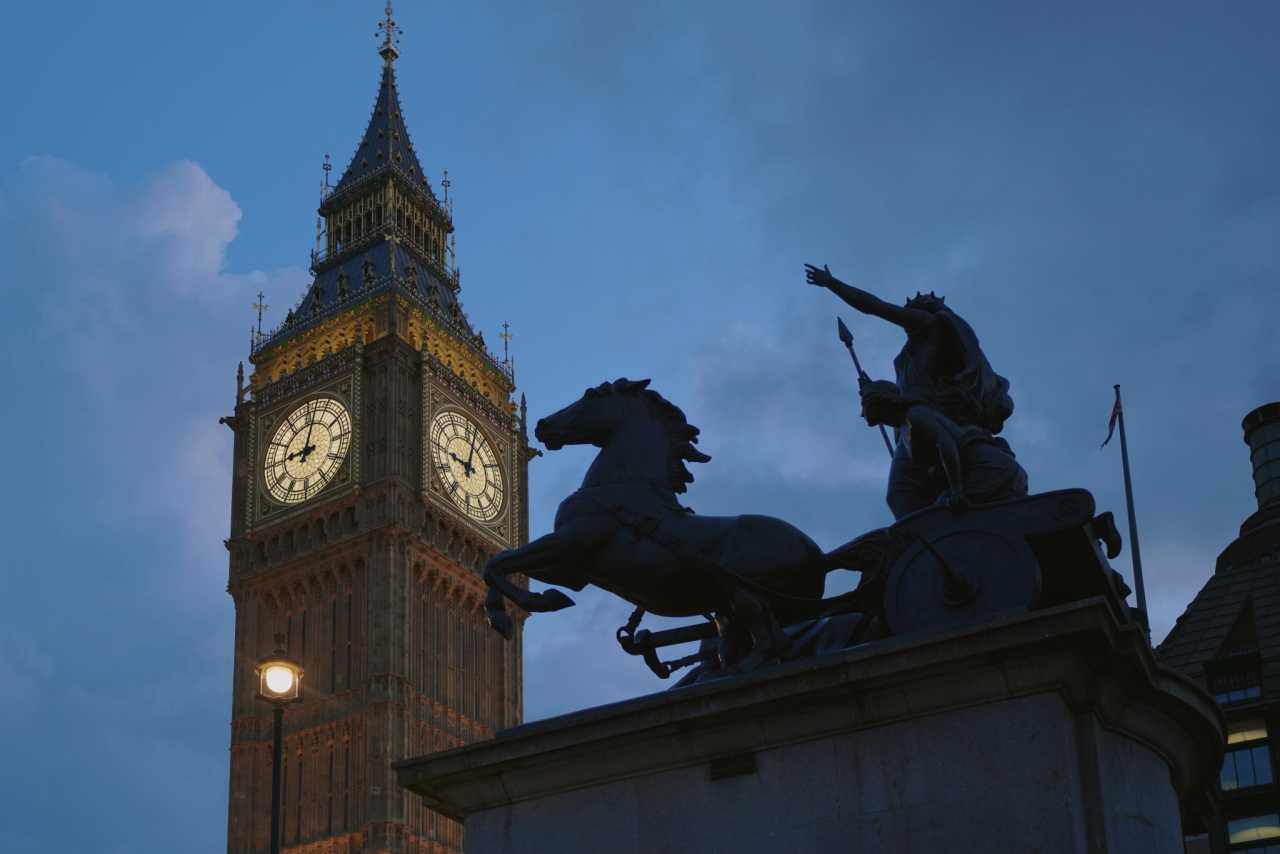 Big Ben
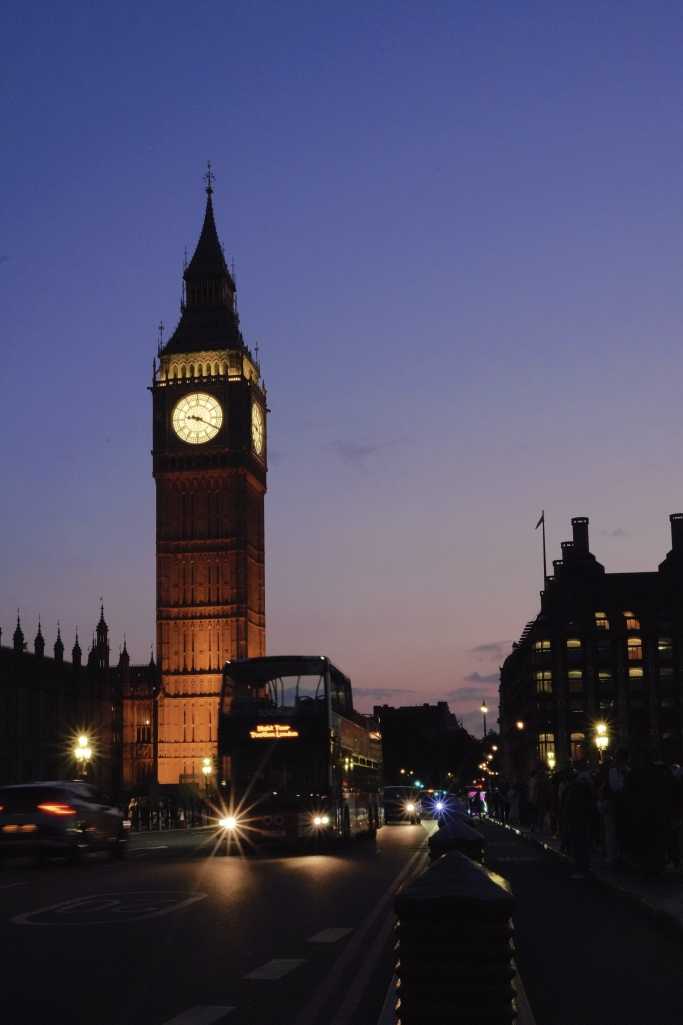 Big Ben
Shooting location guide.
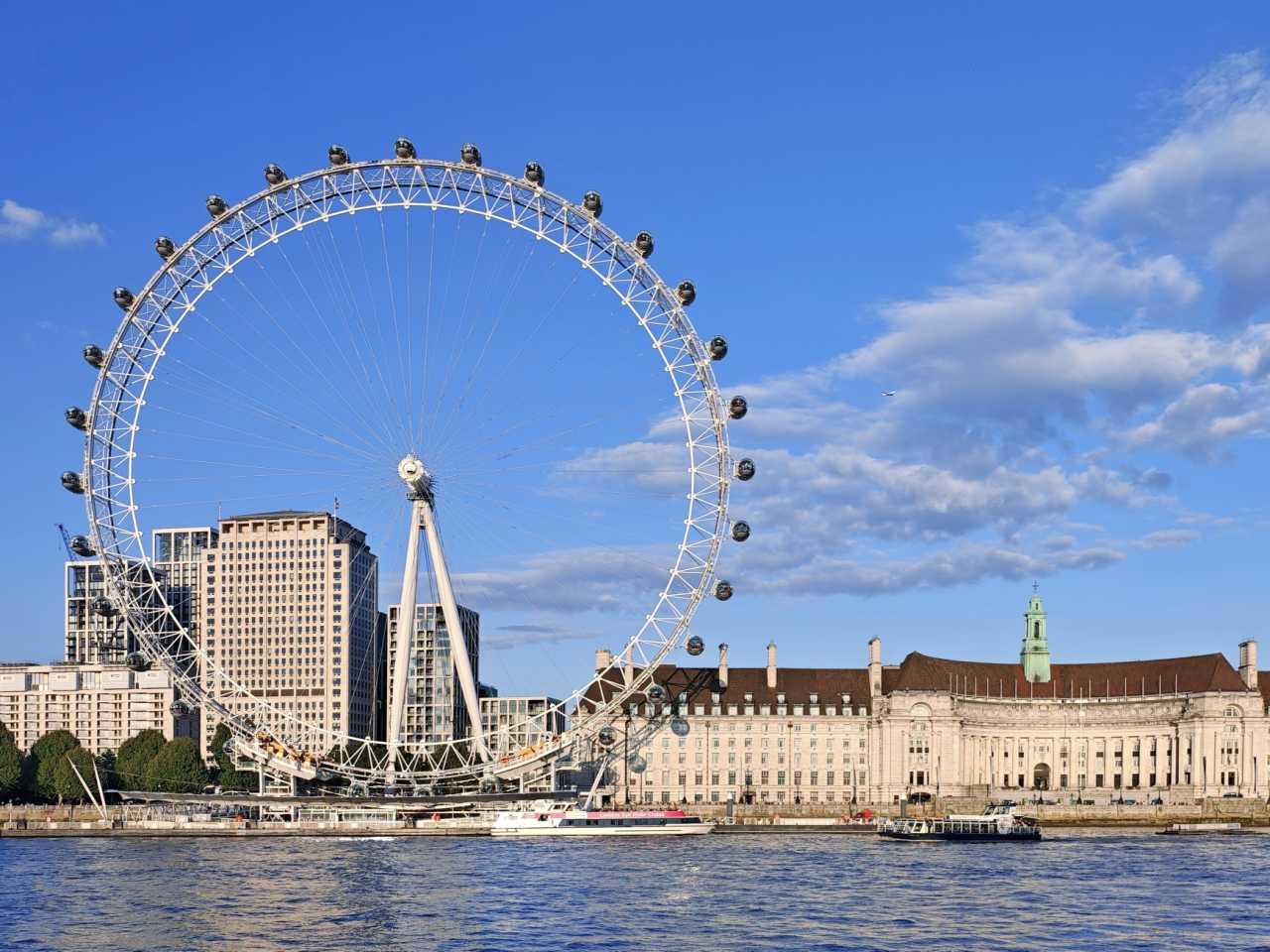 London Eye
We only viewed the London Eye from afar. On-site tickets are £39—not cheap. (You can check Taobao/Xianyu in advance—might be cheaper.) We already saw London from a god’s-eye view—so we saved the fee.
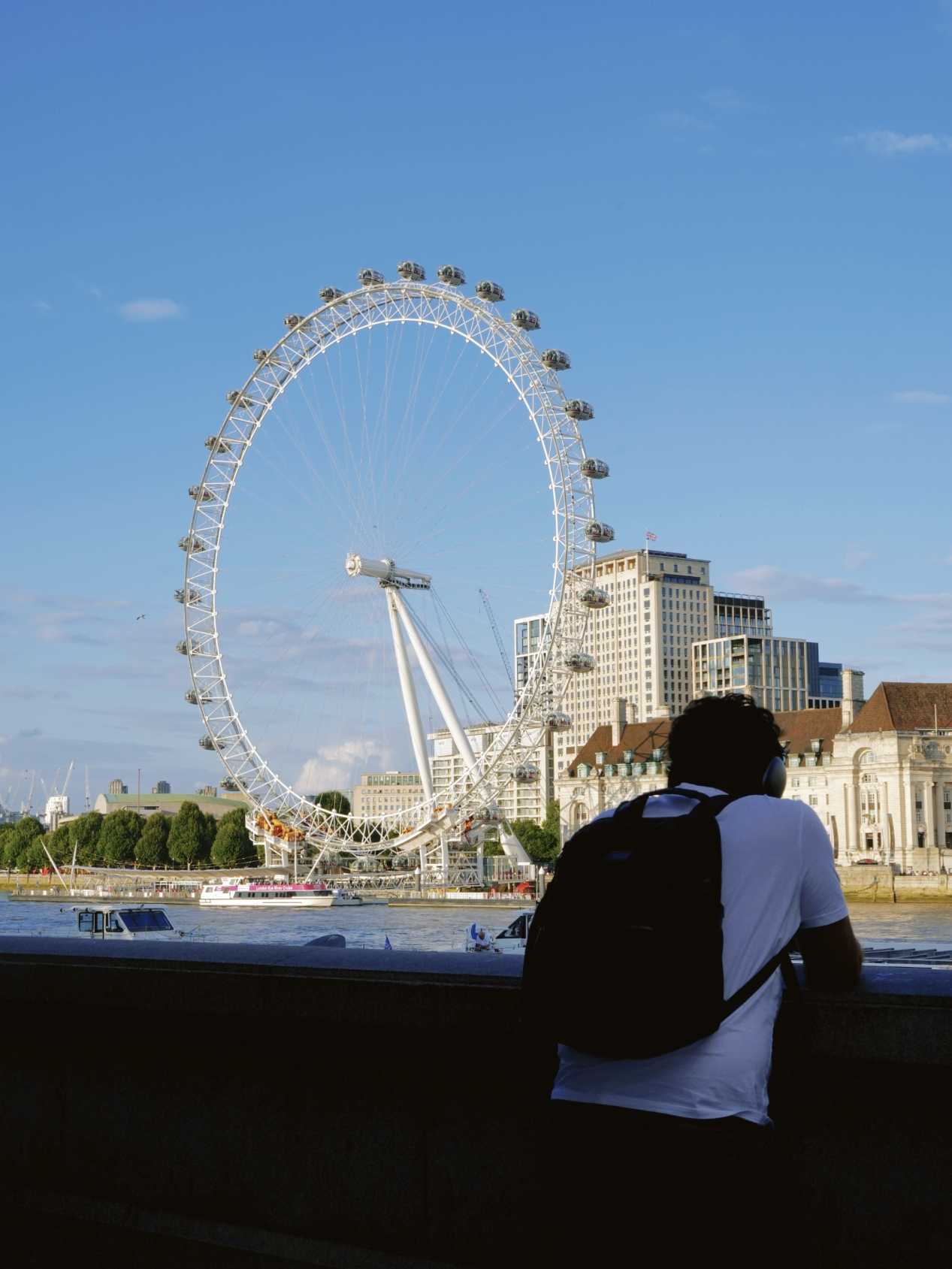 London Eye
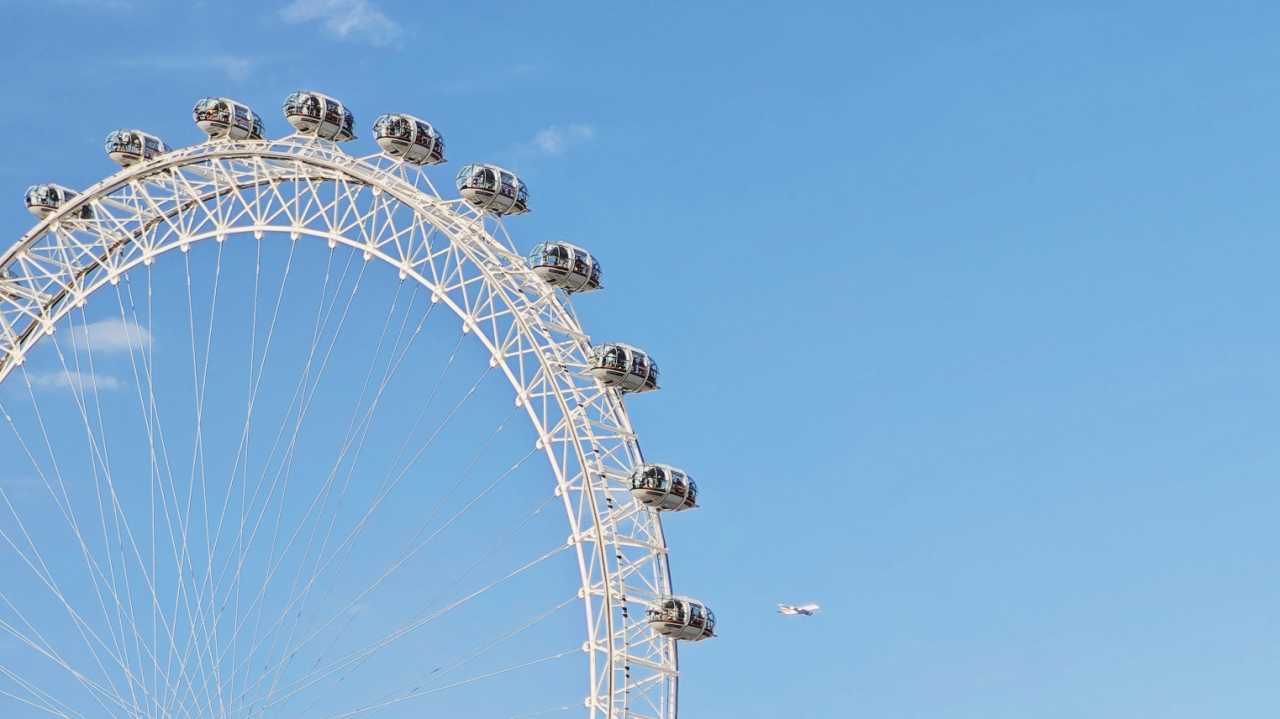 London Eye
City views looking west from Westminster Bridge are excellent.
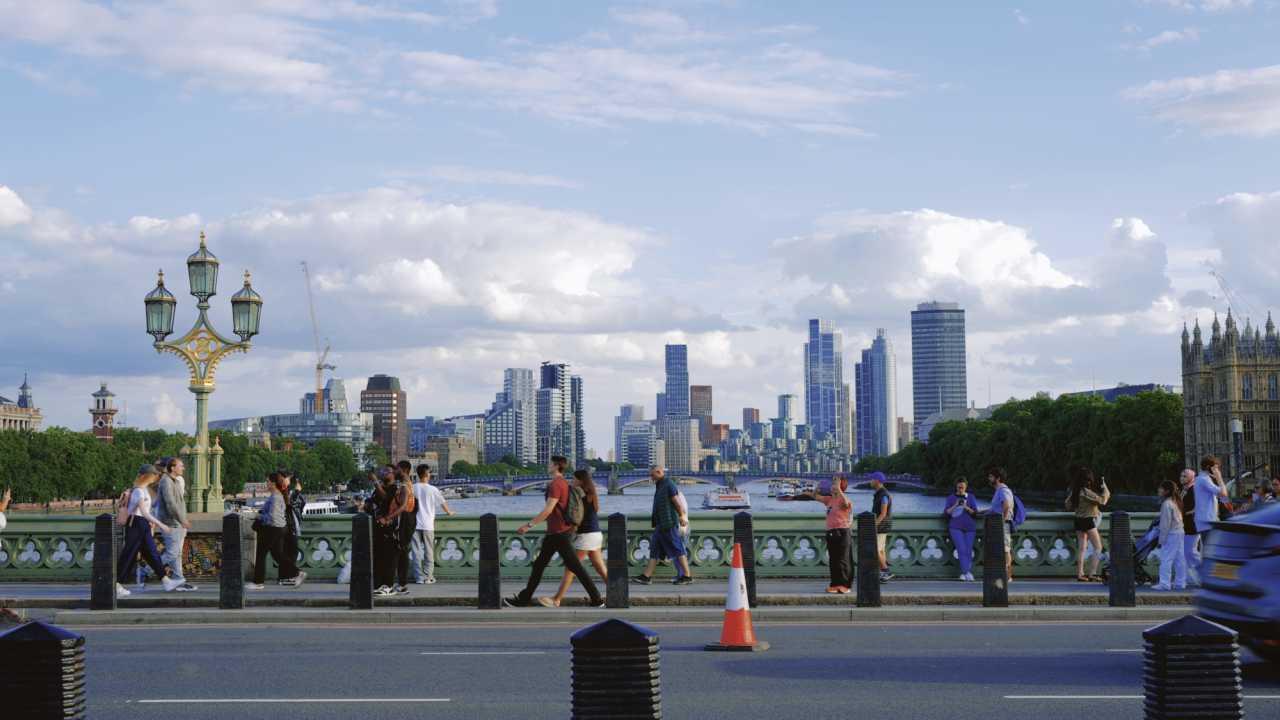
Trafalgar Square
From Big Ben we strolled along the north bank of the Thames to Trafalgar Square. I’d been “planted” by sunset photos online and wanted to check in.
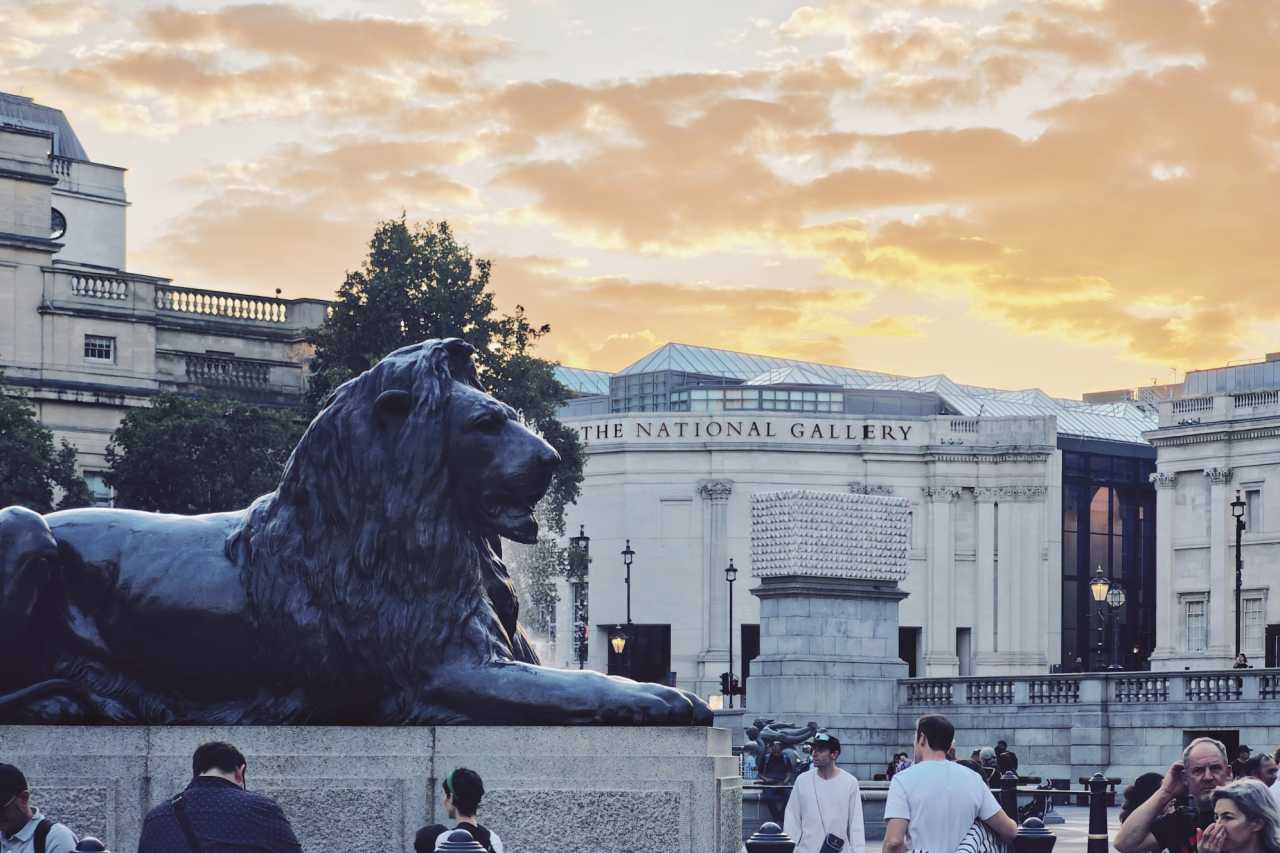 Trafalgar Square
The National Gallery is here ~
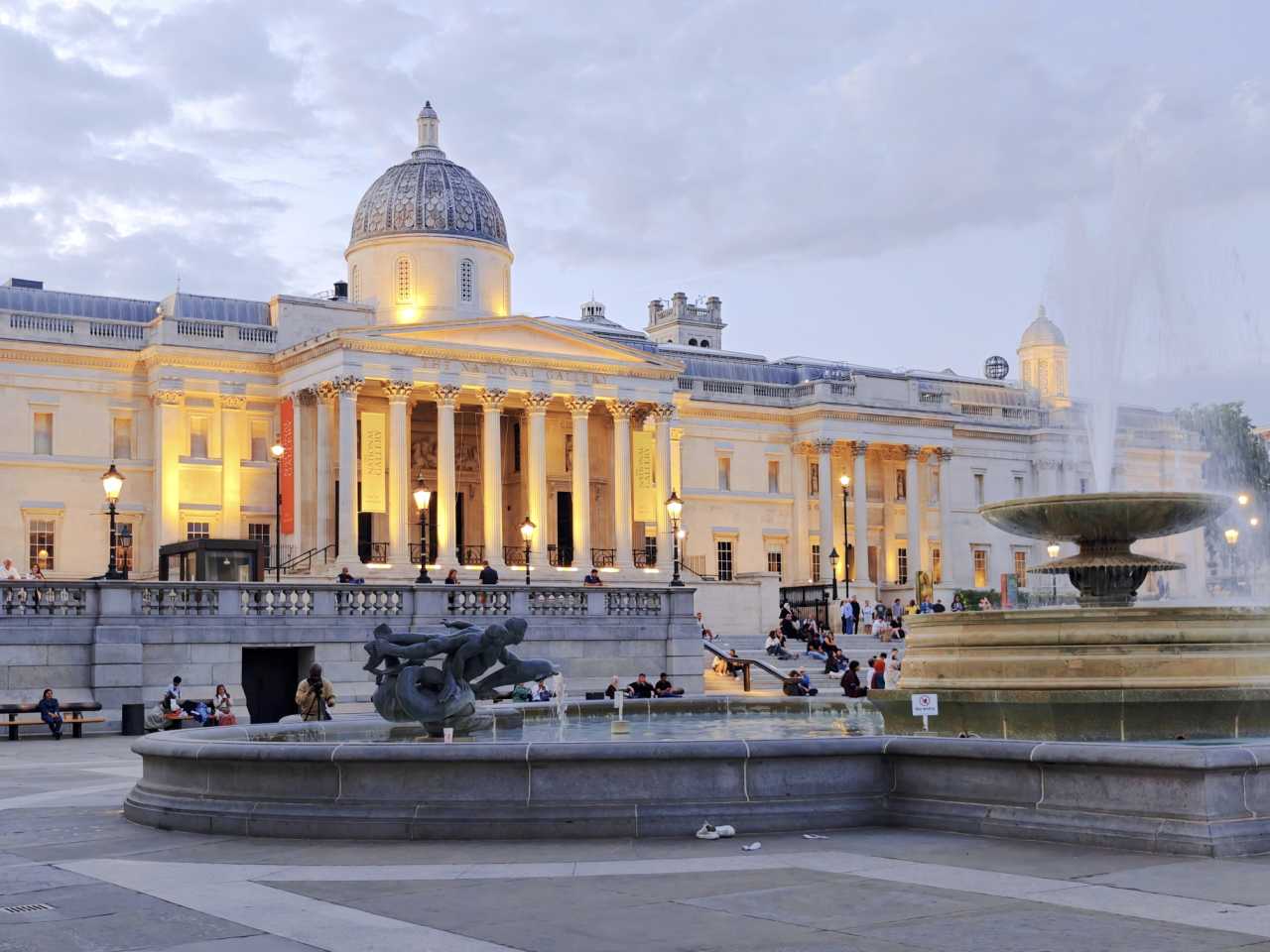 National Gallery
Fountains are a necessary element of romance in Europe.
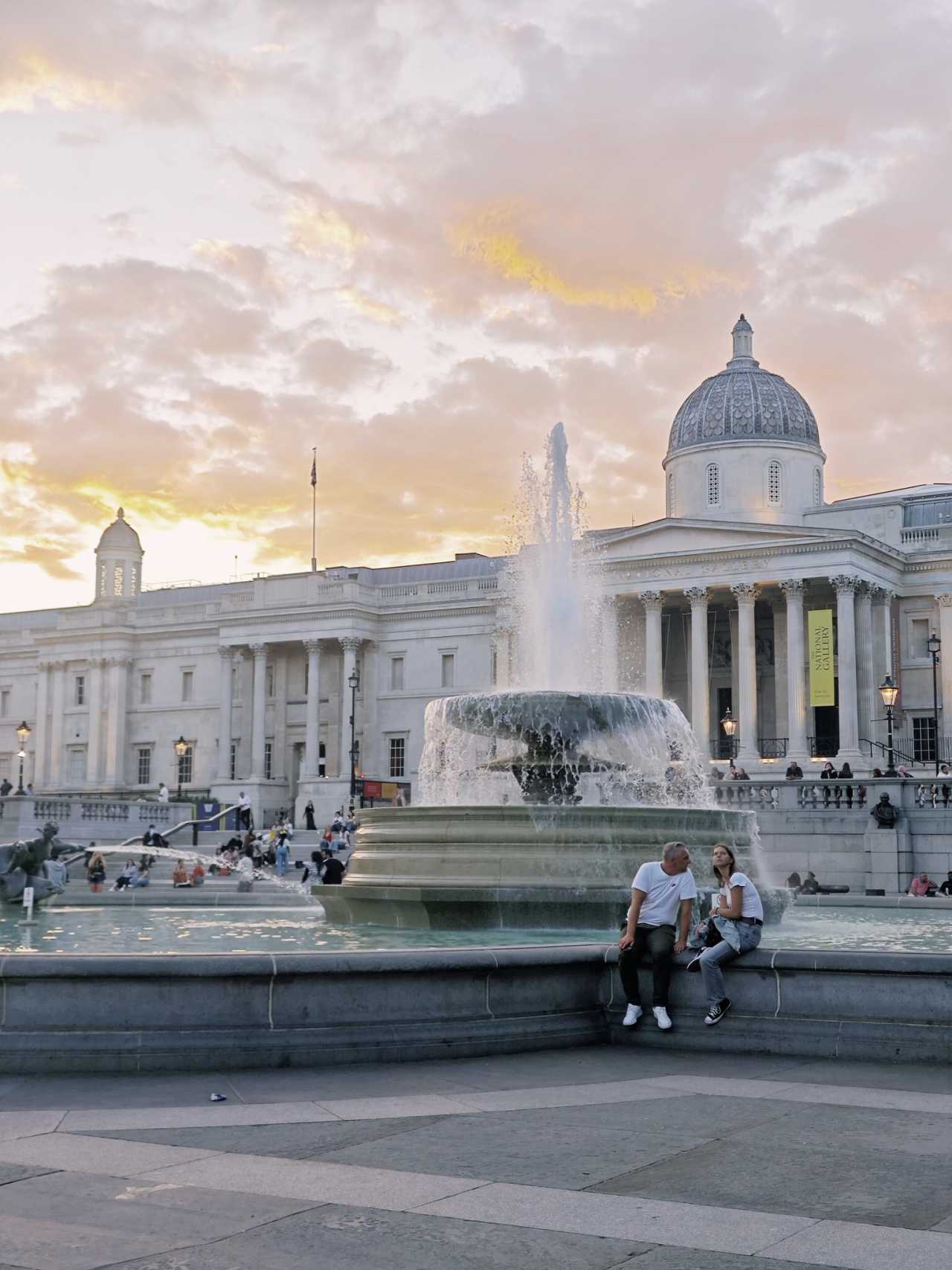 Trafalgar Square
From the square, gaze at Big Ben glowing gold in the sunset.
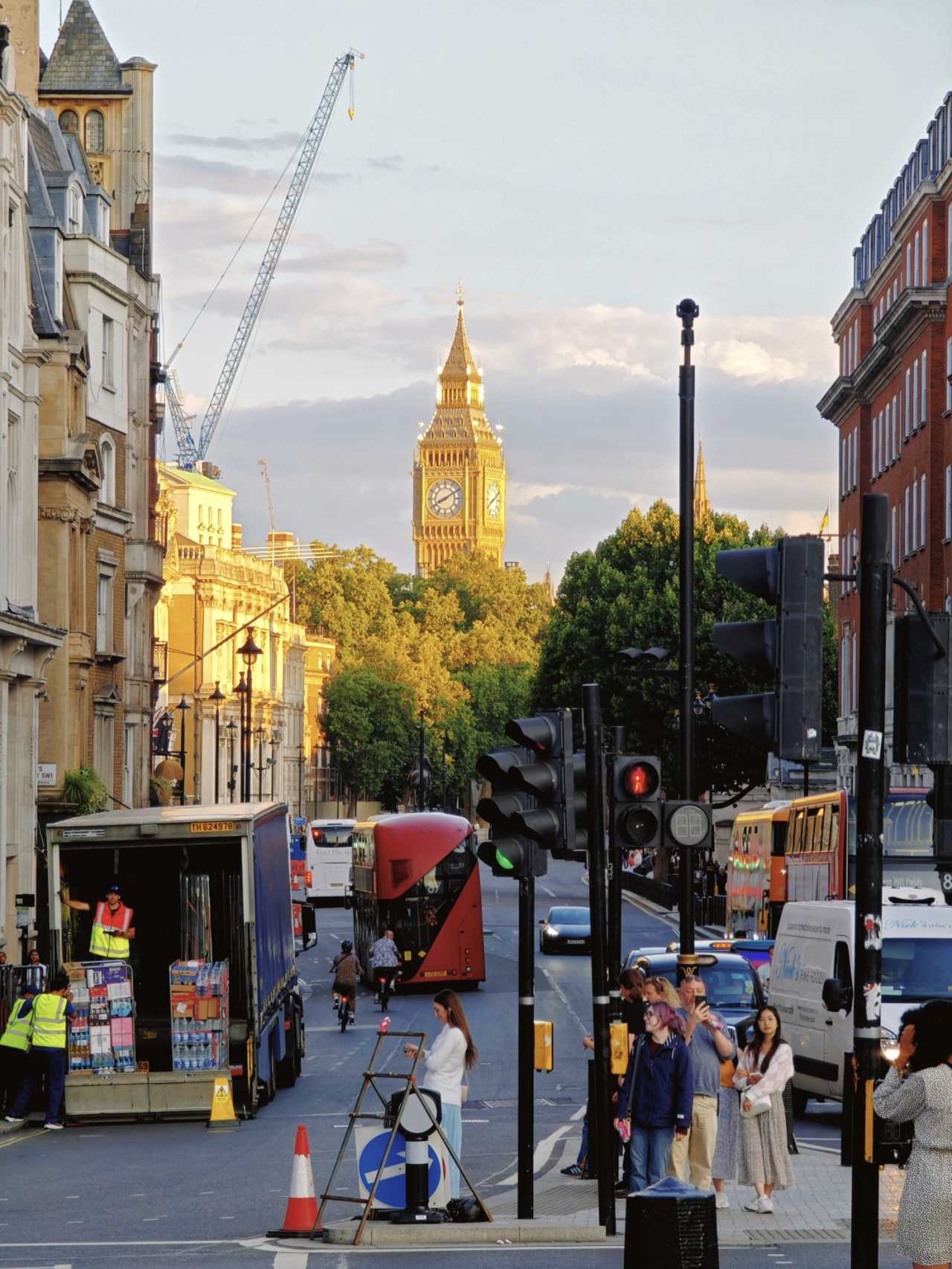
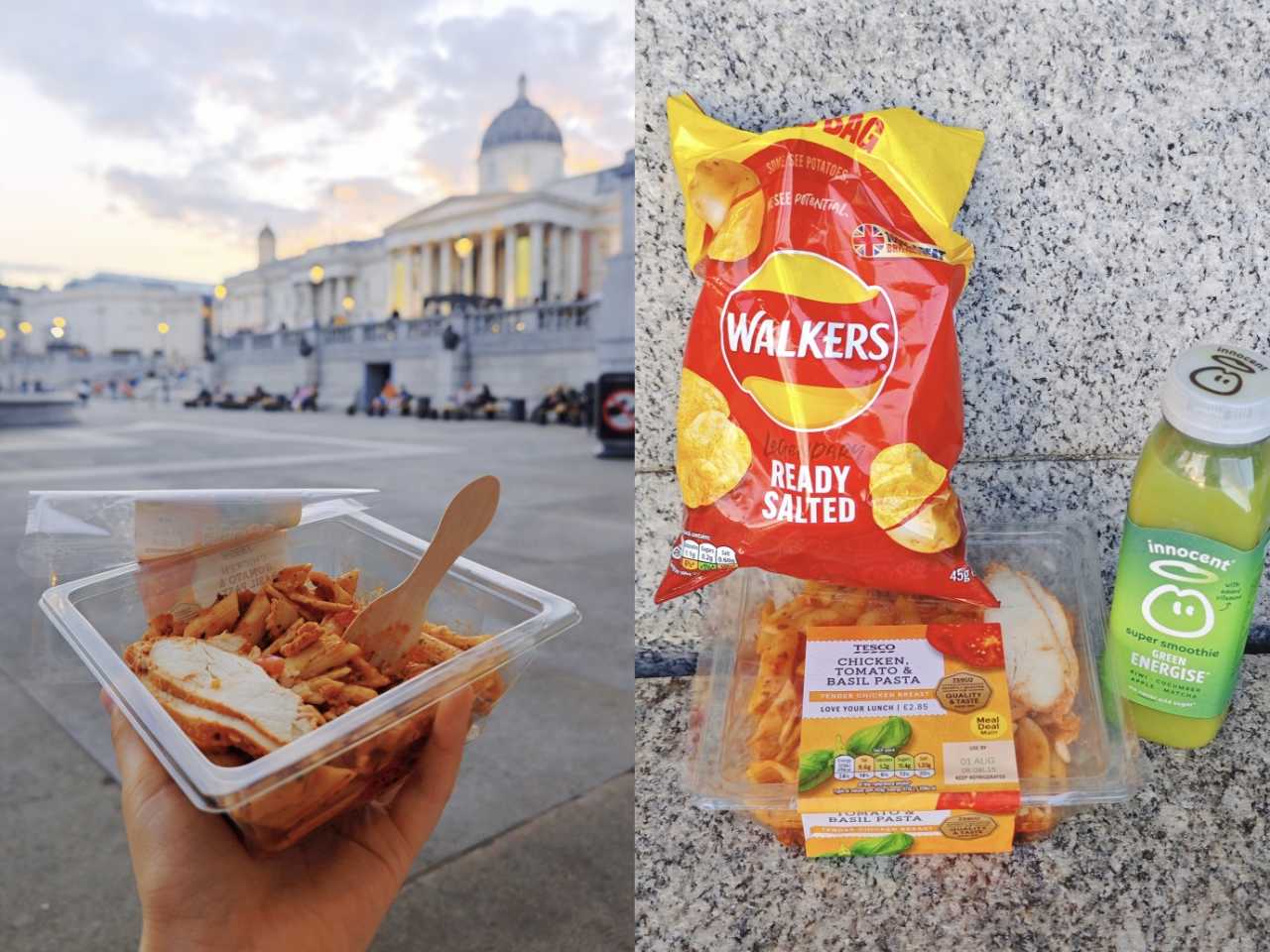
Grab a £3.6 Tesco “poor man’s meal” and leisurely enjoy the sunset in the square—taste the relaxed life.
It was nearly 10 pm by then…
Day 3: The Best of London Is Free
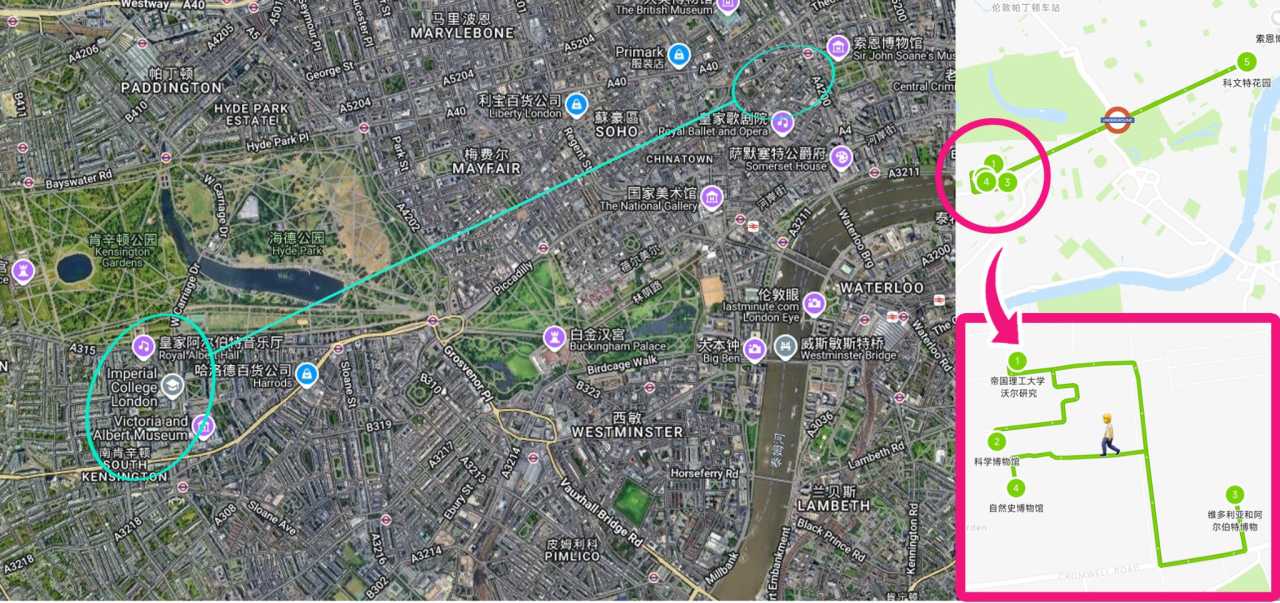
Day three’s plan: V&A, Natural History Museum, and Science Museum—three adjacent institutions. Recommend a full day.
We chose Tuesday also because Imperial College has a weekly Farmer’s Market on Tuesdays, open to the public—solves lunch and lets you visit a top university.
Science Museum
We arrived around 10 am and found a long queue at the Natural History Museum. Without a reservation, we had to line up—about an hour to enter! I hadn’t expected that—turns out the overseas “kids army” is the same. (Comparable to Shanghai Natural History Museum.) So do book in advance if you plan to go.
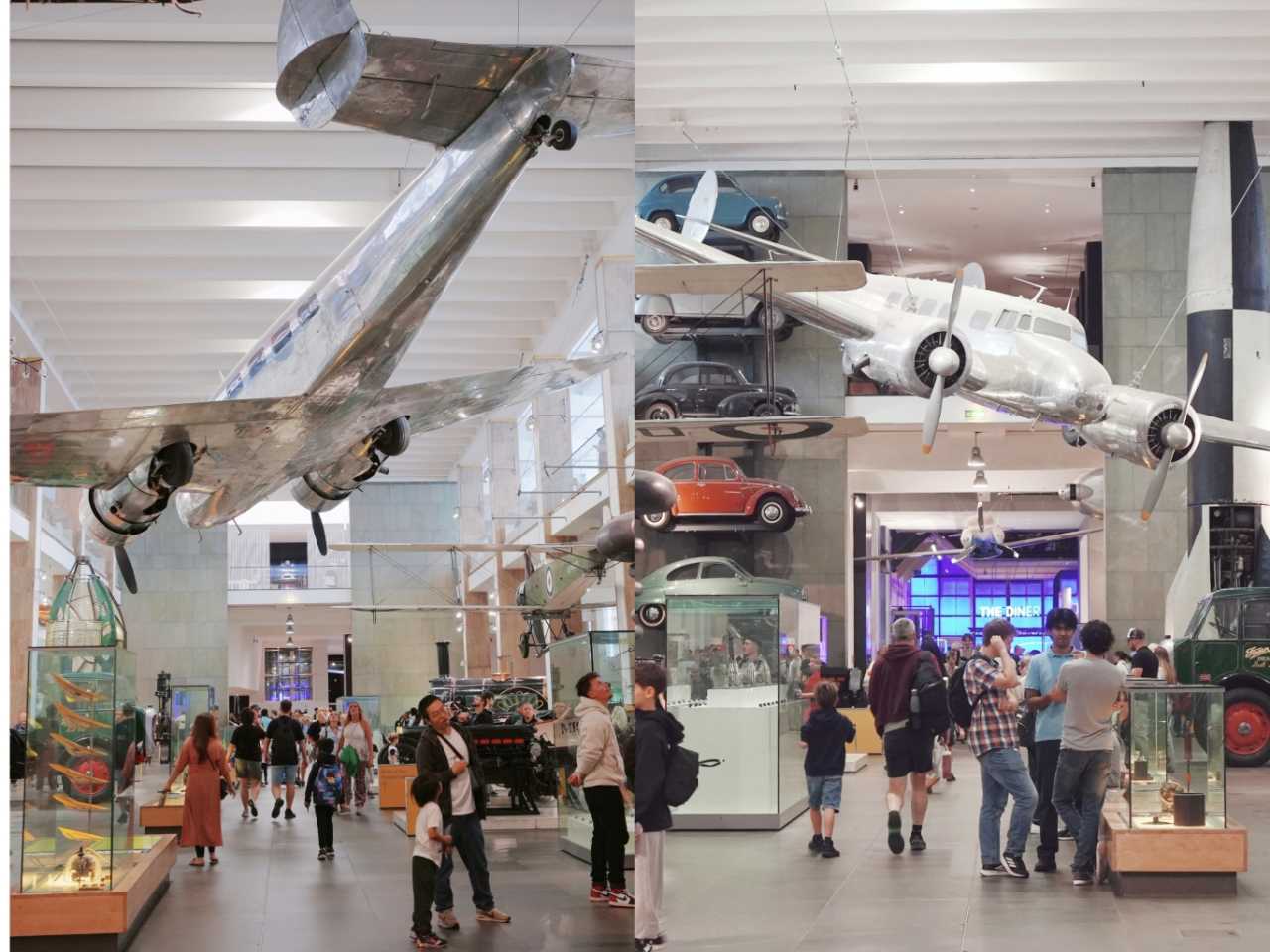
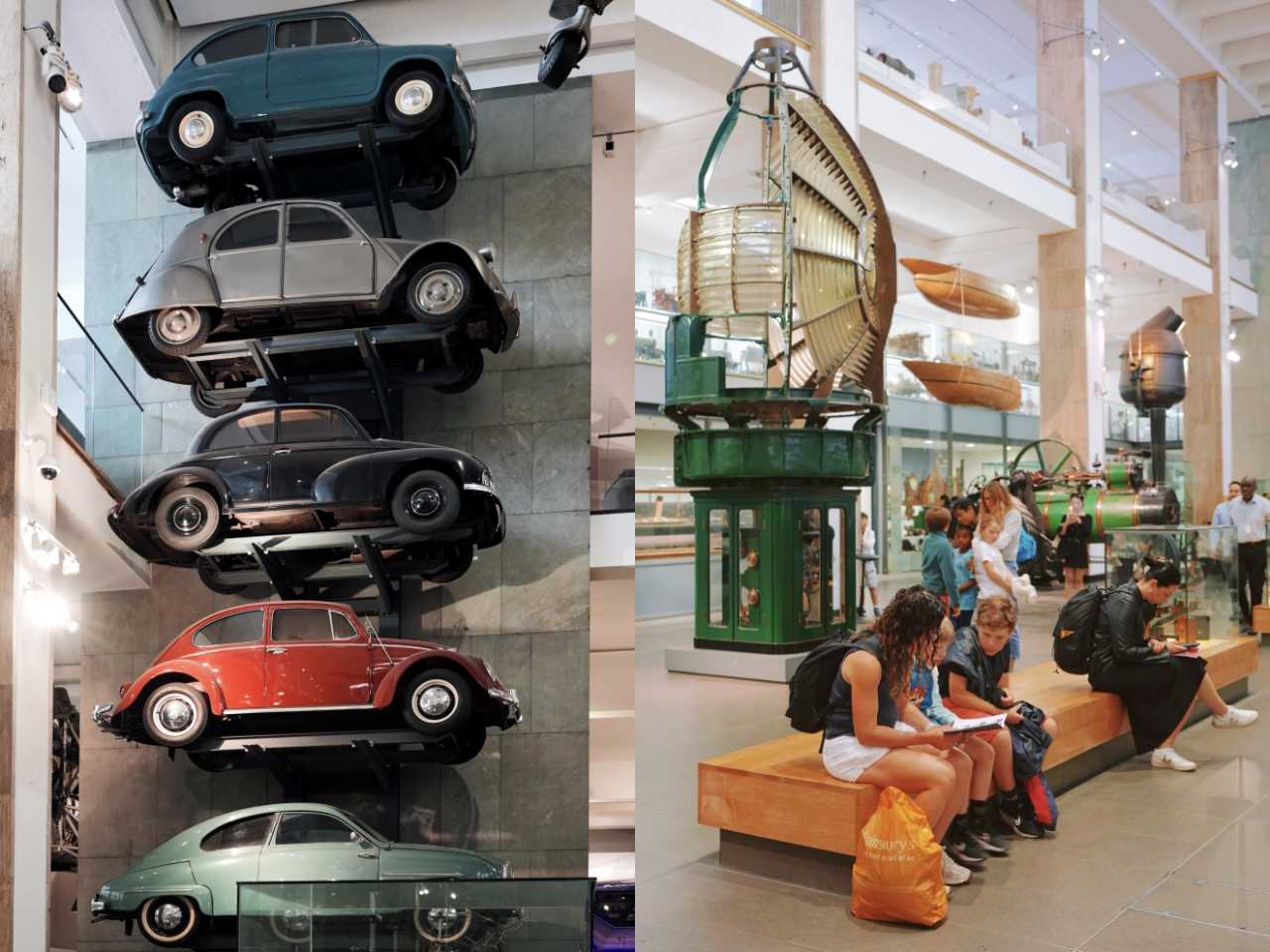
We popped next door to the Science Museum first. Fewer people—on-site reservations allowed. We strolled a few galleries; content is rich; many activities and interactive installations—fun for all ages.
 Science Museum
 Science Museum
Interactive games are thoughtfully designed—visual aesthetics on point.
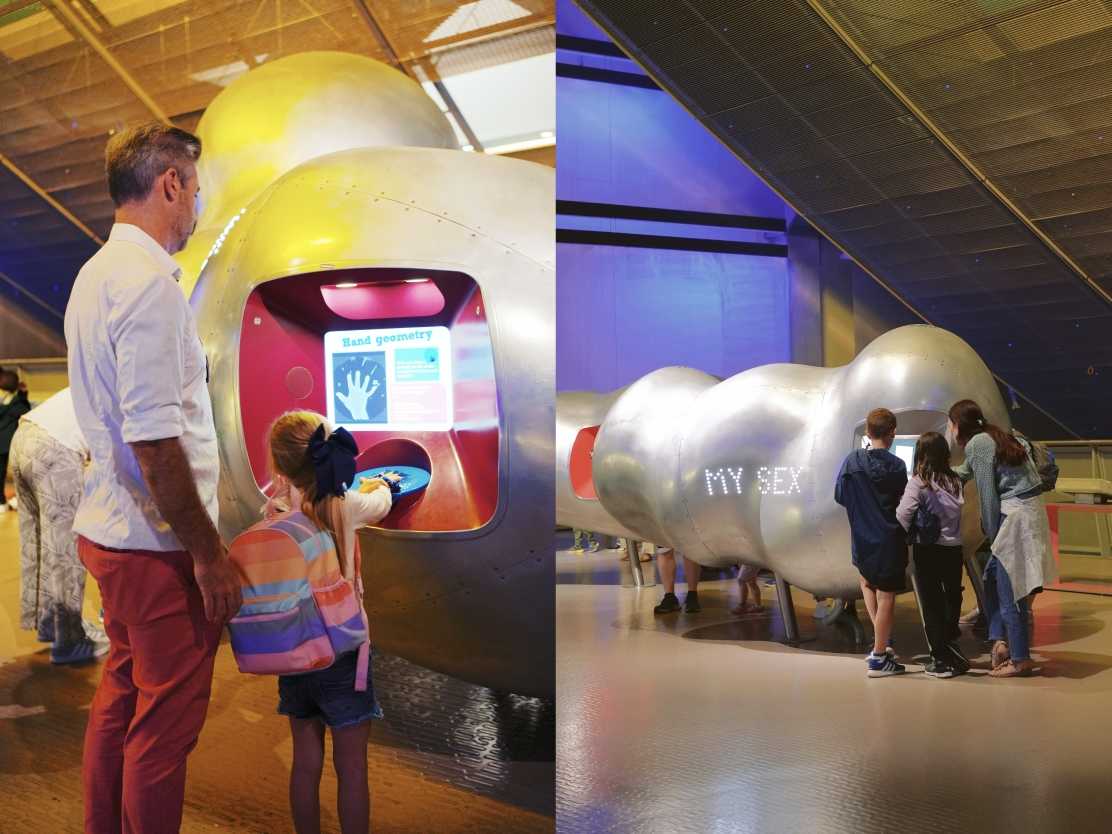 Science Museum
On the right below is “how to go to the toilet in space”—hilarious. Kids lined up, earnestly “squatting”, while the staff seriously explained the operating steps.
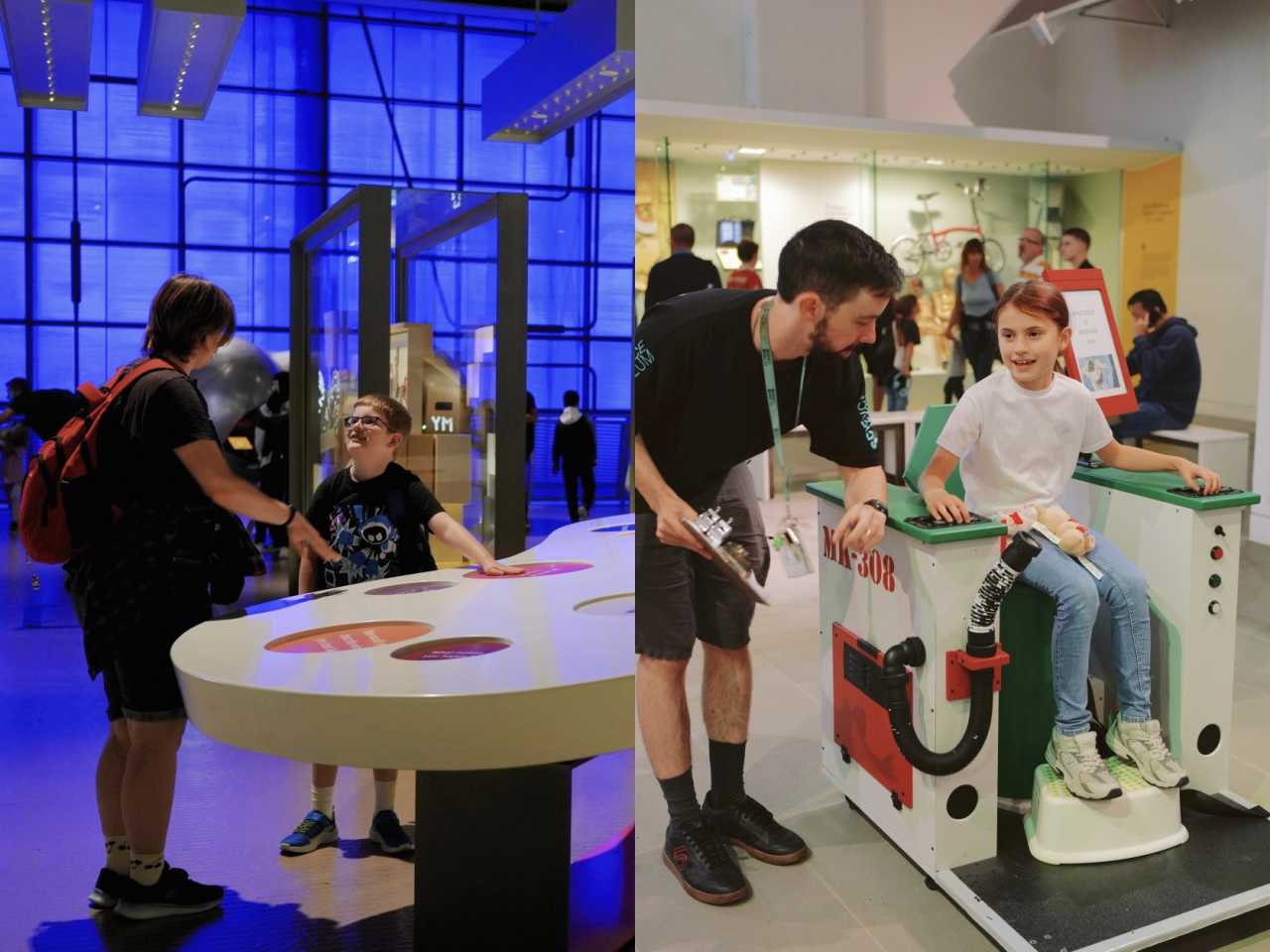 Science Museum
Imperial College | Farmer’s Market
The “good-for-nothing but best-at-eating” underachiever made it to a top global college for food!  I locked this into the itinerary when I discovered the Tuesday-only Farmer’s Market at Imperial College.
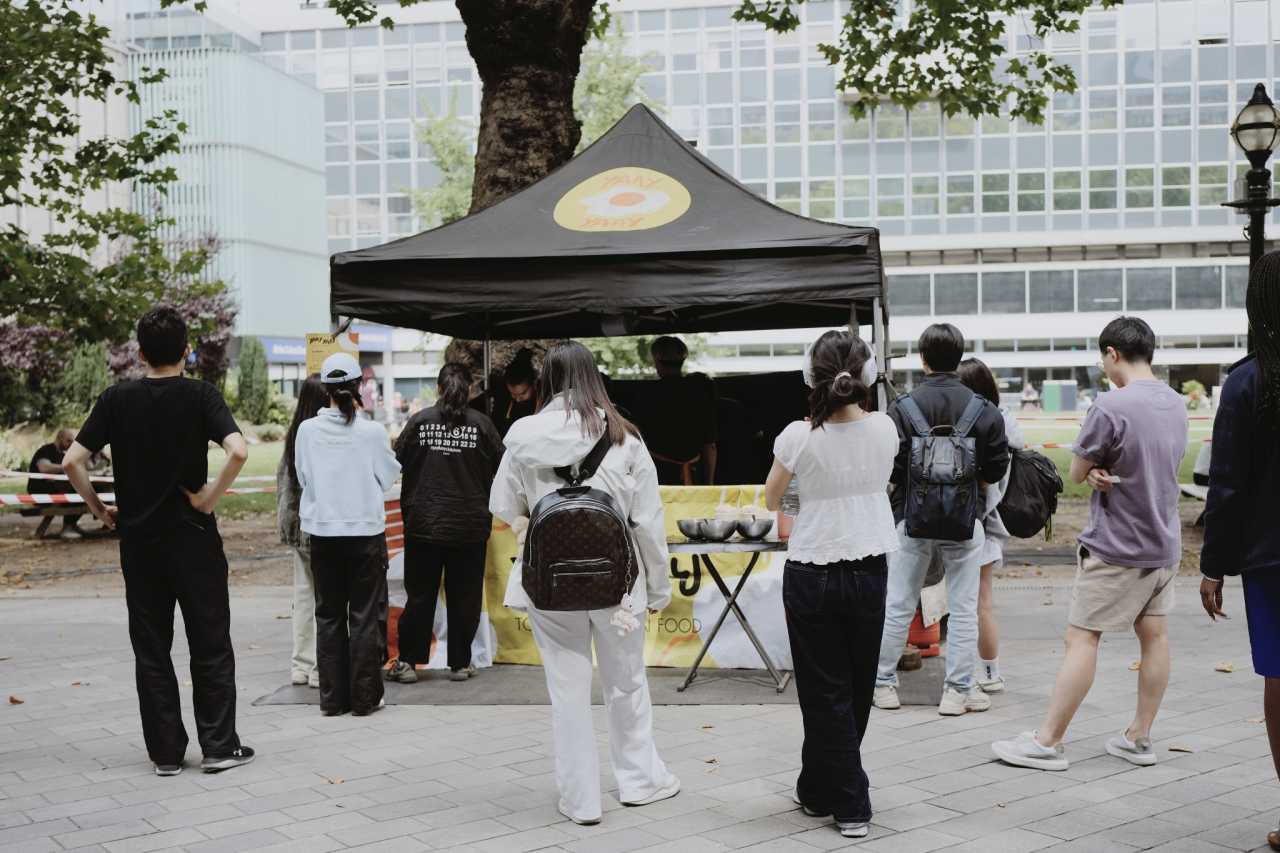
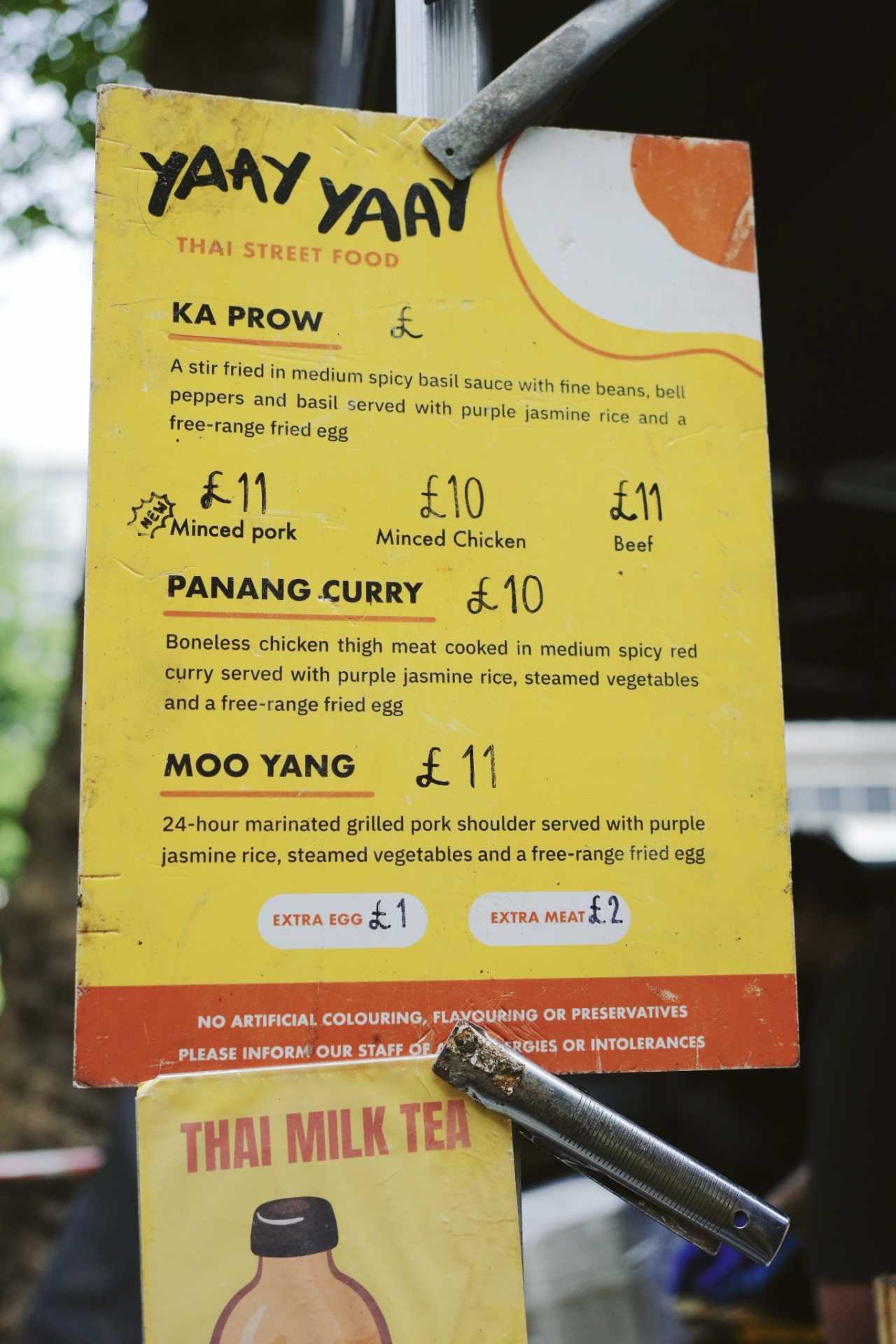
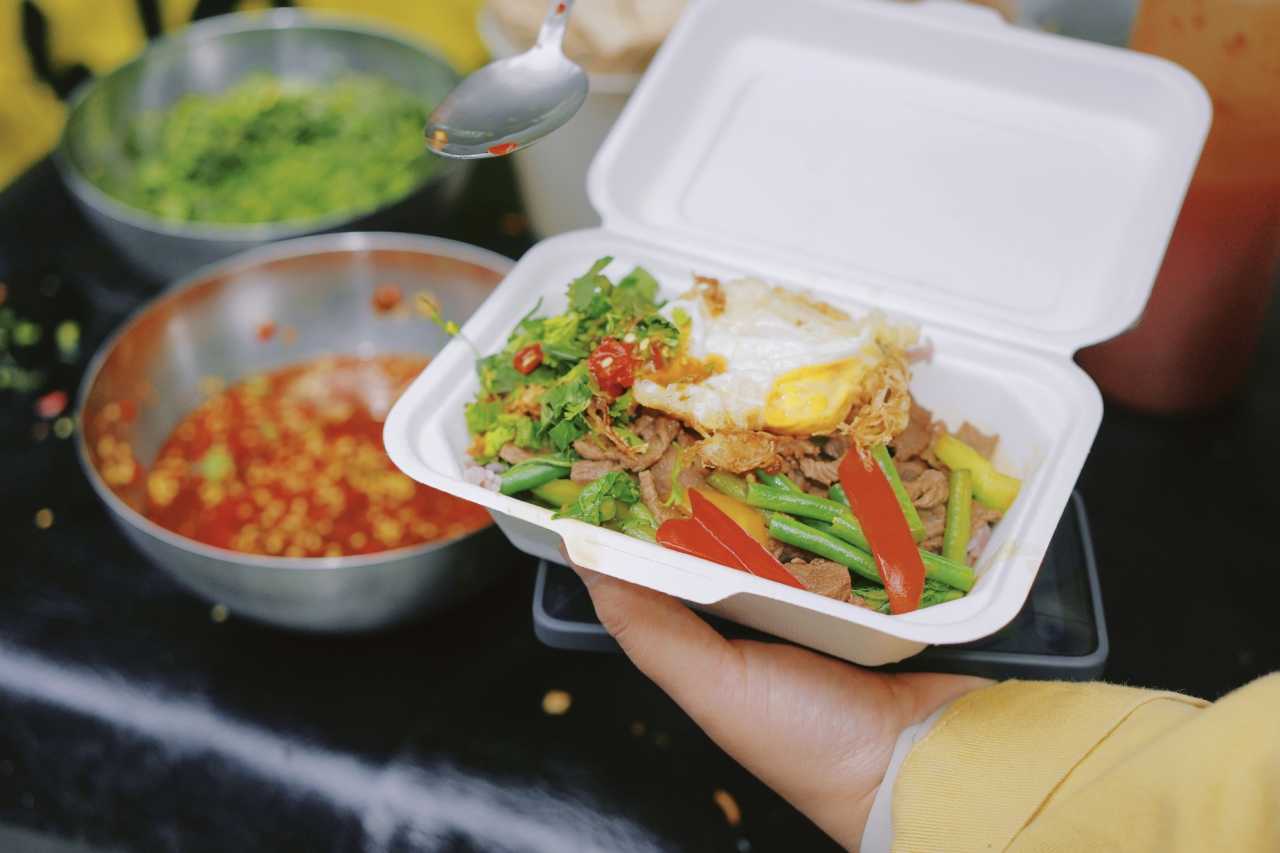
The market features specialties from different countries. We followed recommendations and tried yaayyaay’s Thai beef rice. Big portion and decent taste, though not jaw-dropping. It was busy with long lines. Overall the market’s food offers decent value.
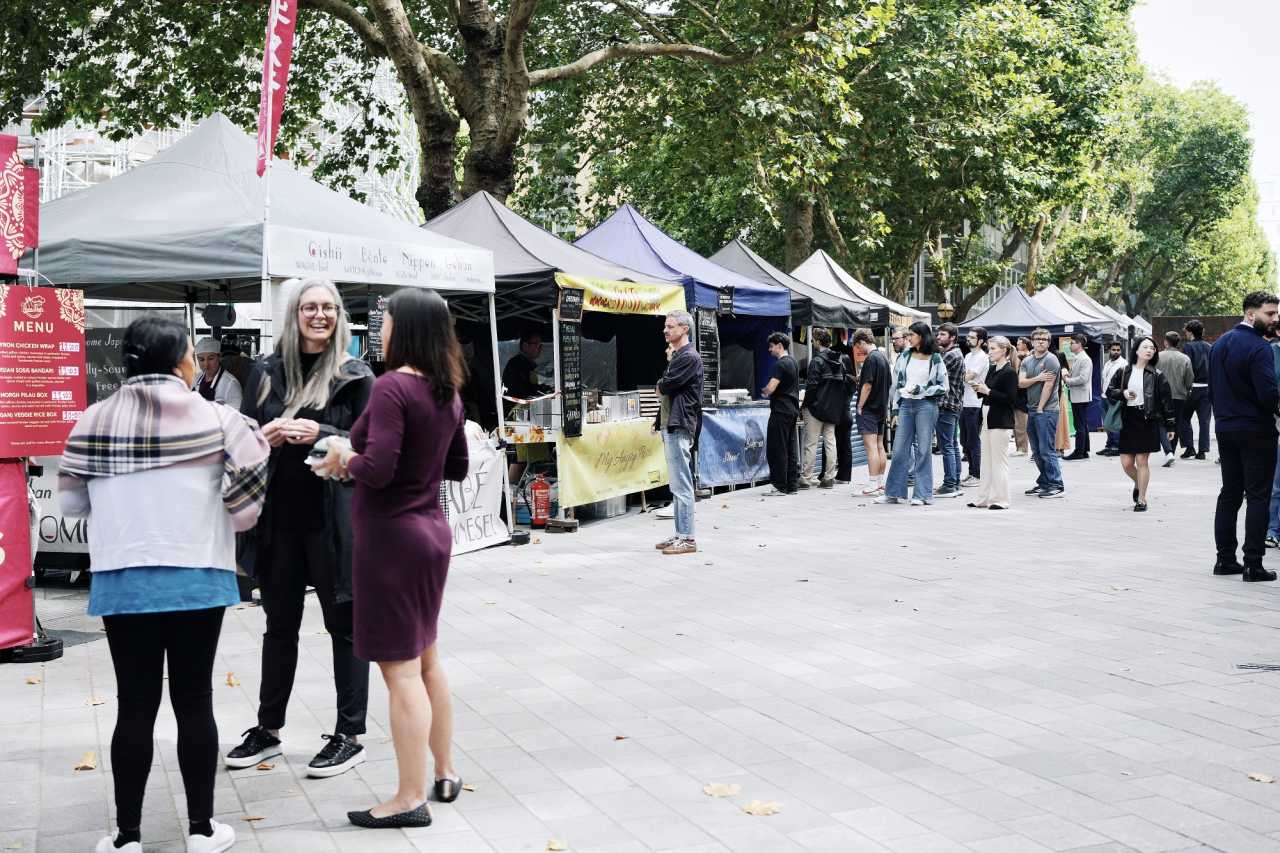 Imperial College
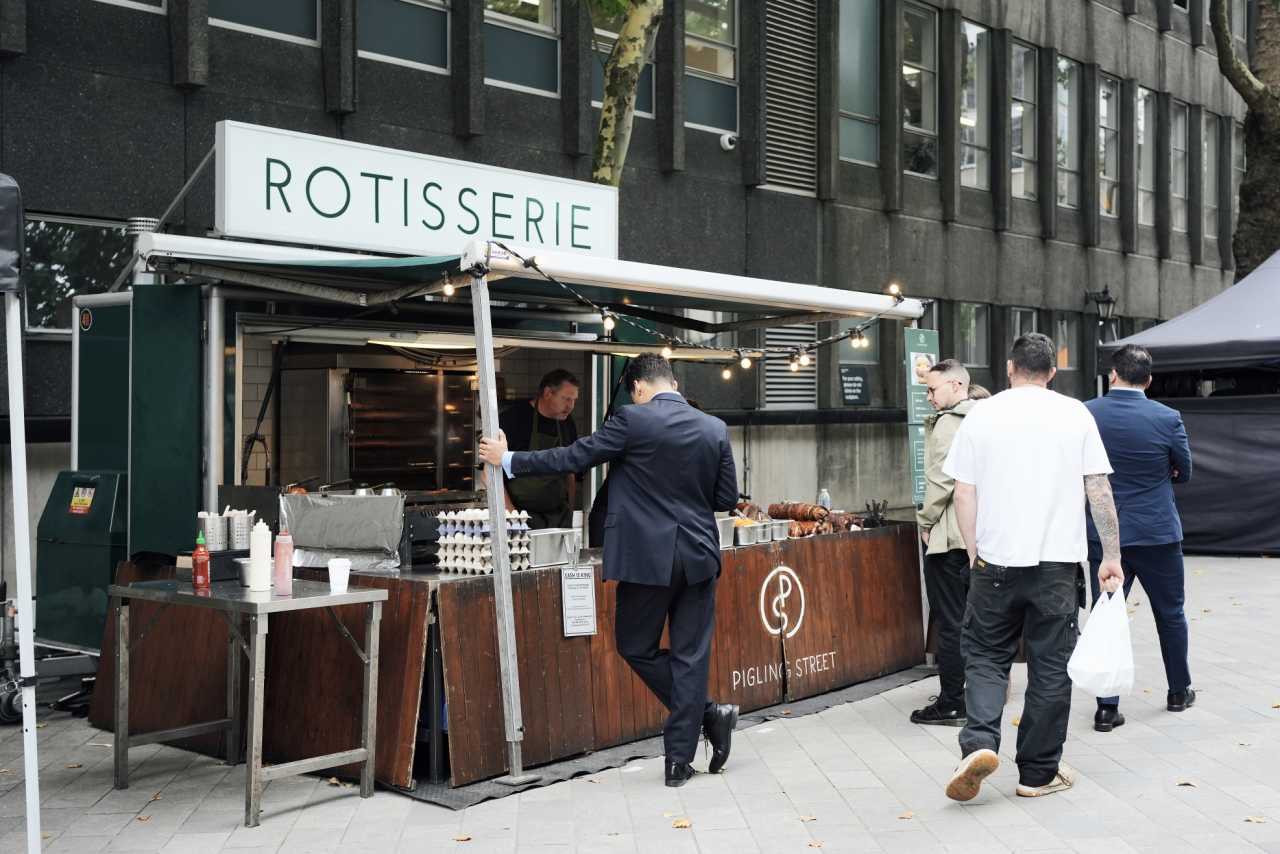 Imperial College
 Imperial College
 Imperial College
 Imperial College
 Imperial College
Chinese “scholars” are everywhere. In London, besides famous sights, you’ll see lots of Chinese people—especially at top schools. While eating we saw many Chinese students. Heard a classic line: “When you don’t know which stall is good, go to the one with more smoke.” Haha—an absolutely Chinese stomach.
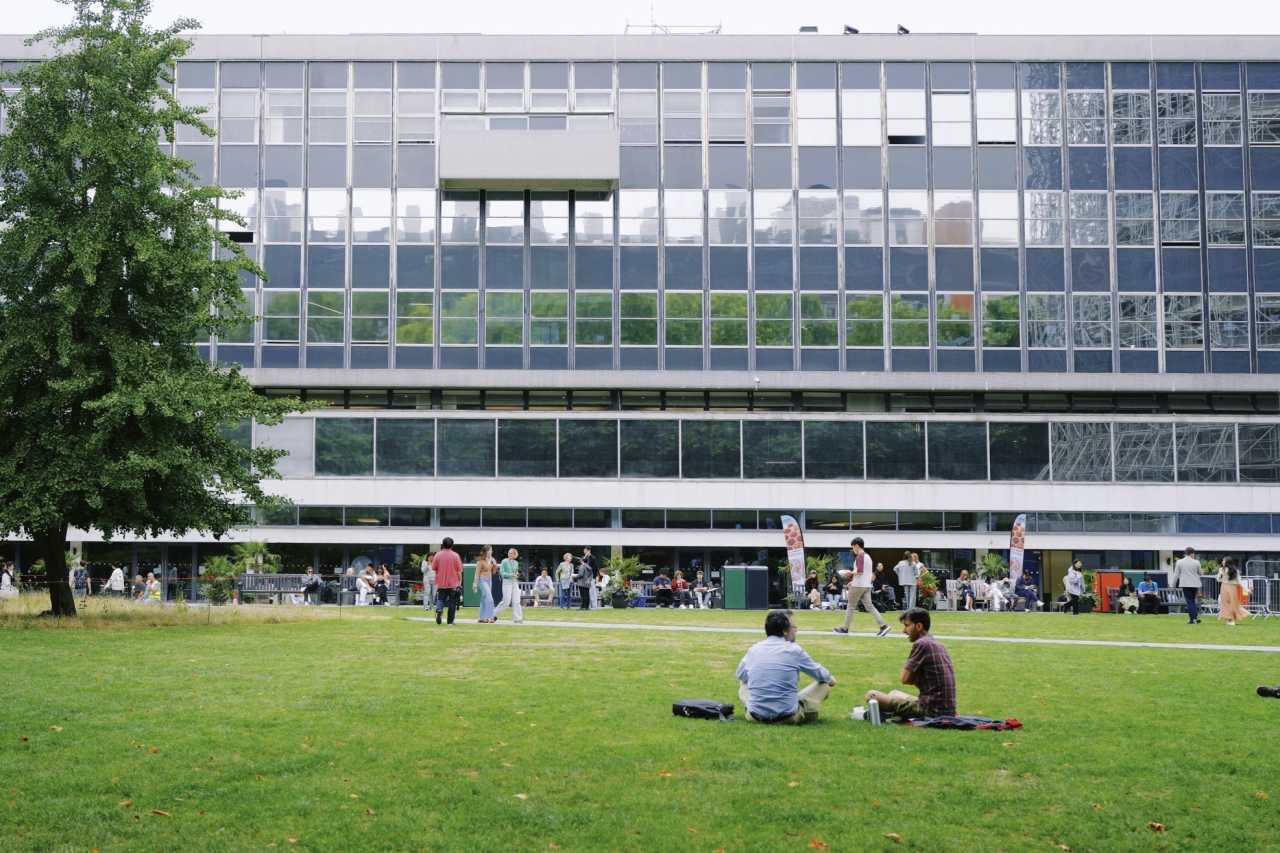 Imperial College
Europeans are relaxed at lunch—many bring meals. Parks are canteens. We followed suit—under a big tree we shared a table with a professor. Call it lunch with a top-university professor.
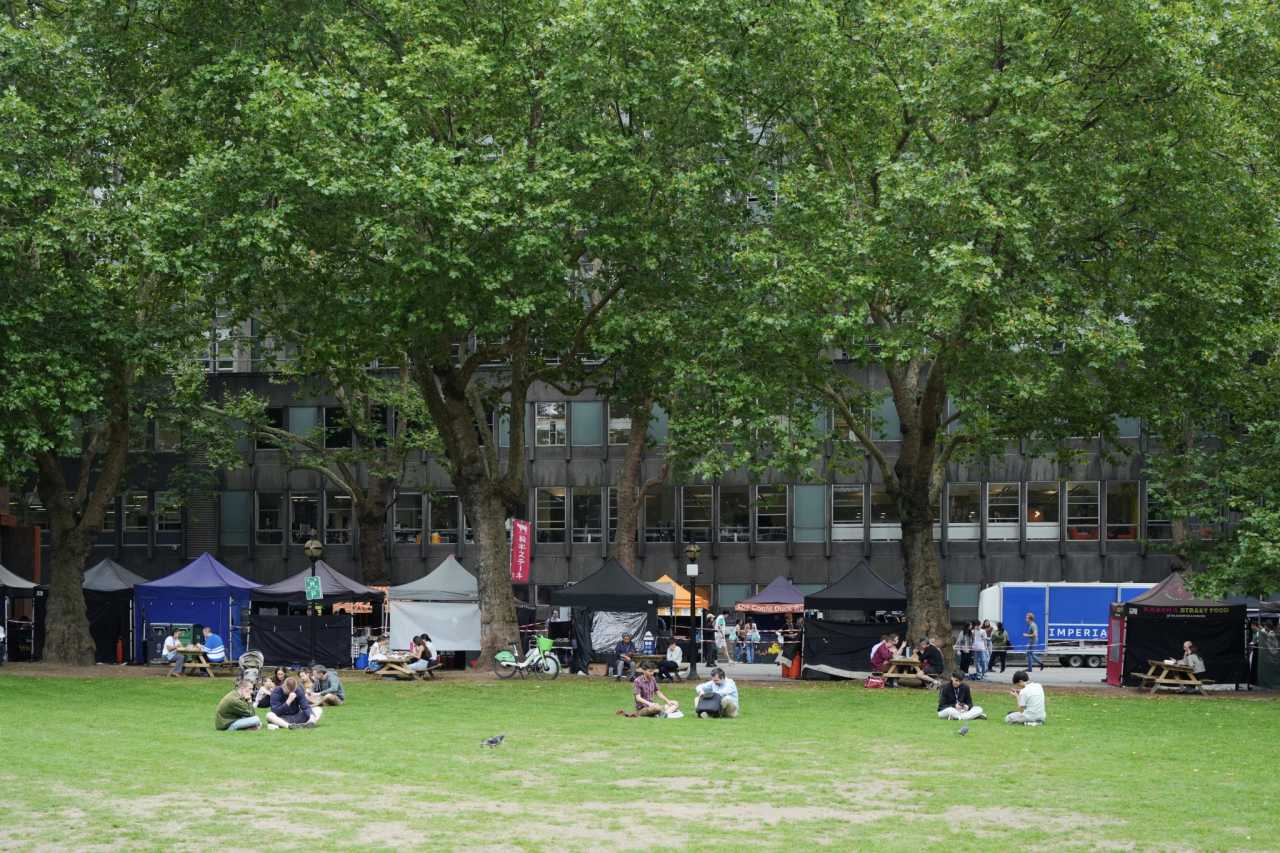 Imperial College
V&A Museum
Hours: Daily 10:00–17:45; Friday to 22:00
Tickets: Free; some special exhibits ticketed
Address: Cromwell Rd, London SW7 2RL
Underground: South Kensington, ~5-minute walk
The long-anticipated V&A (Victoria and Albert Museum), founded in 1852, is London’s second largest museum and among the world’s top museums of decorative arts and design. The collection is dazzling. I spent half a day and with sore legs still couldn’t finish—indeed, the best of London is free.
V&A holds over 2.3 million objects, covering 5,000+ years of art, design, and craftsmanship. Main holdings include:
— Fashion & textiles: one of the world’s largest collections, from medieval to modern.
— Sculpture: one of Europe’s largest, including masterpieces by Michelangelo, Rodin, etc.
— Decorative arts: ceramics, glass, silver, jewelry, furniture, etc.
— Photography: one of the earliest public photography collections.
— Asian art: rich collections from China, Japan, India, and the Islamic world—bronzes, porcelain, paintings, etc.
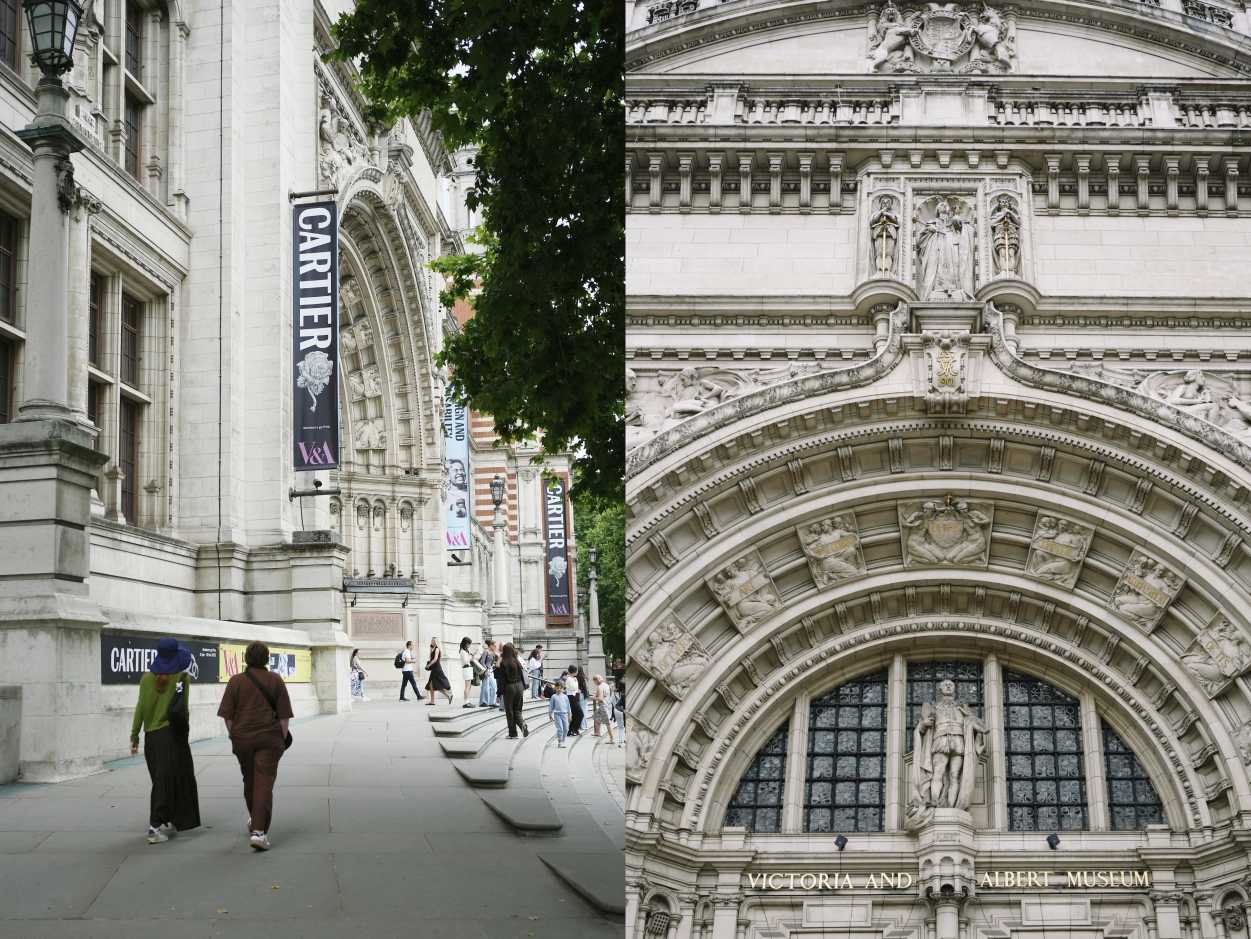 Victoria and Albert Museum
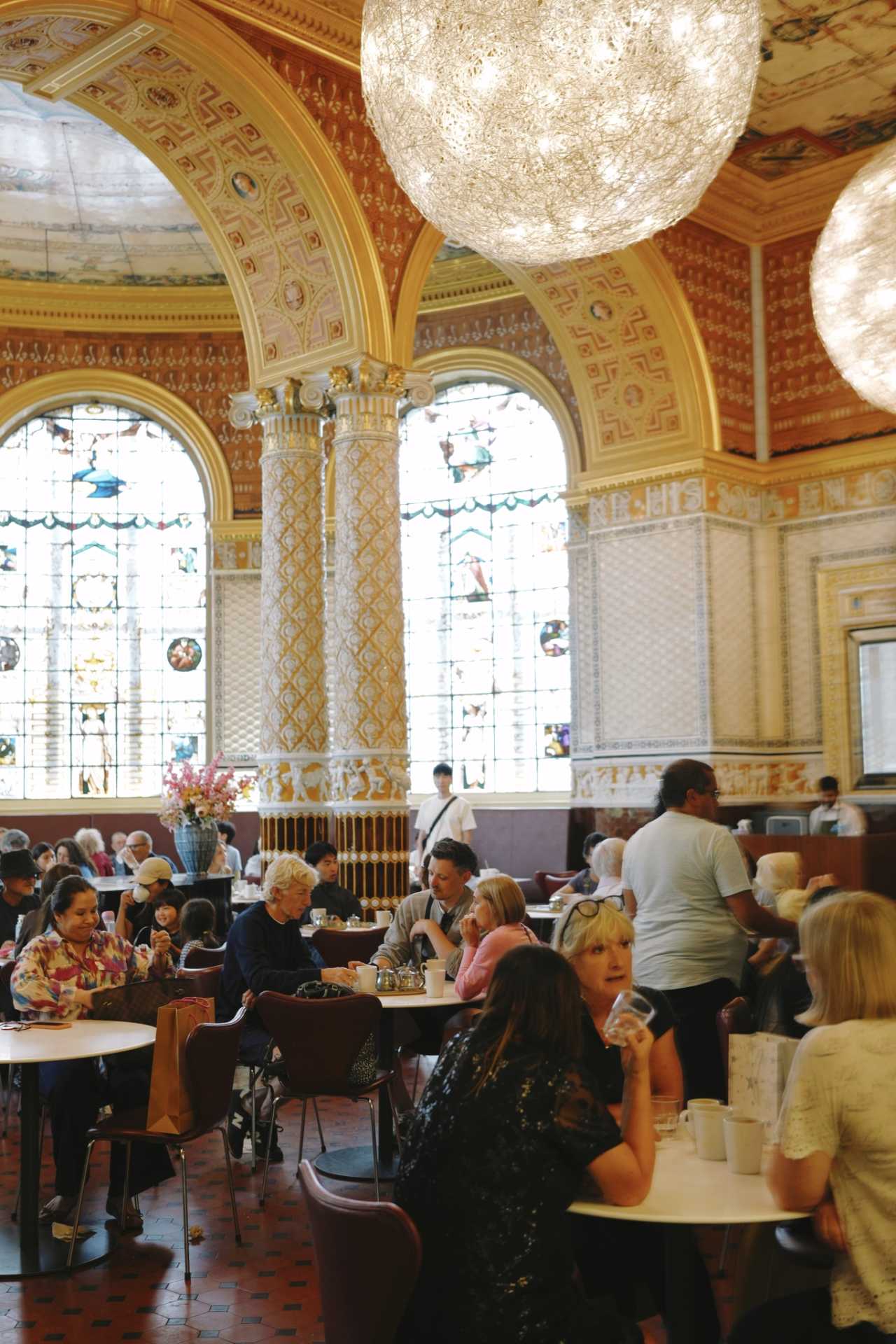
The architecture alone is splendid—luxuriously adorned.
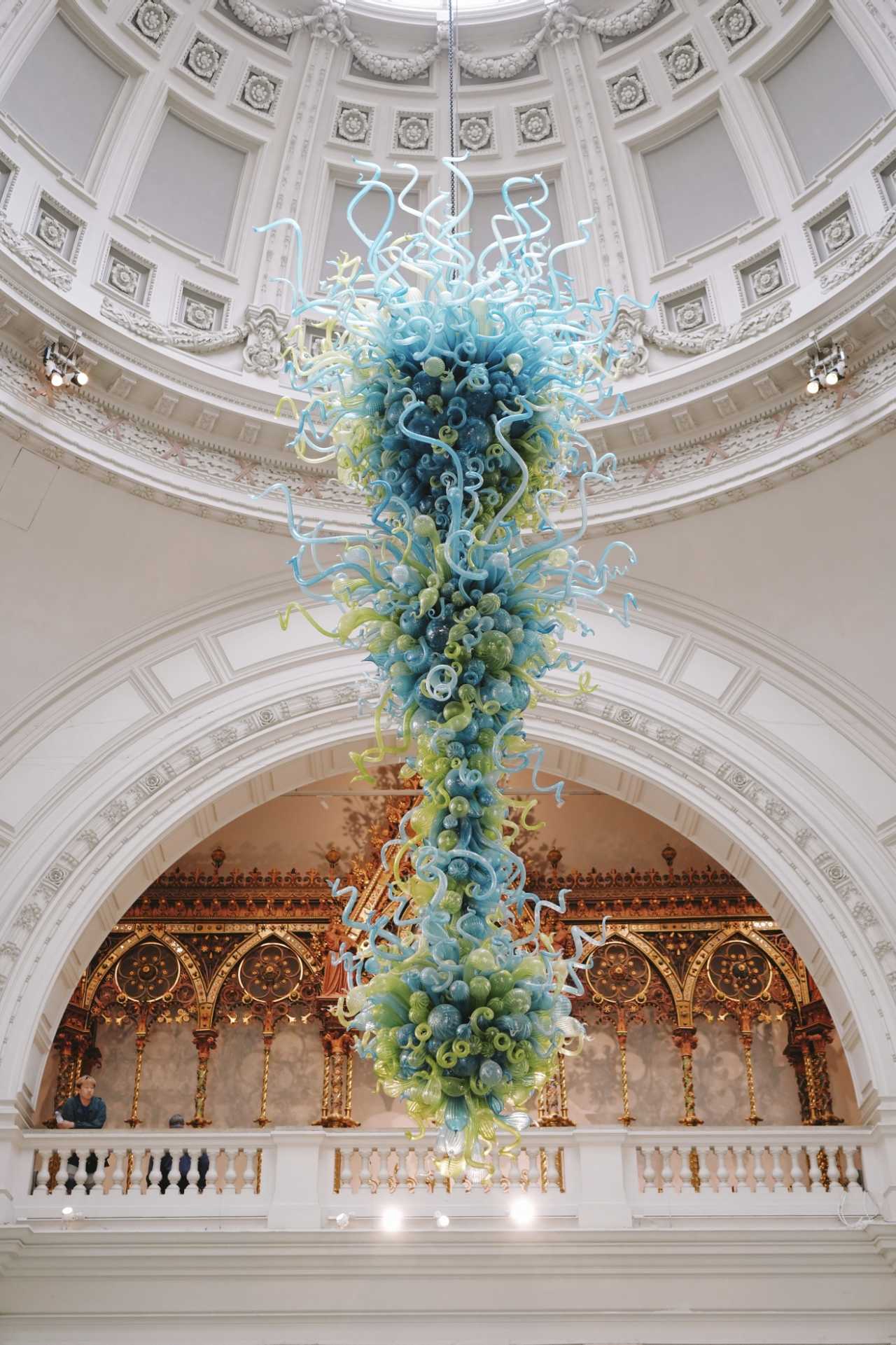 Victoria and Albert Museum
The first hall I visited had already looked stunning in photos—the light here becomes soft.
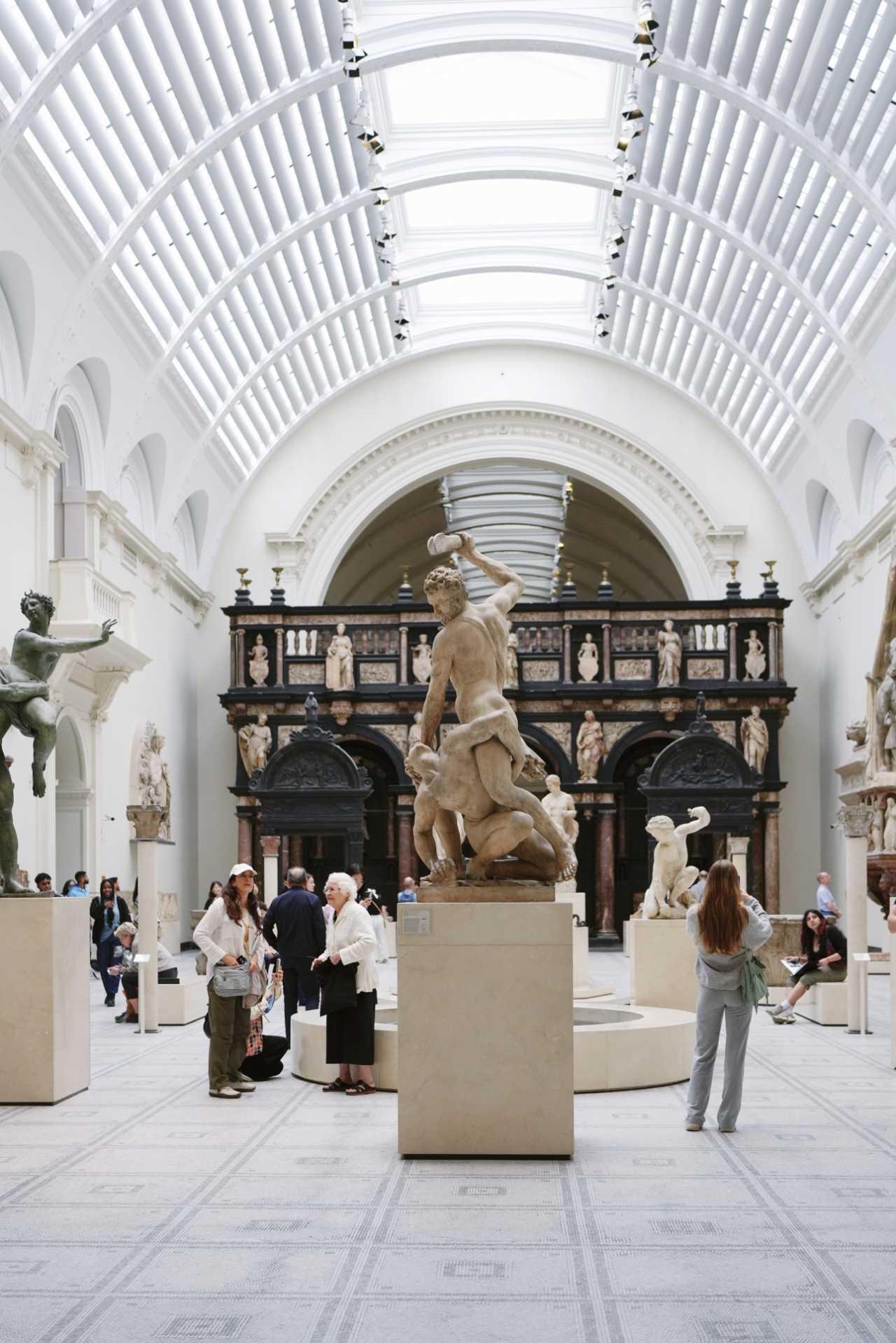 Victoria and Albert Museum
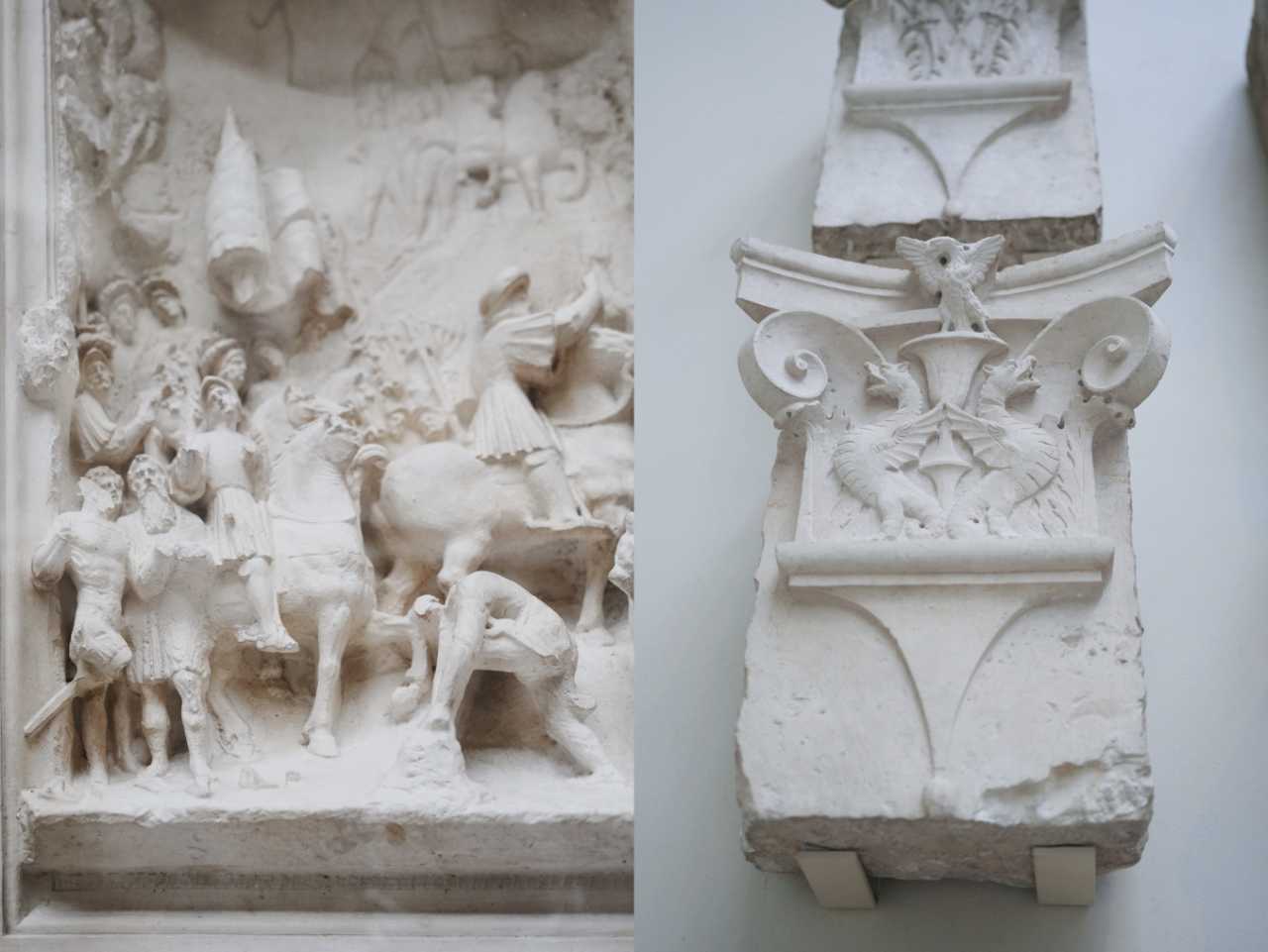 Victoria and Albert Museum
The Trajan Column gallery spans two floors. Though many pieces here are replicas, “stunning” is still the word.
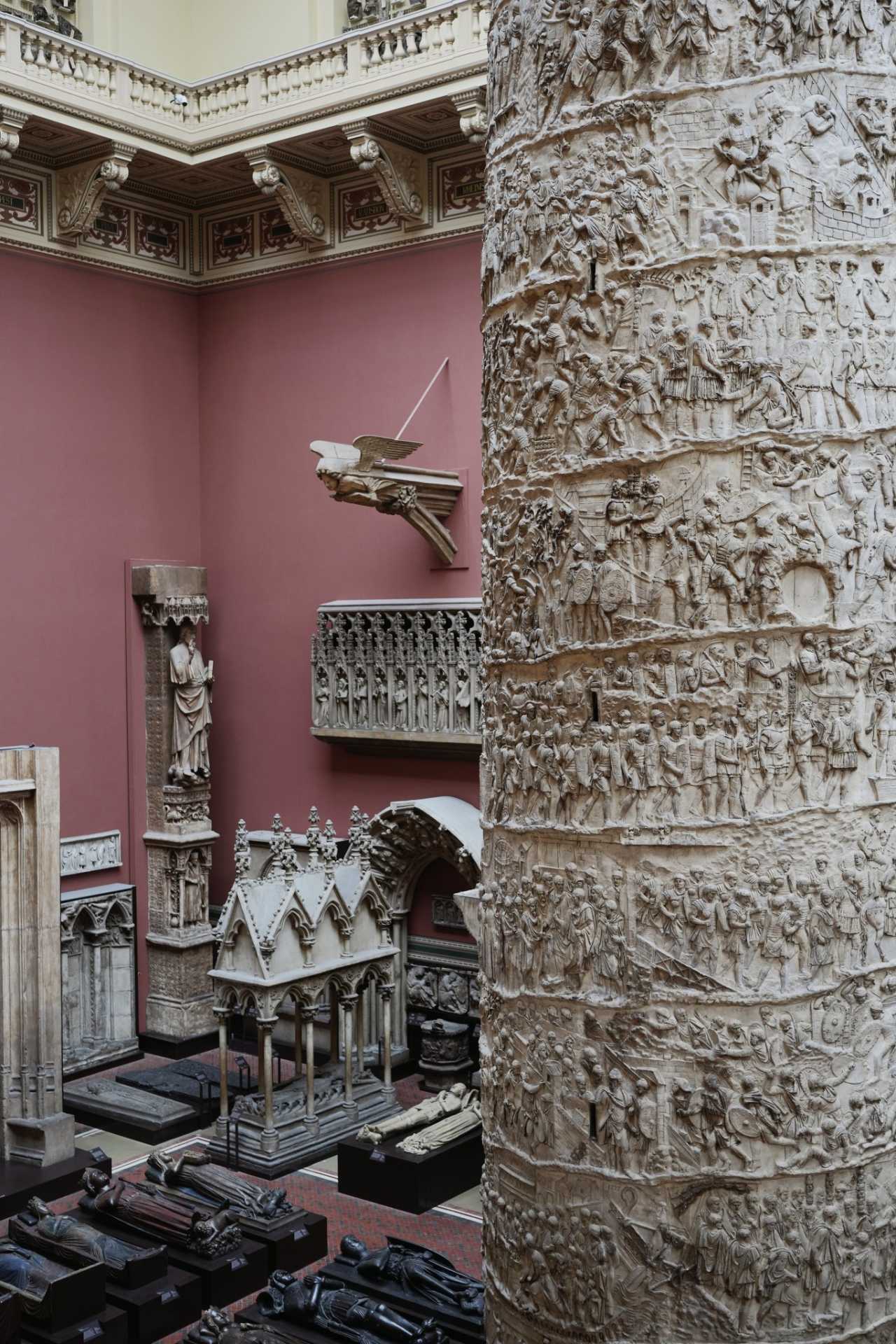 Victoria and Albert Museum
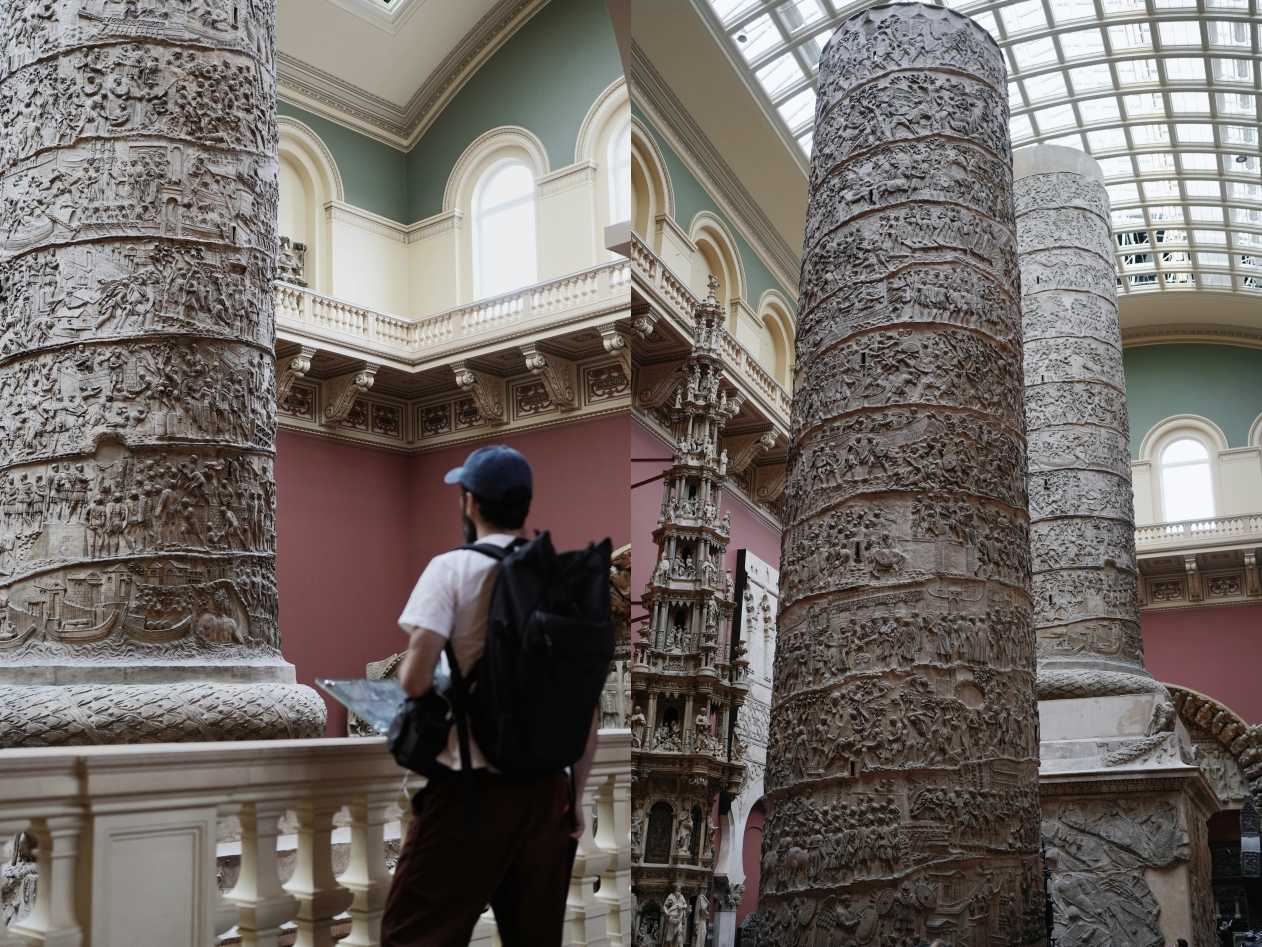 Victoria and Albert Museum
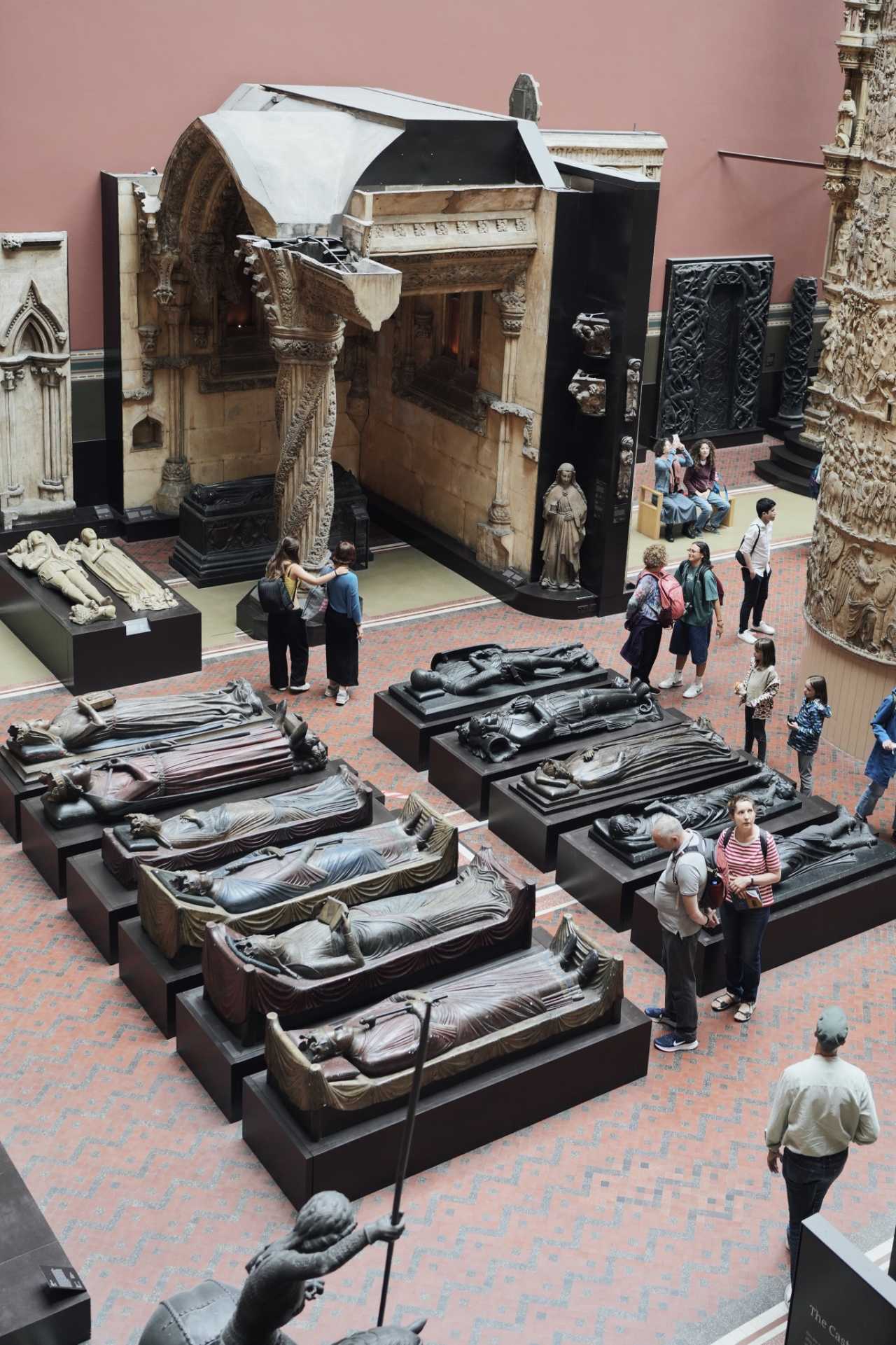 Victoria and Albert Museum
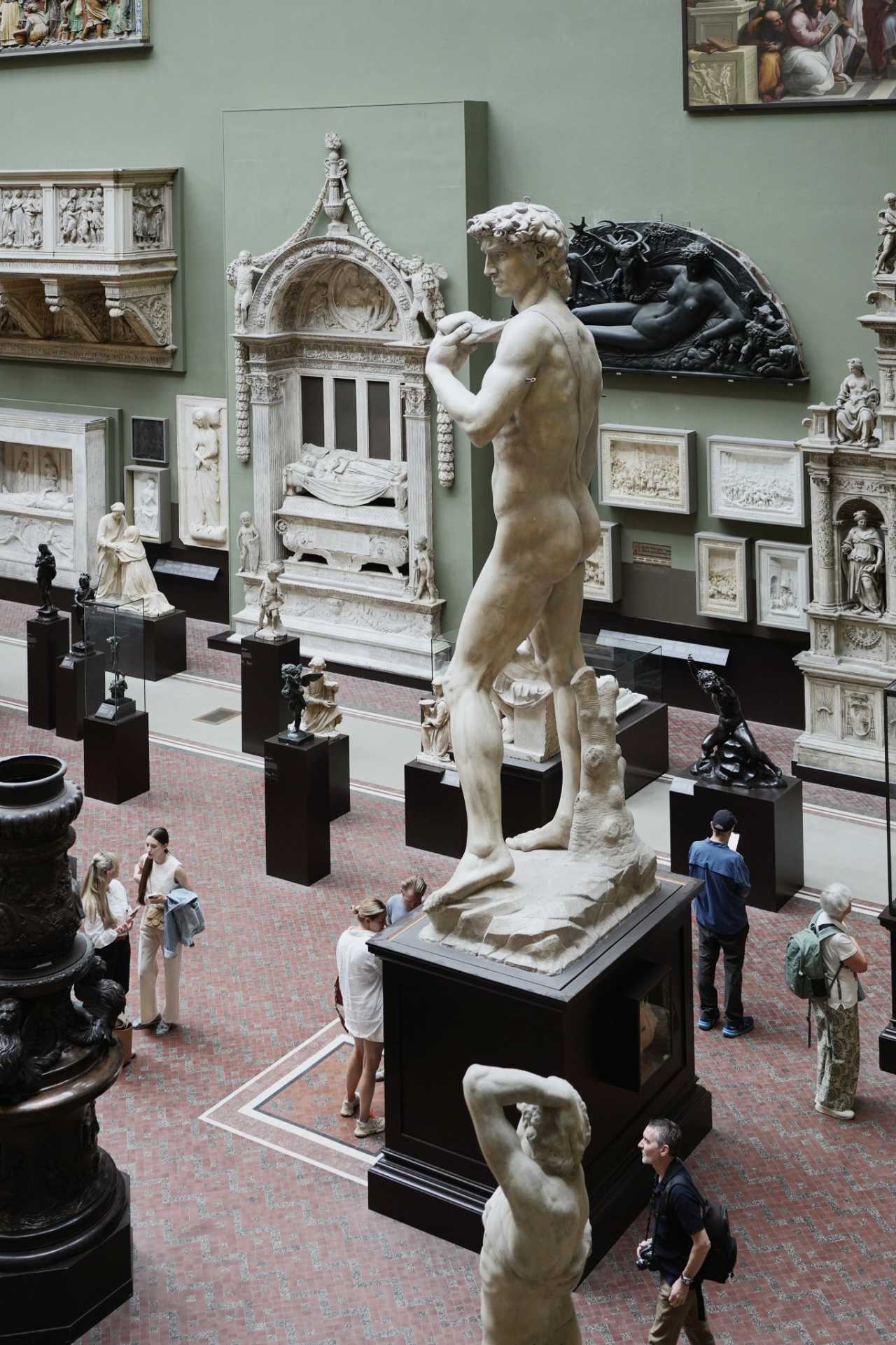 Victoria and Albert Museum
Michelangelo’s famous “David”—this is a plaster cast, the second largest David in the world. The original is a white marble sculpture of a well-proportioned young man, 3.96 m tall on a 5.5 m base, ~6 tons—capturing the thrilling instant before shepherd boy David battles the giant Goliath.
Most photos I’d seen were side profiles. In person, it’s shocking. Standing at his feet looking up—the handsome profile with sculpted features; muscles and tendons rendered with incredible realism. On the second floor, at nearly face level, you see the front—brows furrowed, resolute and slightly tense—an uncommon angle with stronger narrative.
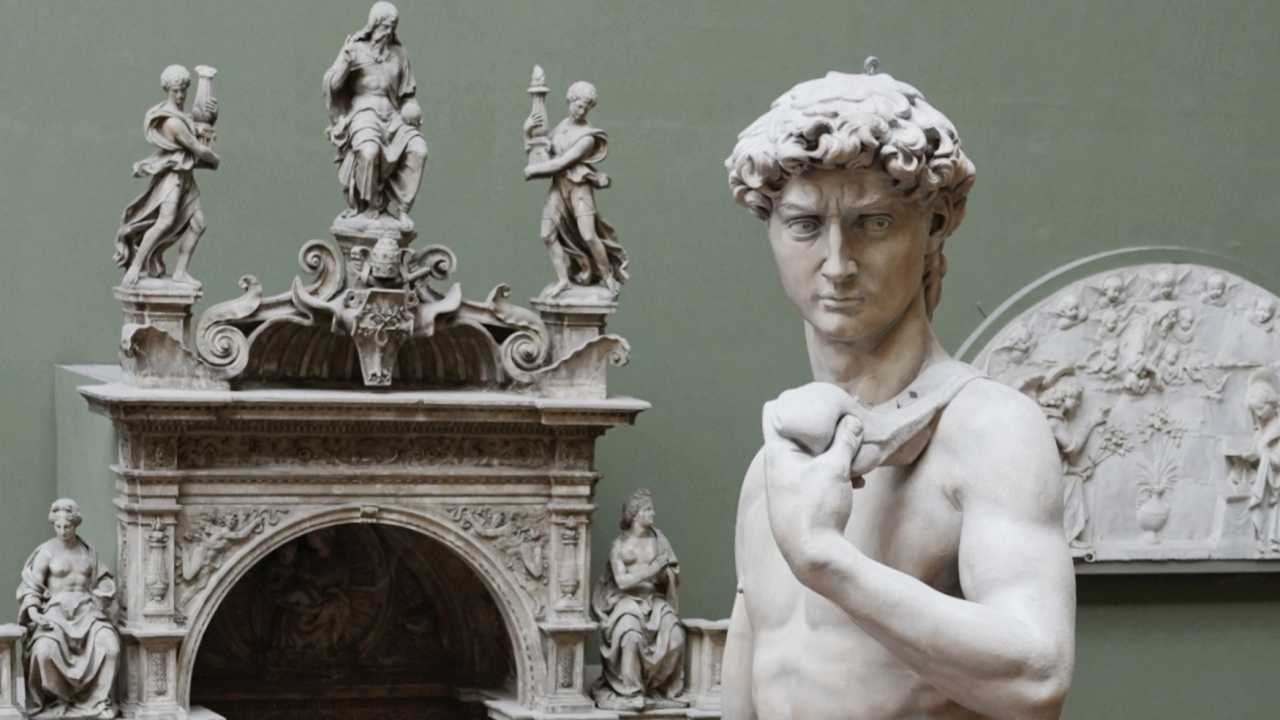 Victoria and Albert Museum
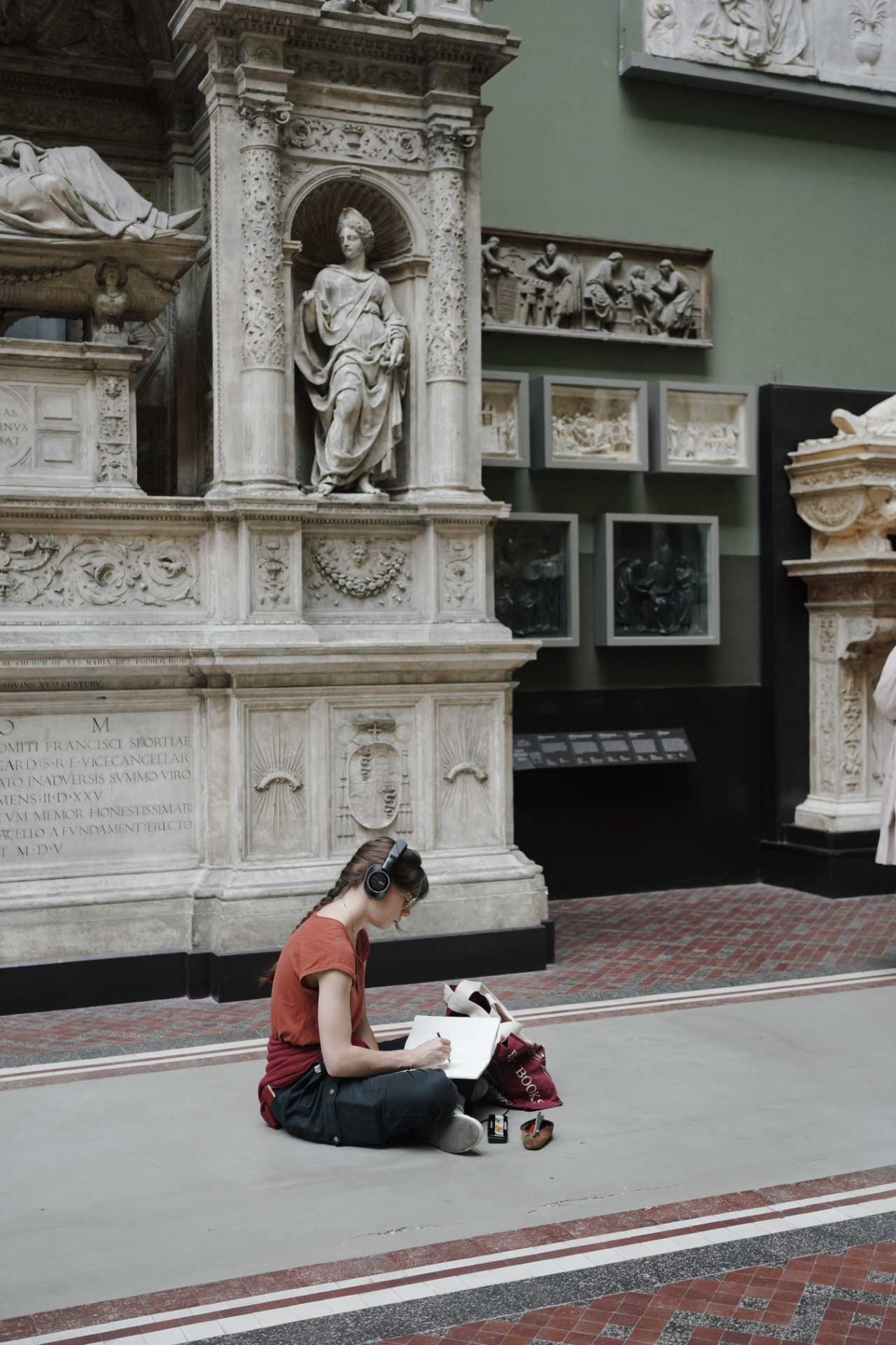 Victoria and Albert Museum
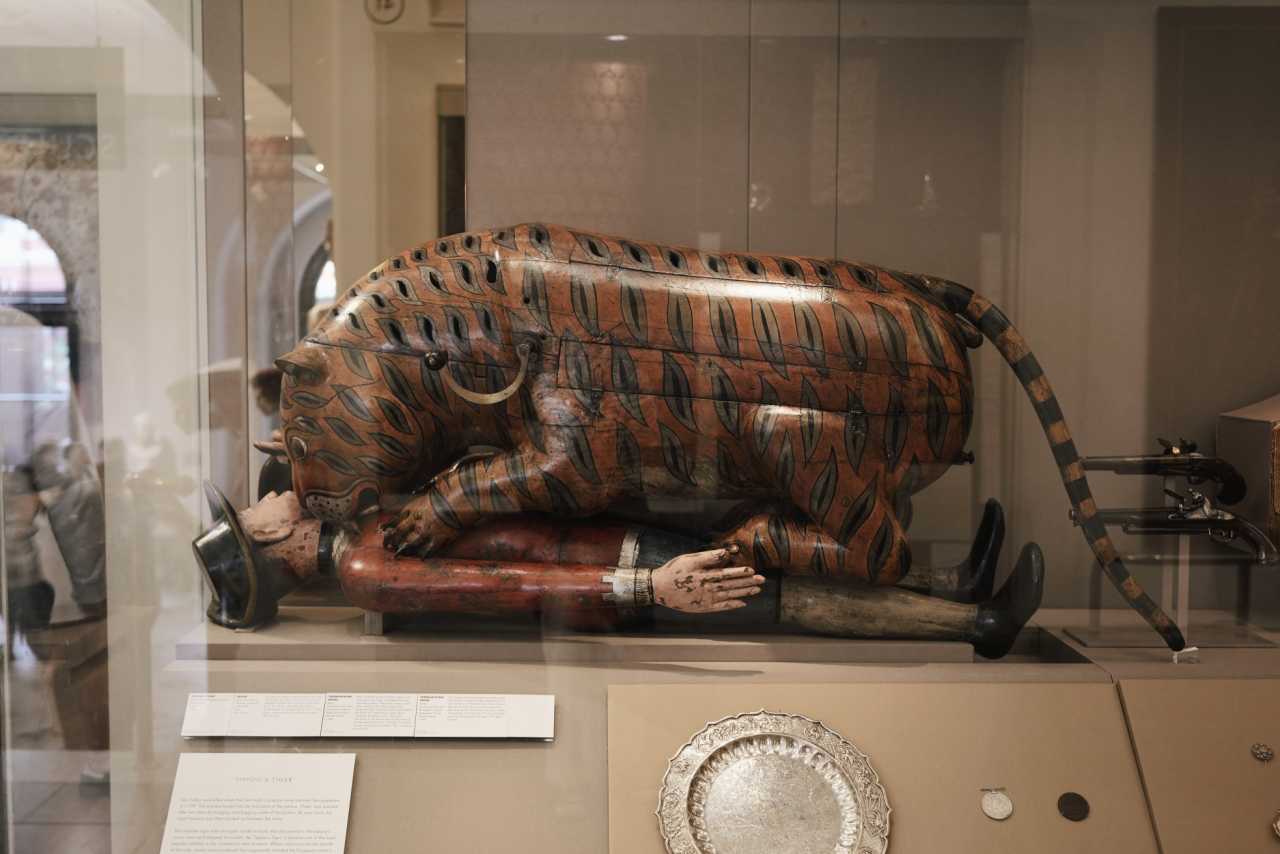
Tippoo’s Tiger
 Victoria and Albert Museum
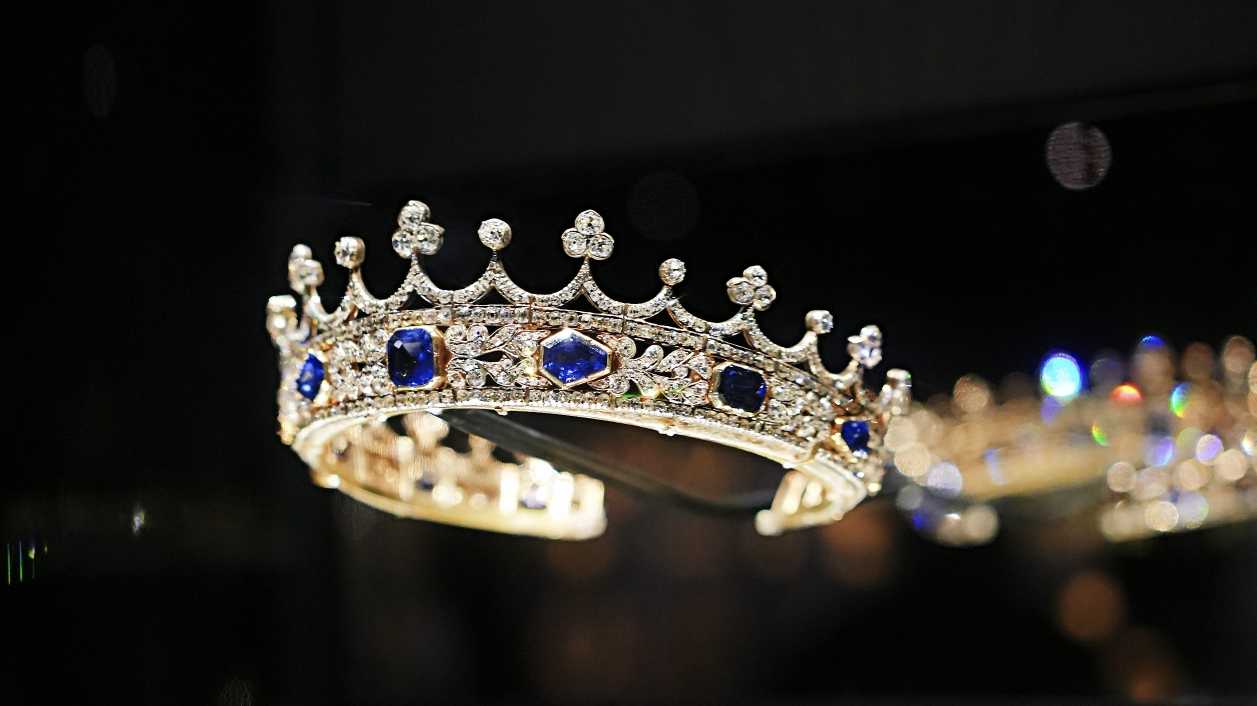
Queen Victoria’s sapphire tiara—designed by Prince Albert himself. A must-see in the jewelry gallery—no one can resist the sparkle!
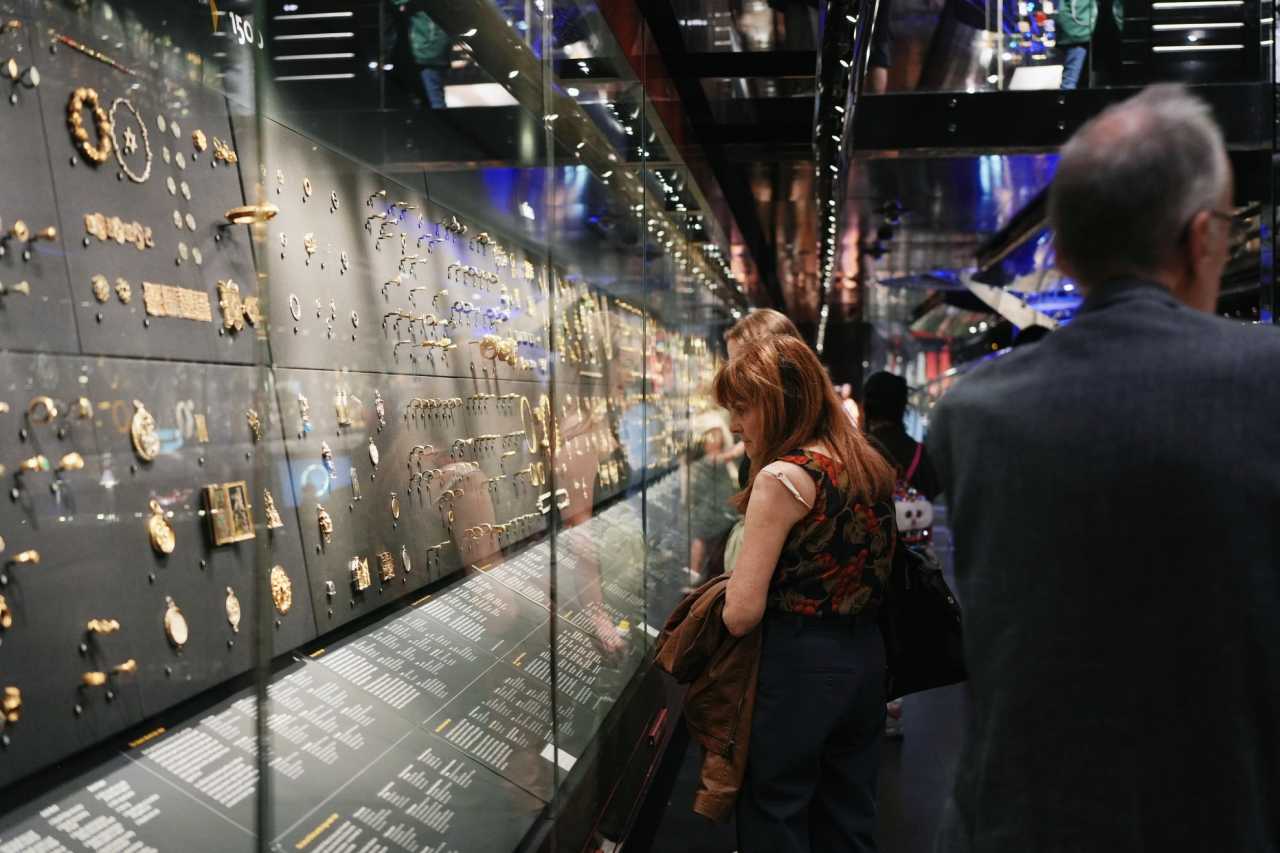 Victoria and Albert Museum
 Victoria and Albert Museum
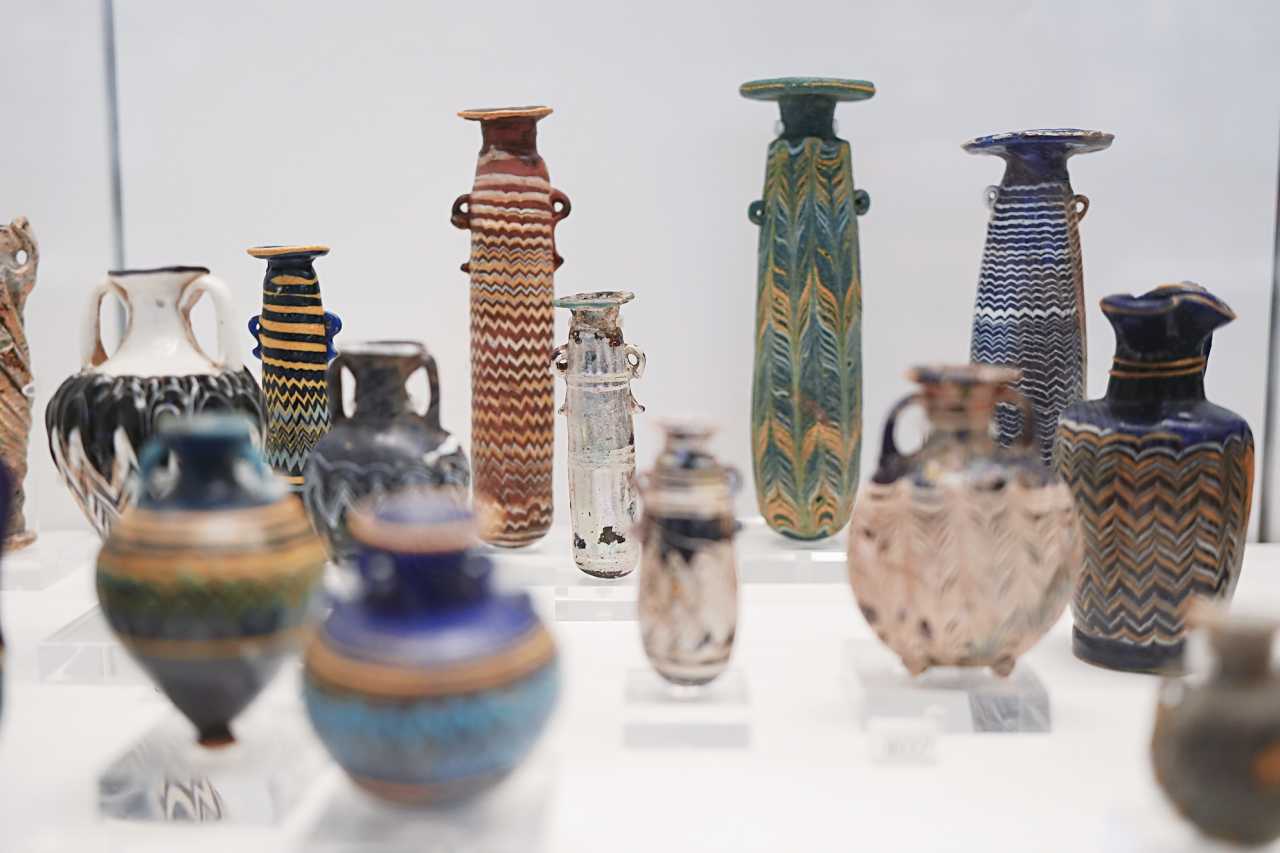
The scope of V&A’s collections is truly vast.
 Victoria and Albert Museum
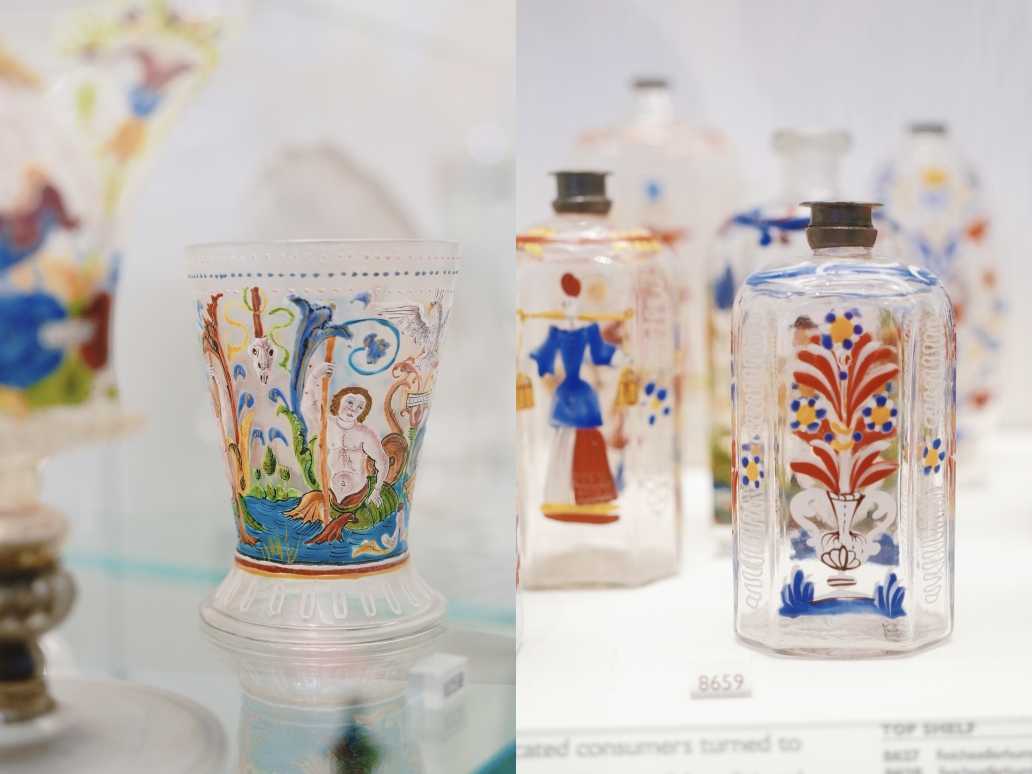 Victoria and Albert Museum
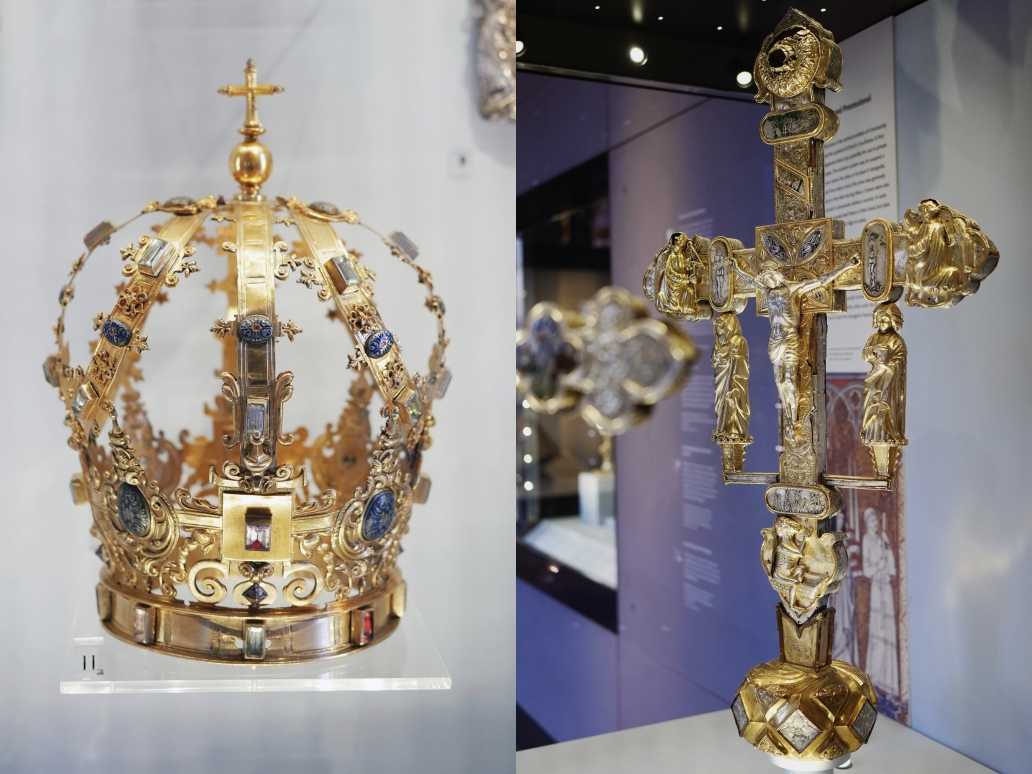 Victoria and Albert Museum
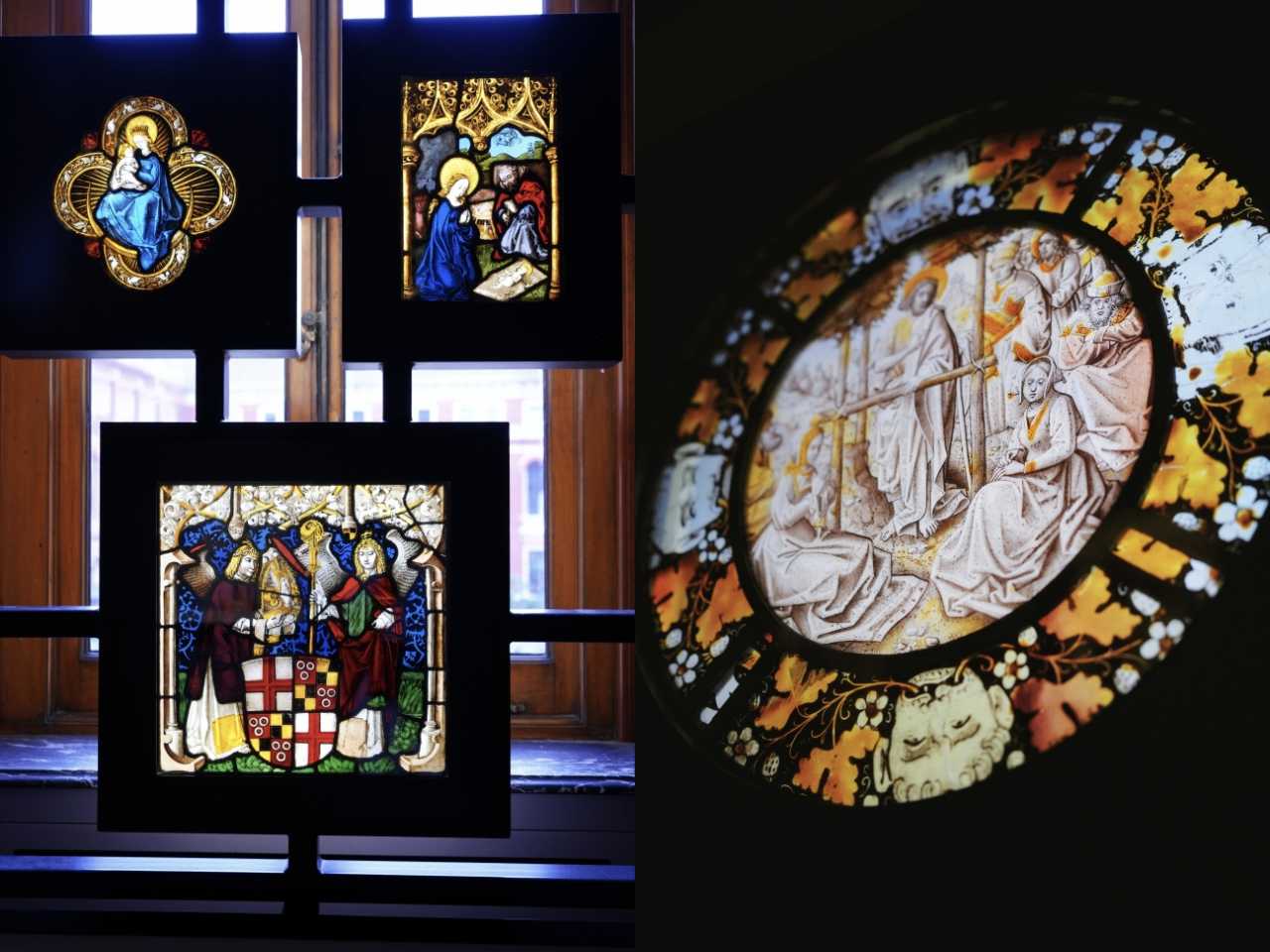 Victoria and Albert Museum
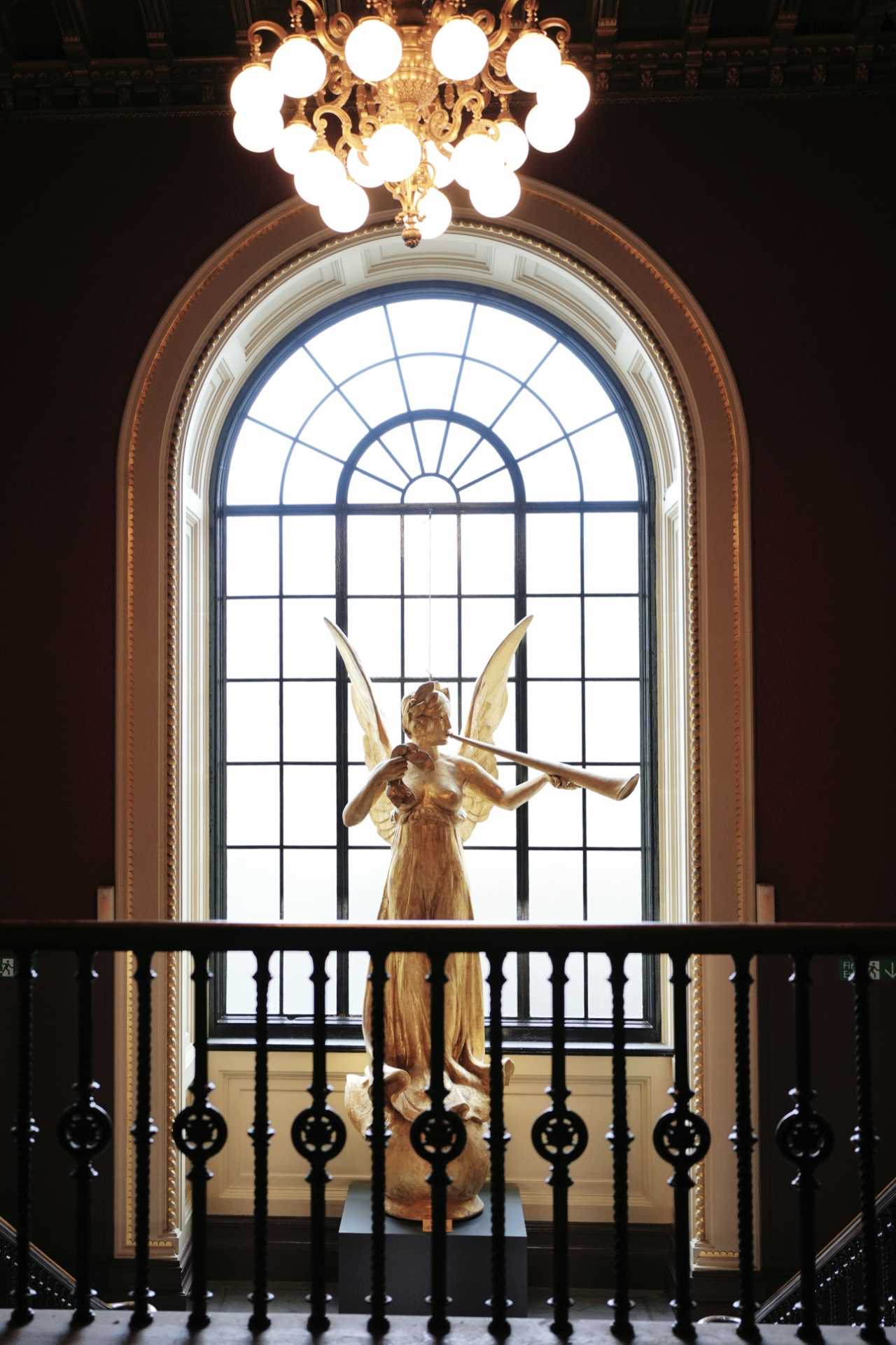 Victoria and Albert Museum
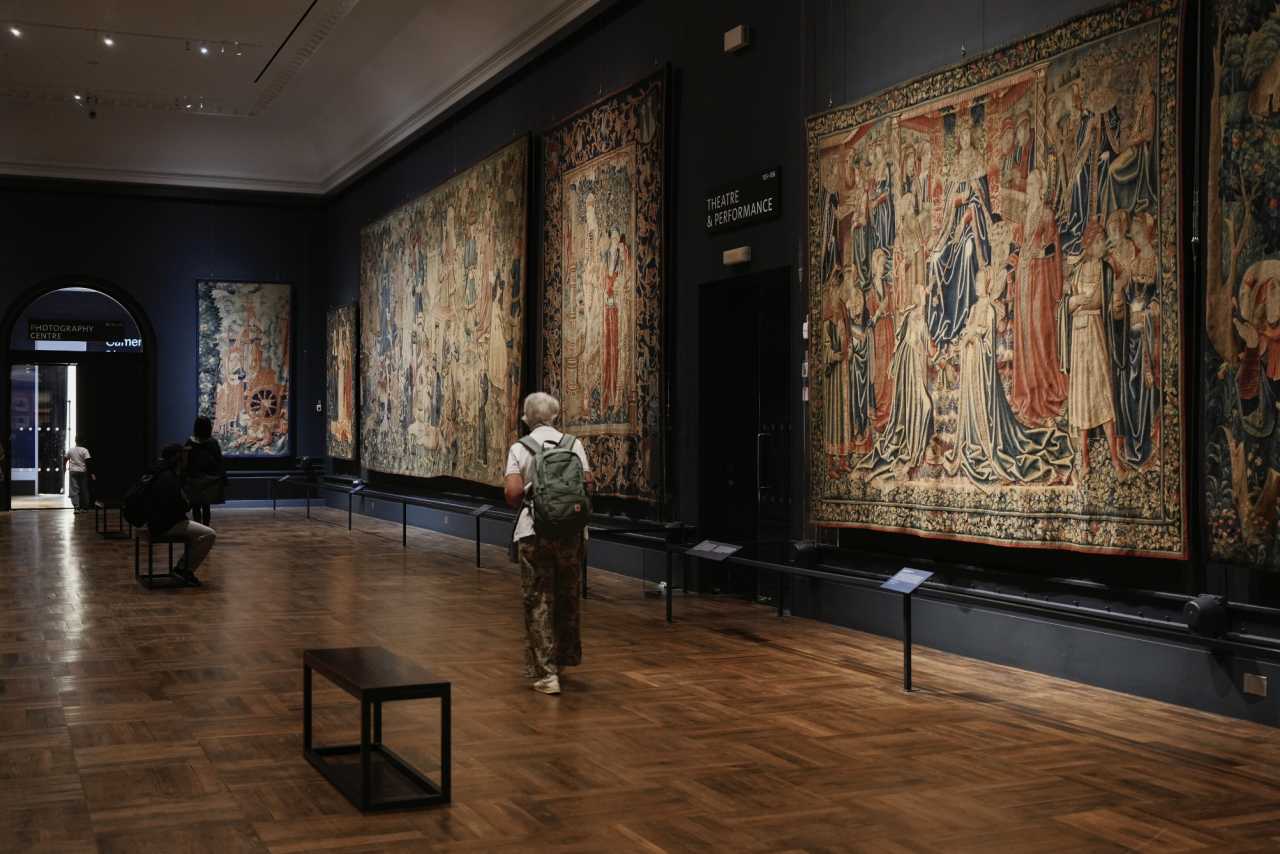 Victoria and Albert Museum
National Art Library on V&A’s second floor—just a quick look at the entrance.
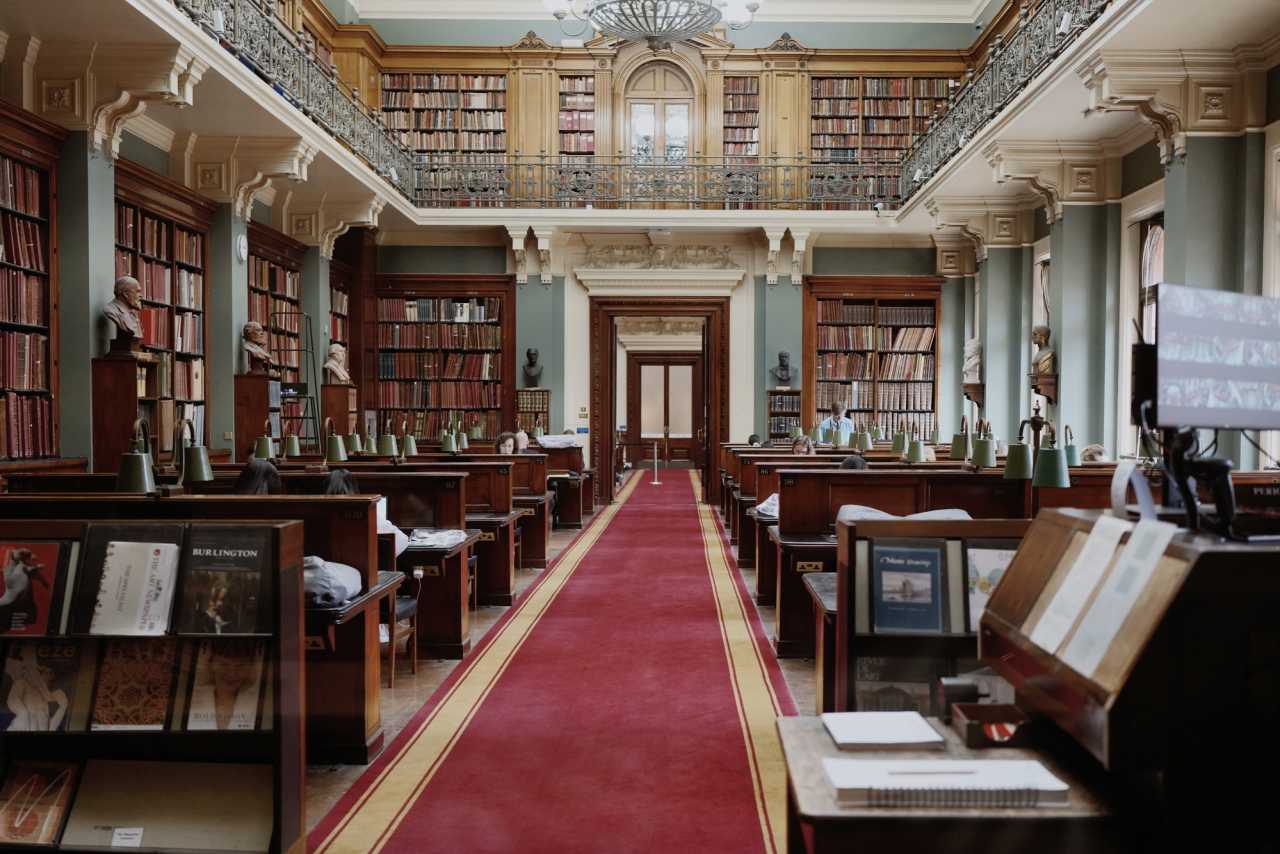 Victoria and Albert Museum
Beyond collections, the small courtyard is charming—full of relaxed vibes.
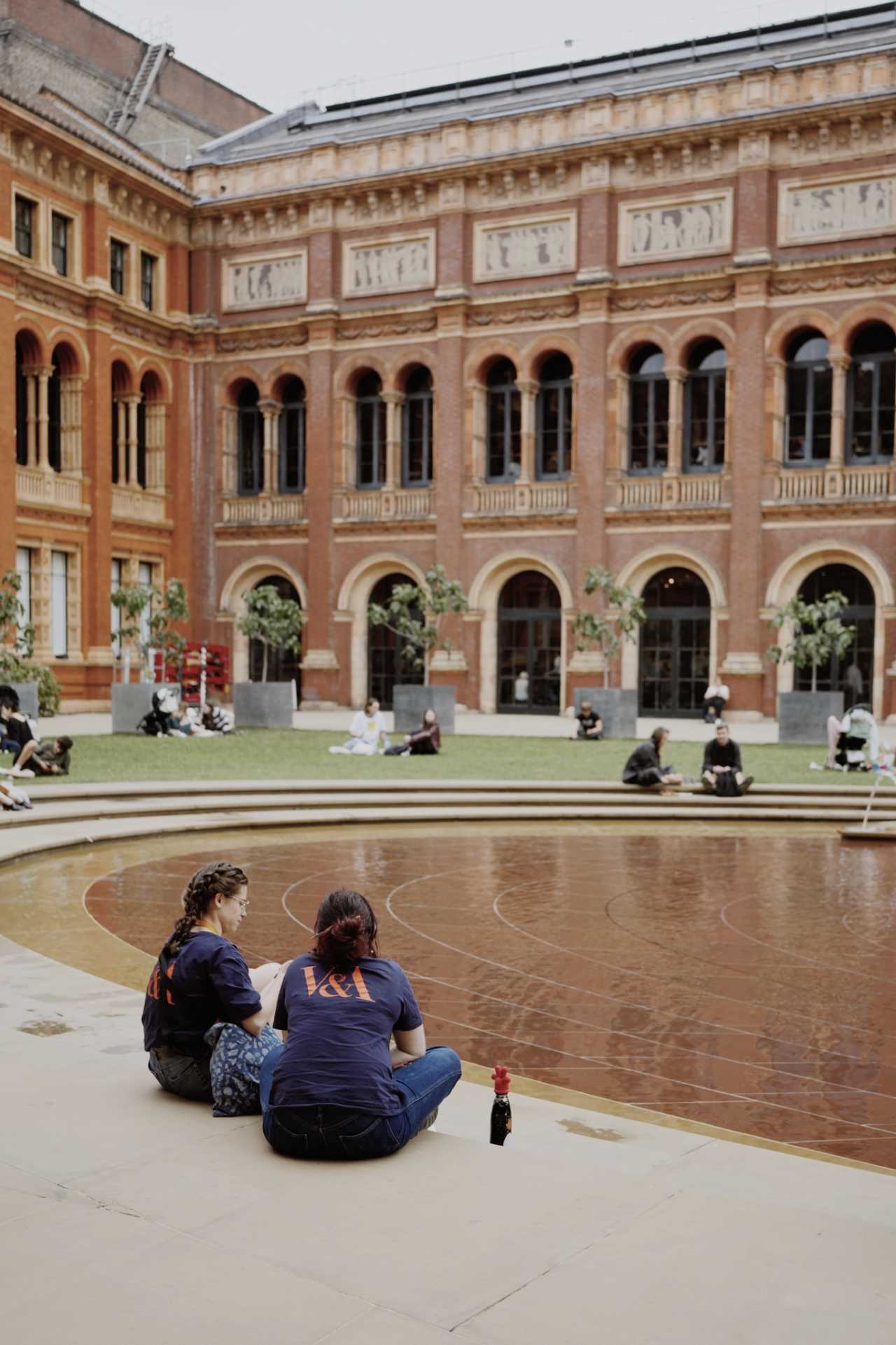 Victoria and Albert Museum
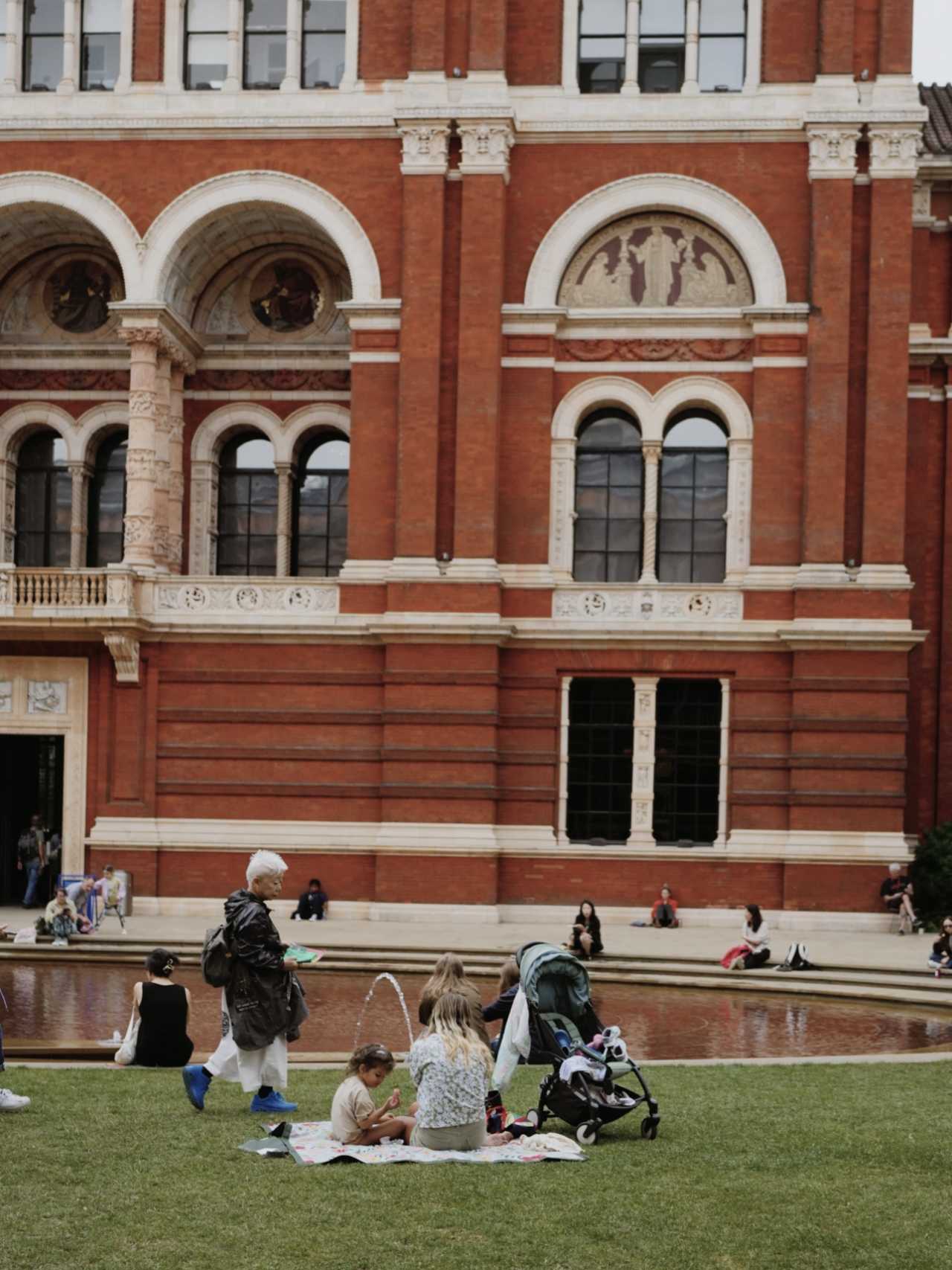 Victoria and Albert Museum
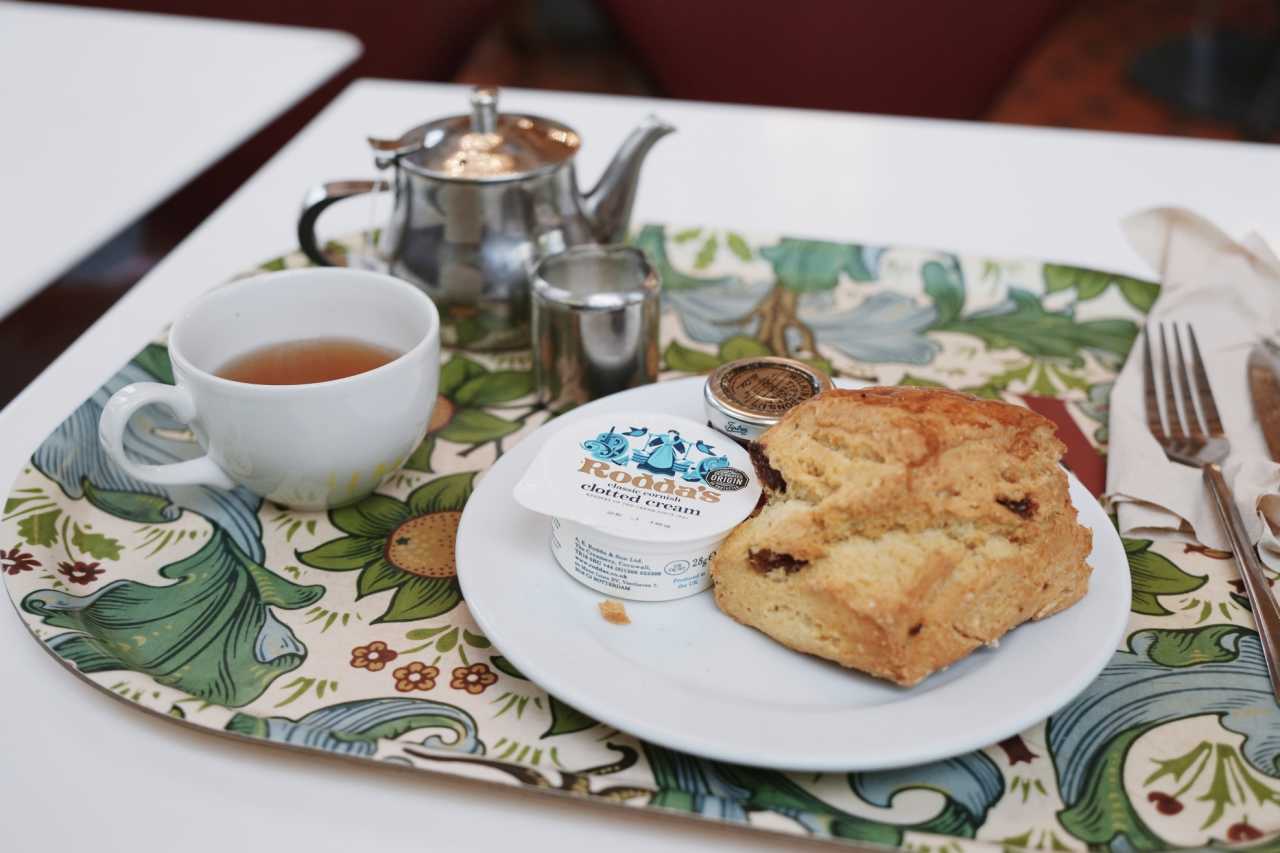
Don’t miss the V&A café—the world’s first museum café. When tired, £9.9 buys a pot of English tea and a scone to enjoy authentic afternoon tea in a palace-like café. The scone is excellent—very big—and be sure to spread clotted cream—double the milkiness—great value.
 Victoria and Albert Museum
 Victoria and Albert Museum
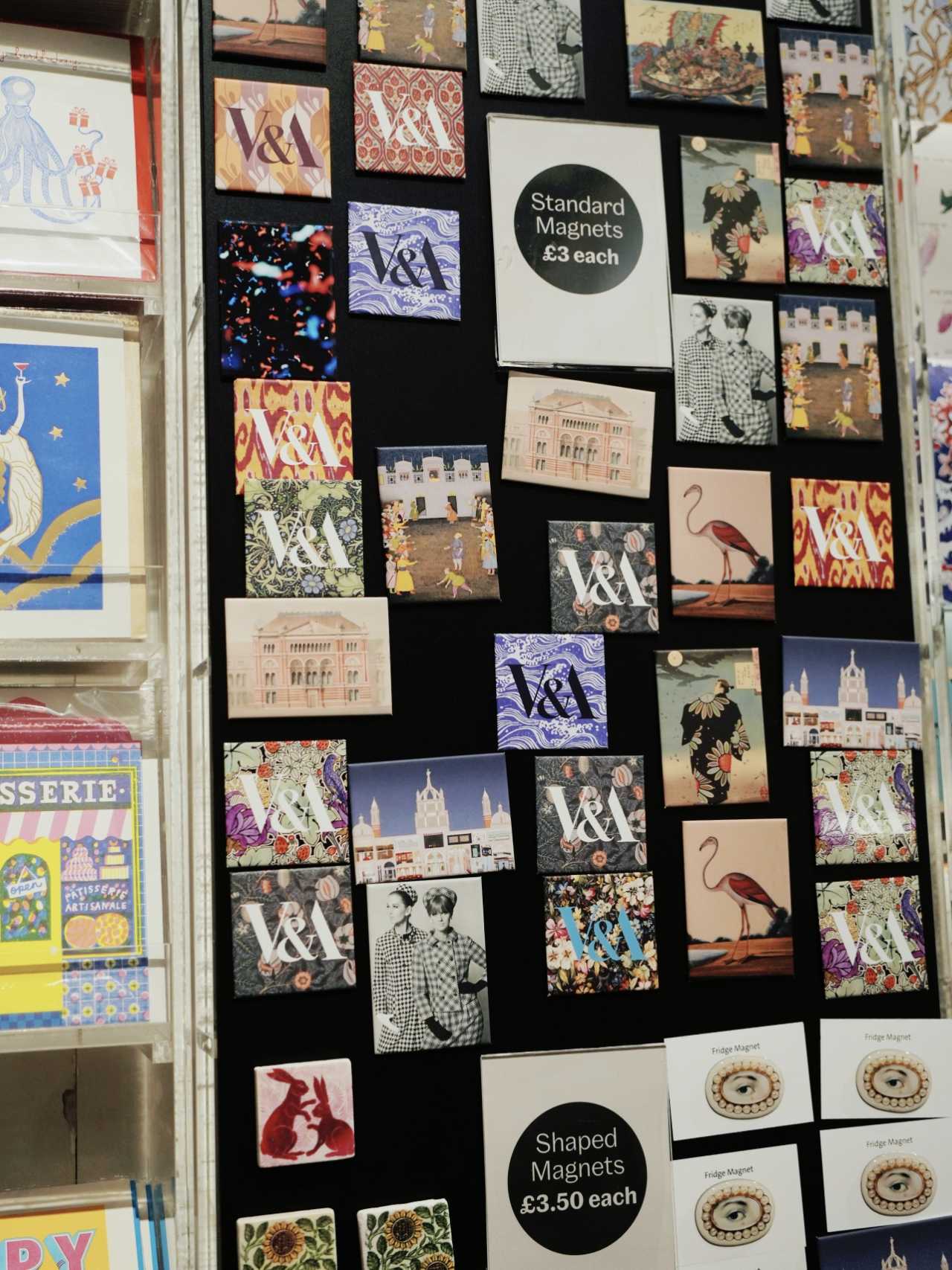
V&A’s merch is top-shelf aesthetics—no way to walk out empty-handed. I’d been eyeing a patchwork printed tote, but didn’t find a pattern I liked—left with regret.
 Victoria and Albert Museum
Natural History Museum
Hours: Daily 10:00–17:50 (last entry 17:30); Friday late night to 22:30
Tickets: Free.
Address: Cromwell Rd, South Kensington, London SW7 5BD
Transport: South Kensington, 5 minutes on foot
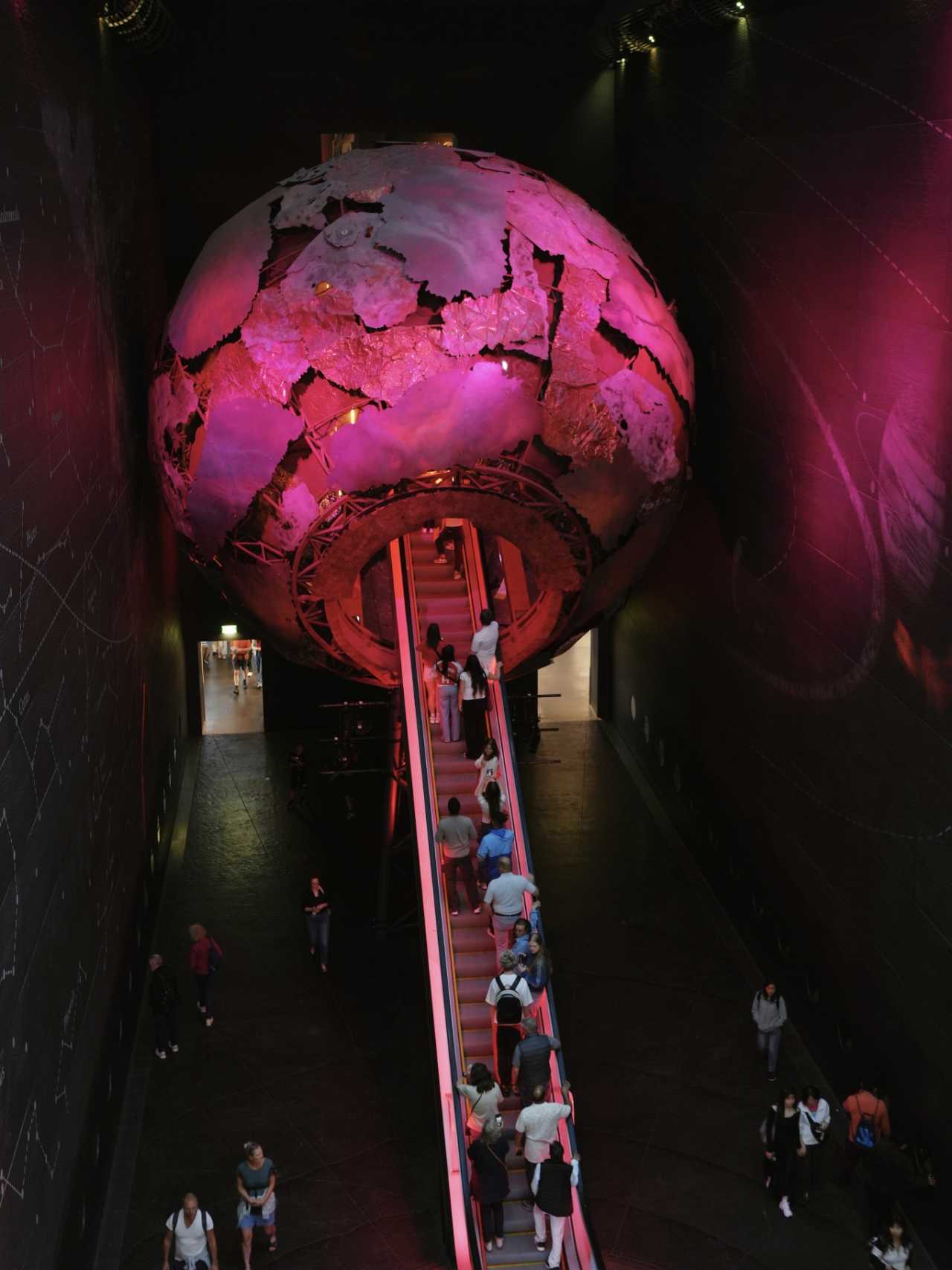
After V&A it was already 4 pm—we rushed across to the Natural History Museum (V&A’s back door faces NHM’s back door). The rear entrance features a gigantic elevator through the “Earth”—vibes fully loaded. Staff reminded us there was less than an hour to close, so we headed straight to the main hall to see the famous whale skeleton.
 Natural History Museum London
“The Cathedral of Nature” — the Natural History Museum is called “Nature’s Cathedral”. The building follows the layout of European cathedrals; construction began in 1873; opened in 1881. The entrance hall feels like Hogwarts; add the 25.2-meter blue whale skeleton and the atmosphere is epic.
To “let every stone tell the story of nature,” the architect avoided cold marble and chose terracotta to soften the building.
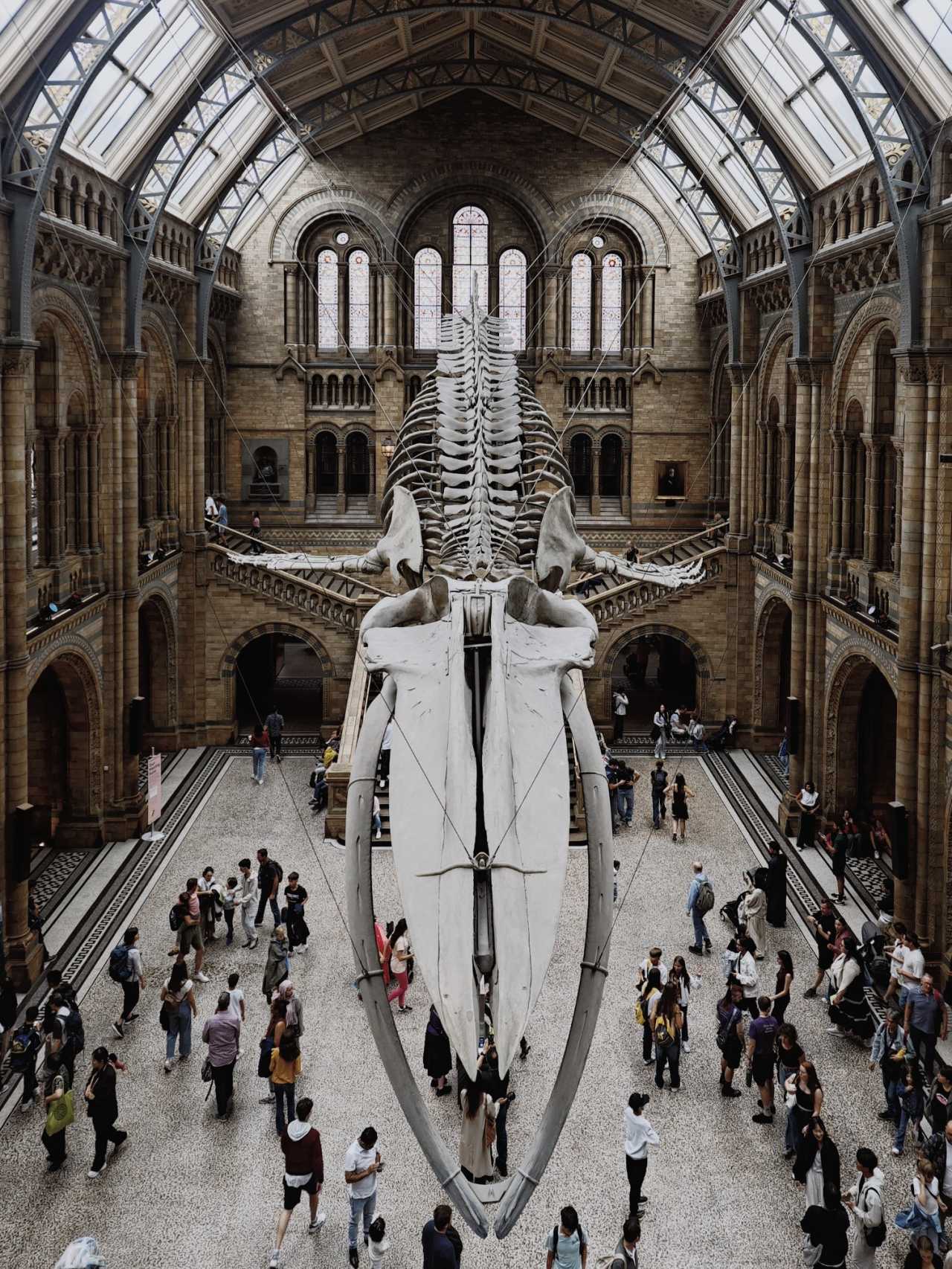 Natural History Museum London
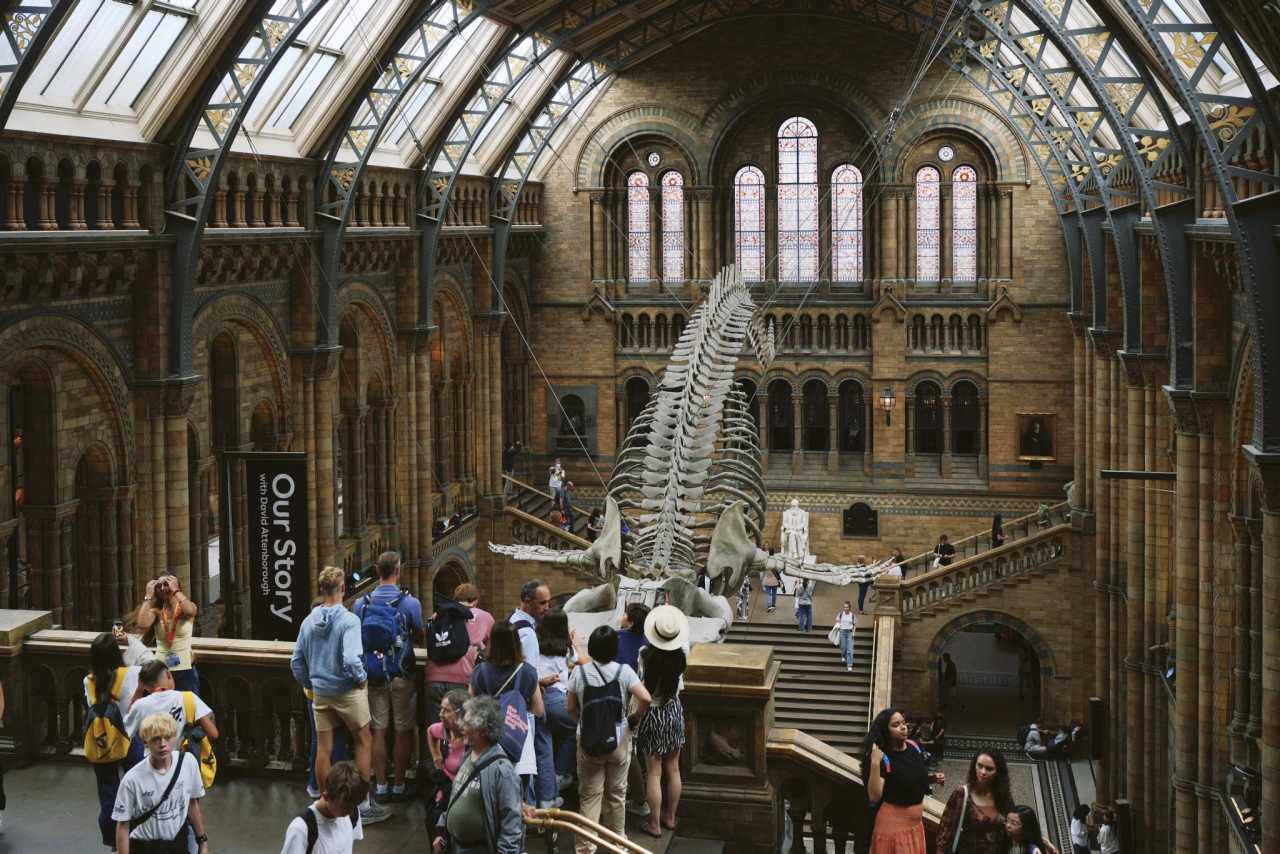 Natural History Museum London
Darwin statue
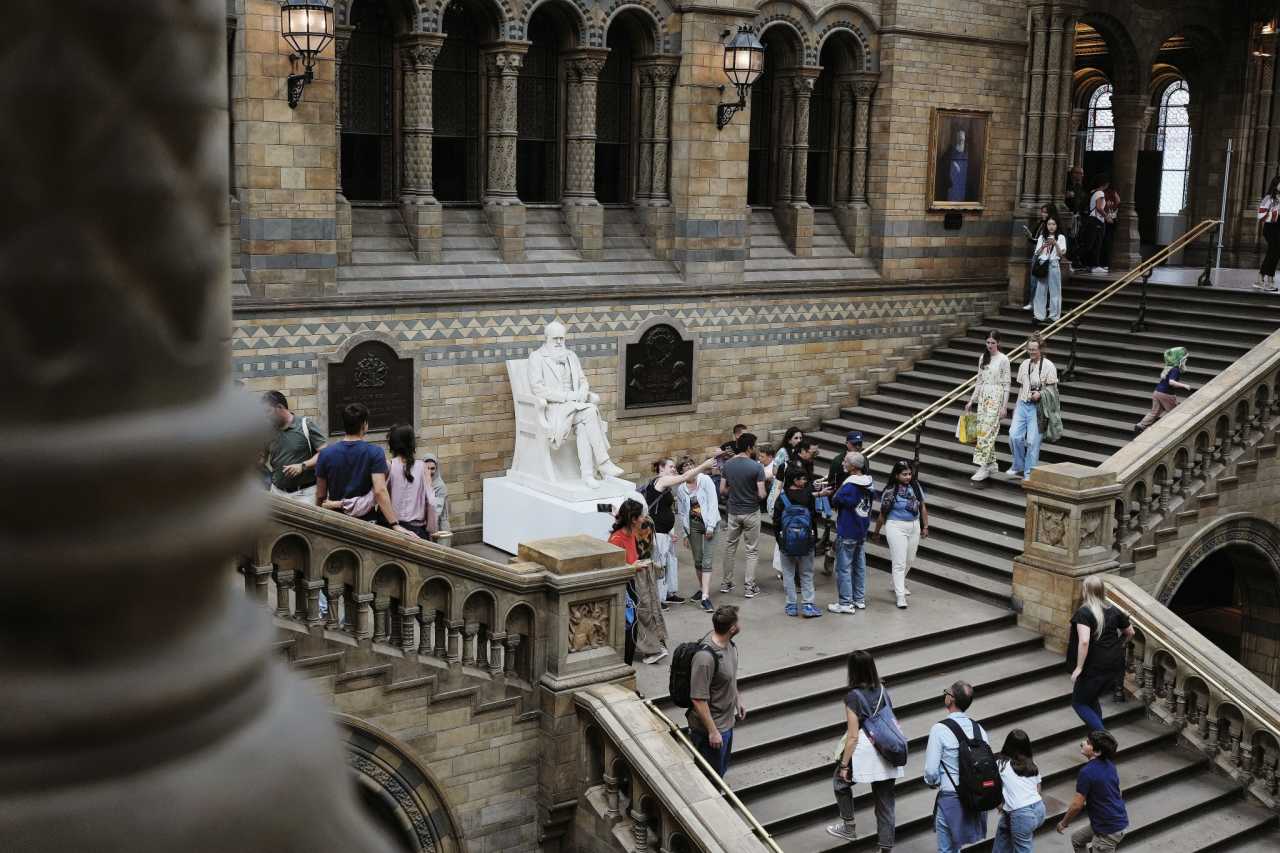 Natural History Museum London
Brimming with architectural detail
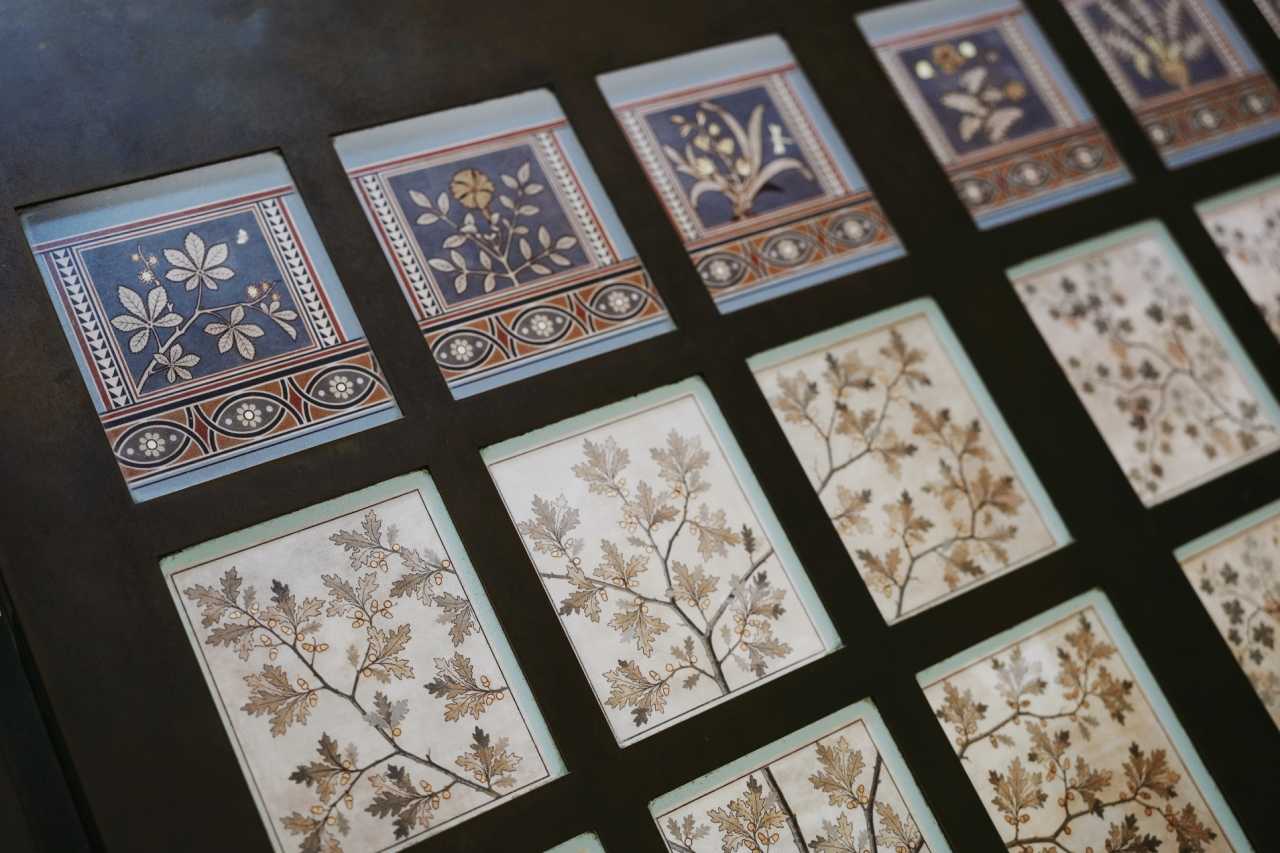 Natural History Museum London
We skimmed the ground floor and detoured to the dinosaur section—emm, still, Changzhou Dino-Park feels more “shocking” 
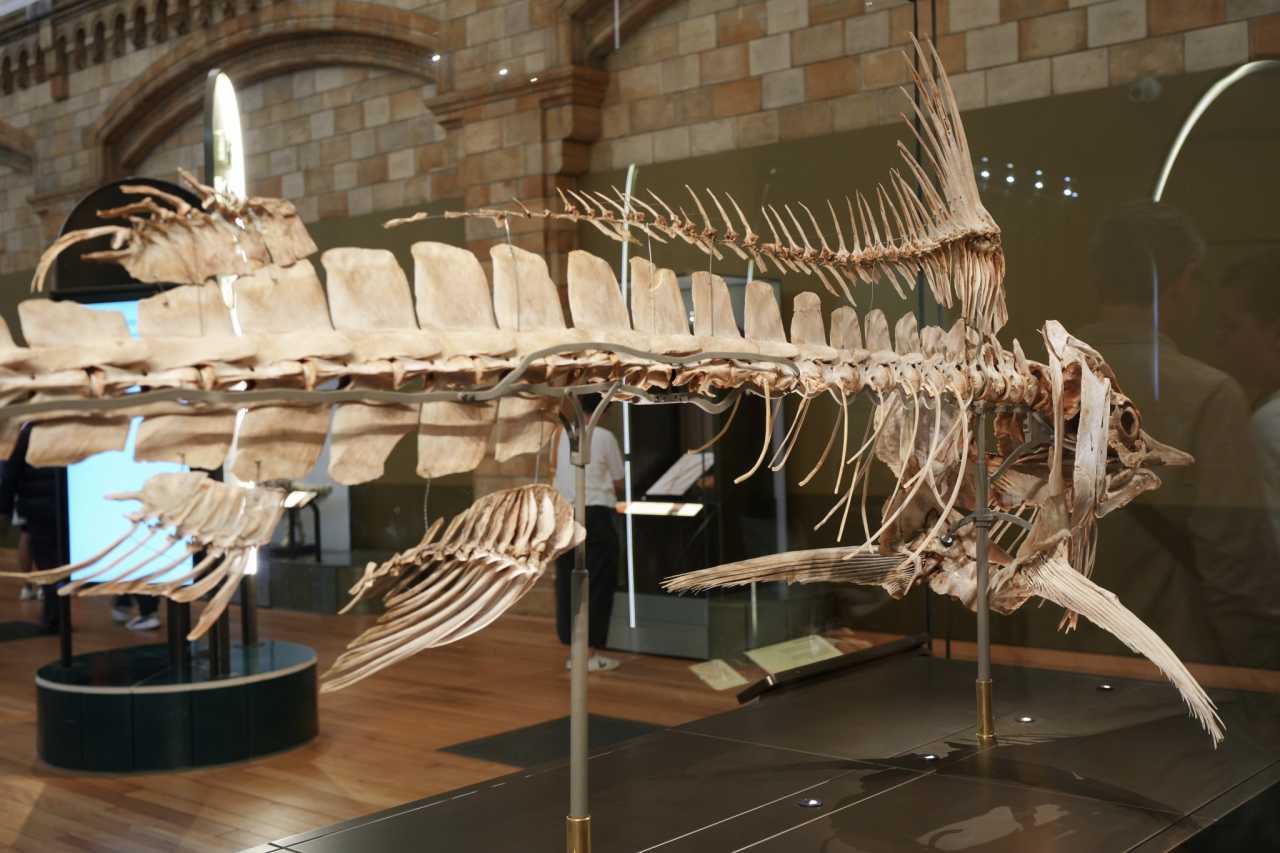 Natural History Museum London
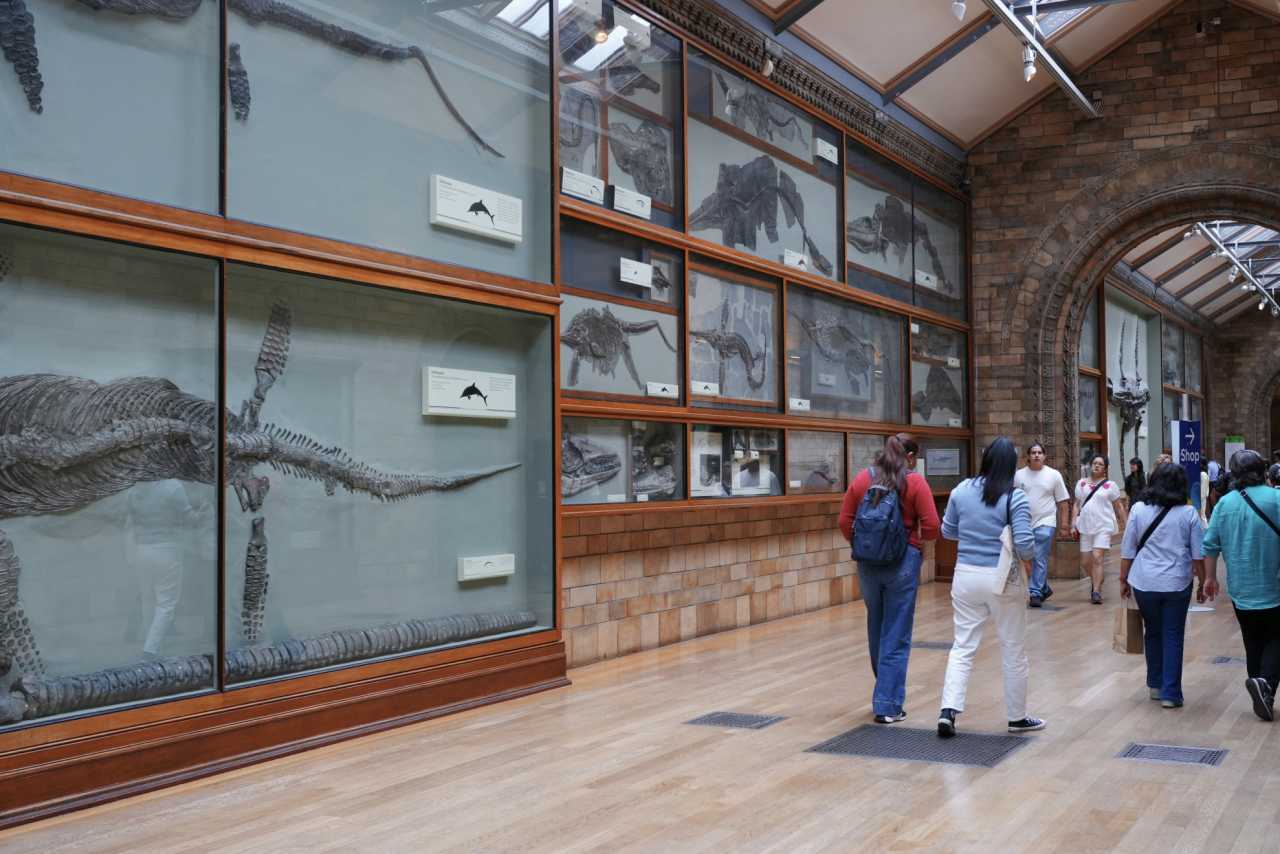 Natural History Museum London
The garden around the museum is comfortable ~
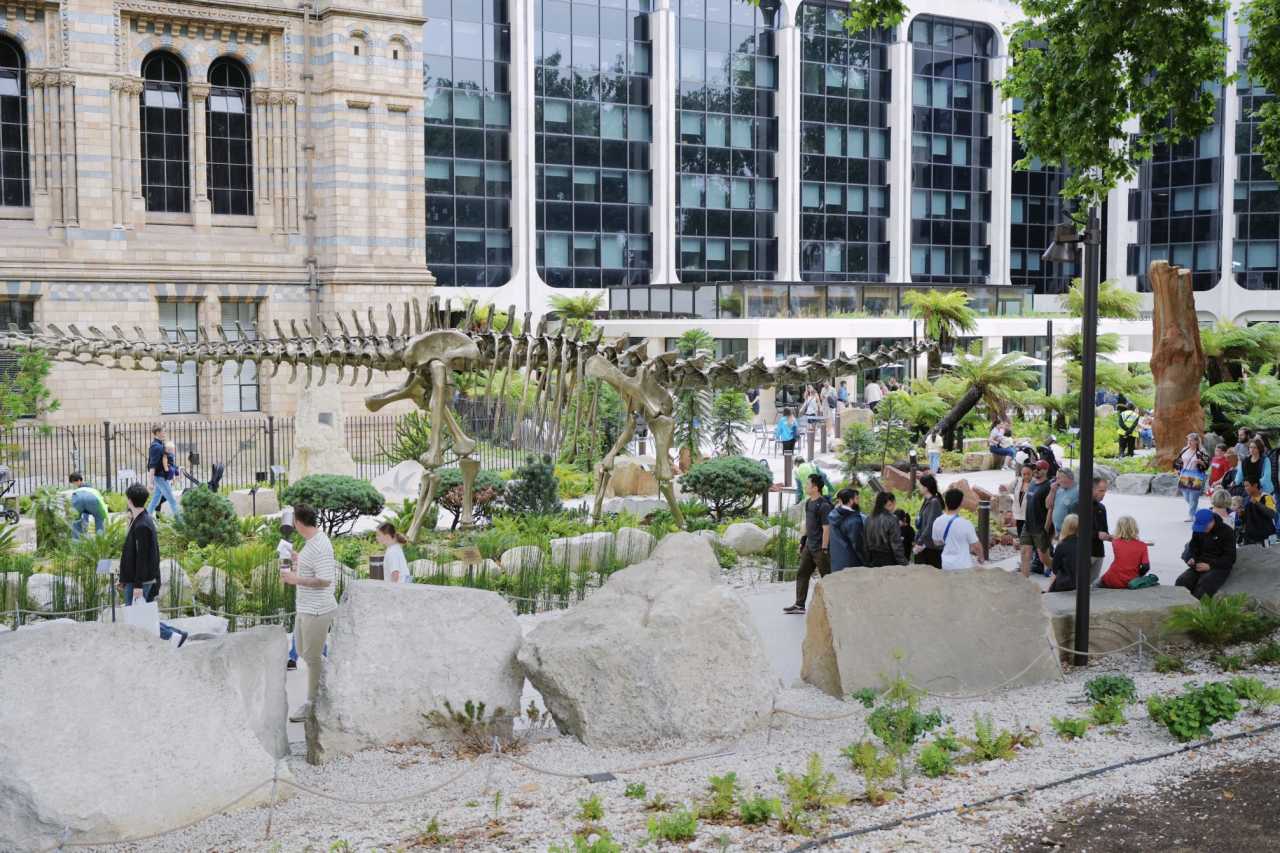 Natural History Museum London
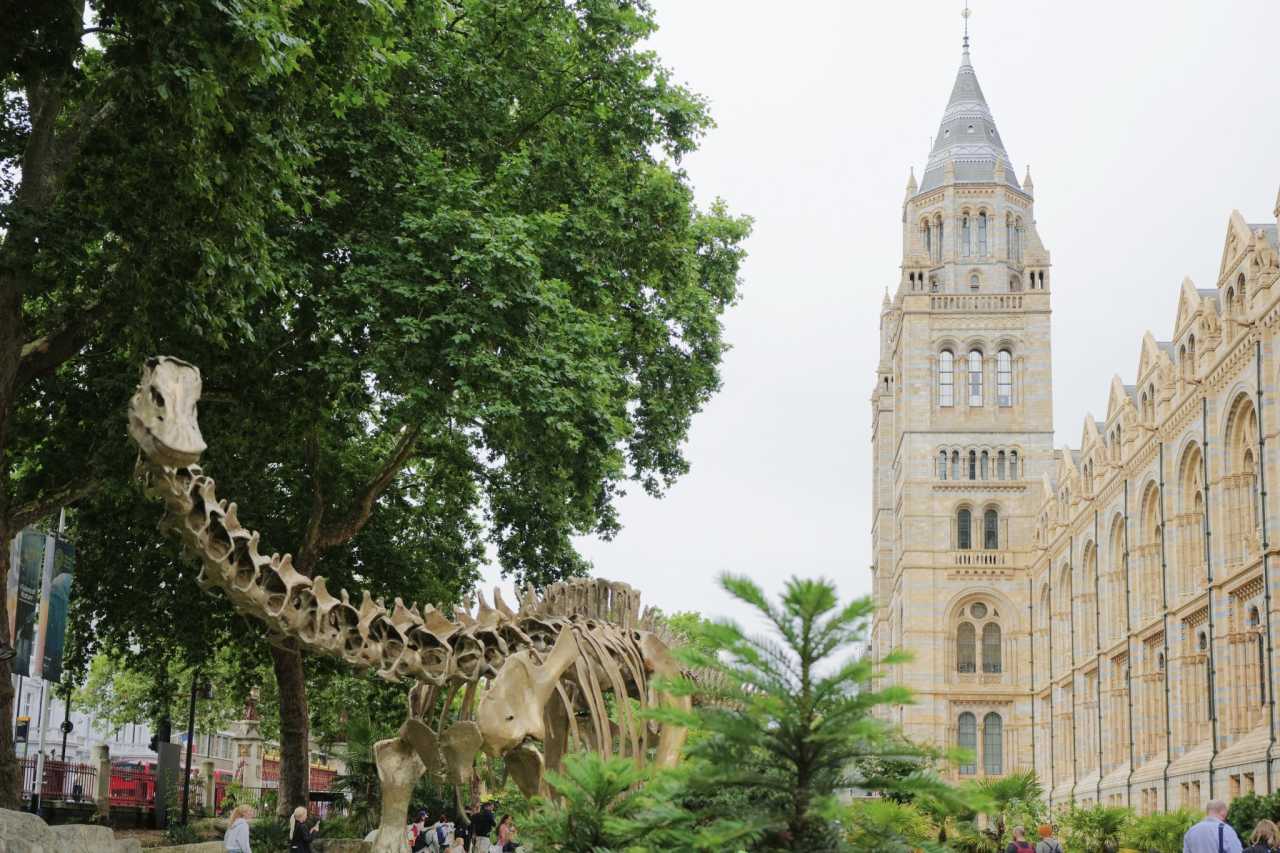 Natural History Museum London
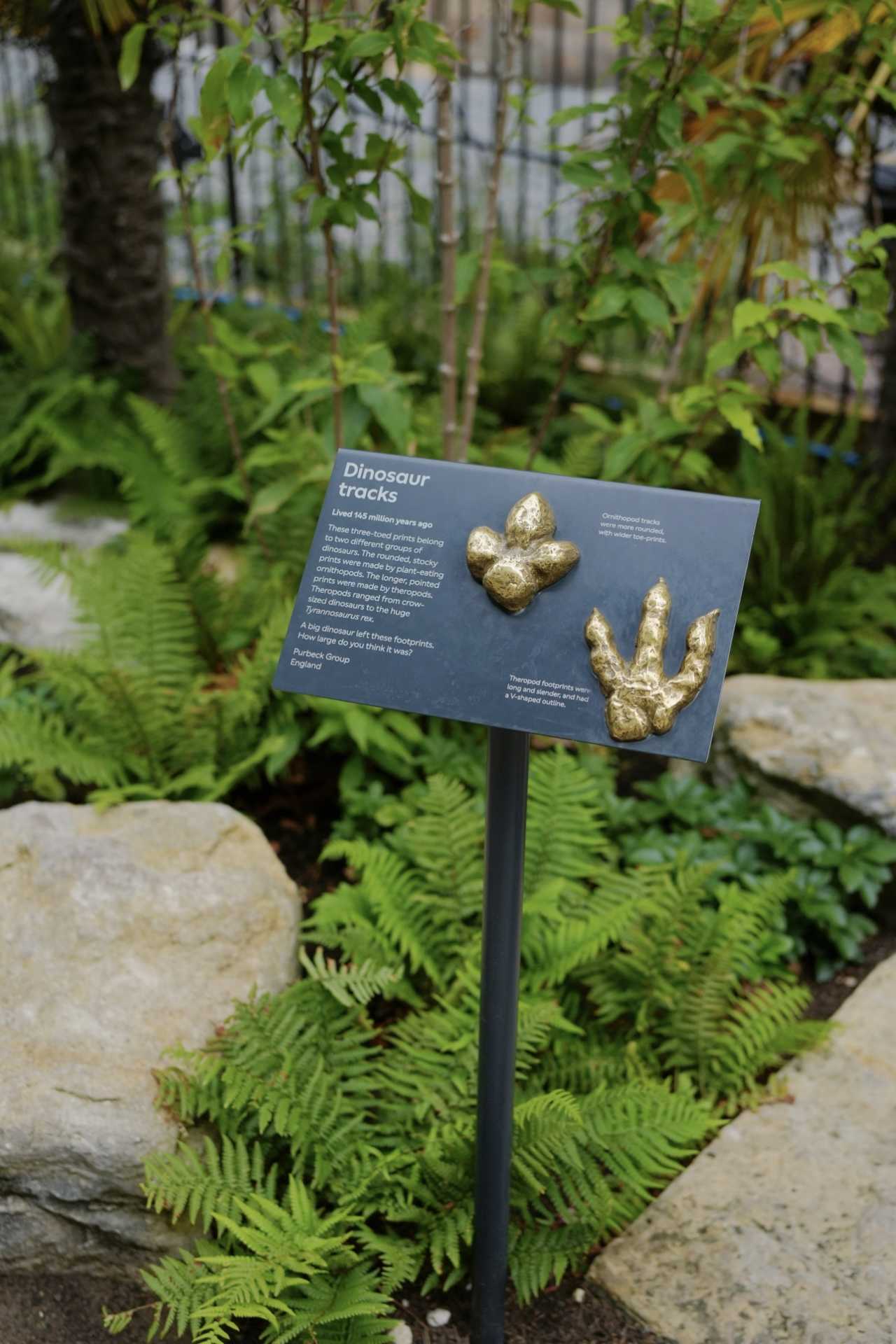 Natural History Museum London
Covent Garden
Covent Garden is a central London district that combines shopping, food, and leisure, with centuries of history. It began as an open-air market restricted to fruits, vegetables, and herbs.
Don’t miss the Jubilee Market—but note it only opens until 5–6 pm and Monday focuses on antiques and jewelry. Some posts show many £1 antique accessories—super pretty. I missed it again! 
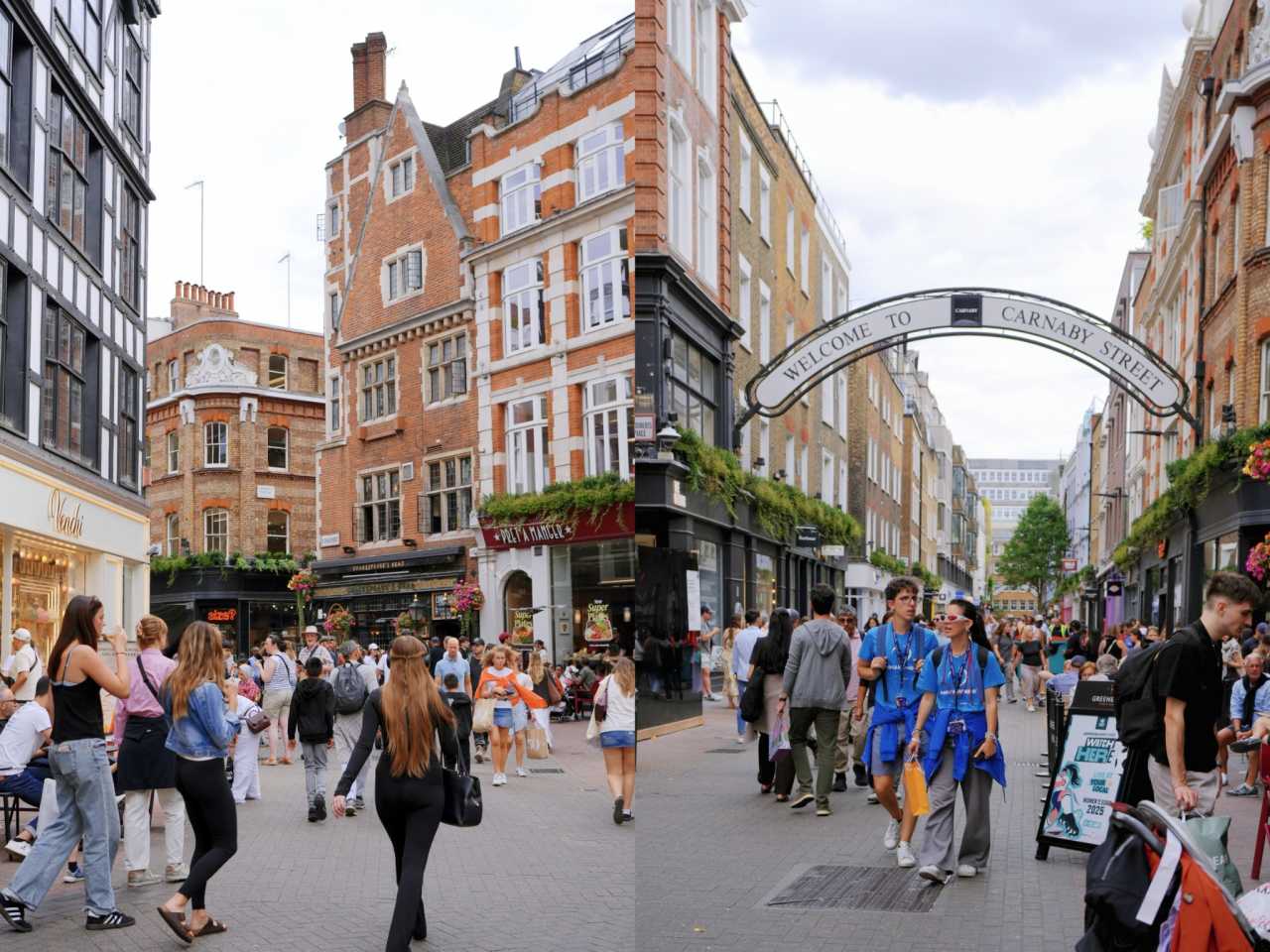 New Covent Garden Market
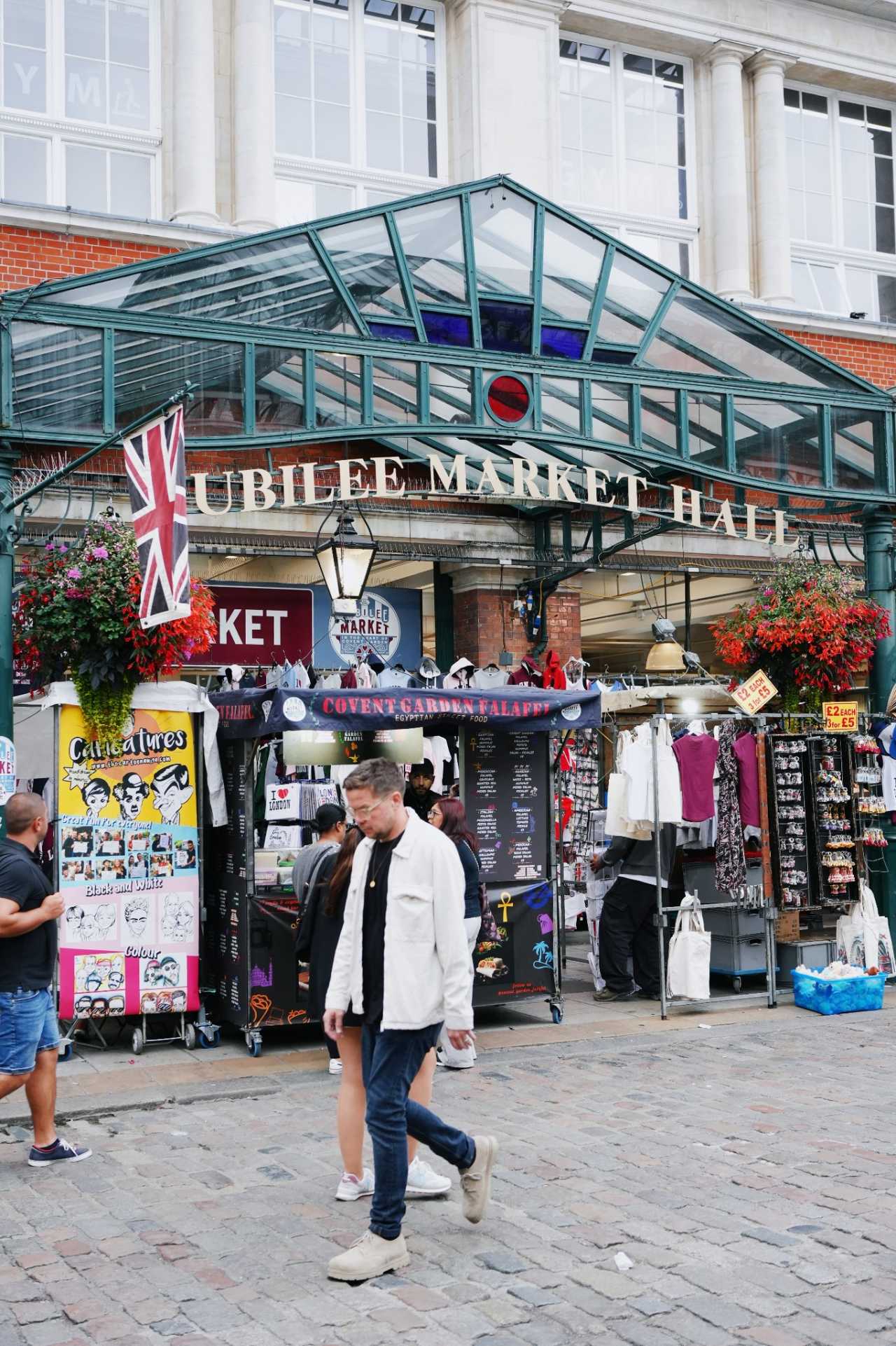 New Covent Garden Market
There are multiple street performance spots, especially the concerts in the central hall—every singer is strong and moving; the architecture adds reverb that gives live performances texture.
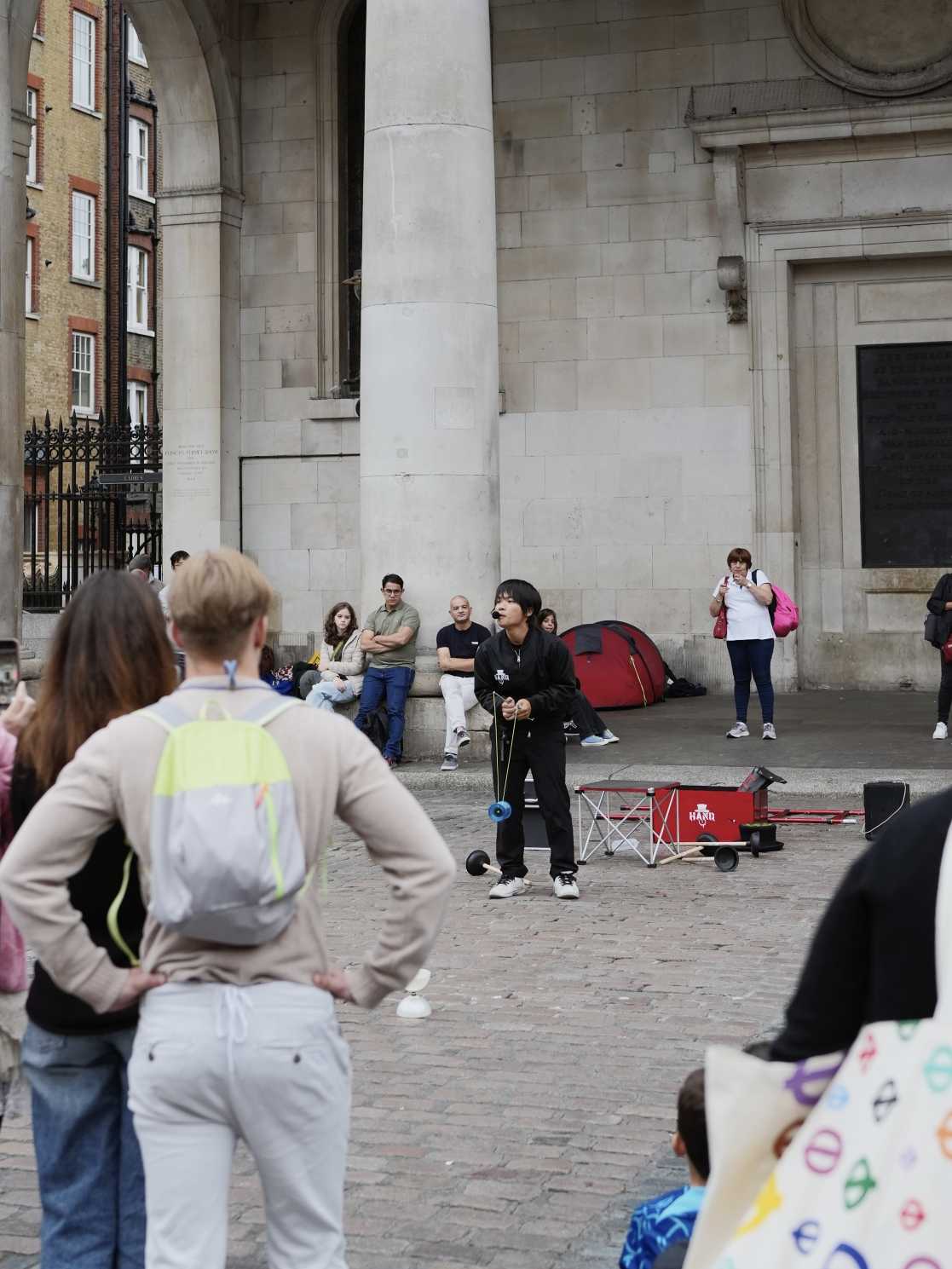 New Covent Garden Market
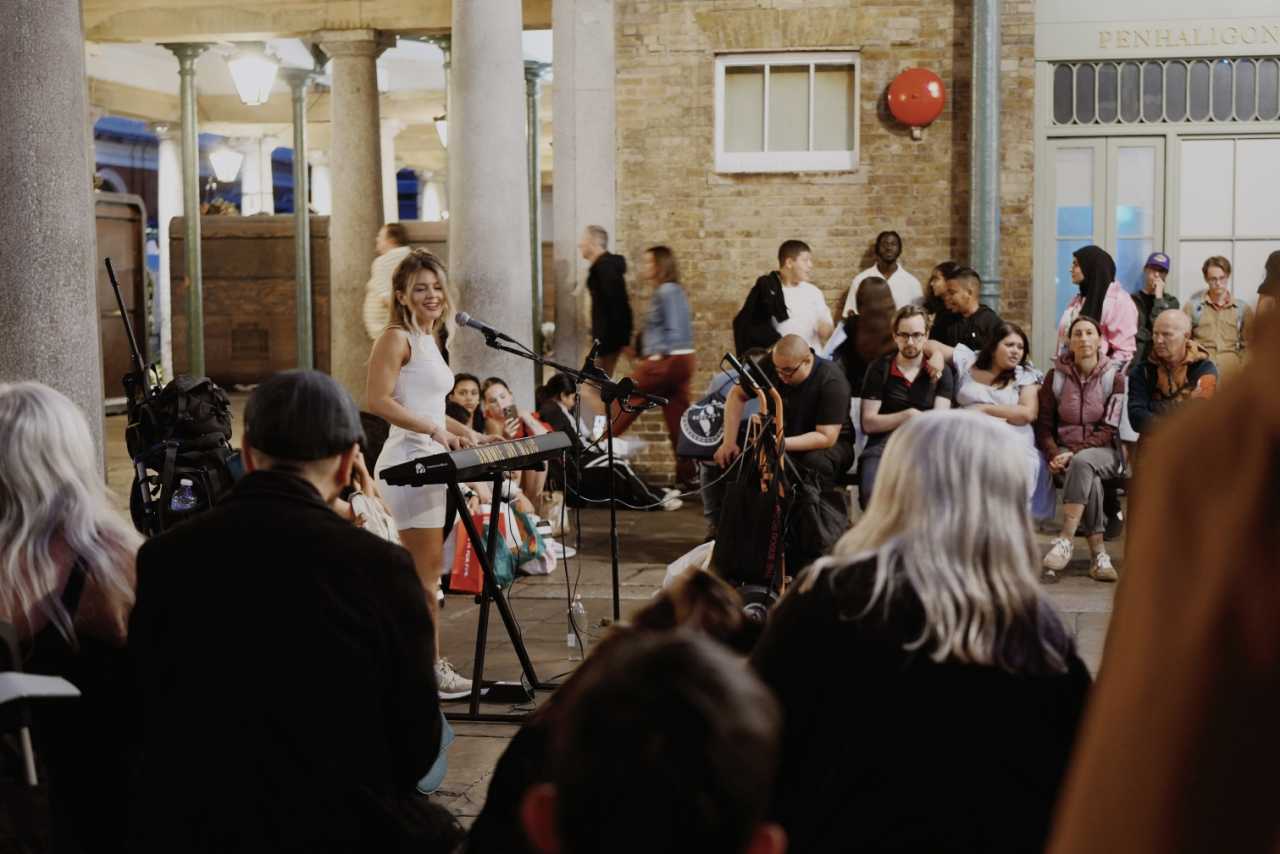 New Covent Garden Market
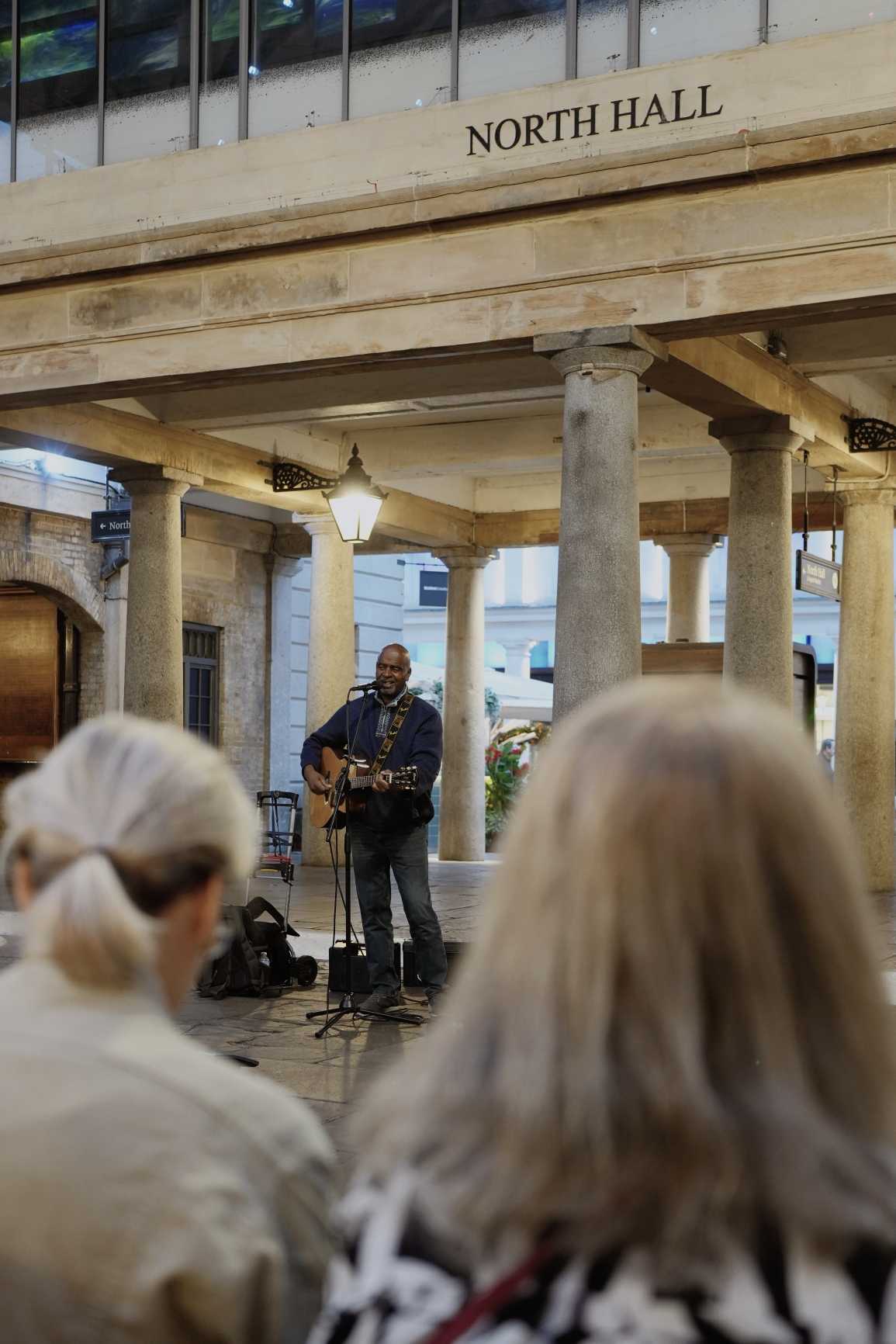 New Covent Garden Market
Plenty of food around Covent Garden, including several Chinese restaurants. We had biangbiang noodles—emm—when abroad, don’t expect the most authentic flavors. 
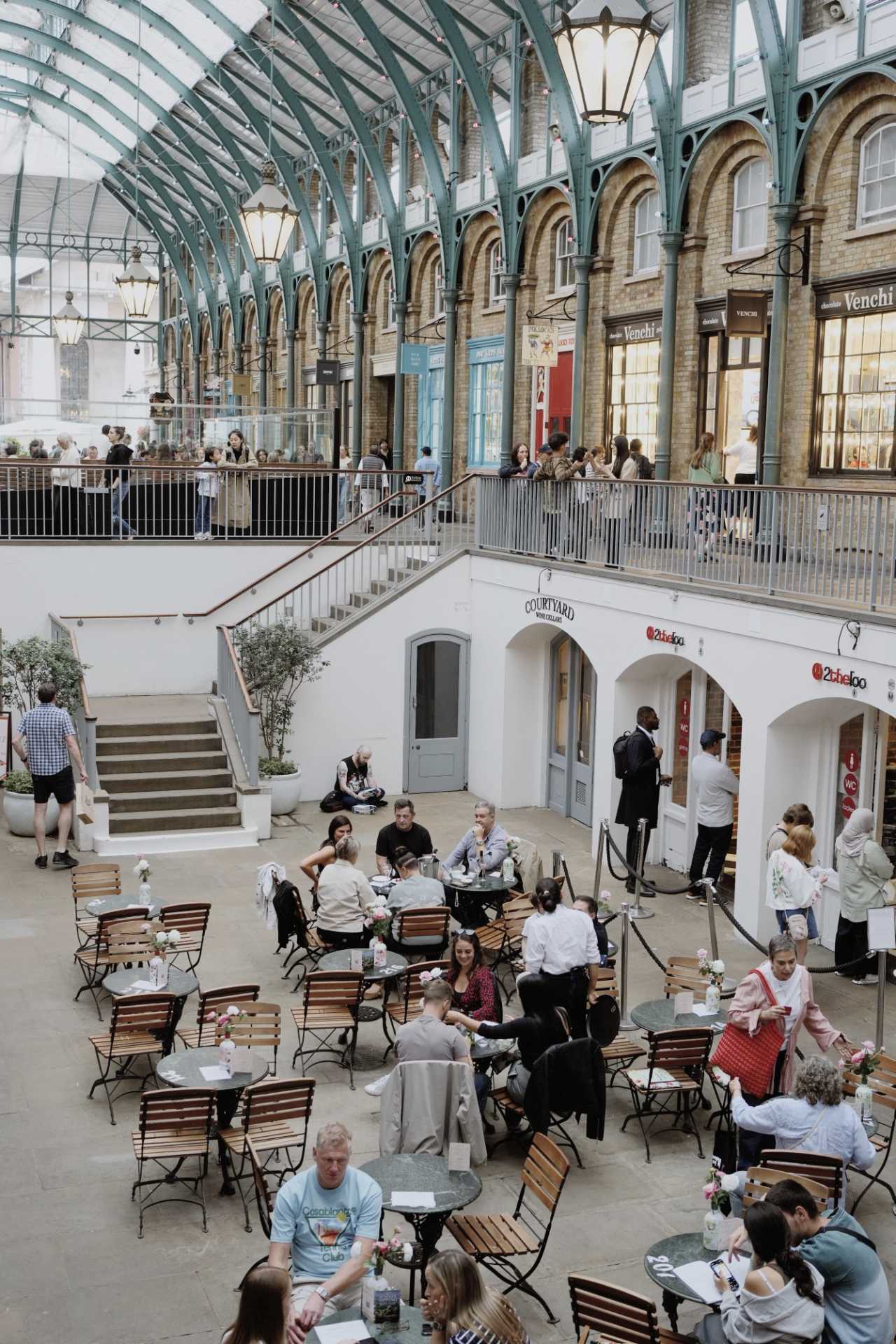 New Covent Garden Market
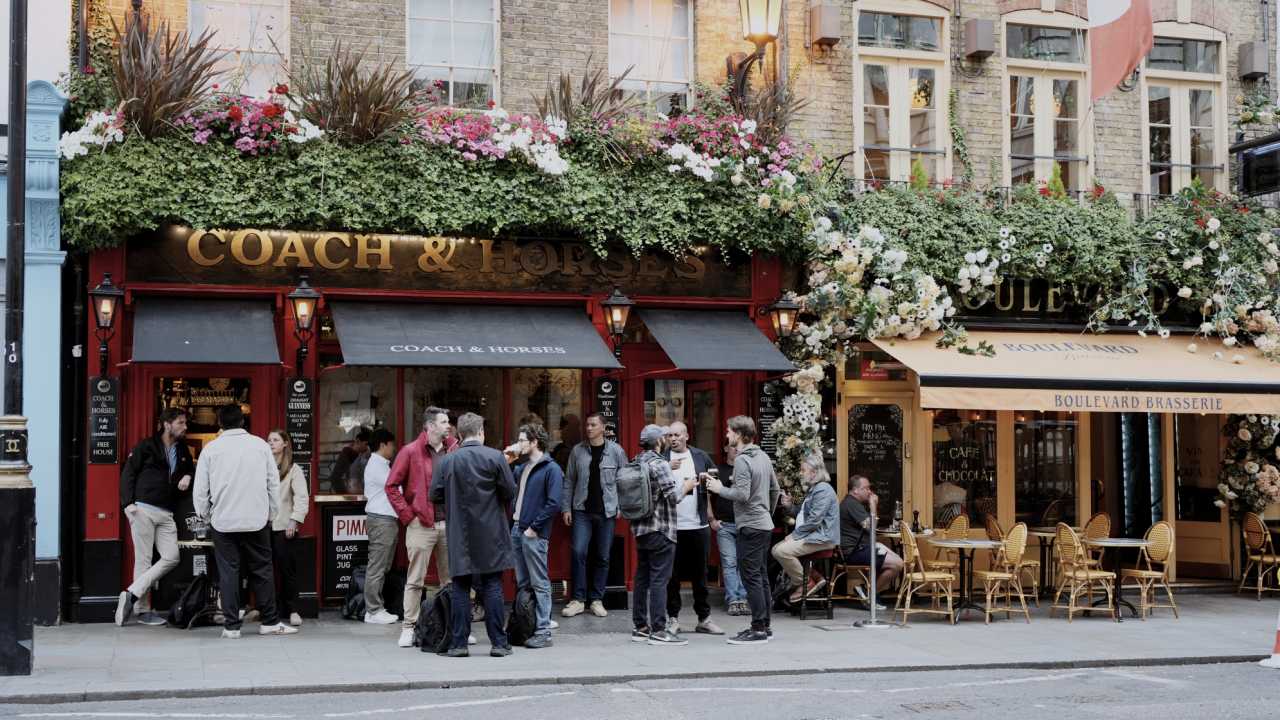 New Covent Garden Market
After work, folks chat and drink at pub doorways.
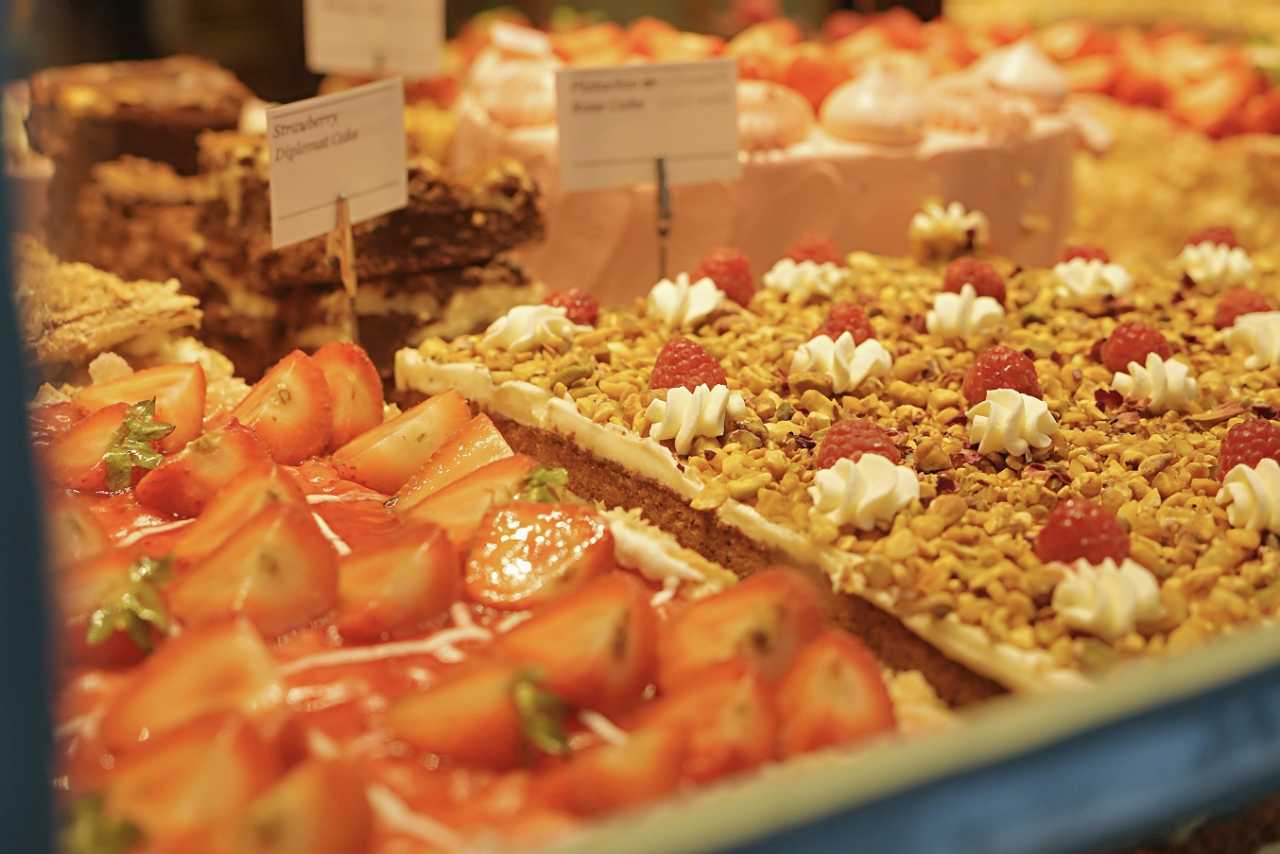
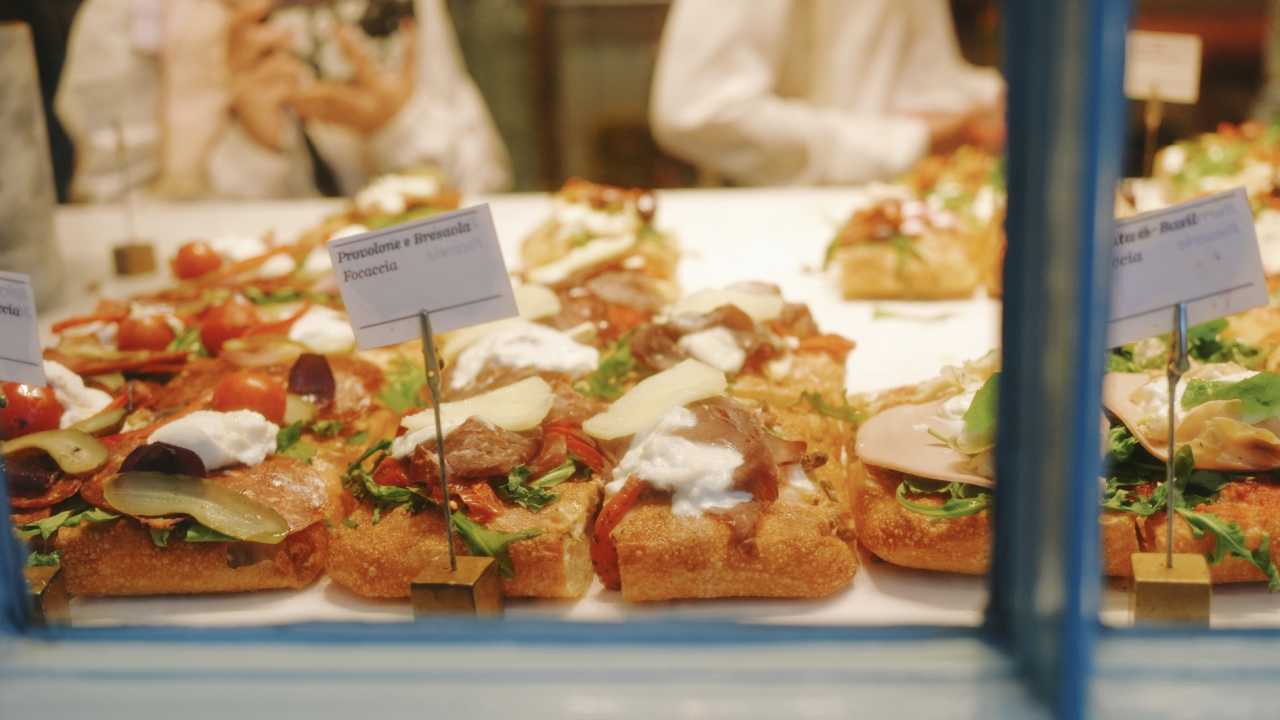
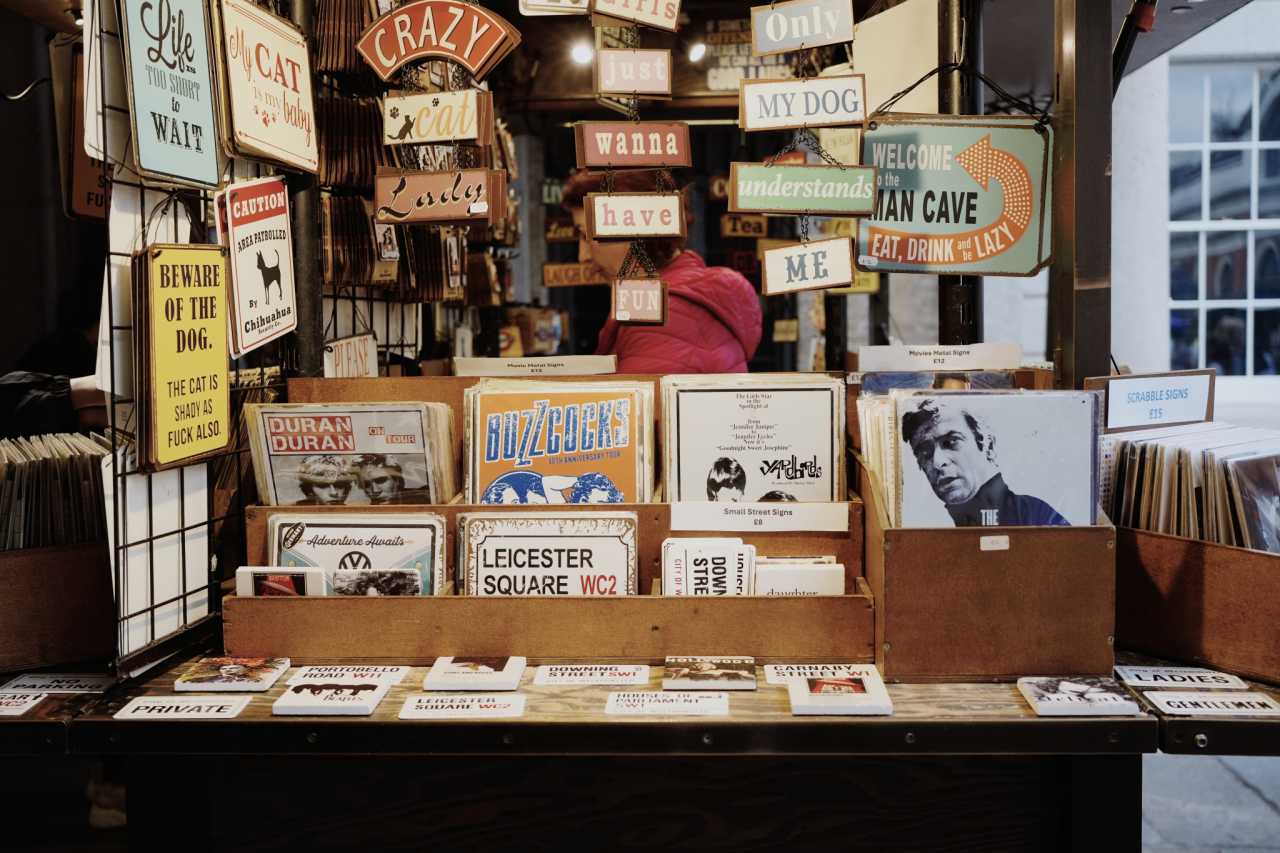 New Covent Garden Market
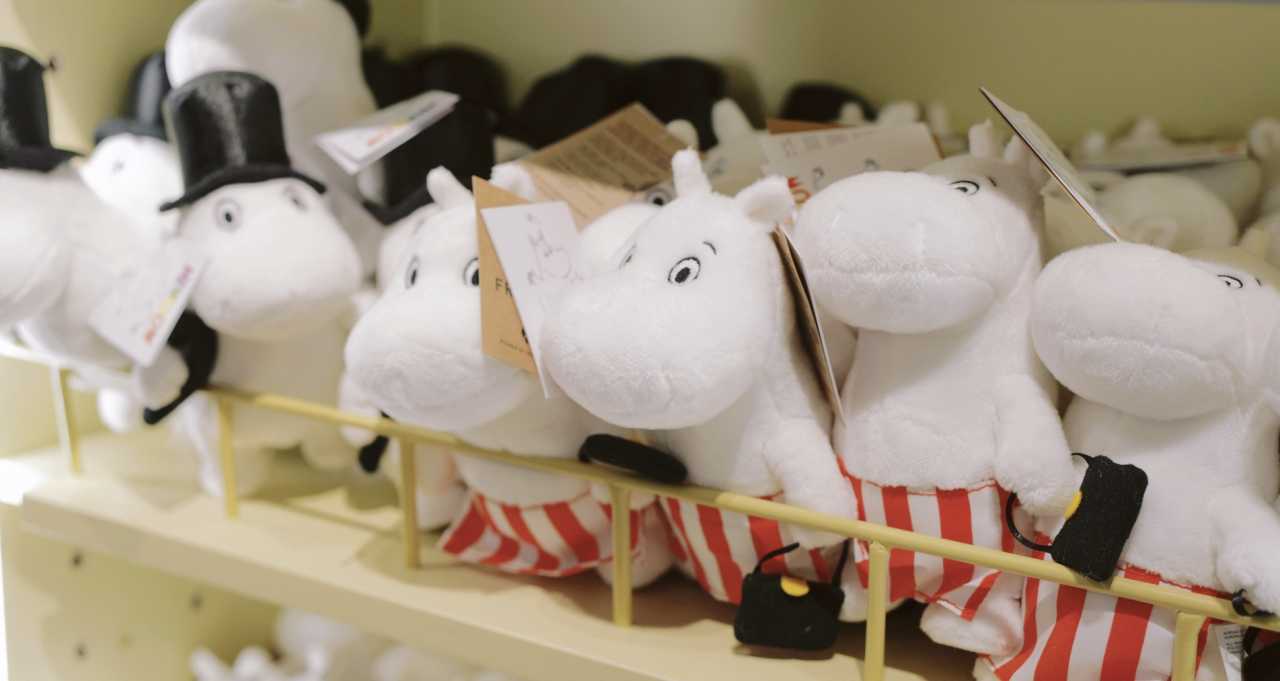
There’s a Moomin shop—everything is adorable.
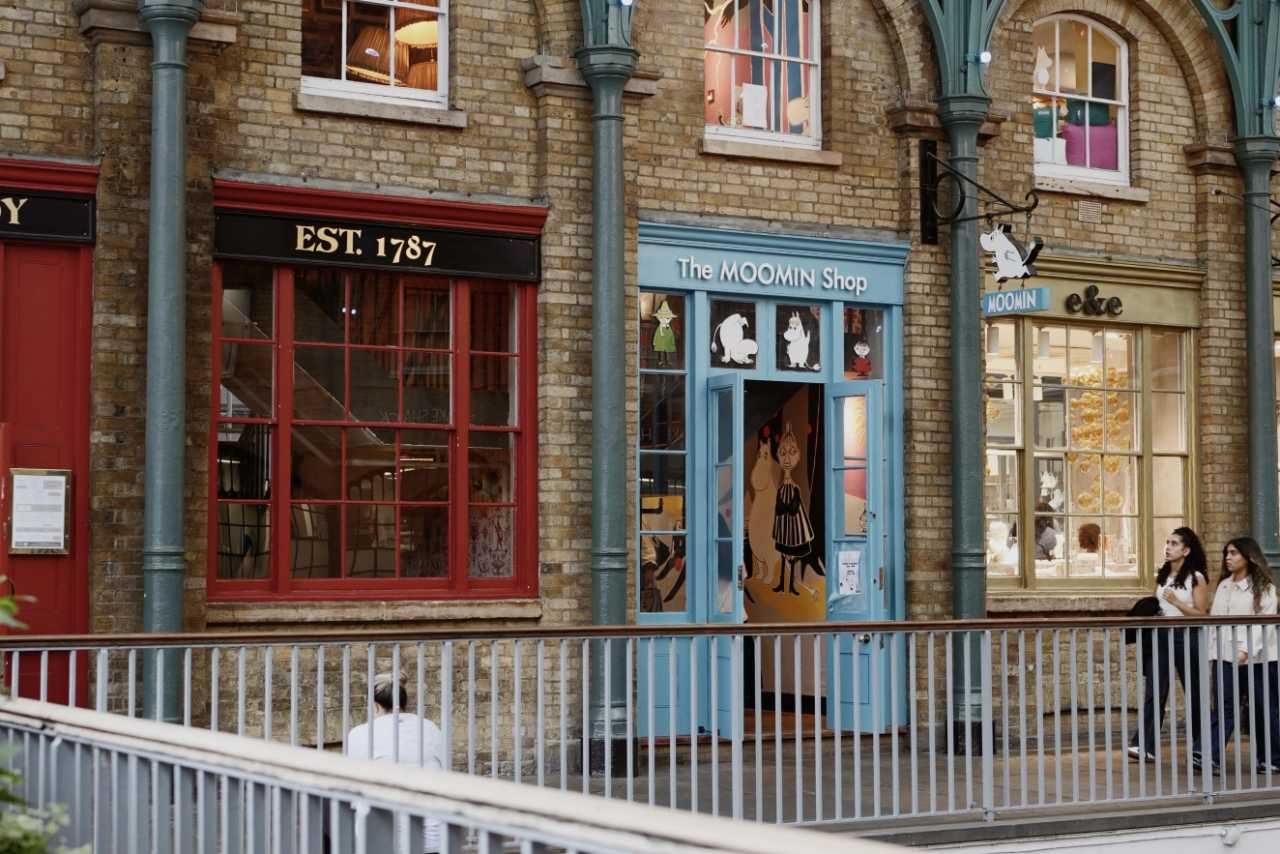 New Covent Garden Market
 New Covent Garden Market
Day 4: A Slightly Chic Day with Regrets
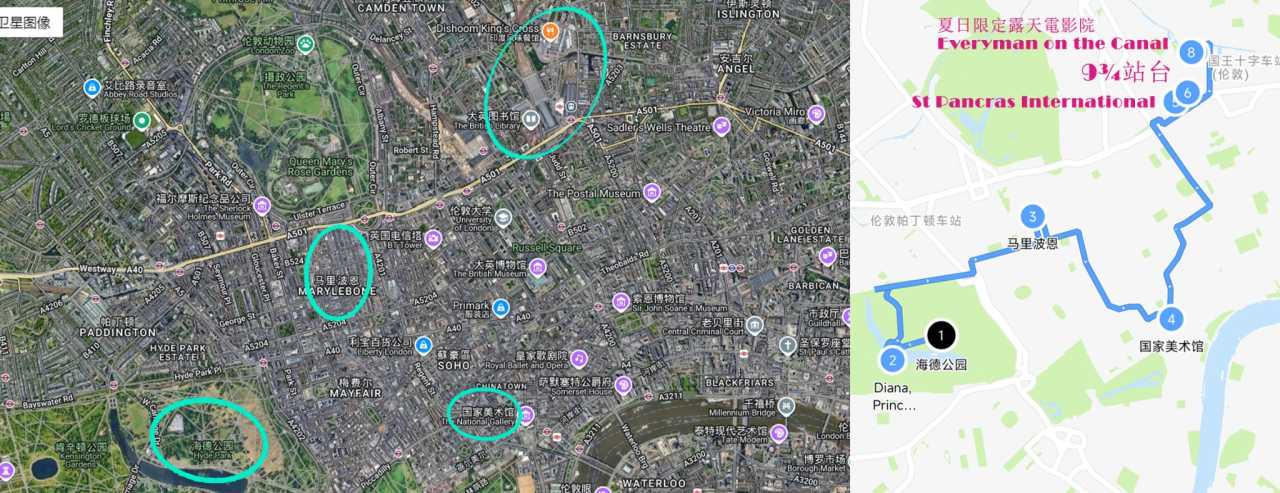
Day four focused on the National Gallery; in the morning we strolled the Marylebone district.
Marylebone
Marylebone feels like Shanghai’s plane trees district—many artsy specialty shops.
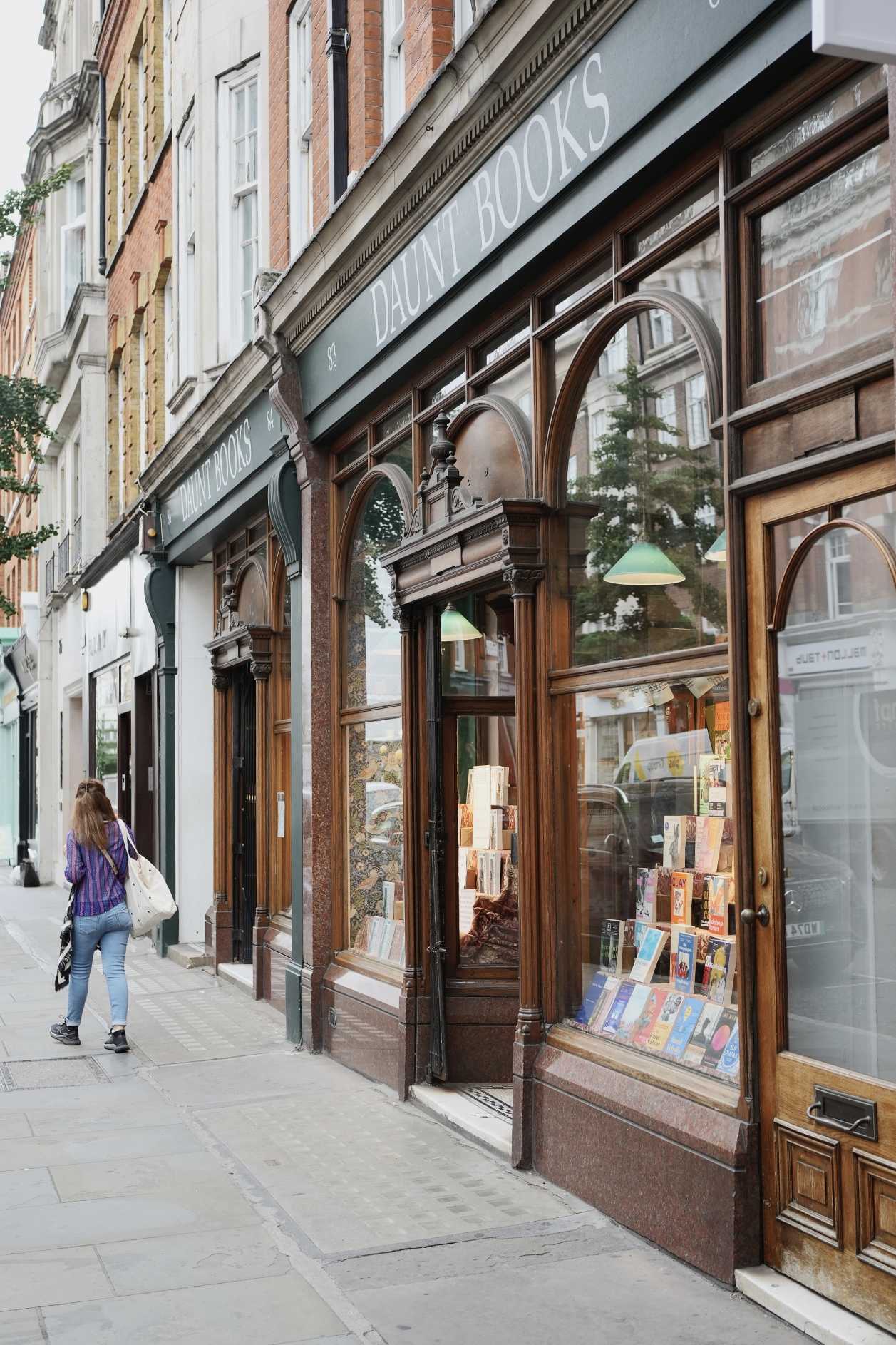
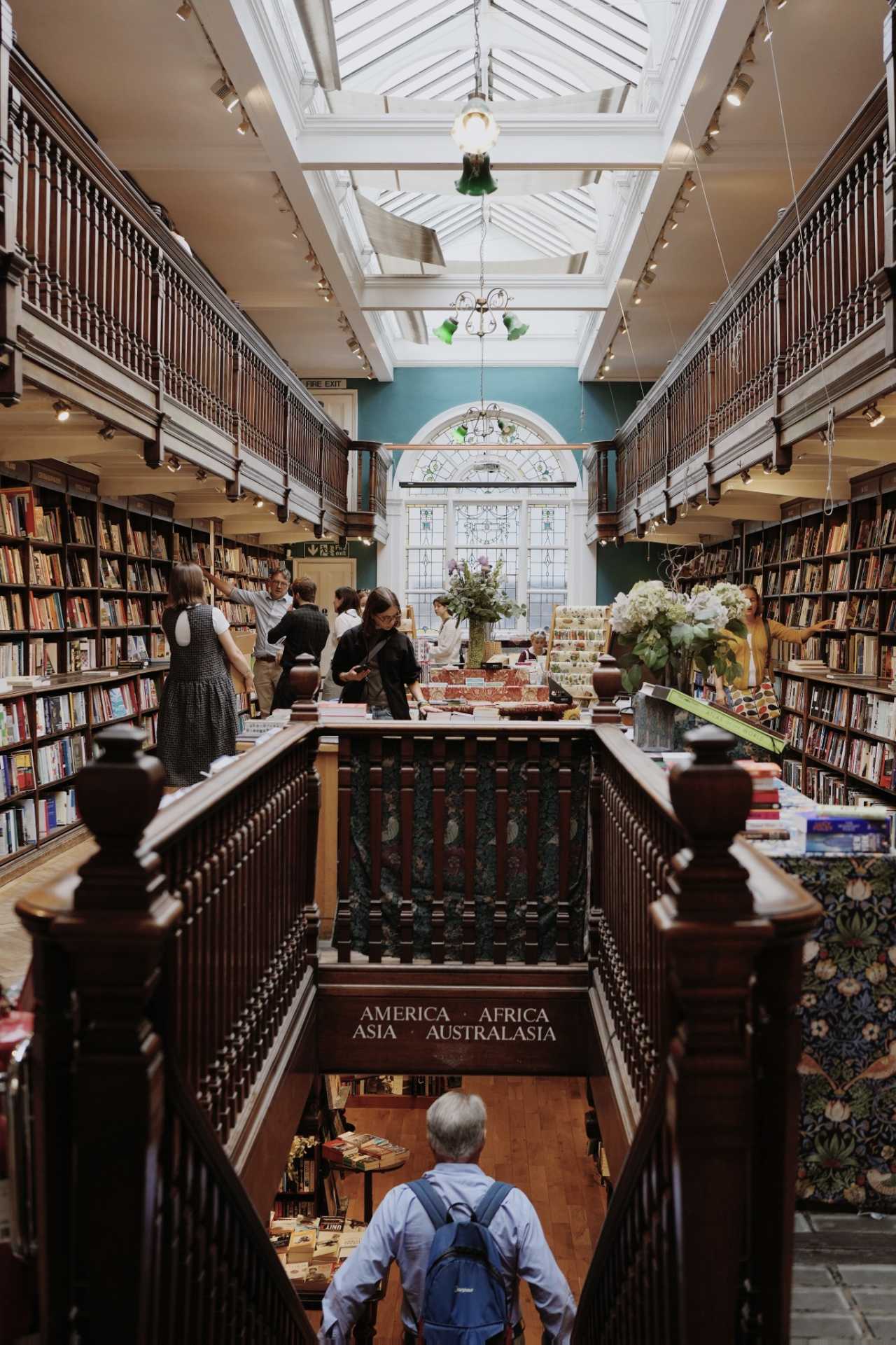
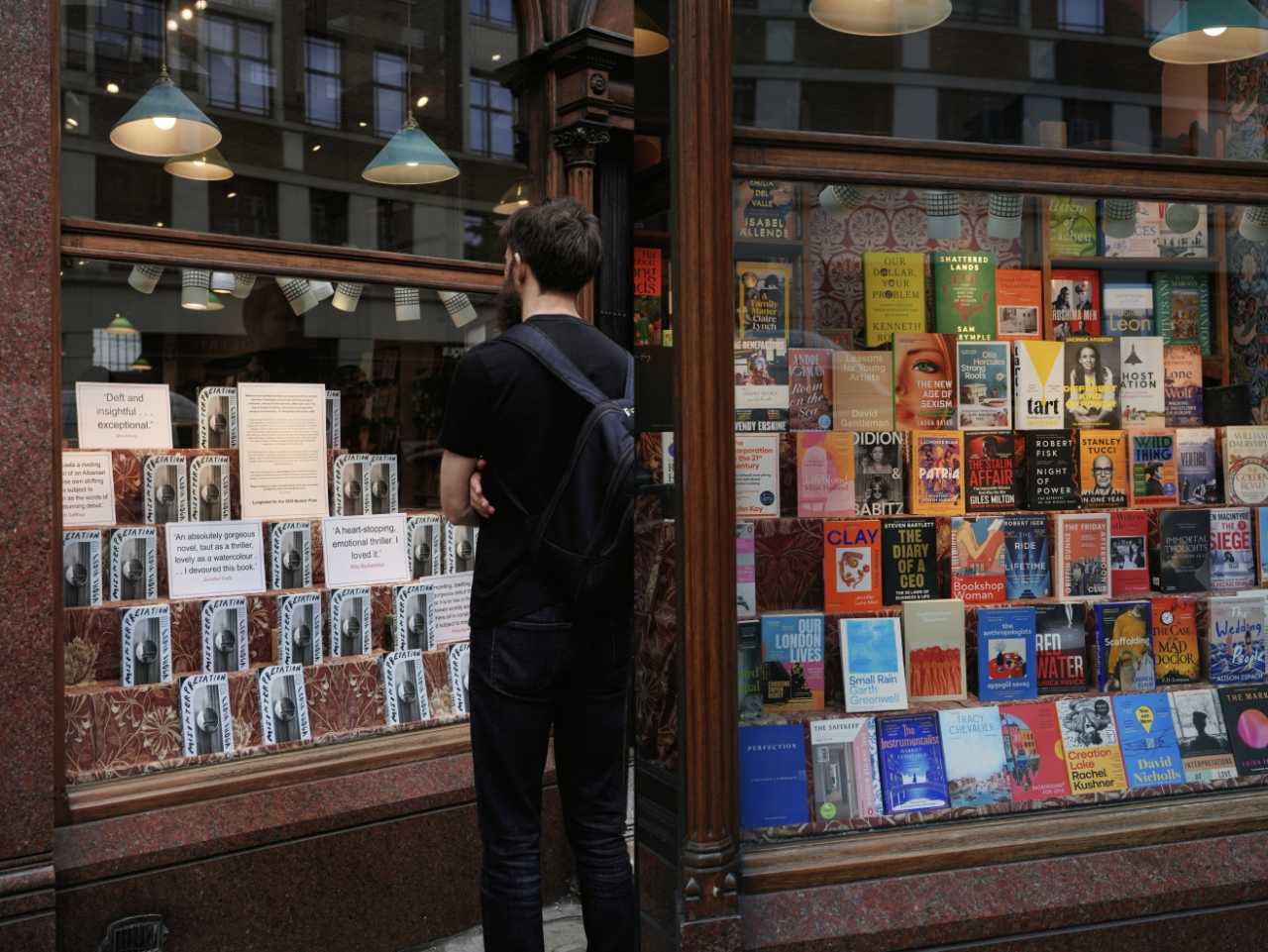
Daunt Books is called London’s most beautiful bookstore—from the façade and window displays to its courtyard-like interior—exudes vintage elegance. Many book designs and bindings are exquisite—European aesthetic education is everywhere.
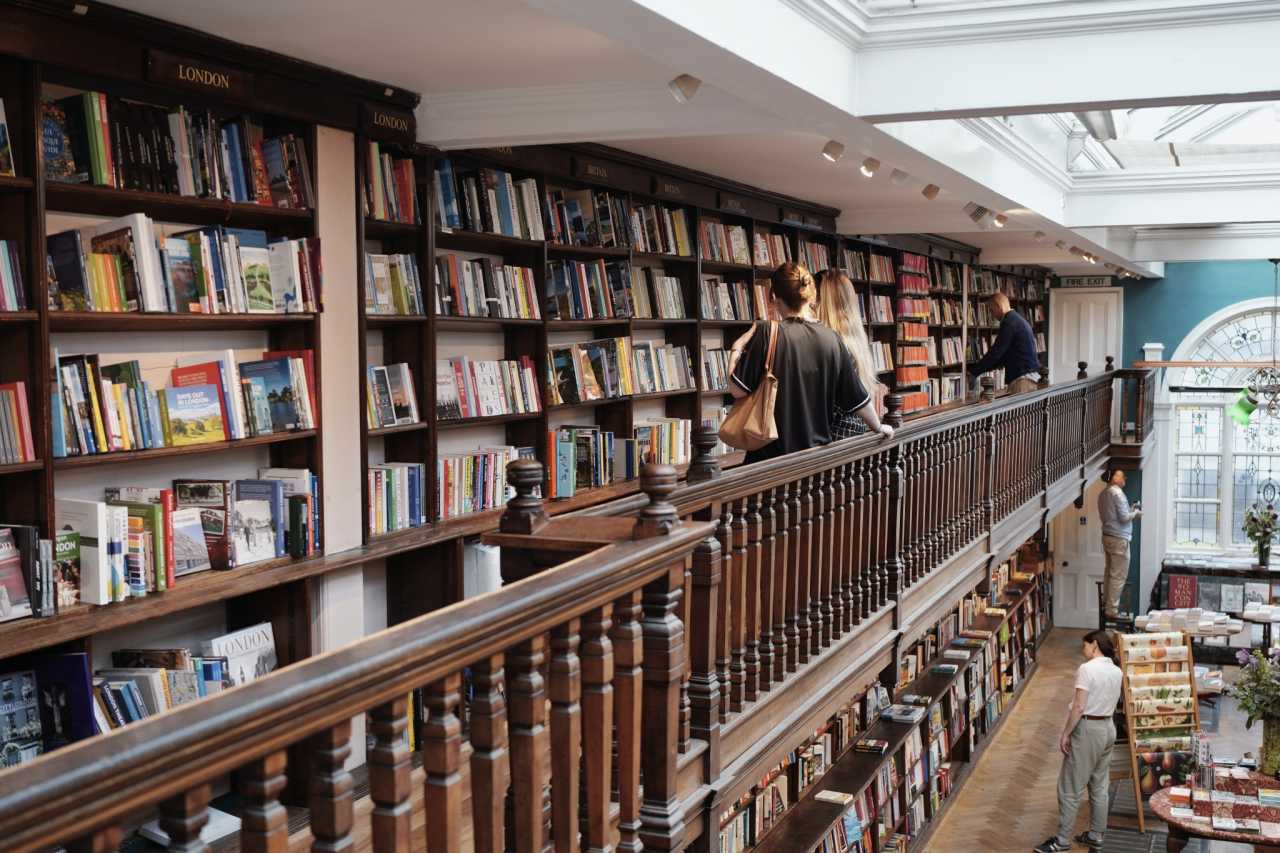
This sunlit space is mesmerizing! Browsing bookstores is a joy ~
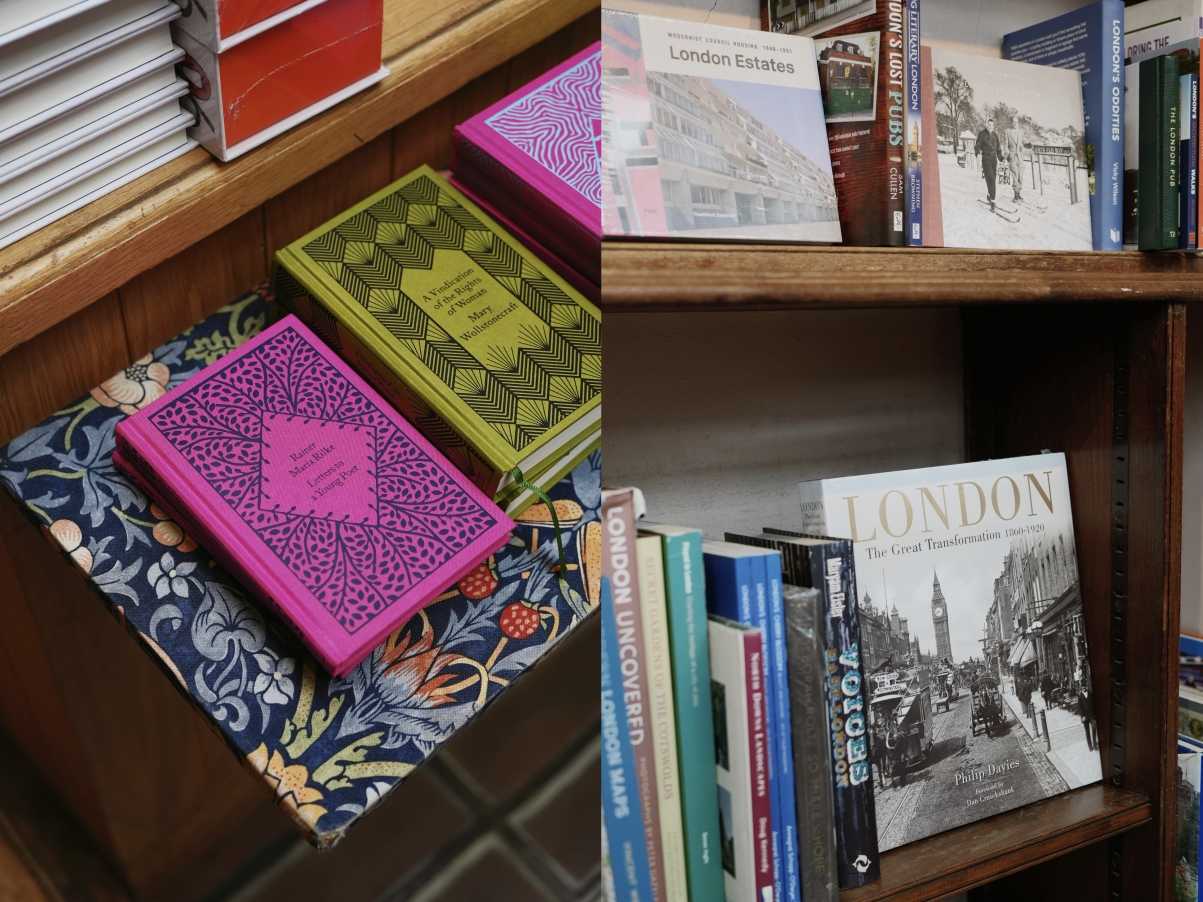
Swept away by book bindings! So much design sense!
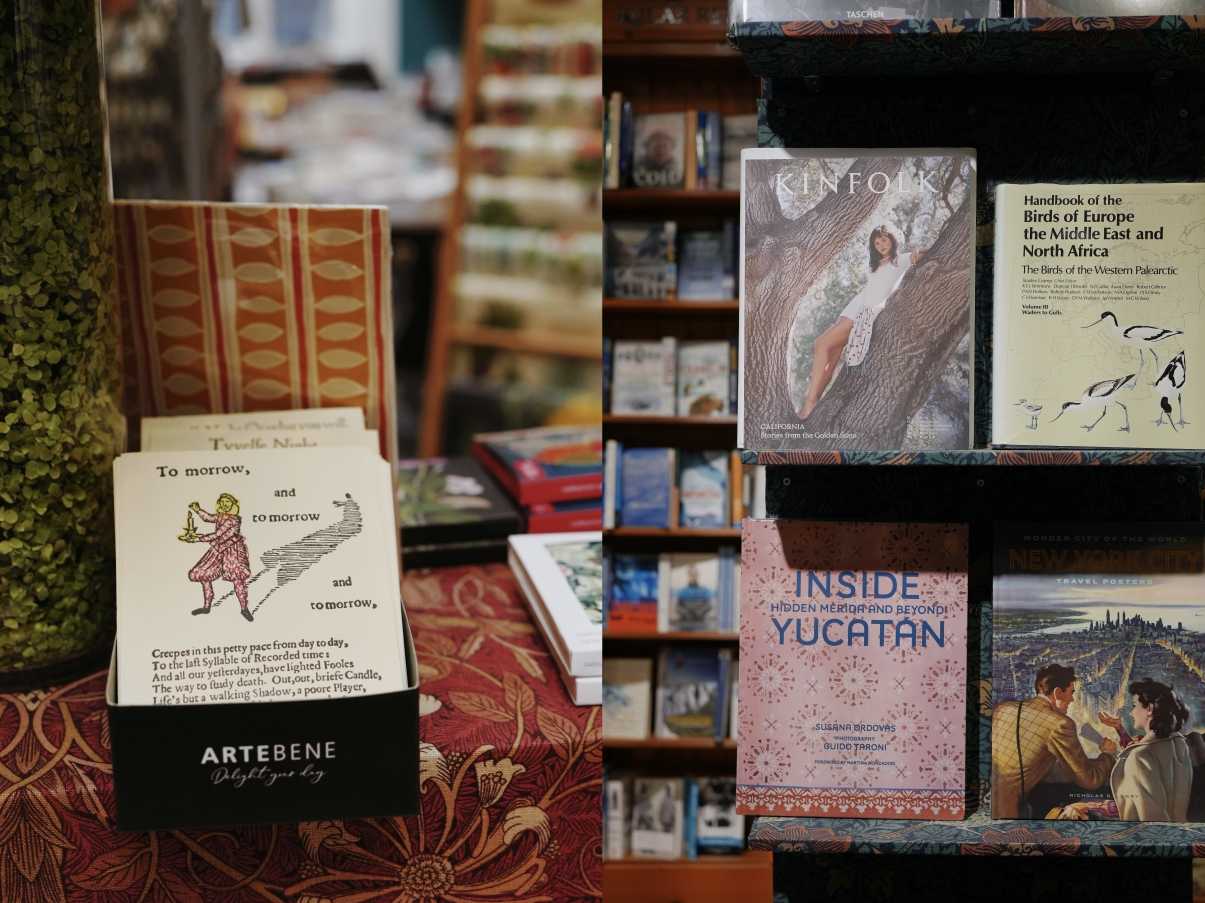
Old artsy folks reading; I’m watching old artsy folks.
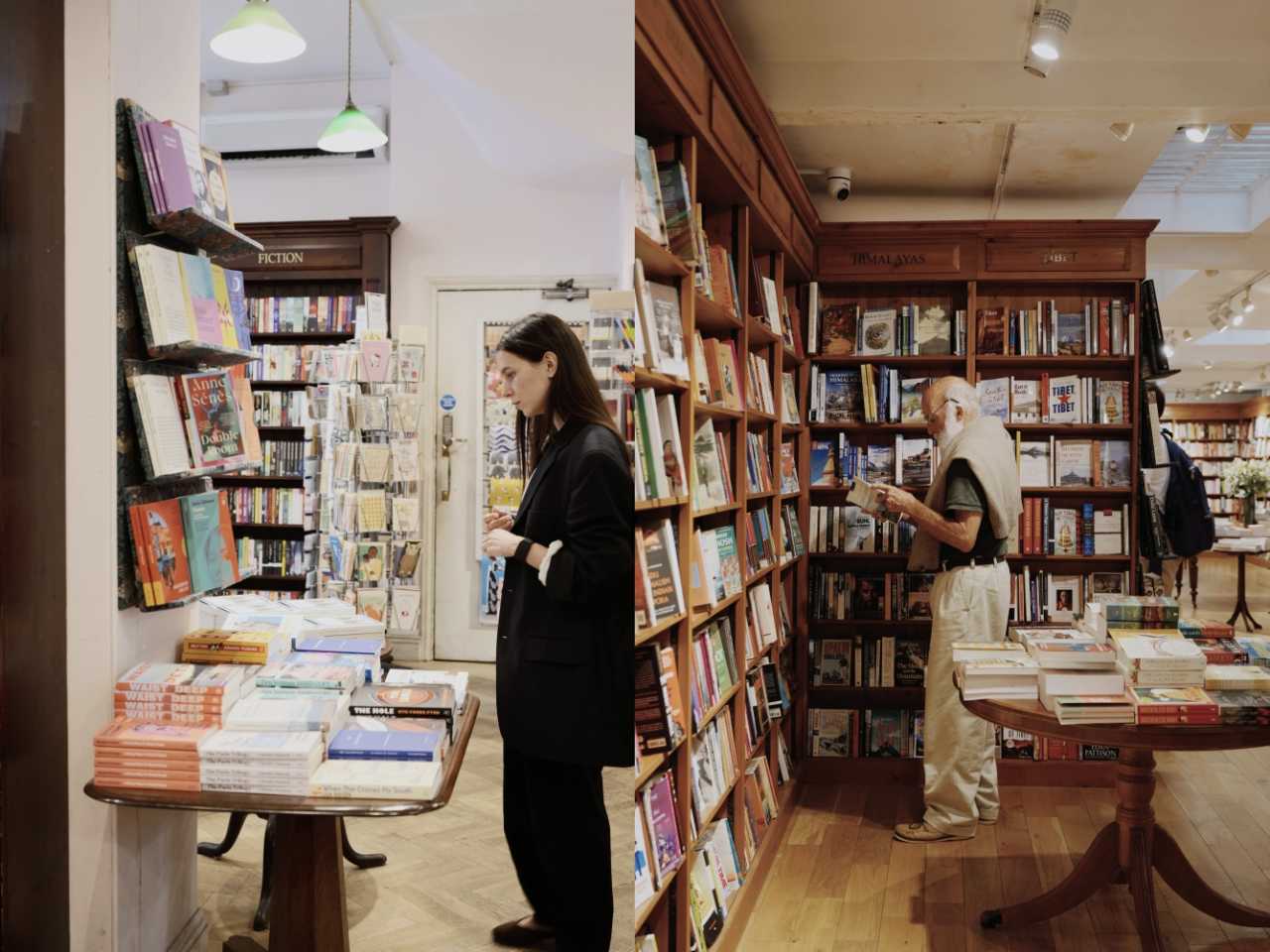
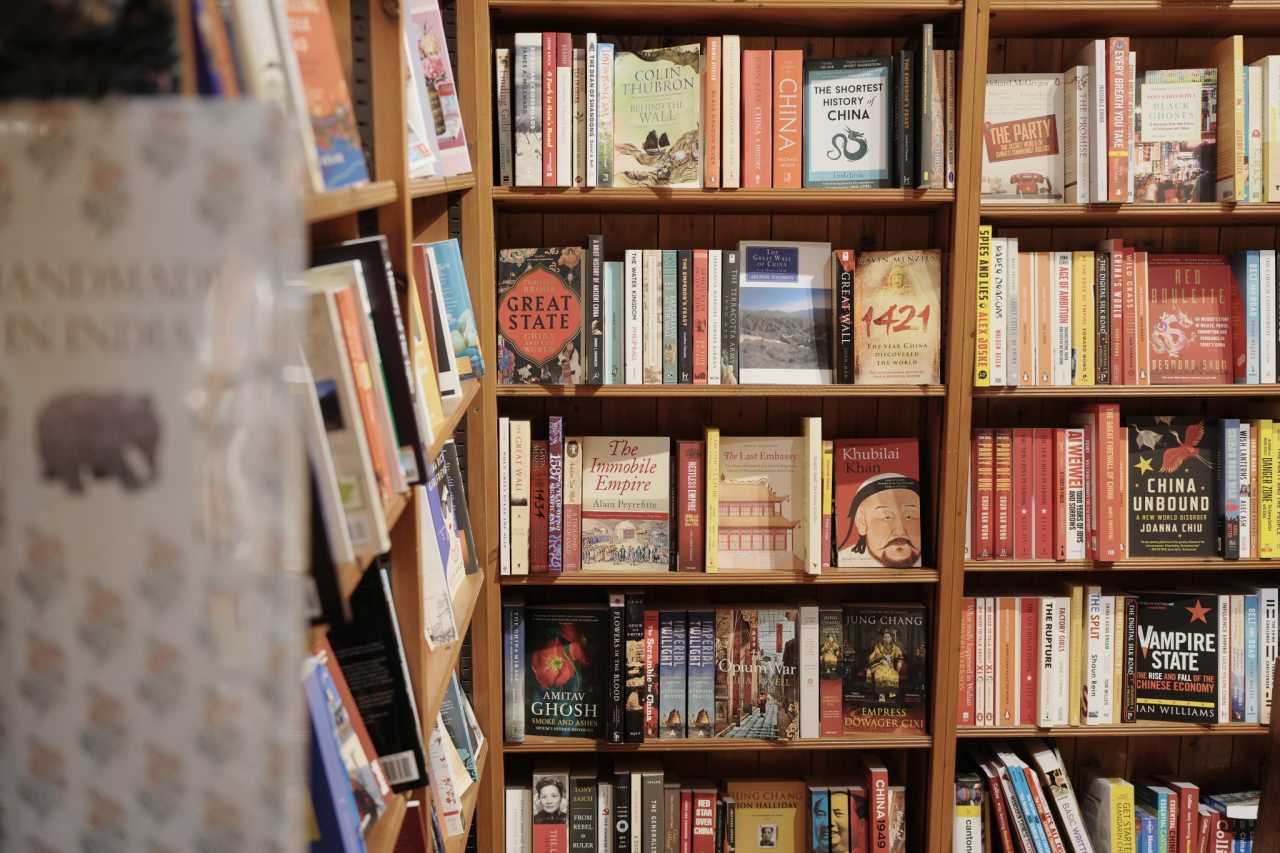
Basement shelves are arranged by country—some books on Chinese kung fu were fun.
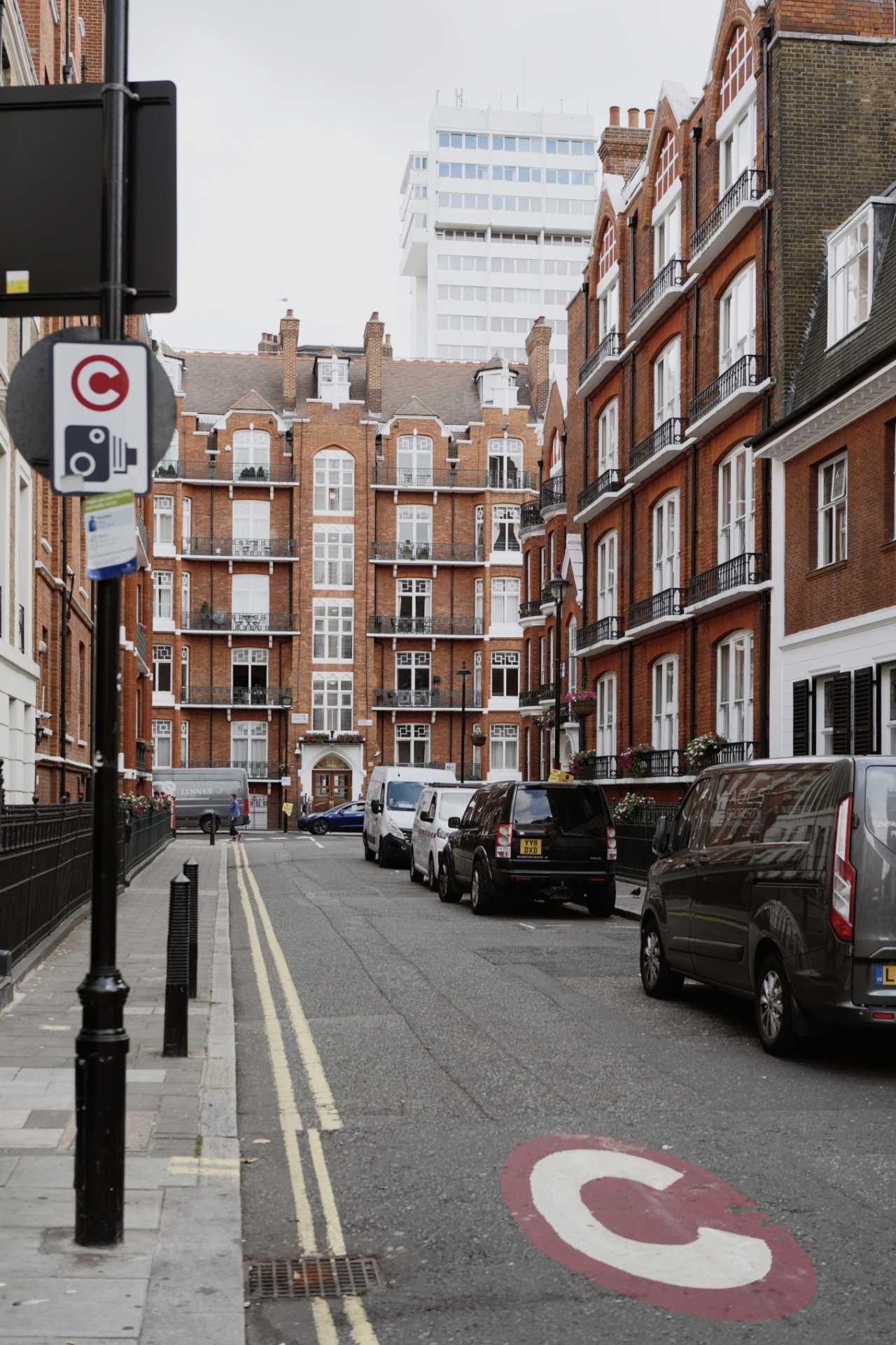 Marylebone
Clean streets; each shop has personality—no excessive decorations—comfortable and refined.
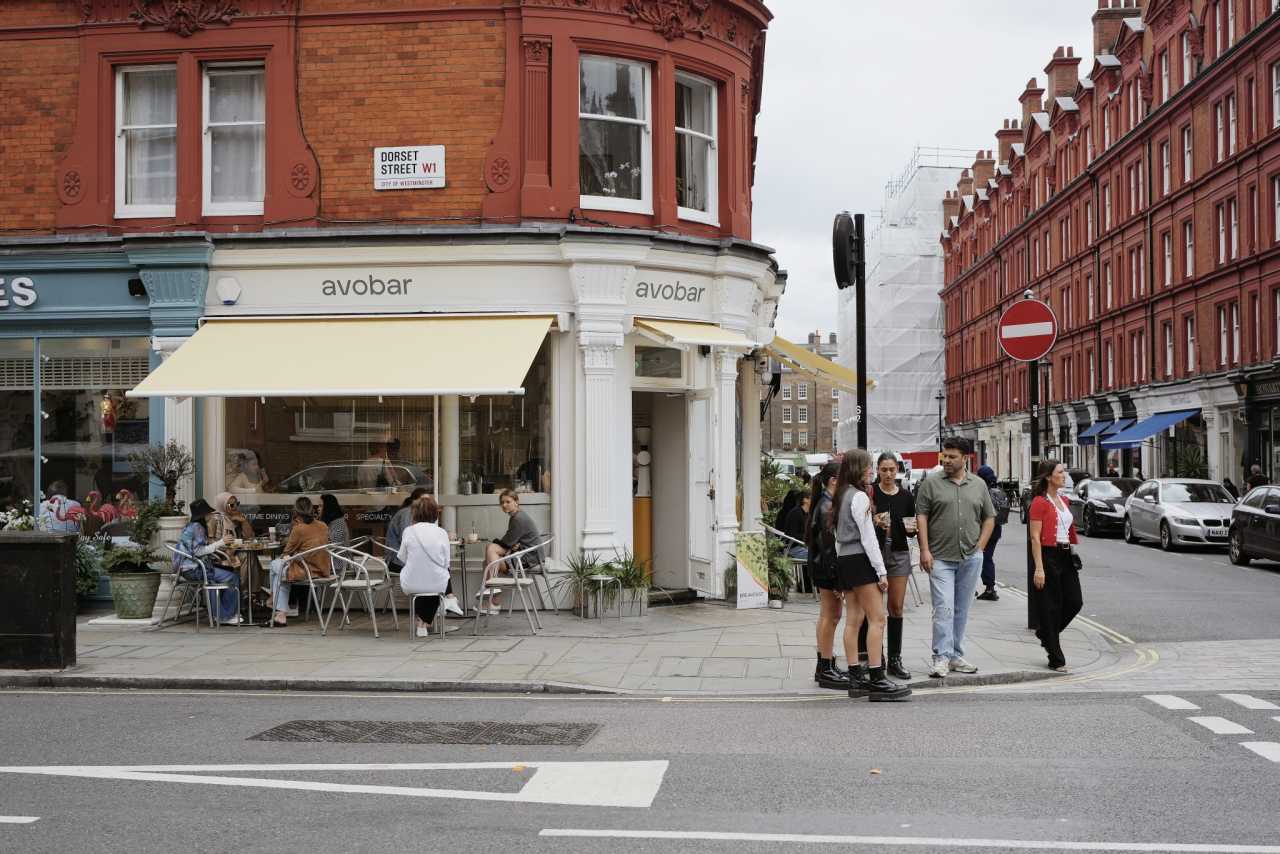 Marylebone
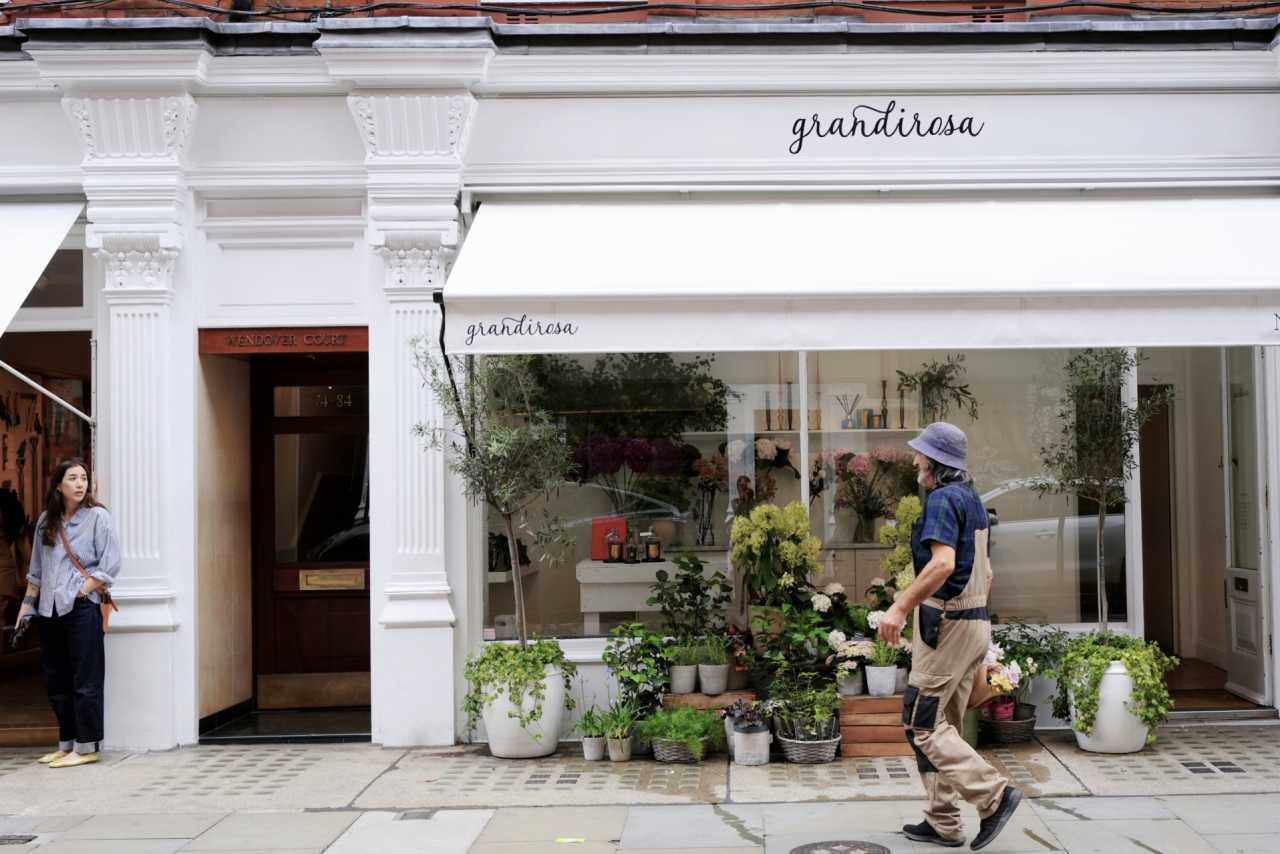
Florists are fashionable and healing.
 Marylebone
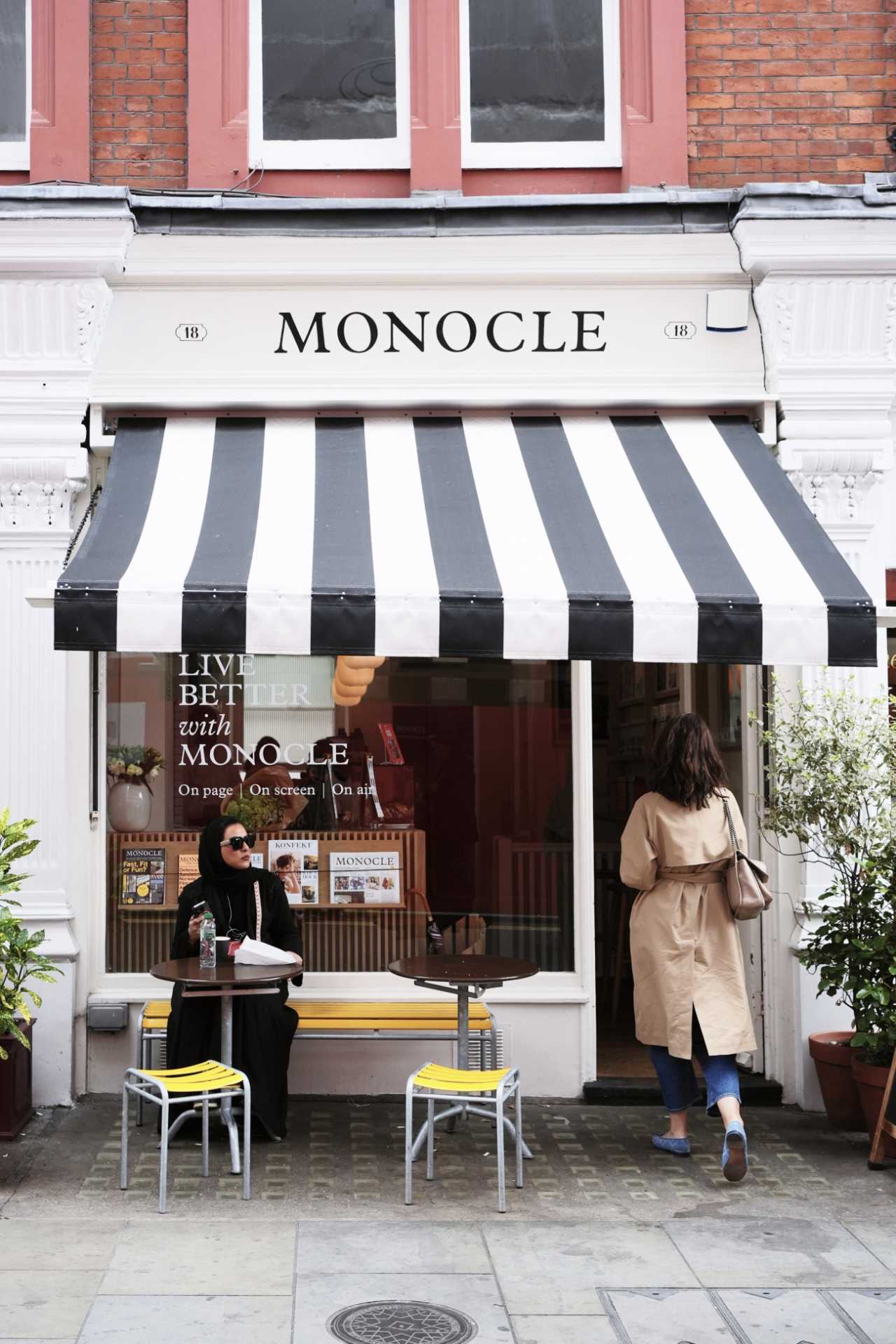
Monocle—a small London café by the magazine—also a mini hotspot.
 Marylebone
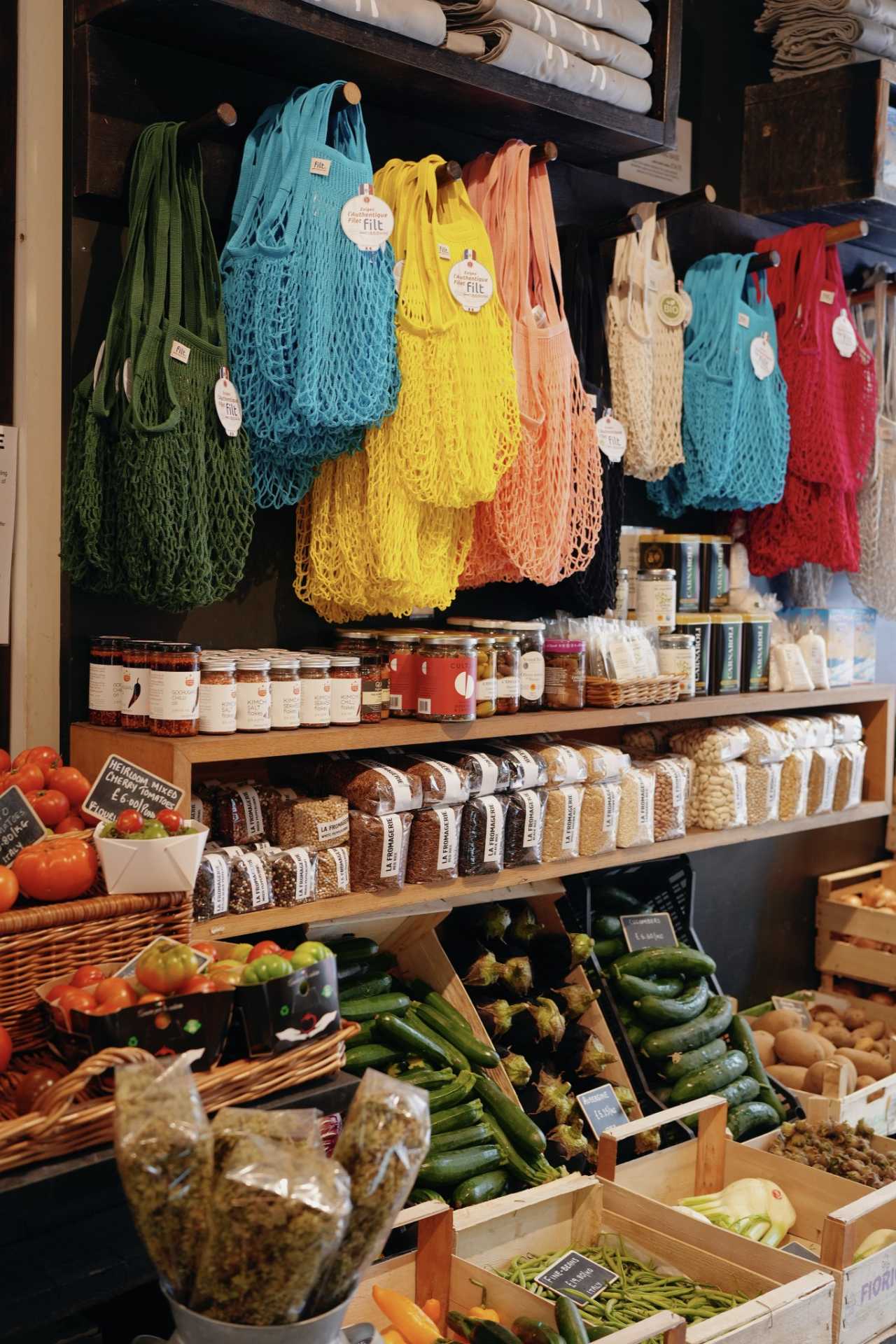
Produce shop displays are meticulous.
 Marylebone
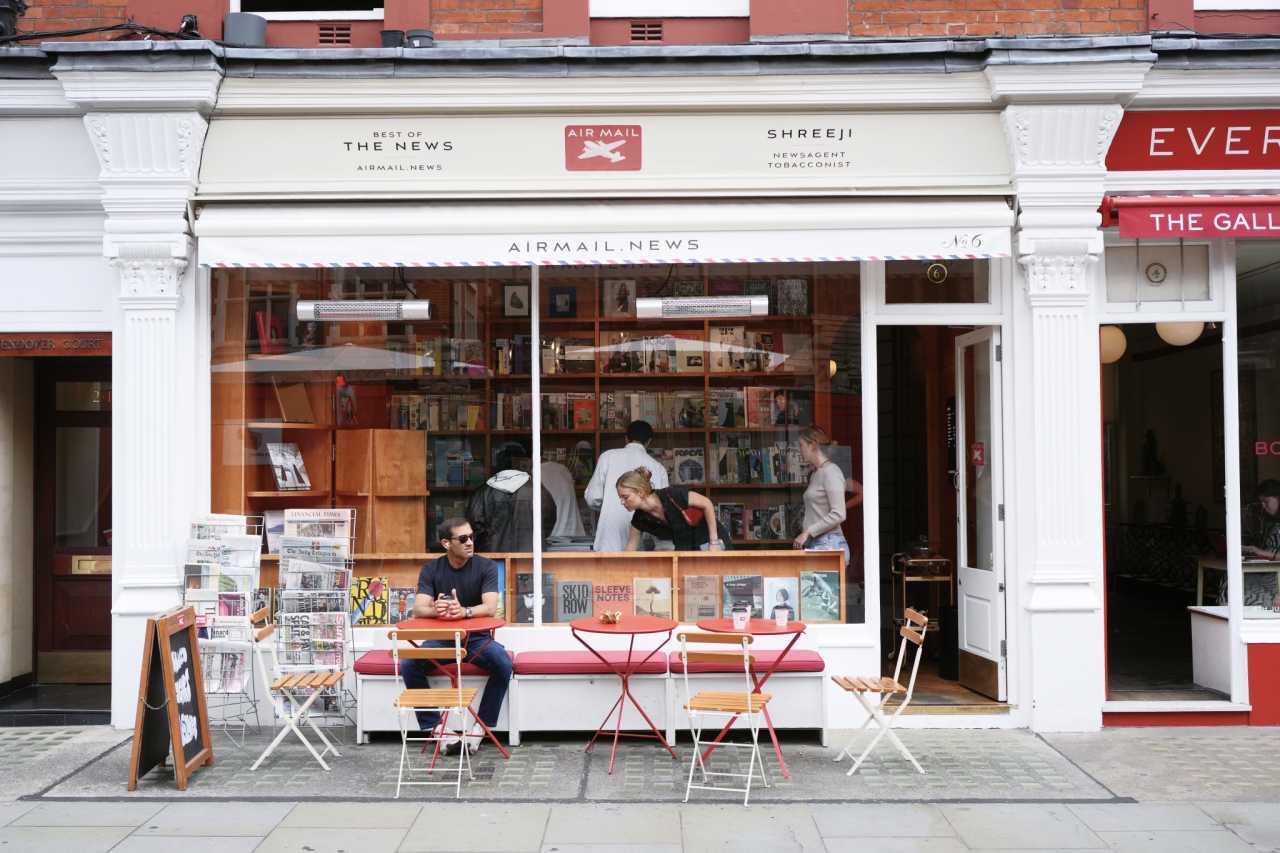
Shreeji Newsagents is compact—tempting magazines; lovers of print should rummage.
 Marylebone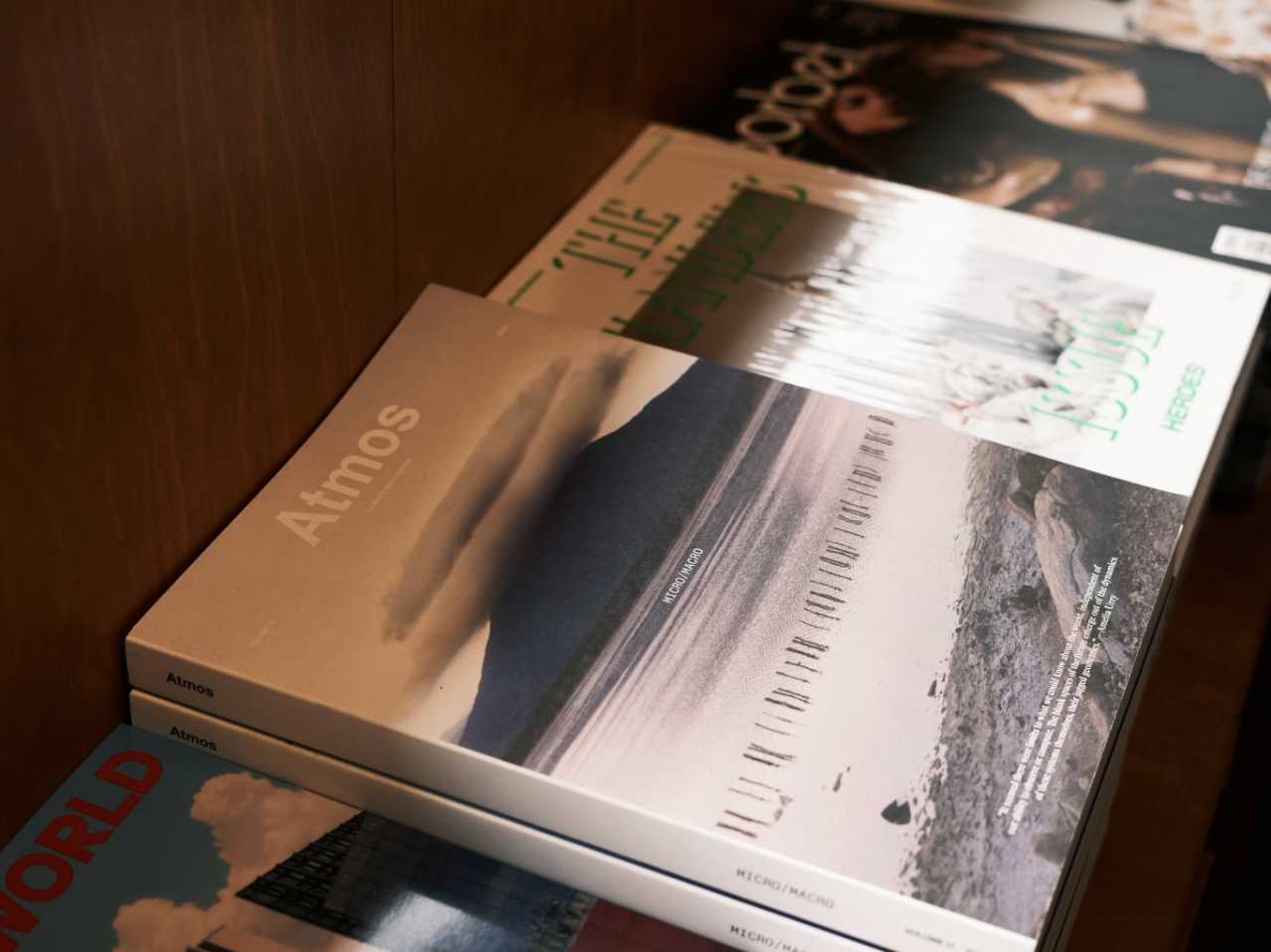
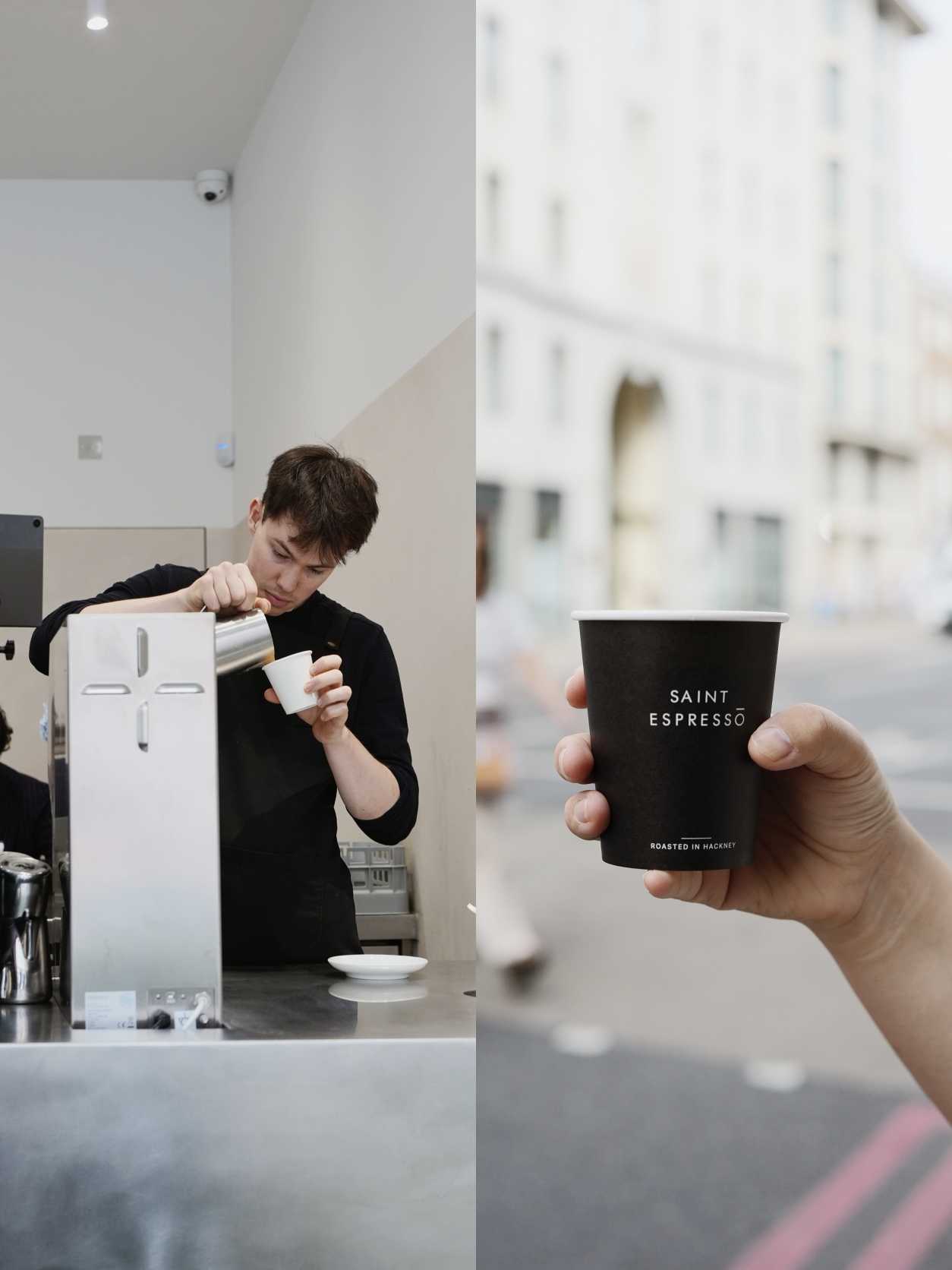
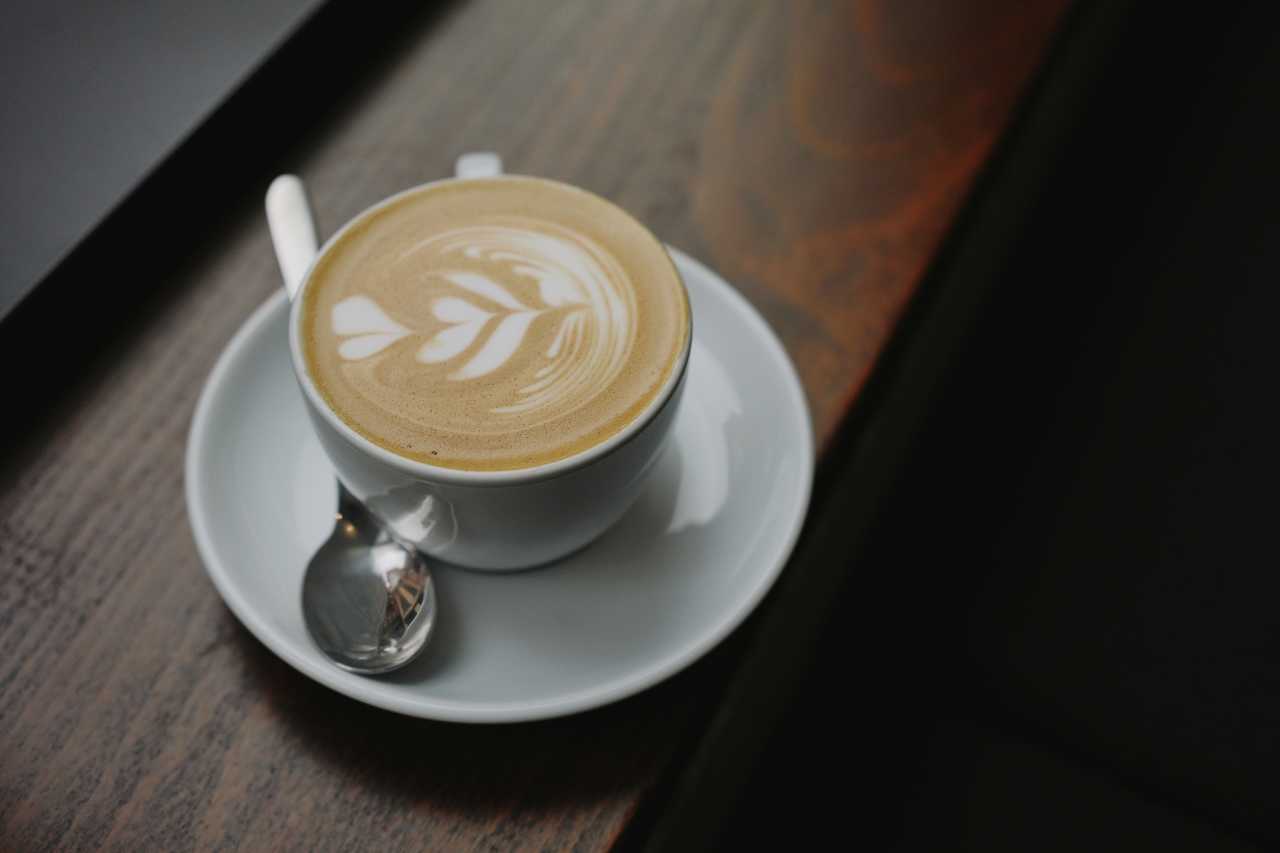
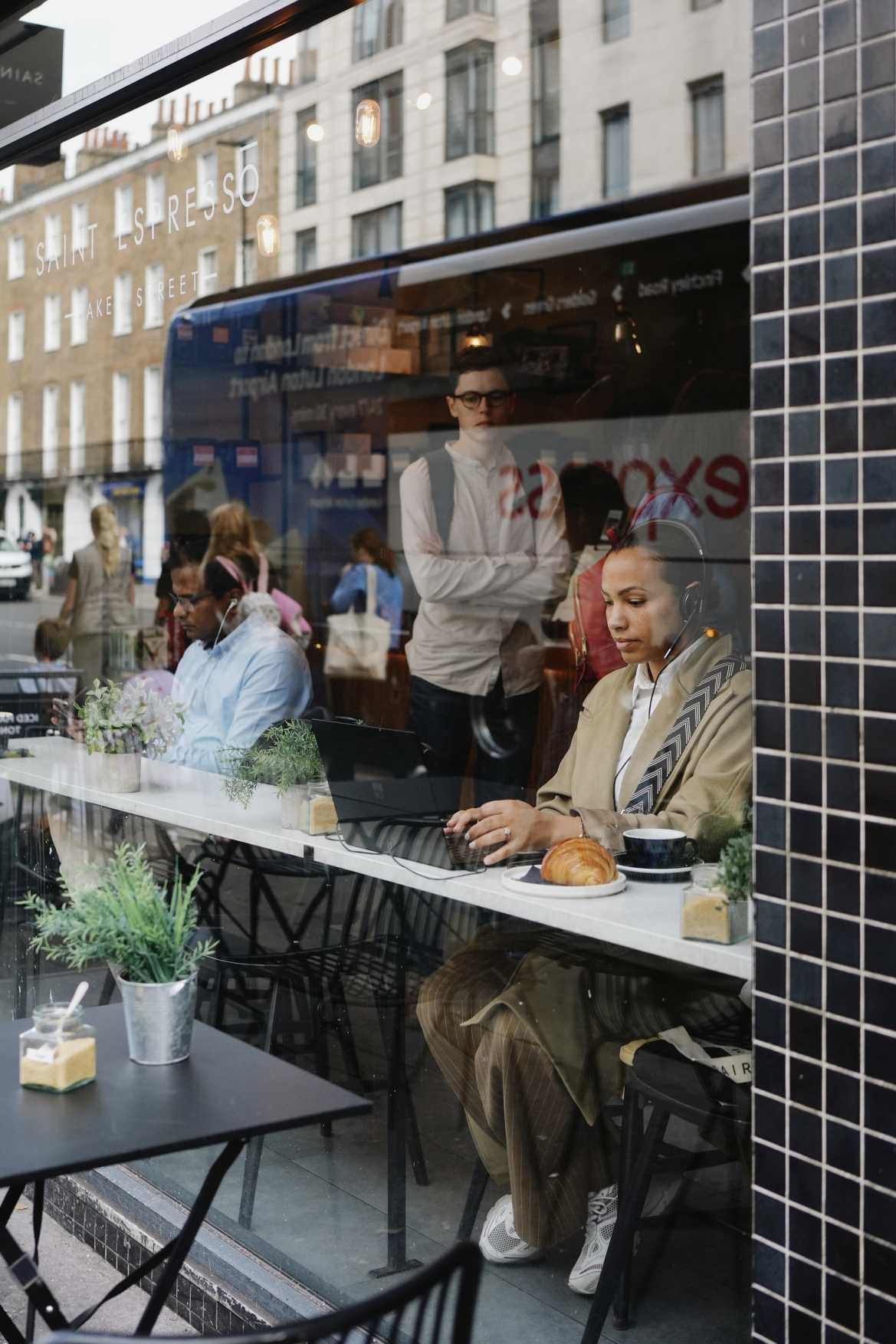
I don’t love coffee; my friend needs one daily—great chance to shoot a set. Coffee’s vibe is high ~
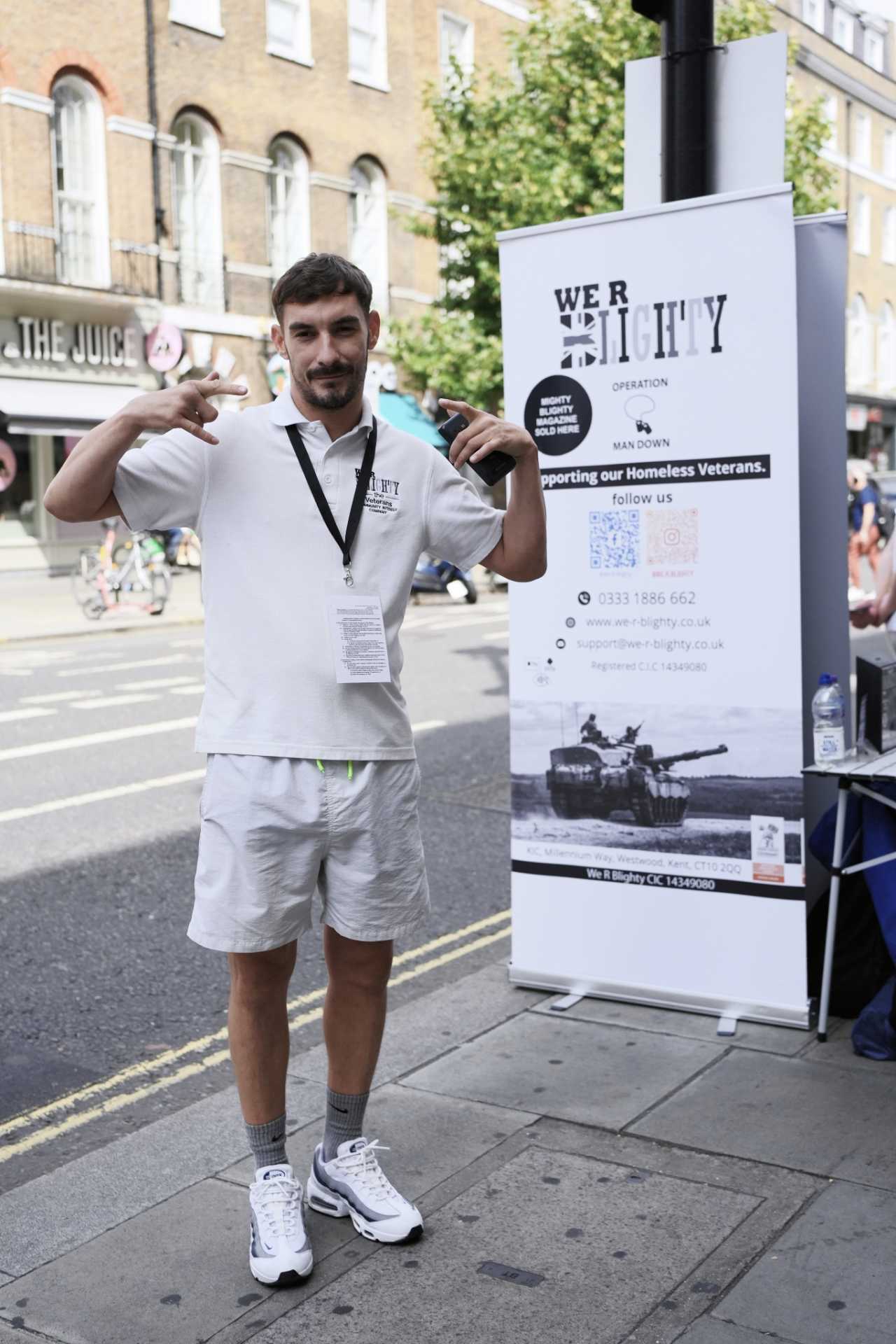
Carrying the camera, a guy stopped us to ask for a photo—feel the enthusiasm of London’s extroverts.
National Gallery
Hours: 10:00–18:00; Fri to 21:00
Tickets: Free; some special exhibits ticketed
Address: Trafalgar Square, London WC2N 5DN
Underground: Charing Cross (Northern/Bakerloo) or Leicester Square (Piccadilly/Northern), 5 minutes’ walk
Guided services:
Free Chinese audio guide: 40+ masterpieces, rental £5 (at entrance)
Official free English tours: daily at 11:30/14:30; Friday extra 19:00
Website: ***
Founded in 1824, the National Gallery houses 2,300+ masterpieces from the 13th–19th centuries, including originals by Leonardo da Vinci, Van Gogh, Titian, Rembrandt, Caravaggio, etc. Too rich—another day you can’t finish. Prepare in advance or book a guided tour that covers representative works.
The Gallery has relatively more visitors and is large—easy to get lost if wandering solo.
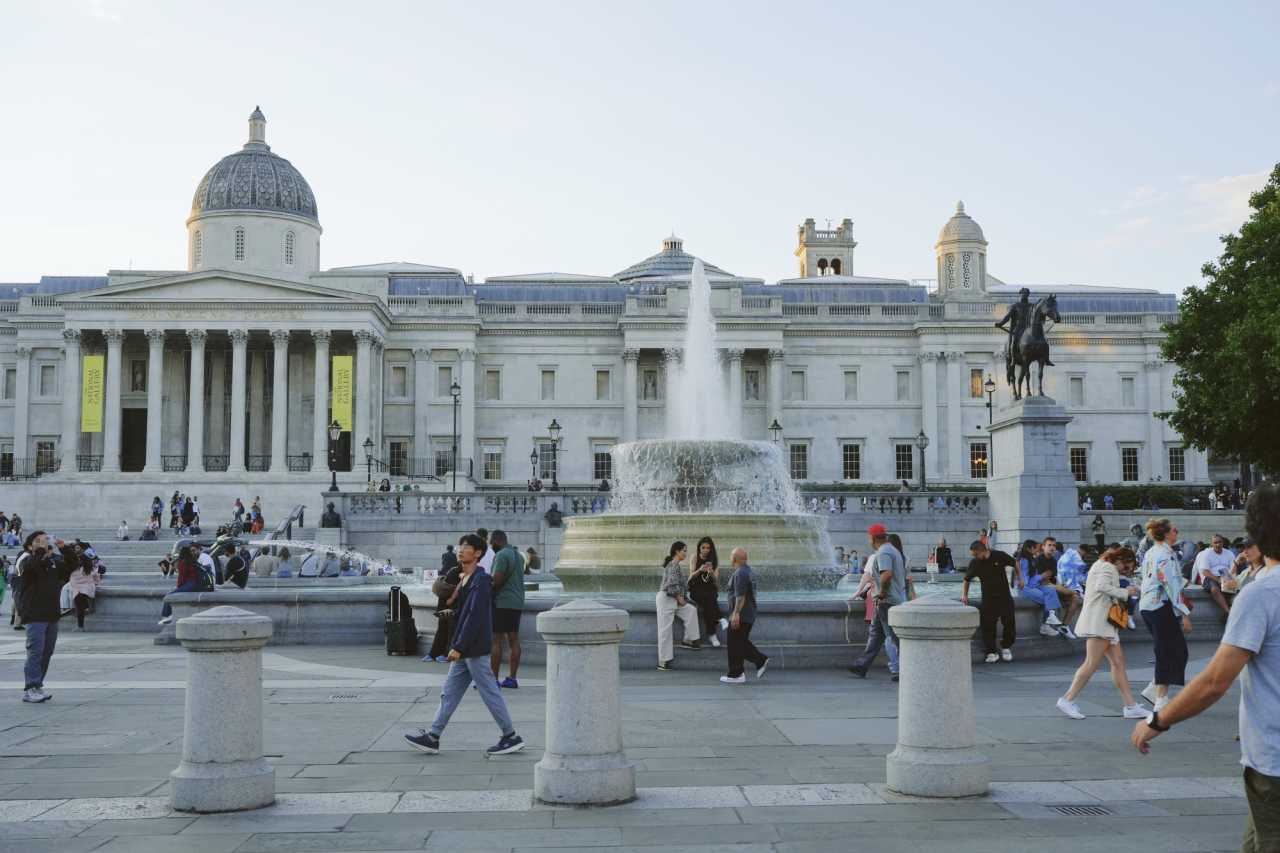 National Gallery
The architecture is so European ~
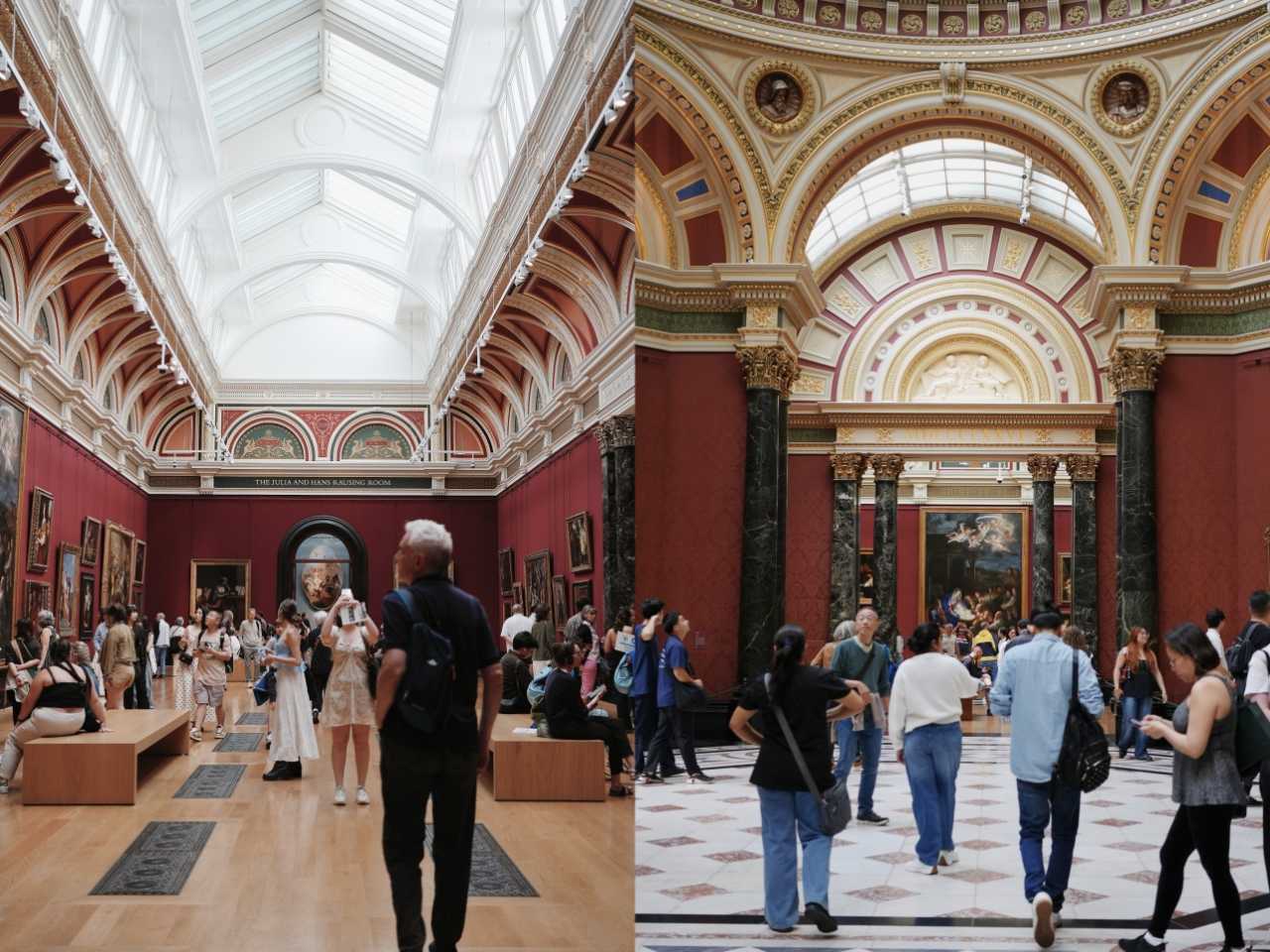 National Gallery
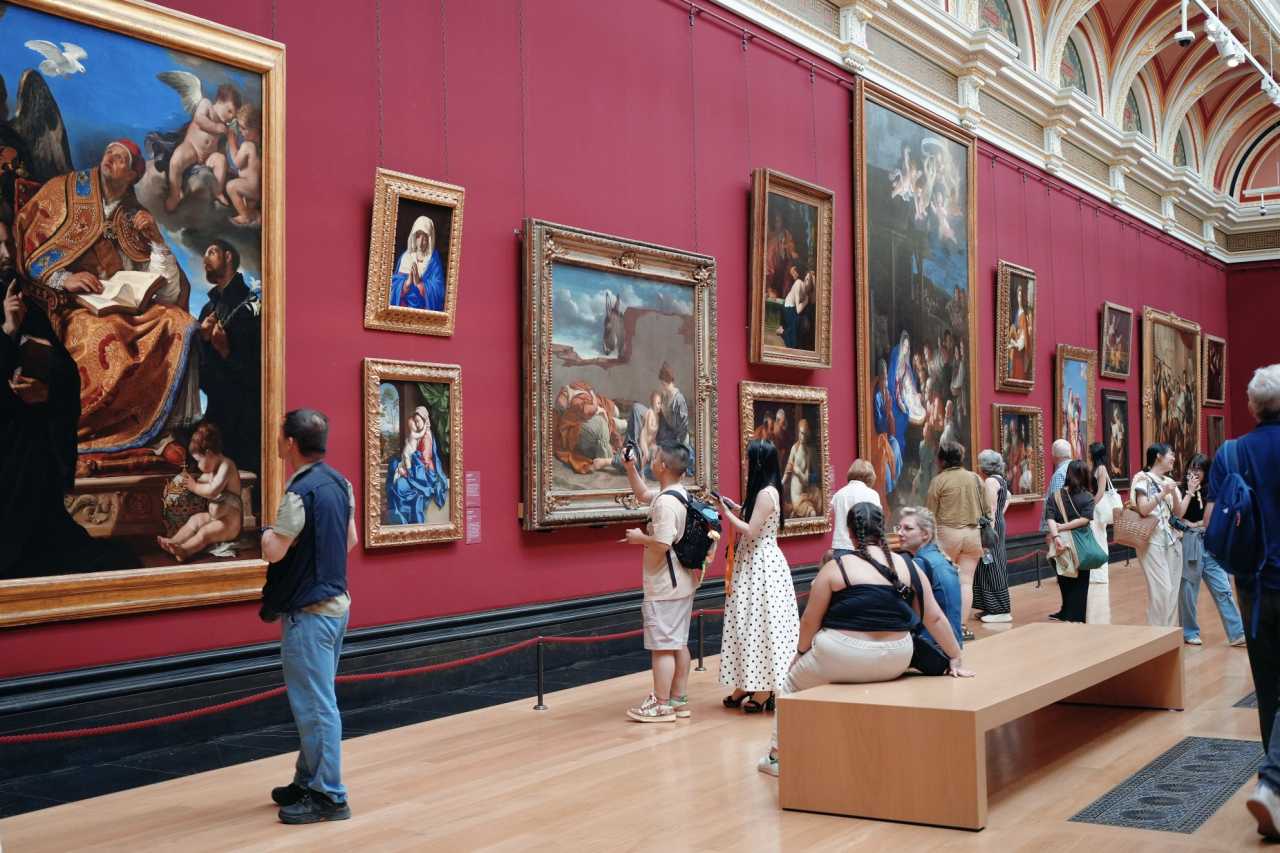 National Gallery
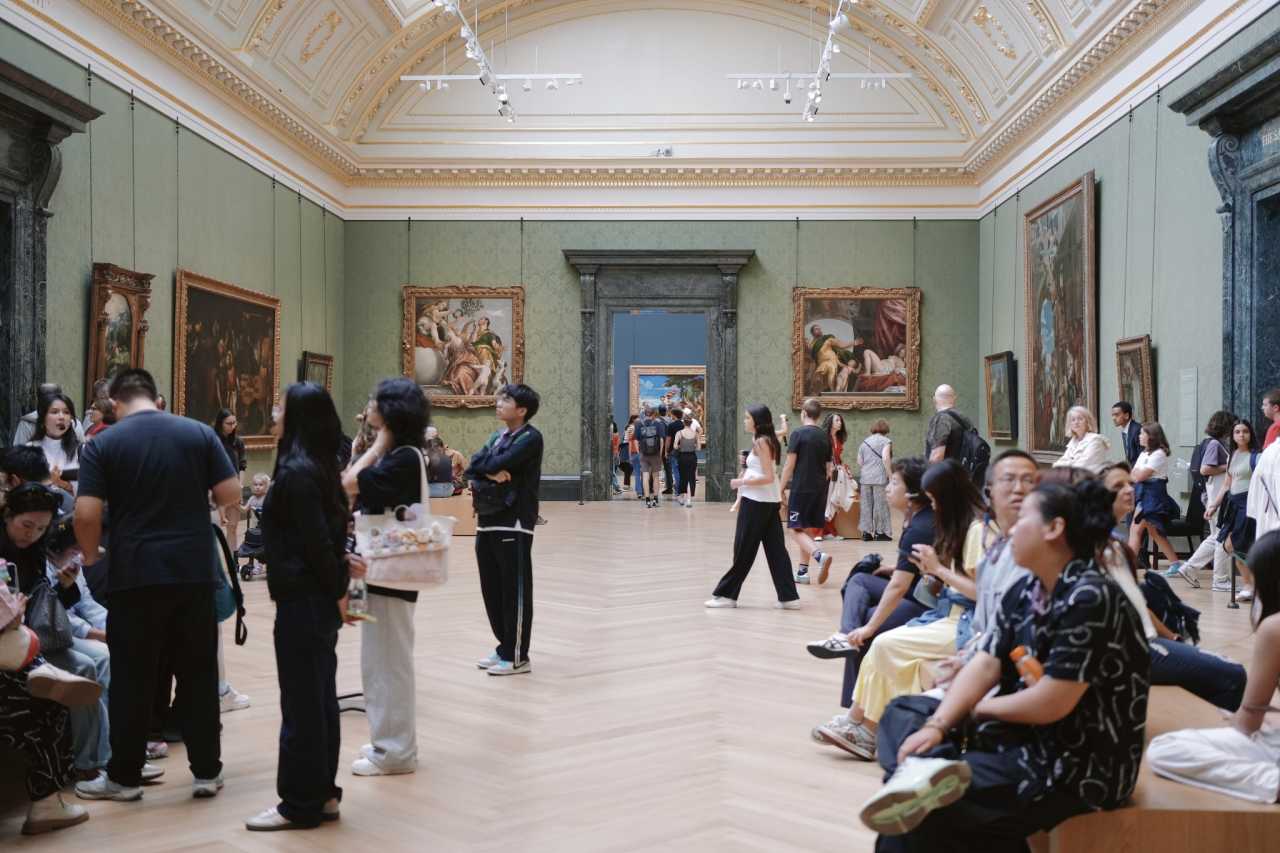 National Gallery
There are so many world-famous works—while skimming, familiar images keep pulling you in.
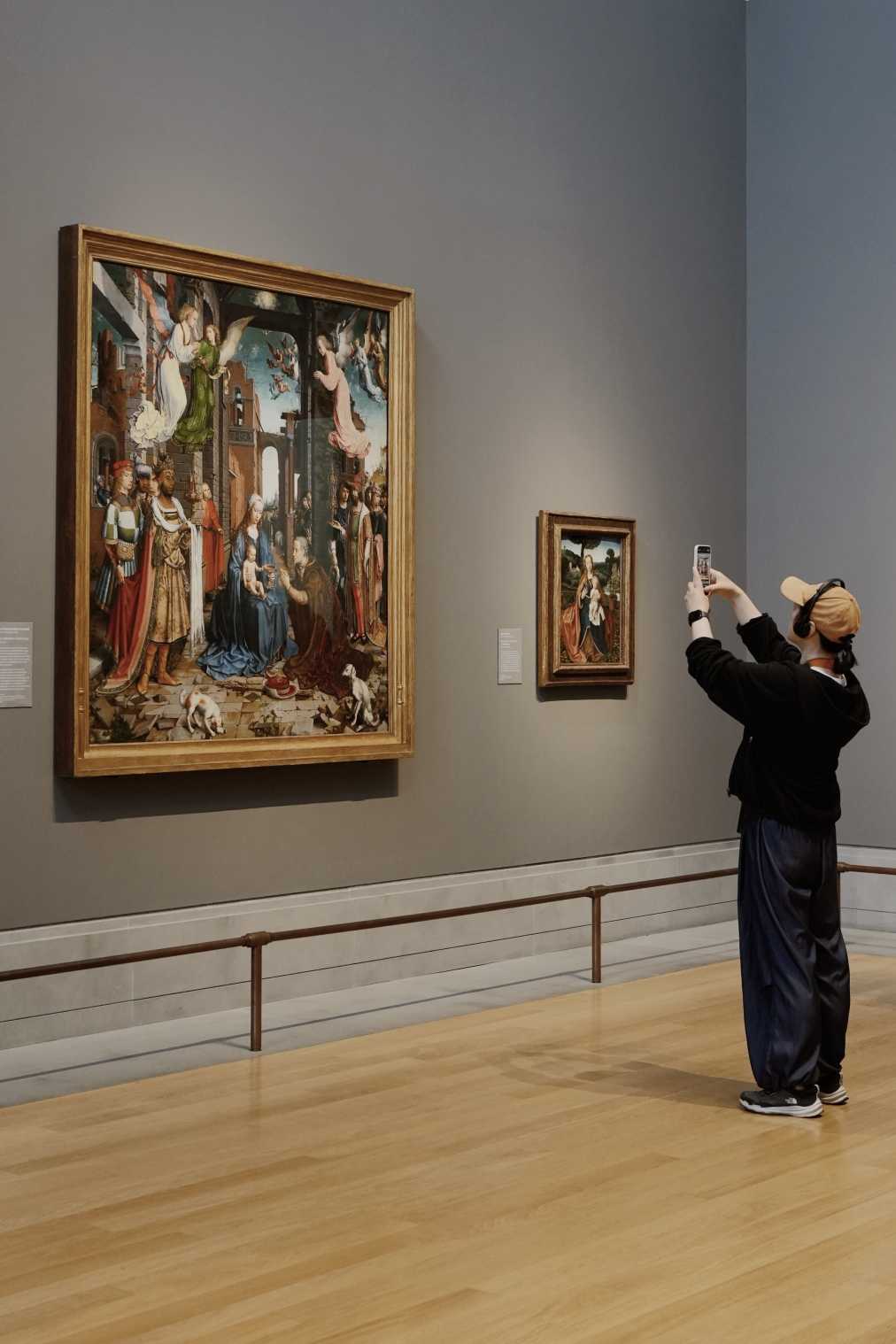 National Gallery
Must-see: Jan van Eyck, “The Arnolfini Portrait”, 1434
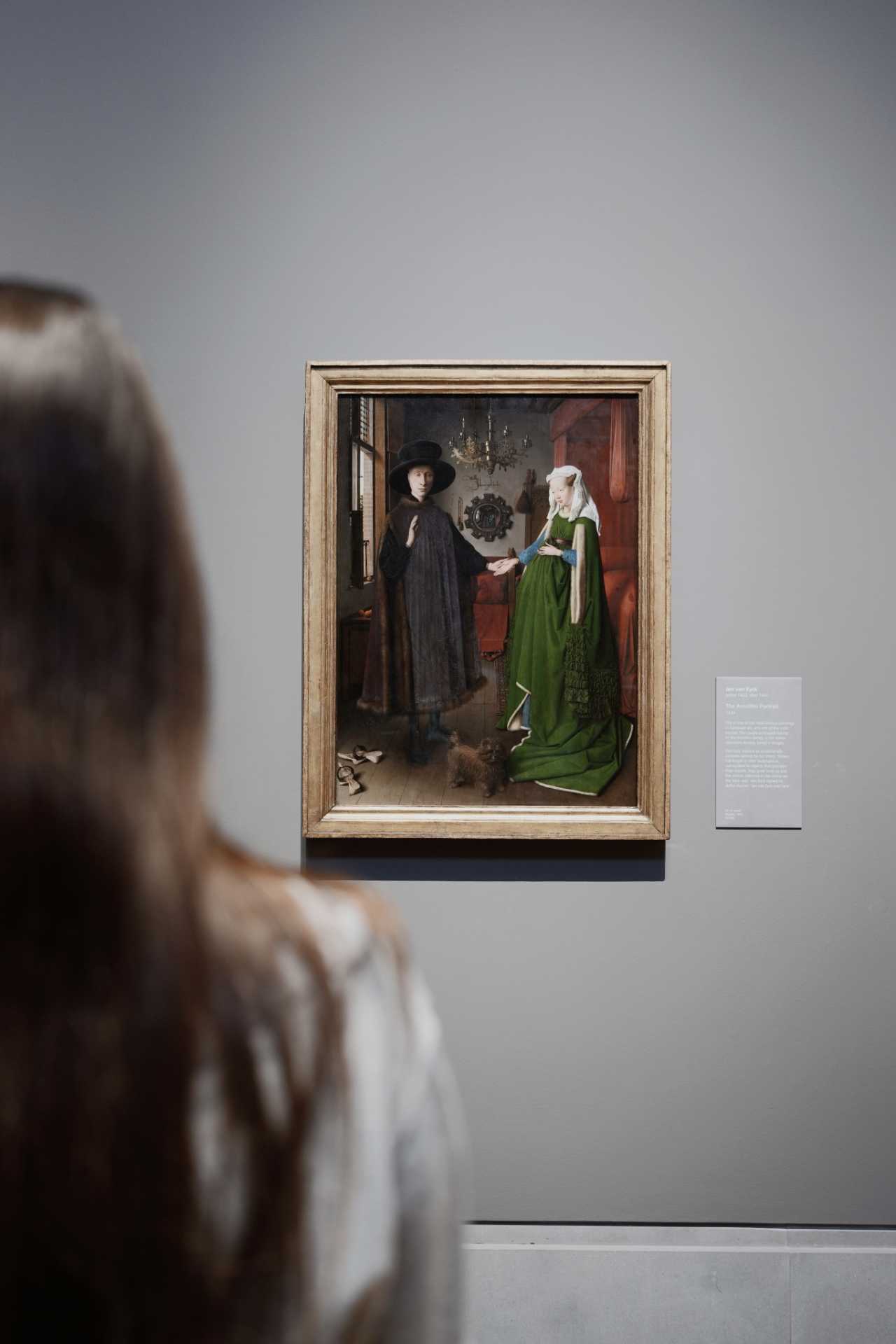 National Gallery
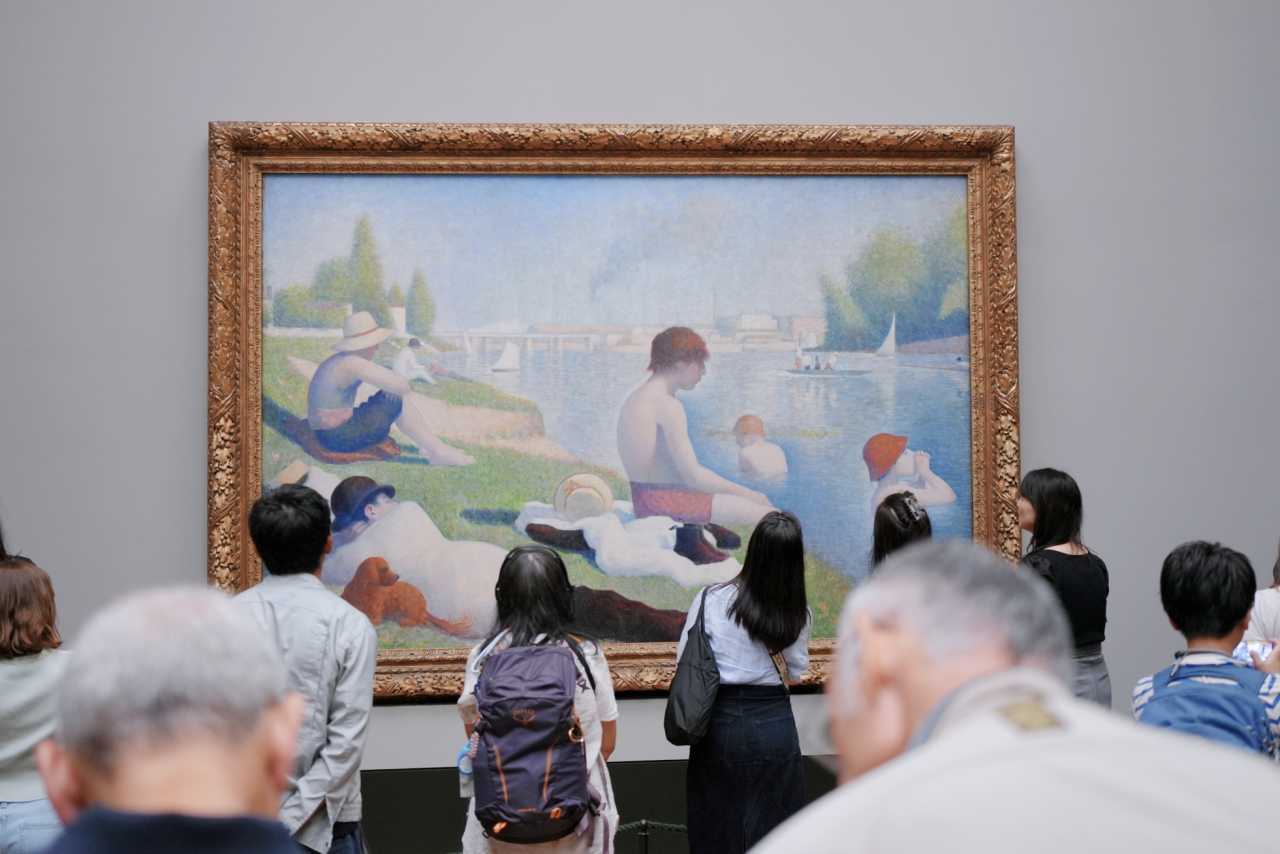
Must-see: Georges Seurat, “Bathers at Asnières”, 1884
 National Gallery
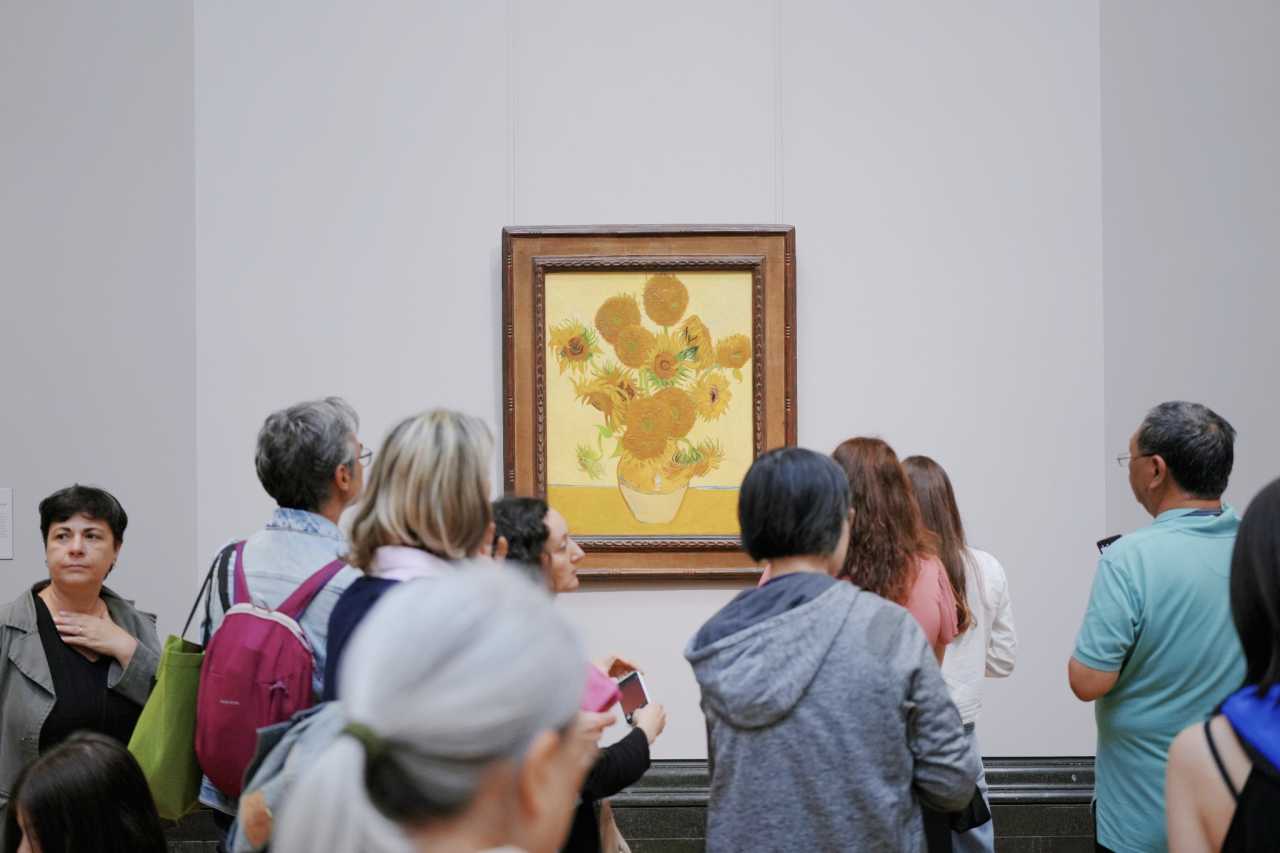
Must-see: Vincent van Gogh, “Sunflowers”, 1888
 National Gallery
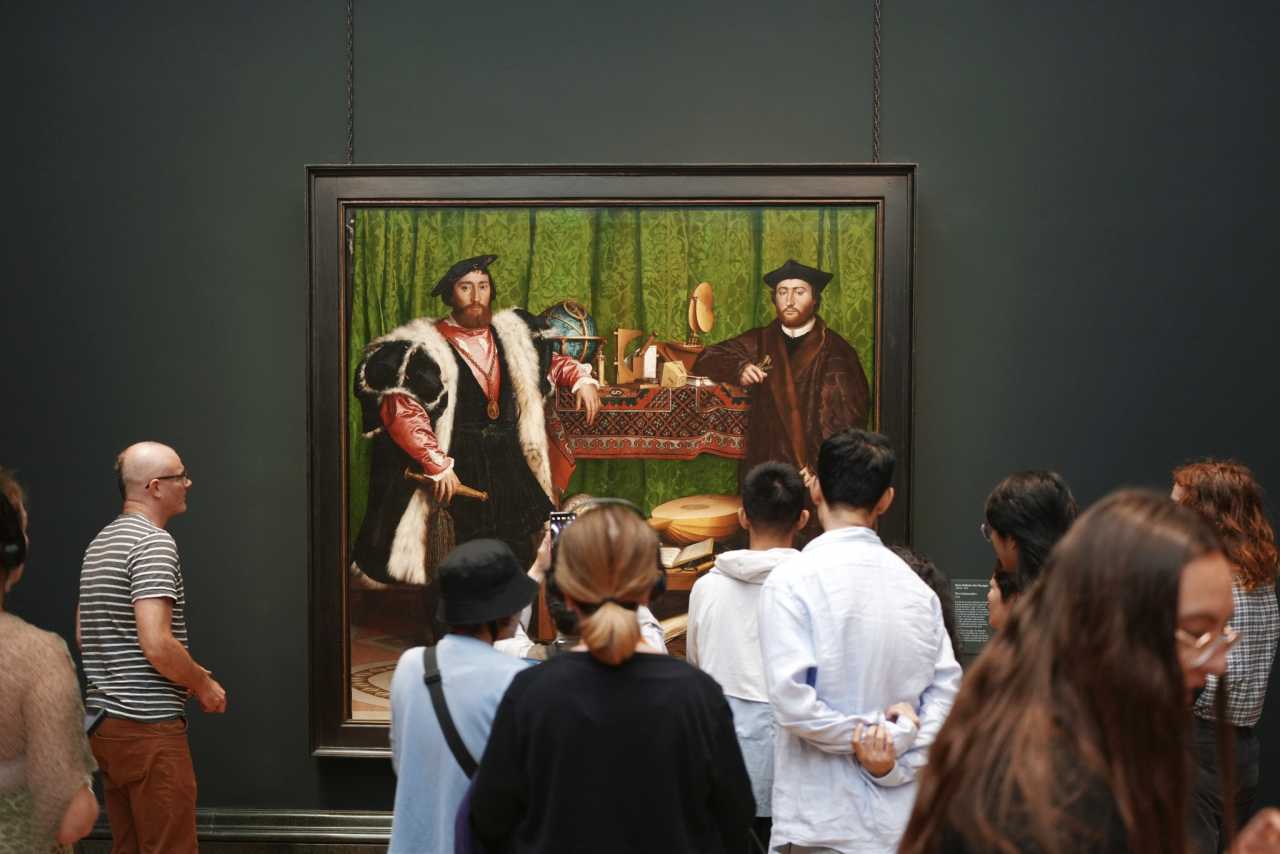
Must-see: Hans Holbein the Younger, “The Ambassadors”, 1533
Puzzle: stand to the right at a particular angle to see the skull.
 National Gallery
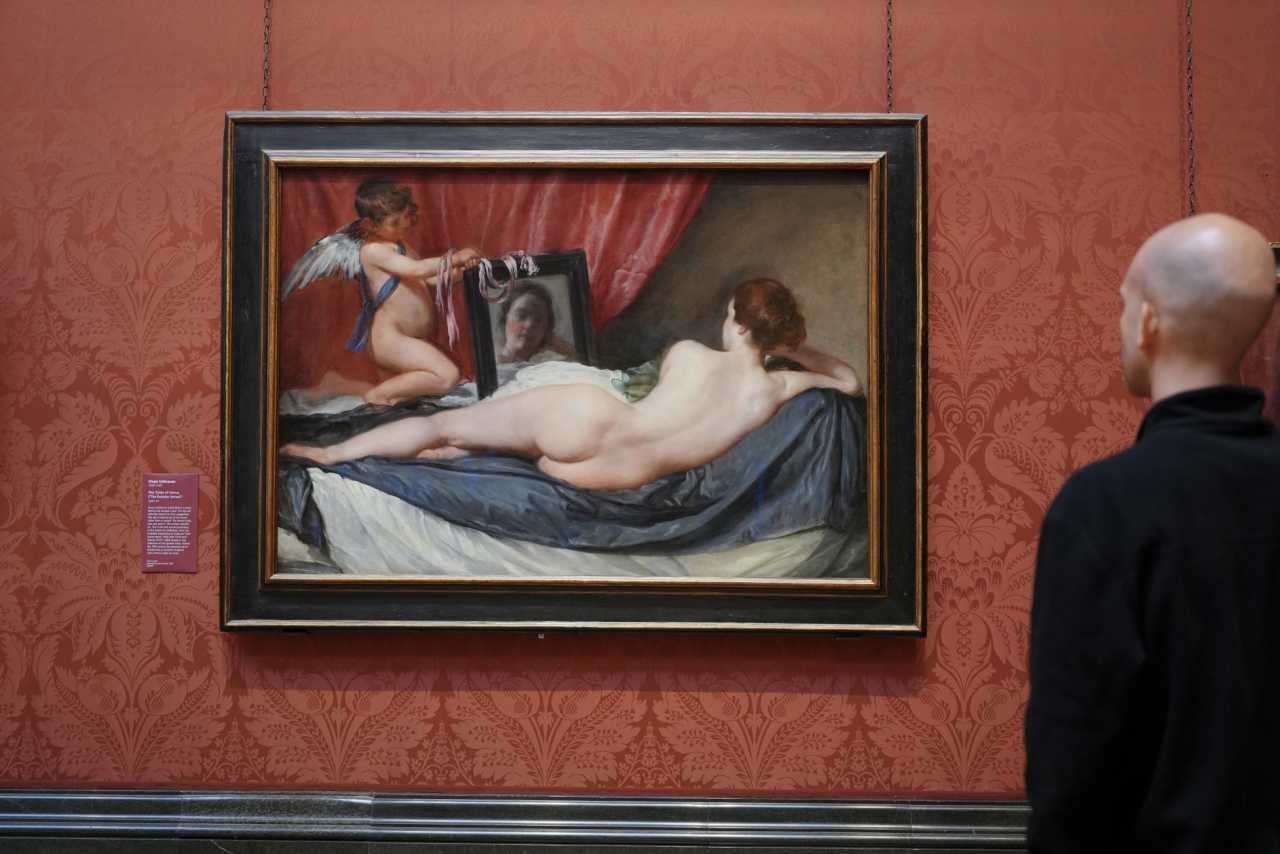
Must-see: Velázquez, “The Toilet of Venus”, 1647–1651
 National Gallery
“Leonardo’s Doge Leonardo Loredan”, “The Boy in Red”, “Boy Bitten by a Lizard”
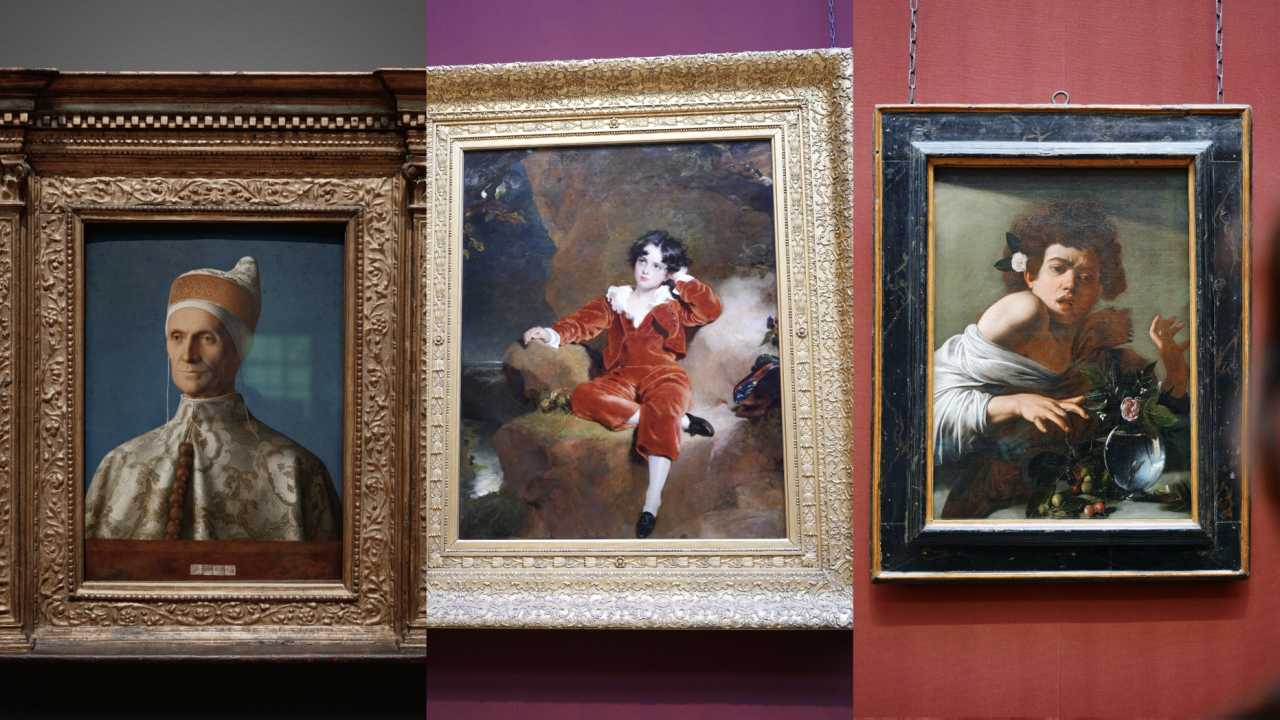 National Gallery
Admire the masters’ brushwork up close.
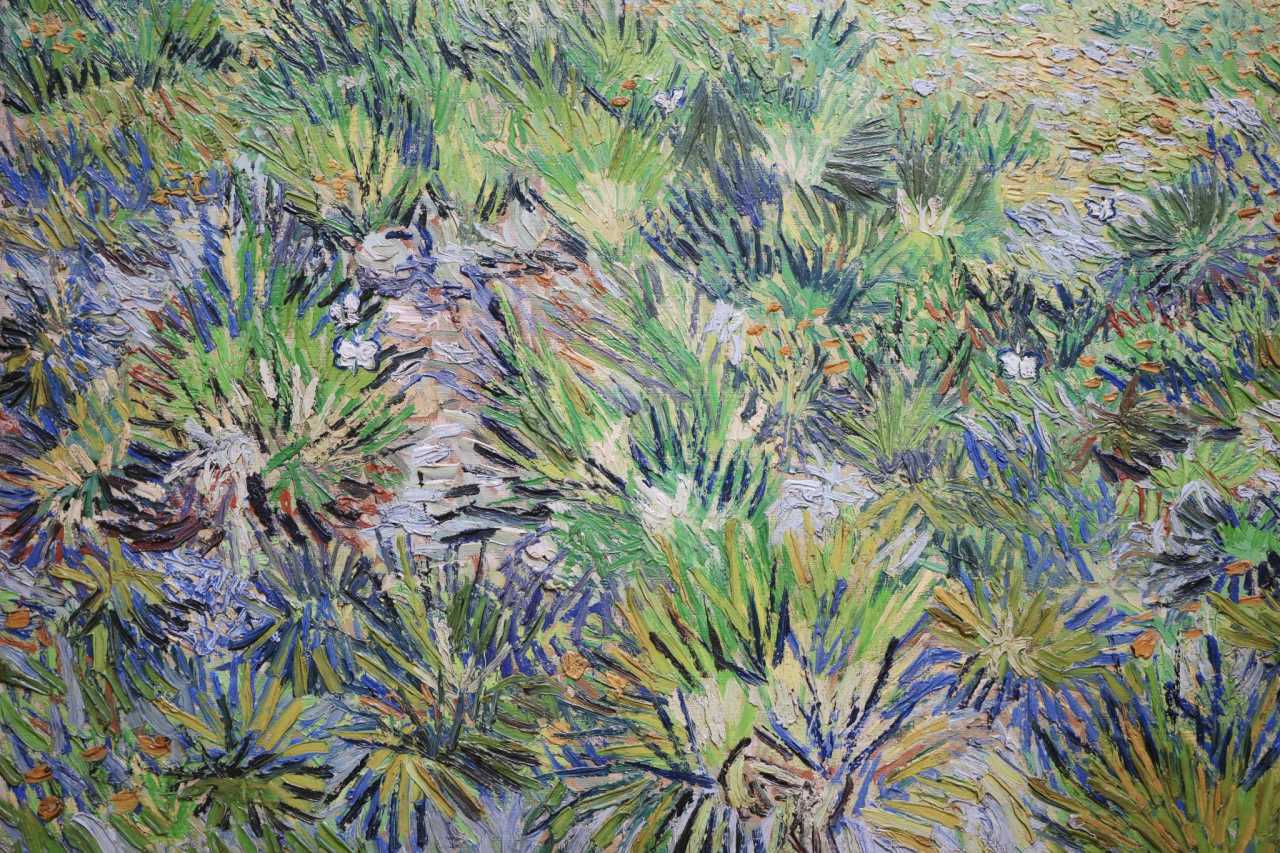 National Gallery
Van Gogh, “Wheatfield with Cypresses”
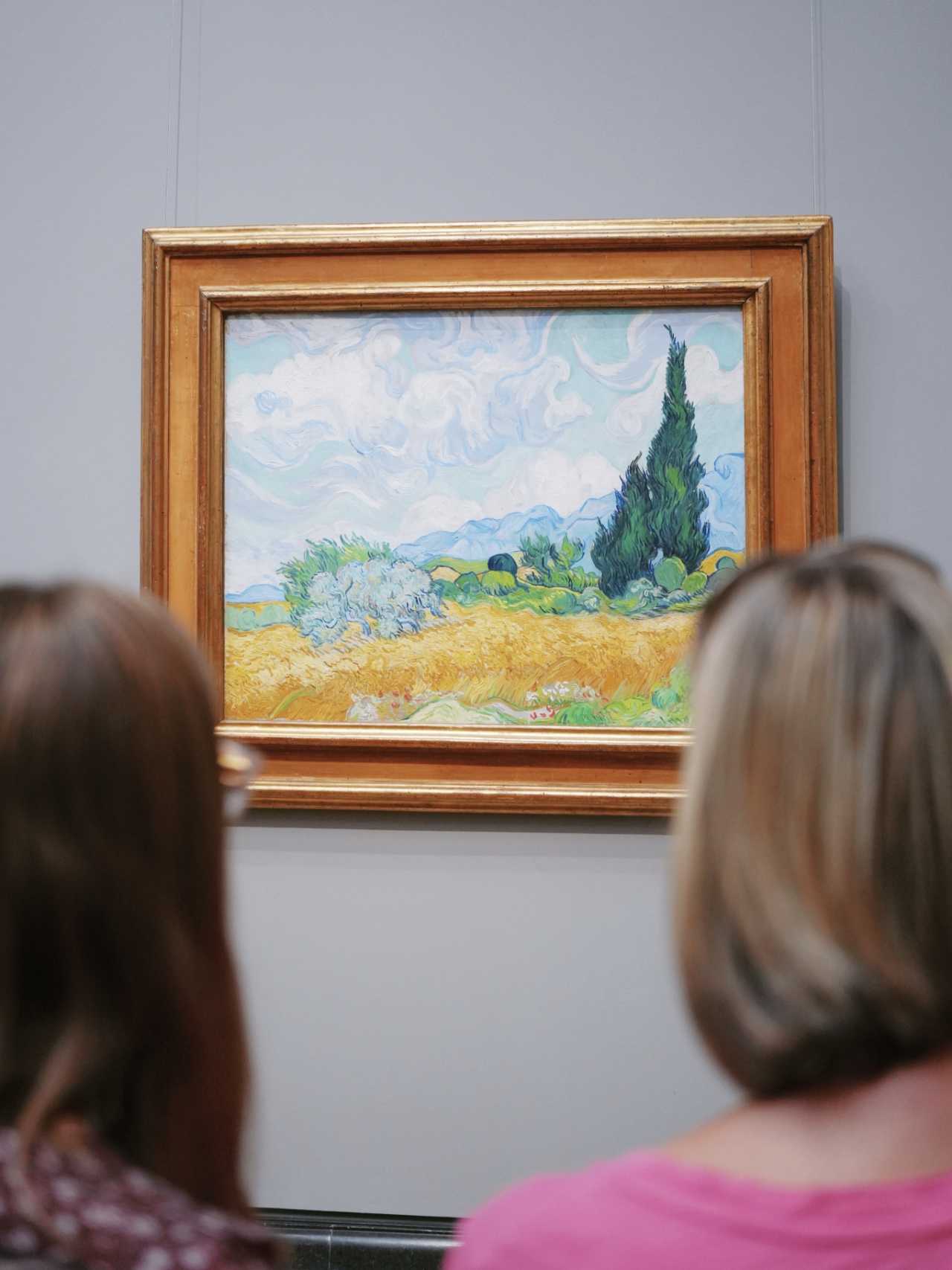 National Gallery
The other Turner on the £20 note: “The Fighting Temeraire tugged to her last berth to be broken up”
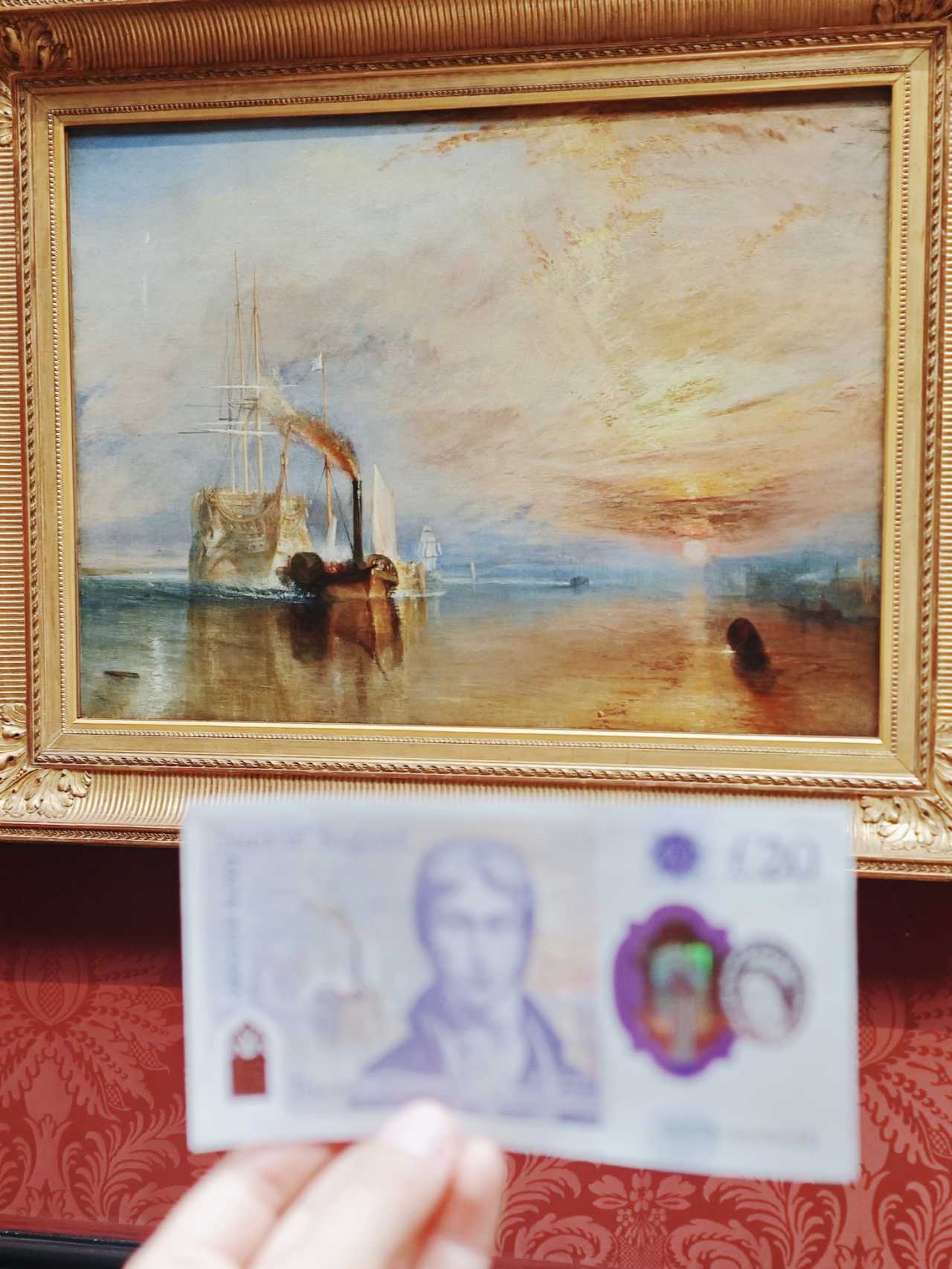 National Gallery
Rembrandt, “Self-portrait with Straw Hat”
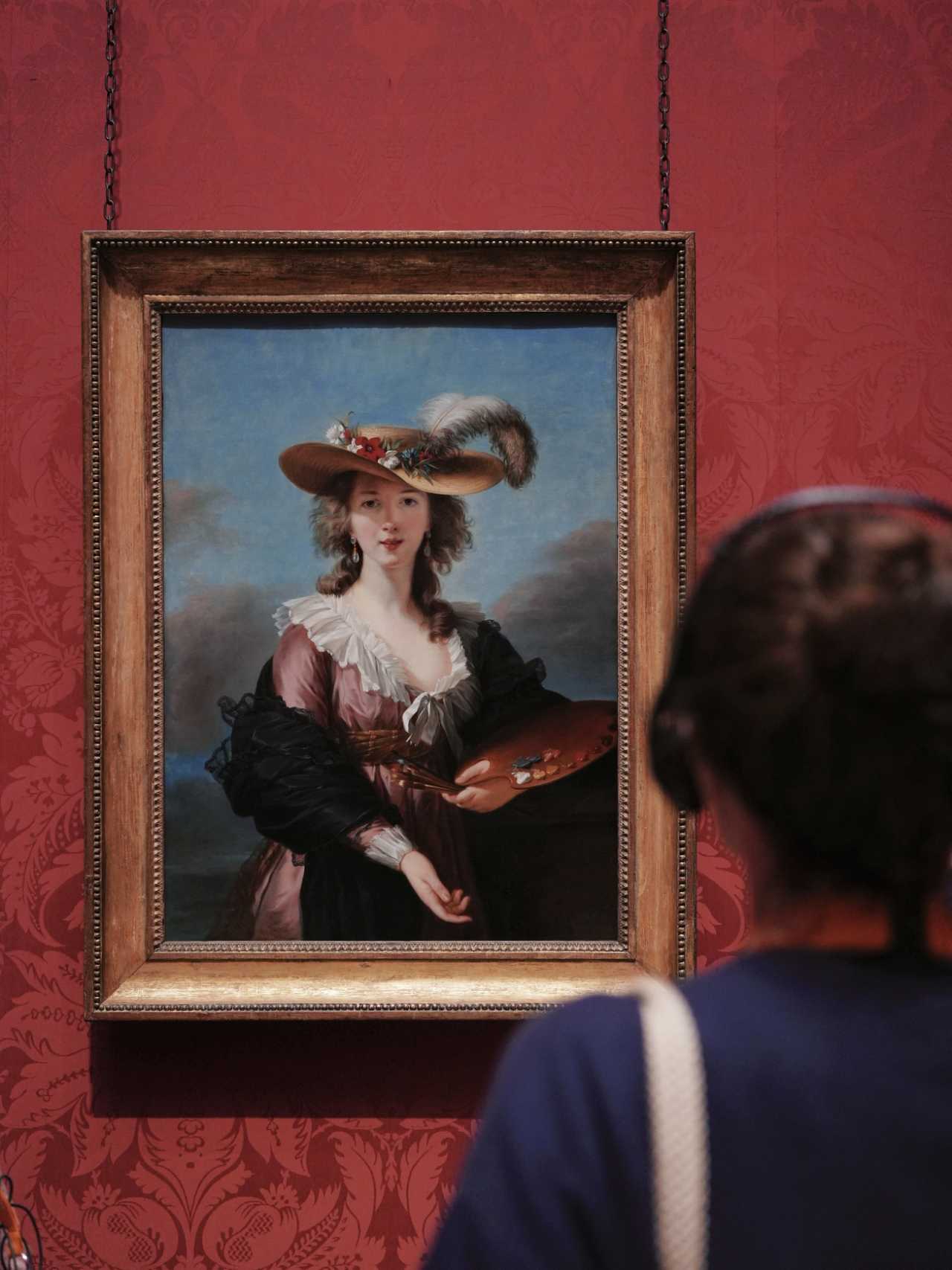 National Gallery
Monet, “The Water-Lily Pond”, 1899
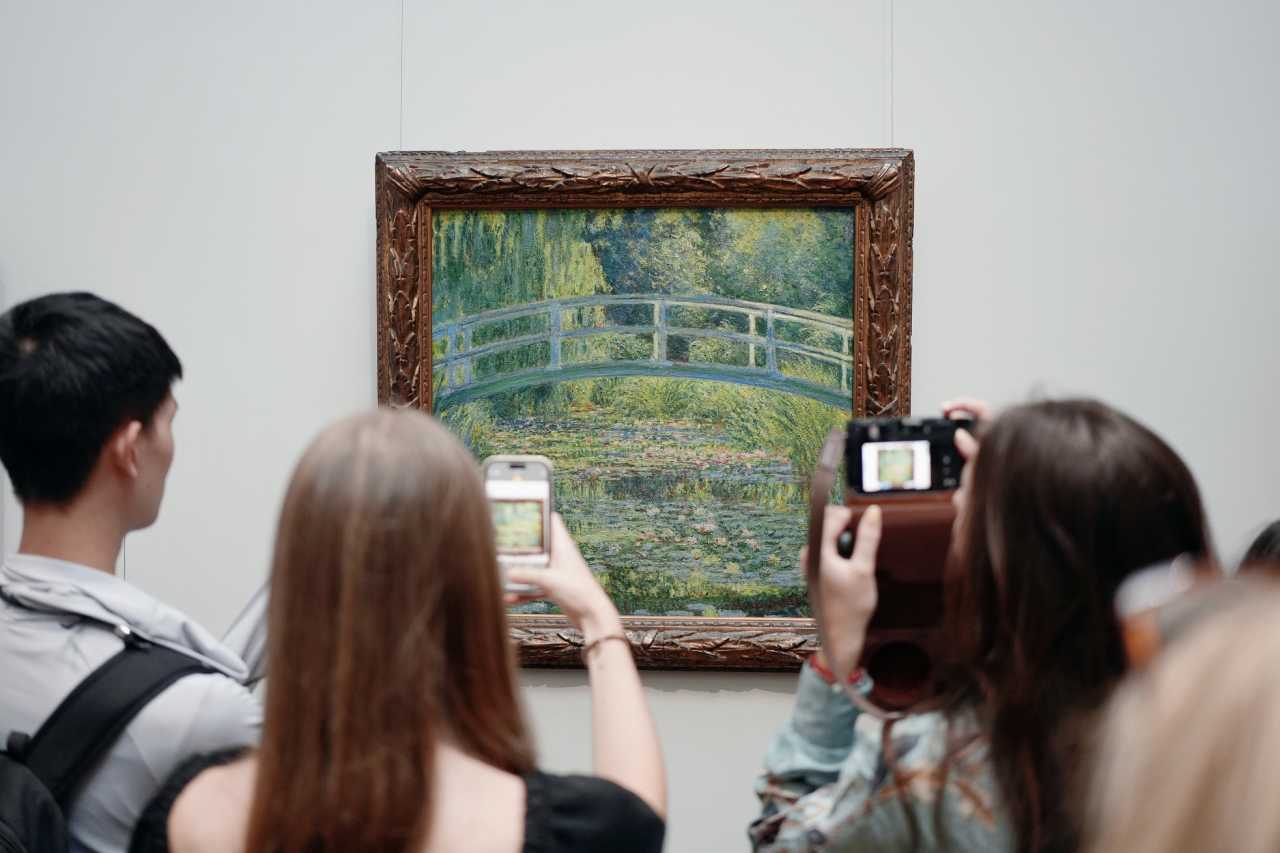 National Gallery
Monet—Water Lilies
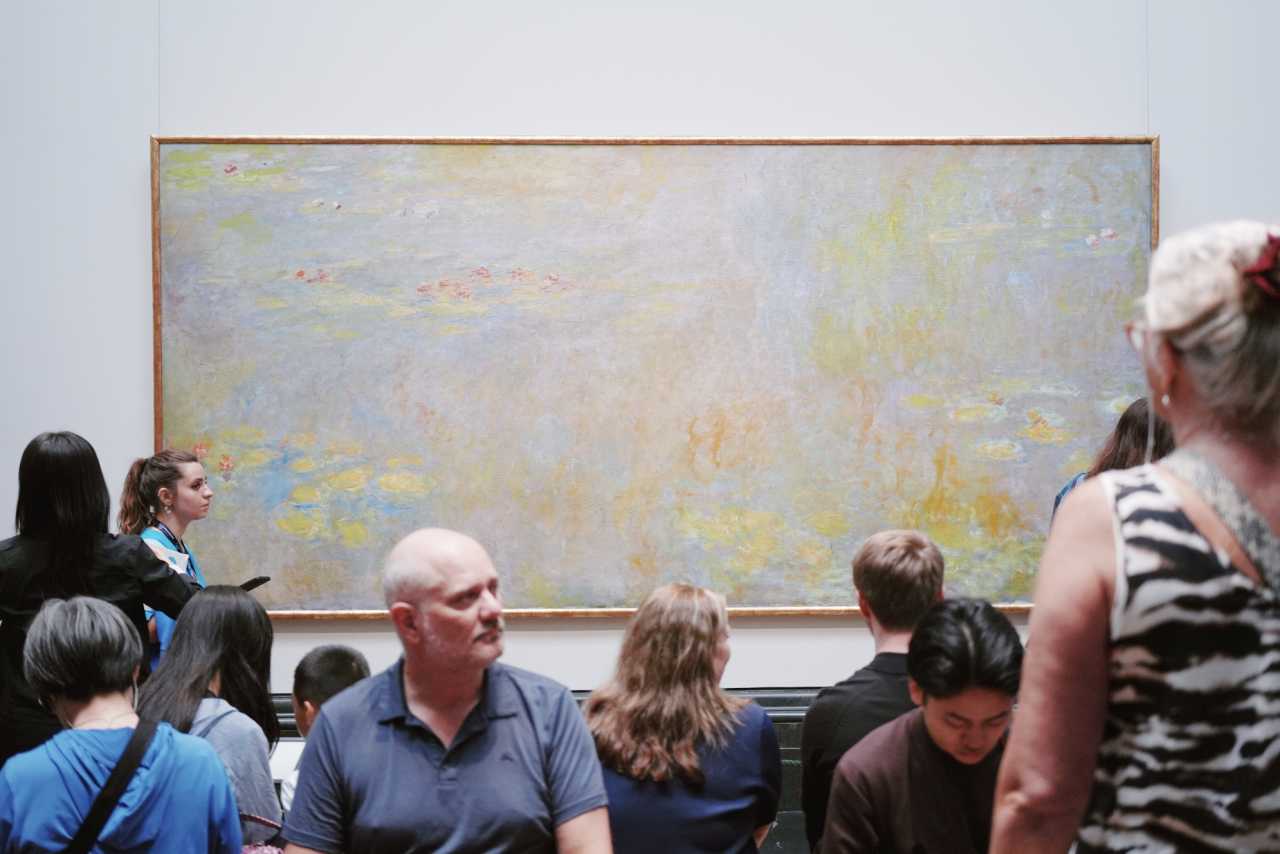 National Gallery
House treasures (with room numbers):
Van Gogh “Sunflowers” — Room 43
Leonardo “Virgin of the Rocks” — Room 51
Monet “Water Lilies” series — Room 41
Botticelli “Venus and Mars” — Room 58
Turner “The Fighting Temeraire” — Room 34
Michelangelo “The Entombment” — Room 8
I entered around 2 pm and stayed until closing! Didn’t even browse the shops properly!
There are three shops—one at the entrance/exit; near the exit there’s one upstairs; and one downstairs. They differ—visit all.
British Library
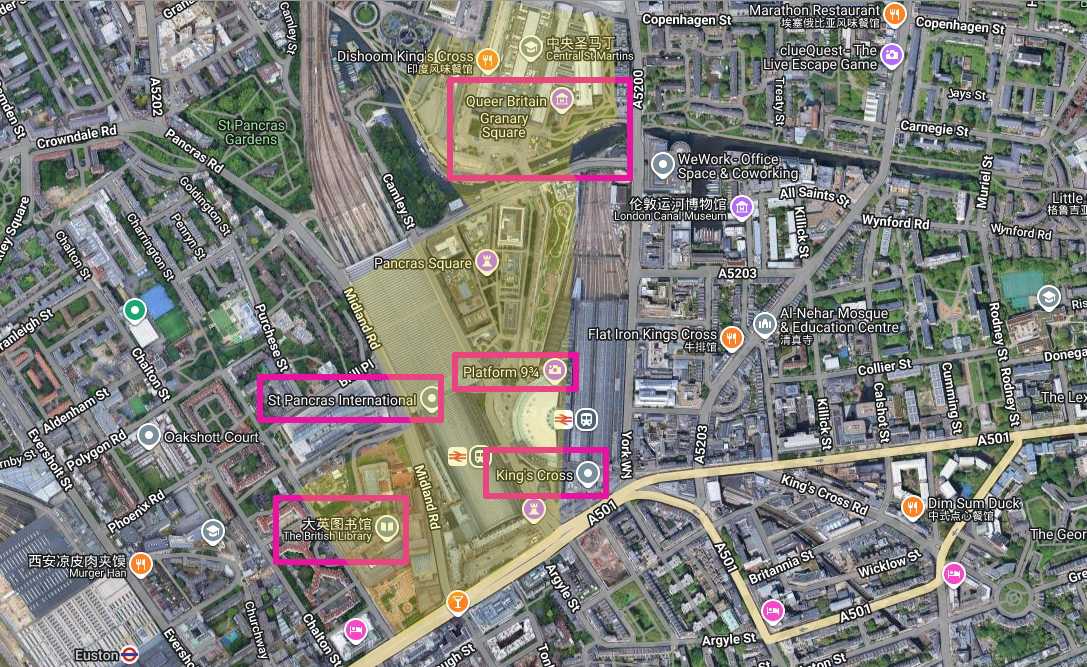
Evening plan was an outdoor movie near King’s Cross. The British Library, St Pancras Station, and King’s Cross Station are all in this area—so we toured together.
The British Library became independent from the British Museum in 1997. It has study rooms and reading rooms; most areas are free to visitors and there are free exhibitions. In the free Treasures Gallery you can see items related to Leonardo da Vinci, Michelangelo, Magna Carta, Shakespeare, etc.
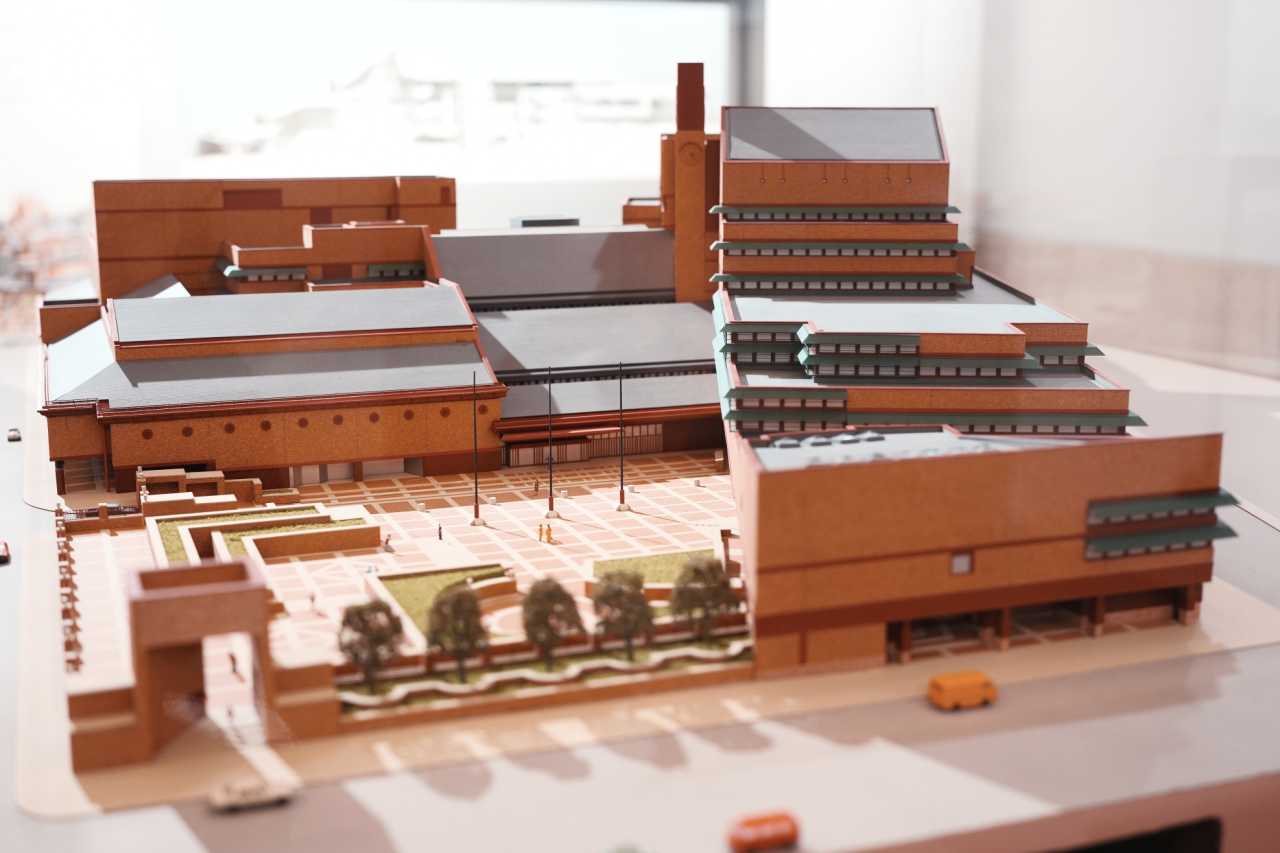 British Library
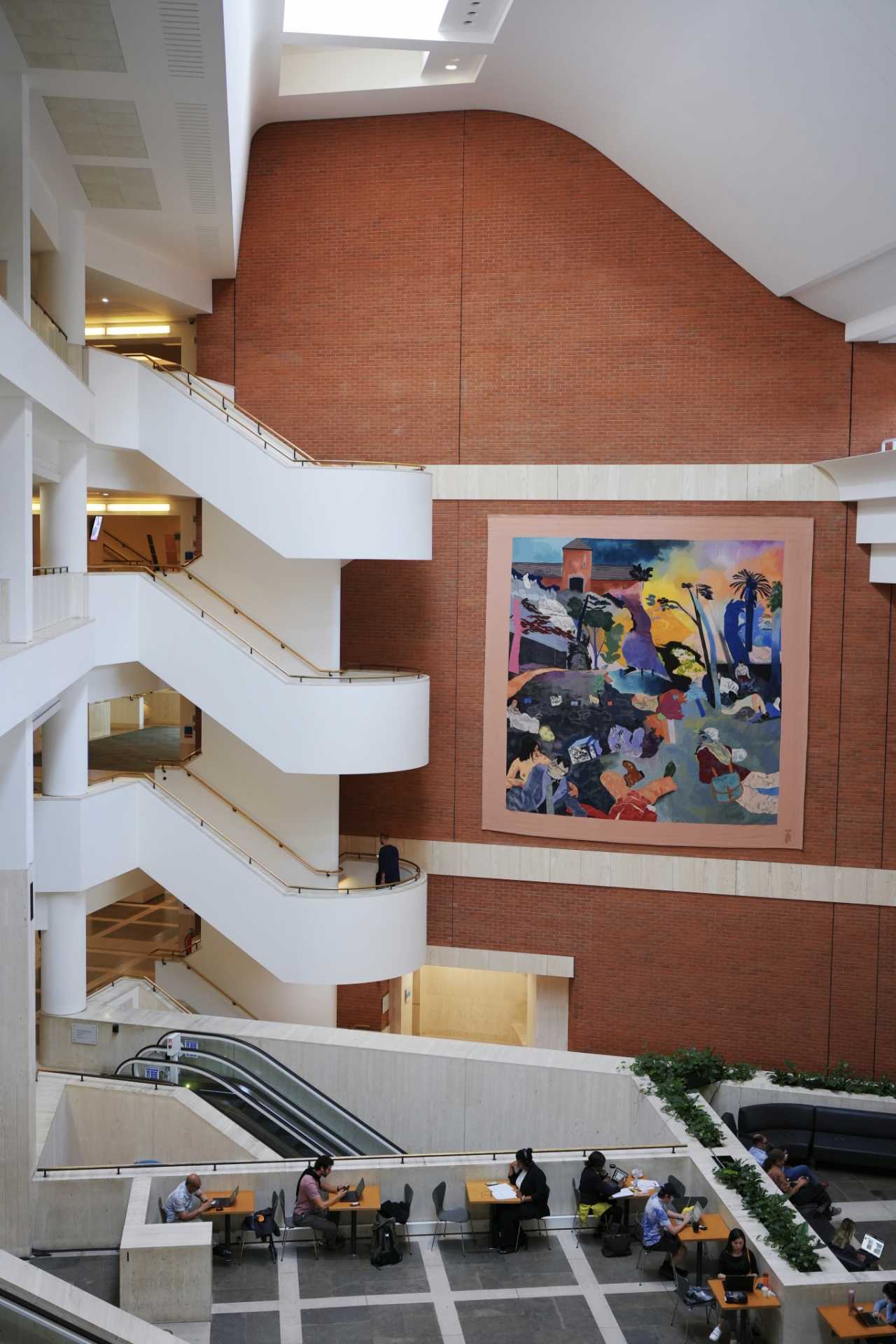
Designed by Colin St John Wilson. Because it’s next to St Pancras Station, it uses red brick to echo the historic style.
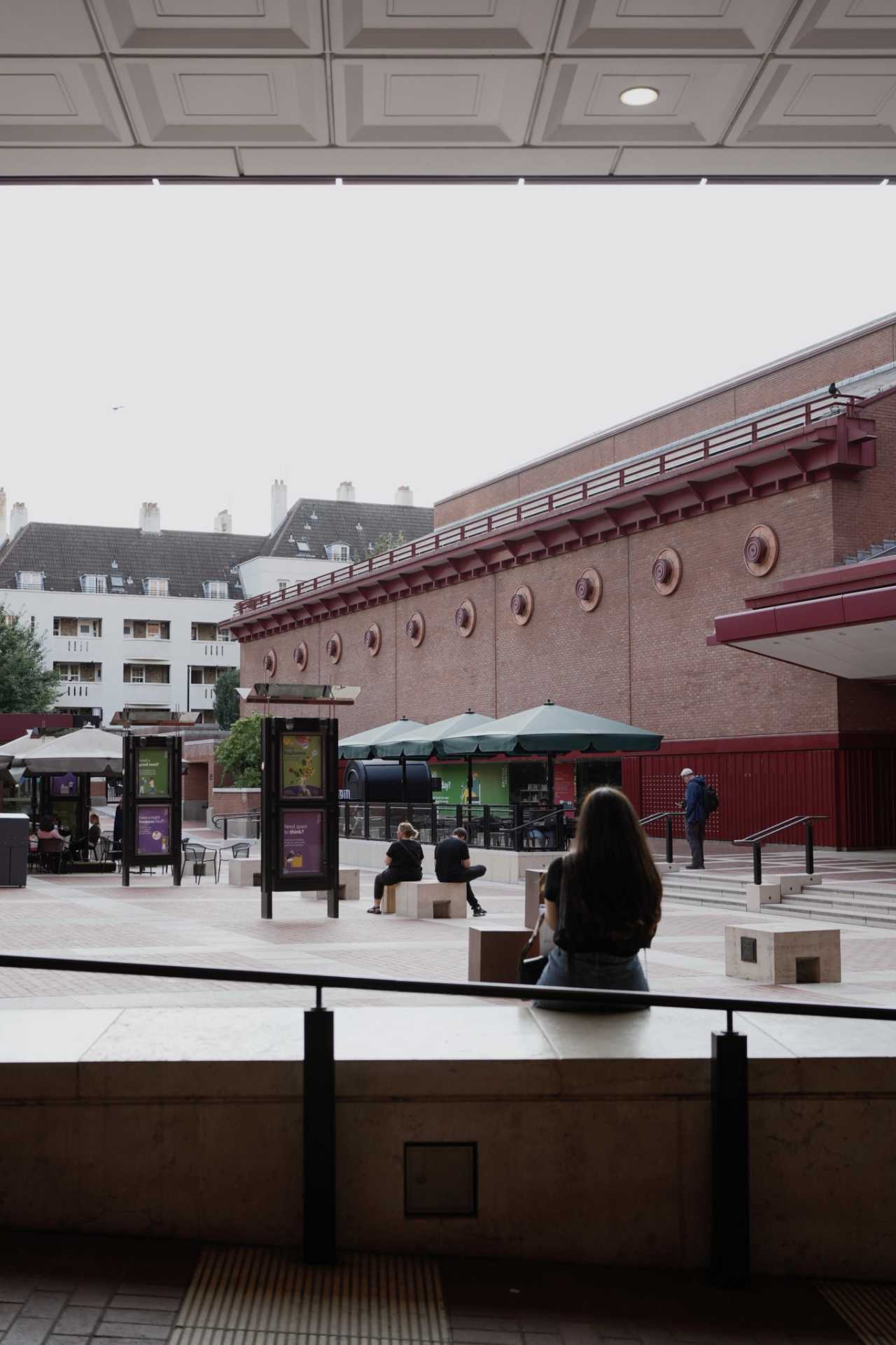 British Library
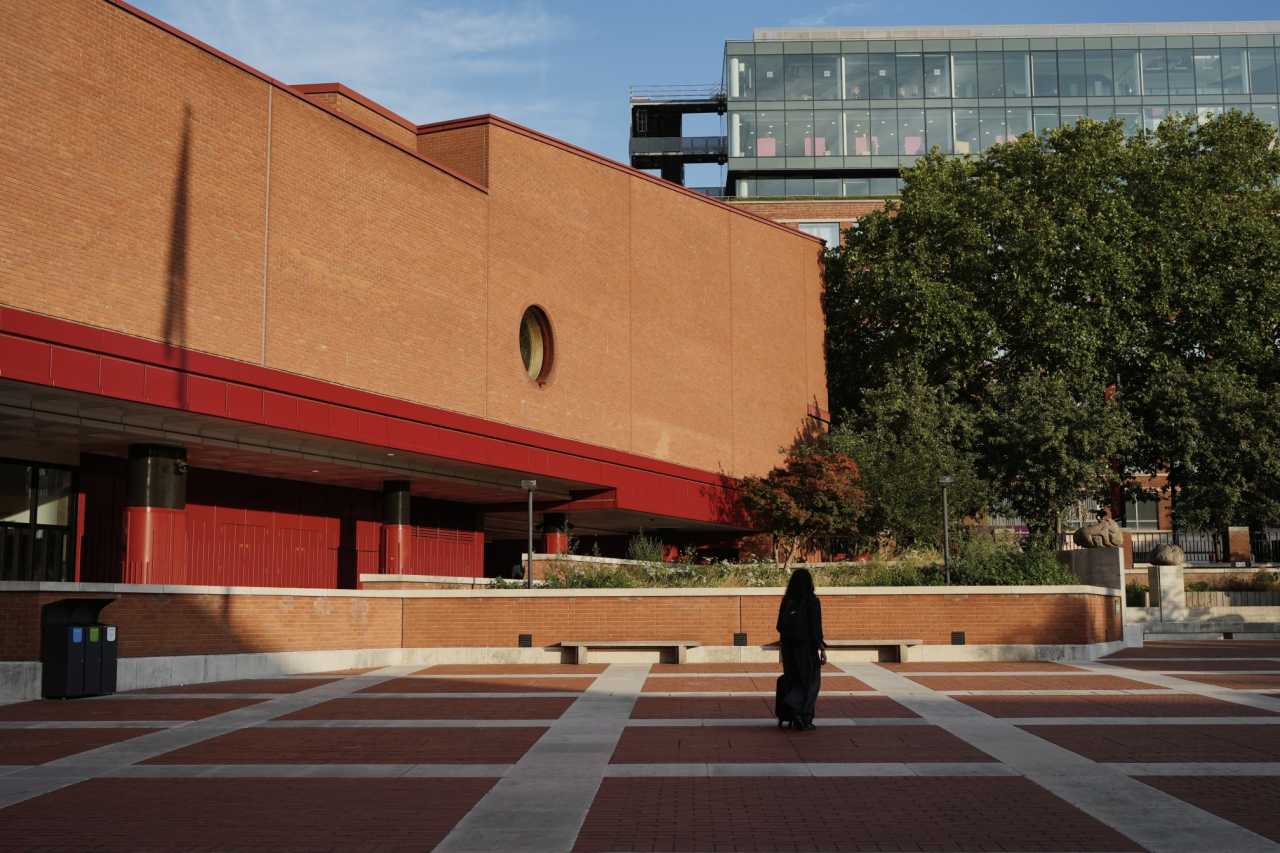 British Library
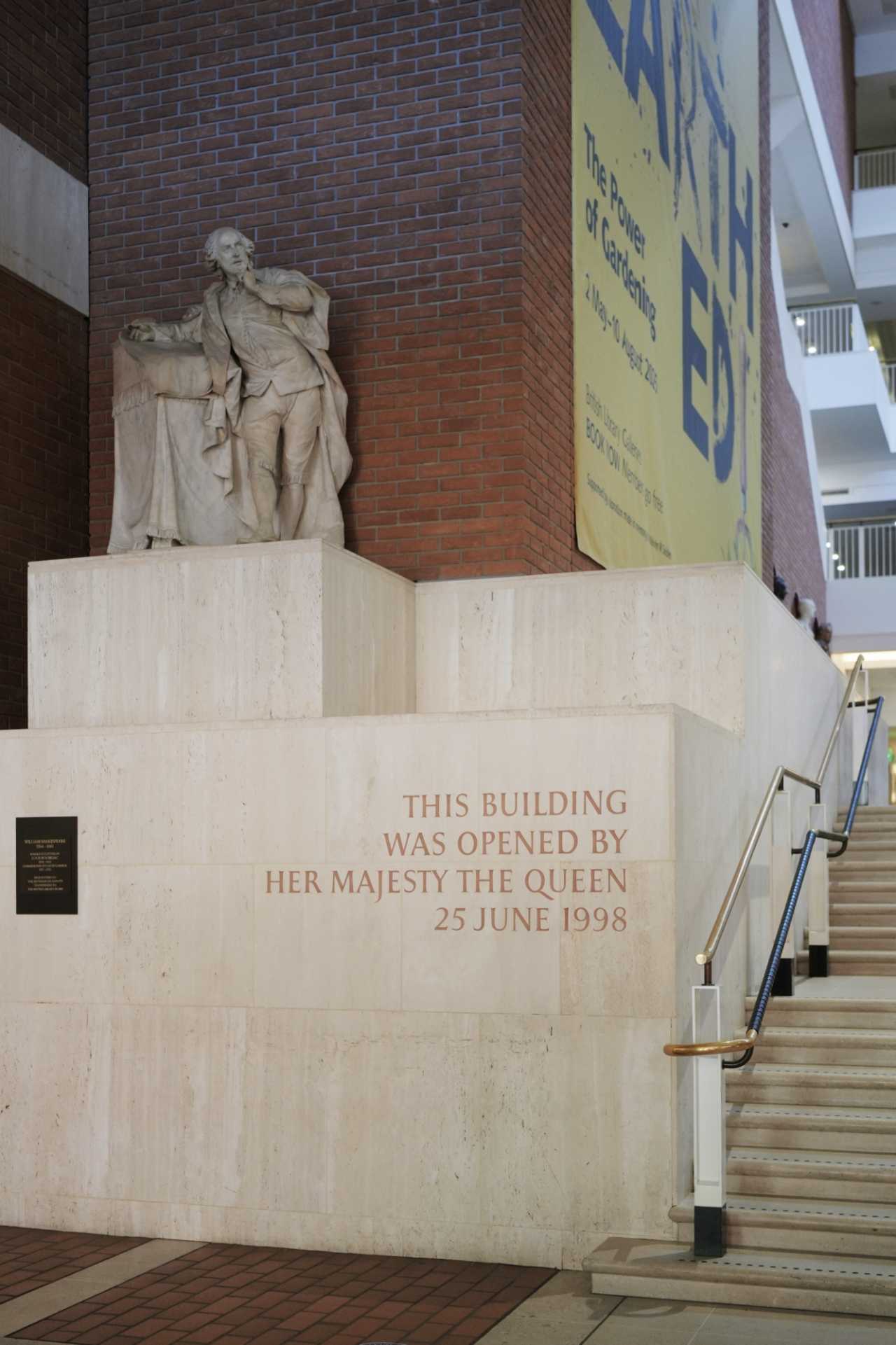 British Library
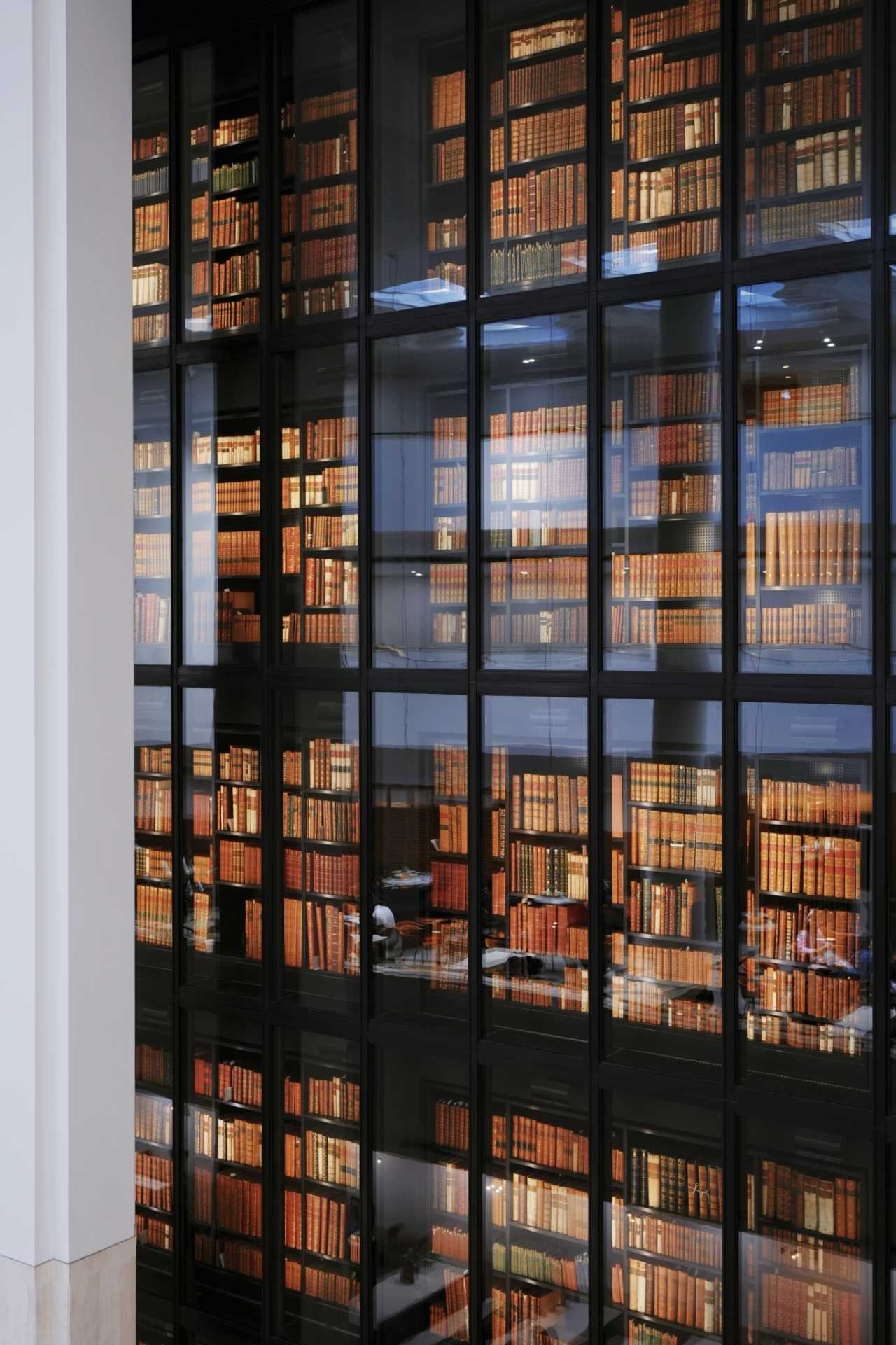
Visible on entry—the transparent book tower houses King George III’s collection.
 British Library
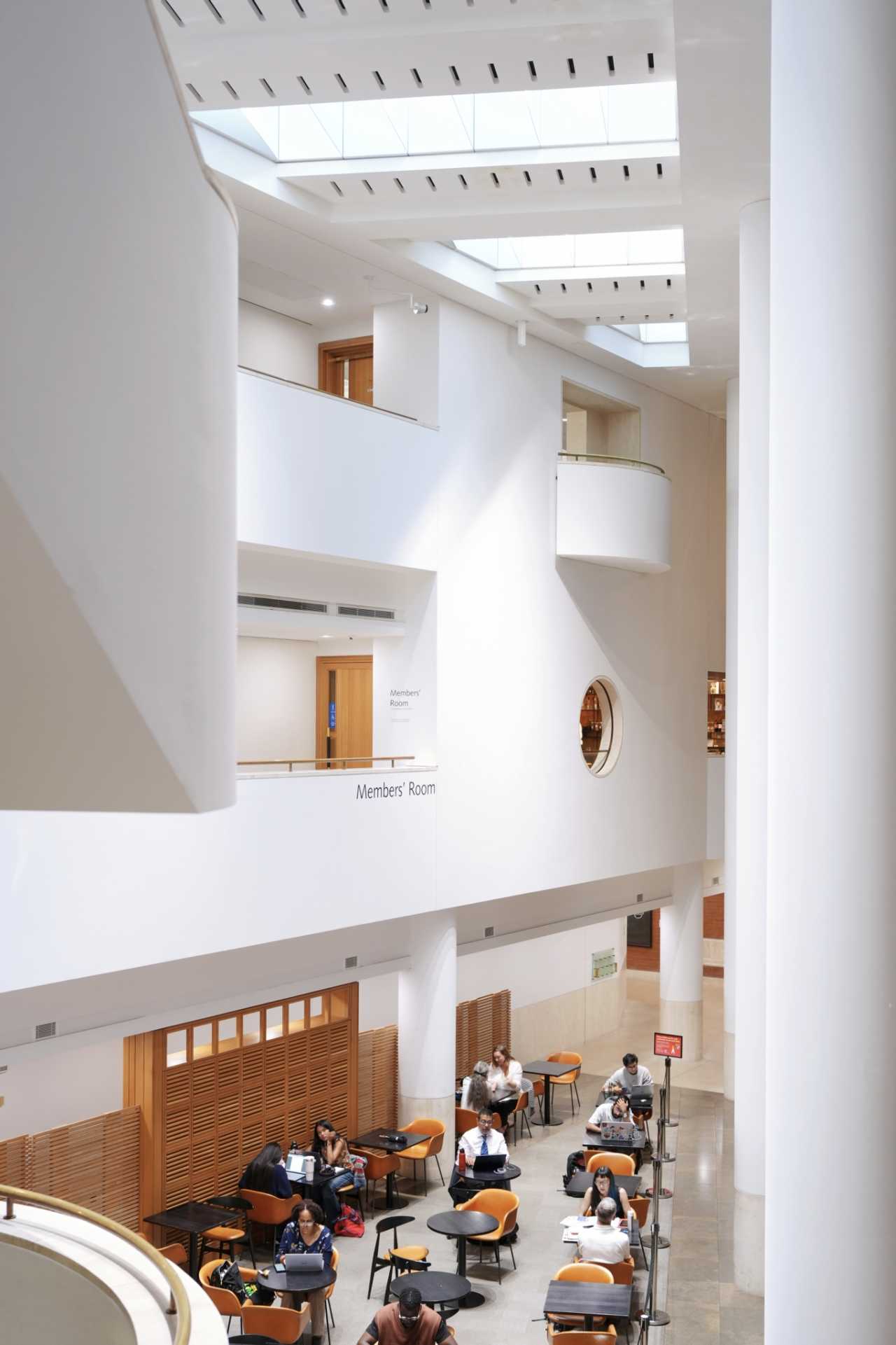
Interior spaces are layered—very orderly.
 British Library
 British Library
 British Library
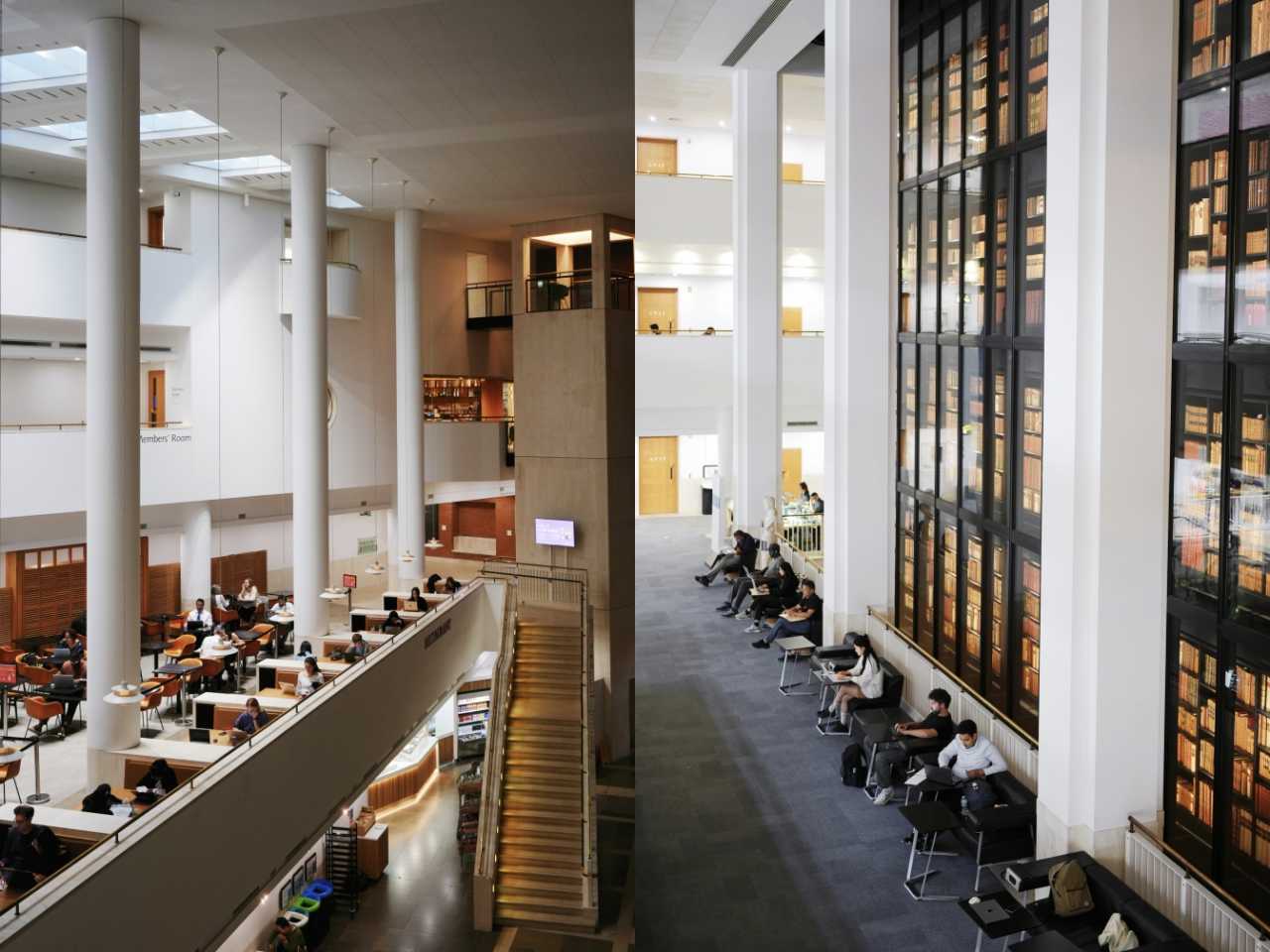 British Library
St Pancras & King’s Cross & Summer Outdoor Cinema
Writing a travelogue is like a review. This under-prepared London trip left many regrets, especially this segment—missed many classic spots—so many “had I known…” in my head—alas, no “had I known”.
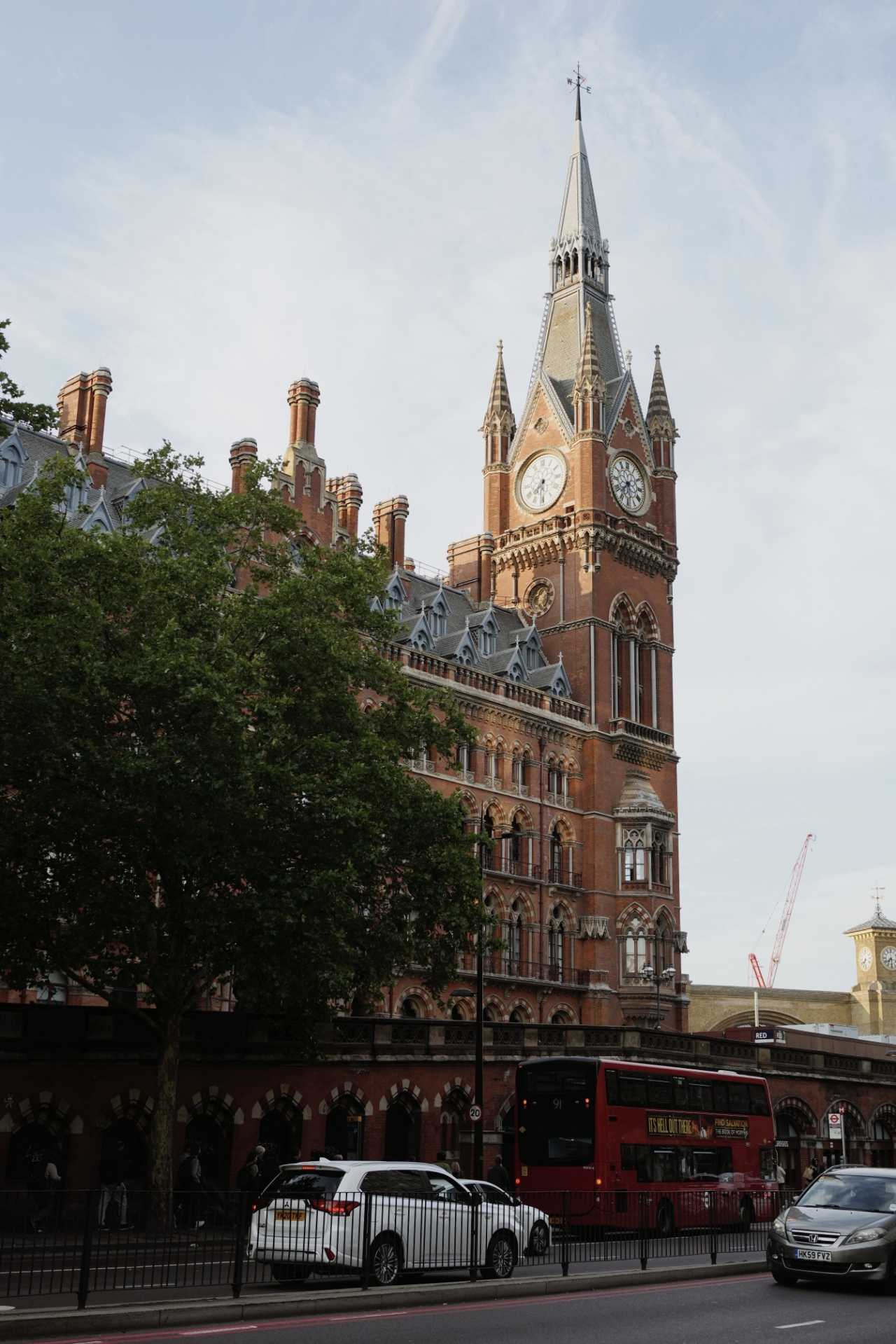 St Pancras International
Regret No. 1 — didn’t see “I want my time with you”, the neon message on the platform— a romantic work by British contemporary artist Tracey Emin. We focused on the entrance sculpture and then rushed the movie—perfect miss. (Worse came later—we missed the movie too o(╥﹏╥)o)
When I saw that phrase online, it was deeply moving—Europeans have romance in their bones!
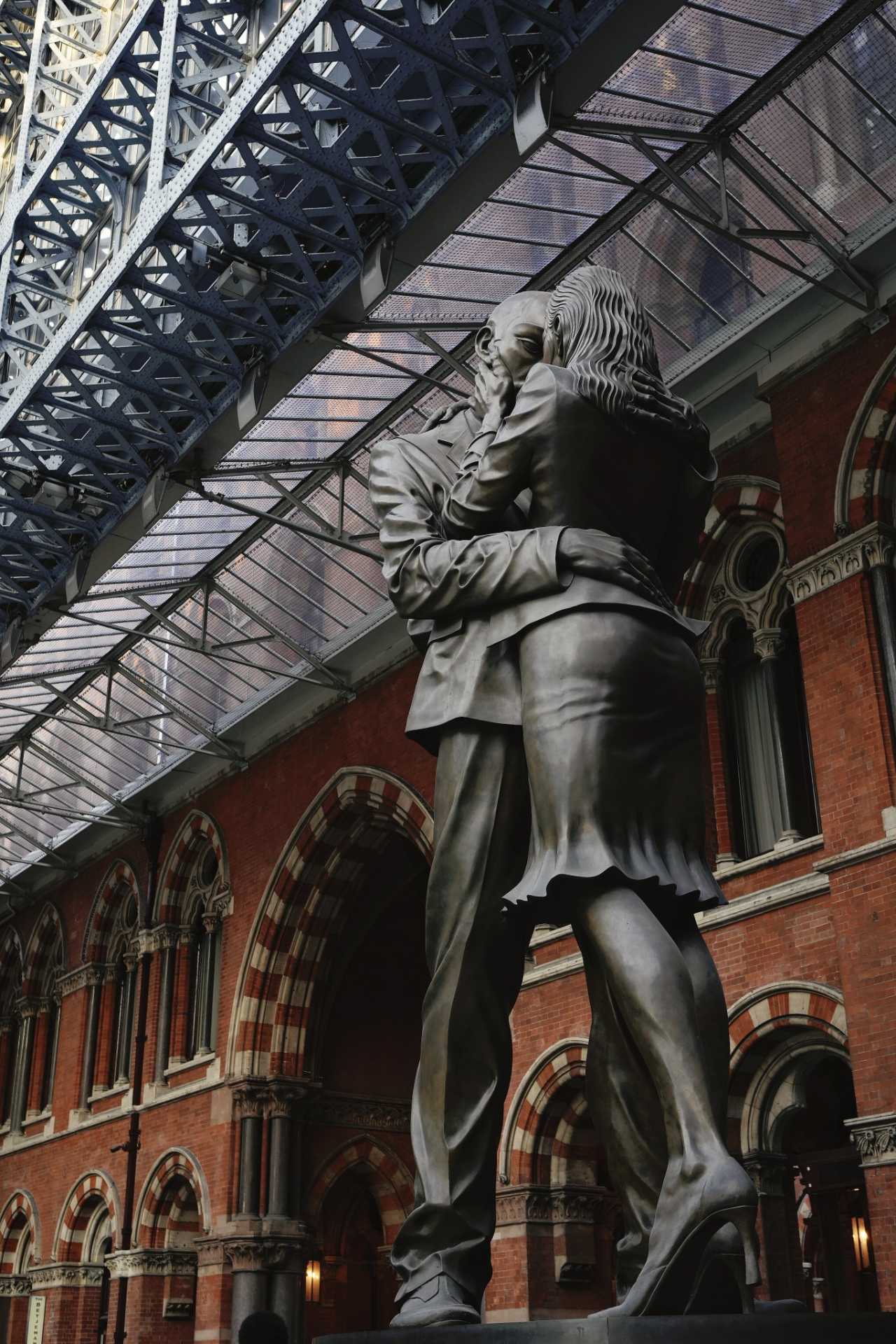 St Pancras International
Borrowed one online photo—feel the romance.
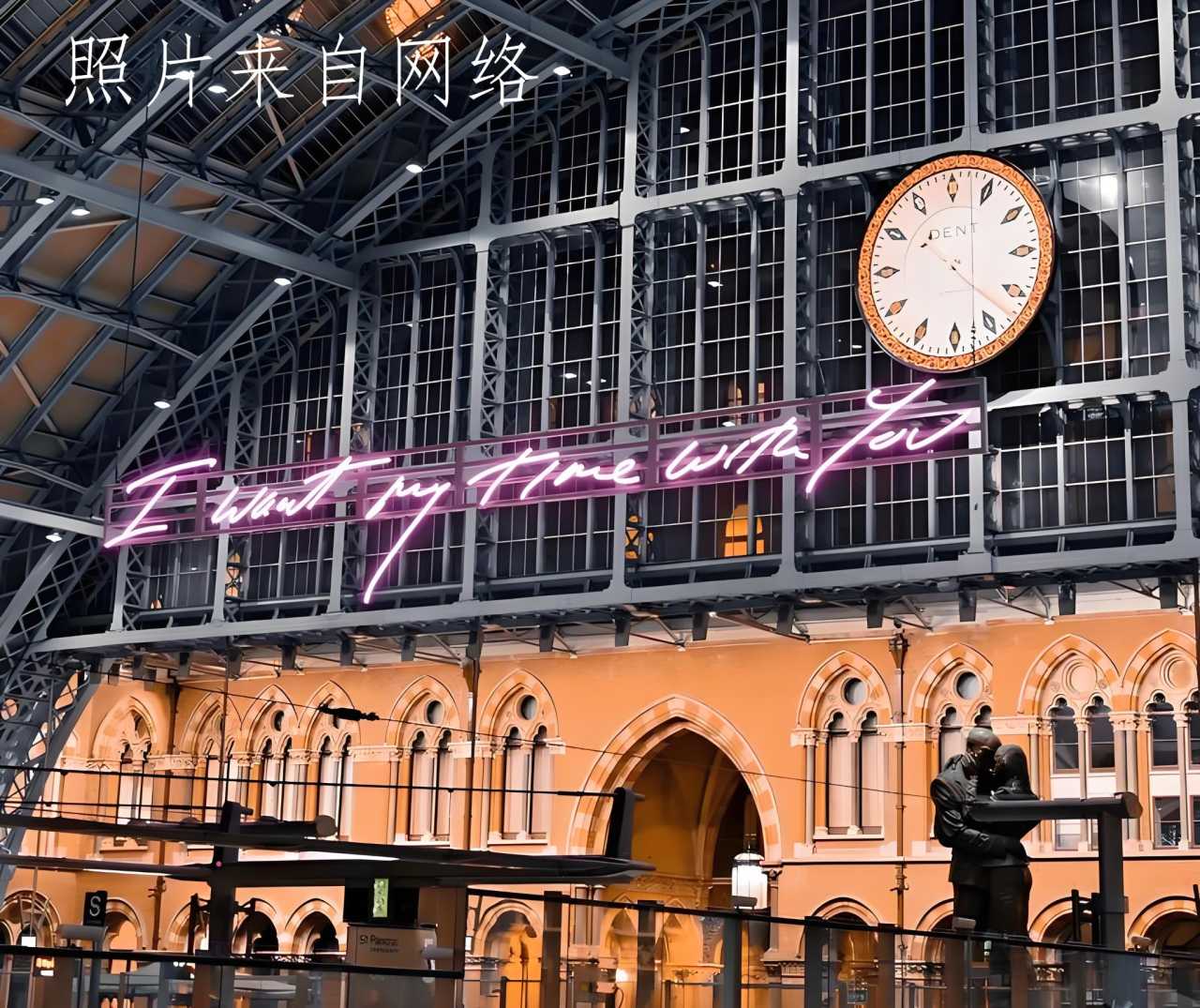 St Pancras International
Behind this Victorian Gothic architecture, the Eurostar is heading to Paris.
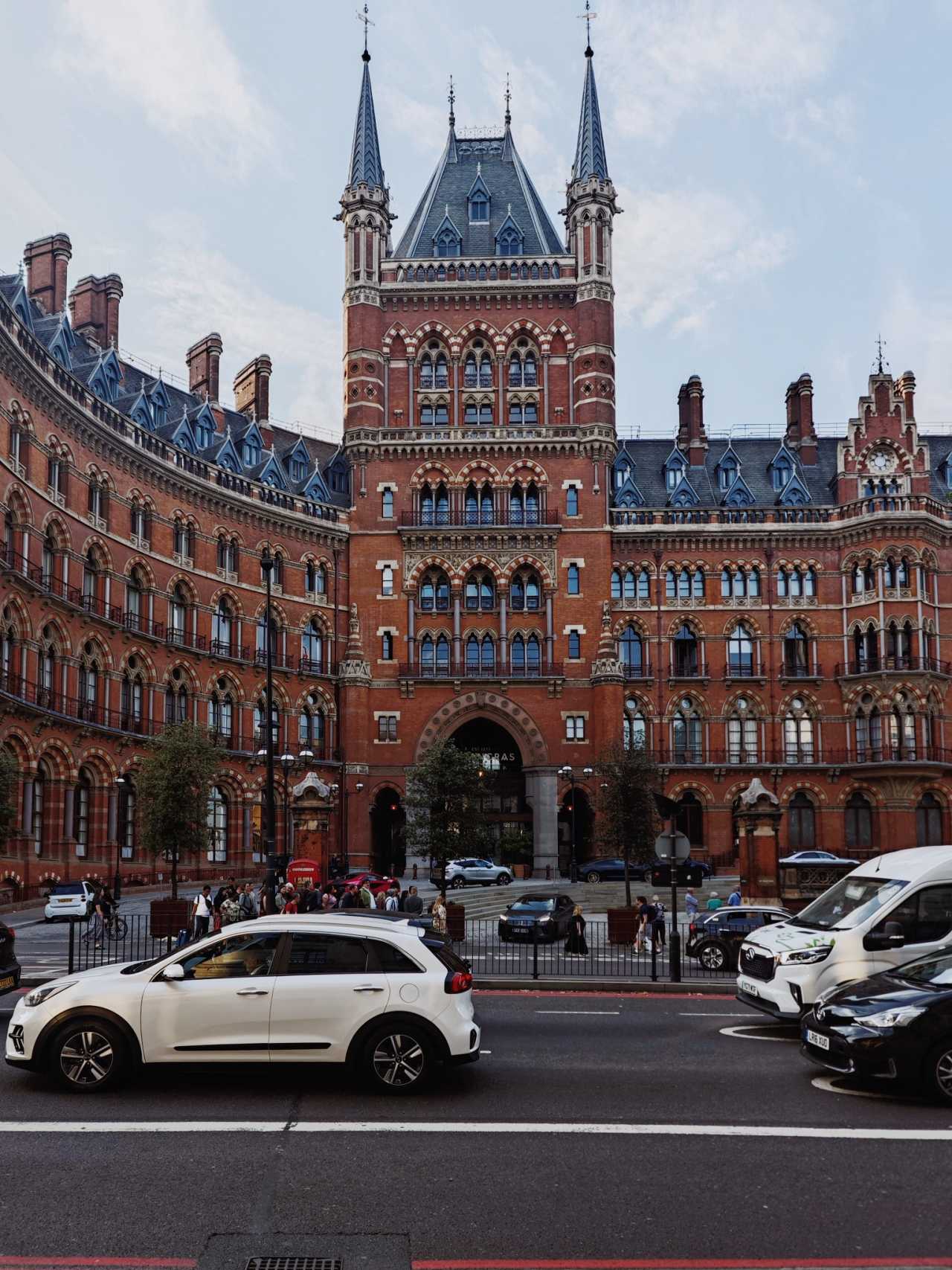 St Pancras International
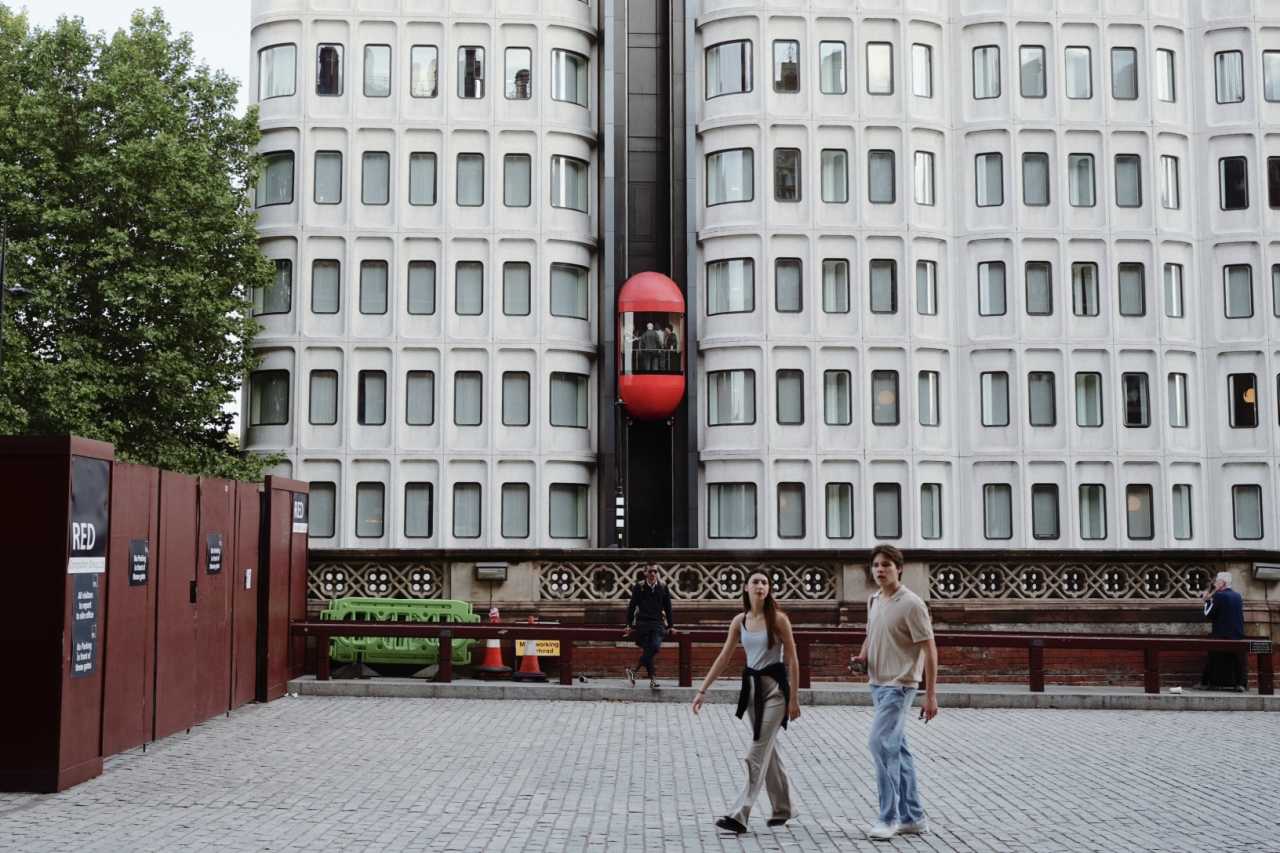
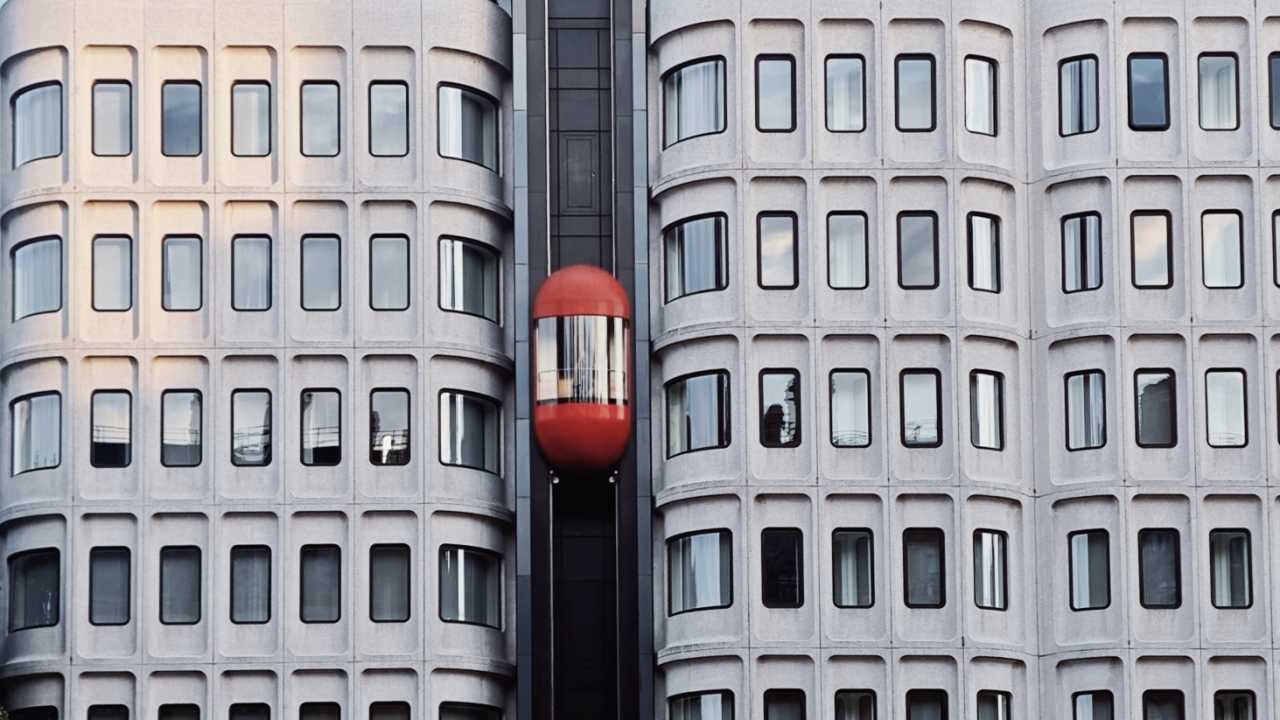
Opposite the station is a designer hotel—the red capsule elevator is its icon—cinematic. A night there reportedly costs over £10,000!
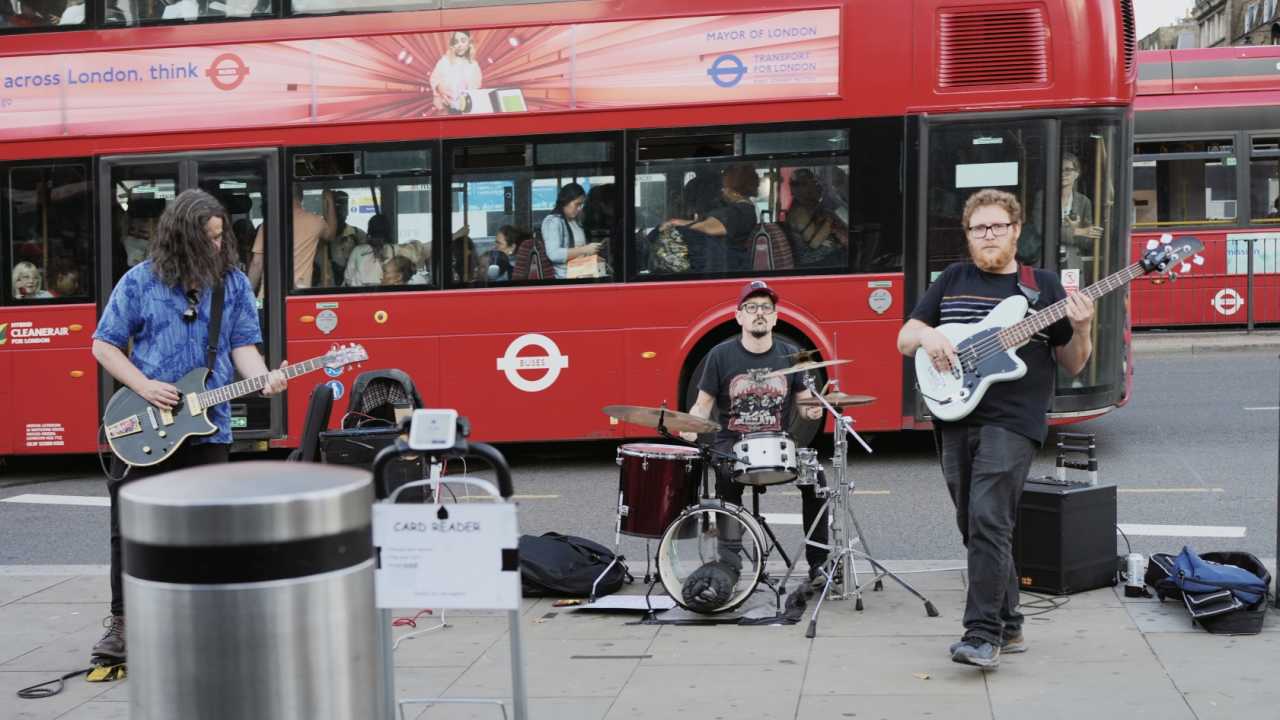
Next to St Pancras is King’s Cross. We passed a street rock performance—traffic noise mixed with rock—truly blasting. 
 King’s Cross Station
King’s Cross is super modern—stark contrast with St Pancras’s architecture.
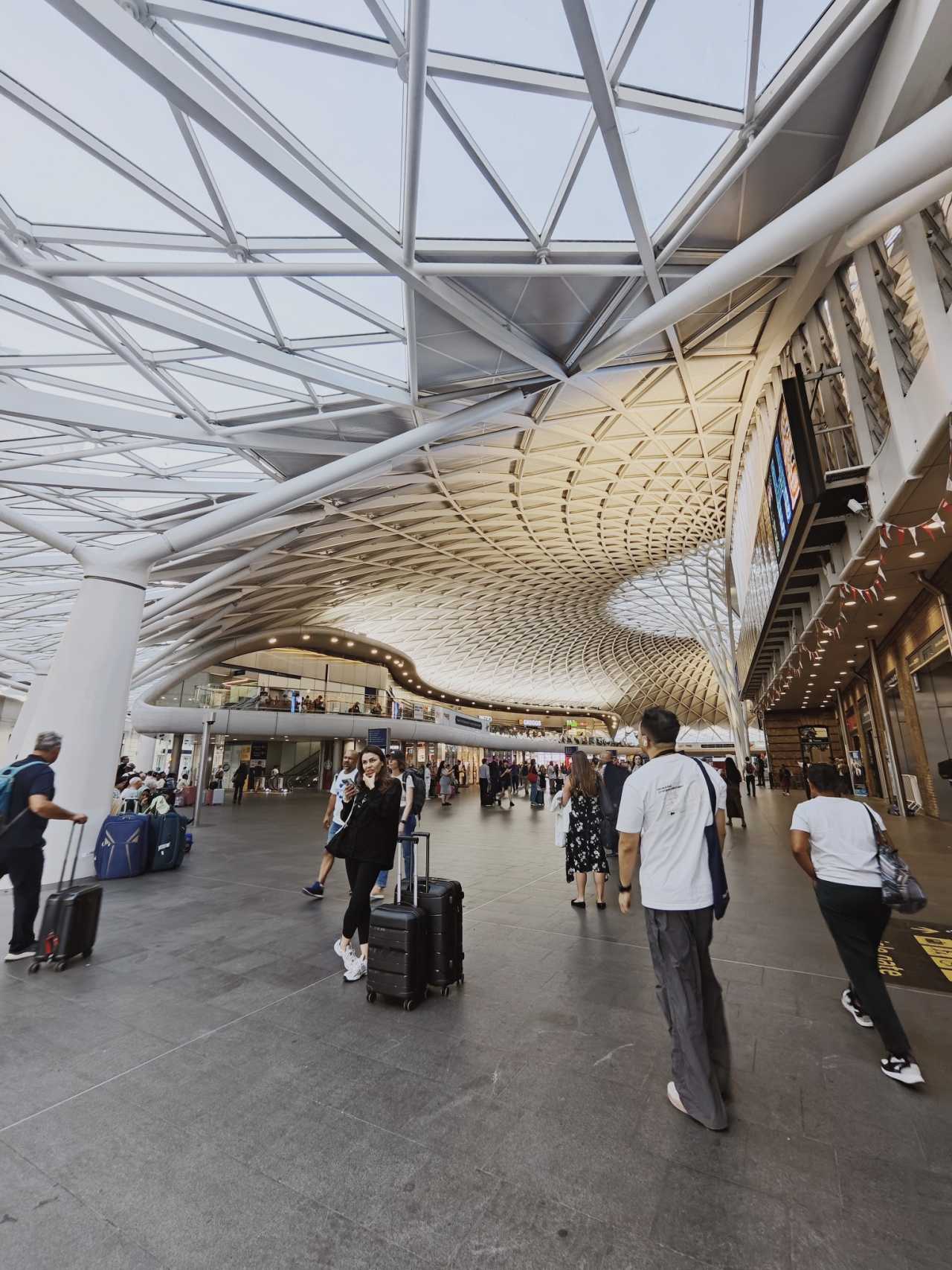 King’s Cross Station
A must here—Harry Potter’s Platform 9¾. Near 7 pm there was a long queue to check in with photos. The HP gift shop is right there.
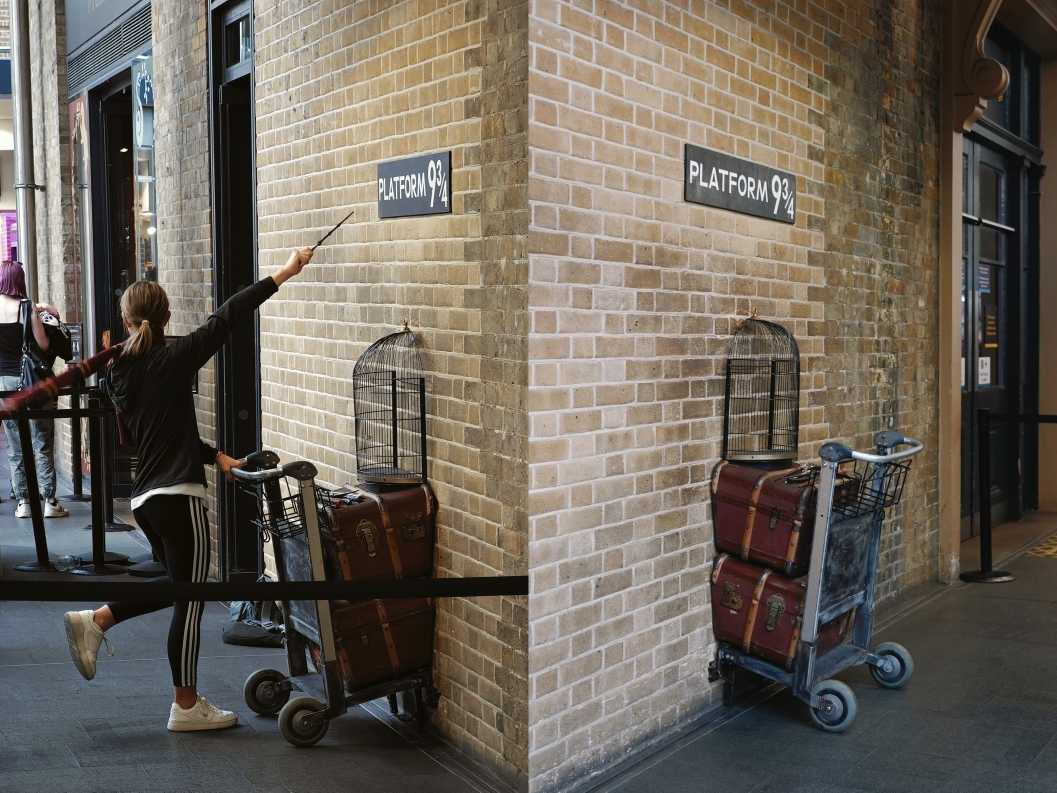 King’s Cross Station
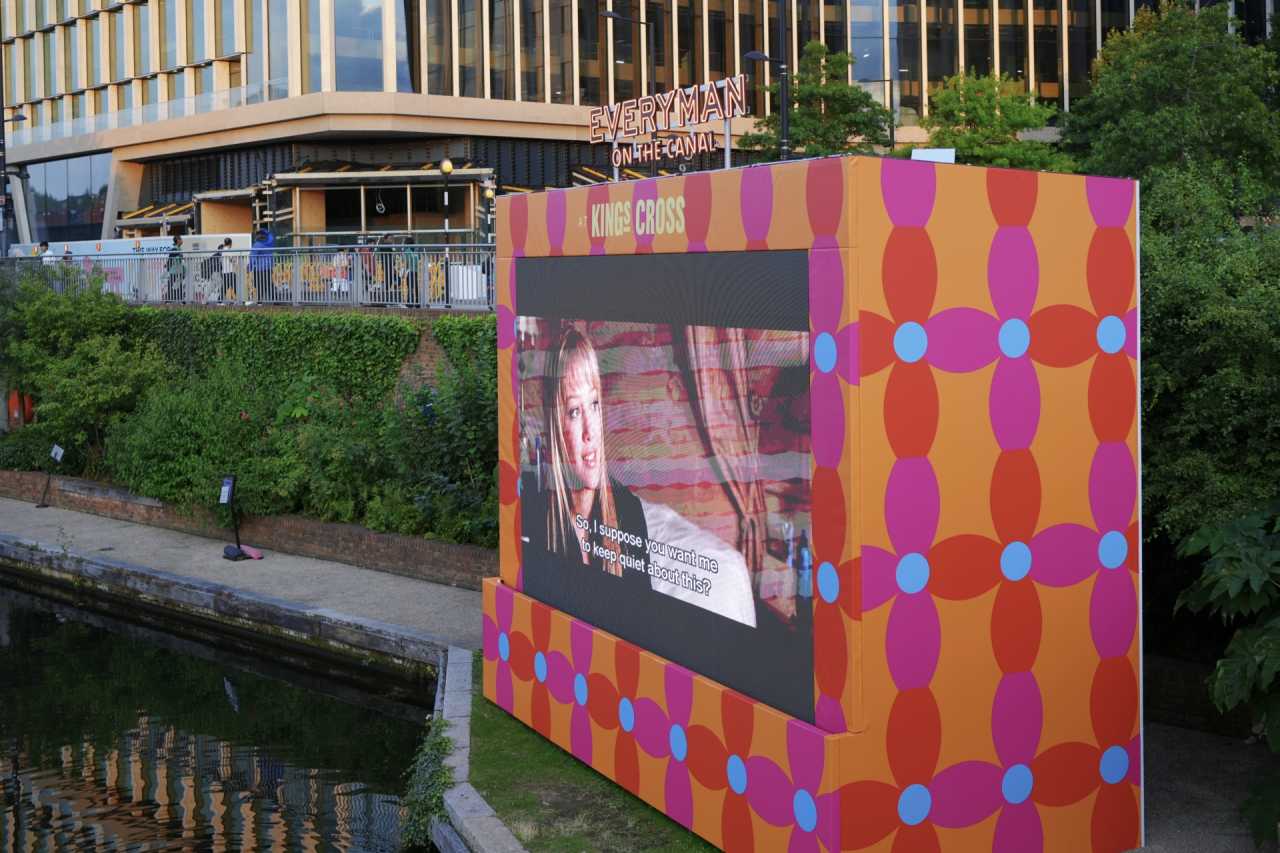
The evening theme was chill at the free outdoor cinema “Everyman on the Canal”. We were late and couldn’t get seats—regret No. 2.
London’s summer breezes feel great—outdoor movies are cozy. The entire perimeter fills up—arrive early and bring dinner/snacks to fully lounge.
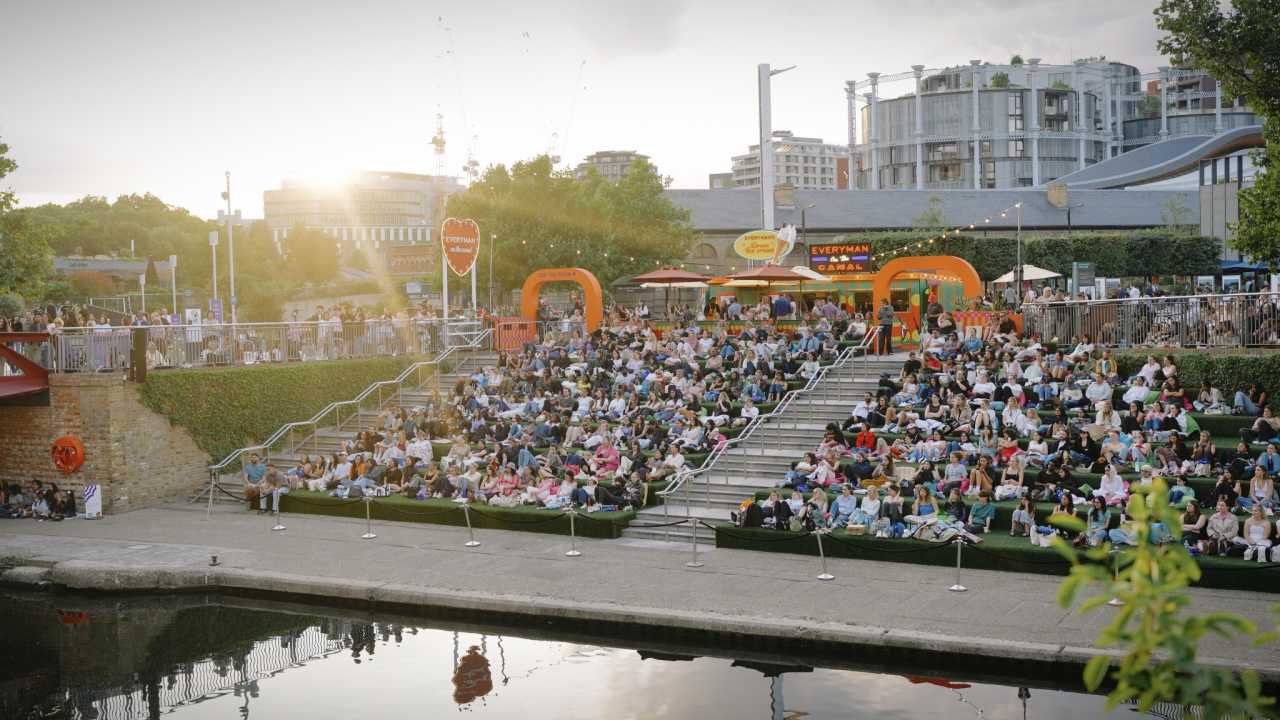
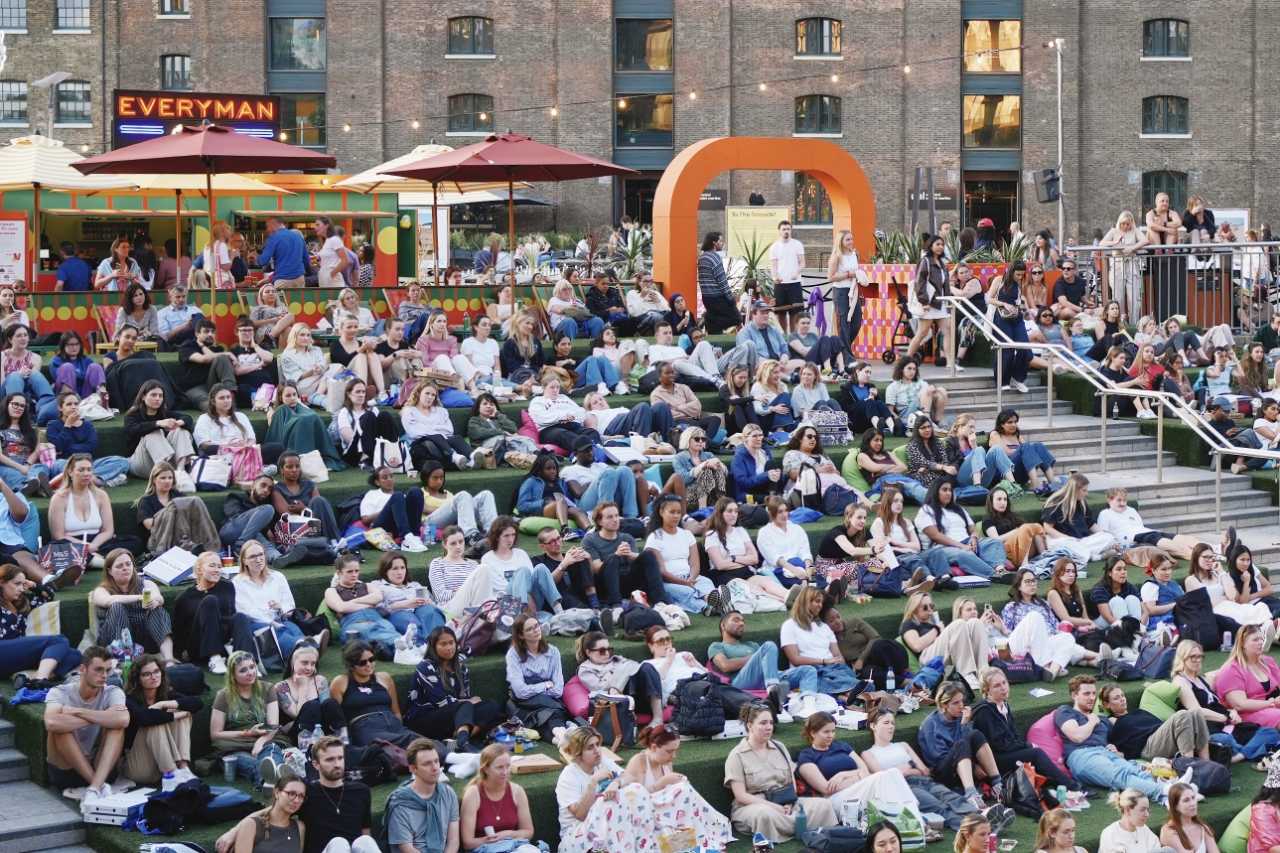
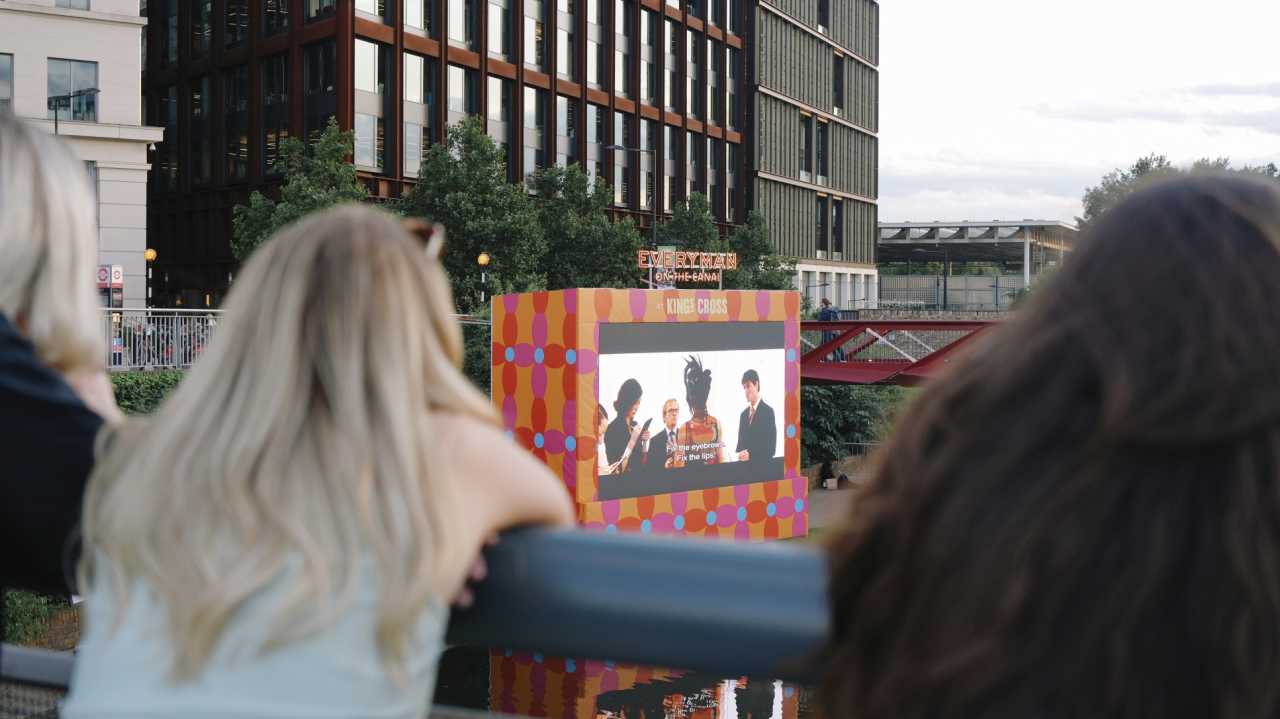
They were showing “The Lizzie McGuire Movie”. As someone who watched “Lizzie McGuire” on CCTV-8 in primary school, it felt magical—childhood memories resurfacing overseas. I loved it then—envied the freedom and ease of foreign kids. We were happy too—now such shows are likely gone from TV.
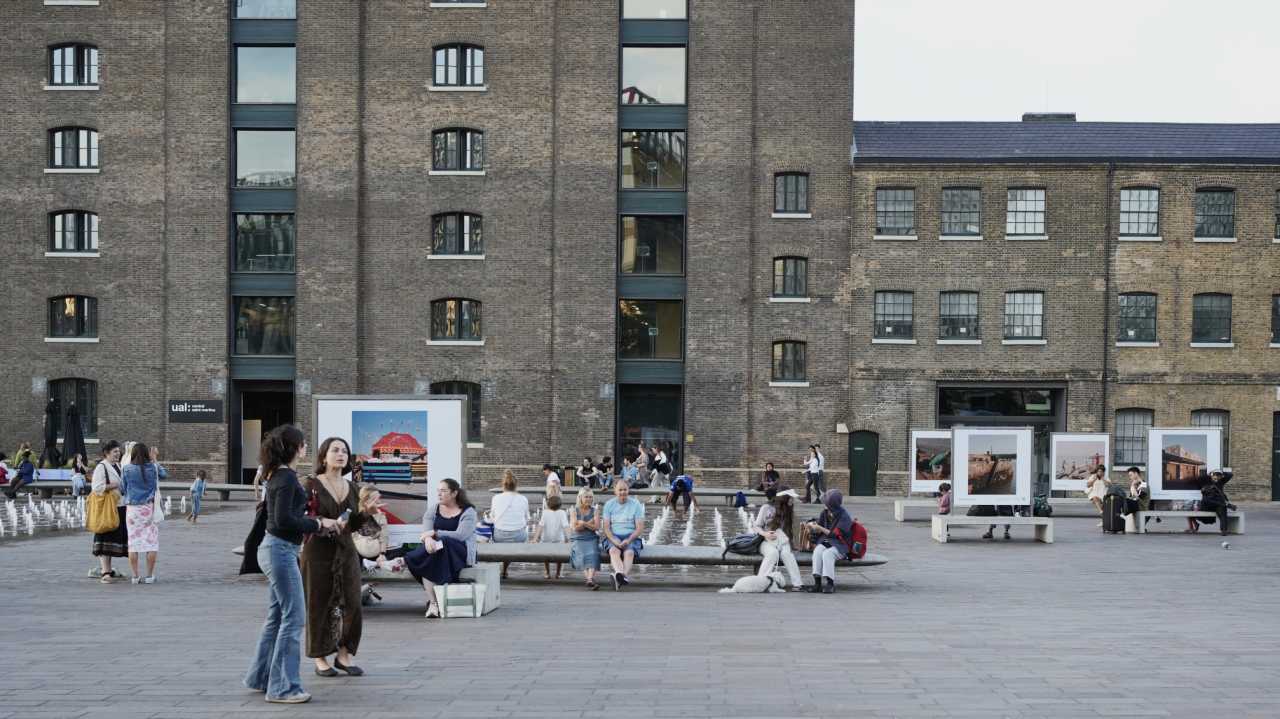
The area around King’s Cross is well worth a stroll: Central Saint Martins; Coal Drops Yard shopping center (by Heatherwick Studio) converted from 19th-century coal warehouses; the mall and restaurants around Google’s office. I didn’t have time—another regret.
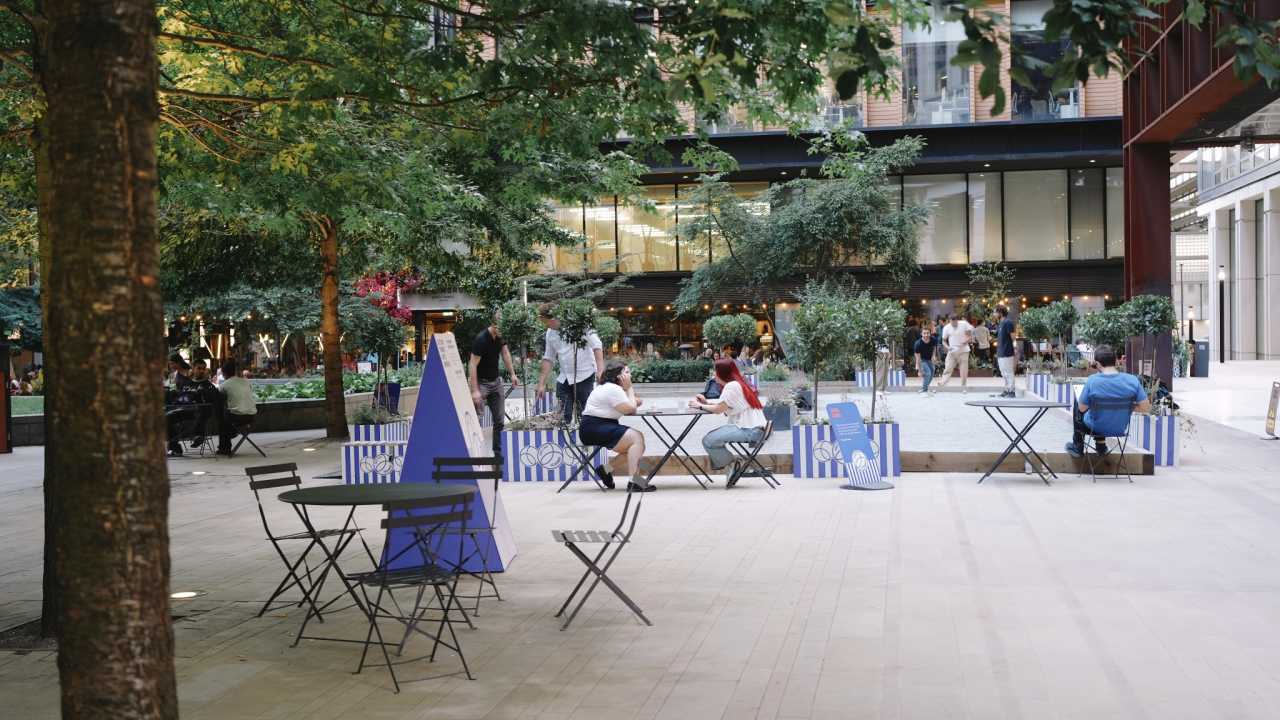
Under Google’s office it’s very chill—work environment has great vibe.
Day 5: London Is a Warehouse of Antiquities
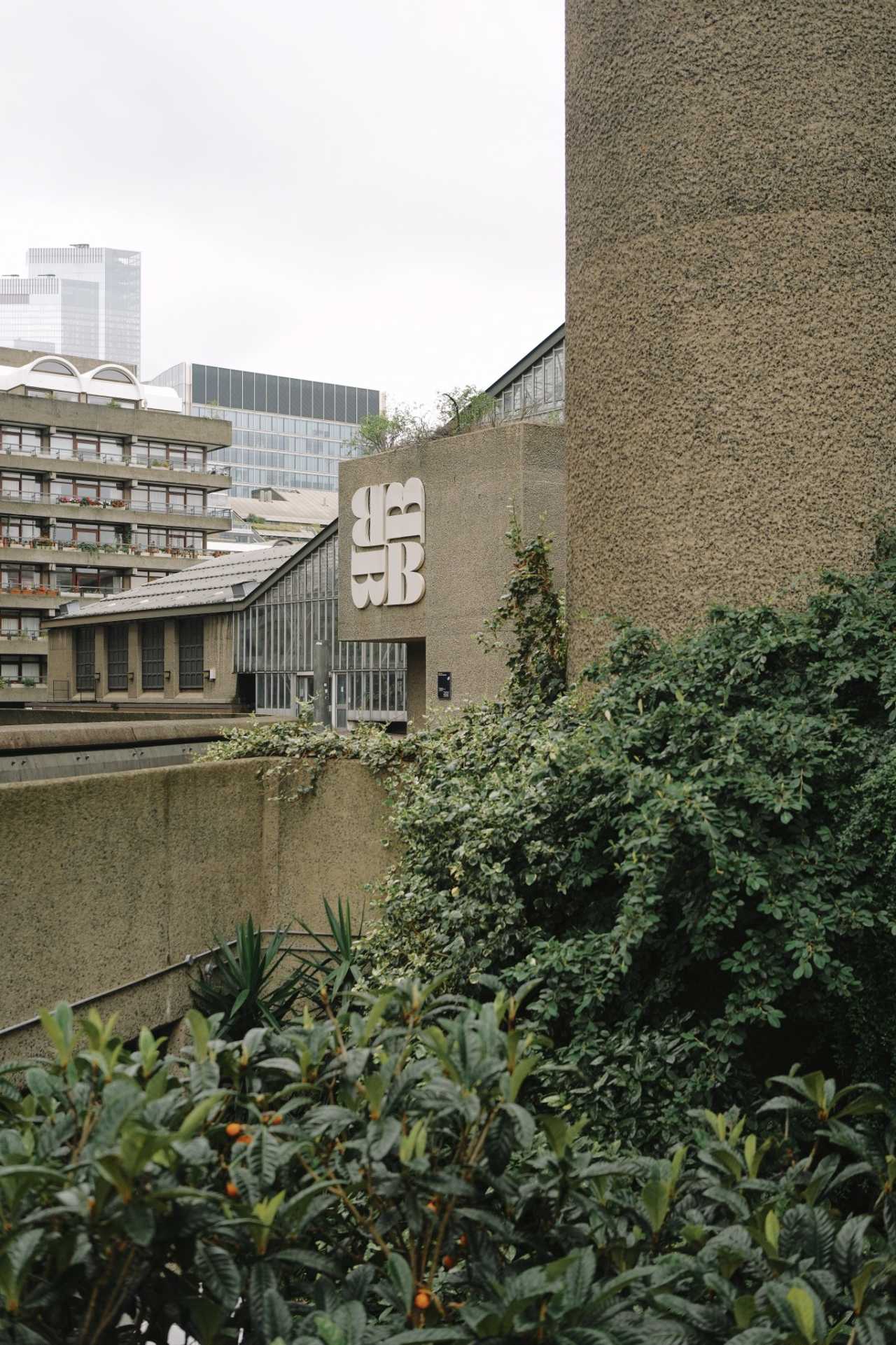
Barbican Estate
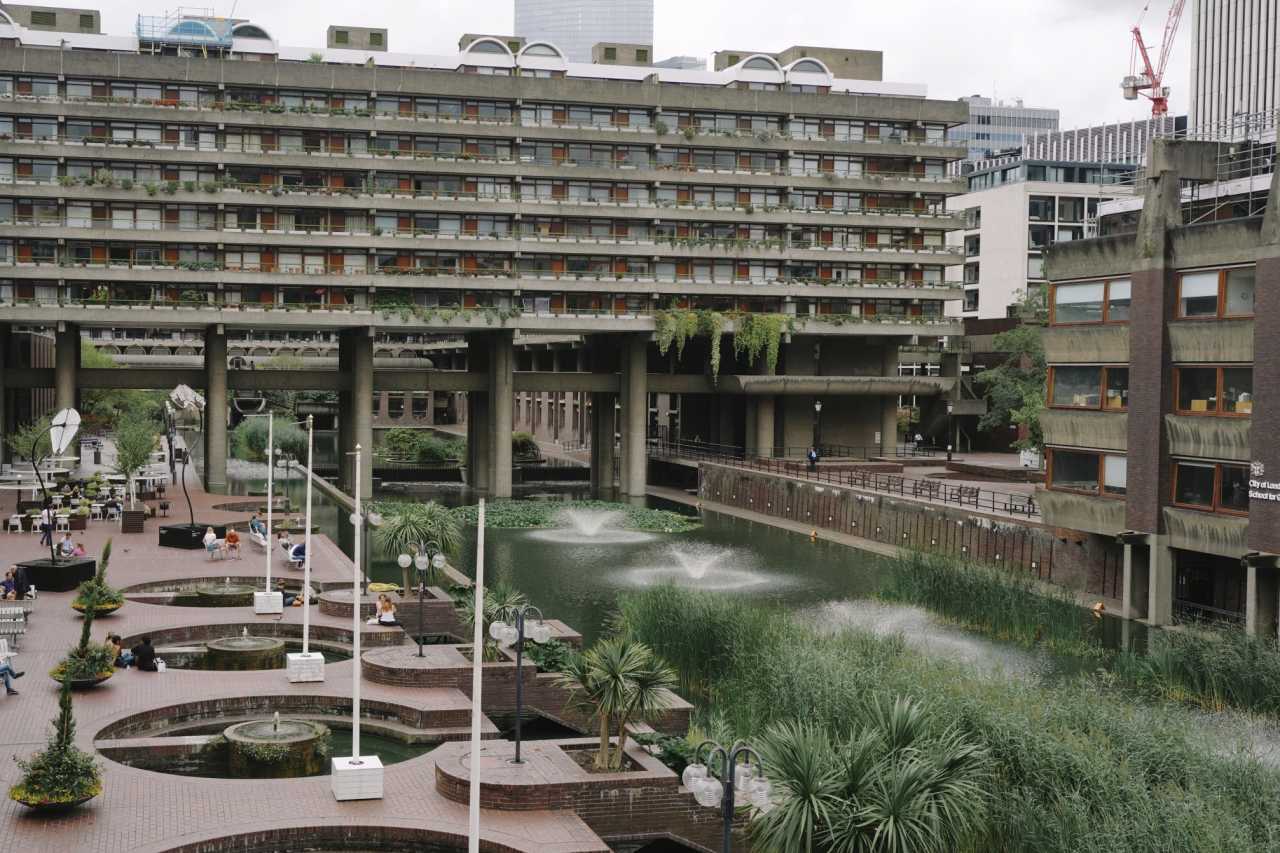
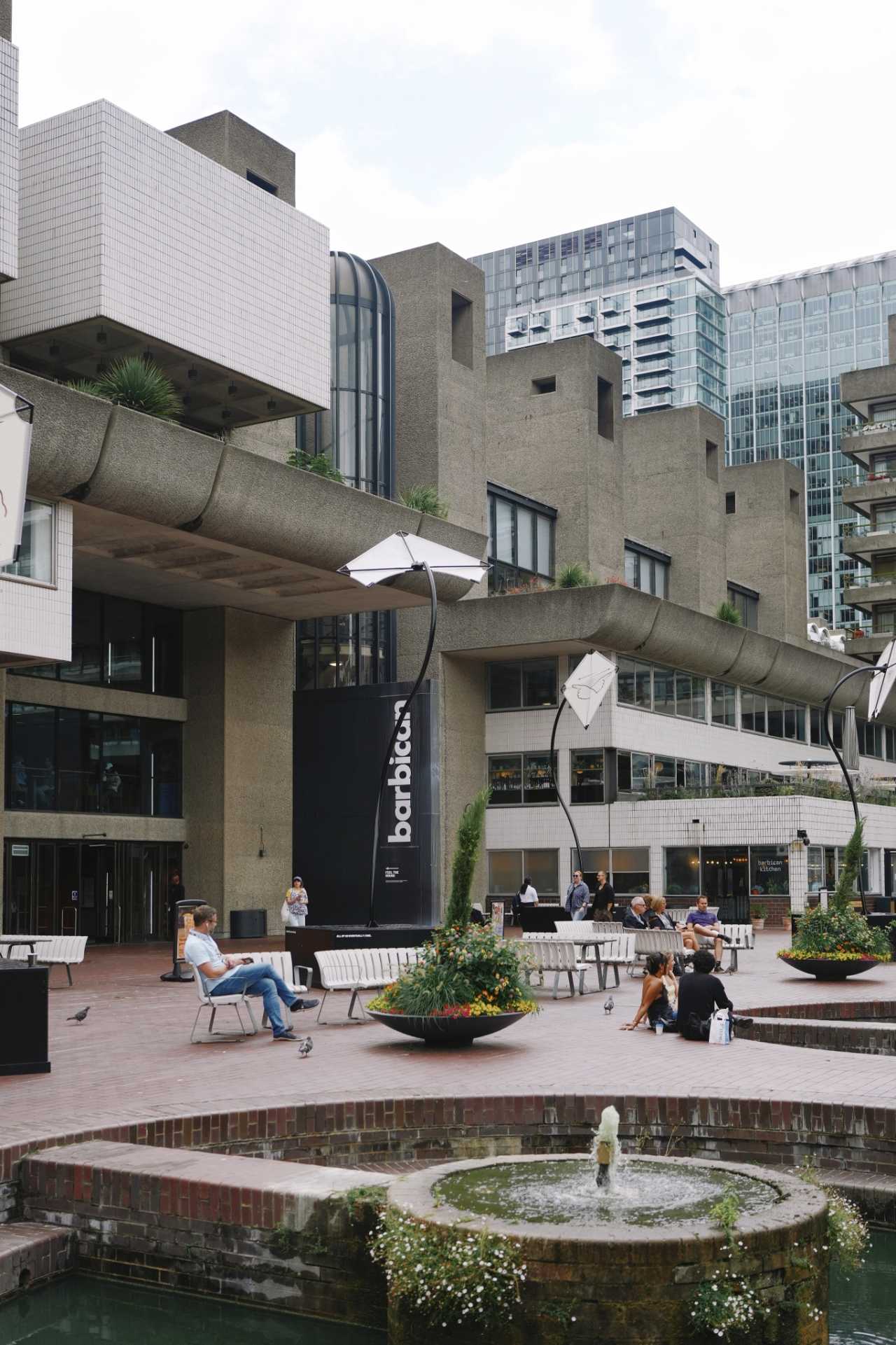
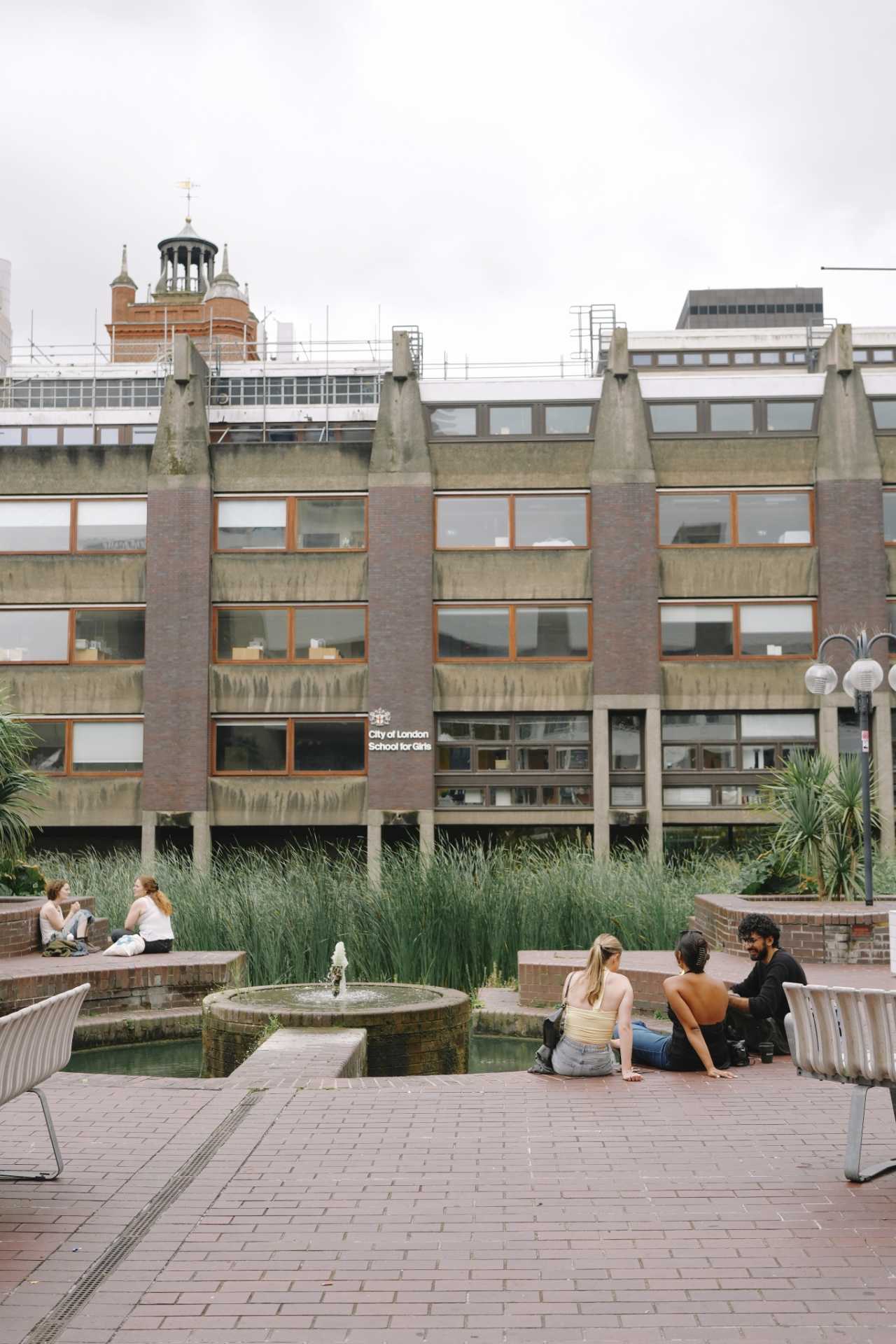
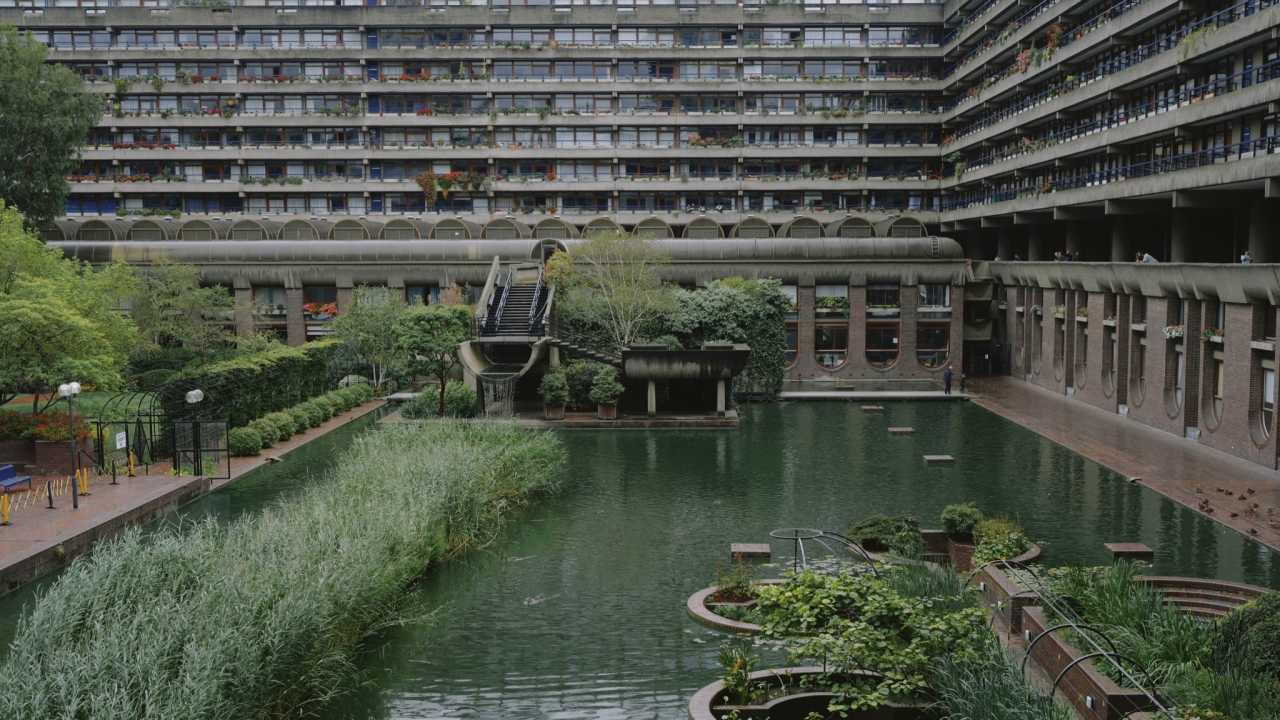
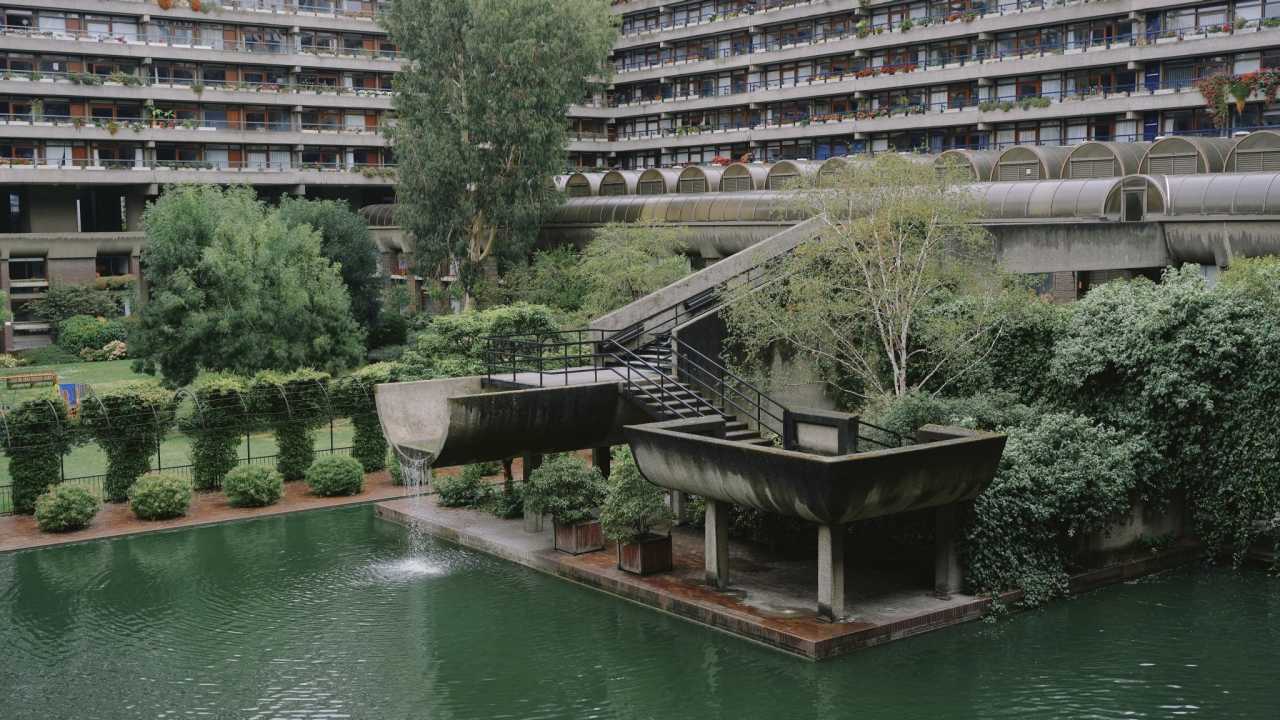
I was drawn to London’s Brutalist architecture while researching. The Barbican is a classic by architects Chamberlin, Powell and Bon (CPB)—a post-war utopian vision to reshape central London living. It was listed Grade II in 2001 and remains a large upscale residential area with 2,000+ apartments, duplexes, houses, public buildings, and institutions including Barbican Centre, Guildhall School of Music & Drama, public library, and City of London School for Girls.
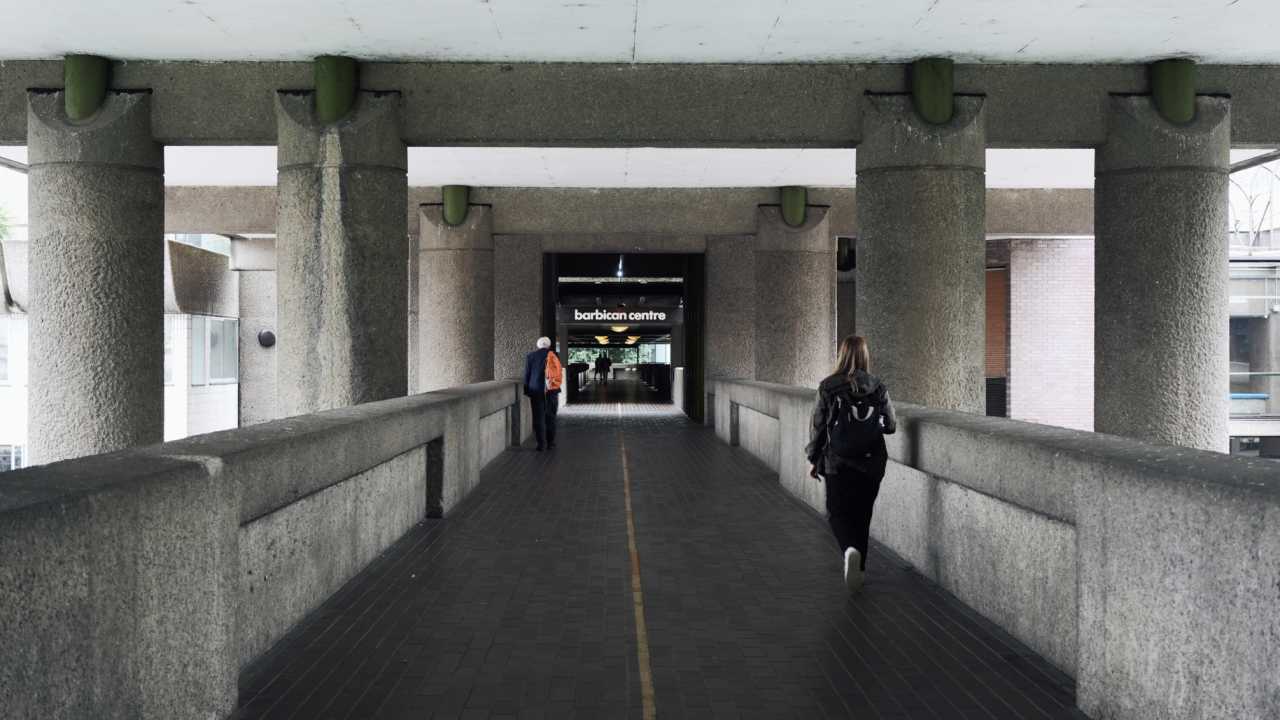
 Barbican Centre
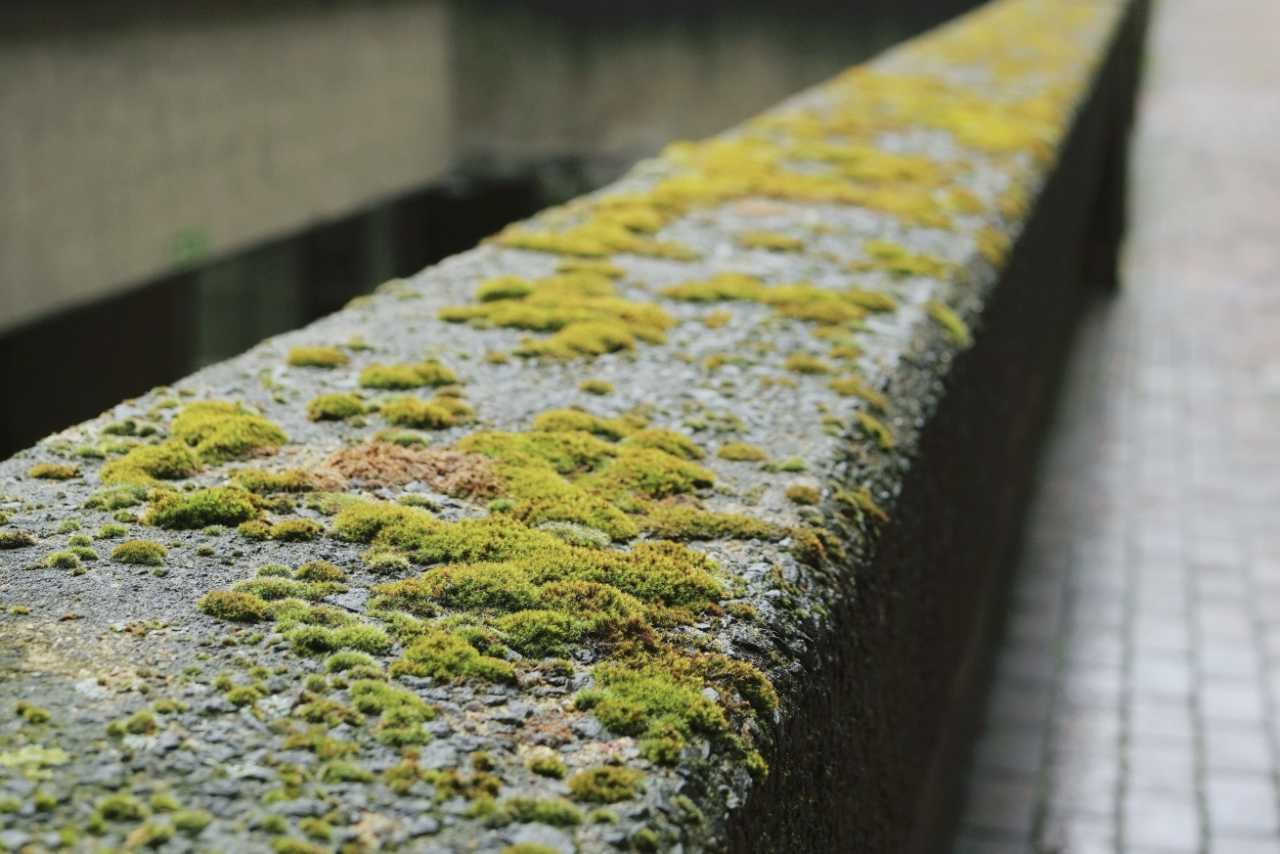
Once inside, you can tour the whole area rain or shine—everything linked by walkways. I love this rough architectural grain but deliberate forms—with order and geometry.
 Barbican Centre
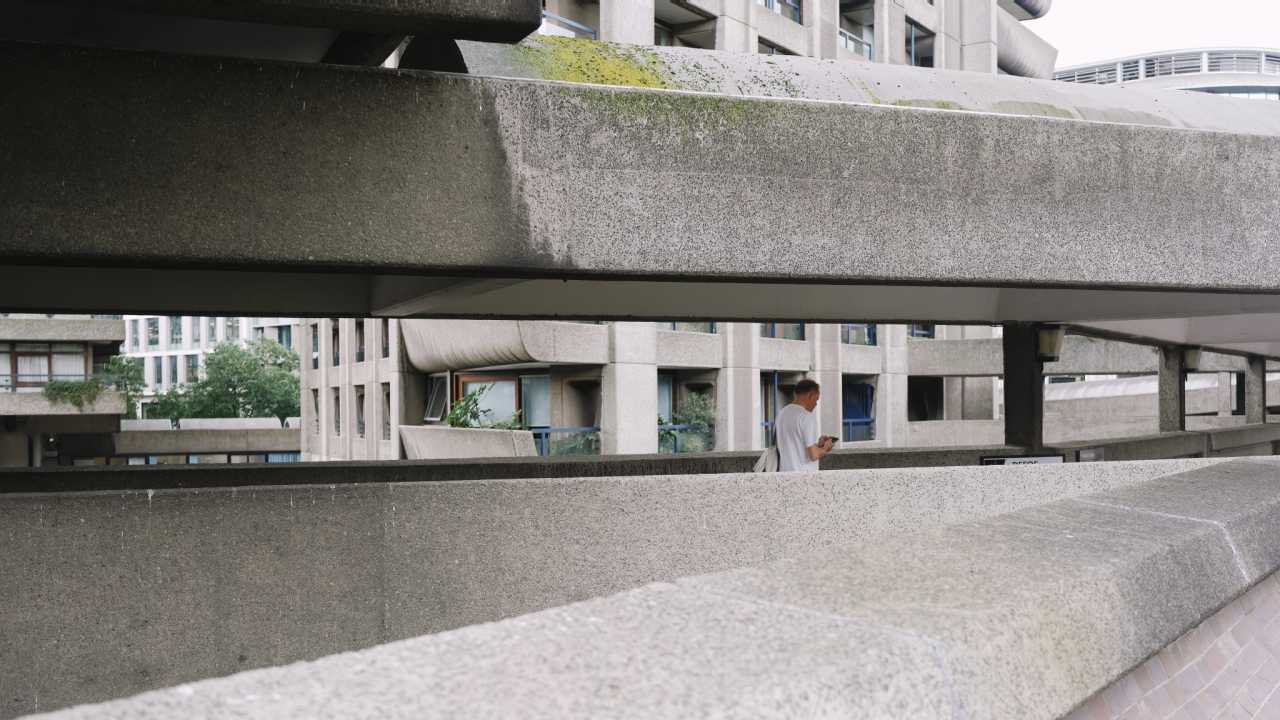 Barbican Centre
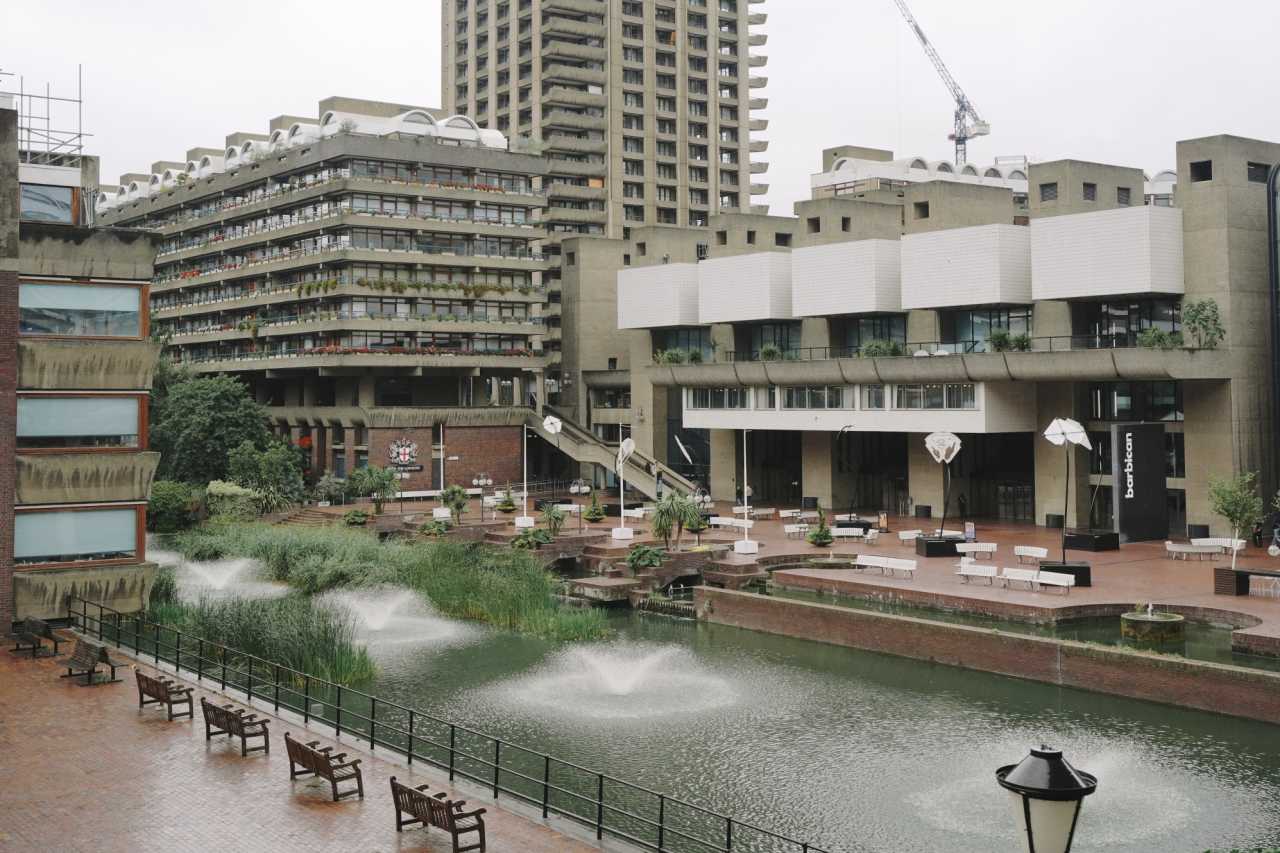 Barbican Centre
 Barbican Centre
After the rain, people sit scattered around the plaza—chatting and resting—very casual.
 Barbican Centre
 Barbican Centre
 Barbican Centre
The atrium landscape feels otherworldly.
 Barbican Centre
 Barbican Centre
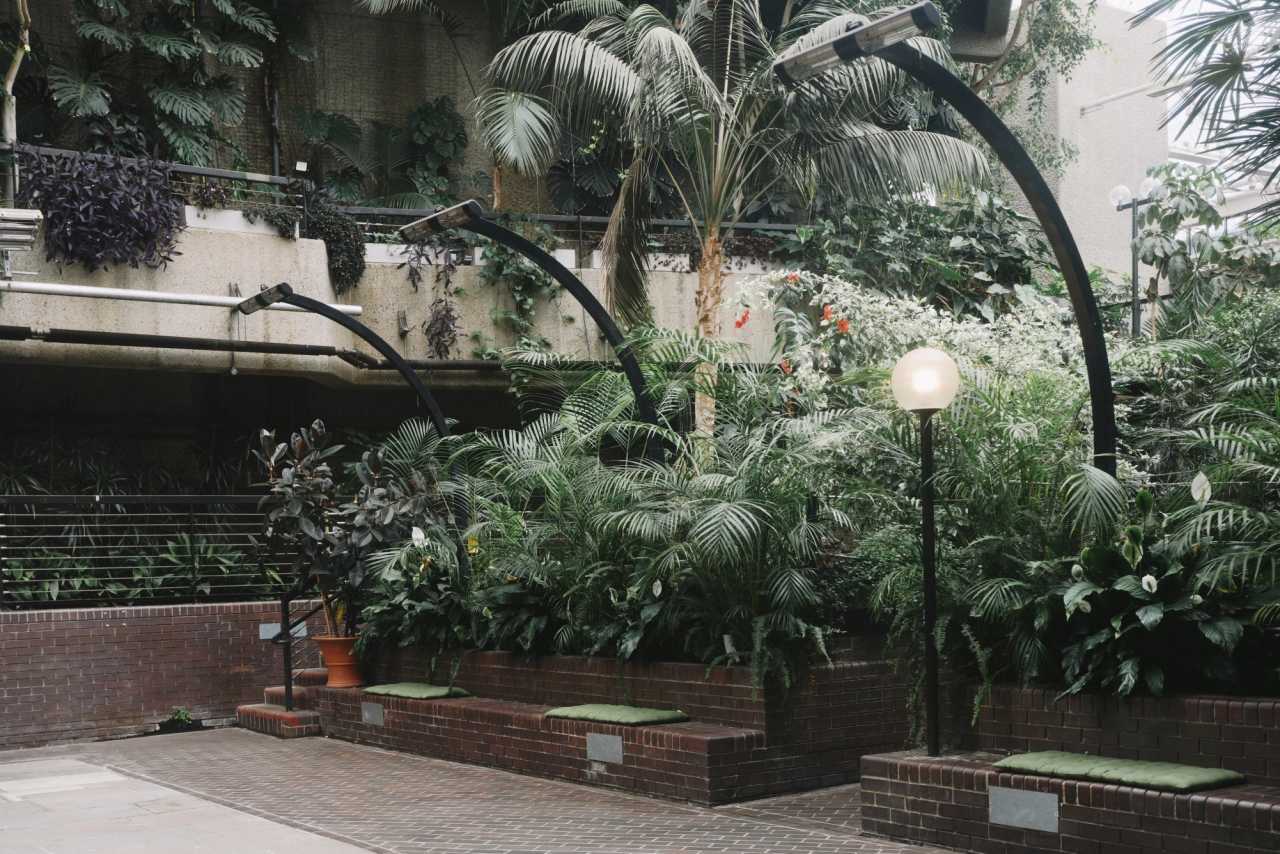
The 4th-floor conservatory was closed when we went—couldn’t visit.
 Barbican Centre
Entrances to apartments are color-coded—strong industrial feel.
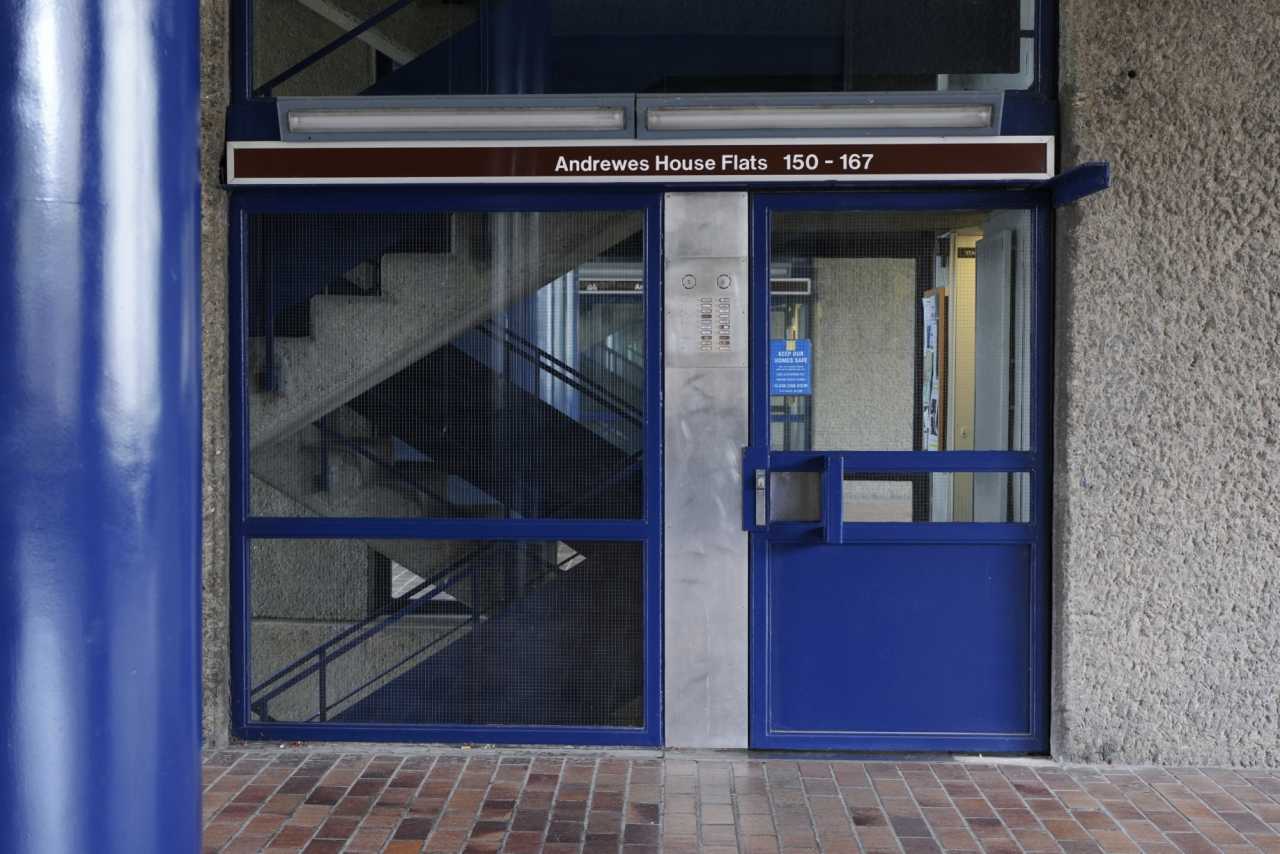 Barbican Centre
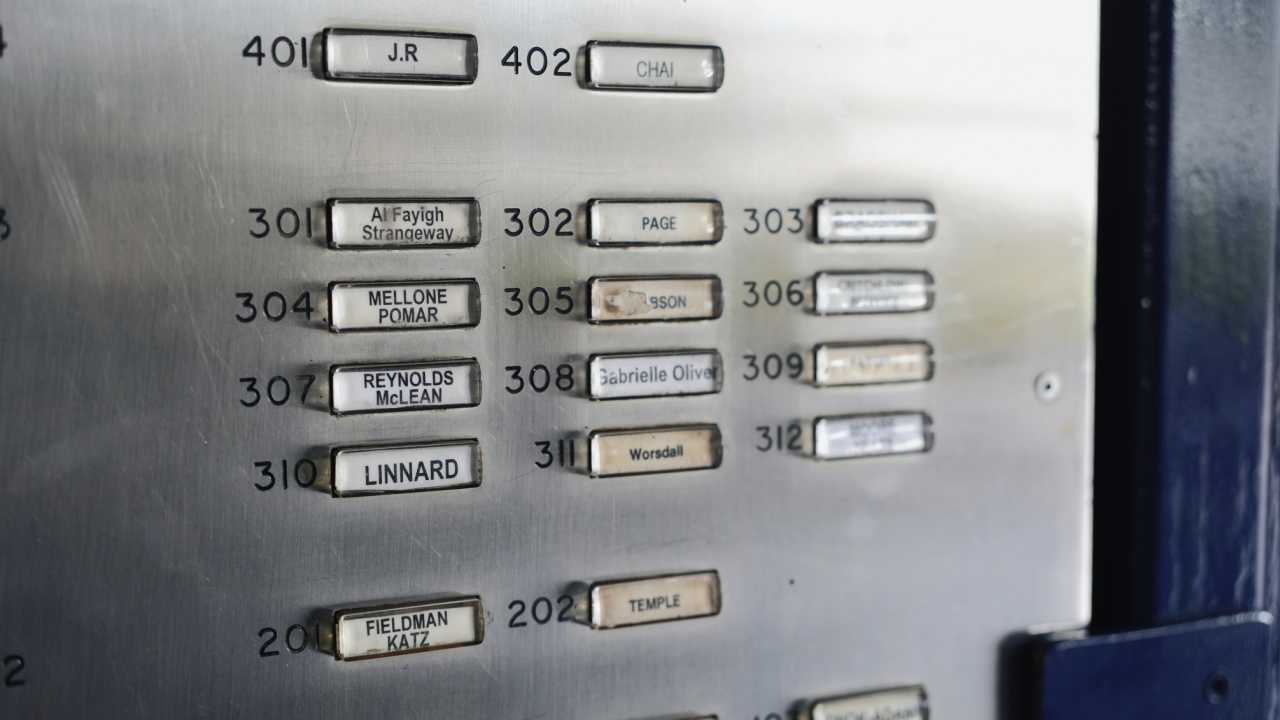 Barbican Centre
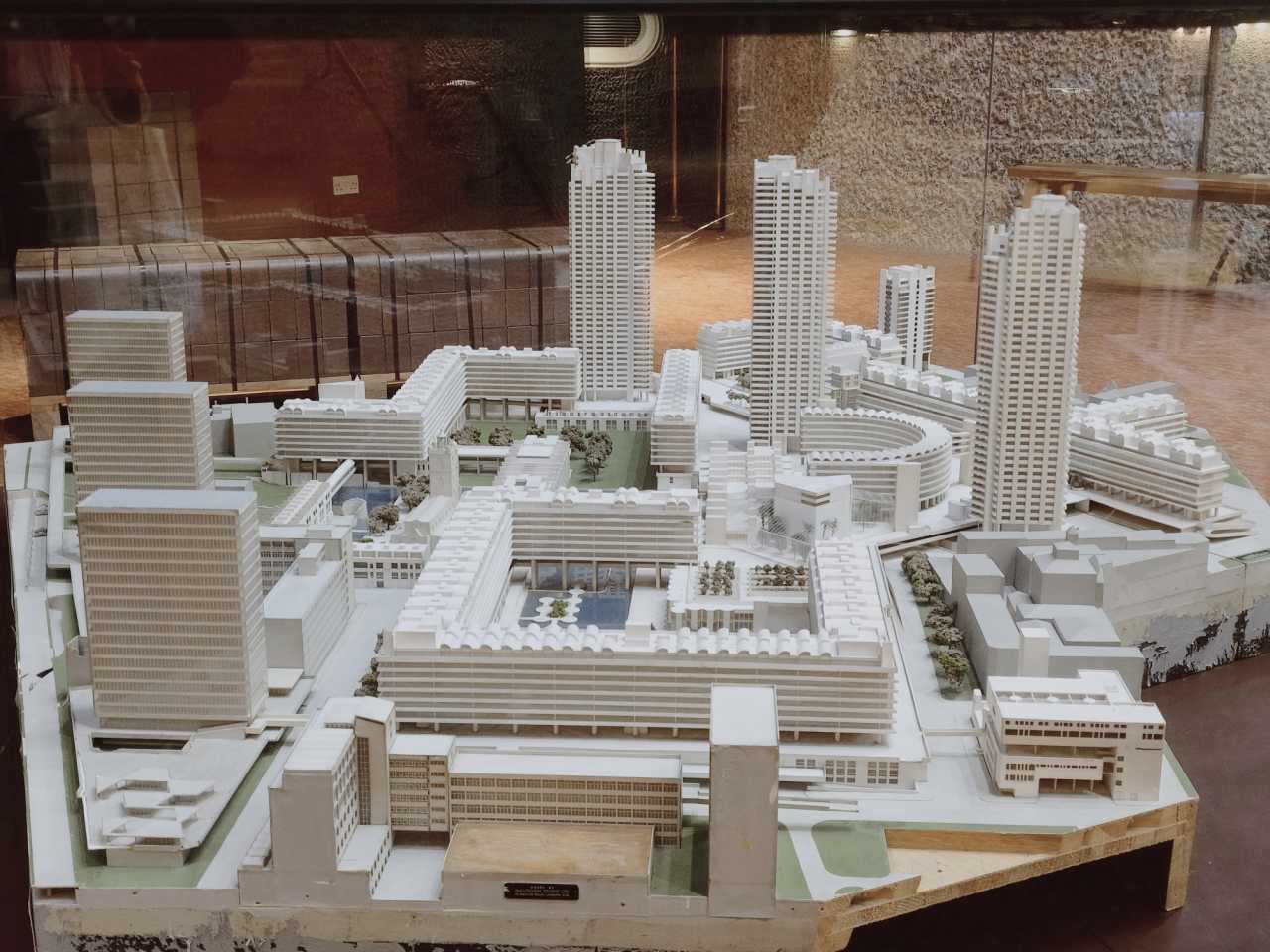 Barbican Centre
The Barbican shop is great too ~
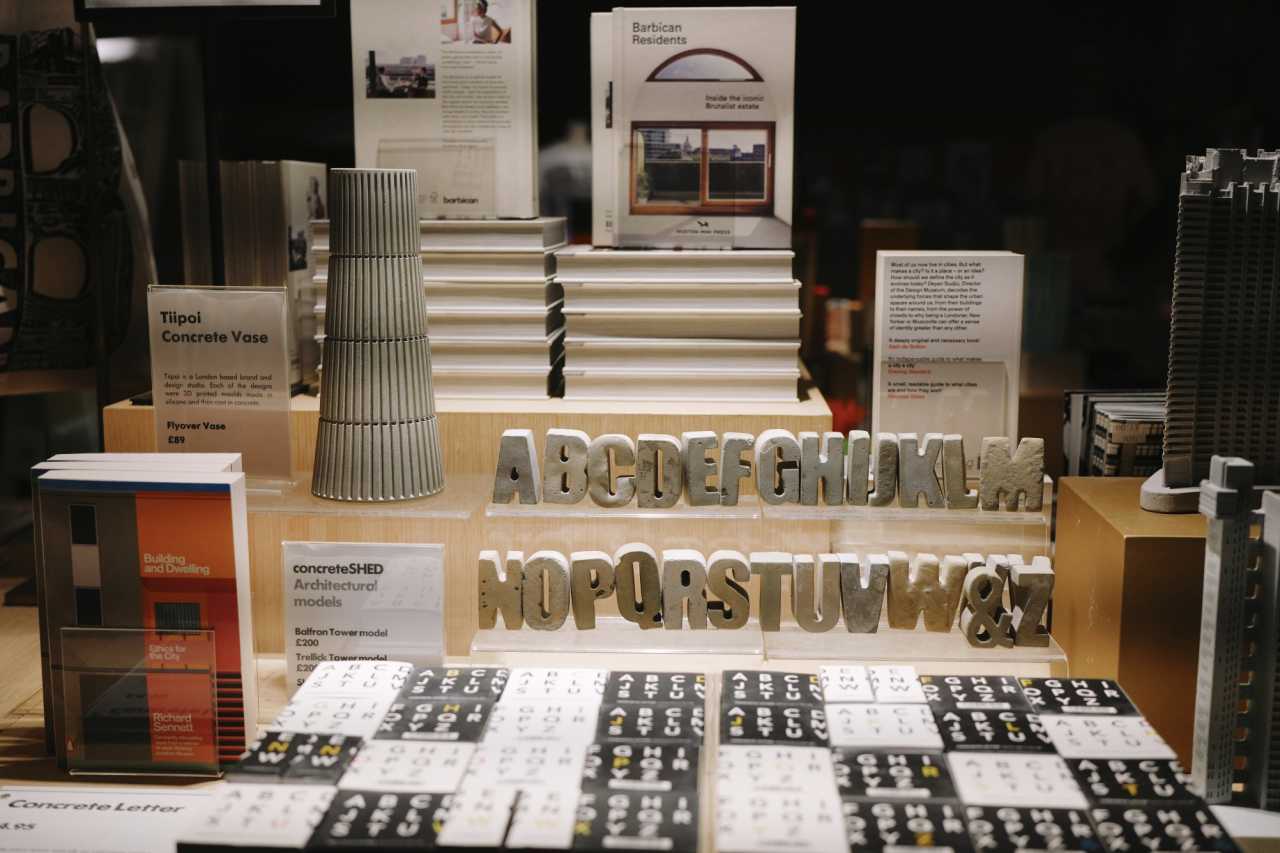 Barbican Centre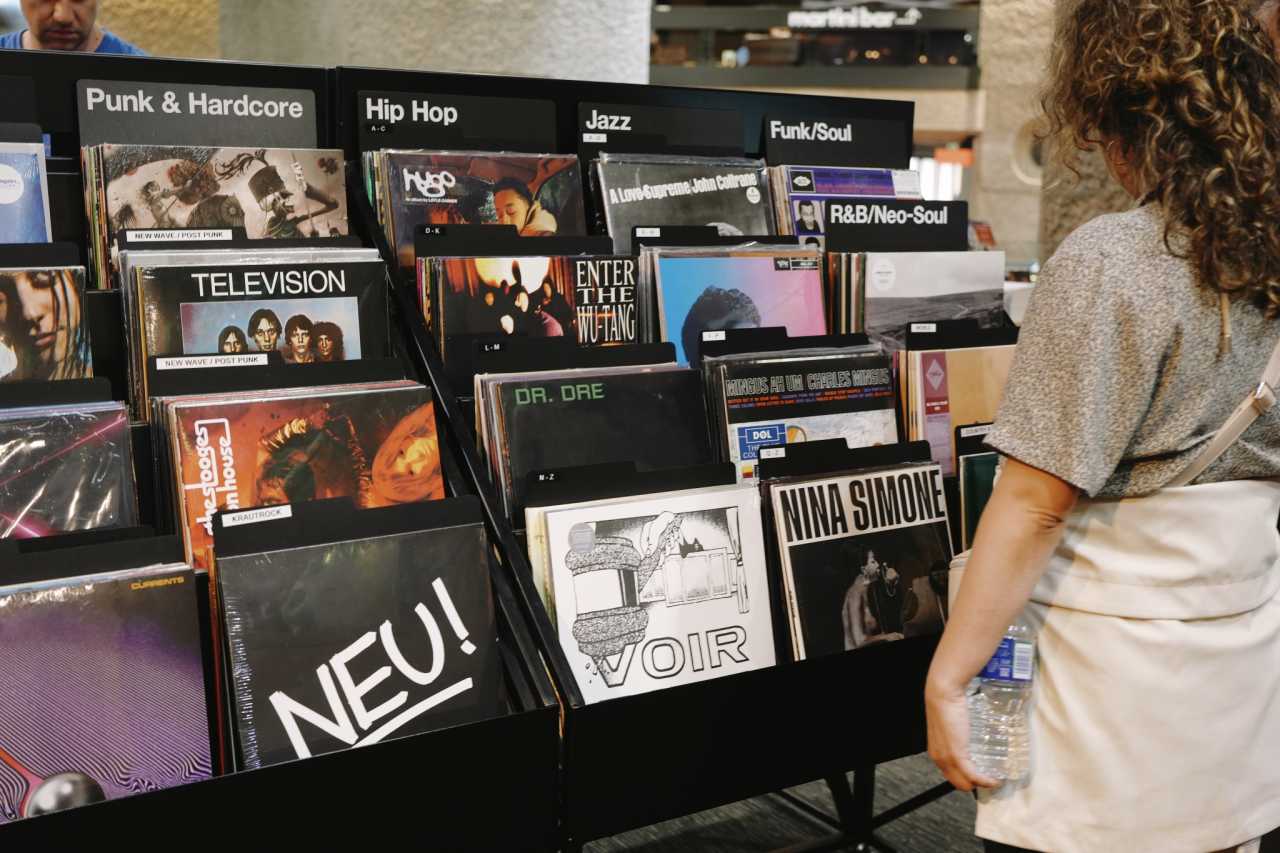
British Museum
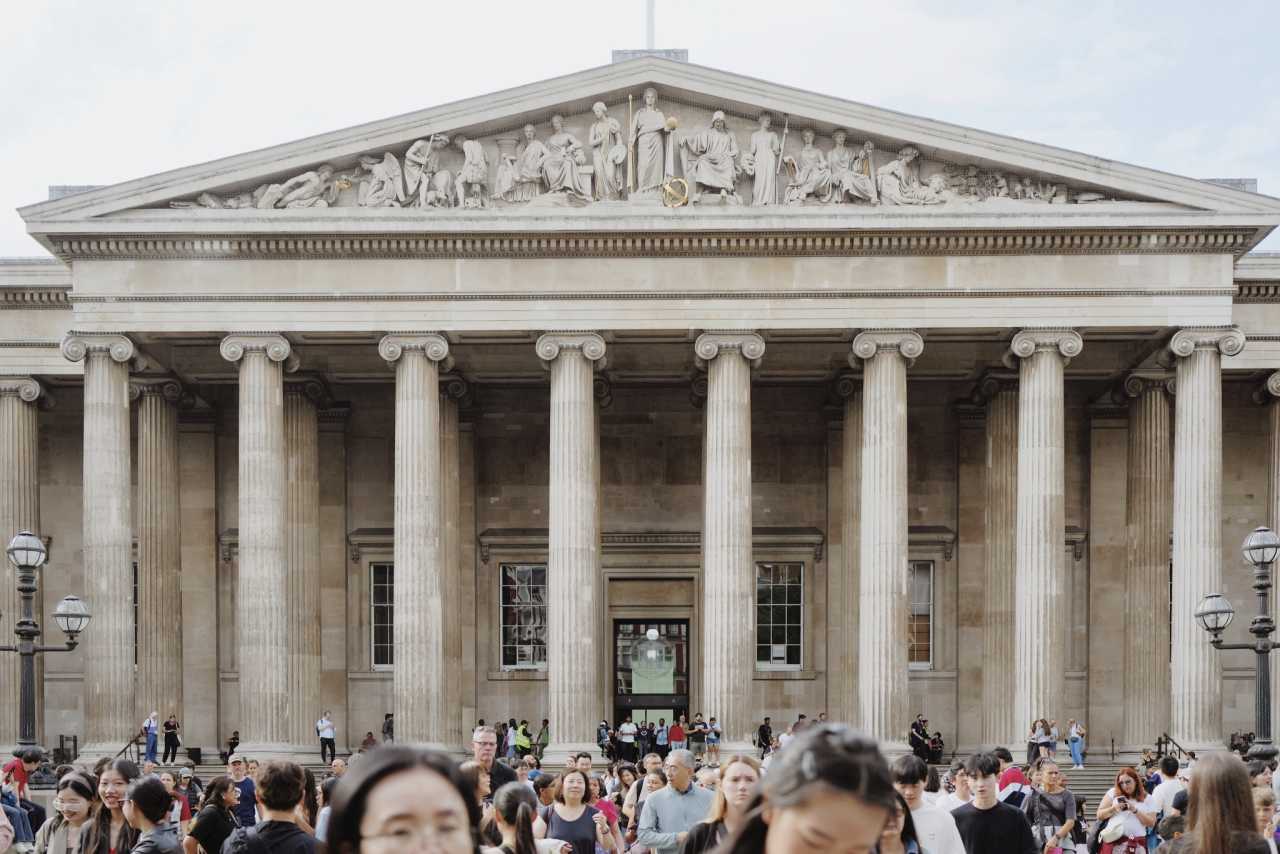
A must on any UK trip. We booked a 2-hour guided tour—yet still only saw a fraction—the museum holds 8 million artifacts. I again felt London is a warehouse of antiquities! The sheer quantity dazzles; perhaps because of the scale, some exhibits feel like they lack cohesive curating—more like “put everything out”.
 British Museum
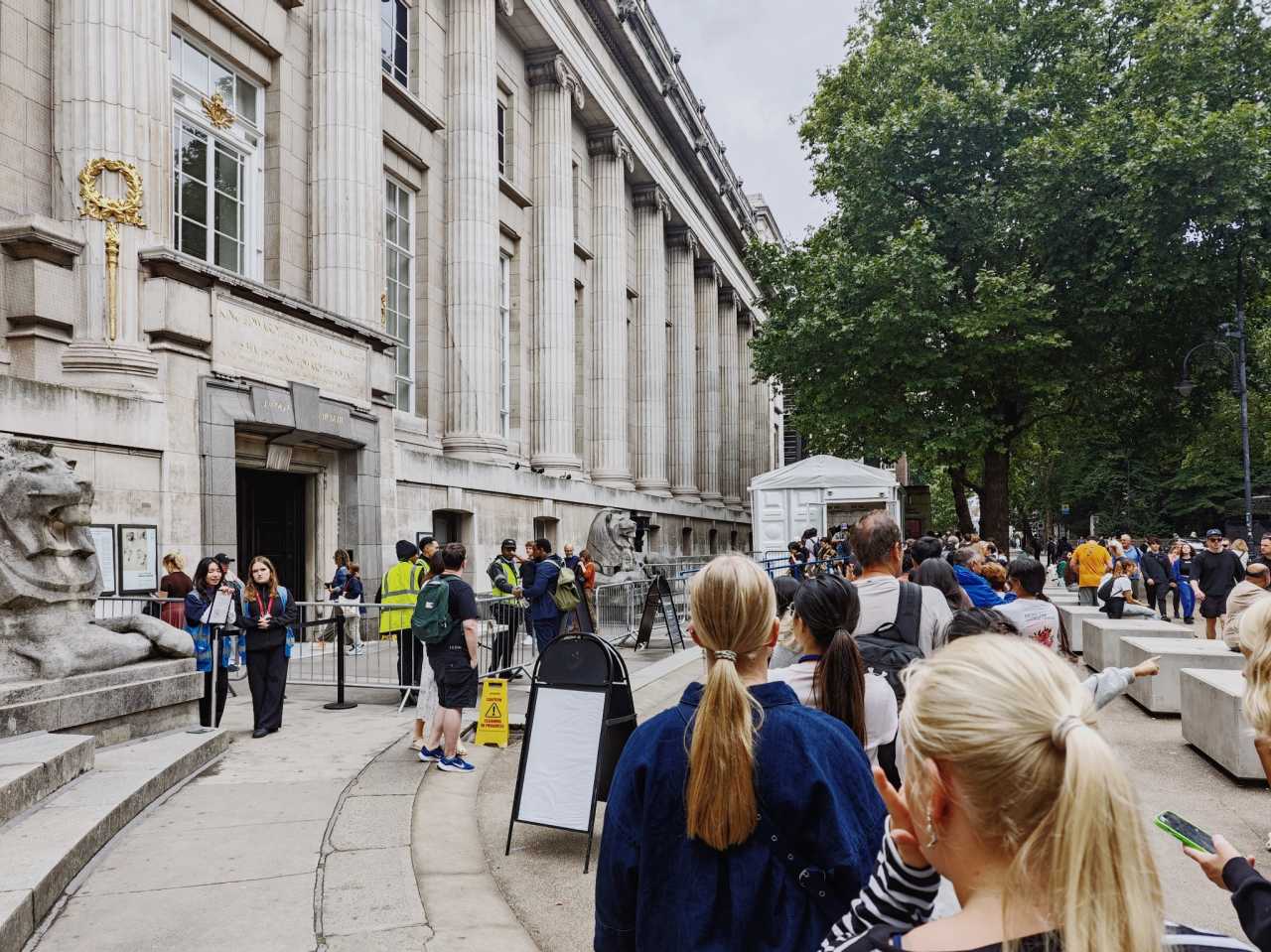
Advance booking required—guides can help reserve. At 2 pm, the crowds were massive! Both front and rear entrances had queues, but waits weren’t too long.
 British Museum
 British Museum
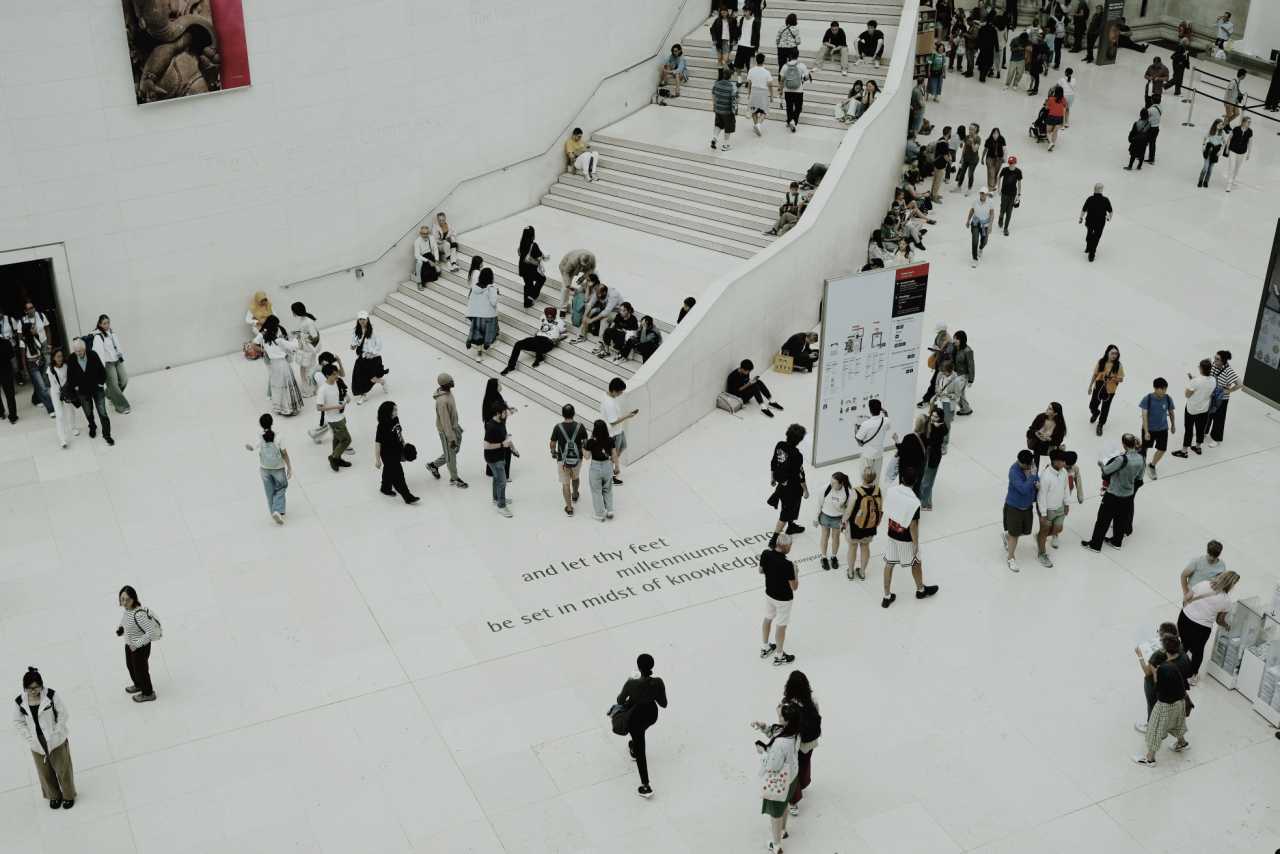 British Museum
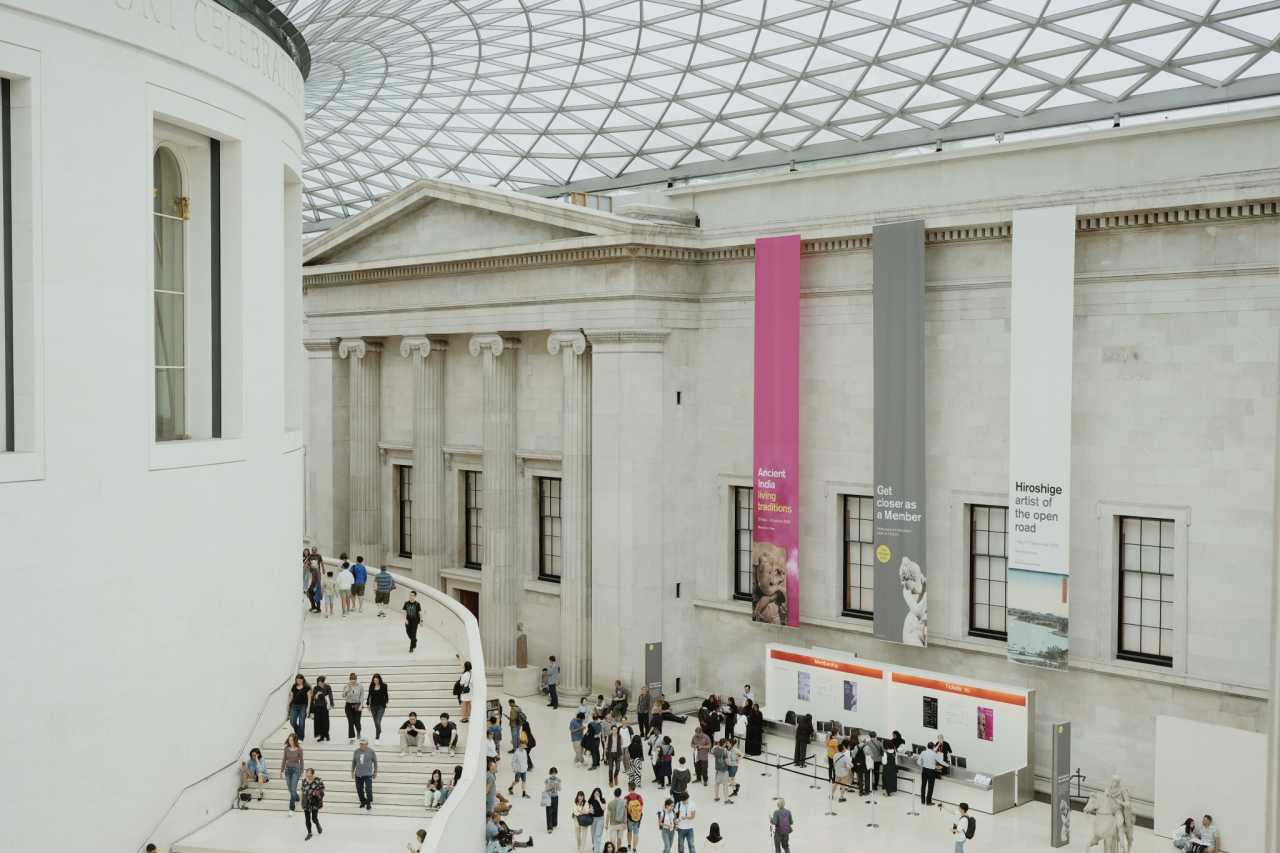
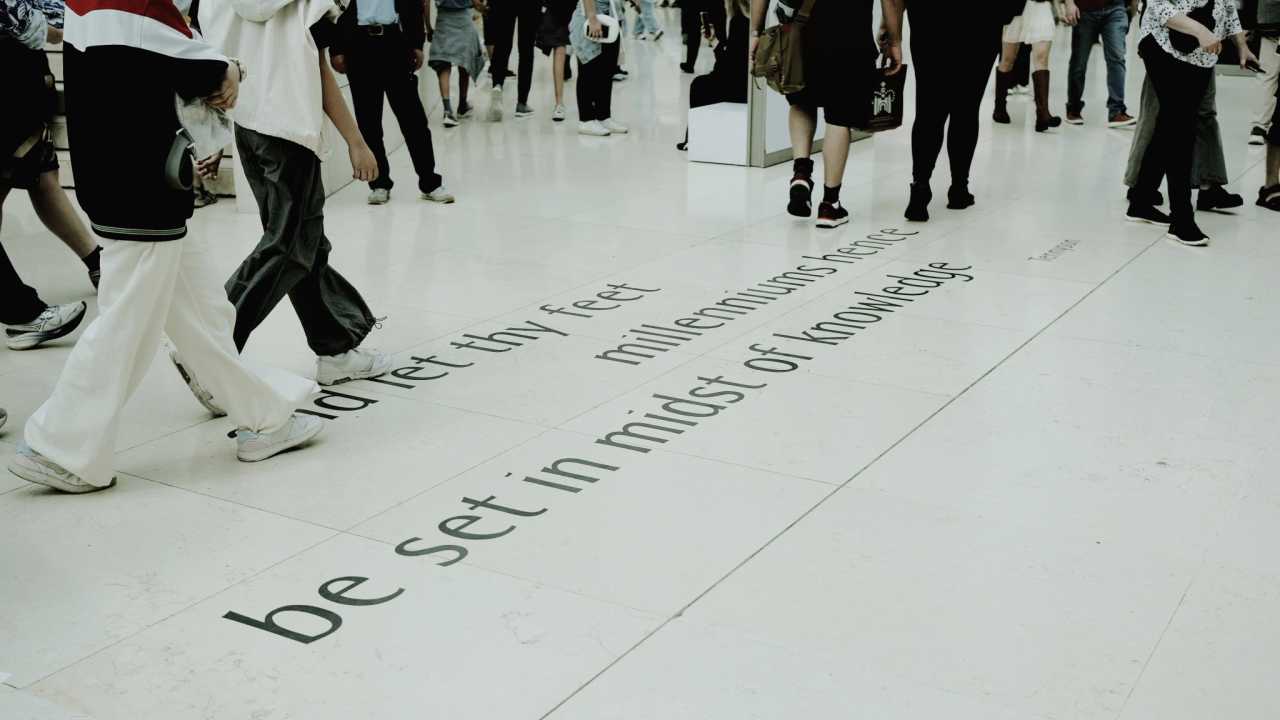
British Poet Laureate Tennyson: “and let thy feet millenniums hence be set in midst of knowledge.”
“May your feet, millennia hence, wander this temple of knowledge.”
This line in the Great Court stops many in their tracks.
 British Museum
 British Museum
 British Museum
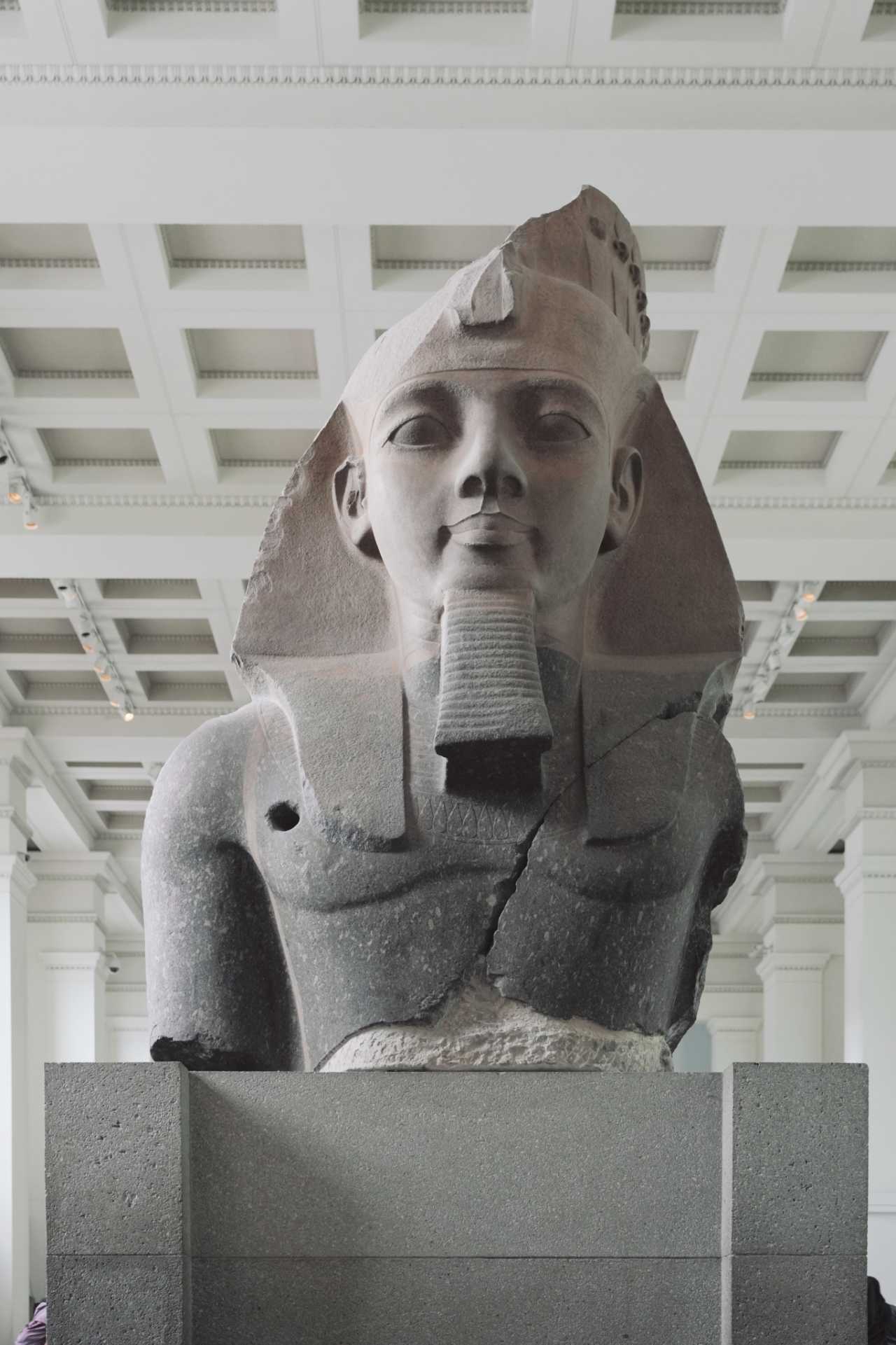
Statue of Ramses II (our guide told a story of a self-admiring handsome man)
 British Museum
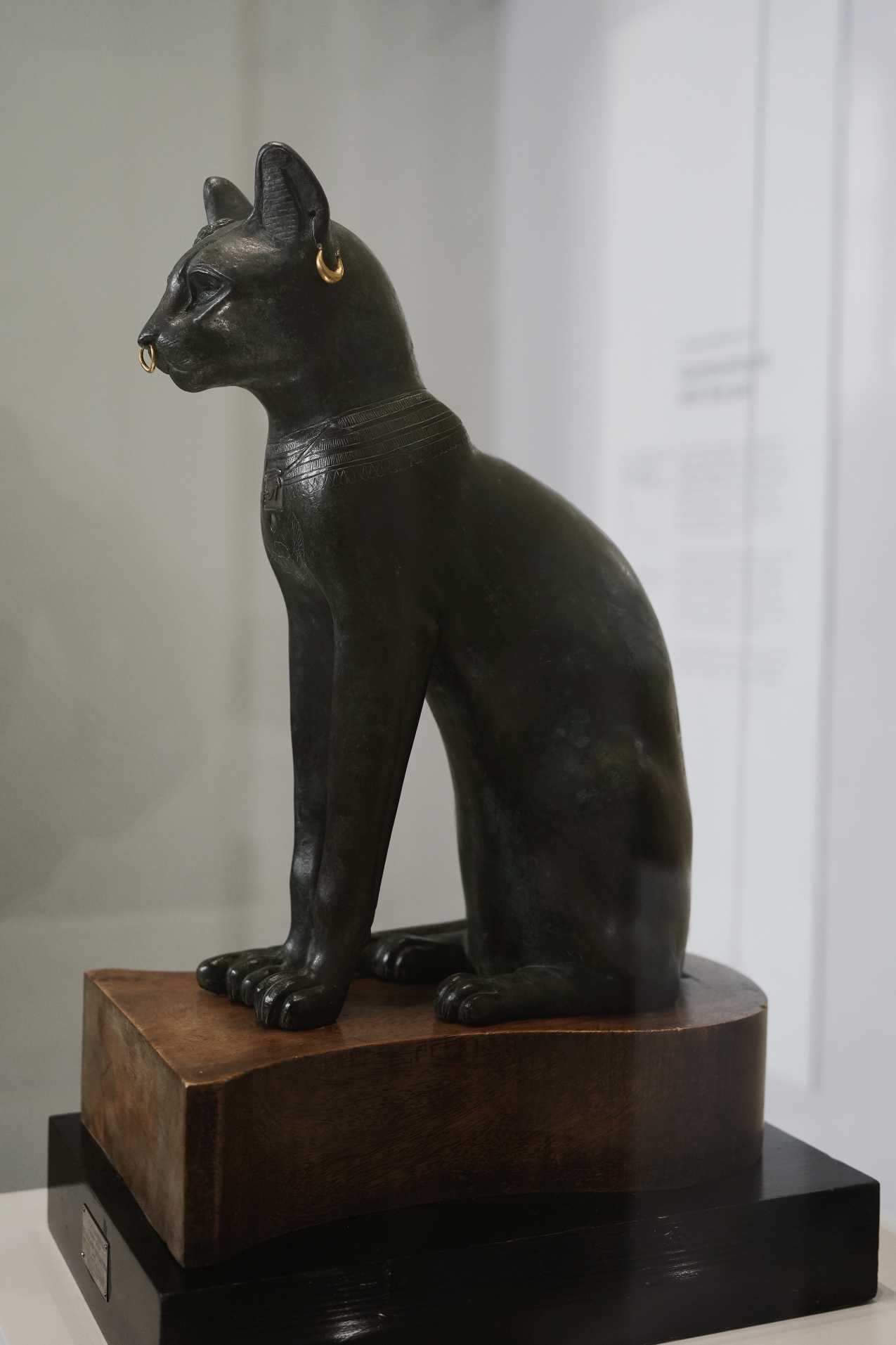
Egyptian bronze cat
 British Museum
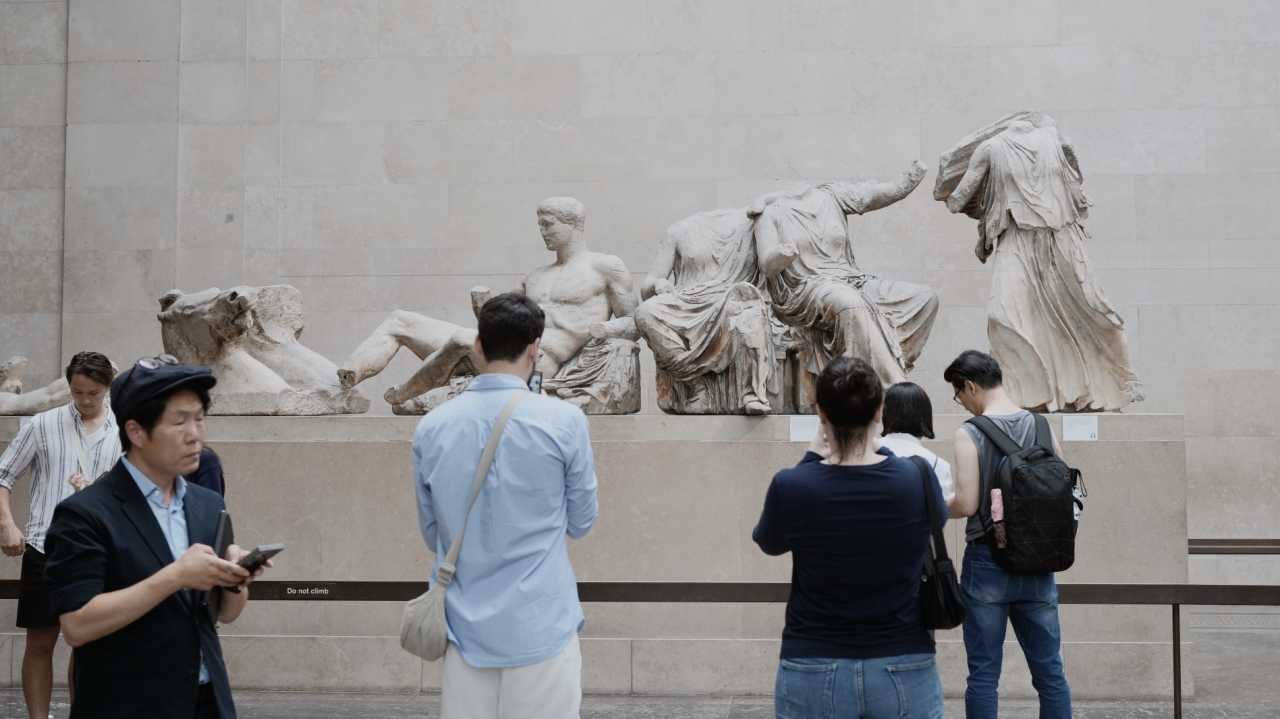
Parthenon sculptures—the museum’s jewel—fill Room 18, dedicated to Athena. The Parthenon is the most important surviving Classical Greek building; the sculpture represents the apex of ancient Greek art.
 British Museum
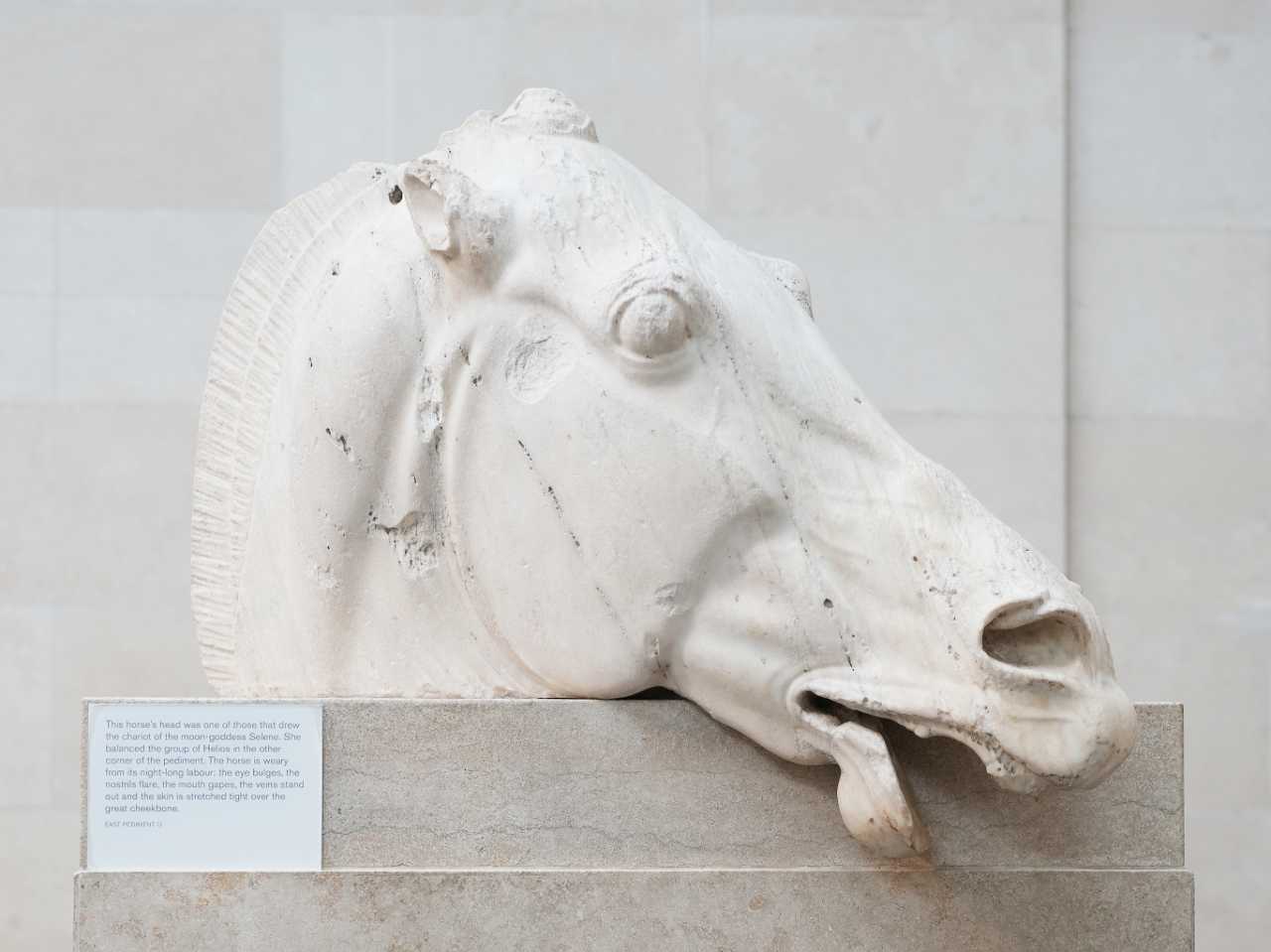
The exhausted horse of the moon goddess Selene feels like a meme for modern “wage slaves”.
 British Museum
The museum houses ~23,000 Chinese artifacts—paintings, bronzes, jade, porcelain, textiles, sculpture, metalware, lacquer, clothing—spanning almost the entire Chinese history.
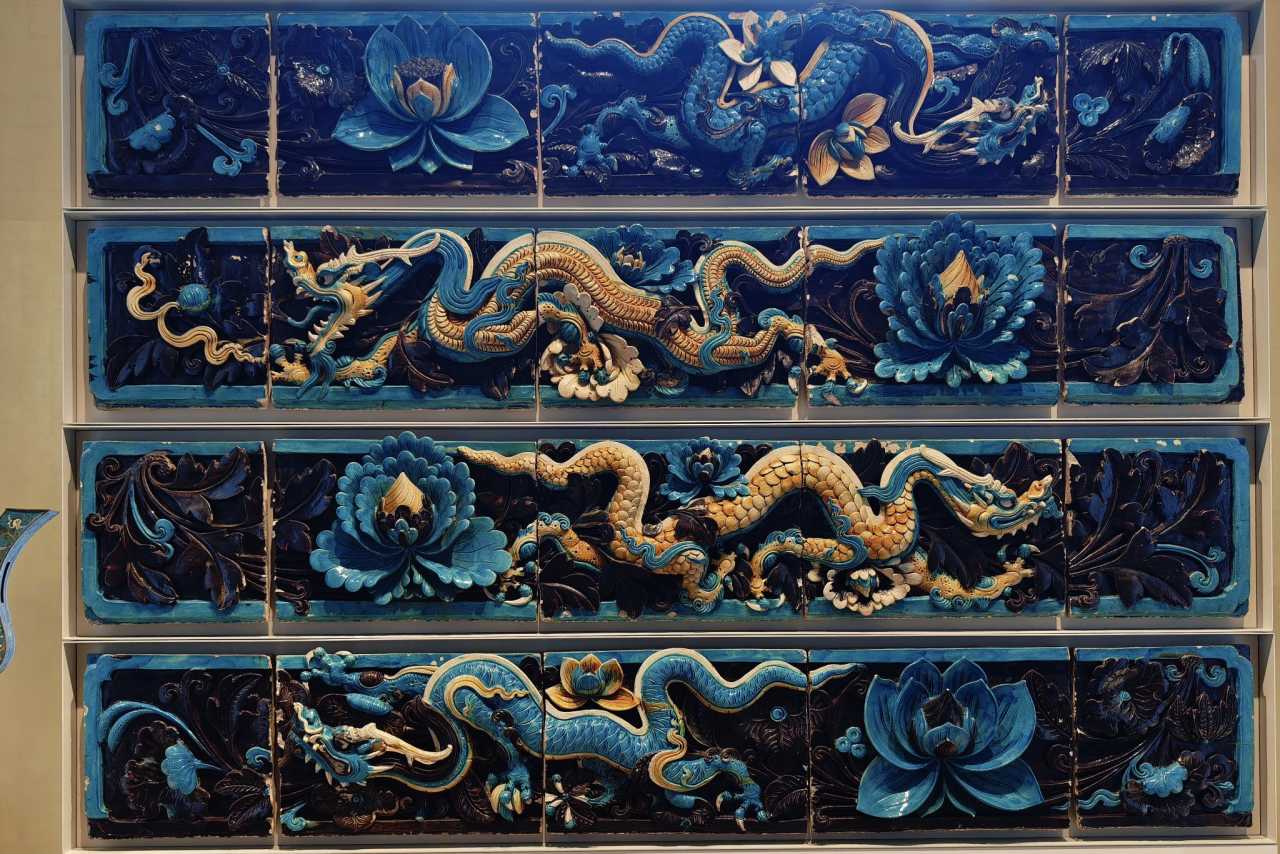 British Museum
Dragon-relief glazed bricks (the “Four-Dragon Wall”) from Ming temples in Shanxi, China—cut and looted in the early 20th century during late Qing–Republic turmoil.
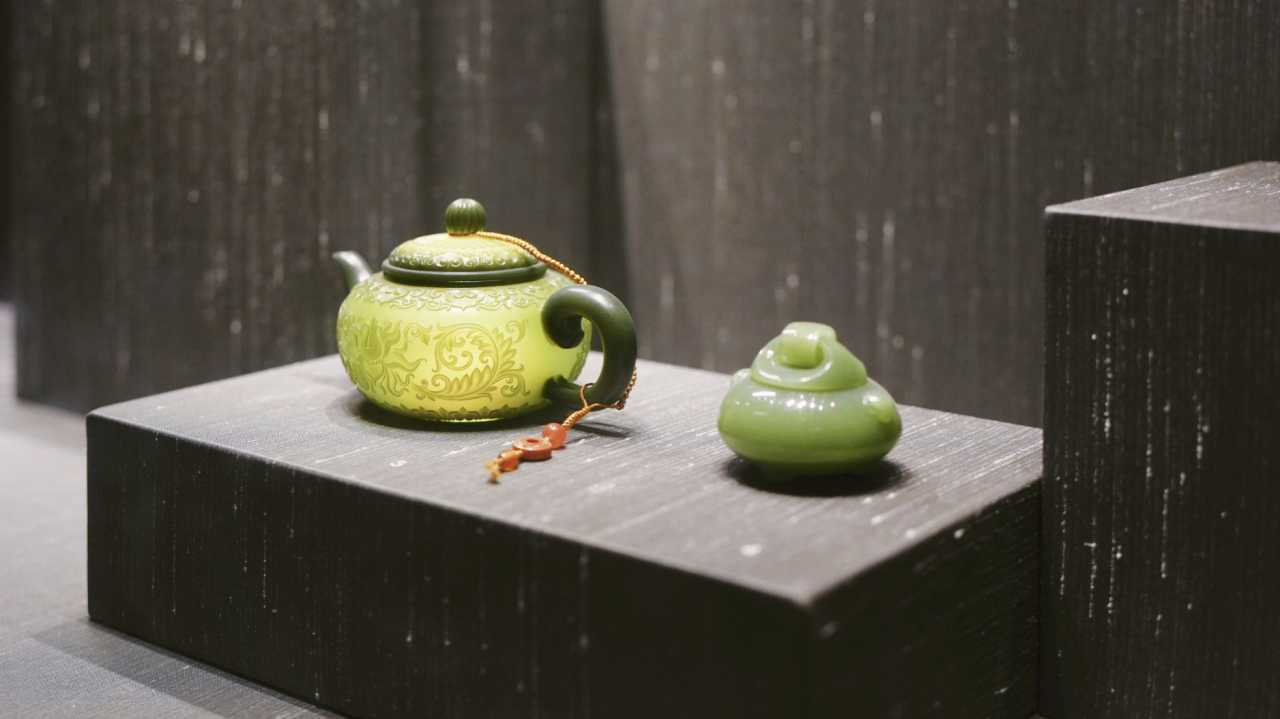 British Museum
The jade vase from the viral mini-series “Escape from the British Museum”.
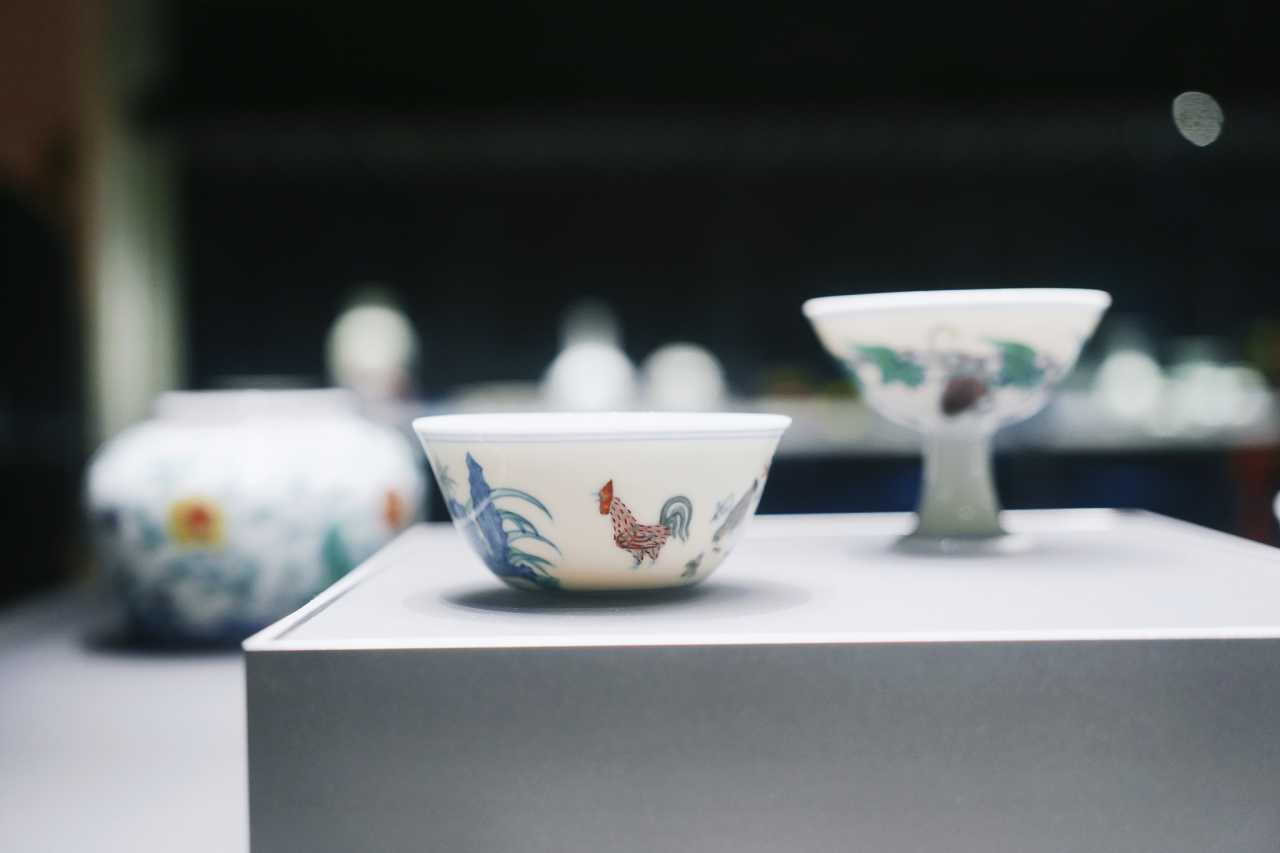 British Museum
Room 95 hides the most beautiful Chinese porcelain—the Chenghua doucai “Chicken Cup”.
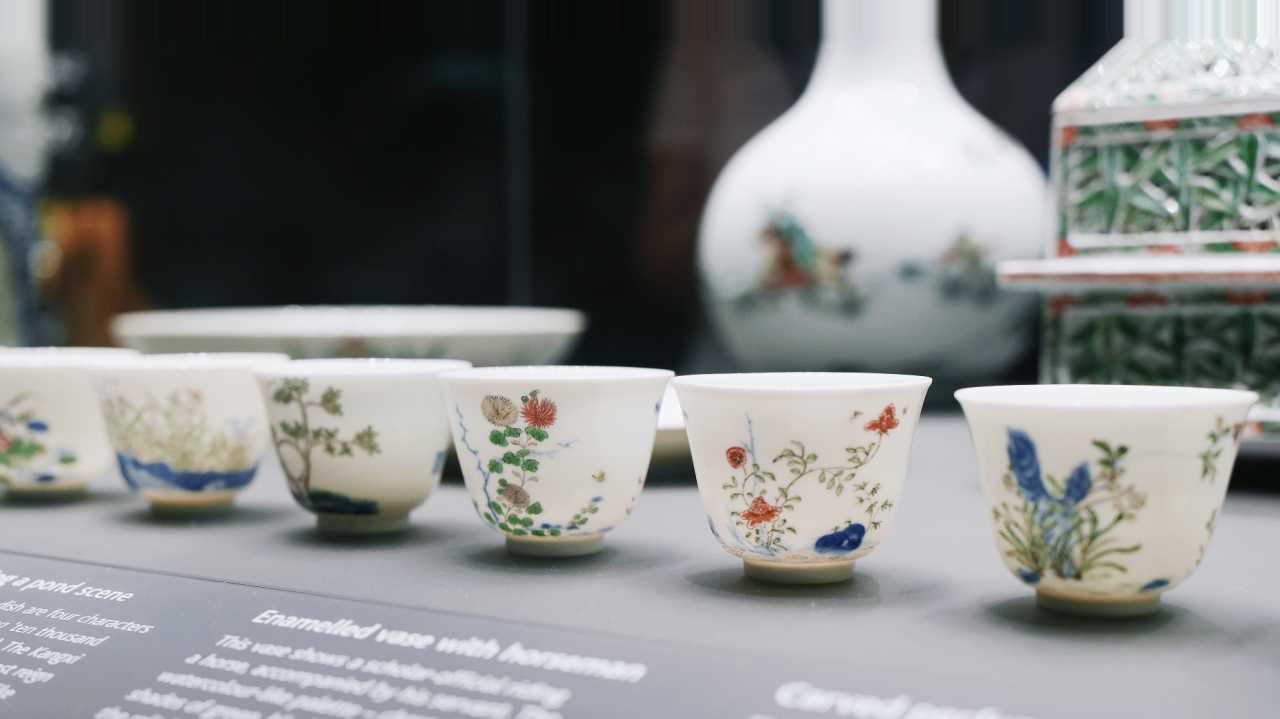 British Museum
Kangxi-era imperial ware—the “Twelve Flower God Cups”.
 British Museum
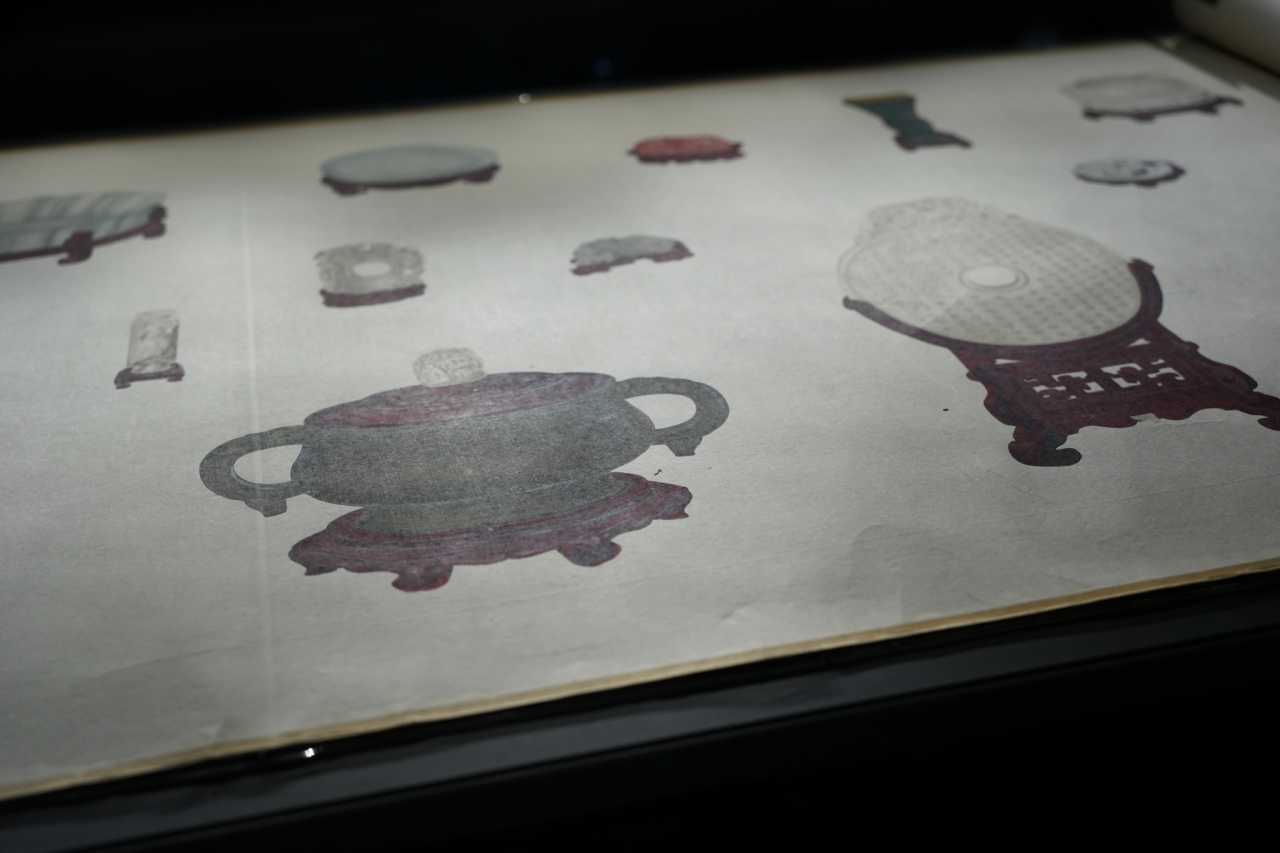
Scroll paintings in corners are nearly life-size copies of treasures—very long—each conservation opens a new section.
 British Museum
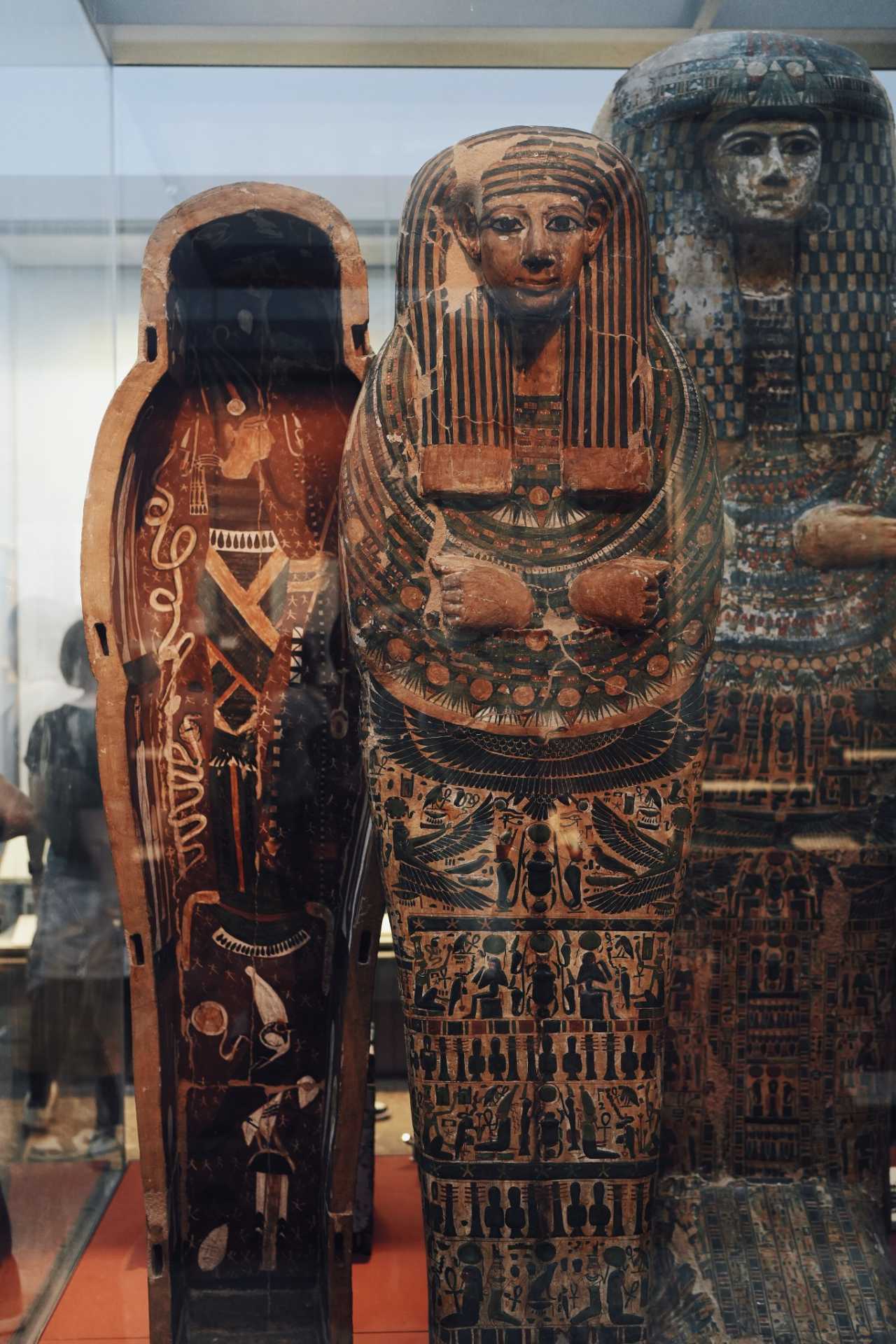
The Mummies hall shows 20+ mummies—adults, children, and cats—one of the most popular galleries. The display is quite raw and “explosive”—very direct!
 British Museum
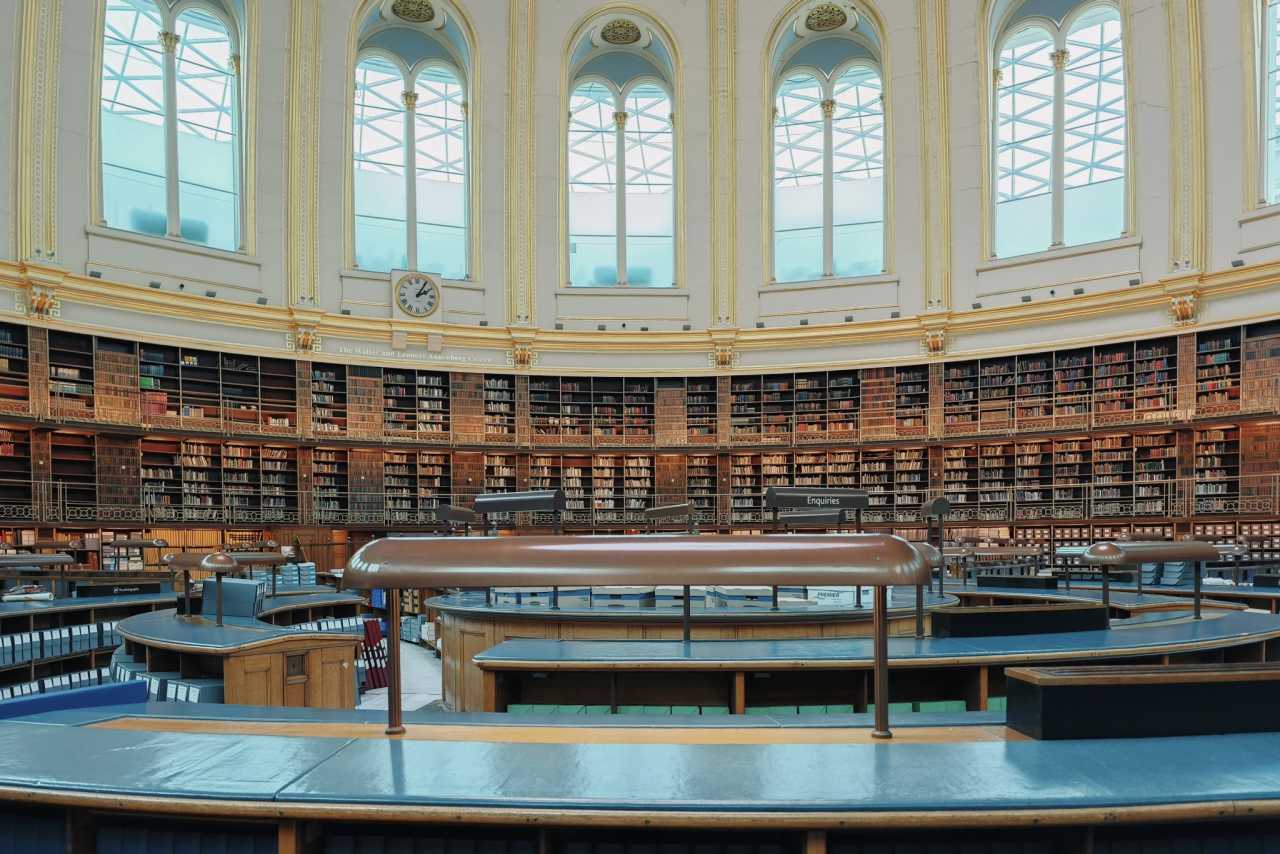
The former British Library reading room—Marx, Lenin, Conan Doyle, Oscar Wilde, and other greats read and wrote here.
 British Museum
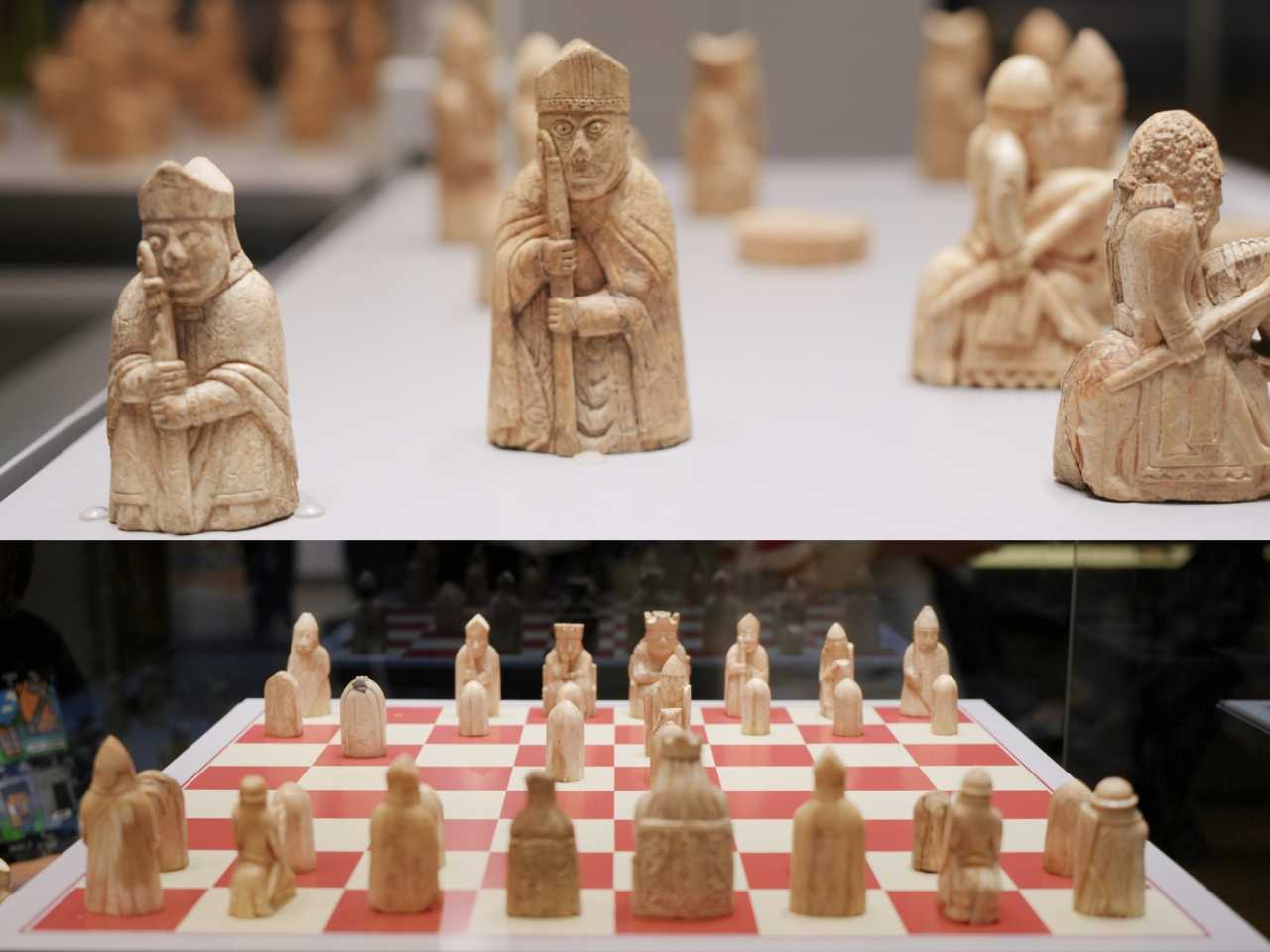
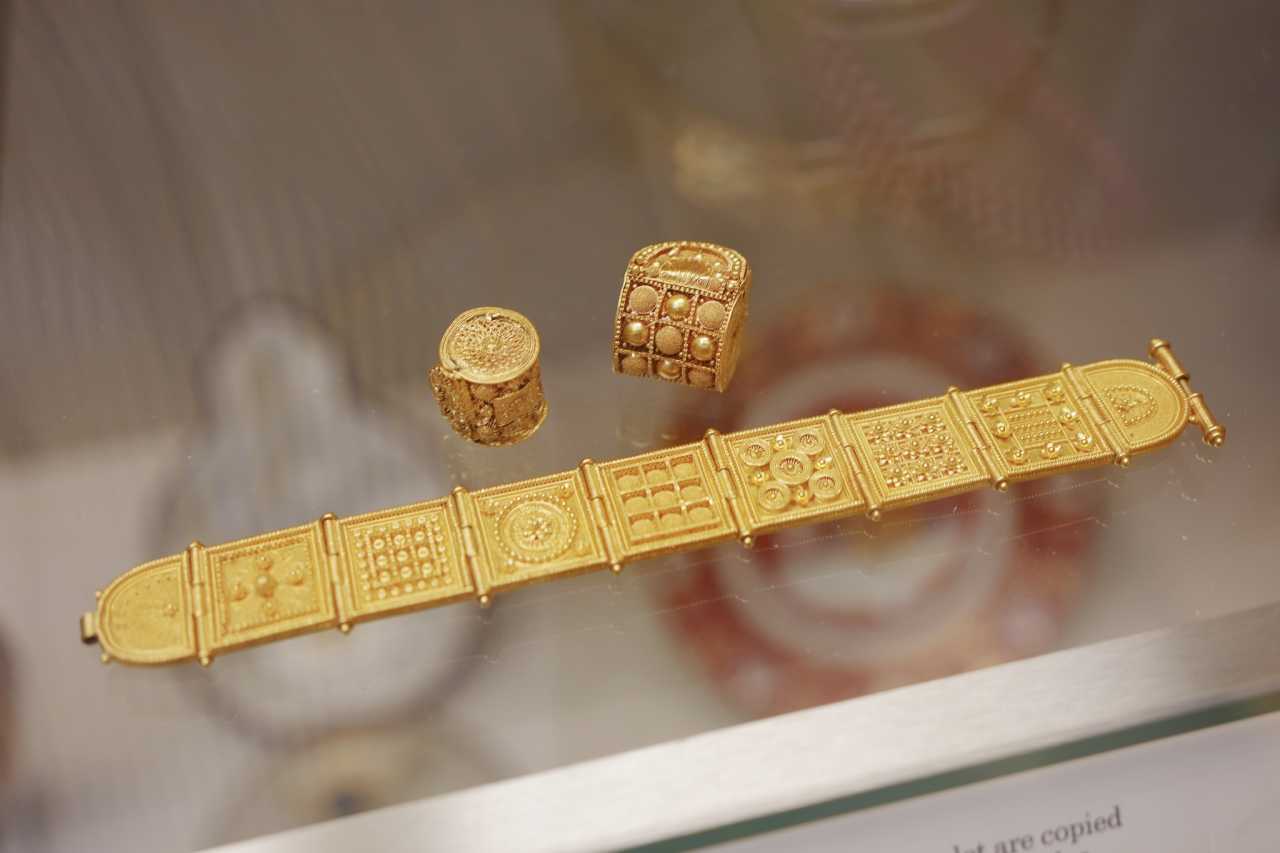
Lewis Chessmen—medieval Viking-era chess pieces carved from walrus ivory and whale tooth—82 here; 11 in National Museum of Scotland.
 British Museum
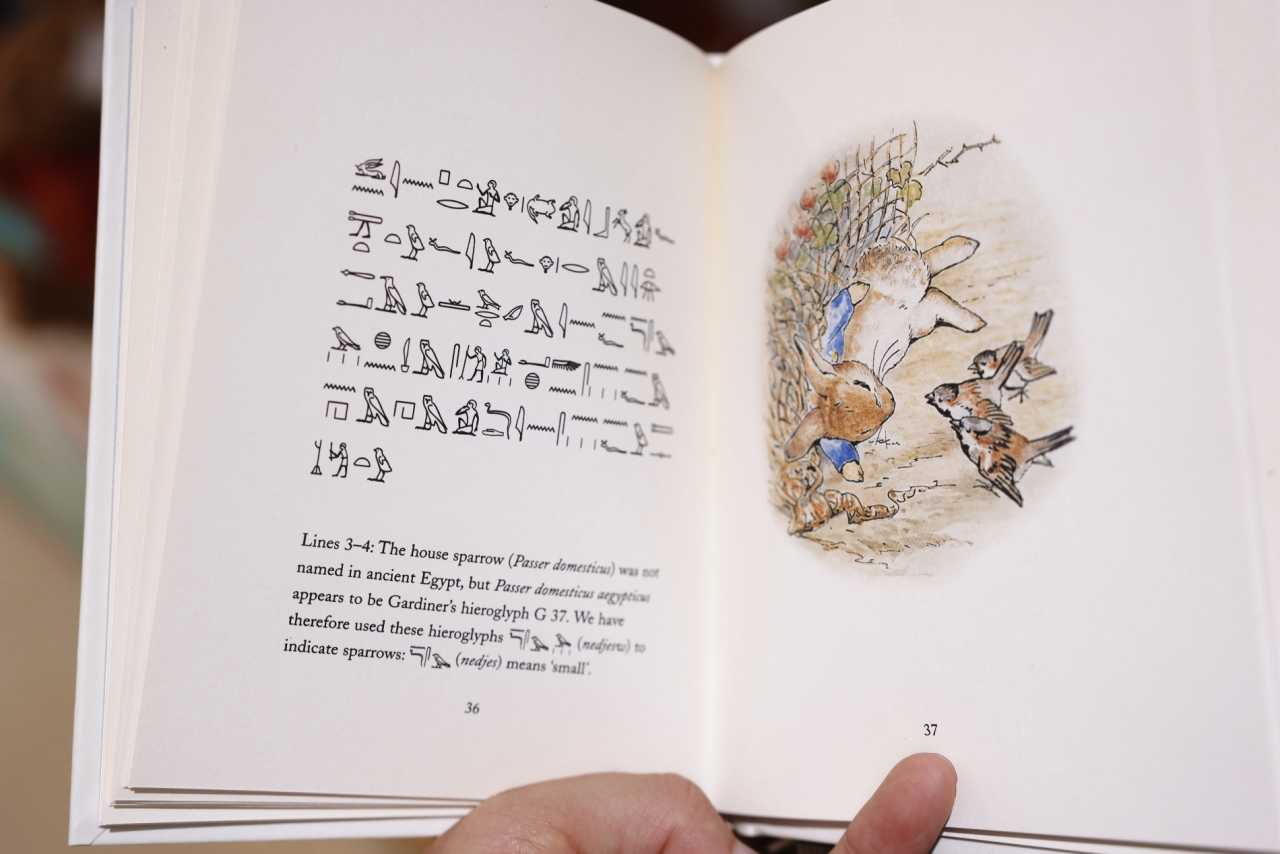
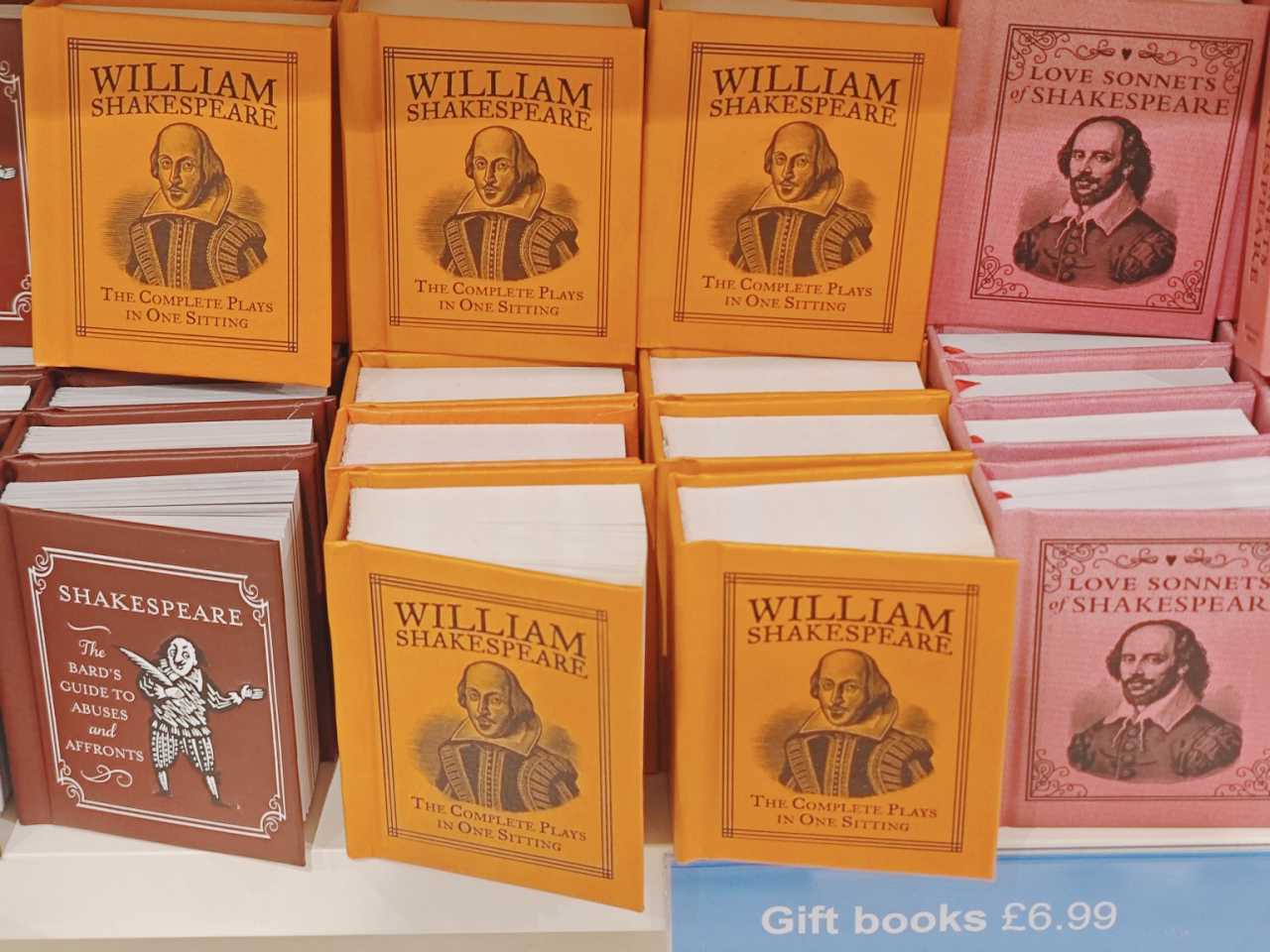
British Museum merch is rich—this Peter Rabbit in Egyptian hieroglyphs is adorable.
 British Museum
 British Museum
Tower Bridge
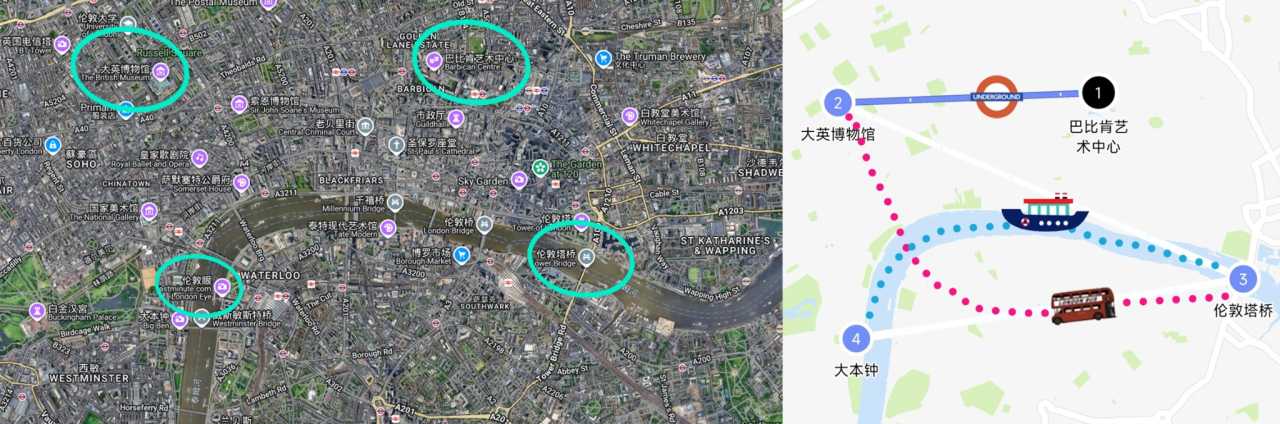
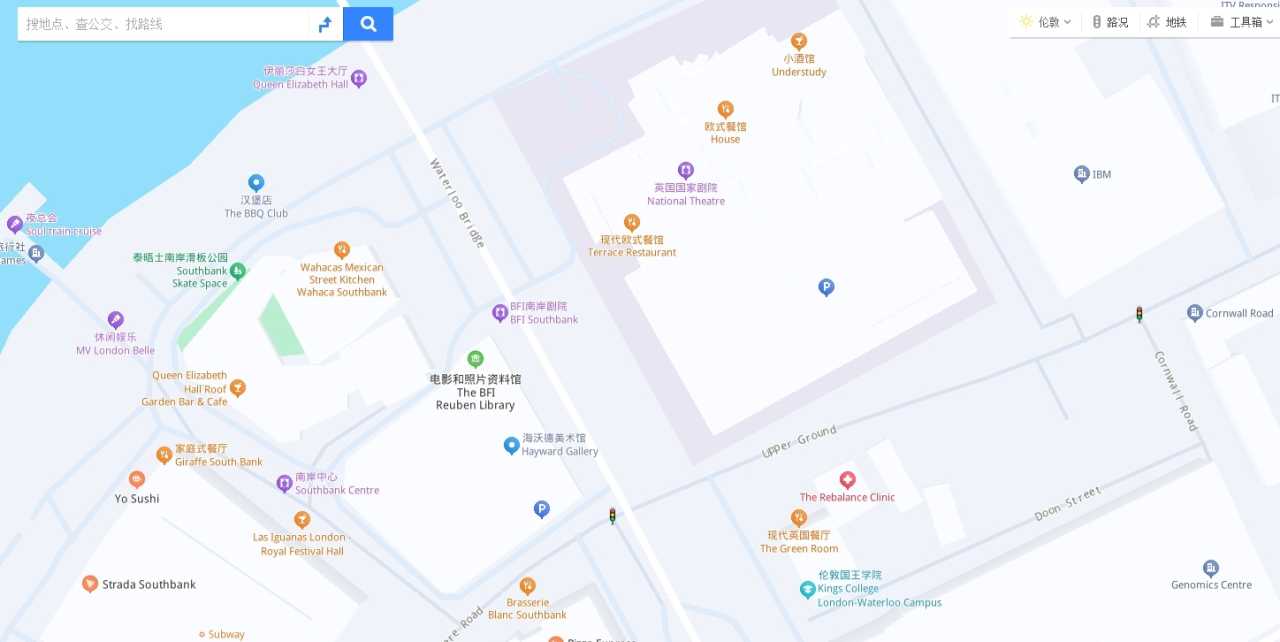
After the British Museum closed, we ate a quick dinner and took a bus to Tower Bridge. The bus looped along the Thames south bank—passing Southbank Centre, a large cultural complex with many art and performance venues—Royal Festival Hall, Hayward Gallery, Queen Elizabeth Hall—worth exploring someday.
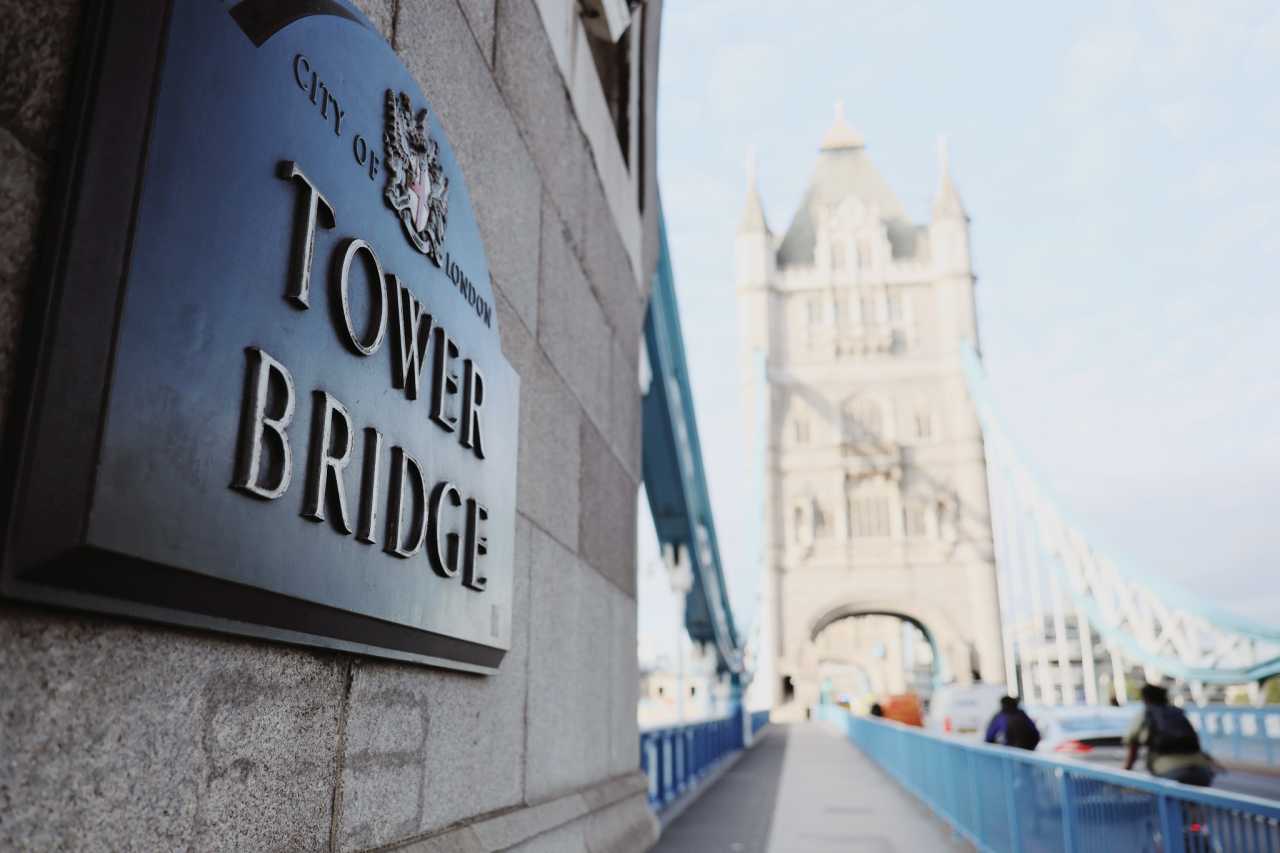 Tower of London
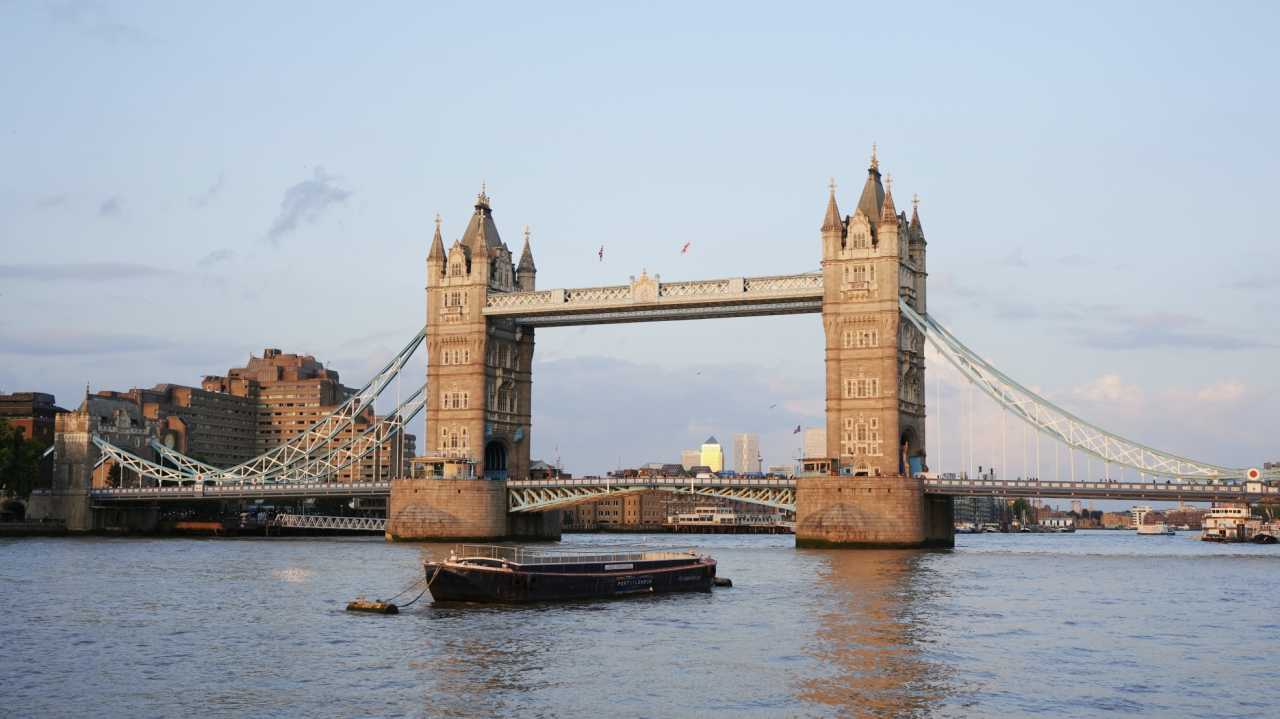 Tower of London
At sunset, the riverside promenade south of Tower Bridge is 100% romantic!
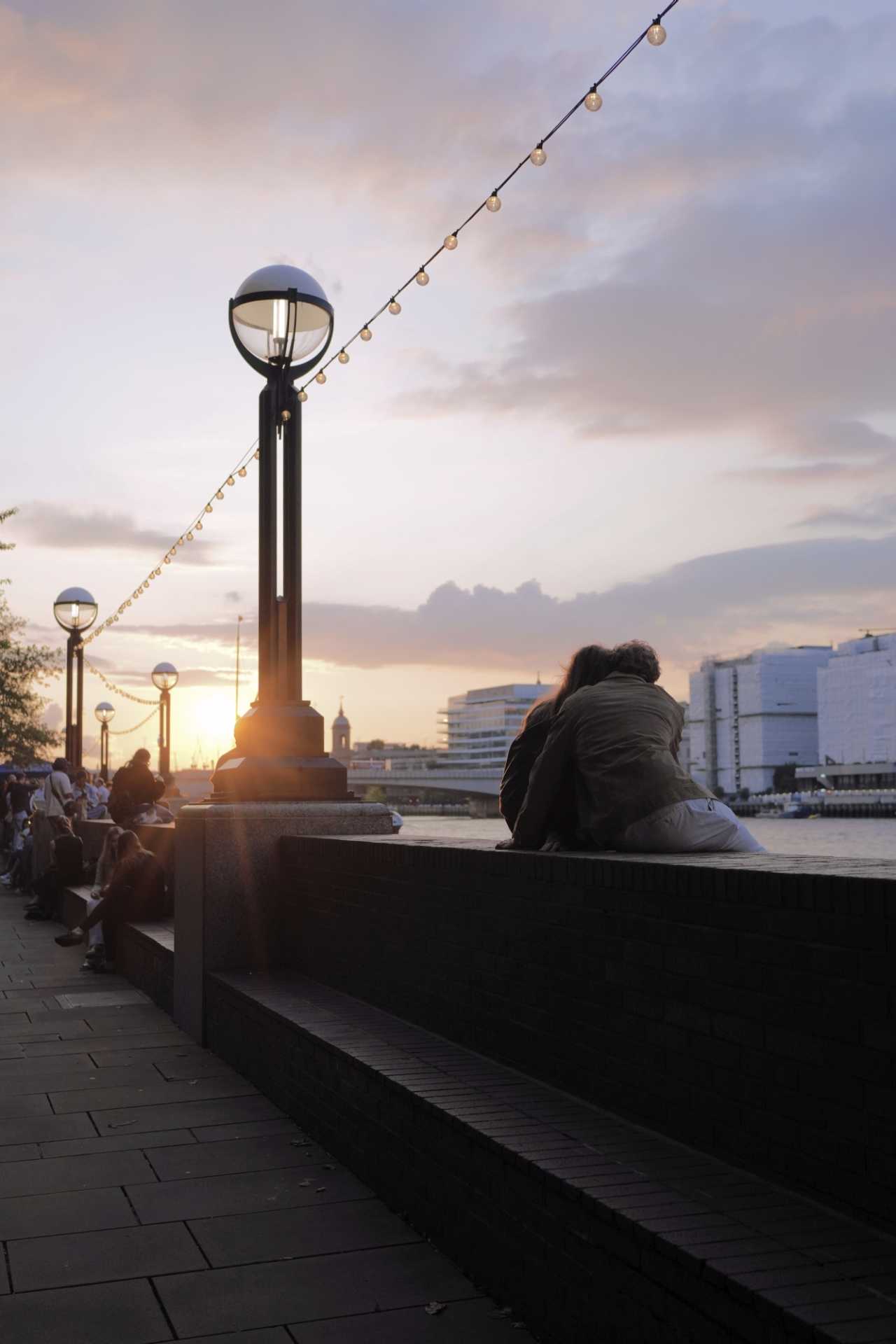
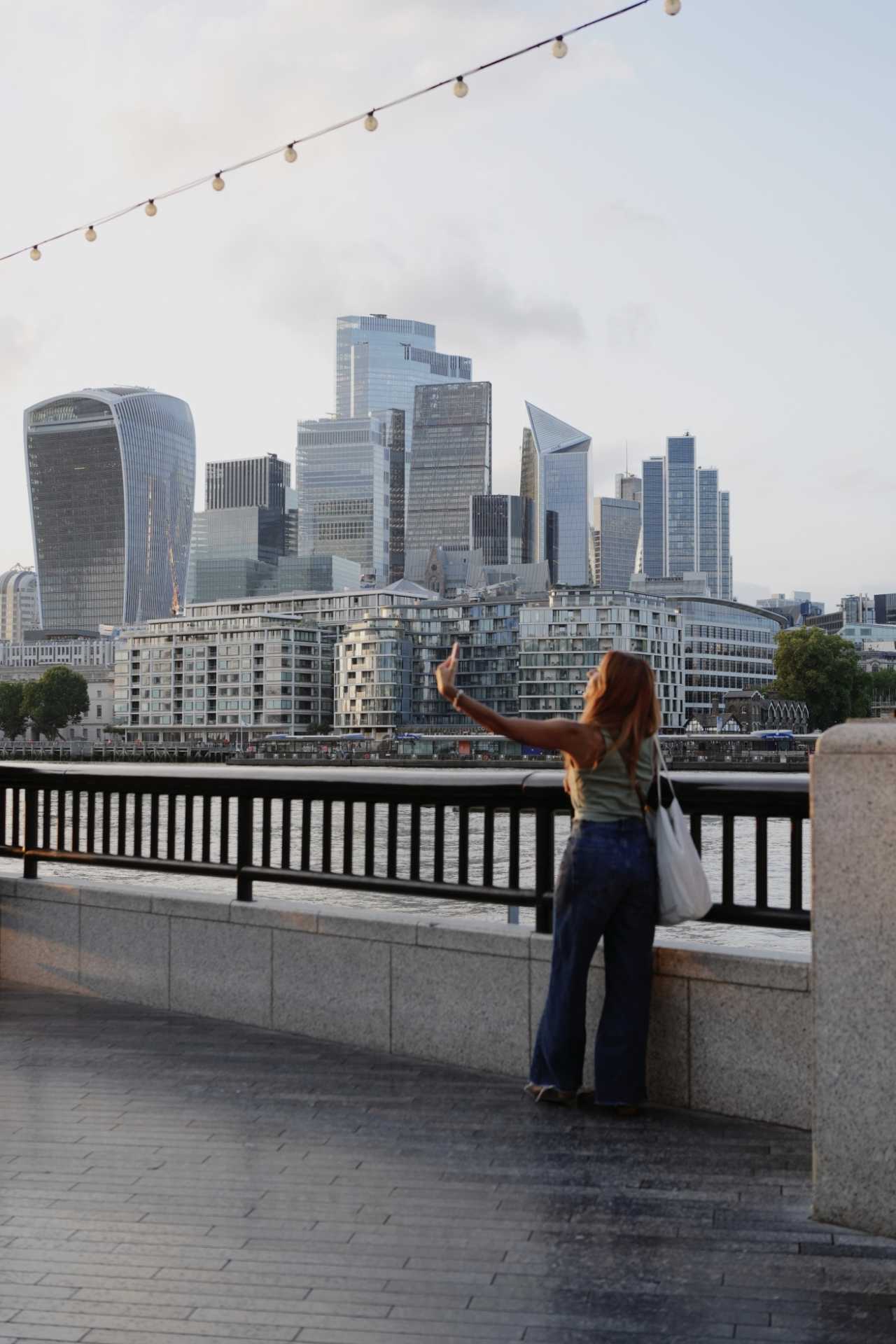
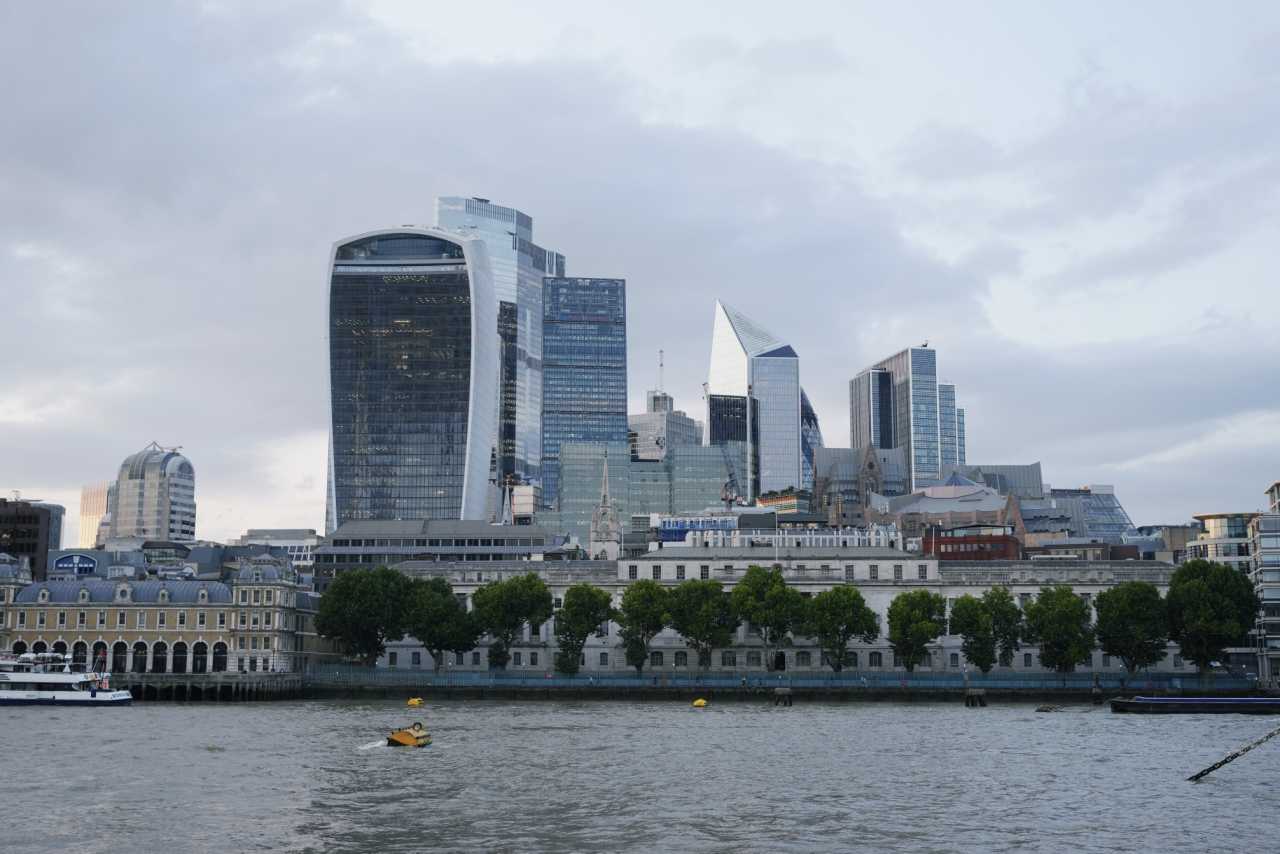 Thames
Thames Sunset Cruise
On the way back we found we could take Uber Boat to Westminster, so we hopped aboard—didn’t waste the beauty of sunset.
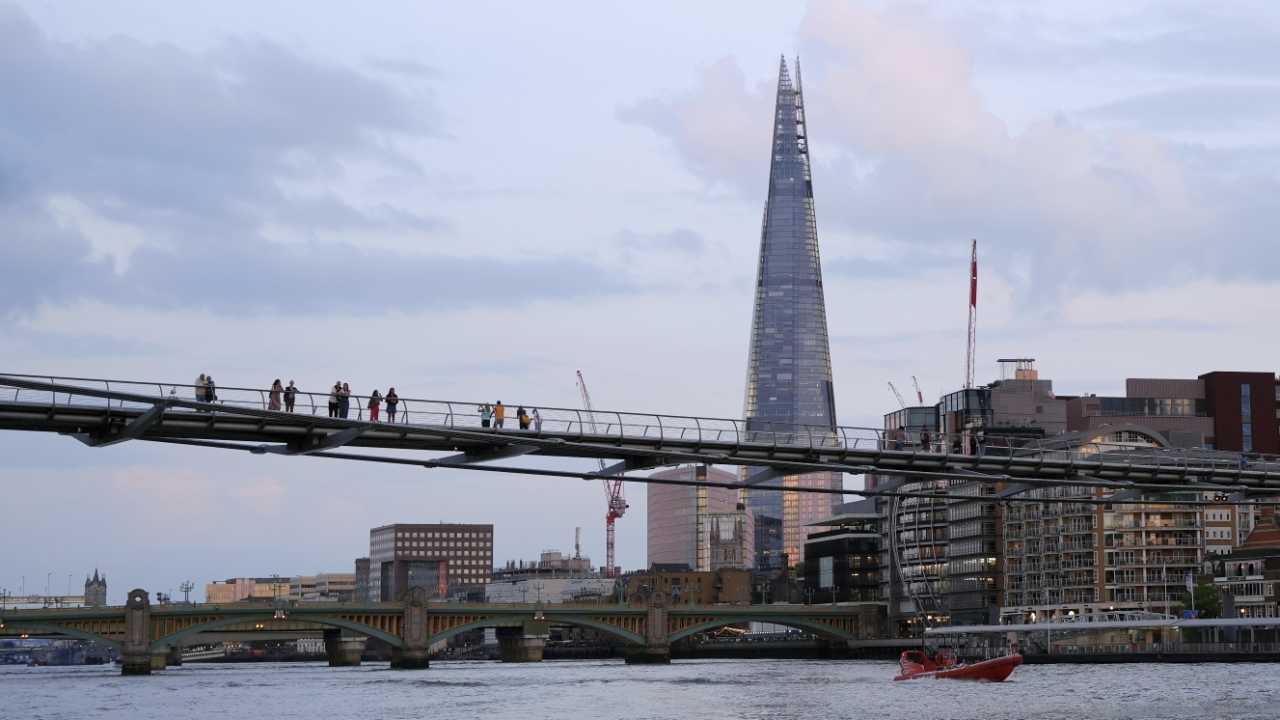 Thames
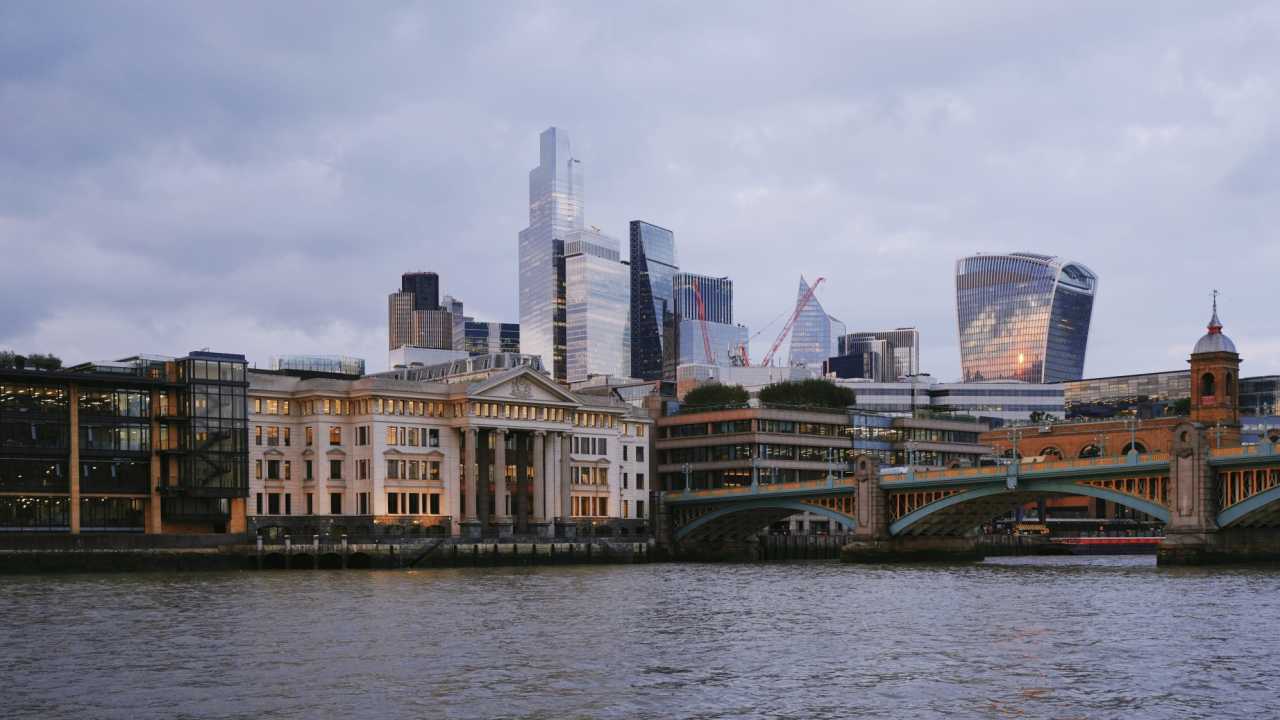 Thames
Walk through the cabin to the open stern to feel the cool evening Thames breeze.
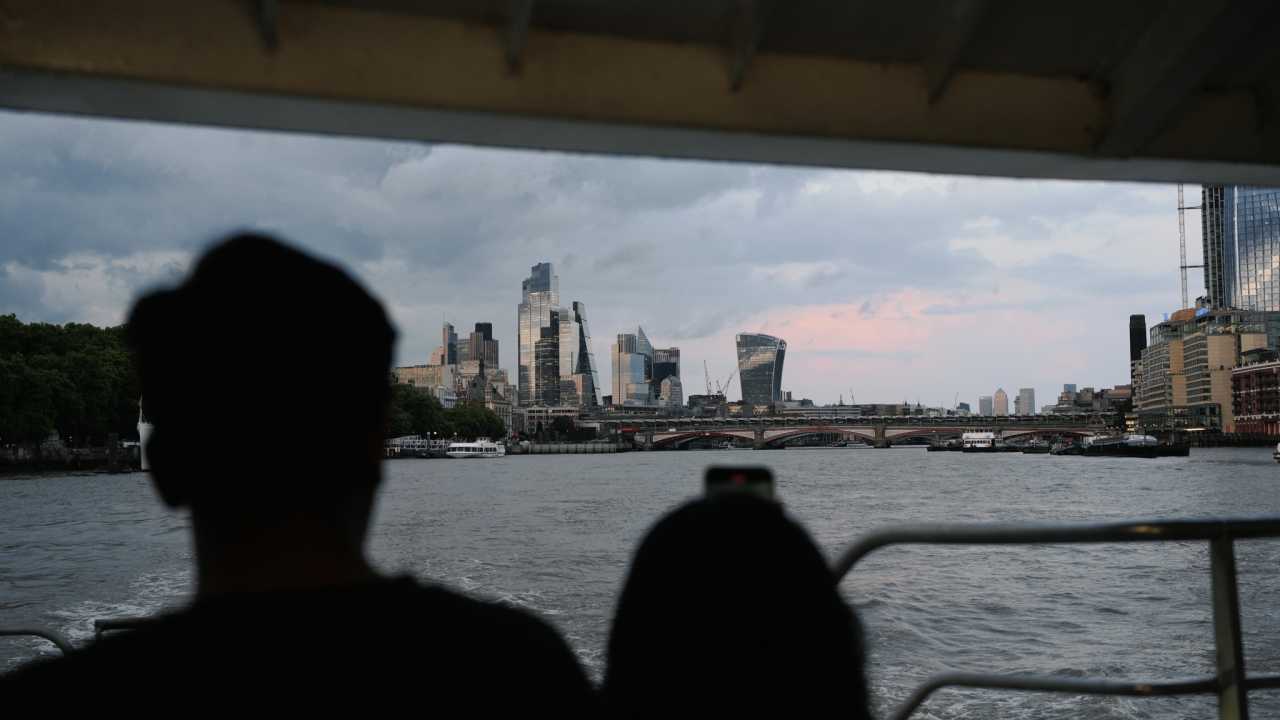 Thames
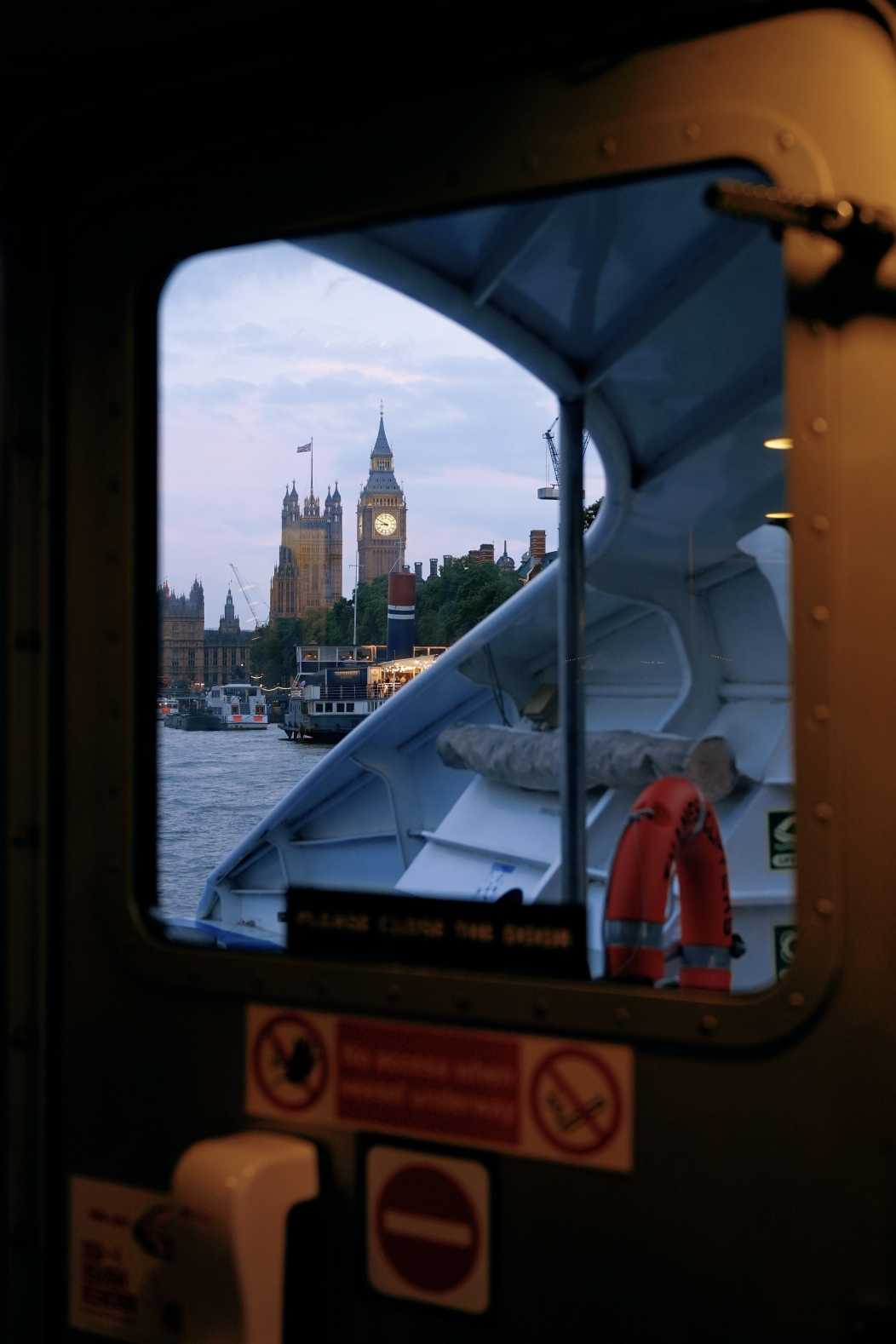 Thames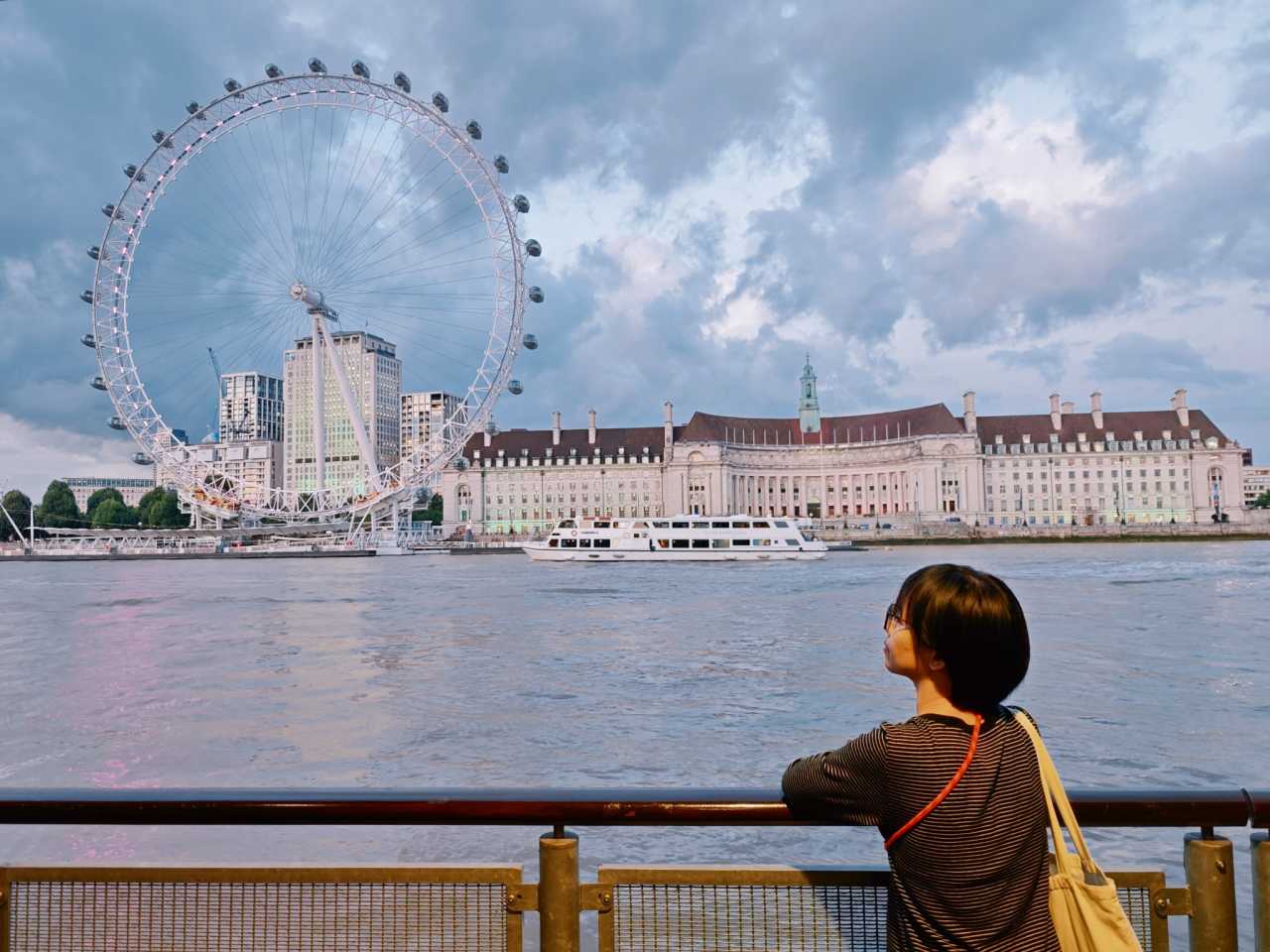
At Westminster Pier you can check in with London Eye—great shooting spot.
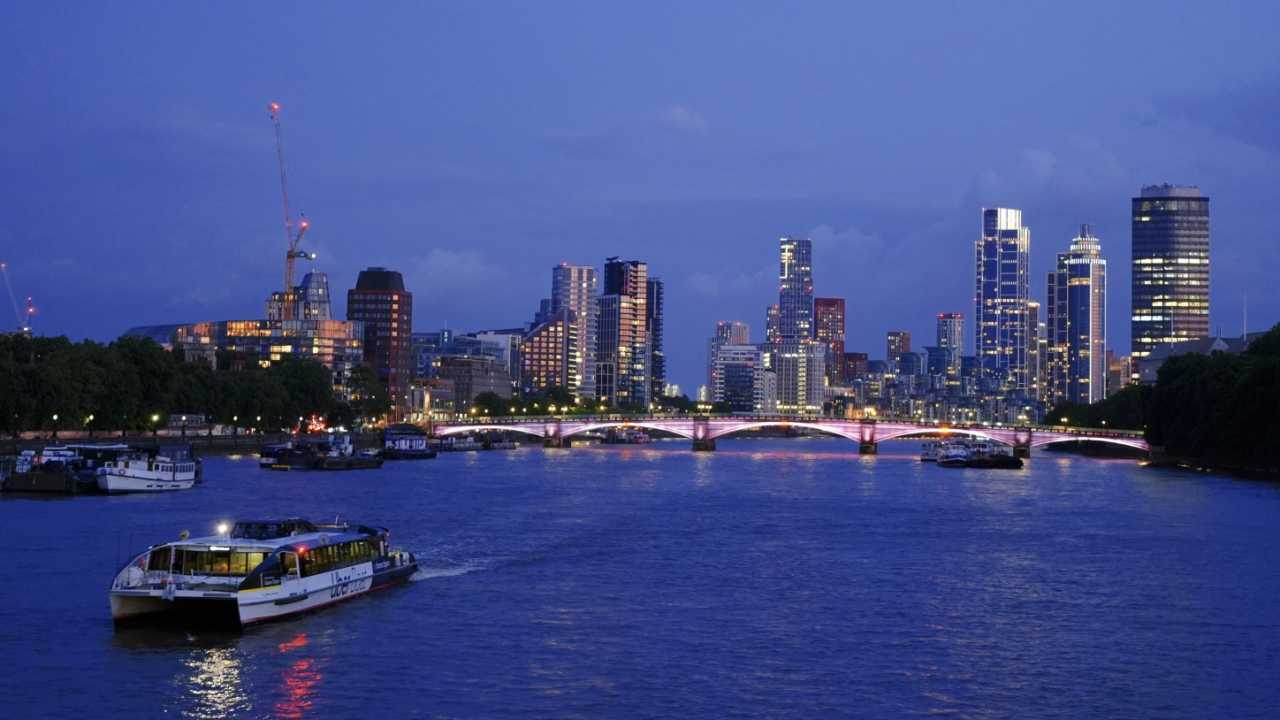
Blue-hour Thames
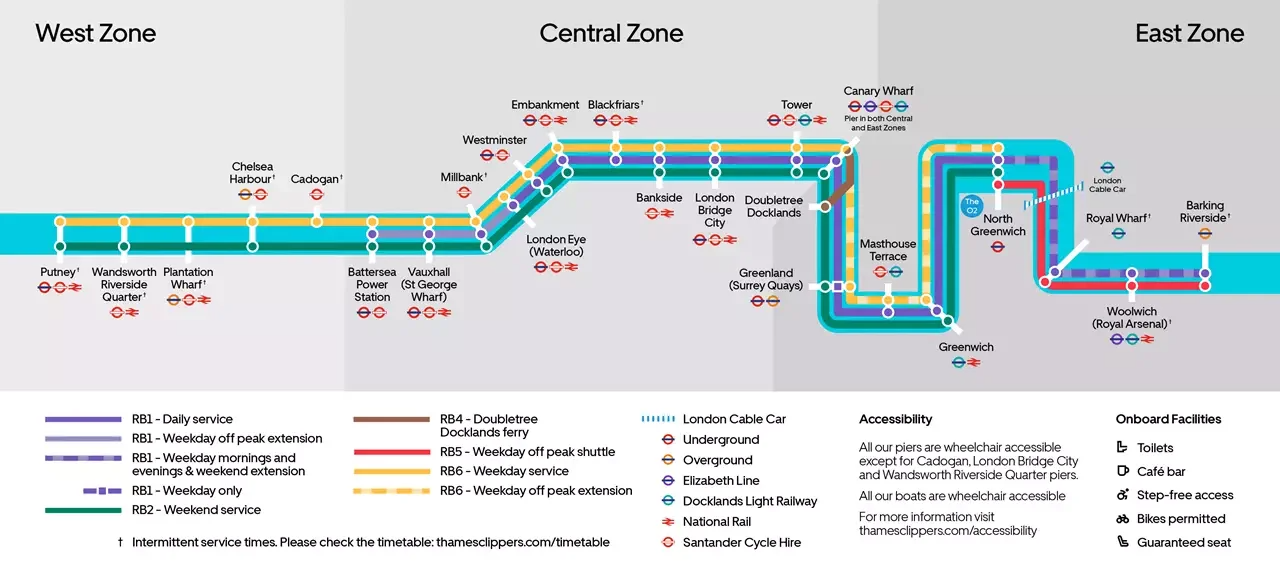
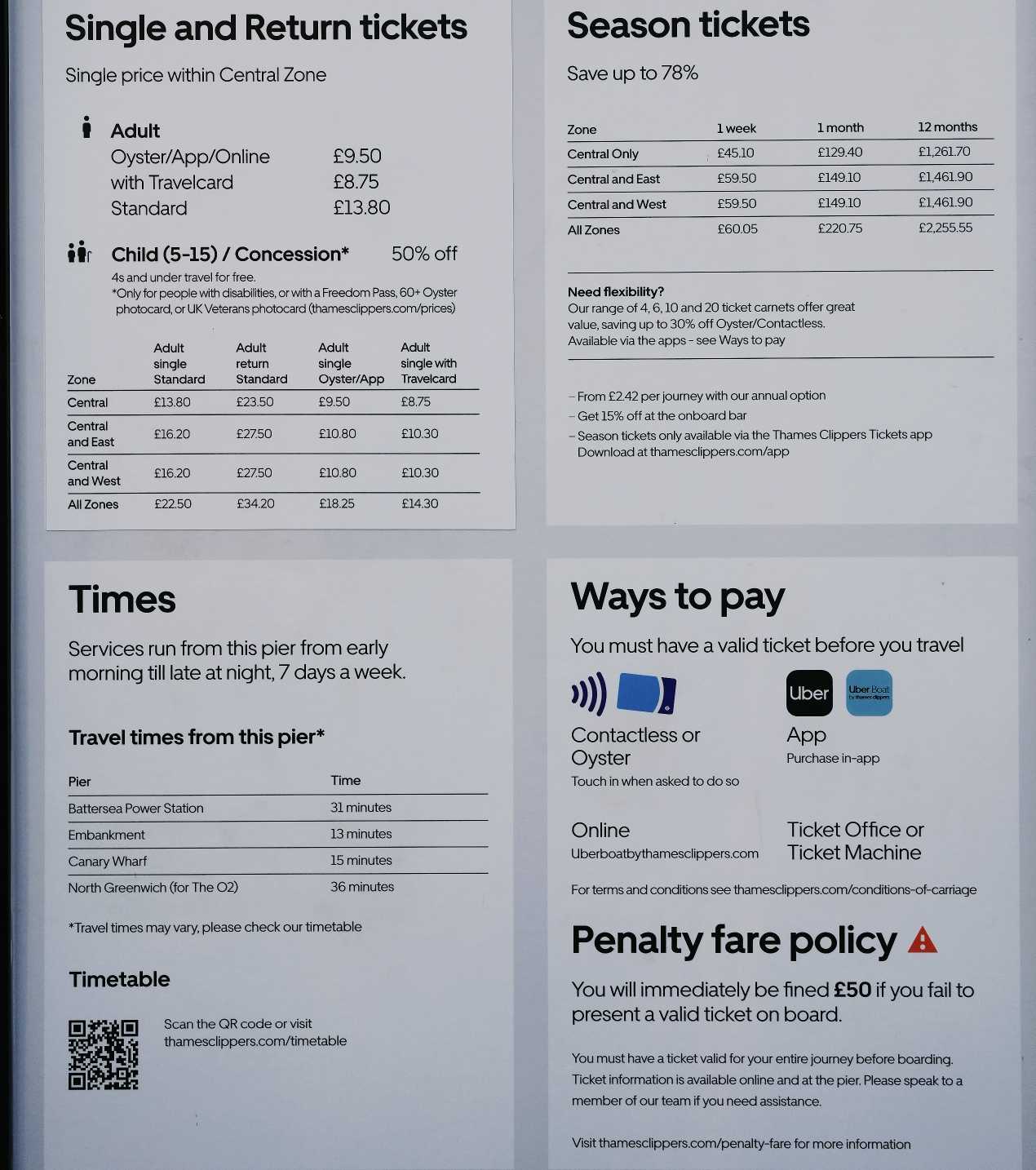
Pier and route map—credit cards accepted; fare by zones. Oyster may be cheaper.
Day 6
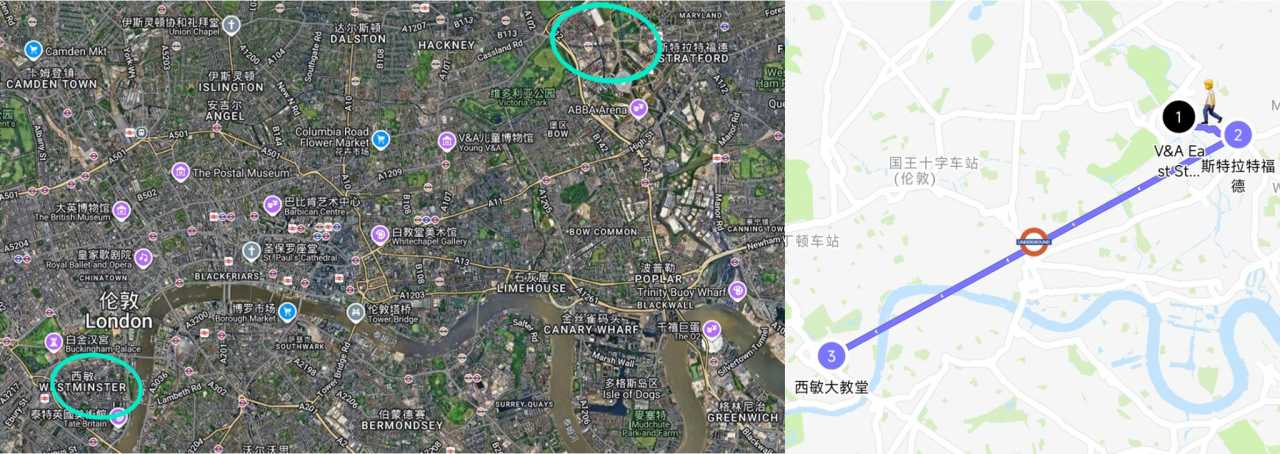
V&A East Storehouse
Hours:
Sun–Wed, Fri 10:00–18:00
Thu & Sat late opening: 10:00–22:00
Queen Elizabeth Olympic Park, East Storehouse, V&A, Parkes St, London E20 3AX
V&A East Storehouse is a relatively new museum. It overturns traditional flat, historically heavy displays—more like a collection warehouse (which suits Britain’s collecting style). The concept is cool—many call it “IKEA-style”. Collections span art to daily life.
It’s in the Elizabeth Olympic Park, a bit far from the center, but worth a visit.
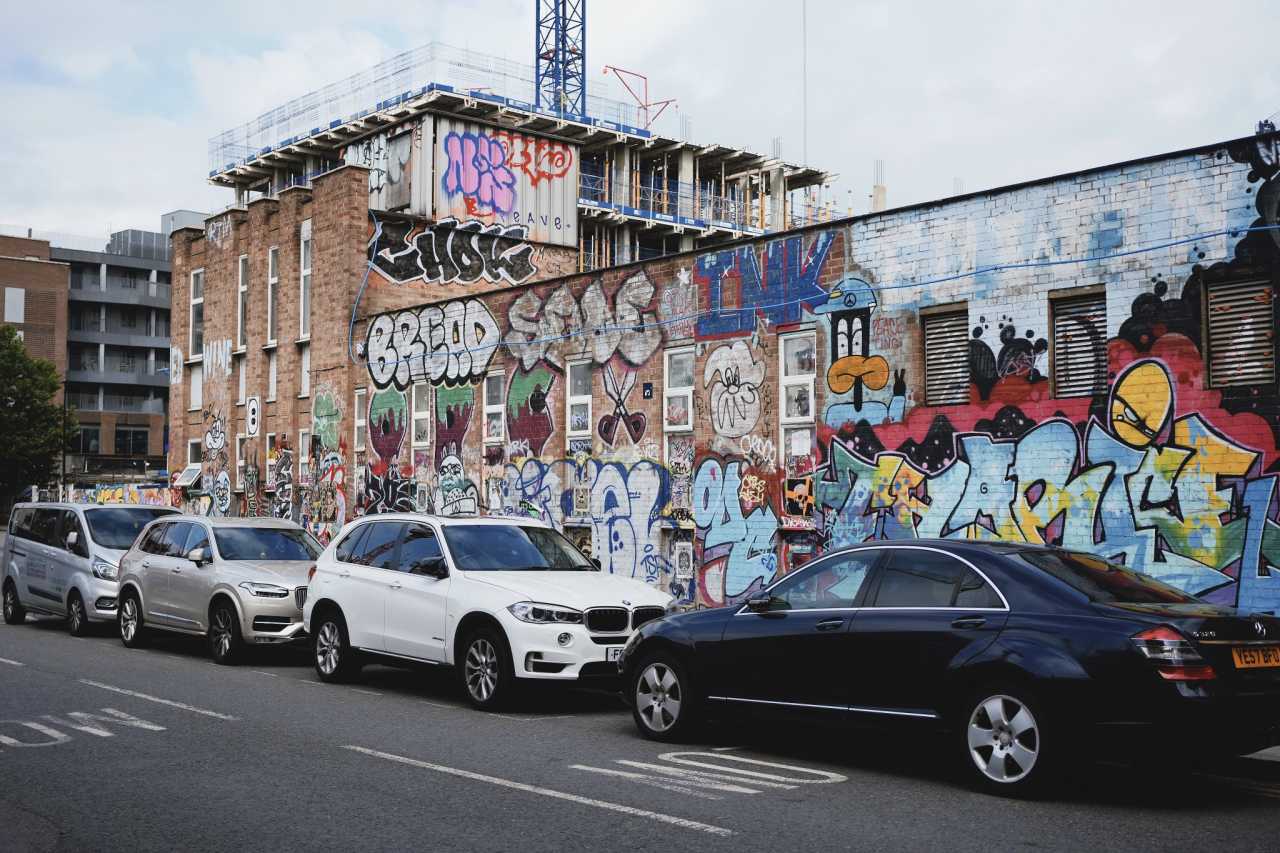
The closest station is Hackney Wick. Exiting, you pass a graffiti street—slightly desolate. Perhaps because it was early, I was basically alone walking from the station—felt a bit uneasy.
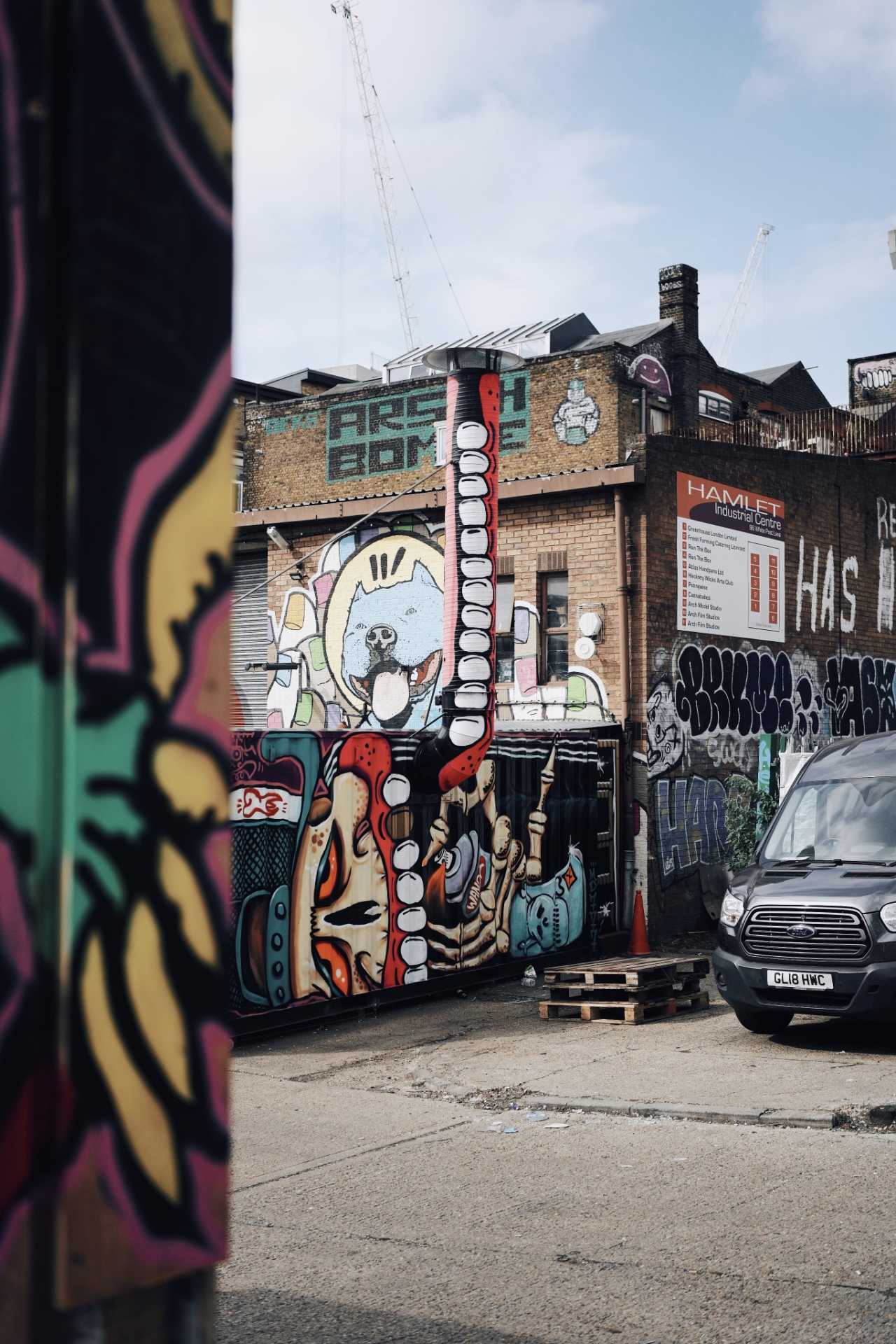
After ~10 minutes on foot, V&A appears—industrial vibe architecture. The 16,000 m² museum houses 250,000 objects, 350,000 books, and 1,000 archives across four floors. Bags must be stored.
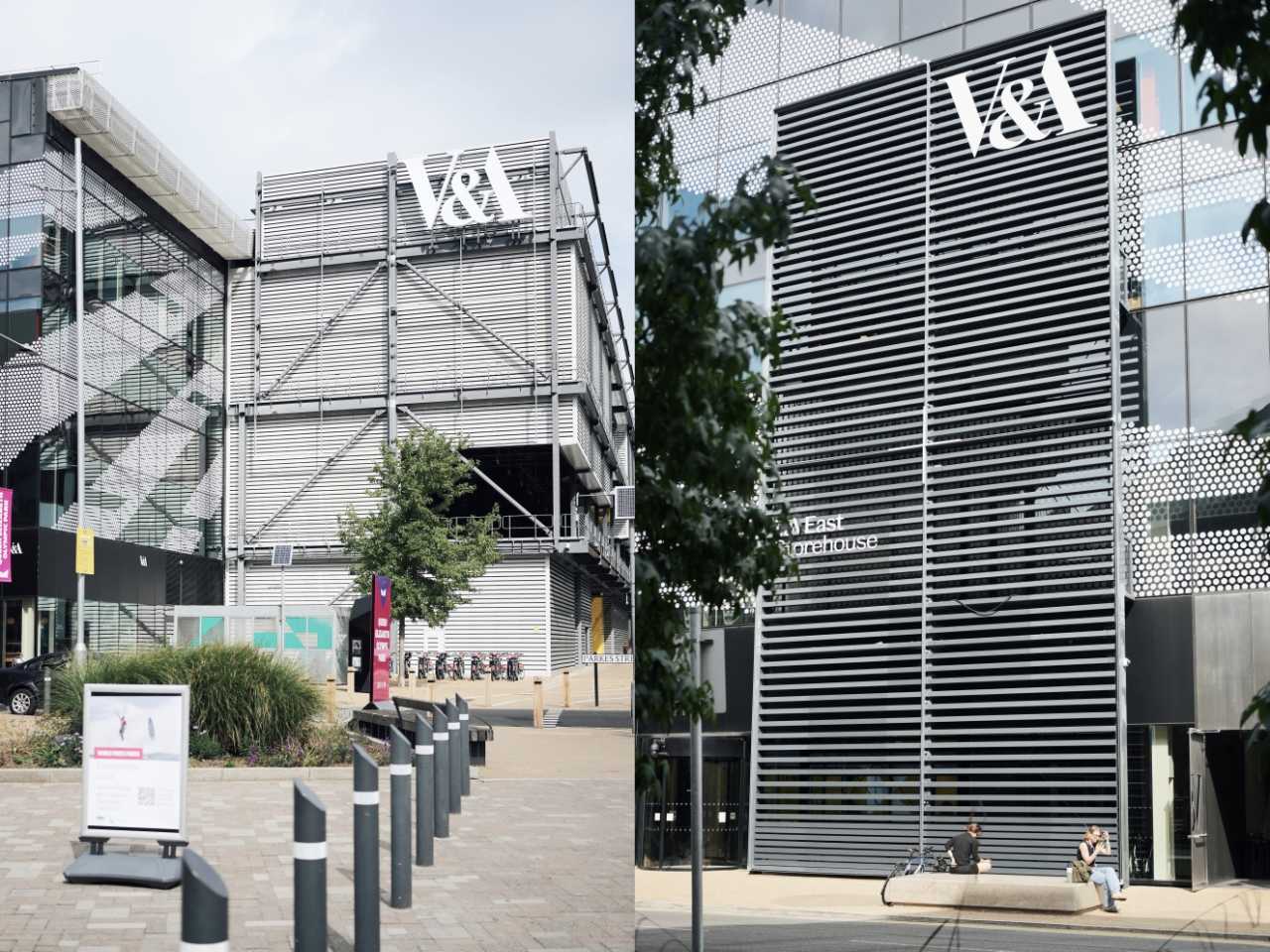
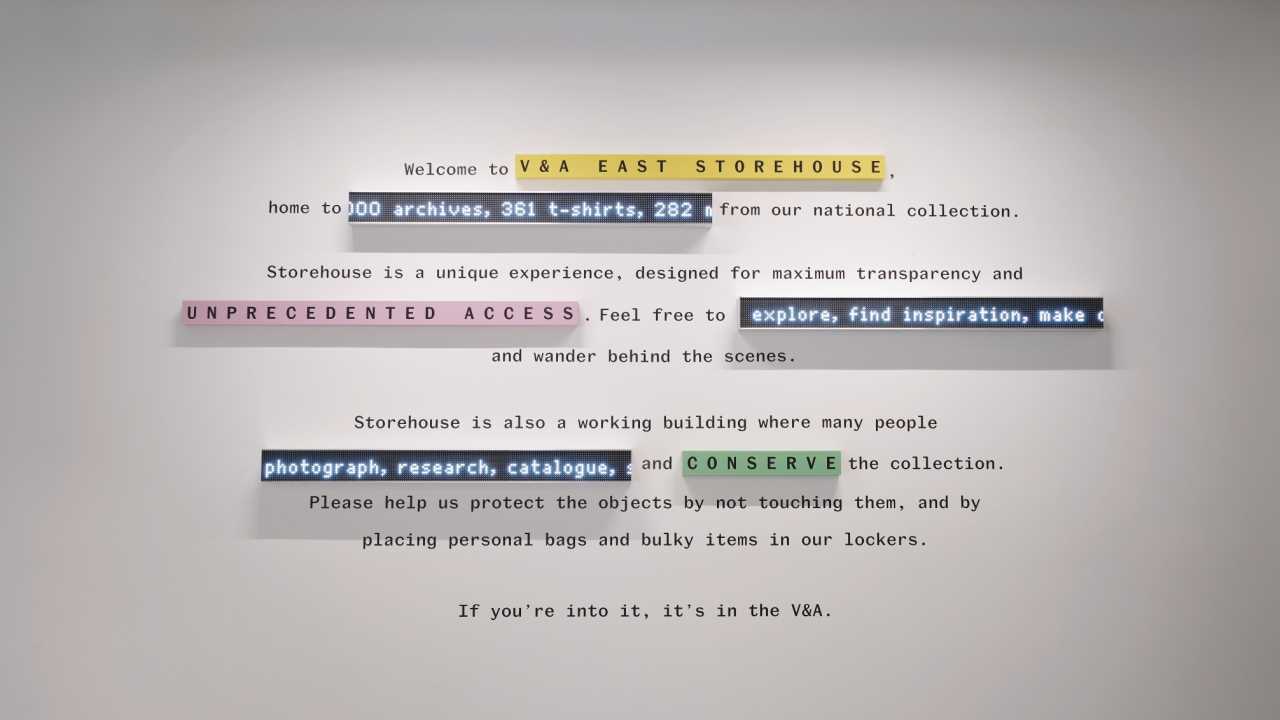
From a narrow stairwell it opens up—the warehouse-style display refreshes the senses.
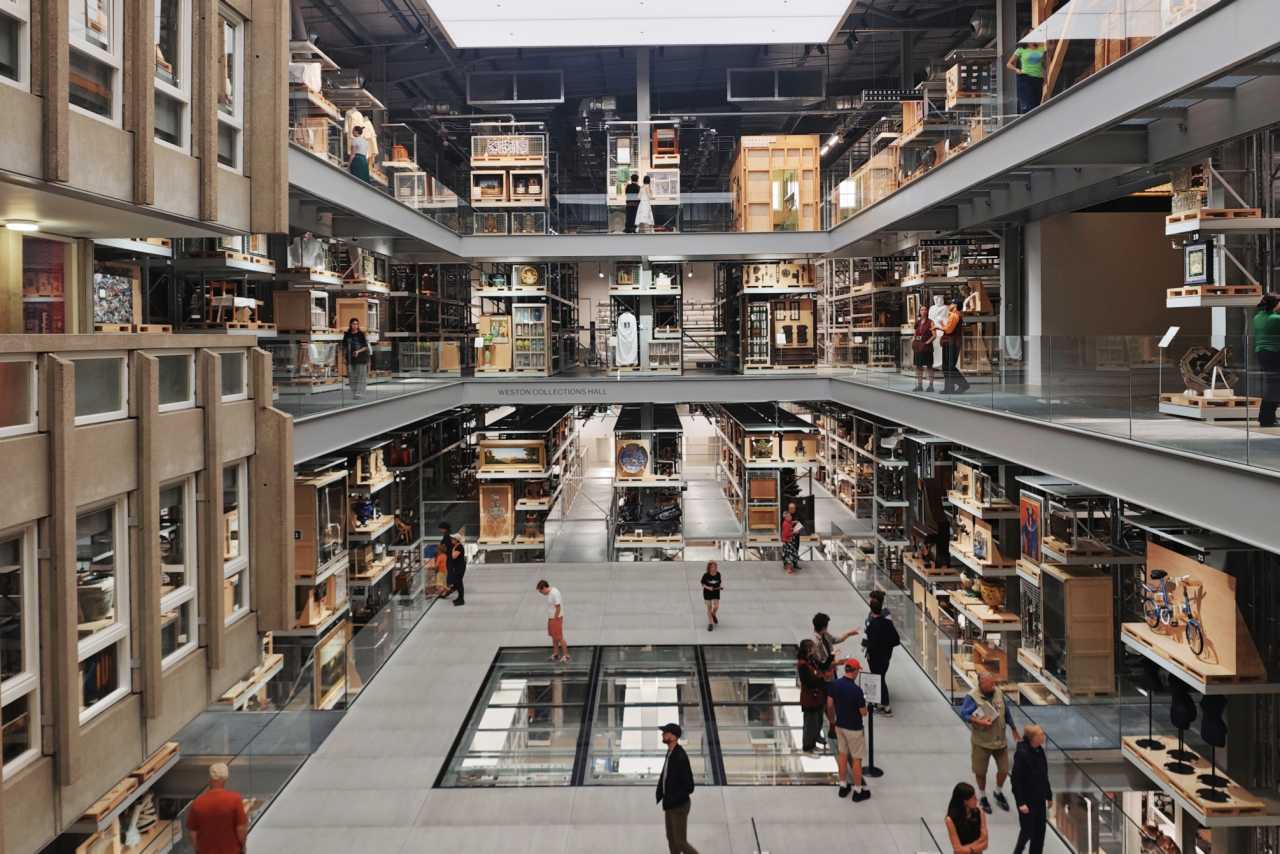
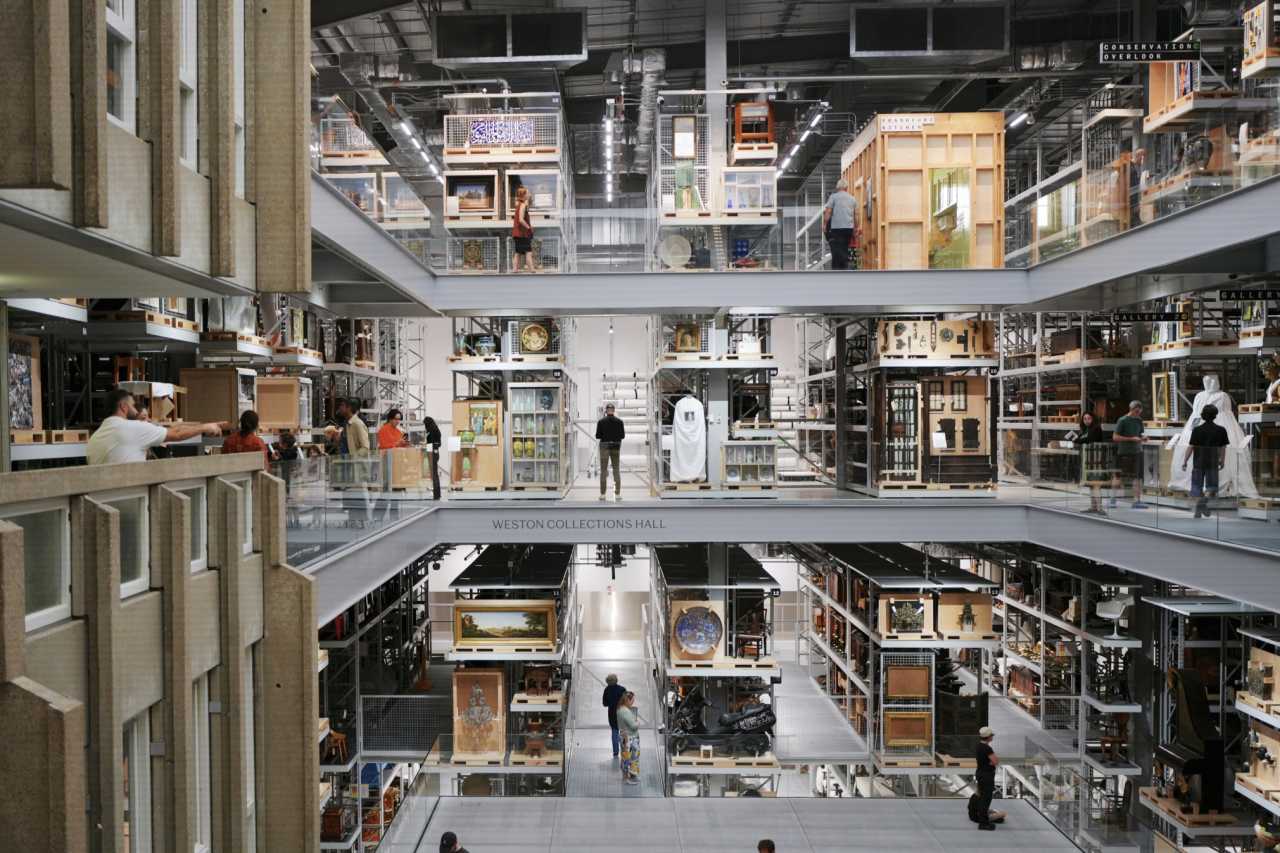
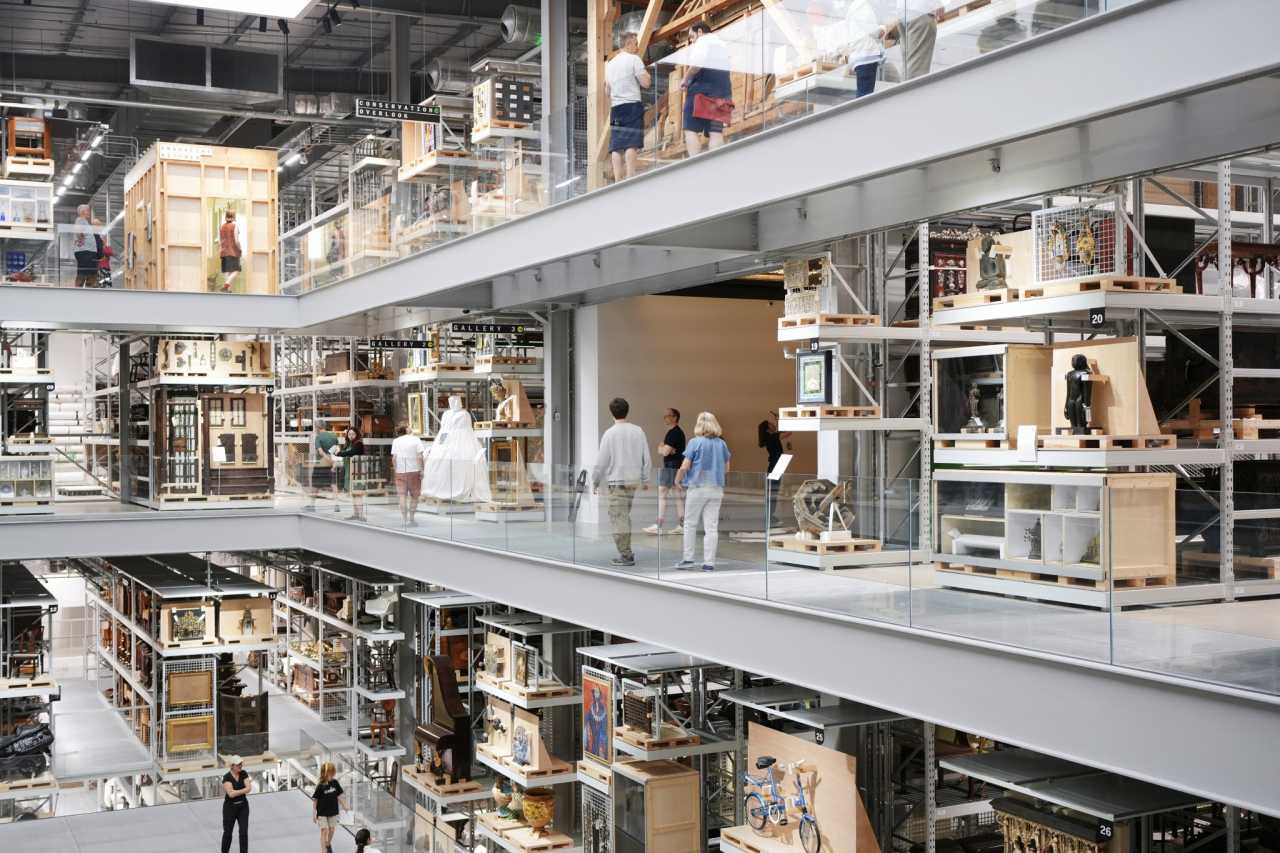
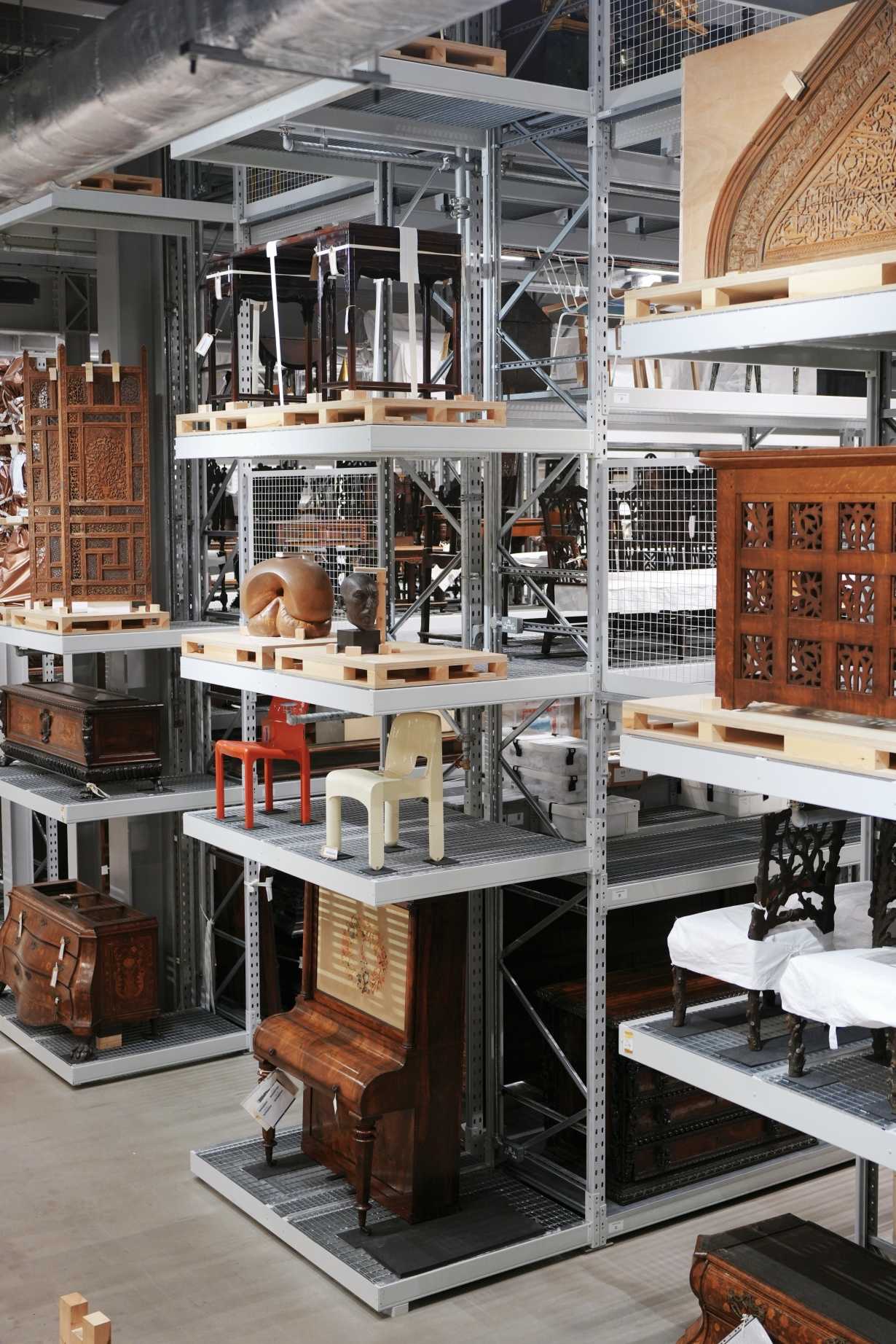
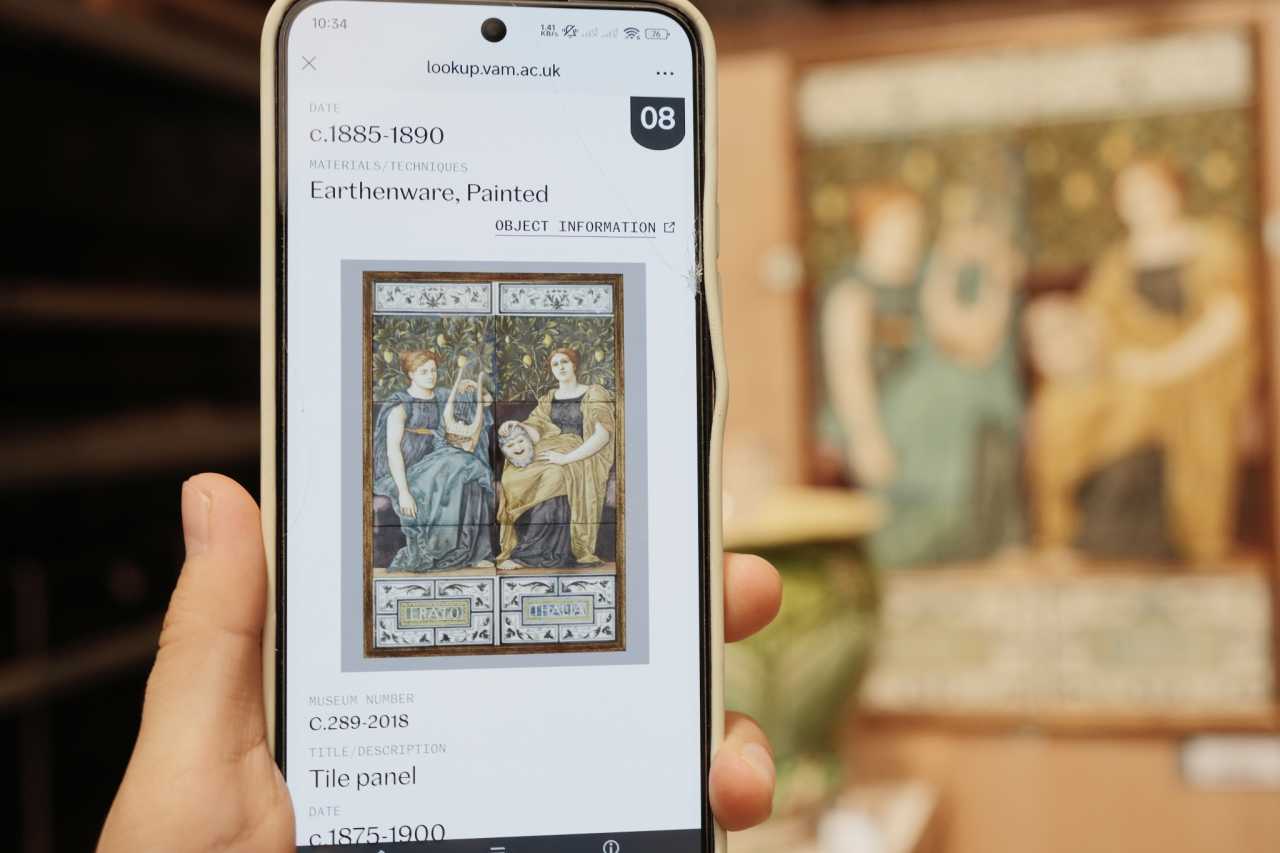
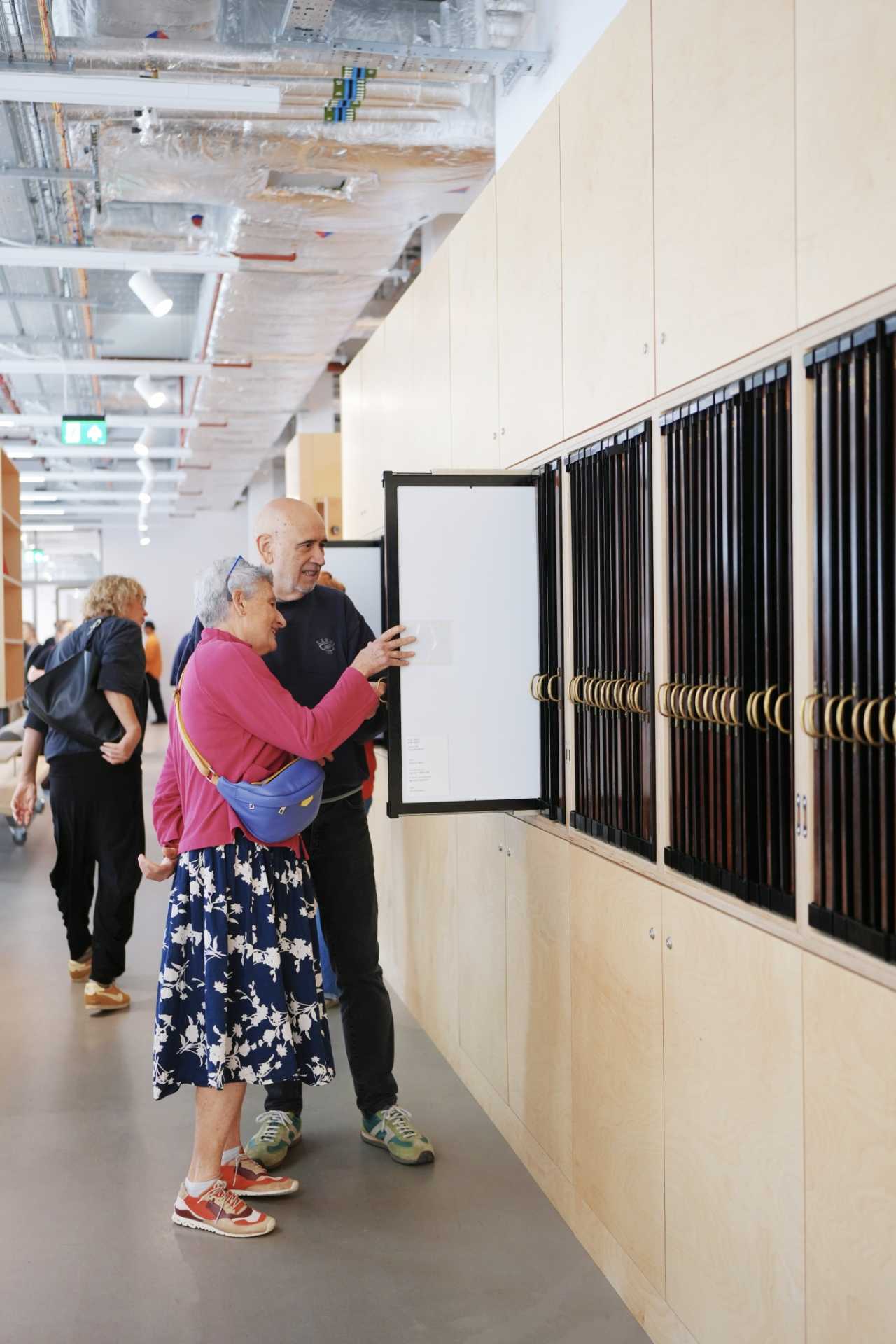
Objects sit on “shelves”. There’s Wi‑Fi (spotty) and a guide web app—scan QR codes on labels for info.
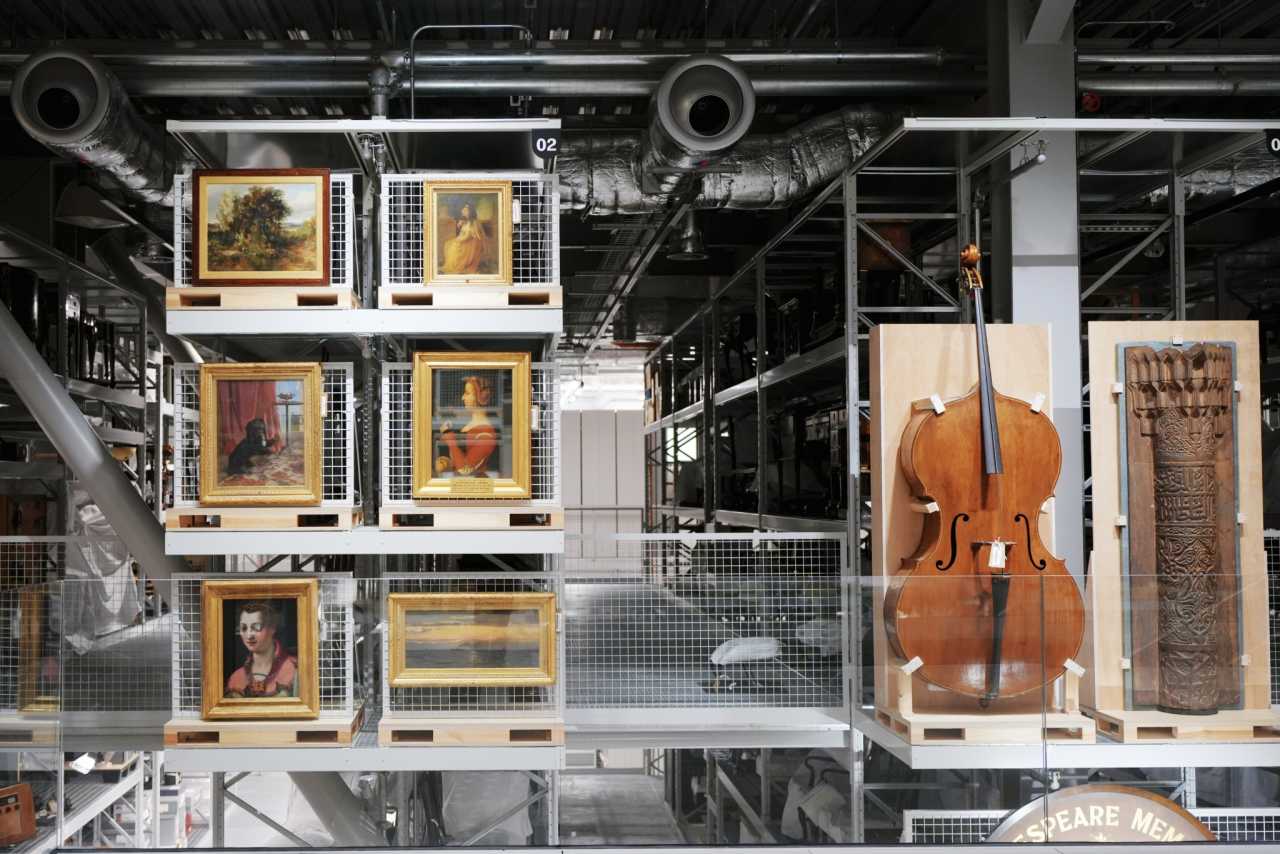
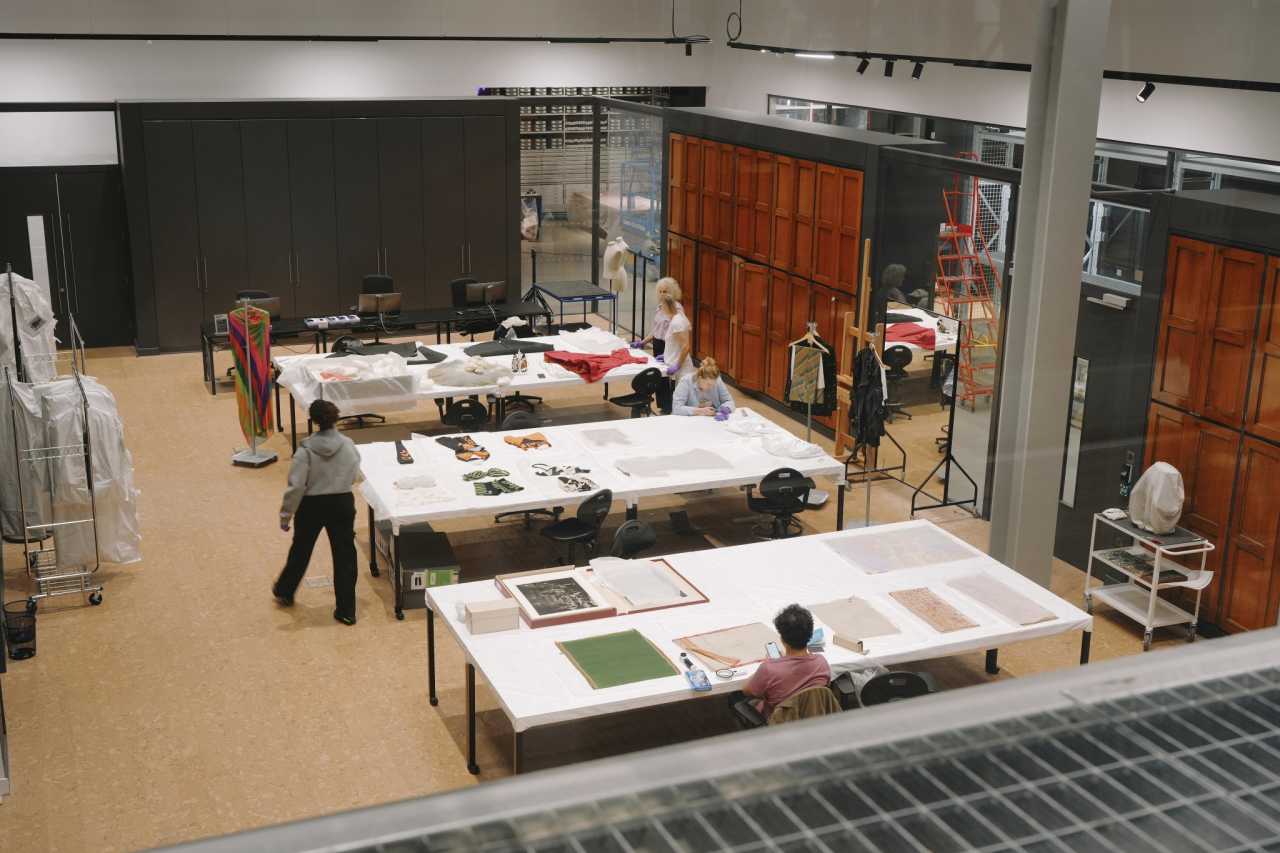
Some areas let you observe behind-the-scenes museum work—how staff restore and maintain pieces.
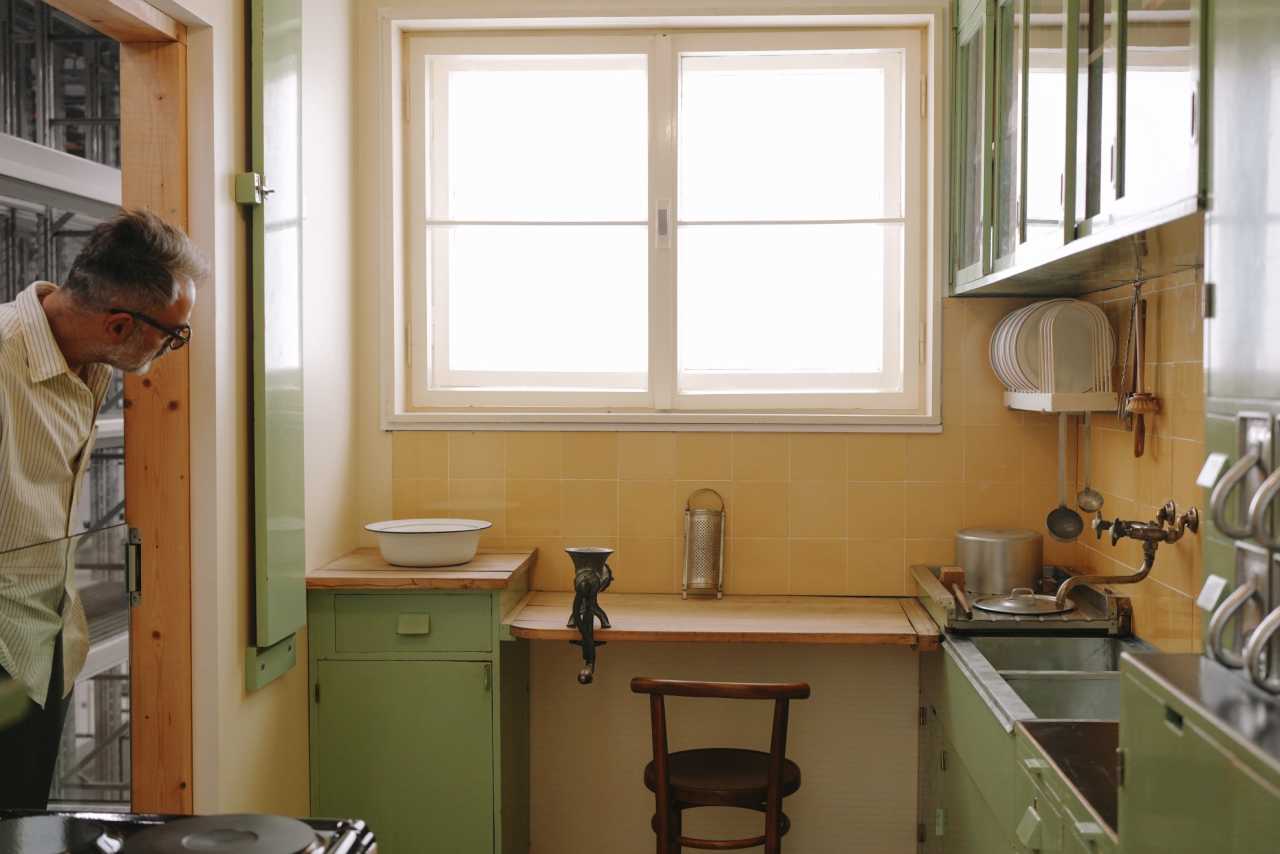
This 1:1 traditional English kitchen feels like an IKEA sample room.
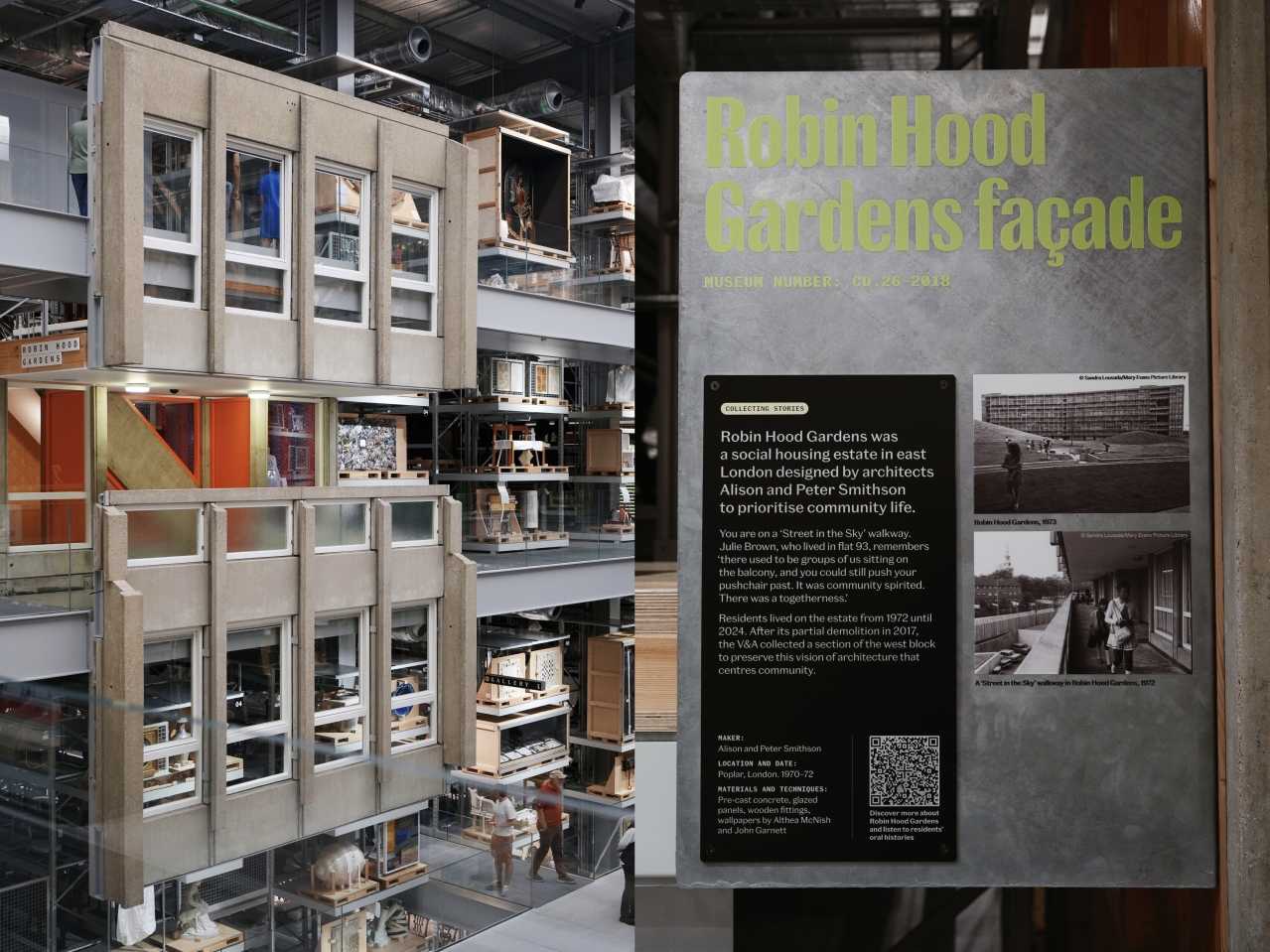
Most striking to me—Robin Hood Gardens. This East London social housing by Alison & Peter Smithson, completed in 1972, is a Brutalist icon. Over time and management issues, the area was gradually demolished.
V&A collected parts of the building—façade, windows, stairwells—details intact. It preserves the era’s architecture and social snapshot. For former residents, seeing these components must evoke memories.
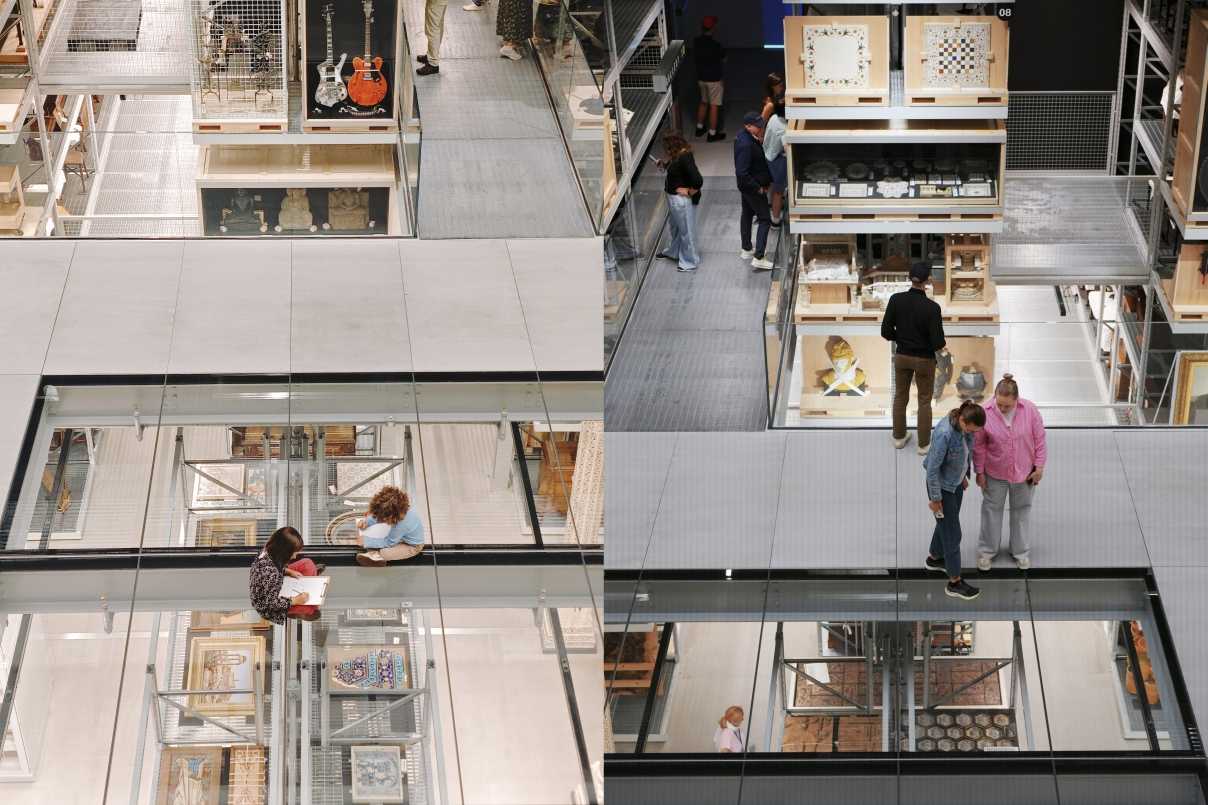
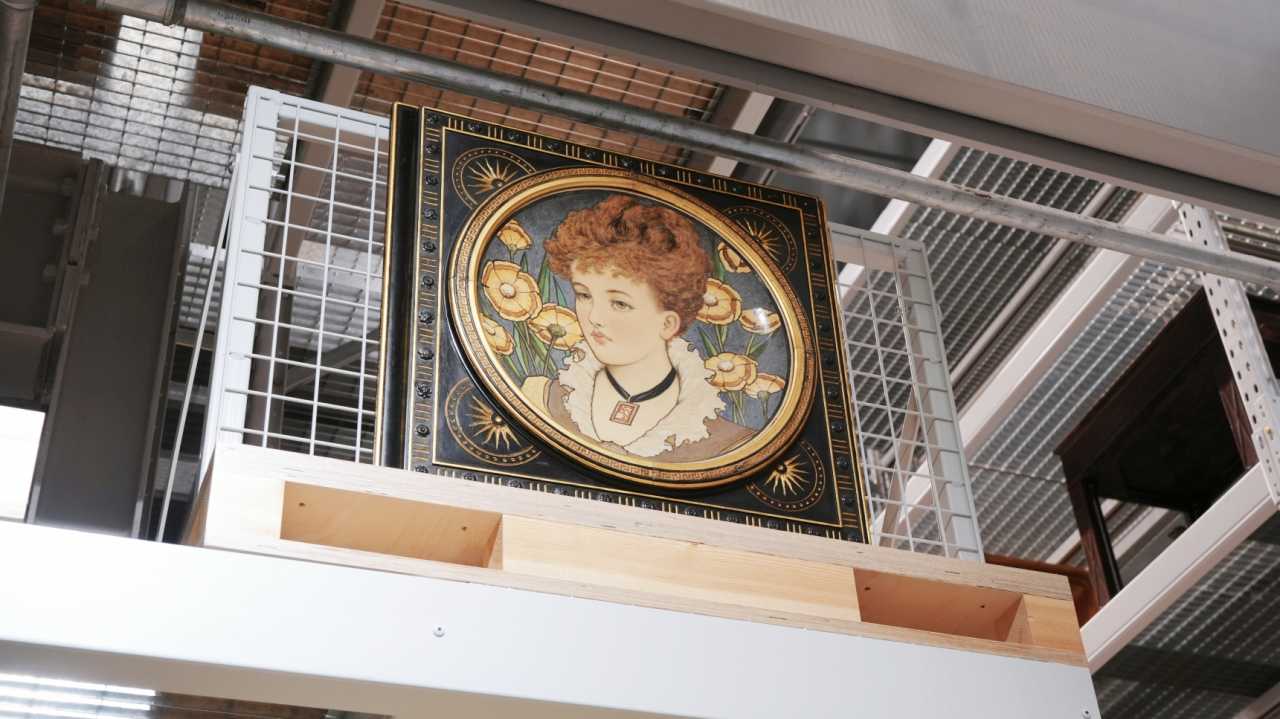
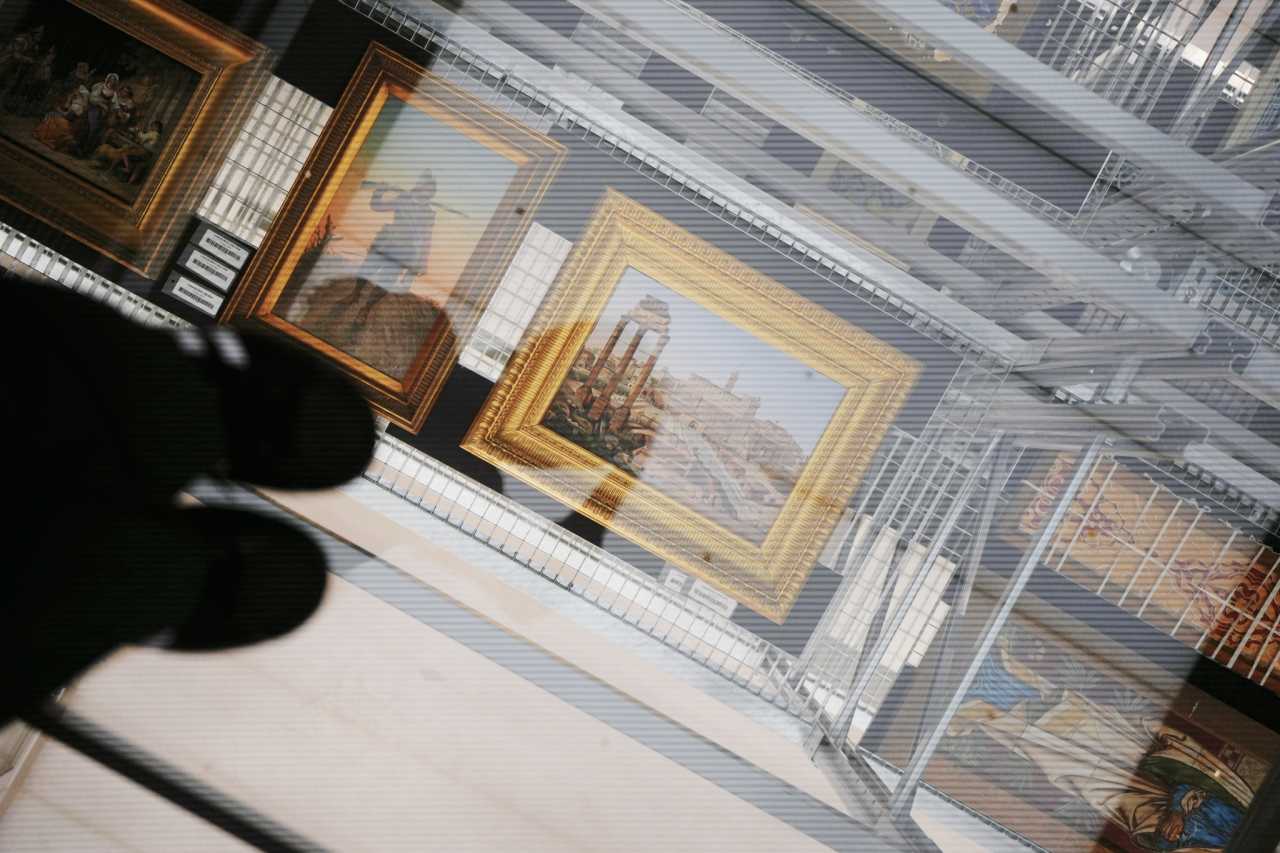
The transparent glass atrium is popular—the overhead perspective is unique for viewing paintings.
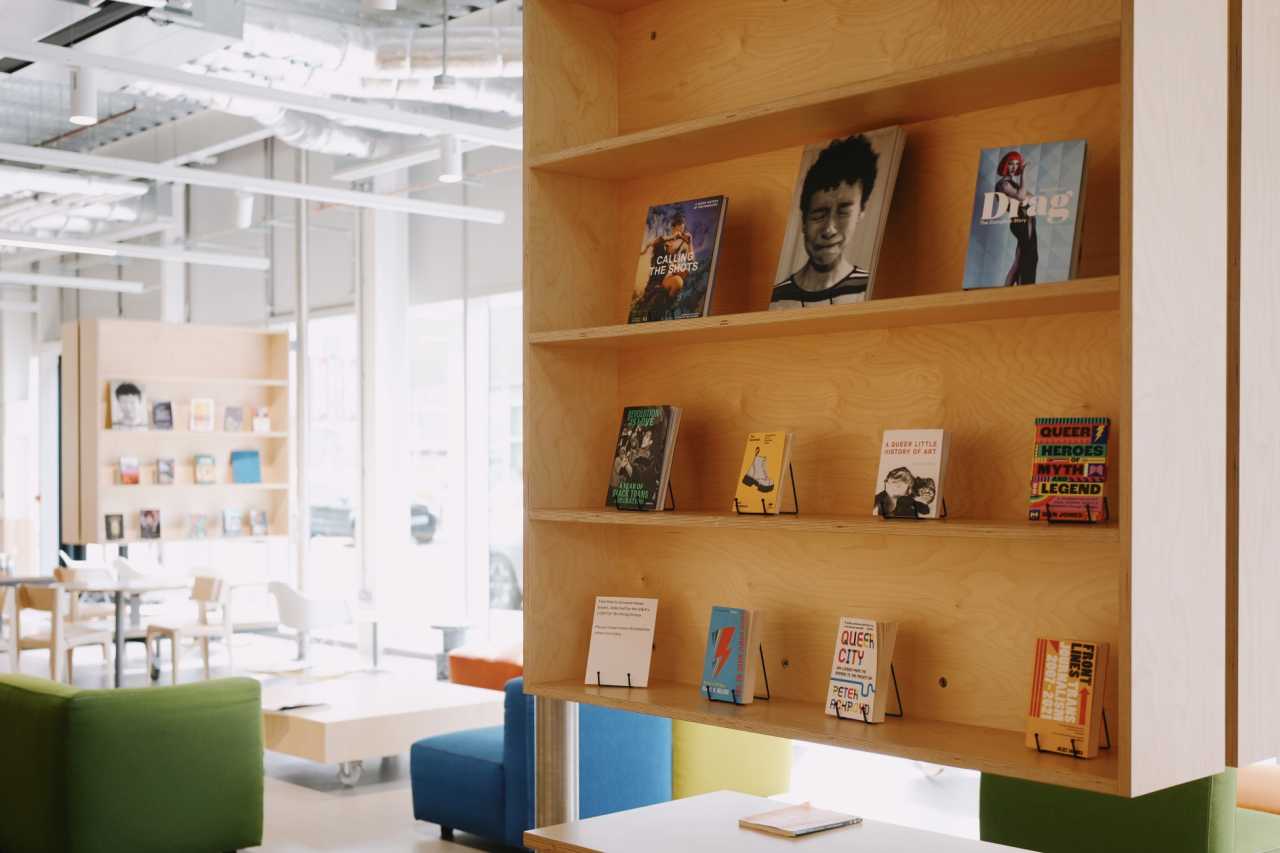
On the ground floor outside the exit there’s a café and seating—not large but bright and comfortable. Furniture colors are pleasant.
Westminster Abbey
From V&A East Storehouse to Westminster Abbey, I walked to Stratford Station (~20 minutes) and took the tube (~30 minutes). Stratford has the UK’s largest shopping center—Westfield—busy and modern.
Hours: Mon–Fri 09:30–15:30; Sat 09:00–15:00; Sun closed to tourists (services only)
Tickets: Book via official site ( ***)—reserve in advance. Price £27.
 I bought via Xianyu two days ahead—¥170—cheaper than the official site. But as a third-party purchase, you must queue at the door to enter.
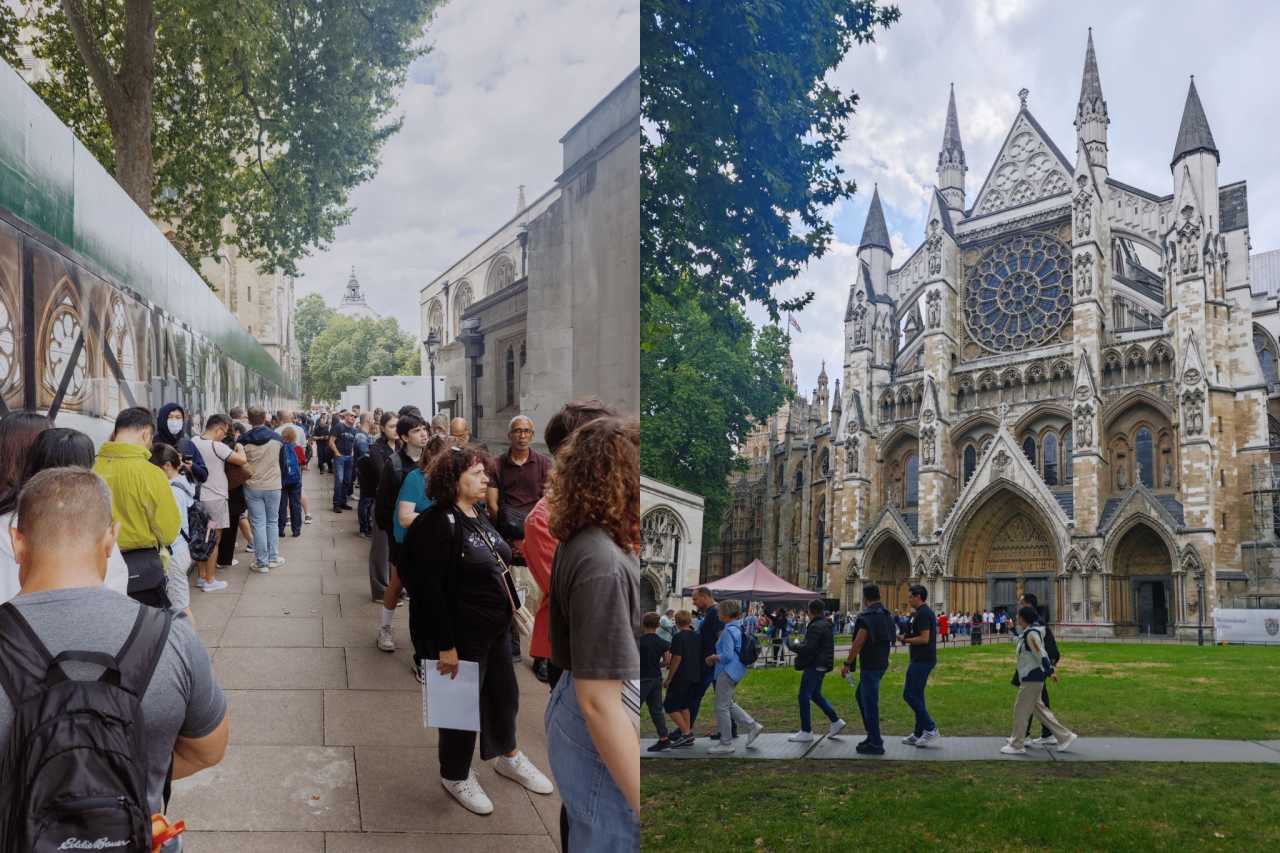 Westminster Abbey
Westminster Abbey was first ordered by devout King Edward the Confessor in 1050 and completed in 1065; the present church was rebuilt under Henry III from 1245.
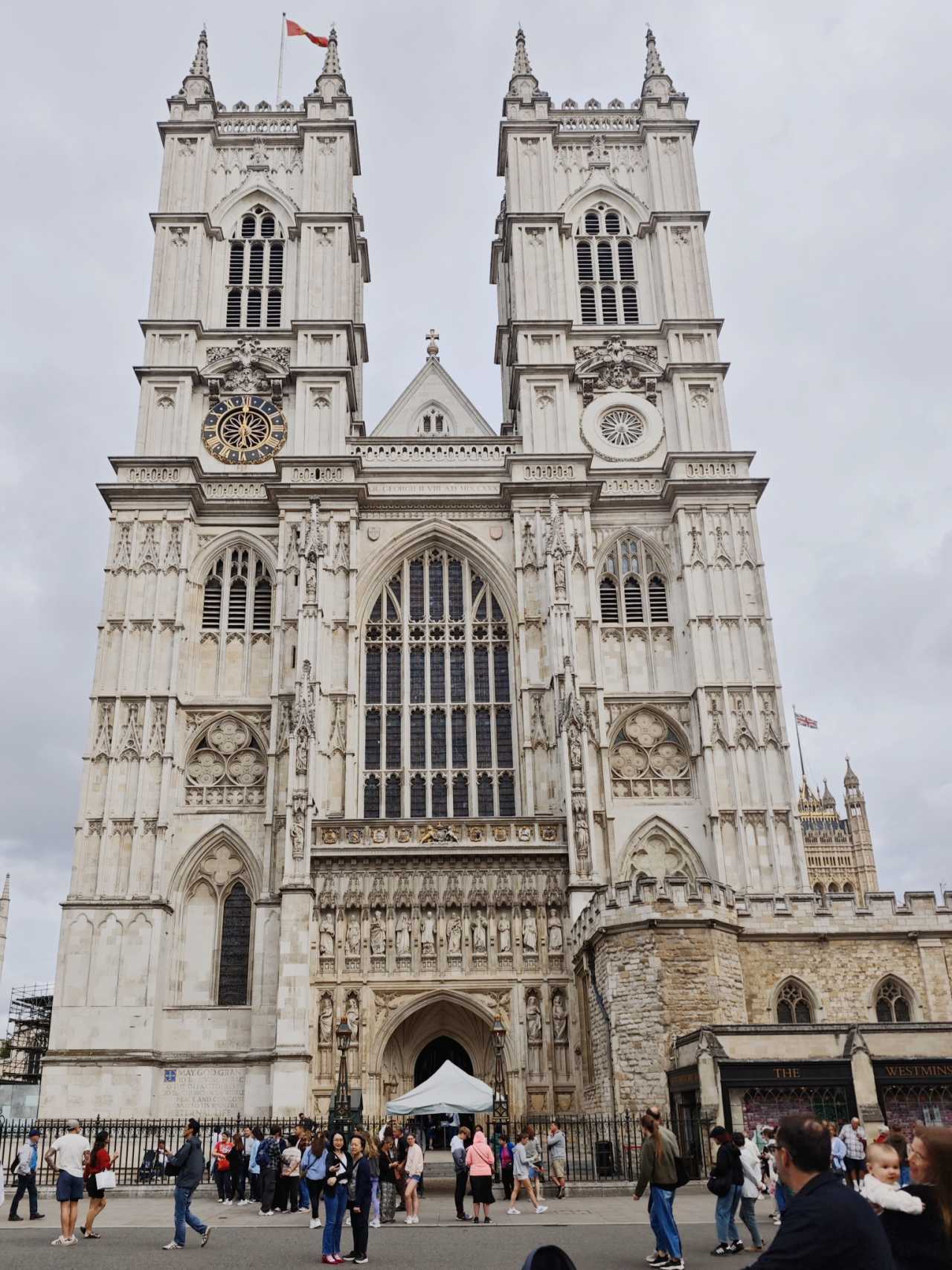 Westminster Abbey
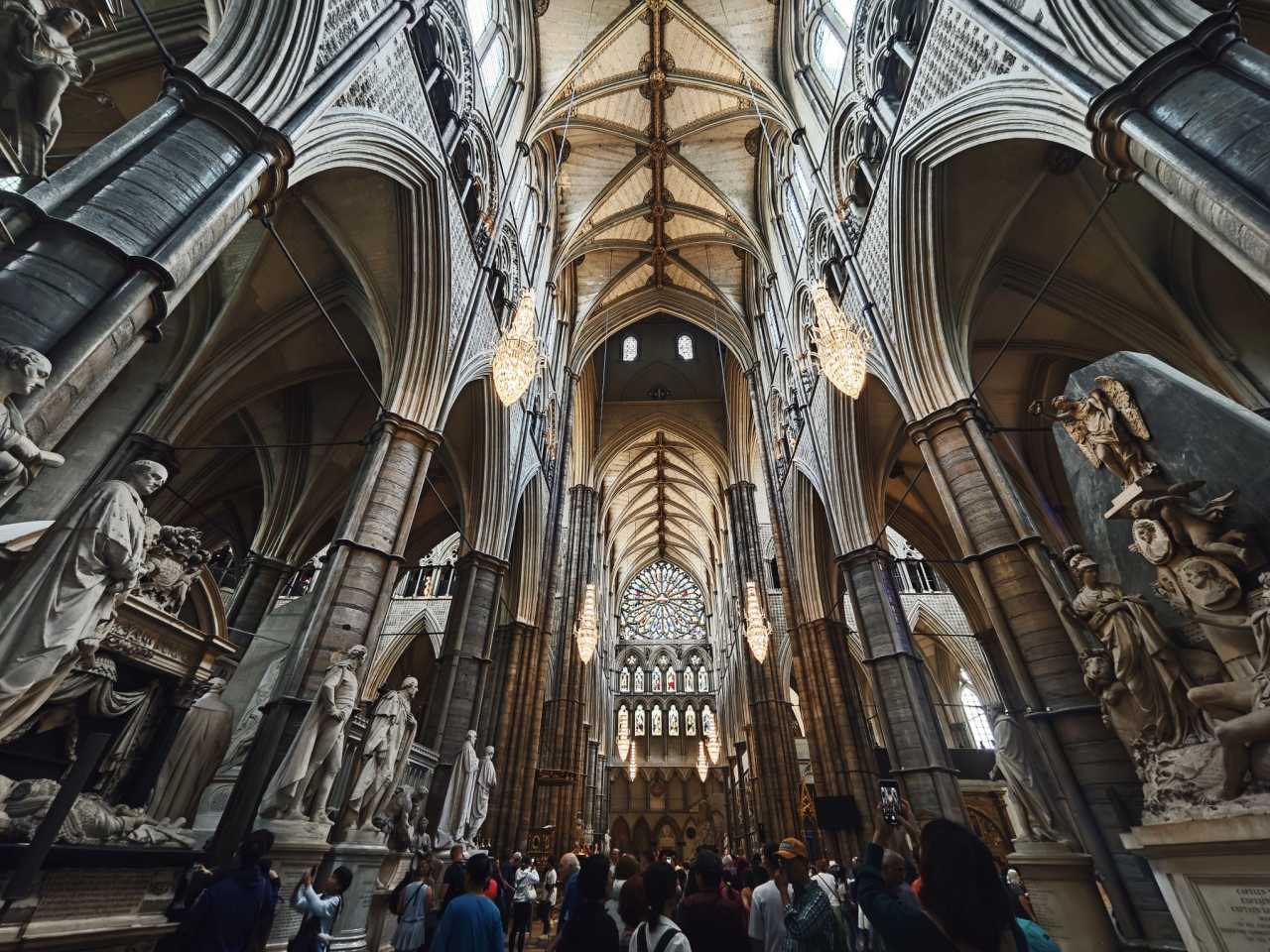 Westminster Abbey
Since William the Conqueror’s coronation in 1066, Westminster Abbey has been the venue for royal coronations and ceremonies—Prince William’s wedding, Queen Elizabeth II’s funeral were here. Many of the UK’s cultural giants—scientists, poets, politicians—are buried here. It’s a microcosm of British history.
Free audio devices are provided—follow the points on the device to tour—about 2 hours.
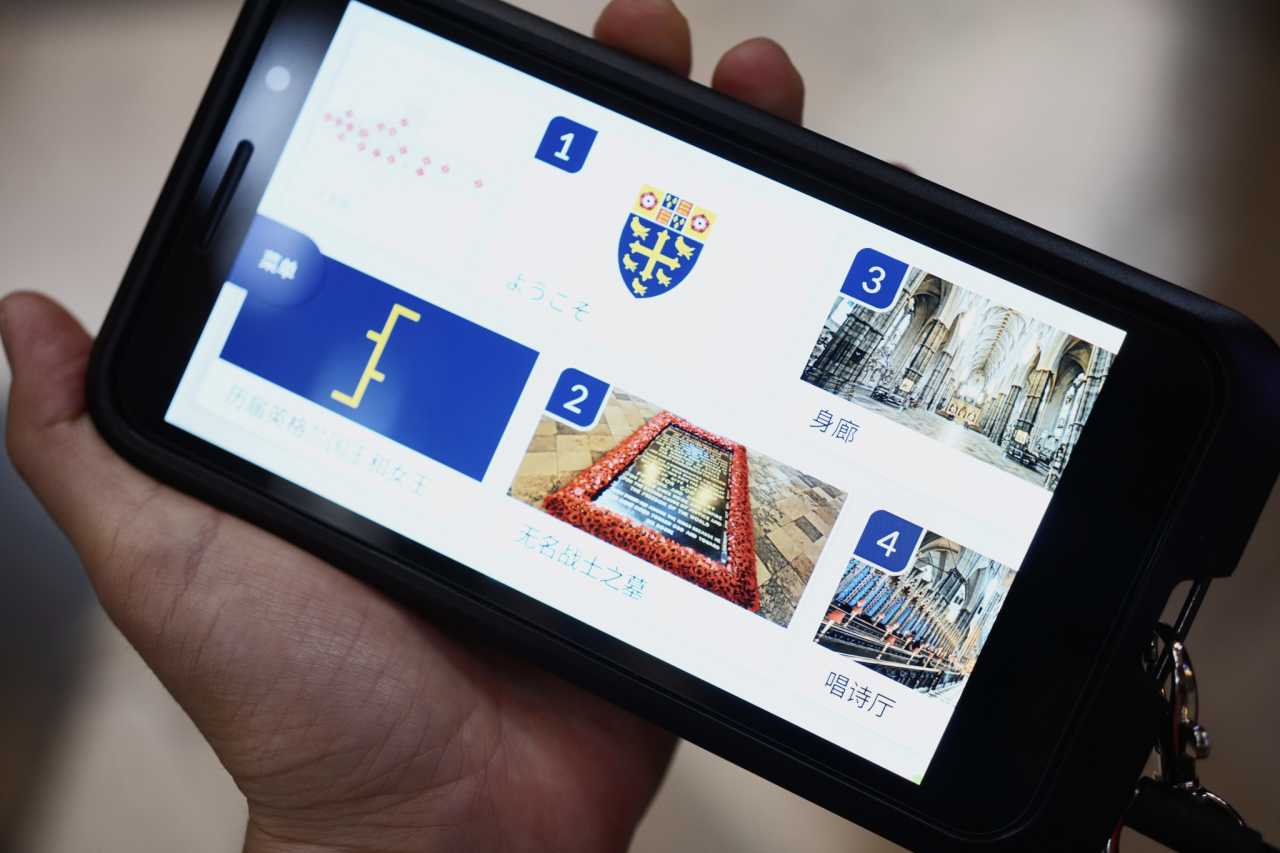 Westminster Abbey
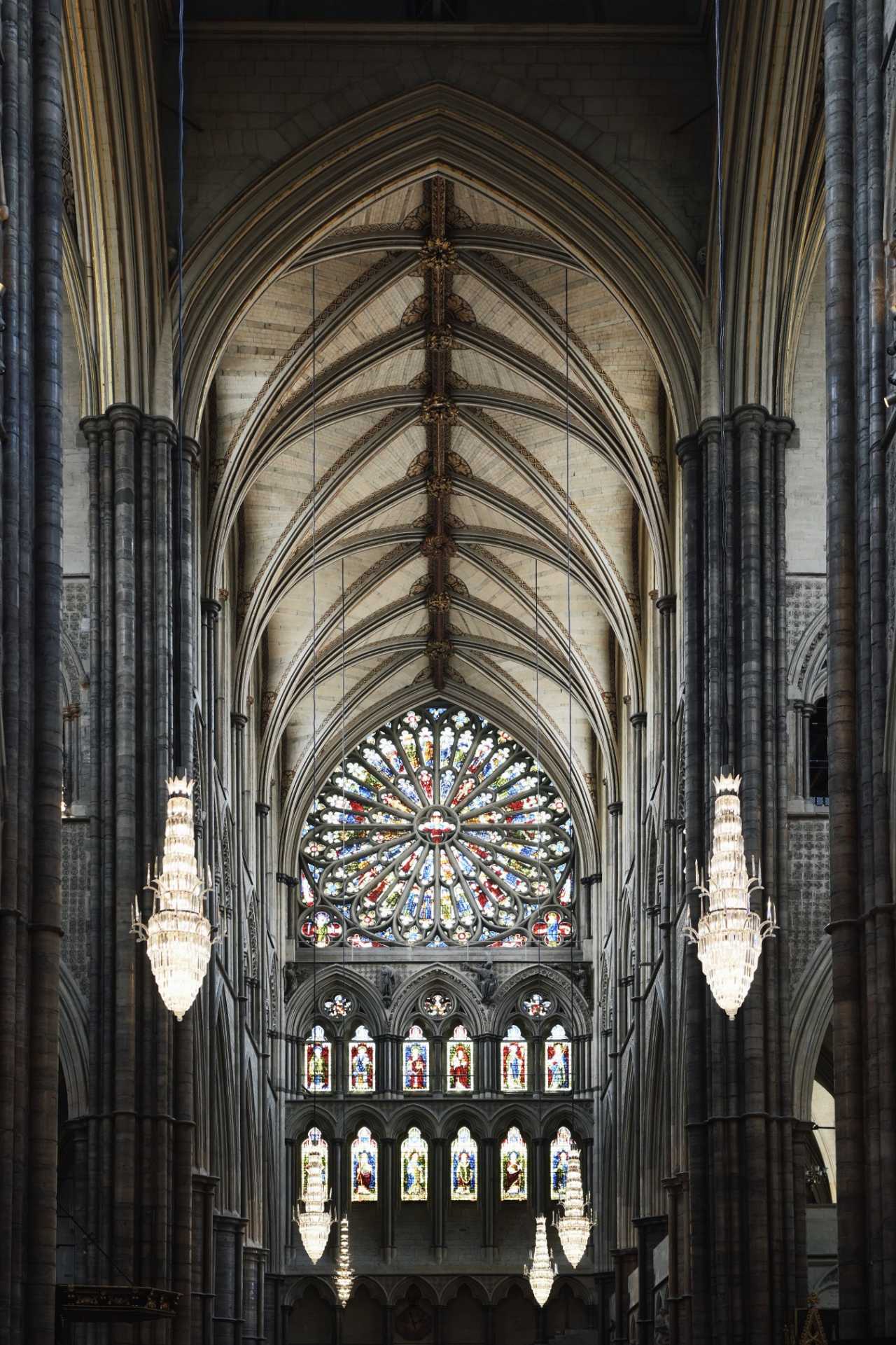 Westminster Abbey
A masterpiece of English Gothic—ribbed vaults, rose windows, flying buttresses, stained glass—forming a grand, sacred hall.
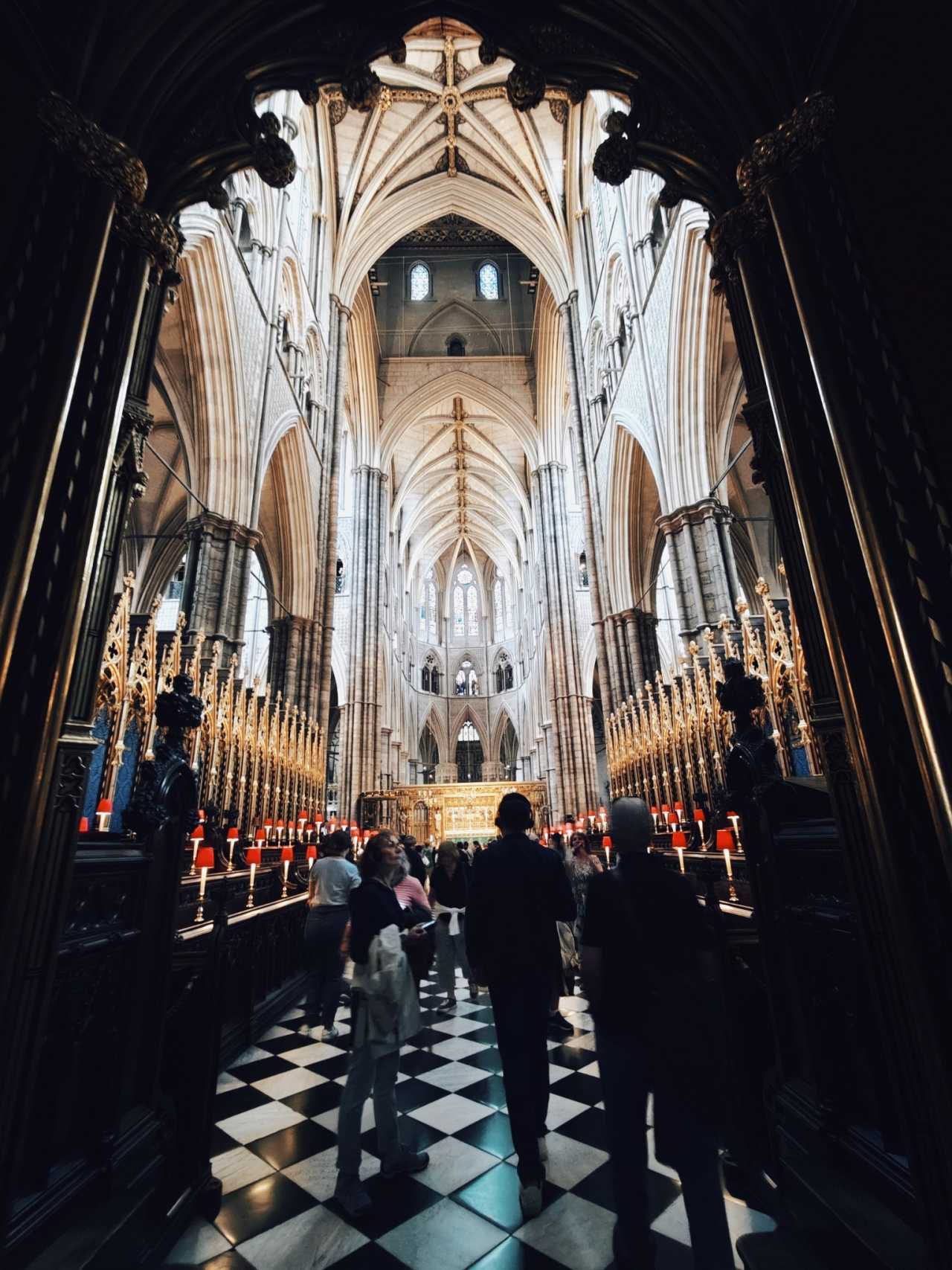 Westminster Abbey
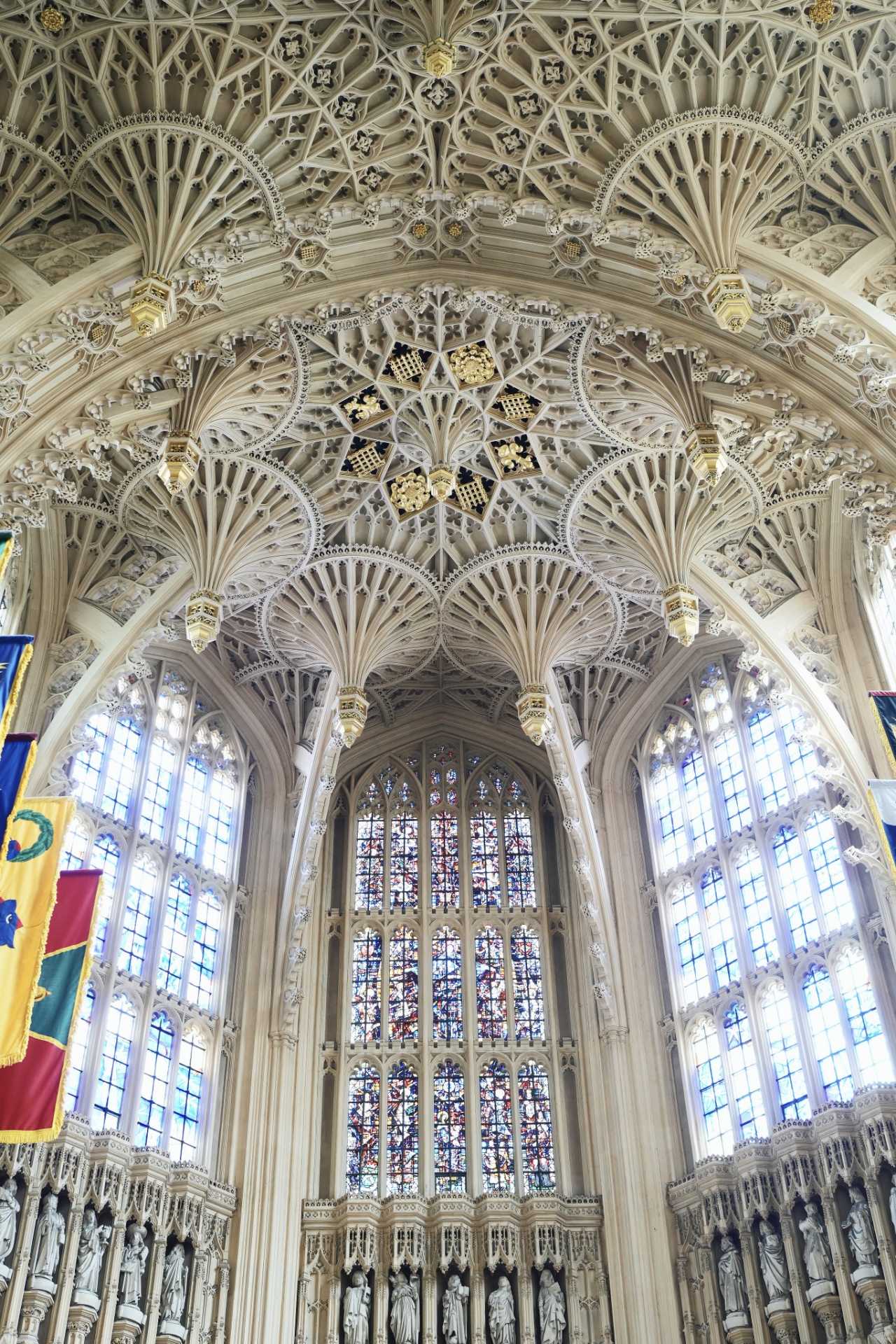 Westminster Abbey
Henry VII’s exquisitely crafted fan vaults
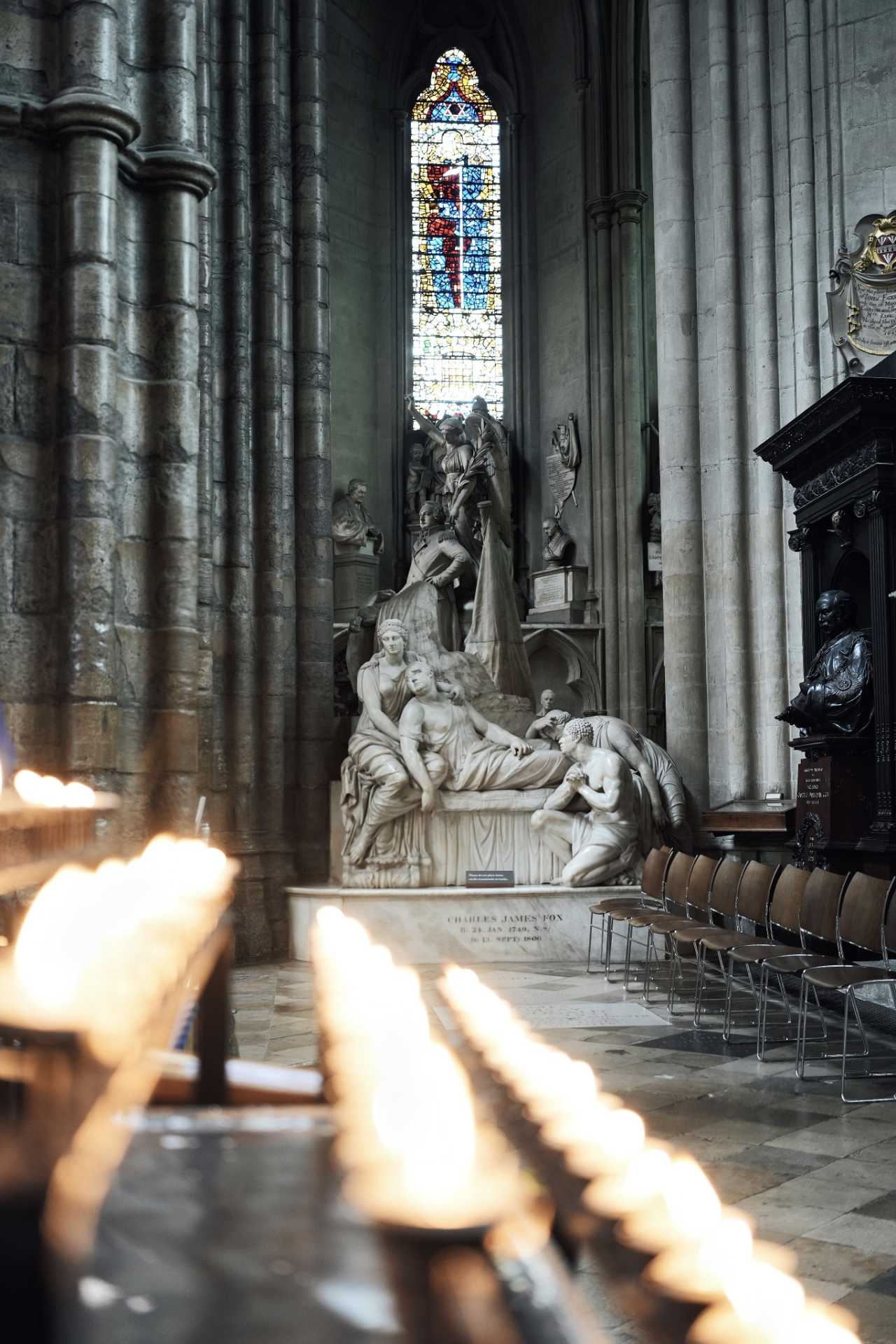 Westminster Abbey
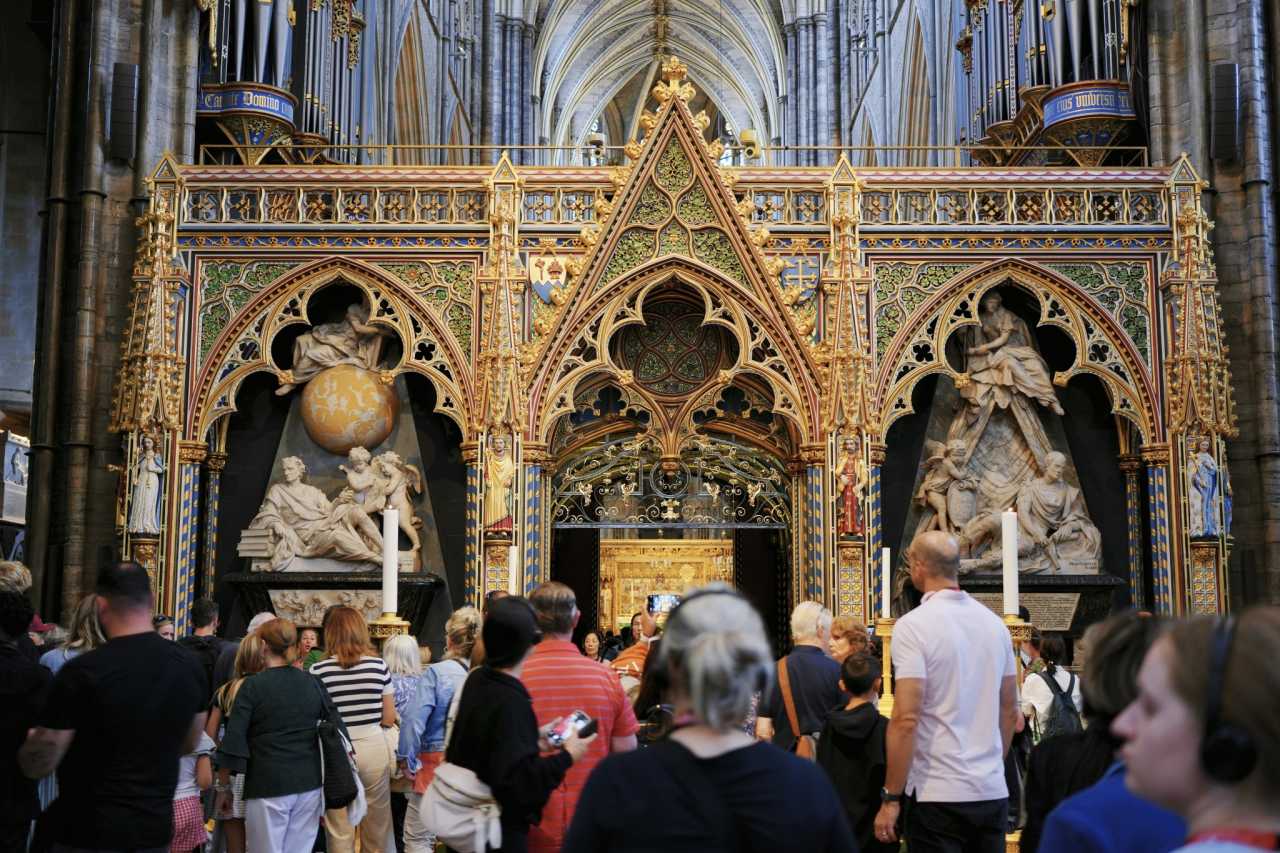 Westminster Abbey
Shrine—resting place of Newton, Hawking, Darwin—great souls.
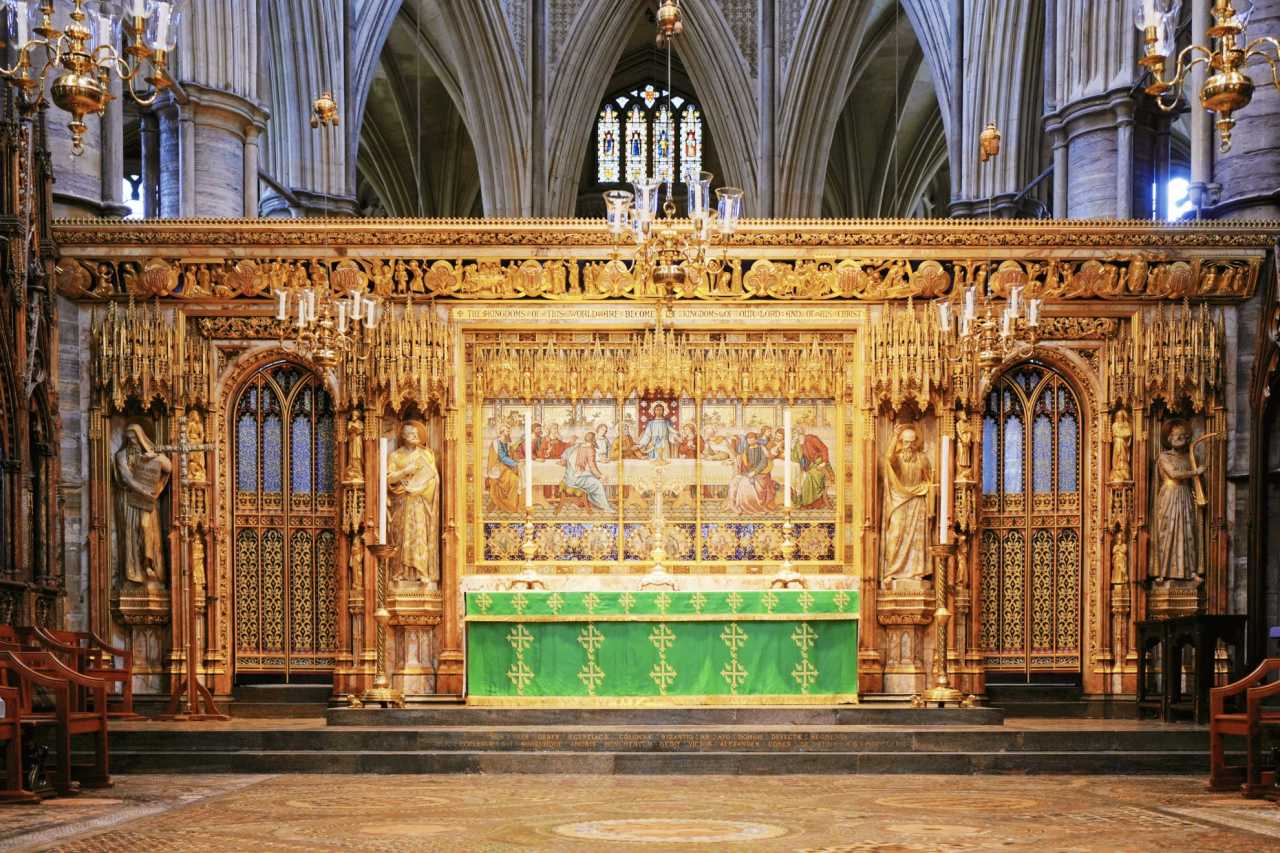 Westminster Abbey
Altar—the most sacred part of a church—where the Eucharist is celebrated.
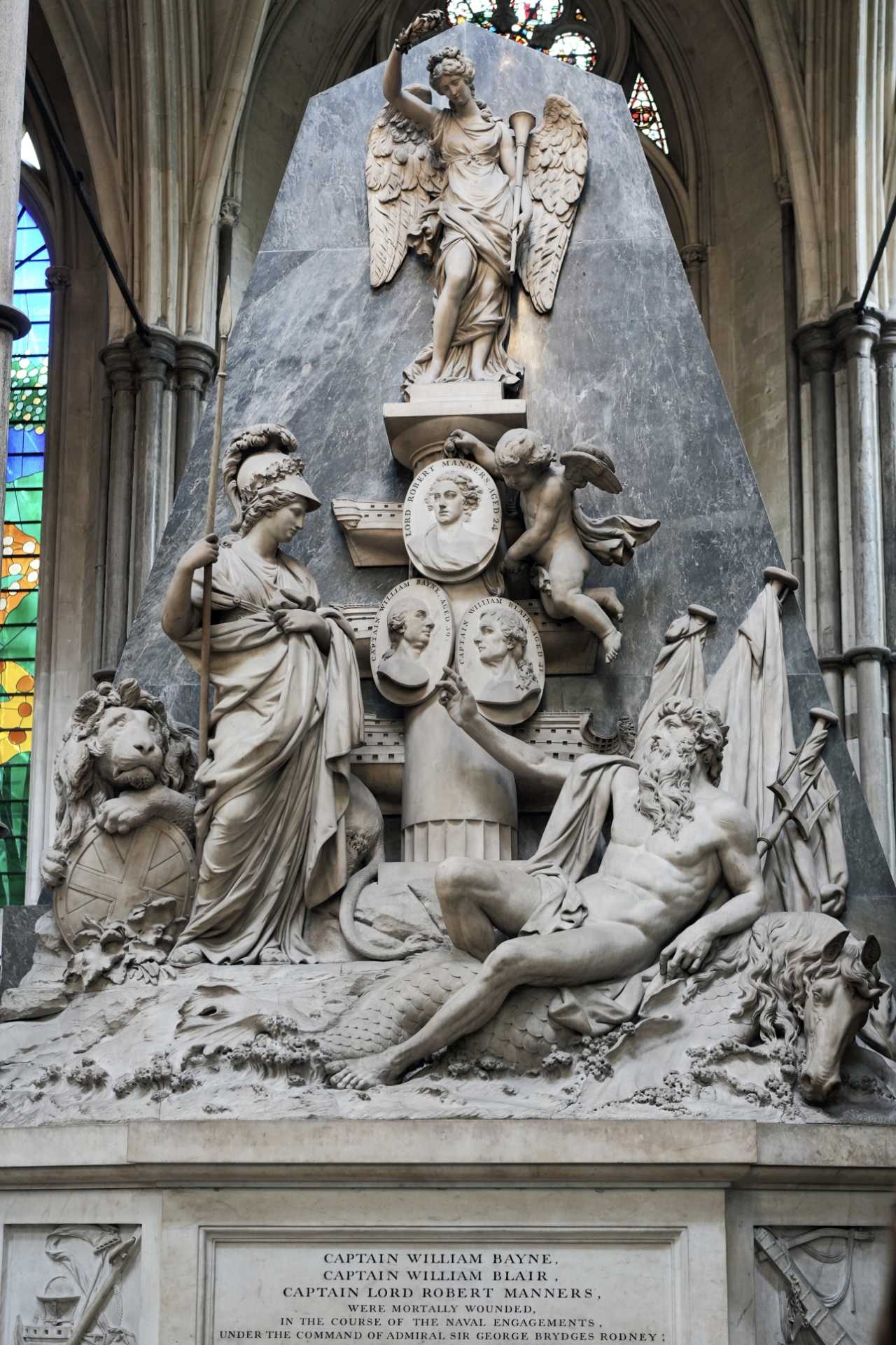 Westminster Abbey
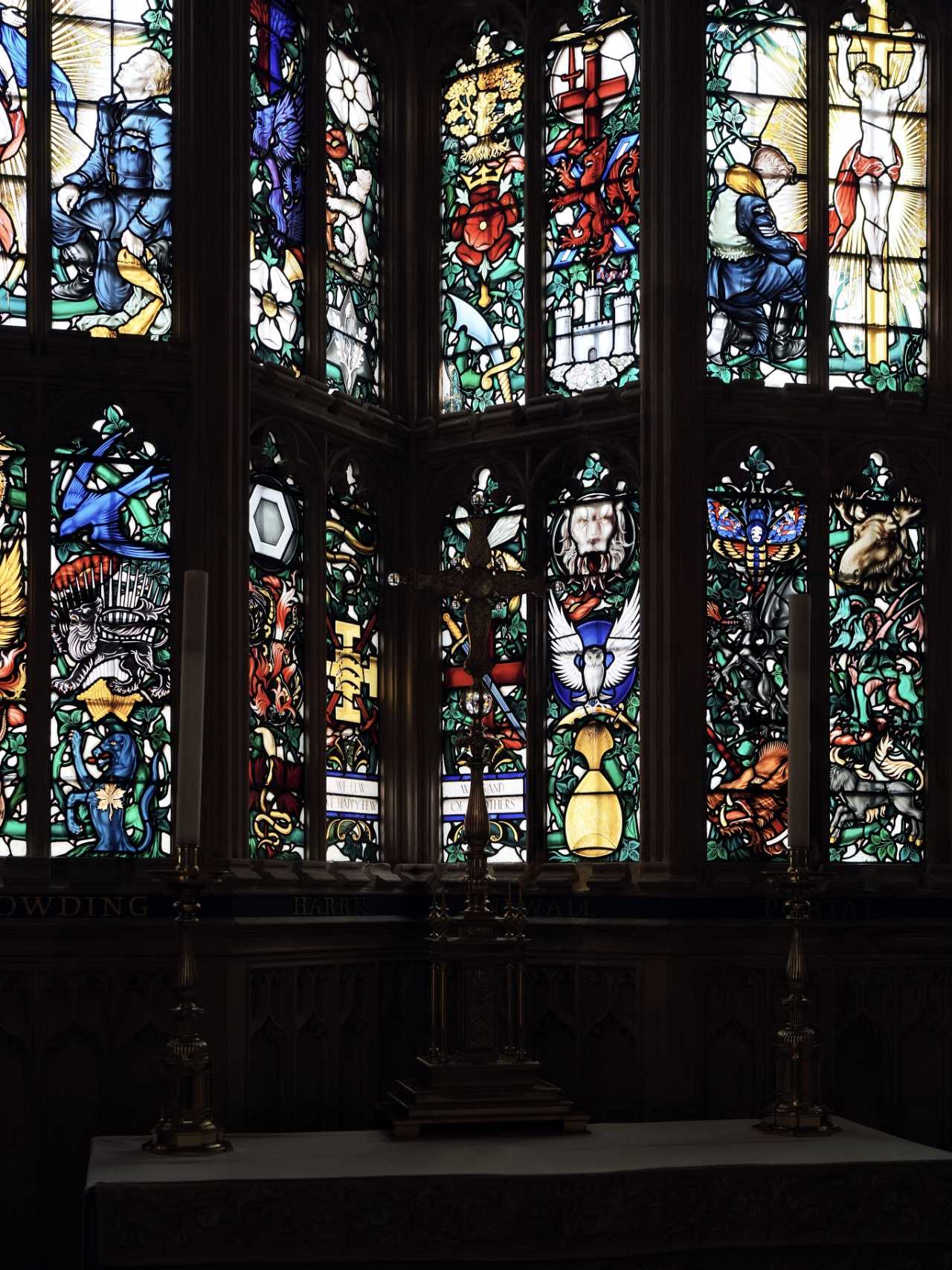 Westminster Abbey
Stained glass of many colors
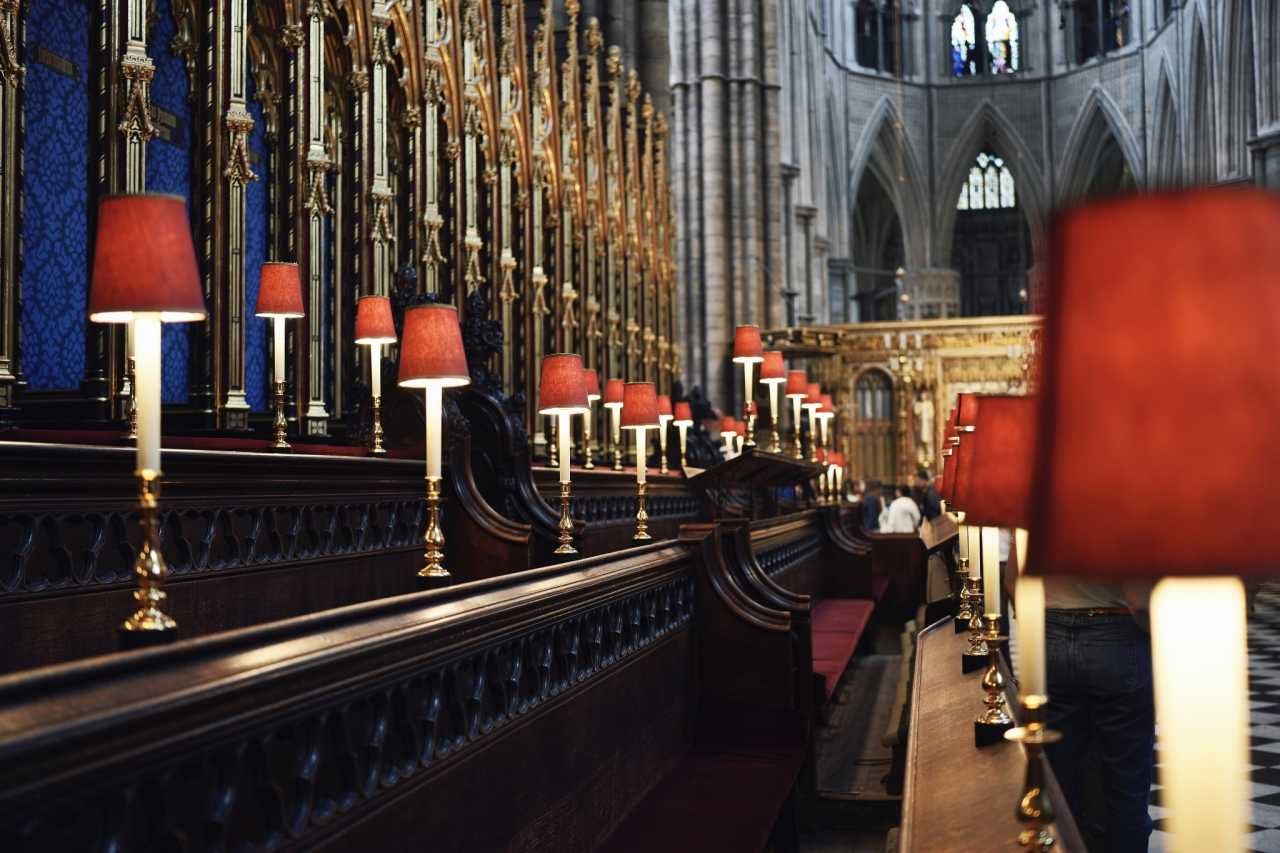 Westminster Abbey
Choir stalls
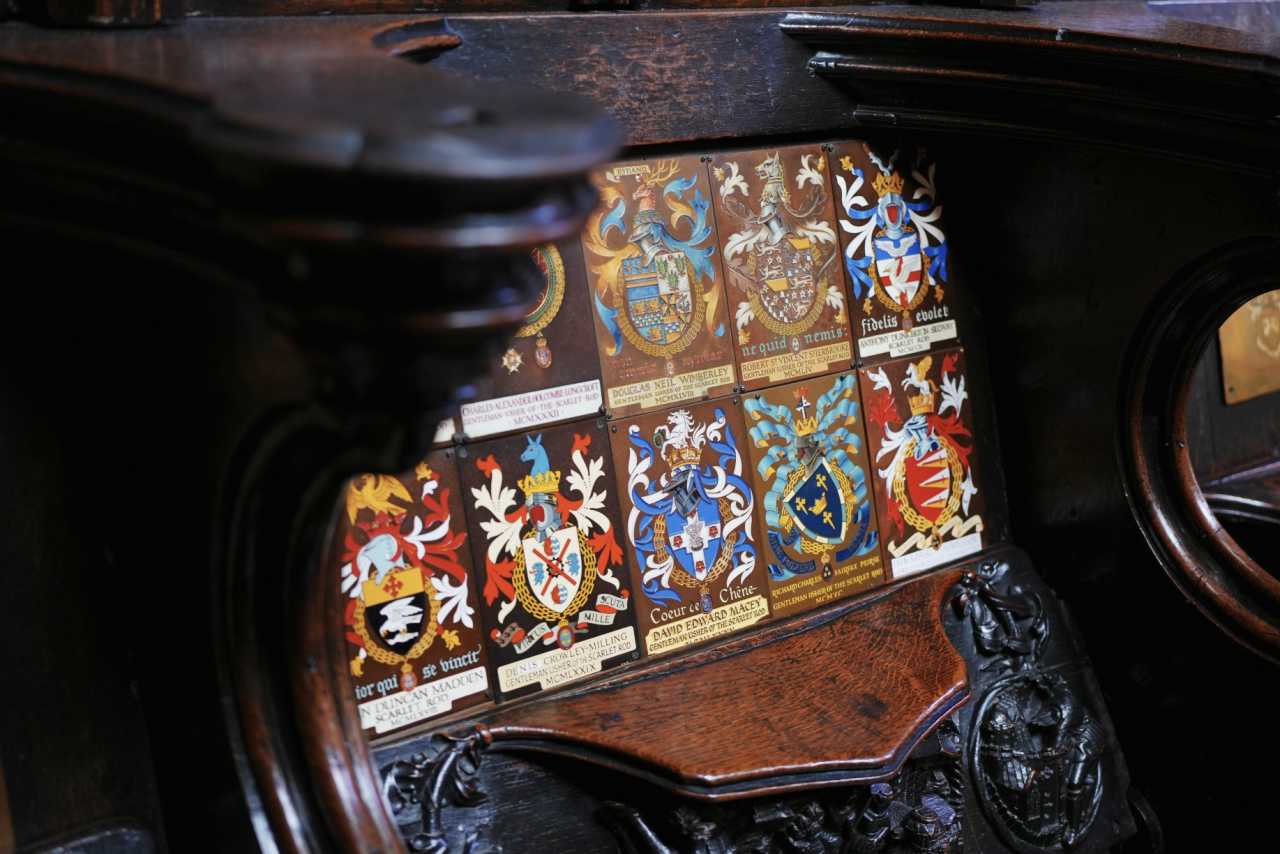 Westminster Abbey
After Westminster, all our London plans were complete! Six full days covered part of the city. I’d also researched many interesting spots—listing them for reference. (Saving them for a second visit someday, haha)
• Courtauld Gallery
• Sir John Soane’s Museum (near British Museum)
• Canary Wharf
• Hayward Gallery (Southbank)
• Paddington area
• Kew Gardens
Recommendations welcome in comments!
Next—southern coastal journey ~
Day 7: Start of the Coastal Towns
Most anticipated—white cliffs. Both Dover’s white cliffs and the Seven Sisters were on the list.
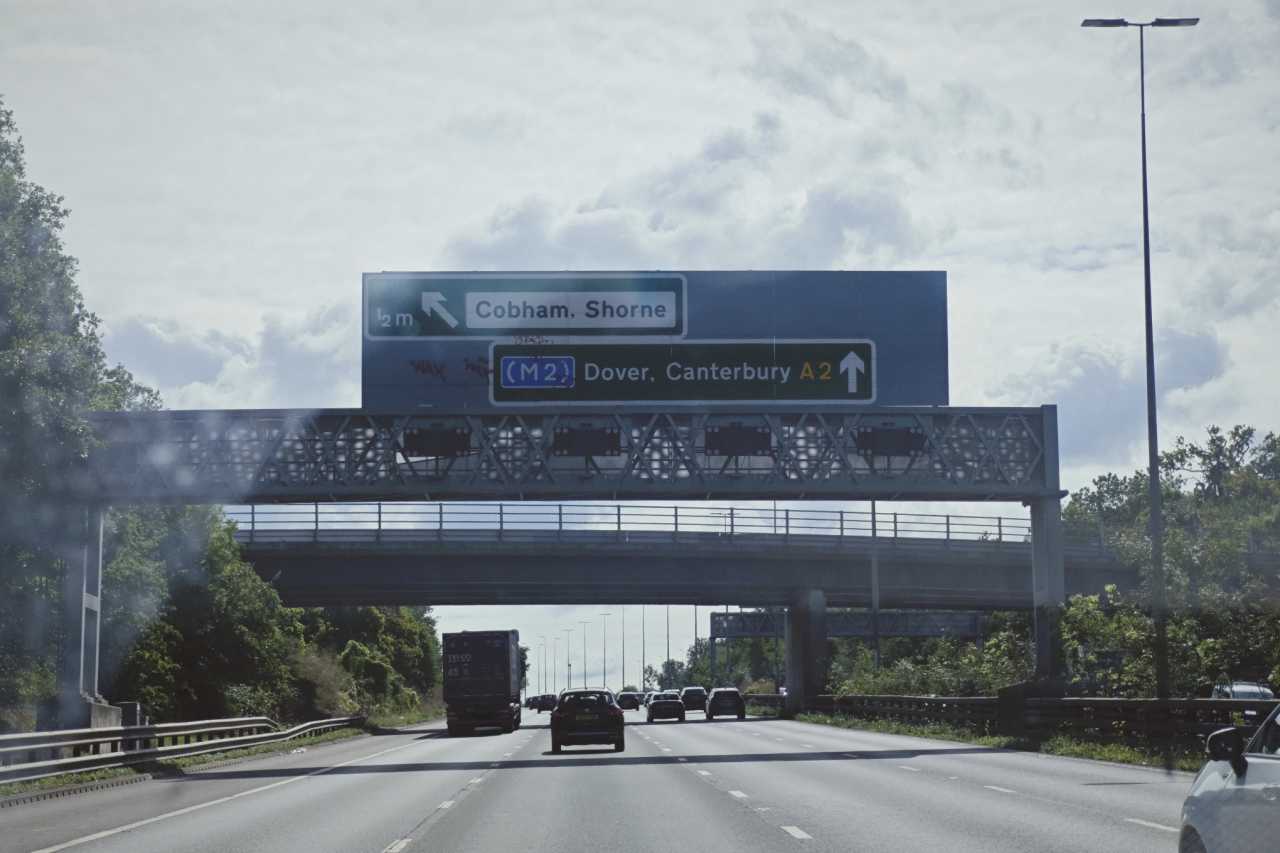
Canterbury
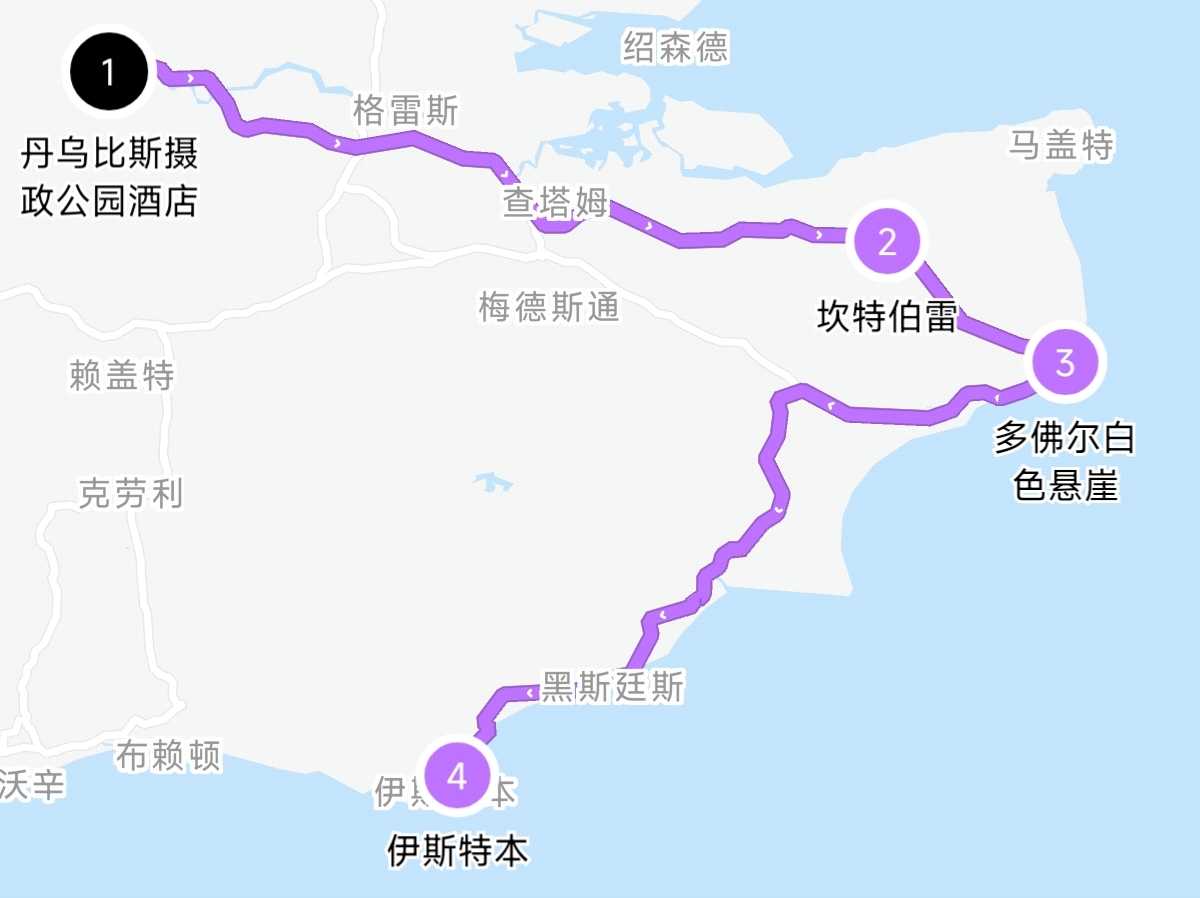
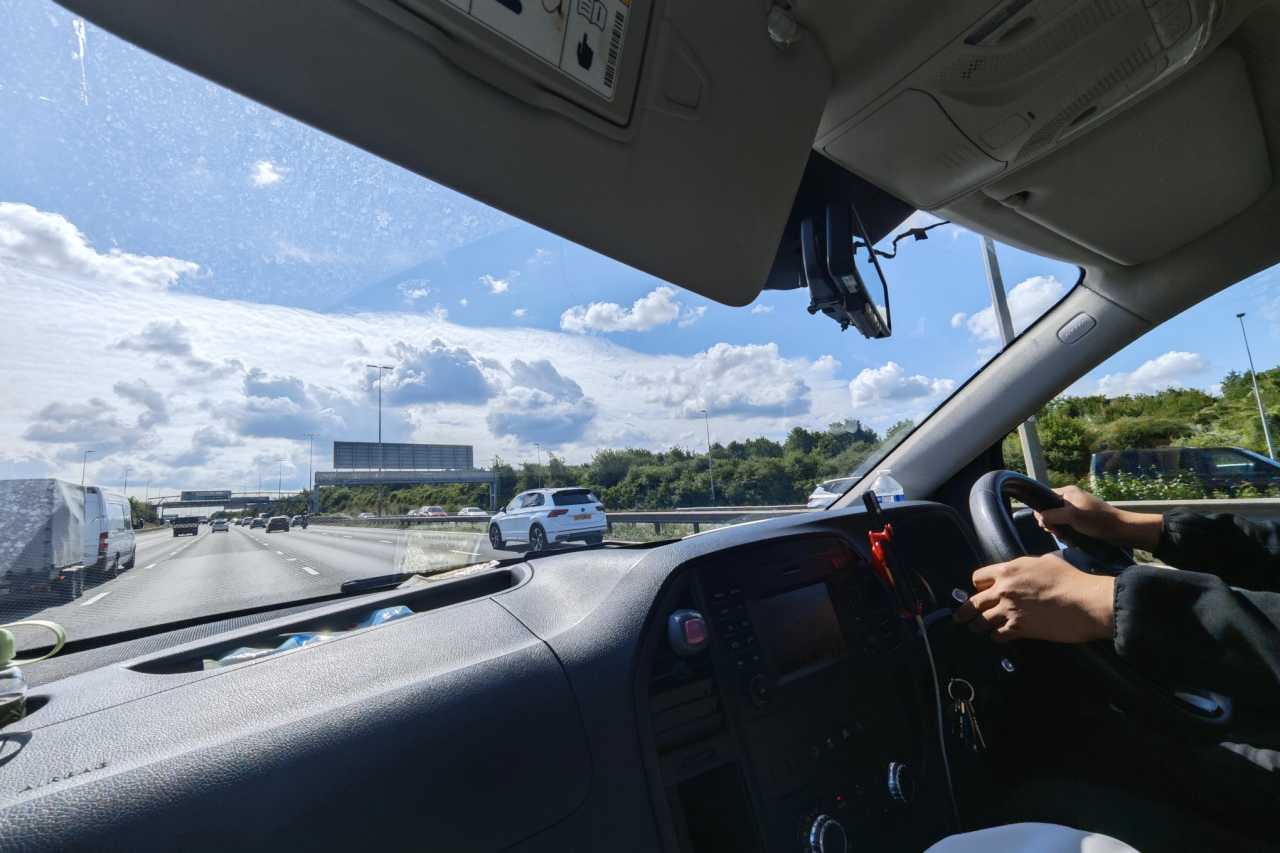
Our group of six chartered a van (¥5,000, 8 hours, Mercedes V-Class) and headed south—stopping ~2 hours in the beautiful town of Canterbury along the way.
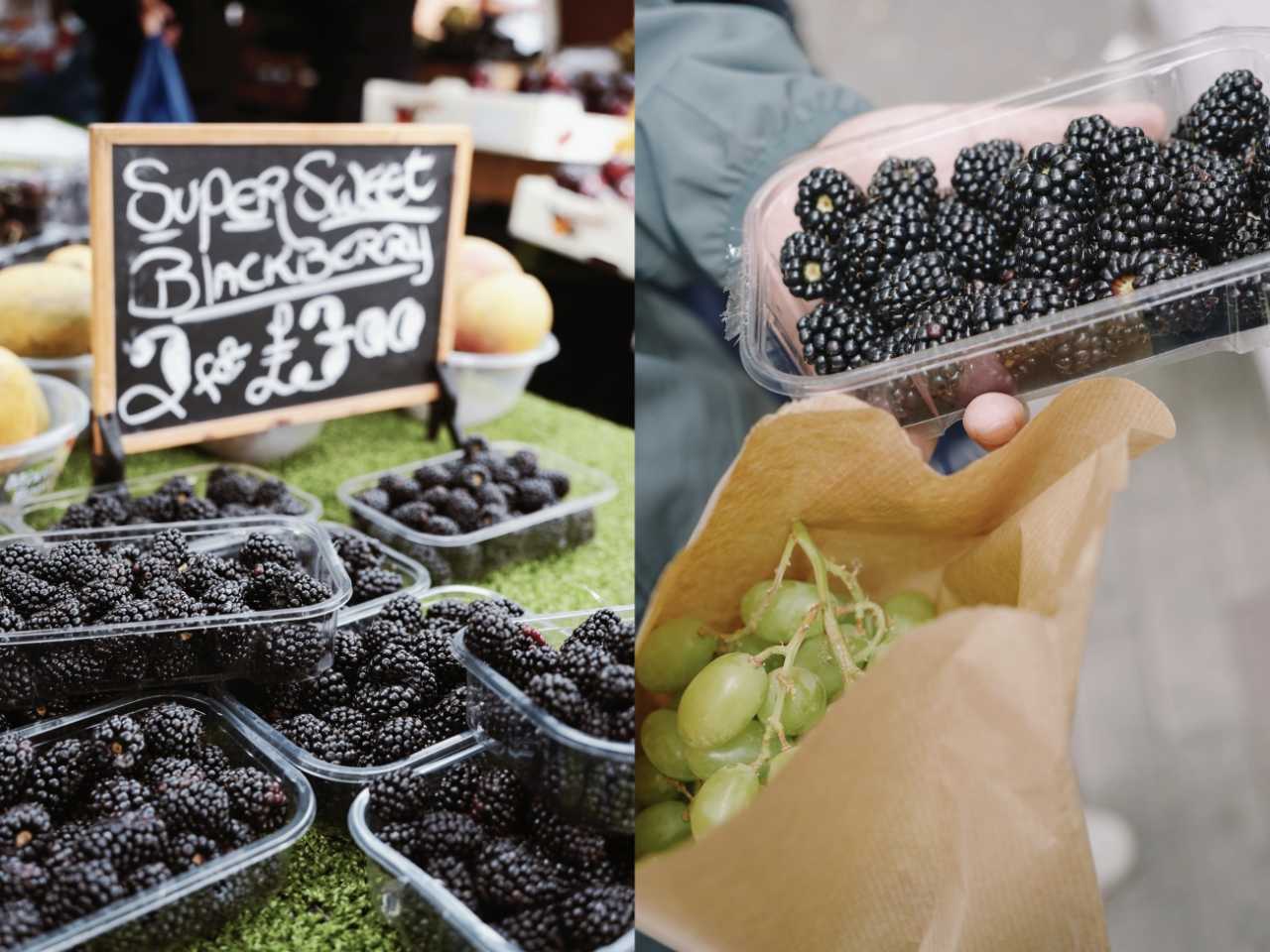
First thing—fresh fruit at the gate—so sour!
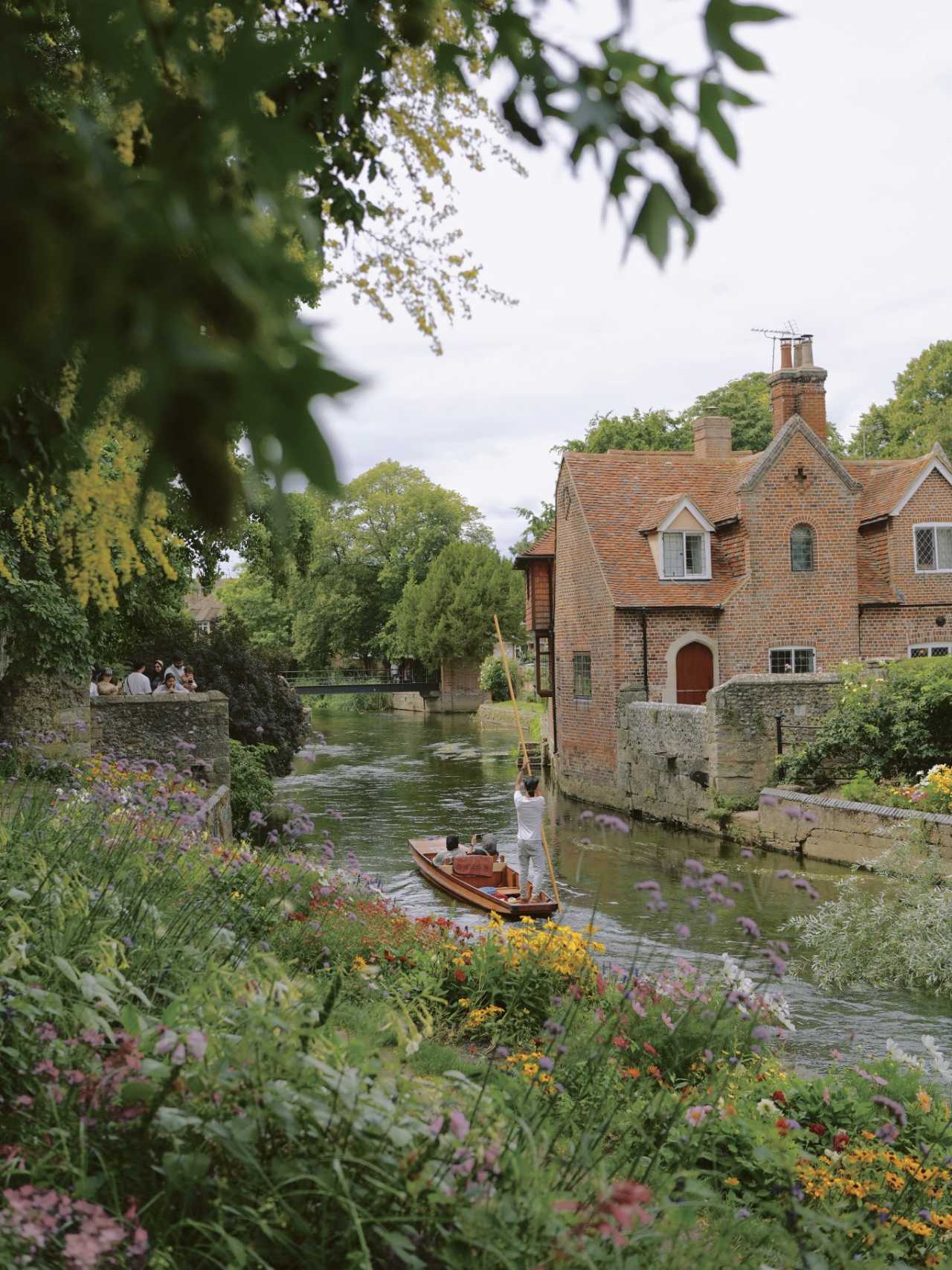
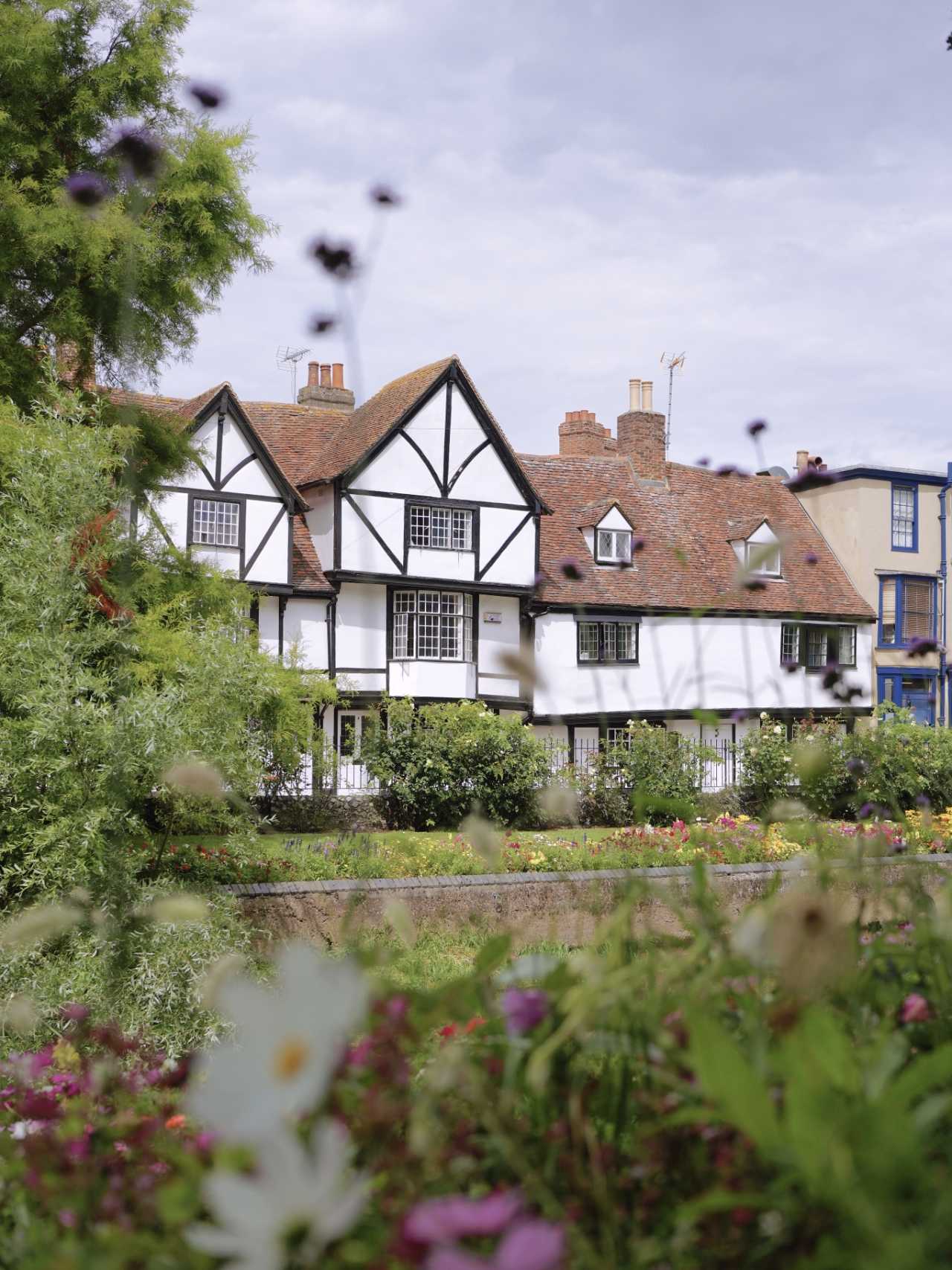
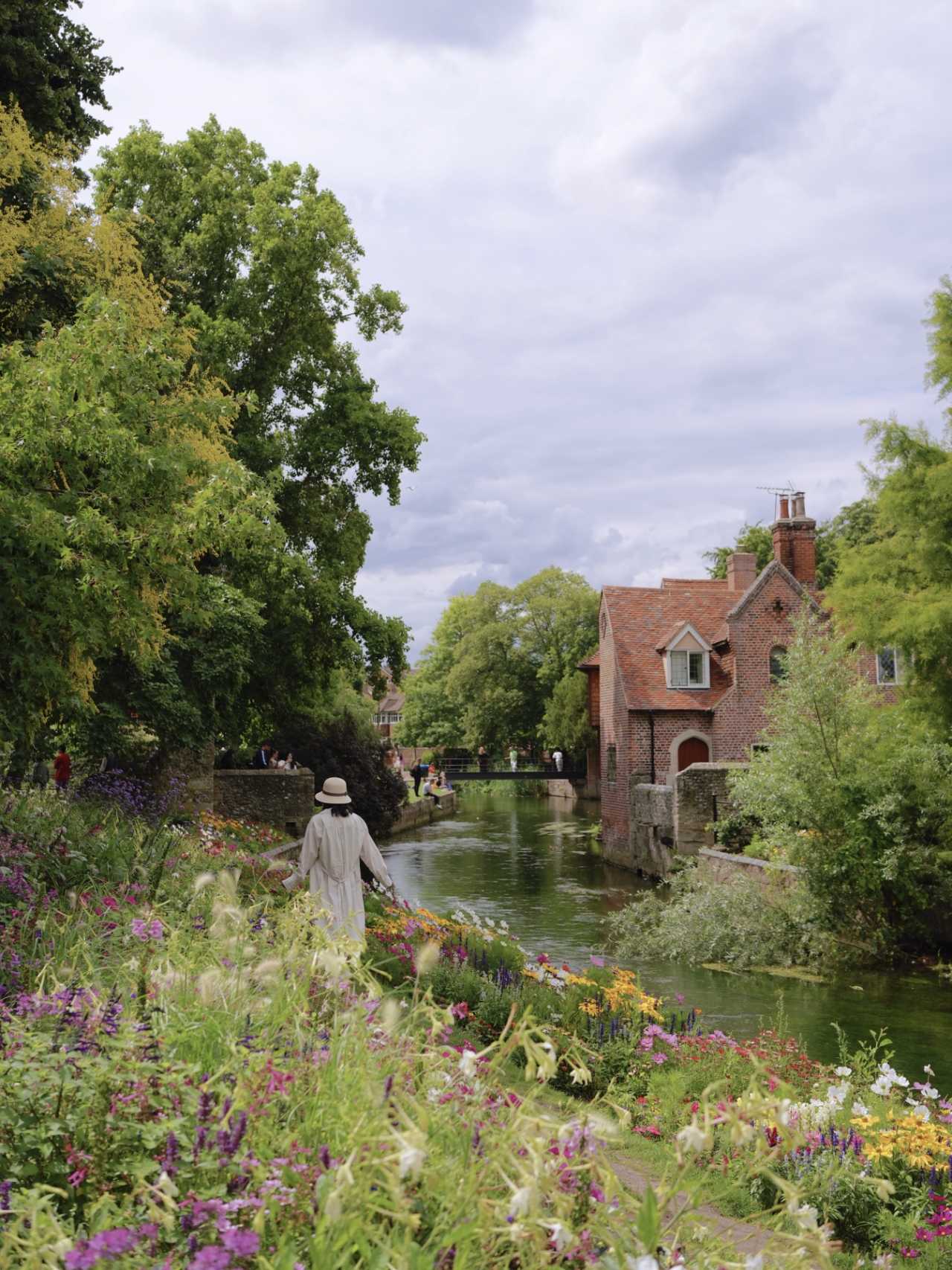
The town’s “business card” is this sub-100-meter river lined with blooms—boats and riverside houses compose a picture-perfect scene. Many check in here—but solely for this one frame, a special trip isn’t necessary.
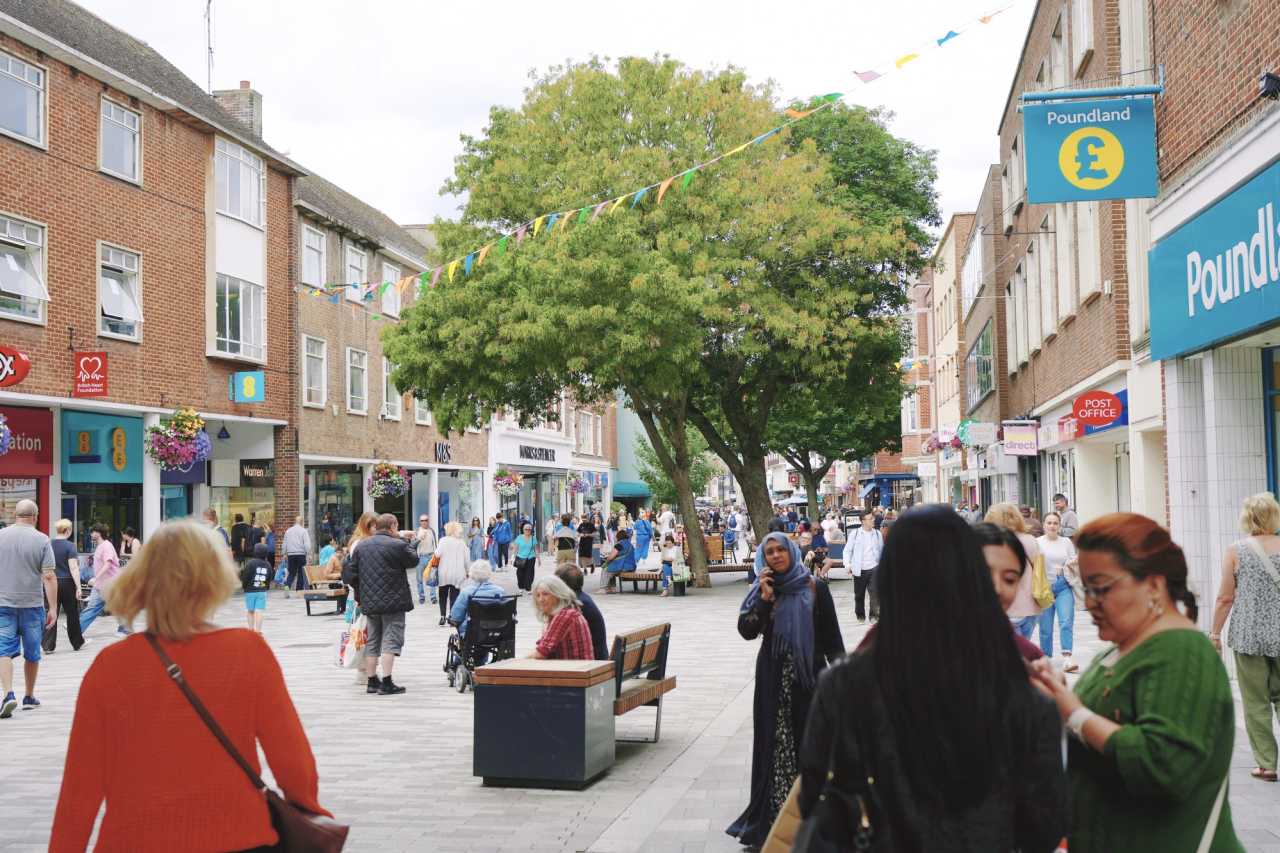
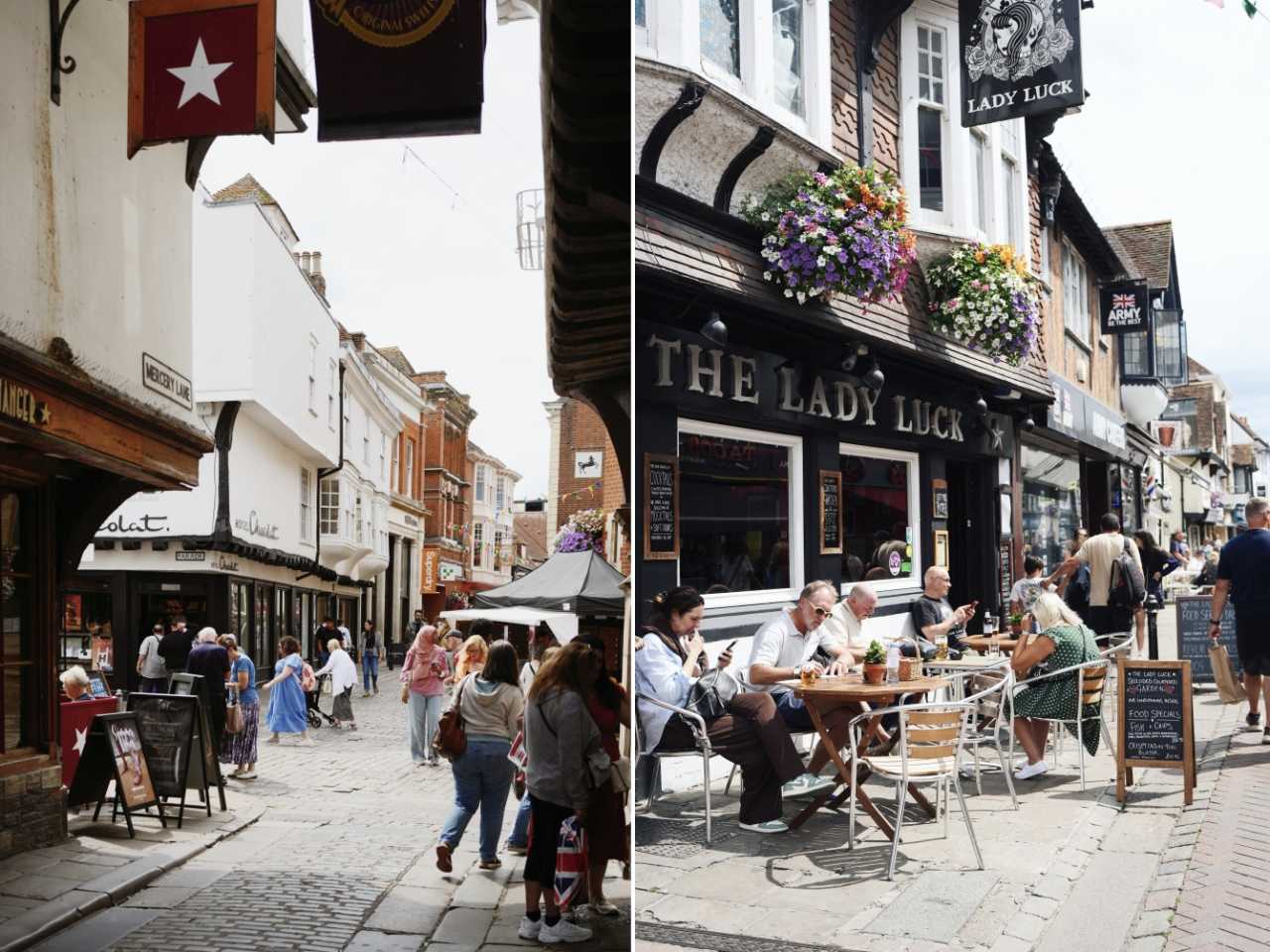
The streets are charming—like China’s “Wuzhen” abroad. Specialty bistros, souvenir shops, vintage vinyl stores—lots of atmospheric spots.
Canterbury Cathedral—£17—medieval Gothic—reportedly splendid inside.
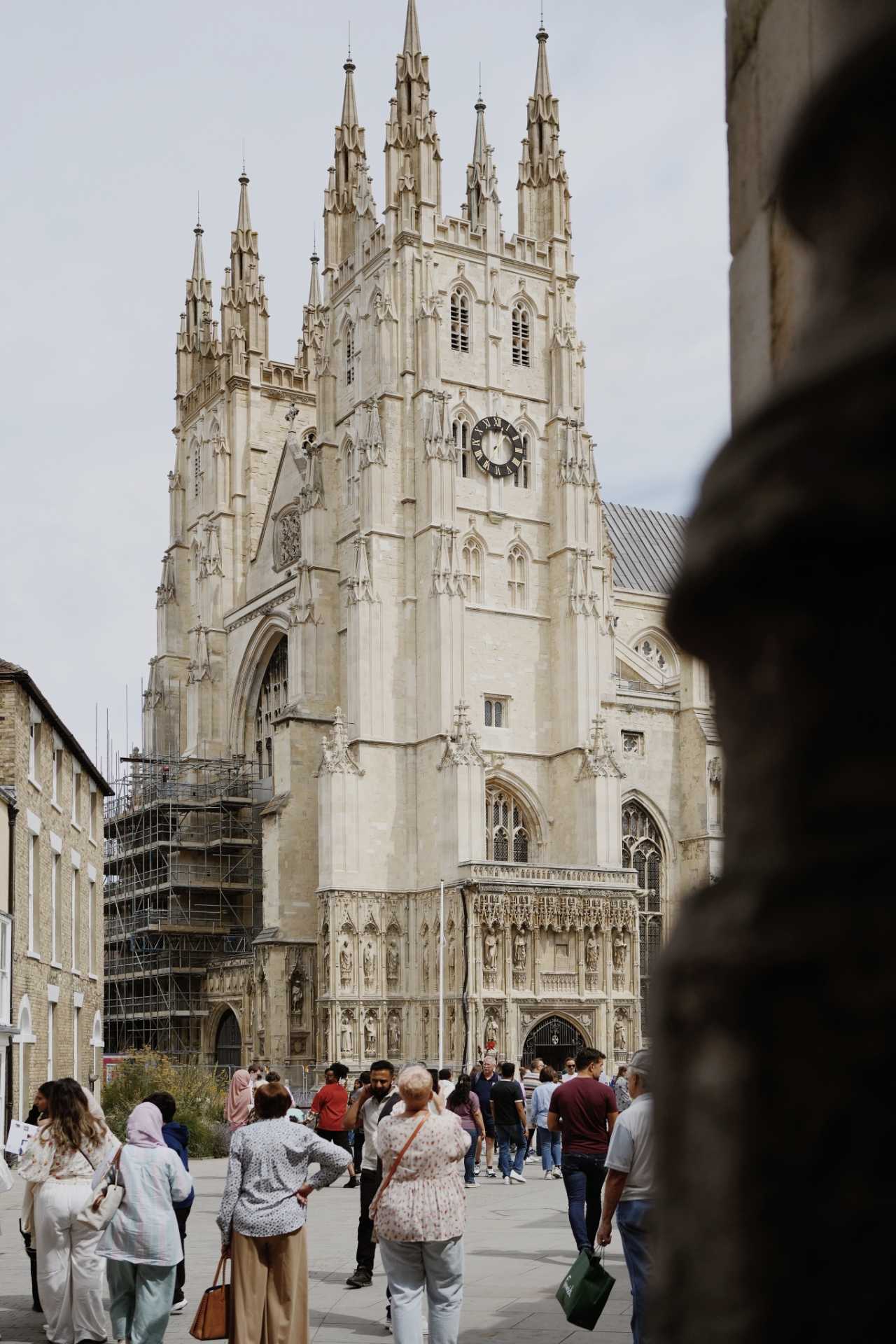 Canterbury Cathedral
Dover White Cliffs
After a whirlwind Canterbury, ~40 minutes’ drive took us to Dover’s white cliffs. Shortly after arriving, I got a “Welcome to France” text—stunned. The driver pointed across the sea to the faint land—that’s France! My phone time changed to French time too. By rounding up, I’ve “been to France”. 
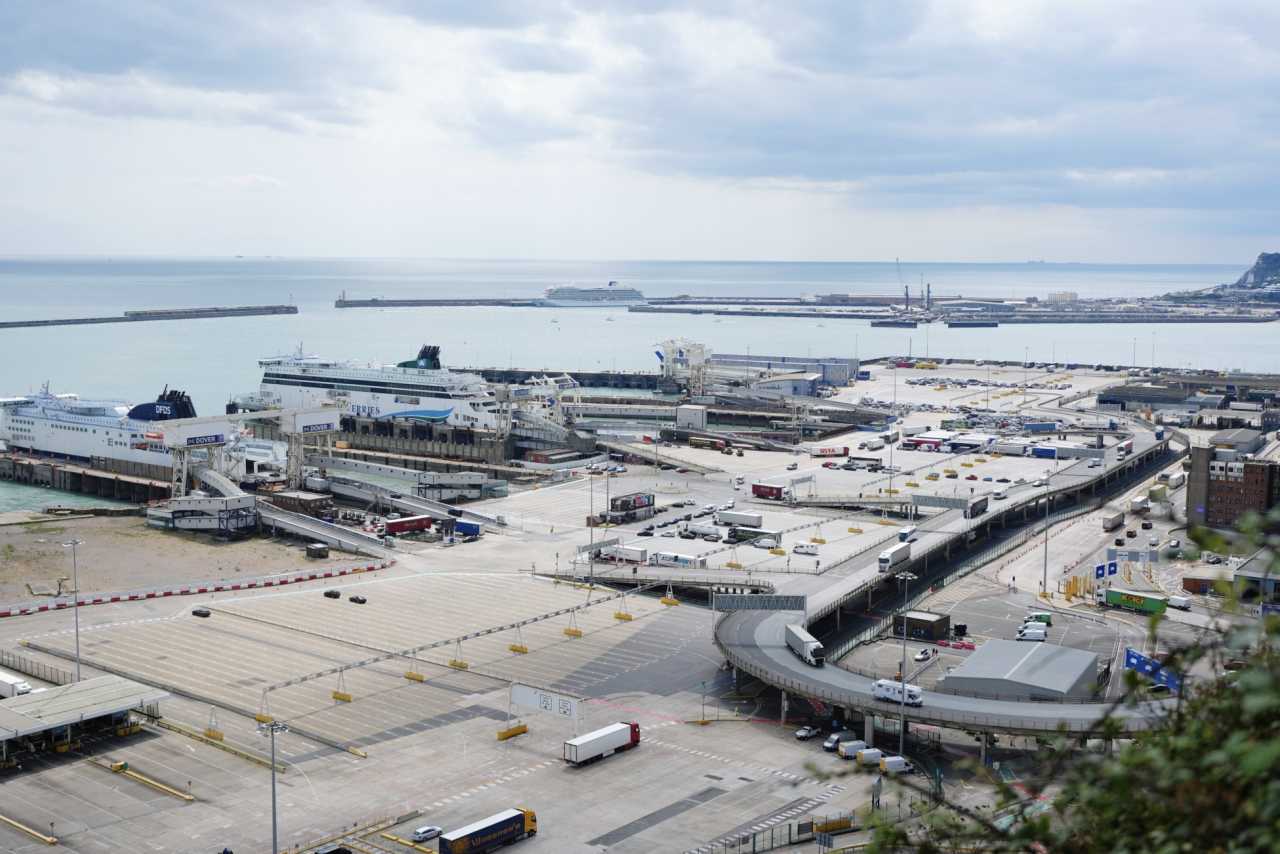
This is the narrowest part of the English Channel—ferries from Dover to Calais take ~90 minutes. In WWII, it was the “beacon home” in the eyes of soldiers retreating from Dunkirk.
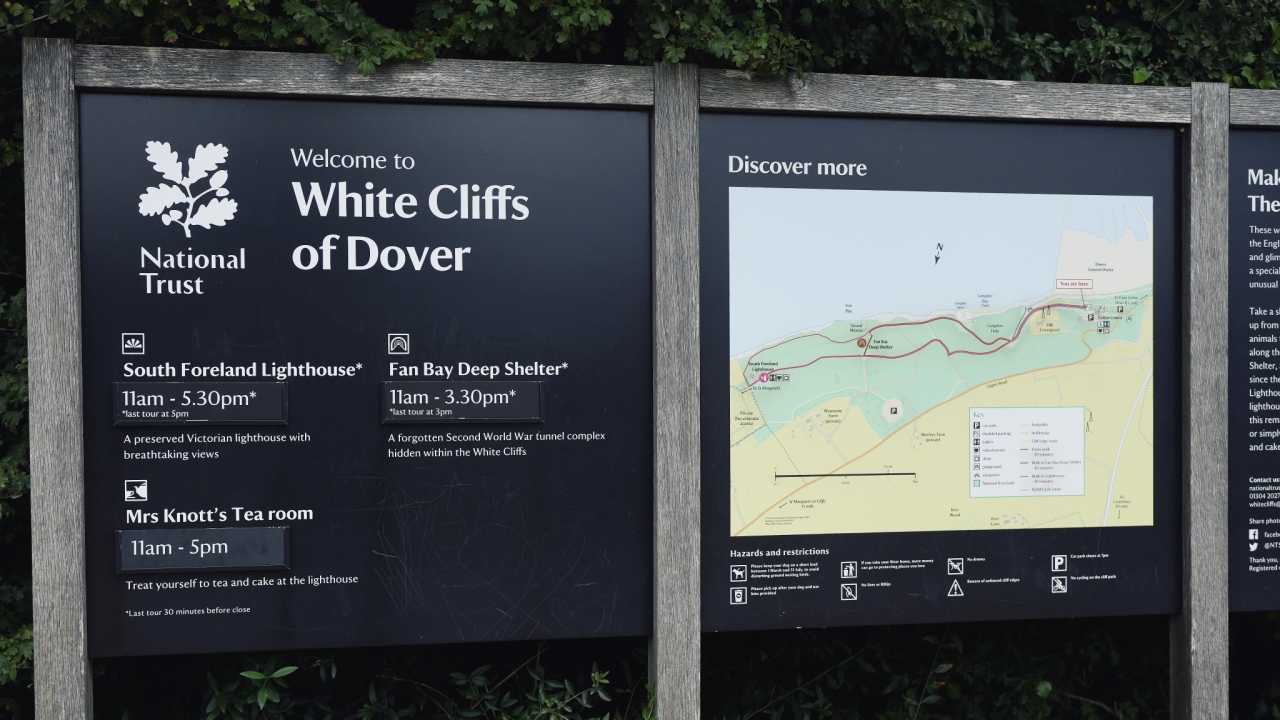 Dover White Cliffs
Fewer visitors here than at Seven Sisters. The water shifts between azure and gray under clouds. In hindsight, we were lucky to briefly have blue sky, white clouds, and a bright sea to set off the white cliffs.
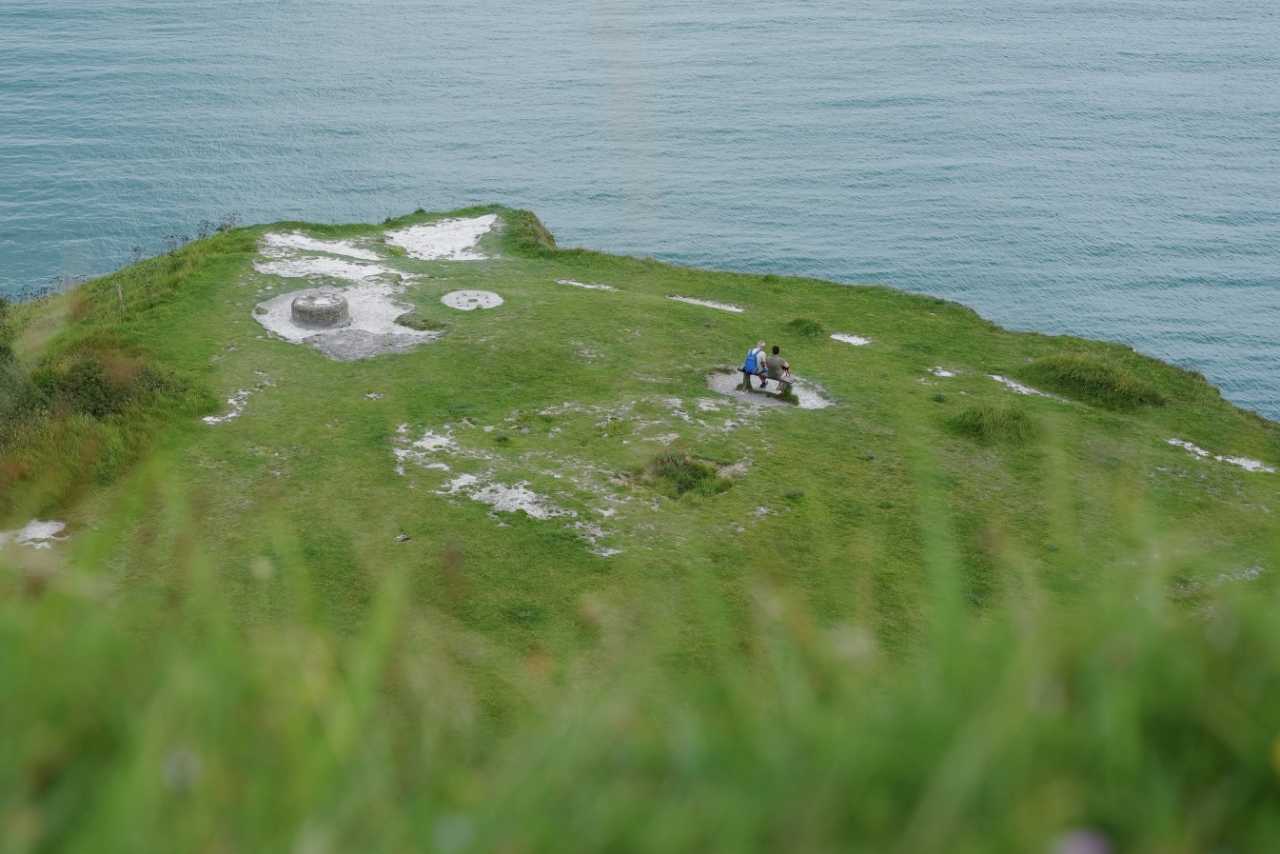 Dover White Cliffs
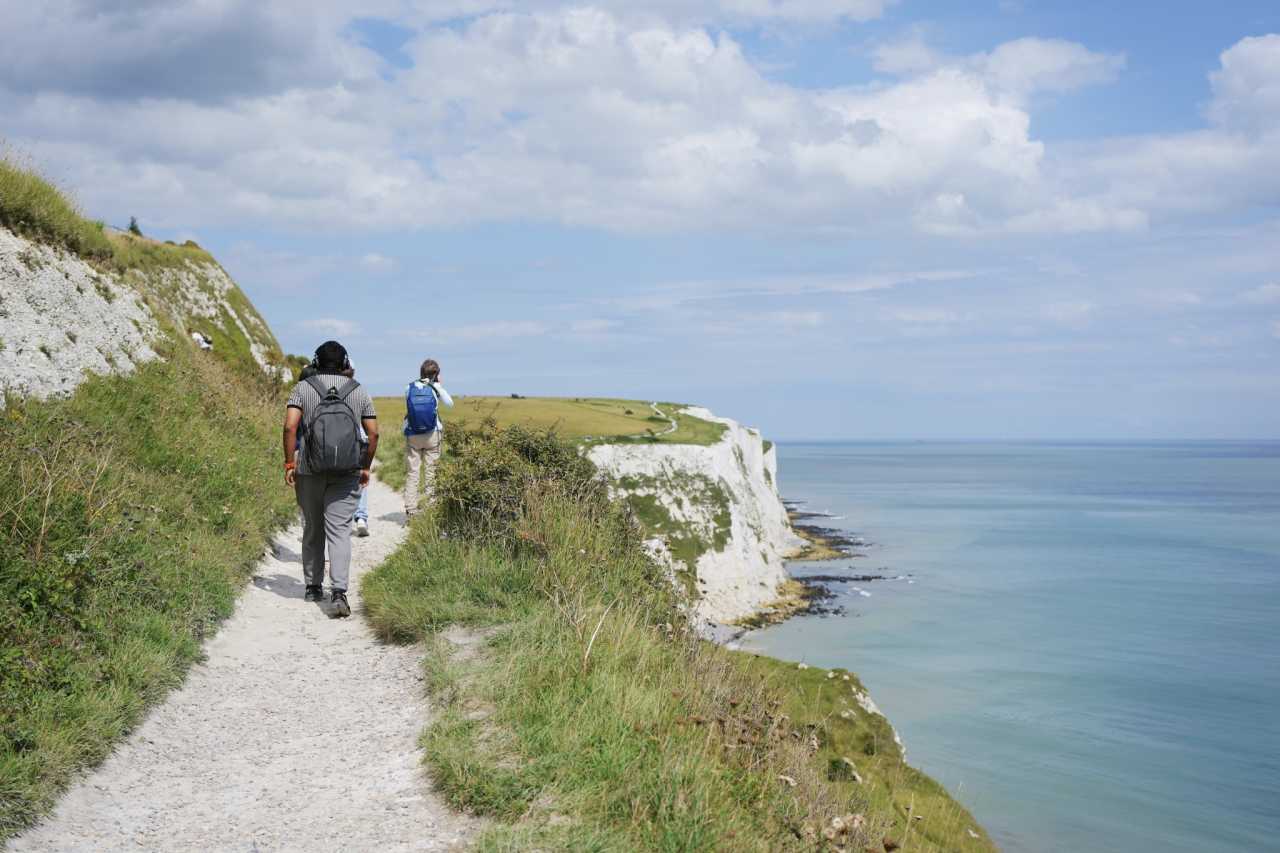 Dover White Cliffs
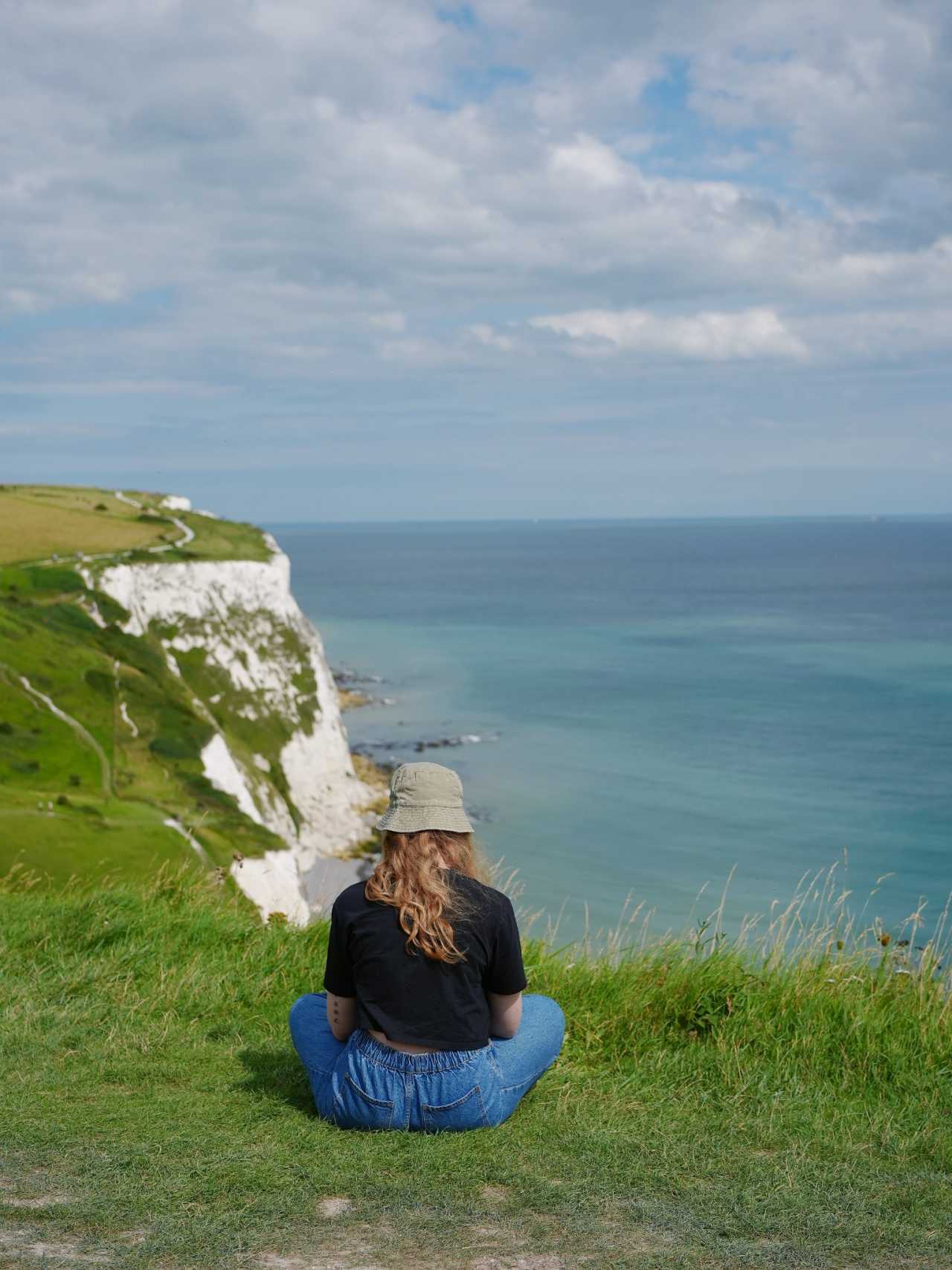 Dover White Cliffs
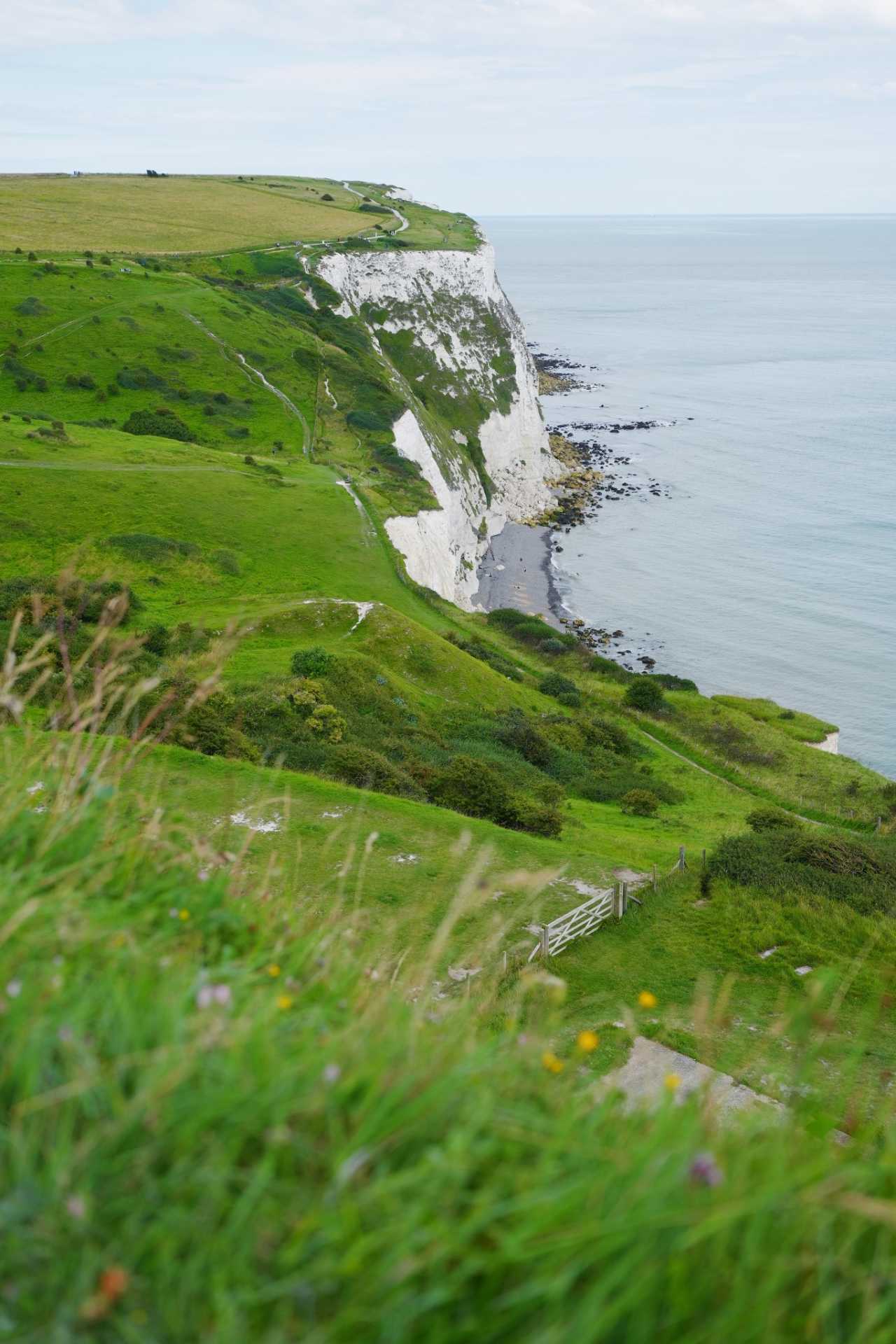 Dover White Cliffs
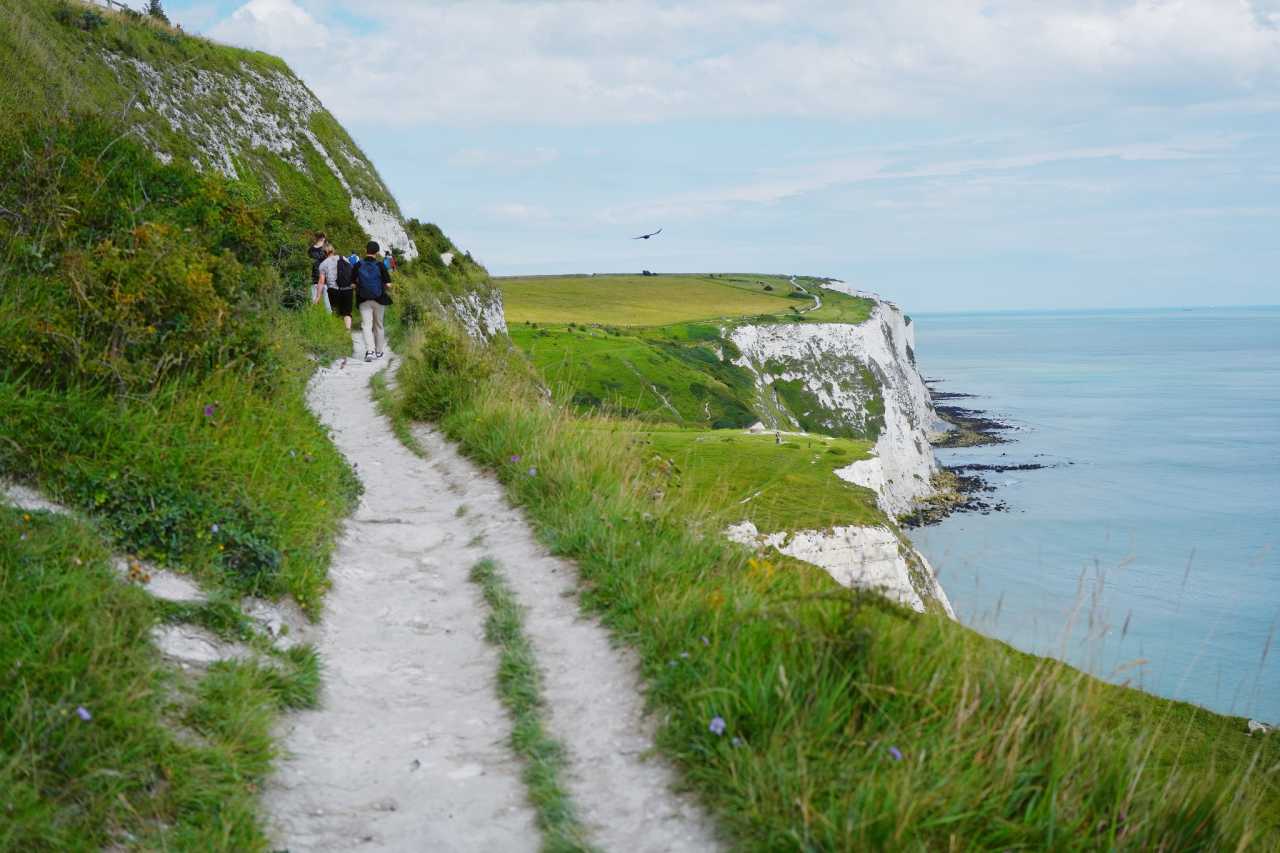 Dover White Cliffs
If time allows, follow the trail loop from the entrance; or just sit—feel the salty wind and watch birds circling. In the wild, be free!
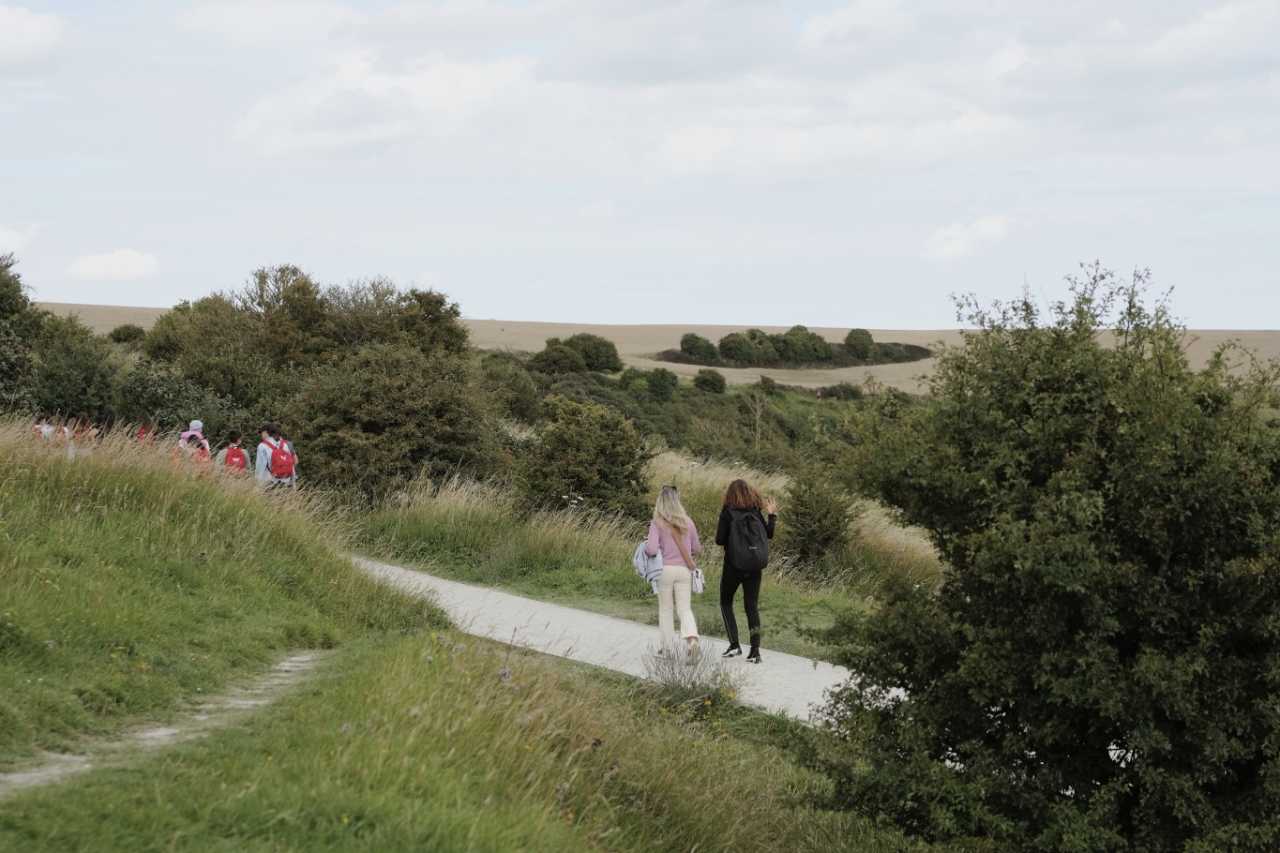 Dover White Cliffs
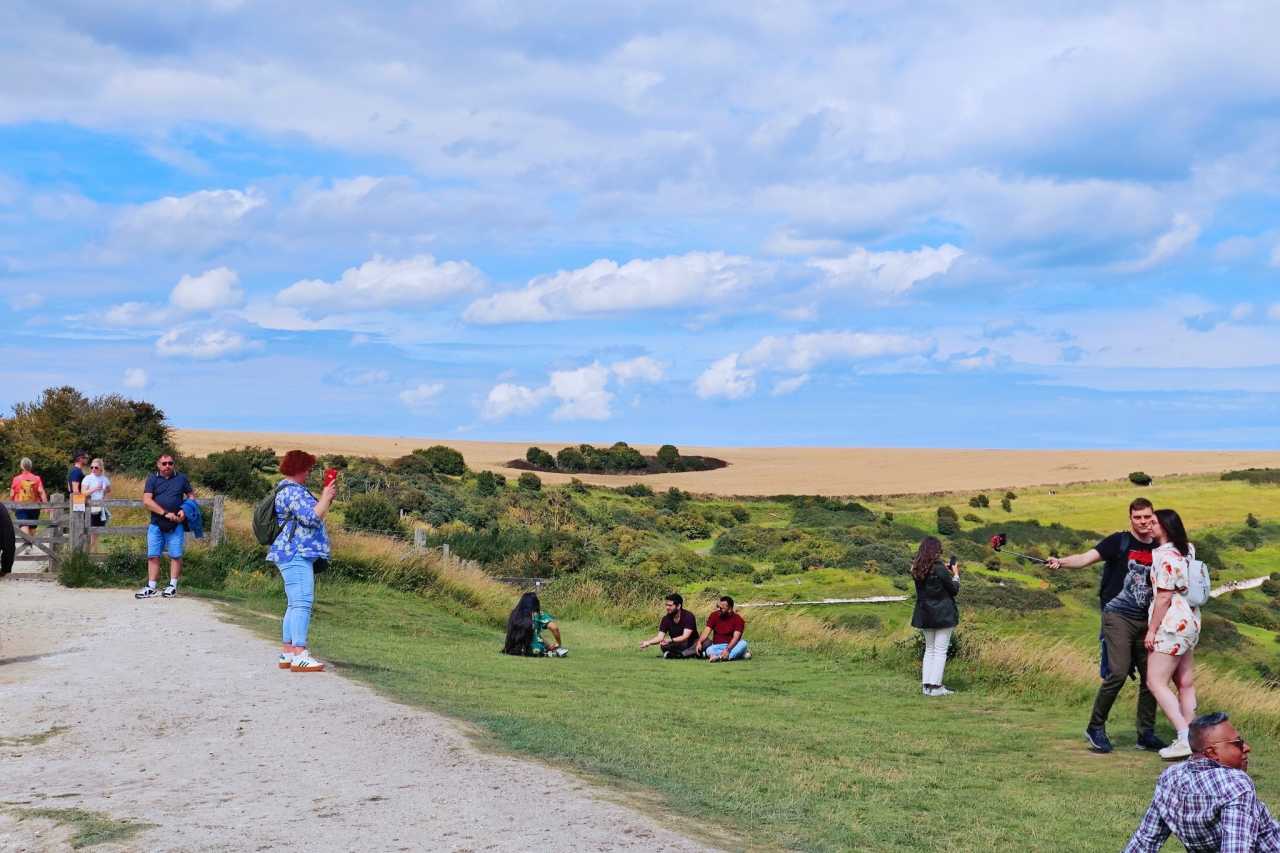 Dover White Cliffs
Eastbourne
Our final destination—Eastbourne—our seaside base. From Dover to Eastbourne took just over an hour. To avoid motorway jams, the driver took country roads. Passing golden wheat fields made me think of Van Gogh—almost the same blazing gold—brilliant. Art comes from life ~
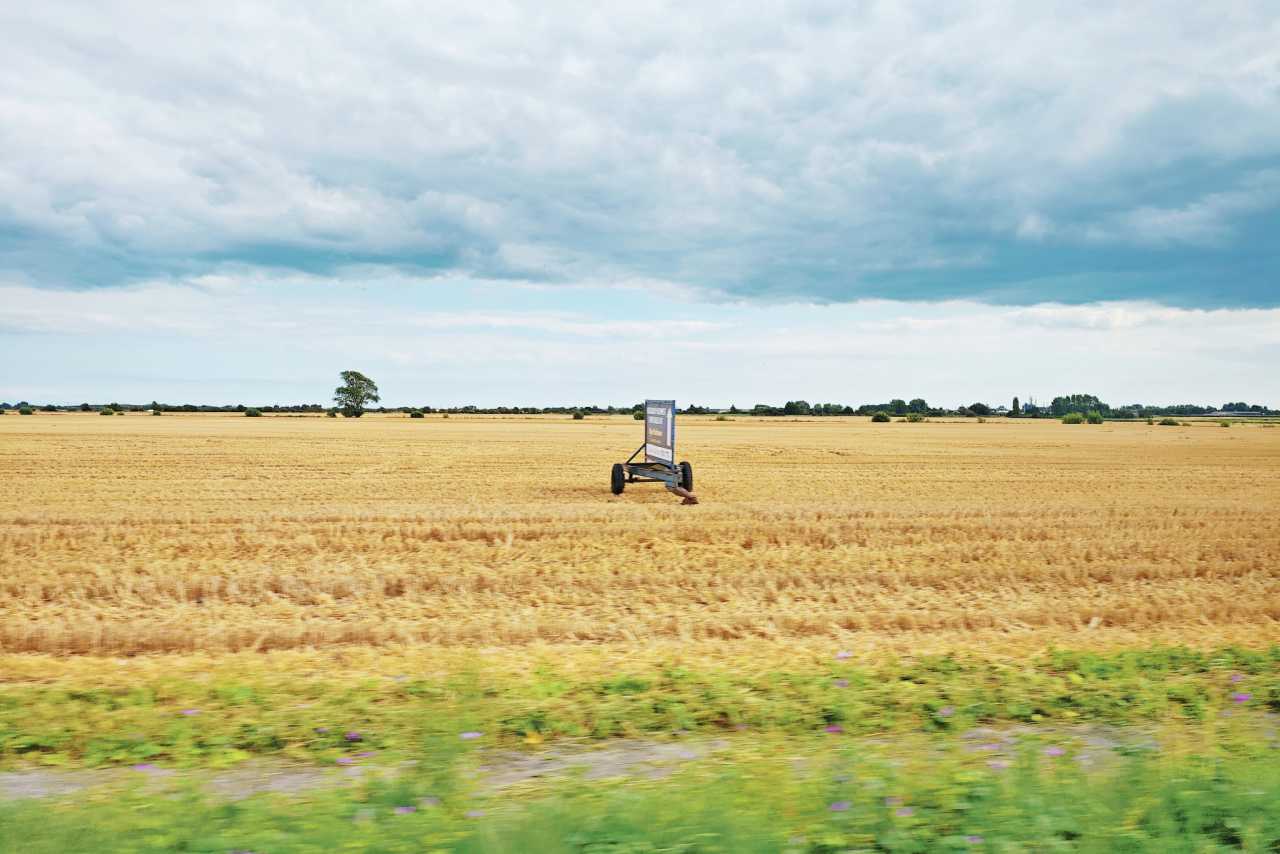
Day 8: Seven Sisters & Hastings
Seven Sisters Country ParkAt Seven Sisters, the weather turned windy and rainy—waves rough under a gloomy sky. The white cliffs under dark clouds have a fateful feel; let the sea wind slap your face and listen to the ocean roar.
Seven Sisters Country ParkEven in harsh weather, the scenery remains powerful—nature’s awe is always there.
Later we went to Hastings—an English seaside town with a fairy-tale feel. The beach is laid with pebbles; families and friends gather to stroll, chat, and watch the sea.
Hastings’ colorful houses and fishing boats bring lively colors to the gray-blue coastline.
Day 9: Brighton
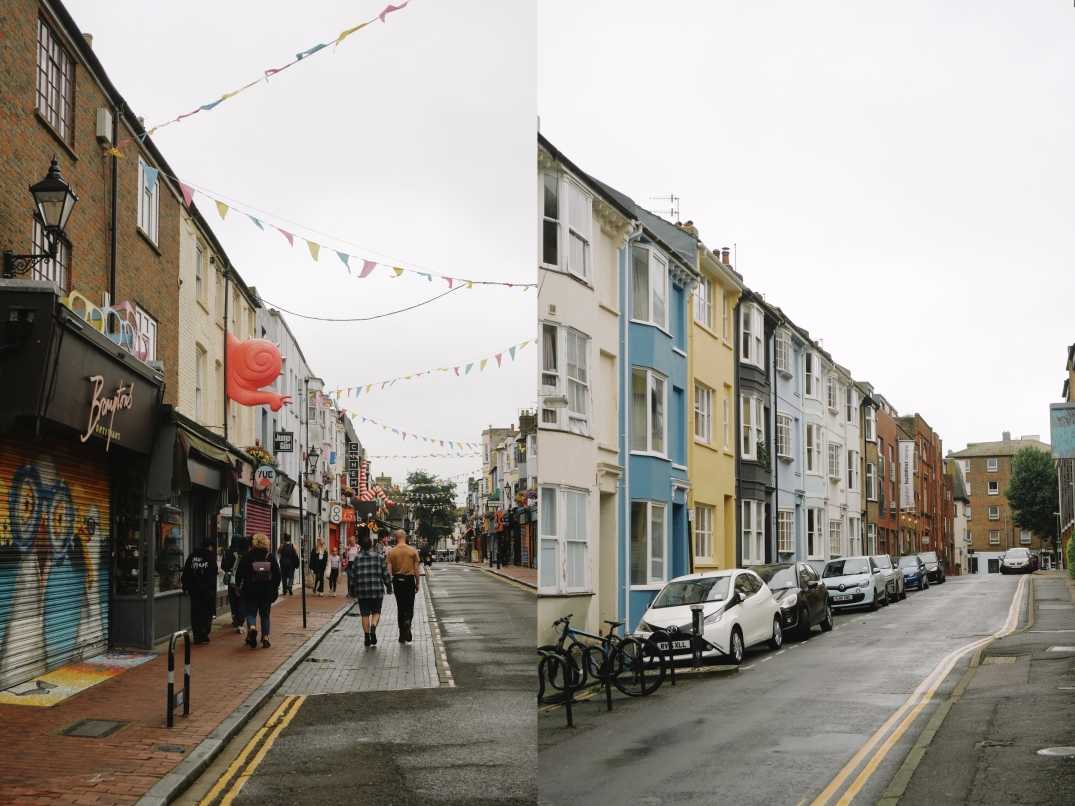
In the afternoon, wind and rain were too strong—we had to return to the hotel for a nap. Woke past five, went out to find most shops already closed, so we simply strolled streets. Passing the North Laine area, the street art vibe was full—this district is known for vintage/secondhand clothing shops, indie designer stores, record shops, bookstores, specialty cafés and bars, and street graffiti.
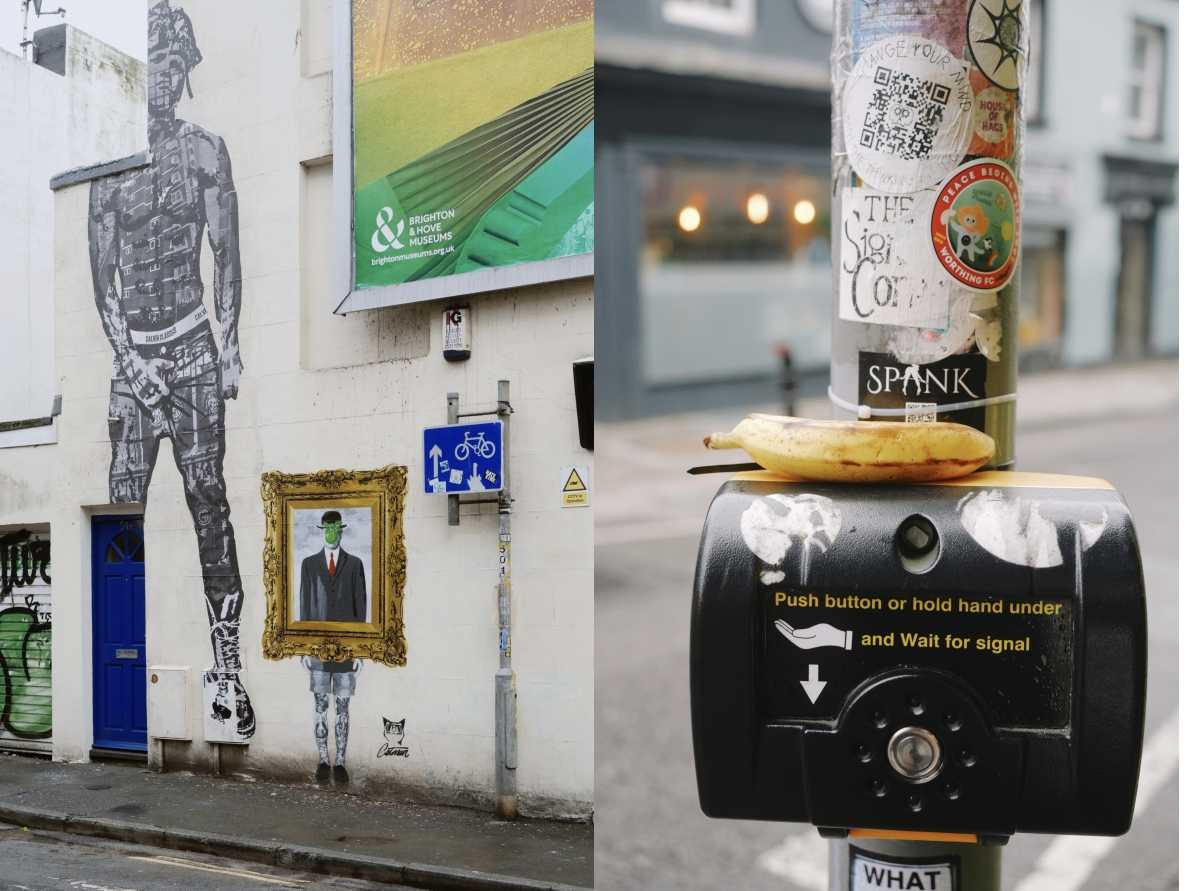
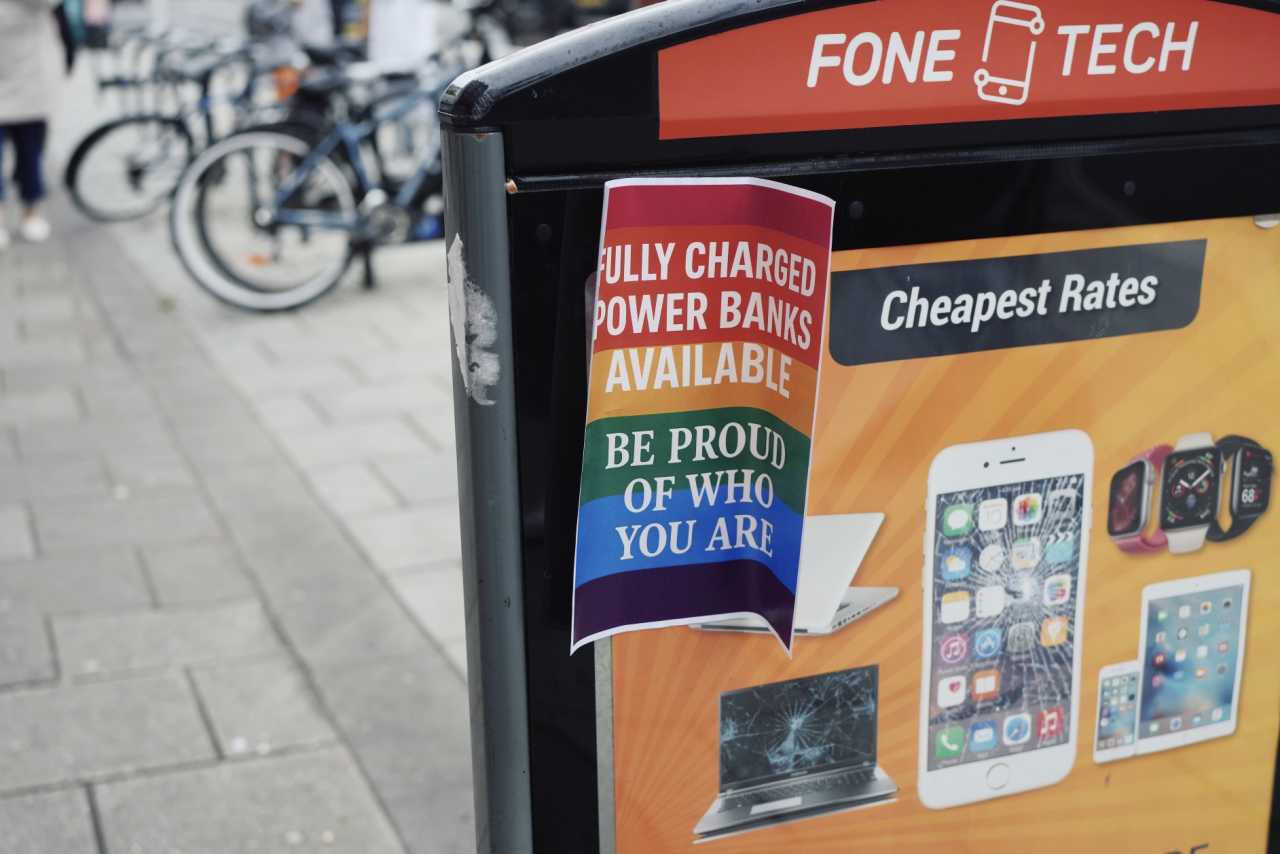
“Be proud of who you are”—warmed by this little rainbow note 
Graffiti is everywhere, adding color and stories to the town.
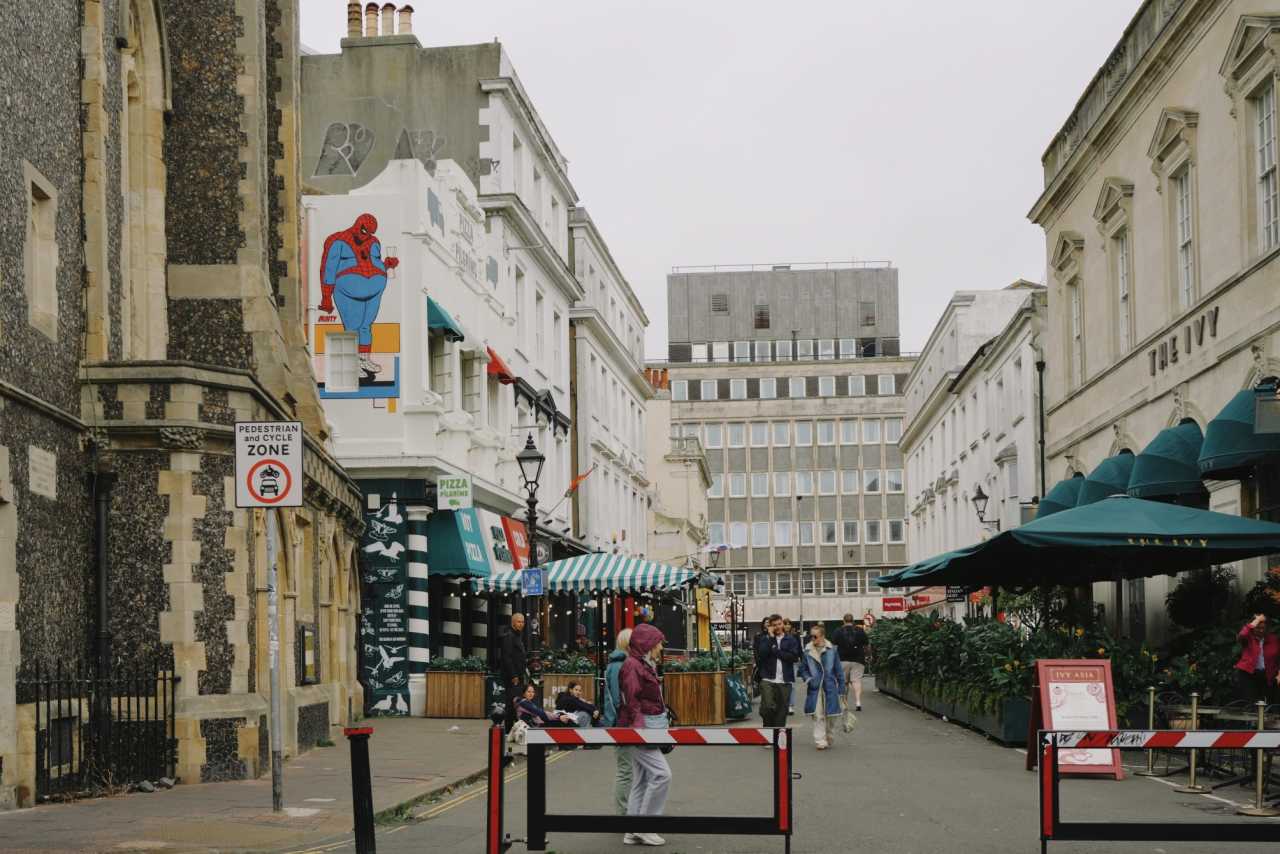
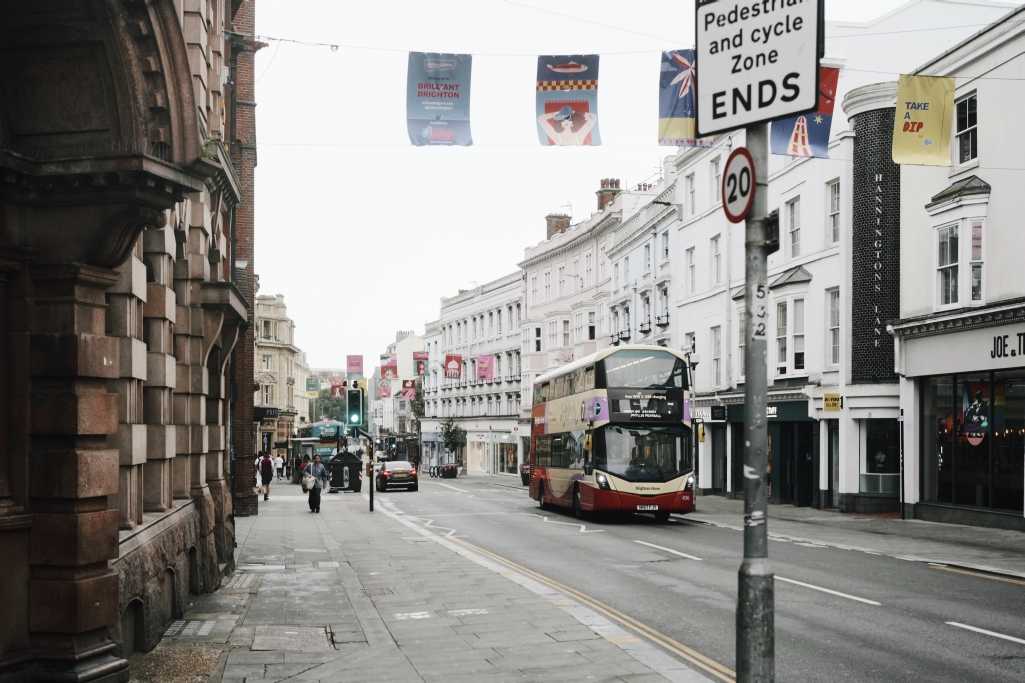
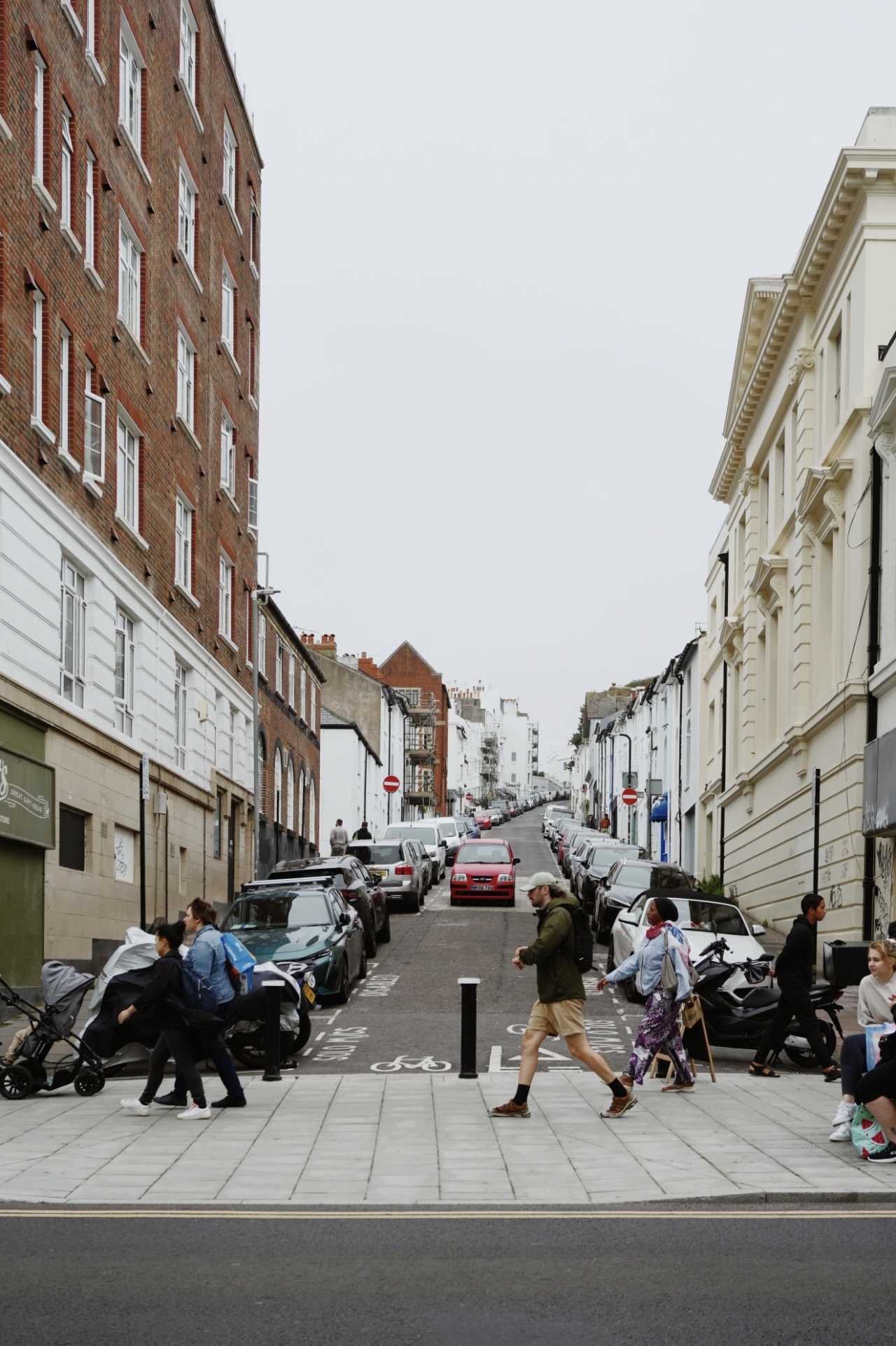
Many English coastal towns have “torch streets”—roads running straight to the sea at the end.
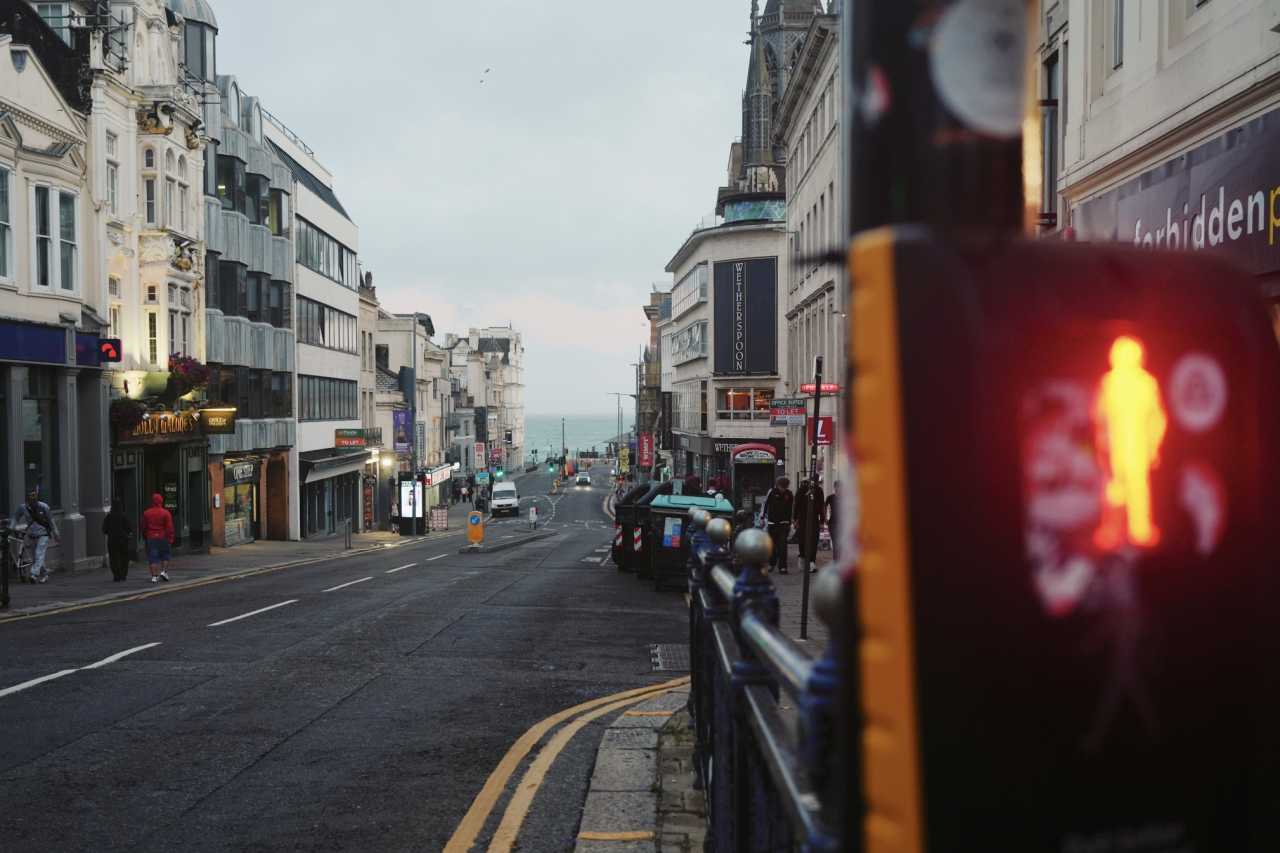
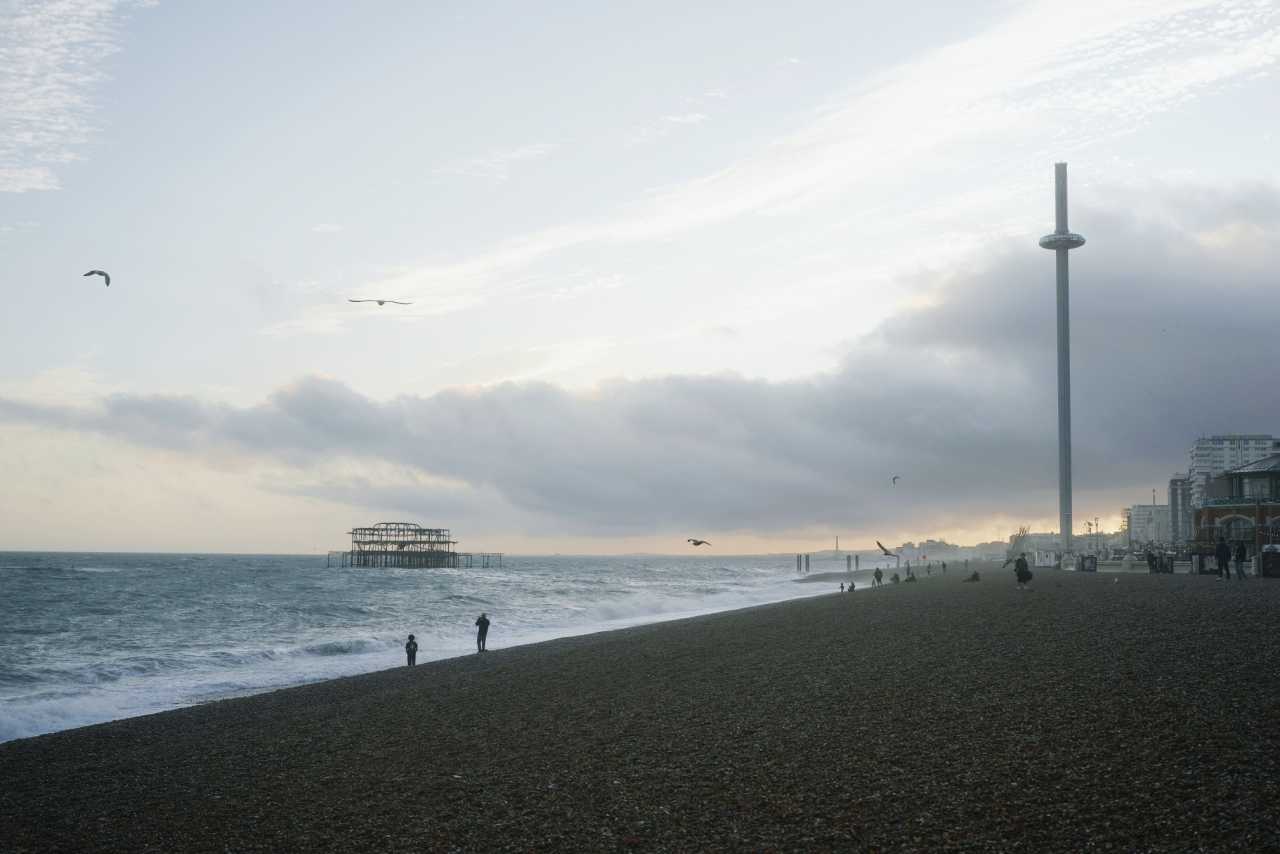
At sunset, strong winds swept away clouds and the sea mist—revealing some afterglow.
The “golden cudgel” i360 is the world’s tallest moving observation tower—ride the glass pod up to 138 m for a god’s-eye view of Brighton’s coastline.
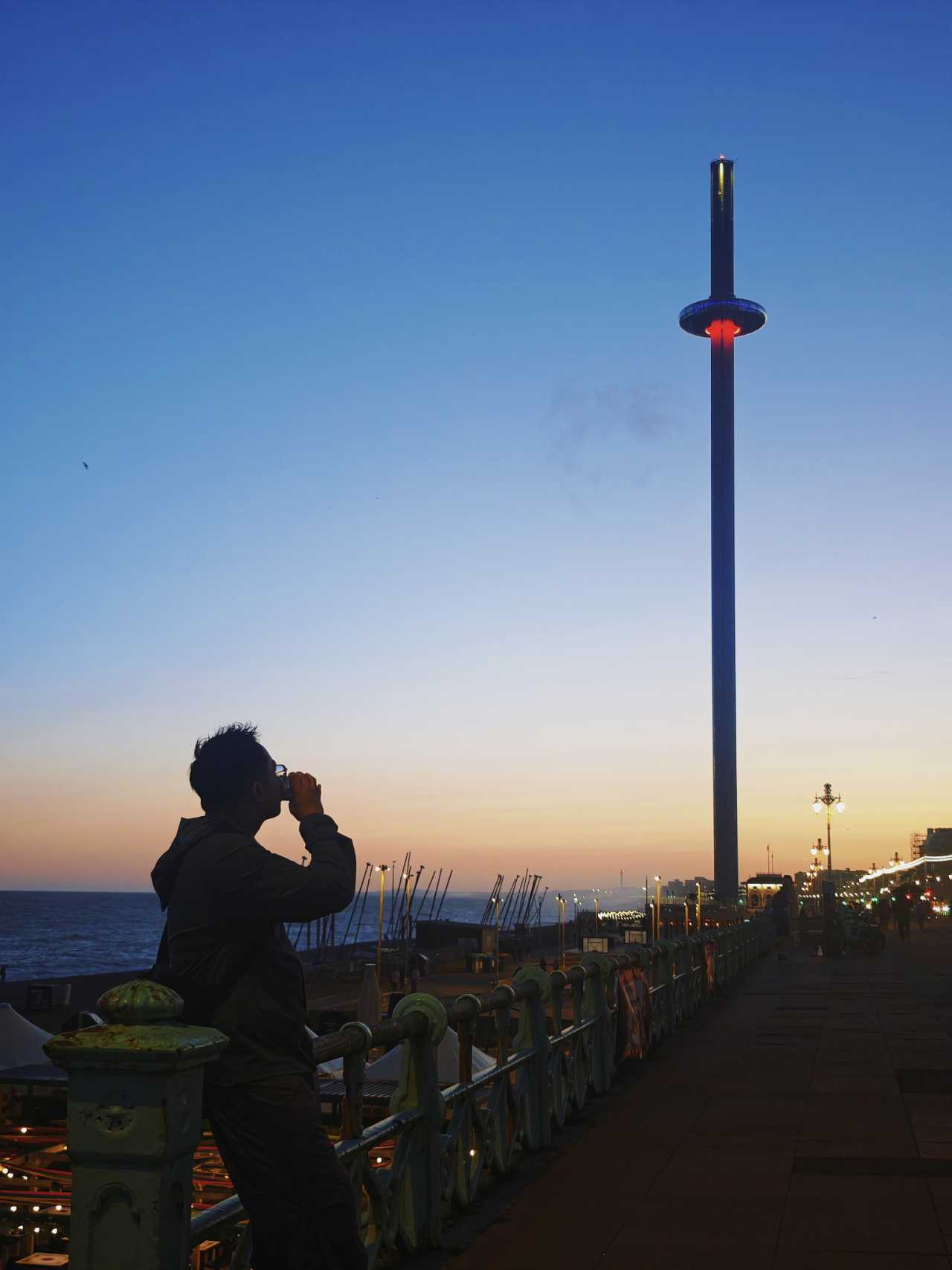
Last night in Britain—wrapped up perfectly under the 9 pm sunset glow.
Day 10: Journey Home
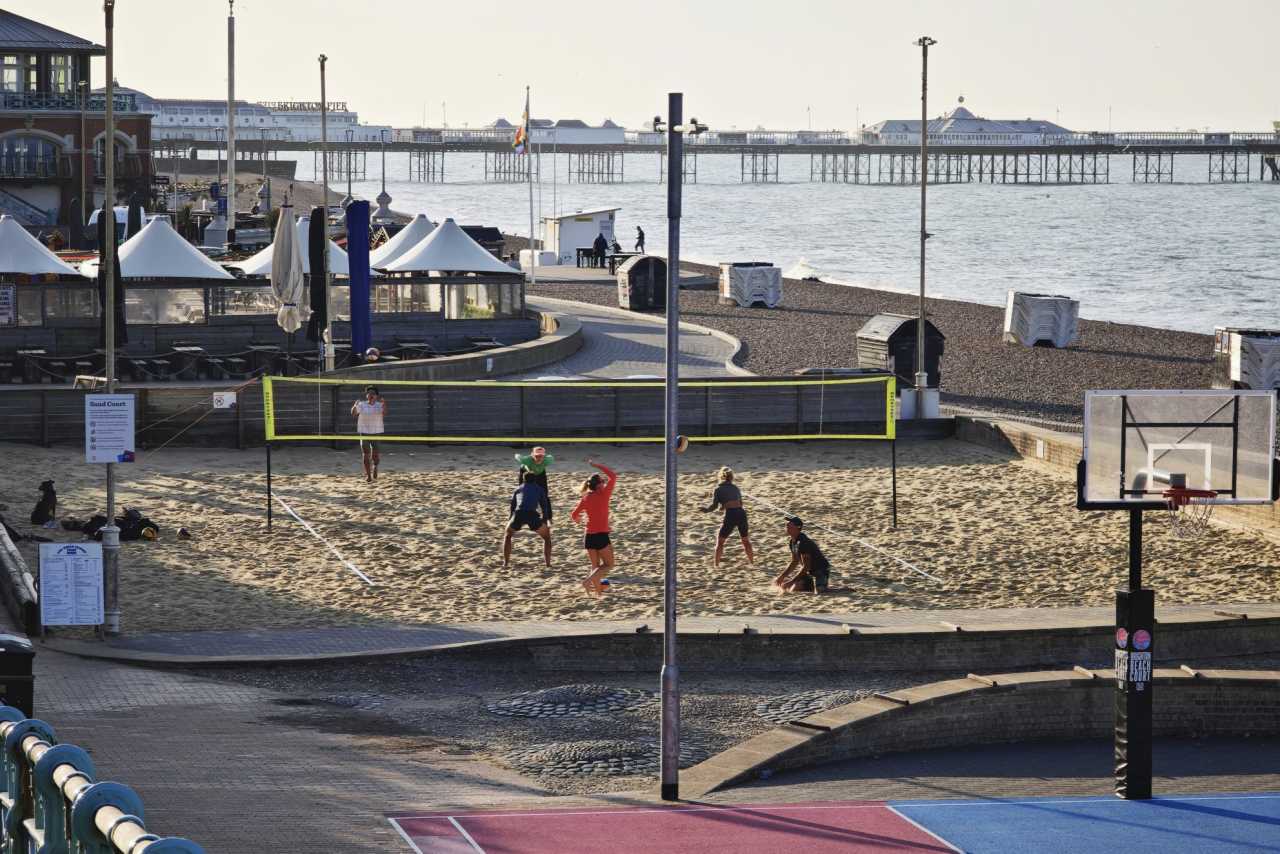
Our return flight was at noon on the last day, and we finally met bright sunshine at the seaside town. Early in the morning we took a quick look at the calm blue sea—sunlight shows Brighton the way it should be!
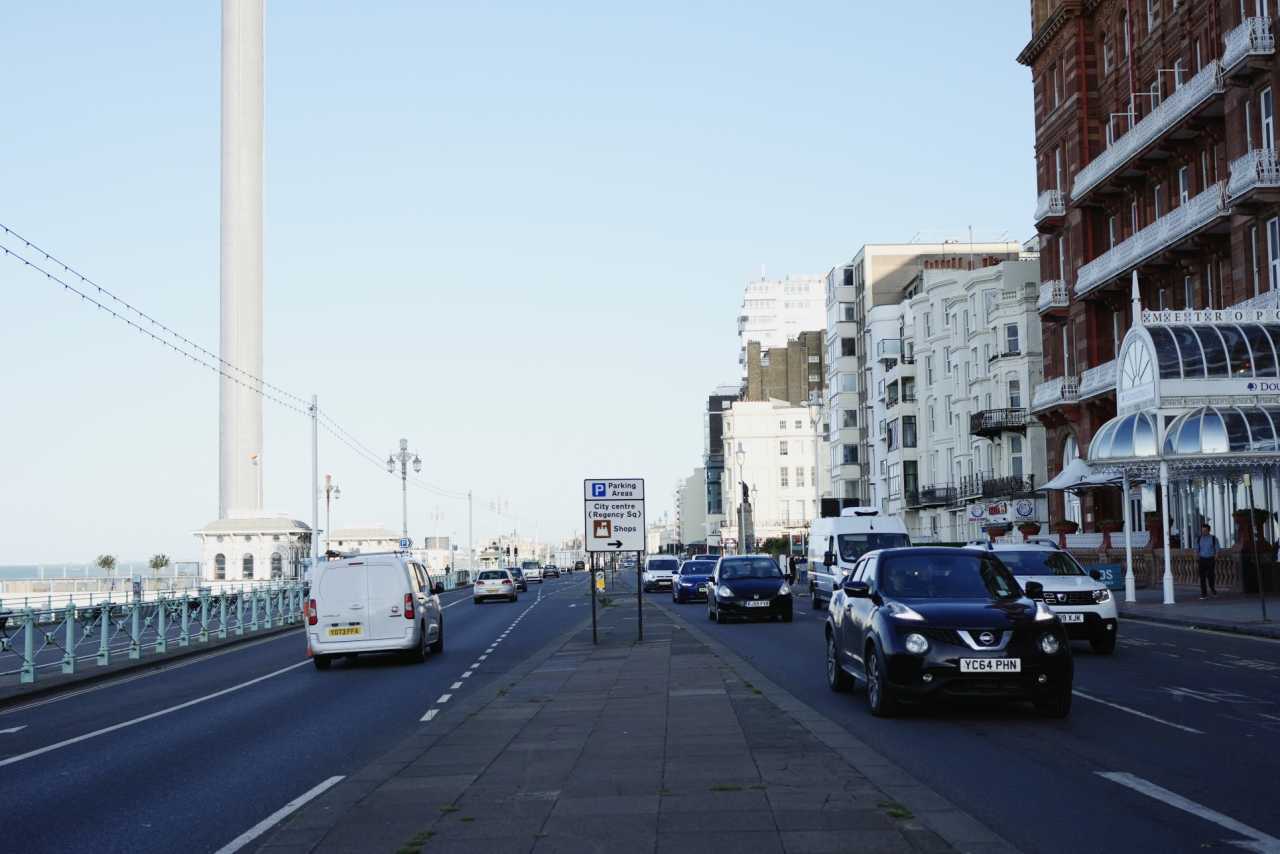
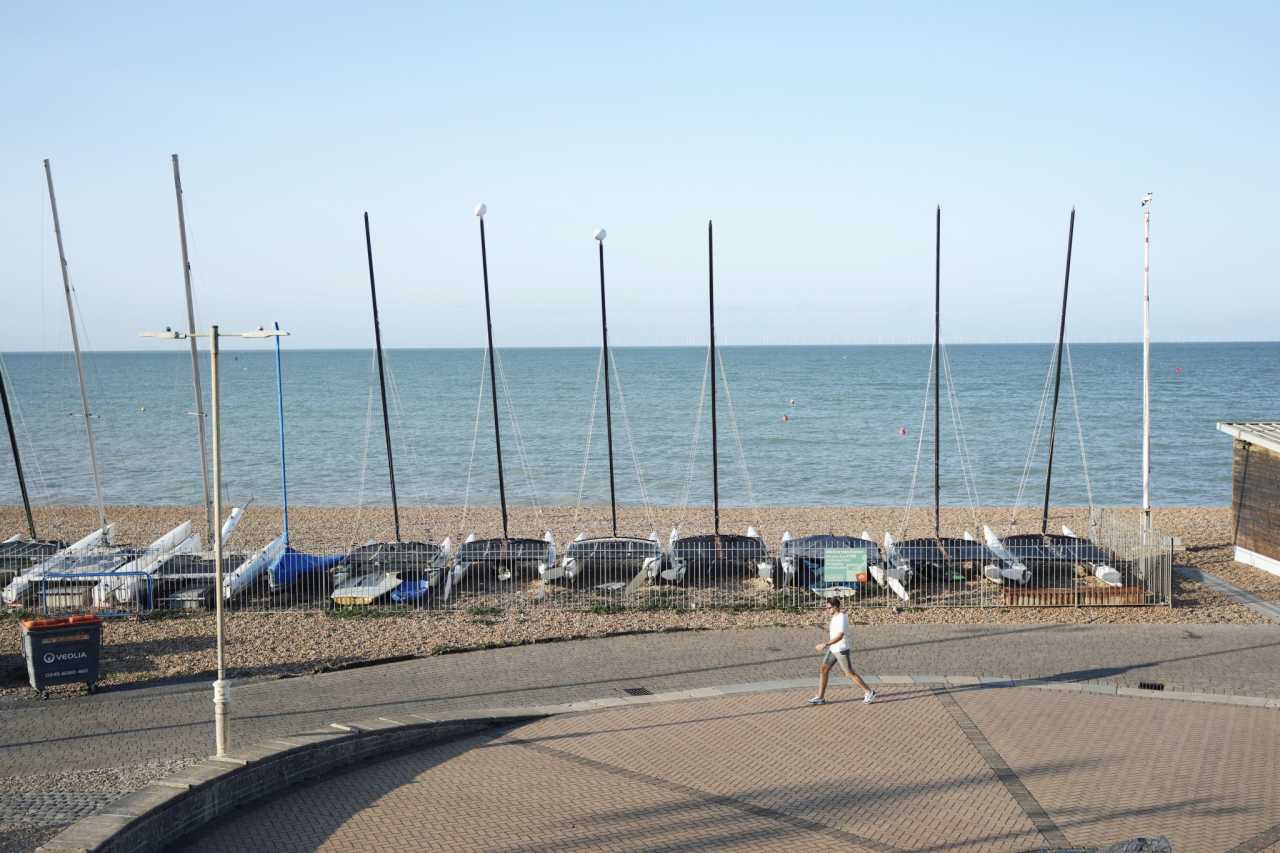
Early risers full of energy!
London’s Underground
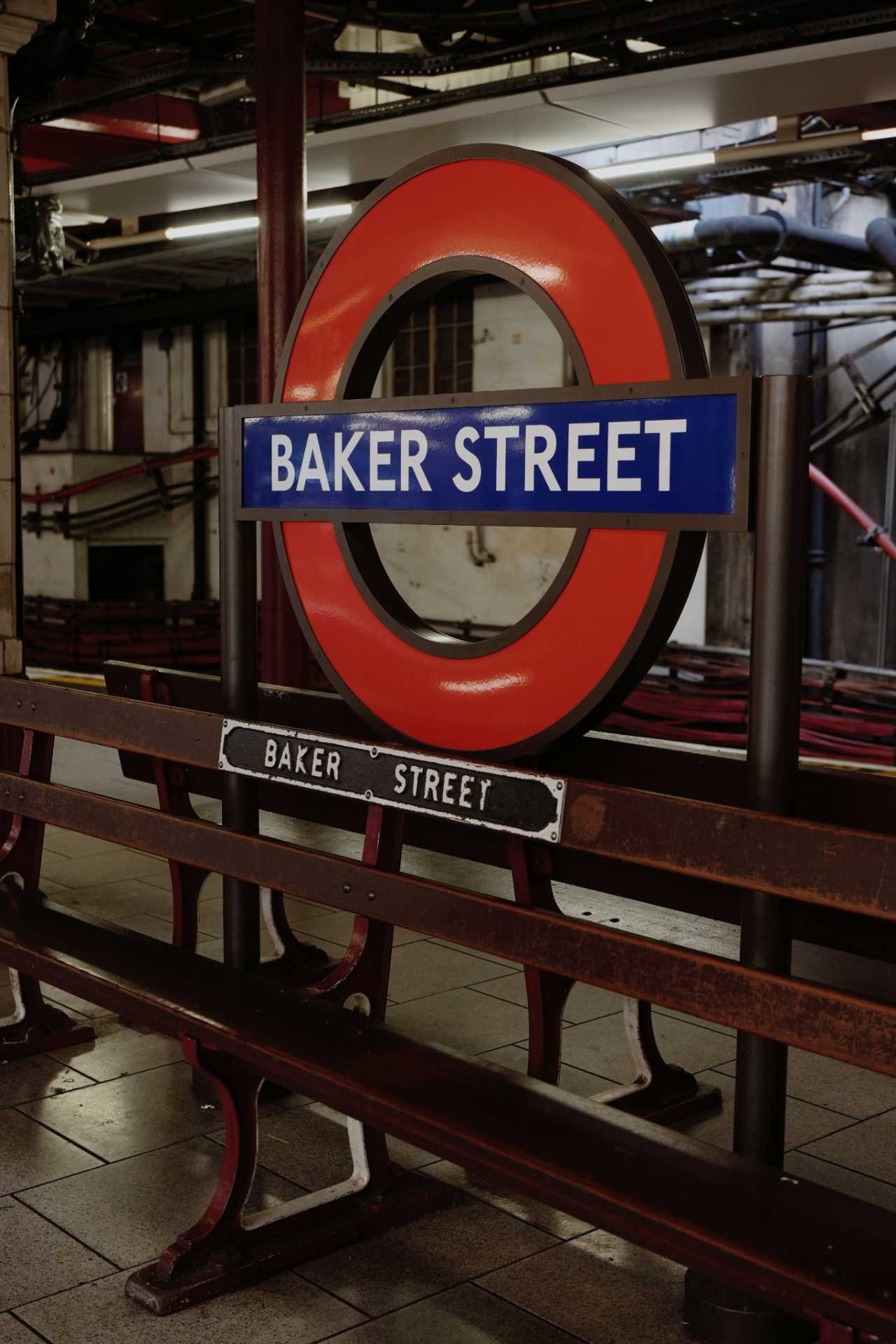
“The Tube”—London’s Underground is the world’s first metro, opened on 10 January 1863—full of marks of time. Old lines have no air‑conditioning and rely on airflow through the front windows while moving. 
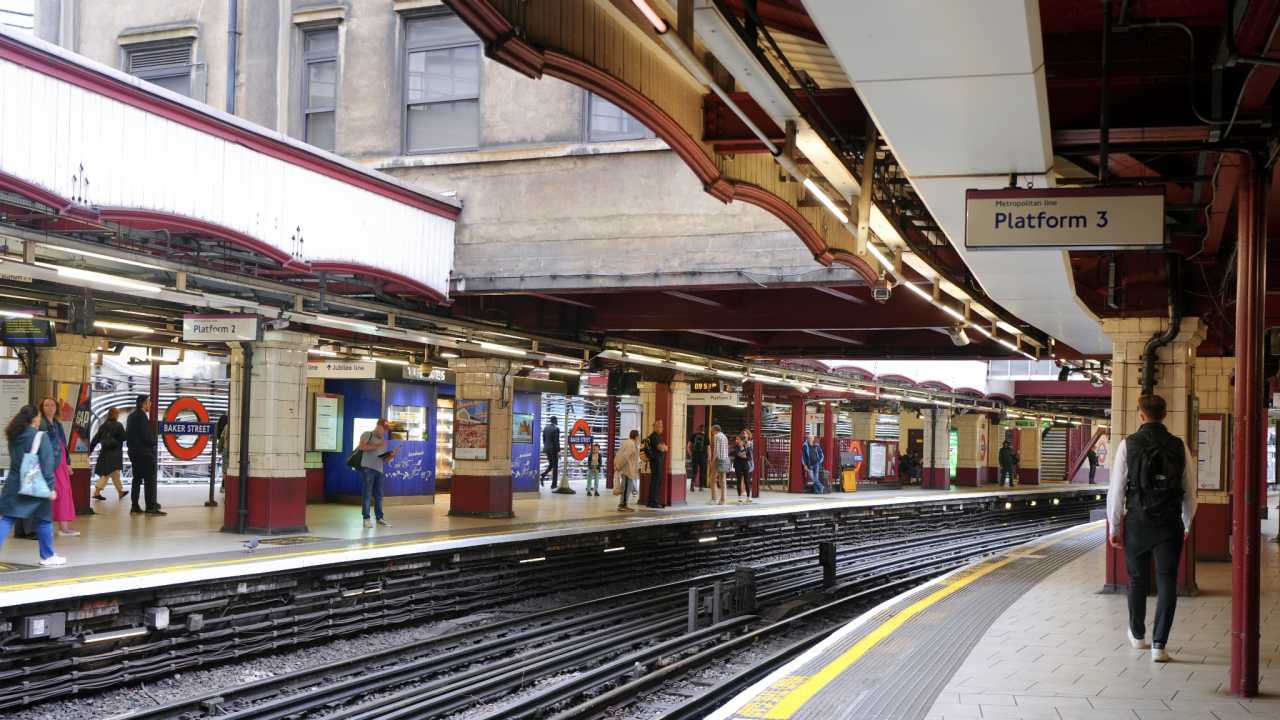
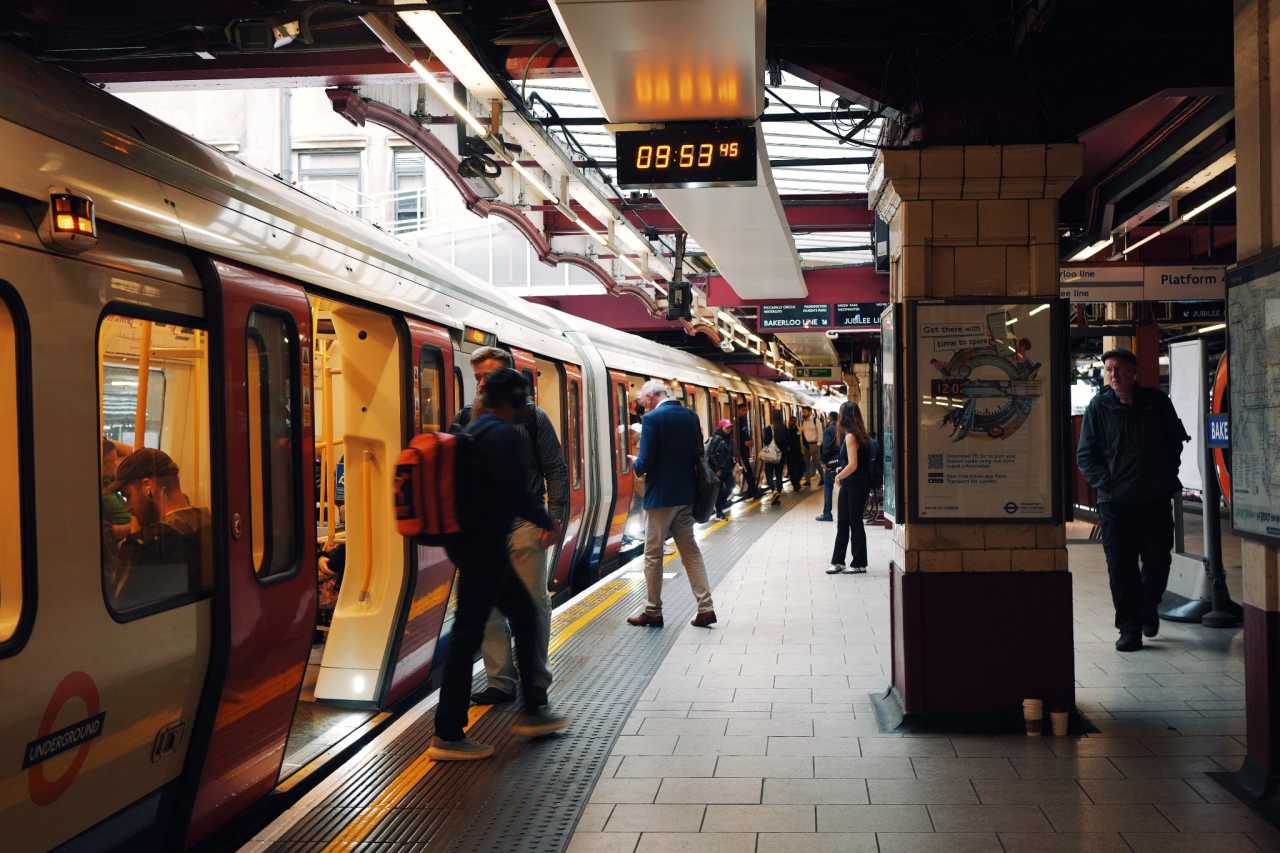
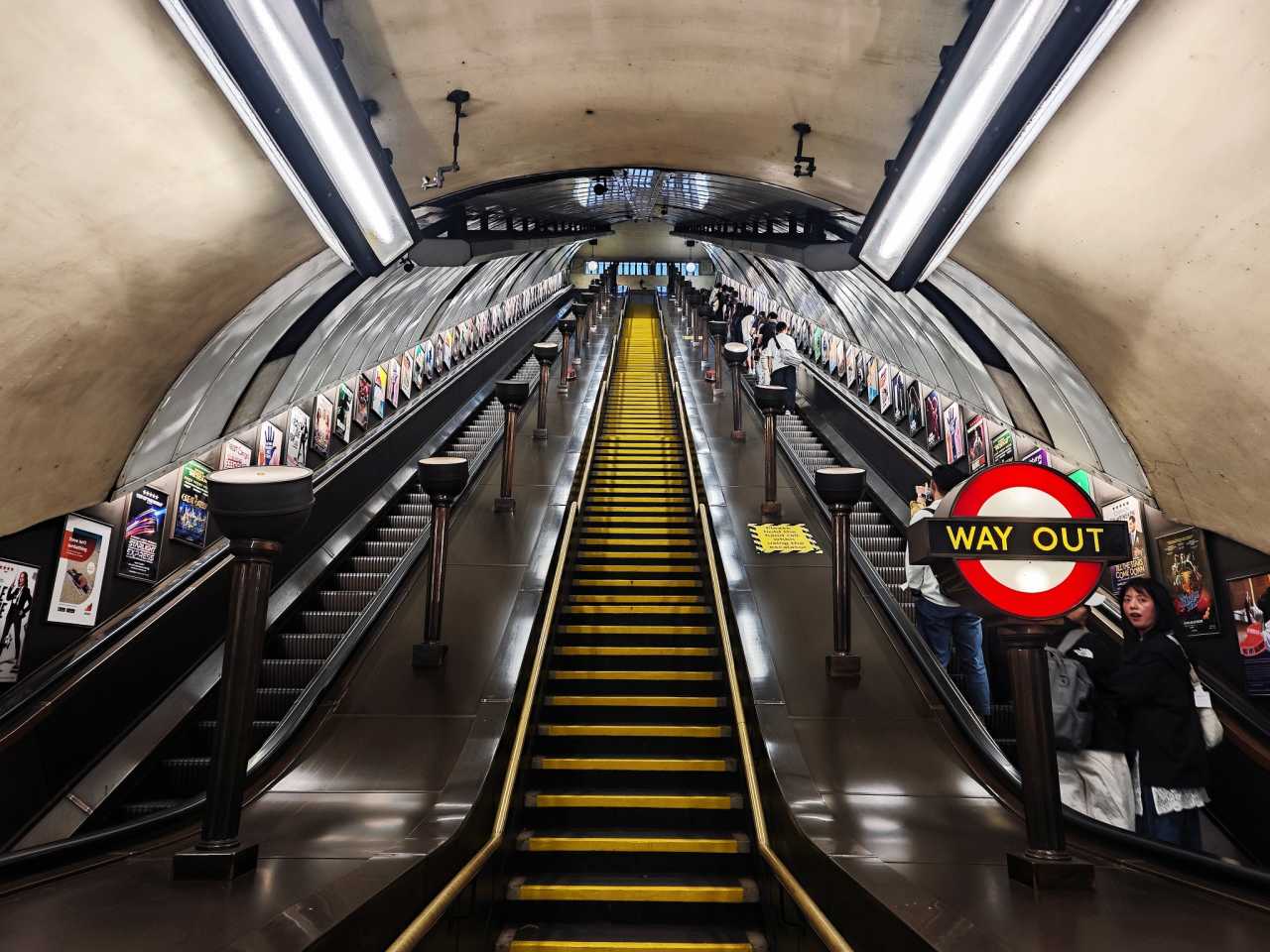
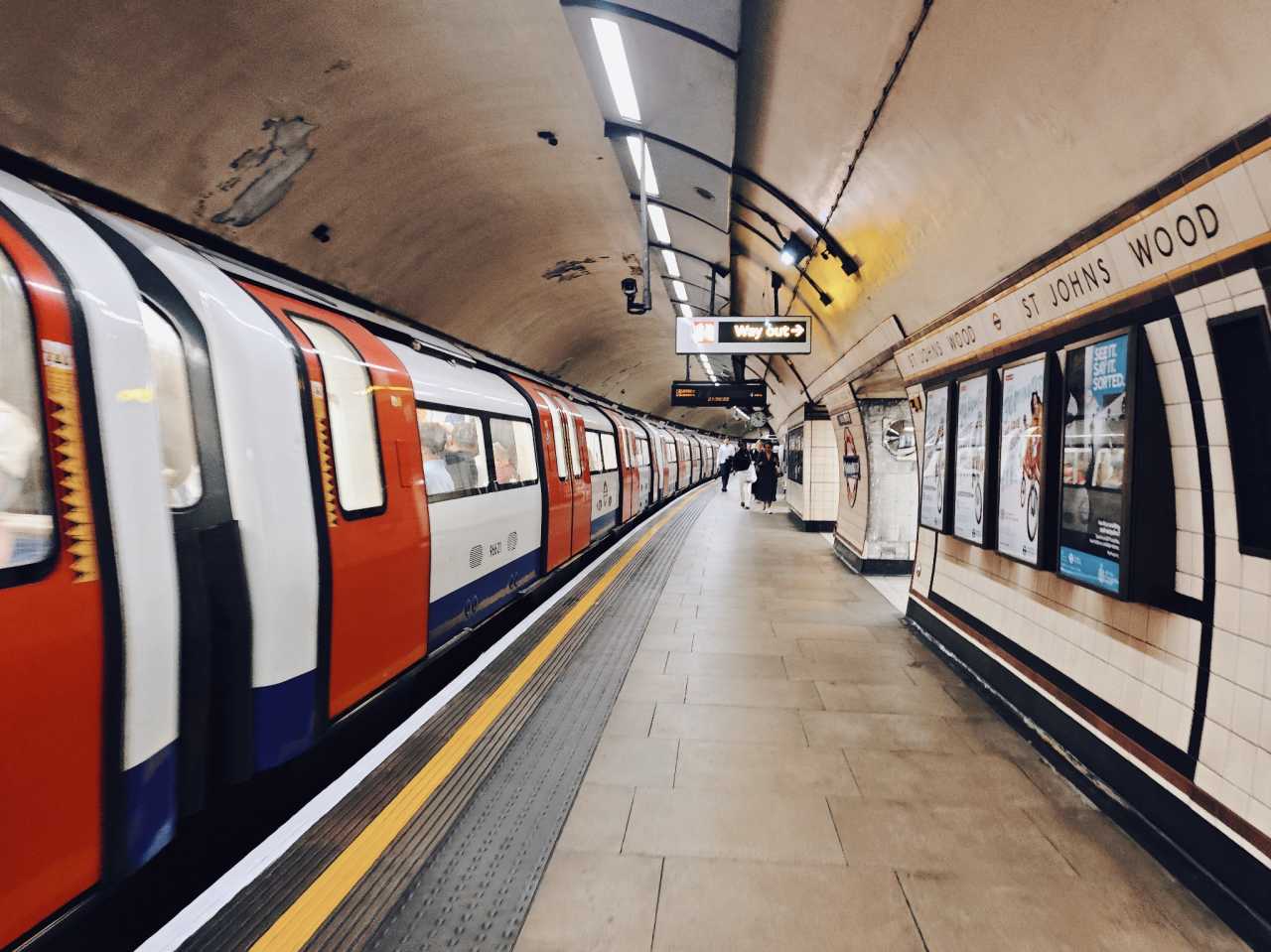
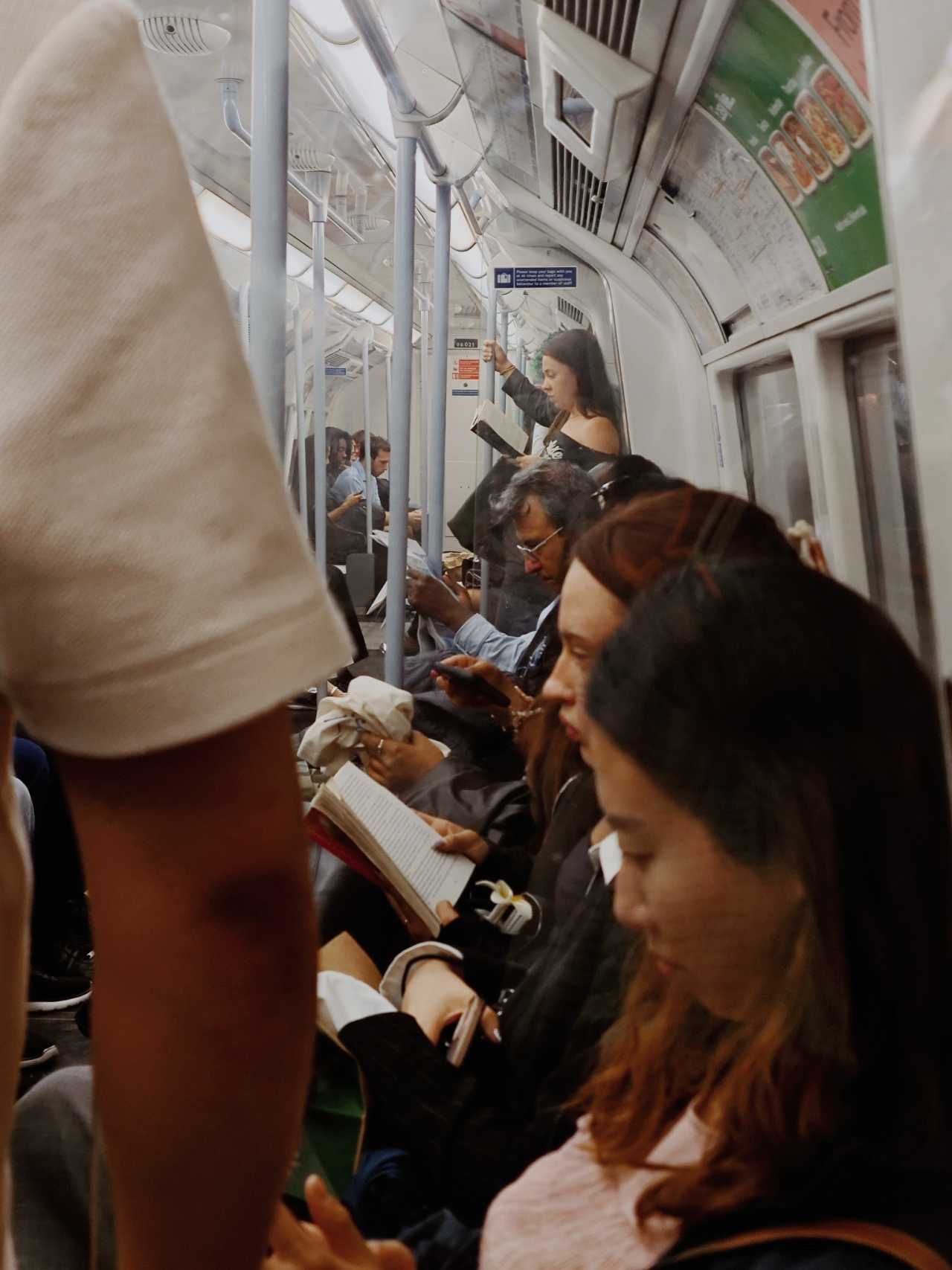
Underground, mobile signal is basically gone—many people bring books to commute.
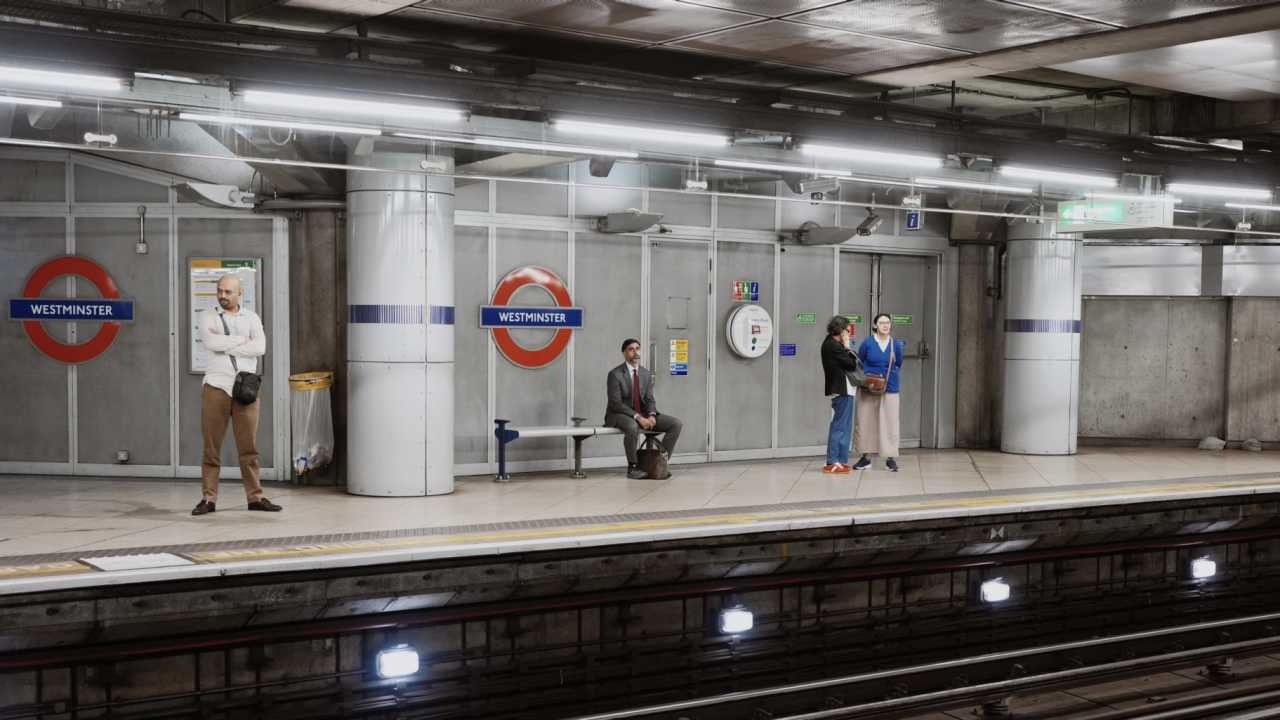
The most cyberpunk station—Westminster—steel and concrete jungle mechanical vibes—very cool ~
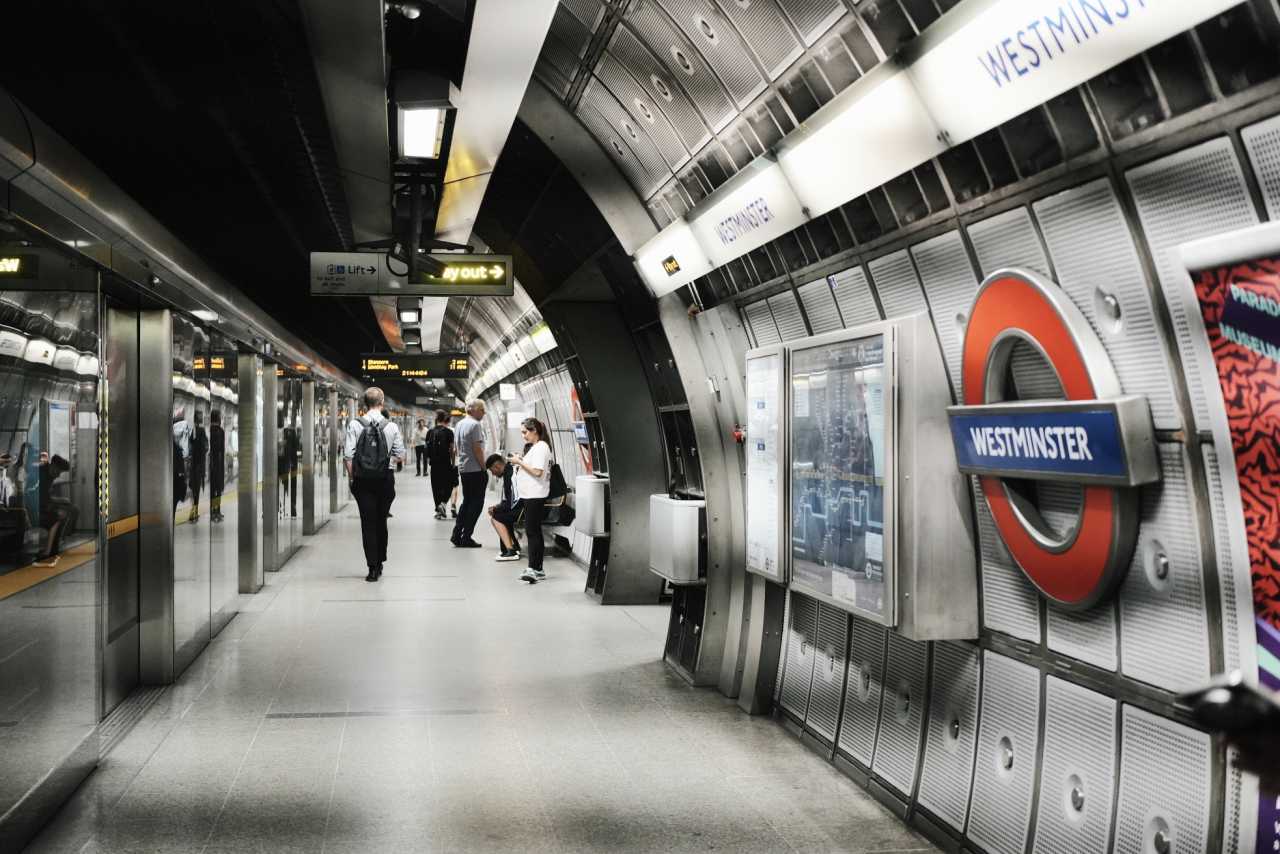
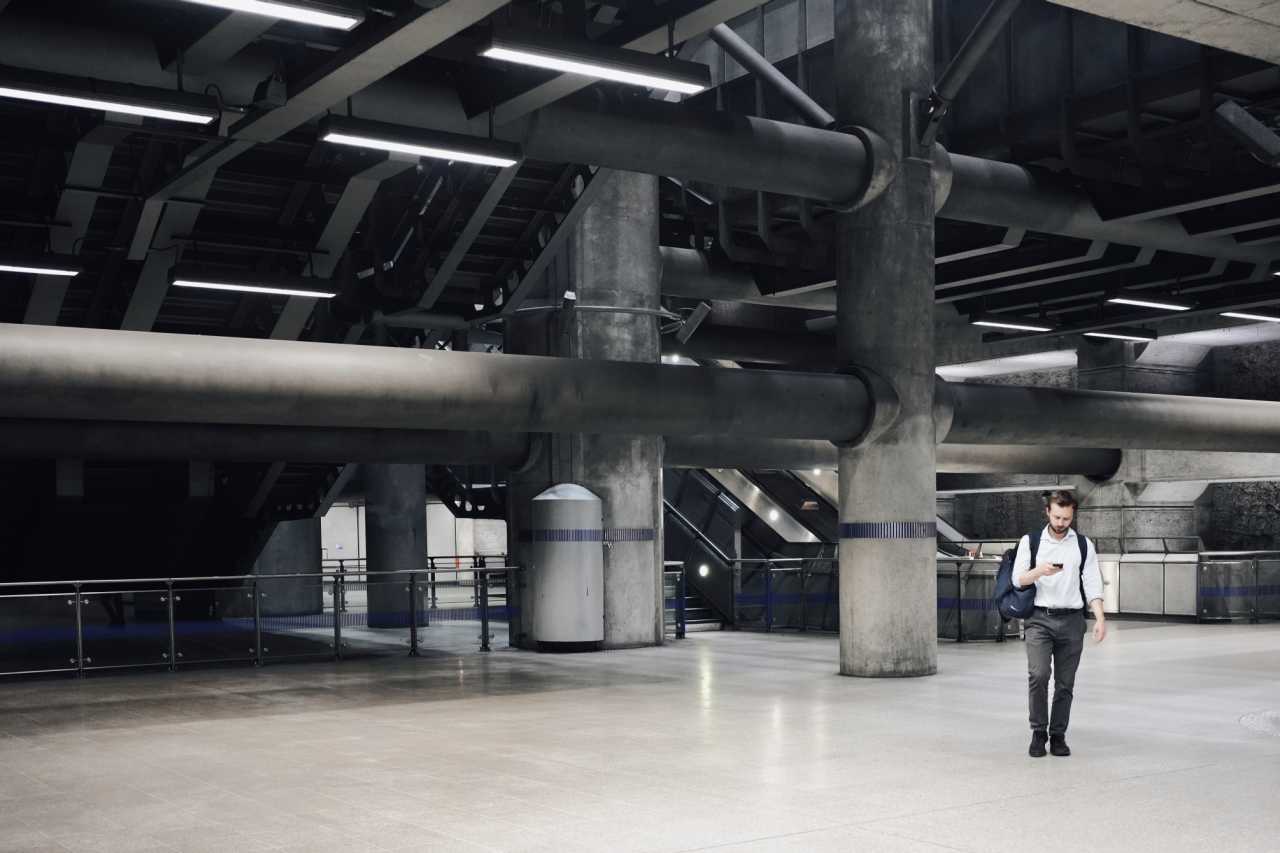
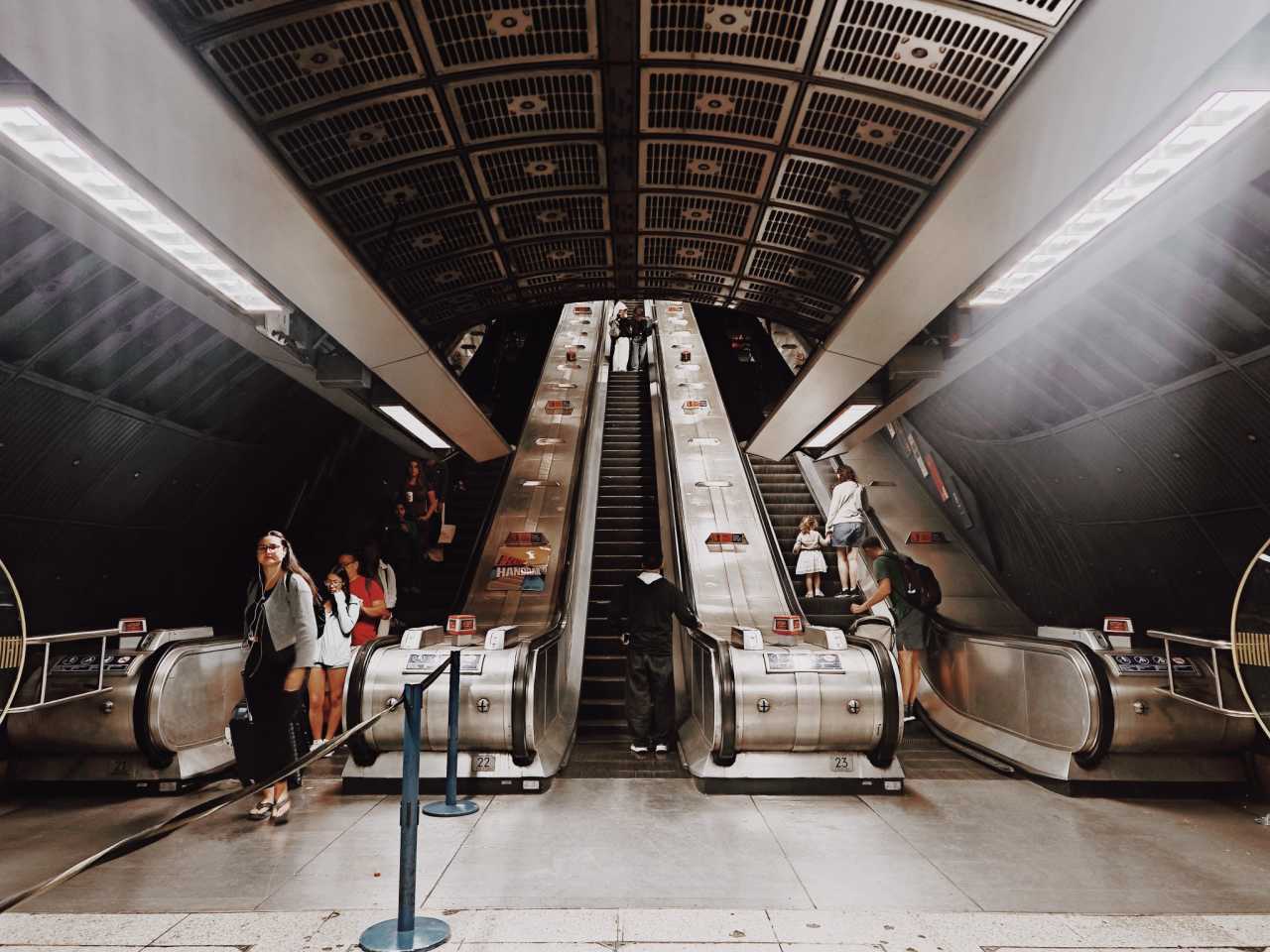
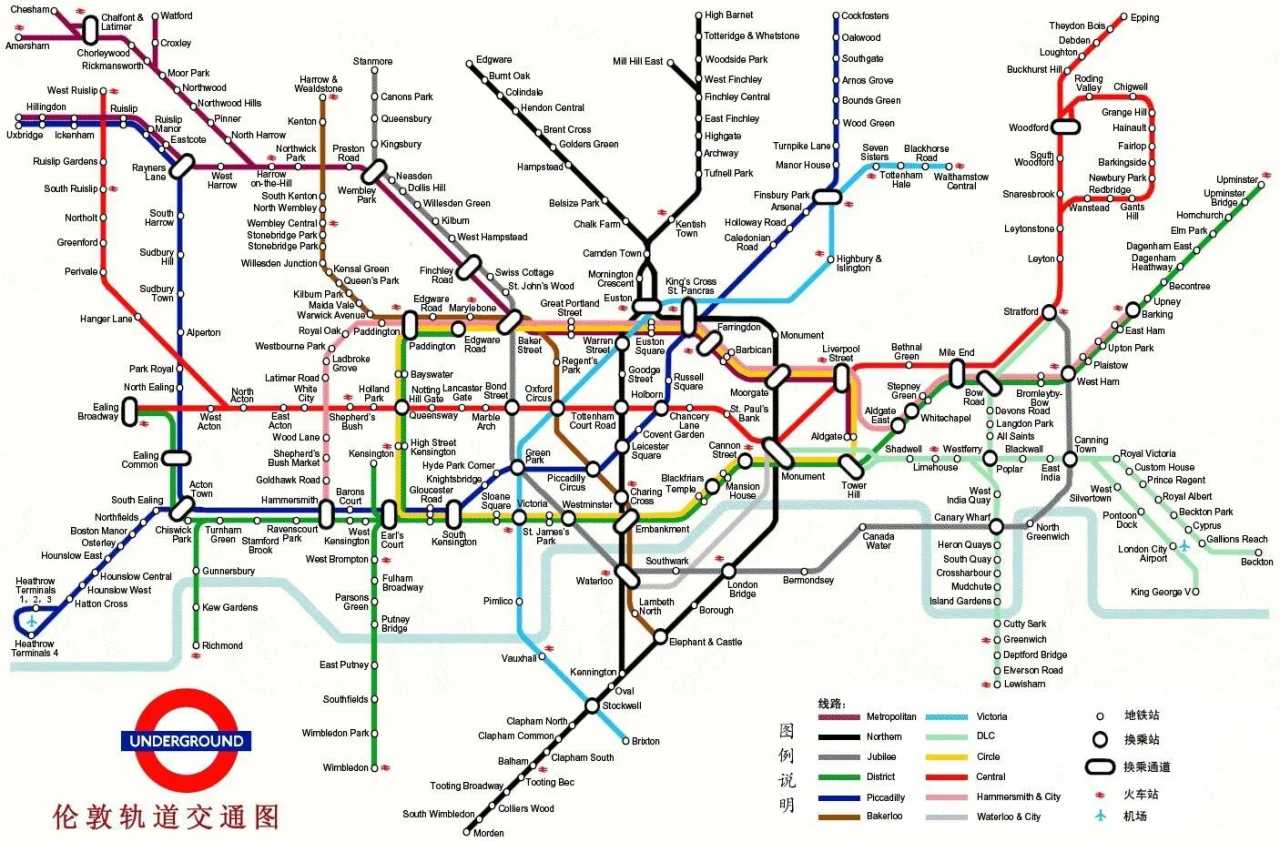
55% of the Underground runs on the surface—quite a share.
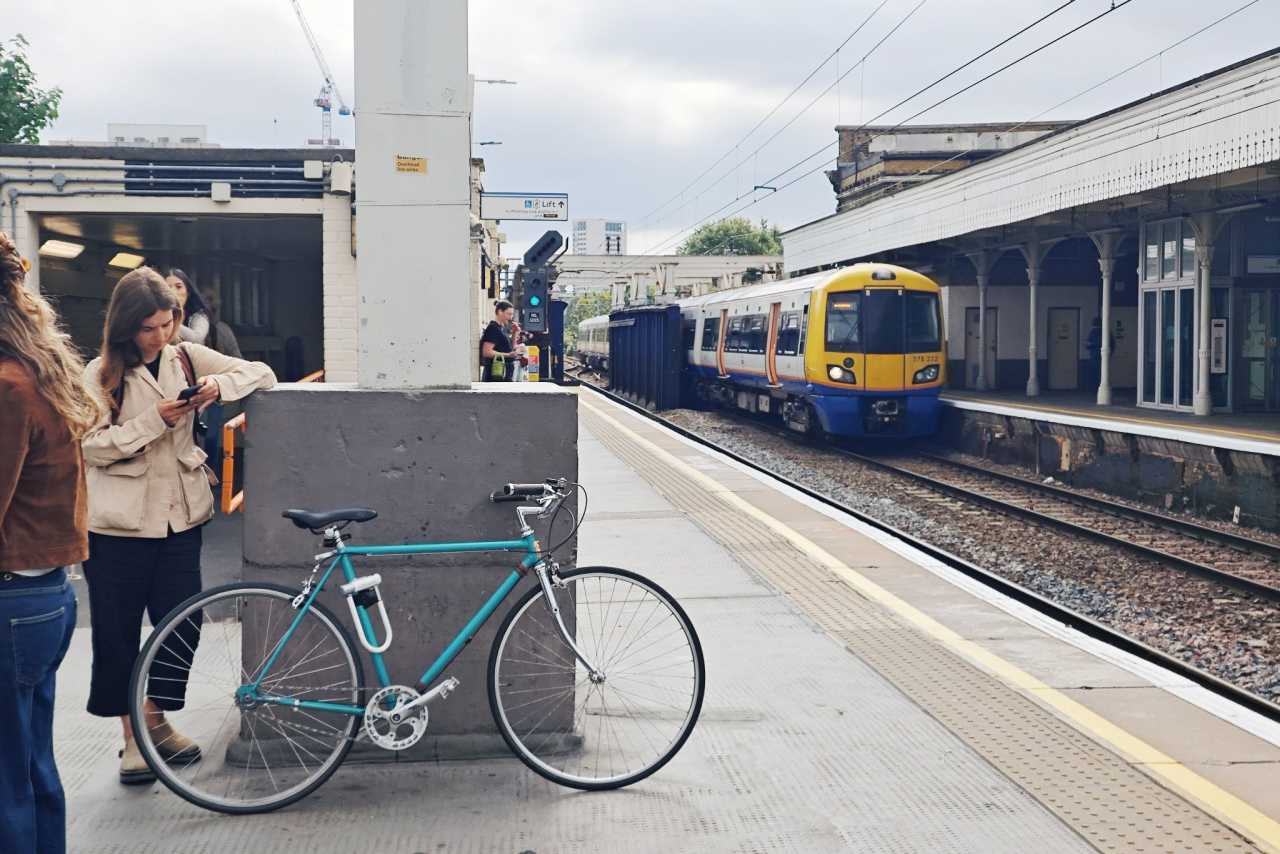
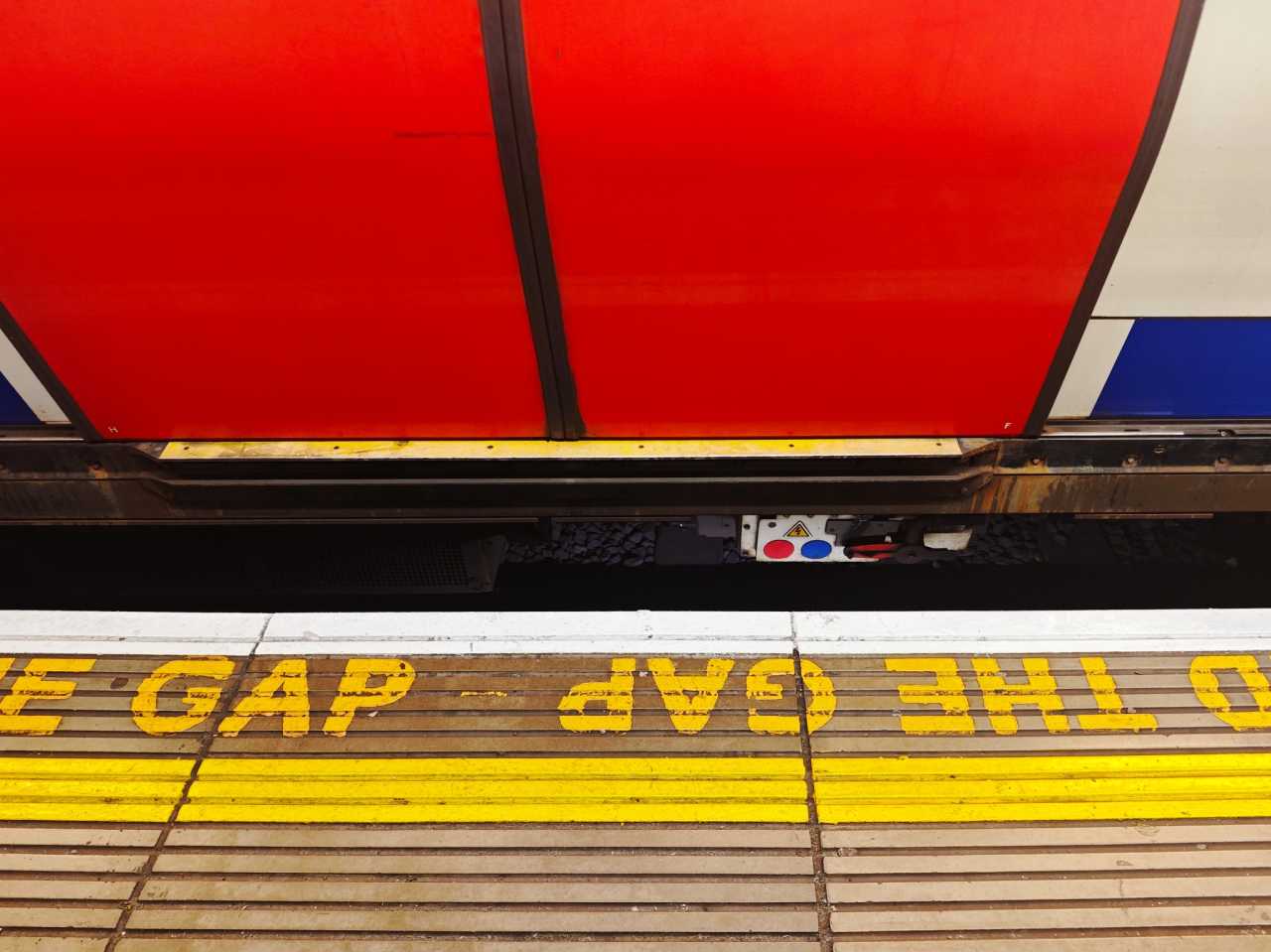
London Underground peculiarity ①: the gap is a real gap—mind it!
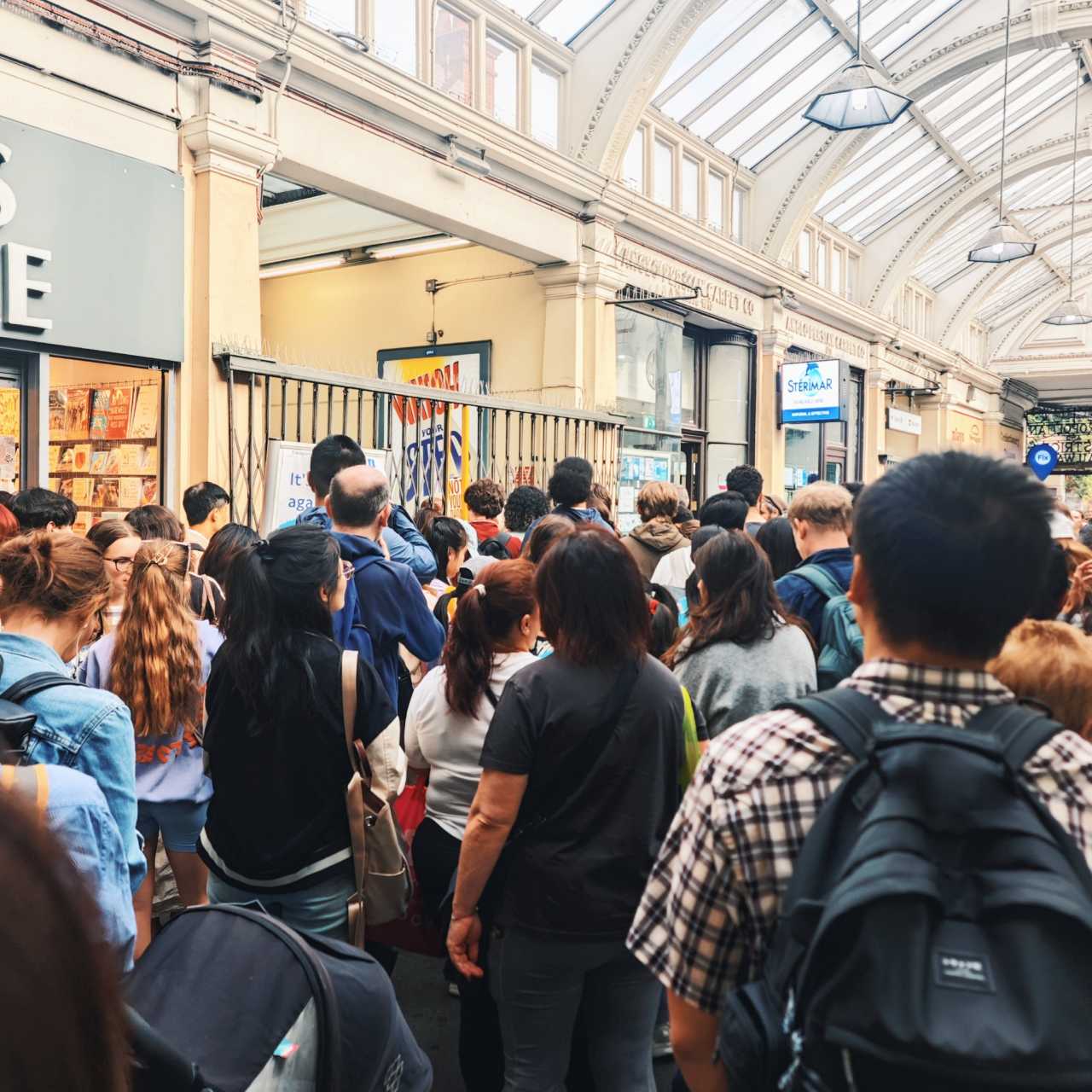
London Underground peculiarity ②: perhaps due to maintenance or crowd limits, we experienced being kept outside the iron gates. At first worried it was a strike—would complicate getting back. Fortunately it reopened soon.
London’s Streets
Piccadilly, ***, and Mayfair—prosperous commercial streets worth strolling; night scenes are charming.
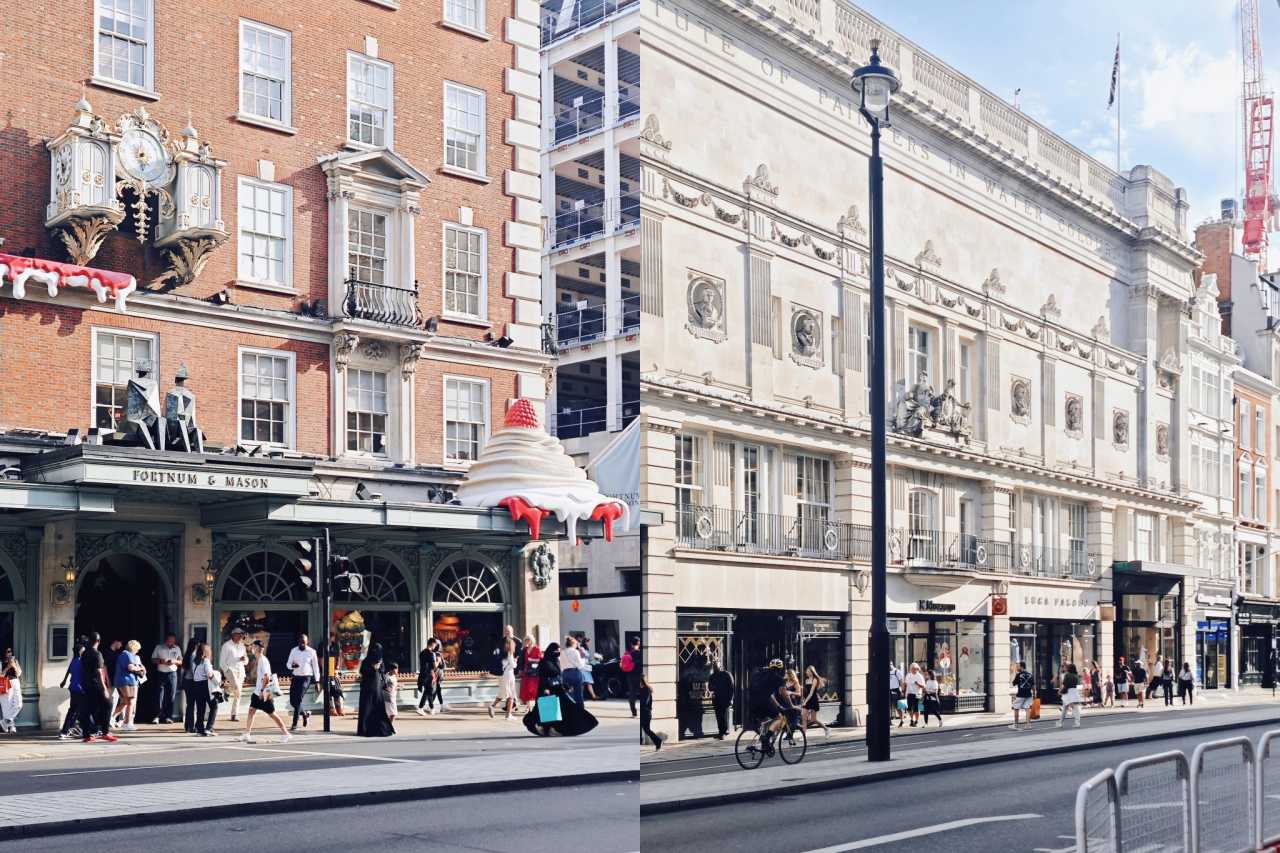
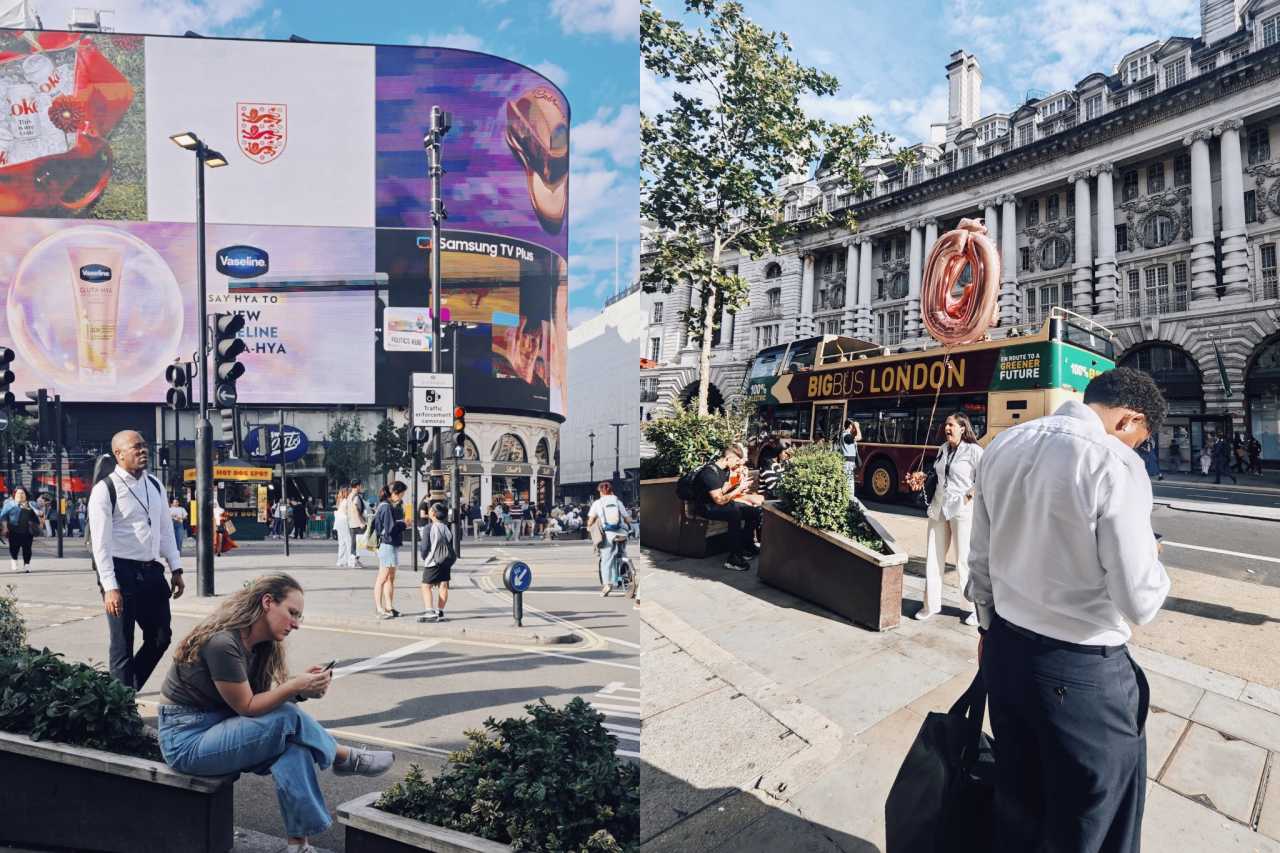
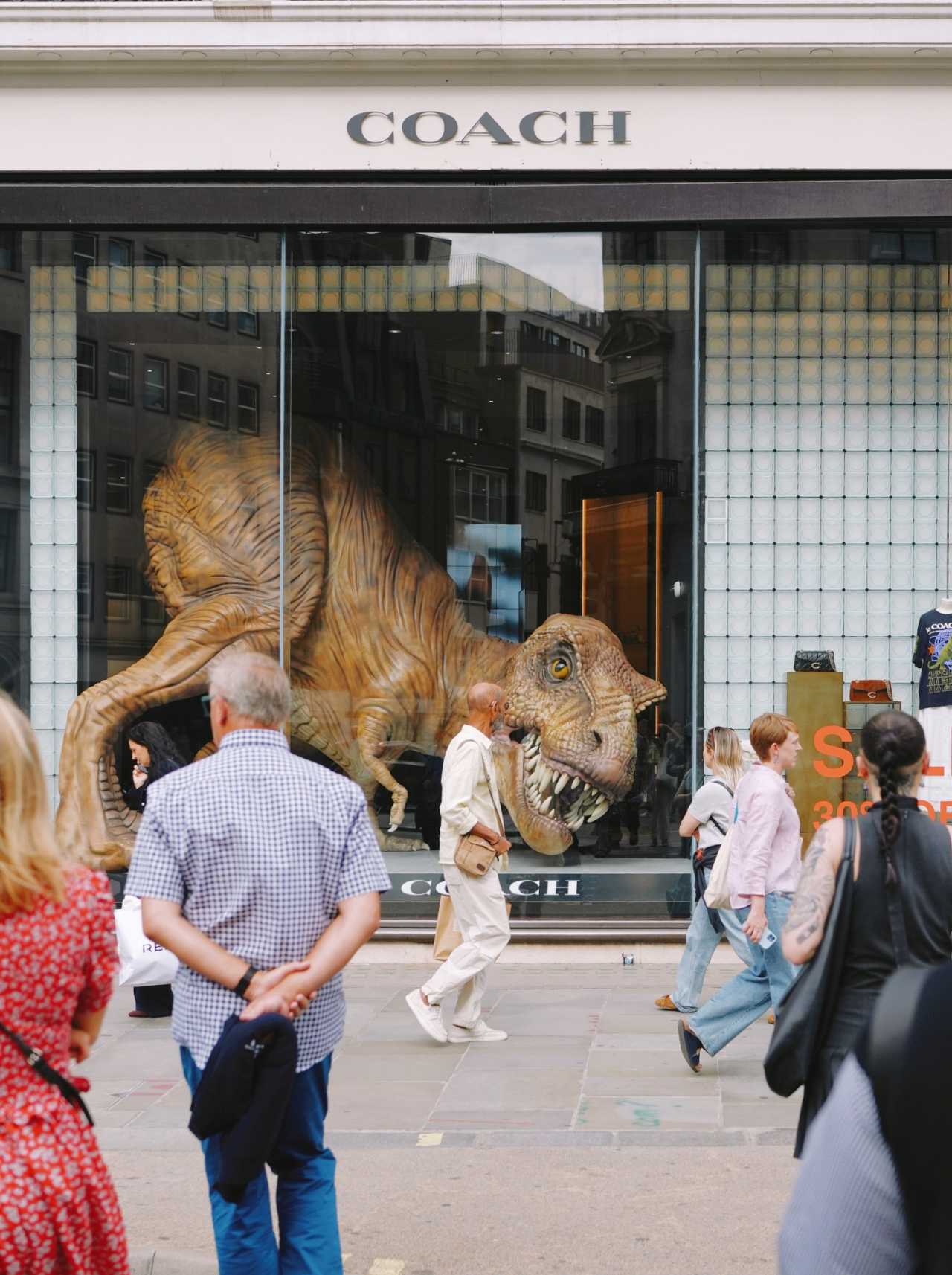
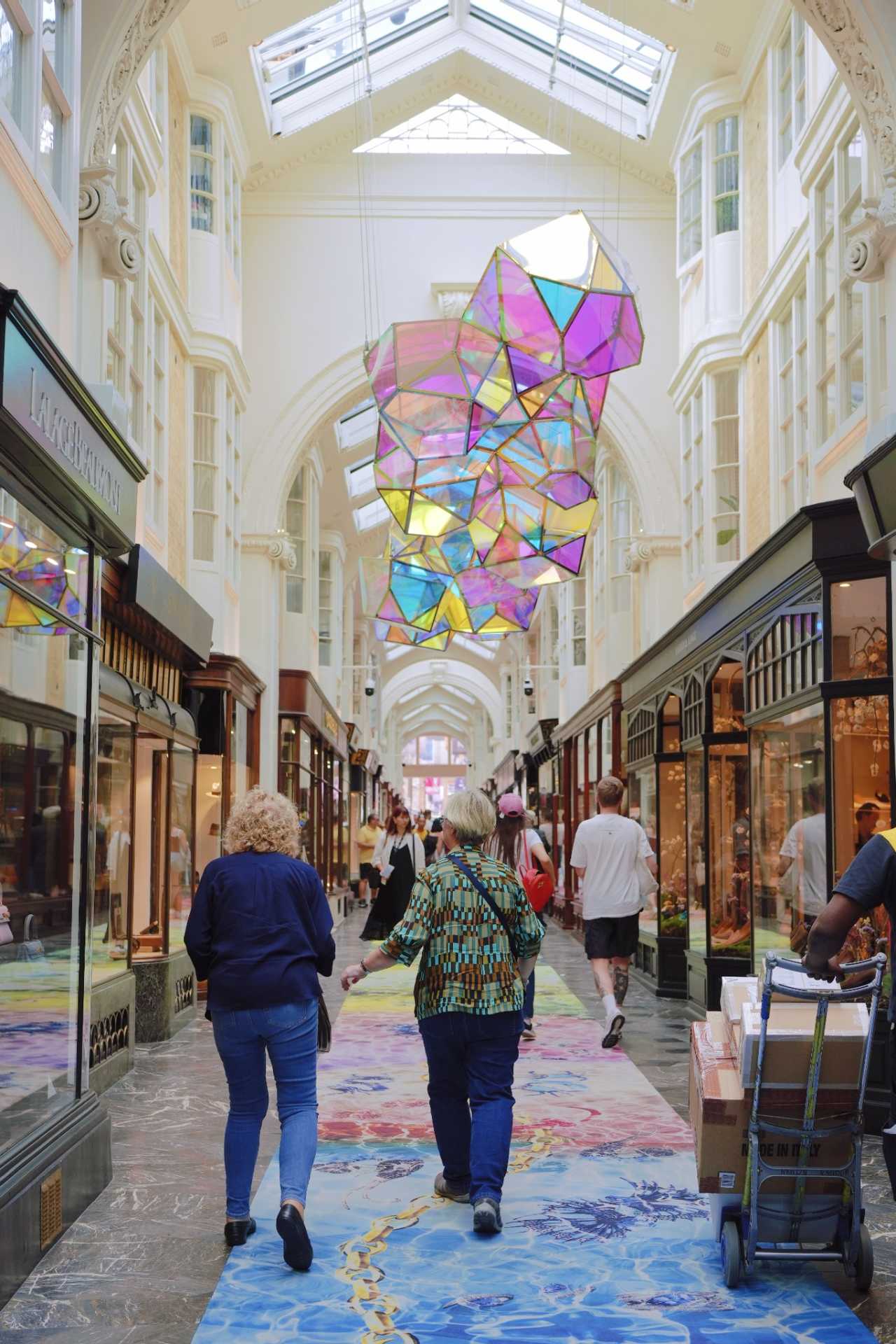
Since 1819, London’s oldest and longest luxury shopping arcade—Burlington Arcade.
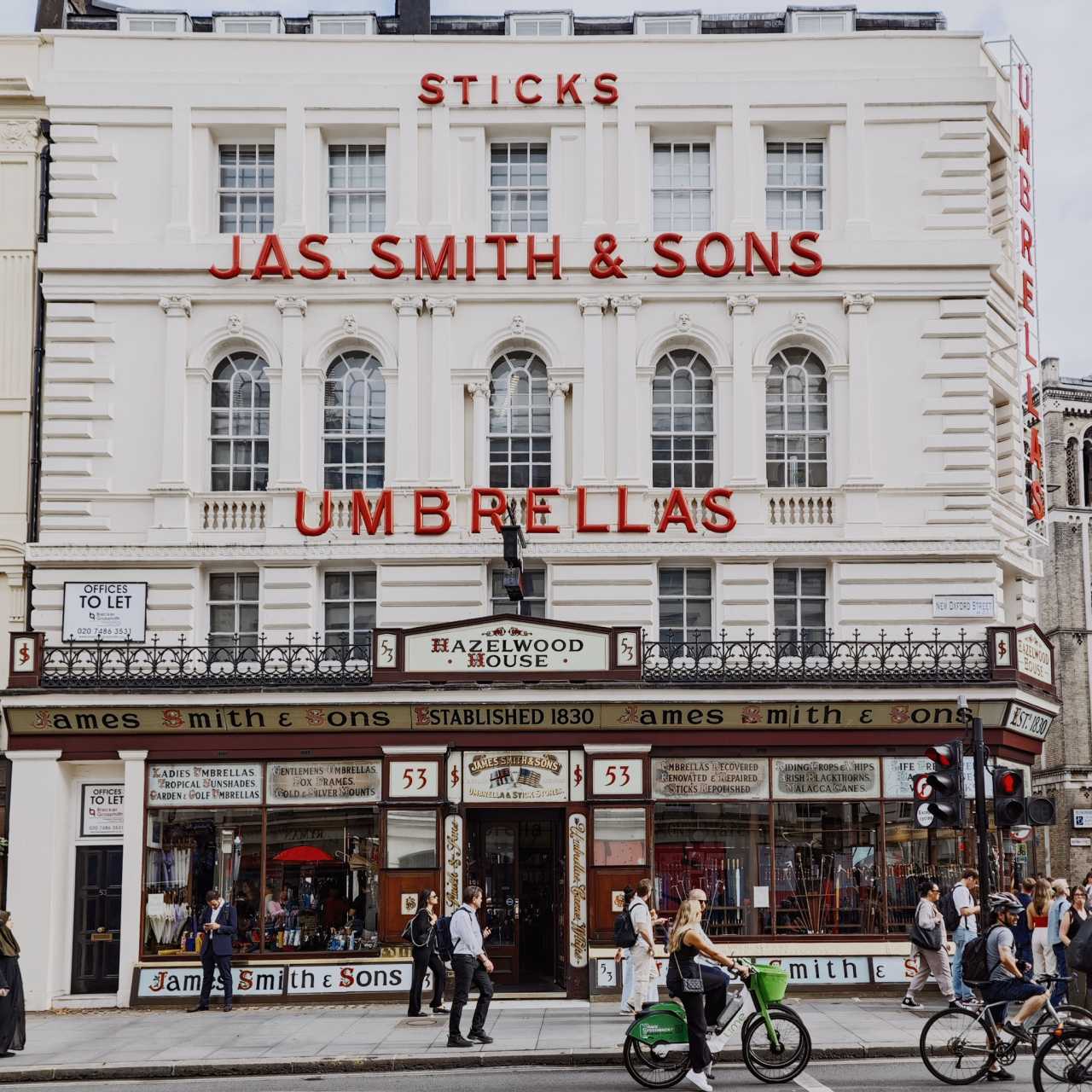
Vintage umbrella shop near the British Museum.
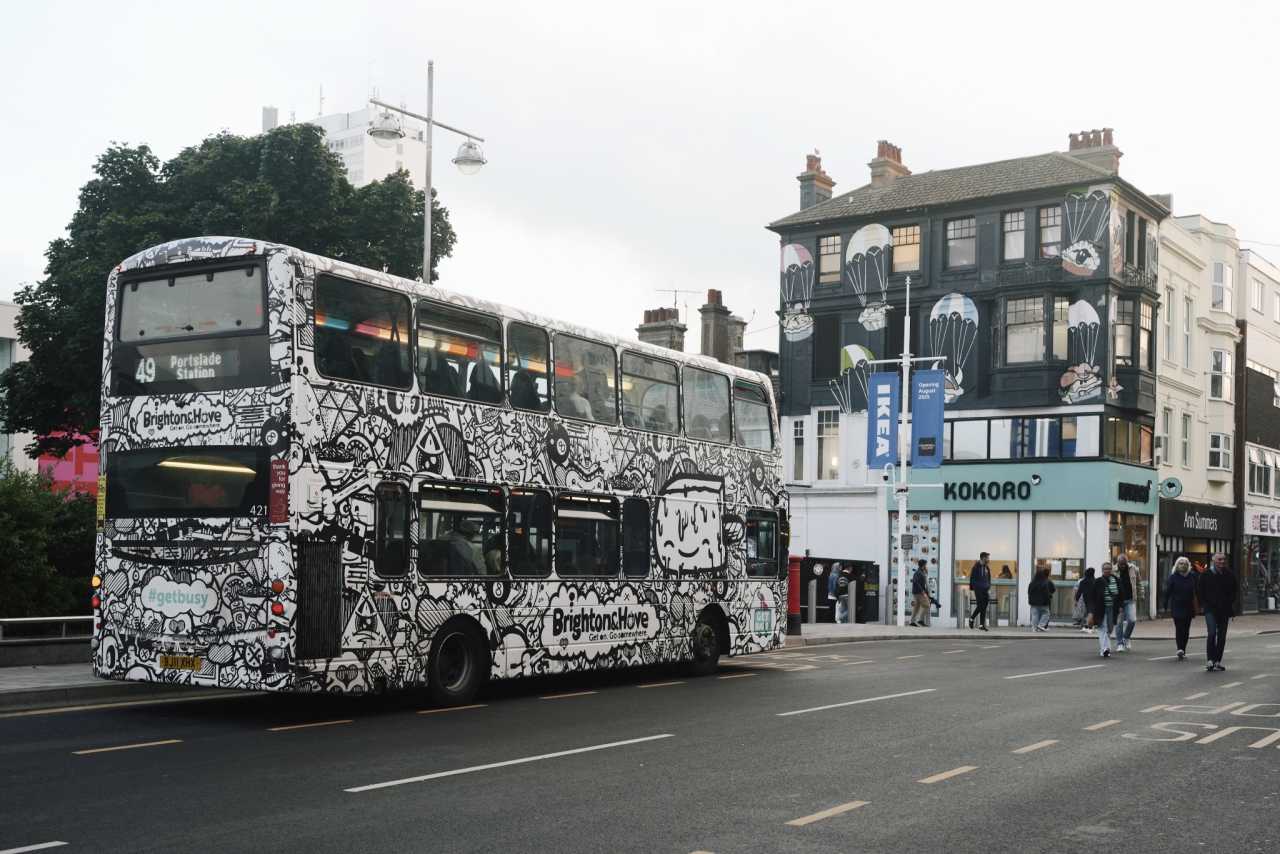
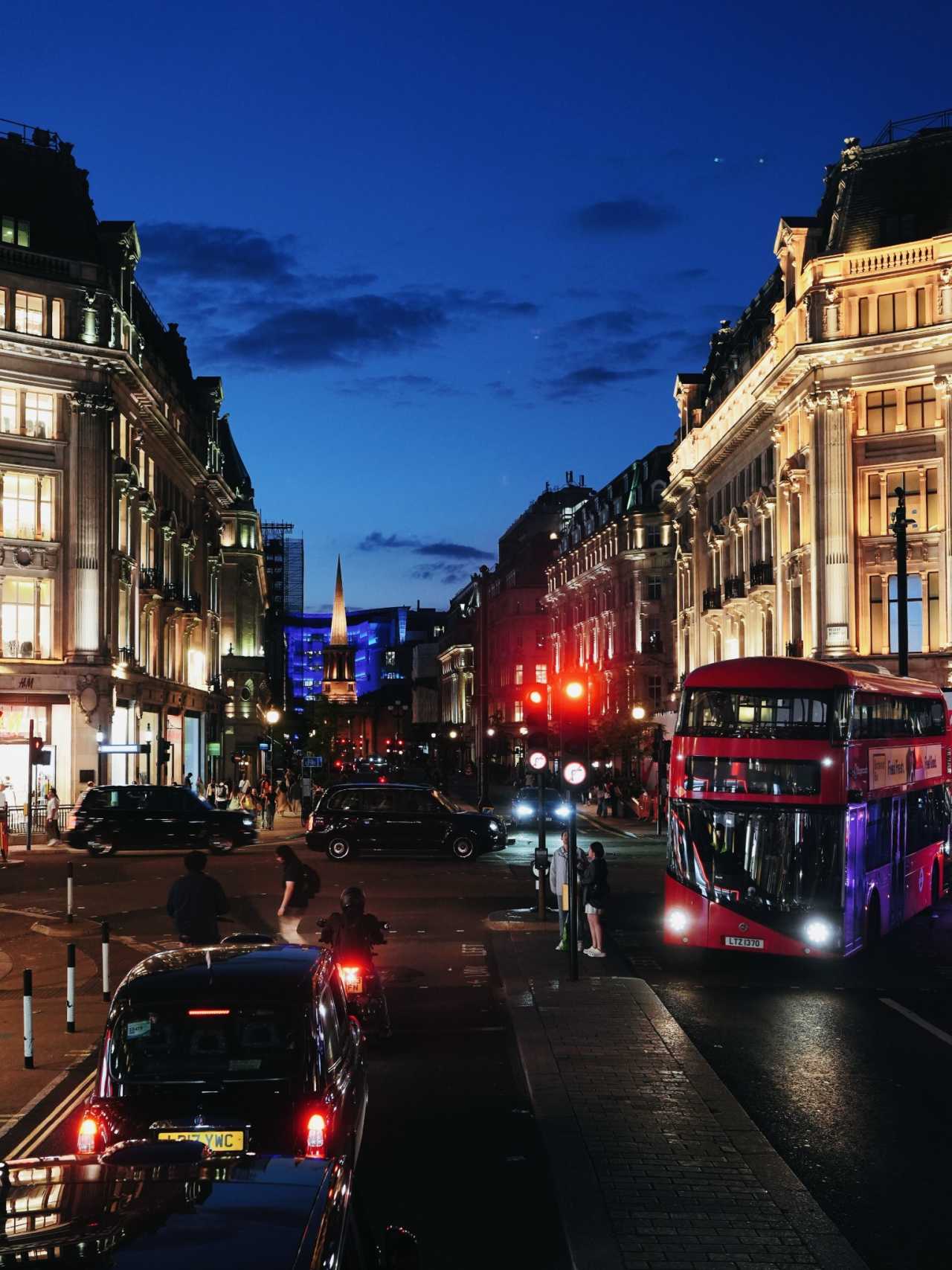
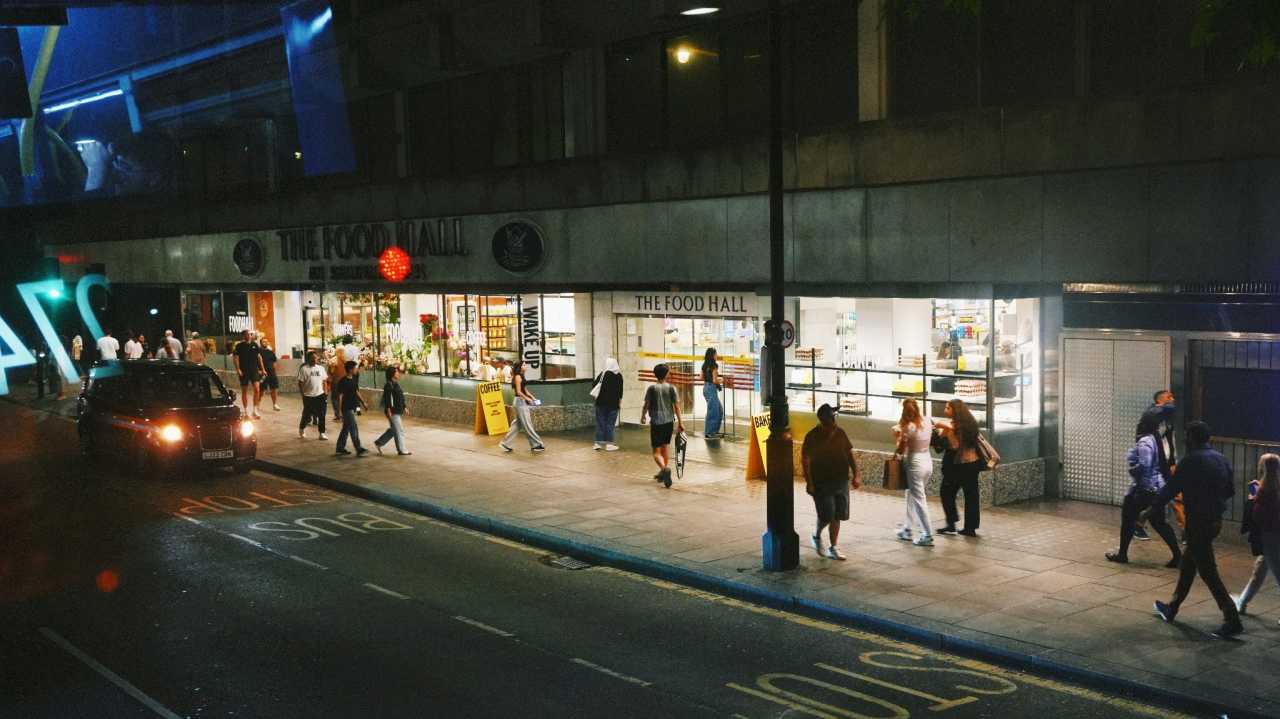
Double-decker bus second-floor view at dusk.

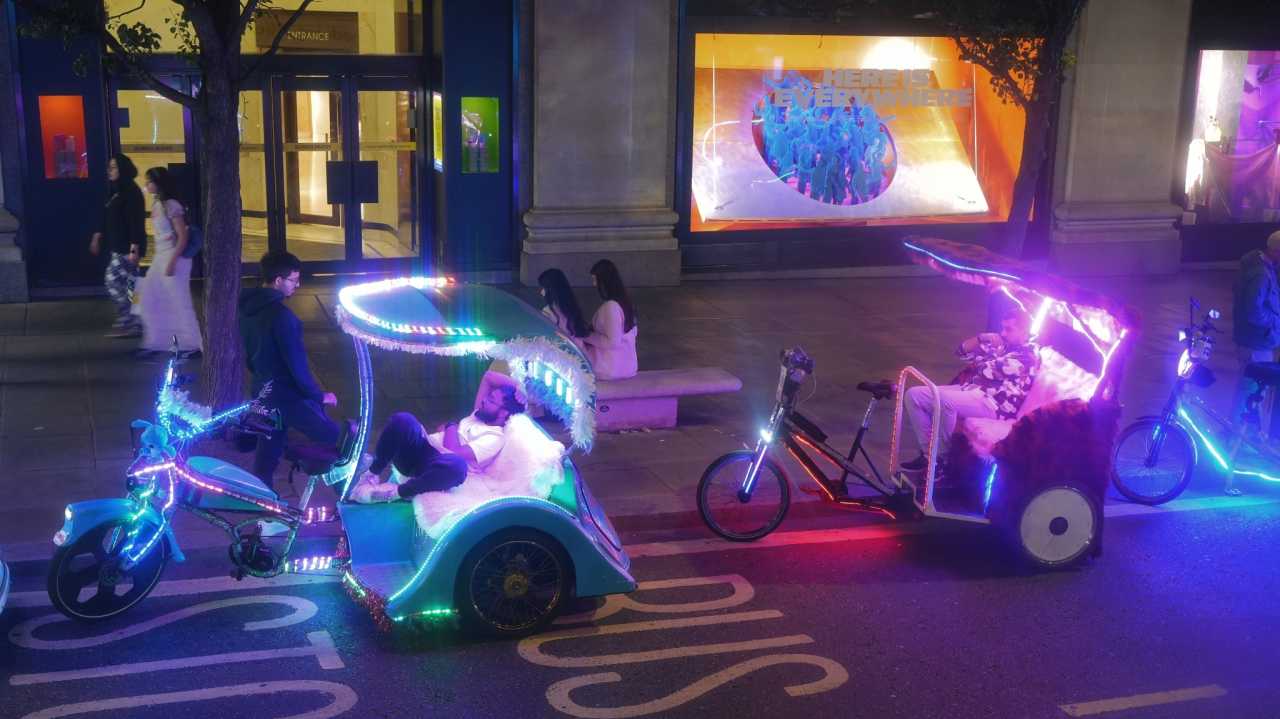
Sky-high, flashy pedal rickshaws—huge speakers—haha, better not ride.
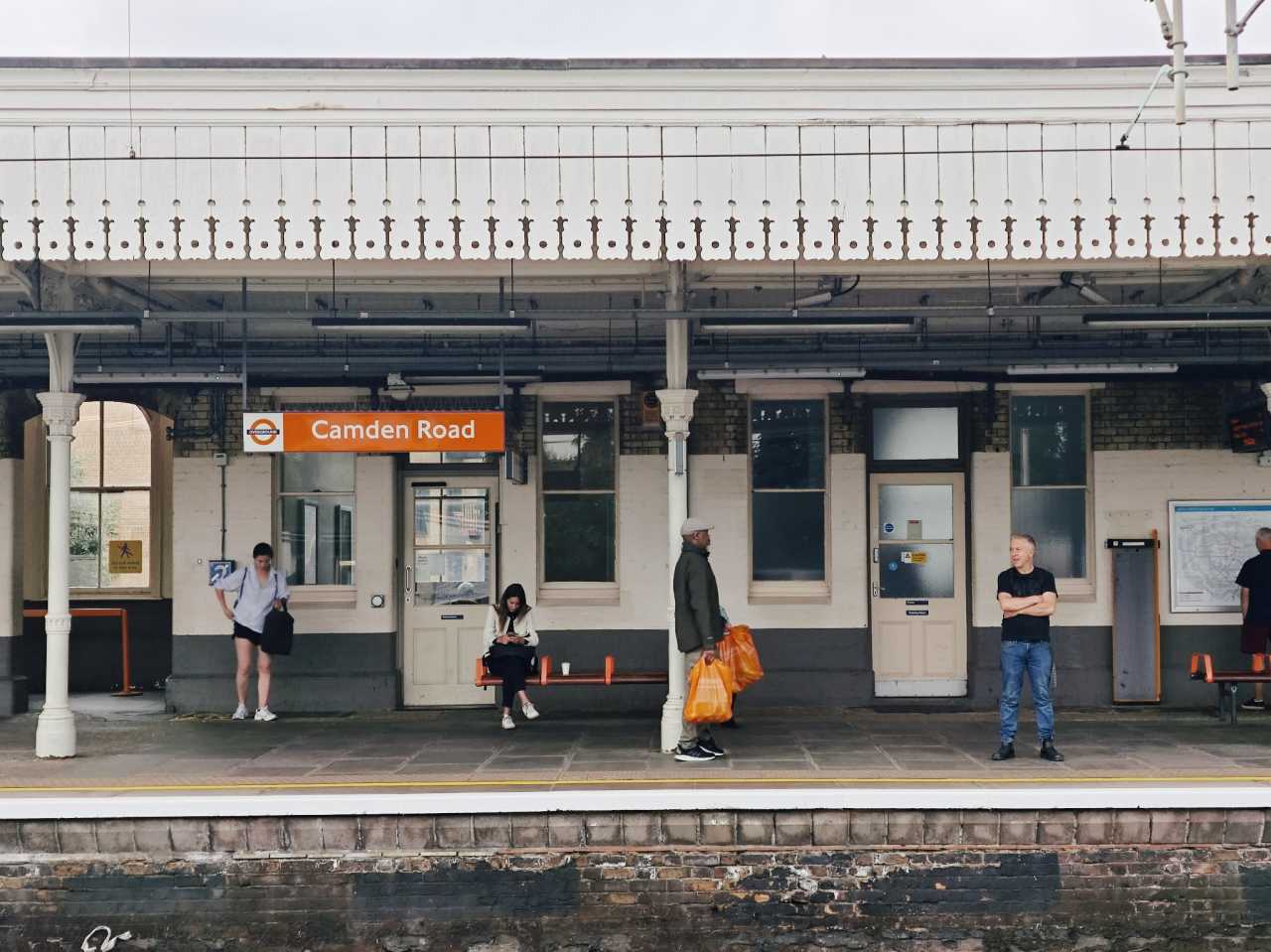
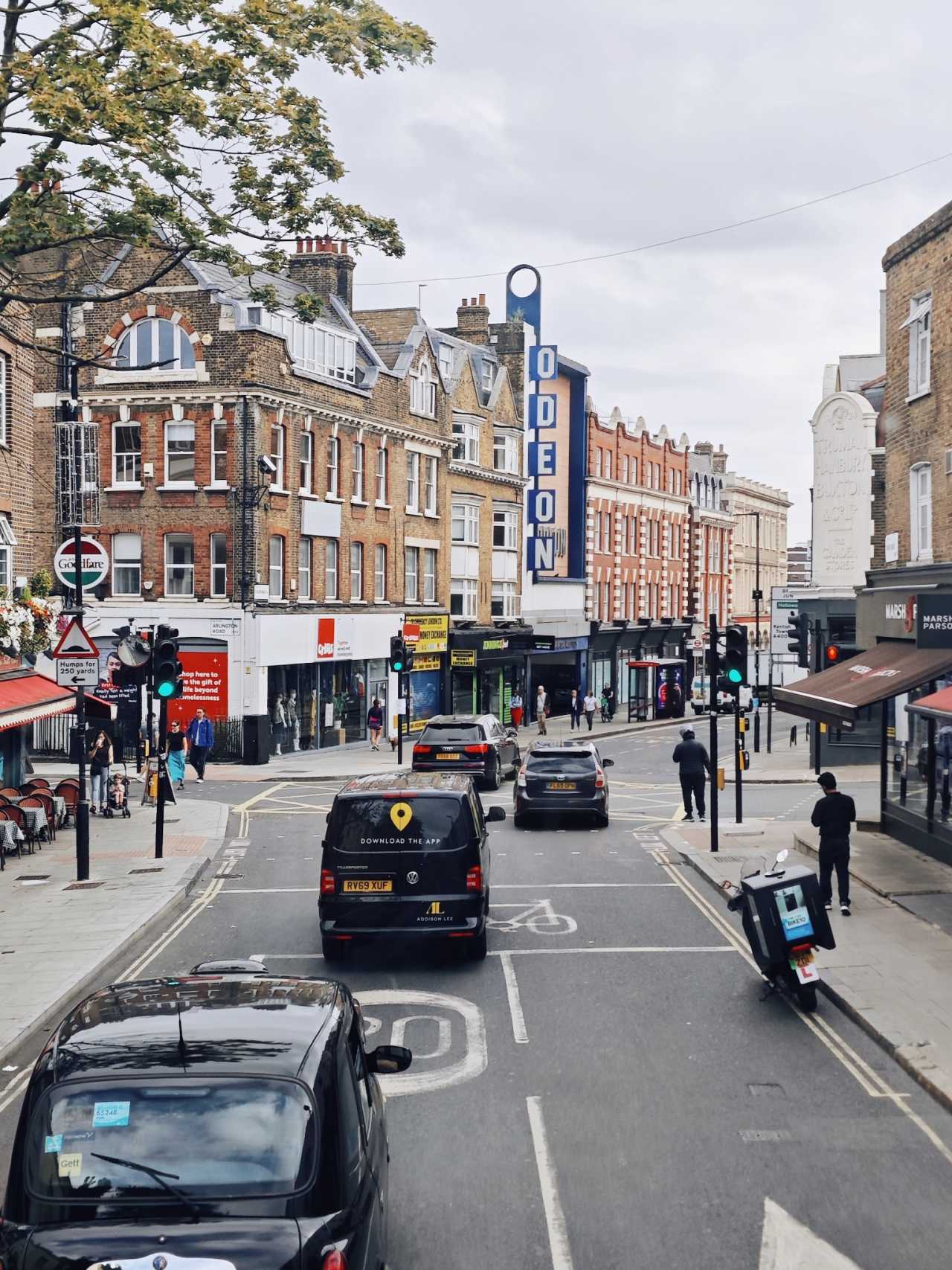
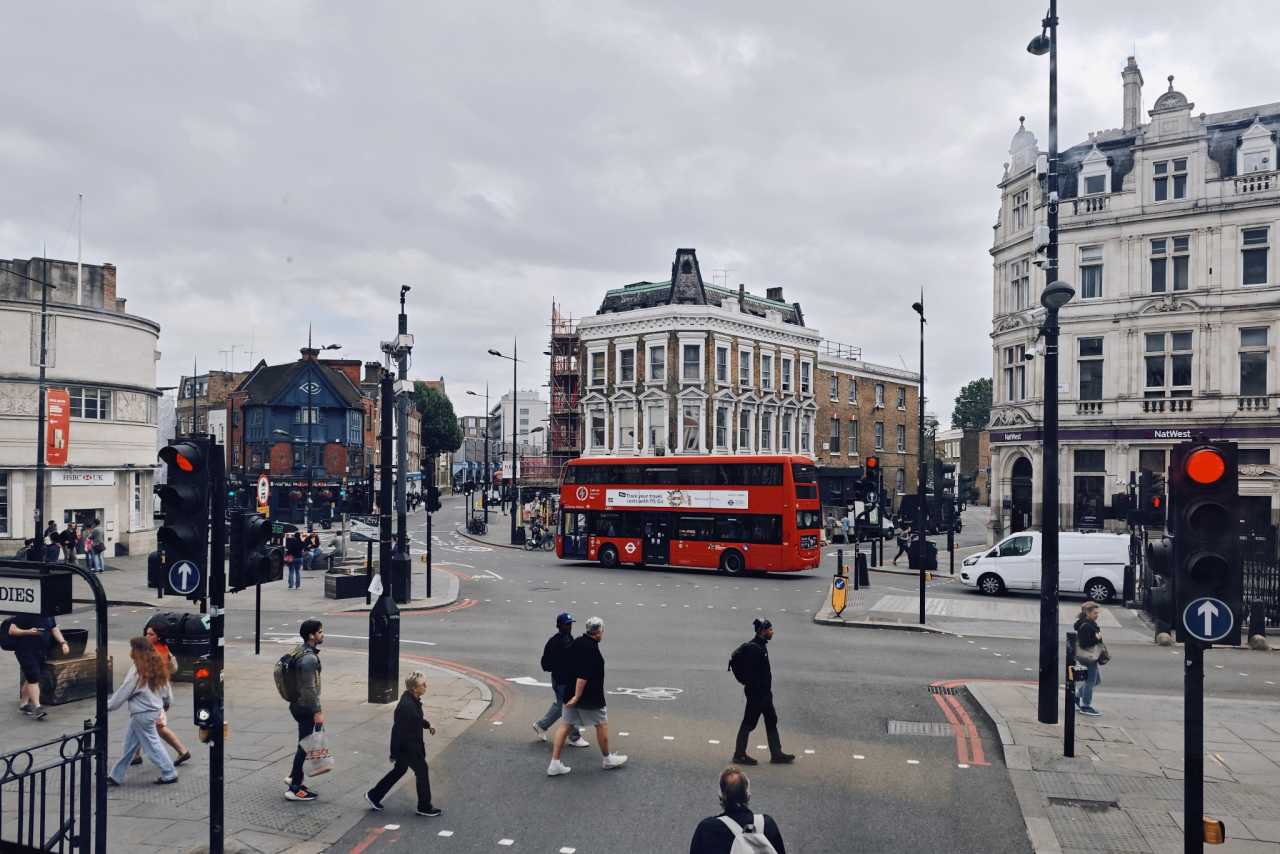
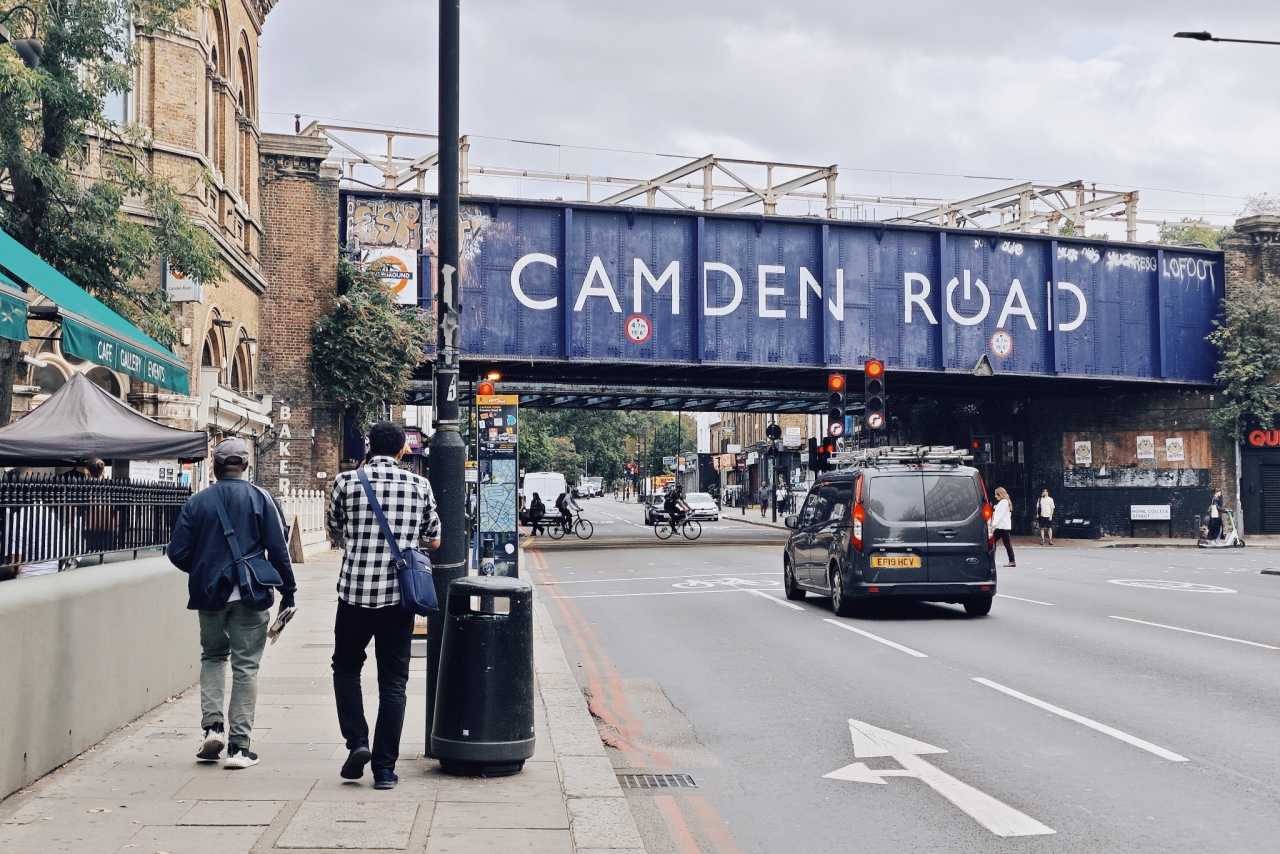
Passing Camden by bus—the street scenes are vivid.
London’s Parks
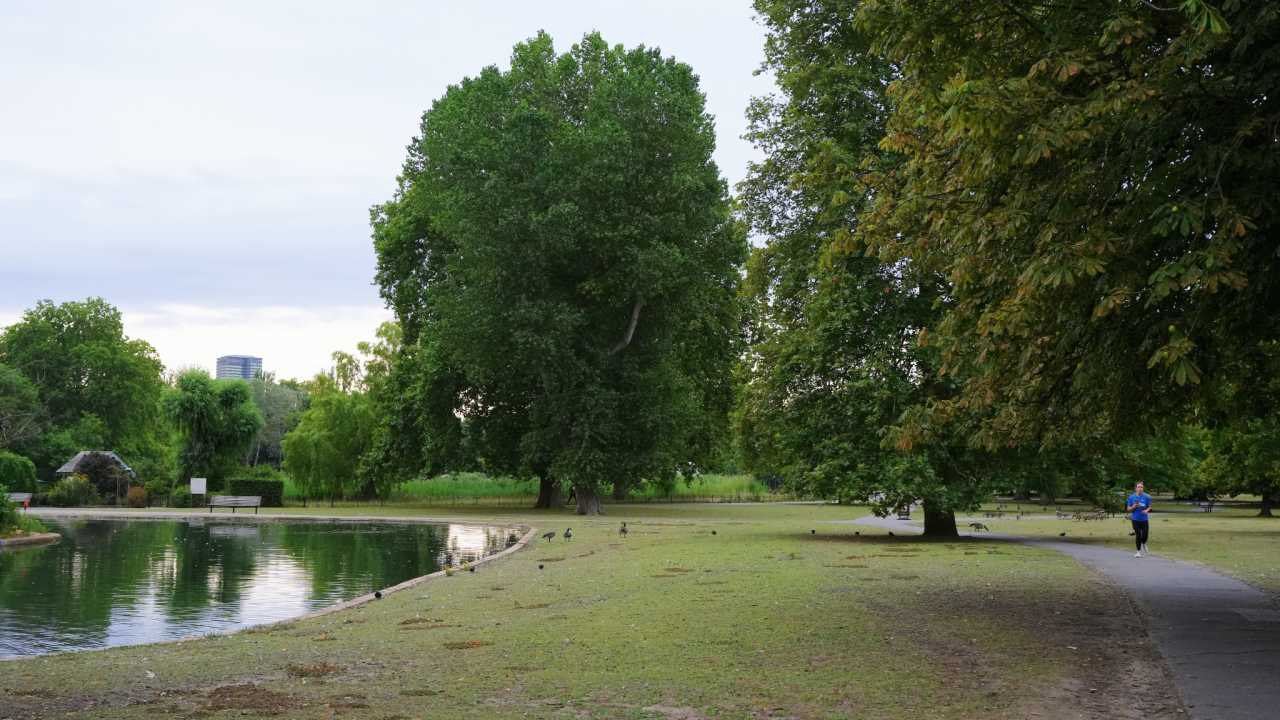
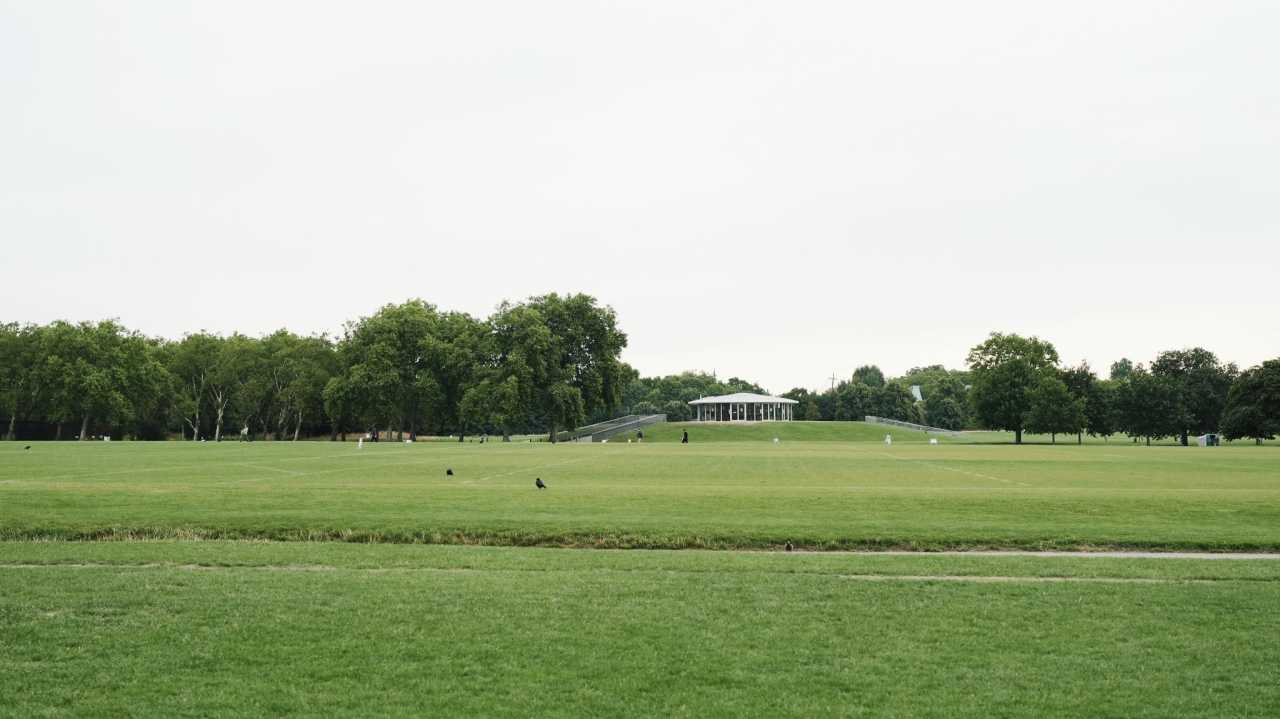
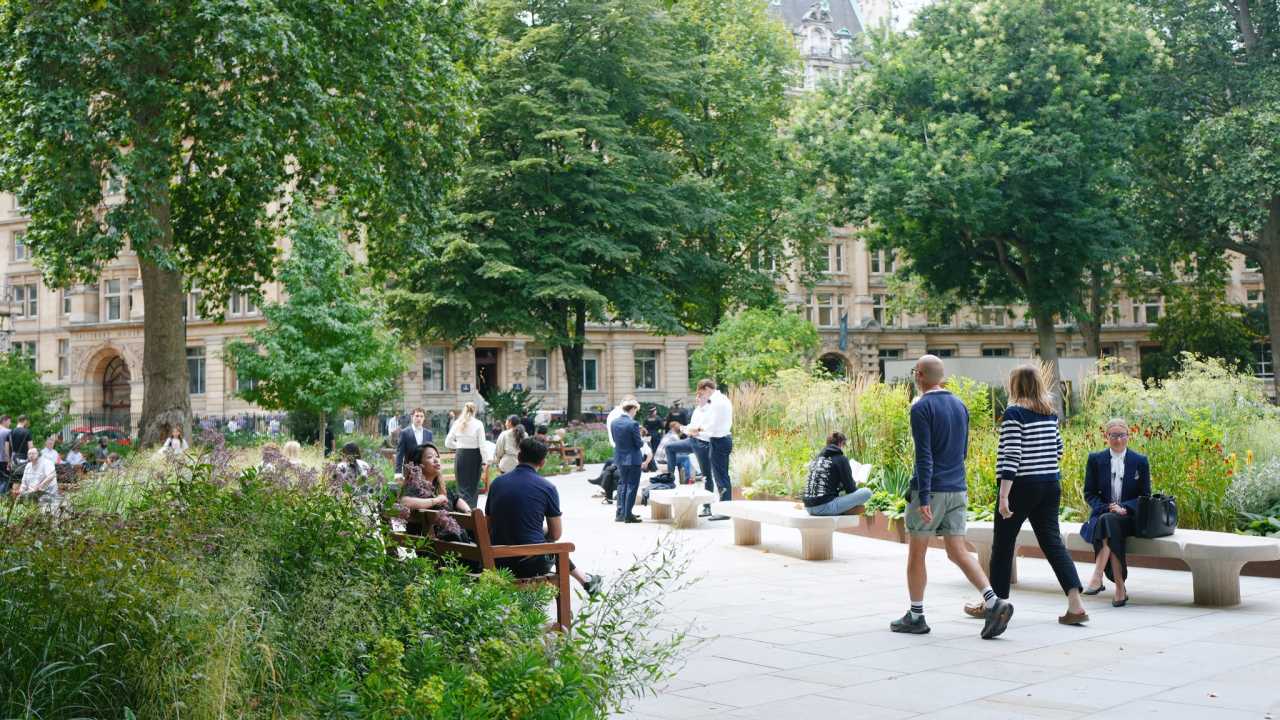
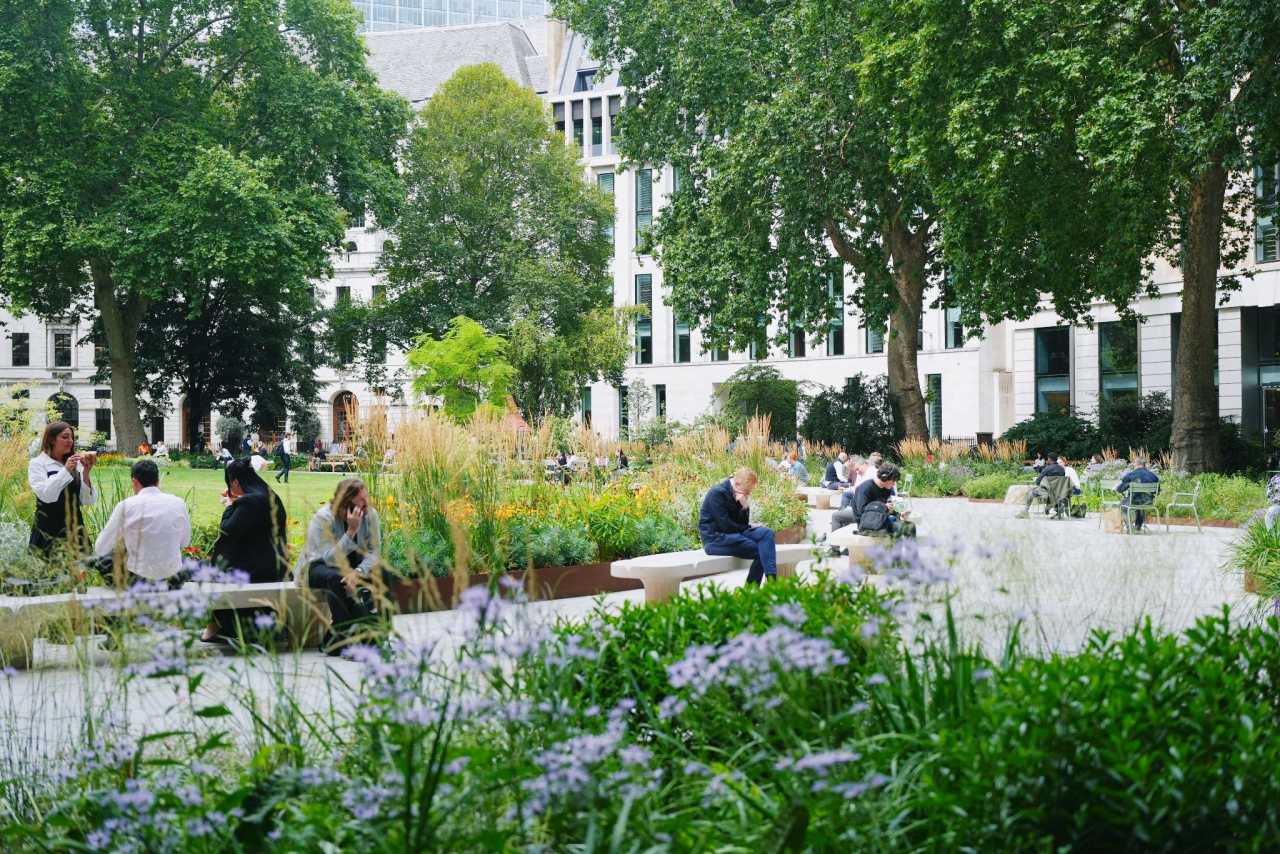
UK parks left a deep impression: in such an international metropolis, it has wild-like large parks—natural environments without excessive design. Dense small parks with towering trees in the city let people enjoy nature anytime. At lunchtime, parks fill with “cattle and horses” enjoying meals—yes, this “workhorse” envies the relaxation. 
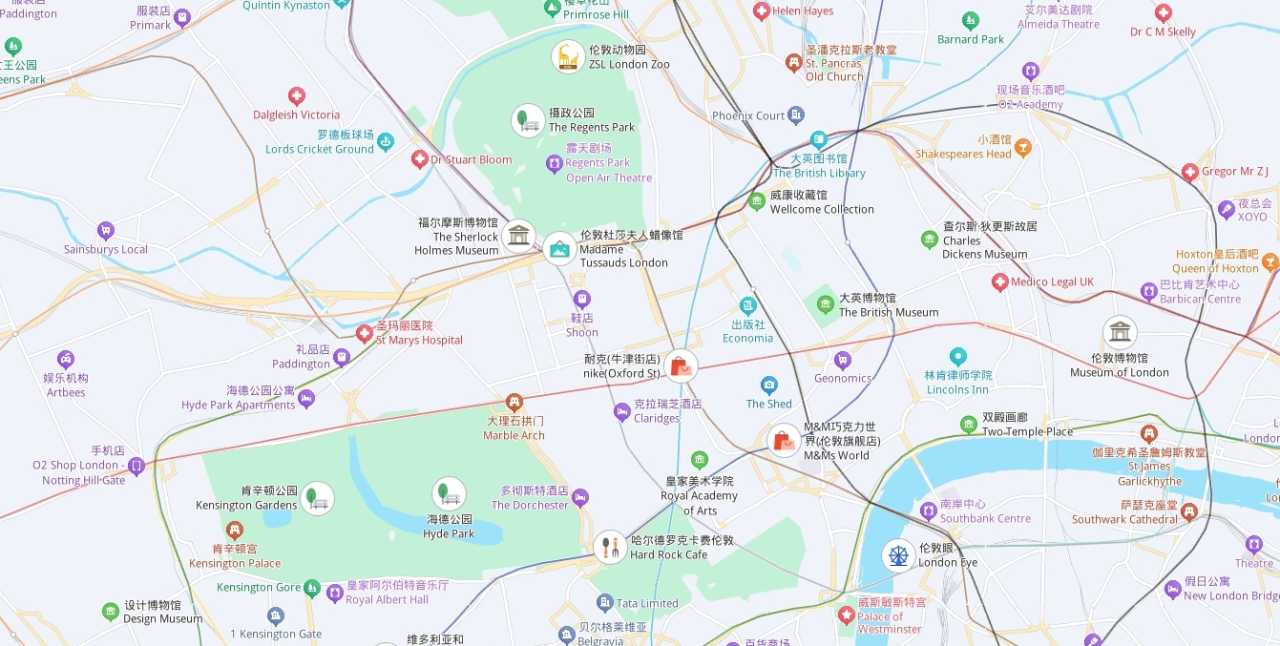
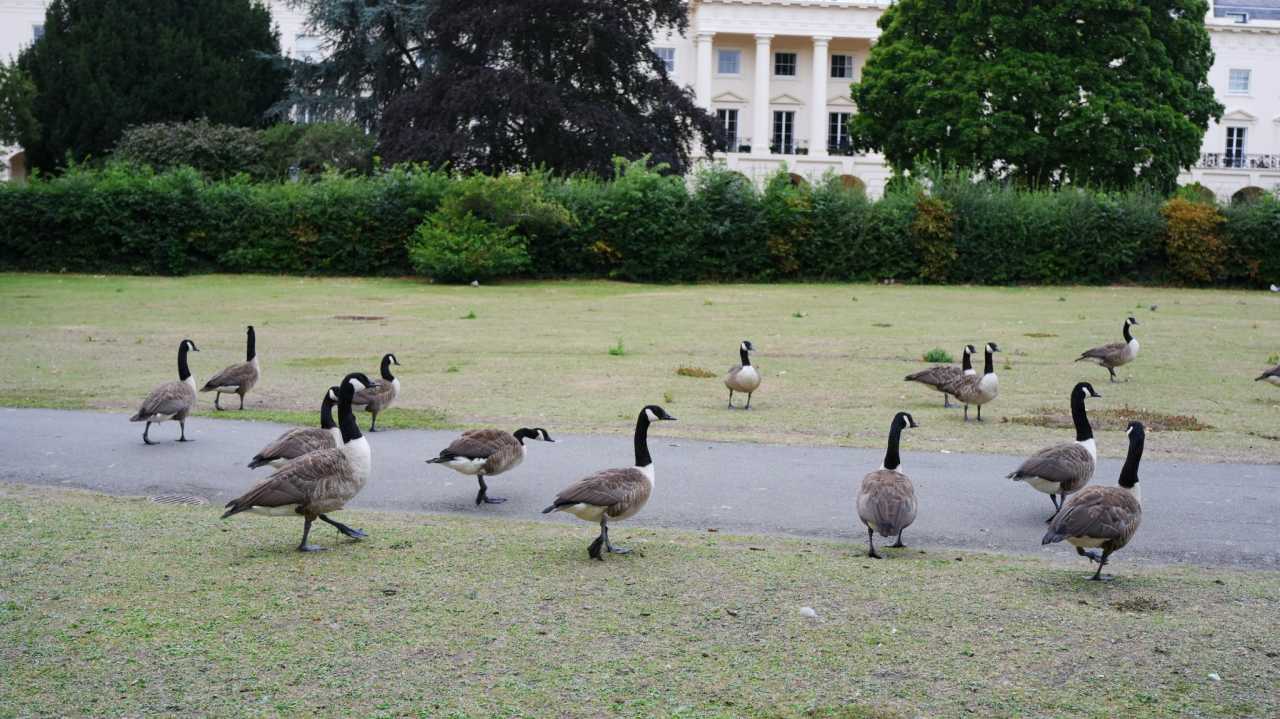
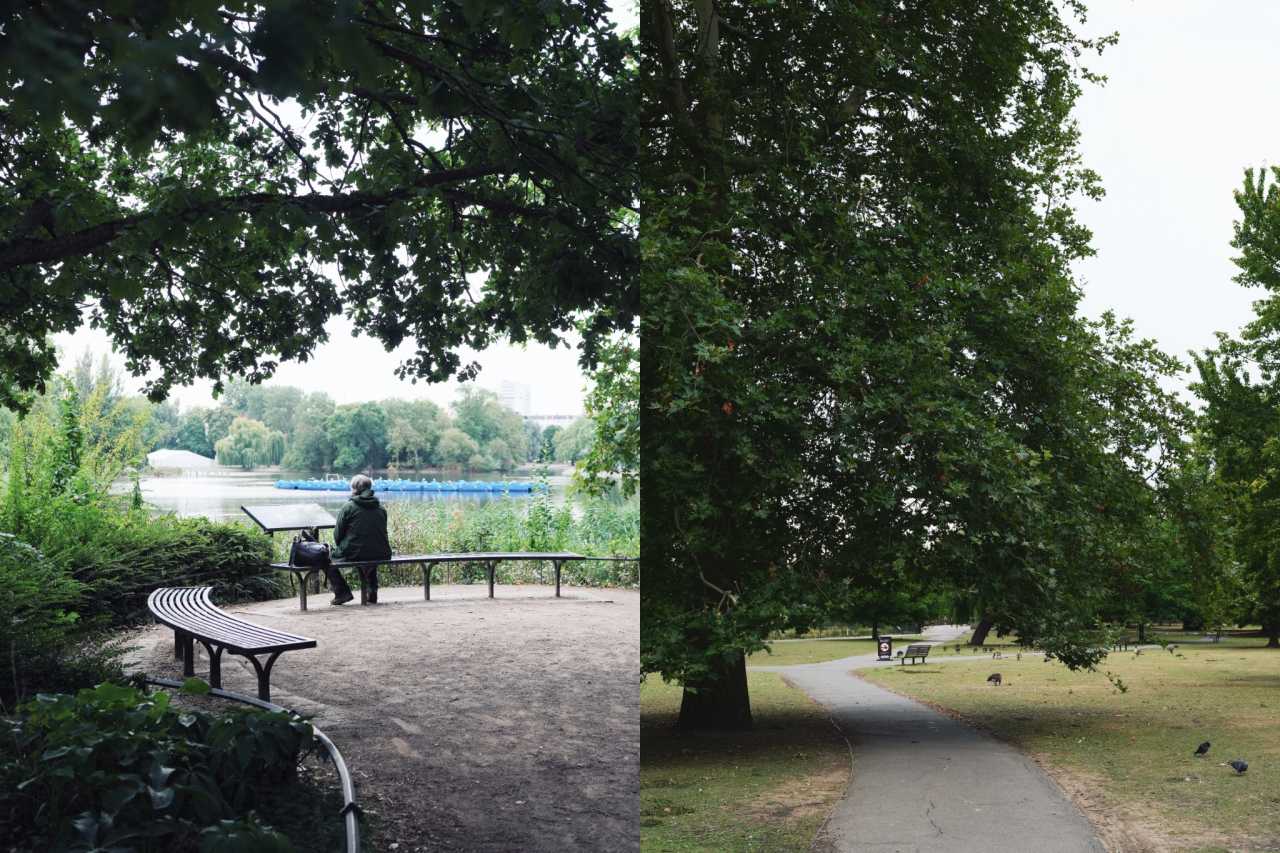
Regent’s Park—arrived in London living next to it; jet lag not adjusted; walked at 5 am. It’s the second-largest central park after Hyde Park. Formerly Henry VIII’s hunting ground; reportedly still royal; free to the public. I walked just a corner—towering trees, natural ecology—different from parks in Chinese cities—feels wilder, more like the outdoors.
 Regent’s Park
 Regent’s Park
Flocks of greylag geese everywhere (and lots of droppings)
 Regent’s Park
 Regent’s Park
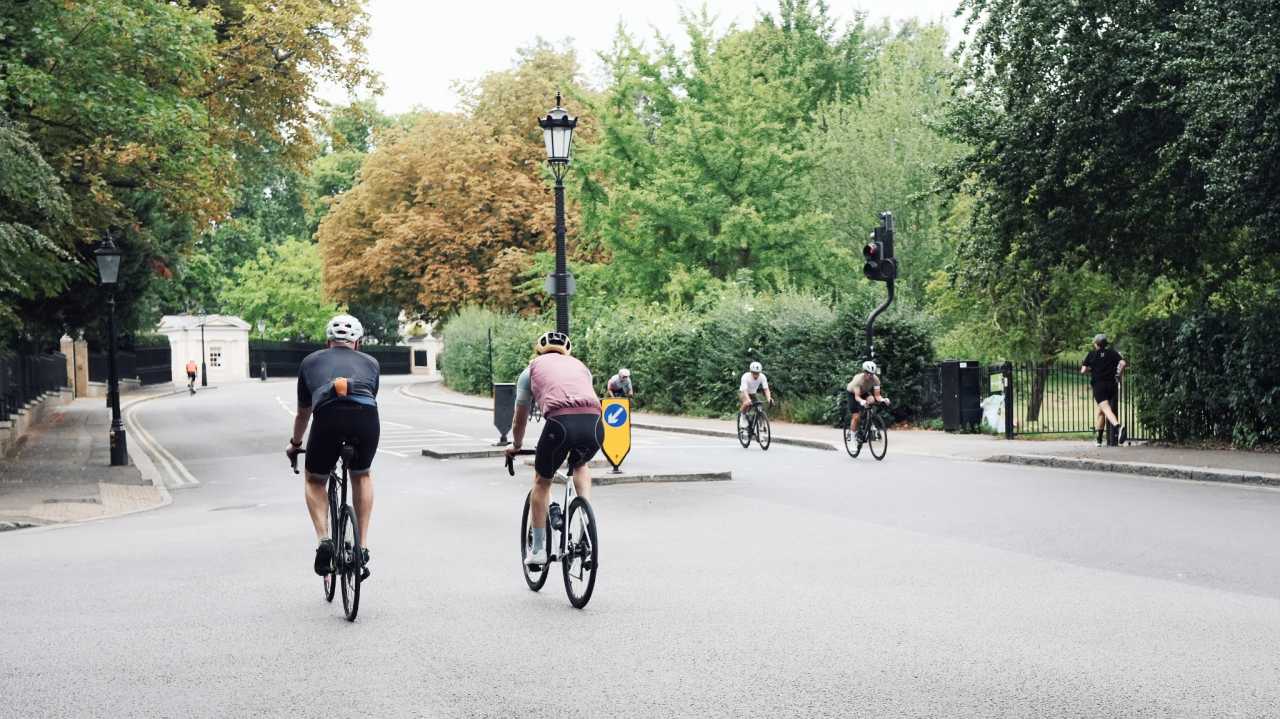
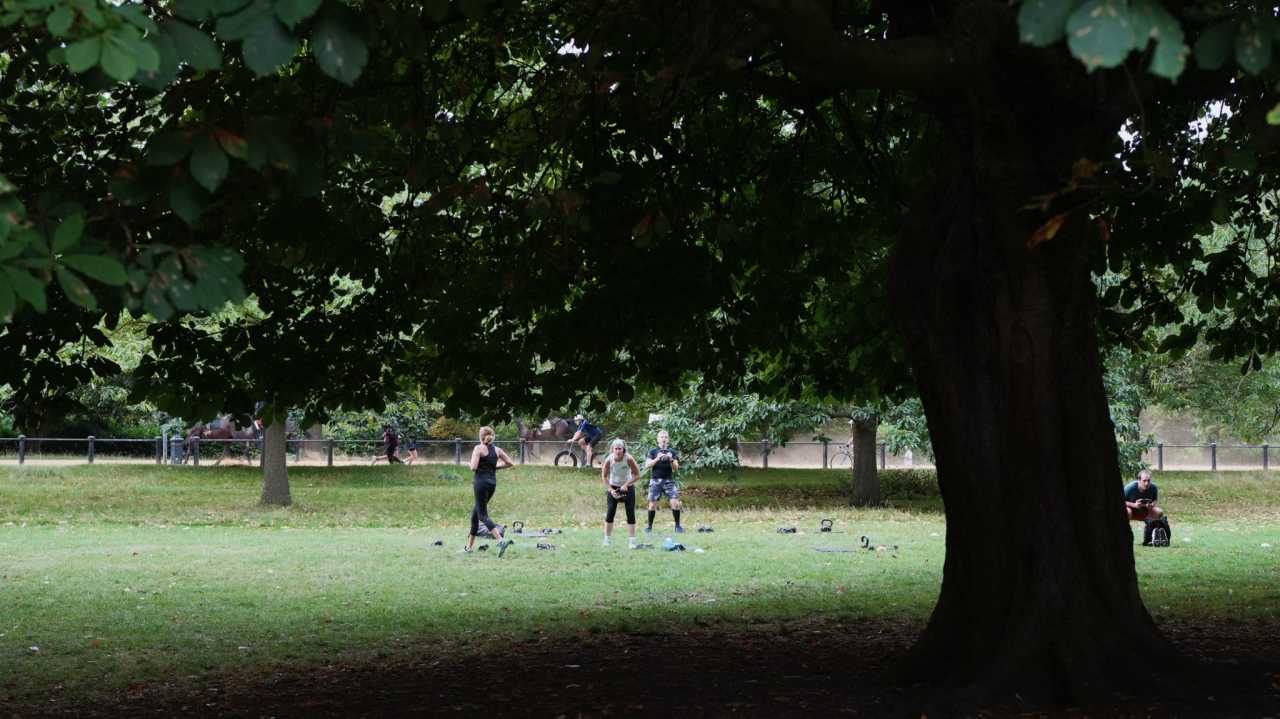
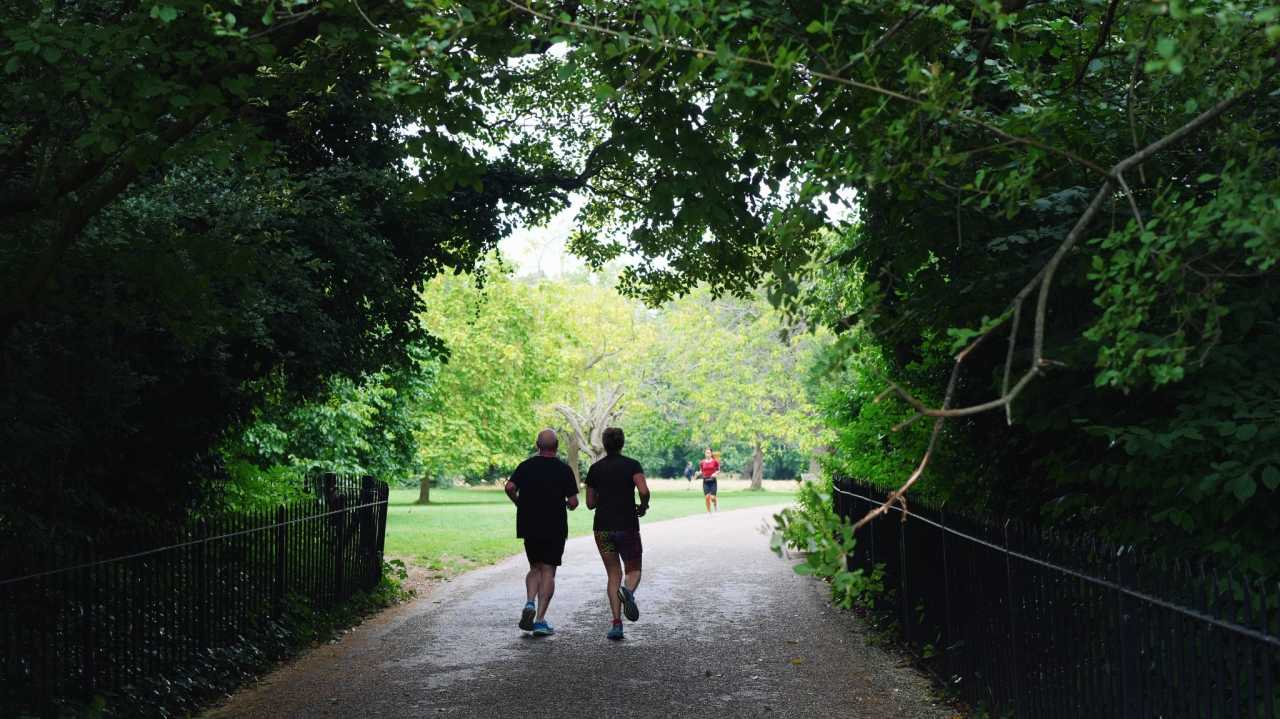
Cyclists racing batch after batch along the road by the park. In the UK, exercise is daily—cycling, running, gym—everywhere. The climate helps—without extreme heat, summer workouts are easier.
 Regent’s Park
Hyde Park & Kensington Gardens
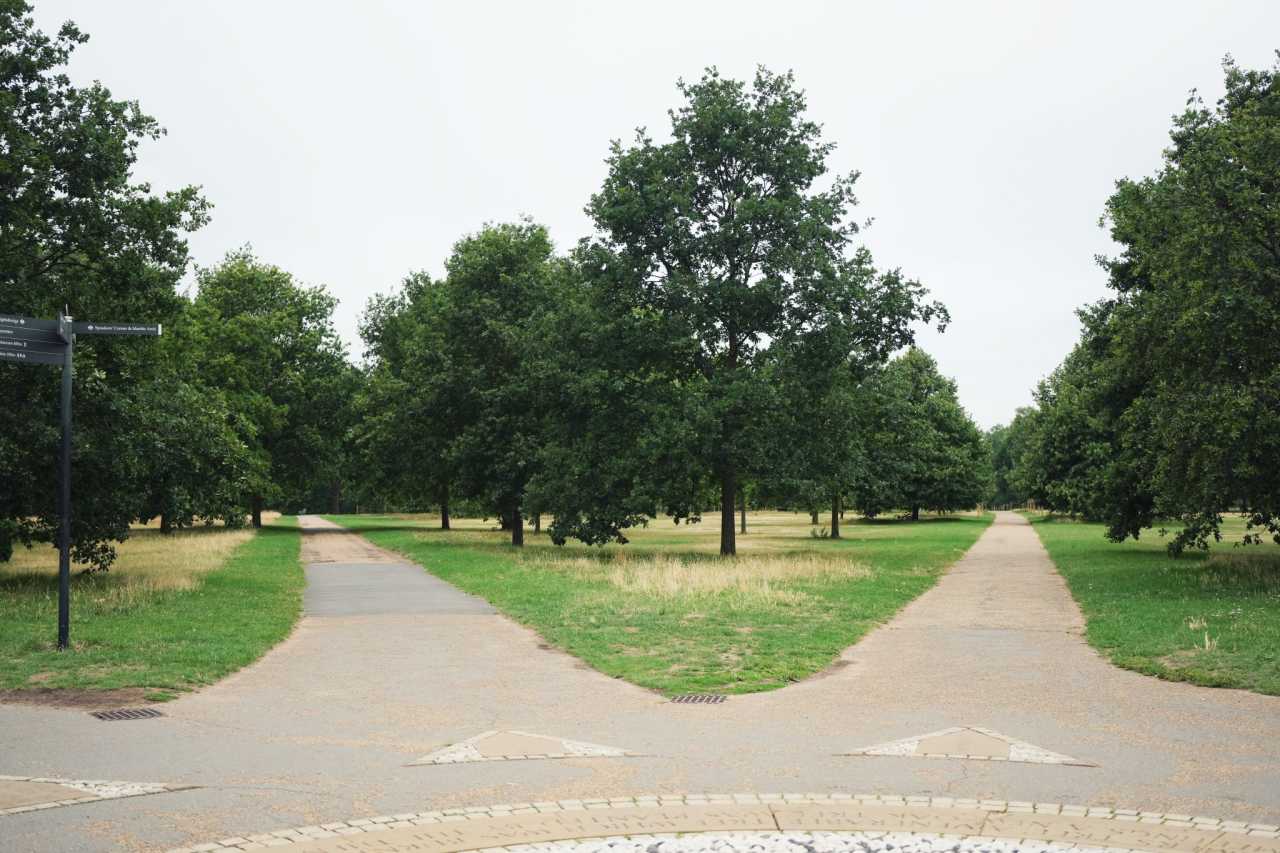
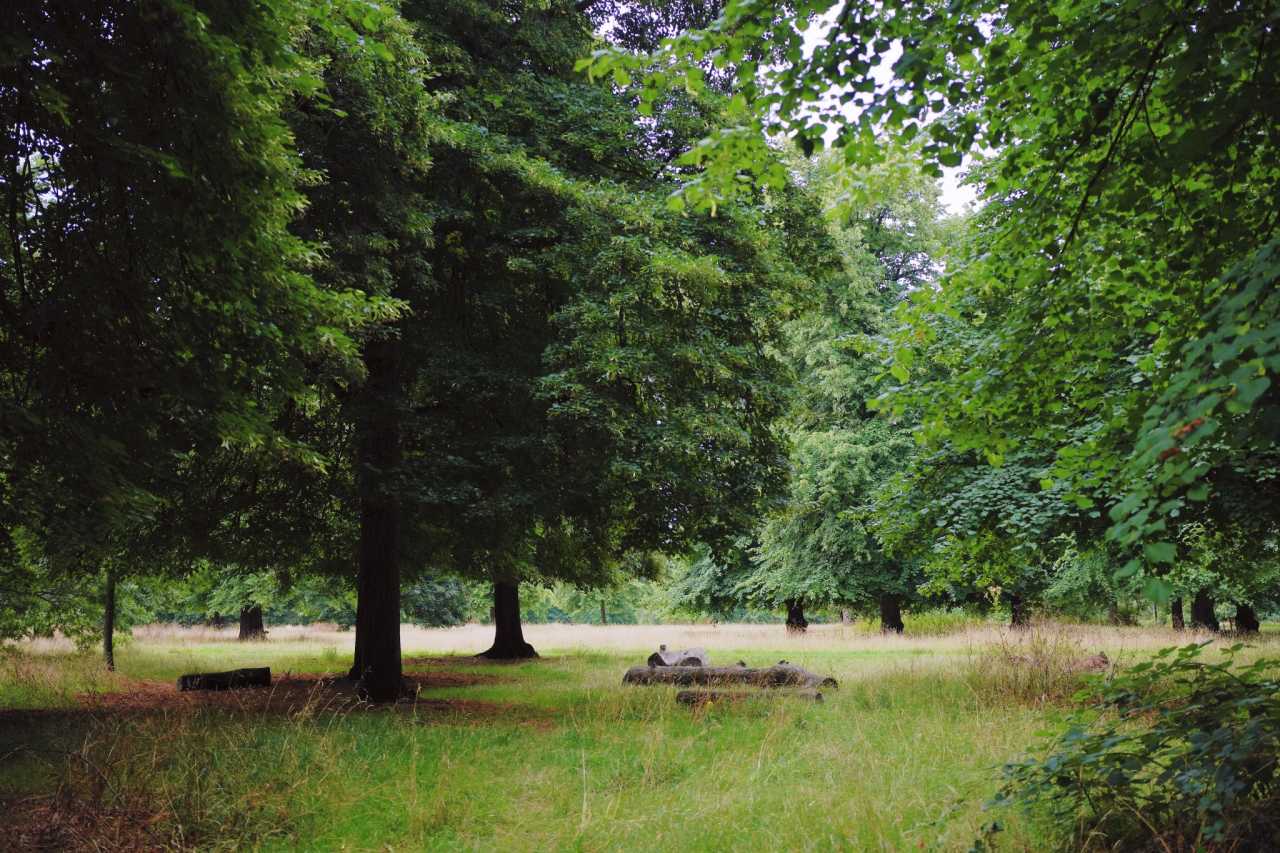
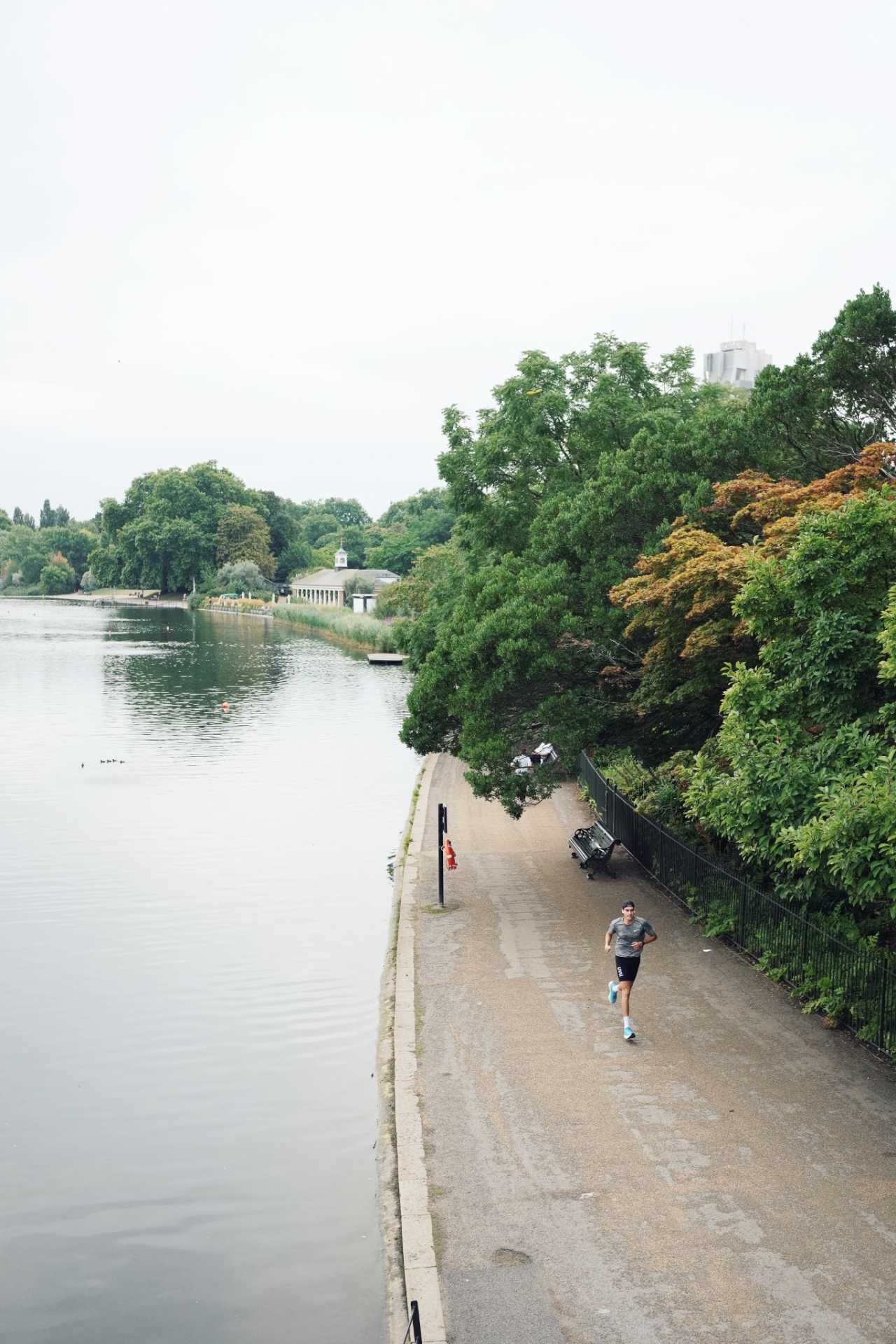
The largest Royal Park—must visit. Inside you forget you’re in a global metropolis—such natural resources feel luxurious.
 Hyde Park
 Hyde Park
 Hyde Park
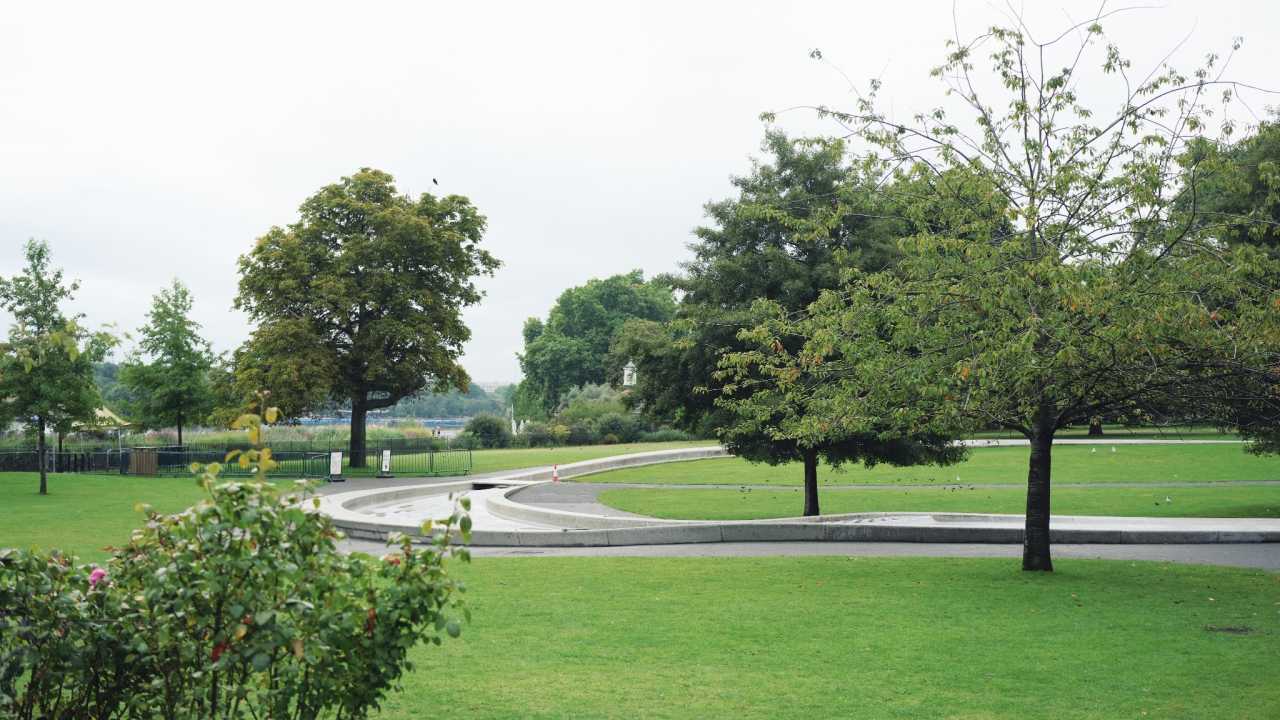
Went too early—the Princess Diana Memorial Fountain wasn’t open—could only look from afar.
 Hyde Park
 Hyde Park
Kensington Gardens is across the river.
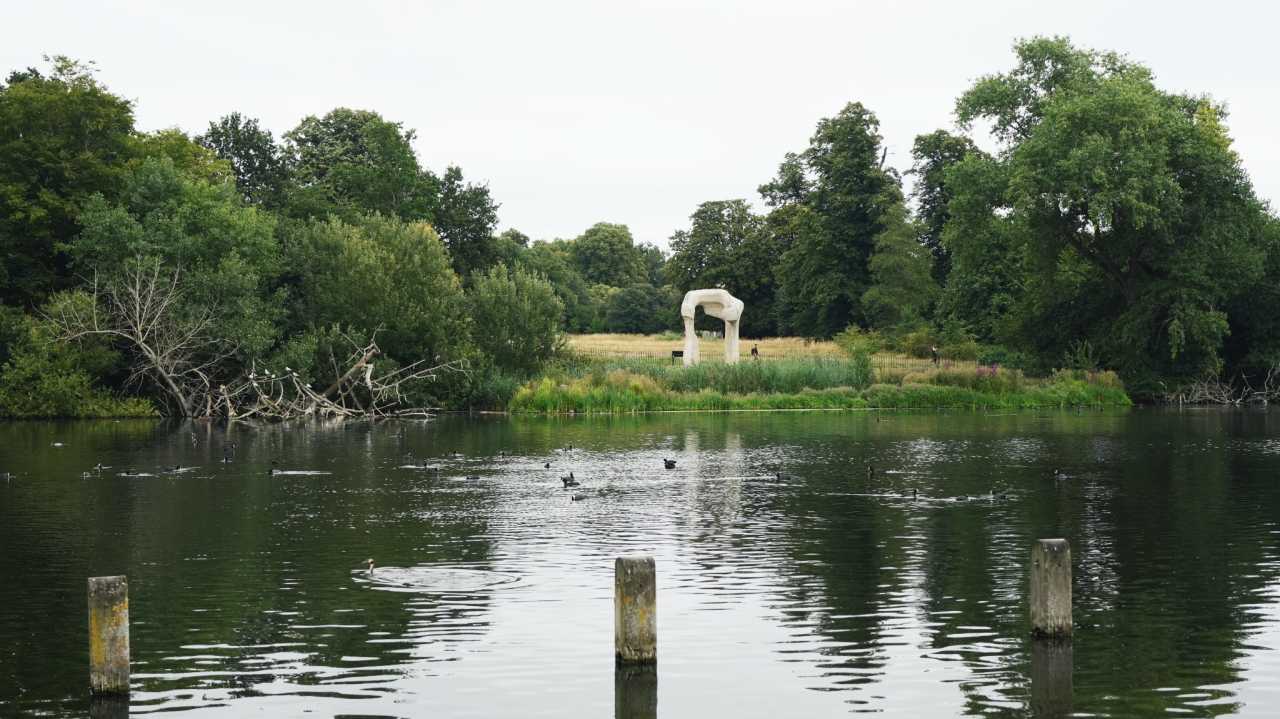 Kensington Gardens
By the riverside stands Henry Spencer Moore’s 1980 gift “The Arch”—inspired by bone fragments—the pinnacle of his body-as-architecture idea.
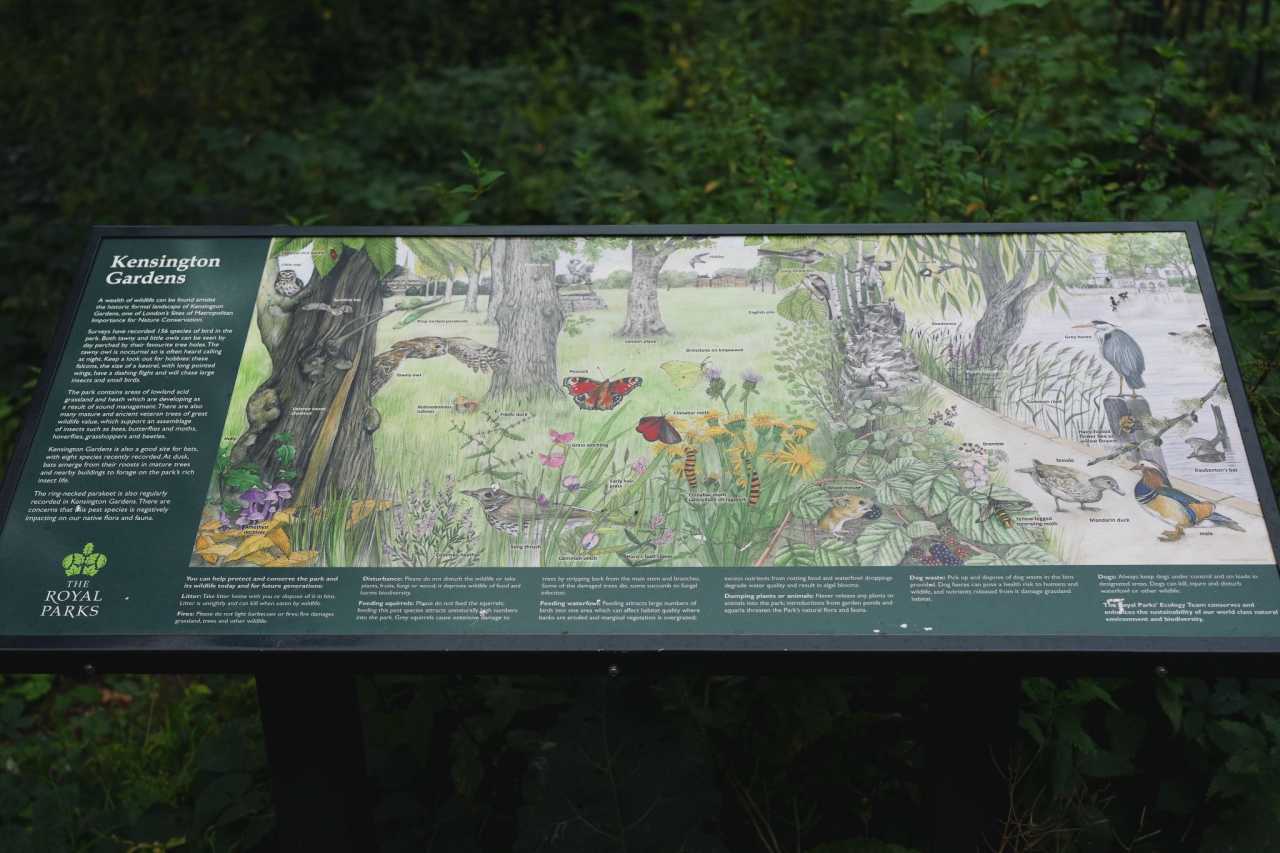 Kensington Gardens
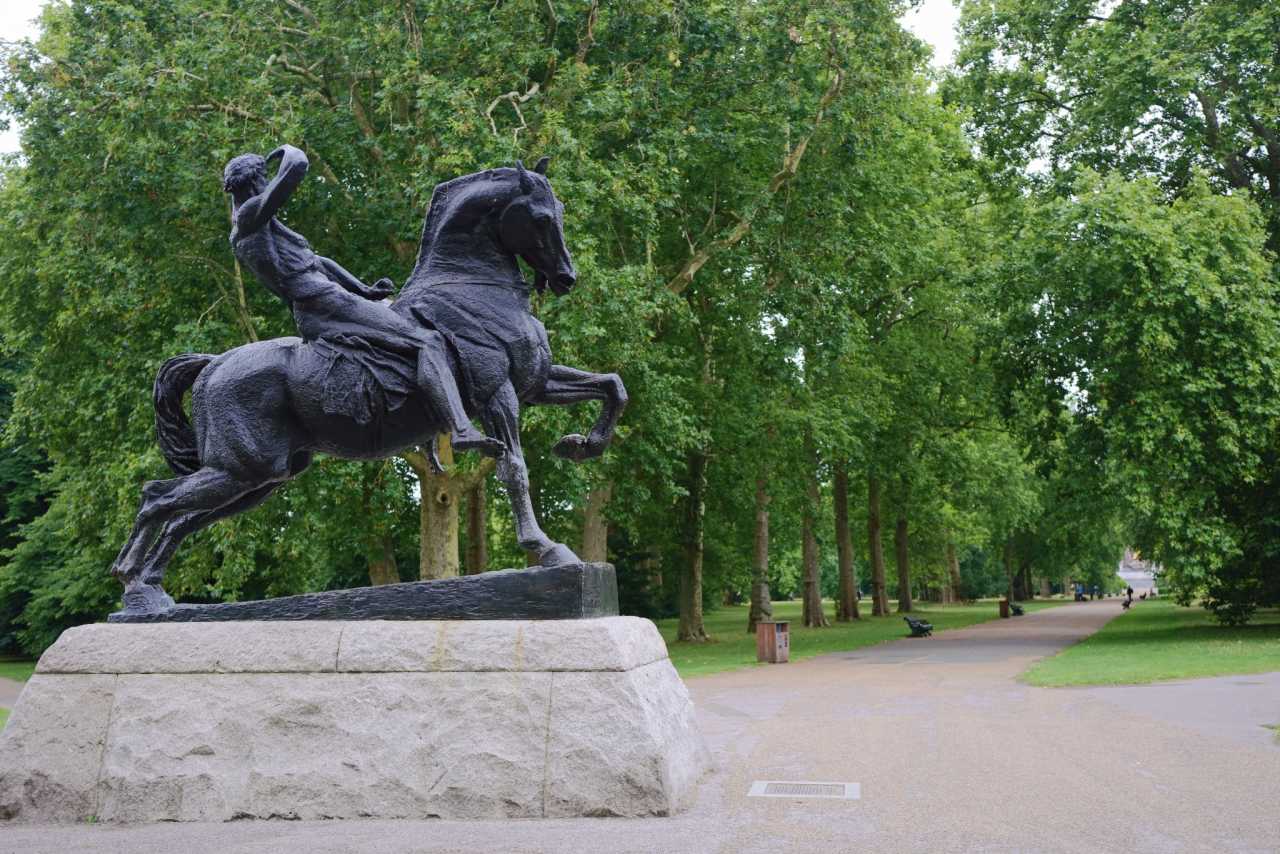 Kensington Gardens
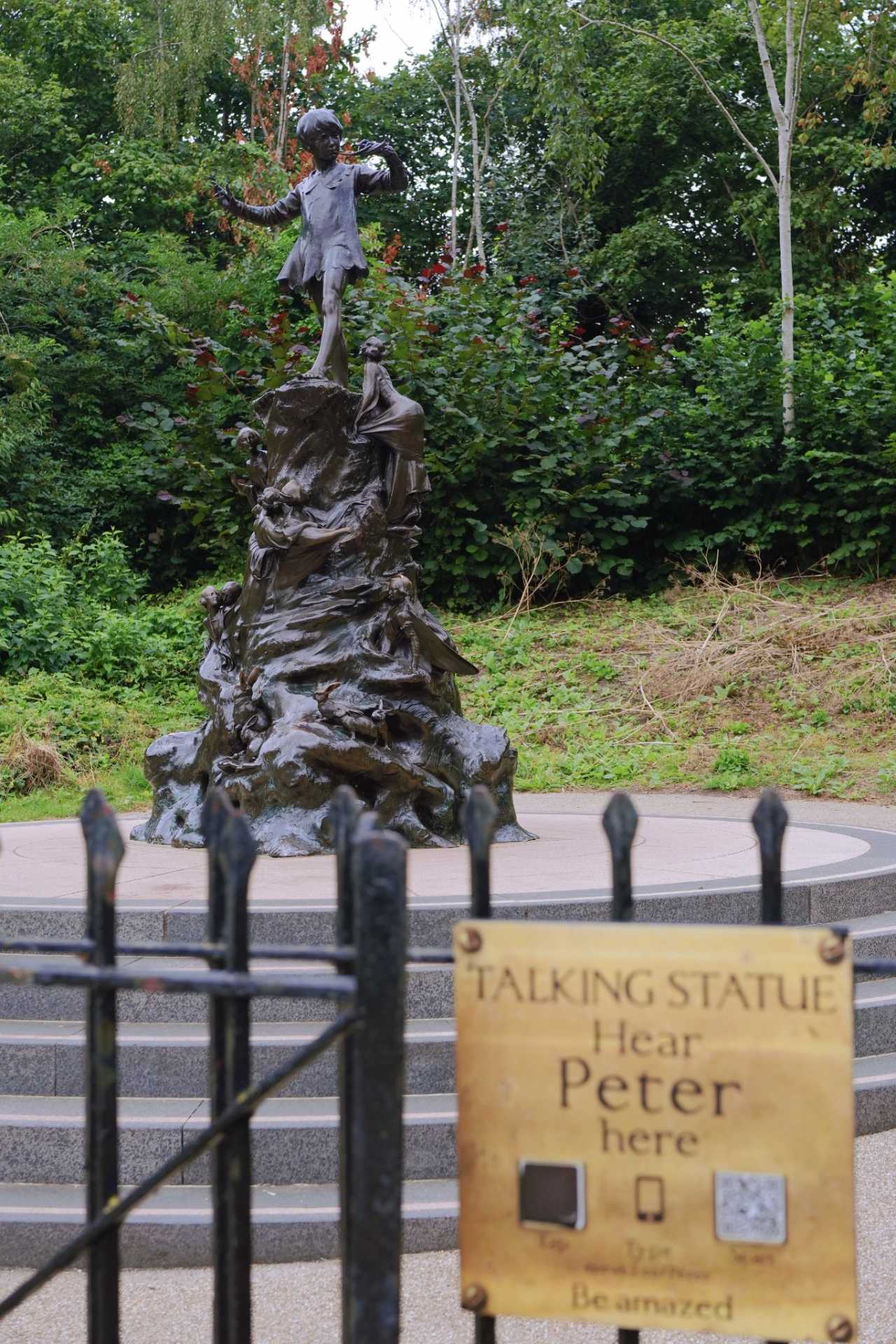 Kensington Gardens
Peter Pan statue
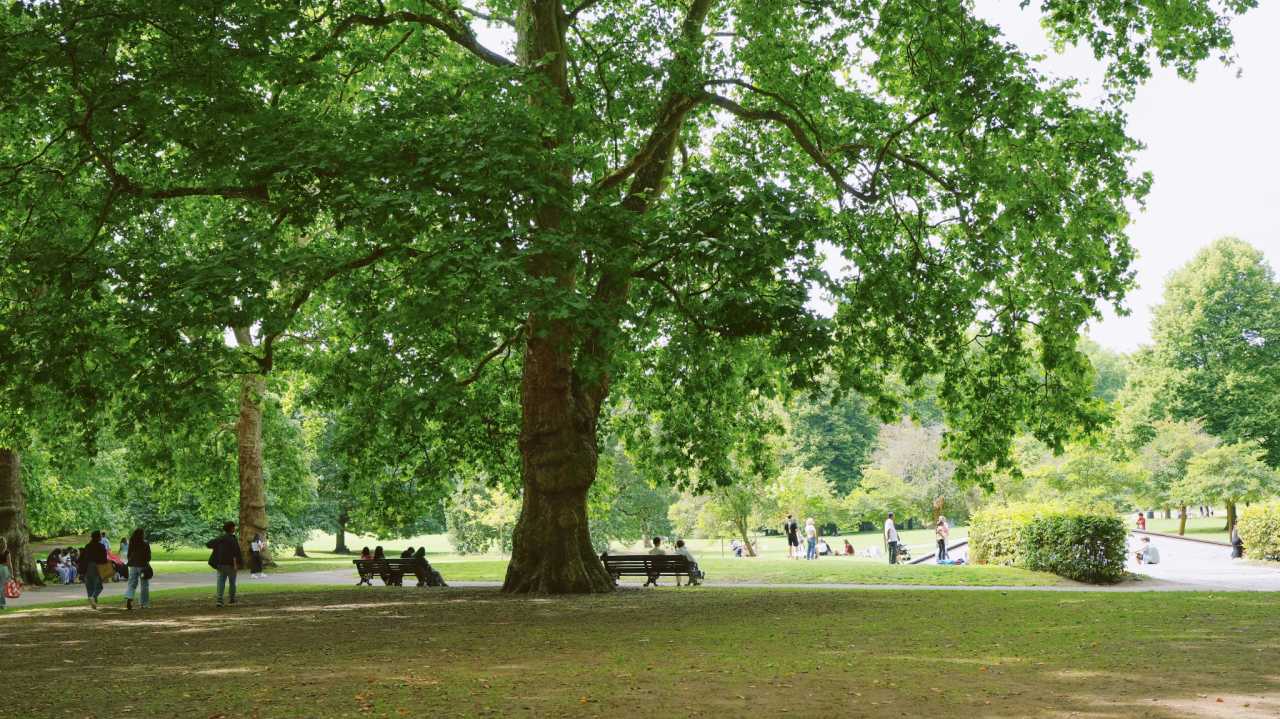
 Kensington Gardens
Near Buckingham Palace, parks are crowded with tourists—but they’re big—people disperse.
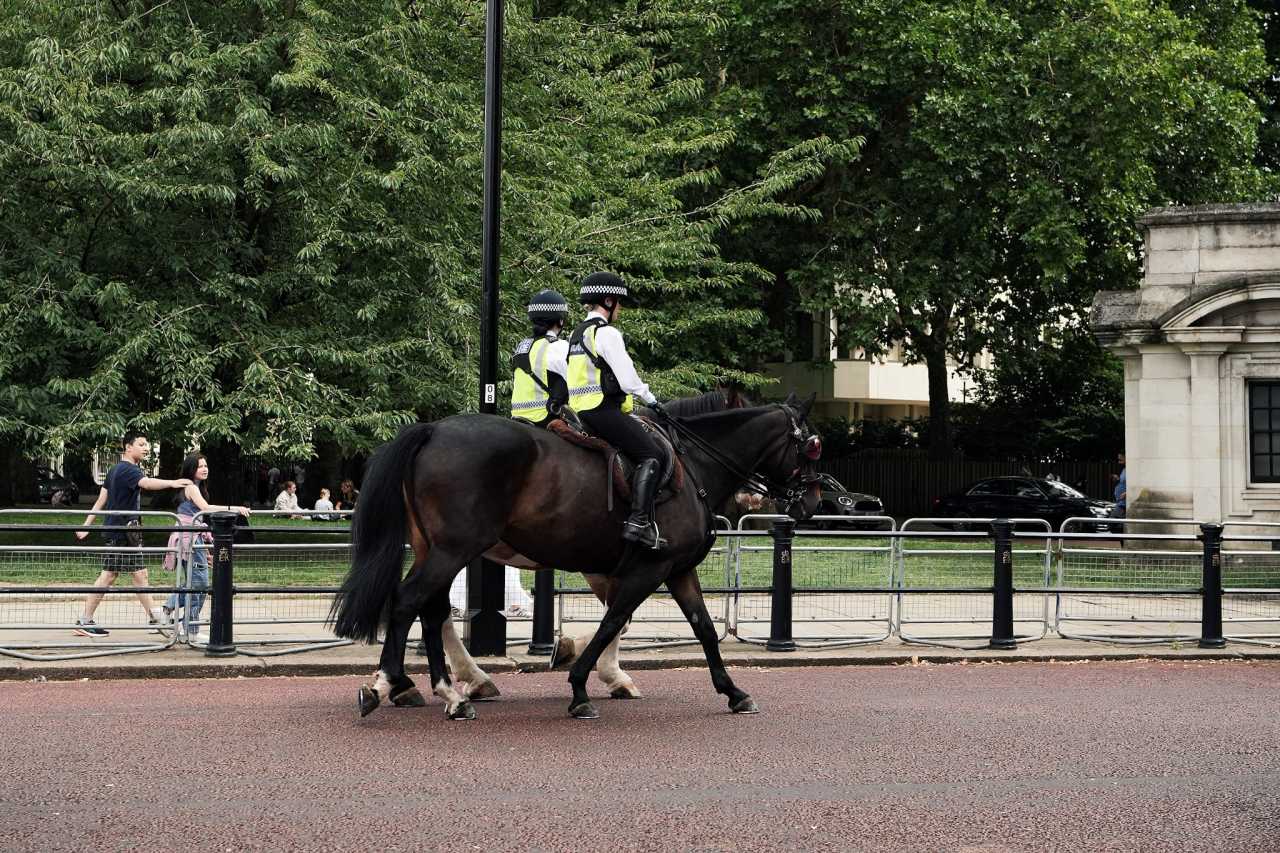
Mounted police patrolling—so cool!
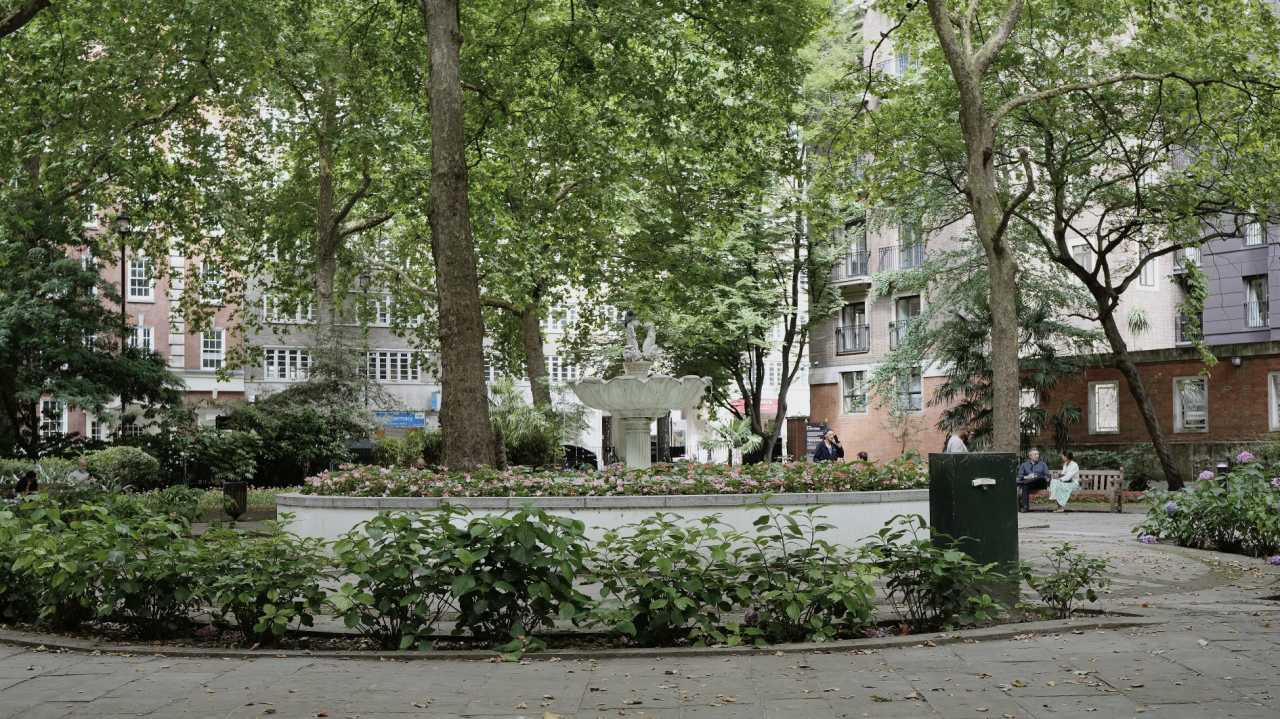
Delicate pocket parks—lunchtime filled with people eating and chatting.
Is the UK a Food Desert? Yes—and No!
For native British food, you can call the UK a food desert!
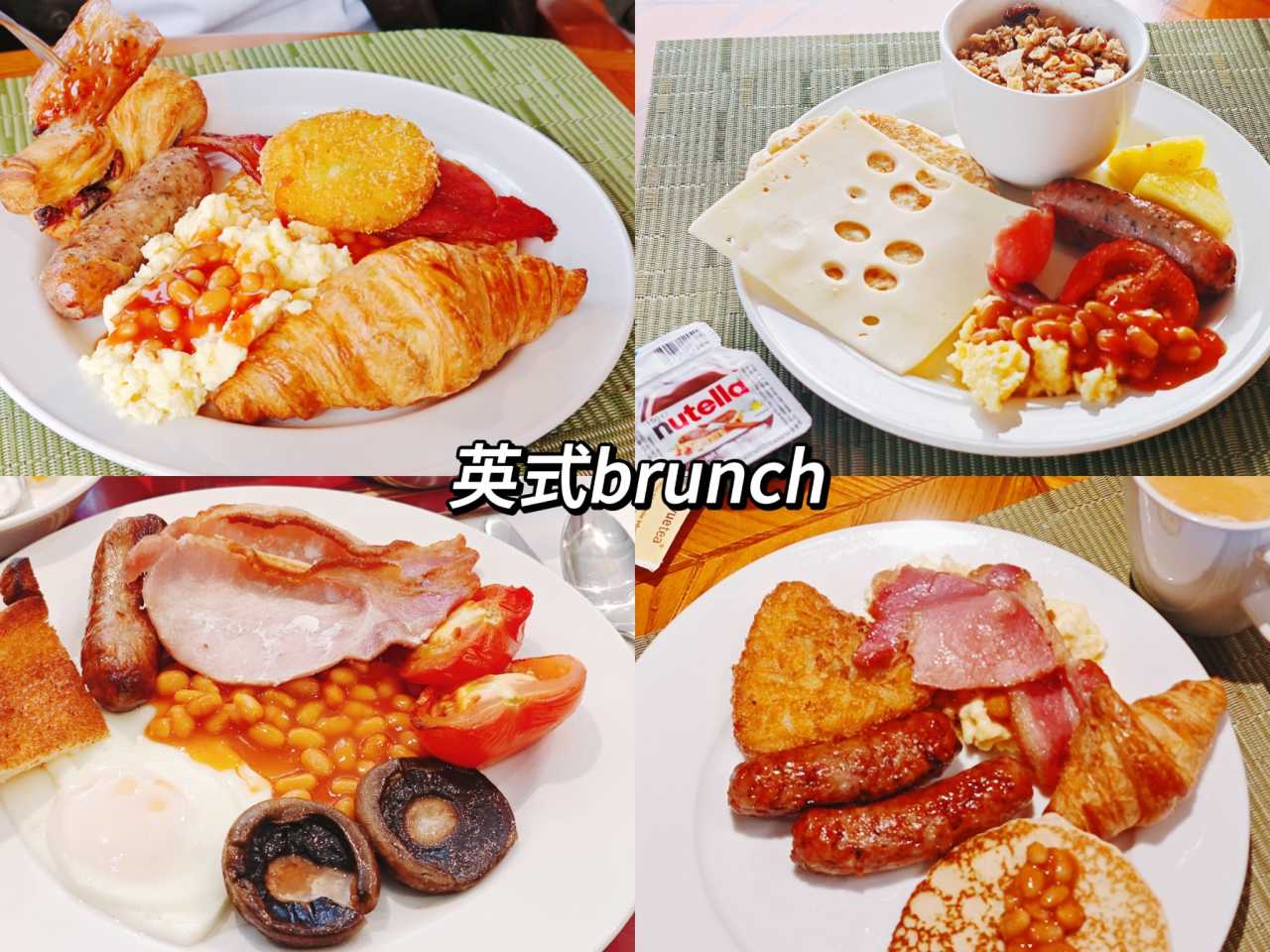
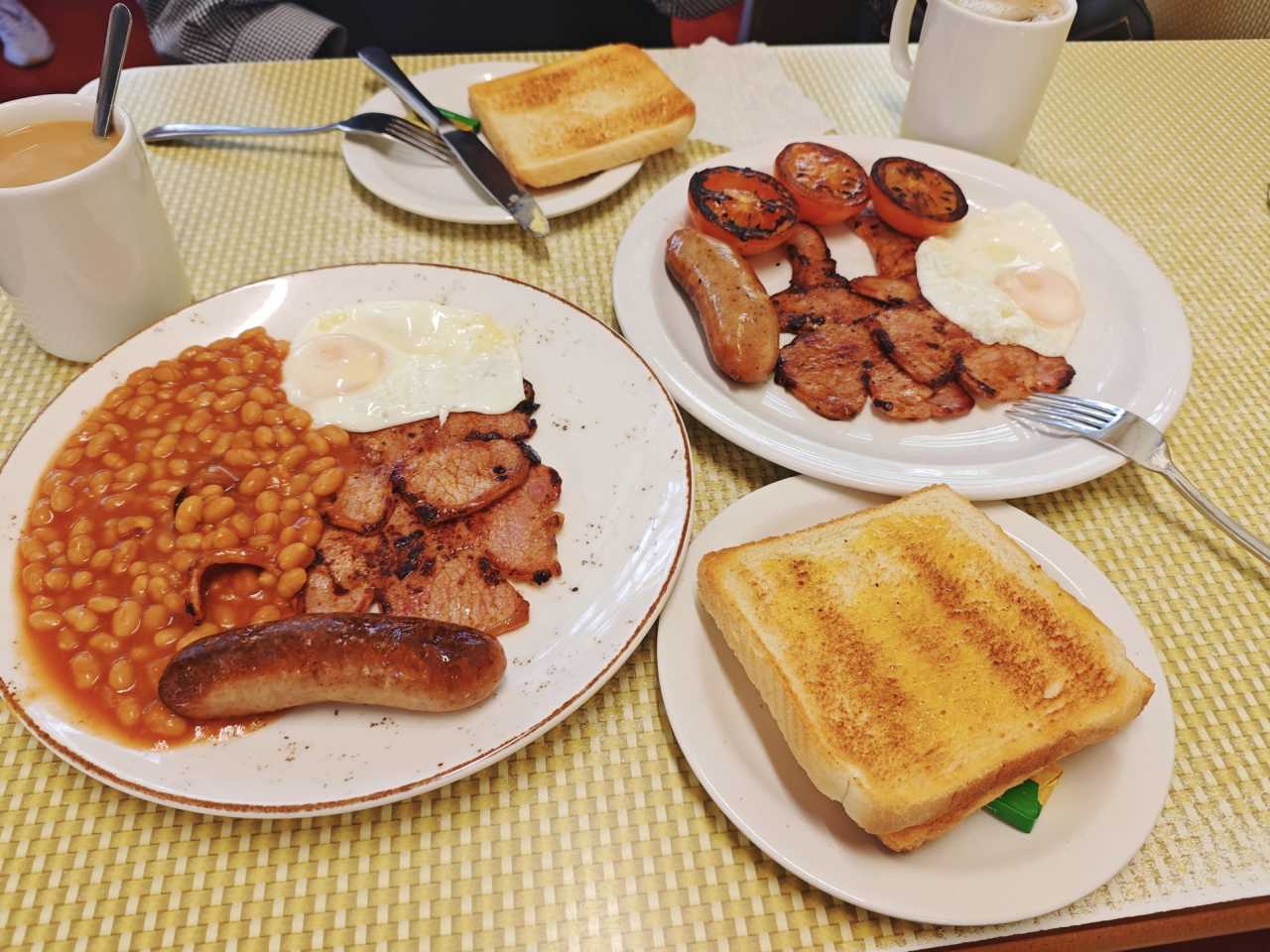
Traditional English brunch: scrambled eggs, sausages, baked beans, hash browns, grilled tomatoes, assorted toast and buns. Every hotel breakfast served these—fresh at first, by day four we were done  Here are the daily‑repeat breakfasts, haha.
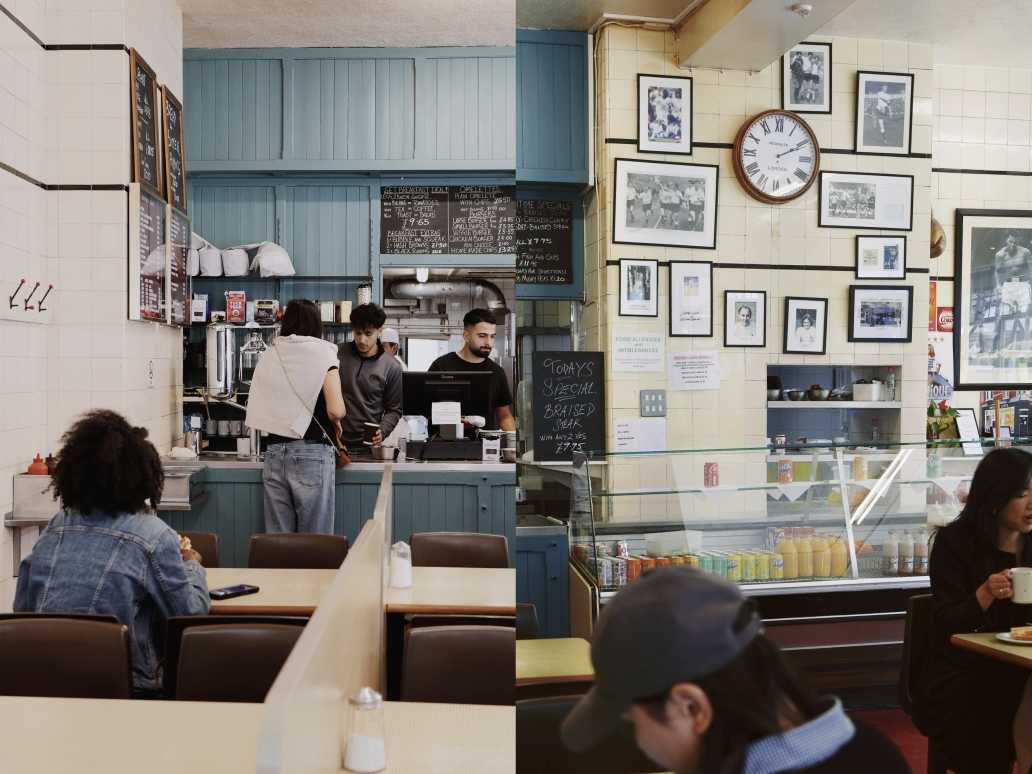
 Regency Cafe
Address: 17-19 Regency St, Westminster, London SW1P 4BY
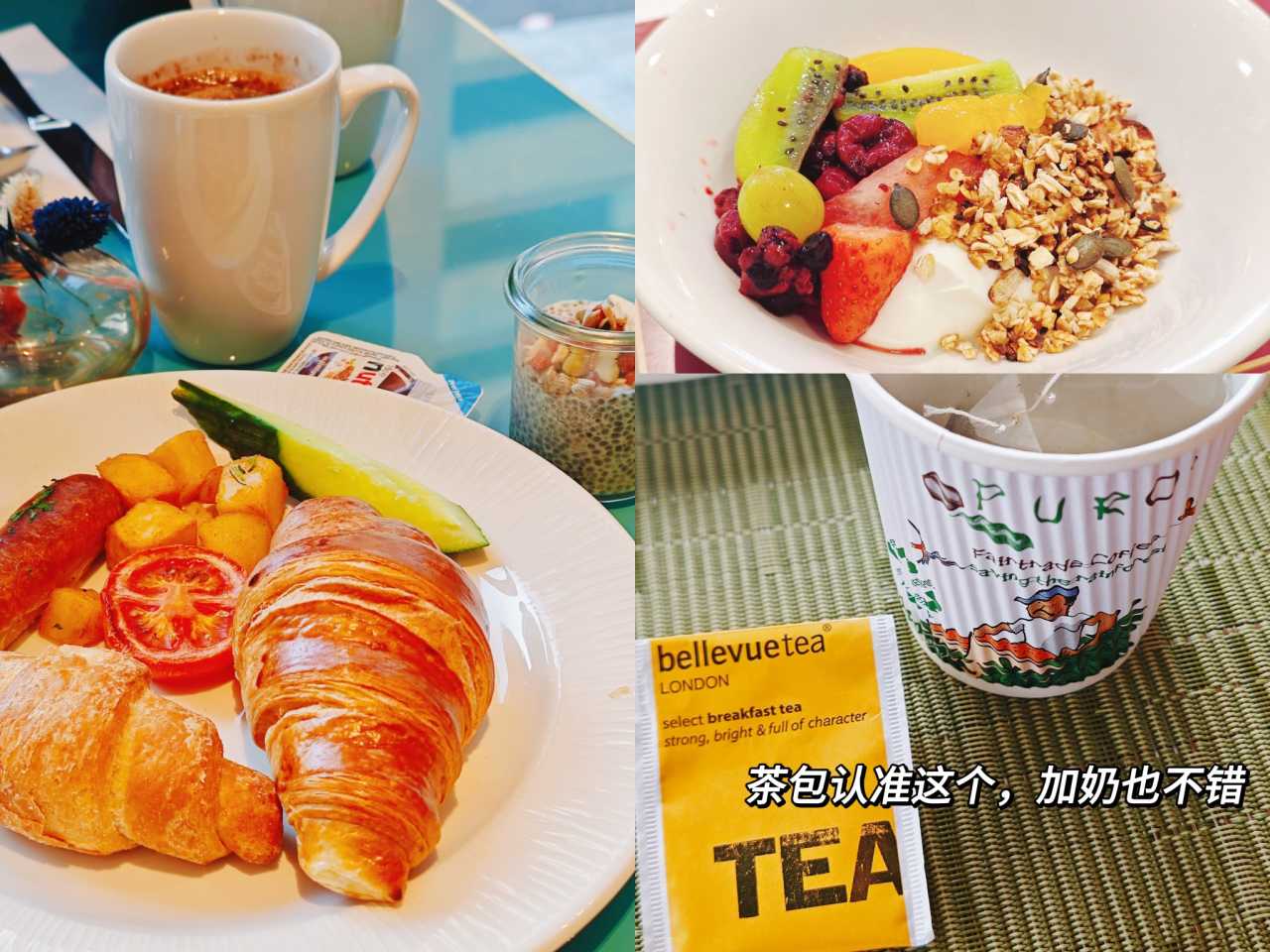
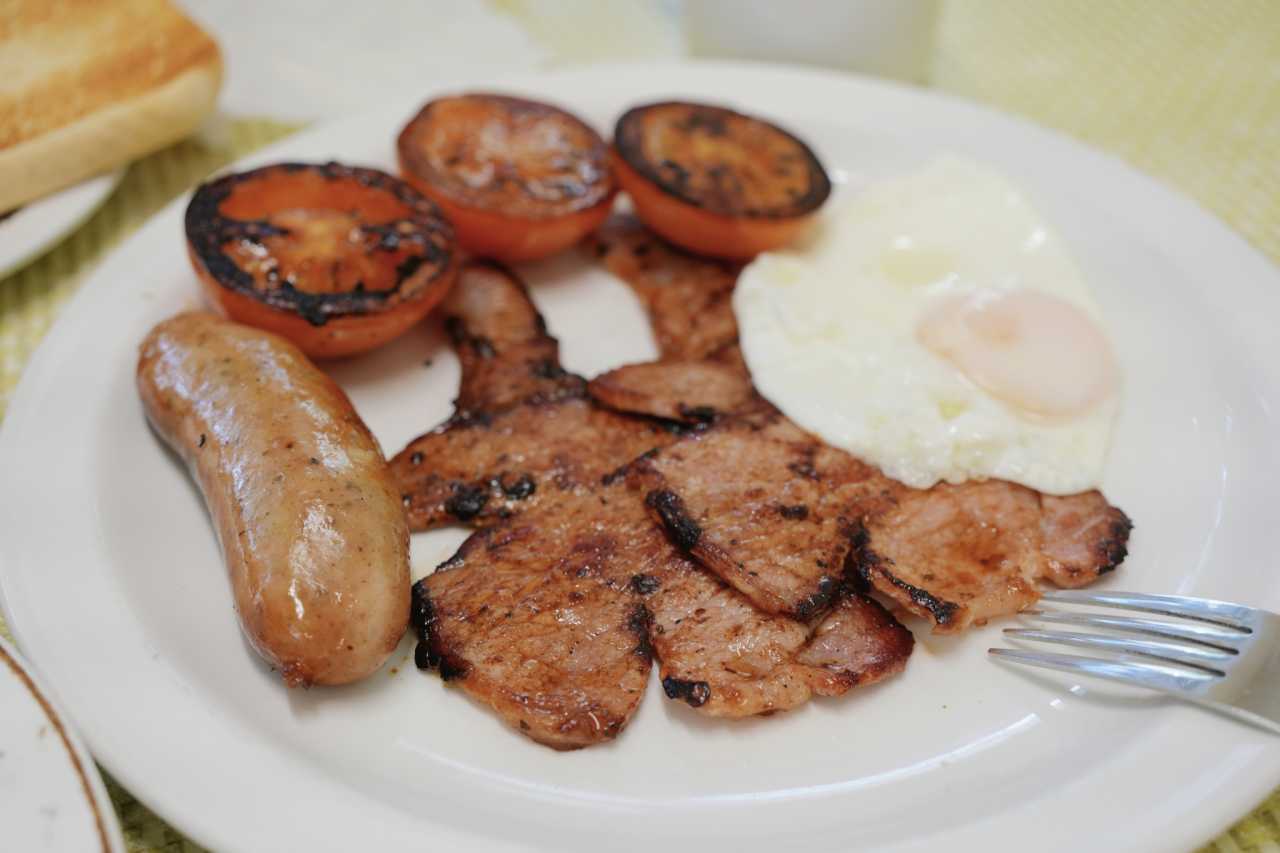
Recommended breakfast check‑in spot—said to have opened in 1946. The façade was under repair when we went; interior is vintage. But the food was a bit of a miss—bacon extremely salty! Even with beans it was too much—I don’t know if it’s always like this or just that day. Others were okay; ~£10 per person—budget friendly.
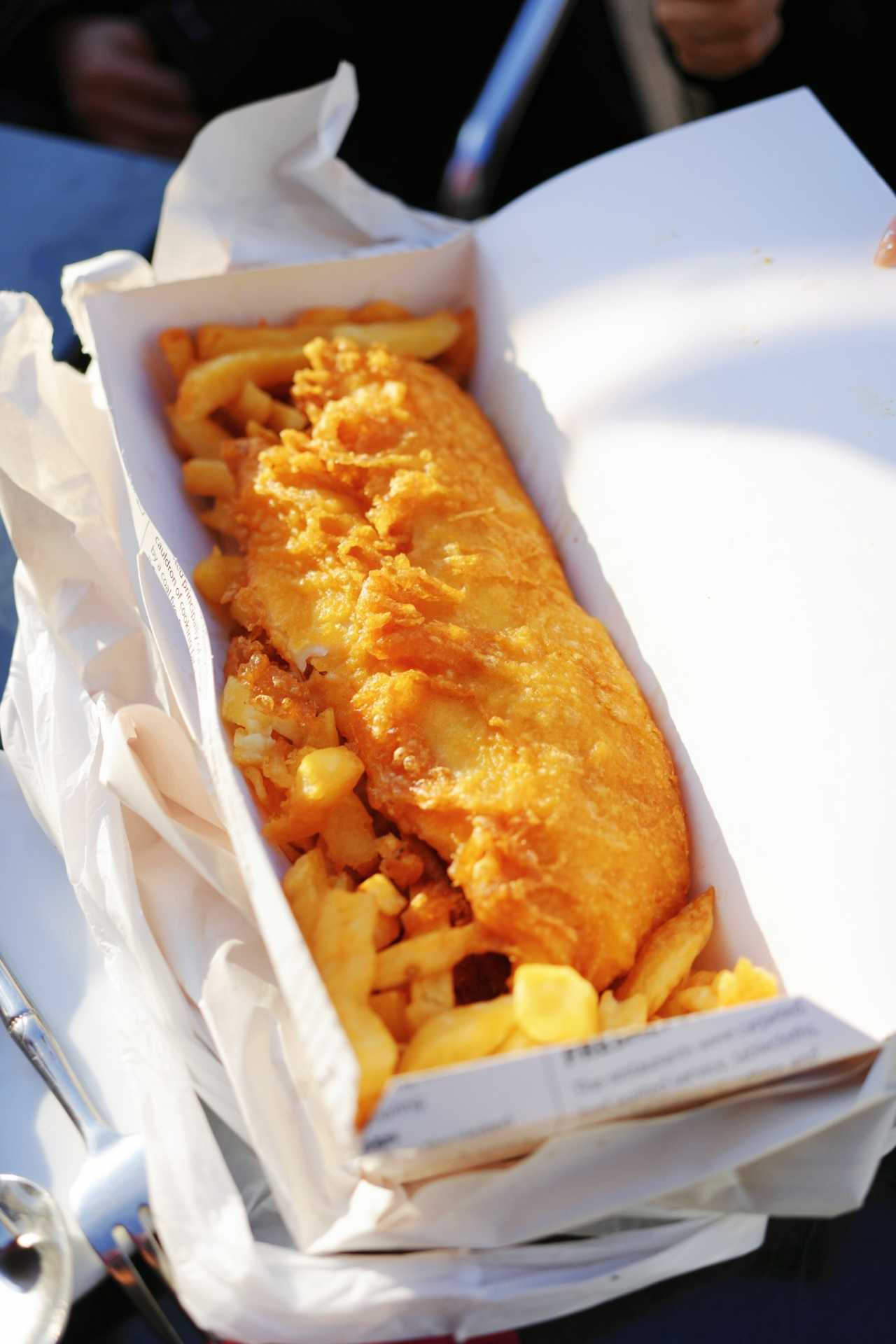
UK signature—fish & chips—rarely fails—fish tender; fries authentic.
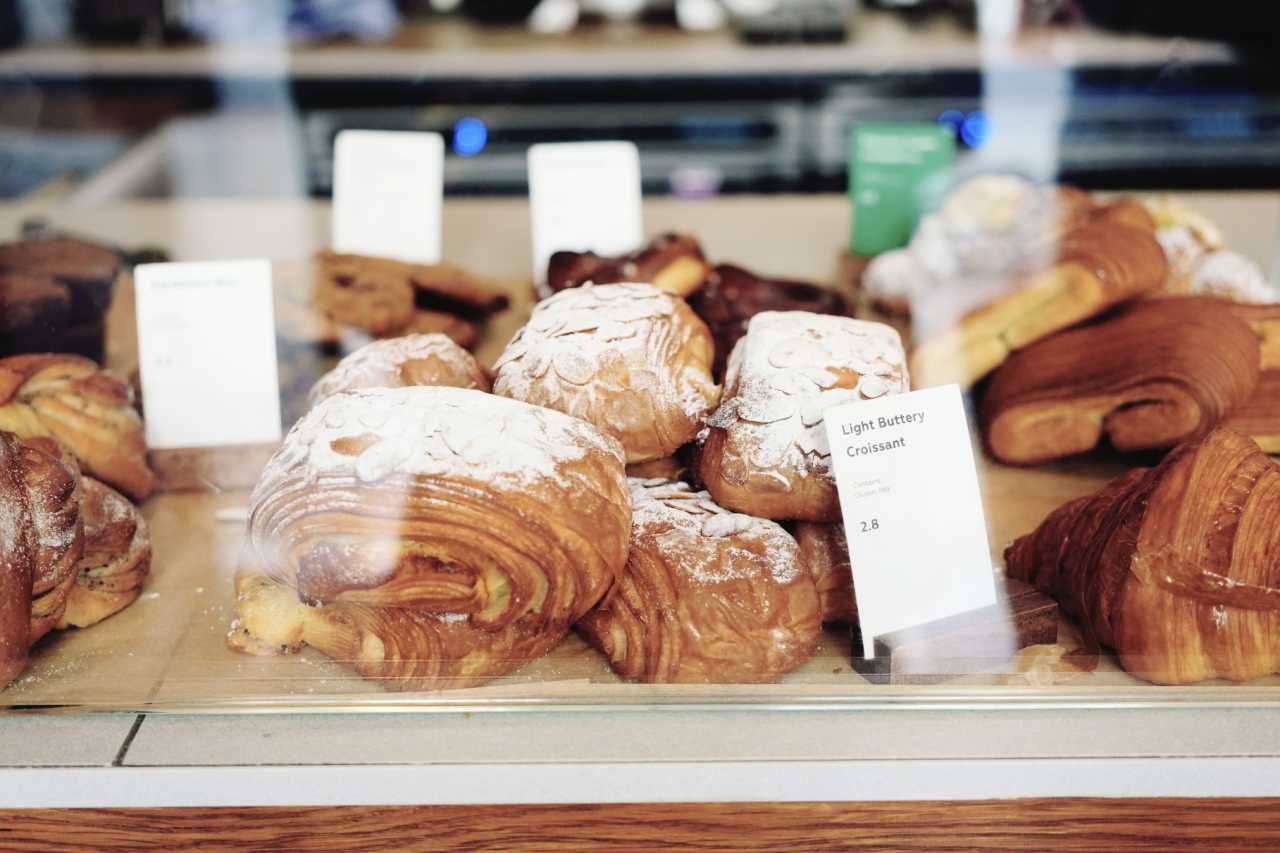
Desserts are gorgeous and super sweet—calorie bombs.

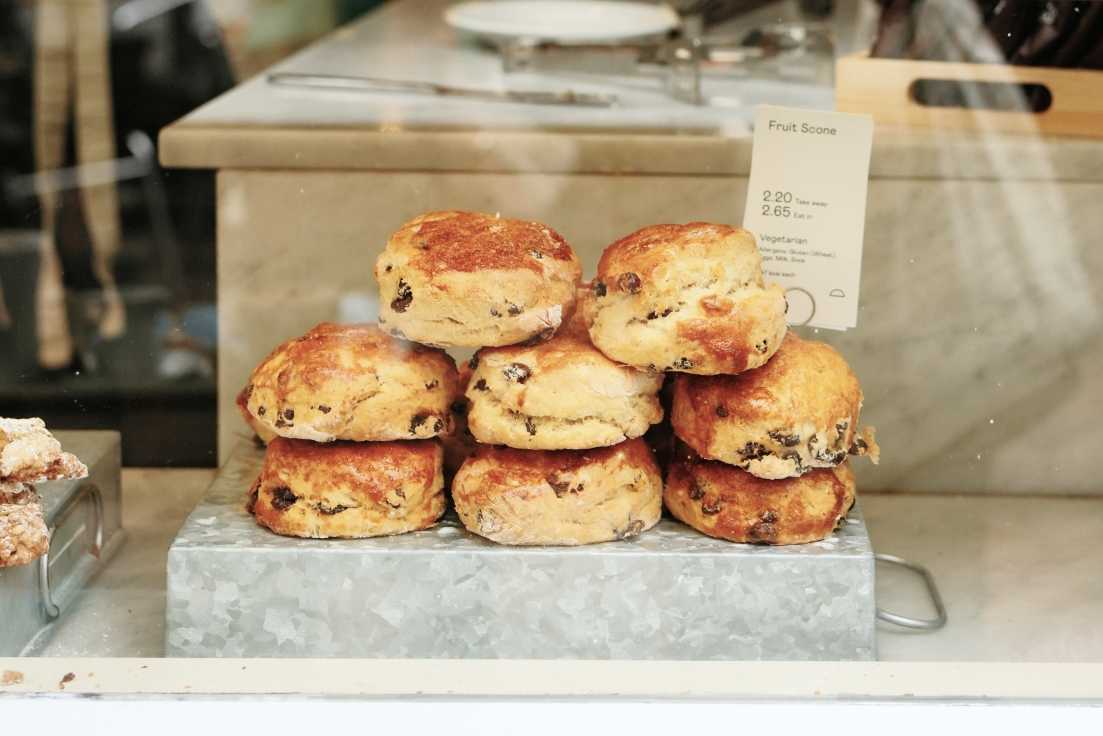
Scones are a must—classic to spread clotted cream—double milkiness—amazing!
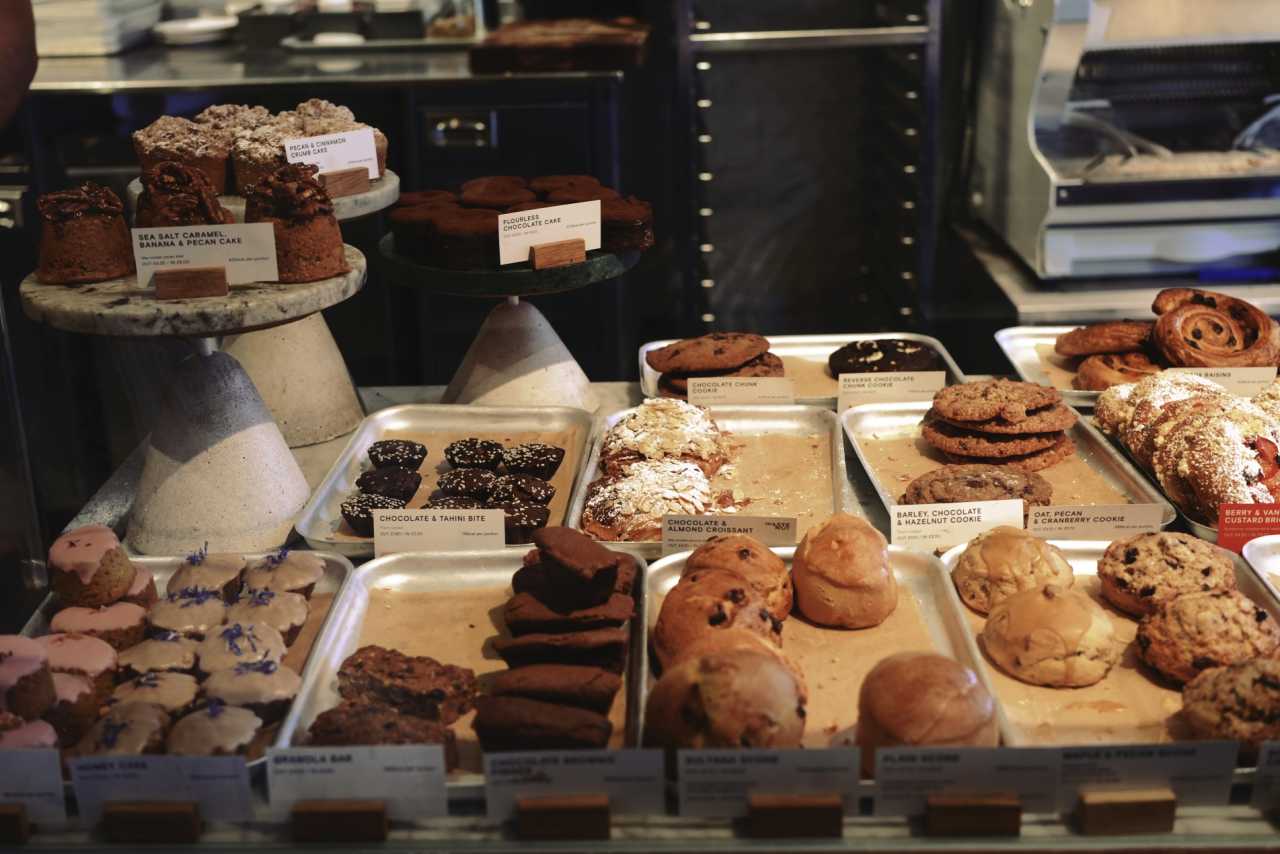
Beyond British classics, nothing much—for those used to lighter flavors, it’s hard to bear after a few days, haha. But the UK has many world cuisines—so it’s not a total food desert.
 Flat Iron London Bridge
Address: 112-116 Tooley St, London SE1 2TH
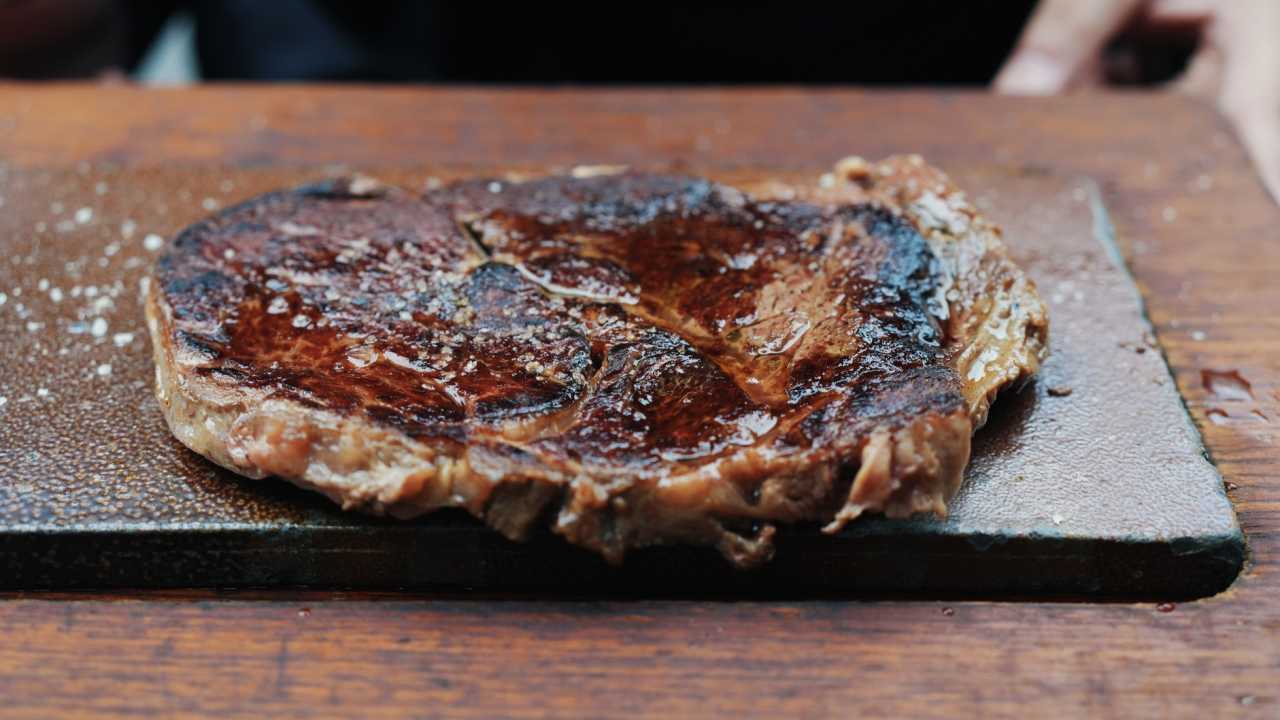
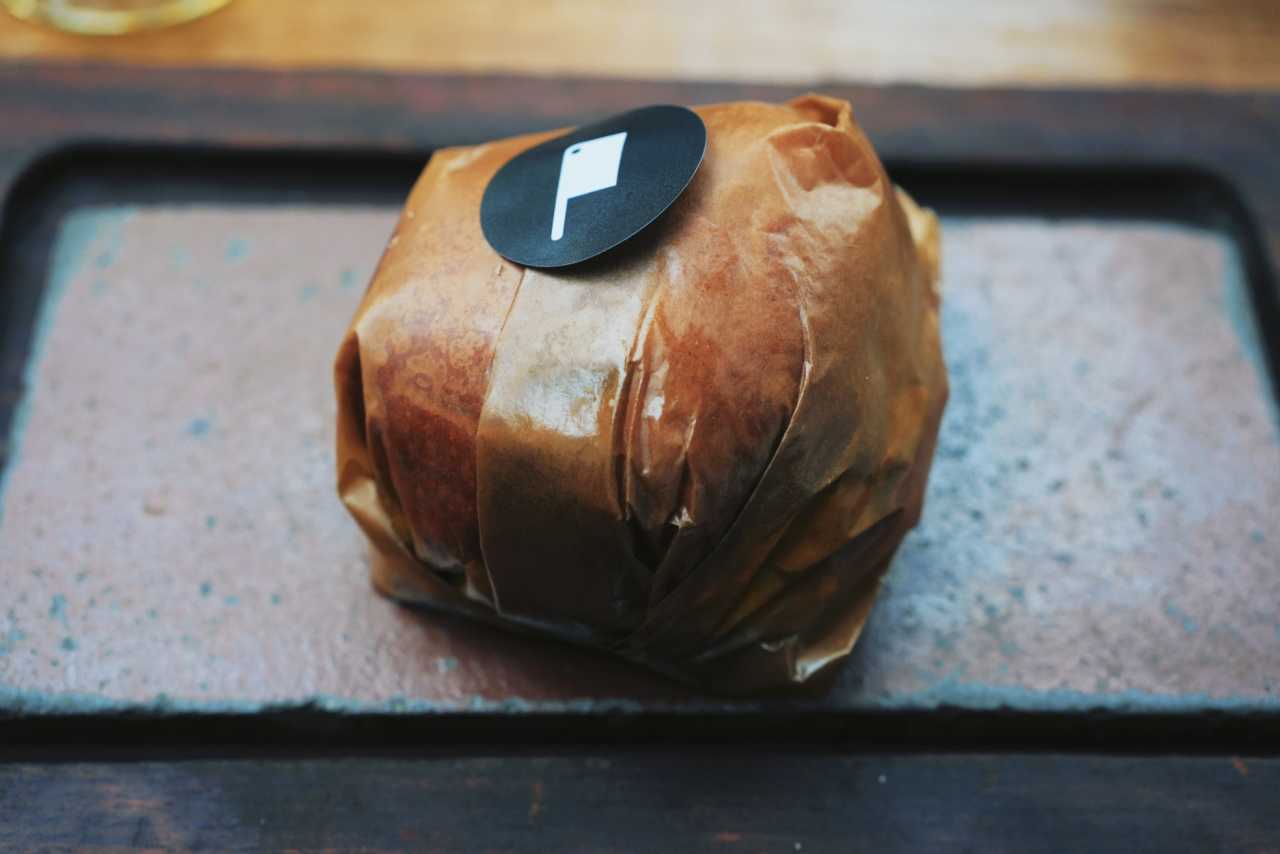
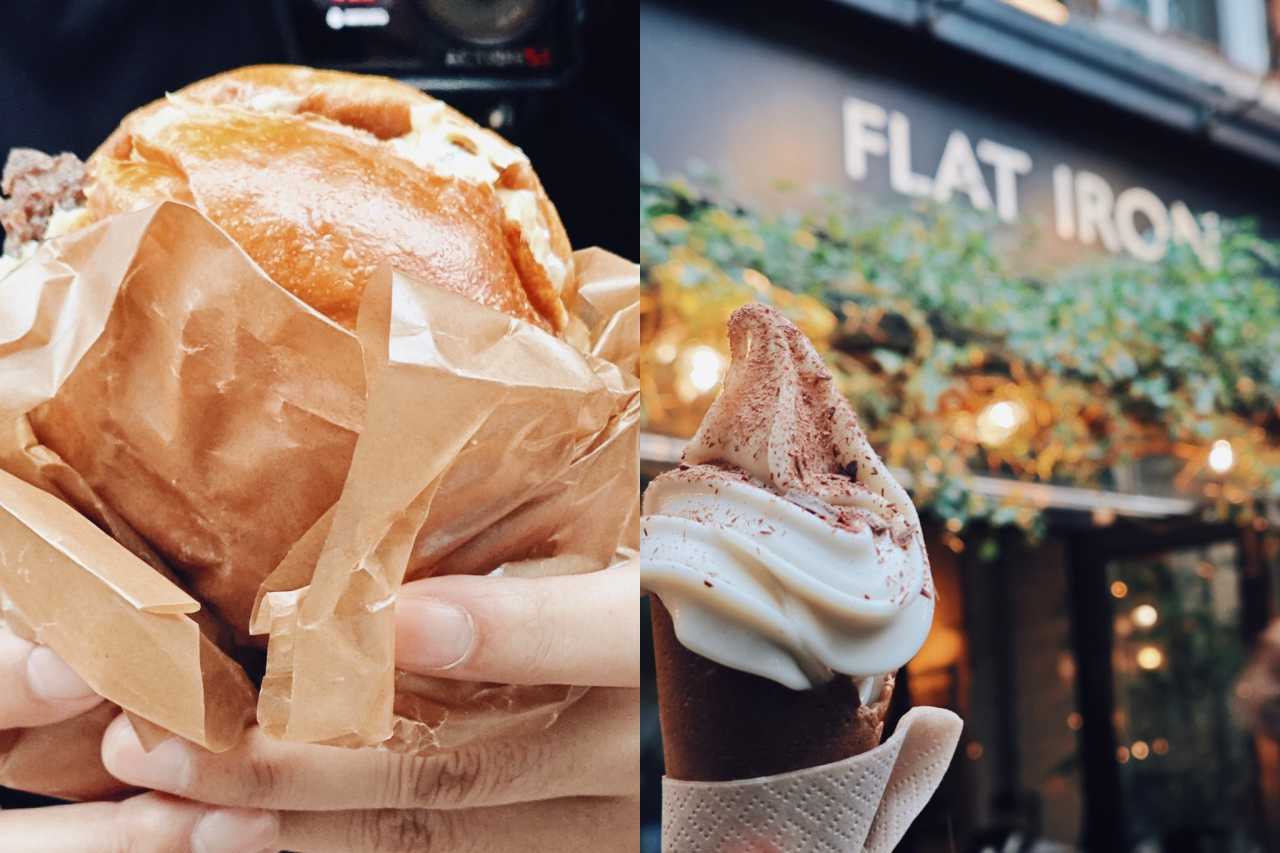
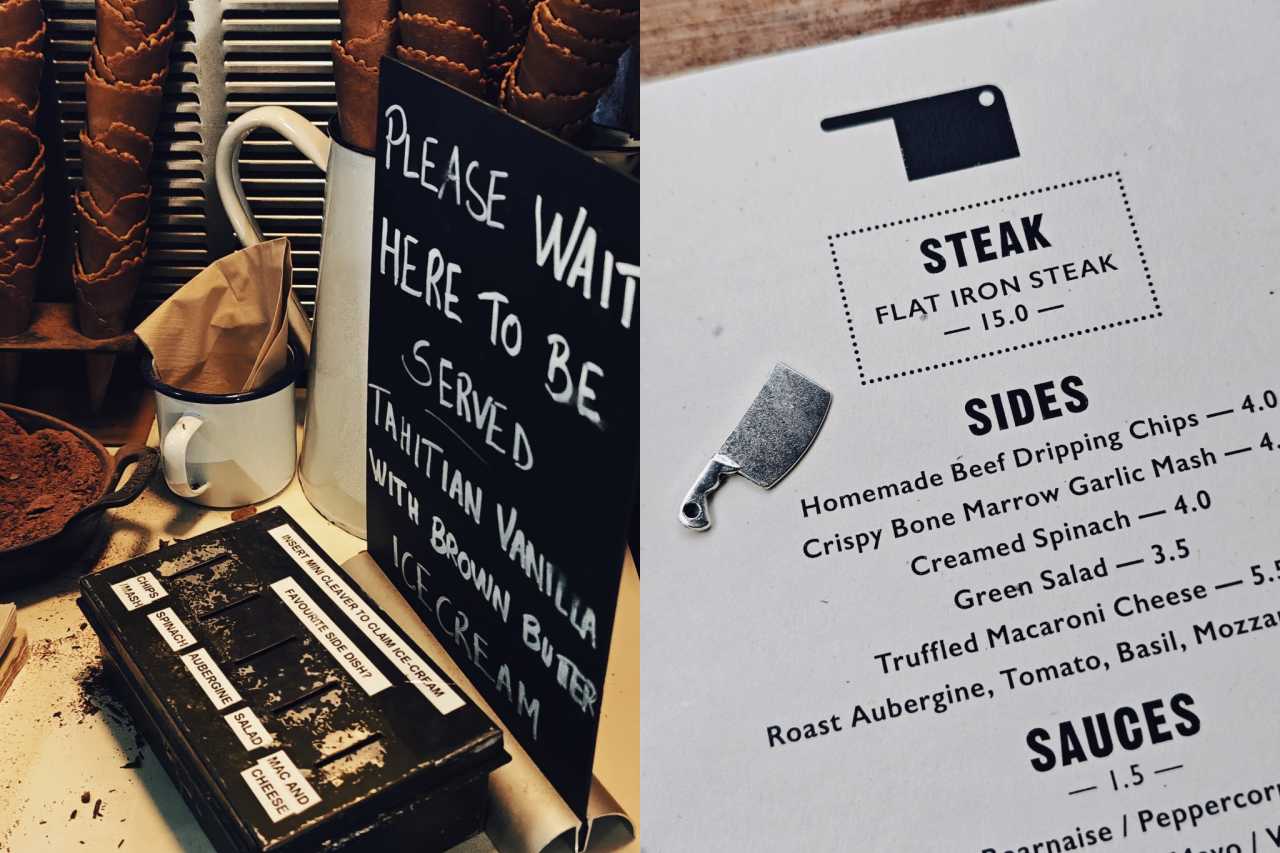
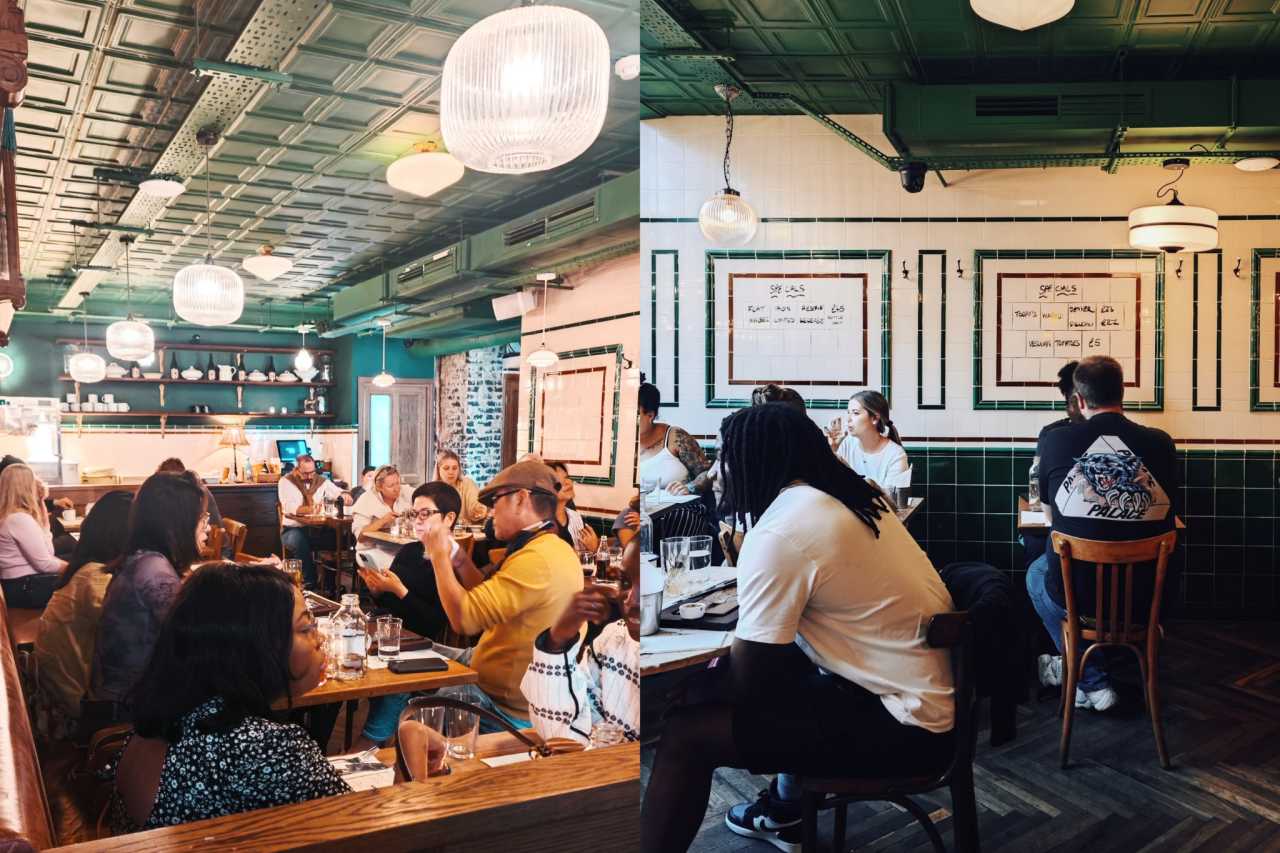
Our first big dinner after landing—chain steakhouse with good reviews (we liked it; forgot to take photos). Atmosphere and taste are good; busy at dinner—book in advance. After the meal they give you a tiny axe keychain—keep as a souvenir or redeem an ice cream.
 Ephesus (Brighton)
Address: 80-82 Preston Street, Brighton BN1 2HG, England
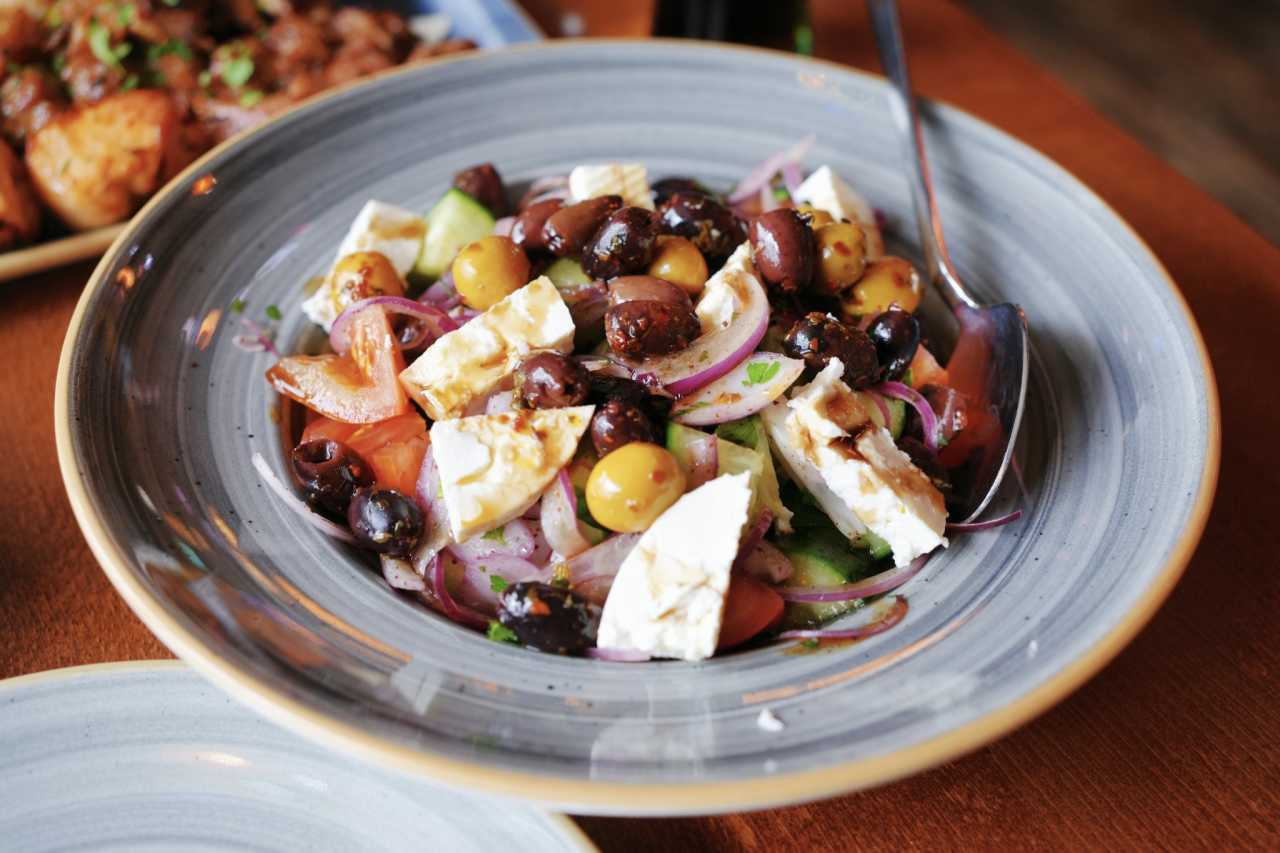
Highly recommend this Middle Eastern restaurant—the mixed grill platter is a must: assorted meats grilled to a crisp outside and tender inside—flavors spot‑on for Asian palates. Salad cuts the grease; the flatbread has great chew. Under ¥200 per person—good value. Don’t miss it in Brighton ~


 Pho Husons
Address: 11 Great Russell St, London WC1B 3NH
Vietnamese pho near the British Museum—decent taste. After too much “Western food,” a hot bowl of beef pho comforts the Asian stomach.


Street food—slightly sweet fried rice.
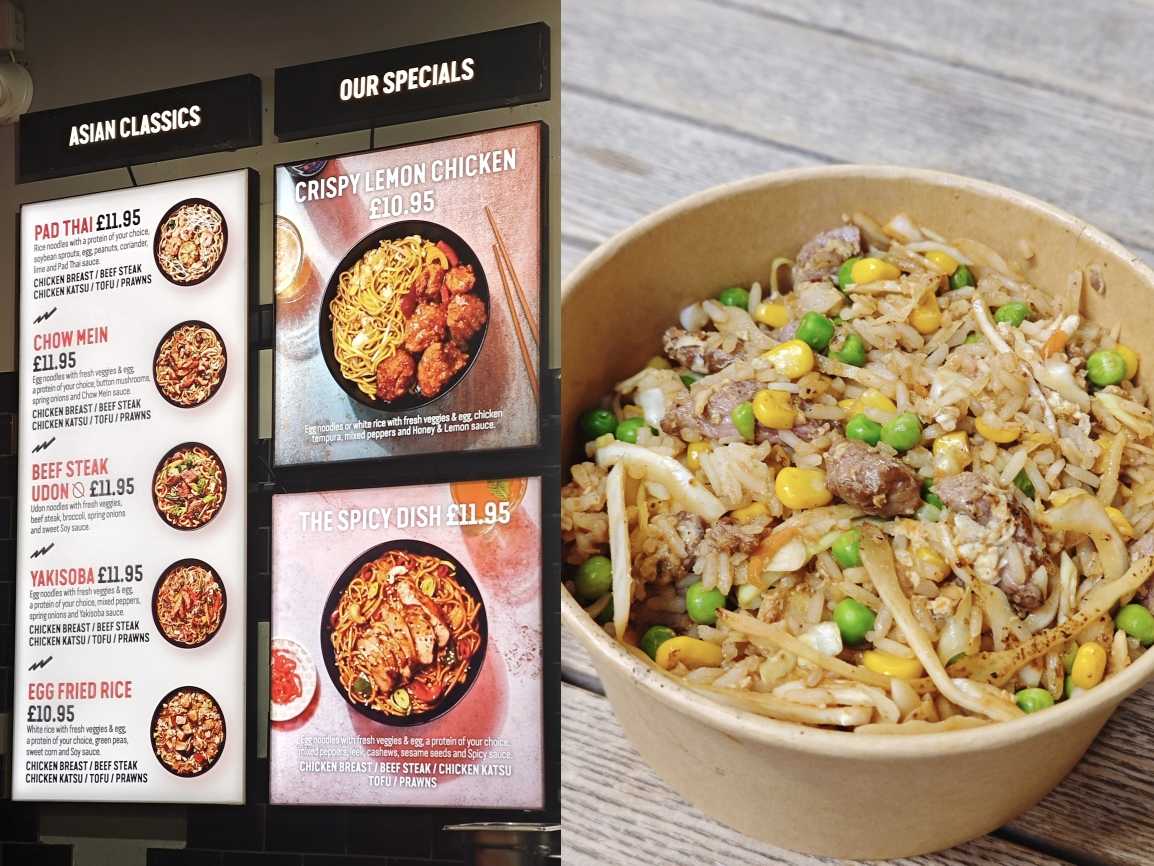
Biangbiang noodles chain in Covent Garden and a Chinese noodle shop in Brighton—when abroad, don’t expect absolute authenticity 
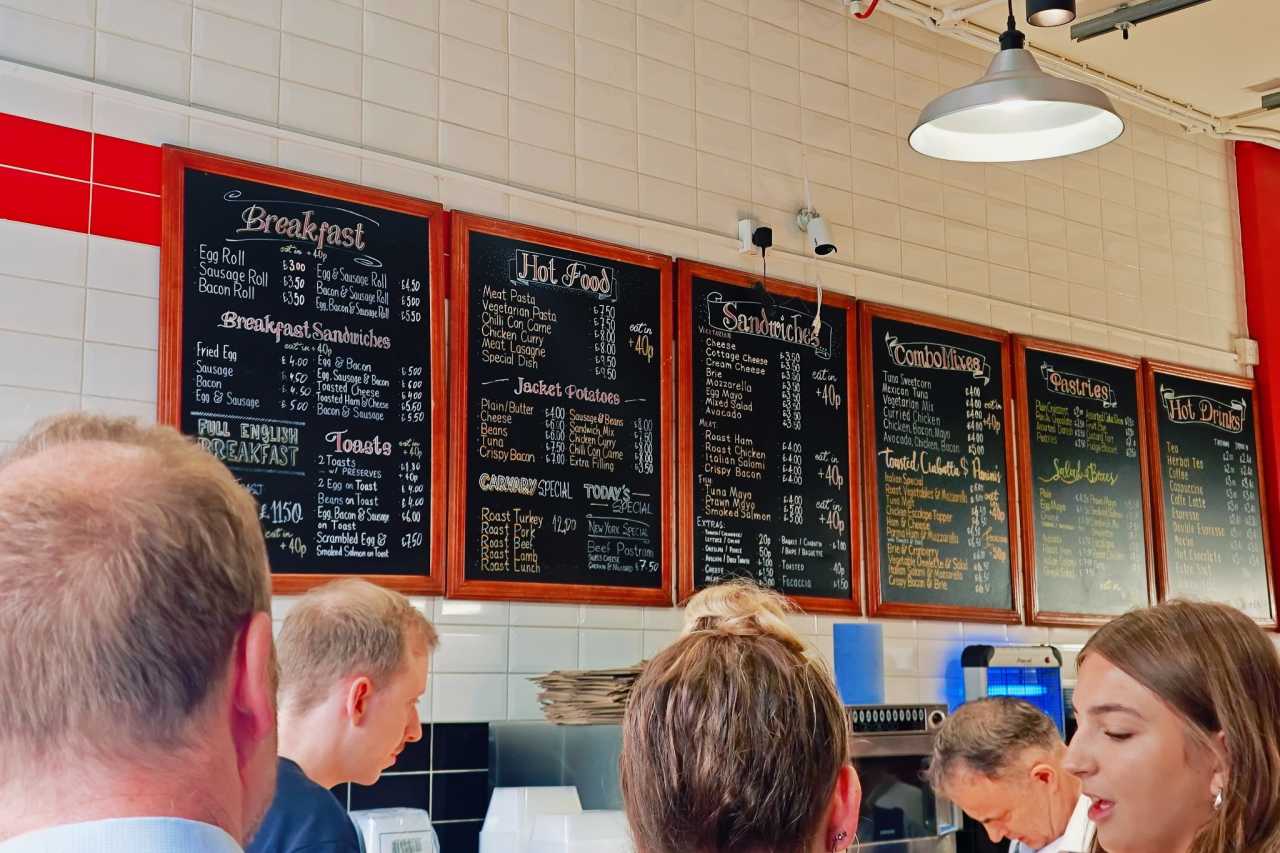
Often poor English limits food exploration. At a sandwich shop we pointed at the menu to order, but the clerk asked a stream of questions—what toppings etc. We half understood and couldn’t express—so to avoid awkwardness, we bought ready‑made from the display—luckily it wasn’t a miss. 
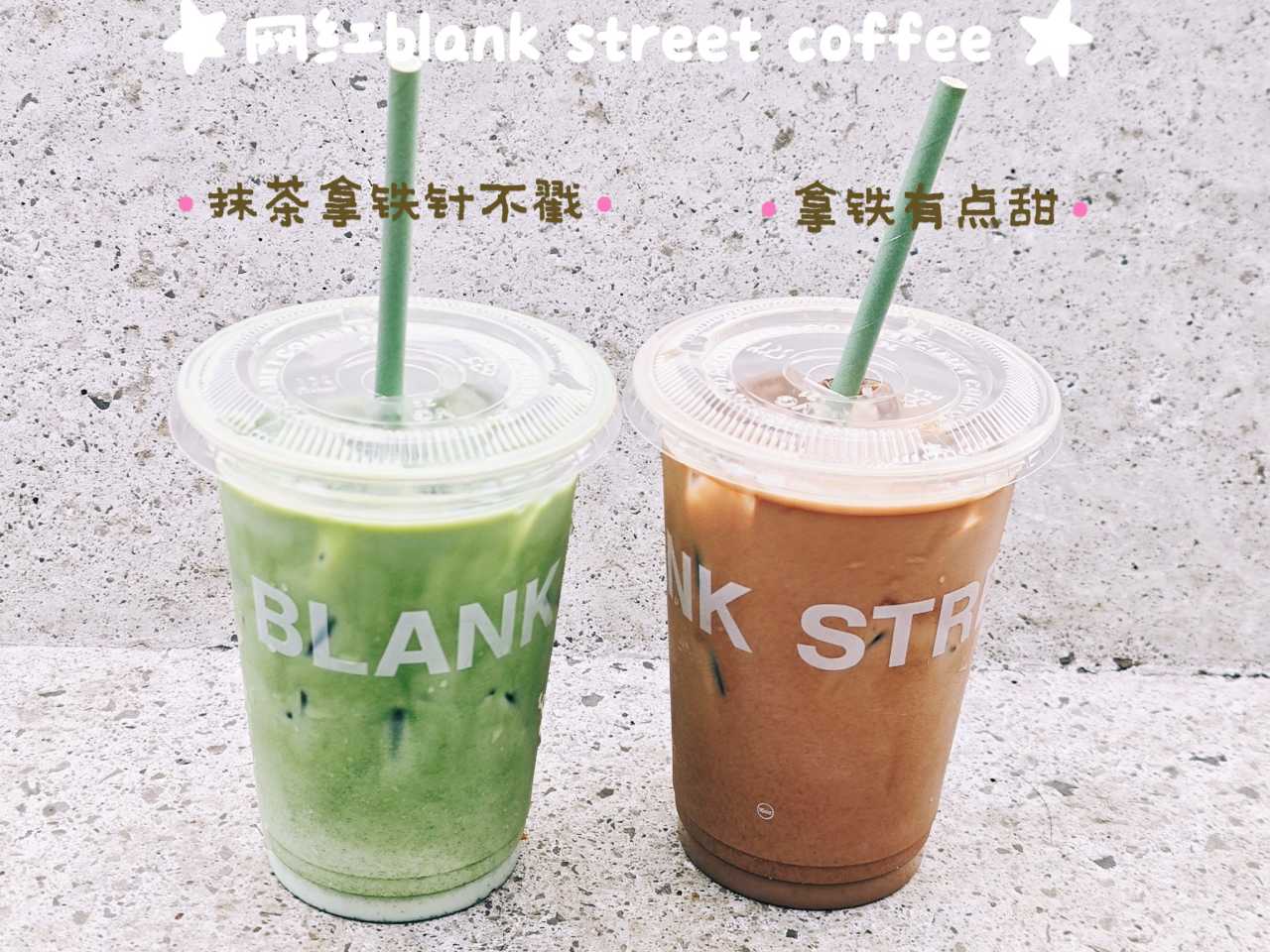
In Hastings we ate a ¥25 meat bun at a Chinese grocery! Delicious yet painful, haha. 
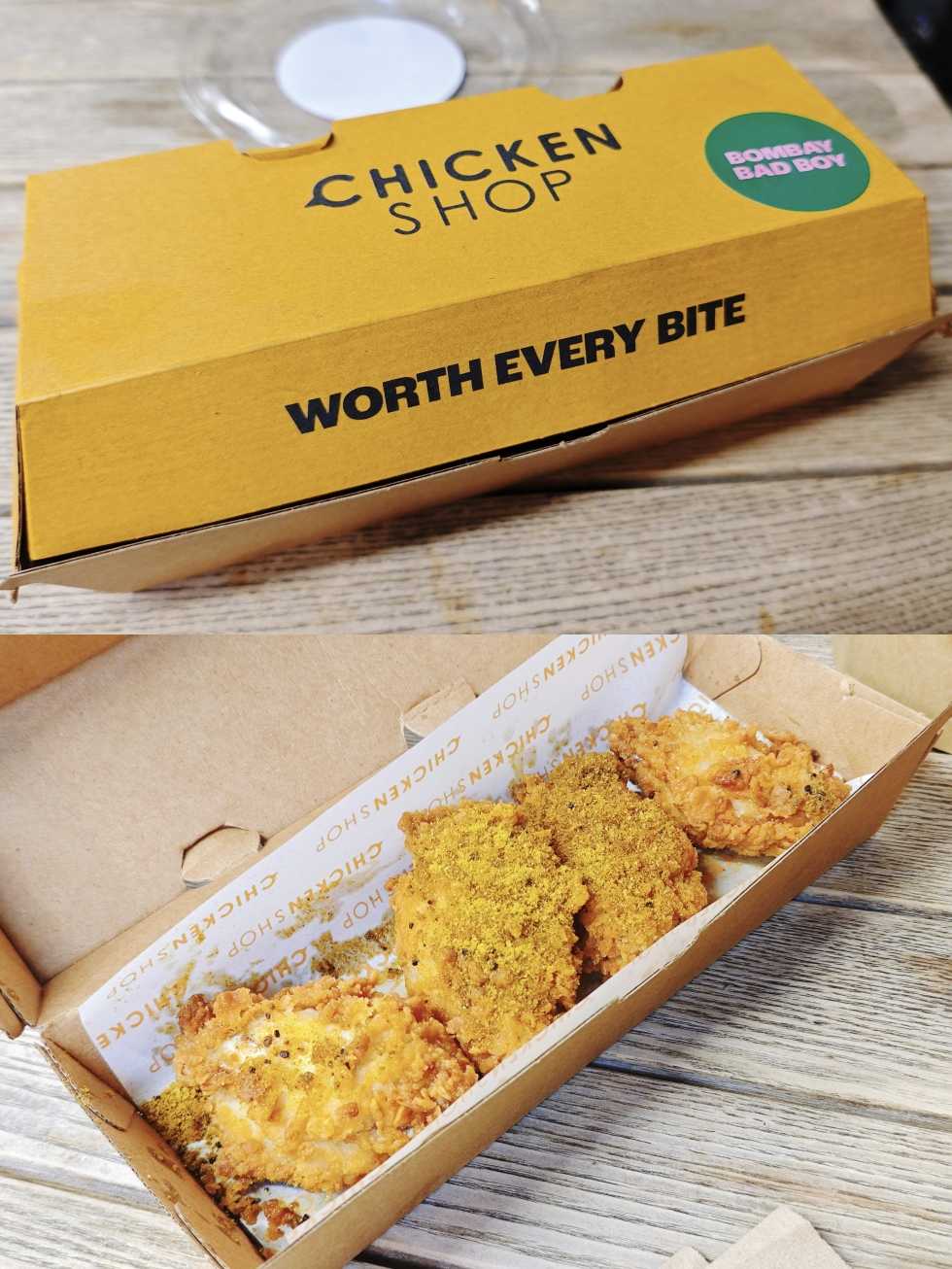
This fried chicken was good ~
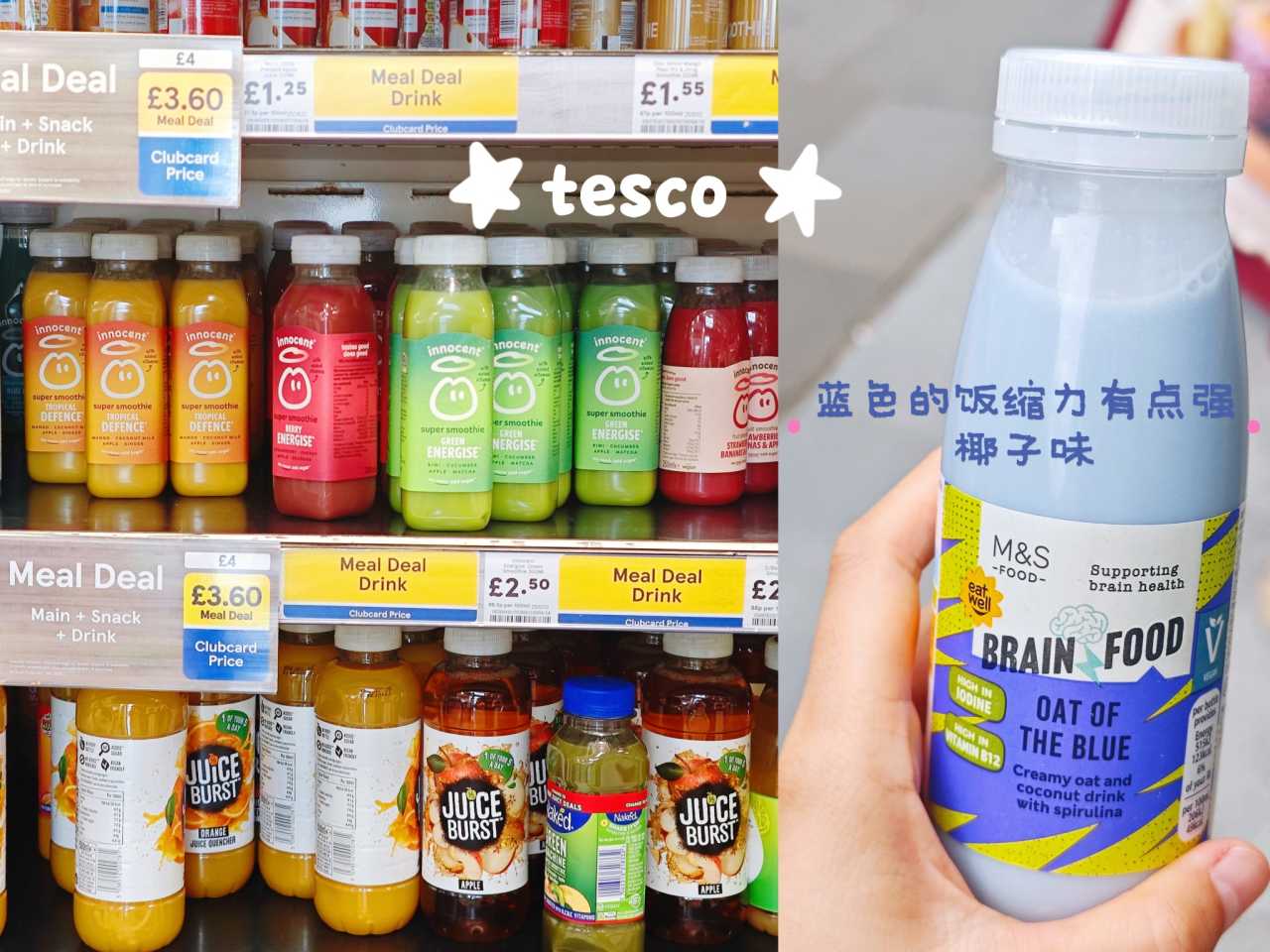
Supermarkets like Tesco and M&S have many tasty snacks. Tesco is relatively cheap; for someone who likes “Western food,” you can even settle meals there sometimes—sandwiches and pasta are good.
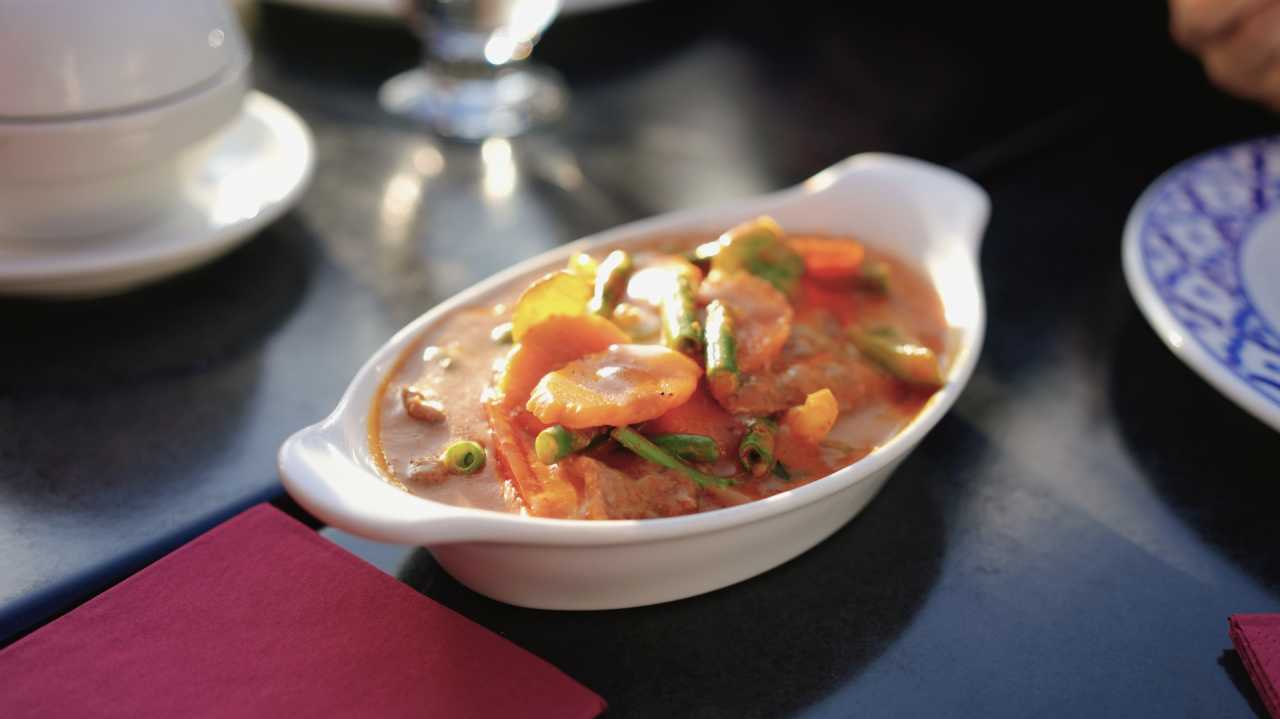
We also ate Thai and Korean—both fine—world cuisine keeps the UK from being a food desert.
About Safety — Not a Big Problem!
Before going, safety worried me. I planned to be alone for much of London; as a soft southern “potato,” I felt even more powerless in Europe. Guides and push articles about phone snatching made me anxious. So I prepared phone straps, hidden waist bags, etc.
In the end, our 10 days landed safely—no incidents. Most areas are fairly safe—not as dangerous as the internet claims. Still, don’t be careless—hold your phone tight; at crowded sights like the British Museum, guides give special reminders. Avoid small alleys or crowded messy spots.
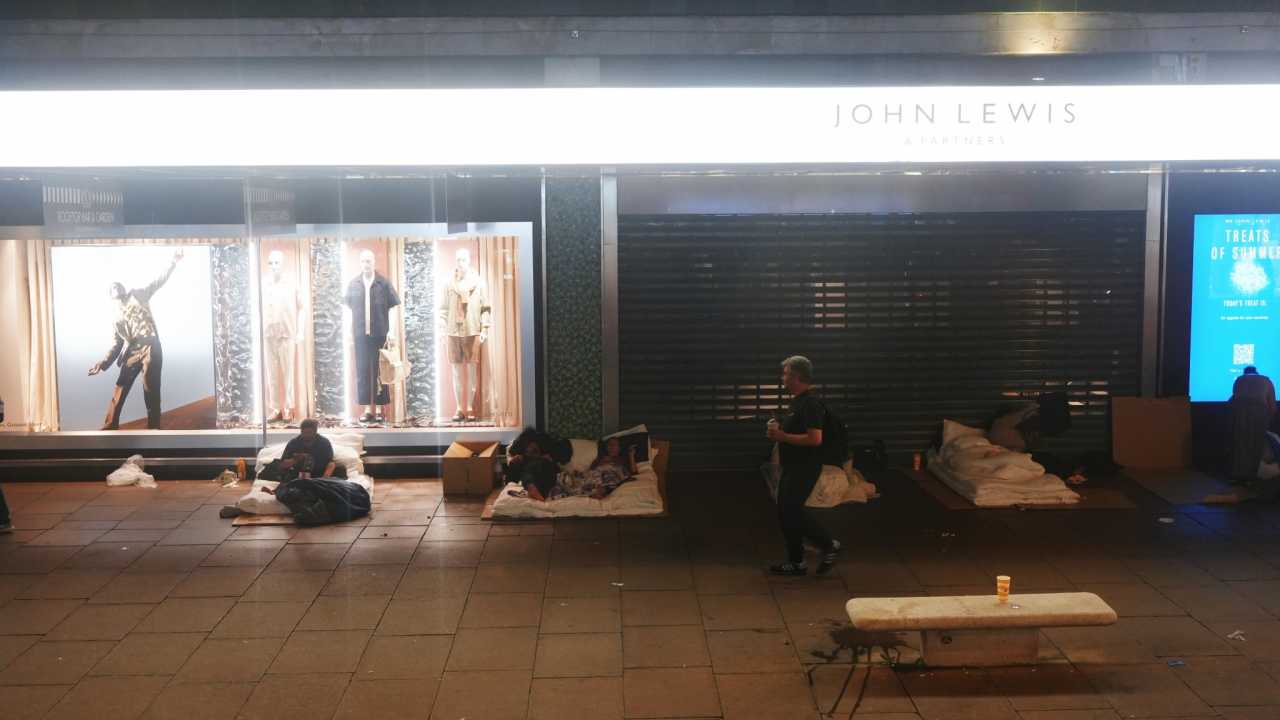
In Brighton I did feel crowds—saw masked bikers—quite scary. Also, don’t wander too late; many homeless sleep on the streets in groups at night. Maintain vigilance without excessive anxiety.
Practical Summary (Budget Travel)
 About the visa
We decided and departed within about a month—did DIY with online guides—fairly convenient. The most tedious part is online application—many pages of information. After submission things are easy—on‑site mainly submit materials, photo, fingerprints—very quick.
Online application: ***
(Fill per requirements, all in English; lots of information—requires patience.)
After filling, pay the visa fee (ours was ¥1286), save the Document Checklist and receipt, print for on‑site. Upload supporting documents on ***, book time and place for fingerprints/photo, and pay for passport return postage.
Address: 2F, Jusher Business Building, 213 Sichuan Middle Rd, Huangpu District, Shanghai
Bring: passport, ID card, appointment letter, checklist (print cover only)
 UK visa DIY materials list
Passport: originals of new/old passports valid >6 months and full scans (all visa/stamp/blank pages)
ID card color scans front/back
Household registration book full scan
Marriage certificate (if any)
Employment proof (English) including company address/phone, applicant name/title/income/start date, leave info, fee bearer; signed and stamped by responsible person
Business license copy with red stamp
Bank statements: last 6 months salary account (balance recommended >¥50,000) showing stable income/reasonable spending—avoid large temporary deposits
Deposit certificate (no freeze; recommend >¥50,000)
Detailed English itinerary plan
If you receive the following email, the visa is basically approved!