 haopass.top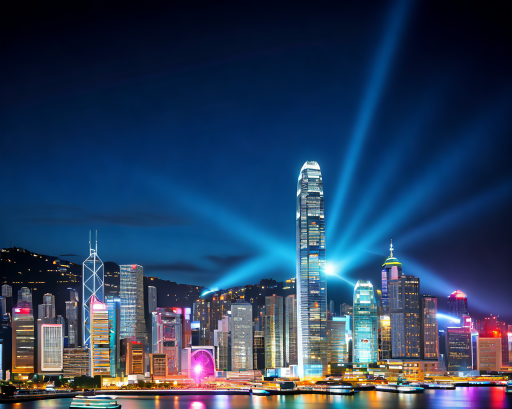
Victoria Harbour: The Pulsating Heartbeat of Hong Kong
To understand Hong Kong, you must first understand its harbour. Victoria Harbour is not merely a body of water separating Hong Kong Island from the Kowloon Peninsula; it is the city’s lifeblood, its defining landmark, and the stage upon which its dramatic history has unfolded. For over a century, this deep, sheltered harbour has been the engine of the city’s prosperity, transforming a collection of fishing villages into one of the world’s most iconic metropolises. More than a port, it is a living, breathing entity—a shimmering ribbon of blue that reflects the city’s dazzling skyline by day and becomes a canvas of light by night. This article delves into the past, present, and enduring magic of Victoria Harbour, exploring why it remains the undisputed soul of Hong Kong.
A Harbour Forged by History and Ambition
The story of Victoria Harbour is inextricably linked to the story of modern Hong Kong. Its natural advantages—deep waters, strategic location, and protection from typhoons—were what first caught the eye of the British Empire in the 19th century. Following the First Opium War, the establishment of the Victoria City settlement on the northern shore of Hong Kong Island marked the harbour’s transformation from a local fishing ground into a global trading hub. The harbour quickly became a symphony of clattering cargo ships, bustling ferries, and the industrious energy of a colony on the rise. It witnessed the arrival of migrants, the shipment of tea and silk, and the rapid development of the iconic skyline that would come to define its shores.
From Wharves to Wonders: The Harbour’s Evolving Face
The harbour’s function has continually evolved. In its early decades, the waterfront was a chaotic, vital mess of godowns (warehouses), shipyards, and military docks. The famous Star Ferry, established in 1888, began as a humble steamboat service for cross-harbour passengers, a role it still endearingly fulfills today. The 20th century saw massive land reclamation projects, most notably after World War II, which gradually shaped the harbour’s current contours. Landmarks like the Connaught Centre (now Jardine House) and later the Bank of China Tower rose as testaments to the city’s financial ascent, their reflections forever dancing on the harbour’s surface. Each phase of construction, each new skyscraper, was a statement of ambition, mirrored in the waters below.
The Modern Harbour: A Tapestry of Experiences
Today, Victoria Harbour is a multi-sensory experience, offering a myriad of ways to engage with its beauty. It is a public space, a transport artery, and the city’s premier venue for spectacle.
Crossing the Harbour: More Than Just a Commute
The most authentic way to connect with the harbour is to traverse it. The Star Ferry remains one of the world’s greatest travel bargains. The short journey between Central and Tsim Sha Tsui offers a front-row seat to the architectural majesty of both skylines, with the salty breeze and chugging engine providing a timeless soundtrack. For a faster, subterranean crossing, the MTR’s East Rail Line now runs through the Cross-Harbour Tunnel, but the ferry’s charm is irreplaceable. Alternatively, the Hong Kong Observation Wheel on the Central waterfront provides a stationary but elevated perspective, perfect for panoramic photos.
Strolling the Promenades: A Walk Through Postcards
The harbour is framed by world-class promenades that invite leisurely exploration. On the Kowloon side, the Tsim Sha Tsui Promenade, with its Avenue of Stars, is the classic vantage point for viewing the Hong Kong Island skyline. Heading east, the Hung Hom to North Point Ferry walkway offers a quieter, more local experience. On the Island side, the Central and Western District Promenade and the extended Wan Chai to Causeway Bay waterfront are dotted with public art, trendy al fresco dining, and viewing platforms. These walks physically connect the citizen to the water, a relationship that reclamation once threatened to diminish.
The Symphony of Lights and Fireworks
As dusk falls, Victoria Harbour undergoes its daily metamorphosis. The “A Symphony of Lights” multimedia show, recognized by Guinness World Records as the world’s largest permanent light and sound festival, bathes over 40 skyscrapers in synchronized beams, lasers, and music. While touristy, it is a breathtaking demonstration of the city’s technological flair and collective identity. On special occasions like Chinese New Year or National Day, the harbour sky erupts in spectacular fireworks displays, their brilliant colours reflecting off the water to the cheers of thousands gathered on both shores.
Challenges, Conservation, and the Future
Victoria Harbour’s story is not without its tensions. Its greatest physical challenge has been land reclamation. While it provided essential space for development, successive projects have narrowed the harbour, threatening its natural flow, water quality, and the very sense of openness that defines it. Public outcry in recent decades has led to greater scrutiny and a “Protect the Harbour” movement, advocating for a balance between development and preservation.
Environmental concerns also loom large. As a major port in a dense metropolis, the harbour faces pollution pressures. Efforts to improve water quality, protect marine life, and promote sustainable practices are ongoing battles. The future of Victoria Harbour lies in managing it not just as a economic asset, but as a cherished natural and communal resource. Projects now increasingly focus on public access, ecological enhancement, and cultural vitality, ensuring the harbour remains a place for people, not just for ships and skyscrapers.
Iconic Vistas and Lasting Impressions
No visit to Hong Kong is complete without seeking out its classic harbour views. Key spots include:
- Victoria Peak: The bird’s-eye view from the Peak Tower lookout is unparalleled, especially at twilight when the city begins to glow.
- Sky100 Observatory: From the 100th floor of the International Commerce Centre (ICC) in West Kowloon, you look *down* on the harbour and the Peak.
- Aboard a Traditional Junk: Sailing on the Duk Ling or a modern tourist junk offers a historic and peaceful perspective away from the shore.
- From a Rooftop Bar: Venues like Aqua Spirit in Tsim Sha Tsui or Sevva in Central offer a luxurious cocktail with a side of breathtaking harbour scenery.
Conclusion: The Eternal Harbour
Victoria Harbour is the constant in Hong Kong’s narrative of relentless change. It has been a witness to empire, war, economic miracle, and handover. It has seen junks give way to container ships and fishing villages morph into financial citadels. Through it all, the harbour has endured as the city’s geographic and spiritual center. It is a place of daily commute and weekend respite, of dazzling spectacle and quiet reflection. It is both a symbol of Hong Kong’s worldly prowess and a reminder of its intimate, maritime soul. To stand by its waters, feeling the pulse of the city and watching the perpetual dance of light and movement, is to connect with the very essence of Hong Kong—dynamic, resilient, and forever captivating. Victoria Harbour isn’t just what Hong Kong looks at; it is, in many ways, what Hong Kong is.